Slideshow · Lifestyle
20 Christian Crosses and Their Stories
Christian crosses and their stories span two millennia of sacred art, martyrdom, and theological tradition. From simple catacomb scratchings to monumental stone monuments, each distinct shape carries a specific history. This curated survey examines twenty historic cross designs and their enduring meanings.

By Most Viral Today
2 hours ago

Two Millennia of Sacred Symbols 
20. Latin Cross 
19. Tau Cross 
18. Anchor Cross - AdvertisementSwipe or tap ▶ to continue countdown

17. Saint Peter Cross 
16. Saint Andrew Cross 
15. Celtic Cross 
14. Byzantine Three-Bar Cross - AdvertisementSwipe or tap ▶ to continue countdown

13. Jerusalem Cross 
12. Maltese Cross 
11. Patriarchal Cross 
10. Papal Cross - AdvertisementSwipe or tap ▶ to continue countdown

9. Saint George Cross 
8. Lorraine Cross 
7. Canterbury Cross 
6. Huguenot Cross - AdvertisementSwipe or tap ▶ to continue countdown

5. Russian Orthodox Cross 
4. Coptic Cross 
3. Lalibela Cross 
2. San Damiano Cross - AdvertisementSwipe or tap ▶ to continue countdown

1. Grapevine Cross - Advertisement🔥 UP NEXT IN THIS SERIES◫ 25 Slides

24 Classic American Foods Travelers Miss Most When Living Abroad
Living or traveling overseas often reveals how many everyday American pantry staples and regional diner classics are hard to find outside North America. Counting down from 24 to 1, this gallery pairs expat favorites with culinary origins from the Library of Congress, USDA records, and state historical archives.
Based on historical records and scholarly documentation from Britannica, the British Museum, Vatican News, and the Metropolitan Museum of Art. These twenty crosses represent major Christian traditions across Europe, Africa, and the Near East. Each entry details archaeological origins and sacred symbolism.
Swipe or tap ▶ to begin the countdown
©Wikimedia / Christian Ferrer
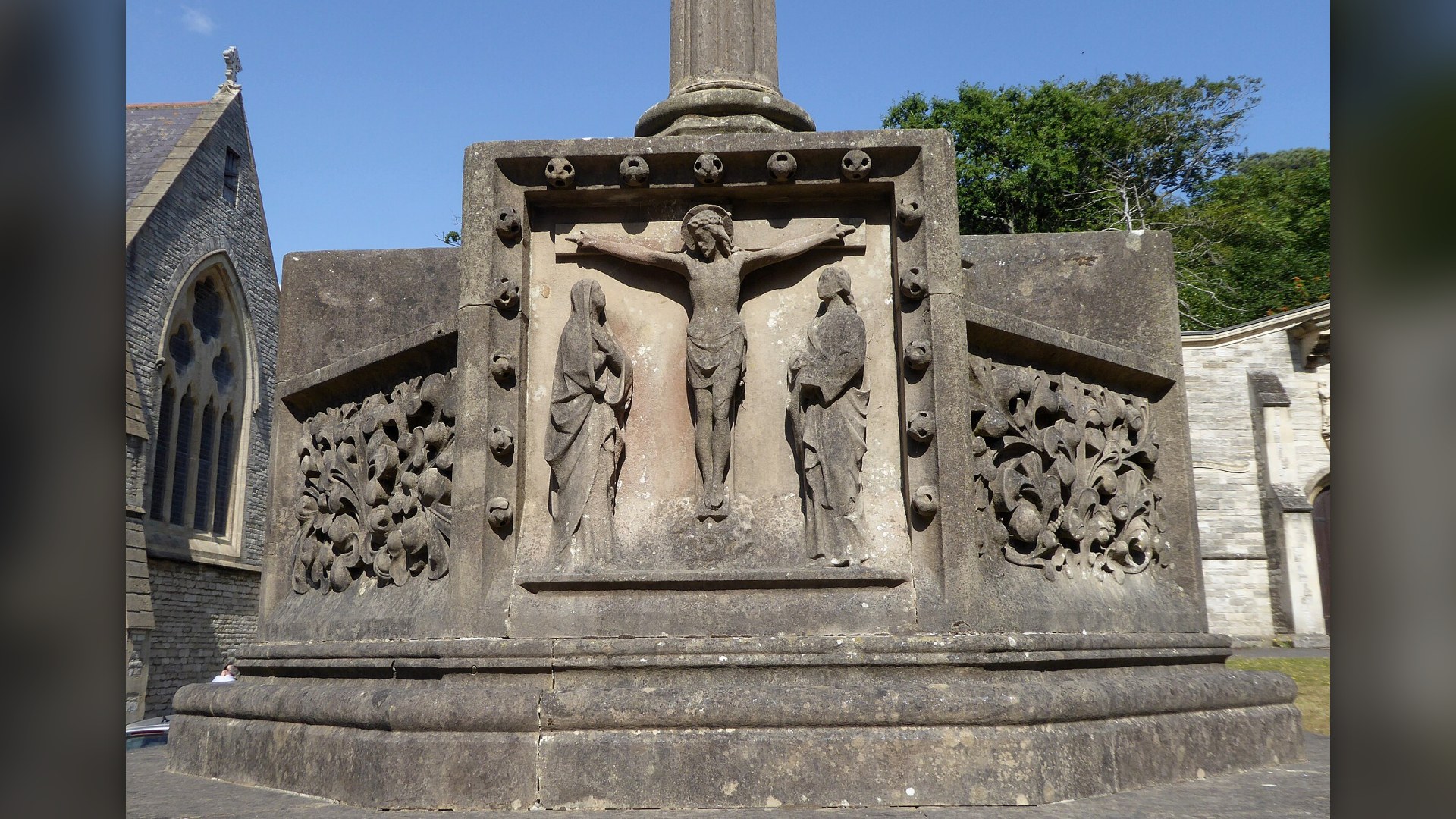
20. Latin Cross
The Latin Cross, also known as the Crux Immissa, is the most recognized symbol of Western Christianity. Archaeological evidence shows its widespread adoption following Emperor Constantine legalisation of Christianity in 313 AD. Its extended vertical descent reflects the physical proportions of Roman crucifixion poles.
©Wikimedia / Rundvald
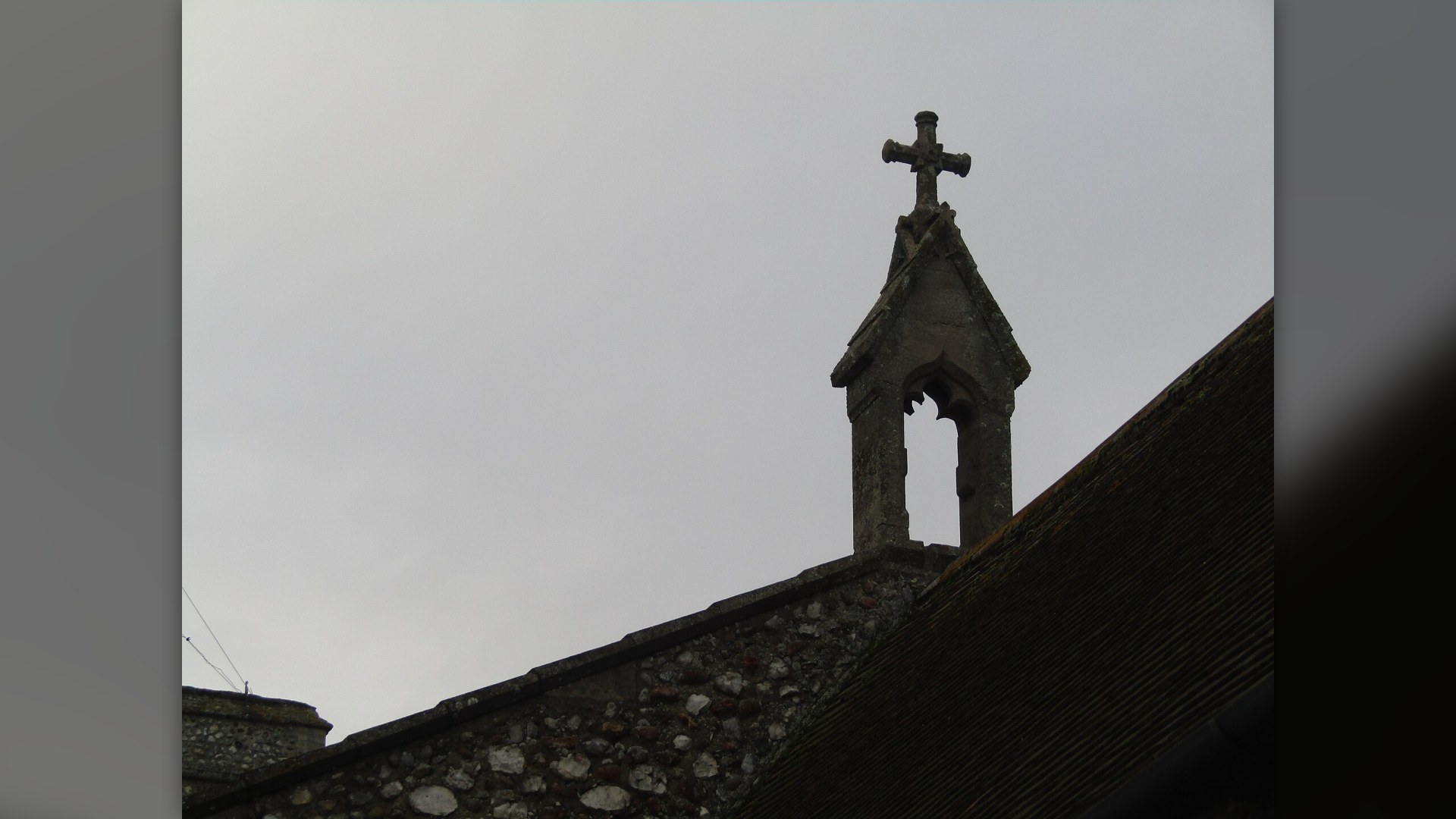
19. Tau Cross
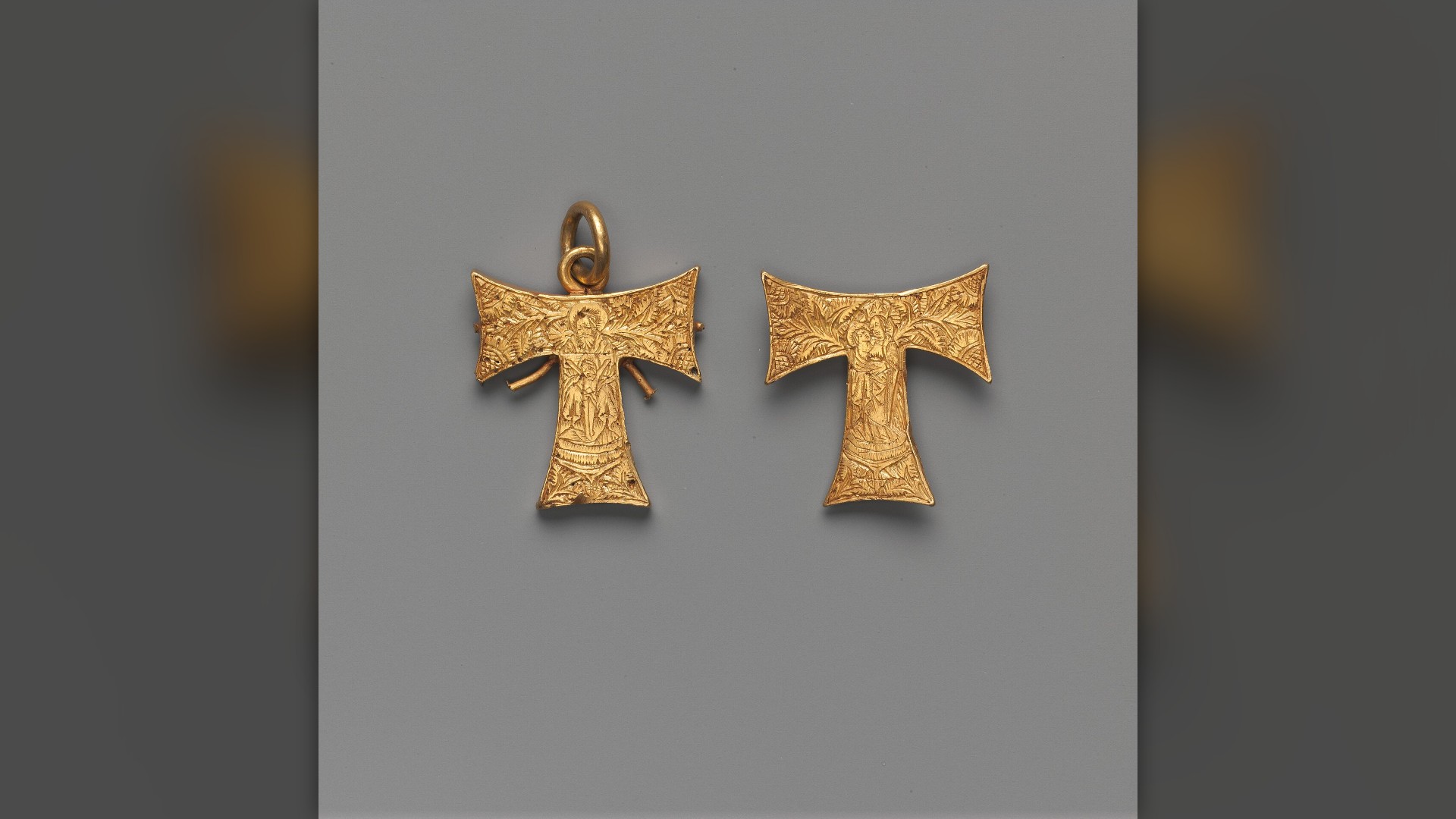
The Tau Cross takes the shape of the nineteenth letter of the Greek alphabet, resembling a capital T. Saint Francis of Assisi adopted the symbol in 1215 after Pope Innocent III used it to open the Fourth Lateran Council. Francis drew the mark on letters and painted it on the walls of hermitage cells in central Italy.
©Wikimedia / This file was donated to Wikimedia Commons
18. Anchor Cross
Early Christians carved anchor crosses into Roman catacomb walls during third-century imperial persecutions. The design cleverly concealed the crossbar within the top ring and stock of a ship anchor. The image drew directly on Hebrews chapter six verse nineteen, describing hope as an anchor.
©Wikimedia / Pixabay user "eroc1999".
Advertisement
Swipe or tap ▶ to resume the countdown.
17. Saint Peter Cross
The Cross of Saint Peter features an inverted Latin cross with the transverse bar situated near the bottom. Early church historian Eusebius recorded that the apostle Peter requested inverted crucifixion in Rome around 64 AD, deeming himself unworthy to die like Christ. The Vatican maintains the emblem on papal thrones.
©Wikimedia / Ethan Doyle White
16. Saint Andrew Cross
The Saint Andrew Cross, or saltire, forms a diagonal X shape across its axes. Tradition records that the apostle Andrew was martyred on a diagonal timber frame in Patras, Greece, around 60 AD. King William the Lion adopted the white diagonal cross on a blue field as the official national emblem of Scotland in 1180.
©Wikimedia / Kolforn ( Kolforn ) I'd appreciate if you could
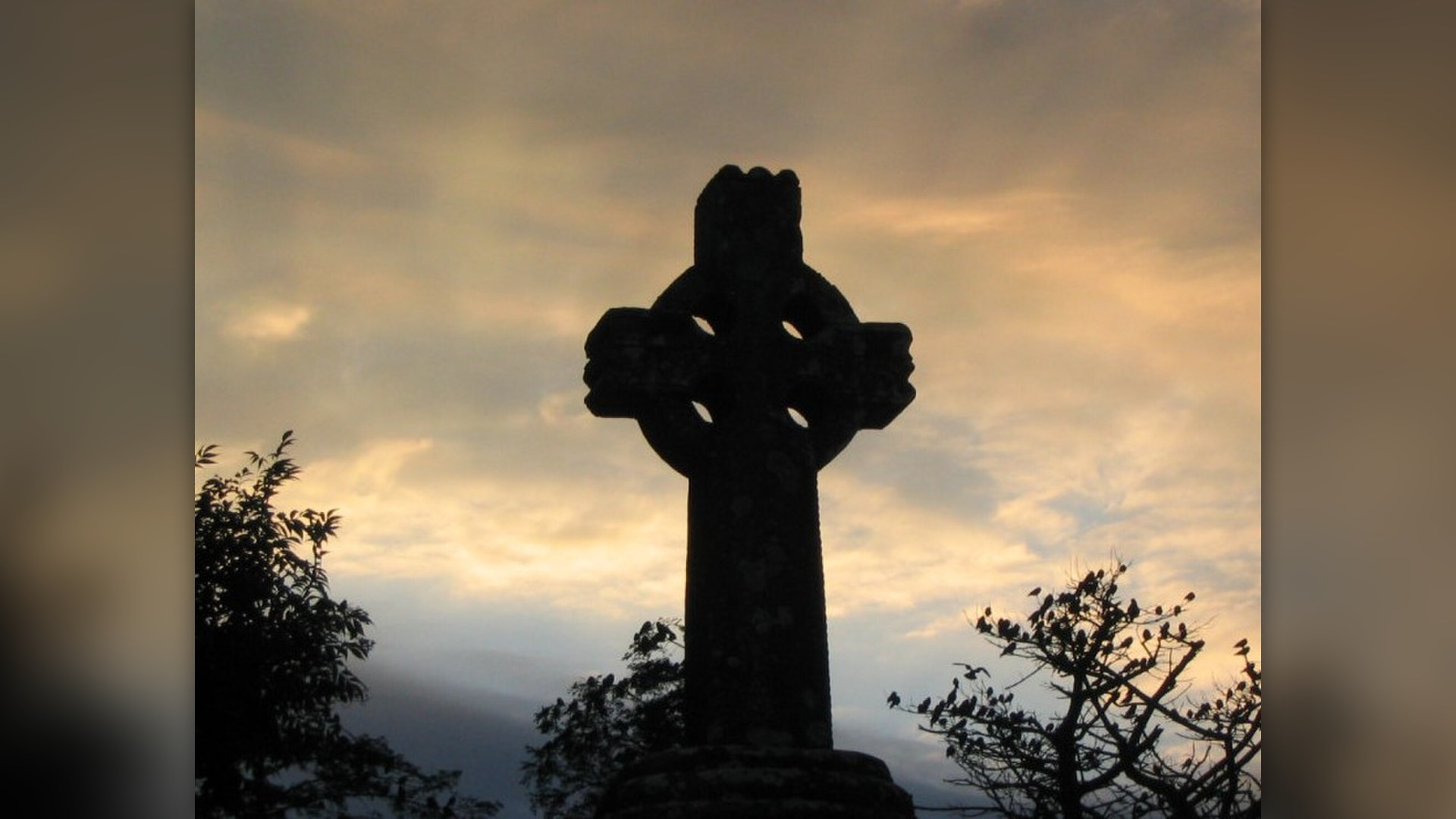
15. Celtic Cross
The Celtic Cross combines a Latin cross with a circular ring connecting the four intersecting arms. Monastic masons carved towering sandstone high crosses across Ireland and western Scotland between the eighth and twelfth centuries. The circle provided structural stability while symbolizing the eternal nature of God.
©Wikimedia / Sebd
14. Byzantine Three-Bar Cross
The Byzantine Cross, standard across Eastern Orthodoxy, incorporates three horizontal crossbars along its vertical beam. The top bar represents the title board inscribed by Pontius Pilate, while the slanted bottom bar symbolizes the footrest. Its tilt points upward toward the penitent thief crucified beside Christ.
©Wikimedia / Salisbury and South Wiltshire Museum
Advertisement
Swipe or tap ▶ to resume the countdown.
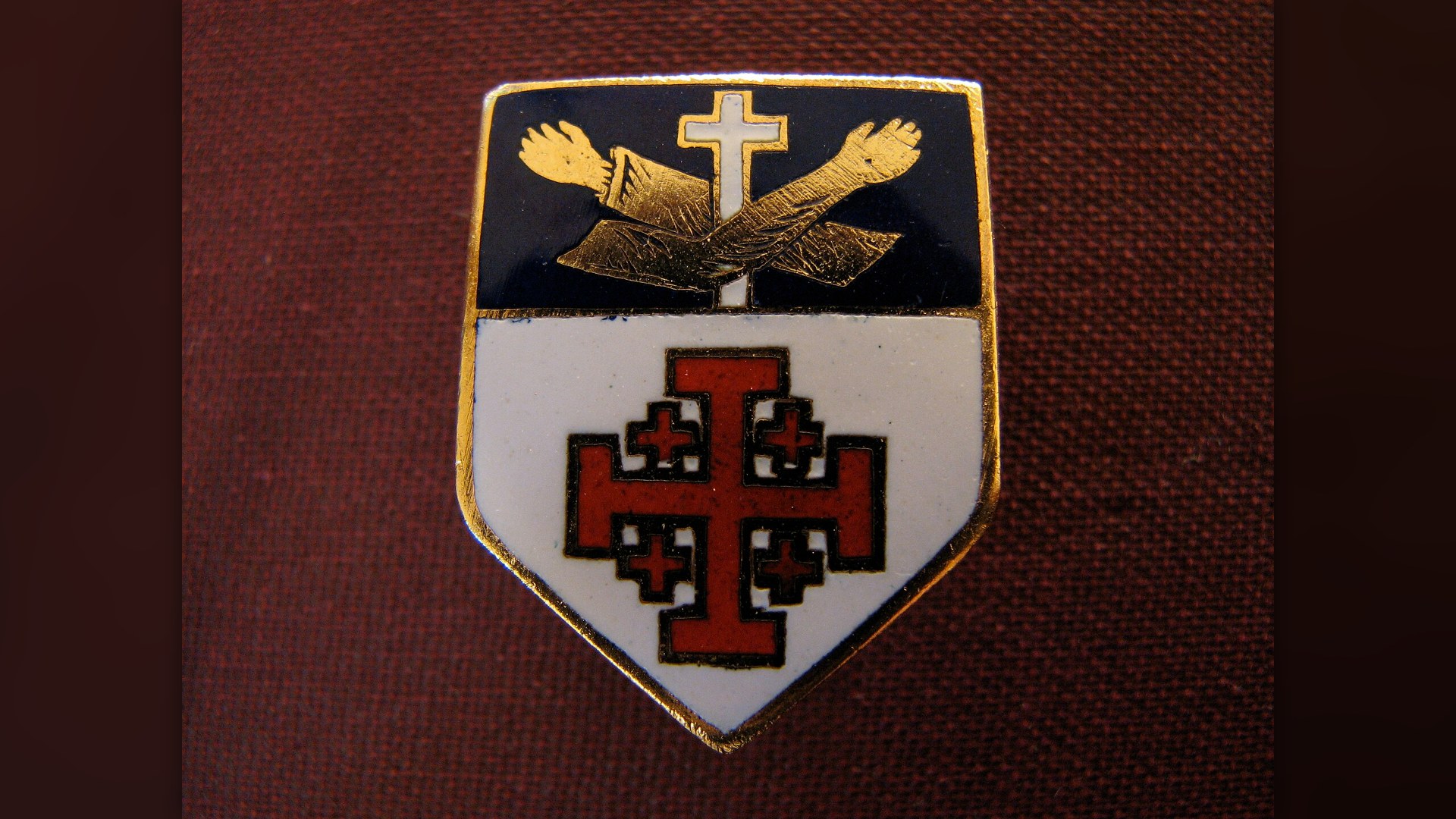
13. Jerusalem Cross
The Jerusalem Cross features a large central cross surrounded by four smaller Greek crosslets in each quadrant. Crusader leader Godfrey of Bouillon adopted the design in 1099 following the capture of Jerusalem. The five crosses commemorate the five holy wounds suffered by Jesus at Calvary.
©Wikimedia / Abraham
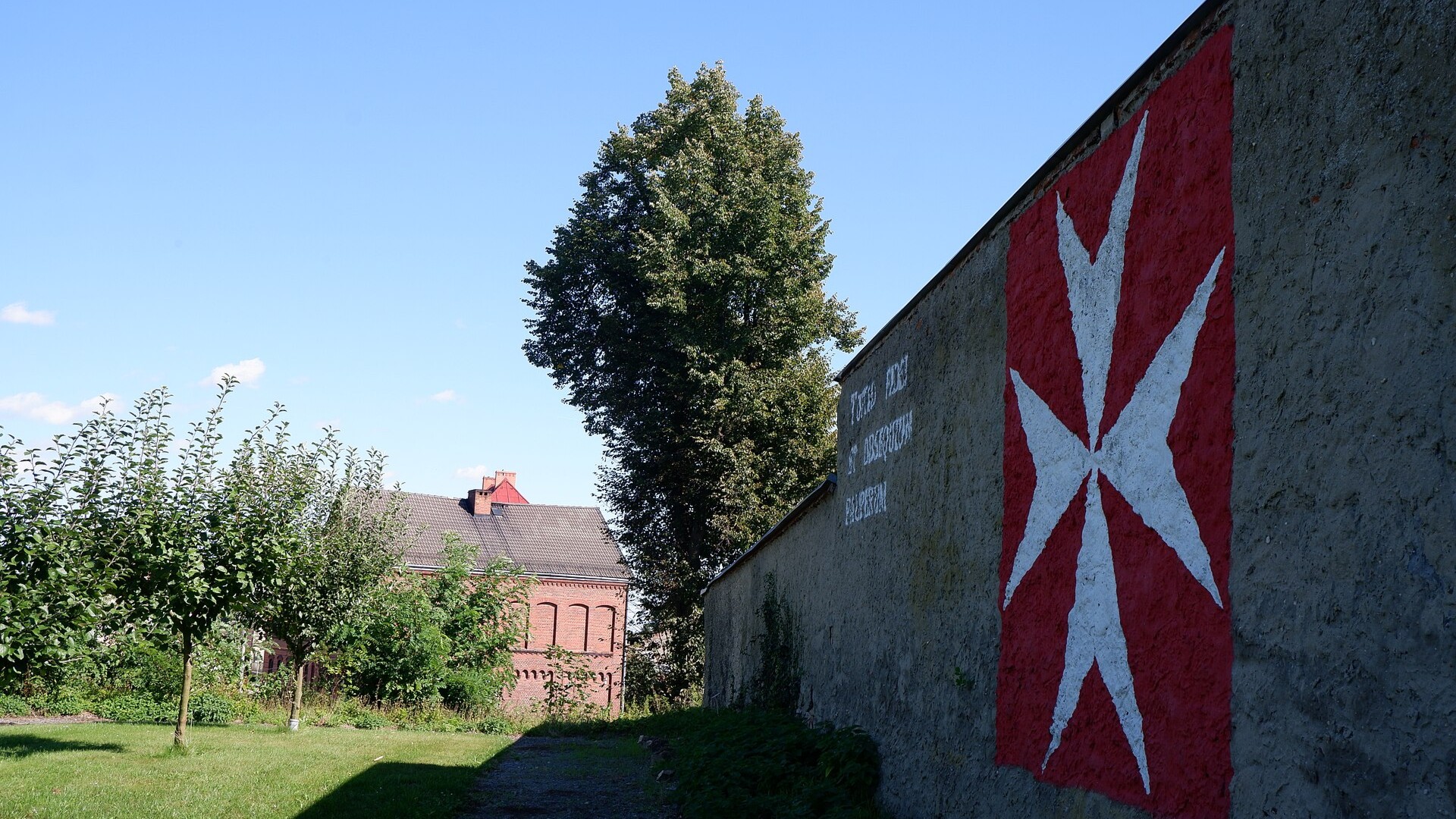
12. Maltese Cross
The Maltese Cross features four arrow-shaped arms that taper inward to meet at a central point, forming eight external tips. The Knights Hospitaller of Saint John established the emblem in the eleventh century during the Crusades. The eight sharp points commemorate the eight biblical Beatitudes preached by Jesus.
©Wikimedia / Kamil Czaiński
11. Patriarchal Cross
The Patriarchal Cross features two horizontal bars, with the shorter upper bar denoting an archiepiscopal title board. Byzantine emperor Justinian II minted the emblem on imperial gold coins starting in 692 AD. King Bela III brought the cross to Hungary in 1190, where it remains prominent on the national coat of arms.
©Wikimedia / Patriarkalkors
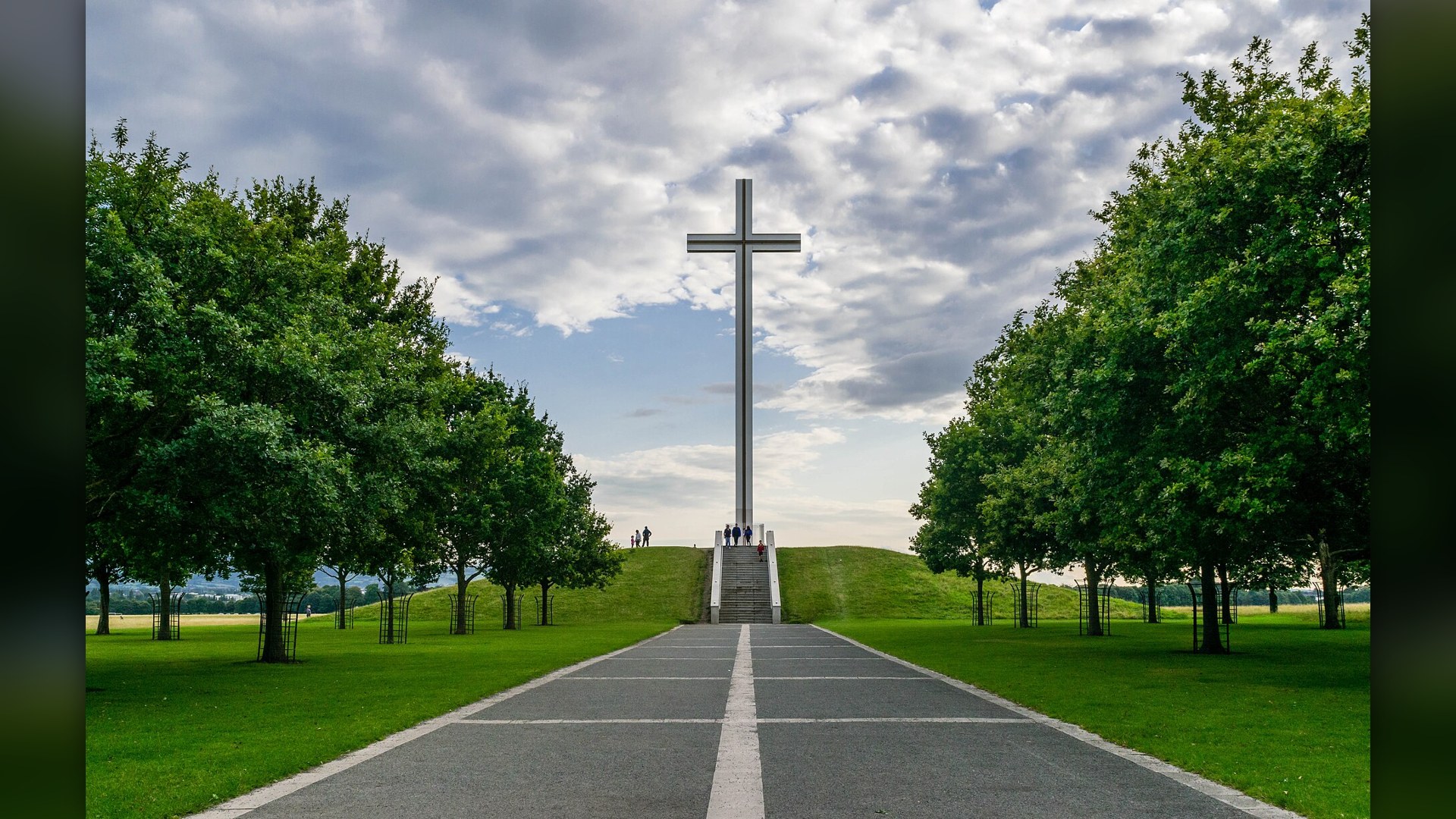
10. Papal Cross
The Papal Cross carries three horizontal crossbars of diminishing width along its upper stem. Official Vatican heraldry since the fourteenth century uses the bars to denote the Pope triple teaching, pastoral, and judicial authority. Pontifical cross-bearers carry the staff ahead of major public liturgies.
©Wikimedia / Oliver Gargan
Advertisement
Swipe or tap ▶ to resume the countdown.
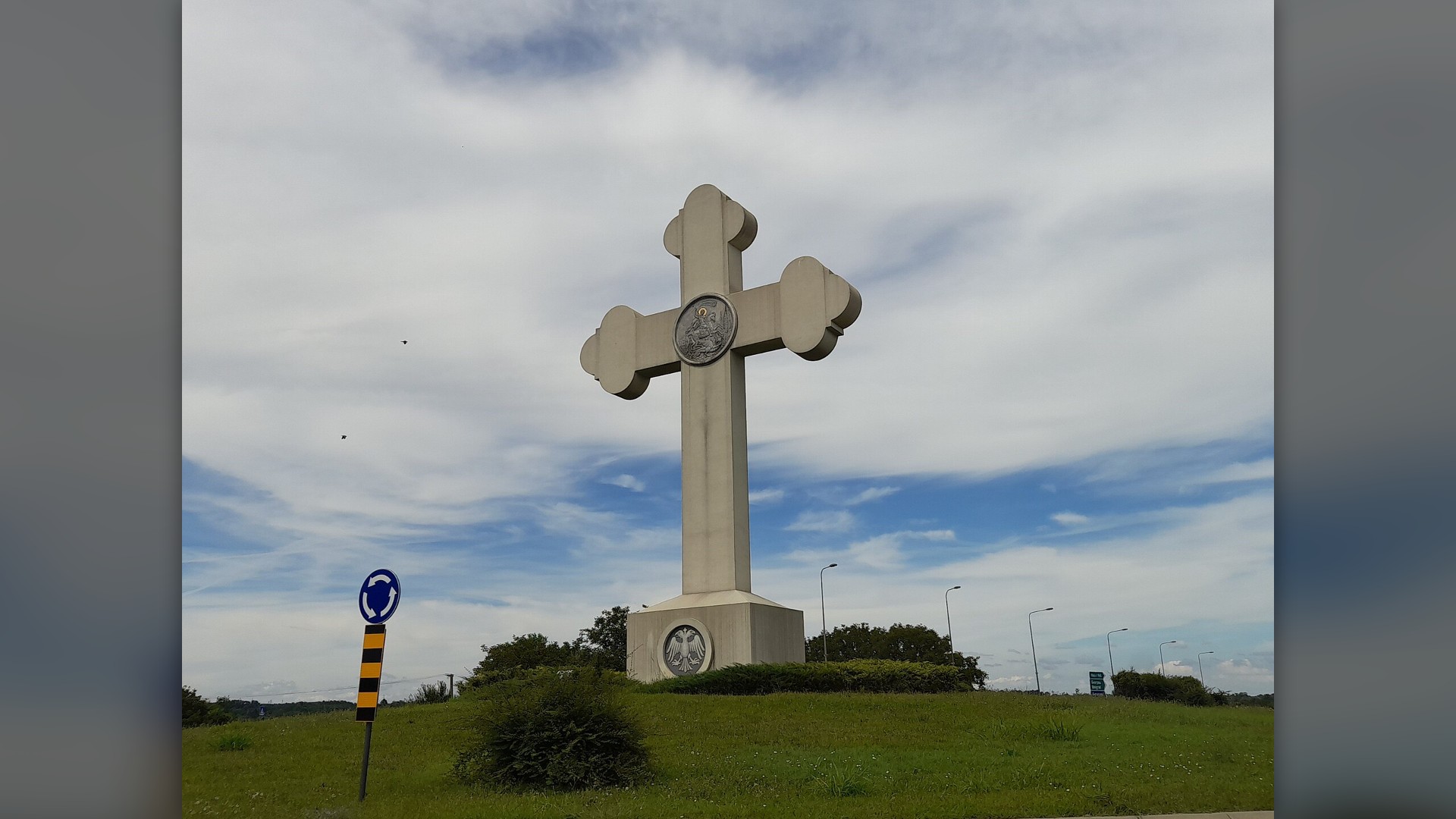
9. Saint George Cross
The Cross of Saint George consists of a red Greek cross centered on a solid white background. English crusaders adopted the insignia during the Third Crusade in 1189, honoring Saint George. King Edward III made the emblem the official banner of England when establishing the Order of the Garter in 1348.
©Wikimedia / Bis-Serjetà?
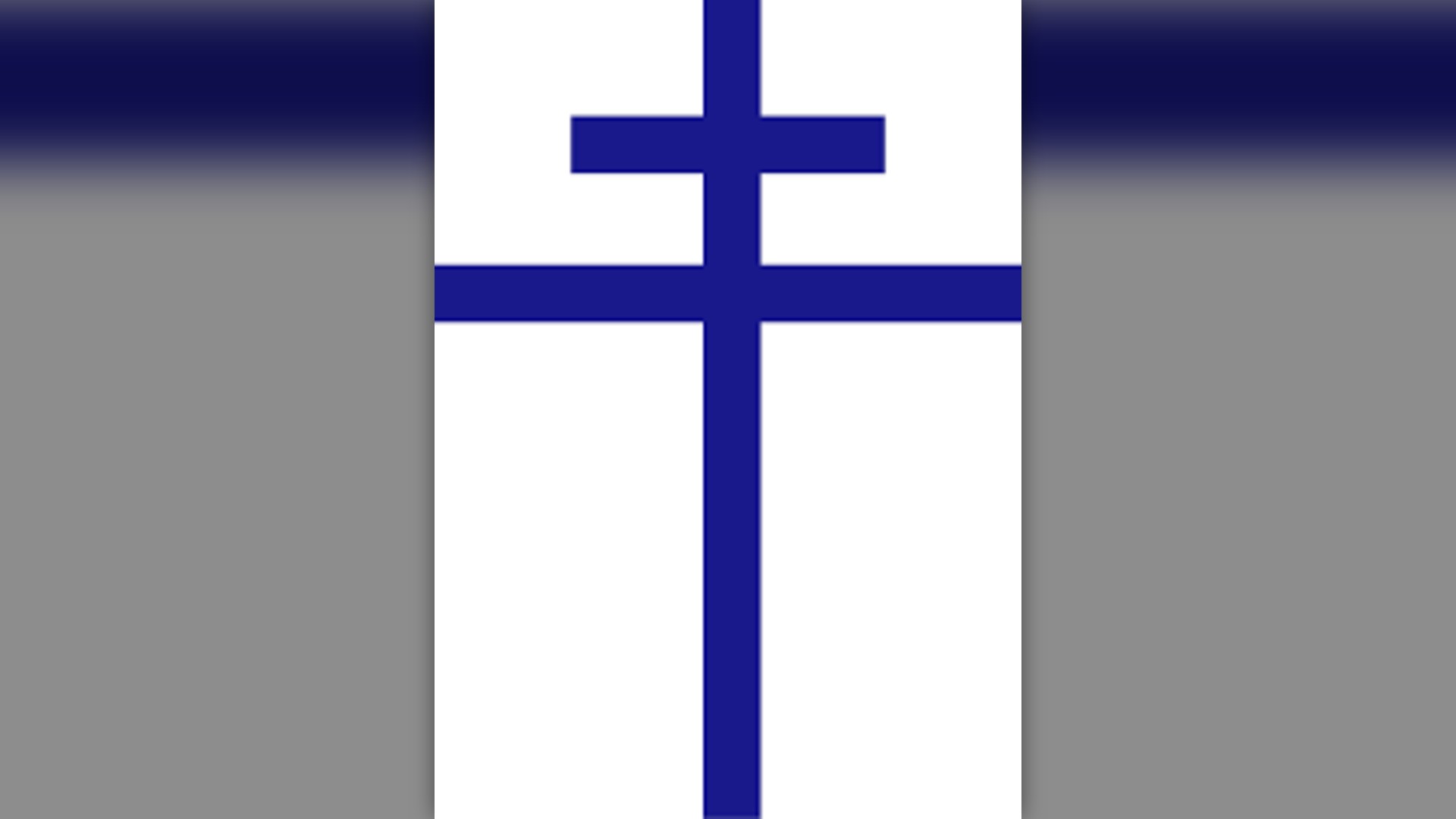
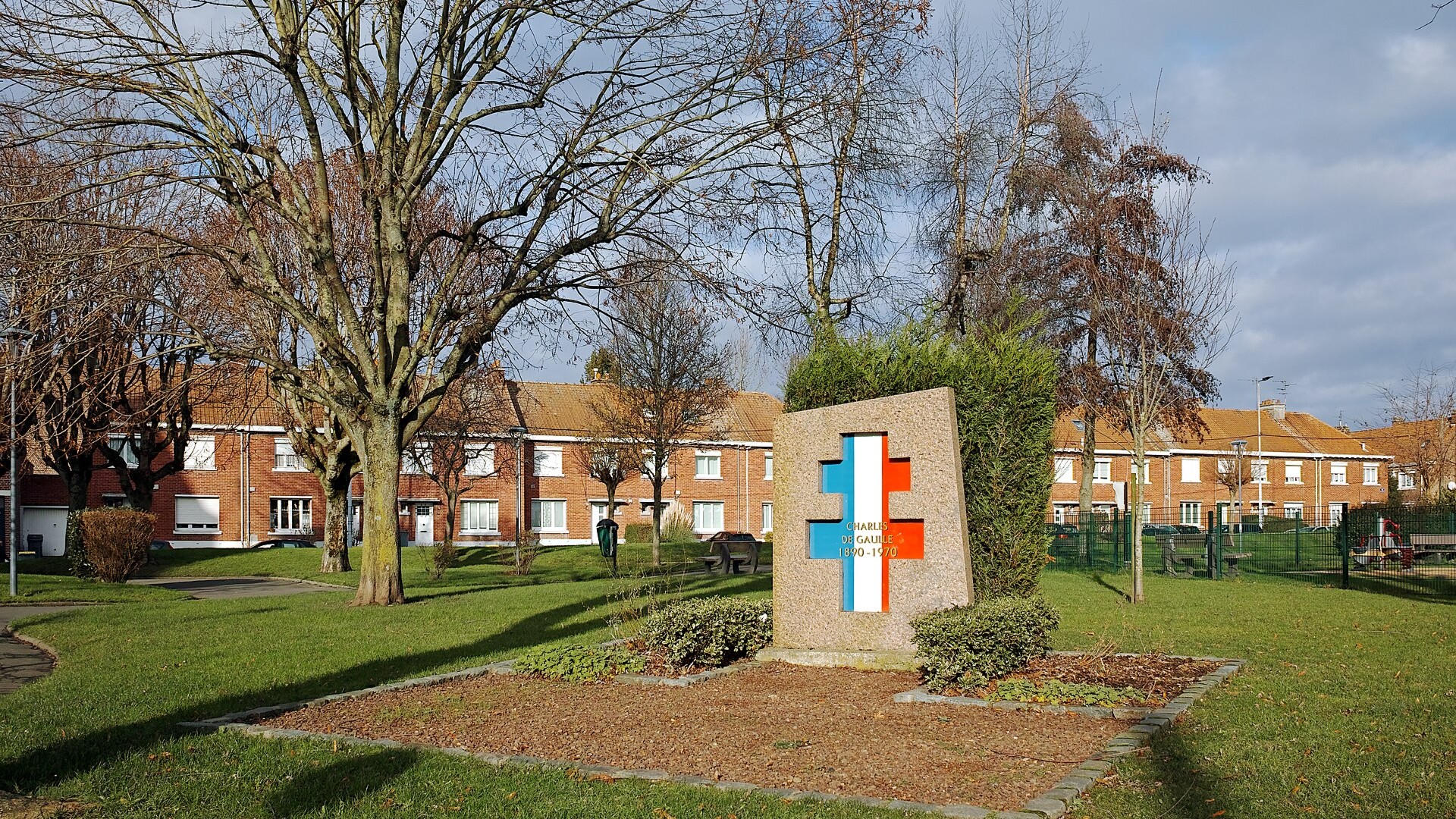
8. Lorraine Cross
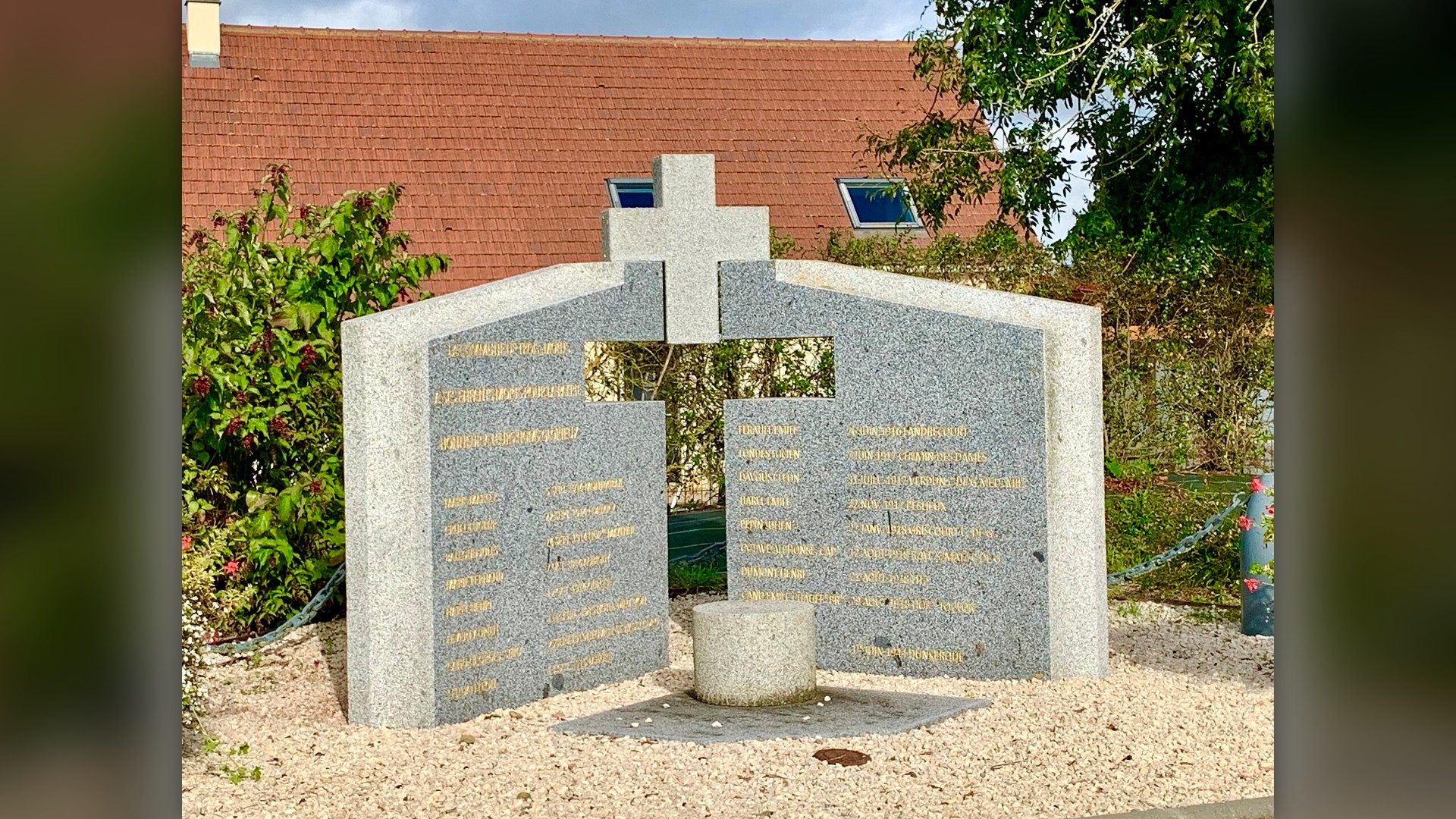
The Cross of Lorraine features two horizontal bars, with the lower crossbeam extending wider than the upper bar. Rene II, Duke of Lorraine, carried the banner during the Battle of Nancy in 1477 to rally his troops. In 1940, General Charles de Gaulle selected the emblem as the defiant symbol of the Free French forces.
©Wikimedia / Velvet
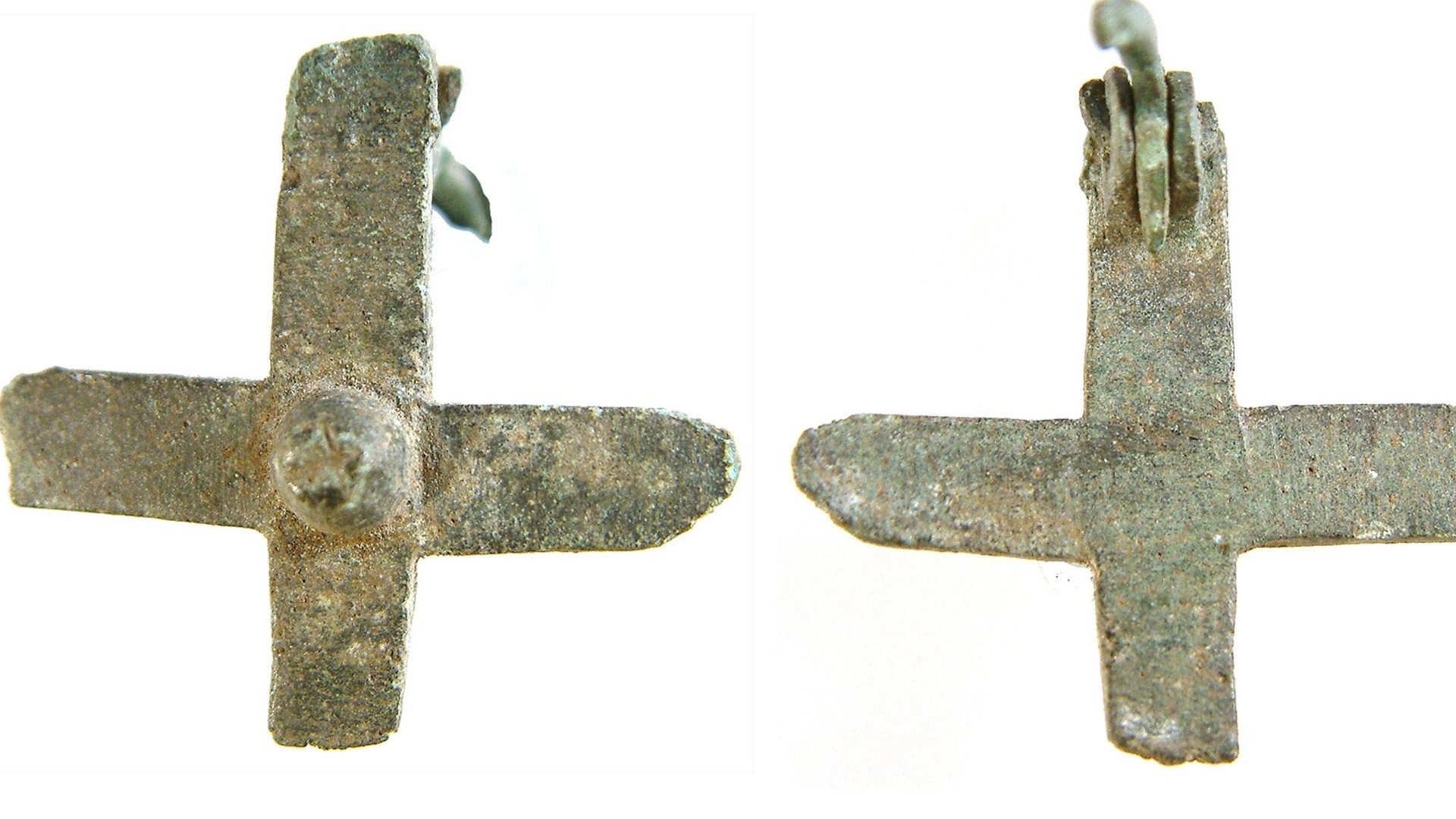
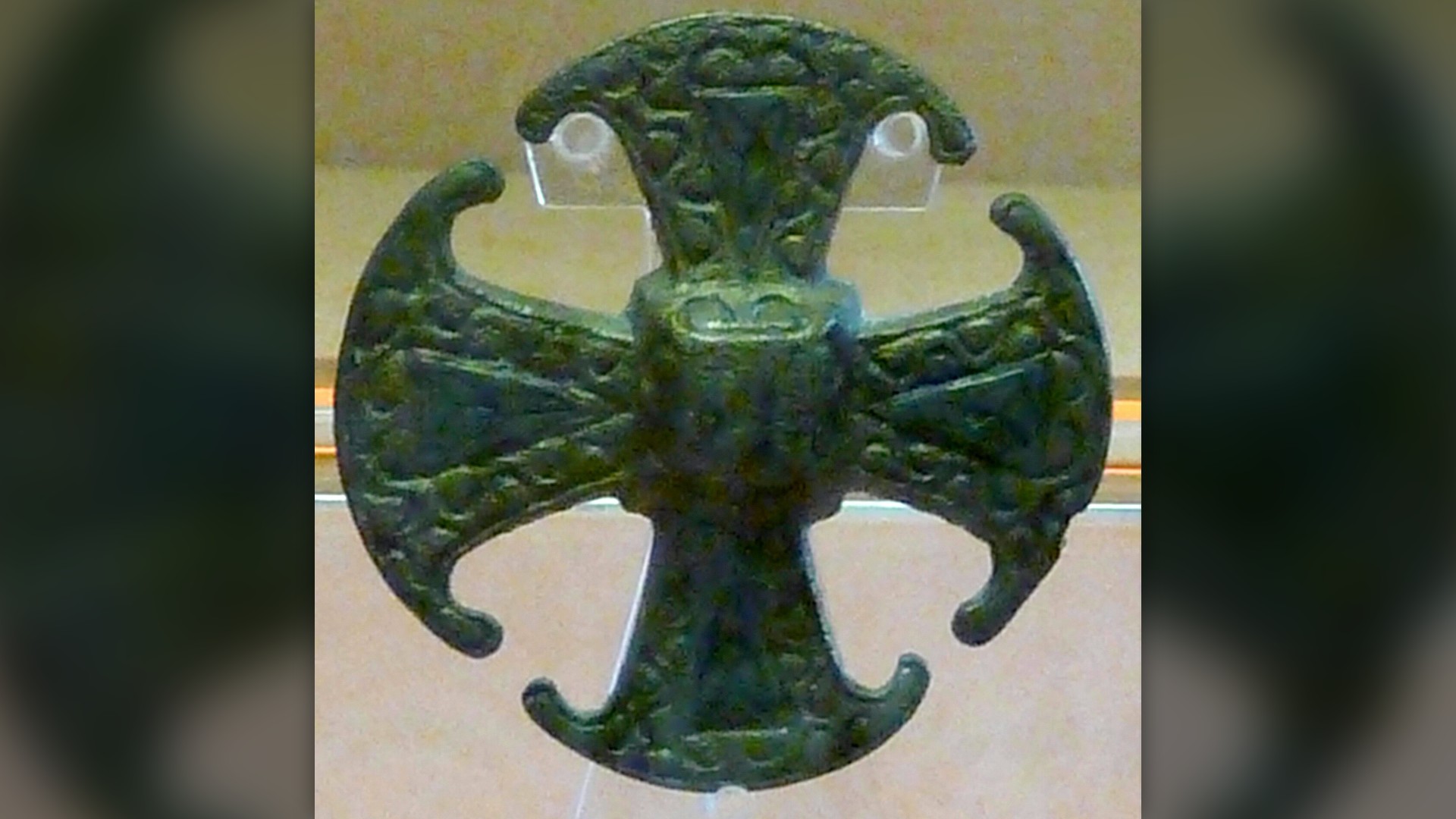
7. Canterbury Cross
The Canterbury Cross features four equal arms shaped like wide triangular petals, connected by a central square. Archaeologists excavated the original bronze Saxon brooch on Saint George Street in Canterbury in 1867. Cast copies of the eighth-century artifact now represent the worldwide Anglican Communion.
©Wikimedia / Canterbury cross
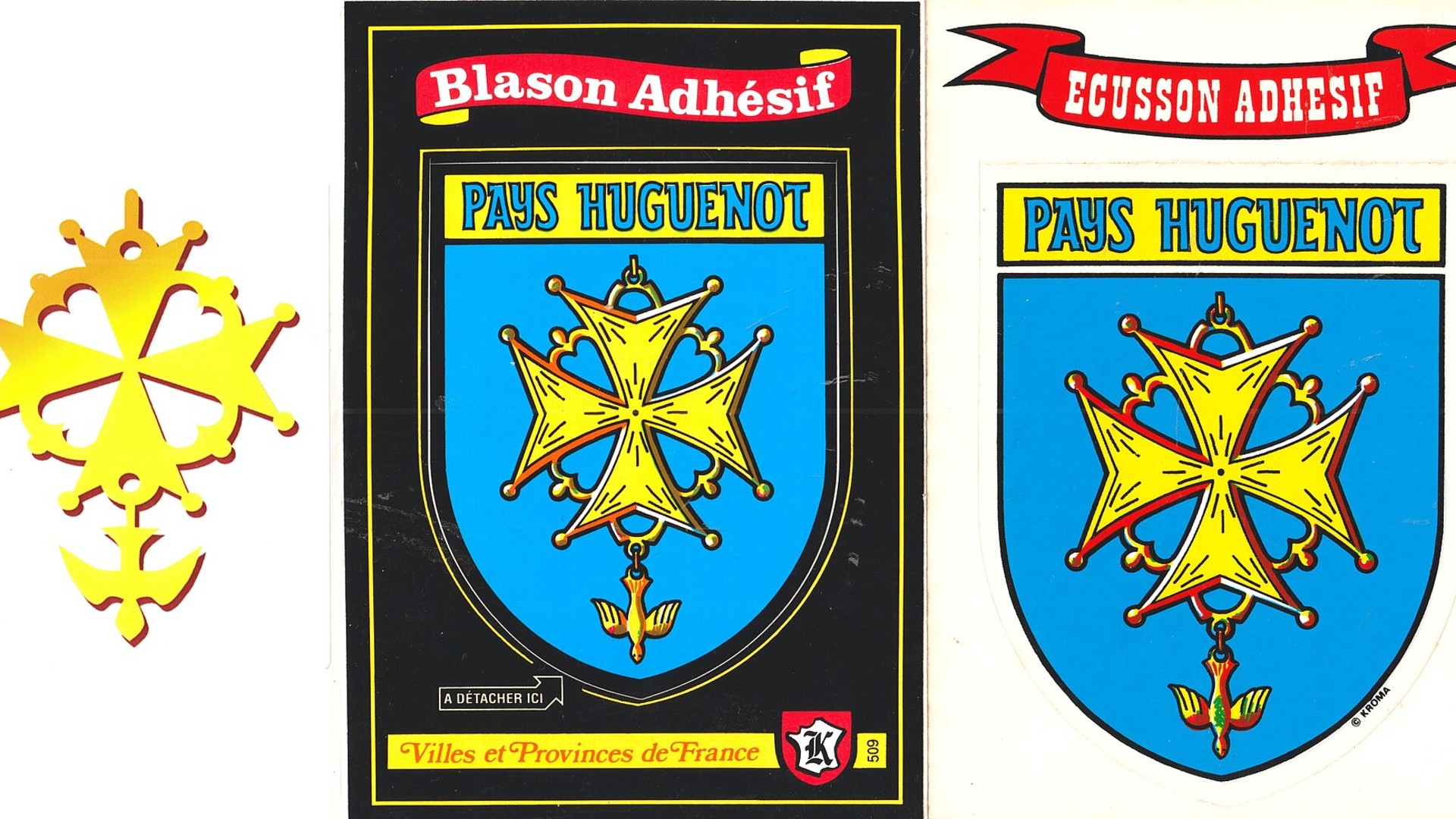
6. Huguenot Cross
The Huguenot Cross was designed in 1688 by goldsmith Maystre in Nimes following the revocation of the Edict of Nantes. The emblem merges an eight-pointed Maltese cross with royal fleur-de-lis petals, suspending a silver dove beneath. The dove represents the Holy Spirit guiding French Protestants through persecution.
©Wikimedia / Marie-Walt
Advertisement
Swipe or tap ▶ to resume the countdown.
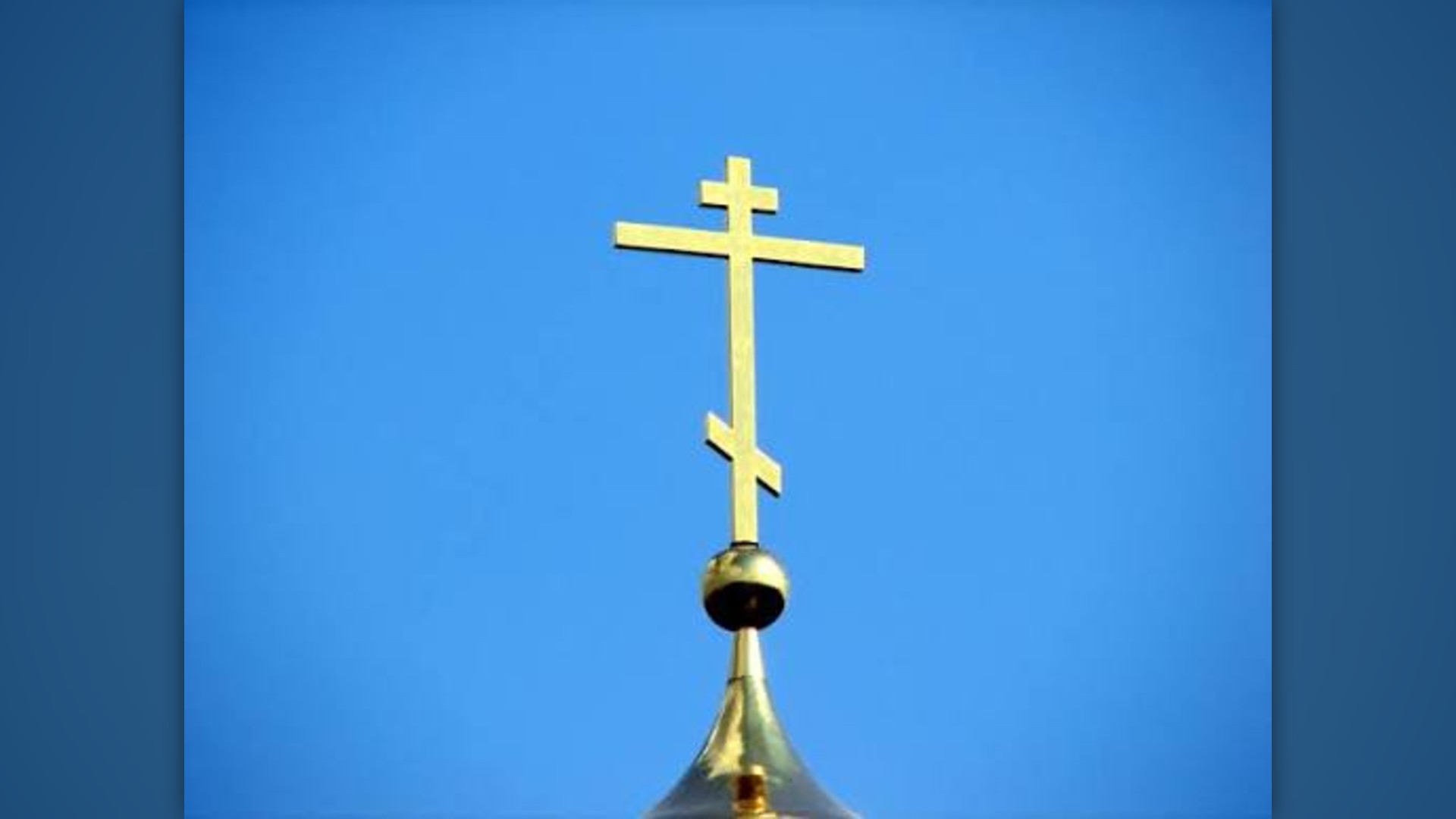
5. Russian Orthodox Cross
The Russian Orthodox Cross is cast in solid bronze and accented with blue champleve enamel along its eight points. Old Believer workshops in Moscow produced these portable icons during the seventeenth and eighteenth centuries. The reverse side features the full text of Psalm sixty-eight, recited as a protective prayer.
©Wikimedia / Kefi
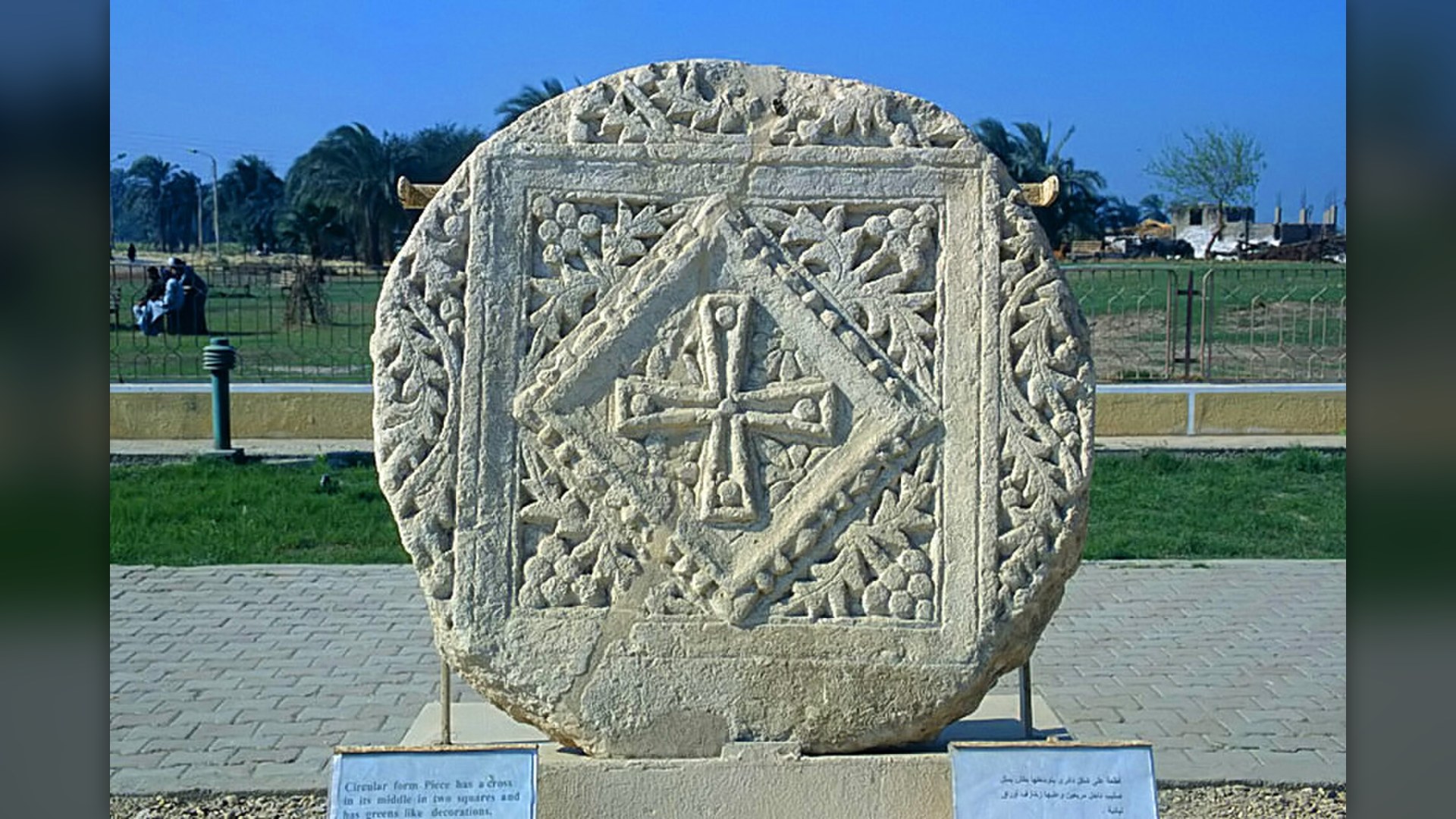
4. Coptic Cross
The Coptic Cross evolved in Egypt during the fourth century, blending Christian cruciform designs with the ancient hieroglyphic ankh. Monasteries in the Nitrian Desert carved the equal-armed cross with decorative flared points. Priests bestow blessings using brass handheld crosses during liturgical services.
©Wikimedia / Roland Unger
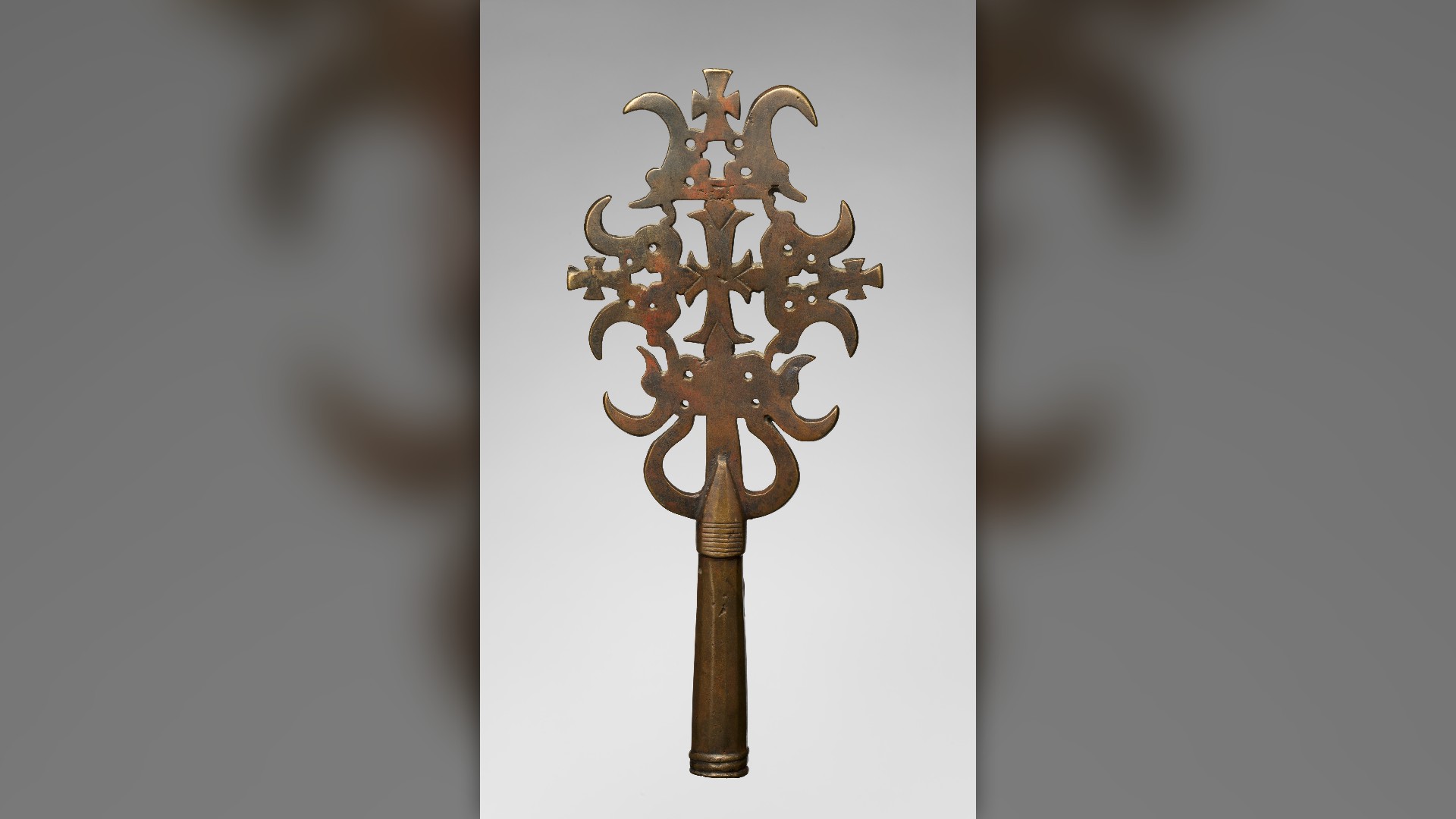
3. Lalibela Cross
The Lalibela Cross is an ornate processional cross hand-cast from bronze or beaten gold in northern Ethiopia. Artisans in the twelfth century created the distinctive openwork lattice to honor King Gebre Mesqel Lalibela. Orthodox deacons carry the sacred cross wrapped in silk fabrics during high holiday processions.
©The Met / Northern Highlands artist
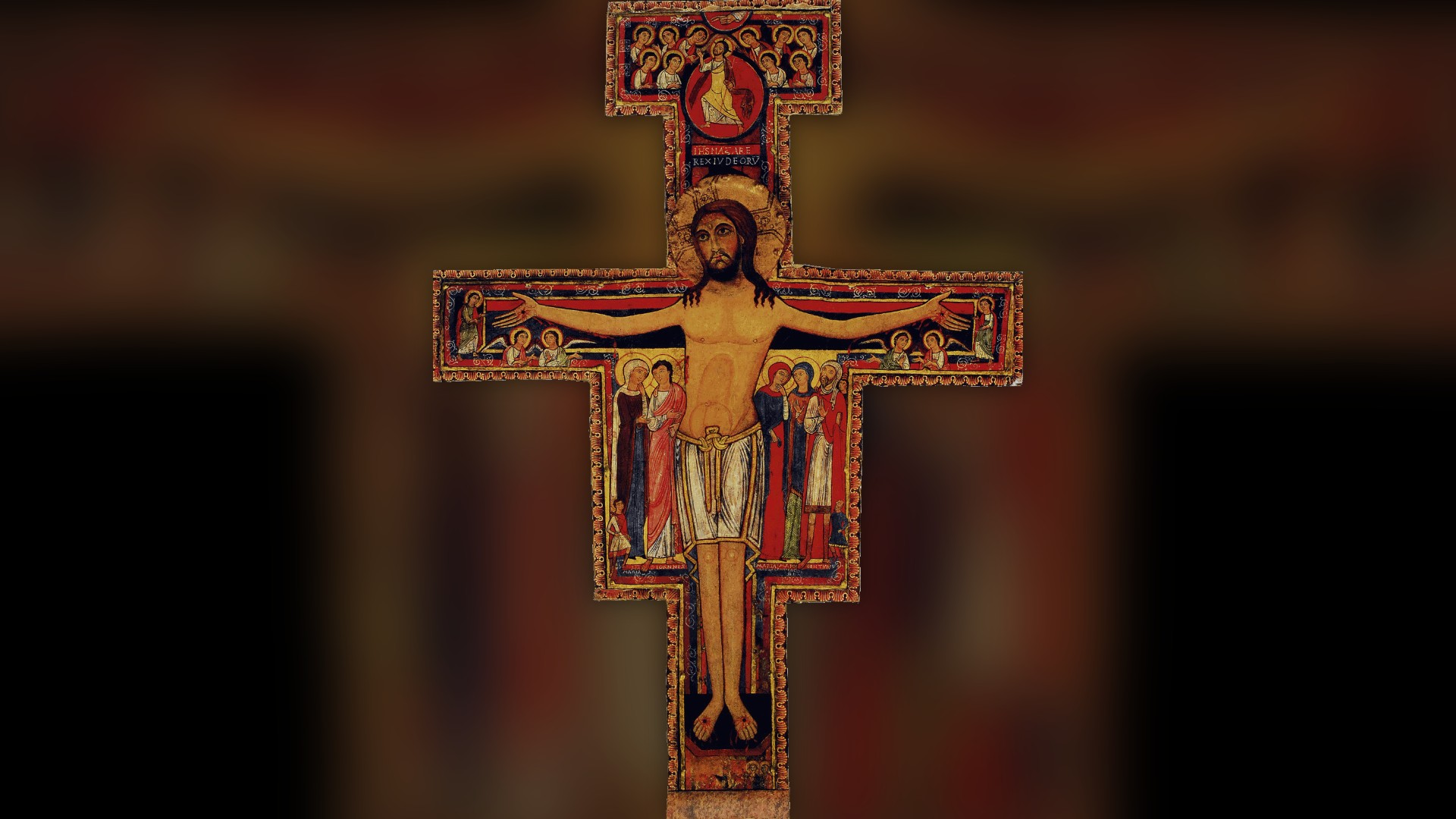
2. San Damiano Cross
The San Damiano Cross is a Romanesque painted crucifix crafted in Umbria, Italy, during the twelfth century. In 1205, young Francis of Assisi knelt before the icon in a ruined chapel and reported hearing Christ tell him to rebuild the church. The original panel hangs preserved in the Basilica of Saint Clare in Assisi.
©Wikimedia / San Damiano Cross
Advertisement
Swipe or tap ▶ to resume the countdown.
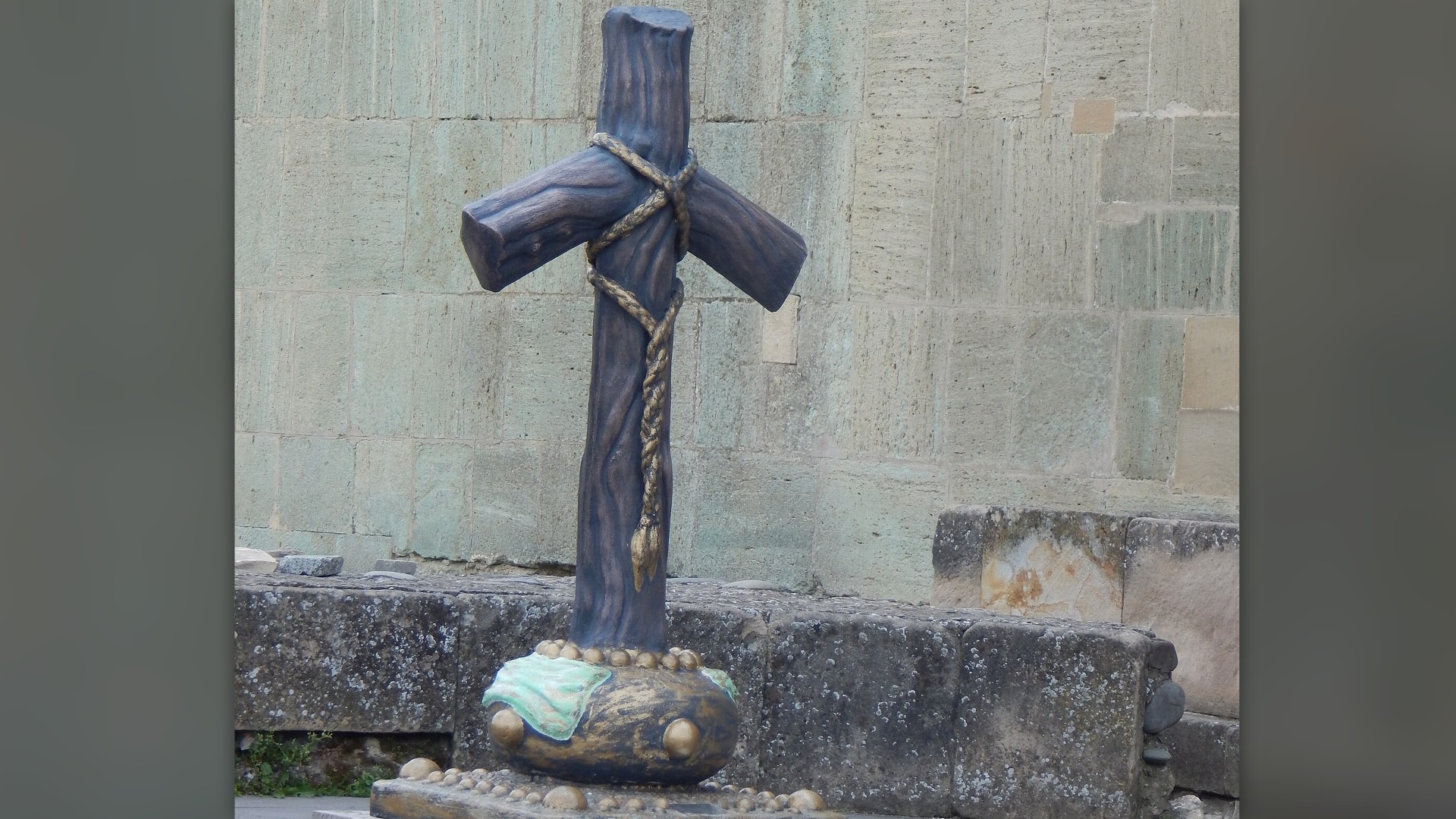
1. Grapevine Cross
The Grapevine Cross is the principal symbol of the Georgian Orthodox Church, featuring downward-drooping arms. According to fourth-century chronicles, Saint Nino bound the cross from wild grapevines using strands of her hair. King Mirian III converted to Christianity in 326 AD after witnessing her miracles.

©Wikimedia / Raf24~commonswiki
Advertisement
You've reached the end of the story. Thanks for reading!

24 Classic American Foods Travelers Miss Most When Living Abroad
Living or traveling overseas often reveals how many everyday American pantry staples and regional diner classics are hard to find outside North America. Counting down from 24 to 1, this gallery pairs expat favorites with culinary origins from the Library of Congress, USDA records, and state historical archives.
All 20 Entries in this Story
Latin Cross
The Latin Cross, also known as the Crux Immissa, is the most recognized symbol of Western Christianity. Archaeological evidence shows its widespread adoption following Emperor Constantine legalisation of Christianity in 313 AD. Its extended vertical descent reflects the physical proportions of Roman crucifixion poles.

Tau Cross
The Tau Cross takes the shape of the nineteenth letter of the Greek alphabet, resembling a capital T. Saint Francis of Assisi adopted the symbol in 1215 after Pope Innocent III used it to open the Fourth Lateran Council. Francis drew the mark on letters and painted it on the walls of hermitage cells in central Italy.

Anchor Cross
Early Christians carved anchor crosses into Roman catacomb walls during third-century imperial persecutions. The design cleverly concealed the crossbar within the top ring and stock of a ship anchor. The image drew directly on Hebrews chapter six verse nineteen, describing hope as an anchor.

Saint Peter Cross
The Cross of Saint Peter features an inverted Latin cross with the transverse bar situated near the bottom. Early church historian Eusebius recorded that the apostle Peter requested inverted crucifixion in Rome around 64 AD, deeming himself unworthy to die like Christ. The Vatican maintains the emblem on papal thrones.

Saint Andrew Cross
The Saint Andrew Cross, or saltire, forms a diagonal X shape across its axes. Tradition records that the apostle Andrew was martyred on a diagonal timber frame in Patras, Greece, around 60 AD. King William the Lion adopted the white diagonal cross on a blue field as the official national emblem of Scotland in 1180.

Celtic Cross
The Celtic Cross combines a Latin cross with a circular ring connecting the four intersecting arms. Monastic masons carved towering sandstone high crosses across Ireland and western Scotland between the eighth and twelfth centuries. The circle provided structural stability while symbolizing the eternal nature of God.

Byzantine Three-Bar Cross
The Byzantine Cross, standard across Eastern Orthodoxy, incorporates three horizontal crossbars along its vertical beam. The top bar represents the title board inscribed by Pontius Pilate, while the slanted bottom bar symbolizes the footrest. Its tilt points upward toward the penitent thief crucified beside Christ.

Jerusalem Cross
The Jerusalem Cross features a large central cross surrounded by four smaller Greek crosslets in each quadrant. Crusader leader Godfrey of Bouillon adopted the design in 1099 following the capture of Jerusalem. The five crosses commemorate the five holy wounds suffered by Jesus at Calvary.

Maltese Cross
The Maltese Cross features four arrow-shaped arms that taper inward to meet at a central point, forming eight external tips. The Knights Hospitaller of Saint John established the emblem in the eleventh century during the Crusades. The eight sharp points commemorate the eight biblical Beatitudes preached by Jesus.

Patriarchal Cross
The Patriarchal Cross features two horizontal bars, with the shorter upper bar denoting an archiepiscopal title board. Byzantine emperor Justinian II minted the emblem on imperial gold coins starting in 692 AD. King Bela III brought the cross to Hungary in 1190, where it remains prominent on the national coat of arms.

Papal Cross
The Papal Cross carries three horizontal crossbars of diminishing width along its upper stem. Official Vatican heraldry since the fourteenth century uses the bars to denote the Pope triple teaching, pastoral, and judicial authority. Pontifical cross-bearers carry the staff ahead of major public liturgies.

Saint George Cross
The Cross of Saint George consists of a red Greek cross centered on a solid white background. English crusaders adopted the insignia during the Third Crusade in 1189, honoring Saint George. King Edward III made the emblem the official banner of England when establishing the Order of the Garter in 1348.

Lorraine Cross
The Cross of Lorraine features two horizontal bars, with the lower crossbeam extending wider than the upper bar. Rene II, Duke of Lorraine, carried the banner during the Battle of Nancy in 1477 to rally his troops. In 1940, General Charles de Gaulle selected the emblem as the defiant symbol of the Free French forces.

Canterbury Cross
The Canterbury Cross features four equal arms shaped like wide triangular petals, connected by a central square. Archaeologists excavated the original bronze Saxon brooch on Saint George Street in Canterbury in 1867. Cast copies of the eighth-century artifact now represent the worldwide Anglican Communion.

Huguenot Cross
The Huguenot Cross was designed in 1688 by goldsmith Maystre in Nimes following the revocation of the Edict of Nantes. The emblem merges an eight-pointed Maltese cross with royal fleur-de-lis petals, suspending a silver dove beneath. The dove represents the Holy Spirit guiding French Protestants through persecution.

Russian Orthodox Cross
The Russian Orthodox Cross is cast in solid bronze and accented with blue champleve enamel along its eight points. Old Believer workshops in Moscow produced these portable icons during the seventeenth and eighteenth centuries. The reverse side features the full text of Psalm sixty-eight, recited as a protective prayer.

Coptic Cross
The Coptic Cross evolved in Egypt during the fourth century, blending Christian cruciform designs with the ancient hieroglyphic ankh. Monasteries in the Nitrian Desert carved the equal-armed cross with decorative flared points. Priests bestow blessings using brass handheld crosses during liturgical services.

Lalibela Cross
The Lalibela Cross is an ornate processional cross hand-cast from bronze or beaten gold in northern Ethiopia. Artisans in the twelfth century created the distinctive openwork lattice to honor King Gebre Mesqel Lalibela. Orthodox deacons carry the sacred cross wrapped in silk fabrics during high holiday processions.

San Damiano Cross
The San Damiano Cross is a Romanesque painted crucifix crafted in Umbria, Italy, during the twelfth century. In 1205, young Francis of Assisi knelt before the icon in a ruined chapel and reported hearing Christ tell him to rebuild the church. The original panel hangs preserved in the Basilica of Saint Clare in Assisi.

Grapevine Cross
The Grapevine Cross is the principal symbol of the Georgian Orthodox Church, featuring downward-drooping arms. According to fourth-century chronicles, Saint Nino bound the cross from wild grapevines using strands of her hair. King Mirian III converted to Christianity in 326 AD after witnessing her miracles.