Slideshow · Lifestyle
21 Famous Brand Myths Checked Against Official Company Records
Brand legends spread faster than official filings. From Hostess snack cake dates and Nike design invoices to Soviet trade records and US patent archives, these 21 entries check famous consumer brand myths against company histories, court dockets, and reporting by Reuters, the Associated Press, and Smithsonian.


All 21 Entries in this Story
21. IKEA Is Not A Swedish Word
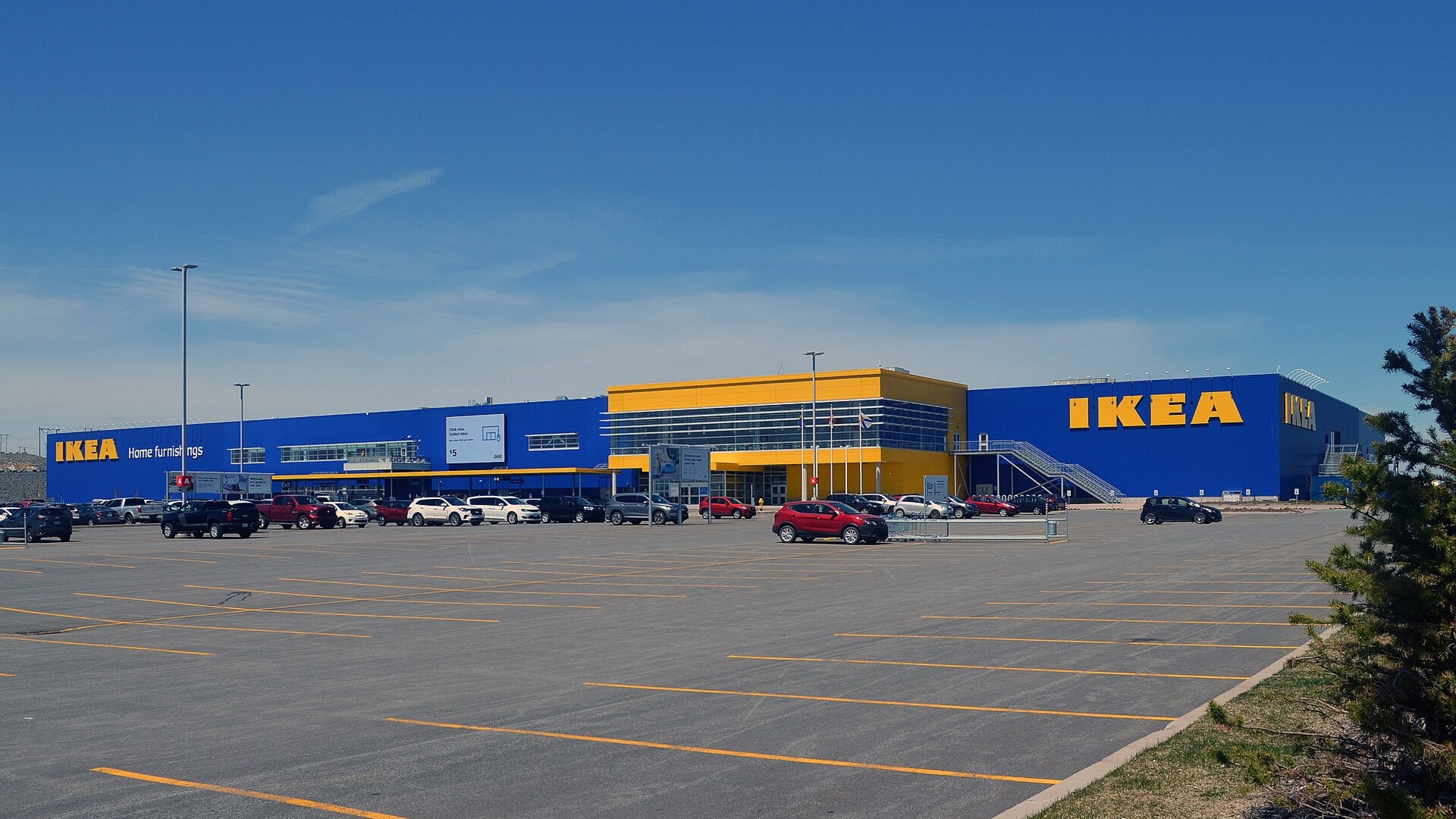
Founder Ingvar Kamprad registered IKEA in Sweden in 1943 while selling pens and picture frames by mail order. The first two letters stand for his initials, I and K. The E and A come from Elmtaryd, his family farm, and Agunnaryd, his home parish in Smaland.
20. Rolex Was Coined Without A Meaning
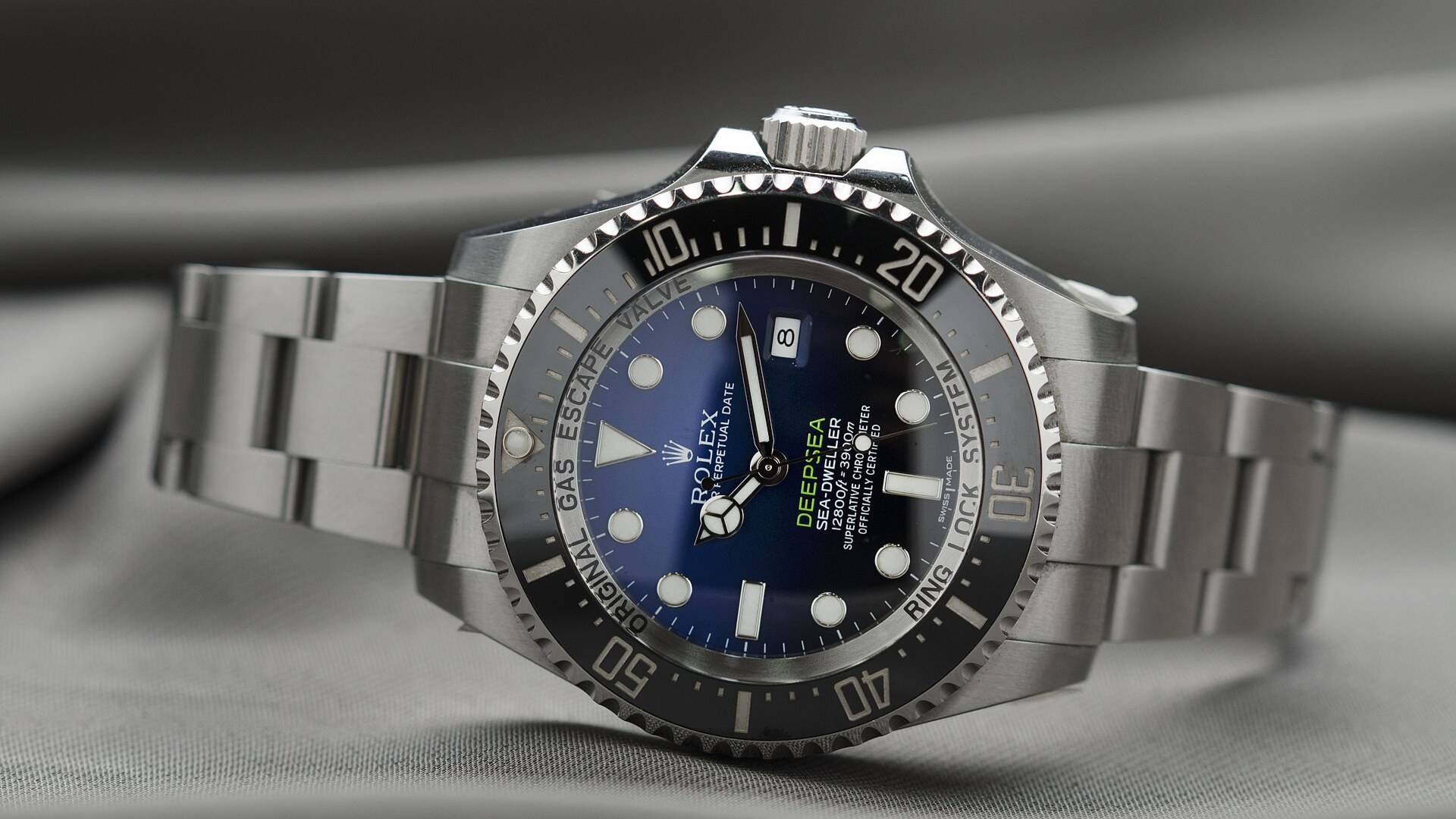
Hans Wilsdorf registered the Rolex trademark in 1908 after deciding his London watch firm needed a short, distinctive label. In company histories, he recalled trying hundreds of letter combinations until choosing a five-letter word easy to pronounce in any language and neat on small watch dials.
19. Corona Beer Kept Its 1925 Name
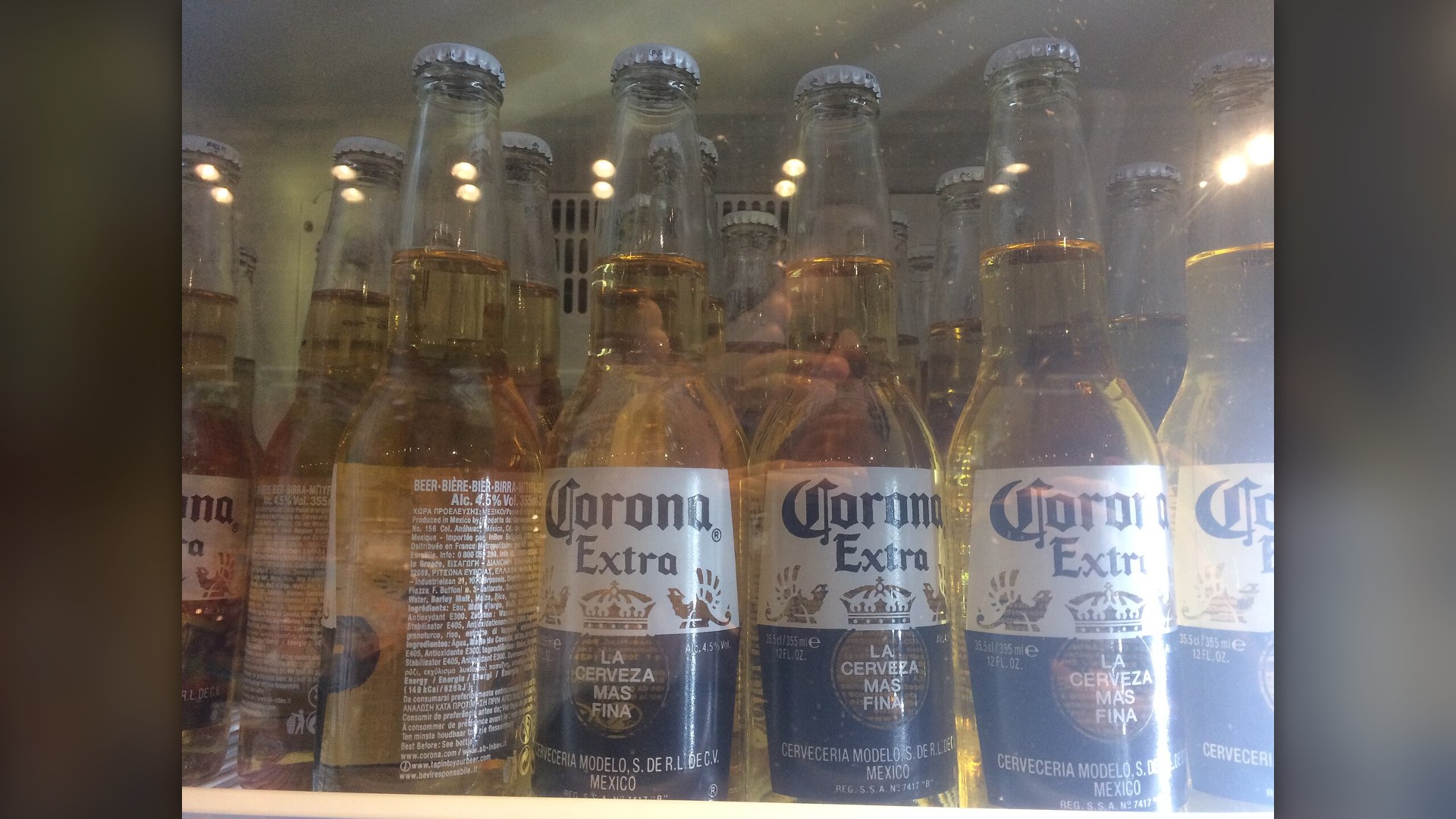
Grupo Modelo launched Corona Extra in Mexico City in 1925, taking the Spanish word for crown that still sits above the name on every bottle. Despite fake press releases circulating online in early 2020, parent company Constellation Brands confirmed the trademark stayed completely unchanged.
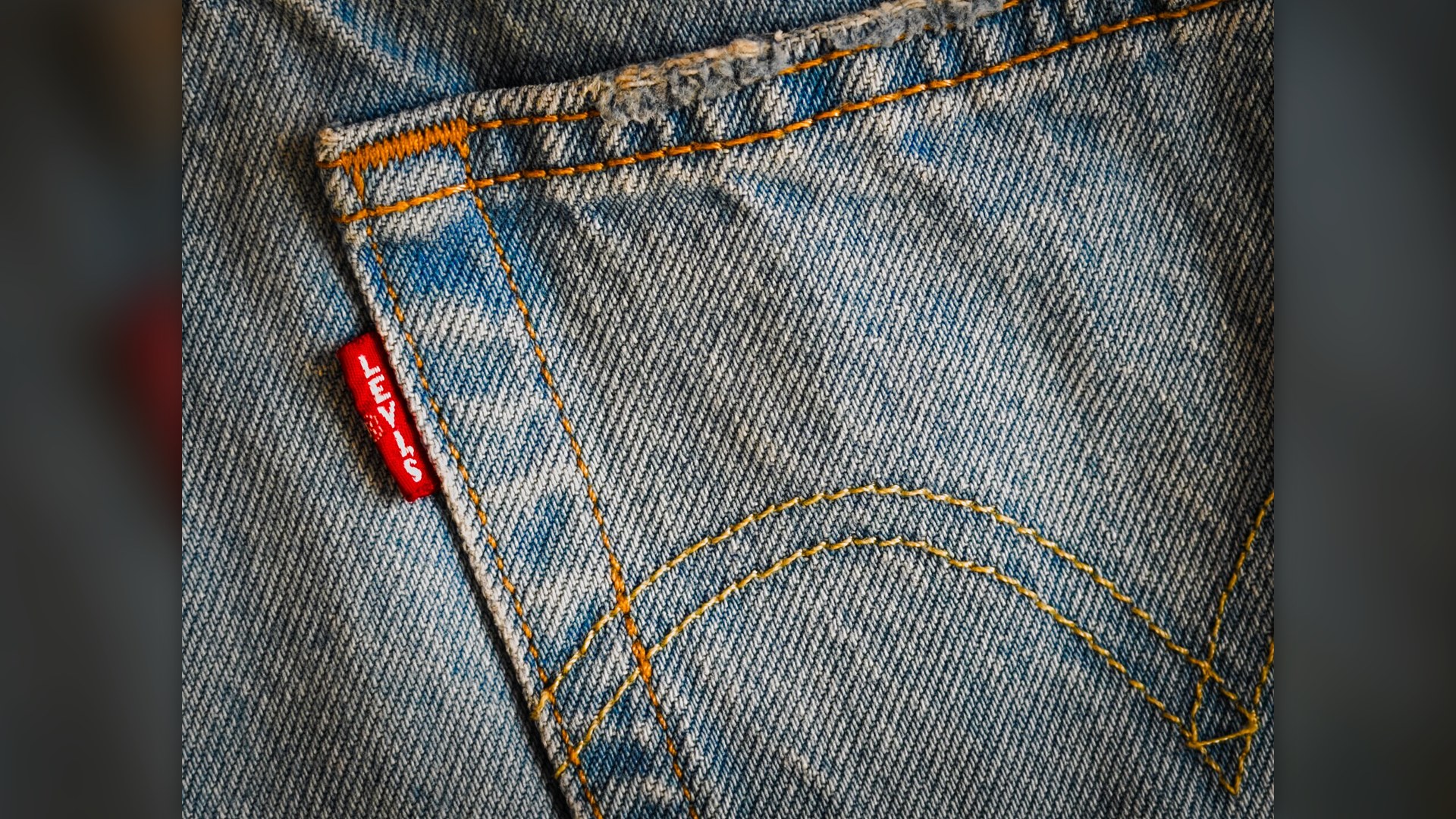
18. Levi's Jeans Missed The 1849 Gold Rush
Bavarian immigrant Levi Strauss reached San Francisco in 1853 to run a dry goods wholesale branch, not a denim factory. Tailor Jacob Davis later teamed up with him to patent copper-riveted waist overalls on May 20, 1873, and the 501 lot number debuted around 1890.
17. LEGO Was Named From Danish, Not Latin
Master carpenter Ole Kirk Christiansen coined LEGO in 1934 for his workshop in Billund, Denmark, combining the first letters of the Danish phrase leg godt, meaning play well. Company historians documented that the team only noticed years later that lego also translates to I put together in Latin.
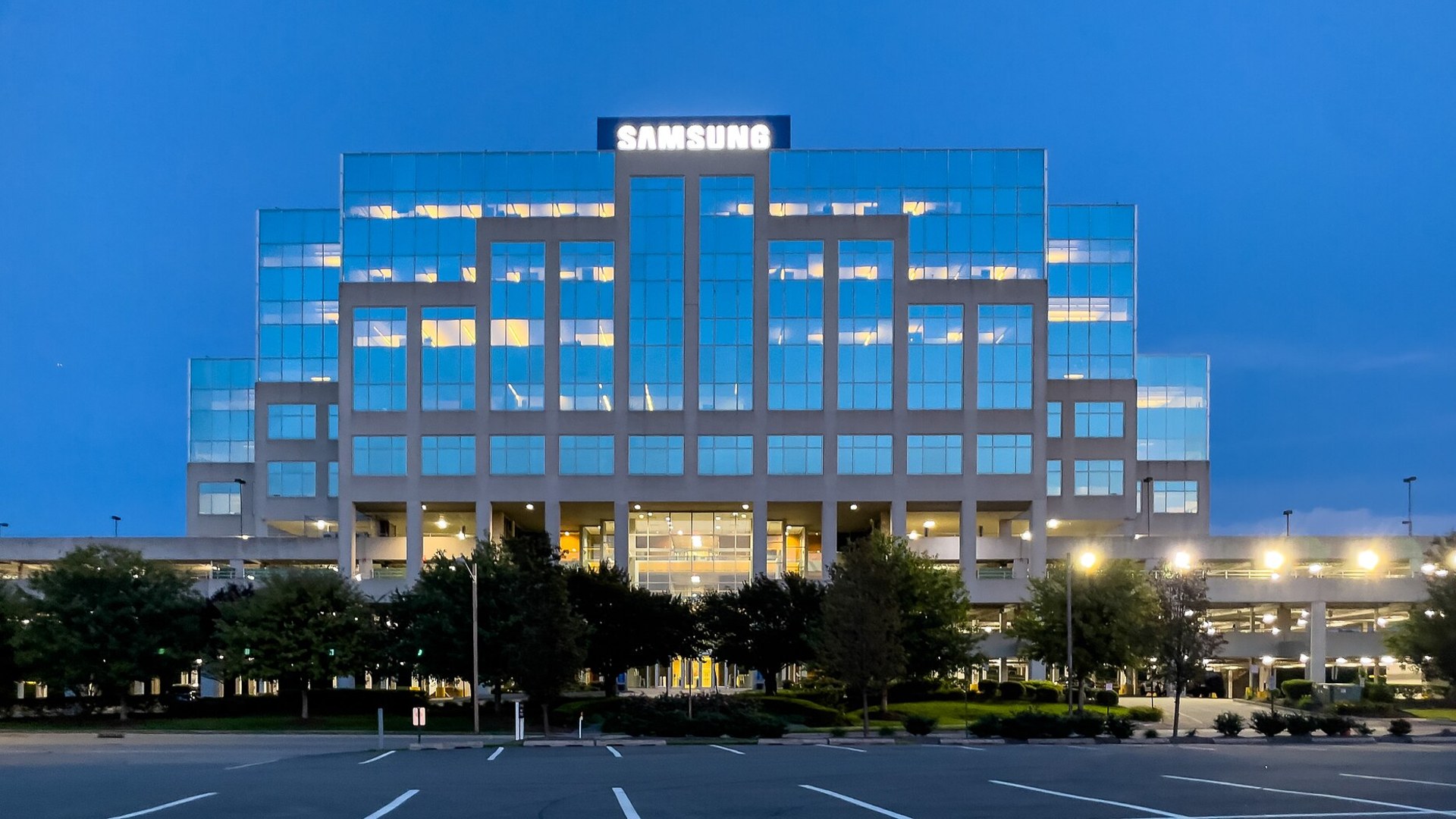
16. Samsung Started With Dried Fish
Lee Byung-chul established Samsung Sanghoe in Daegu, Korea, in March 1938 as a small export trading firm with 40 employees. The business shipped locally grown vegetables, dried Korean fish, and its own noodles before moving into textiles, insurance, and finally electronics in 1969.
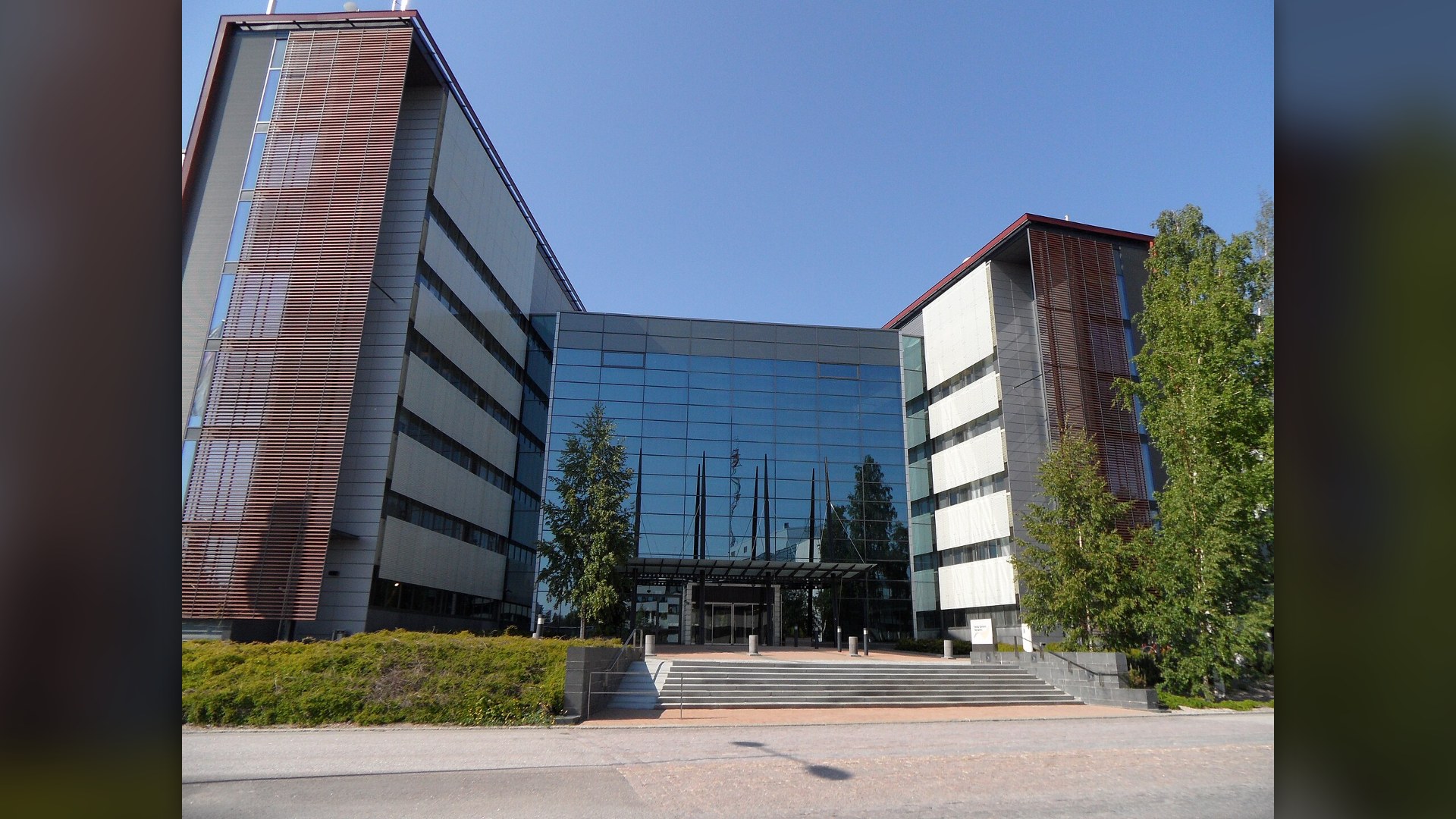
15. Nokia Began As A Finnish Paper Mill
Mining engineer Fredrik Idestam opened a groundwood pulp mill at Tammerkoski rapids in 1865 and built a second mill near the Nokianvirta River in 1868. That river gave the firm its name in 1871, and Nokia later merged with Finnish Rubber Works and Finnish Cable Works in 1967.
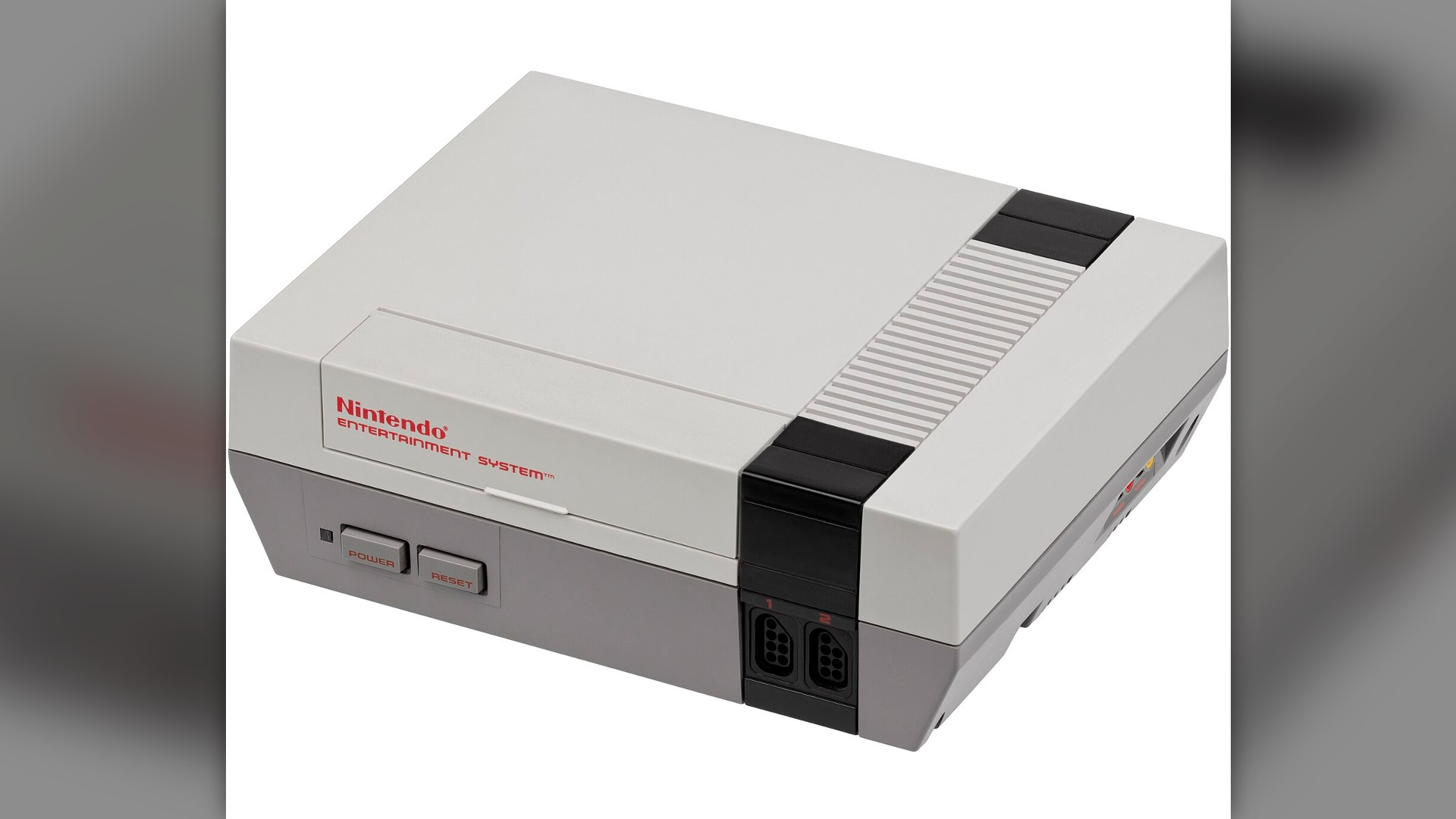
14. Nintendo Predates Video Games By Decades
Craftsman Fusajiro Yamauchi launched Nintendo Koppai in Kyoto in September 1889 to manufacture hand-painted hanafuda playing cards from mulberry bark. The firm later experimented with taxis, instant rice, and toys before releasing its Famicom home console in Japan in July 1983.
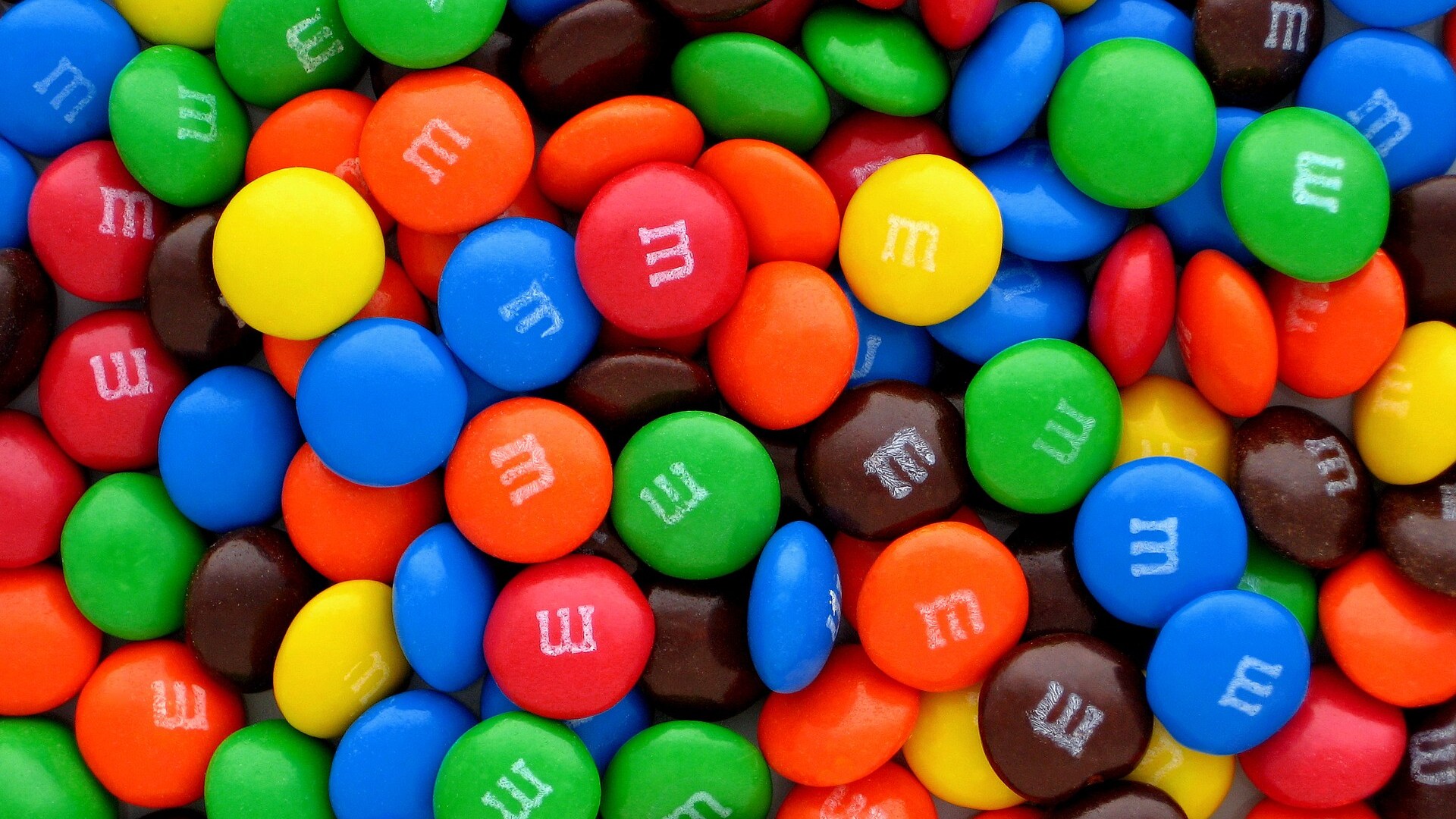
13. M&M's Stands For Two Rival Families
Forrest Mars Sr. wanted to sell heat-resistant candy-coated chocolate drops in 1941, during World War Two rationing. To secure a reliable chocolate supply, he partnered with Bruce Murrie, son of Hershey Chocolate president William Murrie, naming the candy for Mars and Murrie.
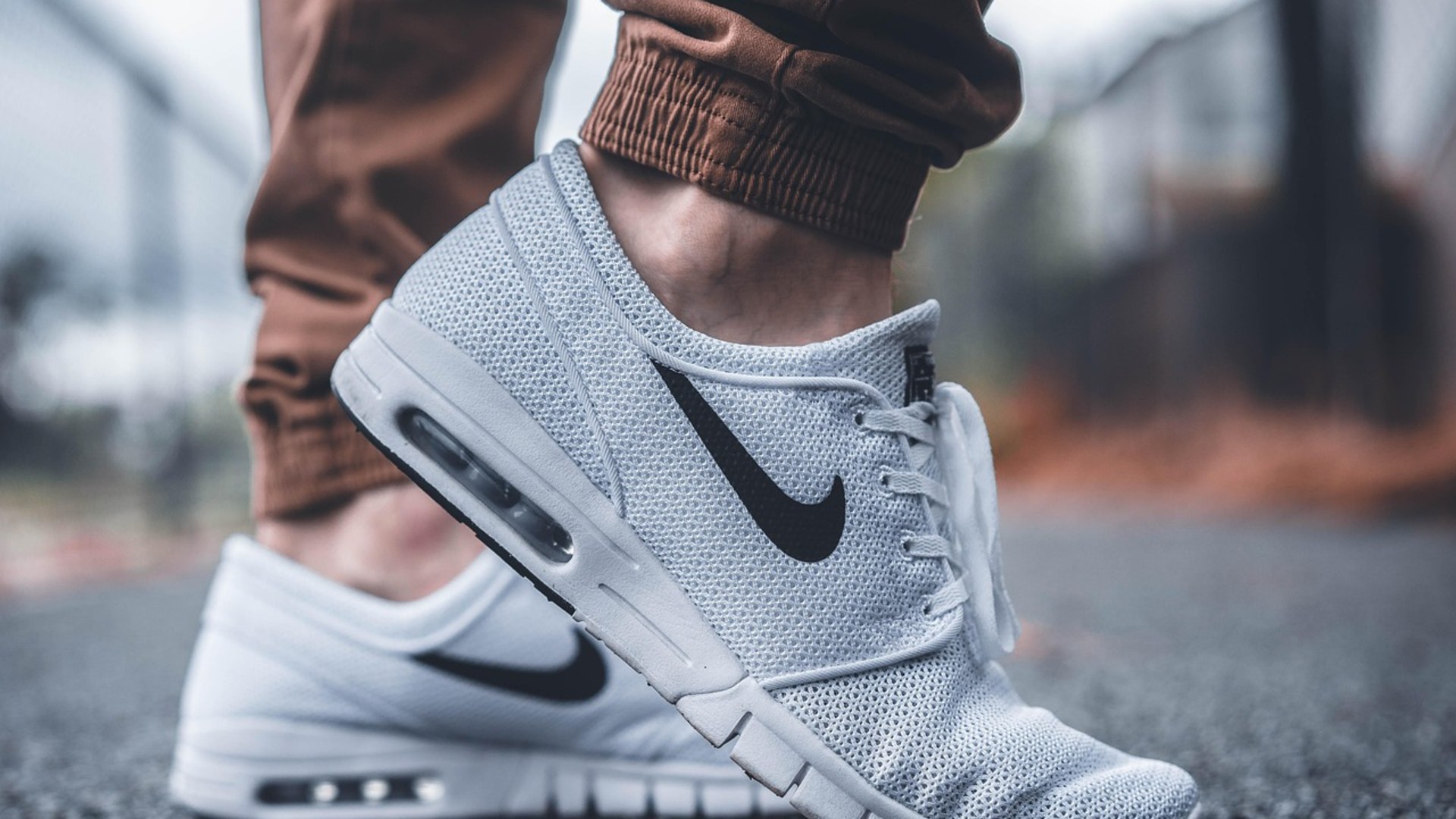
12. Nike Paid Just $35 For The Swoosh
Portland State University graphic design student Carolyn Davidson created the Swoosh mark in 1971 after co-founder Phil Knight asked for a stripe suggesting motion. She billed Blue Ribbon Sports $35 for 17.5 hours of work, and Knight later surprised her with a ring and company stock in 1983.
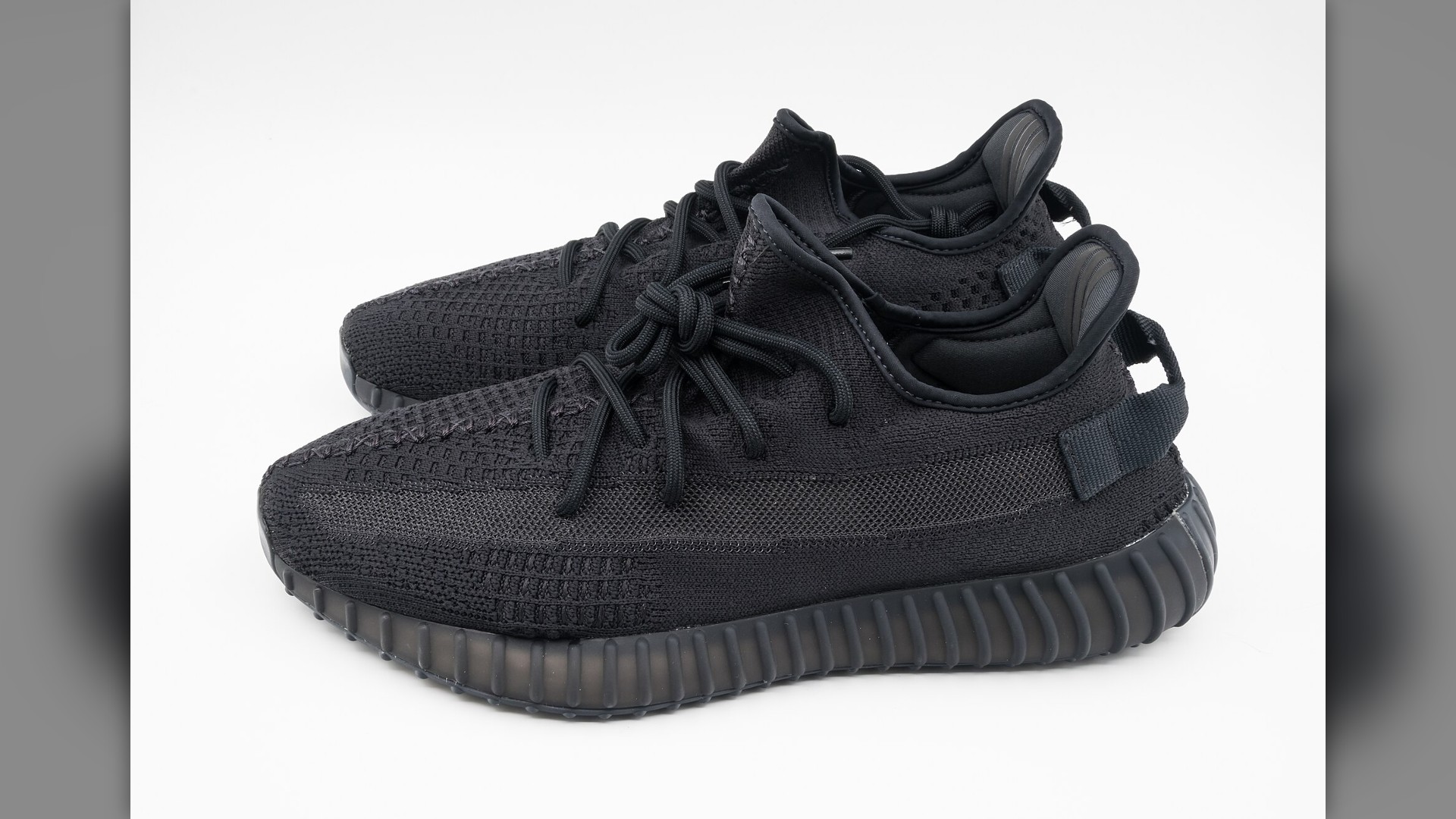
11. Adidas Is Not A Sports Acronym
German shoemaker Adolf Dassler registered Adidas AG in Herzogenaurach in August 1949 using his nickname Adi and the first three letters of his surname. He chose the name after a bitter business split with his brother Rudolf Dassler, who established rival brand Puma across town.
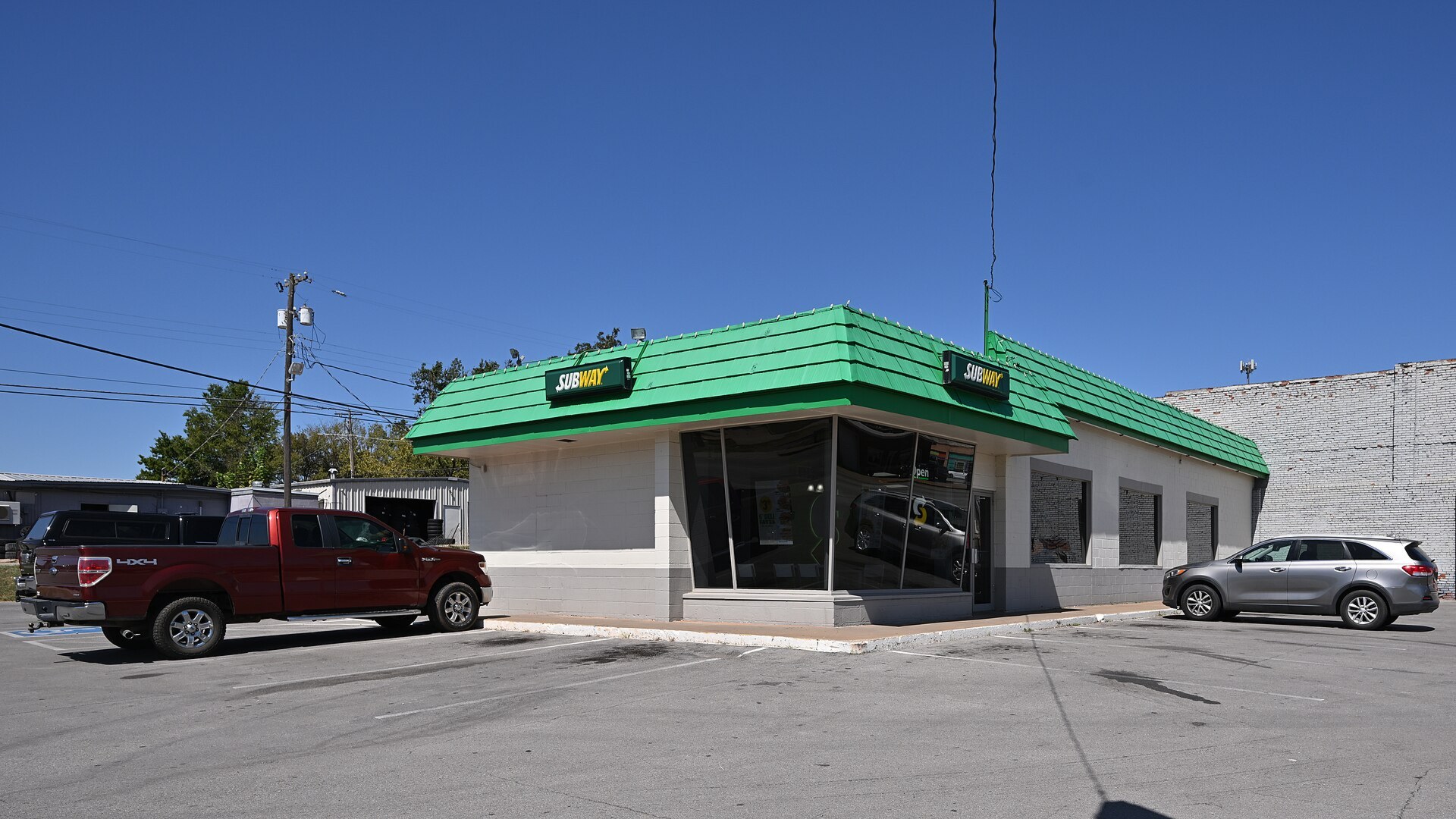
10. Subway Footlong Was A Brand Name
After an Australian customer posted an 11-inch sandwich beside a ruler in January 2013, class-action lawsuits followed in the United States. Subway stated that Footlong was a descriptive trademark for bread baked from uniform dough sticks, then tightened oven rules to standardize length.
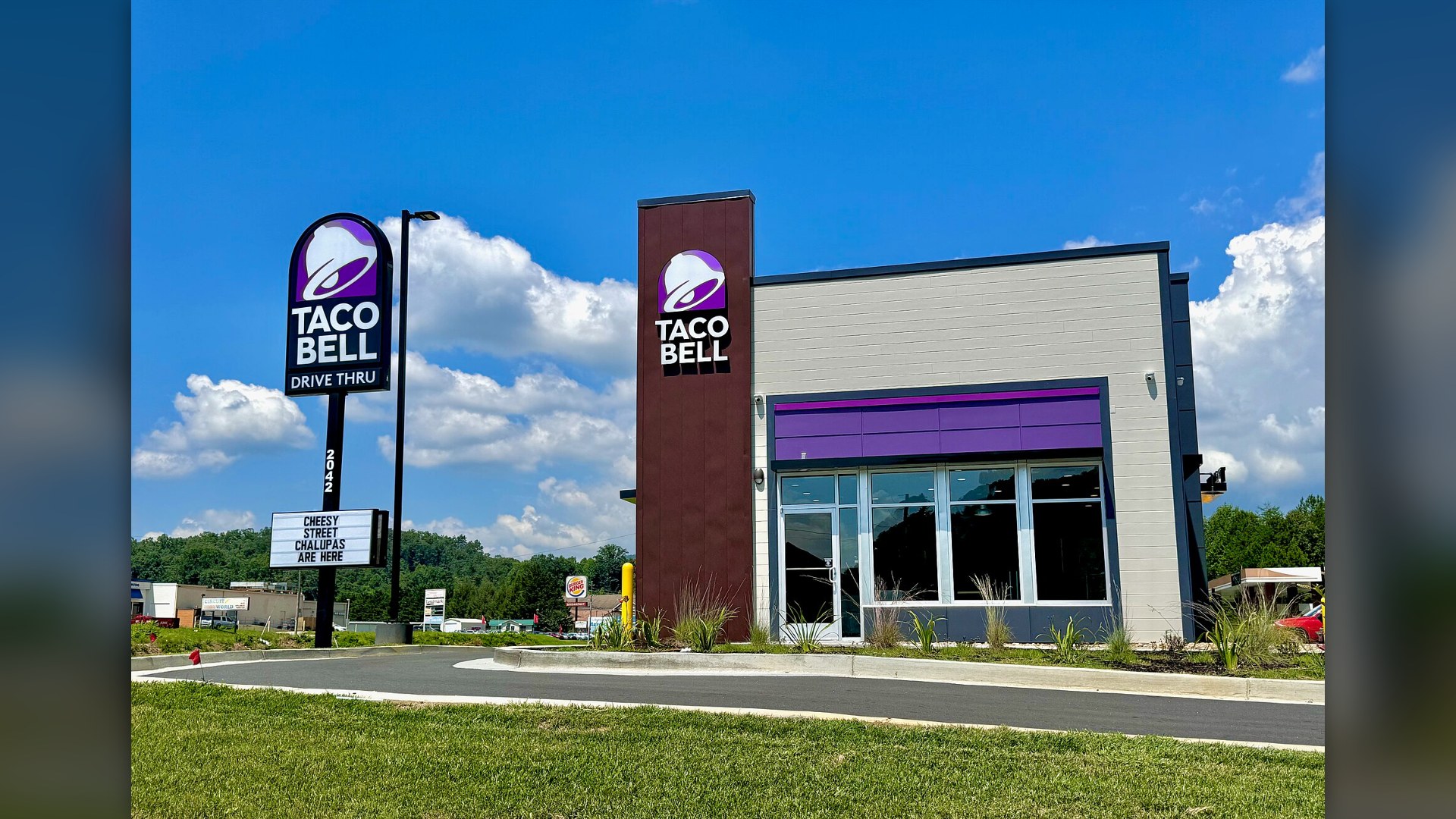
9. Taco Bell Does Not Use Grade D Beef
The US Department of Agriculture grades beef quality as Prime, Choice, and Select rather than A through F. In 2011, an Alabama law firm sued Taco Bell over seasoned beef moisture and oat binders, but the plaintiffs voluntarily dropped the case months later with zero financial settlement.
8. Guinness Beer Is Ruby Red, Not Black
Brewers at St. James's Gate in Dublin confirm that Guinness Draught gets a dark ruby hue from kilned roasted barley, visible clearly under a bright lamp. A standard 12-ounce serving carries roughly 125 calories and 4.2 percent alcohol by volume, making it lighter than many mainstream lagers.
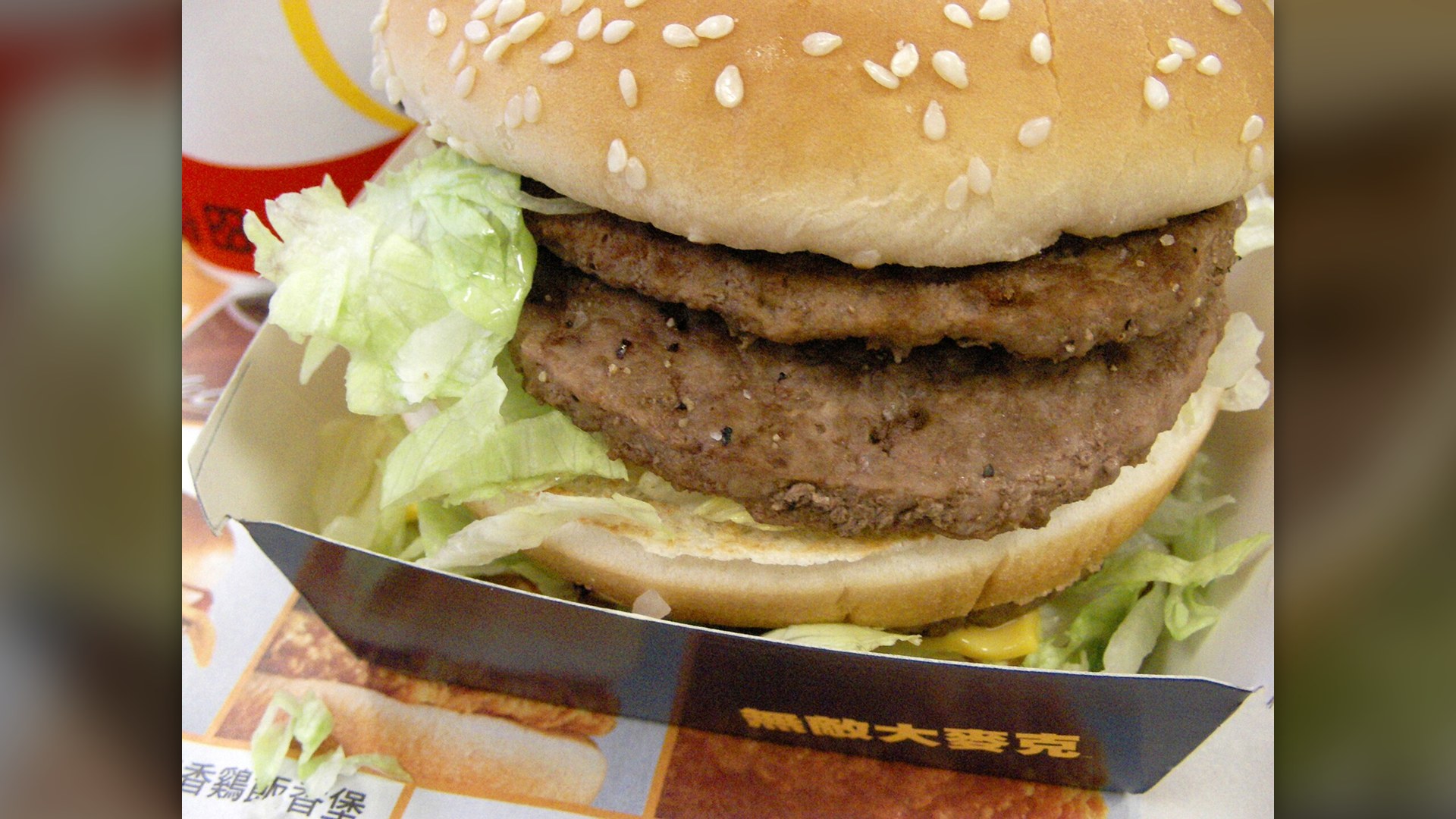
7. Why Old McDonald's Burgers Do Not Mold
Food scientist tests published by Serious Eats showed that small, thin fast-food patties lose water quickly when left in dry room air. Without moisture, mold spores cannot grow, and unsalted homemade burgers of identical size and surface area dried into the same hard state without rotting.
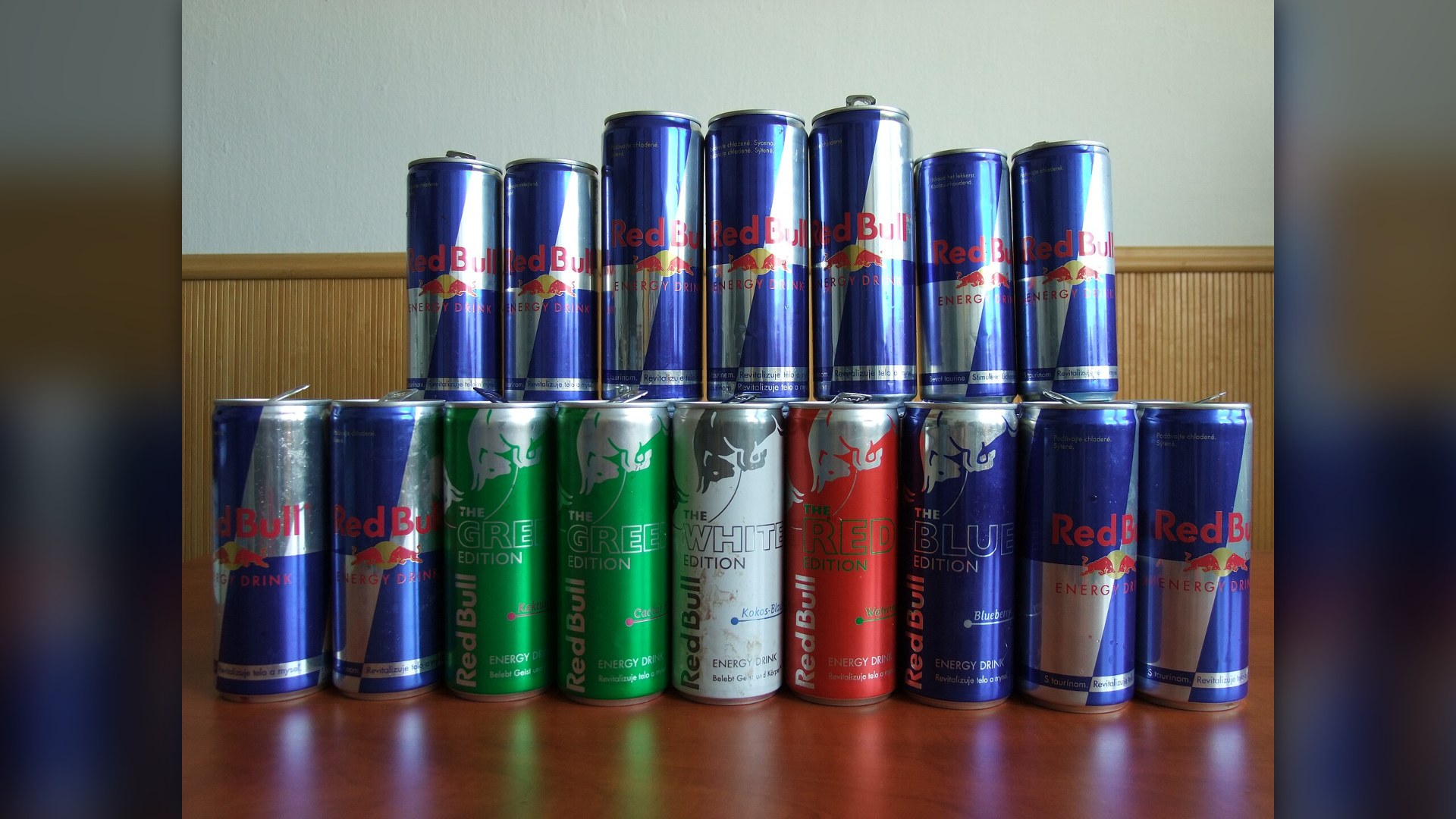
6. Red Bull Taurine Is Made In A Lab
Austrian founder Dietrich Mateschitz named the energy drink after Krating Daeng, a Thai tonic whose name translates to red gaur. Red Bull discloses on its nutrition pages that the taurine in every can is produced synthetically by pharmaceutical suppliers without any animal derivatives.
5. Pepsi Never Operated A Soviet Navy
When PepsiCo renewed a 1989 trade barter with the Soviet Union, Moscow agreed to pay with 17 decommissioned submarines and three aging surface warships. PepsiCo never sailed or armed a single vessel, instead turning the hulls over immediately to a Norwegian shipbreaker for scrap metal.
4. Ford Model T Cars Came In Many Colors
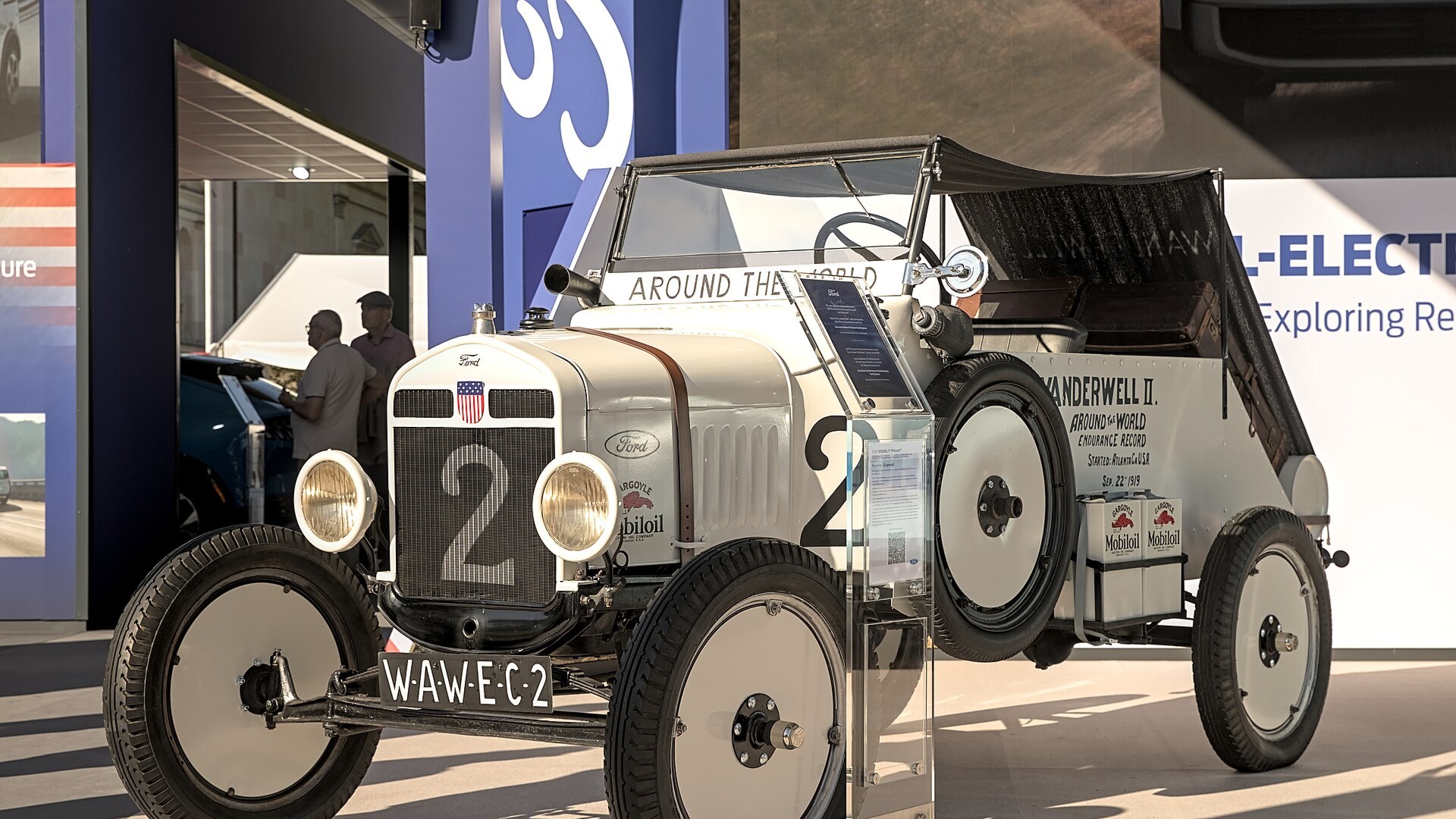
Between 1908 and 1913, Ford Motor Company painted the Model T in gray, green, blue, and red, and not a single car left the factory in black during its first year. Ford switched to black Japan enamel exclusively in 1914 because it dried fastest on the new moving assembly line.
3. Apple Logo Bite Was Only For Scale
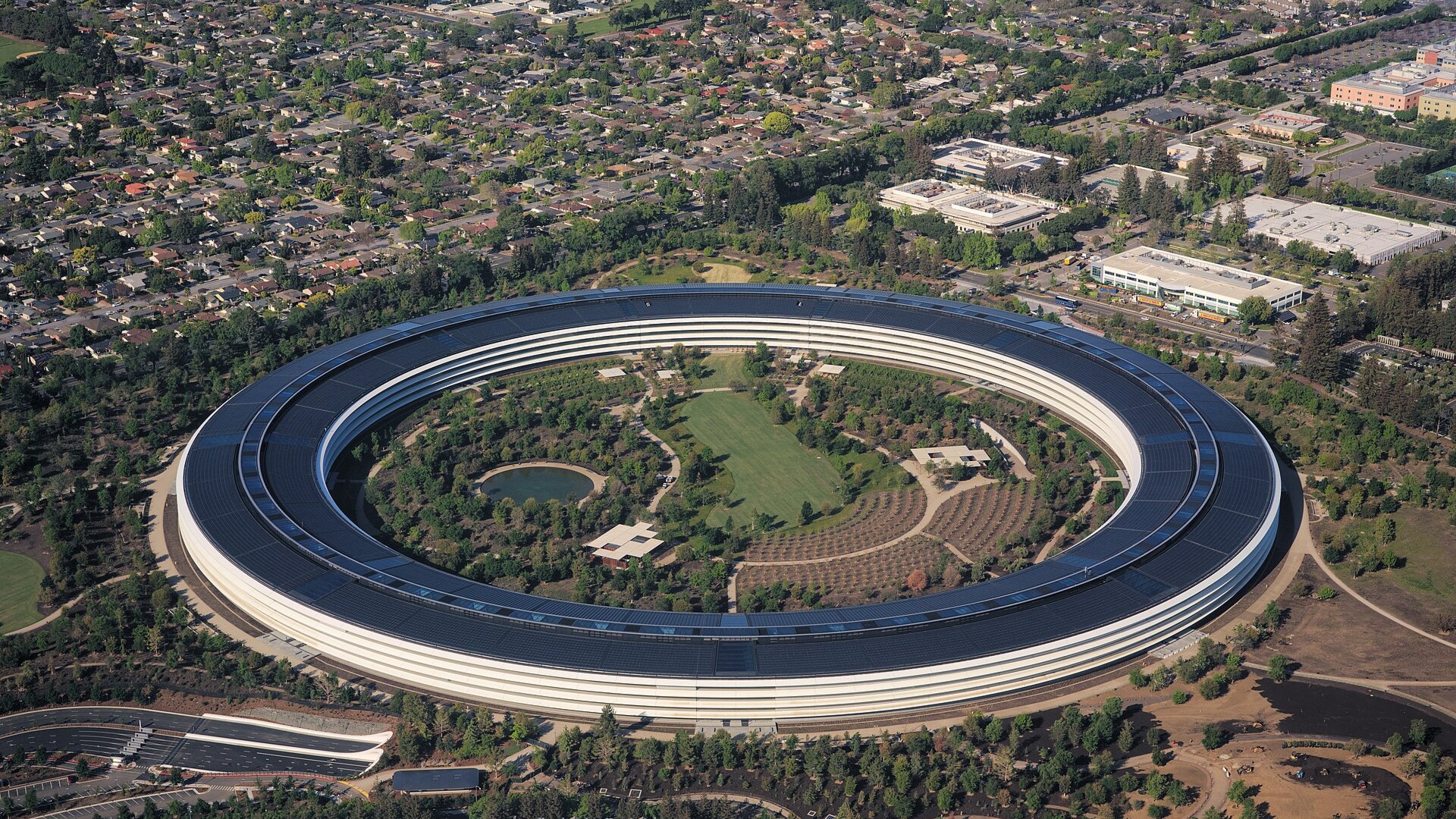
Graphic designer Rob Janoff drew Apple's rainbow-striped mark in 1977 while working at Regis McKenna's agency in California. In later interviews, Janoff explained he took a bite out of the apple solely for visual scale so smaller printed versions would not resemble a cherry.
2. Twinkies Actually Expire In Weeks
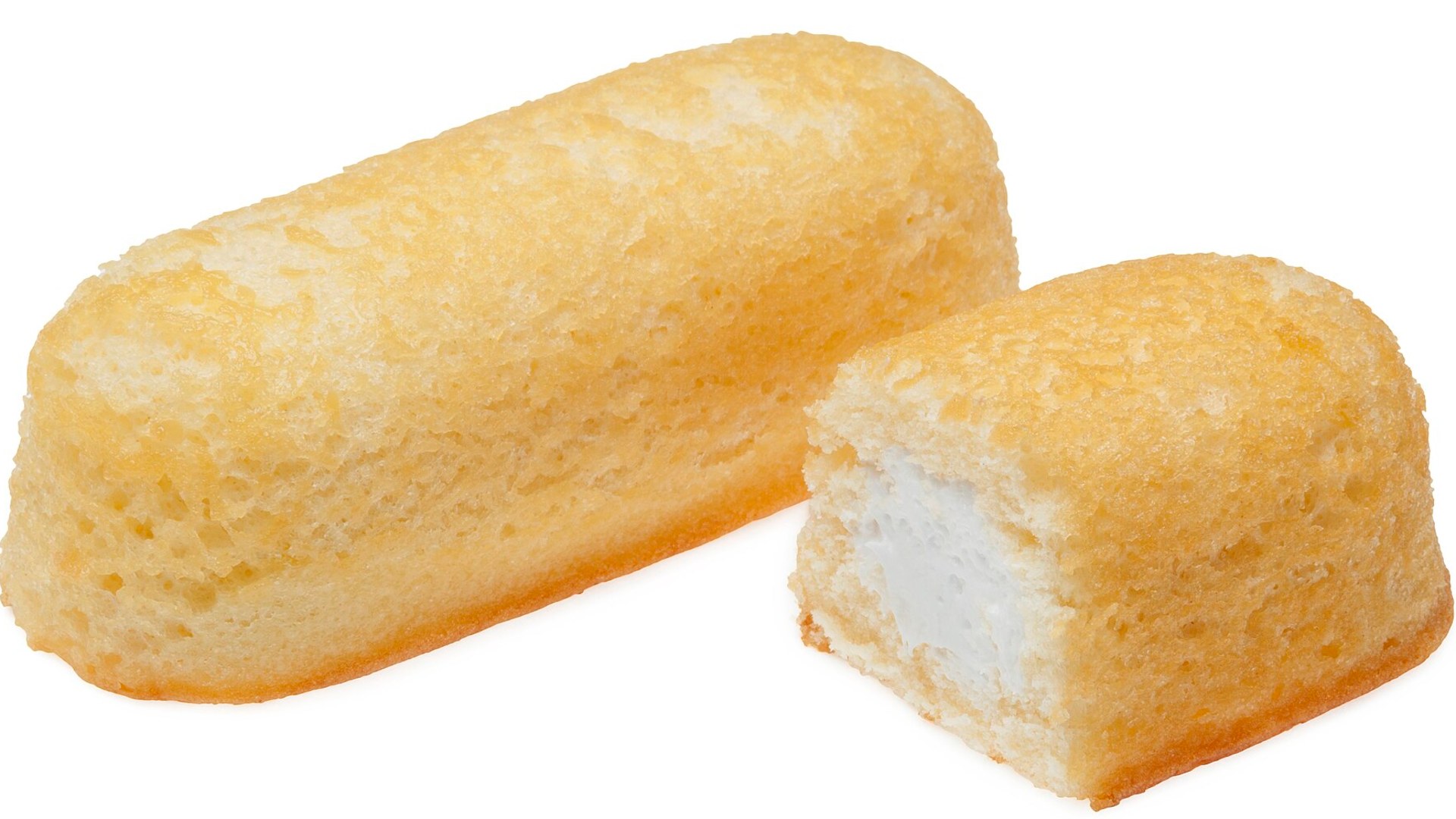
Hostess originally gave Twinkies a 25-day shelf life before extending it to about 45 days in 2012 through tweaked packaging and recipe updates. Food historians note the sponge cakes omit real dairy that spoils fast, yet they still dry out and grow mold within weeks of opening.
1. Coca-Cola Did Not Invent Red Santa
Cartoonist Thomas Nast illustrated Santa in red fur in Harper's Weekly during the 1860s, and postcard printer Louis Prang sold red-suited Santa cards in 1885. Illustrator Haddon Sundblom simply popularized that look worldwide when he painted Coca-Cola's holiday ads starting in 1931.