Slideshow · Lifestyle
20 Christian Holidays and Why They Are Celebrated
Christian holidays and why they are celebrated reflect centuries of biblical history and living faith. From the quiet anticipation of Advent to the festive joy of Christmas and Easter, these sacred days shape calendars worldwide. This comprehensive guide details twenty major feasts and their sacred meanings.
By Most Viral Today
2 hours ago

Sacred Seasons and Traditions 
20. Advent Preparation 
19. Christmas Eve Vigil 
18. Christmas Day Nativity - AdvertisementSwipe or tap ▶ to continue countdown

17. Feast Of Saint Stephen 
16. Holy Innocents Day 
15. Epiphany Of The Magi 
14. Candlemas Presentation - AdvertisementSwipe or tap ▶ to continue countdown

13. Ash Wednesday 
12. Palm Sunday 
11. Holy Thursday 
10. Good Friday - AdvertisementSwipe or tap ▶ to continue countdown

9. Holy Saturday Vigil 
8. Easter Sunday 
7. Divine Mercy Sunday 
6. Ascension Day - AdvertisementSwipe or tap ▶ to continue countdown

5. Pentecost Sunday 
4. Trinity Sunday 
3. Corpus Christi 
2. Assumption Of Mary - AdvertisementSwipe or tap ▶ to continue countdown

1. All Saints Day - Advertisement🔥 UP NEXT IN THIS SERIES◫ 25 Slides

24 Classic American Foods Travelers Miss Most When Living Abroad
Living or traveling overseas often reveals how many everyday American pantry staples and regional diner classics are hard to find outside North America. Counting down from 24 to 1, this gallery pairs expat favorites with culinary origins from the Library of Congress, USDA records, and state historical archives.
Based on historical records and theological documentation from Britannica, BBC Religion, Vatican News, and the Library of Congress. These twenty Christian holidays span the full liturgical calendar. Each entry examines scriptural origins, ancient church councils, and longstanding community observances.
Swipe or tap ▶ to begin the countdown
©Pixabay / mianviru
20. Advent Preparation
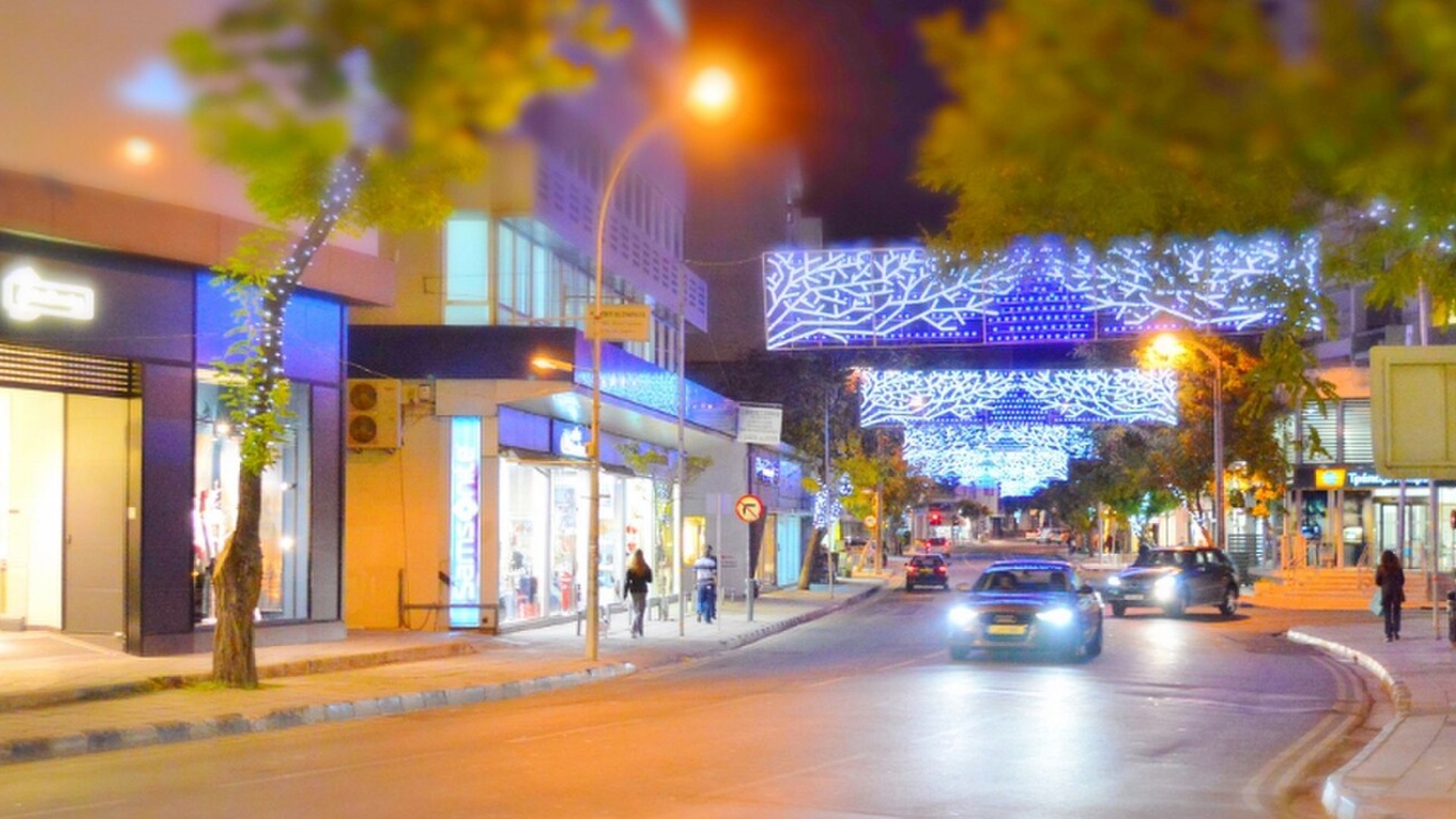
Advent marks the beginning of the Western liturgical calendar, spanning the four Sundays preceding Christmas Day. The Council of Tours in 567 established fasting regulations for monks during this preparatory period. Today, families light four successive candles on an evergreen wreath to symbolise hope and peace.
©Wikimedia / Mak1820
19. Christmas Eve Vigil
Christmas Eve on December 24 is the traditional vigil preceding the Nativity of Jesus Christ. Liturgical customs date back to ancient Jerusalem, where nocturnal vigils were conducted at the Church of the Nativity. Many churches hold Midnight Mass services, featuring candlelit processions and choral anthems.
©Wikimedia / Vitaliy Ankov, Виталий Аньков
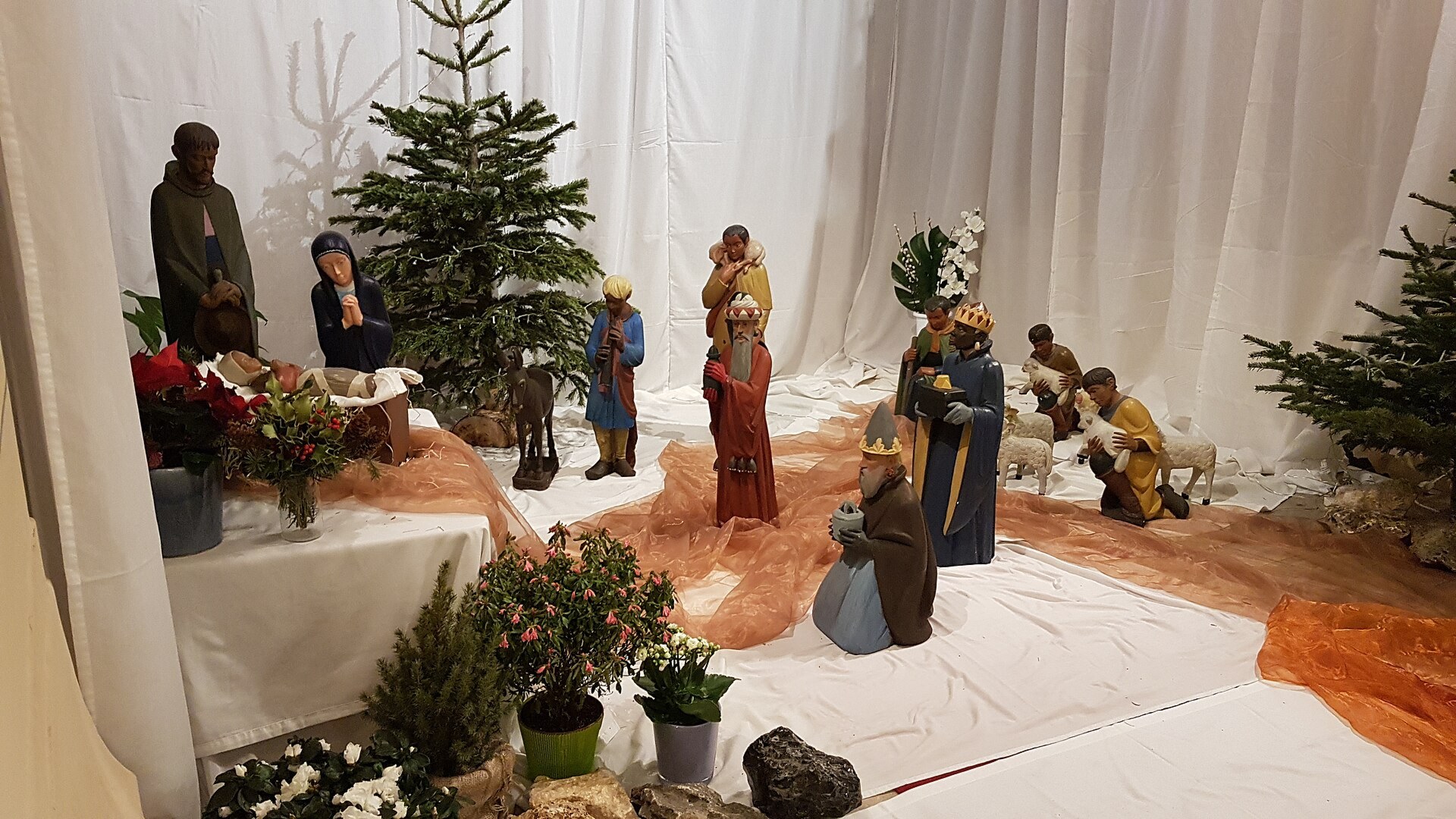
18. Christmas Day Nativity
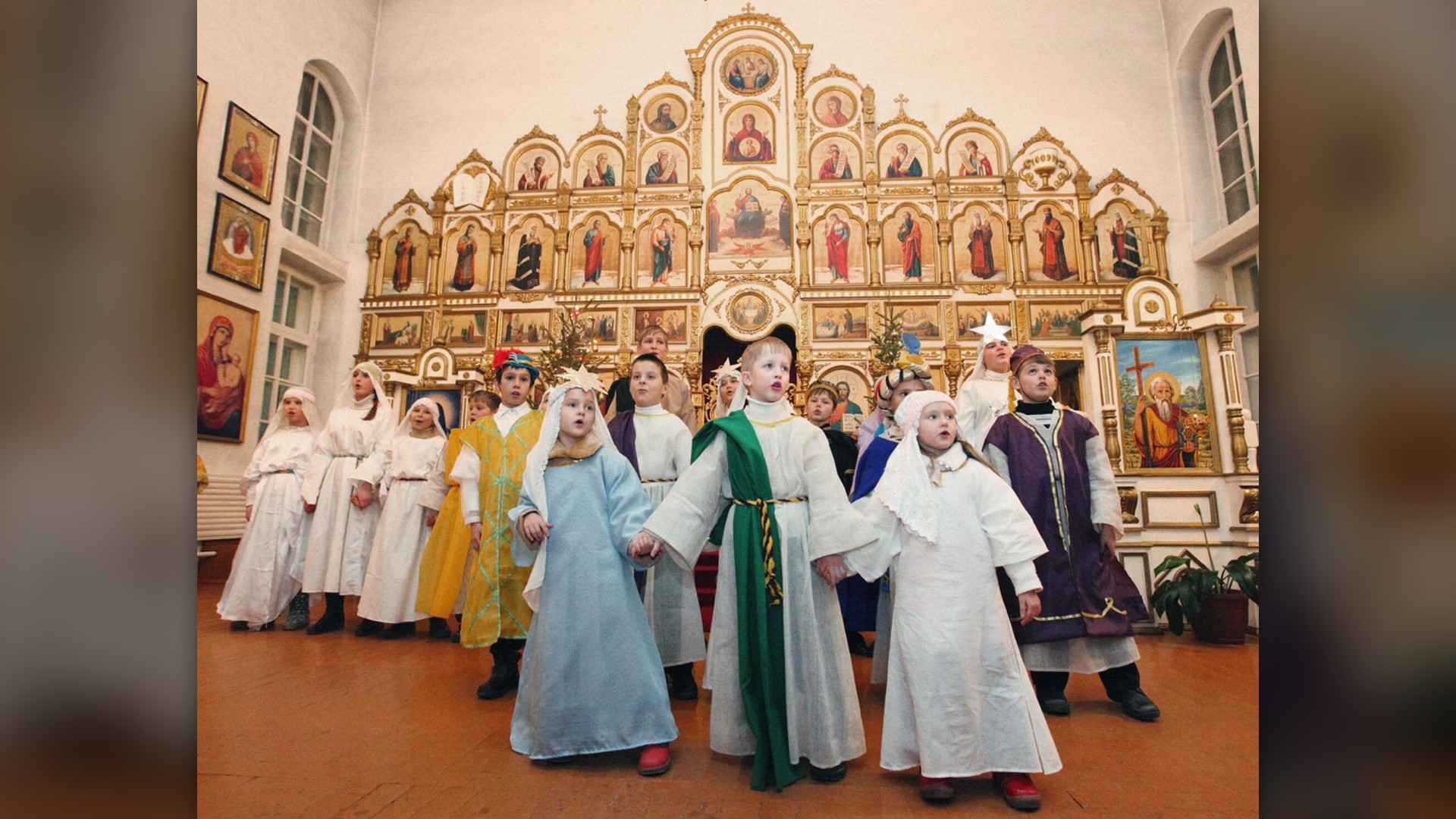
Christmas Day on December 25 commemorates the birth of Jesus Christ in Bethlehem. The earliest recorded celebration in Rome dates to 336 AD under Emperor Constantine. Churches worldwide hold services focused on Luke chapter two, celebrating the incarnation through liturgical prayers, hymns, and nativity crèches.
©Wikimedia / Ideefixe
Advertisement
Swipe or tap ▶ to resume the countdown.
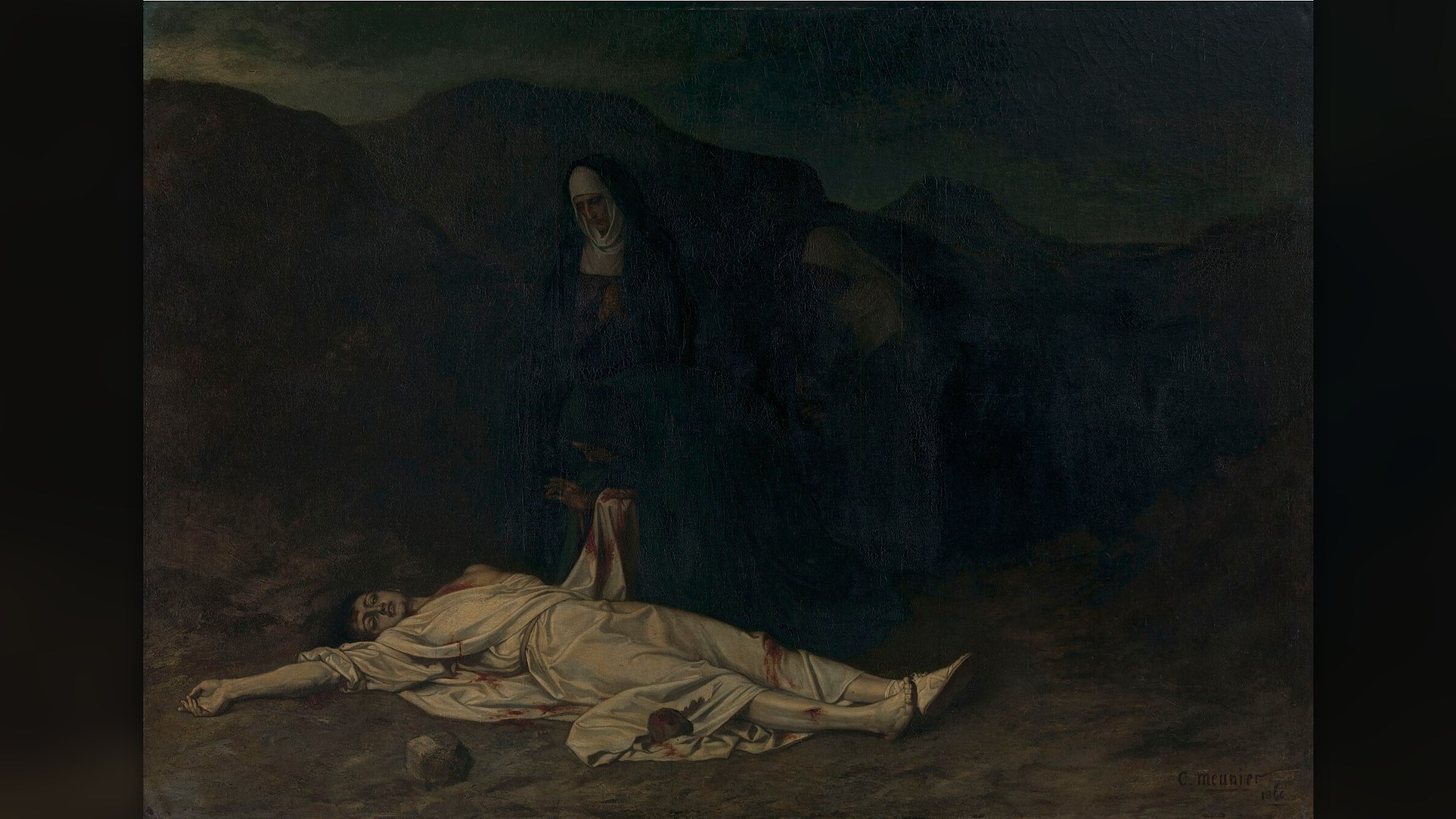
17. Feast Of Saint Stephen
The Feast of Saint Stephen on December 26 honors the first Christian martyr, who was stoned outside Jerusalem around 34 AD. The Acts of the Apostles describes him as an early deacon caring for the poor. In Britain and Commonwealth nations, the date corresponds with Boxing Day, a holiday tied to charitable giving.
©Wikimedia / Constantin Meunier
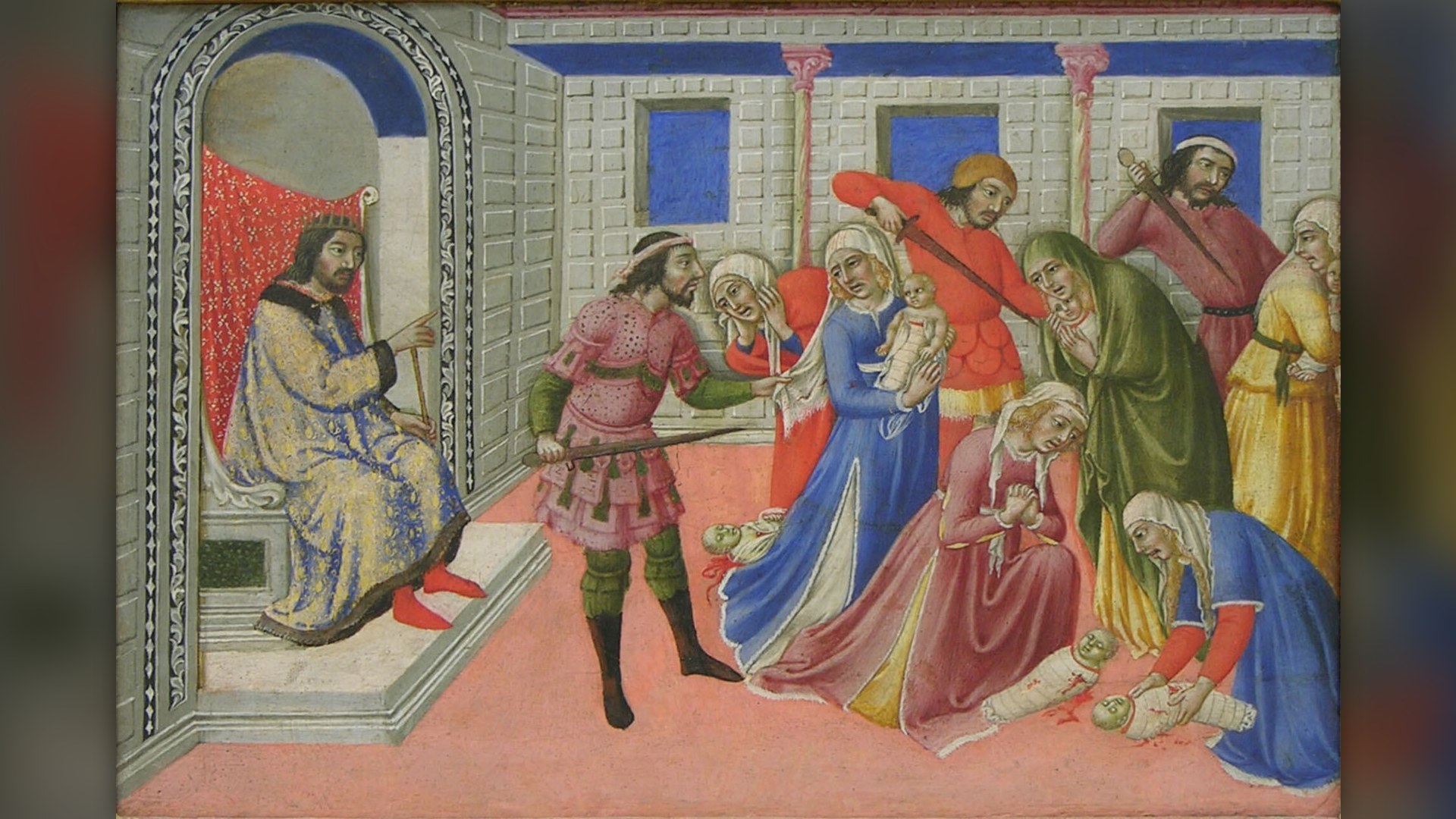
16. Holy Innocents Day
Holy Innocents Day on December 28 commemorates the young male infants of Bethlehem slain on the orders of King Herod. The Gospel of Matthew recounts the decree aimed at eliminating the infant Messiah. Churches have observed the feast since the fifth century, remembering the victims as early witnesses to Christ.
©Wikimedia / Sano di Pietro
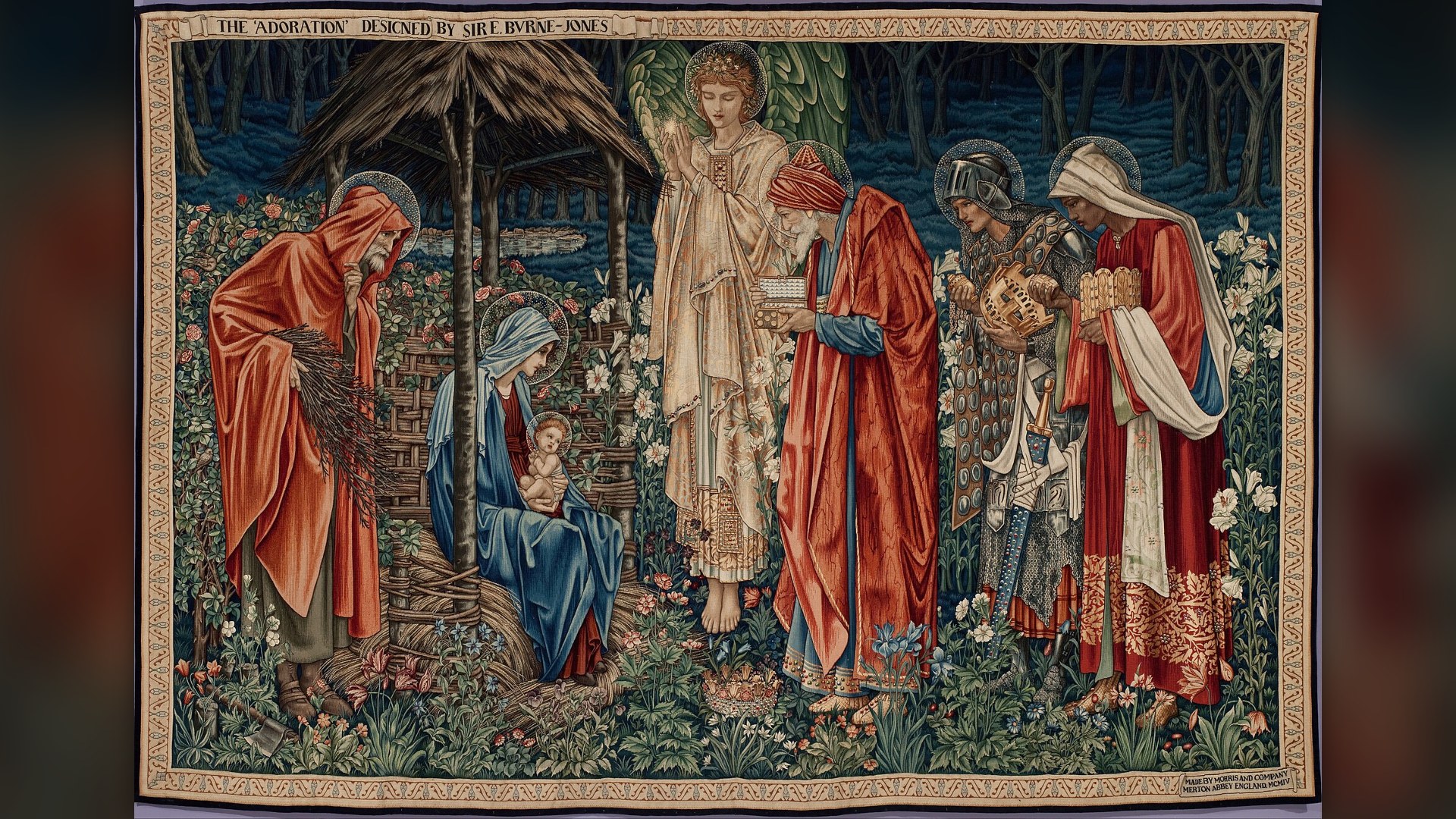
15. Epiphany Of The Magi
Epiphany on January 6 commemorates the manifestation of Jesus Christ to the Magi, representing the Gentile nations. In Western traditions, the day celebrates the arrival of the three Wise Men bearing gold, frankincense, and myrrh. Eastern churches observe it as Theophany, focusing on the baptism of Jesus in the Jordan.
©Wikimedia / Edward Burne-Jones
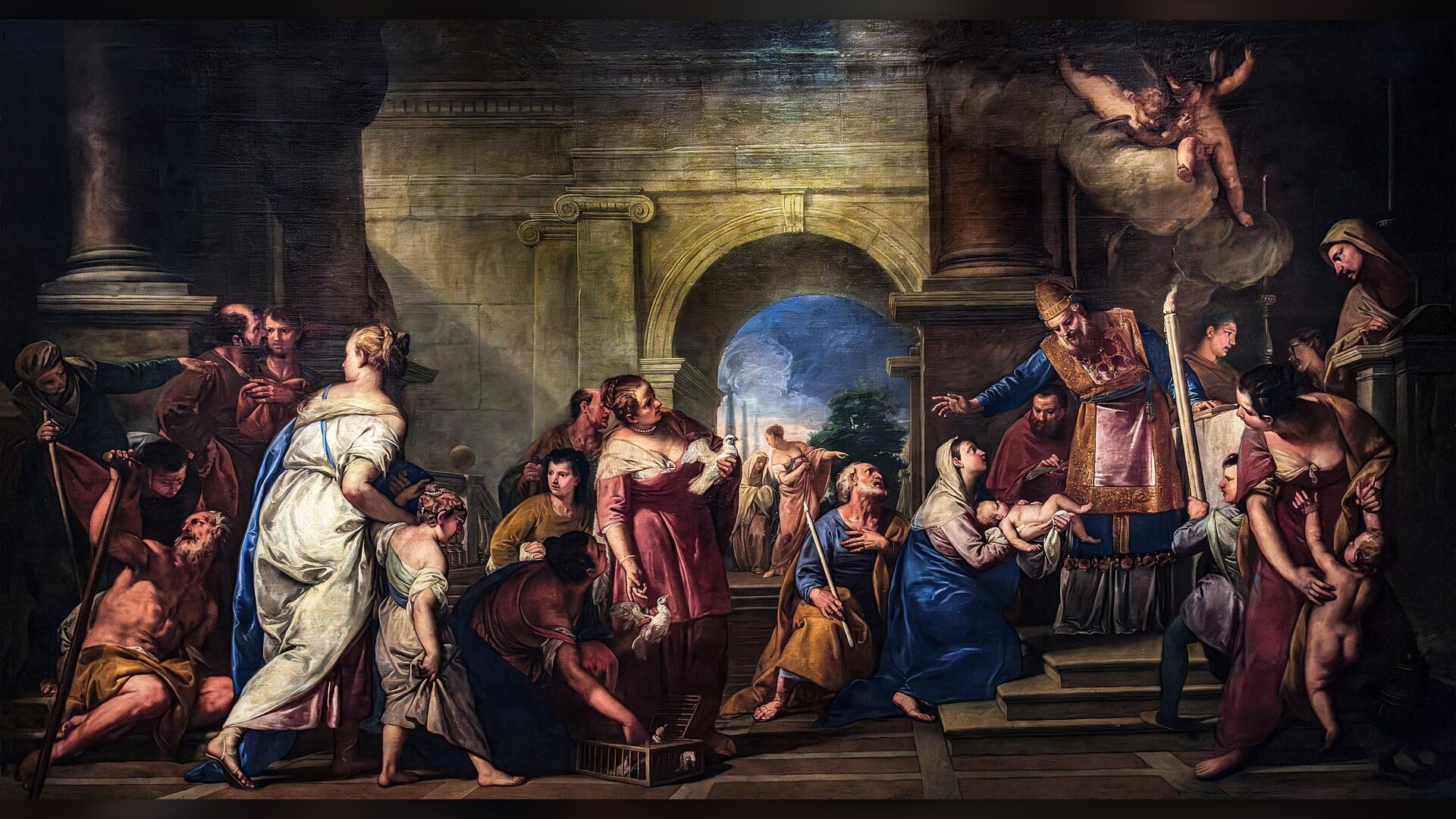
14. Candlemas Presentation
Candlemas on February 2 marks the Presentation of Jesus at the Temple in Jerusalem, exactly forty days after his birth. In Jewish tradition, Mary underwent ritual purification according to Mosaic law. Churches bless beeswax candles during mass, recalling Simeon describing the infant Jesus as a light to the Gentiles.
©Wikimedia / Didier Descouens
Advertisement
Swipe or tap ▶ to resume the countdown.
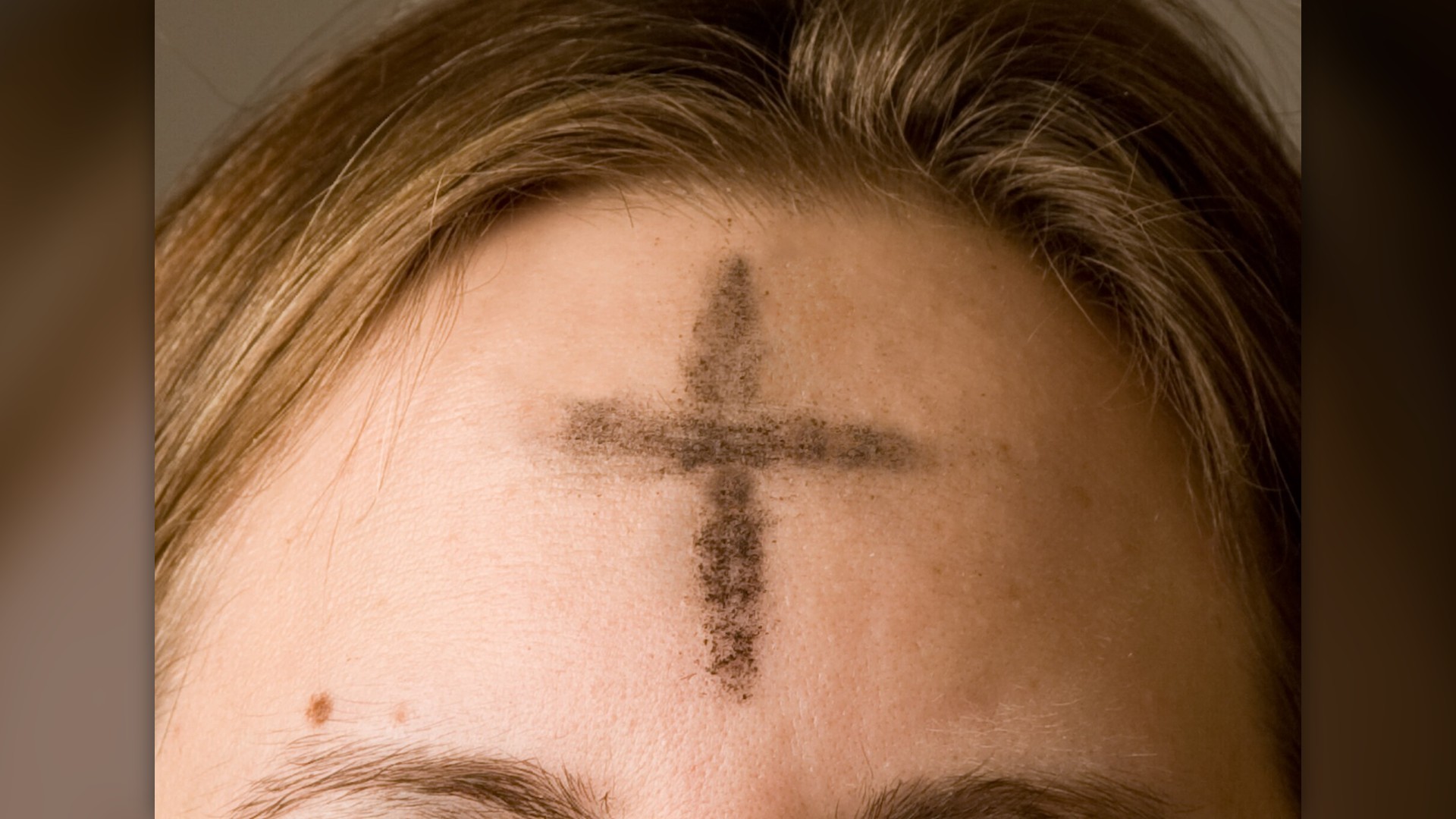
13. Ash Wednesday
Ash Wednesday signals the start of Lent, a forty-day period of prayer, penance, and fasting leading up to Easter. Priests mark worshipers foreheads with blessed ashes made from the previous year Palm Sunday fronds. The words spoken remind believers of their mortality, quoting Genesis chapter three verse nineteen.
©Wikimedia / Oxh973
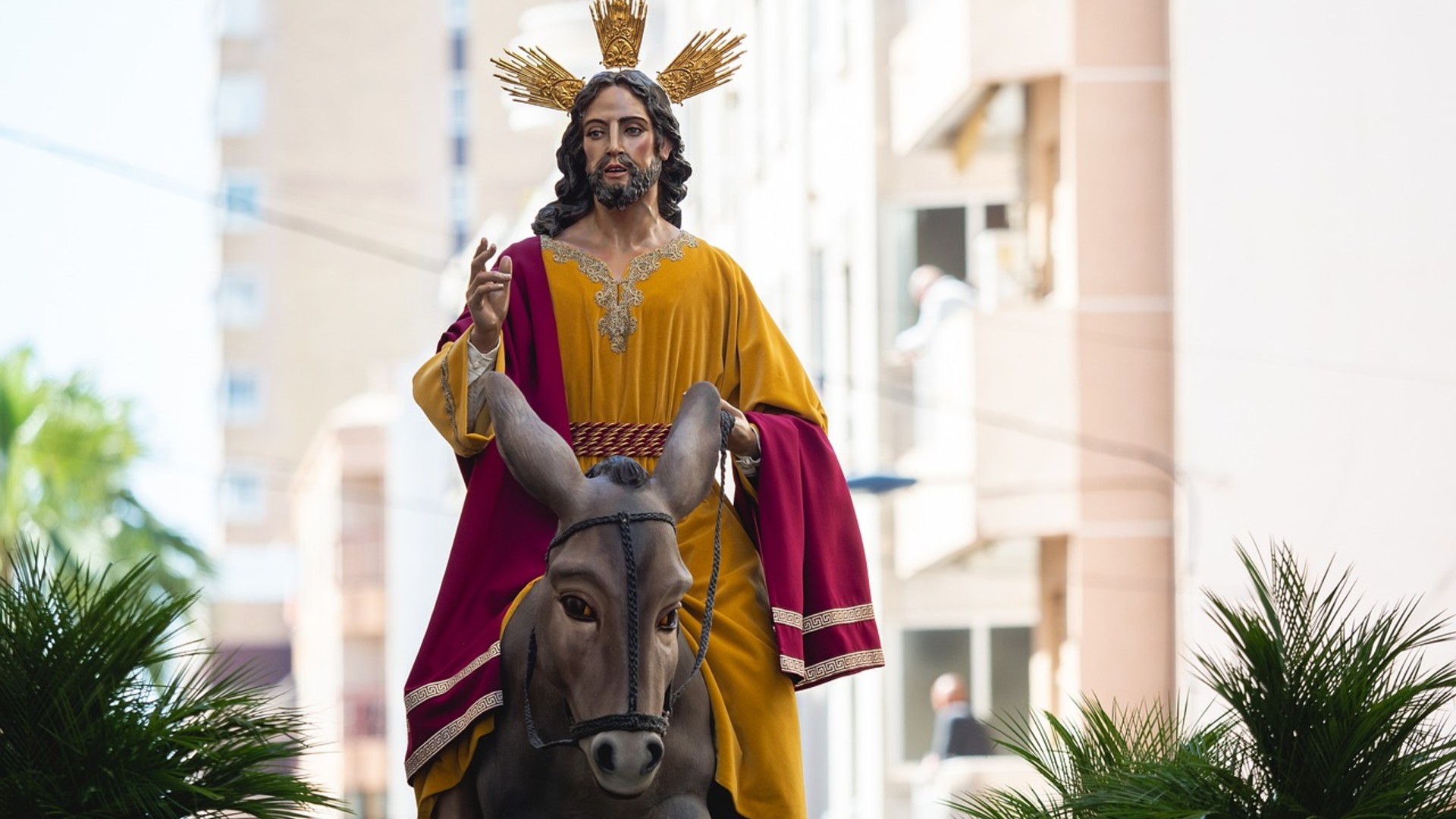
12. Palm Sunday
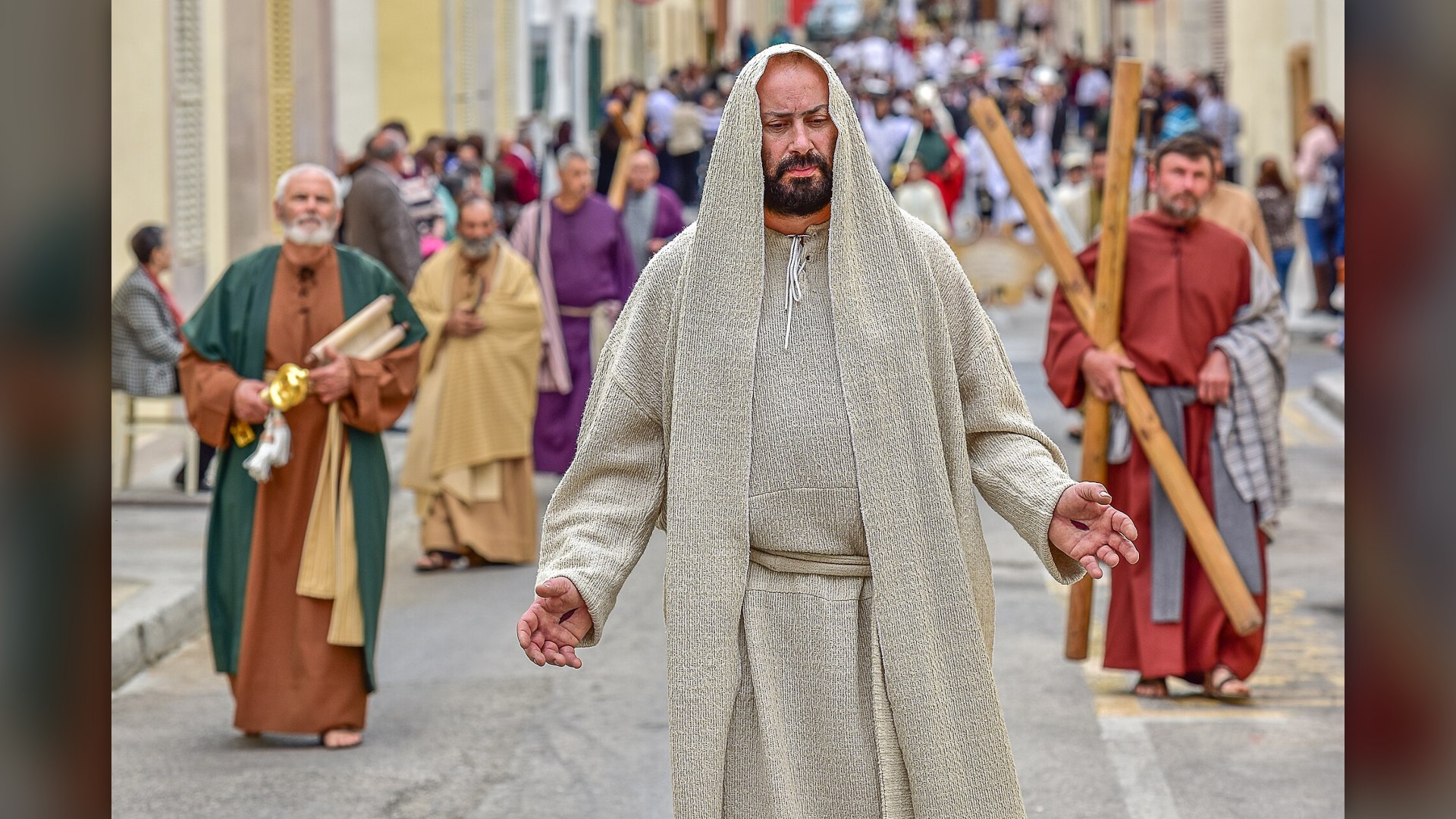
Palm Sunday opens Holy Week, commemorating Jesus triumphant entry into Jerusalem days before his crucifixion. Crowds laid cloaks and palm branches along his path, acclaiming him as king. Congregations today wave blessed palms in festive processions before hearing the solemn reading of the Passion gospel.
©Wikimedia / Basher Eyre
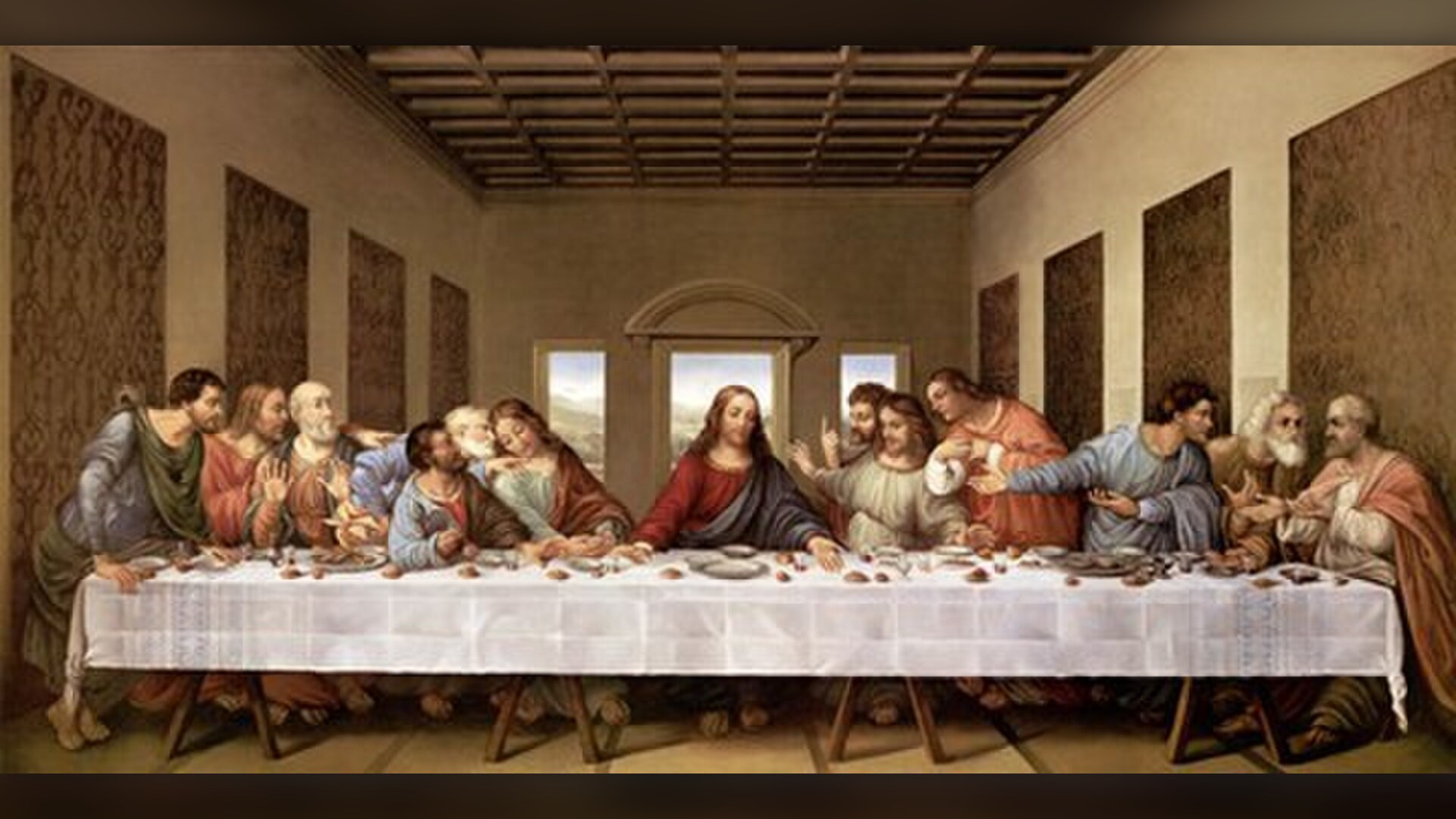
11. Holy Thursday
Holy Thursday, also called Maundy Thursday, commemorates the Last Supper of Jesus with his disciples in the Upper Room. During this meal, Jesus instituted the sacrament of the Eucharist and washed the feet of the twelve apostles. Catholic and Anglican services replicate this foot-washing ritual during evening mass.
©Wikimedia / Leonardo da Vinci
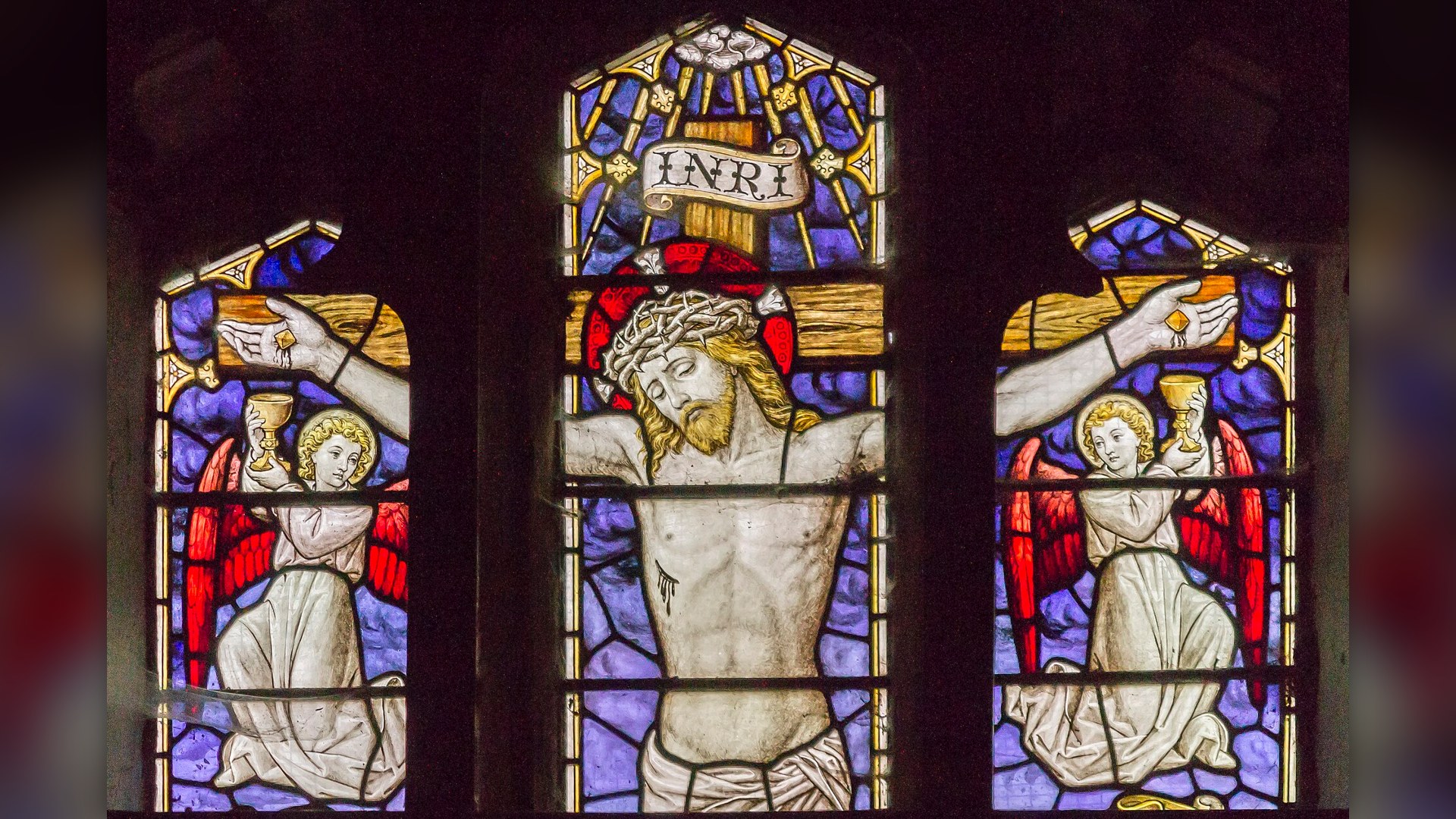
10. Good Friday
Good Friday is the most solemn day of the liturgical year, remembering the trial, crucifixion, and death of Jesus at Calvary. Churches strip altars bare, ring no bells, and read the Gospel passion narrative. Believers observe strict fasting while venerating the wooden cross during afternoon services.
©Wikimedia / Bellina 09
Advertisement
Swipe or tap ▶ to resume the countdown.
9. Holy Saturday Vigil
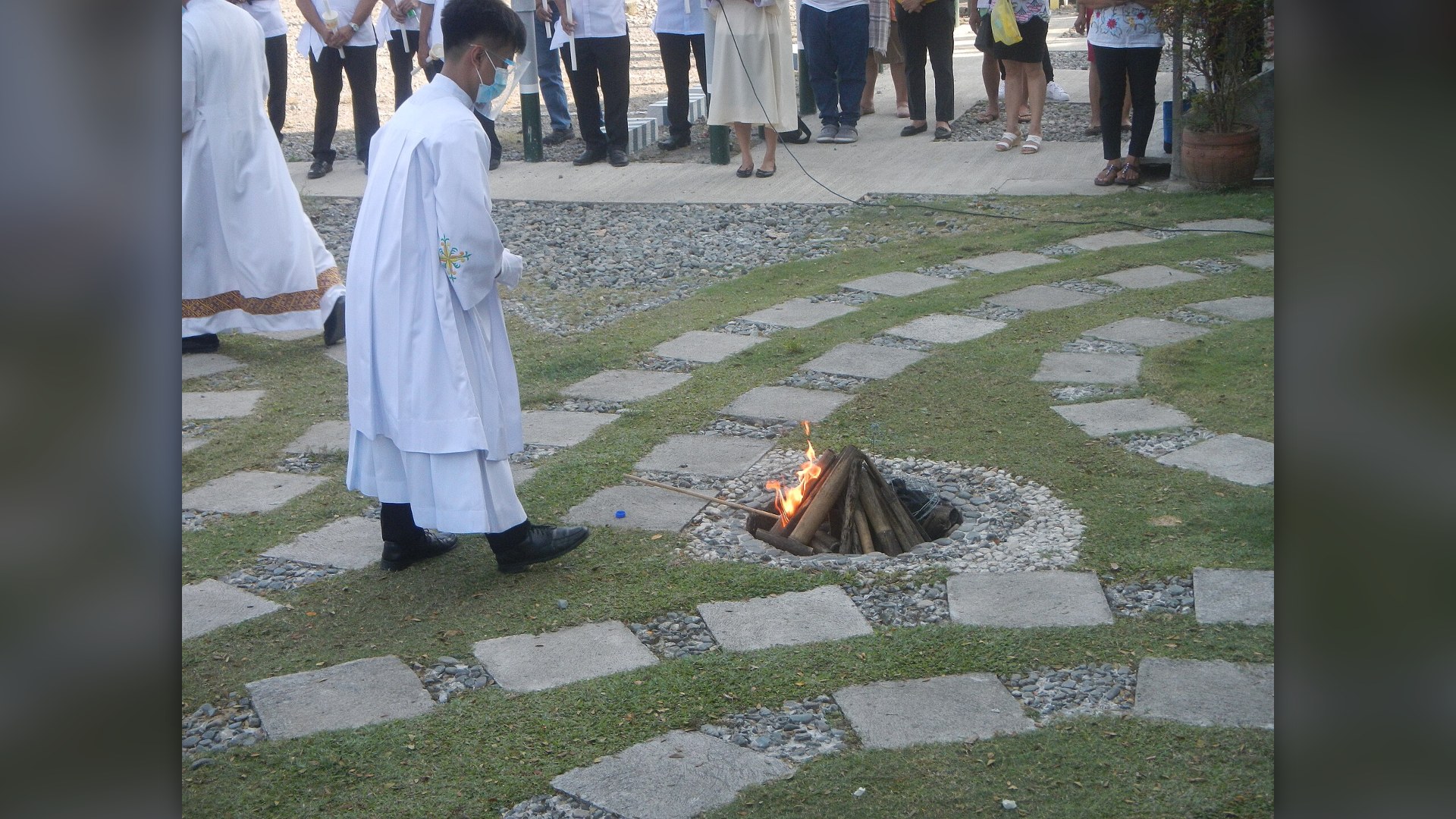
Holy Saturday represents the quiet transition between the burial of Christ and his resurrection from the tomb. After nightfall, churches gather in darkness to begin the Easter Vigil, lighting the new Paschal fire outside. A decorated candle is carried into the sanctuary while the ancient Exsultet hymn is chanted.
©Wikimedia / JFVelasquez Floro
8. Easter Sunday
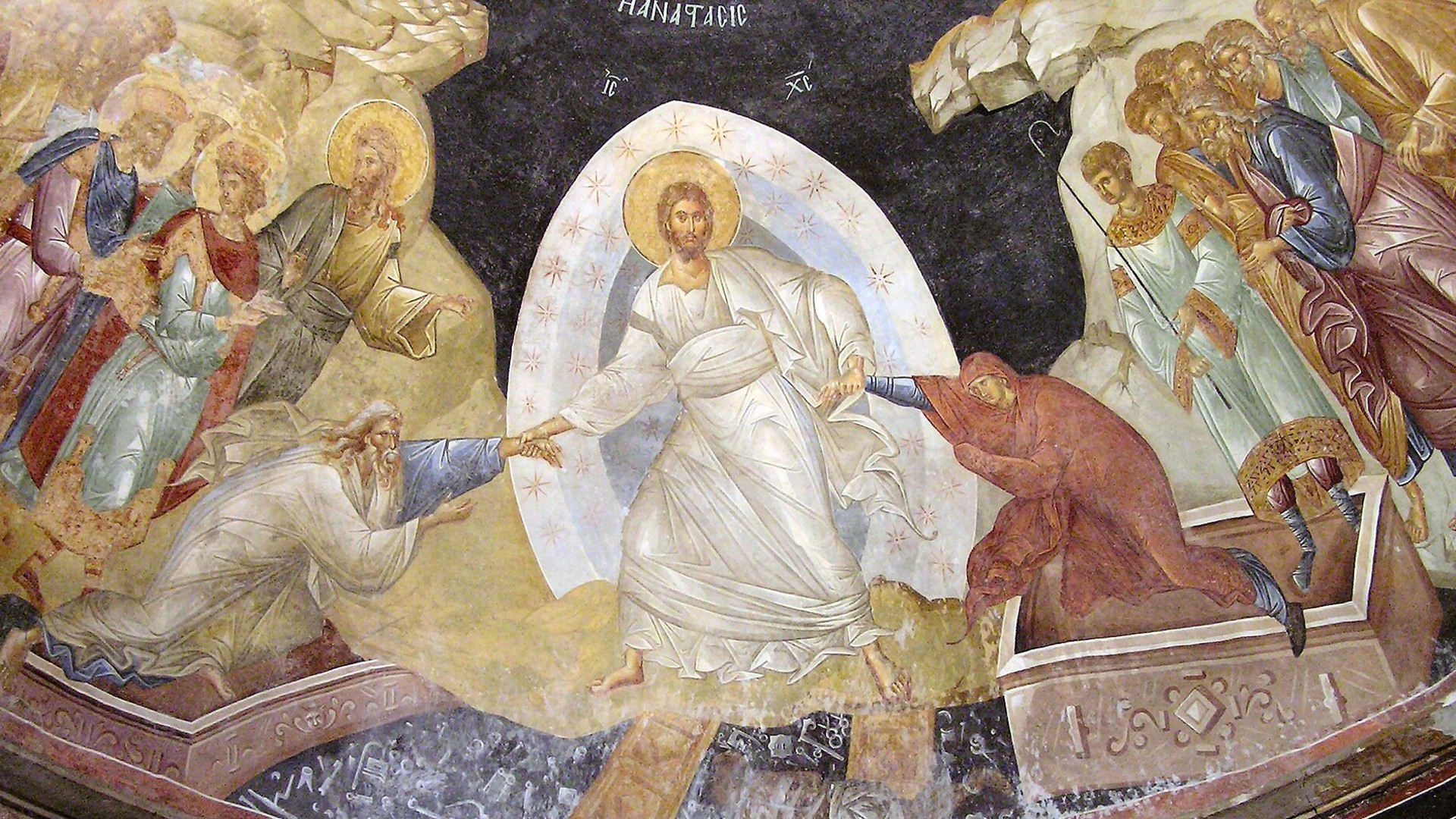
Easter Sunday is the pinnacle of the Christian calendar, celebrating the resurrection of Jesus Christ on the third day after his burial. The Council of Nicaea in 325 AD established its date after the spring full moon. Joyful services ring bells and proclaim the ancient Paschal greeting.
©Wikimedia / Easter
7. Divine Mercy Sunday
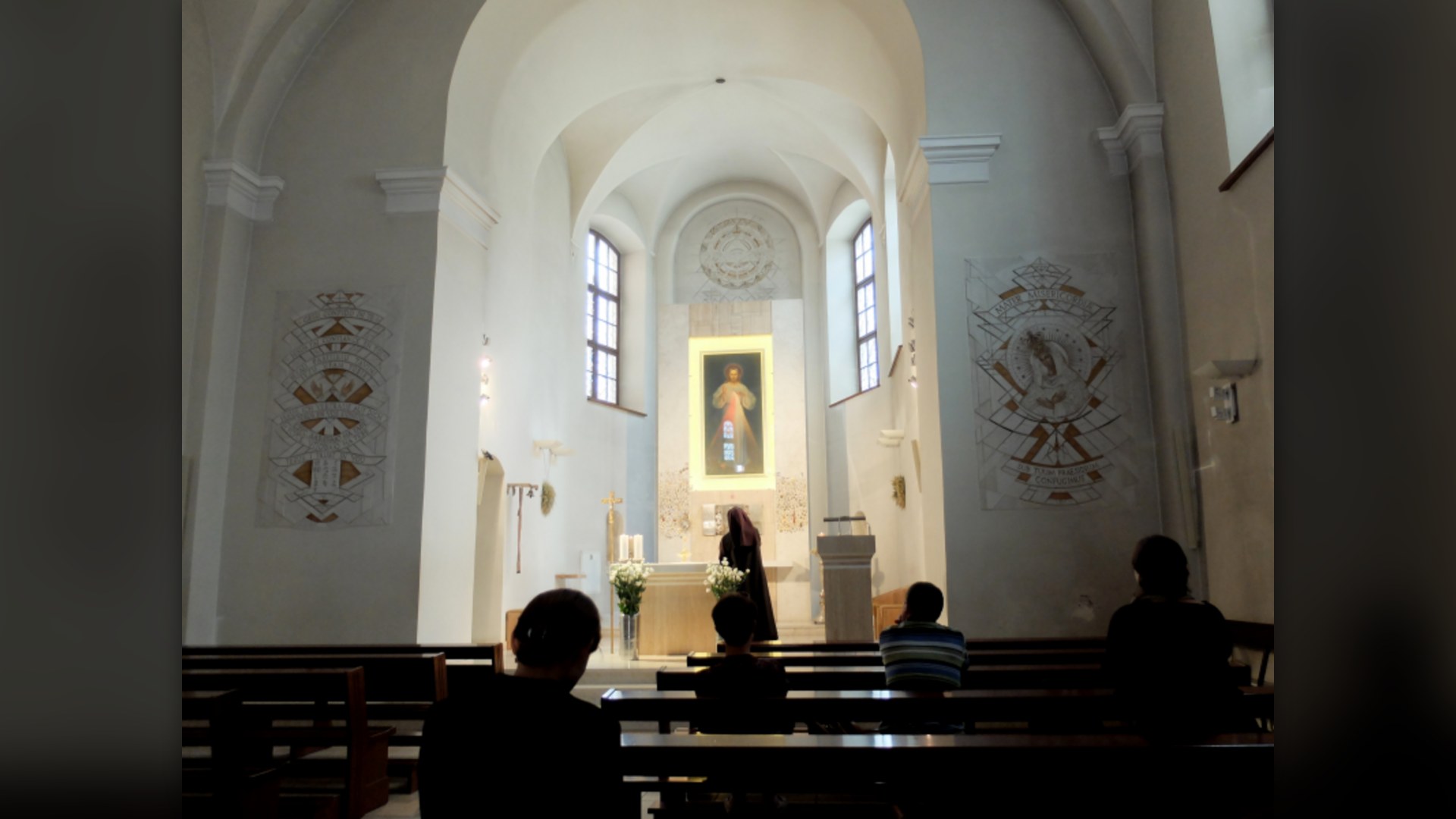
Divine Mercy Sunday falls on the first Sunday after Easter, instituted globally by Pope John Paul II in the year 2000. The observance stems from mystical revelations reported by Saint Faustina Kowalska, a Polish nun in the 1930s. Worshipers recite the Divine Mercy Chaplet, focusing on forgiveness and spiritual renewal.
©Wikimedia / Luxetowiec
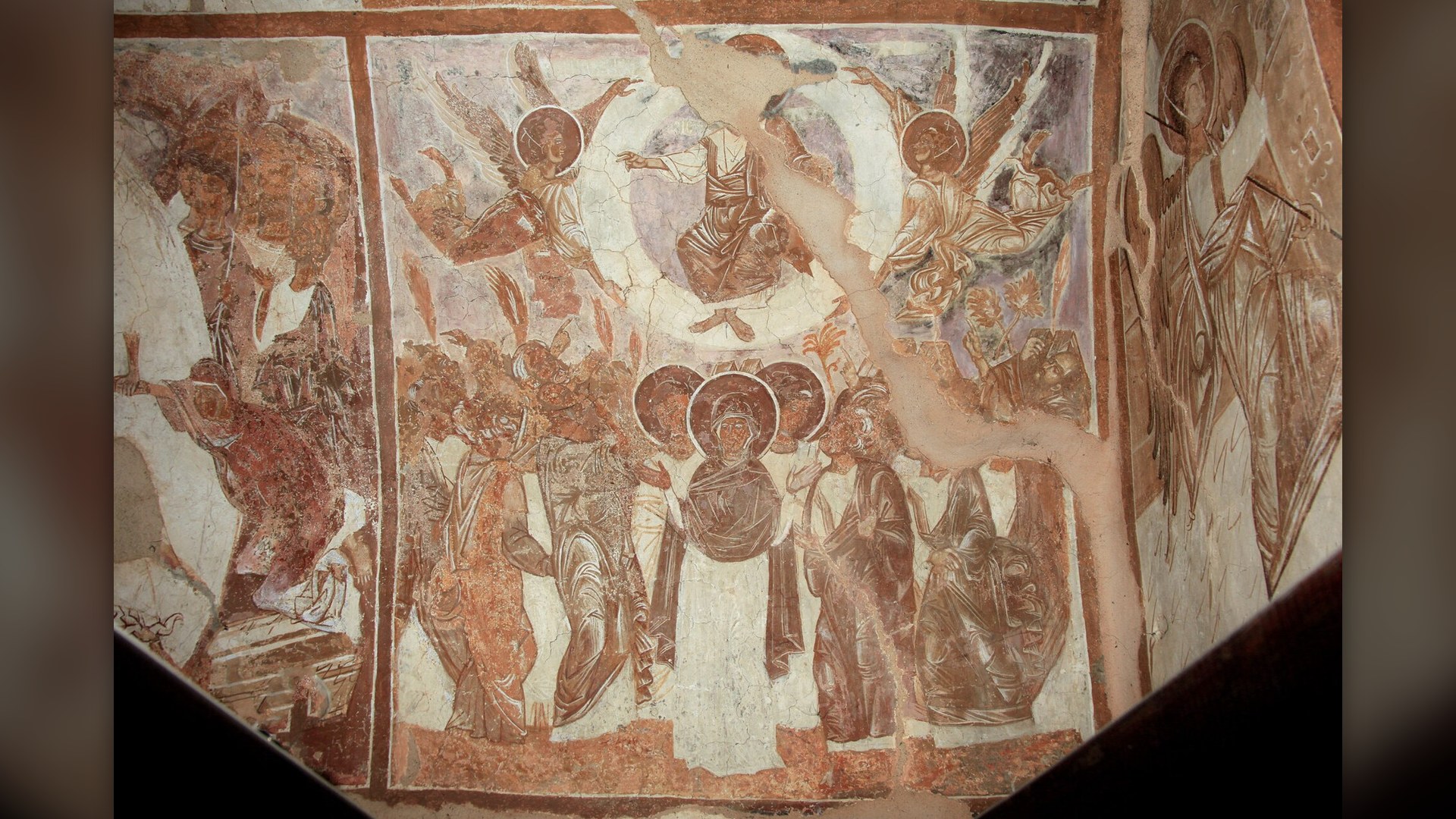
6. Ascension Day
Ascension Day occurs forty days after Easter, commemorating Christ bodily departure into heaven from the Mount of Olives. The Acts of the Apostles describes Jesus giving final instructions to his disciples before rising from their sight. The feast affirms his heavenly kingship and authority.
©Wikimedia / BLAGO Fund, Inc
Advertisement
Swipe or tap ▶ to resume the countdown.
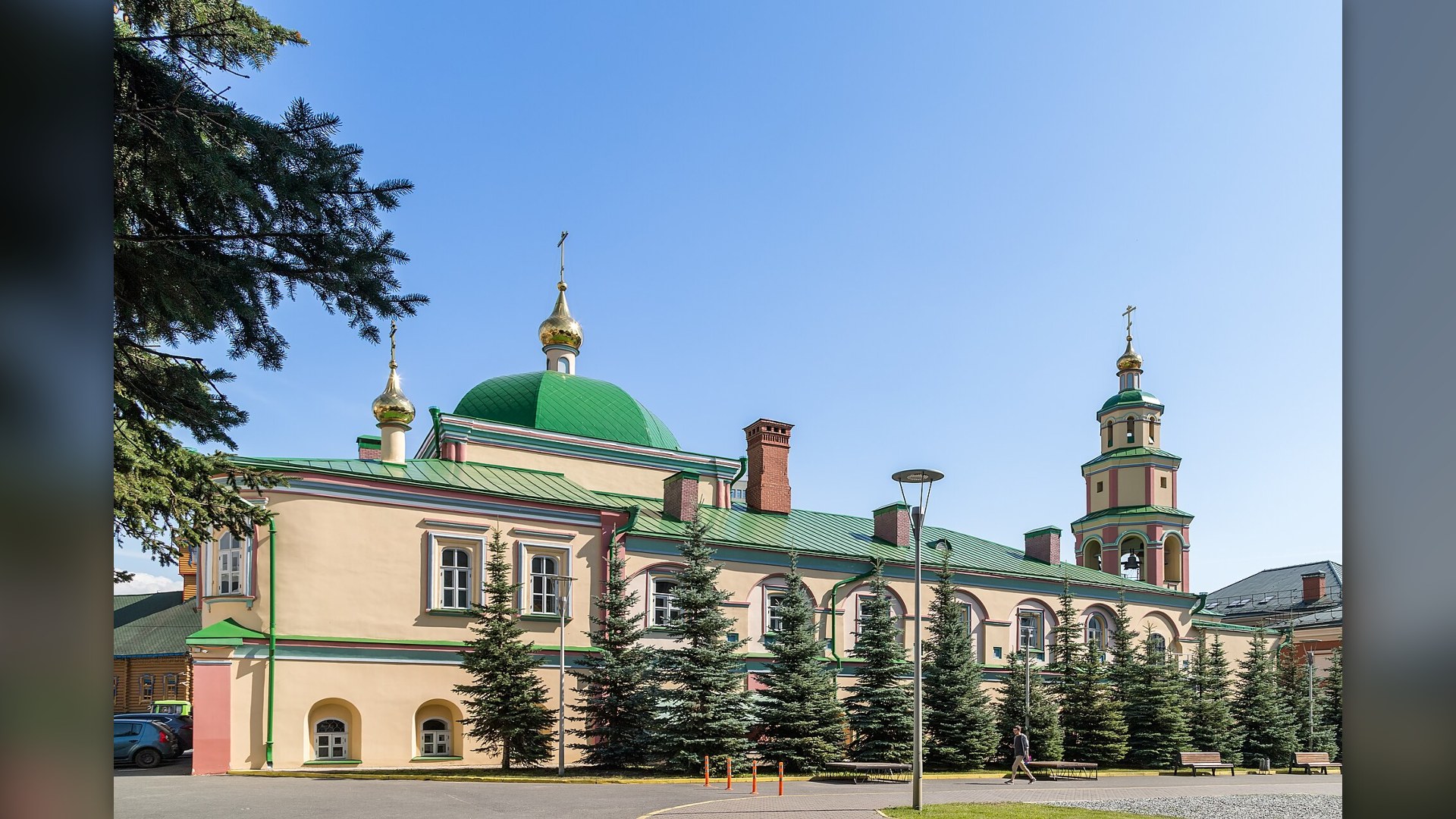
5. Pentecost Sunday
Pentecost arrives fifty days after Easter Sunday, celebrating the Holy Spirit descending upon the apostles gathered in Jerusalem. Acts chapter two records the appearance of parted tongues of fire and the gift of speaking in diverse tongues. Christian tradition regards the event as the official birthday of the church.
©Wikimedia / Mike1979 Russia
4. Trinity Sunday
Trinity Sunday falls on the first Sunday after Pentecost, honoring the central doctrine of God as three persons in one divine substance. Pope John XXII formally extended the feast across the Latin Church in 1334. Worshipers recite the historic Athanasian Creed to honor Father, Son, and Holy Spirit.
©Wikimedia / J.Hannan-Briggs
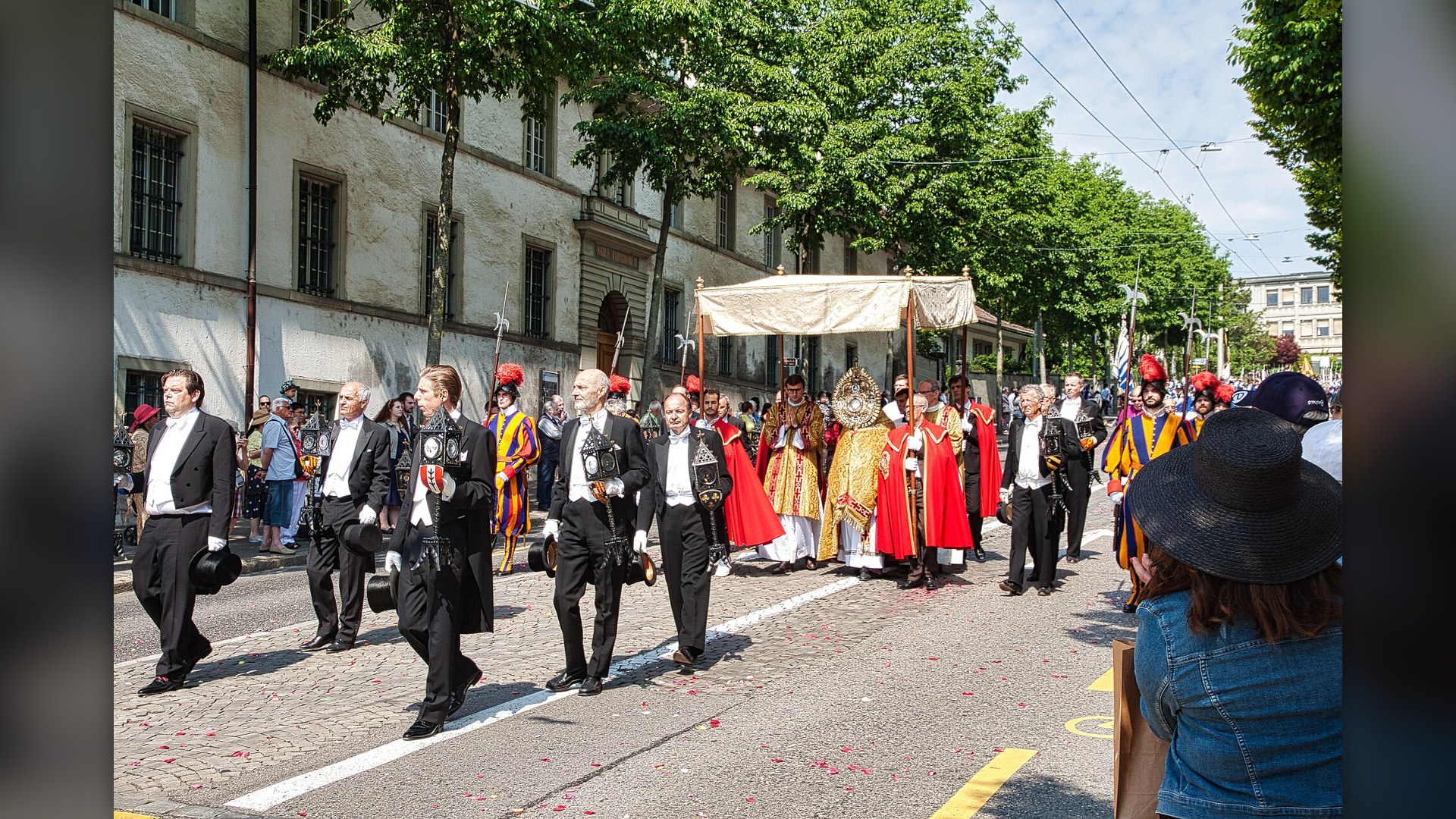
3. Corpus Christi
The Solemnity of Corpus Christi celebrates the physical presence of the Body and Blood of Christ in the holy Eucharist. Pope Urban IV instituted the universal feast in 1264 following the Eucharistic miracle of Bolsena. Parishes carry the consecrated host through city streets in decorative gold monstrances.
©Wikimedia / Martin Thurnherr
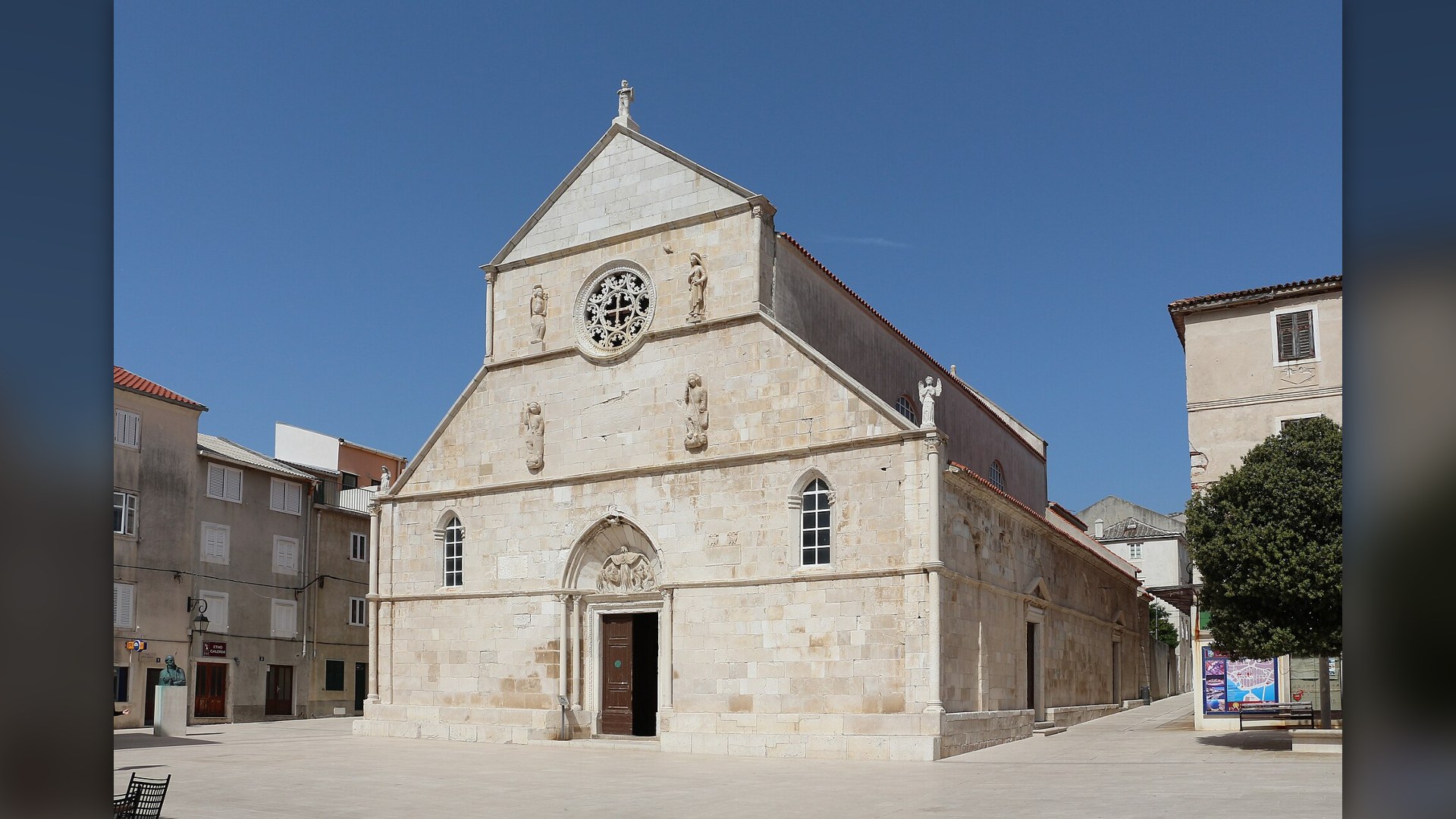
2. Assumption Of Mary
The Feast of the Assumption on August 15 commemorates the belief that Mary was taken bodily into heavenly glory at the close of her earthly life. Pope Pius XII formally defined the dogma in the 1950 constitution Munificentissimus Deus. Coastal towns hold processions with flower-draped statues.
©Wikimedia / Bernard Gagnon
Advertisement
Swipe or tap ▶ to resume the countdown.
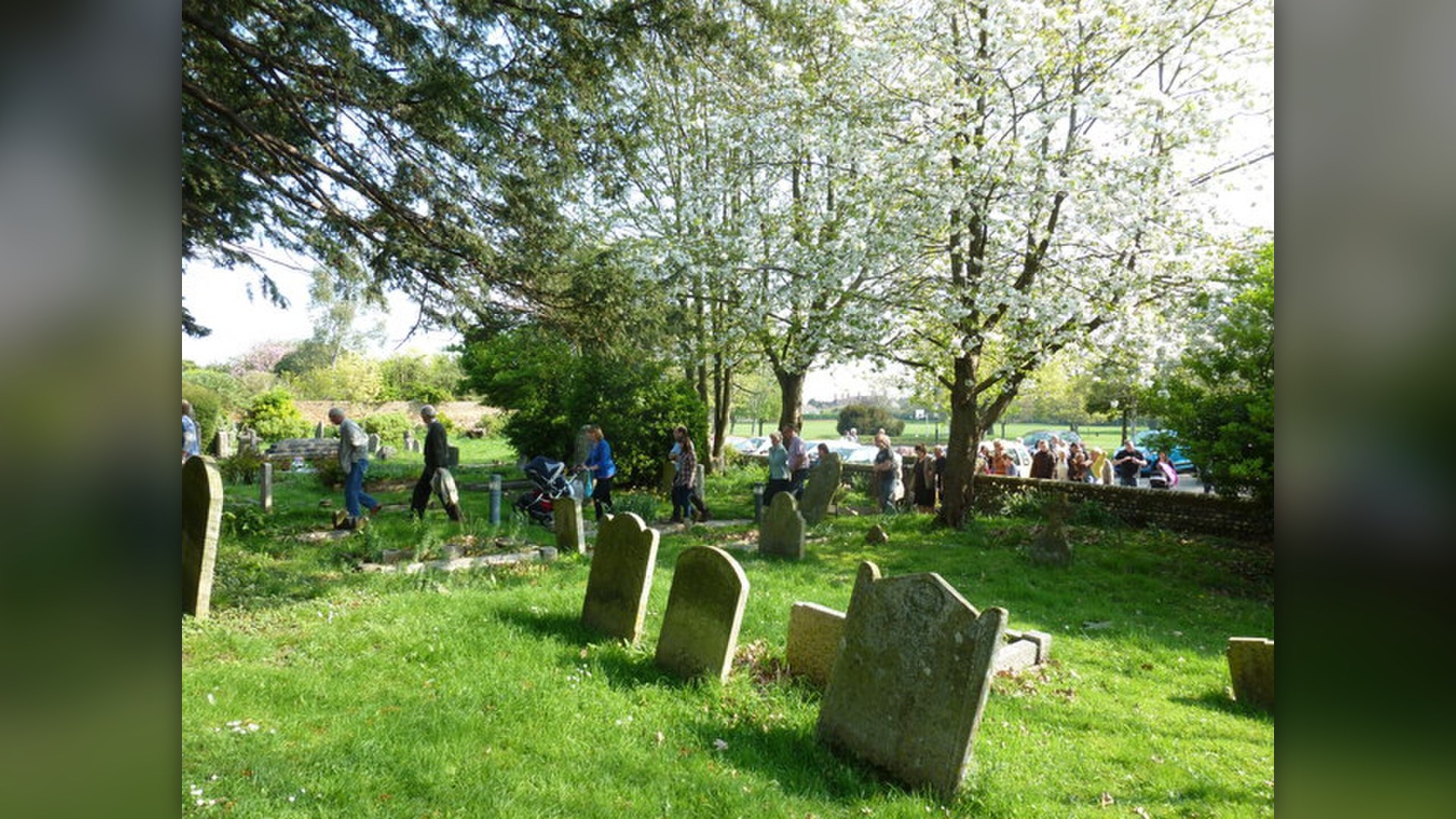
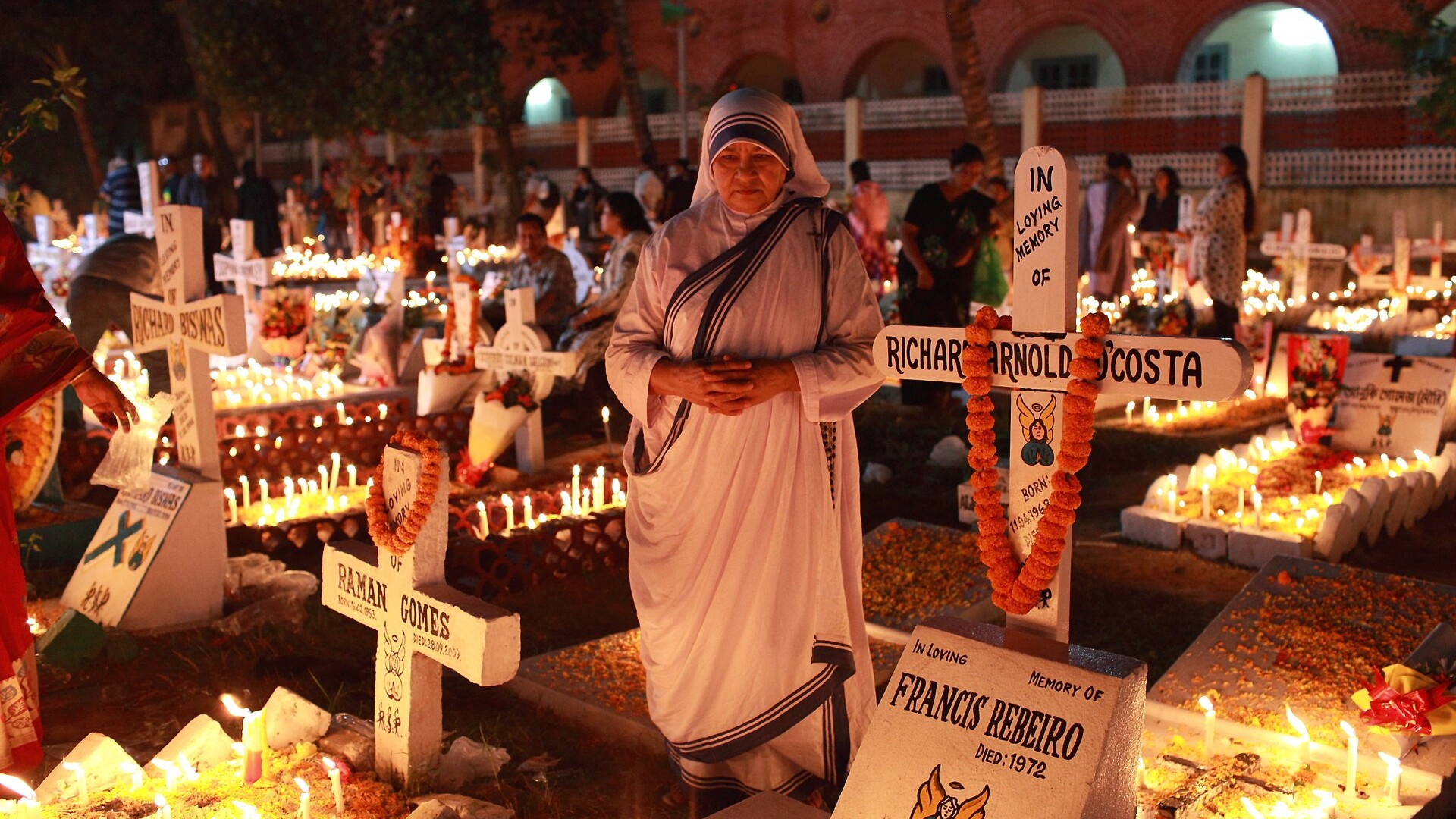
1. All Saints Day
All Saints Day on November 1 honors all recognized and unrecognized martyrs and saints throughout Christian history. Pope Gregory III consecrated a chapel in St. Peter Basilica to all the saints in the eighth century. Families visit cemeteries, lighting lanterns and laying wreaths to remember departed souls.
©Wikimedia / MuhammadAmdadHossain
Advertisement
You've reached the end of the story. Thanks for reading!

24 Classic American Foods Travelers Miss Most When Living Abroad
Living or traveling overseas often reveals how many everyday American pantry staples and regional diner classics are hard to find outside North America. Counting down from 24 to 1, this gallery pairs expat favorites with culinary origins from the Library of Congress, USDA records, and state historical archives.
All 20 Entries in this Story
Advent Preparation
Advent marks the beginning of the Western liturgical calendar, spanning the four Sundays preceding Christmas Day. The Council of Tours in 567 established fasting regulations for monks during this preparatory period. Today, families light four successive candles on an evergreen wreath to symbolise hope and peace.

Christmas Eve Vigil
Christmas Eve on December 24 is the traditional vigil preceding the Nativity of Jesus Christ. Liturgical customs date back to ancient Jerusalem, where nocturnal vigils were conducted at the Church of the Nativity. Many churches hold Midnight Mass services, featuring candlelit processions and choral anthems.

Christmas Day Nativity
Christmas Day on December 25 commemorates the birth of Jesus Christ in Bethlehem. The earliest recorded celebration in Rome dates to 336 AD under Emperor Constantine. Churches worldwide hold services focused on Luke chapter two, celebrating the incarnation through liturgical prayers, hymns, and nativity crèches.

Feast Of Saint Stephen
The Feast of Saint Stephen on December 26 honors the first Christian martyr, who was stoned outside Jerusalem around 34 AD. The Acts of the Apostles describes him as an early deacon caring for the poor. In Britain and Commonwealth nations, the date corresponds with Boxing Day, a holiday tied to charitable giving.

Holy Innocents Day
Holy Innocents Day on December 28 commemorates the young male infants of Bethlehem slain on the orders of King Herod. The Gospel of Matthew recounts the decree aimed at eliminating the infant Messiah. Churches have observed the feast since the fifth century, remembering the victims as early witnesses to Christ.

Epiphany Of The Magi
Epiphany on January 6 commemorates the manifestation of Jesus Christ to the Magi, representing the Gentile nations. In Western traditions, the day celebrates the arrival of the three Wise Men bearing gold, frankincense, and myrrh. Eastern churches observe it as Theophany, focusing on the baptism of Jesus in the Jordan.

Candlemas Presentation
Candlemas on February 2 marks the Presentation of Jesus at the Temple in Jerusalem, exactly forty days after his birth. In Jewish tradition, Mary underwent ritual purification according to Mosaic law. Churches bless beeswax candles during mass, recalling Simeon describing the infant Jesus as a light to the Gentiles.

Ash Wednesday
Ash Wednesday signals the start of Lent, a forty-day period of prayer, penance, and fasting leading up to Easter. Priests mark worshipers foreheads with blessed ashes made from the previous year Palm Sunday fronds. The words spoken remind believers of their mortality, quoting Genesis chapter three verse nineteen.

Palm Sunday
Palm Sunday opens Holy Week, commemorating Jesus triumphant entry into Jerusalem days before his crucifixion. Crowds laid cloaks and palm branches along his path, acclaiming him as king. Congregations today wave blessed palms in festive processions before hearing the solemn reading of the Passion gospel.

Holy Thursday
Holy Thursday, also called Maundy Thursday, commemorates the Last Supper of Jesus with his disciples in the Upper Room. During this meal, Jesus instituted the sacrament of the Eucharist and washed the feet of the twelve apostles. Catholic and Anglican services replicate this foot-washing ritual during evening mass.

Good Friday
Good Friday is the most solemn day of the liturgical year, remembering the trial, crucifixion, and death of Jesus at Calvary. Churches strip altars bare, ring no bells, and read the Gospel passion narrative. Believers observe strict fasting while venerating the wooden cross during afternoon services.

Holy Saturday Vigil
Holy Saturday represents the quiet transition between the burial of Christ and his resurrection from the tomb. After nightfall, churches gather in darkness to begin the Easter Vigil, lighting the new Paschal fire outside. A decorated candle is carried into the sanctuary while the ancient Exsultet hymn is chanted.

Easter Sunday
Easter Sunday is the pinnacle of the Christian calendar, celebrating the resurrection of Jesus Christ on the third day after his burial. The Council of Nicaea in 325 AD established its date after the spring full moon. Joyful services ring bells and proclaim the ancient Paschal greeting.

Divine Mercy Sunday
Divine Mercy Sunday falls on the first Sunday after Easter, instituted globally by Pope John Paul II in the year 2000. The observance stems from mystical revelations reported by Saint Faustina Kowalska, a Polish nun in the 1930s. Worshipers recite the Divine Mercy Chaplet, focusing on forgiveness and spiritual renewal.

Ascension Day
Ascension Day occurs forty days after Easter, commemorating Christ bodily departure into heaven from the Mount of Olives. The Acts of the Apostles describes Jesus giving final instructions to his disciples before rising from their sight. The feast affirms his heavenly kingship and authority.

Pentecost Sunday
Pentecost arrives fifty days after Easter Sunday, celebrating the Holy Spirit descending upon the apostles gathered in Jerusalem. Acts chapter two records the appearance of parted tongues of fire and the gift of speaking in diverse tongues. Christian tradition regards the event as the official birthday of the church.

Trinity Sunday
Trinity Sunday falls on the first Sunday after Pentecost, honoring the central doctrine of God as three persons in one divine substance. Pope John XXII formally extended the feast across the Latin Church in 1334. Worshipers recite the historic Athanasian Creed to honor Father, Son, and Holy Spirit.

Corpus Christi
The Solemnity of Corpus Christi celebrates the physical presence of the Body and Blood of Christ in the holy Eucharist. Pope Urban IV instituted the universal feast in 1264 following the Eucharistic miracle of Bolsena. Parishes carry the consecrated host through city streets in decorative gold monstrances.

Assumption Of Mary
The Feast of the Assumption on August 15 commemorates the belief that Mary was taken bodily into heavenly glory at the close of her earthly life. Pope Pius XII formally defined the dogma in the 1950 constitution Munificentissimus Deus. Coastal towns hold processions with flower-draped statues.

All Saints Day
All Saints Day on November 1 honors all recognized and unrecognized martyrs and saints throughout Christian history. Pope Gregory III consecrated a chapel in St. Peter Basilica to all the saints in the eighth century. Families visit cemeteries, lighting lanterns and laying wreaths to remember departed souls.