Slideshow · Lifestyle
20 Things Intelligent People Don't Believe
Creating mental clarity requires actively rejecting cognitive biases and seductive shortcuts. From dismissing overnight success myths to recognizing that multitasking drains focus, smart individuals constantly refine their views. Here are twenty common illusions high-intellect thinkers refuse to accept as truth.





















All 20 Entries in this Story
Overnight Success
Psychological studies on elite performers show that world-class skill requires roughly ten thousand hours of deliberate practice. Sudden breakthroughs almost universally rest on extensive periods of trial, error, and quiet persistence rather than random good fortune.

Productive Multitasking
Neuroscience demonstrates that the human cerebral cortex cannot execute multiple attention-heavy tasks at once. What feels like multitasking is actually rapid task-switching, which elevates error rates by up to forty percent and burns valuable cognitive energy.

Absolute Unquestionable Truths
Analytical thinkers treat personal convictions as provisional models rather than sacred rules. When fresh empirical findings contradict previous beliefs, sharp minds gladly update their assumptions instead of defending outdated claims out of pride.

Knowing Everything
The Dunning-Kruger effect illustrates that individuals with superficial knowledge often overestimate their competence. Intellectual humility allows rigorous thinkers to say they do not know, transforming potential ignorance into an invitation to study deeper facts.

Never Changing Their Mind
Renowned economist John Maynard Keynes famously noted that when facts change, wise people adjust their conclusions. Stubbornly clinging to debunked opinions is not strength, it simply locks a person into outdated, inaccurate mental models.

External Validation As Self-Worth
Relying on social approval produces chronic emotional vulnerability and distracts from intrinsic values. Mature thinkers calibrate self-worth against internal integrity and objective craftsmanship, remaining resilient against passing flattery or unfair critique.

Miraculous Shortcuts
From get-rich-quick investments to crash diet promises, quick fixes exploit wishful thinking. Seasoned thinkers recognize that meaningful wealth accumulation, physical fitness, and professional mastery require consistent discipline over decades.

Pure Luck As A Strategy
While randomness influences daily events, high performers do not wait for fortunate accidents to rescue them. They build robust habits, learn useful skills, and create systemic opportunities so favorable circumstances find them prepared.

Credentials As Infallible Wisdom
Corporate hierarchies and fancy diplomas demonstrate past credentials, but they do not guarantee clarity of thought. Smart observers evaluate arguments on logic and empirical merit rather than bowing blindly to organizational pedigree.

Jargon As A Sign Of Brilliance
Physicist Richard Feynman emphasized that true comprehension enables a teacher to explain difficult ideas to a beginner. Overloading conversations with impenetrable buzzwords frequently serves to intimidate listeners and disguise shallow understanding.

Winning Every Argument
Conversational combatants focus entirely on defeating opponents, but rational minds focus on identifying what is true. Skilled communicators readily concede valid points, understanding that preserving collaboration yields far greater long-term dividends.

Gossip And Unverified Rumors
Sociological research reveals that office gossip degrades team trust and distorts basic facts. Critical thinkers demand primary documentation and verifiable evidence before accepting controversial claims, choosing constructive discussions instead.

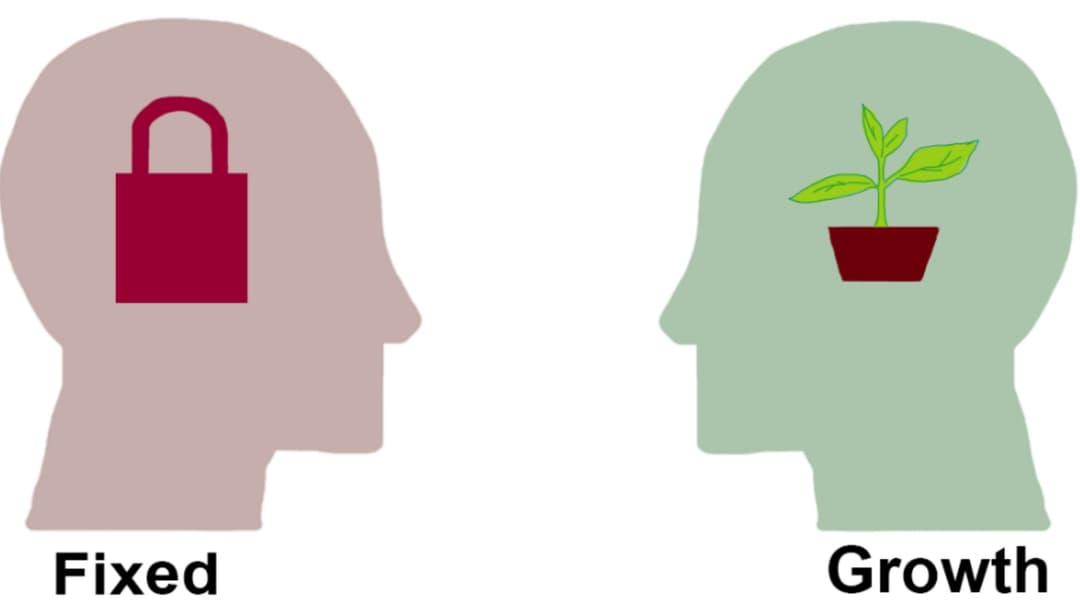
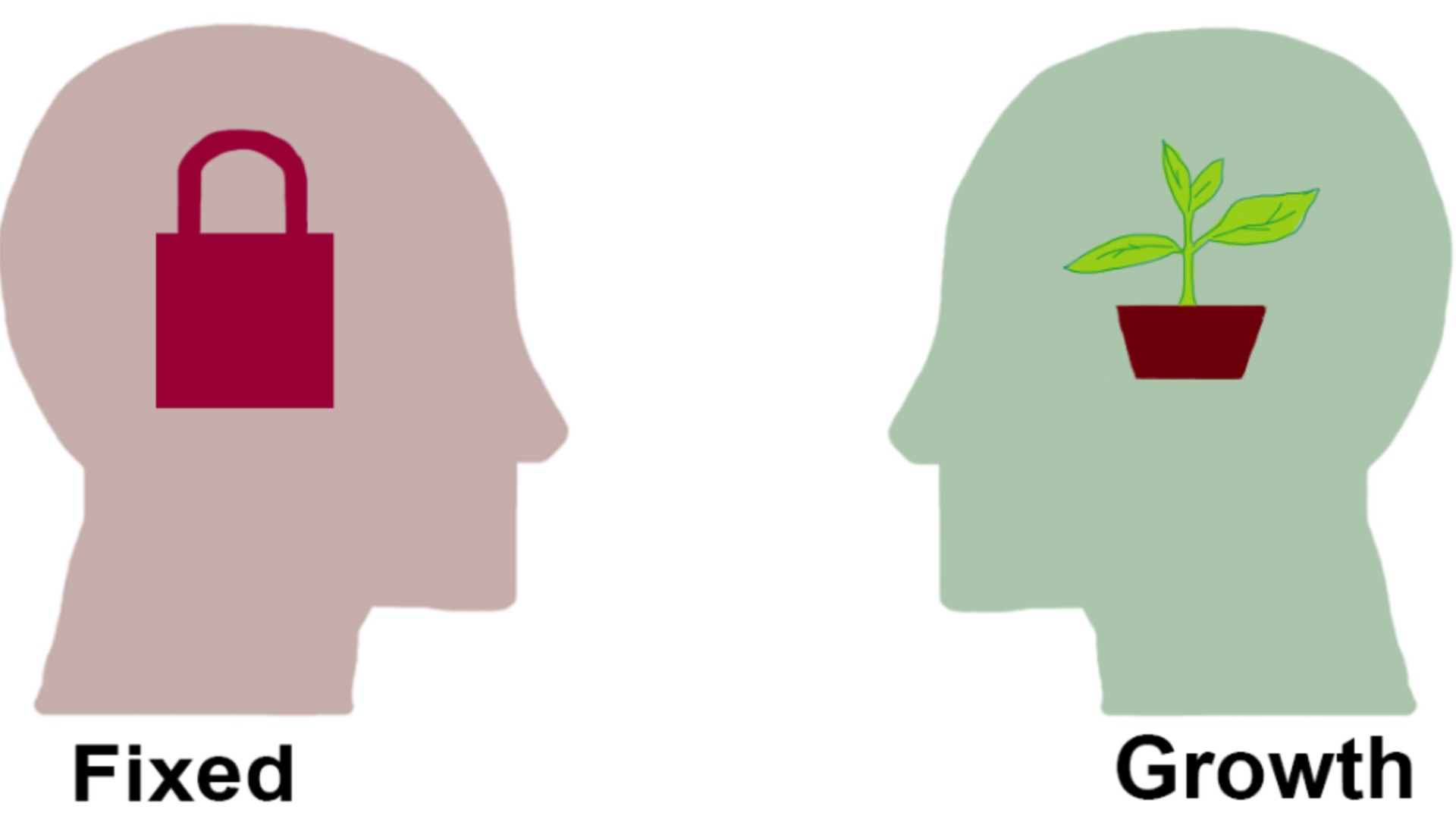
A Fixed Mindset
Stanford psychologist Carol Dweck documented how viewing intelligence as unchangeable leads people to avoid difficult challenges. In contrast, analytical thinkers treat obstacles as training grounds to build cognitive reserve and adaptability.
Passive Consumption As Learning
Cognitive science shows that passive reading produces an illusion of competence. Genuine retention demands active recall, practical problem-solving, and questioning source material to translate raw information into functional mental models.

Black And-White Simplicity
Modern economic, environmental, and interpersonal systems involve dense networks of tradeoffs. Refined thinkers maintain high tolerance for ambiguity, resisting false binaries that oversimplify intricate global realities.

The Sunk Cost Fallacy
Behavioral economists note that individuals cling to doomed investments simply because money was already spent. Pragmatic decision-makers evaluate future prospects objectively, willingly walking away from lost causes to protect remaining capital.

Correlation Equaling Causation
Spurious correlations appear everywhere in big data, from ice cream sales matching drowning incidents to unrelated market spikes. Scientifically minded thinkers search for confounding variables and mechanisms before concluding a causal link exists.

Toxic Positivity
Clinical psychologists warn that enforcing relentless cheerfulness invalidates genuine grief and delays practical risk mitigation. Grounded thinkers welcome difficult emotional realities, pairing clear-eyed pessimism about risks with pragmatic action.

Zero-Sum Thinking
Game theory demonstrates that collaborative ventures frequently generate positive-sum outcomes where all participants benefit. Enlightened thinkers reject envious comparisons, seeking non-zero-sum opportunities to expand overall value for everyone.

Infallible Human Memory
Cognitive psychology experiments by Elizabeth Loftus prove that human memory reconstructs scenes rather than recording them like video cameras. Thoughtful individuals verify historical records rather than trusting subjective recollections blindly.