Slideshow · Lifestyle
20 Everyday Foods That Contain Trace Amounts of Alcohol
Many common supermarket staples contain trace levels of alcohol produced through natural fermentation, culinary extracts, or ripening processes. From bakery breads and breakfast juices to ripe fruit and dipping sauces, ethanol appears in surprising places. Here are twenty everyday foods that quietly pack natural alcohol.
By Most Viral Today
14 min ago

Hidden Alcohol in Everyday Foods 
20. Ripe Bananas 
19. Sourdough Bread 
18. Pure Vanilla Extract - AdvertisementSwipe or tap ▶ to continue countdown

17. Kombucha 
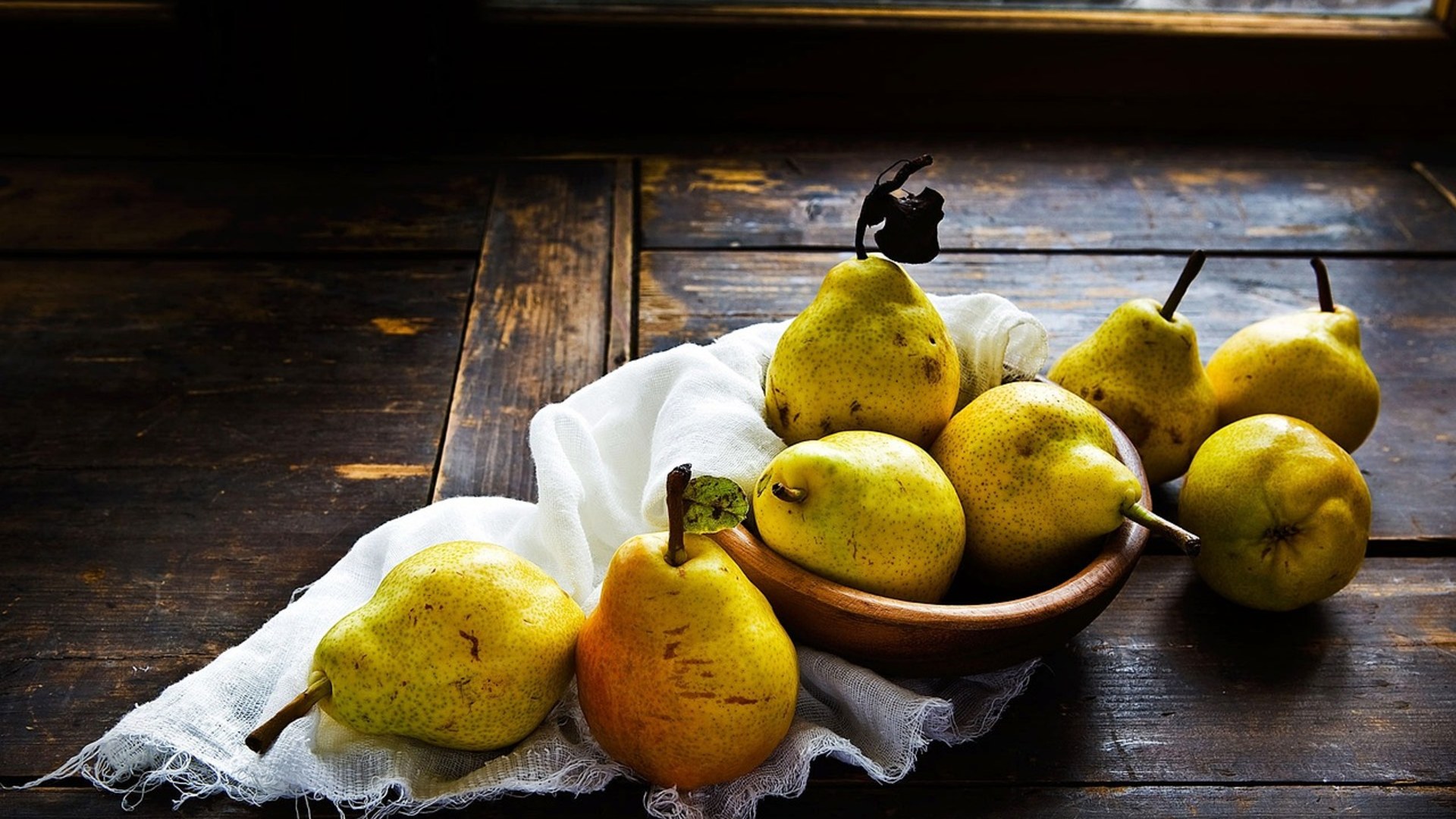
16. Ripe Pears 
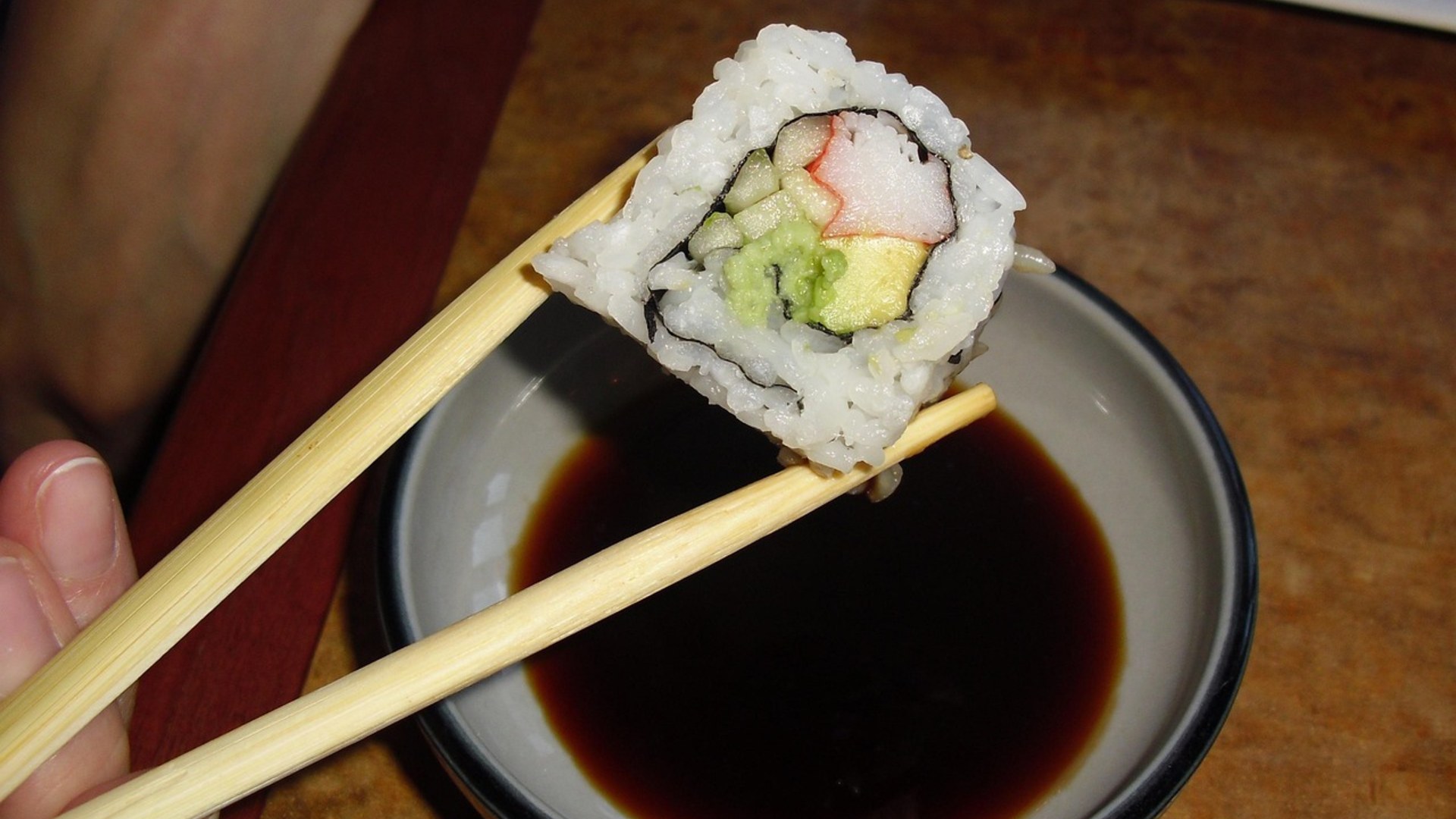
15. Traditional Soy Sauce 
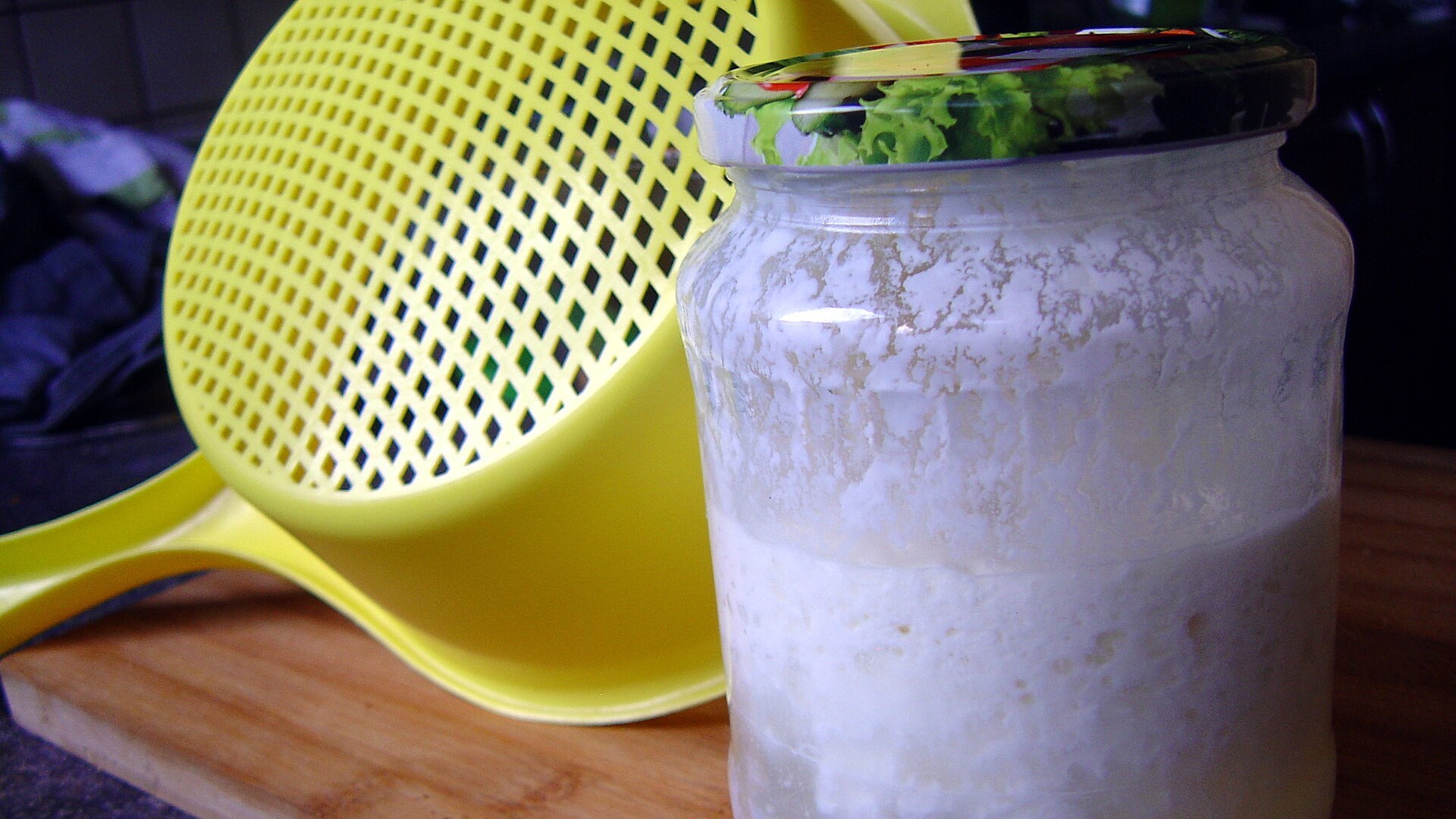
14. Milk Kefir - AdvertisementSwipe or tap ▶ to continue countdown

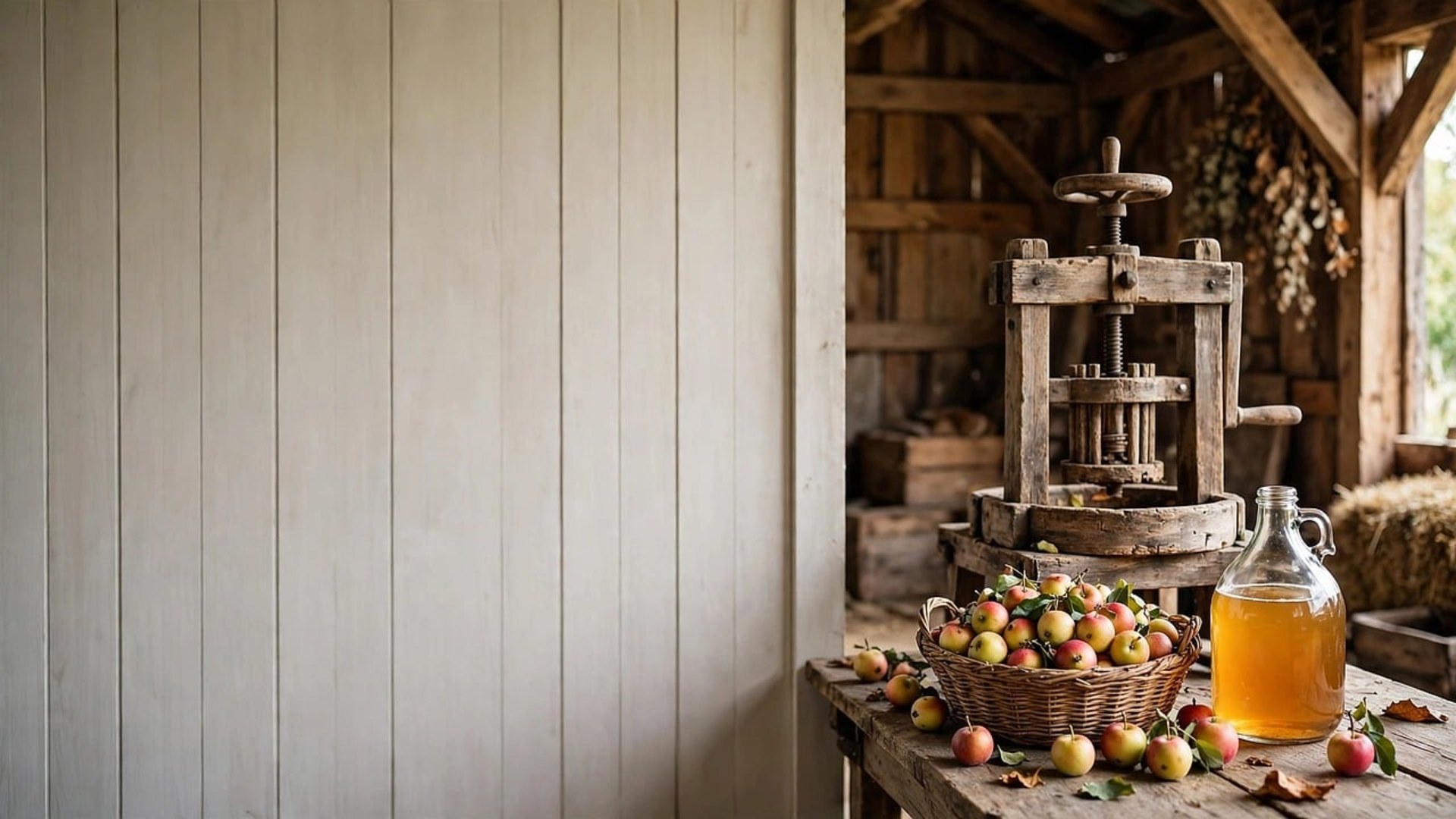
13. Packaged Apple Juice 
12. Dijon Mustard 
11. Wine Vinegar 
10. Brioche And Burger Buns - AdvertisementSwipe or tap ▶ to continue countdown

9. Traditional Kimchi 
8. Aged Miso Paste 
7. Fresh Orange Juice 
6. Rye Bread - AdvertisementSwipe or tap ▶ to continue countdown

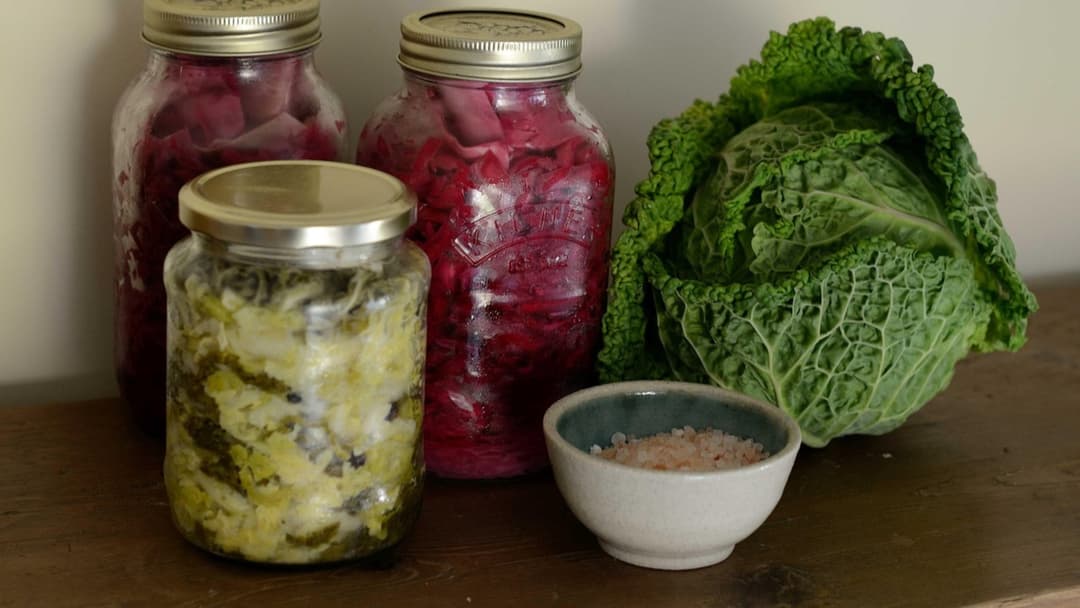
5. Sauerkraut 
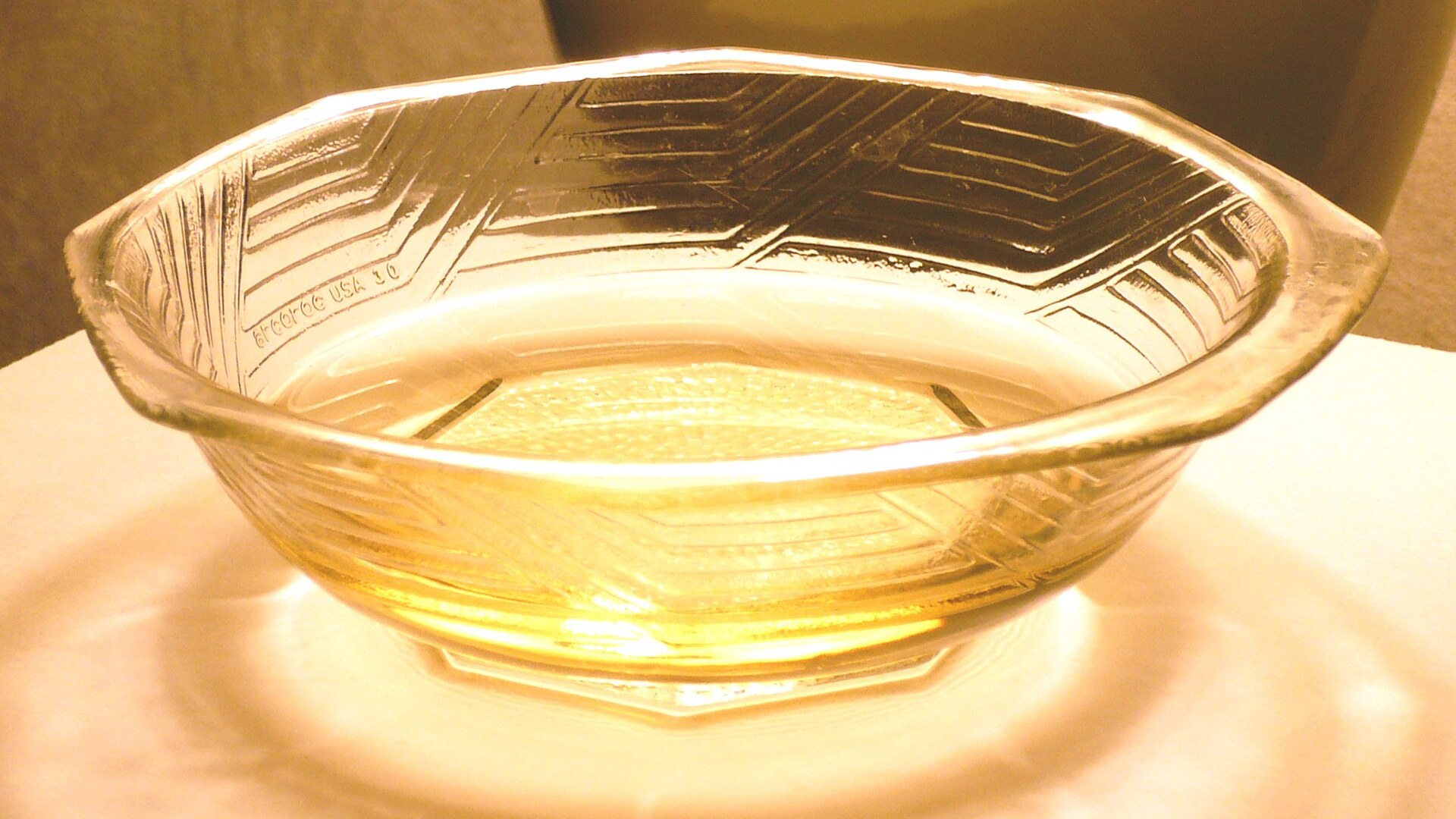
4. Authentic Mirin 
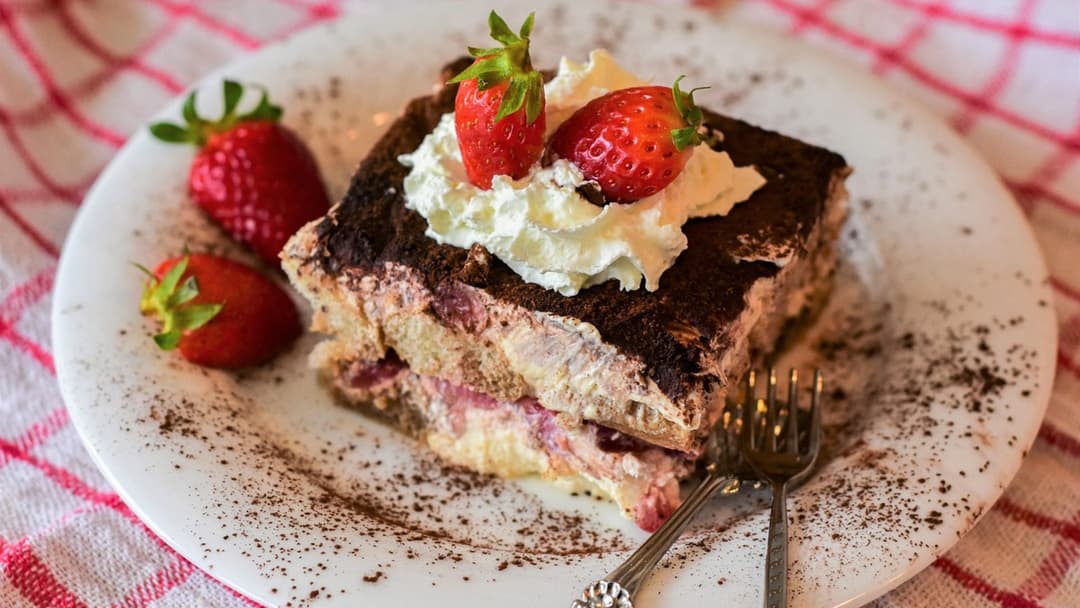
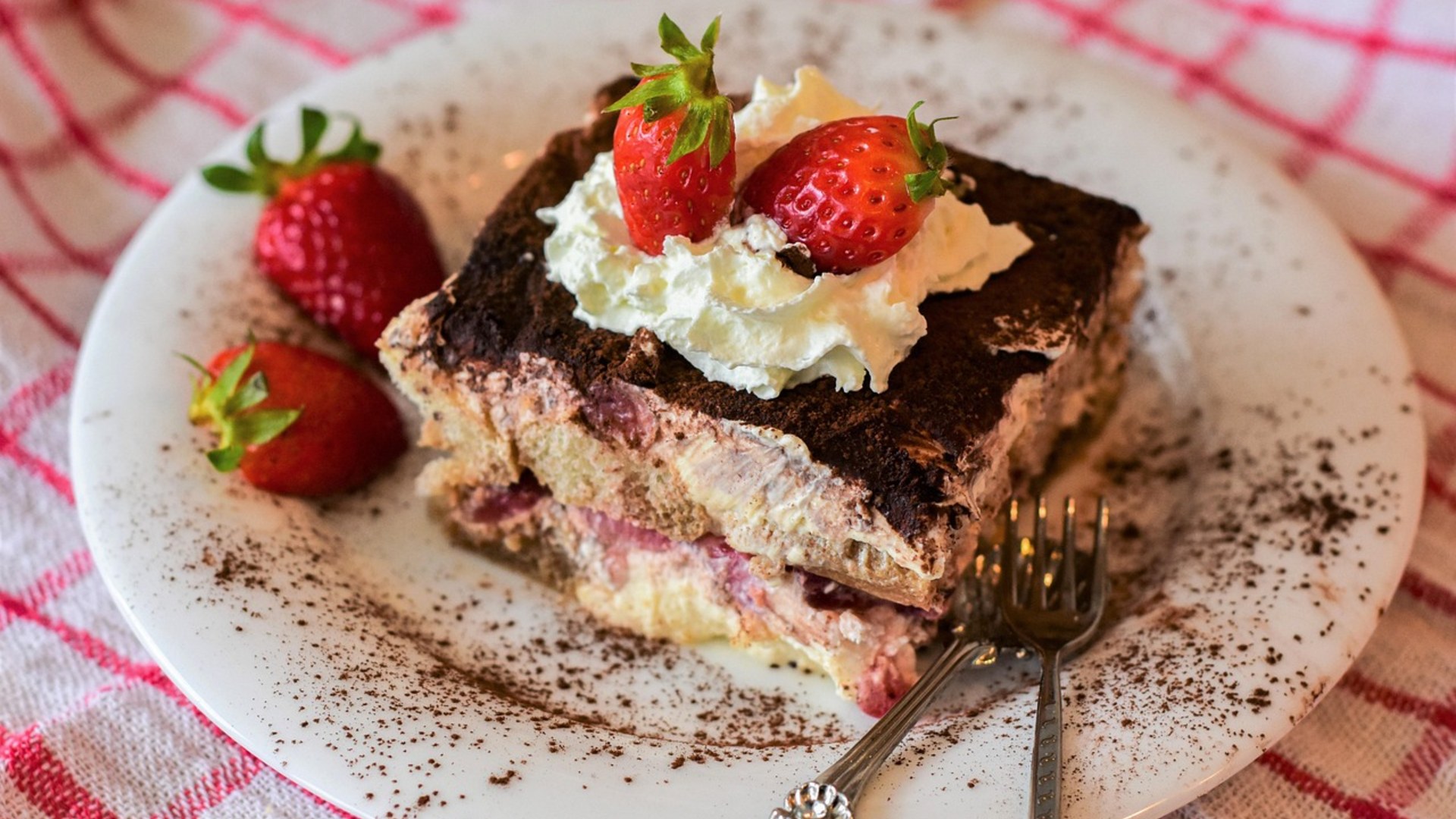
3. Tiramisu 
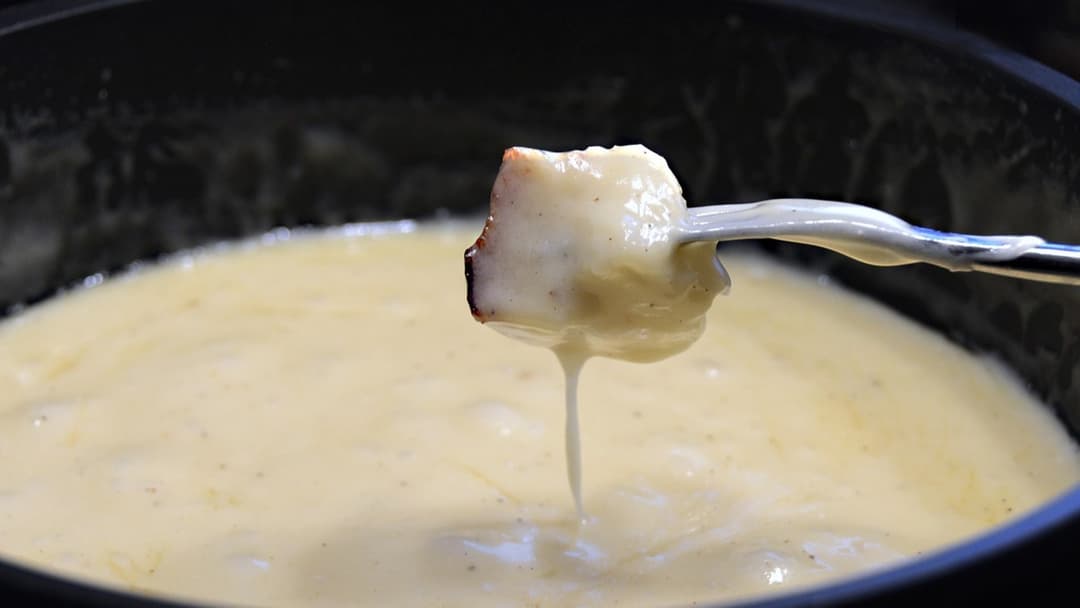
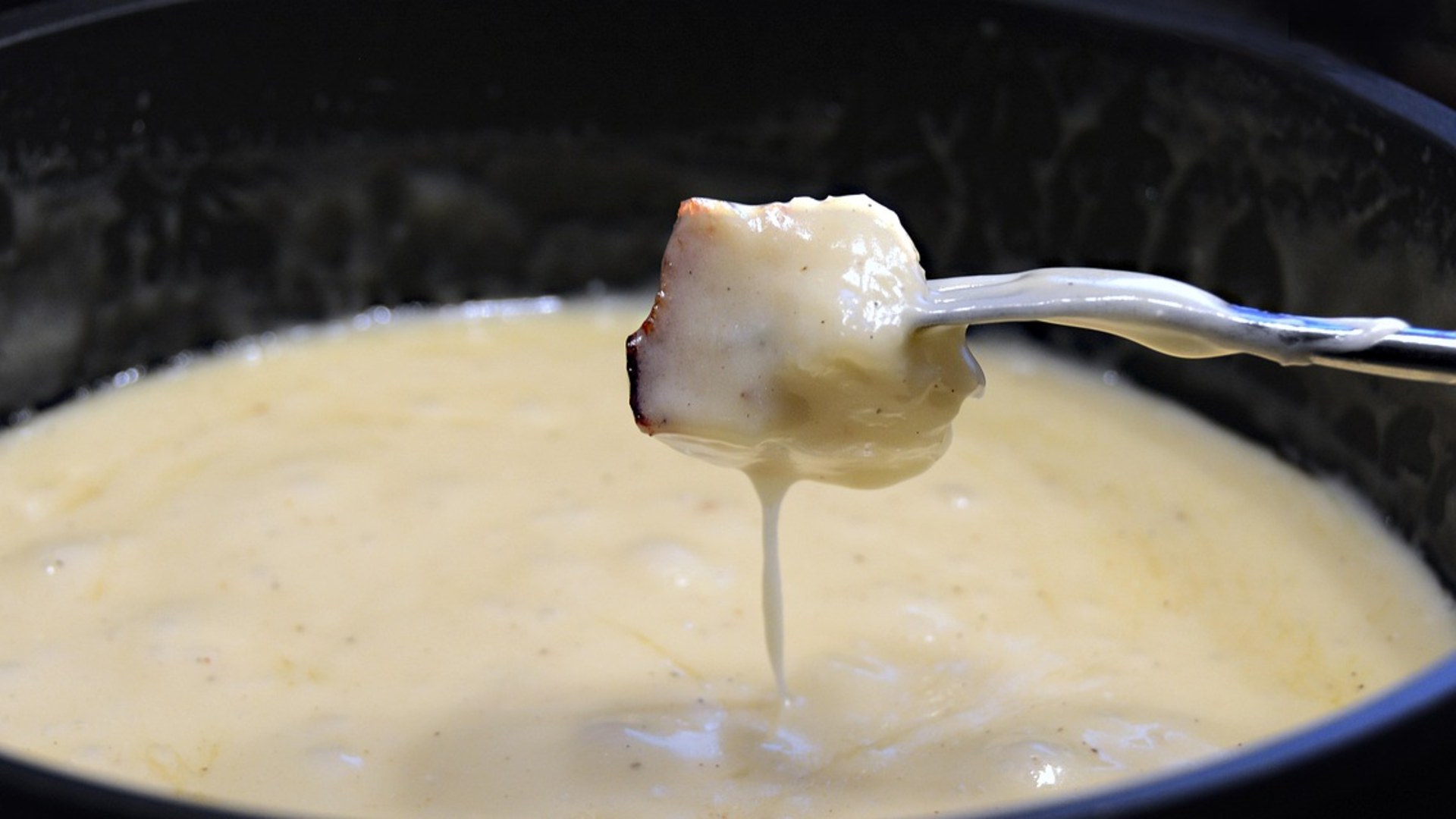
2. Swiss Cheese Fondue - AdvertisementSwipe or tap ▶ to continue countdown

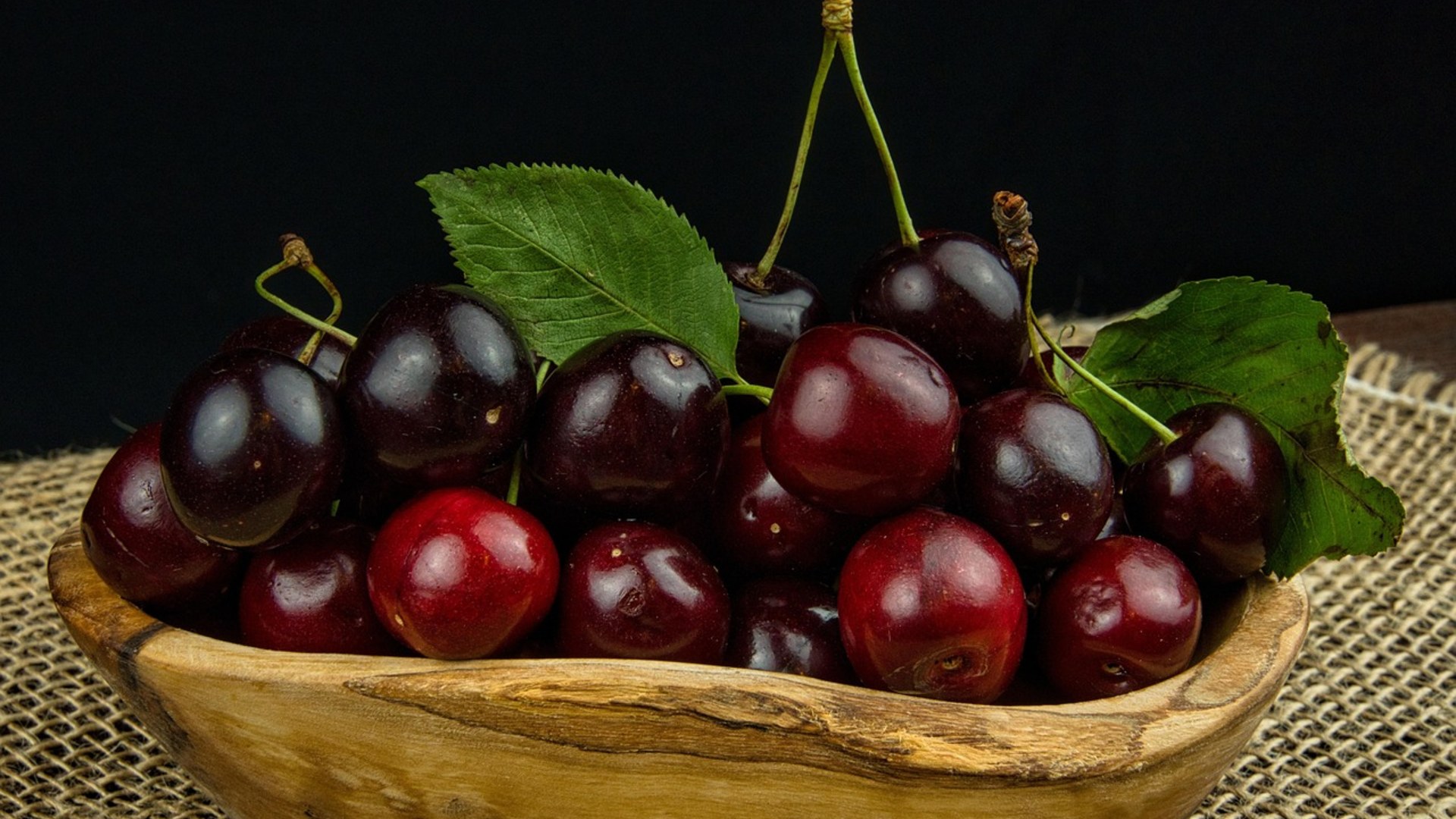
1. Ripe Cherries - Advertisement🔥 UP NEXT IN THIS SERIES◫ 21 Slides

20 Uniquely American Slang Phrases and Their Real Origins
American English is famous for producing inventive idioms that puzzle English speakers overseas. Linguists at the American Dialect Society and lexicographers at Merriam-Webster trace these expressions from nineteenth-century stagecoaches to modern digital culture. This countdown reveals twenty iconic slang phrases.
Alcohol is far more common in everyday groceries than most shoppers realize. Natural airborne yeasts constantly ferment simple sugars in fresh produce, bread doughs, and pantry sauces, creating measurable ethanol without intentional brewing. This visual guide reveals twenty ordinary foods with hidden trace alcohol.
Swipe or tap ▶ to begin the countdown
©Wikimedia / Tomascastelazo & Pixabay / Nennieinszweidrei
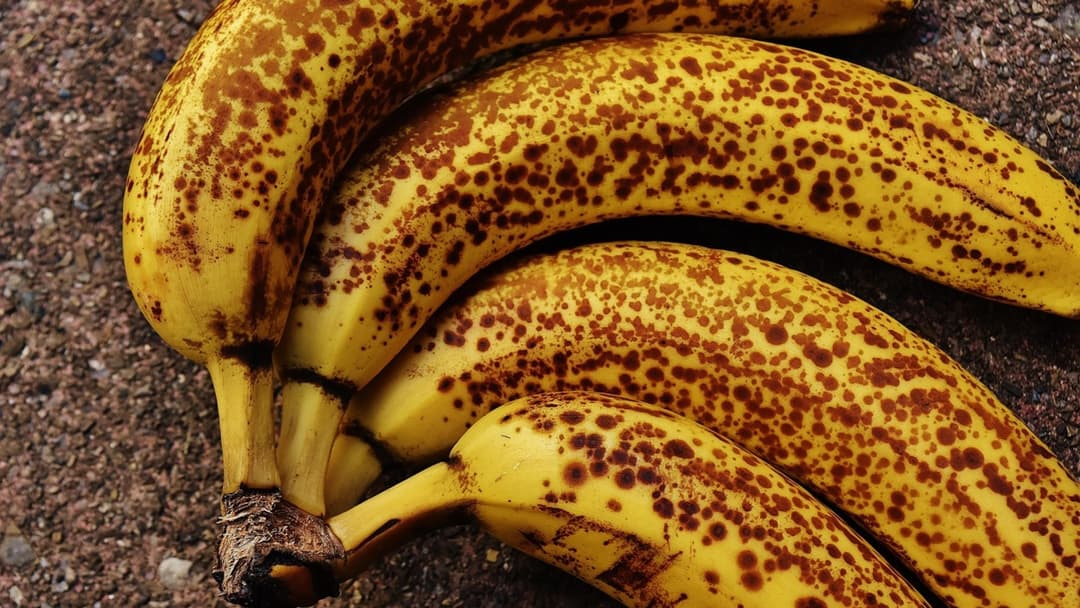
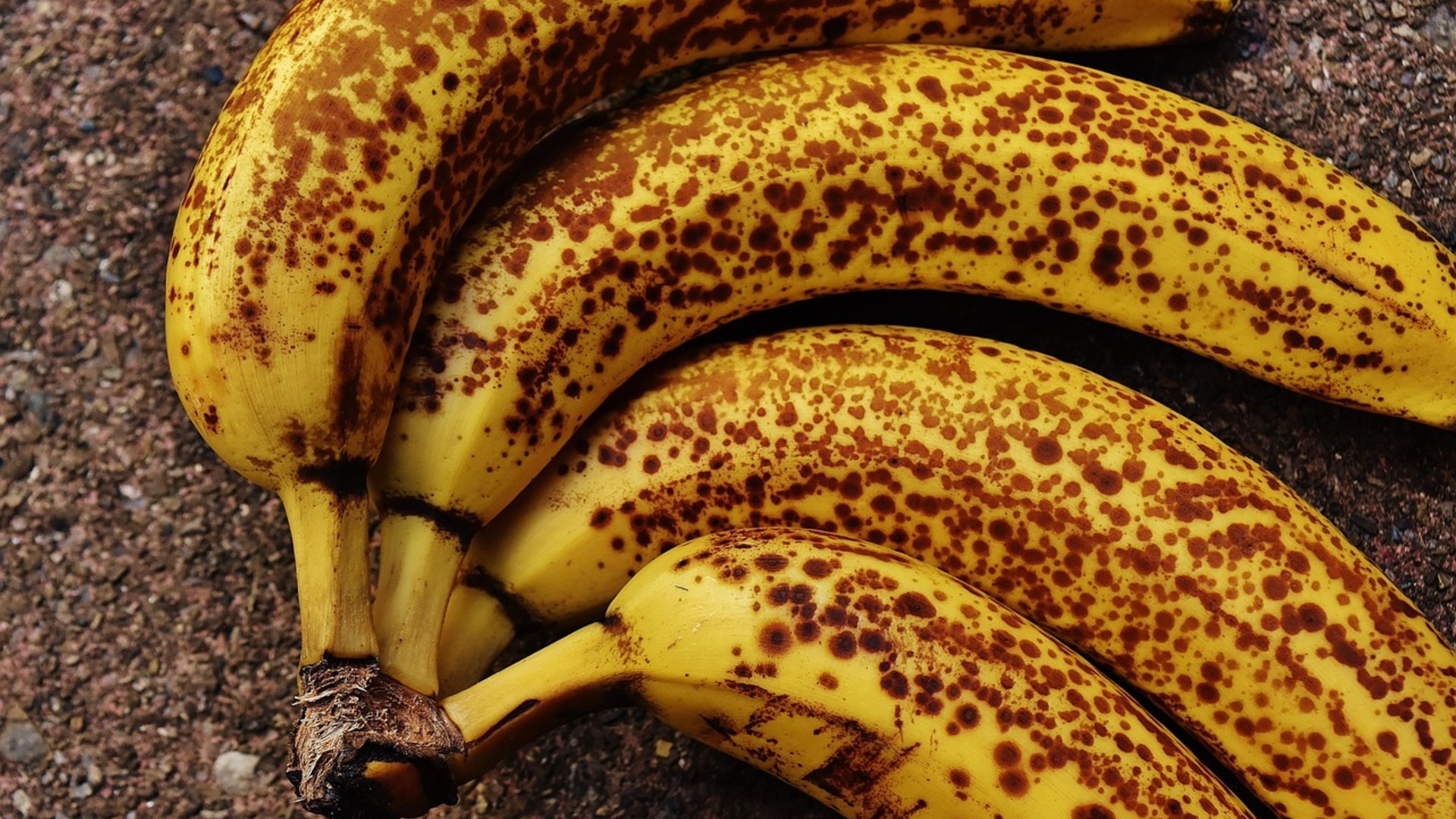
20. Ripe Bananas
As bananas develop dark brown speckles, their high sugar content undergoes natural fermentation by wild yeasts. A 2016 German study published in Forensic Science International found ripe bananas contain up to 0.4 grams of ethanol per 100 grams, meaning a bunch packs measurable alcohol.
©Pixabay / Alexas_Fotos
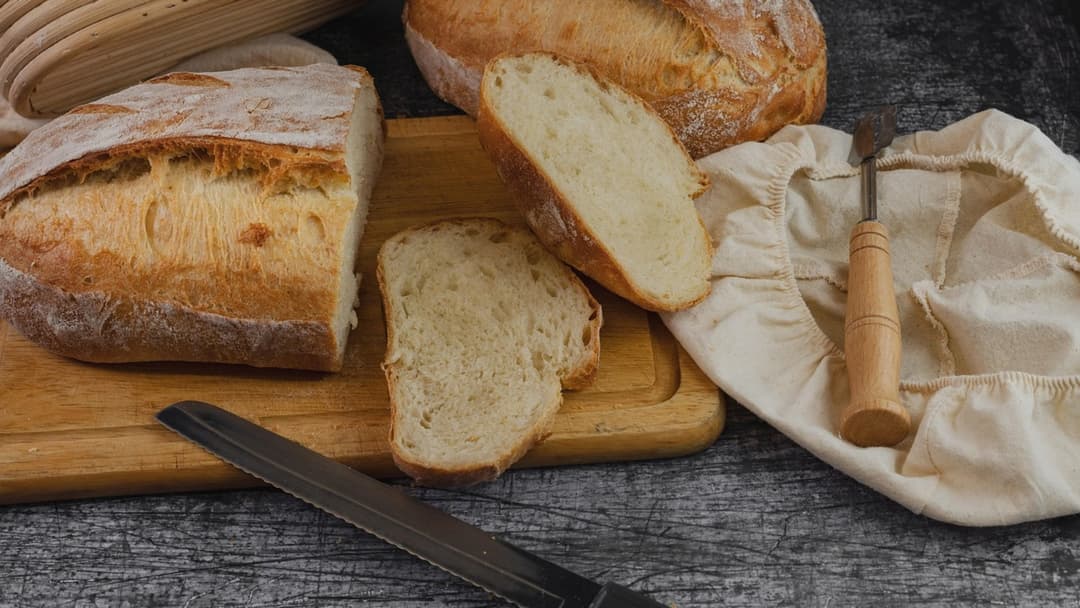
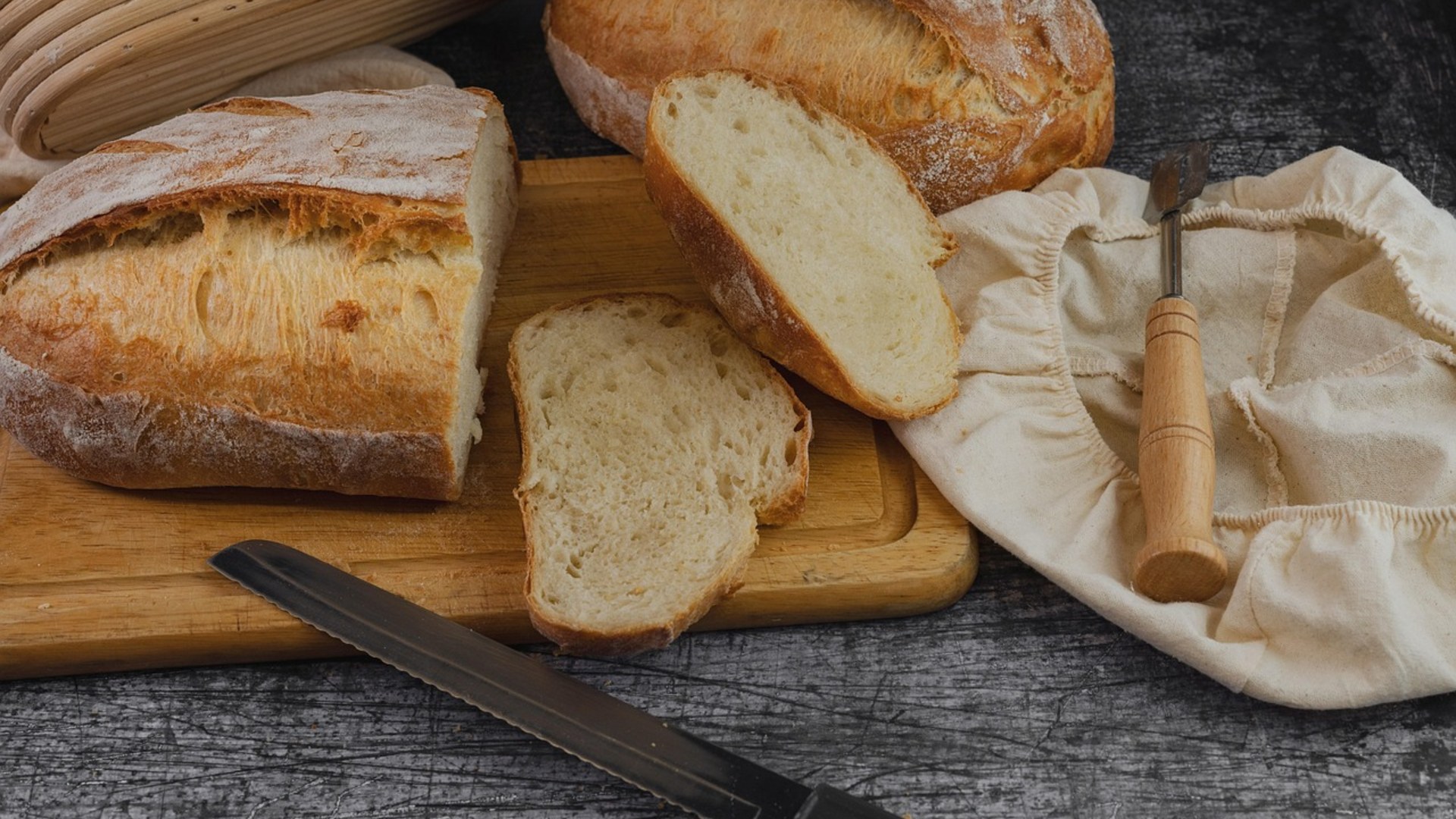
19. Sourdough Bread
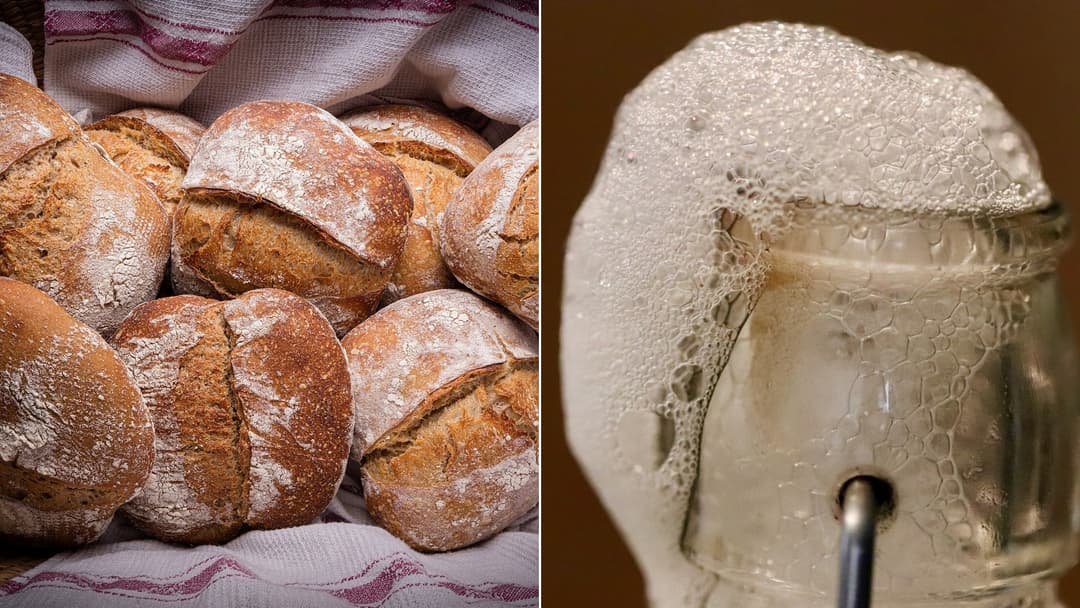
Sourdough relies on wild yeasts and lactic acid bacteria to rise. While high oven temperatures evaporate the majority of ethanol produced during fermentation, laboratory testing shows baked sourdough loaves retain between 0.1% and 0.4% residual alcohol trapped in the dense crumb.
©Pixabay / SylwesterL
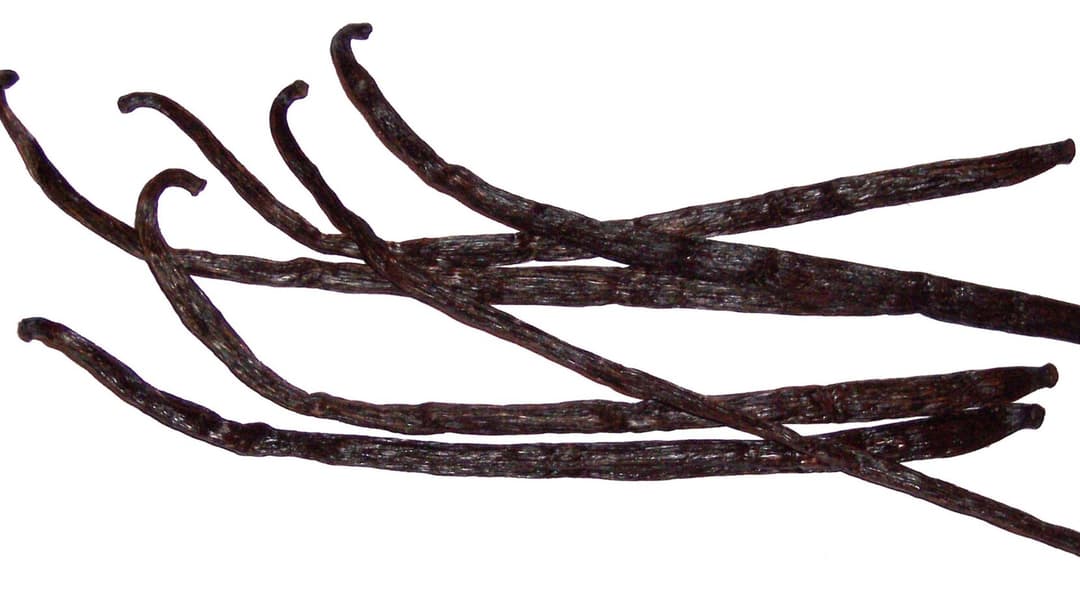
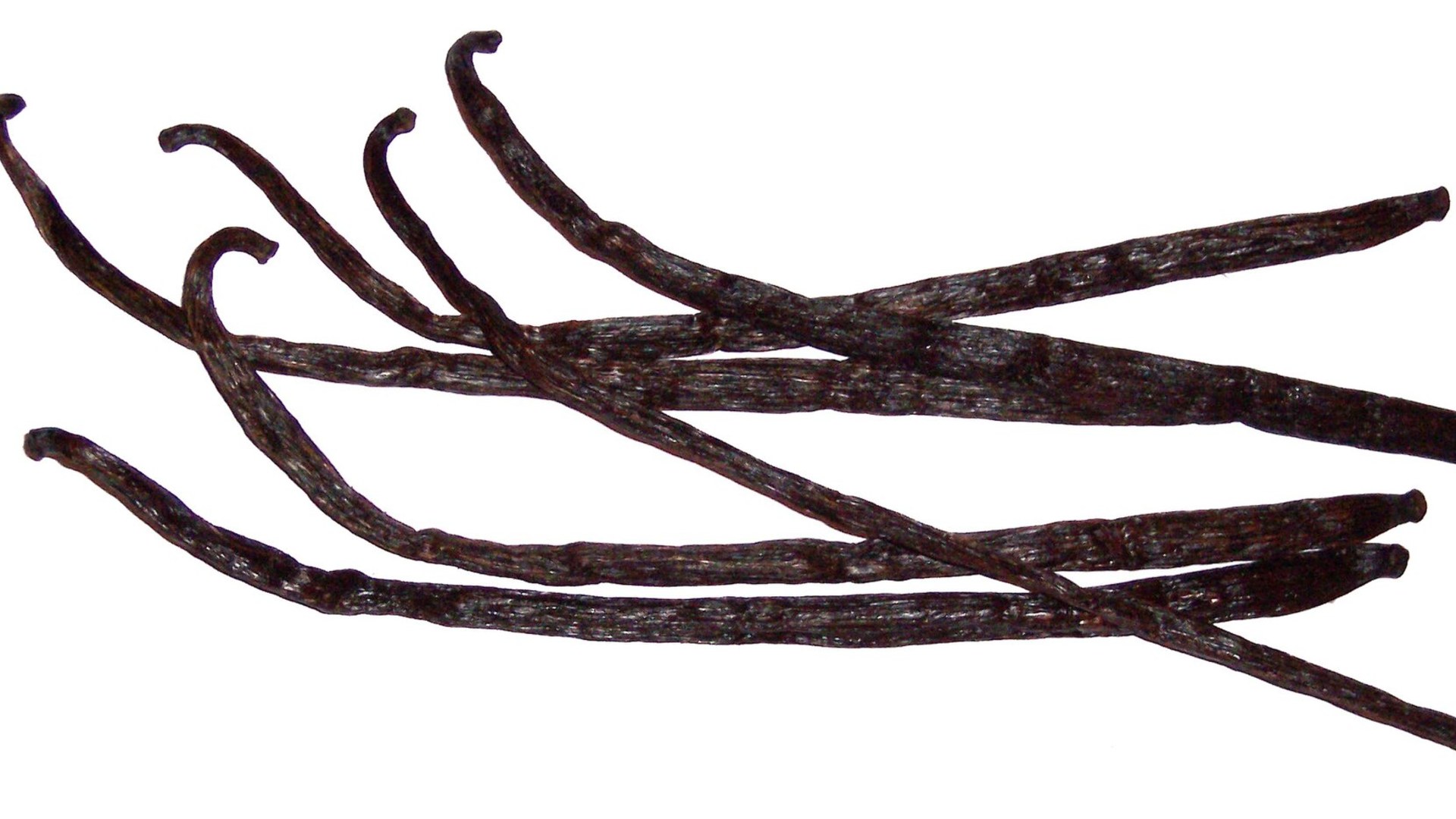
18. Pure Vanilla Extract
Under United States FDA regulations, pure vanilla extract must contain a minimum of 35% alcohol by volume, making it 70 proof. Food manufacturers use ethyl alcohol as a solvent to draw rich vanillin flavor out of cured beans, which is why a small splash packs significant booze.
©Wikimedia / Vanilla_6beans.JPG : B.navez derivative work: An
Advertisement
Swipe or tap ▶ to resume the countdown.
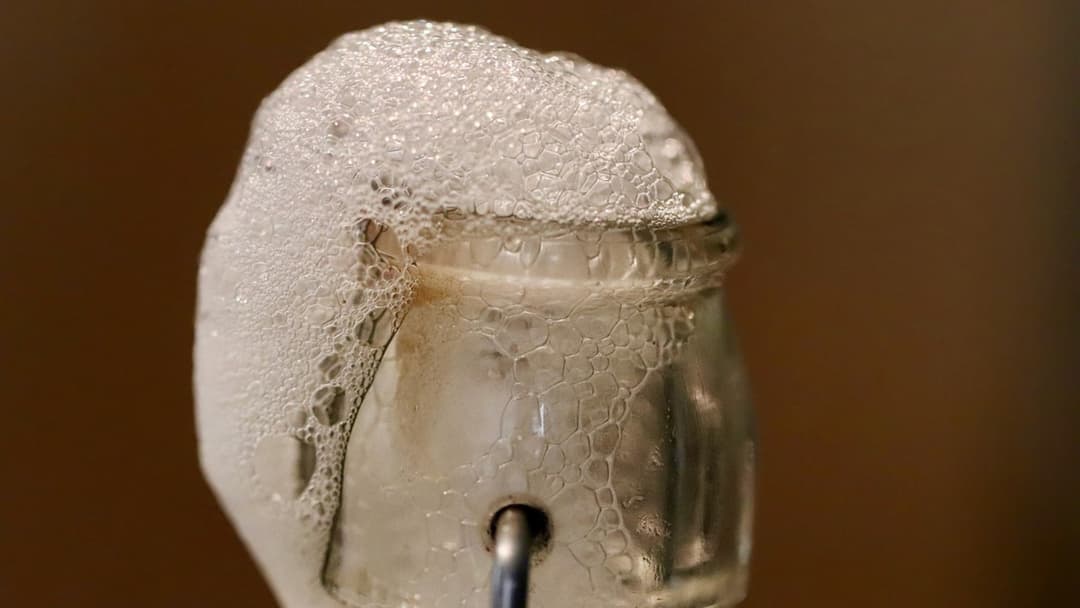
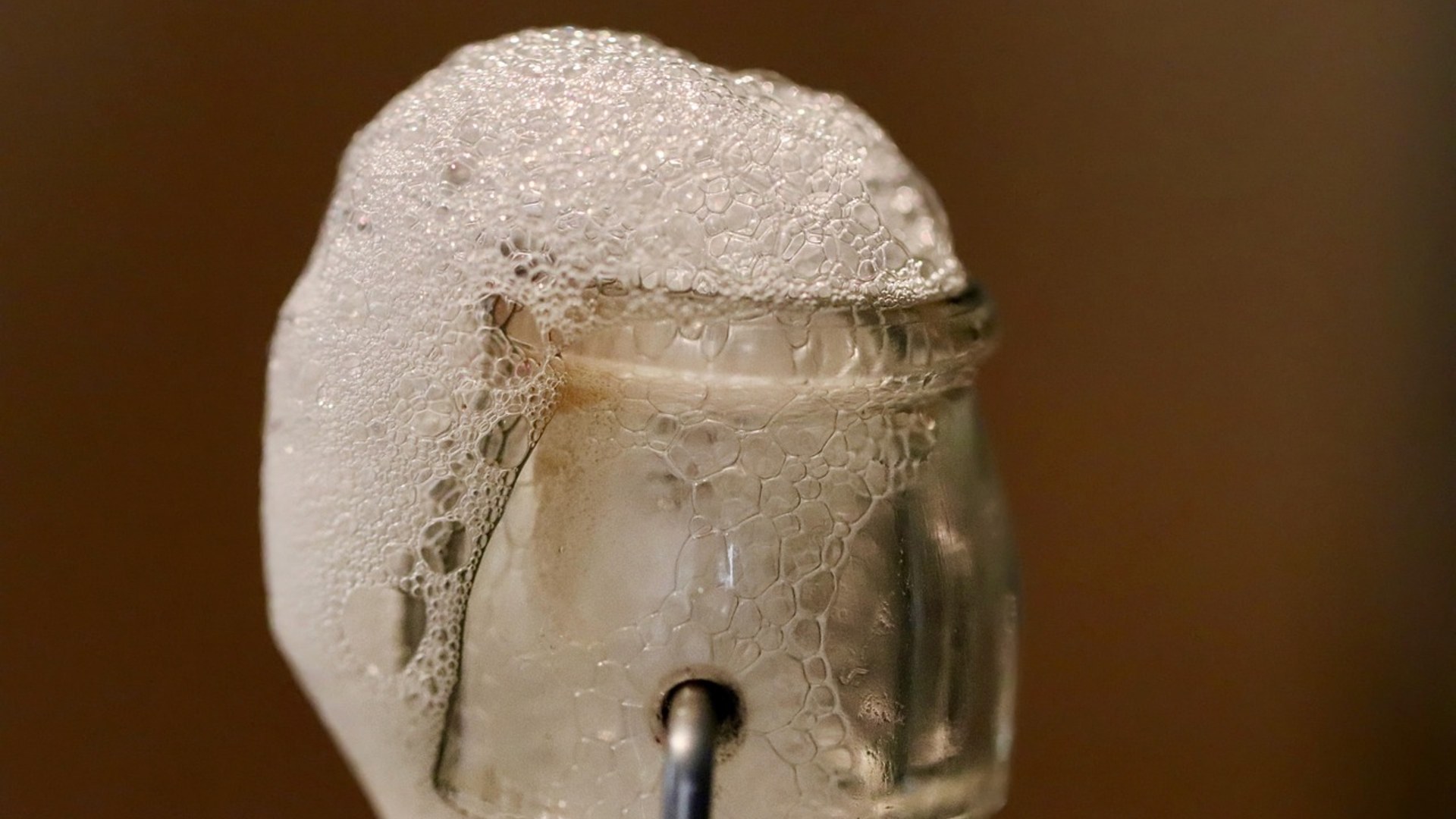
17. Kombucha
Kombucha is brewed by fermenting sweet tea with a symbiotic colony of bacteria and yeast. As yeast metabolizes sucrose, it creates carbonation and natural alcohol. Commercial bottles range from 0.5% to over 2% ABV if warm storage allows live cultures to keep fermenting on shelves.
©Pixabay / Nennieinszweidrei
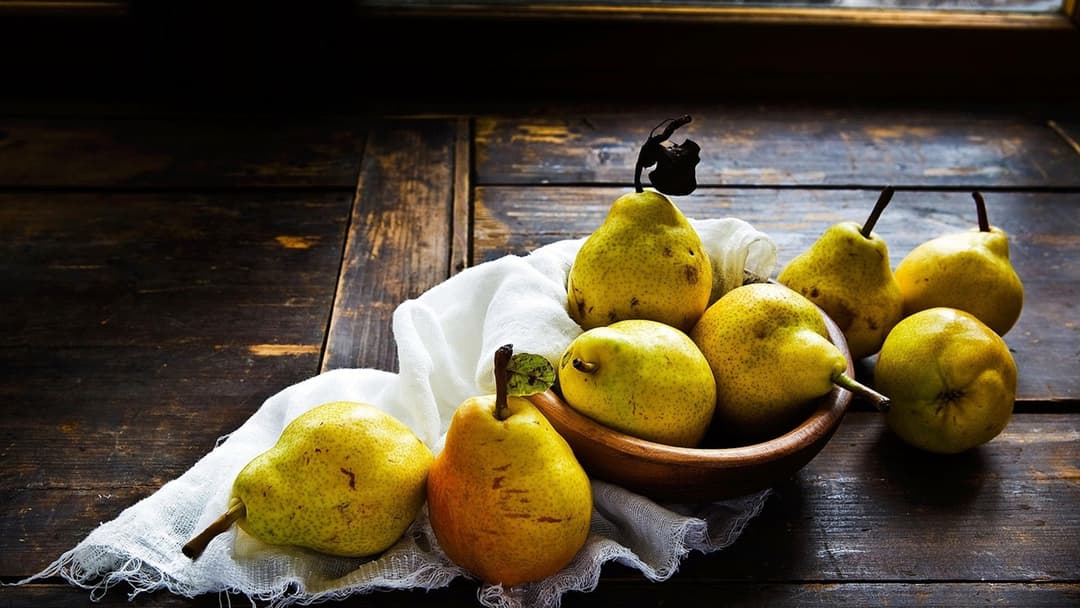
16. Ripe Pears
Pears soften rapidly at room temperature, converting starches into fructose and glucose that wild surface microbes quickly ferment. Chemical food analyses show fully ripe pears can reach alcohol levels of 0.2% to 0.4% ABV, rivaling light commercial non-alcoholic beers.
©Pixabay / nafeti_art
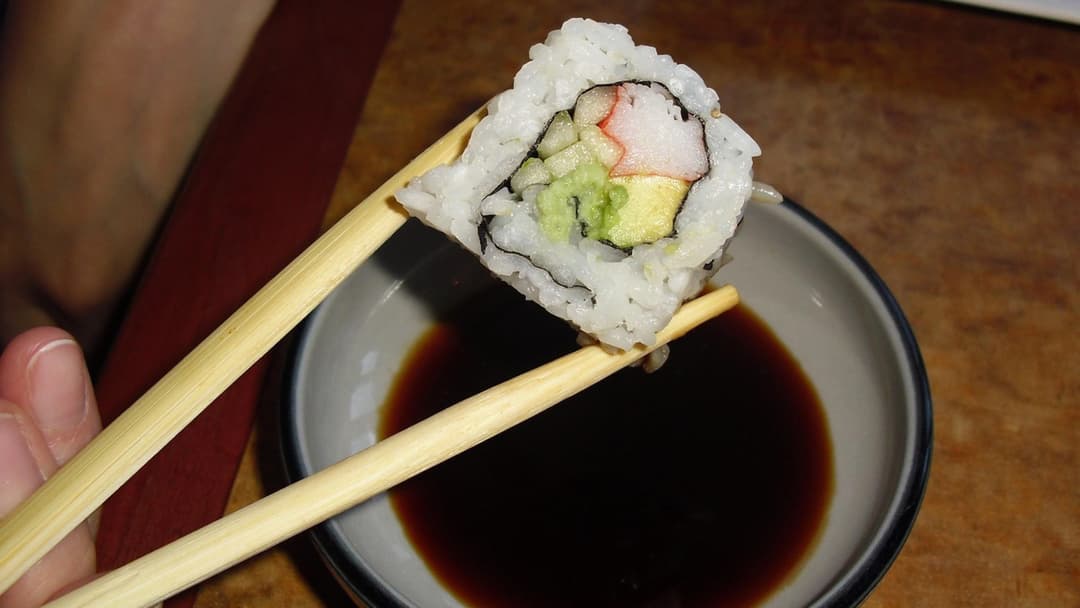
15. Traditional Soy Sauce
Authentic naturally brewed soy sauce undergoes months of fermentation using koji mold and specialized salt-tolerant yeasts. This biological aging process breaks down wheat proteins into savory umami compounds while creating a natural alcohol content that typically ranges between 1.5% and 2.0%.
©Pixabay / genniebee512
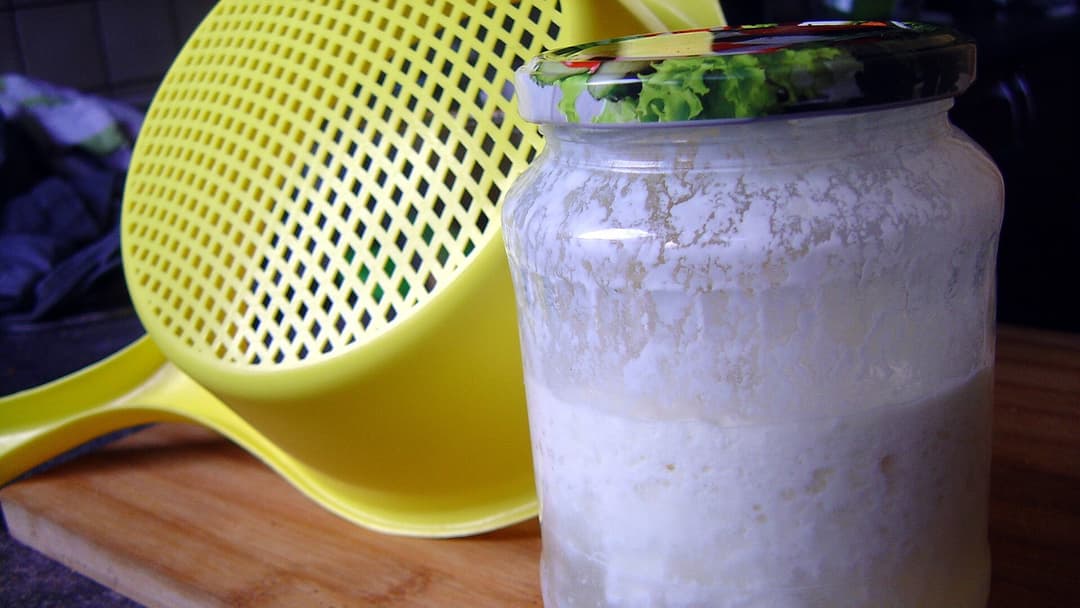
14. Milk Kefir
Kefir is created by culturing milk with complex kefir grains containing dozens of bacteria and yeast strains. As the yeasts digest lactose, they generate effervescence and natural ethanol. Most packaged kefir contains 0.2% to 0.5% ABV, while homemade varieties can easily surpass 1.5%.
©Wikimedia / Svorad
Advertisement
Swipe or tap ▶ to resume the countdown.
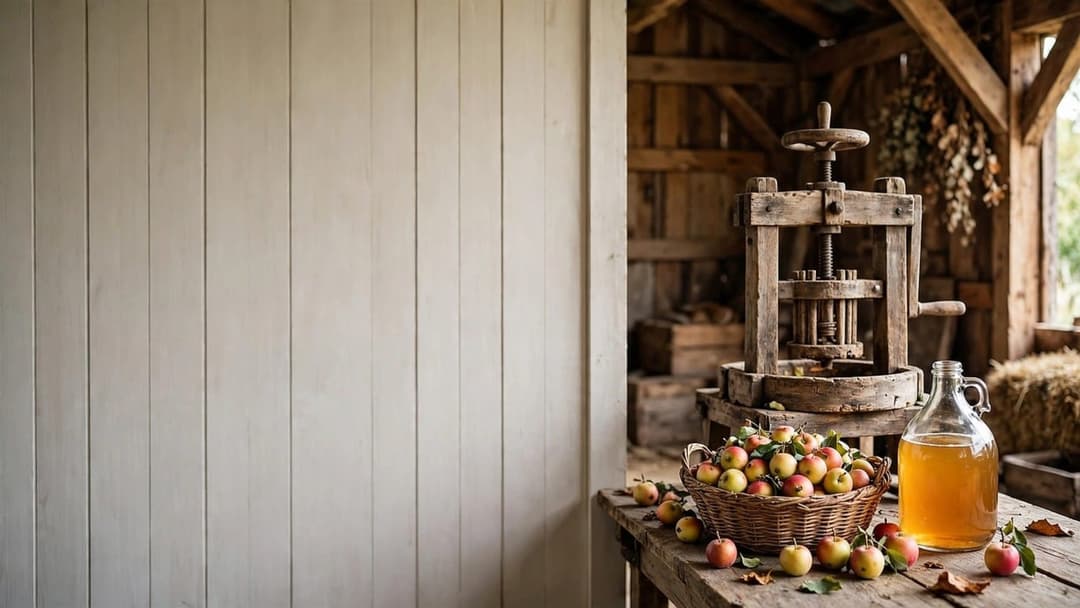
13. Packaged Apple Juice
Apples harbor dense populations of natural yeasts on their skin that enter pressing vats during cider and juice extraction. Chemical testing reveals that commercial sweet apple juice frequently contains between 0.06% and 0.6% ethanol, even when marketed directly to young children.
©Pixabay / u_uiv44oi92w
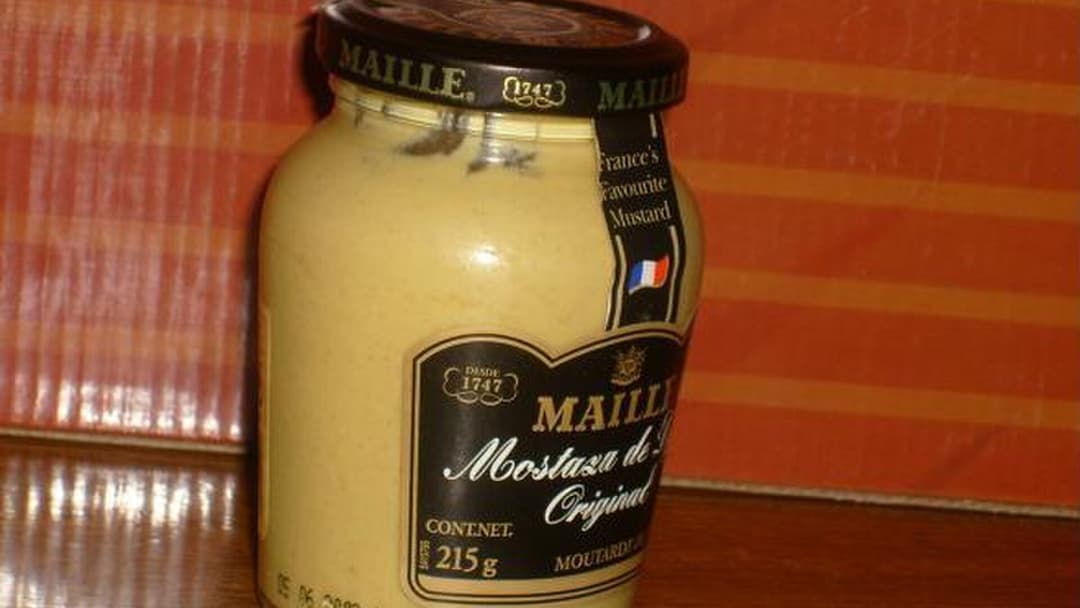
12. Dijon Mustard
Originating in Burgundy, authentic Dijon mustard blends ground brown mustard seeds with white wine or verjuice rather than plain vinegar. Because the condiment is prepared without high-heat cooking, trace residual alcohol from the wine remains active in the finished jar.
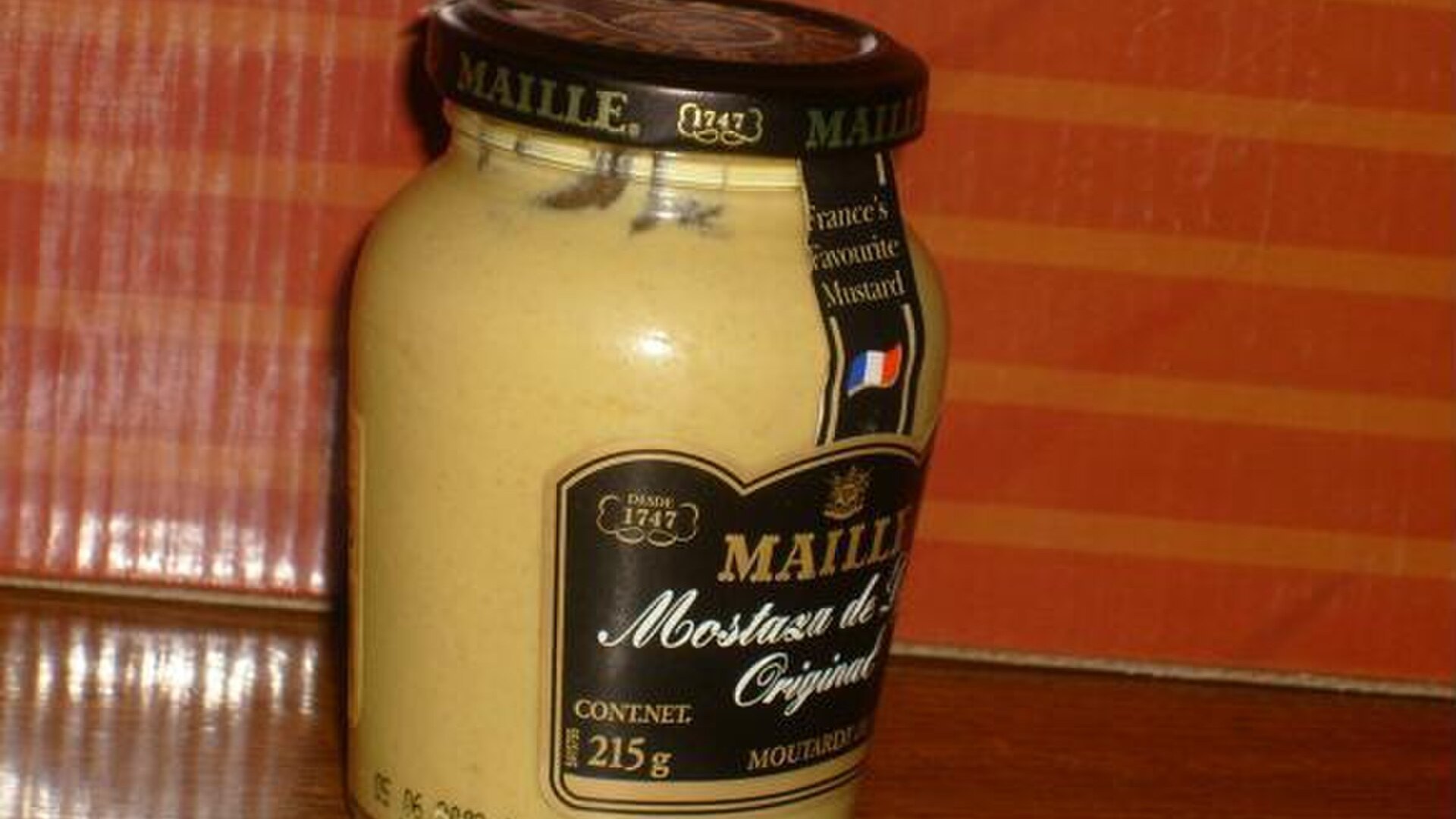
©Wikimedia / Penarc
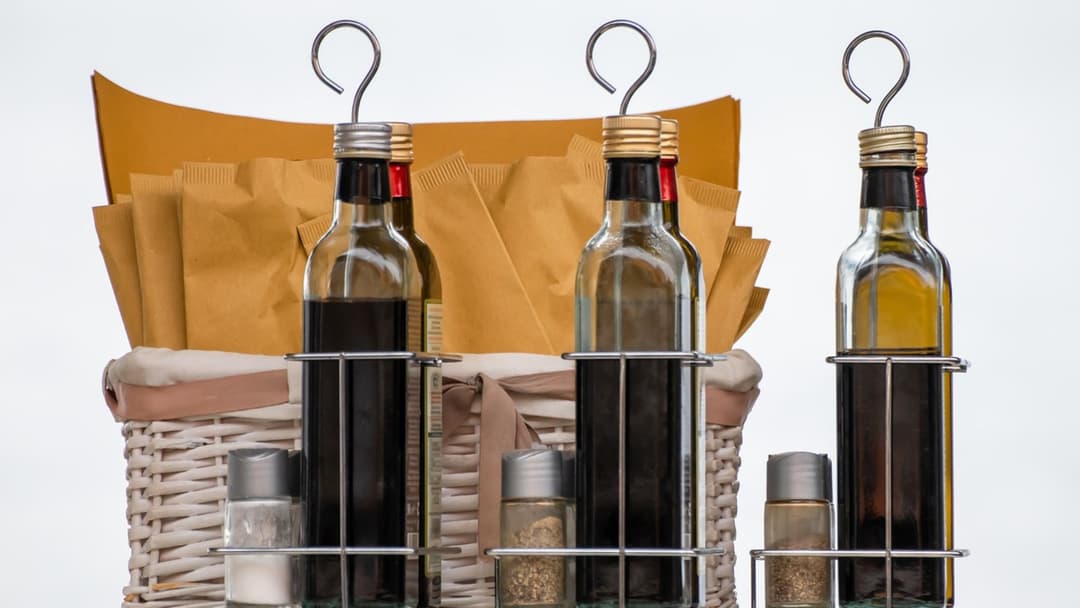
11. Wine Vinegar
Vinegar is produced when Acetobacter bacteria convert wine ethanol into sharp acetic acid. However, this biological conversion rarely finishes completely. Premium red, white, and balsamic vinegars generally retain between 0.2% and 0.5% residual alcohol in every tablespoon.
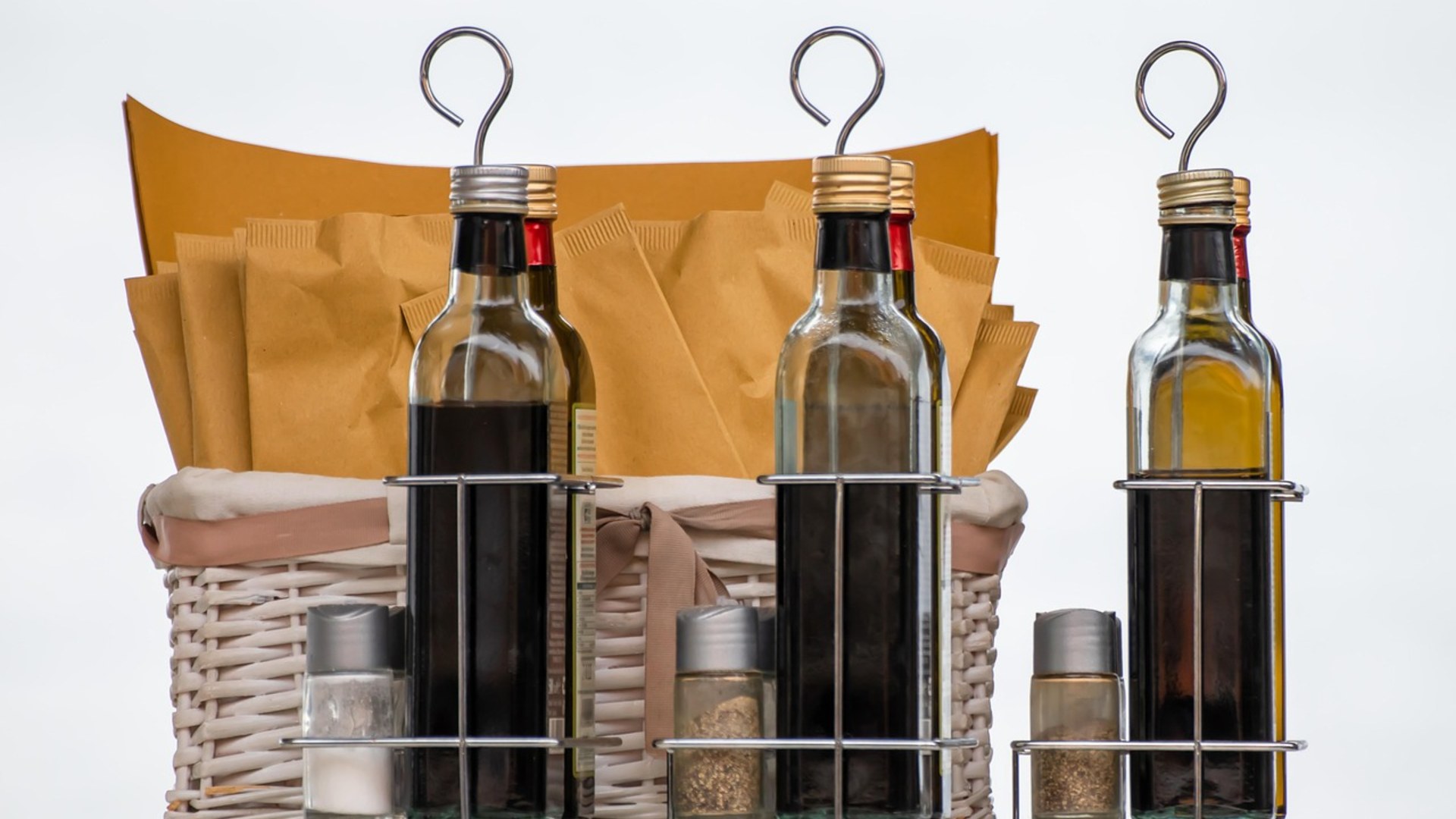
©Pixabay / birgl
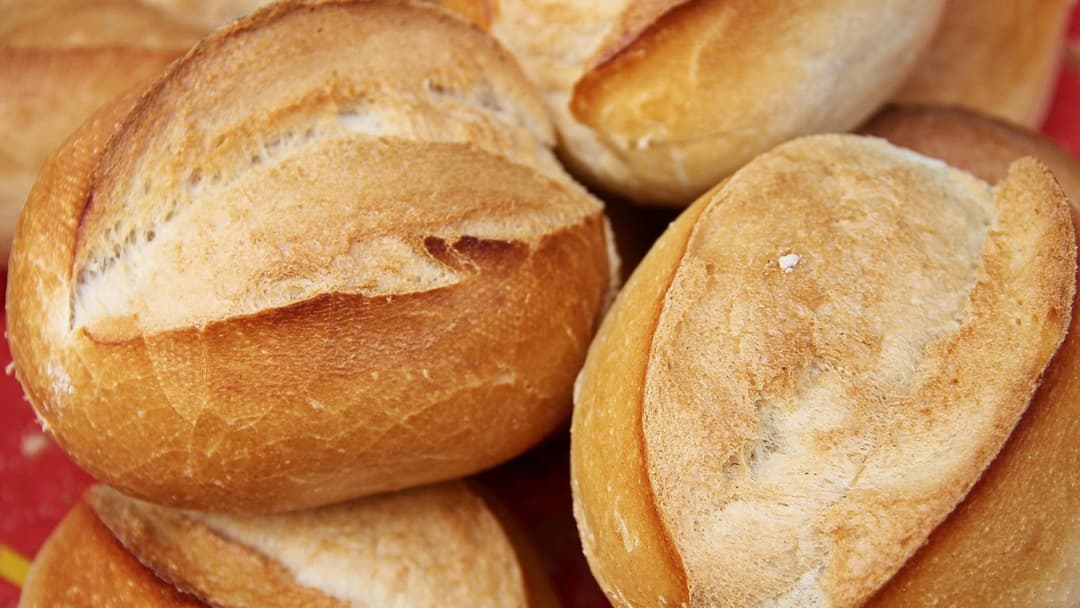
10. Brioche And Burger Buns
Commercial bakery buns and brioche contain generous quantities of sugar and fast-acting yeast sealed in airtight plastic bags. Forensic food scientists have documented packaged hamburger buns containing up to 1.28 grams of ethanol per 100 grams due to ongoing package fermentation.
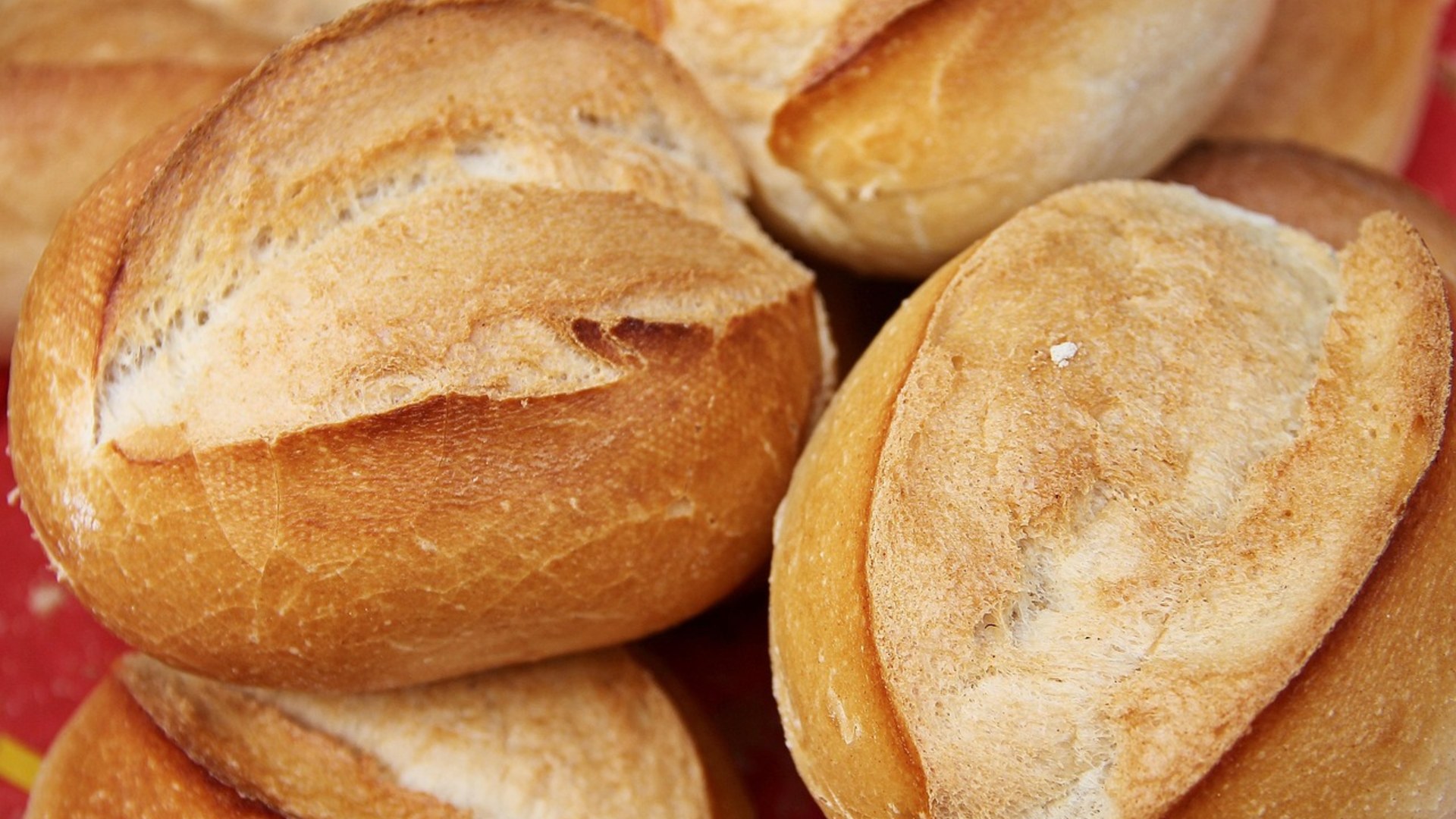
©Pixabay / manfredrichter
Advertisement
Swipe or tap ▶ to resume the countdown.
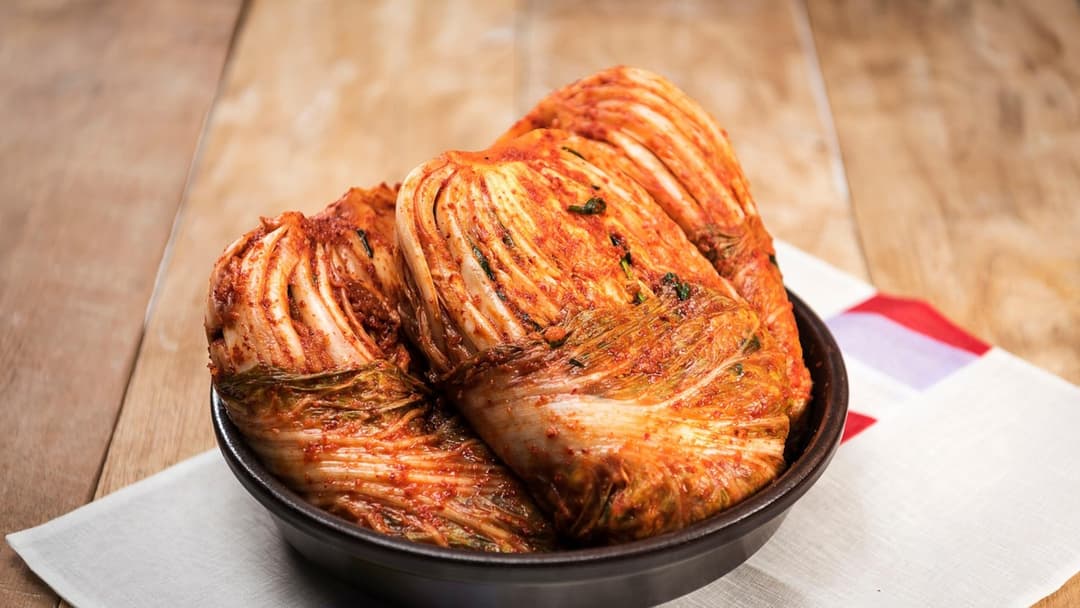
9. Traditional Kimchi
Korea's staple side dish Kimchi is made by fermenting salted Napa cabbage and radishes with chili and garlic. Active lactic acid bacteria and natural yeasts thrive during the anaerobic fermentation cycle, yielding between 0.1% and 0.3% natural ethanol alongside crisp sour acidity.
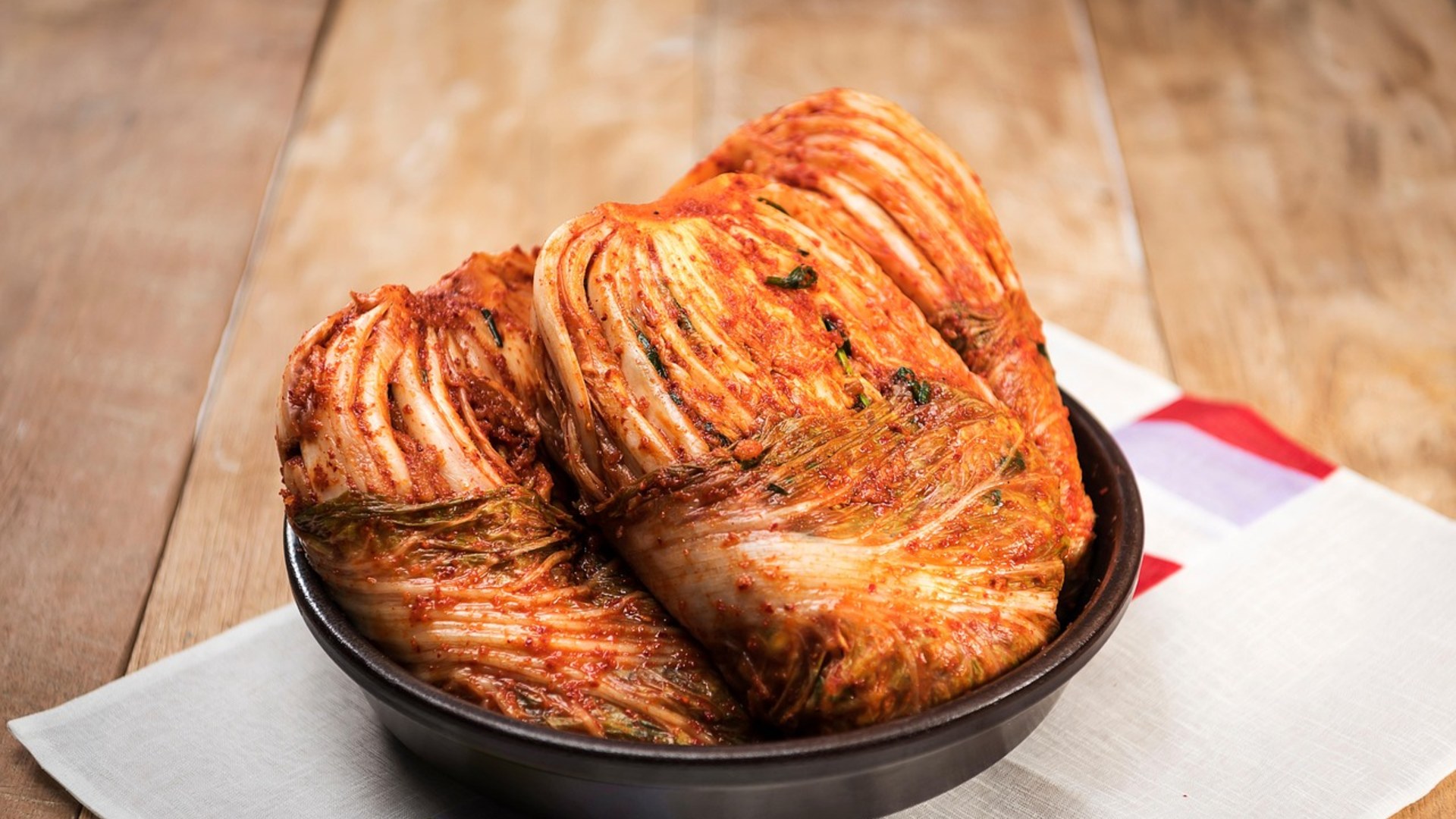
©Pixabay / hytkz88
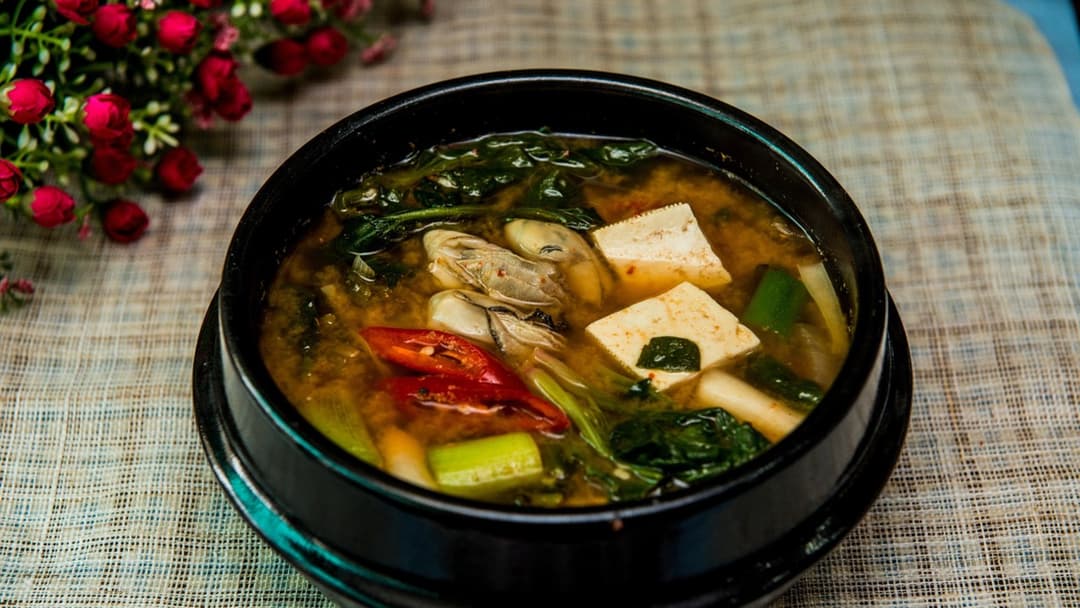
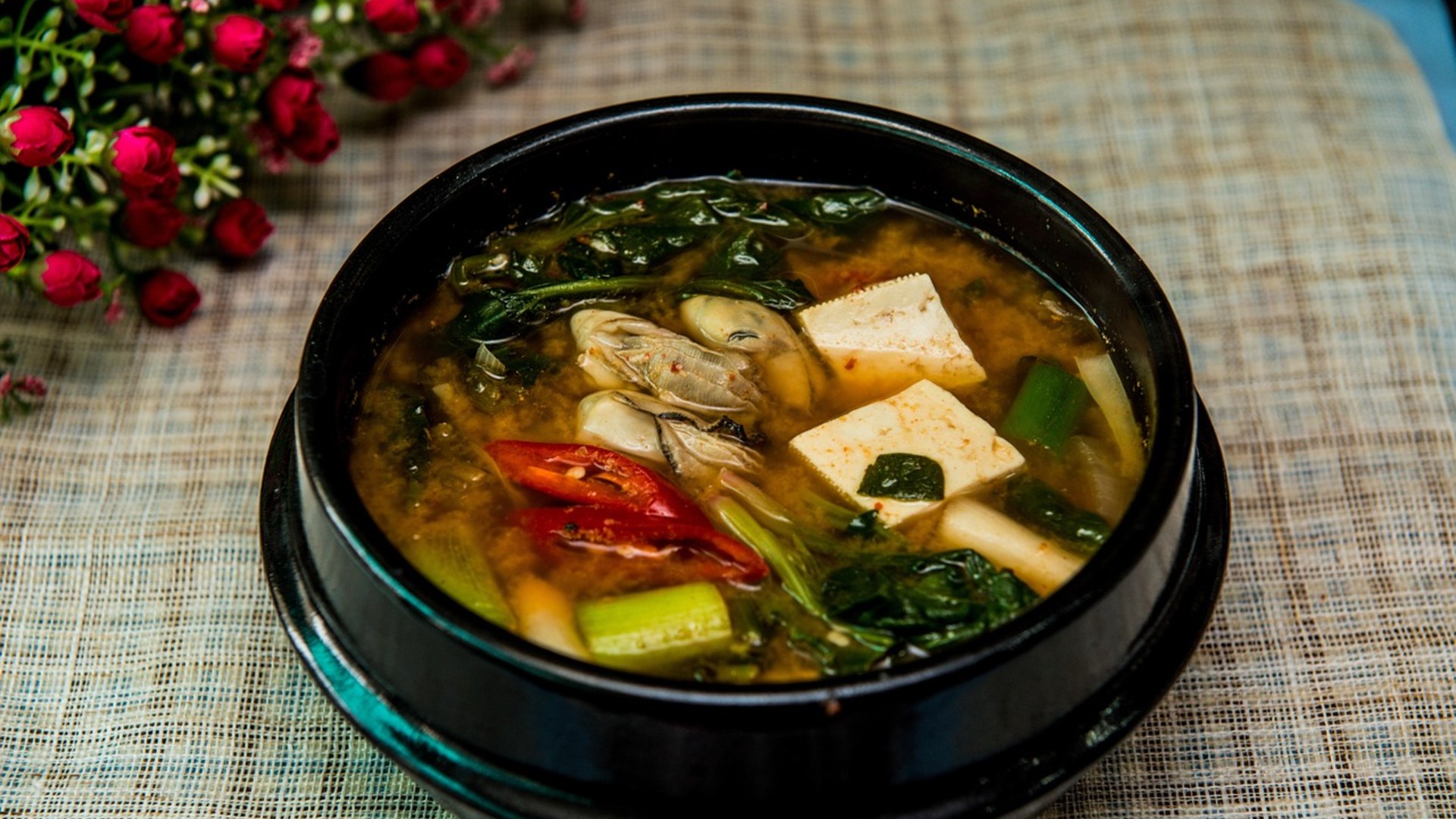
8. Aged Miso Paste
Miso is crafted by fermenting cooked soybeans and grains with koji mold and brine for months or years. Salt-tolerant yeasts slowly generate savory esters and natural ethanol. Dark aged miso varieties often contain between 0.5% and 1.5% natural alcohol, acting as a natural preservative.
©Pixabay / jyleen21
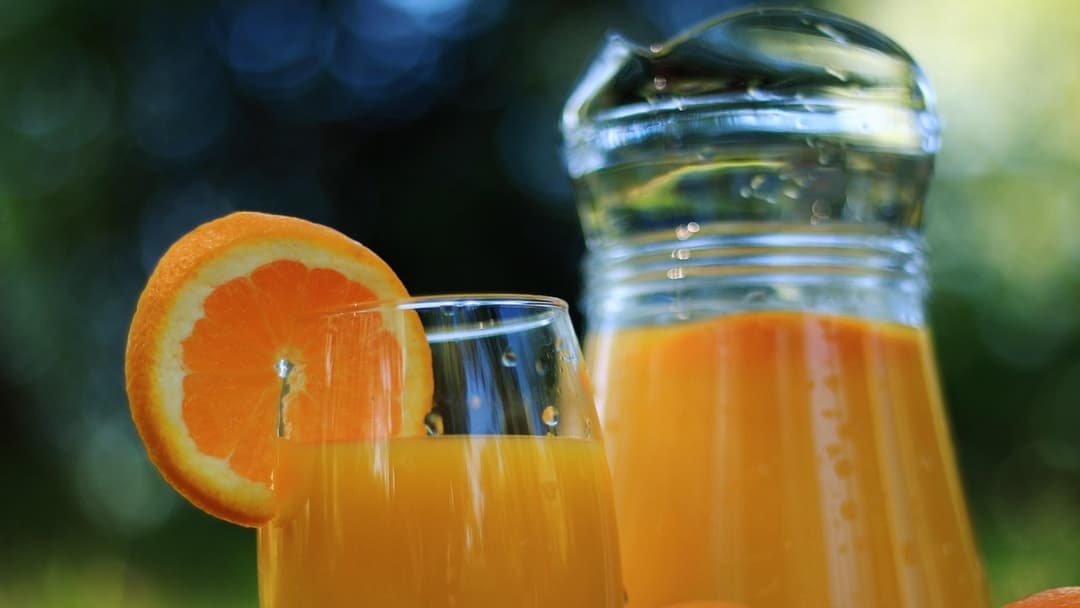
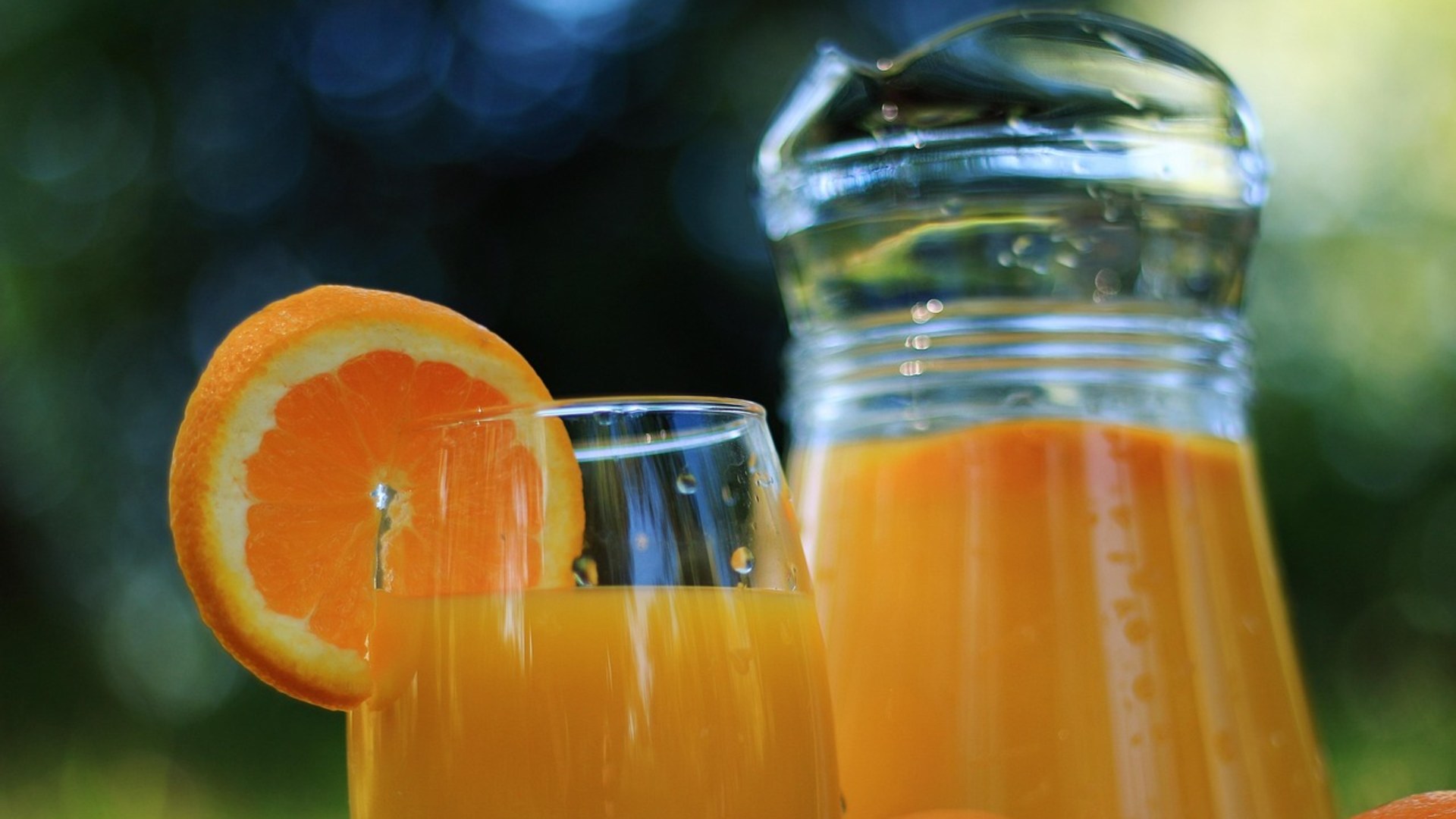
7. Fresh Orange Juice
Oranges possess porous rinds coated with wild yeasts that easily blend into juice streams during industrial crushing. Even unopened pasteurized orange juice cartons undergo gradual trace fermentation, measuring between 0.1% and 0.5% ABV by the time they reach breakfast tables.
©Pixabay / JESHOOTS-com
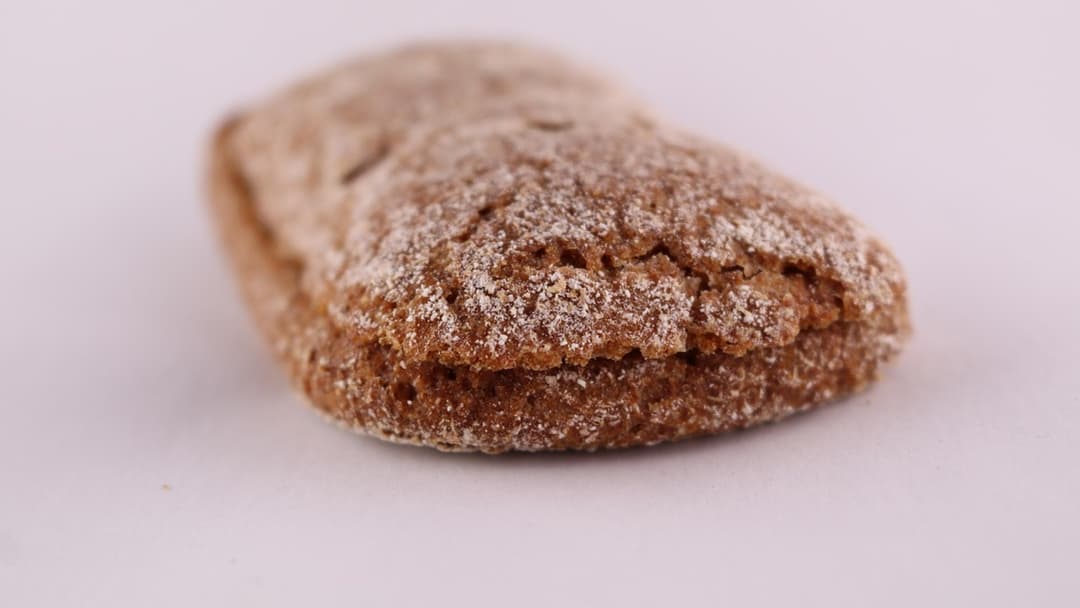
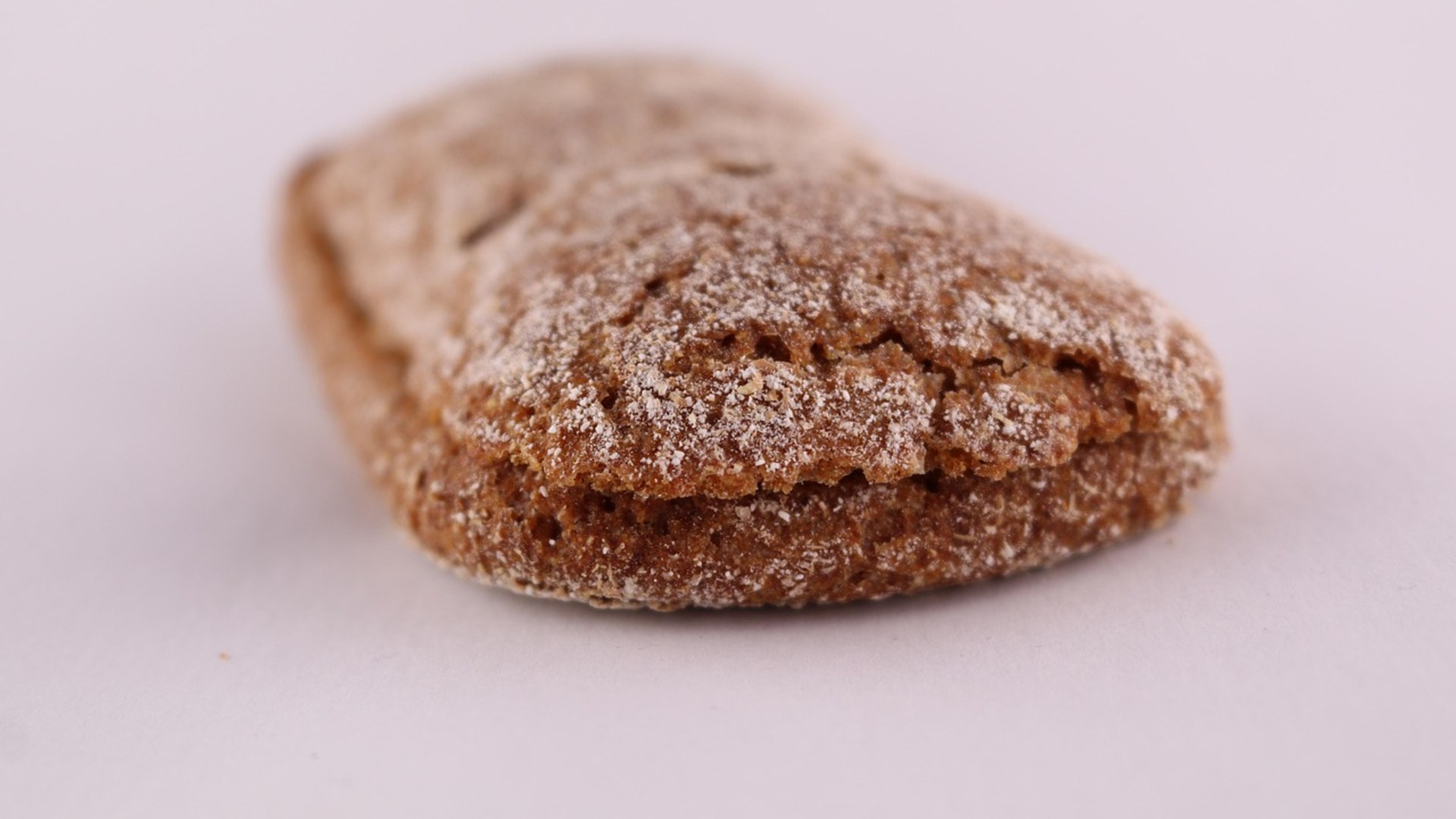
6. Rye Bread
Traditional rye bread requires extended fermentation times to properly break down pentosan starches and create a tender crumb. The dense structure traps volatile compounds during baking, leaving whole-grain rye loaves with roughly 0.2% to 0.4% residual ethanol upon cooling.
©Pixabay / Birdienne
Advertisement
Swipe or tap ▶ to resume the countdown.
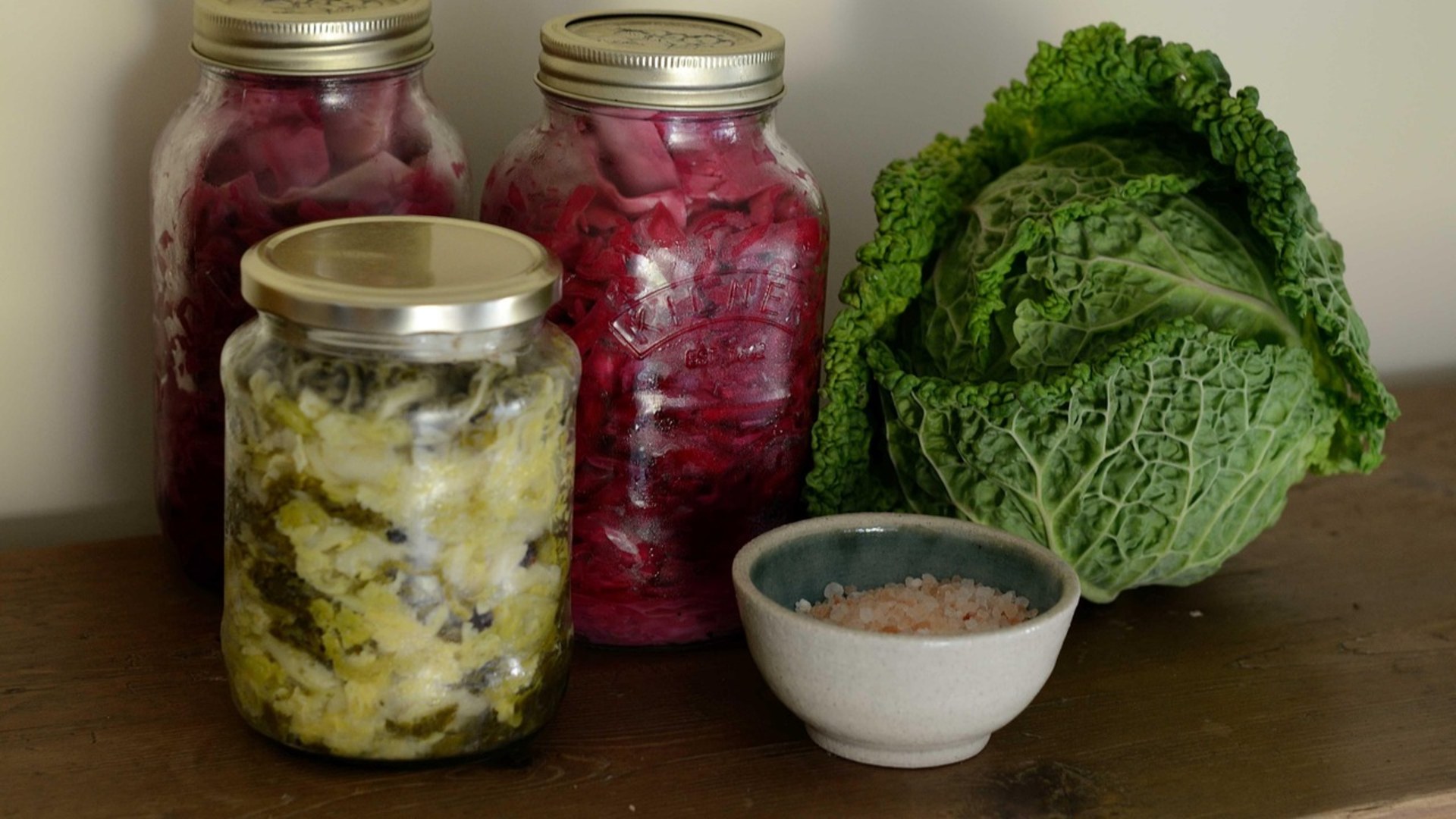
5. Sauerkraut
Raw cabbage packed in salt brines undergoes wild fermentation driven by Leuconostoc and Lactobacillus bacteria. As microbial populations shift over several weeks, natural yeasts produce trace alcohol, resulting in raw unpasteurized sauerkraut with 0.1% to 0.3% ABV.
©Pixabay / edwina_mc
4. Authentic Mirin
Authentic hon-mirin is a traditional cooking liquid brewed from steamed glutinous rice, koji, and distilled shochu liquor. It naturally contains about 14% alcohol by volume. Even supermarket condiment versions known as mirin-fu retain between 1% and 8% ABV.
©Wikimedia / Badagnani
3. Tiramisu
Tiramisu combines espresso-soaked ladyfingers with whipped mascarpone cream. Traditional Italian recipes soak the sponge biscuits directly in Marsala wine, dark rum, or coffee liqueur without applying any heat, ensuring the full alcoholic punch remains intact when served.
©Pixabay / RitaE
2. Swiss Cheese Fondue
Classic Swiss fondue incorporates dry white wine to lower the melting point of Gruyere and Emmental cheese, finished with a shot of cherry kirsch. Despite gentle simmering on the burner, culinary testing shows finished fondue retains between 1.5% and 3.0% residual alcohol.
©Pixabay / anncapictures
Advertisement
Swipe or tap ▶ to resume the countdown.
1. Ripe Cherries
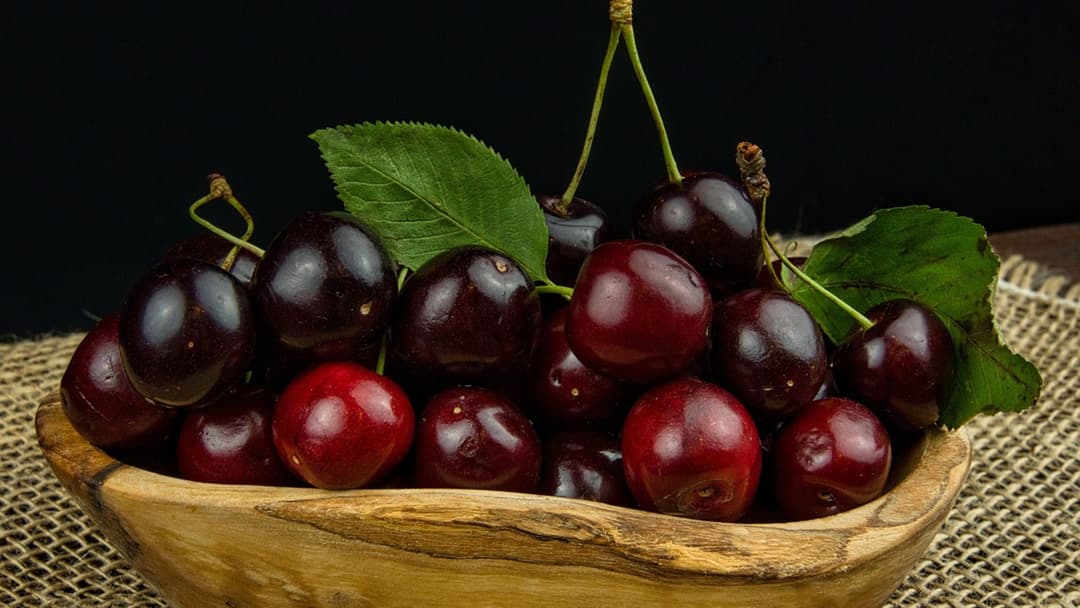
Sweet and sour cherries possess high concentrations of fructose and thin skins that attract wild yeasts. When left at room temperature or slightly bruised, enzymatic fermentation begins immediately, yielding measurable alcohol concentrations between 0.1% and 0.4% ABV.
©Pixabay / Anrita1705
Advertisement
You've reached the end of the story. Thanks for reading!

20 Uniquely American Slang Phrases and Their Real Origins
American English is famous for producing inventive idioms that puzzle English speakers overseas. Linguists at the American Dialect Society and lexicographers at Merriam-Webster trace these expressions from nineteenth-century stagecoaches to modern digital culture. This countdown reveals twenty iconic slang phrases.
All 20 Entries in this Story
Ripe Bananas
As bananas develop dark brown speckles, their high sugar content undergoes natural fermentation by wild yeasts. A 2016 German study published in Forensic Science International found ripe bananas contain up to 0.4 grams of ethanol per 100 grams, meaning a bunch packs measurable alcohol.

Sourdough Bread
Sourdough relies on wild yeasts and lactic acid bacteria to rise. While high oven temperatures evaporate the majority of ethanol produced during fermentation, laboratory testing shows baked sourdough loaves retain between 0.1% and 0.4% residual alcohol trapped in the dense crumb.

Pure Vanilla Extract
Under United States FDA regulations, pure vanilla extract must contain a minimum of 35% alcohol by volume, making it 70 proof. Food manufacturers use ethyl alcohol as a solvent to draw rich vanillin flavor out of cured beans, which is why a small splash packs significant booze.

Kombucha
Kombucha is brewed by fermenting sweet tea with a symbiotic colony of bacteria and yeast. As yeast metabolizes sucrose, it creates carbonation and natural alcohol. Commercial bottles range from 0.5% to over 2% ABV if warm storage allows live cultures to keep fermenting on shelves.

Ripe Pears
Pears soften rapidly at room temperature, converting starches into fructose and glucose that wild surface microbes quickly ferment. Chemical food analyses show fully ripe pears can reach alcohol levels of 0.2% to 0.4% ABV, rivaling light commercial non-alcoholic beers.

Traditional Soy Sauce
Authentic naturally brewed soy sauce undergoes months of fermentation using koji mold and specialized salt-tolerant yeasts. This biological aging process breaks down wheat proteins into savory umami compounds while creating a natural alcohol content that typically ranges between 1.5% and 2.0%.

Milk Kefir
Kefir is created by culturing milk with complex kefir grains containing dozens of bacteria and yeast strains. As the yeasts digest lactose, they generate effervescence and natural ethanol. Most packaged kefir contains 0.2% to 0.5% ABV, while homemade varieties can easily surpass 1.5%.

Packaged Apple Juice
Apples harbor dense populations of natural yeasts on their skin that enter pressing vats during cider and juice extraction. Chemical testing reveals that commercial sweet apple juice frequently contains between 0.06% and 0.6% ethanol, even when marketed directly to young children.

Dijon Mustard
Originating in Burgundy, authentic Dijon mustard blends ground brown mustard seeds with white wine or verjuice rather than plain vinegar. Because the condiment is prepared without high-heat cooking, trace residual alcohol from the wine remains active in the finished jar.

Wine Vinegar
Vinegar is produced when Acetobacter bacteria convert wine ethanol into sharp acetic acid. However, this biological conversion rarely finishes completely. Premium red, white, and balsamic vinegars generally retain between 0.2% and 0.5% residual alcohol in every tablespoon.

Brioche And Burger Buns
Commercial bakery buns and brioche contain generous quantities of sugar and fast-acting yeast sealed in airtight plastic bags. Forensic food scientists have documented packaged hamburger buns containing up to 1.28 grams of ethanol per 100 grams due to ongoing package fermentation.

Traditional Kimchi
Korea's staple side dish Kimchi is made by fermenting salted Napa cabbage and radishes with chili and garlic. Active lactic acid bacteria and natural yeasts thrive during the anaerobic fermentation cycle, yielding between 0.1% and 0.3% natural ethanol alongside crisp sour acidity.

Aged Miso Paste
Miso is crafted by fermenting cooked soybeans and grains with koji mold and brine for months or years. Salt-tolerant yeasts slowly generate savory esters and natural ethanol. Dark aged miso varieties often contain between 0.5% and 1.5% natural alcohol, acting as a natural preservative.

Fresh Orange Juice
Oranges possess porous rinds coated with wild yeasts that easily blend into juice streams during industrial crushing. Even unopened pasteurized orange juice cartons undergo gradual trace fermentation, measuring between 0.1% and 0.5% ABV by the time they reach breakfast tables.

Rye Bread
Traditional rye bread requires extended fermentation times to properly break down pentosan starches and create a tender crumb. The dense structure traps volatile compounds during baking, leaving whole-grain rye loaves with roughly 0.2% to 0.4% residual ethanol upon cooling.

Sauerkraut
Raw cabbage packed in salt brines undergoes wild fermentation driven by Leuconostoc and Lactobacillus bacteria. As microbial populations shift over several weeks, natural yeasts produce trace alcohol, resulting in raw unpasteurized sauerkraut with 0.1% to 0.3% ABV.

Authentic Mirin
Authentic hon-mirin is a traditional cooking liquid brewed from steamed glutinous rice, koji, and distilled shochu liquor. It naturally contains about 14% alcohol by volume. Even supermarket condiment versions known as mirin-fu retain between 1% and 8% ABV.

Tiramisu
Tiramisu combines espresso-soaked ladyfingers with whipped mascarpone cream. Traditional Italian recipes soak the sponge biscuits directly in Marsala wine, dark rum, or coffee liqueur without applying any heat, ensuring the full alcoholic punch remains intact when served.

Swiss Cheese Fondue
Classic Swiss fondue incorporates dry white wine to lower the melting point of Gruyere and Emmental cheese, finished with a shot of cherry kirsch. Despite gentle simmering on the burner, culinary testing shows finished fondue retains between 1.5% and 3.0% residual alcohol.

Ripe Cherries
Sweet and sour cherries possess high concentrations of fructose and thin skins that attract wild yeasts. When left at room temperature or slightly bruised, enzymatic fermentation begins immediately, yielding measurable alcohol concentrations between 0.1% and 0.4% ABV.