Slideshow · Travel
20 Deepest Lakes in the United States, Ranked by Maximum Depth
Ranked by certified maximum depth according to official bathymetric surveys from the USGS and National Park Service, these twenty deepwater lakes hold vast freshwater reserves. These waters run deep.
By Most Viral Today
1 hour ago

The Deepest Lakes in the United States, Ranked 
20. Green Lake (237 Feet) 
19. Torch Lake (285 Feet) 
18. Lake Champlain (400 Feet) - AdvertisementSwipe or tap ▶ to continue countdown

17. Cayuga Lake (435 Feet) 
16. Lake McDonald (464 Feet) 
15. Skilak Lake (528 Feet) 
14. Kenai Lake (541 Feet) - AdvertisementSwipe or tap ▶ to continue countdown

13. Seneca Lake (618 Feet) 
12. Lake Crescent (624 Feet) 
11. Lake Huron (750 Feet) 
10. Lake Ontario (802 Feet) - AdvertisementSwipe or tap ▶ to continue countdown

9. Lake Michigan (923 Feet) 
8. Lake Tustumena (950 Feet) 
7. Lake Iliamna (988 Feet) 
6. Lake Clark (1,056 Feet) - AdvertisementSwipe or tap ▶ to continue countdown

5. Lake Pend Oreille (1,152 Feet) 
4. Lake Superior (1,333 Feet) 
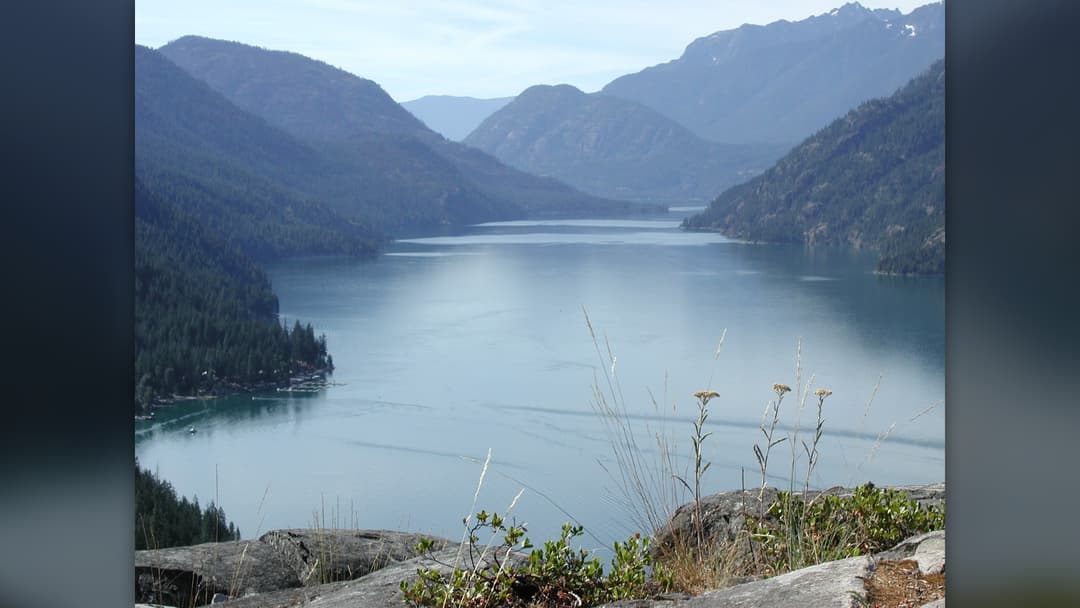
3. Lake Chelan (1,486 Feet) 
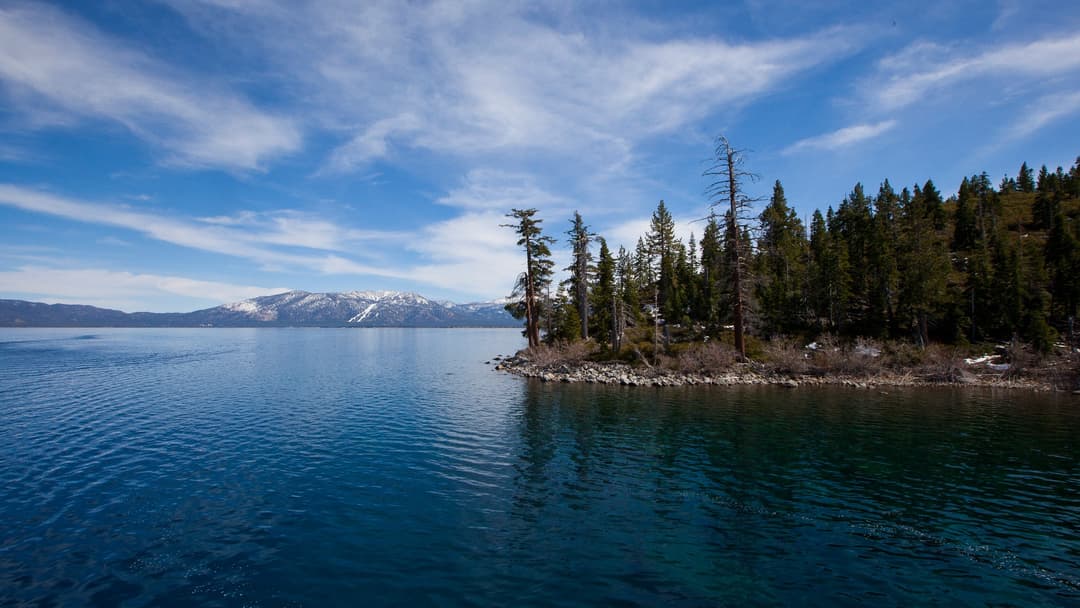
2. Lake Tahoe (1,645 Feet) - AdvertisementSwipe or tap ▶ to continue countdown

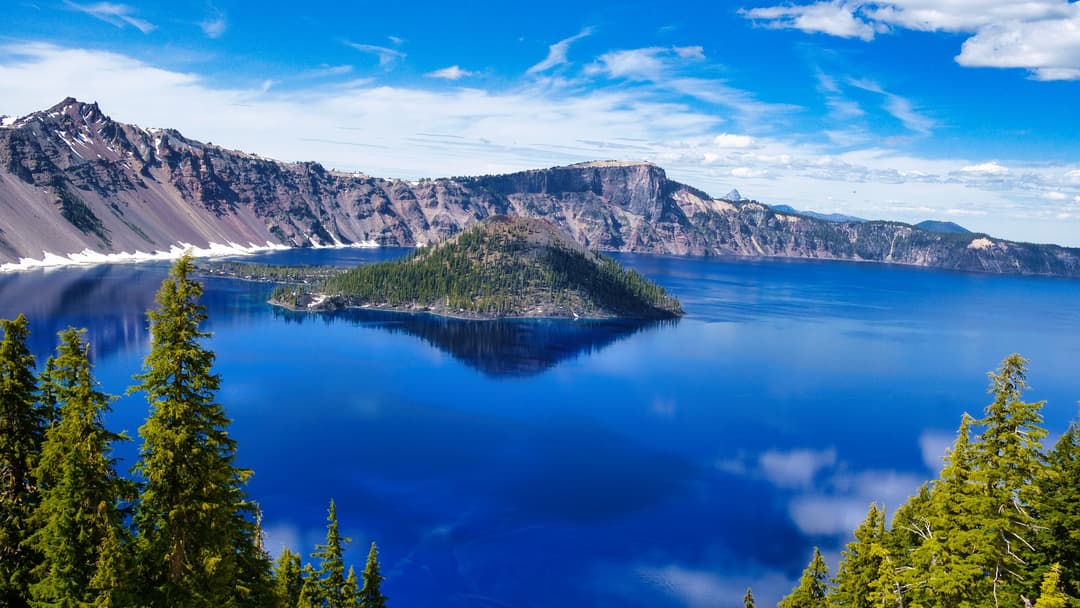
1. Crater Lake (1,949 Feet) - Advertisement🔥 UP NEXT IN THIS SERIES◫ 21 Slides

20 American National Parks With the Most Unusual Geological Formations
Which American national parks feature Earth's most bizarre rock formations?
These waters run deep. According to official bathymetric surveys from the USGS and National Park Service, these twenty deepwater lakes hold vast freshwater reserves and incredible geological history.
Swipe or tap ▶ to begin the countdown
©Wikimedia / King of Hearts
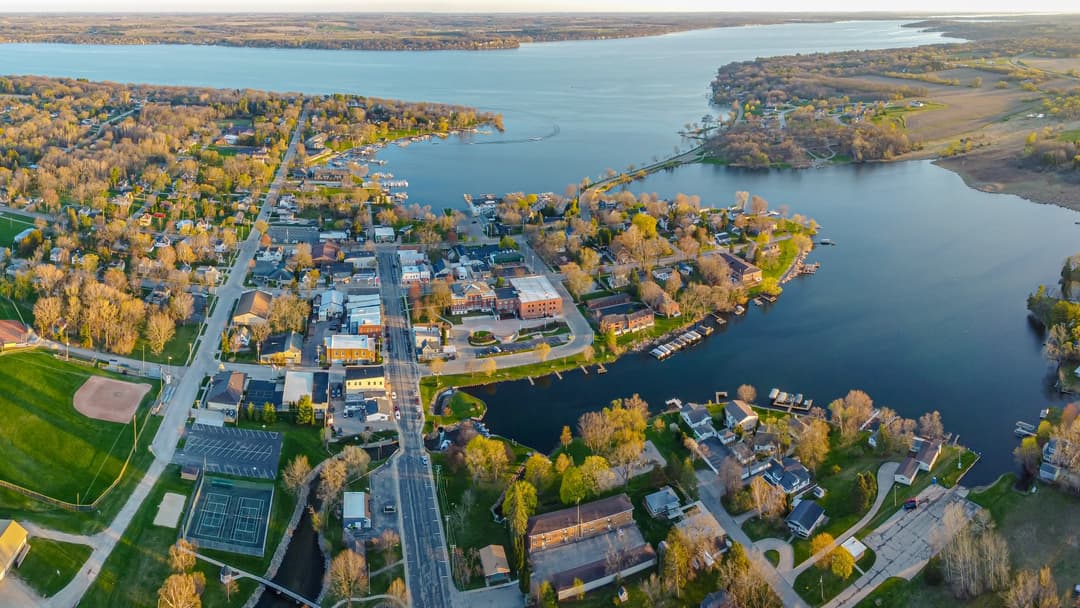
20. Green Lake (237 Feet)
Anglers revere its deep holes. Green Lake plunges two hundred thirty-seven feet into sandstone and limestone bedrock, holding prize lake trout. It created a resort community dating to the nineteenth century. It's a local classic.
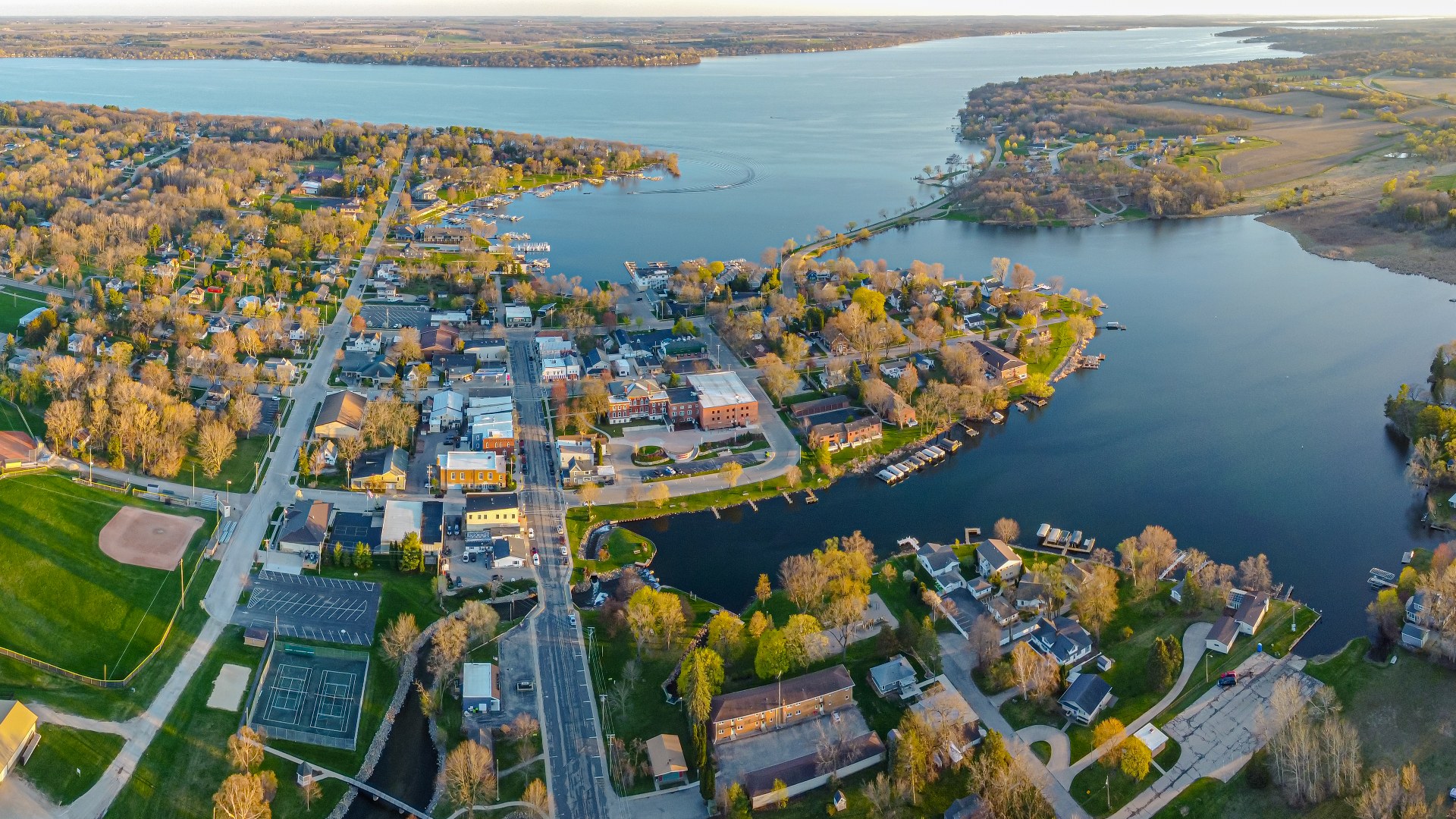
©Wikimedia / Wikideas1
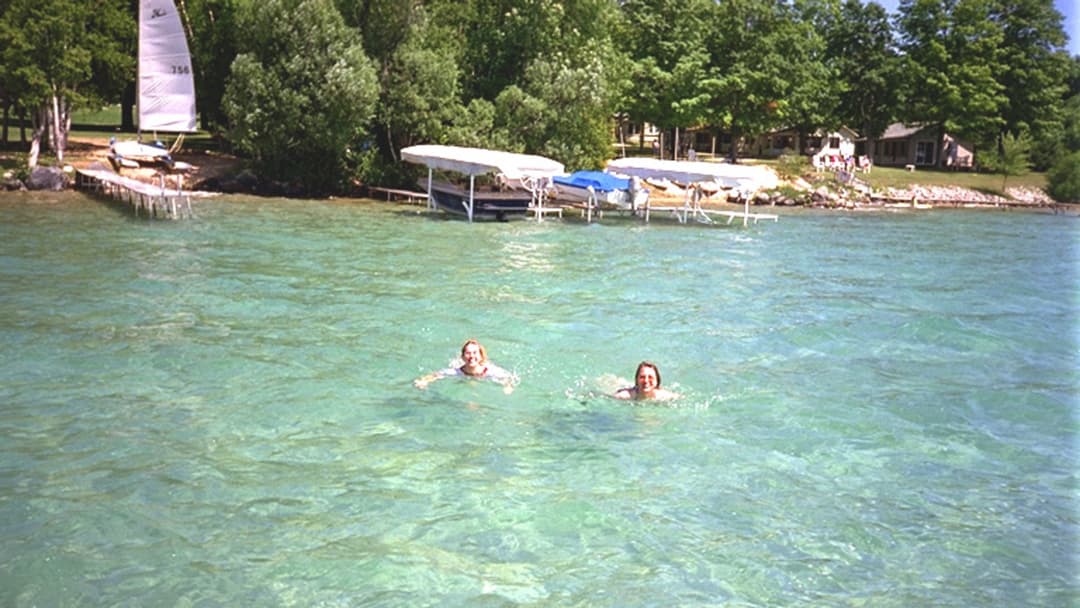
19. Torch Lake (285 Feet)
It looks like the tropics. Torch Lake reaches two hundred eighty-five feet in its central channel, making it Michigan's deepest inland lake. Low organic content gives it a radiant blue hue. Boaters flock here.
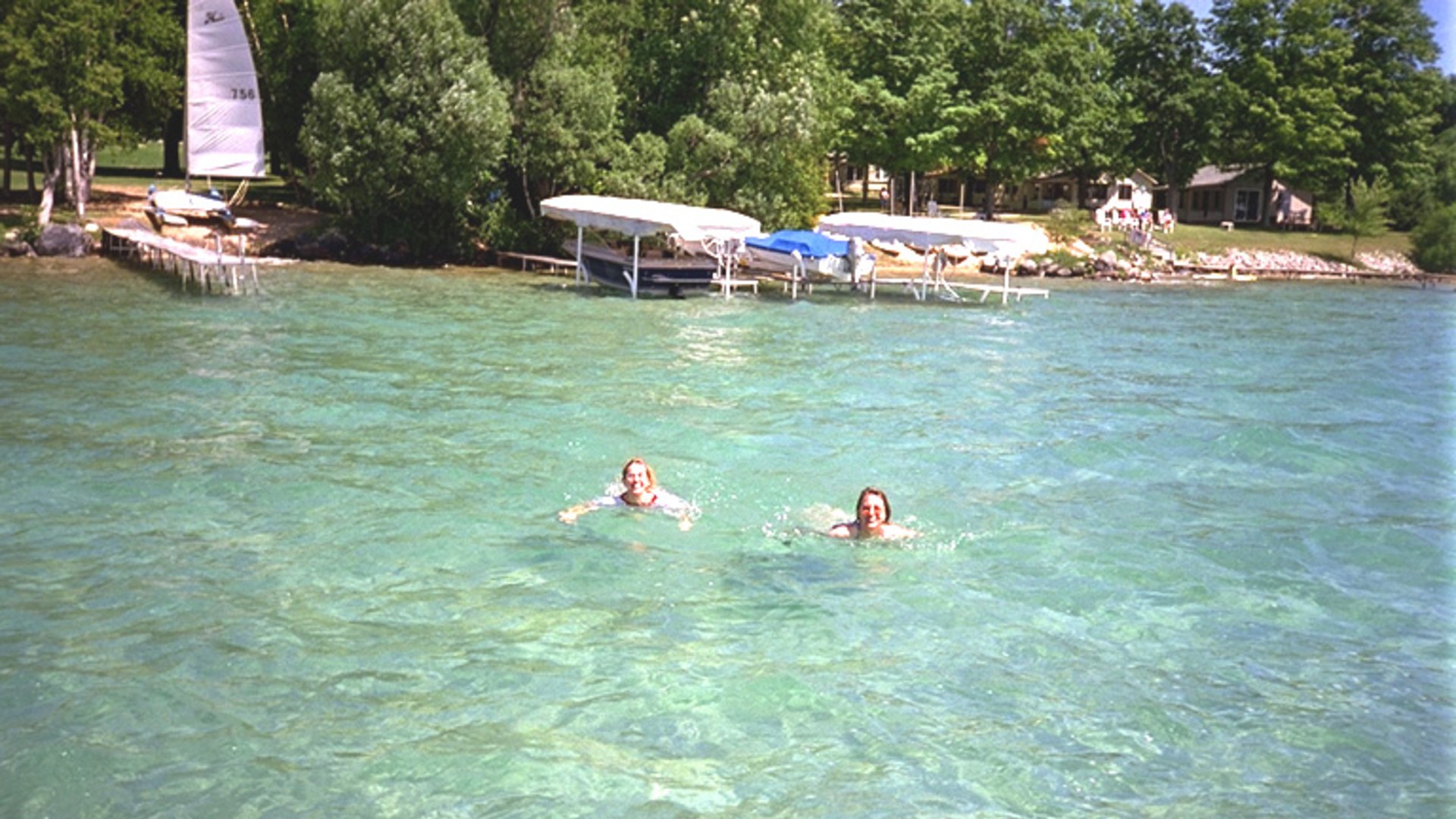
©Wikimedia / Hgjudd
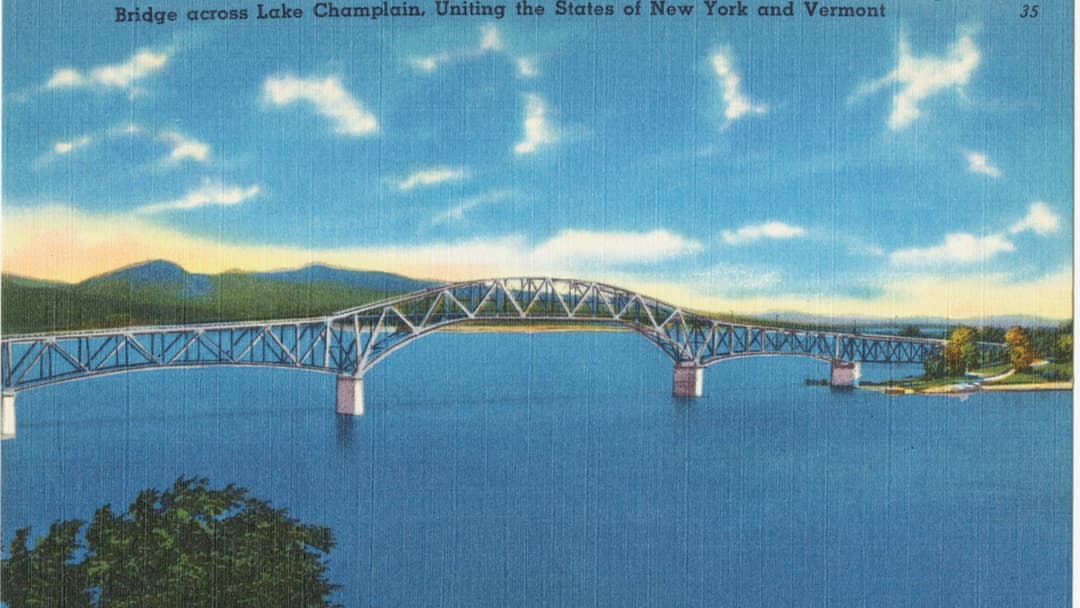
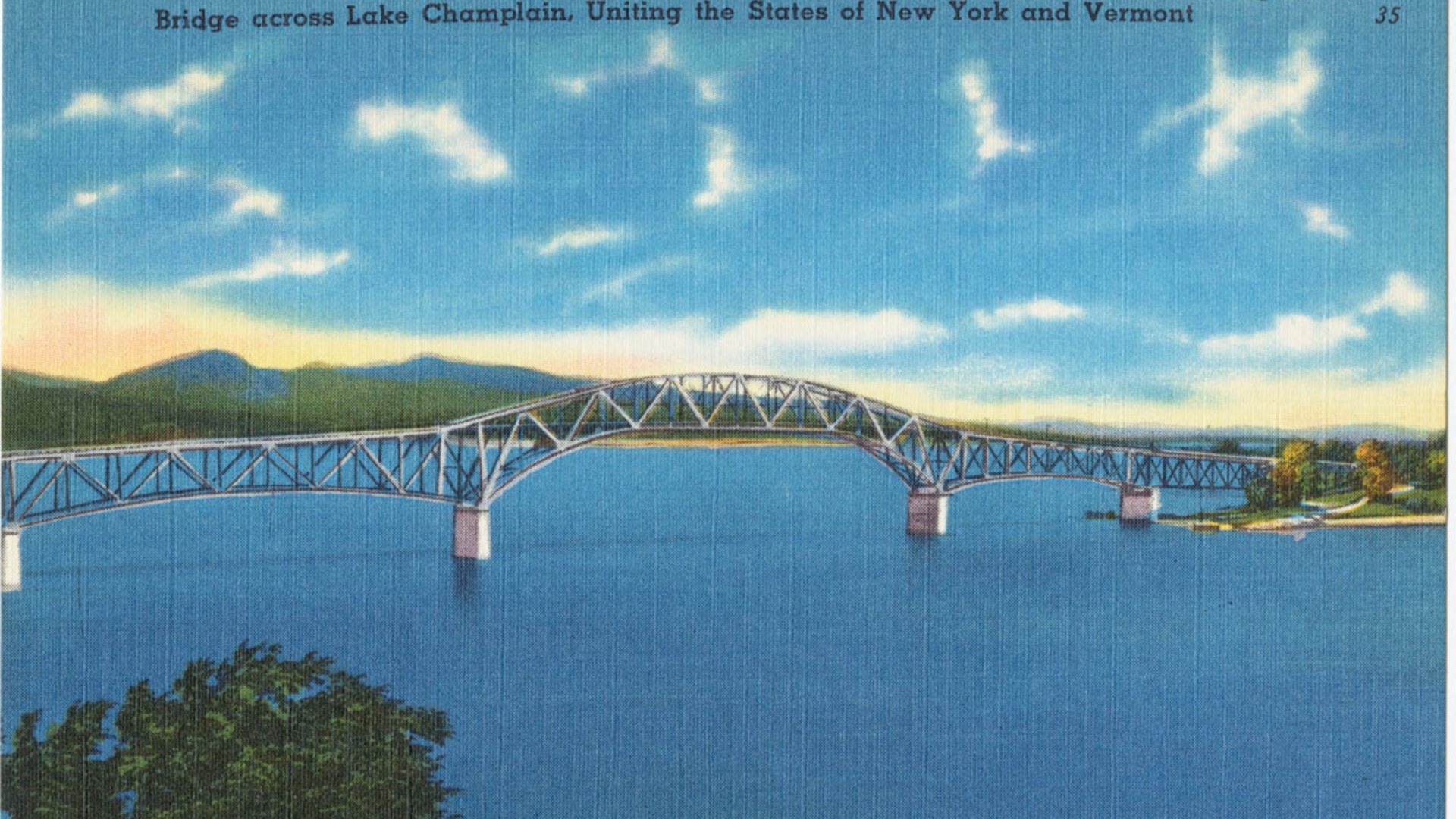
18. Lake Champlain (400 Feet)
War of 1812 battles raged here. Lake Champlain reaches four hundred feet deep near Split Rock Point, draining north toward the Saint Lawrence River. Its long shape acts like an inland fjord. History is everywhere.
©Wikimedia / Boston Public Library
Advertisement
Swipe or tap ▶ to resume the countdown.
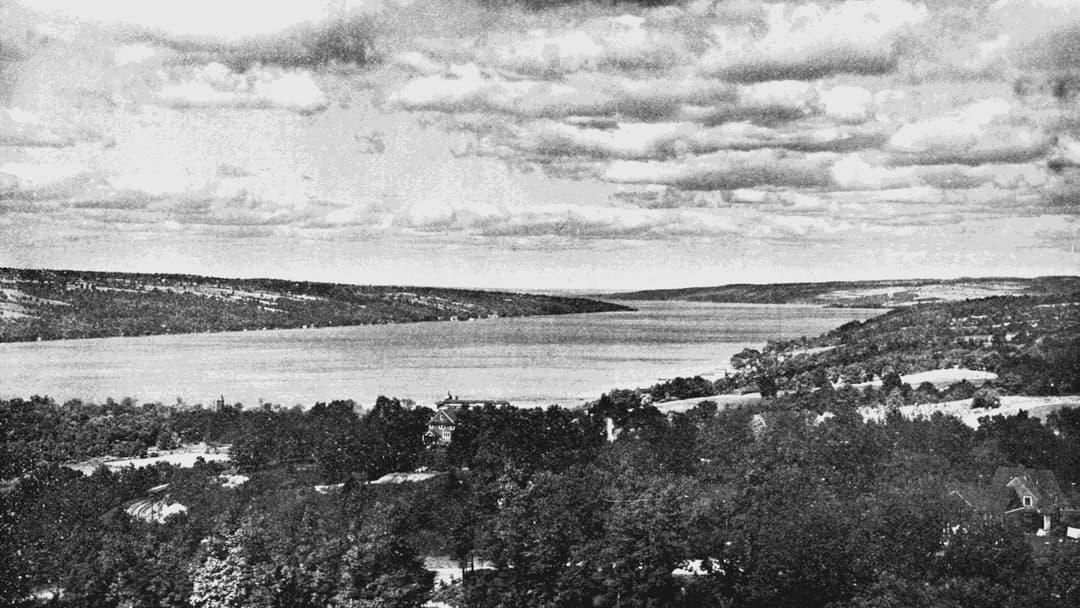
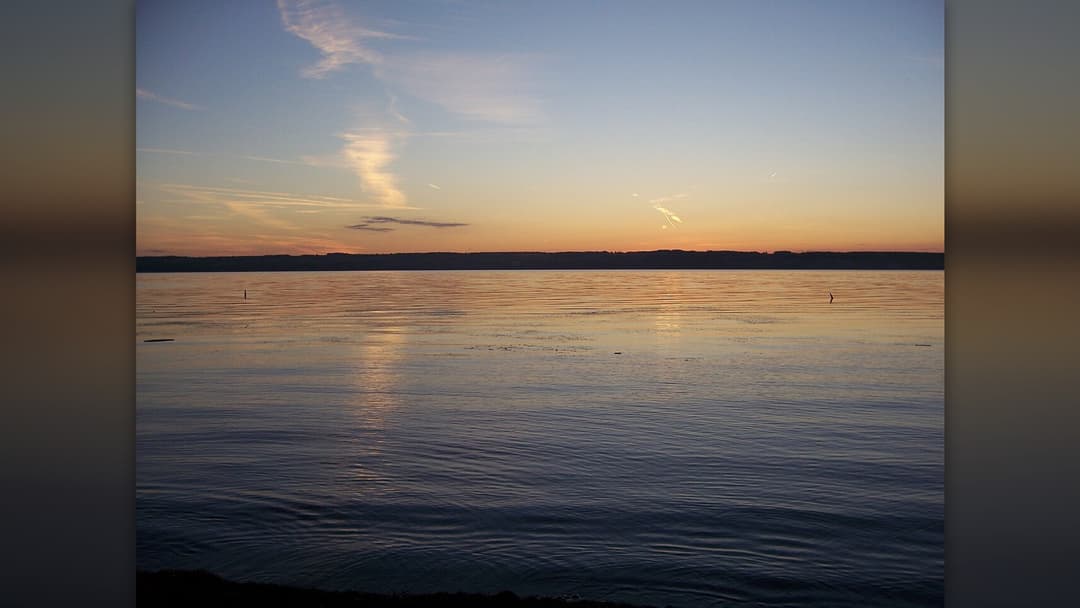
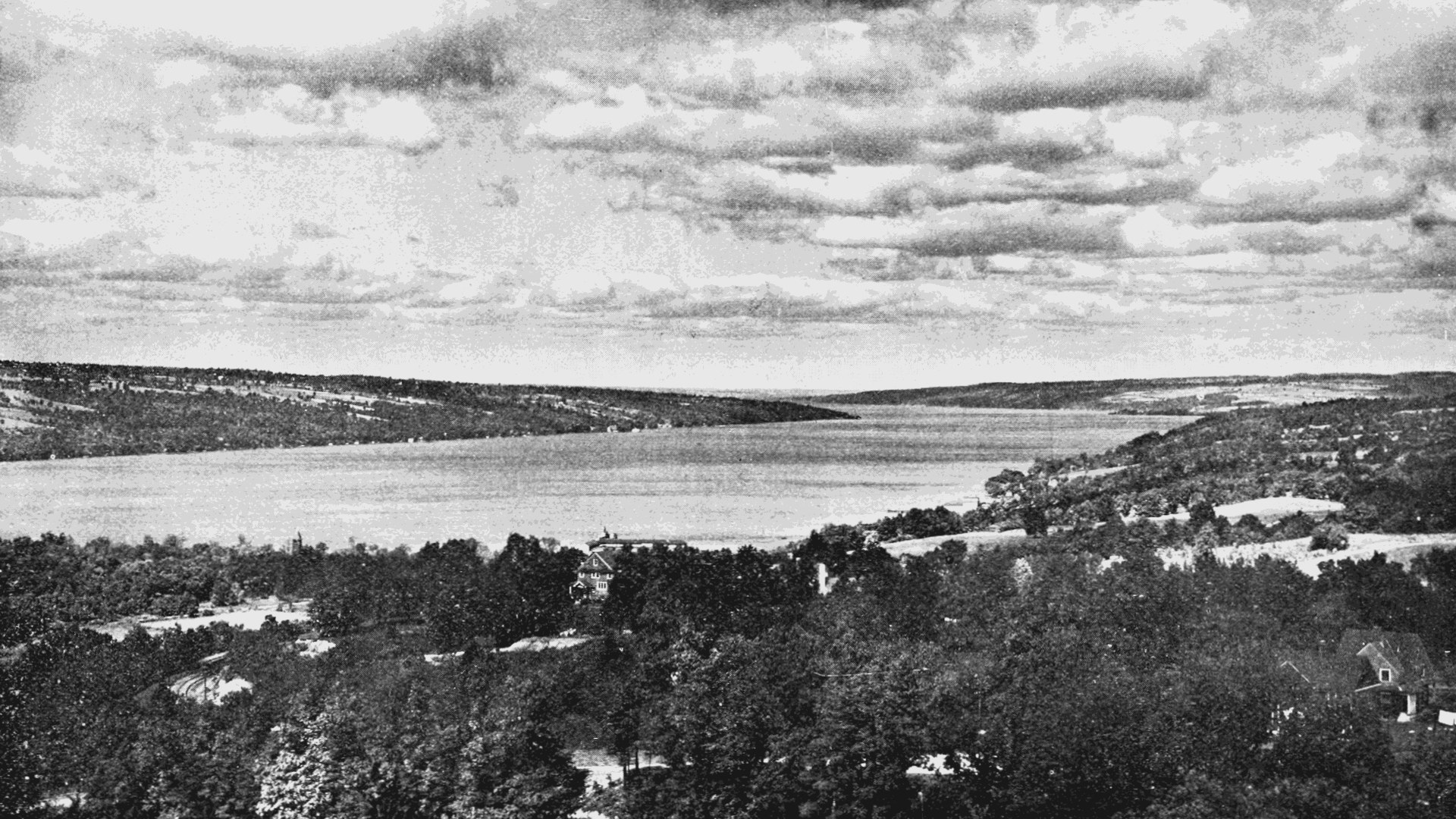
17. Cayuga Lake (435 Feet)
Ithaca sits on its shore. Cayuga Lake drops four hundred thirty-five feet, making it the second-deepest Finger Lake. Cornell University uses its cold deep waters to power an innovative campus cooling system. It's brilliant engineering.
©Wikimedia / Unknown authorUnknown author
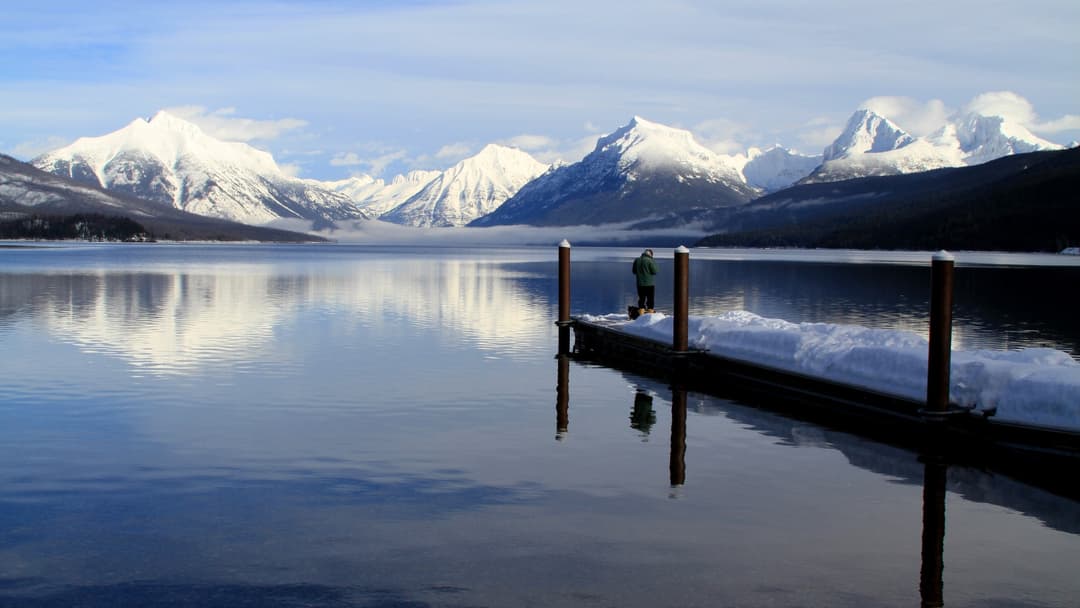
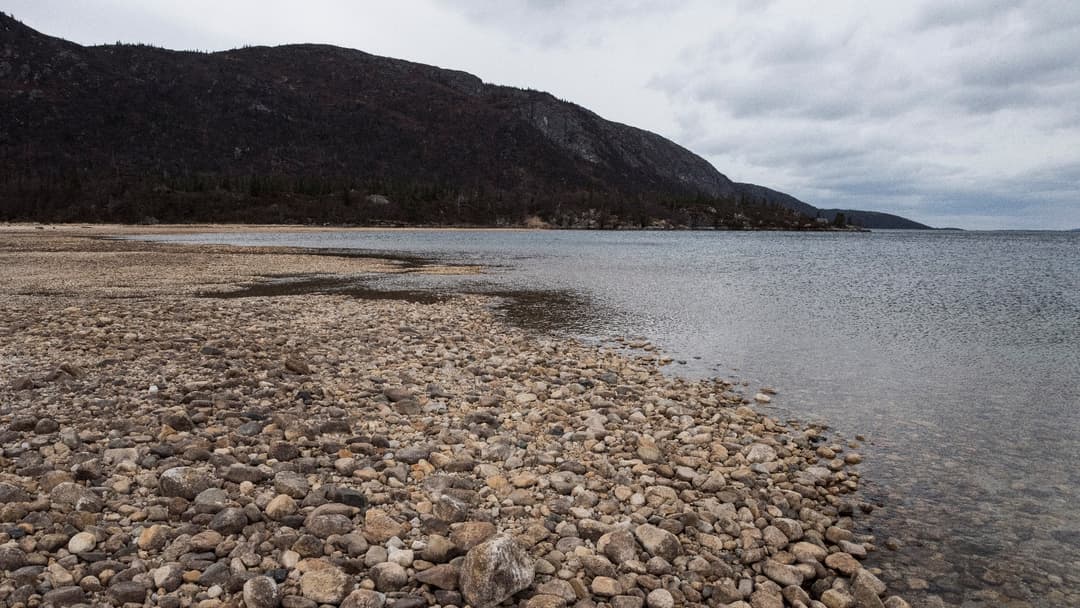
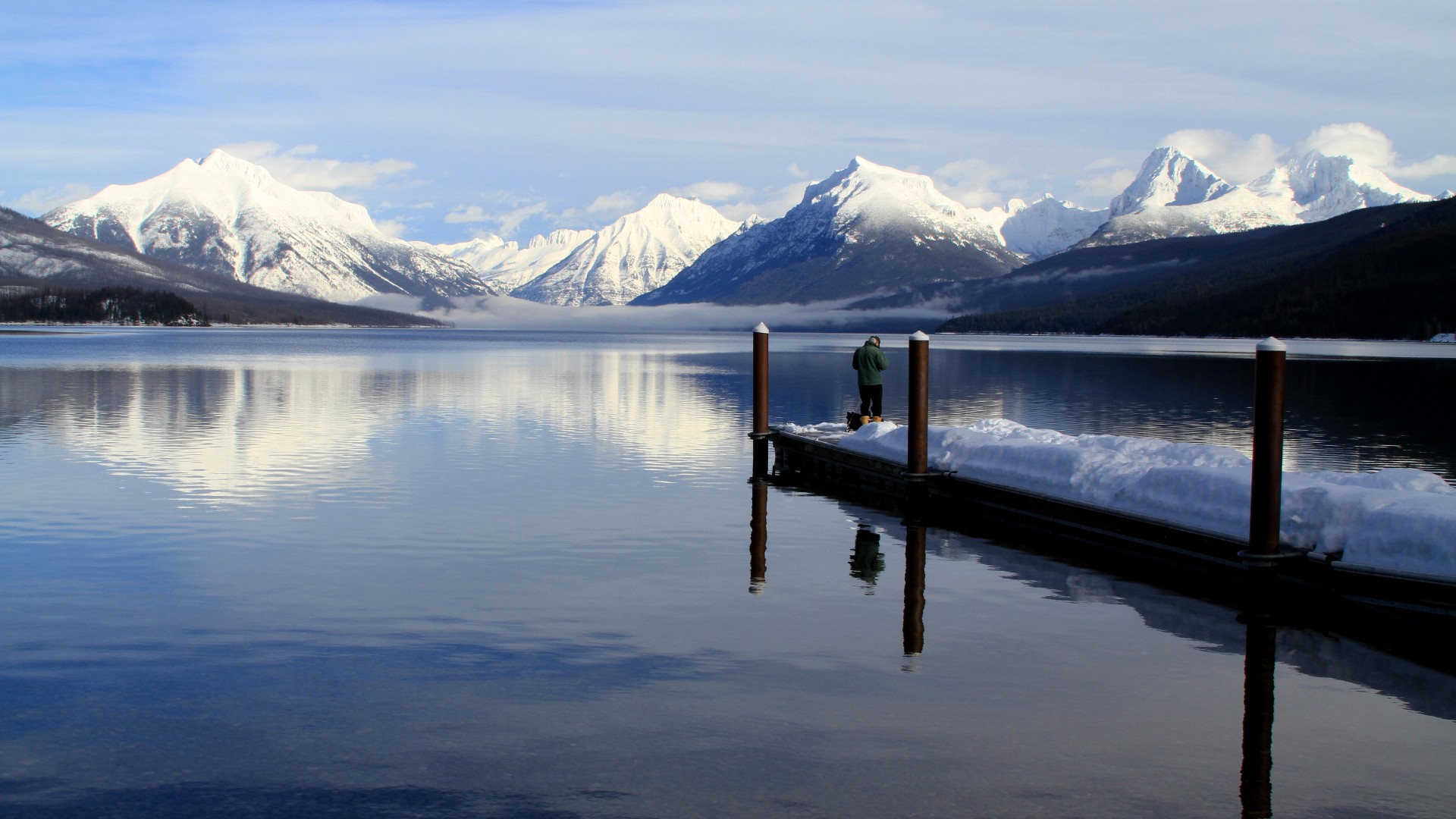
16. Lake McDonald (464 Feet)
Pebbles cover its clear shallows. Carved by ice age glaciers, Lake McDonald drops four hundred sixty-four feet into a steep mountain valley. Extremely low nutrient levels keep its waters transparent year-round. It's picture-perfect.
©Wikimedia / Lake McDonald
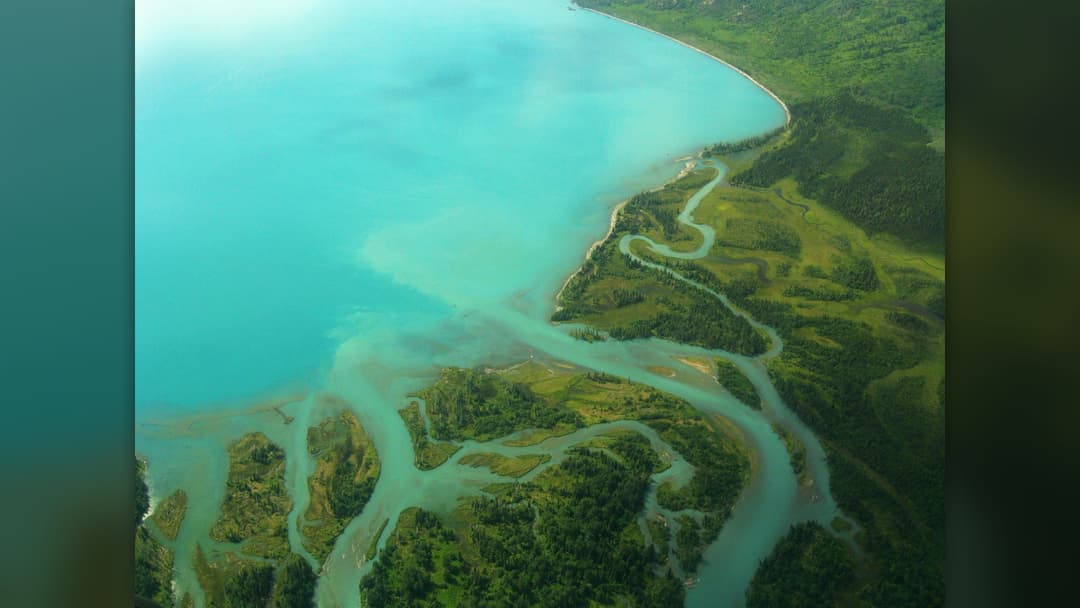
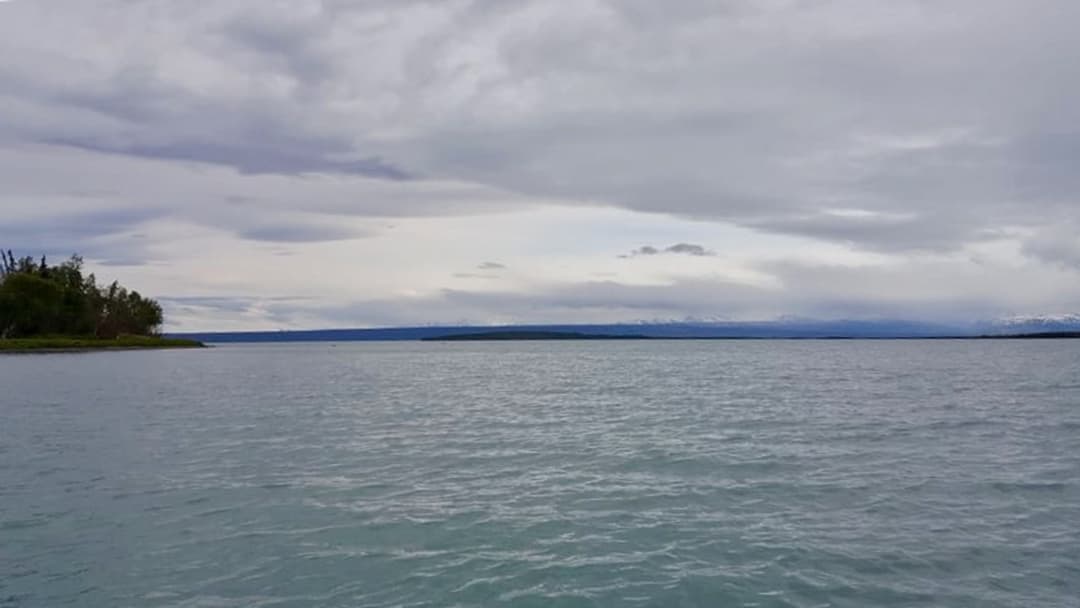
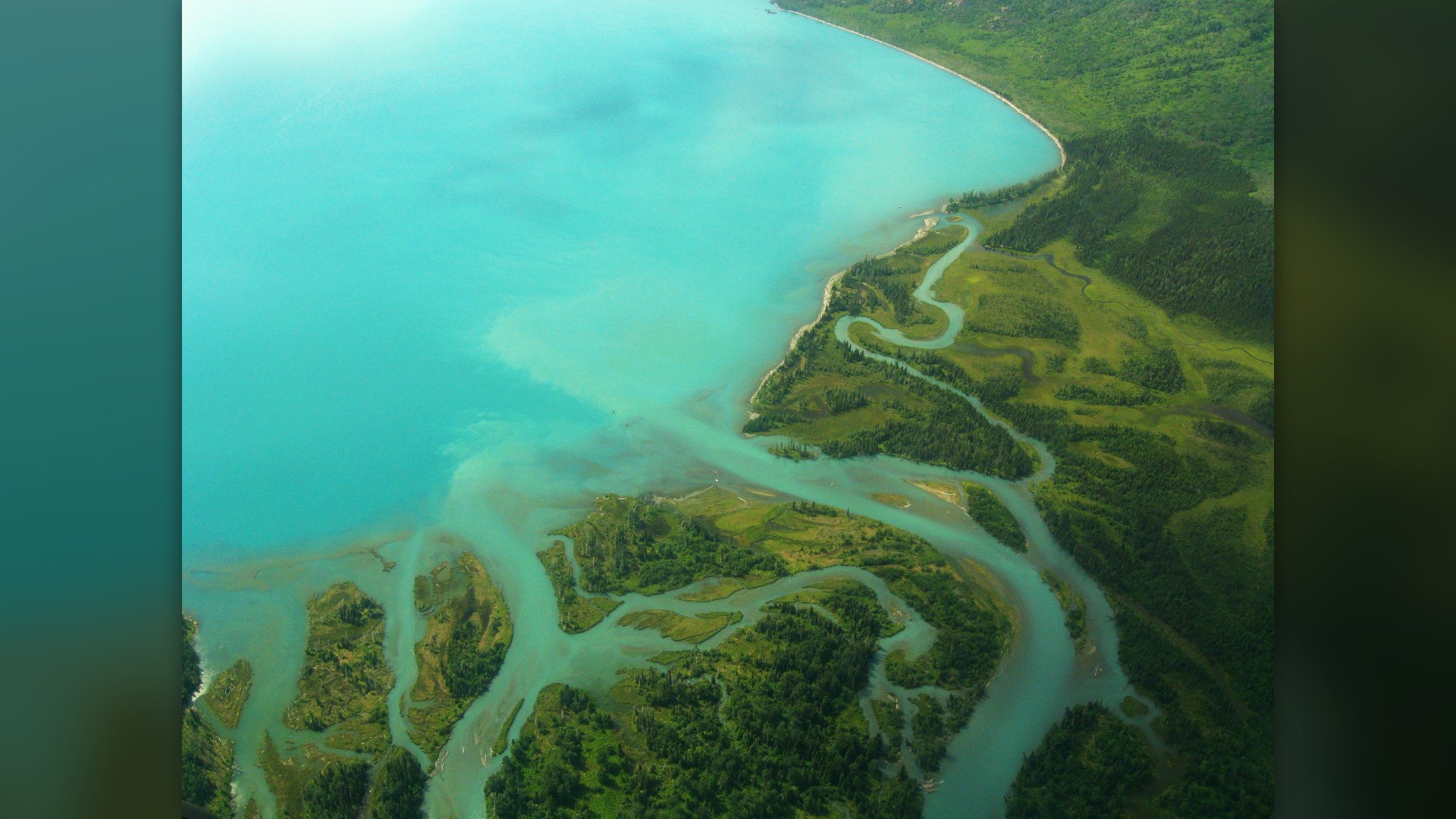
15. Skilak Lake (528 Feet)
Wildlife thrives along its banks. Located along the Kenai River system, Skilak Lake drops five hundred twenty-eight feet into glacial bedrock. It remains one of the wildest large lakes in North America. It's pristine.
©Wikimedia / Paxson Woelber
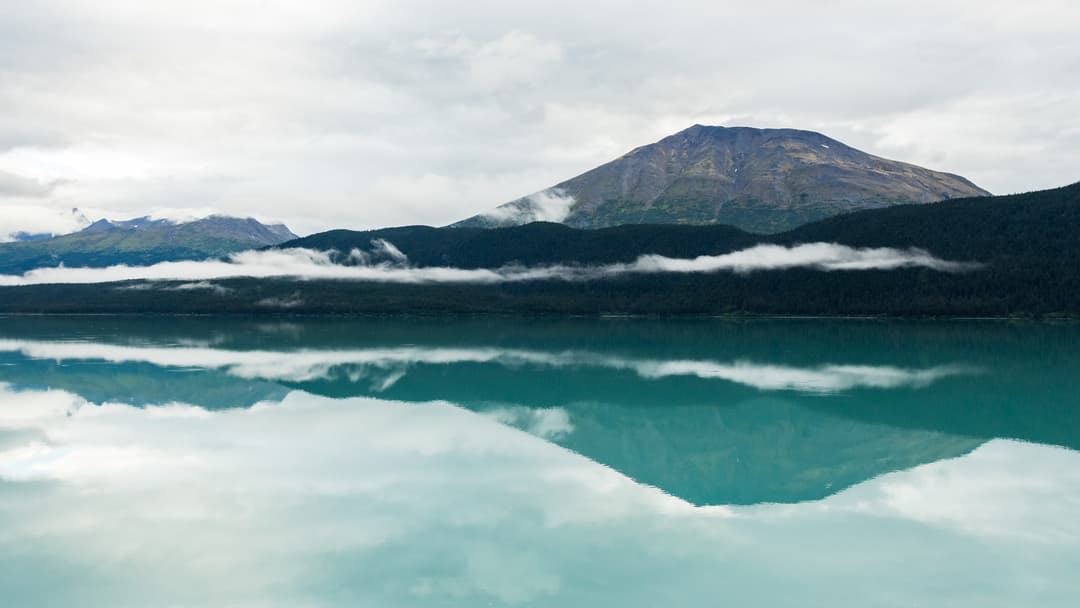
14. Kenai Lake (541 Feet)
Rock flour creates an emerald tint. Kenai Lake drops five hundred forty-one feet through a narrow mountain gorge, feeding the world-famous Kenai River. Its steep underwater drop-offs begin right beside the highway. Anglers love it.
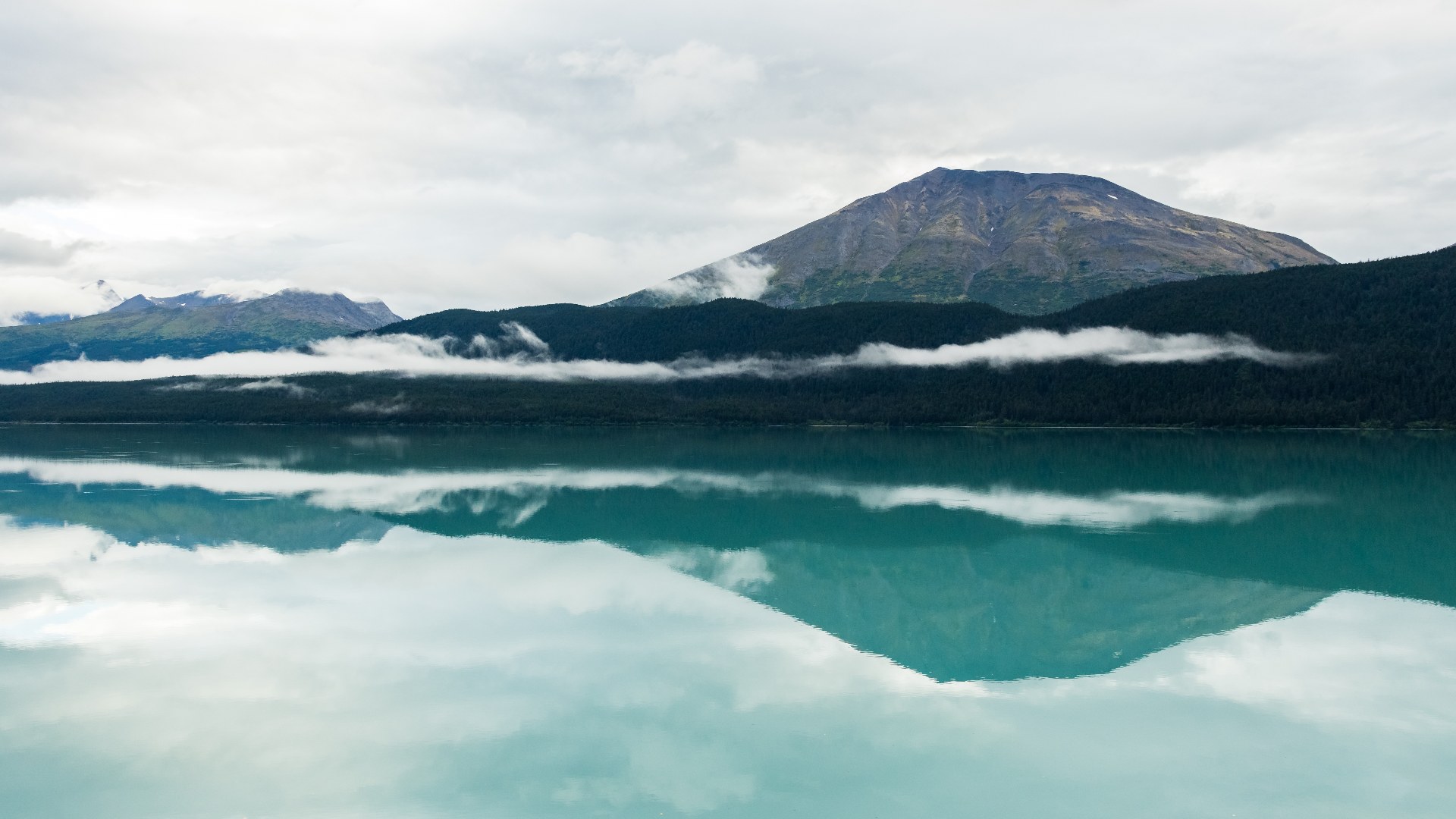
©Wikimedia / Diego Delso
Advertisement
Swipe or tap ▶ to resume the countdown.
13. Seneca Lake (618 Feet)
Its bed drops below sea level. Seneca Lake reaches six hundred eighteen feet deep near Watkins Glen, acting as a massive heat sink for area vineyards. The Navy tests sonar equipment in its depths. It never freezes completely.
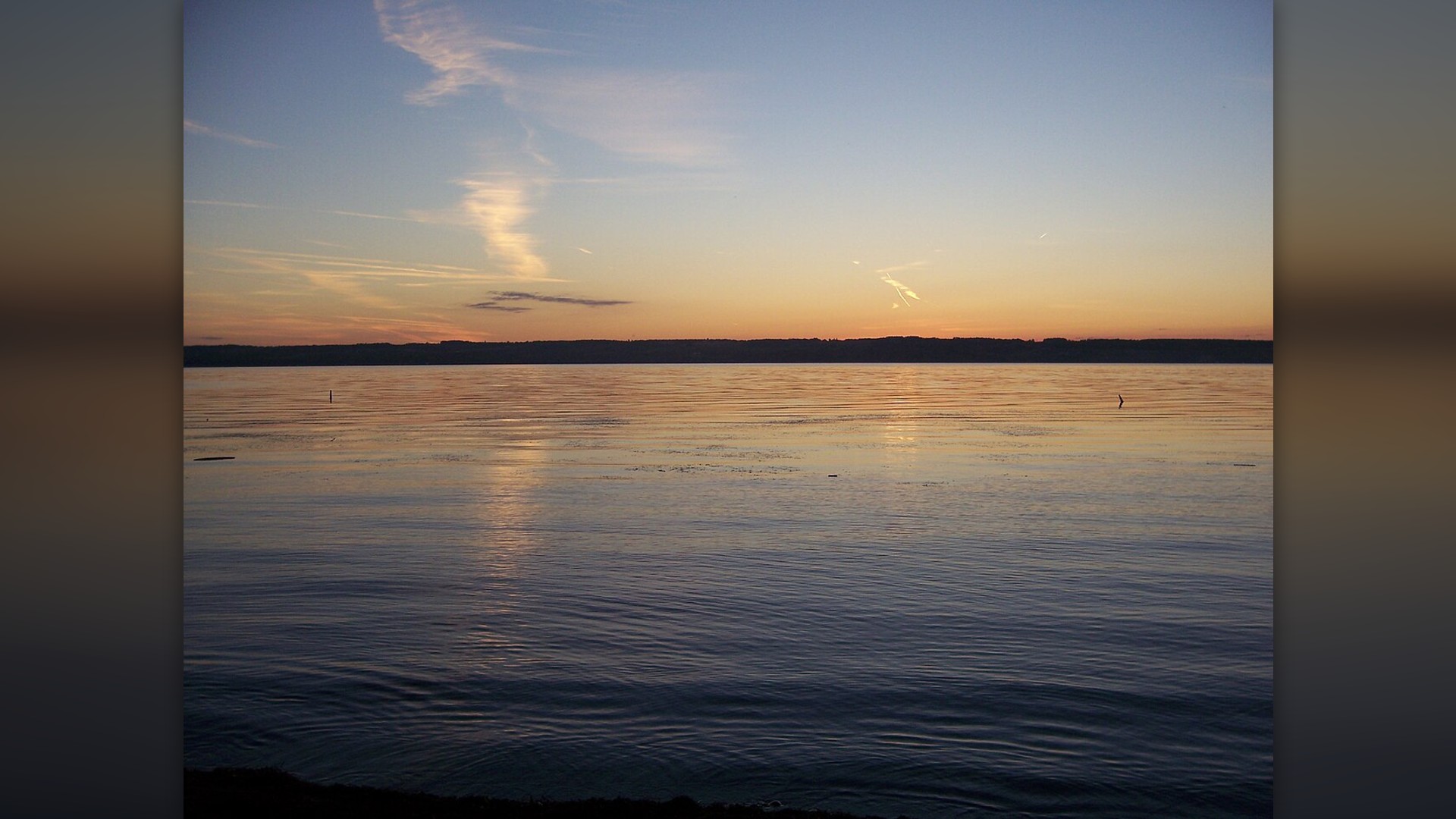
©Wikimedia / Scieri12 at English Wikipedia
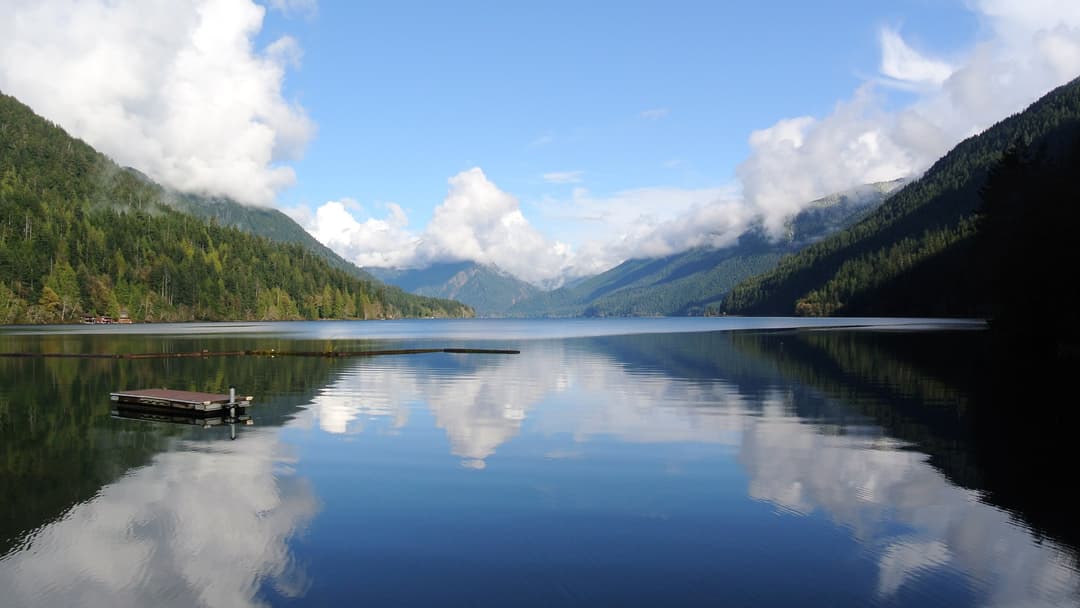
12. Lake Crescent (624 Feet)
The water lacks nitrogen entirely. Lake Crescent drops six hundred twenty-four feet into an ancient glacier valley on the Olympic Peninsula. Its clarity allows visibility down to sixty feet beneath the surface. It's stunning.
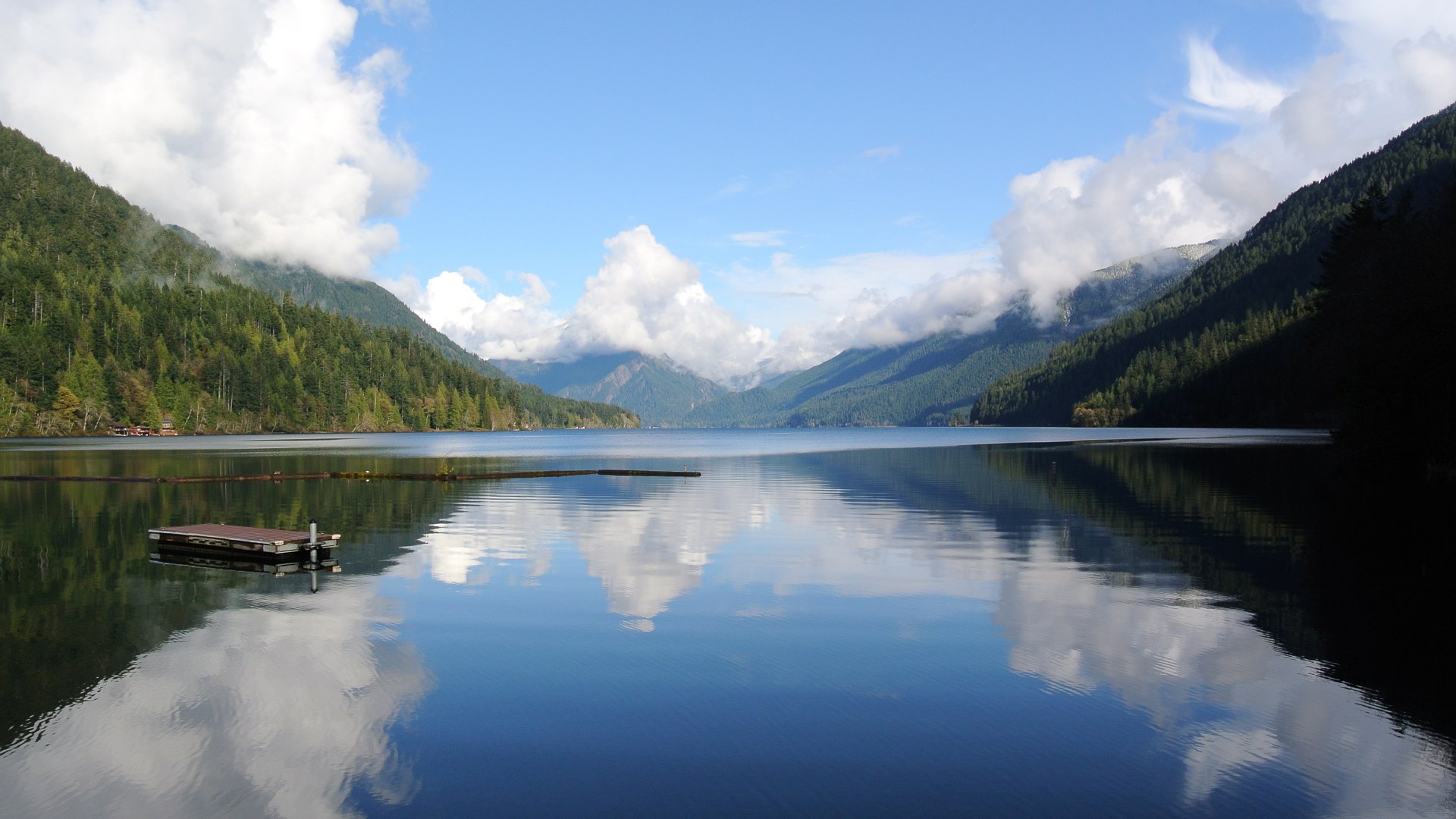
©Wikimedia / Adbar
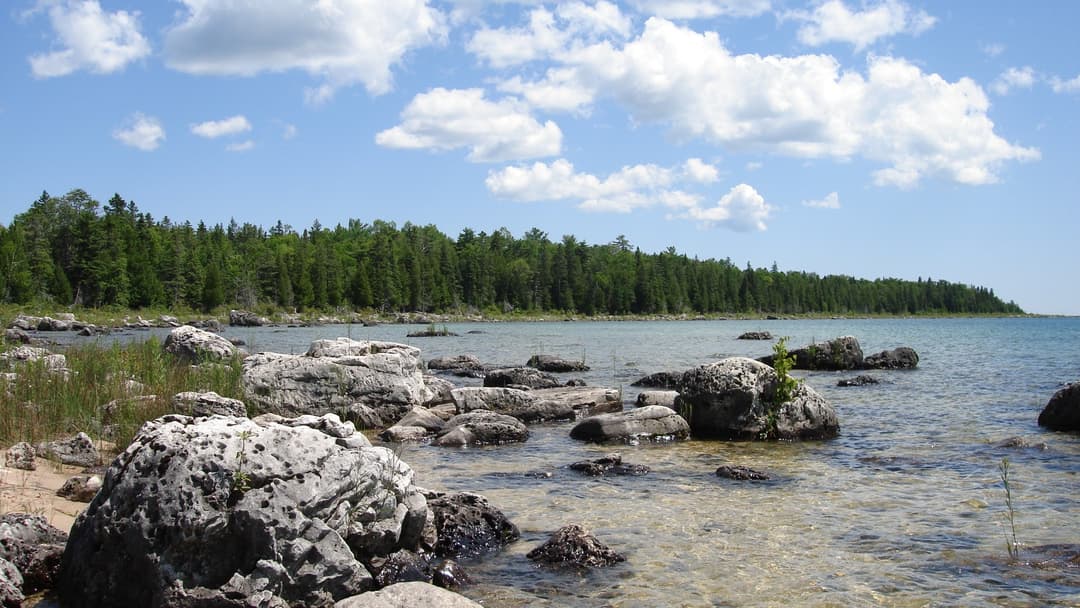
11. Lake Huron (750 Feet)
Shipwrecks rest along its bottom. Lake Huron reaches seven hundred fifty feet deep in its main channel, connecting directly to Lake Michigan. Over thirty thousand islands dot its northern waters. It's a navigator's paradise.
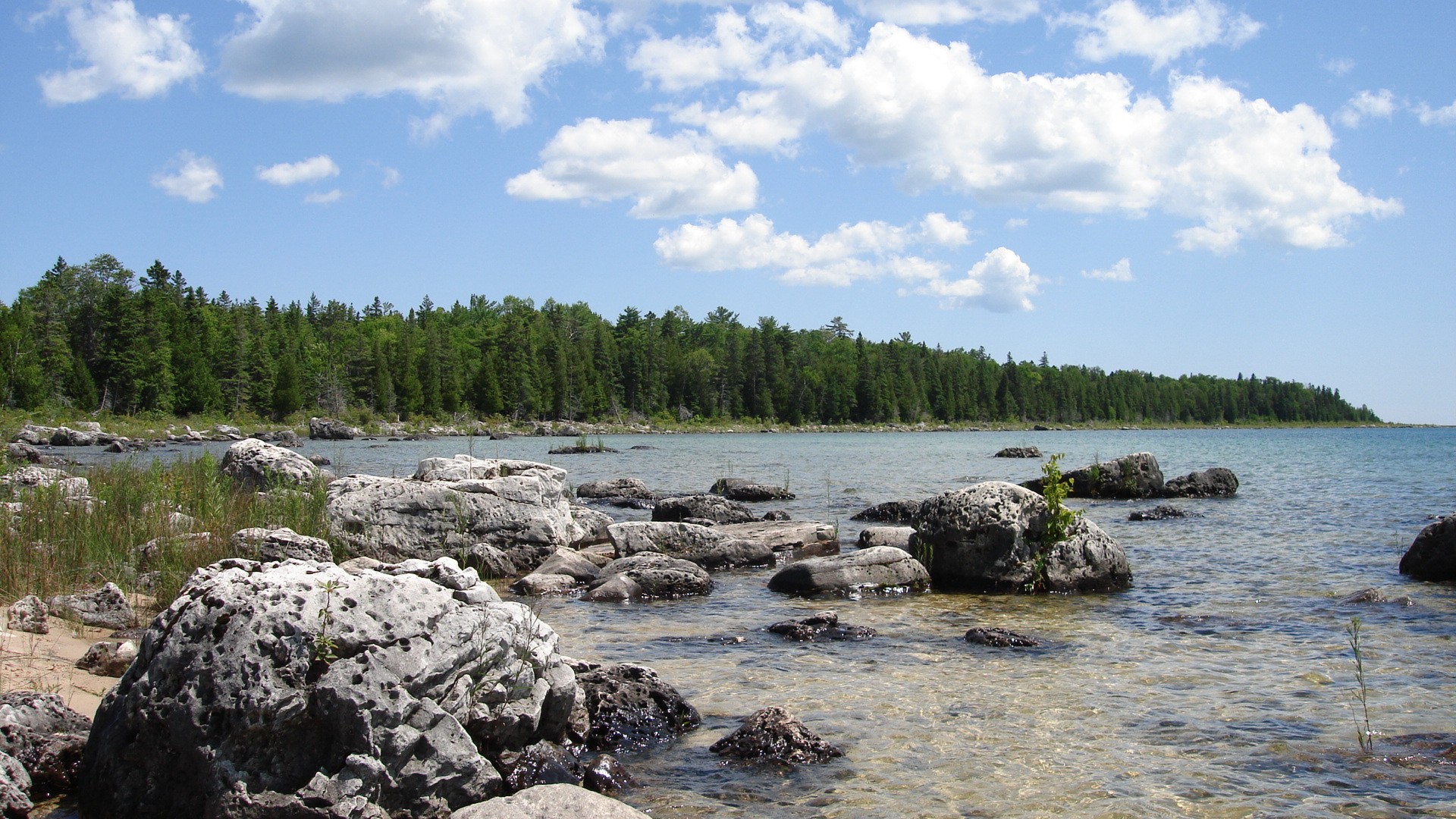
©Wikimedia / NarparMI
10. Lake Ontario (802 Feet)
It sits lowest in elevation among the Great Lakes. Lake Ontario drops eight hundred two feet into a carved glacial valley, receiving Niagara Falls runoff. That depth keeps shipping channels active throughout cold winters. It rarely freezes.
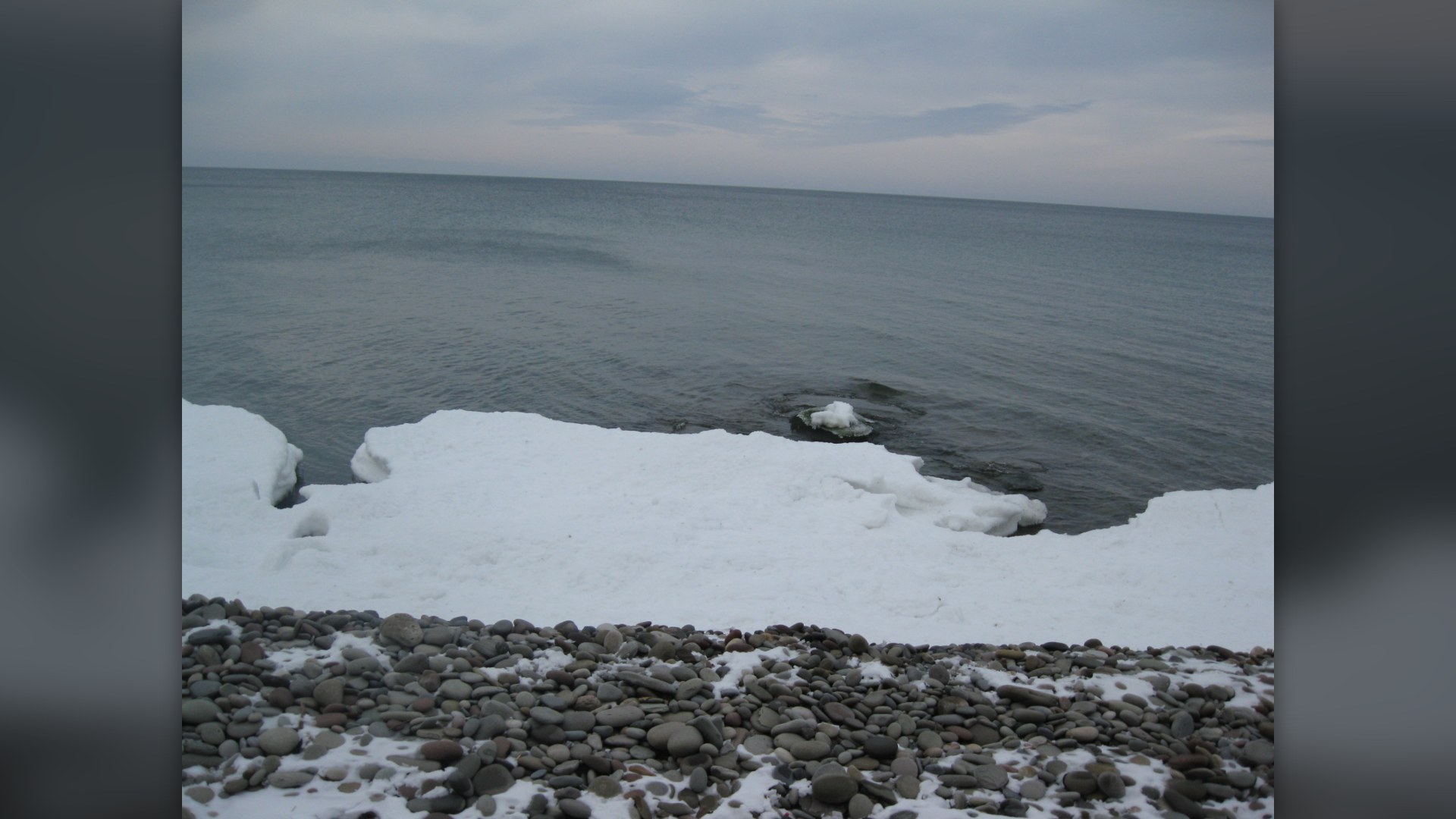
©Wikimedia / Dougtone
Advertisement
Swipe or tap ▶ to resume the countdown.
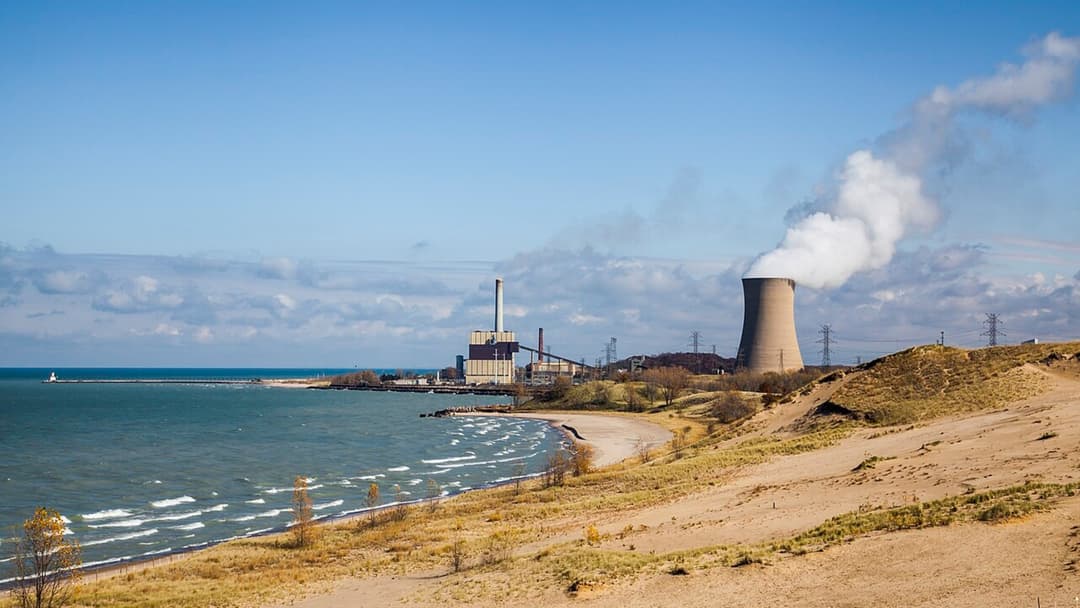
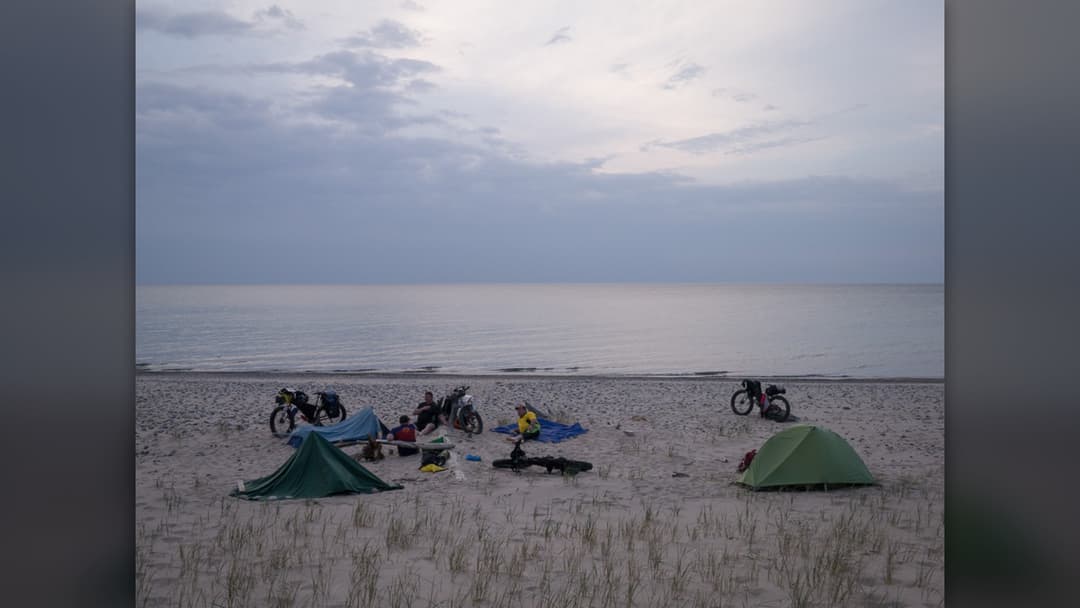
9. Lake Michigan (923 Feet)
Massive dunes tower above its shores. Lake Michigan reaches a maximum depth of nine hundred twenty-three feet in its central basin, holding vast water reserves. Seasonal currents shift icy deep water across its surface. It's constantly changing.
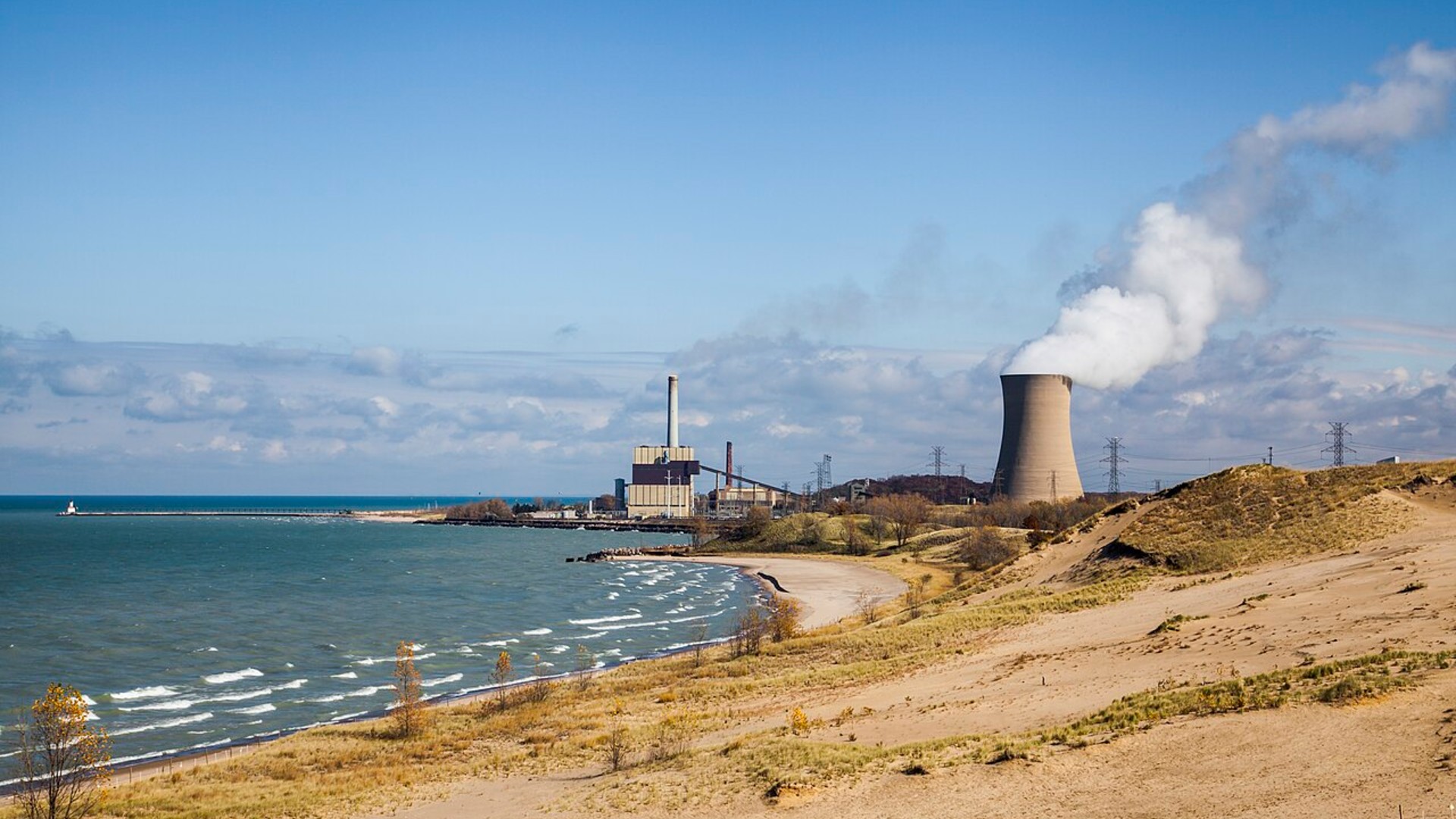
©Wikimedia / Diego Delso
8. Lake Tustumena (950 Feet)
Glacial silt turns the water turquoise. Fed directly by Tustumena Glacier, this rugged lake plunges nine hundred fifty feet beneath the Kenai Mountains. Mountain winds whip up sudden dangerous waves. It catches boaters off guard.
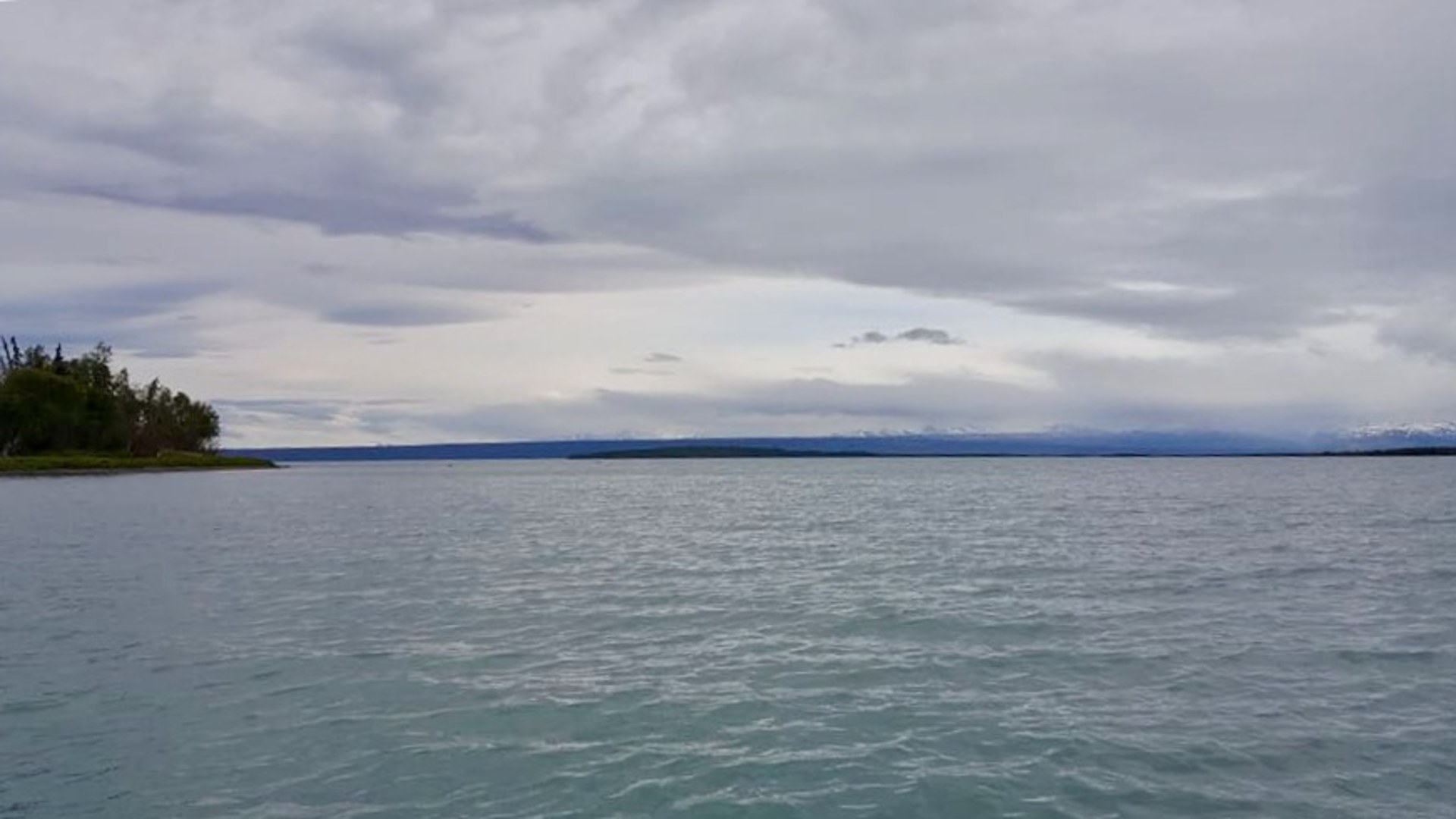
©Wikimedia / Beeblebrox
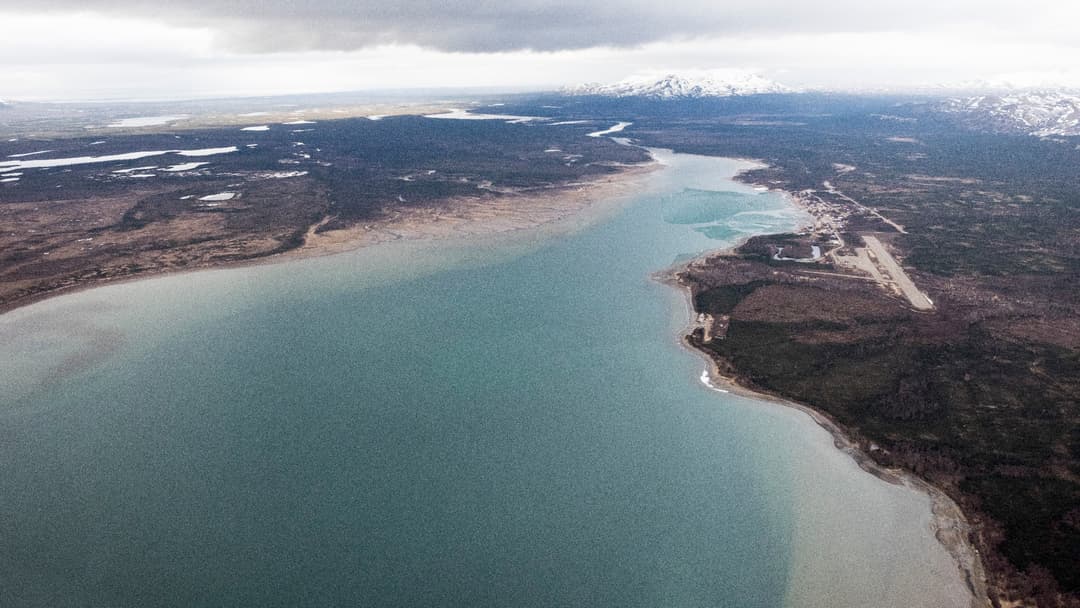
7. Lake Iliamna (988 Feet)
It spans a thousand square miles. Lake Iliamna drops nine hundred eighty-eight feet into the volcanic bedrock of the Alaska Peninsula. Its cold waters host rare freshwater harbor seals. Millions of sockeye salmon spawn here each summer.
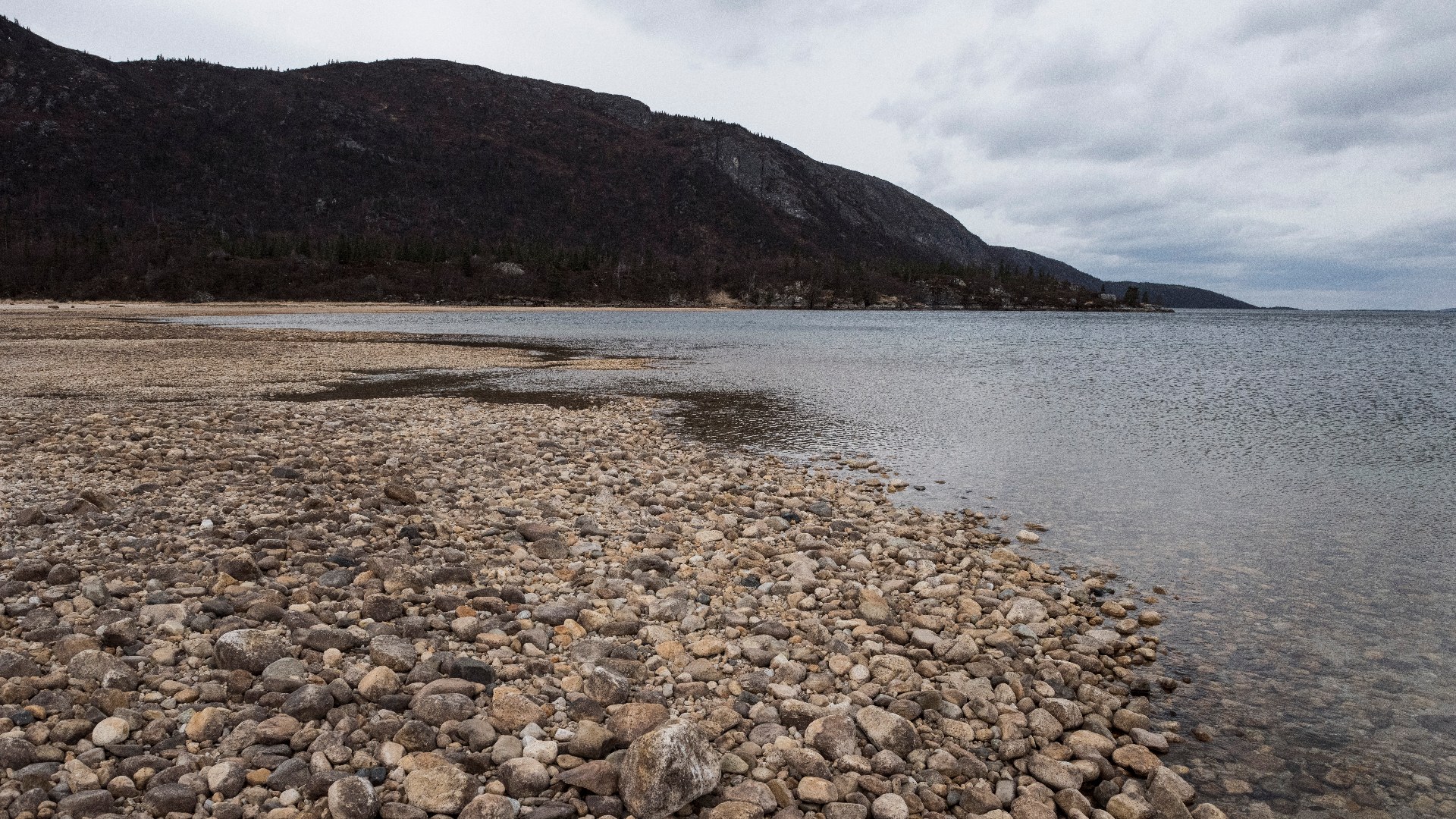
©Wikimedia / Dev Dharm Khalsa / NPS
6. Lake Clark (1,056 Feet)
Wilderness surrounds every shore. Fed by glacier runoff in southwest Alaska, Lake Clark reaches one thousand fifty-six feet into an ancient glacial trough. Huge coastal brown bear populations hunt salmon along its bank. It's completely wild.
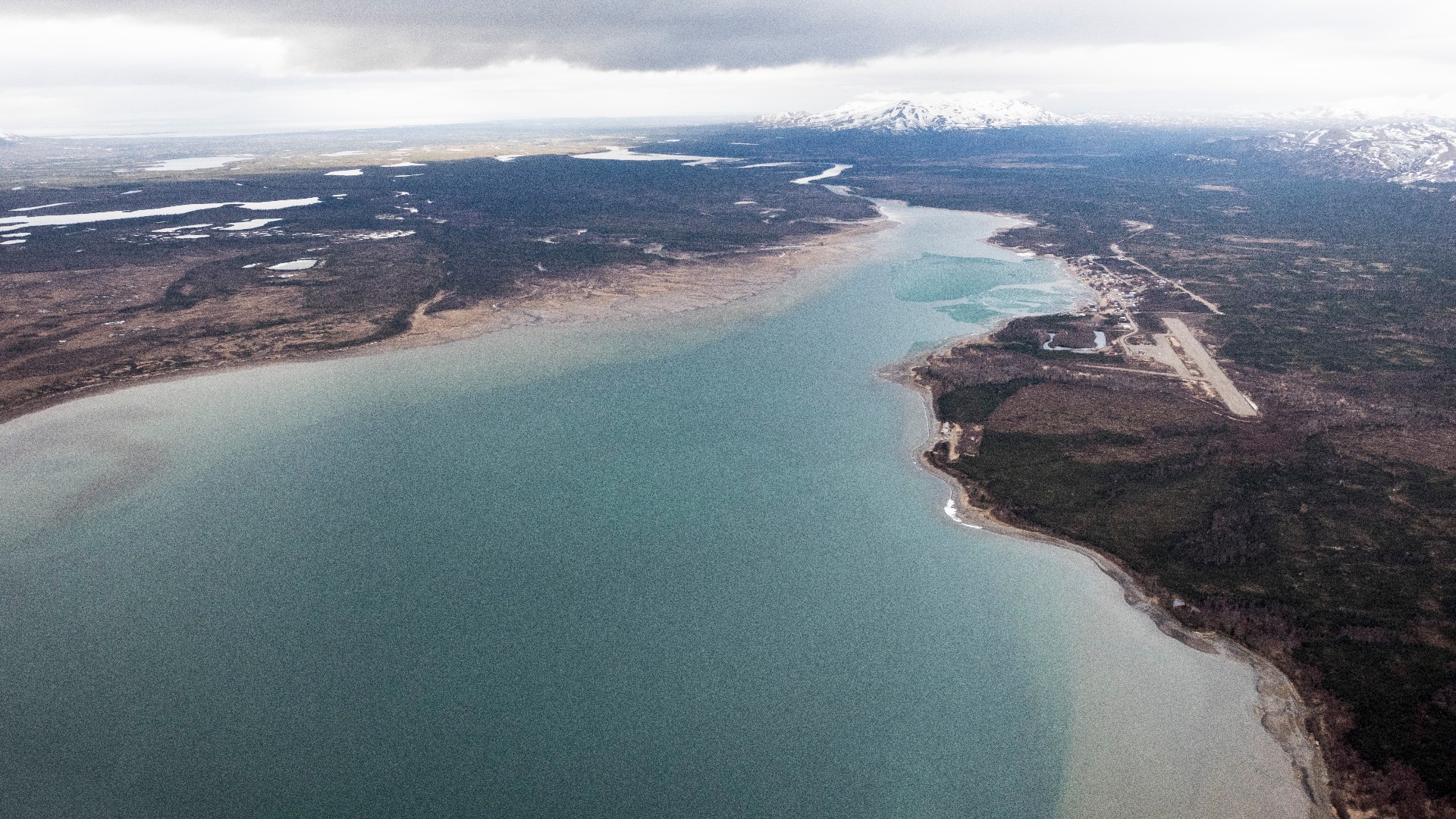
©Wikimedia / Lake Clark (Alaska)
Advertisement
Swipe or tap ▶ to resume the countdown.
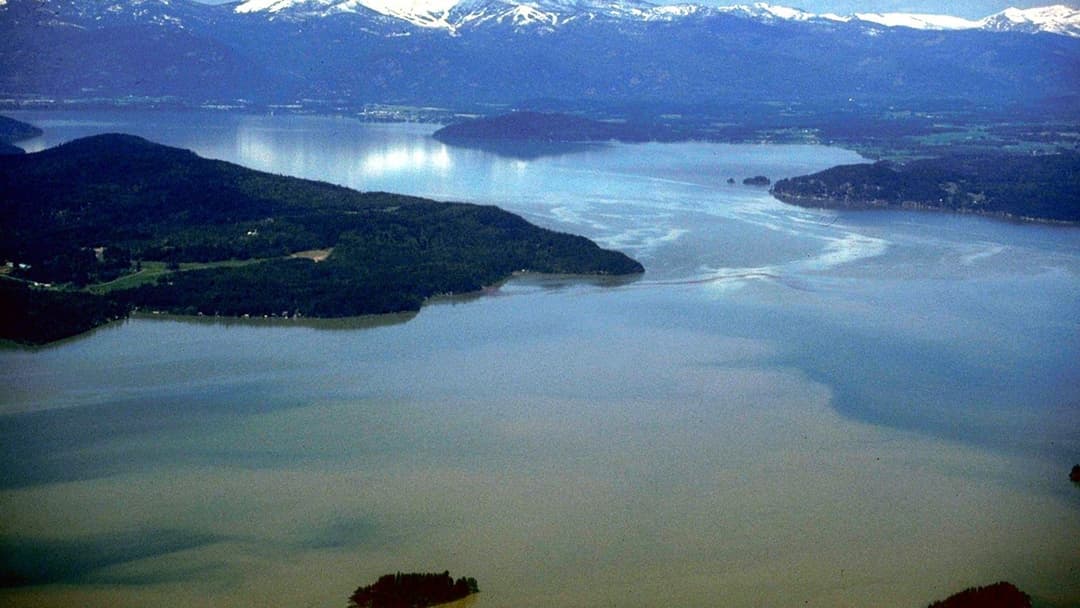
5. Lake Pend Oreille (1,152 Feet)
The Navy tests submarines here. Lake Pend Oreille was scoured by ice age megafloods, creating a quiet trough one thousand one hundred fifty-two feet deep. Its acoustic isolation makes it ideal for sonar trials. It's quiet and vast.
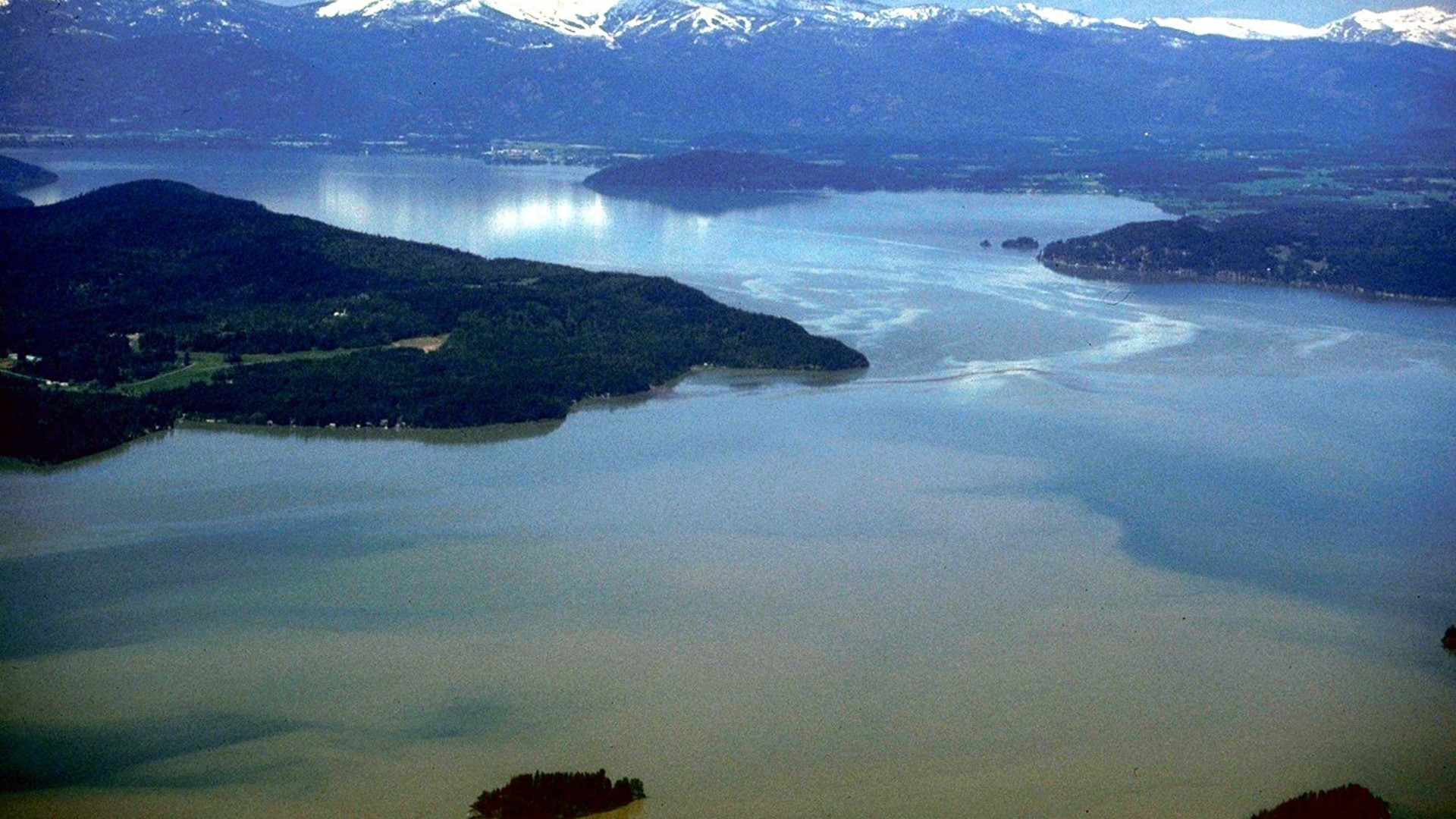
©Wikimedia / Lake Pend Oreille
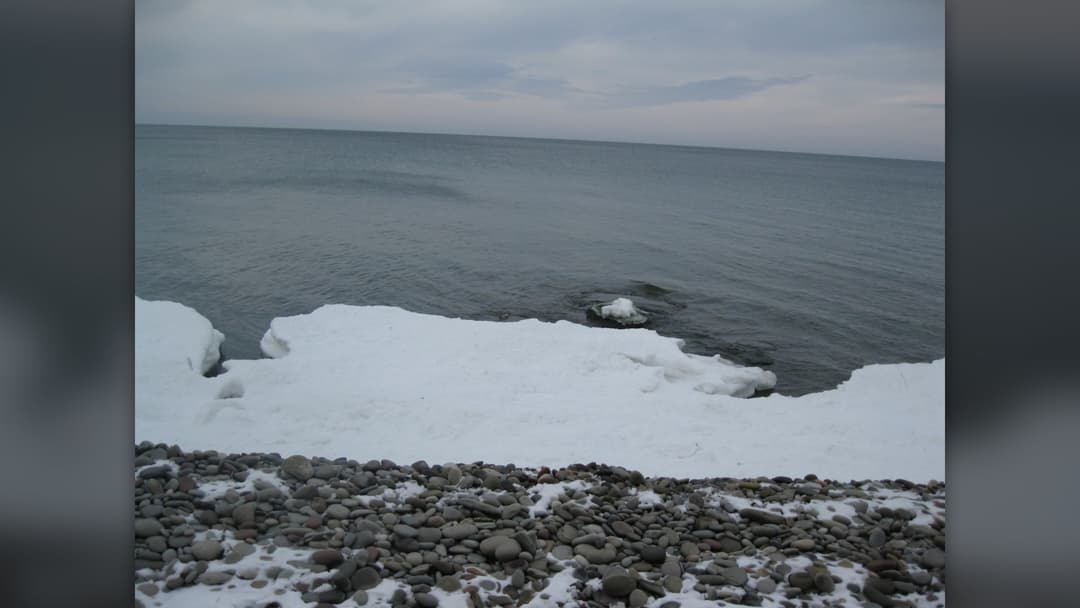
4. Lake Superior (1,333 Feet)
It behaves like an inland ocean. Lake Superior holds ten percent of Earth's fresh surface water, plunging to one thousand three hundred thirty-three feet. Severe storms trigger ocean-scale thirty-foot waves. It never gives up its dead.
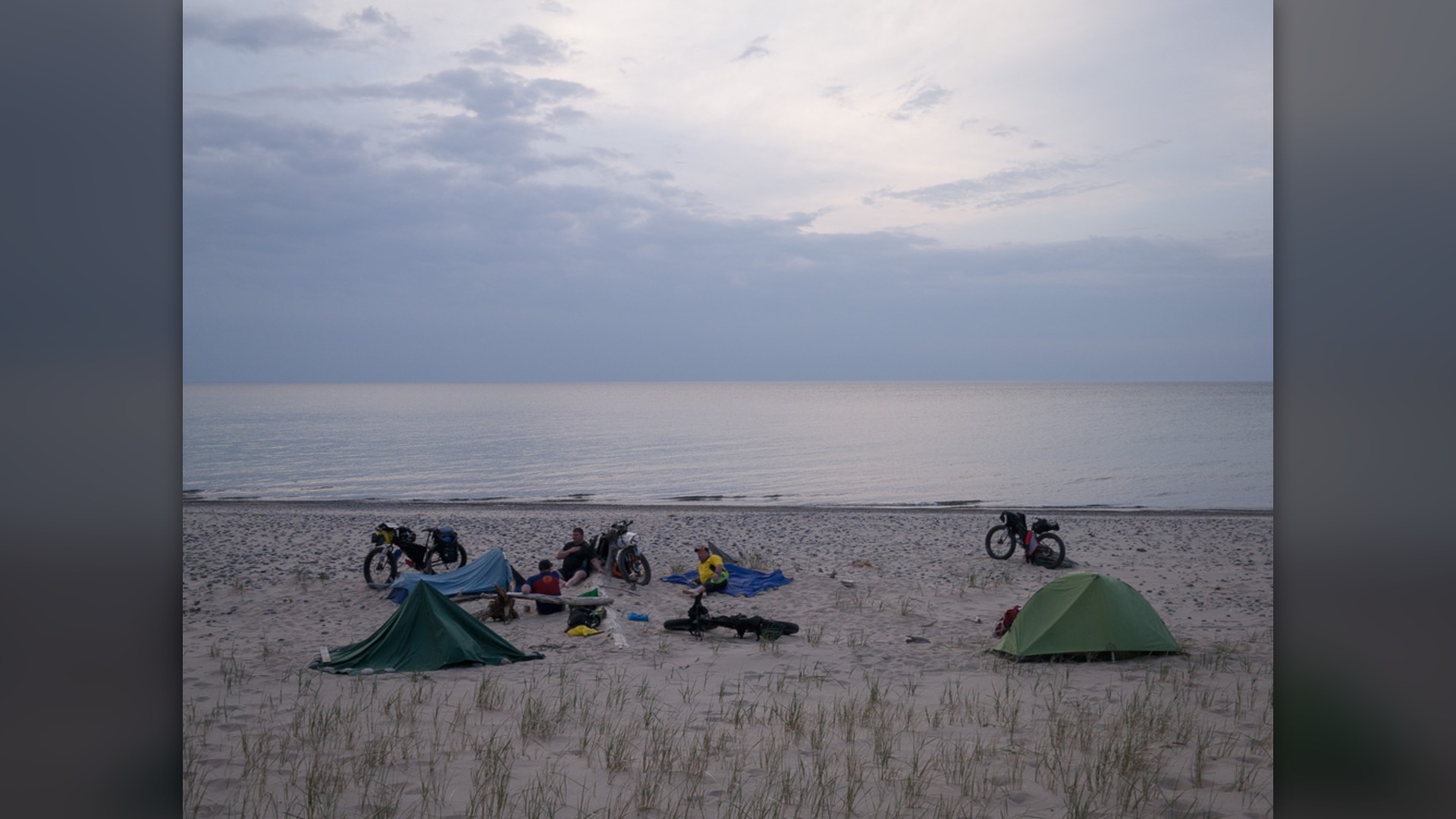
©Wikimedia / Jereme Rauckman
3. Lake Chelan (1,486 Feet)
Glaciers carved this canyon. Lake Chelan stretches fifty miles into the North Cascades, reaching a maximum depth of one thousand four hundred eighty-six feet. Its deepest point sits well below sea level. The views are stunning.
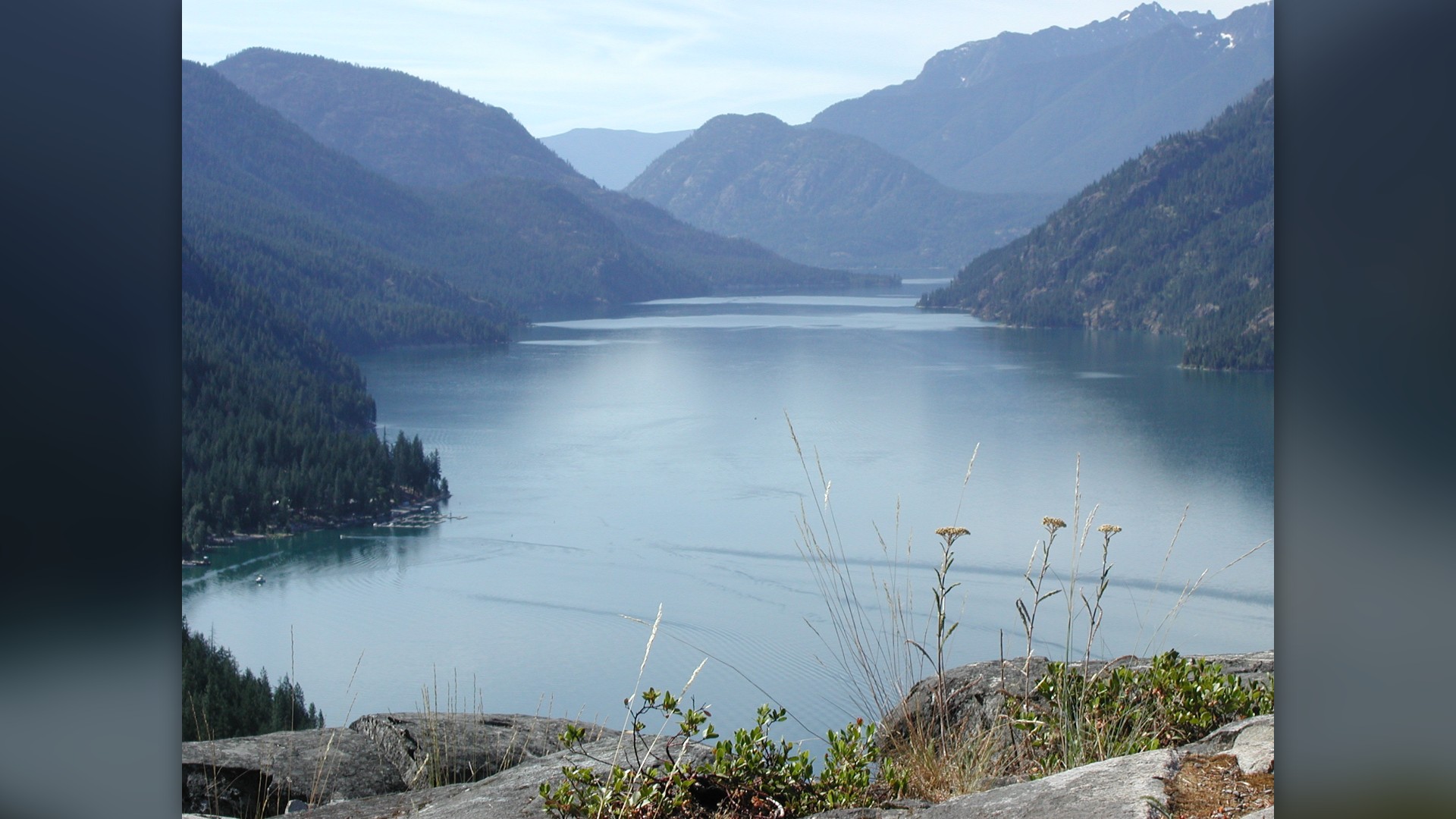
©Wikimedia / Lake Chelan
2. Lake Tahoe (1,645 Feet)
The clarity is legendary. Carved by ancient fault movements in the Sierra Nevada, Lake Tahoe drops one thousand six hundred forty-five feet deep. That massive depth keeps its water from freezing. It stays crystal clear.
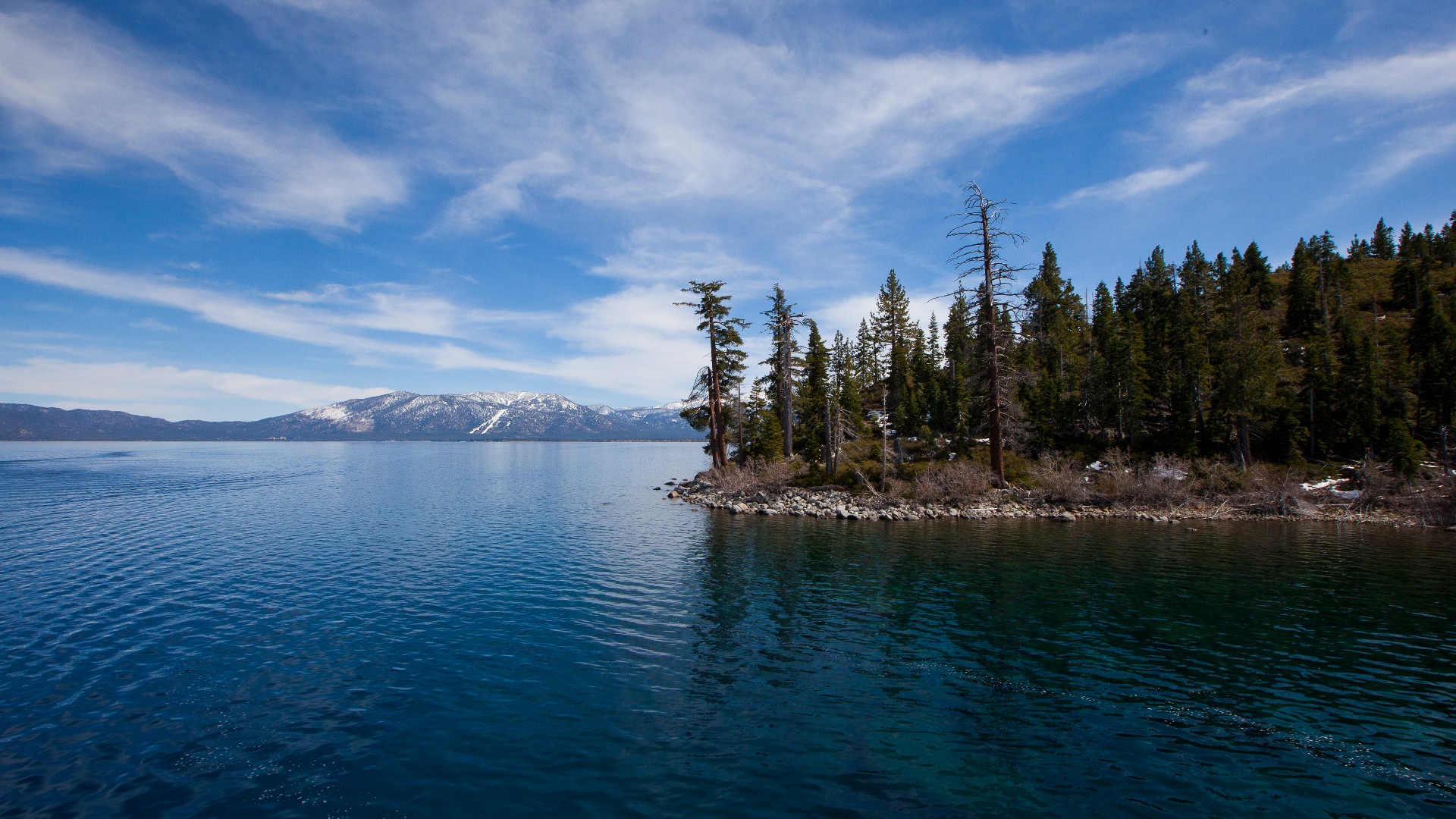
©Wikimedia / Lake Tahoe
Advertisement
Swipe or tap ▶ to resume the countdown.
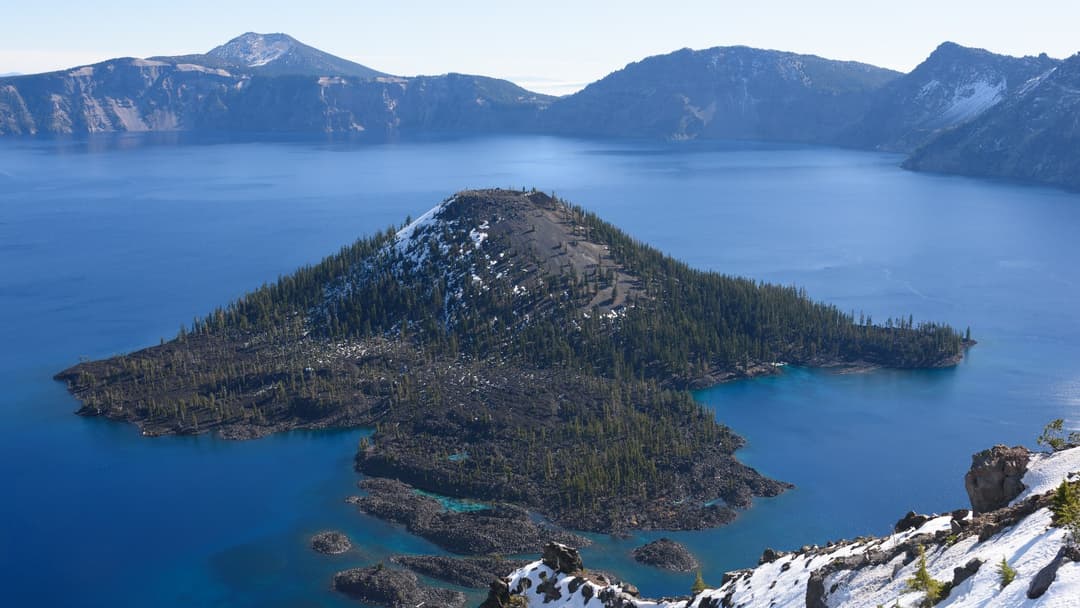
1. Crater Lake (1,949 Feet)
It plunges into absolute darkness. Mount Mazama collapsed seven thousand seven hundred years ago, creating a caldera filled by rain. Its sapphire waters reach one thousand nine hundred forty-nine feet. No rivers feed it. It's totally pure.
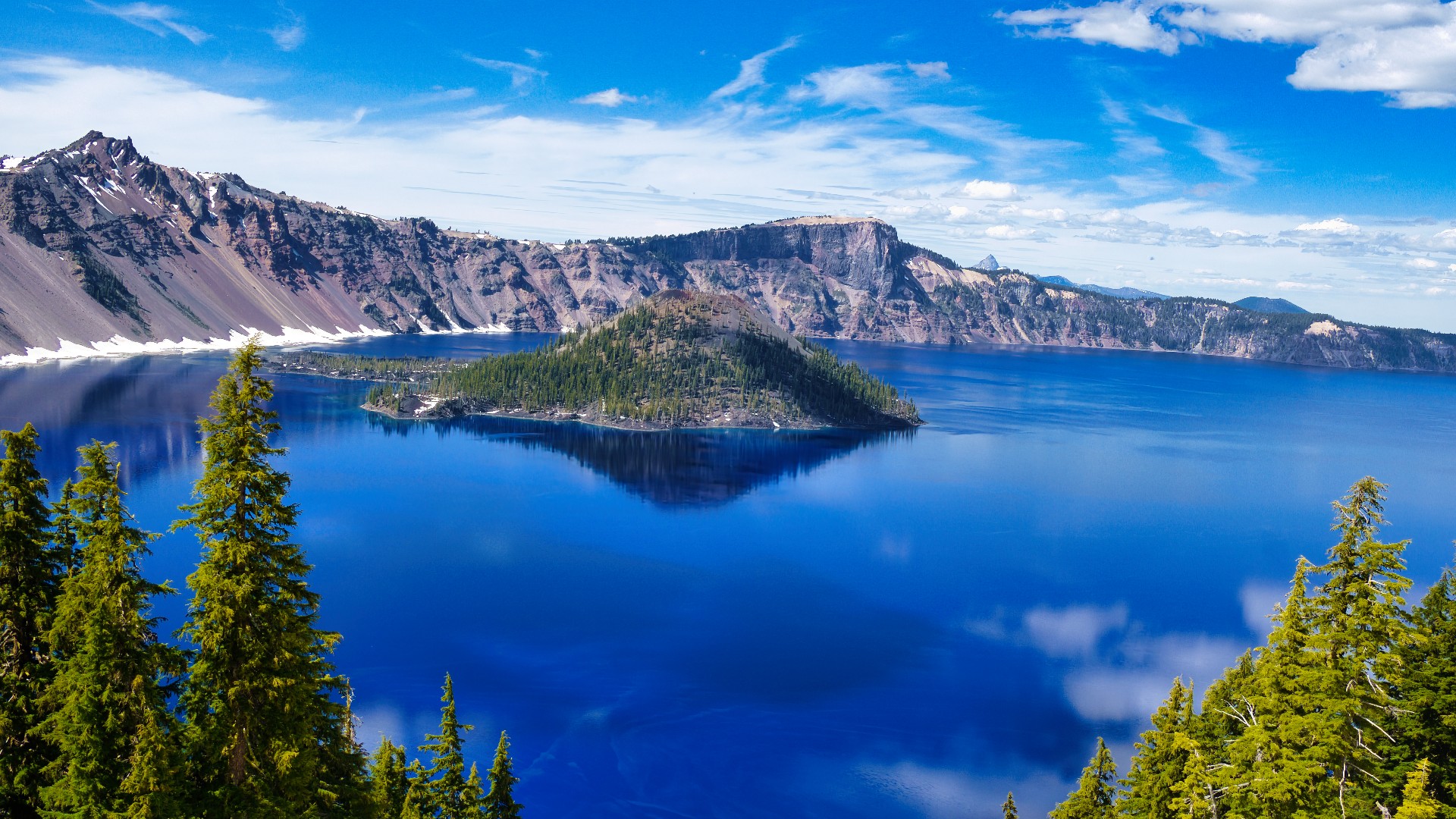
©Wikimedia / Crater Lake
Advertisement
You've reached the end of the story. Thanks for reading!

20 American National Parks With the Most Unusual Geological Formations
Which American national parks feature Earth's most bizarre rock formations?
All 20 Entries in this Story
20. Green Lake (237 Feet)
Anglers revere its deep holes. Green Lake plunges two hundred thirty-seven feet into sandstone and limestone bedrock, holding prize lake trout. It created a resort community dating to the nineteenth century. It's a local classic.

19. Torch Lake (285 Feet)
It looks like the tropics. Torch Lake reaches two hundred eighty-five feet in its central channel, making it Michigan's deepest inland lake. Low organic content gives it a radiant blue hue. Boaters flock here.

18. Lake Champlain (400 Feet)
War of 1812 battles raged here. Lake Champlain reaches four hundred feet deep near Split Rock Point, draining north toward the Saint Lawrence River. Its long shape acts like an inland fjord. History is everywhere.

17. Cayuga Lake (435 Feet)
Ithaca sits on its shore. Cayuga Lake drops four hundred thirty-five feet, making it the second-deepest Finger Lake. Cornell University uses its cold deep waters to power an innovative campus cooling system. It's brilliant engineering.

16. Lake McDonald (464 Feet)
Pebbles cover its clear shallows. Carved by ice age glaciers, Lake McDonald drops four hundred sixty-four feet into a steep mountain valley. Extremely low nutrient levels keep its waters transparent year-round. It's picture-perfect.

15. Skilak Lake (528 Feet)
Wildlife thrives along its banks. Located along the Kenai River system, Skilak Lake drops five hundred twenty-eight feet into glacial bedrock. It remains one of the wildest large lakes in North America. It's pristine.

14. Kenai Lake (541 Feet)
Rock flour creates an emerald tint. Kenai Lake drops five hundred forty-one feet through a narrow mountain gorge, feeding the world-famous Kenai River. Its steep underwater drop-offs begin right beside the highway. Anglers love it.

13. Seneca Lake (618 Feet)
Its bed drops below sea level. Seneca Lake reaches six hundred eighteen feet deep near Watkins Glen, acting as a massive heat sink for area vineyards. The Navy tests sonar equipment in its depths. It never freezes completely.

12. Lake Crescent (624 Feet)
The water lacks nitrogen entirely. Lake Crescent drops six hundred twenty-four feet into an ancient glacier valley on the Olympic Peninsula. Its clarity allows visibility down to sixty feet beneath the surface. It's stunning.

11. Lake Huron (750 Feet)
Shipwrecks rest along its bottom. Lake Huron reaches seven hundred fifty feet deep in its main channel, connecting directly to Lake Michigan. Over thirty thousand islands dot its northern waters. It's a navigator's paradise.

10. Lake Ontario (802 Feet)
It sits lowest in elevation among the Great Lakes. Lake Ontario drops eight hundred two feet into a carved glacial valley, receiving Niagara Falls runoff. That depth keeps shipping channels active throughout cold winters. It rarely freezes.

9. Lake Michigan (923 Feet)
Massive dunes tower above its shores. Lake Michigan reaches a maximum depth of nine hundred twenty-three feet in its central basin, holding vast water reserves. Seasonal currents shift icy deep water across its surface. It's constantly changing.

8. Lake Tustumena (950 Feet)
Glacial silt turns the water turquoise. Fed directly by Tustumena Glacier, this rugged lake plunges nine hundred fifty feet beneath the Kenai Mountains. Mountain winds whip up sudden dangerous waves. It catches boaters off guard.

7. Lake Iliamna (988 Feet)
It spans a thousand square miles. Lake Iliamna drops nine hundred eighty-eight feet into the volcanic bedrock of the Alaska Peninsula. Its cold waters host rare freshwater harbor seals. Millions of sockeye salmon spawn here each summer.

6. Lake Clark (1,056 Feet)
Wilderness surrounds every shore. Fed by glacier runoff in southwest Alaska, Lake Clark reaches one thousand fifty-six feet into an ancient glacial trough. Huge coastal brown bear populations hunt salmon along its bank. It's completely wild.

5. Lake Pend Oreille (1,152 Feet)
The Navy tests submarines here. Lake Pend Oreille was scoured by ice age megafloods, creating a quiet trough one thousand one hundred fifty-two feet deep. Its acoustic isolation makes it ideal for sonar trials. It's quiet and vast.

4. Lake Superior (1,333 Feet)
It behaves like an inland ocean. Lake Superior holds ten percent of Earth's fresh surface water, plunging to one thousand three hundred thirty-three feet. Severe storms trigger ocean-scale thirty-foot waves. It never gives up its dead.

3. Lake Chelan (1,486 Feet)
Glaciers carved this canyon. Lake Chelan stretches fifty miles into the North Cascades, reaching a maximum depth of one thousand four hundred eighty-six feet. Its deepest point sits well below sea level. The views are stunning.

2. Lake Tahoe (1,645 Feet)
The clarity is legendary. Carved by ancient fault movements in the Sierra Nevada, Lake Tahoe drops one thousand six hundred forty-five feet deep. That massive depth keeps its water from freezing. It stays crystal clear.

1. Crater Lake (1,949 Feet)
It plunges into absolute darkness. Mount Mazama collapsed seven thousand seven hundred years ago, creating a caldera filled by rain. Its sapphire waters reach one thousand nine hundred forty-nine feet. No rivers feed it. It's totally pure.