Slideshow · Viral
20 Fascinating Details About Felix Gallardo, the Cartel Godfather
By Most Viral Today
4 hours ago

Rise and Fall of Miguel Angel Felix Gallardo: The Cartel Godfather 
20. Decades Behind Bars And Fractured Legacy 
19. The Dramatic 1989 Arrest In Guadalajara 
18. Giving Tijuana To The Arellano Félix Family - AdvertisementSwipe or tap ▶ to continue countdown

17. Handing The Pacific Routes To El Chapo 
16. The 1989 Acapulco Cartel Summit 
15. Evading Capture In Plain Sight 
14. Operation Leyenda: The Massive DEA Manhunt - AdvertisementSwipe or tap ▶ to continue countdown

13. The Kidnapping Of Kiki Camarena 
12. The Devastating Raid On El Búfalo 
11. Infiltration By DEA Agent Kiki Camarena 
10. The Colossal El Búfalo Plantation - AdvertisementSwipe or tap ▶ to continue countdown

9. Institutionalizing Systemic Bribery 
8. The Fifty Percent In-Kind Tax 
7. Shifting The Global Cocaine Highway 
6. The Historic Alliance With Pablo Escobar - AdvertisementSwipe or tap ▶ to continue countdown

5. Uniting Fragmented Regional Plazas 
4. Founding The Guadalajara Triumvirate 
3. Bodyguard To The Governor Of Sinaloa 
2. A Lawman Turned Smuggler - AdvertisementSwipe or tap ▶ to continue countdown

1. Humble Roots In Rural Sinaloa - Advertisement🔥 UP NEXT IN THIS SERIES◫ 21 Slides

Inside the Gypsy Rose Blanchard Case: 20 Overlooked Details
The true story behind Gypsy Rose Blanchard, Dee Dee Blanchard, decades of Munchausen by proxy abuse, and the murder plot that stunned the nation.
Long before modern cartels went to war across Mexico, one man united fragmented trafficking routes into a single corporate empire. Miguel Ángel Félix Gallardo founded the Guadalajara Cartel and rewrote the global drug trade until one fateful kidnapping brought his empire crashing down.
Swipe or tap ▶ to begin the countdown
©Pixabay / saurabhsinha & Wikimedia / US Federal Government
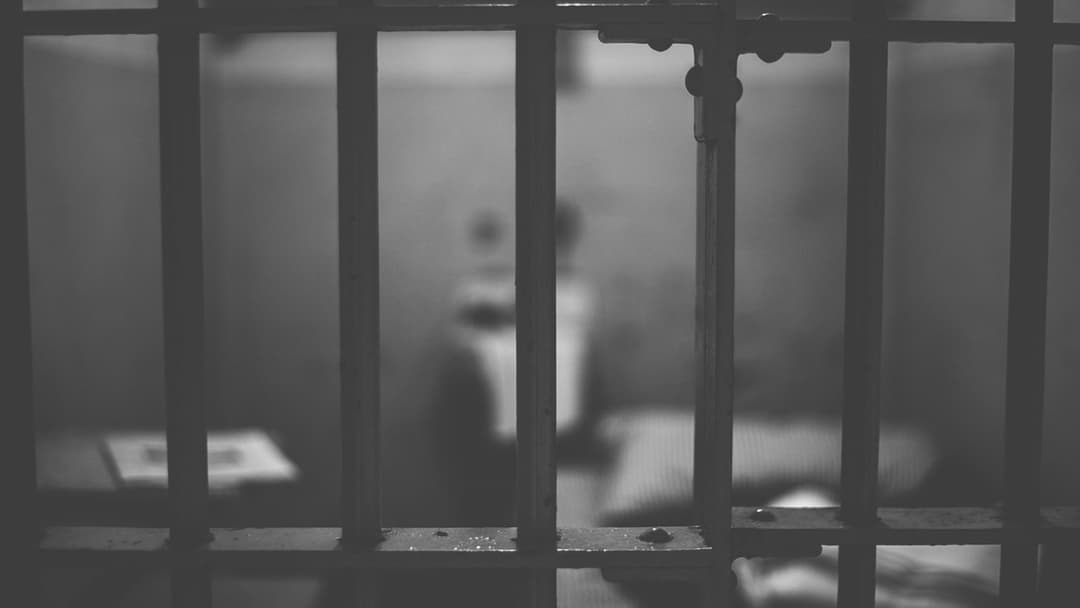
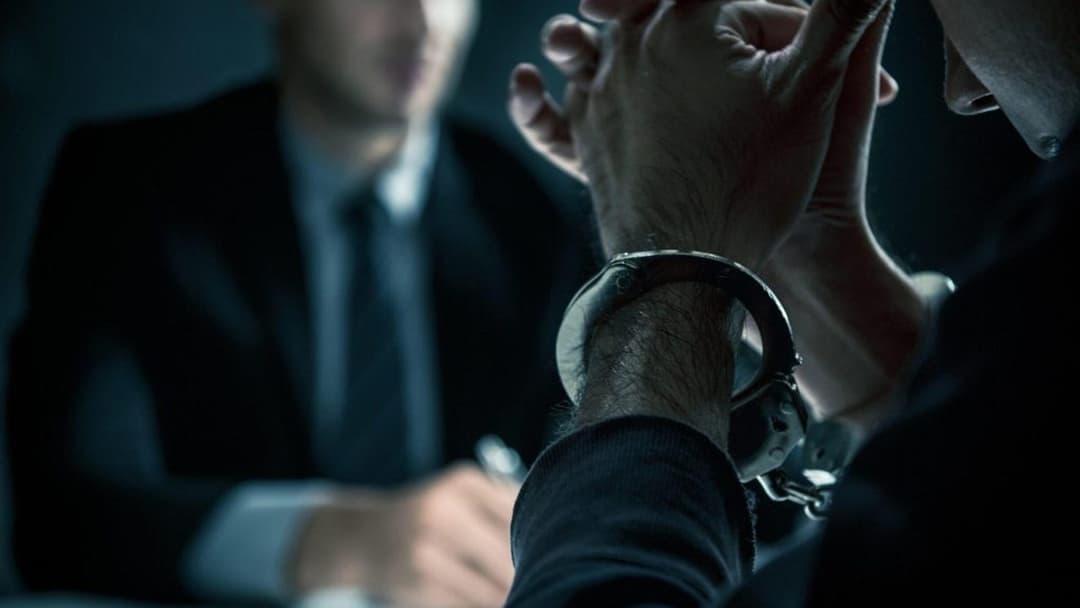
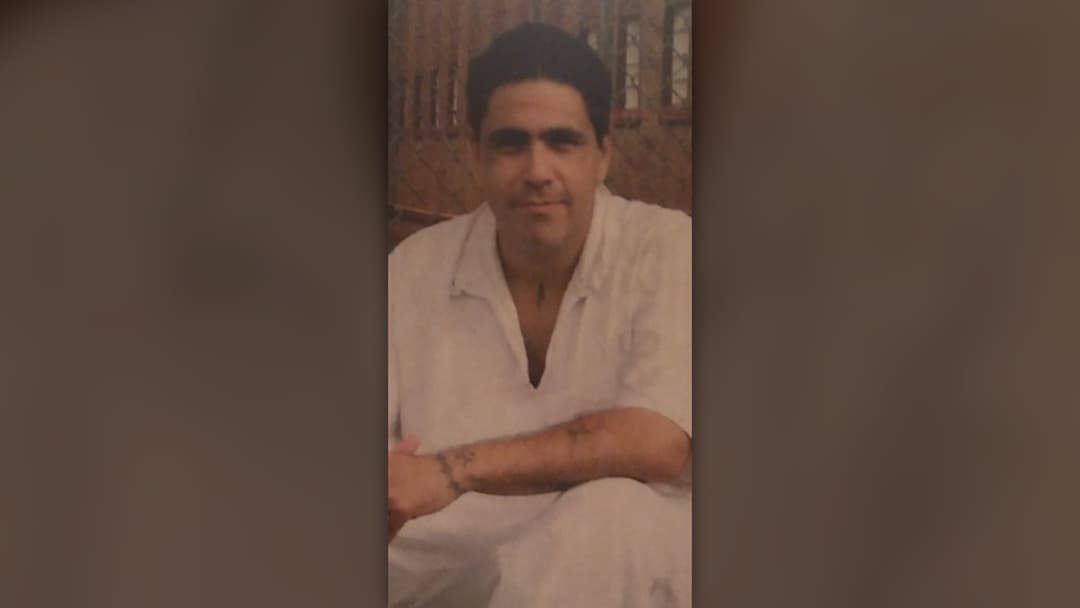
20. Decades Behind Bars And Fractured Legacy
Félix Gallardo continued managing operations from Reclusorio Sur using smuggled mobile phones until his transfer to maximum-security Altiplano. With the godfather isolated, the autonomous plazas tore into each other, unleashing decades of cartel warfare.
©Pixabay / Ichigo121212
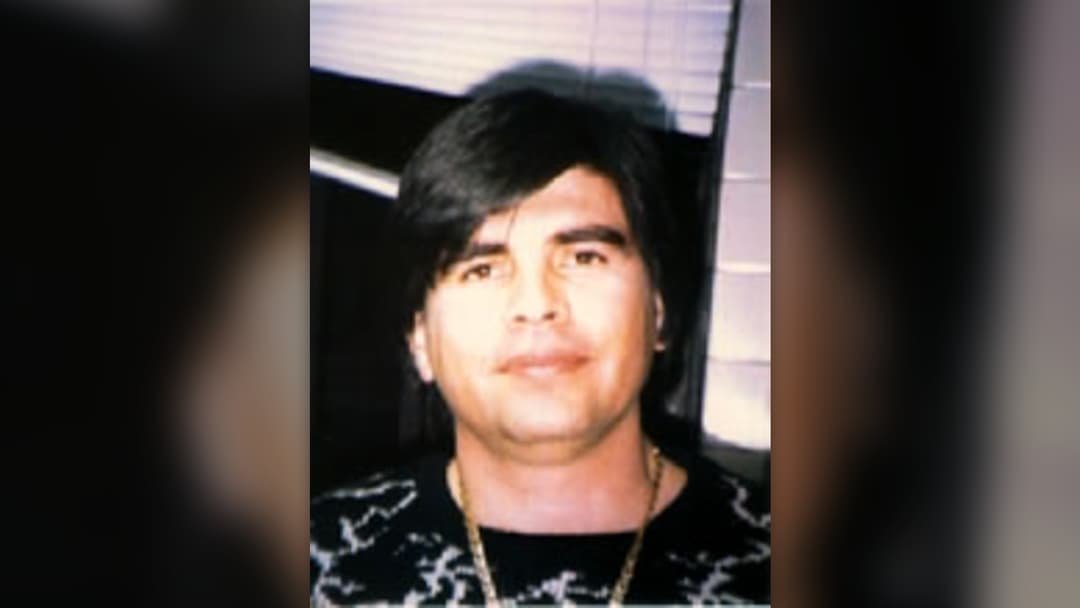
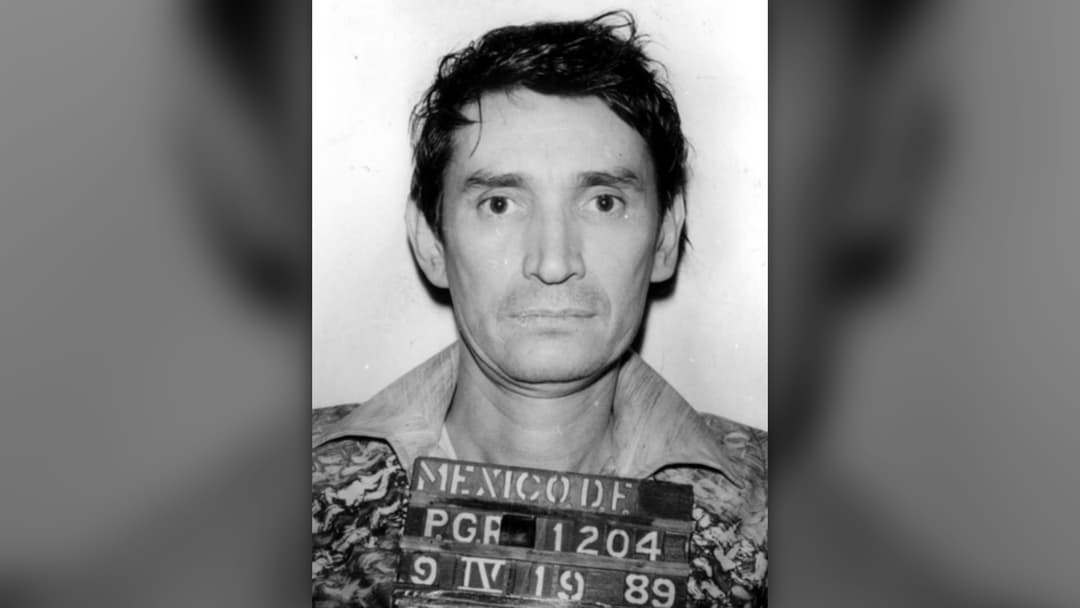
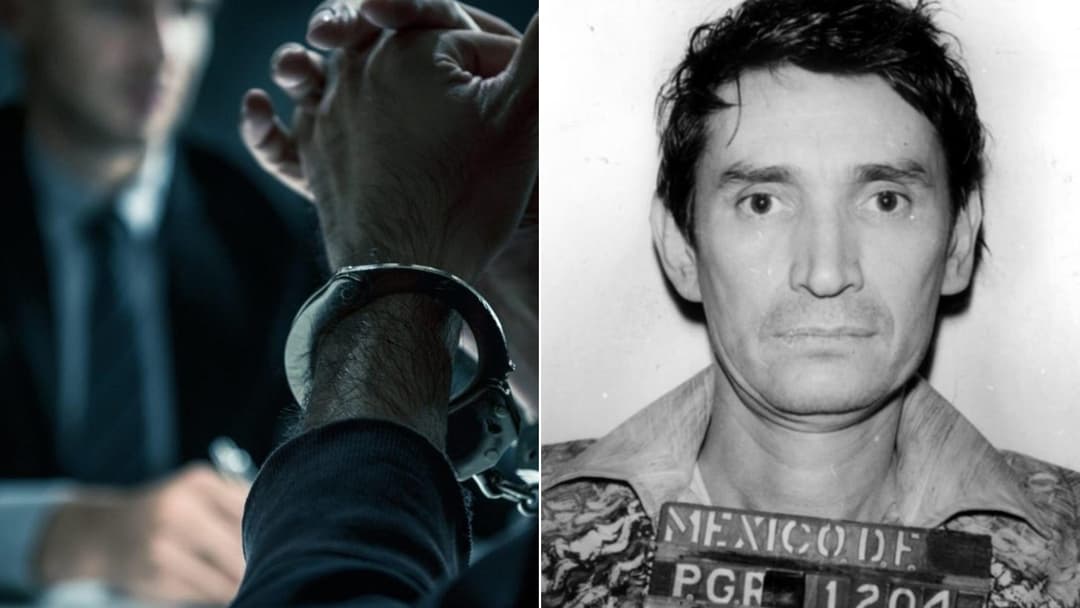
19. The Dramatic 1989 Arrest In Guadalajara
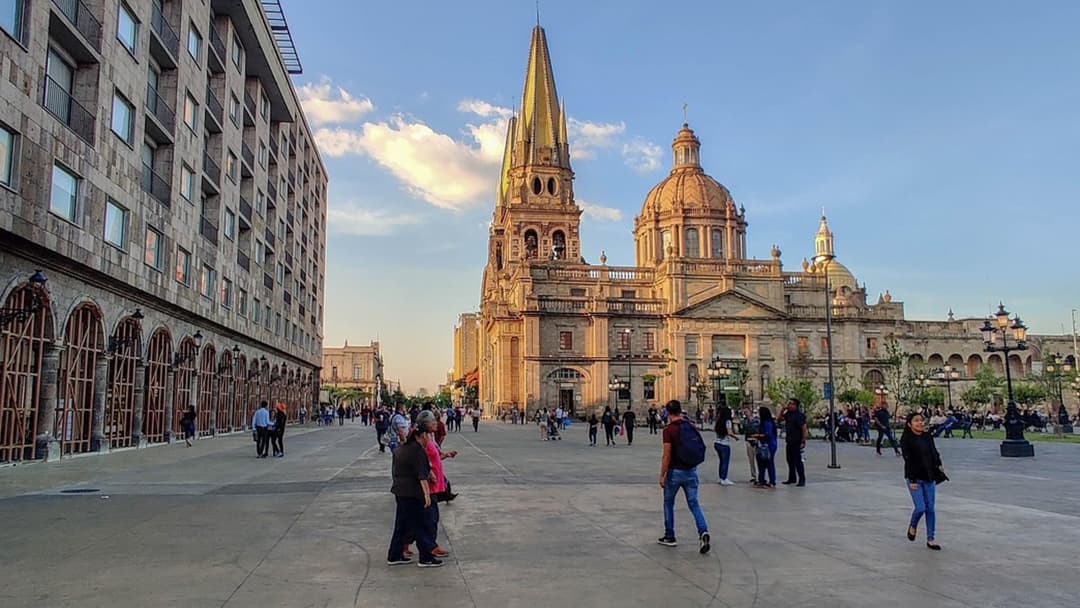
On April 8, 1989, Mexican federal commander Guillermo González Calderoni led a covert raid on Félix Gallardo's residence in Guadalajara. Caught entirely off guard in his dressing gown, the cartel godfather surrendered quietly, ending an era of unified rule.
©Pixabay / saurabhsinha
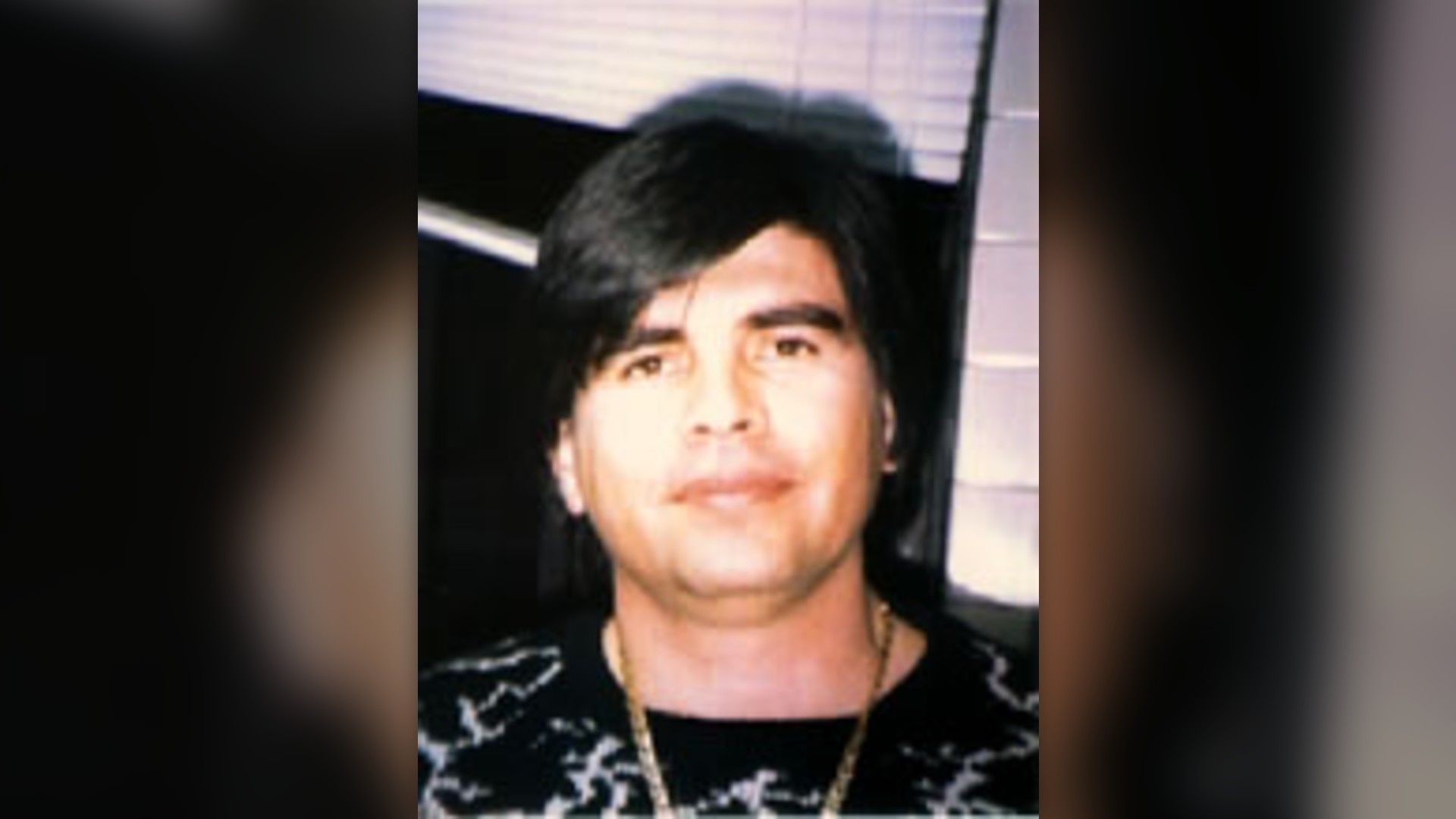
18. Giving Tijuana To The Arellano Félix Family
Félix Gallardo designated the valuable Tijuana corridor to his nephews, the Arellano Félix brothers. Their fierce defense of the San Diego border crossing would soon ignite a bloody decade-long war with their former Sinaloa colleagues.
©Wikipedia / Imperative Entertainment
Advertisement
Swipe or tap ▶ to resume the countdown.
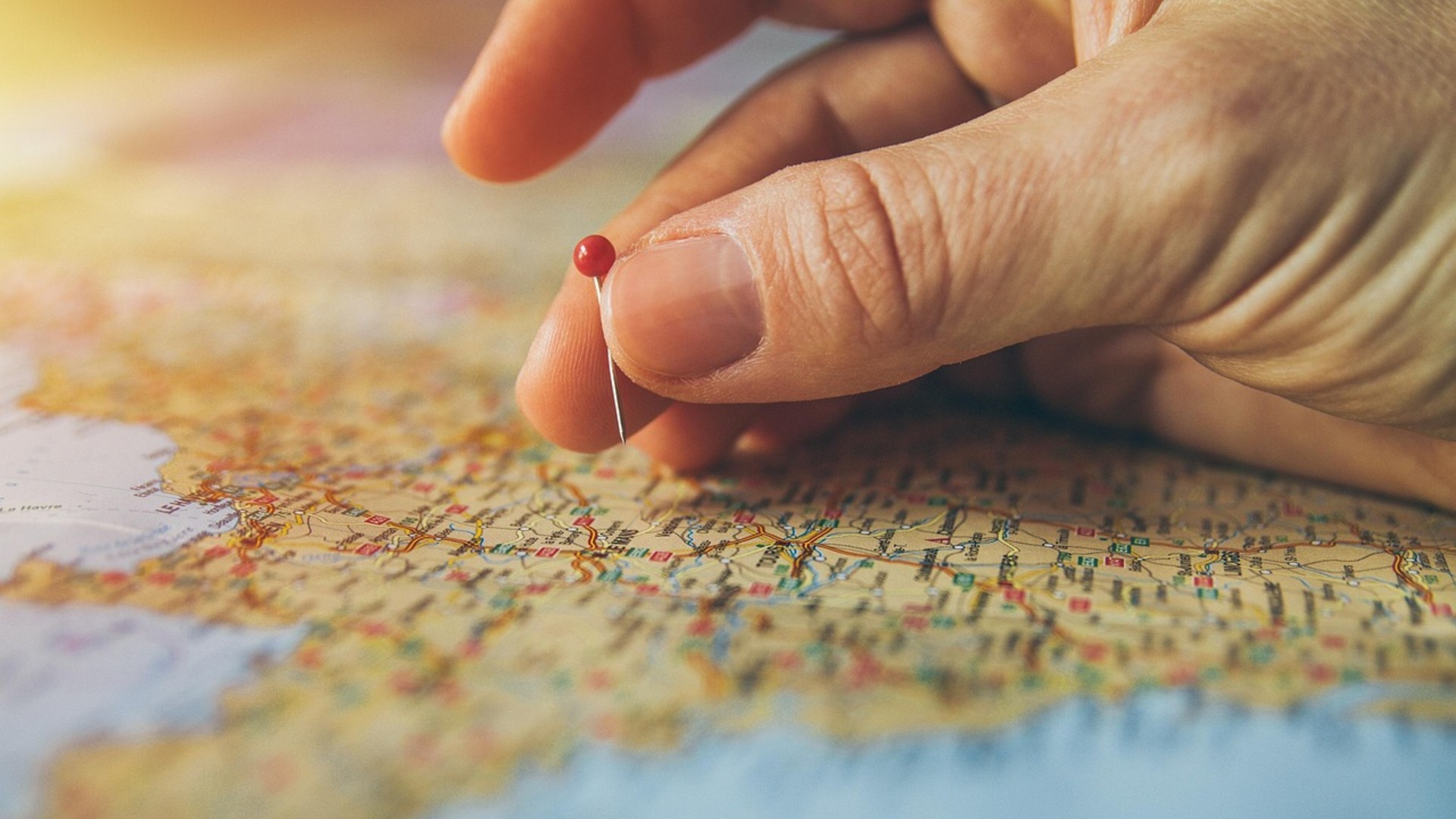
17. Handing The Pacific Routes To El Chapo
During the historic territorial division, Félix Gallardo assigned the Pacific coastal smuggling routes to his protégé Joaquín 'El Chapo' Guzmán and Héctor Luis Palma. This strategic handoff formed the foundation of what would become the formidable Sinaloa Cartel.
©Pixabay / piviso
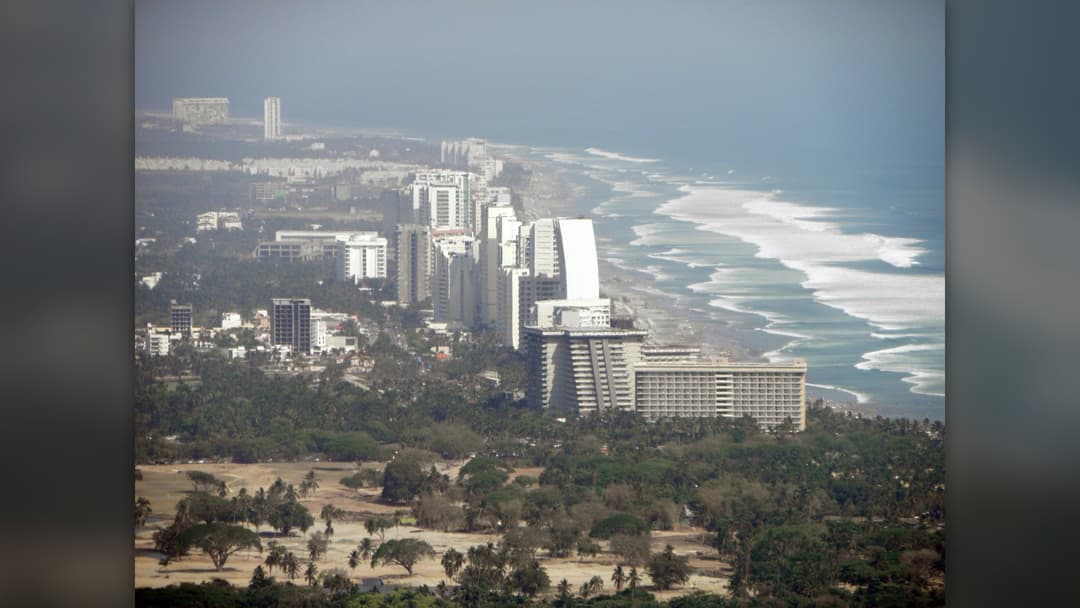
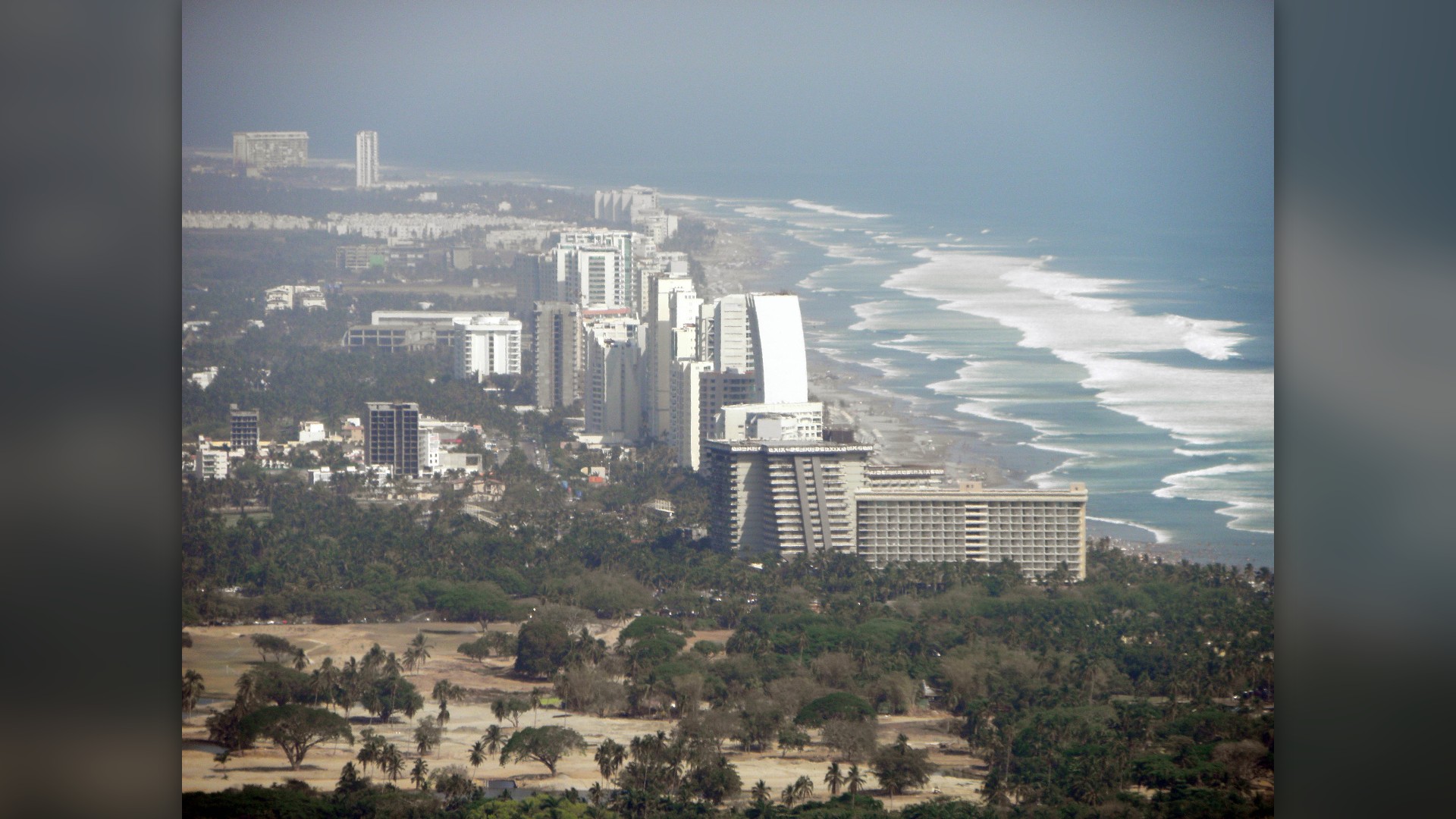
16. The 1989 Acapulco Cartel Summit
Realizing federal pressure was mounting, Félix Gallardo convened a secret meeting in Acapulco in 1989. To prevent a power vacuum upon his eventual capture, he officially partitioned the country into independent regional territories, inadvertently creating modern cartels.
©Wikimedia / Acapulco
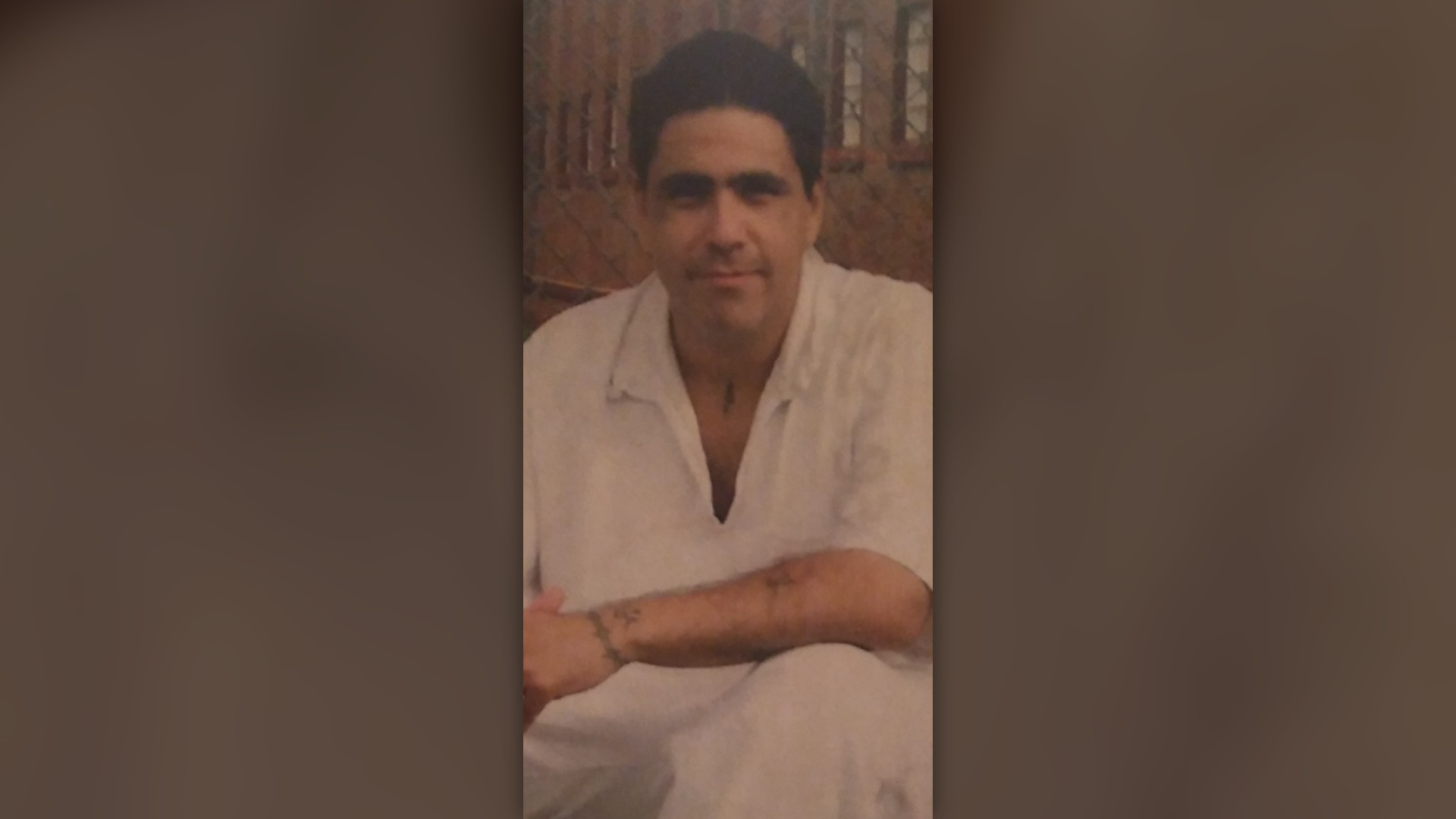
15. Evading Capture In Plain Sight
While his partners sat behind bars, Félix Gallardo retreated to Guadalajara and continued directing operations. Shielded by high-level connections, he avoided public sight and managed business affairs quietly from luxury safe houses across Jalisco.
©Wikimedia / Mexicolandia
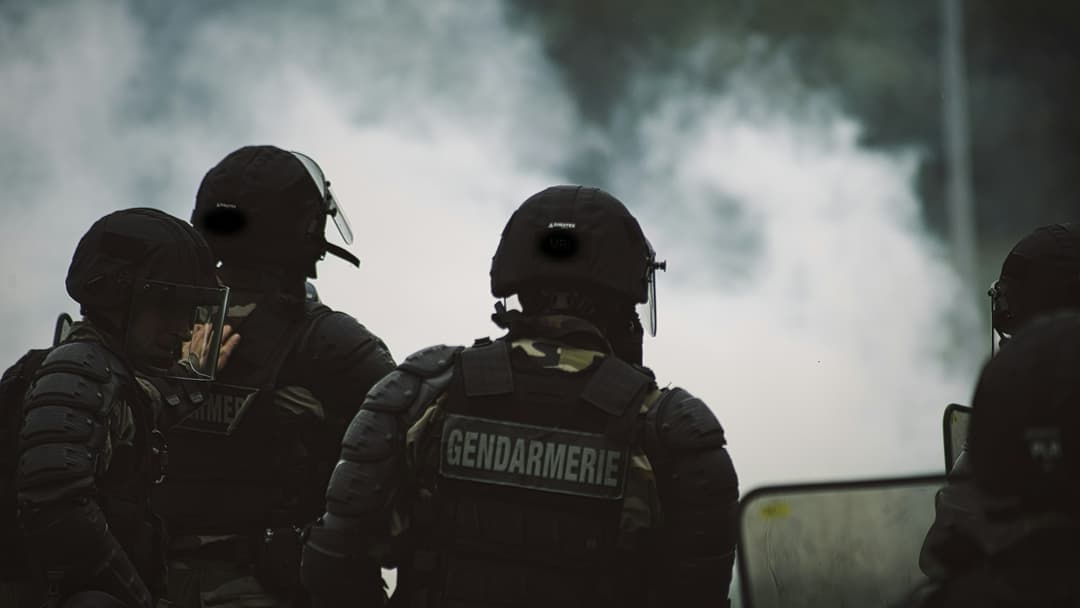
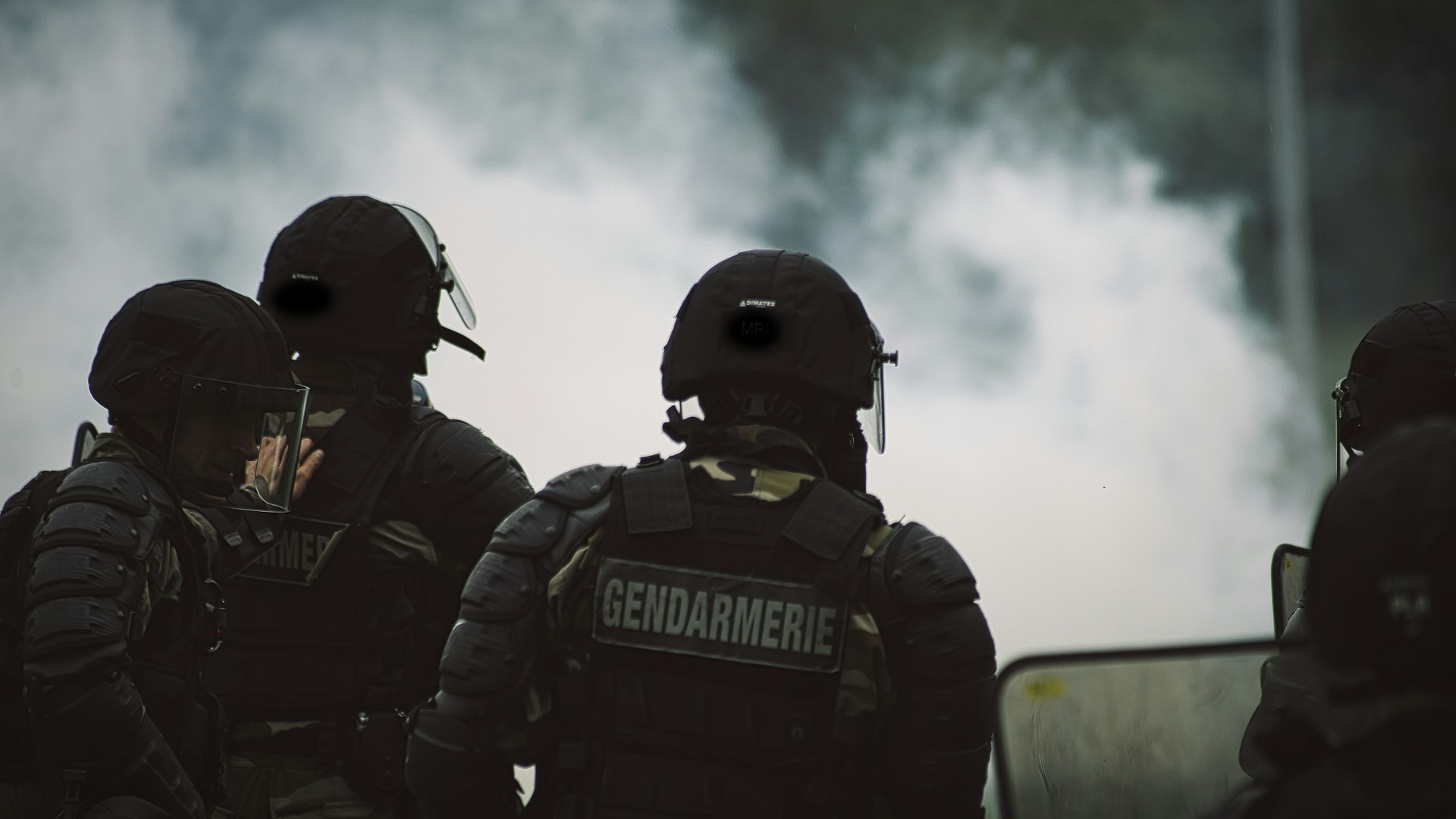
14. Operation Leyenda: The Massive DEA Manhunt
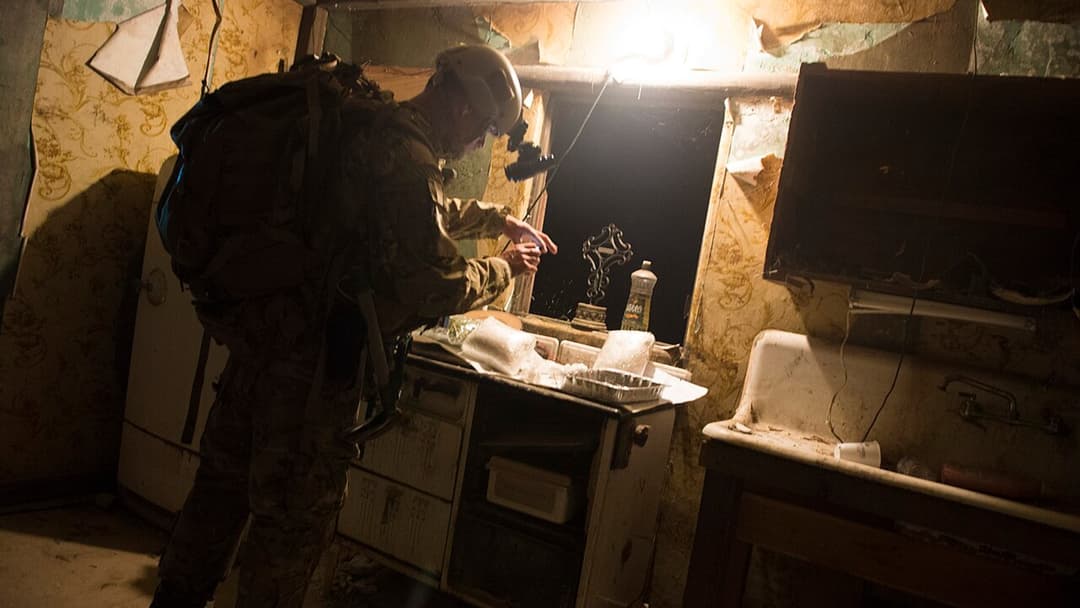
Following Camarena's murder, the DEA unleashed Operation Leyenda. American investigators pressured Mexican authorities, unraveling political corruption and hunting down cartel leaders. Partners Caro Quintero and Don Neto were swiftly apprehended in Costa Rica and Mexico.
© Photo by Hugo Delauney on Unsplash
Advertisement
Swipe or tap ▶ to resume the countdown.
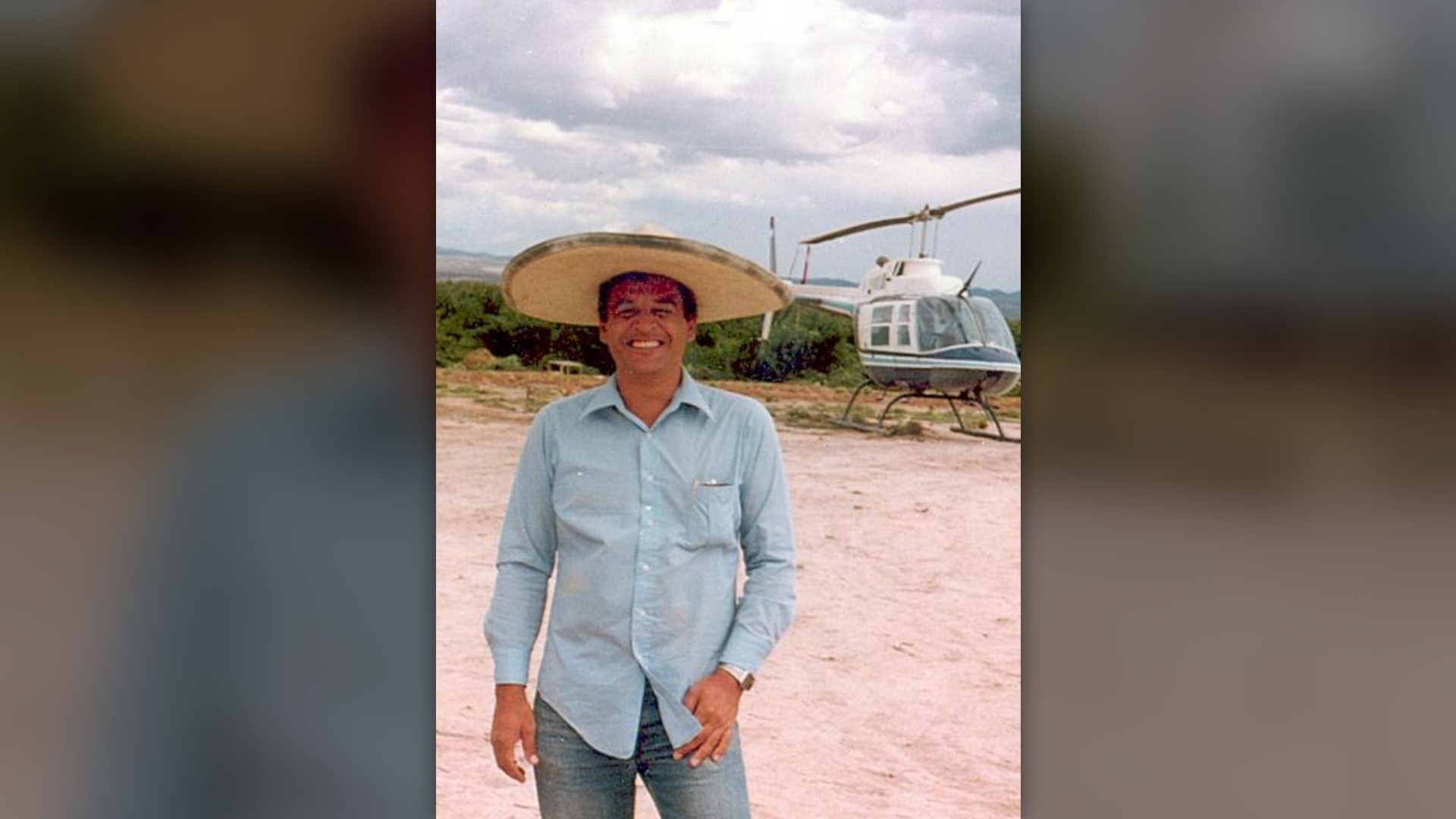
13. The Kidnapping Of Kiki Camarena
On February 7, 1985, corrupt police officers abducted Camarena off the streets of Guadalajara. Taken to a cartel safe house, he was subjected to brutal interrogation and murdered, crossing a red line that incensed the United States government.
©Wikimedia / DEA
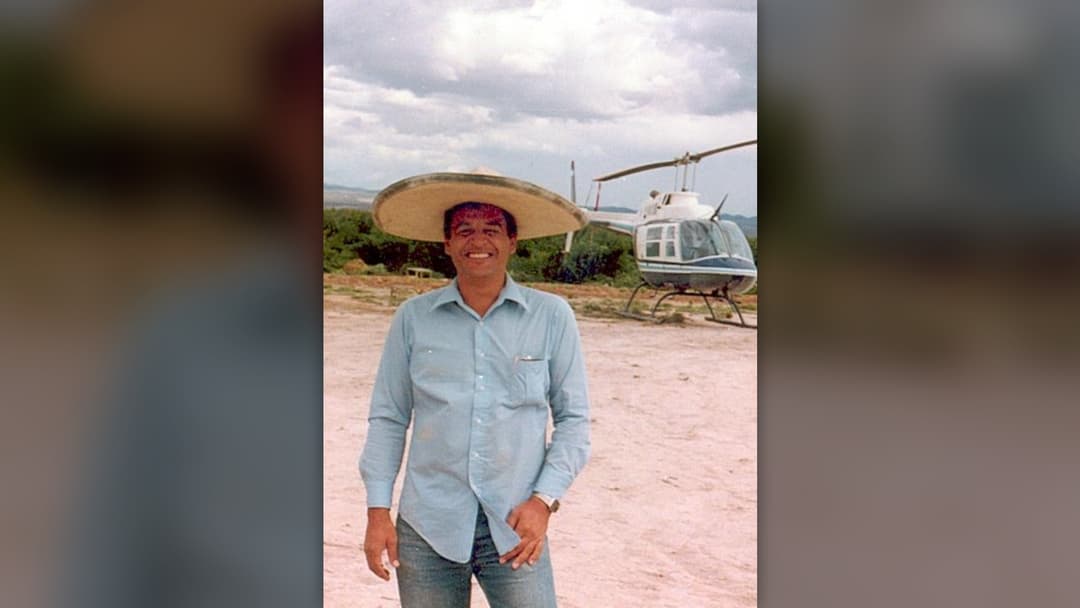
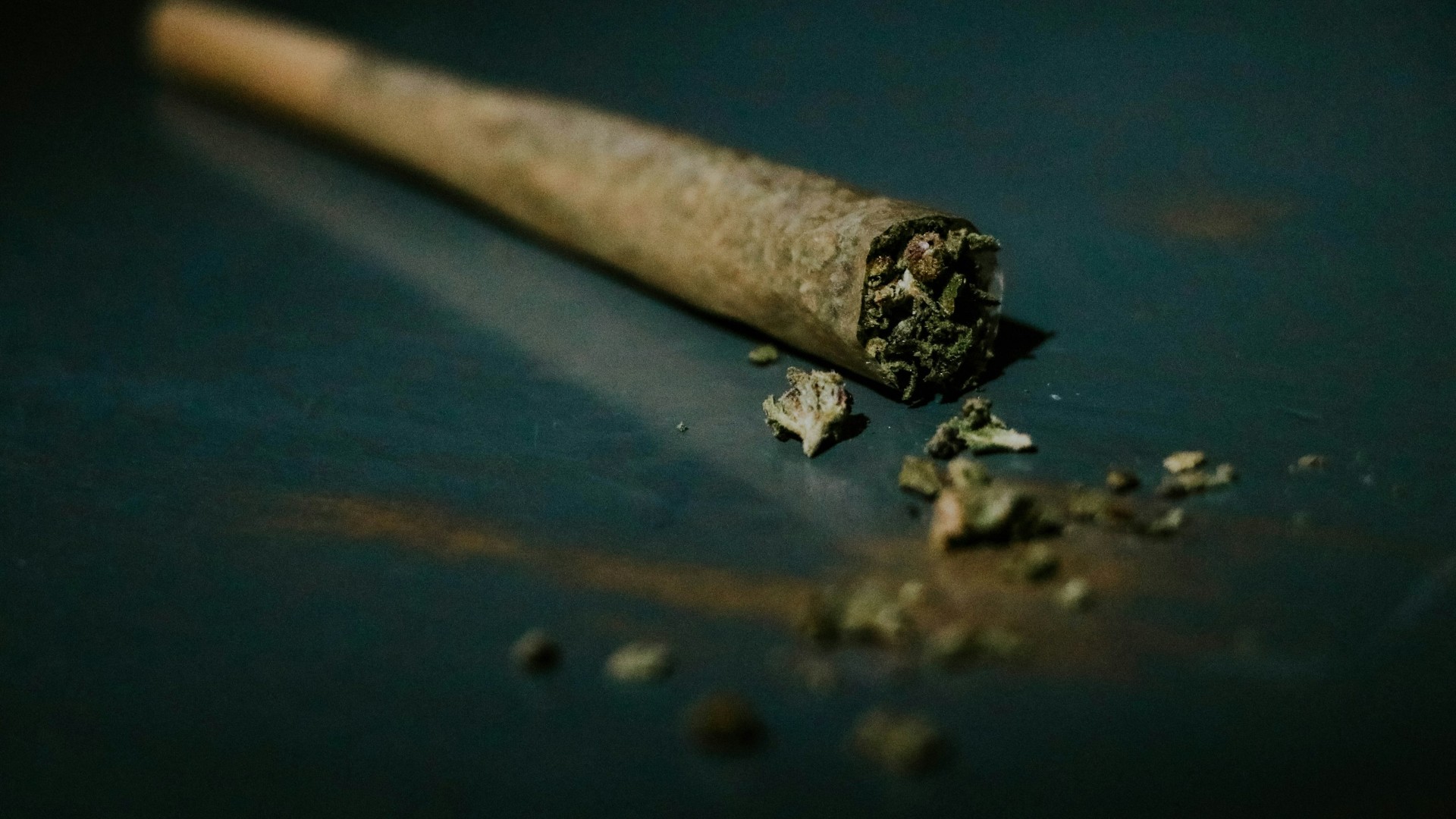
12. The Devastating Raid On El Búfalo
In November 1984, hundreds of Mexican military troops and federal police raided El Búfalo, seizing and burning thousands of tons of high-grade marijuana. The catastrophic raid inflicted the biggest financial loss in cartel history and sparked furious retaliation.
© Photo by Elsa Olofsson on Unsplash
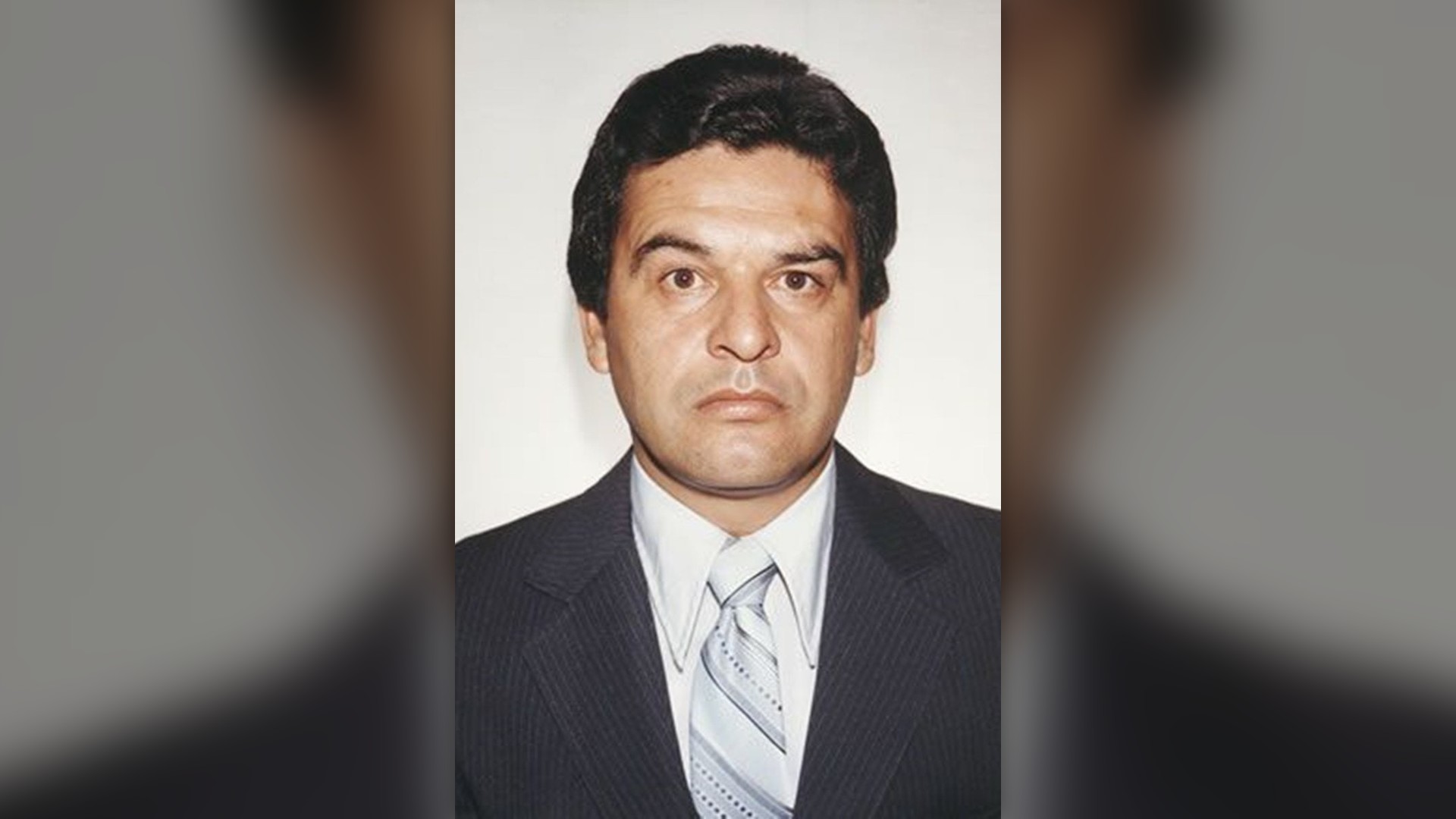
11. Infiltration By DEA Agent Kiki Camarena
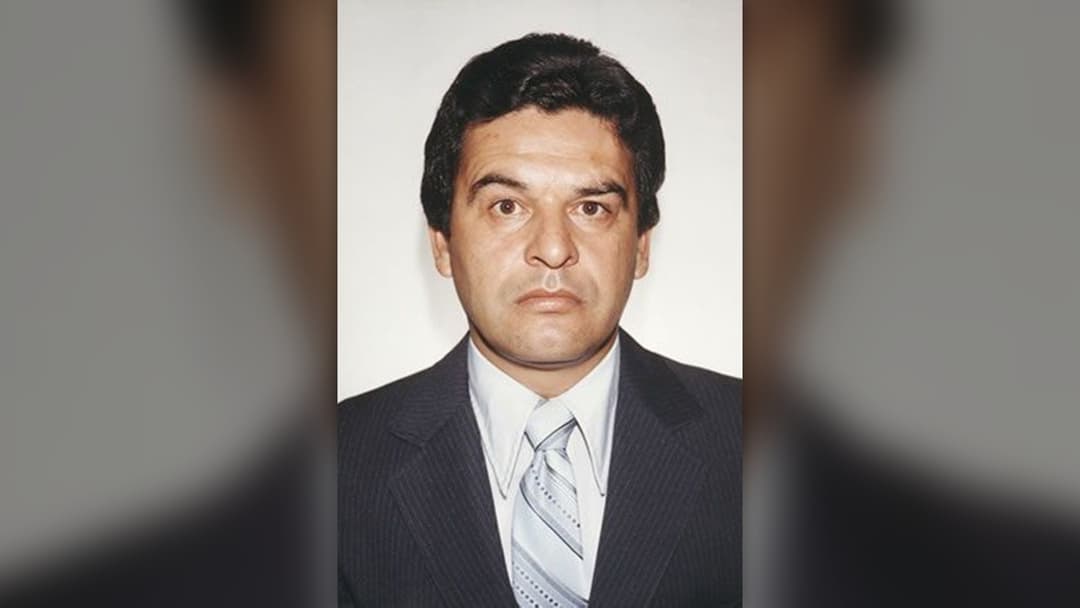
Stationed in Guadalajara, DEA Special Agent Enrique 'Kiki' Camarena went deep undercover to map the syndicate's operations. His field investigations tracked cartel logistics and pinpointed the location of the secret El Búfalo plantation for federal authorities.
©Wikimedia / Kiki Camarena
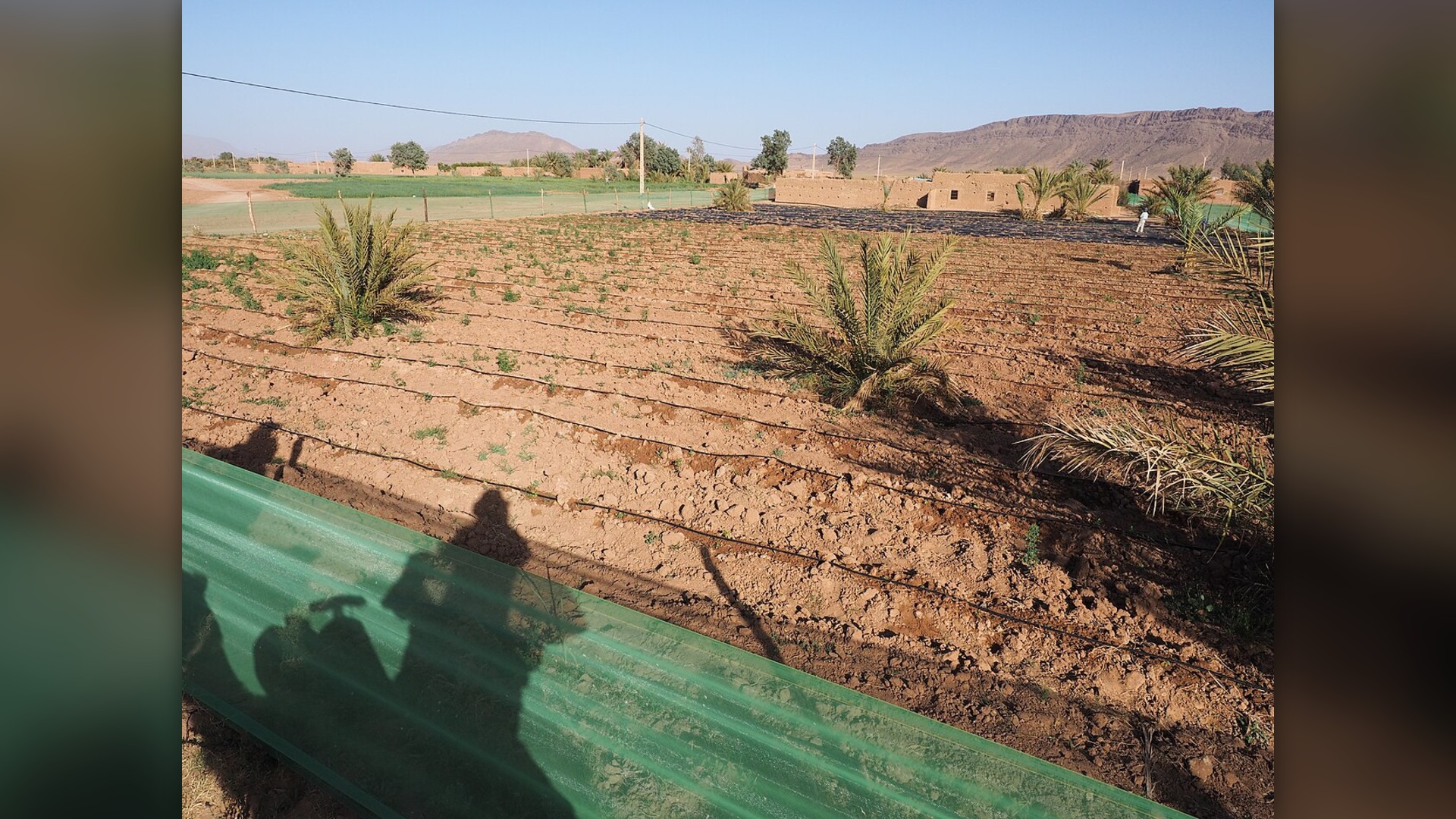
10. The Colossal El Búfalo Plantation
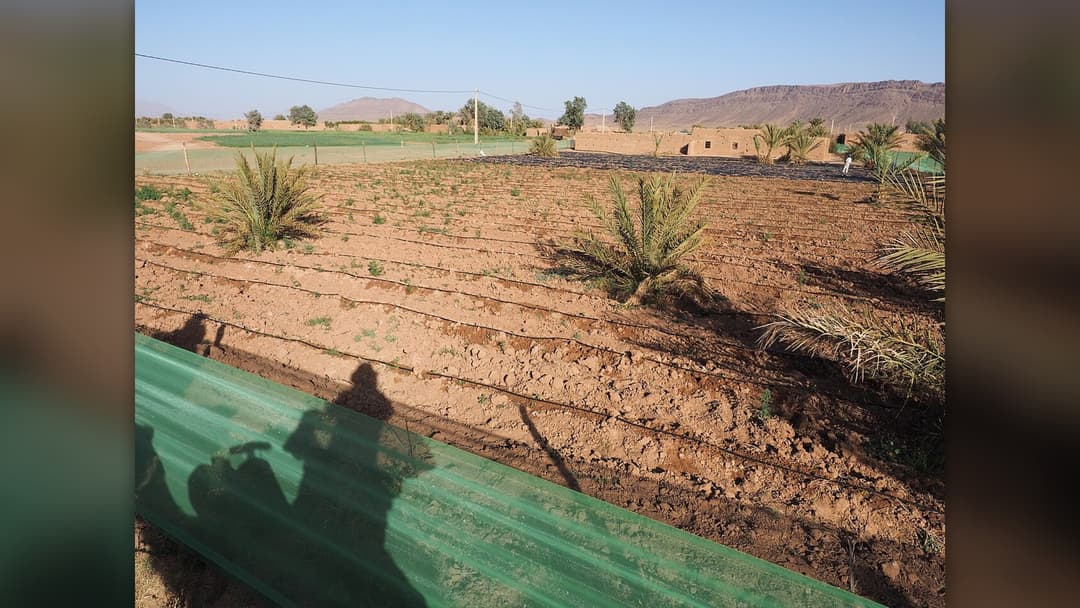
Under the direction of partner Rafael Caro Quintero, the cartel developed El Búfalo, a massive multi-thousand-acre marijuana ranch in Chihuahua. Using modern irrigation and agricultural science, the compound produced astronomical harvests worth billions of dollars.
©Wikimedia / Richard Allaway
Advertisement
Swipe or tap ▶ to resume the countdown.
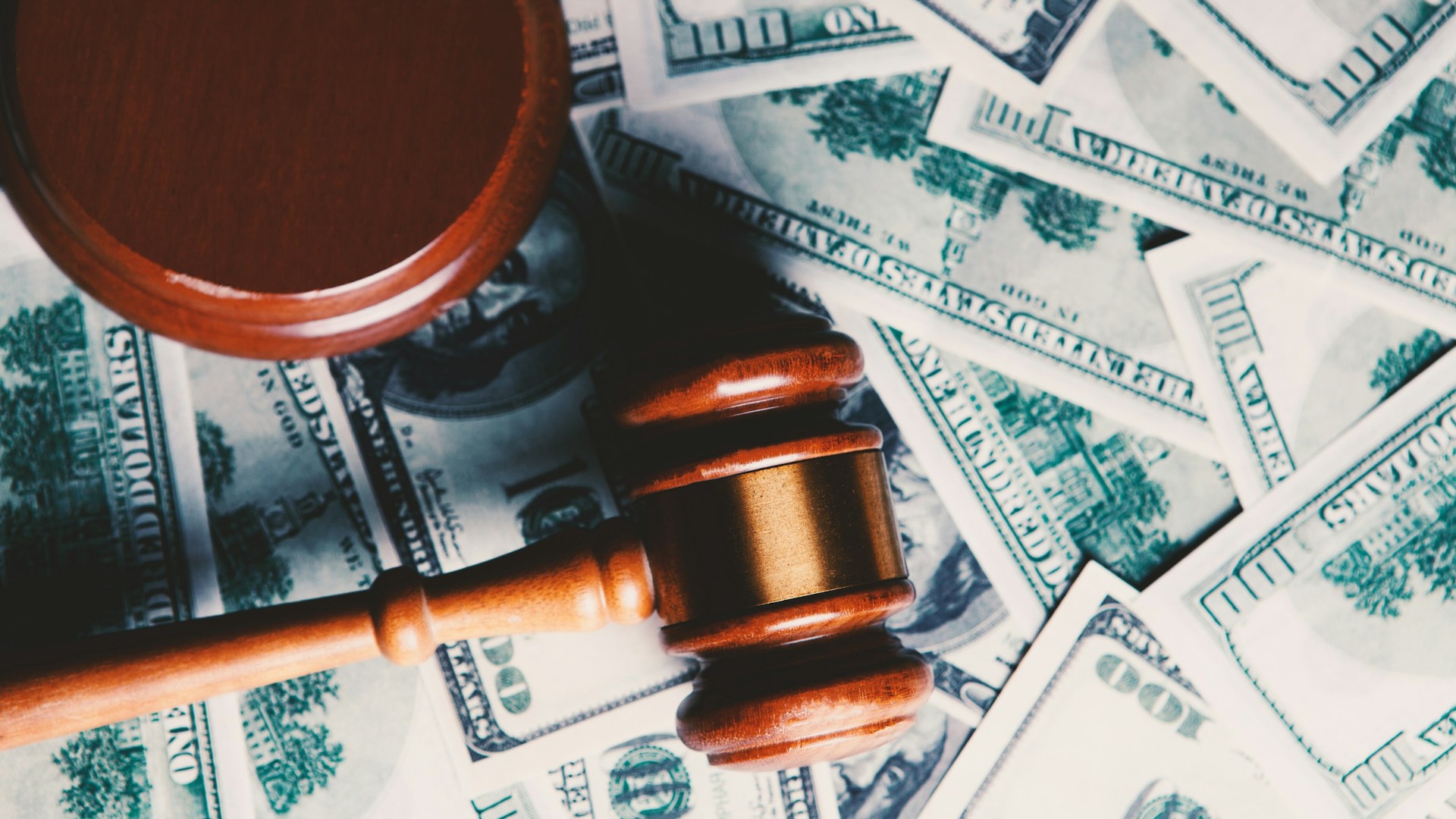
9. Institutionalizing Systemic Bribery
Félix Gallardo operated with near-total impunity by distributing millions in bribes to federal commanders, customs officials, and state governors. The cartel effectively turned public security agencies into private security details for narcotics convoys.
© Photo by Sasun Bughdaryan on Unsplash
8. The Fifty Percent In-Kind Tax
Rather than accepting cash transport fees, Félix Gallardo negotiated to keep up to half of every Colombian shipment as compensation. This bold business model allowed his syndicate to control wholesale distribution in America, generating billions in personal wealth.
©Pixabay / Joa70
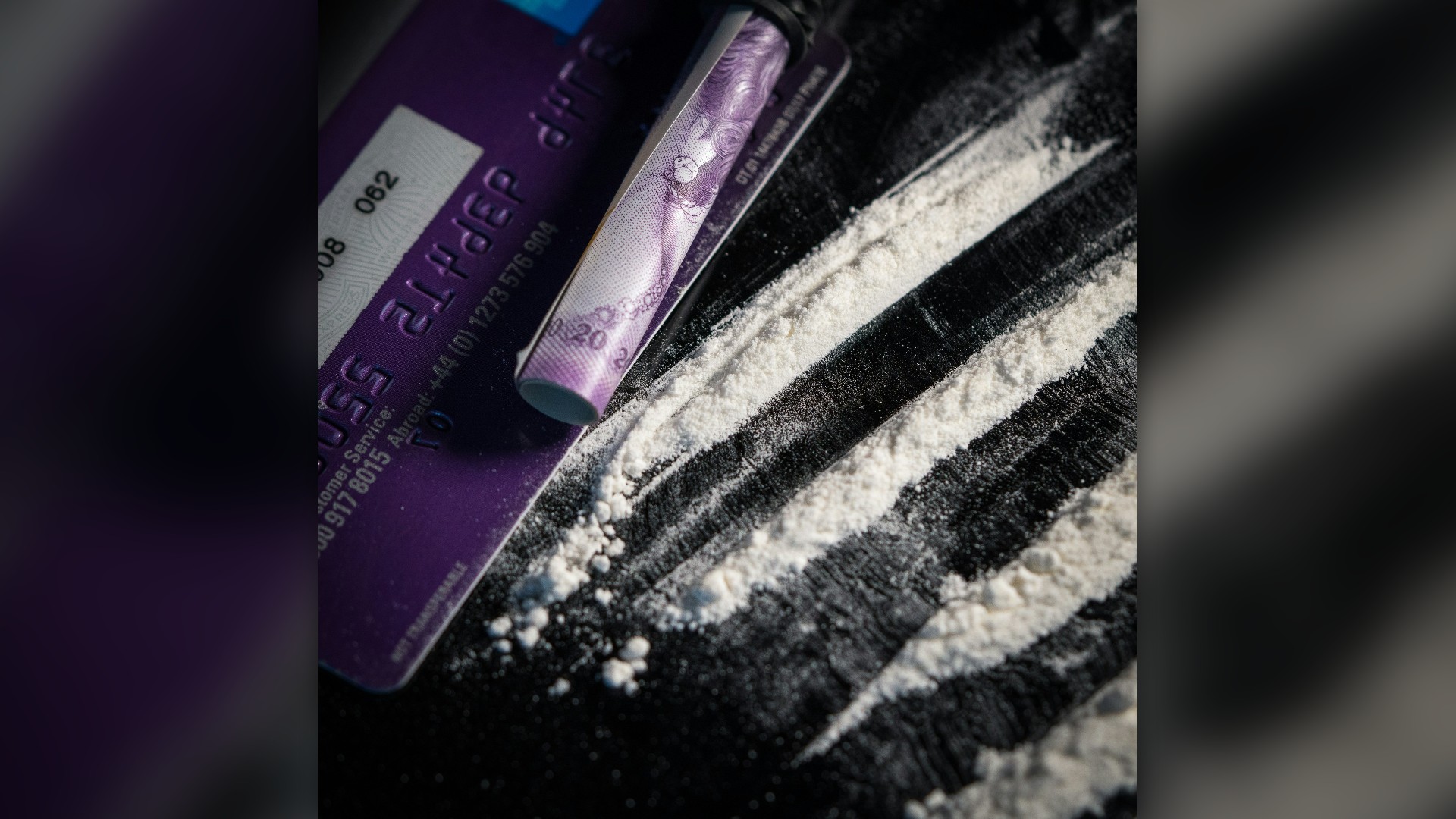
7. Shifting The Global Cocaine Highway
In the early 1980s, intense US interdiction choked maritime smuggling corridors across South Florida and the Bahamas. Félix Gallardo capitalized on this shift, establishing land corridors that permanently transformed Mexico into the primary gateway for cocaine.
© Photo by Colin Davis on Unsplash
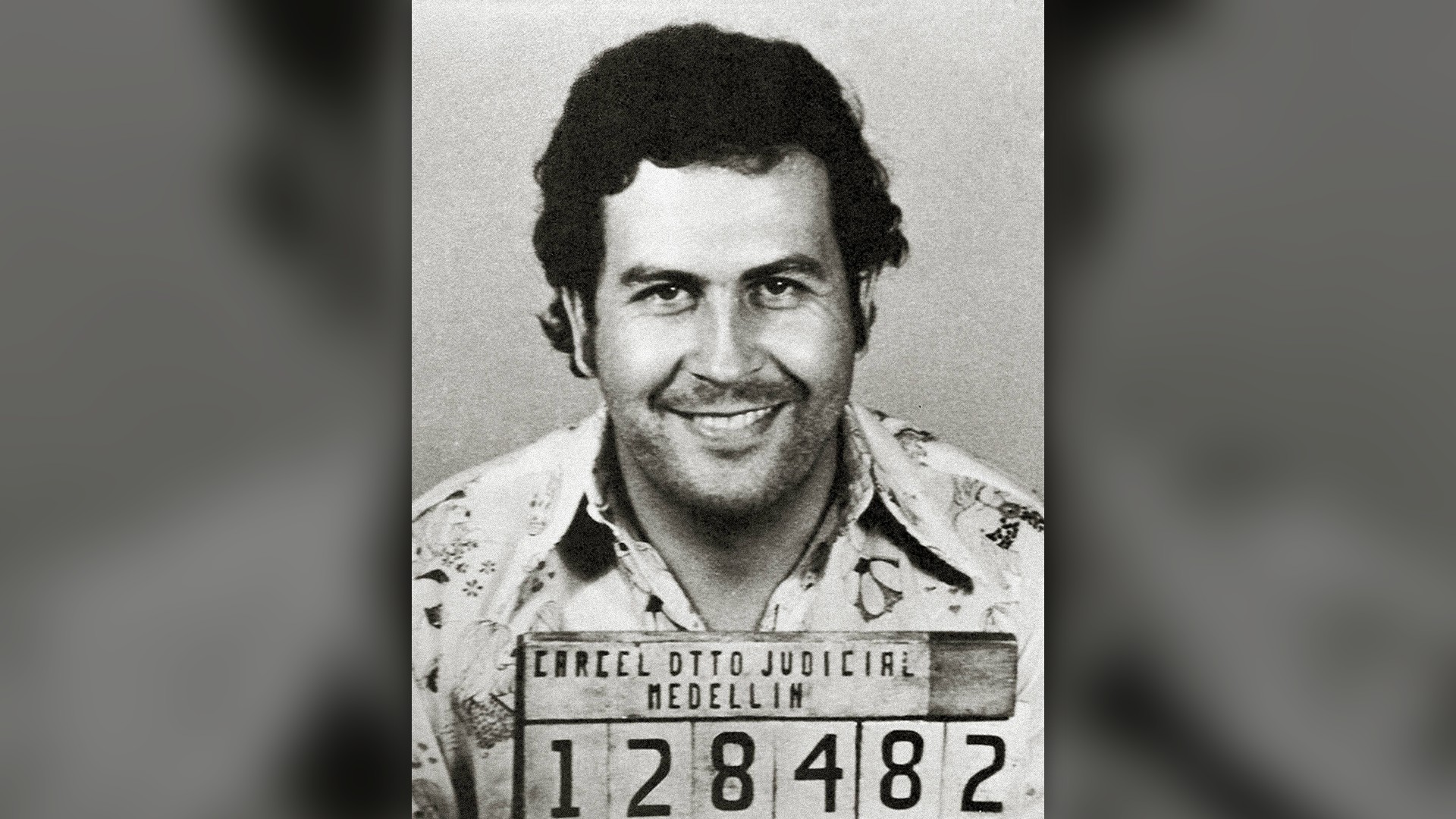
6. The Historic Alliance With Pablo Escobar
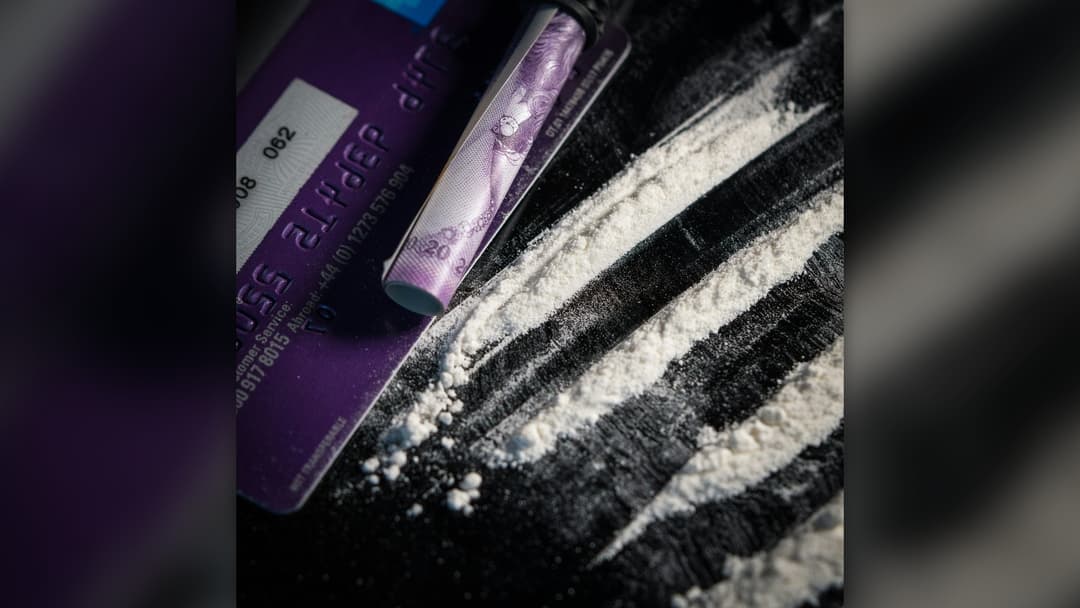
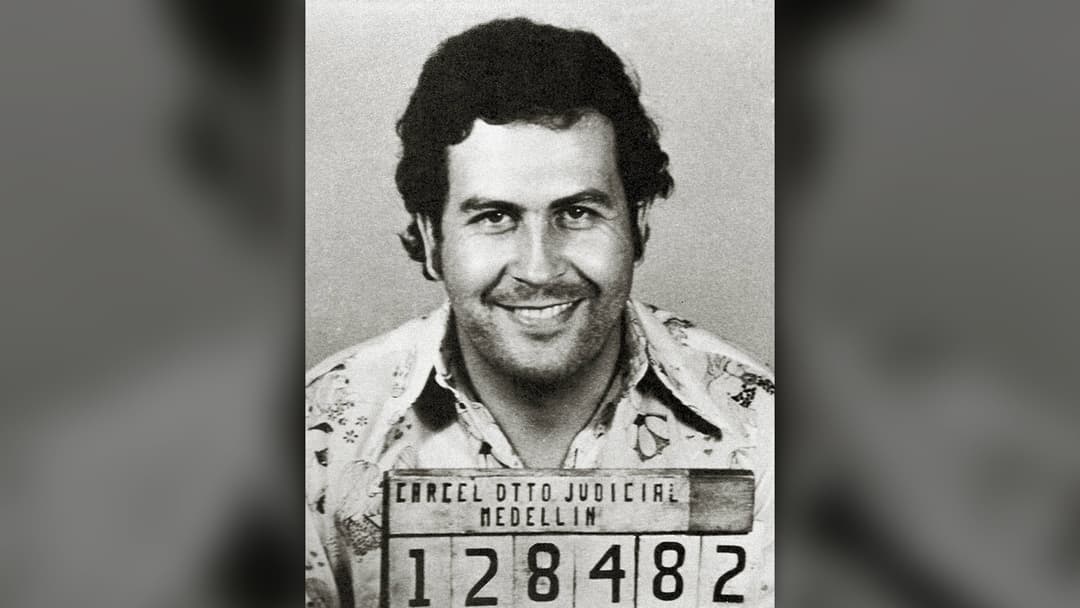
Recognizing the surging US demand for cocaine, Félix Gallardo traveled to Colombia to negotiate directly with Pablo Escobar's Medellín Cartel and the Cali Cartel. He offered Mexican transport networks as a reliable pipeline into the United States.
©Wikimedia / Pablo Escobar
Advertisement
Swipe or tap ▶ to resume the countdown.
5. Uniting Fragmented Regional Plazas
Before Félix Gallardo, Mexican drug traffickers operated in violent regional gangs. He gathered local leaders and introduced a franchise system known as plazas, coordinating distribution, setting market prices, and guaranteeing peaceful transit across municipal boundaries.
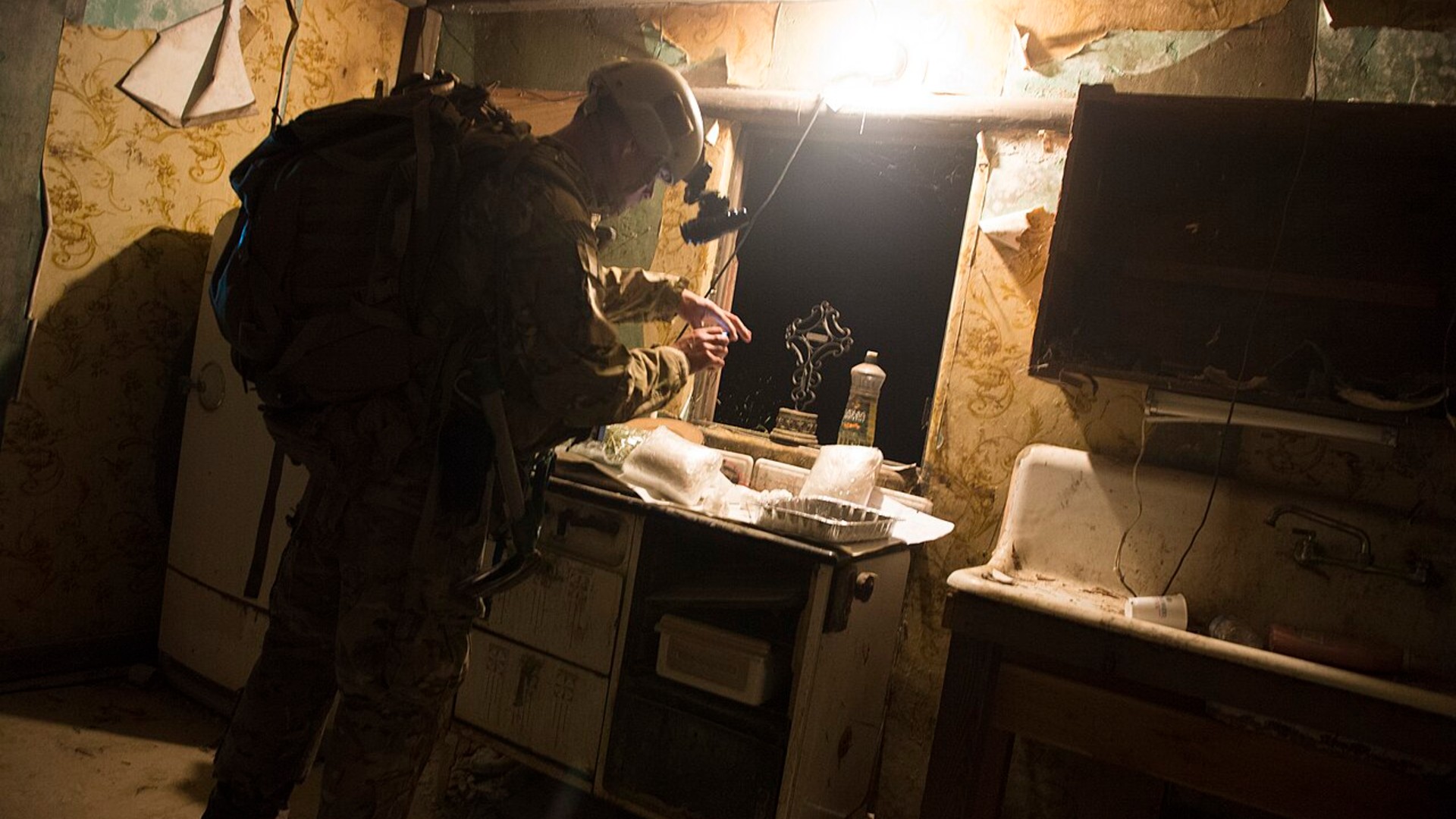
©Wikimedia / Senior Airman Christopher Griffin
4. Founding The Guadalajara Triumvirate
Teaming up with Rafael Caro Quintero and Ernesto Fonseca Carrillo, Félix Gallardo formed the core leadership of the Guadalajara Cartel. Combining agricultural production, street muscle, and corporate diplomacy, the trio centralized Mexican drug trafficking.
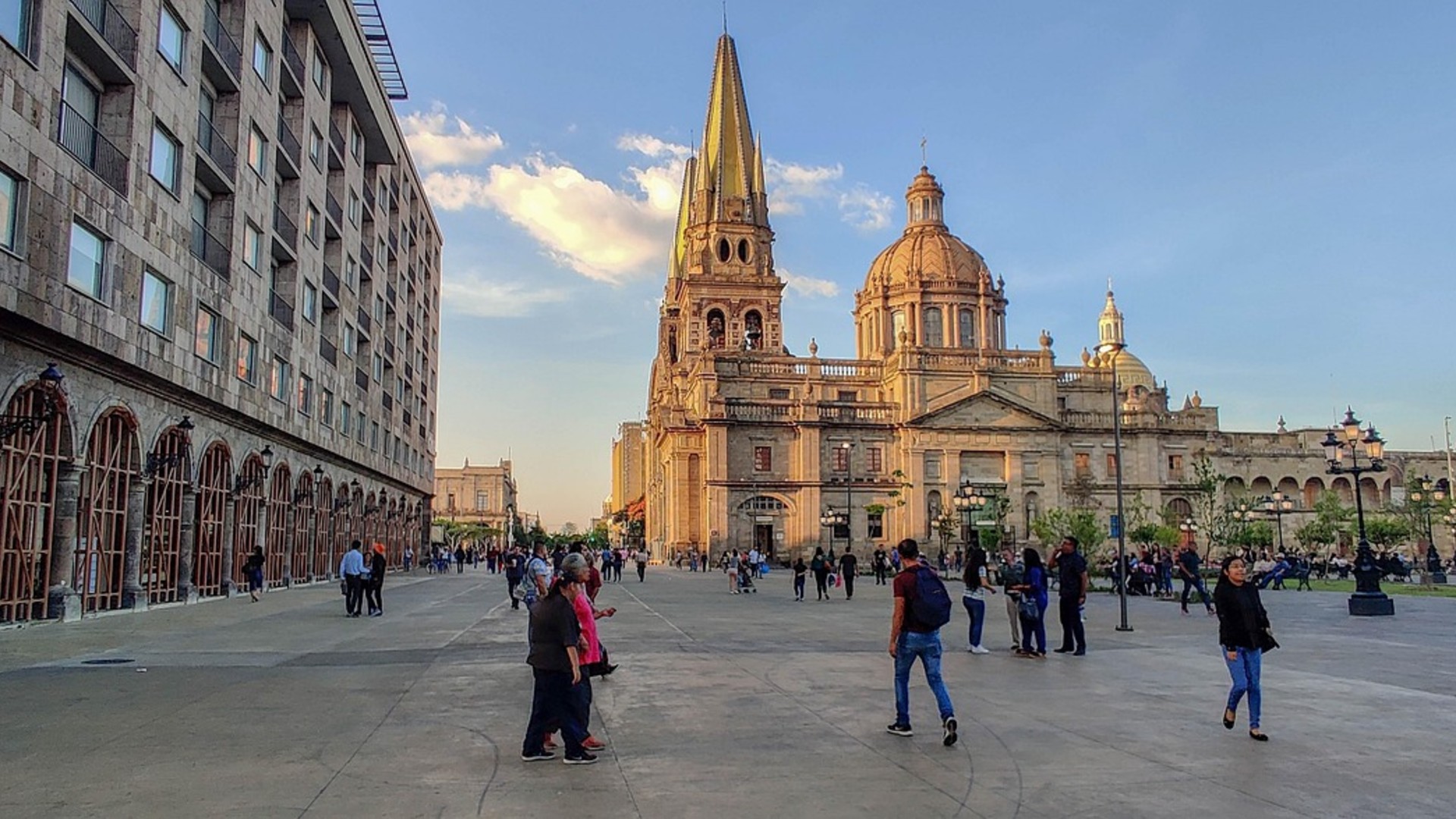
©Pixabay / kevnreyes666
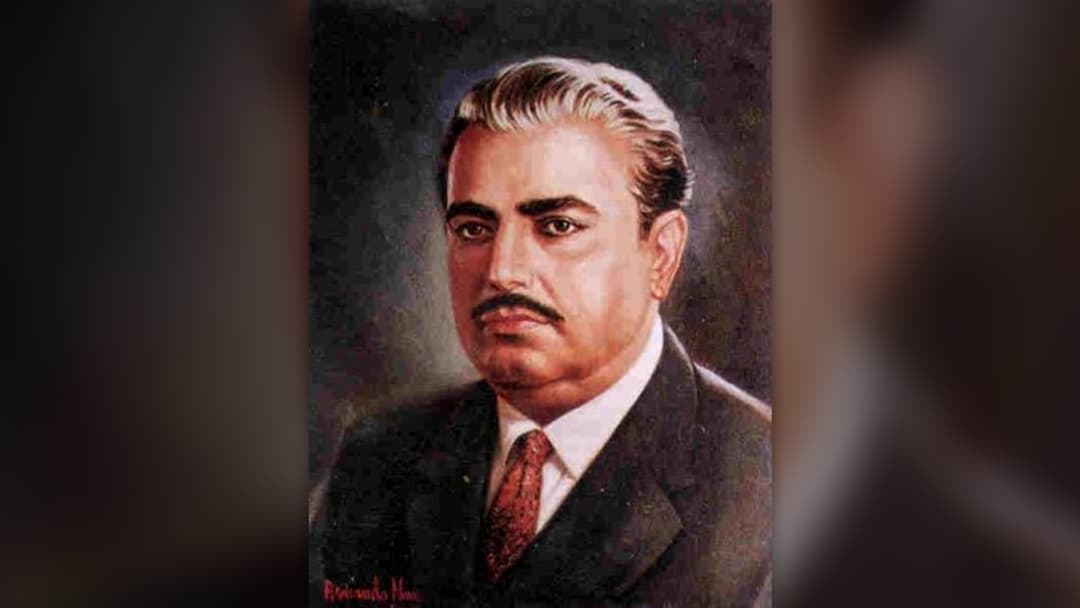
3. Bodyguard To The Governor Of Sinaloa
In the late 1960s, Félix Gallardo was assigned as personal bodyguard and driver to Sinaloa Governor Leopoldo Sánchez Celis. The prestigious role introduced him to top politicians, judges, and state officials, establishing elite relationships that protected his later ventures.
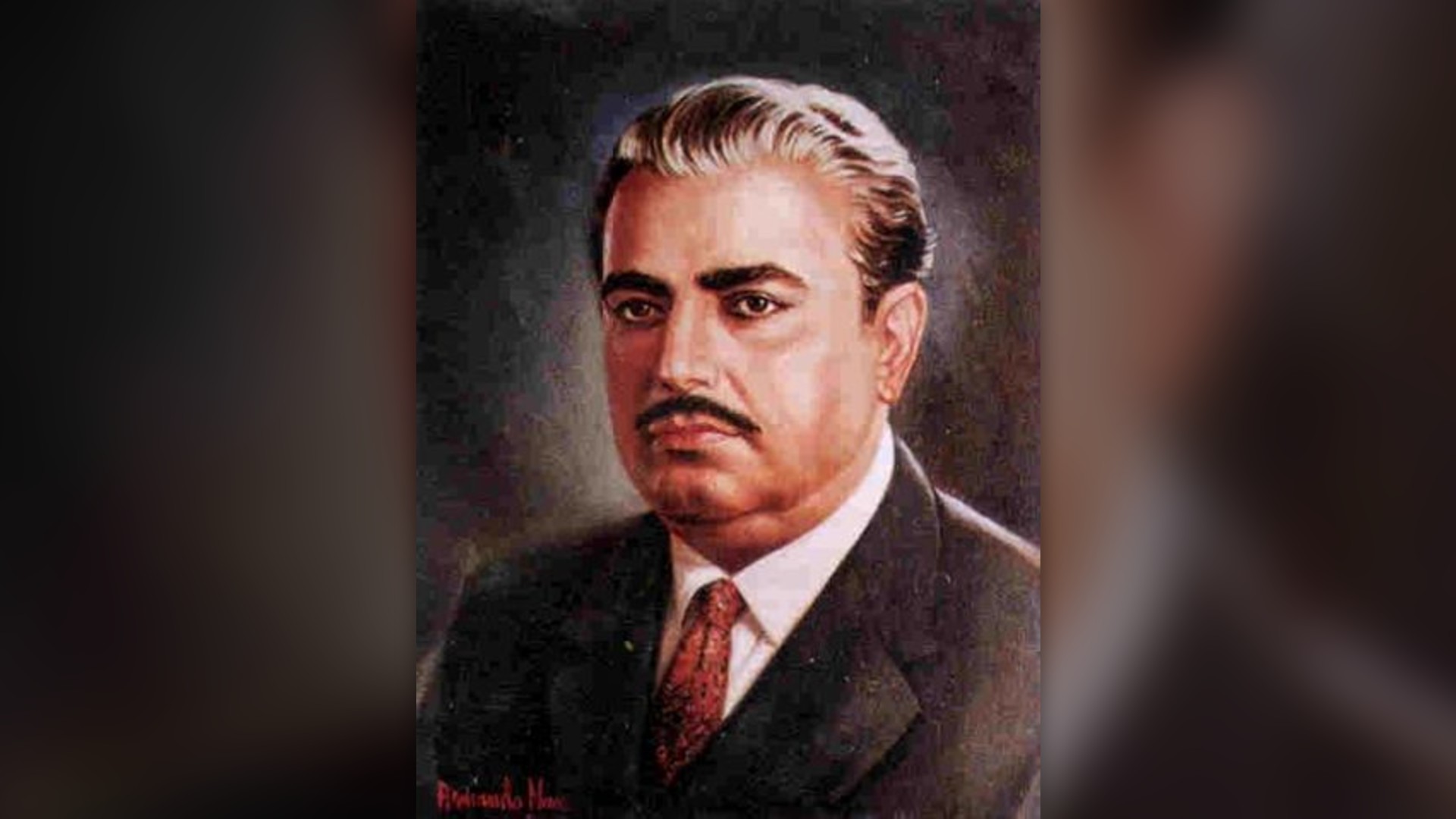
©Wikimedia / Leopoldo Sánchez Celis
2. A Lawman Turned Smuggler
Before leading an underworld syndicate, Félix Gallardo served as an agent in the Mexican Federal Judicial Police. His law enforcement background gave him firsthand understanding of police procedures, patrol blind spots, and anti-contraband operations.
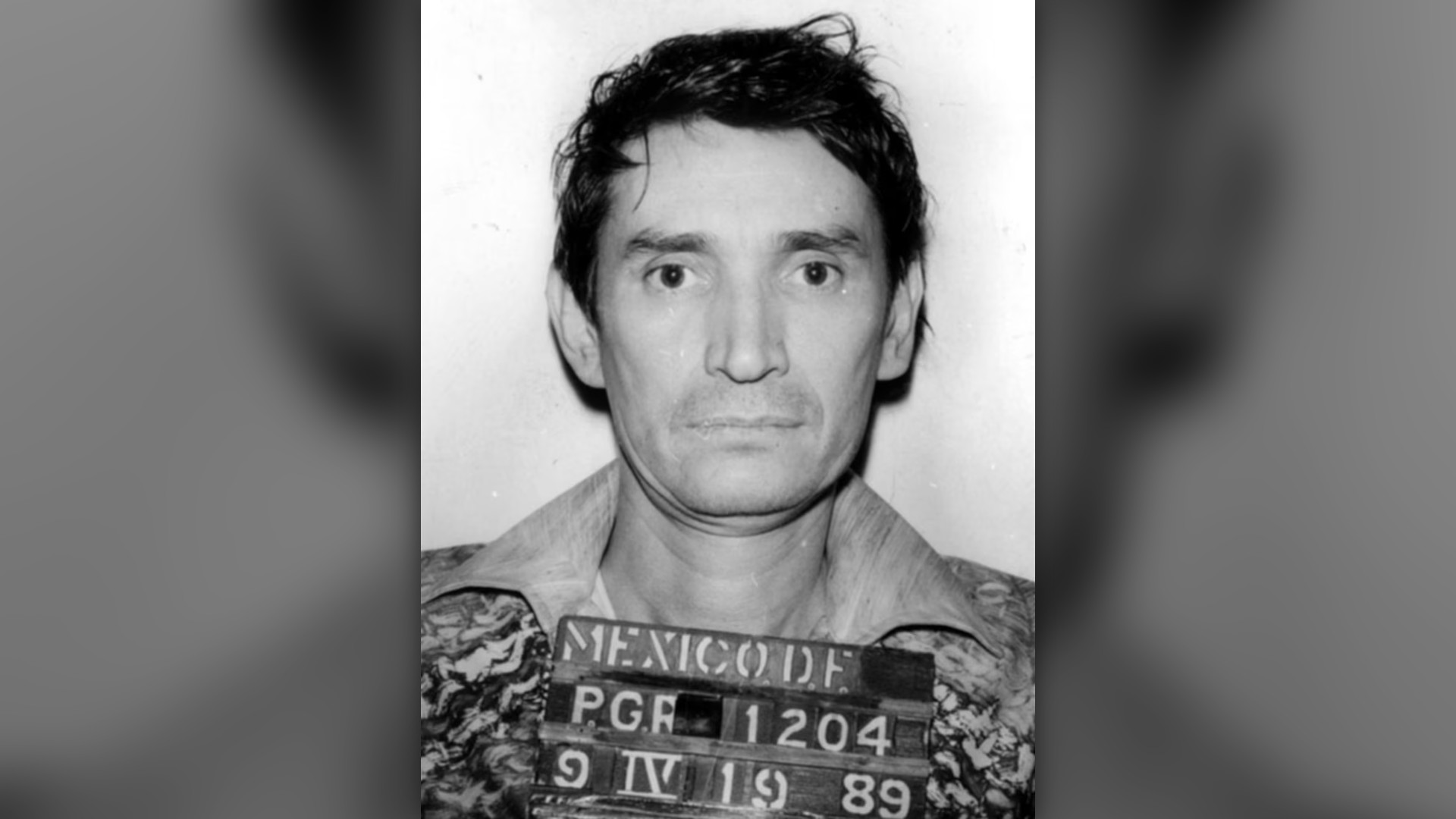
©Wikimedia / US Federal Government
Advertisement
Swipe or tap ▶ to resume the countdown.
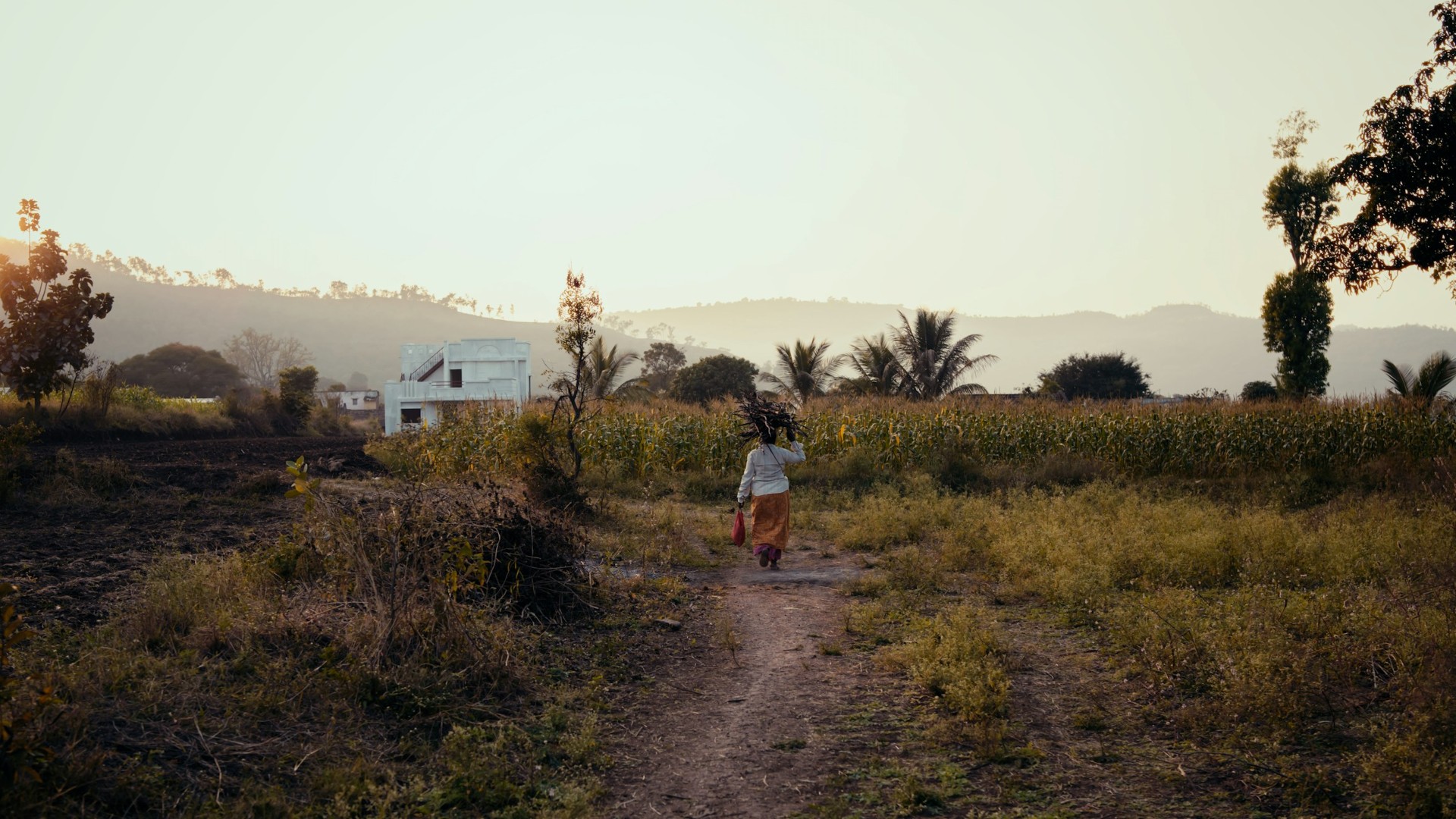
1. Humble Roots In Rural Sinaloa
Born in Bellavista in 1946, Félix Gallardo learned rural farming in the rugged valleys of Sinaloa. His upbringing in the cradle of Mexican contraband trade gave him practical knowledge of smuggling corridors long before he entered the narcotics business.
Advertisement
You've reached the end of the story. Thanks for reading!

Inside the Gypsy Rose Blanchard Case: 20 Overlooked Details
The true story behind Gypsy Rose Blanchard, Dee Dee Blanchard, decades of Munchausen by proxy abuse, and the murder plot that stunned the nation.
All 20 Entries in this Story
20. Decades Behind Bars And Fractured Legacy
Félix Gallardo continued managing operations from Reclusorio Sur using smuggled mobile phones until his transfer to maximum-security Altiplano. With the godfather isolated, the autonomous plazas tore into each other, unleashing decades of cartel warfare.

19. The Dramatic 1989 Arrest In Guadalajara
On April 8, 1989, Mexican federal commander Guillermo González Calderoni led a covert raid on Félix Gallardo's residence in Guadalajara. Caught entirely off guard in his dressing gown, the cartel godfather surrendered quietly, ending an era of unified rule.

18. Giving Tijuana To The Arellano Félix Family
Félix Gallardo designated the valuable Tijuana corridor to his nephews, the Arellano Félix brothers. Their fierce defense of the San Diego border crossing would soon ignite a bloody decade-long war with their former Sinaloa colleagues.

17. Handing The Pacific Routes To El Chapo
During the historic territorial division, Félix Gallardo assigned the Pacific coastal smuggling routes to his protégé Joaquín 'El Chapo' Guzmán and Héctor Luis Palma. This strategic handoff formed the foundation of what would become the formidable Sinaloa Cartel.

16. The 1989 Acapulco Cartel Summit
Realizing federal pressure was mounting, Félix Gallardo convened a secret meeting in Acapulco in 1989. To prevent a power vacuum upon his eventual capture, he officially partitioned the country into independent regional territories, inadvertently creating modern cartels.

15. Evading Capture In Plain Sight
While his partners sat behind bars, Félix Gallardo retreated to Guadalajara and continued directing operations. Shielded by high-level connections, he avoided public sight and managed business affairs quietly from luxury safe houses across Jalisco.

14. Operation Leyenda: The Massive DEA Manhunt
Following Camarena's murder, the DEA unleashed Operation Leyenda. American investigators pressured Mexican authorities, unraveling political corruption and hunting down cartel leaders. Partners Caro Quintero and Don Neto were swiftly apprehended in Costa Rica and Mexico.

13. The Kidnapping Of Kiki Camarena
On February 7, 1985, corrupt police officers abducted Camarena off the streets of Guadalajara. Taken to a cartel safe house, he was subjected to brutal interrogation and murdered, crossing a red line that incensed the United States government.

12. The Devastating Raid On El Búfalo
In November 1984, hundreds of Mexican military troops and federal police raided El Búfalo, seizing and burning thousands of tons of high-grade marijuana. The catastrophic raid inflicted the biggest financial loss in cartel history and sparked furious retaliation.

11. Infiltration By DEA Agent Kiki Camarena
Stationed in Guadalajara, DEA Special Agent Enrique 'Kiki' Camarena went deep undercover to map the syndicate's operations. His field investigations tracked cartel logistics and pinpointed the location of the secret El Búfalo plantation for federal authorities.

10. The Colossal El Búfalo Plantation
Under the direction of partner Rafael Caro Quintero, the cartel developed El Búfalo, a massive multi-thousand-acre marijuana ranch in Chihuahua. Using modern irrigation and agricultural science, the compound produced astronomical harvests worth billions of dollars.

9. Institutionalizing Systemic Bribery
Félix Gallardo operated with near-total impunity by distributing millions in bribes to federal commanders, customs officials, and state governors. The cartel effectively turned public security agencies into private security details for narcotics convoys.

8. The Fifty Percent In-Kind Tax
Rather than accepting cash transport fees, Félix Gallardo negotiated to keep up to half of every Colombian shipment as compensation. This bold business model allowed his syndicate to control wholesale distribution in America, generating billions in personal wealth.

7. Shifting The Global Cocaine Highway
In the early 1980s, intense US interdiction choked maritime smuggling corridors across South Florida and the Bahamas. Félix Gallardo capitalized on this shift, establishing land corridors that permanently transformed Mexico into the primary gateway for cocaine.

6. The Historic Alliance With Pablo Escobar
Recognizing the surging US demand for cocaine, Félix Gallardo traveled to Colombia to negotiate directly with Pablo Escobar's Medellín Cartel and the Cali Cartel. He offered Mexican transport networks as a reliable pipeline into the United States.

5. Uniting Fragmented Regional Plazas
Before Félix Gallardo, Mexican drug traffickers operated in violent regional gangs. He gathered local leaders and introduced a franchise system known as plazas, coordinating distribution, setting market prices, and guaranteeing peaceful transit across municipal boundaries.

4. Founding The Guadalajara Triumvirate
Teaming up with Rafael Caro Quintero and Ernesto Fonseca Carrillo, Félix Gallardo formed the core leadership of the Guadalajara Cartel. Combining agricultural production, street muscle, and corporate diplomacy, the trio centralized Mexican drug trafficking.

3. Bodyguard To The Governor Of Sinaloa
In the late 1960s, Félix Gallardo was assigned as personal bodyguard and driver to Sinaloa Governor Leopoldo Sánchez Celis. The prestigious role introduced him to top politicians, judges, and state officials, establishing elite relationships that protected his later ventures.

2. A Lawman Turned Smuggler
Before leading an underworld syndicate, Félix Gallardo served as an agent in the Mexican Federal Judicial Police. His law enforcement background gave him firsthand understanding of police procedures, patrol blind spots, and anti-contraband operations.

1. Humble Roots In Rural Sinaloa
Born in Bellavista in 1946, Félix Gallardo learned rural farming in the rugged valleys of Sinaloa. His upbringing in the cradle of Mexican contraband trade gave him practical knowledge of smuggling corridors long before he entered the narcotics business.