Slideshow · Viral
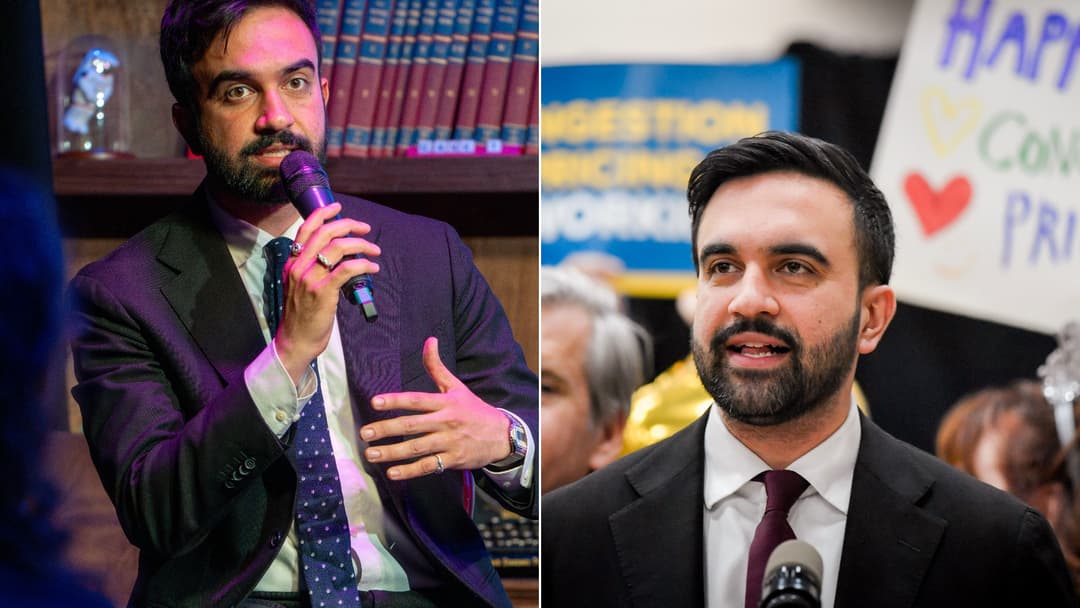
23 Famous Figures Who Rejected Life-Changing Honors
Icons Who Walked Away From the World's Highest Honors
By Most Viral Today
1 hour ago

Icons Who Walked Away From the World's Highest Honors 
23. C.S. Lewis 
22. Julie Christie 
21. Aldous Huxley - AdvertisementSwipe or tap ▶ to continue countdown

20. Danny Boyle 
19. Roald Dahl 
18. Stephen Hawking 
17. Rabindranath Tagore - AdvertisementSwipe or tap ▶ to continue countdown

16. Michael Faraday 
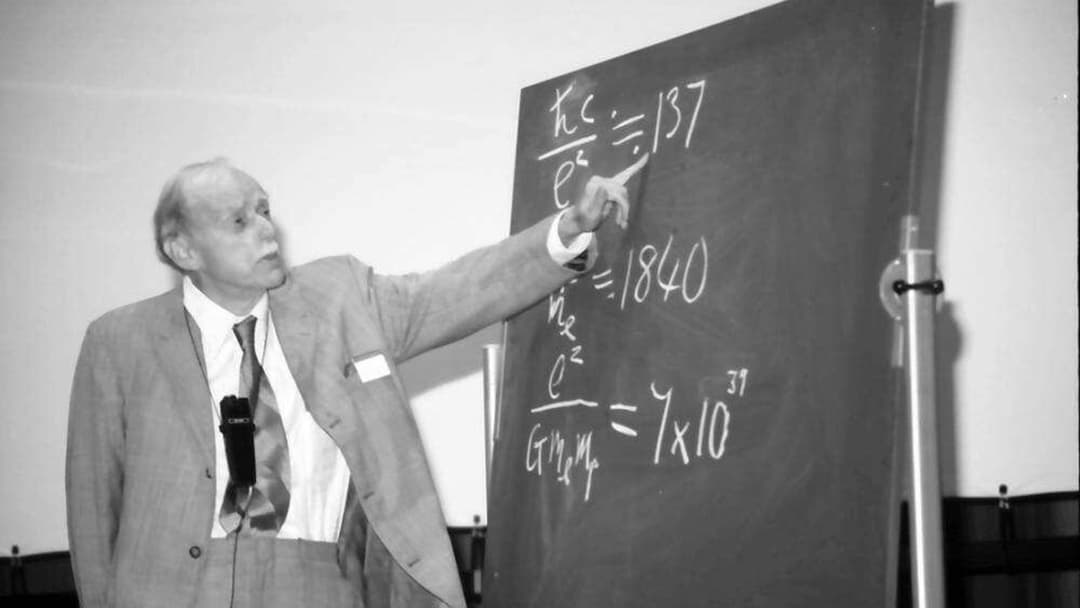
15. Paul Dirac 
14. David Bowie 
13. Albert Einstein - AdvertisementSwipe or tap ▶ to continue countdown

12. Sinead O'Connor 
11. John Lennon 
10. George Bernard Shaw 
9. Boris Pasternak - AdvertisementSwipe or tap ▶ to continue countdown

8. Le Duc Tho 
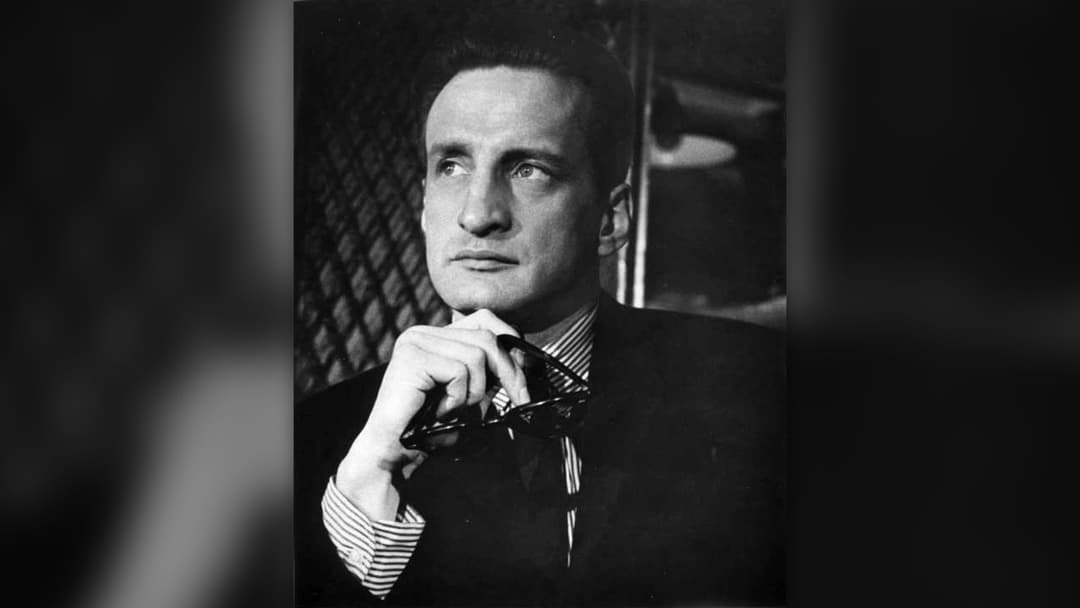
7. George C. Scott 
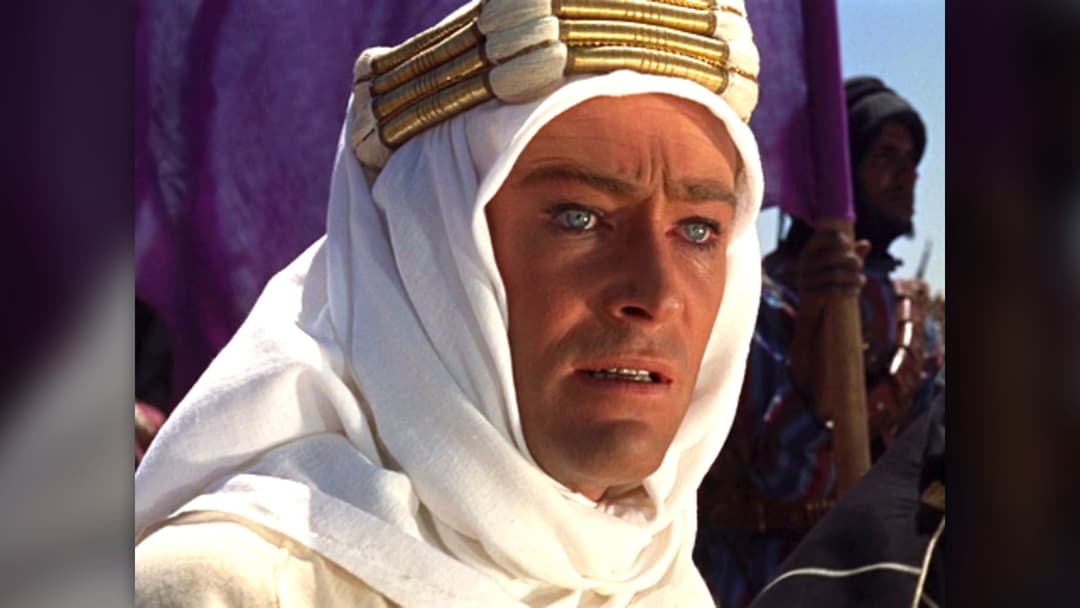
6. Peter O'Toole 
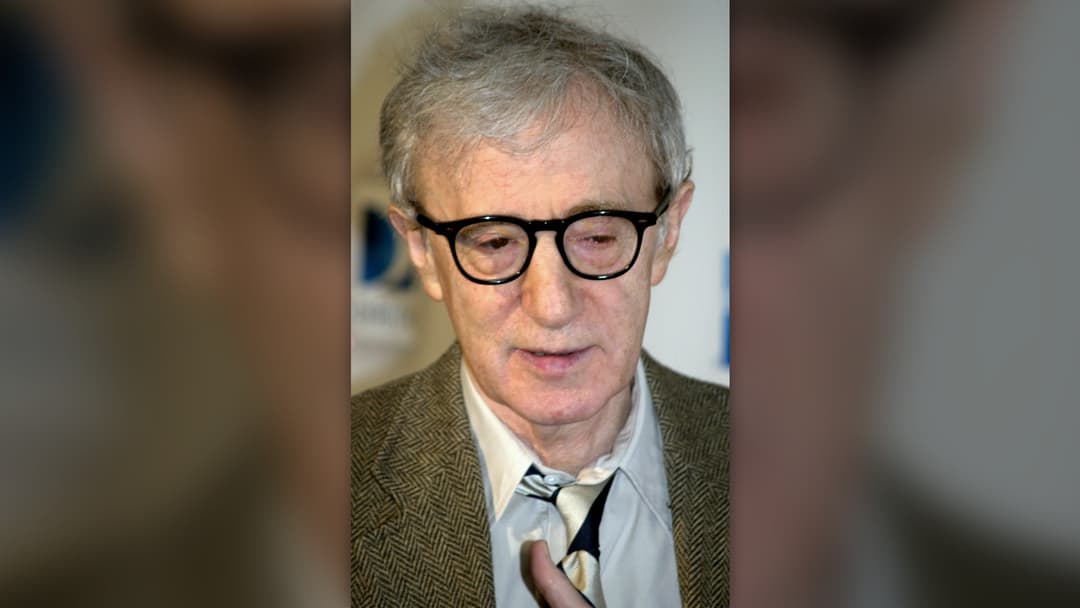
5. Woody Allen - AdvertisementSwipe or tap ▶ to continue countdown

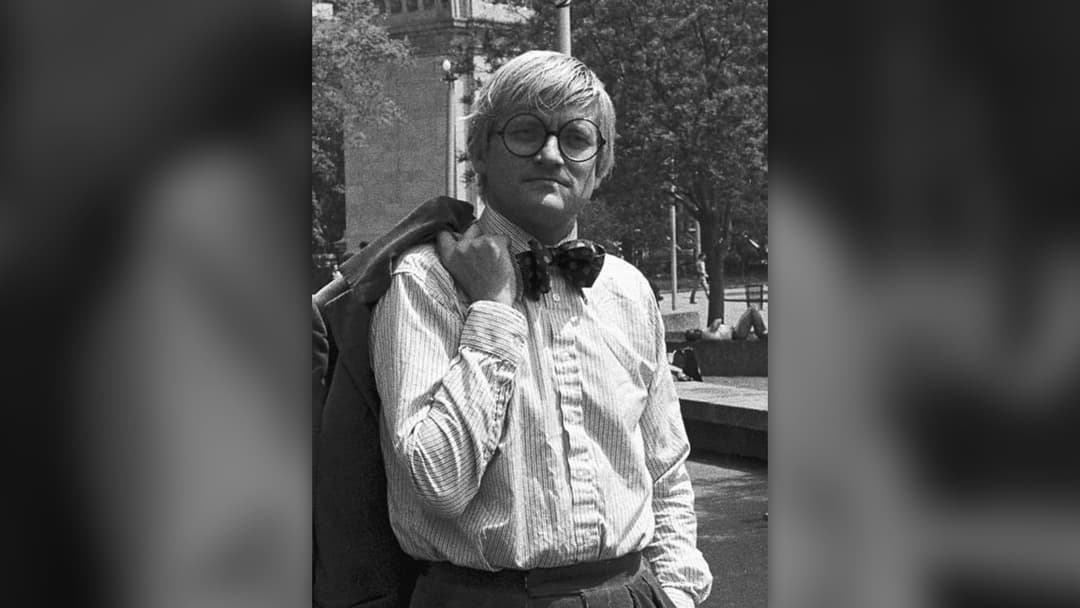
4. David Hockney 
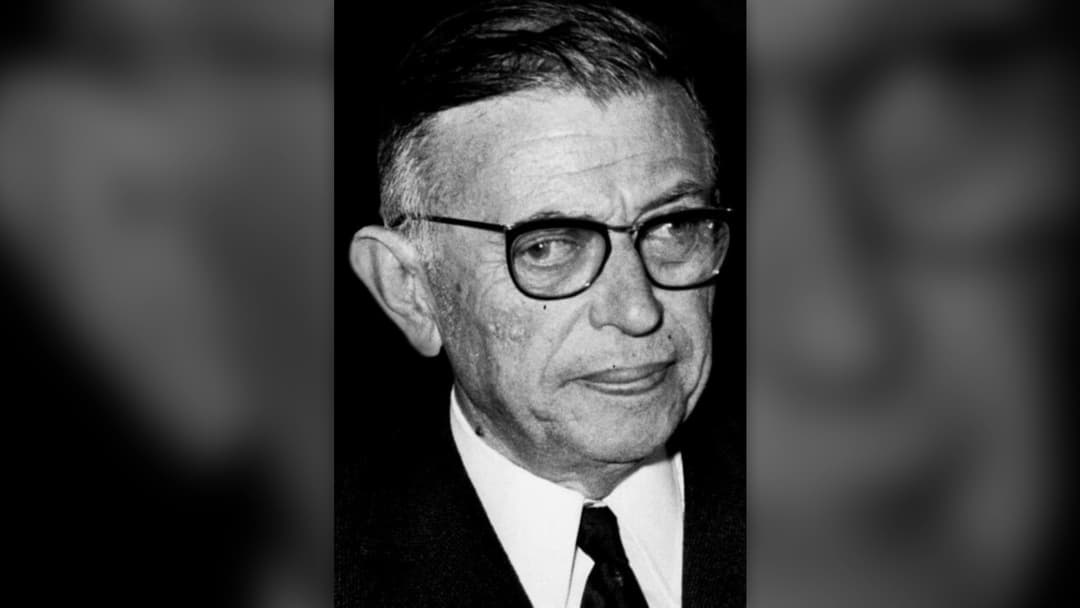
3. Jean-Paul Sartre 
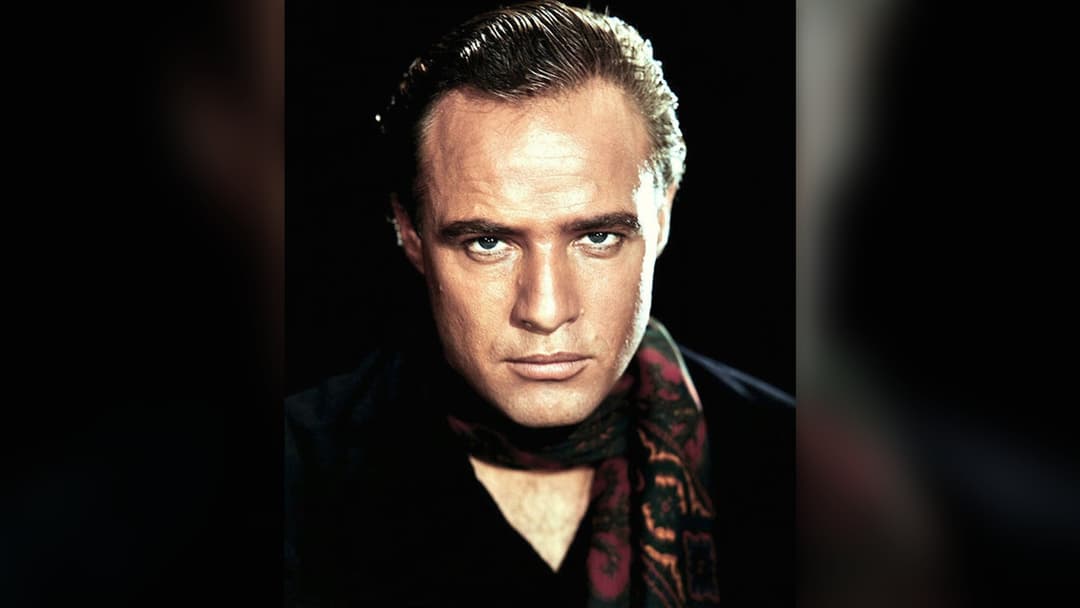
2. Marlon Brando 
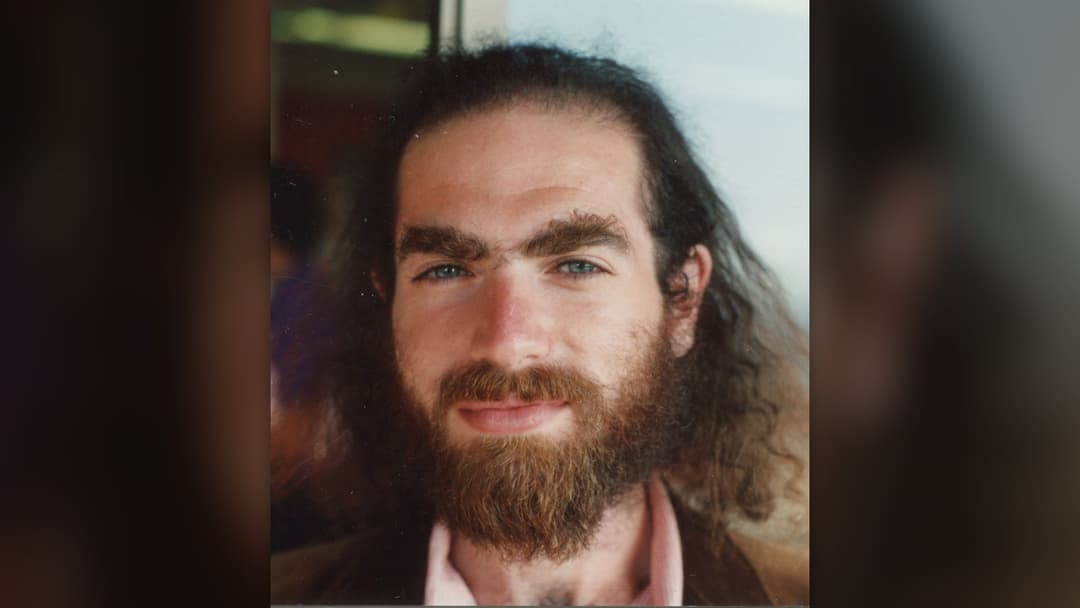
1. Grigori Perelman - Advertisement🔥 UP NEXT IN THIS SERIES◫ 21 Slides

20 World Leaders and Political Figures Facing Major Challenges in 2027
High Stakes, Fragile Coalitions, and Rising Tensions Define the Road to 2027
From the Nobel Prize and Academy Awards to British knighthoods and national presidencies, receiving global recognition is considered the pinnacle of achievement. Yet throughout modern history, these 23 legendary creators, scientists, and statesmen rejected monumental accolades on principle.
Swipe or tap ▶ to begin the countdown
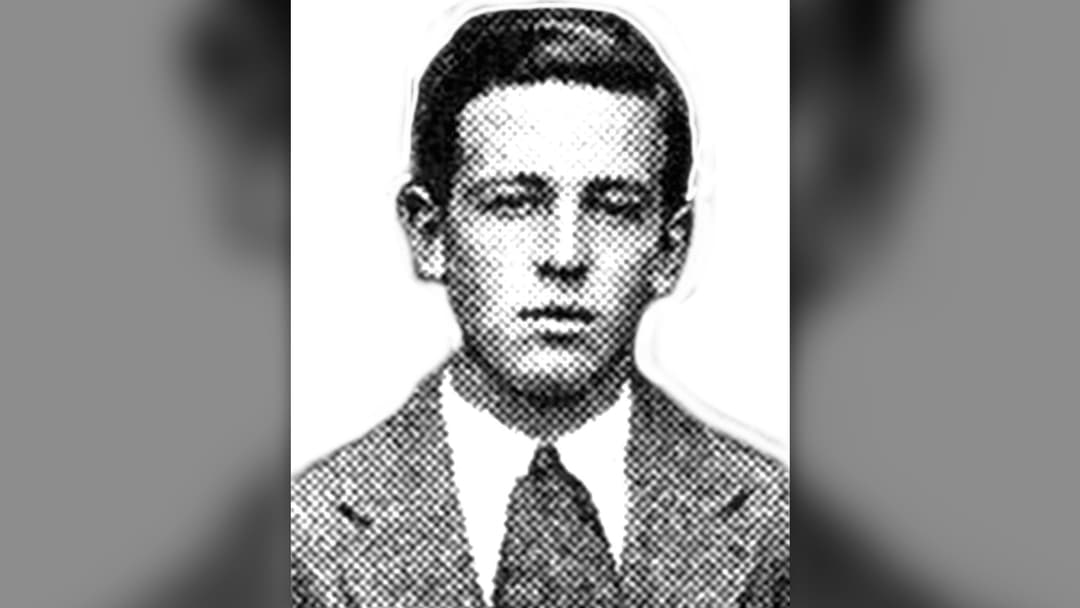
©Wikimedia / The Department for & Oren Jack Turner
23. C.S. Lewis
In December 1951, British Prime Minister Winston Churchill offered author C.S. Lewis the Commander of the Order of the British Empire. Lewis politely declined the royal honor, writing that accepting state patronage would give knaves pretext to argue his religious advocacy was tied to partisan politics.
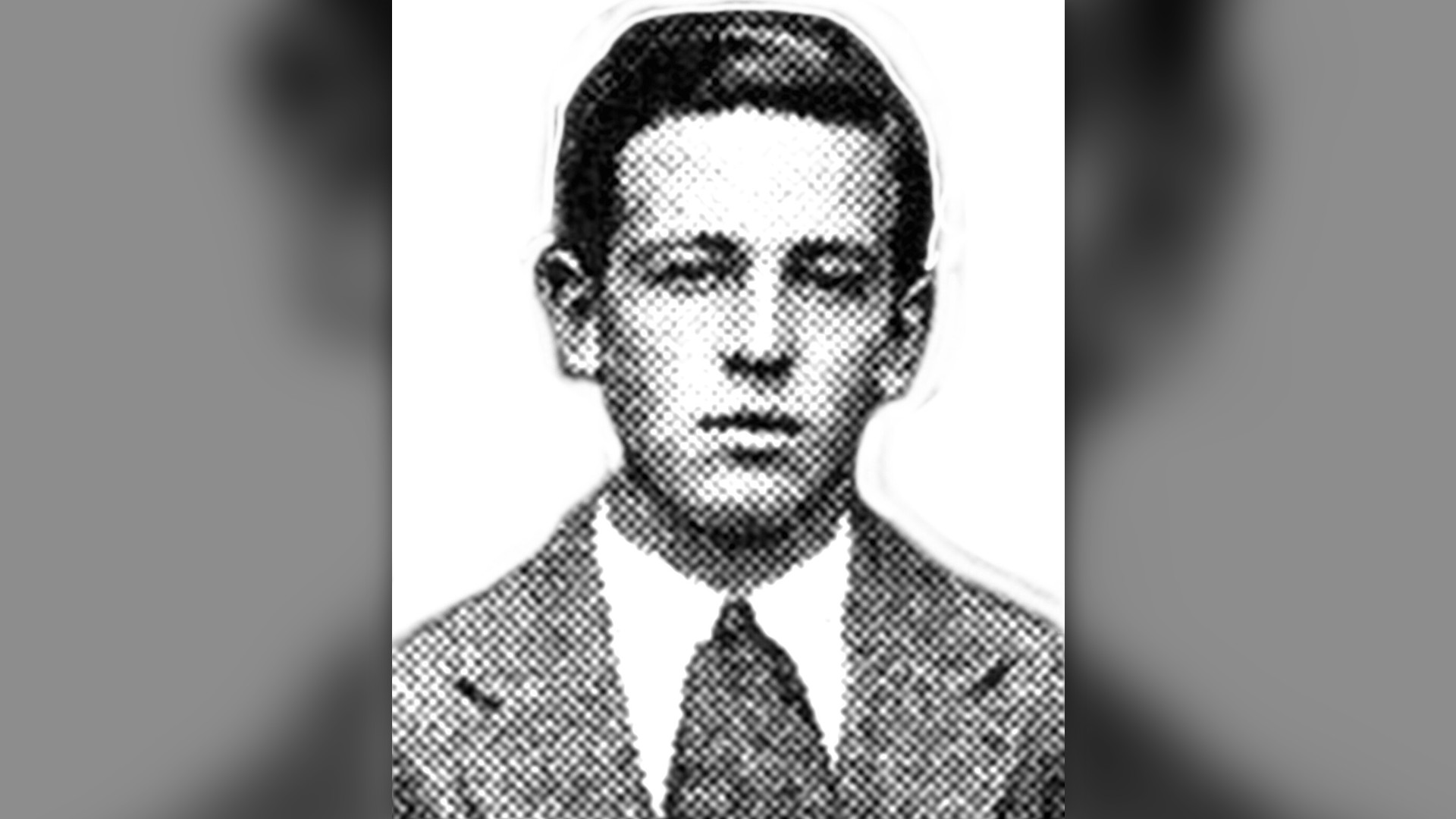
©Wikimedia / Unknown author
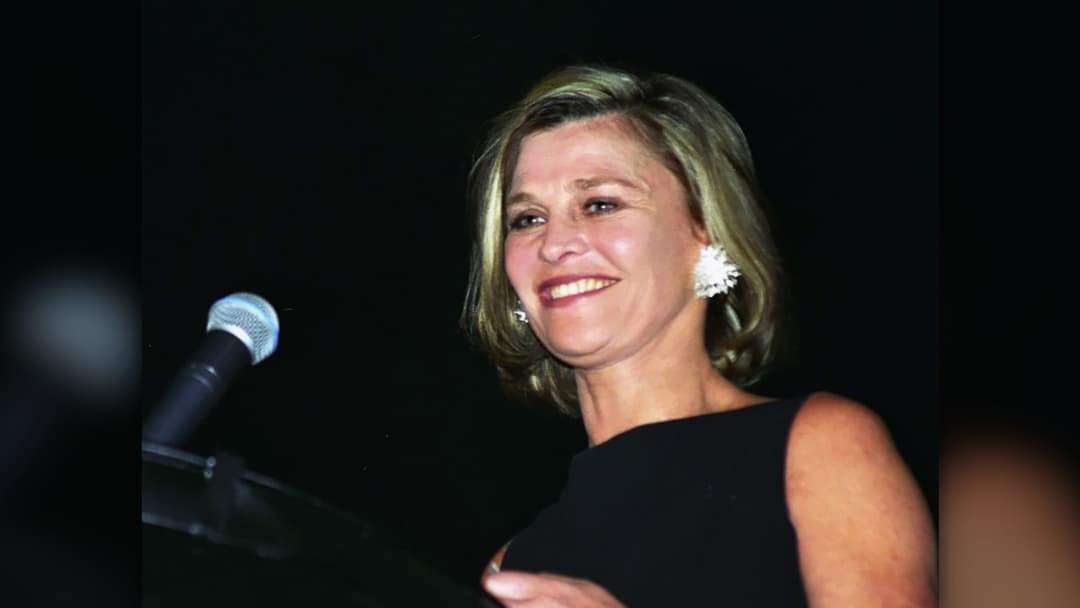
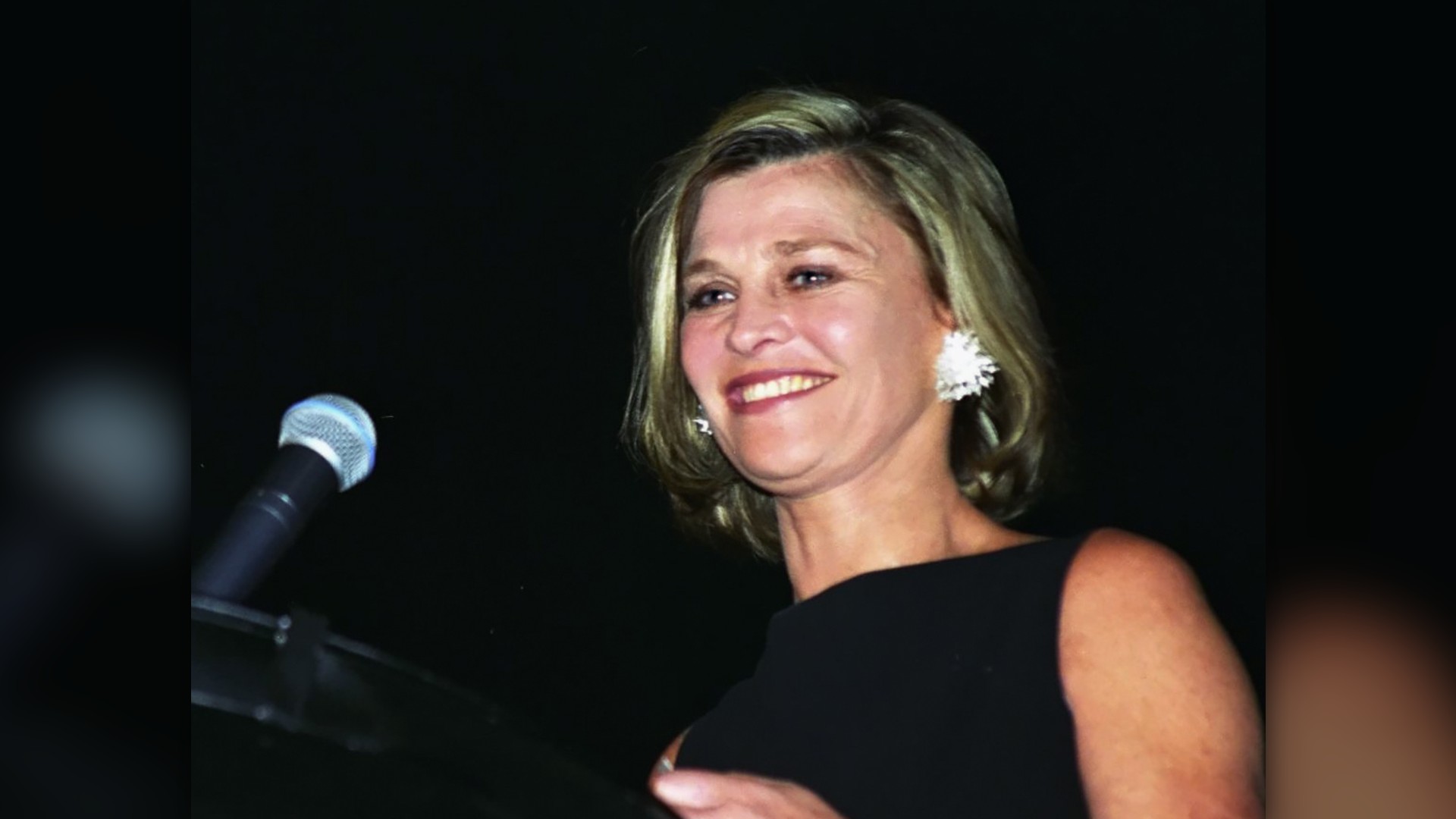
22. Julie Christie
Oscar-winning screen icon Julie Christie was named on the Queen's New Year Honours list in 2008 for a Commander of the Order of the British Empire. Known for guarding her quiet personal life and maintaining progressive values, Christie quietly turned down the royal medal without public spectacle.
©Wikimedia / Festival Internacional de Cine en
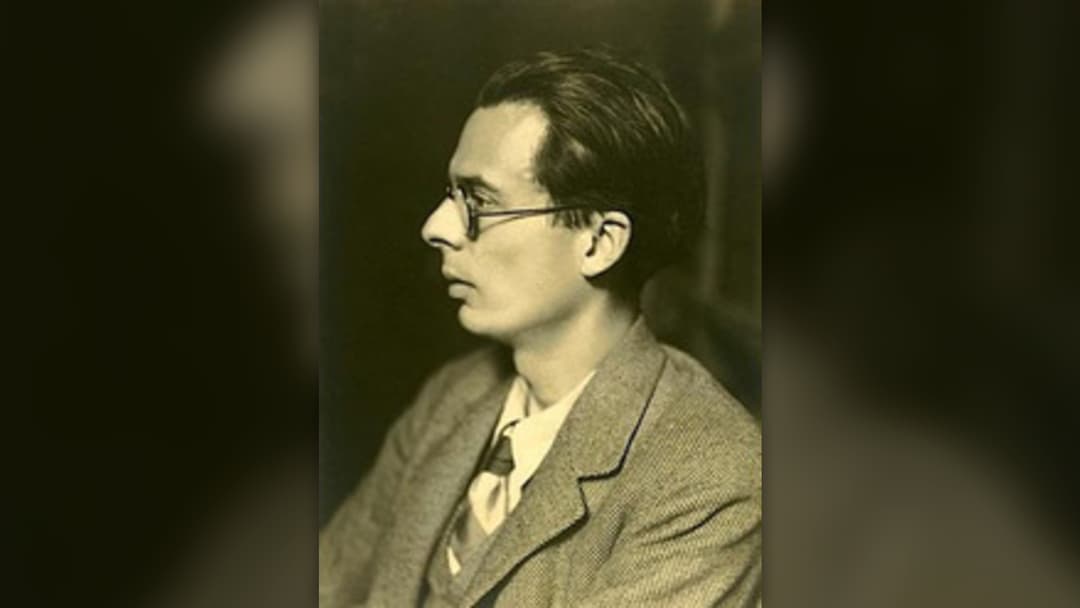
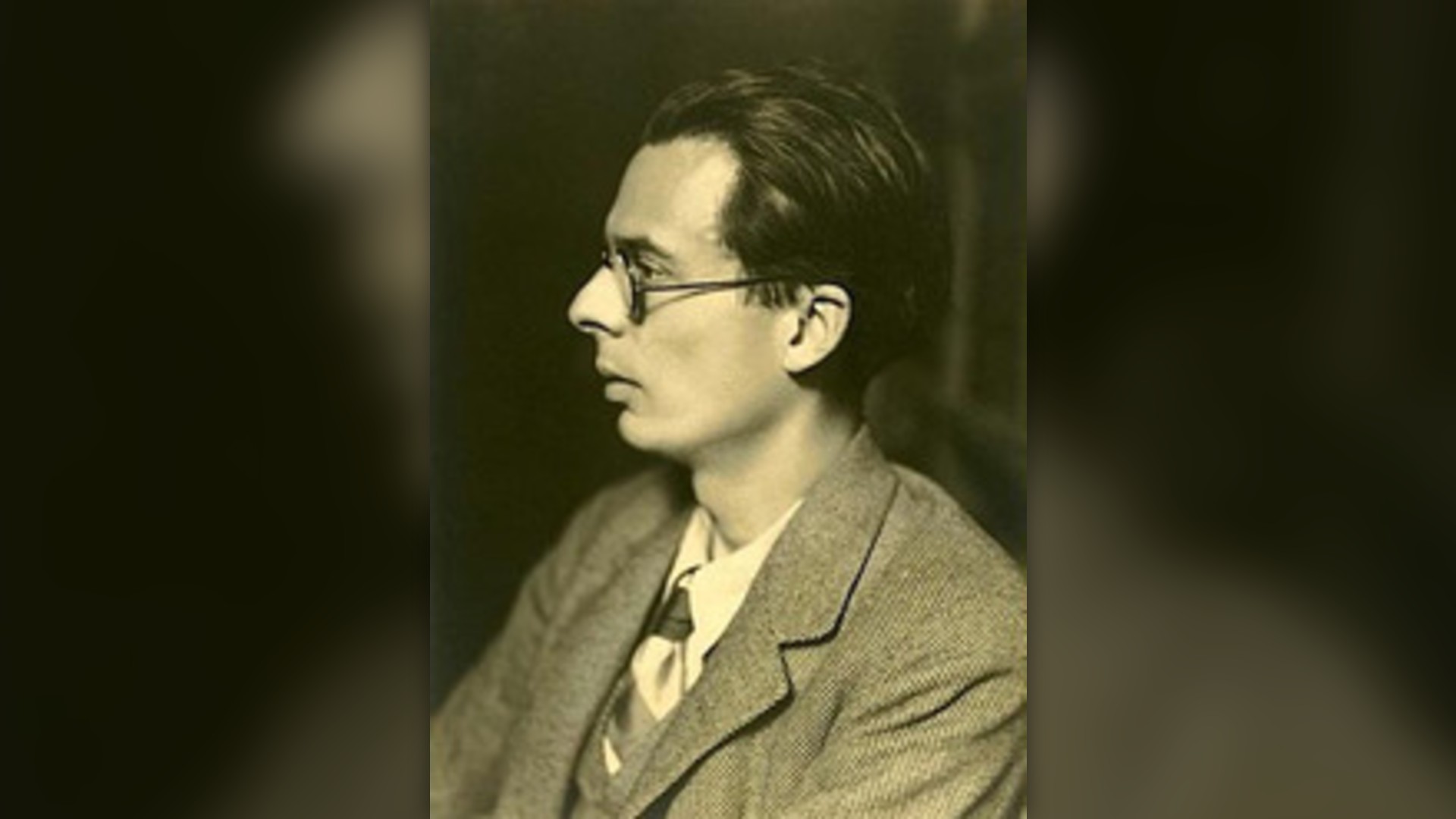
21. Aldous Huxley
Brave New World author Aldous Huxley was formally offered a British knighthood by Prime Minister Harold Macmillan in 1959. Having spent decades analyzing totalitarian control and state propaganda, Huxley firmly turned down the monarchical title to maintain absolute philosophical independence.
©Internet Archive / Darrin Baines
Advertisement
Swipe or tap ▶ to resume the countdown.
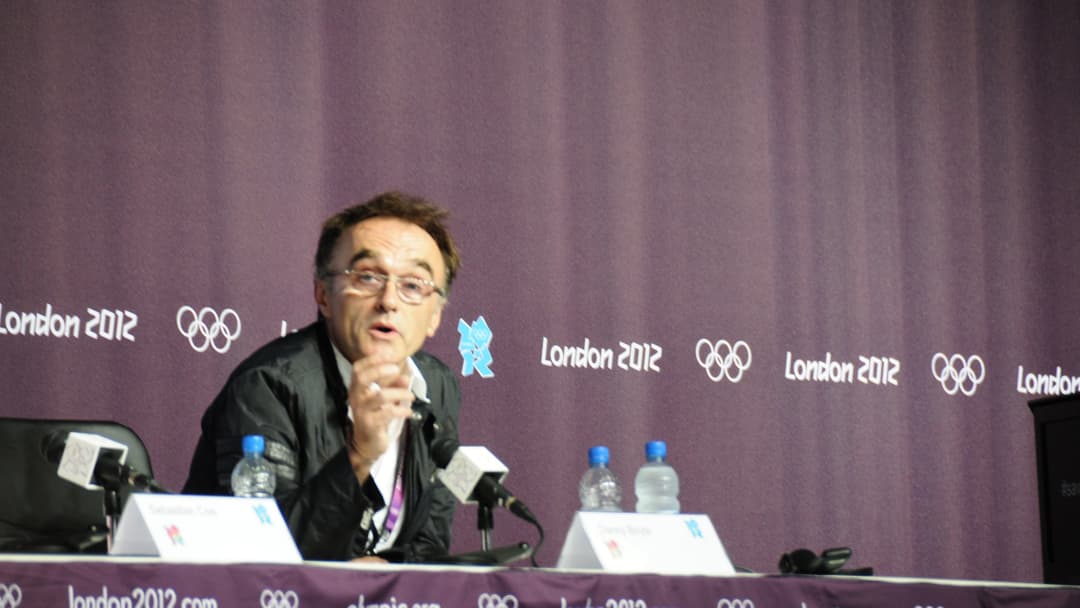
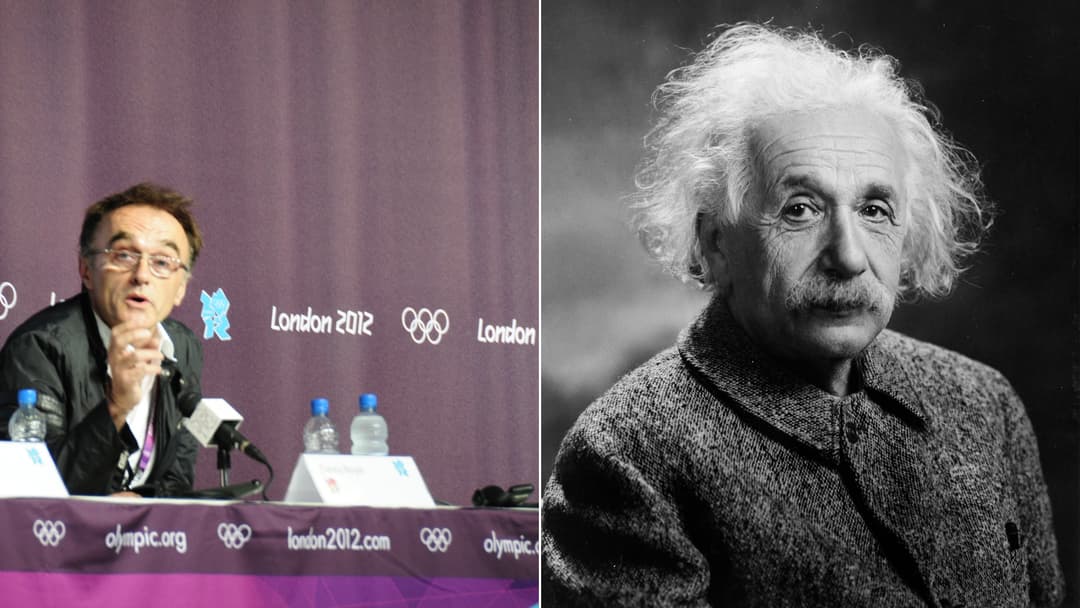
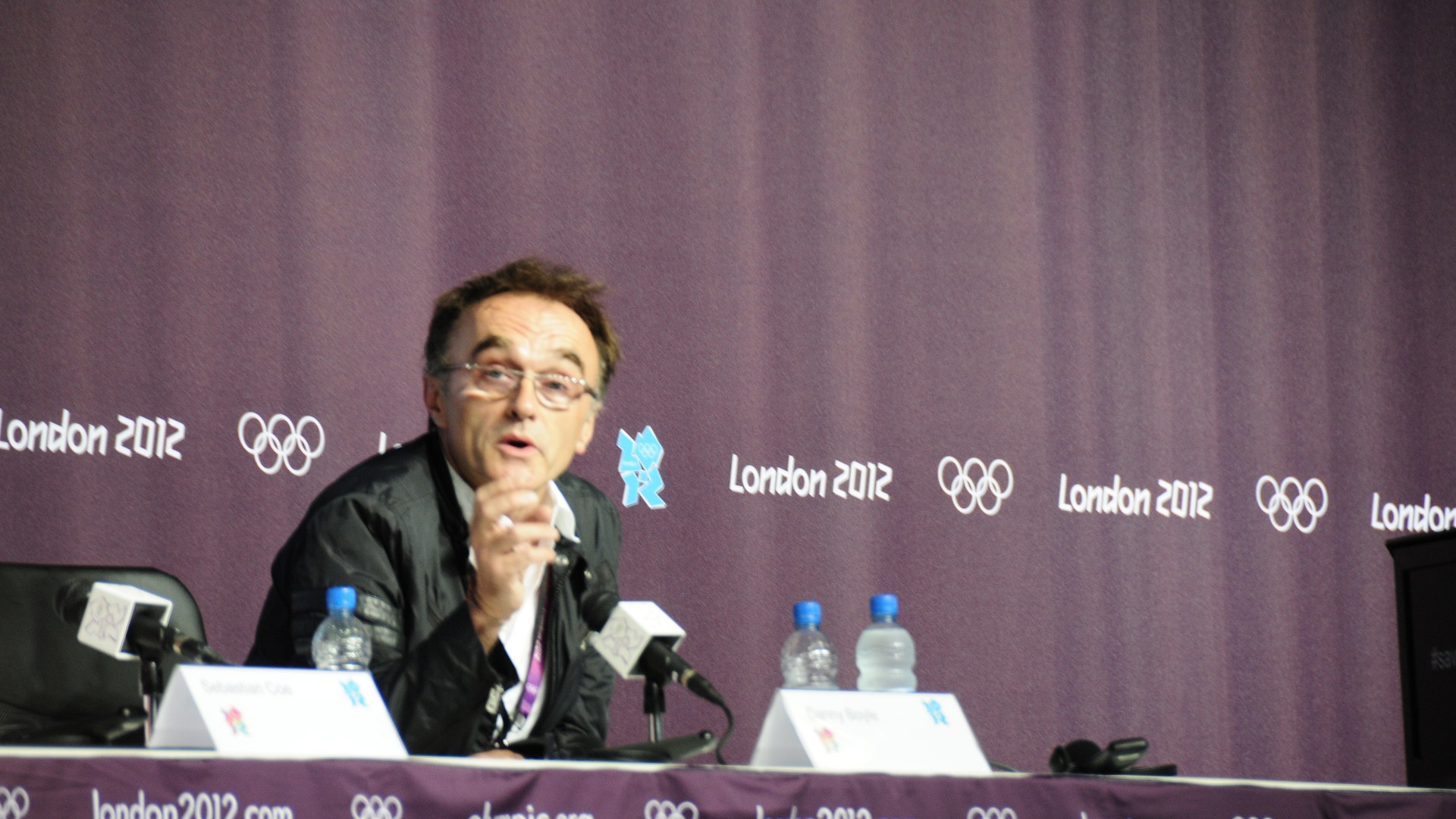
20. Danny Boyle
Following his widely praised direction of the London 2012 Olympic Games opening ceremony, filmmaker Danny Boyle was offered a knighthood. Boyle rejected the title, explaining that the ceremony belonged to thousands of volunteer performers and that he felt proud to remain an equal citizen.
©Wikimedia / The Department for Culture, Media and Sport
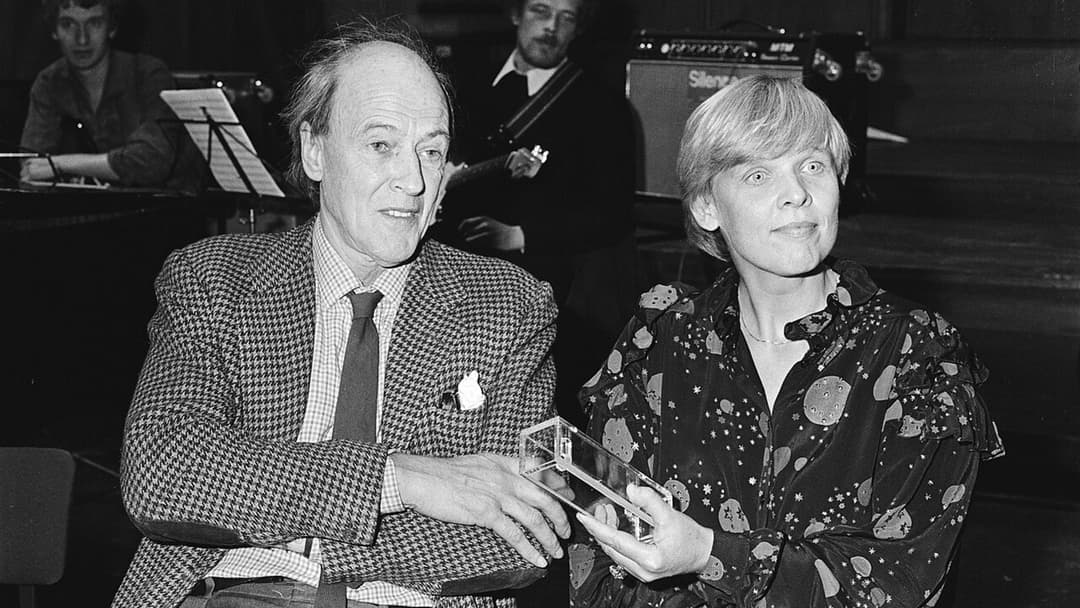
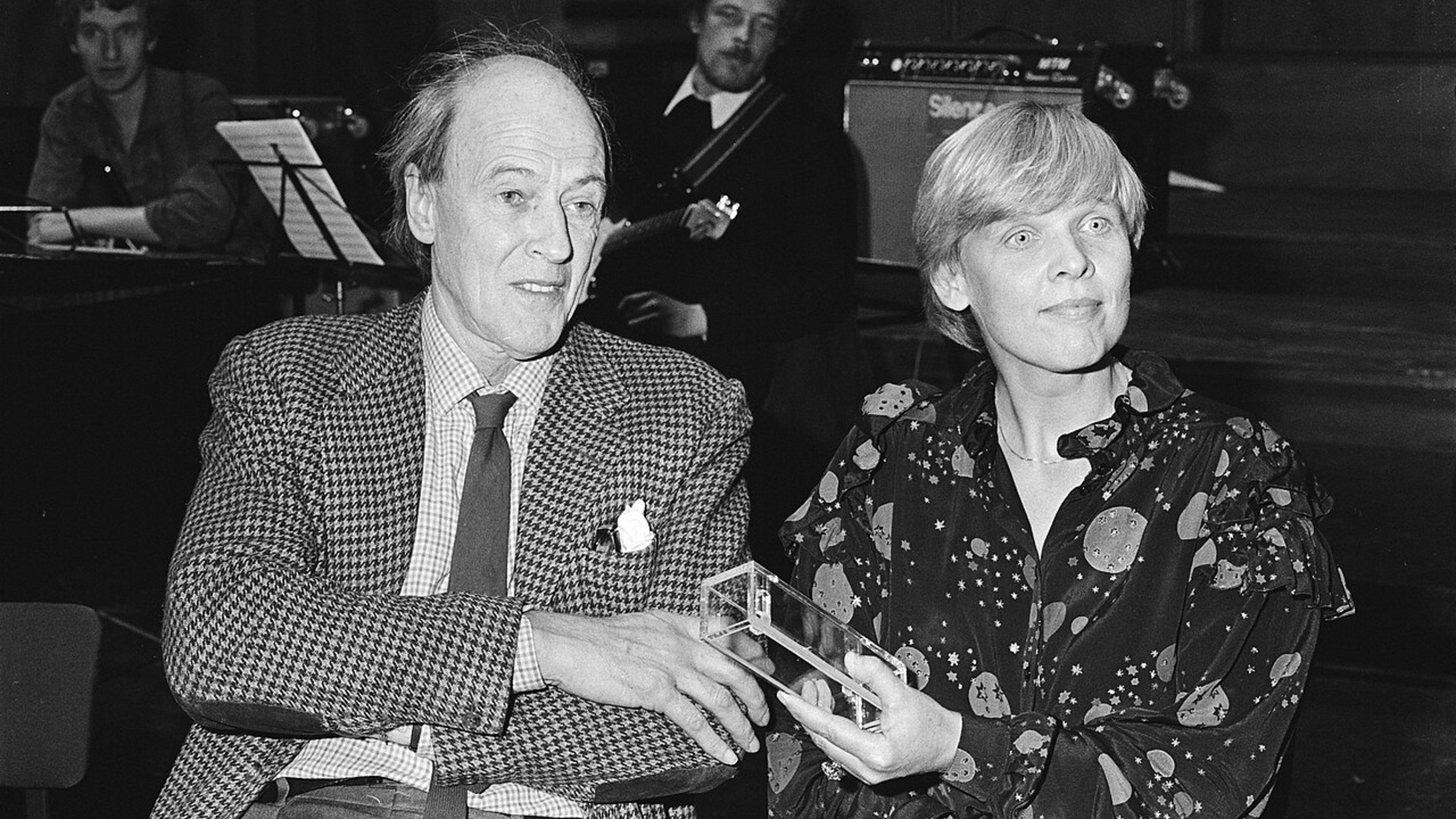
19. Roald Dahl
Beloved author Roald Dahl was offered an Officer of the Order of the British Empire in the 1986 New Year Honours. Dahl declined the award, with biographer accounts suggesting he considered an OBE an underwhelming gesture and believed his worldwide literary success warranted a full knighthood.
©Wikimedia / Hans van Dijk for Anefo
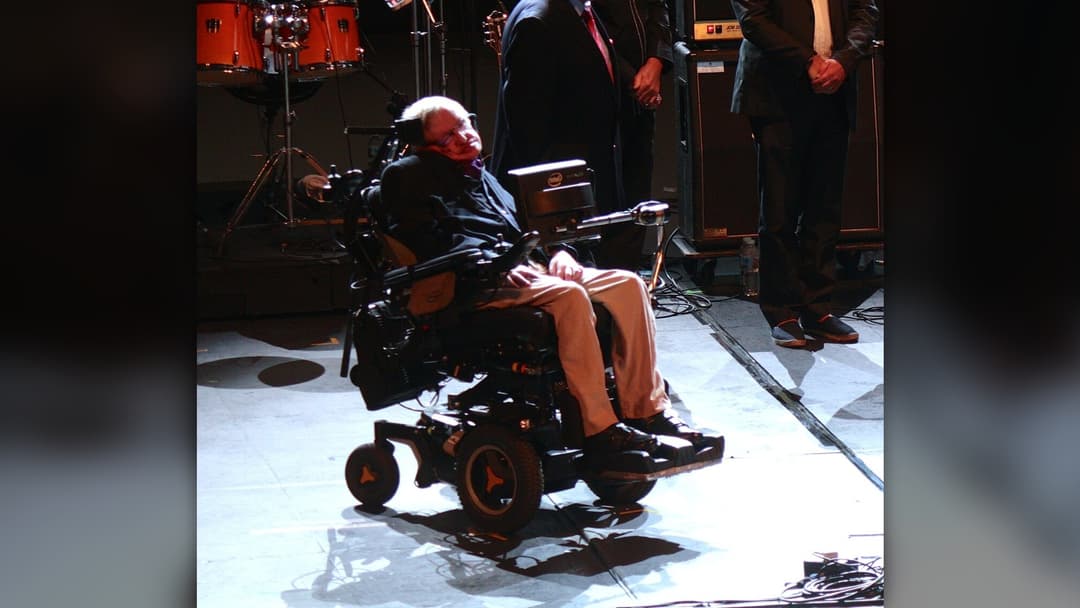
18. Stephen Hawking
Renowned theoretical physicist Stephen Hawking was offered a British knighthood in the late 1990s. Hawking declined the honor, later revealing his decision stemmed from profound frustration with state budget cuts to fundamental physics research and general skepticism of state titles.
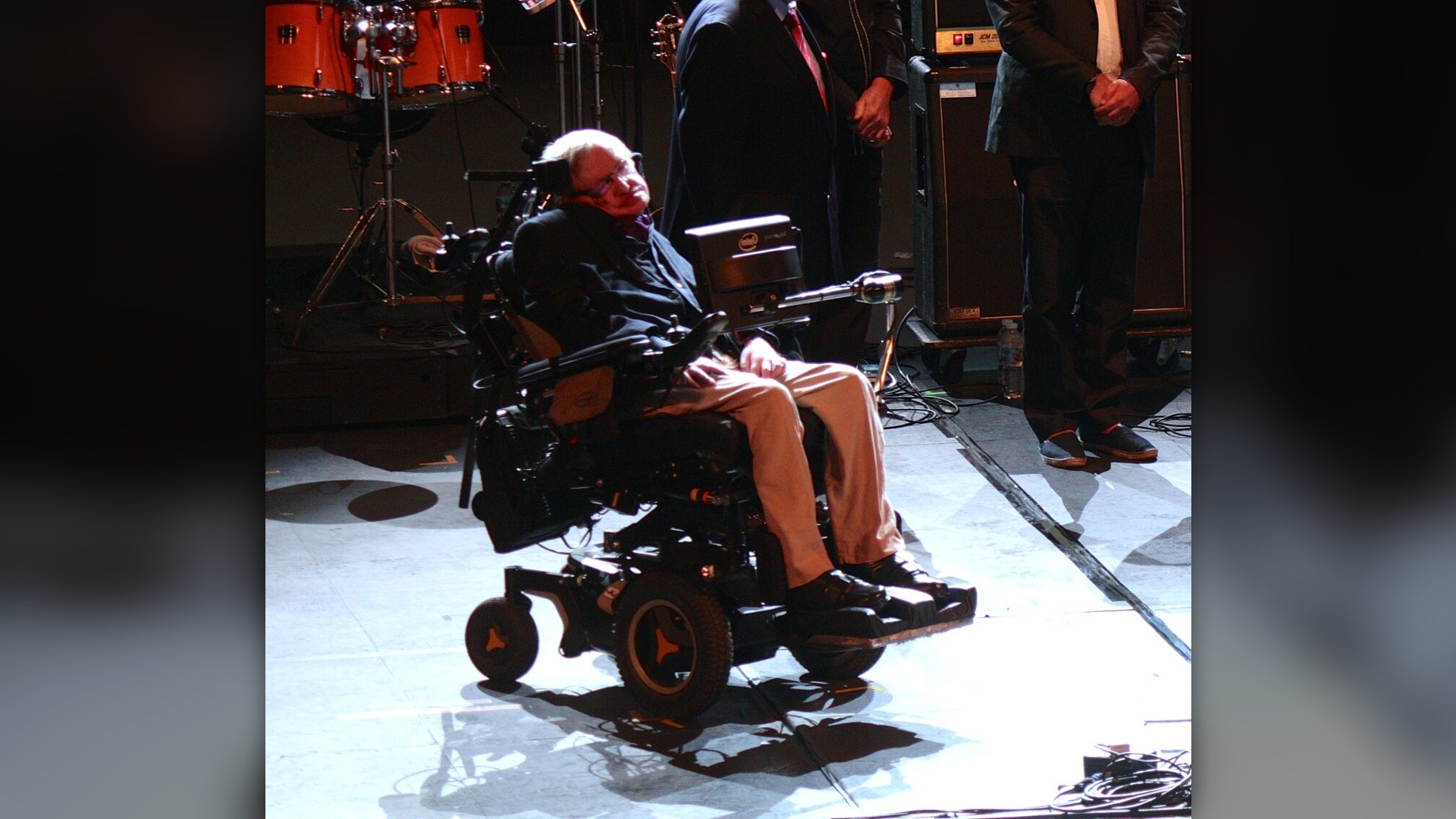
©Wikimedia / Victor R. Ruiz from Arinaga, Canary
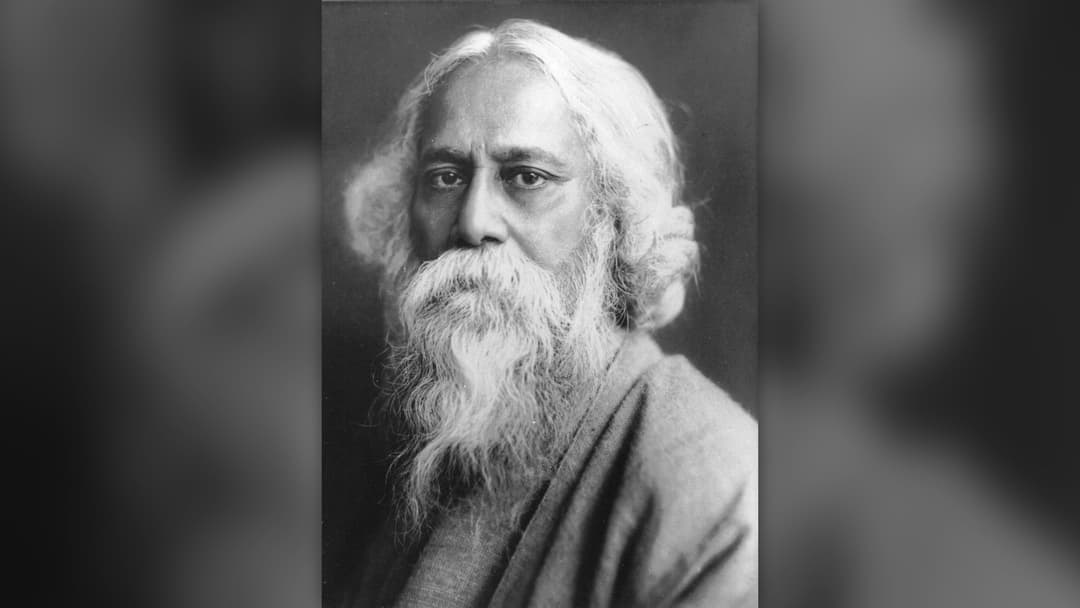
17. Rabindranath Tagore
Polymath Rabindranath Tagore, who became Asia's first Nobel laureate in 1913, was knighted by King George V in 1915. Following the brutal 1919 Amritsar massacre where colonial troops fired upon unarmed Indian civilians, Tagore renounced his knighthood in a scathing letter to the Viceroy.
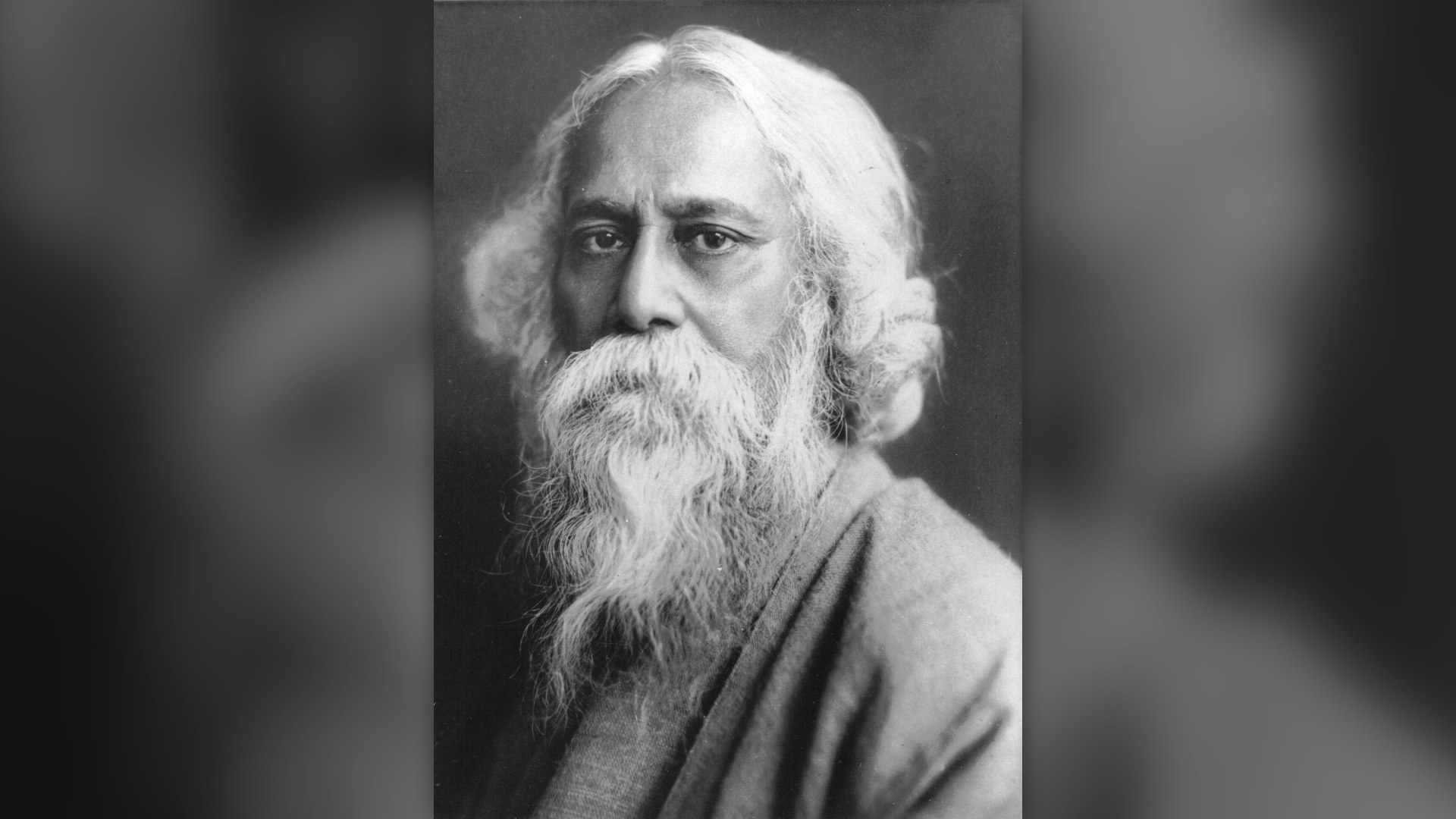
©Wikimedia / Unknown authorUnknown author
Advertisement
Swipe or tap ▶ to resume the countdown.
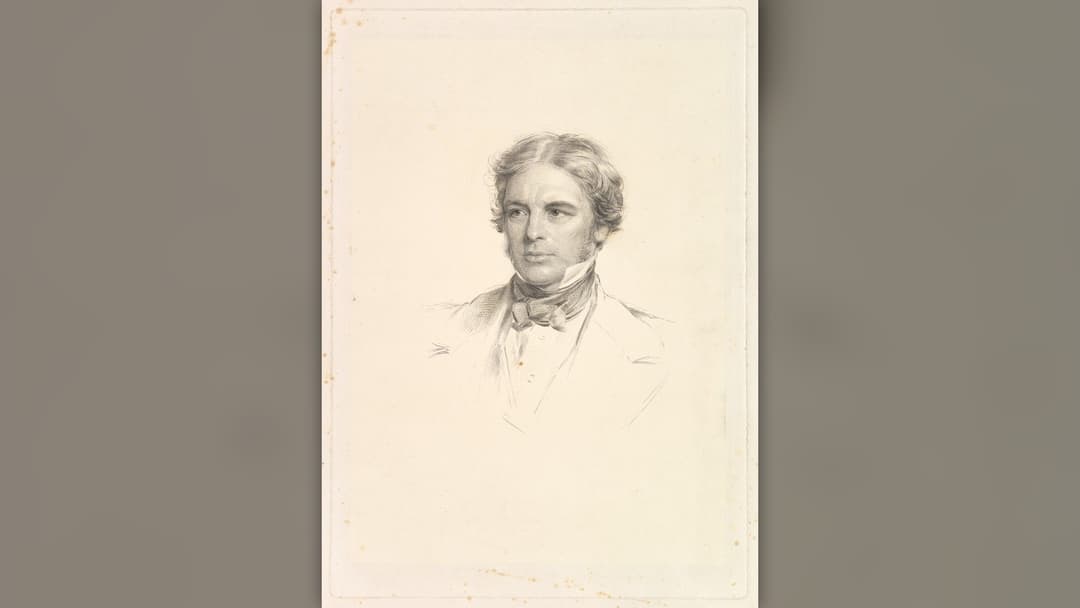
16. Michael Faraday
Pioneering physicist and chemist Michael Faraday revolutionized electromagnetism but remained deeply modest throughout his career. Faraday refused a British knighthood and twice declined the presidency of the Royal Society, insisting he wished to remain plain Michael Faraday to the end.
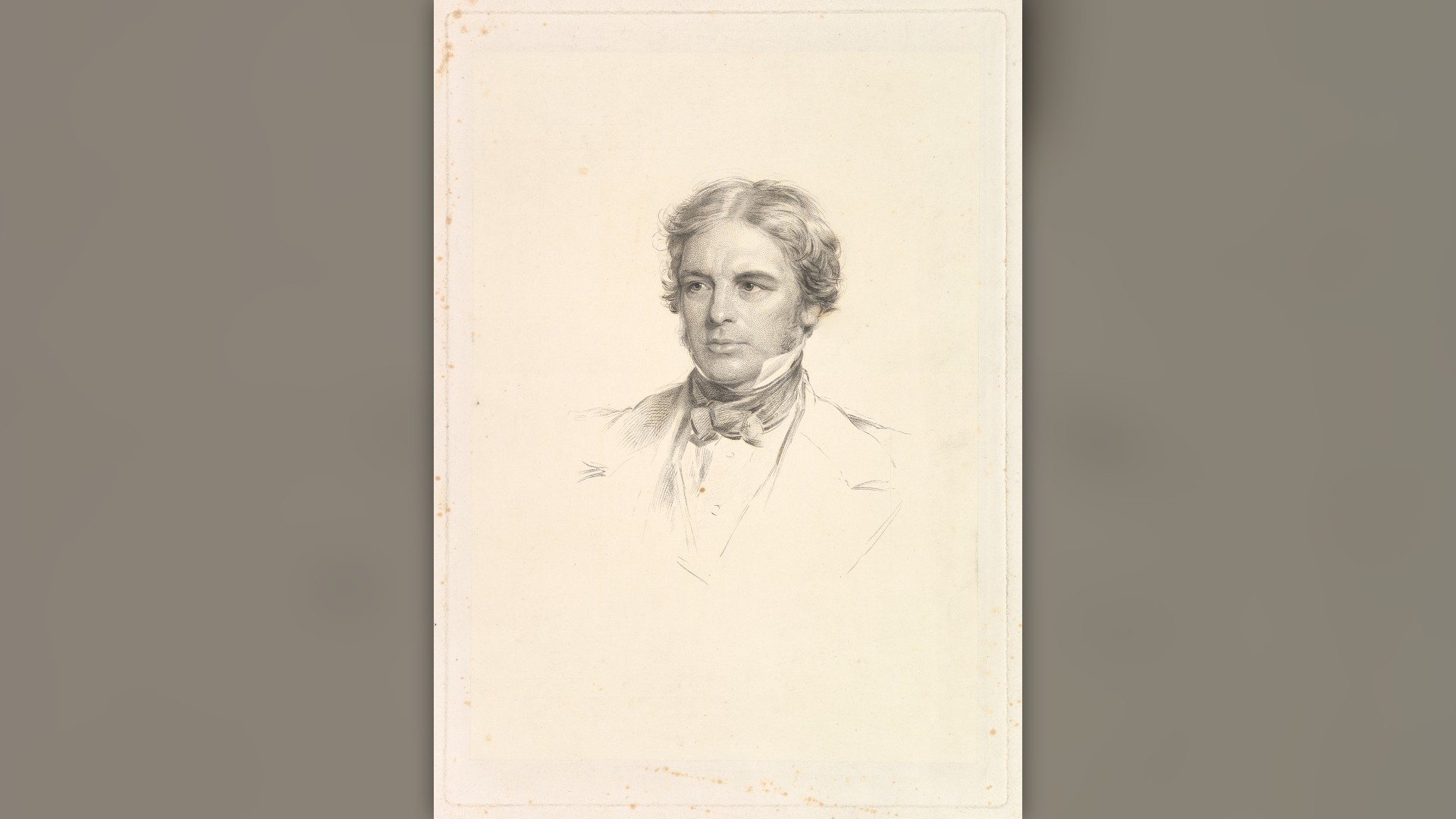
©The Met / George Richmond
15. Paul Dirac
Quantum physics pioneer Paul Dirac shared the 1933 Nobel Prize in Physics and originally considered rejecting it to avoid public attention. While he accepted the Nobel on Rutherford's advice, Dirac stood firm in 1953 by turning down a knighthood, refusing to adopt the prefix Sir in daily life.
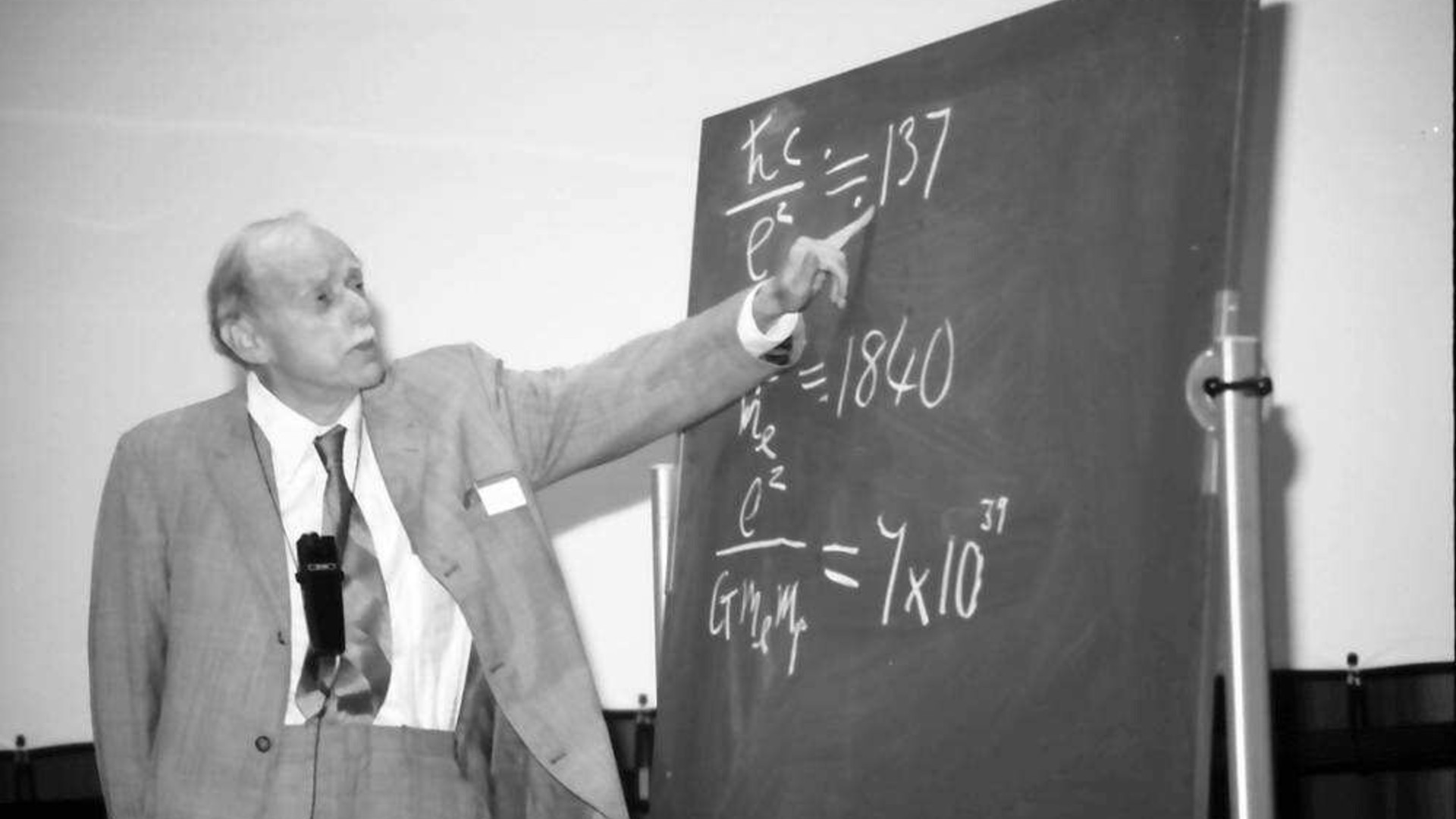
©Wikimedia / Willy Pragher
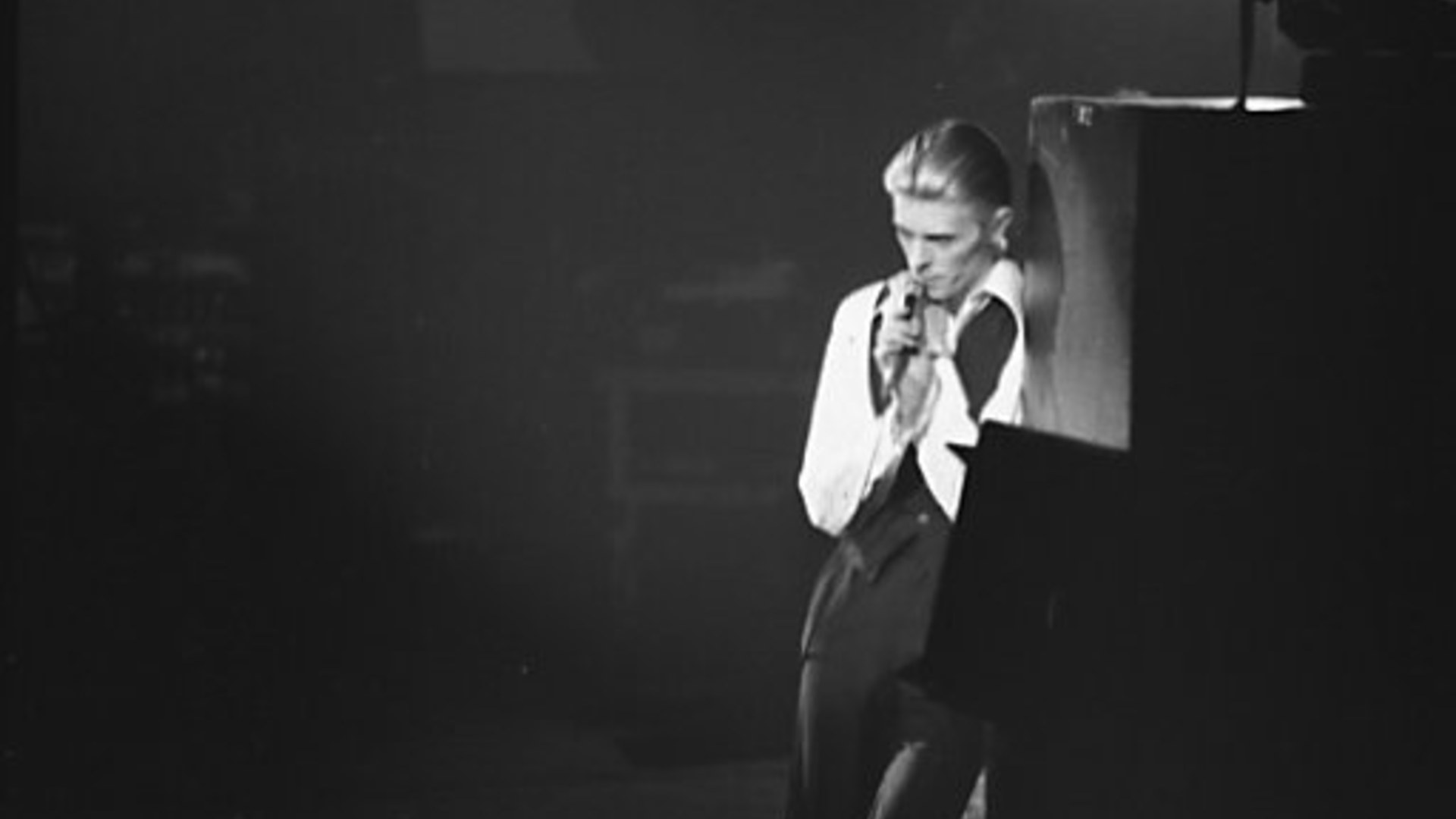
14. David Bowie
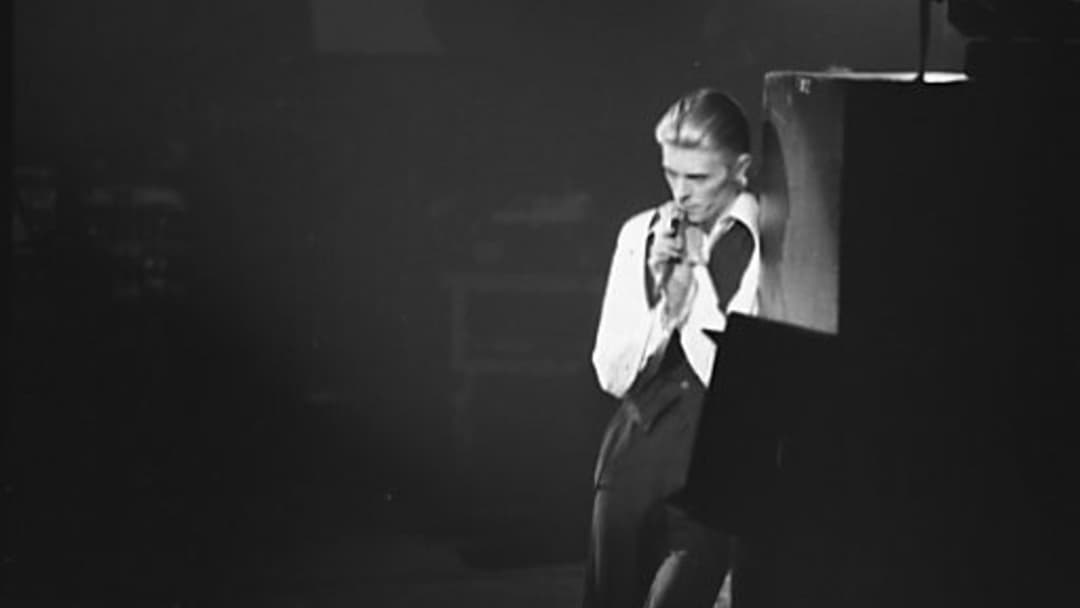
Rock trailblazer David Bowie declined a Commander of the Order of the British Empire in 2000. When offered a full knighthood alongside Mick Jagger in 2003, Bowie flatly refused again, remarking in an interview that he did not know what such an award was for and that it was not what he spent his life working toward.
©Wikimedia / Jean-Luc
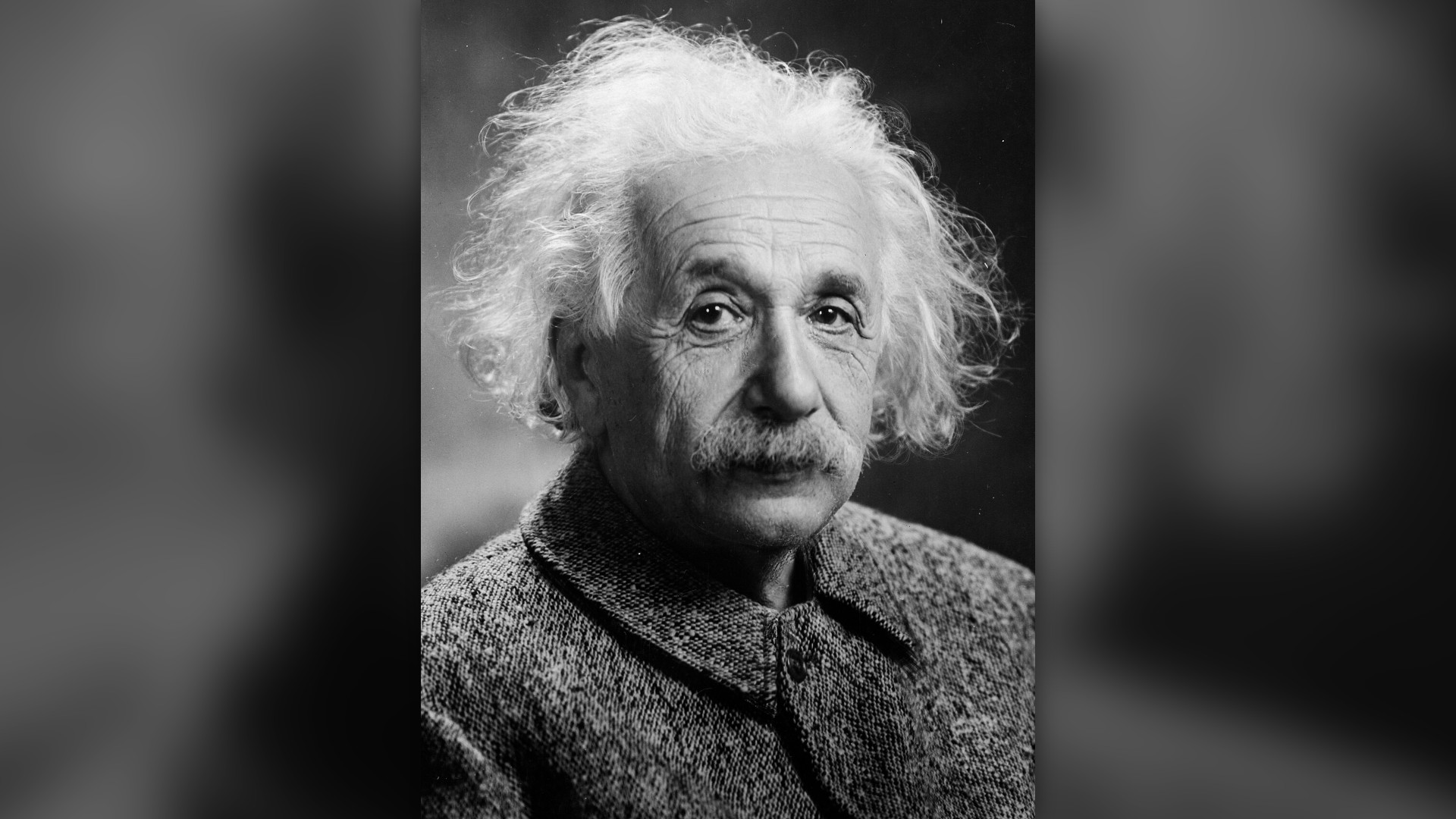
13. Albert Einstein
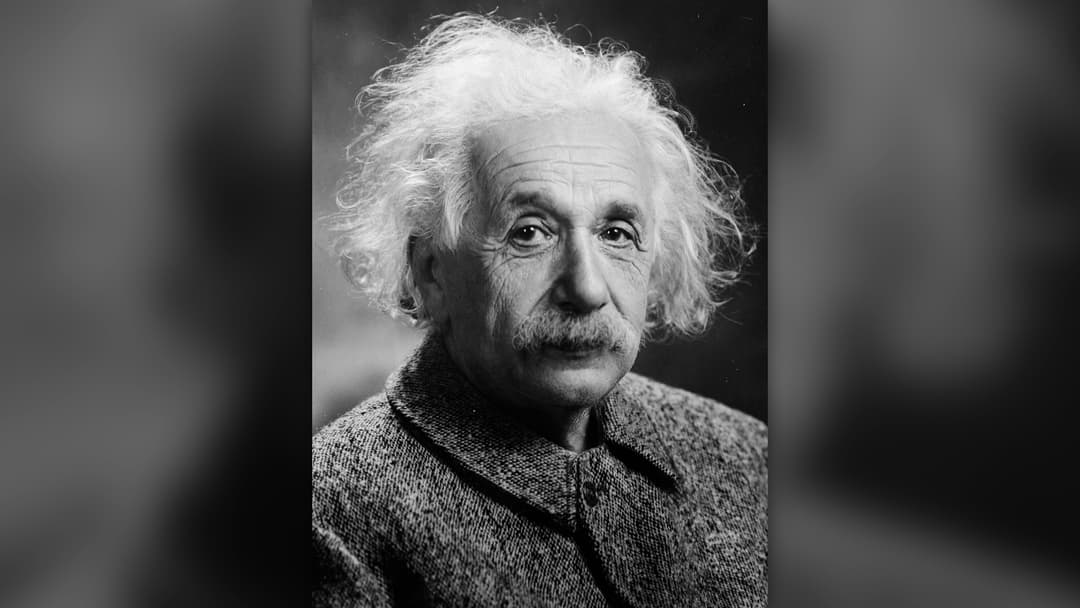
Following the death of Chaim Weizmann in November 1952, Israeli Prime Minister David Ben-Gurion formally offered Albert Einstein the presidency of Israel. Einstein expressed deep gratitude but turned down the head of state post, writing that he lacked both natural aptitude and human experience for governance.
©Wikimedia / Photograph by Orren Jack Turner
Advertisement
Swipe or tap ▶ to resume the countdown.
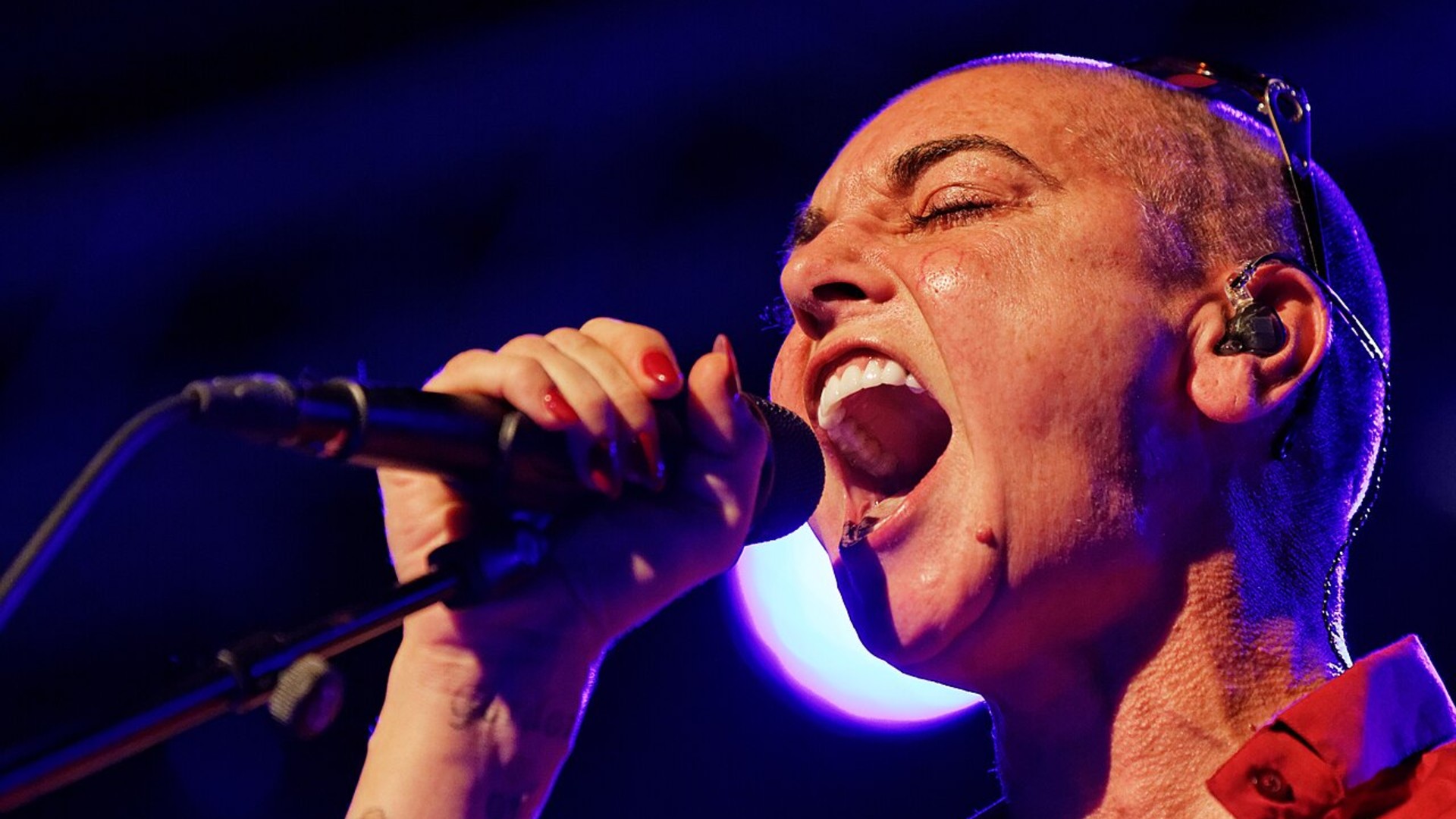
12. Sinead O'Connor
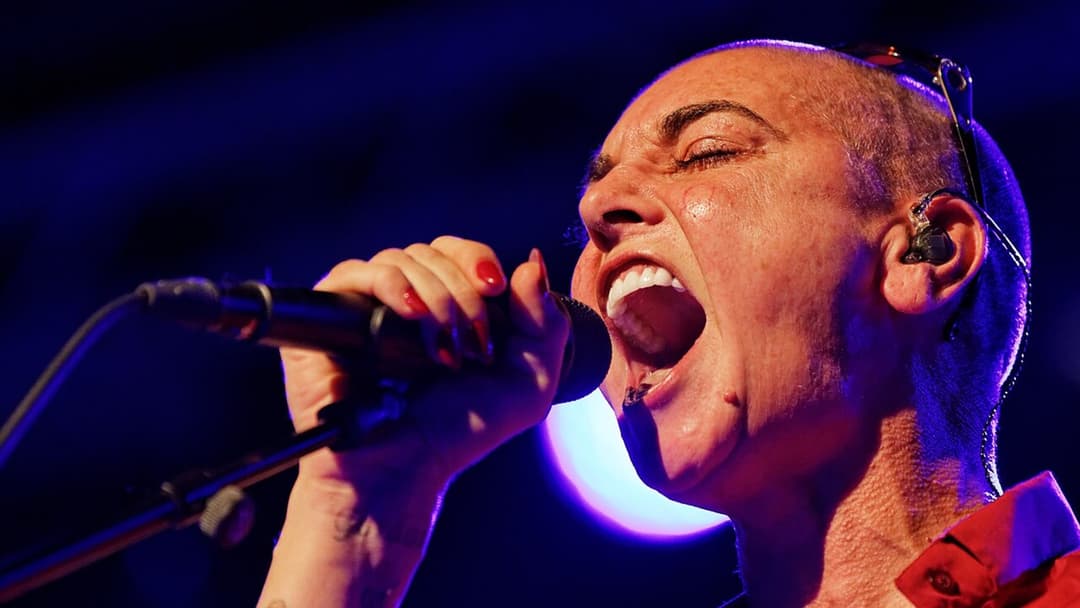
Nominated for four Grammys in 1991 following her global hit Nothing Compares 2 U, Irish singer Sinead O'Connor boycotted the ceremony. Winning Best Alternative Musical Performance, she refused the award, writing an open letter condemning the music industry for glorifying material success over artistic honesty.
©Wikimedia / Thesupermat
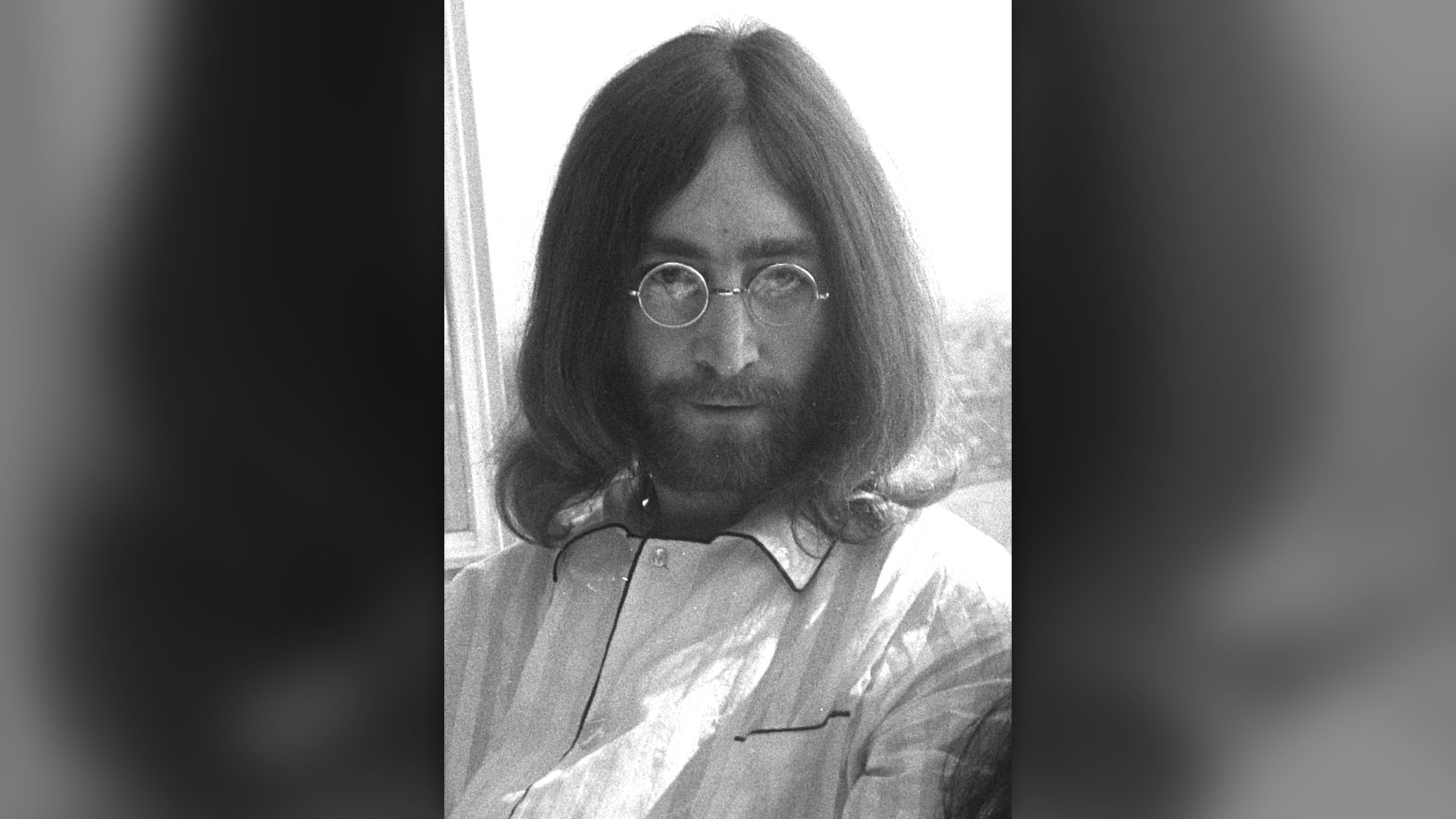
11. John Lennon
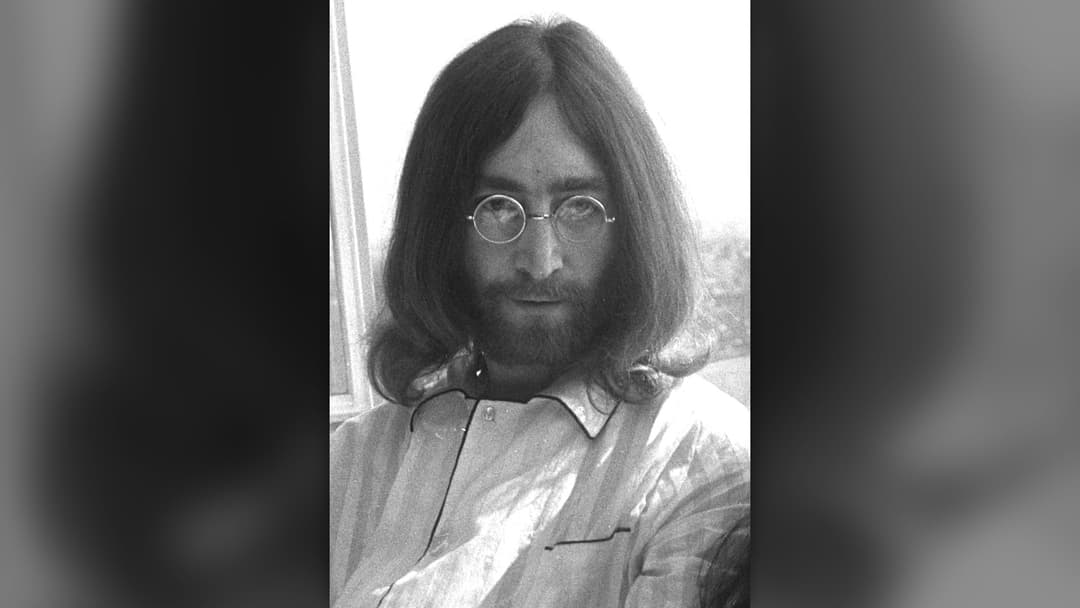
The Beatles were appointed Members of the Order of the British Empire in 1965. John Lennon returned his medal to Buckingham Palace with a signed letter stating his protest against Britain's involvement in the Nigerian civil war, support of America in Vietnam, and his single Cold Turkey slipping on the charts.
©Wikimedia / Eric Koch for Anefo
10. George Bernard Shaw
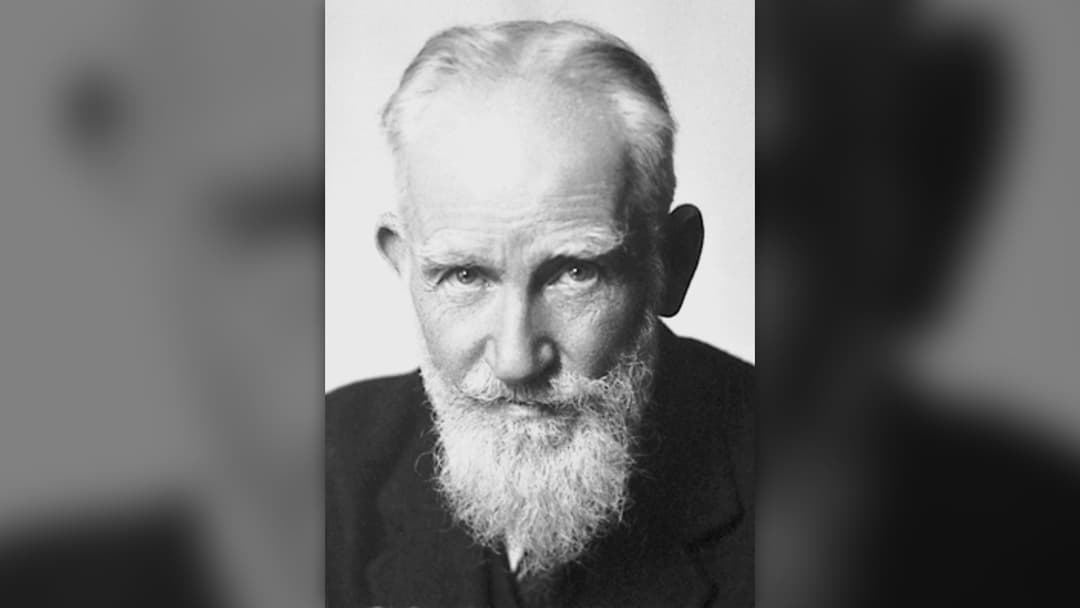
Playwright George Bernard Shaw was awarded the 1925 Nobel Prize in Literature. While he accepted the title to honor his supporters in Sweden, Shaw refused the substantial cash purse of 118,165 Swedish kronor
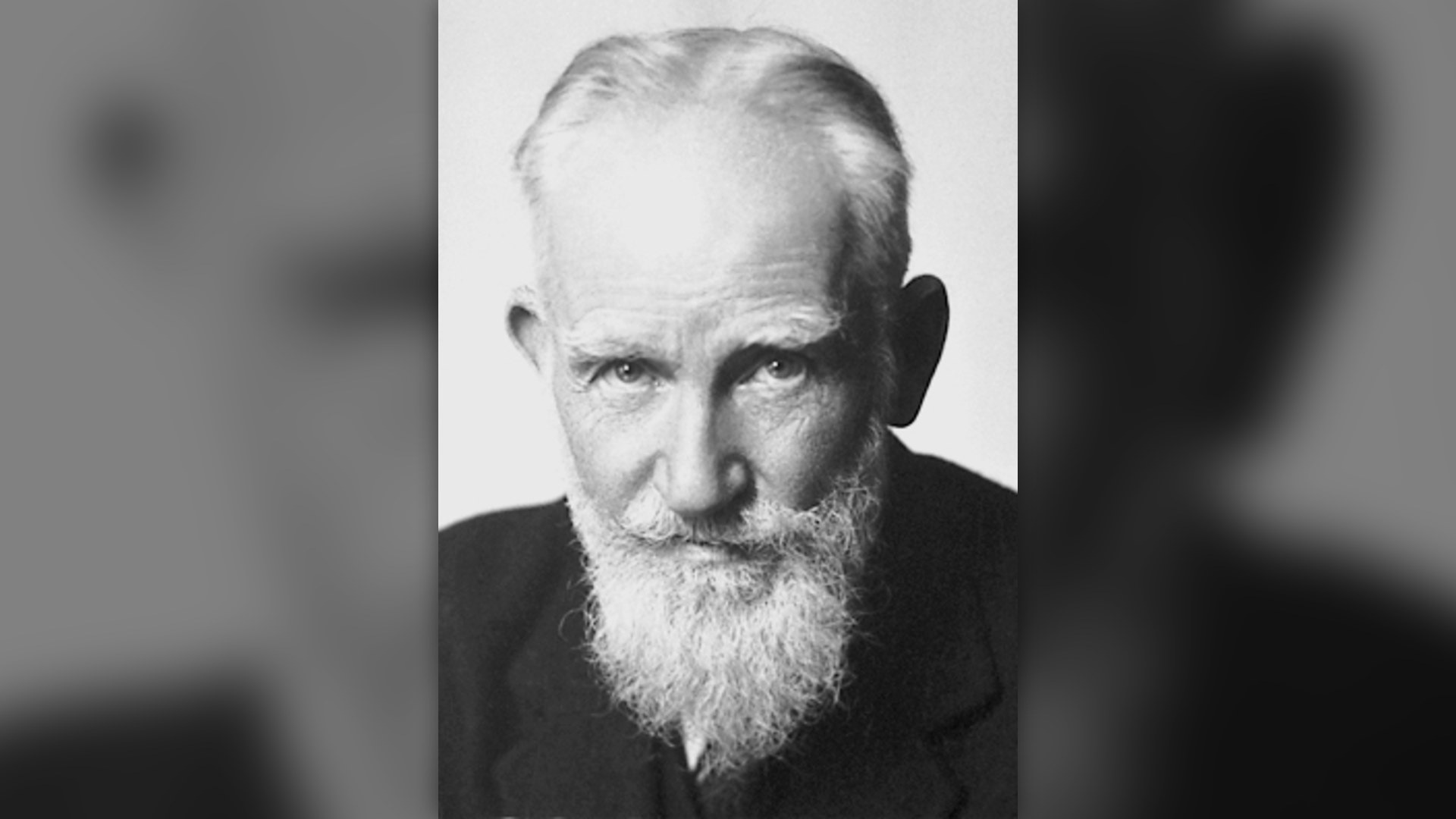
©Wikimedia / Nobel Foundation
9. Boris Pasternak
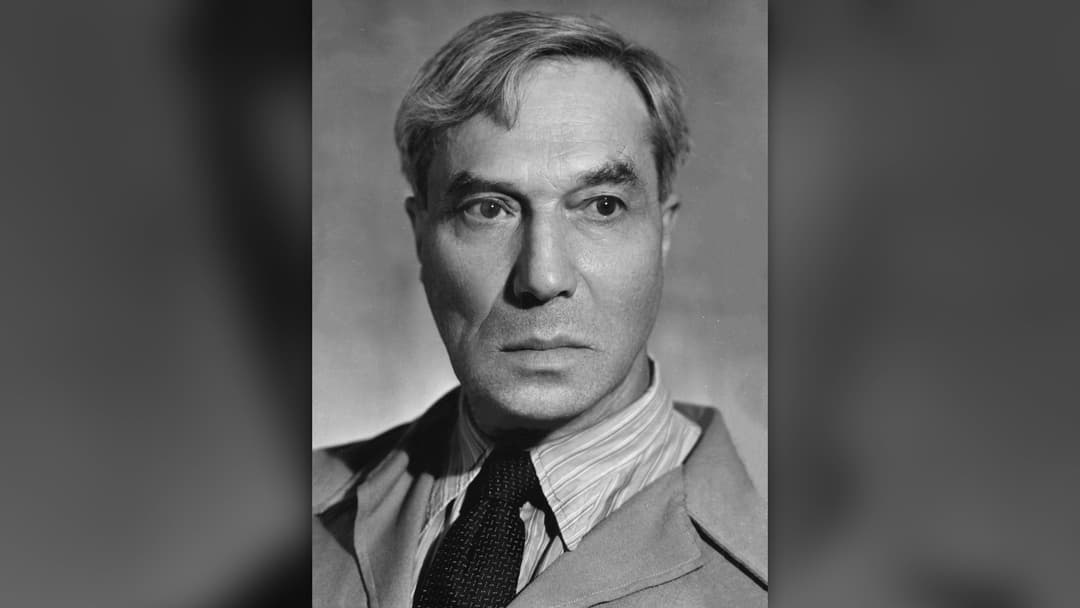
Russian author Boris Pasternak won the 1958 Nobel Prize in Literature following the clandestine European publication of Doctor Zhivago. Initially sending a telegram of joy, Pasternak was relentlessly pressured by the Soviet Writers' Union and KGB with exile, forcing him to send a second telegram renouncing the prize.
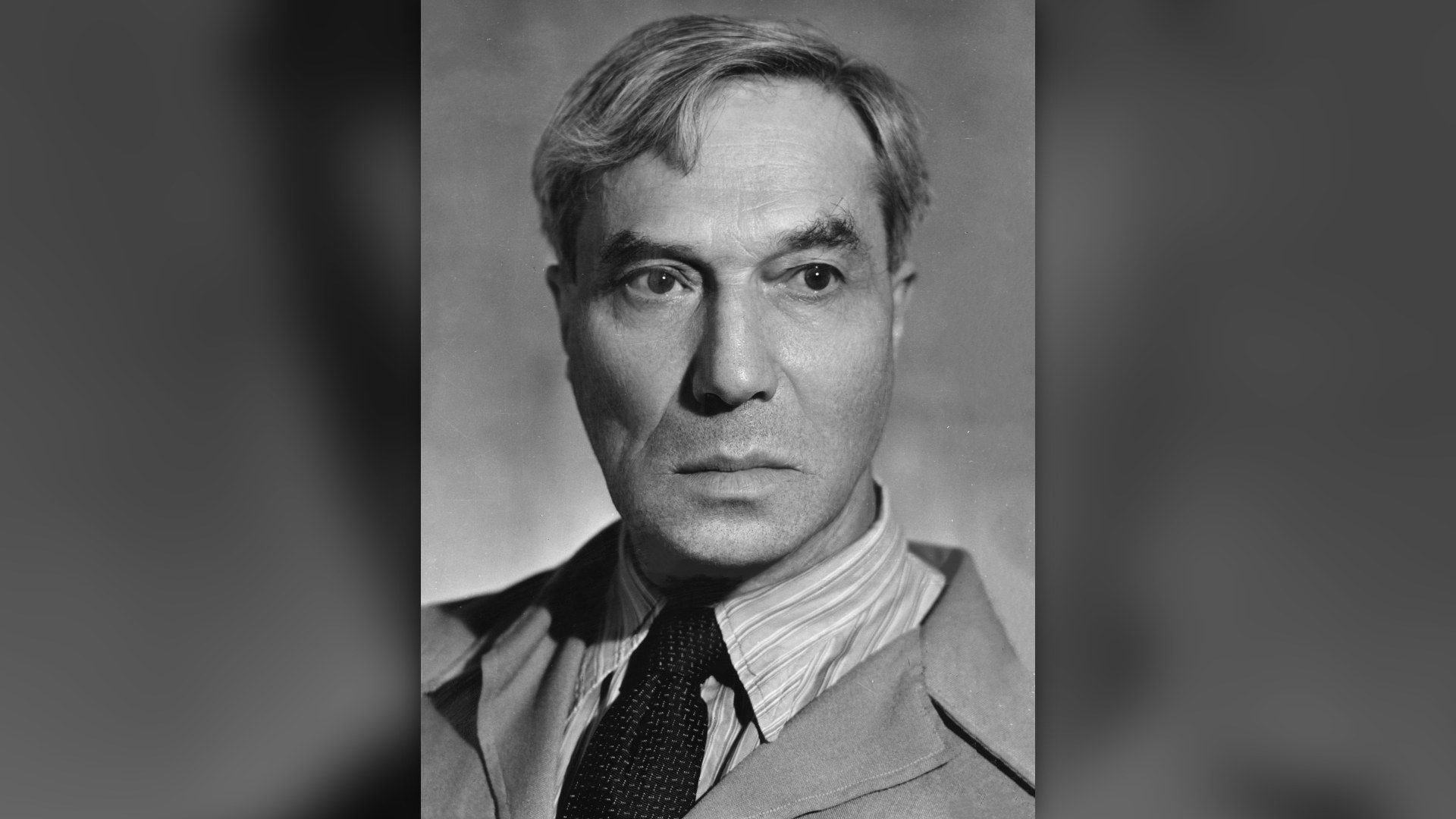
©Wikimedia / Владимир Савостьянов / ТАСС
Advertisement
Swipe or tap ▶ to resume the countdown.
8. Le Duc Tho
North Vietnamese diplomat Le Duc Tho was jointly awarded the 1973 Nobel Peace Prize with US Secretary of State Henry Kissinger for negotiating the Paris Peace Accords. Tho became the only person to refuse the Nobel Peace Prize, noting that hostilities continued and peace had not been established in his homeland.
©Wikimedia / USA
7. George C. Scott
George C. Scott warned the Academy of Motion Picture Arts and Sciences in advance that he would refuse any nomination for his performance in Patton. When named Best Actor in April 1971, Scott stayed asleep at his upstate New York farm, famously denouncing the Academy Awards as a demeaning two-hour meat parade.
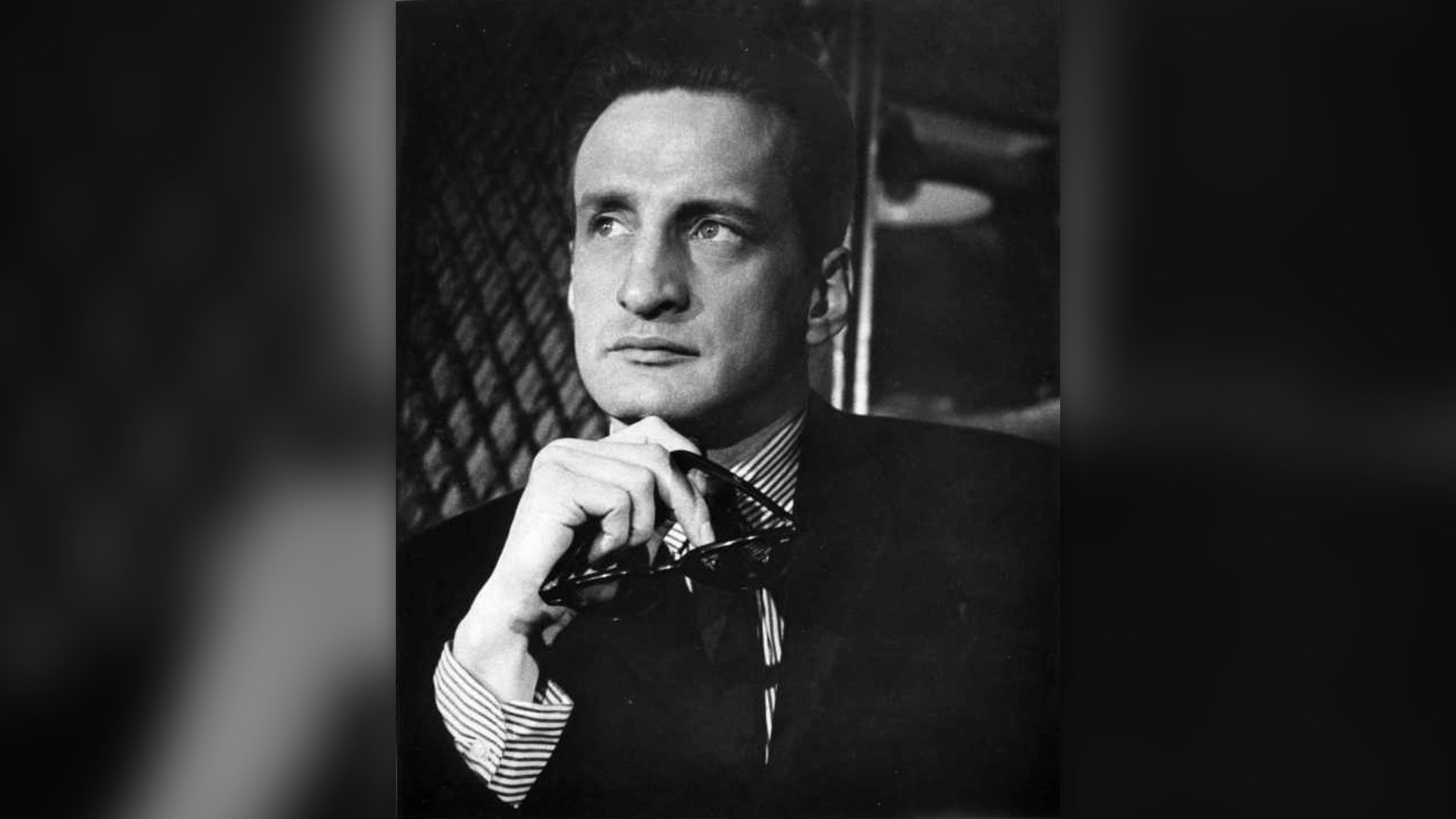
©Wikimedia / unknown photographer -
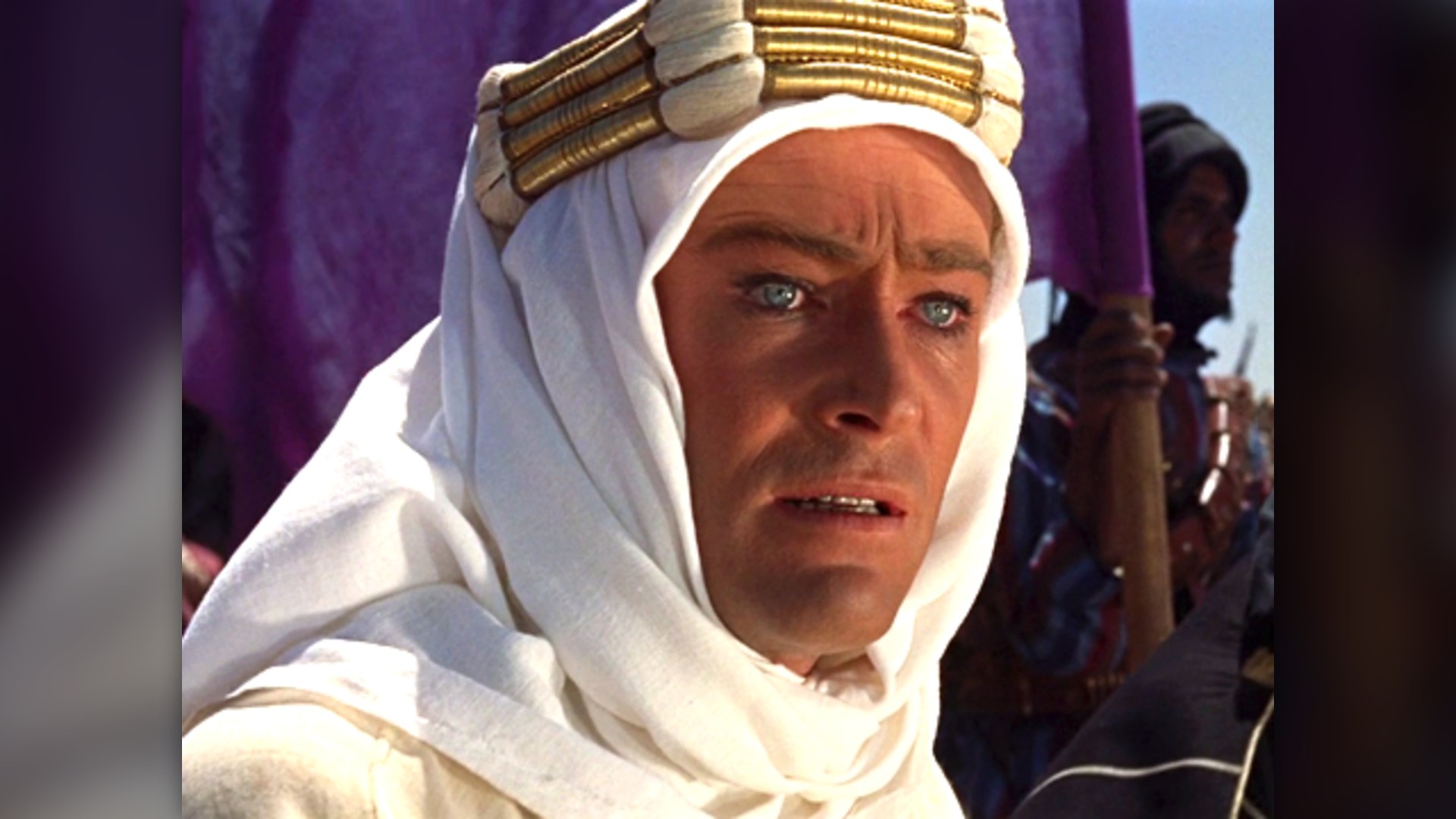
6. Peter O'Toole
Having earned seven Academy Award nominations without a win, Peter O'Toole was offered an Honorary Oscar in 2003. O'Toole initially wrote back declining, asking the Academy to hold off until he turned eighty because he was still in the game and wanted to win the lovely bugger outright,
©Wikimedia / Columbia Pictures
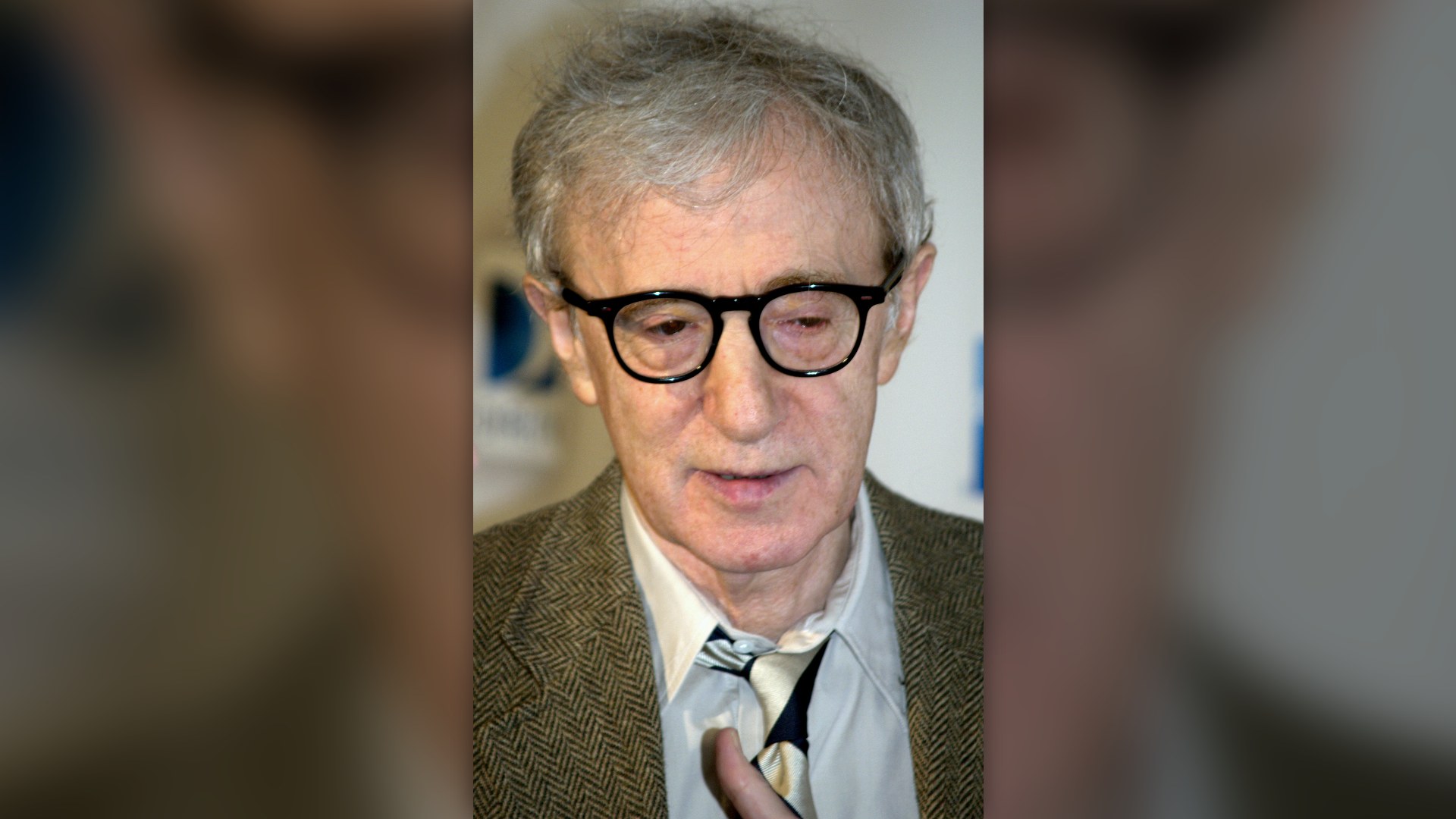
5. Woody Allen
At the 50th Academy Awards in 1978, Annie Hall swept major categories including Best Picture, Best Director, and Best Original Screenplay. Director Woody Allen refused to attend the Hollywood gala, spending the evening playing clarinet with his New Orleans jazz band at Michael's Pub in Manhattan.
©Wikimedia / David Shankbone
Advertisement
Swipe or tap ▶ to resume the countdown.
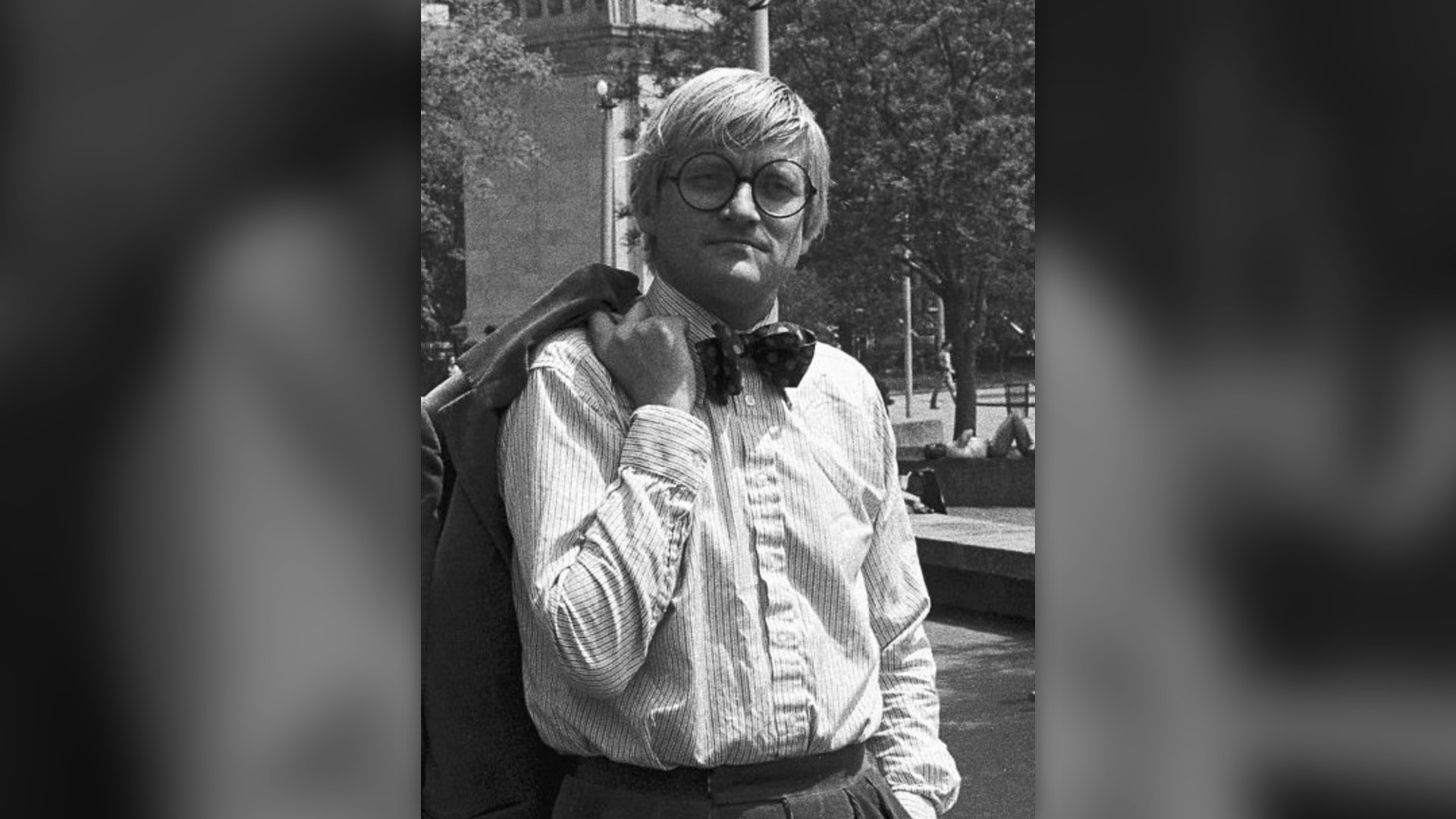
4. David Hockney
Renowned English painter David Hockney was offered a knighthood in the 1990 New Year Honours list. Hockney declined the royal accolade, remarking that he valued friendship and artistic freedom above titles, though he later accepted appointment to the Order of Merit in 2012 as an honor without rank.
©Wikimedia / United Press International
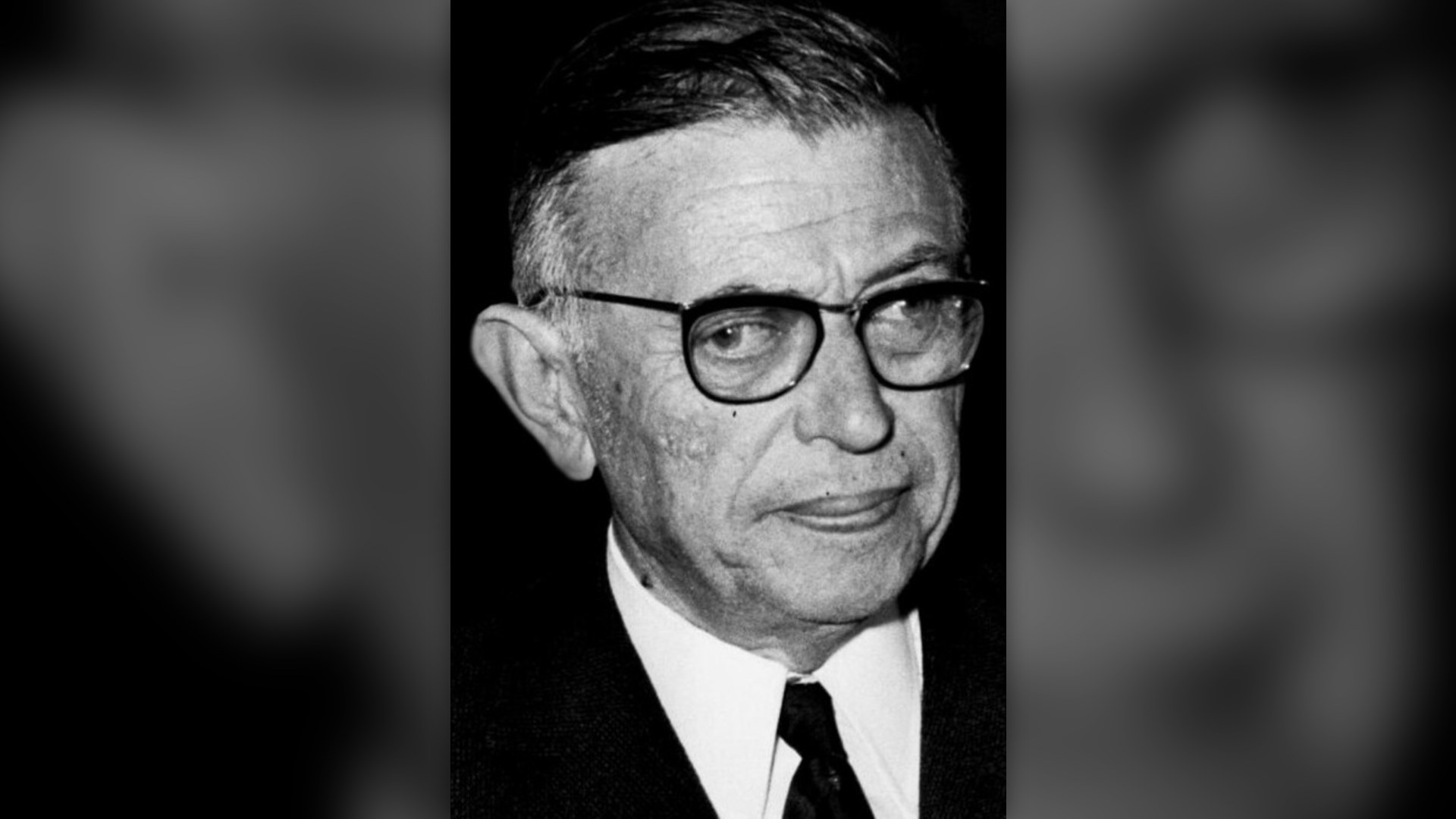
3. Jean-Paul Sartre
In October 1964, the Swedish Academy selected French philosopher Jean-Paul Sartre for the Nobel Prize in Literature. Sartre sent a formal letter declining the award and its 273,000 kronor purse, declaring that a writer who adopts political, social, or literary positions must act only with his own means.
©Wikimedia / Public Contributor
2. Marlon Brando
When Marlon Brando won Best Actor for The Godfather at the 1973 Academy Awards, he did not attend. Instead, Apache activist Sacheen Littlefeather stepped onto the stage on his behalf to state that Brando could not accept the award due to Hollywood's poor treatment of Native Americans on screen.
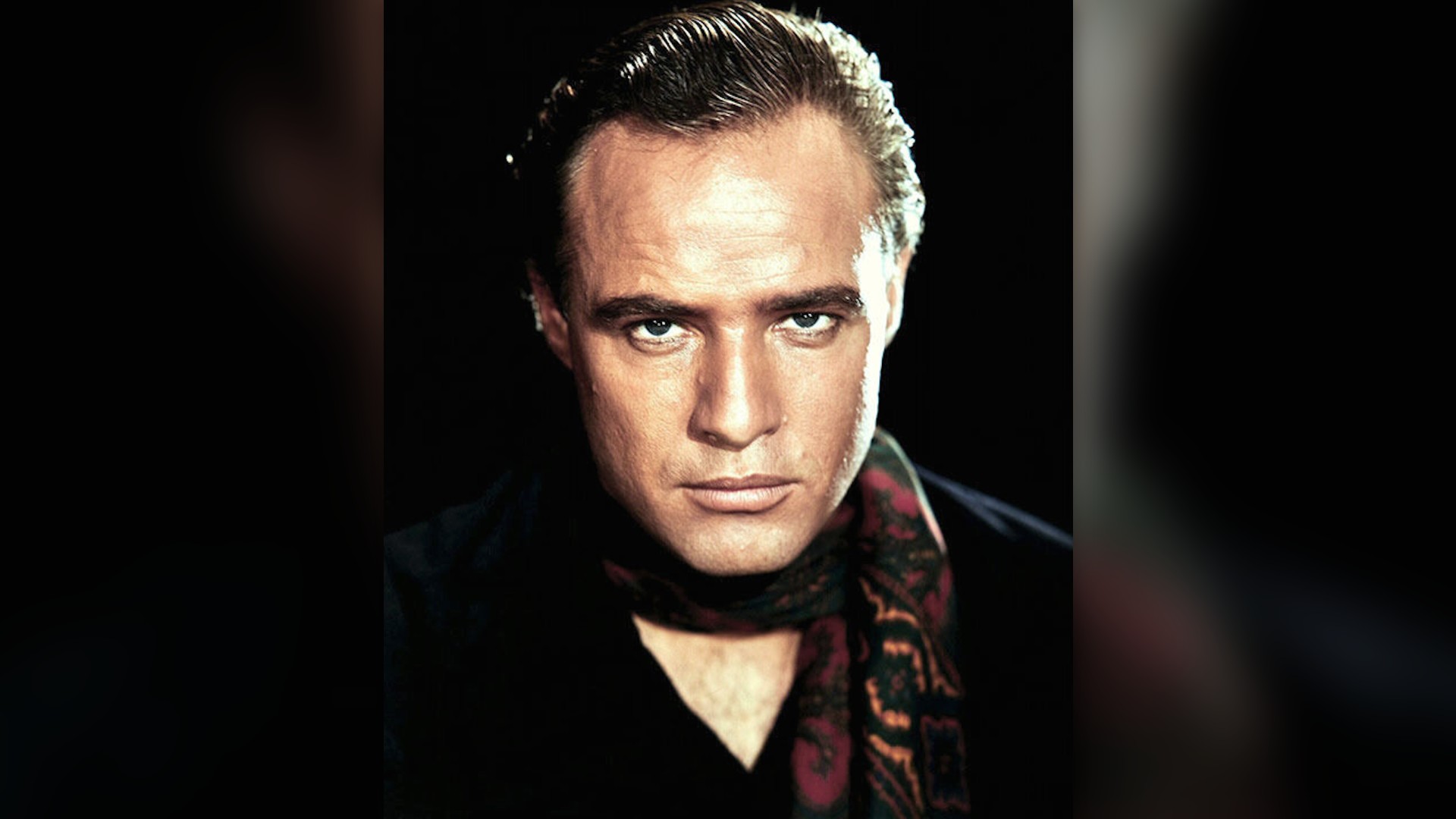
©Wikimedia / Marlon Brando
1. Grigori Perelman
In 2002, Russian mathematician Grigori Perelman published the proof of the century-old Poincaré conjecture. In 2006, he refused the Fields Medal, mathematics' highest honor. In 2010, Perelman also rejected the Clay Mathematics Institute's one million dollar prize, stating he had everything he needed.
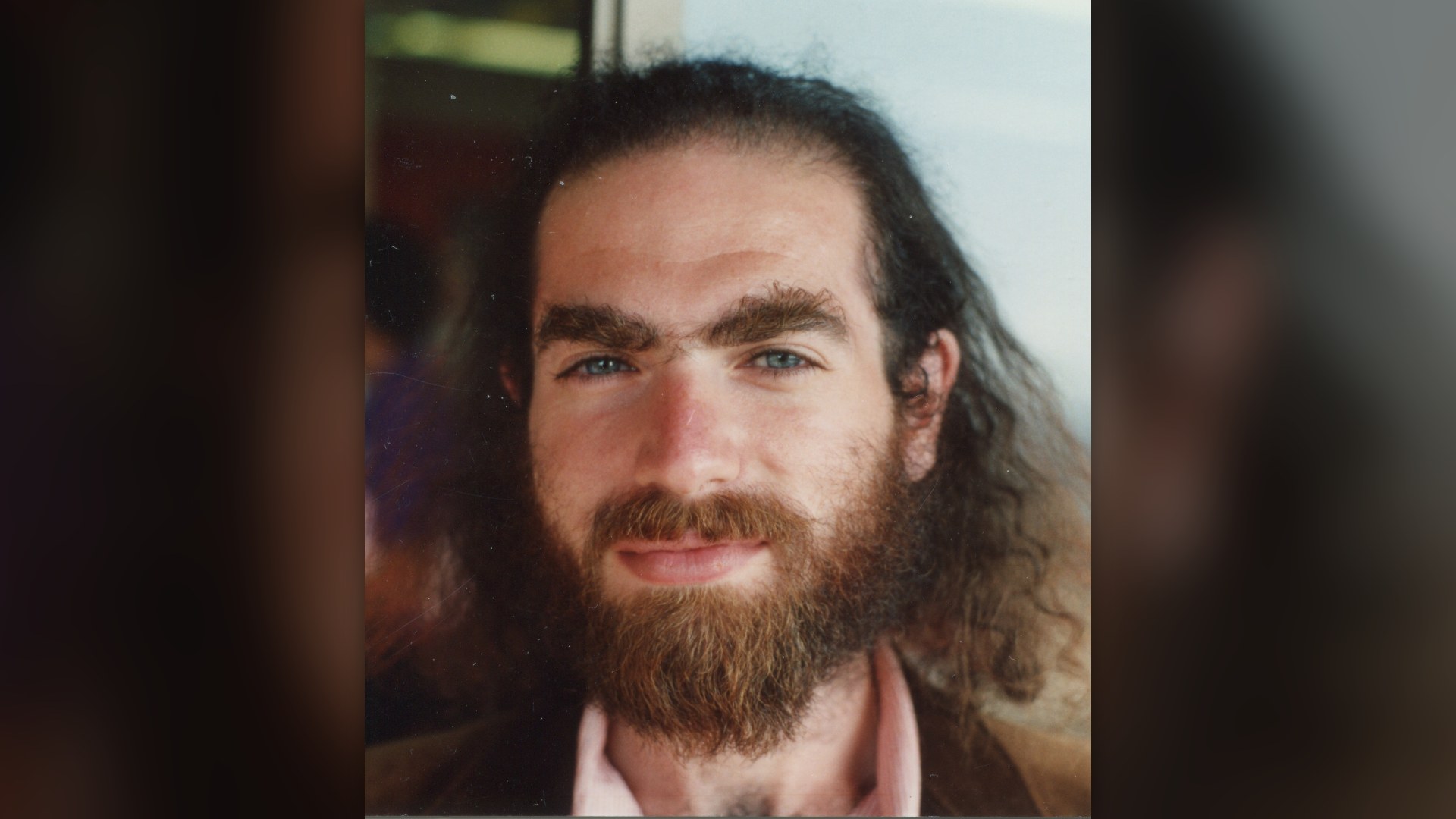
©Wikimedia / George Bergman
Advertisement
You've reached the end of the story. Thanks for reading!

20 World Leaders and Political Figures Facing Major Challenges in 2027
High Stakes, Fragile Coalitions, and Rising Tensions Define the Road to 2027
All 23 Entries in this Story
23. C.S. Lewis
In December 1951, British Prime Minister Winston Churchill offered author C.S. Lewis the Commander of the Order of the British Empire. Lewis politely declined the royal honor, writing that accepting state patronage would give knaves pretext to argue his religious advocacy was tied to partisan politics.

22. Julie Christie
Oscar-winning screen icon Julie Christie was named on the Queen's New Year Honours list in 2008 for a Commander of the Order of the British Empire. Known for guarding her quiet personal life and maintaining progressive values, Christie quietly turned down the royal medal without public spectacle.

21. Aldous Huxley
Brave New World author Aldous Huxley was formally offered a British knighthood by Prime Minister Harold Macmillan in 1959. Having spent decades analyzing totalitarian control and state propaganda, Huxley firmly turned down the monarchical title to maintain absolute philosophical independence.

20. Danny Boyle
Following his widely praised direction of the London 2012 Olympic Games opening ceremony, filmmaker Danny Boyle was offered a knighthood. Boyle rejected the title, explaining that the ceremony belonged to thousands of volunteer performers and that he felt proud to remain an equal citizen.

19. Roald Dahl
Beloved author Roald Dahl was offered an Officer of the Order of the British Empire in the 1986 New Year Honours. Dahl declined the award, with biographer accounts suggesting he considered an OBE an underwhelming gesture and believed his worldwide literary success warranted a full knighthood.

18. Stephen Hawking
Renowned theoretical physicist Stephen Hawking was offered a British knighthood in the late 1990s. Hawking declined the honor, later revealing his decision stemmed from profound frustration with state budget cuts to fundamental physics research and general skepticism of state titles.

17. Rabindranath Tagore
Polymath Rabindranath Tagore, who became Asia's first Nobel laureate in 1913, was knighted by King George V in 1915. Following the brutal 1919 Amritsar massacre where colonial troops fired upon unarmed Indian civilians, Tagore renounced his knighthood in a scathing letter to the Viceroy.

16. Michael Faraday
Pioneering physicist and chemist Michael Faraday revolutionized electromagnetism but remained deeply modest throughout his career. Faraday refused a British knighthood and twice declined the presidency of the Royal Society, insisting he wished to remain plain Michael Faraday to the end.

15. Paul Dirac
Quantum physics pioneer Paul Dirac shared the 1933 Nobel Prize in Physics and originally considered rejecting it to avoid public attention. While he accepted the Nobel on Rutherford's advice, Dirac stood firm in 1953 by turning down a knighthood, refusing to adopt the prefix Sir in daily life.

14. David Bowie
Rock trailblazer David Bowie declined a Commander of the Order of the British Empire in 2000. When offered a full knighthood alongside Mick Jagger in 2003, Bowie flatly refused again, remarking in an interview that he did not know what such an award was for and that it was not what he spent his life working toward.

13. Albert Einstein
Following the death of Chaim Weizmann in November 1952, Israeli Prime Minister David Ben-Gurion formally offered Albert Einstein the presidency of Israel. Einstein expressed deep gratitude but turned down the head of state post, writing that he lacked both natural aptitude and human experience for governance.

12. Sinead O'Connor
Nominated for four Grammys in 1991 following her global hit Nothing Compares 2 U, Irish singer Sinead O'Connor boycotted the ceremony. Winning Best Alternative Musical Performance, she refused the award, writing an open letter condemning the music industry for glorifying material success over artistic honesty.

11. John Lennon
The Beatles were appointed Members of the Order of the British Empire in 1965. John Lennon returned his medal to Buckingham Palace with a signed letter stating his protest against Britain's involvement in the Nigerian civil war, support of America in Vietnam, and his single Cold Turkey slipping on the charts.

10. George Bernard Shaw
Playwright George Bernard Shaw was awarded the 1925 Nobel Prize in Literature. While he accepted the title to honor his supporters in Sweden, Shaw refused the substantial cash purse of 118,165 Swedish kronor

9. Boris Pasternak
Russian author Boris Pasternak won the 1958 Nobel Prize in Literature following the clandestine European publication of Doctor Zhivago. Initially sending a telegram of joy, Pasternak was relentlessly pressured by the Soviet Writers' Union and KGB with exile, forcing him to send a second telegram renouncing the prize.

8. Le Duc Tho
North Vietnamese diplomat Le Duc Tho was jointly awarded the 1973 Nobel Peace Prize with US Secretary of State Henry Kissinger for negotiating the Paris Peace Accords. Tho became the only person to refuse the Nobel Peace Prize, noting that hostilities continued and peace had not been established in his homeland.

7. George C. Scott
George C. Scott warned the Academy of Motion Picture Arts and Sciences in advance that he would refuse any nomination for his performance in Patton. When named Best Actor in April 1971, Scott stayed asleep at his upstate New York farm, famously denouncing the Academy Awards as a demeaning two-hour meat parade.

6. Peter O'Toole
Having earned seven Academy Award nominations without a win, Peter O'Toole was offered an Honorary Oscar in 2003. O'Toole initially wrote back declining, asking the Academy to hold off until he turned eighty because he was still in the game and wanted to win the lovely bugger outright,

5. Woody Allen
At the 50th Academy Awards in 1978, Annie Hall swept major categories including Best Picture, Best Director, and Best Original Screenplay. Director Woody Allen refused to attend the Hollywood gala, spending the evening playing clarinet with his New Orleans jazz band at Michael's Pub in Manhattan.

4. David Hockney
Renowned English painter David Hockney was offered a knighthood in the 1990 New Year Honours list. Hockney declined the royal accolade, remarking that he valued friendship and artistic freedom above titles, though he later accepted appointment to the Order of Merit in 2012 as an honor without rank.

3. Jean-Paul Sartre
In October 1964, the Swedish Academy selected French philosopher Jean-Paul Sartre for the Nobel Prize in Literature. Sartre sent a formal letter declining the award and its 273,000 kronor purse, declaring that a writer who adopts political, social, or literary positions must act only with his own means.

2. Marlon Brando
When Marlon Brando won Best Actor for The Godfather at the 1973 Academy Awards, he did not attend. Instead, Apache activist Sacheen Littlefeather stepped onto the stage on his behalf to state that Brando could not accept the award due to Hollywood's poor treatment of Native Americans on screen.

1. Grigori Perelman
In 2002, Russian mathematician Grigori Perelman published the proof of the century-old Poincaré conjecture. In 2006, he refused the Fields Medal, mathematics' highest honor. In 2010, Perelman also rejected the Clay Mathematics Institute's one million dollar prize, stating he had everything he needed.