Slideshow · Viral
20 US States That Have Had the Most Different State Capitals
From frontier log cabins to rotating capitols, states that moved their seats.
By Most Viral Today
1 hour ago

Historic American State Capitals That Kept Moving Across The Map 
20. Michigan: Moved From Detroit To Rural Lansing In 1847 
19. Oklahoma: The Midnight Seal Heist From Guthrie To OKC 
18. West Virginia: A Four-Time Tug Of War On Steamboats - AdvertisementSwipe or tap ▶ to continue countdown

17. Connecticut: Dual Capitals Shared For 174 Years 
16. Indiana: From Territorial Vincennes To Indianapolis 
15. Iowa: Shifting Westward From Burlington To Des Moines 
14. Ohio: The Rivalry Between Chillicothe And Zanesville - AdvertisementSwipe or tap ▶ to continue countdown

13. Missouri: From St. Louis Brick Halls To St. Charles 
12. Illinois: Lincoln Led The Charge From Vandalia 
11. Maryland: Abandoning St. Mary's City For Annapolis 
10. Tennessee: Four Different Towns In Thirty Years - AdvertisementSwipe or tap ▶ to continue countdown

9. New Jersey: Alternating Between East And West Jersey 
8. California: Four Capital Moves In Five Gold Rush Years 
7. Alabama: Five Capitals In Three Turbulent Decades 
6. Rhode Island: Five Rotating Capitals On A Circuit - AdvertisementSwipe or tap ▶ to continue countdown

5. New York: British Redcoats Chased Lawmakers Upriver 
4. Pennsylvania: Fleeing Yellow Fever And Redcoat Troops 
3. Virginia: From Coastal Jamestown To The James River 
2. Georgia: Five Capitals Spanning Savannah To Atlanta - AdvertisementSwipe or tap ▶ to continue countdown

1. Texas: Seven Revolutionary And Republic Capital Moves - Advertisement🔥 UP NEXT IN THIS SERIES◫ 21 Slides

20 World Leaders and Political Figures Facing Major Challenges in 2027
High Stakes, Fragile Coalitions, and Rising Tensions Define the Road to 2027
While most Americans picture state capitals as permanent historical monuments, dozens of states repeatedly relocated their seats of government. Driven by territorial expansion, bitter legislative rivalries, yellow fever outbreaks, and wartime invasions, these twenty states moved their halls of power the most.
Swipe or tap ▶ to begin the countdown
©Wikimedia / Daniel Mayer
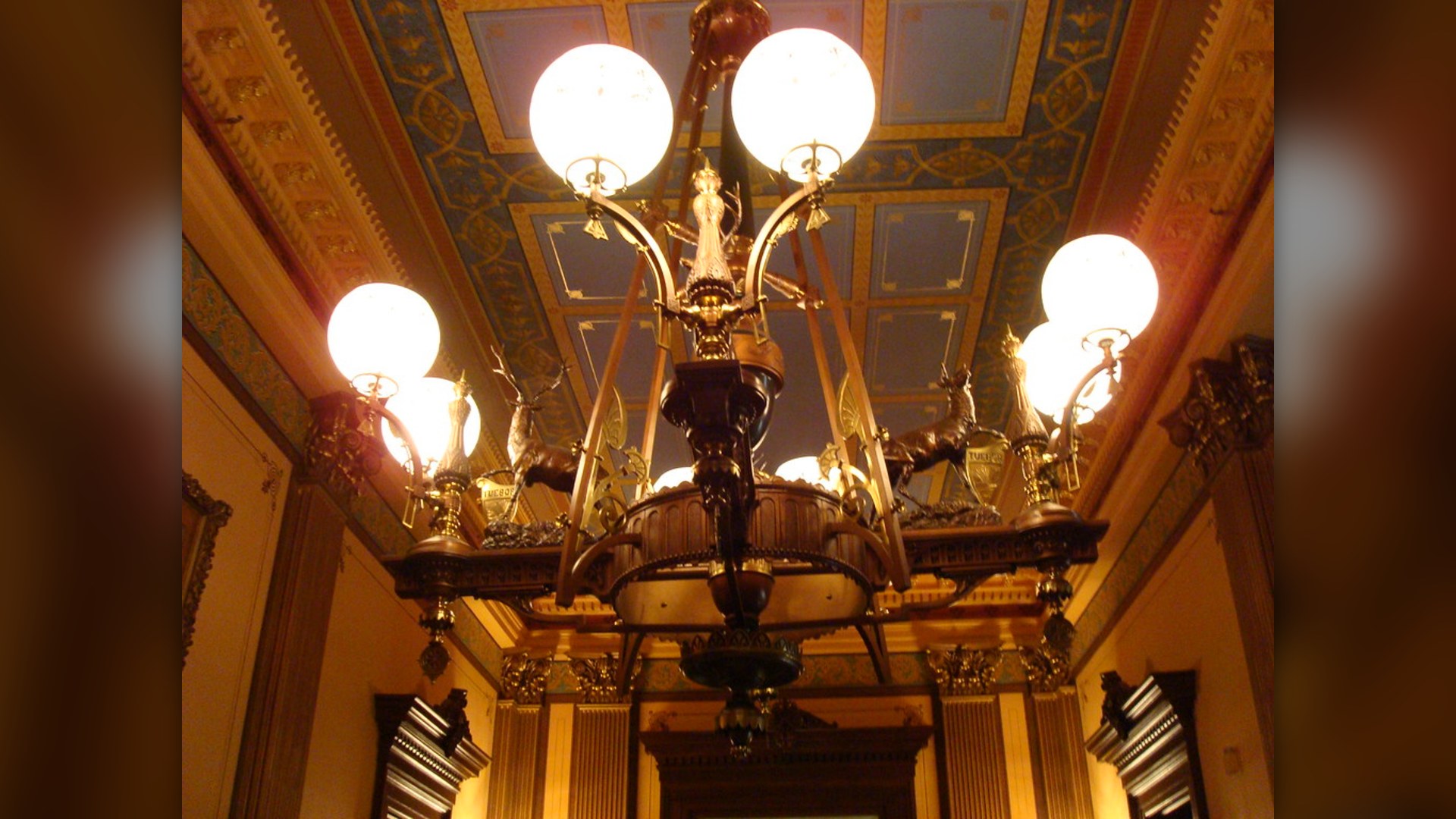
20. Michigan: Moved From Detroit To Rural Lansing In 1847
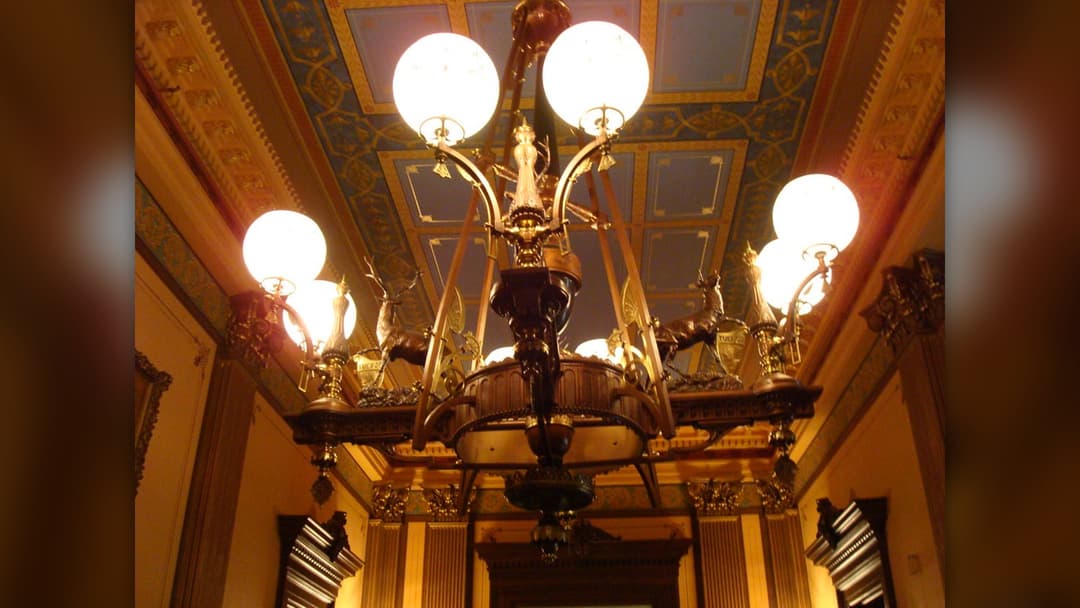
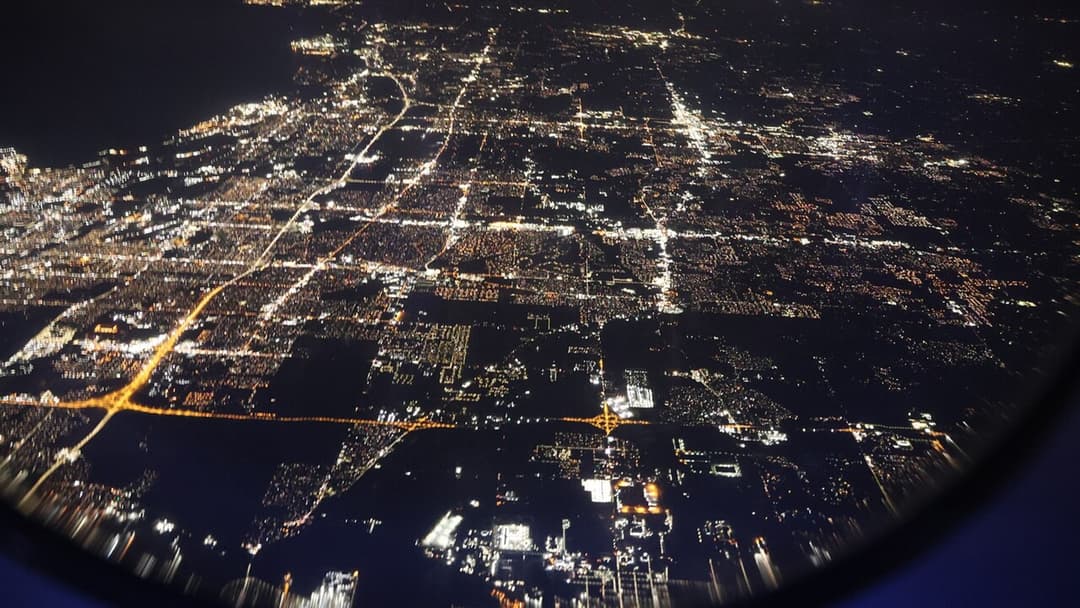
Detroit served as Michigan territorial capital and initial state seat after admission in 1837. Fearing naval vulnerability across the Detroit River from British Canada, the 1835 state constitution mandated moving the government inland. In 1847, the legislature selected the undeveloped township of Lansing.
©Openverse / MittenStatePhototog
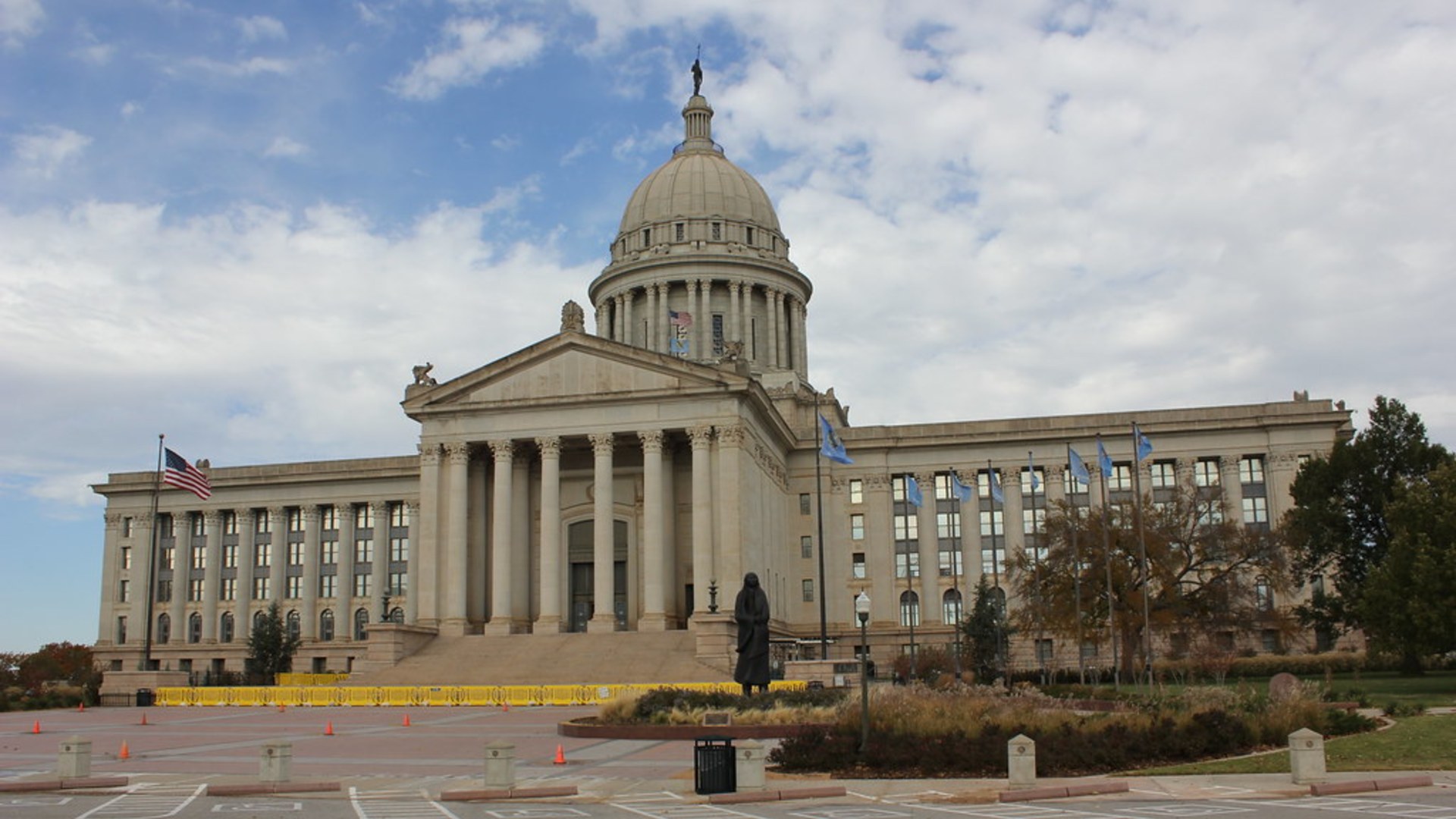
19. Oklahoma: The Midnight Seal Heist From Guthrie To OKC
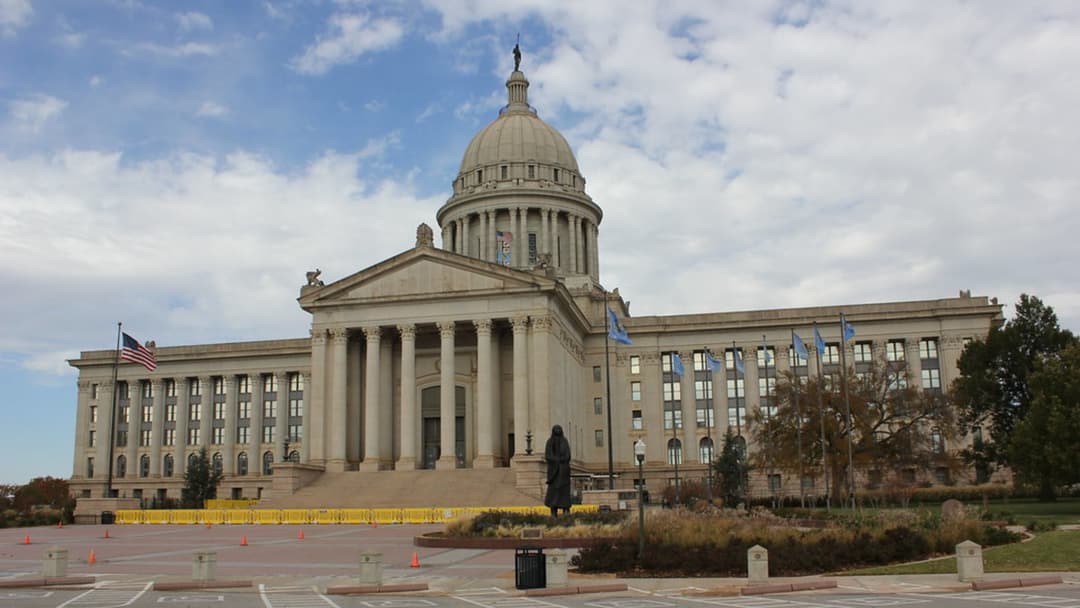
When Oklahoma achieved statehood in 1907, the territorial capital of Guthrie was designated the seat of government until 1913. Impatient with political wrangling, voters chose Oklahoma City in a June 1910 referendum. Governor Charles Haskell moved the state seal overnight, establishing the permanent capital.
©Openverse / TexasExplorer98
18. West Virginia: A Four-Time Tug Of War On Steamboats
Formed amid the Civil War in 1863, West Virginia designated Wheeling its first capital. In 1870, lawmakers loaded legislative archives onto a Kanawha River packet boat to move to Charleston. Five years later, the legislature voted to return to Wheeling, only to pack steamboats again in 1885 to return to Charleston.

©Openverse / o palsson
Advertisement
Swipe or tap ▶ to resume the countdown.
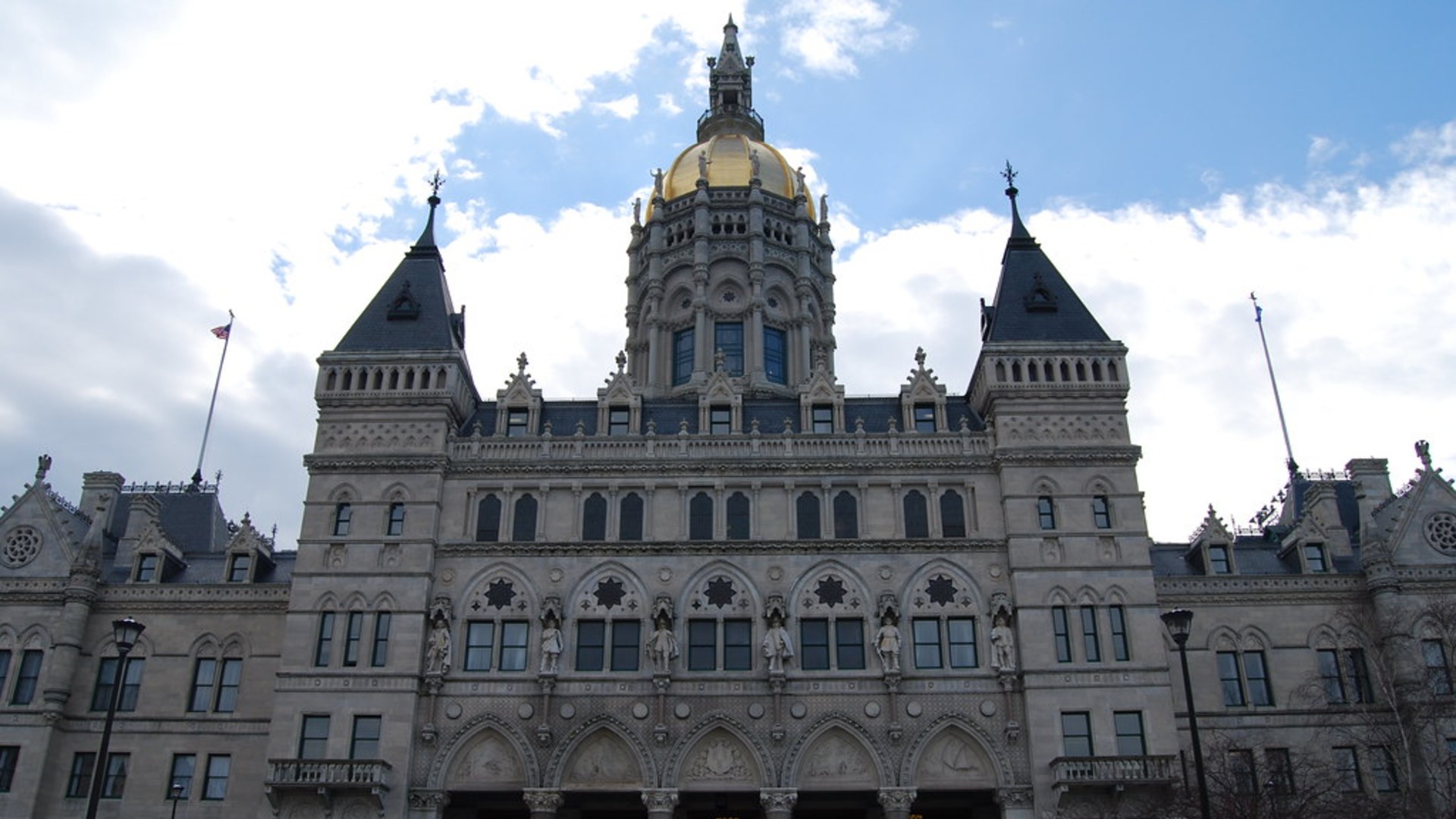
17. Connecticut: Dual Capitals Shared For 174 Years
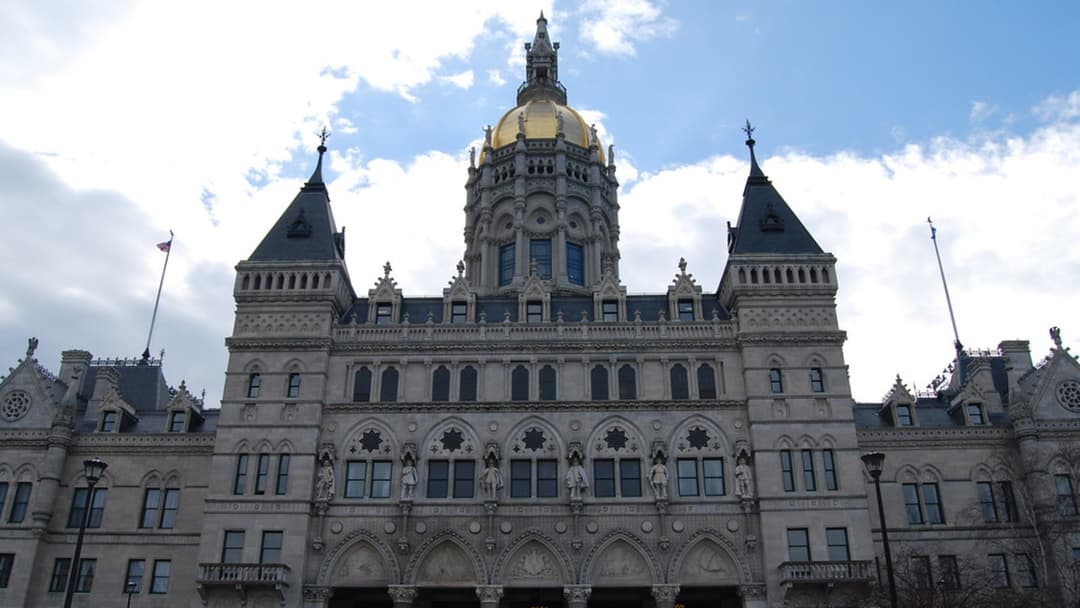
From 1701 to 1875, Connecticut maintained an unusual power-sharing arrangement with two official co-capitals. The General Assembly held its May sessions in Hartford and its June and October meetings in New Haven. The costly dual system finally ended in 1875, when Hartford was selected as the sole seat of government.
©Openverse / jimbowen0306
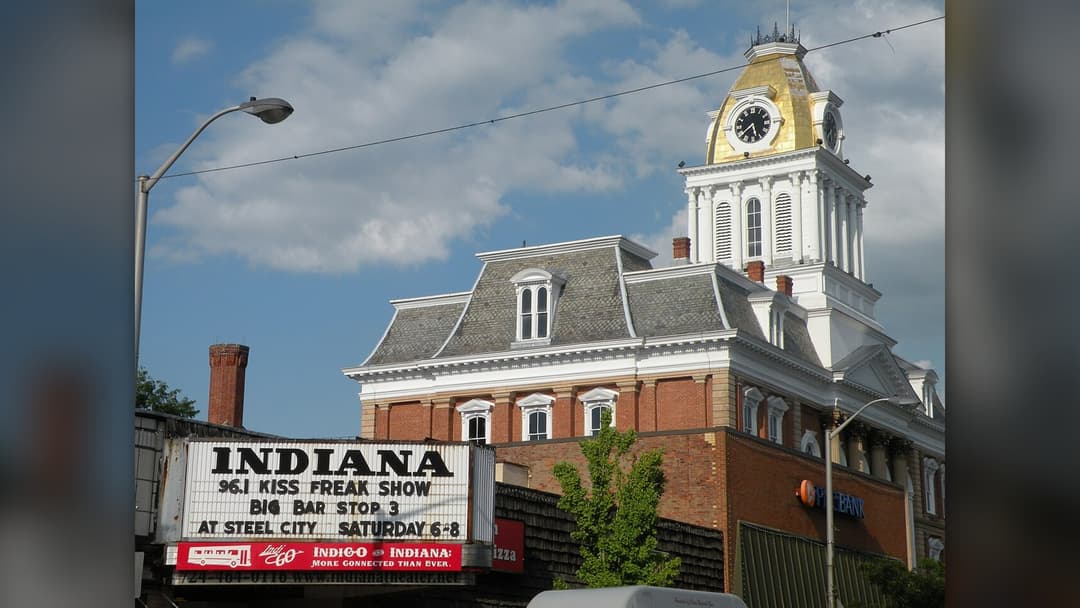
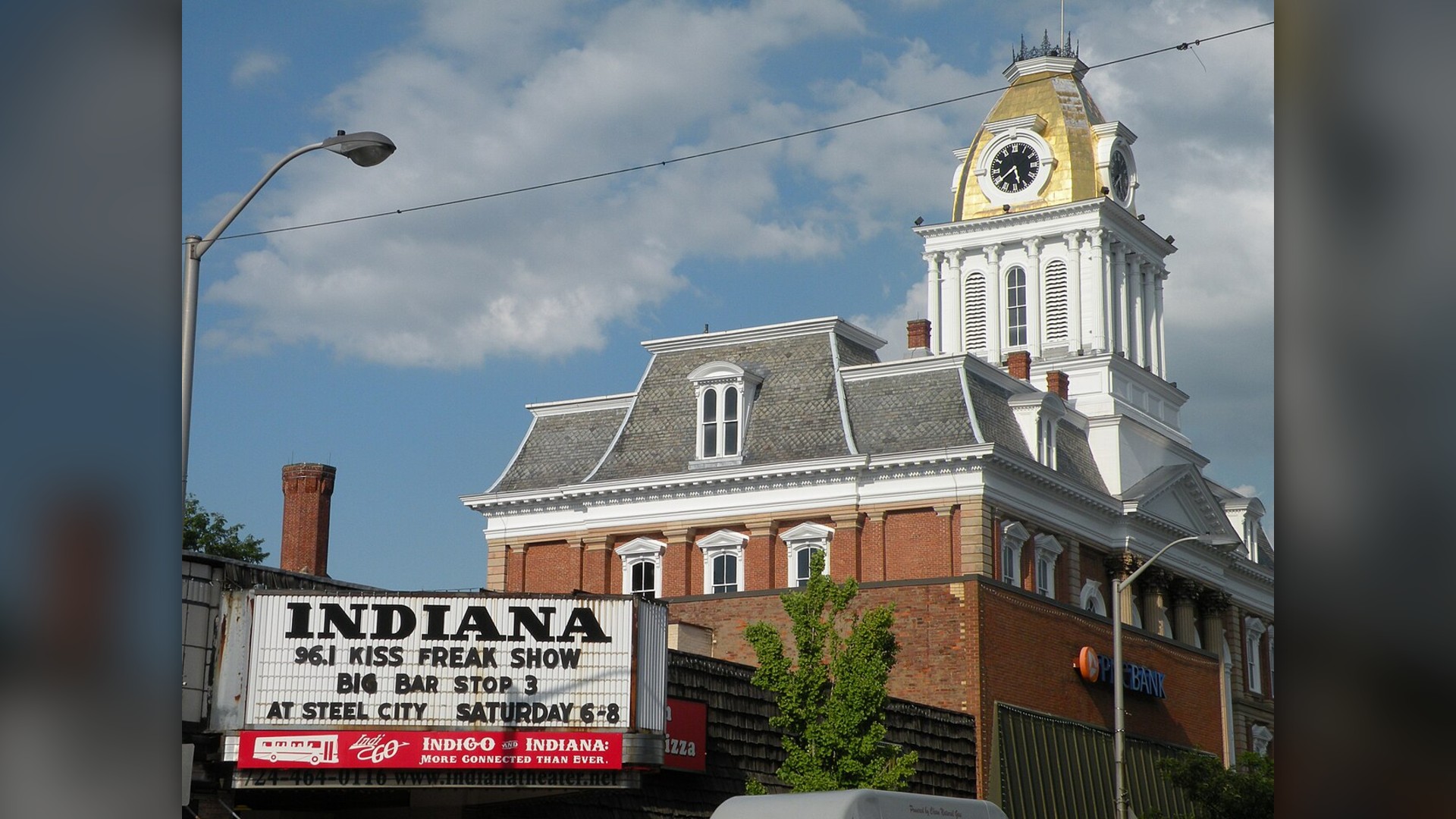
16. Indiana: From Territorial Vincennes To Indianapolis
Indiana territorial government originally met at Vincennes before relocating to Corydon in 1813 to stay central to growing Ohio River populations. Upon statehood, leaders recognized that northern settlement required a geographic midpoint. Commissioners platted Indianapolis, officially moving the records in 1825.
©Wikimedia / Scsmatt
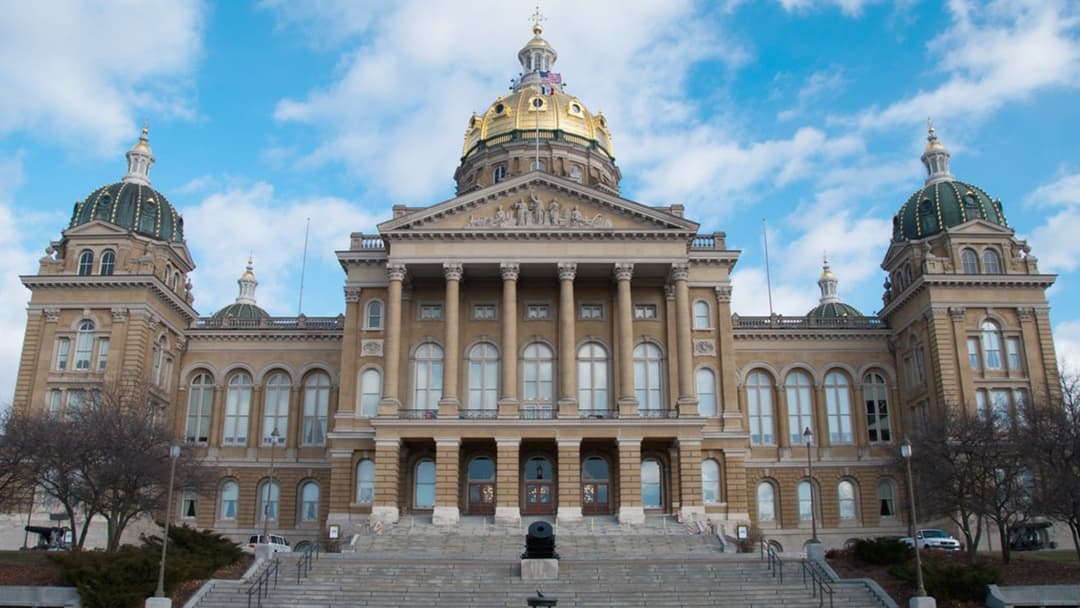
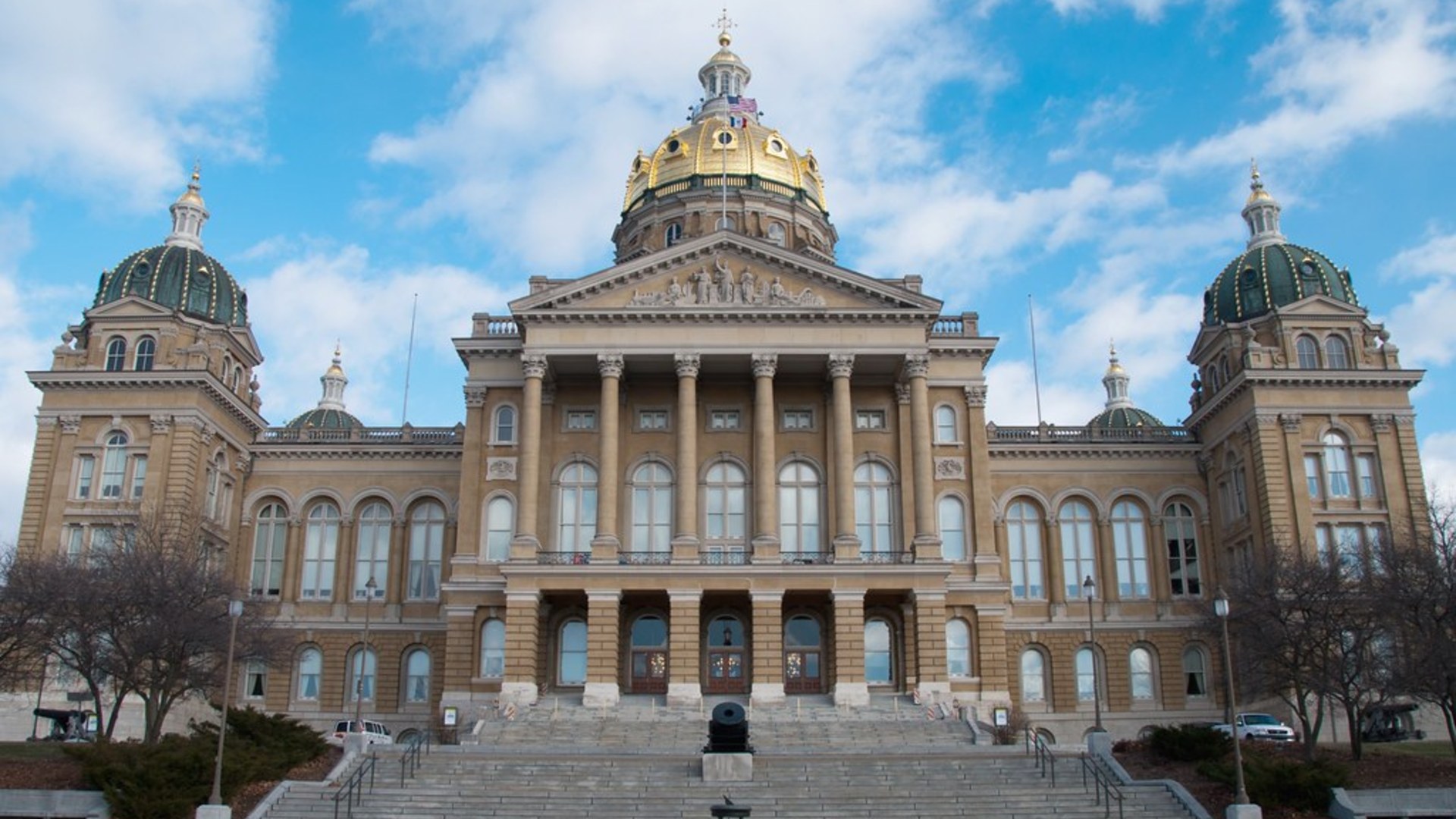
15. Iowa: Shifting Westward From Burlington To Des Moines
Iowa began territorial governance in Burlington along the Mississippi River in 1838 before moving to Iowa City in 1841. As frontier settlers pushed westward, the legislature chartered Fort Des Moines as the permanent central capital in 1857, transporting state safes overland on bobsleds across frozen prairies.
©Openverse / Tony Fischer Photography
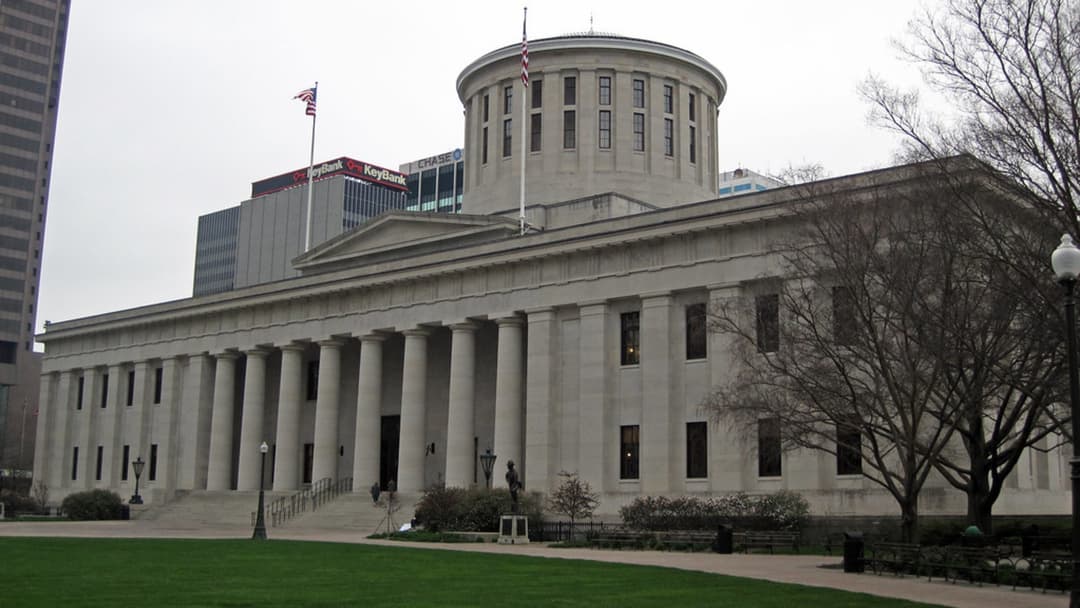
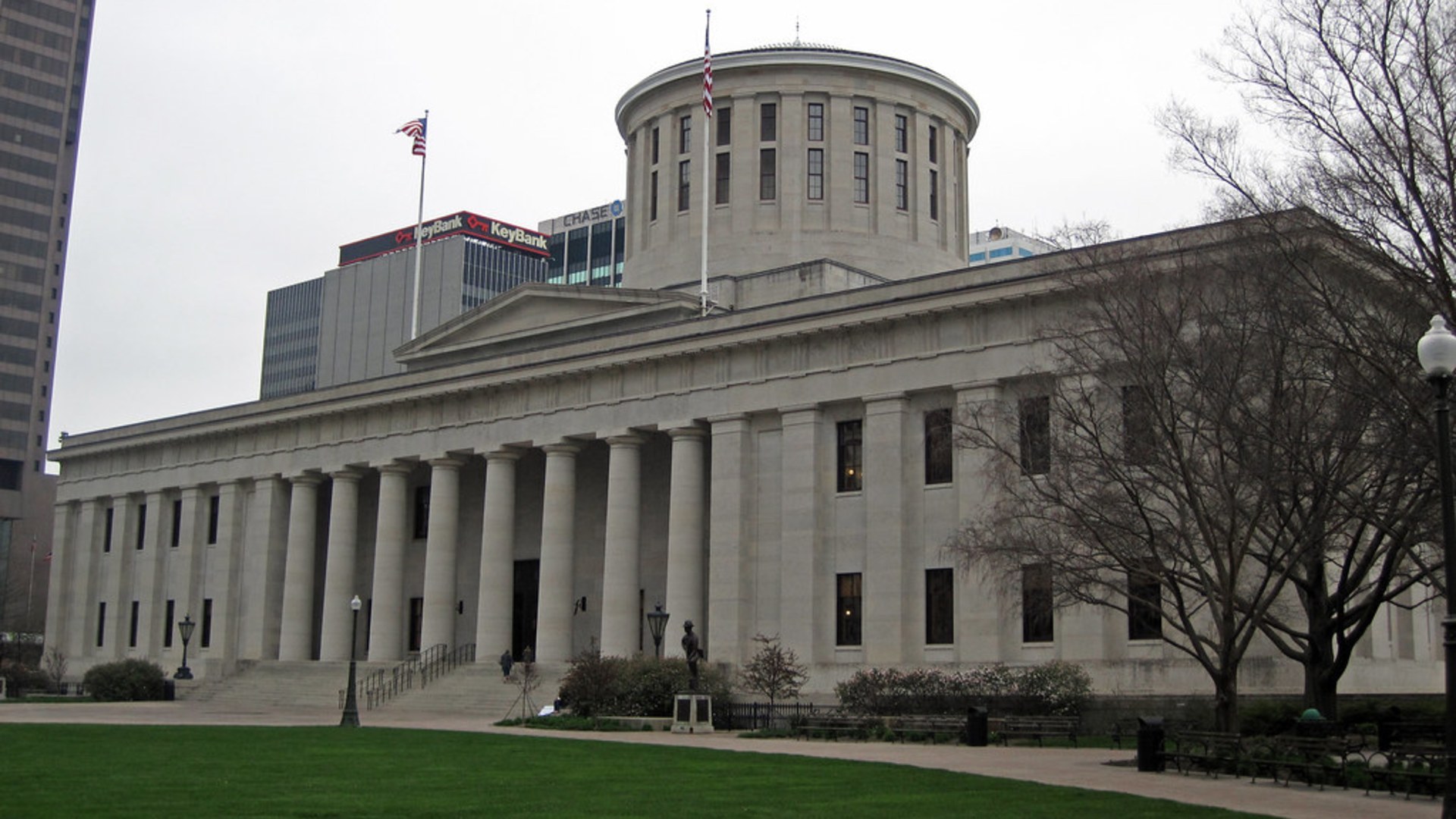
14. Ohio: The Rivalry Between Chillicothe And Zanesville
Chillicothe served as Ohio first capital upon statehood in 1803. Political maneuvers transferred power to Zanesville in 1810, only for lawmakers to return to Chillicothe two years later. Seeking a neutral geographic center, the General Assembly established Columbus on the Scioto River as the permanent seat in 1816.
©Openverse / James St. John
Advertisement
Swipe or tap ▶ to resume the countdown.
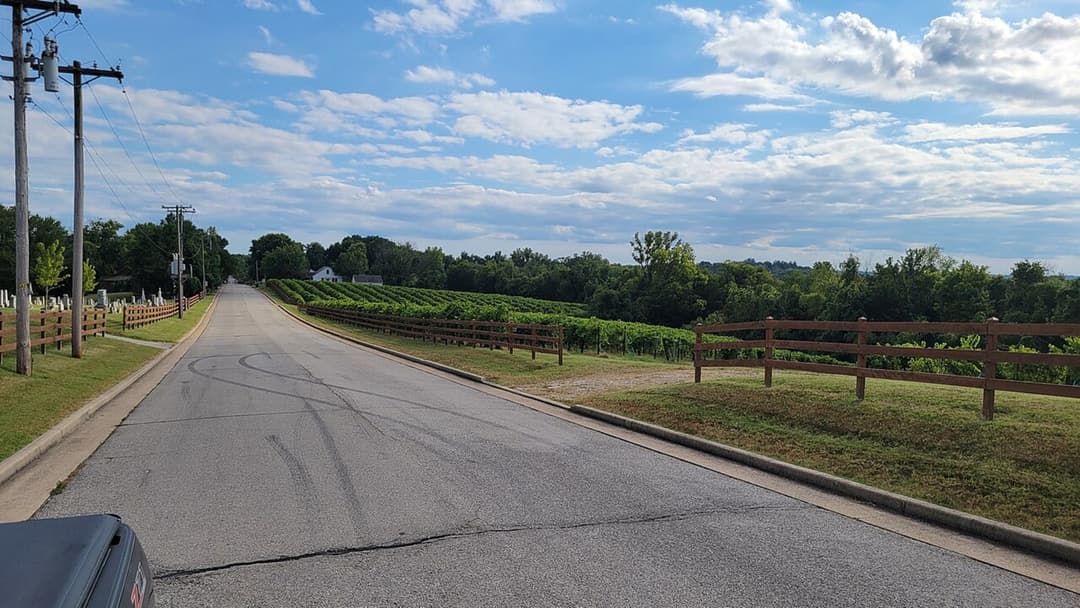
13. Missouri: From St. Louis Brick Halls To St. Charles
Missouri territorial assembly first convened in St. Louis in 1812. Upon statehood in 1821, St. Charles served as the temporary capital while commissioners carved out the City of Jefferson on rugged bluffs along the Missouri River. In 1826, government offices permanently occupied the newly completed capitol building.

©Wikimedia / RuralResurrection
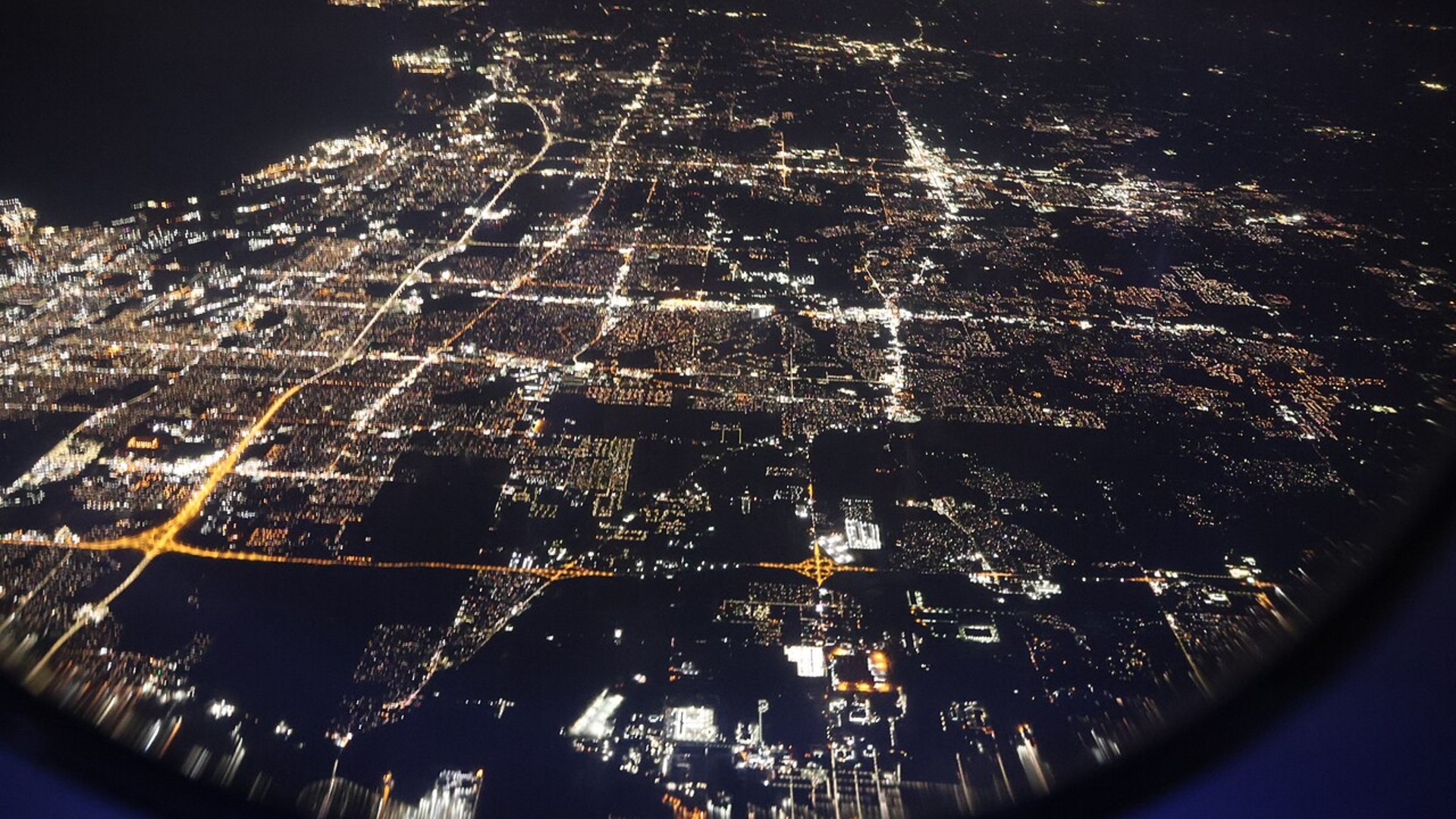
12. Illinois: Lincoln Led The Charge From Vandalia
Illinois first capital was Kaskaskia, an early French settlement that later flooded beneath the Mississippi River. The capital shifted to Vandalia in 1820. A young legislator named Abraham Lincoln led the Sangamon County delegation to relocate the capital to Springfield in 1837, opening state offices there in 1839.
©Wikimedia / DiscoA340
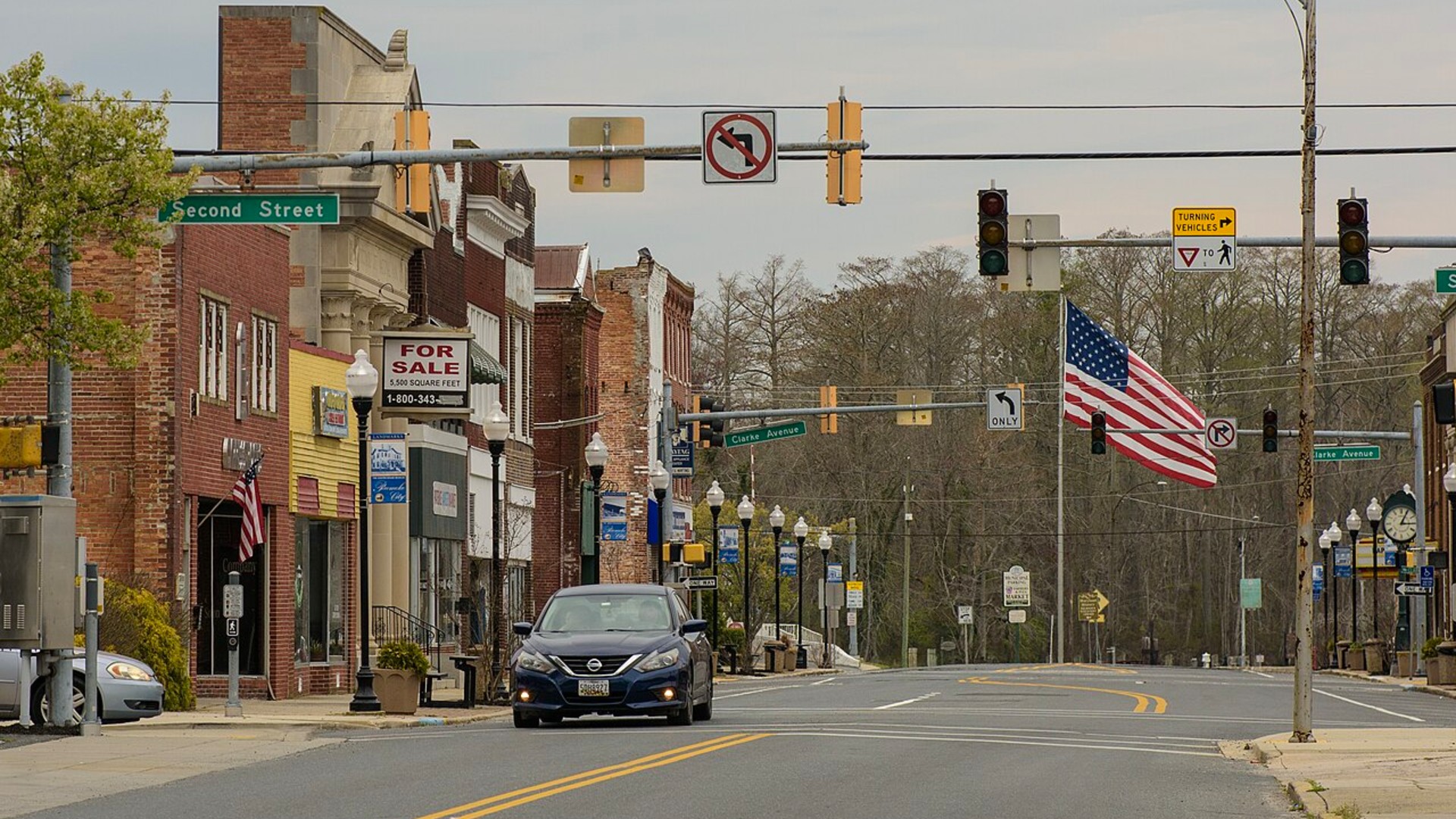
11. Maryland: Abandoning St. Mary's City For Annapolis
Maryland first colonial settlement at St. Marys City served as capital from 1634 until the Protestant Revolution. In 1694, royal governor Francis Nicholson relocated the government to Protestant Annapolis. St. Marys City declined rapidly, while Annapolis became one of colonial America premier maritime capitals.
©Wikimedia / USDAgov
10. Tennessee: Four Different Towns In Thirty Years
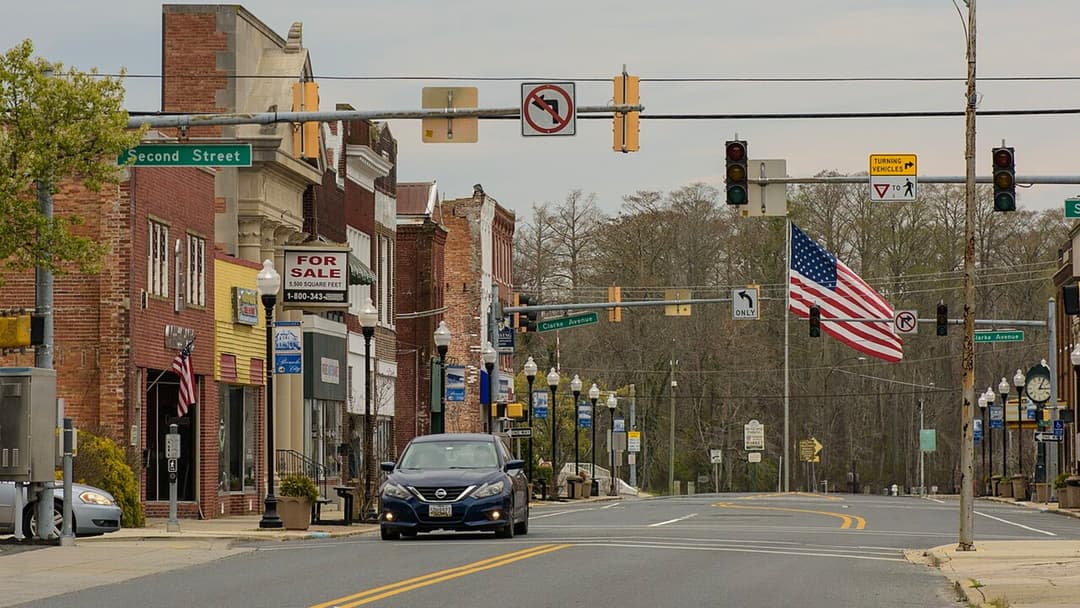
Tennessee territorial capital in Knoxville served as the original state seat in 1796. To fulfill an agreement with Cherokee leaders, lawmakers designated Kingston as capital for a single day on September 21, 1807. Murfreesboro took over from 1818 to 1826, before Nashville permanently secured the honor in 1843.

©NASA / JPL
Advertisement
Swipe or tap ▶ to resume the countdown.
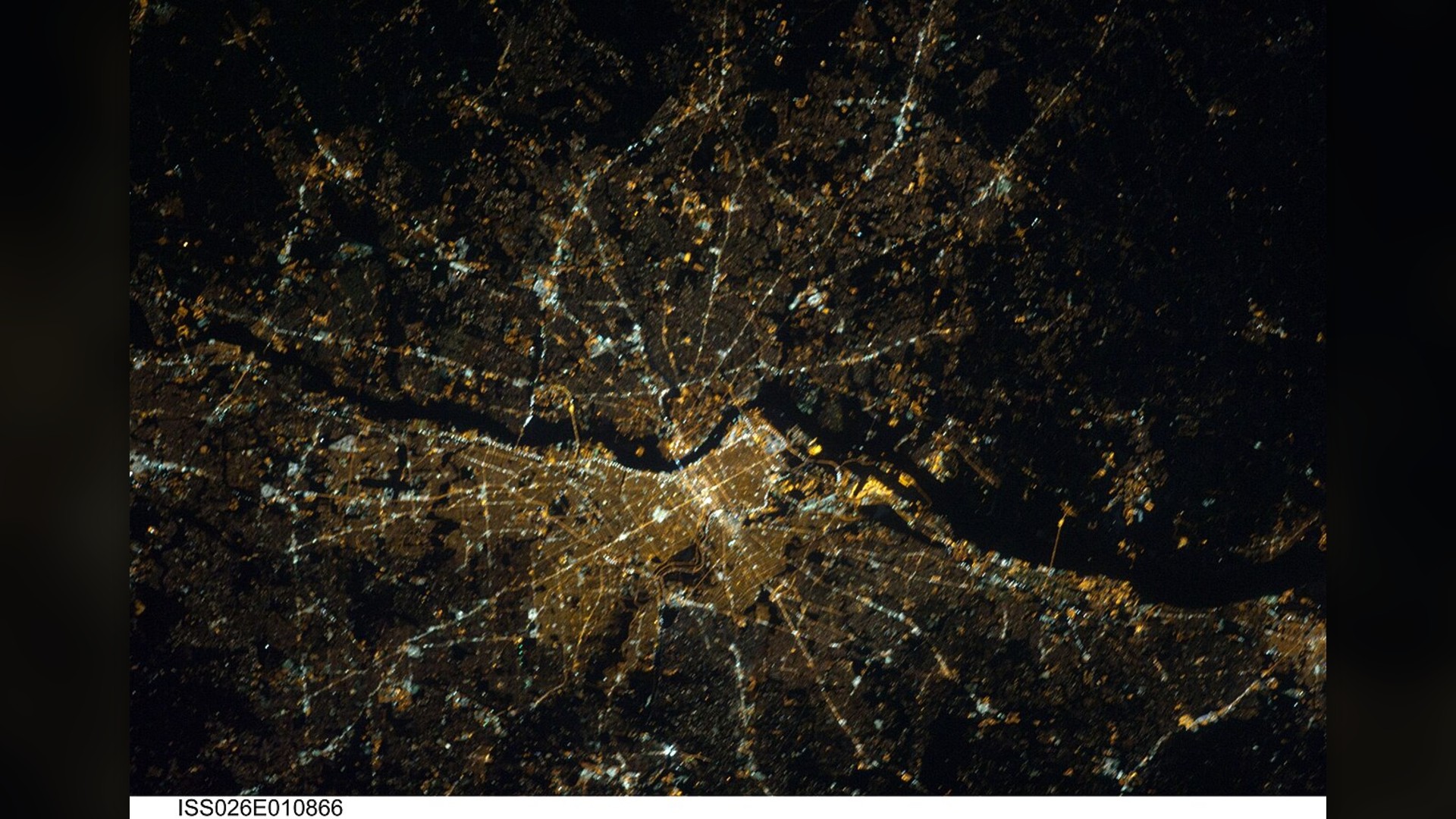
9. New Jersey: Alternating Between East And West Jersey
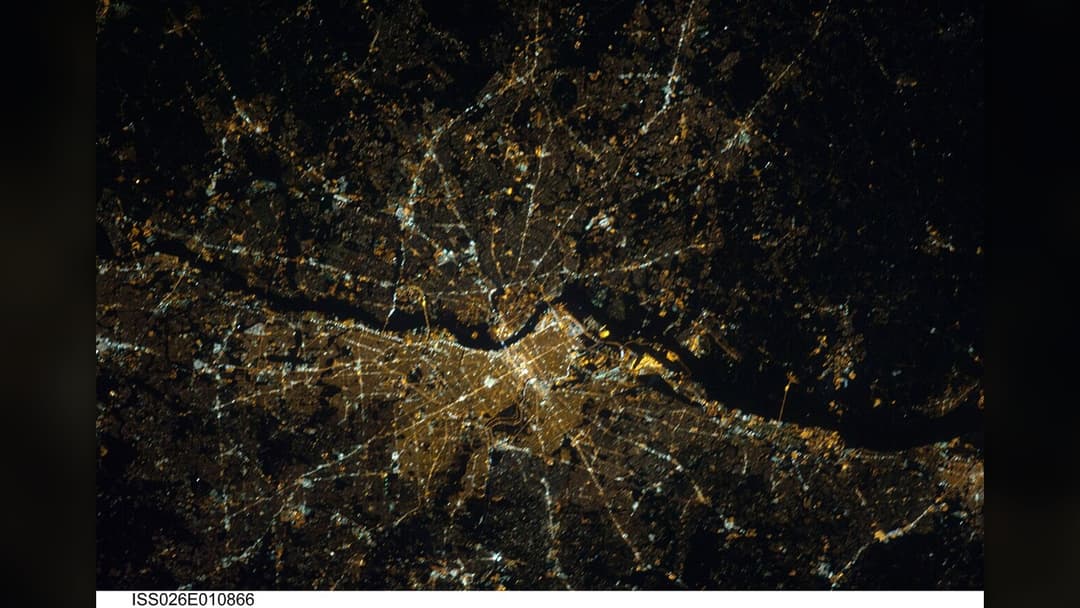
Before uniting under a single royal province in 1702, New Jersey was split into East Jersey, governed from Perth Amboy, and West Jersey, centered at Burlington. The royal assembly alternated between both towns for decades. In 1790, lawmakers designated Trenton on the Delaware River as the permanent state capital.
©ESA / Earth Science and Remote Sensing Unit, Lyndon B
8. California: Four Capital Moves In Five Gold Rush Years
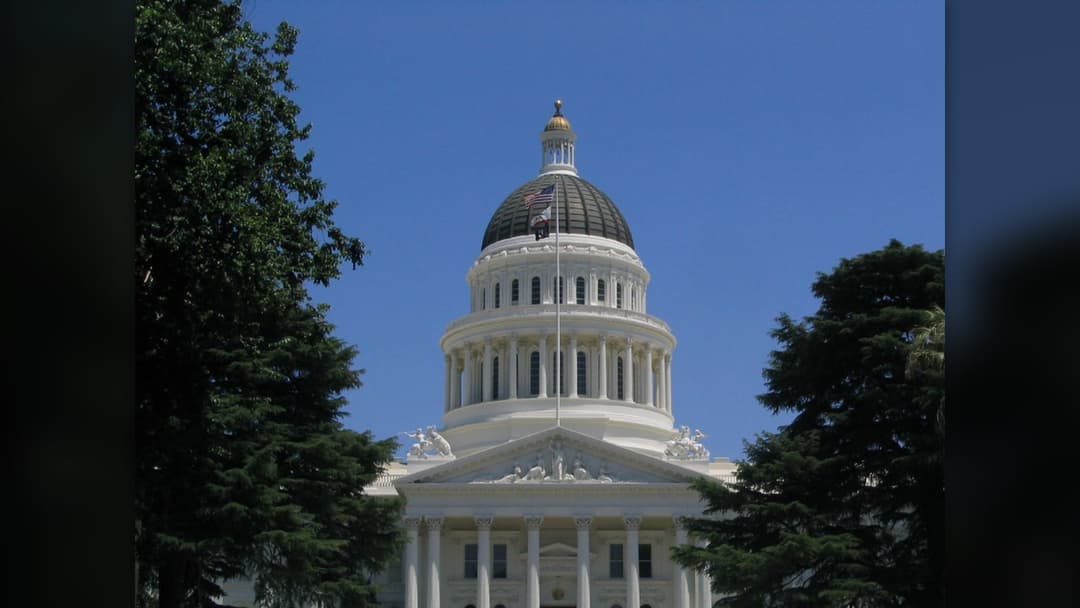
During the Gold Rush, California moved its capital almost annually. San Jose hosted the first legislature in 1849, but unpaved roads and inadequate lodging prompted moves to Vallejo in 1852, Benicia in 1853, and briefly San Francisco. Sacramento permanently claimed the government seat following the 1854 session.

©Openverse / Ken Lund
7. Alabama: Five Capitals In Three Turbulent Decades
Alabama started with territorial headquarters at St. Stephens in 1817 and a temporary constitutional convention in Huntsville. Cahaba became the first permanent capital in 1820, but chronic river floods forced a move to Tuscaloosa in 1826. In 1846, the legislature permanently settled in Montgomery on the Alabama River.

©Openverse / davidwilson1949
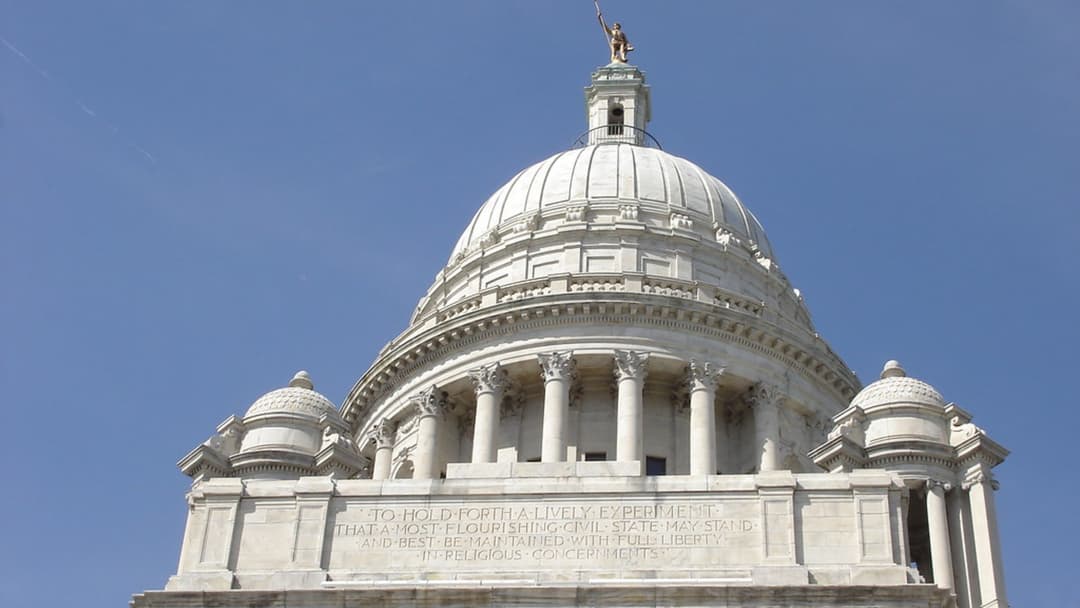
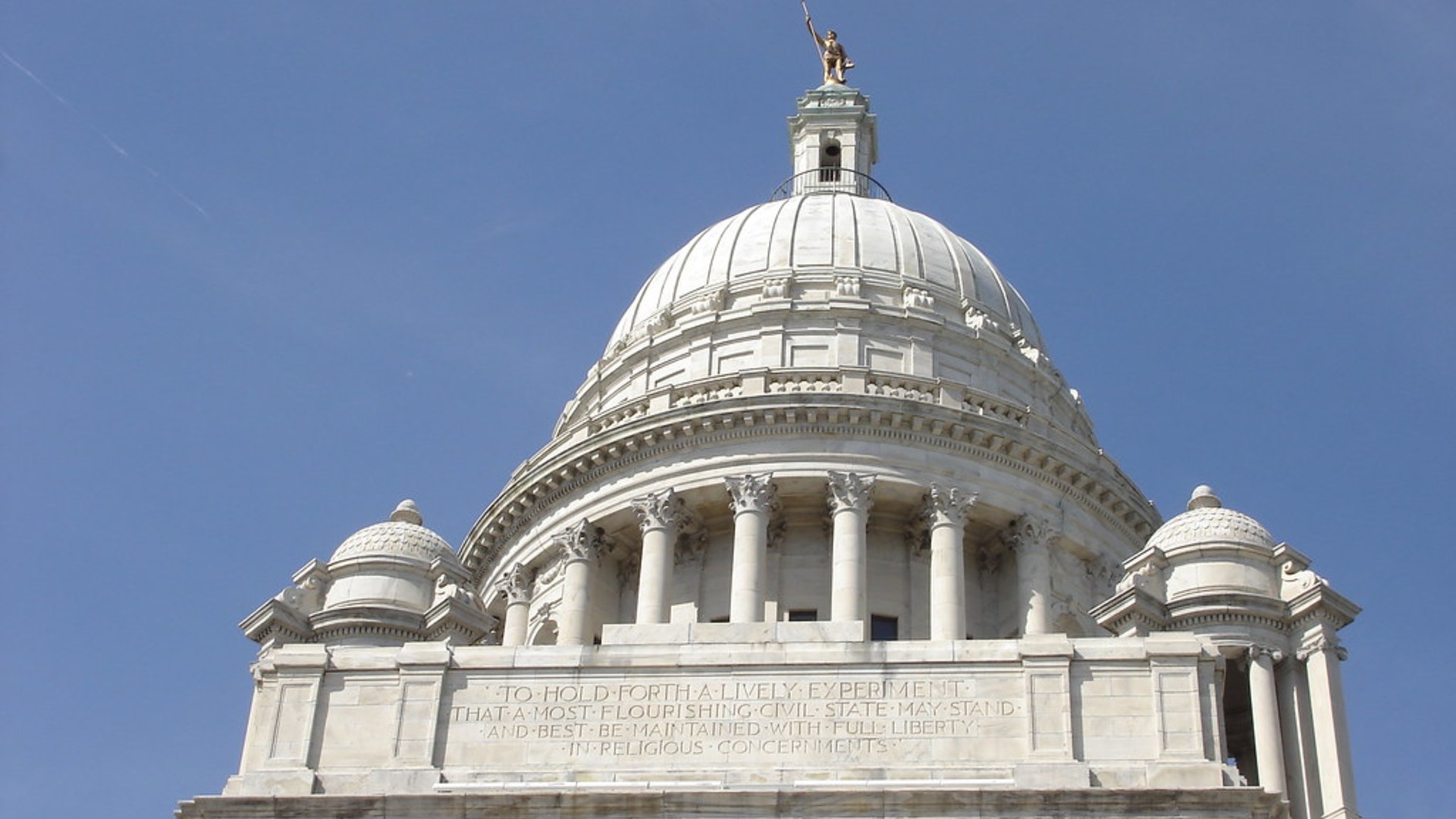
6. Rhode Island: Five Rotating Capitals On A Circuit
Under its 1663 Royal Charter, Rhode Island operated with five rotating capitals: Providence, Newport, East Greenwich, Bristol, and South Kingstown. Lawmakers traveled between all five courthouses annually. The rotation shrank to Providence and Newport in 1854, until Providence became the sole capital in 1900.
©Openverse / NetParrot
Advertisement
Swipe or tap ▶ to resume the countdown.
5. New York: British Redcoats Chased Lawmakers Upriver
During the Revolutionary War, New York government was constantly on the run. Following British capture of Manhattan, officials convened in White Plains, Kingston, and Poughkeepsie. When British troops burned Kingston in 1777, lawmakers fled again. Albany became the permanent state seat in 1797.

©Openverse / Onasill Bill
4. Pennsylvania: Fleeing Yellow Fever And Redcoat Troops
Chester hosted Pennsylvania first provincial assembly in 1682 before Philadelphia became the colonial and early state center. British occupation in 1777 forced leaders to Lancaster and York. In 1799, yellow fever epidemics in Philadelphia prompted a return to Lancaster, before Harrisburg became permanent seat in 1812.

©Openverse / w_lemay
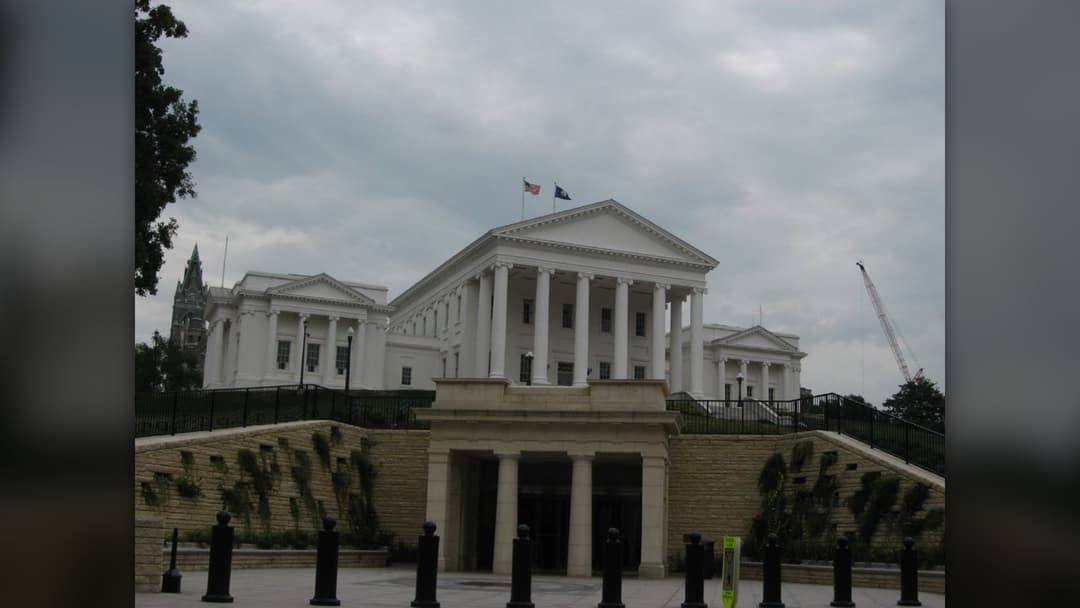
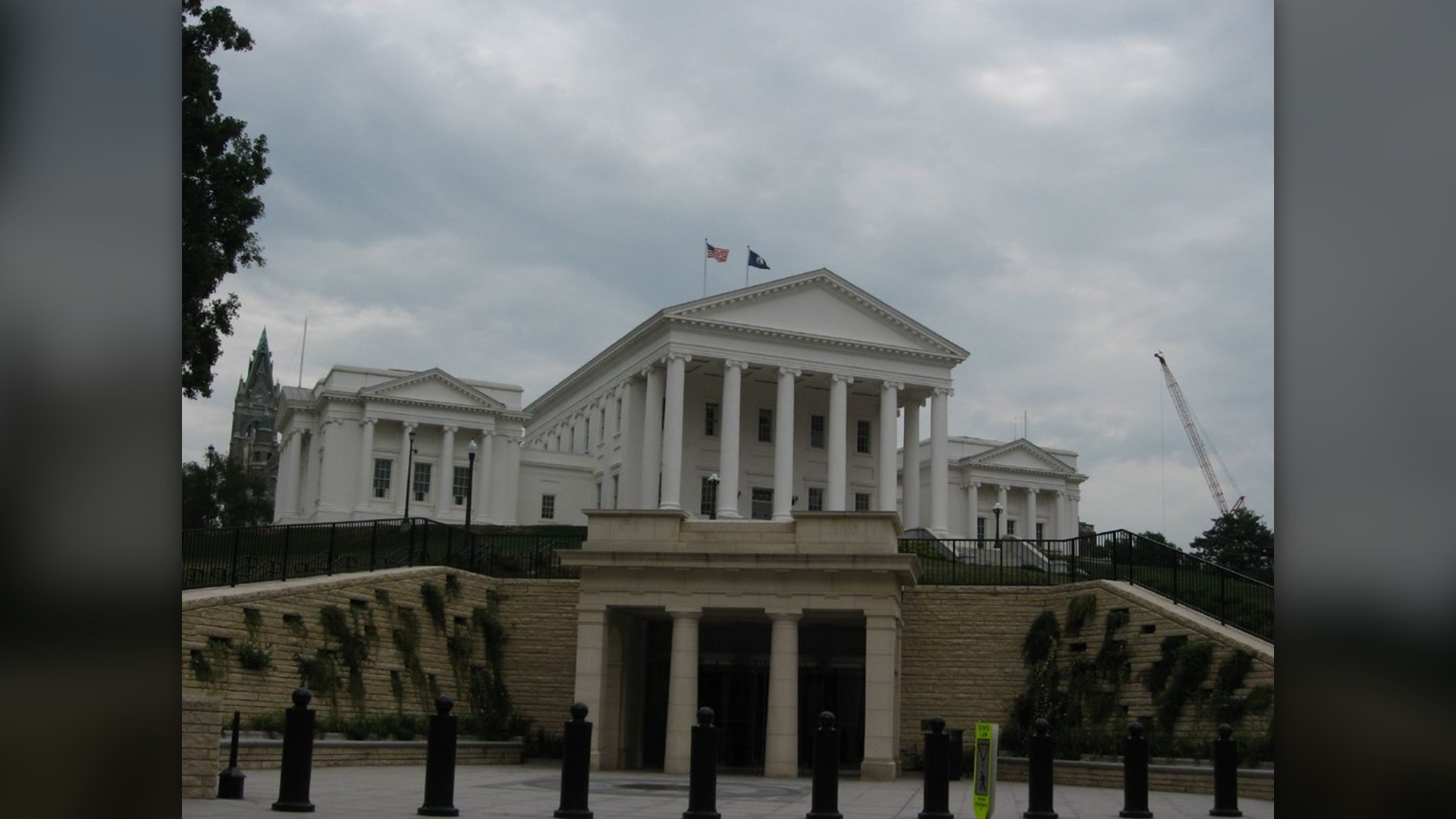
3. Virginia: From Coastal Jamestown To The James River
Jamestown was Virginia colonial capital from 1619 until an accidental blaze destroyed the statehouse in 1698. Williamsburg served as the magnificent colonial center until 1780, when Governor Thomas Jefferson urged moving the capital inland to Richmond to protect state records from marauding British naval raids.
©Openverse / Ken Lund
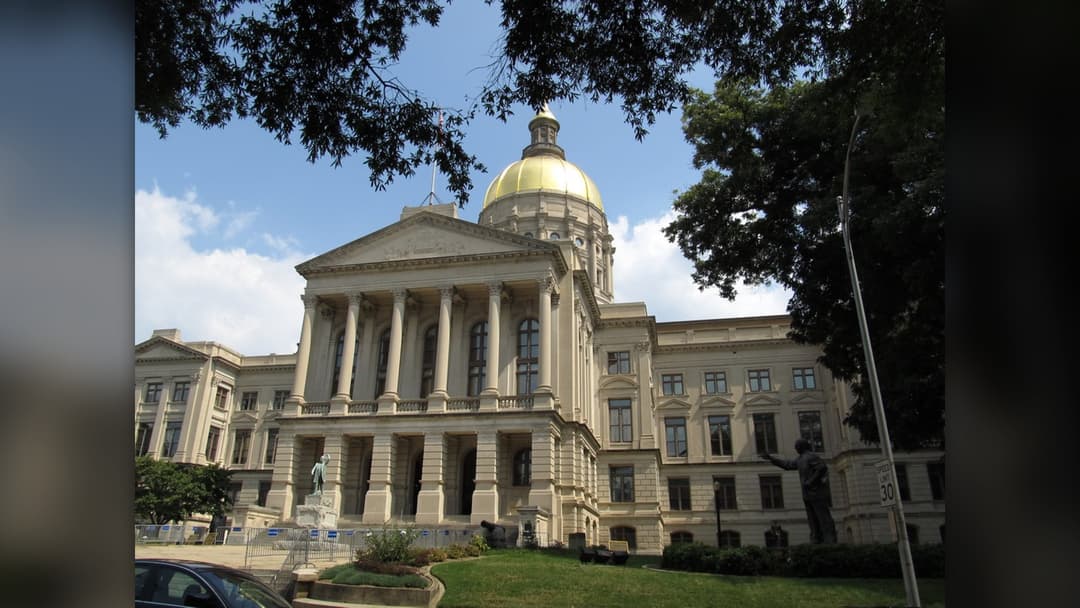
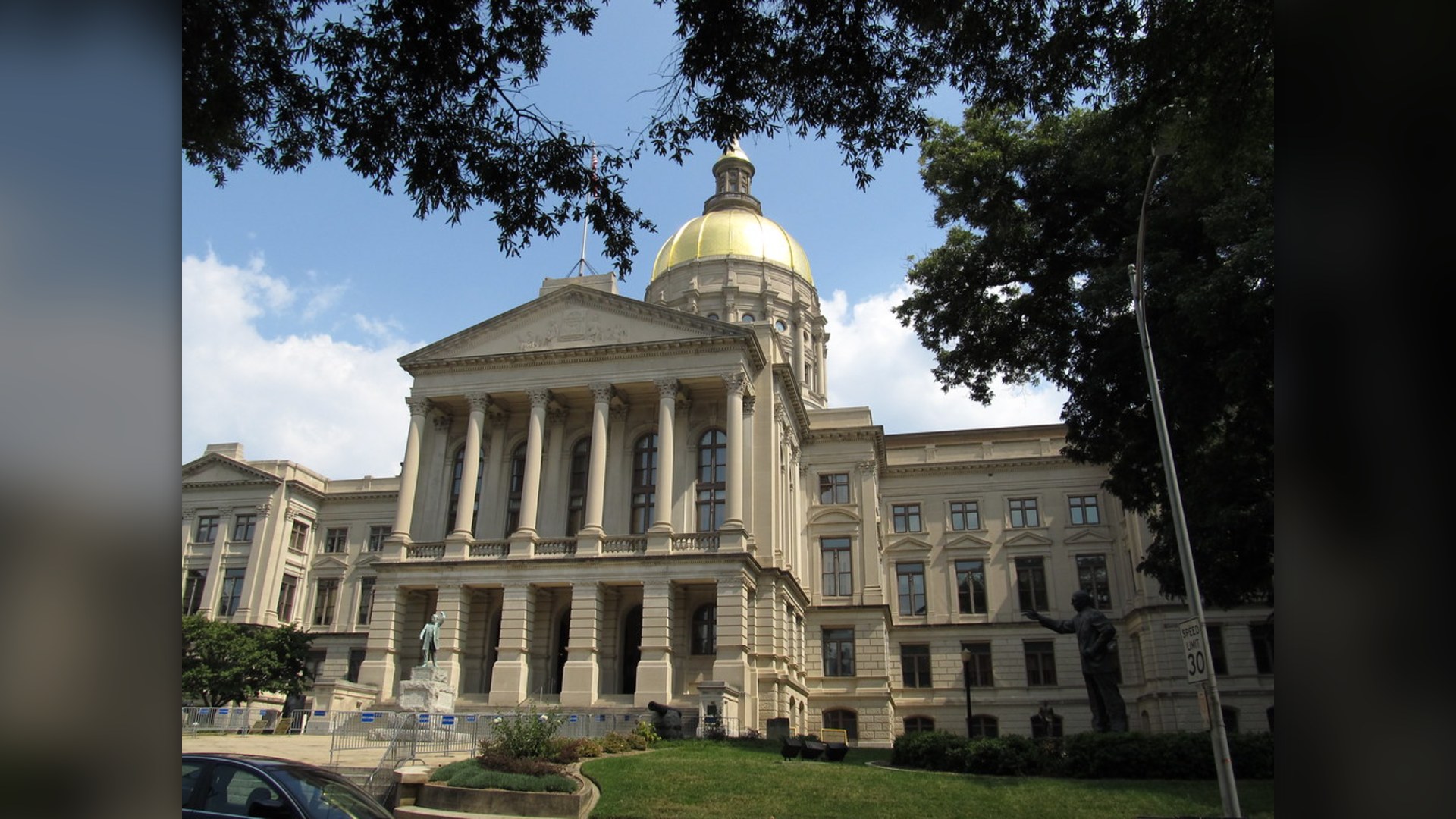
2. Georgia: Five Capitals Spanning Savannah To Atlanta
Georgia government began in coastal Savannah in 1733, moved to Augusta in 1786 during the Revolutionary War, and relocated to Louisville in 1796. In 1807, Milledgeville became the fourth capital, serving through the Civil War until federal reconstruction authorities transferred all state offices to Atlanta in 1868.
©Openverse / Ken Lund
Advertisement
Swipe or tap ▶ to resume the countdown.
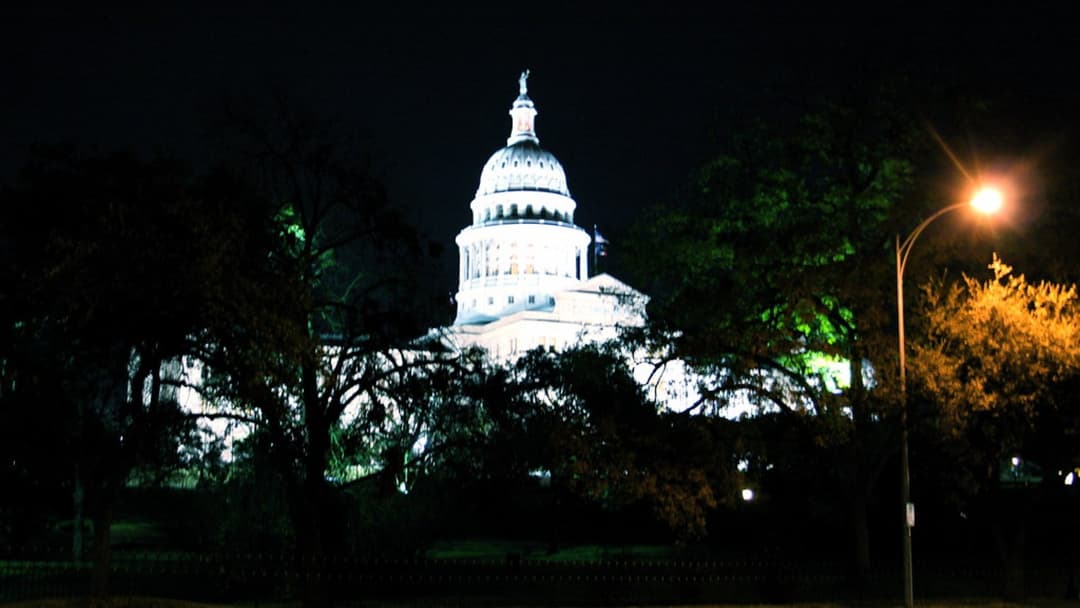
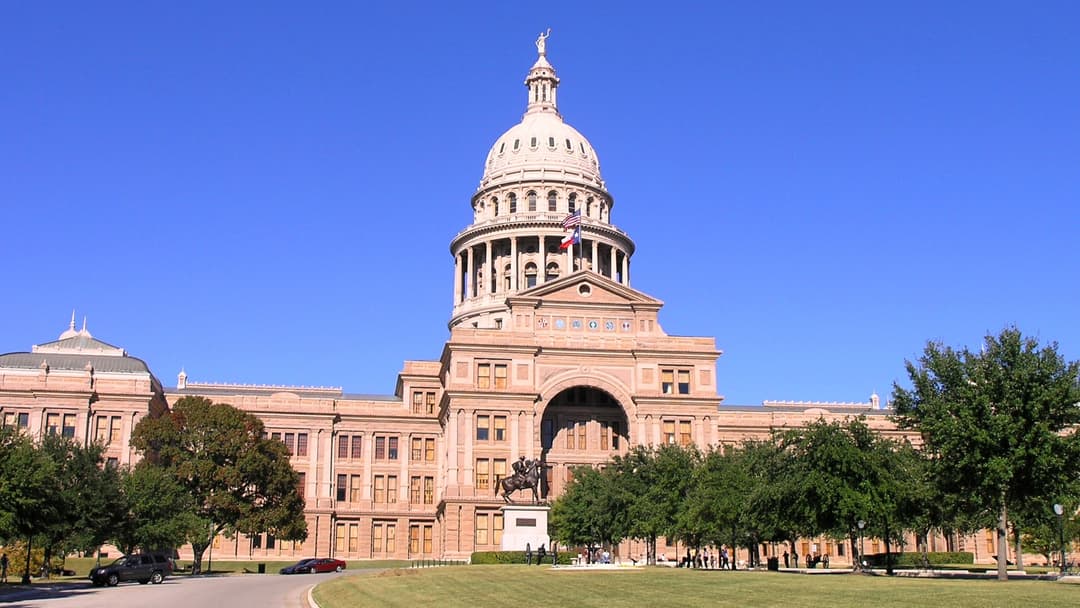
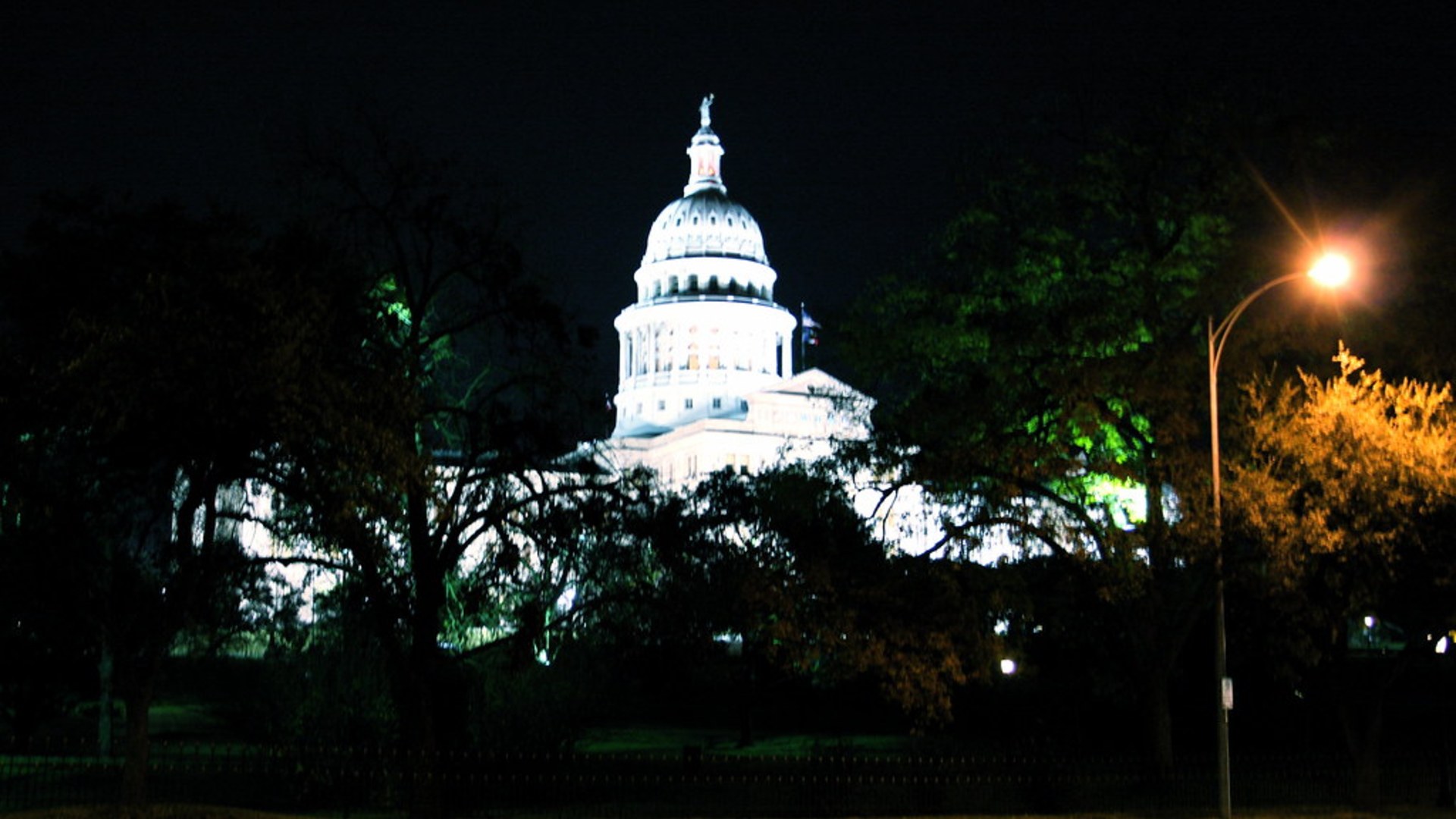
1. Texas: Seven Revolutionary And Republic Capital Moves
During the Texas Revolution of 1836, the interim government operated on the run, convening at Washington-on-the-Brazos, Harrisburg, Galveston, and Velasco. The Republic of Texas designated Columbia and Houston as capitals before President Mirabeau Lamar selected Austin in 1839, permanently surviving the Archive War.
©Openverse / TravelingOtter
Advertisement
You've reached the end of the story. Thanks for reading!

20 World Leaders and Political Figures Facing Major Challenges in 2027
High Stakes, Fragile Coalitions, and Rising Tensions Define the Road to 2027
All 20 Entries in this Story
20. Michigan: Moved From Detroit To Rural Lansing In 1847
Detroit served as Michigan territorial capital and initial state seat after admission in 1837. Fearing naval vulnerability across the Detroit River from British Canada, the 1835 state constitution mandated moving the government inland. In 1847, the legislature selected the undeveloped township of Lansing.

19. Oklahoma: The Midnight Seal Heist From Guthrie To OKC
When Oklahoma achieved statehood in 1907, the territorial capital of Guthrie was designated the seat of government until 1913. Impatient with political wrangling, voters chose Oklahoma City in a June 1910 referendum. Governor Charles Haskell moved the state seal overnight, establishing the permanent capital.

18. West Virginia: A Four-Time Tug Of War On Steamboats
Formed amid the Civil War in 1863, West Virginia designated Wheeling its first capital. In 1870, lawmakers loaded legislative archives onto a Kanawha River packet boat to move to Charleston. Five years later, the legislature voted to return to Wheeling, only to pack steamboats again in 1885 to return to Charleston.

17. Connecticut: Dual Capitals Shared For 174 Years
From 1701 to 1875, Connecticut maintained an unusual power-sharing arrangement with two official co-capitals. The General Assembly held its May sessions in Hartford and its June and October meetings in New Haven. The costly dual system finally ended in 1875, when Hartford was selected as the sole seat of government.

16. Indiana: From Territorial Vincennes To Indianapolis
Indiana territorial government originally met at Vincennes before relocating to Corydon in 1813 to stay central to growing Ohio River populations. Upon statehood, leaders recognized that northern settlement required a geographic midpoint. Commissioners platted Indianapolis, officially moving the records in 1825.

15. Iowa: Shifting Westward From Burlington To Des Moines
Iowa began territorial governance in Burlington along the Mississippi River in 1838 before moving to Iowa City in 1841. As frontier settlers pushed westward, the legislature chartered Fort Des Moines as the permanent central capital in 1857, transporting state safes overland on bobsleds across frozen prairies.

14. Ohio: The Rivalry Between Chillicothe And Zanesville
Chillicothe served as Ohio first capital upon statehood in 1803. Political maneuvers transferred power to Zanesville in 1810, only for lawmakers to return to Chillicothe two years later. Seeking a neutral geographic center, the General Assembly established Columbus on the Scioto River as the permanent seat in 1816.

13. Missouri: From St. Louis Brick Halls To St. Charles
Missouri territorial assembly first convened in St. Louis in 1812. Upon statehood in 1821, St. Charles served as the temporary capital while commissioners carved out the City of Jefferson on rugged bluffs along the Missouri River. In 1826, government offices permanently occupied the newly completed capitol building.

12. Illinois: Lincoln Led The Charge From Vandalia
Illinois first capital was Kaskaskia, an early French settlement that later flooded beneath the Mississippi River. The capital shifted to Vandalia in 1820. A young legislator named Abraham Lincoln led the Sangamon County delegation to relocate the capital to Springfield in 1837, opening state offices there in 1839.

11. Maryland: Abandoning St. Mary's City For Annapolis
Maryland first colonial settlement at St. Marys City served as capital from 1634 until the Protestant Revolution. In 1694, royal governor Francis Nicholson relocated the government to Protestant Annapolis. St. Marys City declined rapidly, while Annapolis became one of colonial America premier maritime capitals.

10. Tennessee: Four Different Towns In Thirty Years
Tennessee territorial capital in Knoxville served as the original state seat in 1796. To fulfill an agreement with Cherokee leaders, lawmakers designated Kingston as capital for a single day on September 21, 1807. Murfreesboro took over from 1818 to 1826, before Nashville permanently secured the honor in 1843.

9. New Jersey: Alternating Between East And West Jersey
Before uniting under a single royal province in 1702, New Jersey was split into East Jersey, governed from Perth Amboy, and West Jersey, centered at Burlington. The royal assembly alternated between both towns for decades. In 1790, lawmakers designated Trenton on the Delaware River as the permanent state capital.

8. California: Four Capital Moves In Five Gold Rush Years
During the Gold Rush, California moved its capital almost annually. San Jose hosted the first legislature in 1849, but unpaved roads and inadequate lodging prompted moves to Vallejo in 1852, Benicia in 1853, and briefly San Francisco. Sacramento permanently claimed the government seat following the 1854 session.

7. Alabama: Five Capitals In Three Turbulent Decades
Alabama started with territorial headquarters at St. Stephens in 1817 and a temporary constitutional convention in Huntsville. Cahaba became the first permanent capital in 1820, but chronic river floods forced a move to Tuscaloosa in 1826. In 1846, the legislature permanently settled in Montgomery on the Alabama River.

6. Rhode Island: Five Rotating Capitals On A Circuit
Under its 1663 Royal Charter, Rhode Island operated with five rotating capitals: Providence, Newport, East Greenwich, Bristol, and South Kingstown. Lawmakers traveled between all five courthouses annually. The rotation shrank to Providence and Newport in 1854, until Providence became the sole capital in 1900.

5. New York: British Redcoats Chased Lawmakers Upriver
During the Revolutionary War, New York government was constantly on the run. Following British capture of Manhattan, officials convened in White Plains, Kingston, and Poughkeepsie. When British troops burned Kingston in 1777, lawmakers fled again. Albany became the permanent state seat in 1797.

4. Pennsylvania: Fleeing Yellow Fever And Redcoat Troops
Chester hosted Pennsylvania first provincial assembly in 1682 before Philadelphia became the colonial and early state center. British occupation in 1777 forced leaders to Lancaster and York. In 1799, yellow fever epidemics in Philadelphia prompted a return to Lancaster, before Harrisburg became permanent seat in 1812.

3. Virginia: From Coastal Jamestown To The James River
Jamestown was Virginia colonial capital from 1619 until an accidental blaze destroyed the statehouse in 1698. Williamsburg served as the magnificent colonial center until 1780, when Governor Thomas Jefferson urged moving the capital inland to Richmond to protect state records from marauding British naval raids.

2. Georgia: Five Capitals Spanning Savannah To Atlanta
Georgia government began in coastal Savannah in 1733, moved to Augusta in 1786 during the Revolutionary War, and relocated to Louisville in 1796. In 1807, Milledgeville became the fourth capital, serving through the Civil War until federal reconstruction authorities transferred all state offices to Atlanta in 1868.

1. Texas: Seven Revolutionary And Republic Capital Moves
During the Texas Revolution of 1836, the interim government operated on the run, convening at Washington-on-the-Brazos, Harrisburg, Galveston, and Velasco. The Republic of Texas designated Columbia and Houston as capitals before President Mirabeau Lamar selected Austin in 1839, permanently surviving the Archive War.