Slideshow · Science
20 Distant Worlds Scientists Are Trying to Understand
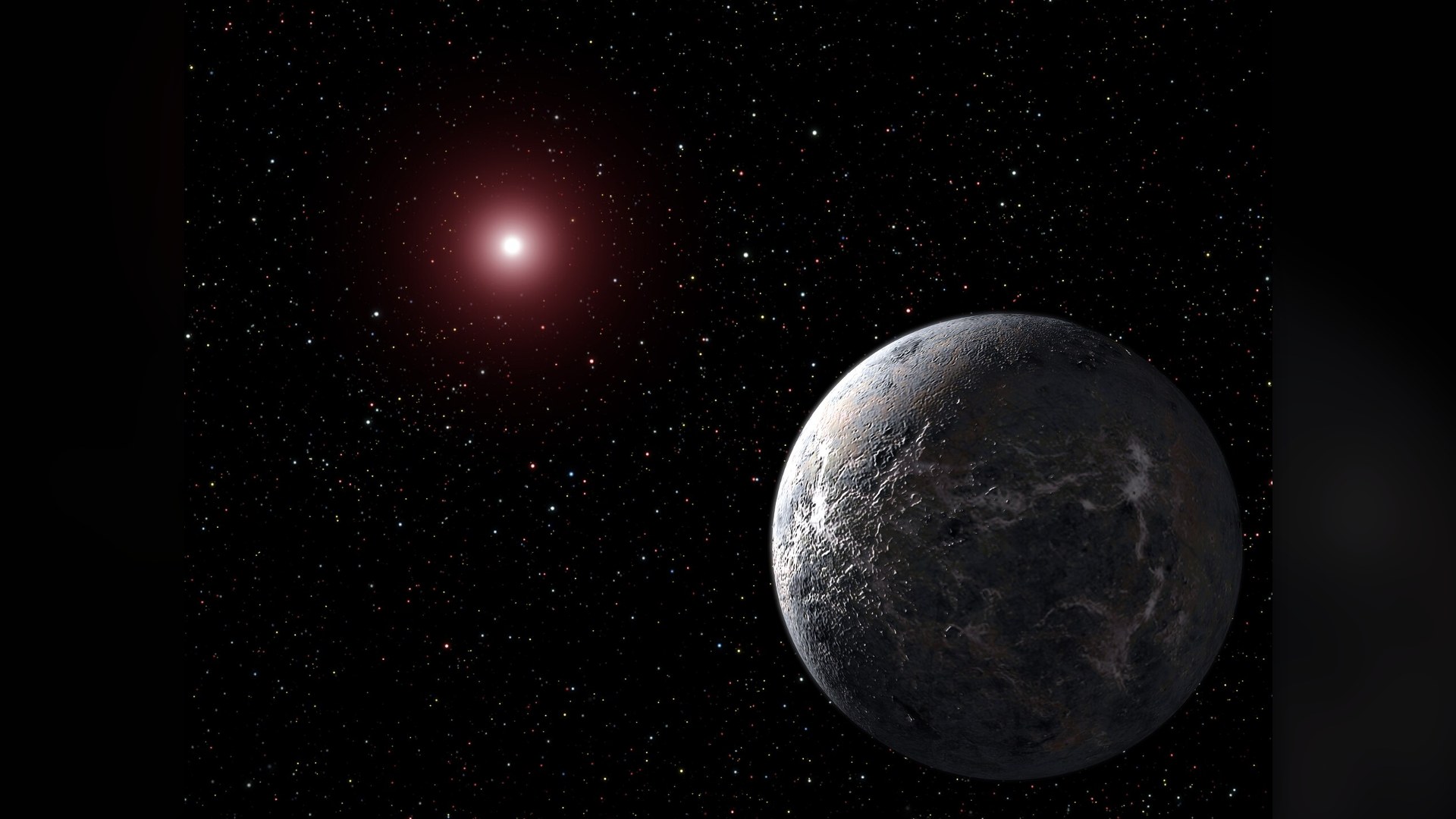
Across deep space, space telescopes like James Webb and Hubble are uncovering alien planets that challenge established physics. From worlds where molten iron rains from boiling clouds to rocky spheres retaining tenuous secondary atmospheres, these twenty distant worlds drive humanity quest to comprehend the cosmos.
By Most Viral Today
1 day ago

Alien atmospheres, molten iron rains, and the cosmic search for life. 
20. PSR B1257+12 B (Draugr) 
19. HD 189733 B 
18. Kepler-16b - AdvertisementSwipe or tap ▶ to continue countdown

17. 55 Cancri E (Janssen) 
16. WASP-76b 
15. KELT-9b 
14. LHS 3844 B - AdvertisementSwipe or tap ▶ to continue countdown

13. WASP-12b 
12. Kepler-22b 
11. Gliese 436 B 
10. Kepler-186f - AdvertisementSwipe or tap ▶ to continue countdown

9. GJ 1214 B 
8. PSO J318.5-22 
7. WASP-107b 
6. Proxima Centauri B - AdvertisementSwipe or tap ▶ to continue countdown

5. Kepler-452b 
4. LHS 1140 B 
3. WASP-39b 
2. K2-18b - AdvertisementSwipe or tap ▶ to continue countdown

1. TRAPPIST-1e - Advertisement🔥 UP NEXT IN THIS SERIES◫ 21 Slides

20 Armored Vehicles in Service With European Militaries
European militaries operate everything from Cold War tanks to modular wheeled combat fleets. Ranked by multinational adoption, battlefield longevity, and technical influence, these 20 programs trace over seven decades of armored design. Based on NATO, Bundeswehr, UK Ministry of Defence, and French DGA records.
Astronomers rely on spectroscopic data from NASA, the European Space Agency, and ground observatories to analyze exoplanetary atmospheres, orbital extremes, and habitability potential. Based on peer-reviewed investigations published in Nature, Science, and The Astrophysical Journal, here are twenty extraordinary worlds
Swipe or tap ▶ to begin the countdown
©Wikimedia / NASA, ESA and G. Bacon
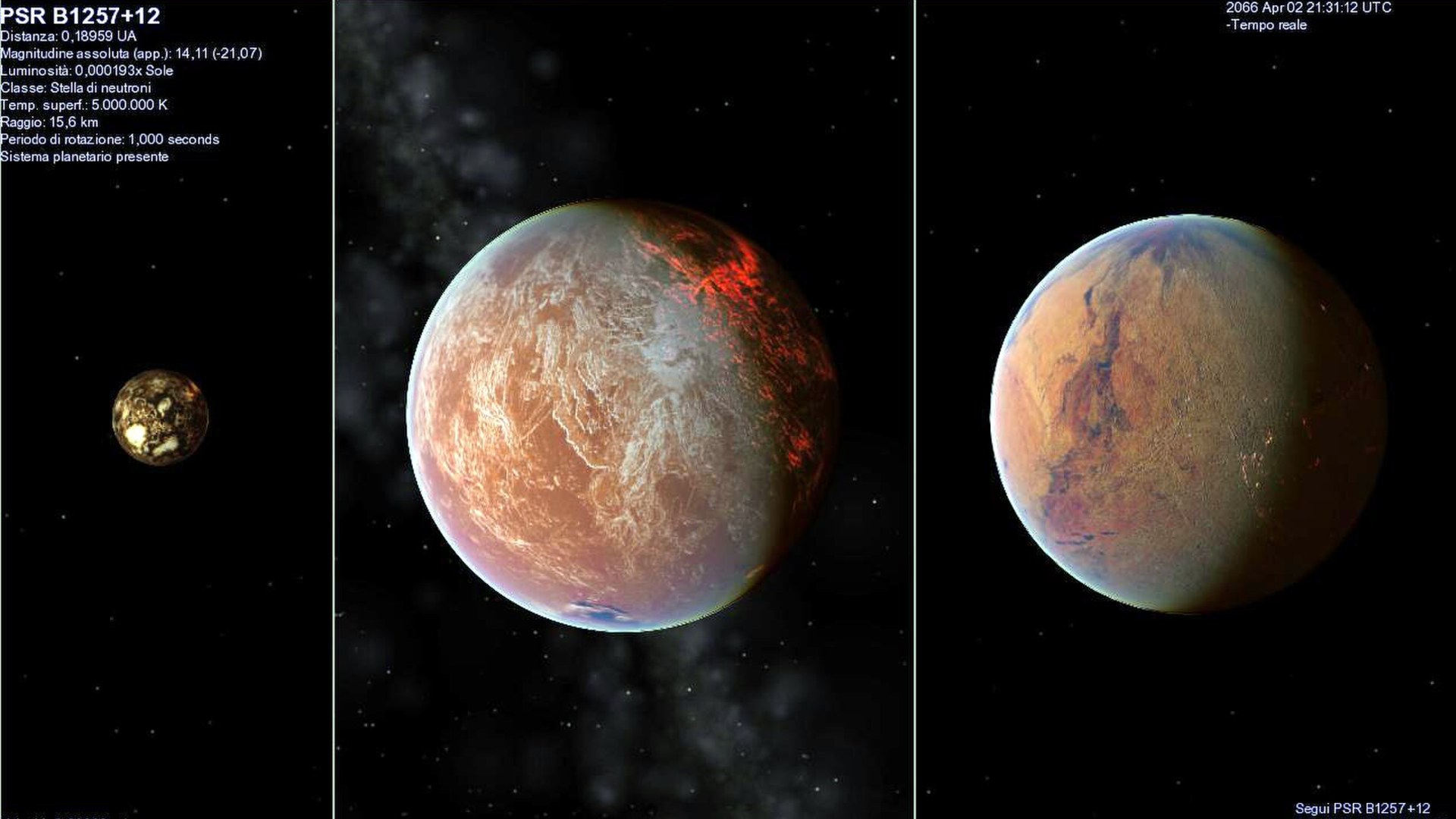
20. PSR B1257+12 B (Draugr)
Discovered in 1992 by Aleksander Wolszczan, Draugr orbits a rapidly spinning neutron star 2,300 light-years away in Virgo. Possessing just twice the mass of Earth's Moon, it survives constant bombardment from relativistic winds and intense electromagnetic pulses.
©Wikimedia / Tyrogthekreeper at en.wikipedia (Later version w
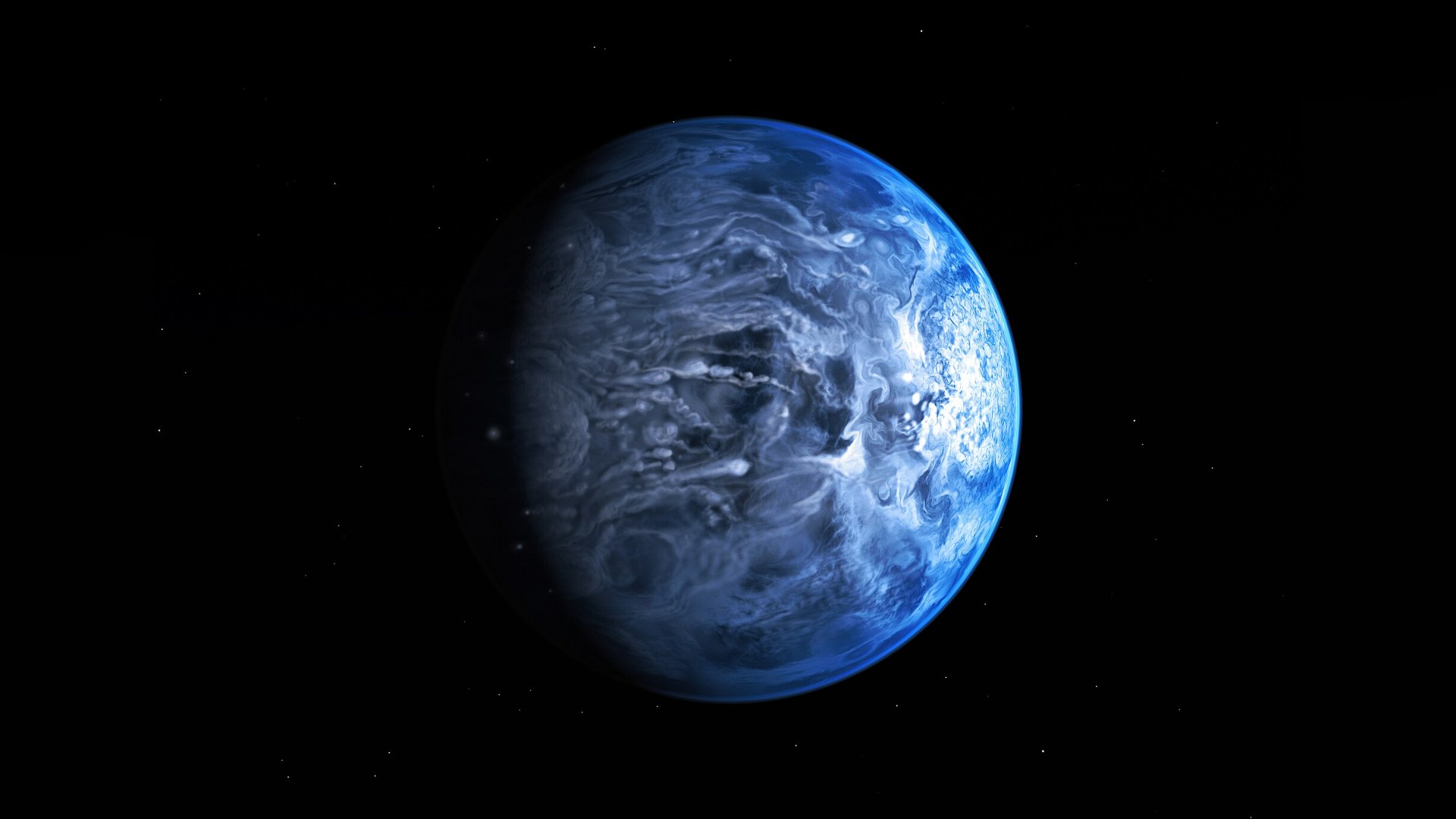
19. HD 189733 B
Located 64 light-years away in Vulpecula, this hot Jupiter whips ferocious equatorial winds at 8,700 kilometers per hour. Hubble spectroscopy revealed silicate particles in its atmosphere that scatter blue light, creating torrential rains of molten glass at 1,000 degrees Celsius.
©Wikimedia / NASA, ESA, M. Kornmesser
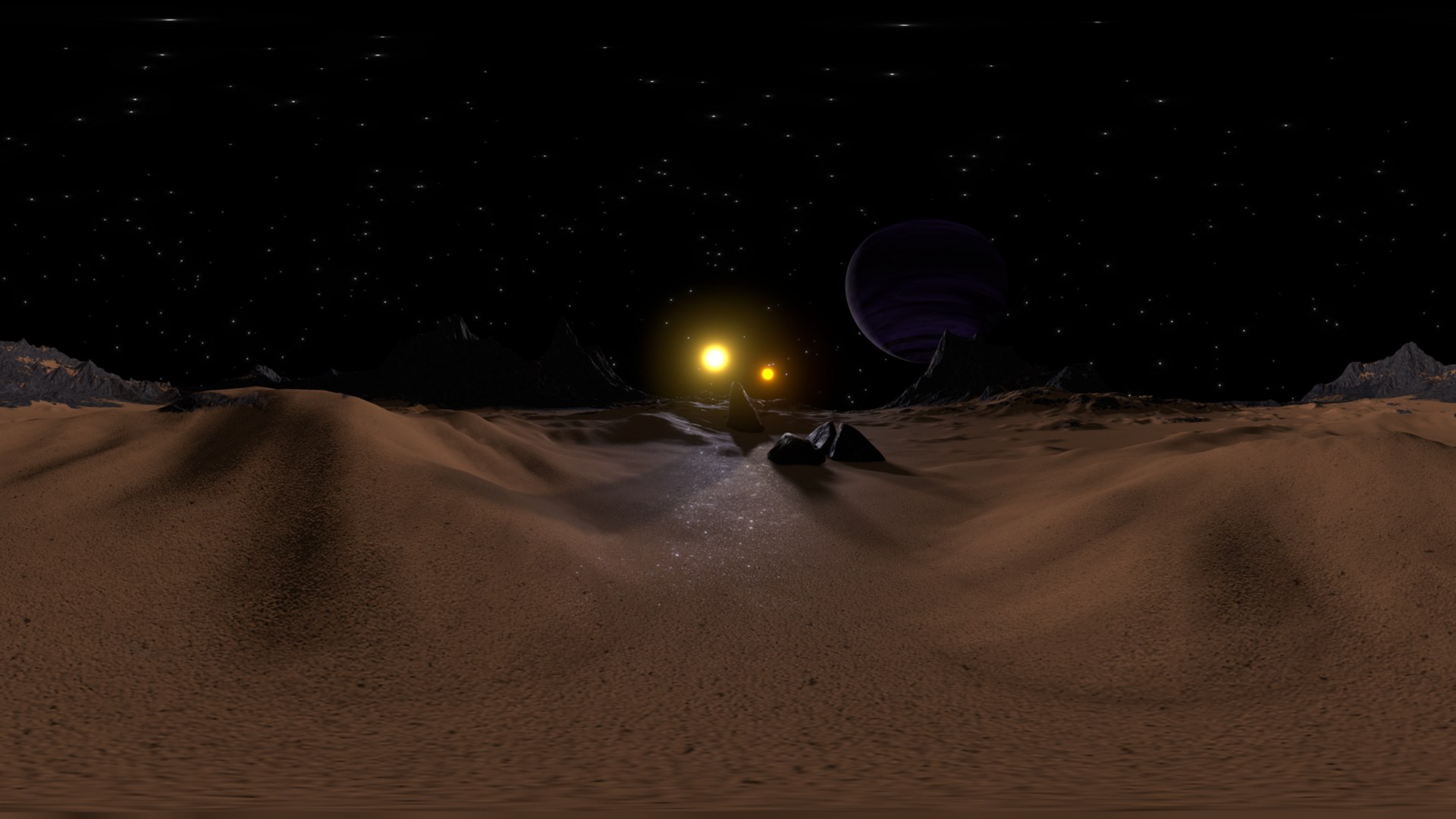
18. Kepler-16b
Discovered in 2011 by NASA's Kepler mission, this Saturn-mass gas giant circles two stars in Cygnus every 229 days. Because both parent stars are cooler than our Sun, Kepler-16b remains outside the habitable zone at temperatures hovering near minus 70 degrees Celsius.
©Wikimedia / NASA
Advertisement
Swipe or tap ▶ to resume the countdown.
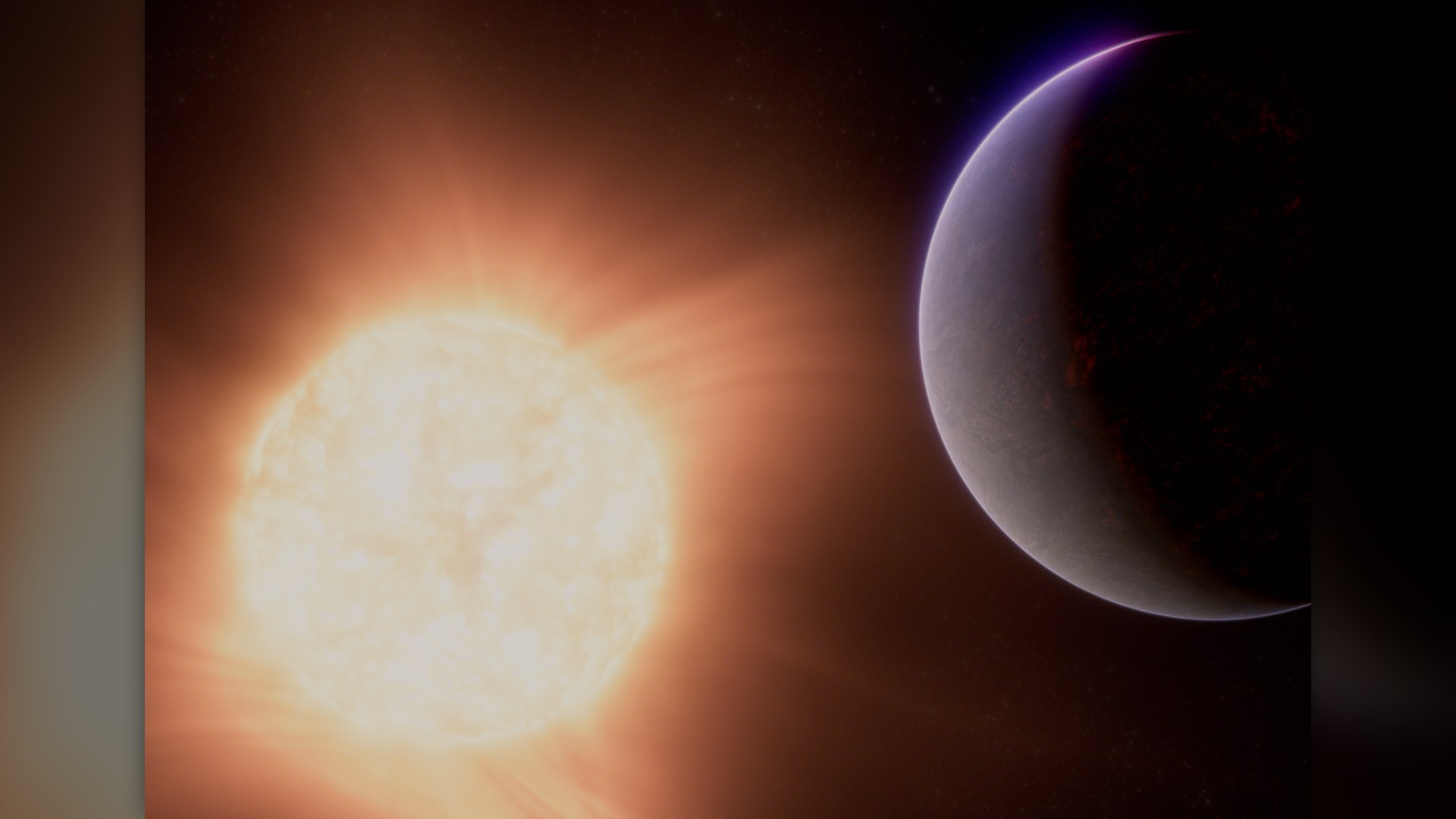
17. 55 Cancri E (Janssen)
Orbiting its host star in just 18 hours, Janssen experiences surface temperatures exceeding 2,000 degrees Celsius. Observations with the James Webb Space Telescope in 2024 revealed volatile gases, suggesting a bubbling secondary atmosphere fed by a planet-wide magma ocean.
©Wikimedia / Illustration NASA, ESA, CSA, Ralf Crawford (STSc
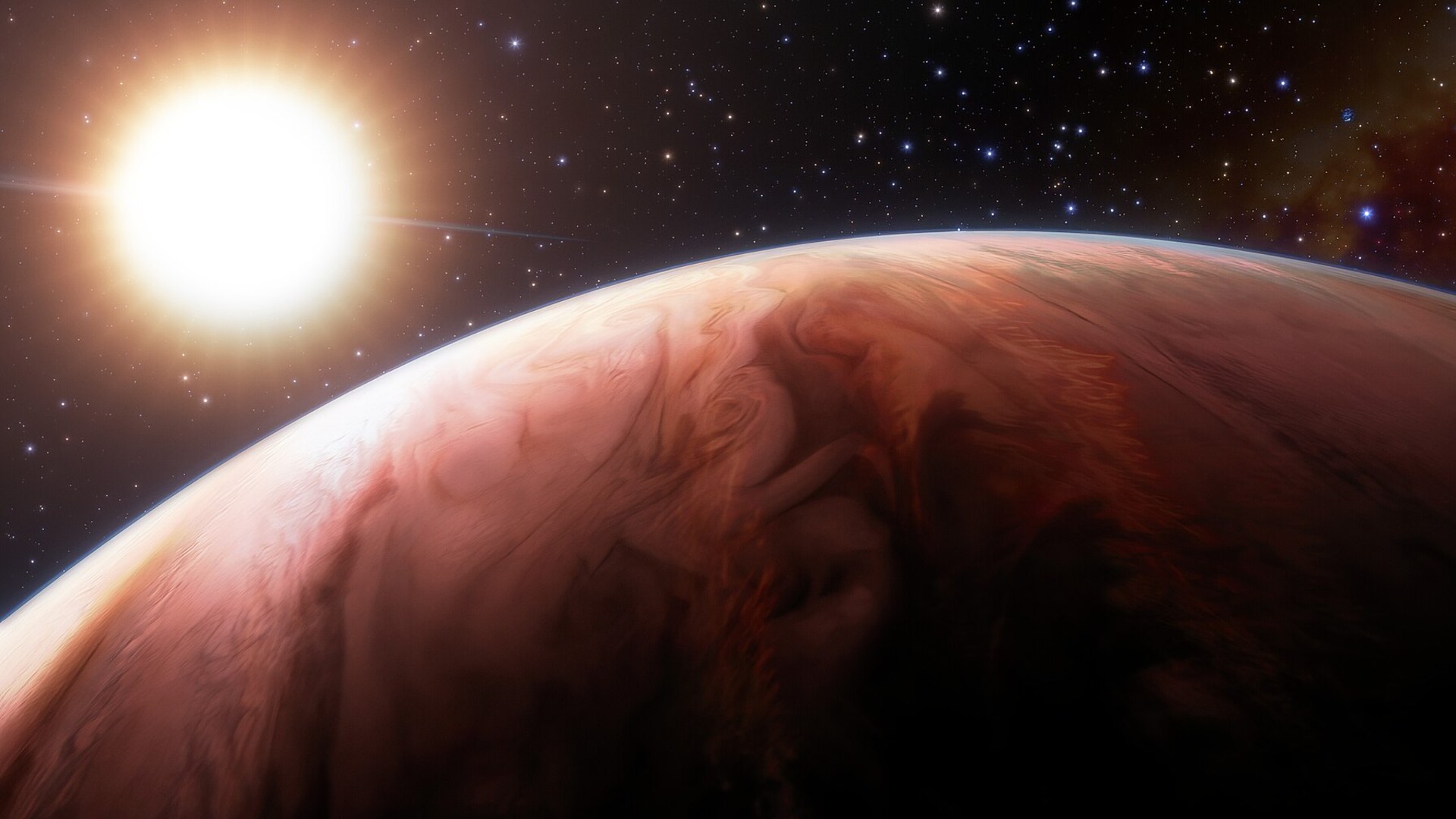
16. WASP-76b
Tidally locked to an F-type star in Pisces, WASP-76b reaches dayside temperatures of 2,400 degrees Celsius, vaporizing heavy metals. Strong winds sweep iron vapor toward the cooler nightside, where temperatures drop to 1,500 degrees and condense the metal into liquid iron droplets.
©Wikimedia / International Gemini Observatory/NOIRLab/NSF/AUR
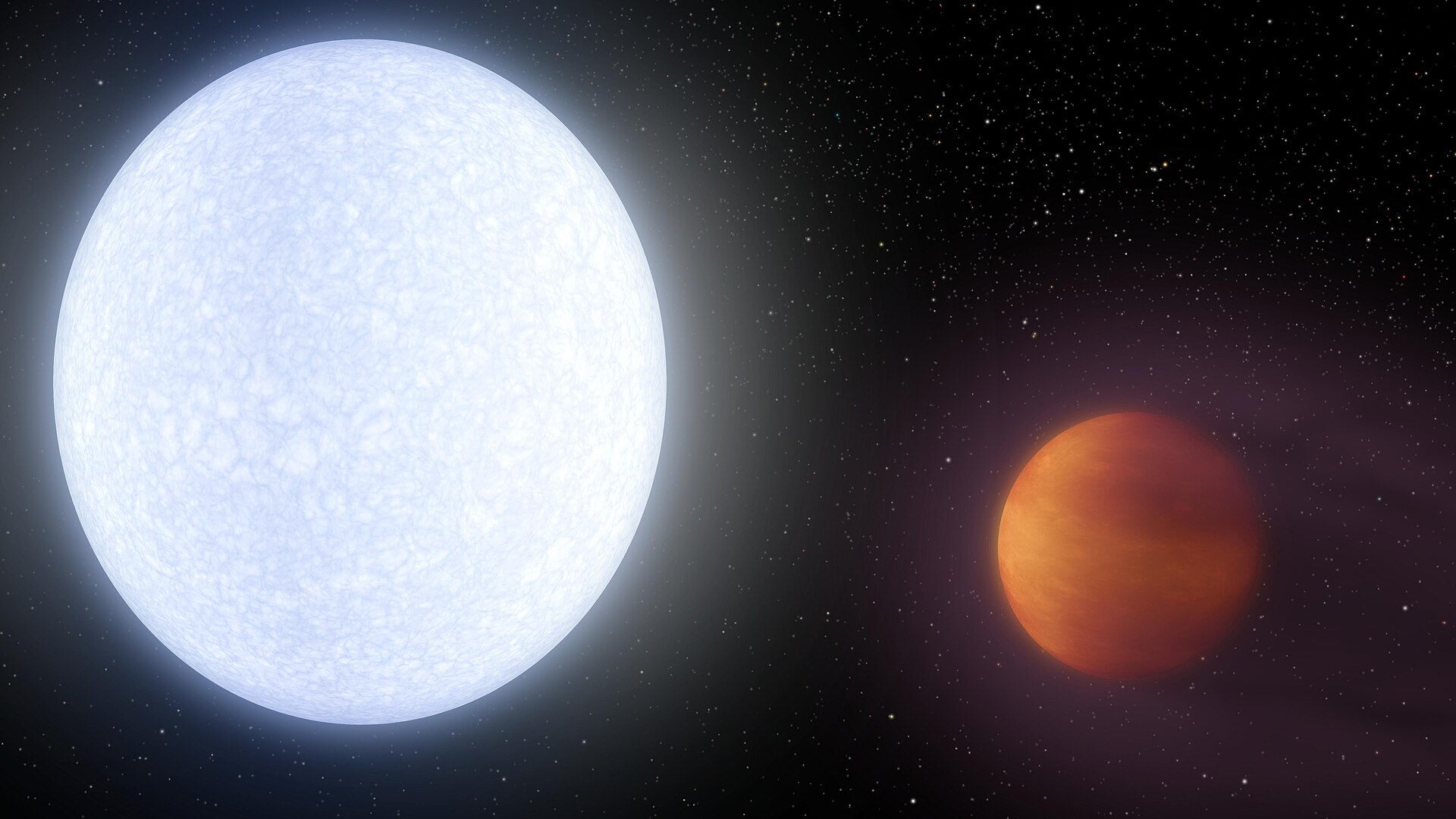
15. KELT-9b
With dayside temperatures reaching 4,300 degrees Celsius, KELT-9b is the hottest known gas giant. Intense ultraviolet radiation from its blue host star tears molecules like water and carbon dioxide apart, leaving free metal atoms boiling in its upper atmosphere.
©Wikimedia / NASA
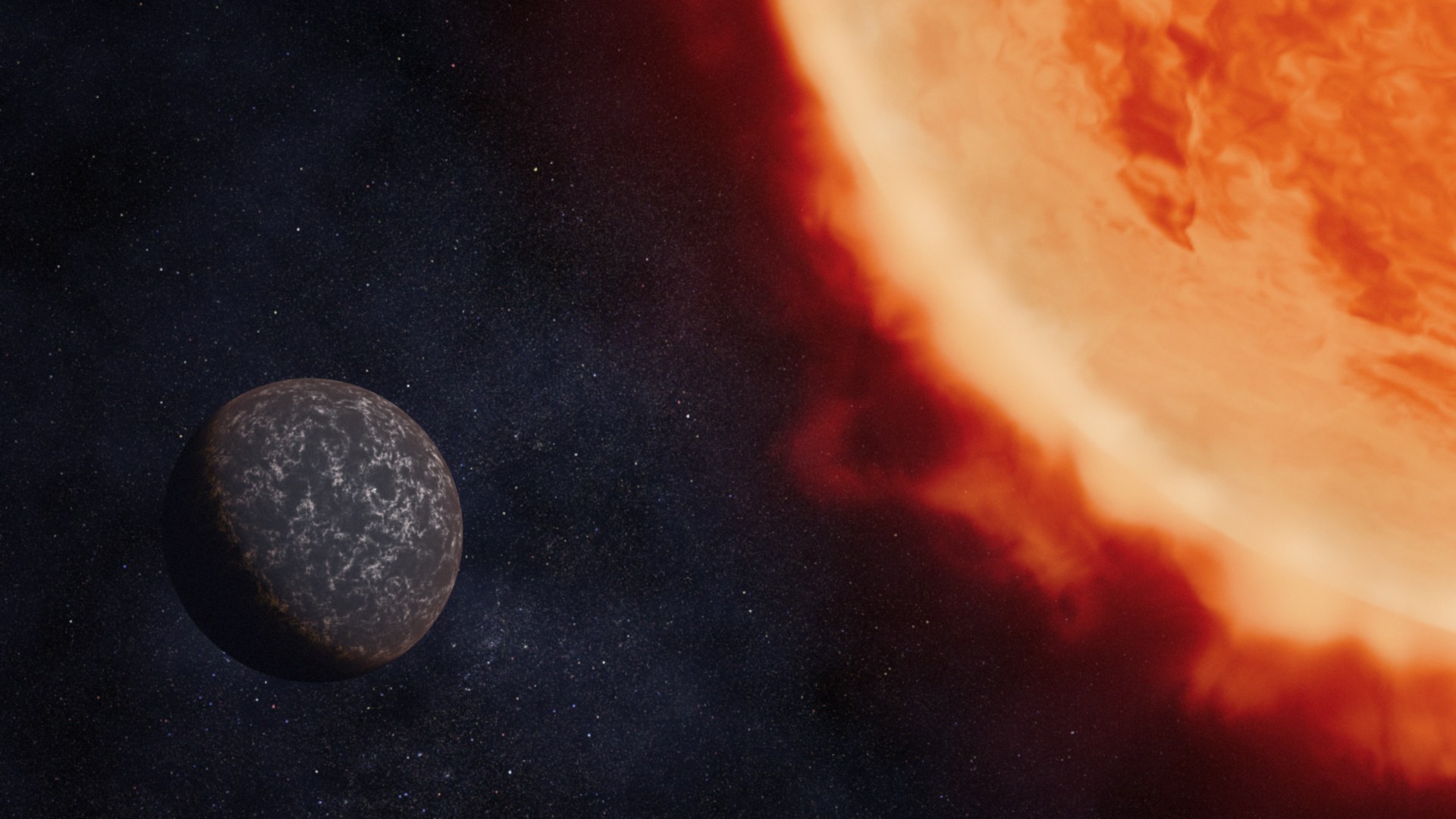
14. LHS 3844 B
Spitzer and JWST infrared measurements found this 1.3-Earth-radius planet lacks a significant atmosphere. Located 48 light-years away, its dark dayside consists of basaltic volcanic rock baking under intense stellar flares, providing insights into bare terrestrial surfaces.
©Wikimedia / ARTWORK: NASA, ESA, CSA, Dani Player (STScI)
Advertisement
Swipe or tap ▶ to resume the countdown.
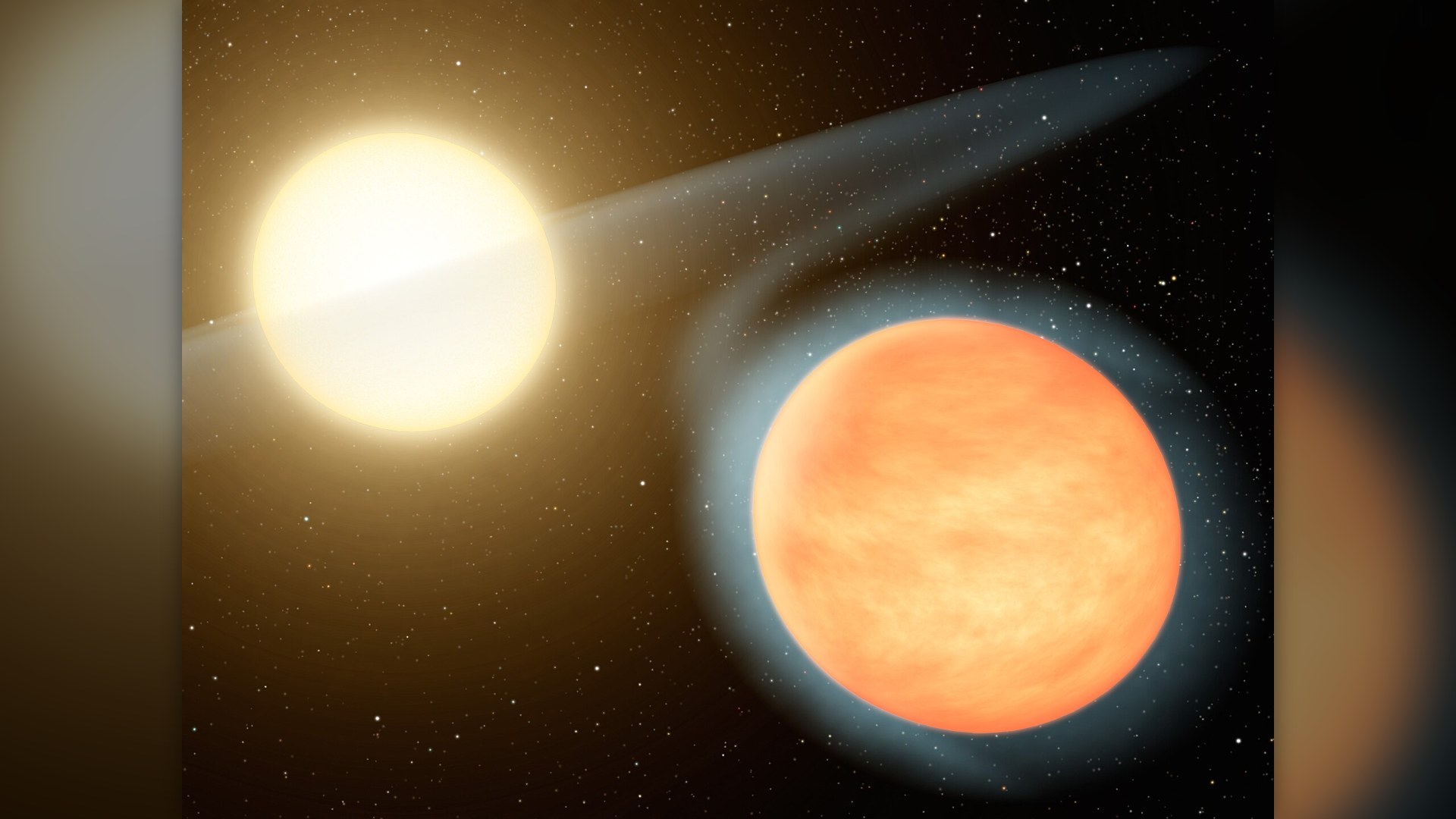
13. WASP-12b
Located 1,400 light-years away in Auriga, WASP-12b orbits so close to its yellow dwarf star that gravitational tides deform it into an oval. The star steadily siphons away the planet outer envelope, leaving researchers estimating it will be completely consumed within ten million years.
©Wikimedia / NASA/JPL-Caltech
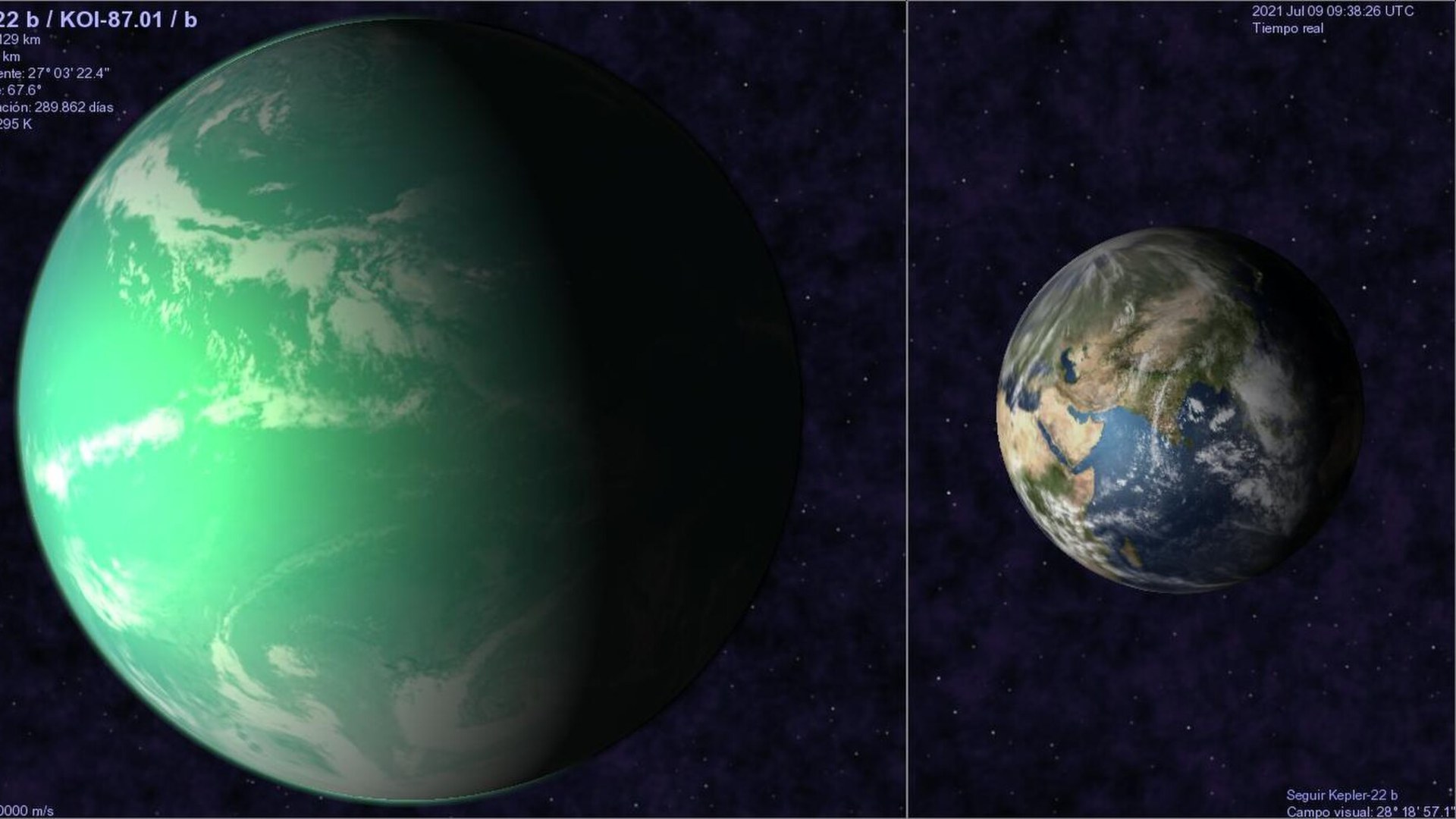
12. Kepler-22b
Announced by NASA in December 2011, Kepler-22b has a radius 2.4 times that of Earth and orbits an illuminated G-type star every 290 days. Scientists model the 600-light-year-distant body as either a warm water-rich world or a volatile-rich planet with a rocky core.
©Wikimedia / Screenshot by Piquito veloz
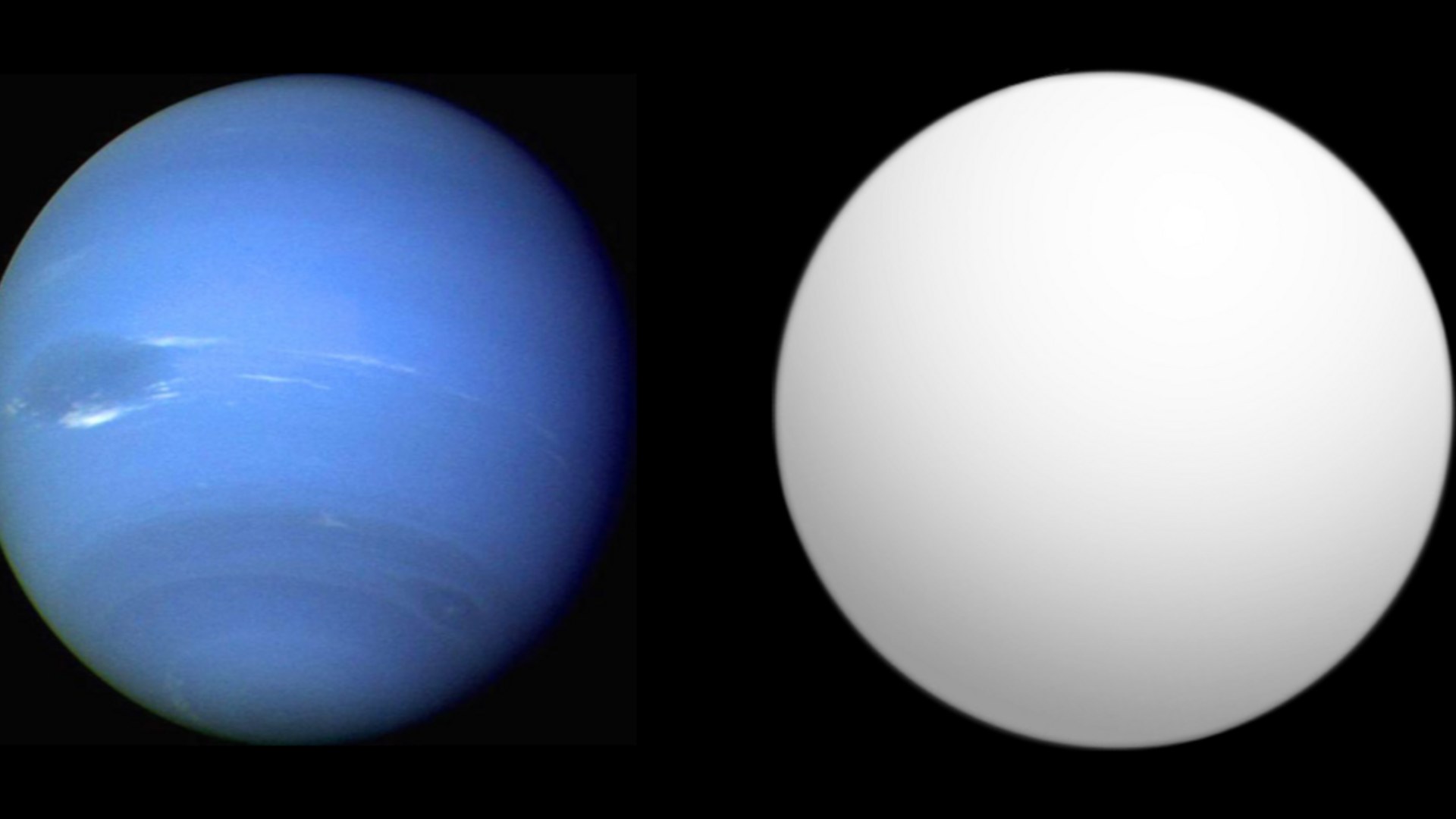
11. Gliese 436 B
Orbiting an M-dwarf in Leo, Gliese 436 b maintains surface temperatures near 440 degrees Celsius. Immense internal gravity compresses water molecules into solid exotic states known as Ice X. Ultraviolet radiation blows away its hydrogen envelope, leaving a comet-like tail.
©Wikimedia / Aldaron , a.k.a. Aldaron
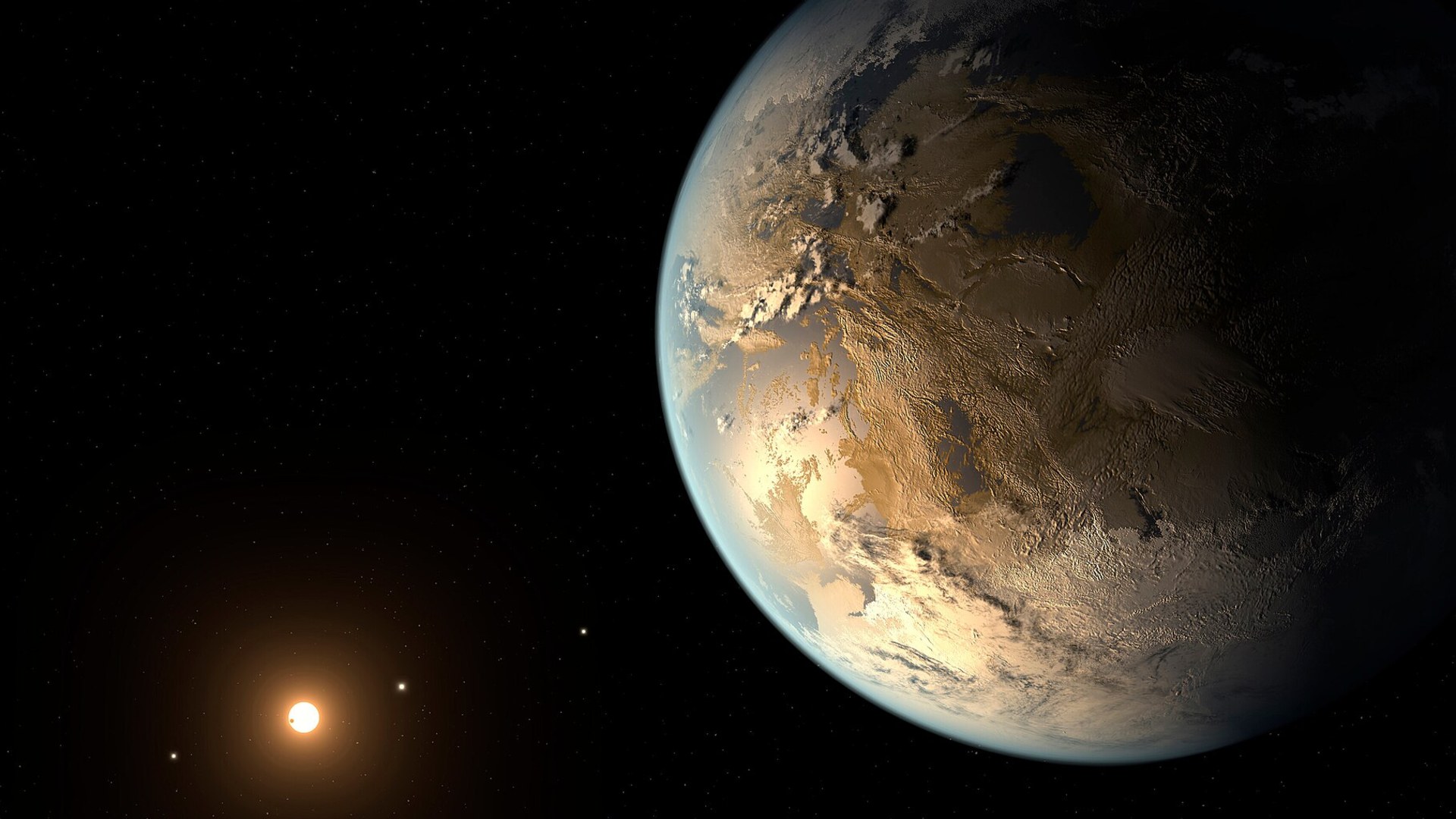
10. Kepler-186f
Discovered in 2014 by NASA Kepler telescope, Kepler-186f circles an M-dwarf star 580 light-years away in Cygnus. With a radius just 1.17 times that of Earth, it receives roughly one-third of our solar heat, making it a benchmark for studying whether red-dwarf worlds can retain protective atmospheres.
©Wikimedia / NASA Ames/SETI Institute/JPL-CalTech
Advertisement
Swipe or tap ▶ to resume the countdown.
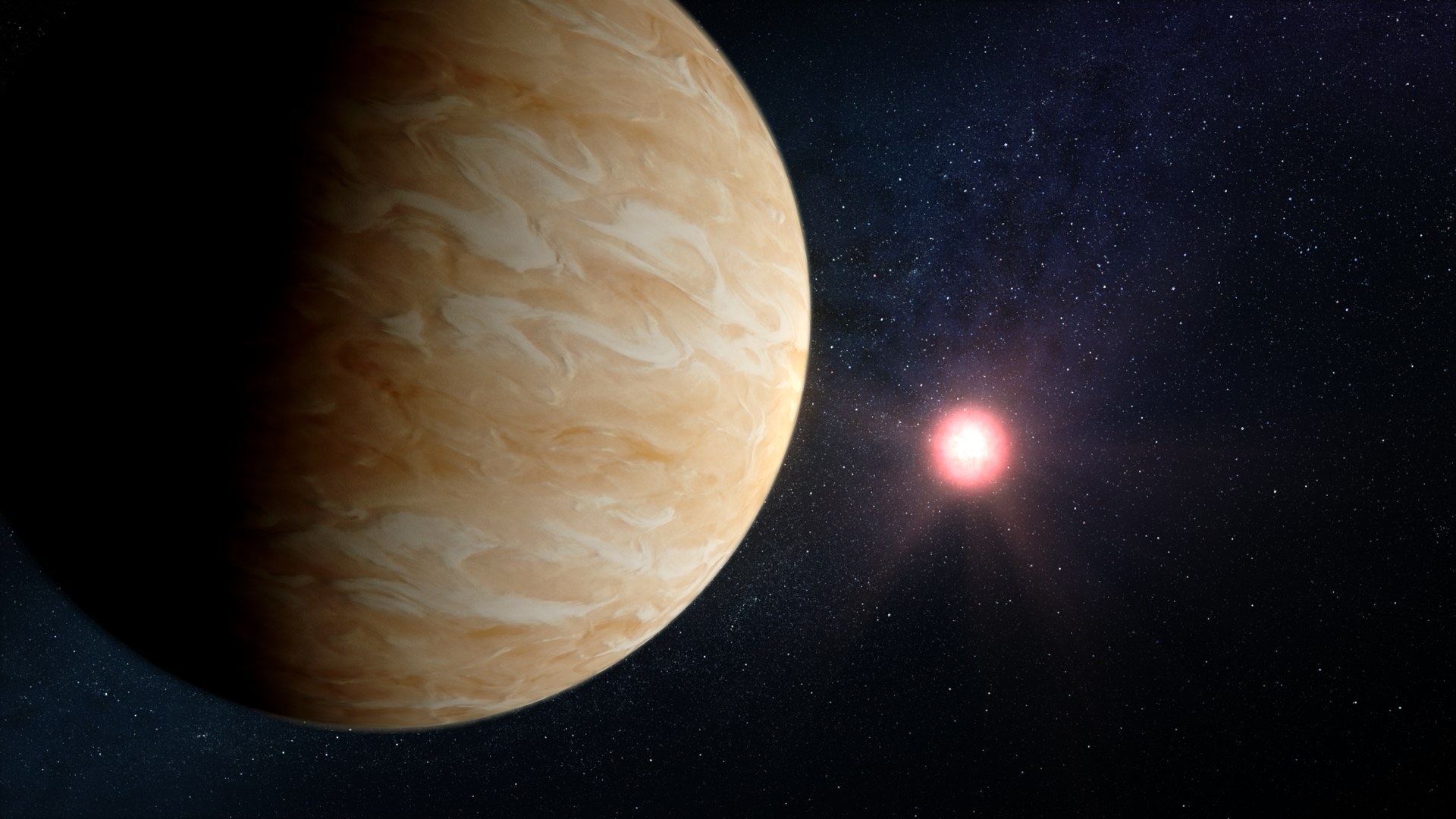
9. GJ 1214 B
Discovered in 2009, GJ 1214 b is 2.7 times Earth's radius and orbits a red dwarf 48 light-years away. JWST MIRI observations confirmed the planet possesses a reflective atmosphere loaded with heavy aerosol hazes, challenging models that predicted clear water-vapor canopies.
©Wikimedia / ARTWORK: NASA, ESA, CSA, Dani Player (STScI)
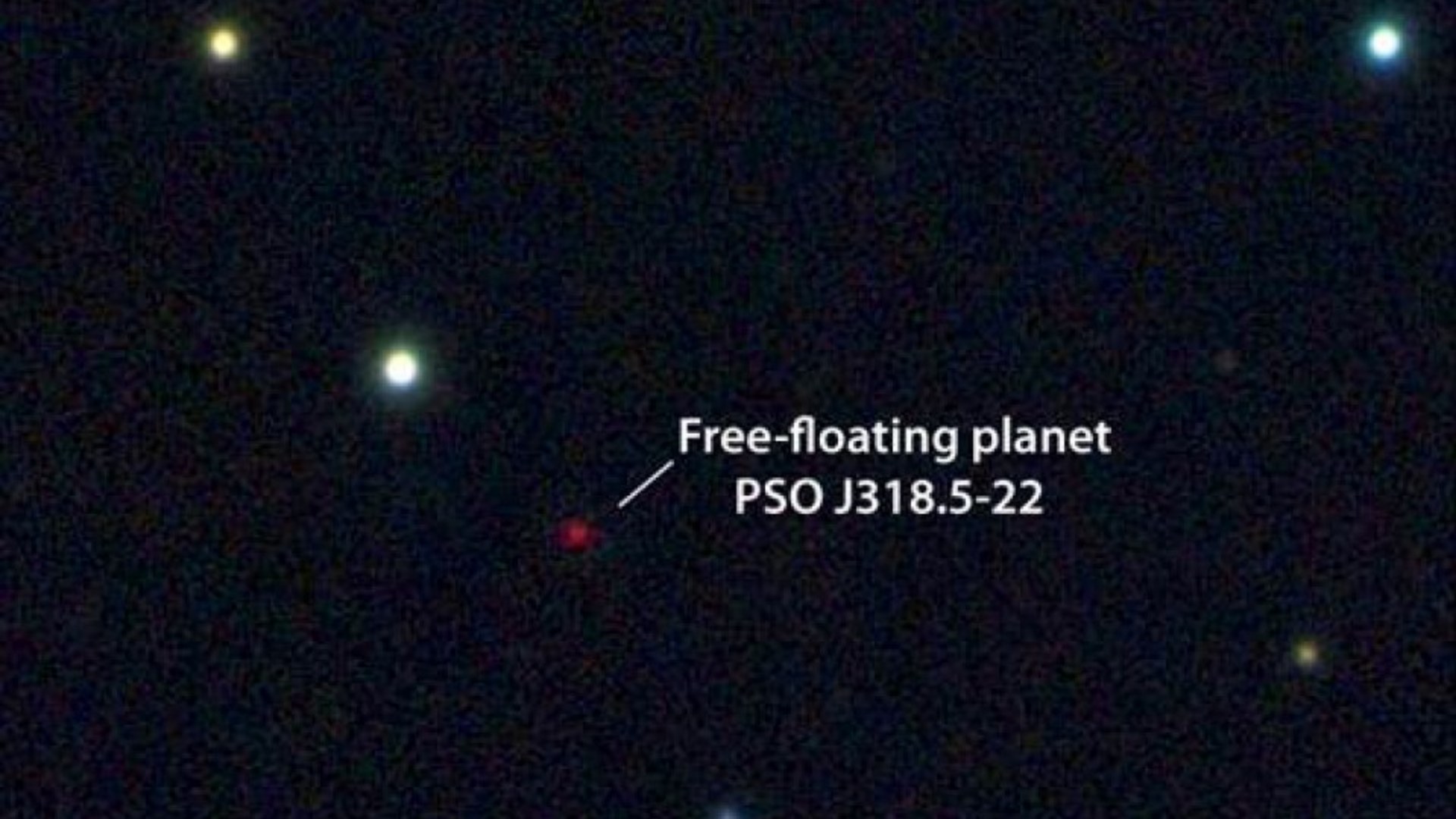
8. PSO J318.5-22
Identified by the Pan-STARRS 1 survey in 2013, this six-Jupiter-mass planet drifts alone 80 light-years from Earth. Free from the blinding glare of a parent star, astronomers study its glowing atmosphere, detecting swirling clouds of hot silicate dust and iron droplets.
©Wikimedia / N. Metcalfe & Pan-STARRS 1 Science Consortium
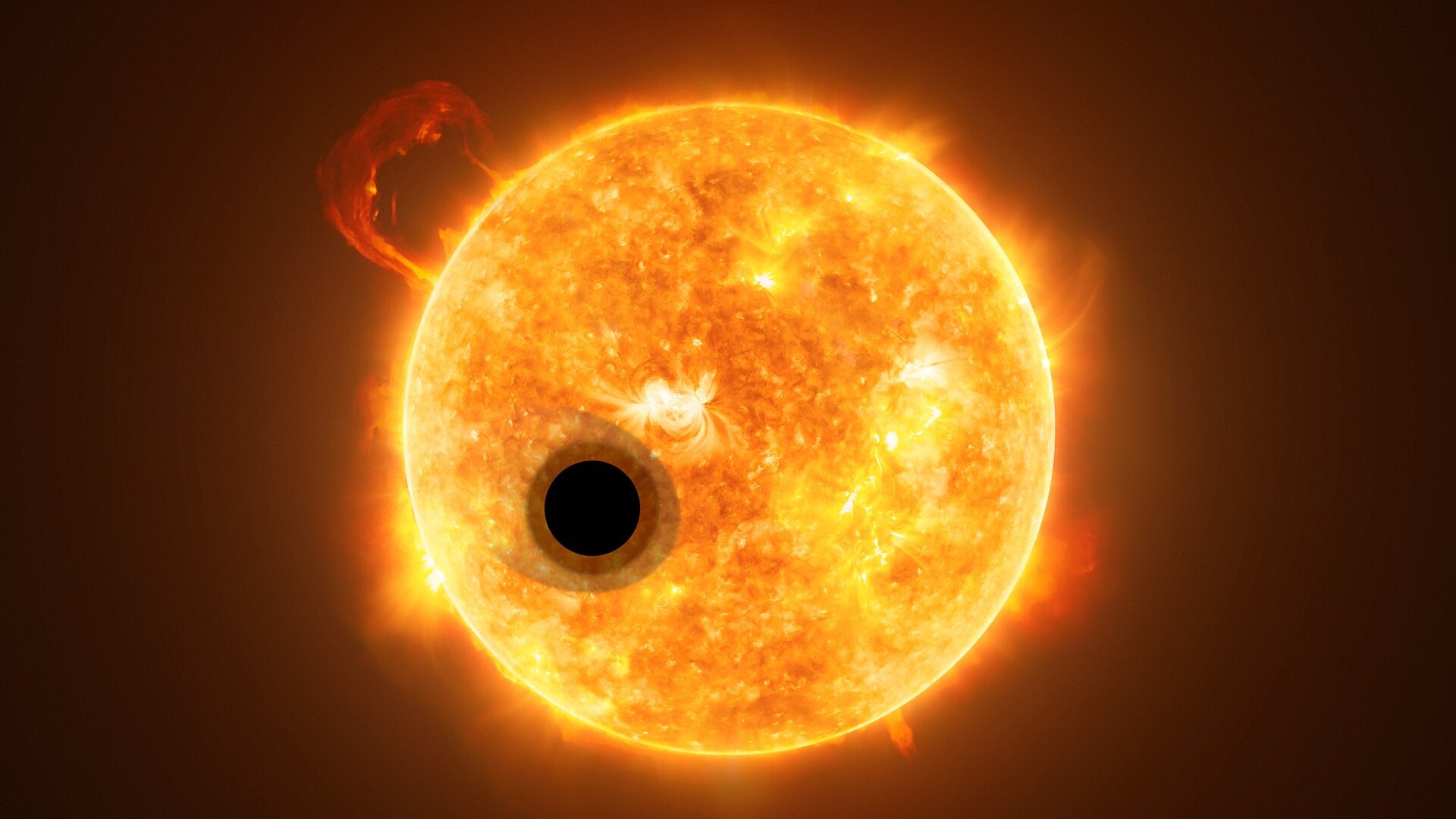
7. WASP-107b
Having the mass of Neptune but the volume of Jupiter, WASP-107b is one of the lowest-density exoplanets known. In 2023 and 2024, JWST spectroscopy detected sulfur dioxide and water vapor alongside gritty silicate sand clouds circulating through its fluffy atmosphere.
©Wikimedia / ESA/Hubble, NASA, M. Kornmesser
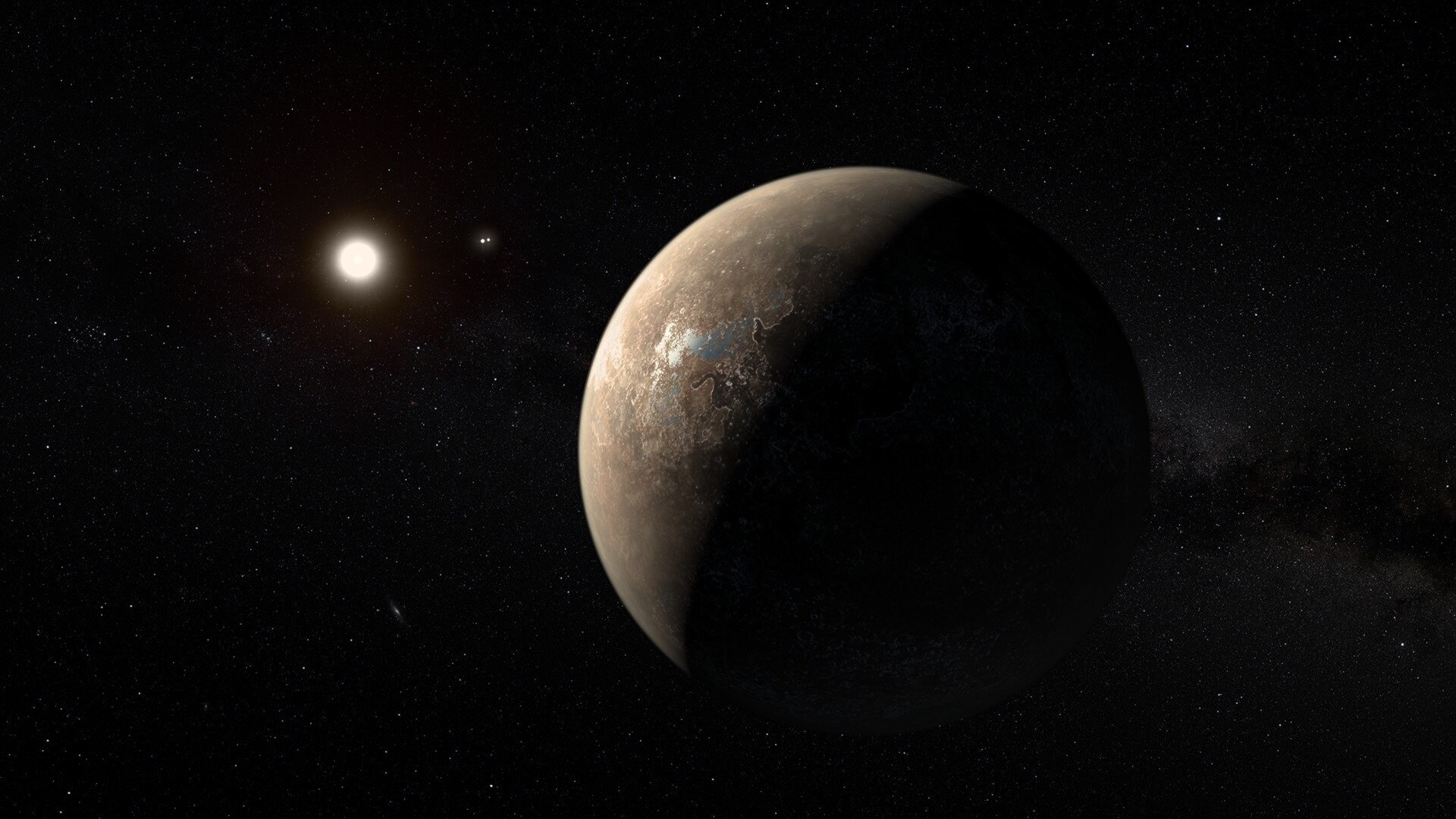
6. Proxima Centauri B
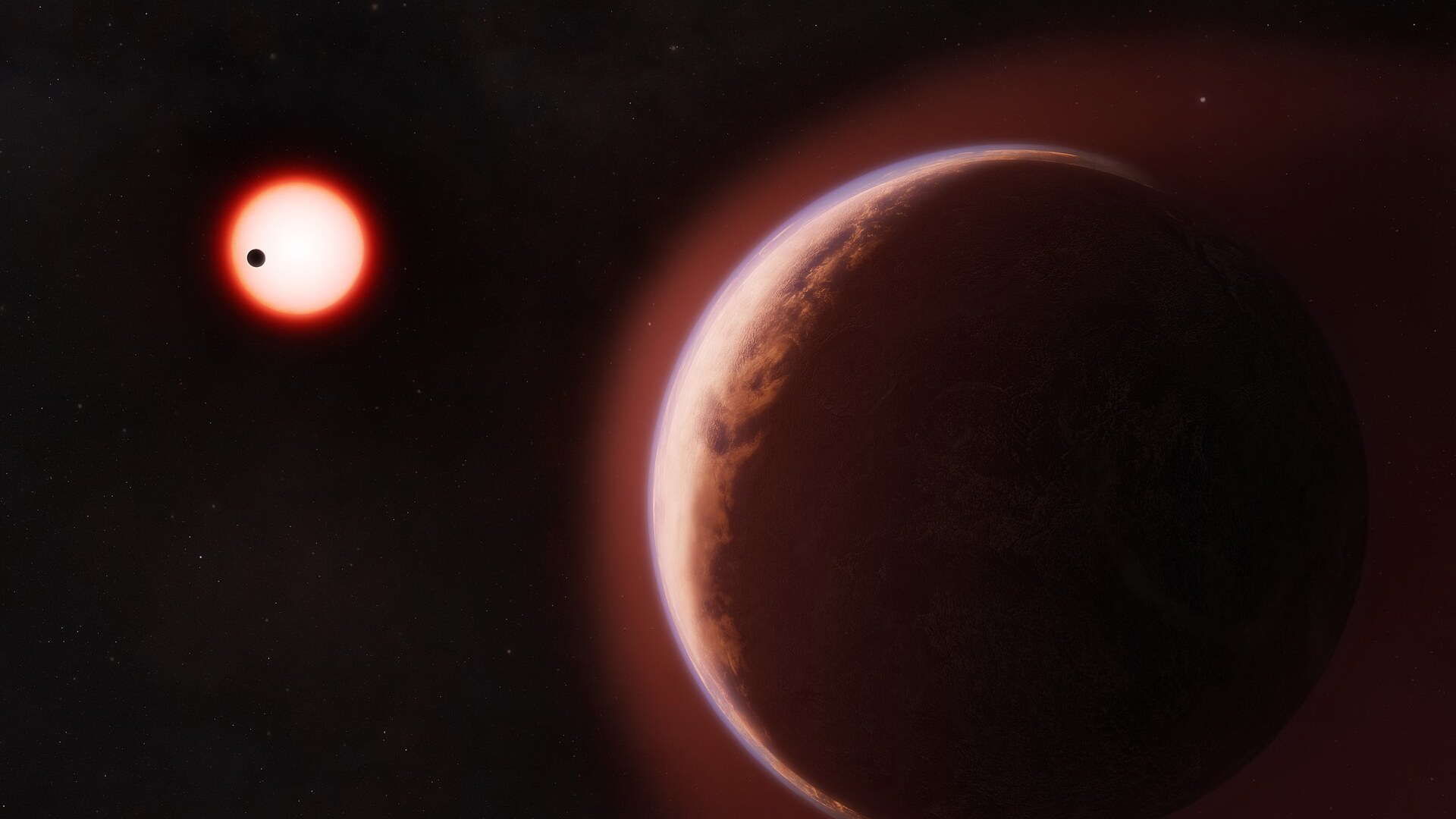
Discovered in 2016 by the European Southern Observatory, this 1.17-Earth-mass terrestrial planet orbits our nearest stellar neighbor, 4.2 light-years away. While resting in the habitable zone, frequent superflares from its host red dwarf challenge its atmospheric survival.
©Wikimedia / ESO/M. Kornmesser
Advertisement
Swipe or tap ▶ to resume the countdown.
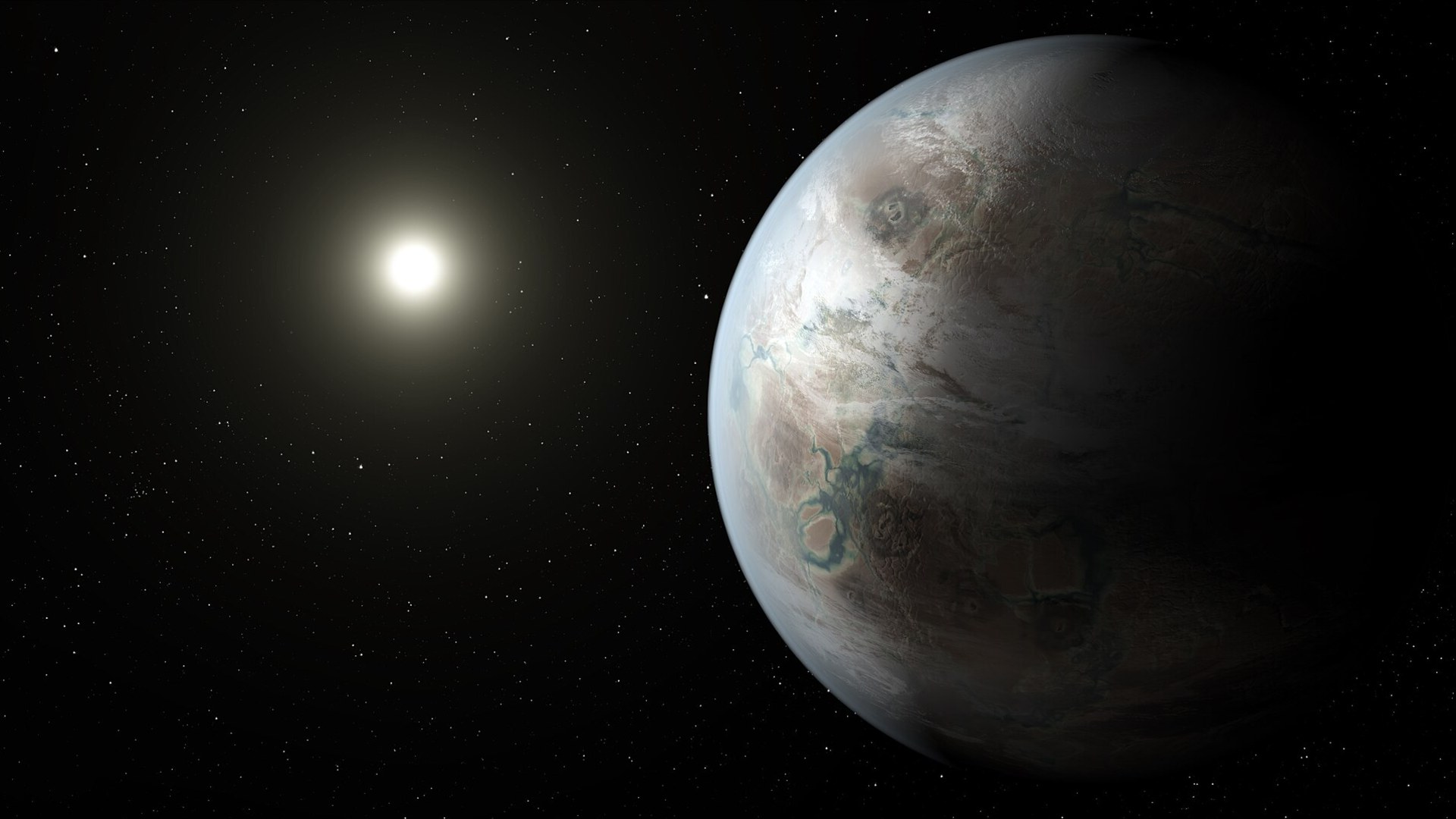
5. Kepler-452b
Announced in 2015, Kepler-452b has a diameter 60 percent larger than Earth and circles a G2-type star every 385 days, located 1,400 light-years away in Cygnus. Because its star is 1.5 billion years older than our Sun, it offers a preview of Earth long-term planetary future.
©Wikimedia / NASA Ames/JPL-Caltech/T. Pyle
4. LHS 1140 B
Located 48 light-years away in Cetus, LHS 1140 b is 1.7 times Earth's radius and orbits in its star habitable zone. Transmission spectroscopy with JWST NIRISS ruled out a hydrogen gas envelope, with 2026 analyses detecting escaping helium from a secondary nitrogen or water world.
©Wikimedia / Melissa Weiss/CfA
3. WASP-39b
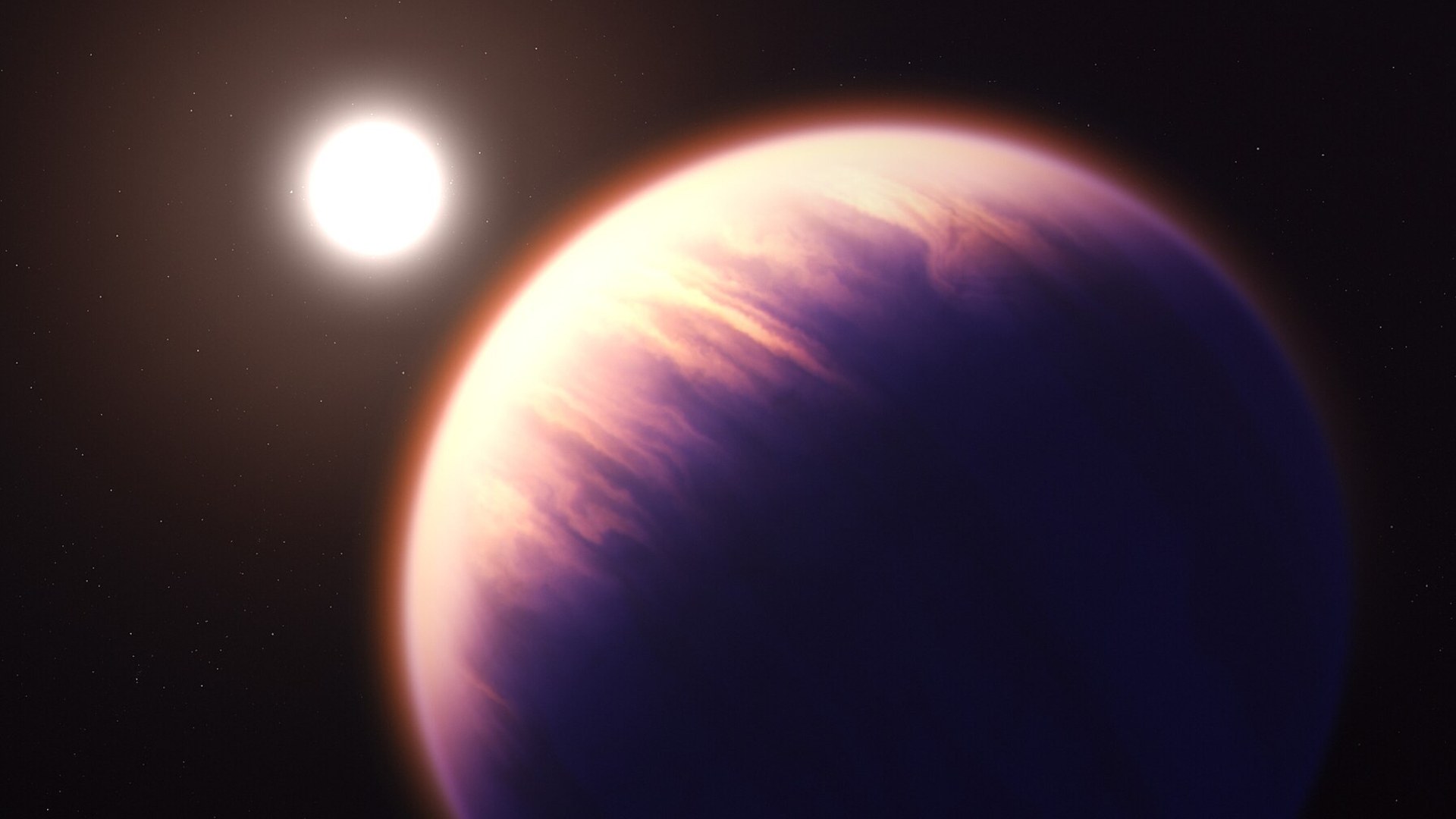
Located 700 light-years away in Virgo, this hot Saturn-mass planet made history when JWST delivered the first clear detection of atmospheric carbon dioxide and photochemical sulfur dioxide. The findings proved high-precision atmospheric chemistry is achievable on distant worlds.
©Wikimedia / NASA, ESA, CSA, J. Olmsted (STScI)
2. K2-18b
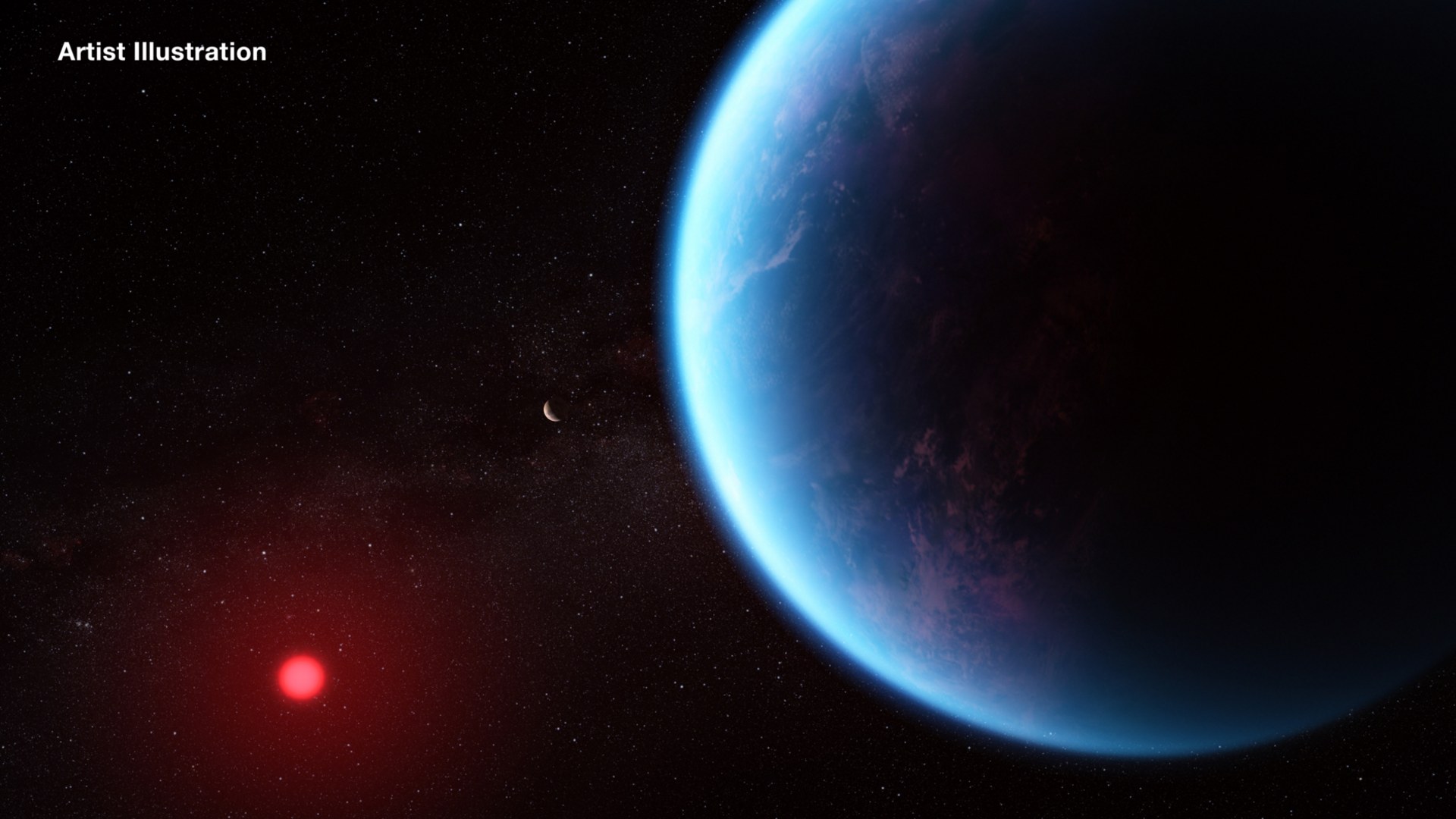
Located 120 light-years away in Leo, this 8.6-Earth-mass planet circles a red dwarf inside the habitable zone. JWST spectroscopy detected carbon dioxide and methane while noting absent ammonia, spurring debate over whether K2-18b is a Hycean water world or a gas-rich dwarf.
©Wikimedia / James Webb Space Telescope
Advertisement
Swipe or tap ▶ to resume the countdown.
1. TRAPPIST-1e
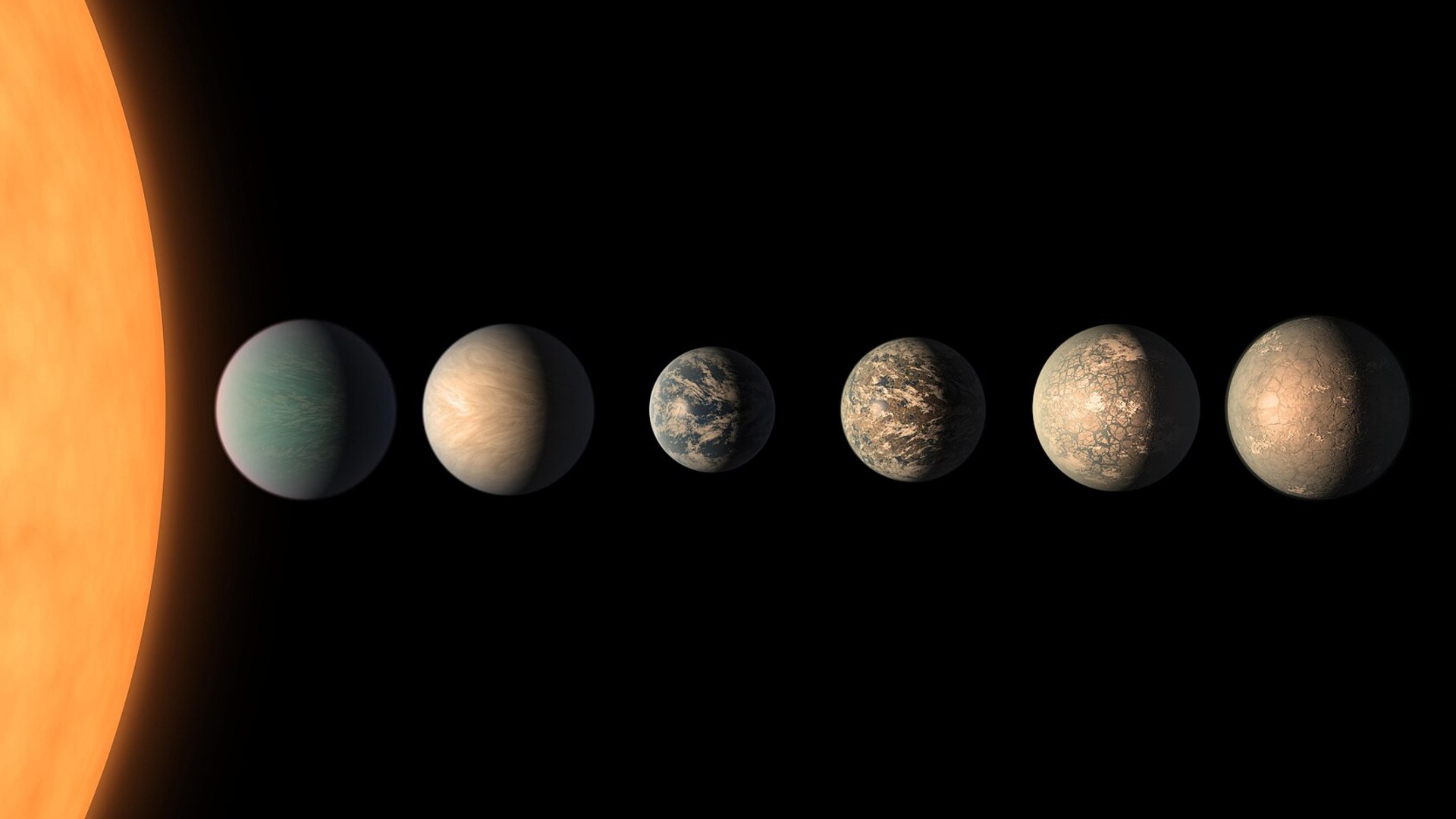
Resting 40 light-years away in Aquarius, TRAPPIST-1e is an Earth-sized rocky world receiving stellar energy comparable to our planet. September 2025 JWST NIRSpec observations ruled out thick hydrogen atmospheres, focusing efforts on testing whether it harbors a secondary nitrogen envelope.

©Wikimedia / NASA/JPL-Caltech
Advertisement
You've reached the end of the story. Thanks for reading!

20 Armored Vehicles in Service With European Militaries
European militaries operate everything from Cold War tanks to modular wheeled combat fleets. Ranked by multinational adoption, battlefield longevity, and technical influence, these 20 programs trace over seven decades of armored design. Based on NATO, Bundeswehr, UK Ministry of Defence, and French DGA records.
All 20 Entries in this Story
#20 PSR B1257+12 B (Draugr)
Discovered in 1992 by Aleksander Wolszczan, Draugr orbits a rapidly spinning neutron star 2,300 light-years away in Virgo. Possessing just twice the mass of Earth's Moon, it survives constant bombardment from relativistic winds and intense electromagnetic pulses.

#19 HD 189733 B
Located 64 light-years away in Vulpecula, this hot Jupiter whips ferocious equatorial winds at 8,700 kilometers per hour. Hubble spectroscopy revealed silicate particles in its atmosphere that scatter blue light, creating torrential rains of molten glass at 1,000 degrees Celsius.

#18 Kepler-16b
Discovered in 2011 by NASA's Kepler mission, this Saturn-mass gas giant circles two stars in Cygnus every 229 days. Because both parent stars are cooler than our Sun, Kepler-16b remains outside the habitable zone at temperatures hovering near minus 70 degrees Celsius.

#17 55 Cancri E (Janssen)
Orbiting its host star in just 18 hours, Janssen experiences surface temperatures exceeding 2,000 degrees Celsius. Observations with the James Webb Space Telescope in 2024 revealed volatile gases, suggesting a bubbling secondary atmosphere fed by a planet-wide magma ocean.

#16 WASP-76b
Tidally locked to an F-type star in Pisces, WASP-76b reaches dayside temperatures of 2,400 degrees Celsius, vaporizing heavy metals. Strong winds sweep iron vapor toward the cooler nightside, where temperatures drop to 1,500 degrees and condense the metal into liquid iron droplets.

#15 KELT-9b
With dayside temperatures reaching 4,300 degrees Celsius, KELT-9b is the hottest known gas giant. Intense ultraviolet radiation from its blue host star tears molecules like water and carbon dioxide apart, leaving free metal atoms boiling in its upper atmosphere.

#14 LHS 3844 B
Spitzer and JWST infrared measurements found this 1.3-Earth-radius planet lacks a significant atmosphere. Located 48 light-years away, its dark dayside consists of basaltic volcanic rock baking under intense stellar flares, providing insights into bare terrestrial surfaces.

#13 WASP-12b
Located 1,400 light-years away in Auriga, WASP-12b orbits so close to its yellow dwarf star that gravitational tides deform it into an oval. The star steadily siphons away the planet outer envelope, leaving researchers estimating it will be completely consumed within ten million years.

#12 Kepler-22b
Announced by NASA in December 2011, Kepler-22b has a radius 2.4 times that of Earth and orbits an illuminated G-type star every 290 days. Scientists model the 600-light-year-distant body as either a warm water-rich world or a volatile-rich planet with a rocky core.

#11 Gliese 436 B
Orbiting an M-dwarf in Leo, Gliese 436 b maintains surface temperatures near 440 degrees Celsius. Immense internal gravity compresses water molecules into solid exotic states known as Ice X. Ultraviolet radiation blows away its hydrogen envelope, leaving a comet-like tail.

#10 Kepler-186f
Discovered in 2014 by NASA Kepler telescope, Kepler-186f circles an M-dwarf star 580 light-years away in Cygnus. With a radius just 1.17 times that of Earth, it receives roughly one-third of our solar heat, making it a benchmark for studying whether red-dwarf worlds can retain protective atmospheres.

#9 GJ 1214 B
Discovered in 2009, GJ 1214 b is 2.7 times Earth's radius and orbits a red dwarf 48 light-years away. JWST MIRI observations confirmed the planet possesses a reflective atmosphere loaded with heavy aerosol hazes, challenging models that predicted clear water-vapor canopies.

#8 PSO J318.5-22
Identified by the Pan-STARRS 1 survey in 2013, this six-Jupiter-mass planet drifts alone 80 light-years from Earth. Free from the blinding glare of a parent star, astronomers study its glowing atmosphere, detecting swirling clouds of hot silicate dust and iron droplets.

#7 WASP-107b
Having the mass of Neptune but the volume of Jupiter, WASP-107b is one of the lowest-density exoplanets known. In 2023 and 2024, JWST spectroscopy detected sulfur dioxide and water vapor alongside gritty silicate sand clouds circulating through its fluffy atmosphere.

#6 Proxima Centauri B
Discovered in 2016 by the European Southern Observatory, this 1.17-Earth-mass terrestrial planet orbits our nearest stellar neighbor, 4.2 light-years away. While resting in the habitable zone, frequent superflares from its host red dwarf challenge its atmospheric survival.

#5 Kepler-452b
Announced in 2015, Kepler-452b has a diameter 60 percent larger than Earth and circles a G2-type star every 385 days, located 1,400 light-years away in Cygnus. Because its star is 1.5 billion years older than our Sun, it offers a preview of Earth long-term planetary future.

#4 LHS 1140 B
Located 48 light-years away in Cetus, LHS 1140 b is 1.7 times Earth's radius and orbits in its star habitable zone. Transmission spectroscopy with JWST NIRISS ruled out a hydrogen gas envelope, with 2026 analyses detecting escaping helium from a secondary nitrogen or water world.

#3 WASP-39b
Located 700 light-years away in Virgo, this hot Saturn-mass planet made history when JWST delivered the first clear detection of atmospheric carbon dioxide and photochemical sulfur dioxide. The findings proved high-precision atmospheric chemistry is achievable on distant worlds.

#2 K2-18b
Located 120 light-years away in Leo, this 8.6-Earth-mass planet circles a red dwarf inside the habitable zone. JWST spectroscopy detected carbon dioxide and methane while noting absent ammonia, spurring debate over whether K2-18b is a Hycean water world or a gas-rich dwarf.

#1 TRAPPIST-1e
Resting 40 light-years away in Aquarius, TRAPPIST-1e is an Earth-sized rocky world receiving stellar energy comparable to our planet. September 2025 JWST NIRSpec observations ruled out thick hydrogen atmospheres, focusing efforts on testing whether it harbors a secondary nitrogen envelope.