Slideshow · Viral
20 Easy And Hassle-Free Ways To Stockpile Your Food And Water
From calculating a practical two-week water reserve to rotating calorie-dense grains and proteins with the First In First Out rule, here are 20 simple strategies to build a stress-free household pantr
By Most Viral Today
2 Nov 2026

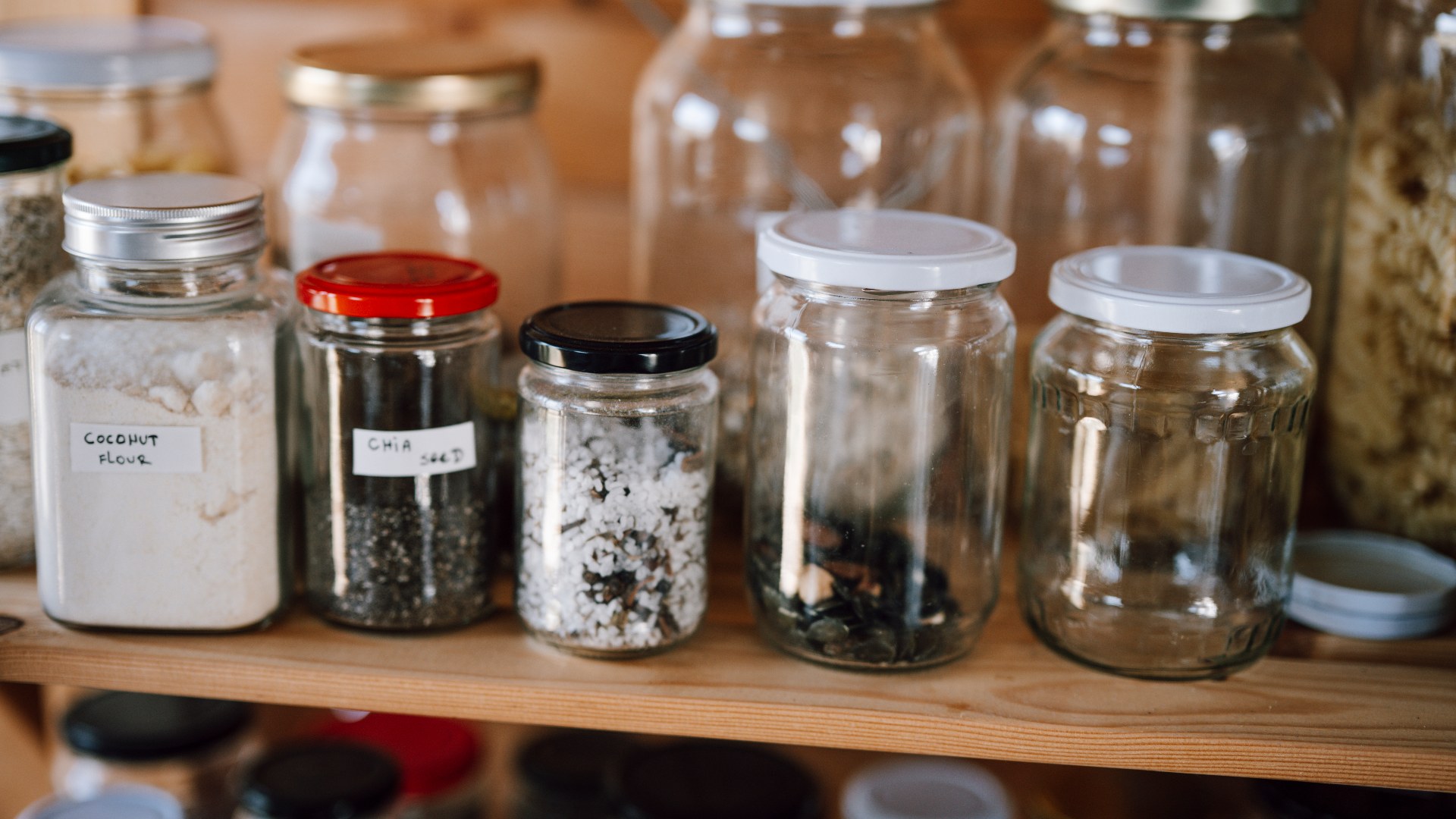
Build A Practical Two-Week Emergency Pantry Without Wasting Money Or Space 
20. Calculate The Three-Liters Daily Water Rule 
19. Prioritize Commercial Sealed Water Bottles 
18. Keep Water Treatment Tablets And Drops - AdvertisementSwipe or tap ▶ to continue countdown

17. Acquire A Manual Gravity Water Filter 
16. Stockpile White Rice As Your Calorie Foundation 
15. Seal Rolled Oats In Cool Dry Storage 
14. Pack Dry Pasta And Noodles Tightly - AdvertisementSwipe or tap ▶ to continue countdown

13. Pre-Freeze Dry Goods Before Packing 
12. Focus On Tinned Meats And Canned Fish 
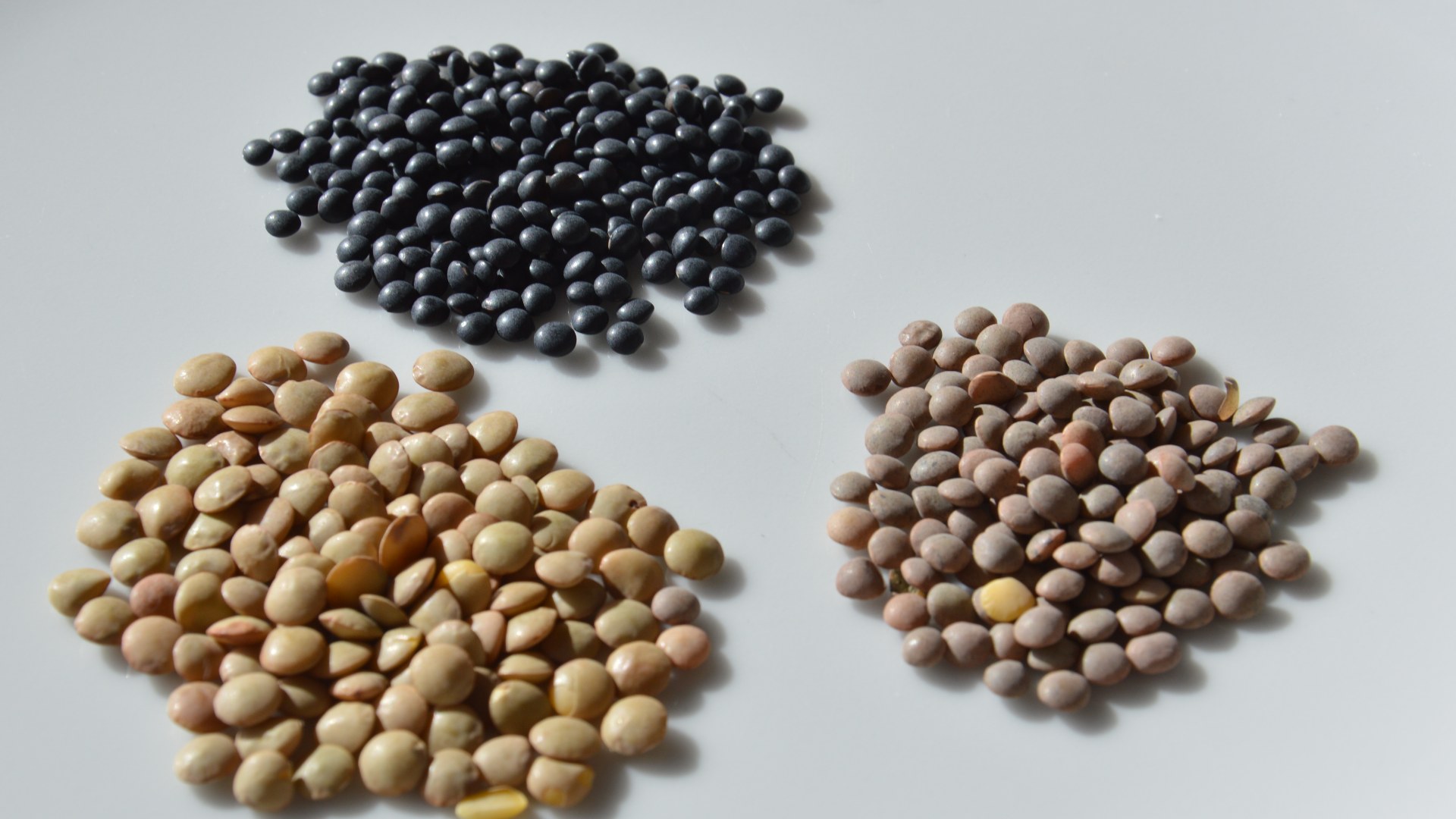
11. Store Dried Beans And Red Lentils 
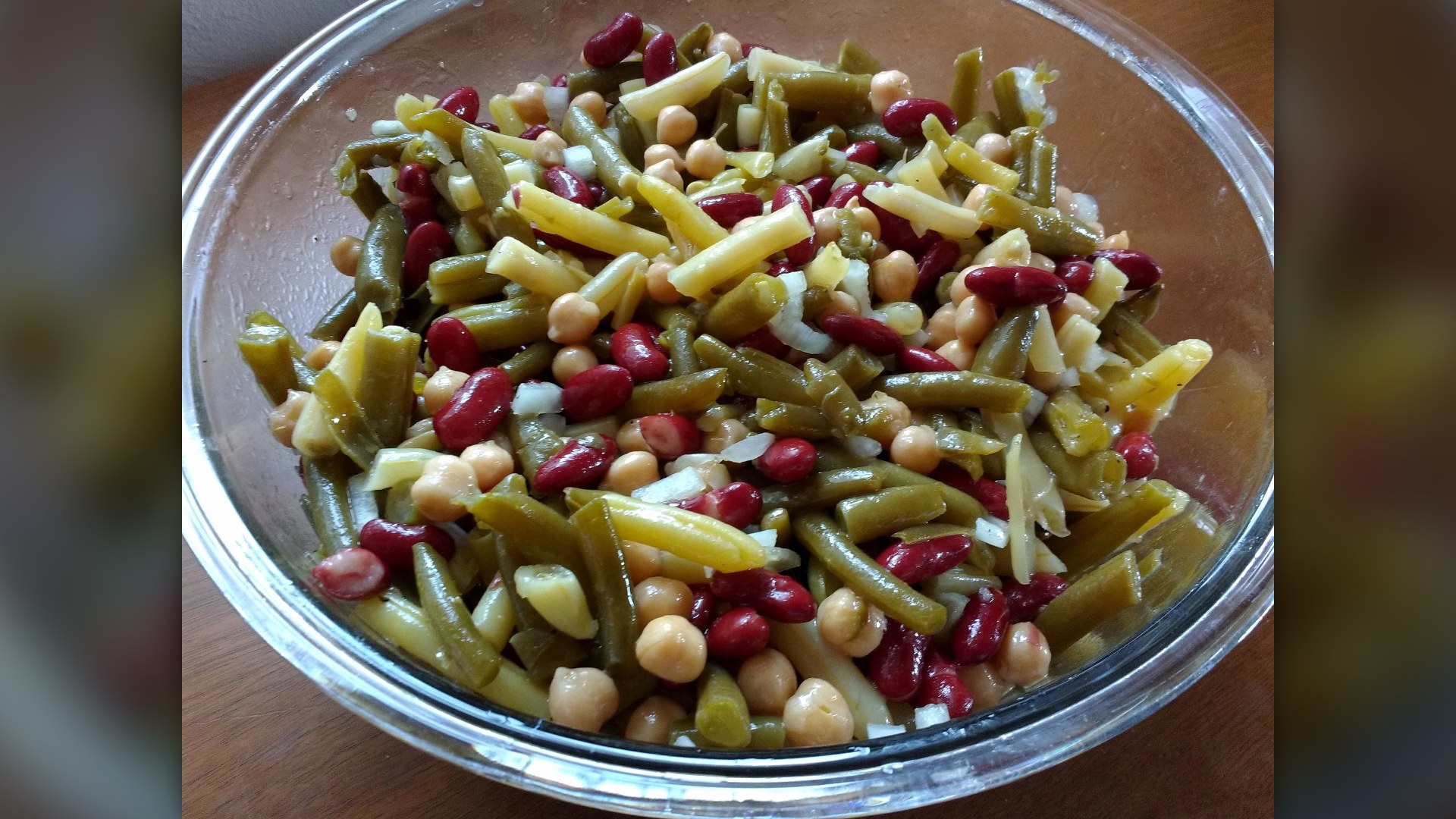
10. Keep Ready-To-Eat Canned Beans In Rotation - AdvertisementSwipe or tap ▶ to continue countdown

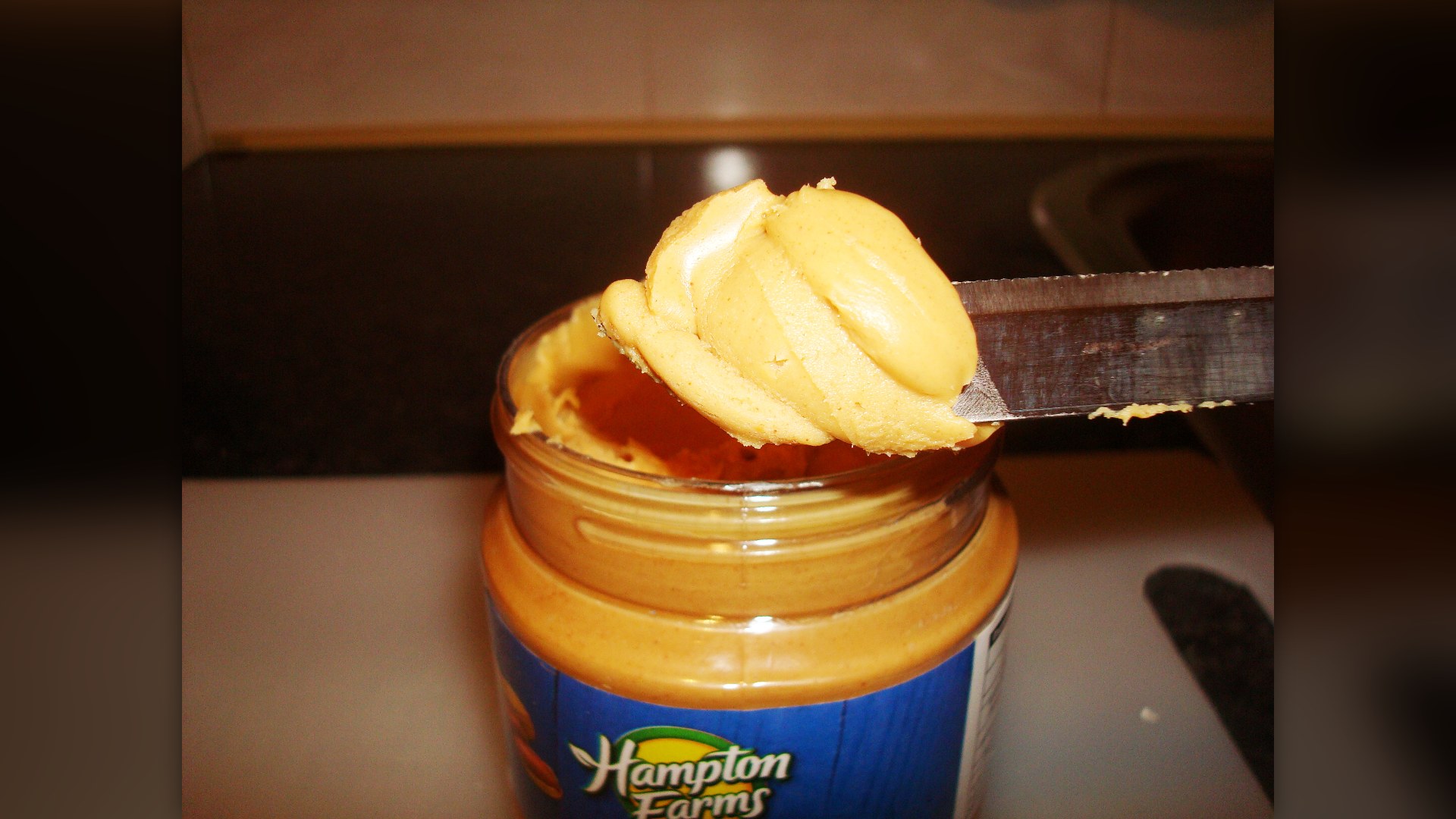
9. Stock Up On Calorie-Dense Peanut Butter 
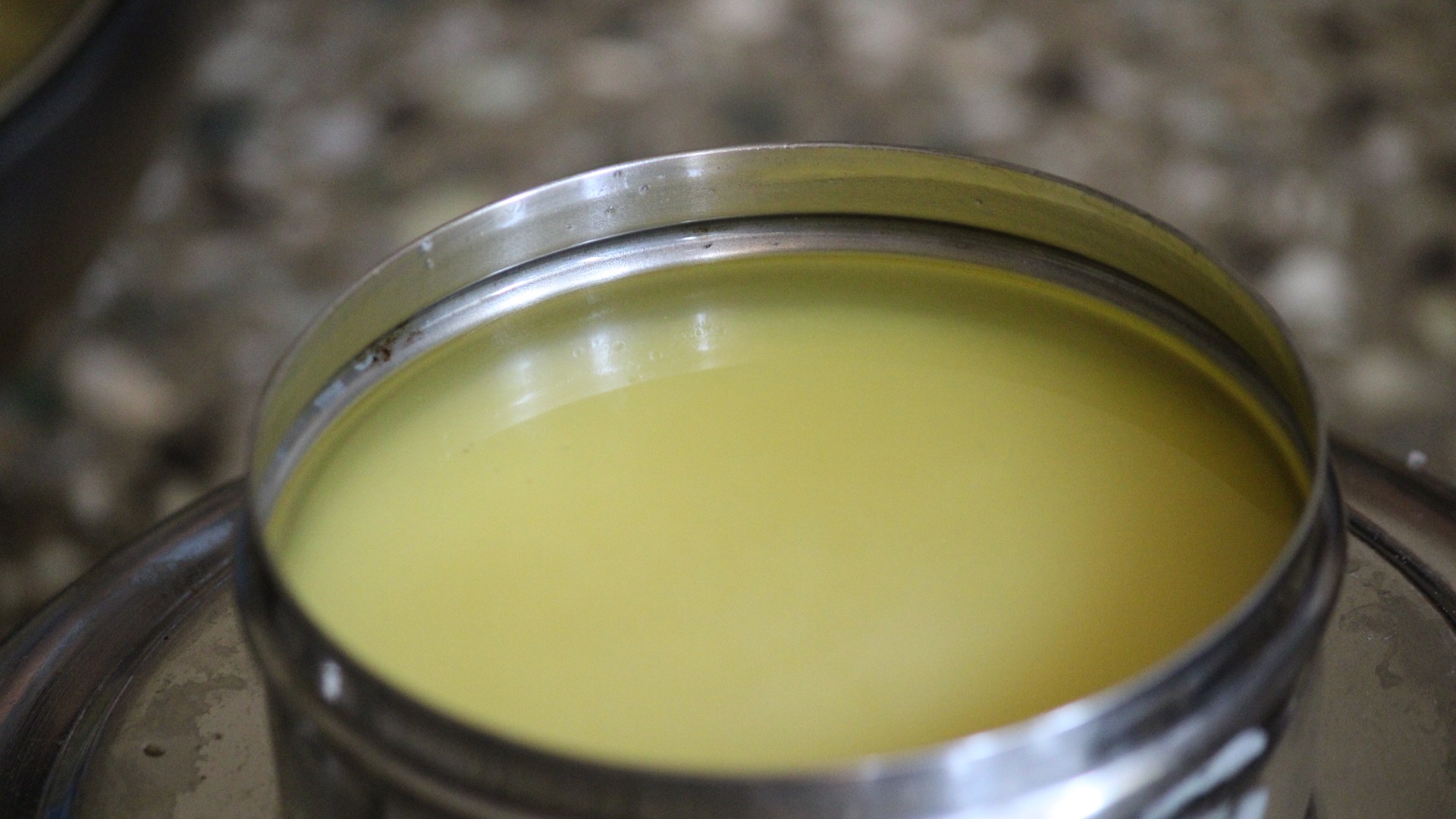
8. Rotate Ghee And Small Cooking Oil Bottles 
7. Keep Non-Fat Powdered And Long-Life UHT Milk 
6. Stock Tinned Vegetables And Save The Liquid - AdvertisementSwipe or tap ▶ to continue countdown

5. Pack Canned And Dried Fruits For Quick Energy 
4. Store Pure Salt, White Sugar, And Raw Honey 
3. Add Spices, Seasonings, And Stock Cubes 
2. Include Daily Multivitamins And Protein Powders - AdvertisementSwipe or tap ▶ to continue countdown

1. Practice The First In First Out Rotation Rule - Advertisement🔥 UP NEXT IN THIS SERIES◫ 21 Slides

20 Famous Cars With Pop-Up Headlights That Shaped Car Design
From hand-cranked 1930s teardrops to wedge supercars of the 1980s, hidden headlights let stylists chase sleek aerodynamics until 2004 pedestrian rules closed the curtain. Here are 20 standout production cars that turned retractable lamps into an enduring automotive design feature across seven full decades.
From calculating a practical two-week water reserve to rotating calorie-dense grains and proteins with the First In First Out rule, here are 20 simple strategies to build a stress-free household pantr
Swipe or tap ▶ to begin the countdown
©Unsplash / Donna Spearman & NASA / DAVID HIGGINBOTHAM
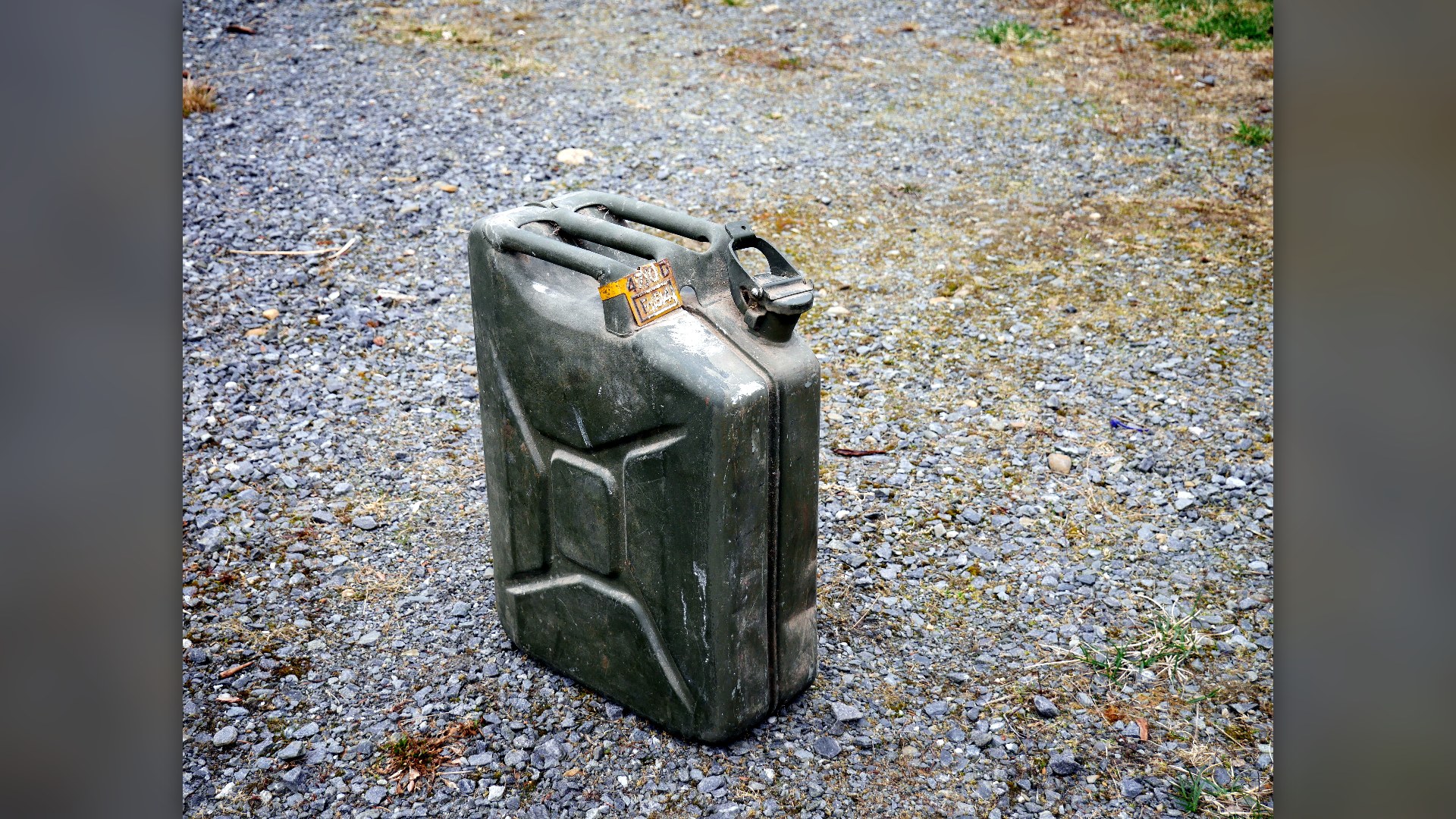
20. Calculate The Three-Liters Daily Water Rule
Emergency health planners recommend storing at least 3 liters of clean water per person per day to cover both drinking and basic sanitation. To build a reliable two-week household safety net, aim for 42 liters per person stored in cool, dark spaces.
©Wikimedia / Commons Archive
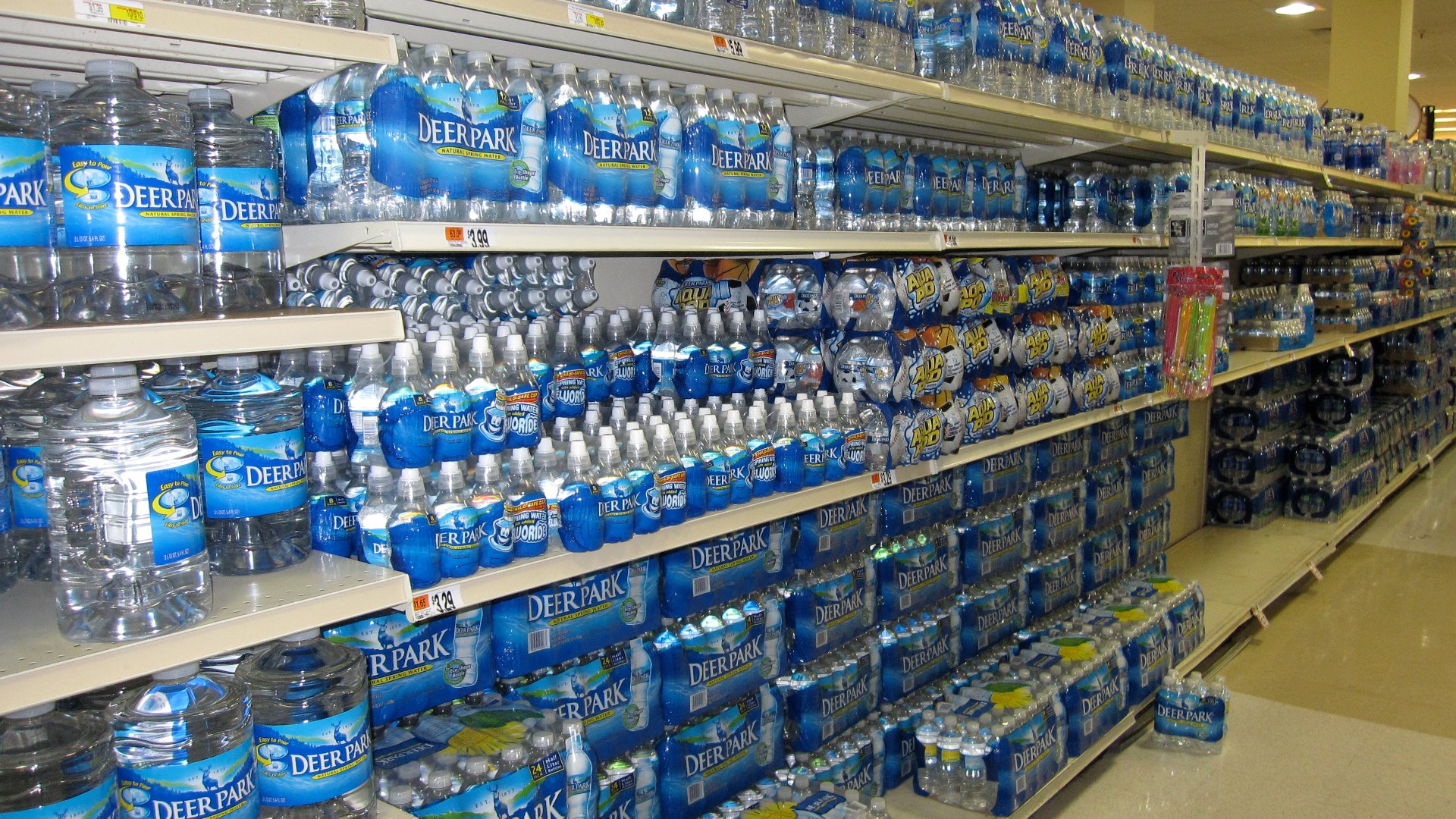
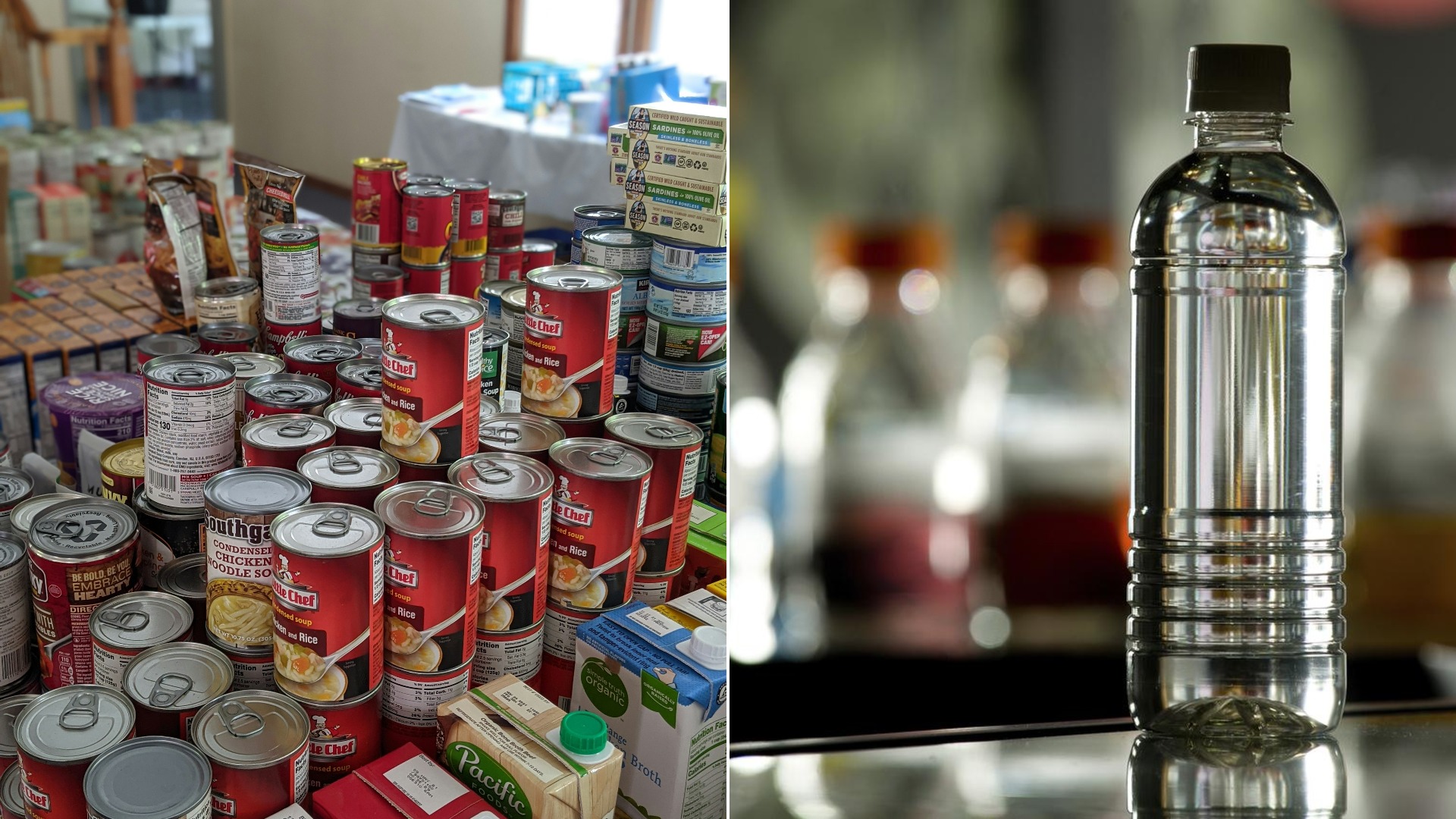
19. Prioritize Commercial Sealed Water Bottles
Buying factory-sealed cases of commercial bottled water is the simplest way to start a long-term reserve. Unopened commercial bottles stay free of household bacteria and stack neatly in closets or under beds without requiring chemical pre-treatment.
©Wikimedia / Commons Archive
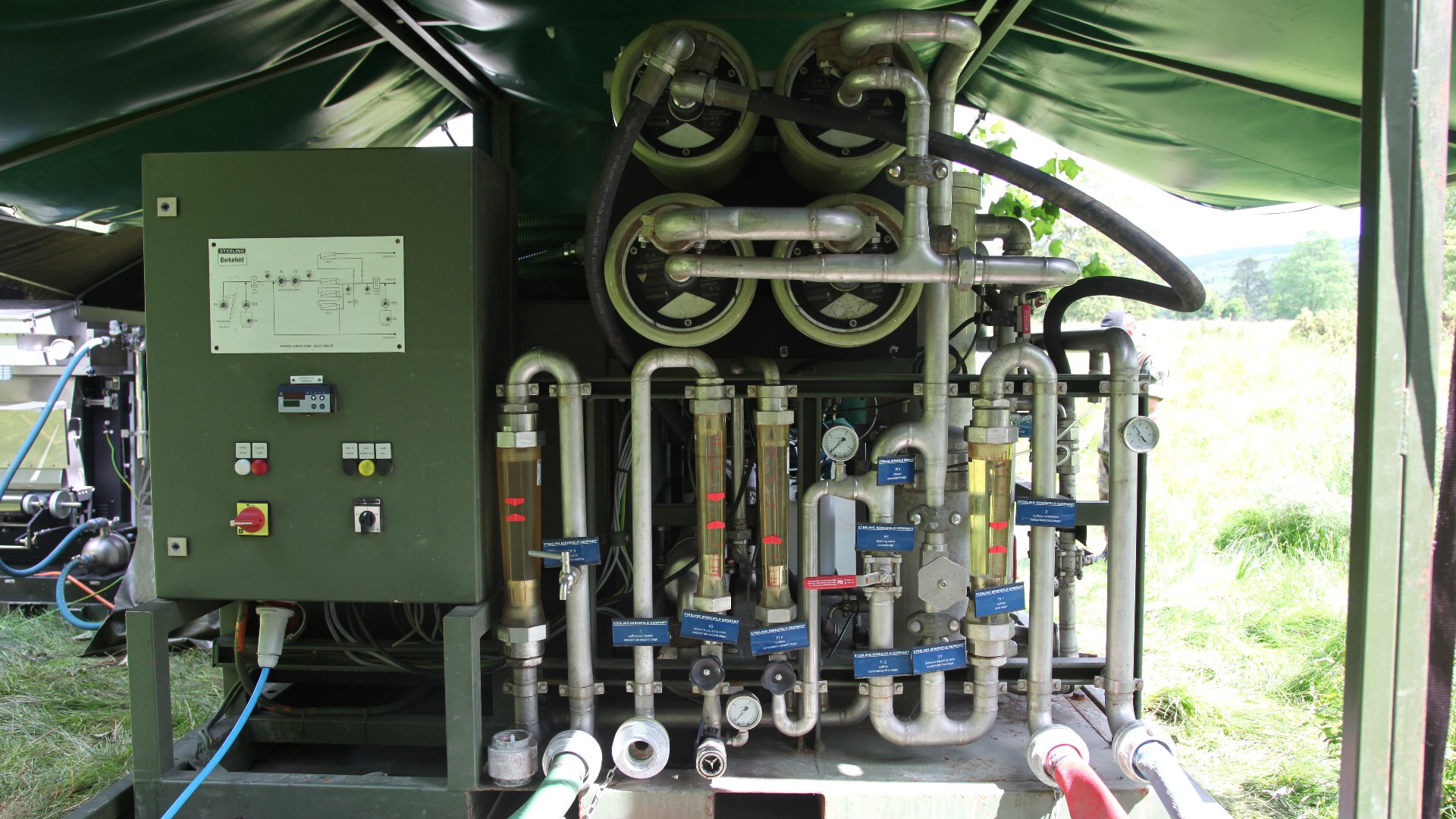
18. Keep Water Treatment Tablets And Drops
Lightweight water-sterilizing tablets and liquid purification drops take up almost zero shelf space in an emergency pantry. Keeping a few packs on hand lets you disinfect collected rainwater or municipal water during boil-water advisories.
©Wikimedia / U.S. Army
Advertisement
Swipe or tap ▶ to resume the countdown.
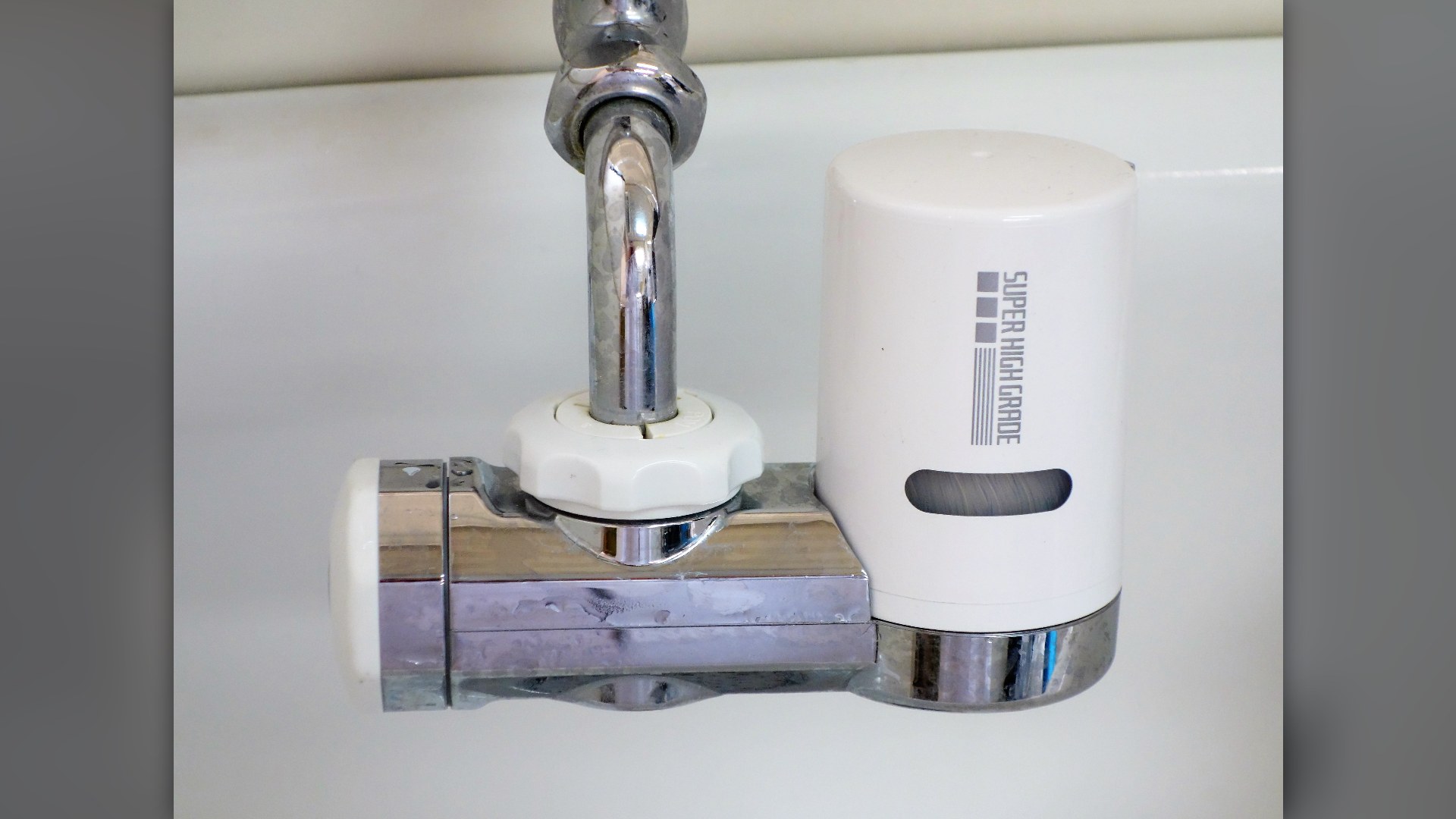
17. Acquire A Manual Gravity Water Filter
If an extended outage cuts off electricity and tap pressure, a manual or countertop gravity-fed water filter provides dependable protection. Ceramic and hollow-fiber gravity filters scrub surface water of bacteria and protozoa without needing power.
©Wikimedia / Commons Archive
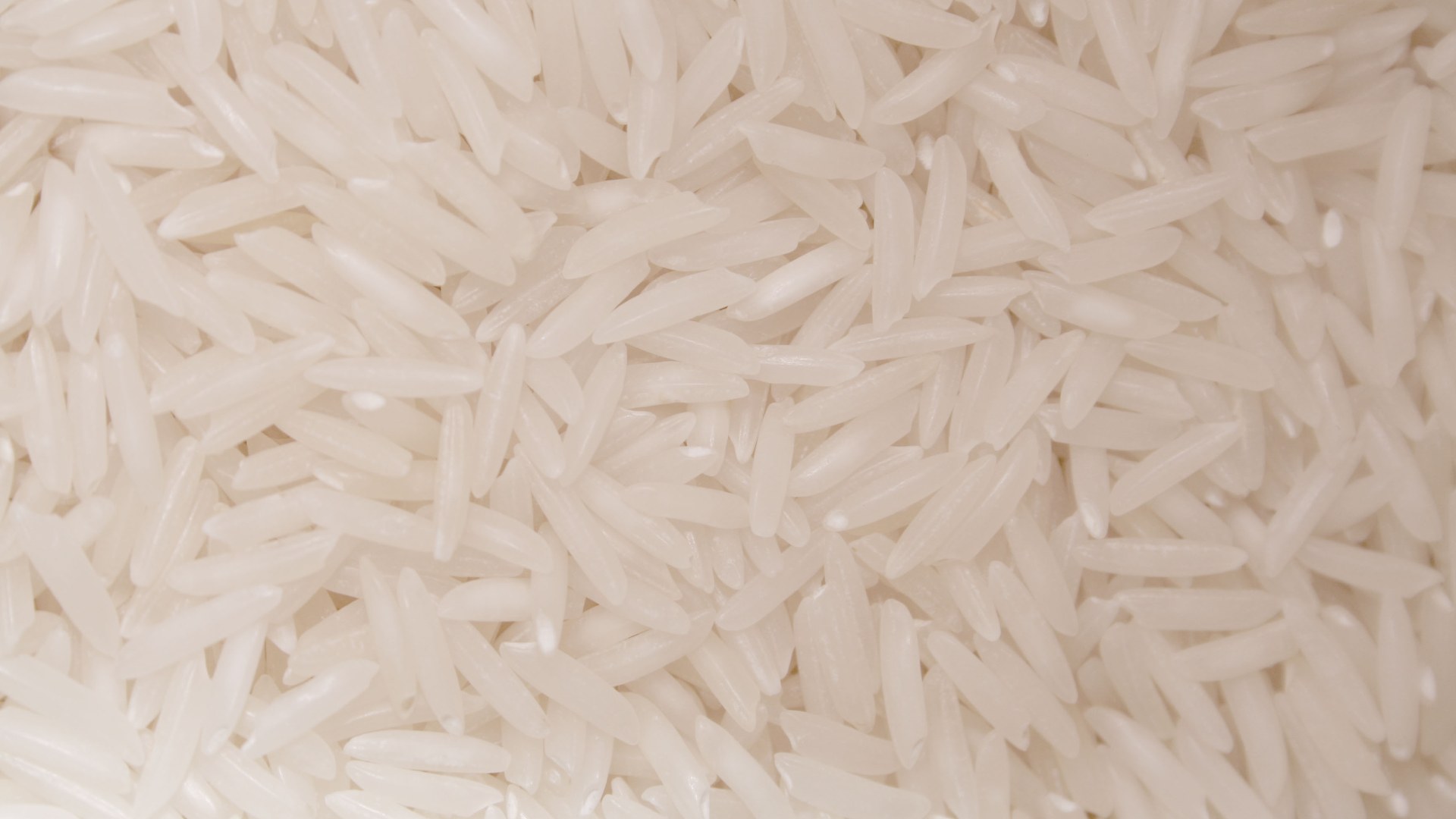
16. Stockpile White Rice As Your Calorie Foundation
White rice delivers one of the best calories-per-dollar ratios in any pantry. When sealed in Mylar bags or food-grade buckets with oxygen absorbers, white rice stays edible for 25 to 30 years, whereas brown rice spoils much faster due to natural bran oils.
©Wikimedia / Takeaway
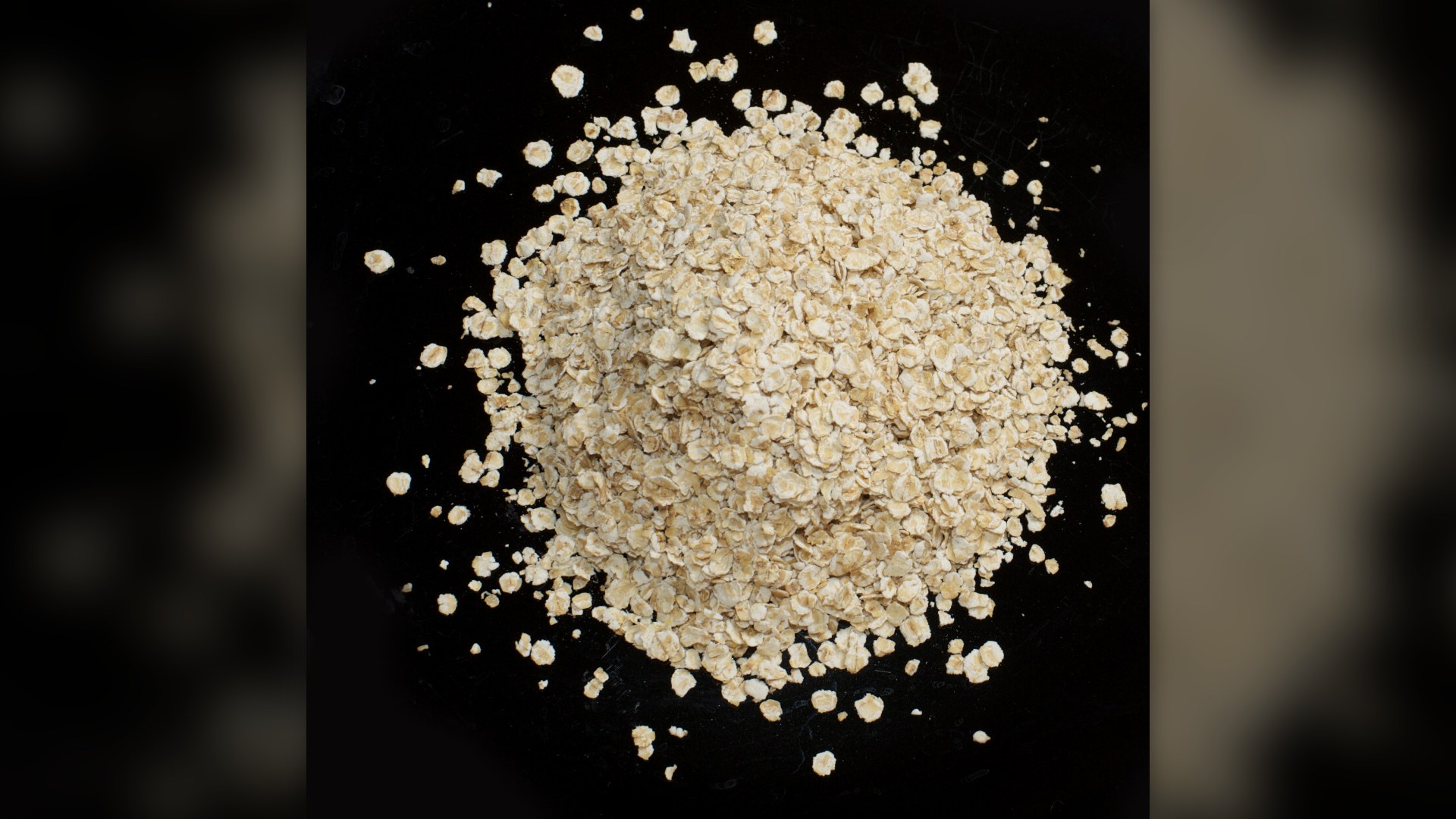
15. Seal Rolled Oats In Cool Dry Storage
Packed in airtight containers away from moisture and heat, rolled oats can last up to three decades. They cook in minutes with minimal stove fuel and can even be soaked overnight in cold water when cooking fuel is scarce.
©Wikimedia / Rainer Zenz
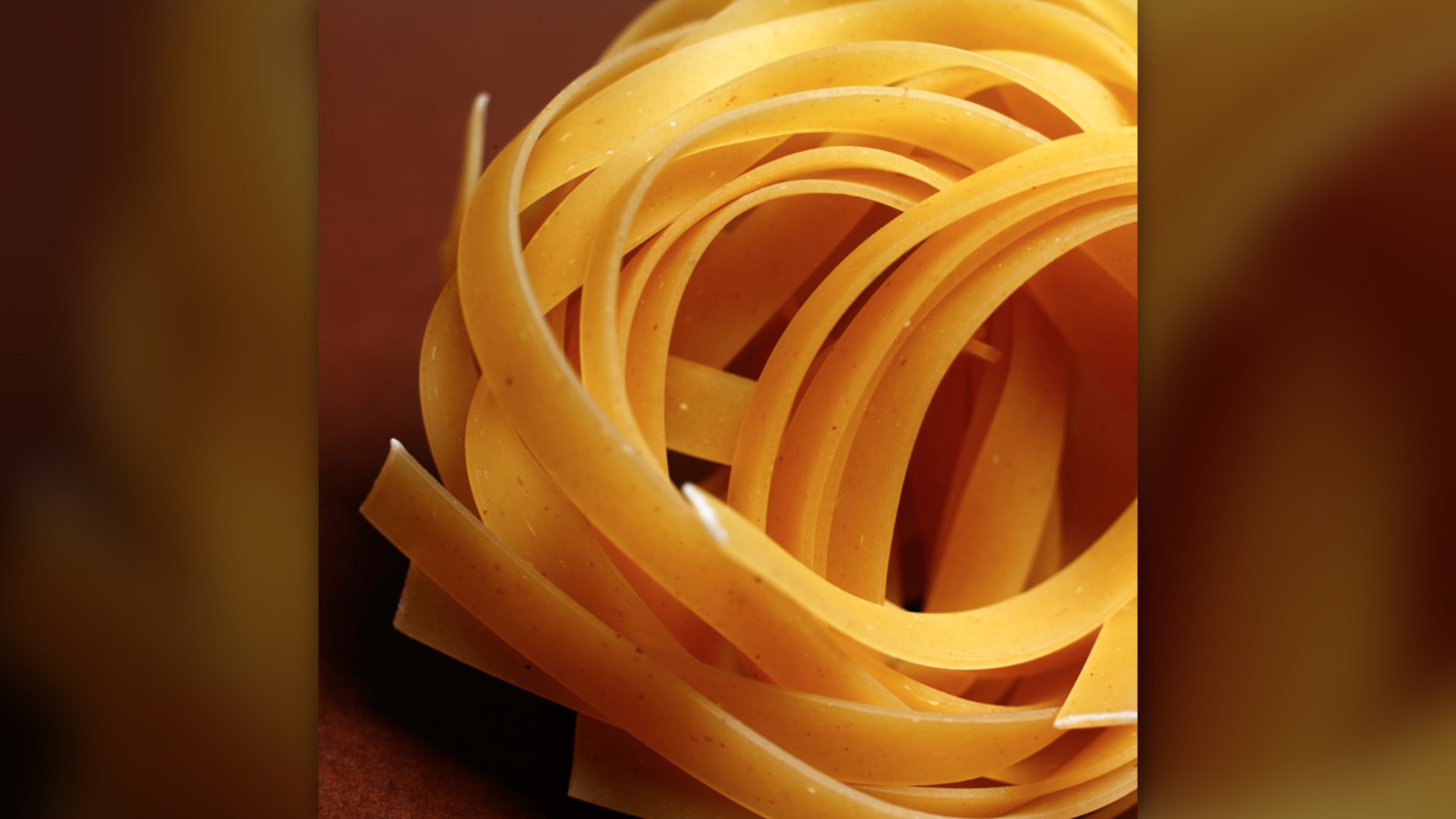
14. Pack Dry Pasta And Noodles Tightly
Dry wheat pasta such as spaghetti, penne, and macaroni stacks compactly and resists spoilage for decades when sealed against humidity. Pairing dry pasta with jarred sauces or olive oil creates familiar, morale-boosting meals in minutes.
©Wikimedia / Jorge Royan
Advertisement
Swipe or tap ▶ to resume the countdown.
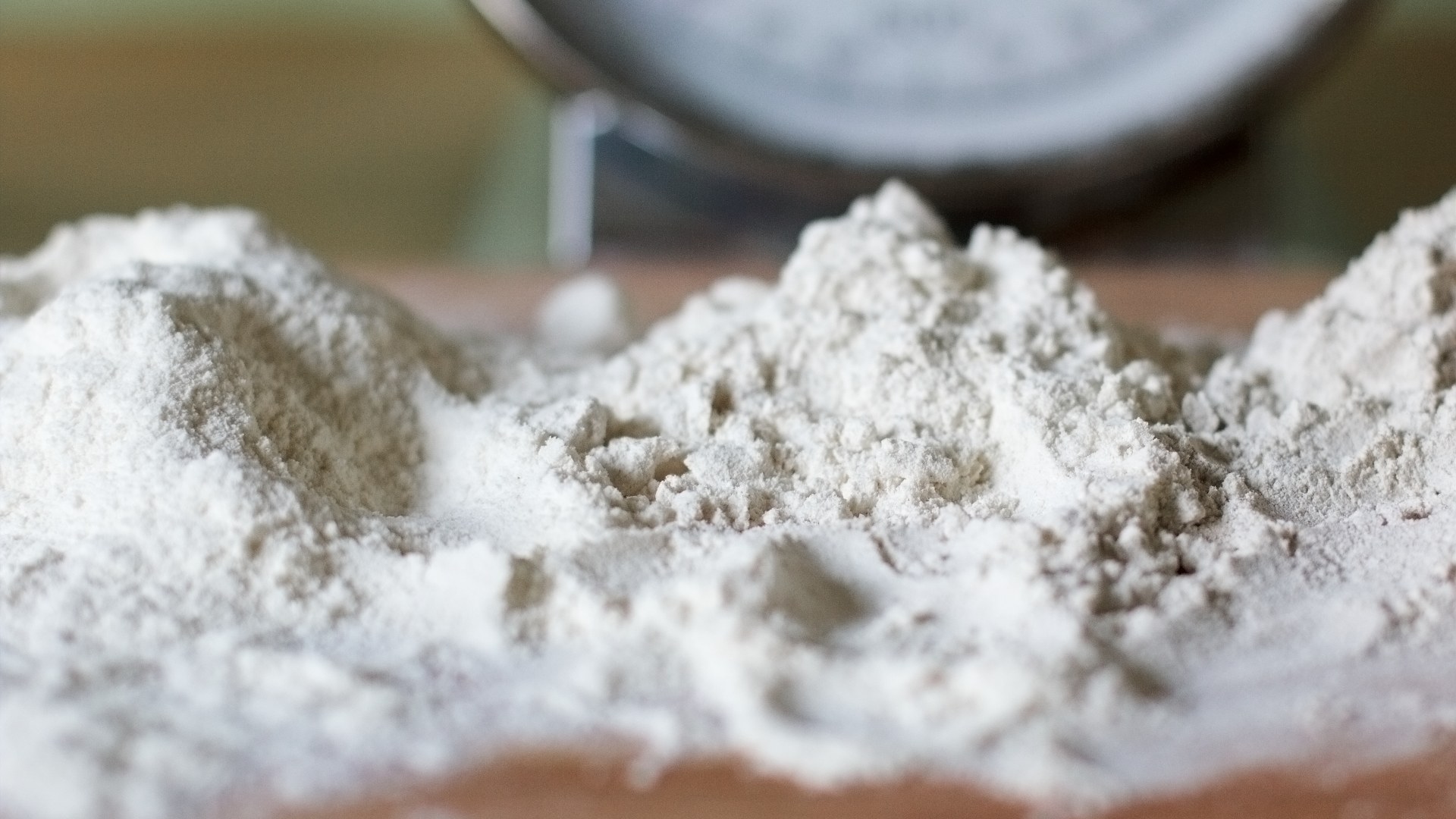
13. Pre-Freeze Dry Goods Before Packing
Before transferring dry grains, flour, or legumes into long-term bins, place the bags in your freezer for 24 to 48 hours, then let them return to room temperature completely dry. This step stops pantry weevils and beetles before they ever hatch.
©Wikimedia / Culinary Archive
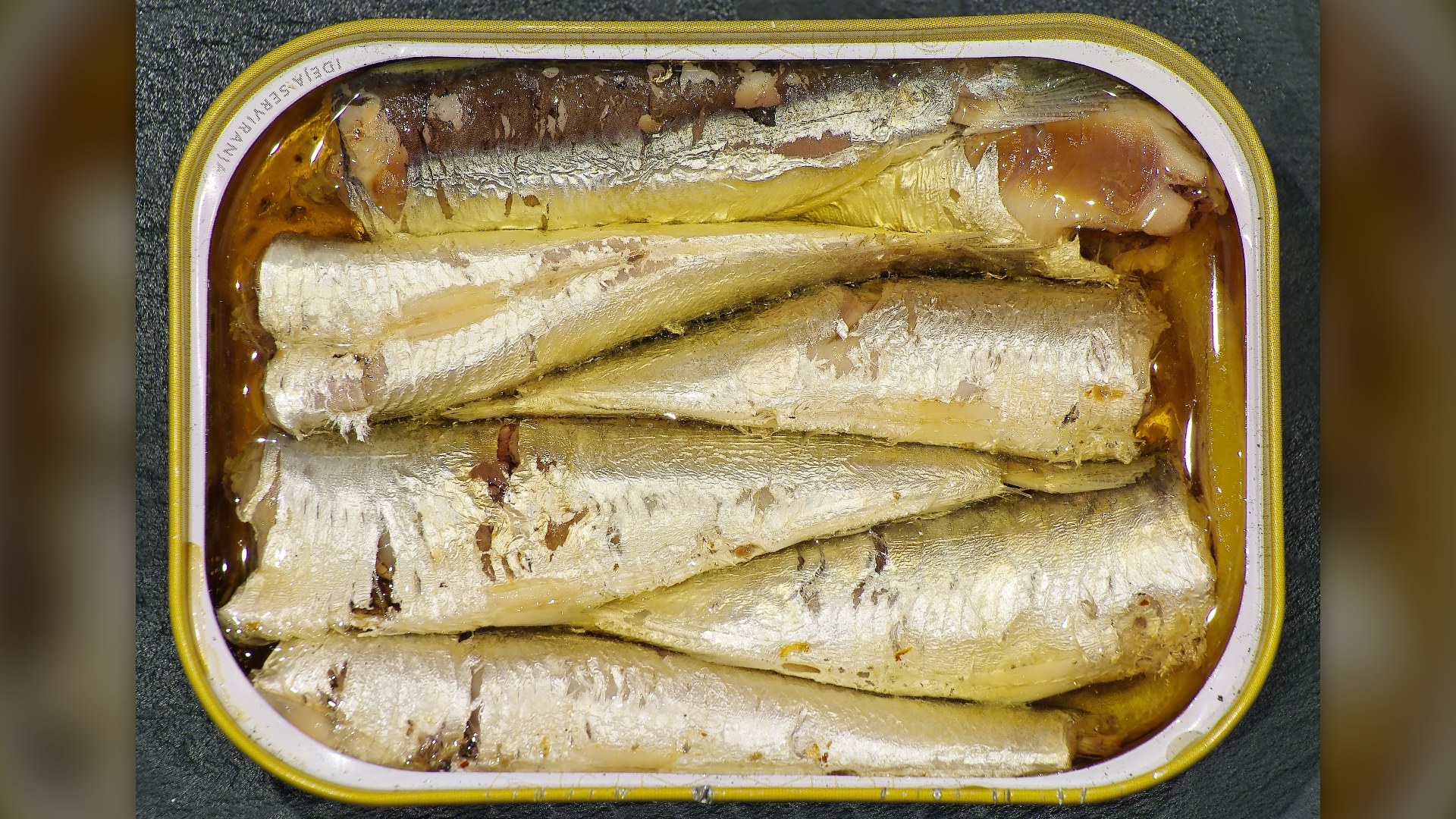
12. Focus On Tinned Meats And Canned Fish
Tinned fish and poultry are pre-cooked inside the can, meaning you can eat them straight from the tin if the power goes out. Sardines, salmon, tuna, and canned chicken breast provide high-grade protein and healthy fats for years on the shelf.
©Wikimedia / Marco Verch
11. Store Dried Beans And Red Lentils
Combining dried beans or lentils with white rice delivers all essential amino acids on a tight budget. Because older dried beans take longer to soften, keep a box of baking soda nearby to add a pinch to the soaking water and speed up cooking.
©Wikimedia / Rainer Zenz
10. Keep Ready-To-Eat Canned Beans In Rotation
While dry legumes last decades, boiling them consumes significant stove fuel and drinking water. Keeping a rotating supply of canned chickpeas, black beans, and baked beans gives you instant fiber and protein that requires only warming or opening.
©Wikimedia / PPD
Advertisement
Swipe or tap ▶ to resume the countdown.
9. Stock Up On Calorie-Dense Peanut Butter
Few pantry staples match the energy density of standard commercial peanut butter. Unopened jars stay fresh for up to two years without refrigeration, require zero water or heat to serve, and offer comforting nutrition for adults and children.
©Wikimedia / Evan-Amos
8. Rotate Ghee And Small Cooking Oil Bottles
Dietary fats are essential for nutrient absorption and keeping meals filling. Clarified butter known as ghee has milk solids removed so it stores far longer than regular butter, while buying smaller bottles of cooking oil prevents opened oil from going rancid.
©Wikimedia / Maharashtra Culinary Archive
7. Keep Non-Fat Powdered And Long-Life UHT Milk
Stocking both Ultra-High Temperature milk cartons for short-term outages and non-fat powdered milk tins for long-term reserves keeps calcium and vitamin D on the table. Non-fat dry milk avoids butterfat rancidity and lasts up to 25 years.
©Wikimedia / Adrem68
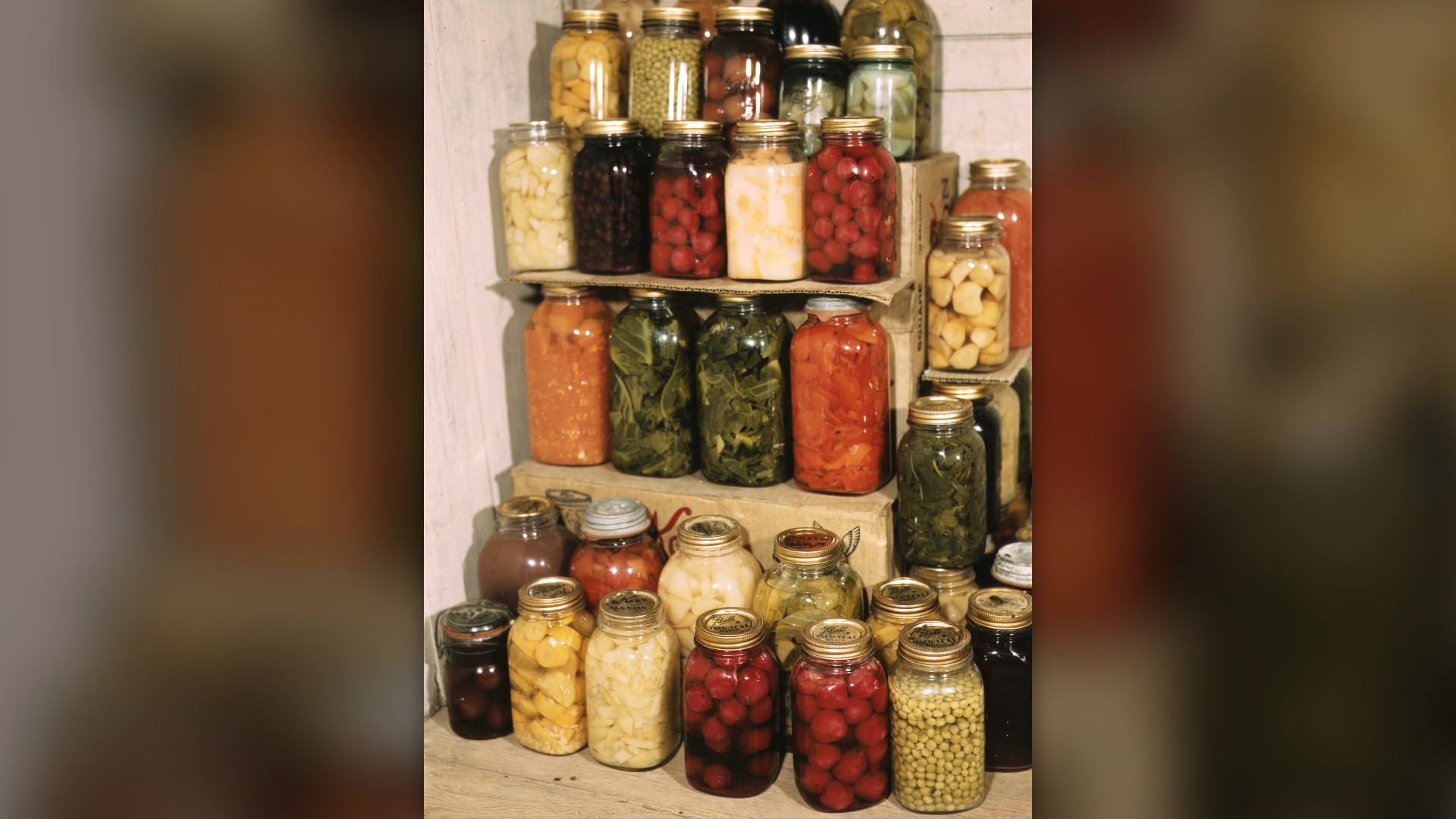
6. Stock Tinned Vegetables And Save The Liquid
Commercial canning seals vegetables at peak ripeness, preserving vitamins and minerals for years. Never pour out the liquid inside canned corn, peas, or tomatoes during a water shortage, as it provides clean hydration and flavorful soup base.
©Wikimedia / Commons Archive
Advertisement
Swipe or tap ▶ to resume the countdown.
5. Pack Canned And Dried Fruits For Quick Energy
Sweet, colorful fruit breaks up the monotony of grain-heavy pantry meals. Dried raisins, apricots, and cranberries pack easily into grab-and-go bags, while fruit canned in natural juice offers both potassium and drinkable fruit nectar.
©Wikimedia / M N Swarna
4. Store Pure Salt, White Sugar, And Raw Honey
Pure raw honey has low moisture and natural acidity that allow it to last indefinitely in a sealed glass jar. Alongside iodized salt for thyroid health and electrolyte replacement and white sugar for baking, these three staples never truly expire.
©Wikimedia / Salt & Pixabay / u_cq5lt59nfy
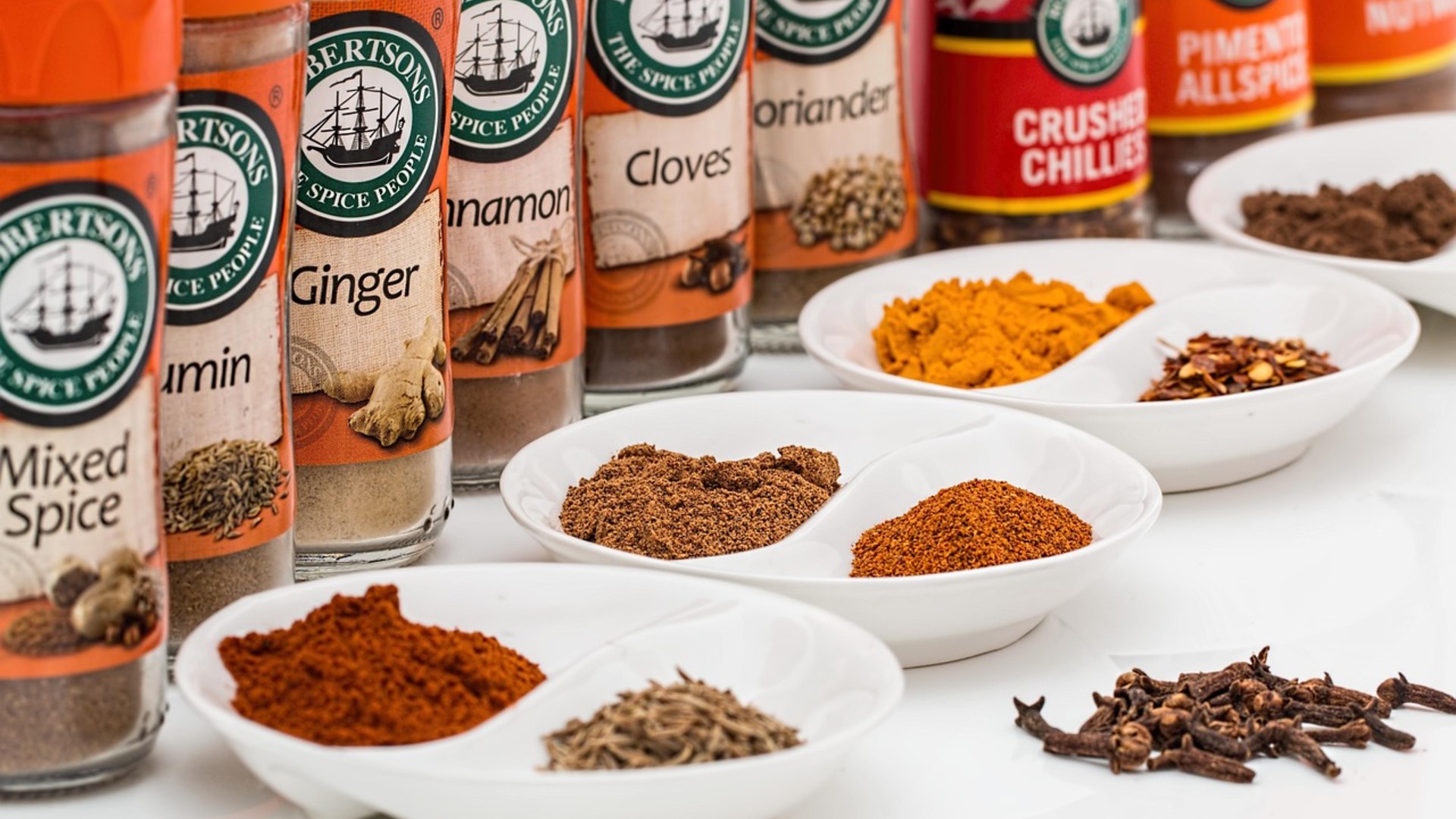
3. Add Spices, Seasonings, And Stock Cubes
Eating plain rice and beans day after day quickly leads to appetite fatigue. Stocking inexpensive bouillon stock cubes, curry powder, dried herbs, black pepper, and hot sauce transforms basic grains into dozens of distinct, savory meals.
©Pixabay / stevepb
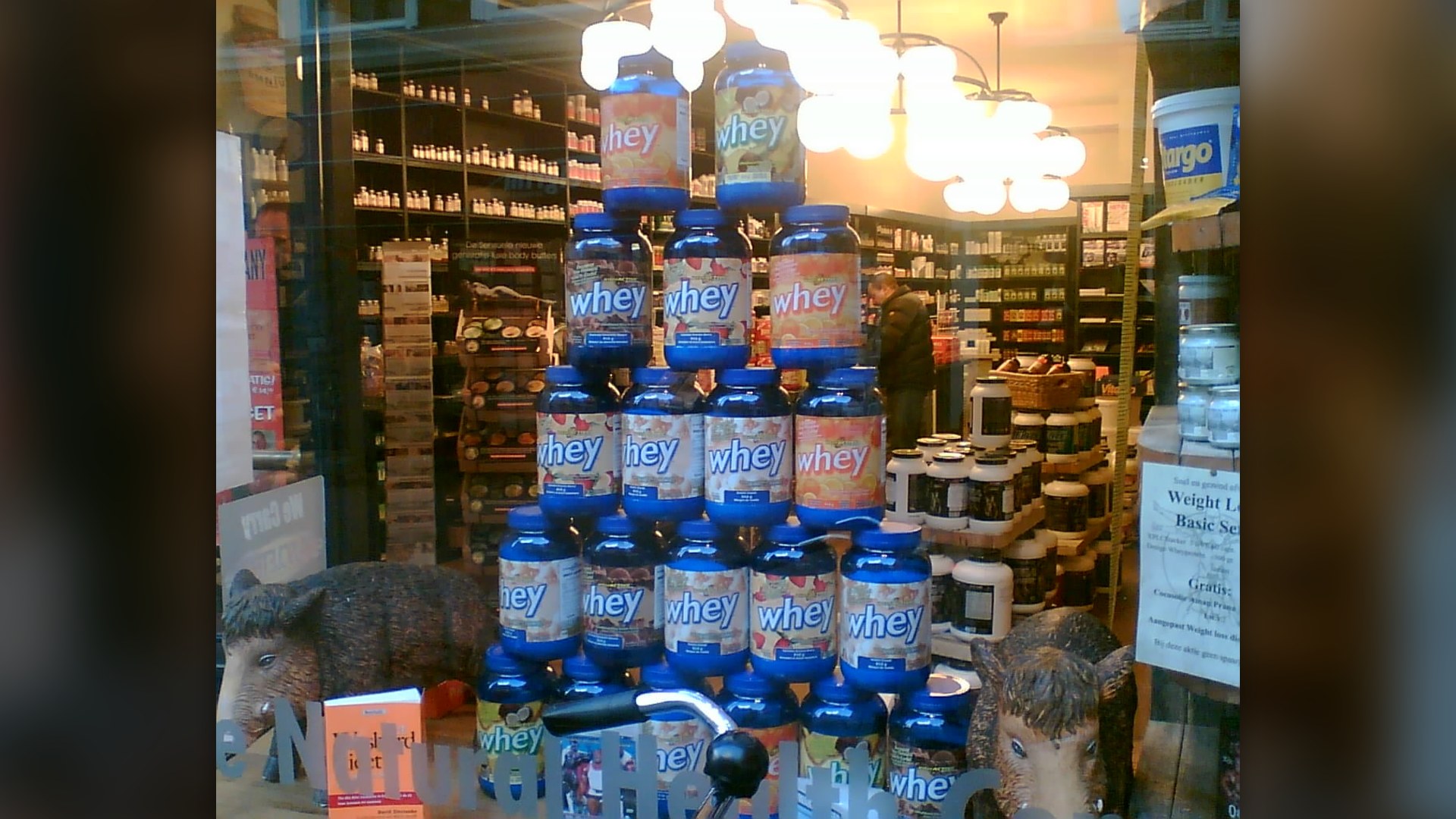
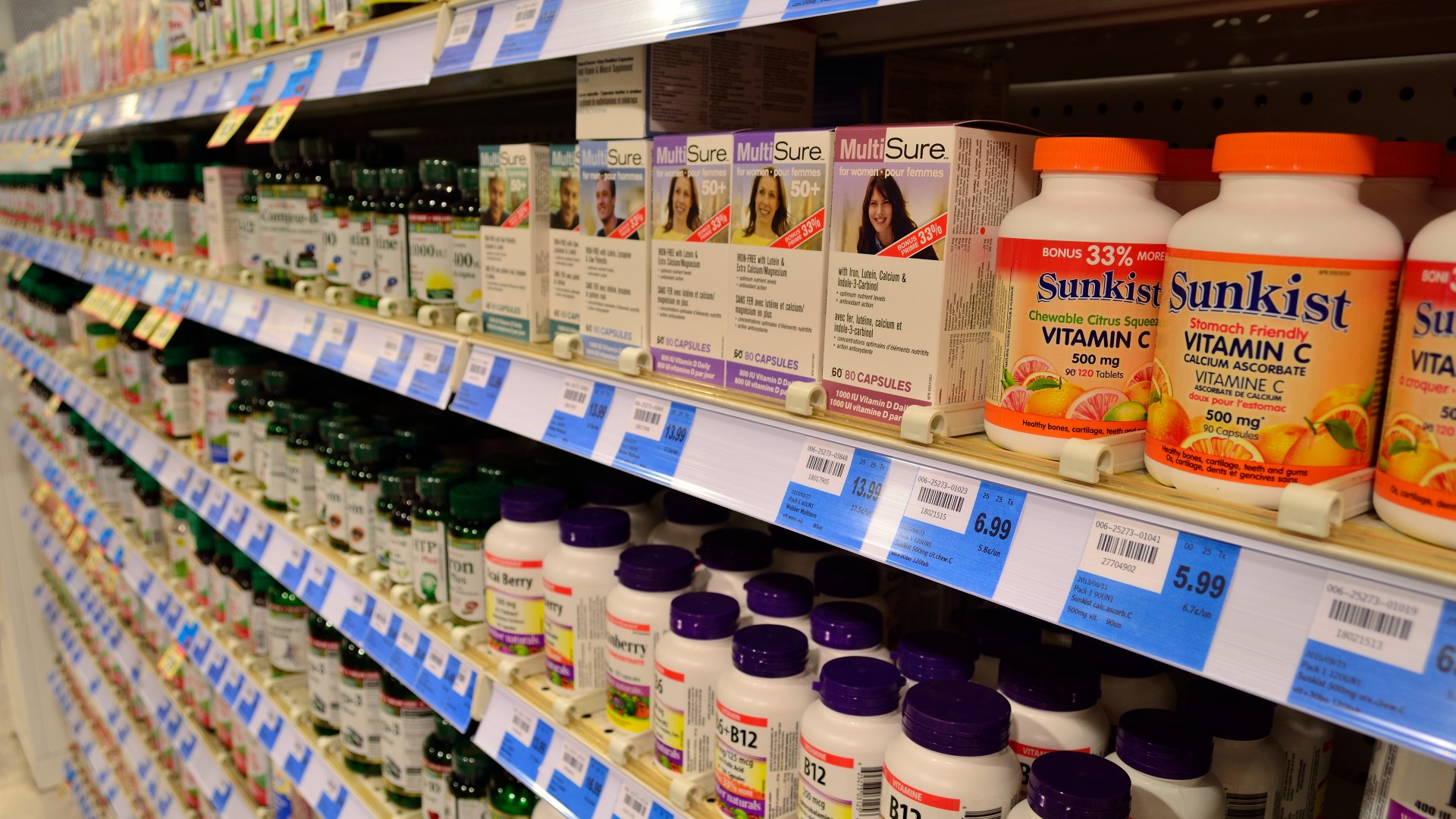
2. Include Daily Multivitamins And Protein Powders
When fresh greens, citrus, and dairy are unavailable for weeks, micronutrient deficiencies can weaken immune defenses. Keeping sealed bottles of daily multivitamins and whey or plant protein powder ensures balanced nutrition with minimal effort.
©Wikimedia / Ragesoss
Advertisement
Swipe or tap ▶ to resume the countdown.
1. Practice The First In First Out Rotation Rule
The smartest stockpile is a working pantry filled with foods your household already eats every week. By following the First In, First Out method, new groceries go to the back row and older items move to the front so zero food or money ever goes to waste.

©Wikimedia / Commons Archive
Advertisement
You've reached the end of the story. Thanks for reading!

20 Famous Cars With Pop-Up Headlights That Shaped Car Design
From hand-cranked 1930s teardrops to wedge supercars of the 1980s, hidden headlights let stylists chase sleek aerodynamics until 2004 pedestrian rules closed the curtain. Here are 20 standout production cars that turned retractable lamps into an enduring automotive design feature across seven full decades.
All 20 Entries in this Story
1. Calculate The Three-Liters Daily Water Rule
Emergency health planners recommend storing at least 3 liters of clean water per person per day to cover both drinking and basic sanitation. To build a reliable two-week household safety net, aim for 42 liters per person stored in cool, dark spaces.

2. Prioritize Commercial Sealed Water Bottles
Buying factory-sealed cases of commercial bottled water is the simplest way to start a long-term reserve. Unopened commercial bottles stay free of household bacteria and stack neatly in closets or under beds without requiring chemical pre-treatment.

3. Keep Water Treatment Tablets And Drops
Lightweight water-sterilizing tablets and liquid purification drops take up almost zero shelf space in an emergency pantry. Keeping a few packs on hand lets you disinfect collected rainwater or municipal water during boil-water advisories.

4. Acquire A Manual Gravity Water Filter
If an extended outage cuts off electricity and tap pressure, a manual or countertop gravity-fed water filter provides dependable protection. Ceramic and hollow-fiber gravity filters scrub surface water of bacteria and protozoa without needing power.

5. Stockpile White Rice As Your Calorie Foundation
White rice delivers one of the best calories-per-dollar ratios in any pantry. When sealed in Mylar bags or food-grade buckets with oxygen absorbers, white rice stays edible for 25 to 30 years, whereas brown rice spoils much faster due to natural bran oils.

6. Seal Rolled Oats In Cool Dry Storage
Packed in airtight containers away from moisture and heat, rolled oats can last up to three decades. They cook in minutes with minimal stove fuel and can even be soaked overnight in cold water when cooking fuel is scarce.

7. Pack Dry Pasta And Noodles Tightly
Dry wheat pasta such as spaghetti, penne, and macaroni stacks compactly and resists spoilage for decades when sealed against humidity. Pairing dry pasta with jarred sauces or olive oil creates familiar, morale-boosting meals in minutes.

8. Pre-Freeze Dry Goods Before Packing
Before transferring dry grains, flour, or legumes into long-term bins, place the bags in your freezer for 24 to 48 hours, then let them return to room temperature completely dry. This step stops pantry weevils and beetles before they ever hatch.

9. Focus On Tinned Meats And Canned Fish
Tinned fish and poultry are pre-cooked inside the can, meaning you can eat them straight from the tin if the power goes out. Sardines, salmon, tuna, and canned chicken breast provide high-grade protein and healthy fats for years on the shelf.

10. Store Dried Beans And Red Lentils
Combining dried beans or lentils with white rice delivers all essential amino acids on a tight budget. Because older dried beans take longer to soften, keep a box of baking soda nearby to add a pinch to the soaking water and speed up cooking.

11. Keep Ready-To-Eat Canned Beans In Rotation
While dry legumes last decades, boiling them consumes significant stove fuel and drinking water. Keeping a rotating supply of canned chickpeas, black beans, and baked beans gives you instant fiber and protein that requires only warming or opening.

12. Stock Up On Calorie-Dense Peanut Butter
Few pantry staples match the energy density of standard commercial peanut butter. Unopened jars stay fresh for up to two years without refrigeration, require zero water or heat to serve, and offer comforting nutrition for adults and children.

13. Rotate Ghee And Small Cooking Oil Bottles
Dietary fats are essential for nutrient absorption and keeping meals filling. Clarified butter known as ghee has milk solids removed so it stores far longer than regular butter, while buying smaller bottles of cooking oil prevents opened oil from going rancid.

14. Keep Non-Fat Powdered And Long-Life UHT Milk
Stocking both Ultra-High Temperature milk cartons for short-term outages and non-fat powdered milk tins for long-term reserves keeps calcium and vitamin D on the table. Non-fat dry milk avoids butterfat rancidity and lasts up to 25 years.

15. Stock Tinned Vegetables And Save The Liquid
Commercial canning seals vegetables at peak ripeness, preserving vitamins and minerals for years. Never pour out the liquid inside canned corn, peas, or tomatoes during a water shortage, as it provides clean hydration and flavorful soup base.

16. Pack Canned And Dried Fruits For Quick Energy
Sweet, colorful fruit breaks up the monotony of grain-heavy pantry meals. Dried raisins, apricots, and cranberries pack easily into grab-and-go bags, while fruit canned in natural juice offers both potassium and drinkable fruit nectar.

17. Store Pure Salt, White Sugar, And Raw Honey
Pure raw honey has low moisture and natural acidity that allow it to last indefinitely in a sealed glass jar. Alongside iodized salt for thyroid health and electrolyte replacement and white sugar for baking, these three staples never truly expire.

18. Add Spices, Seasonings, And Stock Cubes
Eating plain rice and beans day after day quickly leads to appetite fatigue. Stocking inexpensive bouillon stock cubes, curry powder, dried herbs, black pepper, and hot sauce transforms basic grains into dozens of distinct, savory meals.

19. Include Daily Multivitamins And Protein Powders
When fresh greens, citrus, and dairy are unavailable for weeks, micronutrient deficiencies can weaken immune defenses. Keeping sealed bottles of daily multivitamins and whey or plant protein powder ensures balanced nutrition with minimal effort.

20. Practice The First In First Out Rotation Rule
The smartest stockpile is a working pantry filled with foods your household already eats every week. By following the First In, First Out method, new groceries go to the back row and older items move to the front so zero food or money ever goes to waste.