Slideshow · Travel
20 English Market Towns and Villages Made Famous by Artists
From Cornwall fishing ports to Cotswold stone streets, 20 English towns and villages shaped British painting, sculpture, and literature. This countdown draws on Tate, Historic England, the National Trust, the Brontë Parsonage Museum, and the Shakespeare Birthplace Trust to trace each colony and writer's lasting mark.
By Most Viral Today
8 min agoradar-lead:75dd0b49-d20e-406b-a642-a6e9a5505a55

Painters and Writers Turned These 20 English Towns Into Living Art 
20. Southwold, Suffolk 
19. Ditchling, East Sussex 
18. Richmond, North Yorkshire - AdvertisementSwipe or tap ▶ to continue countdown

17. Arundel, West Sussex 
16. Ludlow, Shropshire 
15. Lyme Regis, Dorset 
14. Dorchester, Dorset - AdvertisementSwipe or tap ▶ to continue countdown

13. Aldeburgh, Suffolk 
12. Whitby, North Yorkshire 
11. Staithes, North Yorkshire 
10. Hawkshead, Cumbria - AdvertisementSwipe or tap ▶ to continue countdown

9. Chipping Campden, Gloucestershire 
8. Broadway, Worcestershire 
7. Newlyn, Cornwall 
6. Rye, East Sussex - AdvertisementSwipe or tap ▶ to continue countdown

5. Cookham, Berkshire 
4. Haworth, West Yorkshire 
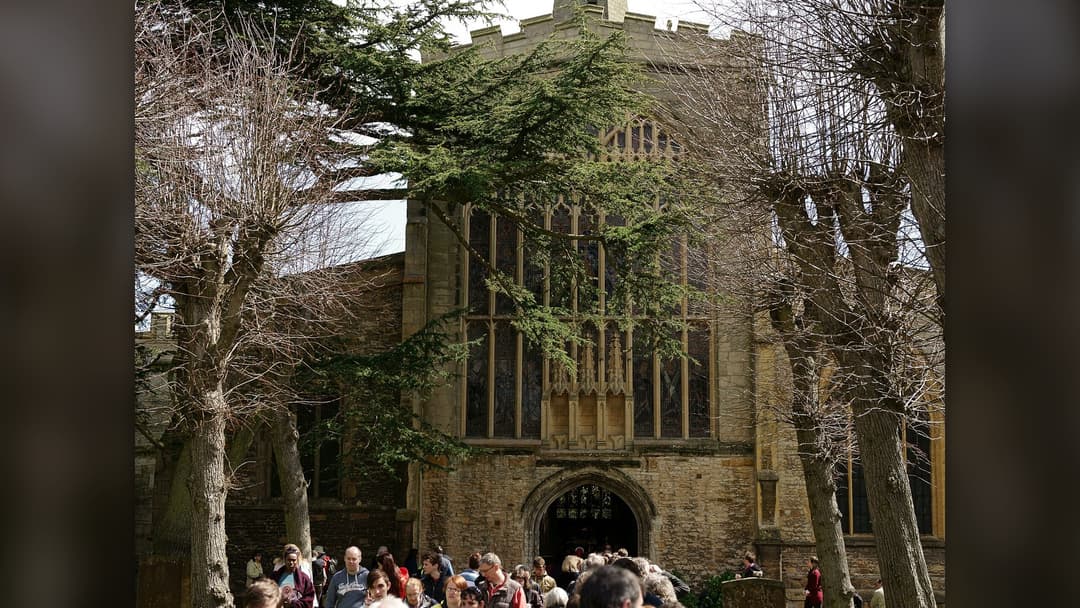
3. Stratford Upon-Avon, Warwickshire 
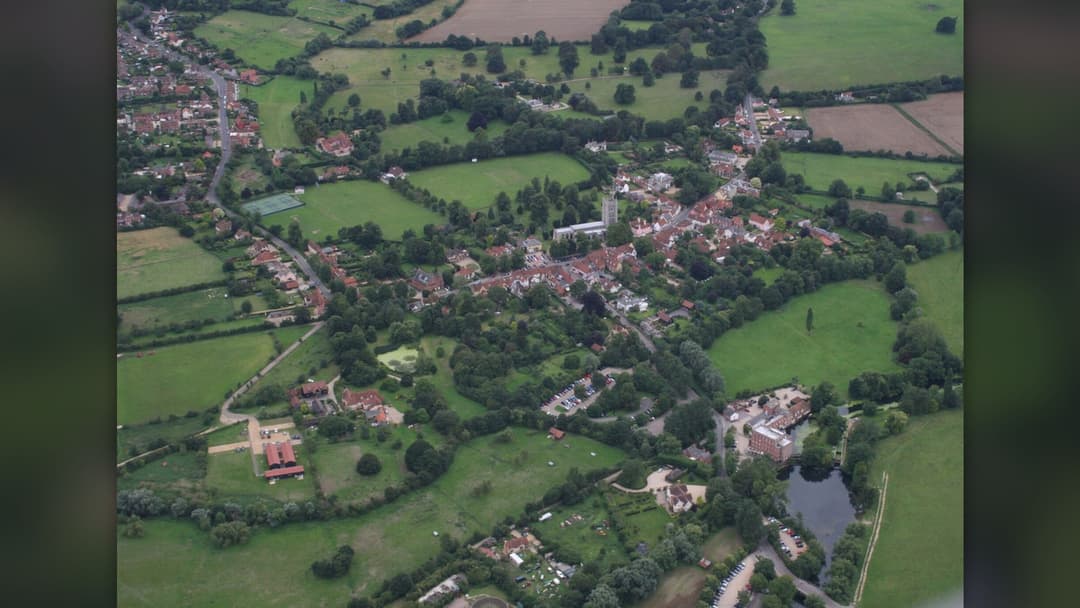
2. Dedham, Essex - AdvertisementSwipe or tap ▶ to continue countdown

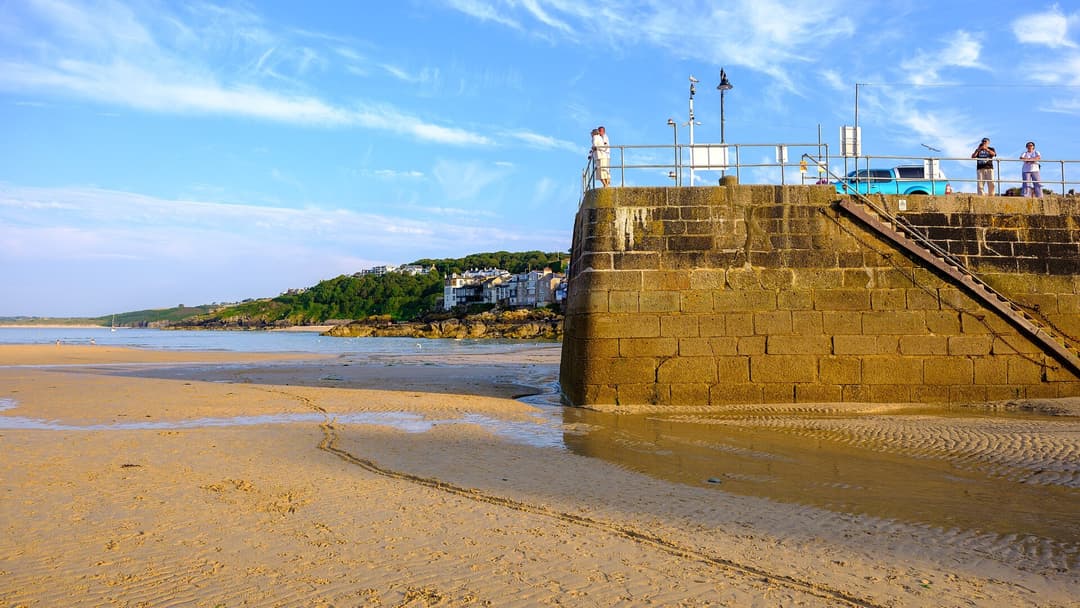
1. St Ives, Cornwall - Advertisement🔥 UP NEXT IN THIS SERIES◫ 21 Slides

20 Destinations That Keep Drawing Travelers Back a Second Time
Some cities reveal their real character only after you clear the checklist landmarks on trip one. Based on UNESCO World Heritage listings, national tourism boards, and cultural festival calendars, these 20 destinations change sharply with the seasons and reward travelers who come back for another look.
From Cornwall fishing ports to Cotswold stone streets, 20 English towns and villages shaped British painting, sculpture, and literature. This countdown draws on Tate, Historic England, the National Trust, the Brontë Parsonage Museum, and the Shakespeare Birthplace Trust to trace each colony and writer's lasting mark.
Swipe or tap ▶ to begin the countdown
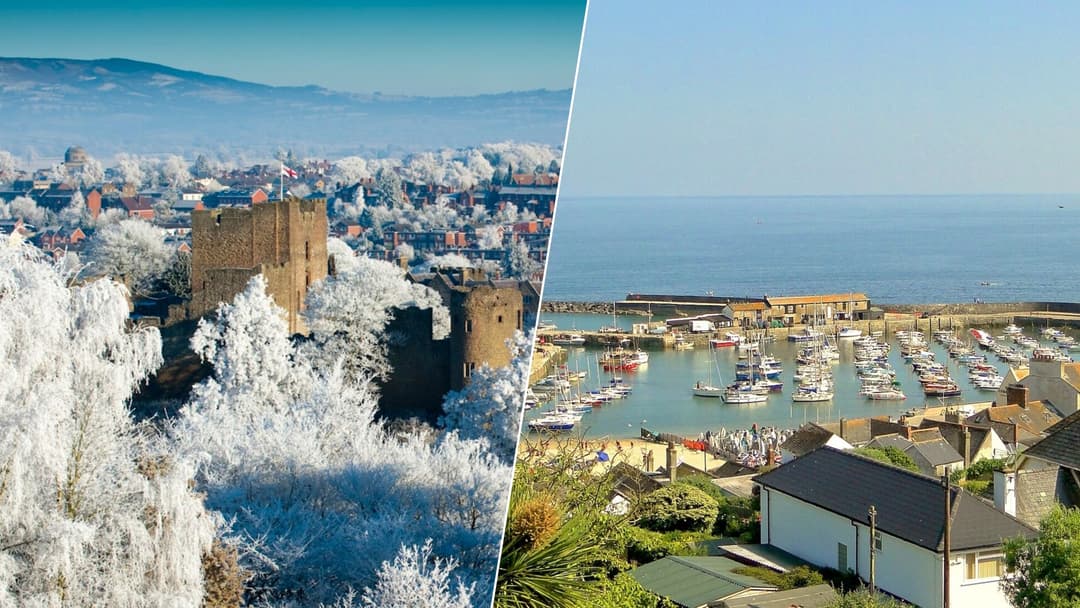
©Wikimedia / Shropshire & Wikimedia / Philip Pankhurst
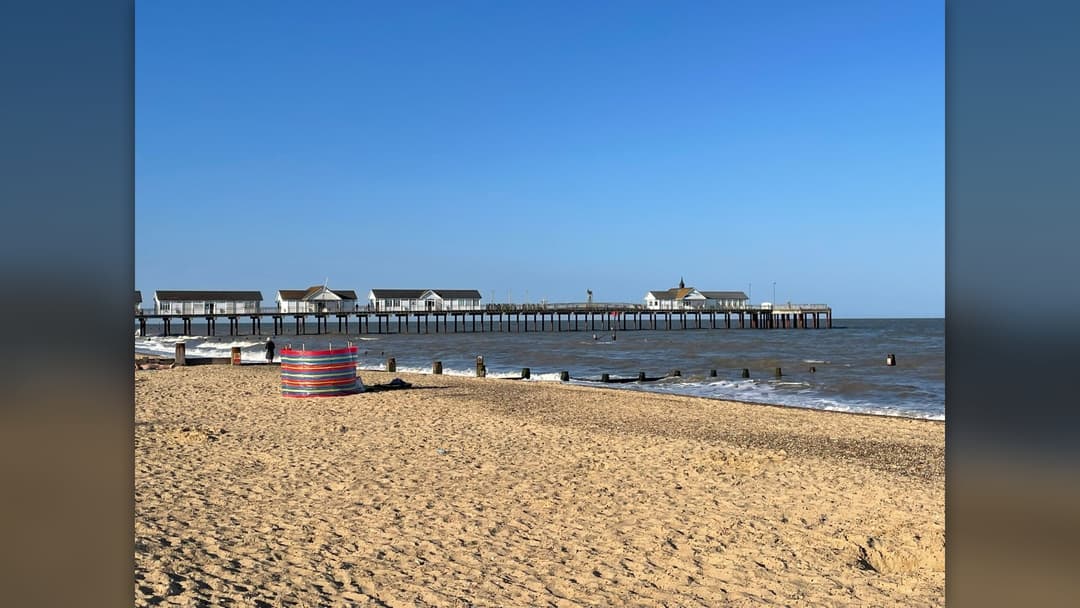
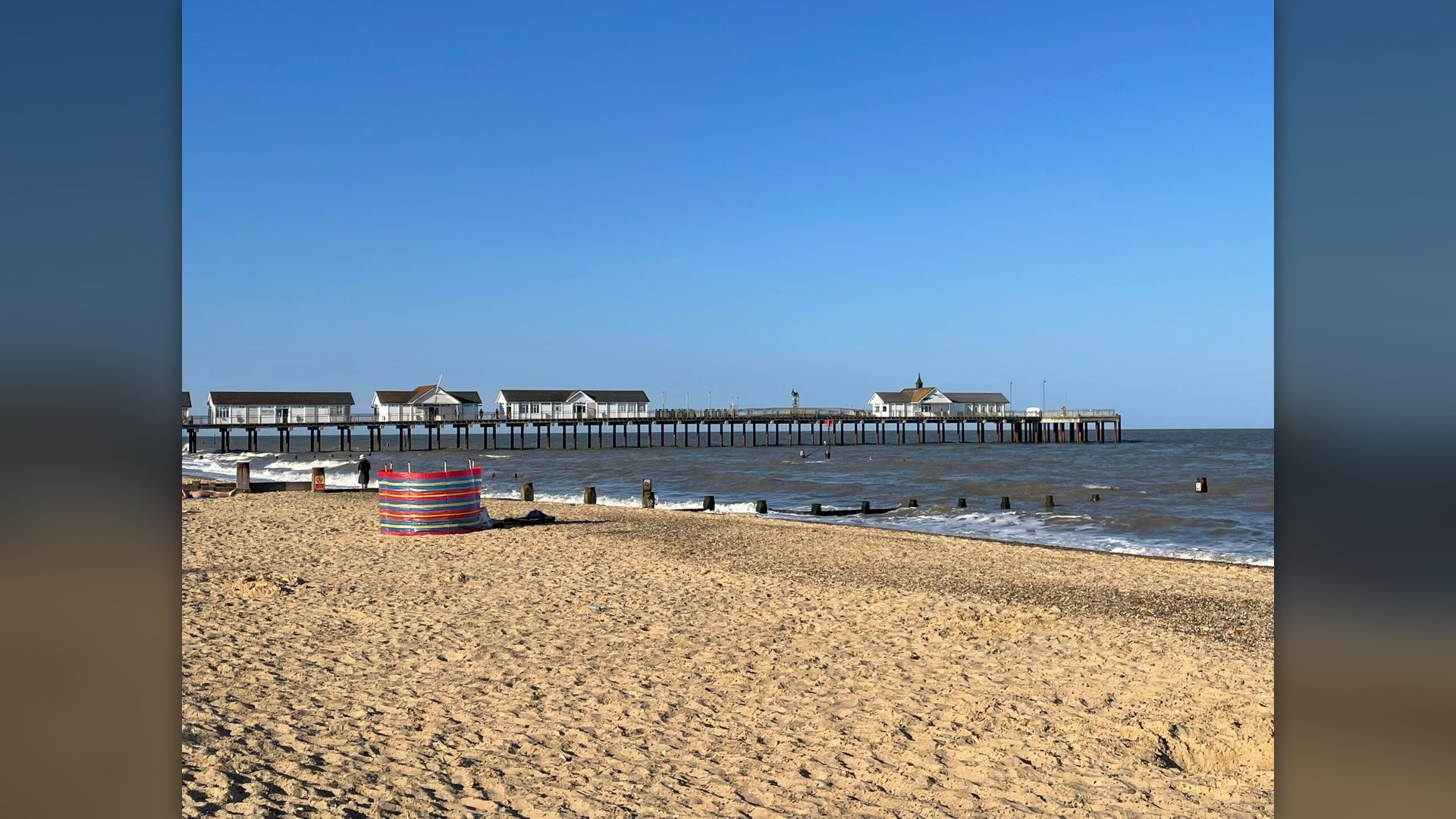
20. Southwold, Suffolk
Eric Arthur Blair, later famous as George Orwell, spent stretches of the 1930s at his parents' house in Southwold while writing A Clergyman's Daughter, published in 1935. Earlier, J.M.W. Turner sketched the Suffolk port in 1824, and illustrator Charles Keene drew its beach and coastal light.
©Wikimedia / Simon Mortimer
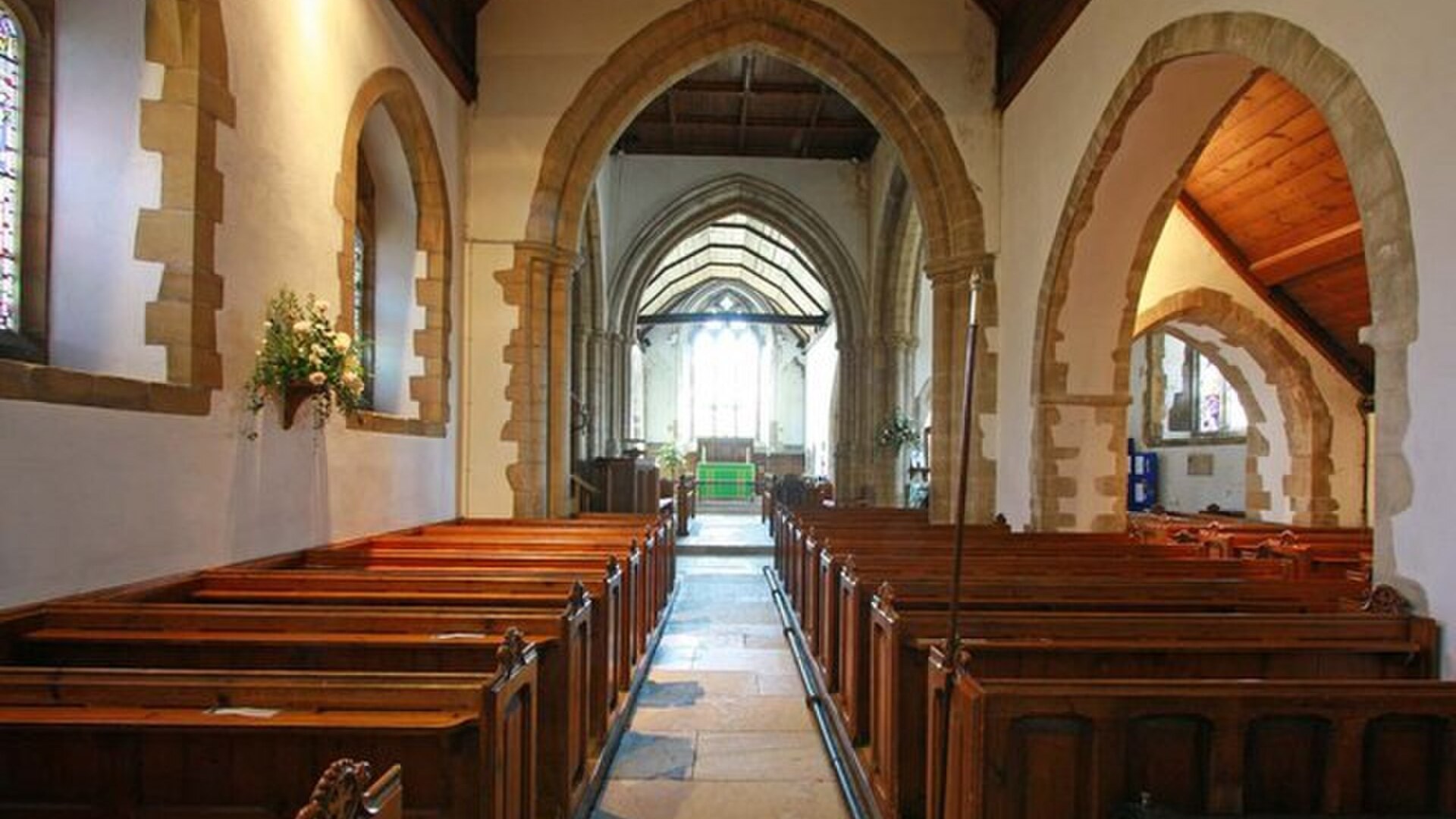
19. Ditchling, East Sussex
Sculptor and letter-cutter Eric Gill moved to Ditchling in 1907 and co-founded the Guild of St Joseph and St Dominic on Ditchling Common in 1920. Muralist Sir Frank Brangwyn also worked at The Jointure from 1918 until 1956. The Ditchling Museum of Art + Craft preserves the village's craft legacy.
©Wikimedia / John Salmon
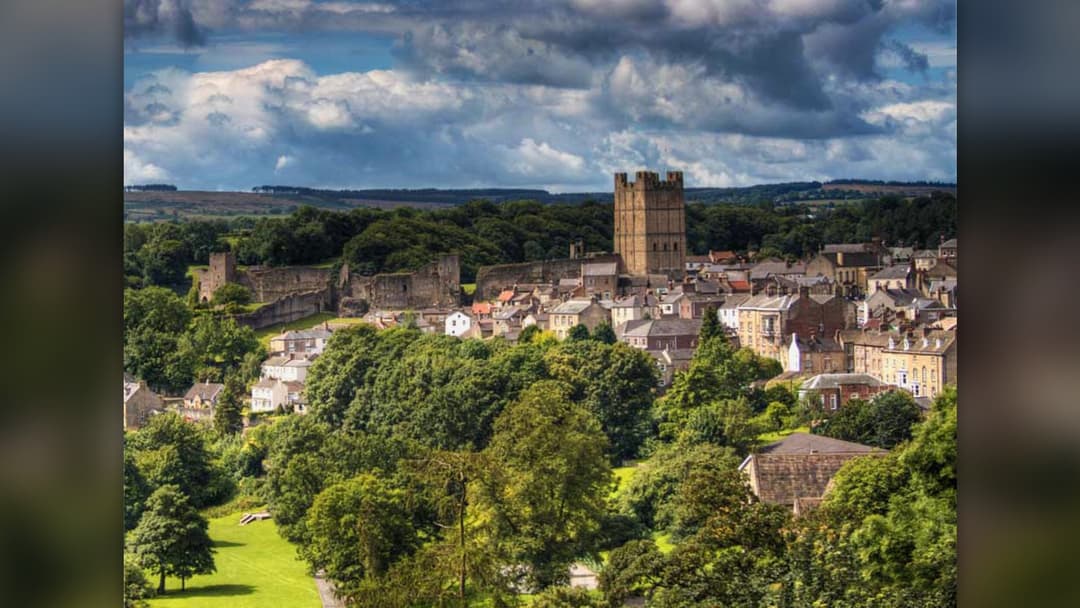
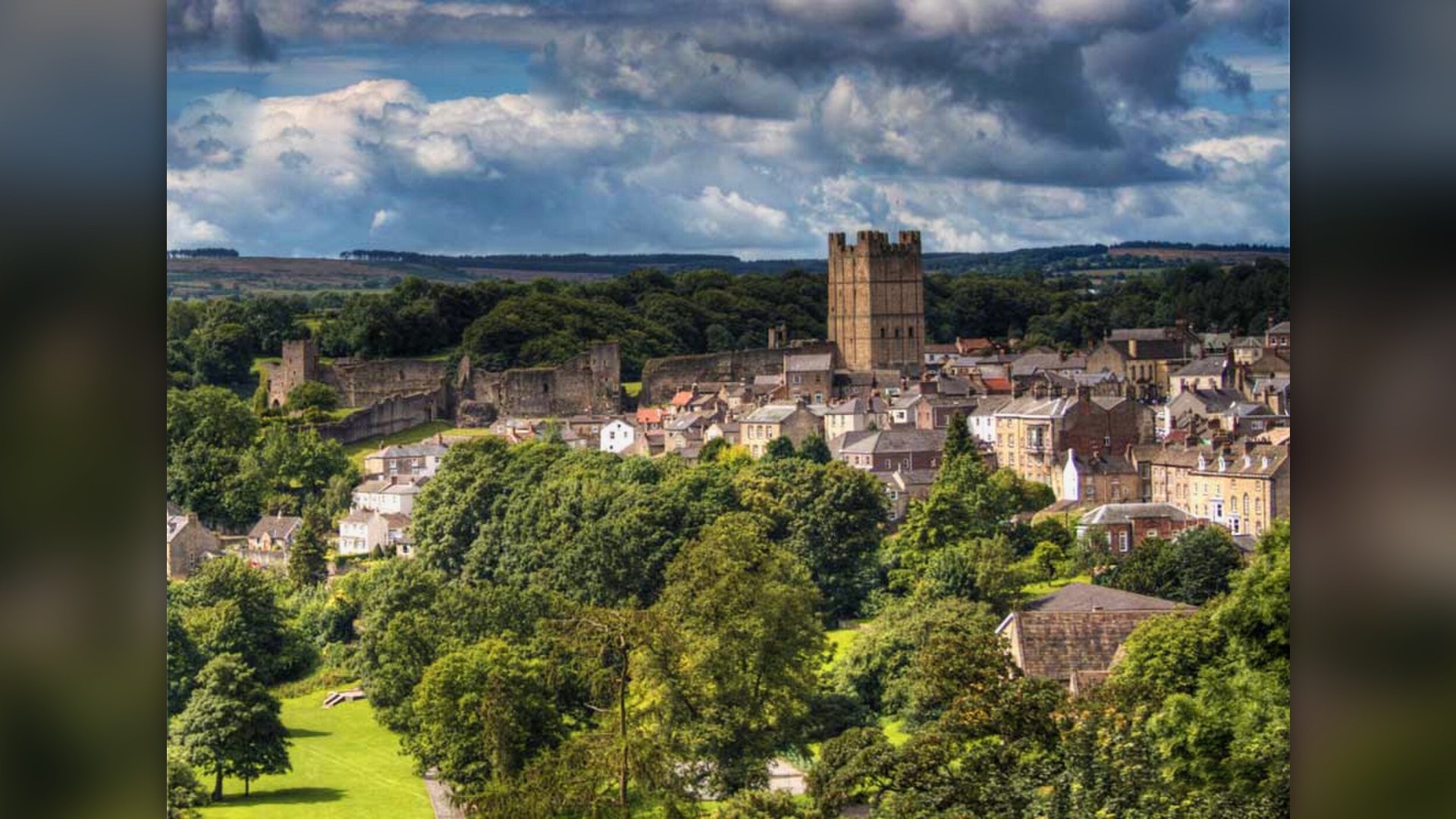
18. Richmond, North Yorkshire
Rising above the River Swale since 1071, Richmond Castle became one of J.M.W. Turner's signature subjects during his 1816 Yorkshire tour for the History of Richmondshire. In the 1840s, a young Charles Dodgson, later known as Lewis Carroll, studied at the town's historic grammar school.
©Wikimedia / Roberto1145
Advertisement
Swipe or tap ▶ to resume the countdown.
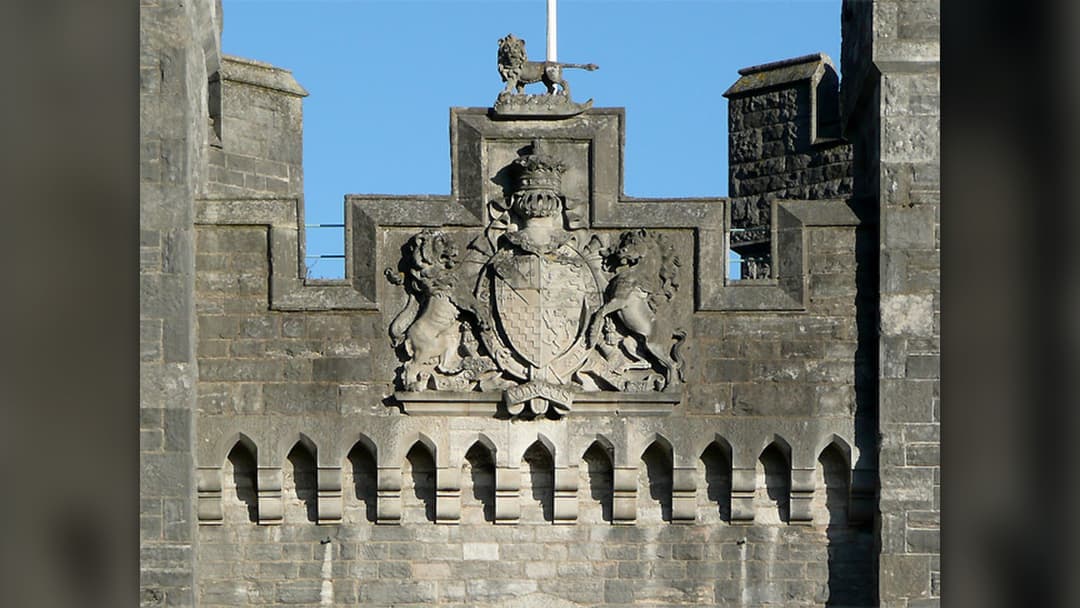
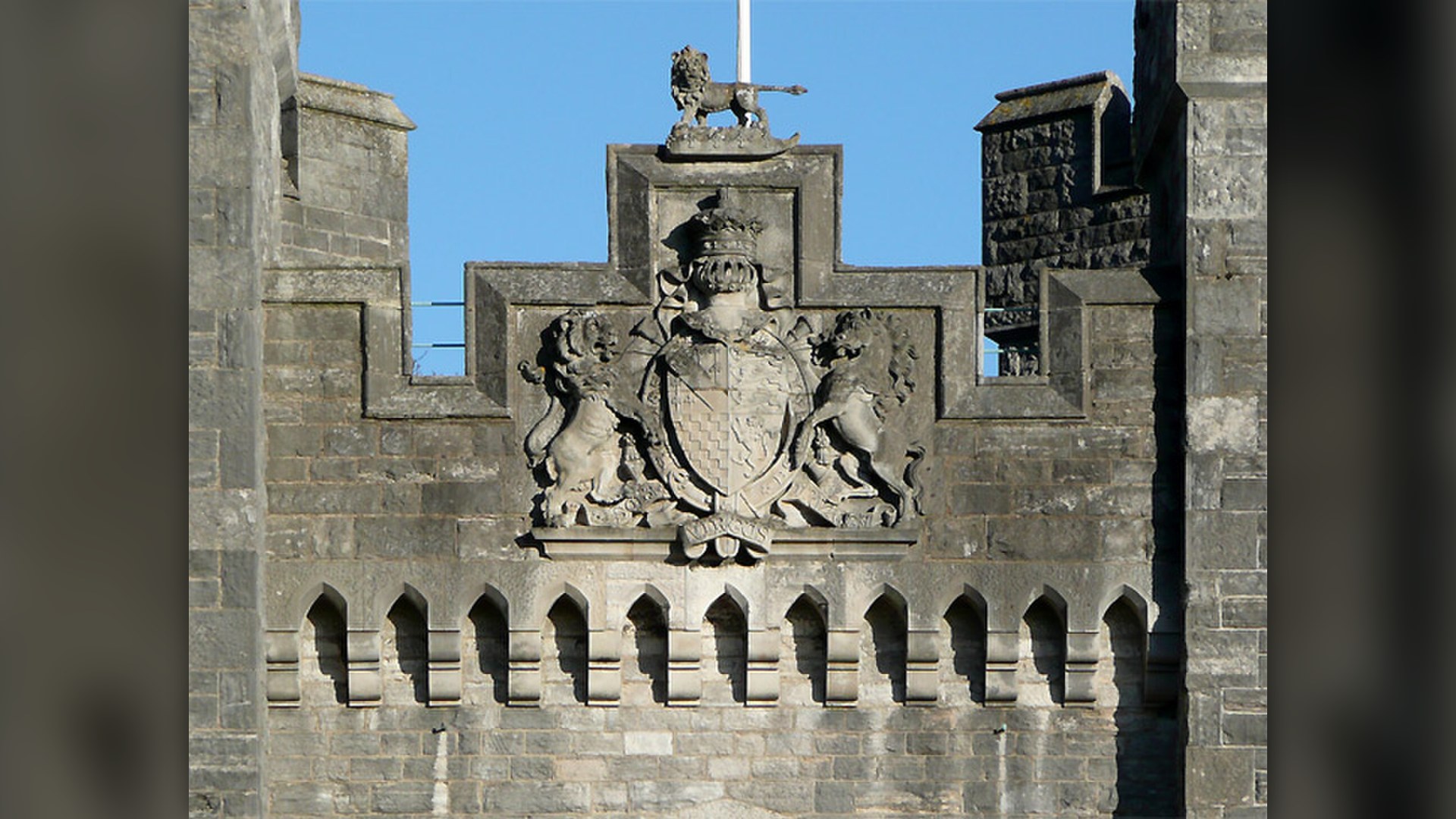
17. Arundel, West Sussex
Arundel's chalk hills and watermill drew Britain's two greatest landscape rivals. Turner painted watercolours of Arundel Castle and Park around 1800, while John Constable sketched Arundel Mill and Castle in July 1835. Constable's finished oil canvas appeared posthumously at the Royal Academy in 1837.
©Wikimedia / Roger D Kidd
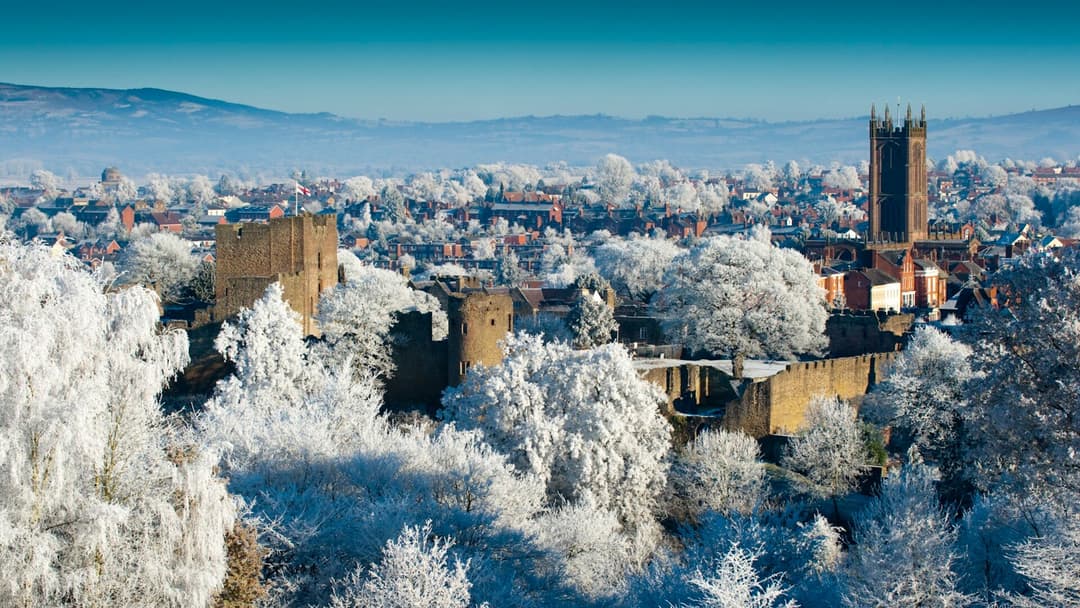
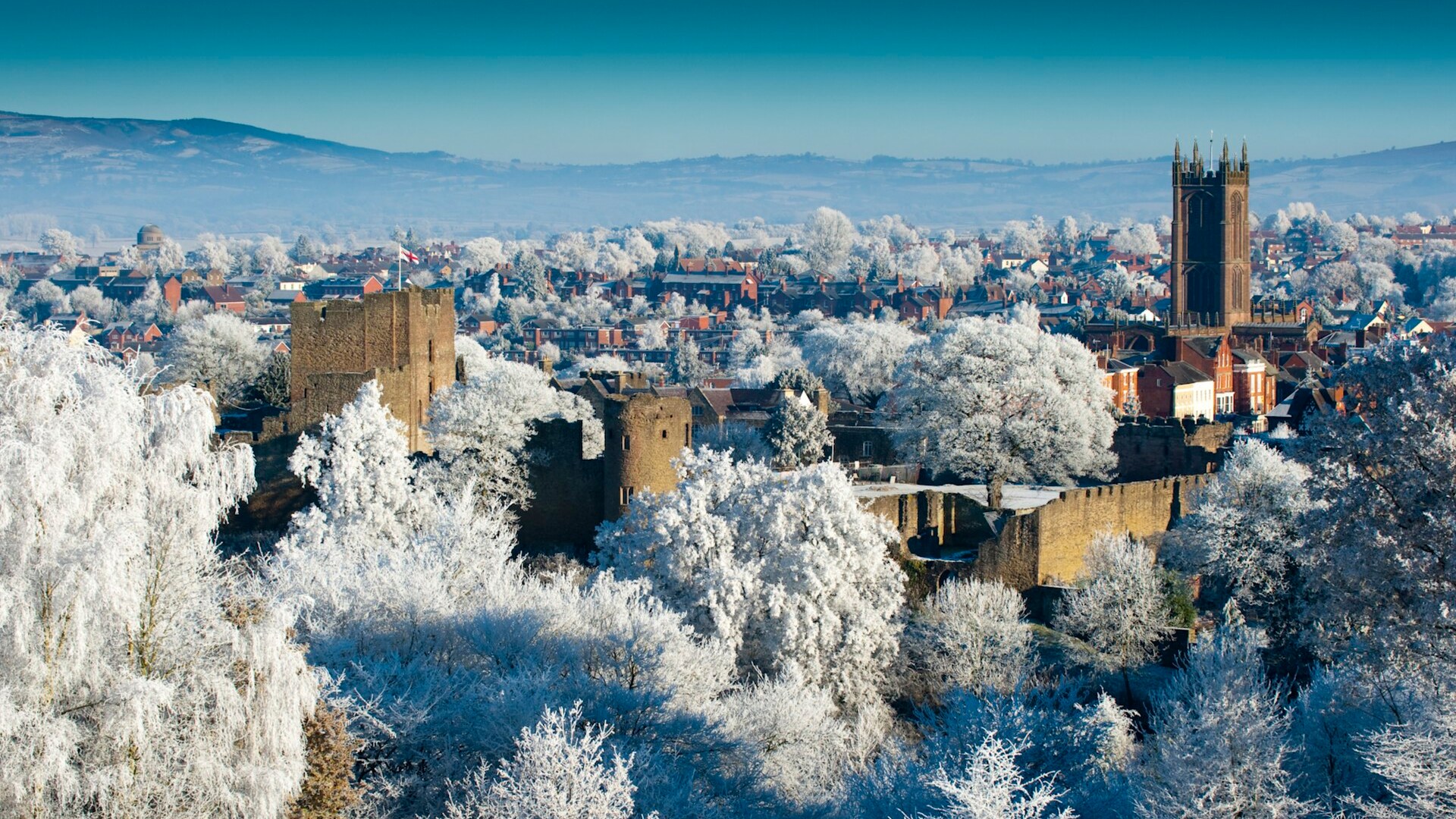
16. Ludlow, Shropshire
Ludlow retains hundreds of listed timber-framed and Georgian buildings beneath a medieval fortress on the River Teme. J.M.W. Turner painted Ludlow Castle in 1798, and poet A.E. Housman celebrated the town in his 1896 book A Shropshire Lad. Housman's ashes were buried at St Laurence's Church in 1936.
©Wikimedia / Shropshire&TelfordTSB
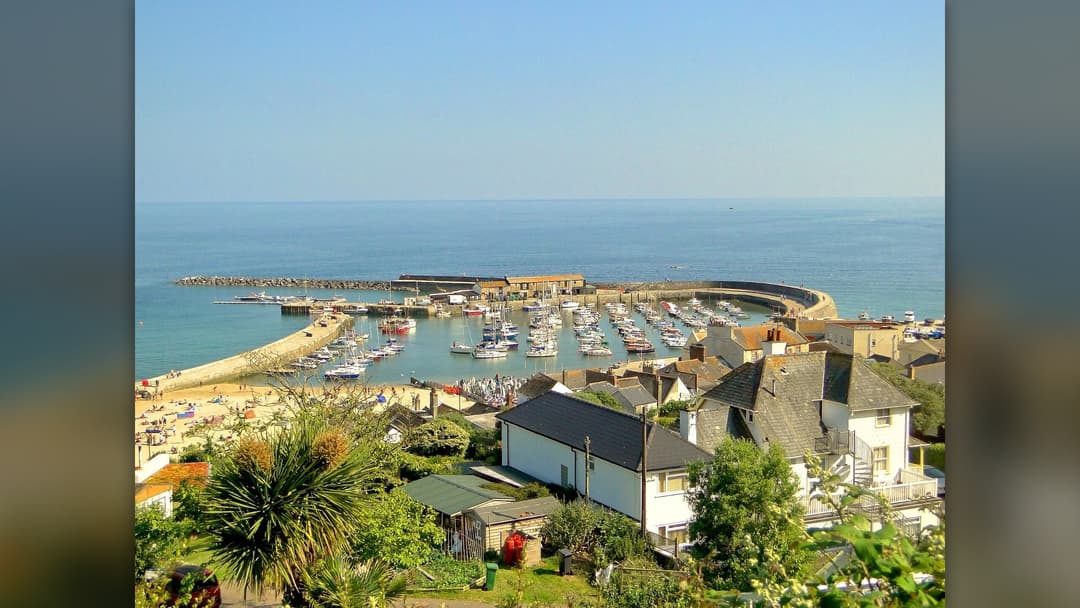
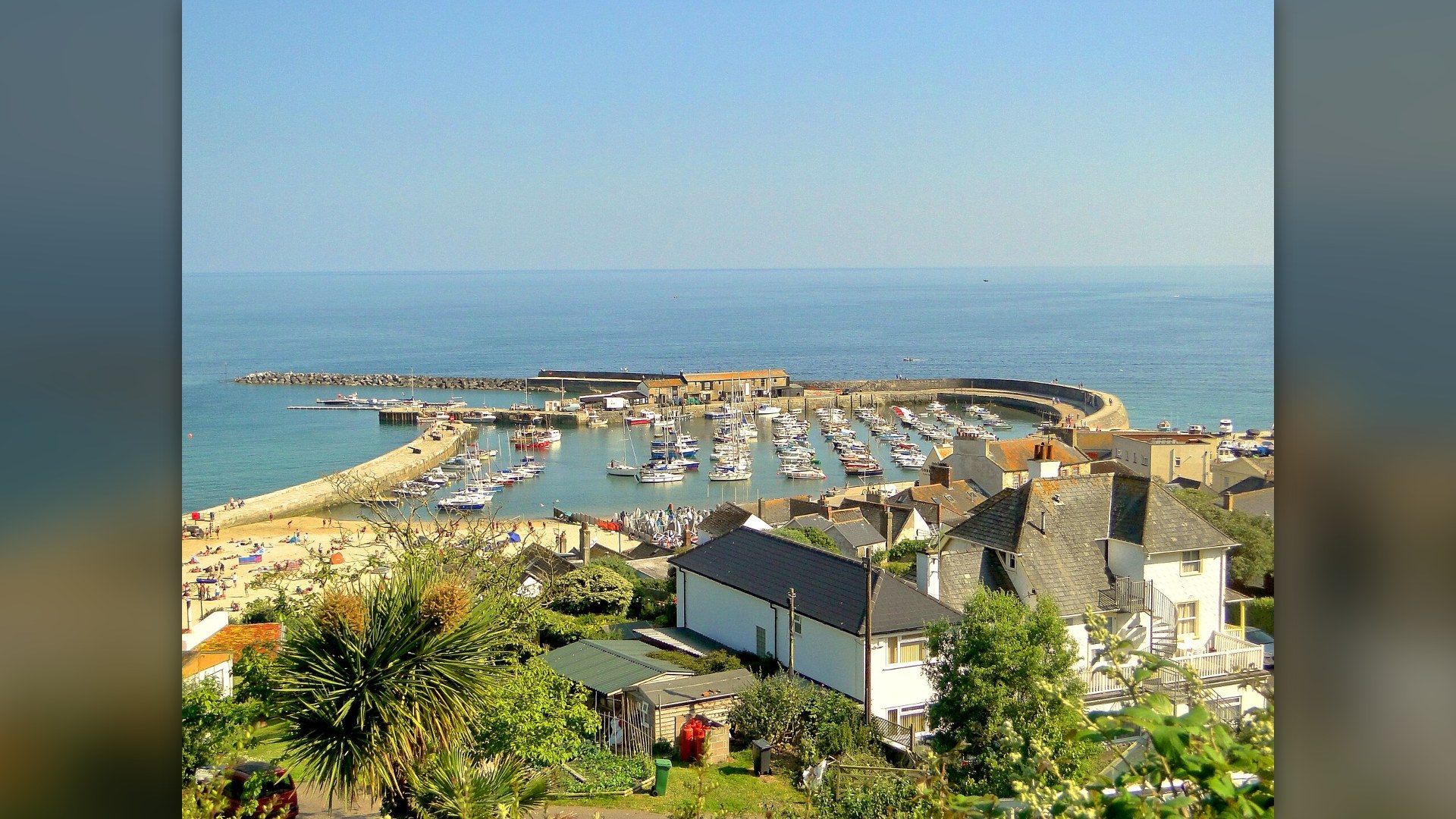
15. Lyme Regis, Dorset
Staying in Lyme Regis in 1803 and 1804, Jane Austen used the town's stone breakwater, the Cobb, for Louisa Musgrove's dramatic fall in Persuasion, published in late 1817. Over a century later, novelist John Fowles lived here from 1965 to 2005 and wrote The French Lieutenant's Woman in 1969.
©Wikimedia / Philip Pankhurst
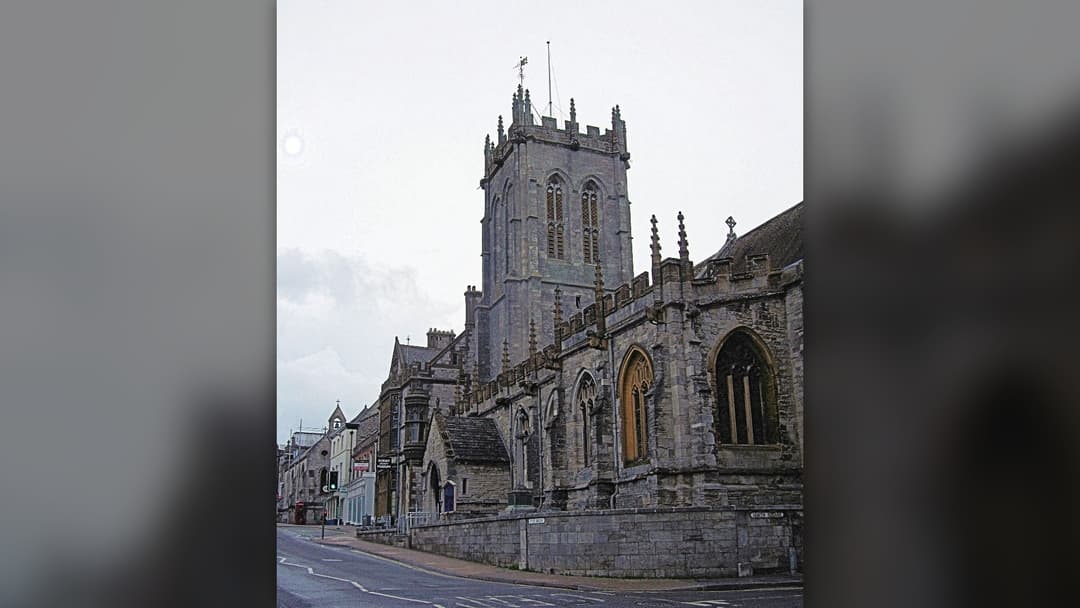
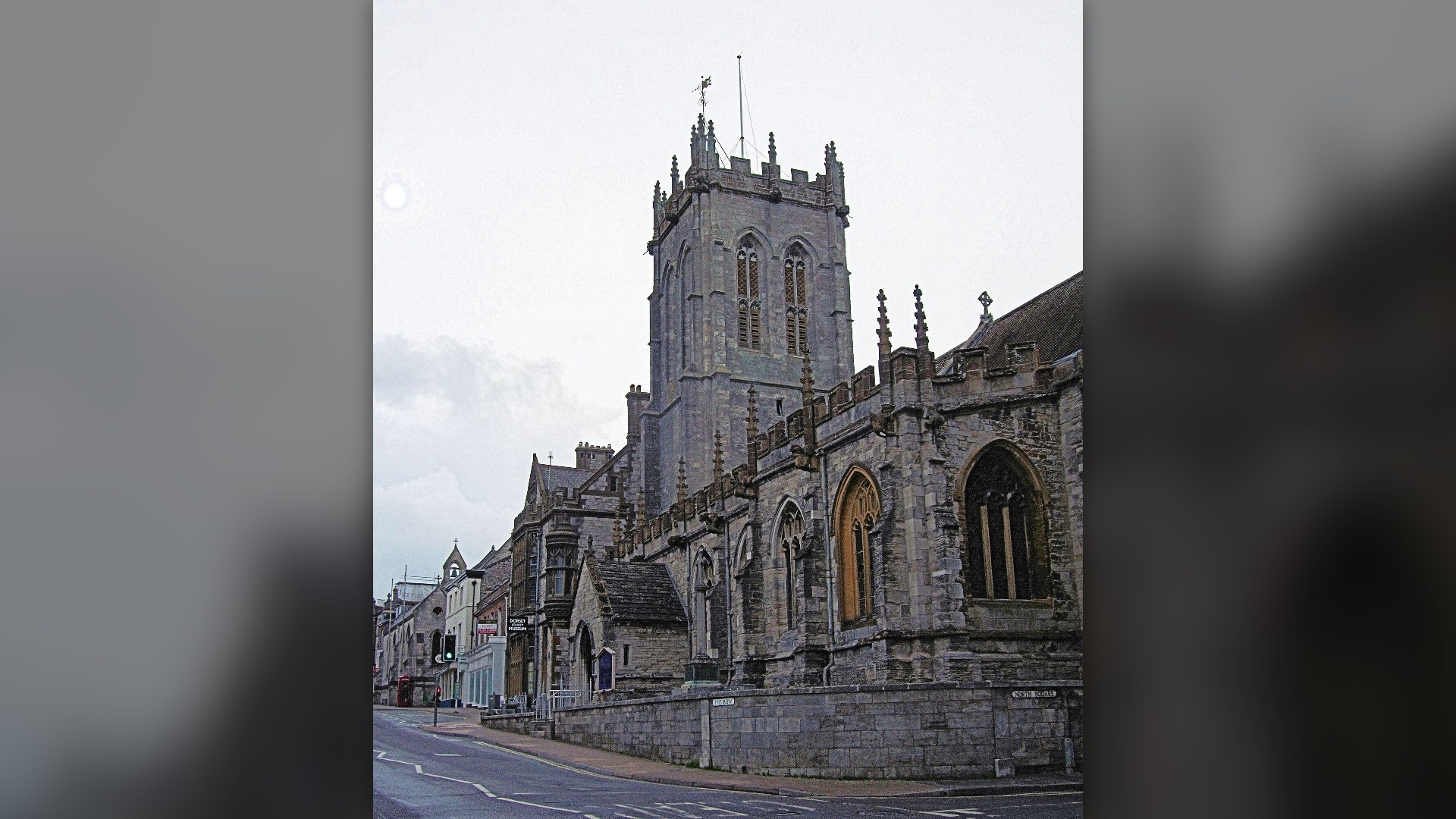
14. Dorchester, Dorset
Thomas Hardy trained as an architect in Dorchester starting in 1856 and later designed his own brick house, Max Gate, on the edge of town in 1885. He lived there until 1928 while modelling fictional Casterbridge on its streets. Dorset Museum & Art Gallery holds his recreated study and manuscripts.
©Openverse / Jim
Advertisement
Swipe or tap ▶ to resume the countdown.
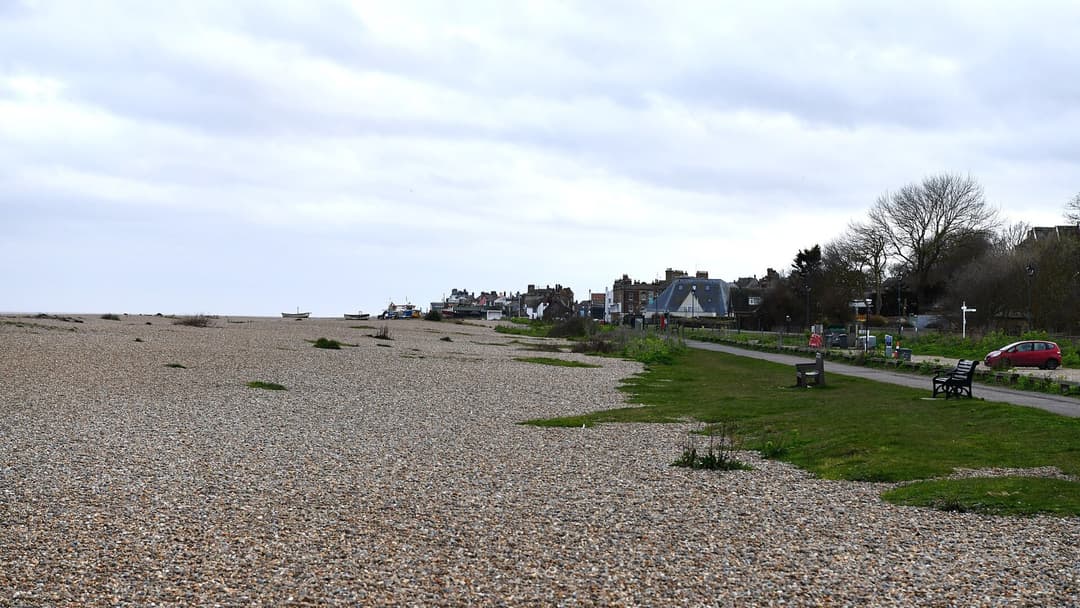
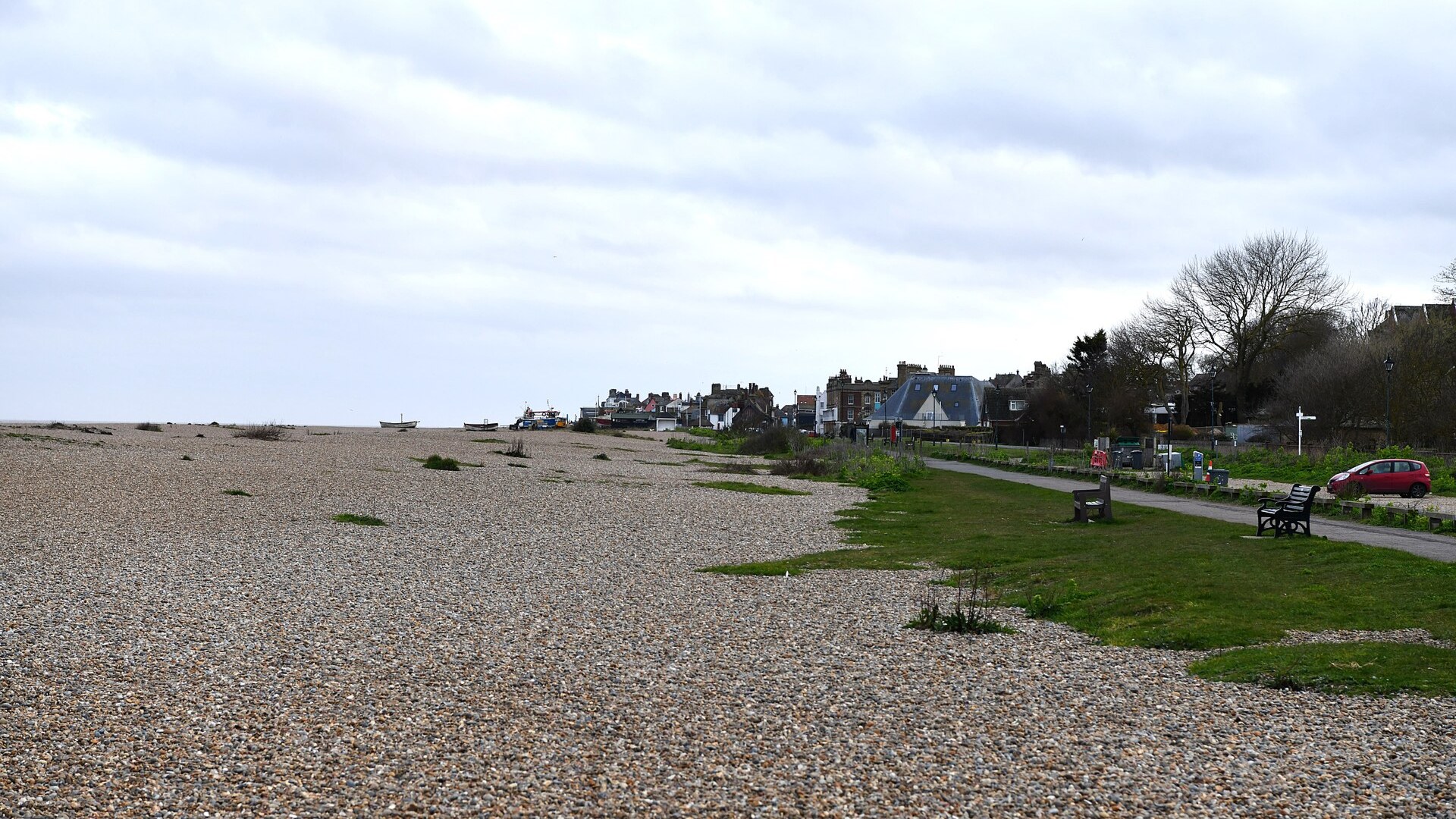
13. Aldeburgh, Suffolk
Born in Aldeburgh in 1754, poet George Crabbe described its fishermen in The Borough, which inspired Benjamin Britten's 1945 opera Peter Grimes. Britten and tenor Peter Pears moved here in 1947 and launched the Aldeburgh Festival in 1948. Maggi Hambling's steel Scallop sculpture joined the beach in 2003.
©Wikimedia / Michael Garlick
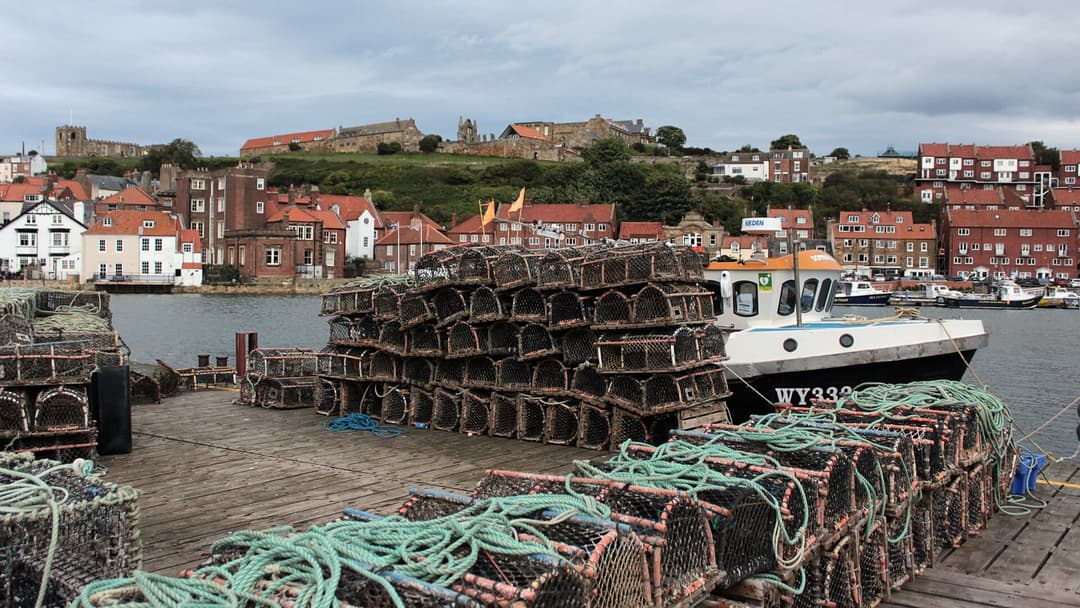
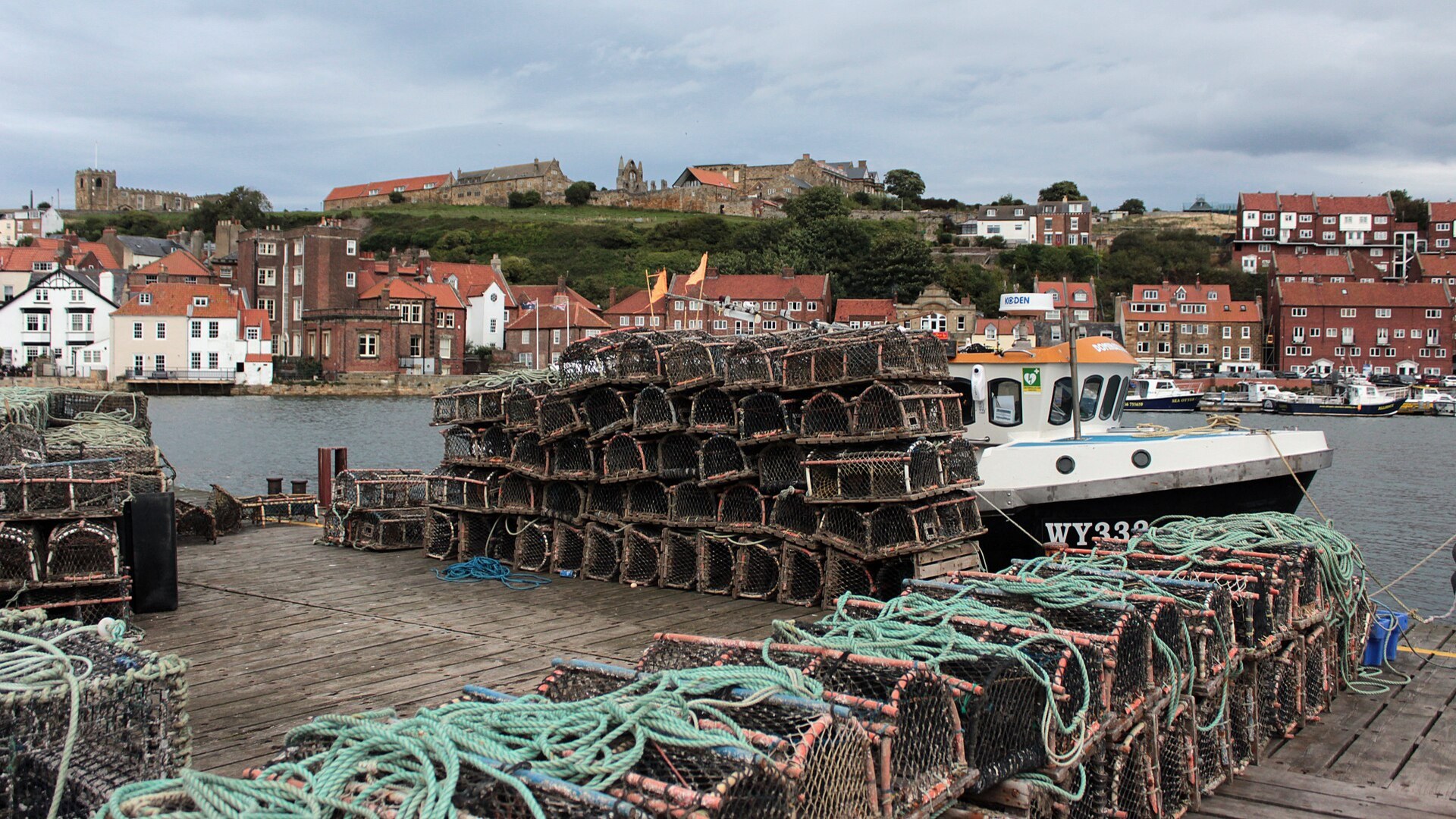
12. Whitby, North Yorkshire
Bram Stoker stayed in Whitby during the summer of 1890, borrowing local shipwrecks, harbour steps, and abbey ruins for his 1897 novel Dracula. Earlier, J.M.W. Turner painted the cliffs, and Victorian photographer Frank Meadow Sutcliffe captured fishing crews on glass plates around the Esk.
©Wikimedia / MatthewHoobin
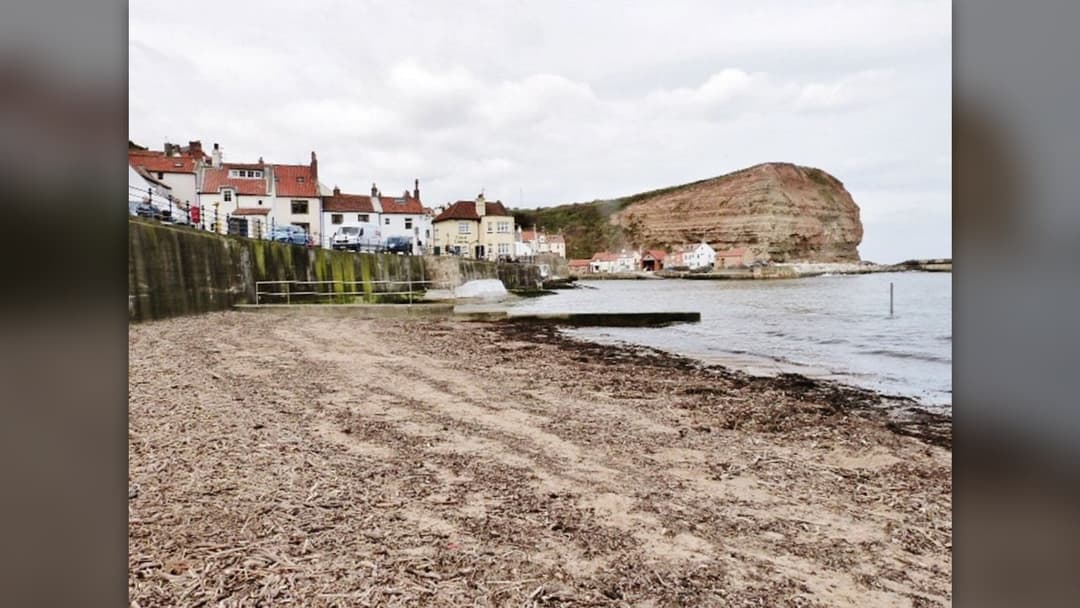
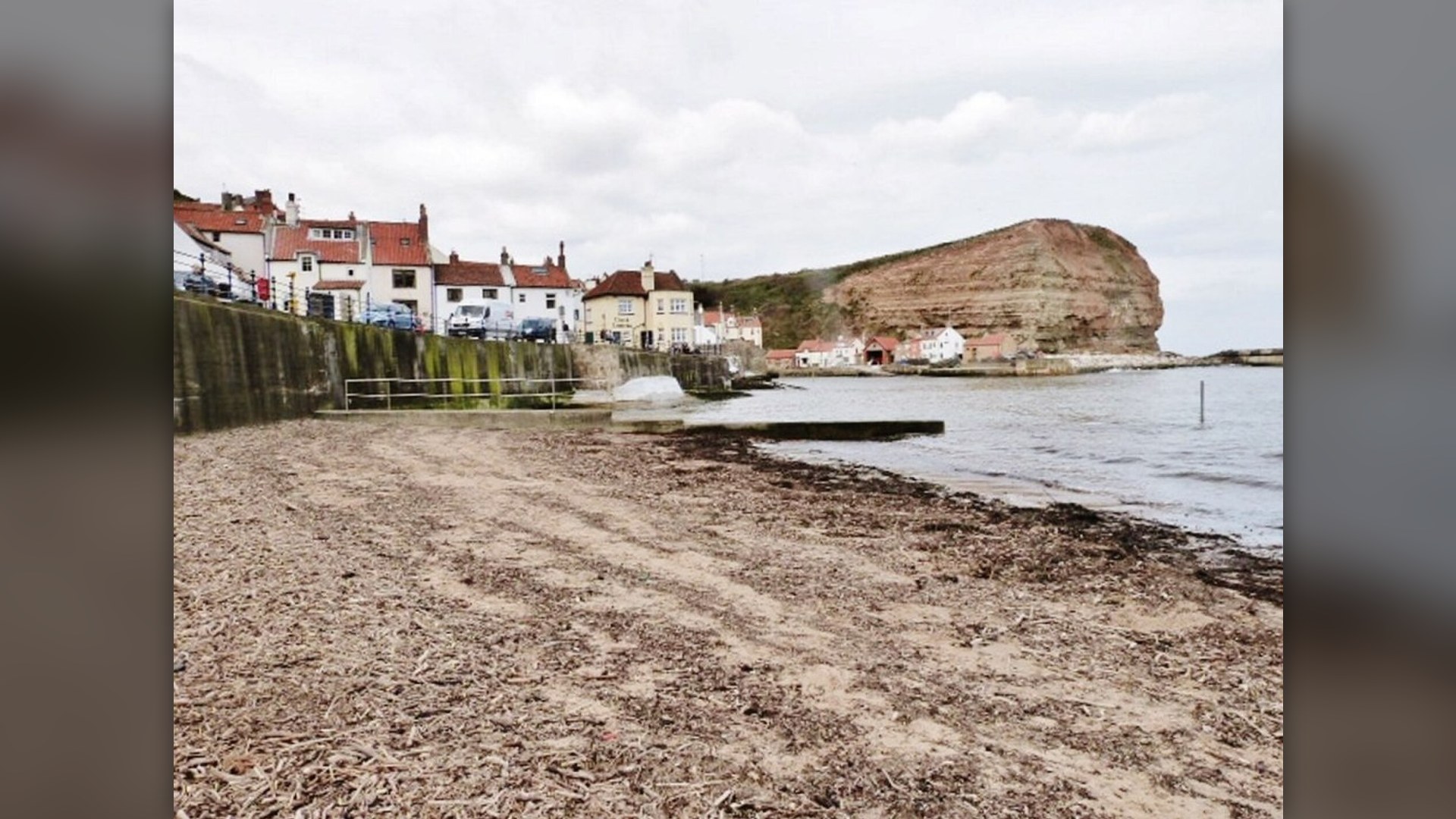
11. Staithes, North Yorkshire
Tucked beneath steep cliffs north of Whitby, Staithes hosted around 30 plein-air painters known as the Staithes Group from the 1890s until 1909. Dame Laura Knight and Harold Knight worked alongside local fishing families, painting rough seas and cottage doorways in shifting coastal light.
©Wikimedia / Derek Voller
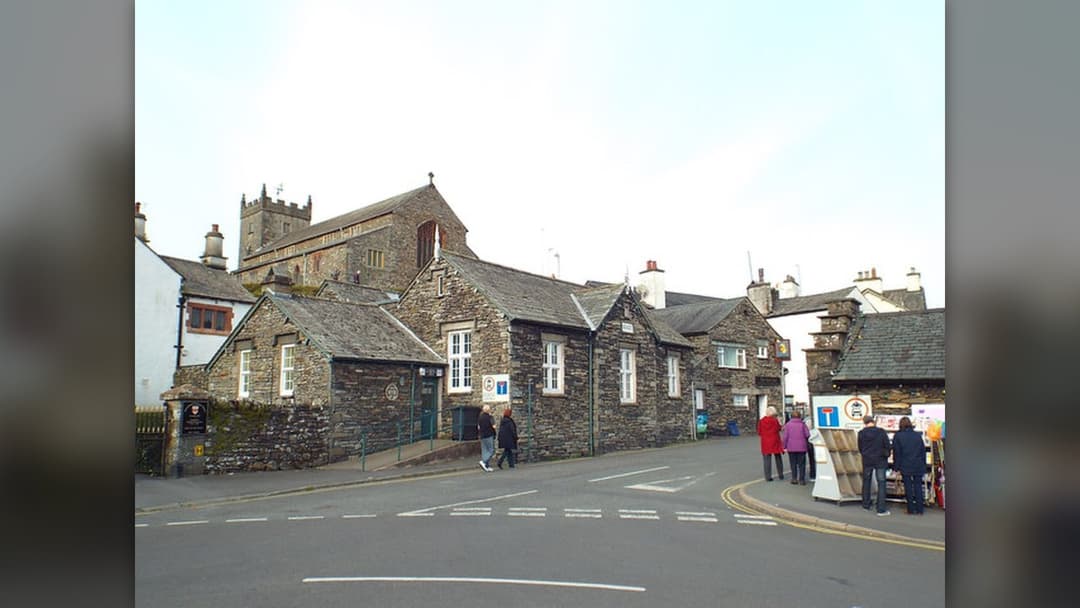
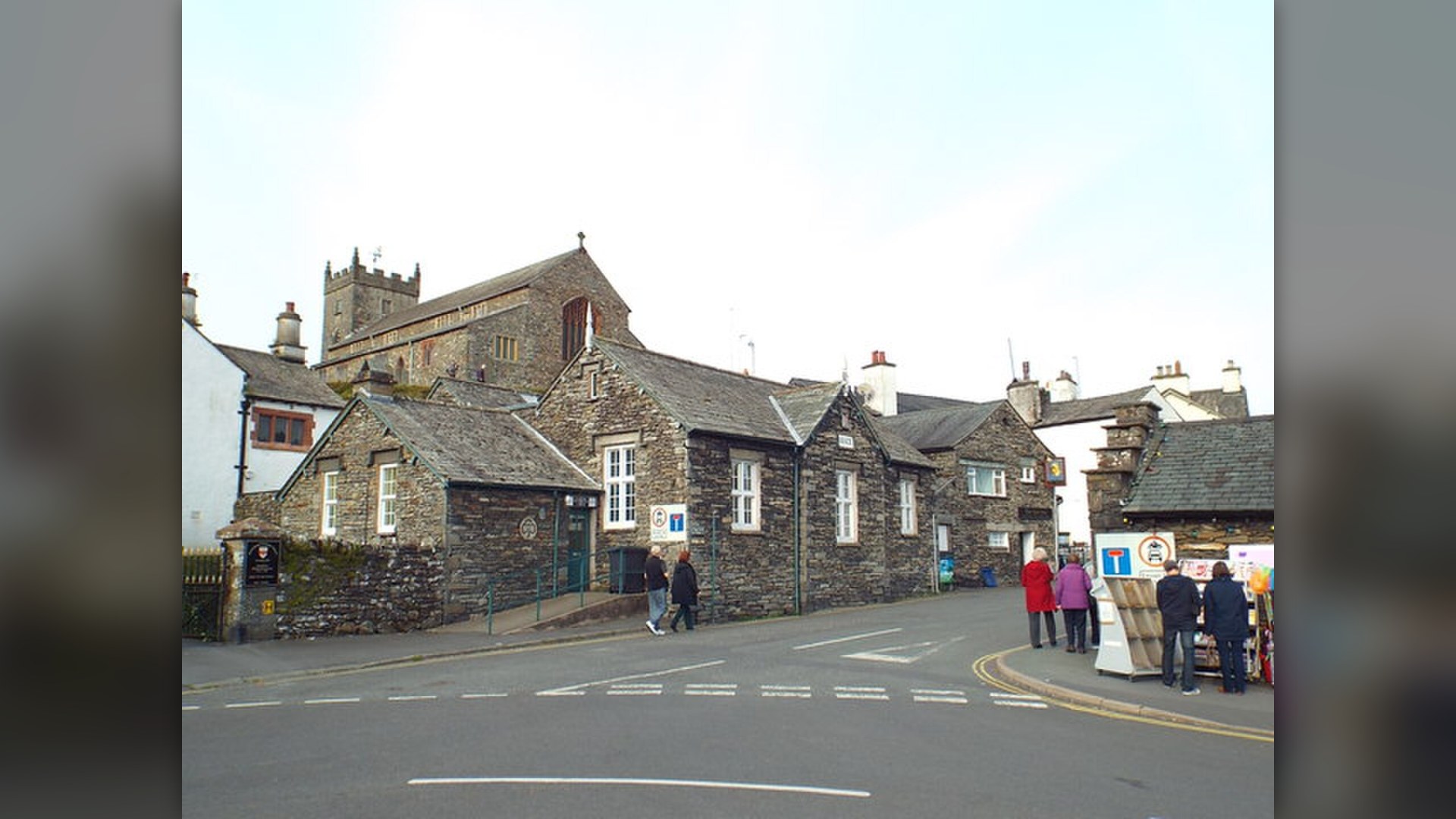
10. Hawkshead, Cumbria
From 1779 to 1787, William Wordsworth studied at Hawkshead Grammar School, where his carved initials remain on an oak desk. Beatrix Potter lived nearby at Hill Top in Near Sawrey from 1905, and the Beatrix Potter Gallery occupies her solicitor husband William Heelis's former 17th-century office.
©Wikimedia / Malc McDonald
Advertisement
Swipe or tap ▶ to resume the countdown.
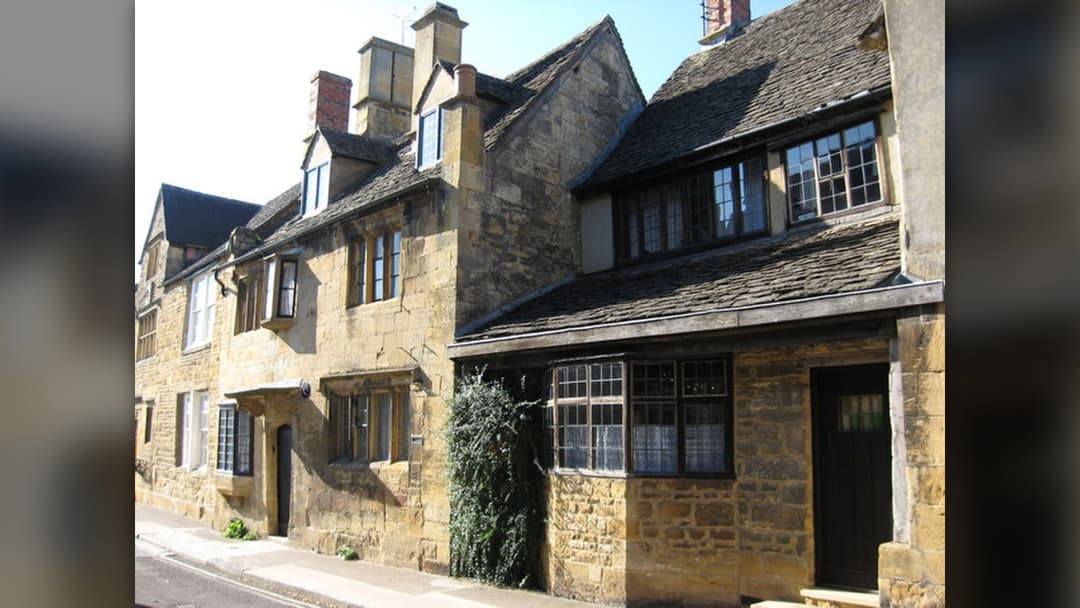
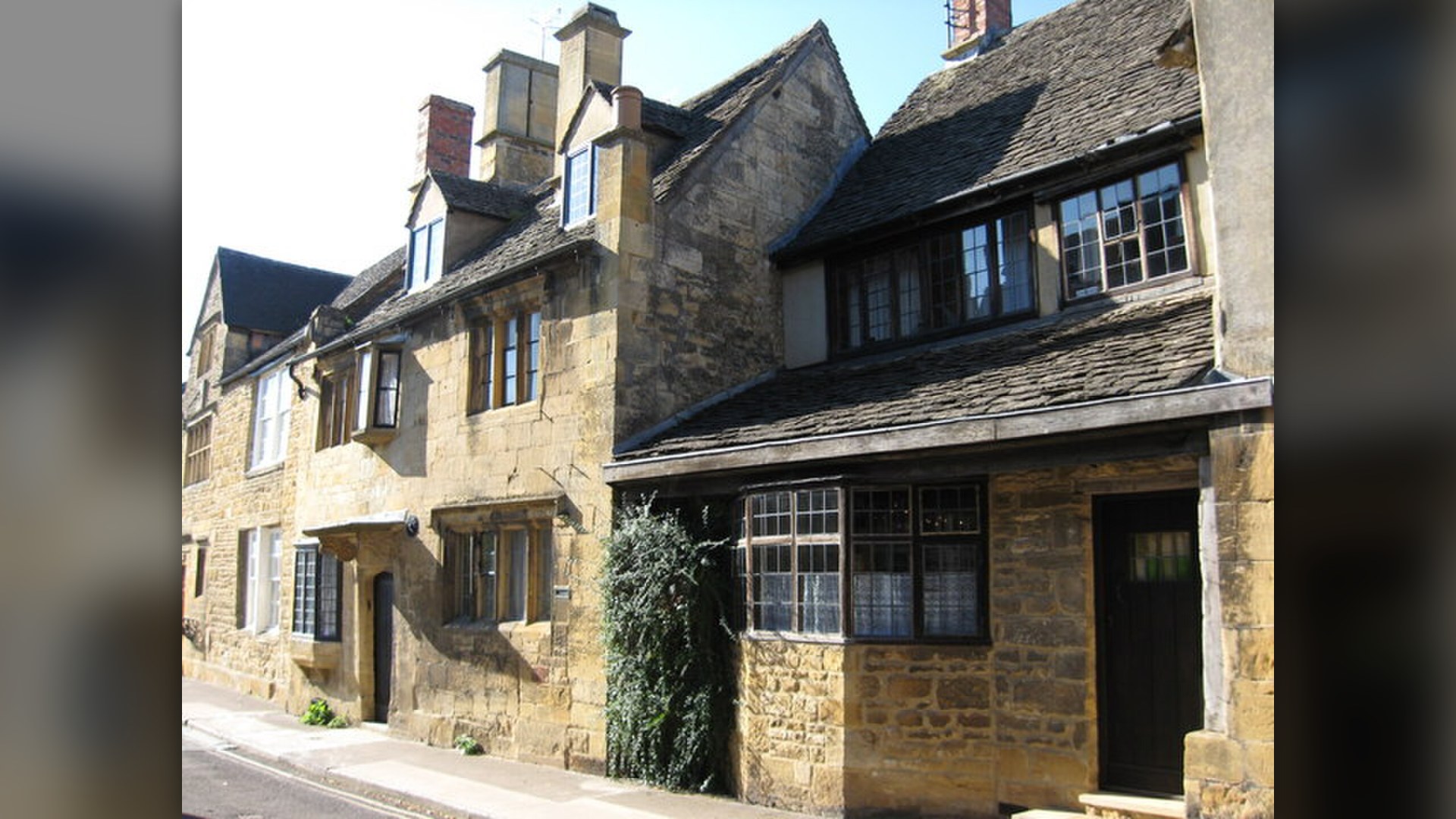
9. Chipping Campden, Gloucestershire
Known for its honey-coloured limestone street and 1627 Market Hall, Chipping Campden became an Arts and Crafts centre in 1902 when architect C.R. Ashbee brought roughly 50 silversmiths, jewellers, and woodworkers from London to the Old Silk Mill. Court Barn museum preserves their designs.
©Wikimedia / Carol Walker
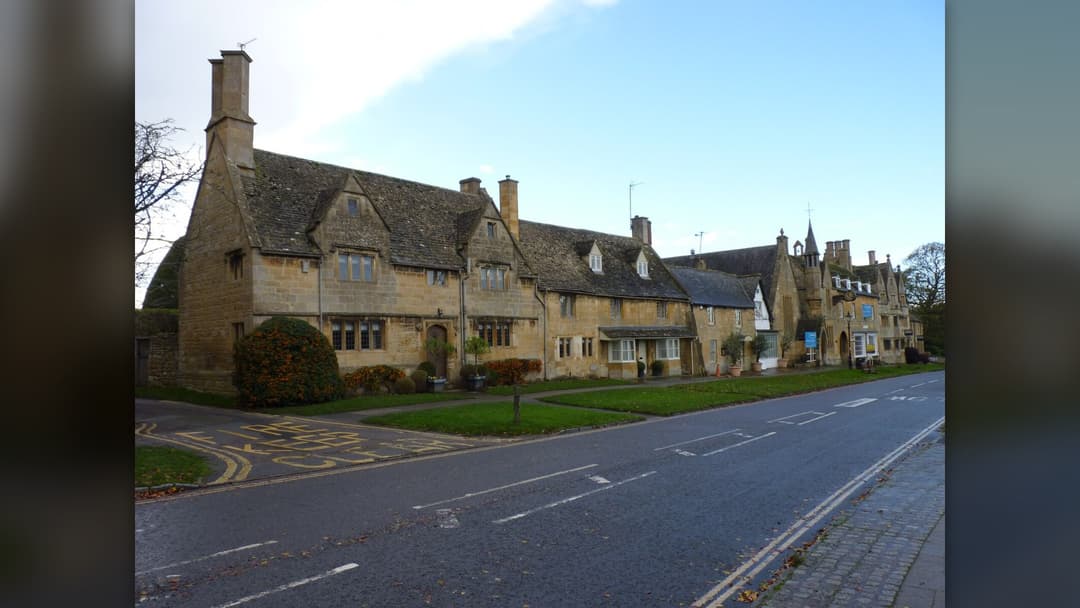
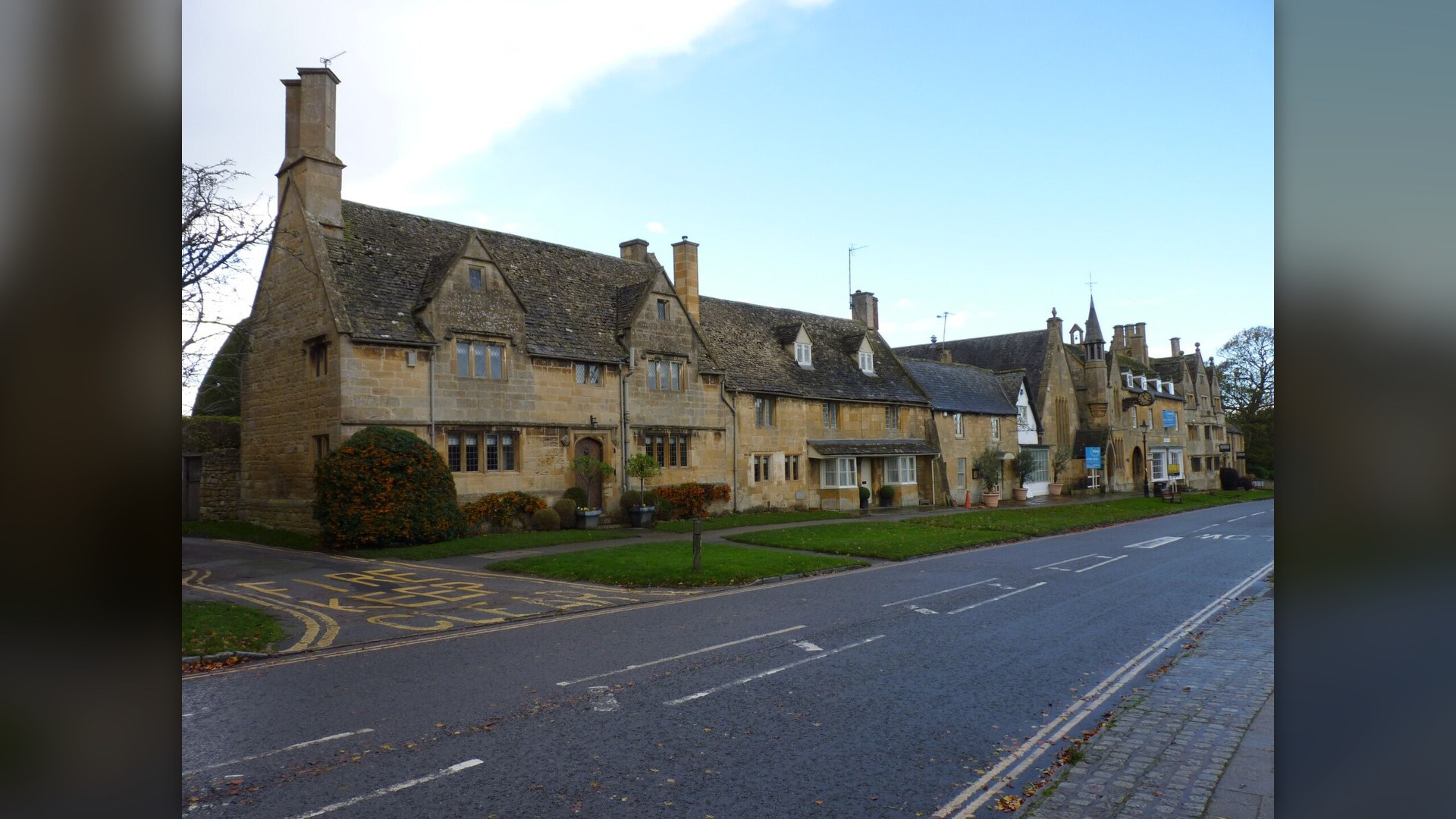
8. Broadway, Worcestershire
In the late 1880s, Broadway hosted an Anglo-American painters' colony featuring Edwin Austin Abbey, Alfred Parsons, and Francis Davis Millet. Working only during brief summer twilight in the garden of Farnham House, John Singer Sargent painted Carnation, Lily, Lily, Rose here in 1885 and 1886.
©Wikimedia / Jeff Gogarty
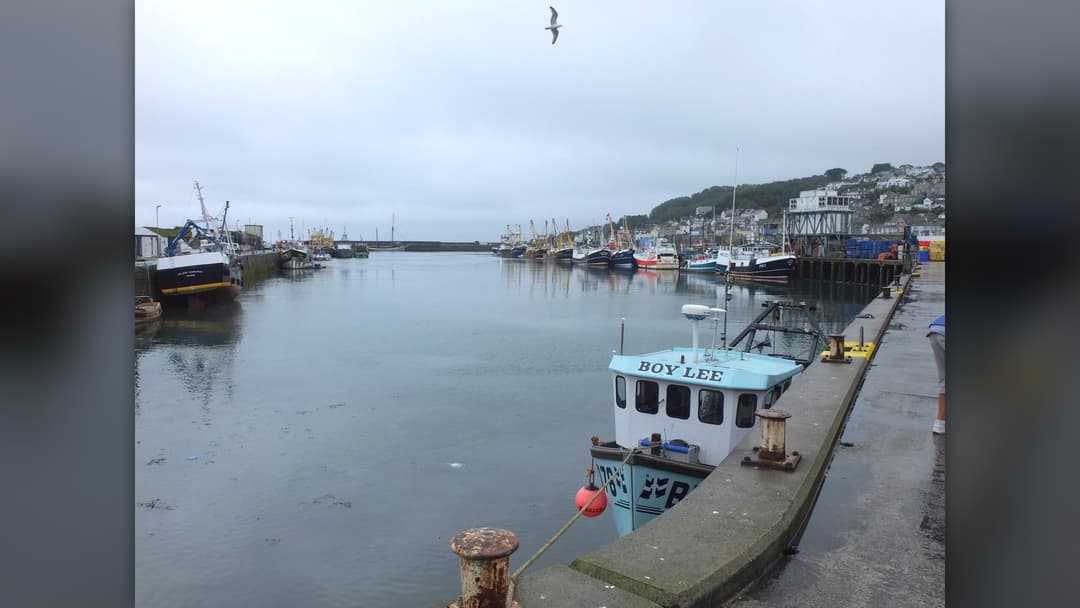
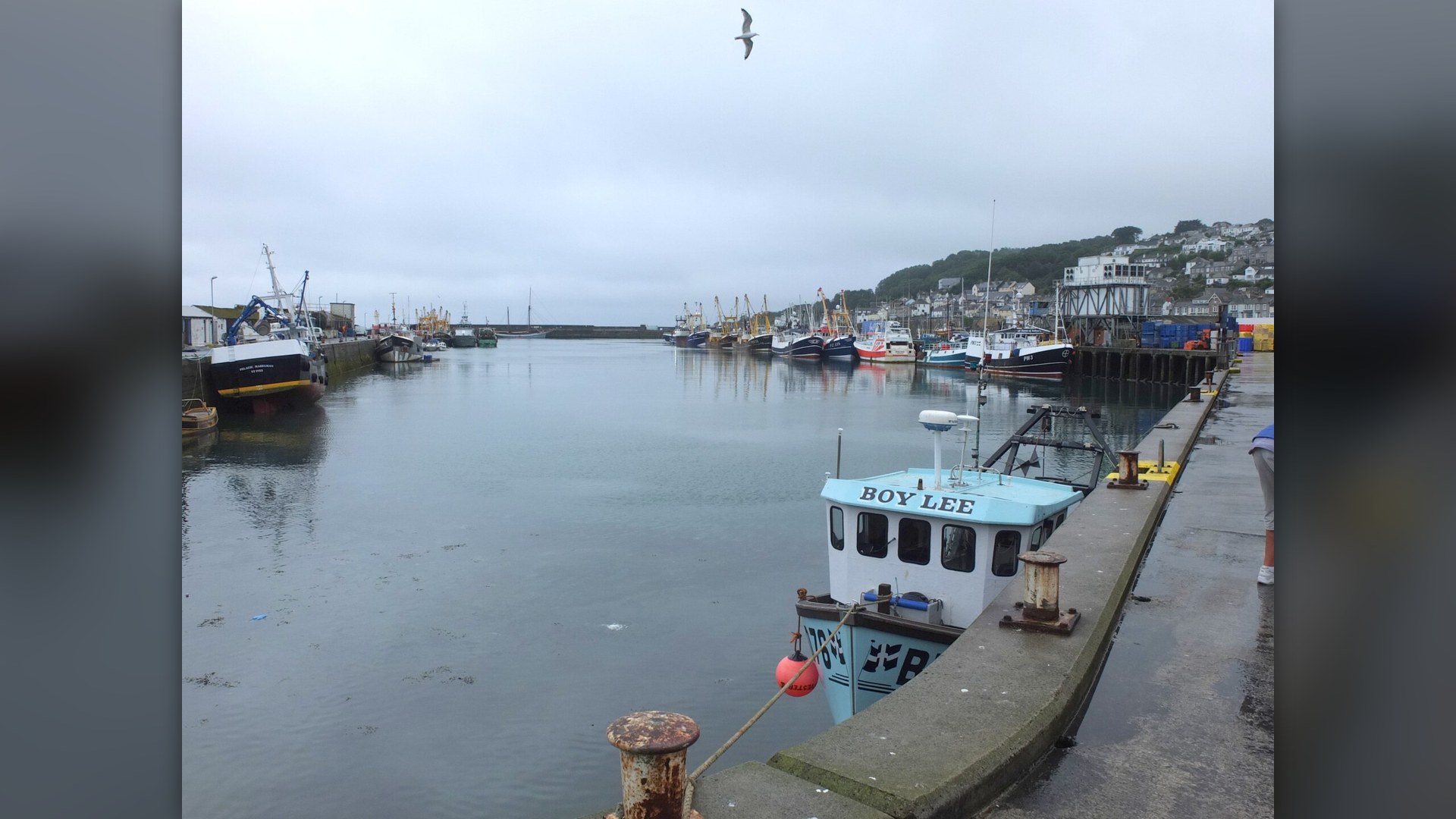
7. Newlyn, Cornwall
Starting in the early 1880s, plein-air painters including Stanhope Forbes and Walter Langley settled in Newlyn, drawn by its working harbour and bright sea light. They painted crews, net lofts, and fish auctions directly on location. Newlyn Art Gallery opened in 1895 and still stages exhibitions overlooking Mount's Bay
©Wikimedia / Gary Rogers
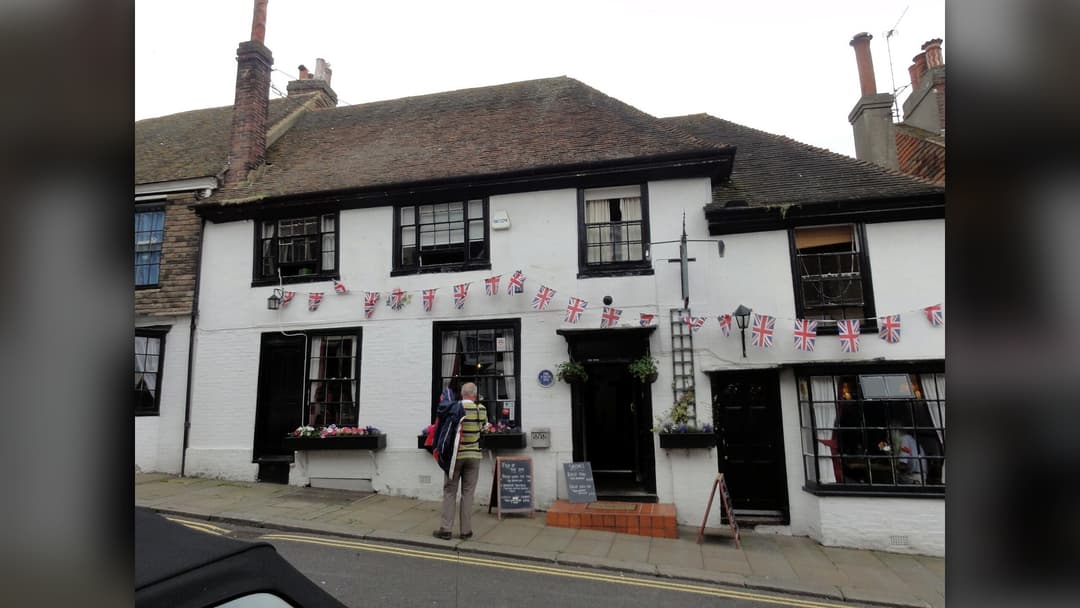
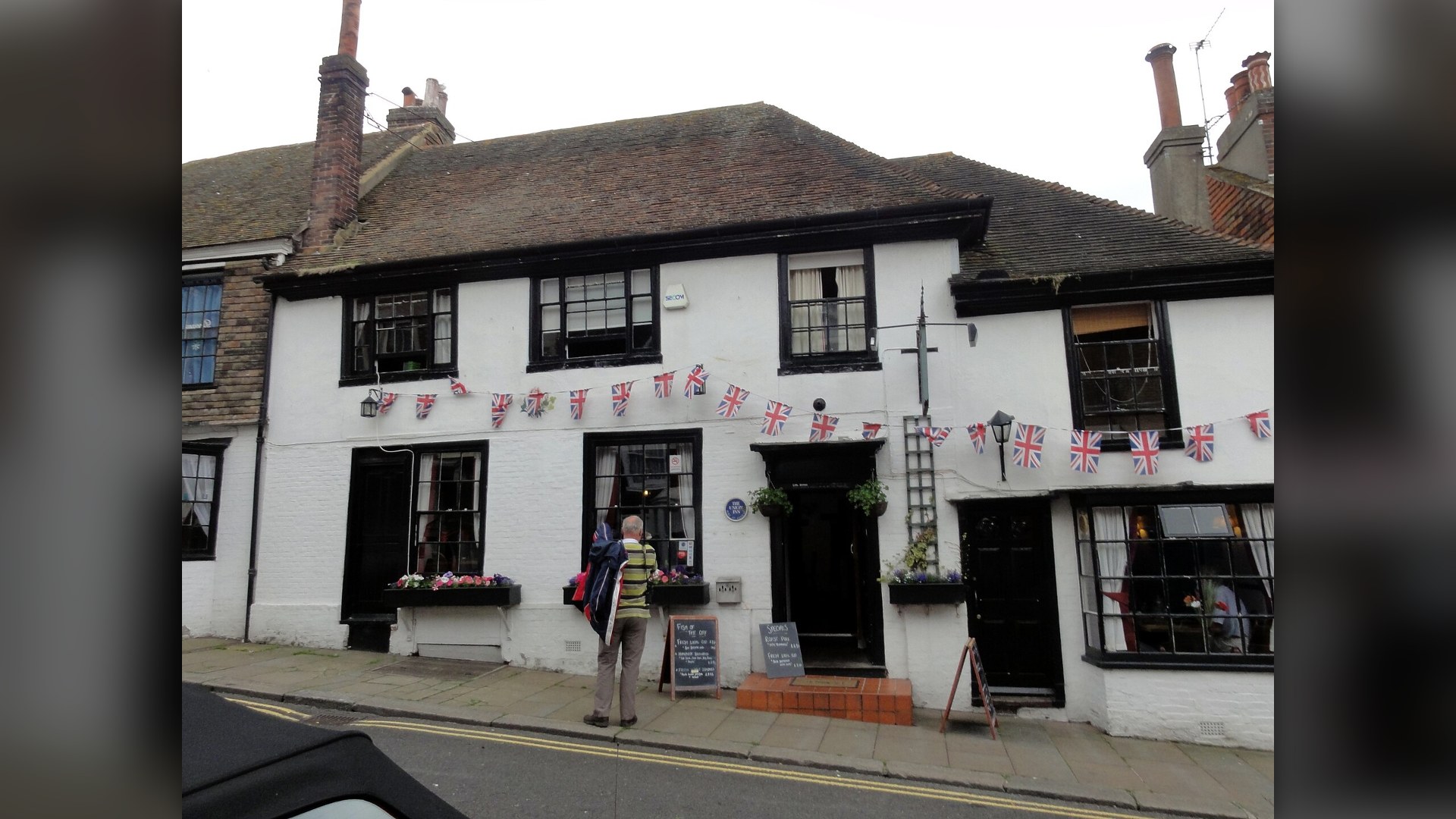
6. Rye, East Sussex
Perched above Romney Marsh, the former Cinque Port of Rye became a haven for writers and modernist painters. Henry James lived at Lamb House from 1898 until 1916, completing The Wings of the Dove and The Golden Bowl. Painters Paul Nash and Edward Burra later painted the town and nearby coast.
©Wikimedia / Helmut Zozmann
Advertisement
Swipe or tap ▶ to resume the countdown.
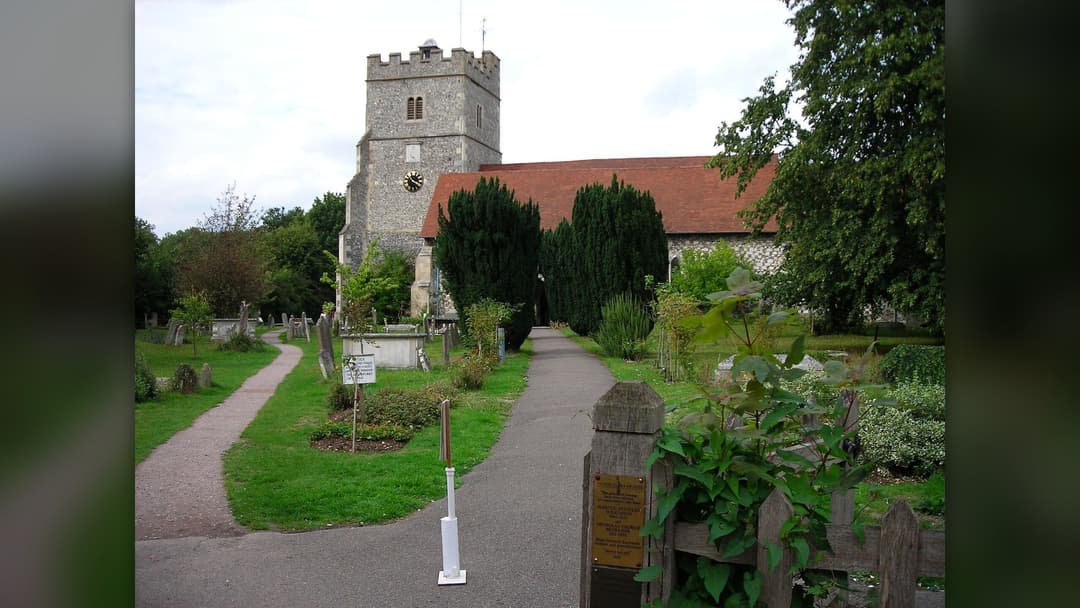
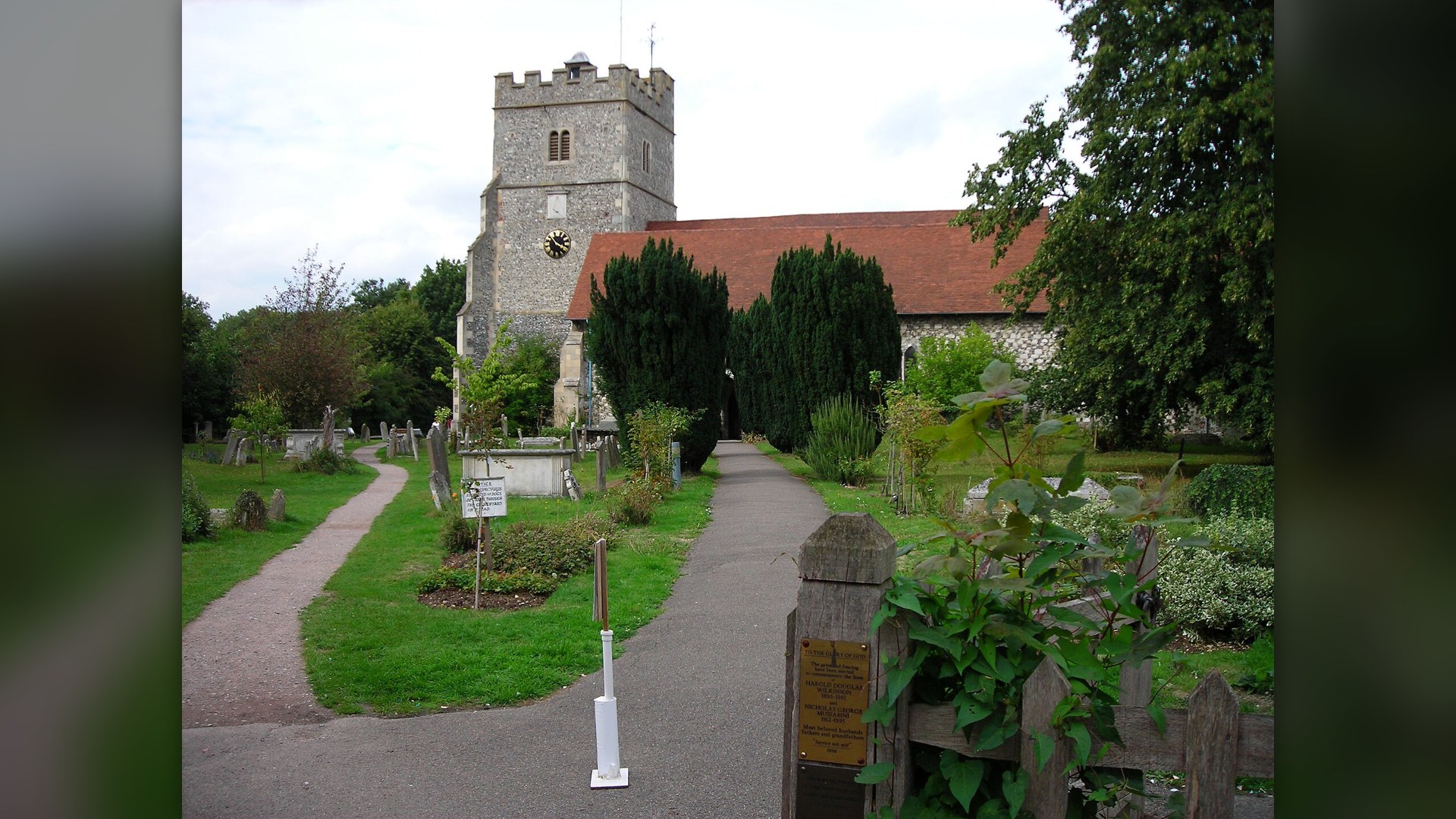
5. Cookham, Berkshire
Born in Cookham in 1891, Sir Stanley Spencer spent most of his life painting its lanes, river meadows, and neighbours. His 1924 to 1927 masterpiece The Resurrection, Cookham unfolds inside Holy Trinity churchyard. In 1962, a former Methodist chapel in the village opened as the Stanley Spencer Gallery.
©Wikimedia / Rob Neild
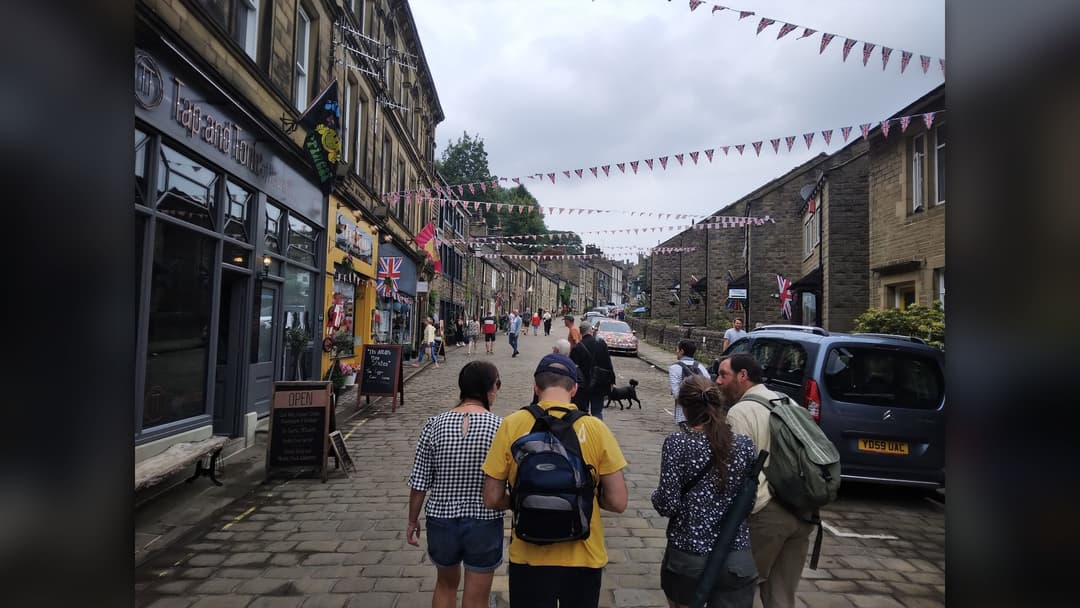
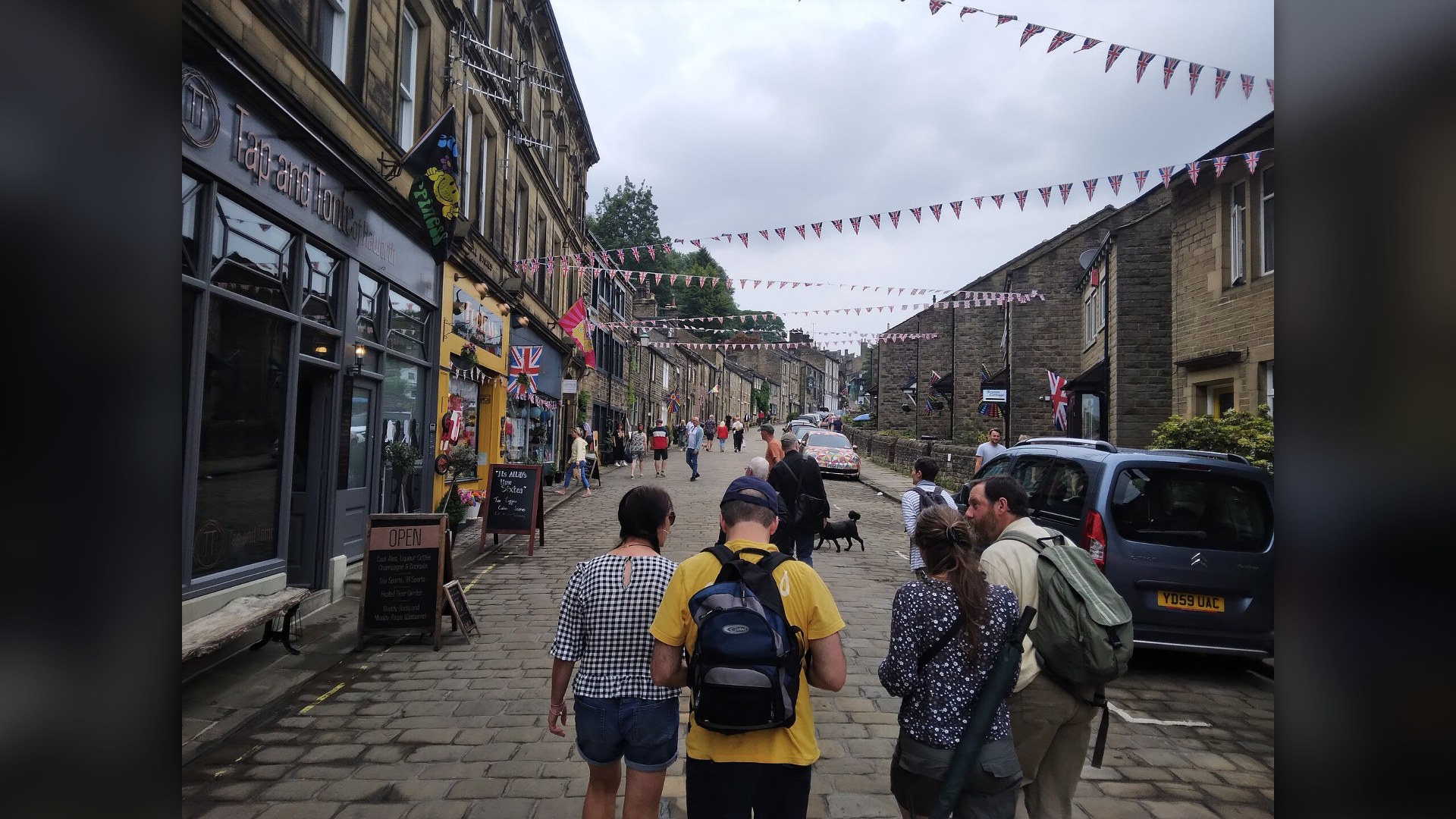
4. Haworth, West Yorkshire
In 1820, Patrick Brontë became perpetual curate of Haworth, moving his family into the stone parsonage above Main Street. Surrounded by Pennine moorland, Charlotte wrote Jane Eyre, Emily wrote Wuthering Heights, and Anne wrote The Tenant of Wildfell Hall. The Brontë Parsonage Museum opened in 1928.
©Wikimedia / Ridiculopathy
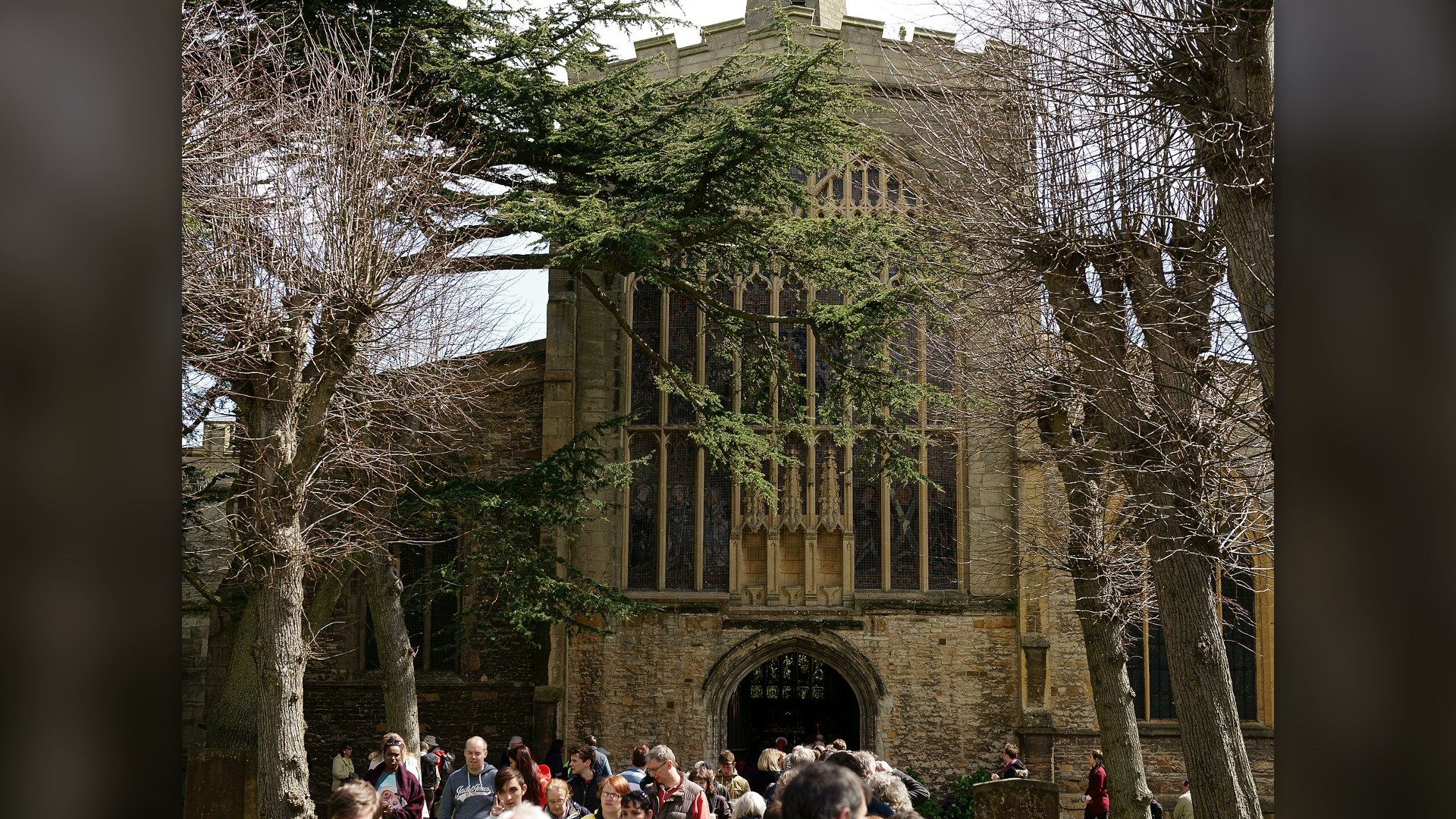
3. Stratford Upon-Avon, Warwickshire
Born in Stratford-upon-Avon in April 1564, William Shakespeare returned to this Warwickshire market town at the end of his career and was buried in Holy Trinity Church in 1616. Visitors can walk past his Henley Street birthplace, Hall's Croft, and the Royal Shakespeare Theatre along the Avon.
©Wikimedia / Peter Trimming
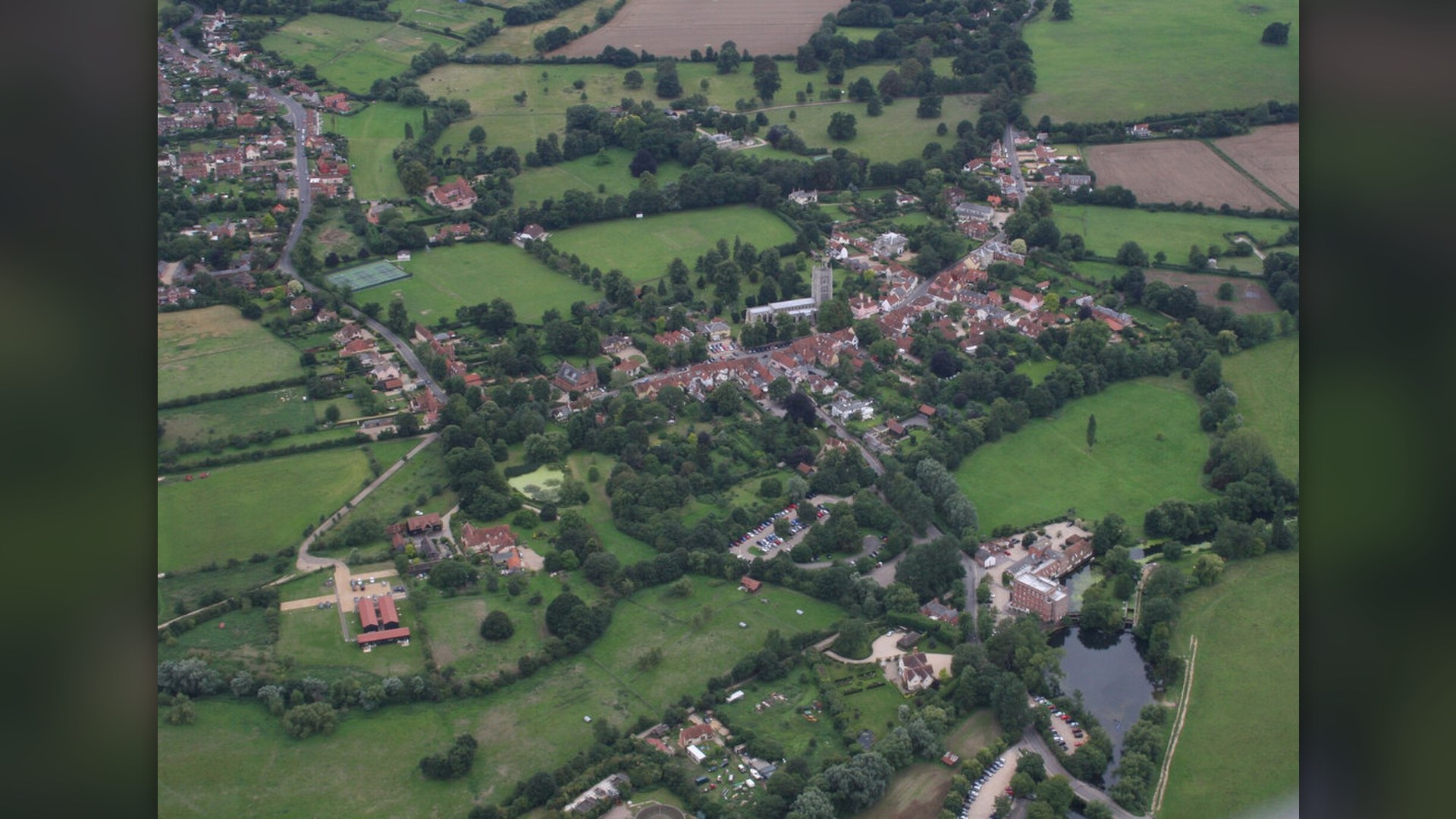
2. Dedham, Essex
Set in Dedham Vale on the Essex-Suffolk border, Dedham gave John Constable his earliest landscapes. Born nearby in East Bergholt in 1776, he attended Dedham Grammar School and painted Dedham Lock and Mill along with The Hay Wain in 1821. St Mary's church tower anchors his Stour valley views.
©Wikimedia / terry joyce
Advertisement
Swipe or tap ▶ to resume the countdown.
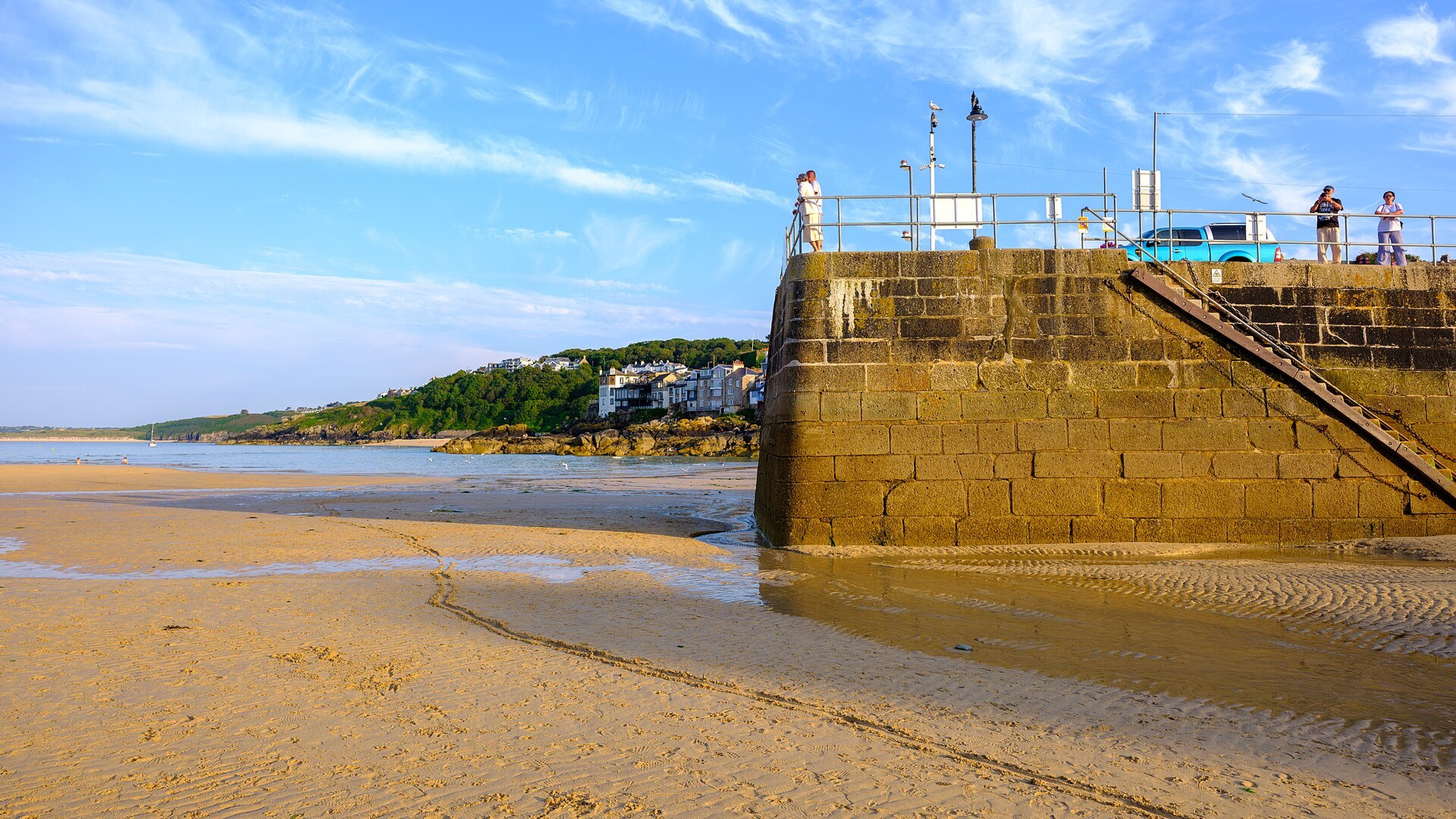
1. St Ives, Cornwall
J.M.W. Turner sketched St Ives in 1811, and a century later its Atlantic light drew Alfred Wallis, Ben Nicholson, Barbara Hepworth, and potter Bernard Leach. Their modernist colony reshaped British sculpture and abstract painting after 1928. Tate St Ives opened above Porthmeor Beach in 1993.
©Wikimedia / ArildV
Advertisement
You've reached the end of the story. Thanks for reading!

20 Destinations That Keep Drawing Travelers Back a Second Time
Some cities reveal their real character only after you clear the checklist landmarks on trip one. Based on UNESCO World Heritage listings, national tourism boards, and cultural festival calendars, these 20 destinations change sharply with the seasons and reward travelers who come back for another look.
All 20 Entries in this Story
20. Southwold, Suffolk
Eric Arthur Blair, later famous as George Orwell, spent stretches of the 1930s at his parents' house in Southwold while writing A Clergyman's Daughter, published in 1935. Earlier, J.M.W. Turner sketched the Suffolk port in 1824, and illustrator Charles Keene drew its beach and coastal light.

19. Ditchling, East Sussex
Sculptor and letter-cutter Eric Gill moved to Ditchling in 1907 and co-founded the Guild of St Joseph and St Dominic on Ditchling Common in 1920. Muralist Sir Frank Brangwyn also worked at The Jointure from 1918 until 1956. The Ditchling Museum of Art + Craft preserves the village's craft legacy.

18. Richmond, North Yorkshire
Rising above the River Swale since 1071, Richmond Castle became one of J.M.W. Turner's signature subjects during his 1816 Yorkshire tour for the History of Richmondshire. In the 1840s, a young Charles Dodgson, later known as Lewis Carroll, studied at the town's historic grammar school.

17. Arundel, West Sussex
Arundel's chalk hills and watermill drew Britain's two greatest landscape rivals. Turner painted watercolours of Arundel Castle and Park around 1800, while John Constable sketched Arundel Mill and Castle in July 1835. Constable's finished oil canvas appeared posthumously at the Royal Academy in 1837.

16. Ludlow, Shropshire
Ludlow retains hundreds of listed timber-framed and Georgian buildings beneath a medieval fortress on the River Teme. J.M.W. Turner painted Ludlow Castle in 1798, and poet A.E. Housman celebrated the town in his 1896 book A Shropshire Lad. Housman's ashes were buried at St Laurence's Church in 1936.

15. Lyme Regis, Dorset
Staying in Lyme Regis in 1803 and 1804, Jane Austen used the town's stone breakwater, the Cobb, for Louisa Musgrove's dramatic fall in Persuasion, published in late 1817. Over a century later, novelist John Fowles lived here from 1965 to 2005 and wrote The French Lieutenant's Woman in 1969.

14. Dorchester, Dorset
Thomas Hardy trained as an architect in Dorchester starting in 1856 and later designed his own brick house, Max Gate, on the edge of town in 1885. He lived there until 1928 while modelling fictional Casterbridge on its streets. Dorset Museum & Art Gallery holds his recreated study and manuscripts.

13. Aldeburgh, Suffolk
Born in Aldeburgh in 1754, poet George Crabbe described its fishermen in The Borough, which inspired Benjamin Britten's 1945 opera Peter Grimes. Britten and tenor Peter Pears moved here in 1947 and launched the Aldeburgh Festival in 1948. Maggi Hambling's steel Scallop sculpture joined the beach in 2003.

12. Whitby, North Yorkshire
Bram Stoker stayed in Whitby during the summer of 1890, borrowing local shipwrecks, harbour steps, and abbey ruins for his 1897 novel Dracula. Earlier, J.M.W. Turner painted the cliffs, and Victorian photographer Frank Meadow Sutcliffe captured fishing crews on glass plates around the Esk.

11. Staithes, North Yorkshire
Tucked beneath steep cliffs north of Whitby, Staithes hosted around 30 plein-air painters known as the Staithes Group from the 1890s until 1909. Dame Laura Knight and Harold Knight worked alongside local fishing families, painting rough seas and cottage doorways in shifting coastal light.

10. Hawkshead, Cumbria
From 1779 to 1787, William Wordsworth studied at Hawkshead Grammar School, where his carved initials remain on an oak desk. Beatrix Potter lived nearby at Hill Top in Near Sawrey from 1905, and the Beatrix Potter Gallery occupies her solicitor husband William Heelis's former 17th-century office.

9. Chipping Campden, Gloucestershire
Known for its honey-coloured limestone street and 1627 Market Hall, Chipping Campden became an Arts and Crafts centre in 1902 when architect C.R. Ashbee brought roughly 50 silversmiths, jewellers, and woodworkers from London to the Old Silk Mill. Court Barn museum preserves their designs.

8. Broadway, Worcestershire
In the late 1880s, Broadway hosted an Anglo-American painters' colony featuring Edwin Austin Abbey, Alfred Parsons, and Francis Davis Millet. Working only during brief summer twilight in the garden of Farnham House, John Singer Sargent painted Carnation, Lily, Lily, Rose here in 1885 and 1886.

7. Newlyn, Cornwall
Starting in the early 1880s, plein-air painters including Stanhope Forbes and Walter Langley settled in Newlyn, drawn by its working harbour and bright sea light. They painted crews, net lofts, and fish auctions directly on location. Newlyn Art Gallery opened in 1895 and still stages exhibitions overlooking Mount's Bay

6. Rye, East Sussex
Perched above Romney Marsh, the former Cinque Port of Rye became a haven for writers and modernist painters. Henry James lived at Lamb House from 1898 until 1916, completing The Wings of the Dove and The Golden Bowl. Painters Paul Nash and Edward Burra later painted the town and nearby coast.

5. Cookham, Berkshire
Born in Cookham in 1891, Sir Stanley Spencer spent most of his life painting its lanes, river meadows, and neighbours. His 1924 to 1927 masterpiece The Resurrection, Cookham unfolds inside Holy Trinity churchyard. In 1962, a former Methodist chapel in the village opened as the Stanley Spencer Gallery.

4. Haworth, West Yorkshire
In 1820, Patrick Brontë became perpetual curate of Haworth, moving his family into the stone parsonage above Main Street. Surrounded by Pennine moorland, Charlotte wrote Jane Eyre, Emily wrote Wuthering Heights, and Anne wrote The Tenant of Wildfell Hall. The Brontë Parsonage Museum opened in 1928.

3. Stratford Upon-Avon, Warwickshire
Born in Stratford-upon-Avon in April 1564, William Shakespeare returned to this Warwickshire market town at the end of his career and was buried in Holy Trinity Church in 1616. Visitors can walk past his Henley Street birthplace, Hall's Croft, and the Royal Shakespeare Theatre along the Avon.

2. Dedham, Essex
Set in Dedham Vale on the Essex-Suffolk border, Dedham gave John Constable his earliest landscapes. Born nearby in East Bergholt in 1776, he attended Dedham Grammar School and painted Dedham Lock and Mill along with The Hay Wain in 1821. St Mary's church tower anchors his Stour valley views.

1. St Ives, Cornwall
J.M.W. Turner sketched St Ives in 1811, and a century later its Atlantic light drew Alfred Wallis, Ben Nicholson, Barbara Hepworth, and potter Bernard Leach. Their modernist colony reshaped British sculpture and abstract painting after 1928. Tate St Ives opened above Porthmeor Beach in 1993.