Slideshow · Travel
30 Snowiest Cities in the United States, Ranked
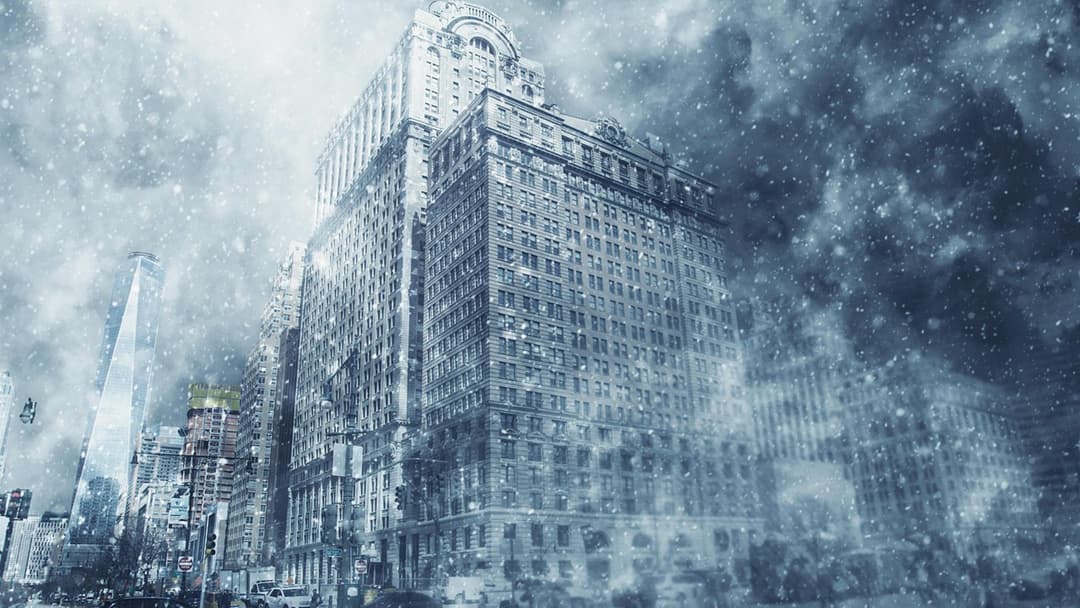
Every winter, Arctic blasts and moisture-laden storm tracks transform parts of America into frozen wonderlands. Driven by intense Great Lakes lake-effect snowbands and soaring mountain elevations, these thirty cities receive the heaviest average annual snowfall in the nation based on official federal climate data.
By Most Viral Today
51 min ago

America's Thirty Snowiest Winter Cities Ranked 
30. Detroit, Michigan 
29. Milwaukee, Wisconsin 
28. Denver, Colorado - AdvertisementSwipe or tap ▶ to continue countdown

27. Boston, Massachusetts 
26. Minneapolis, Minnesota 
25. Hartford, Connecticut 
24. Salt Lake City, Utah - AdvertisementSwipe or tap ▶ to continue countdown

23. Albany, New York 
22. Ann Arbor, Michigan 
21. Cheyenne, Wyoming 
20. Cleveland, Ohio - AdvertisementSwipe or tap ▶ to continue countdown

19. South Bend, Indiana 
18. Manchester, New Hampshire 
17. Portland, Maine 
16. Casper, Wyoming - AdvertisementSwipe or tap ▶ to continue countdown

15. Worcester, Massachusetts 
14. Grand Rapids, Michigan 
13. Anchorage, Alaska 
12. Binghamton, New York - AdvertisementSwipe or tap ▶ to continue countdown

11. Flagstaff, Arizona 
10. Burlington, Vermont 
9. Duluth, Minnesota 
8. Bozeman, Montana - AdvertisementSwipe or tap ▶ to continue countdown

7. Juneau, Alaska 
6. Boulder, Colorado 
5. Buffalo, New York 
4. Rochester, New York - AdvertisementSwipe or tap ▶ to continue countdown

3. Erie, Pennsylvania 
2. Sault Ste. Marie, Michigan 
1. Syracuse, New York - Advertisement🔥 UP NEXT IN THIS SERIES◫ 21 Slides

America’s 20 Top Ski Towns to Visit This Winter
American ski towns combine massive vertical drops, preserved mining architecture, and deep powder traditions. Based on 2026 National Ski Areas Association records, U.S. Forest Service terrain surveys, and official resort reports, here are 20 top mountain towns across the country ranked by their winter popularity.
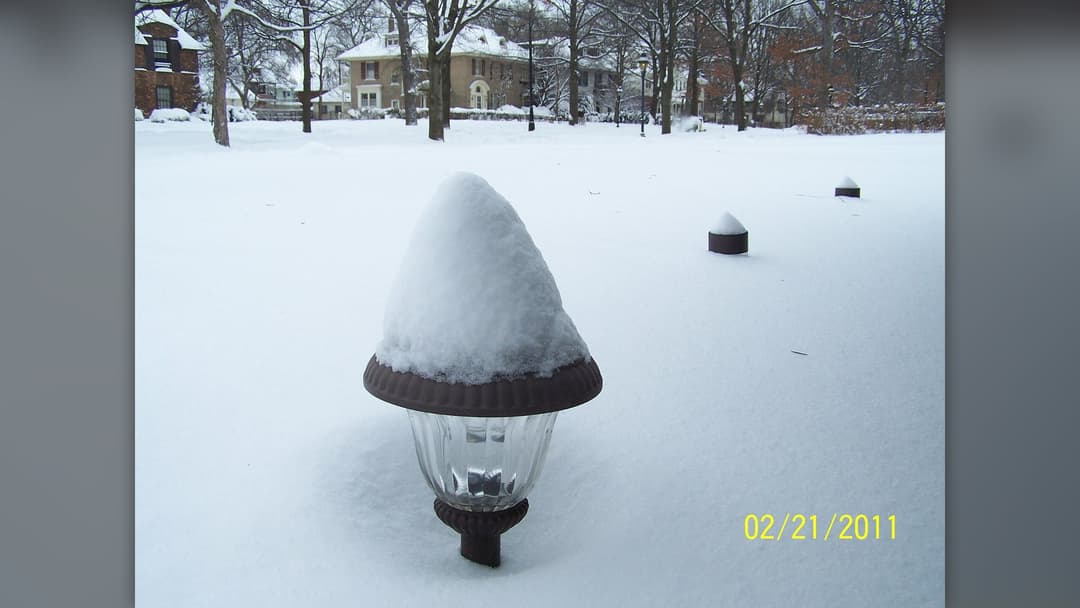
Every winter, Arctic blasts and moisture-laden storm tracks transform parts of America into frozen wonderlands. Driven by intense Great Lakes lake-effect snowbands and soaring mountain elevations, these thirty cities receive the heaviest average annual snowfall in the nation based on official federal climate data.
Swipe or tap ▶ to begin the countdown
©Pixabay / TheDigitalArtist
30. Detroit, Michigan
Detroit averages 45.0 inches of snow annually as cold northern air sweeps across southeastern Michigan. While shielded from the heaviest lake-effect belts by inland distance, the city regularly faces rapid clipper systems and icy winter conditions off Lake Huron.
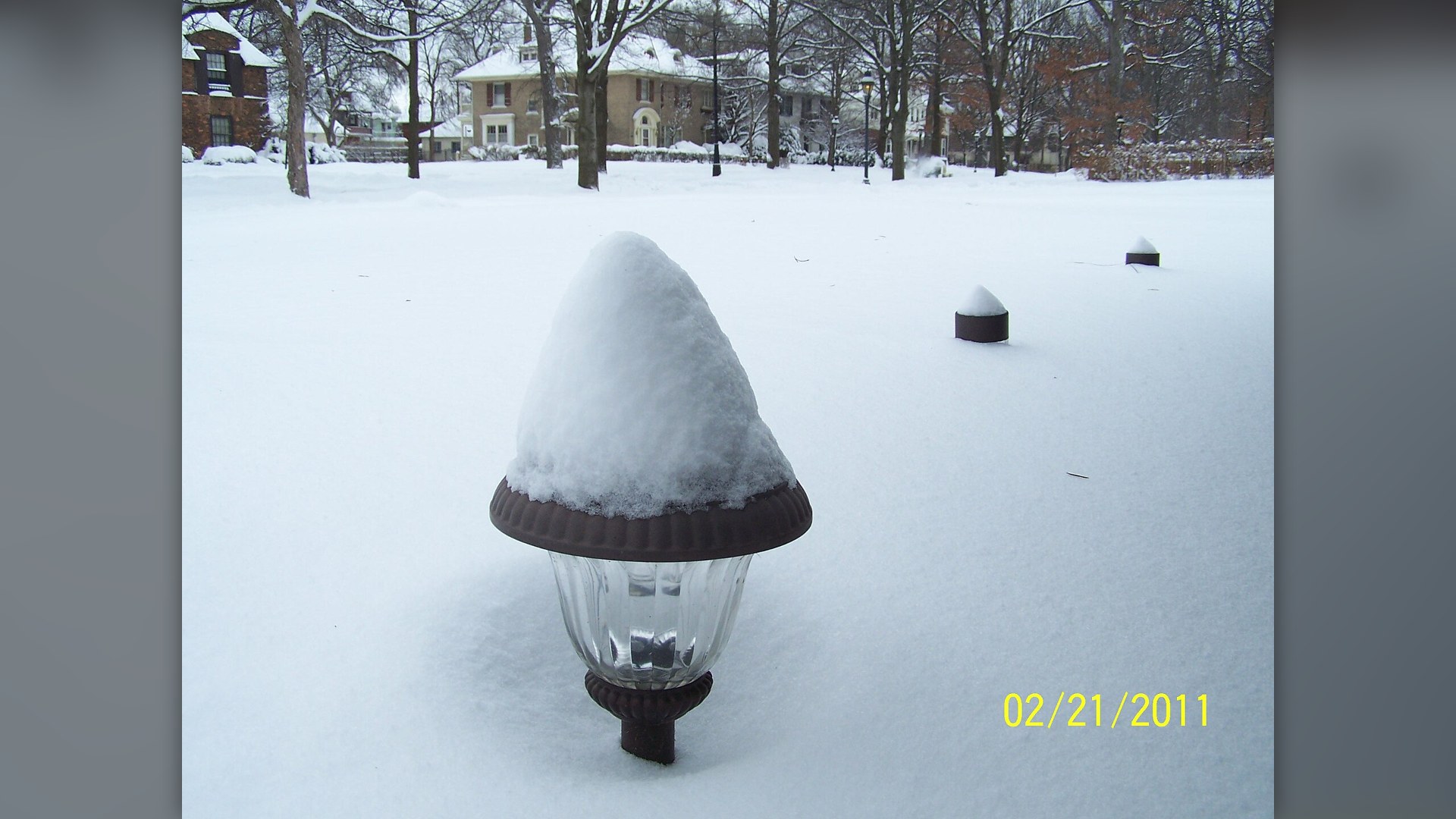
©Wikimedia / Lldetroit
29. Milwaukee, Wisconsin
Perched on the western shore of Lake Michigan, Milwaukee records 48.7 inches of annual snow. Cold winds sweeping across the open water generate lake-enhanced snowfall bands, coating city streets and iconic historic brick neighborhoods in thick winter white.
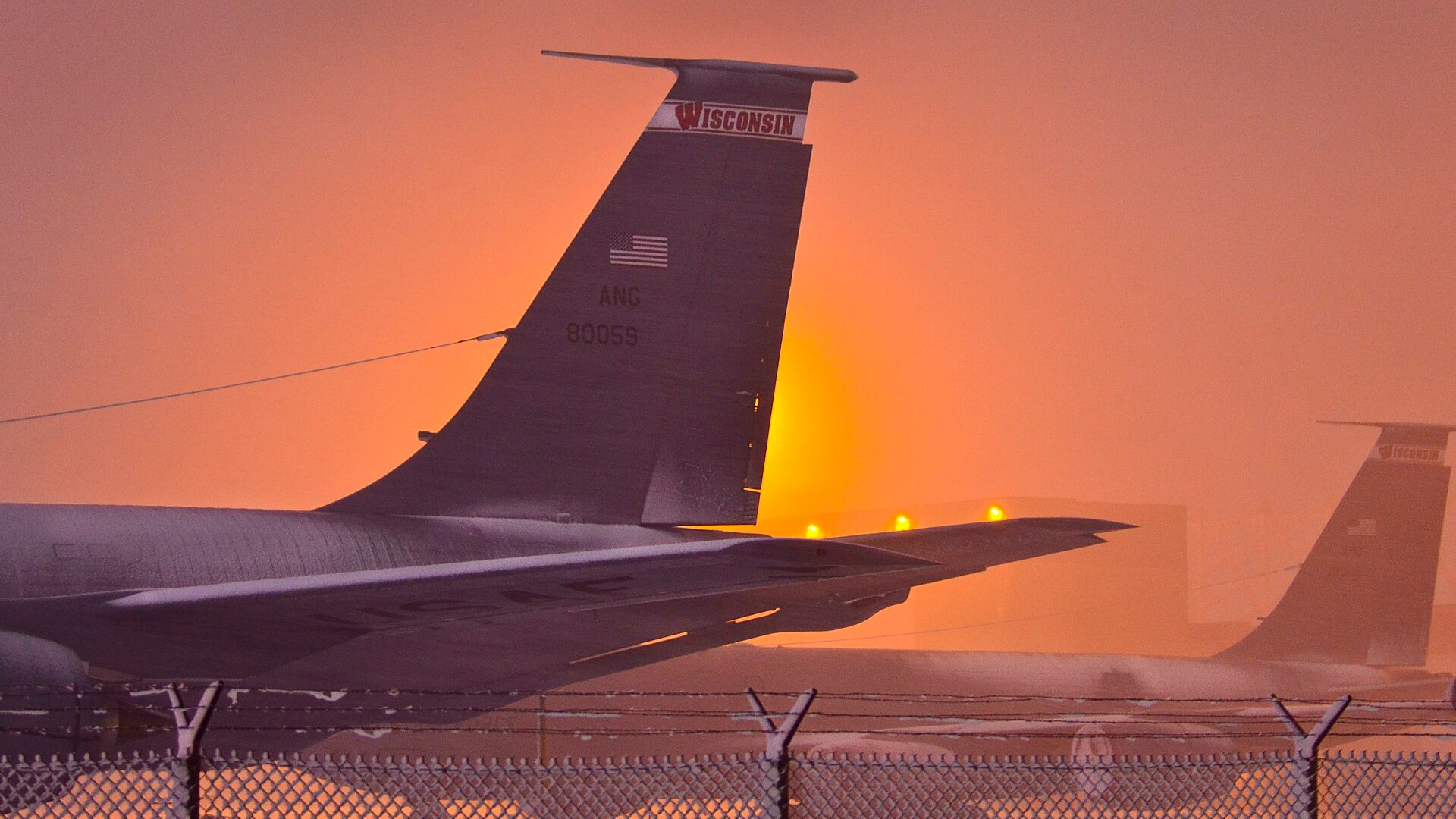
©Wikimedia / Senior Master Sgt. Jeff Rohloff
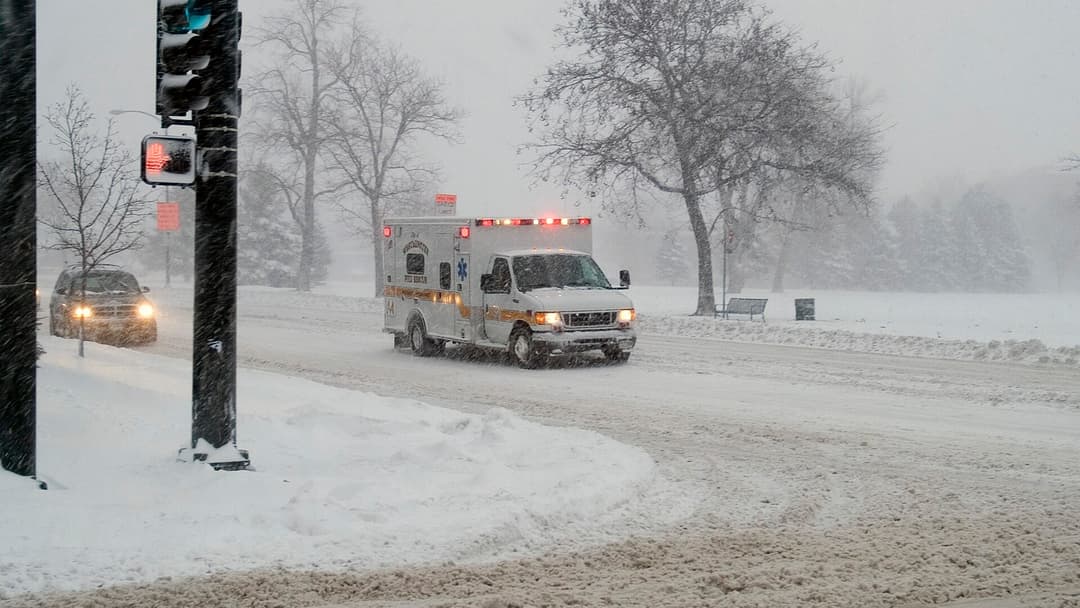
28. Denver, Colorado
Sitting exactly one mile above sea level, Denver records 49.0 inches of annual snowfall. Thanks to upslope weather patterns pushing moist air against the Rockies Front Range, the city often experiences powerful spring snowstorms alongside bright high-altitude sunshine.
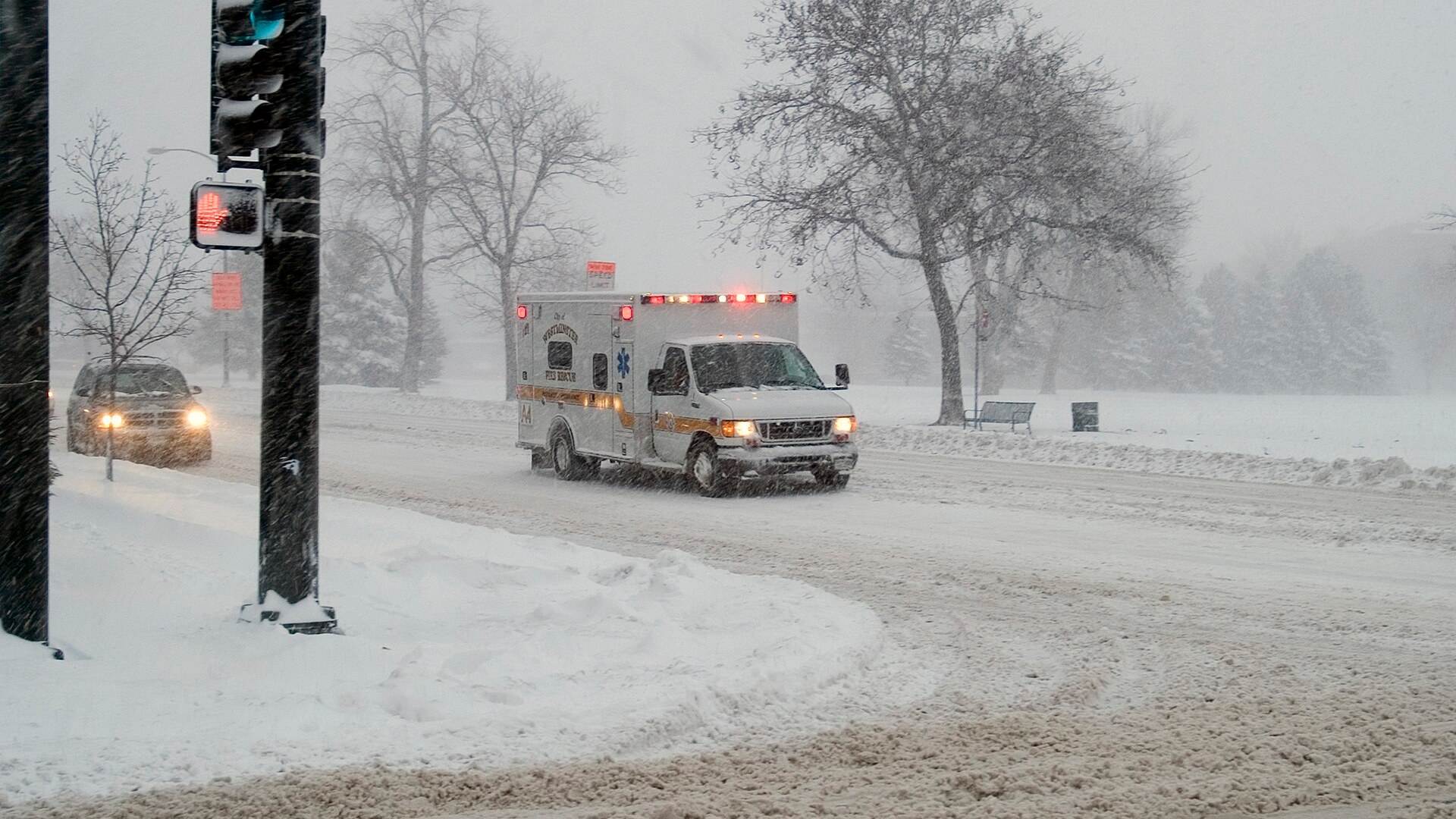
©Wikimedia / Department of Homeland Security. Federal Emergen
Advertisement
Swipe or tap ▶ to resume the countdown.
27. Boston, Massachusetts
Boston registers 49.2 inches of snowfall each year, driven by fierce Atlantic nor'easters that track up the Eastern Seaboard. These powerful coastal low-pressure systems dump heavy wet snow and hurricane-force wind gusts across Massachusetts Bay.

©Wikimedia / Rhavasy
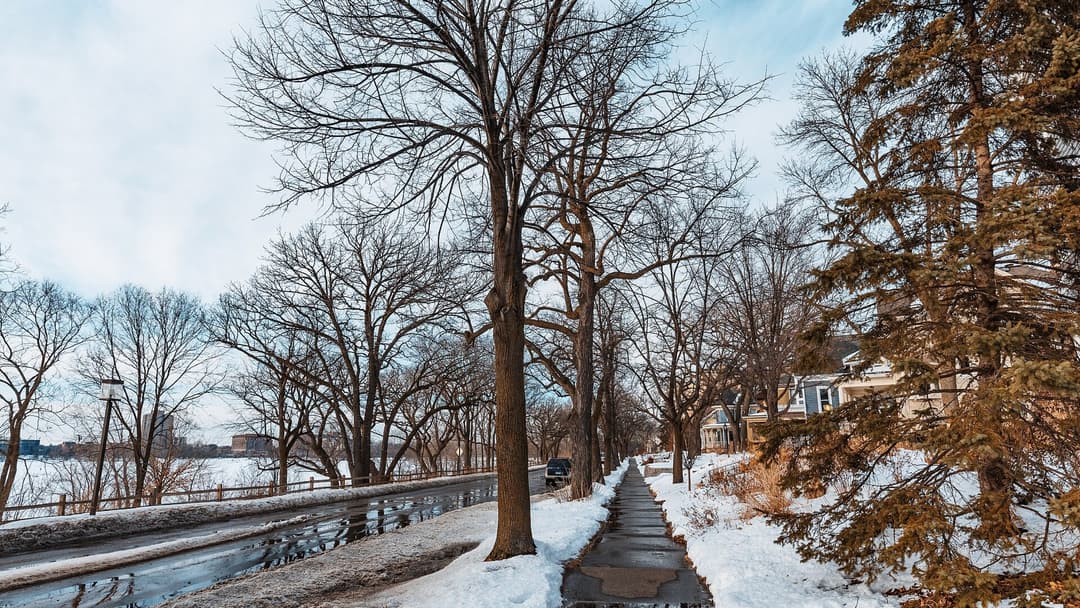
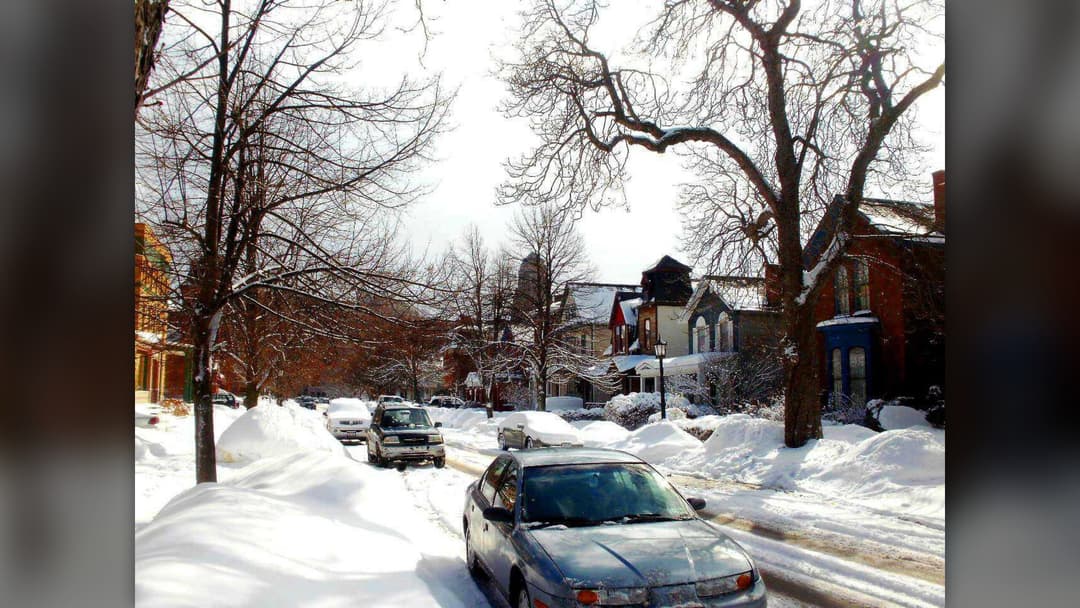
26. Minneapolis, Minnesota
Minneapolis receives 51.2 inches of snow each year, forming a persistent winter snowpack that lasts for months. Known for efficient municipal snow clearing and skyway networks, the city embraces freezing temperatures and consistent upper Midwest clipper storms.
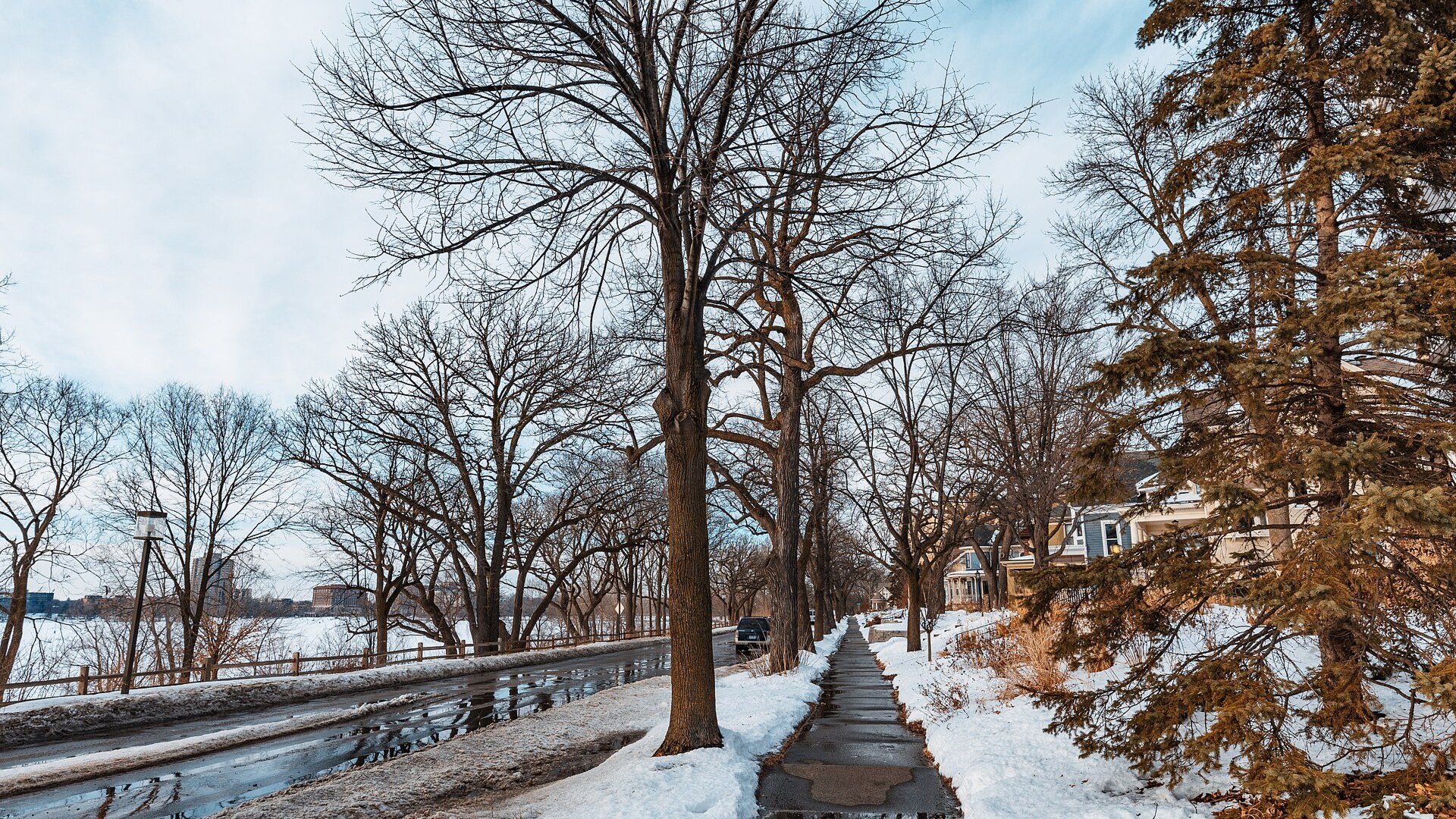
©Wikimedia / Tony Webster from Minneapolis, Minnesota, United
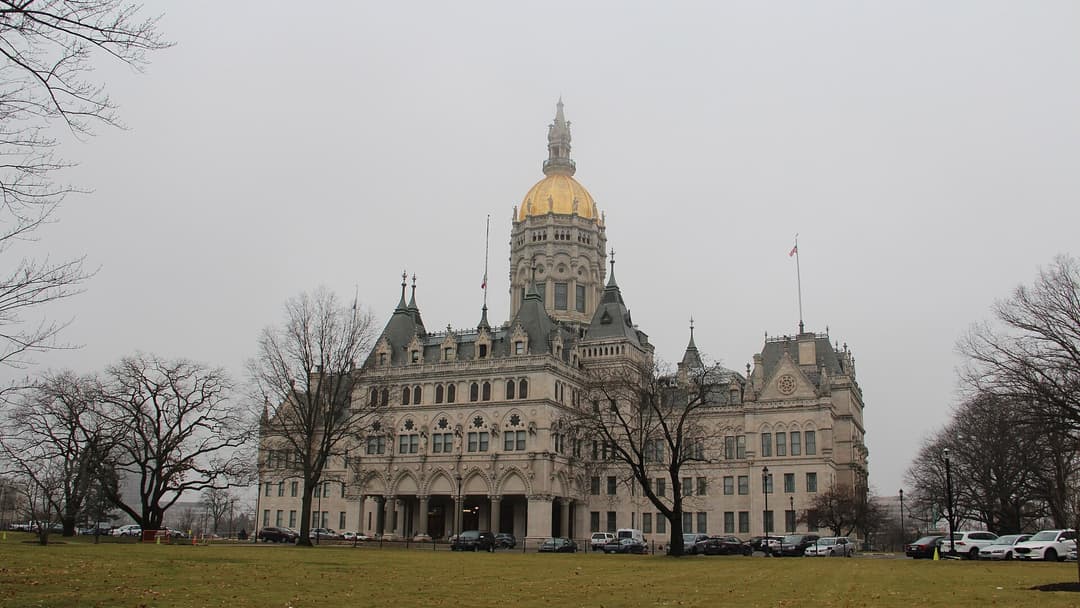
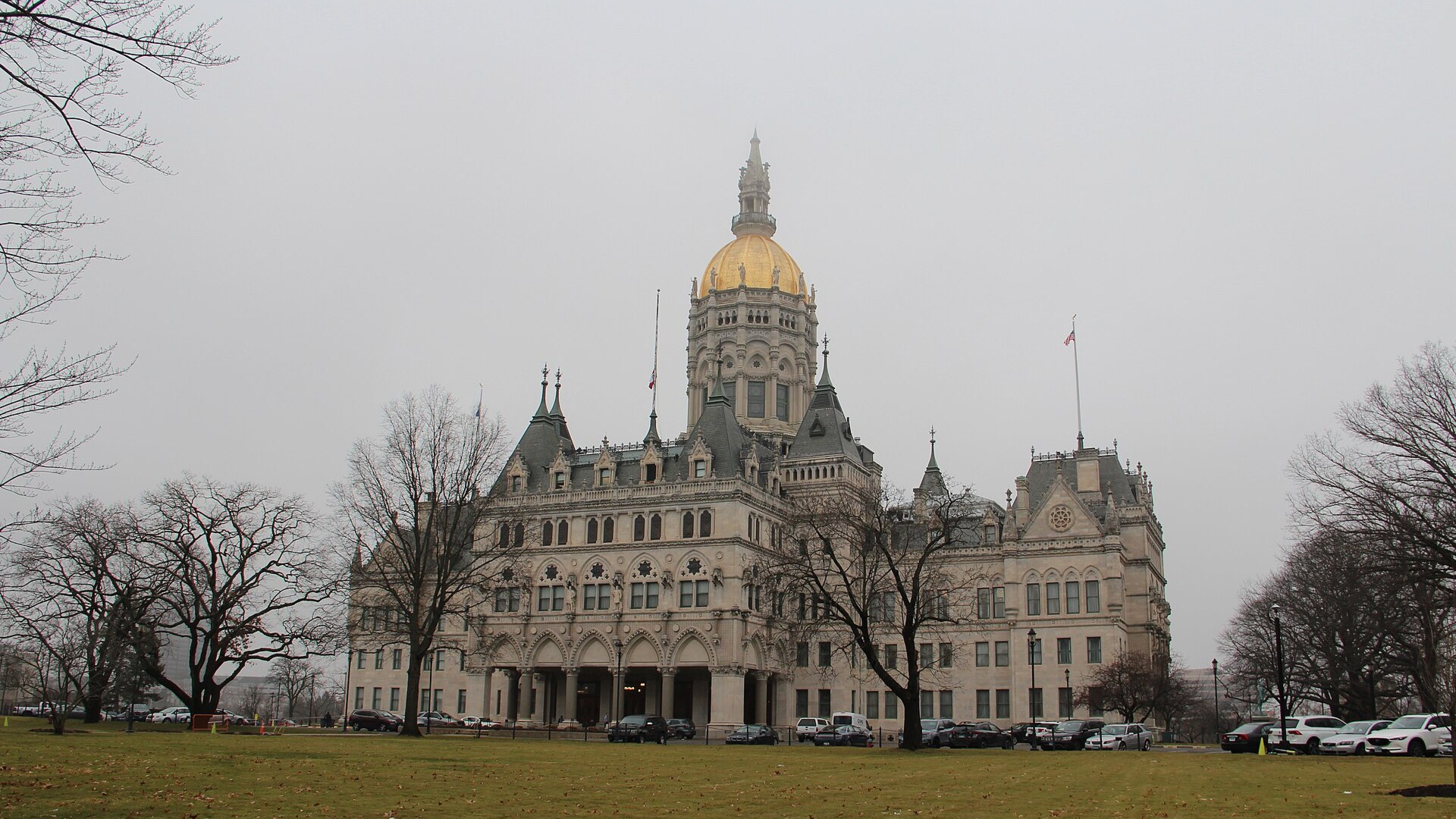
25. Hartford, Connecticut
Hartford logs 51.7 inches of annual snowfall in the Connecticut River Valley. Trapped cold air frequently combines with coastal moisture rolling inland, producing significant winter accumulation and travel challenges across the central state corridor.
©Wikimedia / Liam Enea
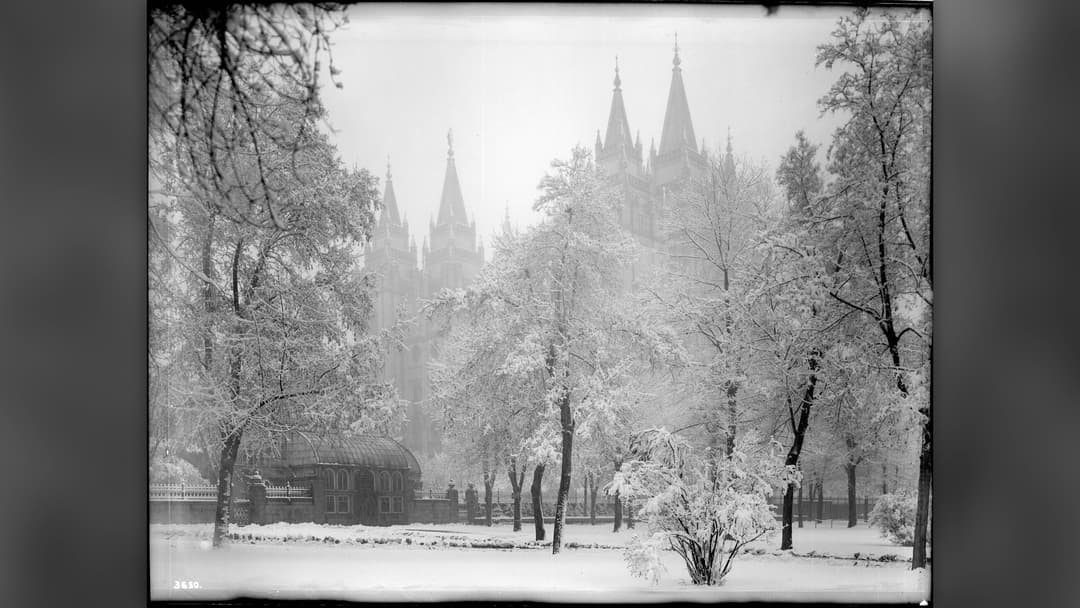
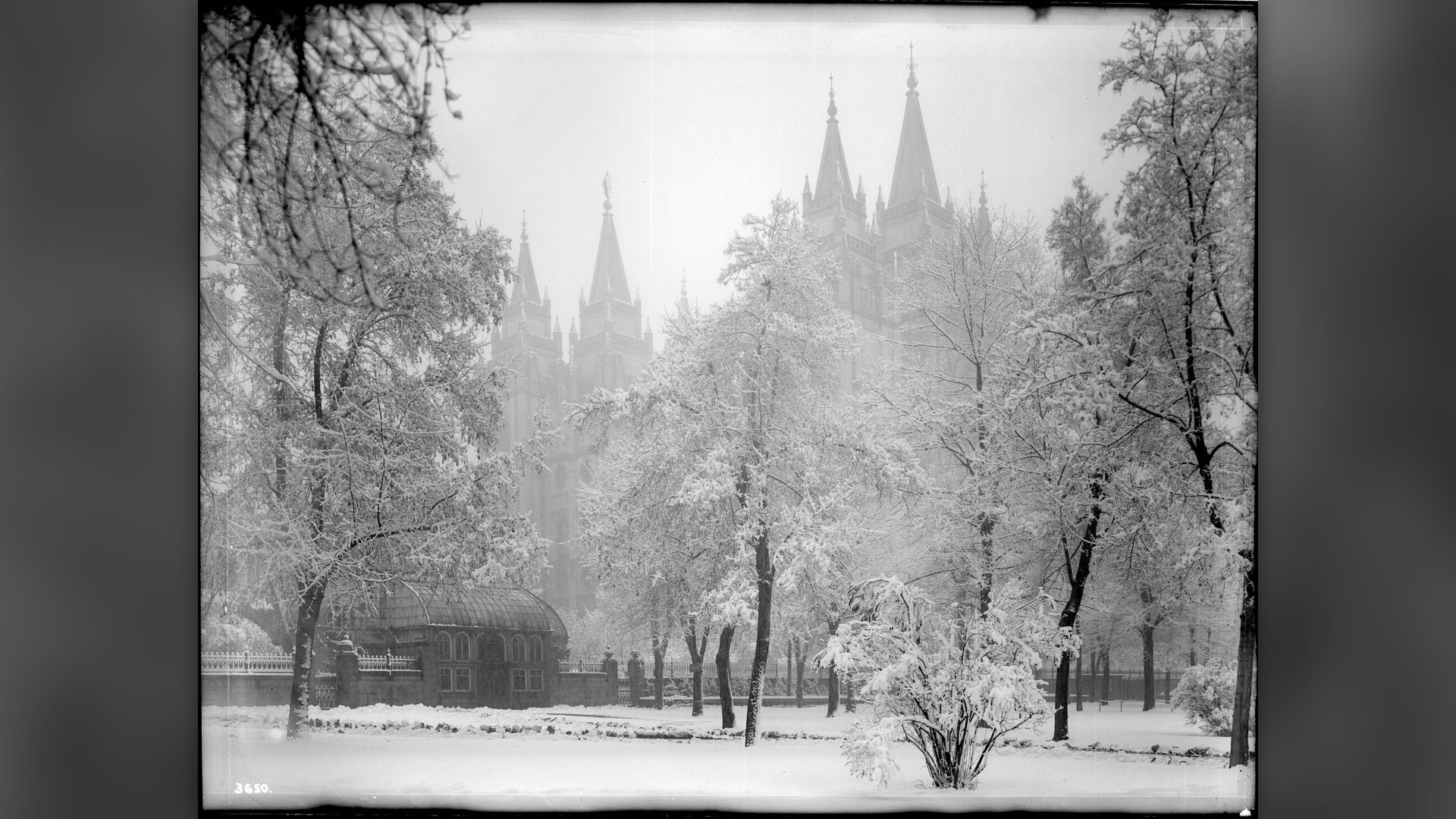
24. Salt Lake City, Utah
Salt Lake City averages 51.9 inches of snow at valley level, with neighboring Wasatch peaks receiving vastly higher totals. Cold Arctic fronts passing over the Great Salt Lake trigger localized lake-effect squalls, creating legendary dry powder snow.
©Wikimedia / Woodbury
Advertisement
Swipe or tap ▶ to resume the countdown.
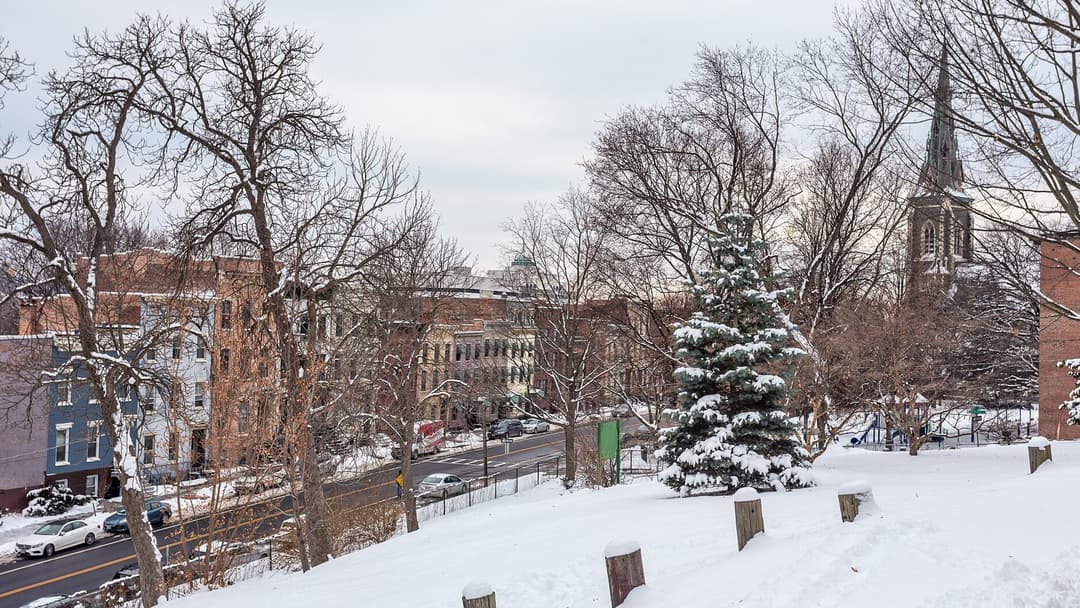
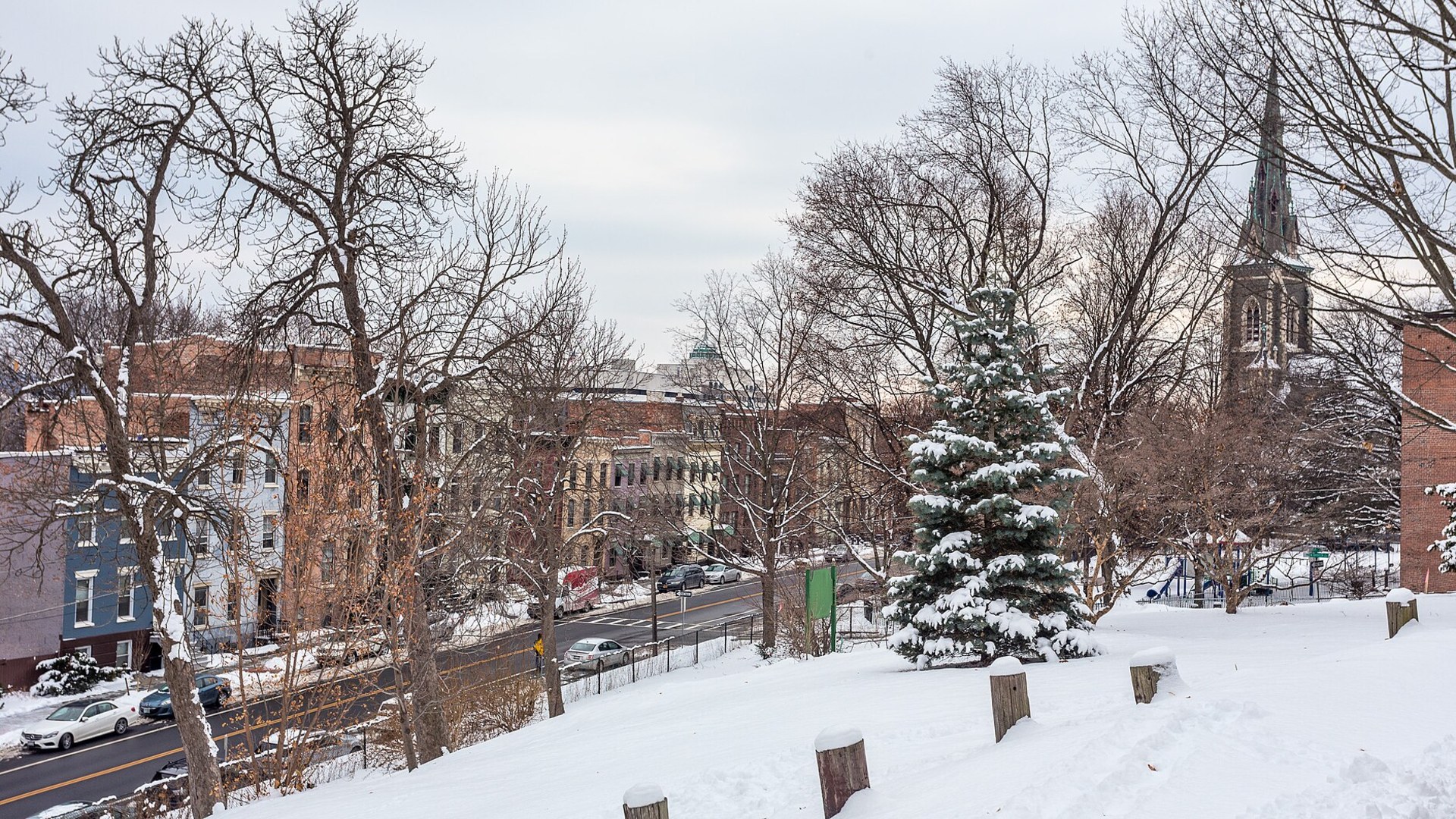
23. Albany, New York
Albany averages 59.2 inches of snowfall per year near the confluence of the Hudson and Mohawk rivers. Winter storms frequently stall over the Capital District, channeling heavy snow bands between the Catskill and Adirondack mountain ranges.
©Wikimedia / Kenneth C. Zirkel
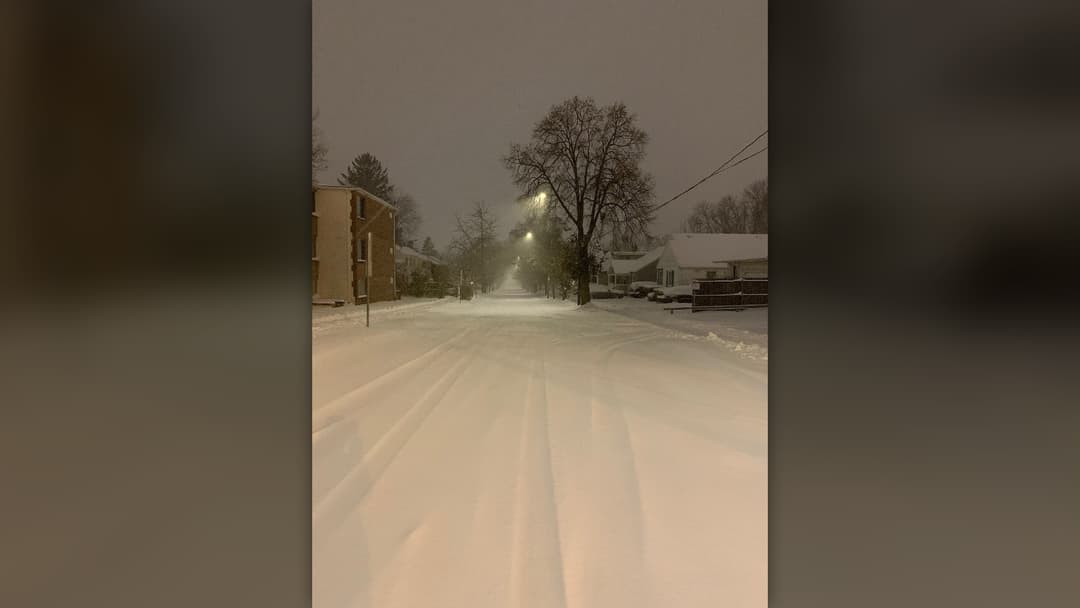
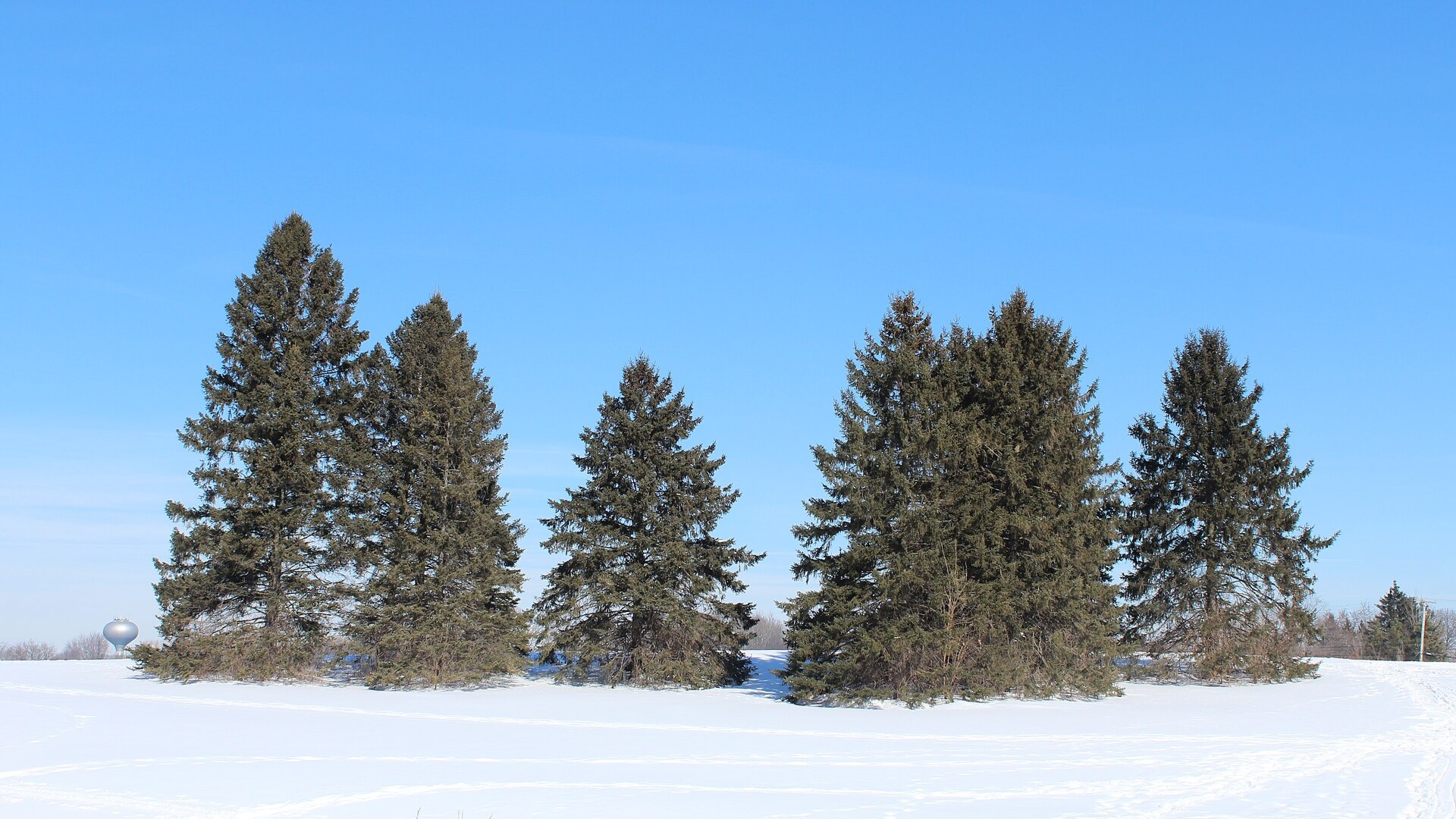
22. Ann Arbor, Michigan
Home to the University of Michigan, Ann Arbor records 59.8 inches of snow each winter. Positioned across the southern Lower Peninsula, the city experiences a blend of Midwestern blizzards and lingering Great Lakes moisture bands from December through March.
©Wikimedia / Dwight Burdette
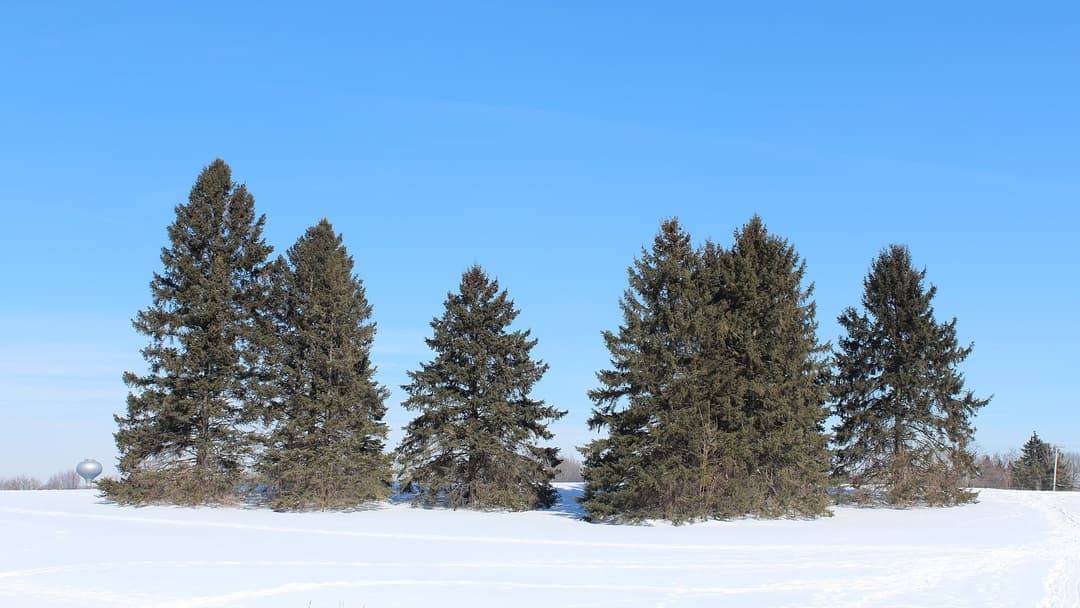
21. Cheyenne, Wyoming
Perched at an elevation above six thousand feet on the high plains, Cheyenne logs 63.0 inches of snow annually. Relentless prairie winds frequently turn modest snow accumulations into blinding ground blizzards that shut down major interstate corridors.
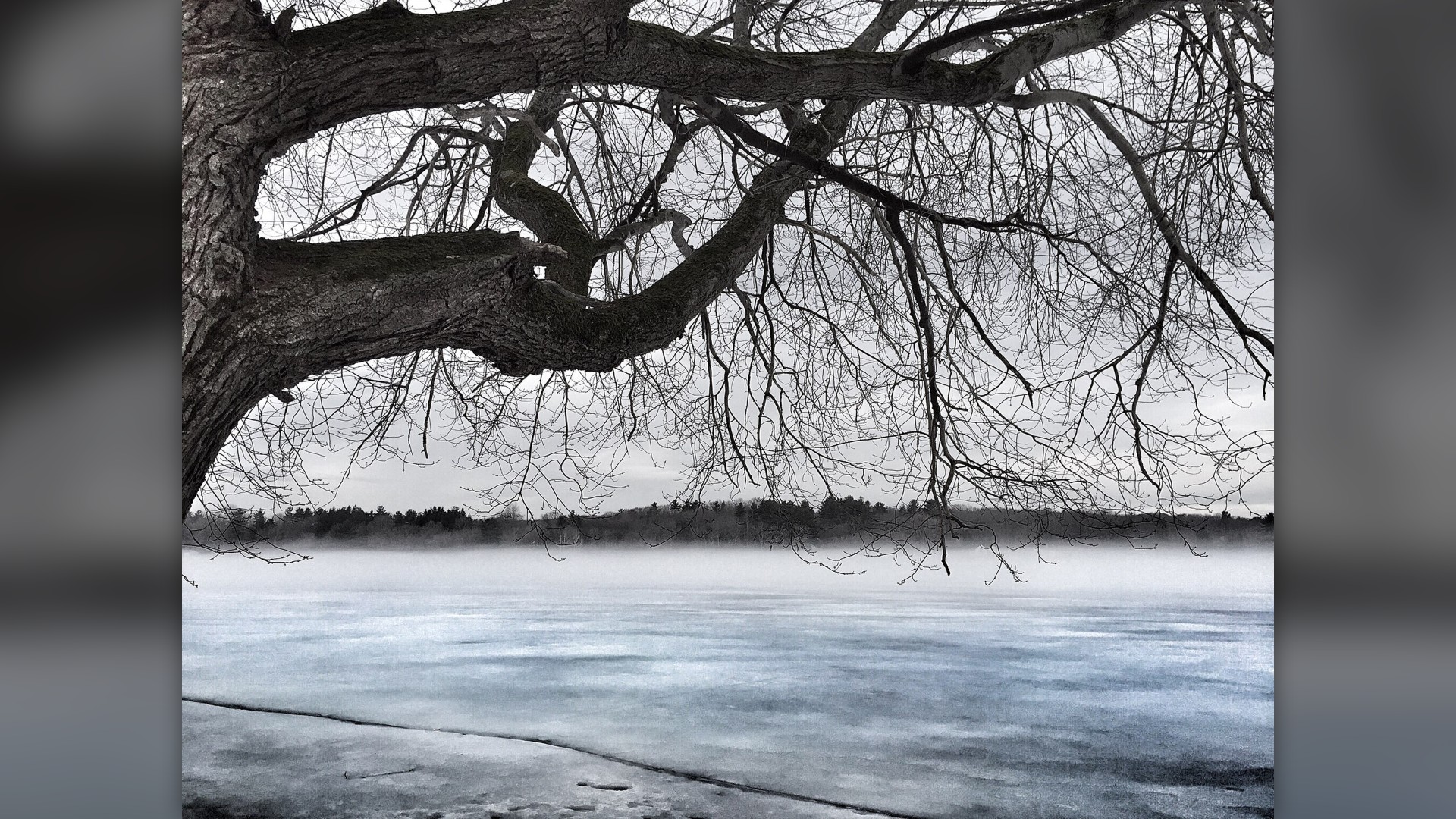
©Wikimedia / Eric Moreno
20. Cleveland, Ohio
Cleveland records 63.8 inches of annual snowfall, with eastern suburbs in the primary snowbelt receiving even higher totals. Strong northwesterly winds blowing across the warm waters of Lake Erie produce intense, narrow snow squalls throughout winter.
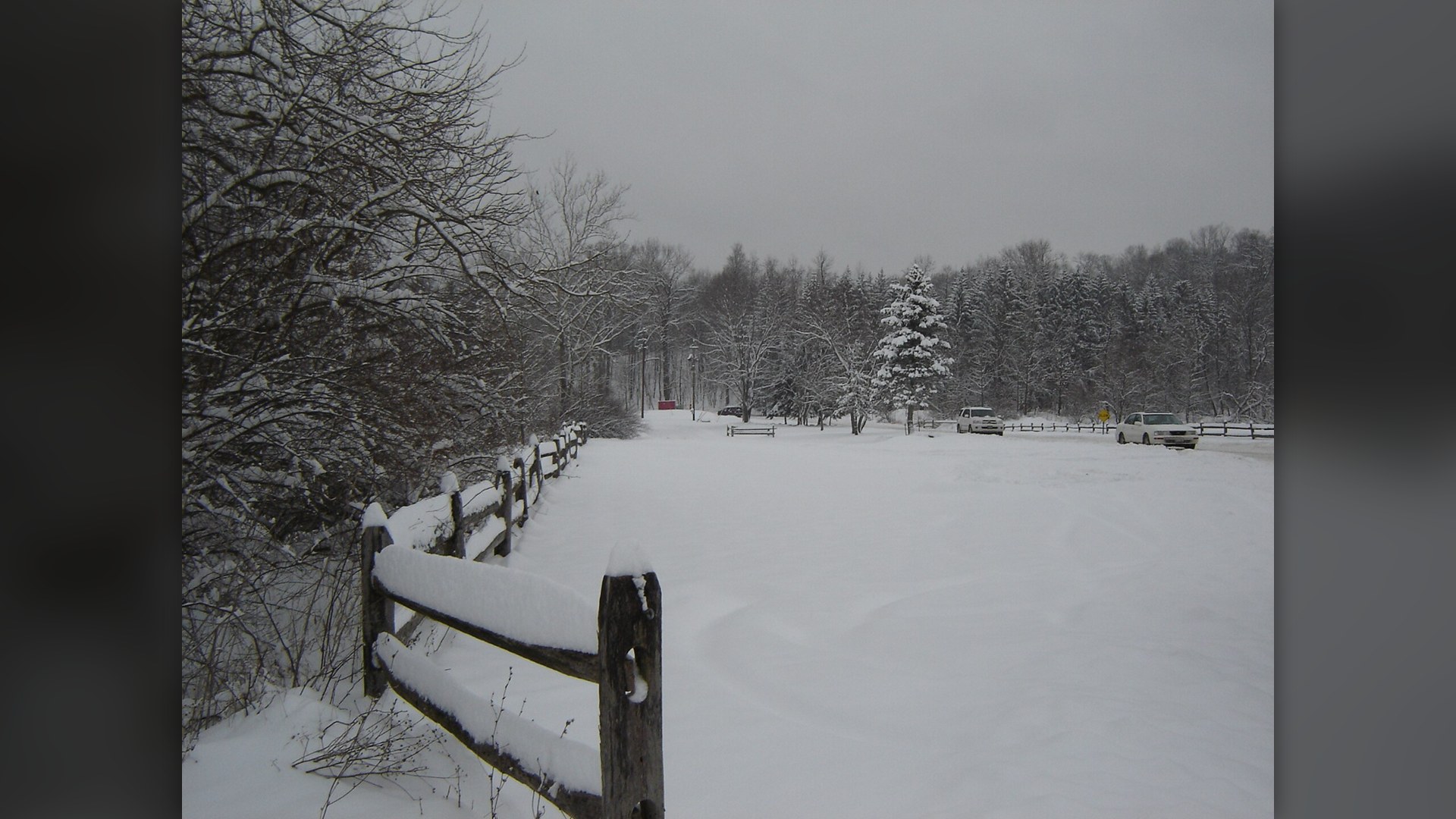
©Wikimedia / Chanilim714
Advertisement
Swipe or tap ▶ to resume the countdown.
19. South Bend, Indiana
Located just south of Lake Michigan, South Bend averages 64.5 inches of snow each year. Arctic air masses traveling across the lake pick up moisture and deposit localized, heavy snow bands directly over the home of the University of Notre Dame.
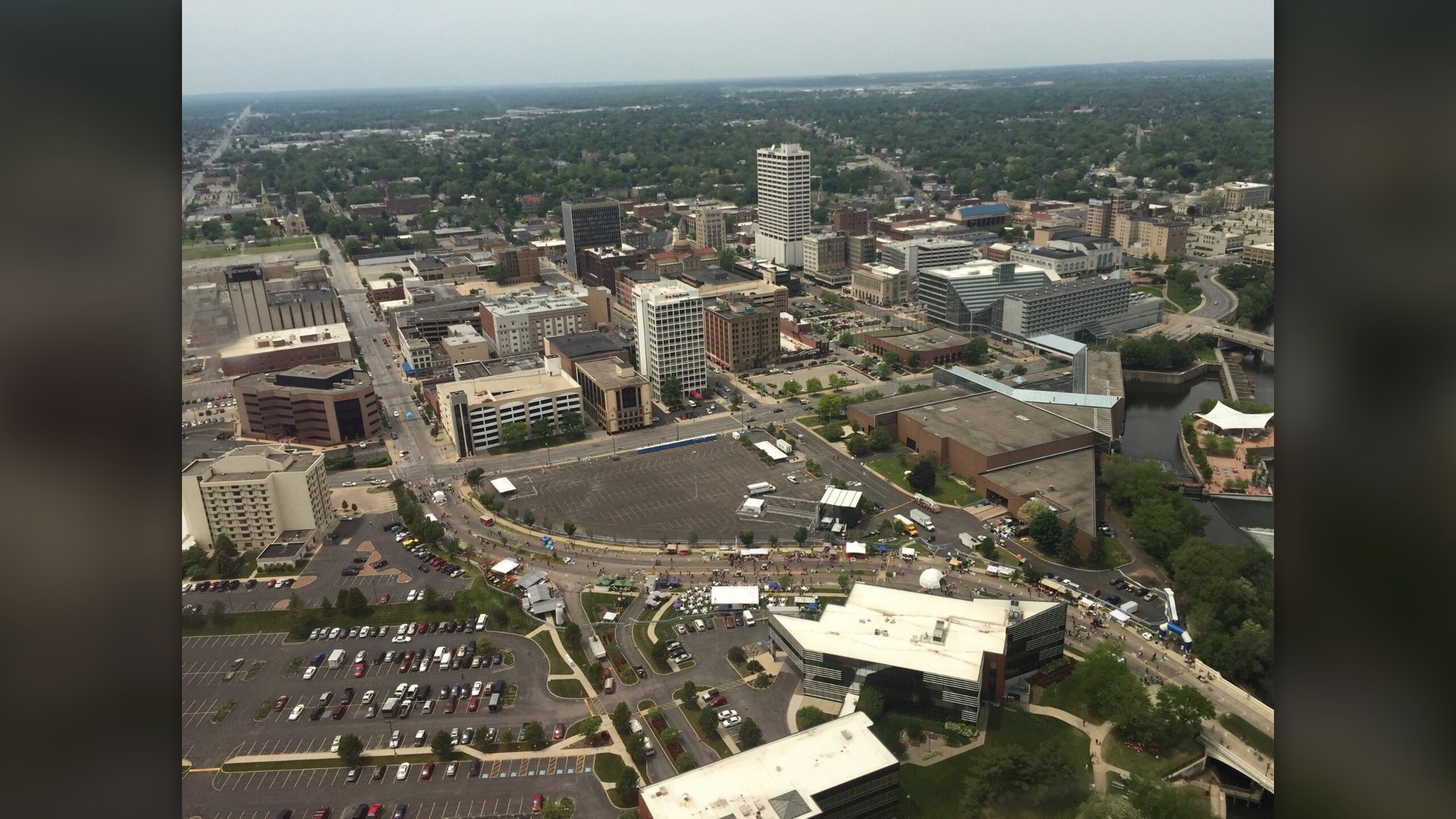
©Wikimedia / Cntrlaltdel33t
18. Manchester, New Hampshire
Manchester receives 68.0 inches of annual snowfall along the Merrimack River valley. Blending interior northern New England cold with moisture from coastal nor'easters, the city maintains thick winter snow cover well into early spring.
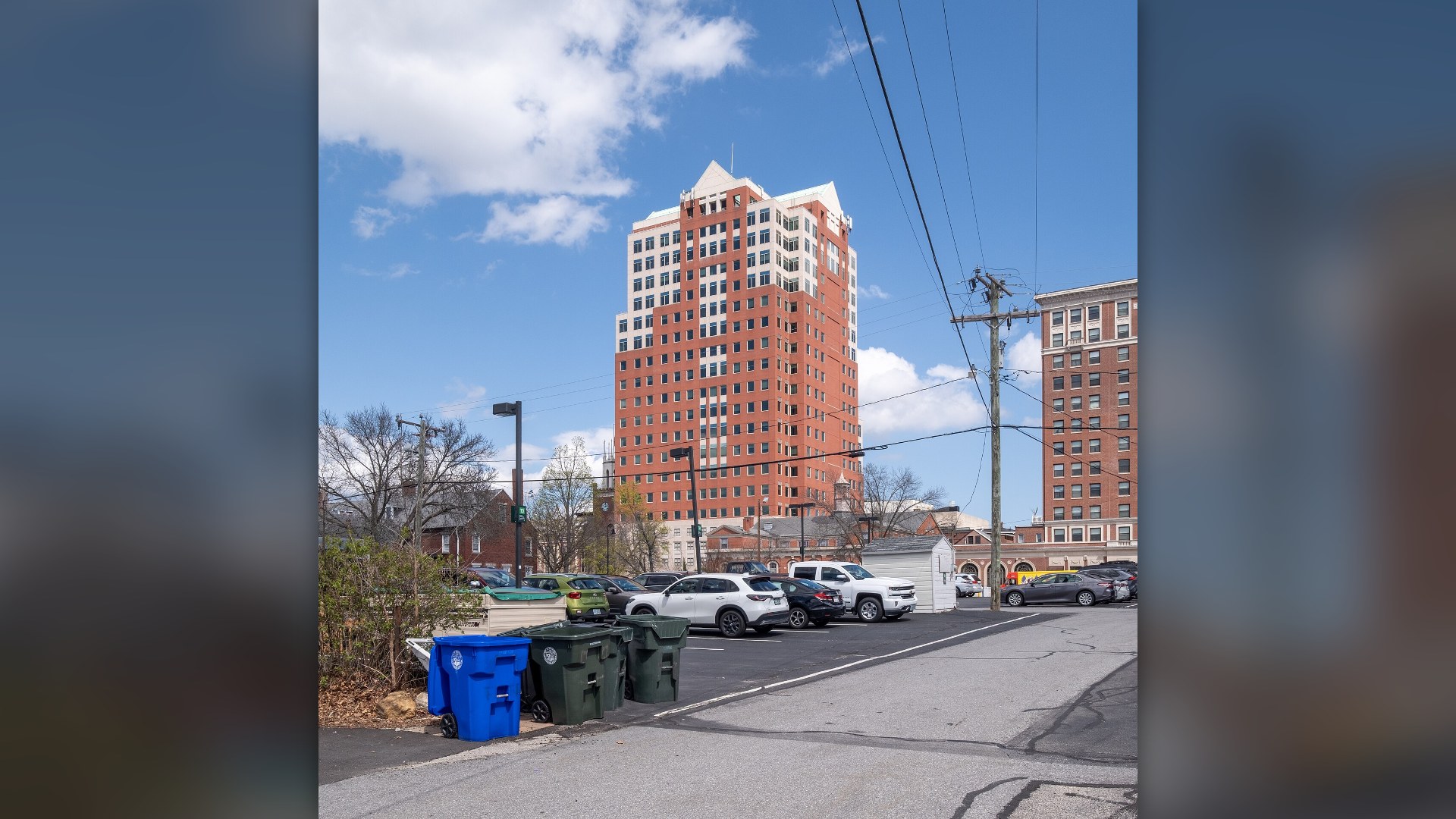
©Wikimedia / Tim Kiser
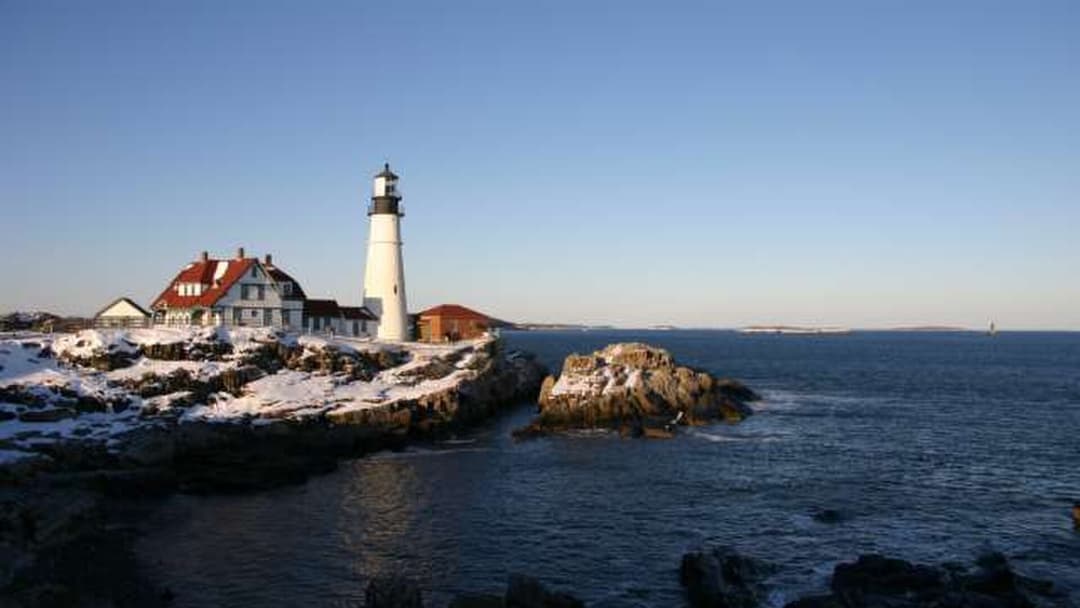
17. Portland, Maine
Portland records 68.7 inches of snow annually along Casco Bay. Maritime nor'easters sweeping up the Atlantic coast frequently collide with frigid Canadian air, blanketing the historic port city and cobblestone wharves in dense, heavy snowdrifts.
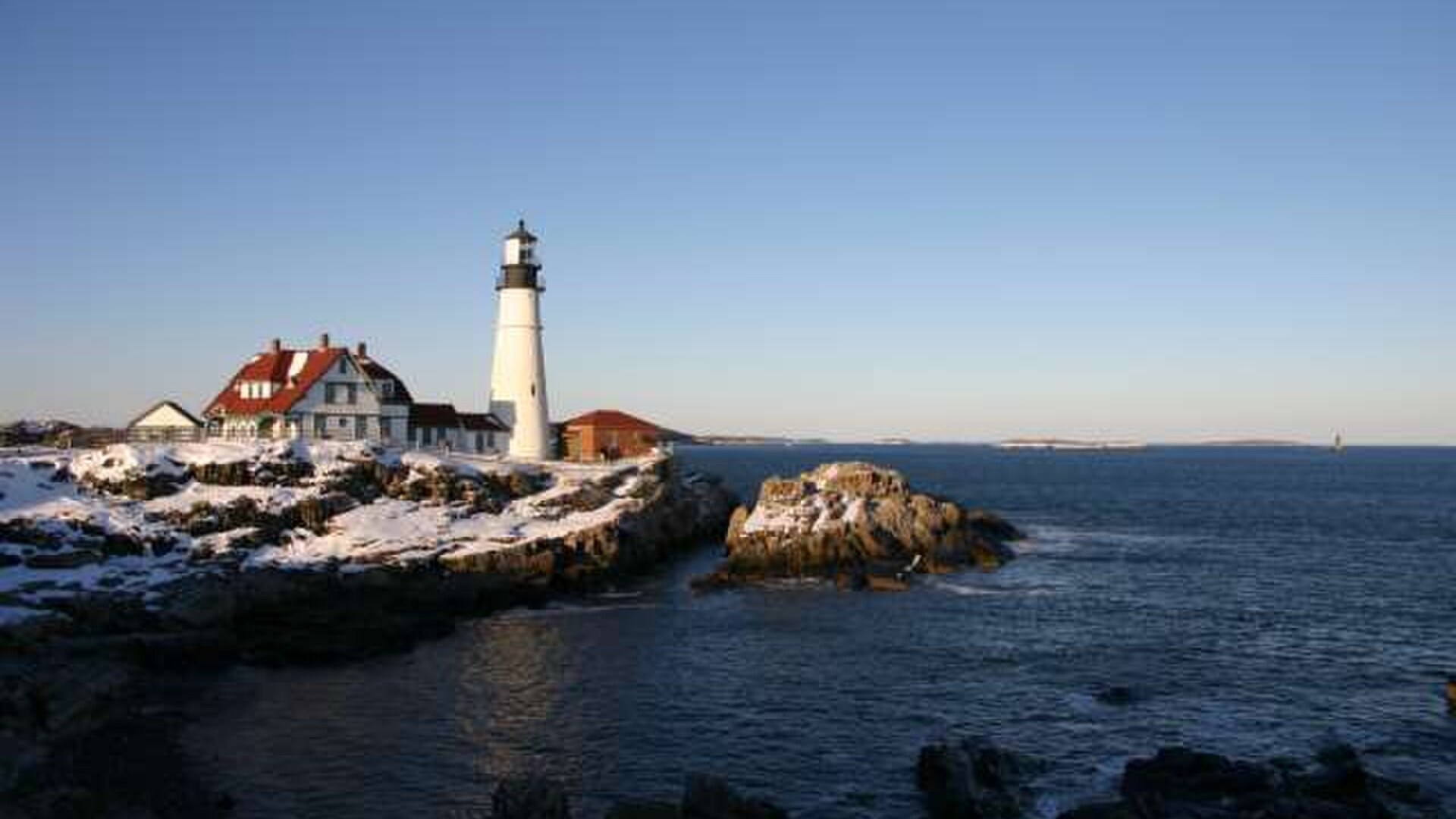
©Wikimedia / Justin Russell
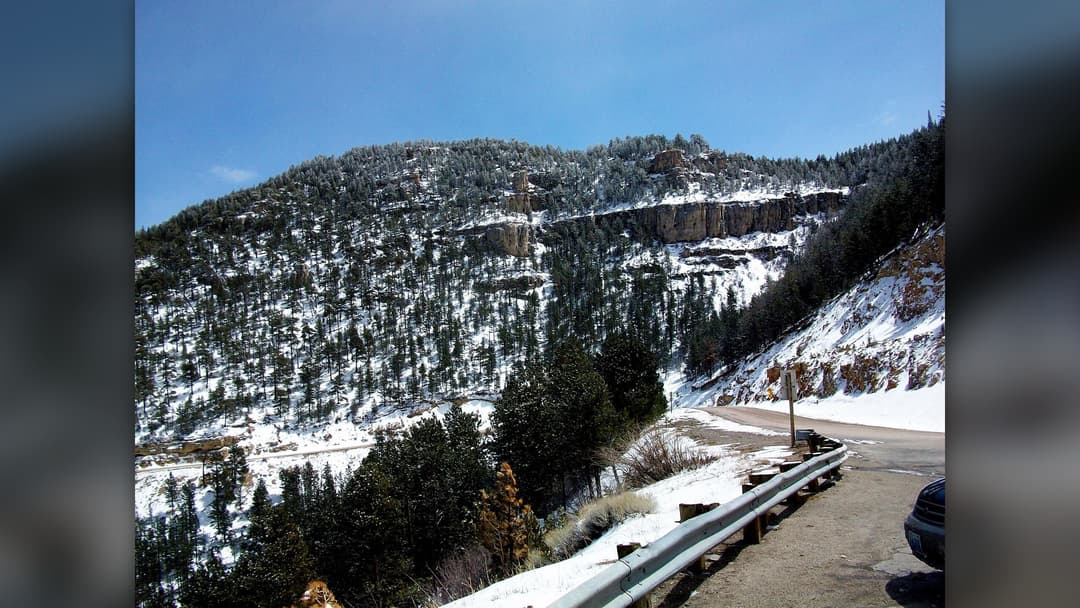
16. Casper, Wyoming
Casper averages 70.3 inches of snow per year near the base of Casper Mountain. Situated at over five thousand feet elevation, the city experiences powerful upslope snowstorms that deliver deep accumulations between October and May.
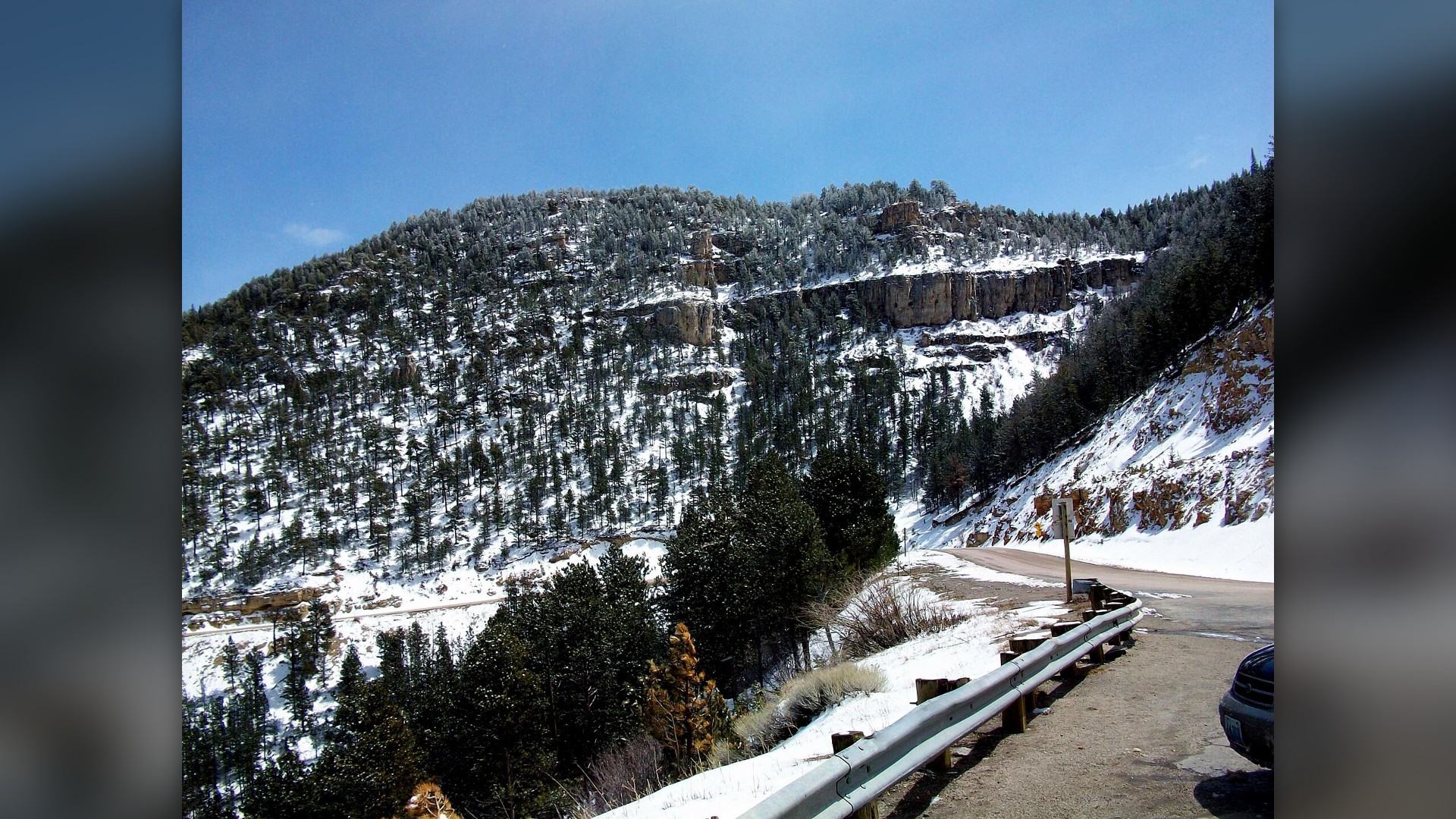
©Wikimedia / Milonica
Advertisement
Swipe or tap ▶ to resume the countdown.
15. Worcester, Massachusetts
Sitting in the elevated heart of central Massachusetts, Worcester records 73.0 inches of annual snowfall. The city higher terrain often turns coastal rain into crippling heavy snow, making it New England's snowiest major metropolitan community.
©Wikimedia / Taken by Jesse Varner. Modified by AzaToth
14. Grand Rapids, Michigan
Grand Rapids averages 77.6 inches of snow each winter, sitting squarely in western Michigan primary snowbelt. As westerly winds stream across Lake Michigan, steady squalls continuously replenish downtown streets and riverbanks with fresh snow.

©Wikimedia / Smalltownsquirrel
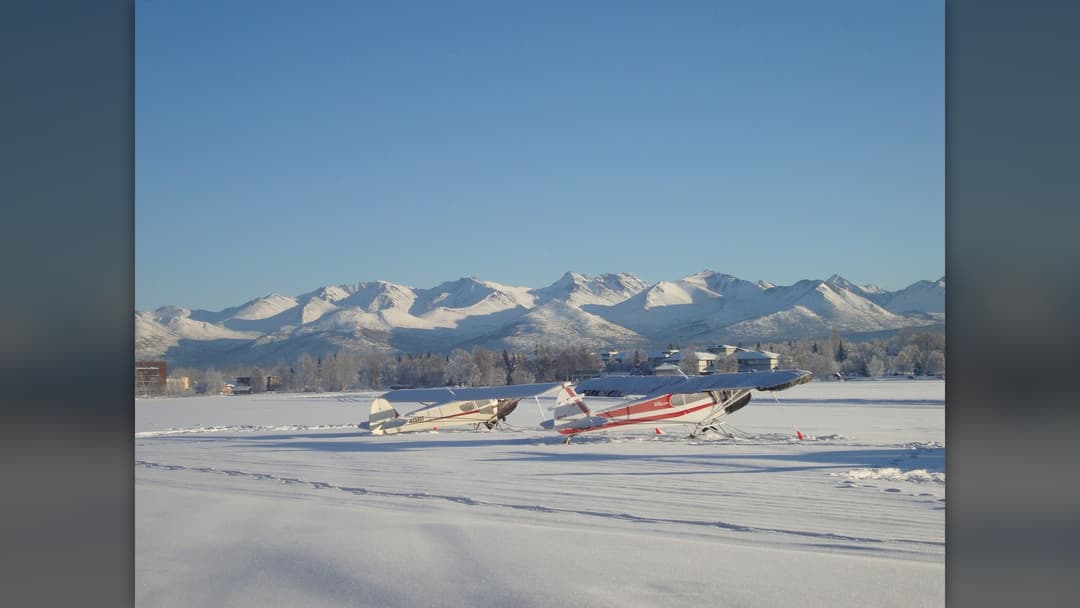
13. Anchorage, Alaska
located between the Chugach Mountains and Cook Inlet, Anchorage records 77.9 inches of annual snowfall. Subarctic storms moving off the Gulf of Alaska combine with freezing northern air, sustaining active cross-country ski trails throughout town.
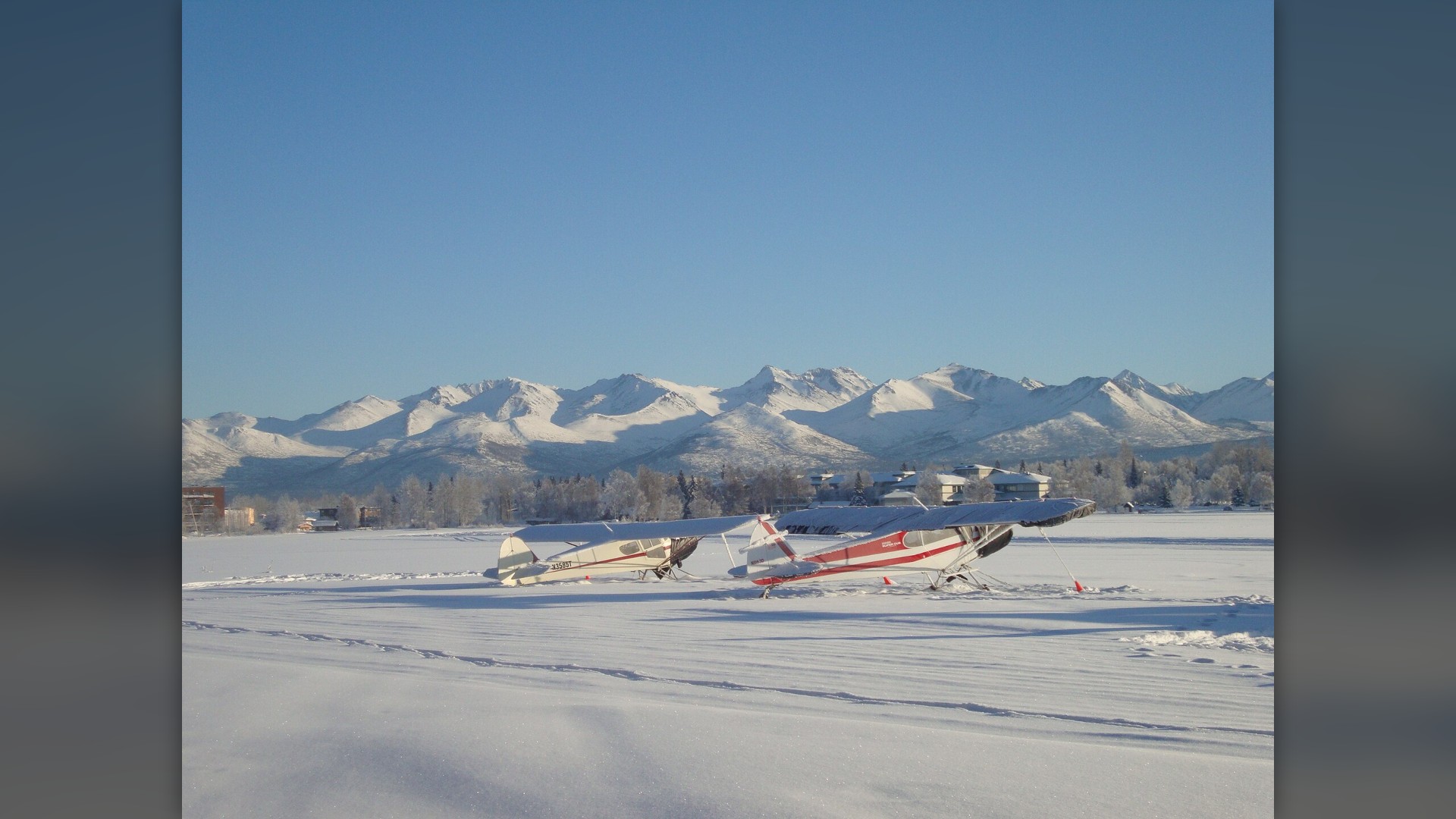
©Wikimedia / Laura Alier
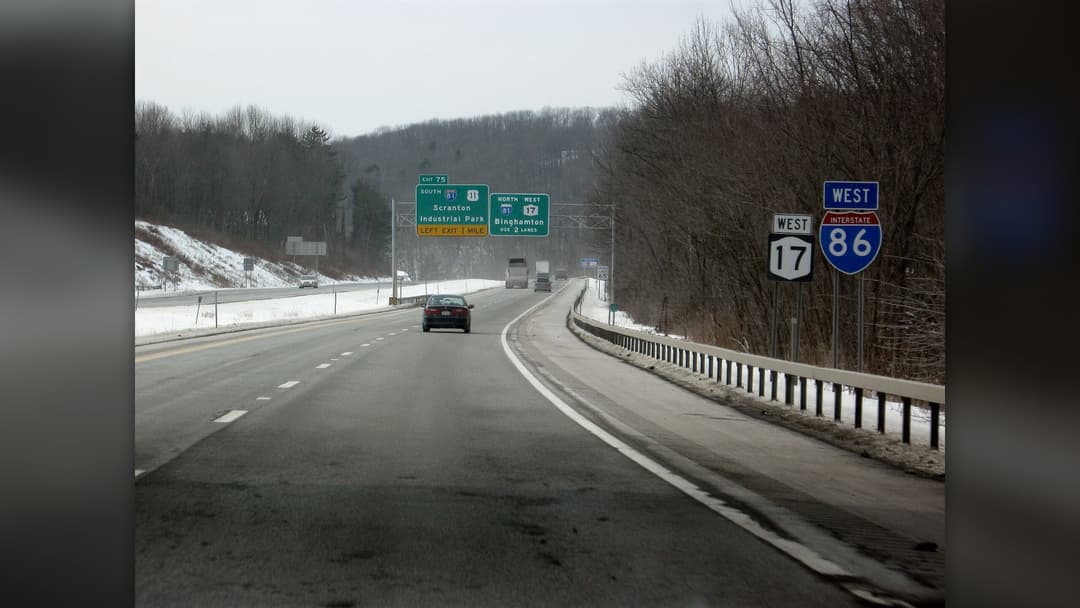
12. Binghamton, New York
Binghamton averages 84.4 inches of snow per year in the hilly Southern Tier of Upstate New York. The convergence of coastal moisture and Great Lakes lake-effect bands regularly buries the Susquehanna River valley under substantial snowdrifts.
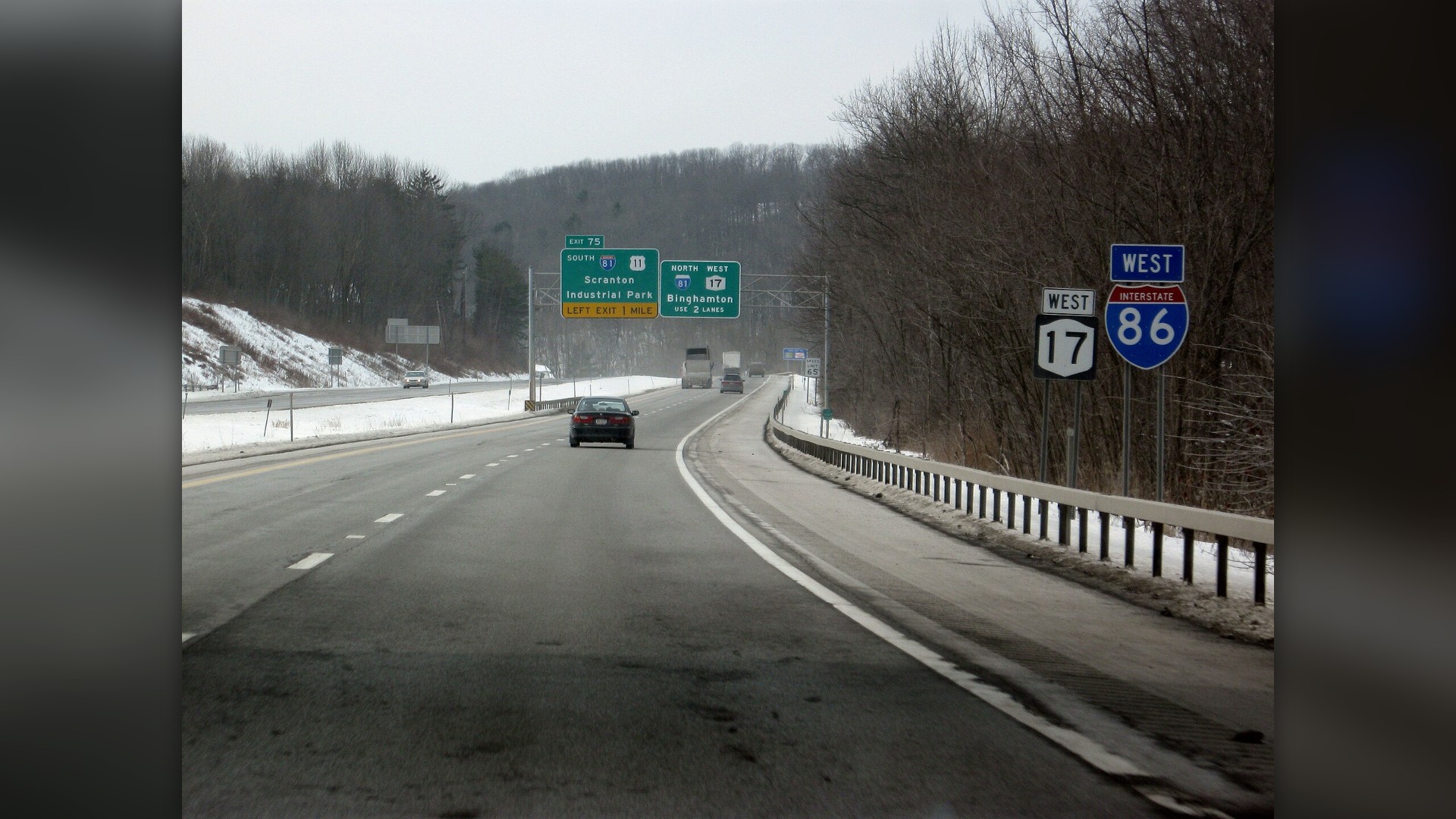
©Wikimedia / Airtuna08 at en.wikipedia
Advertisement
Swipe or tap ▶ to resume the countdown.
11. Flagstaff, Arizona
Defying desert stereotypes, Flagstaff records 87.6 inches of annual snowfall at an elevation of seven thousand feet. Pacific winter storms climbing the Colorado Plateau cool rapidly, dumping abundant dry powder across the surrounding San Francisco Peaks.
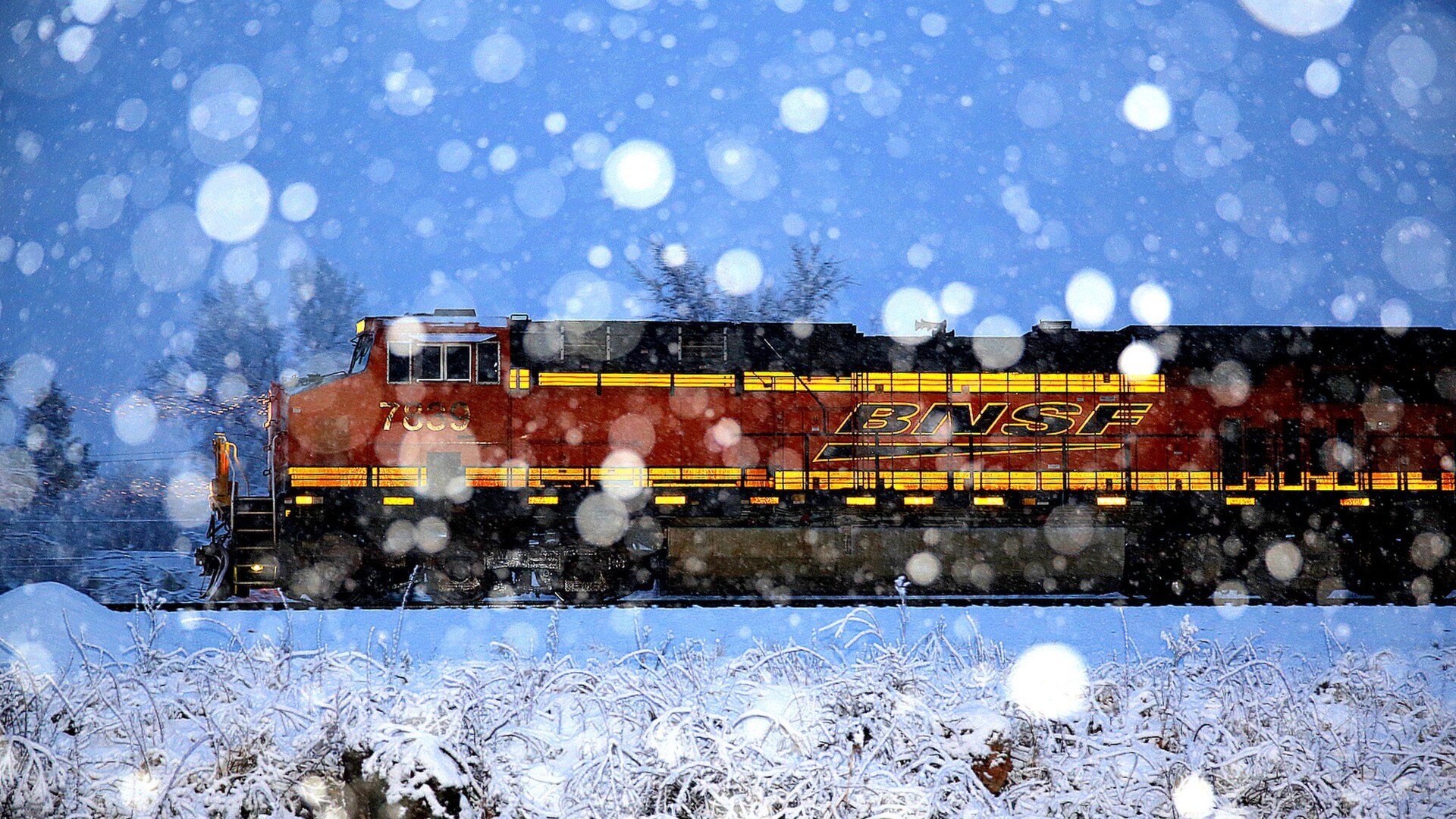
©Wikimedia / Bill Morrow
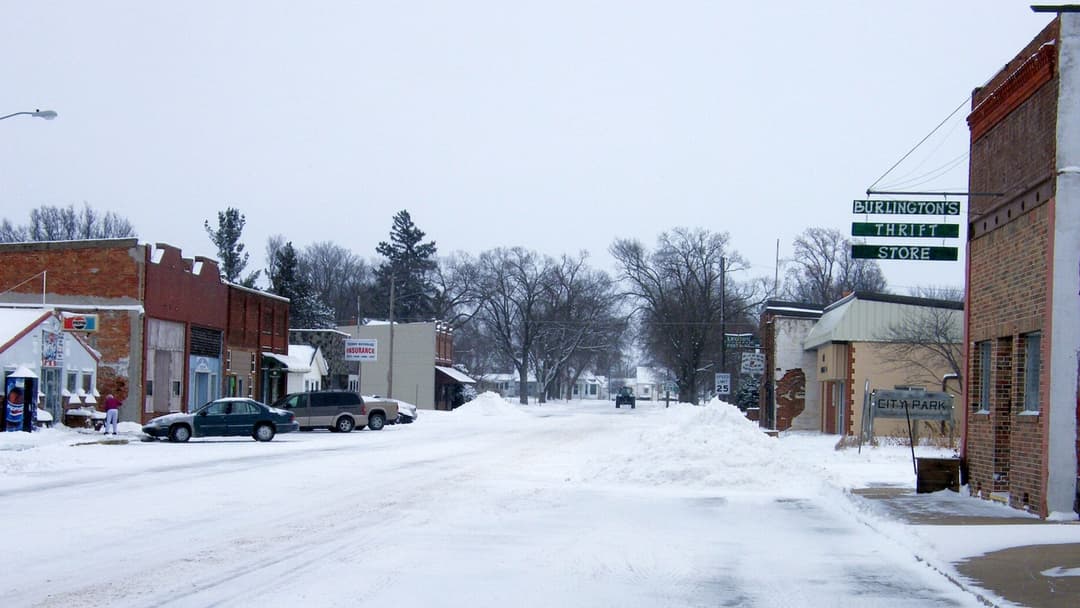
10. Burlington, Vermont
Burlington averages 88.0 inches of snow annually on the eastern shore of Lake Champlain. Cold Canadian air masses passing over the lake interact with the nearby Green Mountains, generating consistent snowfall and postcard-perfect winter landscapes.
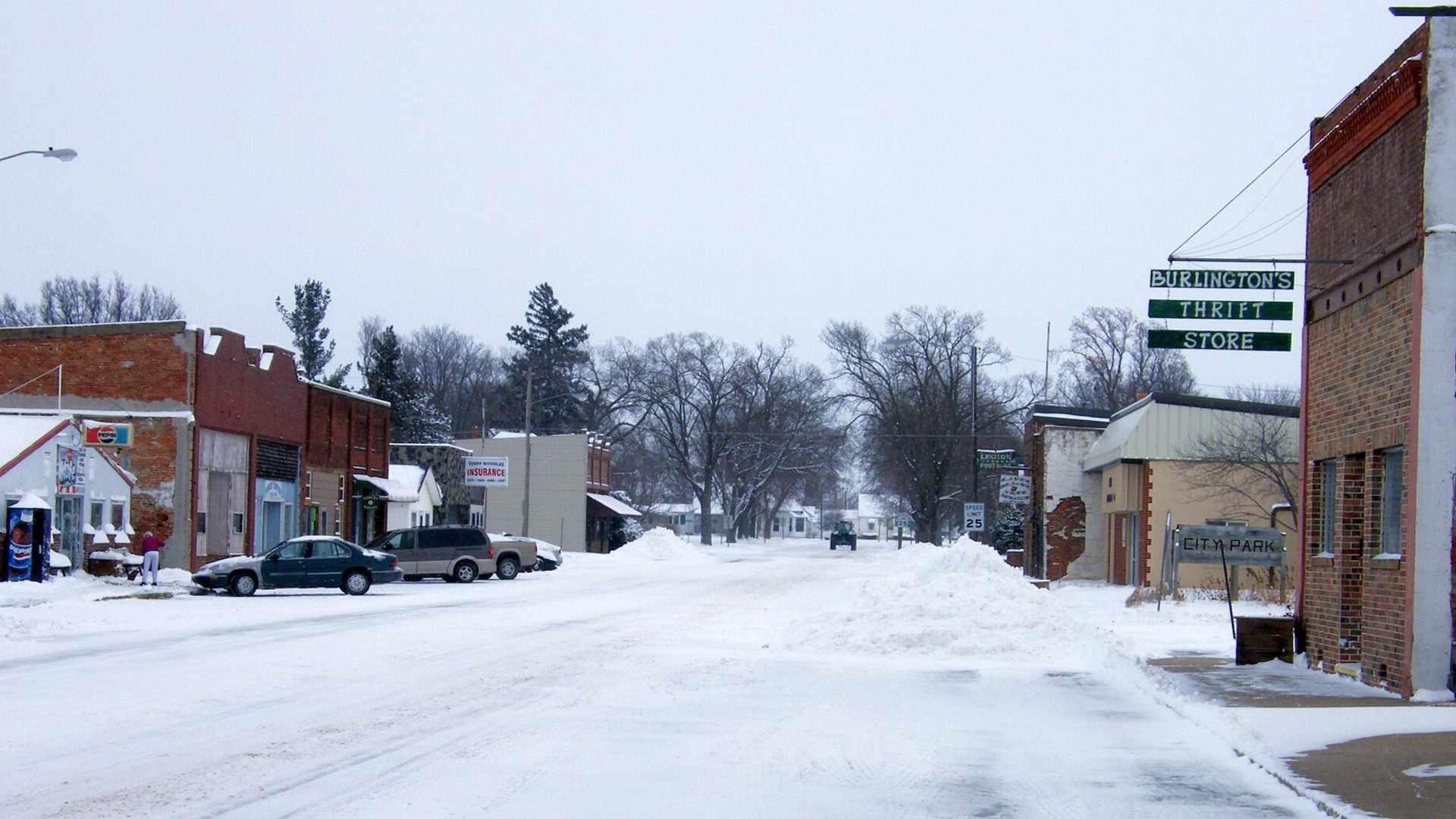
©Wikimedia / Americasroof
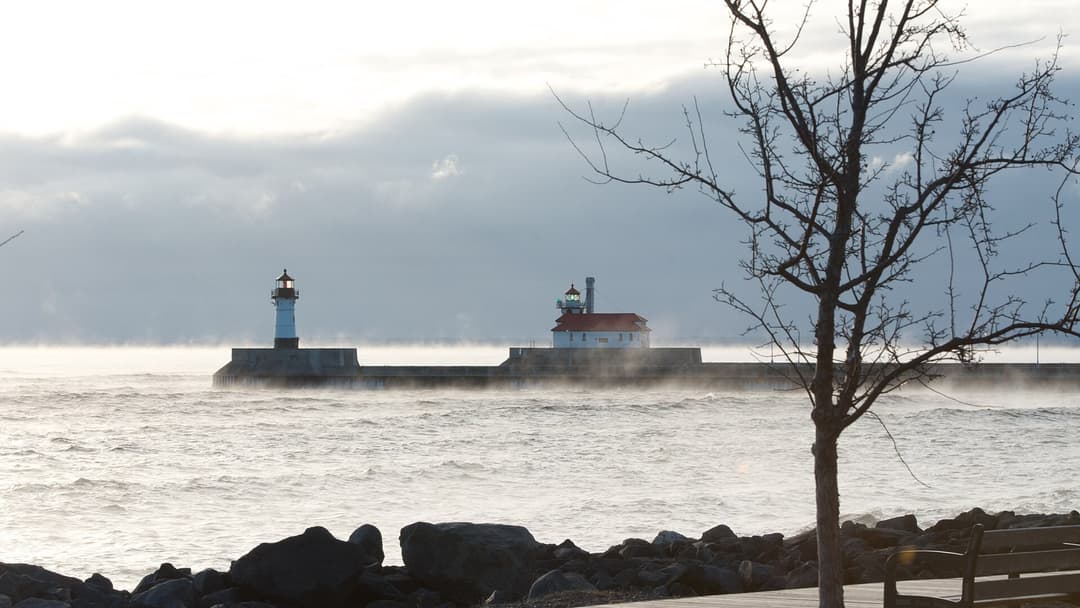
9. Duluth, Minnesota
Duluth records 90.2 inches of snow each year along the western tip of Lake Superior. Rising steeply from the lake shoreline, the city hillside streets face freezing winds and lake-effect bands that make it one of the nation's most winter-hardened outposts.
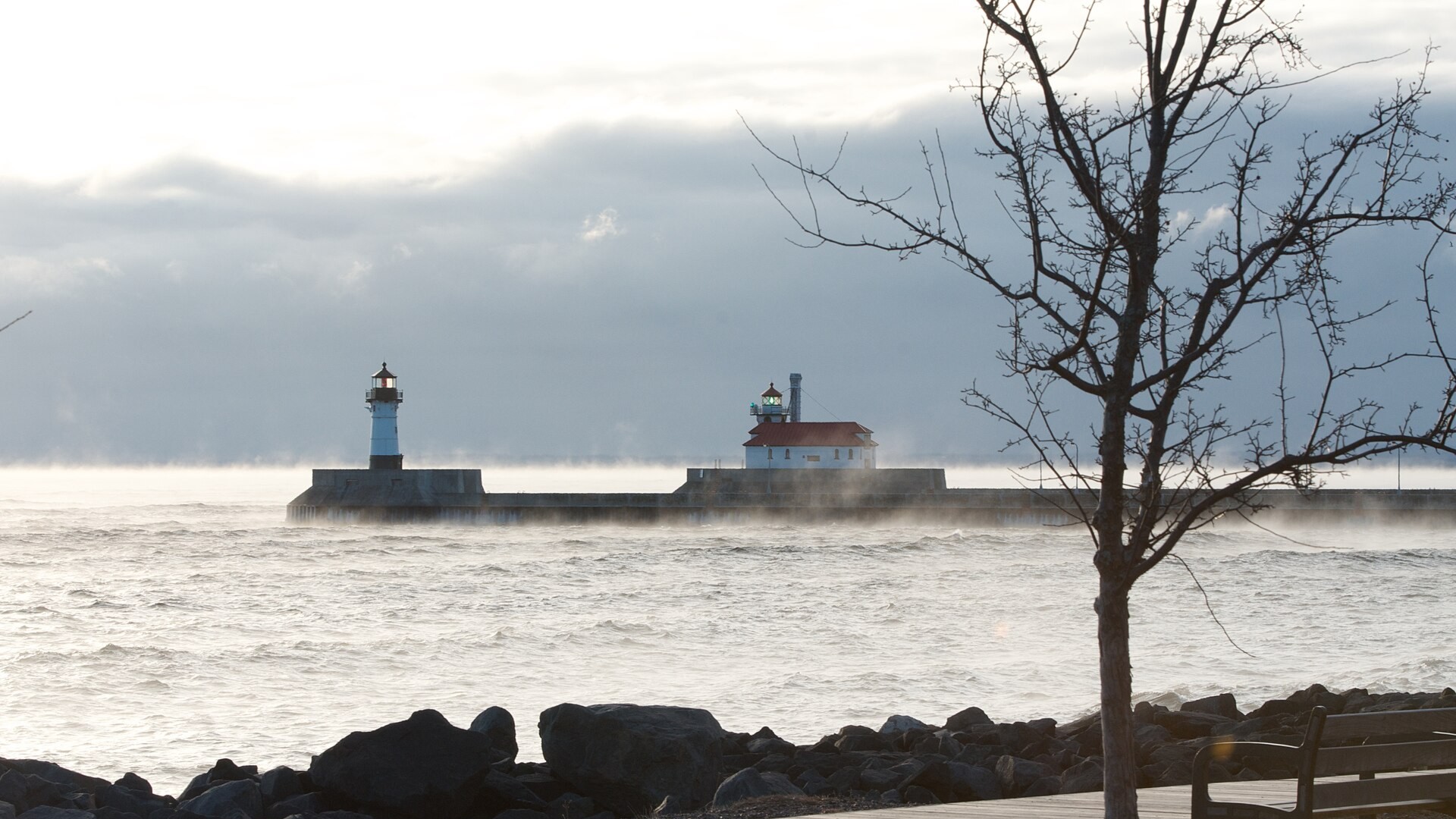
©Wikimedia / Pete Markham from Loretto, USA
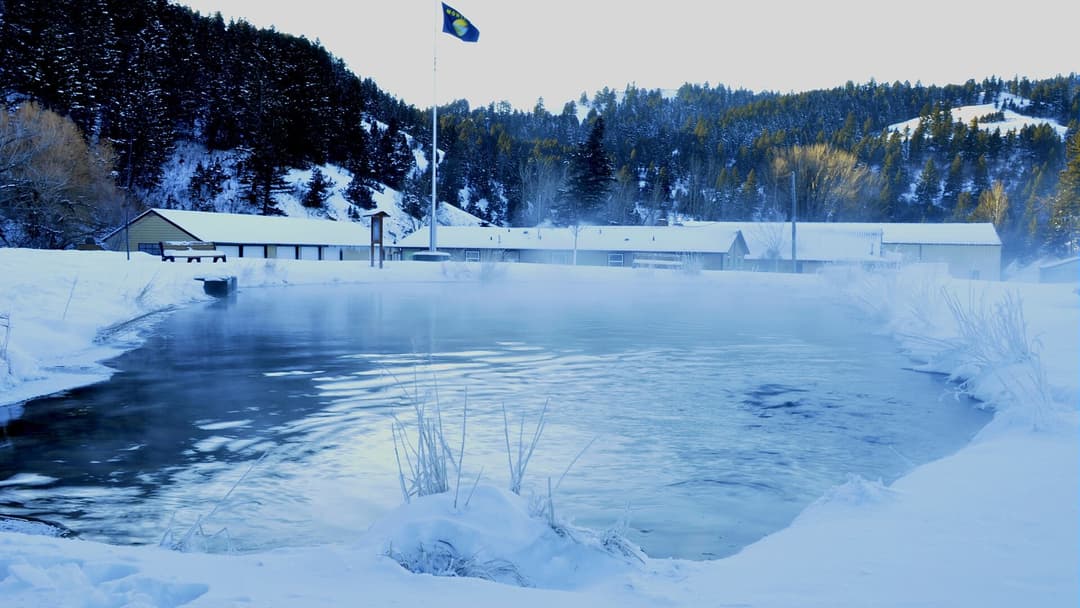
8. Bozeman, Montana
Located in southwestern Montana Gallatin Valley, Bozeman averages 91.0 inches of annual snowfall. Surrounded by towering mountain ranges, the city experiences dry, powdery snow from early autumn well into spring, creating a haven for winter sports enthusiasts.
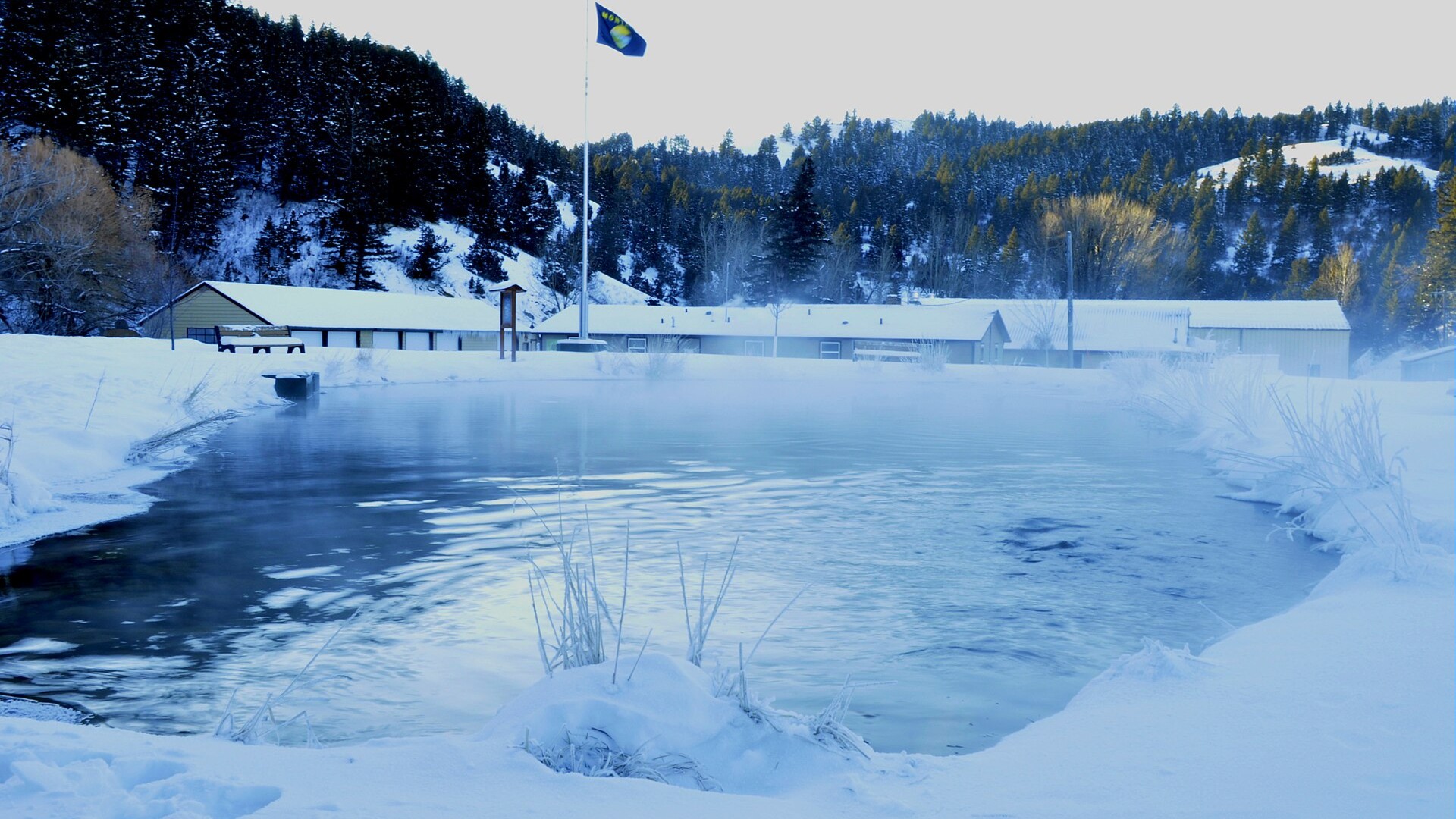
©Wikimedia / USFWS Mountain Prairie
Advertisement
Swipe or tap ▶ to resume the countdown.
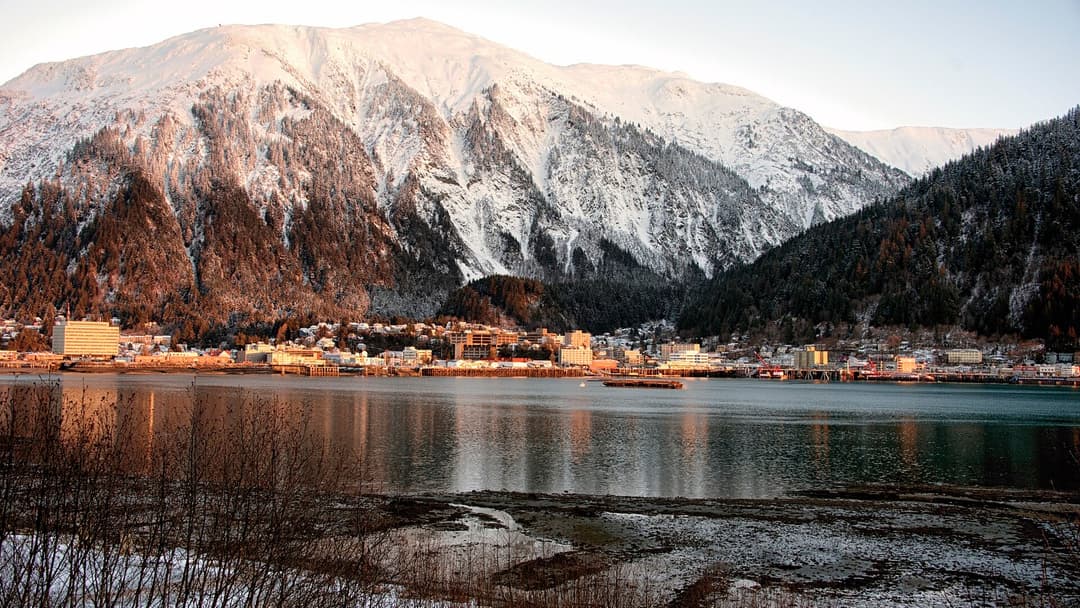
7. Juneau, Alaska
Tucked against steep coastal mountains in the Alaskan panhandle, Juneau averages 93.6 inches of snow annually. Moisture-packed Pacific weather systems slam into the coastal range, producing intense snowfall events alongside maritime winter rain.
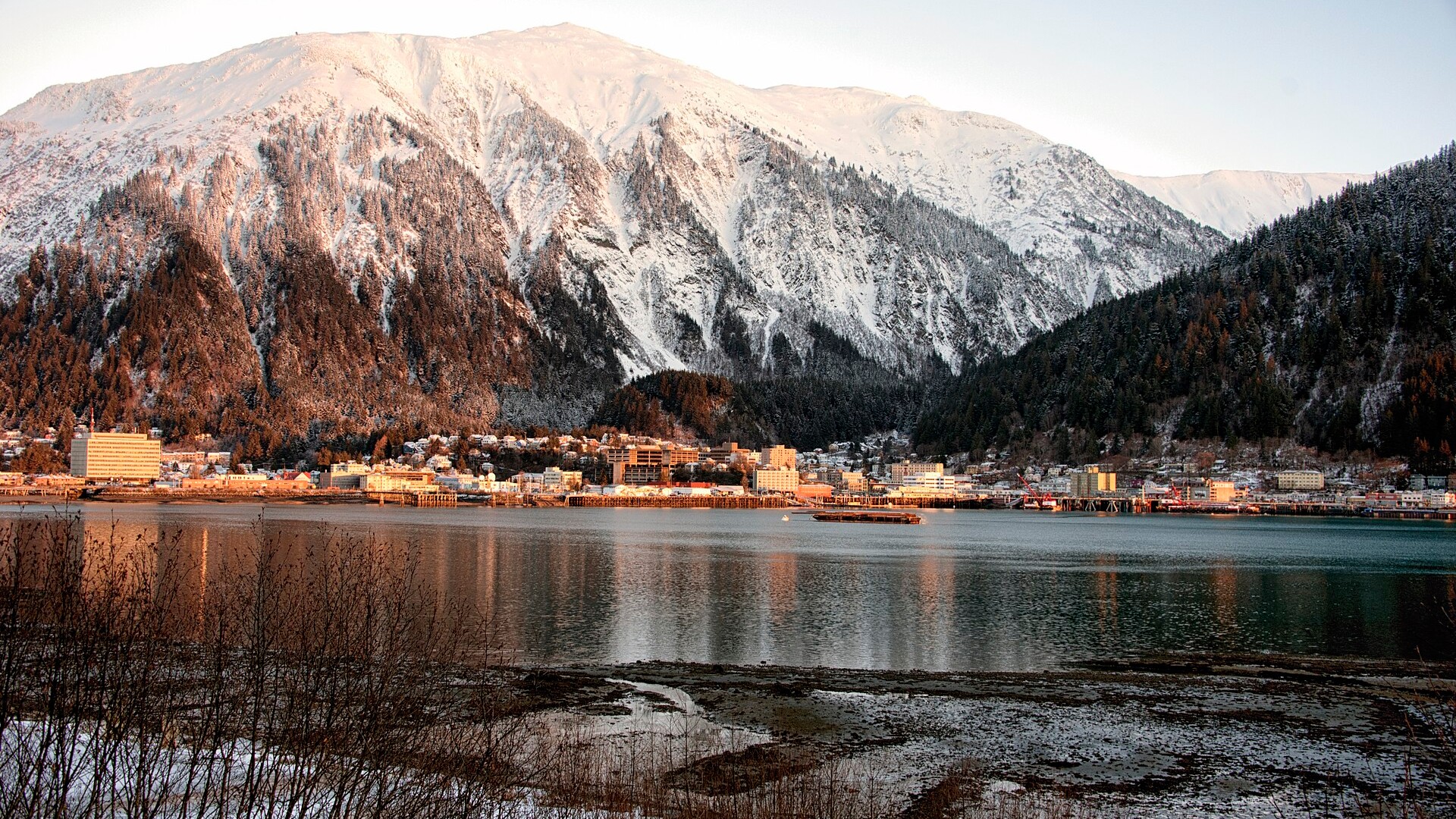
©Wikimedia / Gillfoto
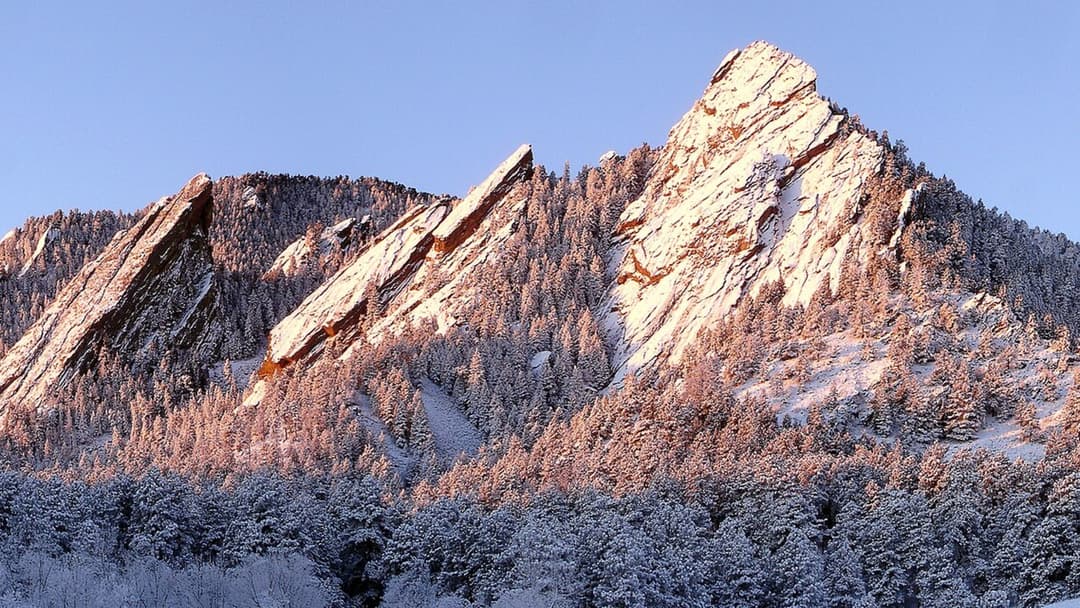
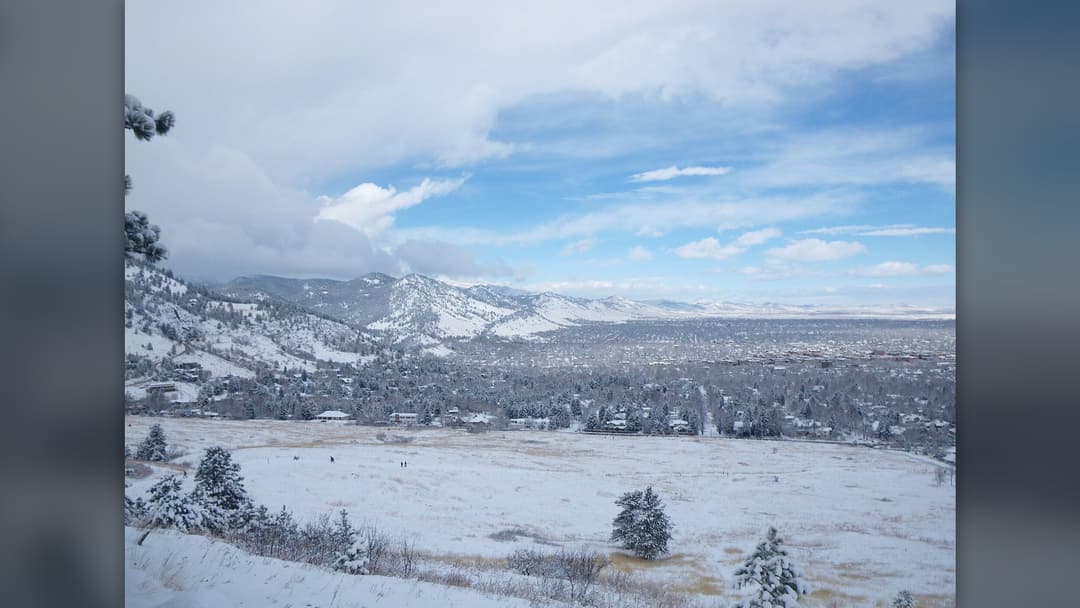
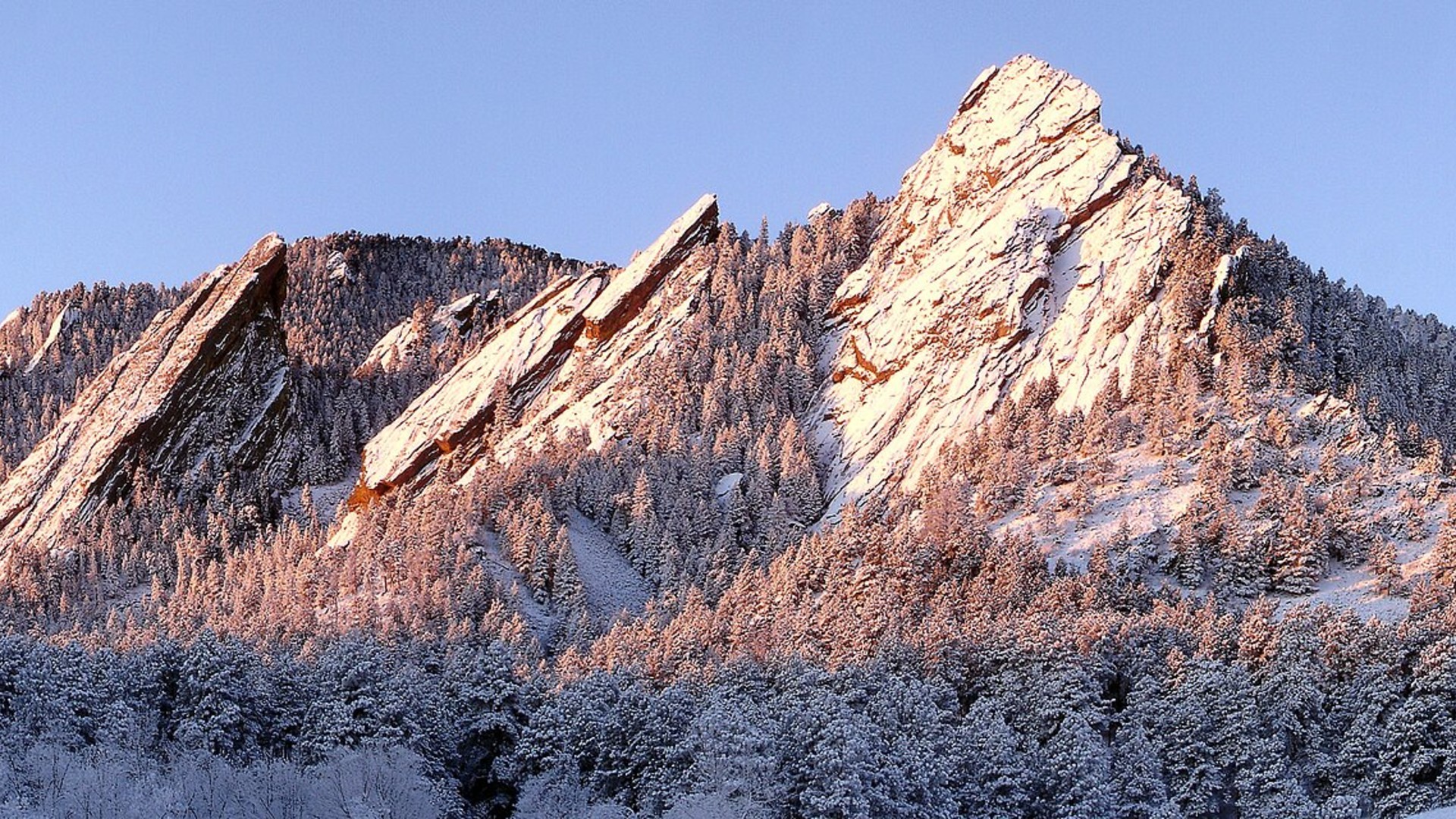
6. Boulder, Colorado
located against the iconic Flatirons rock formations, Boulder records 93.8 inches of annual snowfall. Strong easterly upslope winds force moisture against the steep mountain front, generating massive multi-foot snow events during late winter and early spring.
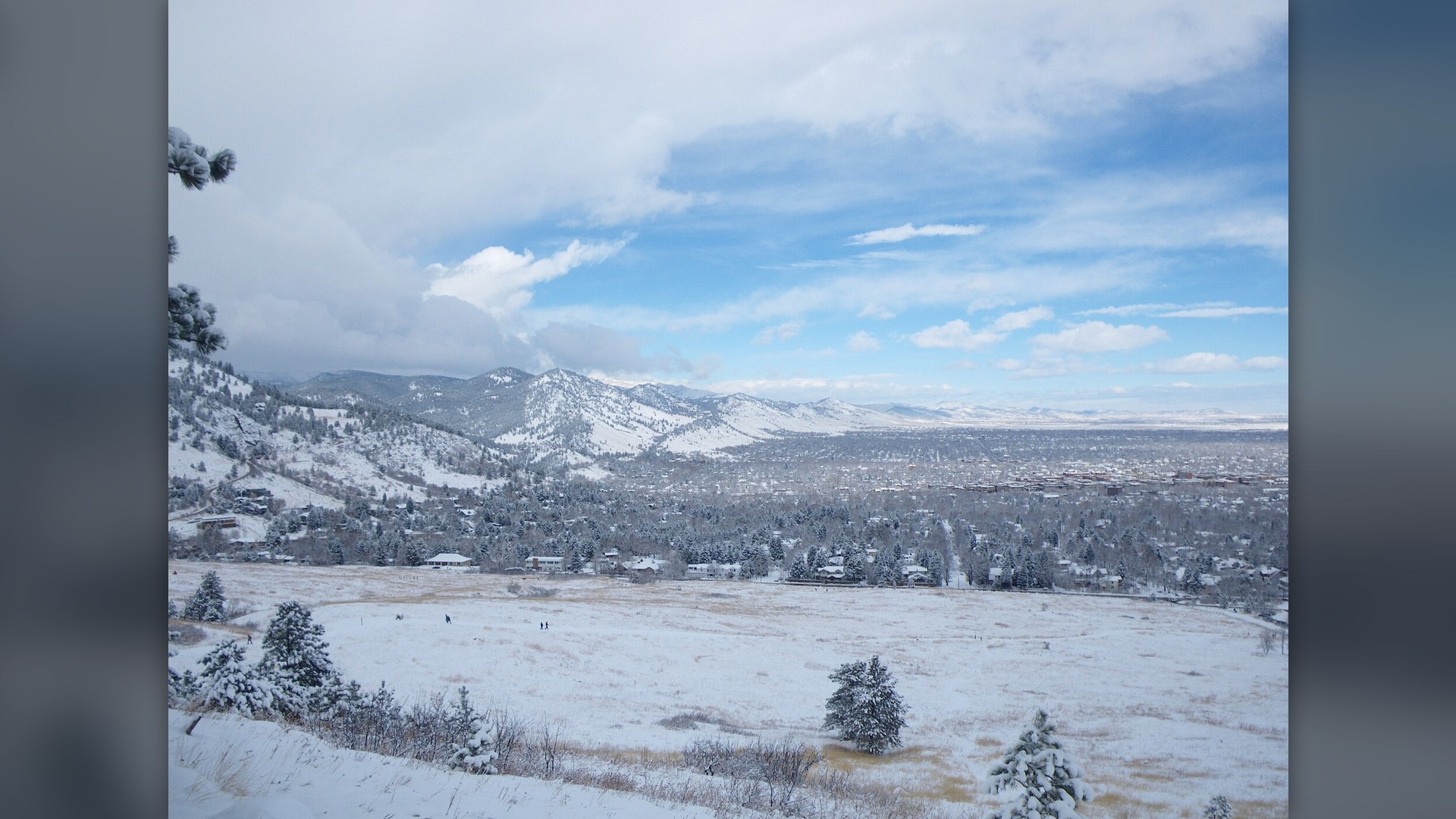
©Wikimedia / Eddyl
5. Buffalo, New York
Buffalo averages 95.4 inches of snow each year, earning worldwide fame for its intense lake-effect storms. When frigid Arctic winds travel over the warm waters of Lake Erie, narrow bands drop multiple feet of snow over short distances in hours.
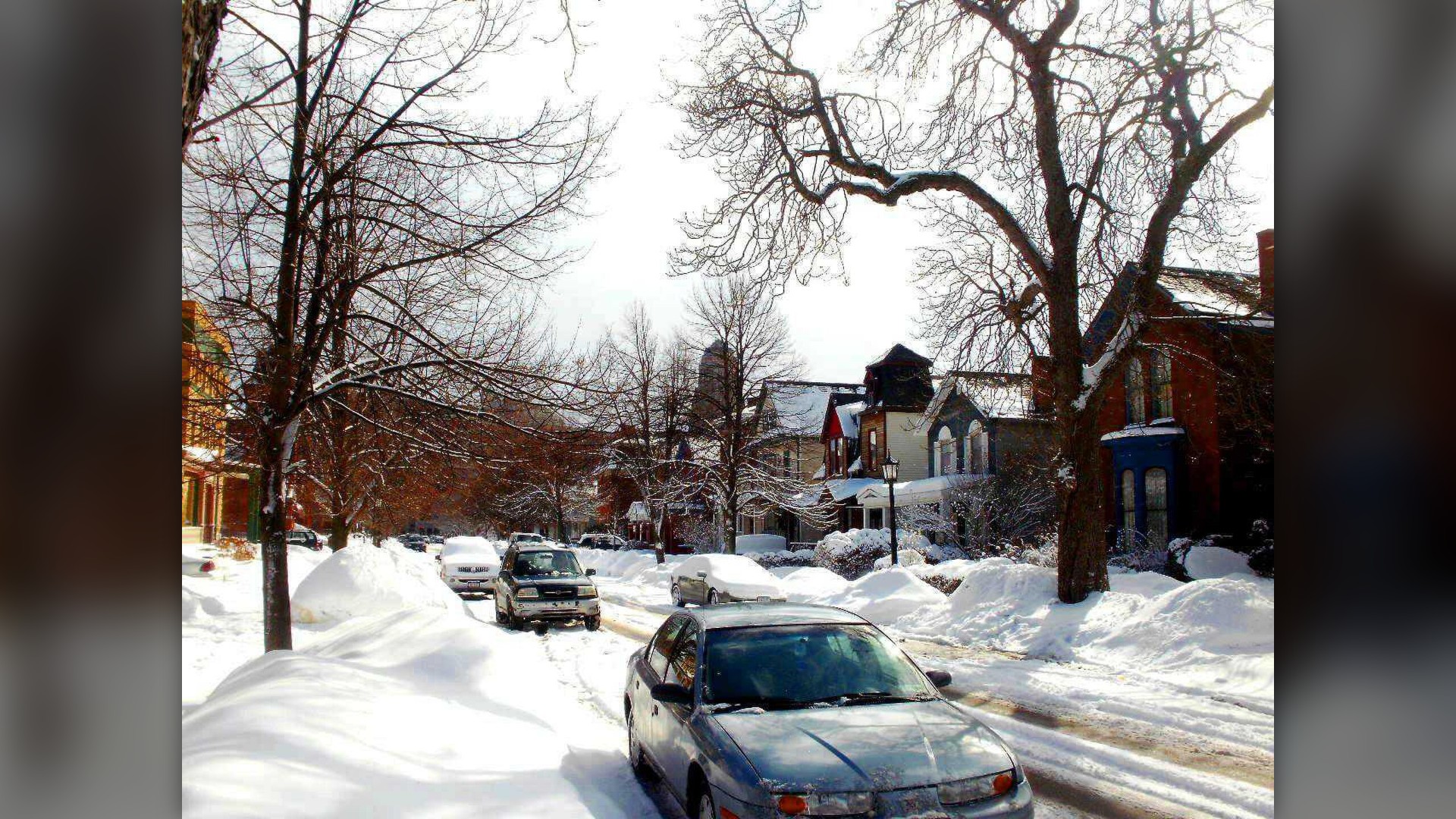
©Wikimedia / Andre Carrotflower
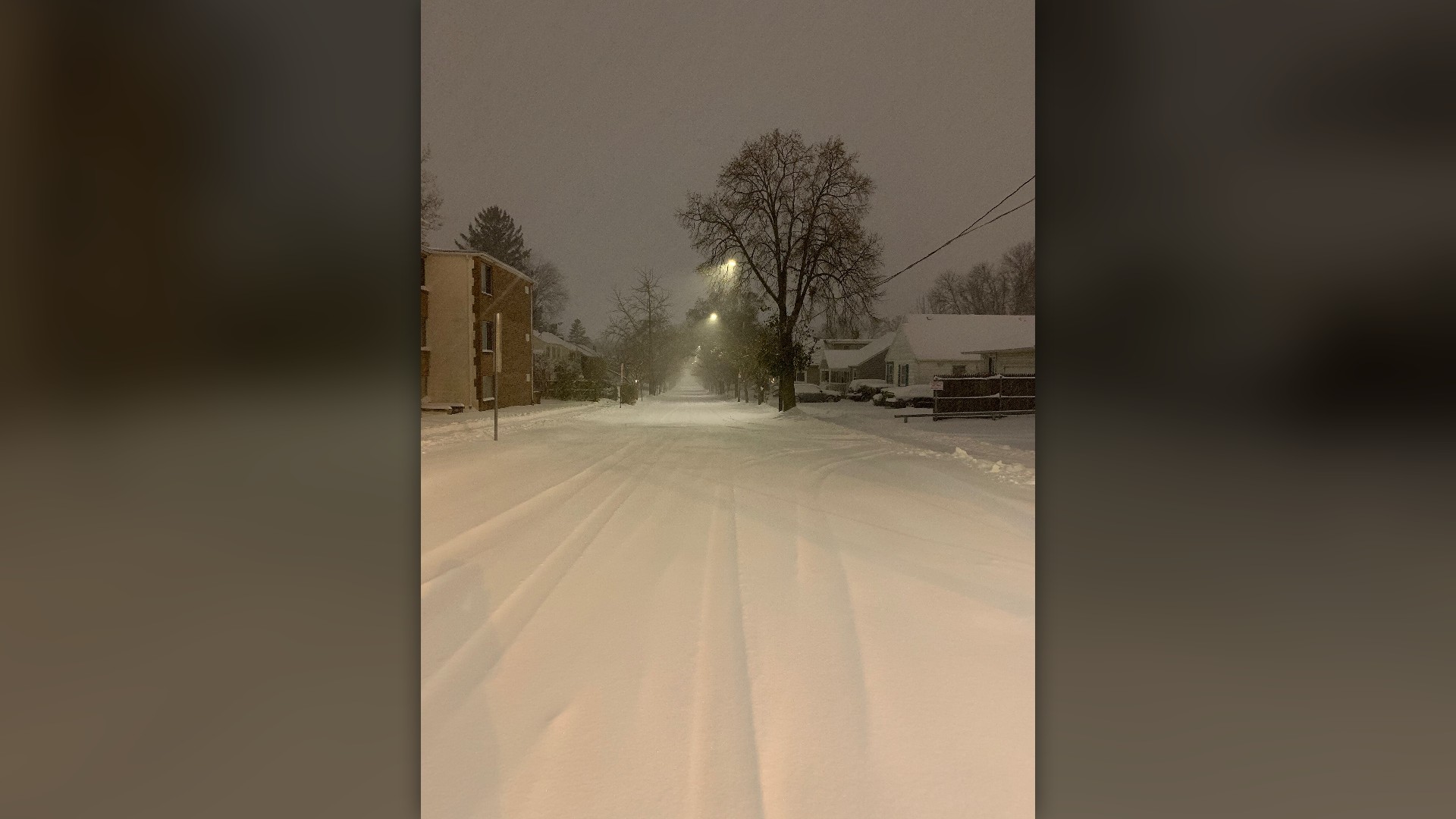
4. Rochester, New York
Rochester records 102.0 inches of snow annually, regularly surpassing eight feet of accumulation. Situated along the southern rim of Lake Ontario, the city experiences relentless winter lake-effect moisture that blankets local parks and colleges.
©Wikimedia / Yourusernamewillbepublic2
Advertisement
Swipe or tap ▶ to resume the countdown.
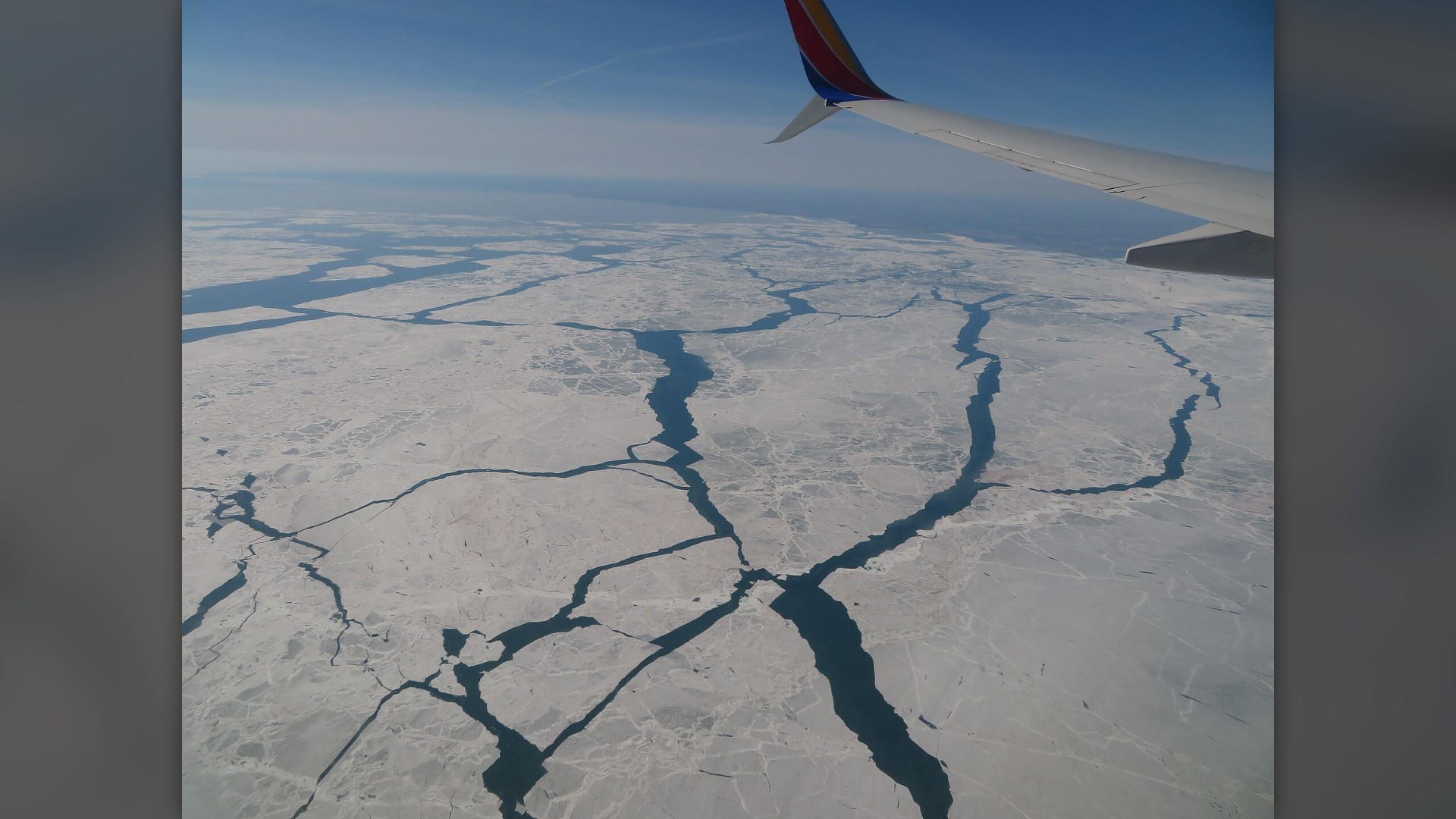
3. Erie, Pennsylvania
Erie averages 104.3 inches of snow per year on the southern shore of Lake Erie. As the only major port in Pennsylvania, the city shoreline orientation makes it a prime target for persistent lake-effect snowbands that dump feet of snow across downtown.
©Wikimedia / Ken Lund from Reno, Nevada, USA
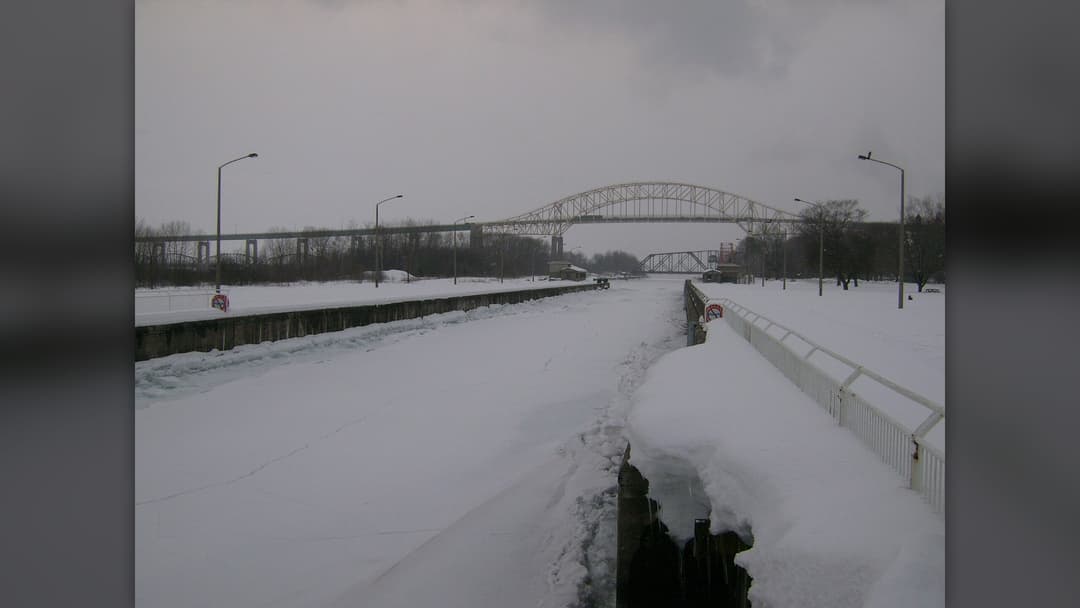
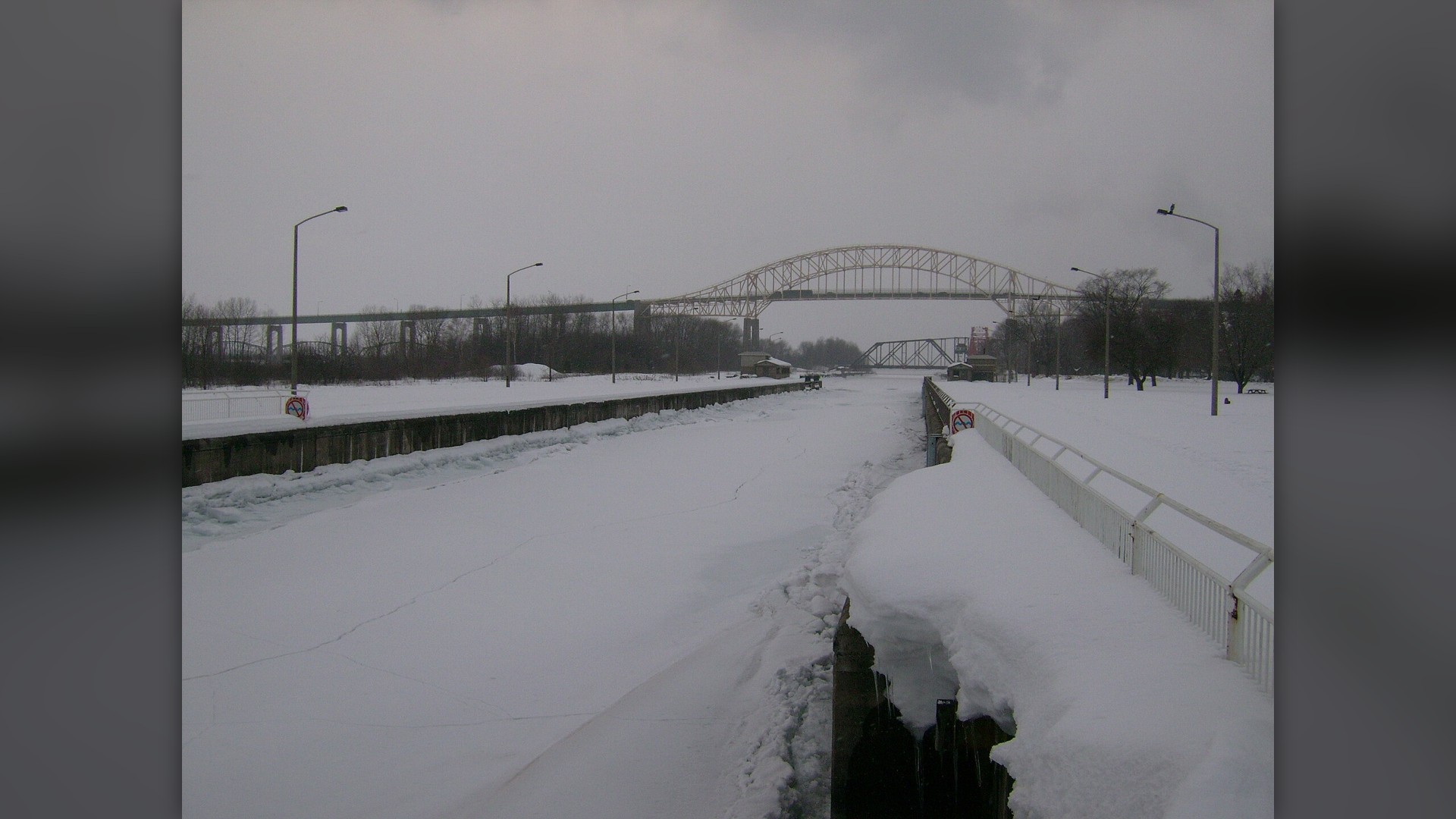
2. Sault Ste. Marie, Michigan
Located on the Upper Peninsula between Lake Superior and Lake Huron, Sault Ste. Marie records 119.3 inches of annual snowfall. Frigid Arctic air crossing the largest freshwater lakes fuels relentless snow squalls, coating the historic shipping locks in ice.
©Wikimedia / Fungus Guy
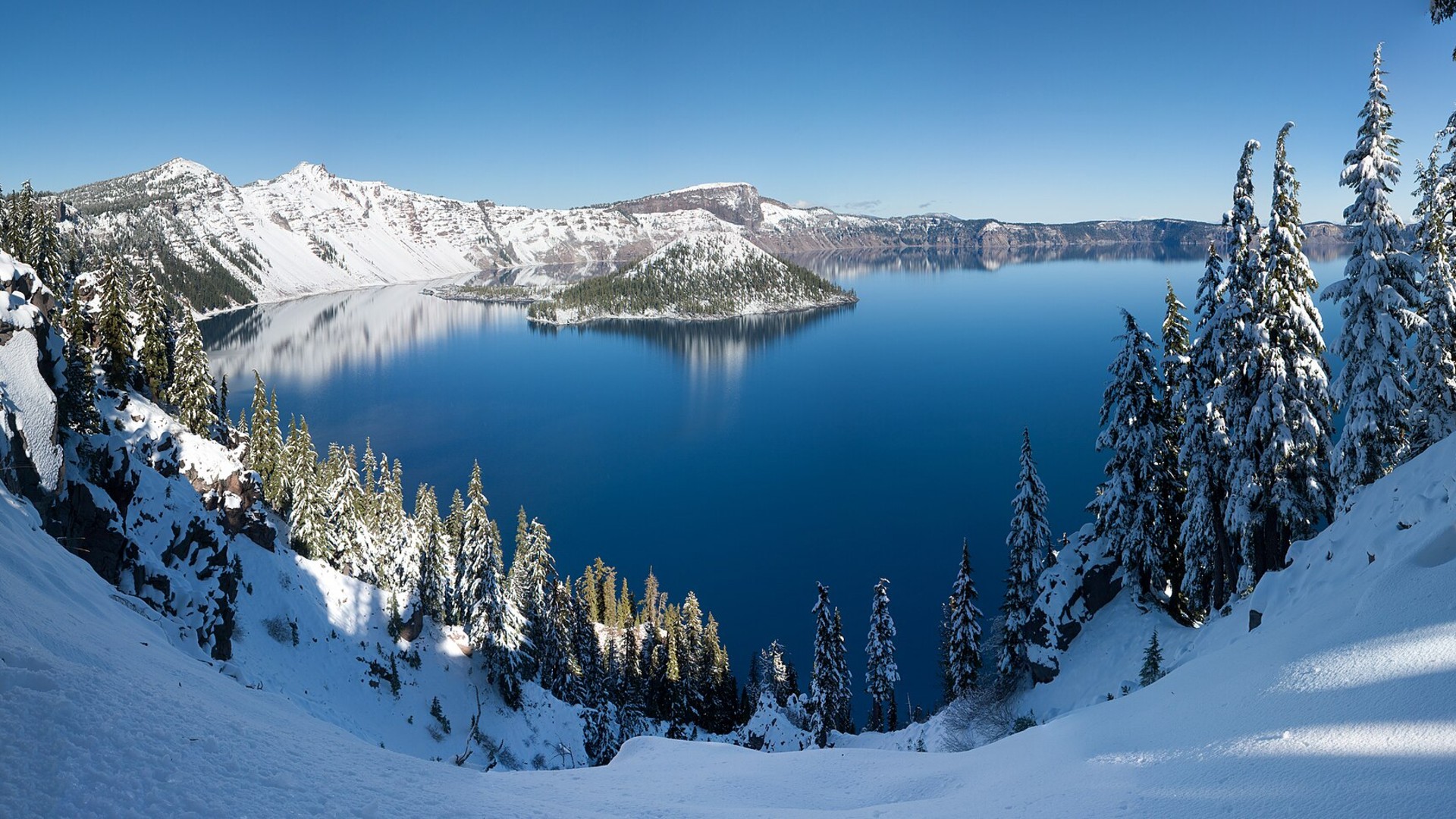
1. Syracuse, New York
Syracuse averages 127.8 inches of snow per year, claiming the undisputed title of America's snowiest populated city. Fueled by prevailing northwesterly winds across Lake Ontario, the city routinely absorbs over ten feet of lake-effect snow each winter.
©Wikimedia / WolfmanSF
Advertisement
You've reached the end of the story. Thanks for reading!

America’s 20 Top Ski Towns to Visit This Winter
American ski towns combine massive vertical drops, preserved mining architecture, and deep powder traditions. Based on 2026 National Ski Areas Association records, U.S. Forest Service terrain surveys, and official resort reports, here are 20 top mountain towns across the country ranked by their winter popularity.
All 30 Entries in this Story
30. Detroit, Michigan
Detroit averages 45.0 inches of snow annually as cold northern air sweeps across southeastern Michigan. While shielded from the heaviest lake-effect belts by inland distance, the city regularly faces rapid clipper systems and icy winter conditions off Lake Huron.

29. Milwaukee, Wisconsin
Perched on the western shore of Lake Michigan, Milwaukee records 48.7 inches of annual snow. Cold winds sweeping across the open water generate lake-enhanced snowfall bands, coating city streets and iconic historic brick neighborhoods in thick winter white.

28. Denver, Colorado
Sitting exactly one mile above sea level, Denver records 49.0 inches of annual snowfall. Thanks to upslope weather patterns pushing moist air against the Rockies Front Range, the city often experiences powerful spring snowstorms alongside bright high-altitude sunshine.

27. Boston, Massachusetts
Boston registers 49.2 inches of snowfall each year, driven by fierce Atlantic nor'easters that track up the Eastern Seaboard. These powerful coastal low-pressure systems dump heavy wet snow and hurricane-force wind gusts across Massachusetts Bay.

26. Minneapolis, Minnesota
Minneapolis receives 51.2 inches of snow each year, forming a persistent winter snowpack that lasts for months. Known for efficient municipal snow clearing and skyway networks, the city embraces freezing temperatures and consistent upper Midwest clipper storms.

25. Hartford, Connecticut
Hartford logs 51.7 inches of annual snowfall in the Connecticut River Valley. Trapped cold air frequently combines with coastal moisture rolling inland, producing significant winter accumulation and travel challenges across the central state corridor.

24. Salt Lake City, Utah
Salt Lake City averages 51.9 inches of snow at valley level, with neighboring Wasatch peaks receiving vastly higher totals. Cold Arctic fronts passing over the Great Salt Lake trigger localized lake-effect squalls, creating legendary dry powder snow.

23. Albany, New York
Albany averages 59.2 inches of snowfall per year near the confluence of the Hudson and Mohawk rivers. Winter storms frequently stall over the Capital District, channeling heavy snow bands between the Catskill and Adirondack mountain ranges.

22. Ann Arbor, Michigan
Home to the University of Michigan, Ann Arbor records 59.8 inches of snow each winter. Positioned across the southern Lower Peninsula, the city experiences a blend of Midwestern blizzards and lingering Great Lakes moisture bands from December through March.

21. Cheyenne, Wyoming
Perched at an elevation above six thousand feet on the high plains, Cheyenne logs 63.0 inches of snow annually. Relentless prairie winds frequently turn modest snow accumulations into blinding ground blizzards that shut down major interstate corridors.

20. Cleveland, Ohio
Cleveland records 63.8 inches of annual snowfall, with eastern suburbs in the primary snowbelt receiving even higher totals. Strong northwesterly winds blowing across the warm waters of Lake Erie produce intense, narrow snow squalls throughout winter.

19. South Bend, Indiana
Located just south of Lake Michigan, South Bend averages 64.5 inches of snow each year. Arctic air masses traveling across the lake pick up moisture and deposit localized, heavy snow bands directly over the home of the University of Notre Dame.

18. Manchester, New Hampshire
Manchester receives 68.0 inches of annual snowfall along the Merrimack River valley. Blending interior northern New England cold with moisture from coastal nor'easters, the city maintains thick winter snow cover well into early spring.

17. Portland, Maine
Portland records 68.7 inches of snow annually along Casco Bay. Maritime nor'easters sweeping up the Atlantic coast frequently collide with frigid Canadian air, blanketing the historic port city and cobblestone wharves in dense, heavy snowdrifts.

16. Casper, Wyoming
Casper averages 70.3 inches of snow per year near the base of Casper Mountain. Situated at over five thousand feet elevation, the city experiences powerful upslope snowstorms that deliver deep accumulations between October and May.

15. Worcester, Massachusetts
Sitting in the elevated heart of central Massachusetts, Worcester records 73.0 inches of annual snowfall. The city higher terrain often turns coastal rain into crippling heavy snow, making it New England's snowiest major metropolitan community.

14. Grand Rapids, Michigan
Grand Rapids averages 77.6 inches of snow each winter, sitting squarely in western Michigan primary snowbelt. As westerly winds stream across Lake Michigan, steady squalls continuously replenish downtown streets and riverbanks with fresh snow.

13. Anchorage, Alaska
located between the Chugach Mountains and Cook Inlet, Anchorage records 77.9 inches of annual snowfall. Subarctic storms moving off the Gulf of Alaska combine with freezing northern air, sustaining active cross-country ski trails throughout town.

12. Binghamton, New York
Binghamton averages 84.4 inches of snow per year in the hilly Southern Tier of Upstate New York. The convergence of coastal moisture and Great Lakes lake-effect bands regularly buries the Susquehanna River valley under substantial snowdrifts.

11. Flagstaff, Arizona
Defying desert stereotypes, Flagstaff records 87.6 inches of annual snowfall at an elevation of seven thousand feet. Pacific winter storms climbing the Colorado Plateau cool rapidly, dumping abundant dry powder across the surrounding San Francisco Peaks.

10. Burlington, Vermont
Burlington averages 88.0 inches of snow annually on the eastern shore of Lake Champlain. Cold Canadian air masses passing over the lake interact with the nearby Green Mountains, generating consistent snowfall and postcard-perfect winter landscapes.

9. Duluth, Minnesota
Duluth records 90.2 inches of snow each year along the western tip of Lake Superior. Rising steeply from the lake shoreline, the city hillside streets face freezing winds and lake-effect bands that make it one of the nation's most winter-hardened outposts.

8. Bozeman, Montana
Located in southwestern Montana Gallatin Valley, Bozeman averages 91.0 inches of annual snowfall. Surrounded by towering mountain ranges, the city experiences dry, powdery snow from early autumn well into spring, creating a haven for winter sports enthusiasts.

7. Juneau, Alaska
Tucked against steep coastal mountains in the Alaskan panhandle, Juneau averages 93.6 inches of snow annually. Moisture-packed Pacific weather systems slam into the coastal range, producing intense snowfall events alongside maritime winter rain.

6. Boulder, Colorado
located against the iconic Flatirons rock formations, Boulder records 93.8 inches of annual snowfall. Strong easterly upslope winds force moisture against the steep mountain front, generating massive multi-foot snow events during late winter and early spring.

5. Buffalo, New York
Buffalo averages 95.4 inches of snow each year, earning worldwide fame for its intense lake-effect storms. When frigid Arctic winds travel over the warm waters of Lake Erie, narrow bands drop multiple feet of snow over short distances in hours.

4. Rochester, New York
Rochester records 102.0 inches of snow annually, regularly surpassing eight feet of accumulation. Situated along the southern rim of Lake Ontario, the city experiences relentless winter lake-effect moisture that blankets local parks and colleges.

3. Erie, Pennsylvania
Erie averages 104.3 inches of snow per year on the southern shore of Lake Erie. As the only major port in Pennsylvania, the city shoreline orientation makes it a prime target for persistent lake-effect snowbands that dump feet of snow across downtown.

2. Sault Ste. Marie, Michigan
Located on the Upper Peninsula between Lake Superior and Lake Huron, Sault Ste. Marie records 119.3 inches of annual snowfall. Frigid Arctic air crossing the largest freshwater lakes fuels relentless snow squalls, coating the historic shipping locks in ice.

1. Syracuse, New York
Syracuse averages 127.8 inches of snow per year, claiming the undisputed title of America's snowiest populated city. Fueled by prevailing northwesterly winds across Lake Ontario, the city routinely absorbs over ten feet of lake-effect snow each winter.