Slideshow · Health
20 Everyday Habits Secretly Aging Your Skin, Ranked
These daily routines break down collagen and accelerate premature skin aging.

By Most Viral Today
36 min ago

Unmasking Everyday Aging Habits 
20. Drinking Alcohol Frequently 
19. Consuming High-Sodium Foods 
18. Neglecting Your Neck And Decolletage - AdvertisementSwipe or tap ▶ to continue countdown

17. Skipping Topical Antioxidant Serums 
16. Resting Your Face In Your Hands 
15. Sipping Drinks Through A Straw 
14. Taking Scorching Hot Showers - AdvertisementSwipe or tap ▶ to continue countdown

13. Sleeping On Your Stomach Or Side 
12. Forgetting Sunglasses Outdoors 
11. Rubbing Your Eyes Constantly 
10. Staring Down At Phones - AdvertisementSwipe or tap ▶ to continue countdown

9. Over-Exfoliating Your Skin 
8. Skipping Facial Moisturizer 
7. Chewing Gum Habitually 
6. Sitting By Windows Unprotected - AdvertisementSwipe or tap ▶ to continue countdown

5. Late-Night Screen Bingeing 
4. Chronic Unmanaged Stress 
3. Sleeping With Makeup On 
2. Chronic Sleep Deprivation - AdvertisementSwipe or tap ▶ to continue countdown

1. Skipping Daily Sunscreen - Advertisement🔥 UP NEXT IN THIS SERIES◫ 21 Slides

20 Ways To Protect Your Newborn From Vitamin K Deficiency
Premature aging is rarely caused by genetics alone. Dermatological research shows that routine daily behaviors subtly degrade collagen reserves, weaken lipid barriers, and deepen facial creases. Here are the 20 most damaging habits, ranked.
Swipe or tap ▶ to begin the countdown
©Wikimedia / Sarah Stierch & Wikimedia / Jim McCluskey
20. Drinking Alcohol Frequently
Alcohol is a systemic diuretic that robs skin tissues of crucial hydration. Frequent intake also depletes vitamin A, an essential antioxidant for cell turnover, while causing permanent facial flushing and broken thread veins over time.

©Pixabay / Alexas_Fotos
19. Consuming High-Sodium Foods
A diet rich in high-sodium processed foods causes your body to hold onto excess fluid. Because the skin beneath your lower eyelids is exceptionally delicate, recurrent swelling stretches out connective tissue, leading to premature bags.

©Wikimedia / Tomwsulcer
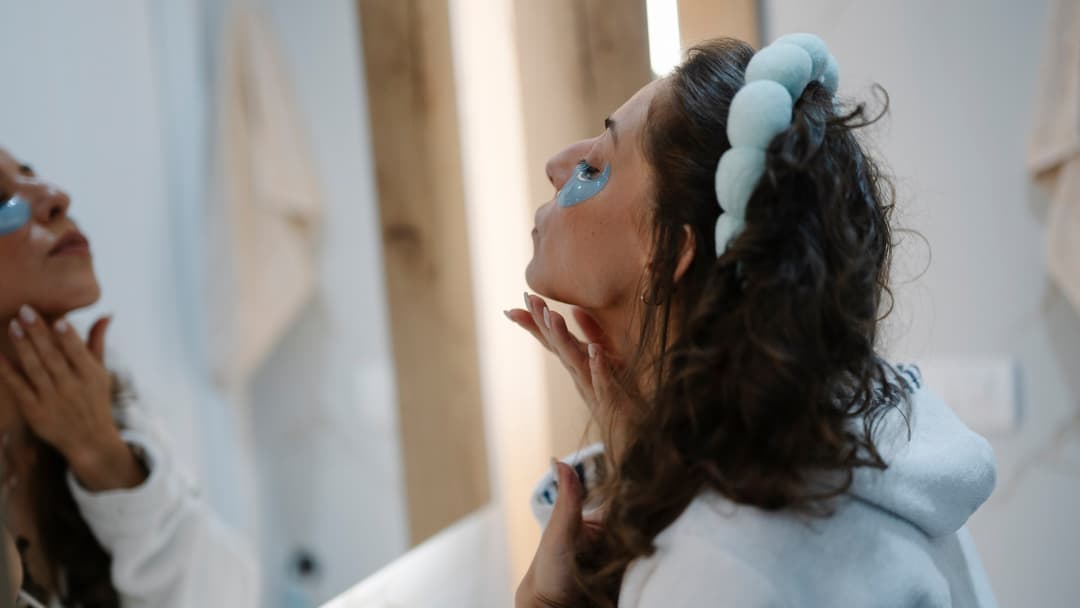
18. Neglecting Your Neck And Decolletage
The dermis on your neck and chest contains fewer sebaceous oil glands and less structural fat than facial skin. Neglecting to extend serums, moisturizers, and sun protection down to your chest results in sagging turkey neck and dark age spots.

©Internet Archive / Dr. Garima Singh
Advertisement
Swipe or tap ▶ to resume the countdown.
17. Skipping Topical Antioxidant Serums
City smog and exhaust fumes generate reactive oxygen species that penetrate deep pores and degrade collagen. Daily application of stable topical antioxidants neutralizes these rogue free radicals before they can trigger oxidative skin damage.

©Wikimedia / formulatehealth
16. Resting Your Face In Your Hands
Resting your jawline or cheeks on your hands while working creates constant lateral shear forces on facial skin. This repetitive mechanical dragging stretches out elastin fibers, while transferring oils and bacteria directly onto your face.

©Wikimedia / Giordano Macellari
15. Sipping Drinks Through A Straw
Drinking iced beverages through a narrow straw requires active contraction of the orbicularis oris muscle around your lips. Over thousands of repetitions, this mechanical muscle puckering carves permanent vertical wrinkles into upper lip tissue.

©Wikimedia / rawpixel.com
14. Taking Scorching Hot Showers
Hot water strips away intercellular ceramides and essential fatty acids that seal moisture into your stratum corneum. Without this protective barrier, trans-epidermal water loss escalates rapidly, leading to redness, flaking, and rough skin.

©Wikimedia / EzekielFokam
Advertisement
Swipe or tap ▶ to resume the countdown.
13. Sleeping On Your Stomach Or Side
When you sleep on your side or stomach, the weight of your head compresses facial skin against the pillow for hours. As skin loses youthful elasticity, these mechanical compression lines fail to bounce back and settle into permanent sleep wrinkles.

©Wikimedia / Edralis
12. Forgetting Sunglasses Outdoors
Squinting against daylight engages the orbicularis oculi muscles, driving deep dynamic creases around outer eye corners. UV radiation passing into unprotected eyes also breaks down thin periocular collagen and triggers premature cataract formation.

©Wikimedia / Tomas Salas
11. Rubbing Your Eyes Constantly
Skin around the human eye is up to ten times thinner than facial skin elsewhere. Rubbing tired or itchy eyes ruptures microscopic capillary vessels, producing post-inflammatory hyperpigmentation and accelerating eyelid skin crepiness.

©Pixabay / ACWells
10. Staring Down At Phones
Looking down at mobile devices bends the cervical spine at up to a sixty-degree angle, placing intense gravitational pull on lower facial skin. Over time, this repetitive posture etches horizontal neck rings and encourages premature jowls.

©Wikimedia / Daria Nepriakhina
Advertisement
Swipe or tap ▶ to resume the countdown.
9. Over-Exfoliating Your Skin
Using abrasive physical scrubs or layering multiple chemical acids damages live epidermal cells before they naturally mature. This chronic barrier disruption triggers persistent low-grade inflammation that speeds up cellular senescence.

©Wikimedia / Shixart1985
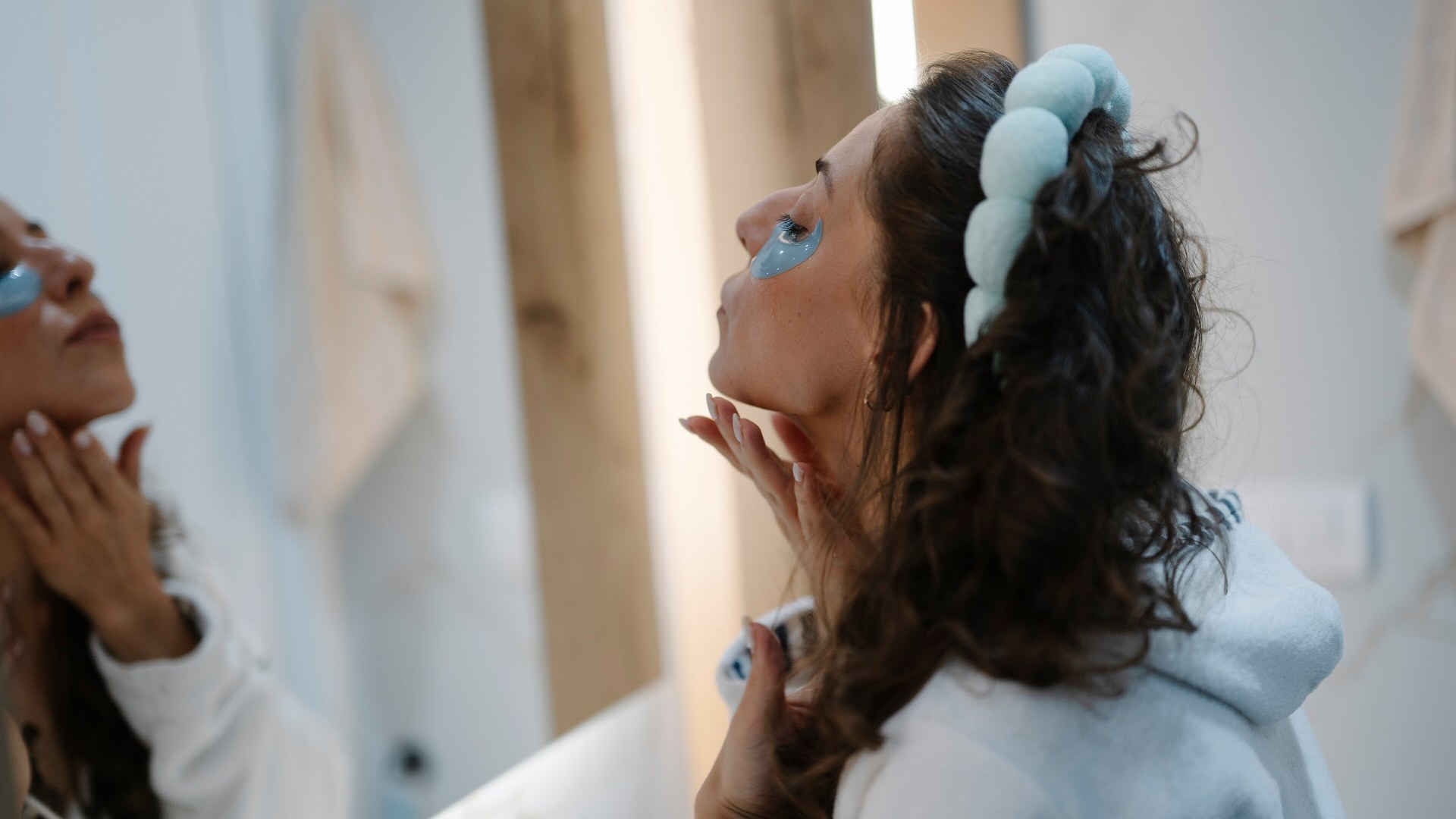
8. Skipping Facial Moisturizer
Even naturally oily skin requires humectants and barrier-supporting emollients. When you skip daily moisturizer, moisture evaporates rapidly through the epidermis, flattening cells and exaggerating the depth of fine expression lines.
©Wikimedia / Shixart1985
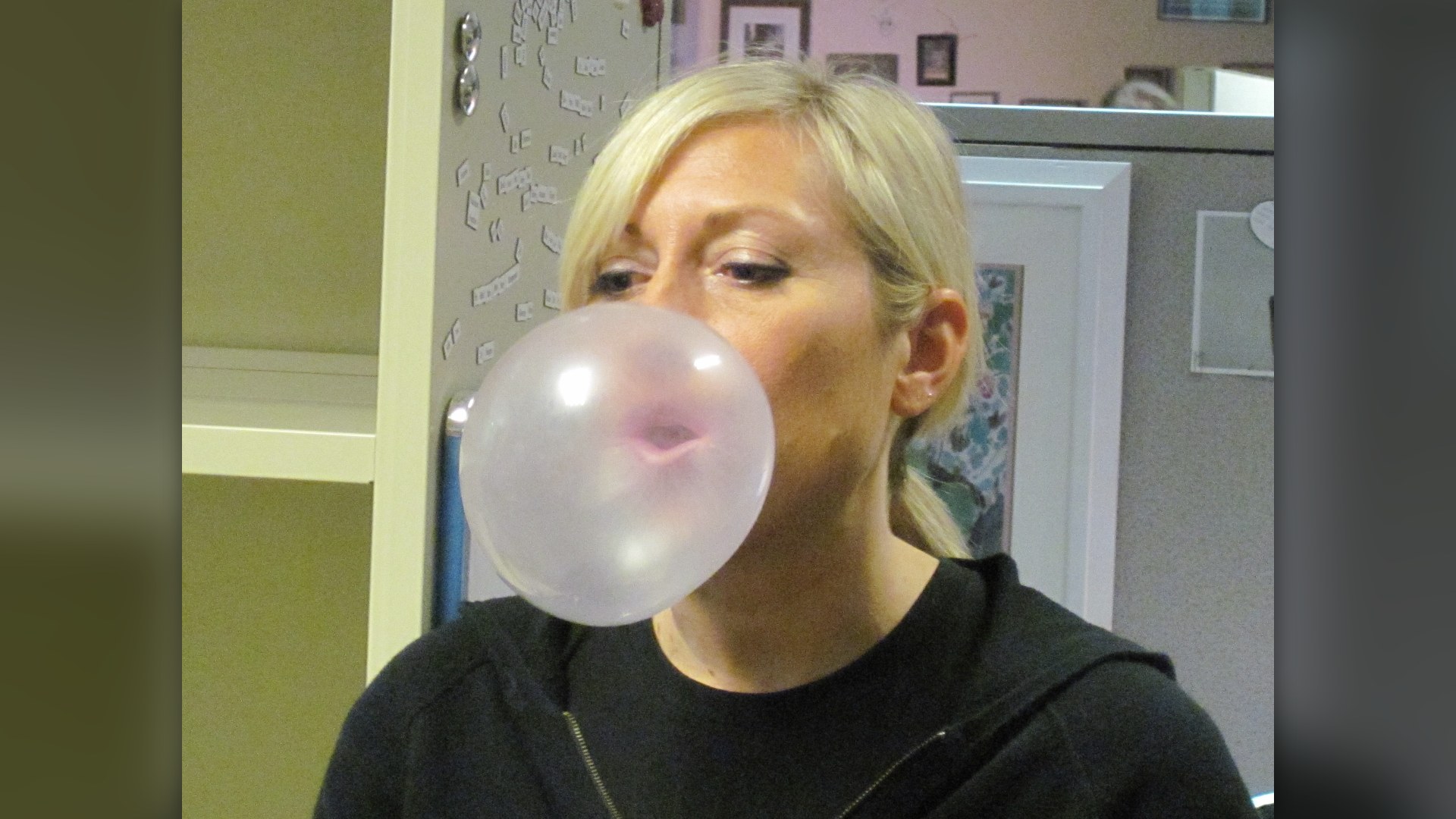
7. Chewing Gum Habitually
Chewing gum all day continuously works the masseter and lower facial muscles. This ongoing mechanical grinding breaks down connective tissue around the mouth corners, deepening vertical marionette folds and causing asymmetrical skin laxity.
©Wikimedia / Jim McCluskey
6. Sitting By Windows Unprotected
Standard residential and vehicle glass blocks burning UVB wavelengths, but allows up to 75 percent of UVA rays to pass unfiltered. Long-wave UVA penetrates deep into the dermis, silently dismantling collagen networks while you sit at your desk.

©Wikimedia / Leonardo Aguiar from São Paulo, Brazil
Advertisement
Swipe or tap ▶ to resume the countdown.
5. Late-Night Screen Bingeing
Smartphones and tablets emit high-energy visible blue light that generates oxidative stress within dermal tissue. Bedtime screen exposure also suppresses systemic melatonin release, depriving skin cells of their prime nocturnal regeneration window.

©Wikimedia / Radu Mihai
4. Chronic Unmanaged Stress
Persistent psychological stress floods your bloodstream with cortisol, which directly breaks down collagen and slows skin renewal. Chronic cortisol surges also degrade protective ceramides, leaving your face dull, hypersensitive, and vulnerable.

©Pixabay / Peggy_Marco
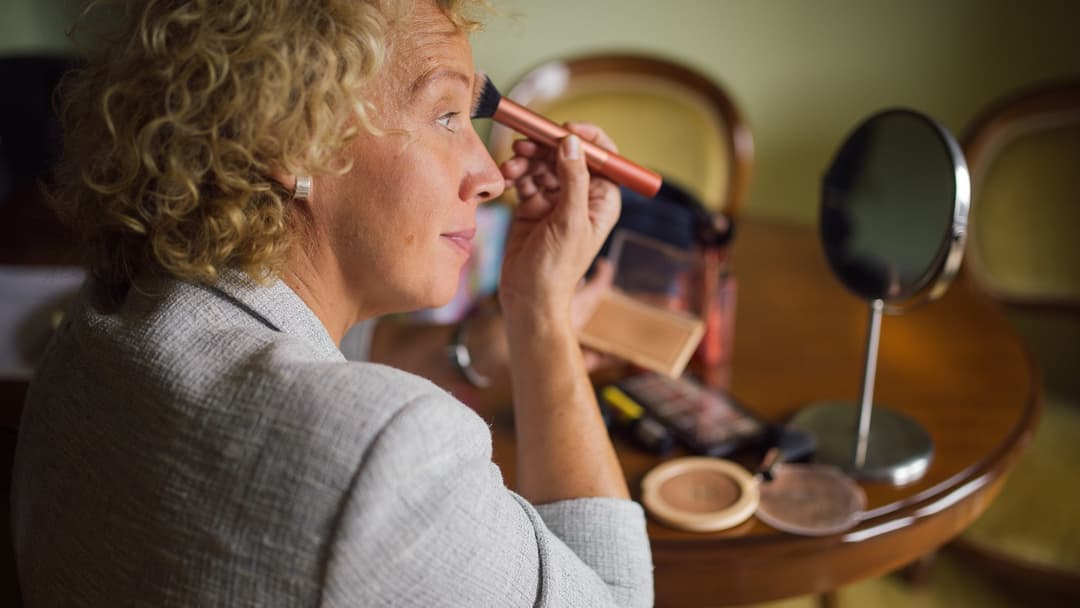
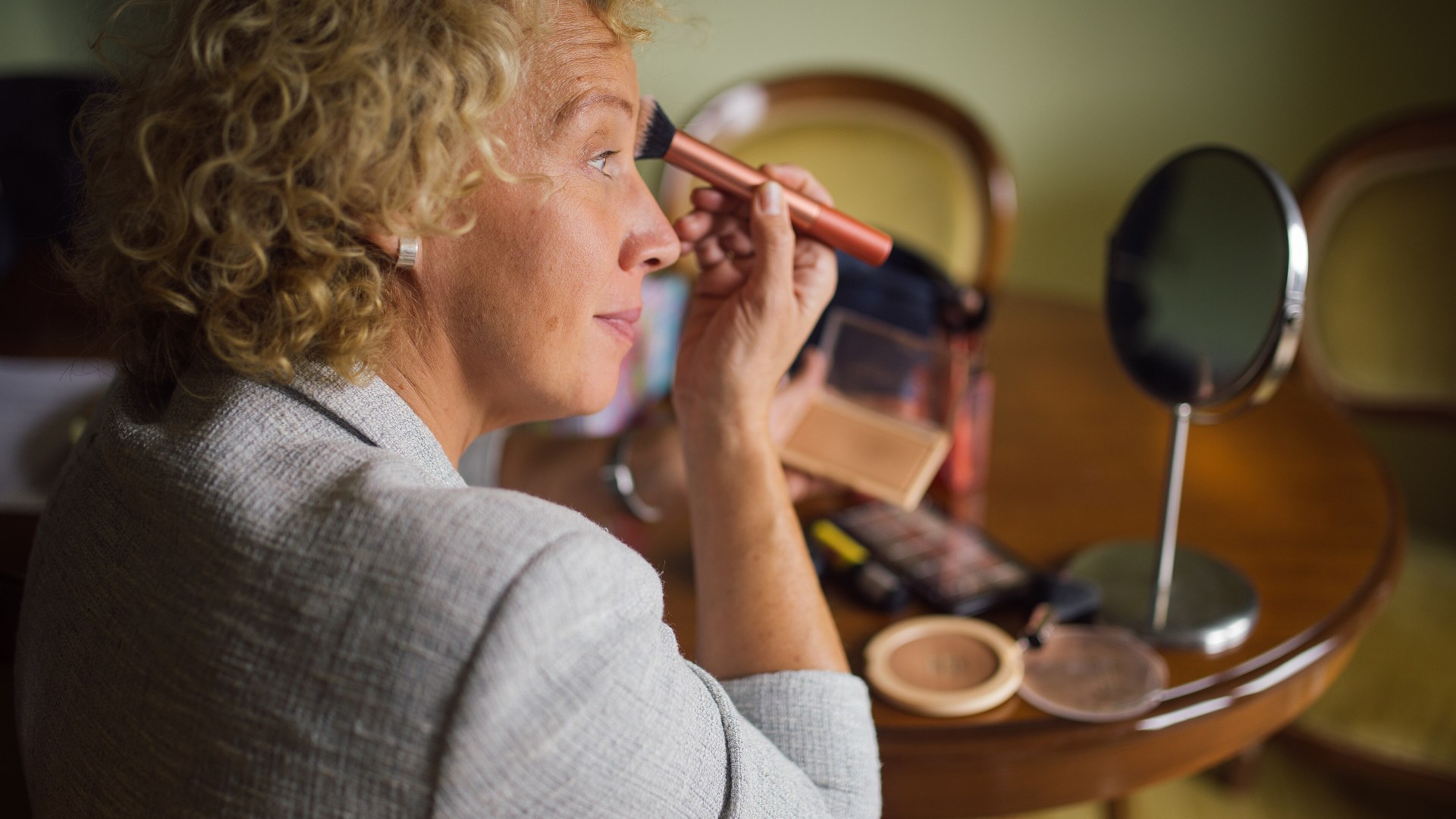
3. Sleeping With Makeup On
Cosmetic formulas attract environmental pollutants, oil, and dead skin flakes throughout the day. Going to sleep without washing your face seals these oxidizing free radicals against pores, blocking collagen synthesis and causing micro-inflammation.
©Wikimedia / Shixart1985
2. Chronic Sleep Deprivation
During slow-wave deep sleep, your body releases human growth hormone to repair micro-damage and generate new skin cells. Skimping on sleep halts this nocturnal turnover, causing blood vessels to dilate and leaving skin noticeably sallow and slack.

©Pixabay / cuncon
Advertisement
Swipe or tap ▶ to resume the countdown.
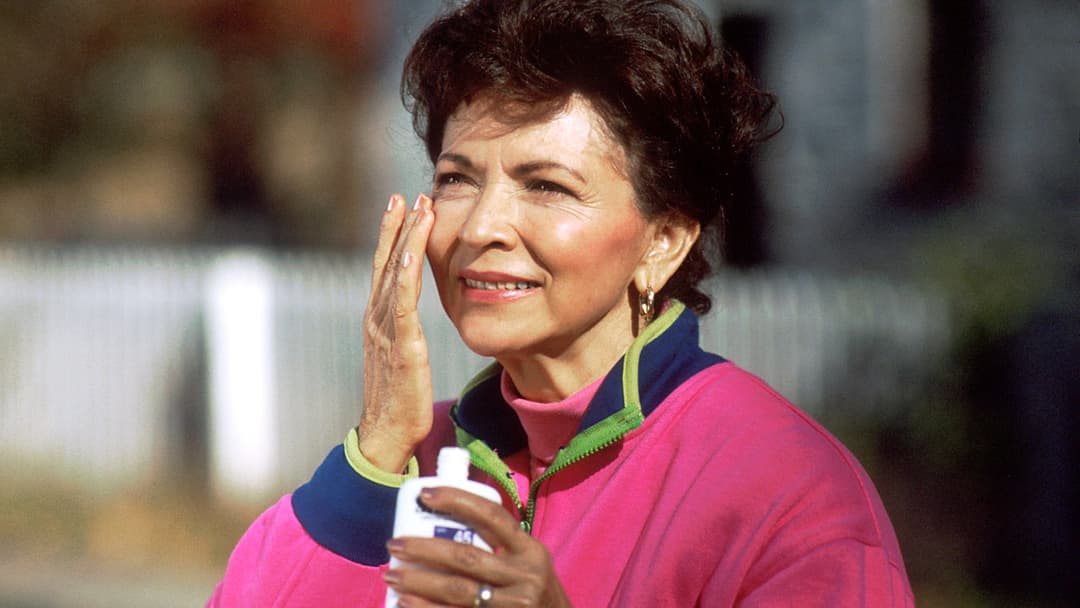
1. Skipping Daily Sunscreen
Unprotected solar ultraviolet radiation is the single greatest cause of extrinsic photoaging. UV rays cleave deep collagen strands, distort elastic fibers, and damage cellular DNA, producing deep wrinkles, leathery texture, and hyperpigmentation.
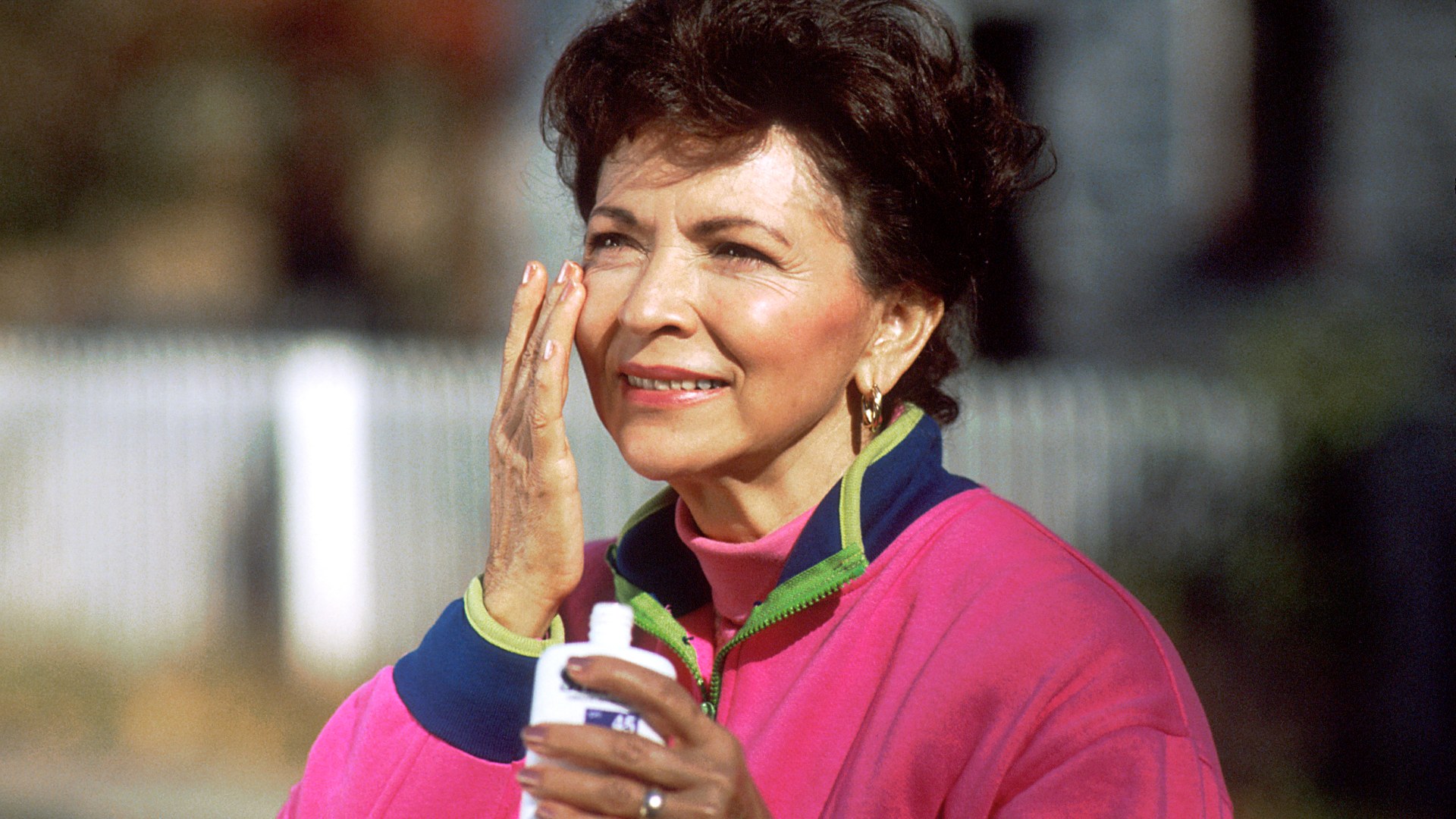
©Wikimedia / Bill Branson
Advertisement
You've reached the end of the story. Thanks for reading!

20 Ways To Protect Your Newborn From Vitamin K Deficiency
All 20 Entries in this Story
20. Drinking Alcohol Frequently
Alcohol is a systemic diuretic that robs skin tissues of crucial hydration. Frequent intake also depletes vitamin A, an essential antioxidant for cell turnover, while causing permanent facial flushing and broken thread veins over time.

19. Consuming High-Sodium Foods
A diet rich in high-sodium processed foods causes your body to hold onto excess fluid. Because the skin beneath your lower eyelids is exceptionally delicate, recurrent swelling stretches out connective tissue, leading to premature bags.

18. Neglecting Your Neck And Decolletage
The dermis on your neck and chest contains fewer sebaceous oil glands and less structural fat than facial skin. Neglecting to extend serums, moisturizers, and sun protection down to your chest results in sagging turkey neck and dark age spots.

17. Skipping Topical Antioxidant Serums
City smog and exhaust fumes generate reactive oxygen species that penetrate deep pores and degrade collagen. Daily application of stable topical antioxidants neutralizes these rogue free radicals before they can trigger oxidative skin damage.

16. Resting Your Face In Your Hands
Resting your jawline or cheeks on your hands while working creates constant lateral shear forces on facial skin. This repetitive mechanical dragging stretches out elastin fibers, while transferring oils and bacteria directly onto your face.

15. Sipping Drinks Through A Straw
Drinking iced beverages through a narrow straw requires active contraction of the orbicularis oris muscle around your lips. Over thousands of repetitions, this mechanical muscle puckering carves permanent vertical wrinkles into upper lip tissue.

14. Taking Scorching Hot Showers
Hot water strips away intercellular ceramides and essential fatty acids that seal moisture into your stratum corneum. Without this protective barrier, trans-epidermal water loss escalates rapidly, leading to redness, flaking, and rough skin.

13. Sleeping On Your Stomach Or Side
When you sleep on your side or stomach, the weight of your head compresses facial skin against the pillow for hours. As skin loses youthful elasticity, these mechanical compression lines fail to bounce back and settle into permanent sleep wrinkles.

12. Forgetting Sunglasses Outdoors
Squinting against daylight engages the orbicularis oculi muscles, driving deep dynamic creases around outer eye corners. UV radiation passing into unprotected eyes also breaks down thin periocular collagen and triggers premature cataract formation.

11. Rubbing Your Eyes Constantly
Skin around the human eye is up to ten times thinner than facial skin elsewhere. Rubbing tired or itchy eyes ruptures microscopic capillary vessels, producing post-inflammatory hyperpigmentation and accelerating eyelid skin crepiness.

10. Staring Down At Phones
Looking down at mobile devices bends the cervical spine at up to a sixty-degree angle, placing intense gravitational pull on lower facial skin. Over time, this repetitive posture etches horizontal neck rings and encourages premature jowls.

9. Over-Exfoliating Your Skin
Using abrasive physical scrubs or layering multiple chemical acids damages live epidermal cells before they naturally mature. This chronic barrier disruption triggers persistent low-grade inflammation that speeds up cellular senescence.

8. Skipping Facial Moisturizer
Even naturally oily skin requires humectants and barrier-supporting emollients. When you skip daily moisturizer, moisture evaporates rapidly through the epidermis, flattening cells and exaggerating the depth of fine expression lines.

7. Chewing Gum Habitually
Chewing gum all day continuously works the masseter and lower facial muscles. This ongoing mechanical grinding breaks down connective tissue around the mouth corners, deepening vertical marionette folds and causing asymmetrical skin laxity.

6. Sitting By Windows Unprotected
Standard residential and vehicle glass blocks burning UVB wavelengths, but allows up to 75 percent of UVA rays to pass unfiltered. Long-wave UVA penetrates deep into the dermis, silently dismantling collagen networks while you sit at your desk.

5. Late-Night Screen Bingeing
Smartphones and tablets emit high-energy visible blue light that generates oxidative stress within dermal tissue. Bedtime screen exposure also suppresses systemic melatonin release, depriving skin cells of their prime nocturnal regeneration window.

4. Chronic Unmanaged Stress
Persistent psychological stress floods your bloodstream with cortisol, which directly breaks down collagen and slows skin renewal. Chronic cortisol surges also degrade protective ceramides, leaving your face dull, hypersensitive, and vulnerable.

3. Sleeping With Makeup On
Cosmetic formulas attract environmental pollutants, oil, and dead skin flakes throughout the day. Going to sleep without washing your face seals these oxidizing free radicals against pores, blocking collagen synthesis and causing micro-inflammation.

2. Chronic Sleep Deprivation
During slow-wave deep sleep, your body releases human growth hormone to repair micro-damage and generate new skin cells. Skimping on sleep halts this nocturnal turnover, causing blood vessels to dilate and leaving skin noticeably sallow and slack.

1. Skipping Daily Sunscreen
Unprotected solar ultraviolet radiation is the single greatest cause of extrinsic photoaging. UV rays cleave deep collagen strands, distort elastic fibers, and damage cellular DNA, producing deep wrinkles, leathery texture, and hyperpigmentation.