Slideshow · Viral
20 everyday habits that sparked public outrage a century ago
A century ago, moral crusaders and city police enforced strict codes against everyday freedoms we now take for granted—from men wearing wristwatches and solving newspaper crosswords to women driving cars or wearing swimsuits above the knee.
By Most Viral Today
18 Oct 2026
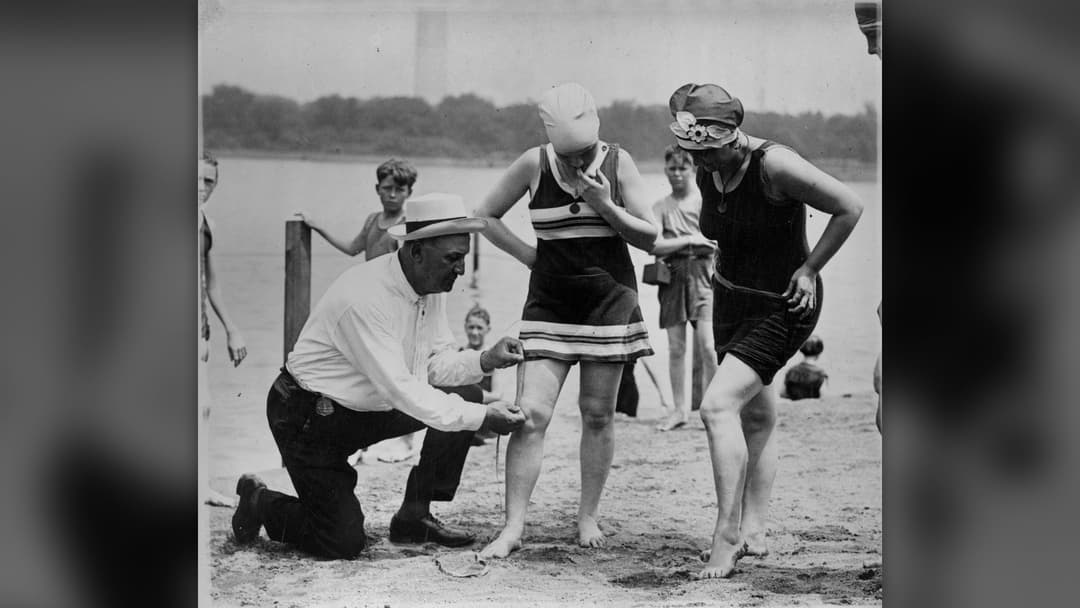
Police with tape measures once arrested people for these 20 normal habits 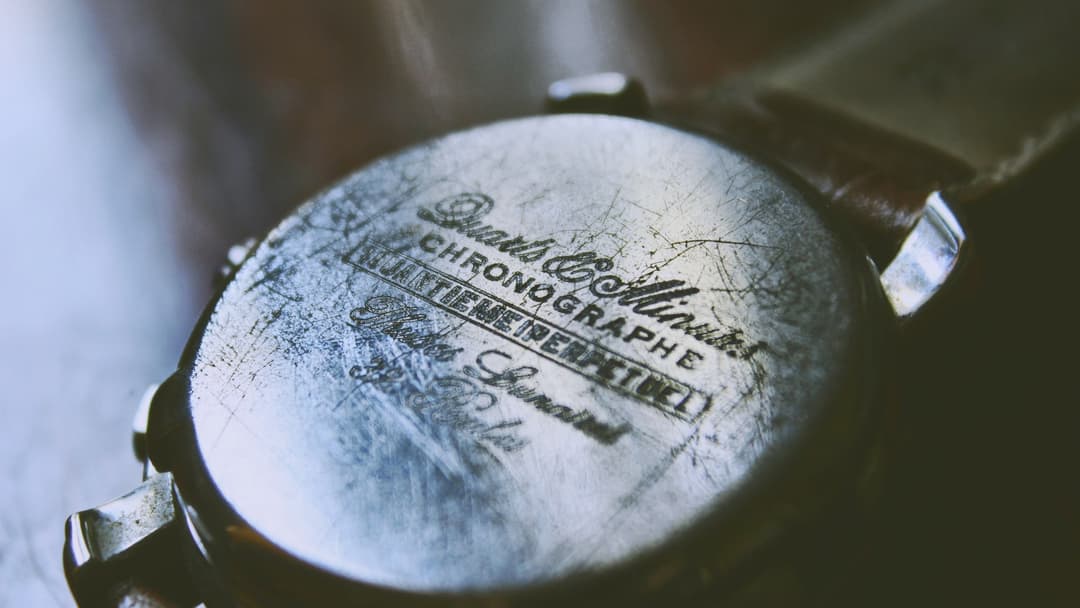
20. Men Wearing Wristwatches Instead Of Pocket Watches 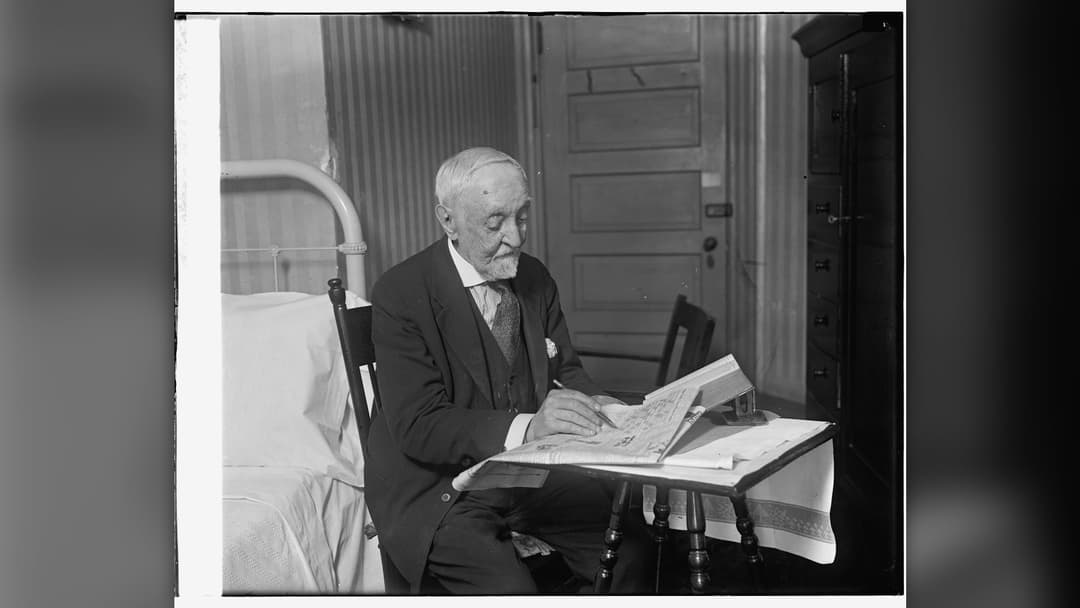
19. Solving Daily Newspaper Crossword Puzzles 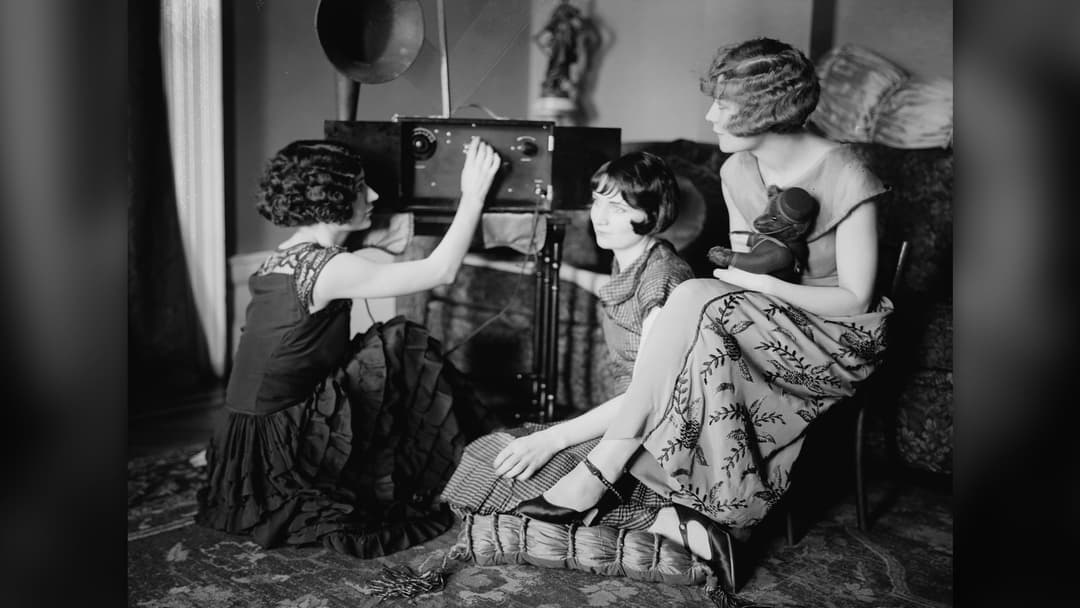
18. Staying Up Late Listening To Home Radio Sets - AdvertisementSwipe or tap ▶ to continue countdown
17. Sporting A Bronzed Suntan In Polite Society 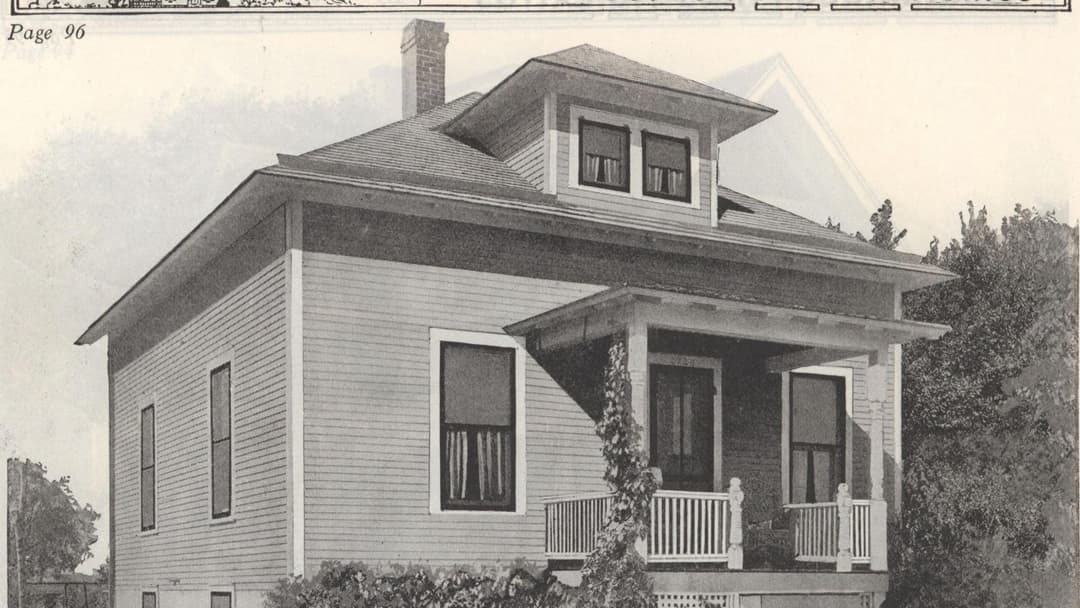
16. Married Couples Sleeping In Separate Twin Beds 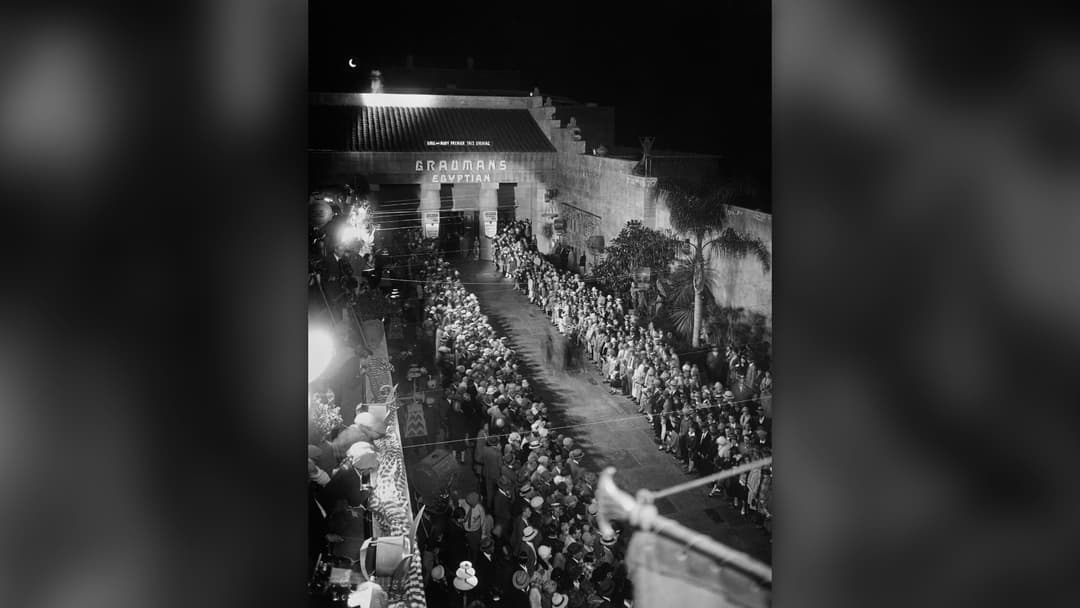
15. Going To The Cinema On A Sunday Afternoon 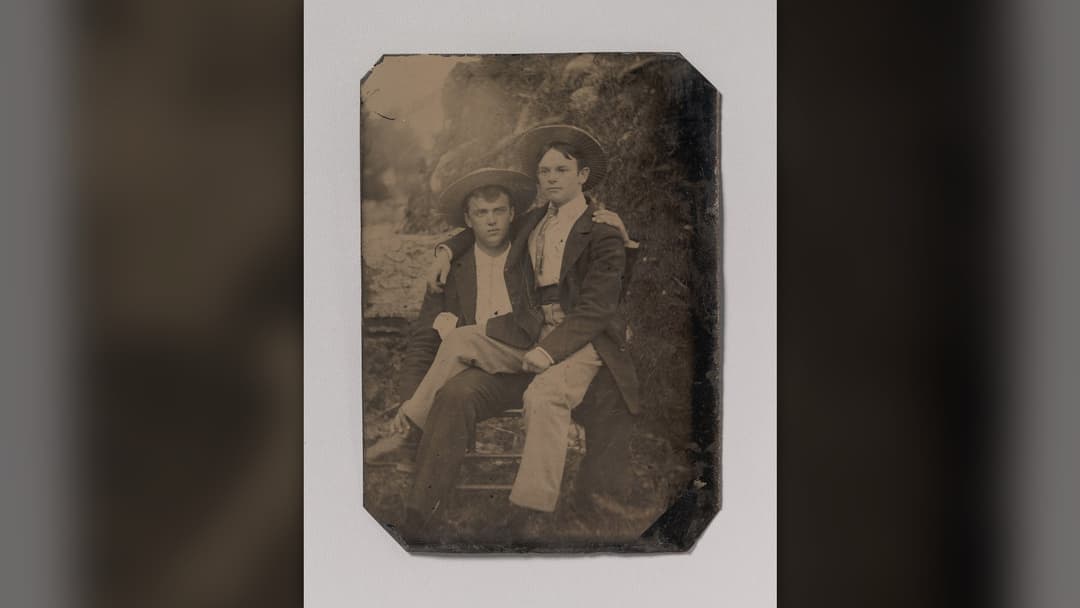
14. Men Wearing Straw Hats Past September 15 - AdvertisementSwipe or tap ▶ to continue countdown
13. Distributing Family-Planning Advice By Mail 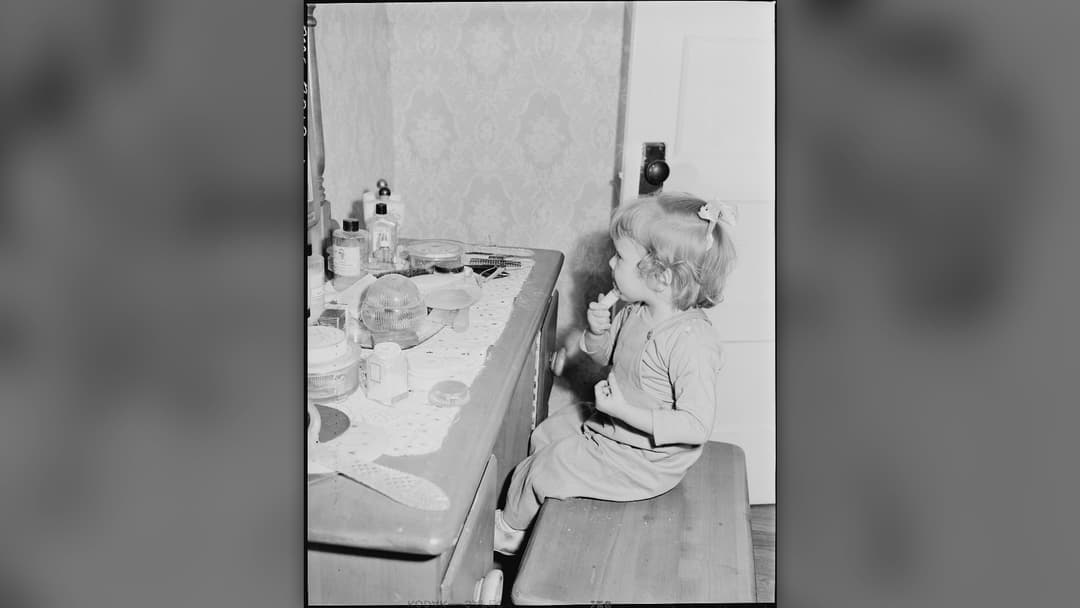
12. Applying Red Lipstick And Rouge In Public 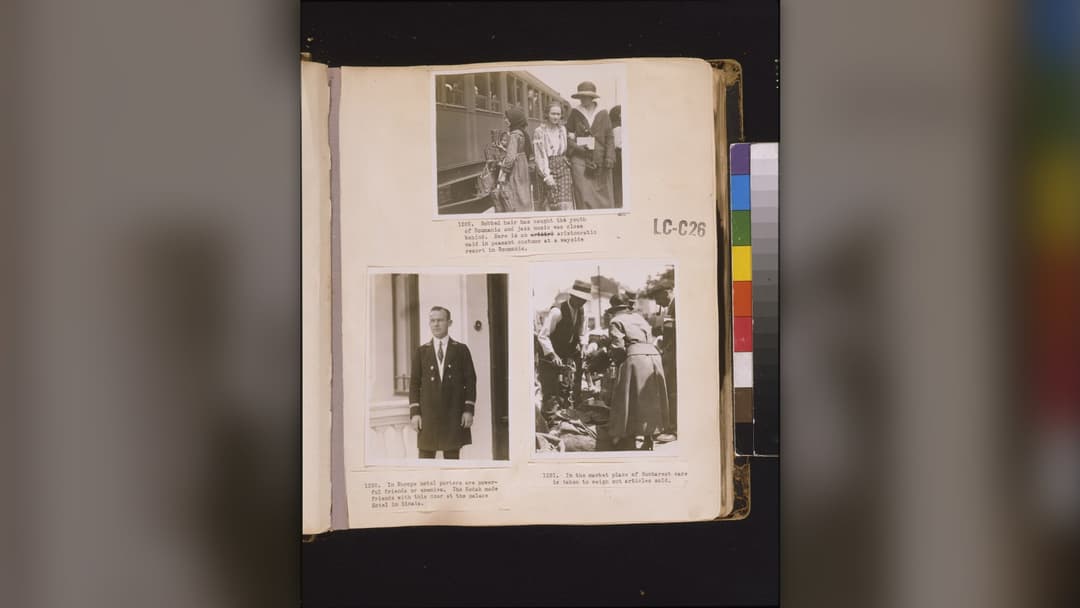
11. Women Chopping Off Long Hair Into A Short Bob 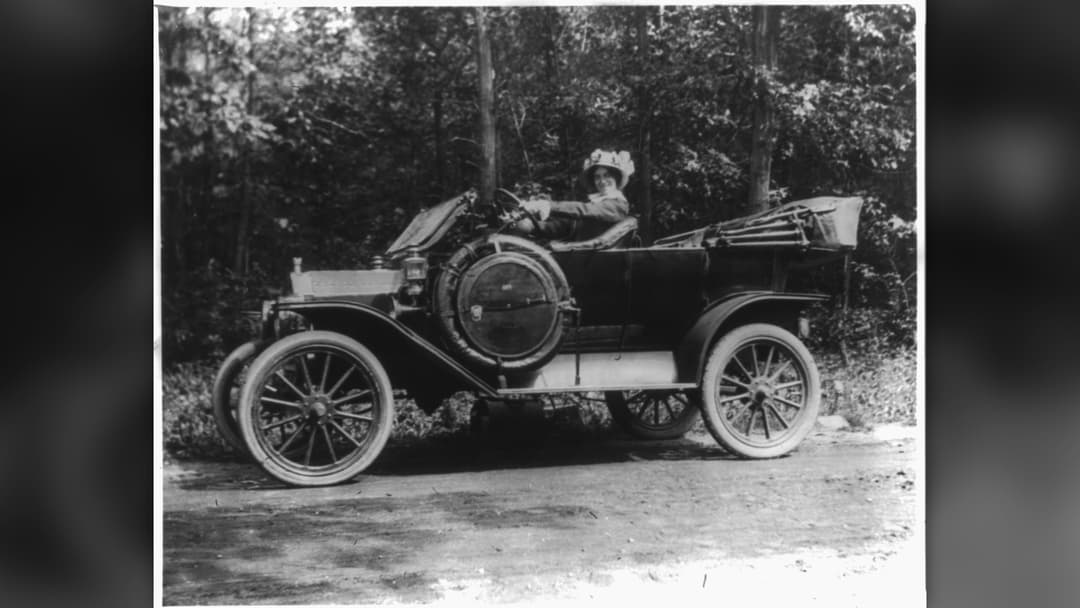
10. Women Driving Motorcars Without A Male Escort - AdvertisementSwipe or tap ▶ to continue countdown
9. Rolling Silk Stockings Below Bare Knees 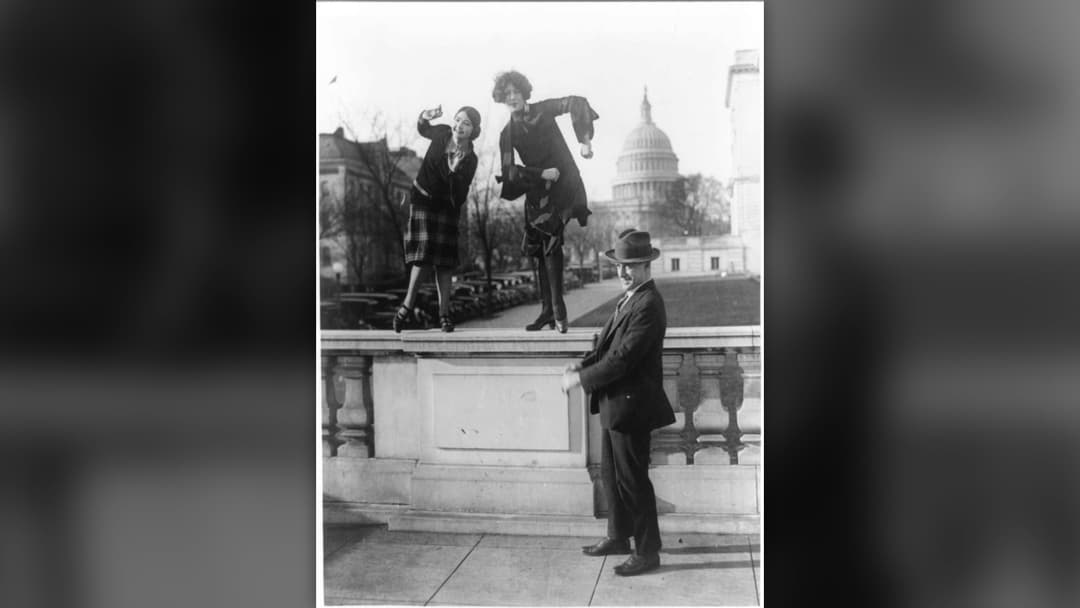
8. Dancing The Wild Charleston In Public Halls 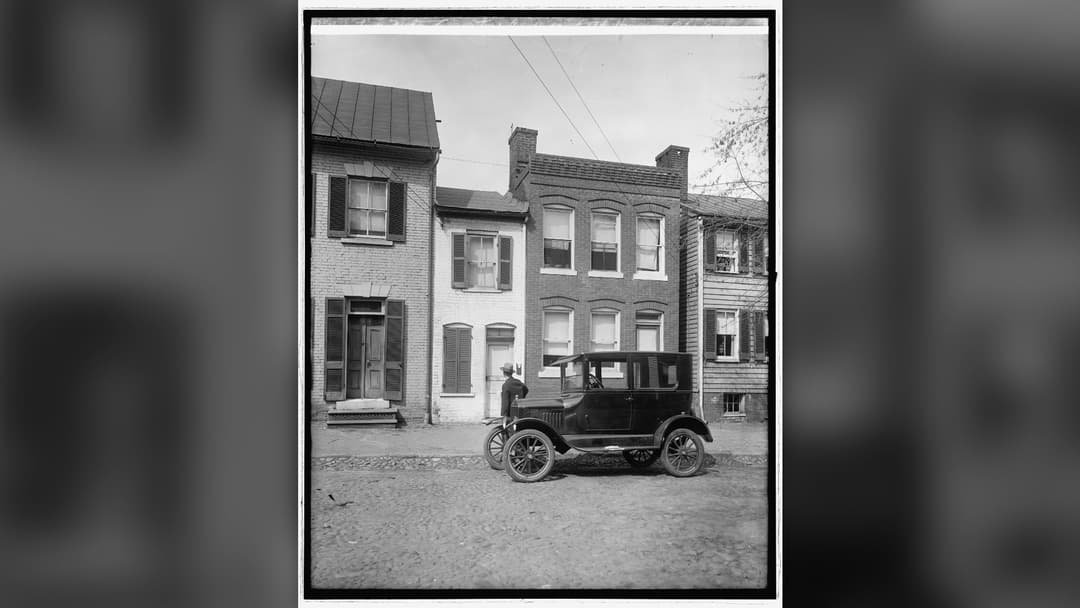
7. Unchaperoned Couples Dating In Closed Cars 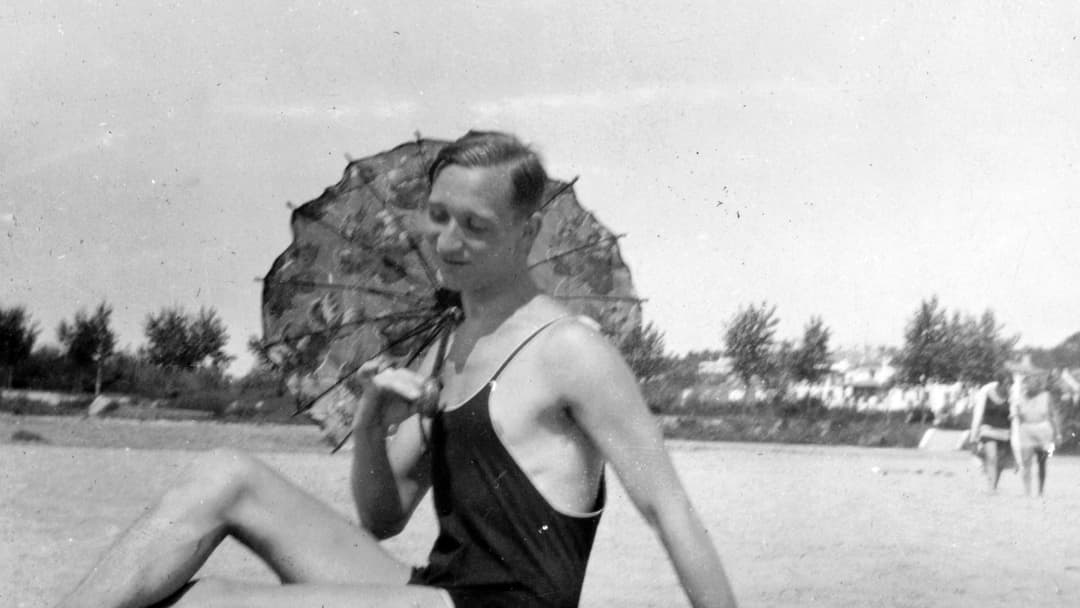
6. Men Going Shirtless On Public Beaches - AdvertisementSwipe or tap ▶ to continue countdown
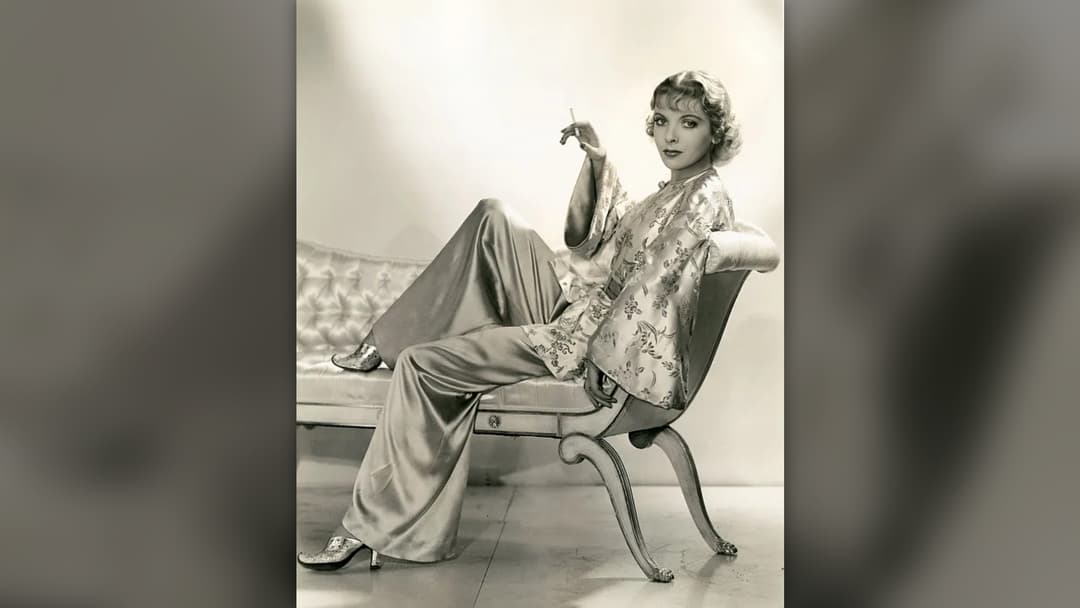
5. Women Wearing Wide-Leg Trousers In Public 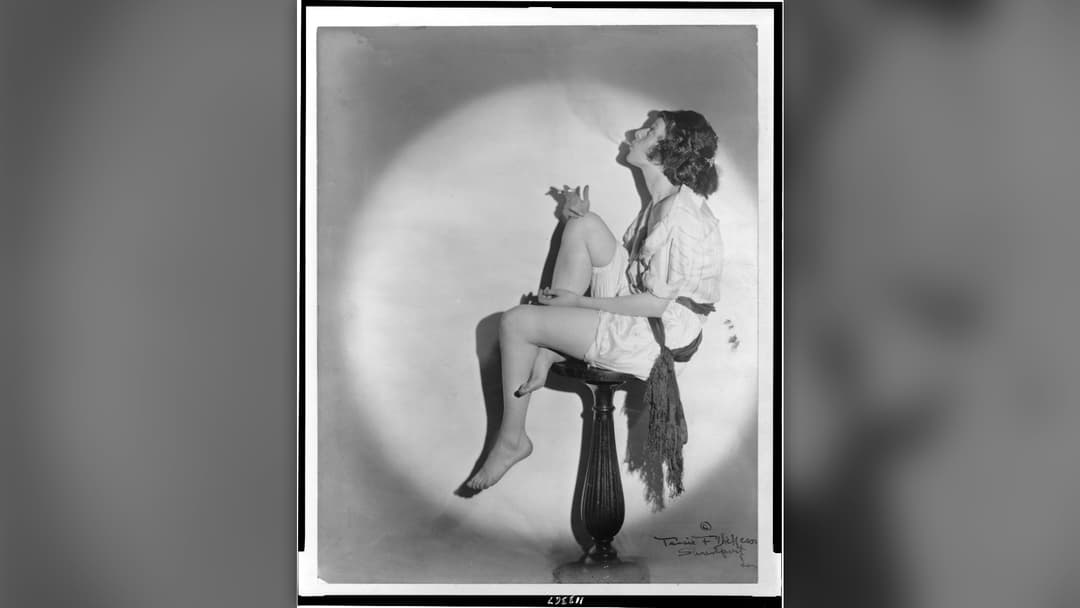
4. Women Lighting Up Cigarettes Outdoors 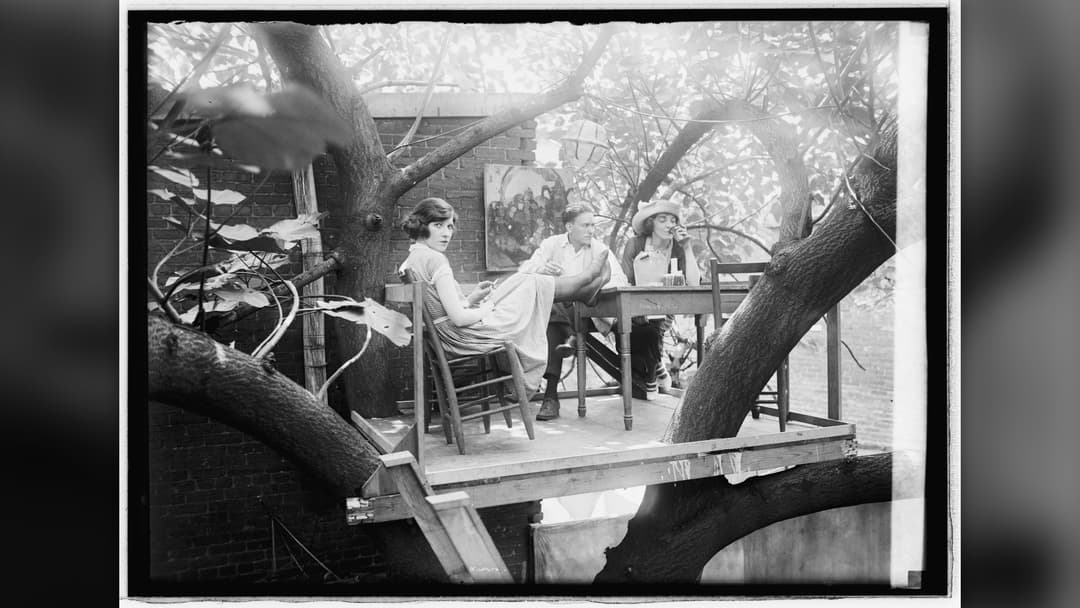
3. Ordering A Cocktail At An Evening Cafe 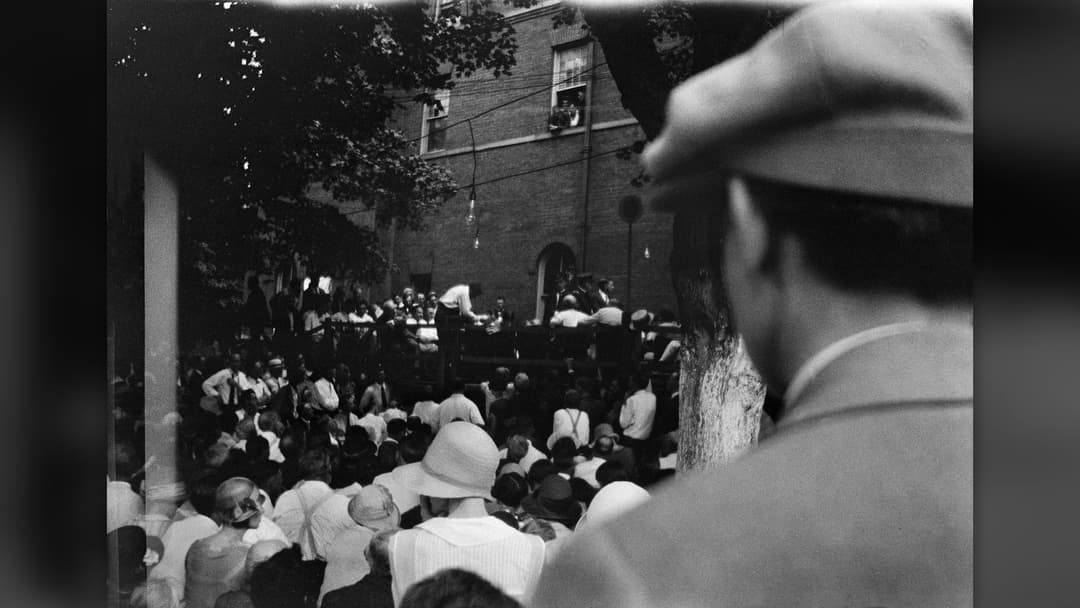
2. Teaching Human Evolution In High School Biology - AdvertisementSwipe or tap ▶ to continue countdown
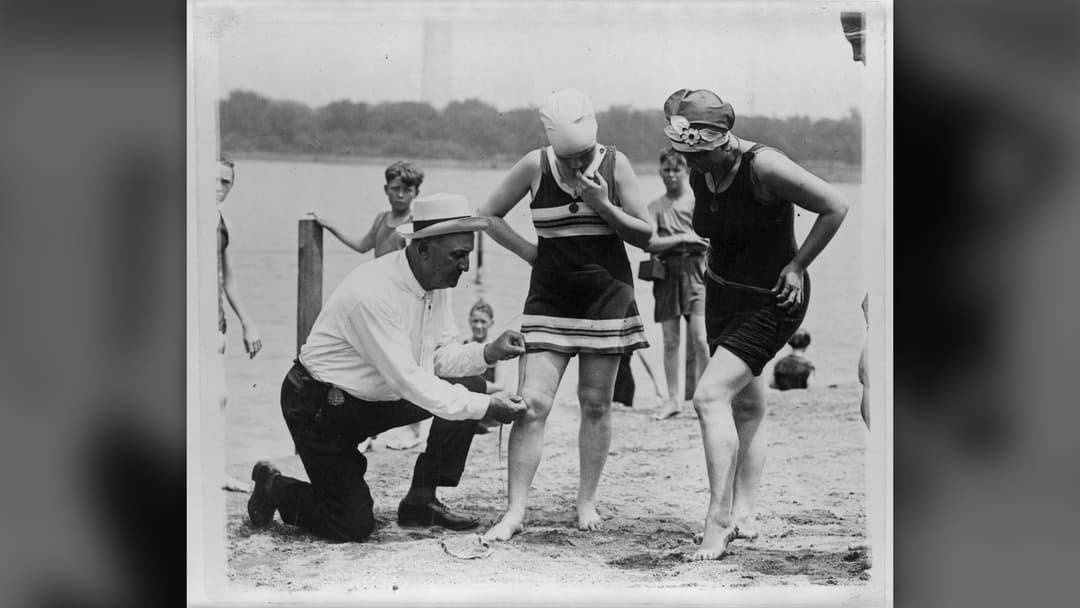
1. Wearing Swimsuits Six Inches Above The Knee - Advertisement🔥 UP NEXT IN THIS SERIES◫ 26 Slides
25 Surprising Details About Thanksgiving
25 Unknown Facts About Thanksgiving You Didn't Know
The 1920s are remembered for jazz and rebellion, yet everyday life a century ago was policed by rigid Victorian moral laws. From beach patrols armed with rulers to courtroom battles over high school biology and crossword puzzles, these 20 ordinary habits once sparked outrage.
Swipe or tap ▶ to begin the countdown
©Wikimedia / National Photo Company Collection
20. Men Wearing Wristwatches Instead Of Pocket Watches
Prior to World War I, true gentlemen carried gold pocket watches on waistcoat chains and dismissed wristwatches as 'sissy wristlets' meant solely for women. Even into the early 1920s, older traditionalists ridiculed young men who wore trench watches in civilian offices.
©Wikimedia / Nikita Burdin
19. Solving Daily Newspaper Crossword Puzzles
When Simon & Schuster published the first crossword book in 1924, the New York Times called the craze a 'sinful waste in the utterly futile finding of words.' In 1925, Chicago divorce courts and British magistrates heard cases blaming crossword addiction for neglected housework.
©Wikimedia / National Photo Company Collection
18. Staying Up Late Listening To Home Radio Sets
As crystal and vacuum-tube radio sets entered living rooms in the early 1920s, moral critics warned that late-night jazz broadcasts were destroying family conversation, creating 'radio widowers,' and exposing children to unchaperoned urban nightlife through the airwaves.
©Wikimedia / Bain News Service
Advertisement
Swipe or tap ▶ to resume the countdown.
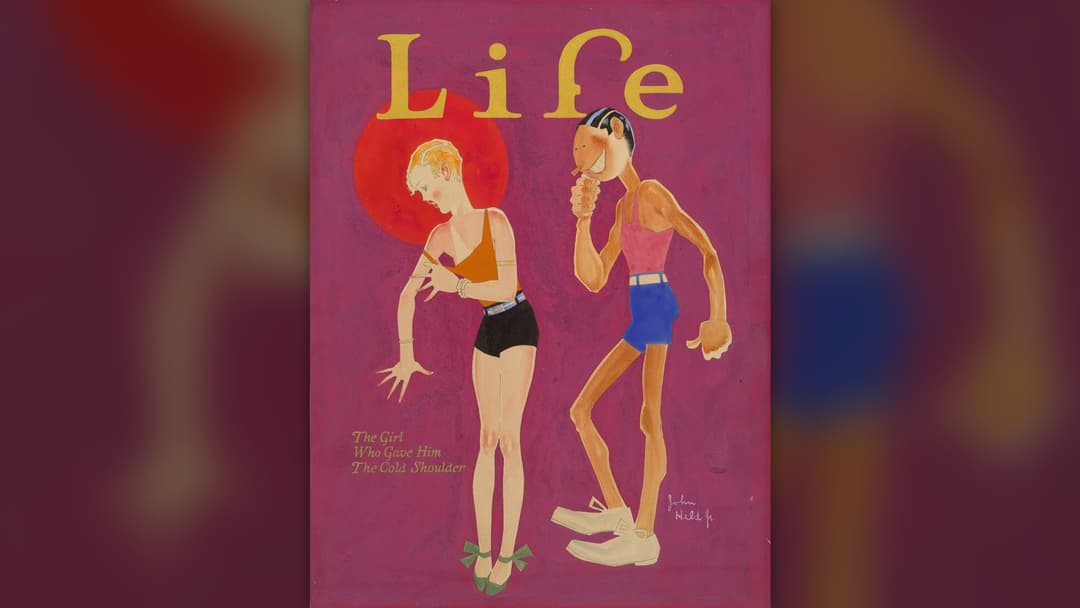
17. Sporting A Bronzed Suntan In Polite Society
Until Coco Chanel accidentally returned bronzed from a French Riviera yacht cruise in 1923, high society guarded porcelain-pale skin with parasols and lead powders. Stepping into a drawing room with a visible summer suntan was long viewed as a humiliating social faux pas.
©Wikimedia / John Held, Jr.
16. Married Couples Sleeping In Separate Twin Beds
In the 1920s, medical reformers campaigned for married couples to abandon shared double beds for 'hygienic' twin beds to prevent restless sleep and germ transmission. Traditional clergy pushed back fiercely, warning that separate beds signaled the collapse of wedlock.
©Wikimedia / Gordon-Van Tine Co.
15. Going To The Cinema On A Sunday Afternoon
Across dozens of American states and British towns in the 1920s, strict Sabbath 'Blue Laws' outlawed Sunday movies, baseball games, and retail shopping. Theater owners who opened their doors on Sunday afternoons were routinely raided by police and fined in court.
©Wikimedia / Historic American Buildings Survey
14. Men Wearing Straw Hats Past September 15
A century ago, men were expected to switch from summer straw boaters to felt fedoras strictly on September 15. In September 1922, roving gangs in Manhattan snatched and stomped on thousands of late straw hats, sparking the eight-day New York Straw Hat Riot.
©Wikimedia / Metropolitan Museum of Art
Advertisement
Swipe or tap ▶ to resume the countdown.
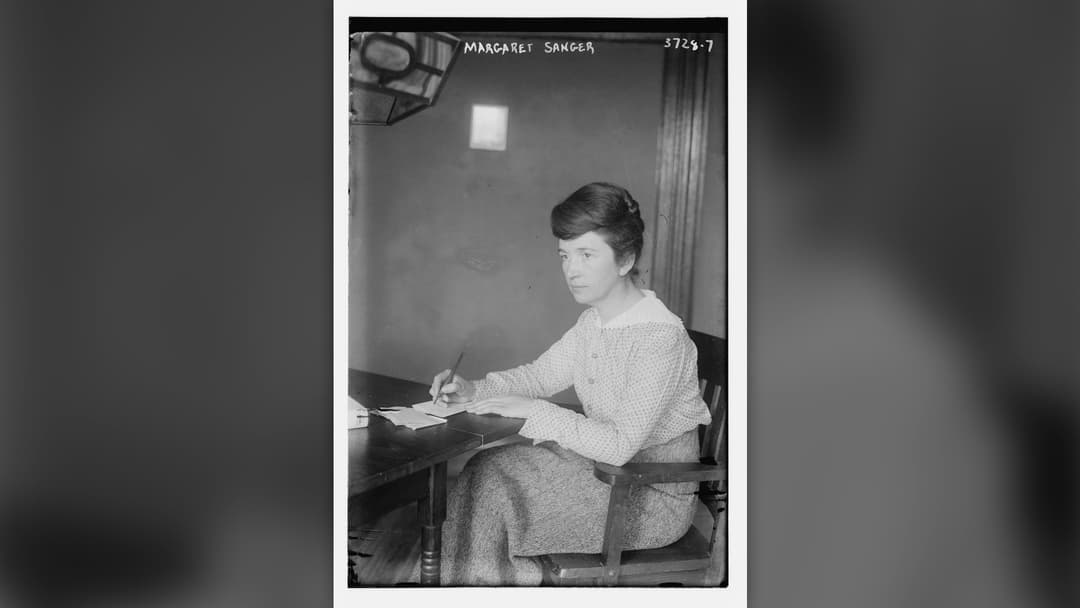
13. Distributing Family-Planning Advice By Mail
Under the federal Comstock Act enforced throughout the 1920s, mailing educational pamphlets or medical information about birth control was a federal crime. Reformers like Margaret Sanger were repeatedly arrested when police raided clinics and seized medical charts.
©Wikimedia / Bain News Service
12. Applying Red Lipstick And Rouge In Public
Before the 1920s, visible lipstick and cheek rouge were associated almost exclusively with stage actresses. When young women began pulling out mirrored powder compacts at restaurant tables, a 1915 Kansas bill even proposed banning women under 44 from wearing cosmetics.
©Wikimedia / Russell Lee, NARA
11. Women Chopping Off Long Hair Into A Short Bob
In Victorian and Edwardian culture, a woman's uncut waist-length hair was her 'crowning glory.' When millions of 1920s flappers lined up at men's barbershops for short shingled bobs, preachers delivered fiery sermons and Marshall Field's fired bobbed saleswomen.
©Wikimedia / Frank and Frances Carpenter Collection
10. Women Driving Motorcars Without A Male Escort
Early 20th-century automotive writers frequently argued that women lacked the physical strength to crank engines and the 'nervous composure' to navigate city traffic. A woman driving down the highway alone without a husband or chaperone drew stares and editorials.
©Wikimedia / National Photo Company Collection
Advertisement
Swipe or tap ▶ to resume the countdown.
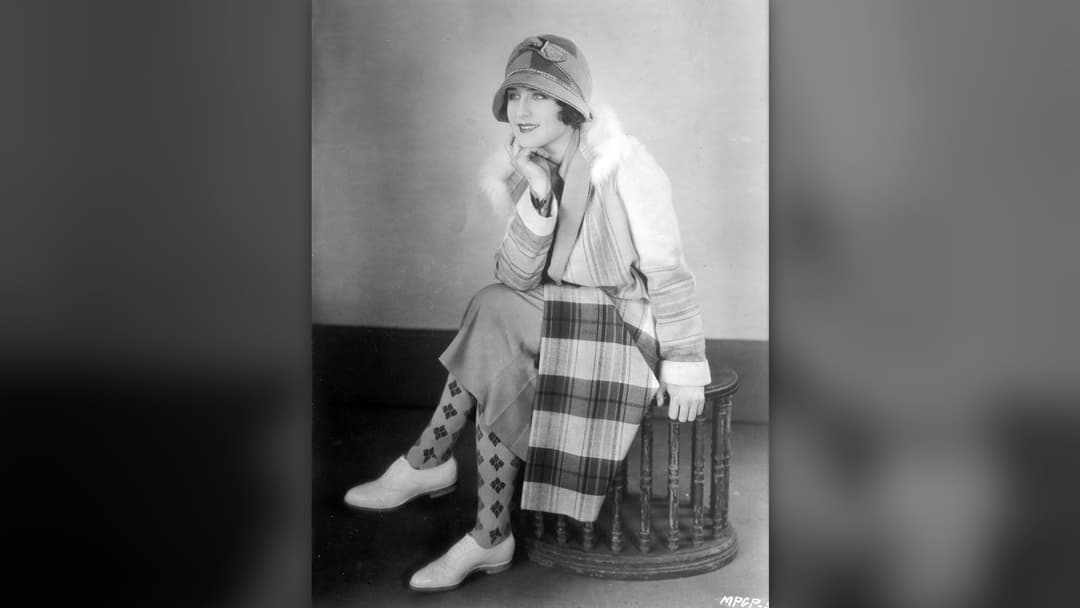
9. Rolling Silk Stockings Below Bare Knees
As hemlines rose to the knee in 1925, daring young women rolled their silk stockings down below their knees—and even applied blush to their kneecaps. Moral reformers in Virginia and Utah introduced bills demanding fines or jail time for exposing bare knees in public.
©Wikimedia / Bain News Service
8. Dancing The Wild Charleston In Public Halls
Introduced on Broadway in 1923, the Charleston'sknock-kneed kicks and rapid syncopation horrified dance-hall inspectors. Civic leagues condemned the dance as 'degraded,' and after the Pickwick Club collapsed in Boston in 1925, dozens of cities banned the Charleston outright.
©Wikimedia / National Photo Company Collection
7. Unchaperoned Couples Dating In Closed Cars
Before the 1920s, young men courted women in the family parlor under strict parental supervision. When closed-roof sedans replaced open touring cars, couples drove off alone—prompting a juvenile court judge to denounce the automobile as a 'house of prostitution on wheels.'
©Wikimedia / National Photo Company Collection
6. Men Going Shirtless On Public Beaches
It wasn't only women who faced strict beach dress codes a century ago. Throughout the 1920s, men were legally required to wear one-piece wool tank-top bathing suits that covered their chests; men who went topless in Atlantic City were arrested as 'gorillas.'
©Wikimedia / Fortepan
Advertisement
Swipe or tap ▶ to resume the countdown.
5. Women Wearing Wide-Leg Trousers In Public
In the 1920s, municipal laws in dozens of cities still forbade women from appearing on the street 'masquerading in men's attire.' When avant-garde women wore silk beach pajamas and wide-leg trousers on boardwalks in the late 1920s, police routinely ordered them indoors.
©Wikimedia / Auckland Museum
4. Women Lighting Up Cigarettes Outdoors
New York's 1908 Sullivan Ordinance made it illegal for women to smoke in public, and throughout the 1920s women were expelled from universities such as Bryn Mawr for lighting a cigarette. Only after the 1929 'Torches of Freedom' Easter parade did the taboo crumble.
©Wikimedia / Bain News Service
3. Ordering A Cocktail At An Evening Cafe
From January 1920 until December 1933, National Prohibition outlawed the manufacture, transport, and sale of alcohol across the United States. Respectable citizens slipped into underground speakeasies like Washington's Krazy Kat Club using whispered passwords.
©Wikimedia / National Photo Company Collection
2. Teaching Human Evolution In High School Biology
In July 1925, 24-year-old substitute teacher John T. Scopes stood trial in Dayton, Tennessee, accused of violating the state's Butler Act by teaching human evolution from a state-approved biology textbook. The courtroom clash between Clarence Darrow and William Jennings Bryan gripped the world.
©Smithsonian / Watson Davis, Science Service
Advertisement
Swipe or tap ▶ to resume the countdown.
1. Wearing Swimsuits Six Inches Above The Knee
In 1922, Superintendent Col. Clarence Sherrill decreed that women's bathing suits at Washington D.C. beaches could not ride more than six inches above the knee. Beach police armed with metal tape measures inspected bathers on the sand and escorted violators to paddy wagons.
©Wikimedia / National Photo Company Collection
Advertisement
You've reached the end of the story. Thanks for reading!
25 Surprising Details About Thanksgiving
25 Unknown Facts About Thanksgiving You Didn't Know