Slideshow · Lifestyle
20 Things Americans Are Unhappy about
Drawing on extensive nonpartisan surveys from Pew Research Center, Gallup, and AP-NORC polling, national studies highlight wide-ranging economic, technological, and societal concerns across the United States. From everyday household expenses to institutional trust, these twenty issues reflect ongoing public sentiment.
By Most Viral Today
7 min ago

20 Things Americans Are Unhappy about 
20. Severe Weather Events And Rising Insurance Costs 
19. Cultural Polarization And Social Division 
18. Neighborhood Crime And Public Safety Concerns - AdvertisementSwipe or tap ▶ to continue countdown

17. Automated Self-Checkout And Service Delays 
16. Expanding Tipping Prompts And Hidden Service Surcharges 
15. Social Media Fatigue And Screen Addiction 
14. Media Distrust And Digital Misinformation - AdvertisementSwipe or tap ▶ to continue countdown

13. Artificial Intelligence And Job Security Uncertainties 
12. Overseas Military Engagements And Foreign Aid Costs 
11. Border Security And Immigration Management 
10. Institutional Trust And Democratic Stability - AdvertisementSwipe or tap ▶ to continue countdown

9. Partisan Gridlock And Legislative Dysfunction 
8. Public Concerns Over Government Ethics And Influence 
7. Federal Deficits And National Debt Growth 
6. Wealth Disparities And Stagnant Real Wages - AdvertisementSwipe or tap ▶ to continue countdown

5. Tariff Burdens On Consumer Goods 
4. Utility Bills And Energy Price Volatility 
3. Rising Healthcare And Prescription Expenses 
2. Unaffordable Housing And Rental Markets - AdvertisementSwipe or tap ▶ to continue countdown

1. High Grocery And Everyday Food Costs - Advertisement🔥 UP NEXT IN THIS SERIES◫ 26 Slides

25 Home and Furniture Brands Shoppers Target on Black Friday
American shoppers turn to furniture showrooms, warehouse clubs and appliance makers every November for major home upgrades. Drawing on company histories, U.S. Securities and Exchange Commission filings and National Retail Federation holiday reports, this countdown tracks 25 brands shaping Black Friday sales.
Drawing on extensive nonpartisan surveys from Pew Research Center, Gallup, and AP-NORC polling, national studies highlight wide-ranging economic, technological, and societal concerns across the United States. From everyday household expenses to institutional trust, these twenty issues reflect ongoing public sentiment.

Swipe or tap ▶ to begin the countdown
©Pixabay / ccipeggy
20. Severe Weather Events And Rising Insurance Costs
Reports from the Insurance Information Institute reveal that frequent severe storms, wildfires, and flooding have caused homeowners insurance premiums to spike across coastal and sunbelt states. Property owners face difficult trade-offs between higher deductibles or losing coverage altogether.
©Wikimedia / Makia Minich
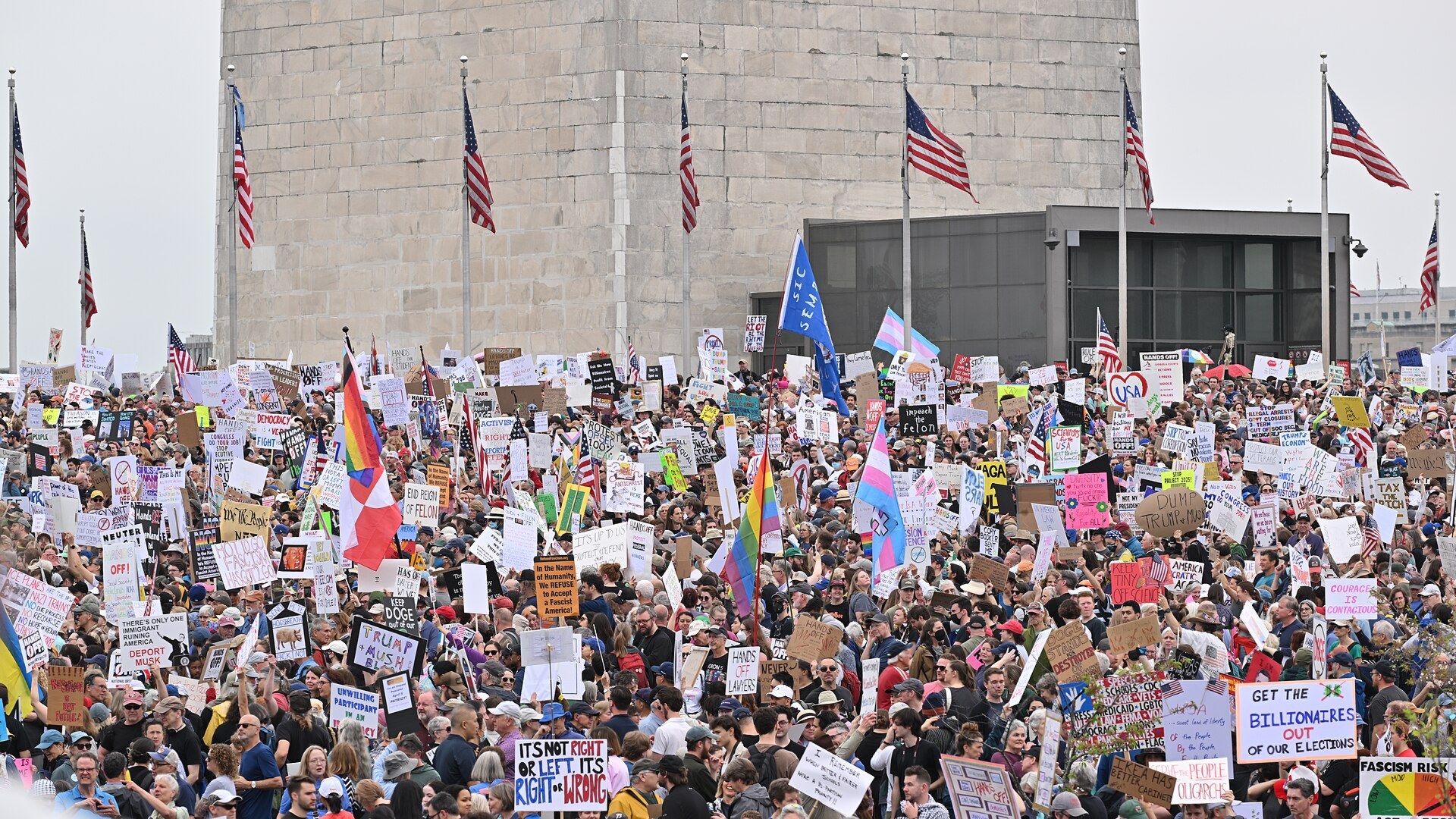
19. Cultural Polarization And Social Division
Sociological research from the Pew Research Center demonstrates that partisans increasingly view members of the opposing political party with personal distrust. Differences over social values, education curricula, and community standards have made casual civic discourse feel difficult and fraught.
©Wikimedia / G. Edward Johnson
18. Neighborhood Crime And Public Safety Concerns
Gallup crime survey data shows that a majority of Americans believe crime has increased nationally over the past year. Even in regions where official violent crime rates have declined, visible retail theft, car break-ins, and concerns over gun violence keep personal safety concerns elevated.
©Wikimedia / Scorpion381
Advertisement
Swipe or tap ▶ to resume the countdown.
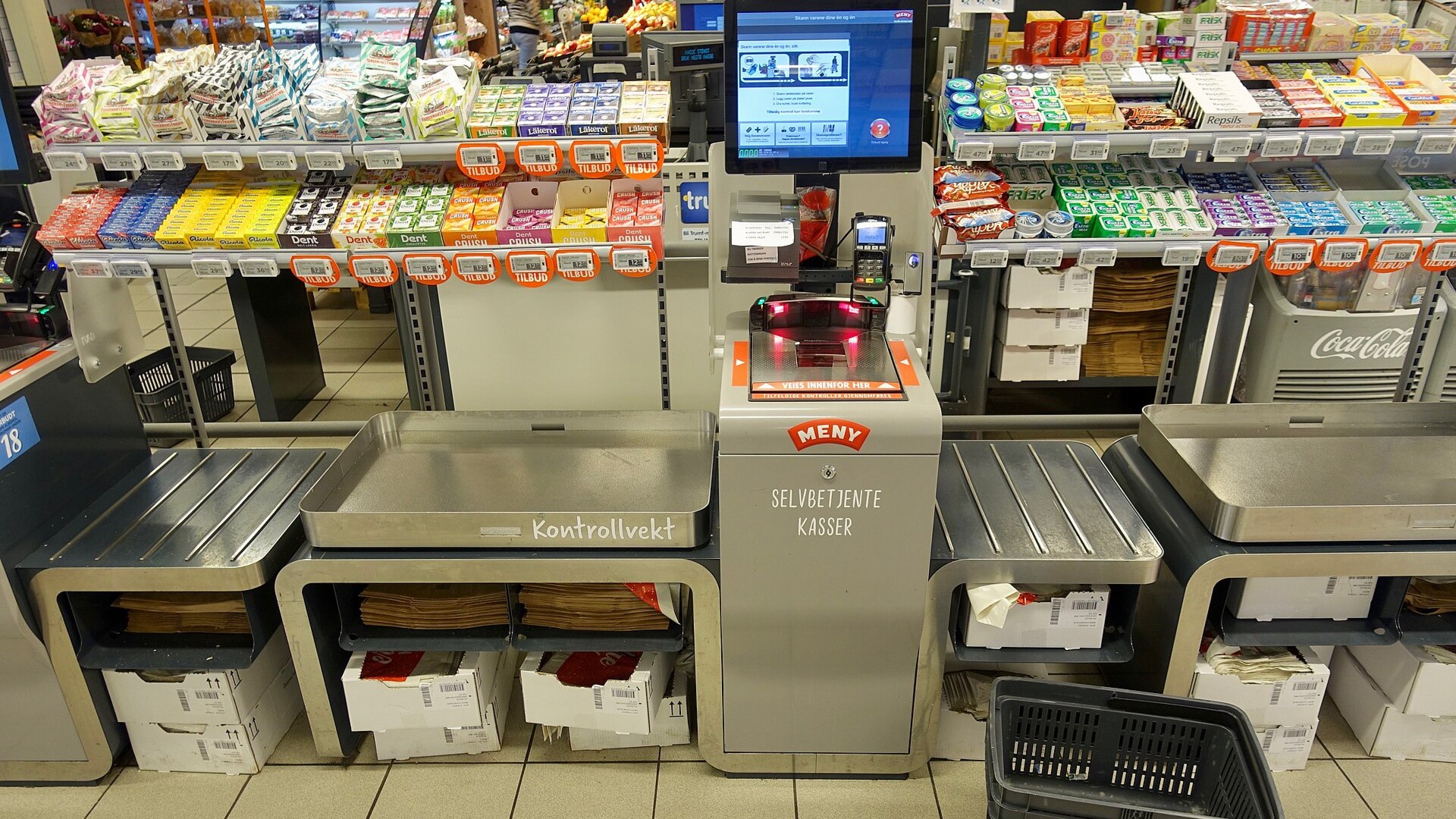
17. Automated Self-Checkout And Service Delays
Retail industry surveys indicate that while businesses installed self-checkout stations to reduce overhead, many patrons find the machines prone to scanning errors and frequent security halts. Shoppers report missing knowledgeable human customer service representatives in big-box retail stores.
©Wikimedia / Wolfmann
16. Expanding Tipping Prompts And Hidden Service Surcharges
Consumer perception surveys show widespread irritation over the spread of digital tipping screens to takeout counters, bakeries, and self-service kiosks. Many consumers report feeling social pressure to provide twenty percent gratuities for routine retail transactions that previously required no tipping.
©Wikimedia / tales of a wandering youkai from Arvada, CO, US
15. Social Media Fatigue And Screen Addiction
Public health surveys document widespread consumer anxiety regarding excessive screen time, digital notifications, and youth mental health challenges linked to social media feeds. Adults and parents express feeling trapped by constant connectivity while craving healthier boundaries from devices.
©Wikimedia / Screen time
14. Media Distrust And Digital Misinformation
Public trust in mainstream journalism has touched near-record lows in nationwide Gallup surveys. A fragmented digital media landscape saturated with algorithm-driven headlines and synthetic media leaves voters struggling to agree on basic facts and verifiable empirical evidence.
©Wikimedia / Raimond Spekking
Advertisement
Swipe or tap ▶ to resume the countdown.
13. Artificial Intelligence And Job Security Uncertainties
As generative AI platforms and workplace robotics spread into creative, software, and administrative sectors, workforce surveys reveal deep unease regarding automation. Workers fear rapid workforce displacement, diminished wage power, and a lack of regulatory guardrails for technological shifts.
©Pixabay / geralt
12. Overseas Military Engagements And Foreign Aid Costs
Surveys reflect growing weariness with open-ended foreign aid packages and deep involvement in overseas military conflicts. Polling shows substantial portions of the public questioning the financial resources allocated abroad while pressing domestic infrastructure and security needs remain underfunded.
©Wikimedia / Official Navy Page from United States of America
11. Border Security And Immigration Management
Public opinion research shows intense national concern over border security infrastructure and legal immigration administration. While many citizens demand tighter border security, communities also face logistical strain supporting arriving asylum seekers in urban centers with overburdened services.
©Wikimedia / U.S. Customs and Border Protection
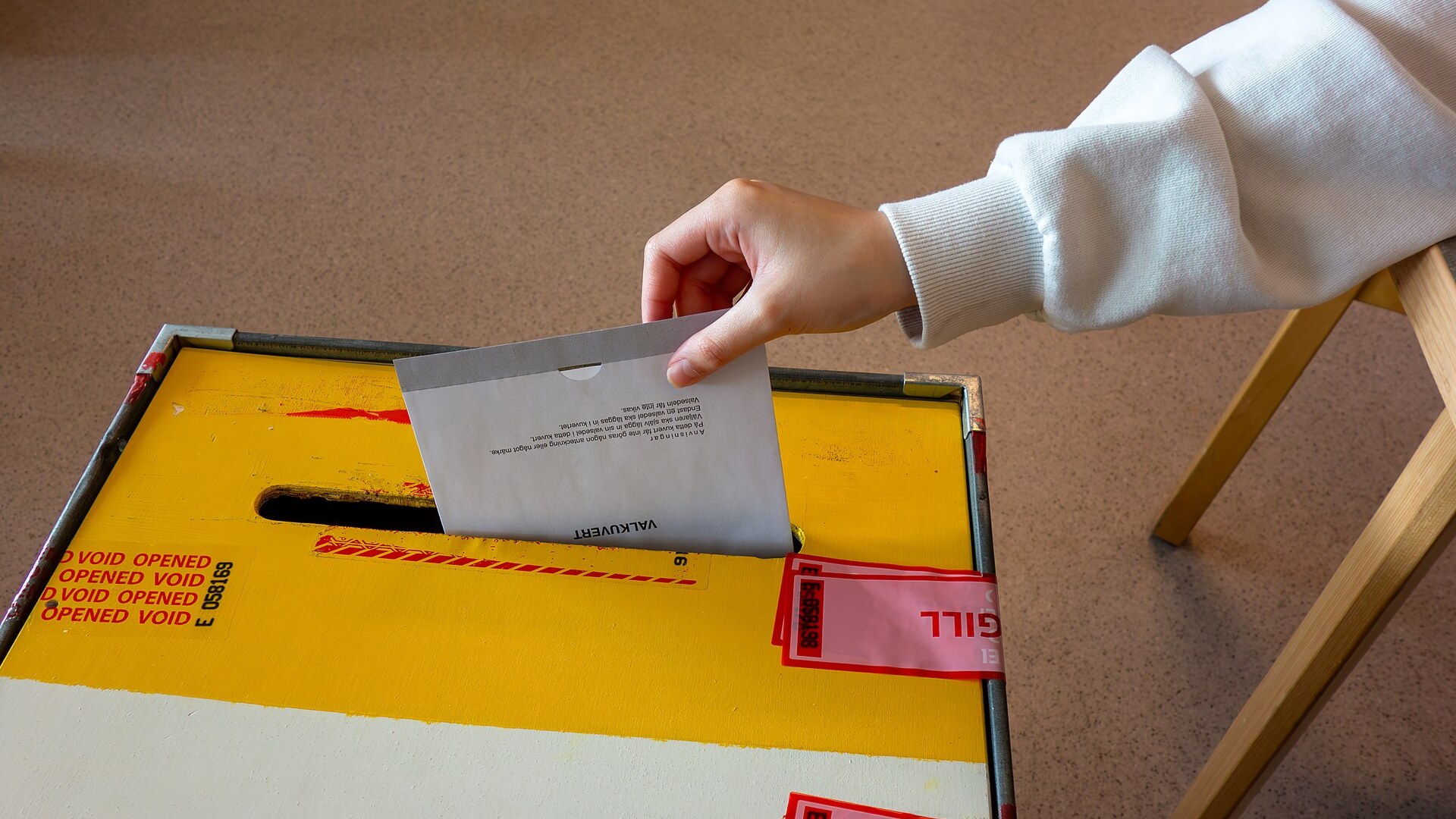
10. Institutional Trust And Democratic Stability
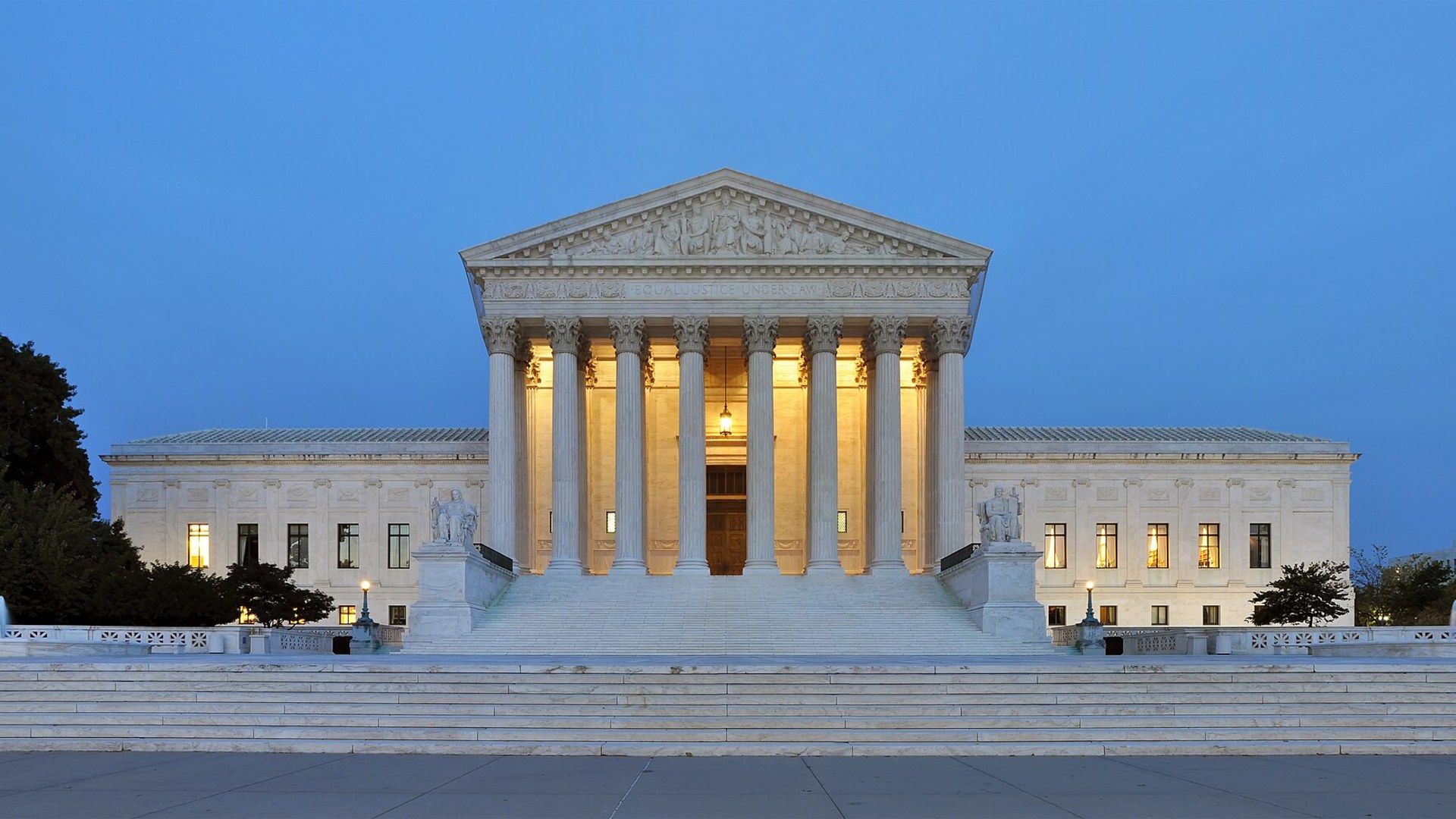
Longitudinal data from Gallup indicates declining confidence in bedrock American institutions, including Congress, courts, and major regulatory agencies. Heated disagreements over election administration procedures and judicial authority contribute to a shared sense of democratic vulnerability.
©Wikimedia / W.carter
Advertisement
Swipe or tap ▶ to resume the countdown.
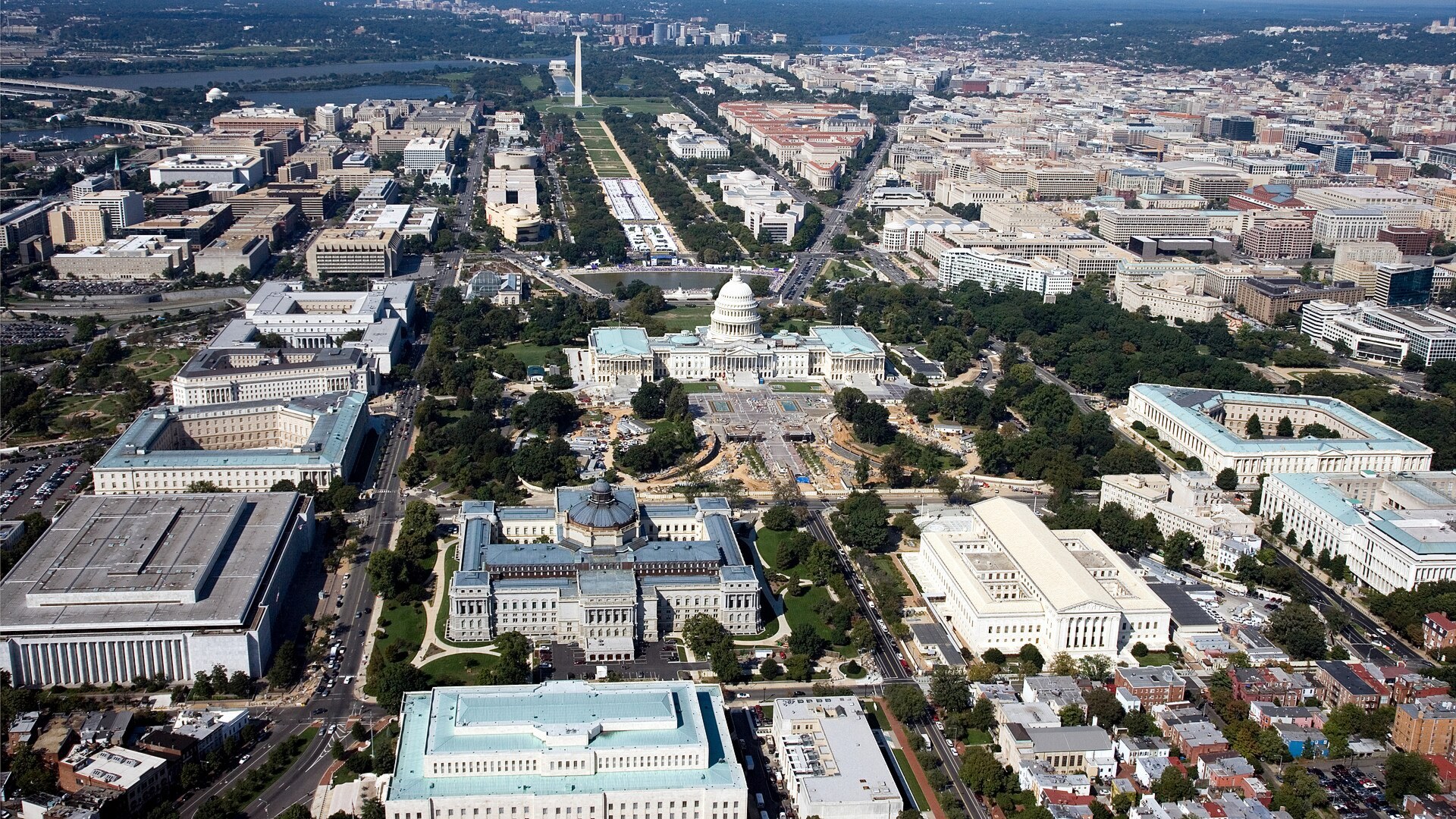
9. Partisan Gridlock And Legislative Dysfunction
With narrow congressional margins and polarized primary voting, major bipartisan legislation routinely faces procedural deadlocks and threat of shutdowns. Pew Research studies reveal that an overwhelming majority of citizens feel political leadership in Washington fails to address core national issues.
©Wikimedia / Carol M. Highsmith
8. Public Concerns Over Government Ethics And Influence
Surveys from AP-NORC highlight widespread public skepticism regarding whether federal lawmakers prioritize public welfare over special interest donors and personal financial gain. Bipartisan majorities favor tighter campaign finance disclosure rules and stricter limits on congressional stock trading.
©Wikimedia / Joe Ravi
7. Federal Deficits And National Debt Growth
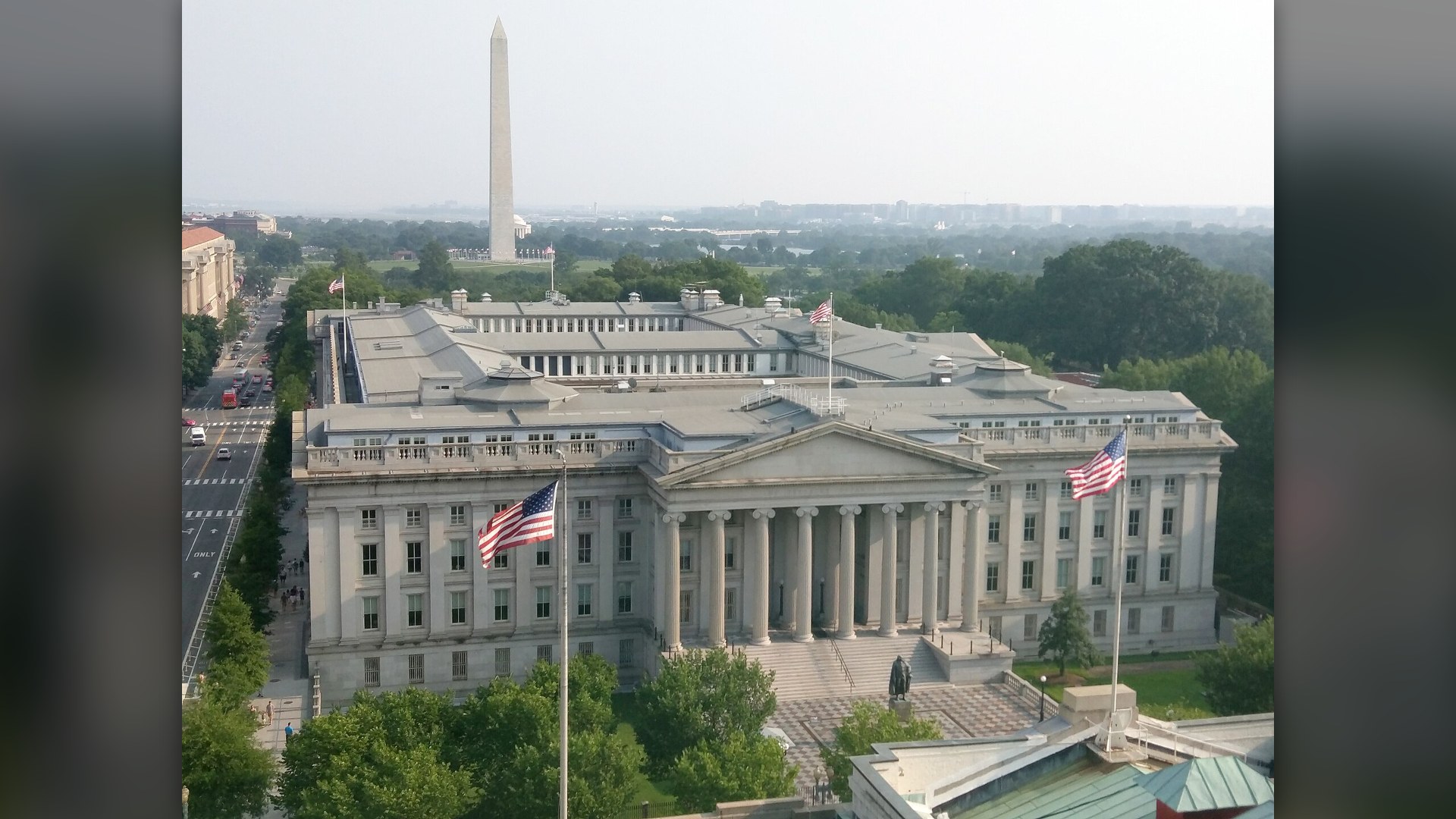
Congressional Budget Office projections place the gross national debt well above thirty-four trillion dollars, accelerating annual interest payments. Polling indicates that voters across both major parties worry about the eventual impact on Social Security solvency and economic stability for future generations.
©Wikimedia / MeanieHyaena
6. Wealth Disparities And Stagnant Real Wages
Federal labor data reveals that while top-tier financial markets and corporate compensation reach historic highs, median hourly wages struggle against inflation. A broad cross-section of working adults expresses frustration over diminishing economic mobility and widening gaps in generational wealth.
©Pixabay / nattanan23
Advertisement
Swipe or tap ▶ to resume the countdown.
5. Tariff Burdens On Consumer Goods
Economic analyses from nonpartisan policy organizations indicate that border import duties frequently flow downstream to retail store price tags. Shoppers purchasing electronics, apparel, and hardware tools notice persistent price markups as companies pass elevated supply chain costs directly to consumers.
©Wikimedia / Tony Webster
4. Utility Bills And Energy Price Volatility
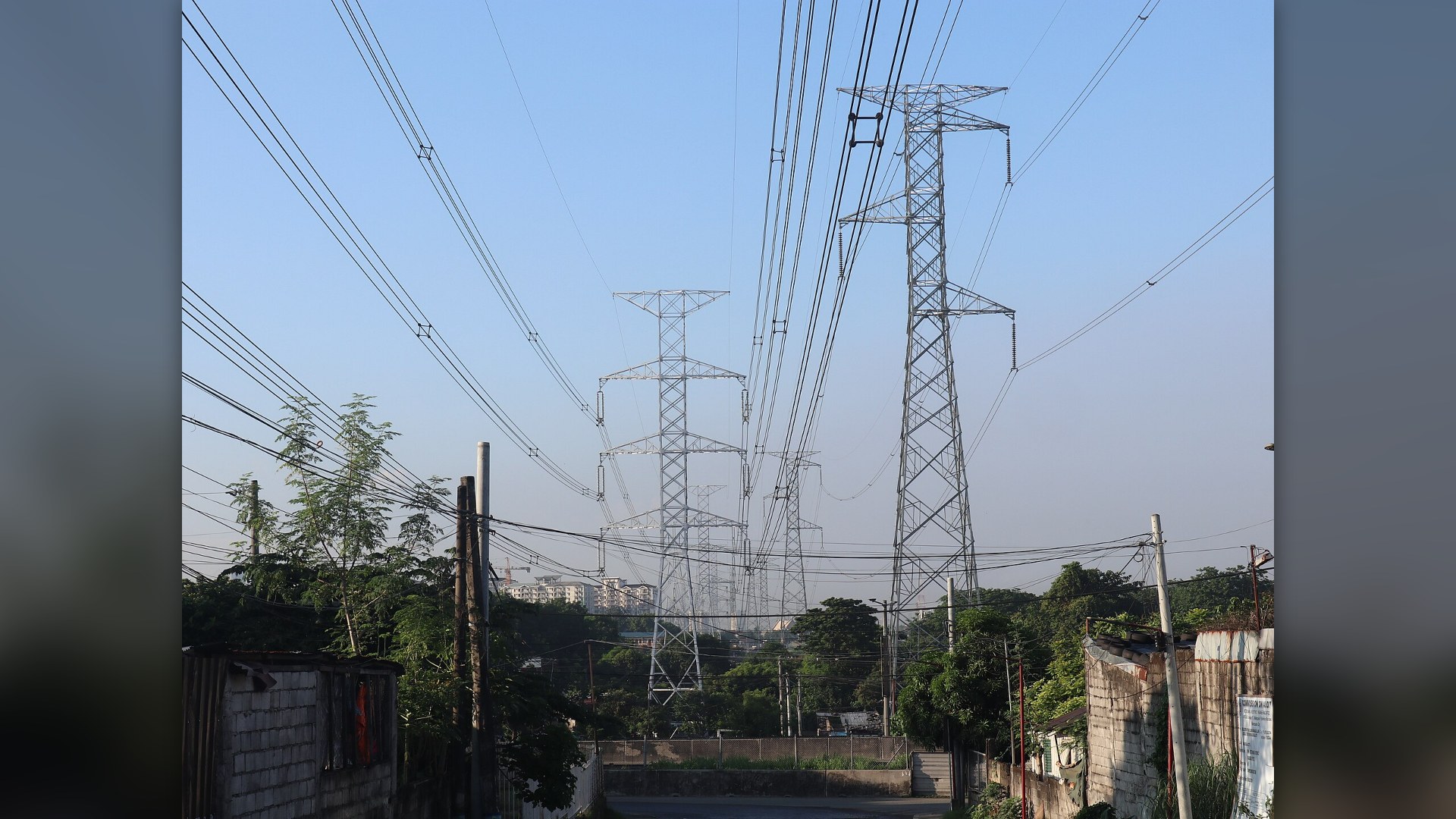
Energy Information Administration figures show commercial and residential power rates climbing due to grid modernization, extreme seasonal weather demand, and fuel adjustments. Households across diverse regions report unexpected spikes in summer cooling bills and winter heating bills that squeeze savings.
©Wikimedia / Patrickroque01
3. Rising Healthcare And Prescription Expenses
Polling conducted by Gallup indicates that over half of American adults worry about paying healthcare expenses if they experience a severe illness. Even insured families frequently report unexpected out-of-pocket costs, complex insurance billing systems, and elevated retail prices for maintenance medications.
©Wikimedia / Bart from New York, USA
2. Unaffordable Housing And Rental Markets
Federal Reserve housing reports indicate that median single-family home prices and mortgage interest rates near seven percent have pushed homeownership affordability to multi-decade lows. Prospective first-time buyers and renters report feeling locked out of purchasing property in major metropolitan areas.
©Wikimedia / Serg Bataiev servika
Advertisement
Swipe or tap ▶ to resume the countdown.
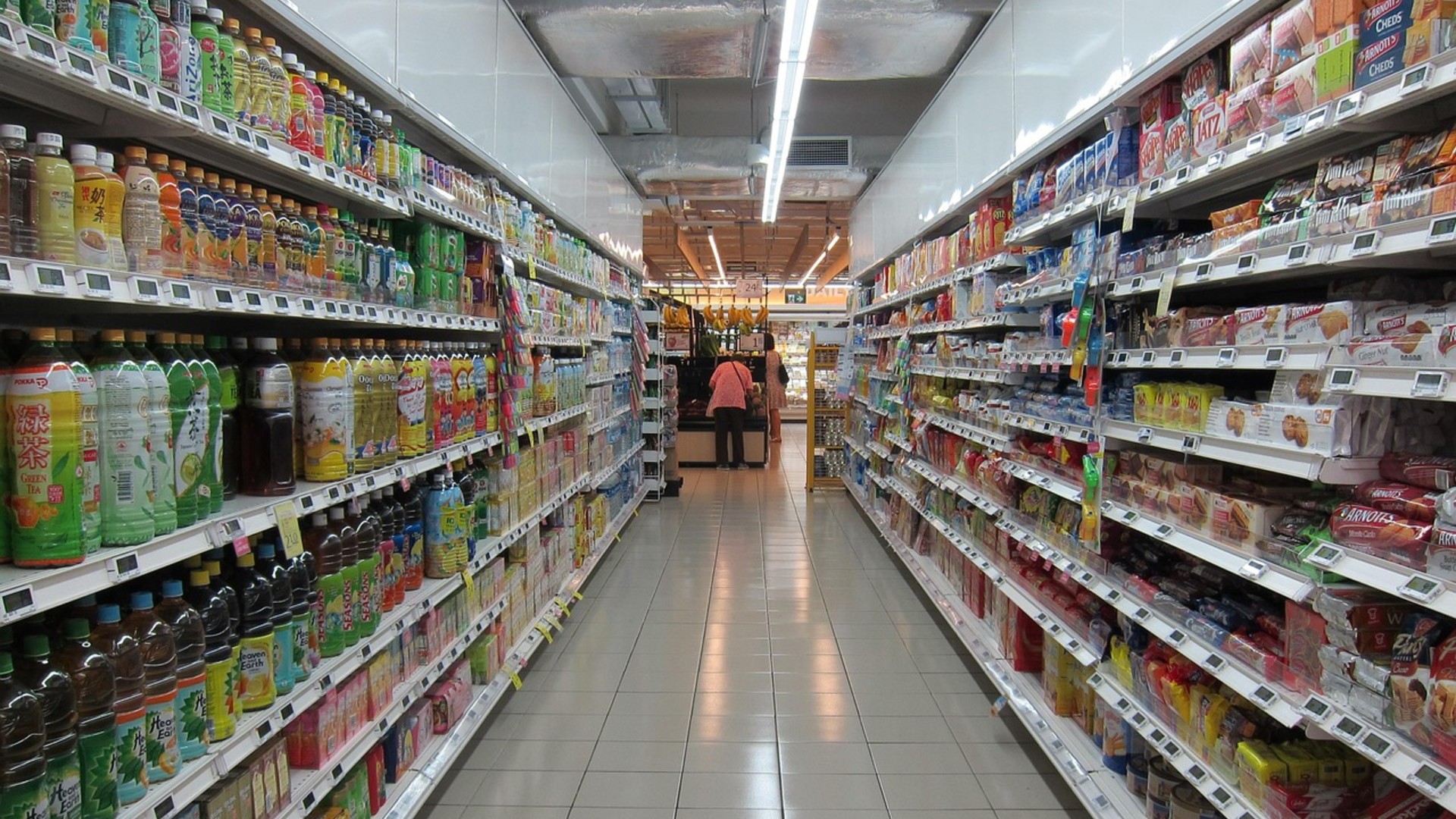
1. High Grocery And Everyday Food Costs
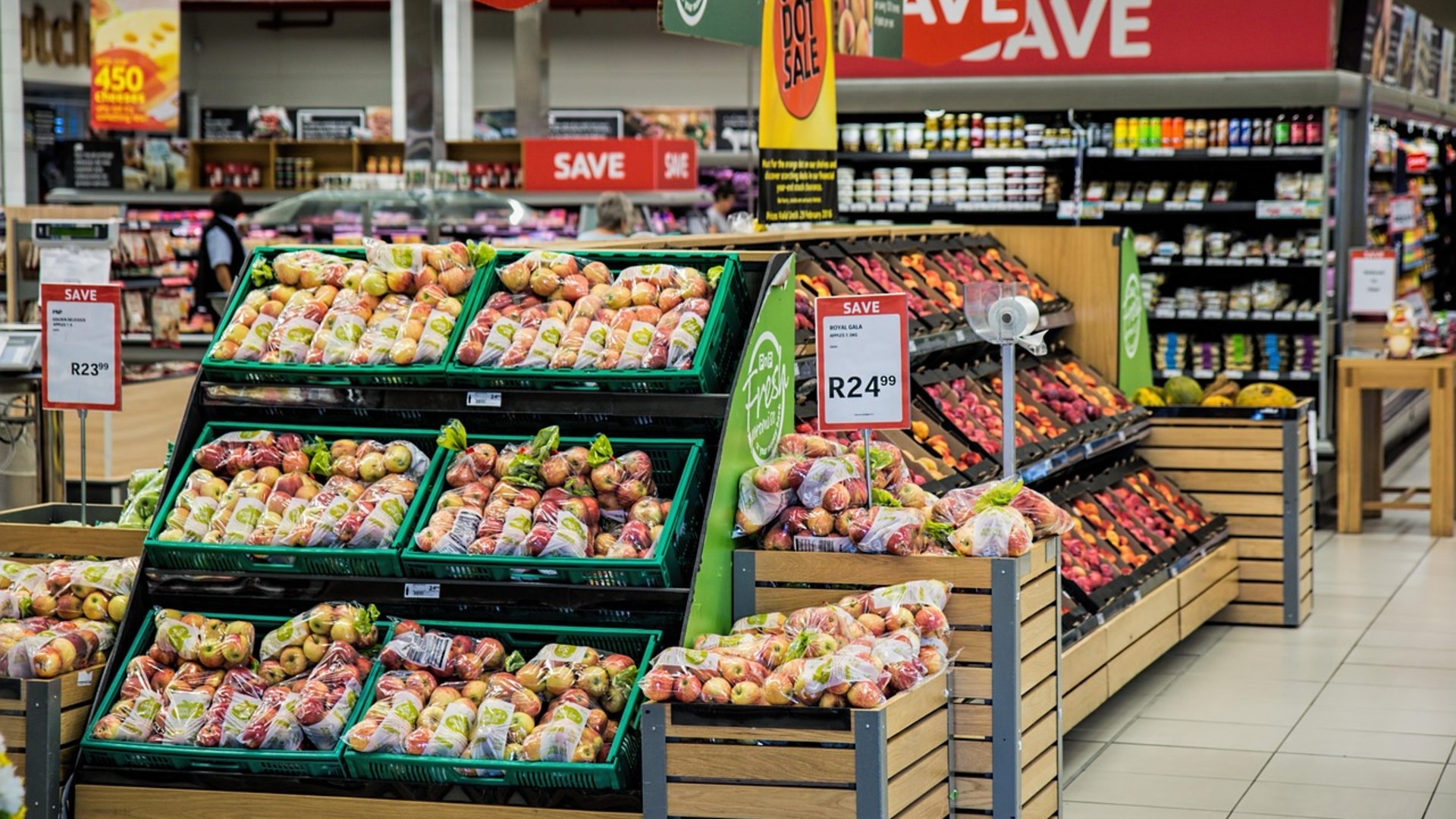
According to survey data from Pew Research Center, roughly seven in ten Americans view consumer prices as a very big problem. While headline inflation has moderated from peak pandemic levels, cumulative price increases across staple items like eggs, milk, and bread continue to constrain weekly family spending.

©Pixabay / stevepb
Advertisement
You've reached the end of the story. Thanks for reading!

25 Home and Furniture Brands Shoppers Target on Black Friday
American shoppers turn to furniture showrooms, warehouse clubs and appliance makers every November for major home upgrades. Drawing on company histories, U.S. Securities and Exchange Commission filings and National Retail Federation holiday reports, this countdown tracks 25 brands shaping Black Friday sales.
All 20 Entries in this Story
20. Severe Weather Events And Rising Insurance Costs
Reports from the Insurance Information Institute reveal that frequent severe storms, wildfires, and flooding have caused homeowners insurance premiums to spike across coastal and sunbelt states. Property owners face difficult trade-offs between higher deductibles or losing coverage altogether.

19. Cultural Polarization And Social Division
Sociological research from the Pew Research Center demonstrates that partisans increasingly view members of the opposing political party with personal distrust. Differences over social values, education curricula, and community standards have made casual civic discourse feel difficult and fraught.

18. Neighborhood Crime And Public Safety Concerns
Gallup crime survey data shows that a majority of Americans believe crime has increased nationally over the past year. Even in regions where official violent crime rates have declined, visible retail theft, car break-ins, and concerns over gun violence keep personal safety concerns elevated.

17. Automated Self-Checkout And Service Delays
Retail industry surveys indicate that while businesses installed self-checkout stations to reduce overhead, many patrons find the machines prone to scanning errors and frequent security halts. Shoppers report missing knowledgeable human customer service representatives in big-box retail stores.

16. Expanding Tipping Prompts And Hidden Service Surcharges
Consumer perception surveys show widespread irritation over the spread of digital tipping screens to takeout counters, bakeries, and self-service kiosks. Many consumers report feeling social pressure to provide twenty percent gratuities for routine retail transactions that previously required no tipping.

15. Social Media Fatigue And Screen Addiction
Public health surveys document widespread consumer anxiety regarding excessive screen time, digital notifications, and youth mental health challenges linked to social media feeds. Adults and parents express feeling trapped by constant connectivity while craving healthier boundaries from devices.

14. Media Distrust And Digital Misinformation
Public trust in mainstream journalism has touched near-record lows in nationwide Gallup surveys. A fragmented digital media landscape saturated with algorithm-driven headlines and synthetic media leaves voters struggling to agree on basic facts and verifiable empirical evidence.

13. Artificial Intelligence And Job Security Uncertainties
As generative AI platforms and workplace robotics spread into creative, software, and administrative sectors, workforce surveys reveal deep unease regarding automation. Workers fear rapid workforce displacement, diminished wage power, and a lack of regulatory guardrails for technological shifts.

12. Overseas Military Engagements And Foreign Aid Costs
Surveys reflect growing weariness with open-ended foreign aid packages and deep involvement in overseas military conflicts. Polling shows substantial portions of the public questioning the financial resources allocated abroad while pressing domestic infrastructure and security needs remain underfunded.

11. Border Security And Immigration Management
Public opinion research shows intense national concern over border security infrastructure and legal immigration administration. While many citizens demand tighter border security, communities also face logistical strain supporting arriving asylum seekers in urban centers with overburdened services.

10. Institutional Trust And Democratic Stability
Longitudinal data from Gallup indicates declining confidence in bedrock American institutions, including Congress, courts, and major regulatory agencies. Heated disagreements over election administration procedures and judicial authority contribute to a shared sense of democratic vulnerability.

9. Partisan Gridlock And Legislative Dysfunction
With narrow congressional margins and polarized primary voting, major bipartisan legislation routinely faces procedural deadlocks and threat of shutdowns. Pew Research studies reveal that an overwhelming majority of citizens feel political leadership in Washington fails to address core national issues.

8. Public Concerns Over Government Ethics And Influence
Surveys from AP-NORC highlight widespread public skepticism regarding whether federal lawmakers prioritize public welfare over special interest donors and personal financial gain. Bipartisan majorities favor tighter campaign finance disclosure rules and stricter limits on congressional stock trading.

7. Federal Deficits And National Debt Growth
Congressional Budget Office projections place the gross national debt well above thirty-four trillion dollars, accelerating annual interest payments. Polling indicates that voters across both major parties worry about the eventual impact on Social Security solvency and economic stability for future generations.

6. Wealth Disparities And Stagnant Real Wages
Federal labor data reveals that while top-tier financial markets and corporate compensation reach historic highs, median hourly wages struggle against inflation. A broad cross-section of working adults expresses frustration over diminishing economic mobility and widening gaps in generational wealth.

5. Tariff Burdens On Consumer Goods
Economic analyses from nonpartisan policy organizations indicate that border import duties frequently flow downstream to retail store price tags. Shoppers purchasing electronics, apparel, and hardware tools notice persistent price markups as companies pass elevated supply chain costs directly to consumers.

4. Utility Bills And Energy Price Volatility
Energy Information Administration figures show commercial and residential power rates climbing due to grid modernization, extreme seasonal weather demand, and fuel adjustments. Households across diverse regions report unexpected spikes in summer cooling bills and winter heating bills that squeeze savings.

3. Rising Healthcare And Prescription Expenses
Polling conducted by Gallup indicates that over half of American adults worry about paying healthcare expenses if they experience a severe illness. Even insured families frequently report unexpected out-of-pocket costs, complex insurance billing systems, and elevated retail prices for maintenance medications.

2. Unaffordable Housing And Rental Markets
Federal Reserve housing reports indicate that median single-family home prices and mortgage interest rates near seven percent have pushed homeownership affordability to multi-decade lows. Prospective first-time buyers and renters report feeling locked out of purchasing property in major metropolitan areas.

1. High Grocery And Everyday Food Costs
According to survey data from Pew Research Center, roughly seven in ten Americans view consumer prices as a very big problem. While headline inflation has moderated from peak pandemic levels, cumulative price increases across staple items like eggs, milk, and bread continue to constrain weekly family spending.