Slideshow · Health
20 Everyday Habits Shared by People Who Live Past 100 Years Old
Centenarians across global longevity regions share specific daily routines that protect cellular vitality and mental clarity. Based on research from the Harvard T.H. Chan School of Public Health and the National Institute on Aging, here are twenty ranked daily habits that help people reach one hundred years old.

By Most Viral Today
31 min ago

The Daily Habits That Keep Centenarians Active Past Age 100 
20. Sipping Morning Coffee Or Green Tea 
19. Getting Fifteen Minutes Of Morning Sun 
18. Accumulating Natural Daily Steps - AdvertisementSwipe or tap ▶ to continue countdown

17. Eating Light Dinners Before Sundown 
16. Taking Brief Afternoon Naps 
15. Keeping Indoor Plants And Herbs 
14. Sharing Daily Laughter With Companions - AdvertisementSwipe or tap ▶ to continue countdown

13. Tending A Home Garden 
12. Drinking Pure Mineral-Rich Water 
11. Snacking On A Small Handful Of Nuts 
10. Following A Strict Seven-Hour Sleep Pattern - AdvertisementSwipe or tap ▶ to continue countdown

9. Drinking Mountain Herbal Infusions 
8. Stopping Meals At Eighty Percent Full 
7. Eating A Full Cup Of Beans Every Day 
6. Choosing Whole Unprocessed Foods - AdvertisementSwipe or tap ▶ to continue countdown

5. Practicing Daily Floor Stretches 
4. Living In Multigenerational Households 
3. Participating In Weekly Community Circles 
2. Waking Up With A Clear Purpose - AdvertisementSwipe or tap ▶ to continue countdown

1. Nurturing A Tight Circle Of Lifelong Friends - Advertisement🔥 UP NEXT IN THIS SERIES◫ 23 Slides

22 Popular Foods That Look Healthy Until You Check the Label
Based on nutrition data from USDA FoodData Central, the American Heart Association, and Harvard T.H. Chan School of Public Health, these 22 everyday foods often carry health claims on the front of the box. Behind the marketing, added sugar, sodium, saturated fat, or lost fiber tell a very different story.
Centenarians across global longevity regions share specific daily routines that protect cellular vitality and mental clarity. Based on research from the Harvard T.H. Chan School of Public Health and the National Institute on Aging, here are twenty ranked daily habits that help people reach one hundred years old.

Swipe or tap ▶ to begin the countdown
©Pixabay / Jerryblessed & Pixabay / epochalstock
20. Sipping Morning Coffee Or Green Tea
Research published by the American Heart Association shows that moderate daily coffee or green tea intake reduces stroke risk by twenty percent. Centenarians in Greece and Japan consume fresh brews without refined sugar, delivering polyphenols that support vascular elasticity into late life.
©Wikimedia / Shixart1985
19. Getting Fifteen Minutes Of Morning Sun
Data from the National Institutes of Health indicates that morning sunlight exposure triggers melatonin production at night while strengthening bone density. Elders in Costa Rica spend early hours outdoors, keeping active vitamin D levels elevated without risking midday sunburn.
©Pixabay / Tho-Ge
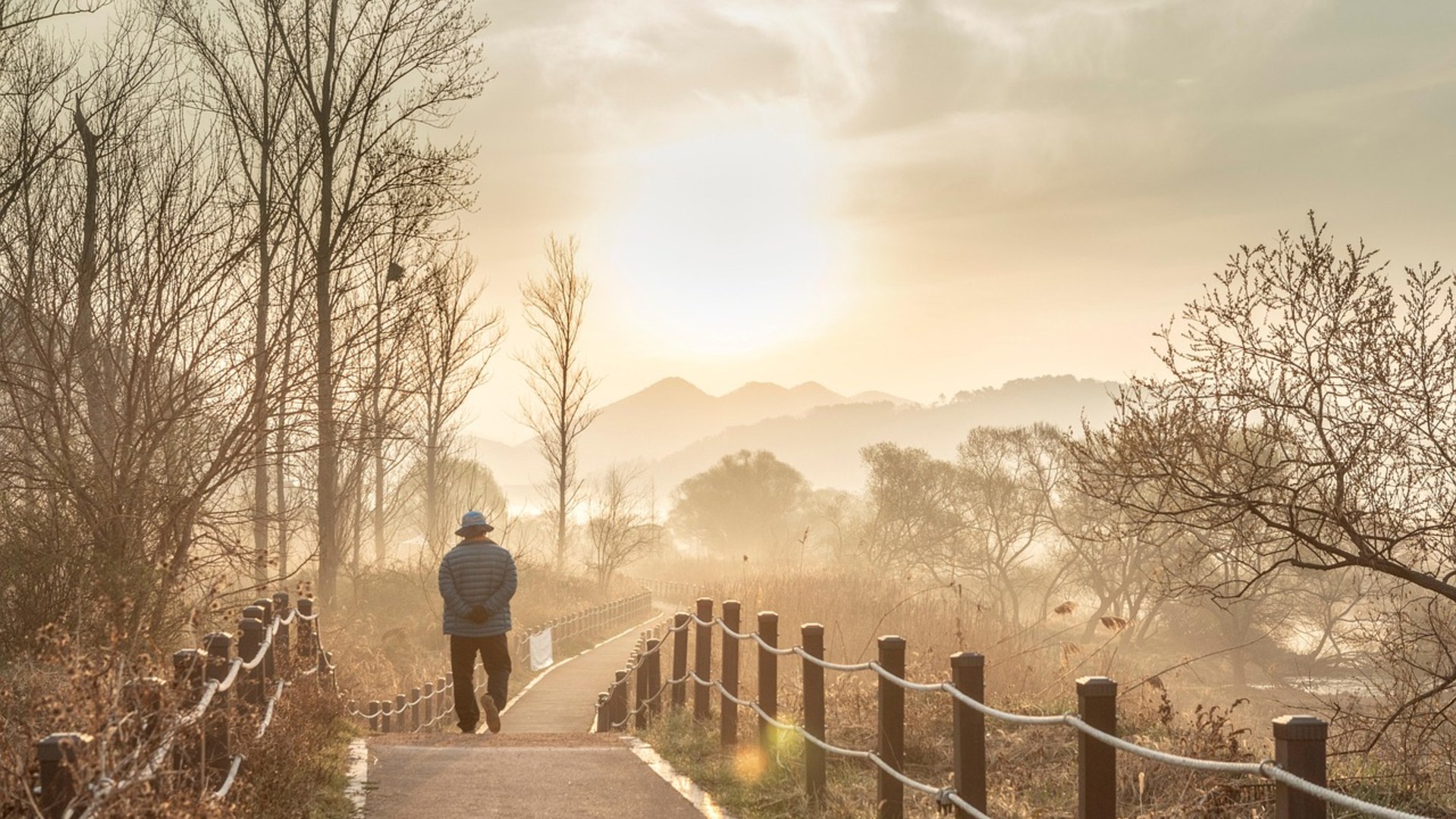
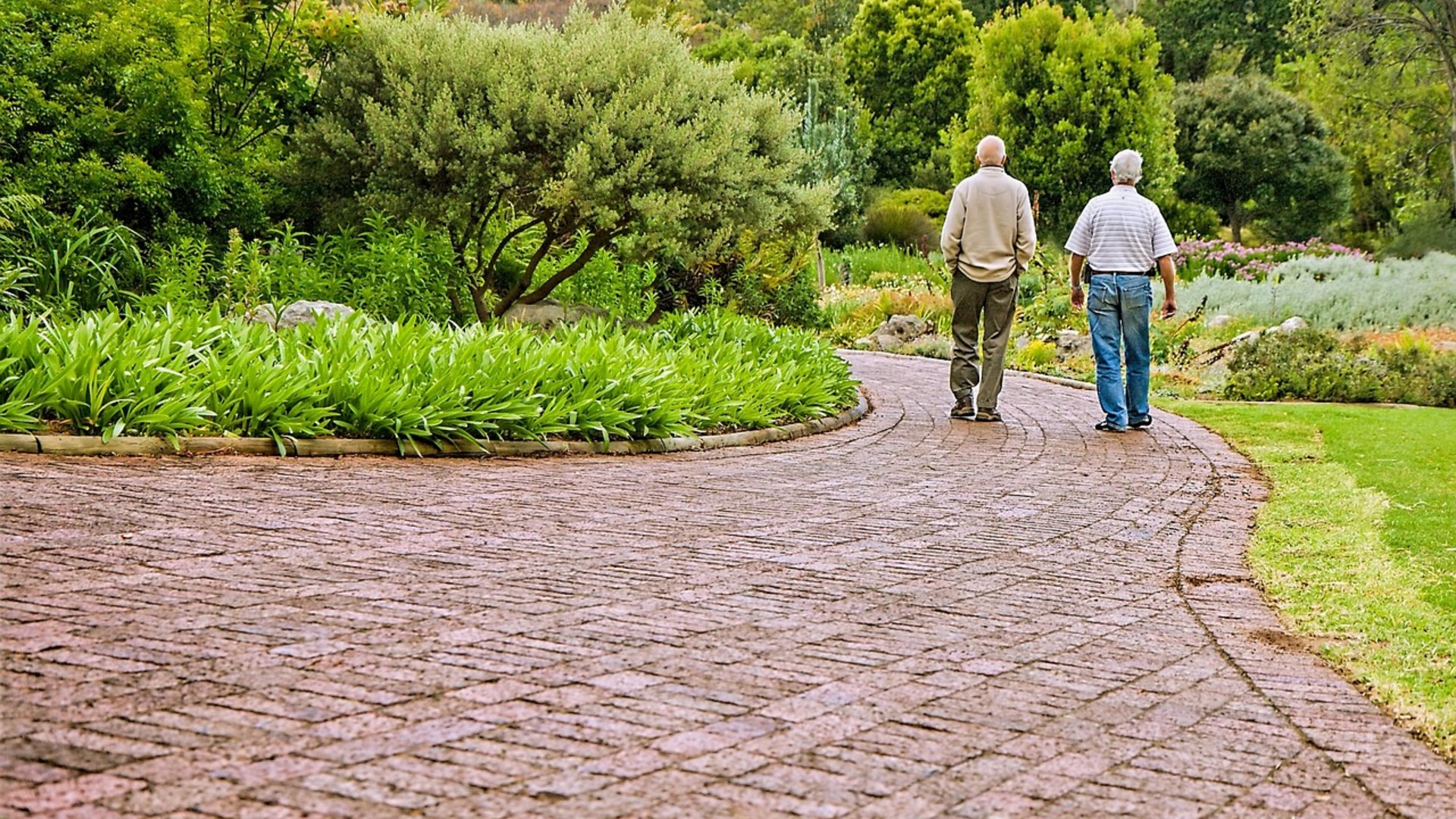
18. Accumulating Natural Daily Steps
A 2025 study in The Lancet Public Health revealed that adults taking regular functional walks maintain higher mobility scores after age ninety. Shepherds in Sardinia walk four to six miles daily over hilly terrain, preserving joint strength without intense resistance training.
©Pixabay / KimJaesub
Advertisement
Swipe or tap ▶ to resume the countdown.
17. Eating Light Dinners Before Sundown
Clinical trials from Harvard Medical School reveal that finishing meals at least three hours before bedtime prevents glucose spikes during sleep. In Okinawa, older residents consume their primary calories before sunset, easing digestion and allowing natural overnight cellular recovery.
©Pixabay / RitaE
16. Taking Brief Afternoon Naps
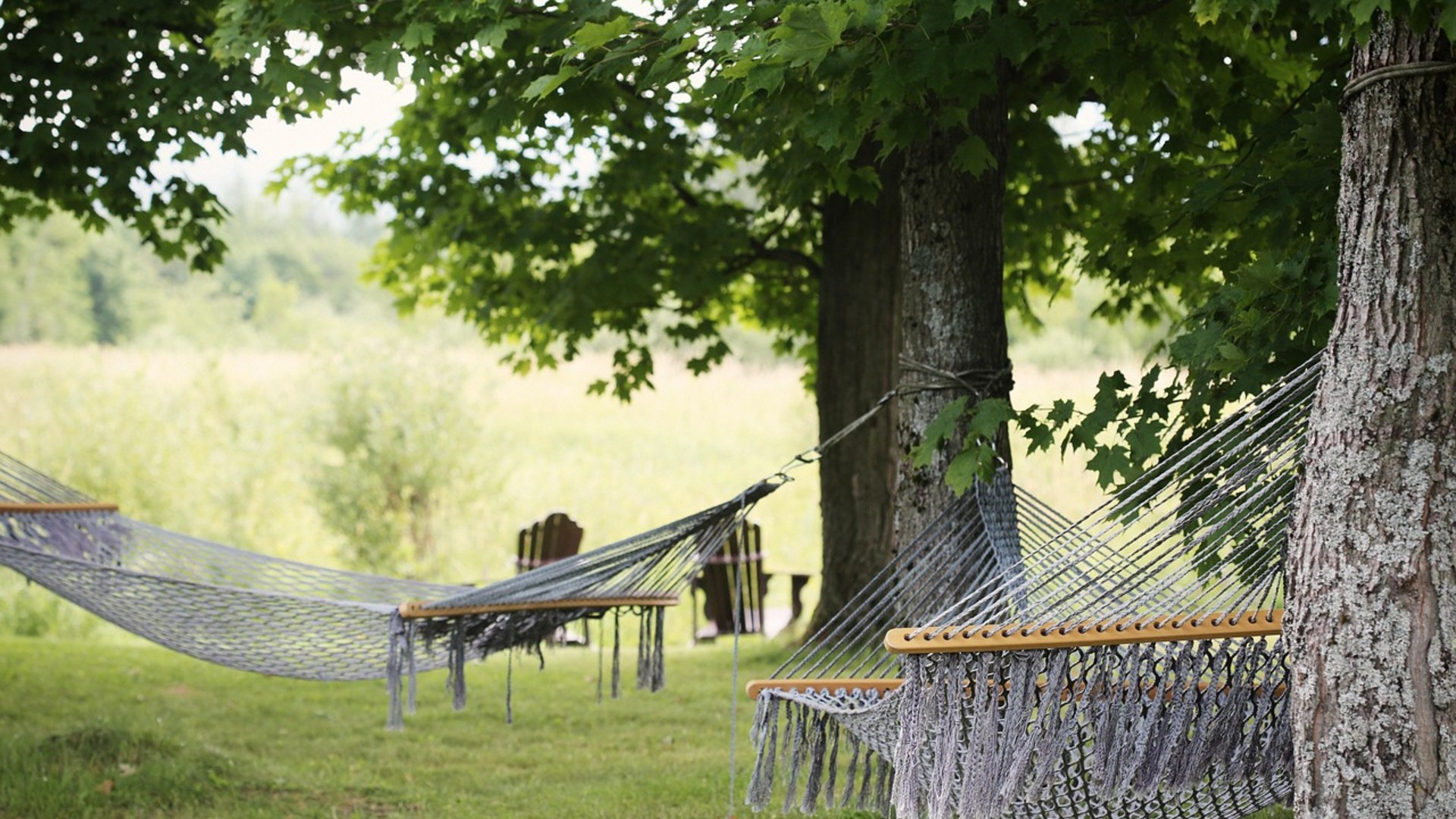
A landmark study across Greek islands found that men taking thirty-minute afternoon naps had thirty-seven percent lower heart disease mortality. Doctors credit this habit with lowering stress hormones and resetting blood pressure during the warmest part of the day.
©Pixabay / Life-Of-Pix
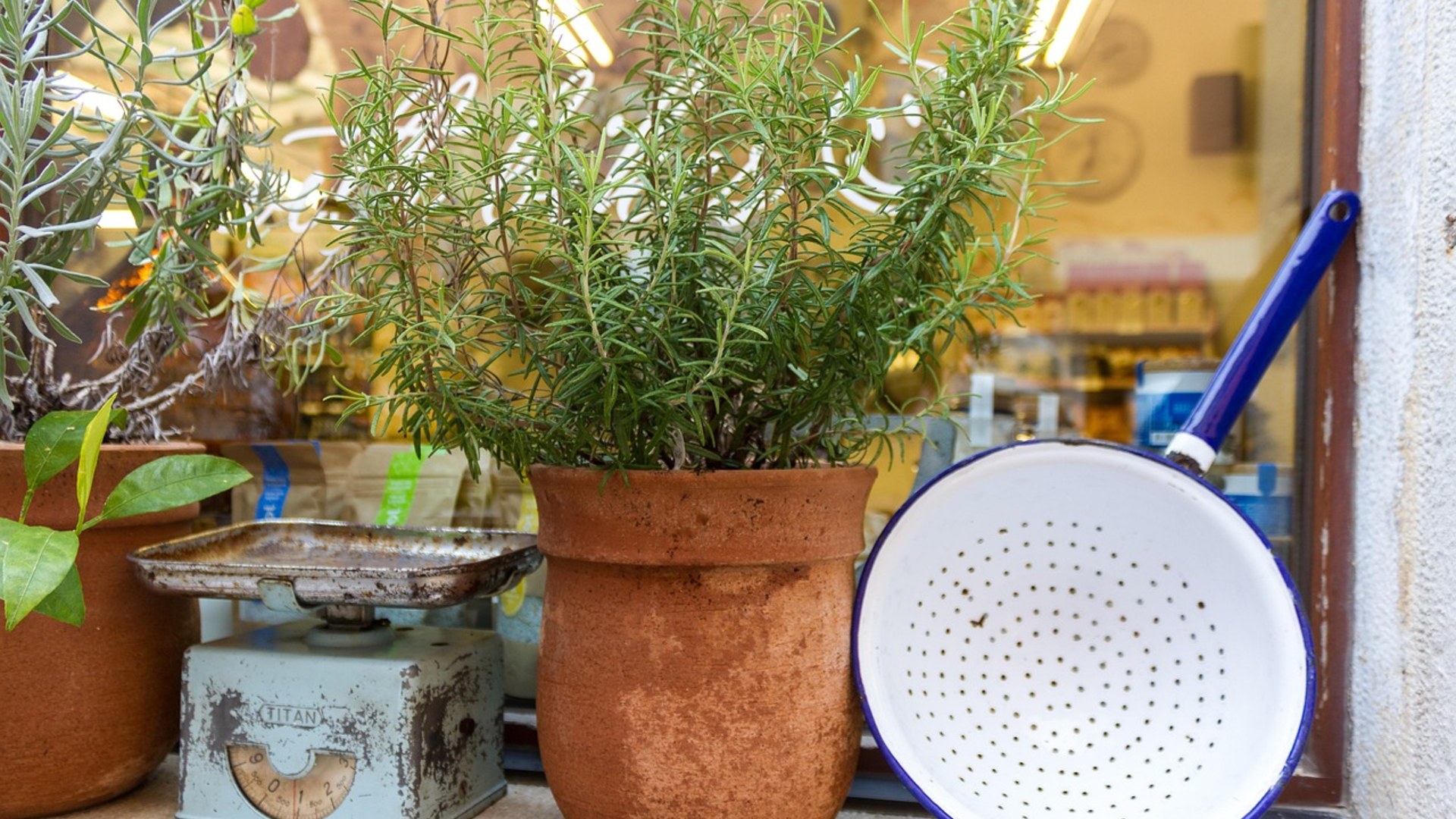
15. Keeping Indoor Plants And Herbs
Research published in the Journal of Physiological Anthropology found that daily plant maintenance reduces sympathetic nervous system arousal. Centenarians in southern Europe regularly maintain balcony rosemary and thyme, breathing cleaner indoor air while practicing calm manual care.
©Pixabay / Arno_M
14. Sharing Daily Laughter With Companions
Epidemiological reviews from the Mayo Clinic show that frequent social humor lowers arterial stiffness and boosts immune antibodies. Centenarians often gather in town squares to exchange lighthearted stories, using humor as a natural buffer against chronic stress and bereavement.
©Pixabay / Pexels
Advertisement
Swipe or tap ▶ to resume the countdown.
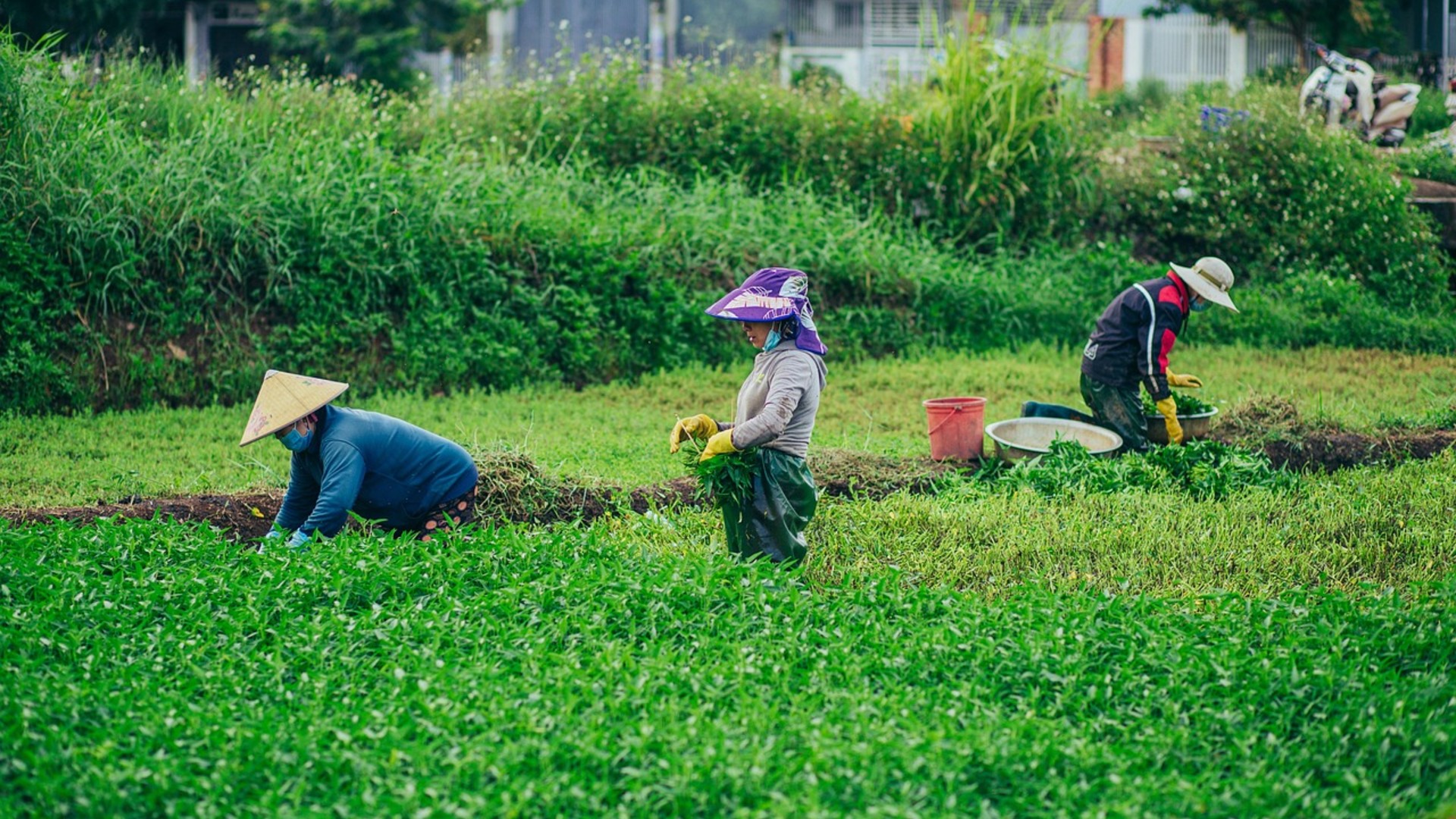
13. Tending A Home Garden
Geriatric studies confirm that regular gardeners experience thirty percent lower rates of cognitive decline compared to sedentary peers. Weeding and pruning require gentle squats that preserve balance, while exposure to beneficial soil bacteria supports immune regulation well past ninety.
©Pixabay / Jupilu
12. Drinking Pure Mineral-Rich Water
Hydration trials monitored by the National Institute on Aging show that adequate mineral water intake reduces blood viscosity and prevents fainting spells. In Nicoya, groundwater carries natural calcium and magnesium, which protects bone mineral density and steadies cardiac rhythms.
©Pixabay / congerdesign
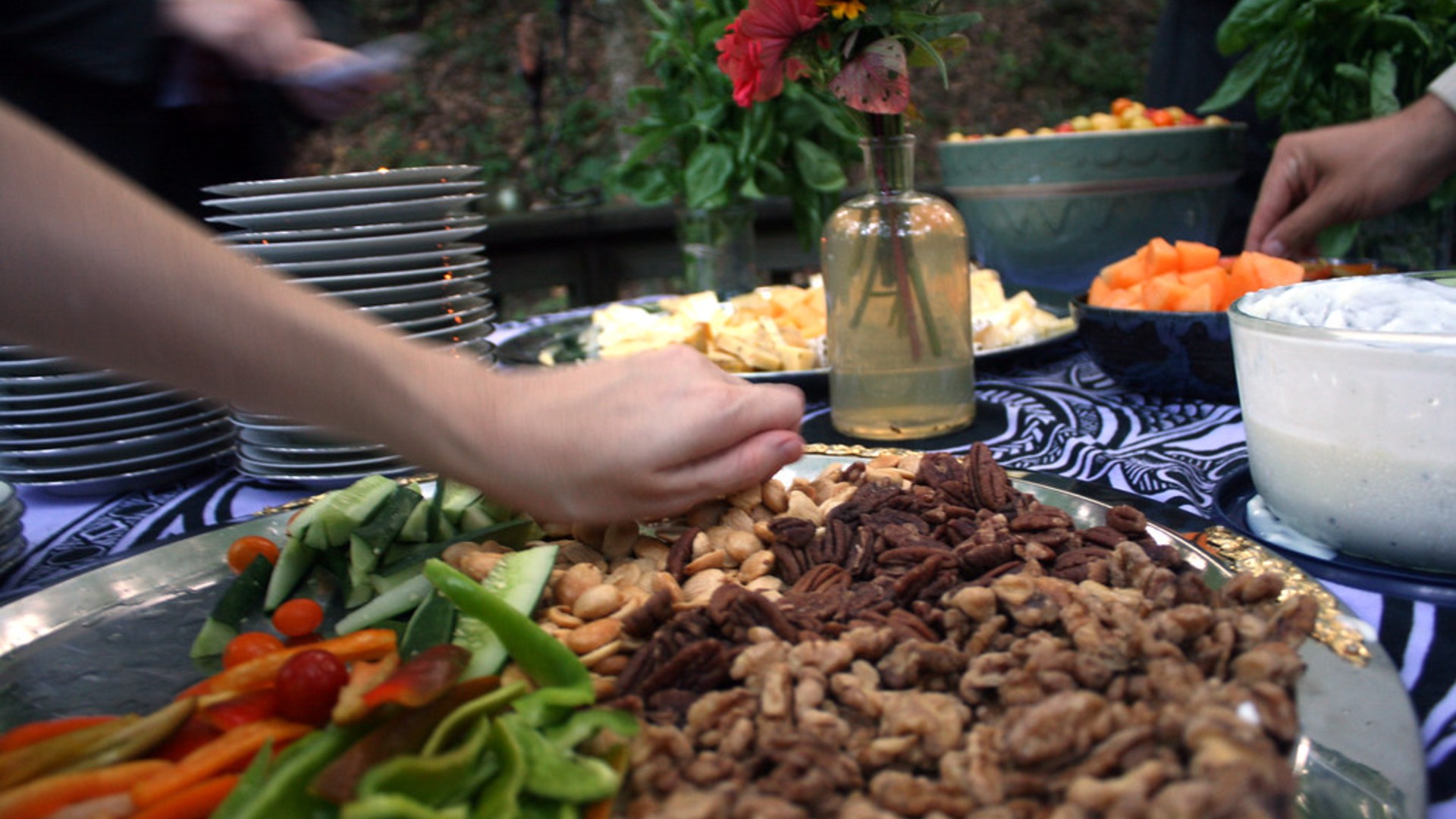
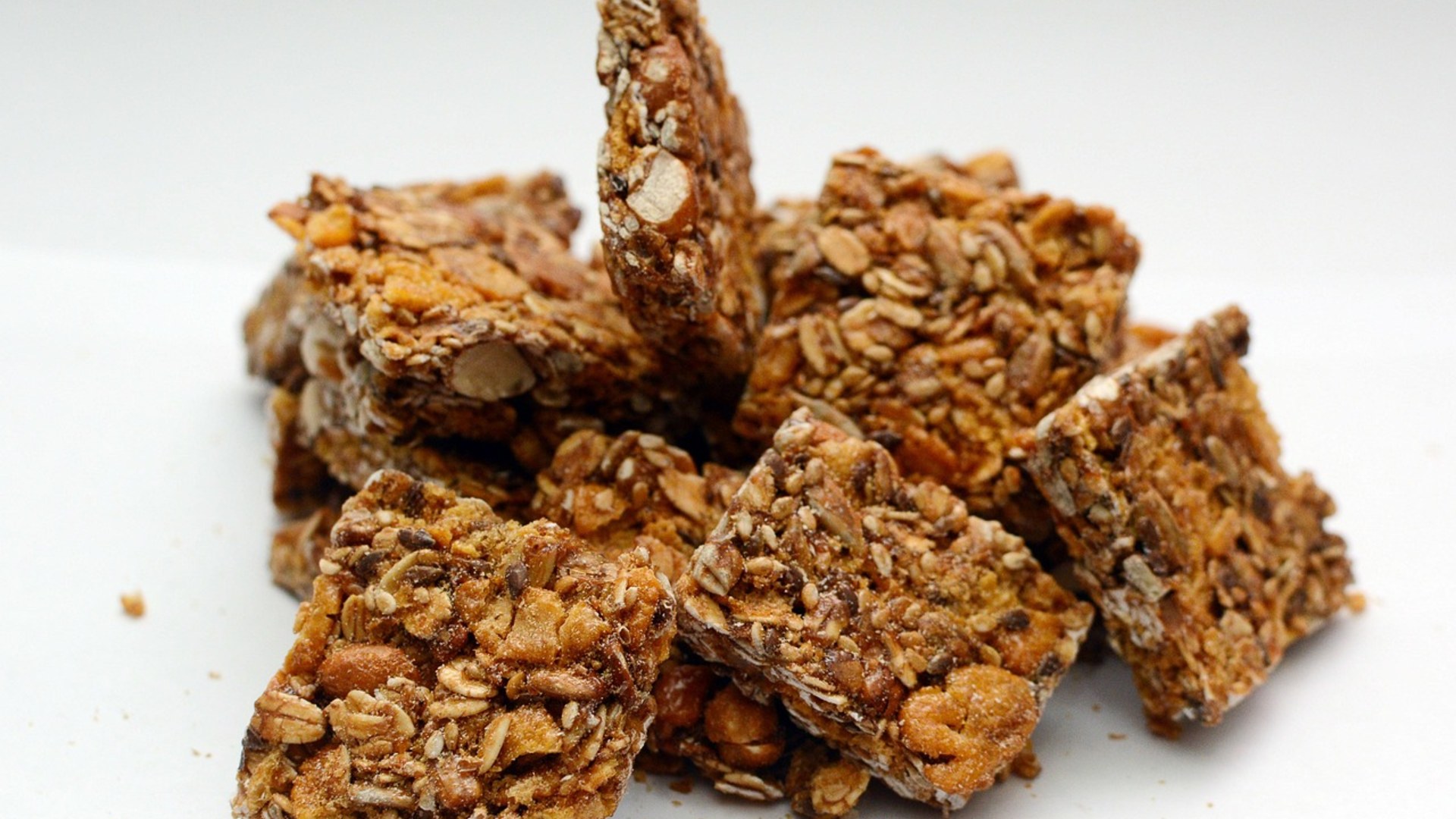
11. Snacking On A Small Handful Of Nuts
A thirty-year longevity cohort from Loma Linda University revealed that eating nuts five times weekly adds roughly two years of life expectancy. Walnuts and almonds provide alpha-linolenic acid, which keeps artery walls flexible and helps prevent plaque accumulation in advanced age.
©Openverse / quinn.anya
10. Following A Strict Seven-Hour Sleep Pattern
Neurological research from the National Sleep Foundation demonstrates that seven to eight hours of regular sleep clears toxic amyloid proteins from the brain. Centenarians maintain fixed wake times aligned with natural dawn, avoiding late-night artificial illumination.
©Pixabay / Claudio_Scott
Advertisement
Swipe or tap ▶ to resume the countdown.
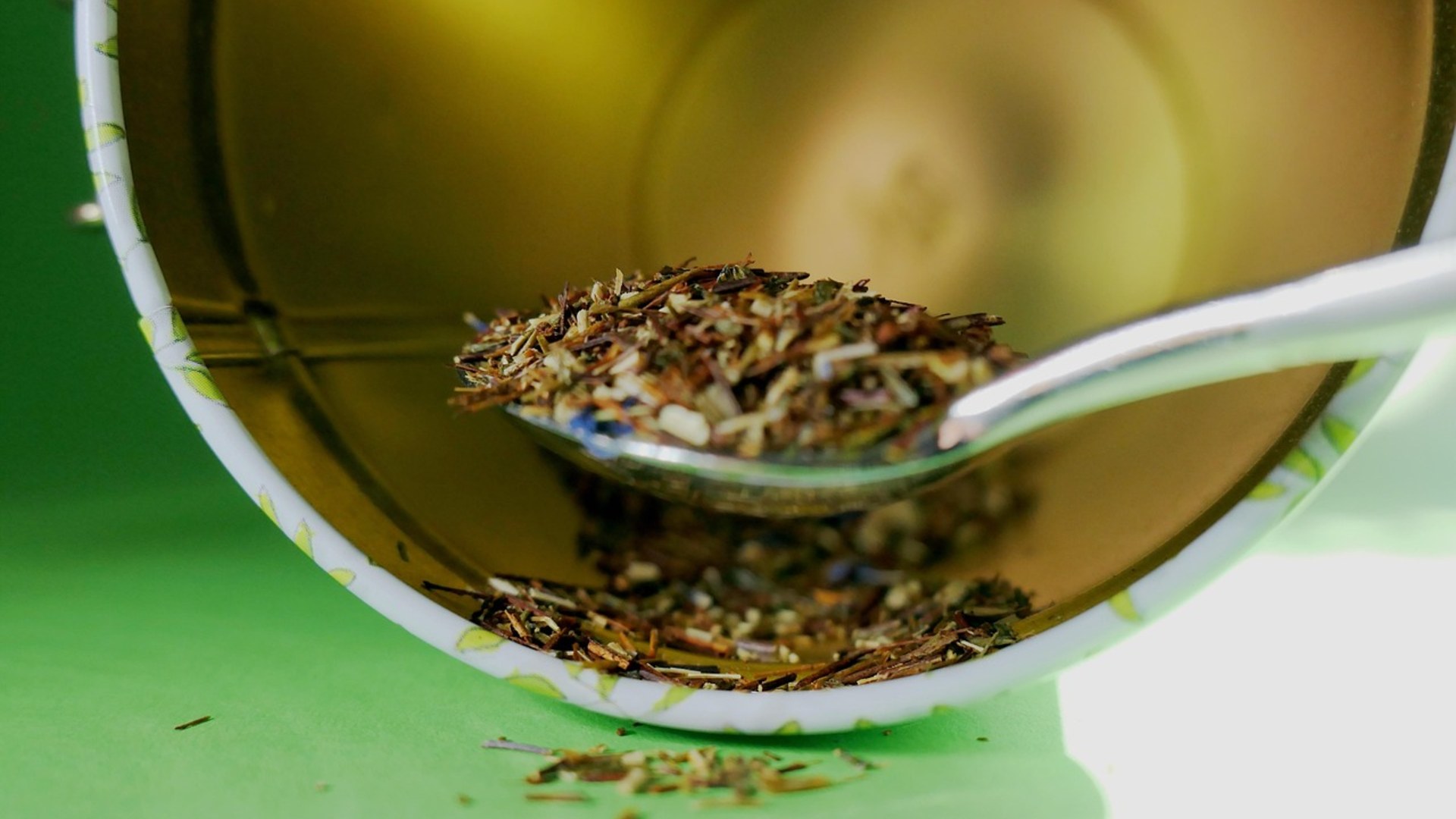
9. Drinking Mountain Herbal Infusions
Pharmacological studies from Athens University identified potent flavonoids in Greek mountain tea and wild rosemary. Centenarians steep these wild leaves every afternoon, consuming natural mild diuretics that reduce arterial pressure without causing kidney dehydration.
©Pixabay / moritz320
8. Stopping Meals At Eighty Percent Full
Metabolic data from the National Institute on Aging confirms that mild caloric restriction without malnutrition preserves mitochondrial efficiency. In Okinawa, elders repeat a quiet phrase before dinner to halt eating before feeling full, keeping insulin sensitivity sharp.
©Pixabay / Wow_Pho
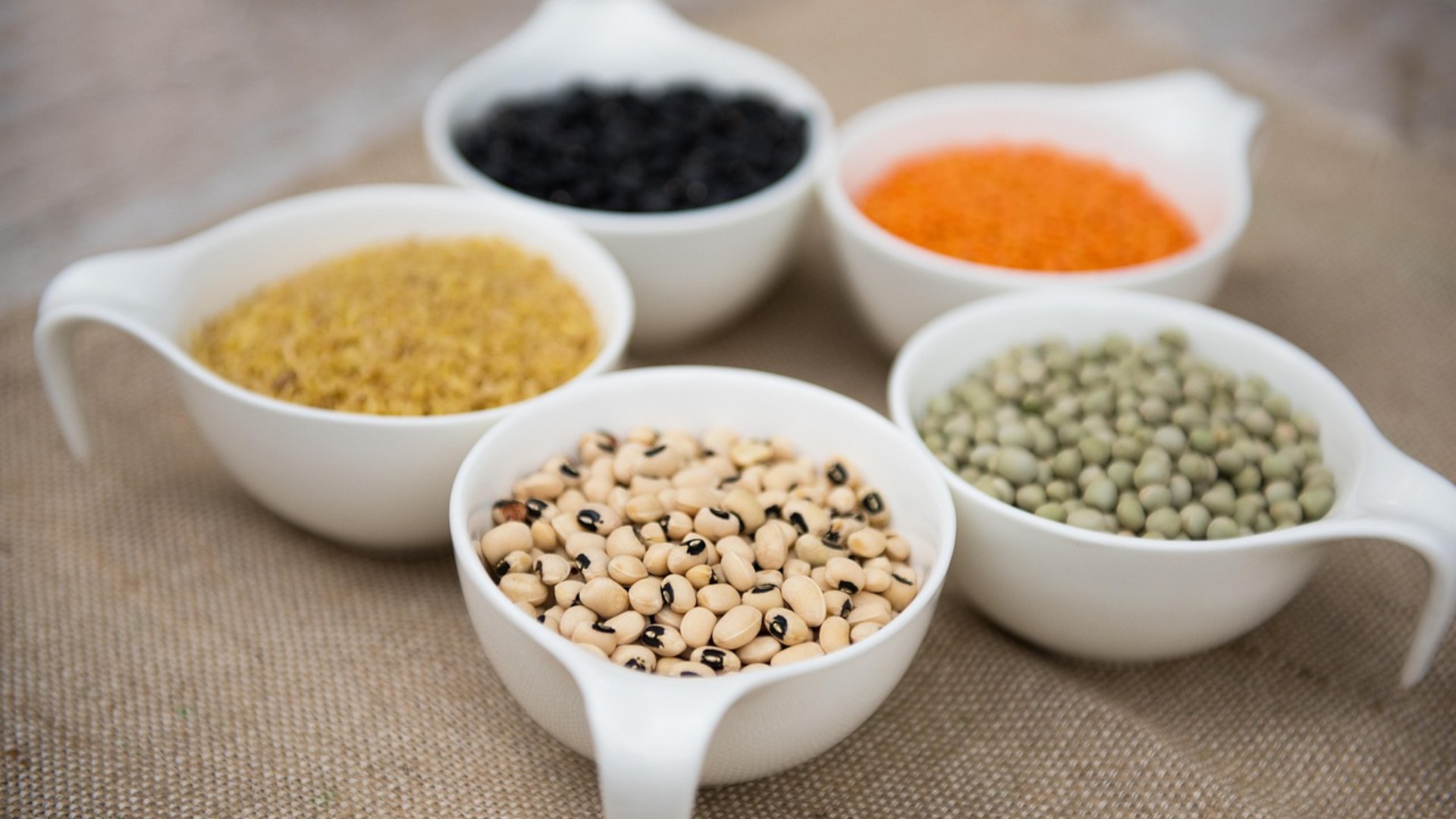
7. Eating A Full Cup Of Beans Every Day
Nutritional analyses across global longevity zones identify beans, lentils, and chickpeas as the premier dietary staple. Consuming one cup daily provides complex carbohydrates and plant protein, stabilizing blood glucose curves and cutting cardiovascular disease risks by half.
©Pixabay / yilmazfatih
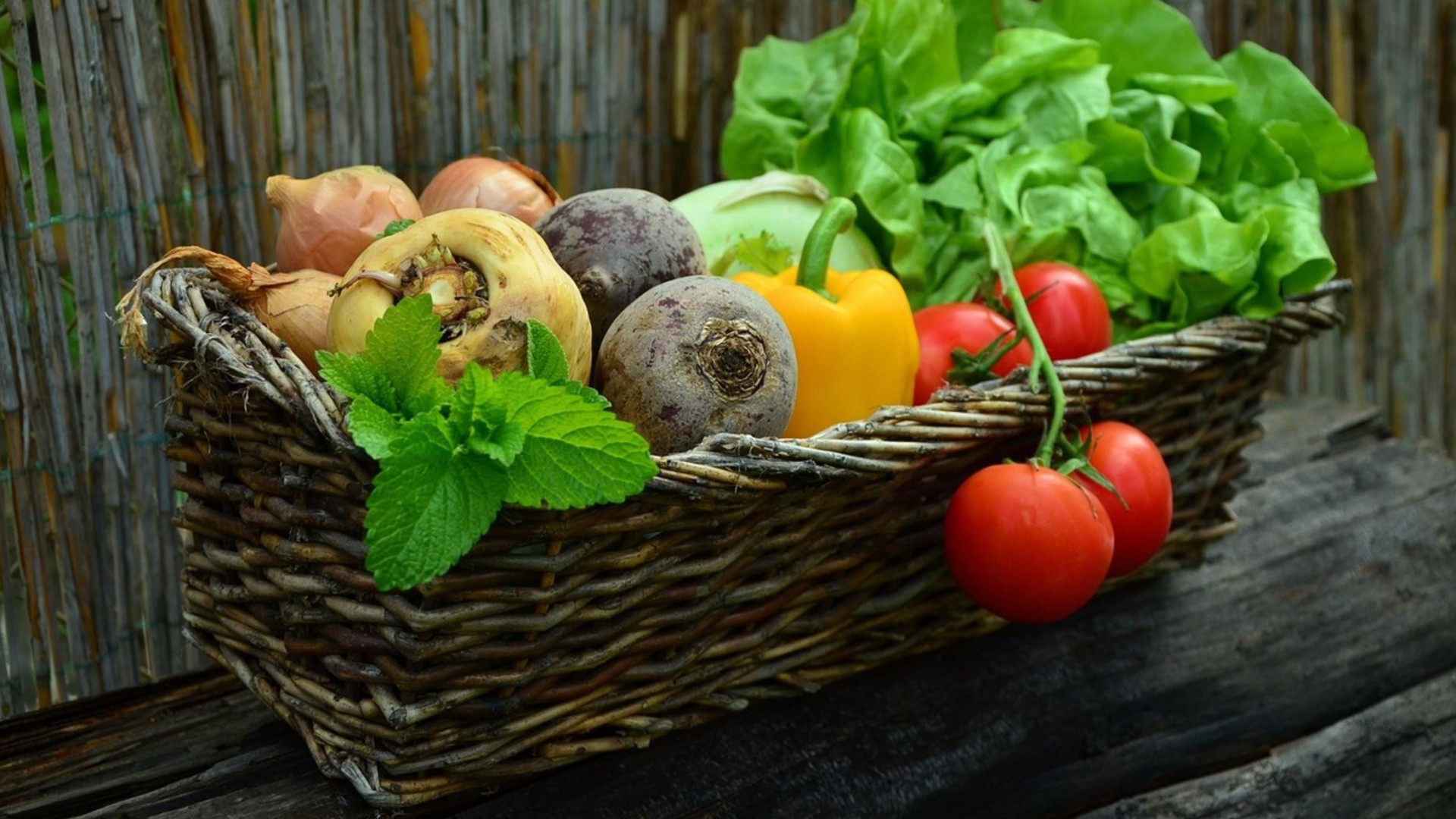
6. Choosing Whole Unprocessed Foods
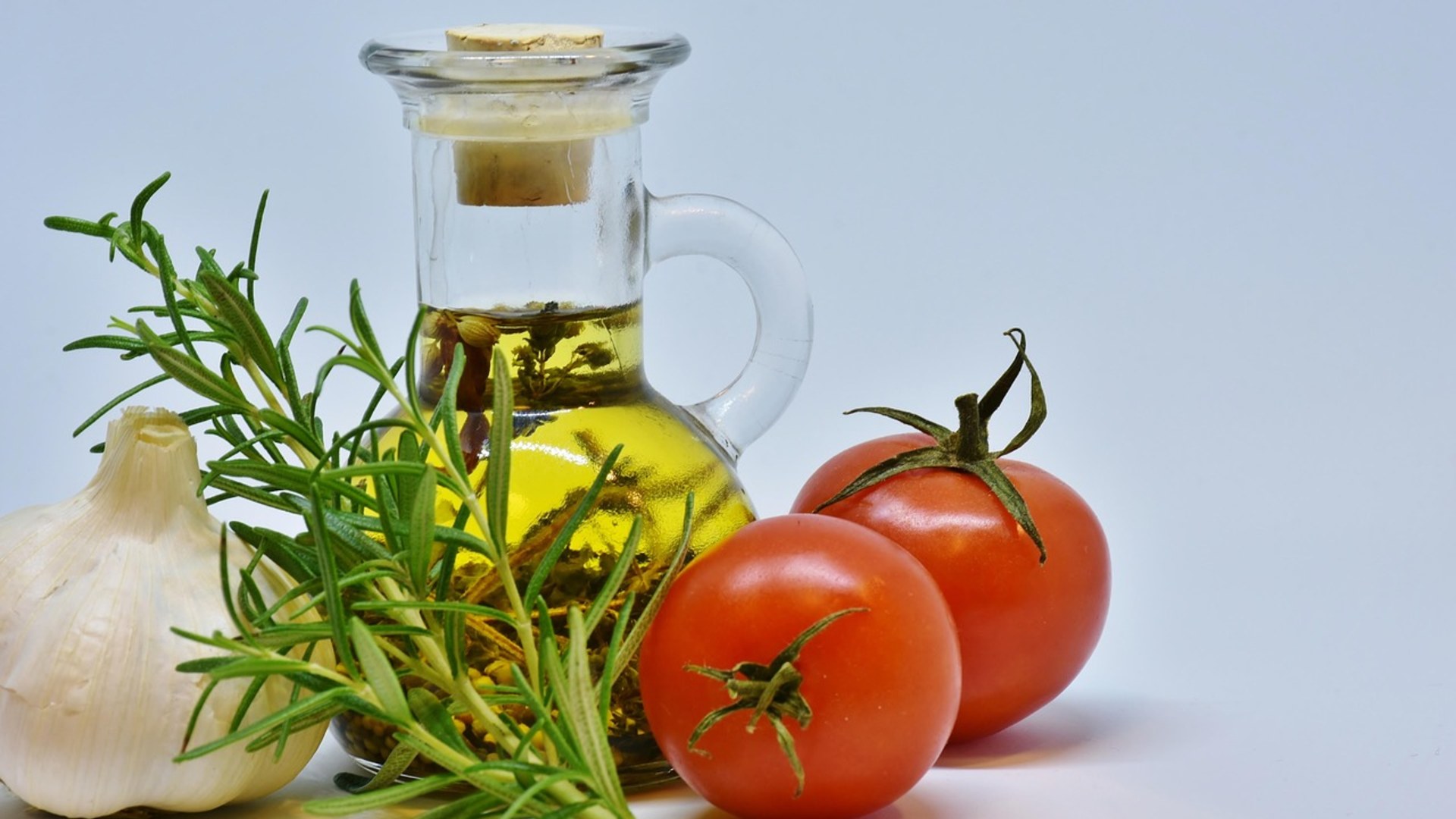
Cardiovascular findings from the British Medical Journal link ultra-processed food consumption directly to accelerated telomere shortening. Elders in longevity zones eat produce harvested within days, cooking with olive oil, seasonal greens, and whole grains untouched by artificial additives.
©Pixabay / congerdesign
Advertisement
Swipe or tap ▶ to resume the countdown.
5. Practicing Daily Floor Stretches
Clinical research published in the European Journal of Preventive Cardiology links the ability to rise from the floor to lower mortality risk. Okinawan centenarians sit on tatami mats several dozen times per day, continuously exercising balance reflexes and preventing dangerous falls.
©Pixabay / StockSnap
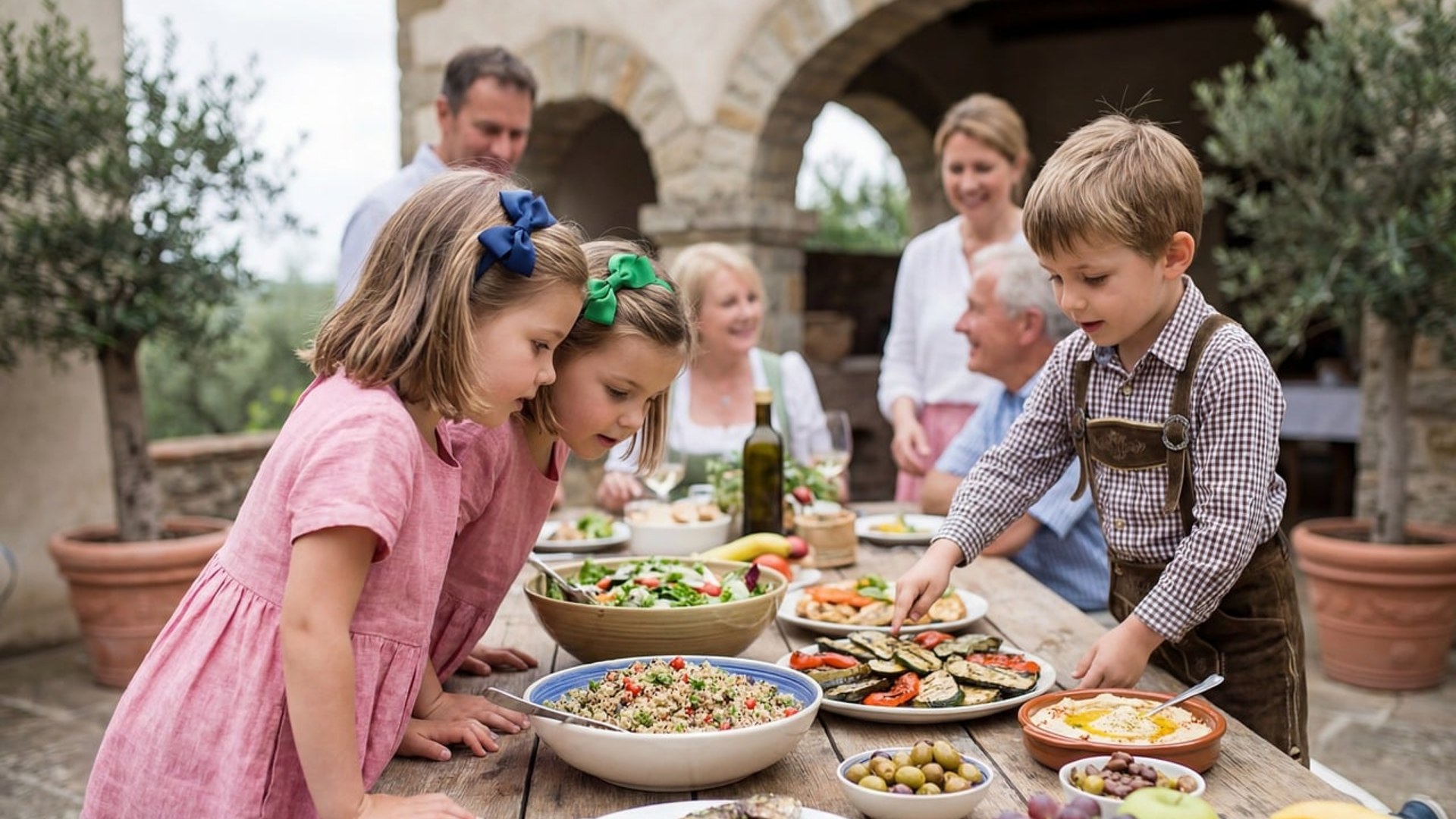
4. Living In Multigenerational Households
Demographic records from the University of Sassari reveal that centenarians who reside with younger relatives show lower depression rates and greater daily physical independence. Being an active family contributor provides constant emotional reinforcement and lower baseline cortisol.
©Pixabay / epochalstock
3. Participating In Weekly Community Circles
Public health data from Harvard University indicates that attending regular faith or community gatherings reduces mortality rates by one third. Centenarians in Loma Linda and Nicoya commit to weekly communal gatherings, reinforcing a shared ethical structure and emotional safety net.
©Wikimedia / Josep M. Gracia
2. Waking Up With A Clear Purpose
Research published by the American Psychological Association found that maintaining a strong sense of purpose reduces cardiovascular mortality by seventeen percent. Centenarians call this Ikigai in Japan and Plan de Vida in Costa Rica, starting every morning with clear responsibilities.
©Pixabay / Jerryblessed
Advertisement
Swipe or tap ▶ to resume the countdown.
1. Nurturing A Tight Circle Of Lifelong Friends
Long-term findings from the landmark Harvard Study of Adult Development demonstrate that warm personal relationships are the single strongest predictor of reaching age one hundred. Okinawans form Moai groups that commit to mutual emotional and financial care through every decade of life.

©Pixabay / stevepb
Advertisement
You've reached the end of the story. Thanks for reading!

22 Popular Foods That Look Healthy Until You Check the Label
Based on nutrition data from USDA FoodData Central, the American Heart Association, and Harvard T.H. Chan School of Public Health, these 22 everyday foods often carry health claims on the front of the box. Behind the marketing, added sugar, sodium, saturated fat, or lost fiber tell a very different story.
All 20 Entries in this Story
20. Sipping Morning Coffee Or Green Tea
Research published by the American Heart Association shows that moderate daily coffee or green tea intake reduces stroke risk by twenty percent. Centenarians in Greece and Japan consume fresh brews without refined sugar, delivering polyphenols that support vascular elasticity into late life.

19. Getting Fifteen Minutes Of Morning Sun
Data from the National Institutes of Health indicates that morning sunlight exposure triggers melatonin production at night while strengthening bone density. Elders in Costa Rica spend early hours outdoors, keeping active vitamin D levels elevated without risking midday sunburn.

18. Accumulating Natural Daily Steps
A 2025 study in The Lancet Public Health revealed that adults taking regular functional walks maintain higher mobility scores after age ninety. Shepherds in Sardinia walk four to six miles daily over hilly terrain, preserving joint strength without intense resistance training.

17. Eating Light Dinners Before Sundown
Clinical trials from Harvard Medical School reveal that finishing meals at least three hours before bedtime prevents glucose spikes during sleep. In Okinawa, older residents consume their primary calories before sunset, easing digestion and allowing natural overnight cellular recovery.

16. Taking Brief Afternoon Naps
A landmark study across Greek islands found that men taking thirty-minute afternoon naps had thirty-seven percent lower heart disease mortality. Doctors credit this habit with lowering stress hormones and resetting blood pressure during the warmest part of the day.

15. Keeping Indoor Plants And Herbs
Research published in the Journal of Physiological Anthropology found that daily plant maintenance reduces sympathetic nervous system arousal. Centenarians in southern Europe regularly maintain balcony rosemary and thyme, breathing cleaner indoor air while practicing calm manual care.

14. Sharing Daily Laughter With Companions
Epidemiological reviews from the Mayo Clinic show that frequent social humor lowers arterial stiffness and boosts immune antibodies. Centenarians often gather in town squares to exchange lighthearted stories, using humor as a natural buffer against chronic stress and bereavement.

13. Tending A Home Garden
Geriatric studies confirm that regular gardeners experience thirty percent lower rates of cognitive decline compared to sedentary peers. Weeding and pruning require gentle squats that preserve balance, while exposure to beneficial soil bacteria supports immune regulation well past ninety.

12. Drinking Pure Mineral-Rich Water
Hydration trials monitored by the National Institute on Aging show that adequate mineral water intake reduces blood viscosity and prevents fainting spells. In Nicoya, groundwater carries natural calcium and magnesium, which protects bone mineral density and steadies cardiac rhythms.

11. Snacking On A Small Handful Of Nuts
A thirty-year longevity cohort from Loma Linda University revealed that eating nuts five times weekly adds roughly two years of life expectancy. Walnuts and almonds provide alpha-linolenic acid, which keeps artery walls flexible and helps prevent plaque accumulation in advanced age.

10. Following A Strict Seven-Hour Sleep Pattern
Neurological research from the National Sleep Foundation demonstrates that seven to eight hours of regular sleep clears toxic amyloid proteins from the brain. Centenarians maintain fixed wake times aligned with natural dawn, avoiding late-night artificial illumination.

9. Drinking Mountain Herbal Infusions
Pharmacological studies from Athens University identified potent flavonoids in Greek mountain tea and wild rosemary. Centenarians steep these wild leaves every afternoon, consuming natural mild diuretics that reduce arterial pressure without causing kidney dehydration.

8. Stopping Meals At Eighty Percent Full
Metabolic data from the National Institute on Aging confirms that mild caloric restriction without malnutrition preserves mitochondrial efficiency. In Okinawa, elders repeat a quiet phrase before dinner to halt eating before feeling full, keeping insulin sensitivity sharp.

7. Eating A Full Cup Of Beans Every Day
Nutritional analyses across global longevity zones identify beans, lentils, and chickpeas as the premier dietary staple. Consuming one cup daily provides complex carbohydrates and plant protein, stabilizing blood glucose curves and cutting cardiovascular disease risks by half.

6. Choosing Whole Unprocessed Foods
Cardiovascular findings from the British Medical Journal link ultra-processed food consumption directly to accelerated telomere shortening. Elders in longevity zones eat produce harvested within days, cooking with olive oil, seasonal greens, and whole grains untouched by artificial additives.

5. Practicing Daily Floor Stretches
Clinical research published in the European Journal of Preventive Cardiology links the ability to rise from the floor to lower mortality risk. Okinawan centenarians sit on tatami mats several dozen times per day, continuously exercising balance reflexes and preventing dangerous falls.

4. Living In Multigenerational Households
Demographic records from the University of Sassari reveal that centenarians who reside with younger relatives show lower depression rates and greater daily physical independence. Being an active family contributor provides constant emotional reinforcement and lower baseline cortisol.

3. Participating In Weekly Community Circles
Public health data from Harvard University indicates that attending regular faith or community gatherings reduces mortality rates by one third. Centenarians in Loma Linda and Nicoya commit to weekly communal gatherings, reinforcing a shared ethical structure and emotional safety net.

2. Waking Up With A Clear Purpose
Research published by the American Psychological Association found that maintaining a strong sense of purpose reduces cardiovascular mortality by seventeen percent. Centenarians call this Ikigai in Japan and Plan de Vida in Costa Rica, starting every morning with clear responsibilities.

1. Nurturing A Tight Circle Of Lifelong Friends
Long-term findings from the landmark Harvard Study of Adult Development demonstrate that warm personal relationships are the single strongest predictor of reaching age one hundred. Okinawans form Moai groups that commit to mutual emotional and financial care through every decade of life.