Slideshow · Viral
20 Famous Christian Symbols and Their Meanings Explained
From ancient catacomb carvings to glorious cathedral stained glass, discover the fascinating history and spiritual meaning behind early faith emblems.
By Most Viral Today
4 Nov 2026

20 Famous Christian Symbols and Their Meanings Explained 
20. The Phoenix 
19. The Fleur De Lis 
18. The Eye Of Providence - AdvertisementSwipe or tap ▶ to continue countdown

17. The Bread And Wine 
16. The Christian Peacock 
15. The IHS Christogram 
14. The Jerusalem Cross - AdvertisementSwipe or tap ▶ to continue countdown

13. The Celtic Cross 
12. The Triquetra 
11. The Pelican In Her Piety 
10. The Sacred Heart - AdvertisementSwipe or tap ▶ to continue countdown

9. The Crown Of Thorns 
8. The Anchor 
7. The Lamb Of God 
6. The Good Shepherd - AdvertisementSwipe or tap ▶ to continue countdown

5. The Dove Of The Holy Spirit 
4. The Alpha And Omega 
3. The Chi-Rho 
2. The Ichthys - AdvertisementSwipe or tap ▶ to continue countdown

1. The Latin Cross - Advertisement🔥 UP NEXT IN THIS SERIES◫ 21 Slides

20 Famous Cars With Pop-Up Headlights That Shaped Car Design
From hand-cranked 1930s teardrops to wedge supercars of the 1980s, hidden headlights let stylists chase sleek aerodynamics until 2004 pedestrian rules closed the curtain. Here are 20 standout production cars that turned retractable lamps into an enduring automotive design feature across seven full decades.
From ancient catacomb carvings to glorious cathedral stained glass, discover the fascinating history and spiritual meaning behind early faith emblems.
Swipe or tap ▶ to begin the countdown
©Wikimedia / Georgina Petridou and Petar Milosevic
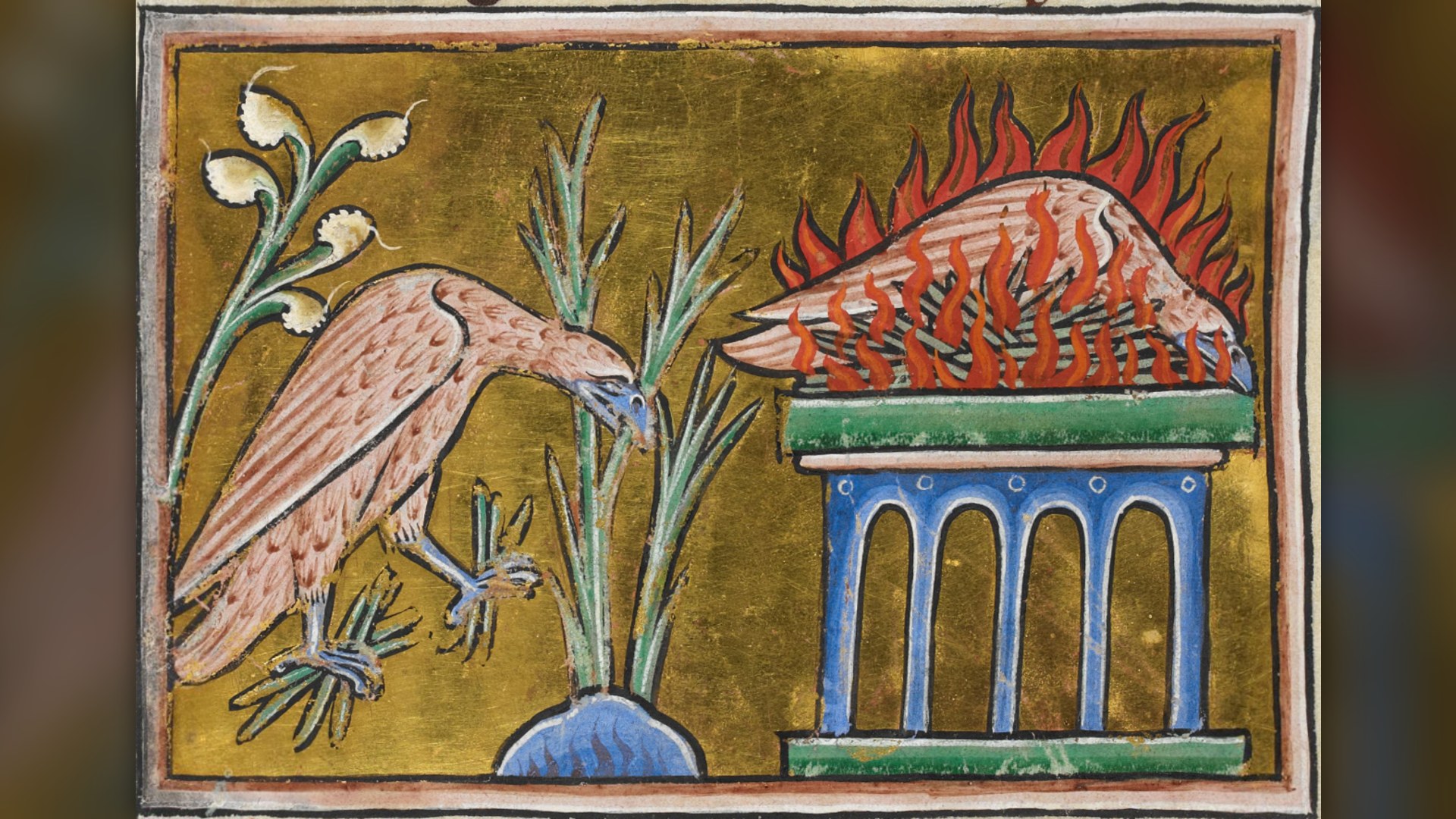
20. The Phoenix
Early Christian writers like Clement of Rome cited the mythical phoenix, which consumed itself in flames only to rise reborn from its own ashes, as a natural allegory for Christ Resurrection. Carved onto gravestones, the phoenix offered grieving families a lasting promise of victory over death.
©Wikimedia / British Library
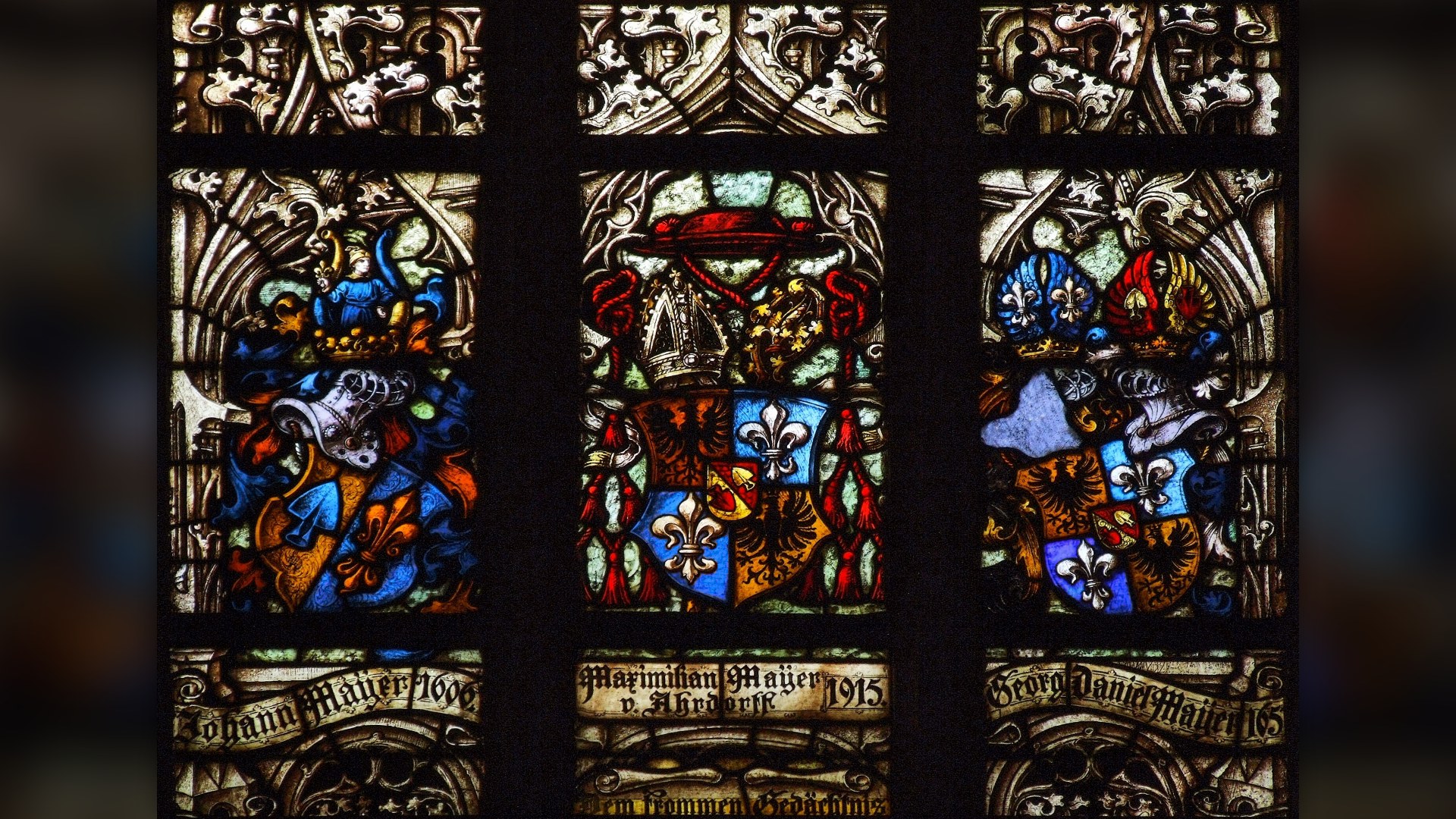
19. The Fleur De Lis
While widely recognized as a French royal emblem, the fleur-de-lis holds deep Marian significance in Christian iconography. The white lily symbolizes pure virtue and the Annunciation, while its threefold petal design simultaneously reinforces belief in the Holy Trinity.
©Wikimedia / Marcin Szala
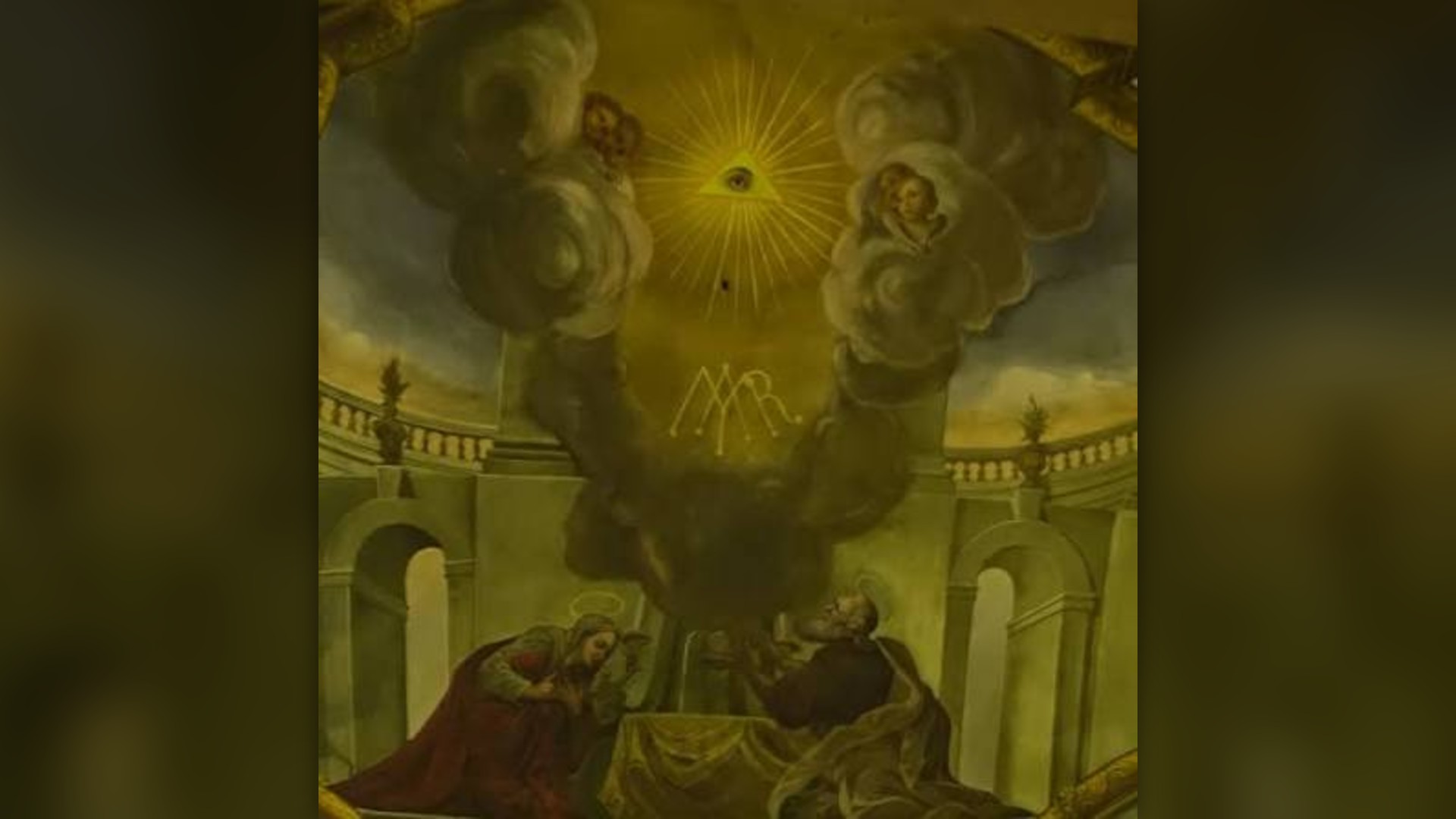
18. The Eye Of Providence
Depicting a human eye enclosed within an equilateral triangle surrounded by rays of light, the Eye of Providence illustrates divine omniscience. The triangle signifies the Holy Trinity, reminding believers that God loving watchfulness observes every human journey with benevolent guidance.
©Wikimedia / Unknown author Unknown author
Advertisement
Swipe or tap ▶ to resume the countdown.
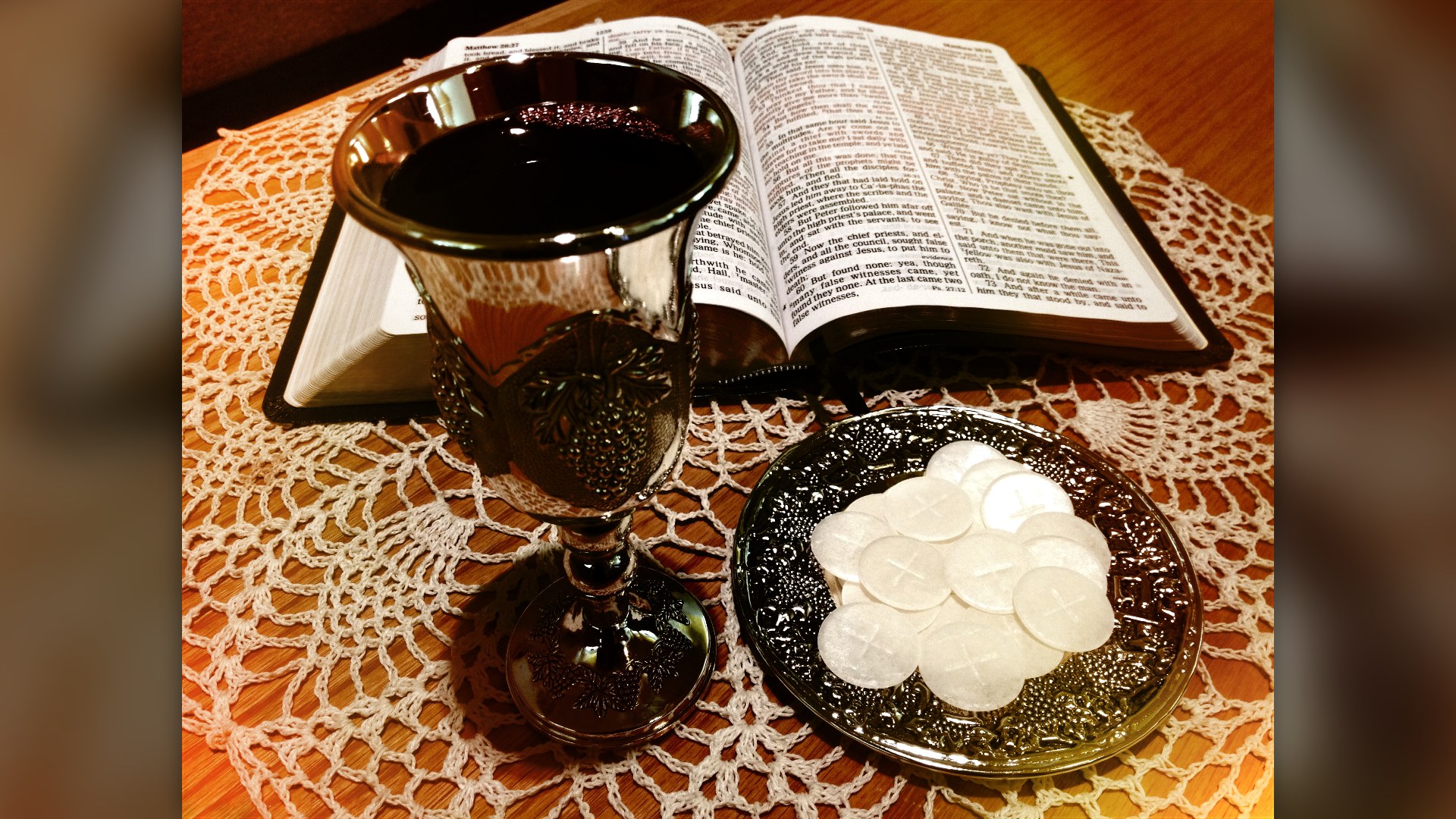
17. The Bread And Wine
Shared during the Last Supper on the eve of the Crucifixion, bread and wine form the heart of Christian Eucharistic liturgy. Representing the body and blood of Christ, wheat sheaves and overflowing chalices appear widely across sacred art to signify spiritual nourishment and fellowship.
©Wikimedia / John Snyder
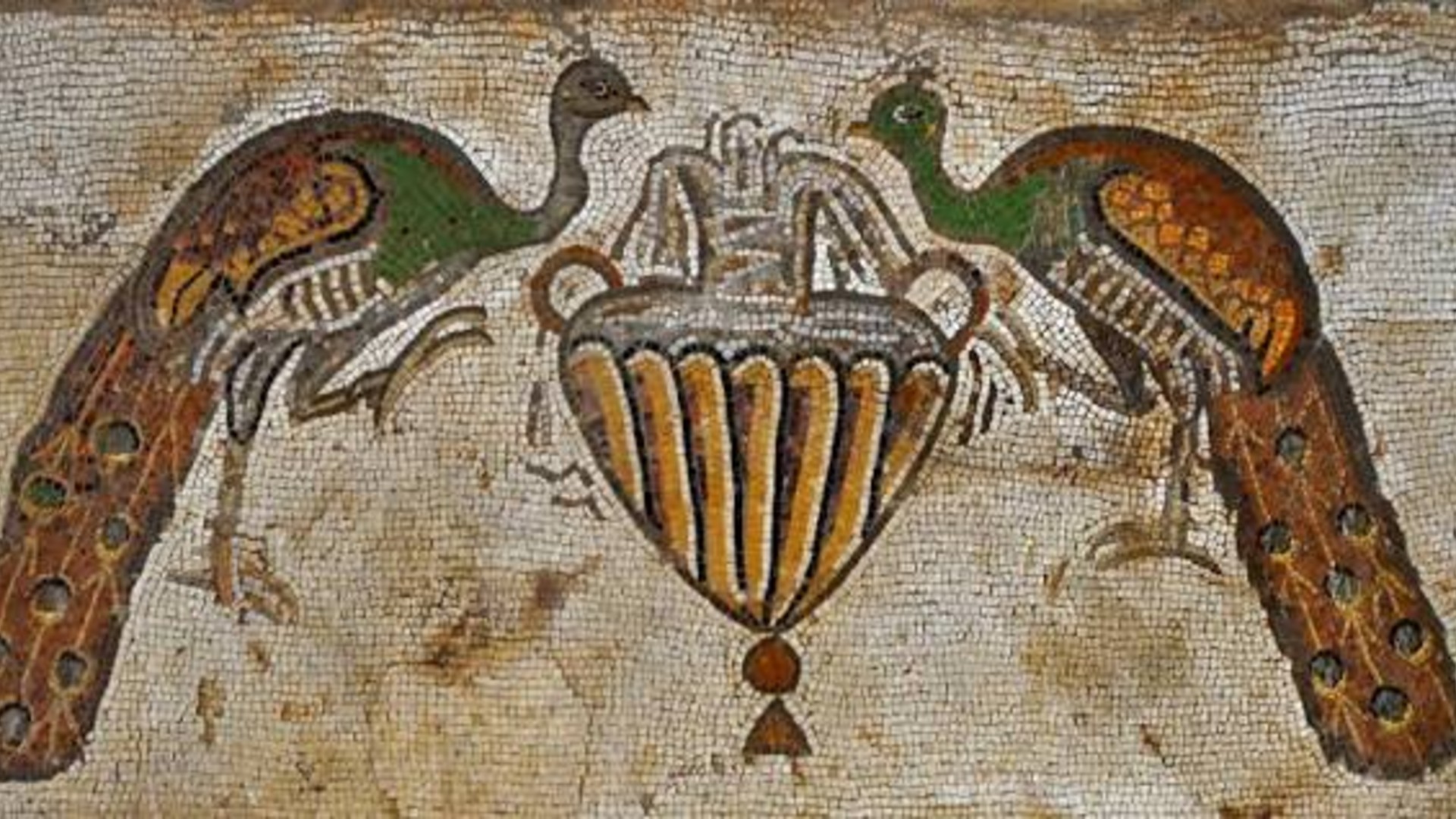
16. The Christian Peacock
In ancient folklore, peacock flesh was believed to resist decay after death. Early Christians adopted the peacock in catacomb frescoes and basilica mosaics as an enduring symbol of resurrection and immortality, while its shed feathers signified seasonal renewal and eternal life.
©Wikimedia / Gianni Careddu
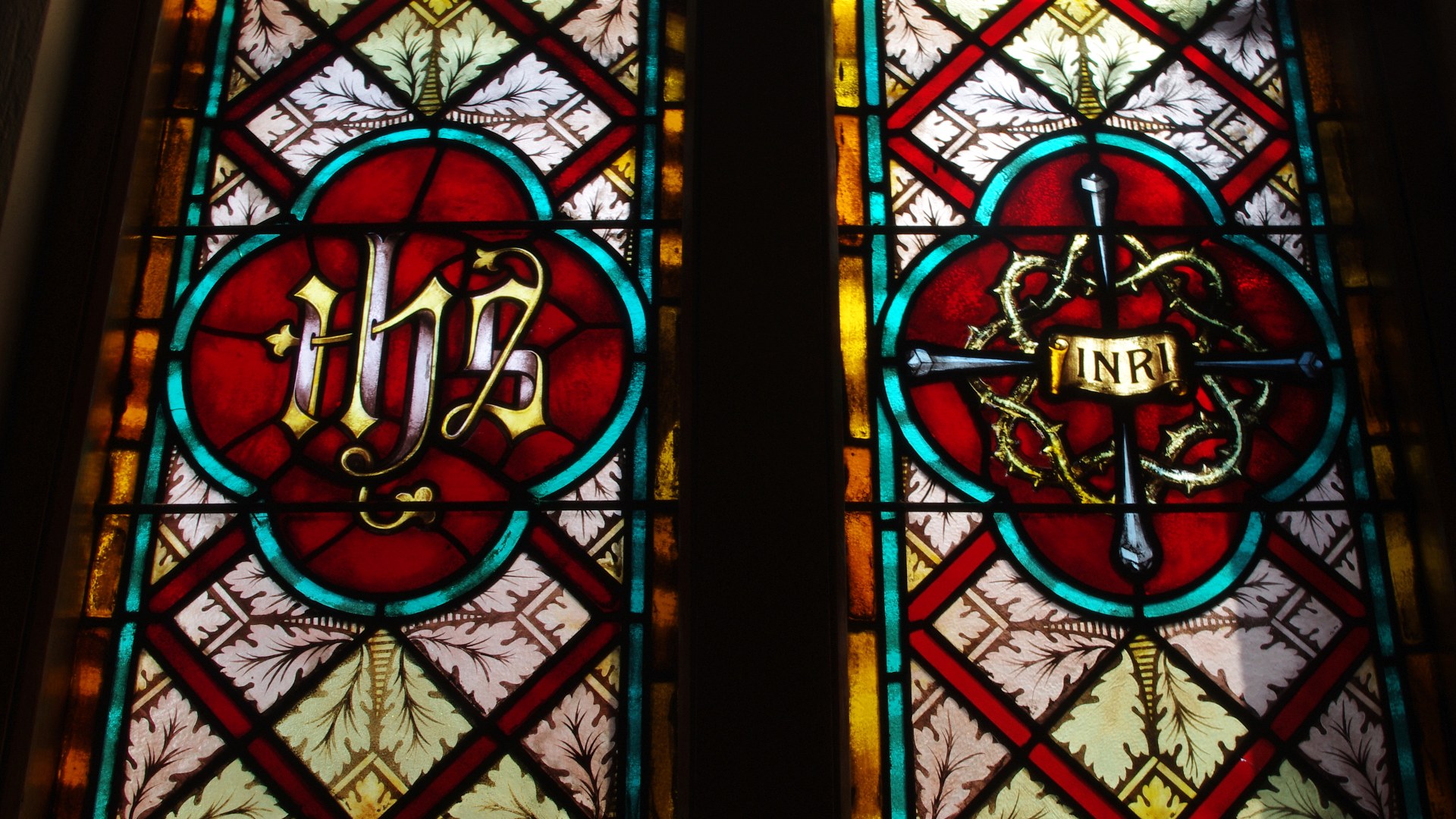
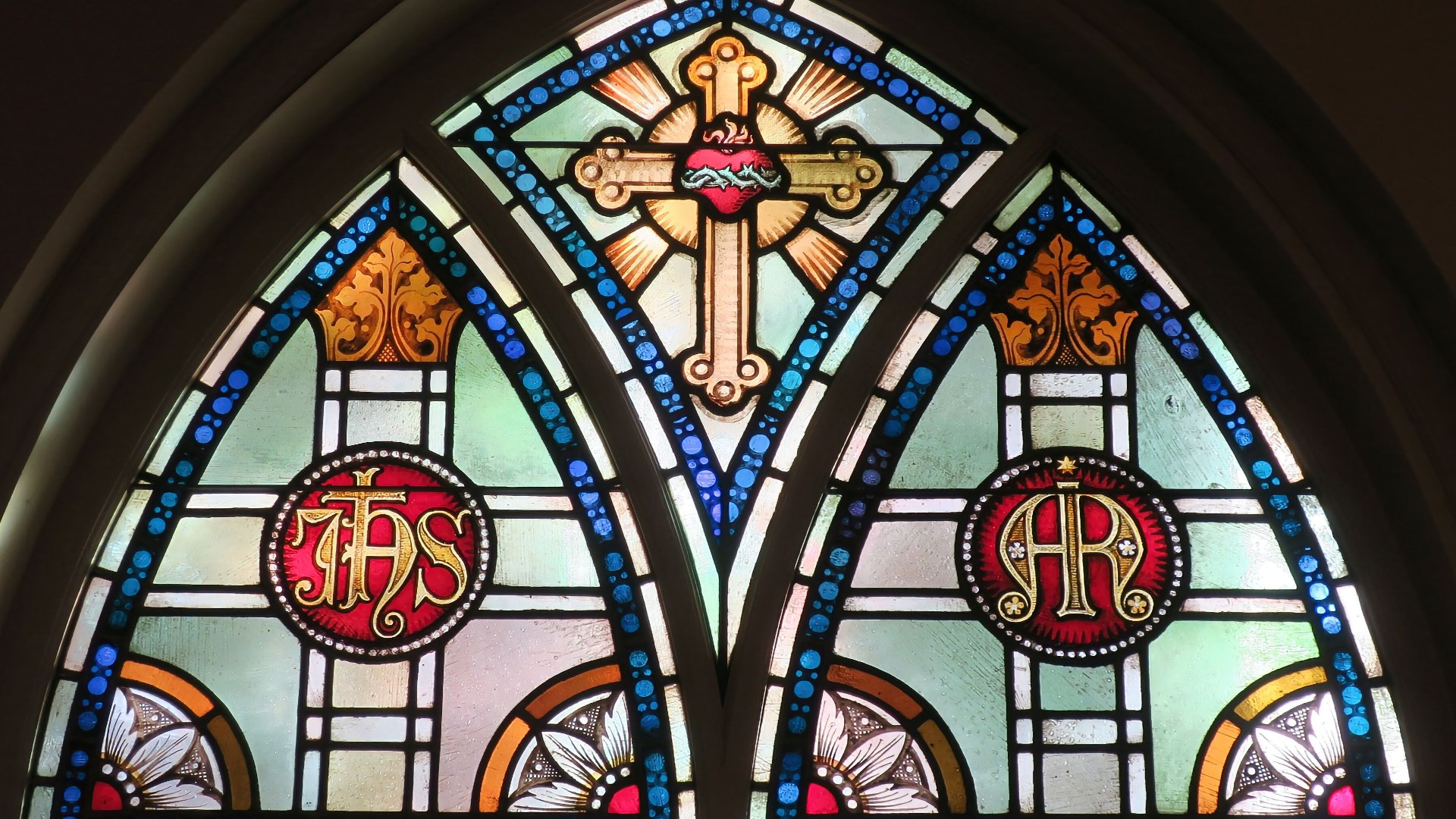
15. The IHS Christogram
Originating as an abbreviation of the Greek name Iesous, the letters I-H-S were popularized in the West by Saint Bernardine of Siena in the fifteenth century. Later adopted by the Jesuit order, this sacred monogram decorates altars, vestments, and church ceilings around the globe.
©Wikimedia / Nheyob
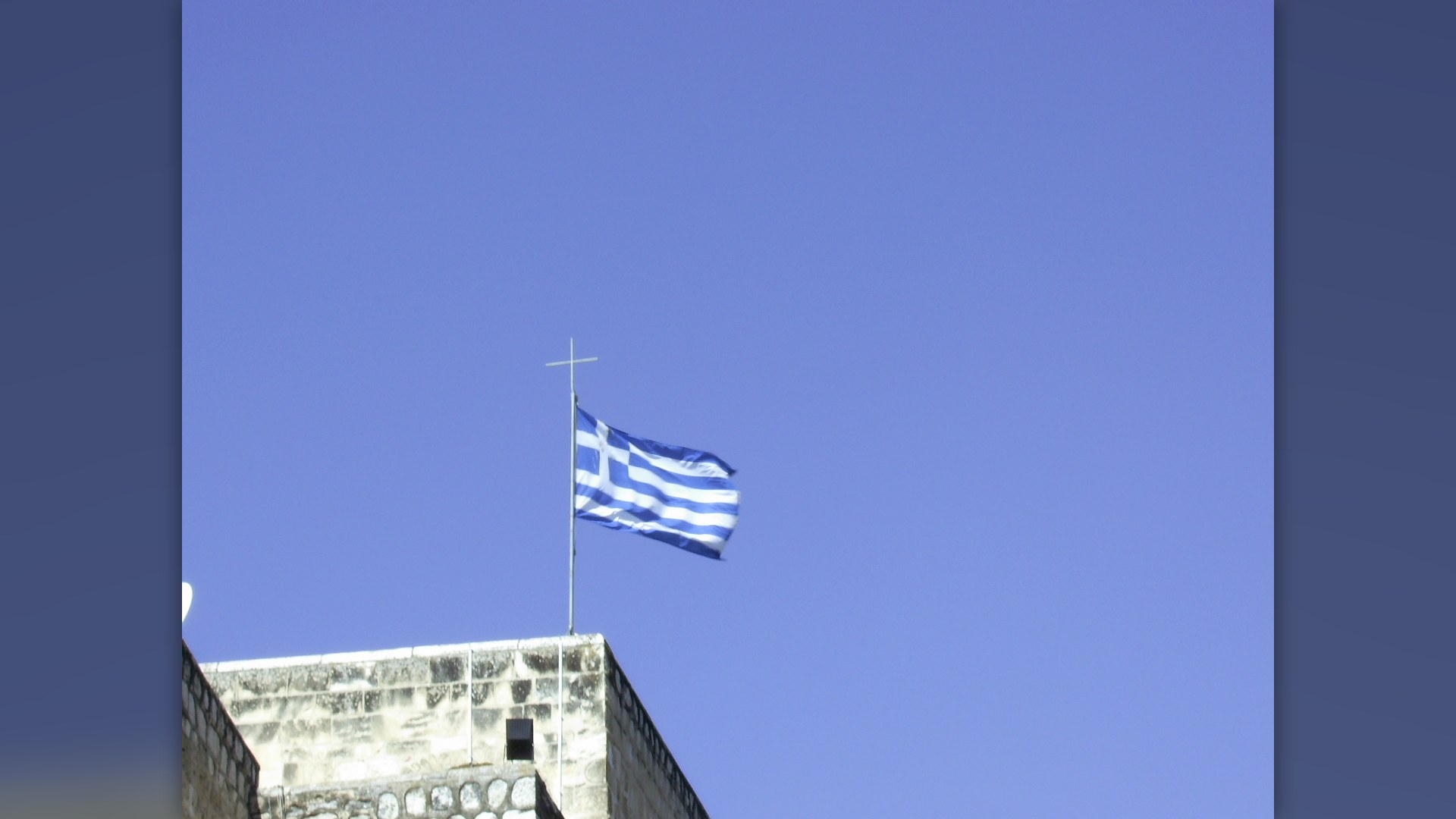
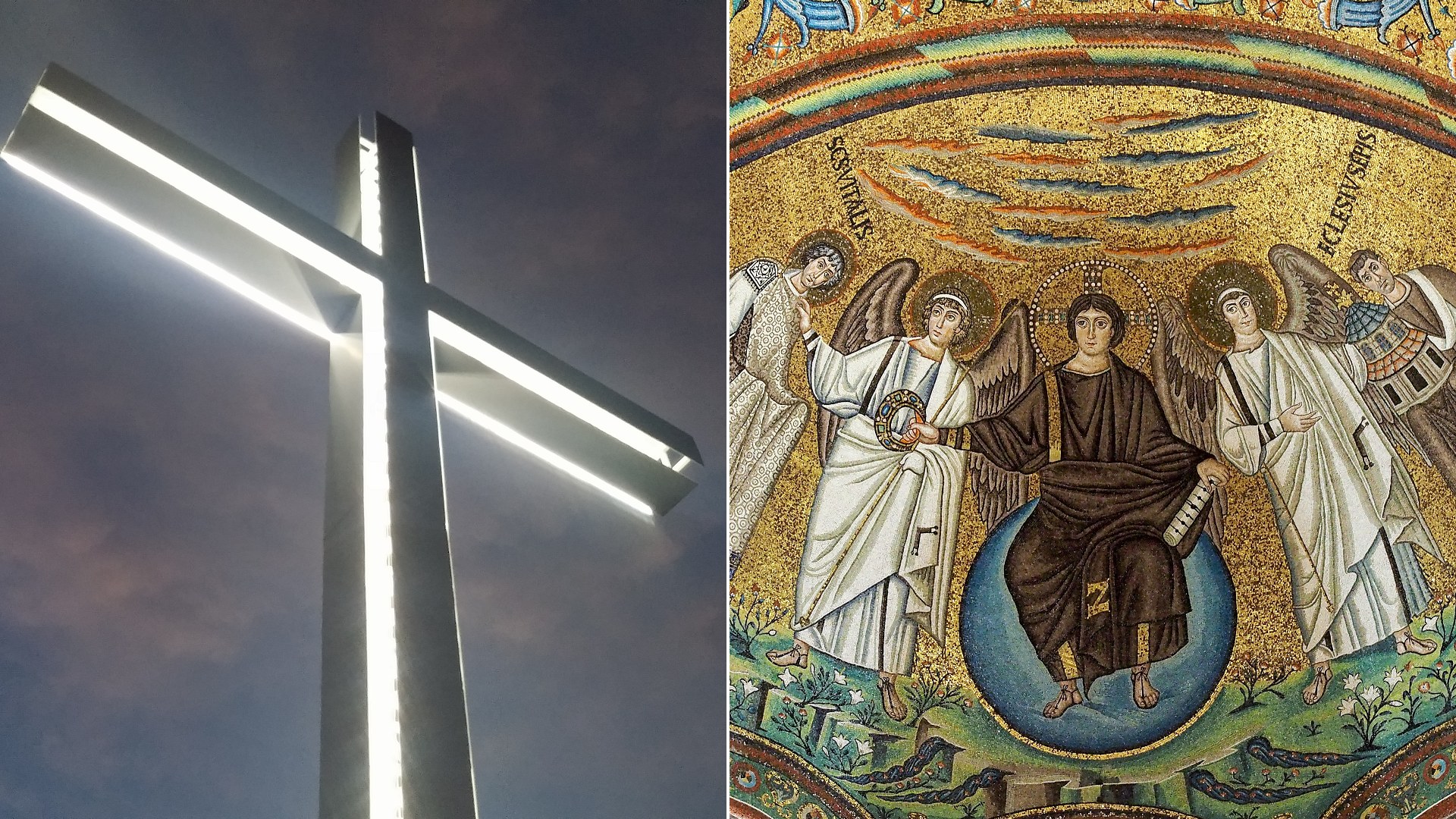
14. The Jerusalem Cross
Adopted as the coat of arms for the Kingdom of Jerusalem during the Crusades, this five-fold design carries multiple meanings. The five crosses represent the five holy wounds of Christ or symbolize spreading the Gospel from Jerusalem outwards to the four corners of the earth.
©Wikimedia / zeevveez
Advertisement
Swipe or tap ▶ to resume the countdown.
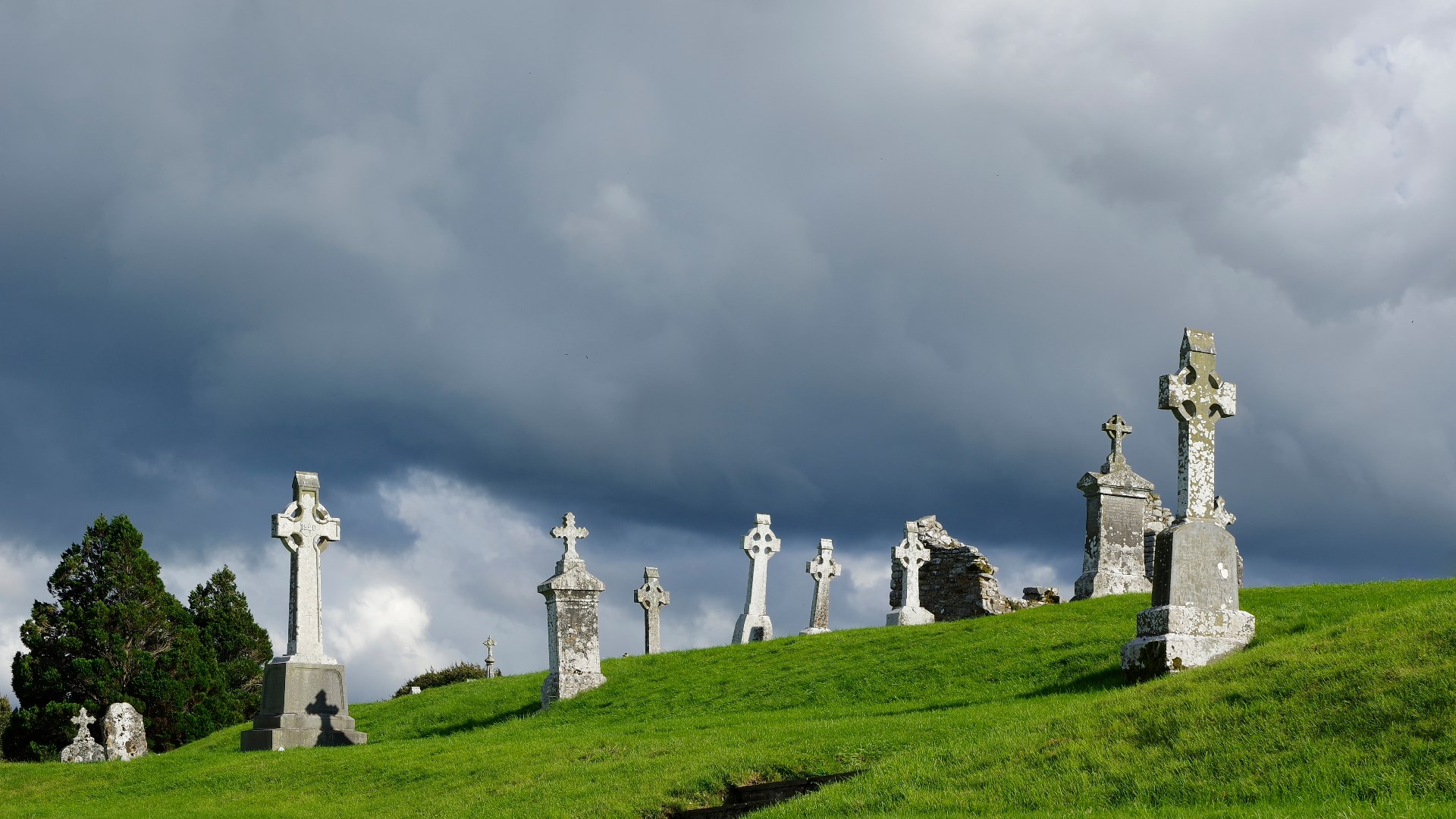
13. The Celtic Cross
Developed across Ireland and Britain during the Early Middle Ages, the Celtic cross unites a traditional cross with a surrounding ring. Popular tradition credits Saint Patrick with blending sun symbolism with the Christian cross to explain how Christ light transcends all created pagan powers.
©Wikimedia / Berthold Werner
12. The Triquetra
Consisting of three interlocking arcs, the triquetra originated in ancient Celtic knotwork and was adopted by early monks to illustrate the Holy Trinity. Because the line flows continuously without interruption, it expresses the eternal nature of the Father, Son, and Holy Spirit as one God.
©Wikimedia / Averater
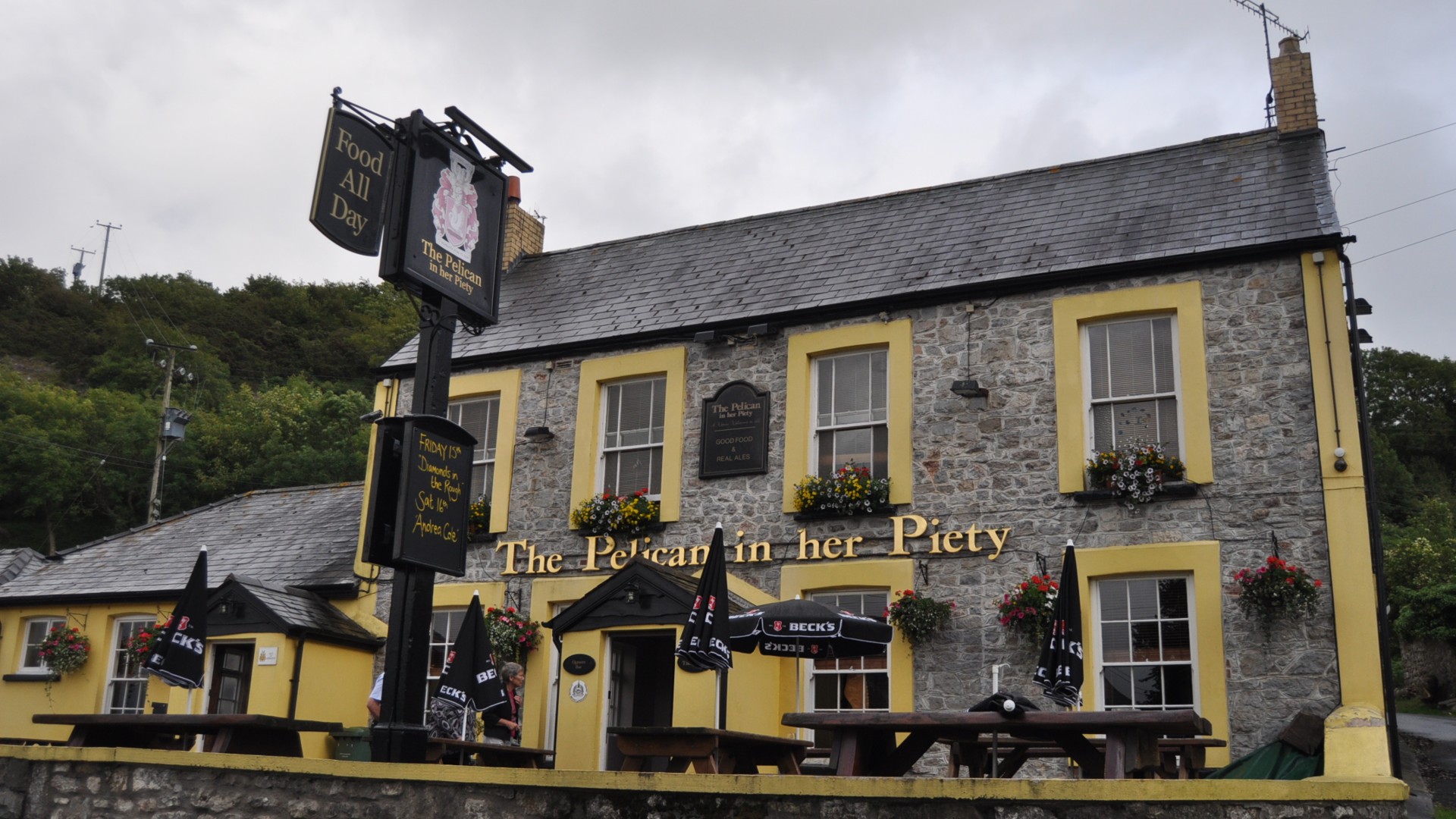
11. The Pelican In Her Piety
According to ancient lore, mother pelicans would pierce their own breasts to revive starving chicks with their lifeblood. Christian theologians adopted this striking image as a powerful metaphor for Christ shedding blood to sustain the church, carving pelicans into pulpits and church altars.
©Wikimedia / andy dolman
10. The Sacred Heart
Featuring a heart encircled by thorns, surmounted by flames and a cross, the Sacred Heart embodies the boundless love of Christ for humankind. Popularized in seventeenth-century France following visions reported by Saint Margaret Mary Alacoque, the devotion highlights healing and mercy.
©Wikimedia / Nheyob
Advertisement
Swipe or tap ▶ to resume the countdown.
9. The Crown Of Thorns
Roman soldiers wove twisted brambles into a painful crown to mock Jesus claim as King of the Jews. What began as cruel satire became a venerated emblem of humble majesty, reminding Christians that spiritual sovereignty triumphed through willing endurance and selfless love.
©Wikimedia / Andre Alliot
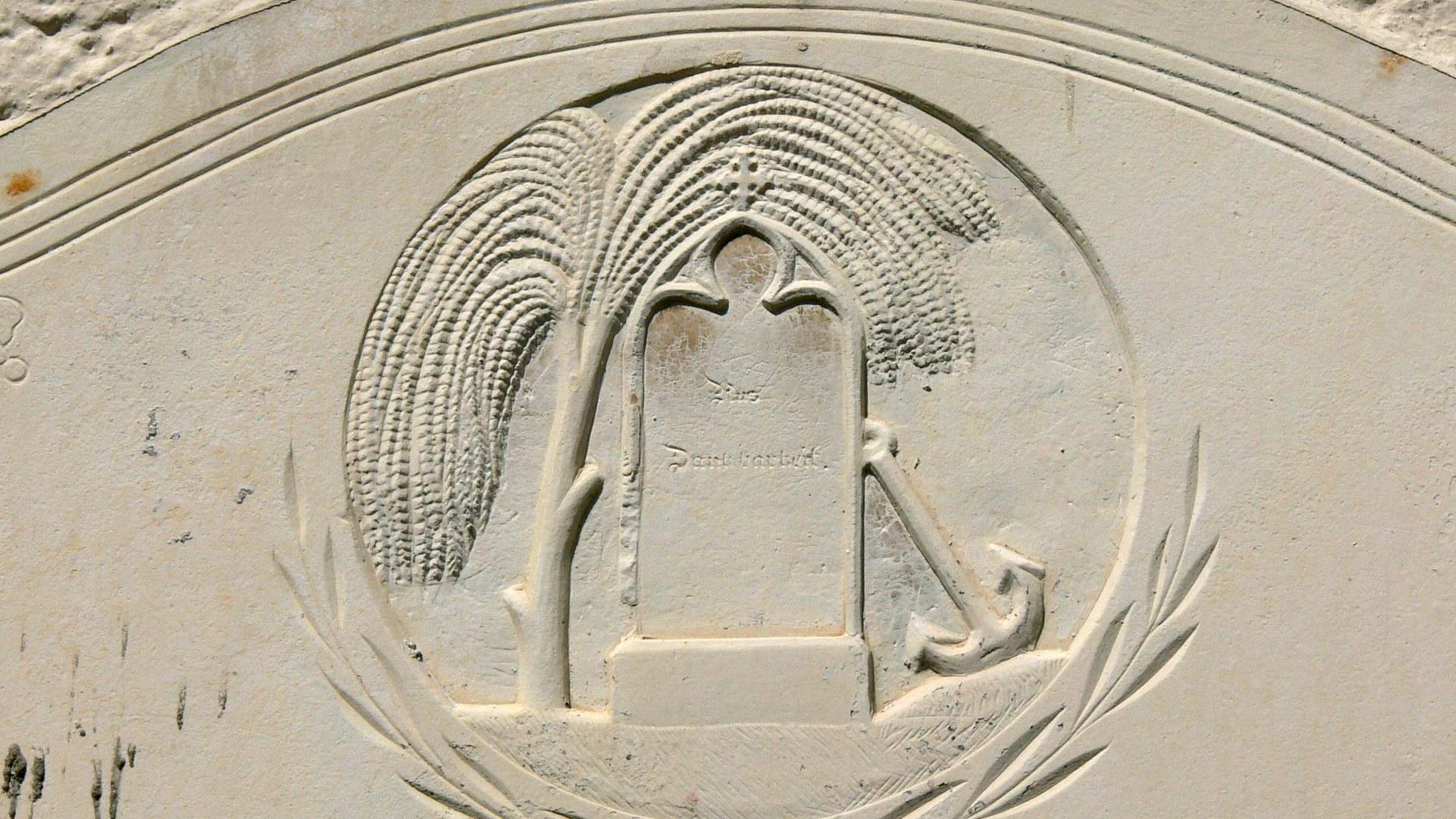
8. The Anchor
Referred to in the Epistle to the Hebrews as a sure and steadfast anchor of the soul, this maritime tool hid a cross shape in plain sight. In subterranean catacombs, anchors marked graves to proclaim that the deceased departed this world anchored securely in eternal hope.
©Wikimedia / Wolfgang Sauber
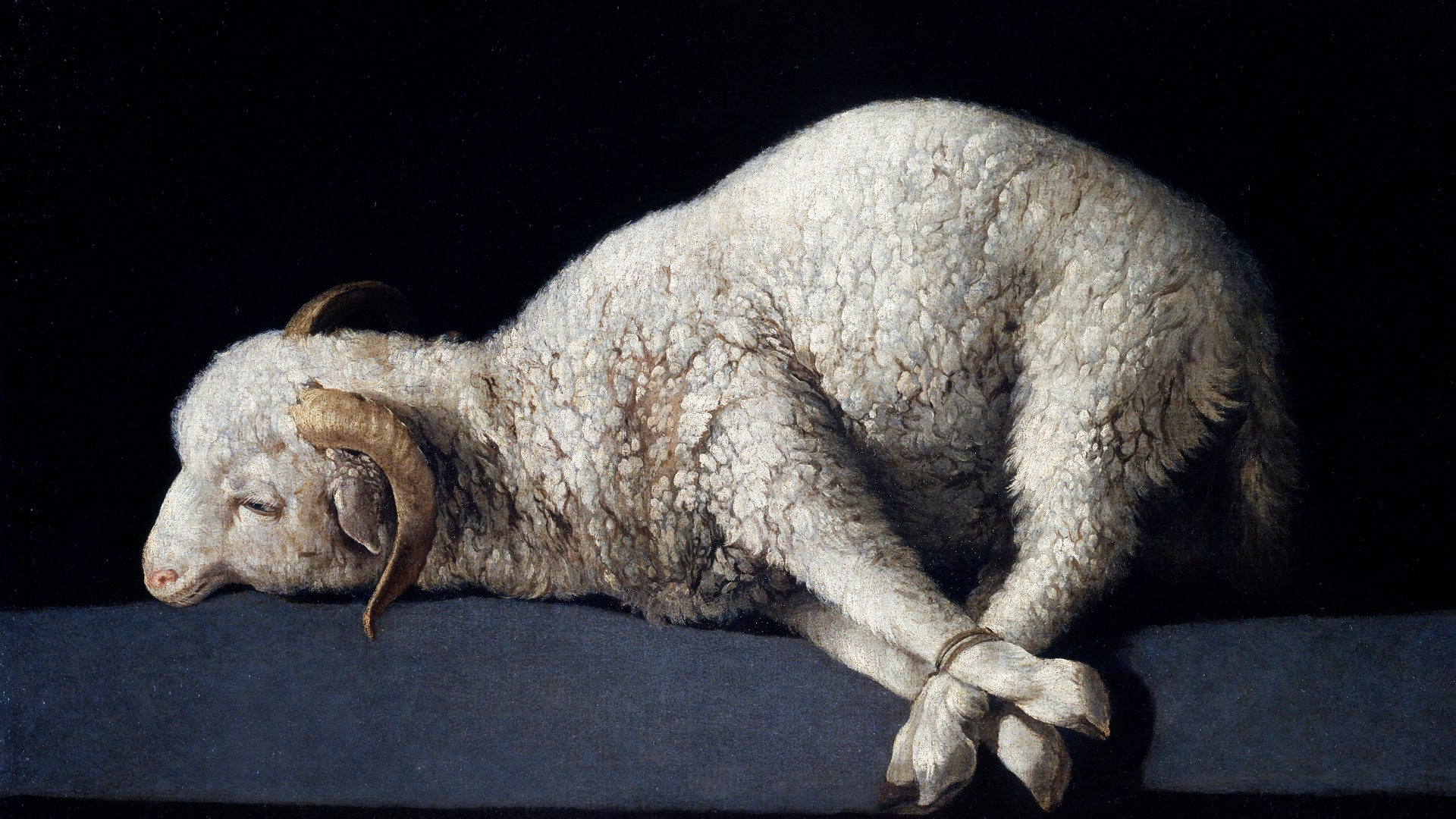
7. The Lamb Of God
Rooted in Jewish Passover traditions and John the Baptist declaration, the Lamb of God represents the ultimate sacrifice for human sin. Often depicted resting peacefully or carrying a banner of victory, the Agnus Dei bridges ancient sacrificial imagery with the promise of eternal redemption.
©Wikimedia / Francisco de Zurbaran
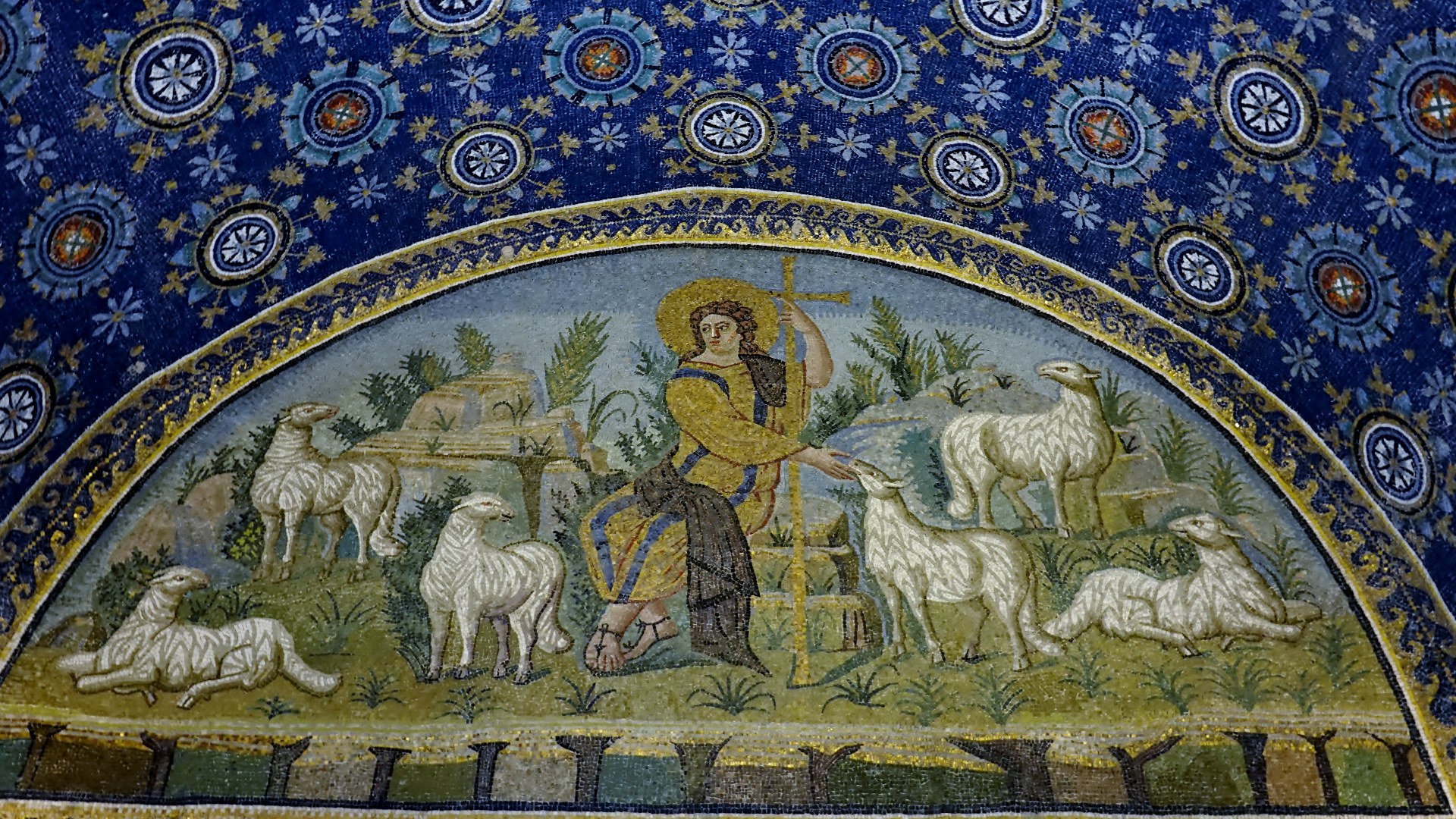
6. The Good Shepherd
Long before crucifixes appeared in Christian art, Roman catacomb frescoes depicted Jesus as a youthful shepherd carrying a lost lamb upon His shoulders. Sourced directly from biblical parables, the motif reassured early believers of constant divine guidance, rescue, and pastoral mercy.
©Wikimedia / Richard Mortel
Advertisement
Swipe or tap ▶ to resume the countdown.
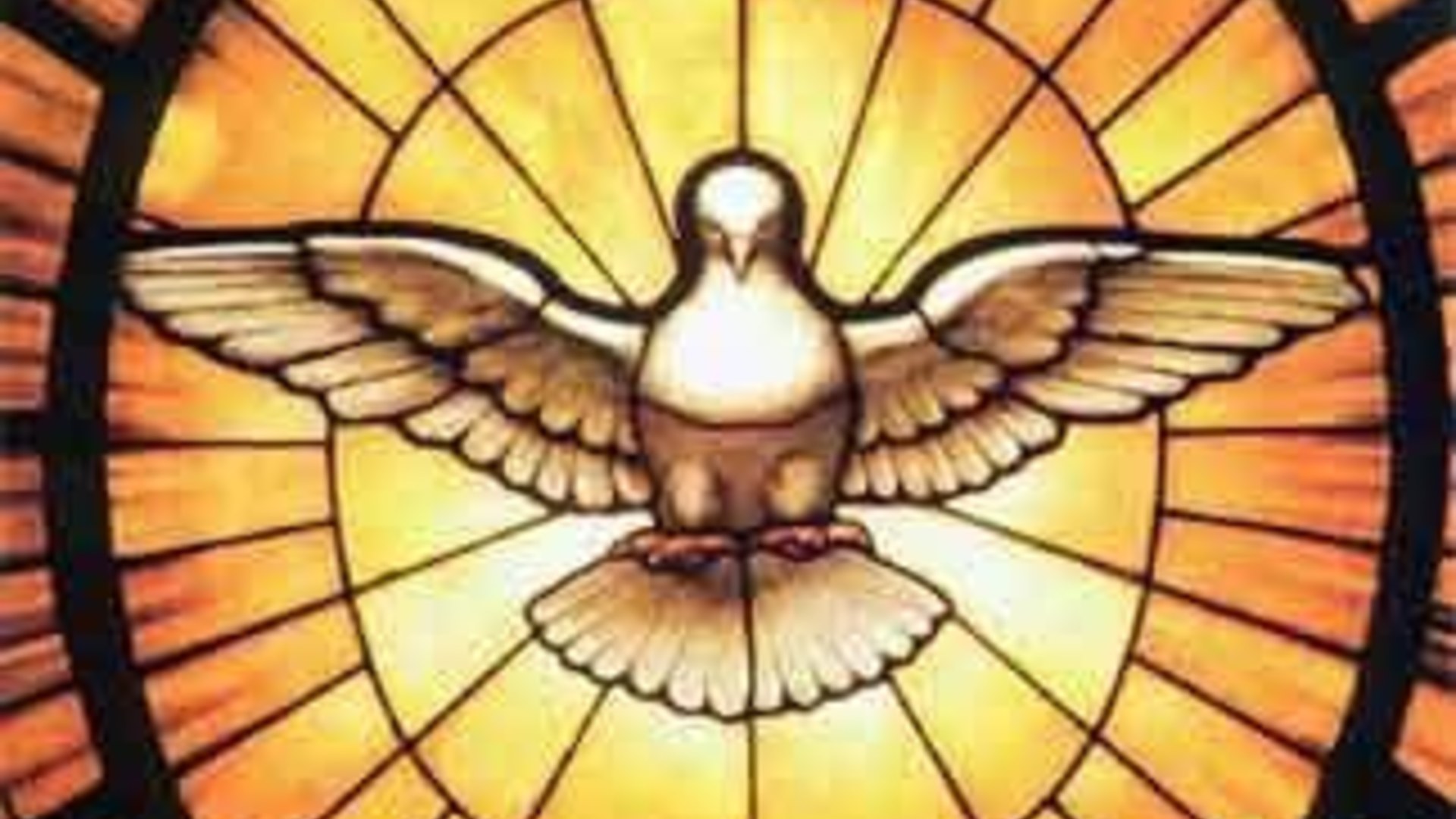
5. The Dove Of The Holy Spirit
Evoking the baptism of Jesus in the Jordan River, where the Spirit descended like a dove, this gentle bird represents peace and divine presence. The dove also recalls Noah ark bringing back an olive branch, signifying reconciliation between God and humanity across biblical history.
©Wikimedia / Gian Lorenzo Bernini
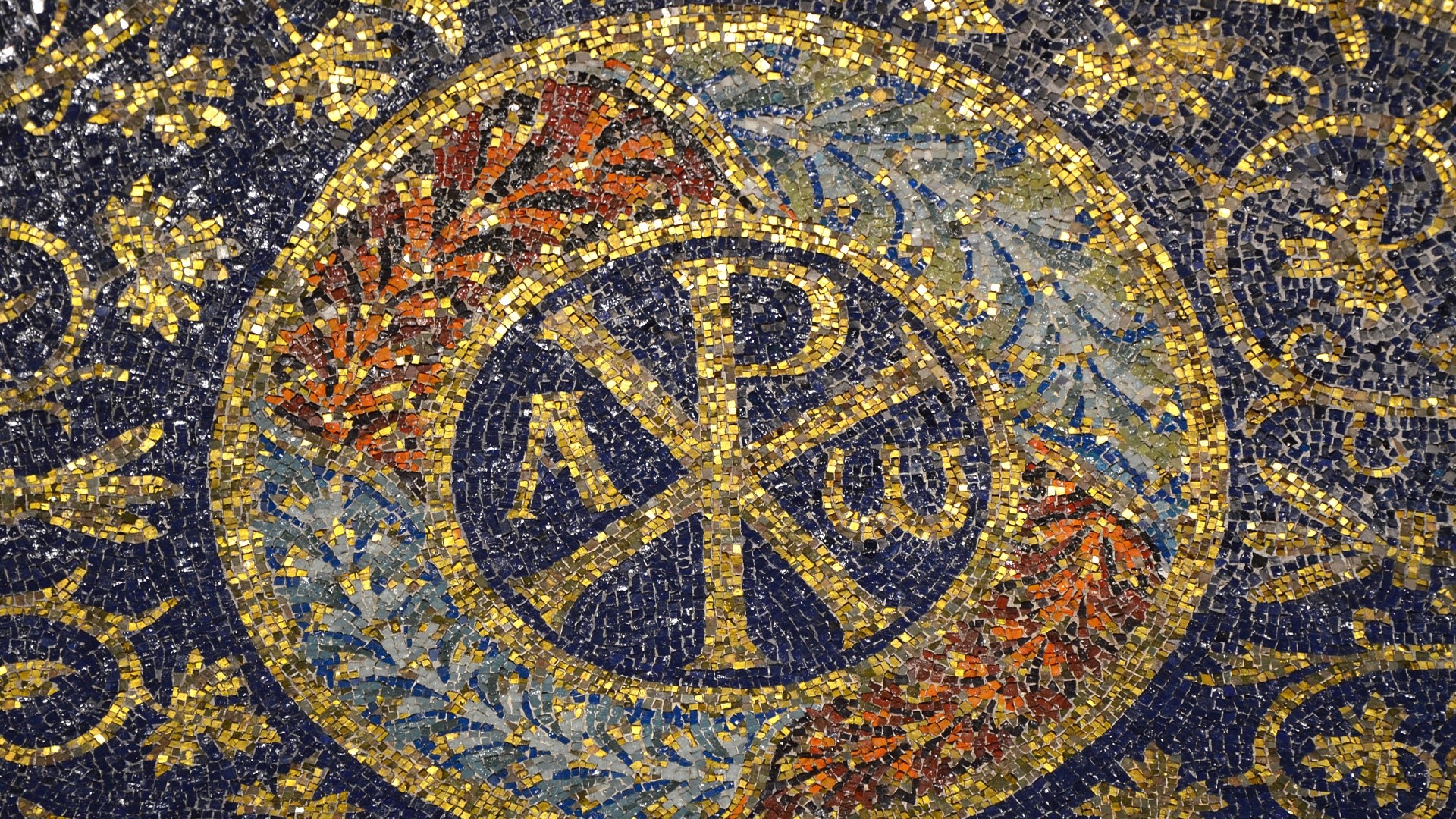
4. The Alpha And Omega
Drawn from the Book of Revelation where Christ proclaims Himself the beginning and the end, the letters alpha and omega signify absolute eternal authority. Often flanking the cross or the Chi-Rho in early mosaics, the pairing reminds worshippers that God encompasses all created time.
©Wikimedia / Ad Meskens
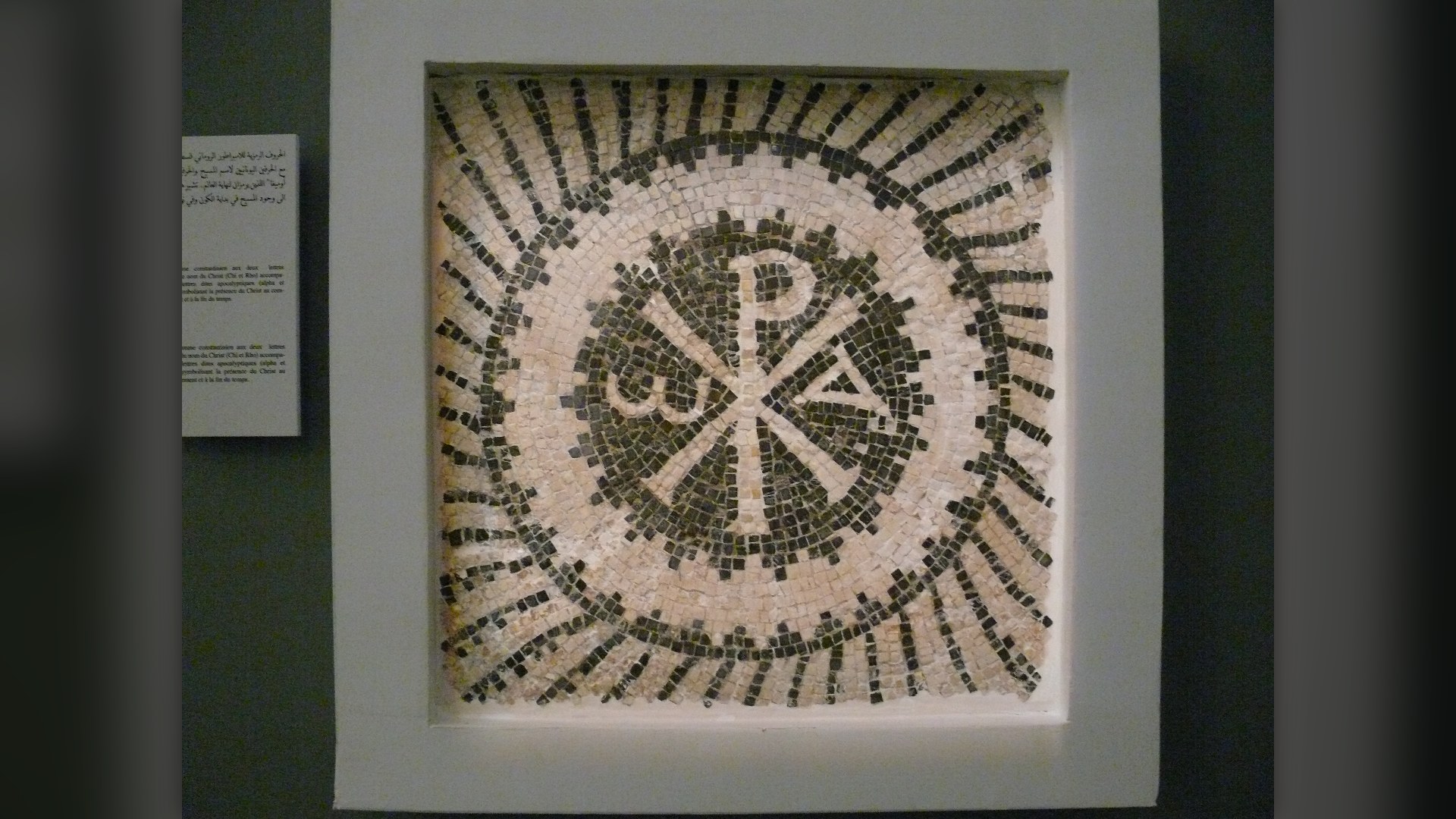
3. The Chi-Rho
Formed by overlapping the Greek letters chi and rho, this Christogram was famously adopted by Emperor Constantine after his vision before the Battle of the Milvian Bridge in 312 AD. Emblazoned on military shields and imperial standards, the labarum marked the public emergence of Christian faith.
©Wikimedia / Carole Raddato
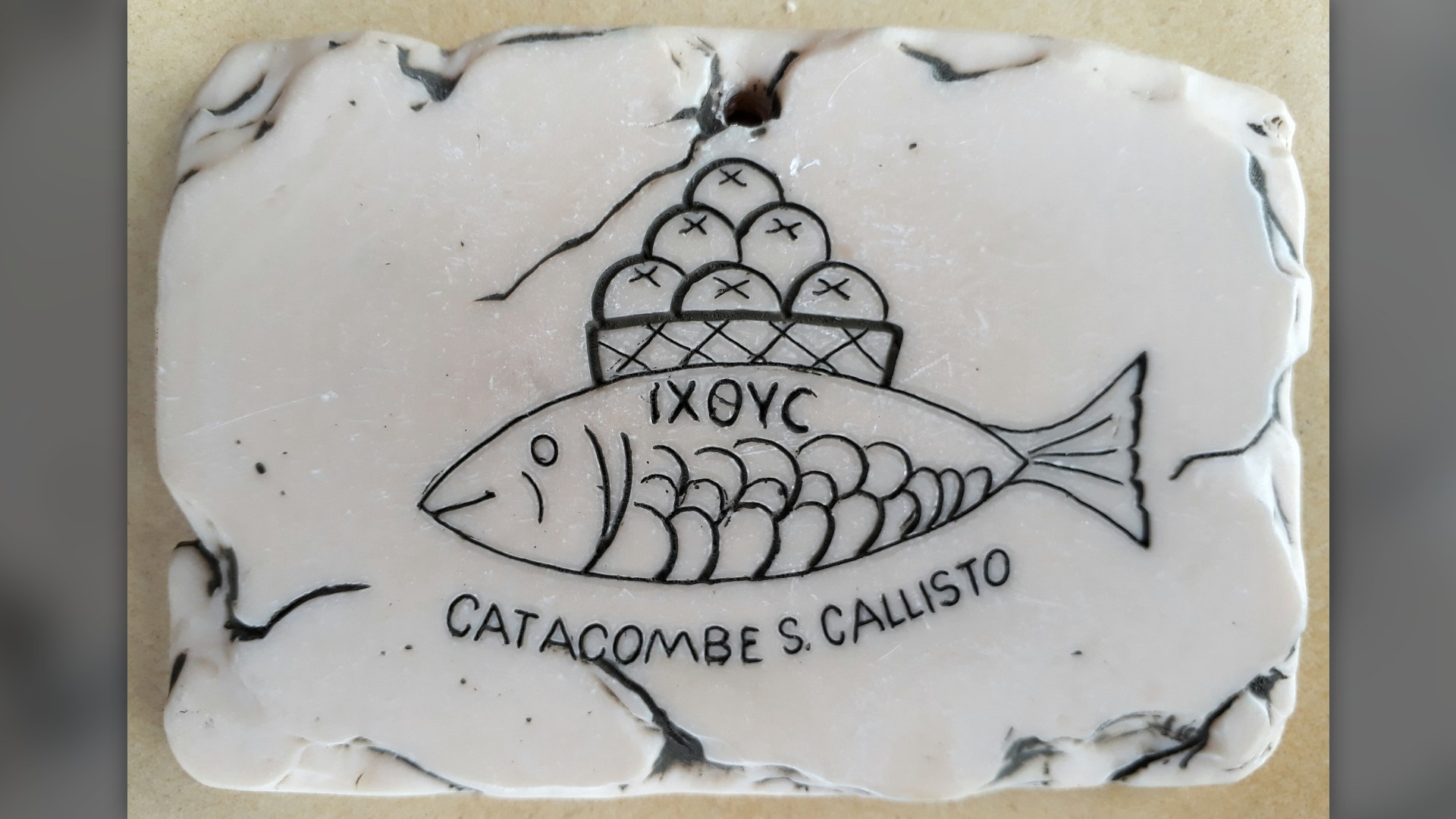
2. The Ichthys
During Roman persecutions, believers drew simple fish shapes in dust to identify safe allies. The Greek word for fish, ichthys, formed an acronym for Iesous Christos Theou Yios Soter, meaning Jesus Christ, Son of God, Savior. It remains one of the oldest symbols etched into catacomb walls.
©Wikimedia / Fernando de Gorocica
Advertisement
Swipe or tap ▶ to resume the countdown.
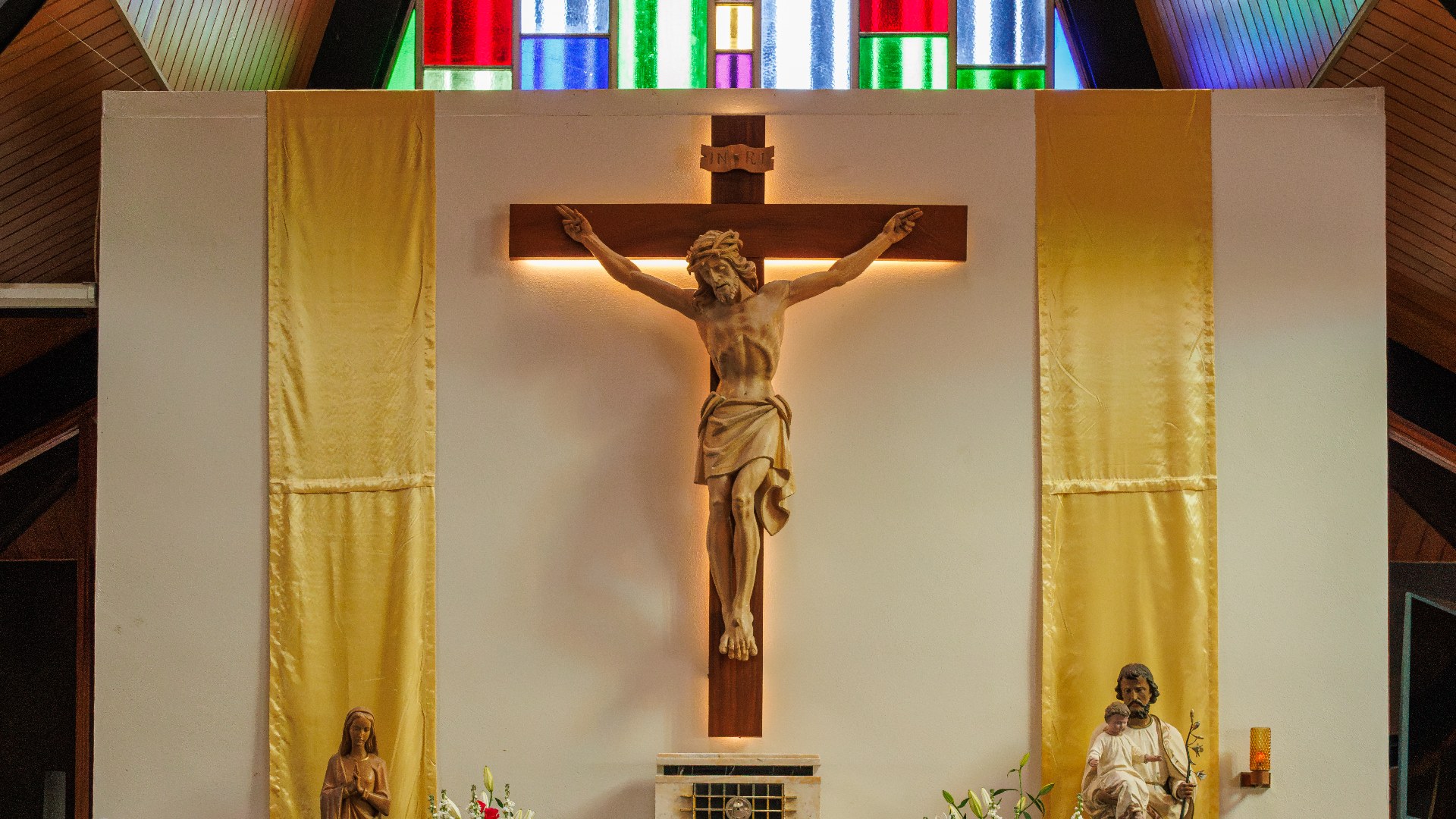
1. The Latin Cross
Recognized across the globe, the Latin cross features a longer vertical beam intersected by a shorter horizontal bar. Early believers avoided depicting crucifixions due to Roman shame, but by the fourth century, the bare cross became the supreme emblem of salvation and Christ triumph over mortality.

©Wikimedia / Bjankuloski06
Advertisement
You've reached the end of the story. Thanks for reading!

20 Famous Cars With Pop-Up Headlights That Shaped Car Design
From hand-cranked 1930s teardrops to wedge supercars of the 1980s, hidden headlights let stylists chase sleek aerodynamics until 2004 pedestrian rules closed the curtain. Here are 20 standout production cars that turned retractable lamps into an enduring automotive design feature across seven full decades.
All 20 Entries in this Story
20. The Phoenix
Early Christian writers like Clement of Rome cited the mythical phoenix, which consumed itself in flames only to rise reborn from its own ashes, as a natural allegory for Christ Resurrection. Carved onto gravestones, the phoenix offered grieving families a lasting promise of victory over death.

19. The Fleur De Lis
While widely recognized as a French royal emblem, the fleur-de-lis holds deep Marian significance in Christian iconography. The white lily symbolizes pure virtue and the Annunciation, while its threefold petal design simultaneously reinforces belief in the Holy Trinity.

18. The Eye Of Providence
Depicting a human eye enclosed within an equilateral triangle surrounded by rays of light, the Eye of Providence illustrates divine omniscience. The triangle signifies the Holy Trinity, reminding believers that God loving watchfulness observes every human journey with benevolent guidance.

17. The Bread And Wine
Shared during the Last Supper on the eve of the Crucifixion, bread and wine form the heart of Christian Eucharistic liturgy. Representing the body and blood of Christ, wheat sheaves and overflowing chalices appear widely across sacred art to signify spiritual nourishment and fellowship.

16. The Christian Peacock
In ancient folklore, peacock flesh was believed to resist decay after death. Early Christians adopted the peacock in catacomb frescoes and basilica mosaics as an enduring symbol of resurrection and immortality, while its shed feathers signified seasonal renewal and eternal life.

15. The IHS Christogram
Originating as an abbreviation of the Greek name Iesous, the letters I-H-S were popularized in the West by Saint Bernardine of Siena in the fifteenth century. Later adopted by the Jesuit order, this sacred monogram decorates altars, vestments, and church ceilings around the globe.

14. The Jerusalem Cross
Adopted as the coat of arms for the Kingdom of Jerusalem during the Crusades, this five-fold design carries multiple meanings. The five crosses represent the five holy wounds of Christ or symbolize spreading the Gospel from Jerusalem outwards to the four corners of the earth.

13. The Celtic Cross
Developed across Ireland and Britain during the Early Middle Ages, the Celtic cross unites a traditional cross with a surrounding ring. Popular tradition credits Saint Patrick with blending sun symbolism with the Christian cross to explain how Christ light transcends all created pagan powers.

12. The Triquetra
Consisting of three interlocking arcs, the triquetra originated in ancient Celtic knotwork and was adopted by early monks to illustrate the Holy Trinity. Because the line flows continuously without interruption, it expresses the eternal nature of the Father, Son, and Holy Spirit as one God.

11. The Pelican In Her Piety
According to ancient lore, mother pelicans would pierce their own breasts to revive starving chicks with their lifeblood. Christian theologians adopted this striking image as a powerful metaphor for Christ shedding blood to sustain the church, carving pelicans into pulpits and church altars.

10. The Sacred Heart
Featuring a heart encircled by thorns, surmounted by flames and a cross, the Sacred Heart embodies the boundless love of Christ for humankind. Popularized in seventeenth-century France following visions reported by Saint Margaret Mary Alacoque, the devotion highlights healing and mercy.

9. The Crown Of Thorns
Roman soldiers wove twisted brambles into a painful crown to mock Jesus claim as King of the Jews. What began as cruel satire became a venerated emblem of humble majesty, reminding Christians that spiritual sovereignty triumphed through willing endurance and selfless love.

8. The Anchor
Referred to in the Epistle to the Hebrews as a sure and steadfast anchor of the soul, this maritime tool hid a cross shape in plain sight. In subterranean catacombs, anchors marked graves to proclaim that the deceased departed this world anchored securely in eternal hope.

7. The Lamb Of God
Rooted in Jewish Passover traditions and John the Baptist declaration, the Lamb of God represents the ultimate sacrifice for human sin. Often depicted resting peacefully or carrying a banner of victory, the Agnus Dei bridges ancient sacrificial imagery with the promise of eternal redemption.

6. The Good Shepherd
Long before crucifixes appeared in Christian art, Roman catacomb frescoes depicted Jesus as a youthful shepherd carrying a lost lamb upon His shoulders. Sourced directly from biblical parables, the motif reassured early believers of constant divine guidance, rescue, and pastoral mercy.

5. The Dove Of The Holy Spirit
Evoking the baptism of Jesus in the Jordan River, where the Spirit descended like a dove, this gentle bird represents peace and divine presence. The dove also recalls Noah ark bringing back an olive branch, signifying reconciliation between God and humanity across biblical history.

4. The Alpha And Omega
Drawn from the Book of Revelation where Christ proclaims Himself the beginning and the end, the letters alpha and omega signify absolute eternal authority. Often flanking the cross or the Chi-Rho in early mosaics, the pairing reminds worshippers that God encompasses all created time.

3. The Chi-Rho
Formed by overlapping the Greek letters chi and rho, this Christogram was famously adopted by Emperor Constantine after his vision before the Battle of the Milvian Bridge in 312 AD. Emblazoned on military shields and imperial standards, the labarum marked the public emergence of Christian faith.

2. The Ichthys
During Roman persecutions, believers drew simple fish shapes in dust to identify safe allies. The Greek word for fish, ichthys, formed an acronym for Iesous Christos Theou Yios Soter, meaning Jesus Christ, Son of God, Savior. It remains one of the oldest symbols etched into catacomb walls.

1. The Latin Cross
Recognized across the globe, the Latin cross features a longer vertical beam intersected by a shorter horizontal bar. Early believers avoided depicting crucifixions due to Roman shame, but by the fourth century, the bare cross became the supreme emblem of salvation and Christ triumph over mortality.