Slideshow · Viral
20 Facts About America’s Most Famous Thanksgiving Day Parade
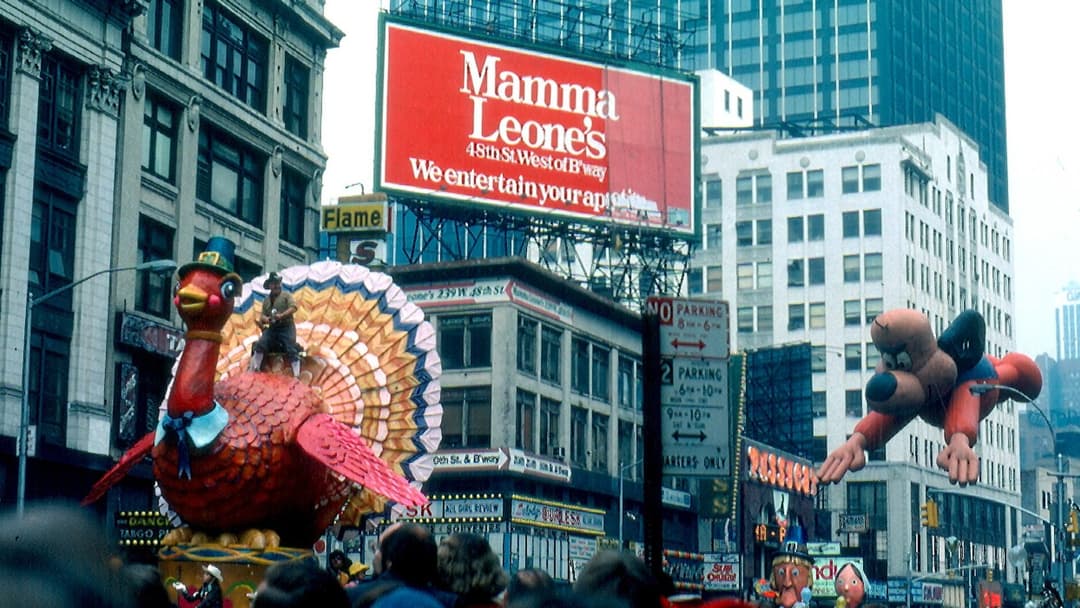
The Macy's Thanksgiving Day Parade draws millions to Manhattan each November, yet few know how the giant spectacle operates behind the scenes. From folding multi-story floats through the Lincoln Tunnel to managing 400,000 cubic feet of helium, official records from Macy's Studio and the NYPD reveal these secrets.
By Most Viral Today
12 min ago

Behind the Giant Balloons and Closed Manhattan Streets 
20. Live Zoo Animals Marched In The 1924 Debut 
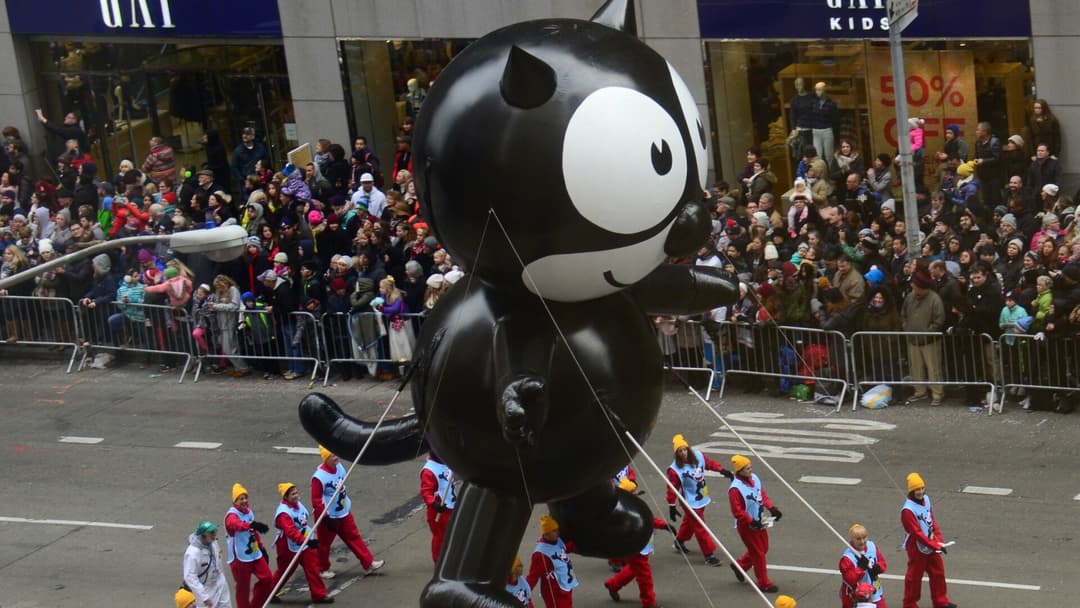
19. Felix The Cat Debuted As The First Giant Balloon 
18. Released Balloons Once Offered Cash Rewards - AdvertisementSwipe or tap ▶ to continue countdown

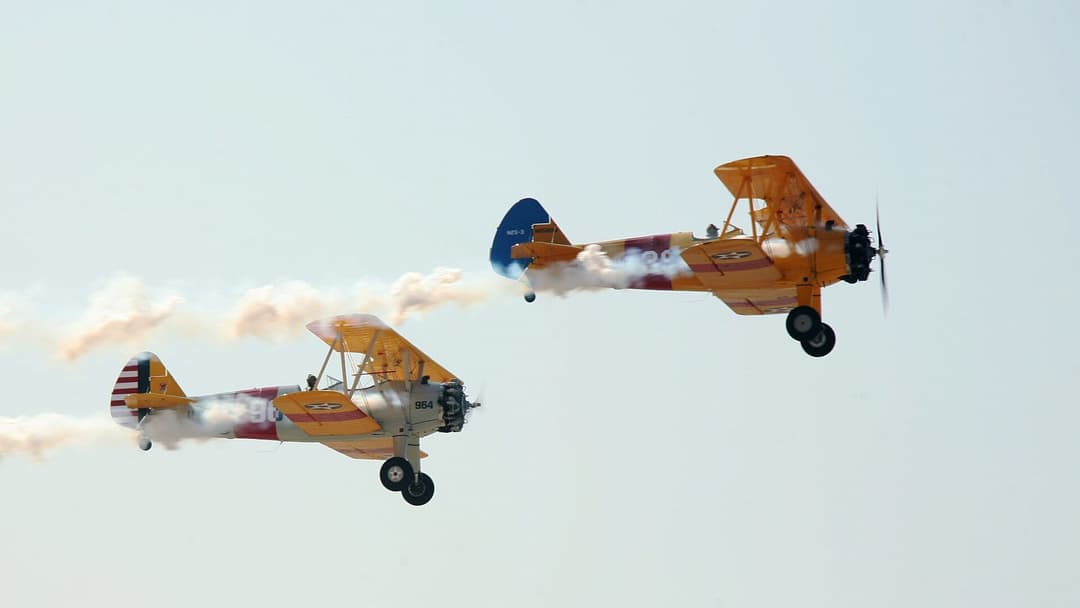
17. A Dangerous Airplane Collision Ended Balloon Releases 
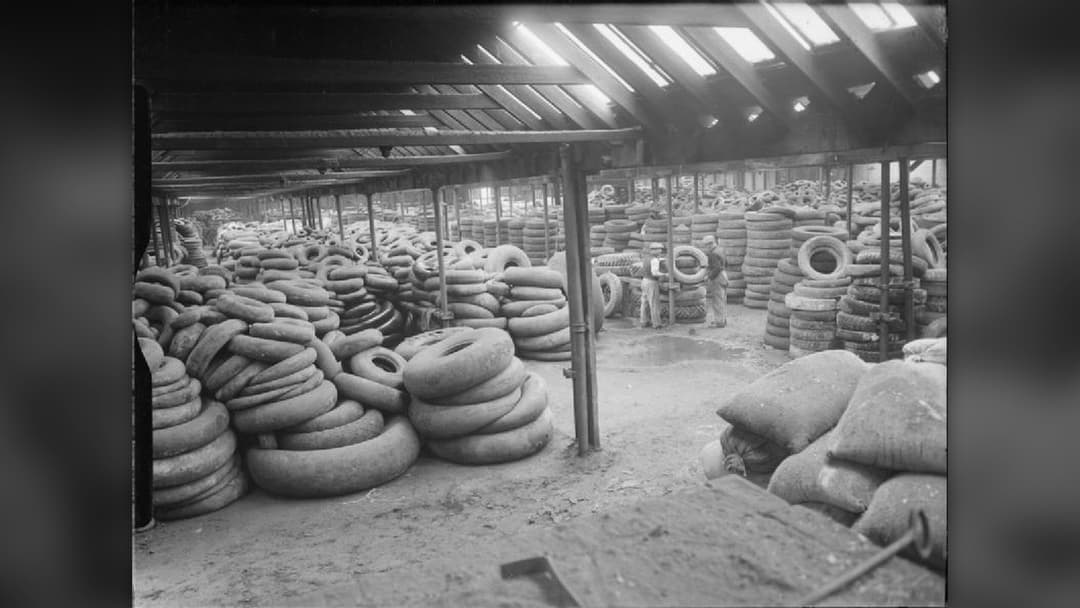
16. World War II Scrap Drives Claimed The Entire Balloon Fleet 
15. The Entire Parade Is Built In A New Jersey Warehouse 
14. Multi-Story Floats Fold Flat To Fit The Lincoln Tunnel - AdvertisementSwipe or tap ▶ to continue countdown

13. Thanksgiving Eve Inflation Draws Over One Million Spectators 
12. Balloons Contain Separate Internal Air And Helium Chambers 
11. A Dedicated Flight Pilot Directs Teams Of Ninety Handlers 
10. New York City Law Grounds Balloons During High Winds - AdvertisementSwipe or tap ▶ to continue countdown

9. The Parade Consumes 400,000 Cubic Feet Of Helium Annually 
8. Snoopy Holds The Record For The Most Balloon Versions 
7. Marching Clowns Are Company Employees Trained At Clown School 
6. Freezing Morning Temperatures Require Pre-Recorded Vocals - AdvertisementSwipe or tap ▶ to continue countdown

5. NYPD Officers Carry Portable Anemometers Along The Route 
4. Sanitation Crews Clear Forty Tons Of Debris In Hours 
3. Route Changes In 2009 Permanently Banned Broadway 
2. Engineers Test Scale Clay Maquettes In Wind Tunnels - AdvertisementSwipe or tap ▶ to continue countdown

1. Santa Claus Has Signaled Christmas At Herald Square Since 1924 - Advertisement🔥 UP NEXT IN THIS SERIES◫ 21 Slides

20 Favorite Foods Facing Growing Supply Threats
From morning cups of espresso to evening bites of chocolate, several of the world most cherished foods face alarming threats. Rising global temperatures, shifting rainfall, invasive blights, and pollinator collapse are pushing staple crops toward crisis. Here are twenty food favorites that could soon disappear.
The Macy's Thanksgiving Day Parade draws millions to Manhattan each November, yet few know how the giant spectacle operates behind the scenes. From folding multi-story floats through the Lincoln Tunnel to managing 400,000 cubic feet of helium, official records from Macy's Studio and the NYPD reveal these secrets.
Swipe or tap ▶ to begin the countdown
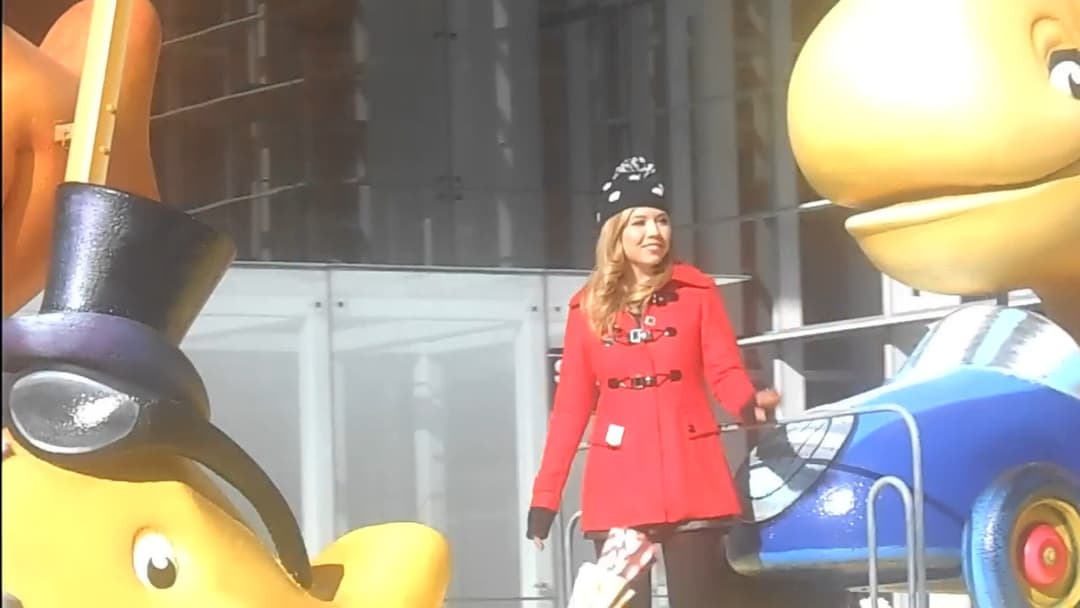
©TMDb / The 99th Annual Macy's Thanksgiving Day Parade
20. Live Zoo Animals Marched In The 1924 Debut
The inaugural 1924 procession did not feature giant balloons. Store employees instead walked six miles from Harlem to Herald Square alongside camels, bears, elephants, and donkeys borrowed from Central Park Zoo. The roaring animals frightened young spectators, prompting organizers to retire live beasts by 1927.
©Wikimedia / Jon Harder
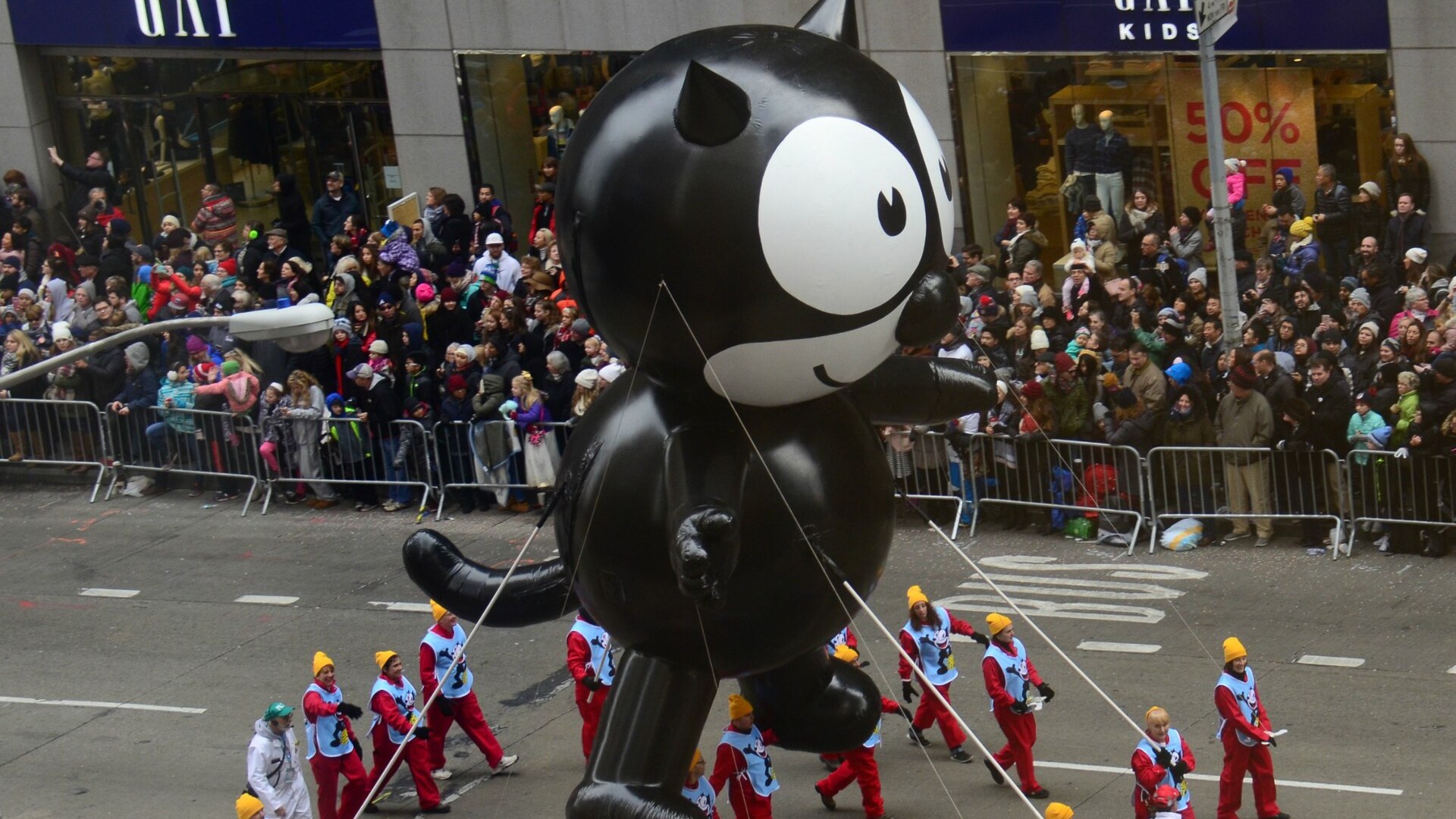
19. Felix The Cat Debuted As The First Giant Balloon
Puppeteer Anthony Frederick Sarg replaced live zoo animals in 1927 by designing a 20-foot Felix the Cat balloon. The pioneering character was filled entirely with ordinary air and held aloft on wooden poles. Macy's upgraded to helium the following year in 1928, creating the famous floating spectacle seen today.
©Wikimedia / slgckgc
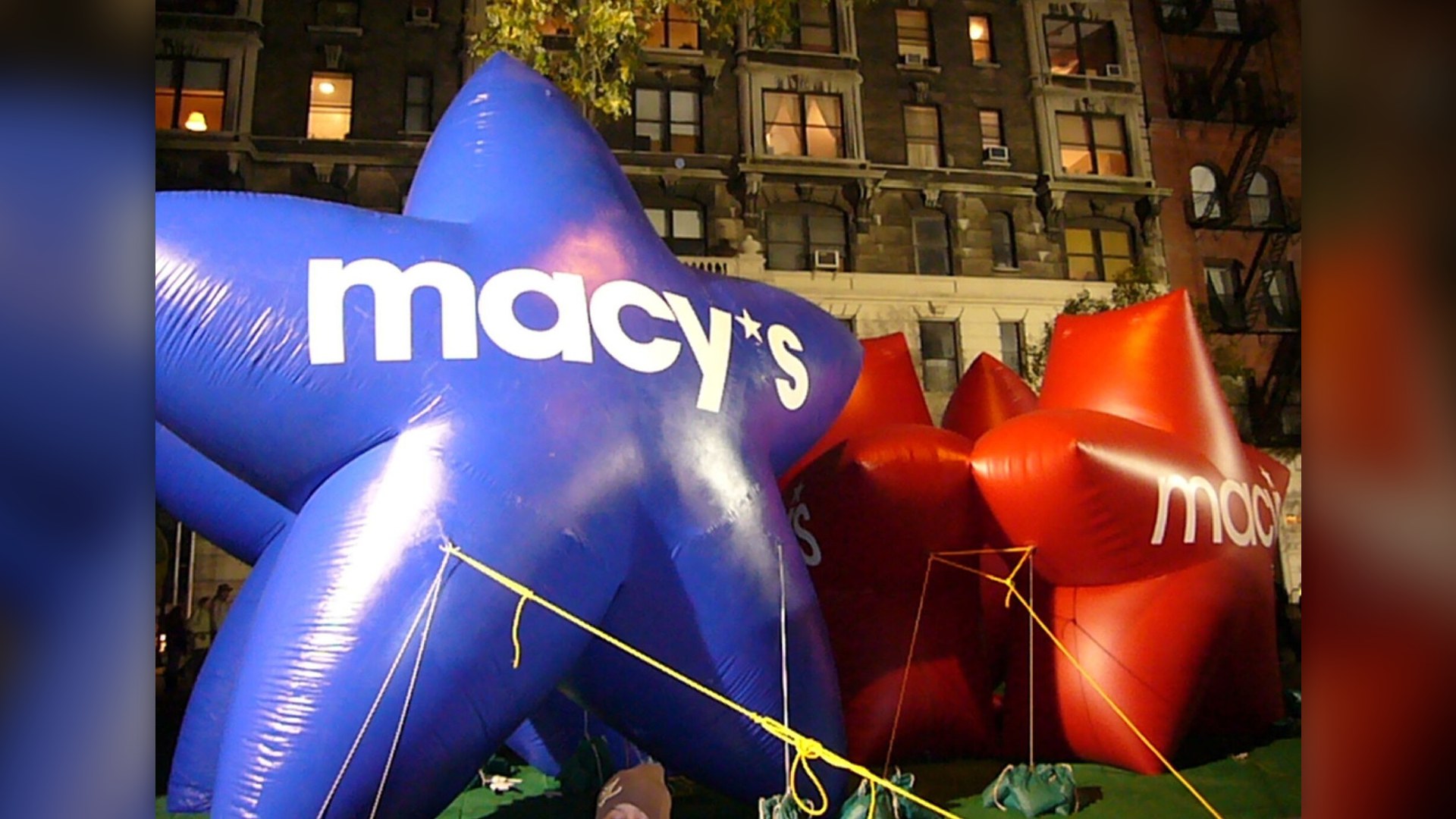
18. Released Balloons Once Offered Cash Rewards
During the late 1920s, Macy's released balloons into the sky at the parade finale with slow-release pressure valves. The department store offered cash rewards between 50 and 100 dollars to anyone who recovered a landed balloon. Hundreds of residents joined chaotic recovery hunts across New York and Long Island.
©Wikimedia / Uploader Vrysxy
Advertisement
Swipe or tap ▶ to resume the countdown.
17. A Dangerous Airplane Collision Ended Balloon Releases
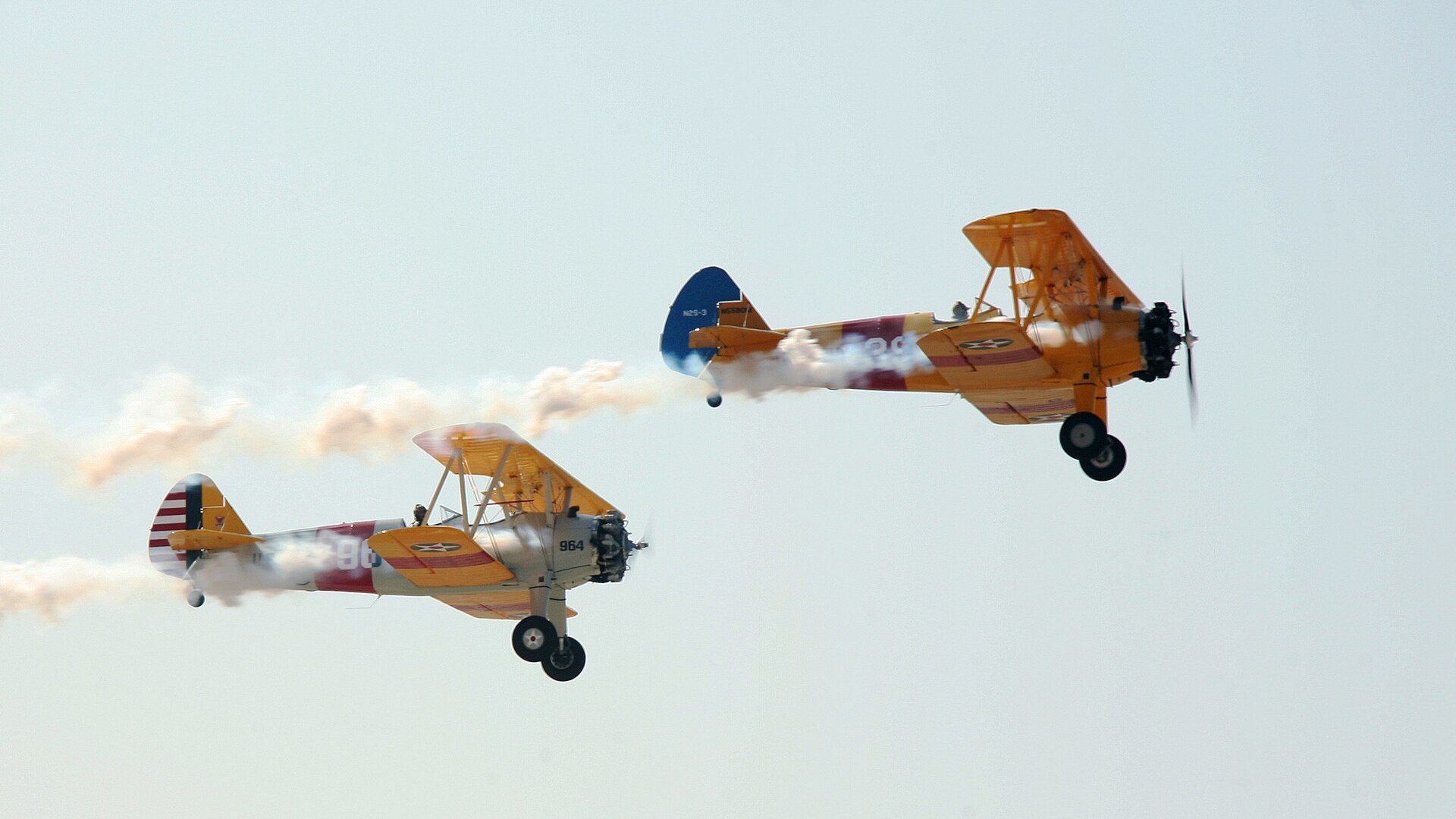
The balloon bounty ended abruptly in 1932 when 22-year-old student pilot Annette Gipson spotted the floating Tom Kat balloon over Queens. She flew her biplane toward it, caught the rubber fabric in her wing, and fell into a steep tailspin. Both pilots landed safely, and Macy's banned balloon releases forever.
©Wikimedia / Gunnery Sgt. Steven Williams
16. World War II Scrap Drives Claimed The Entire Balloon Fleet
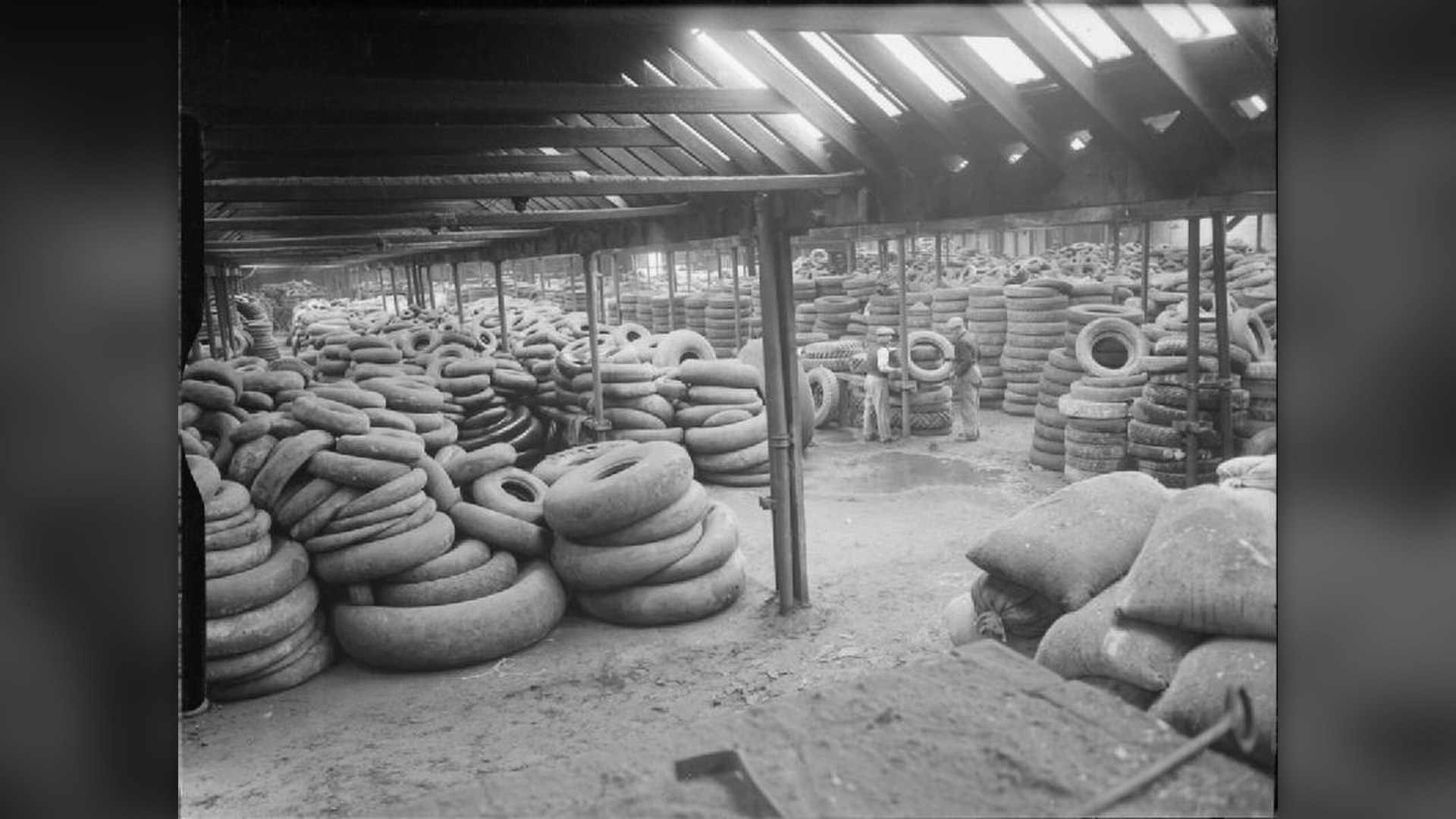
The annual parade was canceled from 1942 to 1944 because of critical wartime shortages. Mayor Fiorello La Guardia and Macy's executives deflated the existing balloons and donated 650 pounds of rubber and scrap metal to the United States military. The materials were recycled into tires and life rafts for troops.
©Wikimedia / Ministry of Information Photo Division Photograp
15. The Entire Parade Is Built In A New Jersey Warehouse
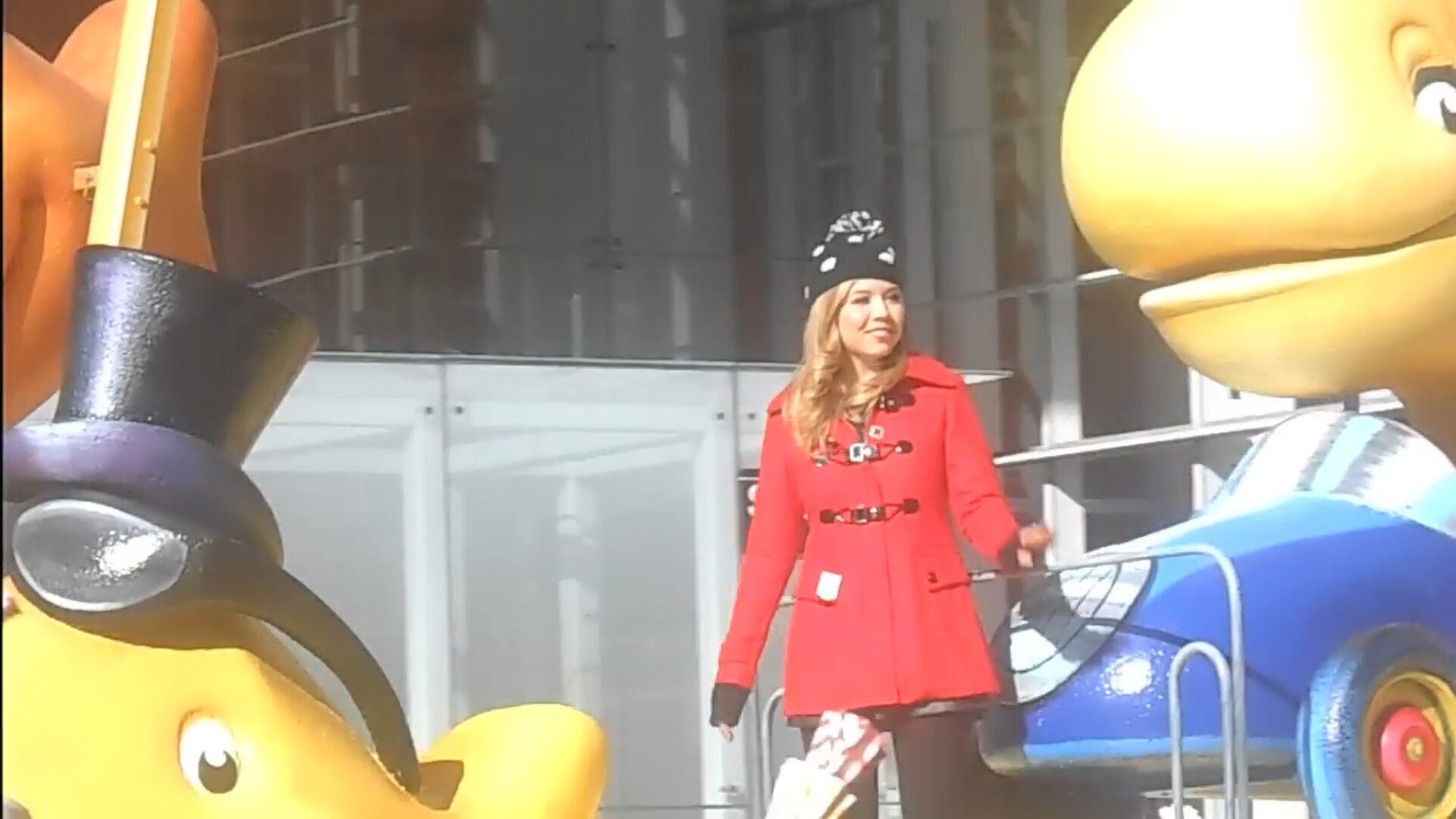
All giant balloons, floats, and costumes originate inside a 72,000-square-foot warehouse in Moonachie, New Jersey. Known as the Macy's Parade Studio, the secure workshop employs twenty-five full-time painters, carpenters, animators, and metal sculptors. The team works year-round to construct the annual procession.
©Wikimedia / 2013venjix
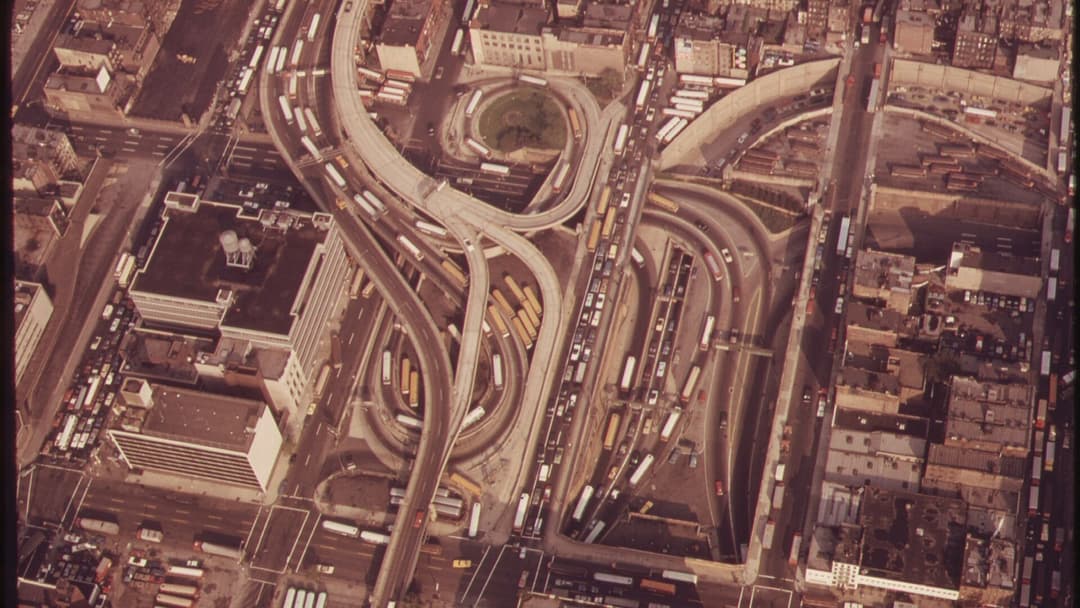
14. Multi-Story Floats Fold Flat To Fit The Lincoln Tunnel
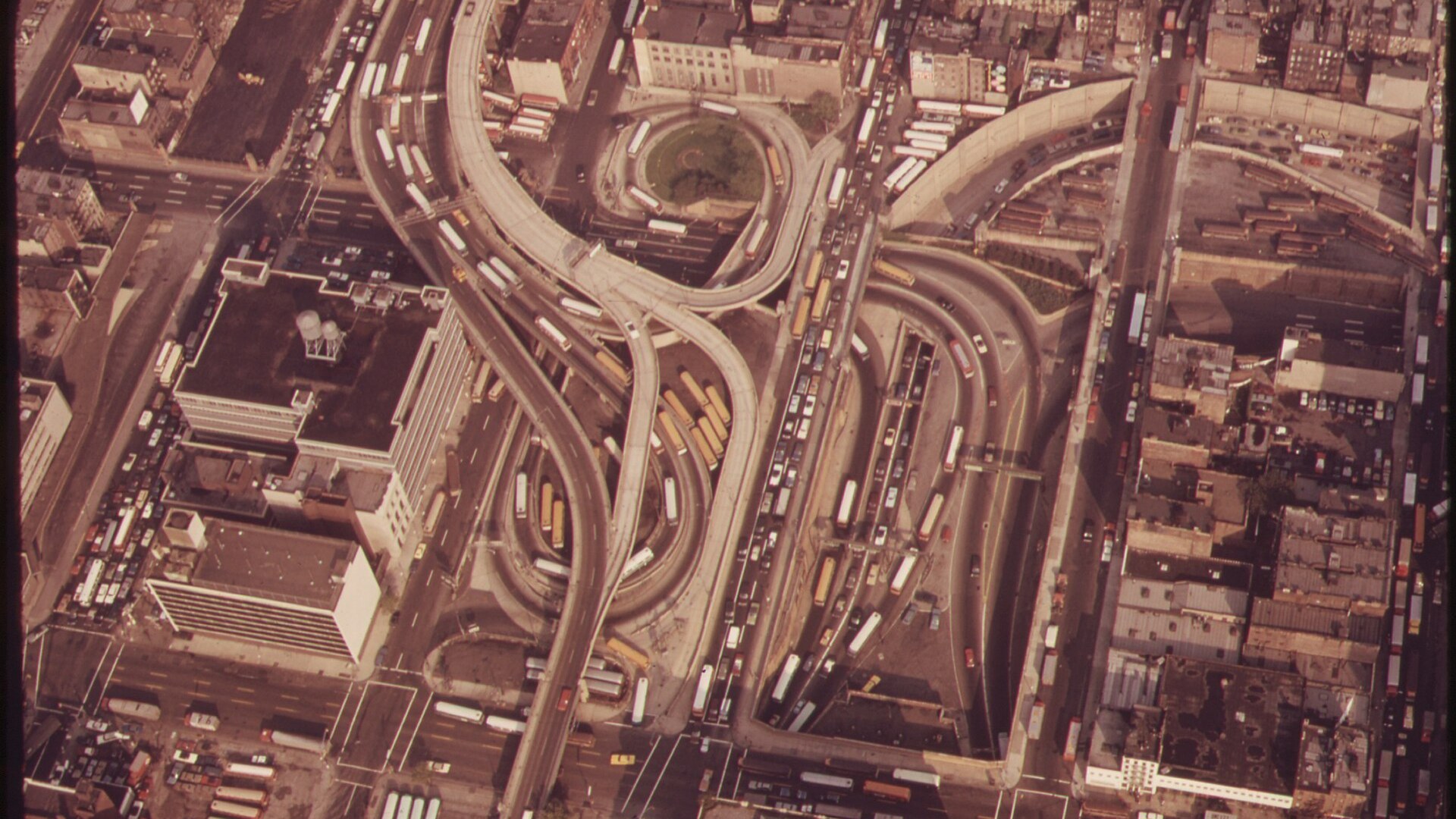
Floats that stand up to four stories tall on parade day cannot fit through Lincoln Tunnel at full size. Engineers design every structure to fold down flat into a package no wider than 8.5 feet and no taller than 12.5 feet. Crews tow the compact frames beneath the Hudson River around midnight on Thanksgiving Eve.
©Wikimedia / Chester Higgins, Jr
Advertisement
Swipe or tap ▶ to resume the countdown.
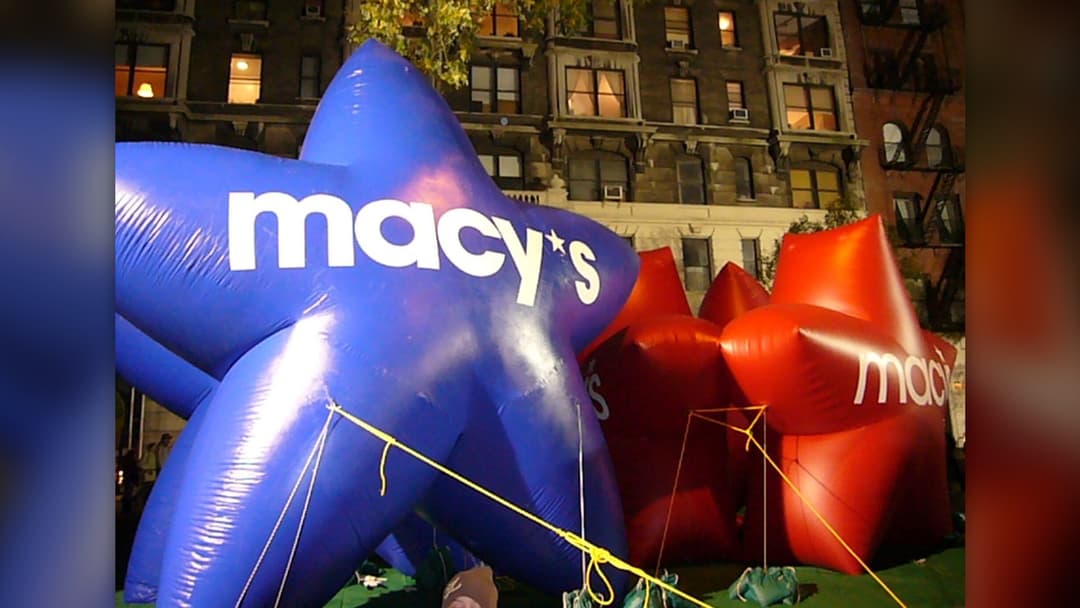
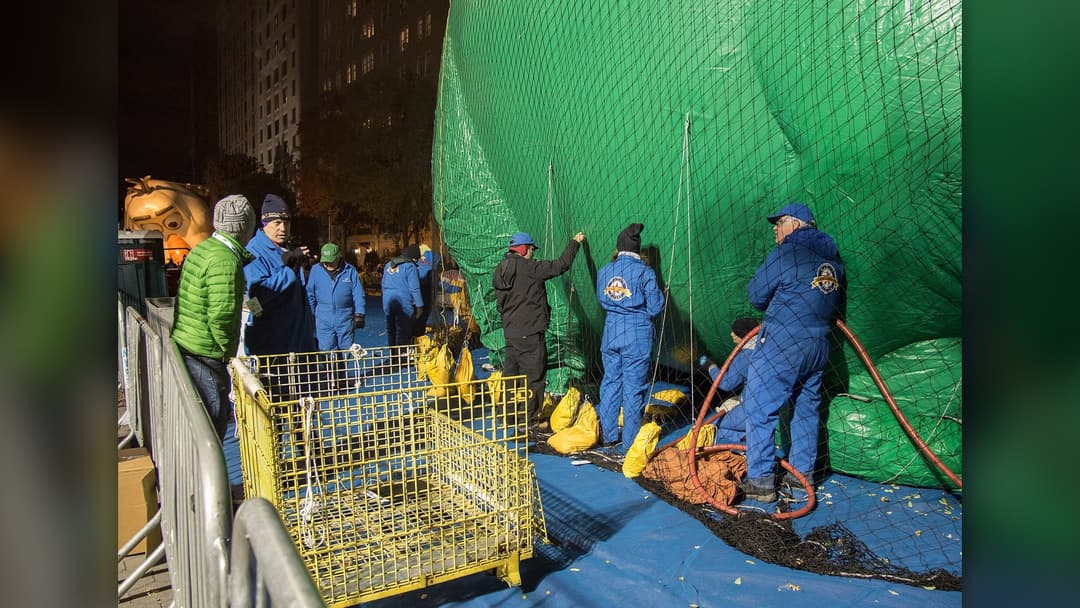
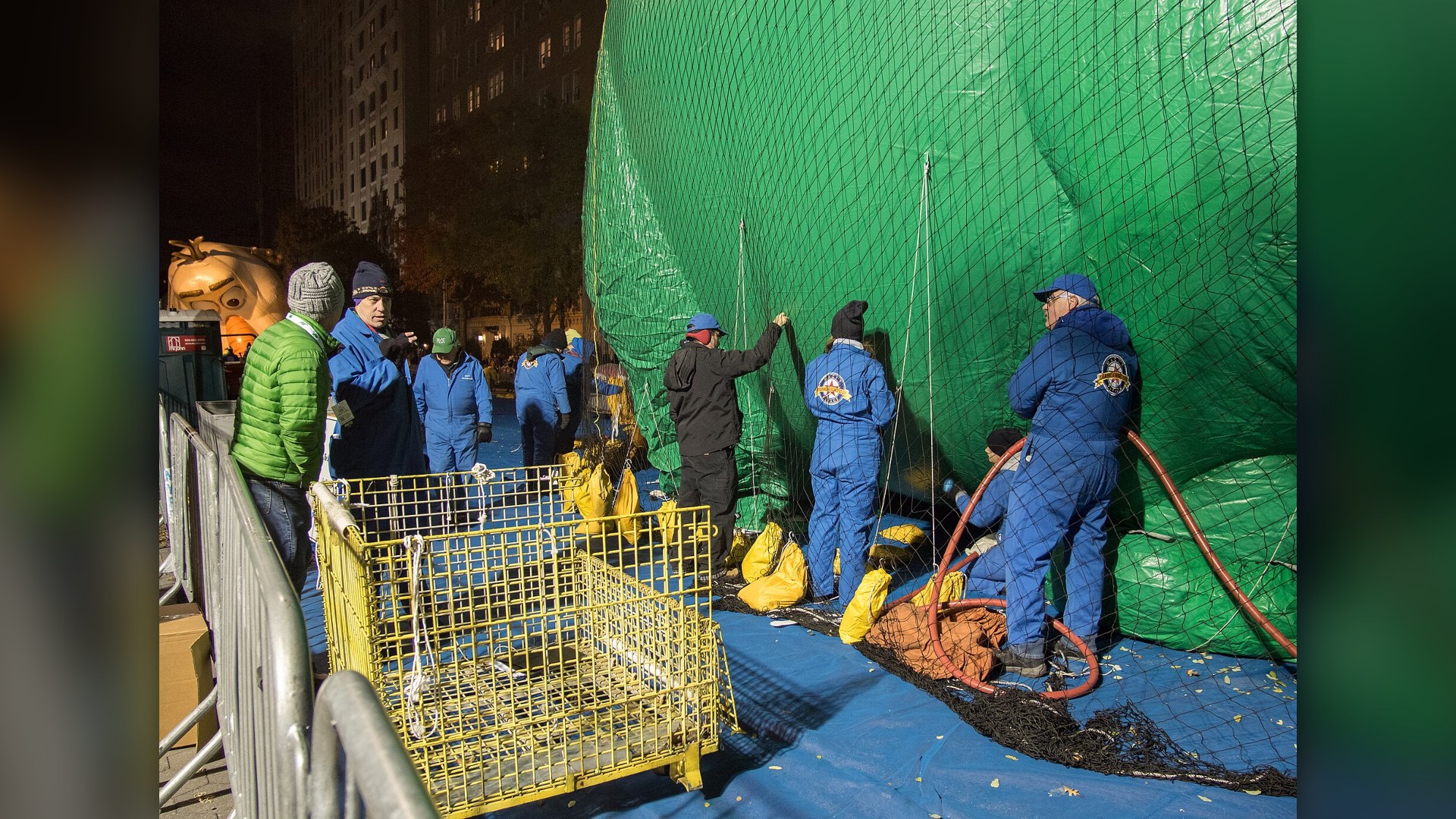
13. Thanksgiving Eve Inflation Draws Over One Million Spectators
On the Wednesday evening before Thanksgiving, crews pump helium into balloons outside the American Museum of Natural History. Over one million spectators pack 77th and 81st Streets to watch characters expand beneath massive rope nets. The public inflation ritual has become its own official holiday destination.
©Wikimedia / Rhododendrites
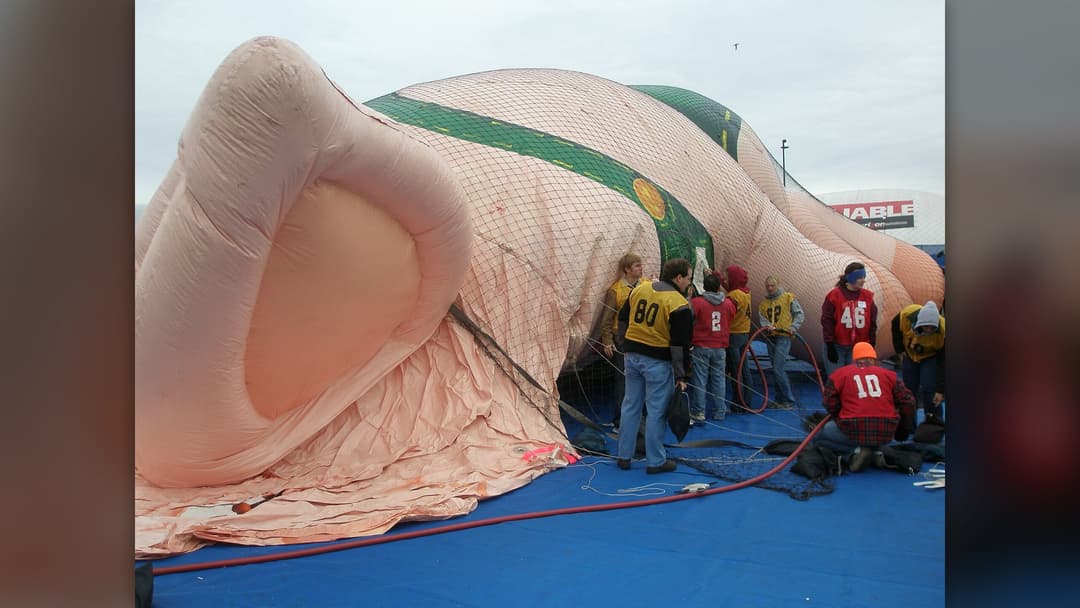
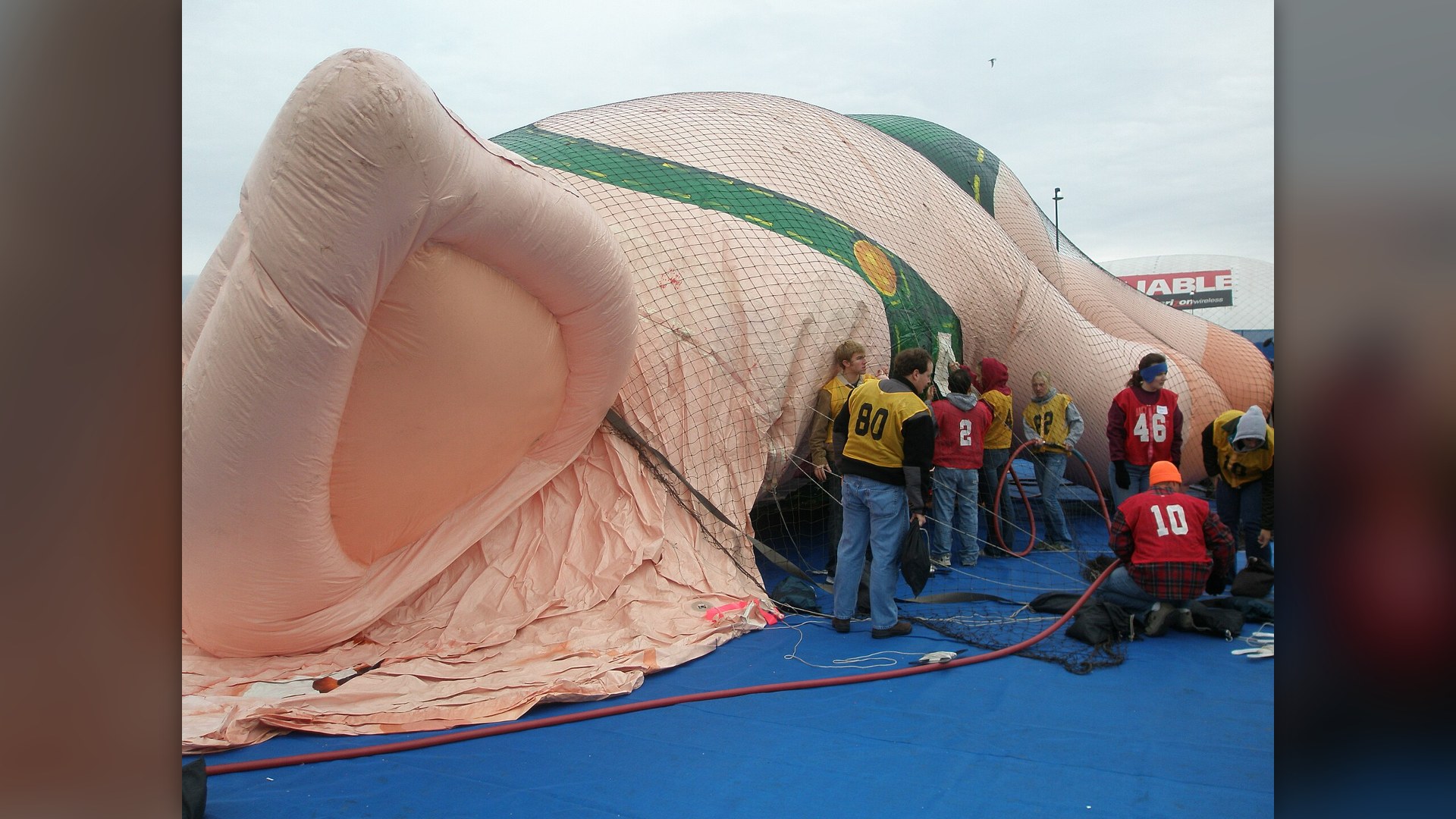
12. Balloons Contain Separate Internal Air And Helium Chambers
Modern character balloons are constructed from durable polyurethane-coated fabric with complex internal chambers. Instead of one large void, each figure contains multiple sealed compartments that separate helium and air pockets. If a gust punctures an arm or ear, the remaining chambers keep the balloon afloat.
©Wikimedia / Mkrupnic
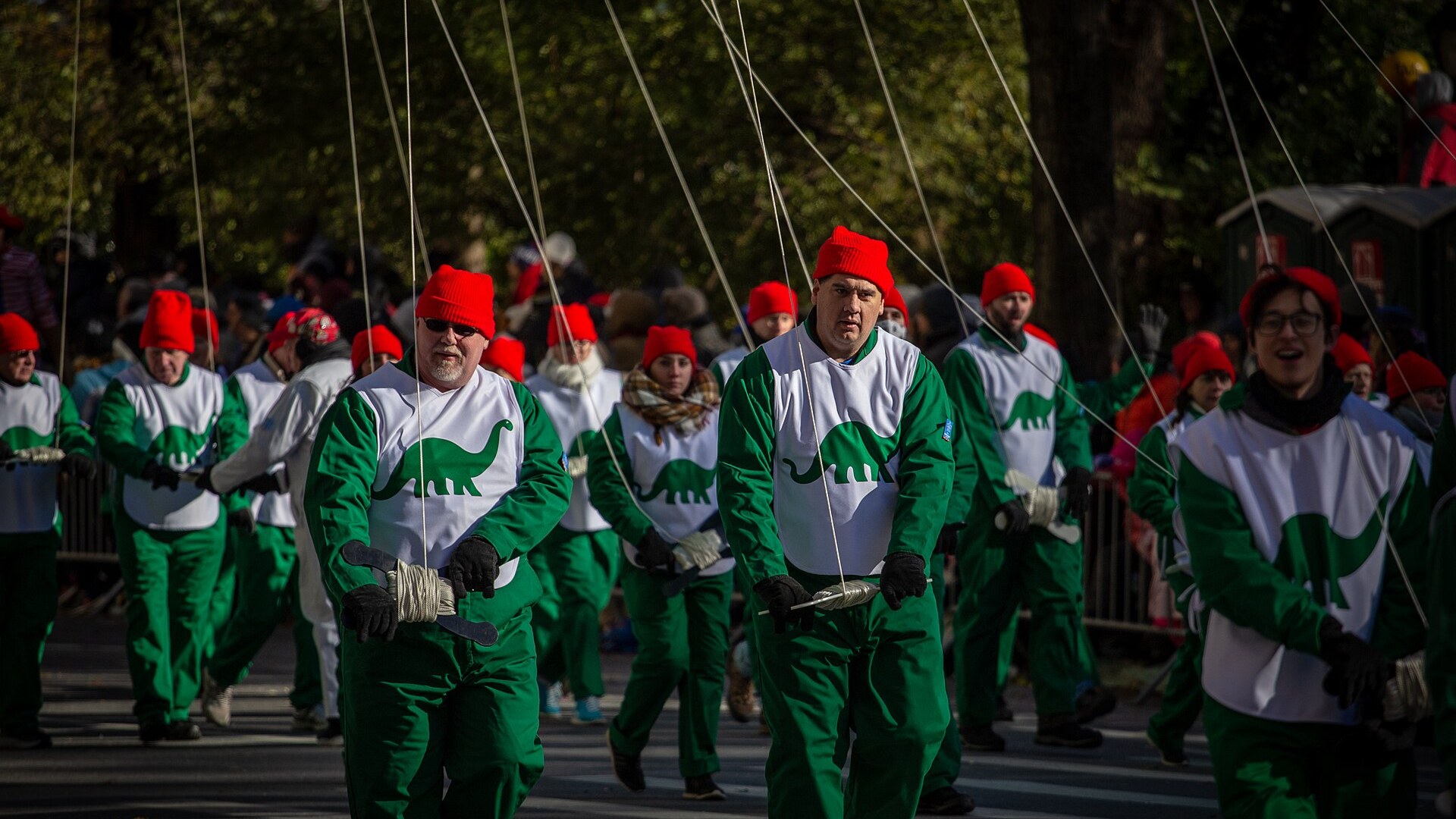
11. A Dedicated Flight Pilot Directs Teams Of Ninety Handlers
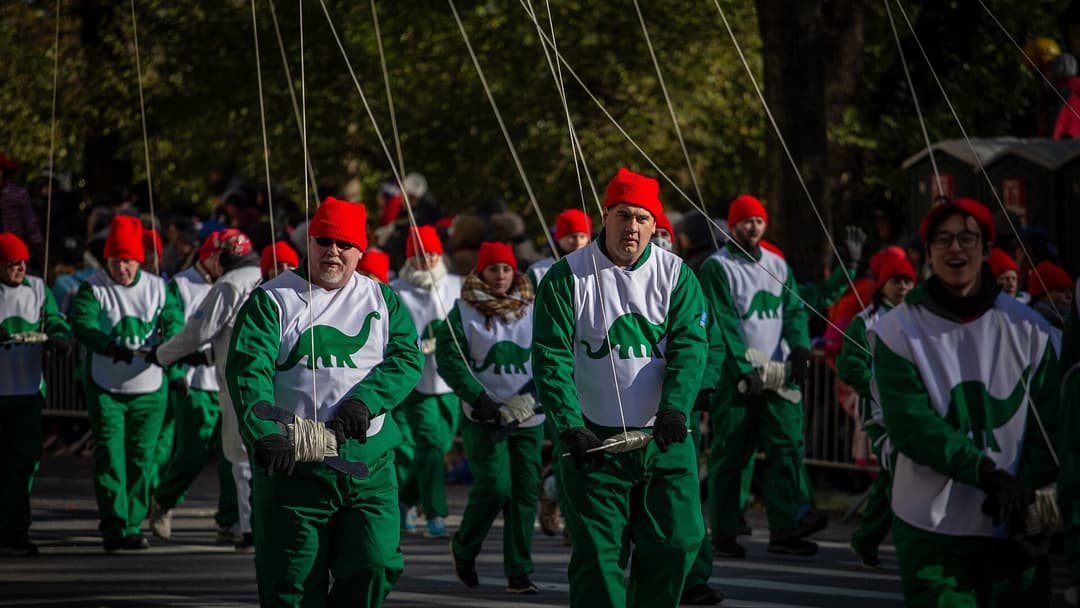
Controlling a giant four-story balloon requires a coordinated crew of ninety trained volunteers. A designated flight pilot walks backward ahead of the float, shouting orders and blowing whistles to adjust rope tension. Additional staff members steer motorized utility vehicles that serve as heavy anchor points.
©Wikimedia / Phil Roeder from Des Moines, IA, USA
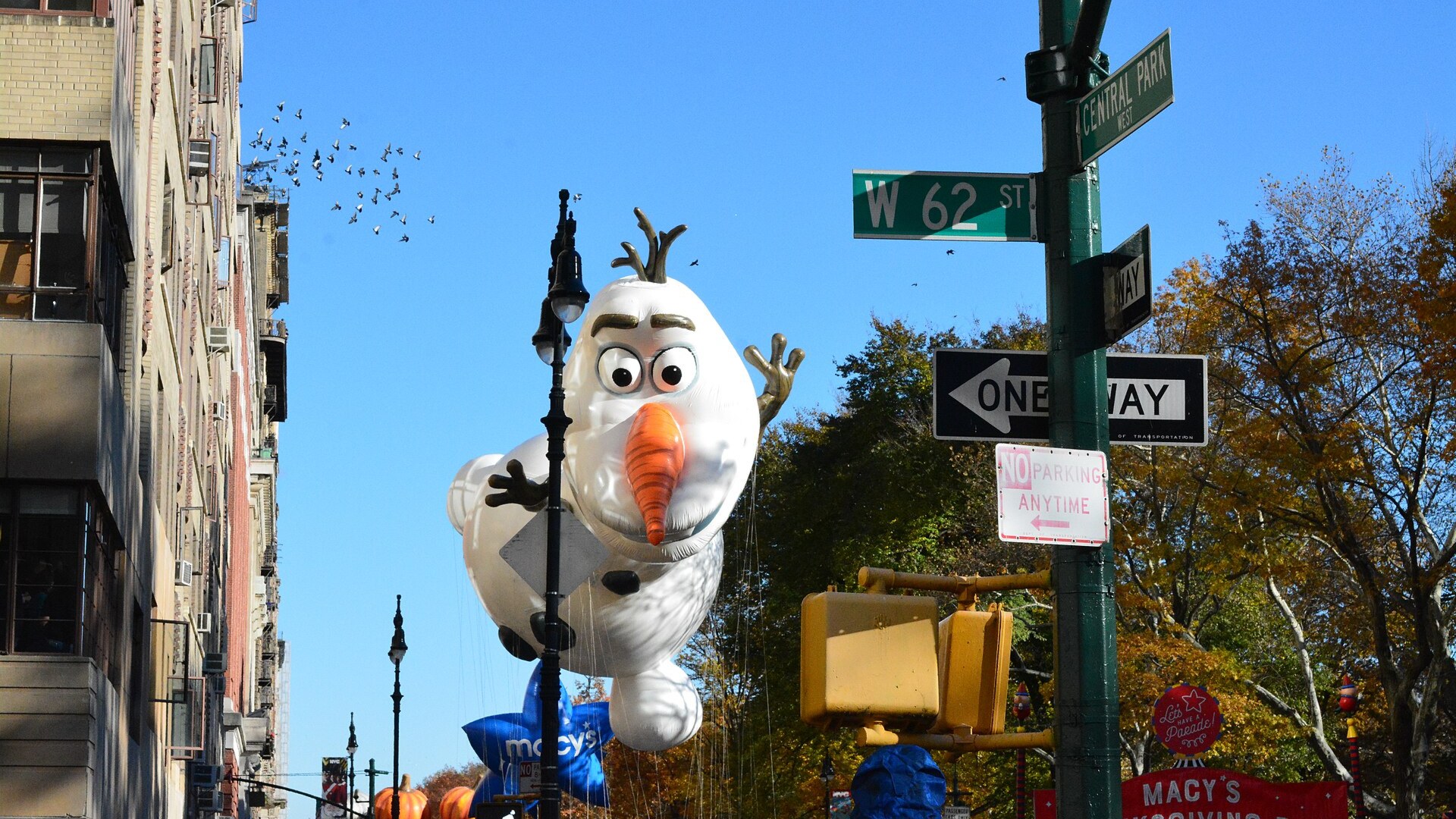
10. New York City Law Grounds Balloons During High Winds
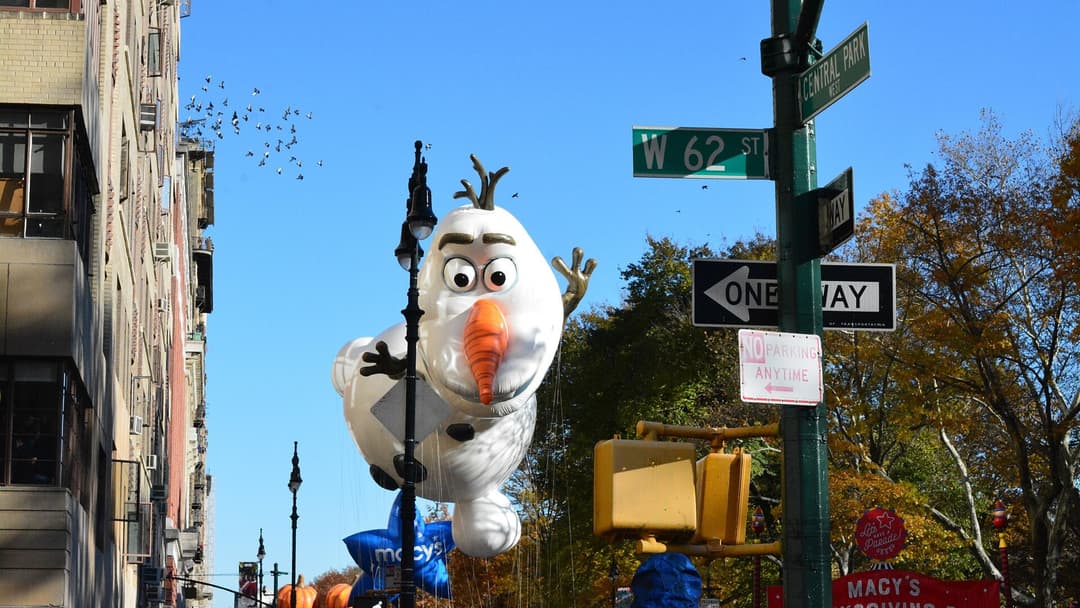
New York City enacted Local Law 11 following a severe 1997 balloon accident near Central Park. The regulation orders all giant balloons grounded if sustained wind speeds reach 23 miles per hour or gusts exceed 34 miles per hour. Police commanders actively track wind readings at key street corners during the march.
©Wikimedia / TomH2323
Advertisement
Swipe or tap ▶ to resume the countdown.
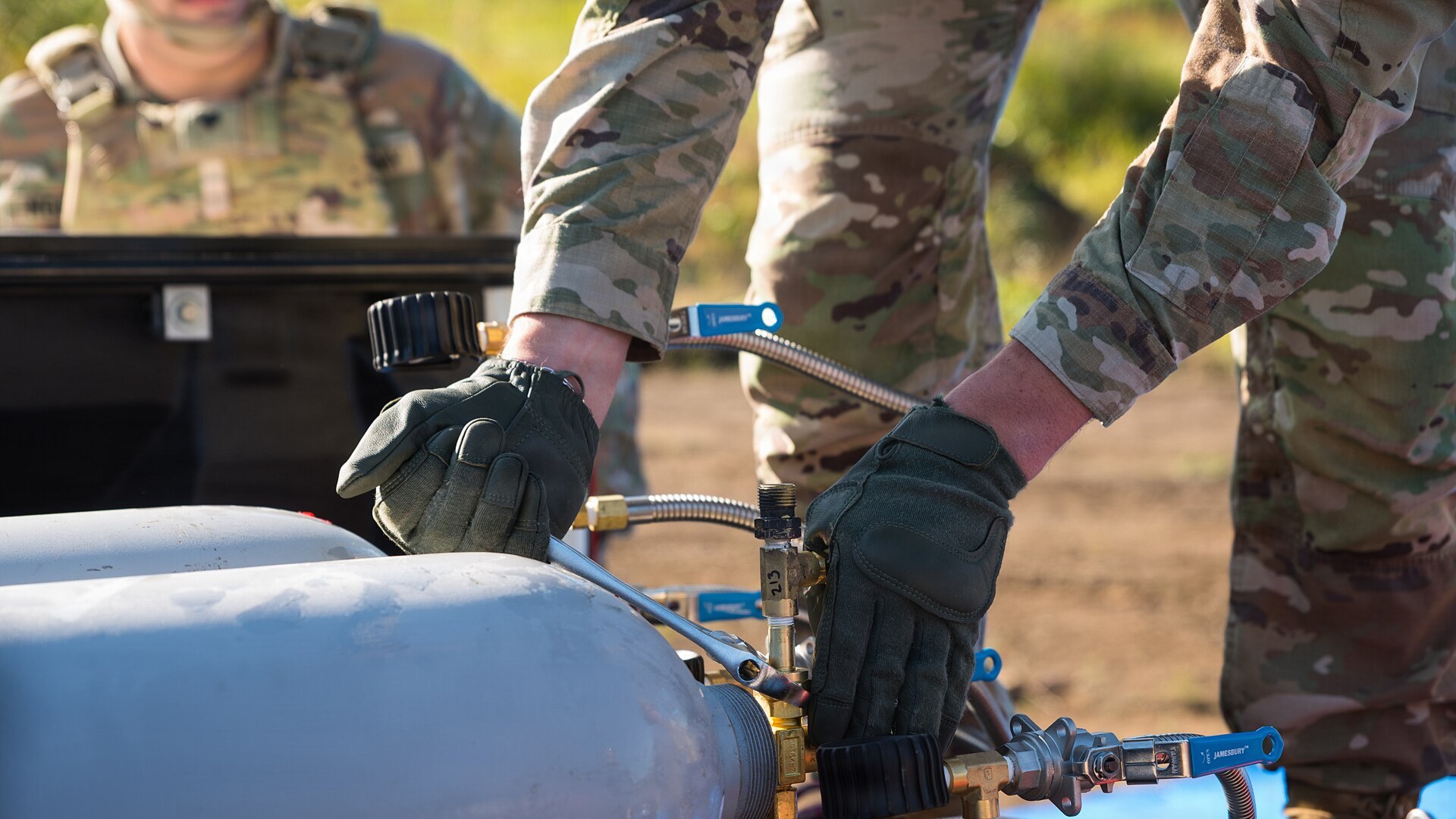
9. The Parade Consumes 400,000 Cubic Feet Of Helium Annually
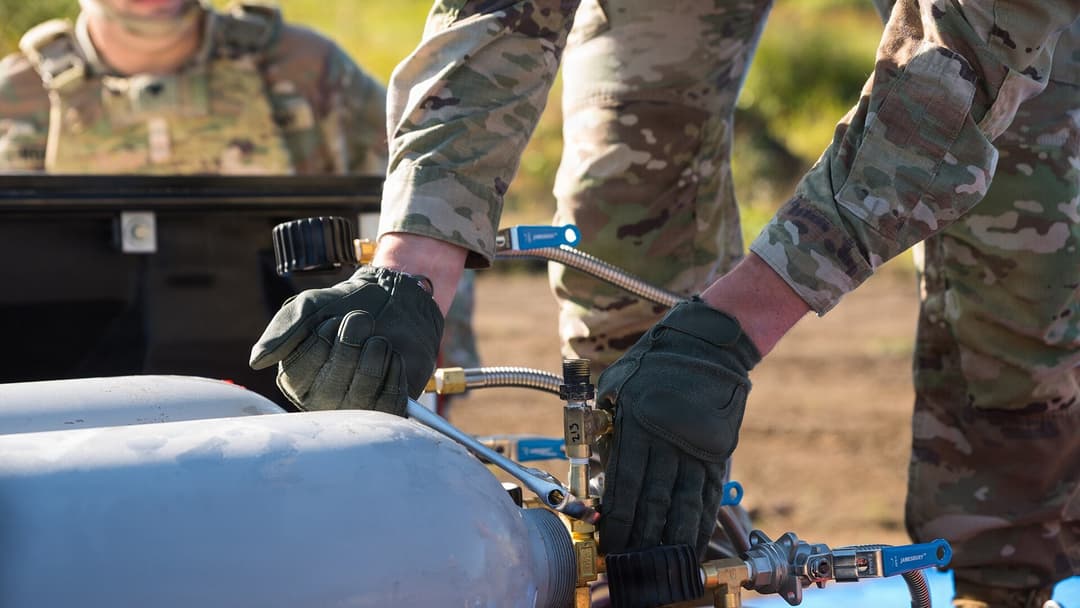
Filling the parade roster requires roughly 300,000 to 400,000 cubic feet of industrial helium. That massive volume makes Macy's one of the largest non-governmental consumers of helium in the United States. Due to global supply shortages, studio engineers carefully measure and recycle gas during early testing.
©Wikimedia / U.S. Army photo by Master Sgt. Raymond Boyington
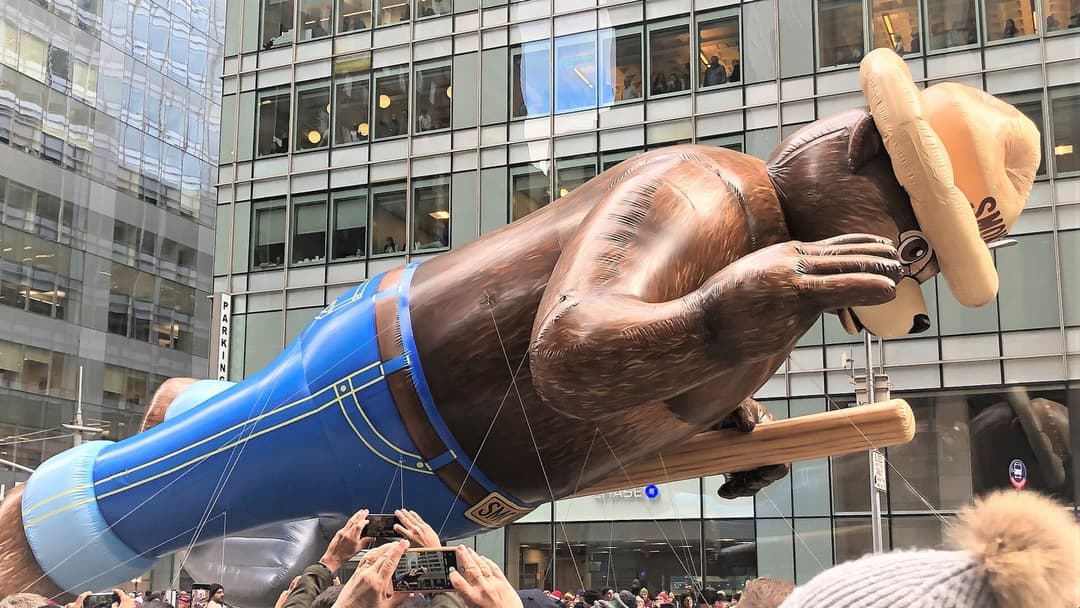
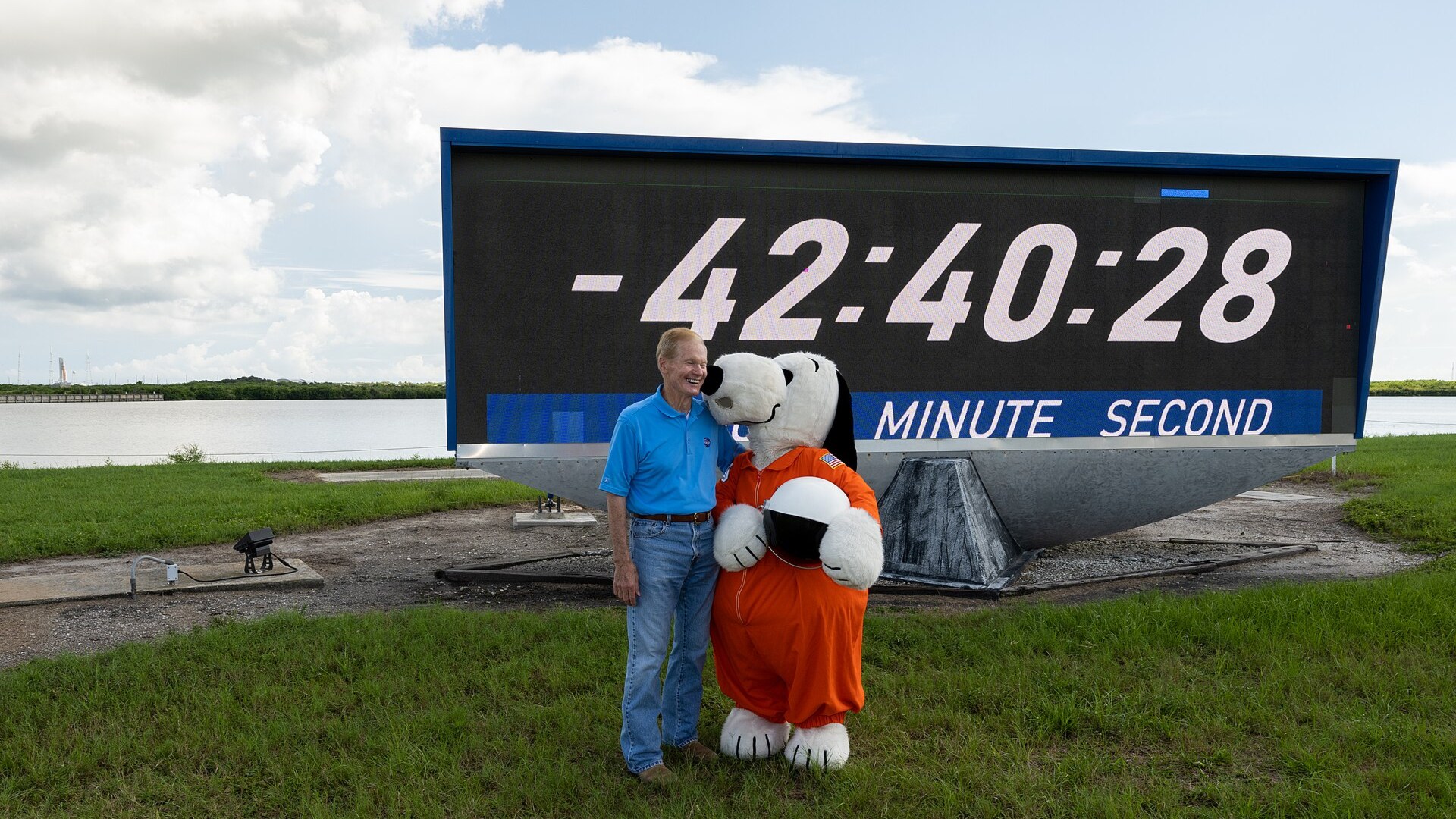
8. Snoopy Holds The Record For The Most Balloon Versions
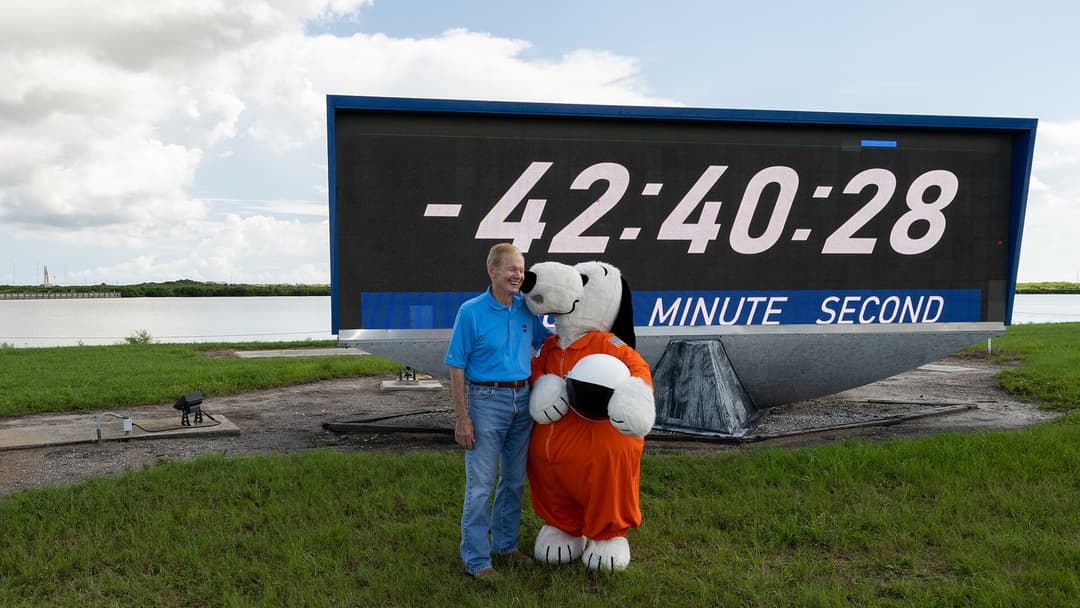
Charles Schulz's famous beagle Snoopy has flown down Manhattan streets more than any other character in history. Since his 1968 debut as an aviator, Macy's has constructed nine distinct Snoopy balloon editions, including Apollo astronaut and winter crown versions. No other animated figure rivals his parade record.
©Wikimedia / Keegan Barber
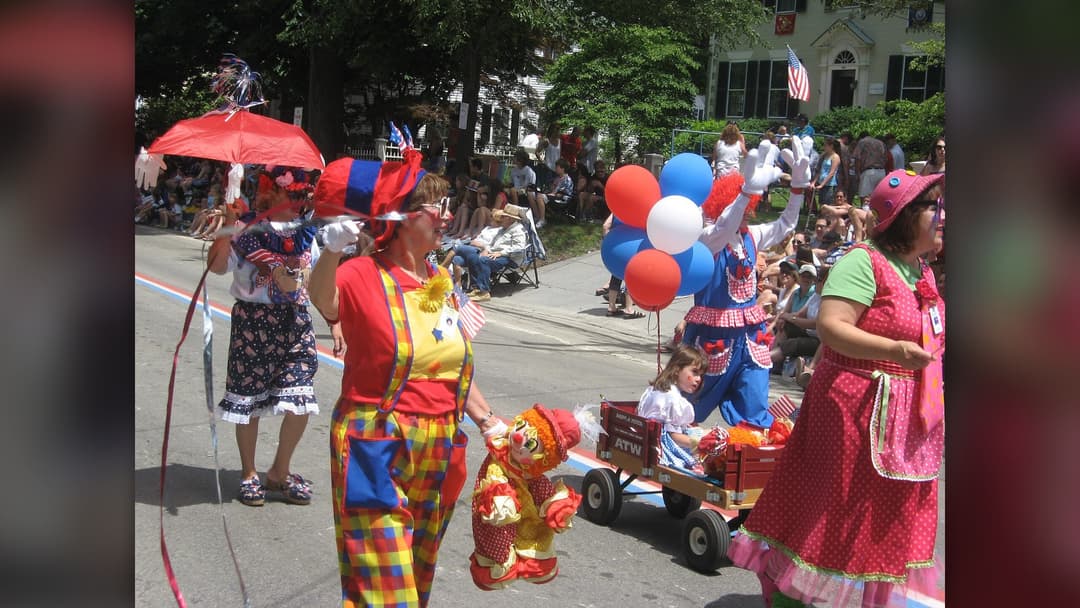
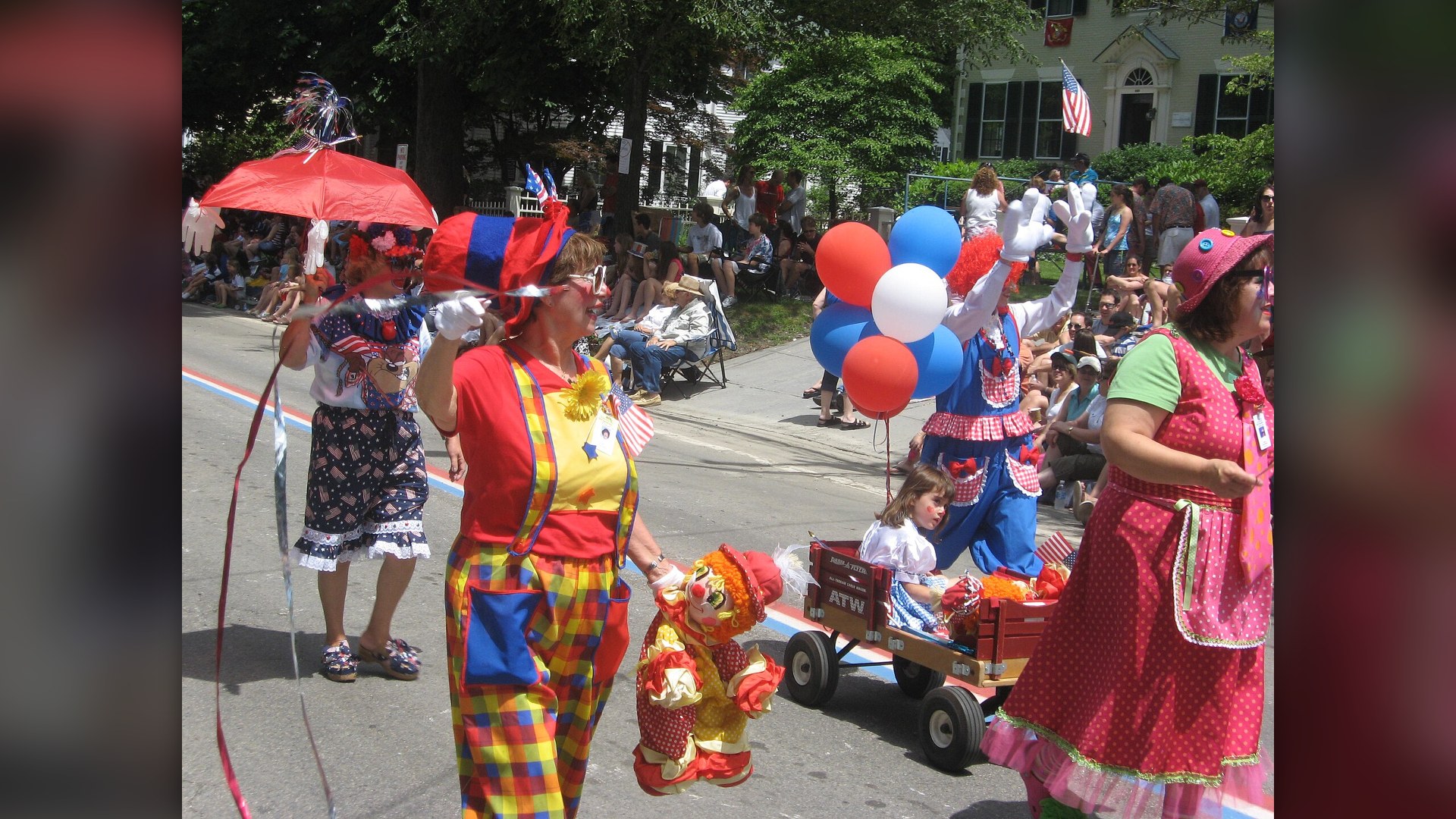
7. Marching Clowns Are Company Employees Trained At Clown School
Nearly all of the 1,000 clowns skipping along the parade route are Macy's retail staff, corporate employees, or their relatives. Before marching, volunteers must graduate from an intensive training workshop led by Big Apple Circus veterans. They learn physical comedy, makeup techniques, and crowd coordination.
©Wikimedia / Shaun C. Williams from USA
6. Freezing Morning Temperatures Require Pre-Recorded Vocals
Most vocal performances broadcast from the Herald Square stage are pre-recorded studio tracks rather than live audio. Sub-freezing November morning air stiffens vocal cords and outdoor wind gusts distort live microphones. Broadcasters synchronize audio tracks with moving floats to ensure clean television sound.
©Wikimedia / Arild Vågen
Advertisement
Swipe or tap ▶ to resume the countdown.
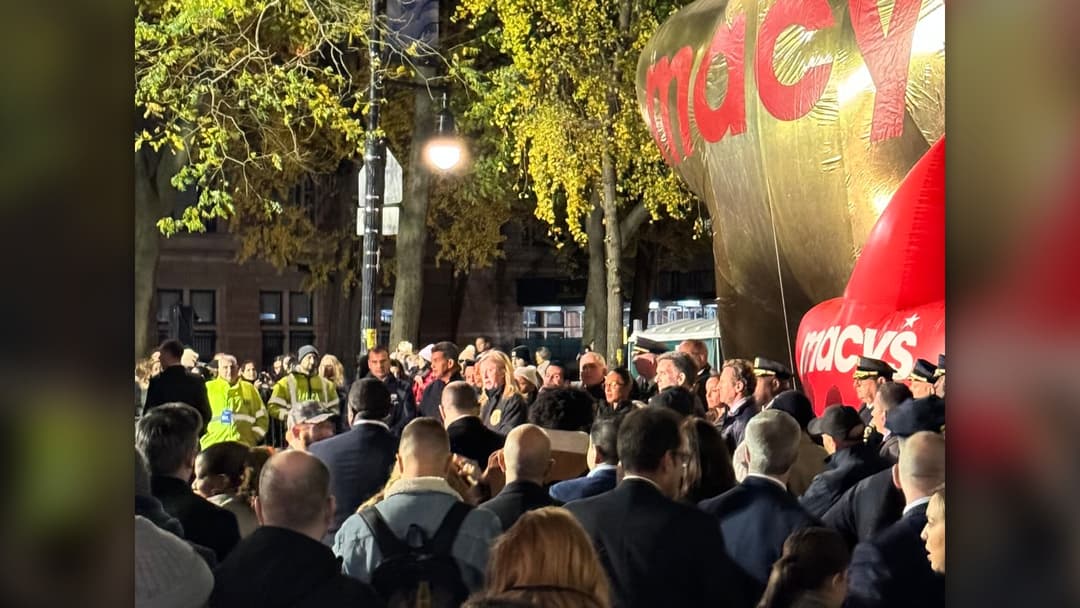
5. NYPD Officers Carry Portable Anemometers Along The Route
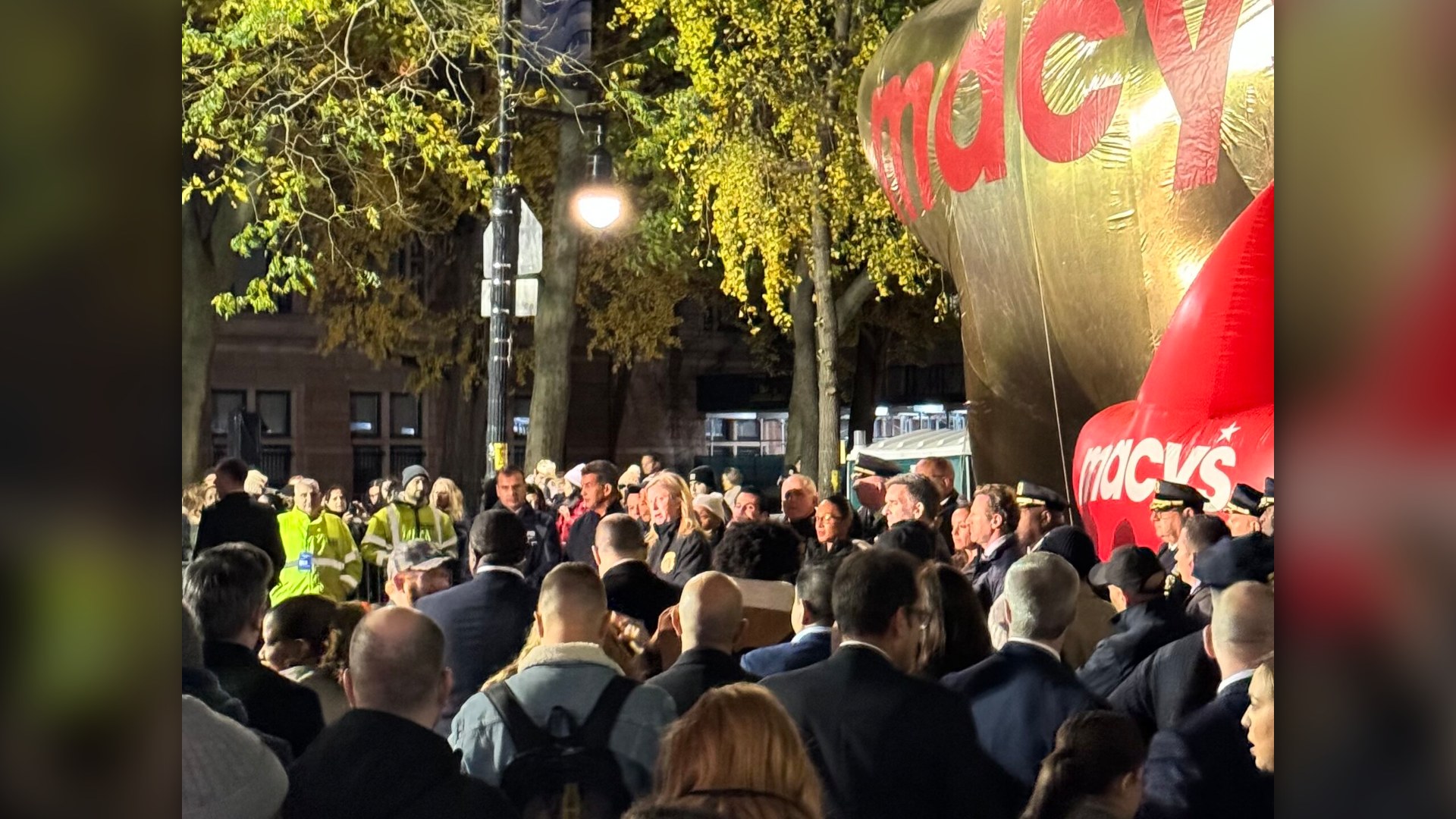
To prevent collisions with streetlamps and trees, NYPD officers carry handheld sonic anemometers alongside the parade route. Supervisors monitor conditions at open cross streets like 72nd Street and Columbus Circle. If wind spikes, commanders order handlers to tighten guidelines and walk balloons closer to ground.
©Wikimedia / 37and7
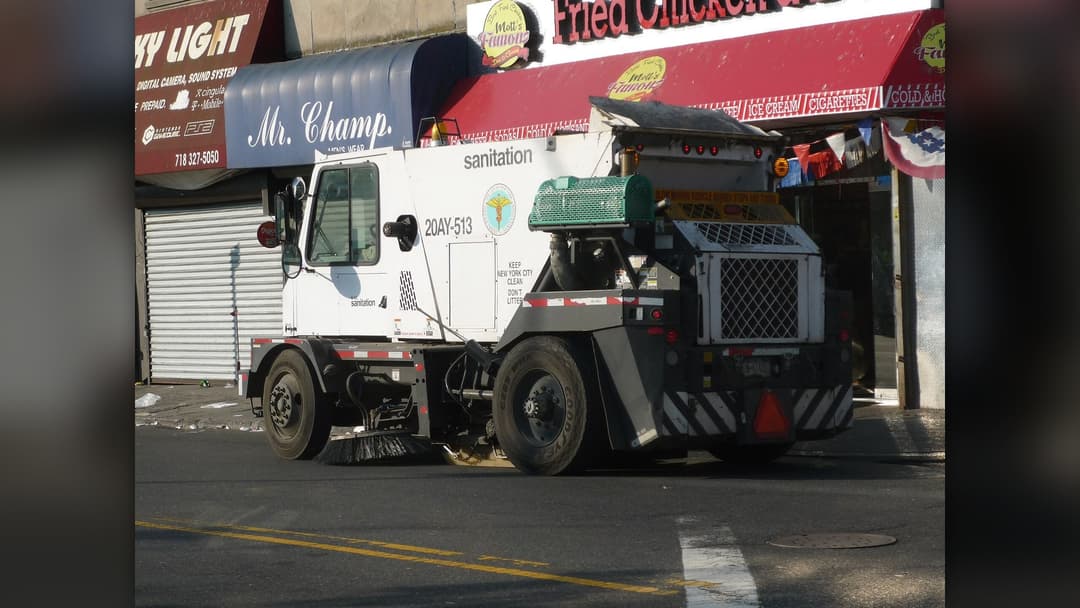
4. Sanitation Crews Clear Forty Tons Of Debris In Hours
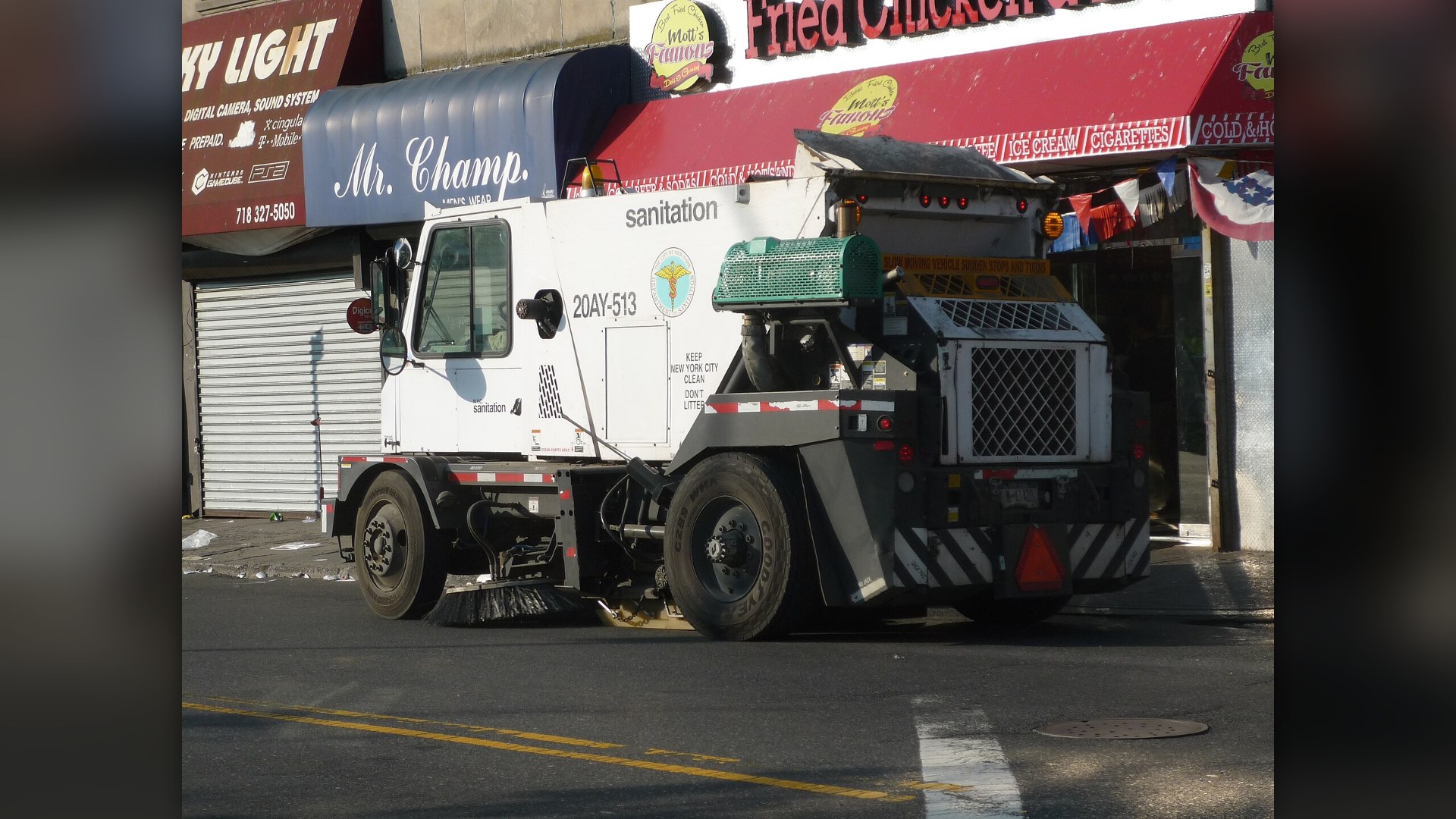
The New York City Department of Sanitation deploys over 200 sanitation workers, mechanical broom sweepers, and collection trucks directly behind Santa Claus. The crews sweep up roughly thirty to forty tons of confetti, debris, and animal droppings. The entire 2.5-mile route fully reopens to traffic before evening.
©Wikimedia / Jason Lawrence from Boston
3. Route Changes In 2009 Permanently Banned Broadway
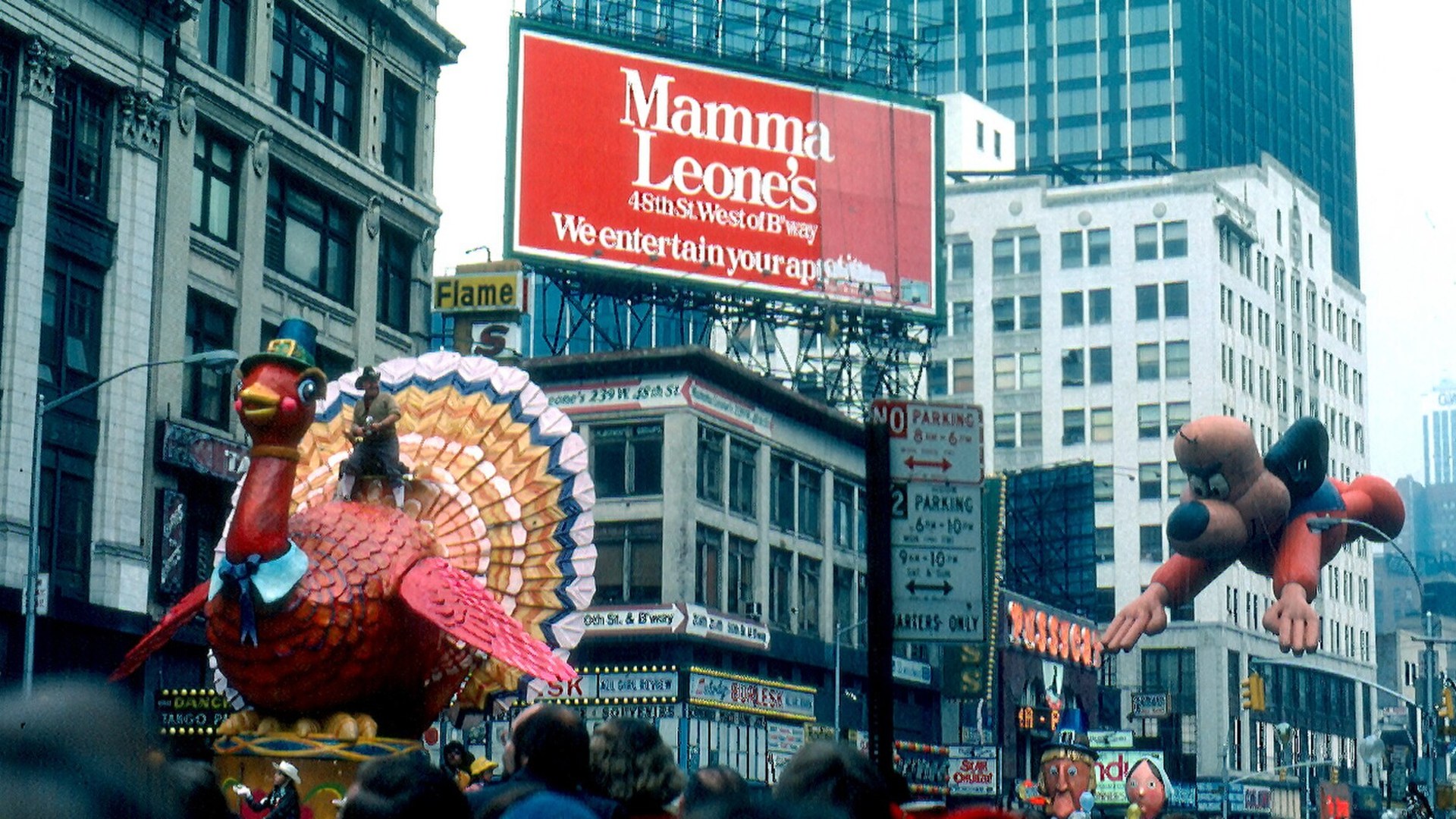
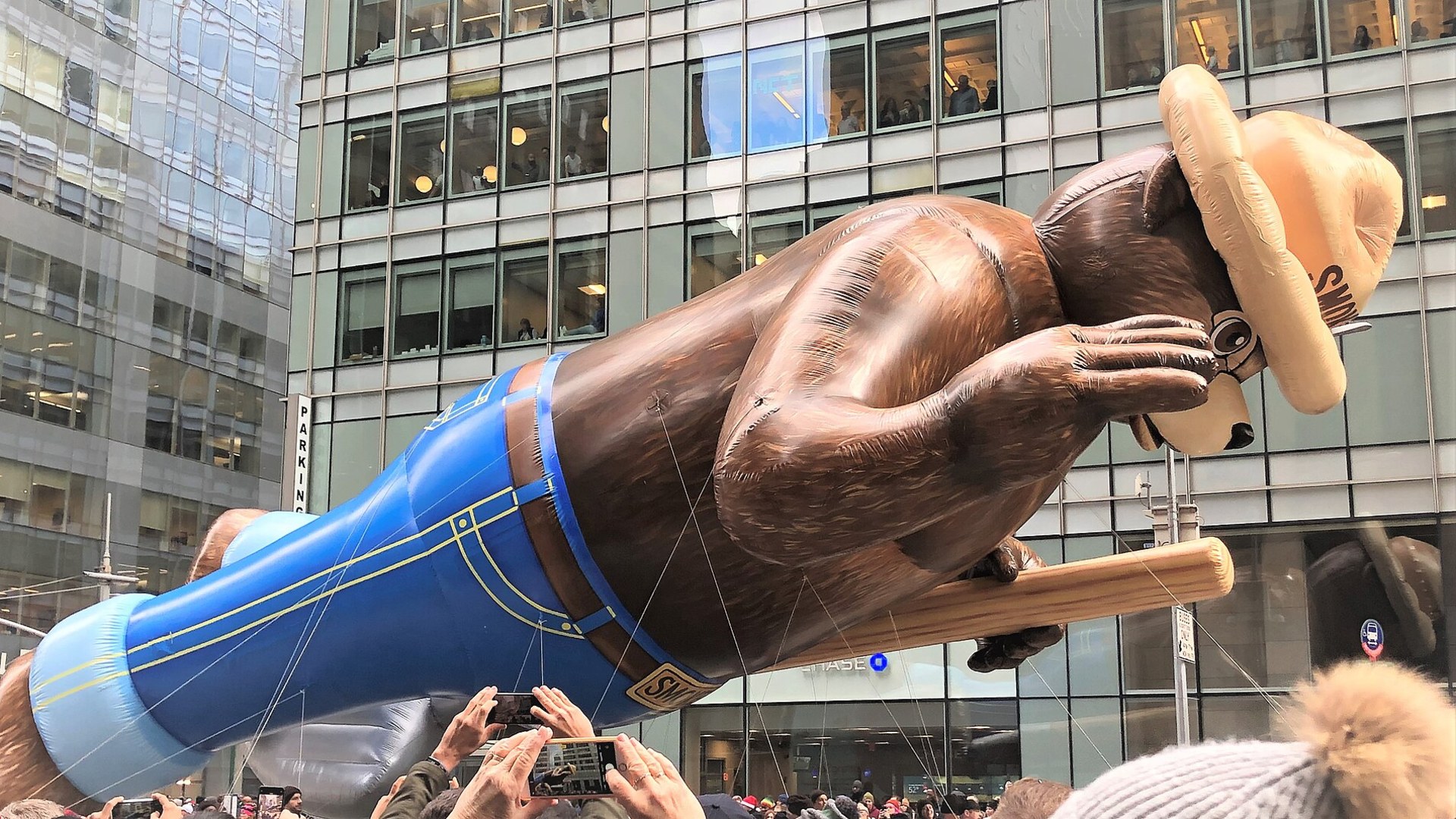
For decades, the Thanksgiving procession marched straight through the heart of Times Square along Broadway. In 2009, New York City transformed Times Square into permanent pedestrian plazas with concrete planters. City planners permanently rerouted the parade down Seventh Avenue and Sixth Avenue to clear obstacles.
©Wikimedia / Beyond My Ken
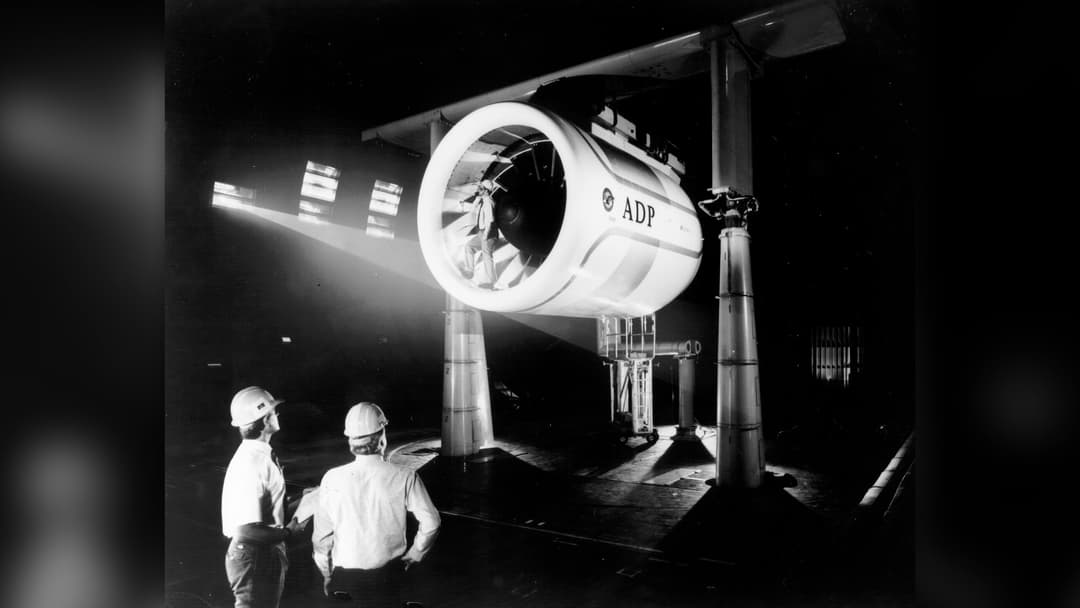
2. Engineers Test Scale Clay Maquettes In Wind Tunnels
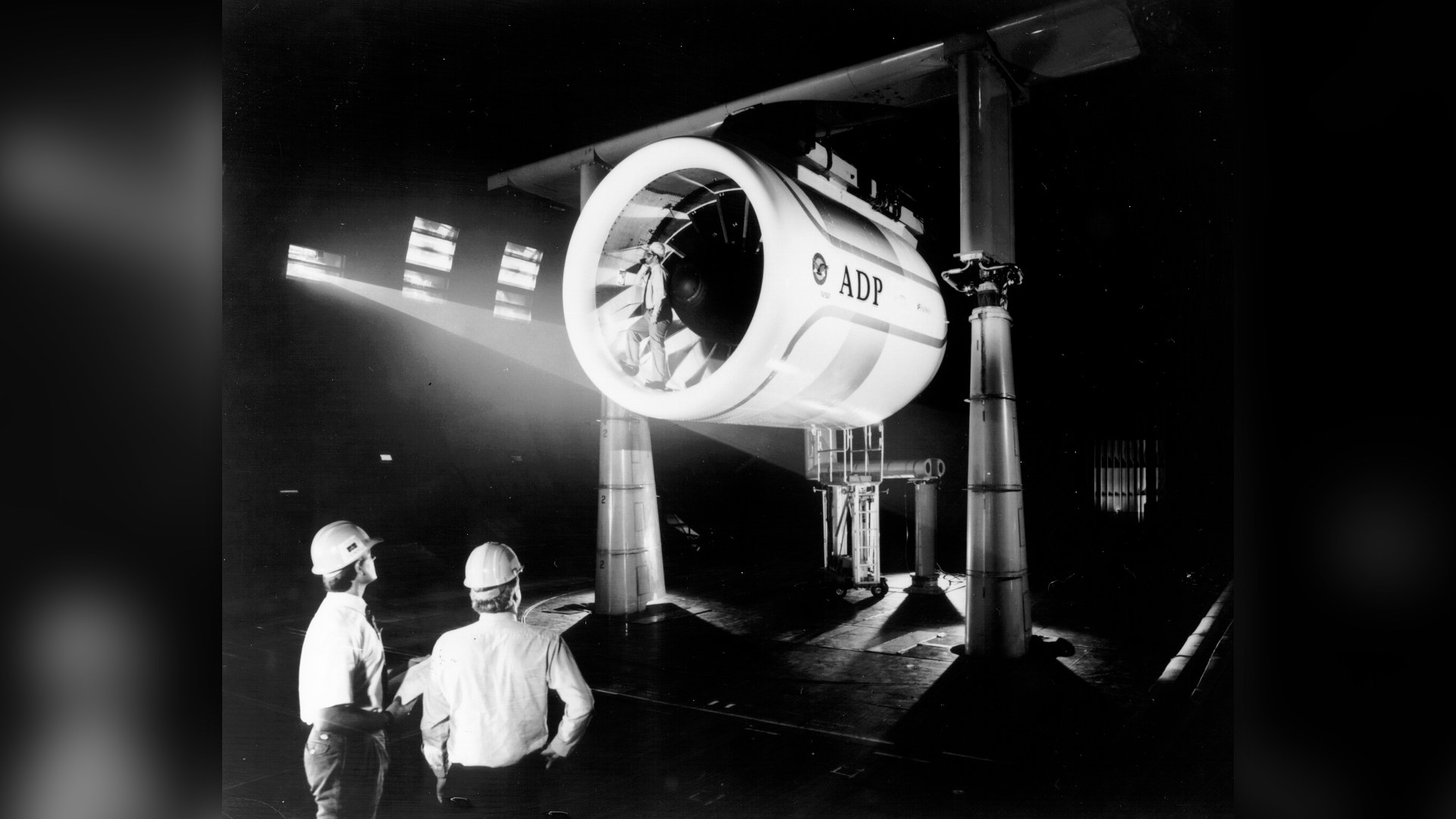
Before cutting polyurethane panels, artists sculpt detailed miniature clay maquettes of each character. Aerospace engineers place scale models inside aerodynamic wind tunnels to analyze drag, buoyancy, and stability. The test data dictates exact placement for dozens of tether anchor patches on the new balloon.
©Wikimedia / NASA
Advertisement
Swipe or tap ▶ to resume the countdown.
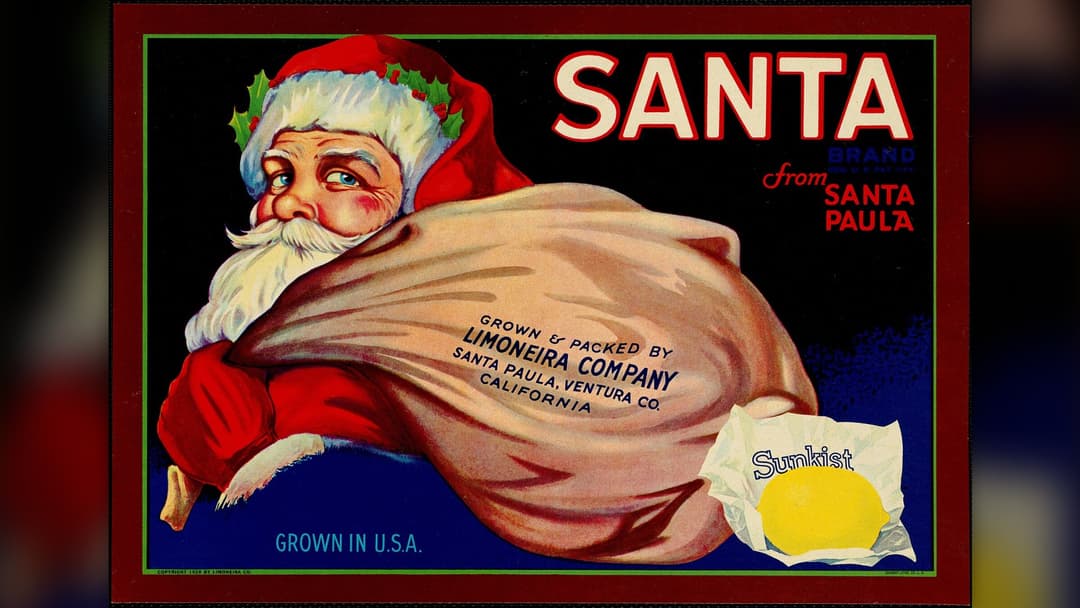
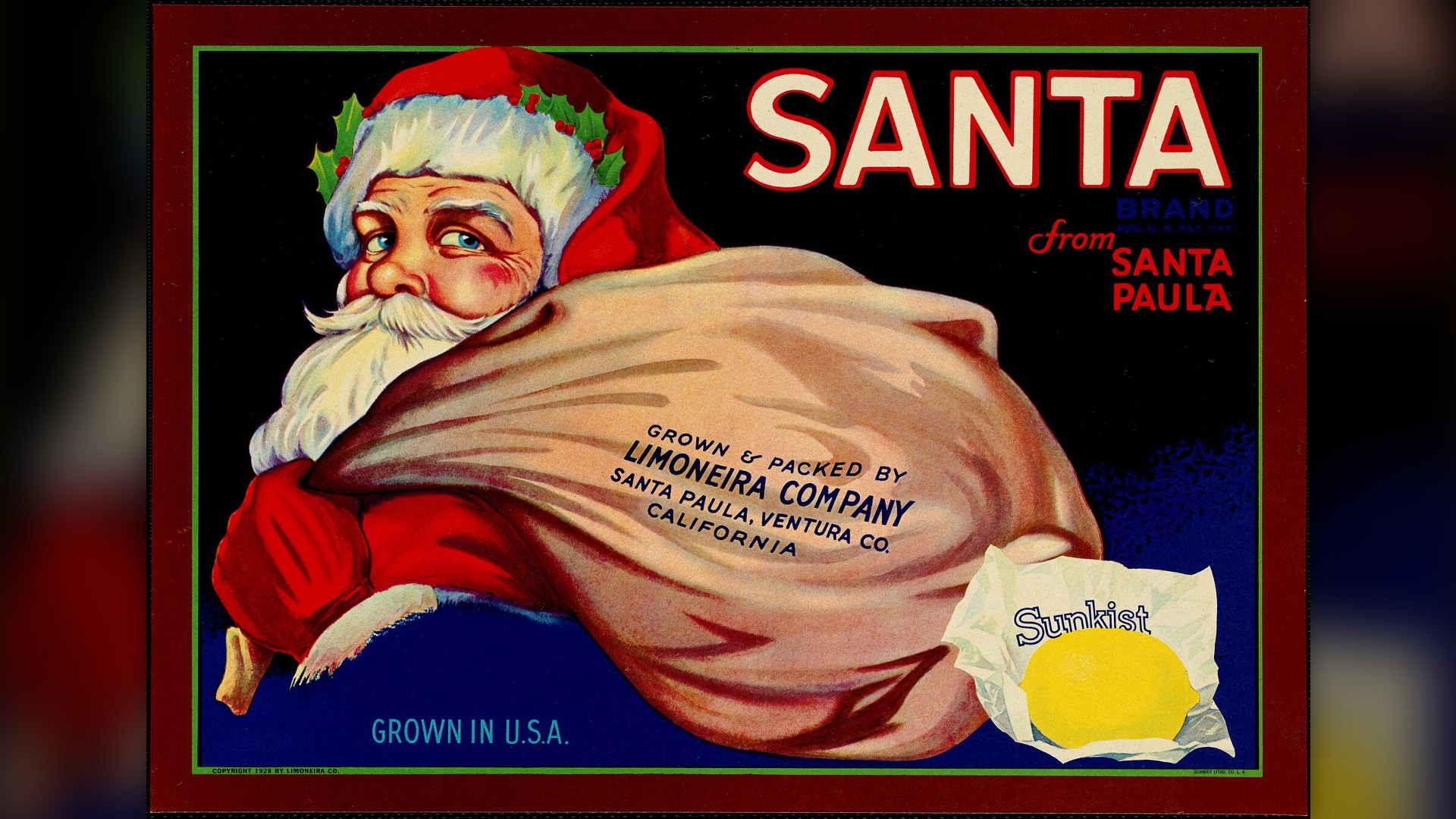
1. Santa Claus Has Signaled Christmas At Herald Square Since 1924
Santa Claus has arrived on the final float in nearly every parade since 1924, officially welcoming the holiday shopping season at Herald Square. The only exception occurred in 1933, when organizers had Santa lead the procession instead of closing it. His appearance remains the climax of America's parade tradition.
©Wikimedia / Schmidt Litho. Co
Advertisement
You've reached the end of the story. Thanks for reading!

20 Favorite Foods Facing Growing Supply Threats
From morning cups of espresso to evening bites of chocolate, several of the world most cherished foods face alarming threats. Rising global temperatures, shifting rainfall, invasive blights, and pollinator collapse are pushing staple crops toward crisis. Here are twenty food favorites that could soon disappear.
All 20 Entries in this Story
20. Live Zoo Animals Marched In The 1924 Debut
The inaugural 1924 procession did not feature giant balloons. Store employees instead walked six miles from Harlem to Herald Square alongside camels, bears, elephants, and donkeys borrowed from Central Park Zoo. The roaring animals frightened young spectators, prompting organizers to retire live beasts by 1927.

19. Felix The Cat Debuted As The First Giant Balloon
Puppeteer Anthony Frederick Sarg replaced live zoo animals in 1927 by designing a 20-foot Felix the Cat balloon. The pioneering character was filled entirely with ordinary air and held aloft on wooden poles. Macy's upgraded to helium the following year in 1928, creating the famous floating spectacle seen today.

18. Released Balloons Once Offered Cash Rewards
During the late 1920s, Macy's released balloons into the sky at the parade finale with slow-release pressure valves. The department store offered cash rewards between 50 and 100 dollars to anyone who recovered a landed balloon. Hundreds of residents joined chaotic recovery hunts across New York and Long Island.

17. A Dangerous Airplane Collision Ended Balloon Releases
The balloon bounty ended abruptly in 1932 when 22-year-old student pilot Annette Gipson spotted the floating Tom Kat balloon over Queens. She flew her biplane toward it, caught the rubber fabric in her wing, and fell into a steep tailspin. Both pilots landed safely, and Macy's banned balloon releases forever.

16. World War II Scrap Drives Claimed The Entire Balloon Fleet
The annual parade was canceled from 1942 to 1944 because of critical wartime shortages. Mayor Fiorello La Guardia and Macy's executives deflated the existing balloons and donated 650 pounds of rubber and scrap metal to the United States military. The materials were recycled into tires and life rafts for troops.

15. The Entire Parade Is Built In A New Jersey Warehouse
All giant balloons, floats, and costumes originate inside a 72,000-square-foot warehouse in Moonachie, New Jersey. Known as the Macy's Parade Studio, the secure workshop employs twenty-five full-time painters, carpenters, animators, and metal sculptors. The team works year-round to construct the annual procession.

14. Multi-Story Floats Fold Flat To Fit The Lincoln Tunnel
Floats that stand up to four stories tall on parade day cannot fit through Lincoln Tunnel at full size. Engineers design every structure to fold down flat into a package no wider than 8.5 feet and no taller than 12.5 feet. Crews tow the compact frames beneath the Hudson River around midnight on Thanksgiving Eve.

13. Thanksgiving Eve Inflation Draws Over One Million Spectators
On the Wednesday evening before Thanksgiving, crews pump helium into balloons outside the American Museum of Natural History. Over one million spectators pack 77th and 81st Streets to watch characters expand beneath massive rope nets. The public inflation ritual has become its own official holiday destination.

12. Balloons Contain Separate Internal Air And Helium Chambers
Modern character balloons are constructed from durable polyurethane-coated fabric with complex internal chambers. Instead of one large void, each figure contains multiple sealed compartments that separate helium and air pockets. If a gust punctures an arm or ear, the remaining chambers keep the balloon afloat.

11. A Dedicated Flight Pilot Directs Teams Of Ninety Handlers
Controlling a giant four-story balloon requires a coordinated crew of ninety trained volunteers. A designated flight pilot walks backward ahead of the float, shouting orders and blowing whistles to adjust rope tension. Additional staff members steer motorized utility vehicles that serve as heavy anchor points.

10. New York City Law Grounds Balloons During High Winds
New York City enacted Local Law 11 following a severe 1997 balloon accident near Central Park. The regulation orders all giant balloons grounded if sustained wind speeds reach 23 miles per hour or gusts exceed 34 miles per hour. Police commanders actively track wind readings at key street corners during the march.

9. The Parade Consumes 400,000 Cubic Feet Of Helium Annually
Filling the parade roster requires roughly 300,000 to 400,000 cubic feet of industrial helium. That massive volume makes Macy's one of the largest non-governmental consumers of helium in the United States. Due to global supply shortages, studio engineers carefully measure and recycle gas during early testing.

8. Snoopy Holds The Record For The Most Balloon Versions
Charles Schulz's famous beagle Snoopy has flown down Manhattan streets more than any other character in history. Since his 1968 debut as an aviator, Macy's has constructed nine distinct Snoopy balloon editions, including Apollo astronaut and winter crown versions. No other animated figure rivals his parade record.

7. Marching Clowns Are Company Employees Trained At Clown School
Nearly all of the 1,000 clowns skipping along the parade route are Macy's retail staff, corporate employees, or their relatives. Before marching, volunteers must graduate from an intensive training workshop led by Big Apple Circus veterans. They learn physical comedy, makeup techniques, and crowd coordination.

6. Freezing Morning Temperatures Require Pre-Recorded Vocals
Most vocal performances broadcast from the Herald Square stage are pre-recorded studio tracks rather than live audio. Sub-freezing November morning air stiffens vocal cords and outdoor wind gusts distort live microphones. Broadcasters synchronize audio tracks with moving floats to ensure clean television sound.

5. NYPD Officers Carry Portable Anemometers Along The Route
To prevent collisions with streetlamps and trees, NYPD officers carry handheld sonic anemometers alongside the parade route. Supervisors monitor conditions at open cross streets like 72nd Street and Columbus Circle. If wind spikes, commanders order handlers to tighten guidelines and walk balloons closer to ground.

4. Sanitation Crews Clear Forty Tons Of Debris In Hours
The New York City Department of Sanitation deploys over 200 sanitation workers, mechanical broom sweepers, and collection trucks directly behind Santa Claus. The crews sweep up roughly thirty to forty tons of confetti, debris, and animal droppings. The entire 2.5-mile route fully reopens to traffic before evening.

3. Route Changes In 2009 Permanently Banned Broadway
For decades, the Thanksgiving procession marched straight through the heart of Times Square along Broadway. In 2009, New York City transformed Times Square into permanent pedestrian plazas with concrete planters. City planners permanently rerouted the parade down Seventh Avenue and Sixth Avenue to clear obstacles.

2. Engineers Test Scale Clay Maquettes In Wind Tunnels
Before cutting polyurethane panels, artists sculpt detailed miniature clay maquettes of each character. Aerospace engineers place scale models inside aerodynamic wind tunnels to analyze drag, buoyancy, and stability. The test data dictates exact placement for dozens of tether anchor patches on the new balloon.

1. Santa Claus Has Signaled Christmas At Herald Square Since 1924
Santa Claus has arrived on the final float in nearly every parade since 1924, officially welcoming the holiday shopping season at Herald Square. The only exception occurred in 1933, when organizers had Santa lead the procession instead of closing it. His appearance remains the climax of America's parade tradition.