Slideshow · Animals
21 Birds That Feed on Wildflowers
Across North American meadows and woodlands, native birds rely on wildflowers, ornamental grasses and shrubs for vital nourishment. Whether sipping rich nectar from summer blossoms or harvesting nutrient-dense seeds throughout freezing winter months, these species maintain ancient ecological partnerships.
By Most Viral Today
13 min ago

Avian Foragers Sustained by Native Meadows 
21. Red Breasted Nuthatch 
20. Evening Grosbeak 
19. Purple Finch - AdvertisementSwipe or tap ▶ to continue countdown

18. Yellow Rumped Warbler 
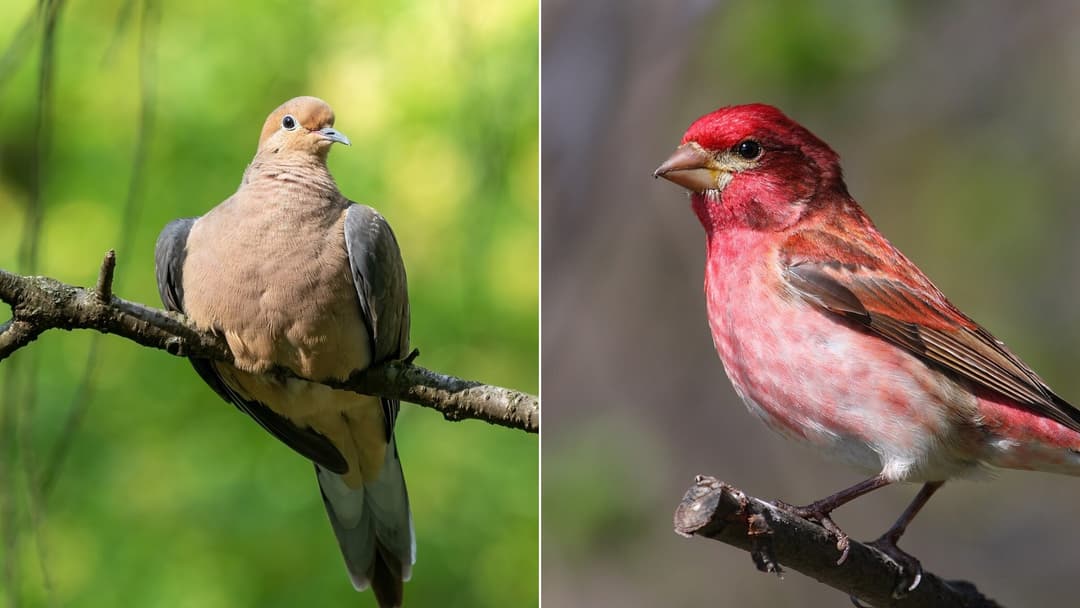
17. Mourning Dove 
16. Rose Breasted Grosbeak 
15. Downy Woodpecker - AdvertisementSwipe or tap ▶ to continue countdown

14. Eastern Bluebird 
13. Tufted Titmouse 
12. Rufous Hummingbird 
11. Song Sparrow - AdvertisementSwipe or tap ▶ to continue countdown

10. Northern Cardinal 
9. Black Capped Chickadee 
8. House Finch 
7. Cedar Waxwing - AdvertisementSwipe or tap ▶ to continue countdown

6. White Throated Sparrow 
5. Dark Eyed Junco 
4. Indigo Bunting 
3. Pine Siskin - AdvertisementSwipe or tap ▶ to continue countdown

2. Ruby Throated Hummingbird 
1. American Goldfinch - Advertisement🔥 UP NEXT IN THIS SERIES◫ 21 Slides

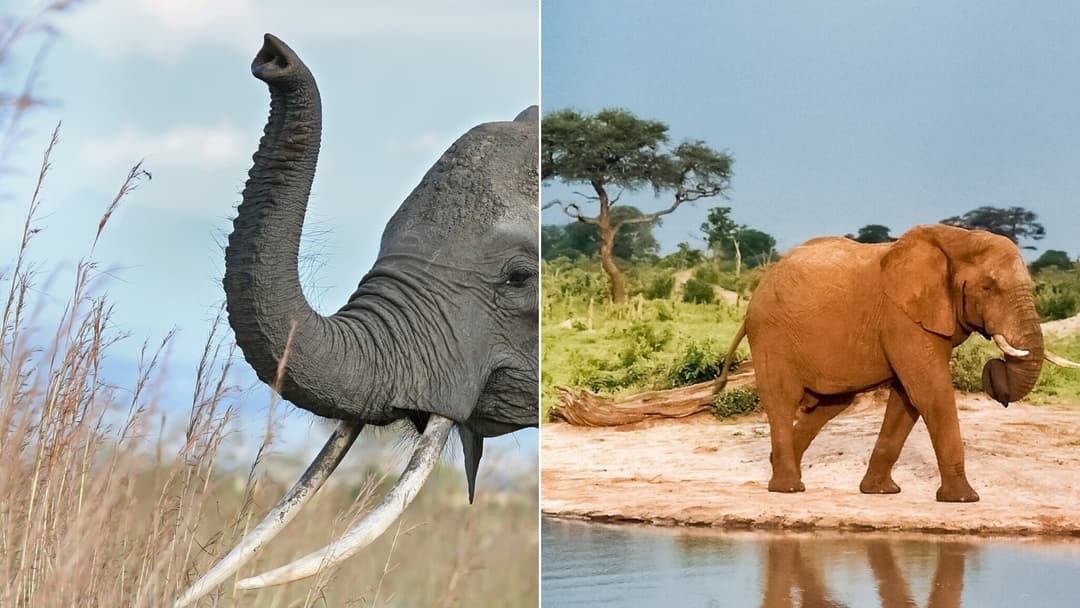
20 Things Elephants Can Do With Their Trunks
From lifting seven-hundred-pound timber logs to siphoning fragile food via vacuum suction, the elephant trunk is nature's most advanced muscular hydrostat. Forty thousand interwoven muscle units allow these gentle giants to navigate their world with awe-inspiring grace. Here are twenty of their most astonishing feats.
Across North American meadows and woodlands, native birds rely on wildflowers, ornamental grasses and shrubs for vital nourishment. Whether sipping rich nectar from summer blossoms or harvesting nutrient-dense seeds throughout freezing winter months, these species maintain ancient ecological partnerships.
Swipe or tap ▶ to begin the countdown
©Wikimedia / Mourning dove & Wikimedia / Purple finch
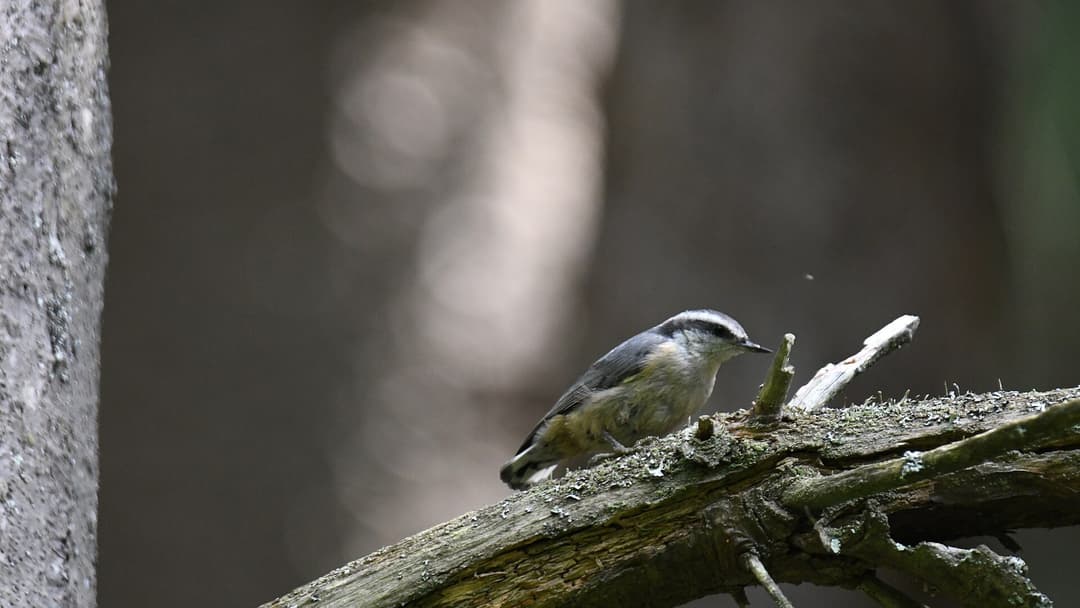
21. Red Breasted Nuthatch
Agile and vocal, red-breasted nuthatches scamper headfirst down tree trunks and out along cone-laden branches of native white pines and spruces. Using needle-sharp bills, they pry seeds from open cone bracts and frequently visit forest edges to forage mature sunflower discs before caching provisions.
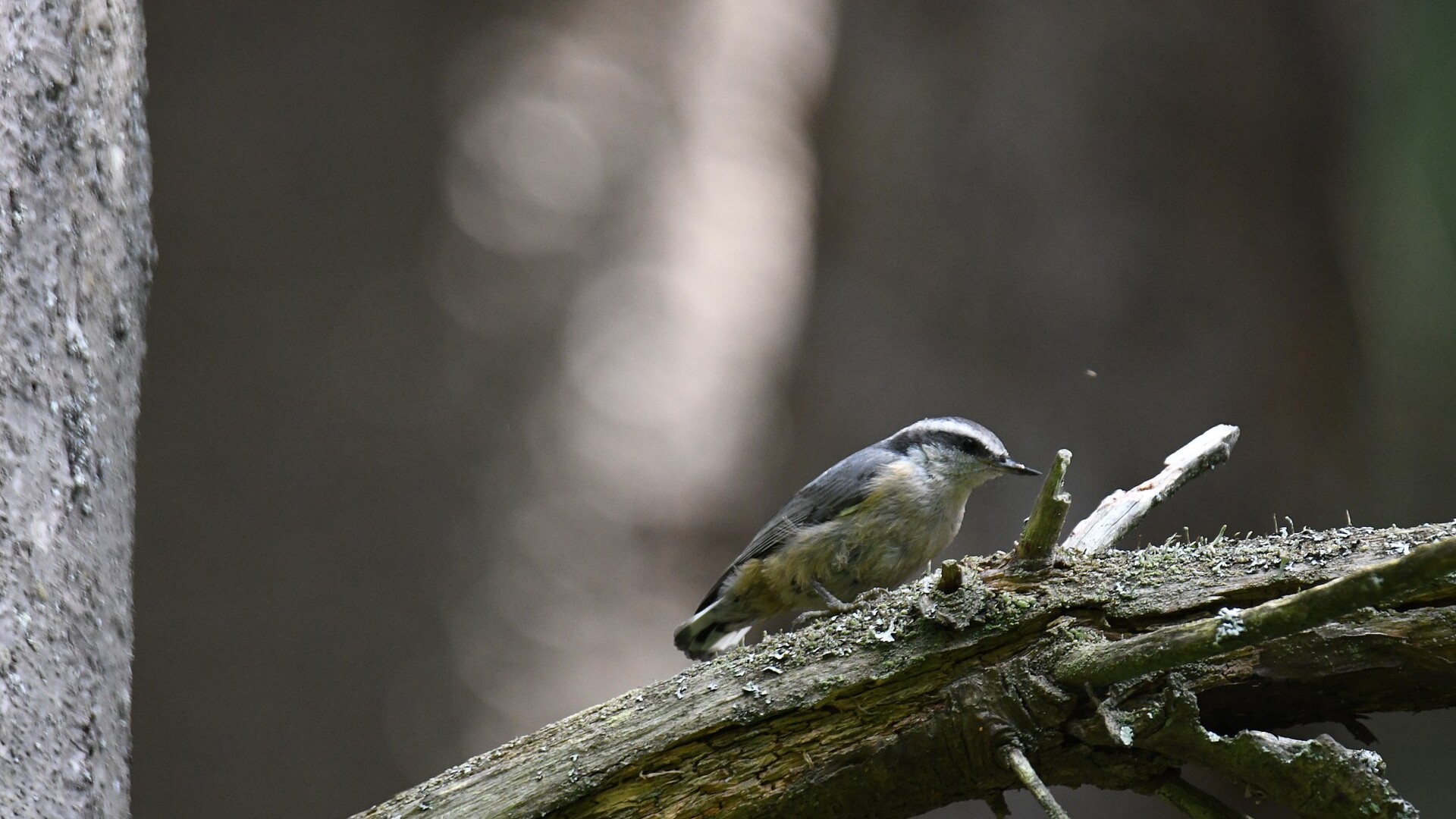
©Wikimedia / lwolfartist
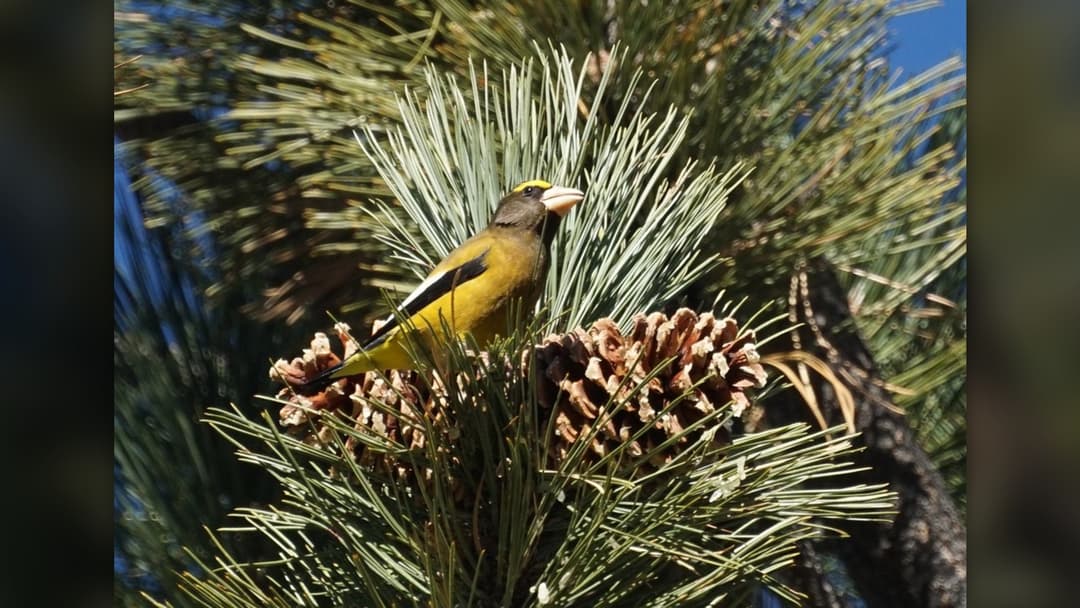
20. Evening Grosbeak
The evening grosbeak possesses one of the most powerful beaks among North American songbirds. In winter, irruptive flocks descend from boreal forests into southern meadows to feast on dense sumac drupes, boxelder samaras and maple seeds, effortlessly cleaving tough woody shells with massive jaws.
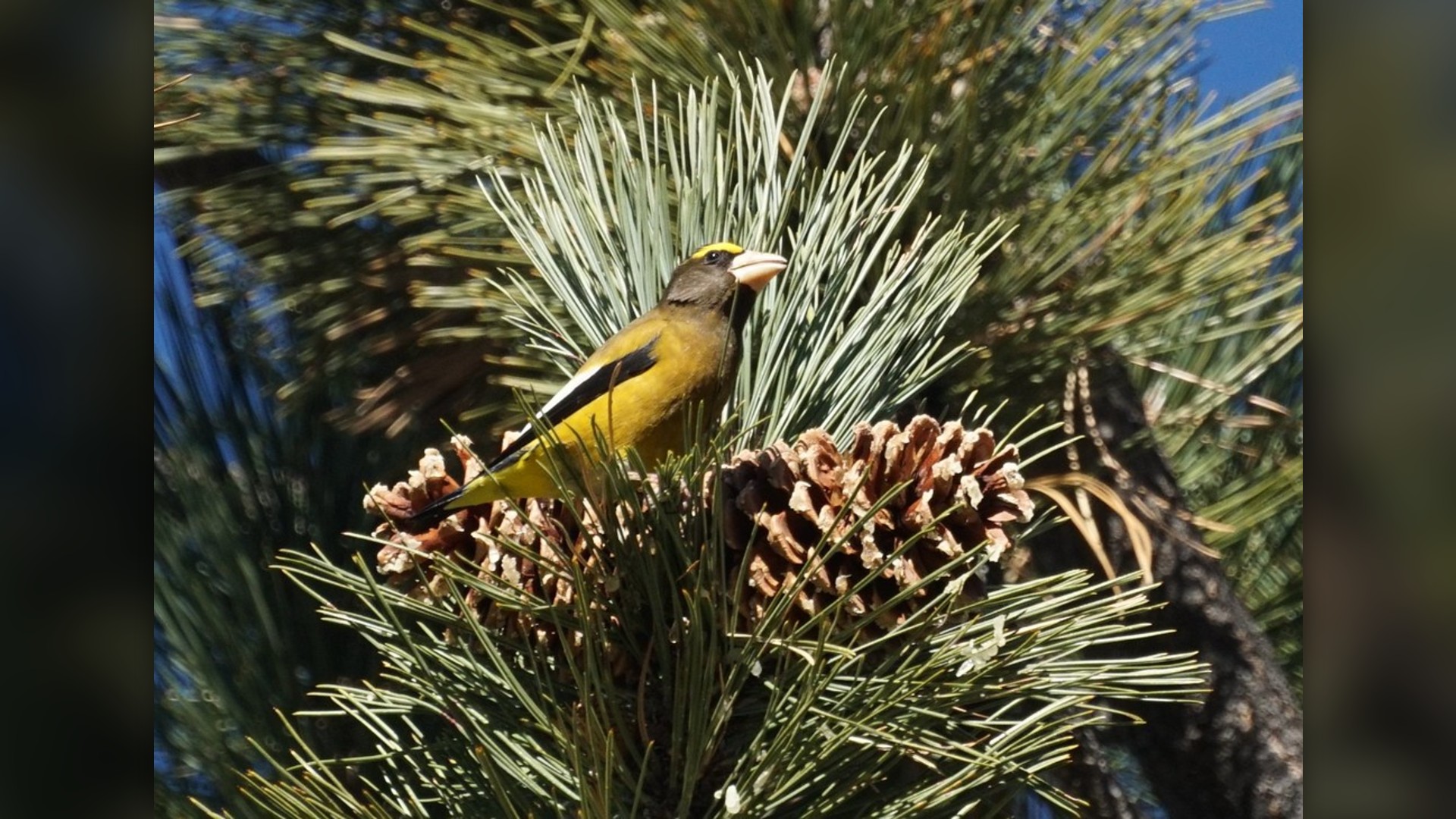
©Openverse / Mike's Birds
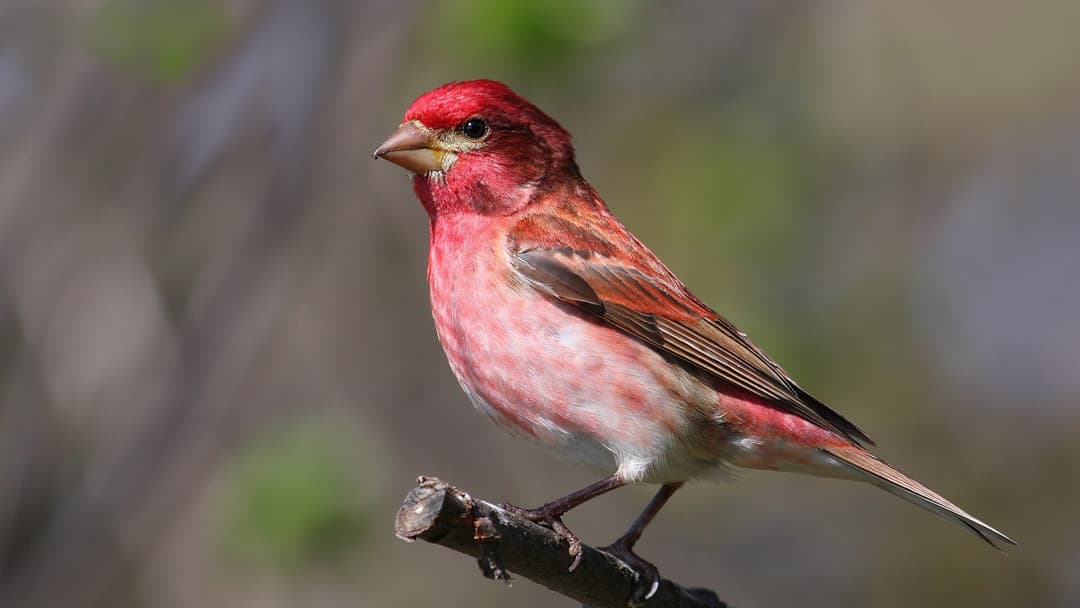
19. Purple Finch
The raspberry-hued purple finch roams northern woods and prairie edges in search of native seed heads. They feed comfortably among purple prairie clover, asters and wild thistle blooms, delicately extracting oil-rich achenes with their stout curved beaks before continuing nomadic winter flights.
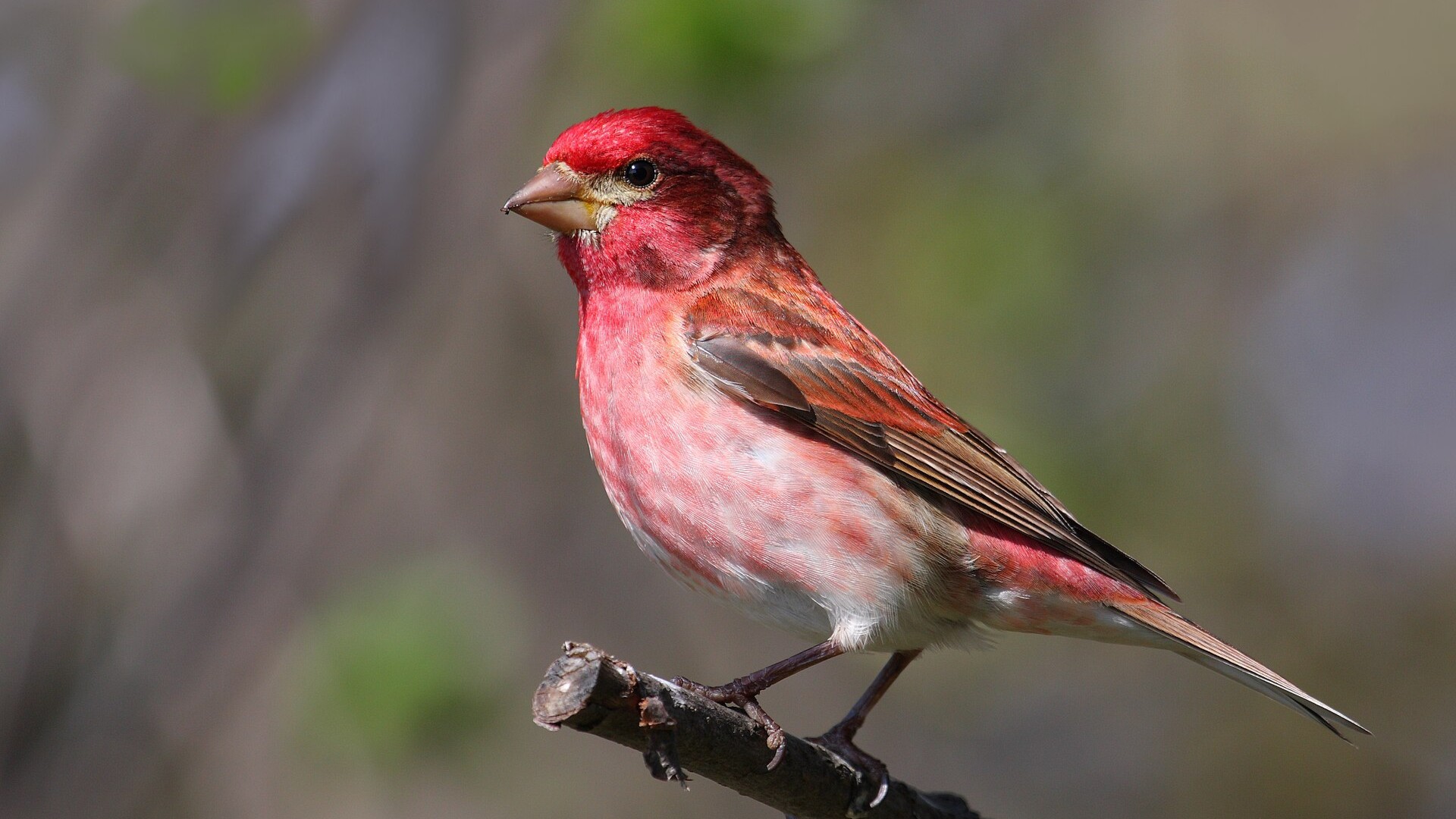
©Wikimedia / Purple finch
Advertisement
Swipe or tap ▶ to resume the countdown.
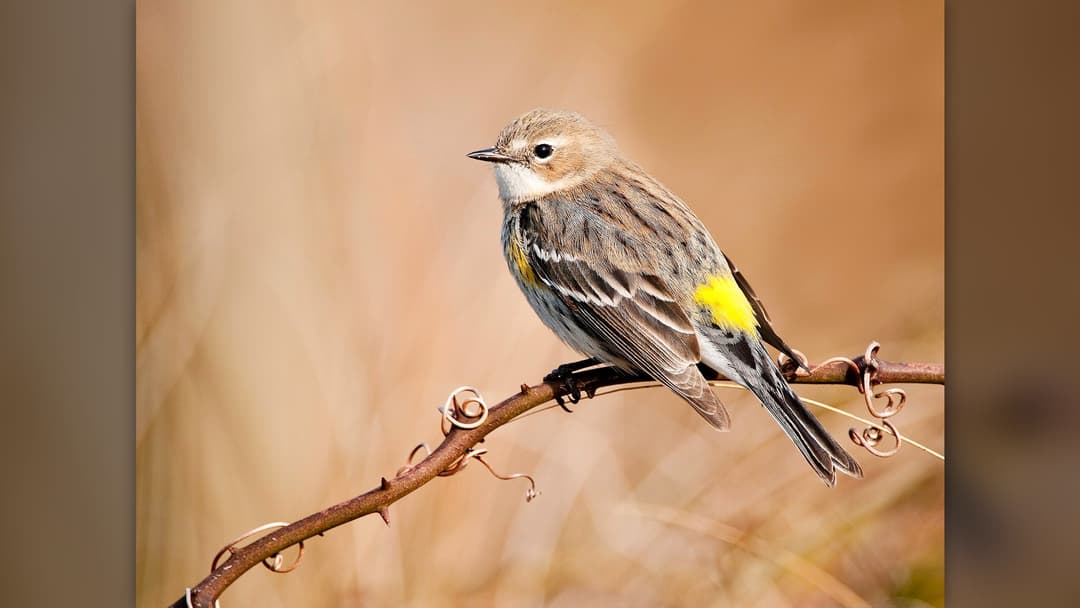
18. Yellow Rumped Warbler
Unlike most warblers that migrate entirely to the tropics, yellow-rumped warblers can winter farther north thanks to specialized digestive enzymes. They efficiently metabolize the dense, waxy coating of native northern bayberries and wax myrtles, sustaining themselves when insect prey becomes scarce.
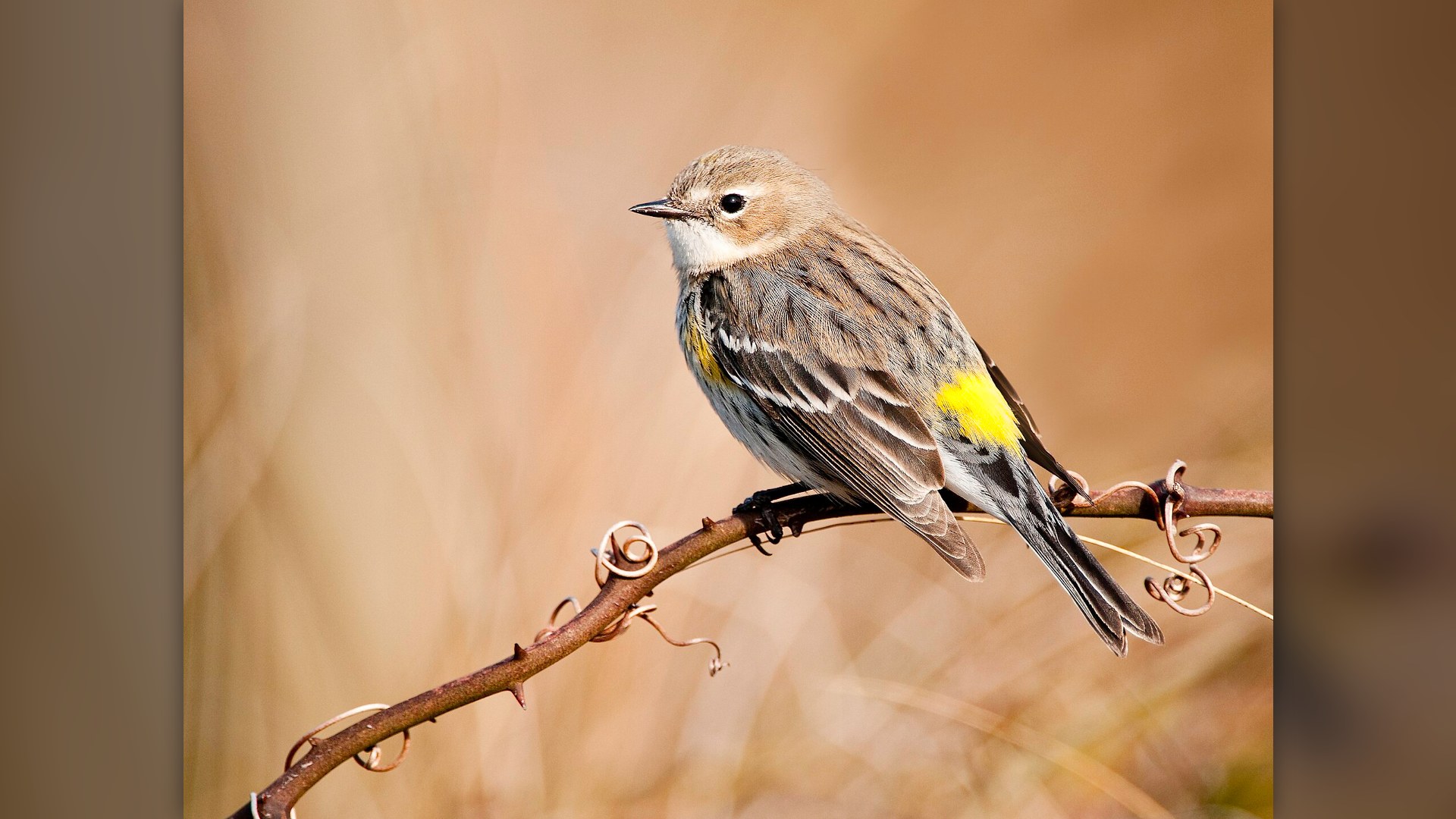
©Wikimedia / USFWS/Southeast
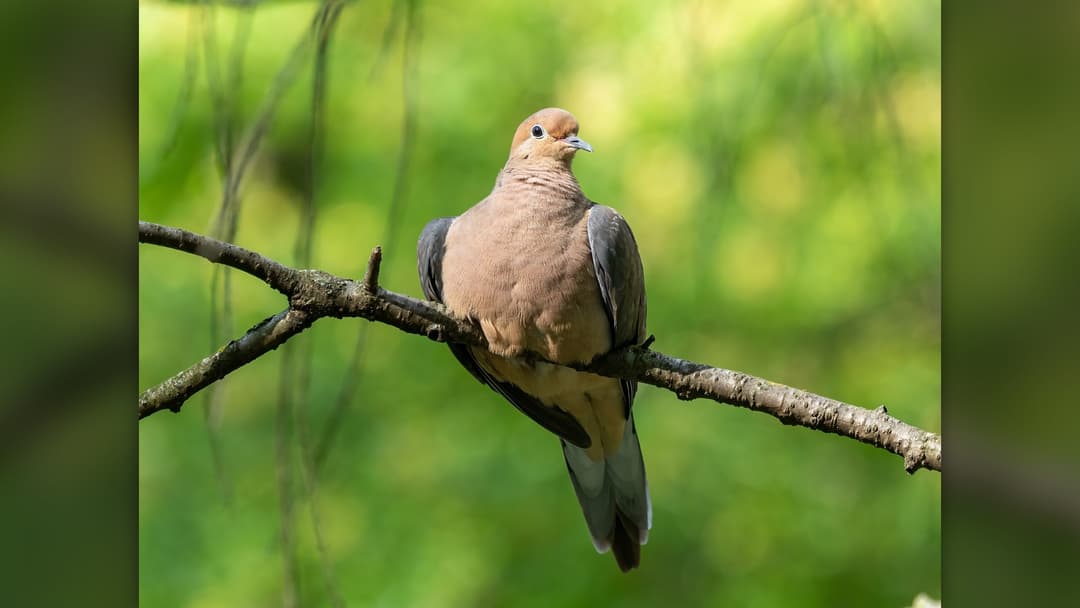
17. Mourning Dove
Mourning doves do not cling to stalks; instead, they walk calmly across meadow soils to gather dropped seeds from native grasses, wild sunflowers and pokeberries. A single dove can fill its expandable crop with thousands of grass seeds before flying to a safe perch to digest the meal peacefully.
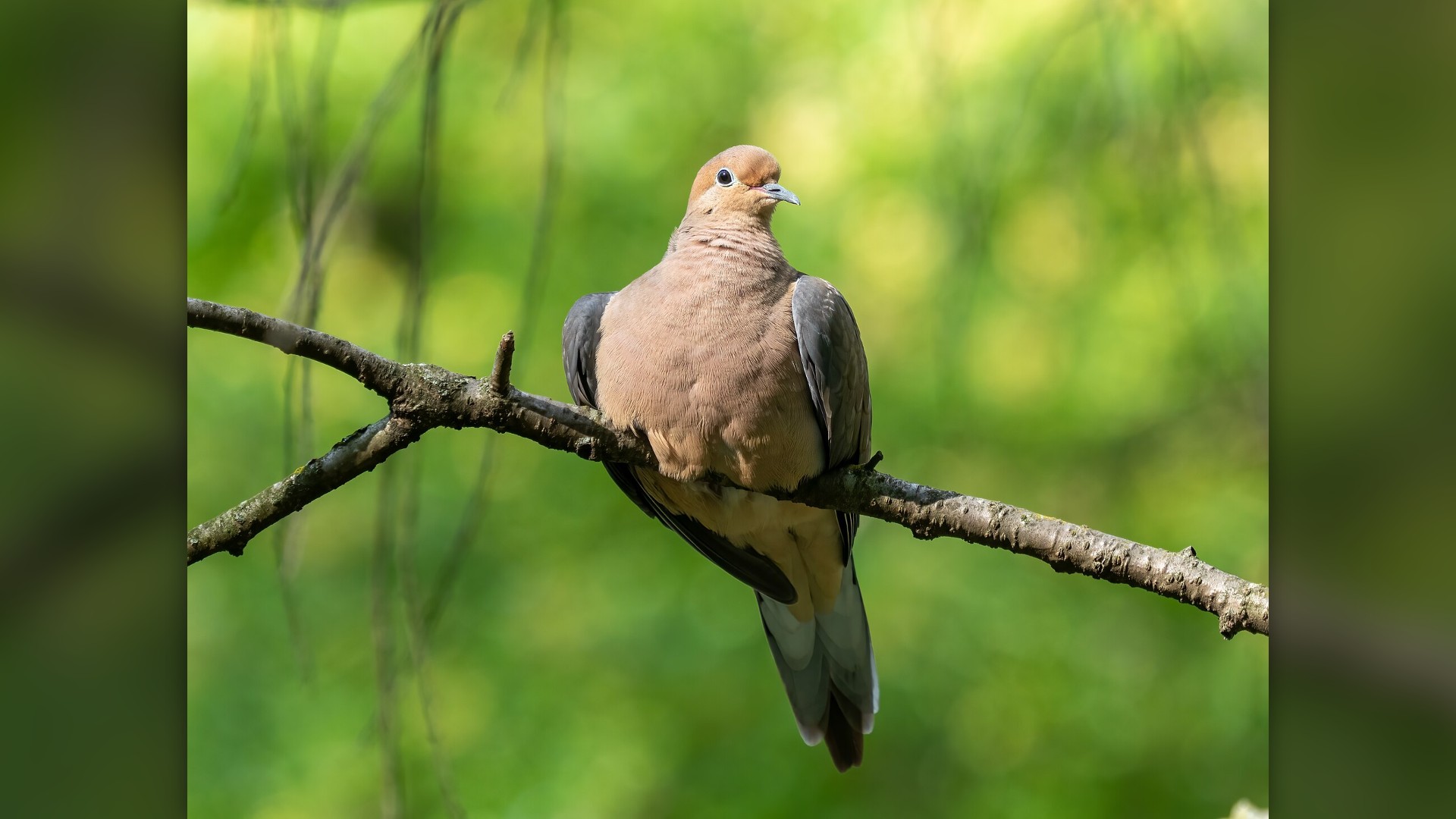
©Wikimedia / Mourning dove
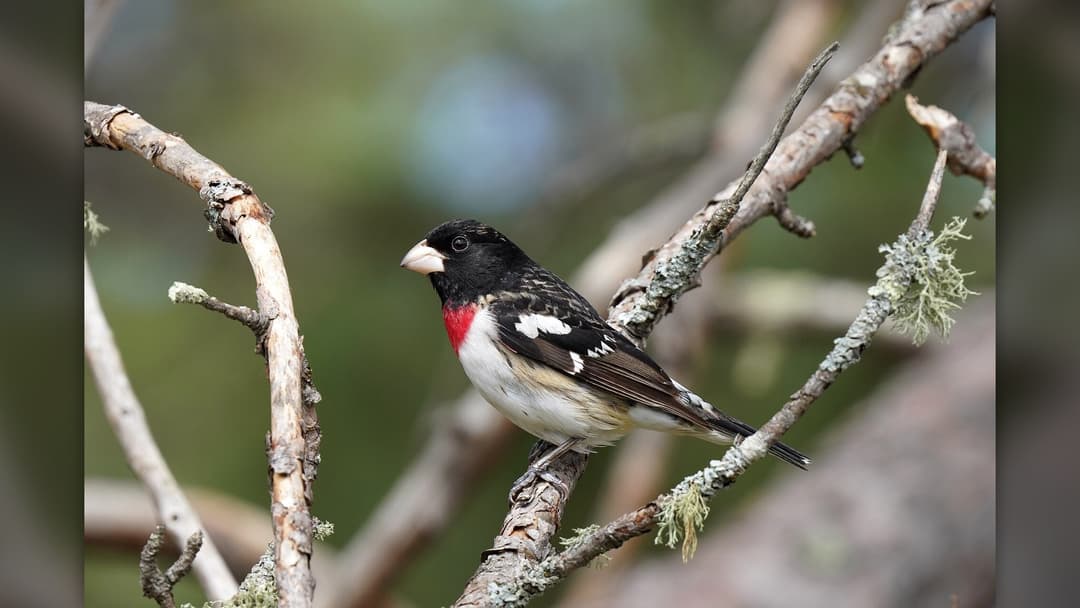
16. Rose Breasted Grosbeak
The striking rose-breasted grosbeak utilizes its massive horn-colored beak to feast on diverse native plants. In late summer, grosbeaks gorge on ripening elderberries, wild cherries and milkweed seeds, storing ample fat reserves before embarking on southern journeys toward tropical wintering forests.
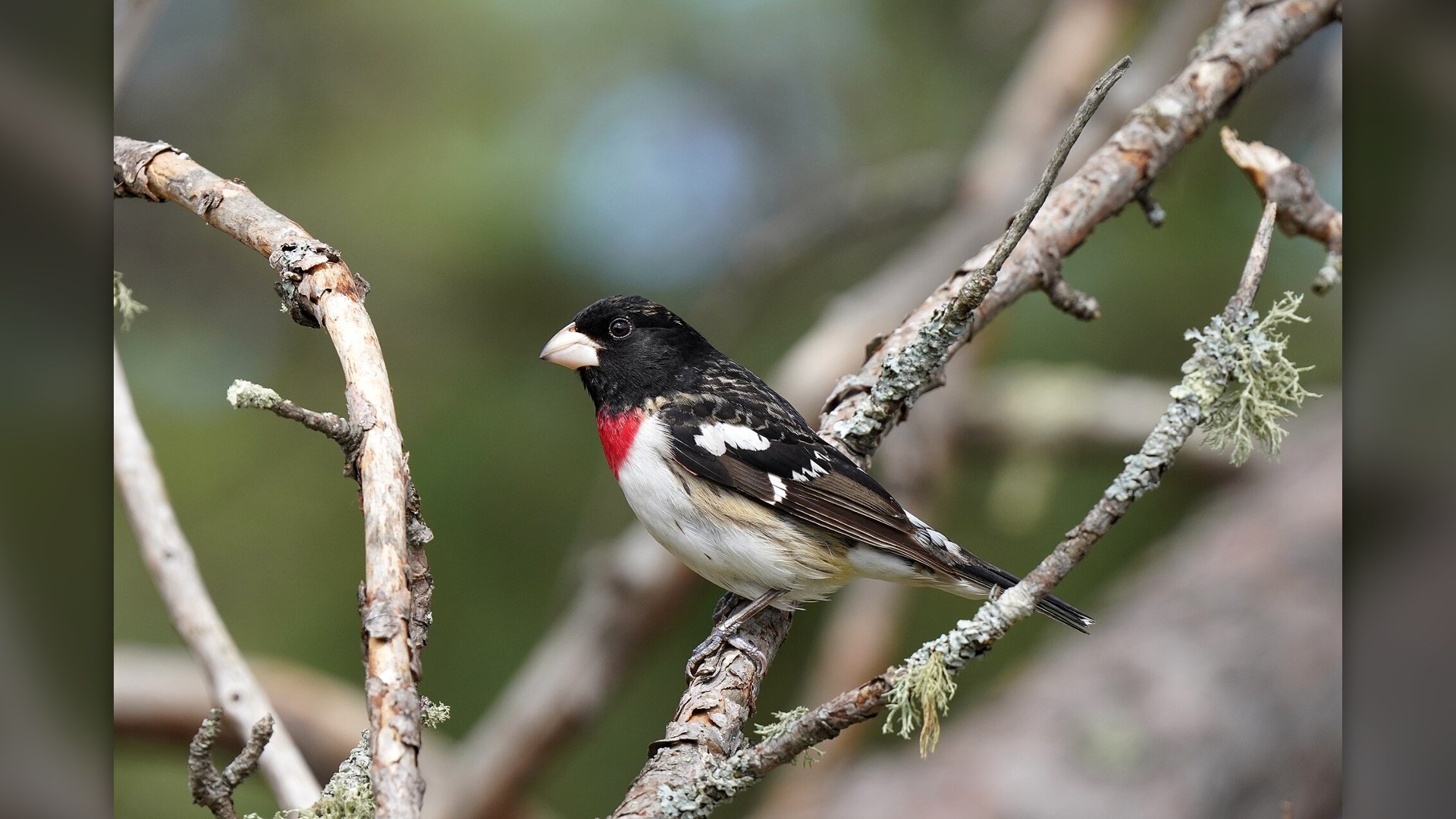
©Wikimedia / USFWS Midwest Region from Midwest Region, United
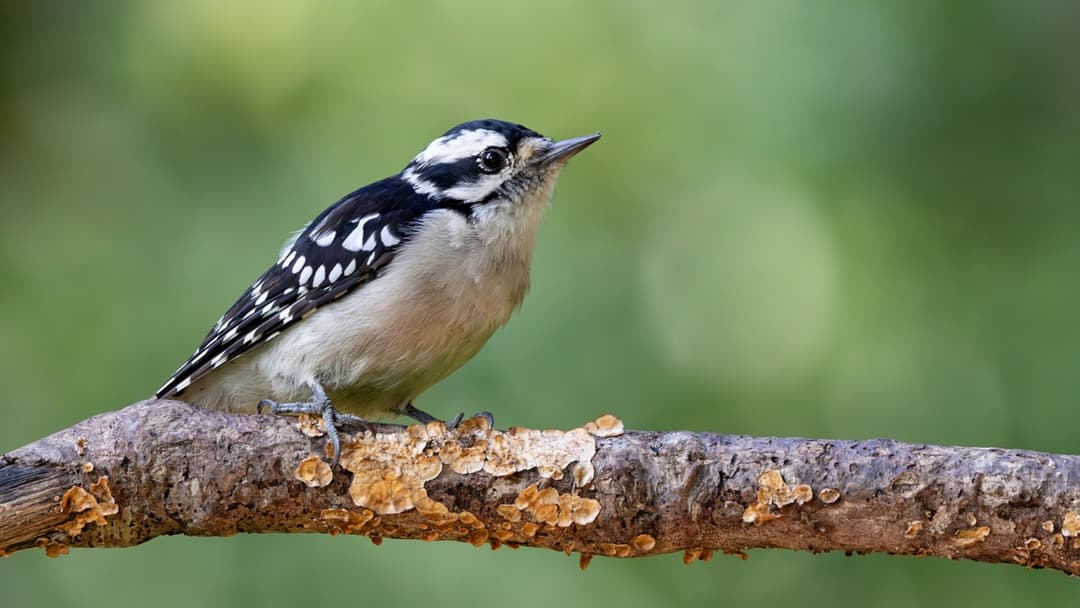
15. Downy Woodpecker
The downy woodpecker demonstrates remarkable foraging versatility by hunting among dried stalks of milkweed, goldenrod and native sunflowers. In addition to harvesting oily seeds, they chisel open stem galls to locate sheltering beetle larvae, making winter prairie patches prime foraging grounds.
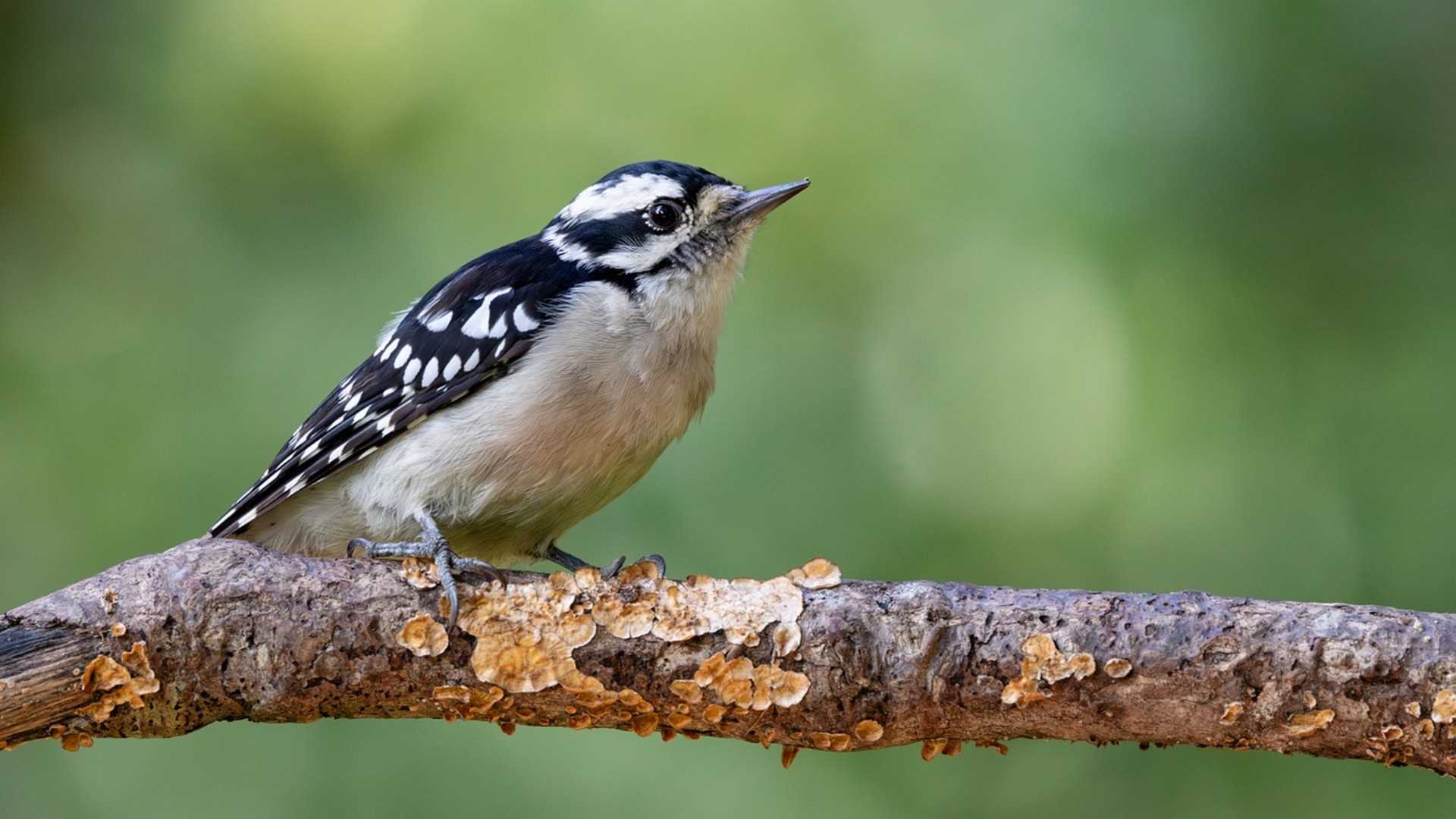
©Pixabay / Trek_Jason
Advertisement
Swipe or tap ▶ to resume the countdown.
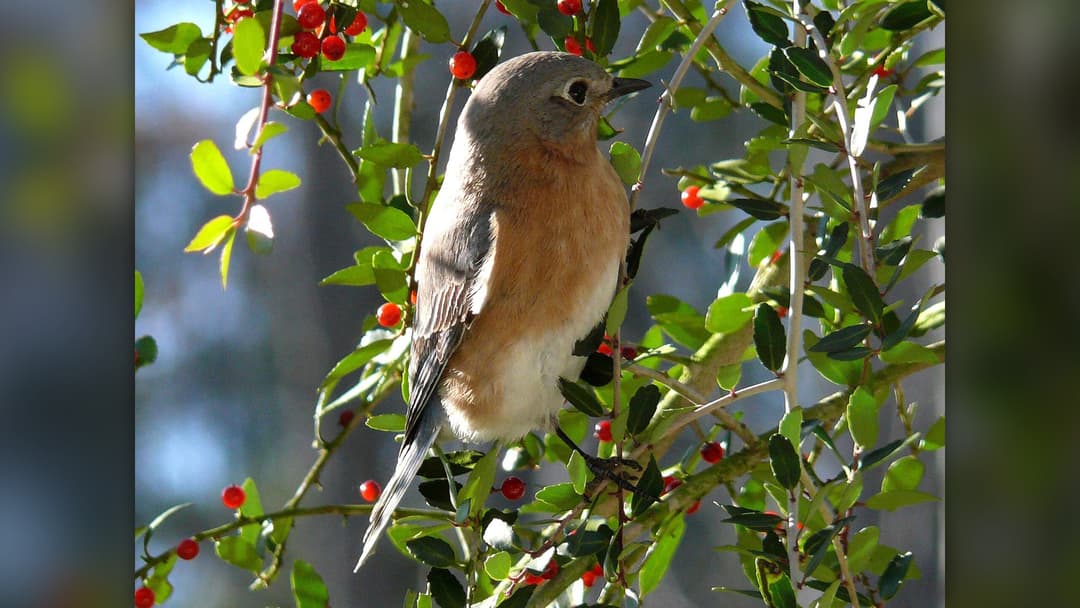
14. Eastern Bluebird
While famous for catching ground insects across summer pastures, eastern bluebirds rely heavily on wild fruit as winter freezes set in. They flock to native dogwood, American holly and sumac bushes, plucking fat-filled berries that sustain their body heat through frigid nights and blizzard conditions.
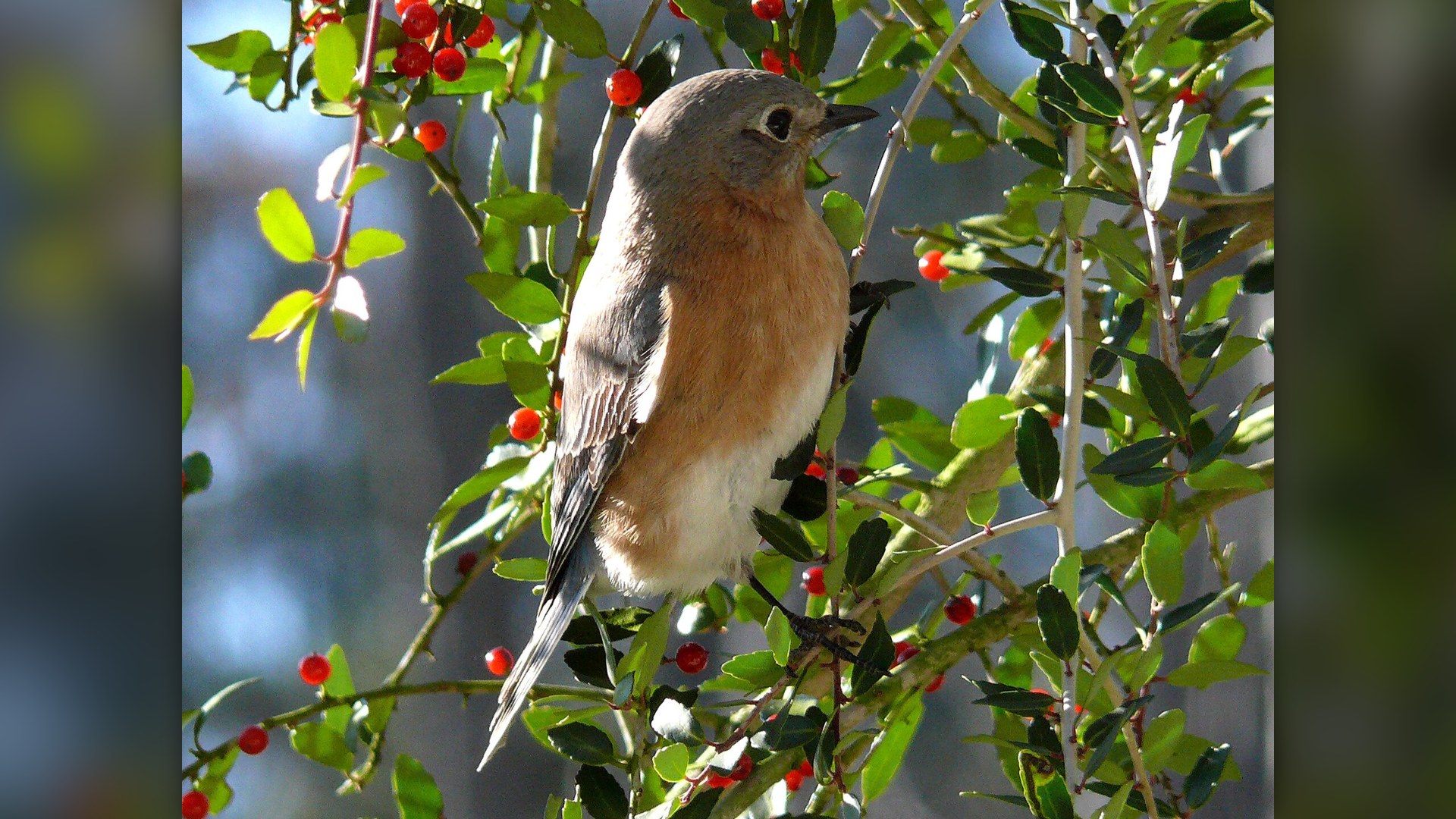
©Wikimedia / Ken Thomas
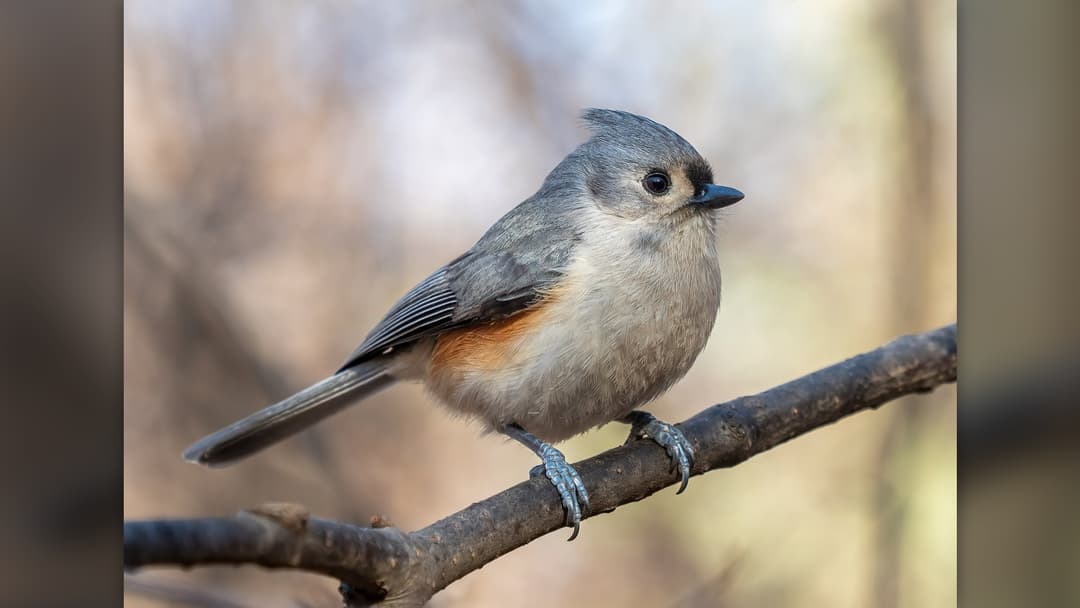
13. Tufted Titmouse
Tufted titmice are frequent visitors to woodland openings where native hazelnuts, sumacs and wild sunflowers flourish. Lacking jaws strong enough to crush hard seeds directly, titmice hold large seeds firmly between their feet against a sturdy branch and hammer them open with rapid bill strikes.
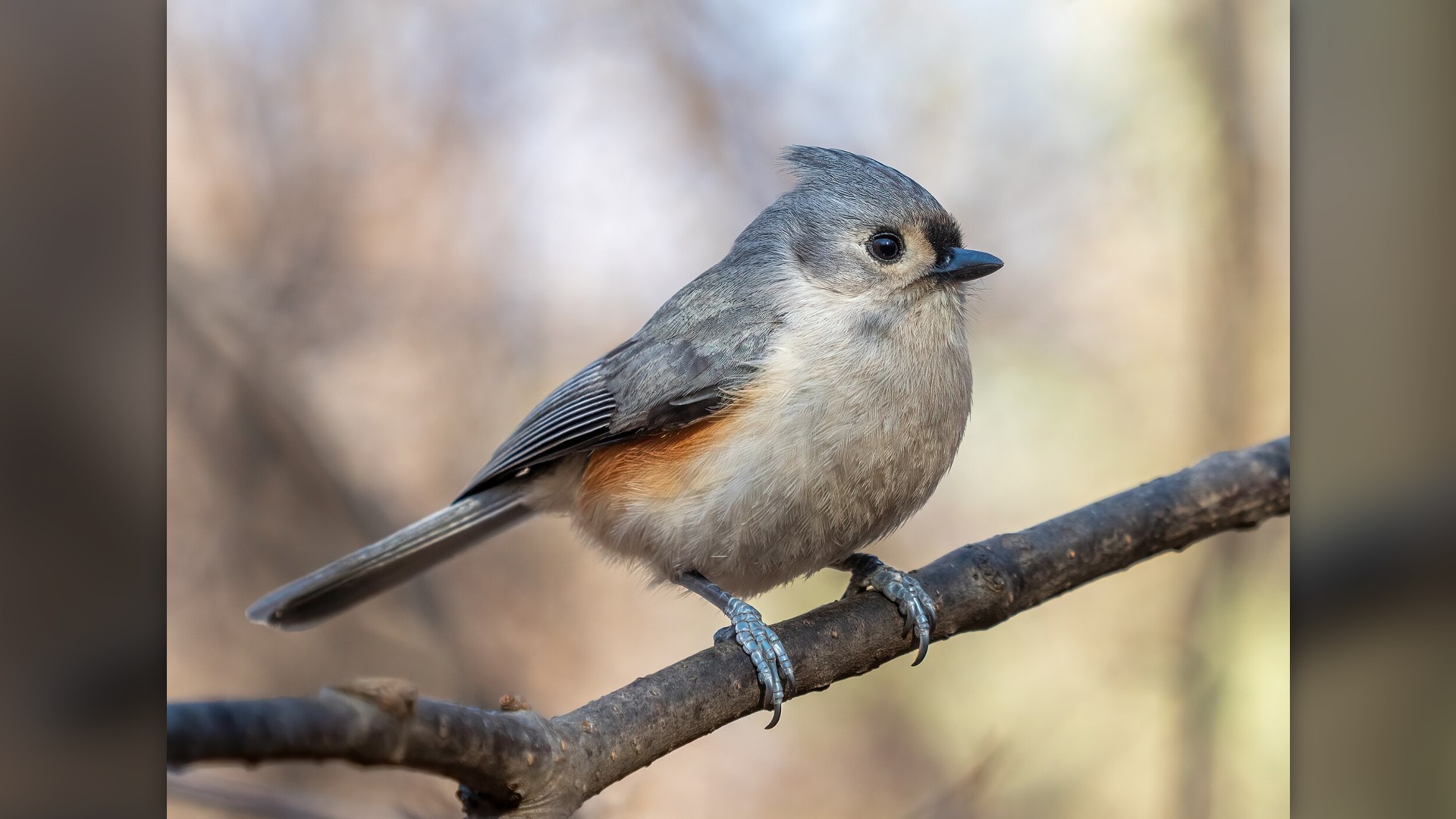
©Wikimedia / Tufted titmouse
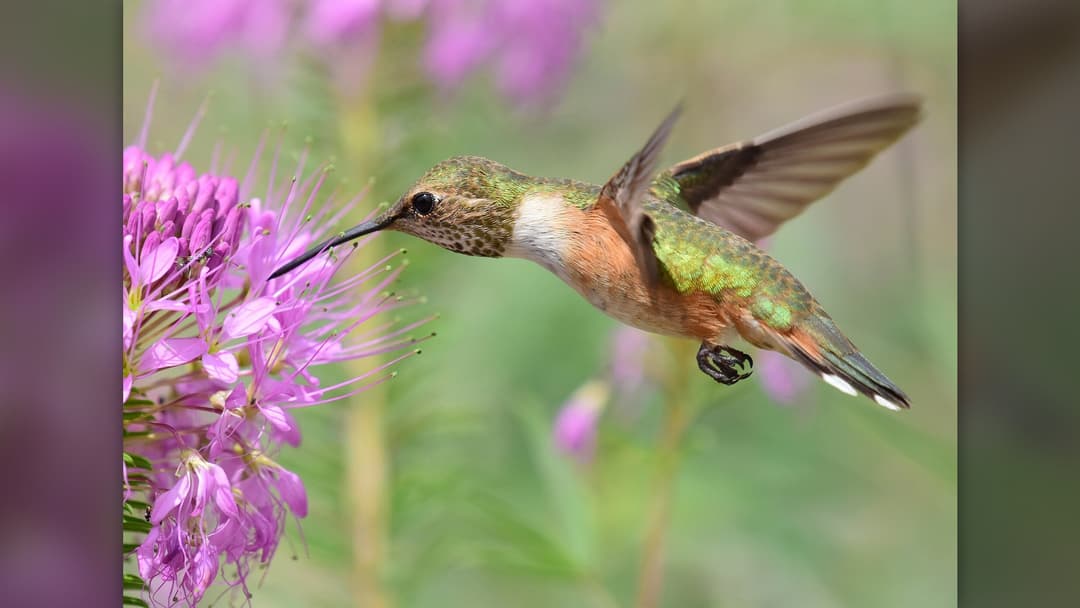
12. Rufous Hummingbird
Renowned for long-distance migration from Alaska to Mexico, rufous hummingbirds follow high-elevation wildflower corridors through the Rocky Mountains. They visit native beeplants, scarlet gilia and penstemon, consuming over three times their body weight in nectar daily to maintain necessary energy.
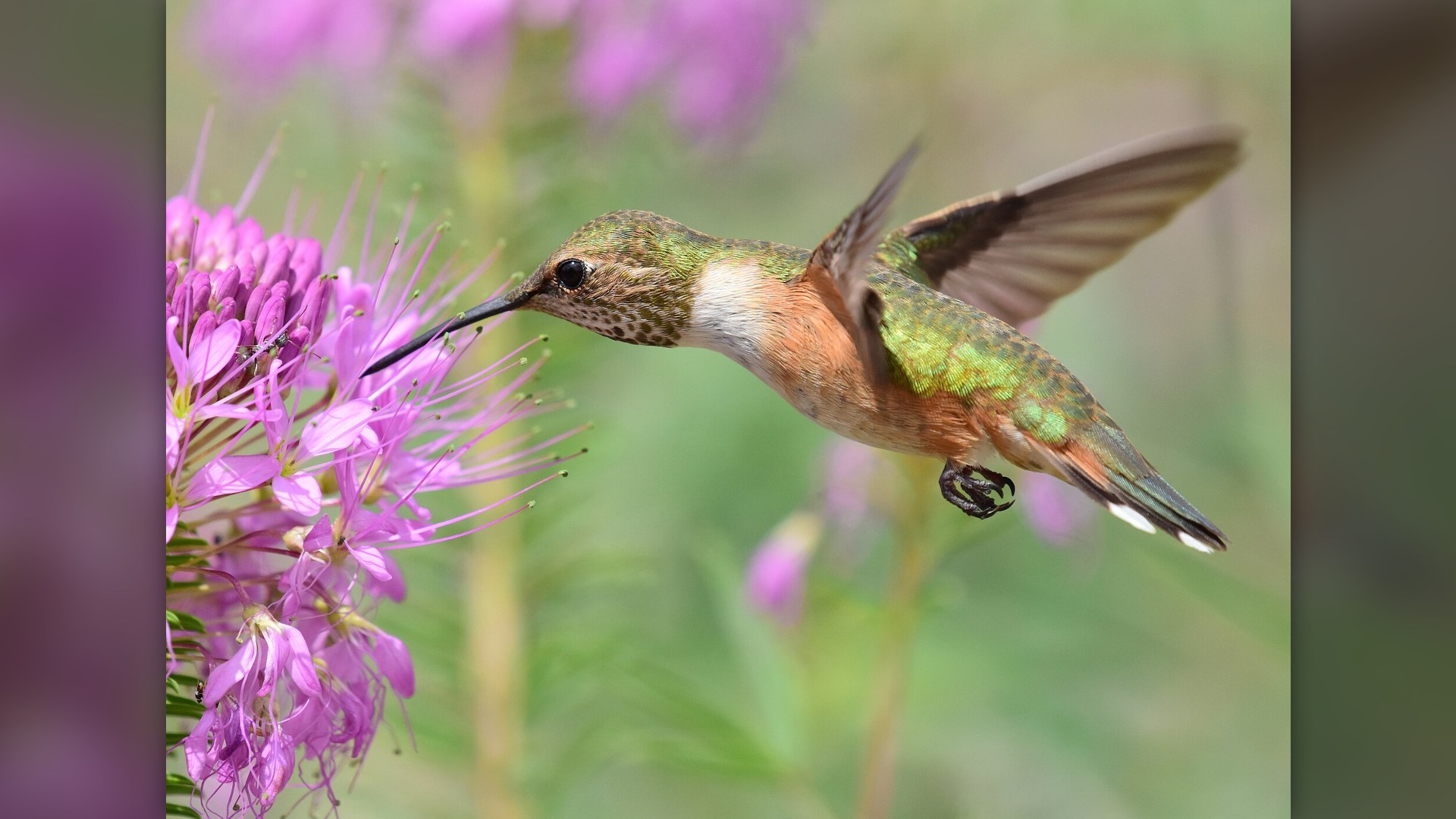
©Wikimedia / USFWS Mountain Prairie
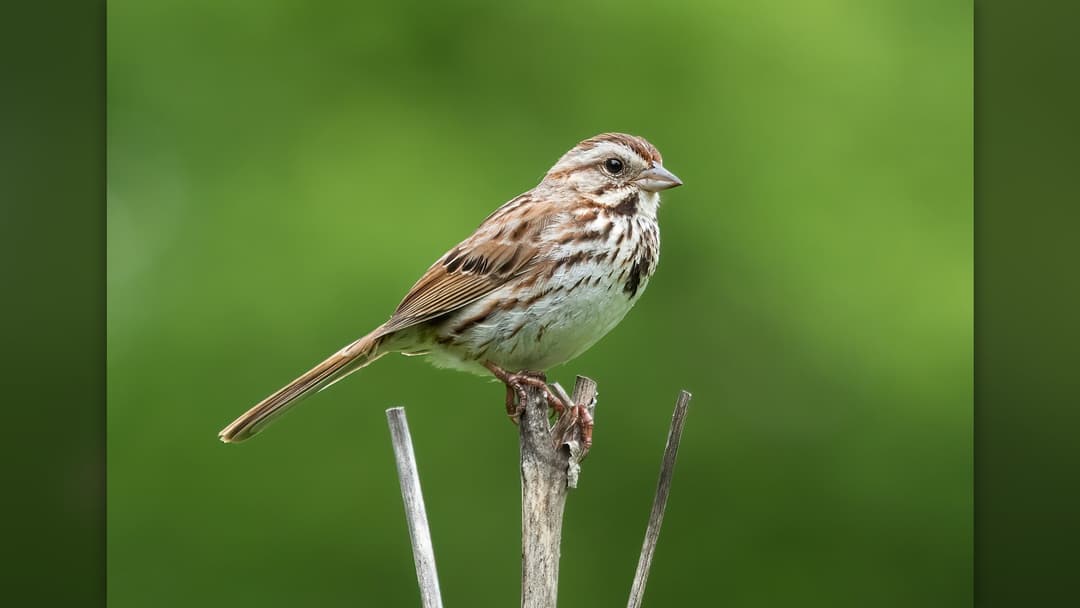
11. Song Sparrow
Song sparrows favor riparian corridors and damp meadow thickets. As wetland grasses, tussock sedges and smartweeds go to seed, these adaptable sparrows comb through damp soil and shoreline vegetation, consuming abundant fallen seeds that fuel their vocal melodies across the breeding season.
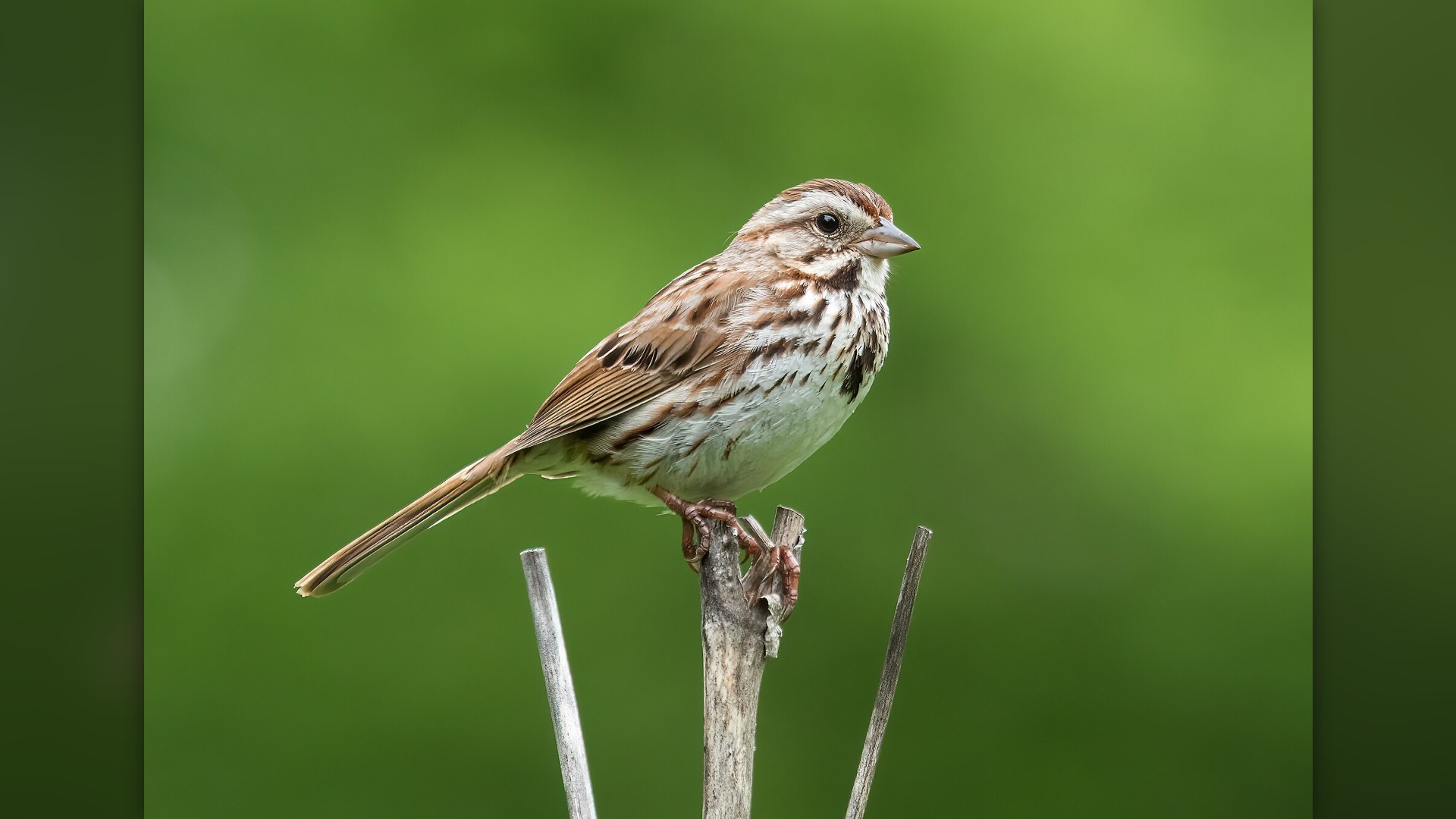
©Wikimedia / Song sparrow
Advertisement
Swipe or tap ▶ to resume the countdown.
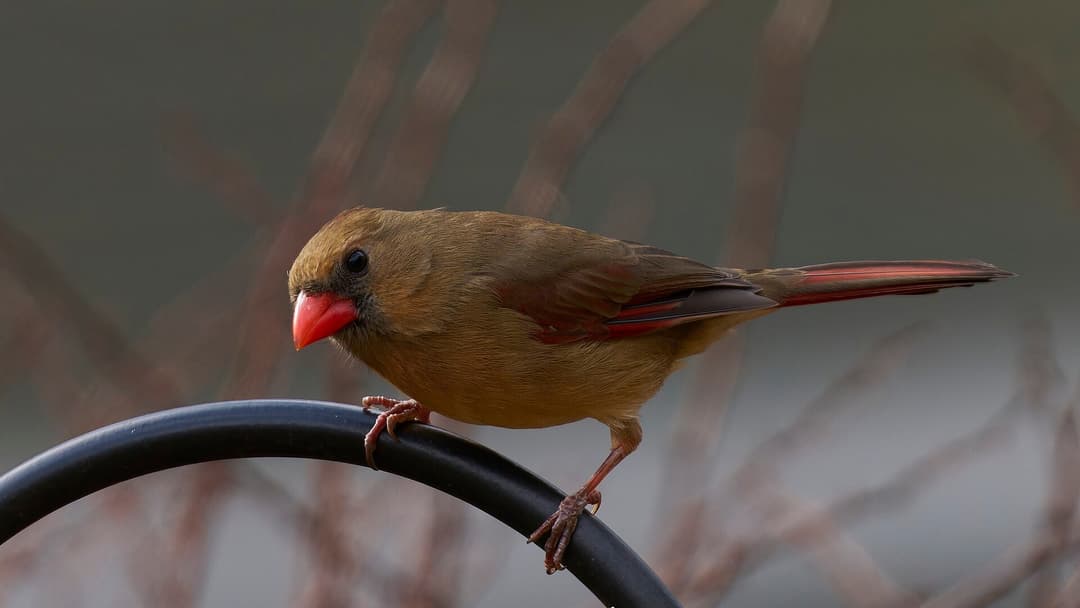
10. Northern Cardinal
With heavy coral-red bills, northern cardinals are master seed-crackers. When deep winter snow blankets low-lying wildflowers, cardinals turn to tall shrubs like staghorn sumac and flowering dogwood. The dense red fruit clusters remain clinging to branches all winter, providing emergency nourishment.
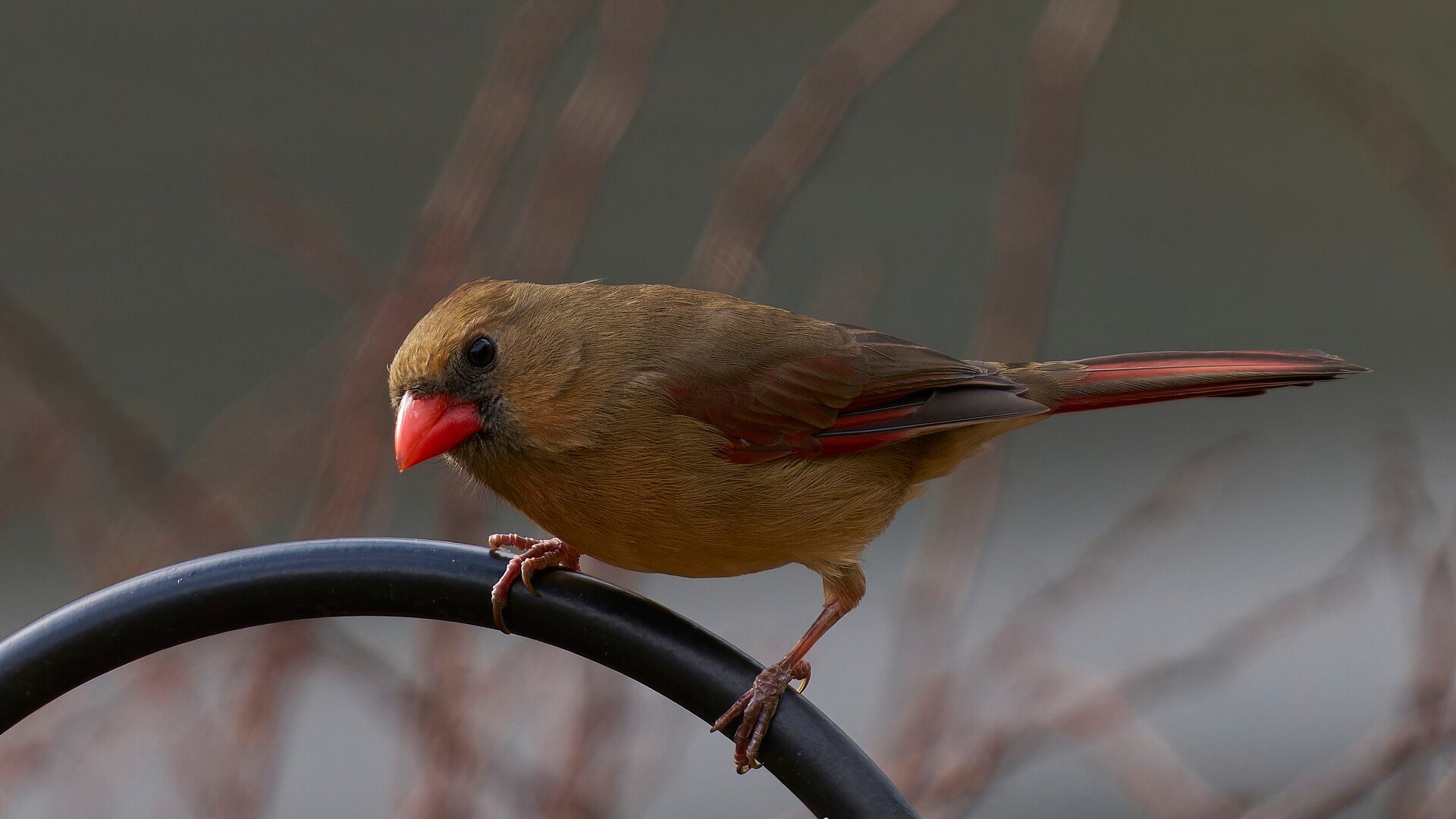
©Wikimedia / Paul Danese
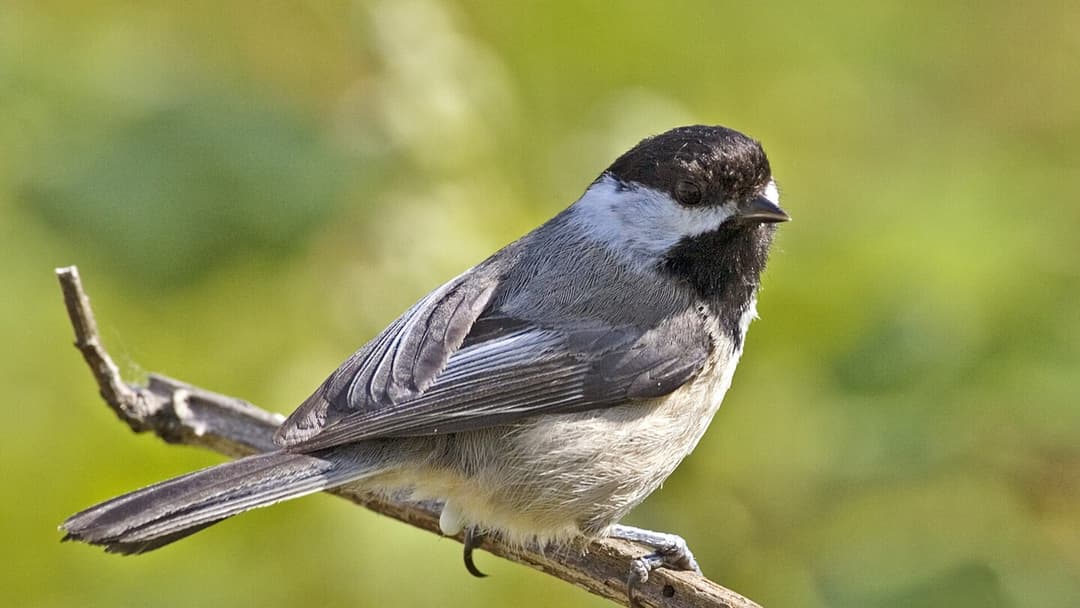
9. Black Capped Chickadee
Bold and inquisitive, black-capped chickadees frequently visit spent bee balm and bergamot patches in late autumn. In addition to eating seeds immediately, they exhibit remarkable spatial memory, caching thousands of individual seeds across tree crevices to retrieve during sub-zero winter mornings.
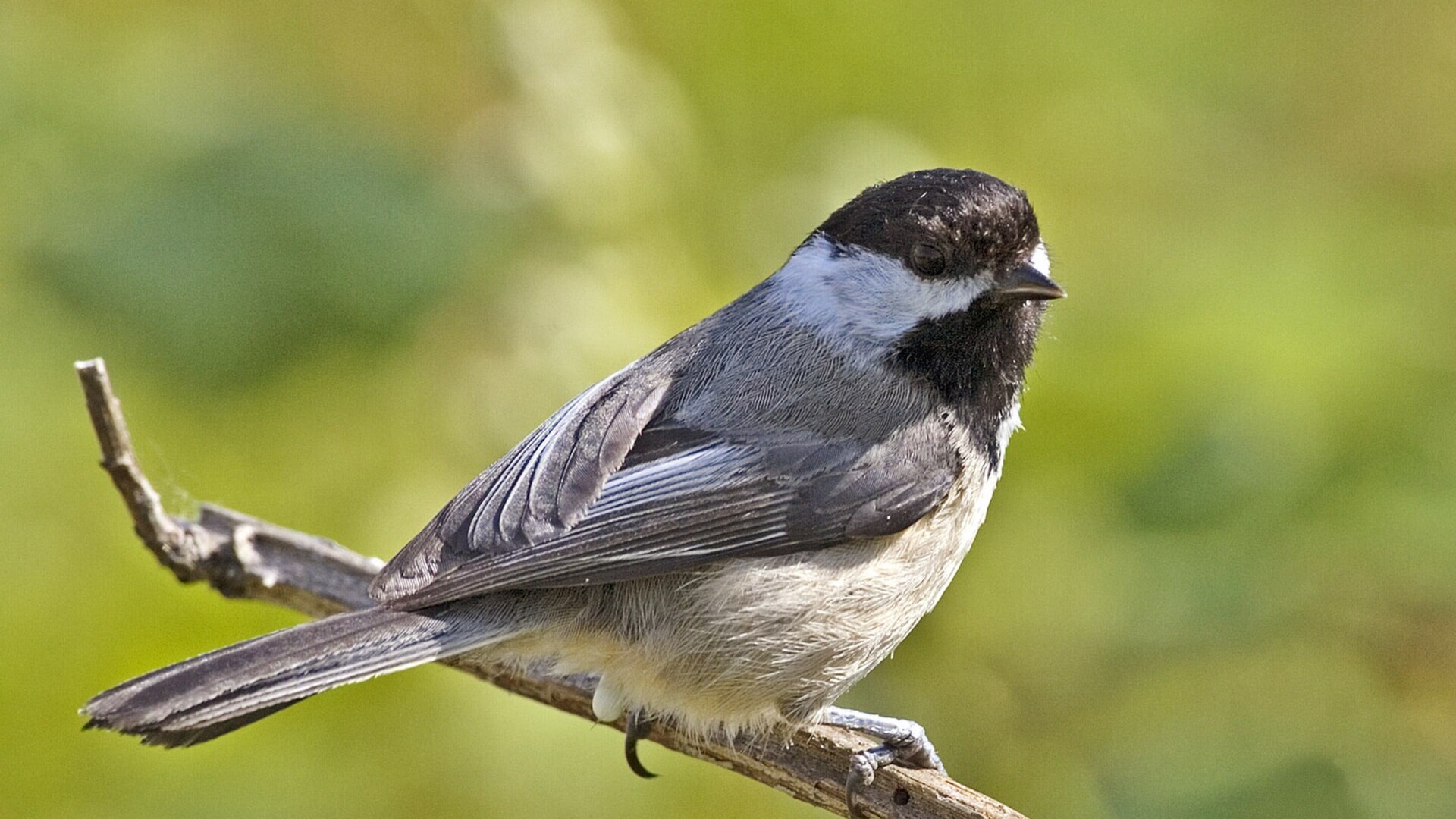
©Wikimedia / Alan D. Wilson,
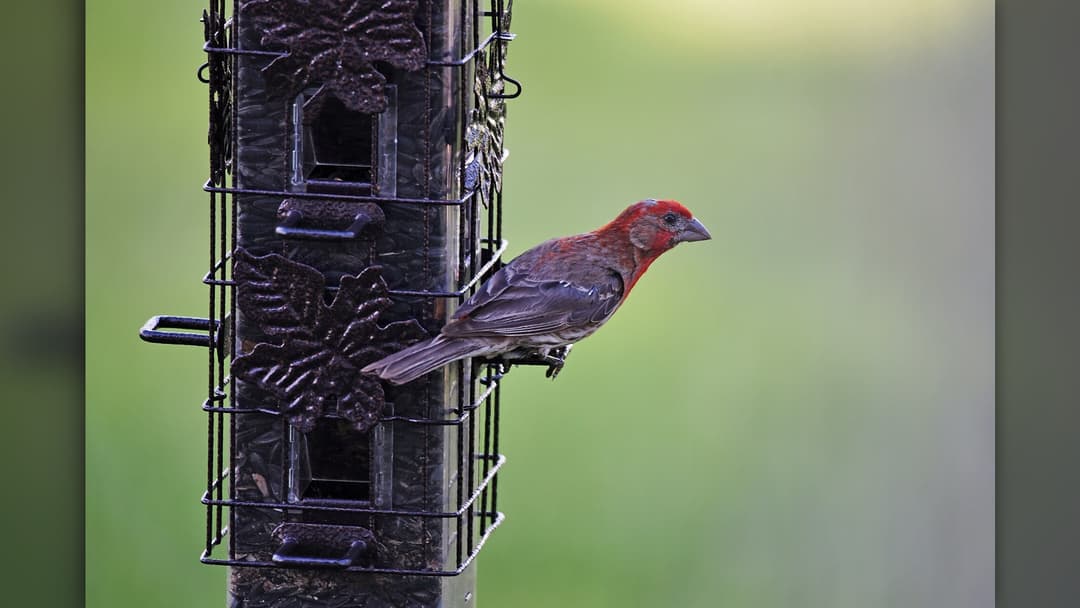
8. House Finch
House finches are almost exclusively herbivorous throughout the year. In open meadows, they perch directly atop stiff ironweed stalks and tickseed coreopsis heads, using heavy ridged beaks to crush tough fibrous outer husks and consume nutritious inner kernels before moving to the next blossom.
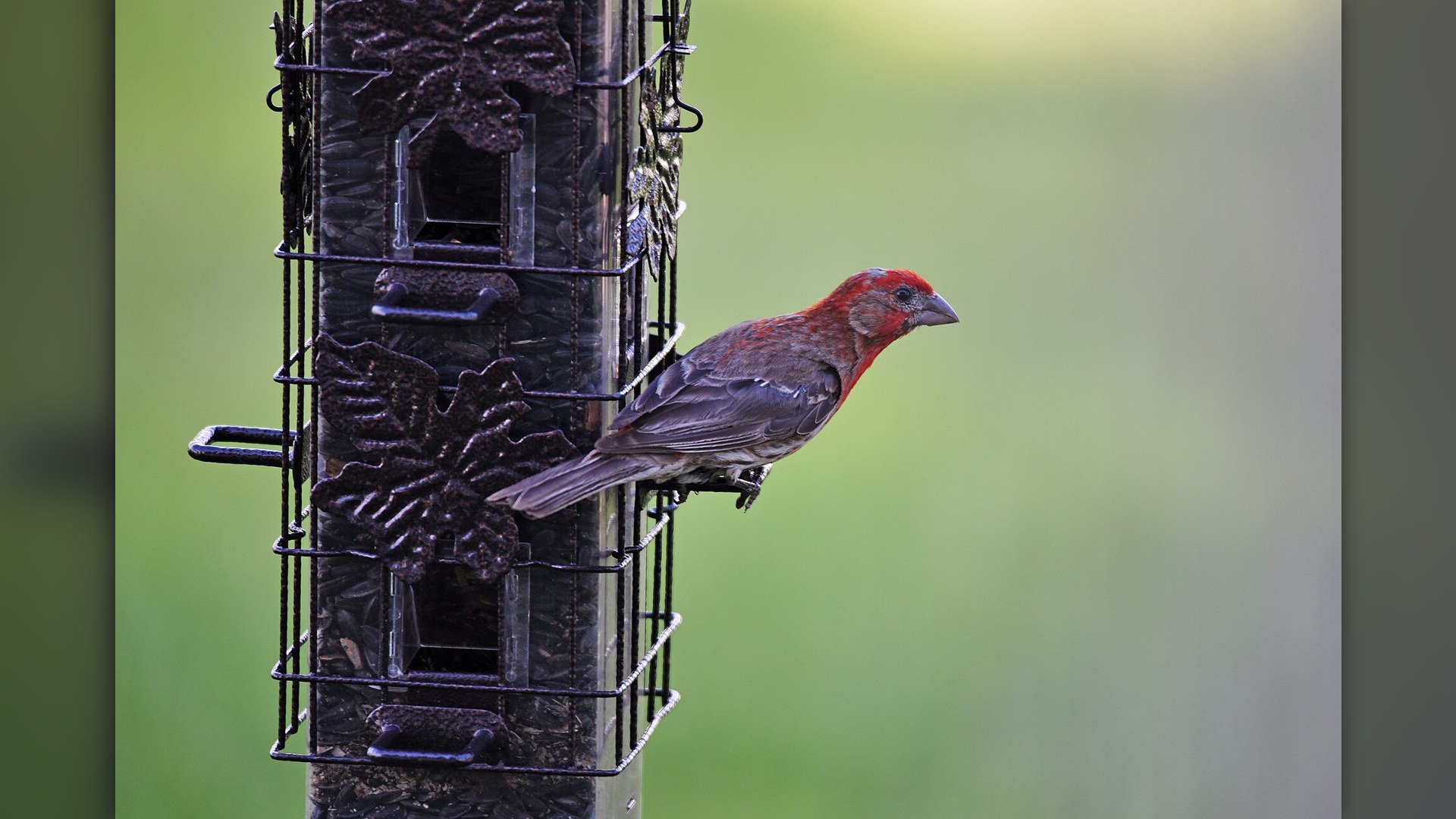
©Wikimedia / U.S. Fish and Wildlife Service - Midwest Region
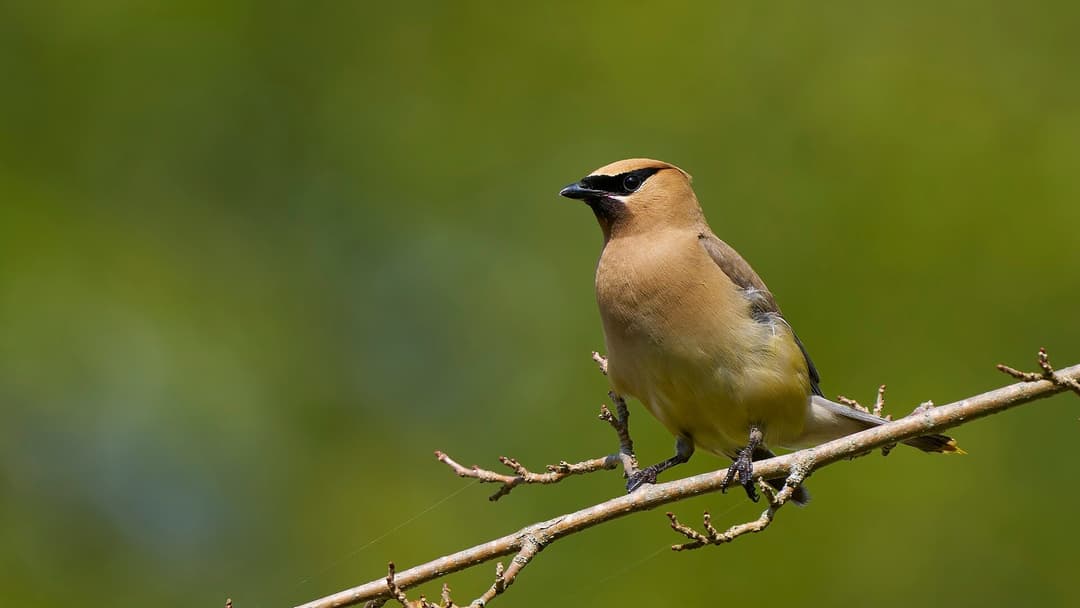
7. Cedar Waxwing
Cedar waxwings are specialized frugivores capable of surviving almost entirely on fruit. In early summer, roaming flocks target ripening serviceberries and wild cherries, swallowing whole fruits in quick succession and dispersing undamaged seeds far and wide through their rapid digestive tracts.
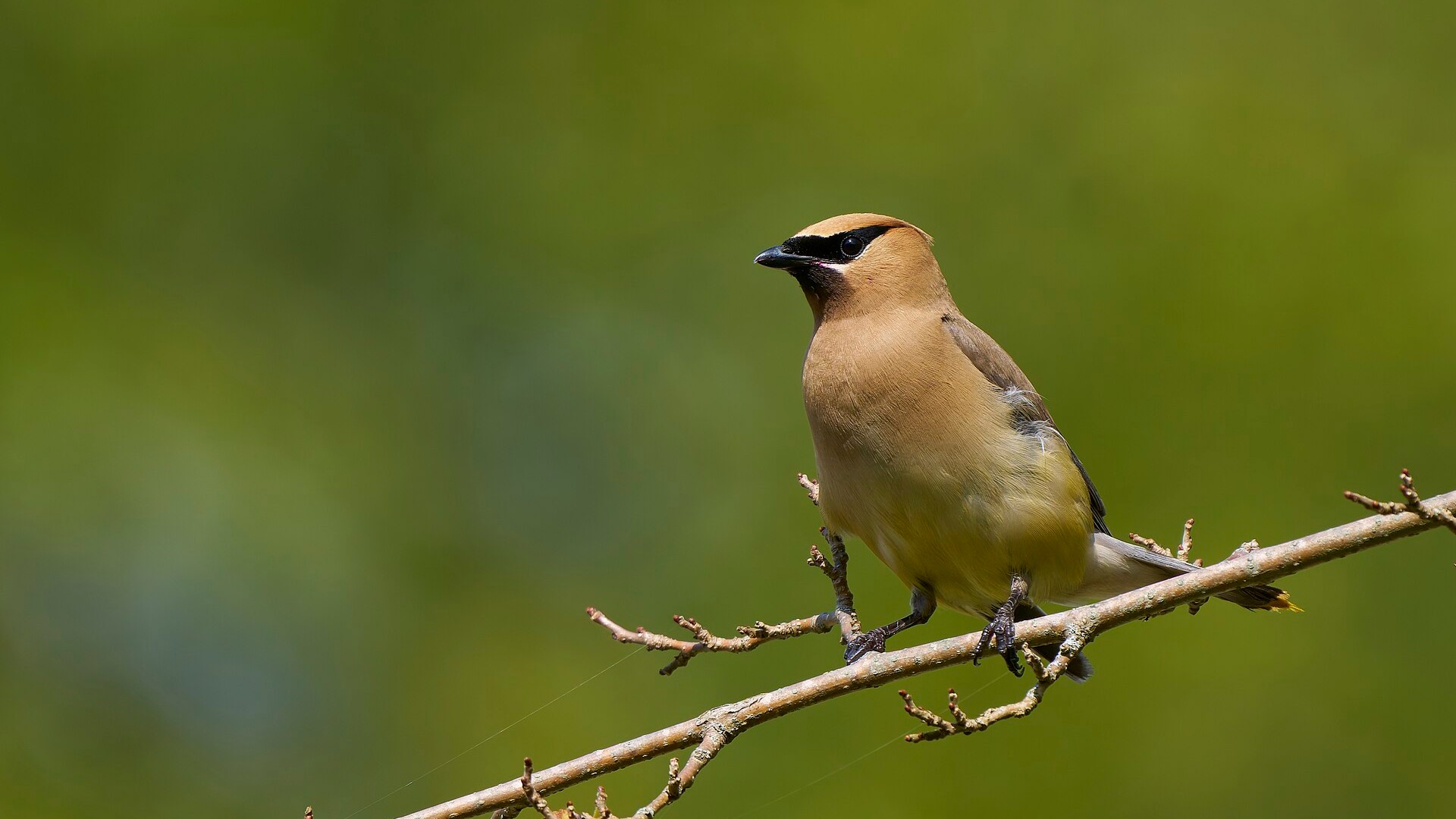
©Wikimedia / Paul Danese
Advertisement
Swipe or tap ▶ to resume the countdown.
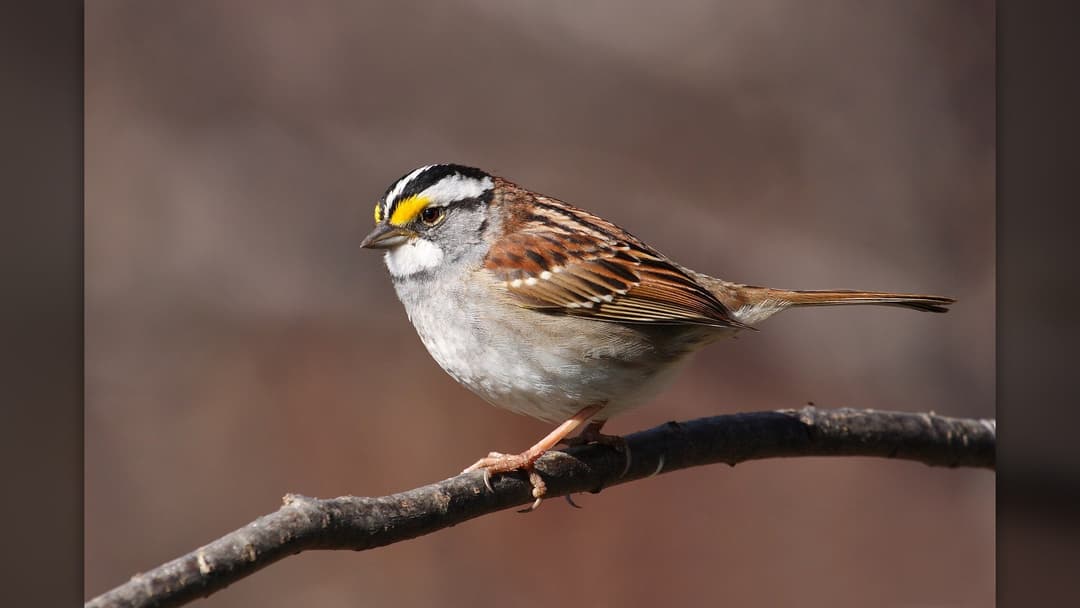
6. White Throated Sparrow
Recognizable by their yellow lores and striped crowns, white-throated sparrows thrive along woodland edges filled with native Rudbeckia. They diligently glean black-eyed Susan and ragweed seeds from the ground, utilizing powerful leg muscles to toss leaf litter aside and expose protein-packed meals.
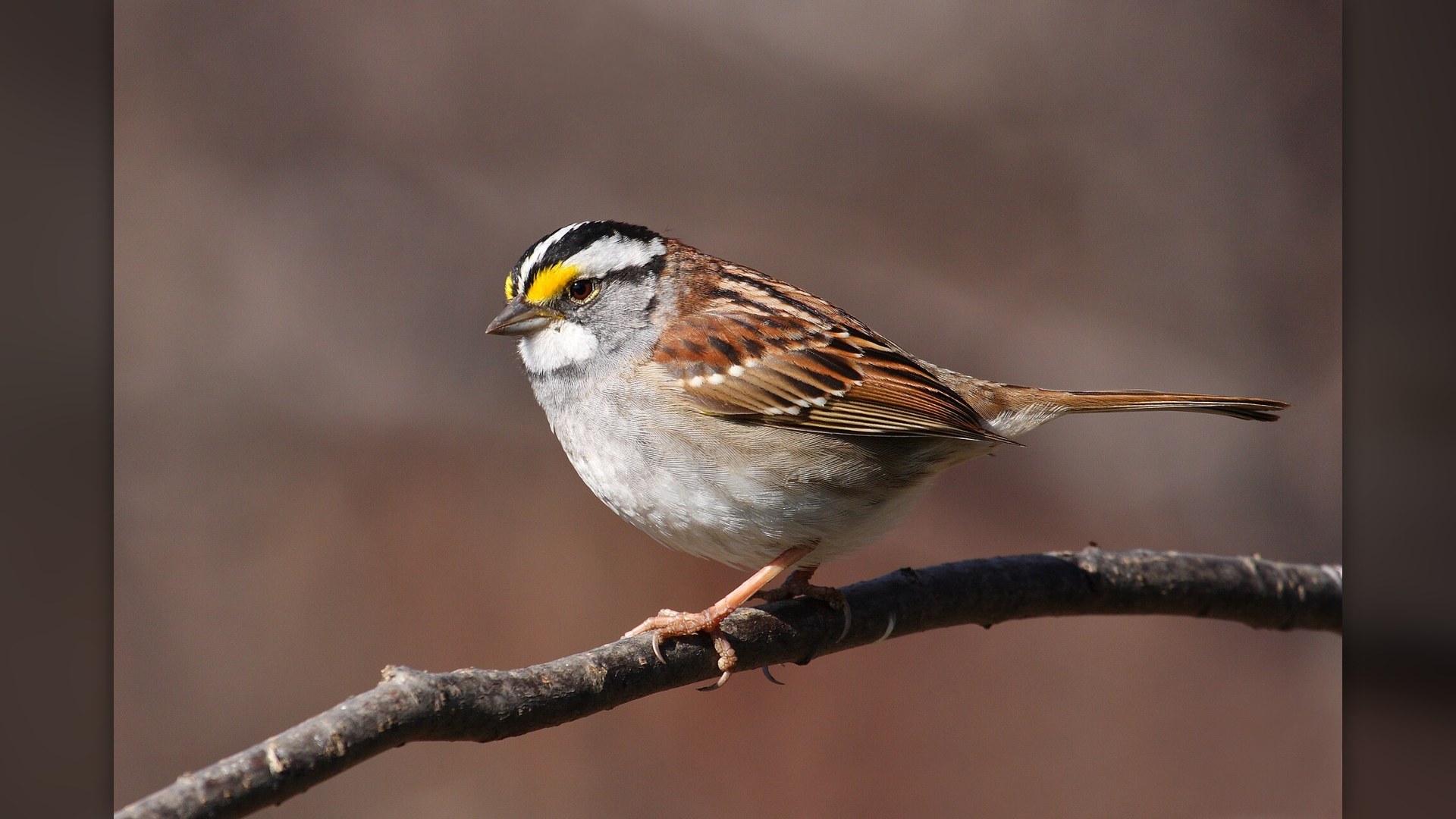
©Wikimedia / Cephas
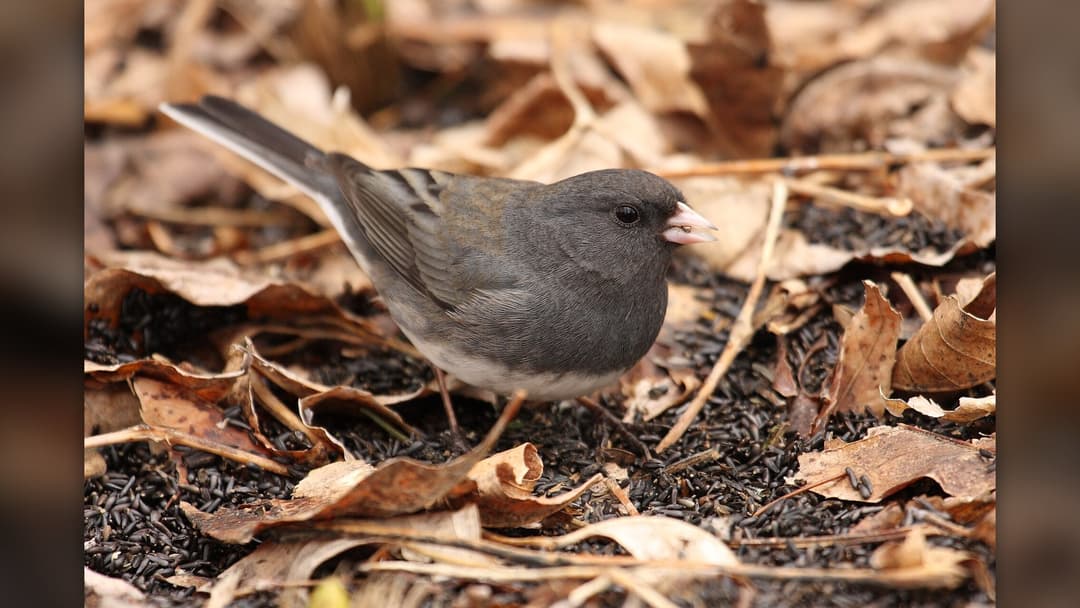
5. Dark Eyed Junco
Affectionately called snowbirds, dark-eyed juncos arrive in southern winter grounds just as native prairie plants drop seed. They hop over leaf litter beneath spent blazing star and switchgrass, scratching backward with both feet to uncover fallen kernels concealed under fallen foliage and snow.
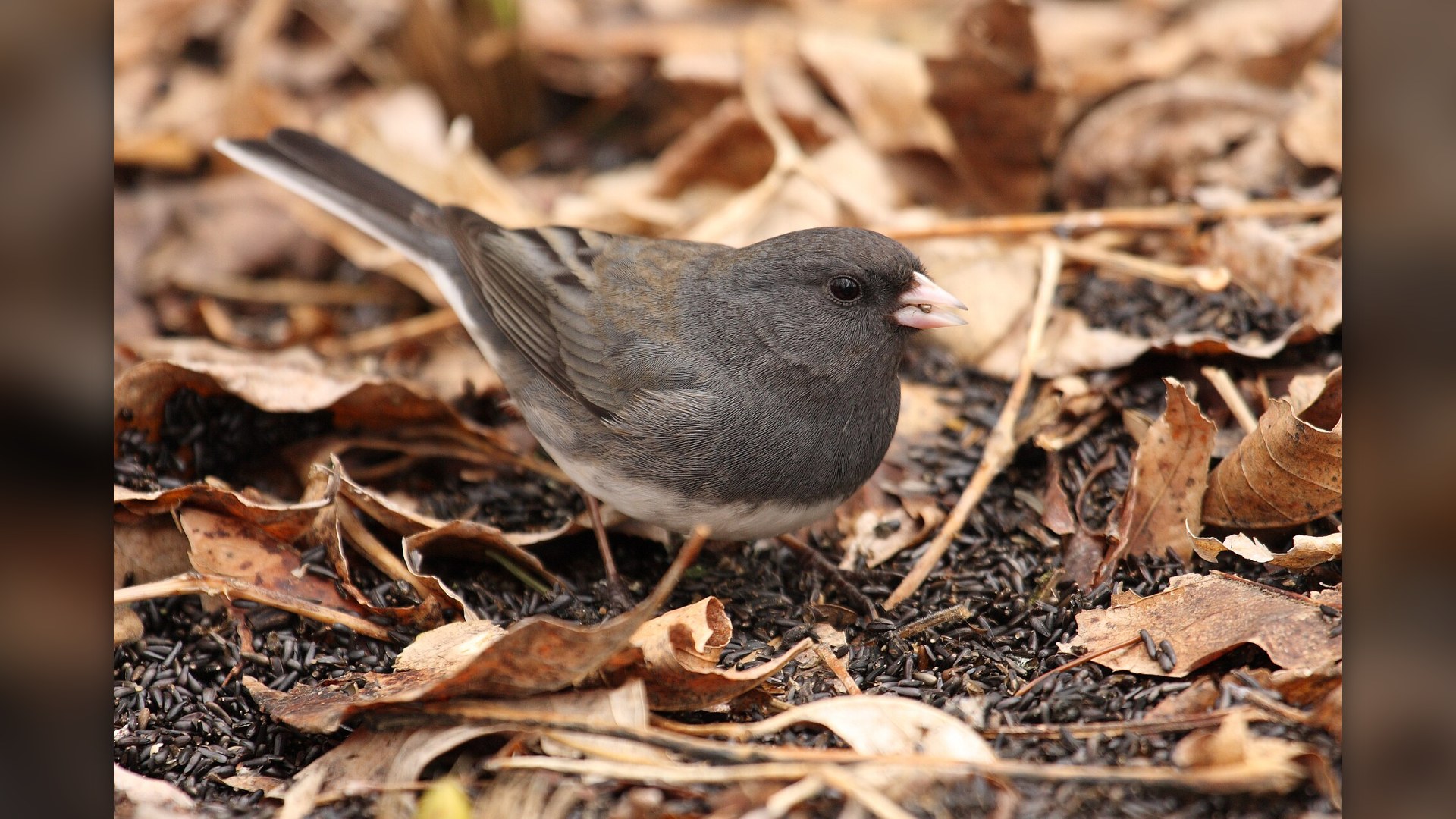
©Wikimedia / Cephas
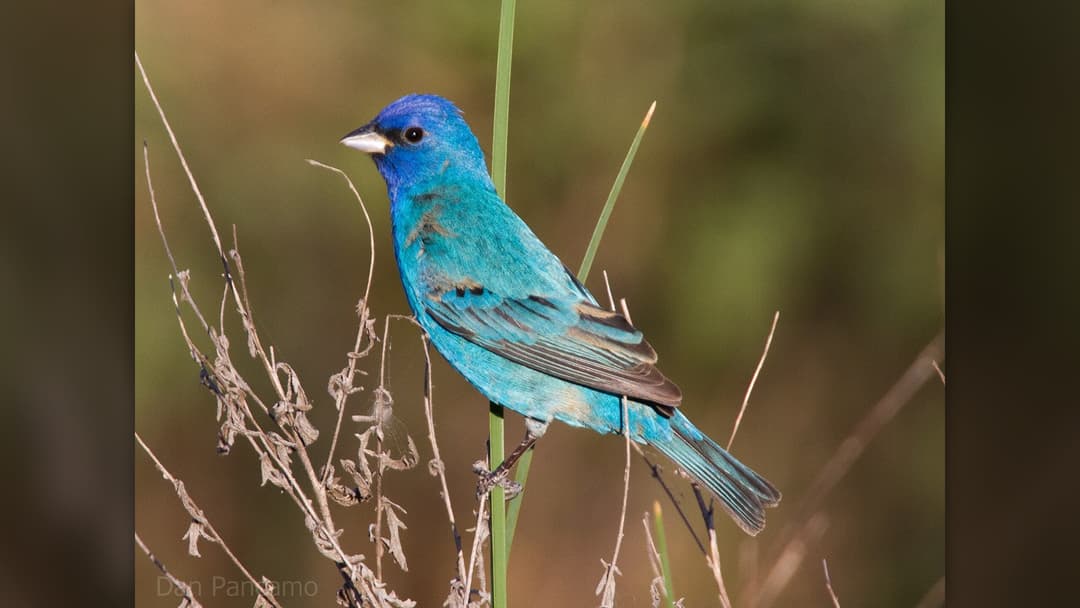
4. Indigo Bunting
Indigo buntings frequent overgrown pastures and prairie edges where late-season wildflowers flourish. While eating insects during the nesting season, adults shift heavily toward plant seeds in late summer, stripping tiny achenes from goldenrod and aster sprays to fuel their long nocturnal migration.
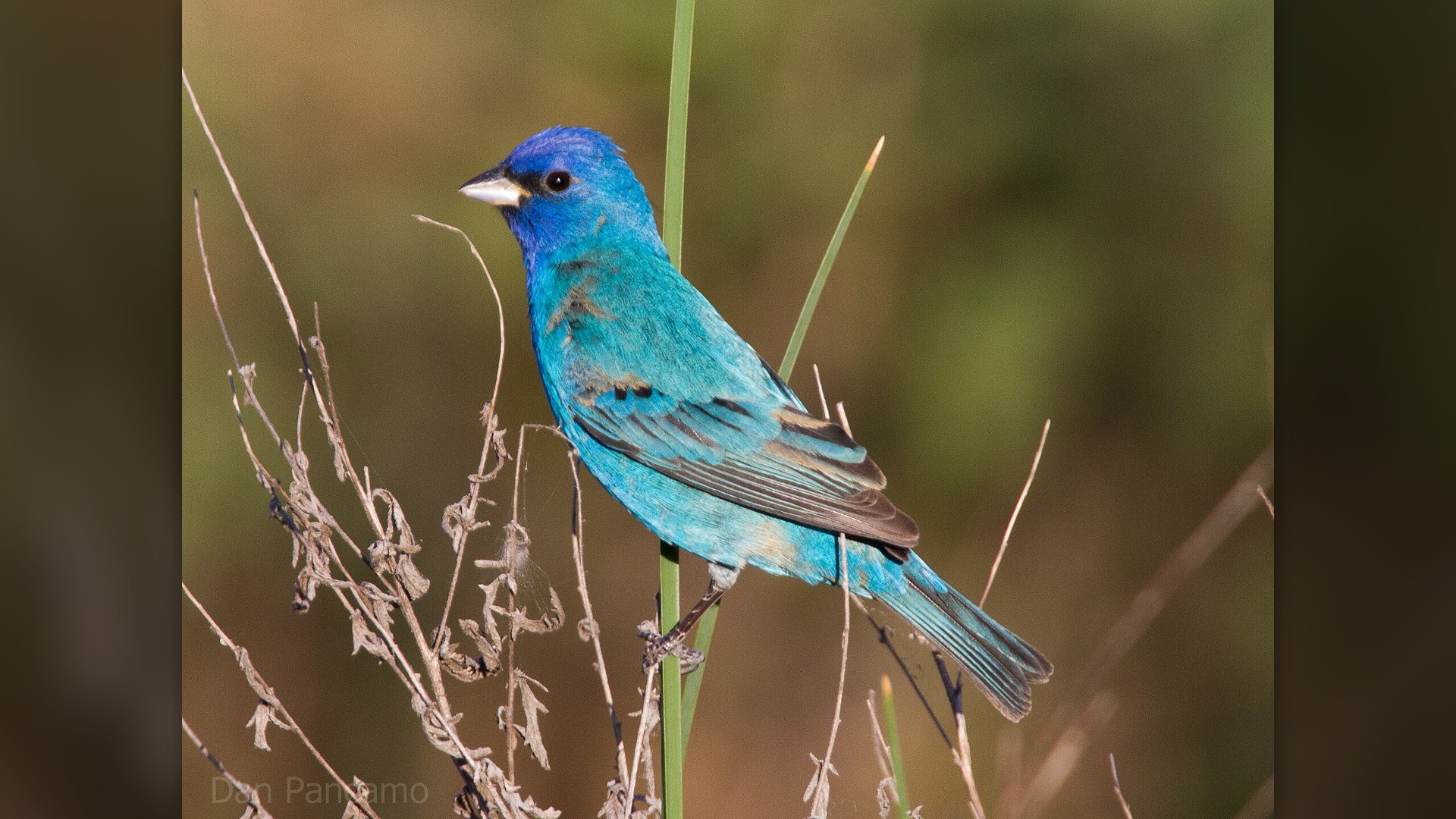
©Wikimedia / Indigo bunting
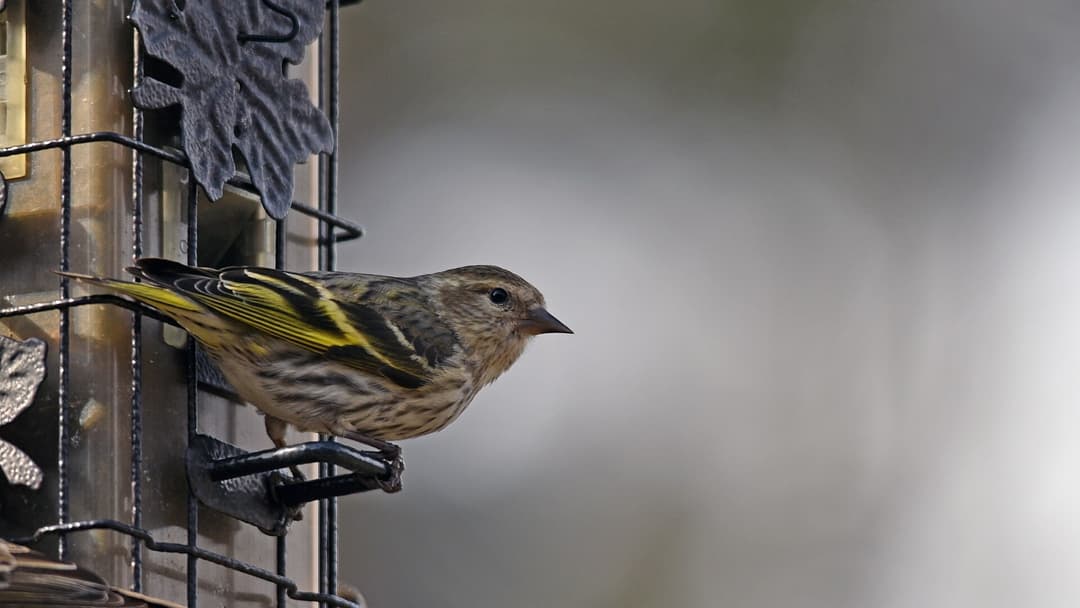
3. Pine Siskin
Pine siskins descend upon prairie meadows in erratic nomadic flocks during autumn and winter. Equipped with finer, sharper bills than goldfinches, these social finches easily pry seeds from native sunflowers and thistles, foraging alongside other finches to exploit bumper crops of prairie seeds.
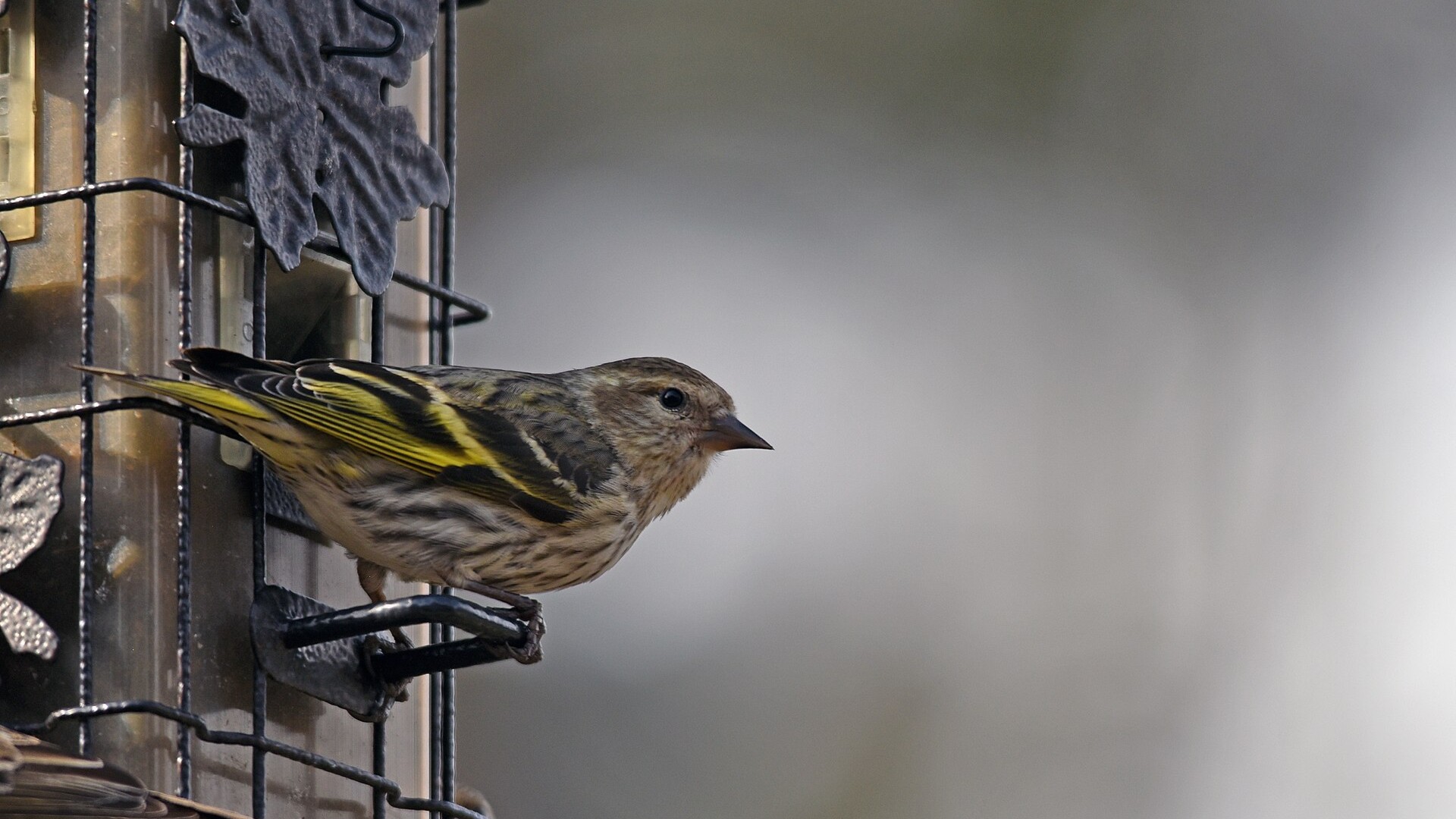
©Wikimedia / U.S. Fish and Wildlife Service - Midwest
Advertisement
Swipe or tap ▶ to resume the countdown.
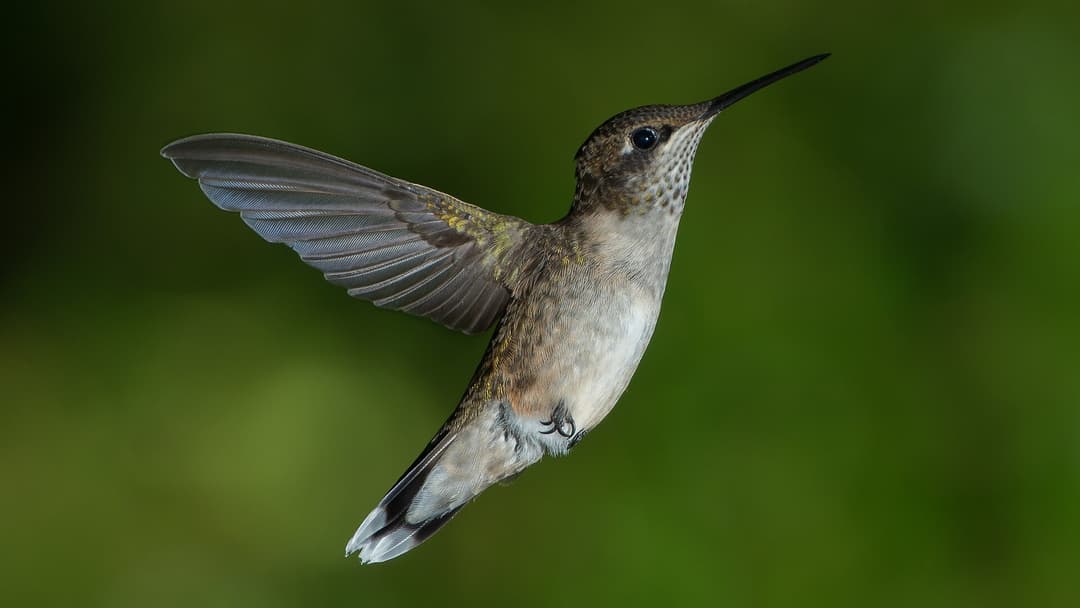
2. Ruby Throated Hummingbird
Bright scarlet blooms like the native cardinal flower depend directly on hummingbirds for cross-pollination. Hovering with rapid wingbeats, the ruby-throated hummingbird inserts its slender bill deep into blossoms to lap carbohydrate-dense nectar, fueling migratory flights across the Gulf of Mexico.
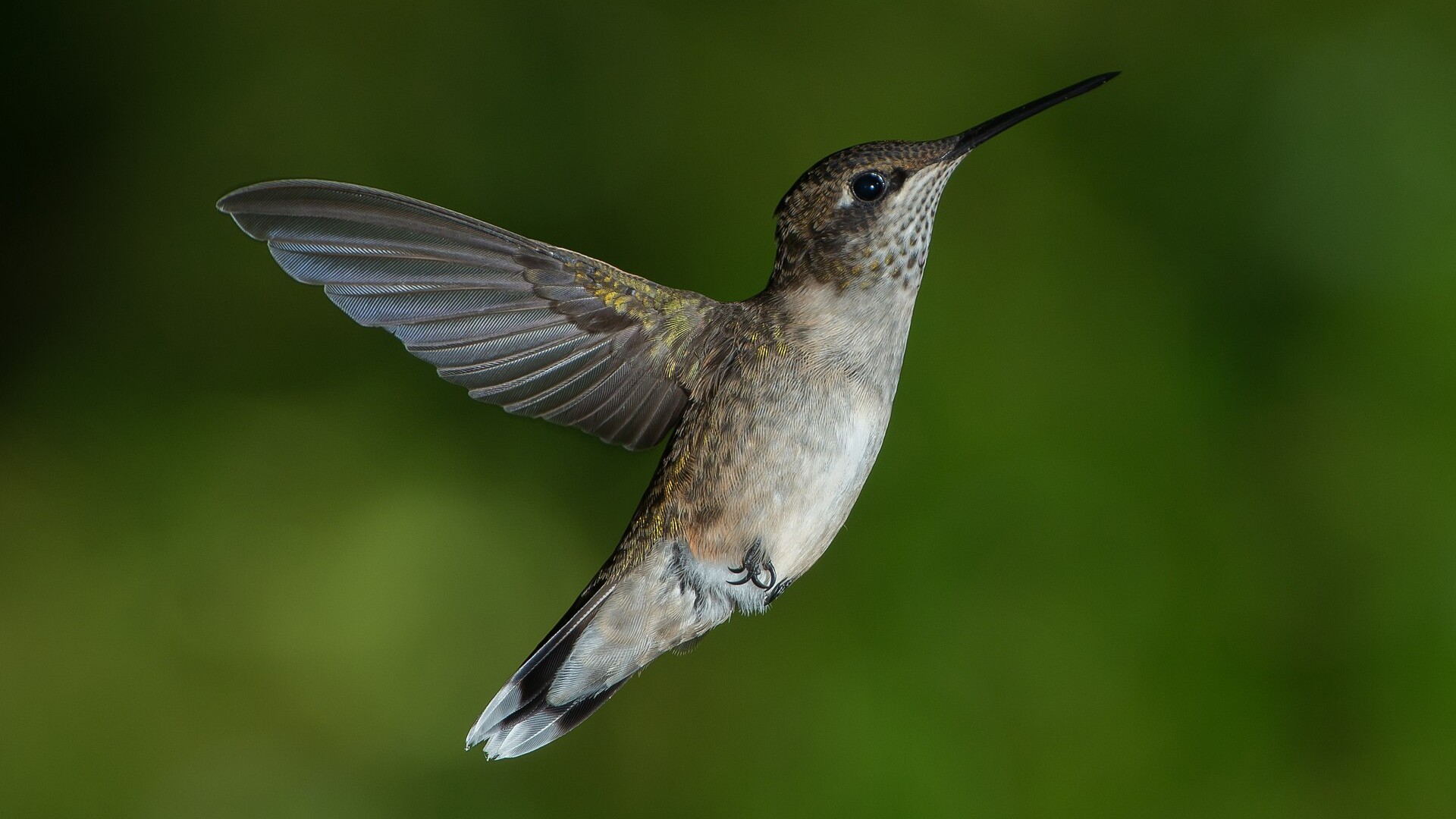
©Wikimedia / Pslawinski
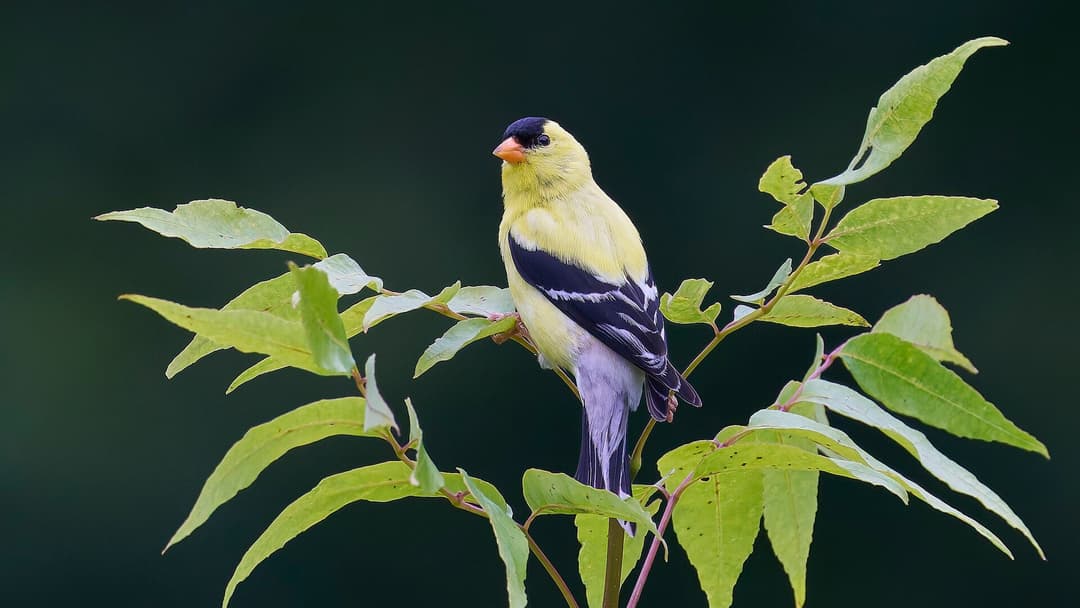
1. American Goldfinch
The American Goldfinch is among the strictest vegetarians in the avian world, timing its late-summer nesting to coincide with ripening native composites. Clinging gracefully to weathered purple coneflower heads, goldfinches use conical bills to extract nutritious achenes, providing vital fat for colder months.
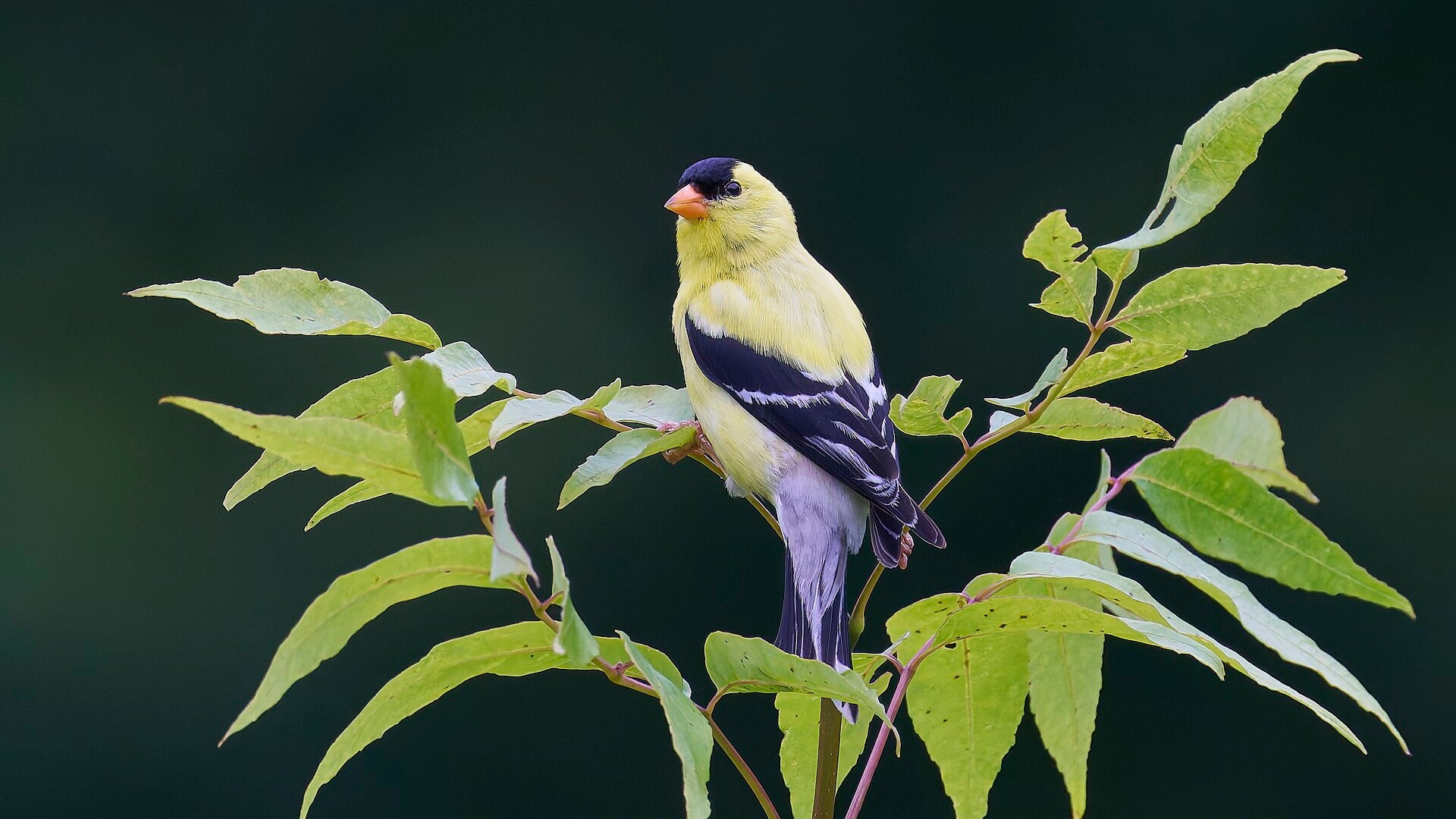
©Wikimedia / Paul Danese
Advertisement
You've reached the end of the story. Thanks for reading!

20 Things Elephants Can Do With Their Trunks
From lifting seven-hundred-pound timber logs to siphoning fragile food via vacuum suction, the elephant trunk is nature's most advanced muscular hydrostat. Forty thousand interwoven muscle units allow these gentle giants to navigate their world with awe-inspiring grace. Here are twenty of their most astonishing feats.
All 21 Entries in this Story
21. Red Breasted Nuthatch
Agile and vocal, red-breasted nuthatches scamper headfirst down tree trunks and out along cone-laden branches of native white pines and spruces. Using needle-sharp bills, they pry seeds from open cone bracts and frequently visit forest edges to forage mature sunflower discs before caching provisions.

20. Evening Grosbeak
The evening grosbeak possesses one of the most powerful beaks among North American songbirds. In winter, irruptive flocks descend from boreal forests into southern meadows to feast on dense sumac drupes, boxelder samaras and maple seeds, effortlessly cleaving tough woody shells with massive jaws.

19. Purple Finch
The raspberry-hued purple finch roams northern woods and prairie edges in search of native seed heads. They feed comfortably among purple prairie clover, asters and wild thistle blooms, delicately extracting oil-rich achenes with their stout curved beaks before continuing nomadic winter flights.

18. Yellow Rumped Warbler
Unlike most warblers that migrate entirely to the tropics, yellow-rumped warblers can winter farther north thanks to specialized digestive enzymes. They efficiently metabolize the dense, waxy coating of native northern bayberries and wax myrtles, sustaining themselves when insect prey becomes scarce.

17. Mourning Dove
Mourning doves do not cling to stalks; instead, they walk calmly across meadow soils to gather dropped seeds from native grasses, wild sunflowers and pokeberries. A single dove can fill its expandable crop with thousands of grass seeds before flying to a safe perch to digest the meal peacefully.

16. Rose Breasted Grosbeak
The striking rose-breasted grosbeak utilizes its massive horn-colored beak to feast on diverse native plants. In late summer, grosbeaks gorge on ripening elderberries, wild cherries and milkweed seeds, storing ample fat reserves before embarking on southern journeys toward tropical wintering forests.

15. Downy Woodpecker
The downy woodpecker demonstrates remarkable foraging versatility by hunting among dried stalks of milkweed, goldenrod and native sunflowers. In addition to harvesting oily seeds, they chisel open stem galls to locate sheltering beetle larvae, making winter prairie patches prime foraging grounds.

14. Eastern Bluebird
While famous for catching ground insects across summer pastures, eastern bluebirds rely heavily on wild fruit as winter freezes set in. They flock to native dogwood, American holly and sumac bushes, plucking fat-filled berries that sustain their body heat through frigid nights and blizzard conditions.

13. Tufted Titmouse
Tufted titmice are frequent visitors to woodland openings where native hazelnuts, sumacs and wild sunflowers flourish. Lacking jaws strong enough to crush hard seeds directly, titmice hold large seeds firmly between their feet against a sturdy branch and hammer them open with rapid bill strikes.

12. Rufous Hummingbird
Renowned for long-distance migration from Alaska to Mexico, rufous hummingbirds follow high-elevation wildflower corridors through the Rocky Mountains. They visit native beeplants, scarlet gilia and penstemon, consuming over three times their body weight in nectar daily to maintain necessary energy.

11. Song Sparrow
Song sparrows favor riparian corridors and damp meadow thickets. As wetland grasses, tussock sedges and smartweeds go to seed, these adaptable sparrows comb through damp soil and shoreline vegetation, consuming abundant fallen seeds that fuel their vocal melodies across the breeding season.

10. Northern Cardinal
With heavy coral-red bills, northern cardinals are master seed-crackers. When deep winter snow blankets low-lying wildflowers, cardinals turn to tall shrubs like staghorn sumac and flowering dogwood. The dense red fruit clusters remain clinging to branches all winter, providing emergency nourishment.

9. Black Capped Chickadee
Bold and inquisitive, black-capped chickadees frequently visit spent bee balm and bergamot patches in late autumn. In addition to eating seeds immediately, they exhibit remarkable spatial memory, caching thousands of individual seeds across tree crevices to retrieve during sub-zero winter mornings.

8. House Finch
House finches are almost exclusively herbivorous throughout the year. In open meadows, they perch directly atop stiff ironweed stalks and tickseed coreopsis heads, using heavy ridged beaks to crush tough fibrous outer husks and consume nutritious inner kernels before moving to the next blossom.

7. Cedar Waxwing
Cedar waxwings are specialized frugivores capable of surviving almost entirely on fruit. In early summer, roaming flocks target ripening serviceberries and wild cherries, swallowing whole fruits in quick succession and dispersing undamaged seeds far and wide through their rapid digestive tracts.

6. White Throated Sparrow
Recognizable by their yellow lores and striped crowns, white-throated sparrows thrive along woodland edges filled with native Rudbeckia. They diligently glean black-eyed Susan and ragweed seeds from the ground, utilizing powerful leg muscles to toss leaf litter aside and expose protein-packed meals.

5. Dark Eyed Junco
Affectionately called snowbirds, dark-eyed juncos arrive in southern winter grounds just as native prairie plants drop seed. They hop over leaf litter beneath spent blazing star and switchgrass, scratching backward with both feet to uncover fallen kernels concealed under fallen foliage and snow.

4. Indigo Bunting
Indigo buntings frequent overgrown pastures and prairie edges where late-season wildflowers flourish. While eating insects during the nesting season, adults shift heavily toward plant seeds in late summer, stripping tiny achenes from goldenrod and aster sprays to fuel their long nocturnal migration.

3. Pine Siskin
Pine siskins descend upon prairie meadows in erratic nomadic flocks during autumn and winter. Equipped with finer, sharper bills than goldfinches, these social finches easily pry seeds from native sunflowers and thistles, foraging alongside other finches to exploit bumper crops of prairie seeds.

2. Ruby Throated Hummingbird
Bright scarlet blooms like the native cardinal flower depend directly on hummingbirds for cross-pollination. Hovering with rapid wingbeats, the ruby-throated hummingbird inserts its slender bill deep into blossoms to lap carbohydrate-dense nectar, fueling migratory flights across the Gulf of Mexico.

1. American Goldfinch
The American Goldfinch is among the strictest vegetarians in the avian world, timing its late-summer nesting to coincide with ripening native composites. Clinging gracefully to weathered purple coneflower heads, goldfinches use conical bills to extract nutritious achenes, providing vital fat for colder months.