Slideshow · Viral
20 Historic Canals in the United States That Transformed American Commerce
Documented by the Historic American Engineering Record and maritime archives, these twenty historic canals transformed commerce and unlocked America's vast interior. Waterways forged early commerce. Engineering surveys record nineteenth-century waterways that opened the American interior, linking frontier farms directly to coastal ports.
By Most Viral Today
52 min ago

Historic American Canals from Colonial Ditches to Giant Ship Channels 
20. Dismal Swamp Canal 
19. Middlesex Canal 
18. Morris Canal - AdvertisementSwipe or tap ▶ to continue countdown

17. Champlain Canal 
16. Lehigh Canal 
15. Delaware Division Canal 
14. Schuylkill Navigation Canal - AdvertisementSwipe or tap ▶ to continue countdown

13. Miami And Erie Canal 
12. Ohio And Erie Canal 
11. Wabash And Erie Canal 
10. Illinois And Michigan Canal - AdvertisementSwipe or tap ▶ to continue countdown

9. Hennepin Canal 
8. Cape Cod Canal 
7. Chesapeake And Delaware Canal 
6. Delaware And Hudson Canal - AdvertisementSwipe or tap ▶ to continue countdown

5. Augusta Canal 
4. Chesapeake And Ohio Canal 
3. Soo Locks And Sault Ste. Marie Canal 
2. Chicago Sanitary And Ship Canal - AdvertisementSwipe or tap ▶ to continue countdown

1. Erie Canal - Advertisement🔥 UP NEXT IN THIS SERIES◫ 26 Slides

25 Strange Ways the Medieval Church Ruled Everyday Existence
The medieval Church did far more than provide spiritual guidance; it was the supreme legal, economic, and social regulator of every citizen's life. Here are 25 ways it exerted authority.
Waterways forged early commerce. Engineering surveys record nineteenth-century waterways that opened the American interior, linking frontier farms directly to coastal ports. Preserved stone locks protect this heritage today.

Swipe or tap ▶ to begin the countdown
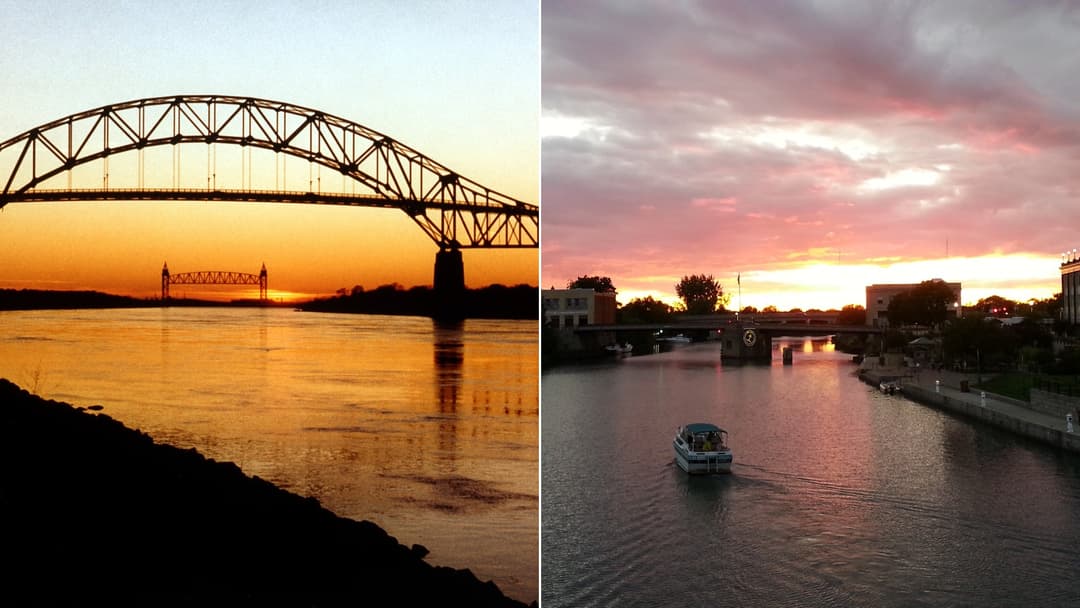
©Wikimedia / Cape Cod Canal & Wikimedia / Erie Canal
20. Dismal Swamp Canal
Colonial laborers dredged swamps. George Washington helped organize the commercial venture to extract valuable timber from the great wetland, connecting the Chesapeake Bay to Albemarle Sound through dense cedar forests. North Carolina still operates the channel.

©Wikimedia / US Army Corps of Engineers
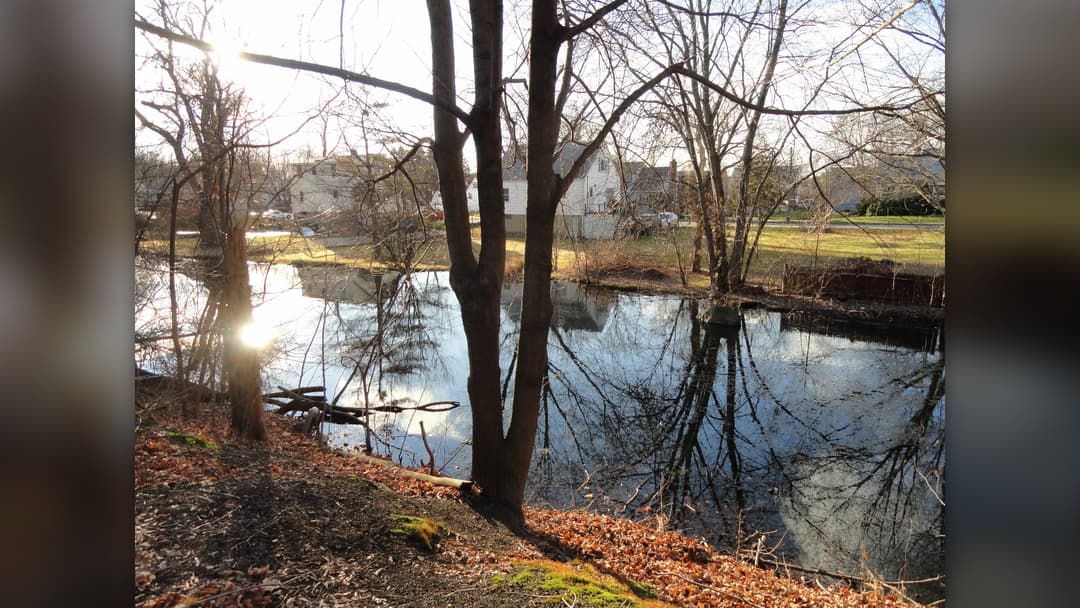
19. Middlesex Canal
Timber floated toward Boston. Engineers used early leveling instruments to construct twenty stone locks and eight aqueducts, transporting New Hampshire granite and timber to fuel Boston's maritime merchant boom. Suburban parks preserve surviving stone sections.
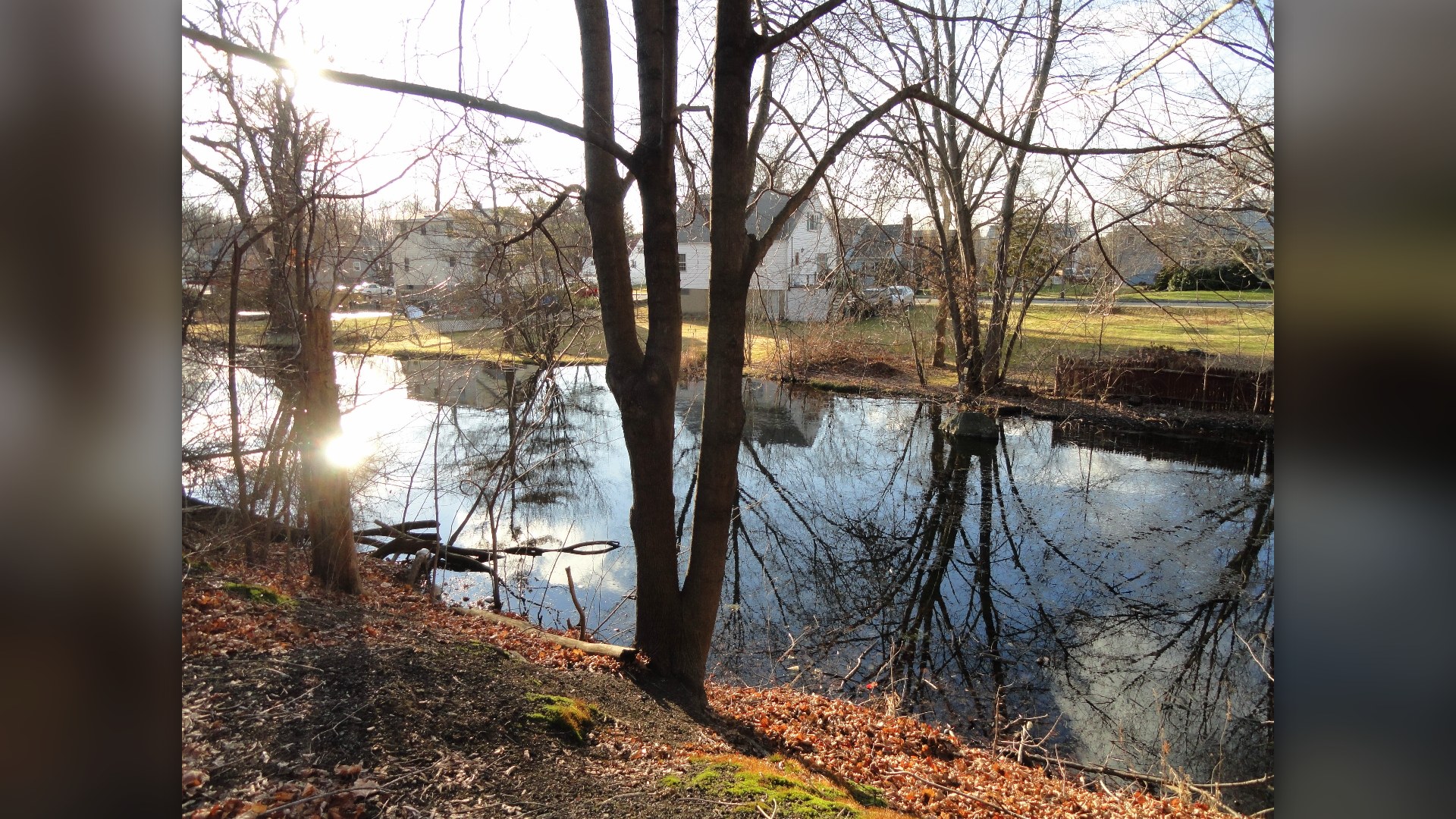
©Wikimedia / Daderot
18. Morris Canal
Ingenious rail cradles climbed hills. Confronting the mountainous terrain between the Delaware River and Newark Bay, engineers installed twenty-three water-driven inclined planes that pulled fully loaded canal boats up steep hillsides. Preservationists maintain several restored plane basins.
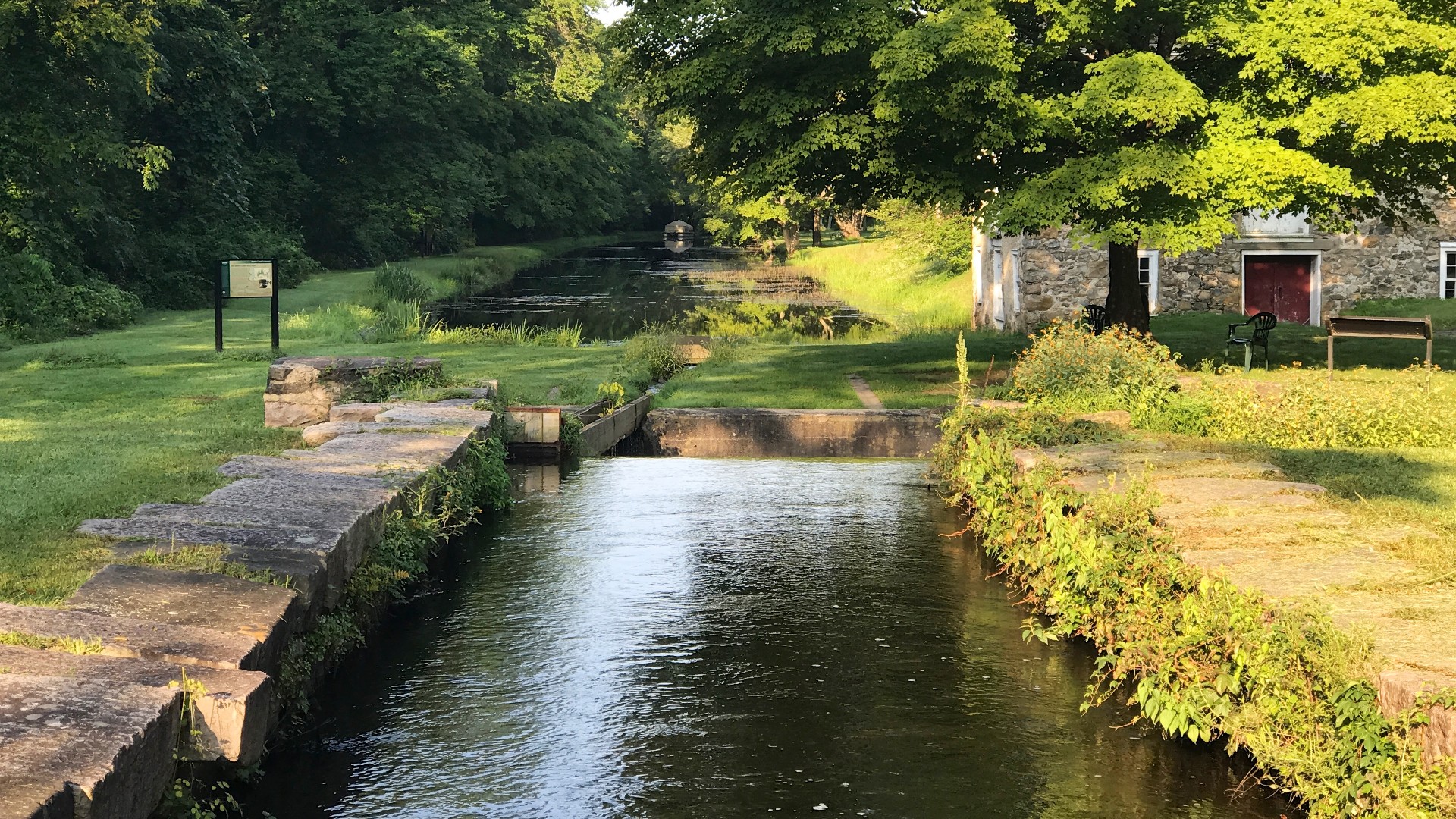
©Wikimedia / Morris Canal
Advertisement
Swipe or tap ▶ to resume the countdown.
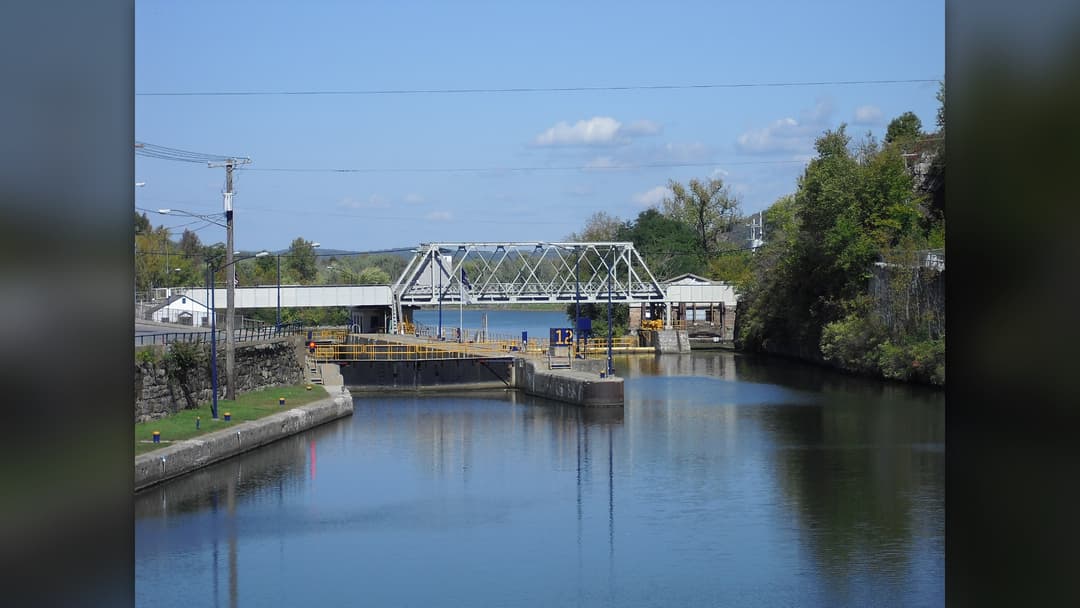
17. Champlain Canal
Northern iron reached Albany. The sixty-mile ditch linked northern Adirondack timber and iron ore deposits directly to the Hudson River, helping establish Whitehall as a major inland maritime shipping center. Whitehall preserves the historic Lock 12.
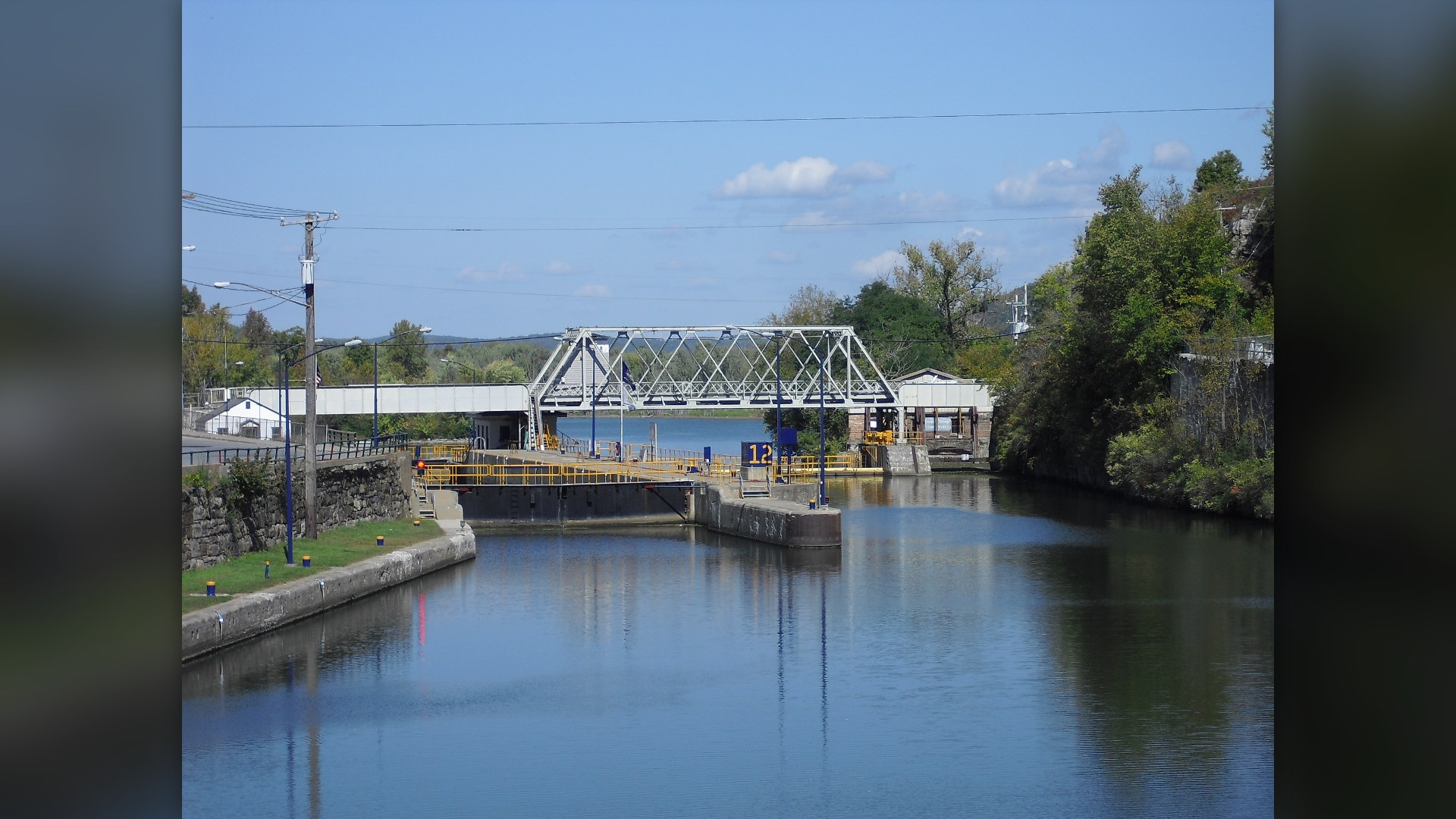
©Wikimedia / Alee7457
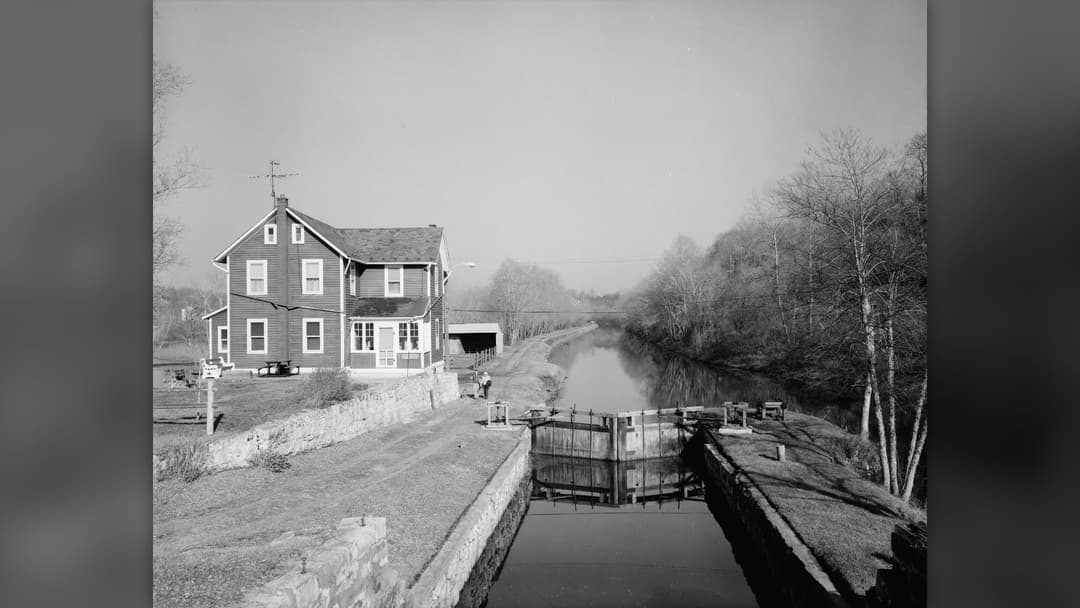
16. Lehigh Canal
Anthracite fueled industrial furnaces. Josiah White engineered innovative bear-trap locks to create controlled artificial floods, washing heavy coal arks down the turbulent Lehigh River before building permanent stone chambers. Historic parks guard the quiet towpath.
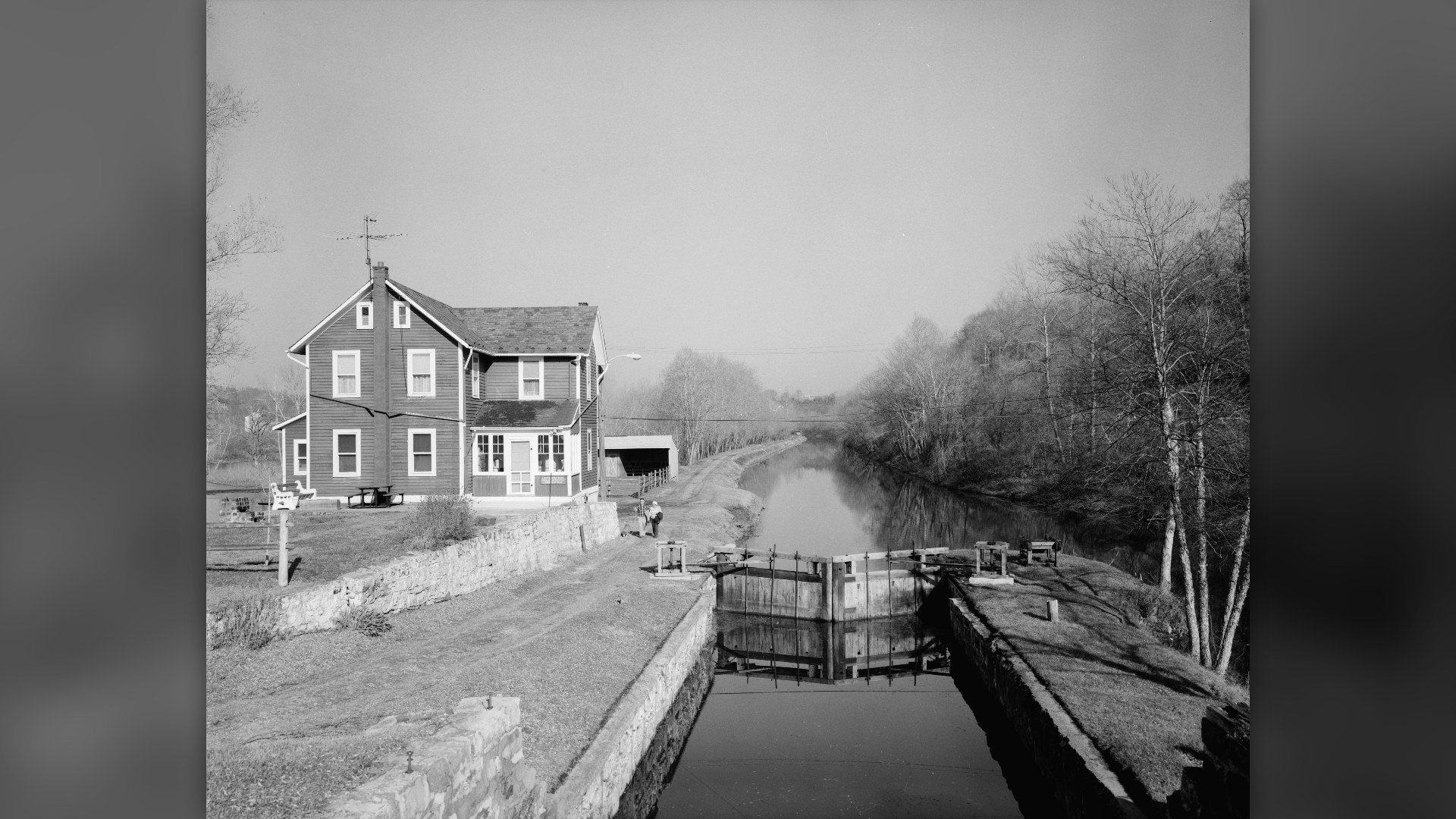
©Wikimedia / Jet Lowe / HAER
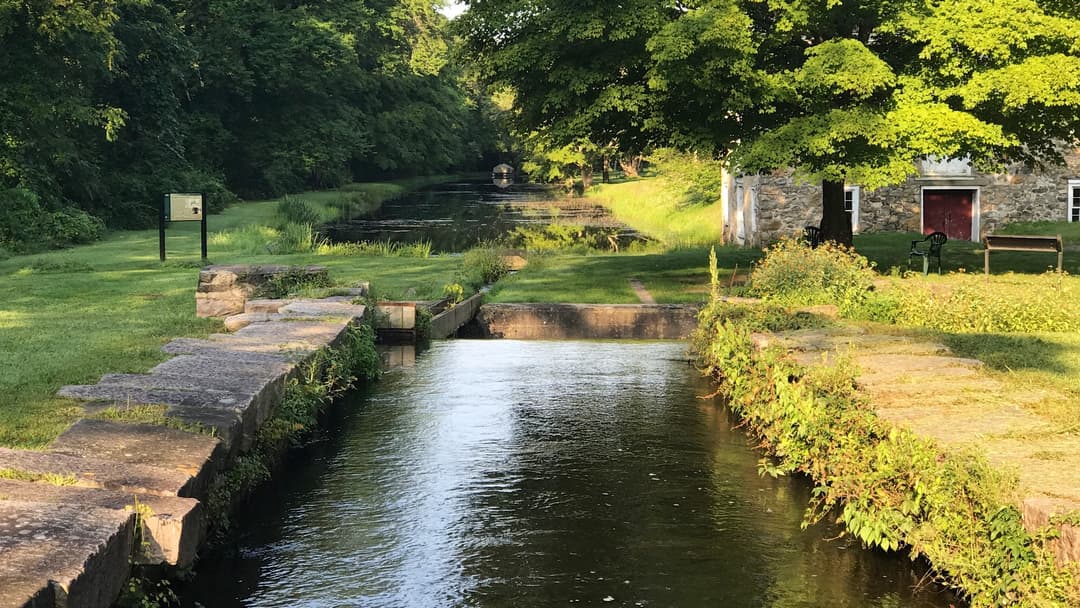
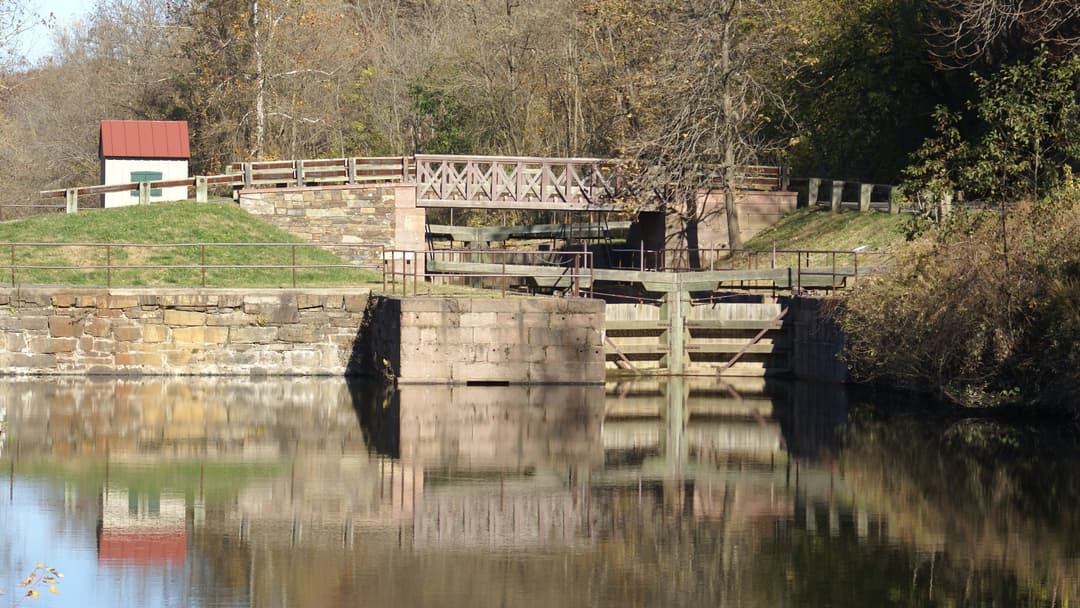
15. Delaware Division Canal
Mule teams walked riverbanks. Running parallel to the Delaware River from Easton to Bristol, the waterway handled millions of tons of industrial coal and limestone during the height of nineteenth-century manufacturing. State park trails follow the route.
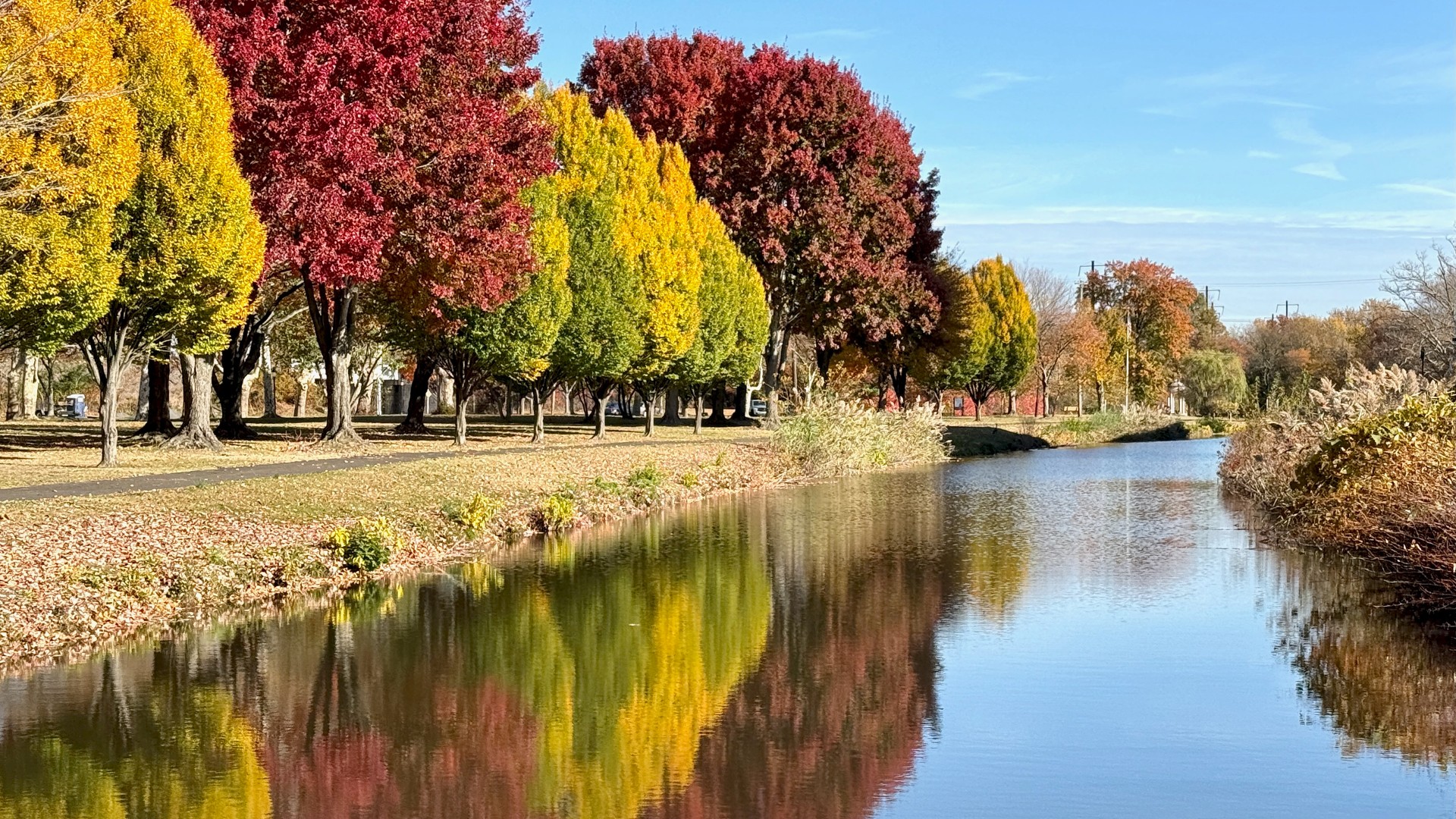
©Wikimedia / Pennsylvania Canal (Delaware Division)
14. Schuylkill Navigation Canal
Coal arks navigated rapids. By damming the shallow river into navigable pools and cutting bypass canals, the company enabled heavy coal shipments that powered Philadelphia's rapid emergence as an industrial powerhouse. Lock 60 remains fully operational today.
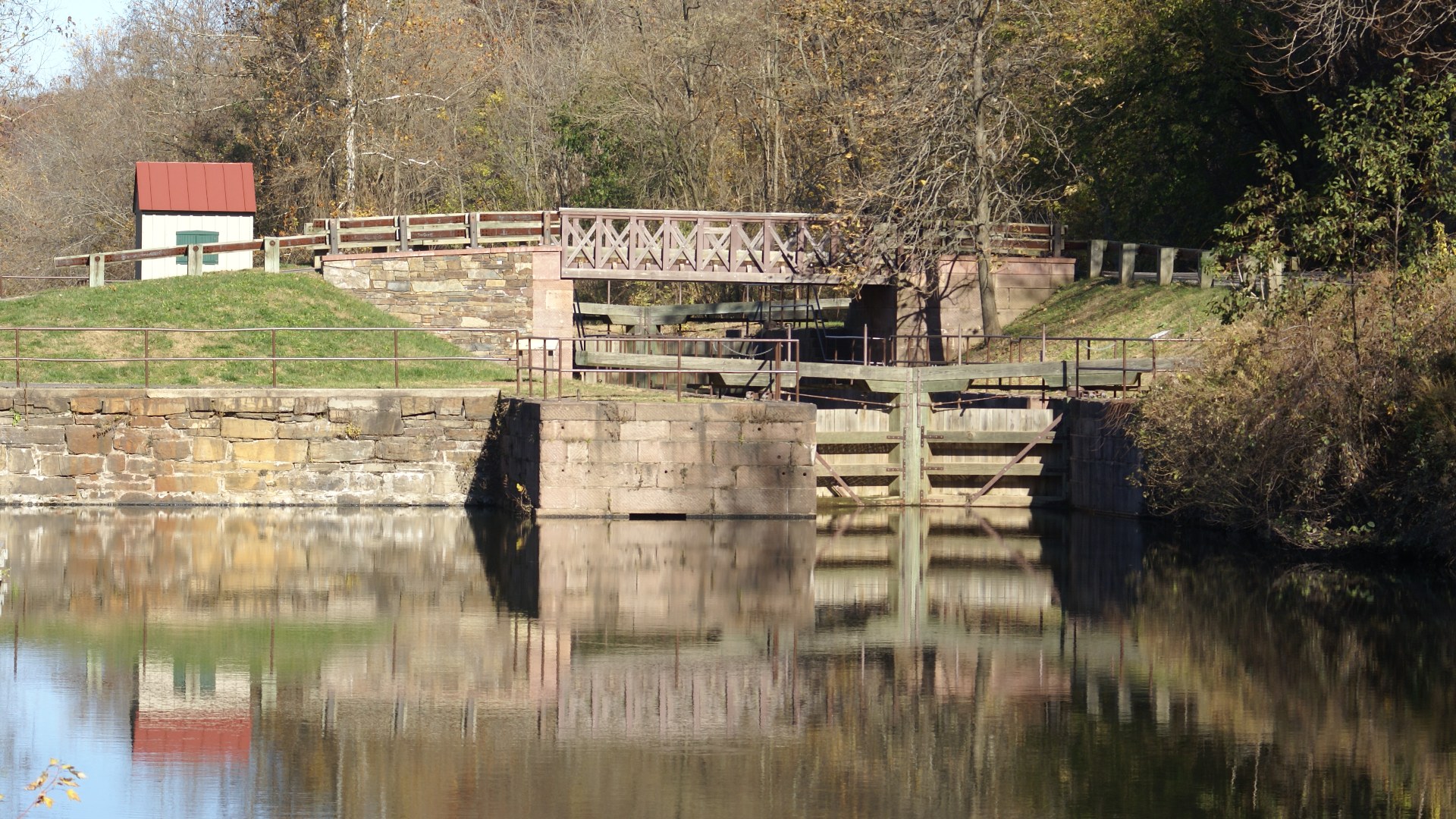
©Wikimedia / J Clear
Advertisement
Swipe or tap ▶ to resume the countdown.
13. Miami And Erie Canal
Canal packets opened Ohio. Requiring one hundred and three lift locks across western Ohio, the artificial river carried wheat, pork, and European immigrants through the frontier wilderness during the mid-nineteenth century. Preserved stone locks dot western Ohio.
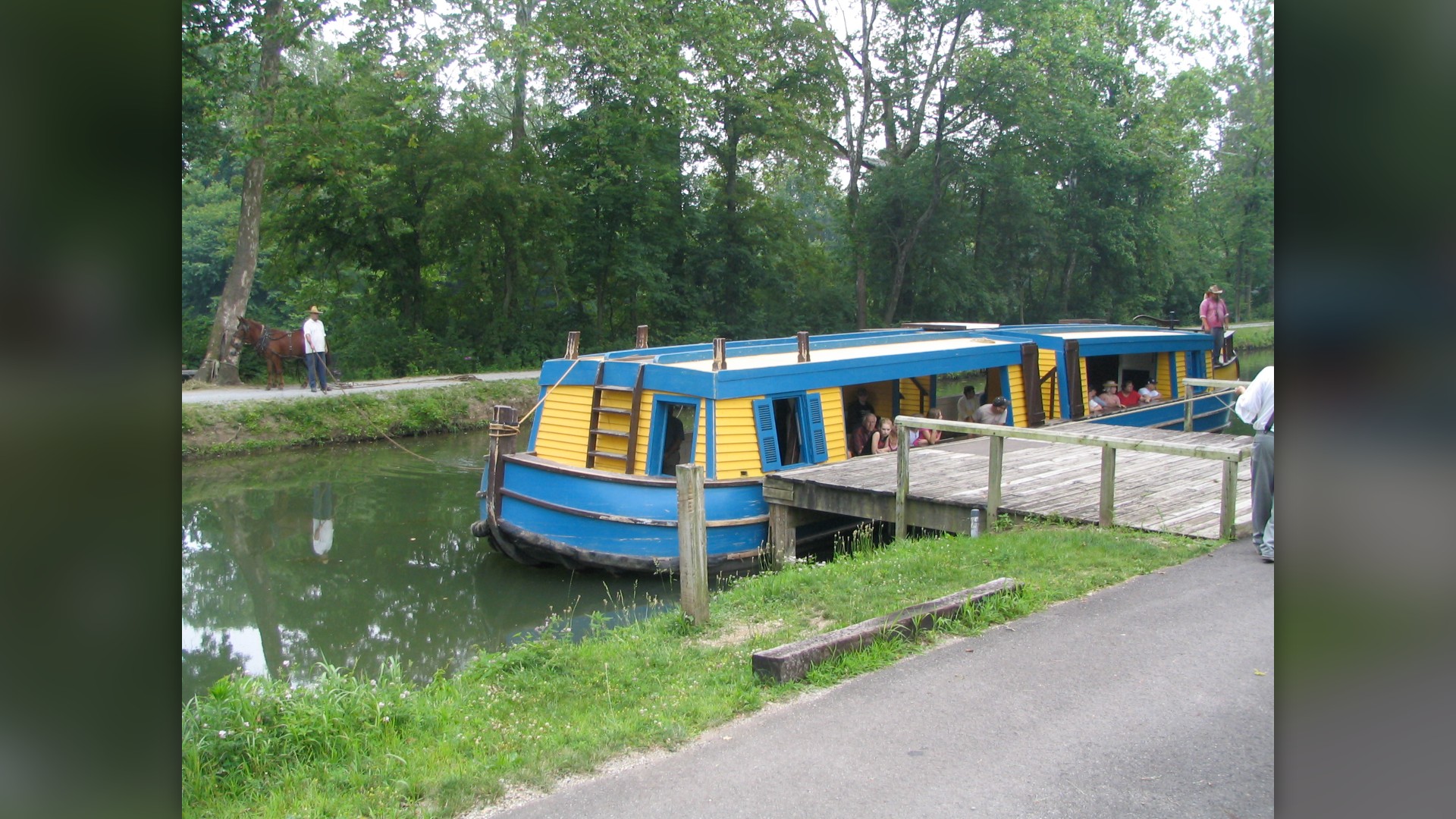
©Wikimedia / RF Gagel
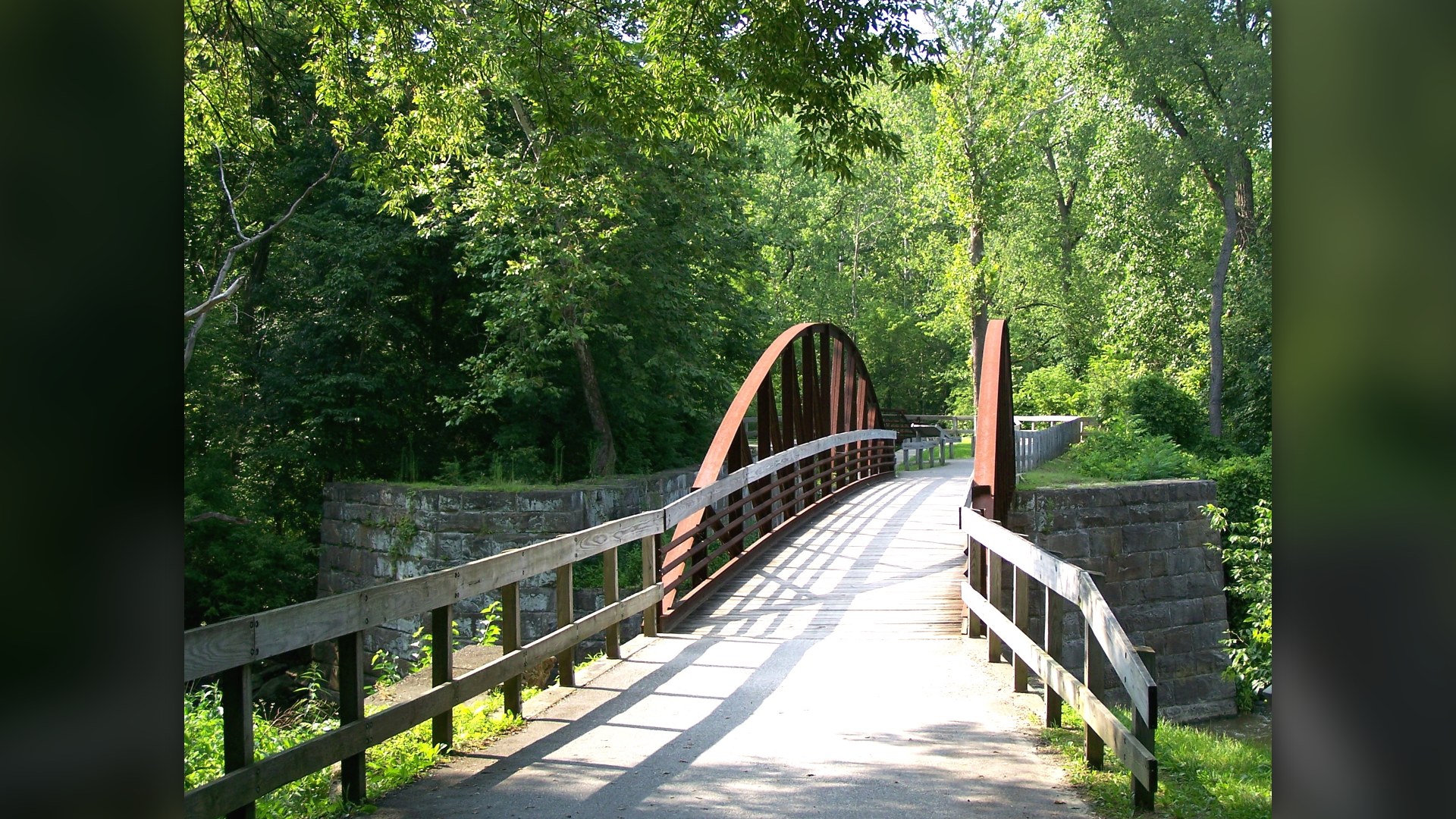
12. Ohio And Erie Canal
Lake Erie met southern rivers. The ambitious public works project transformed Cleveland from an isolated wilderness village into a thriving Great Lakes shipping hub while lowering freight transportation costs by ninety percent. National park visitors hike the towpath.
©Wikimedia / Cory Hartman
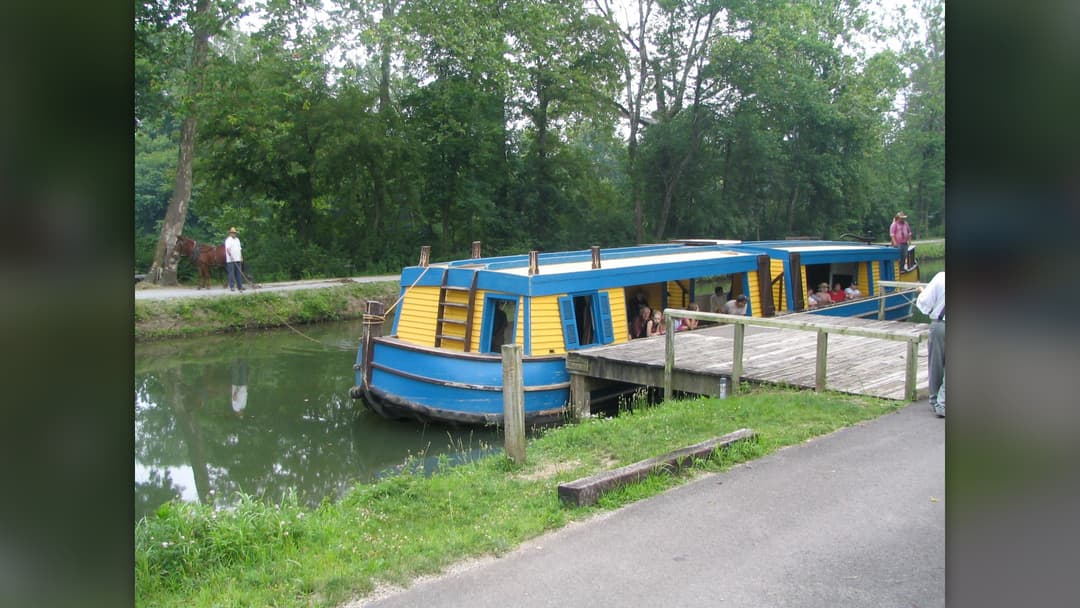
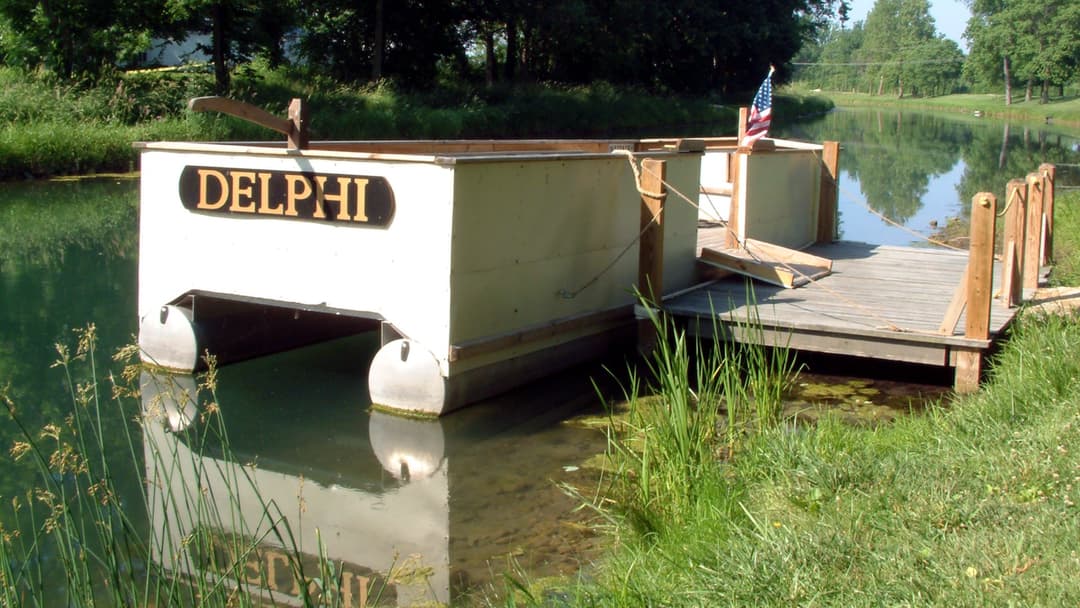
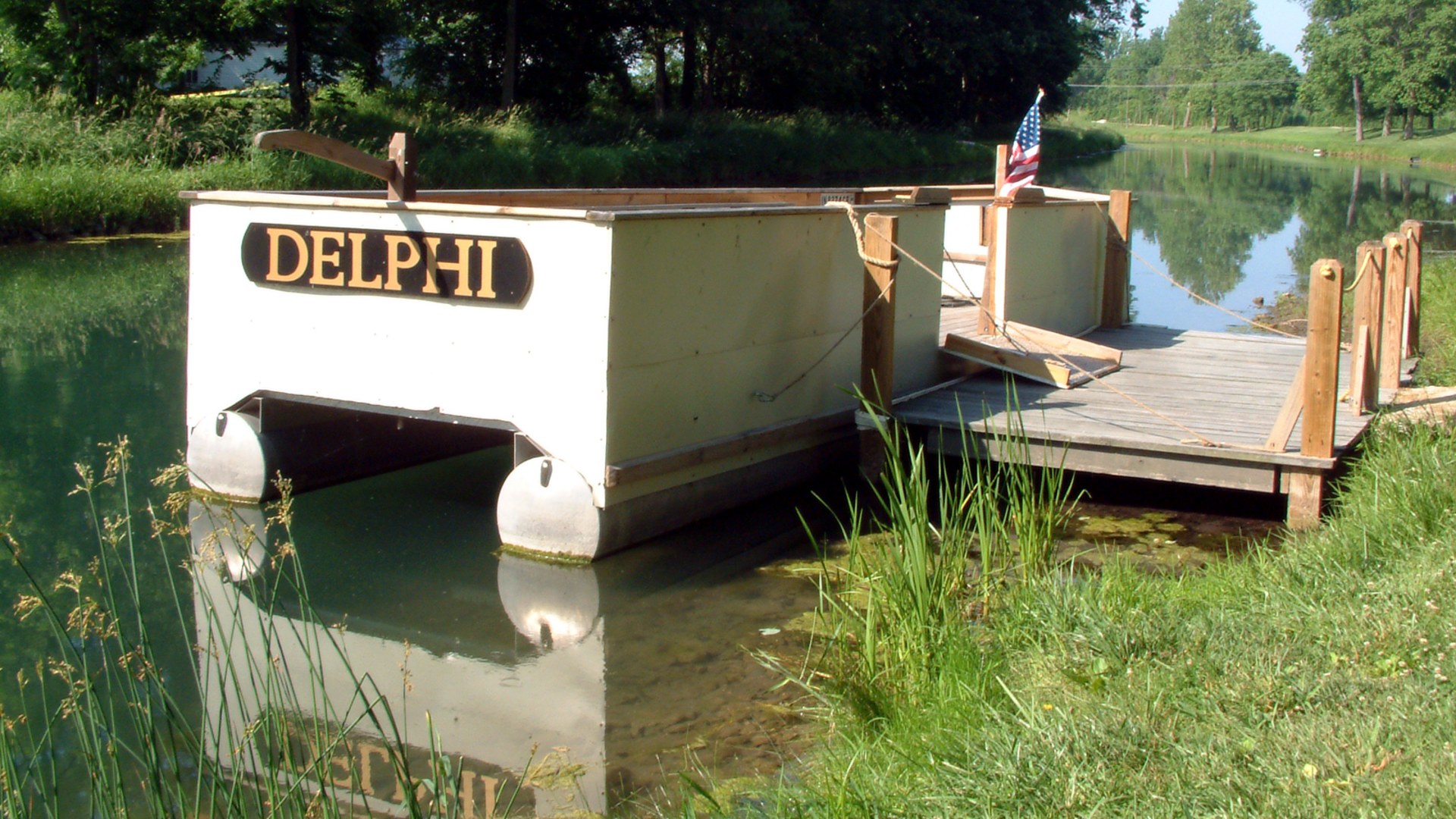
11. Wabash And Erie Canal
Midwestern crops found markets. Connecting Toledo on Lake Erie to Evansville on the Ohio River, the epic channel drained vast swamps and allowed Indiana farmers to ship corn to eastern seaboard ports. Delphi operates an authentic replica boat.
©Wikimedia / Huw Williams
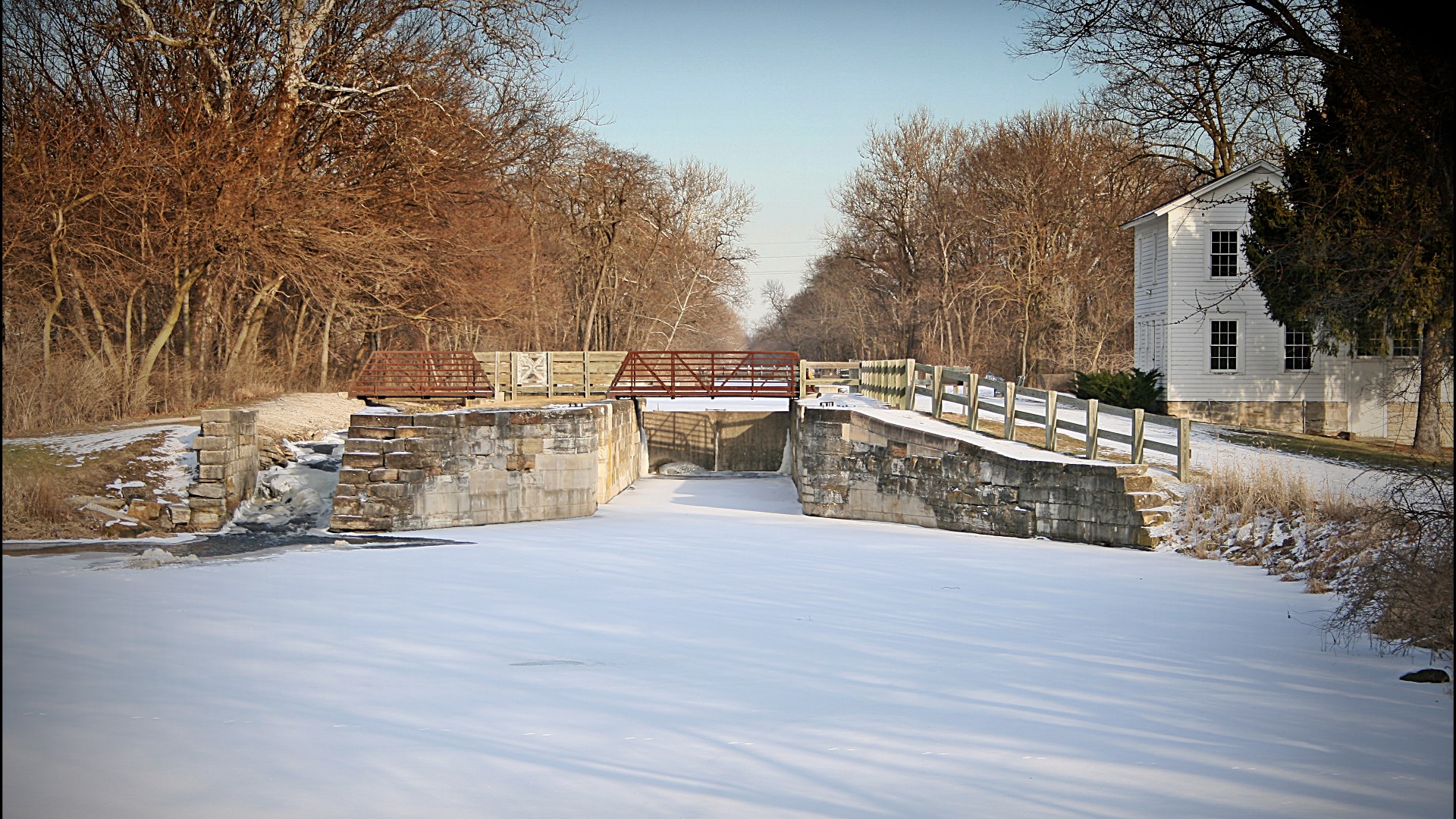
10. Illinois And Michigan Canal
Chicago became an empire. By cutting across the continental divide between Lake Michigan and the Illinois River, the waterway funneled western grain and lumber through Chicago, catalyzing the city's meteoric nineteenth-century growth. The route became America's first heritage corridor.
©Wikimedia / Muleskinner
Advertisement
Swipe or tap ▶ to resume the countdown.
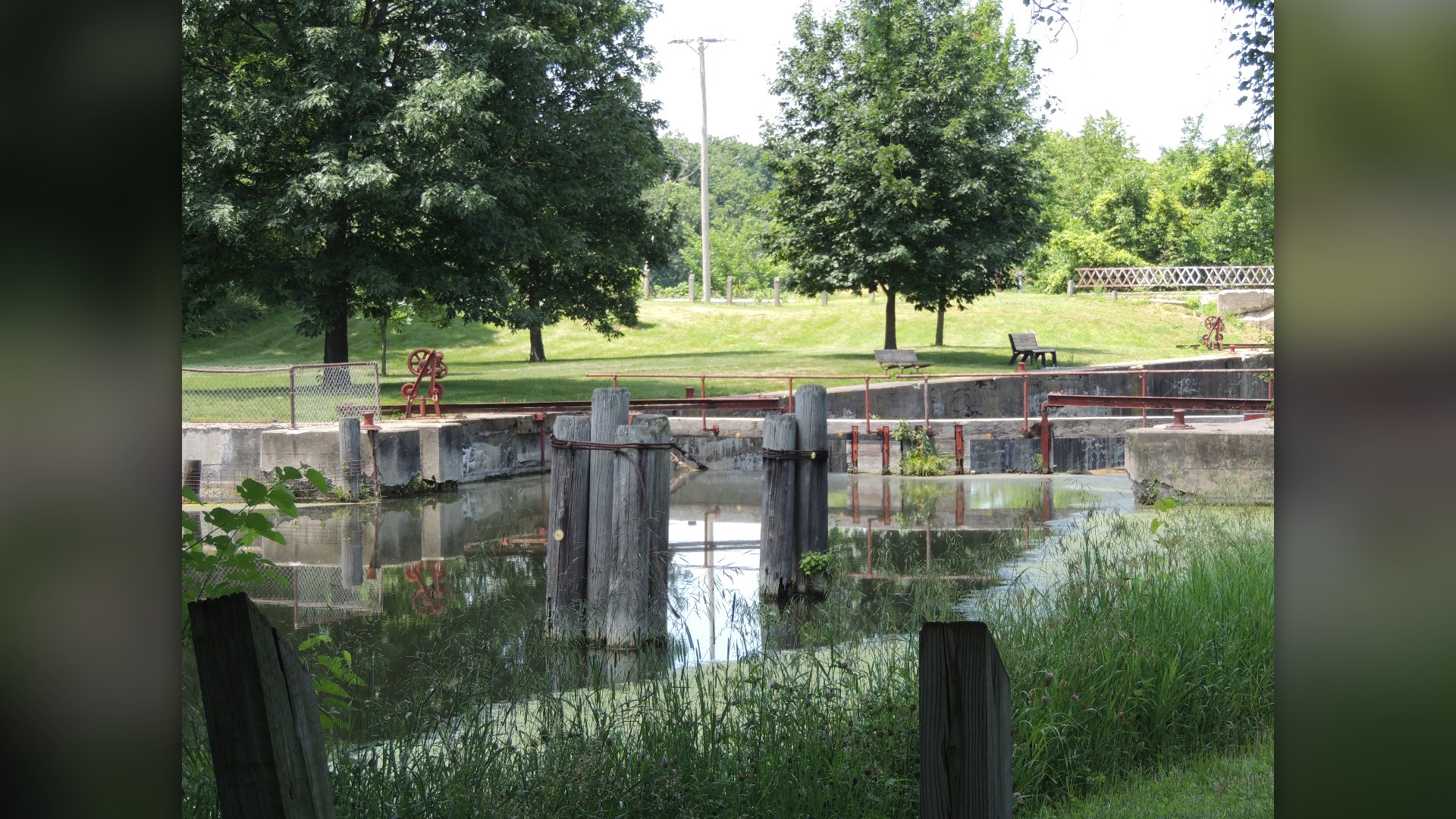
9. Hennepin Canal
Engineers poured mass concrete. The seventy-five-mile feeder canal connected the Illinois and Mississippi rivers using thirty-three concrete lift locks, serving as the experimental testing ground for construction techniques used on the Panama Canal. State park trails follow the locks.
©Wikimedia / Kenneth Darland
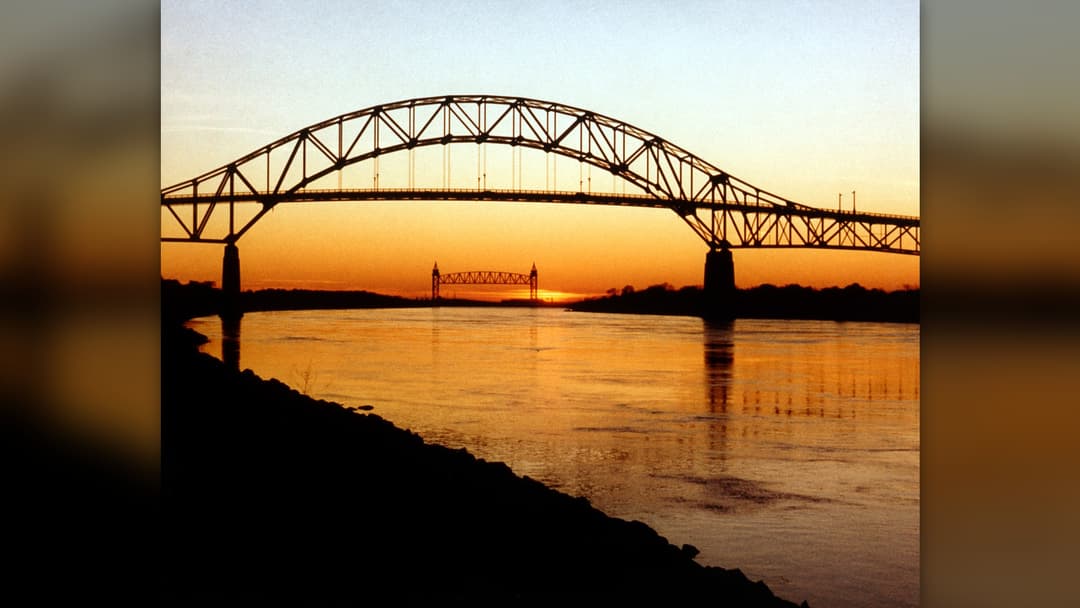
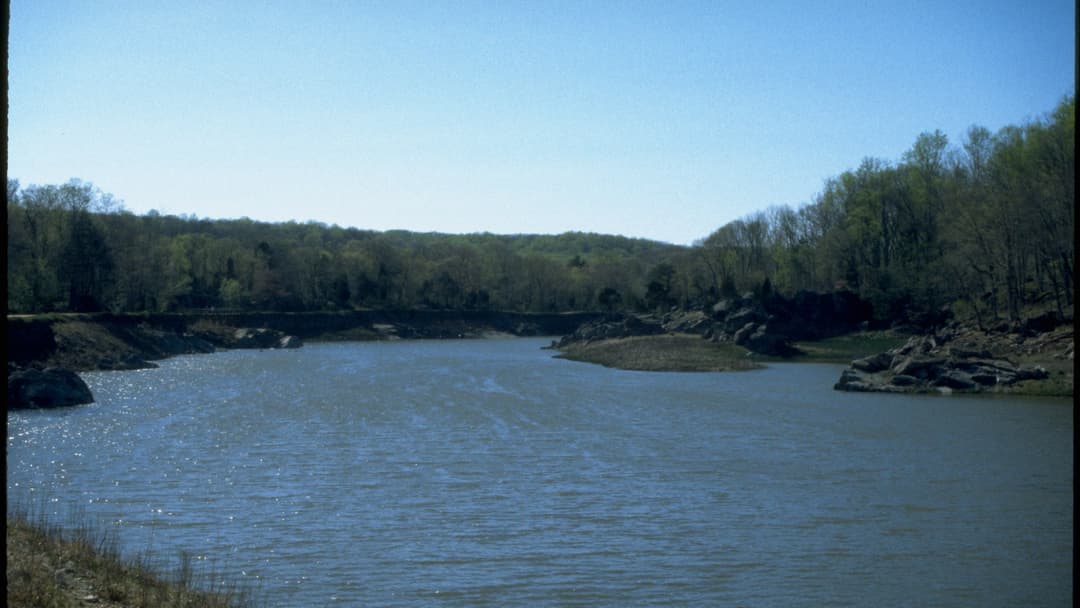
8. Cape Cod Canal
Ships bypassed dangerous shoals. Private investors completed the seventeen-mile channel in 1914, eliminating the hazardous passage around Cape Cod's foggy Atlantic sandbars and reducing shipping transit times for coastal merchant traffic. A historic vertical-lift railroad bridge spans it.
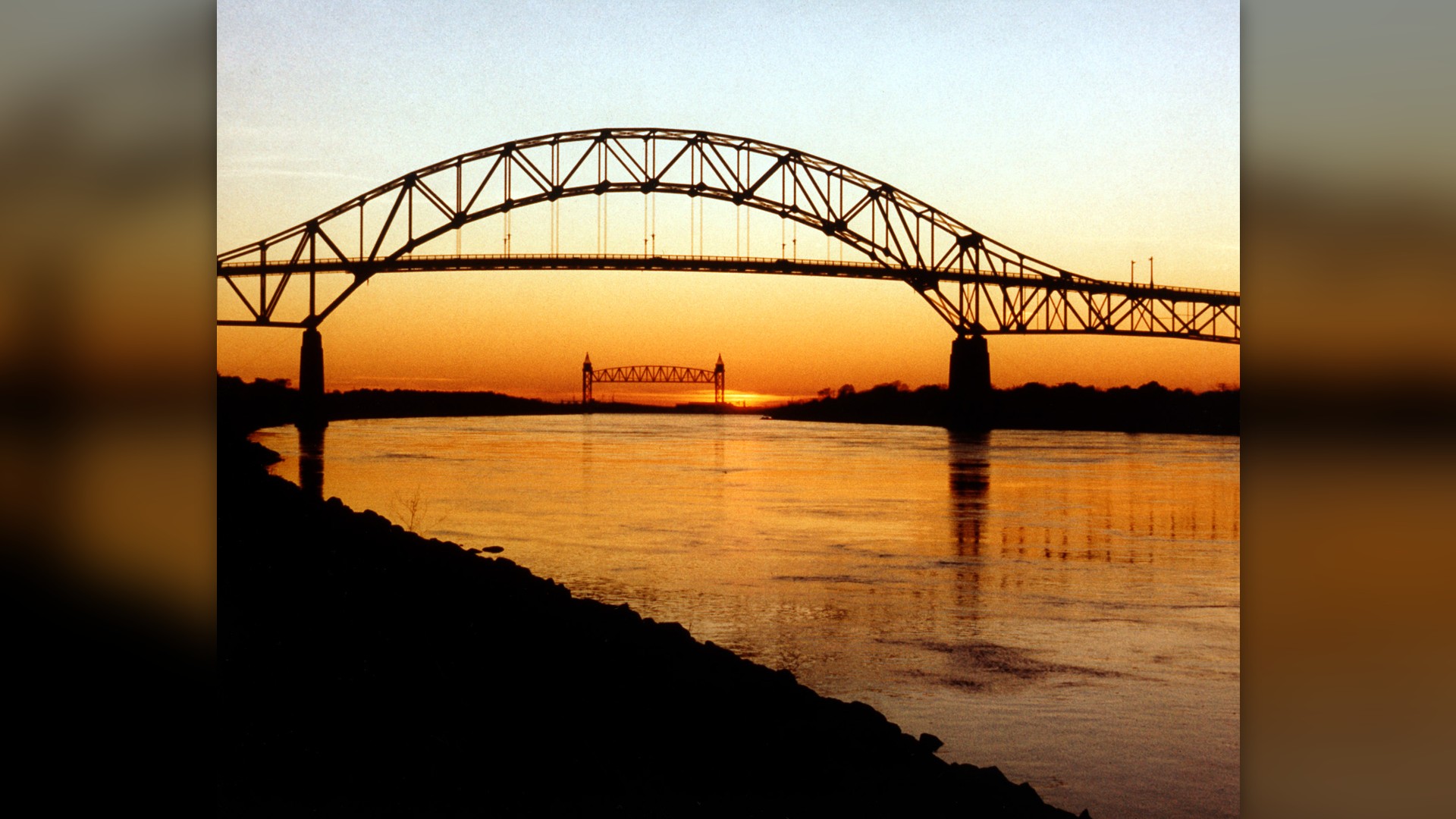
©Wikimedia / Cape Cod Canal
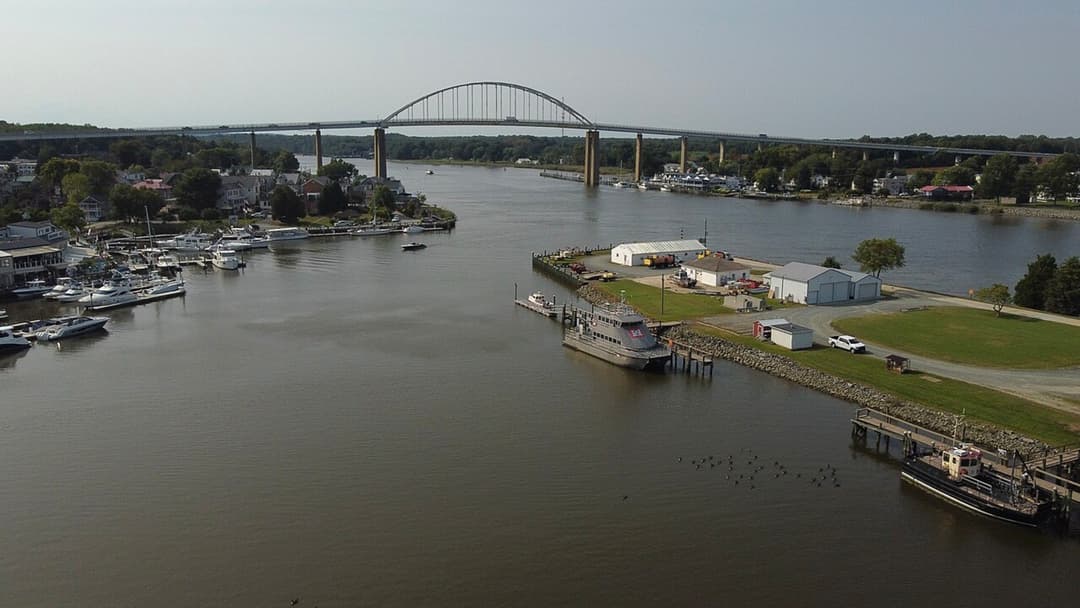
7. Chesapeake And Delaware Canal
Delaware cut eliminated open seas. The fourteen-mile waterway opened with lift locks in 1829 before the federal government purchased the canal and excavated a massive sea-level channel capable of handling modern commercial container ships. Army engineers manage the busy transit.
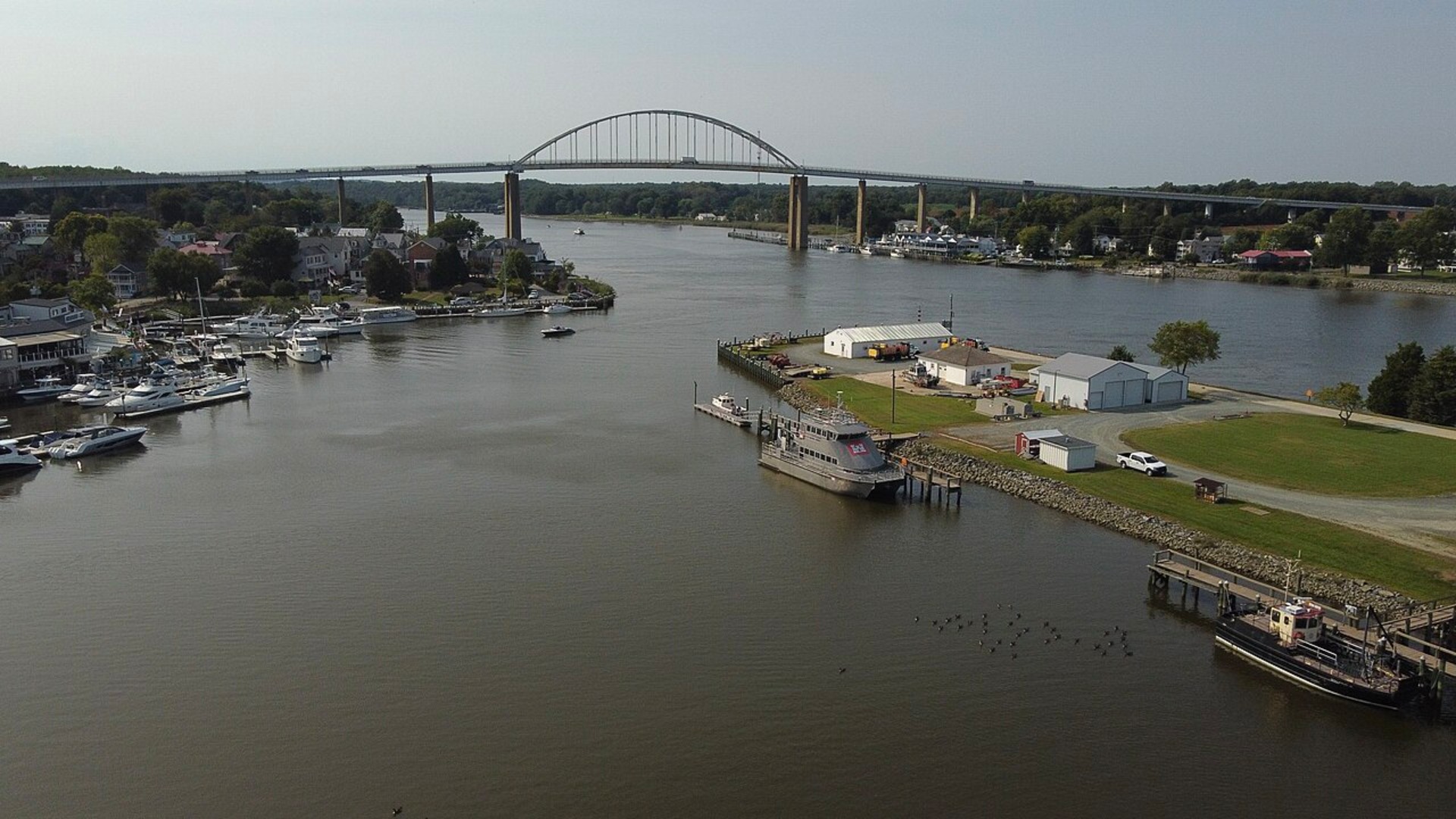
©Wikimedia / Cmfrangos
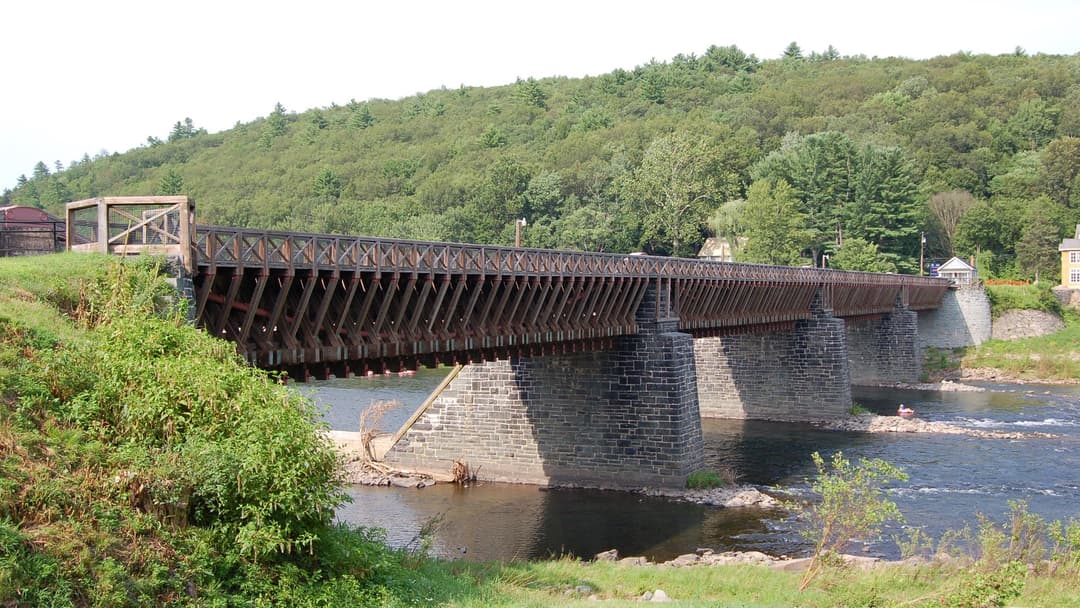
6. Delaware And Hudson Canal
Wire rope carried aqueducts. The 108-mile private canal relied on John Roebling's patented wire suspension cables to support wooden canal trunks high above the Delaware and Lackawaxen rivers without collapsing. Roebling's oldest surviving suspension structure stands.
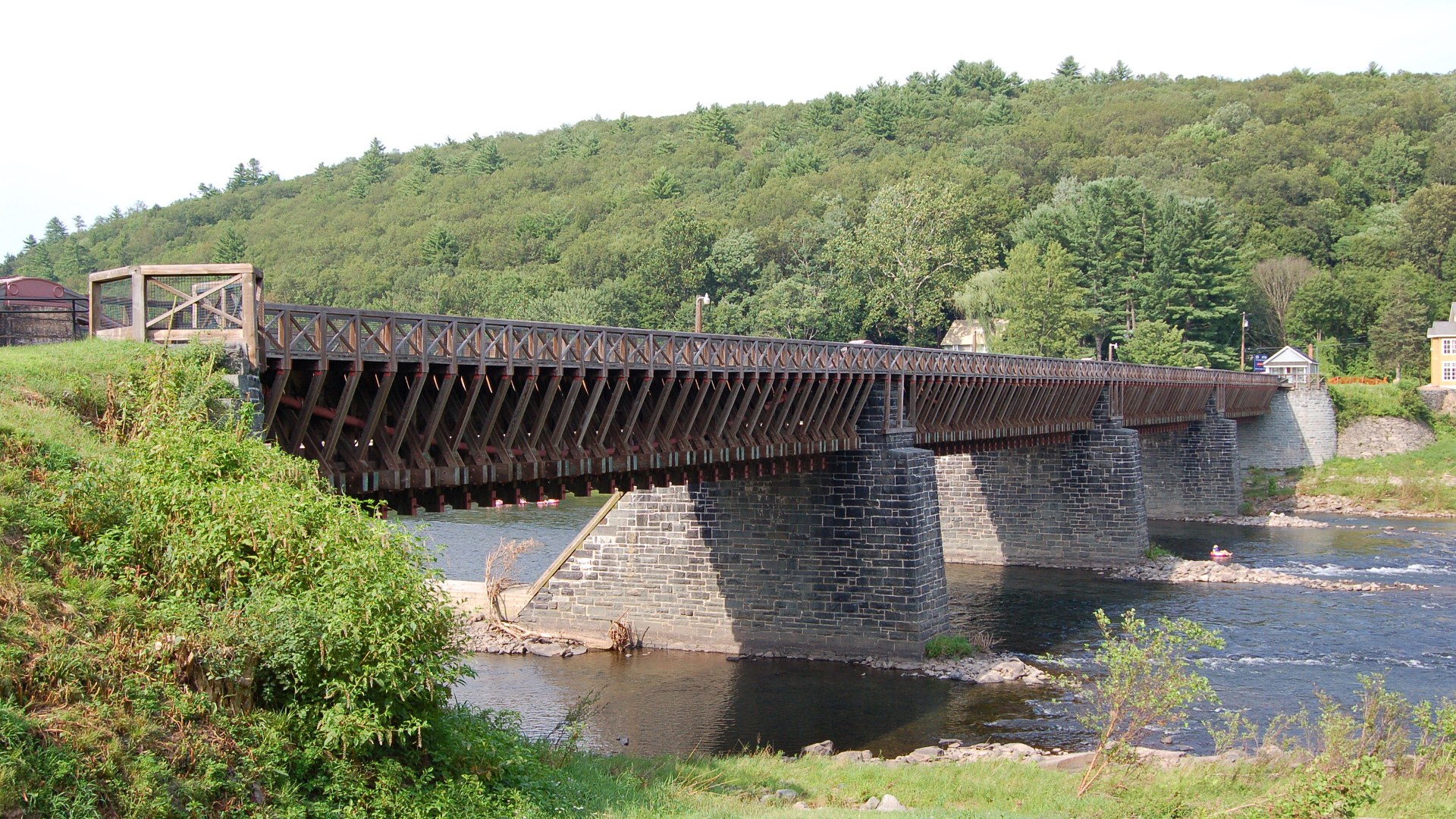
©Wikimedia / Derek Ramsey
Advertisement
Swipe or tap ▶ to resume the countdown.
5. Augusta Canal
Water wheels drove textile looms. The seven-mile canal harnessed the drop of the Savannah River fall line to provide abundant hydraulic power, establishing Augusta as a dominant Confederate manufacturing and postwar textile center. Historic mills flank the working canal.
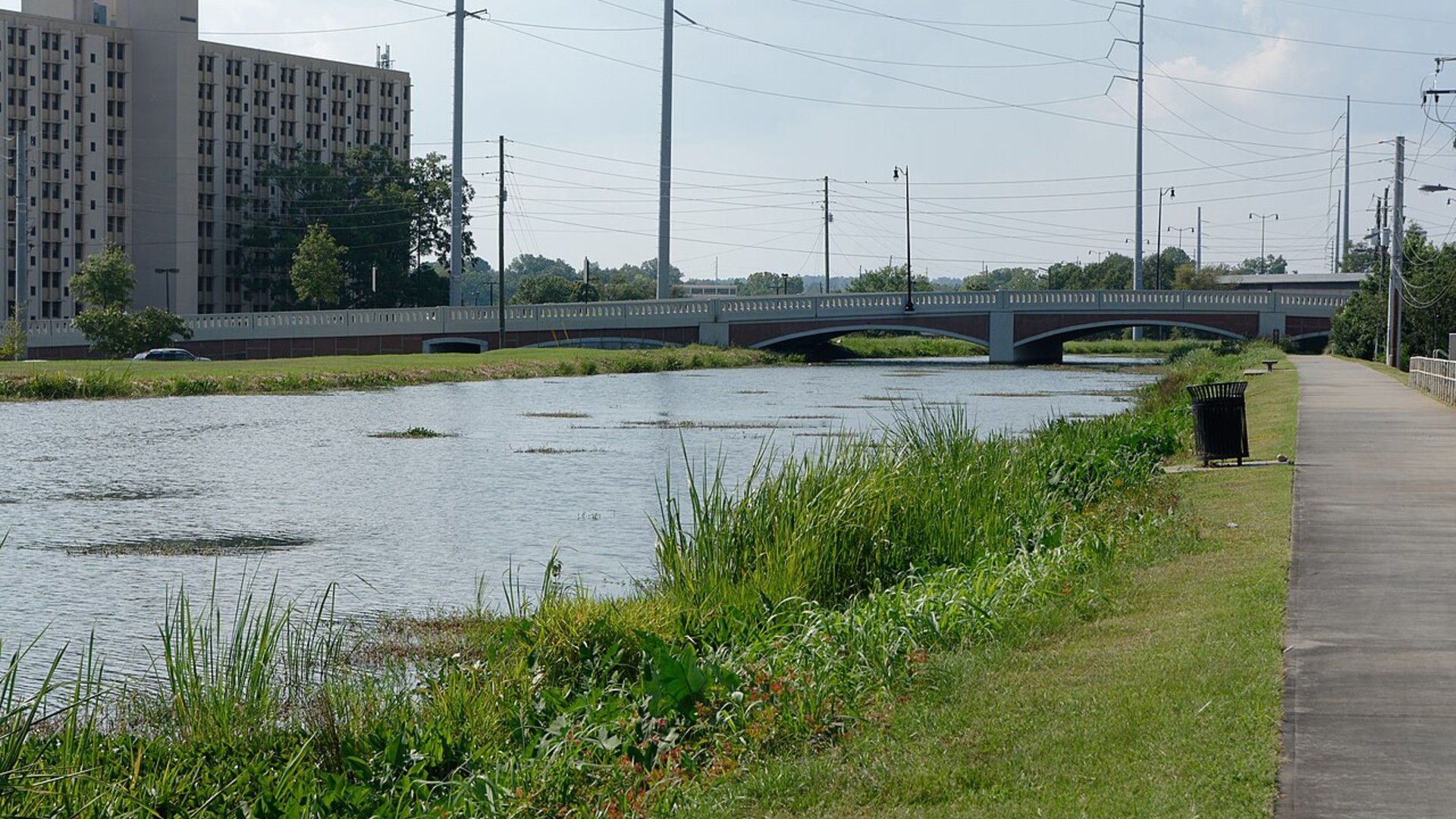
©Wikimedia / Jud McCranie
4. Chesapeake And Ohio Canal
Potomac waters paralleled rail. Laborers spent twenty-two years digging seventy-four lift locks and boring through Sorrel Ridge at Paw Paw, creating a resilient transport corridor for Allegheny coal despite fierce railroad competition. National park rangers protect the park.
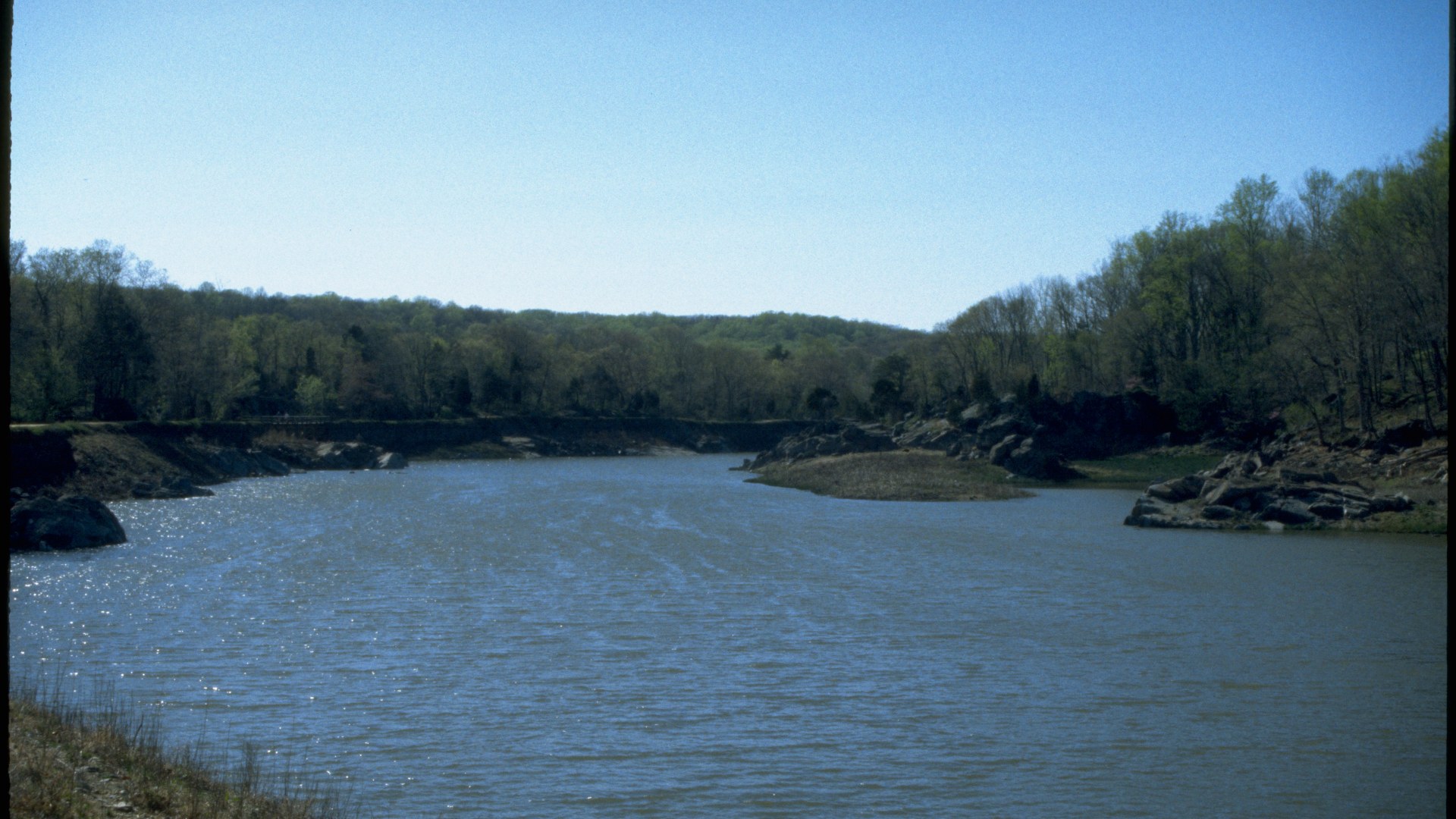
©Wikimedia / National Park Service
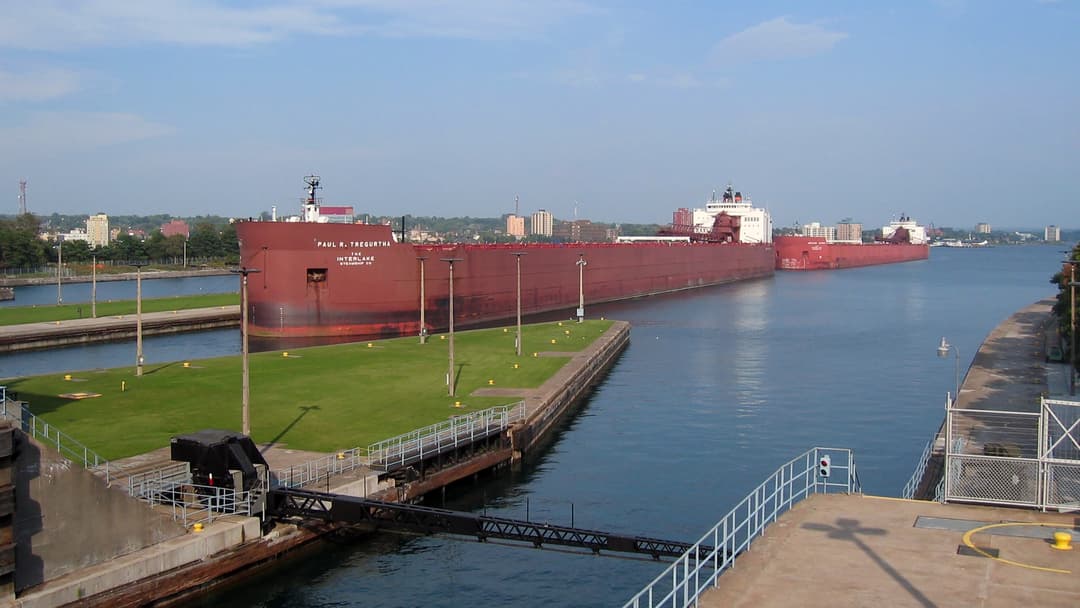
3. Soo Locks And Sault Ste. Marie Canal
Iron ore passed rapids. Bypassing the turbulent twenty-one-foot drop of the St. Marys Falls, the giant parallel lock chambers allow thousand-foot freighters to transport millions of tons of Mesabi iron ore each shipping season. Army engineers operate the vital gateway.
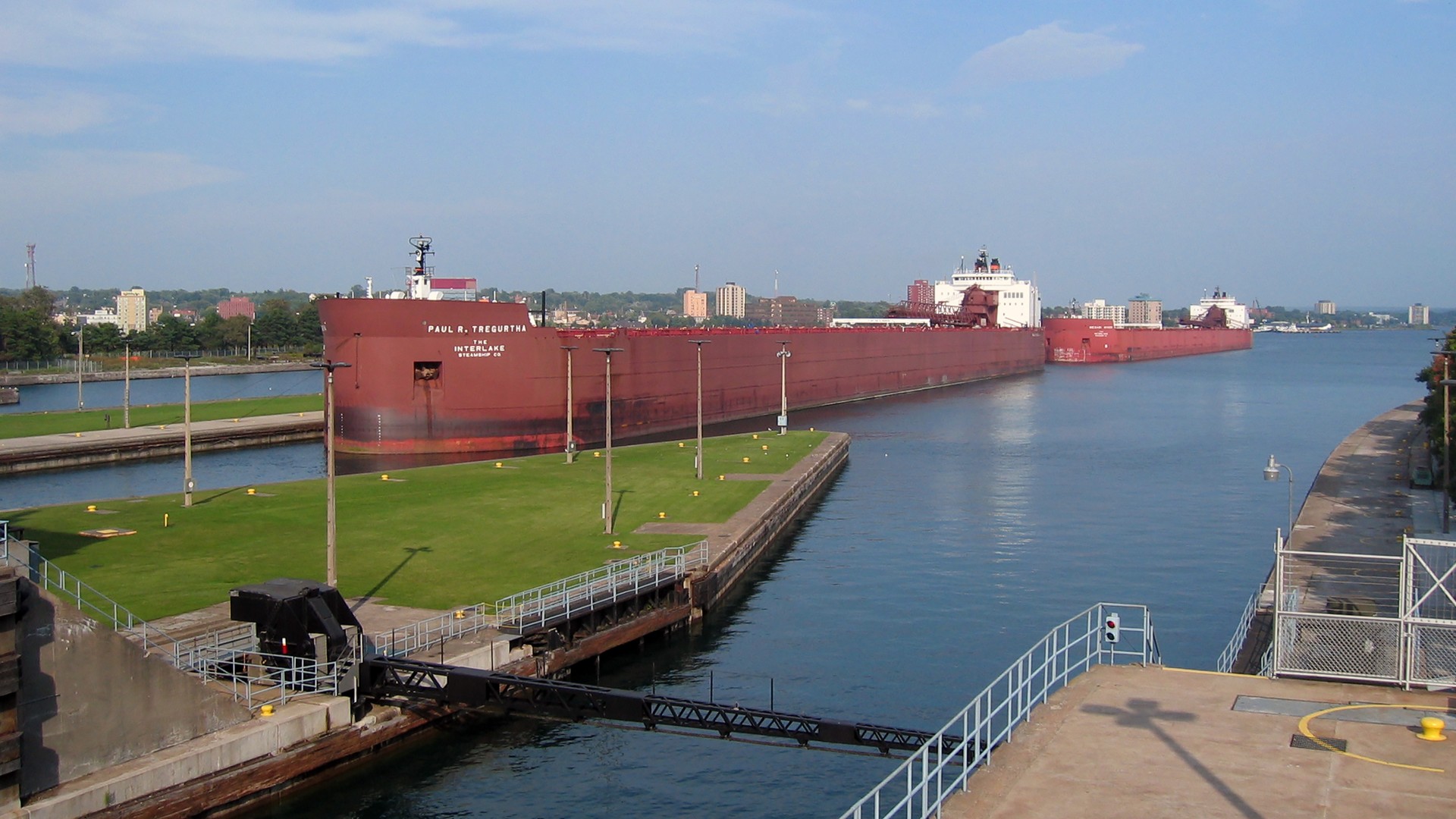
©Wikimedia / Acroterion
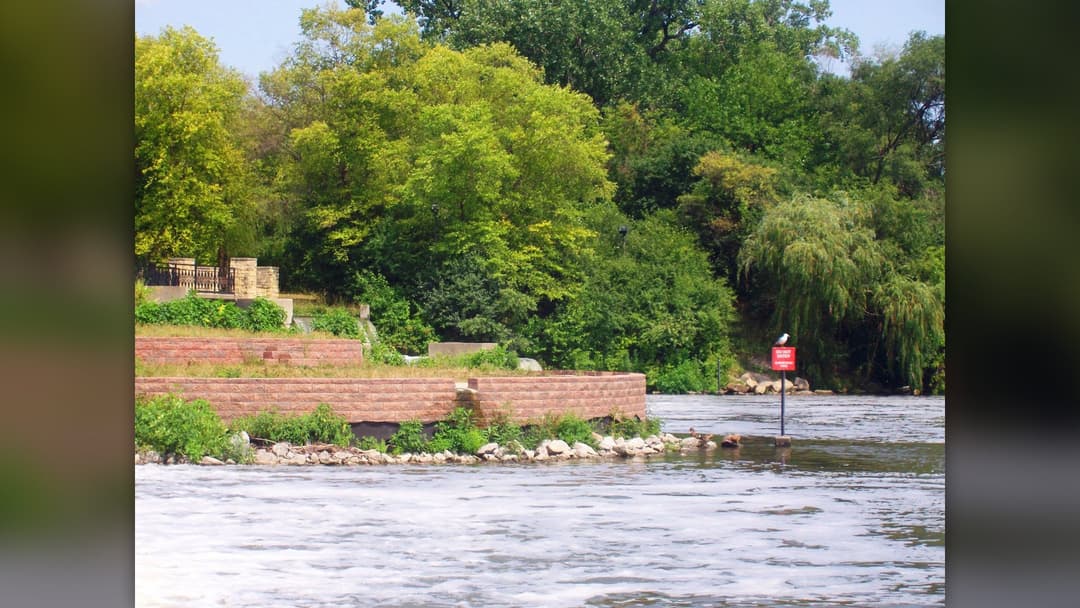
2. Chicago Sanitary And Ship Canal
Engineers reversed a river. To protect Lake Michigan drinking water from urban pollution, Chicago excavated a deep rock channel through the subcontinental divide, directing city runoff toward the Mississippi River and creating a modern barge thoroughfare. Heavy barges transit the canal daily.
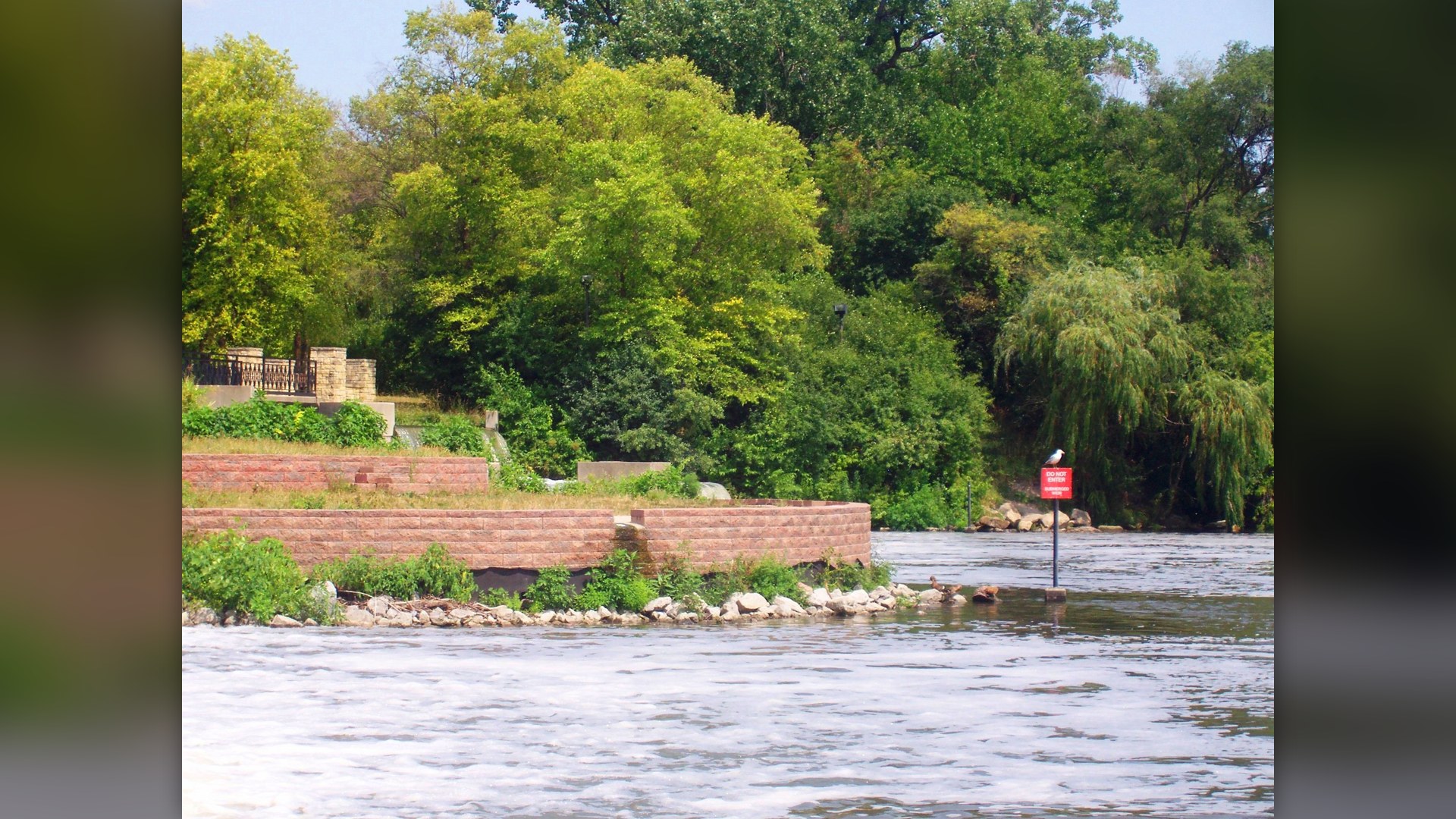
©Wikimedia / Canoe Communications
Advertisement
Swipe or tap ▶ to resume the countdown.
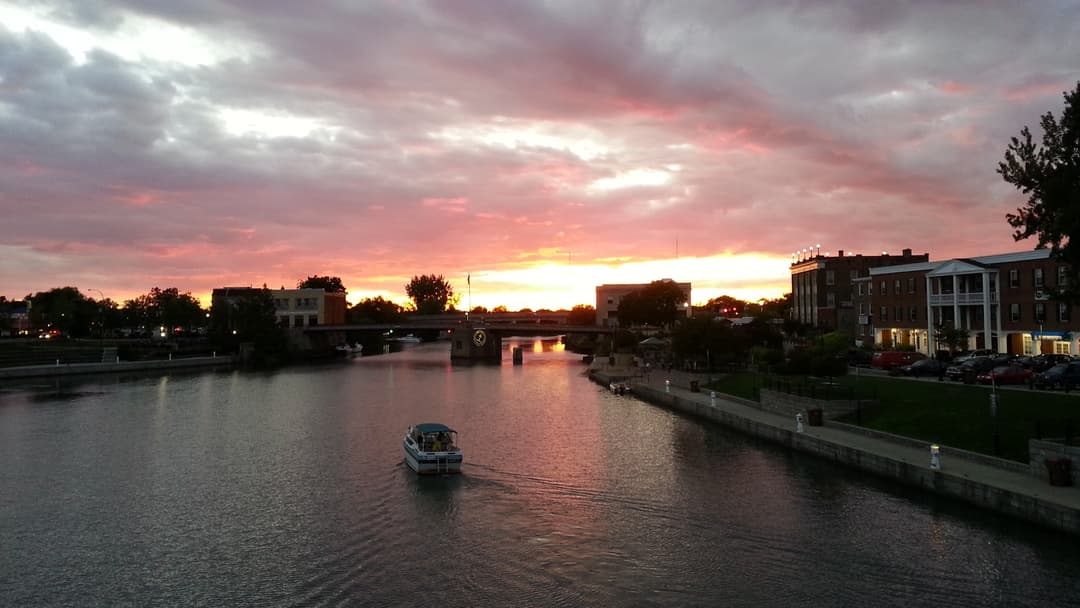
1. Erie Canal
The grand ditch triumphed. Laborers dug three hundred sixty-three miles across New York wilderness, utilizing stone aqueducts and dramatic lock flights to lower transport costs by ninety-five percent and transform New York City into the nation's premier metropolis. Waterford locks greet modern pleasure craft.

©Wikimedia / Erie Canal
Advertisement
You've reached the end of the story. Thanks for reading!

25 Strange Ways the Medieval Church Ruled Everyday Existence
The medieval Church did far more than provide spiritual guidance; it was the supreme legal, economic, and social regulator of every citizen's life. Here are 25 ways it exerted authority.
All 20 Entries in this Story
20. Dismal Swamp Canal
Colonial laborers dredged swamps. George Washington helped organize the commercial venture to extract valuable timber from the great wetland, connecting the Chesapeake Bay to Albemarle Sound through dense cedar forests. North Carolina still operates the channel.

19. Middlesex Canal
Timber floated toward Boston. Engineers used early leveling instruments to construct twenty stone locks and eight aqueducts, transporting New Hampshire granite and timber to fuel Boston's maritime merchant boom. Suburban parks preserve surviving stone sections.

18. Morris Canal
Ingenious rail cradles climbed hills. Confronting the mountainous terrain between the Delaware River and Newark Bay, engineers installed twenty-three water-driven inclined planes that pulled fully loaded canal boats up steep hillsides. Preservationists maintain several restored plane basins.

17. Champlain Canal
Northern iron reached Albany. The sixty-mile ditch linked northern Adirondack timber and iron ore deposits directly to the Hudson River, helping establish Whitehall as a major inland maritime shipping center. Whitehall preserves the historic Lock 12.

16. Lehigh Canal
Anthracite fueled industrial furnaces. Josiah White engineered innovative bear-trap locks to create controlled artificial floods, washing heavy coal arks down the turbulent Lehigh River before building permanent stone chambers. Historic parks guard the quiet towpath.

15. Delaware Division Canal
Mule teams walked riverbanks. Running parallel to the Delaware River from Easton to Bristol, the waterway handled millions of tons of industrial coal and limestone during the height of nineteenth-century manufacturing. State park trails follow the route.

14. Schuylkill Navigation Canal
Coal arks navigated rapids. By damming the shallow river into navigable pools and cutting bypass canals, the company enabled heavy coal shipments that powered Philadelphia's rapid emergence as an industrial powerhouse. Lock 60 remains fully operational today.

13. Miami And Erie Canal
Canal packets opened Ohio. Requiring one hundred and three lift locks across western Ohio, the artificial river carried wheat, pork, and European immigrants through the frontier wilderness during the mid-nineteenth century. Preserved stone locks dot western Ohio.

12. Ohio And Erie Canal
Lake Erie met southern rivers. The ambitious public works project transformed Cleveland from an isolated wilderness village into a thriving Great Lakes shipping hub while lowering freight transportation costs by ninety percent. National park visitors hike the towpath.

11. Wabash And Erie Canal
Midwestern crops found markets. Connecting Toledo on Lake Erie to Evansville on the Ohio River, the epic channel drained vast swamps and allowed Indiana farmers to ship corn to eastern seaboard ports. Delphi operates an authentic replica boat.

10. Illinois And Michigan Canal
Chicago became an empire. By cutting across the continental divide between Lake Michigan and the Illinois River, the waterway funneled western grain and lumber through Chicago, catalyzing the city's meteoric nineteenth-century growth. The route became America's first heritage corridor.

9. Hennepin Canal
Engineers poured mass concrete. The seventy-five-mile feeder canal connected the Illinois and Mississippi rivers using thirty-three concrete lift locks, serving as the experimental testing ground for construction techniques used on the Panama Canal. State park trails follow the locks.

8. Cape Cod Canal
Ships bypassed dangerous shoals. Private investors completed the seventeen-mile channel in 1914, eliminating the hazardous passage around Cape Cod's foggy Atlantic sandbars and reducing shipping transit times for coastal merchant traffic. A historic vertical-lift railroad bridge spans it.

7. Chesapeake And Delaware Canal
Delaware cut eliminated open seas. The fourteen-mile waterway opened with lift locks in 1829 before the federal government purchased the canal and excavated a massive sea-level channel capable of handling modern commercial container ships. Army engineers manage the busy transit.

6. Delaware And Hudson Canal
Wire rope carried aqueducts. The 108-mile private canal relied on John Roebling's patented wire suspension cables to support wooden canal trunks high above the Delaware and Lackawaxen rivers without collapsing. Roebling's oldest surviving suspension structure stands.

5. Augusta Canal
Water wheels drove textile looms. The seven-mile canal harnessed the drop of the Savannah River fall line to provide abundant hydraulic power, establishing Augusta as a dominant Confederate manufacturing and postwar textile center. Historic mills flank the working canal.

4. Chesapeake And Ohio Canal
Potomac waters paralleled rail. Laborers spent twenty-two years digging seventy-four lift locks and boring through Sorrel Ridge at Paw Paw, creating a resilient transport corridor for Allegheny coal despite fierce railroad competition. National park rangers protect the park.

3. Soo Locks And Sault Ste. Marie Canal
Iron ore passed rapids. Bypassing the turbulent twenty-one-foot drop of the St. Marys Falls, the giant parallel lock chambers allow thousand-foot freighters to transport millions of tons of Mesabi iron ore each shipping season. Army engineers operate the vital gateway.

2. Chicago Sanitary And Ship Canal
Engineers reversed a river. To protect Lake Michigan drinking water from urban pollution, Chicago excavated a deep rock channel through the subcontinental divide, directing city runoff toward the Mississippi River and creating a modern barge thoroughfare. Heavy barges transit the canal daily.

1. Erie Canal
The grand ditch triumphed. Laborers dug three hundred sixty-three miles across New York wilderness, utilizing stone aqueducts and dramatic lock flights to lower transport costs by ninety-five percent and transform New York City into the nation's premier metropolis. Waterford locks greet modern pleasure craft.