Slideshow · Viral
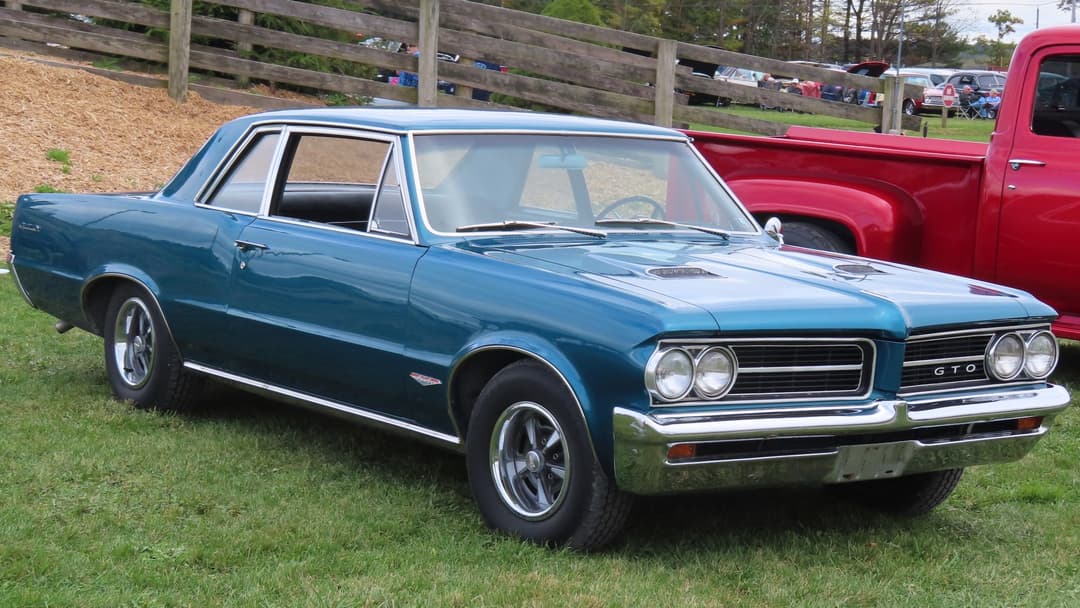
20 Iconic American Muscle Cars from the Golden Era of Detroit Iron
Based on automotive production figures and performance records from Detroit manufacturers, here are twenty iconic muscle cars from the golden era, ranked by historical impact. Between 1964 and 1974, American automakers dropped massive big-block engines into intermediate family coupes to conquer Saturday night drag strips nationwide.
By Most Viral Today
6 min ago

Detroit Big-Block Power Defined The Golden Era Of American Muscle Cars 
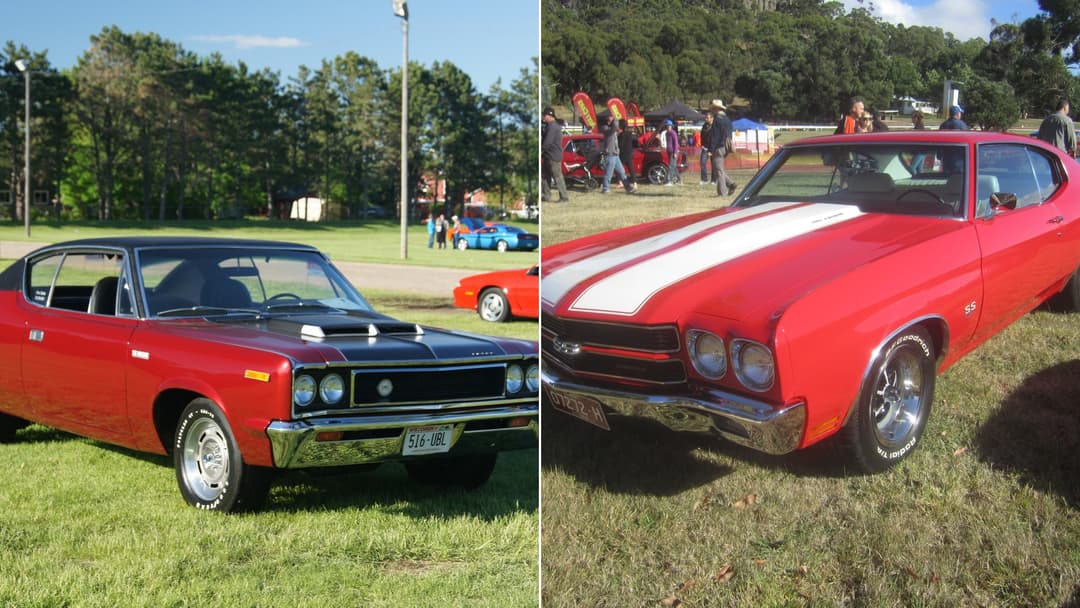
20. 1970 AMC Rebel The Machine 
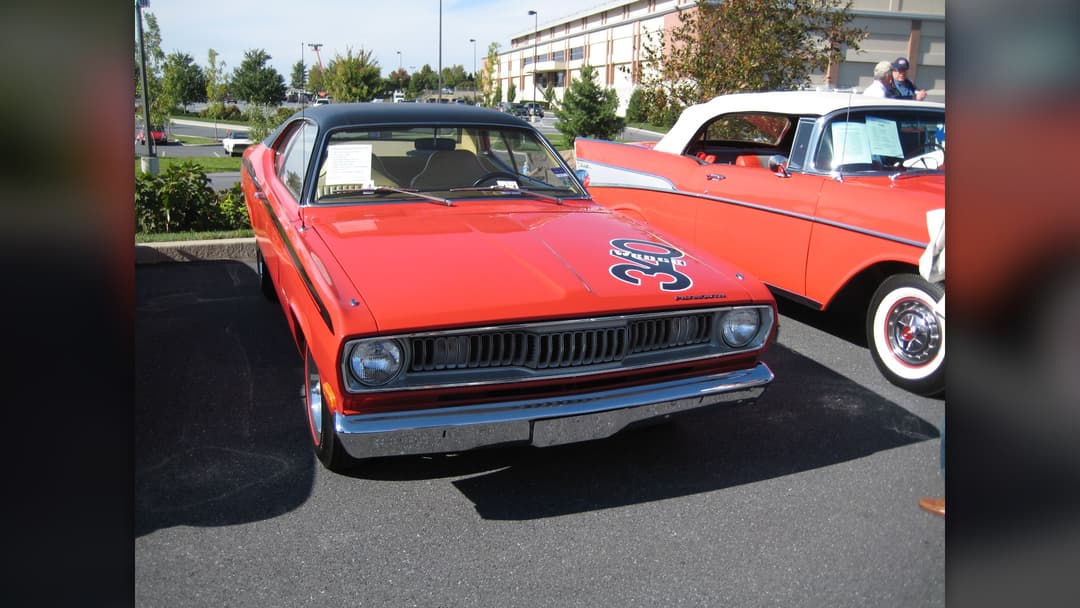
19. 1971 Plymouth Duster 340 
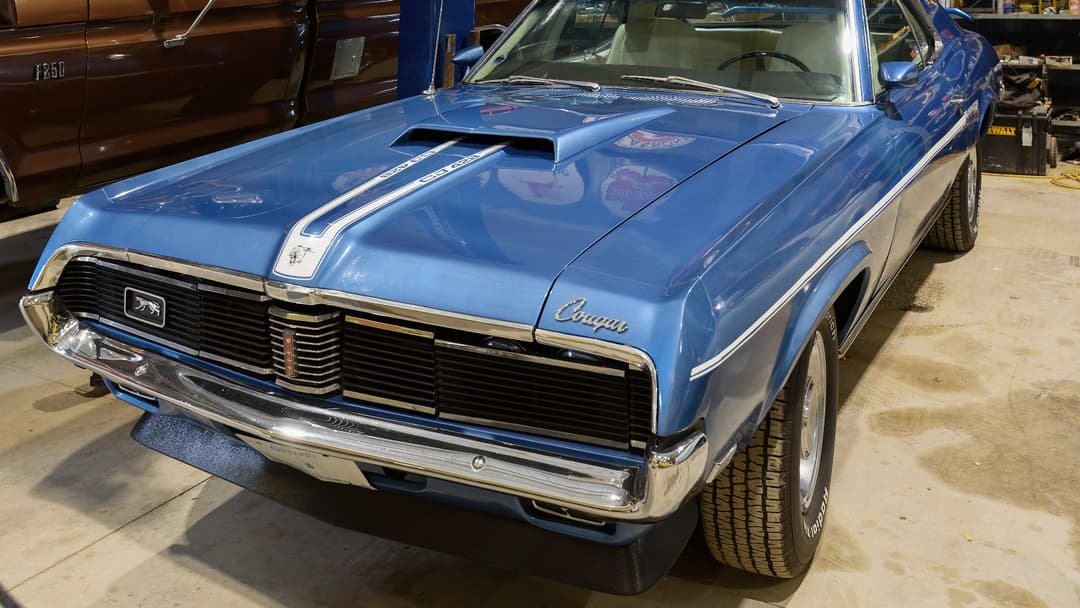
18. 1969 Mercury Cougar Eliminator - AdvertisementSwipe or tap ▶ to continue countdown

17. 1968 Dodge Dart GTS 
16. 1969 AMC AMX 
15. 1970 Ford Torino Cobra 
14. 1968 Plymouth Road Runner - AdvertisementSwipe or tap ▶ to continue countdown

13. 1973 Pontiac Firebird Trans Am SD-455 
12. 1970 Oldsmobile 442 W-30 
11. 1970 Buick GSX Stage 1 
10. 1970 Dodge Challenger R/T - AdvertisementSwipe or tap ▶ to continue countdown

9. 1969 Chevrolet Camaro Z/28 
8. 1970 Plymouth Superbird 
7. 1967 Shelby GT500 
6. 1969 Dodge Charger Daytona - AdvertisementSwipe or tap ▶ to continue countdown

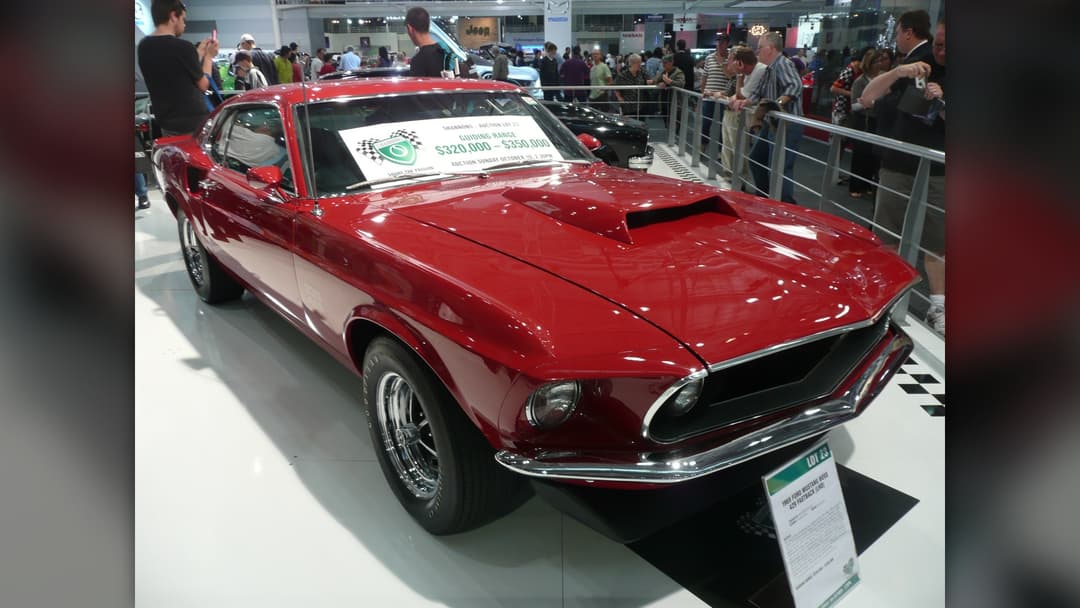
5. 1969 Ford Mustang Boss 429 
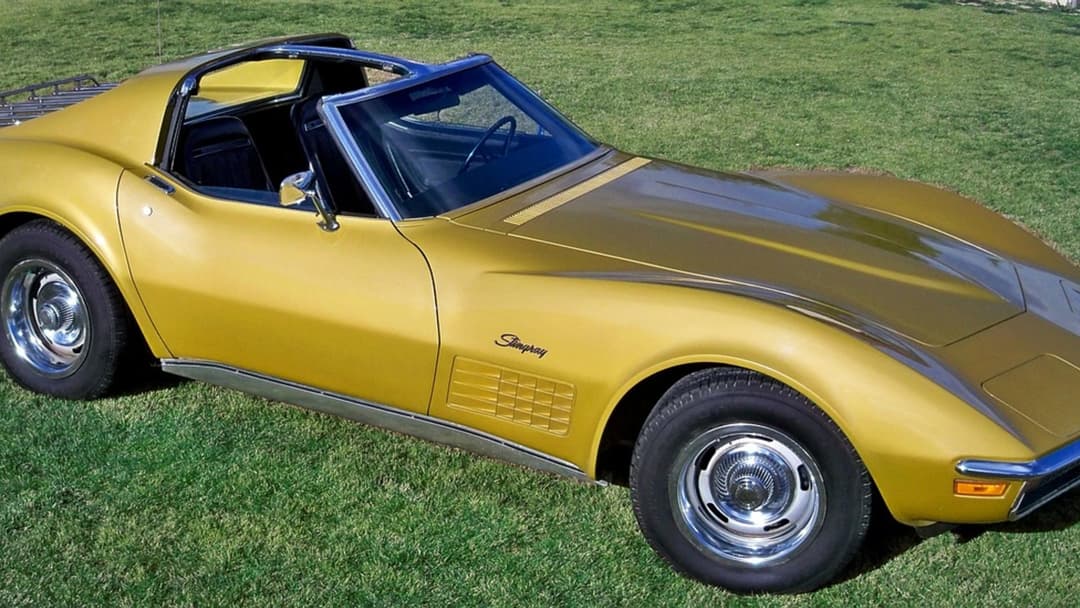
4. 1967 Chevrolet Corvette Stingray 427 L88 
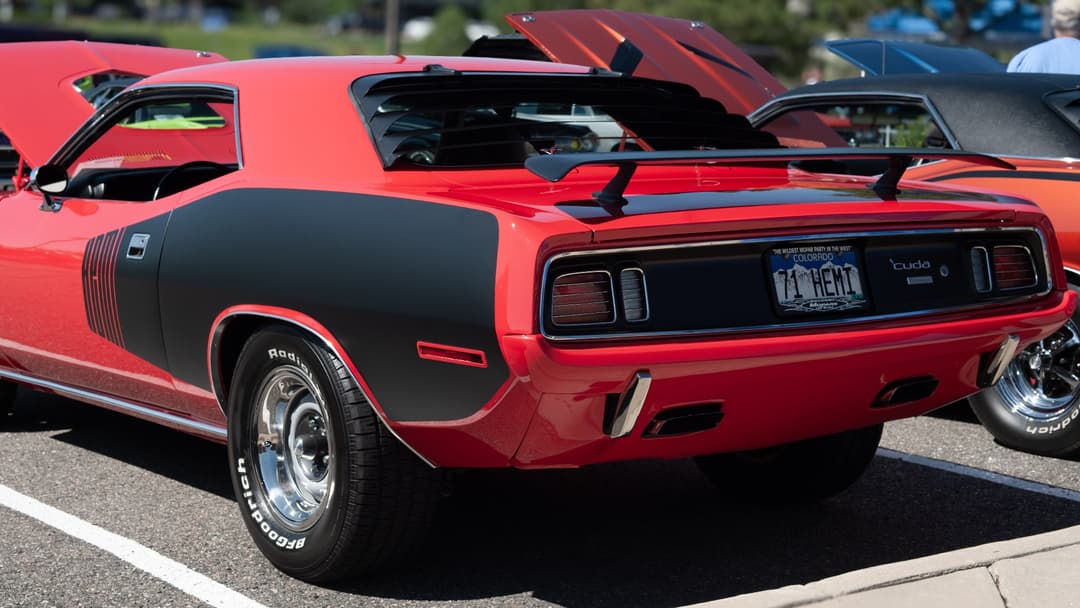
3. 1971 Plymouth Hemi 'Cuda 
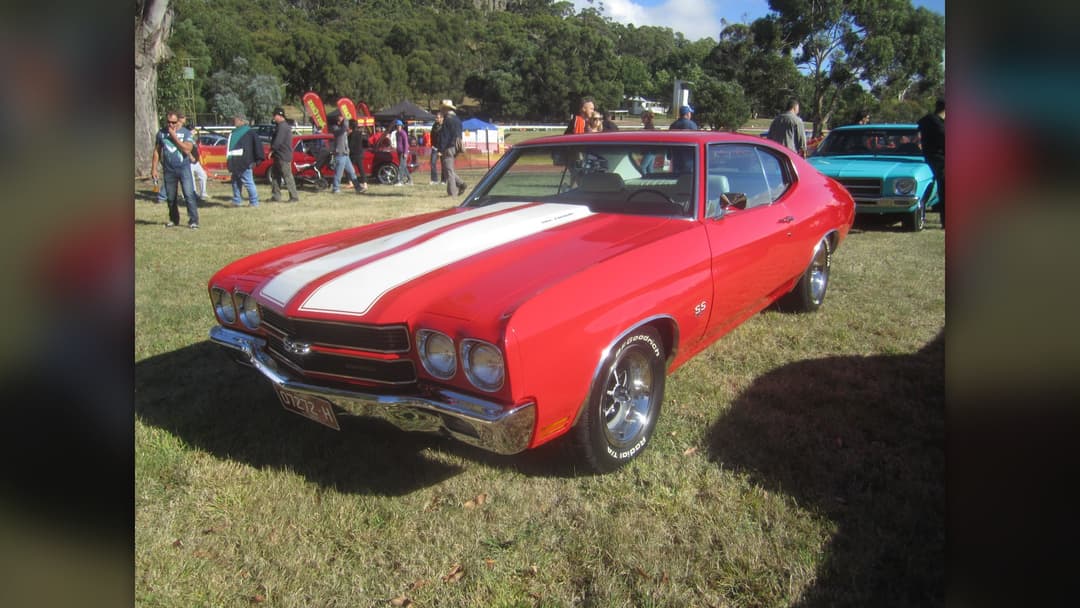
2. 1970 Chevrolet Chevelle SS 454 LS6 - AdvertisementSwipe or tap ▶ to continue countdown

1. 1964 Pontiac GTO - Advertisement🔥 UP NEXT IN THIS SERIES◫ 26 Slides

25 Most Groundbreaking Milestones Across America
Across every corner of the nation, specific achievements have carved out the unique identity of America. Ranked by their historical impact and cultural resonance, here are 25 groundbreaking milestones that changed the trajectory of the country forever.
Between 1964 and 1974, American automakers dropped massive big-block engines into intermediate family coupes to conquer Saturday night drag strips nationwide. Manufacturer records document an unmatched era of raw speed.
Swipe or tap ▶ to begin the countdown
©Wikimedia / Greg Gjerdingen & Wikimedia / Sicnag
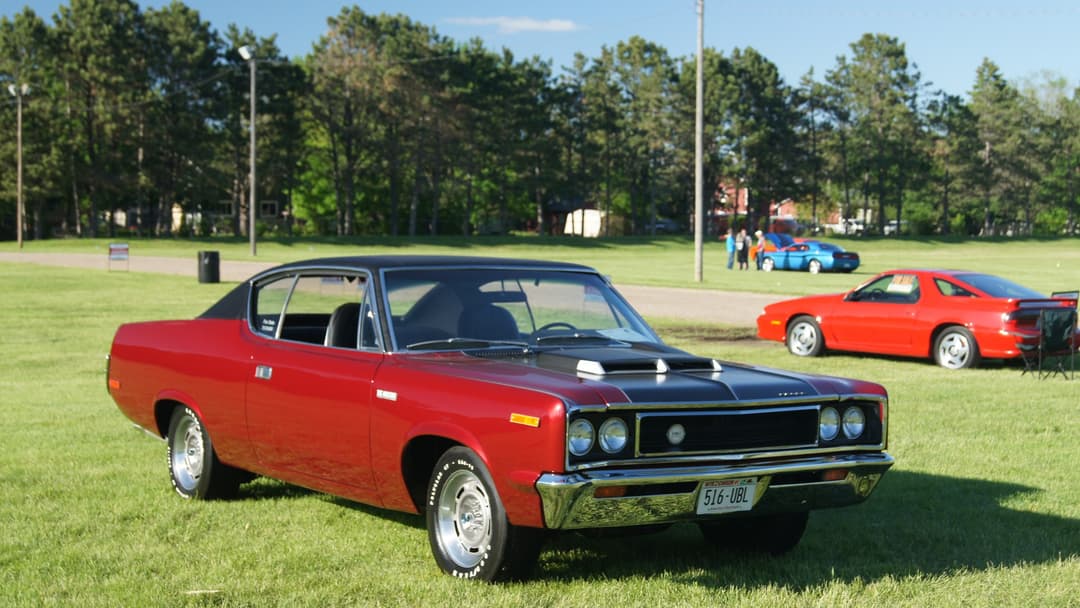
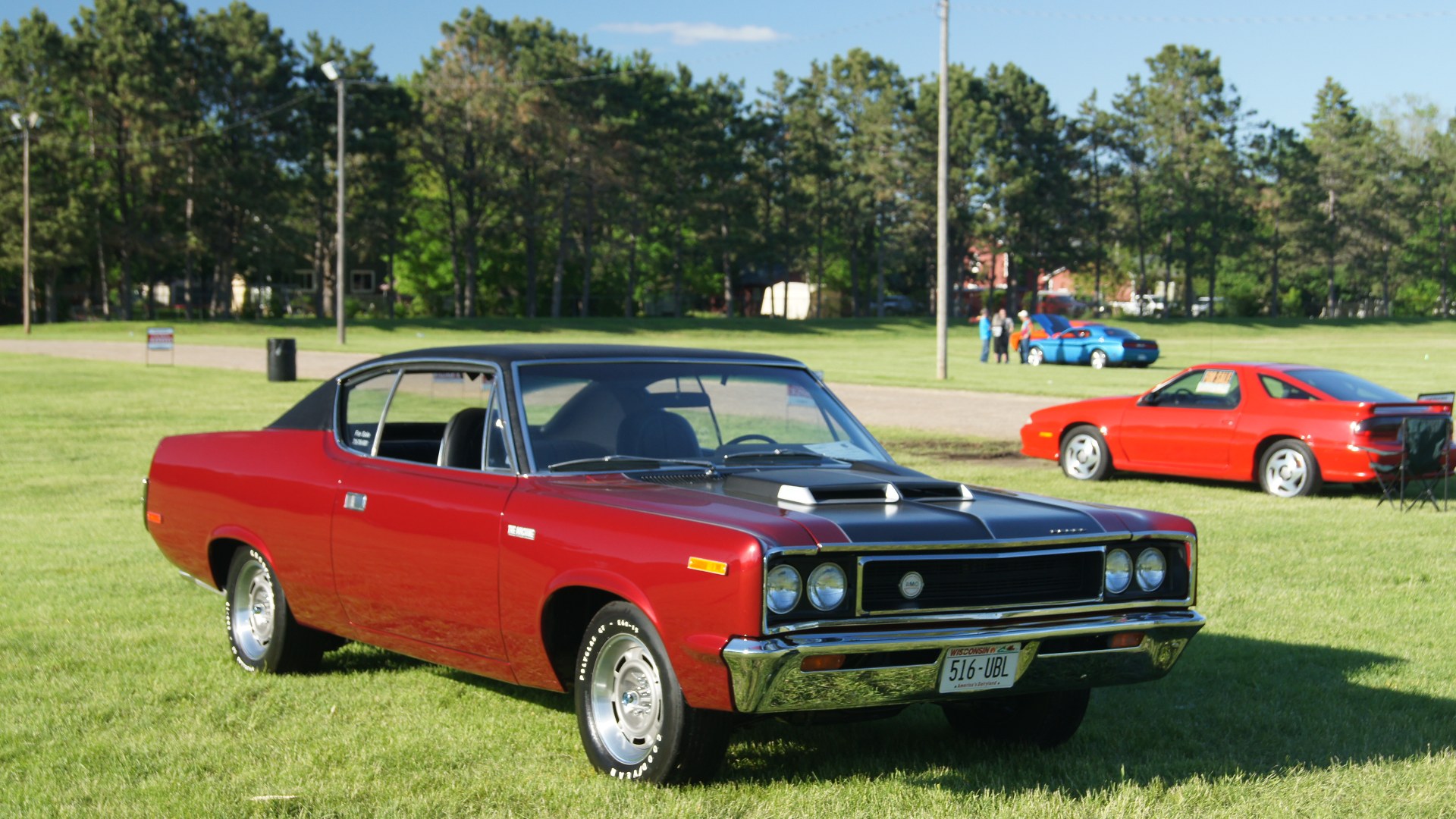
20. 1970 AMC Rebel The Machine
AMC entered the street wars. Painted in patriotic red, white, and blue, The Machine delivered three hundred forty horsepower and featured a prominent functional tachometer mounted directly atop the hood. American Motors built fewer than twenty-five hundred units.
©Wikimedia / Greg Gjerdingen
19. 1971 Plymouth Duster 340
The lightweight Duster surprised competitors. Engineers dropped a high-revving 340 small-block into a budget-friendly compact chassis, creating a nimble quarter-mile killer that routinely outran heavier big-block machines. Dual exhausts gave the coupe a distinctive rasp.
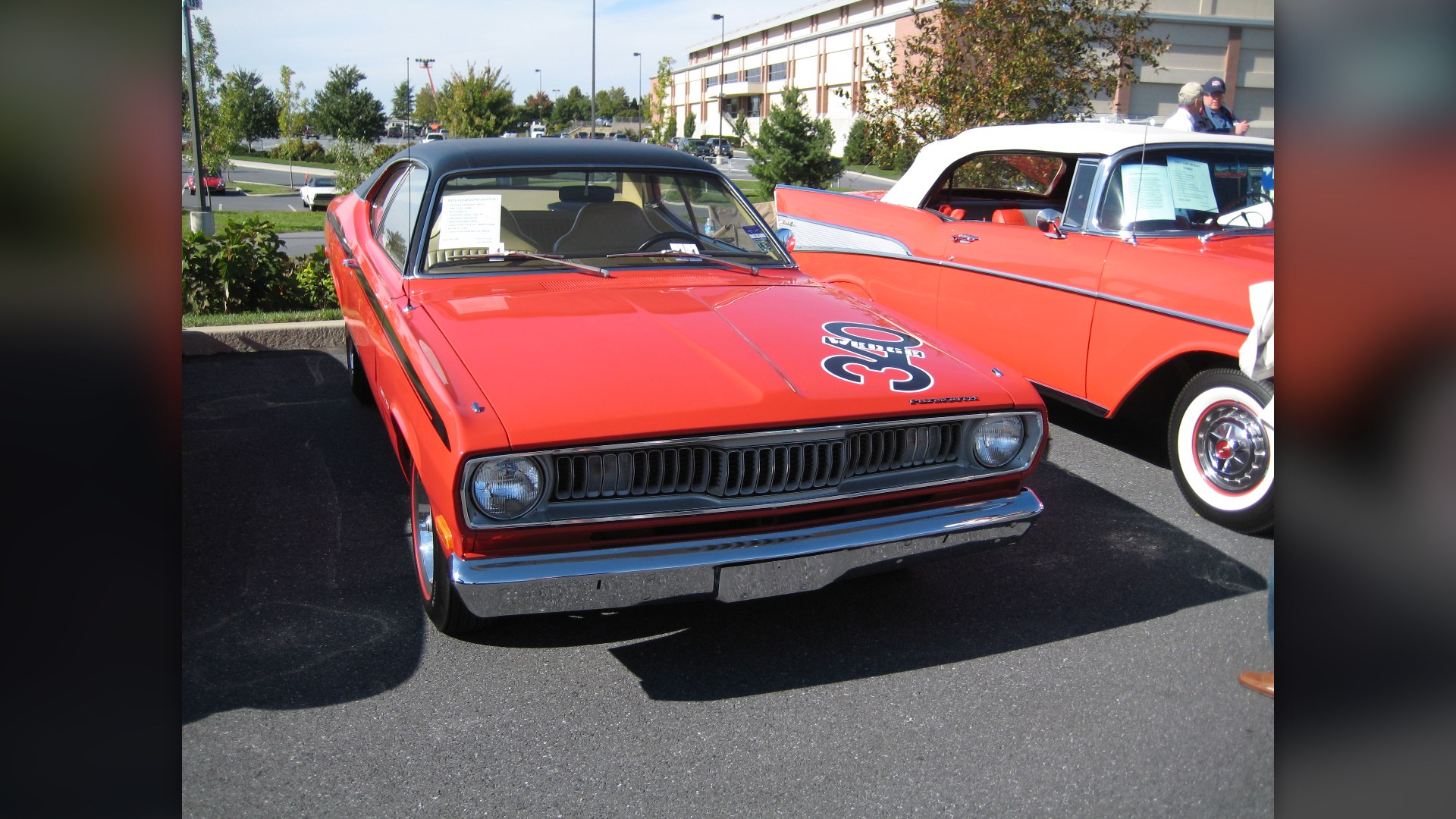
©Wikimedia / JOHN LLOYD
18. 1969 Mercury Cougar Eliminator
Mercury combined muscle with luxury. Equipped with a solid-lifter Boss 302 or thundering 428 Cobra Jet, the Eliminator featured wild graphics, a blackout grille, and an aerodynamic pedestal rear wing. The model gave Mercury authentic dragstrip credibility.
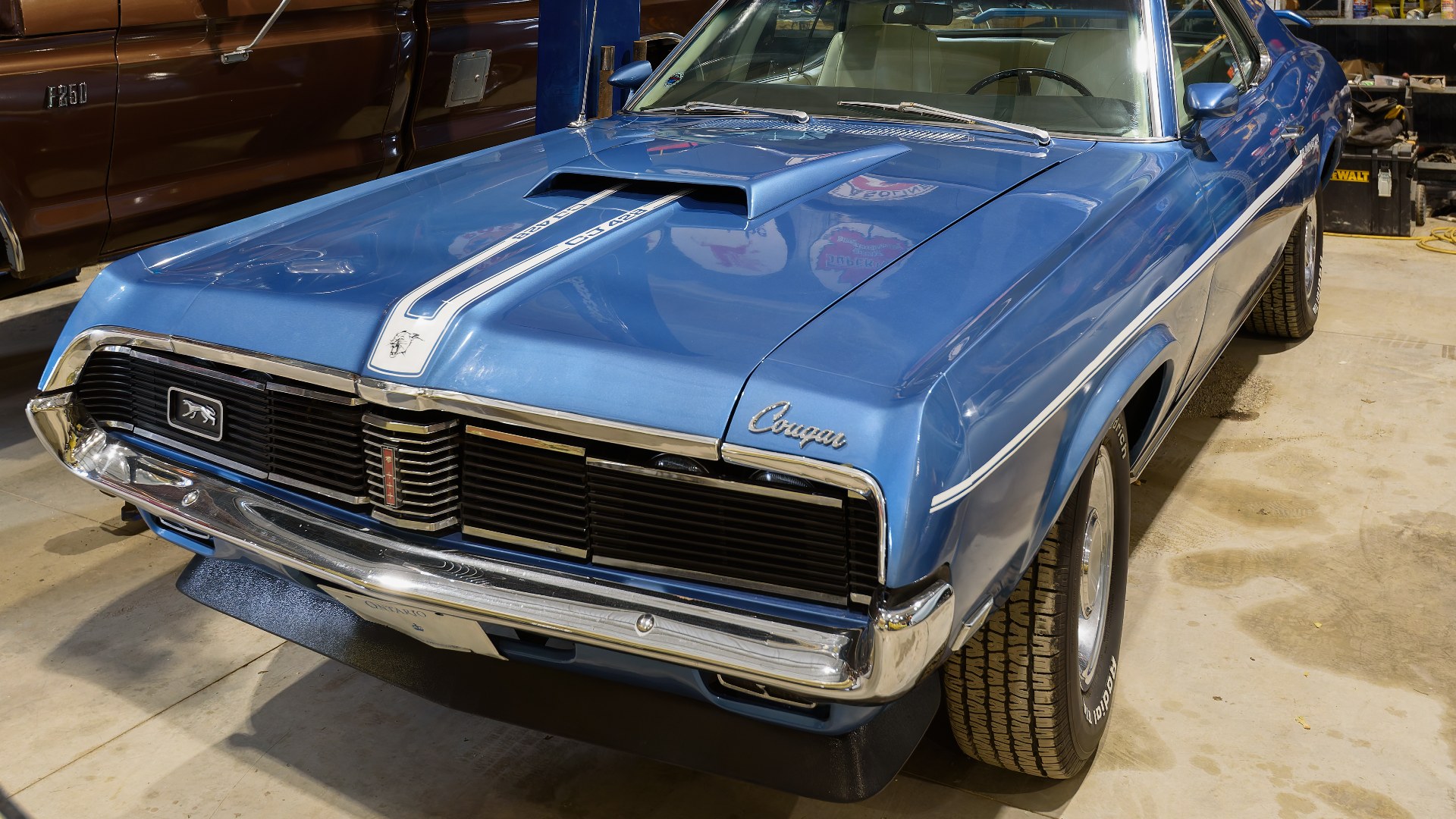
©Wikimedia / Mustang Joe
Advertisement
Swipe or tap ▶ to resume the countdown.
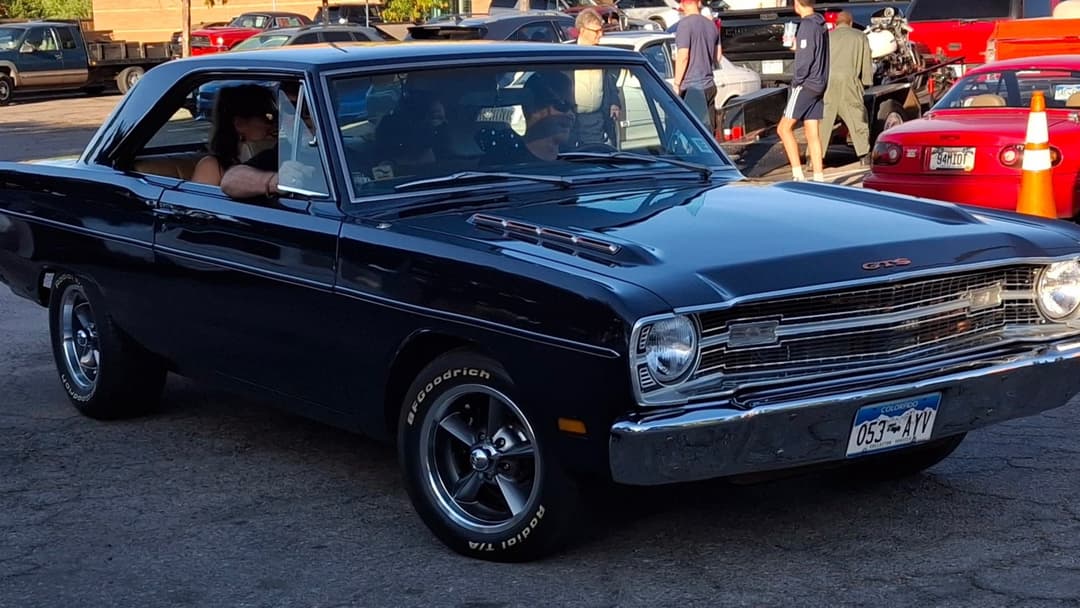
17. 1968 Dodge Dart GTS
Dart packed unexpected fury. Dodge squeezed its potent 383 Magnum four-barrel into the lightweight A-body engine bay, turning an unassuming grocery-getter into an explosive straight-line drag racer. Fierce torque required reinforced rear leaf springs.
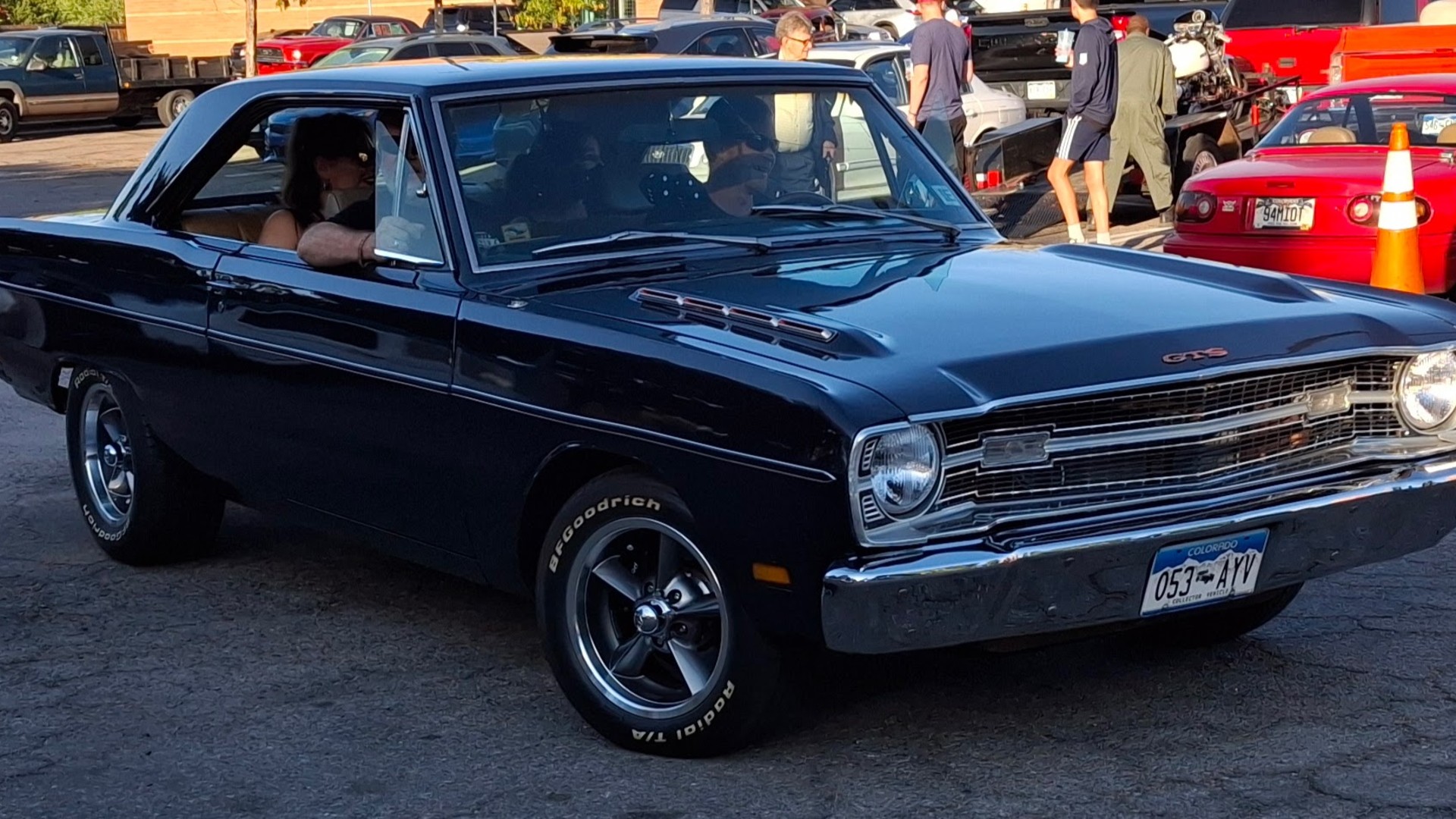
©Wikimedia / Xnatedawgx
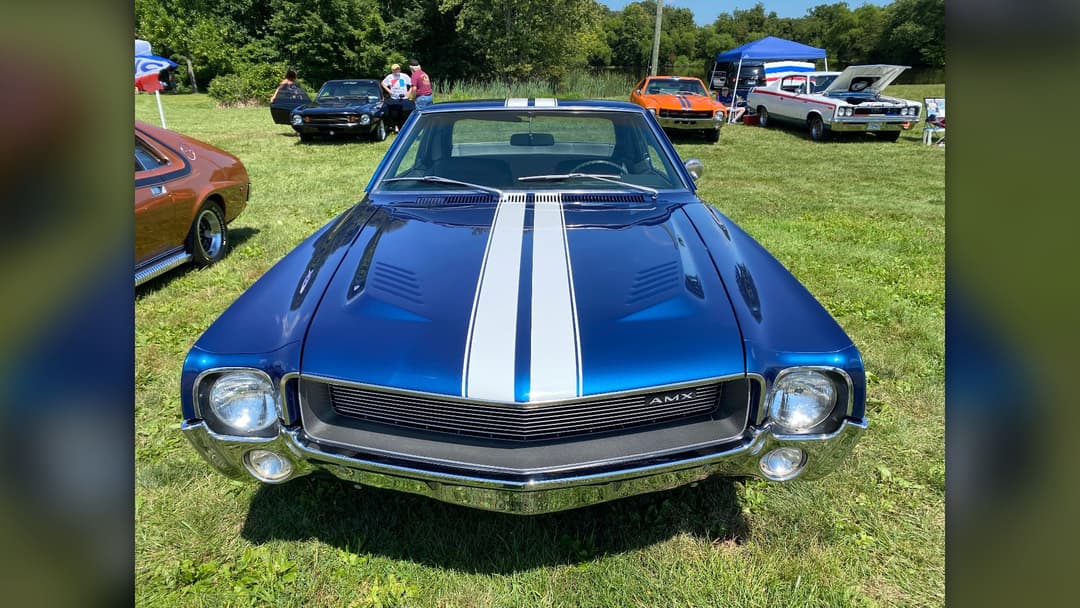
16. 1969 AMC AMX
The AMX defied traditional rules. With only two seats and a trimmed ninety-seven-inch wheelbase, this short-wheelbase flyer used a 390 V8 to set over one hundred national speed records. Purists hailed its exceptional handling balance.
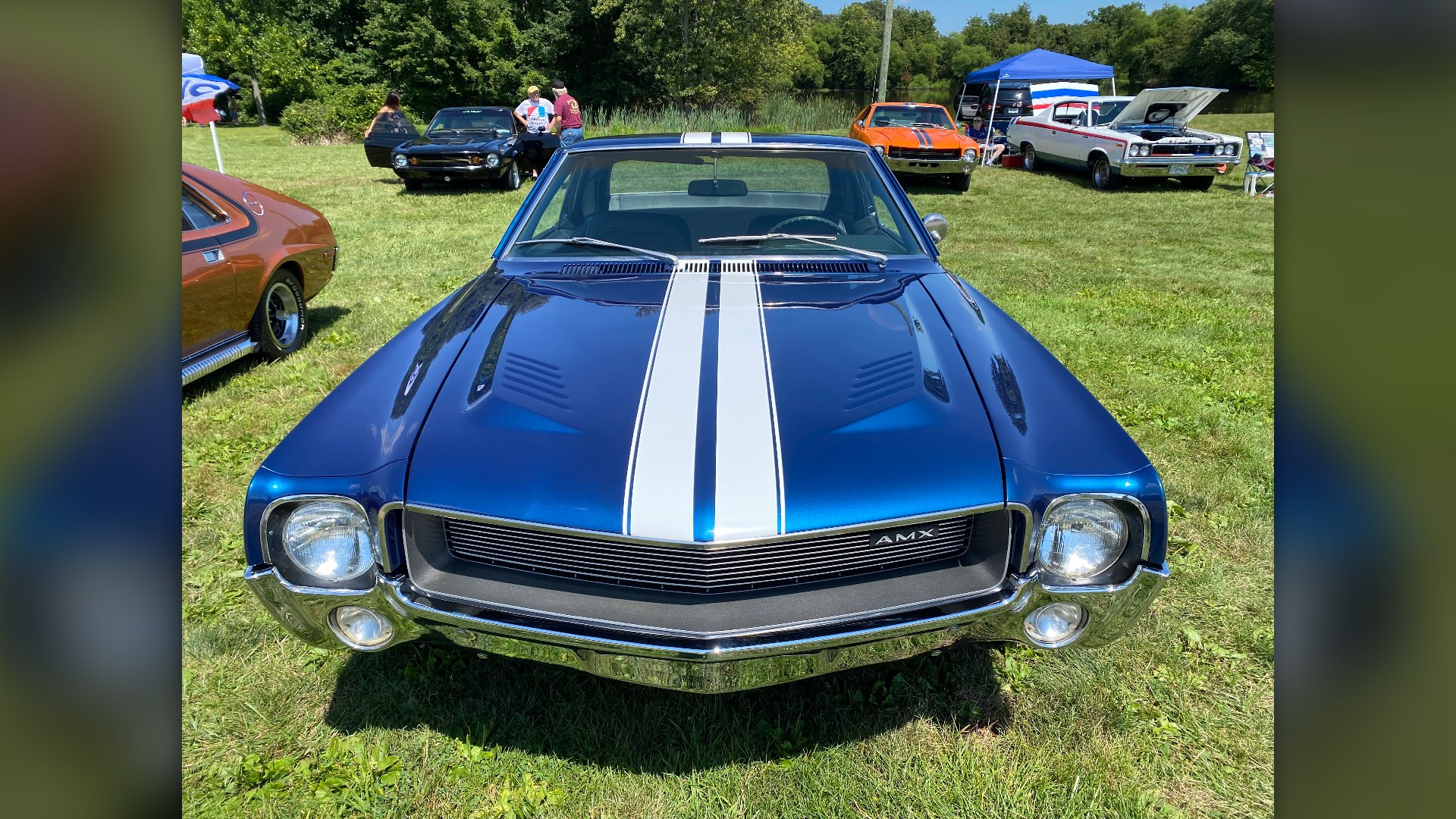
©Wikimedia / Christopher Ziemnowicz
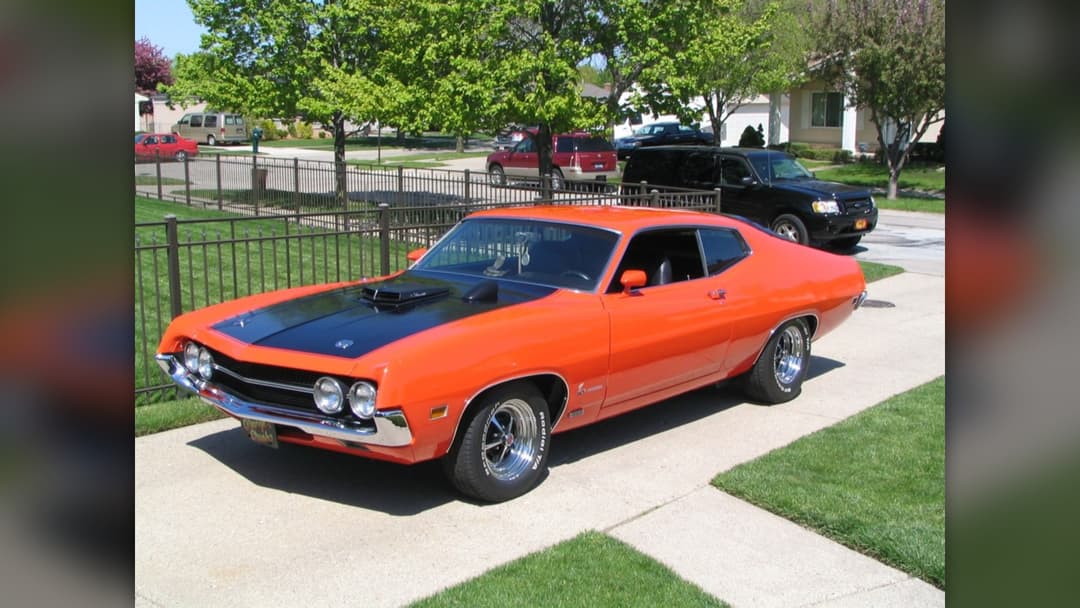
15. 1970 Ford Torino Cobra
Ford unleashed the Cobra fastback. Featuring a Shaker hood scoop and a drag-pack rear locker, the Torino Cobra pumped out three hundred seventy-five horsepower from its massive 429 powerplant. Sleek rooflines helped Ford dominate NASCAR speedways.
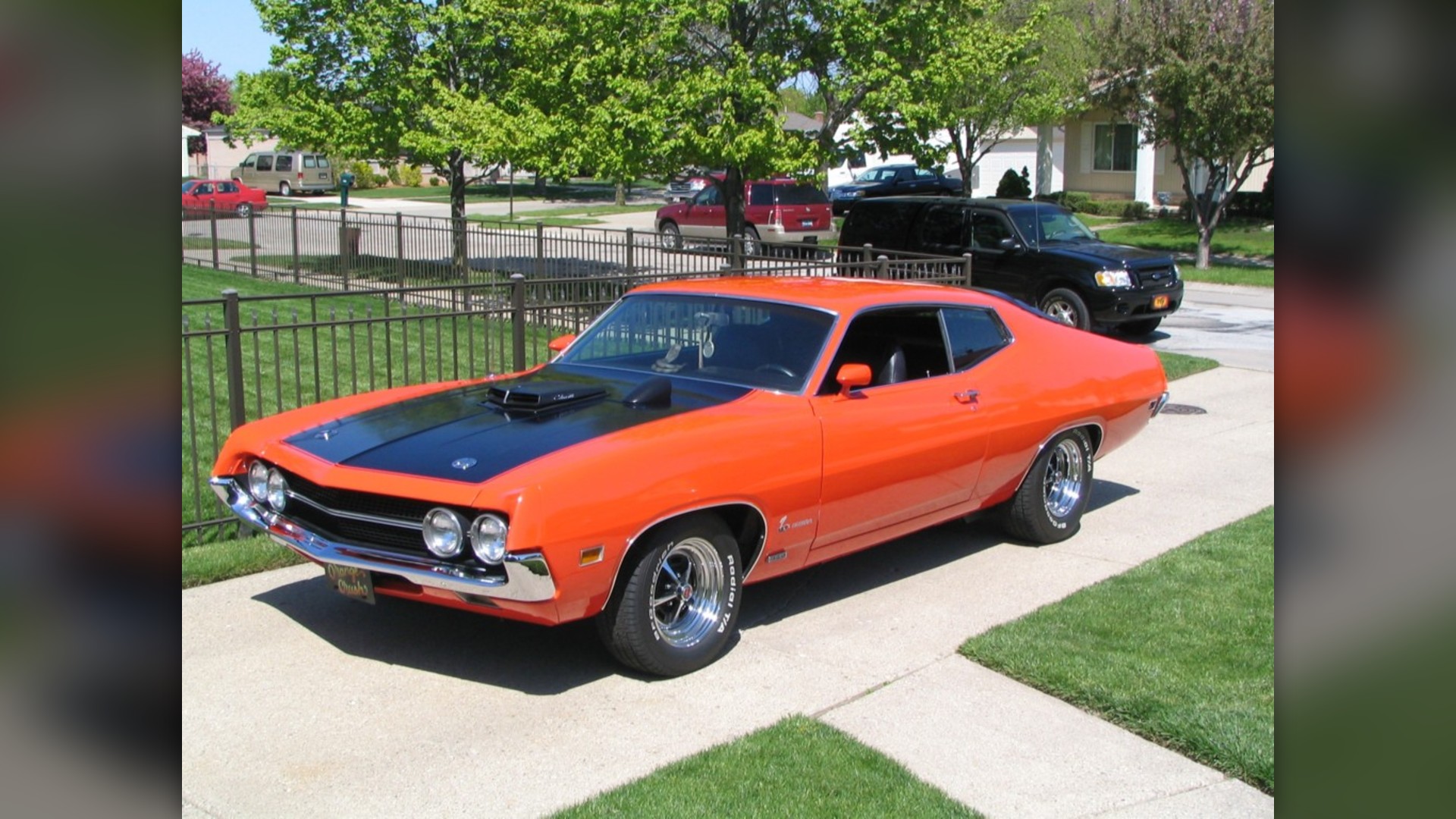
©Wikimedia / Caprice 96 at English Wikipedia
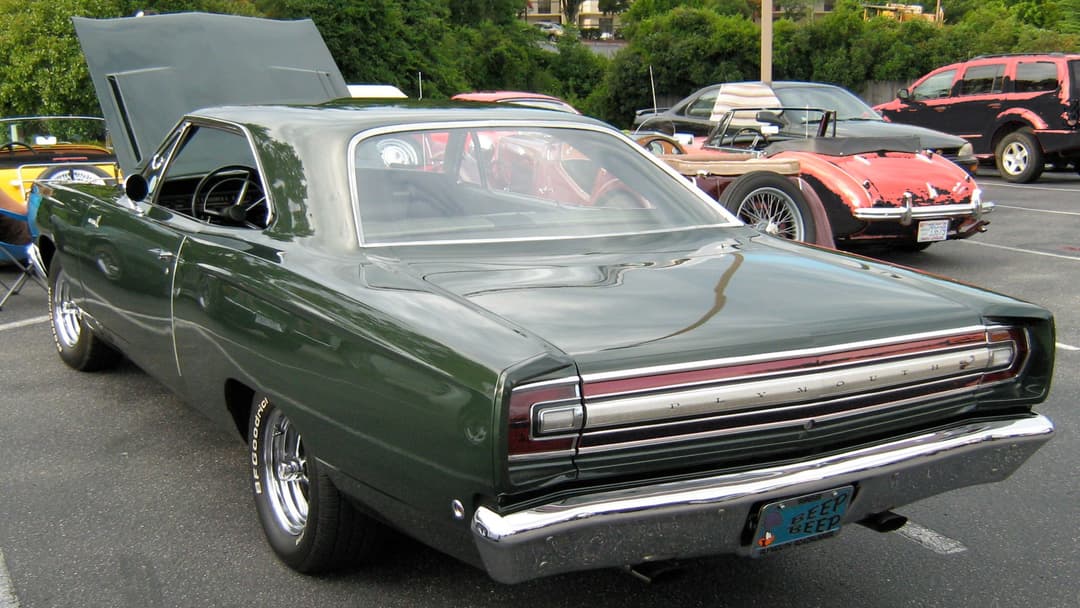
14. 1968 Plymouth Road Runner
Road Runner brought affordable speed. Plymouth paid fifty thousand dollars to license the cartoon character and developed an unmistakable beep-beep horn for this bare-bones rubber-mat street machine. Budget drag racers flocked to showrooms nationwide.
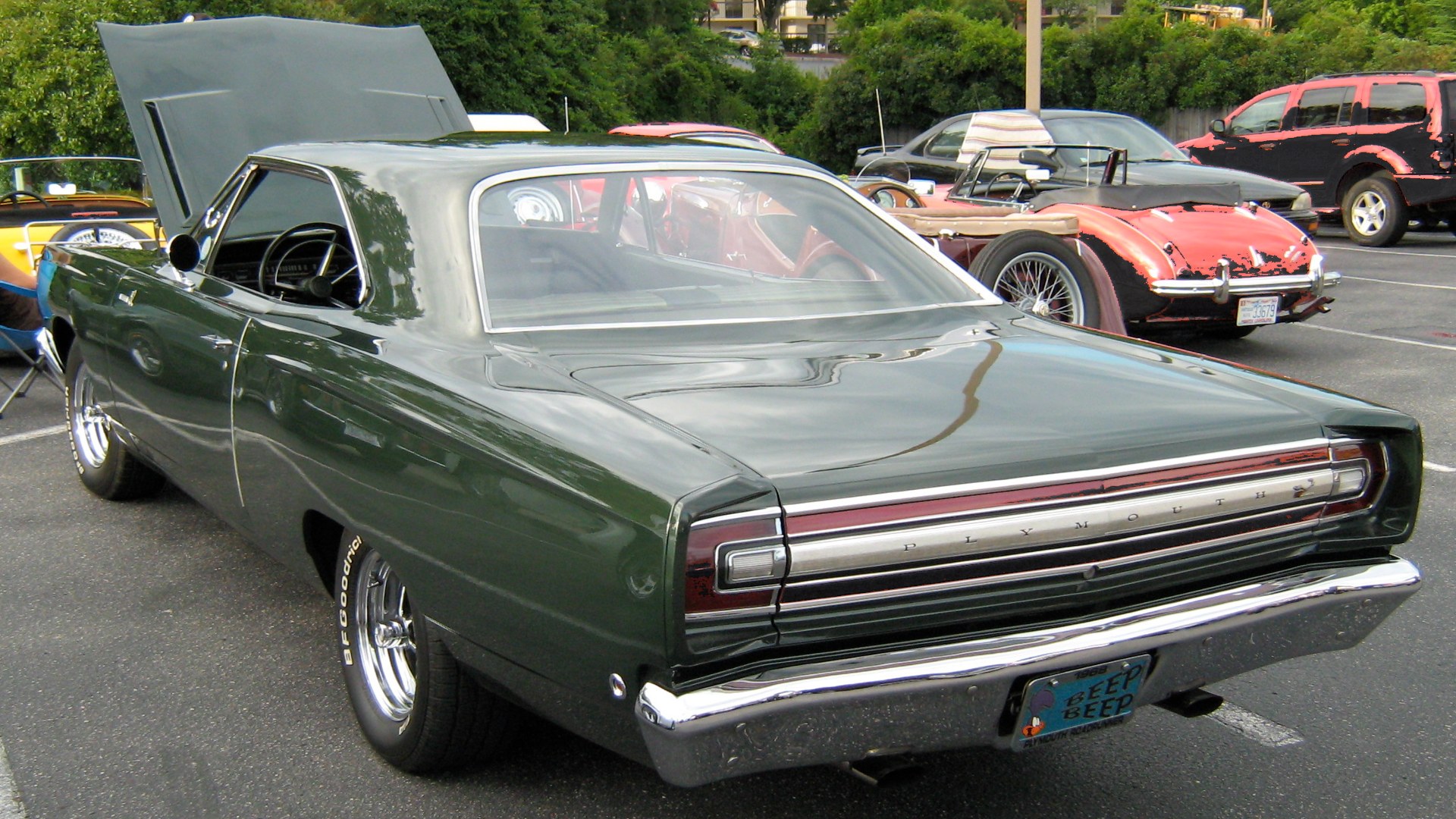
©Wikimedia / Christopher Ziemnowicz
Advertisement
Swipe or tap ▶ to resume the countdown.
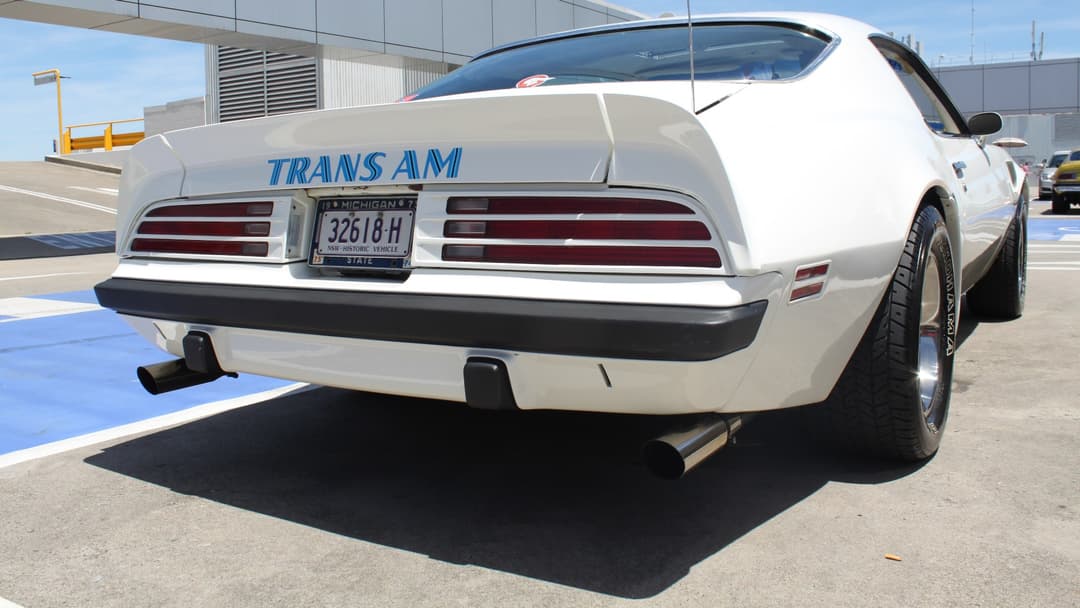
13. 1973 Pontiac Firebird Trans Am SD-455
Pontiac defied changing regulations. While other brands slashed compression ratios, Pontiac engineers quietly developed the race-ready Super Duty 455 with four-bolt mains and forged connecting rods. The hood bird decal became an instant icon.
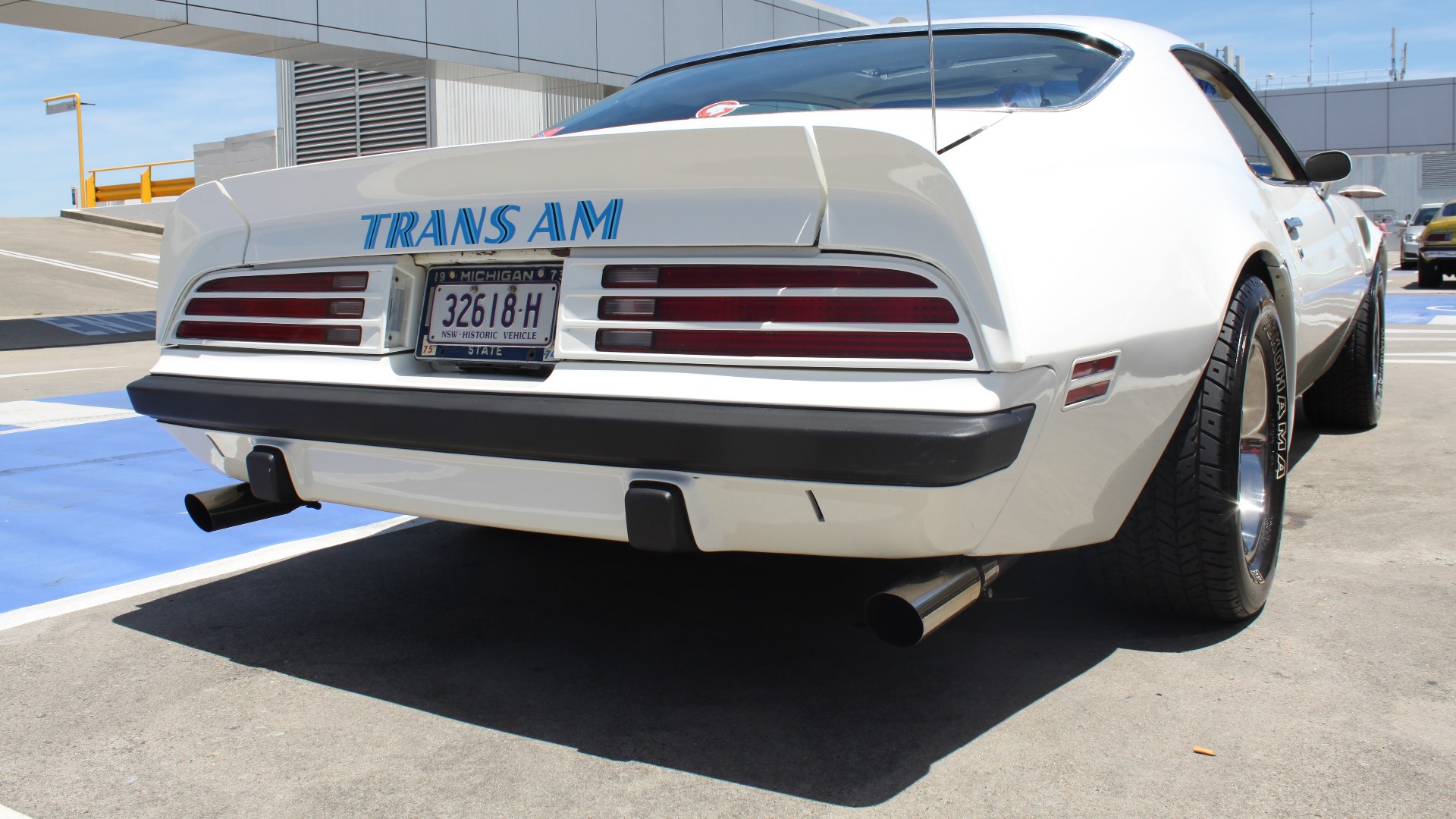
©Wikimedia / Jeremy from Sydney
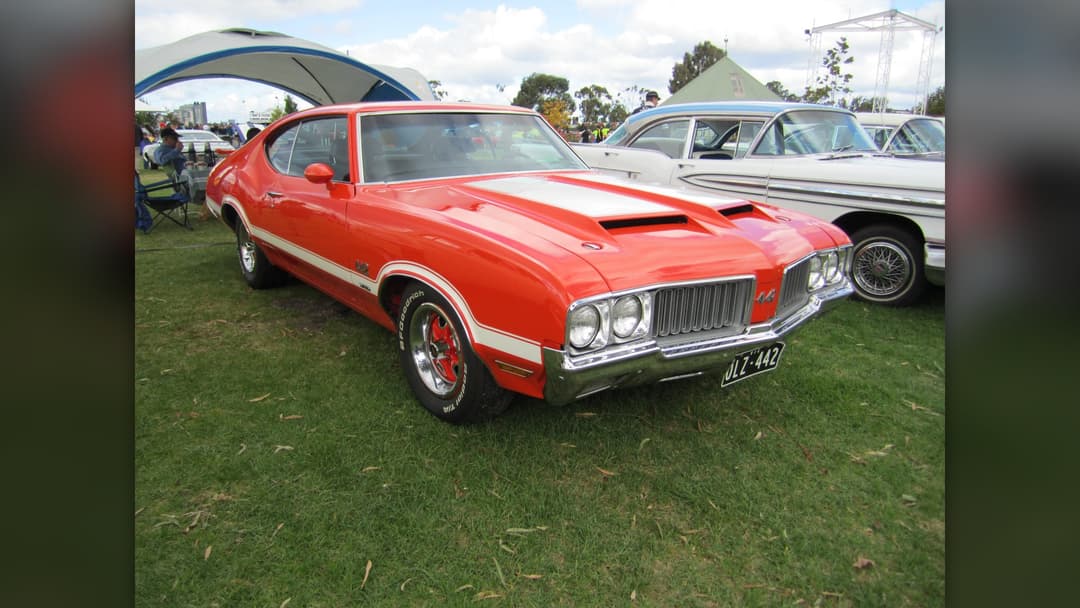
12. 1970 Oldsmobile 442 W-30
Oldsmobile delivered crushing torque. The W-30 performance package added lightweight fiberglass hood scoops, plastic front inner fenders, and an aggressively cammed four hundred fifty-five cubic-inch V8. Dual gate Hurst shifters provided effortless manual control.
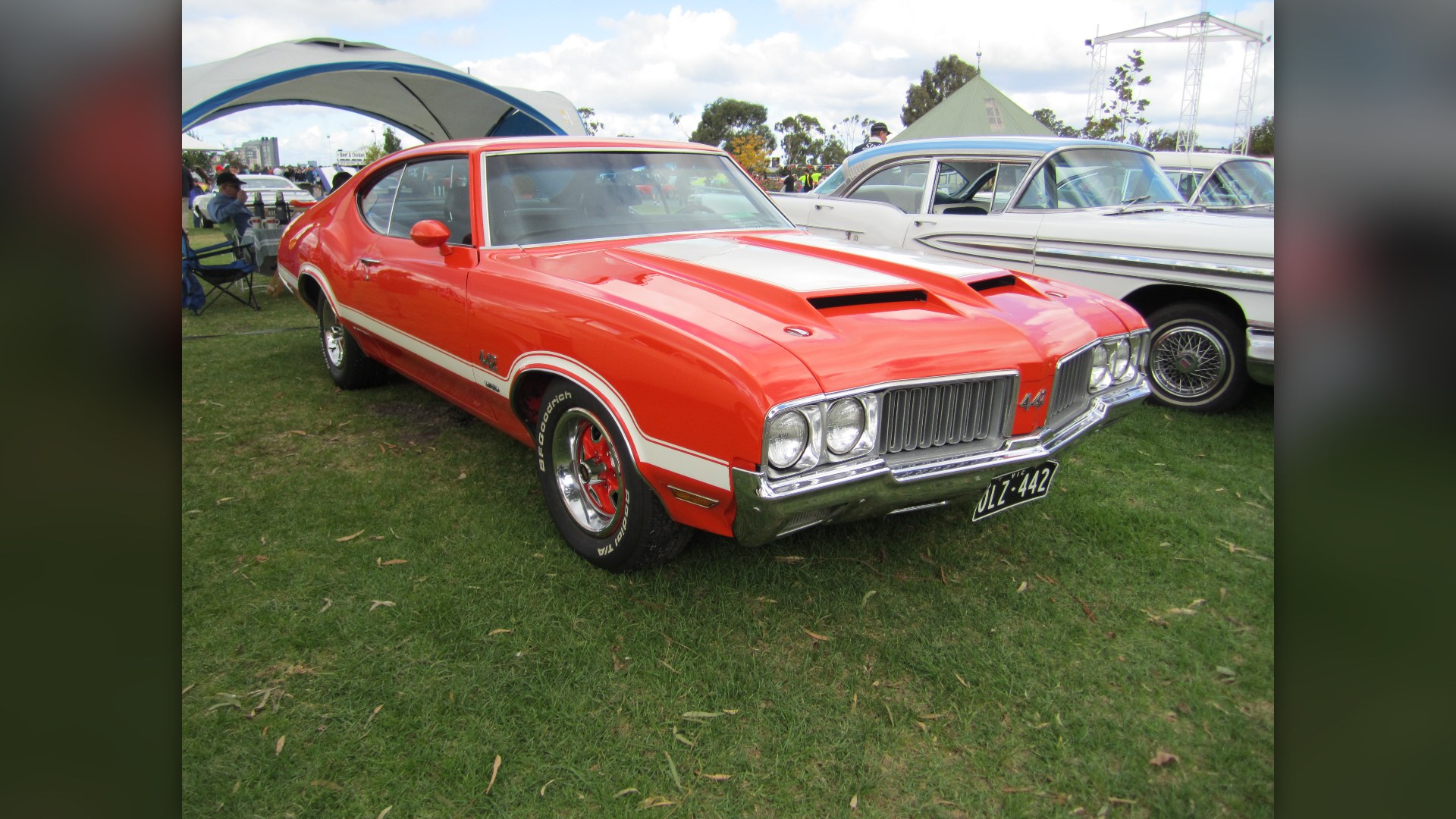
©Wikimedia / Sicnag
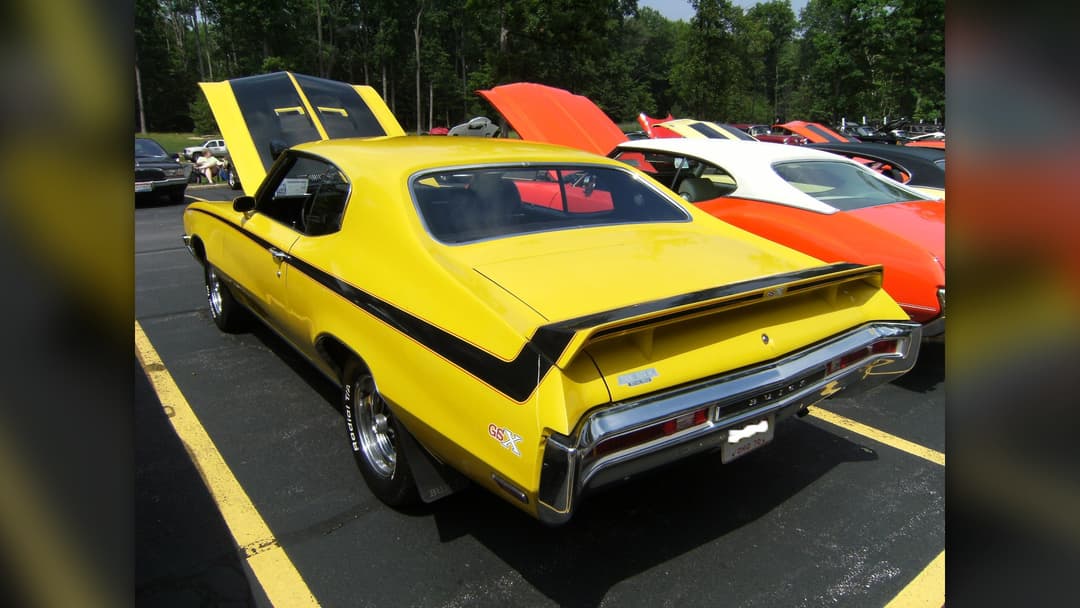
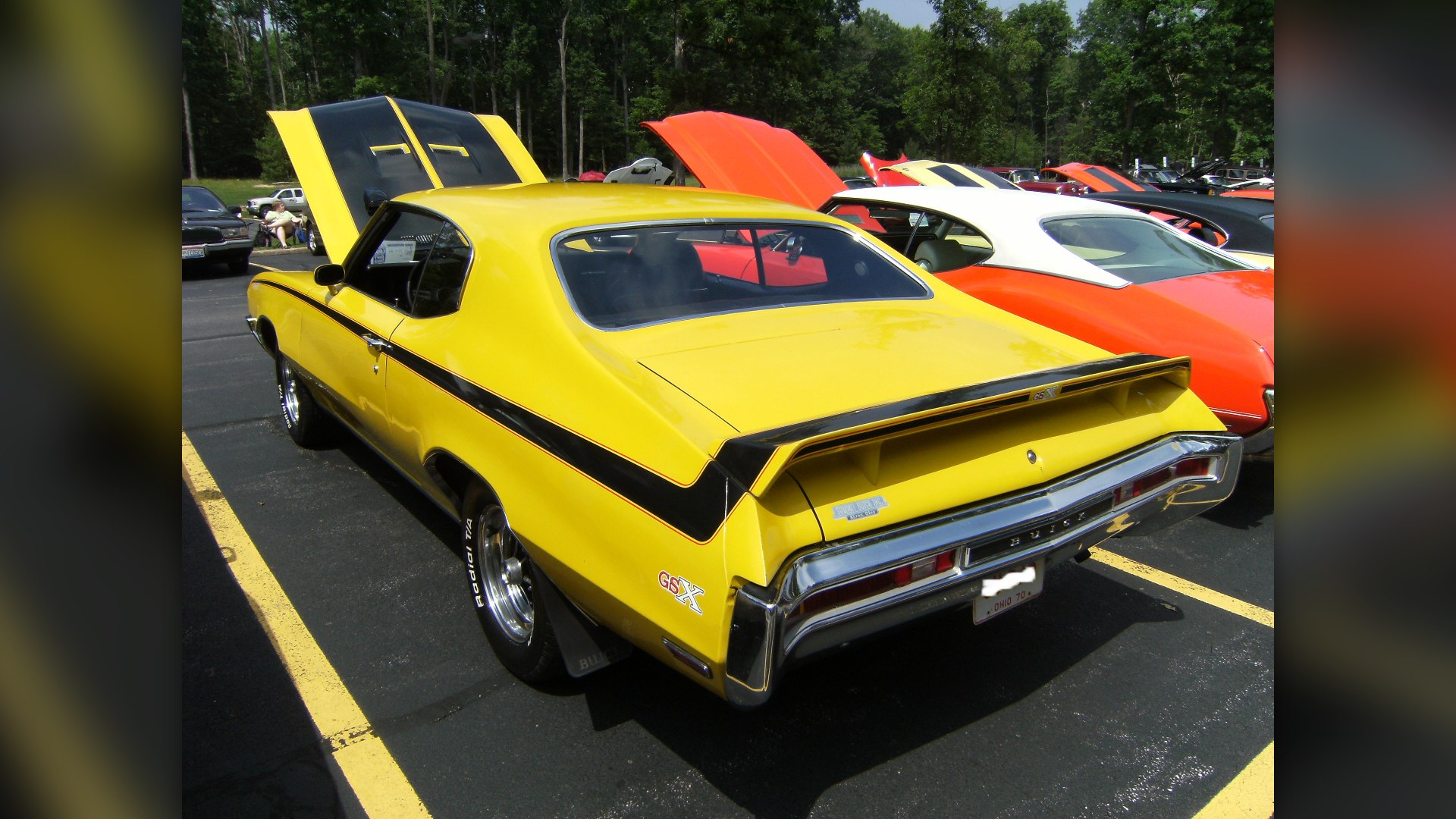
11. 1970 Buick GSX Stage 1
Buick surprised the entire industry. Finished in bright Saturn Yellow or Apollo White, the GSX Stage 1 produced five hundred ten pound-feet of torque, setting a domestic record that stood decades. Quarter-mile times matched the fiercest Hemi cars.
©Wikimedia / Mopar89
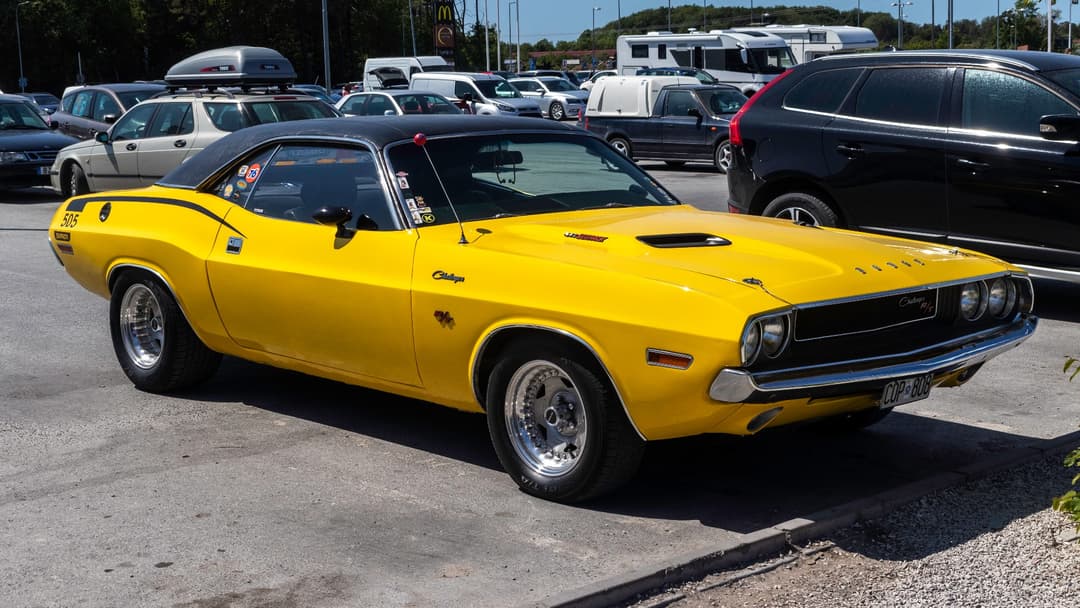
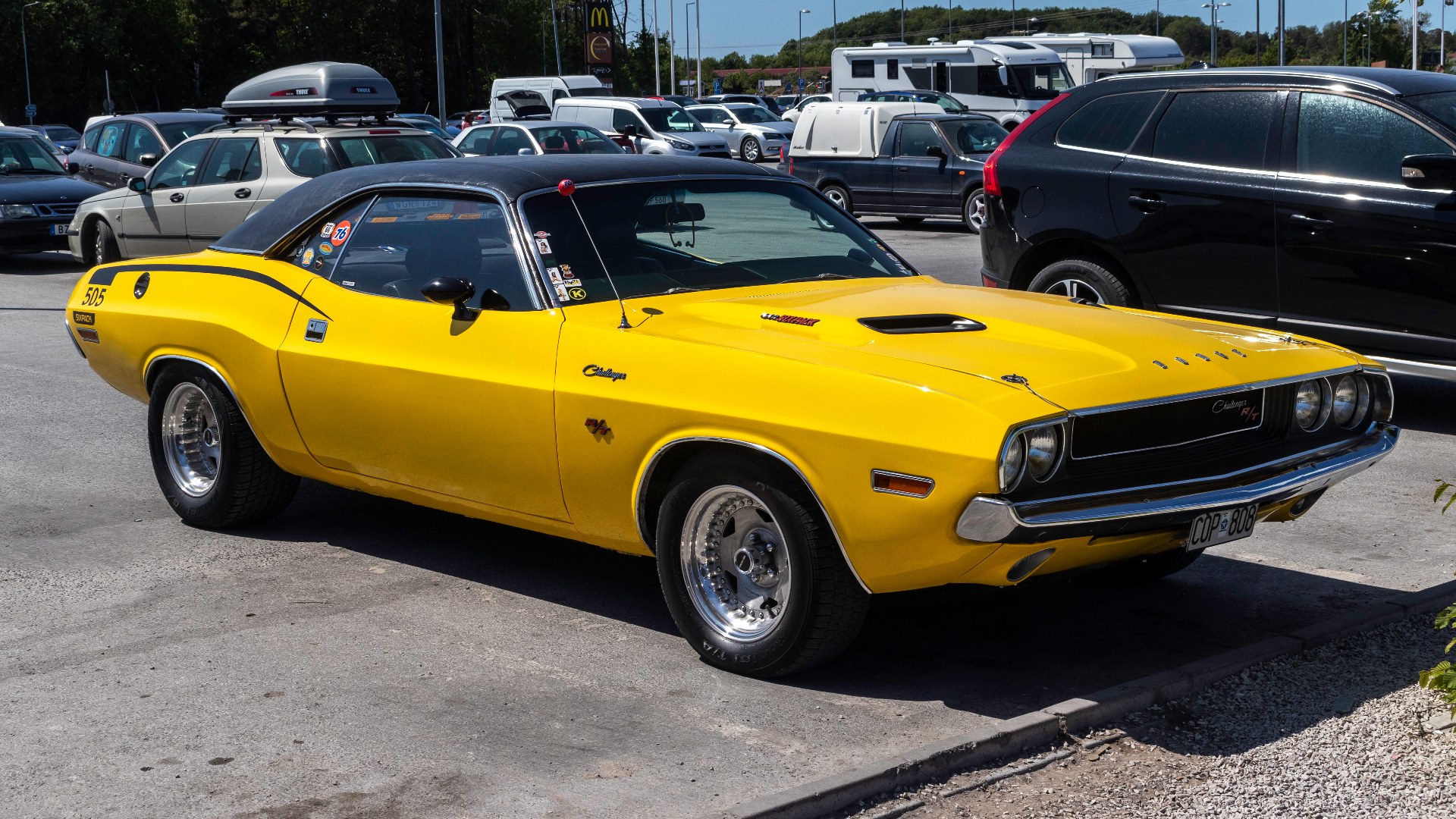
10. 1970 Dodge Challenger R/T
Challenger defined late-era swagger. Buyers chose between potent 440 Six-Packs and thundering 426 Hemis while rowing gears with Dodge's iconic wood-grained Hurst pistol-grip four-speed transmission. High-impact paint colors drew endless attention on boulevards.
©Wikimedia / Bene Riobó
Advertisement
Swipe or tap ▶ to resume the countdown.
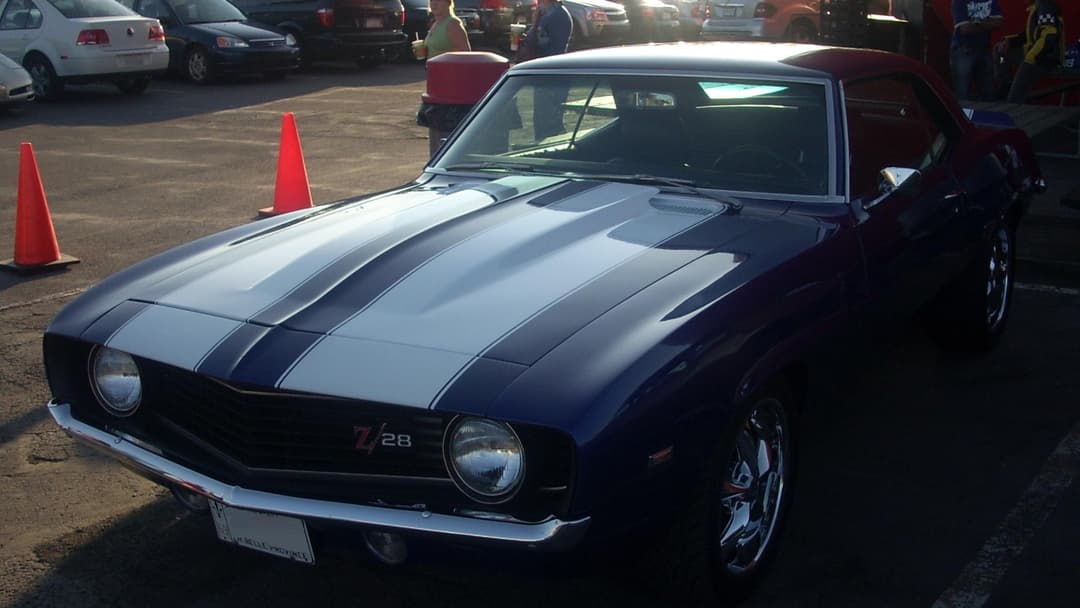
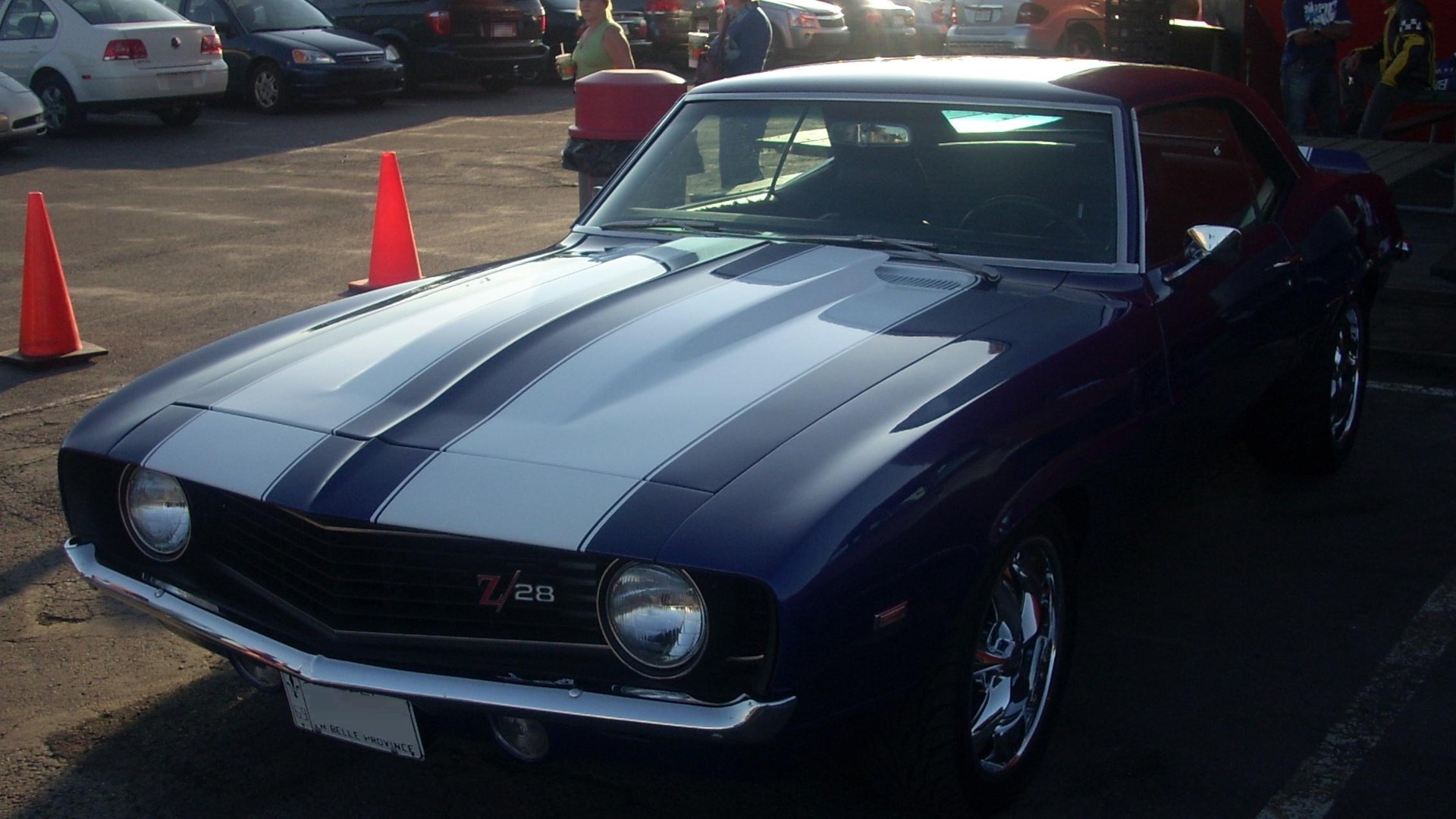
9. 1969 Chevrolet Camaro Z/28
The Z/28 dominated corners. Built specifically to meet SCCA Trans-Am racing rules, its solid-lifter 302 cubic-inch small-block revved past seven thousand RPM with extraordinary endurance. Twin cowl stripes became a signature performance trademark.
©Wikimedia / Bull-Doser
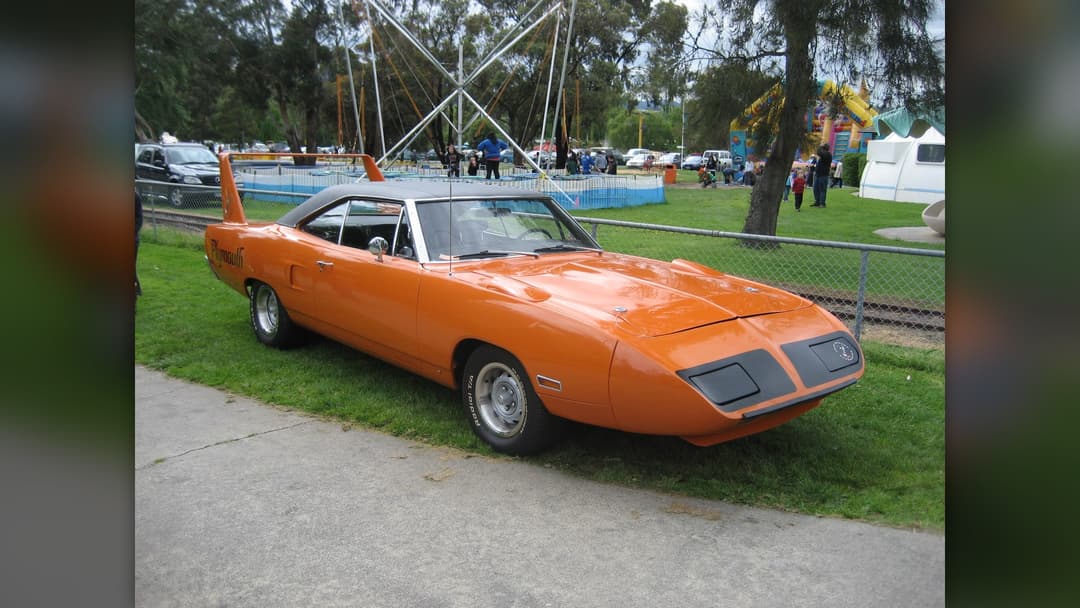
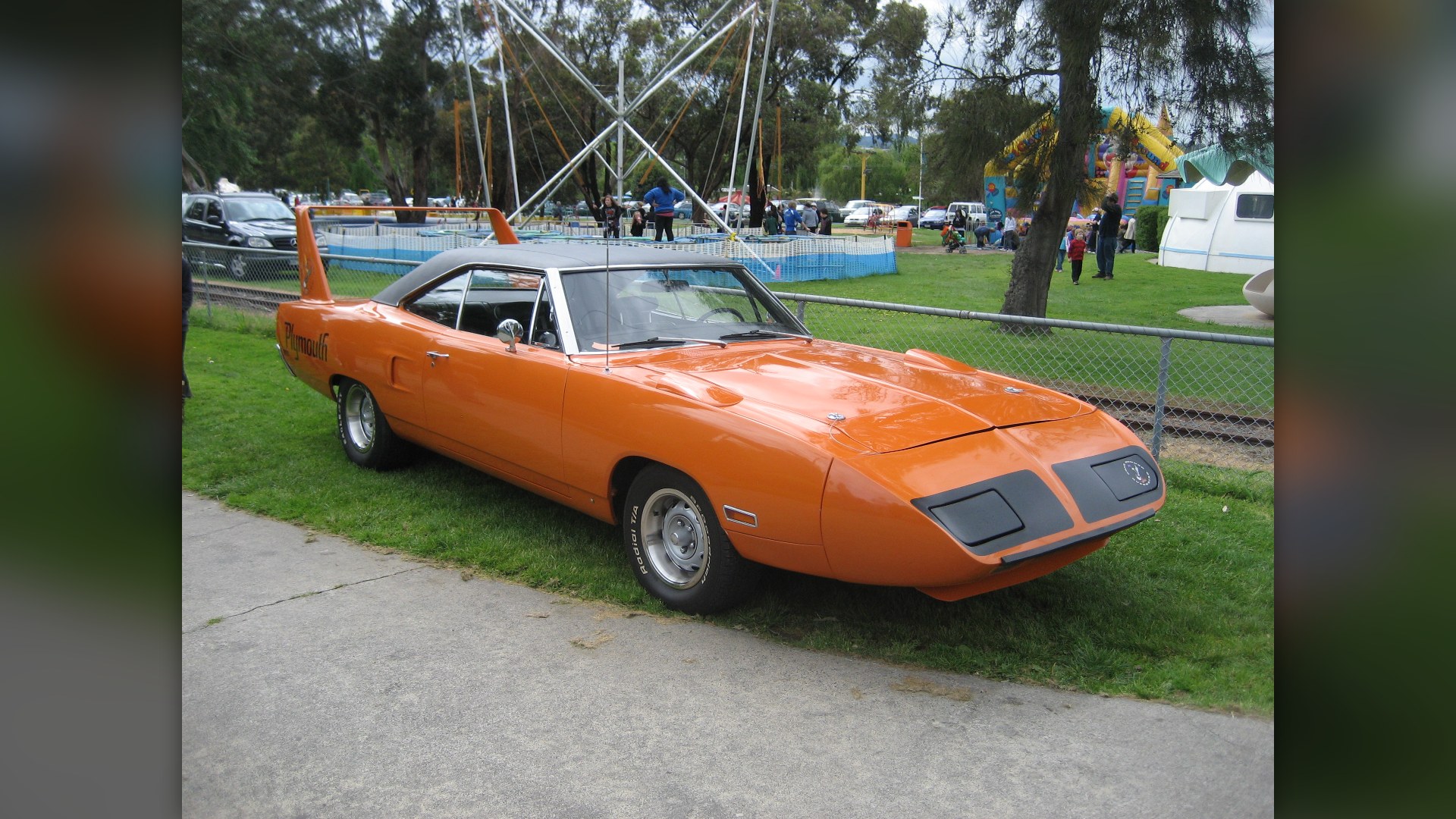
8. 1970 Plymouth Superbird
Superbird transformed stock car racing. Engineers used wind tunnels to sculpt the pointed steel nose cone and towering nineteen-inch wing, enticing Richard Petty back to Plymouth for winning glory. The car reached two hundred miles per hour.
©Wikimedia / Sicnag
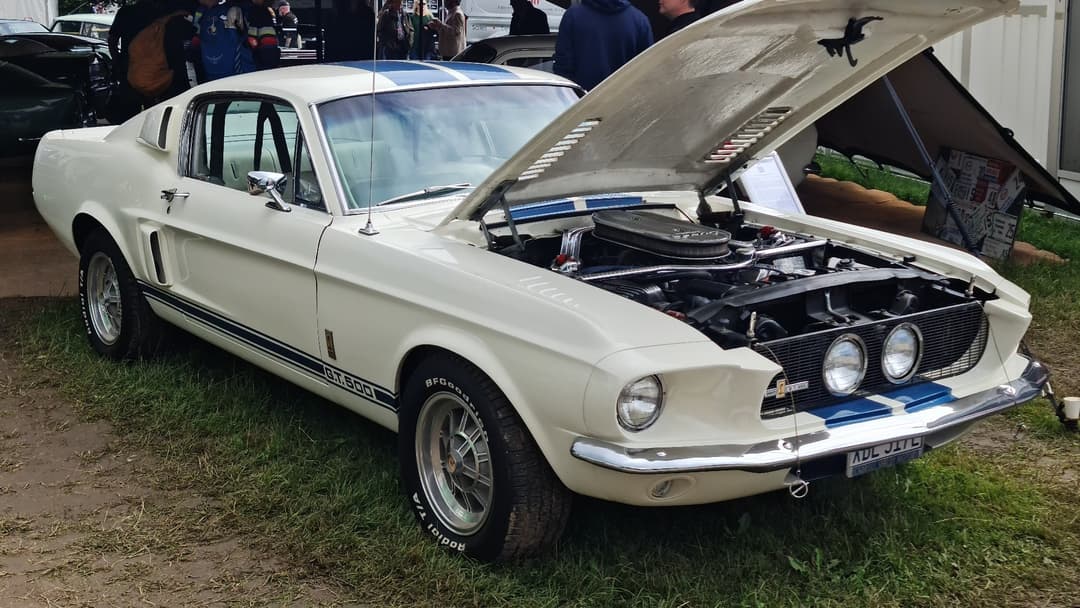
7. 1967 Shelby GT500
Carroll Shelby elevated the Mustang. Dropping a dual-quad 428 Police Interceptor into a redesigned fastback gave the GT500 ferocious mid-range punch wrapped in functional fiberglass bodywork. Center-mounted high-beam lamps completed the menacing snout.
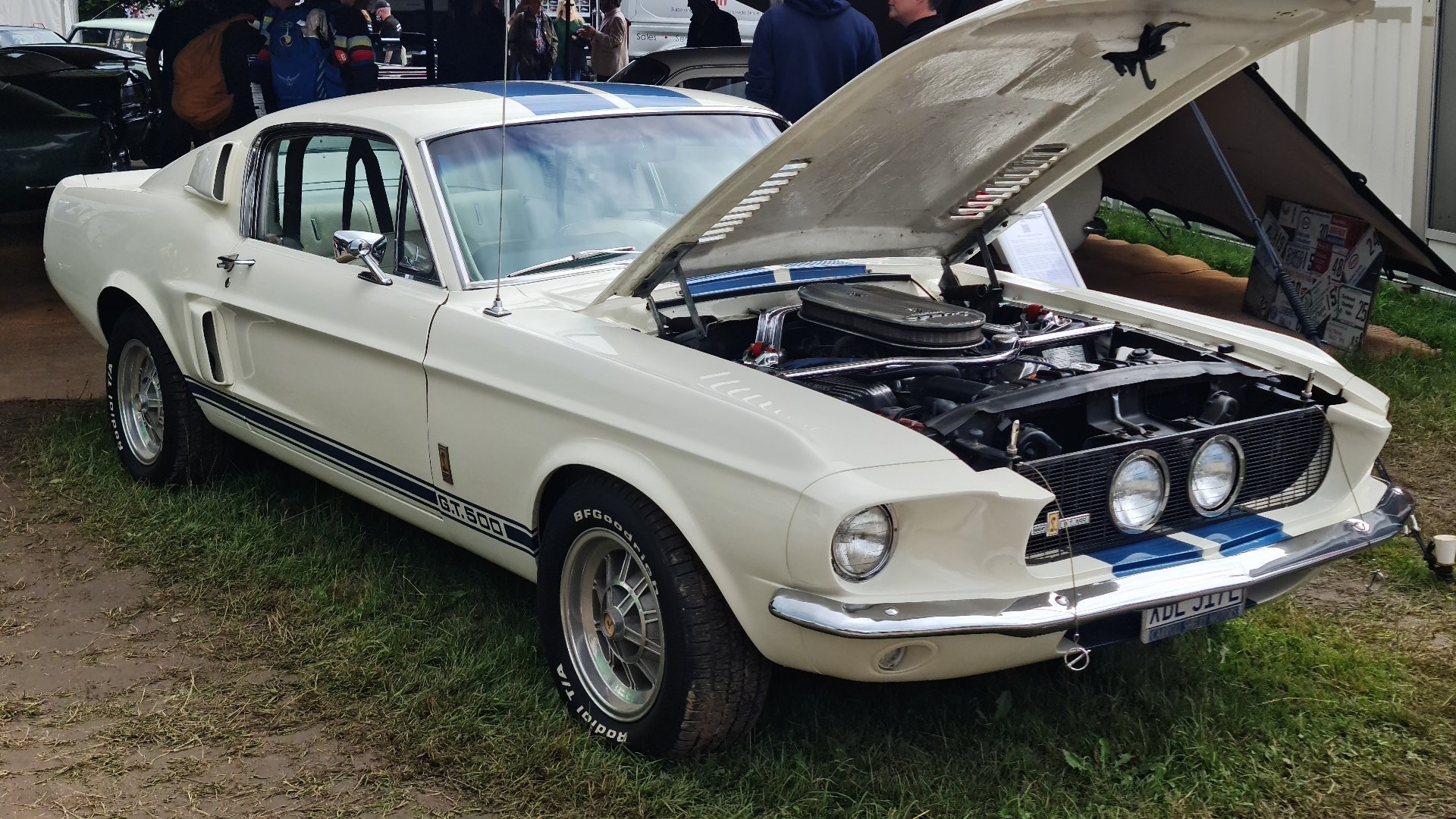
©Wikimedia / MrWalkr
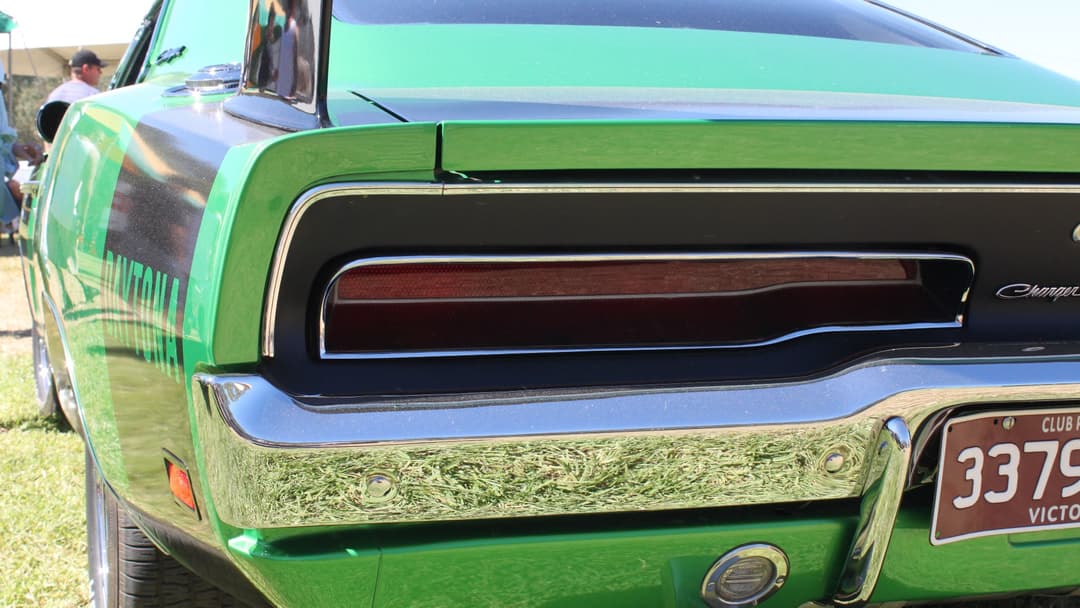
6. 1969 Dodge Charger Daytona
Daytona broke speed barriers. Dodge built exactly five hundred three units with radical nose cones and tall stabilizing wings, shattering records when Buddy Baker topped two hundred miles per hour. NASCAR officials eventually banned the aero packages.
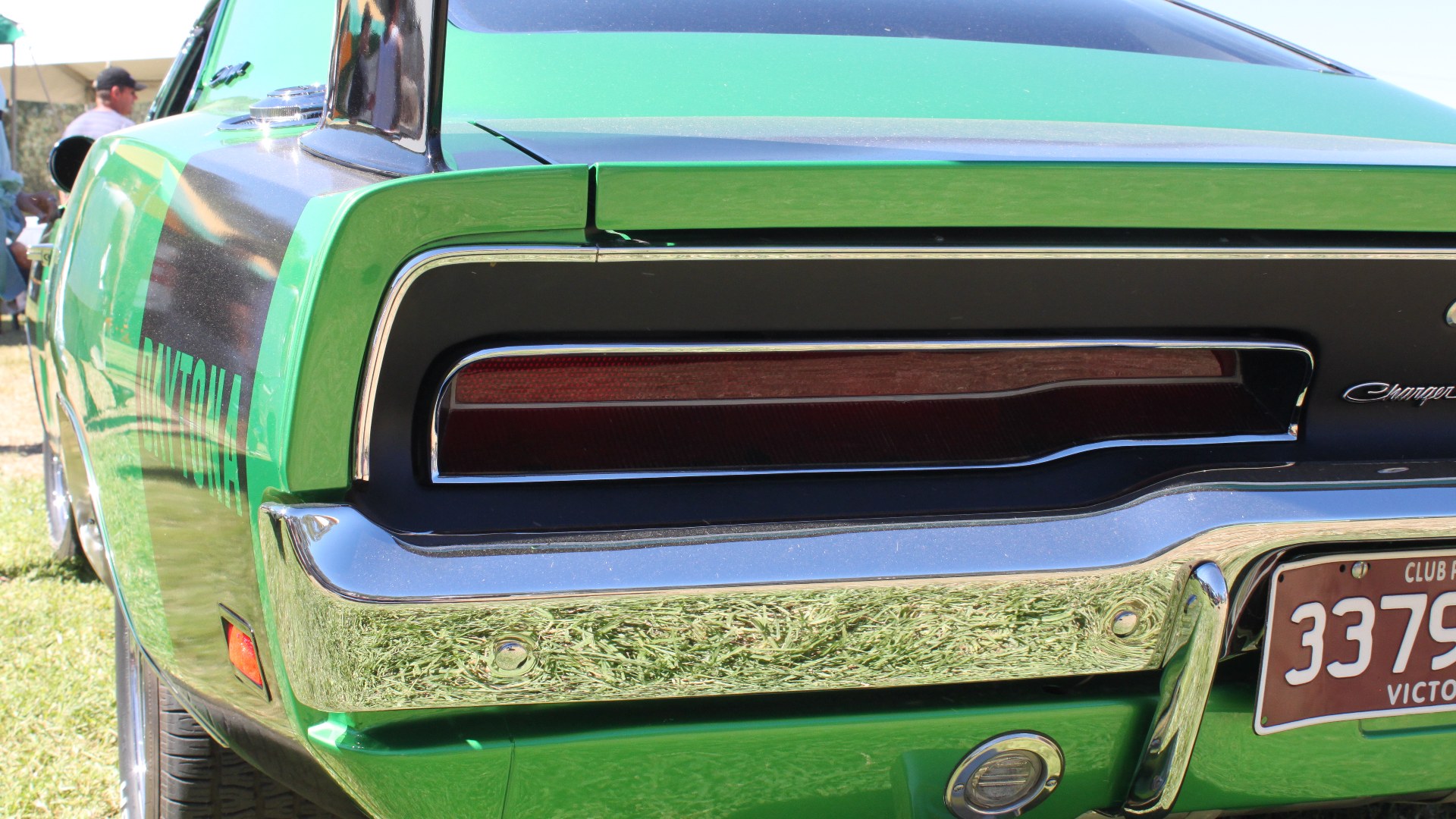
©Wikimedia / Jeremy from Sydney
Advertisement
Swipe or tap ▶ to resume the countdown.
5. 1969 Ford Mustang Boss 429
The Boss 429 was hand-built. Ford hired Kar Kraft to modify Mustang engine compartments by hand to shoehorn the massive semi-hemi 429 designed specifically to defeat Chrysler in NASCAR. Its understated exterior concealed raw racing pedigree.
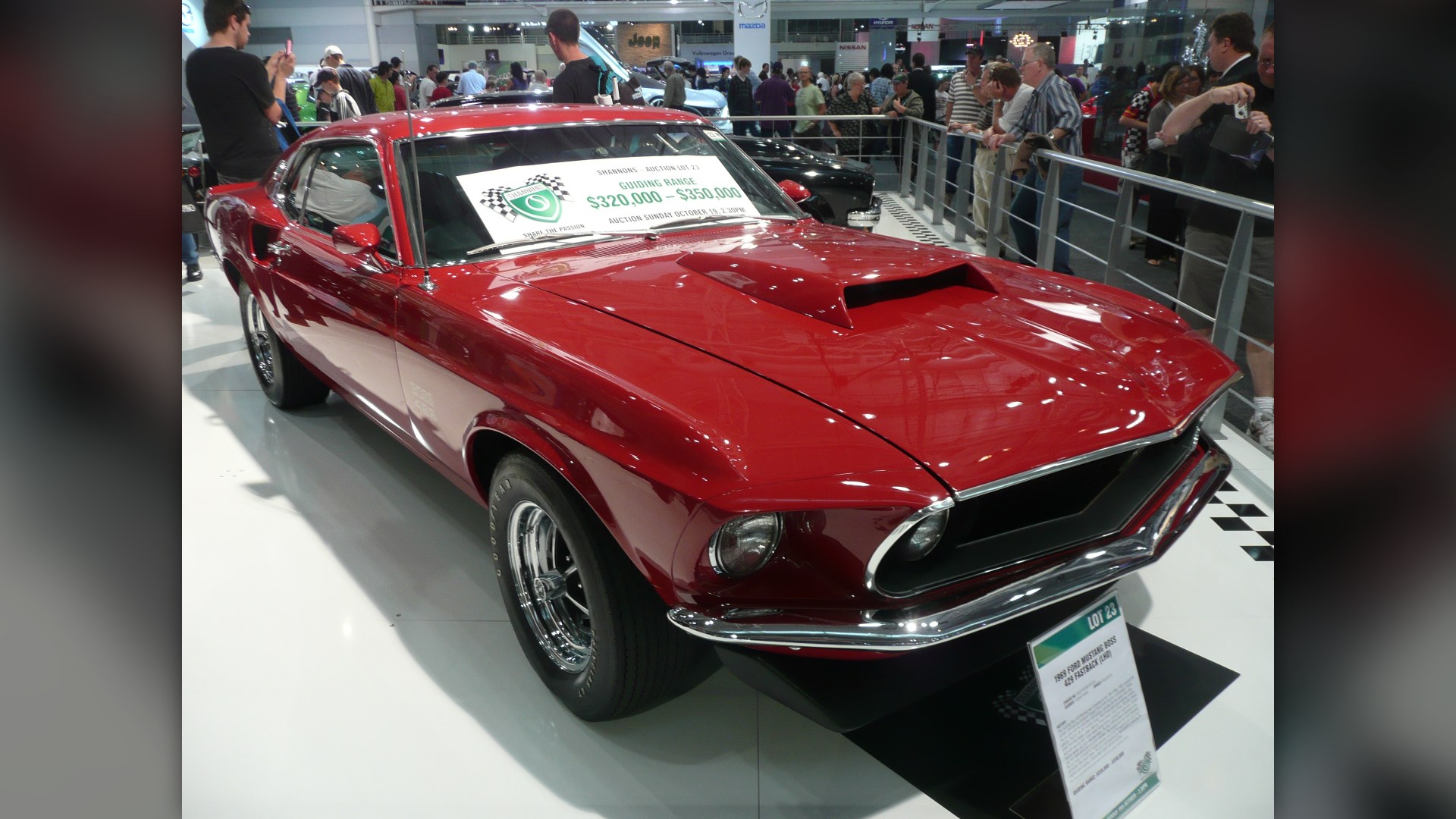
©Wikimedia / OSX
4. 1967 Chevrolet Corvette Stingray 427 L88
The L88 hid unbelievable output. Chevrolet deliberately underrated the race-spec 427 at four hundred thirty horsepower to discourage casual buyers from ordering this unfiltered competition weapon. Only twenty examples left the factory in 1967.
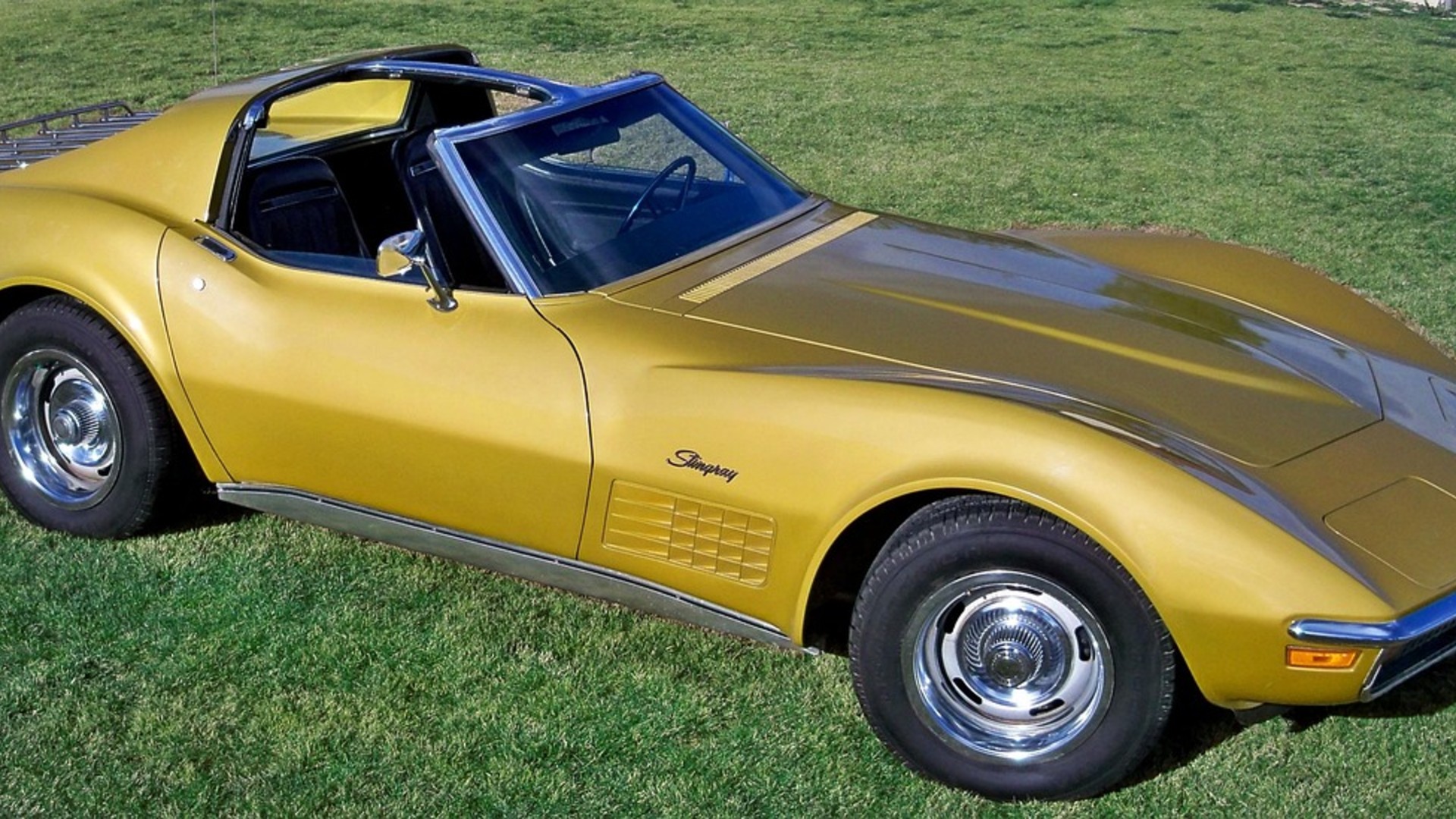
©Pixabay / TKatBR
3. 1971 Plymouth Hemi 'Cuda
Hemi Cuda commands auction millions. Fitted with dual four-barrel carburetors atop Chrysler's 426 Elephant engine, this aggressive shaker-hood beast produced four hundred twenty-five conservatively rated horses. Survivors rank among the most prized collector cars.
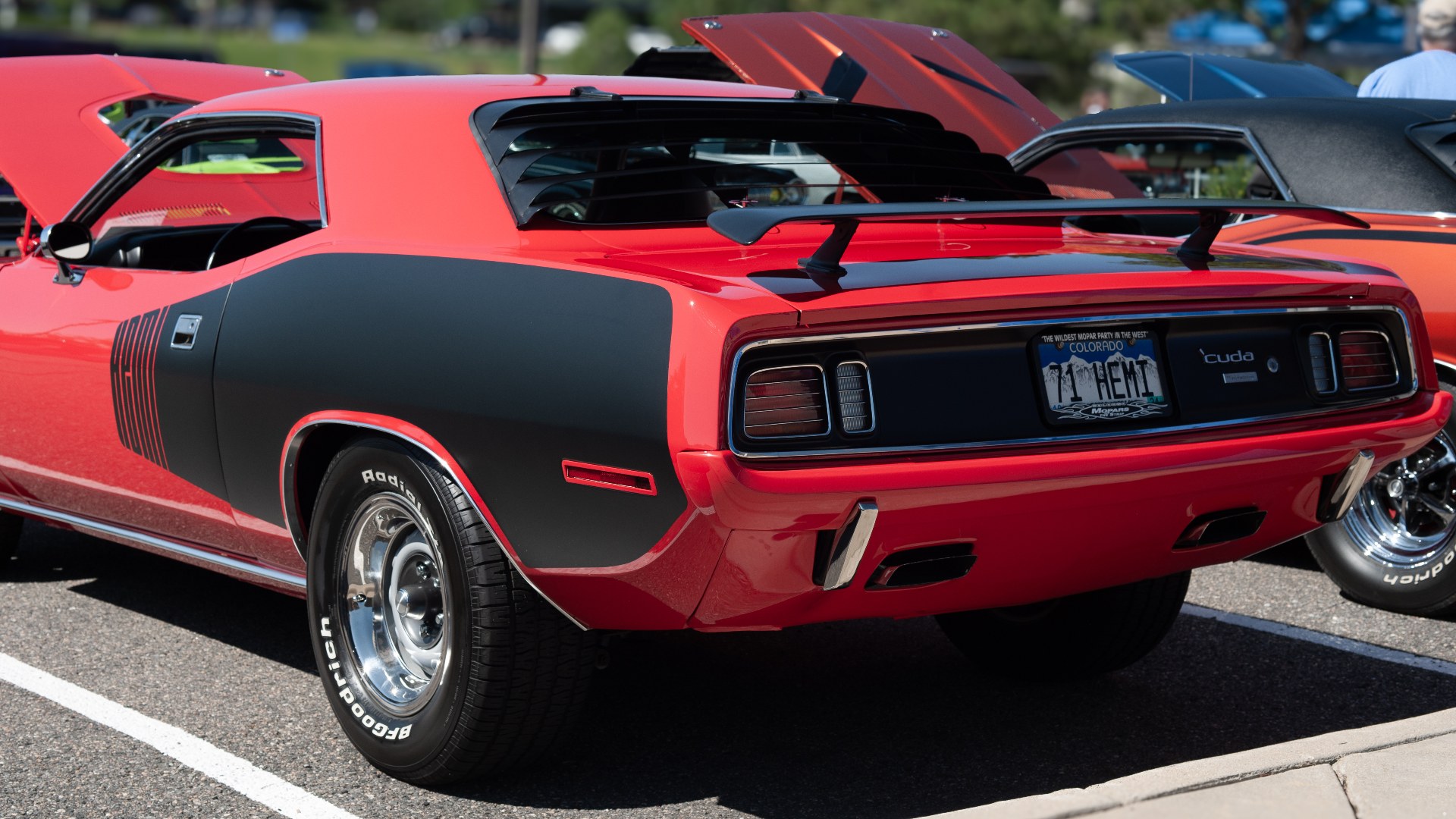
©Wikimedia / BUTTON74
2. 1970 Chevrolet Chevelle SS 454 LS6
Chevelle claimed horsepower supremacy. With four hundred fifty factory-rated horsepower and an asphalt-shredding Holley four-barrel carburetor, the LS6 represented the absolute peak of Detroit cubic-inch displacement. The cowl induction flapper swung open under throttle.
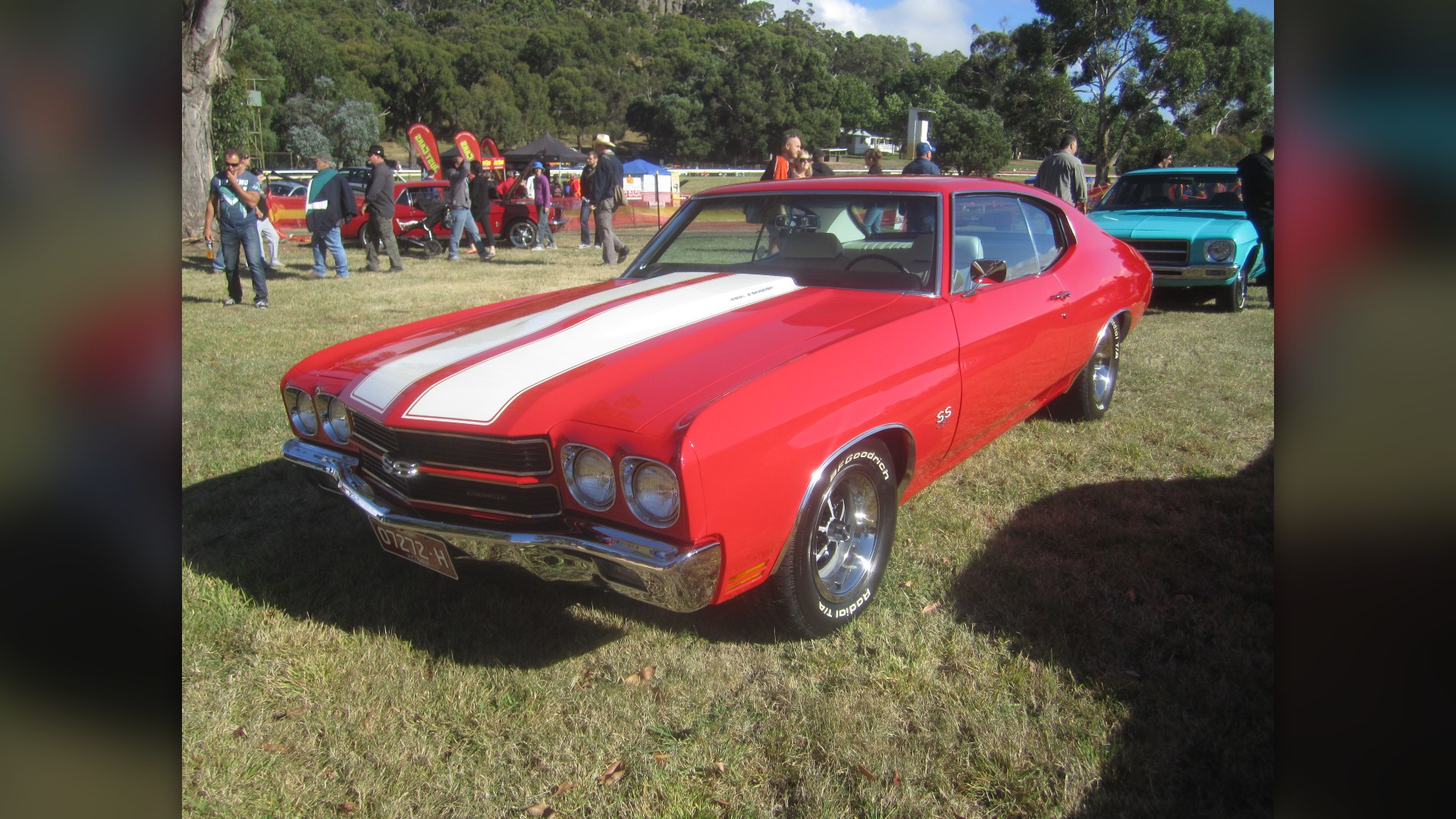
©Wikimedia / Sicnag
Advertisement
Swipe or tap ▶ to resume the countdown.
1. 1964 Pontiac GTO
The GTO started the revolution. John DeLorean and Pontiac engineers skirted GM corporate displacement limits by dropping a 389 Tri-Power engine into the lightweight Tempest, creating an overnight phenomenon. It established the timeless formula for American muscle.
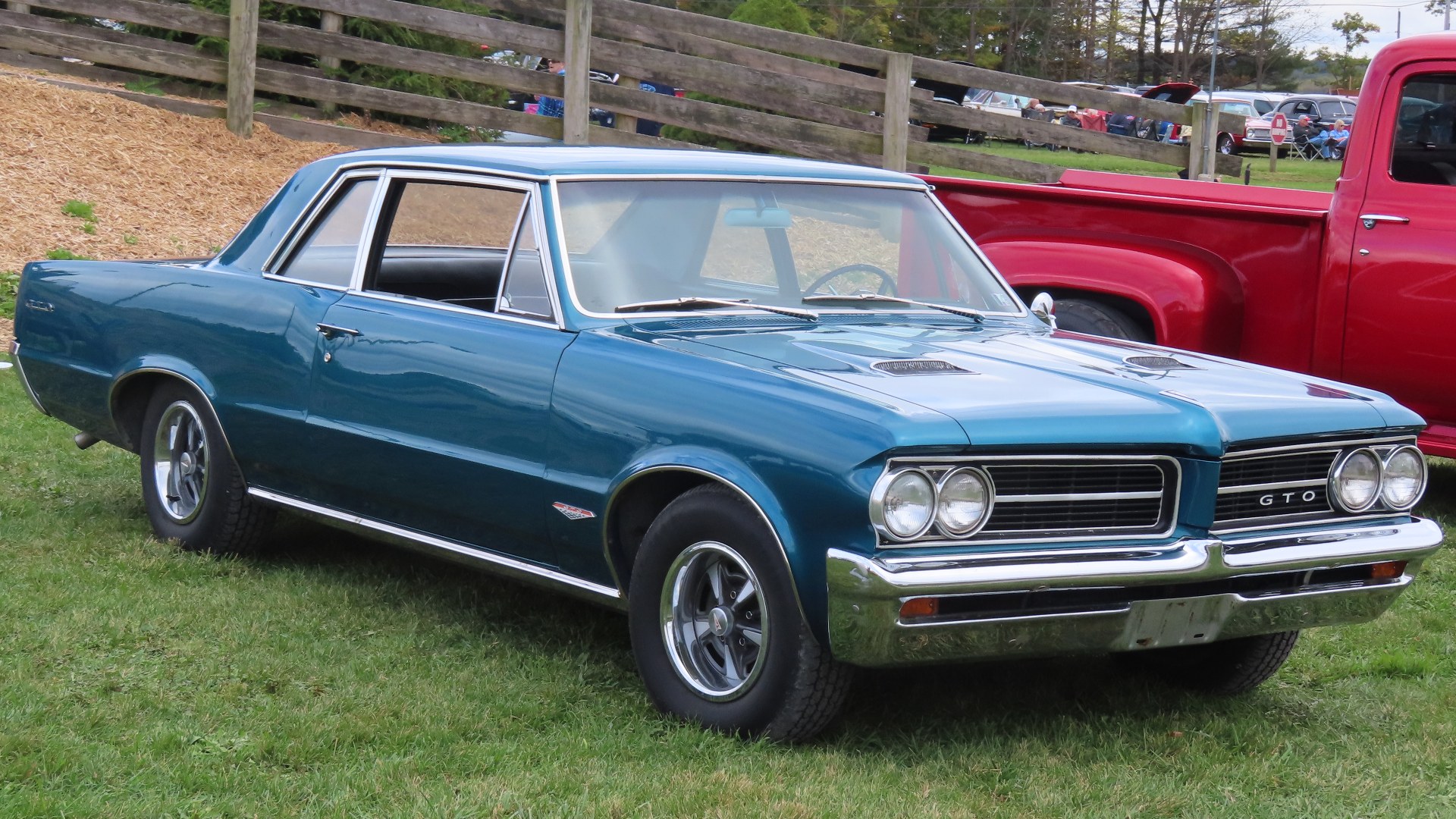
©Wikimedia / MercurySable99
Advertisement
You've reached the end of the story. Thanks for reading!

25 Most Groundbreaking Milestones Across America
Across every corner of the nation, specific achievements have carved out the unique identity of America. Ranked by their historical impact and cultural resonance, here are 25 groundbreaking milestones that changed the trajectory of the country forever.
All 20 Entries in this Story
20. 1970 AMC Rebel The Machine
AMC entered the street wars. Painted in patriotic red, white, and blue, The Machine delivered three hundred forty horsepower and featured a prominent functional tachometer mounted directly atop the hood. American Motors built fewer than twenty-five hundred units.

19. 1971 Plymouth Duster 340
The lightweight Duster surprised competitors. Engineers dropped a high-revving 340 small-block into a budget-friendly compact chassis, creating a nimble quarter-mile killer that routinely outran heavier big-block machines. Dual exhausts gave the coupe a distinctive rasp.

18. 1969 Mercury Cougar Eliminator
Mercury combined muscle with luxury. Equipped with a solid-lifter Boss 302 or thundering 428 Cobra Jet, the Eliminator featured wild graphics, a blackout grille, and an aerodynamic pedestal rear wing. The model gave Mercury authentic dragstrip credibility.

17. 1968 Dodge Dart GTS
Dart packed unexpected fury. Dodge squeezed its potent 383 Magnum four-barrel into the lightweight A-body engine bay, turning an unassuming grocery-getter into an explosive straight-line drag racer. Fierce torque required reinforced rear leaf springs.

16. 1969 AMC AMX
The AMX defied traditional rules. With only two seats and a trimmed ninety-seven-inch wheelbase, this short-wheelbase flyer used a 390 V8 to set over one hundred national speed records. Purists hailed its exceptional handling balance.

15. 1970 Ford Torino Cobra
Ford unleashed the Cobra fastback. Featuring a Shaker hood scoop and a drag-pack rear locker, the Torino Cobra pumped out three hundred seventy-five horsepower from its massive 429 powerplant. Sleek rooflines helped Ford dominate NASCAR speedways.

14. 1968 Plymouth Road Runner
Road Runner brought affordable speed. Plymouth paid fifty thousand dollars to license the cartoon character and developed an unmistakable beep-beep horn for this bare-bones rubber-mat street machine. Budget drag racers flocked to showrooms nationwide.

13. 1973 Pontiac Firebird Trans Am SD-455
Pontiac defied changing regulations. While other brands slashed compression ratios, Pontiac engineers quietly developed the race-ready Super Duty 455 with four-bolt mains and forged connecting rods. The hood bird decal became an instant icon.

12. 1970 Oldsmobile 442 W-30
Oldsmobile delivered crushing torque. The W-30 performance package added lightweight fiberglass hood scoops, plastic front inner fenders, and an aggressively cammed four hundred fifty-five cubic-inch V8. Dual gate Hurst shifters provided effortless manual control.

11. 1970 Buick GSX Stage 1
Buick surprised the entire industry. Finished in bright Saturn Yellow or Apollo White, the GSX Stage 1 produced five hundred ten pound-feet of torque, setting a domestic record that stood decades. Quarter-mile times matched the fiercest Hemi cars.

10. 1970 Dodge Challenger R/T
Challenger defined late-era swagger. Buyers chose between potent 440 Six-Packs and thundering 426 Hemis while rowing gears with Dodge's iconic wood-grained Hurst pistol-grip four-speed transmission. High-impact paint colors drew endless attention on boulevards.

9. 1969 Chevrolet Camaro Z/28
The Z/28 dominated corners. Built specifically to meet SCCA Trans-Am racing rules, its solid-lifter 302 cubic-inch small-block revved past seven thousand RPM with extraordinary endurance. Twin cowl stripes became a signature performance trademark.

8. 1970 Plymouth Superbird
Superbird transformed stock car racing. Engineers used wind tunnels to sculpt the pointed steel nose cone and towering nineteen-inch wing, enticing Richard Petty back to Plymouth for winning glory. The car reached two hundred miles per hour.

7. 1967 Shelby GT500
Carroll Shelby elevated the Mustang. Dropping a dual-quad 428 Police Interceptor into a redesigned fastback gave the GT500 ferocious mid-range punch wrapped in functional fiberglass bodywork. Center-mounted high-beam lamps completed the menacing snout.

6. 1969 Dodge Charger Daytona
Daytona broke speed barriers. Dodge built exactly five hundred three units with radical nose cones and tall stabilizing wings, shattering records when Buddy Baker topped two hundred miles per hour. NASCAR officials eventually banned the aero packages.

5. 1969 Ford Mustang Boss 429
The Boss 429 was hand-built. Ford hired Kar Kraft to modify Mustang engine compartments by hand to shoehorn the massive semi-hemi 429 designed specifically to defeat Chrysler in NASCAR. Its understated exterior concealed raw racing pedigree.

4. 1967 Chevrolet Corvette Stingray 427 L88
The L88 hid unbelievable output. Chevrolet deliberately underrated the race-spec 427 at four hundred thirty horsepower to discourage casual buyers from ordering this unfiltered competition weapon. Only twenty examples left the factory in 1967.

3. 1971 Plymouth Hemi 'Cuda
Hemi Cuda commands auction millions. Fitted with dual four-barrel carburetors atop Chrysler's 426 Elephant engine, this aggressive shaker-hood beast produced four hundred twenty-five conservatively rated horses. Survivors rank among the most prized collector cars.

2. 1970 Chevrolet Chevelle SS 454 LS6
Chevelle claimed horsepower supremacy. With four hundred fifty factory-rated horsepower and an asphalt-shredding Holley four-barrel carburetor, the LS6 represented the absolute peak of Detroit cubic-inch displacement. The cowl induction flapper swung open under throttle.

1. 1964 Pontiac GTO
The GTO started the revolution. John DeLorean and Pontiac engineers skirted GM corporate displacement limits by dropping a 389 Tri-Power engine into the lightweight Tempest, creating an overnight phenomenon. It established the timeless formula for American muscle.