Slideshow · Viral
20 Landmark Buildings That Permanently Changed How Cities Look
From wrought-iron towers and glass pyramids to tree-covered apartments, these 20 landmark buildings reshaped how modern cities look and work. Counting down from #20 to #1, this gallery draws on UNESCO, the Council on Tall Buildings, the Guggenheim Bilbao, the Louvre, and official city architectural archives.
All 20 Entries in this Story
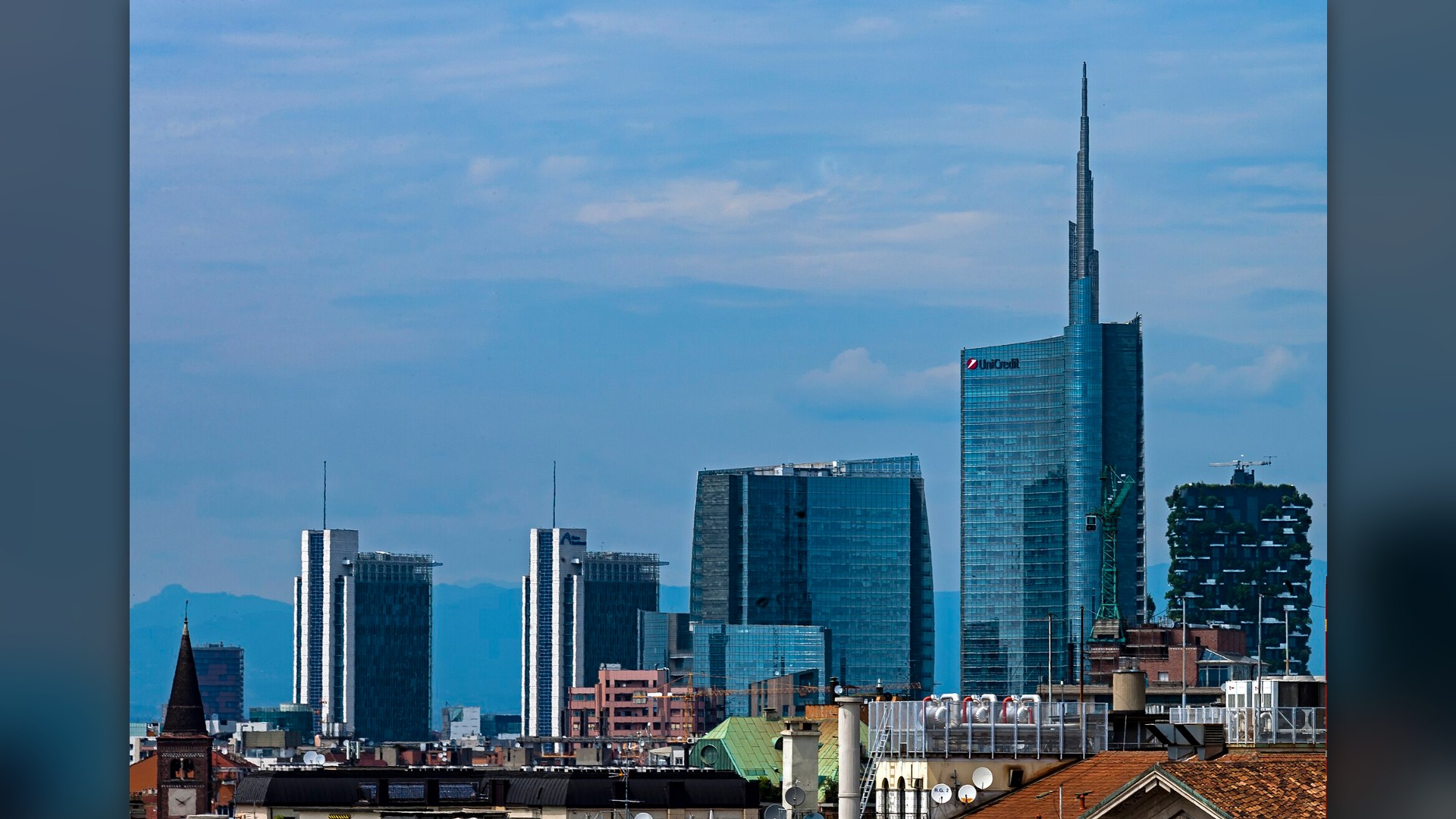
20. Bosco Verticale, Milan
Completed in 2014 by Boeri Studio in Milan's Porta Nuova district, these 26-story and 18-story residential towers carry roughly 800 trees and 15,000 plants. Deep concrete balconies hold wind-tested greenery, showing cities how dense housing can bring real woodland onto tall facades.
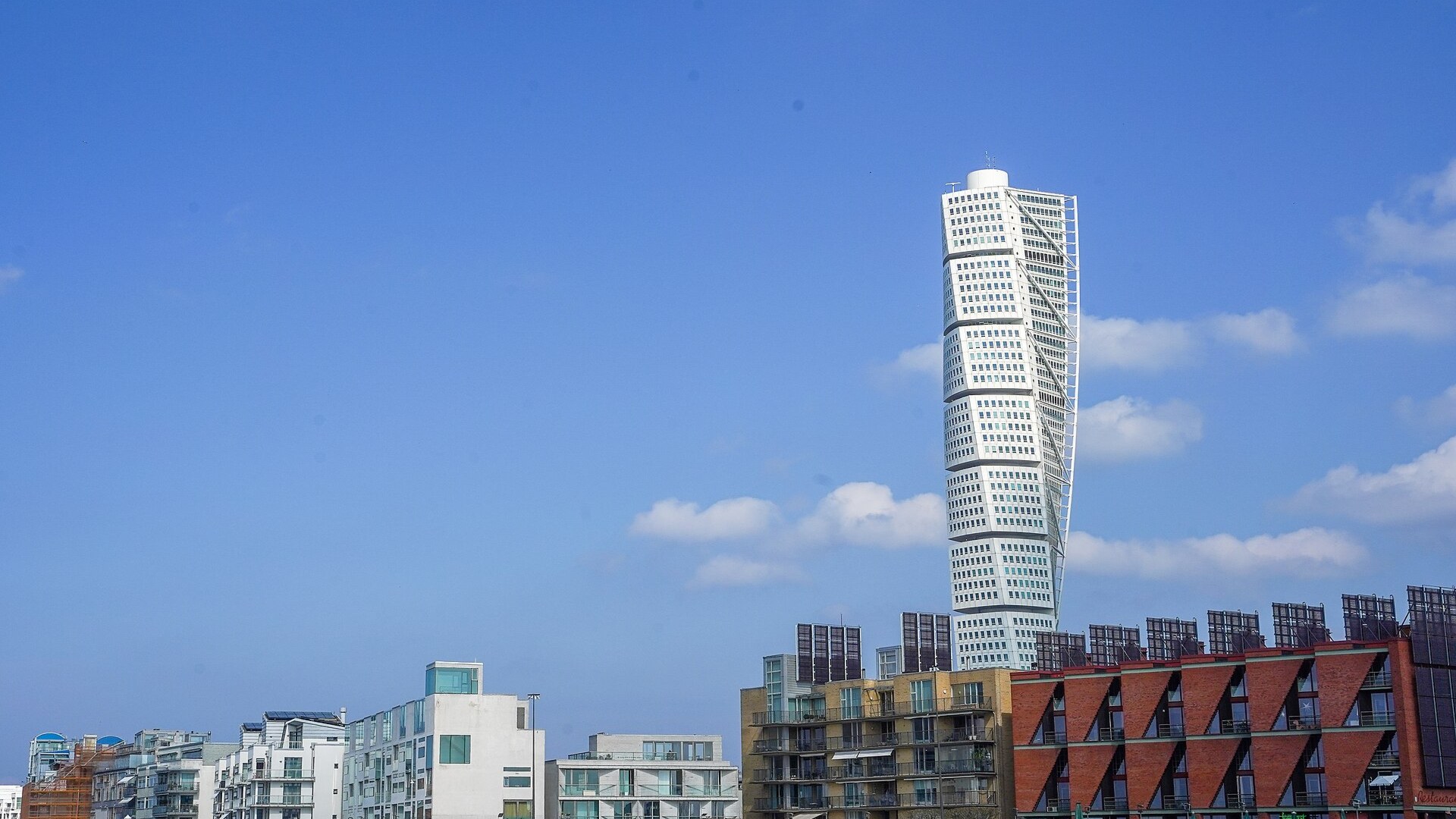
19. Turning Torso, Malmo
Designed by Santiago Calatrava and opened in 2005 in Malmo, Sweden, this 190-meter residential tower twists a full 90 degrees across nine stacked five-story cubes. Its external steel spine turned a former shipyard into a landmark and kicked off a global wave of twisting skyscrapers.
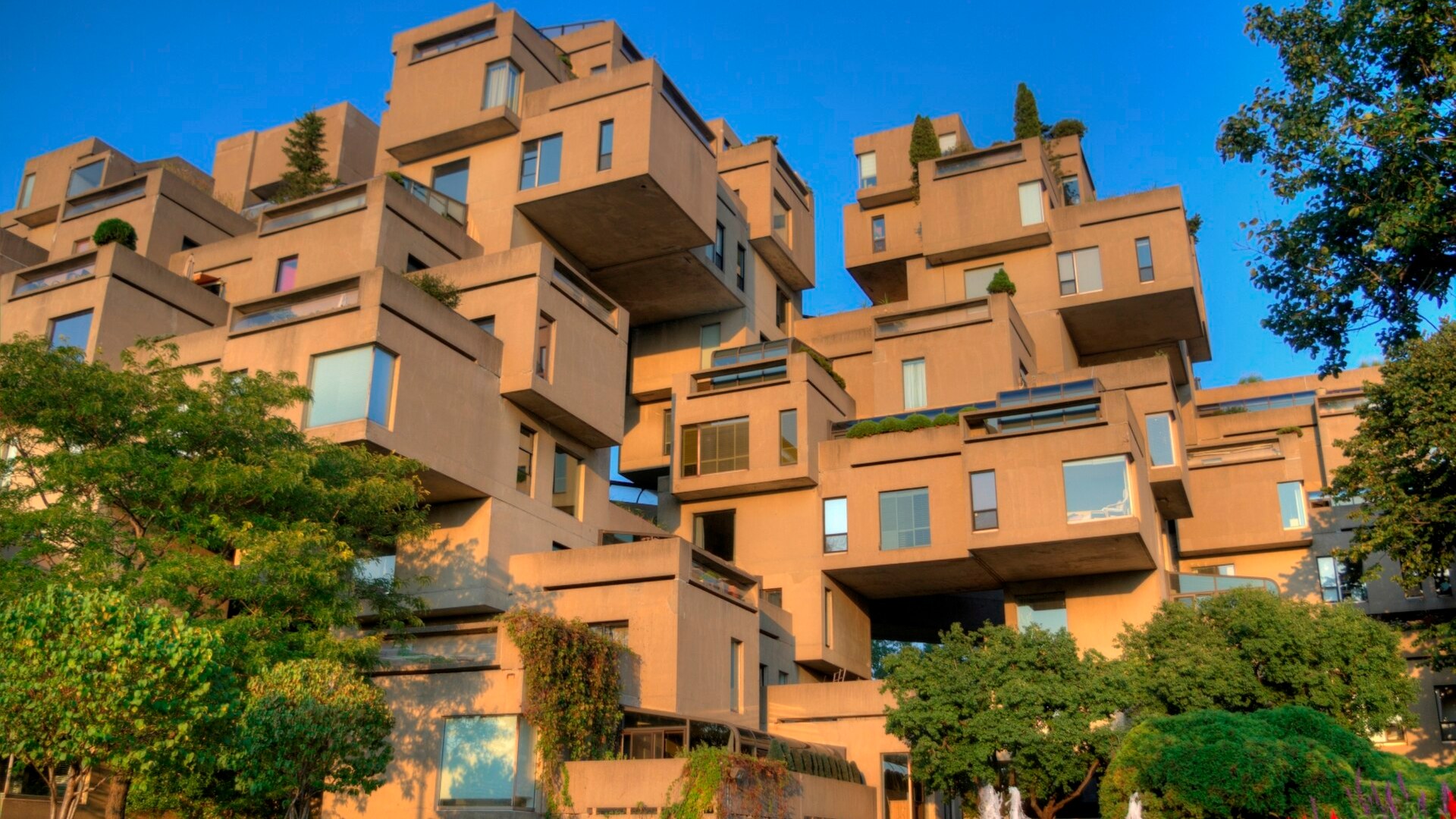
18. Habitat 67, Montreal
Architect Moshe Safdie created Habitat 67 as a pavilion for Montreal's 1967 Expo using 354 identical prefabricated concrete modules. Stacked into originally 158 homes with private roof terraces, the complex proved high-density urban housing did not have to look like a flat concrete slab.
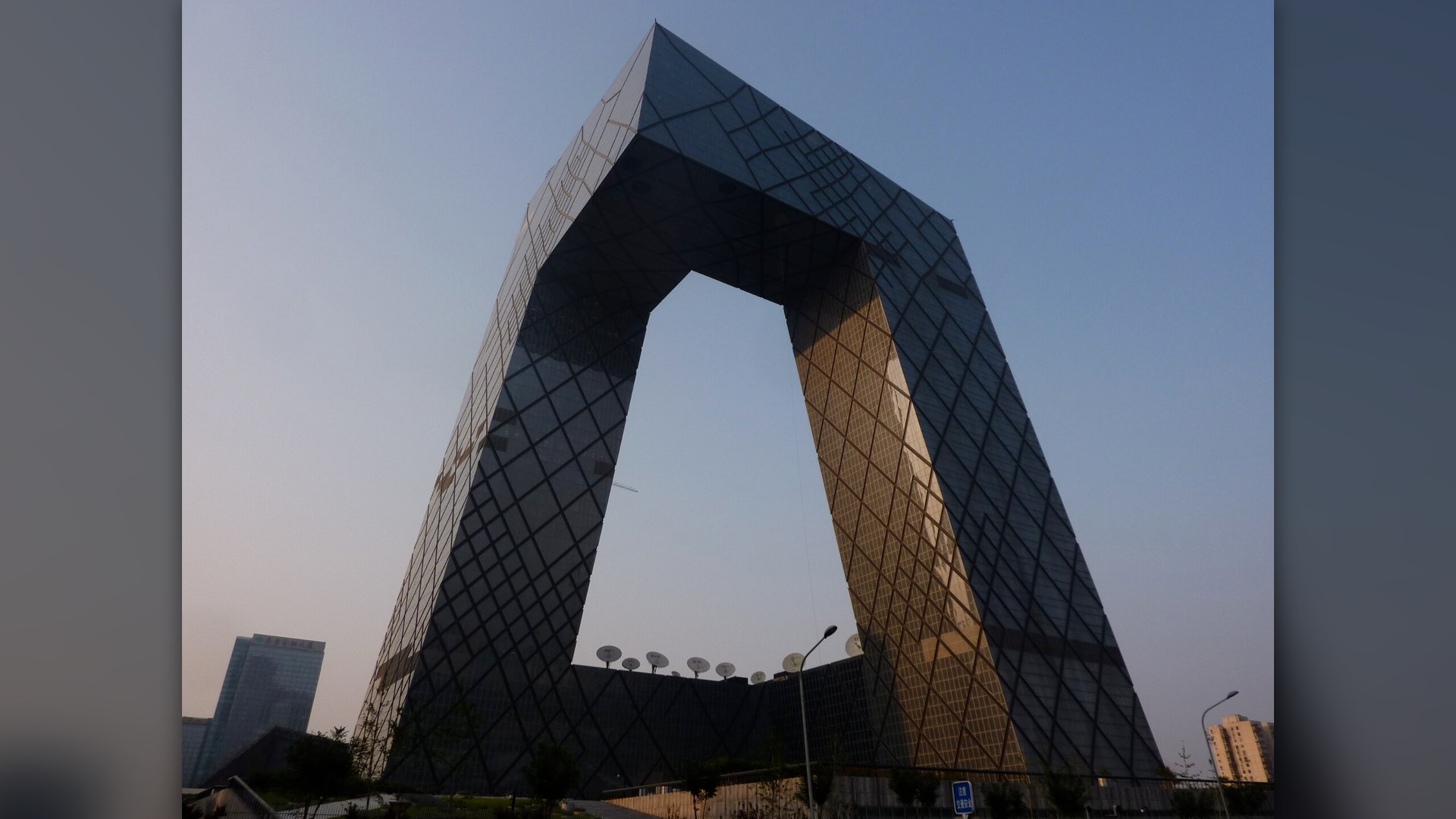
17. CCTV Headquarters, Beijing
Designed by Rem Koolhaas and Ole Scheeren of OMA and completed in 2012, the 234-meter Beijing complex links two leaning towers with an overhanging bridge. Its irregular diagonal steel grid carries the 75-meter cantilever, showing cities that skyscrapers can form loops instead of spires.
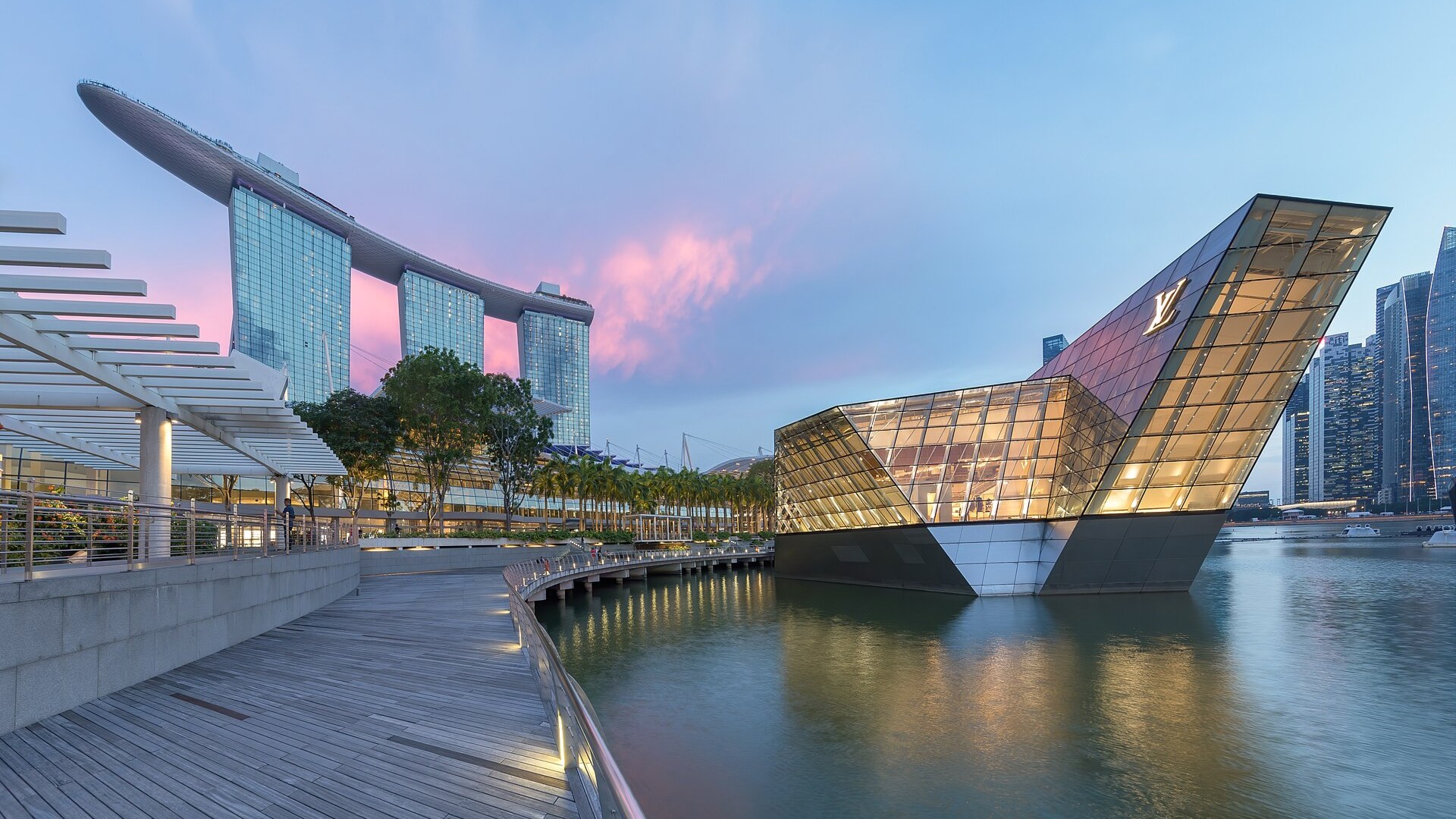
16. Marina Bay Sands, Singapore
Opened in 2010 and designed by Moshe Safdie, Marina Bay Sands spans three 55-story hotel towers topped by a boat-shaped SkyPark with a 150-meter infinity pool. Built on reclaimed waterfront land, the complex instantly became the focal point of Singapore's downtown skyline.
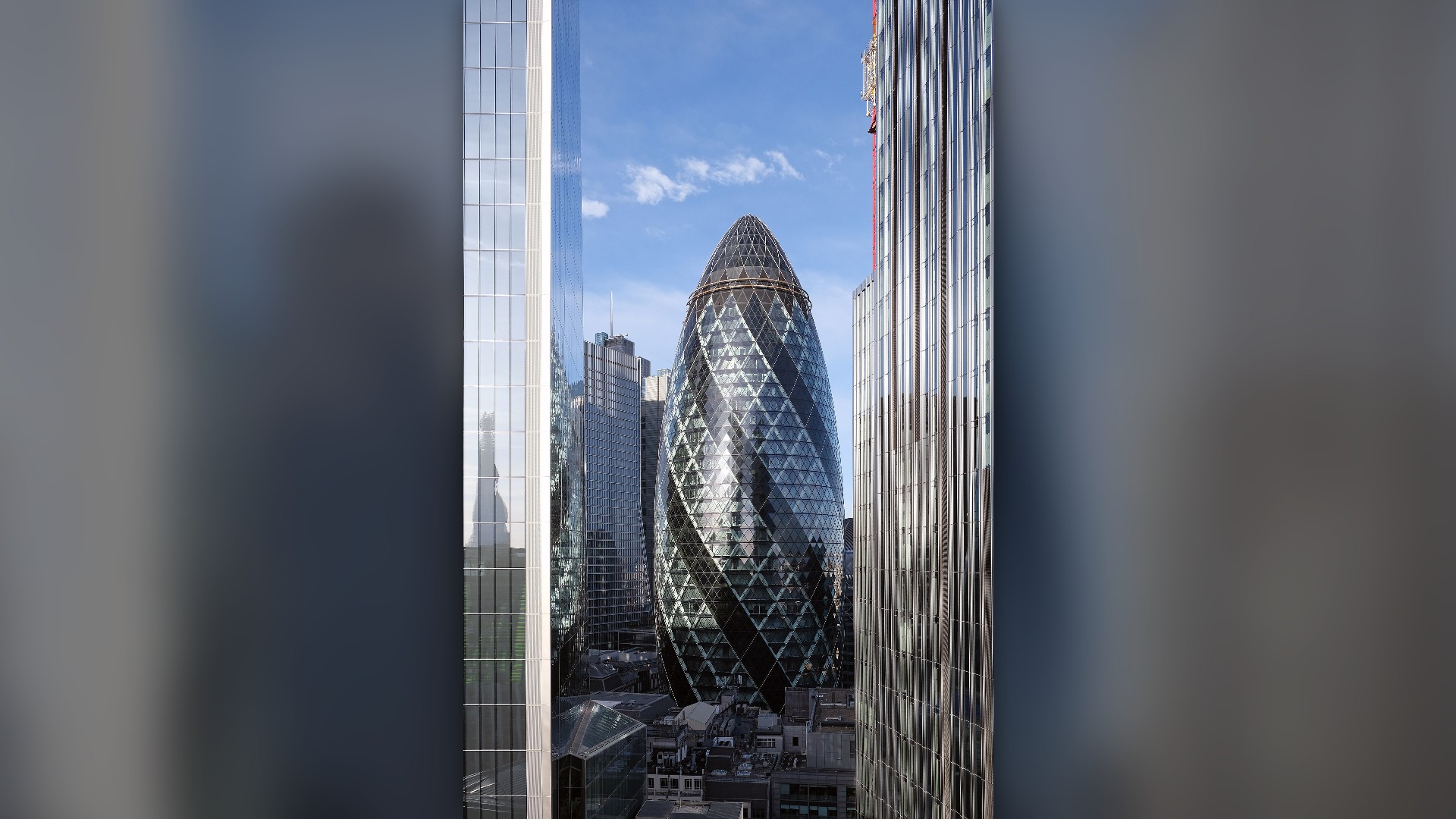
15. 30 St Mary Axe, London
Known everywhere as the Gherkin, Norman Foster's 180-meter office tower opened in 2004 in London's historic financial square mile. Its curved steel diagrid cuts wind turbulence at street level and lets daylight down spiraling atriums, paving the way for modern London skyscrapers.
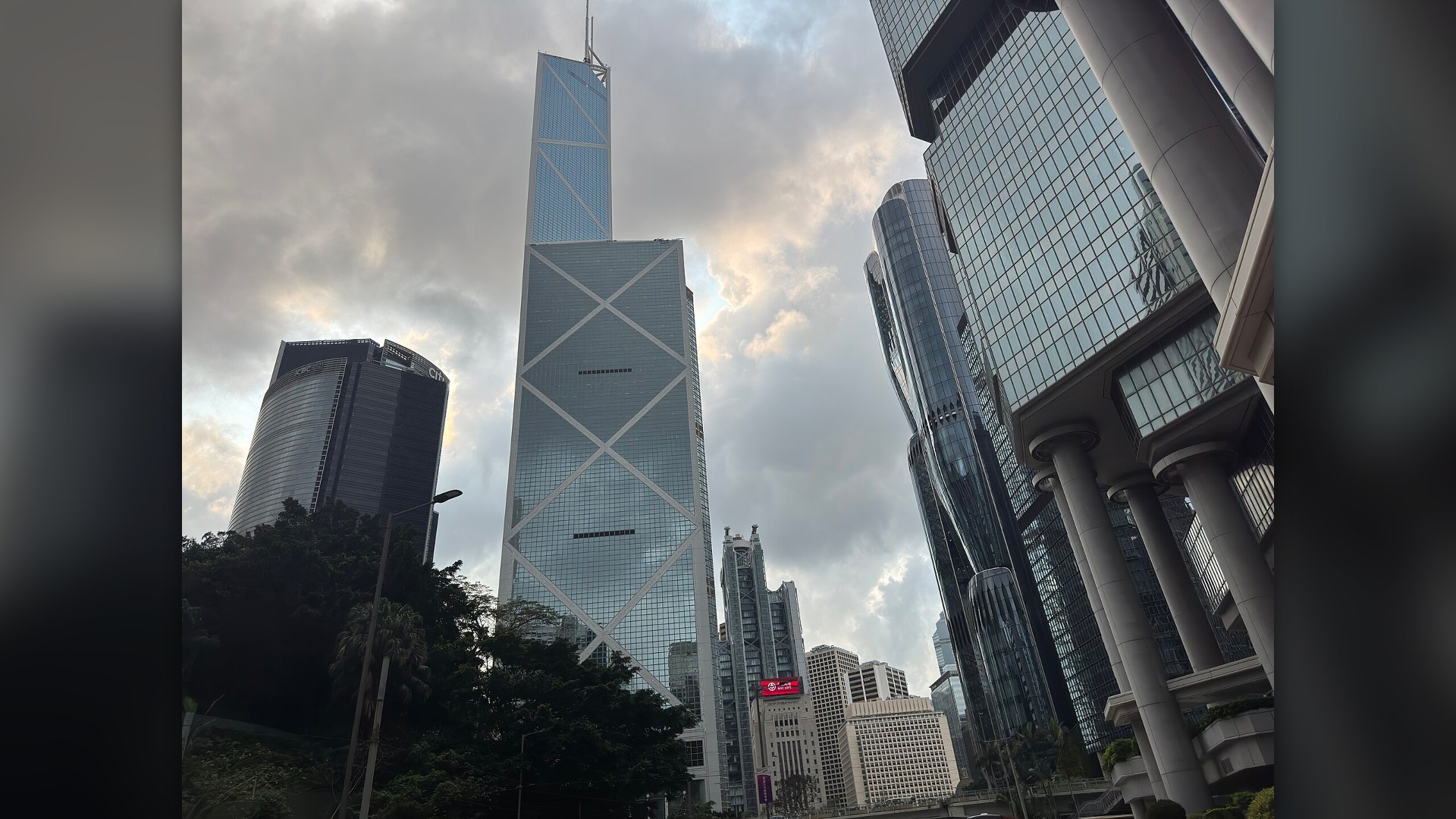
14. Bank Of China Tower, Hong Kong
Completed in 1990 by architect I.M. Pei, this 367-meter Hong Kong tower rises with twin masts on a cross-braced triangular frame. By shifting loads to its outer corner columns, Pei's geometry used far less structural steel than a standard rectangular skyscraper of equal height.
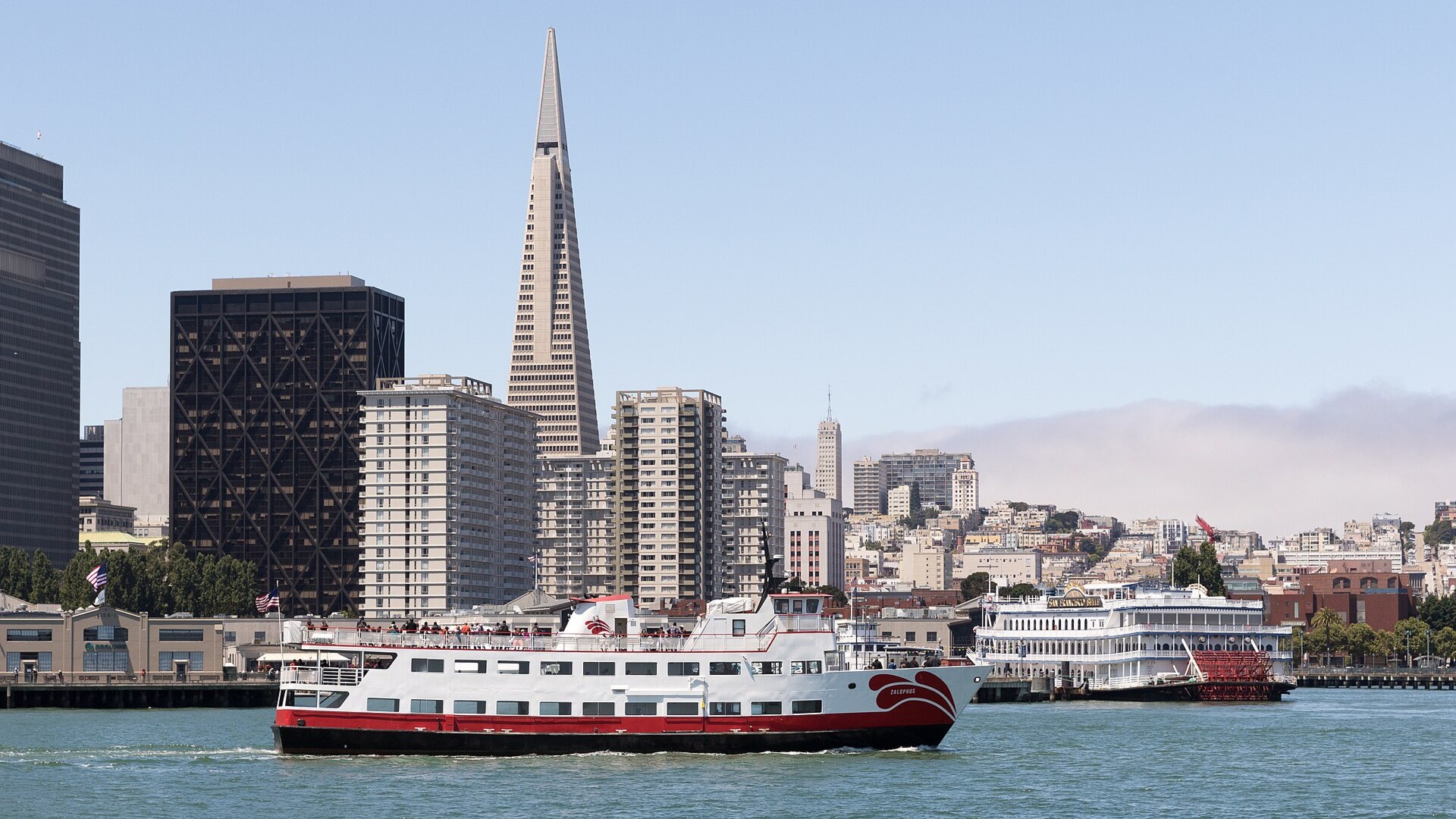
13. Transamerica Pyramid, San Francisco
Designed by William Pereira and finished in 1972, San Francisco's 260-meter pyramid narrows sharply as it rises so street-level plazas stay bright. Deep steel trusses and a thick concrete mat foundation also anchor the tower in one of North America's most active earthquake zones.
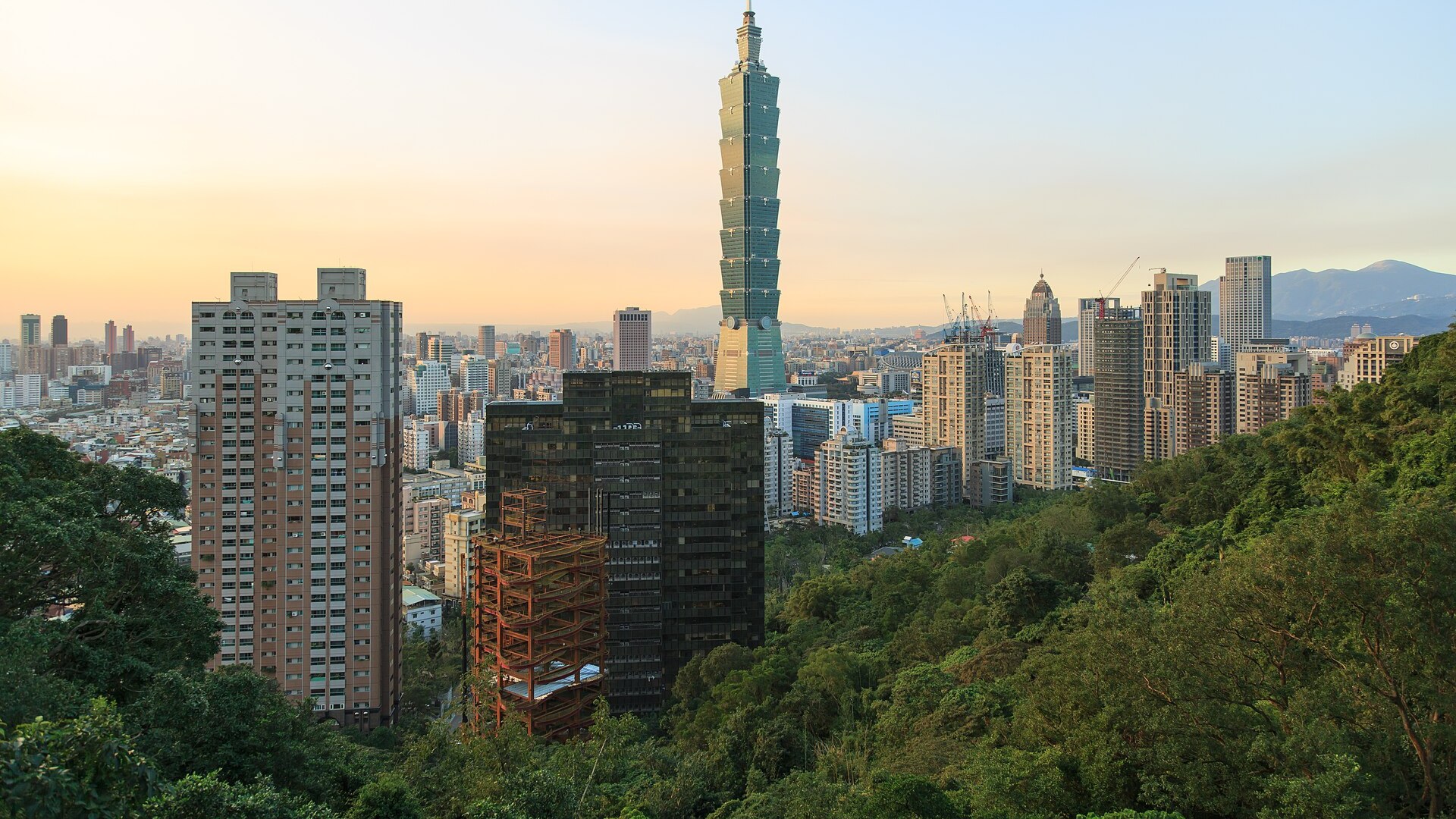
12. Taipei 101, Taipei
Designed by C.Y. Lee and Partners, Taipei 101 opened in 2004 as the world's tallest building until 2010. Its eight stacked pagoda segments house a 660-metric-ton golden steel pendulum between floors 87 and 92, cutting sway during typhoons and earthquakes across Taiwan.
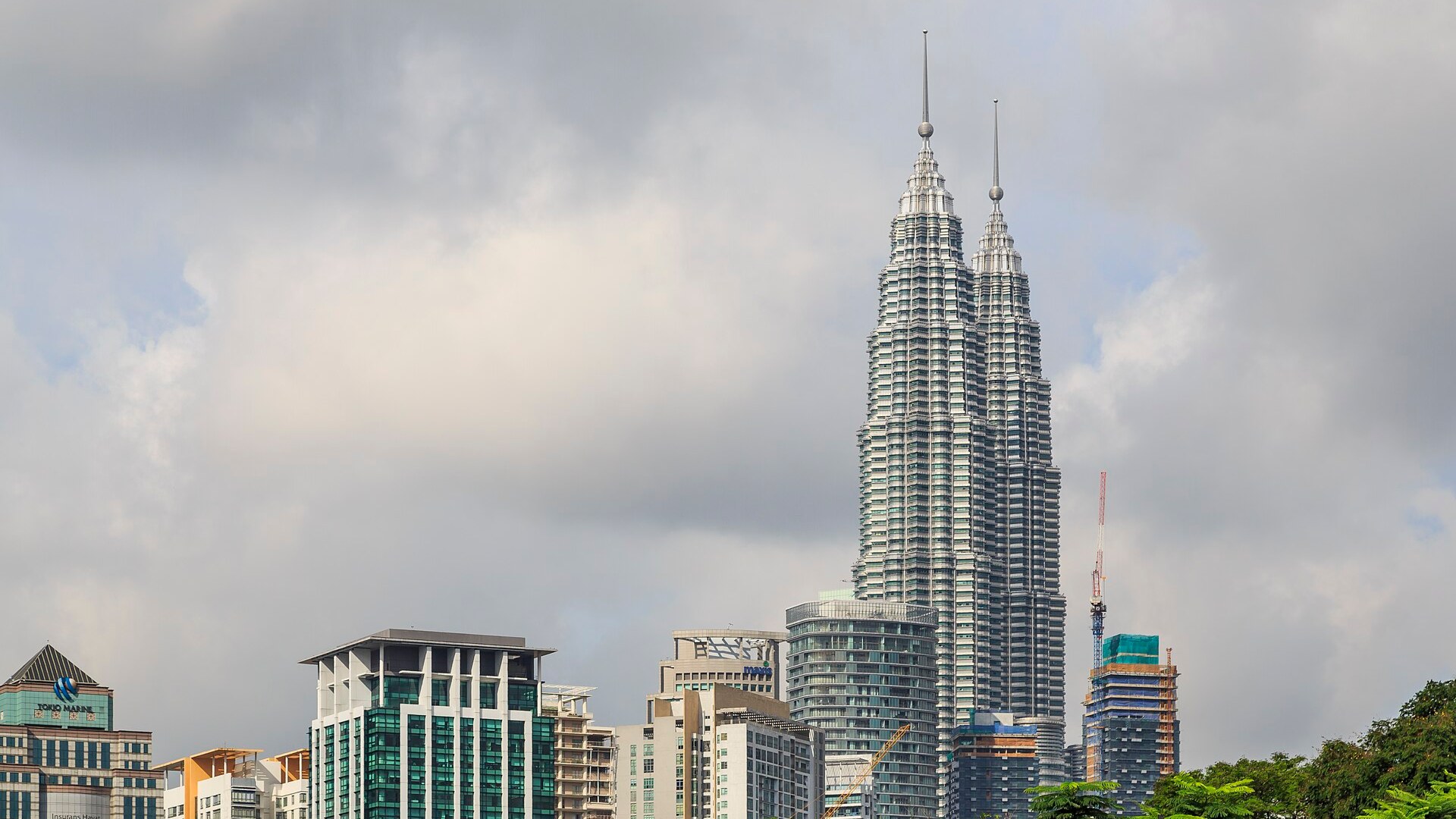
11. Petronas Towers, Kuala Lumpur
Architect Cesar Pelli completed these 88-story twin towers in 1998 using high-strength reinforced concrete rather than an all-steel frame. Linked at floors 41 and 42 by a hinged 58-meter skybridge, the towers held the world's tallest building title from 1998 until 2004.
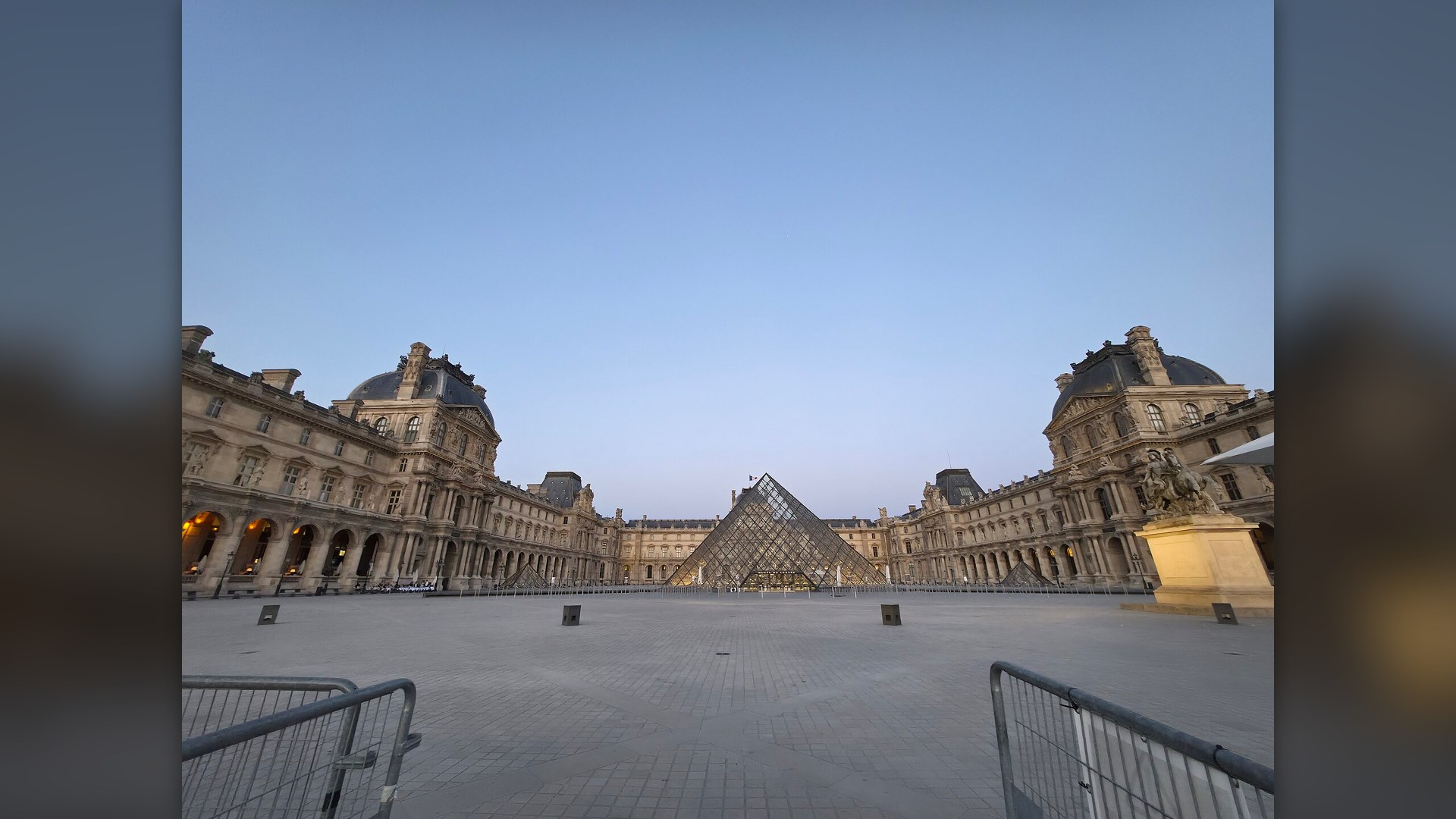
10. Louvre Pyramid, Paris
Opened in 1989 and designed by I.M. Pei, the 21-meter glass-and-steel pyramid serves as the central underground entrance to the Louvre Museum. Fiercely opposed at first for clashing with Renaissance wings, it soon proved bold contemporary glass could refresh historic city centers.
9. Centre Pompidou, Paris
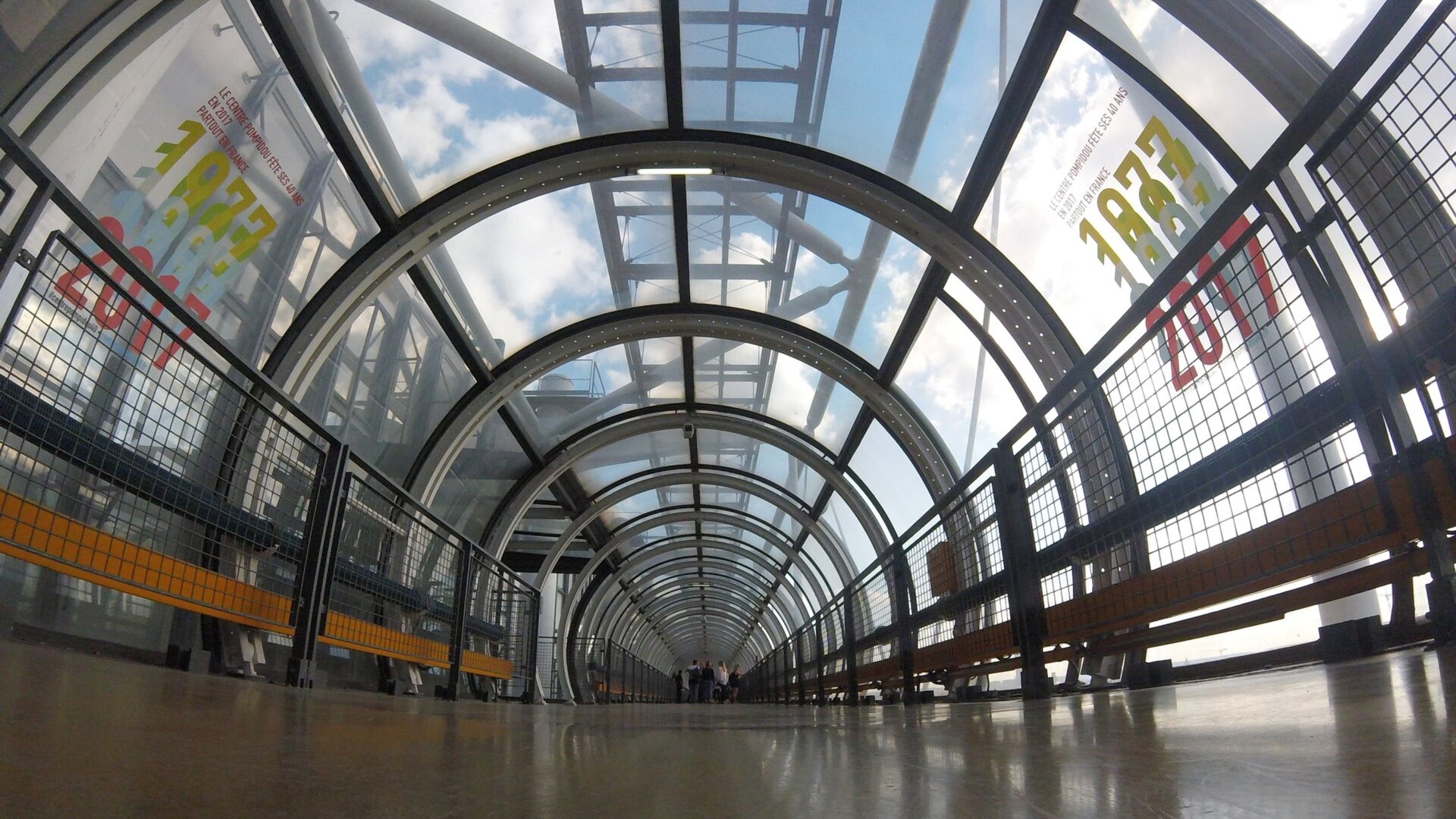
Architects Renzo Piano and Richard Rogers shocked Paris in 1977 by pushing steel trusses, color-coded ducts, and glass escalators onto the building's exterior. Leaving the interior wide open for exhibitions, the design redefined how public cultural centers engage city streets.
8. Lever House, New York City
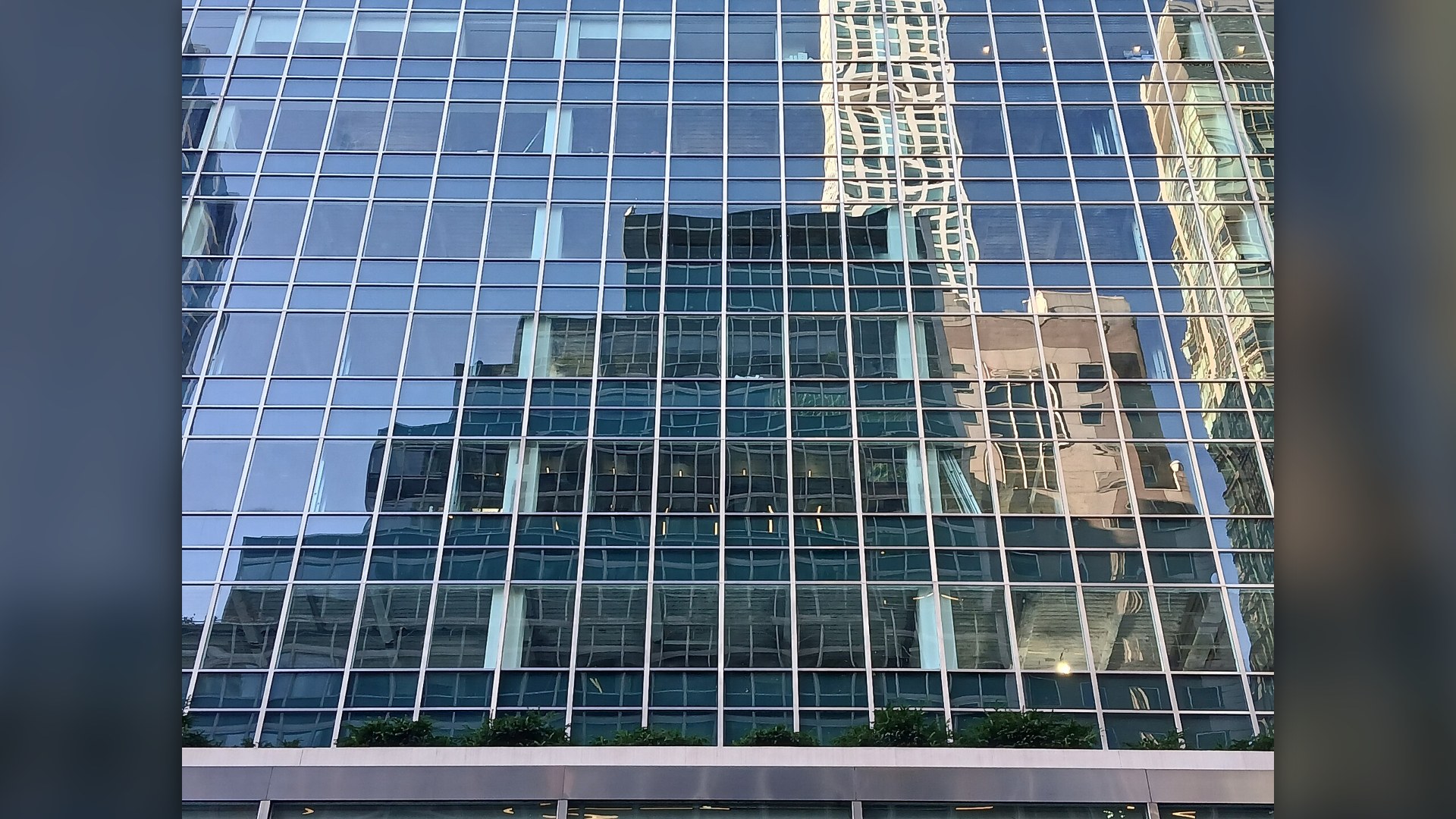
Completed in 1952 by Gordon Bunshaft of Skidmore, Owings and Merrill, Lever House replaced masonry walls with sealed blue-green glass and stainless steel. By lifting the 24-story office slab above an open courtyard, it broke New York's heavy street-wall habit overnight.
7. Seagram Building, New York City
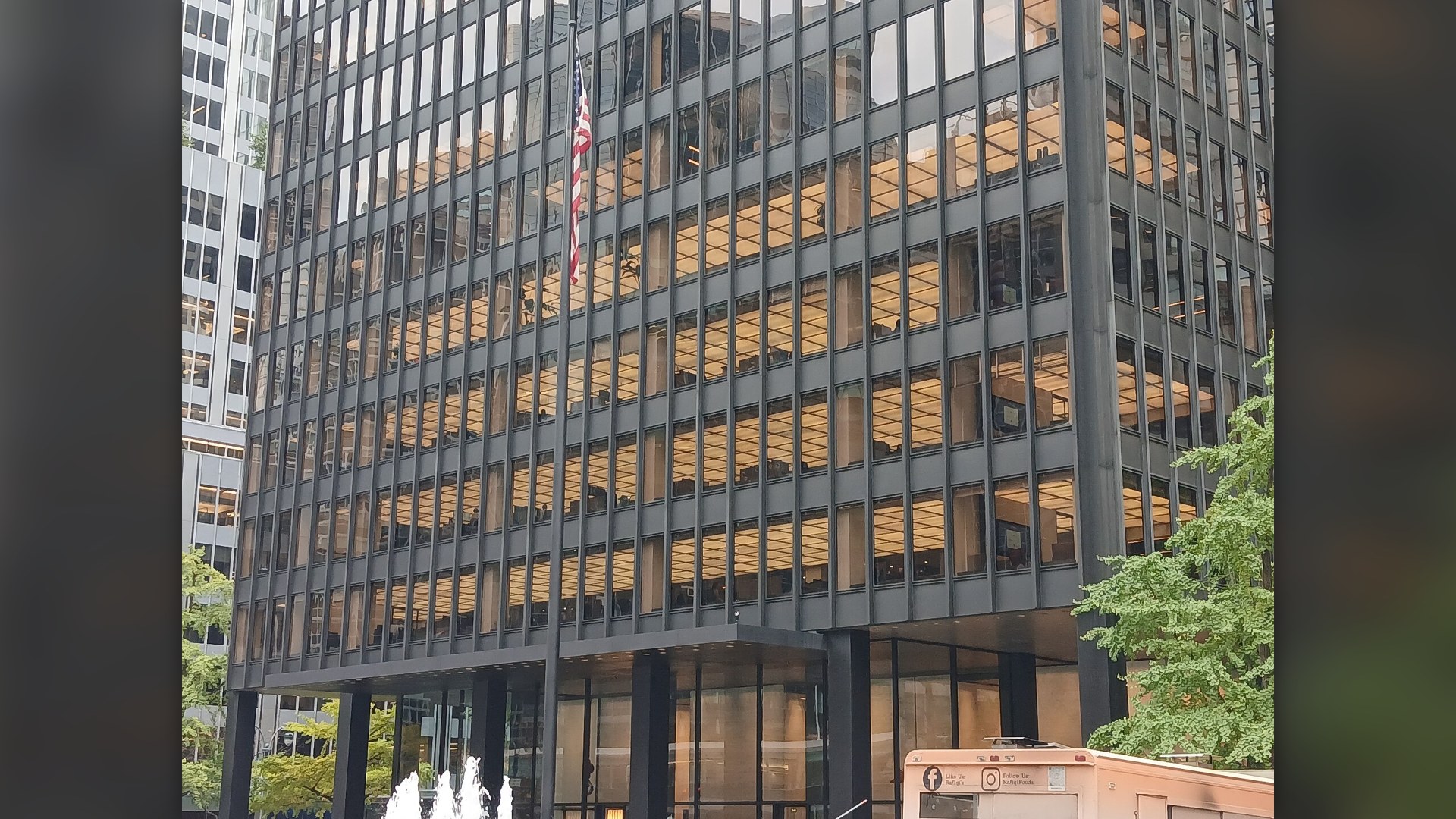
Finished in 1958 by Ludwig Mies van der Rohe and Philip Johnson, the 38-story Seagram Building pushed itself 30 meters back from Park Avenue to give pedestrians a granite plaza. That generous setback inspired New York City's 1961 zoning rules rewarding public open space.
6. Flatiron Building, New York City
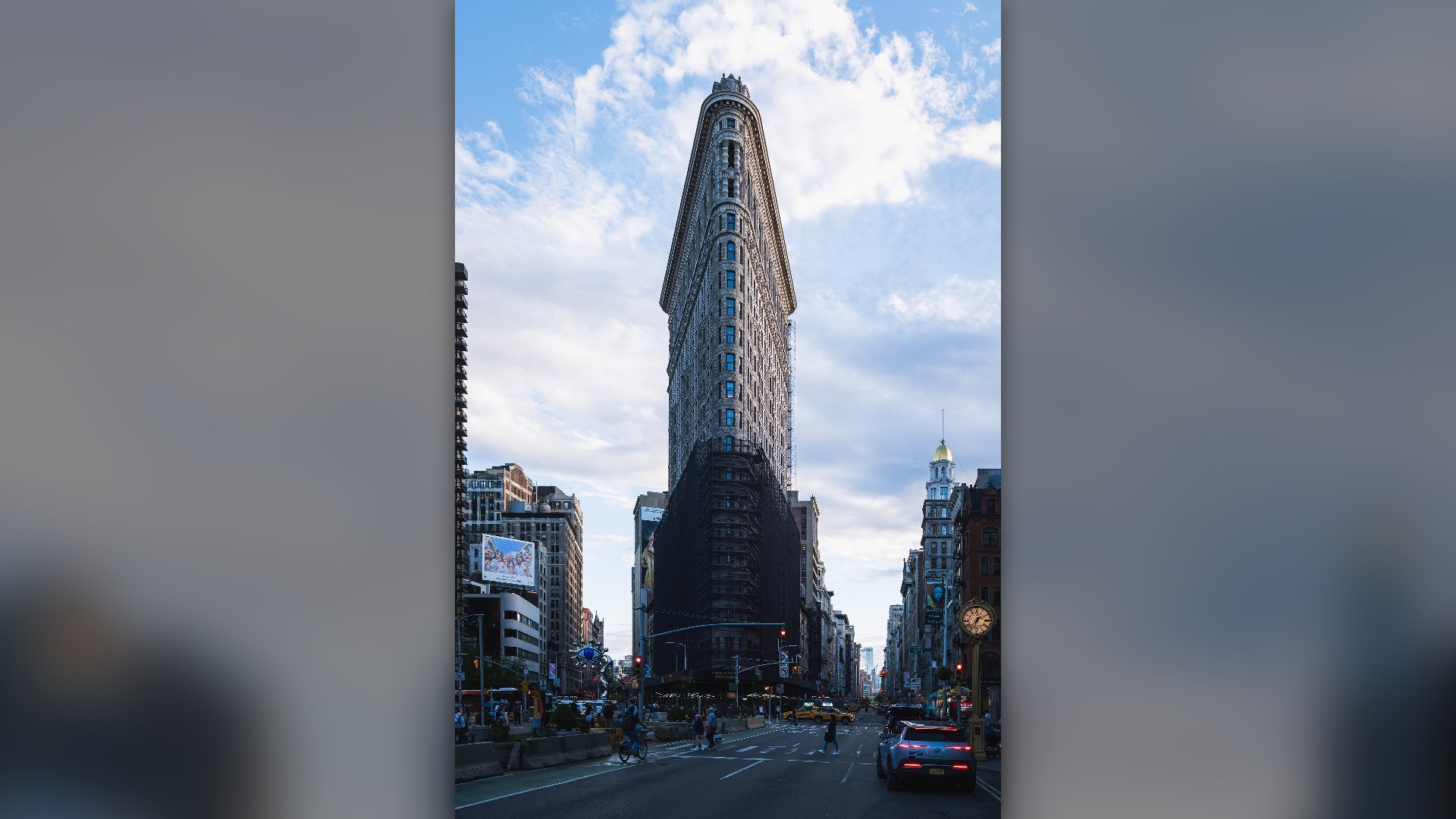
Designed by Daniel Burnham and completed in 1902 at 87 meters tall, the Flatiron Building used an internal steel skeleton to wrap limestone and terracotta cleanly around a 25-degree corner. It showed fast-growing cities that steel framing could conquer tight, irregular plots.
5. Guggenheim Museum Bilbao, Spain
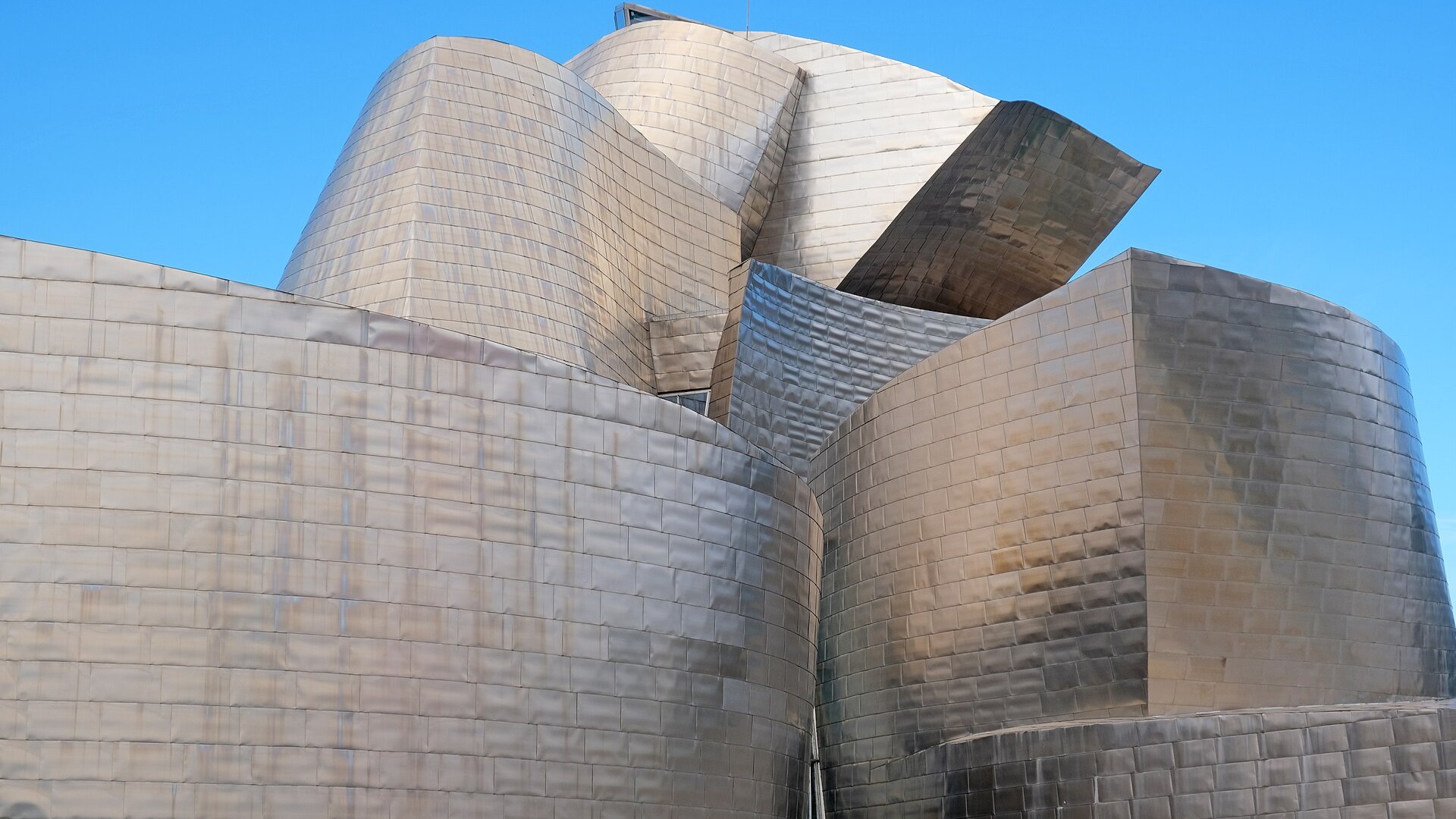
Opened in 1997 along Bilbao's industrial riverfront, Frank Gehry's museum wrapped 33,000 thin titanium sheets around swirling forms modeled with aerospace software. Visitor numbers soared so rapidly that urban planners coined the term Bilbao Effect for architecture-led renewal.
4. Empire State Building, New York City
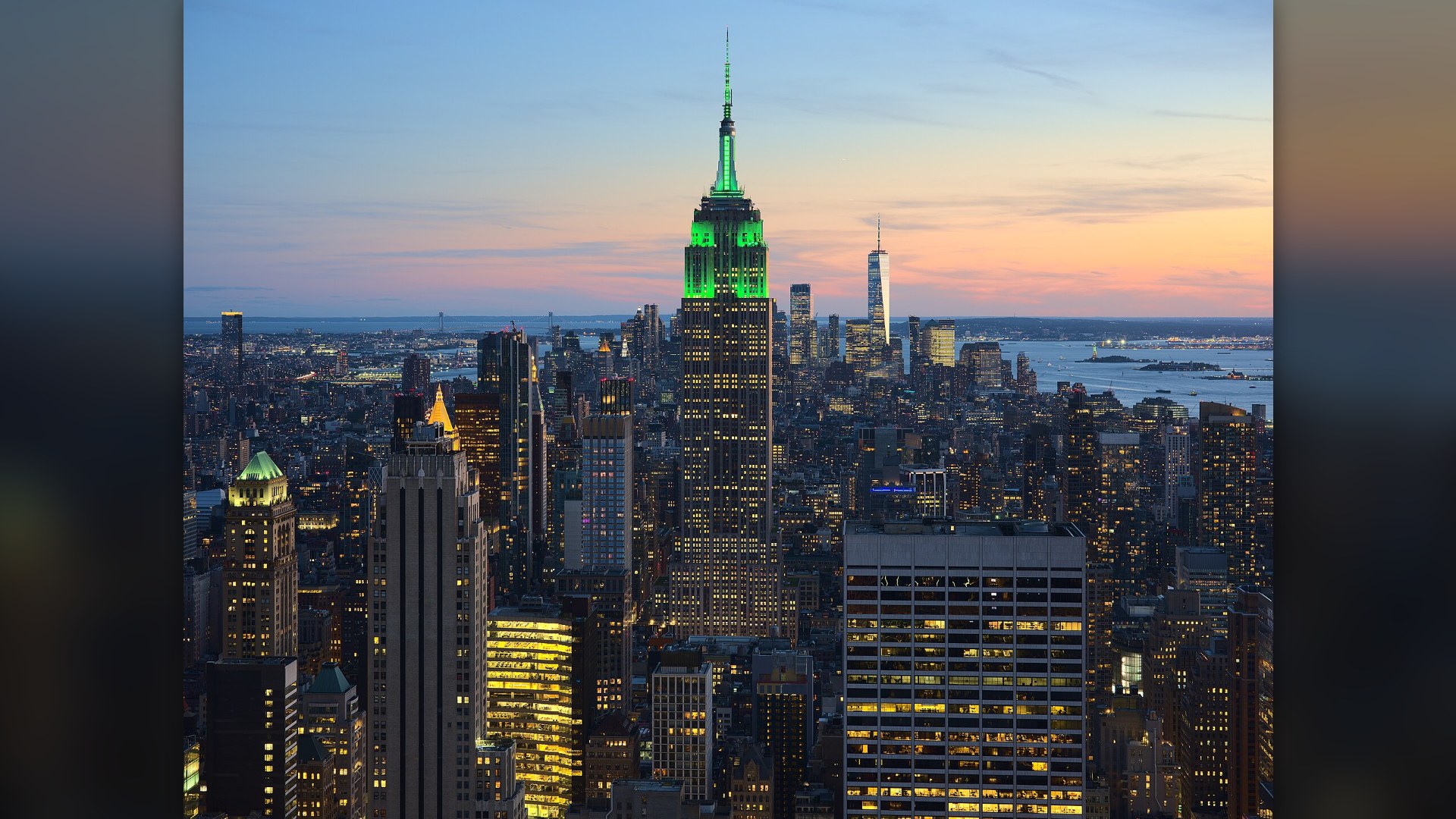
Designed by Shreve, Lamb and Harmon and opened in 1931, the 102-story Manhattan skyscraper held the world's tallest title for nearly 40 years. Its stepped limestone setbacks met New York's 1916 sunlight zoning rules and defined the classic silhouette of modern city skylines.
3. Sydney Opera House, Sydney
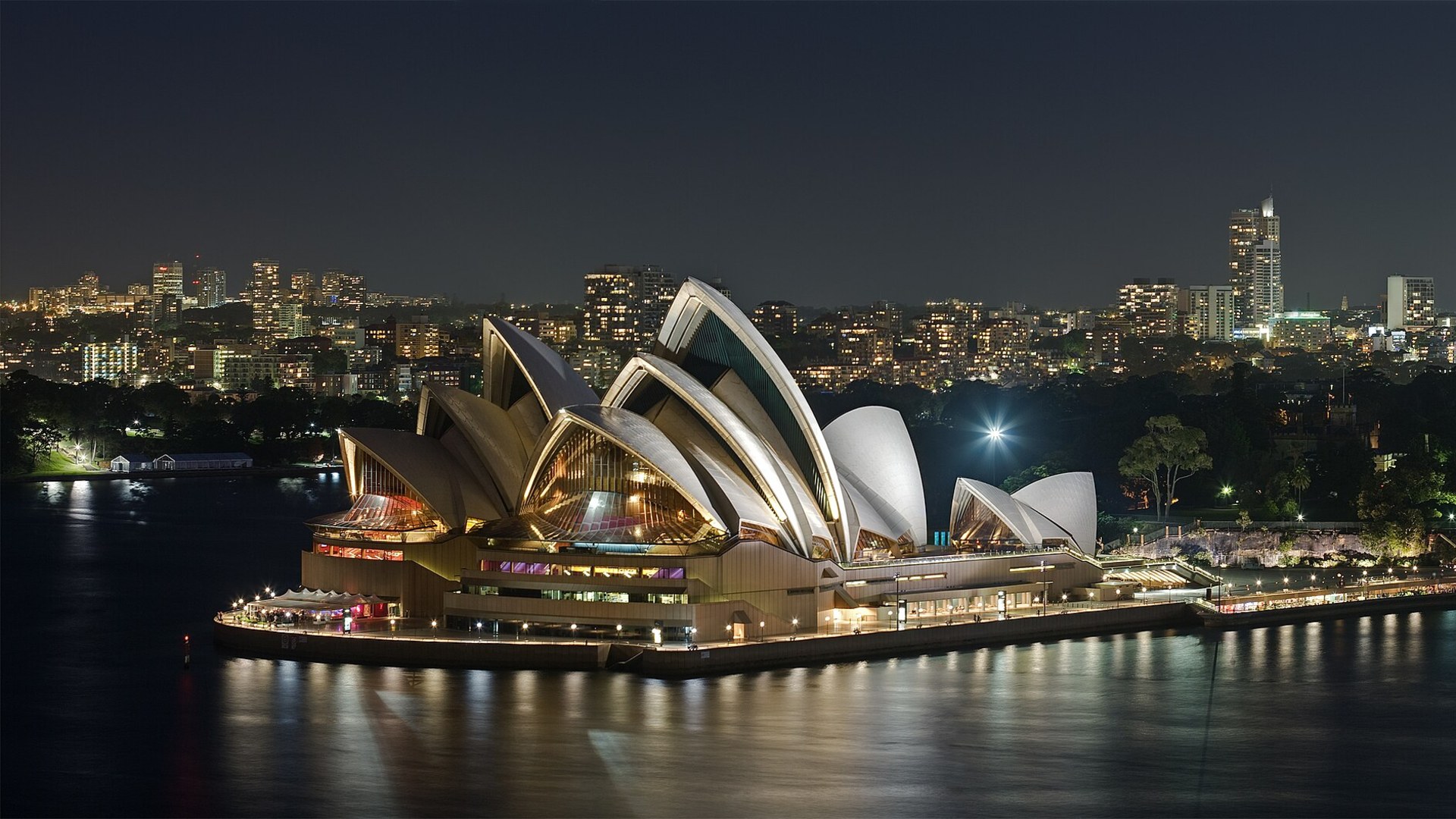
Danish architect Jorn Utzon conceived the Opera House's interlocking white roof shells in 1957, using geometry carved from a single sphere to cast thousands of precast concrete ribs. Opened in 1973, the waterfront complex became a UNESCO World Heritage site in 2007.
2. Burj Khalifa, Dubai
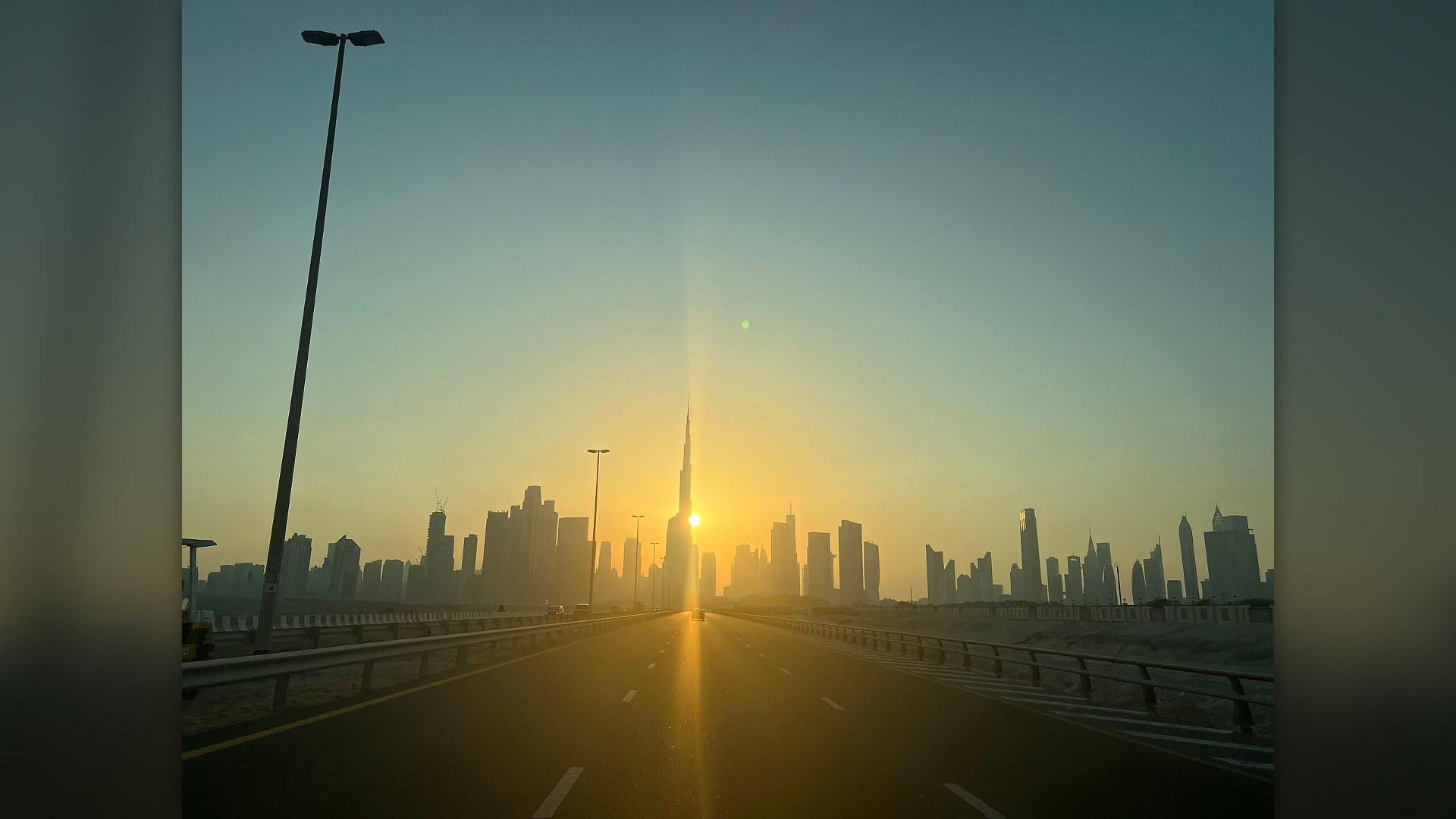
Opened in 2010 and engineered by Adrian Smith and Bill Baker of SOM, the 828-meter Burj Khalifa remains the world's tallest structure as of November 2026. Its Y-shaped buttressed-core plan stabilizes the 163-floor spire against desert winds and anchored Downtown Dubai's growth.
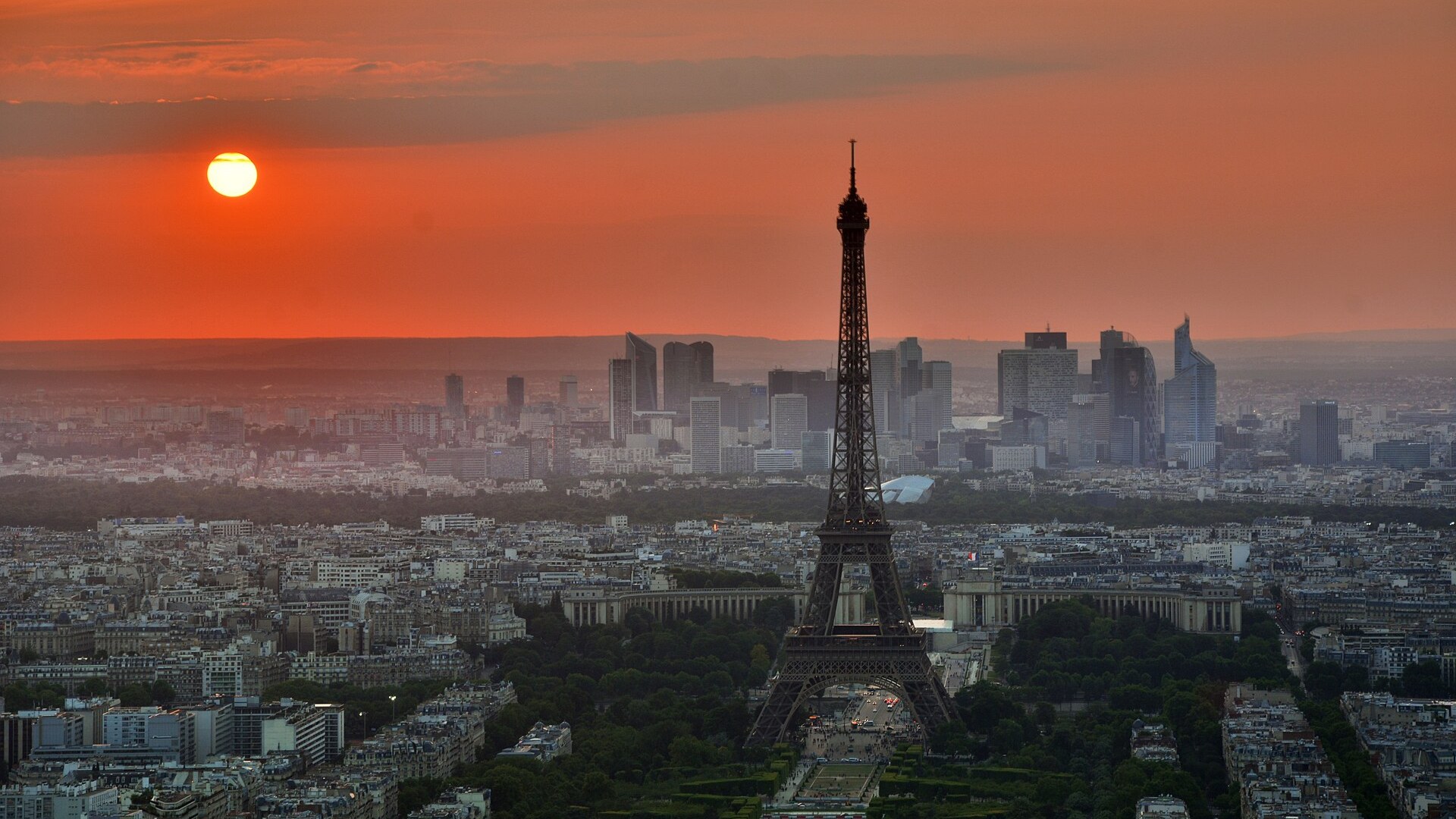
1. Eiffel Tower, Paris
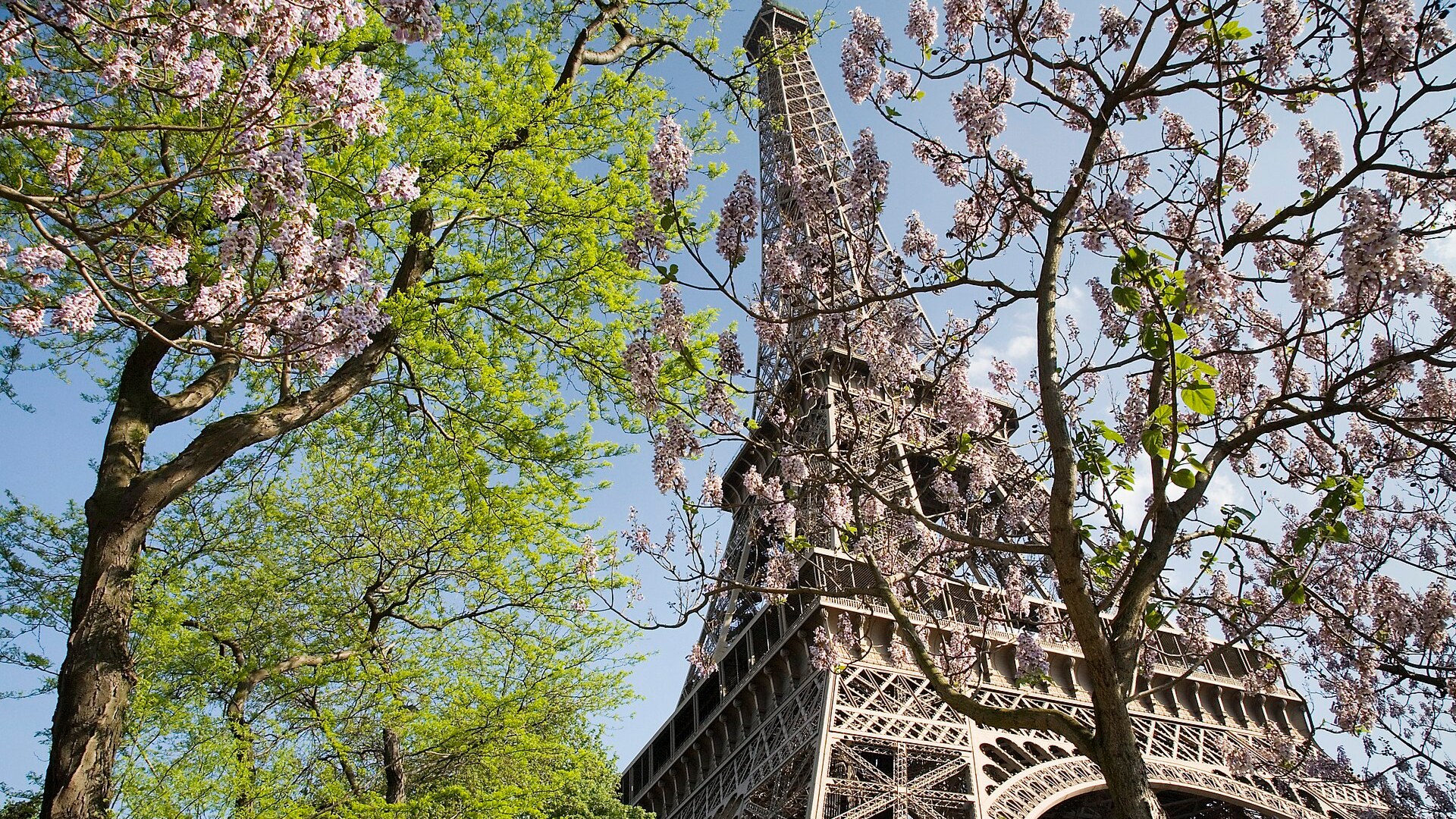
Built for the 1889 Paris World's Fair from 18,038 wrought-iron parts held by 2.5 million rivets, Gustave Eiffel's now 330-meter tower horrified critics who called it a factory chimney. Instead, it stayed standing past its 20-year permit and proved exposed engineering can define a city.