Slideshow · Travel
22 Coastal Fortresses Still Standing Guard Along Europe's Coasts
From tidal gun platforms off the French Atlantic to Venetian island bastions in the Aegean and limestone star forts in Malta, Europe's maritime borders are lined with stone strongholds built to control narrow straits and deep harbors. This countdown visits 22 coastal fortresses you can still see today.

All 22 Entries in this Story
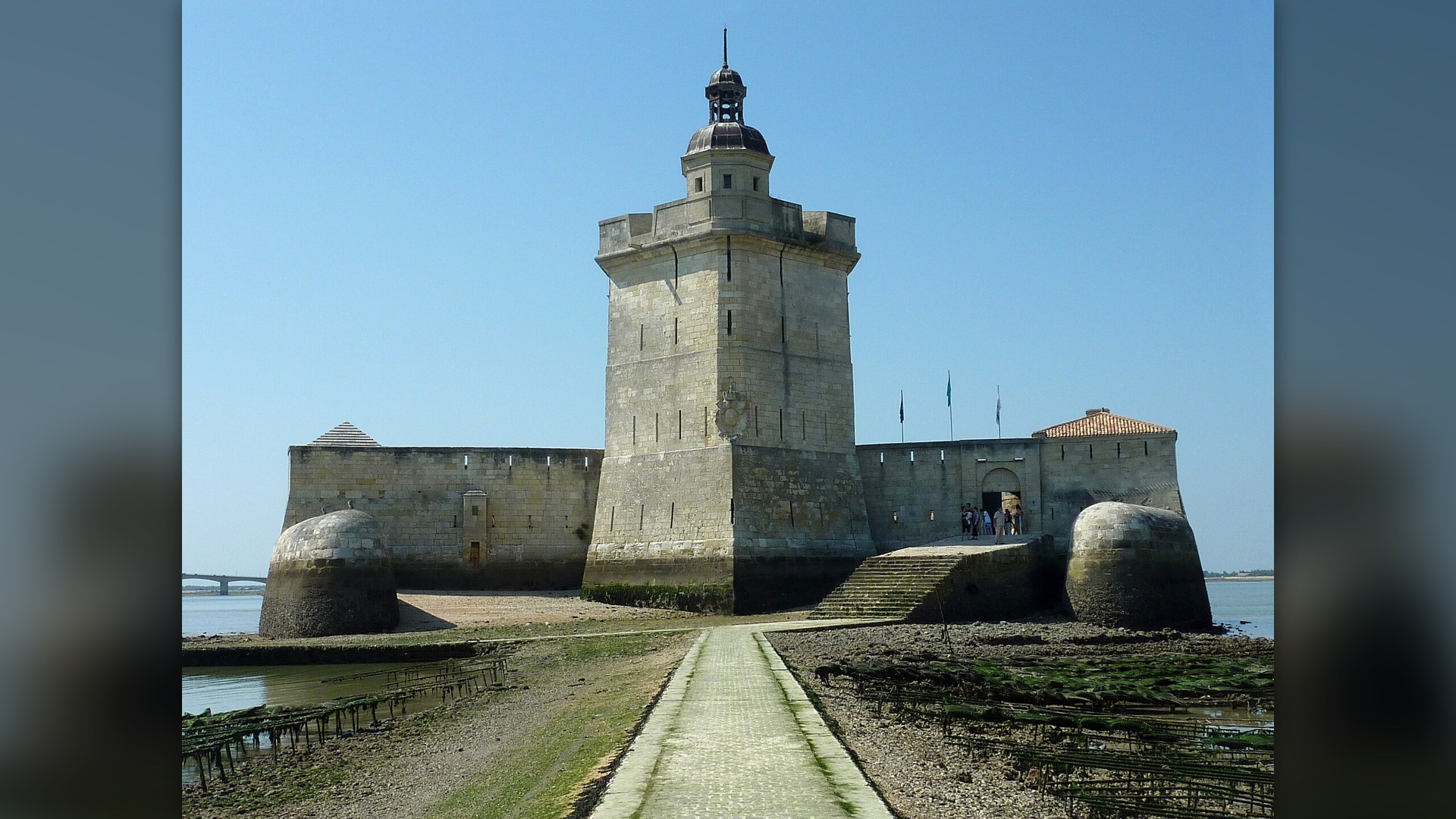
#22 Fort Louvois, France
Commissioned by Louis XIV in 1691 and adapted by military engineer Vauban, this artillery fort guards the Pertuis de Maumusson strait opposite Oleron Island. Visitors walk across its submerged stone causeway at low tide to explore the central keep and museum.
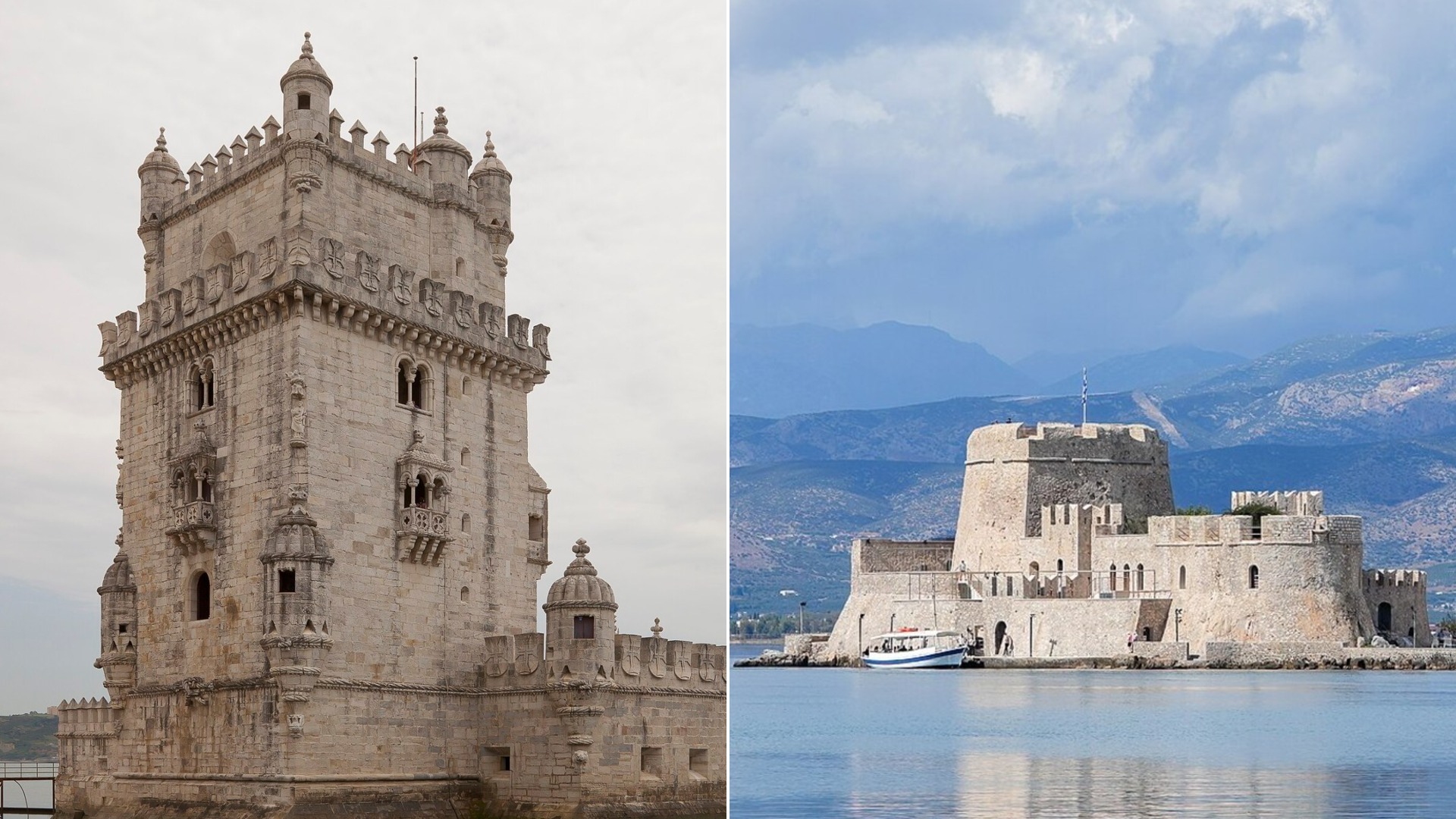
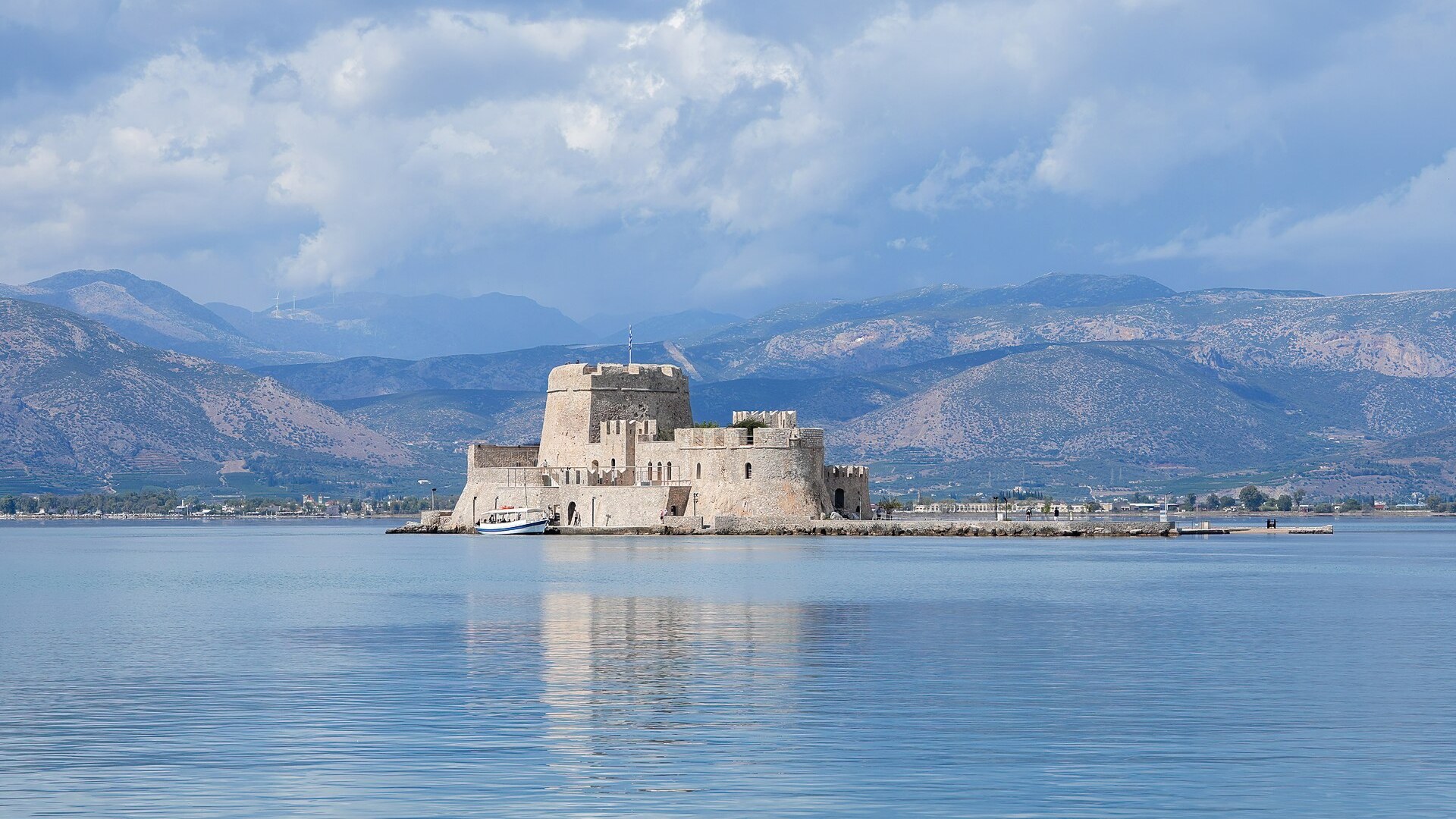
#21 Bourtzi Castle, Greece
Erected in 1473 on the islet of Agioi Theodoroi, Bourtzi protected Nafplio's bay with heavy chains stretched across the water to stop enemy ships. Later in the 19th century it briefly housed town executioners and a small hotel before becoming a restored landmark.
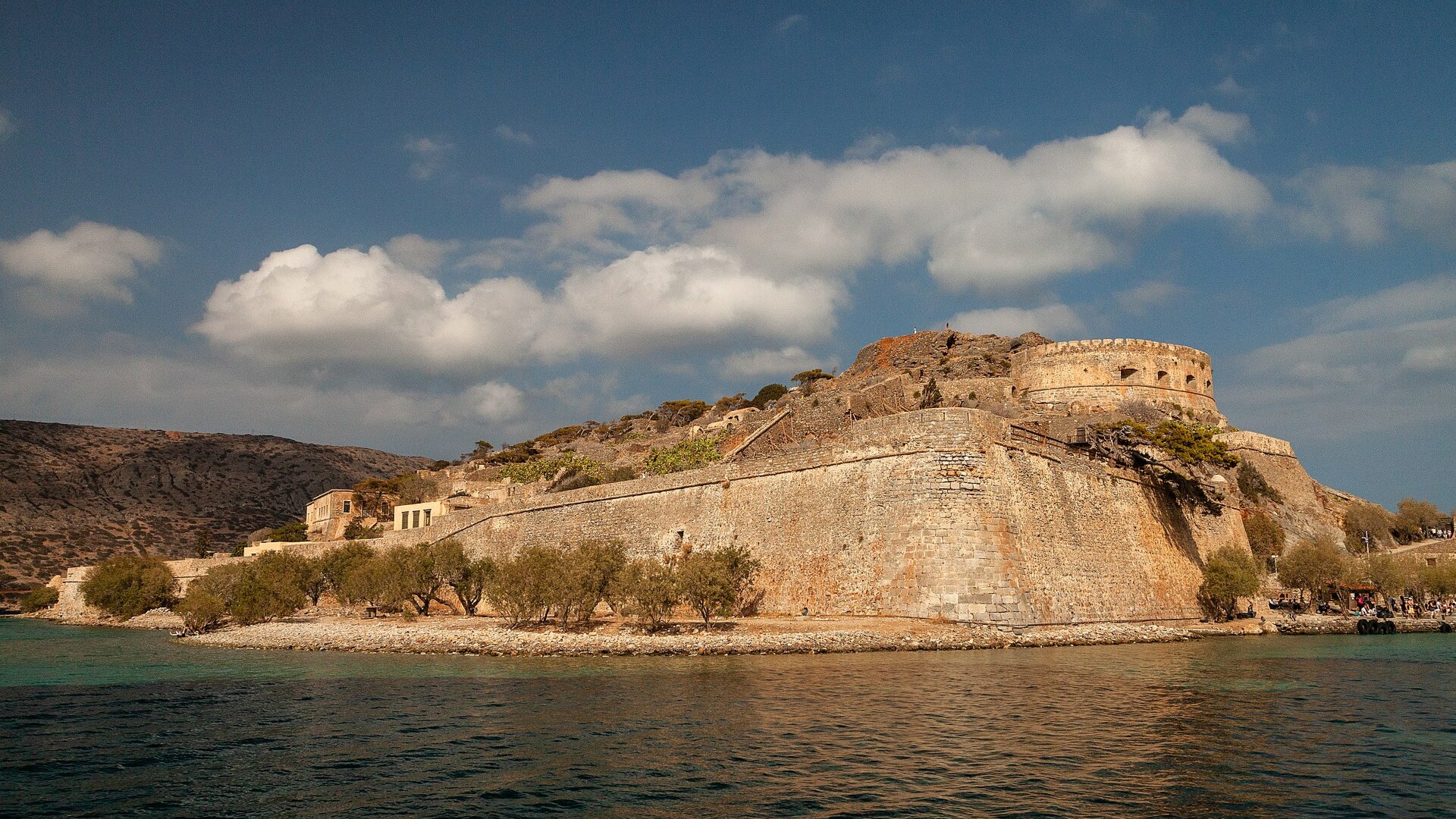
#20 Spinalonga Fortress, Greece
Venetian engineers fortified this barren islet in 1579 to shield Crete's Mirabello Bay from Ottoman raids, raising thick seaward bastions around its cliffs. From 1903 to 1957 the island served as a quarantined leper colony, leaving stone houses and workshops inside the ramparts.
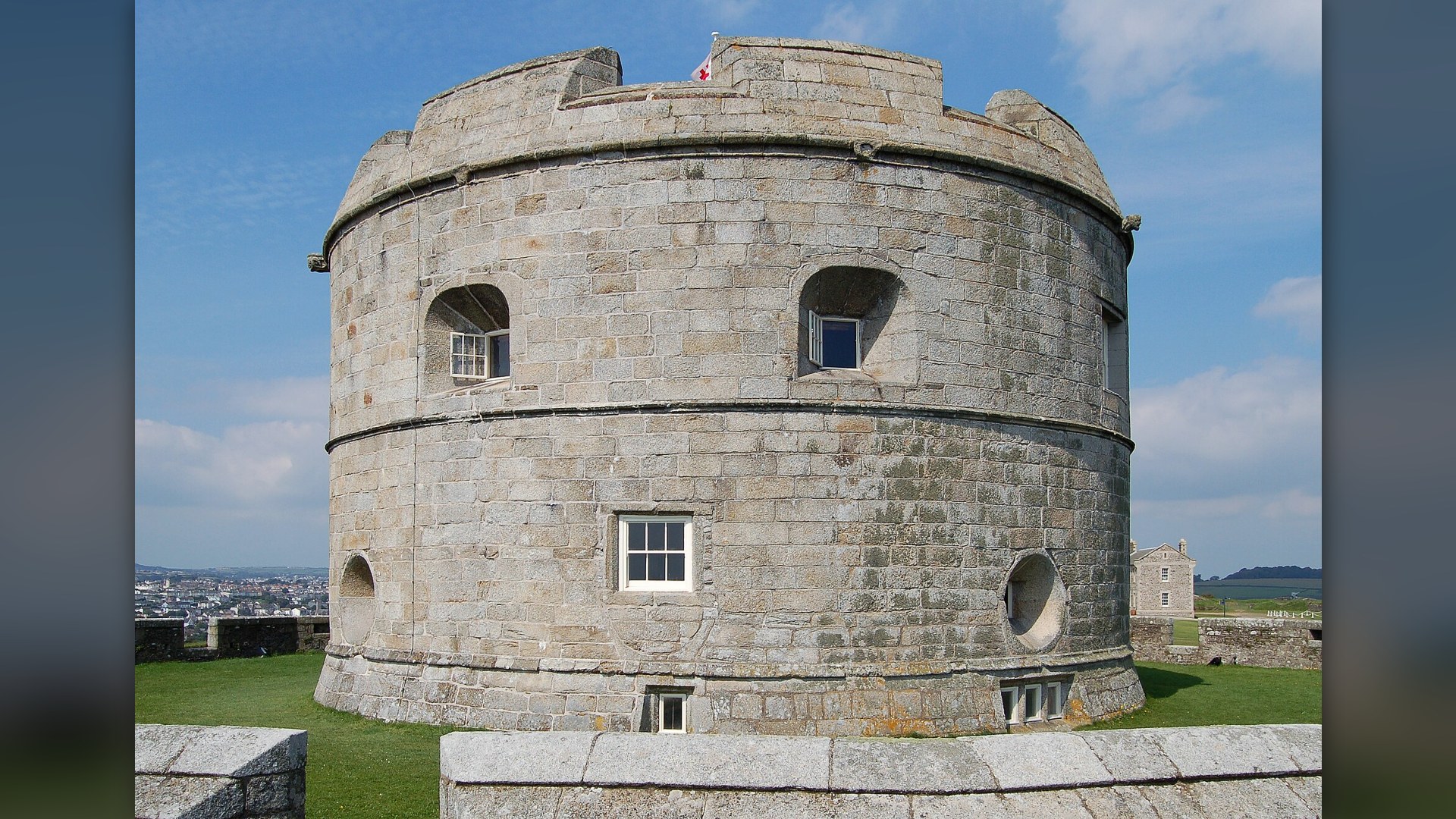
#19 Pendennis Castle, England
Built between 1540 and 1545 to guard the Carrick Roads estuary near Falmouth, Pendennis paired with St Mawes Castle across the water to create crossfire. In 1646 it was one of the last Royalist strongholds to surrender during the English Civil War, holding out for five months.
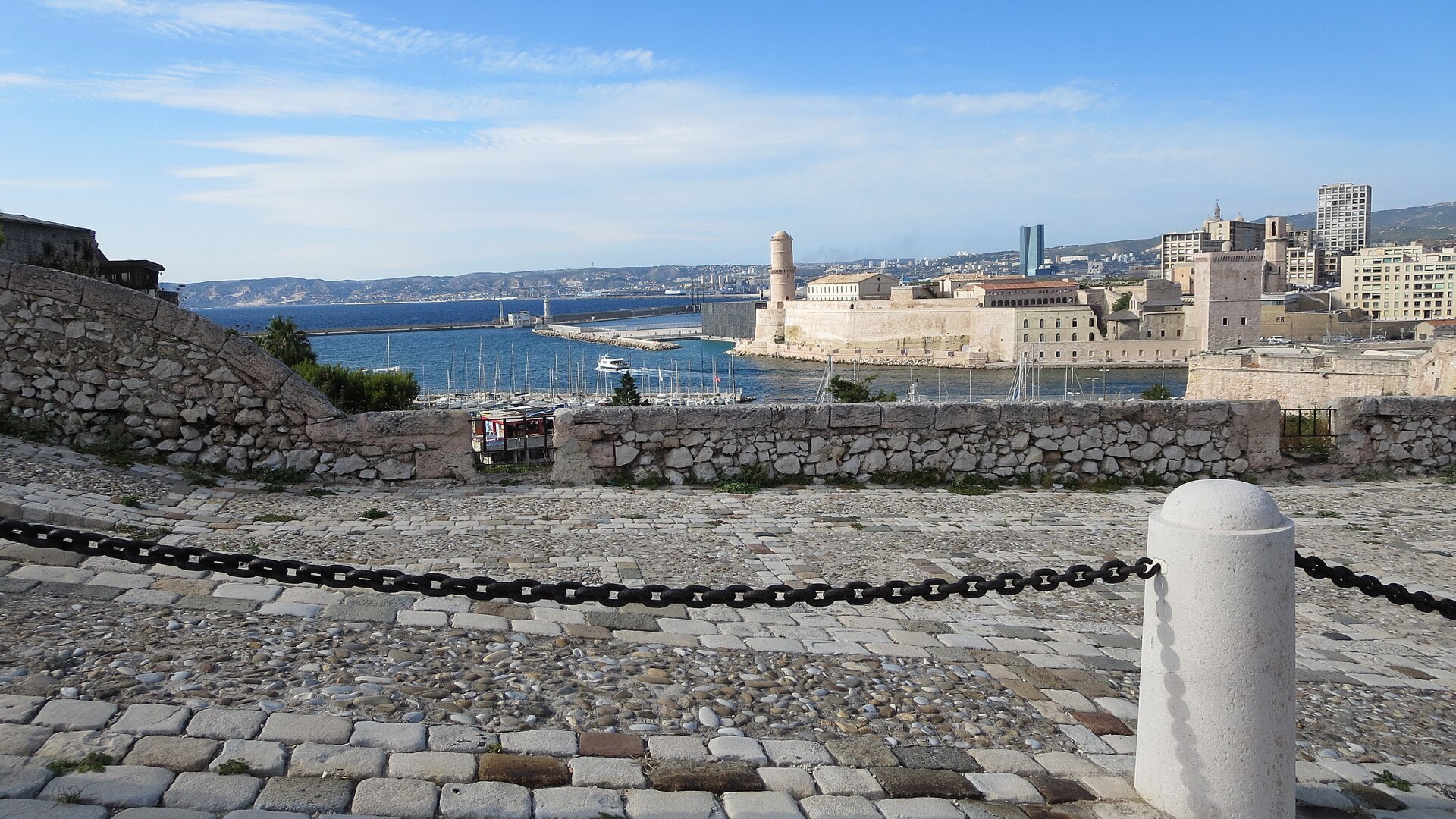
#18 Fort Saint-Jean, Marseille, France
Built by King Louis XIV in 1660, its cannons famously pointed toward the city as well as out to the Mediterranean after local unrest. Today a dramatic modern footbridge links its 12th-century Knights Hospitaller tower to the MuCEM waterfront museum.
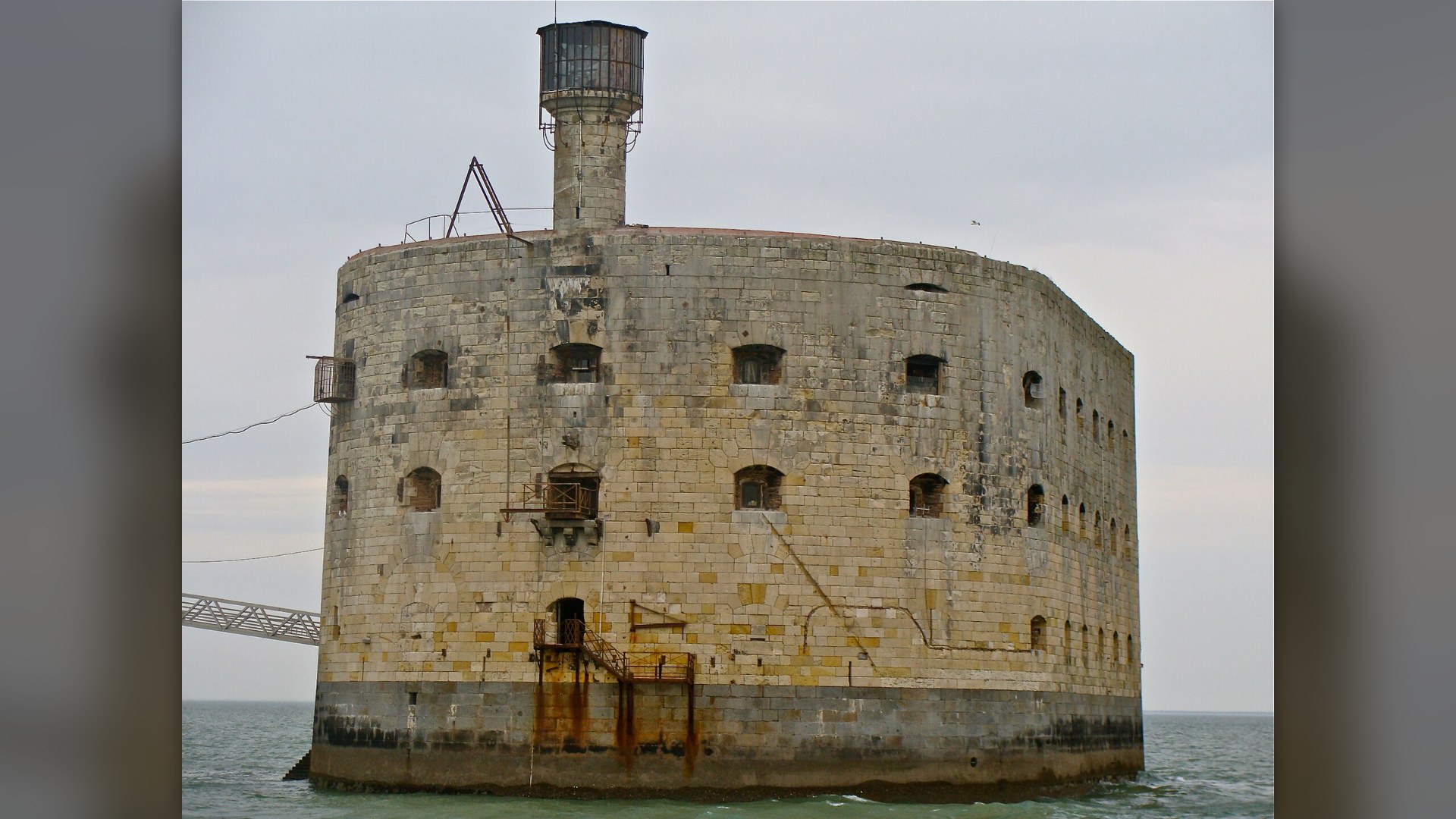
#17 Fort Boyard, France
Ordered by Napoleon Bonaparte in 1801 to block British warships from the Rochefort naval dockyard, the fort was not completed until 1857 after decades of shifting sandbars. Its 68-meter stone oval stands between Aix and Oleron islands and has hosted television crews since 1990.
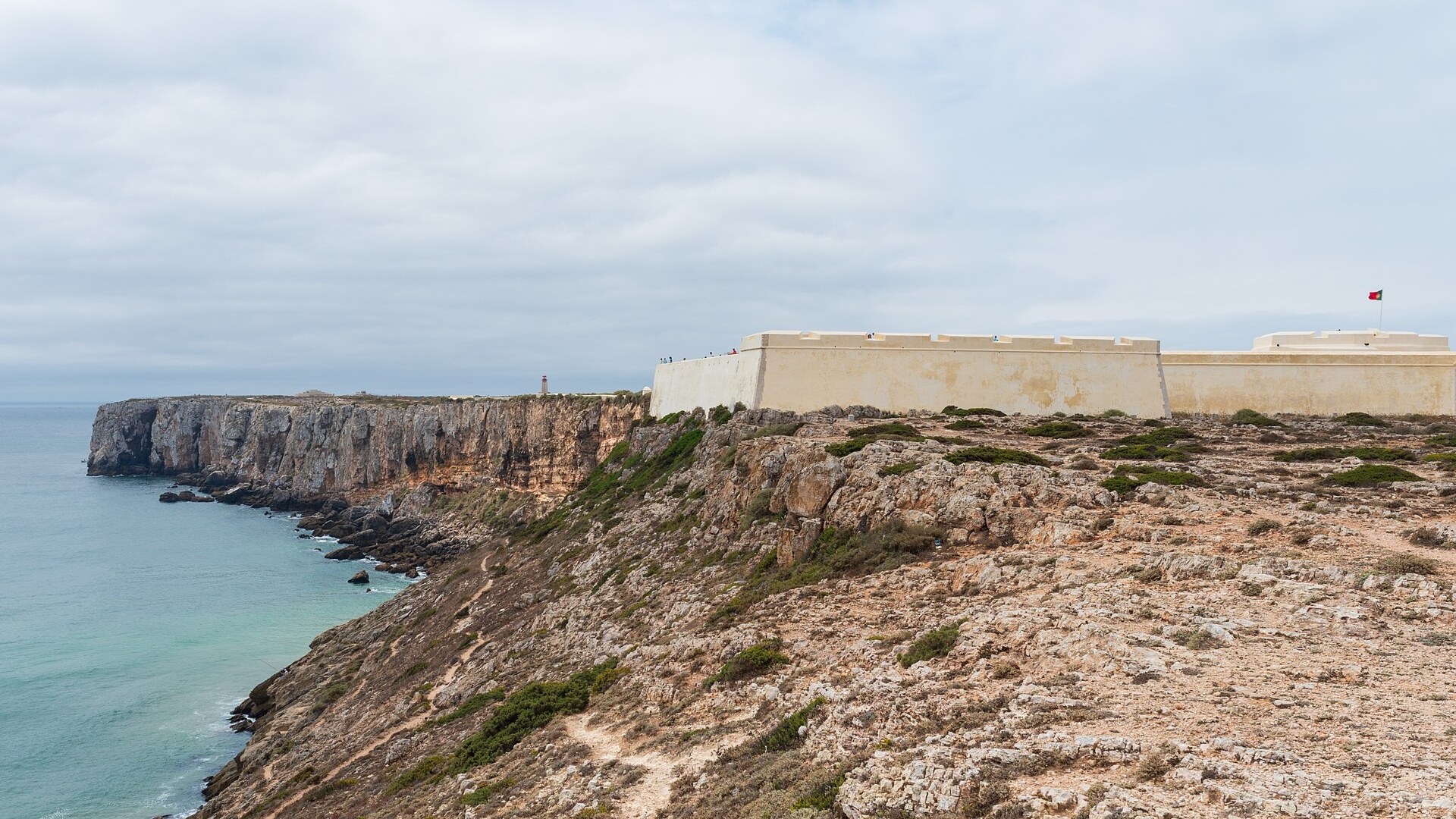
#16 Sagres Fortress, Portugal
Prince Henry the Navigator established his maritime base on this promontory in the 15th century, though most surviving walls date from 18th-century reconstructions after the 1755 earthquake. Inside the courtyard lies a 43-meter-wide stone wind compass carved into the ground.
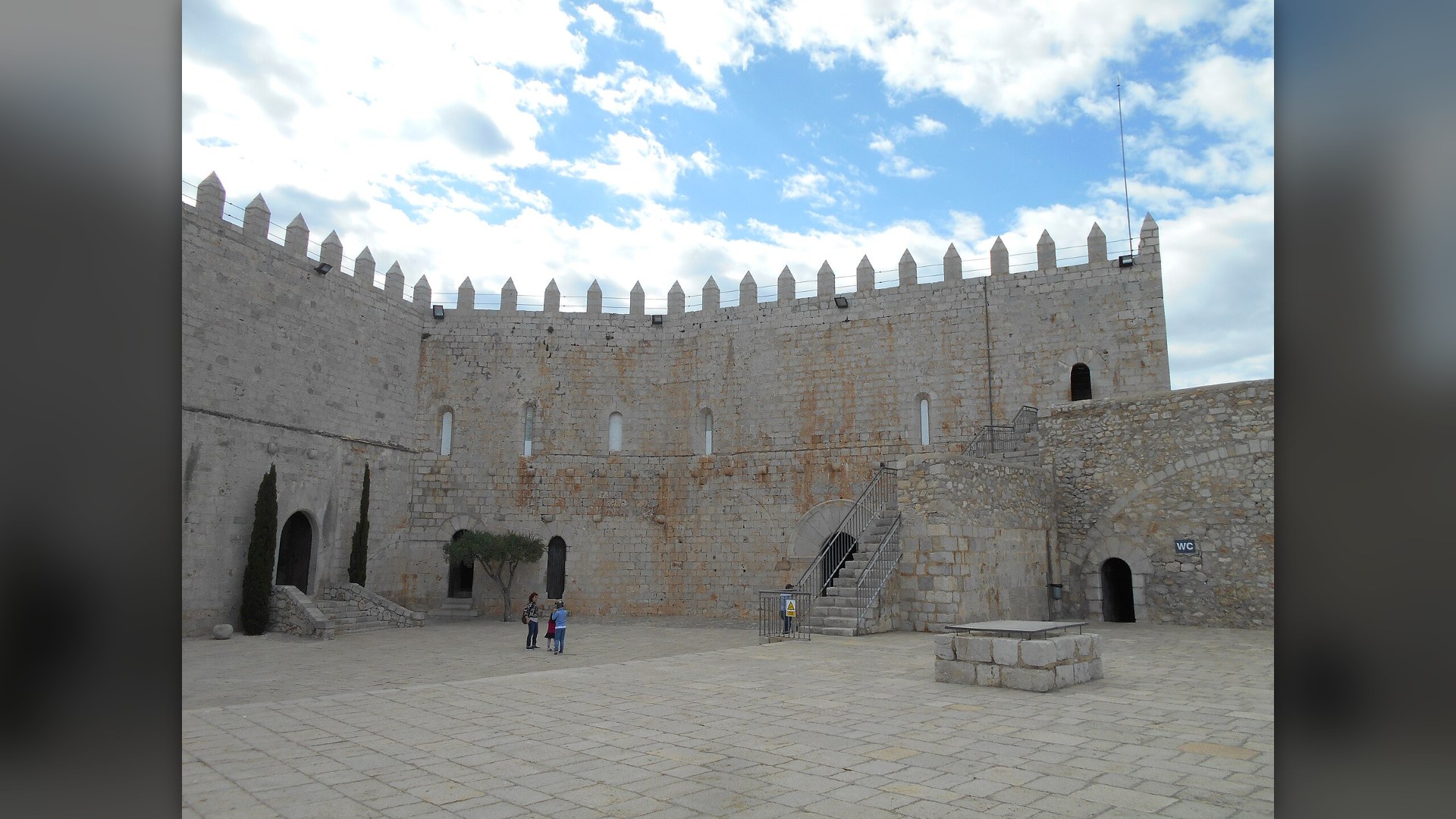
#15 Peniscola Castle, Spain
Templar knights built this fortress between 1294 and 1307 on the ruins of an Arab alcazaba jutting into the Mediterranean. A century later, Antipope Benedict XIII turned the clifftop stronghold into his papal palace during the Western Schism.
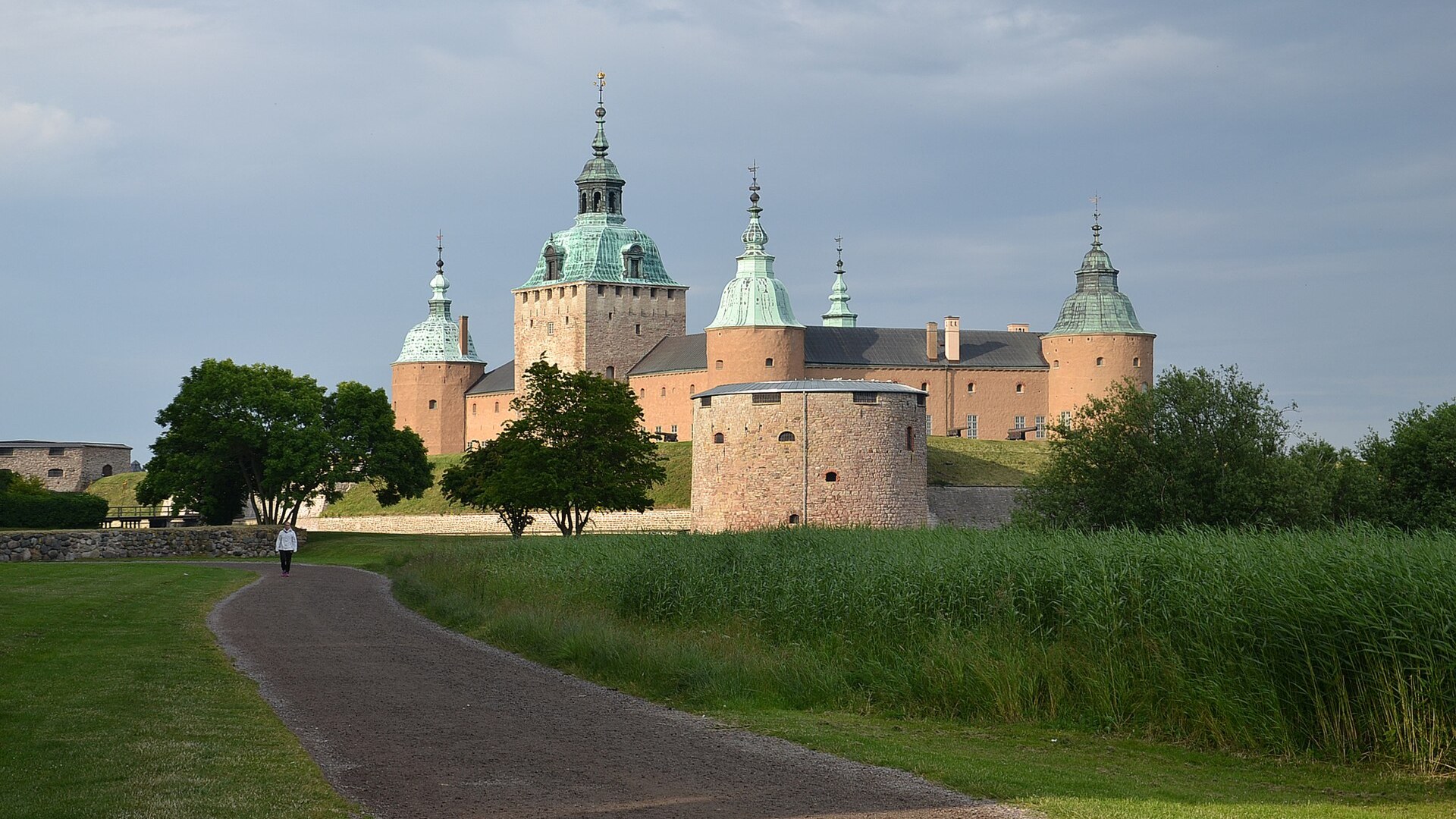
#14 Kalmar Castle, Sweden
Started as a coastal defense tower in the 12th century, Kalmar became the site where the Kalmar Union united Denmark, Norway and Sweden in 1397. King Gustav Vasa and his sons later transformed the medieval stronghold into a fortified Renaissance palace surrounded by earthen ramparts.
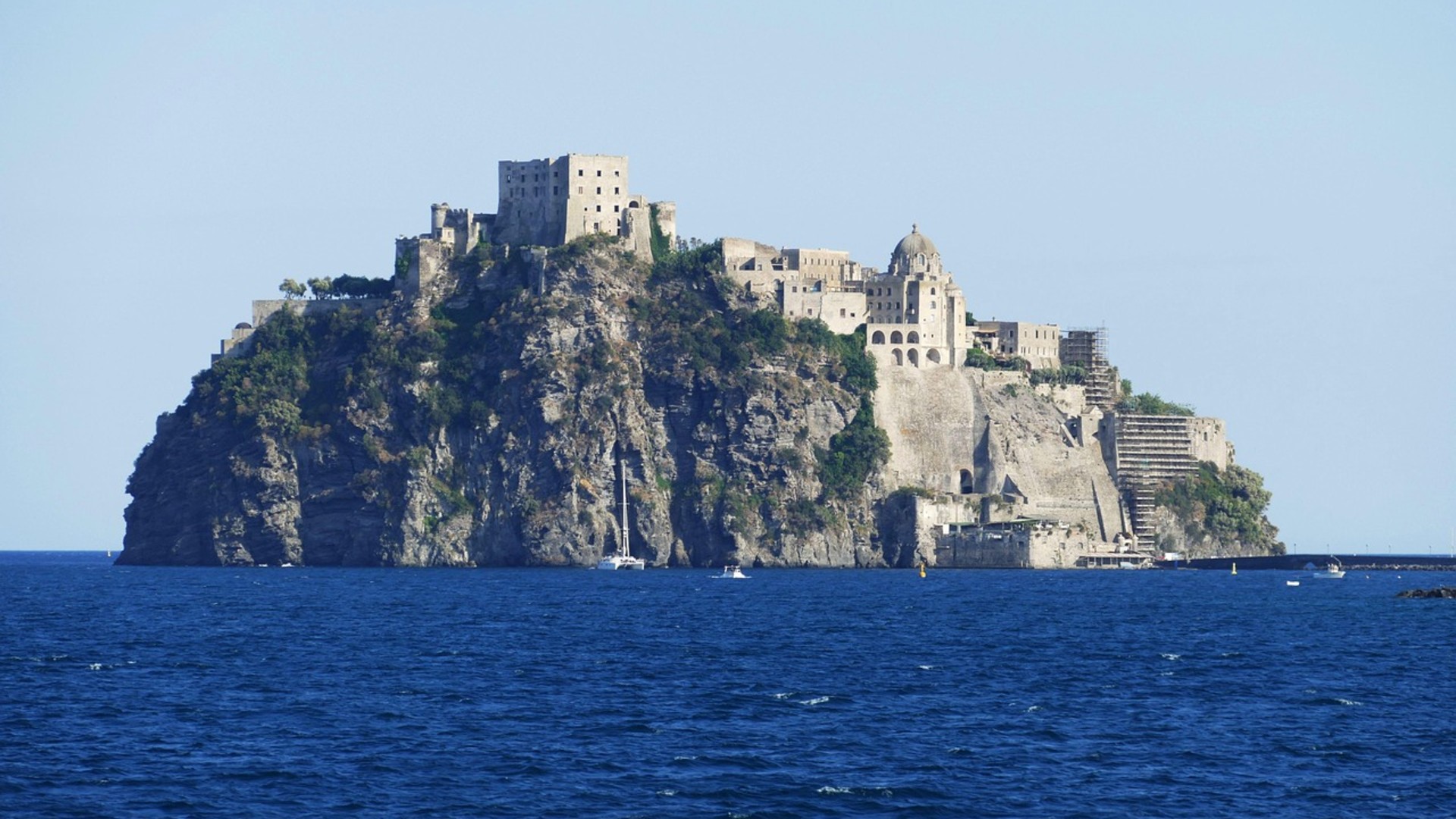
#13 Castello Aragonese, Ischia, Italy
Fortified in 474 BC by Hiero I of Syracuse, the sheer trachyte outcrop received its present walls and stone causeway under Alfonso V of Aragon in 1441. At its peak in the 16th century, nearly two thousand families sheltered inside the cliffside citadel.
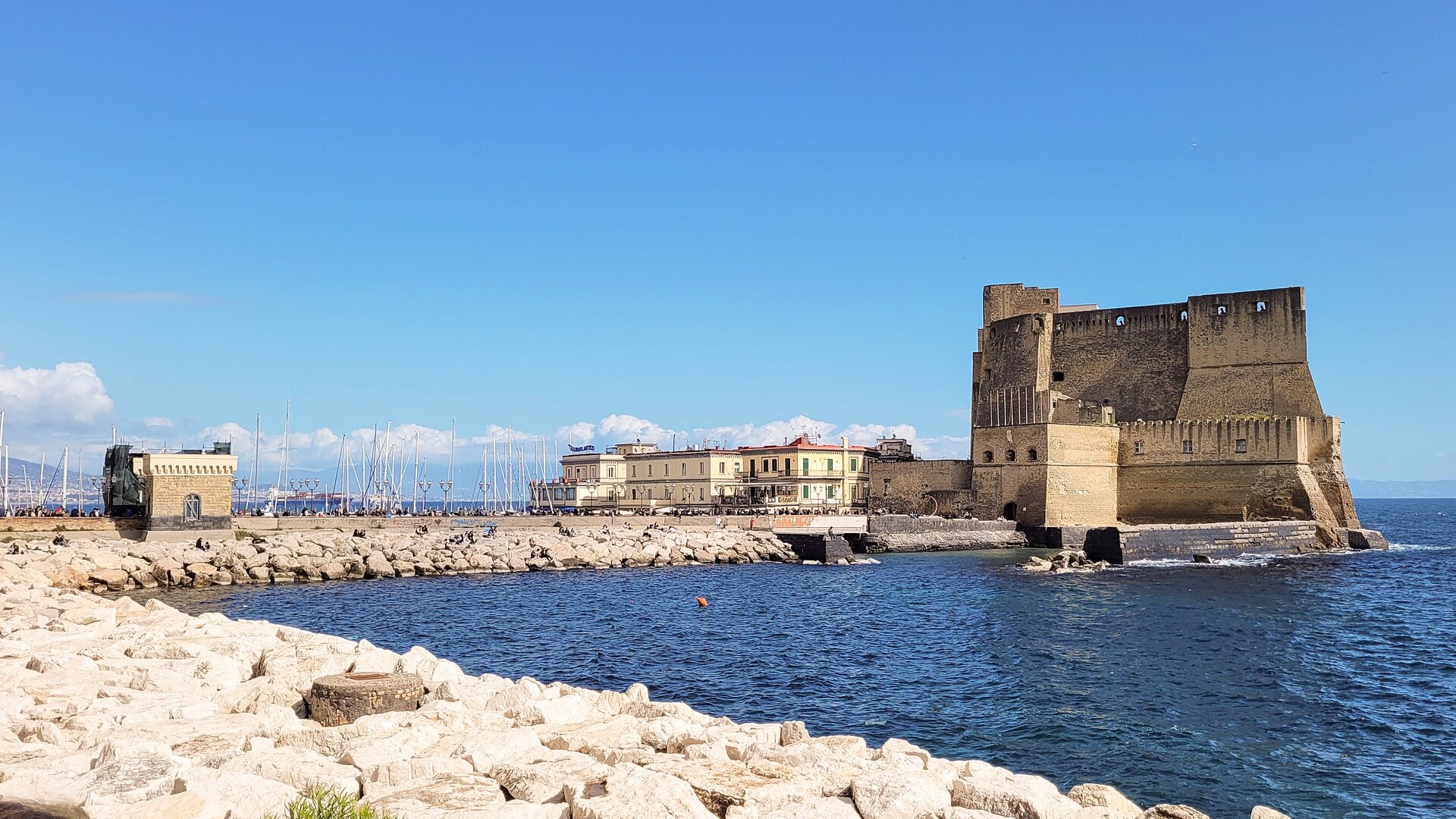
#12 Castel dell'Ovo, Naples, Italy
Normans built the stone fortress in the 12th century atop an ancient Roman villa, and its name comes from a medieval legend about a magical egg hidden in its foundations by the poet Virgil. Its thick sea walls and wide terraces overlook Mount Vesuvius.
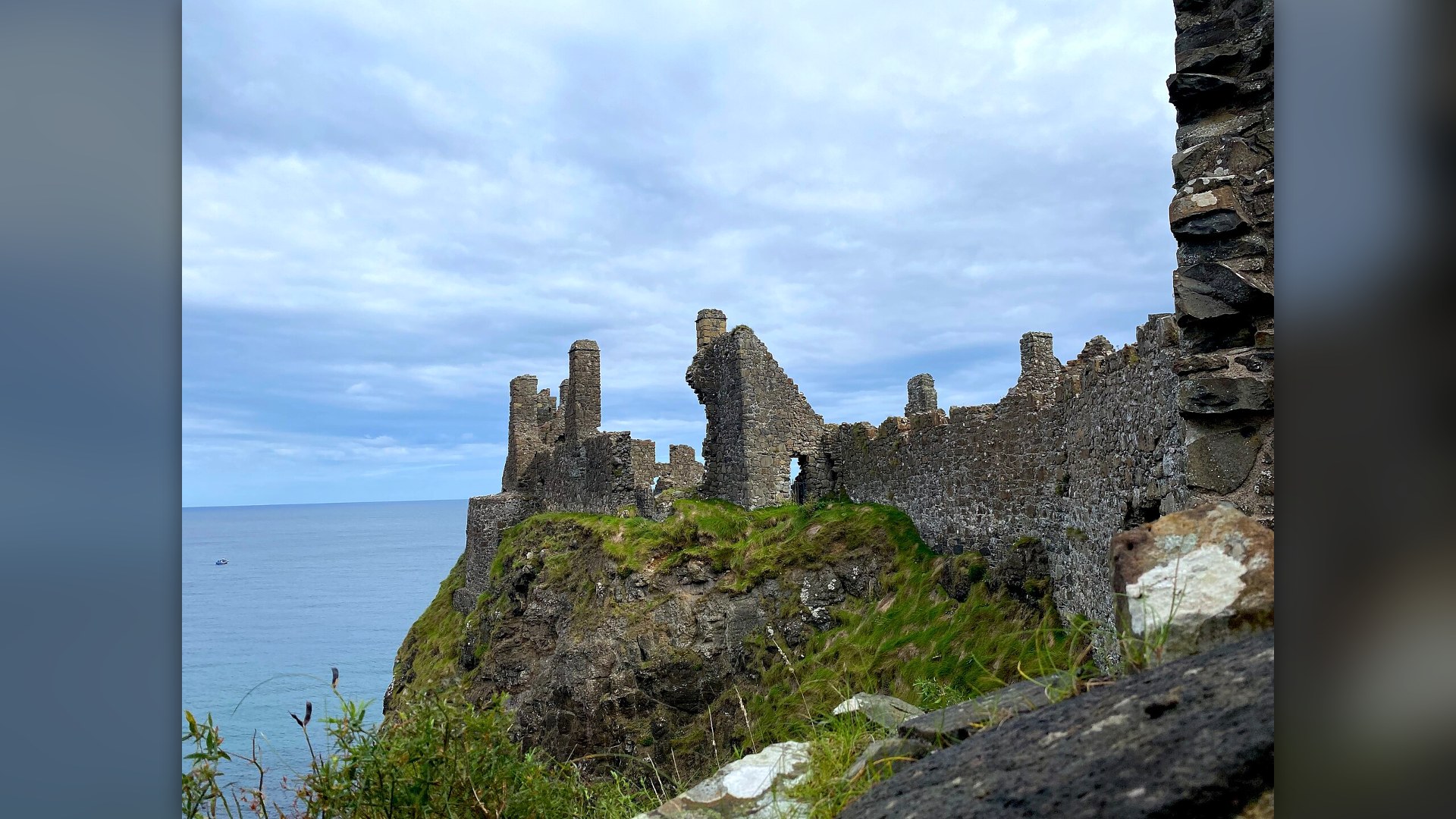
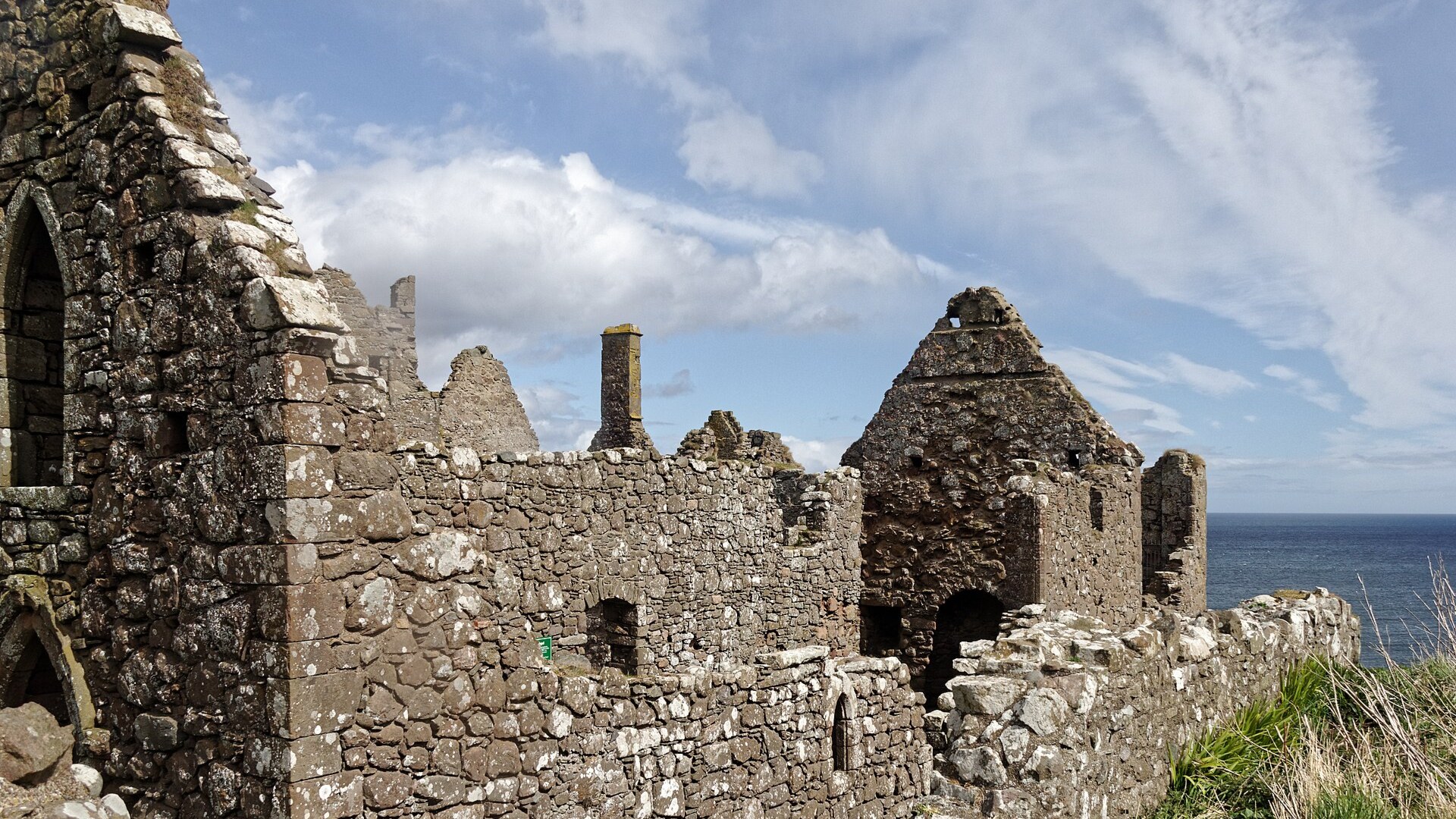
#11 Dunluce Castle, Northern Ireland
First built by the MacQuillan family around 1500 and later expanded by the MacDonnell clan, Dunluce sits on a sheer headland reached by a narrow bridge over a chasm. According to local records, part of the castle kitchen collapsed into the sea during a fierce storm in 1639.
#10 Dunnottar Castle, Scotland
Built mainly in the 15th and 16th centuries by the Keith family, this headland fortress guarded the eastern coast approach across a steep rocky gorge. In 1651 and 1652 a small garrison held off Oliver Cromwell's army for eight months while smuggling out the Scottish Crown Jewels.
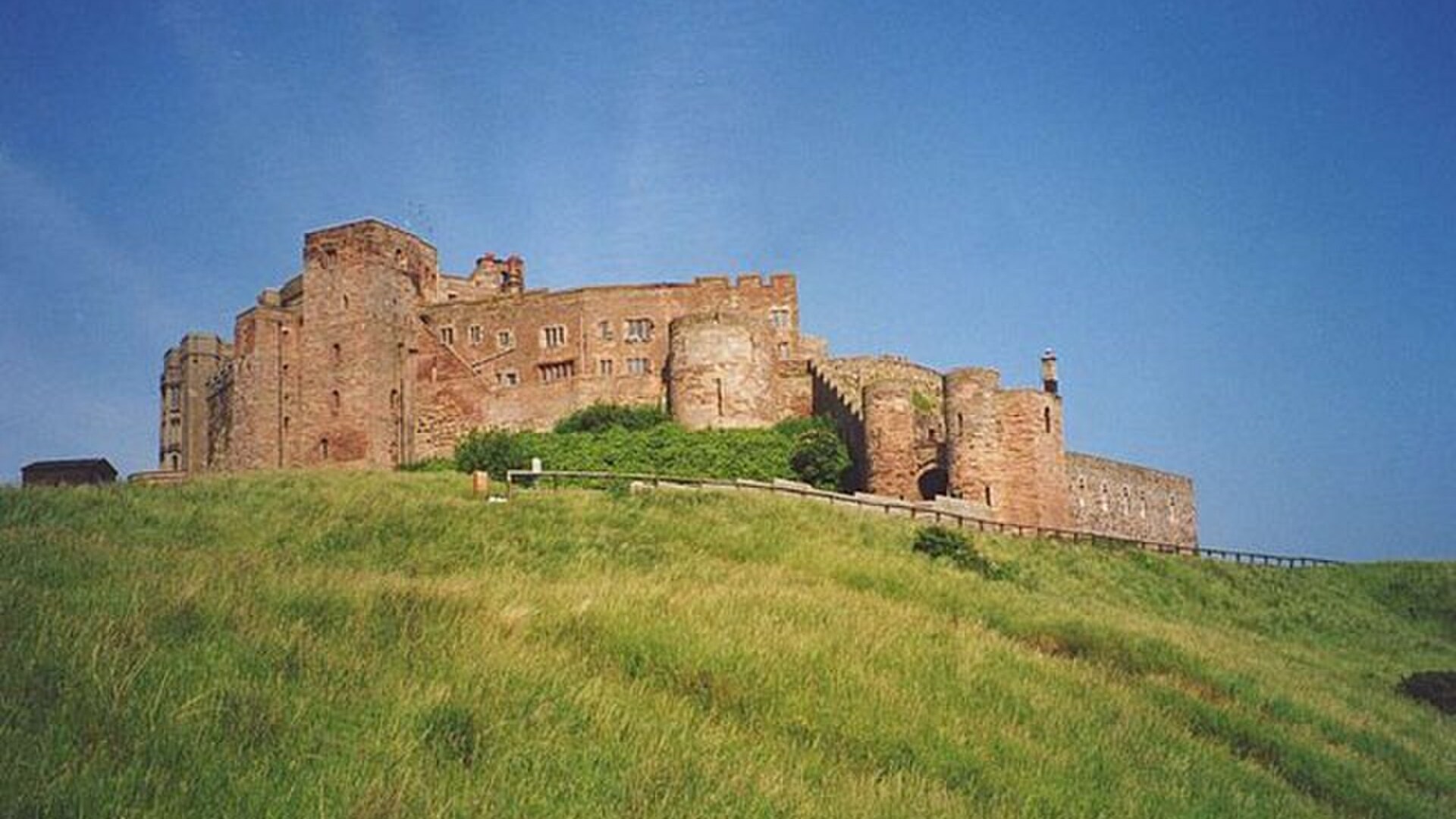
#9 Bamburgh Castle, England
Once the royal seat of Anglo-Saxon Northumbria, the present Norman keep dates to the 12th century and looks out toward the Farne Islands. Victorian industrialist William Armstrong bought the ruined fortress in 1894 and financed a sweeping restoration that remains open to visitors.
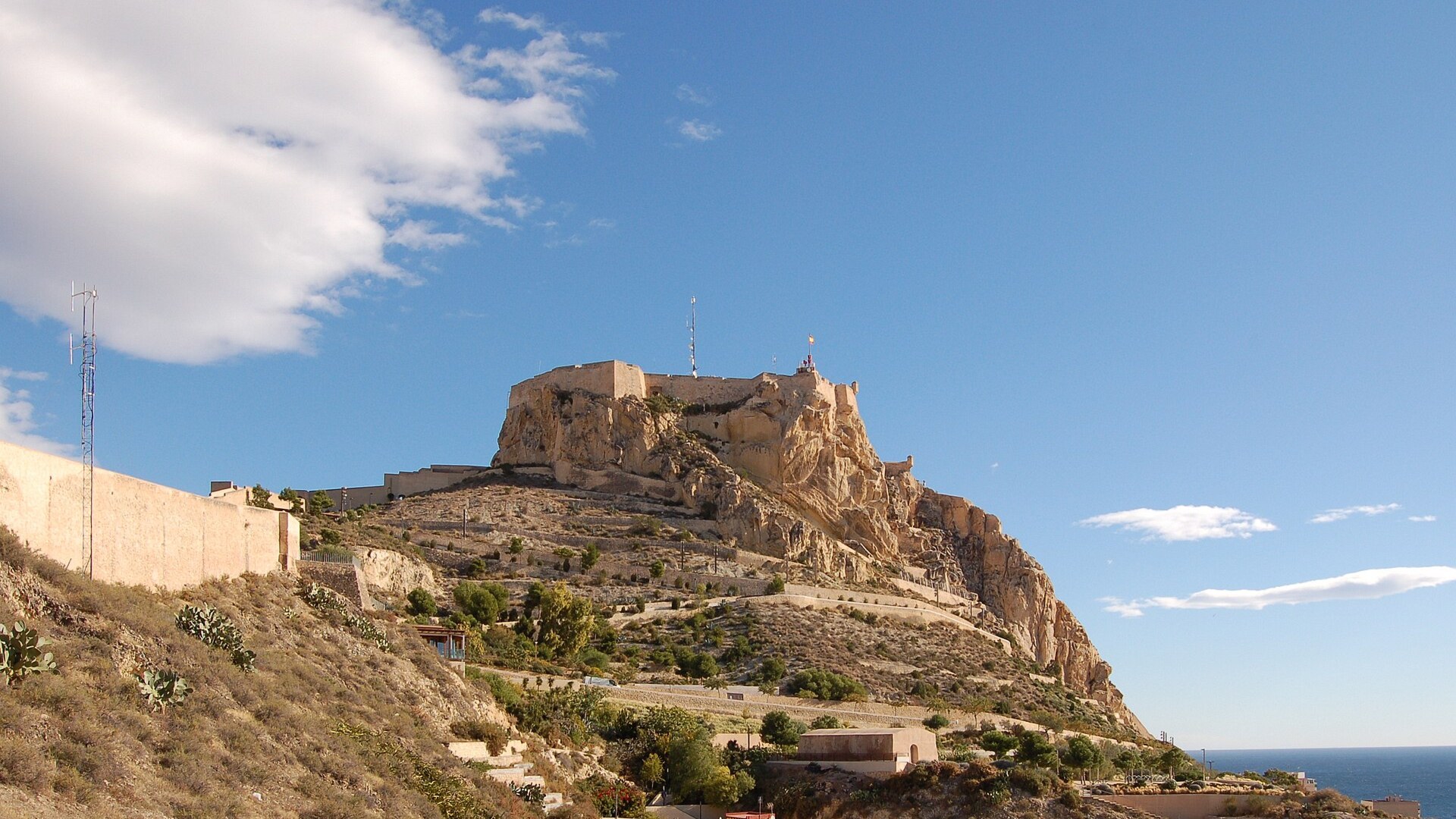
#8 Castillo De Santa Barbara, Alicante, Spain
Muslim builders founded the hilltop citadel in the 9th century before Castilian forces captured it in 1248 on the feast day of Saint Barbara. Three distinct defensive rings climb the sheer rock face, giving artillery crews a clear view across the Bay of Alicante.
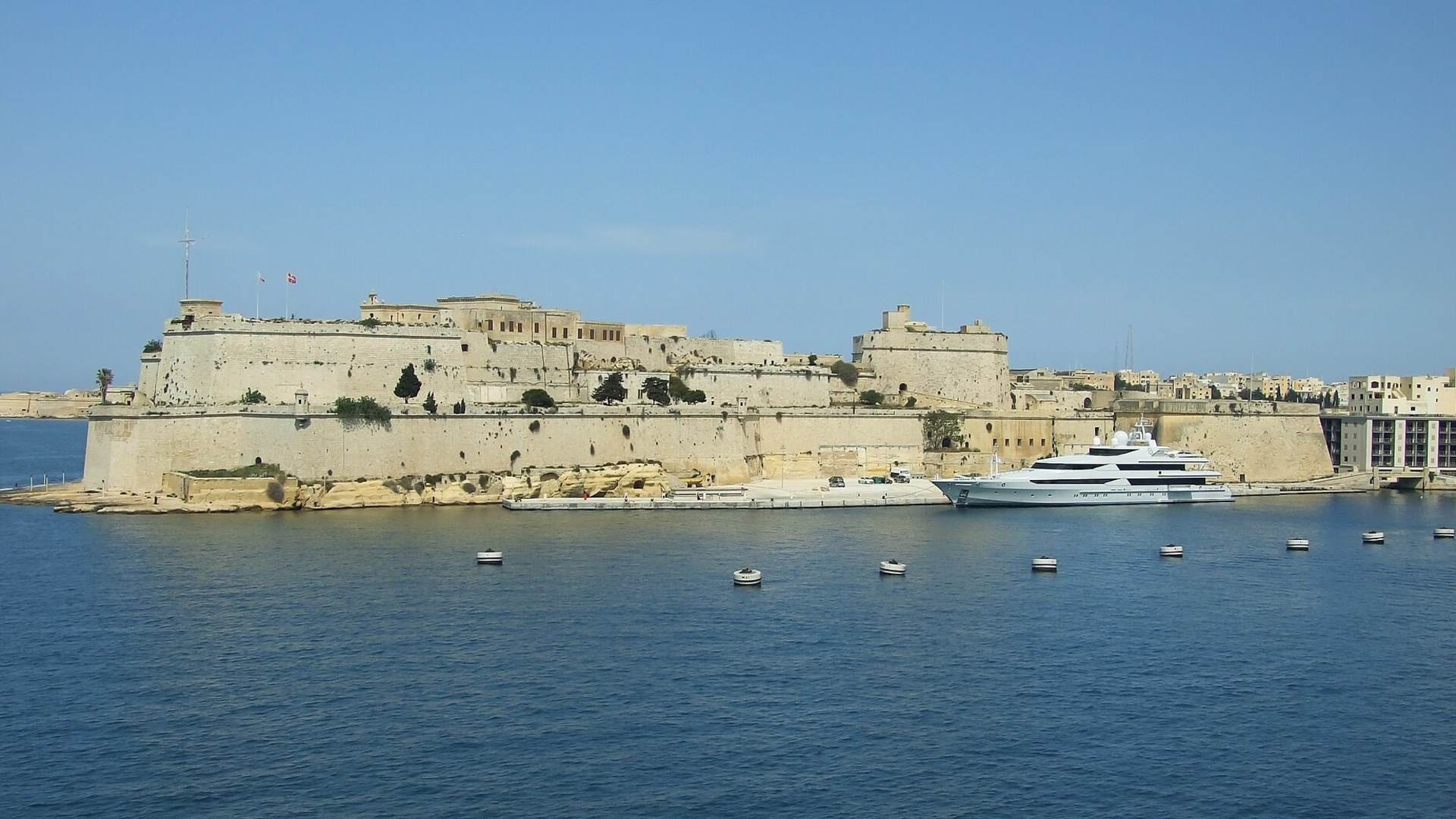
#7 Fort St. Angelo, Birgu, Malta
Rebuilt by the Knights of St. John after 1530, this medieval sea castle served as Grand Master Jean de Valette's command post during the Great Siege of 1565. Its lower gun batteries sit directly above the harbor water, protecting the fleet anchorage behind a rock-cut ditch.
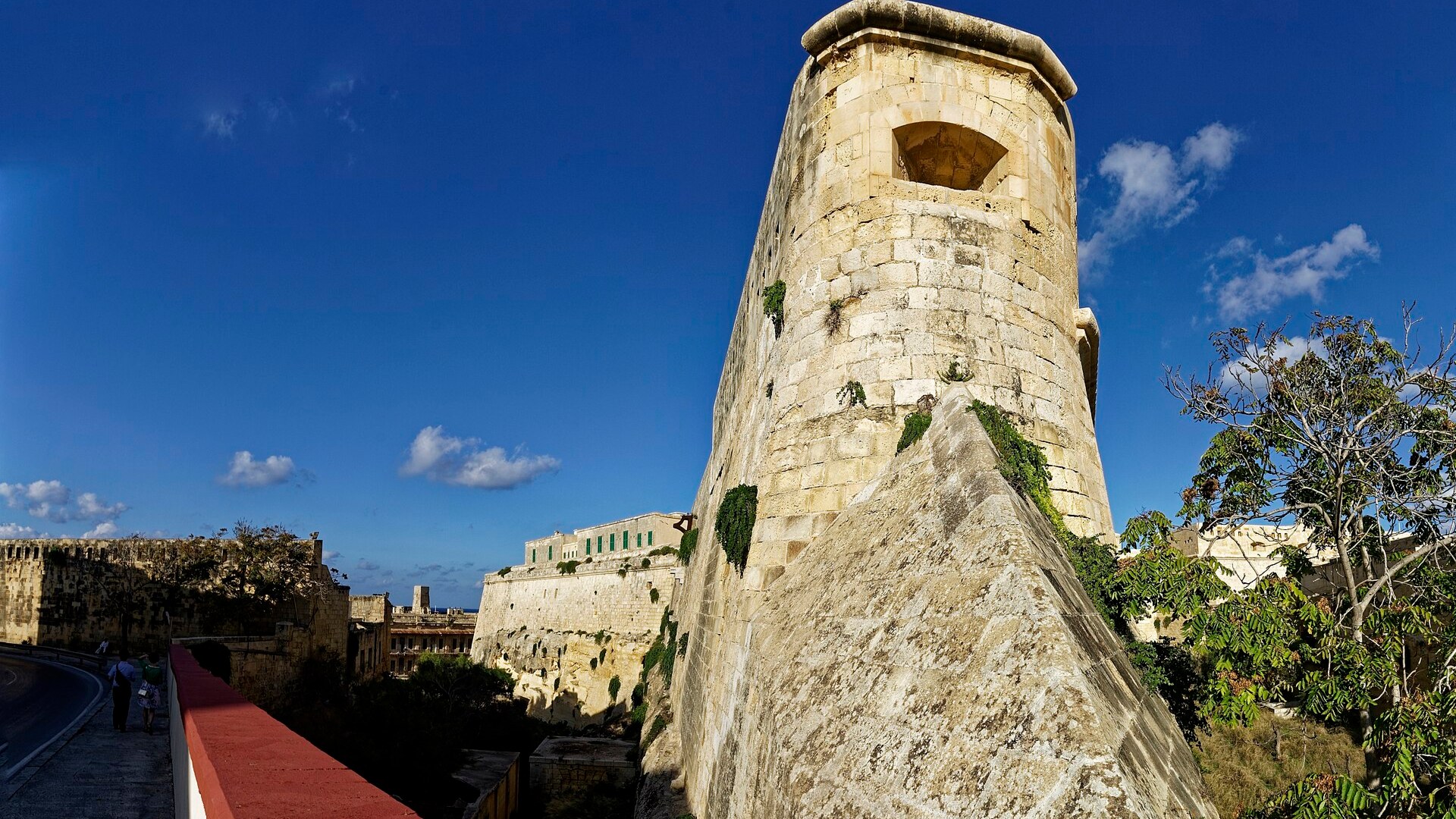
#6 Fort St. Elmo, Valletta, Malta
Built in 1552 in just a few months to guard both Grand Harbour and Marsamxett Harbour, Fort St. Elmo held off Ottoman forces for 28 days in 1565 before falling. Centuries later its coastal batteries also defended Malta against air and sea attacks during World War II.
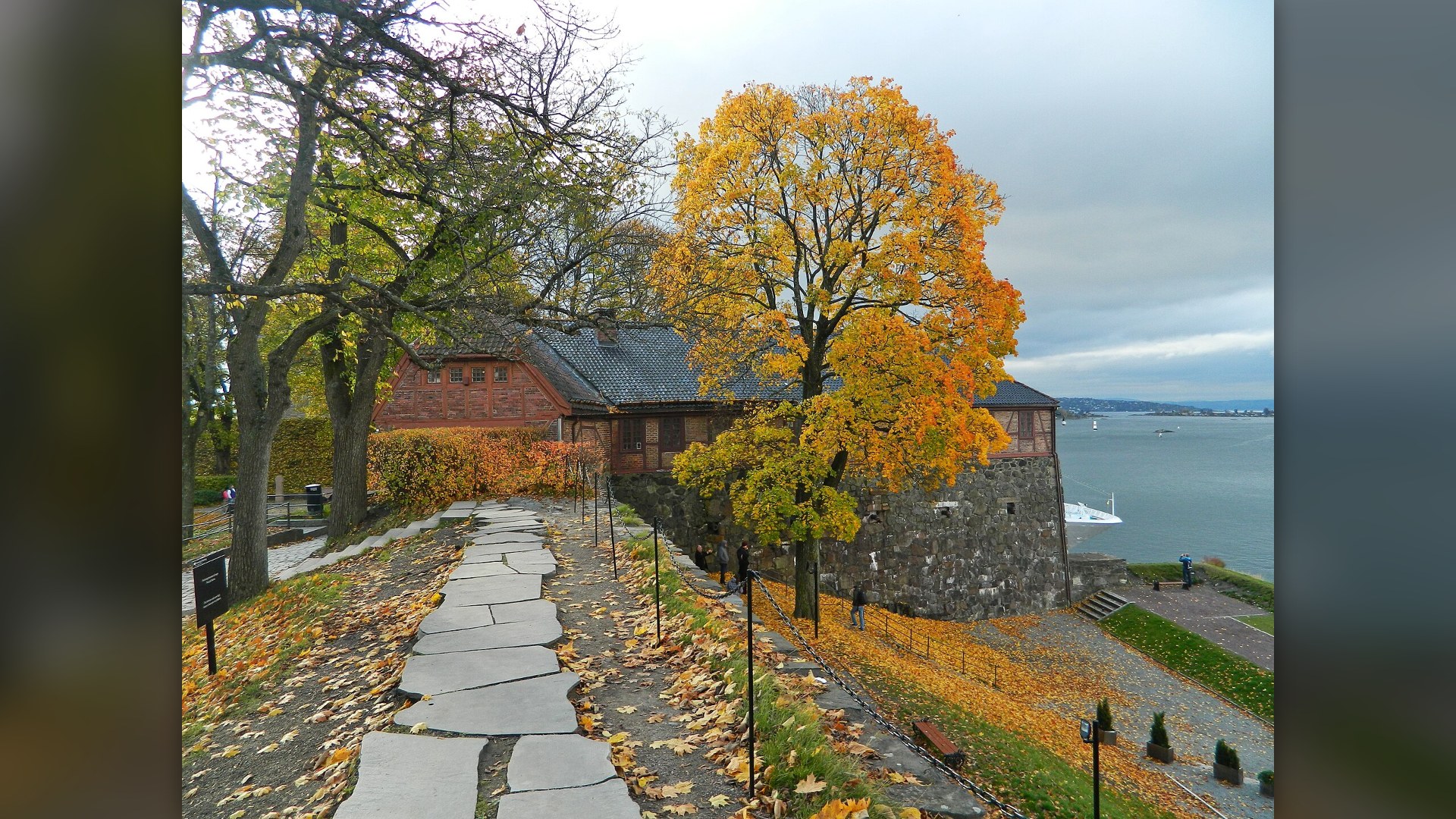
#5 Akershus Fortress, Oslo, Norway
King Haakon V ordered construction around 1299 to defend Norway's capital from sea attack, and the fortress withstood repeated sieges across the centuries. King Christian IV converted parts into a Renaissance palace in the 1600s, and state ceremonies still take place inside.
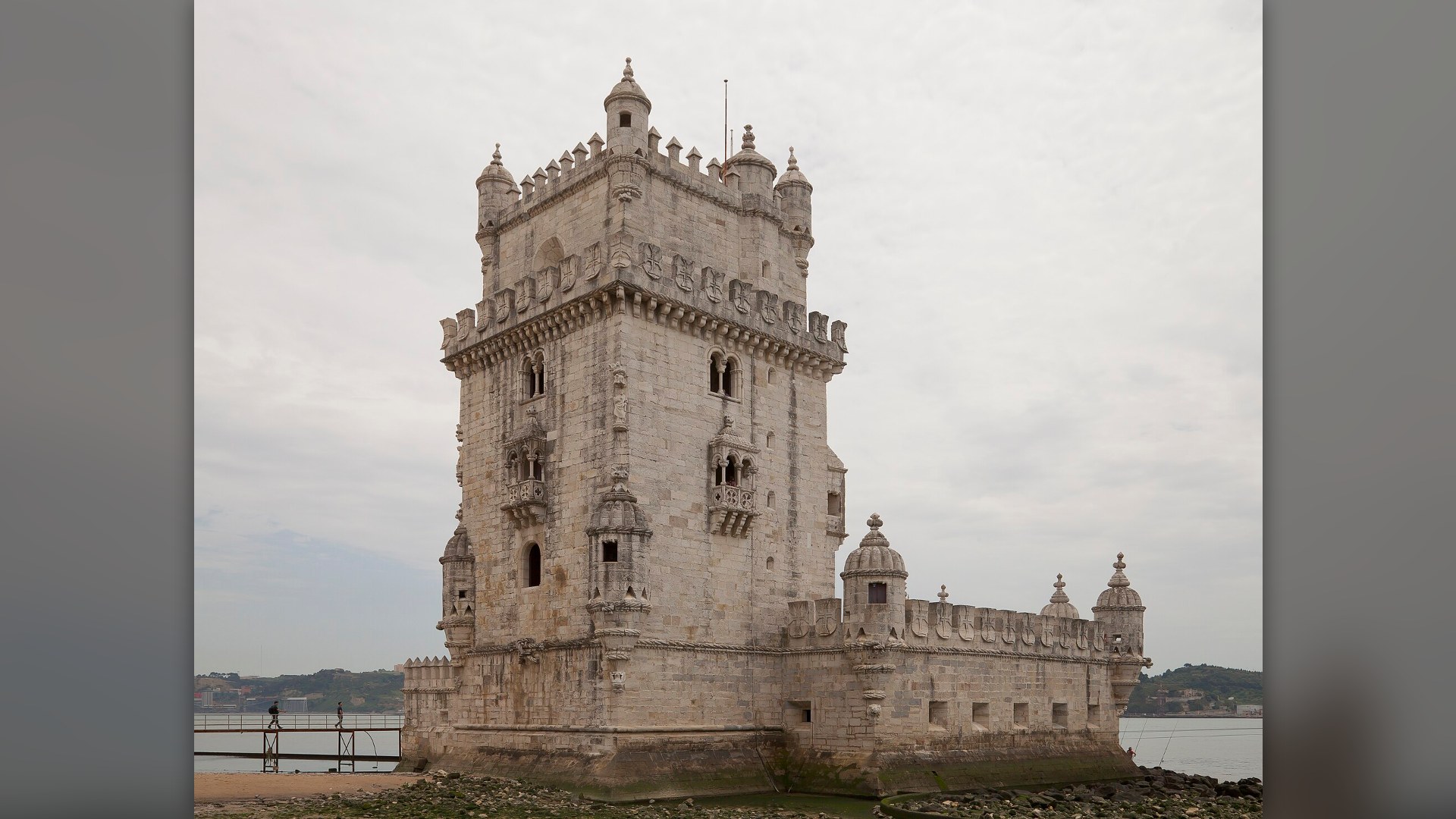
#4 Belem Tower, Lisbon, Portugal
Completed in 1519 by architect Francisco de Arruda under King Manuel I, the four-story keep and hexagonal bastion guarded Lisbon's shipping lane into the Atlantic. Stone carvings of ropes, armillary spheres and a rhinoceros earned it UNESCO World Heritage status in 1983.
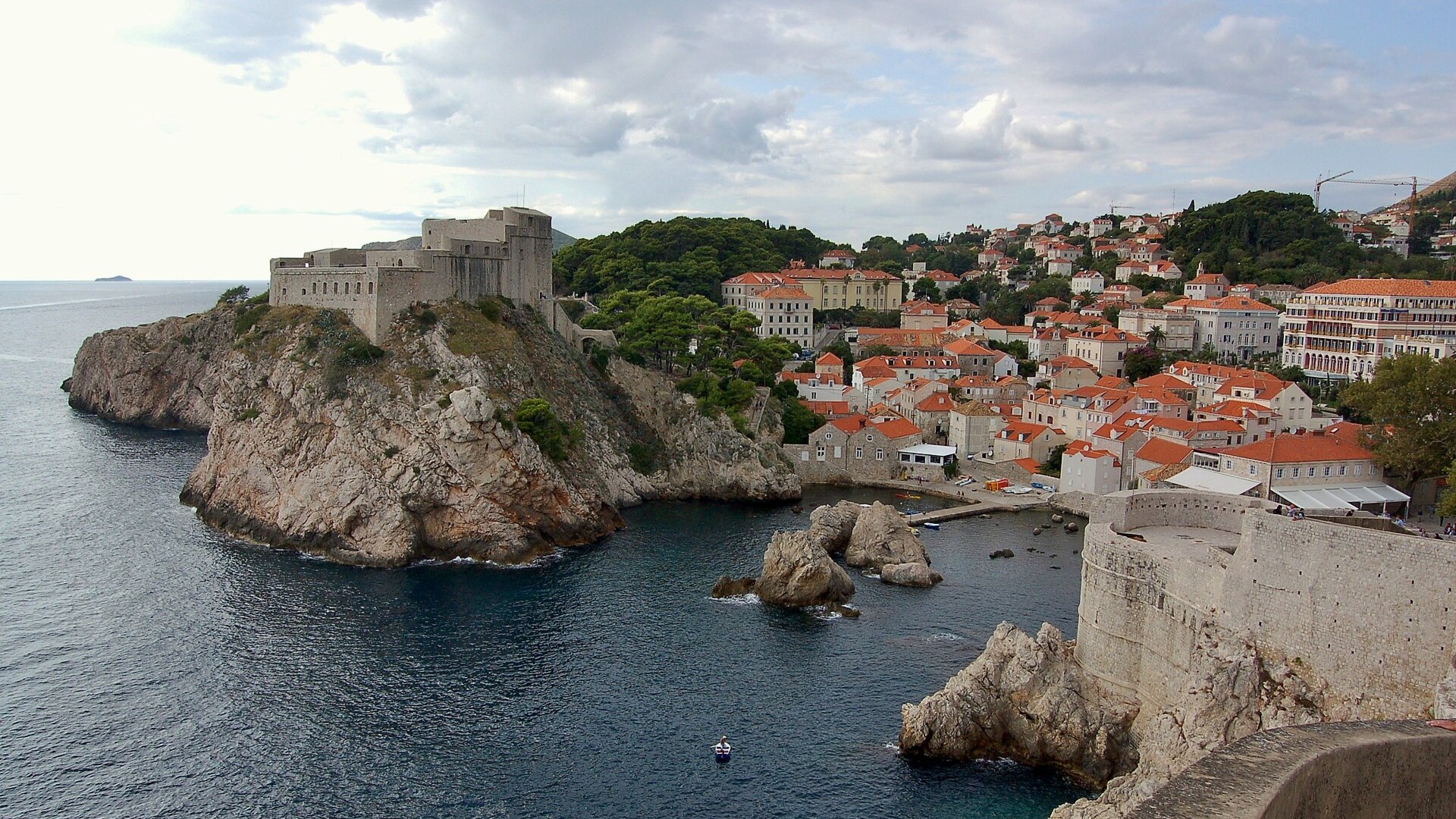
#3 Lovrijenac Fortress, Dubrovnik, Croatia
Rising straight from the Adriatic Sea, this triangular stronghold shielded Dubrovnik's western harbor from Venetian fleets starting in the early 14th century. Its seaward walls measure up to 12 meters thick, while the courtyard now stages open-air theater performances.
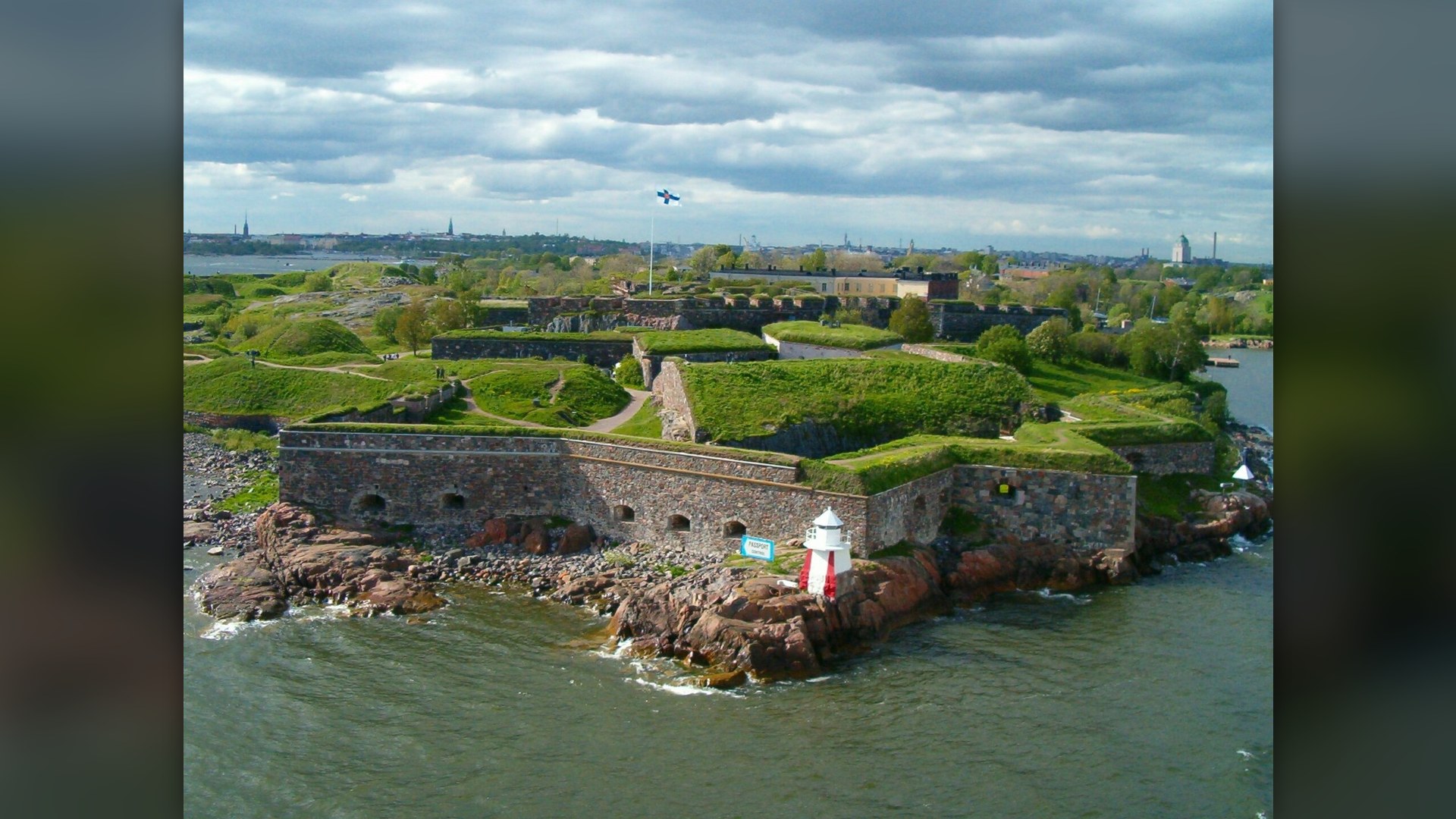
#2 Suomenlinna, Helsinki, Finland
Swedish military engineers led by Augustin Ehrensvard began building the maritime bastion in 1748 to protect the eastern Baltic fleet. Covering roughly 210 hectares with six kilometers of stone ramparts, the UNESCO World Heritage site remains a lived-in Helsinki neighborhood reached by ferry.
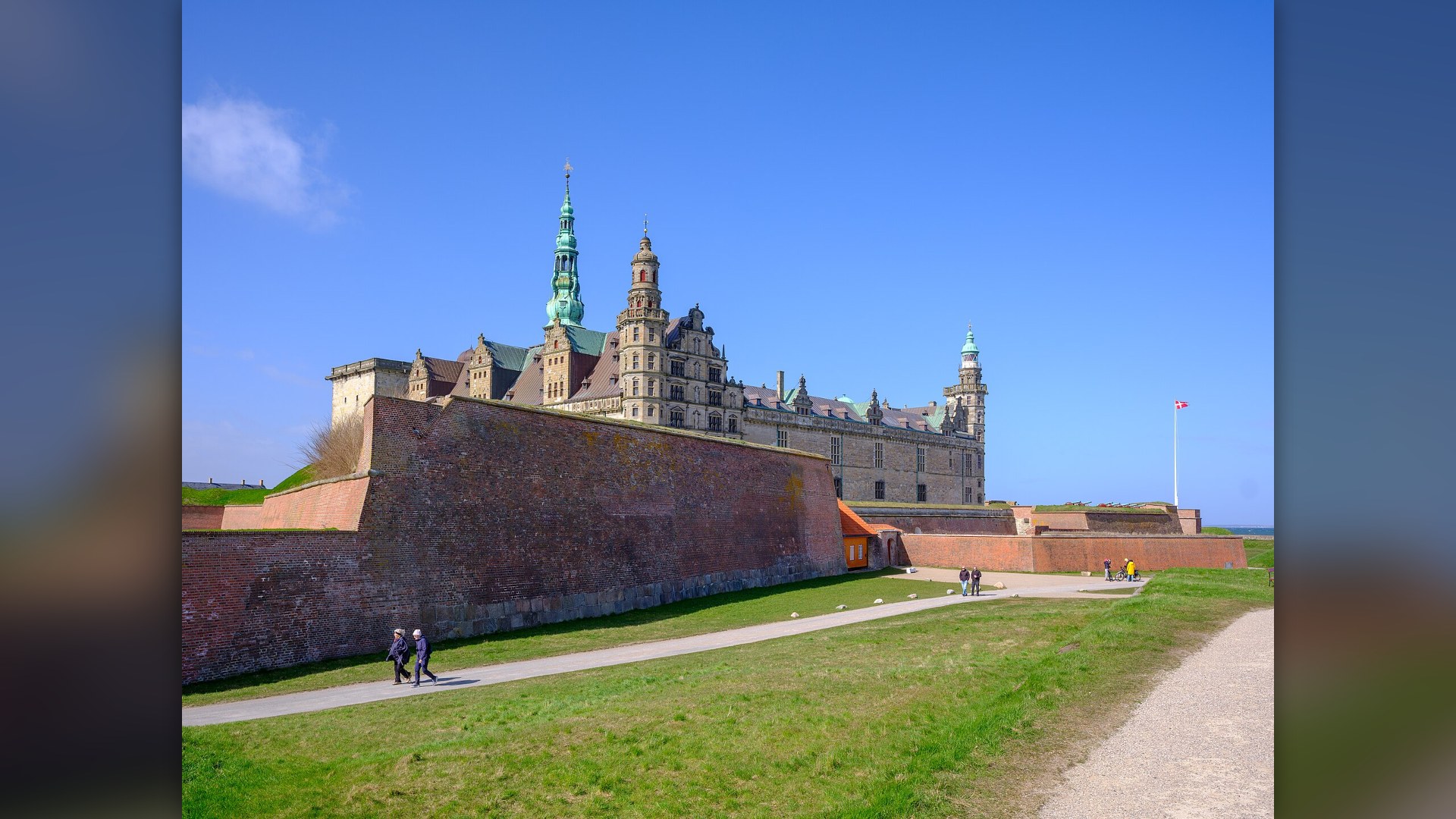
#1 Kronborg Castle, Helsingor, Denmark
Rebuilt by King Frederick II between 1574 and 1585 at the four-kilometer-wide entrance to the Baltic Sea, Kronborg collected Sound Dues from passing merchant ships for centuries. Known globally as Elsinore in Shakespeare's Hamlet, the Renaissance fortress became a UNESCO site in 2000.