Slideshow · Travel
20 Masterpieces Depicting the Inner Battle Between Good and Evil
From Renaissance allegories to Romantic visions, classical artists used angels and tempters to explore human conscience.
By Most Viral Today
27 Oct 2026

20 Masterpieces Depicting the Inner Battle Between Good and Evil 
20. Annibale Carracci: Hercules At The Crossroads 
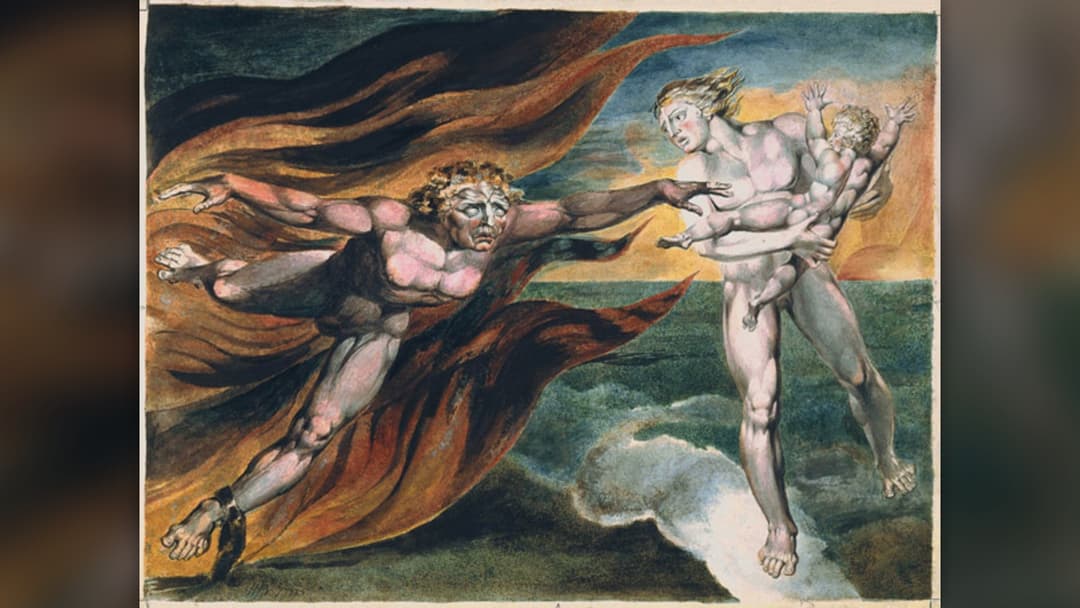
19. William Blake: The Good And Evil Angels 
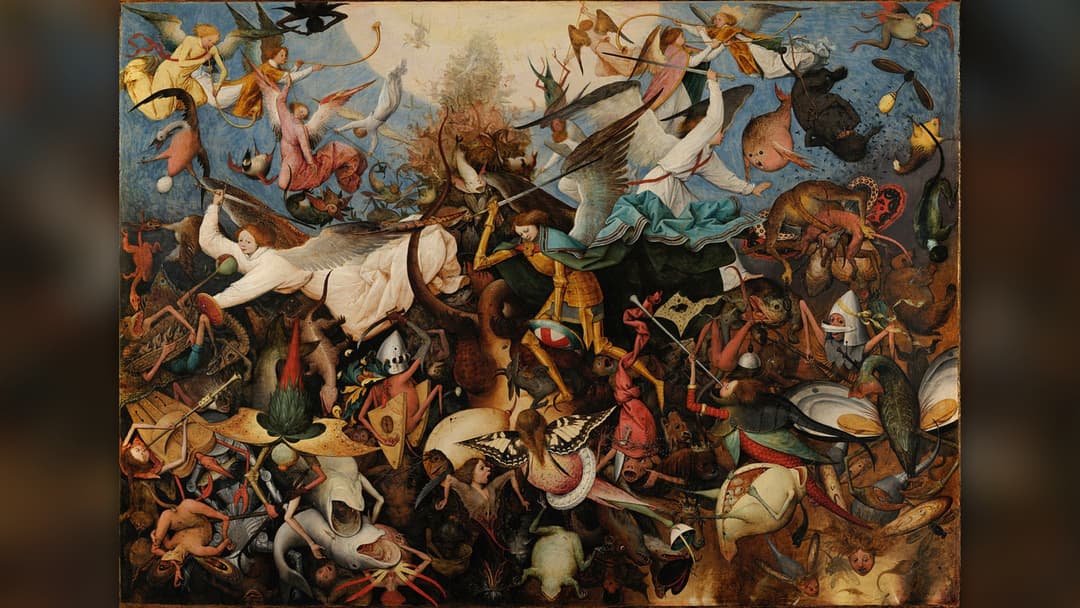
18. Pieter Bruegel The Elder: Fall Of The Rebel Angels - AdvertisementSwipe or tap ▶ to continue countdown

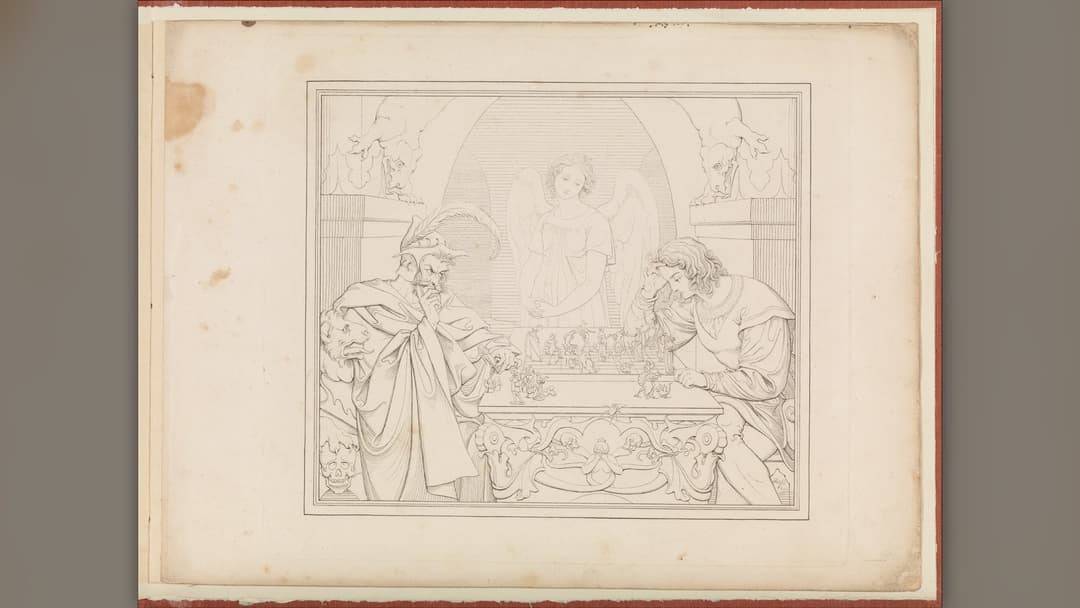
17. Moritz Retzsch: The Chess Players 
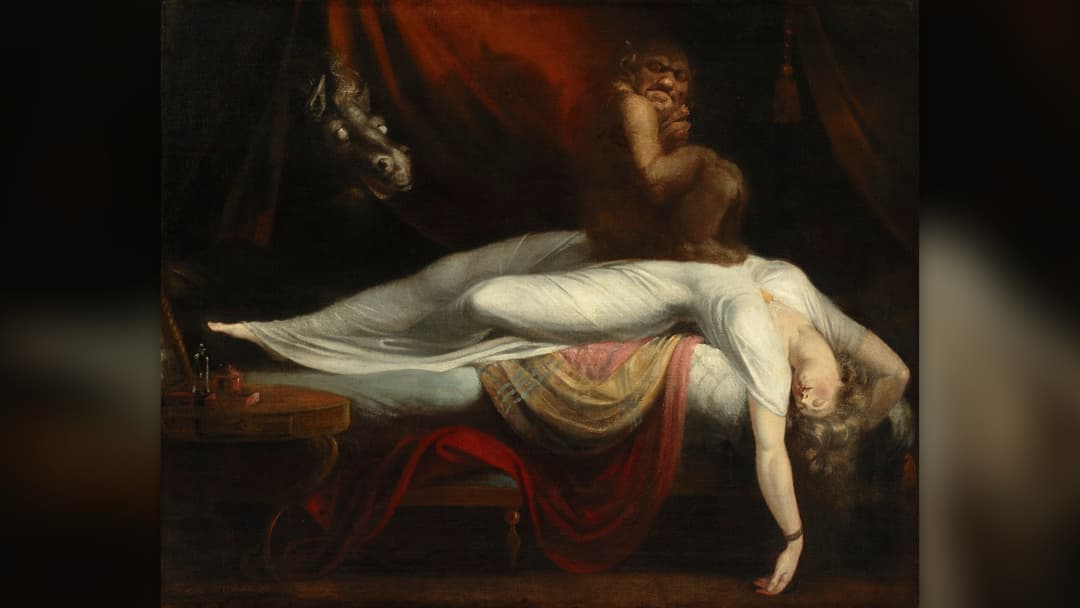
16. Henry Fuseli: The Nightmare 
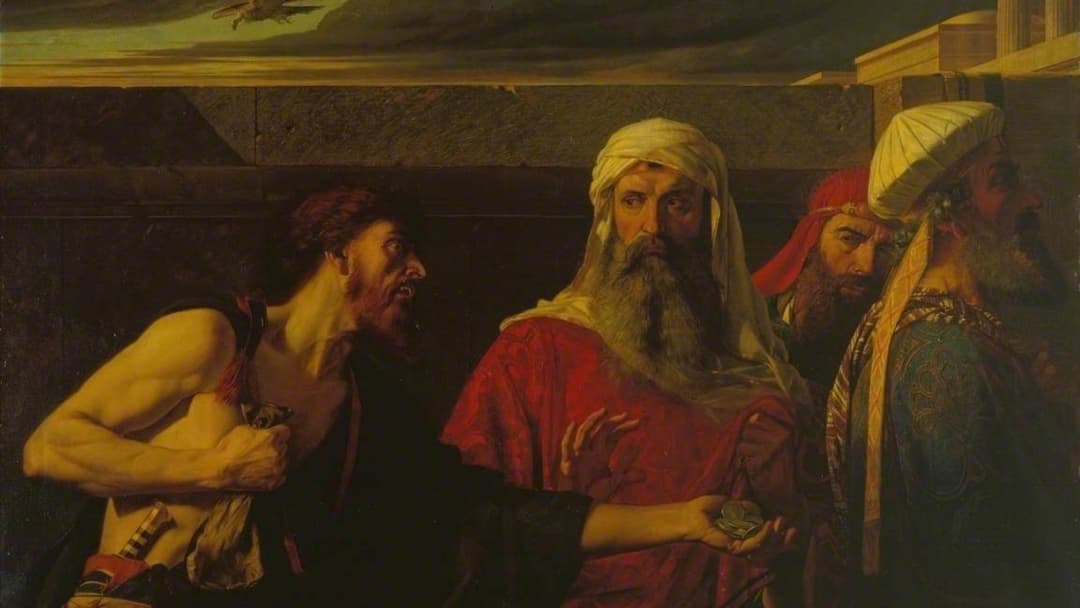
15. Edward Armitage: The Remorse Of Judas 
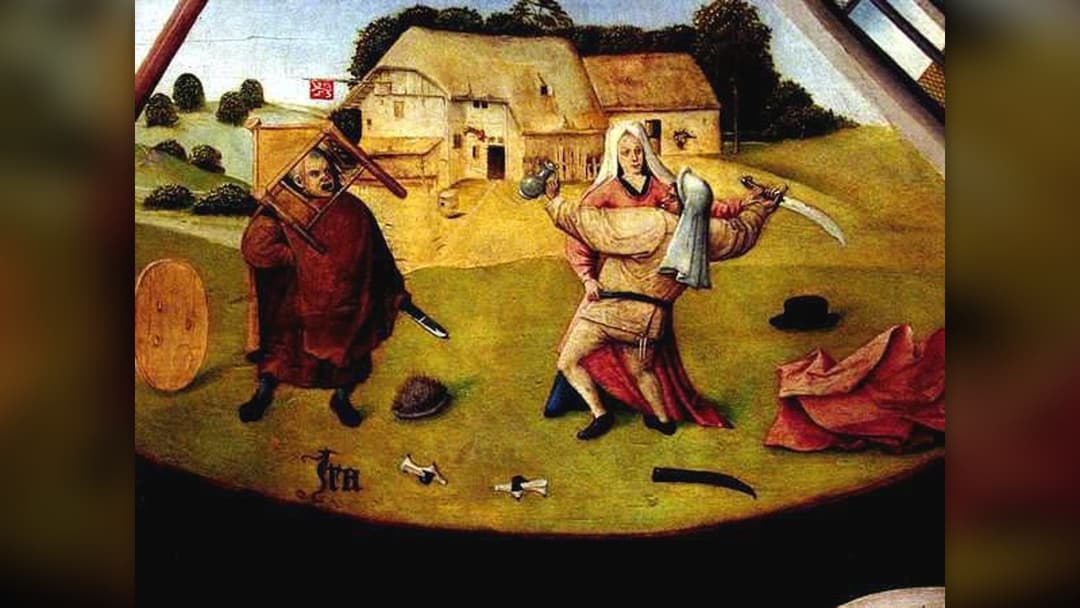
14. Hieronymus Bosch: The Seven Deadly Sins - AdvertisementSwipe or tap ▶ to continue countdown

13. Pietro Da Cortona: The Guardian Angel 
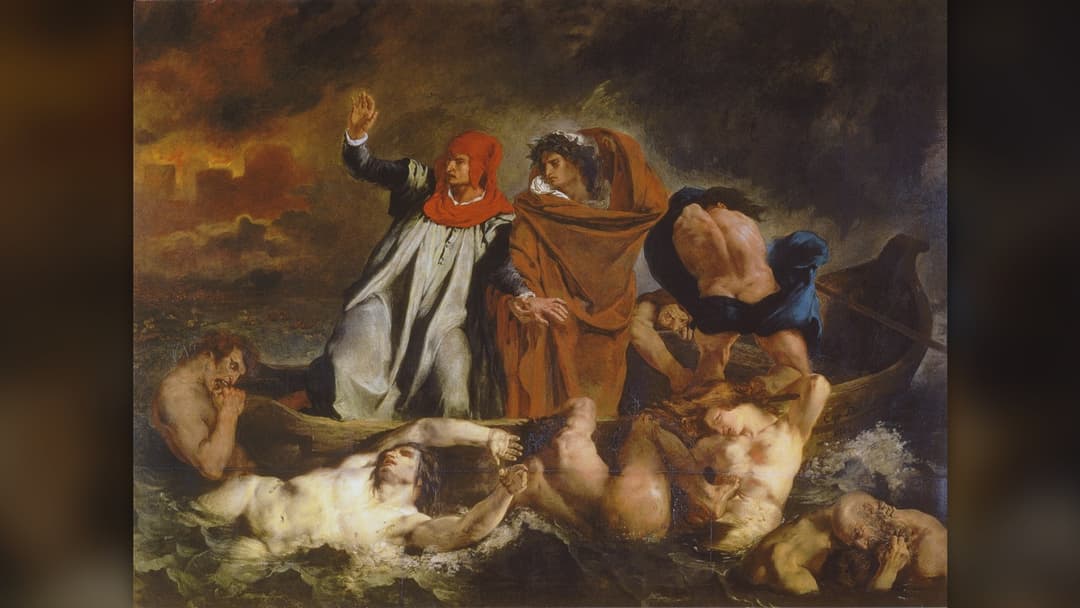
12. Eugene Delacroix: The Barque Of Dante 
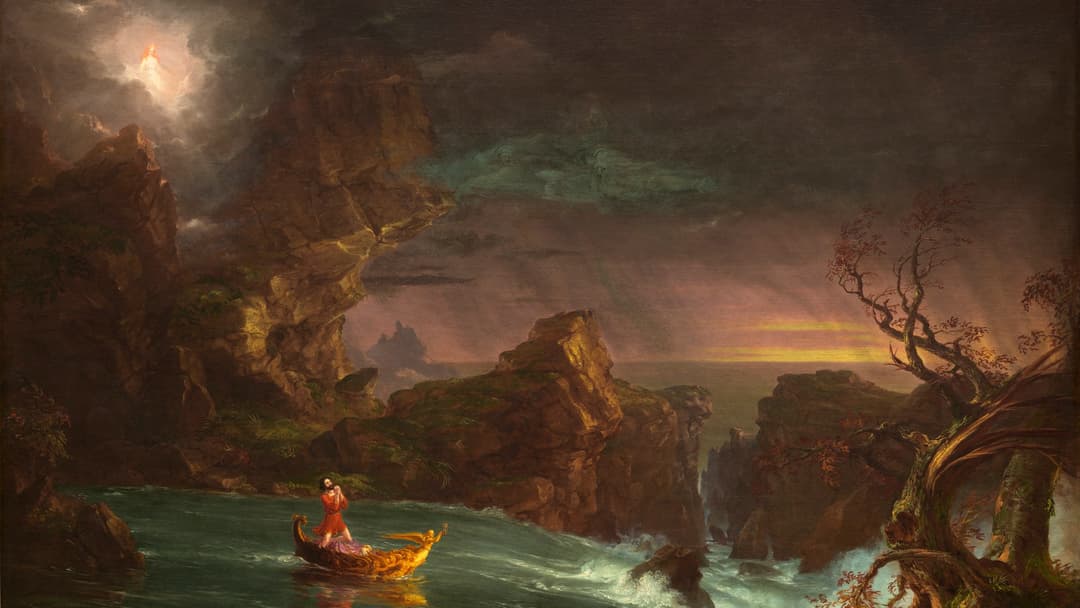
11. Thomas Cole: The Voyage Of Life: Manhood 
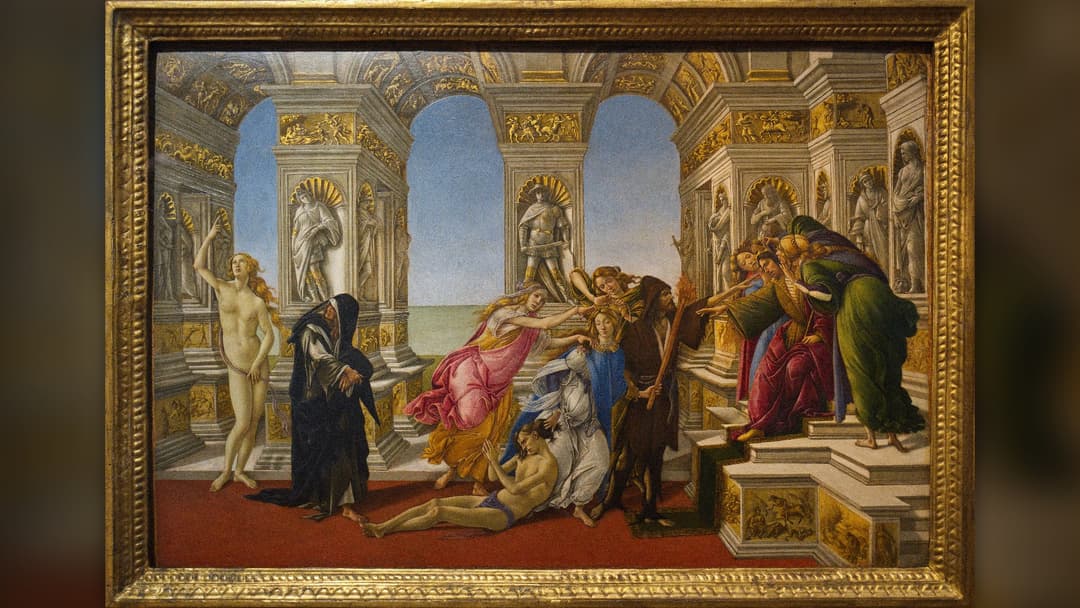
10. Sandro Botticelli: Calumny Of Apelles - AdvertisementSwipe or tap ▶ to continue countdown

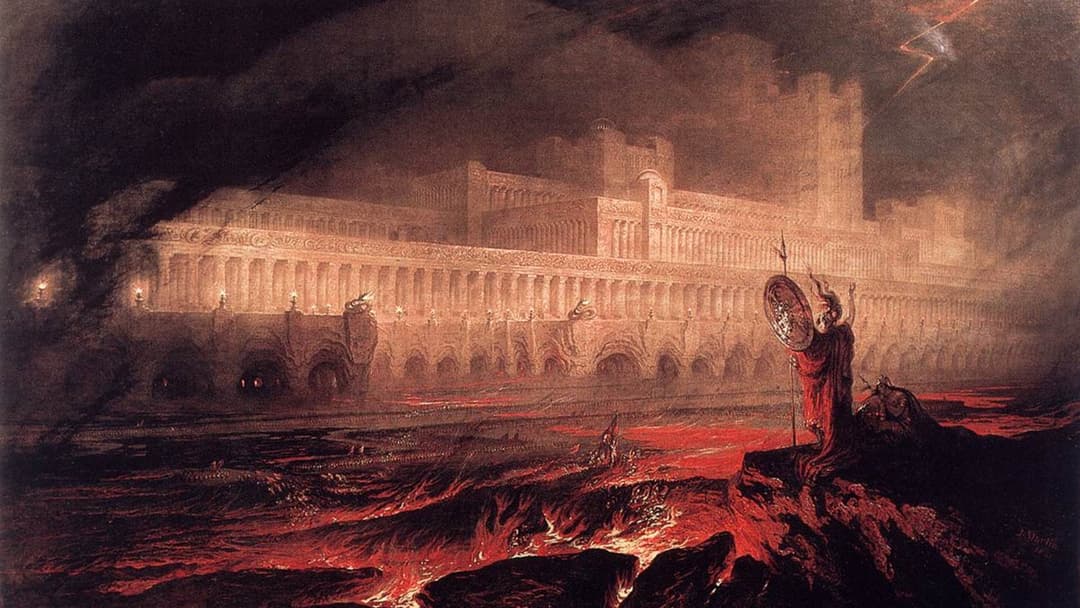
9. John Martin: Pandemonium 
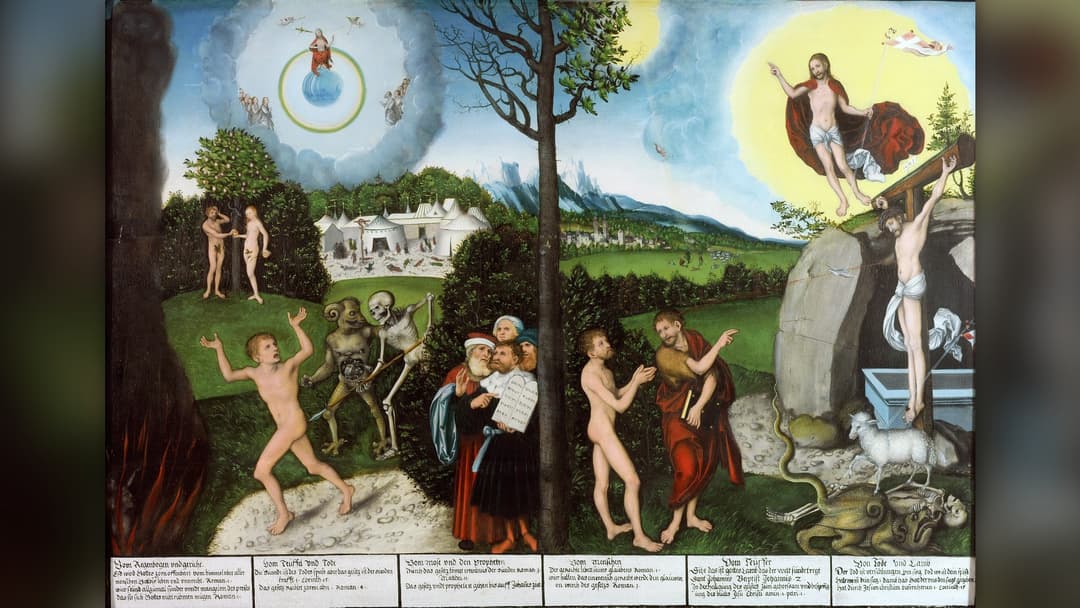
8. Lucas Cranach The Elder: Law And Gospel 
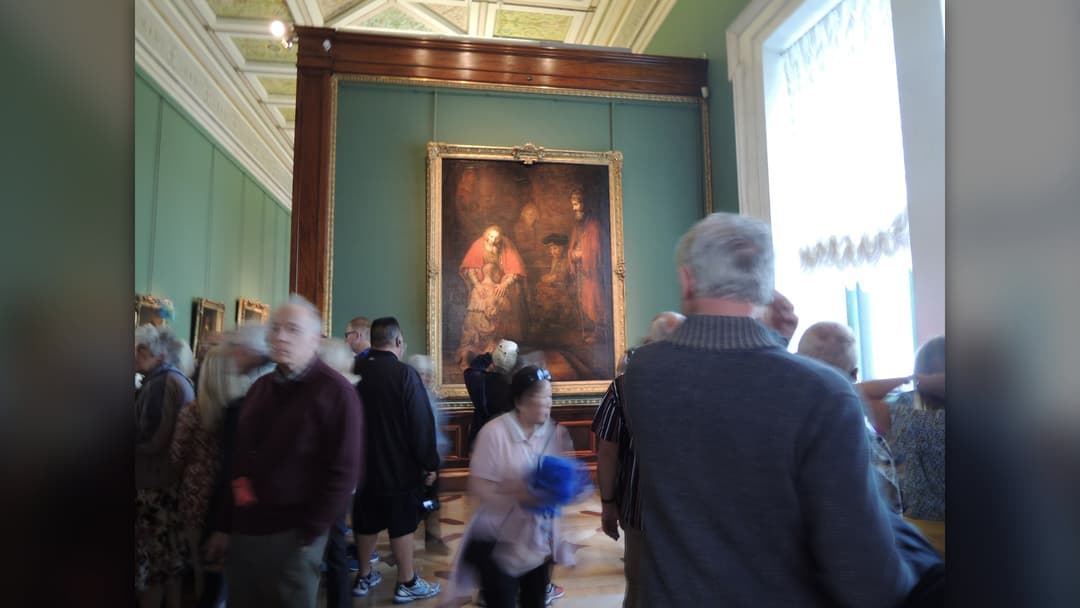
7. Rembrandt: Return Of The Prodigal Son 
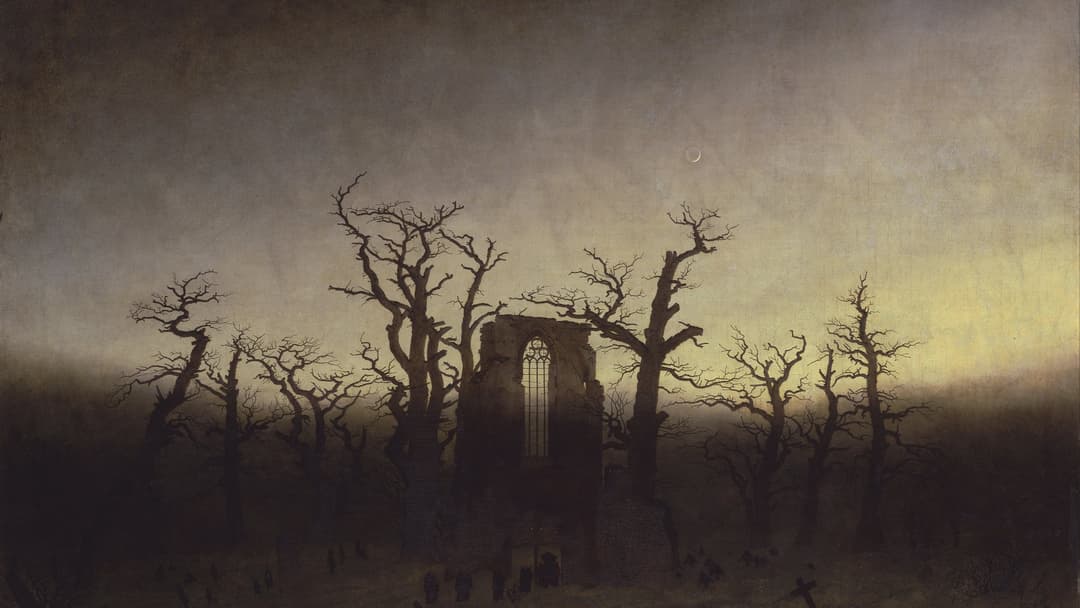
6. Caspar David Friedrich: The Abbey In The Oakwood - AdvertisementSwipe or tap ▶ to continue countdown

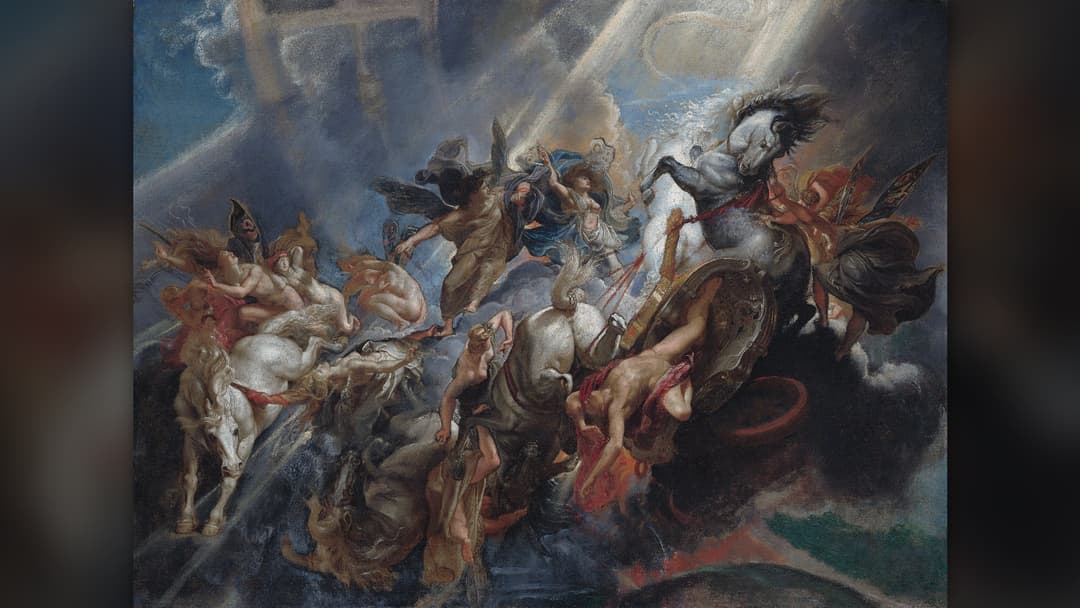
5. Peter Paul Rubens: The Fall Of Phaethon 
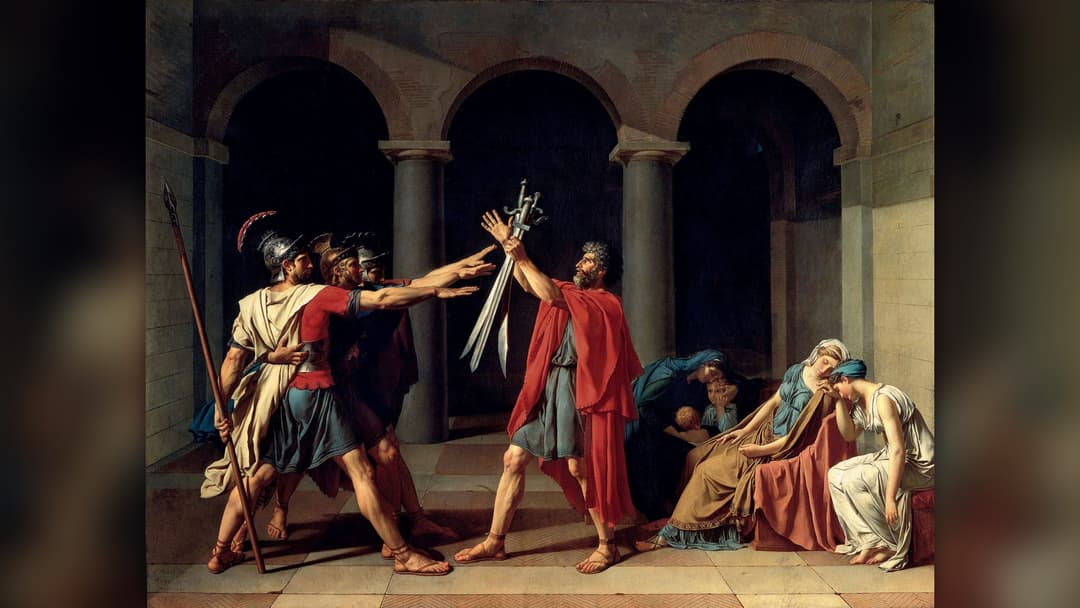
4. Jacques-Louis David: The Oath Of The Horatii 
3. Ary Scheffer: Paolo And Francesca In The Inferno 
2. Theodore Gericault: The Raft Of The Medusa - AdvertisementSwipe or tap ▶ to continue countdown

1. Paolo Veronese: Choice Between Virtue And Vice - Advertisement🔥 UP NEXT IN THIS SERIES◫ 23 Slides

22 World-Famous Cruise Ships and Island Ports for Solo Travelers
Compiled from CLIA industry reports and passenger records, these twenty-two cruise ships and island ports feature dedicated solo amenities and unforgettable excursions. Industry surveys confirm solo cruising growth.
Across centuries of art history, painters and printmakers used the allegorical forms of guiding angels and shadowy tempters to represent the psychological tensions of human moral choice.
Swipe or tap ▶ to begin the countdown
©Wikimedia / Theodore Gericault & Wikimedia / Ary Scheffer
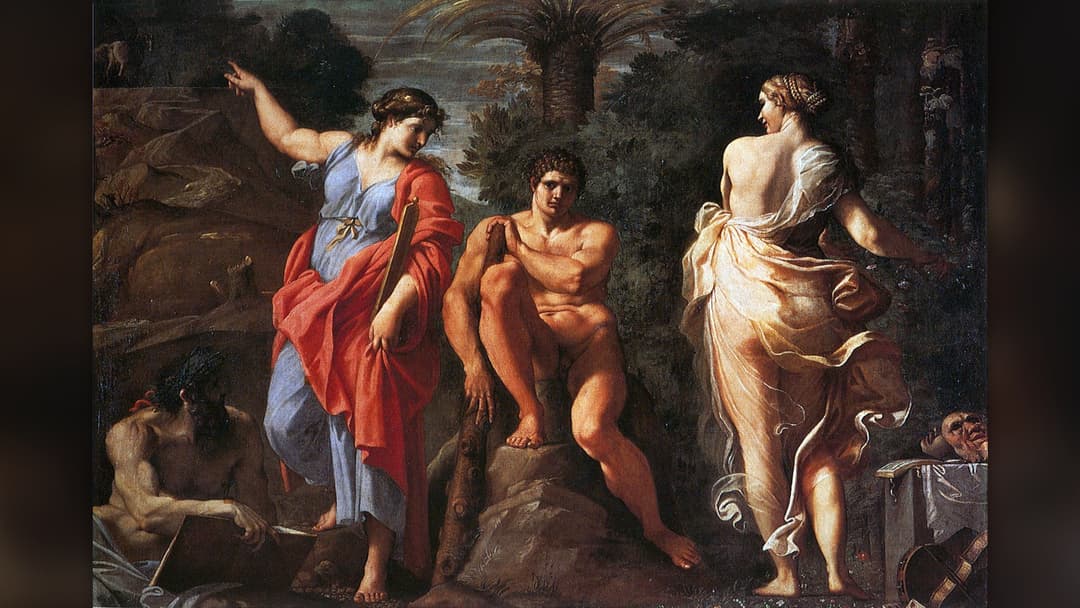
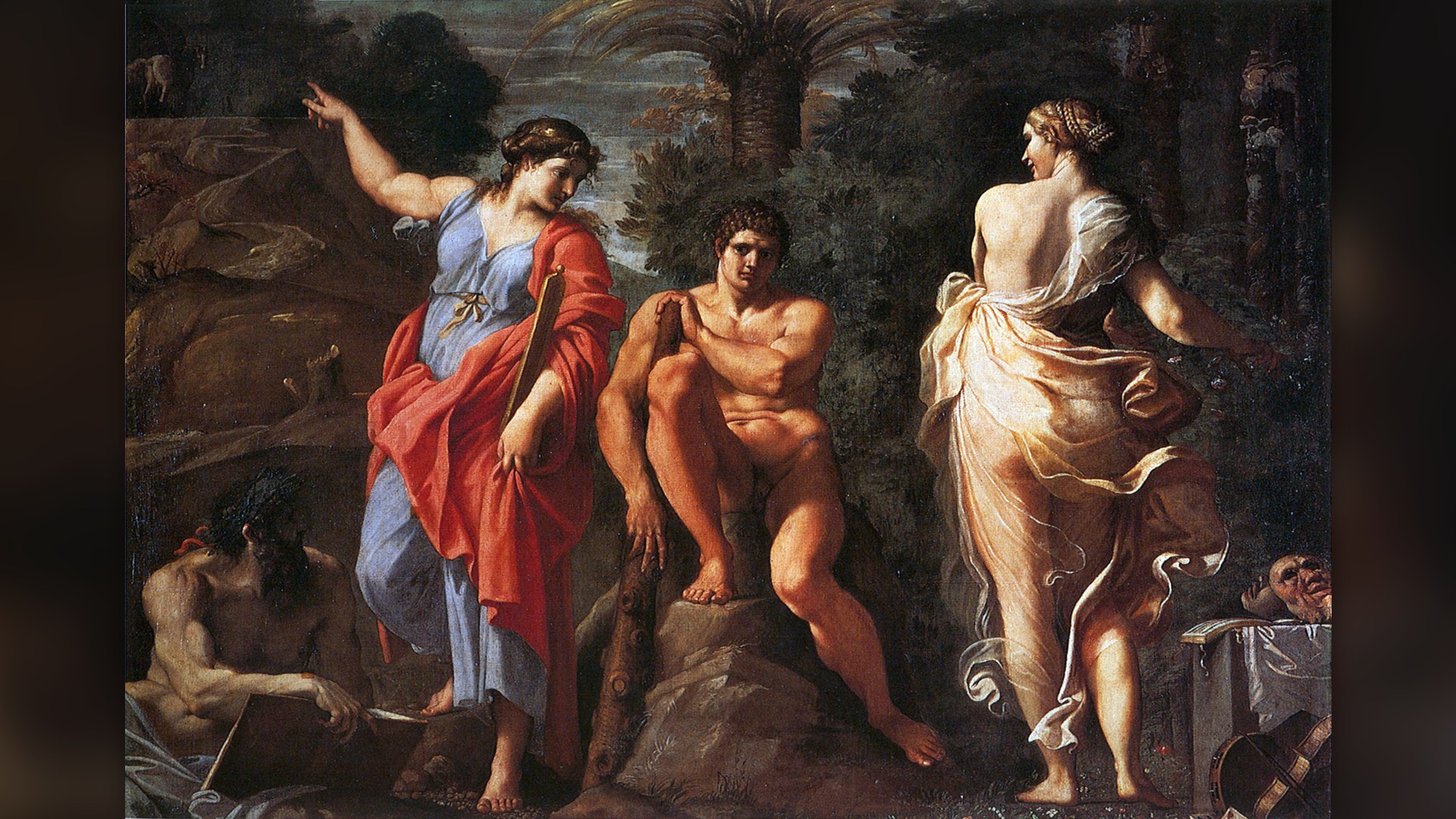
20. Annibale Carracci: Hercules At The Crossroads
Painted in 1596 for Cardinal Odoardo Farnese, Carracci shows Hercules weighing two distinct female personifications. This composition popularized the visual archetype of moral choice in Western art.
©Wikimedia / Annibale Carracci
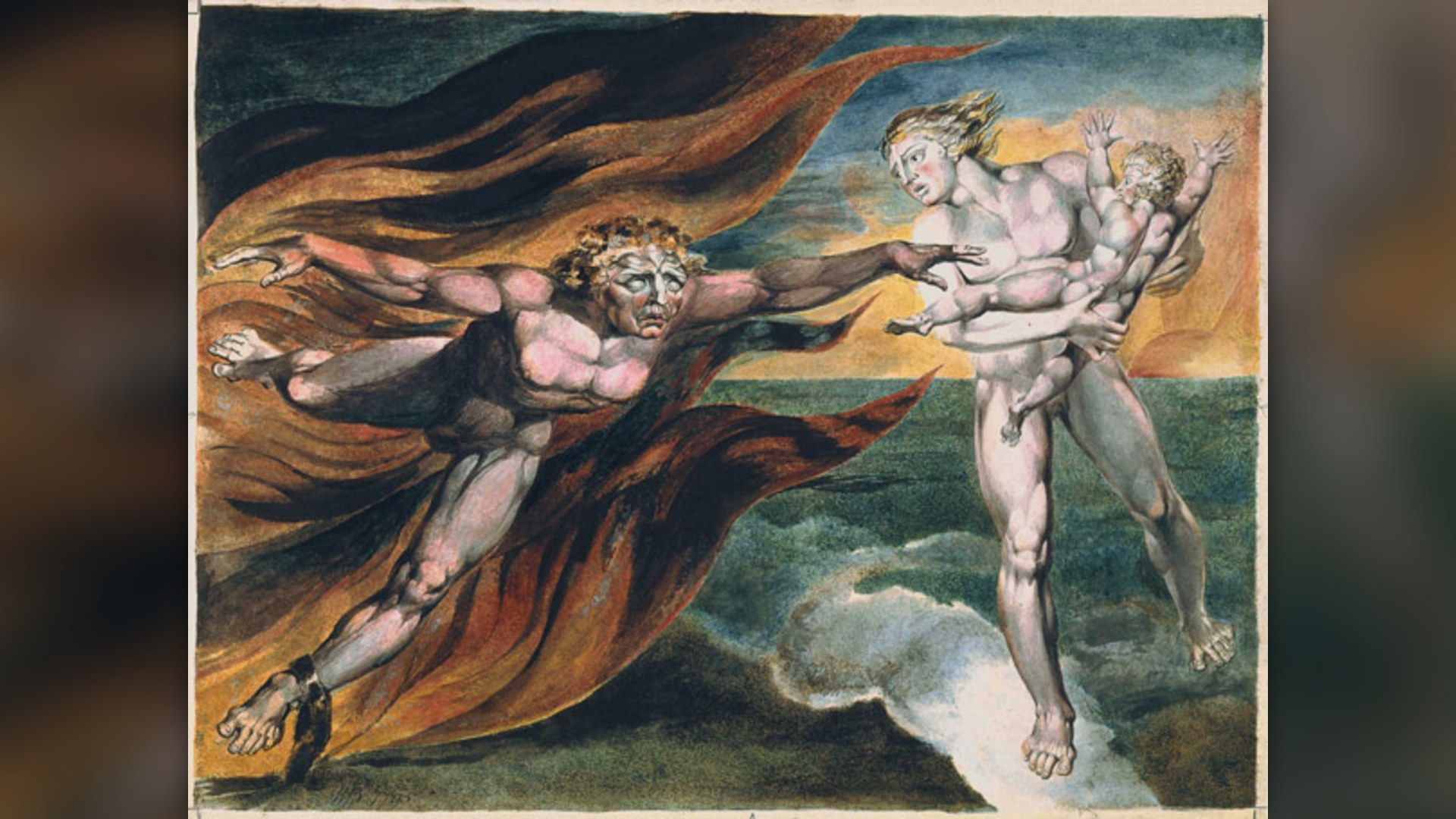
19. William Blake: The Good And Evil Angels
Created in 1795 as a large color print, William Blake depicts a radiant angel holding a child away from a fiery demon. The work explores the poet belief in conflicting mental energies.
©Wikimedia / William Blake
18. Pieter Bruegel The Elder: Fall Of The Rebel Angels
Completed in 1562, Bruegel masterpiece depicts the Archangel Michael battling chaotic forces. The monstrous demons symbolize the inner vices of pride, greed, and envy tearing at spiritual peace.
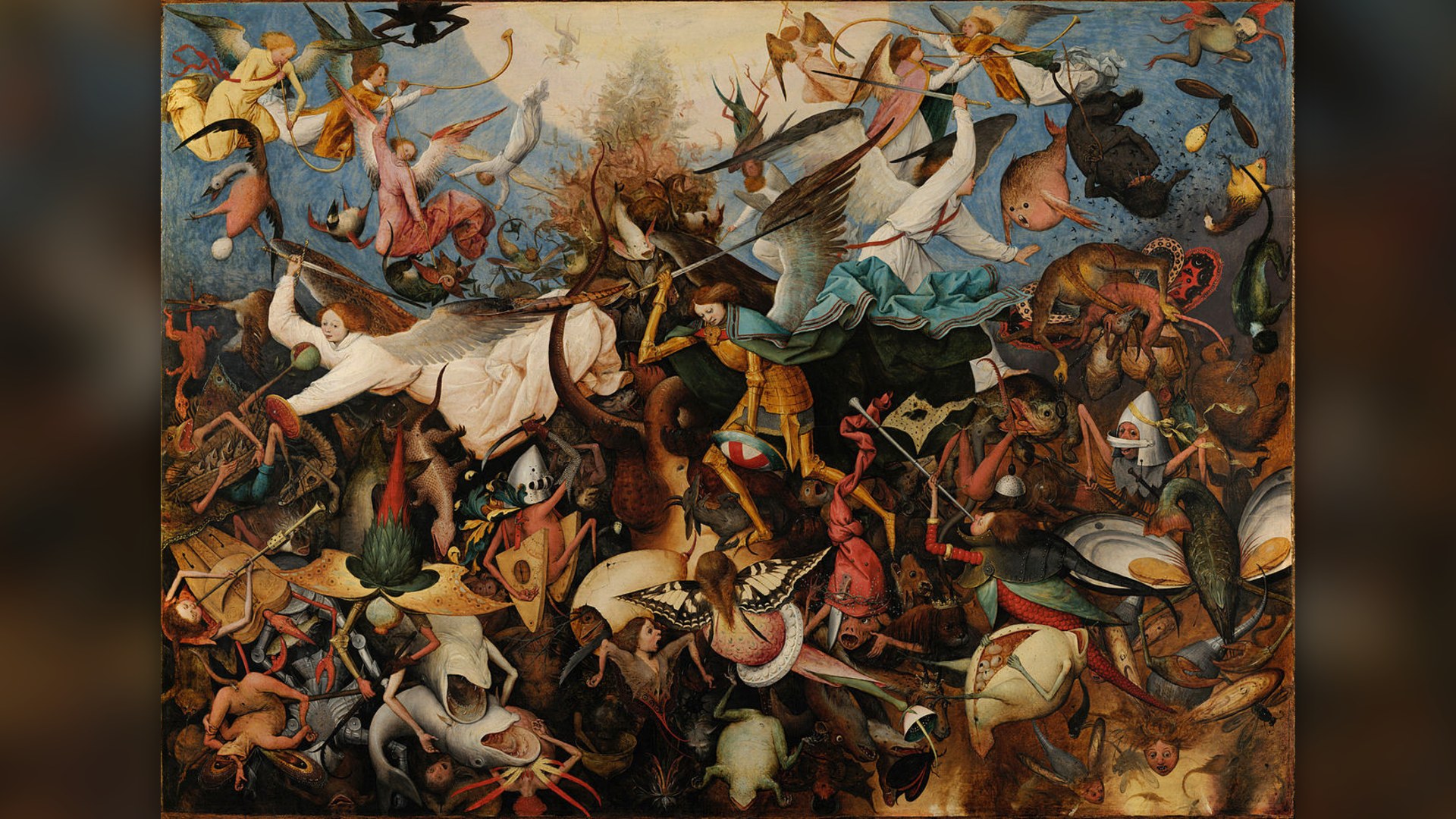
©Wikimedia / Pieter Bruegel the Elder
Advertisement
Swipe or tap ▶ to resume the countdown.
17. Moritz Retzsch: The Chess Players
This 1831 engraving depicts Satan pointing to the board while a protective guardian angel watches sorrowfully. Each chess piece represents a human virtue or vice in an allegory of moral decision.
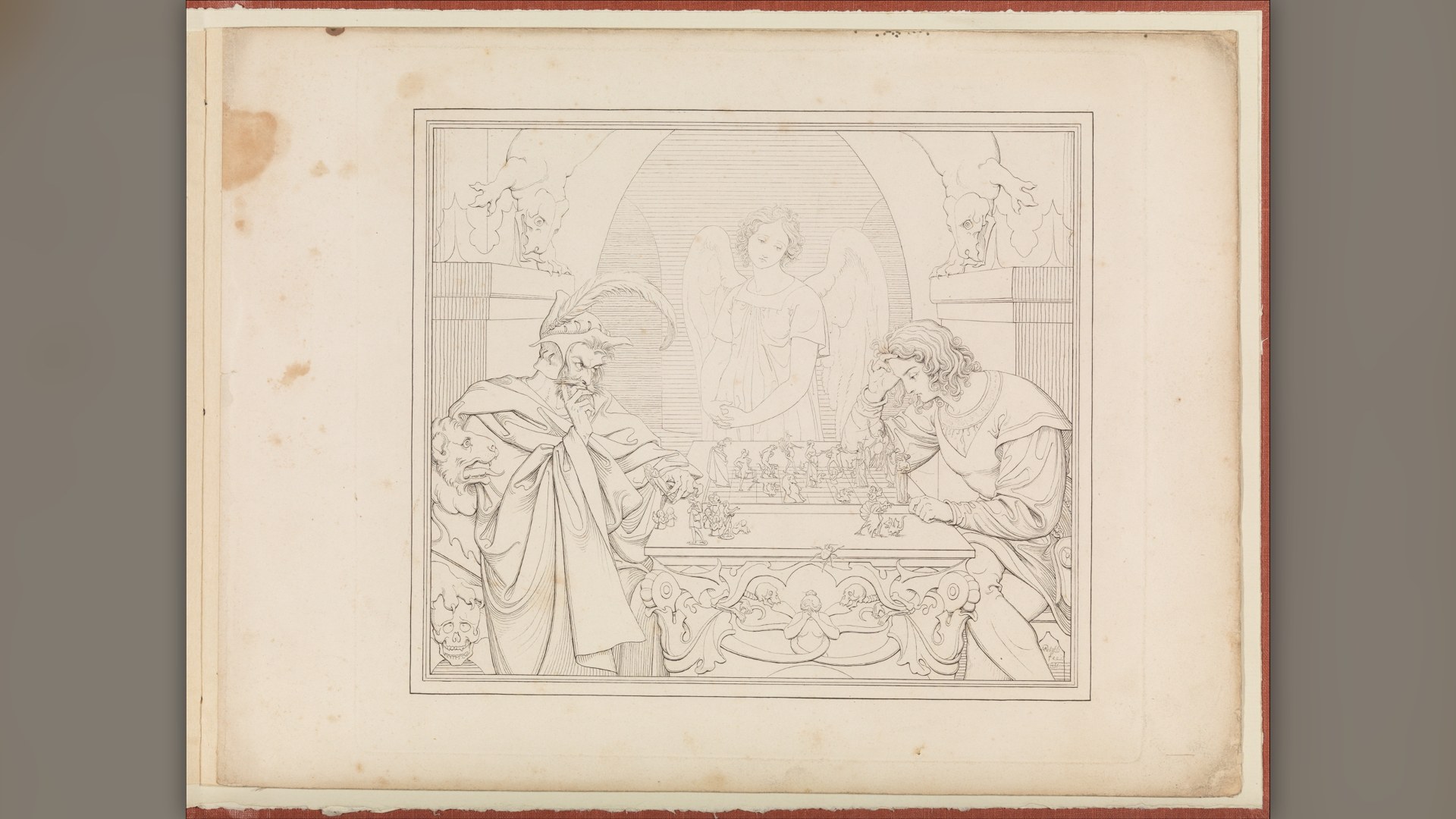
©Wikimedia / Moritz Retzsch
16. Henry Fuseli: The Nightmare
Exhibited in London in 1782, Fuseli painting became an immediate sensation. It visualizes the unseen psychological burdens and irrational terrors that haunt human sleep and guilty conscience.
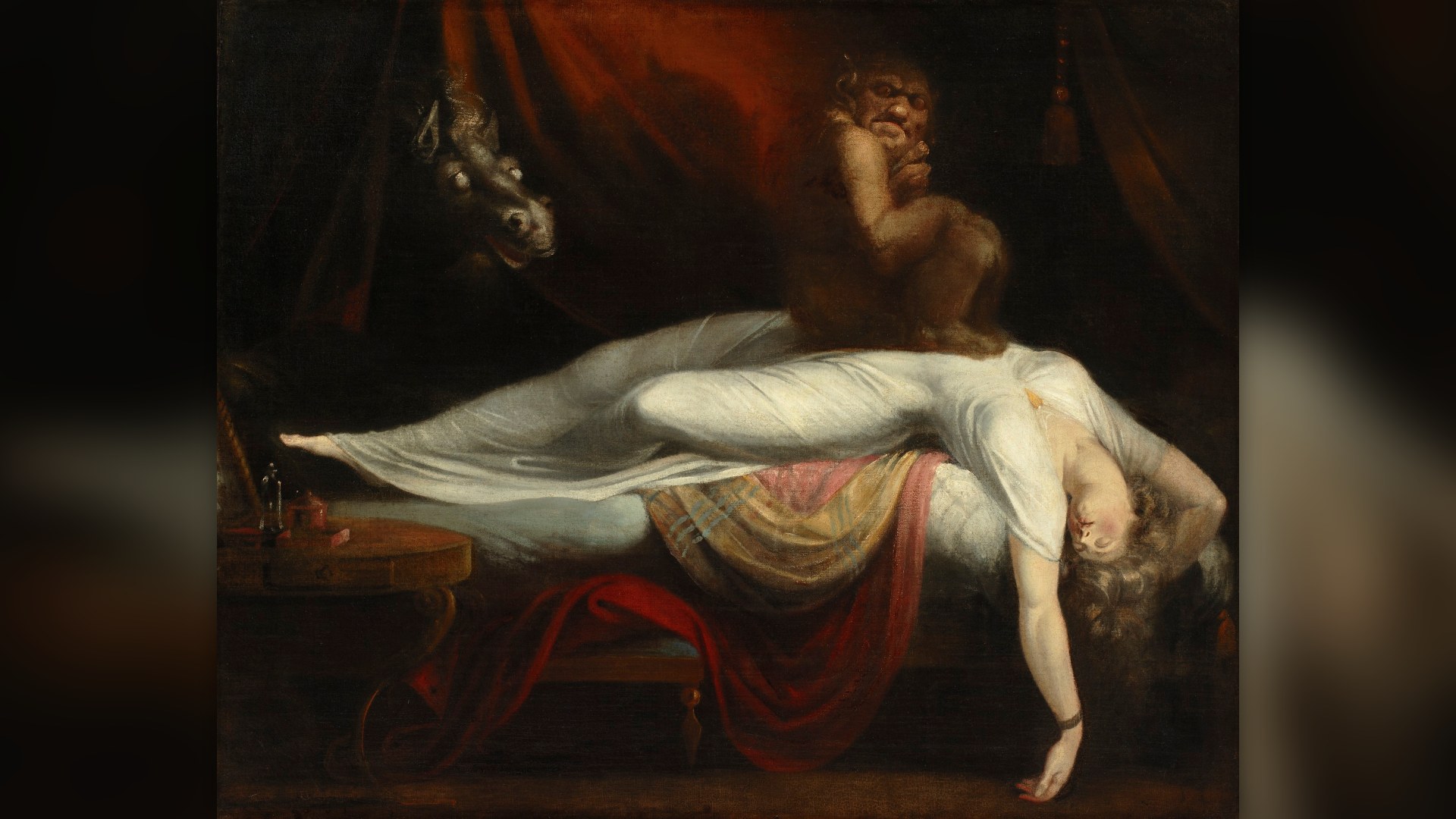
©Wikimedia / Henry Fuseli
15. Edward Armitage: The Remorse Of Judas
Presented at the Royal Academy in 1866, Armitage oil painting captures the sudden moral horror of betrayal. The rejected silver lies scattered across stone as the priests coldly turn away.
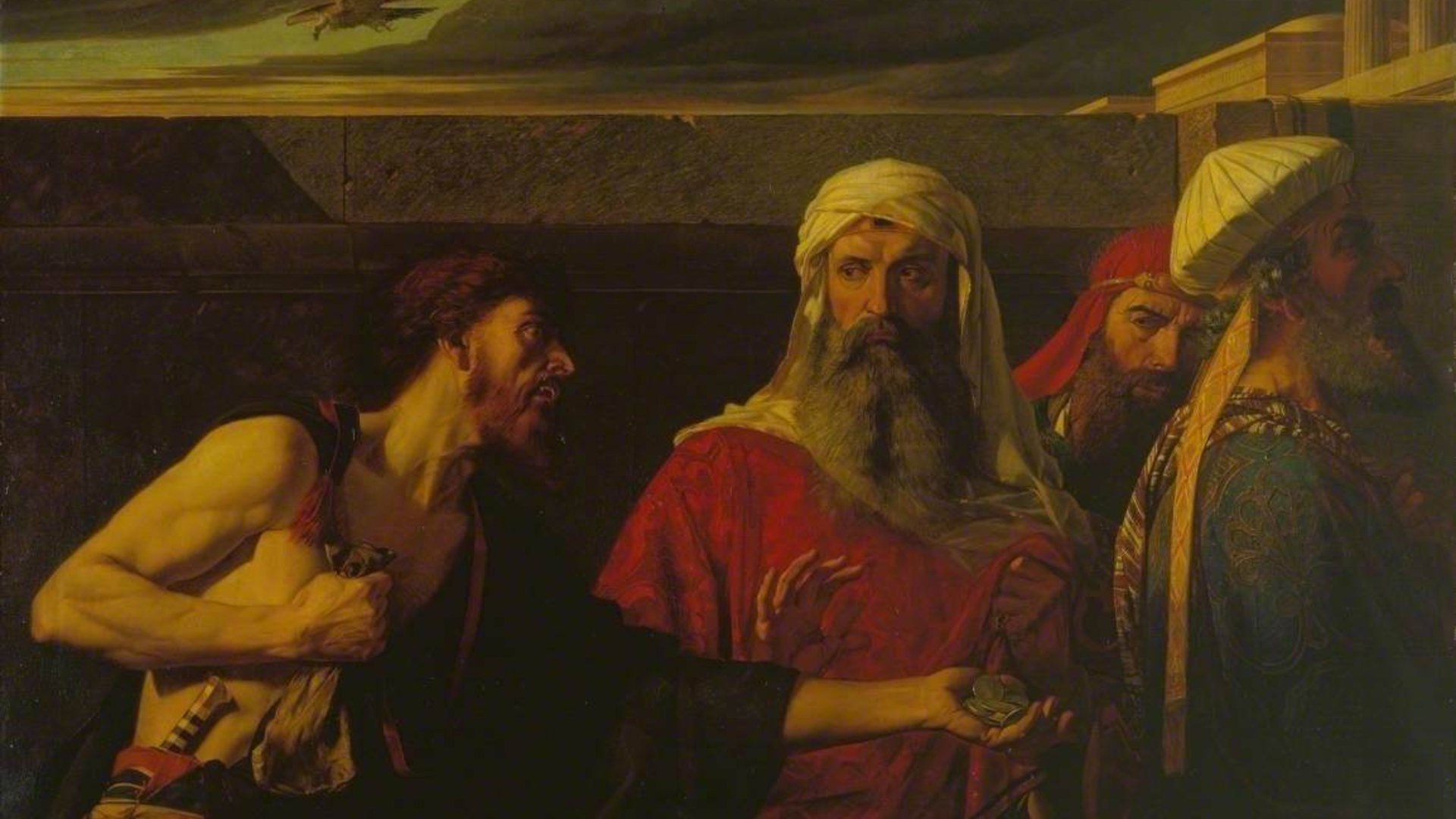
©Wikimedia / Edward Armitage
14. Hieronymus Bosch: The Seven Deadly Sins
Dating to around 1500, Bosch painted everyday moral failings like wrath and vanity into vivid narrative scenes. At the center, Christ emerges from the pupil with a warning on accountability.
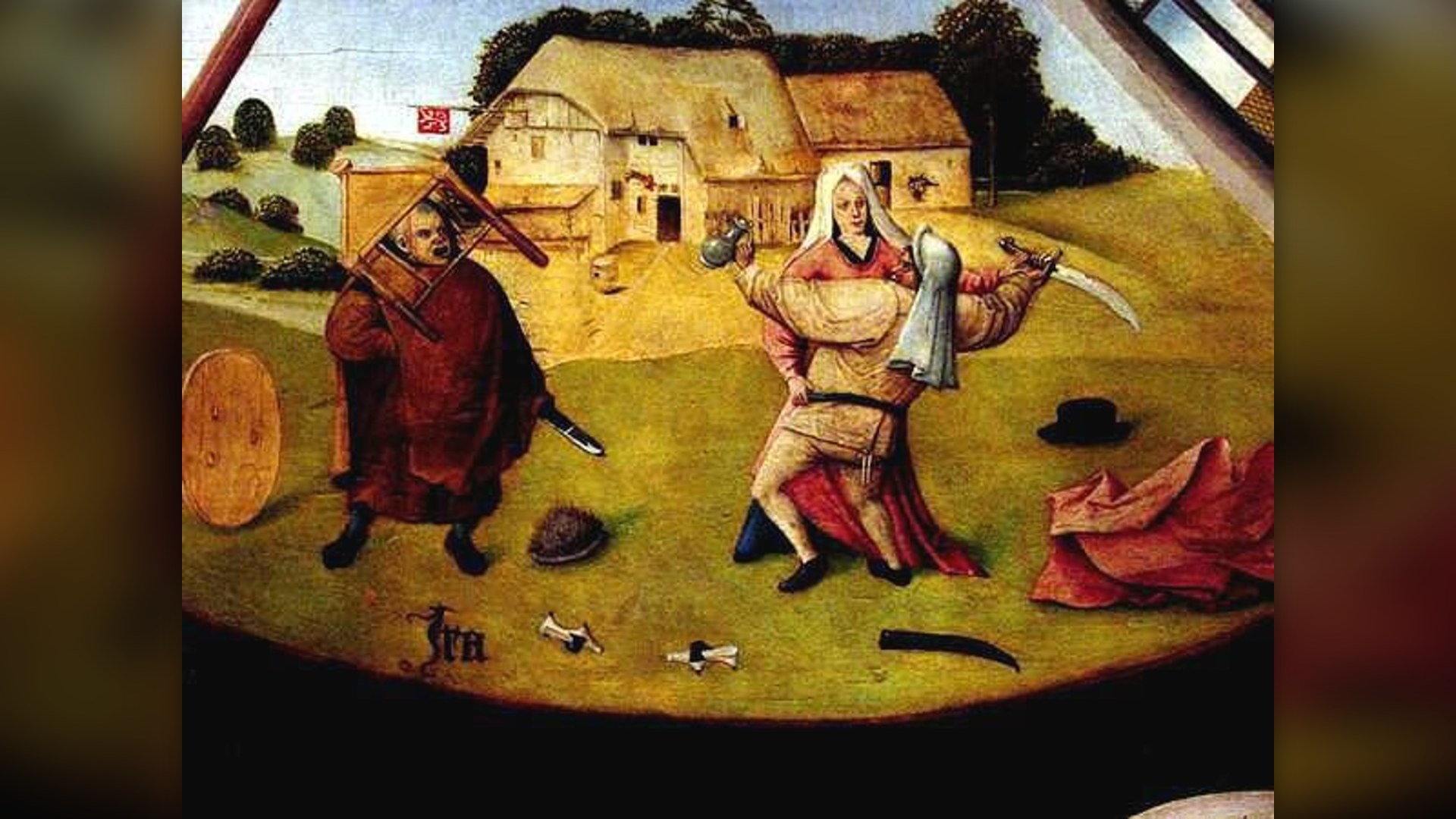
©Wikimedia / Hieronymus Bosch
Advertisement
Swipe or tap ▶ to resume the countdown.
13. Pietro Da Cortona: The Guardian Angel
Commissioned for Pope Alexander VII in 1656, this Baroque canvas illustrates the Roman Catholic concept of an angelic companion providing guidance against hidden spiritual and physical pitfalls.
©Internet Archive / Pietro da Cortona
12. Eugene Delacroix: The Barque Of Dante
Debuting at the Paris Salon in 1822, Delacroix masterwork explores emotional terror and conscience. The poet recoils in dread as his guide Virgil offers steadfast philosophical balance.
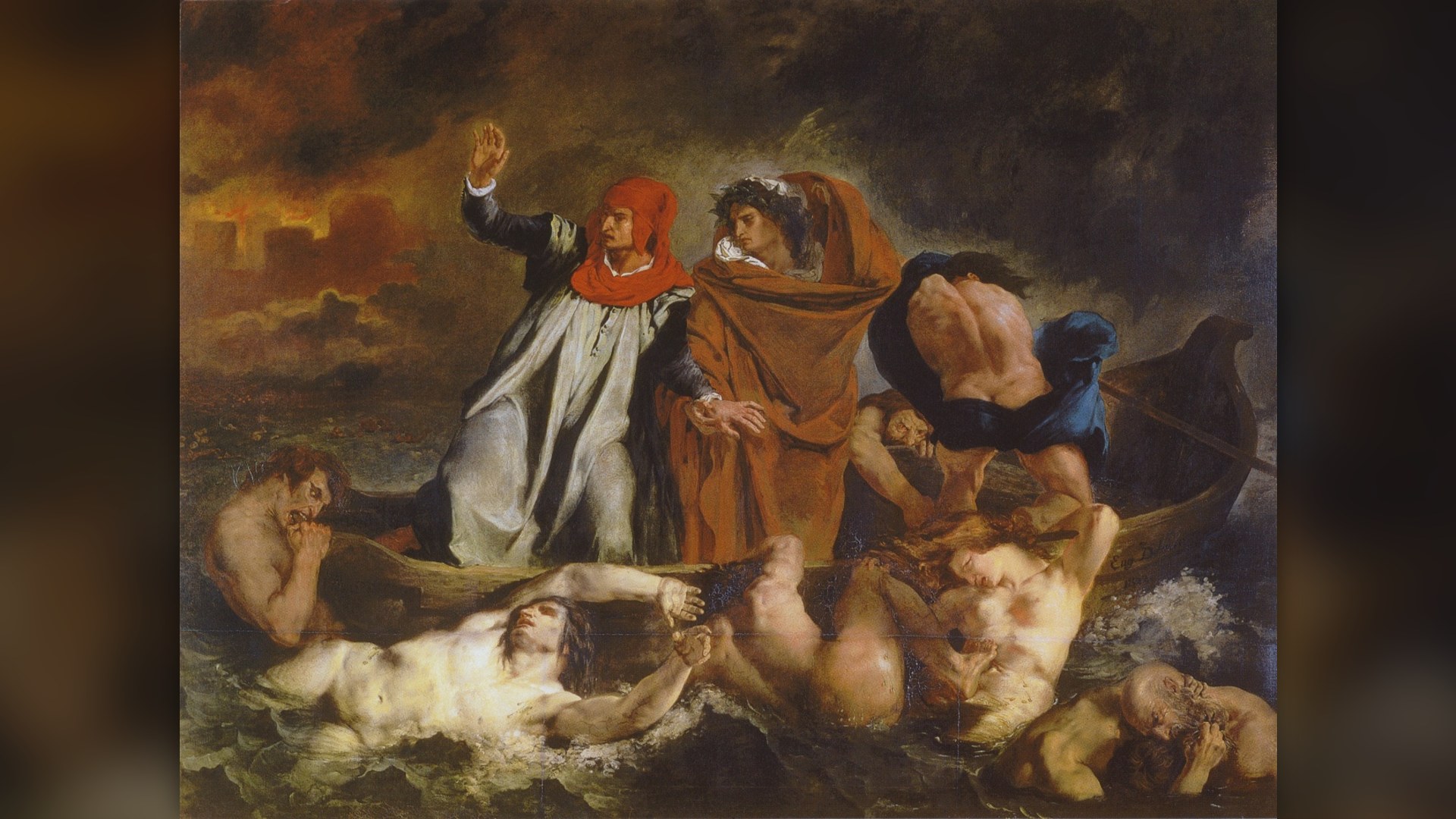
©Wikimedia / Eugene Delacroix
11. Thomas Cole: The Voyage Of Life: Manhood
Thomas Cole painted this four-part allegorical series in 1842. In Manhood, the traveler faces whirlpools of doubt and peril, relying on faith and conscience rather than youthful illusion.
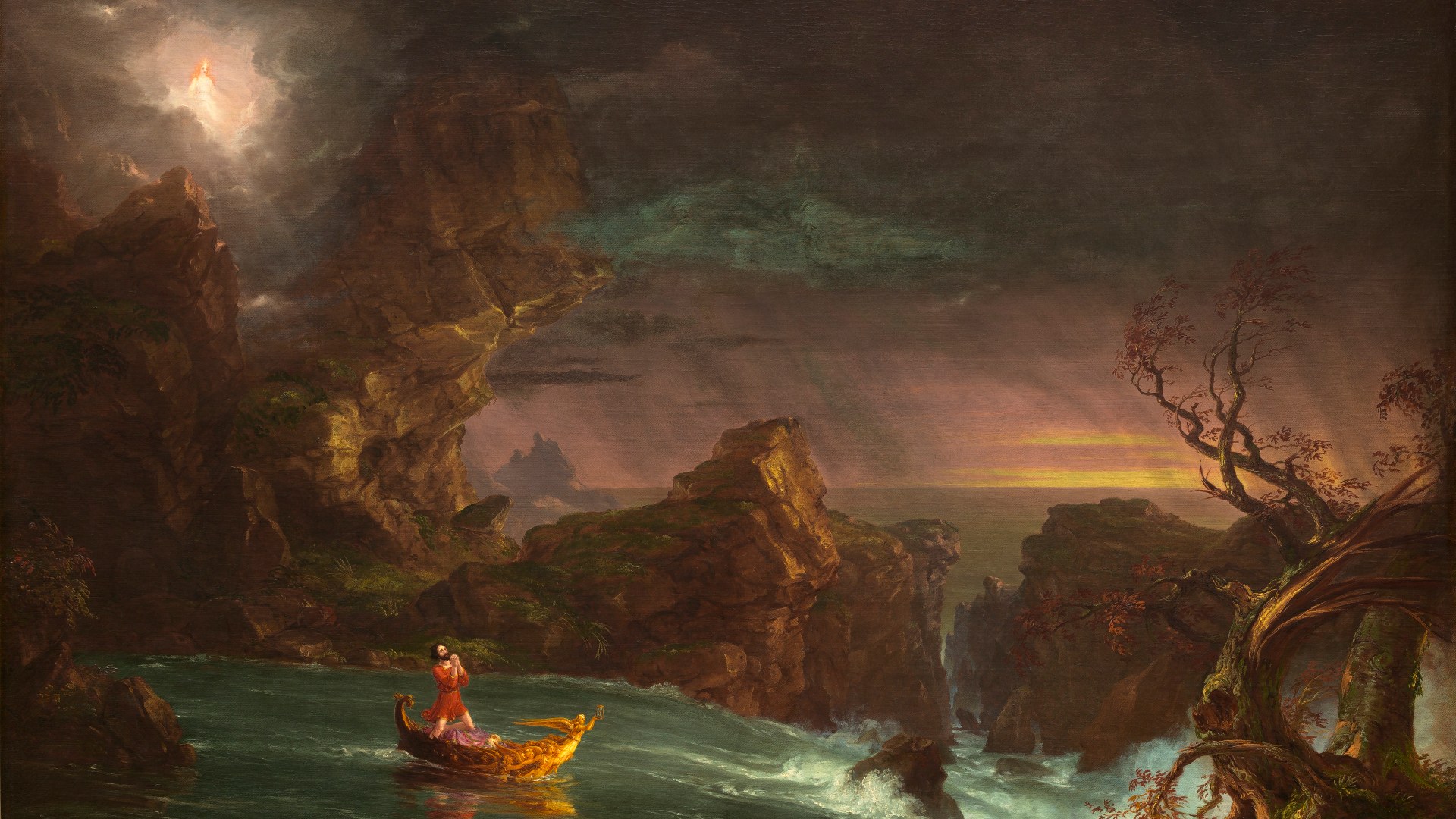
©Wikimedia / Thomas Cole
10. Sandro Botticelli: Calumny Of Apelles
Botticelli created this complex moral allegory around 1495. Deceit and Treachery adorn Falsehood with flowers, while naked Truth gazes upward to heaven and Remorse stands in dark mourning.
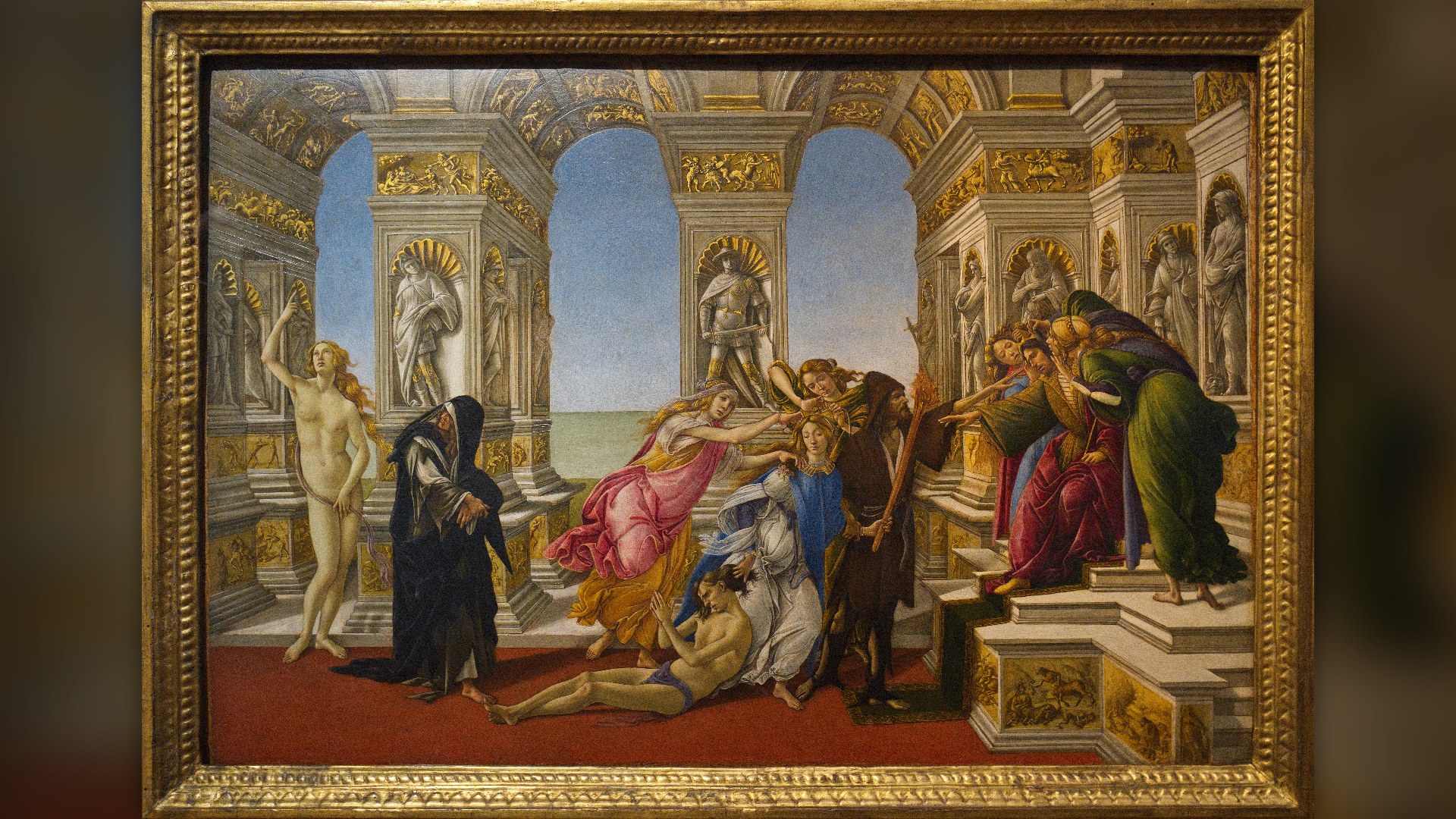
©Wikimedia / Sandro Botticelli
Advertisement
Swipe or tap ▶ to resume the countdown.
9. John Martin: Pandemonium
British Romantic painter John Martin unveiled this colossal vision in 1841. The vast subterranean architecture symbolizes the psychological inflation and consuming pride of rebellion against order.
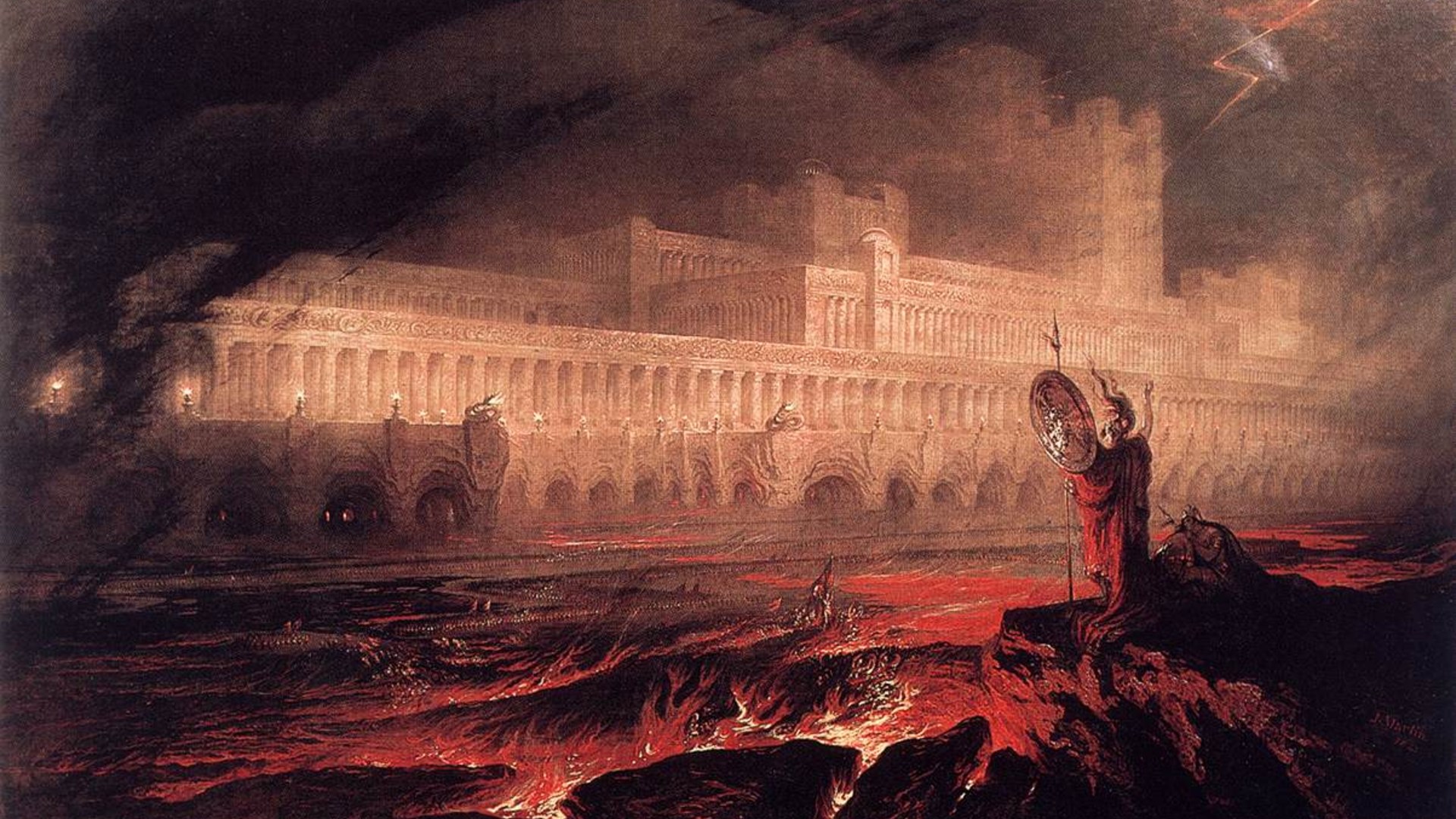
©Wikimedia / John Martin
8. Lucas Cranach The Elder: Law And Gospel
Painted in 1529 alongside Martin Luther theological writings, Cranach work contrasts a man driven toward hell by skeletons with another directed toward salvation by John the Baptist.
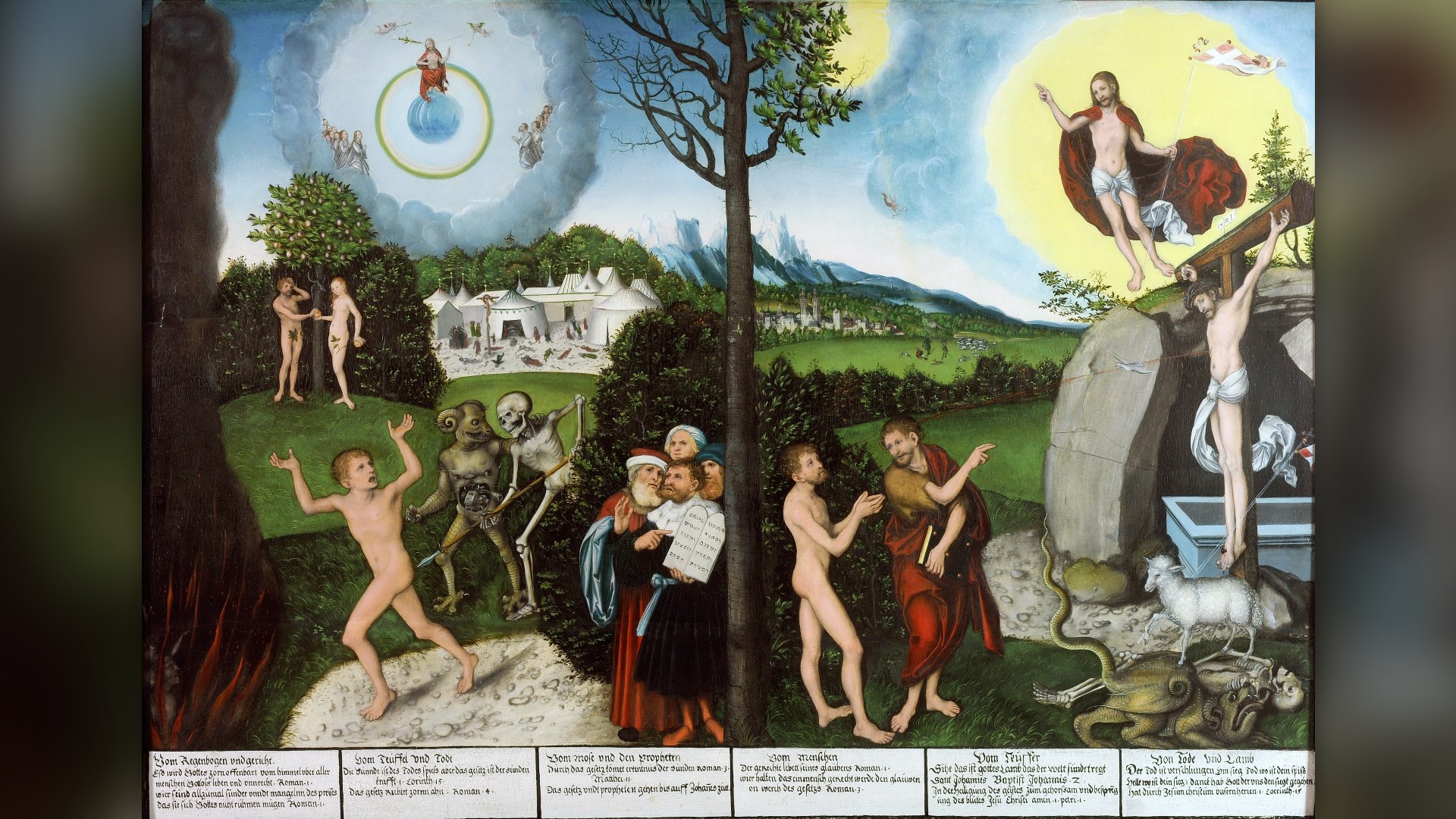
©Wikimedia / Lucas Cranach the Elder
7. Rembrandt: Return Of The Prodigal Son
Rembrandt completed this intimate Baroque oil painting in 1669 shortly before his death. The work captures the quiet transformation of conscience as pride dissolves into humility and acceptance.
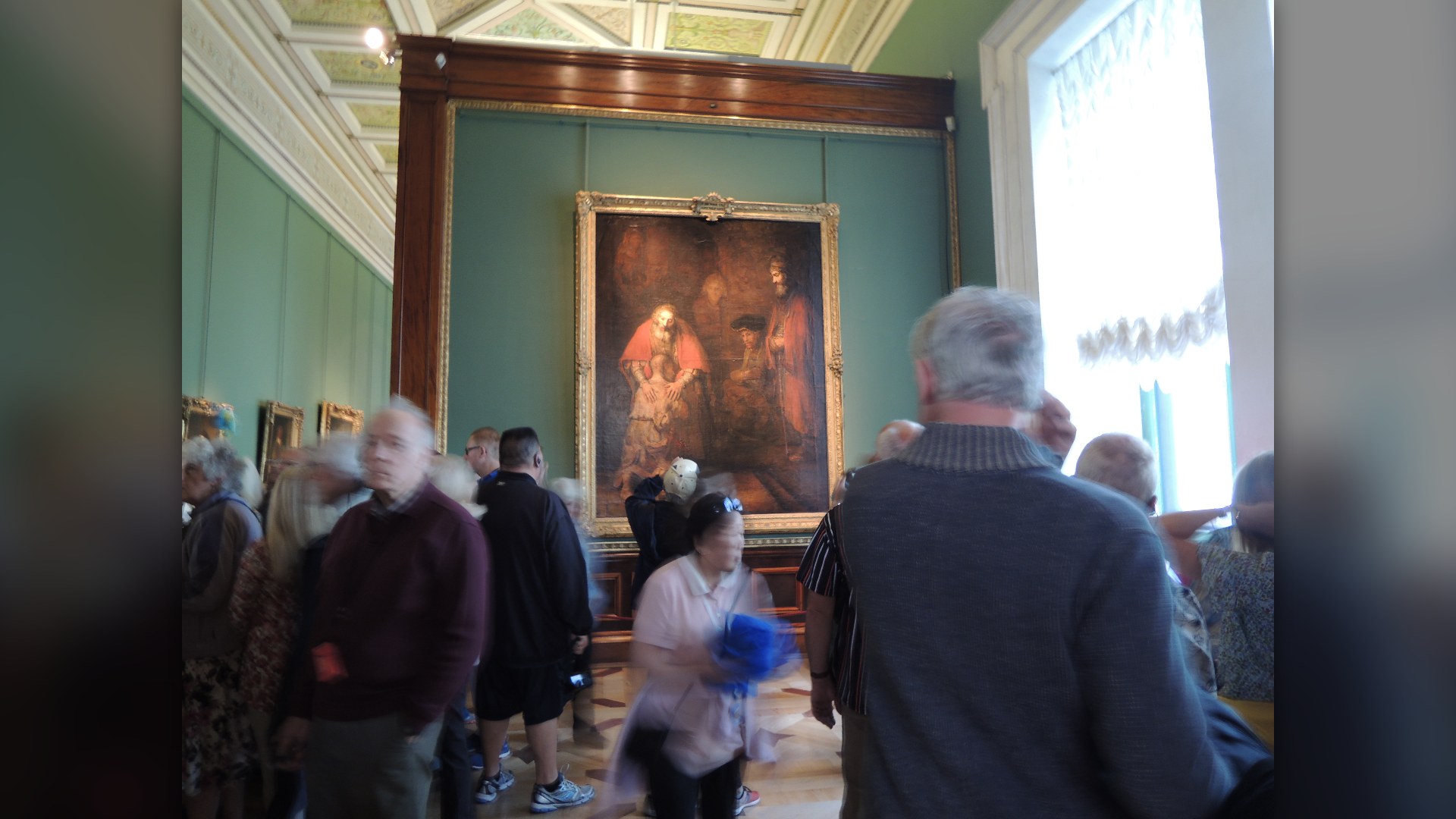
©Wikimedia / Rembrandt
6. Caspar David Friedrich: The Abbey In The Oakwood
Painted in 1810, Friedrich landscape reflects on mortality, time, and inner contemplation. The desolate oaks and snow-covered gravestones invite the viewer to examine spiritual impermanence.
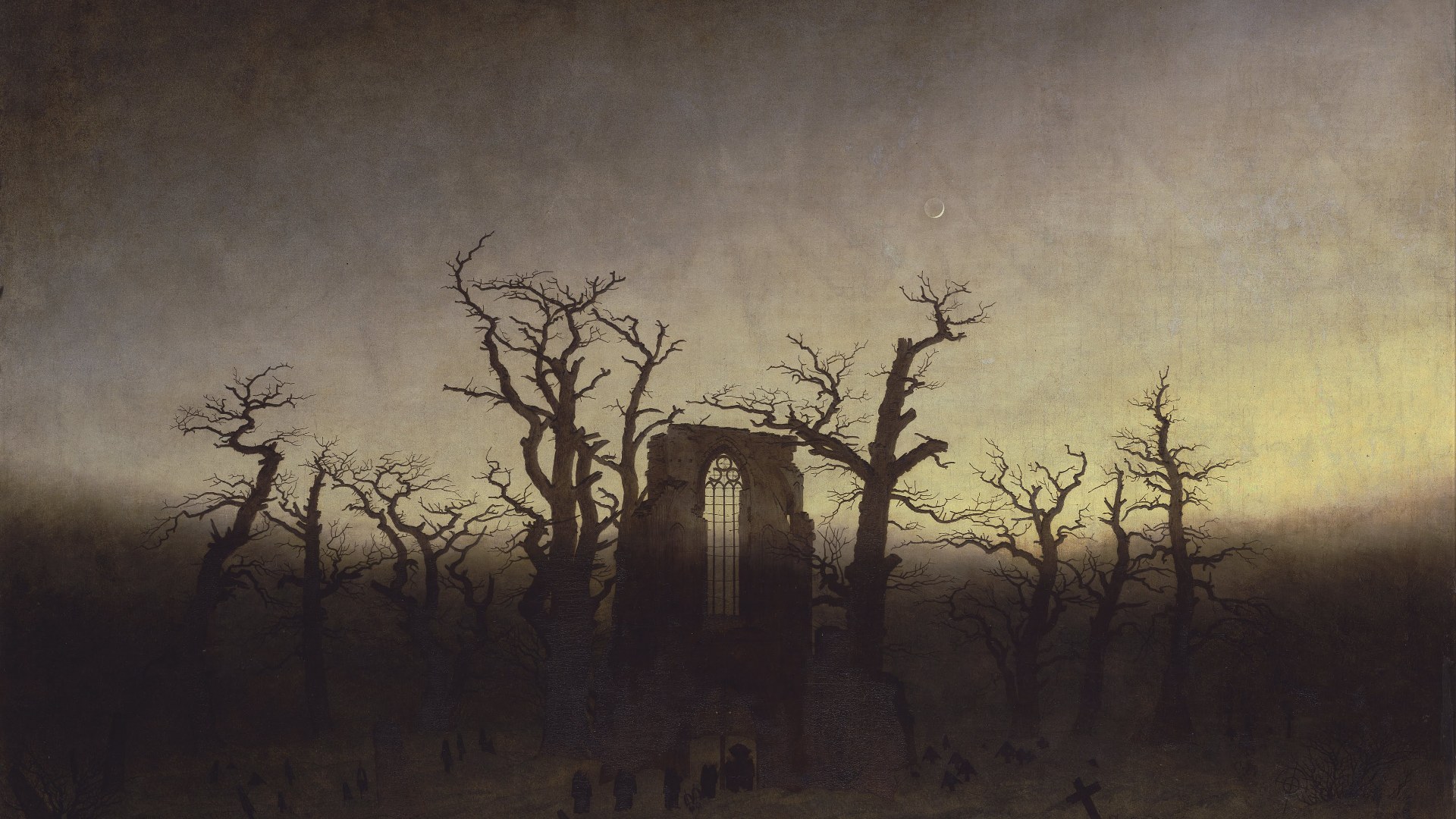
©Wikimedia / Caspar David Friedrich
Advertisement
Swipe or tap ▶ to resume the countdown.
5. Peter Paul Rubens: The Fall Of Phaethon
Rubens painted this dramatic canvas around 1604 to illustrate the perils of unchecked ambition. Jupiter unleashes a thunderbolt to prevent destruction, ending Phaethon hubristic ride.
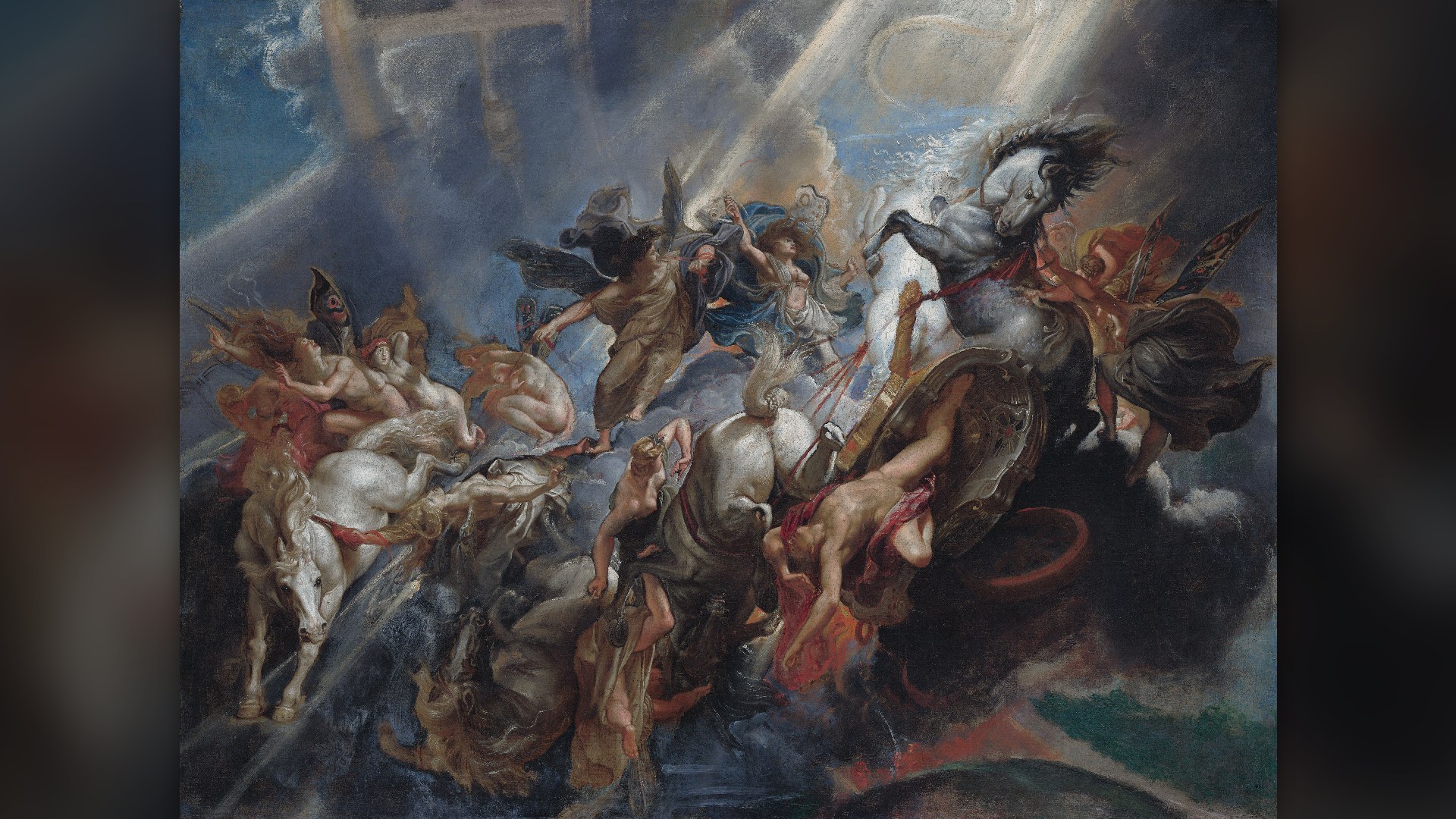
©Wikimedia / Peter Paul Rubens
4. Jacques-Louis David: The Oath Of The Horatii
Created on the eve of the French Revolution in 1784, David masterpiece portrays the severe tension between patriotic conscience and domestic grief as weeping sisters mourn in the background.
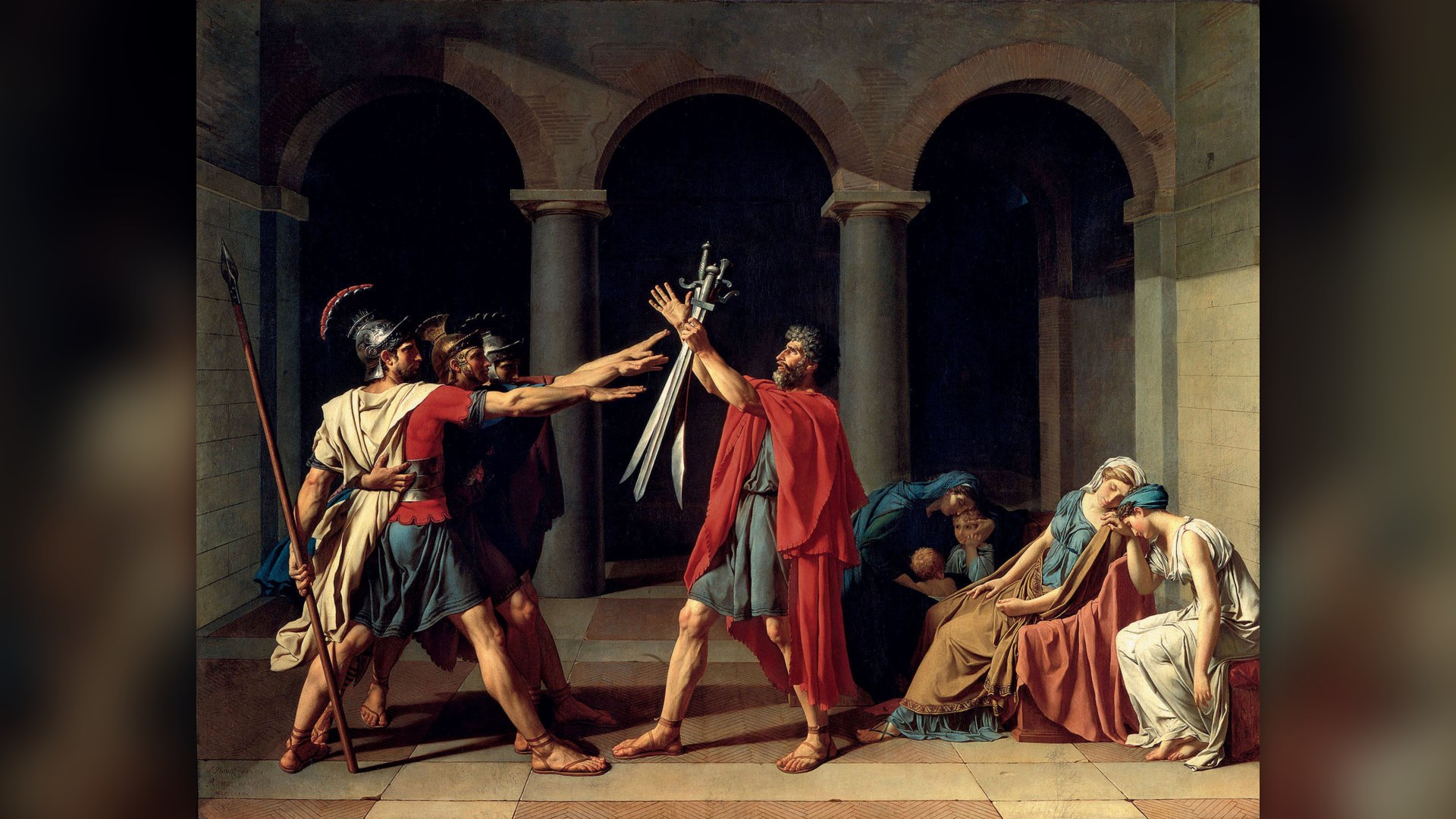
©Wikimedia / Jacques-Louis David
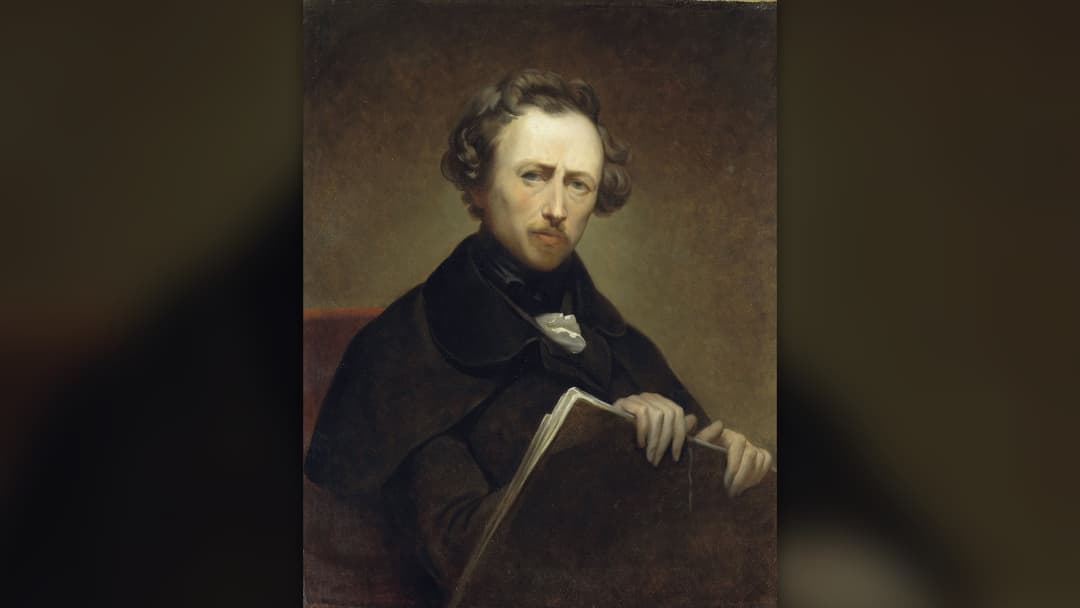
3. Ary Scheffer: Paolo And Francesca In The Inferno
Ary Scheffer completed this Romantic oil in 1835. Dante covers his face in sorrow as Virgil watches, capturing the tragic moral consequences of unrestrained passion overriding conscience.
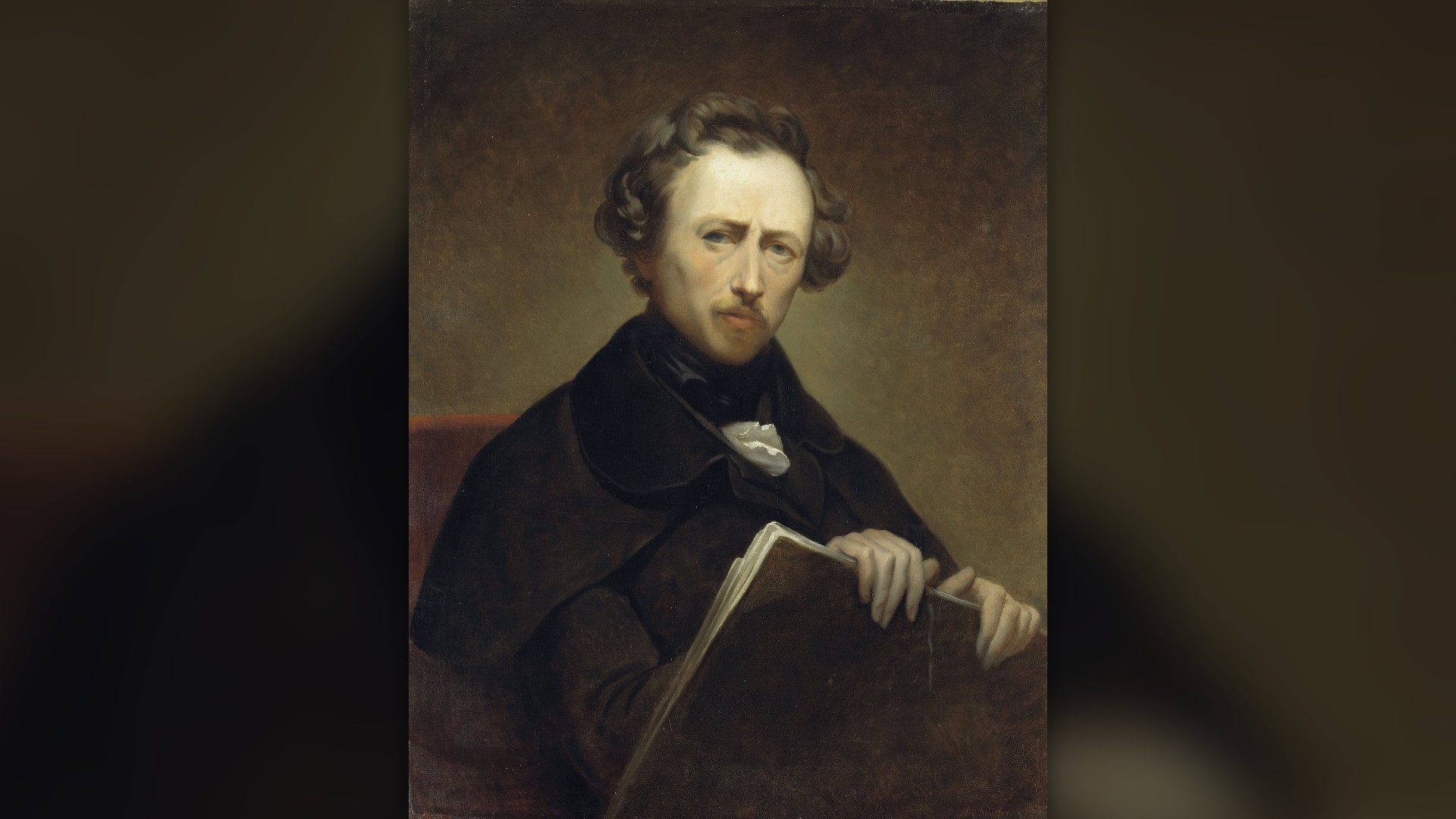
©Wikimedia / Ary Scheffer
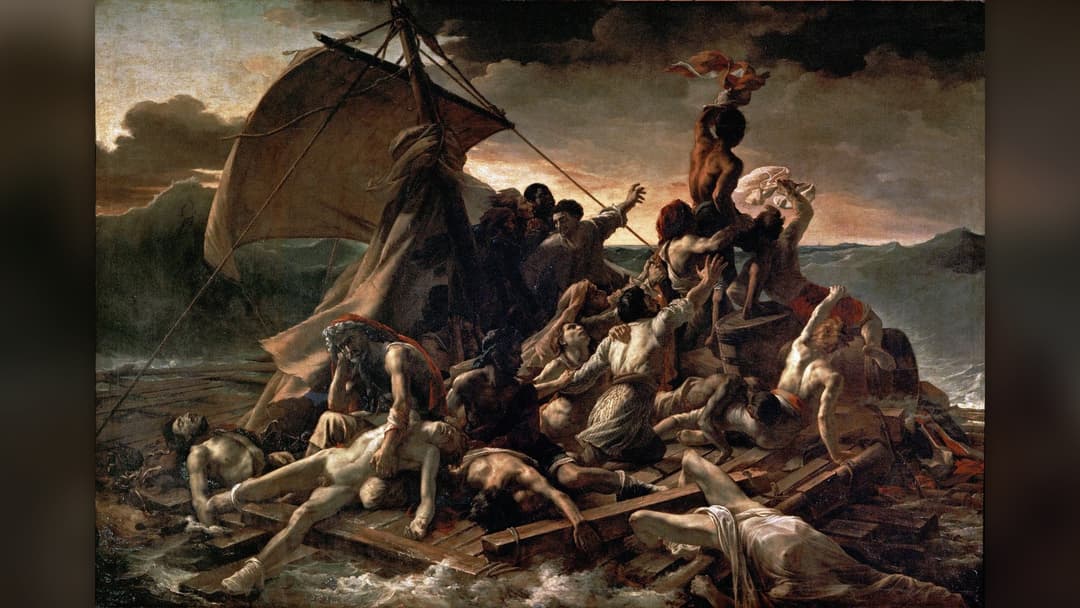
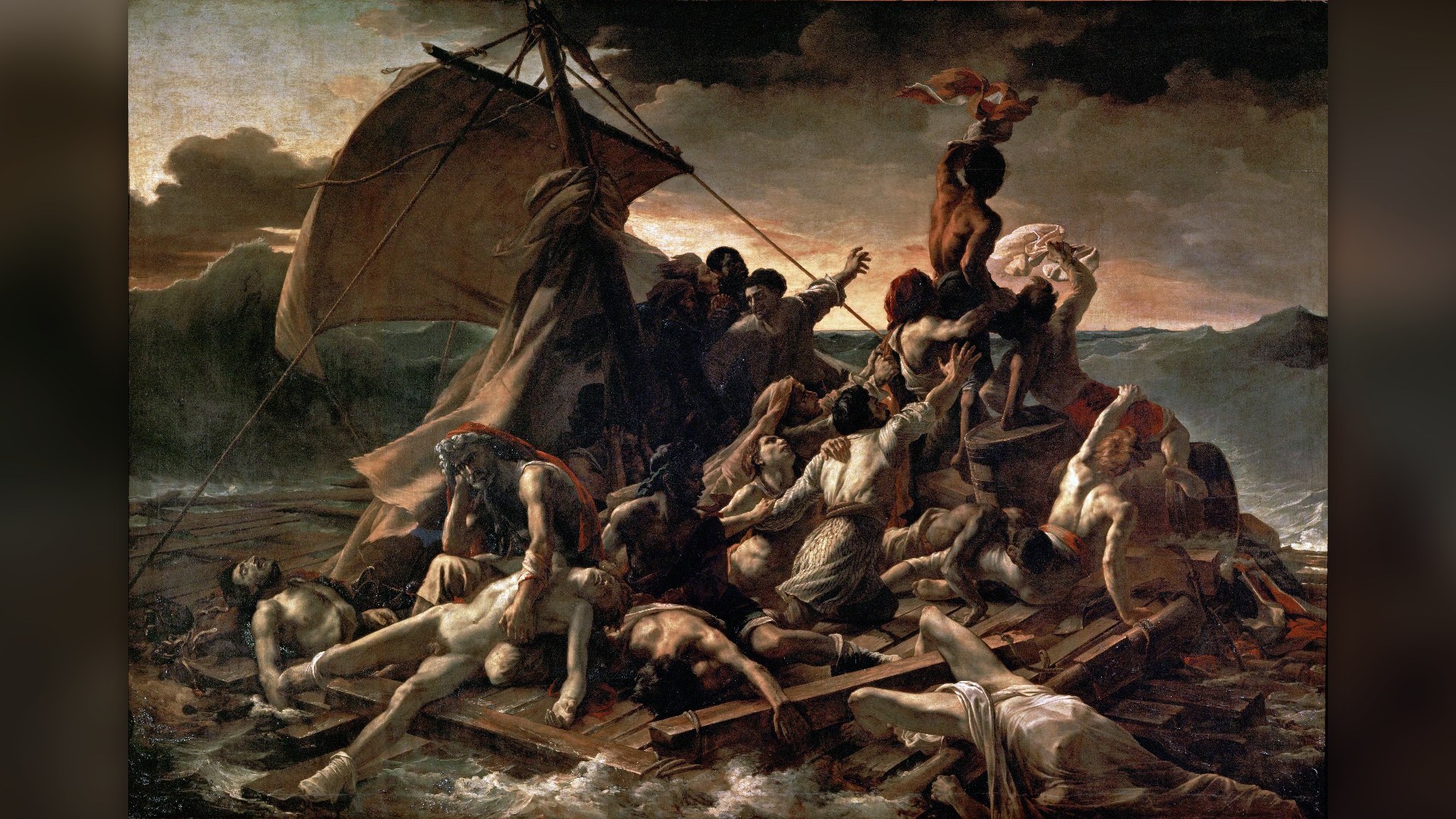
2. Theodore Gericault: The Raft Of The Medusa
Exhibited in 1819, Gericault massive canvas reveals the ultimate collapse of moral restraint under starvation. The composition moves from despair and madness at the base to desperate hope at the peak.
©Wikimedia / Theodore Gericault
Advertisement
Swipe or tap ▶ to resume the countdown.
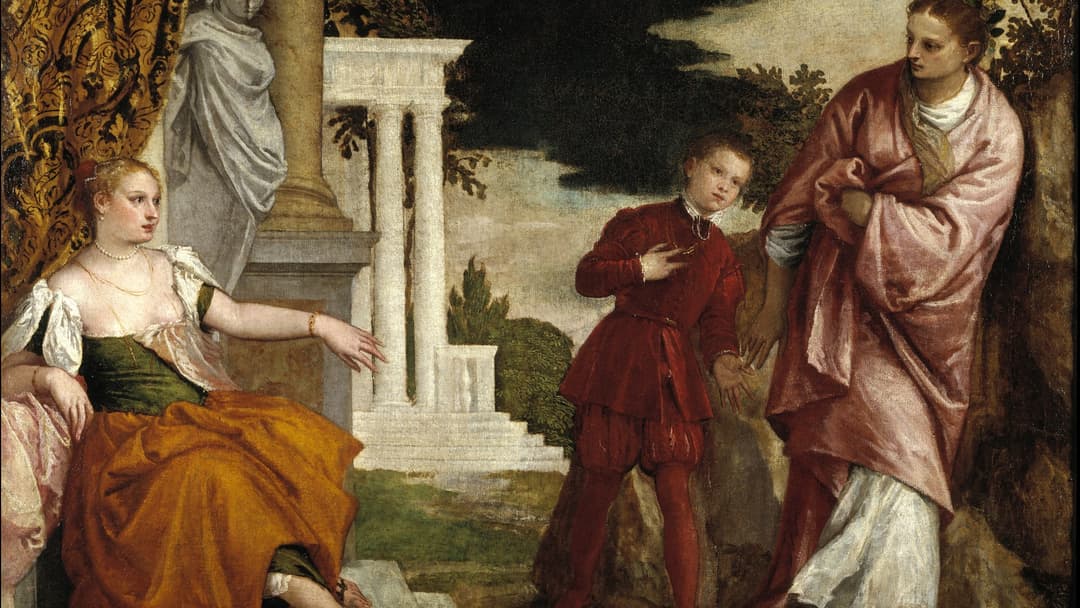
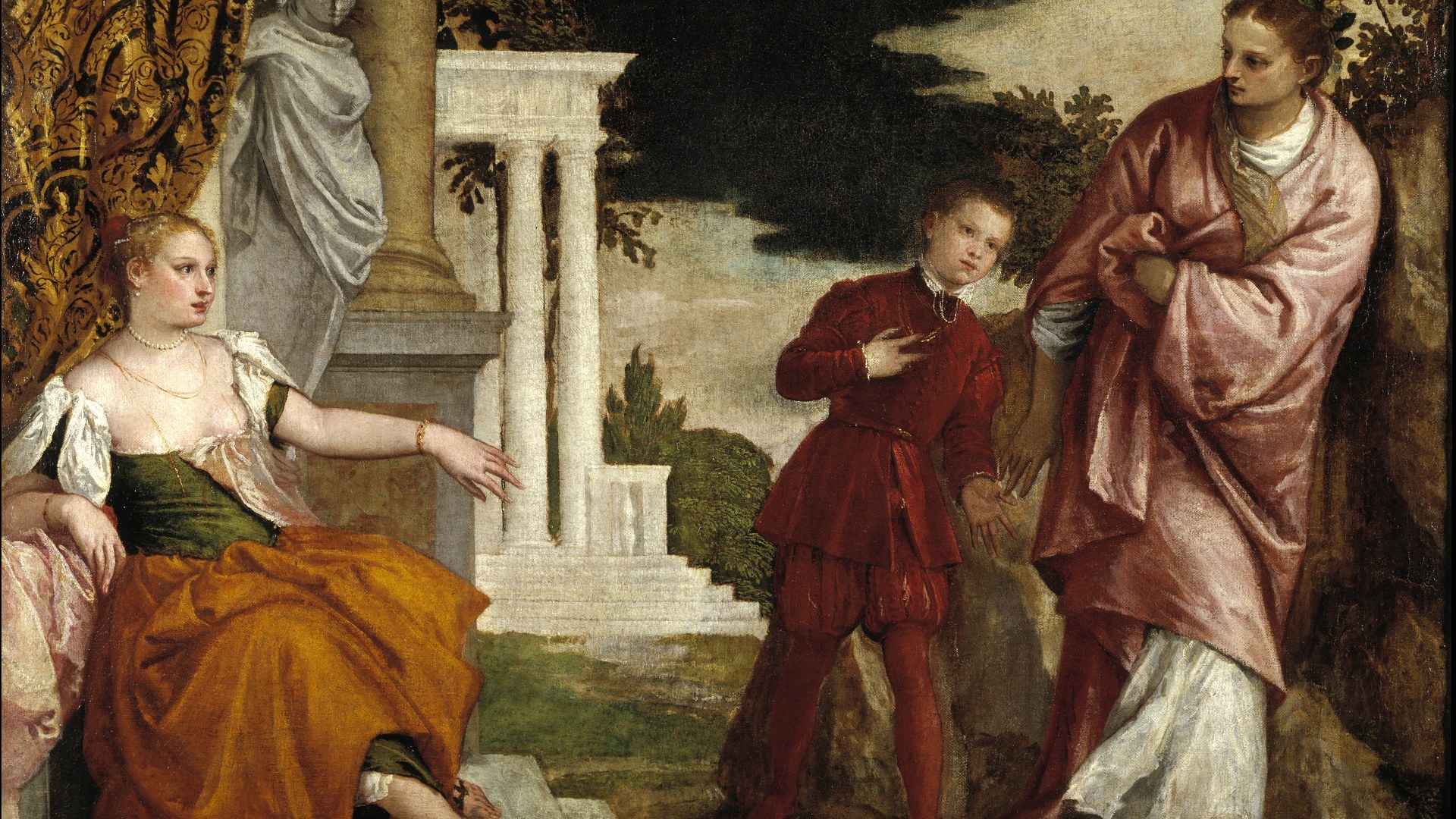
1. Paolo Veronese: Choice Between Virtue And Vice
Painted around 1565 and now housed in New York Frick Collection, Veronese shows a youth turning into the arms of laurel-crowned Virtue while ragged Vice brandishes clawed hands behind him.
©Wikimedia / Paolo Veronese
Advertisement
You've reached the end of the story. Thanks for reading!

22 World-Famous Cruise Ships and Island Ports for Solo Travelers
Compiled from CLIA industry reports and passenger records, these twenty-two cruise ships and island ports feature dedicated solo amenities and unforgettable excursions. Industry surveys confirm solo cruising growth.
All 20 Entries in this Story
1. Annibale Carracci: Hercules At The Crossroads
Painted in 1596 for Cardinal Odoardo Farnese, Carracci shows Hercules weighing two distinct female personifications. This composition popularized the visual archetype of moral choice in Western art.

2. William Blake: The Good And Evil Angels
Created in 1795 as a large color print, William Blake depicts a radiant angel holding a child away from a fiery demon. The work explores the poet belief in conflicting mental energies.

3. Pieter Bruegel The Elder: Fall Of The Rebel Angels
Completed in 1562, Bruegel masterpiece depicts the Archangel Michael battling chaotic forces. The monstrous demons symbolize the inner vices of pride, greed, and envy tearing at spiritual peace.

4. Moritz Retzsch: The Chess Players
This 1831 engraving depicts Satan pointing to the board while a protective guardian angel watches sorrowfully. Each chess piece represents a human virtue or vice in an allegory of moral decision.

5. Henry Fuseli: The Nightmare
Exhibited in London in 1782, Fuseli painting became an immediate sensation. It visualizes the unseen psychological burdens and irrational terrors that haunt human sleep and guilty conscience.

6. Edward Armitage: The Remorse Of Judas
Presented at the Royal Academy in 1866, Armitage oil painting captures the sudden moral horror of betrayal. The rejected silver lies scattered across stone as the priests coldly turn away.

7. Hieronymus Bosch: The Seven Deadly Sins
Dating to around 1500, Bosch painted everyday moral failings like wrath and vanity into vivid narrative scenes. At the center, Christ emerges from the pupil with a warning on accountability.

8. Pietro Da Cortona: The Guardian Angel
Commissioned for Pope Alexander VII in 1656, this Baroque canvas illustrates the Roman Catholic concept of an angelic companion providing guidance against hidden spiritual and physical pitfalls.

9. Eugene Delacroix: The Barque Of Dante
Debuting at the Paris Salon in 1822, Delacroix masterwork explores emotional terror and conscience. The poet recoils in dread as his guide Virgil offers steadfast philosophical balance.

10. Thomas Cole: The Voyage Of Life: Manhood
Thomas Cole painted this four-part allegorical series in 1842. In Manhood, the traveler faces whirlpools of doubt and peril, relying on faith and conscience rather than youthful illusion.

11. Sandro Botticelli: Calumny Of Apelles
Botticelli created this complex moral allegory around 1495. Deceit and Treachery adorn Falsehood with flowers, while naked Truth gazes upward to heaven and Remorse stands in dark mourning.

12. John Martin: Pandemonium
British Romantic painter John Martin unveiled this colossal vision in 1841. The vast subterranean architecture symbolizes the psychological inflation and consuming pride of rebellion against order.

13. Lucas Cranach The Elder: Law And Gospel
Painted in 1529 alongside Martin Luther theological writings, Cranach work contrasts a man driven toward hell by skeletons with another directed toward salvation by John the Baptist.

14. Rembrandt: Return Of The Prodigal Son
Rembrandt completed this intimate Baroque oil painting in 1669 shortly before his death. The work captures the quiet transformation of conscience as pride dissolves into humility and acceptance.

15. Caspar David Friedrich: The Abbey In The Oakwood
Painted in 1810, Friedrich landscape reflects on mortality, time, and inner contemplation. The desolate oaks and snow-covered gravestones invite the viewer to examine spiritual impermanence.

16. Peter Paul Rubens: The Fall Of Phaethon
Rubens painted this dramatic canvas around 1604 to illustrate the perils of unchecked ambition. Jupiter unleashes a thunderbolt to prevent destruction, ending Phaethon hubristic ride.

17. Jacques-Louis David: The Oath Of The Horatii
Created on the eve of the French Revolution in 1784, David masterpiece portrays the severe tension between patriotic conscience and domestic grief as weeping sisters mourn in the background.

18. Ary Scheffer: Paolo And Francesca In The Inferno
Ary Scheffer completed this Romantic oil in 1835. Dante covers his face in sorrow as Virgil watches, capturing the tragic moral consequences of unrestrained passion overriding conscience.

19. Theodore Gericault: The Raft Of The Medusa
Exhibited in 1819, Gericault massive canvas reveals the ultimate collapse of moral restraint under starvation. The composition moves from despair and madness at the base to desperate hope at the peak.

20. Paolo Veronese: Choice Between Virtue And Vice
Painted around 1565 and now housed in New York Frick Collection, Veronese shows a youth turning into the arms of laurel-crowned Virtue while ragged Vice brandishes clawed hands behind him.