Slideshow · Travel
20 Milestones That Shaped Chicago O'Hare Airport Through the Decades
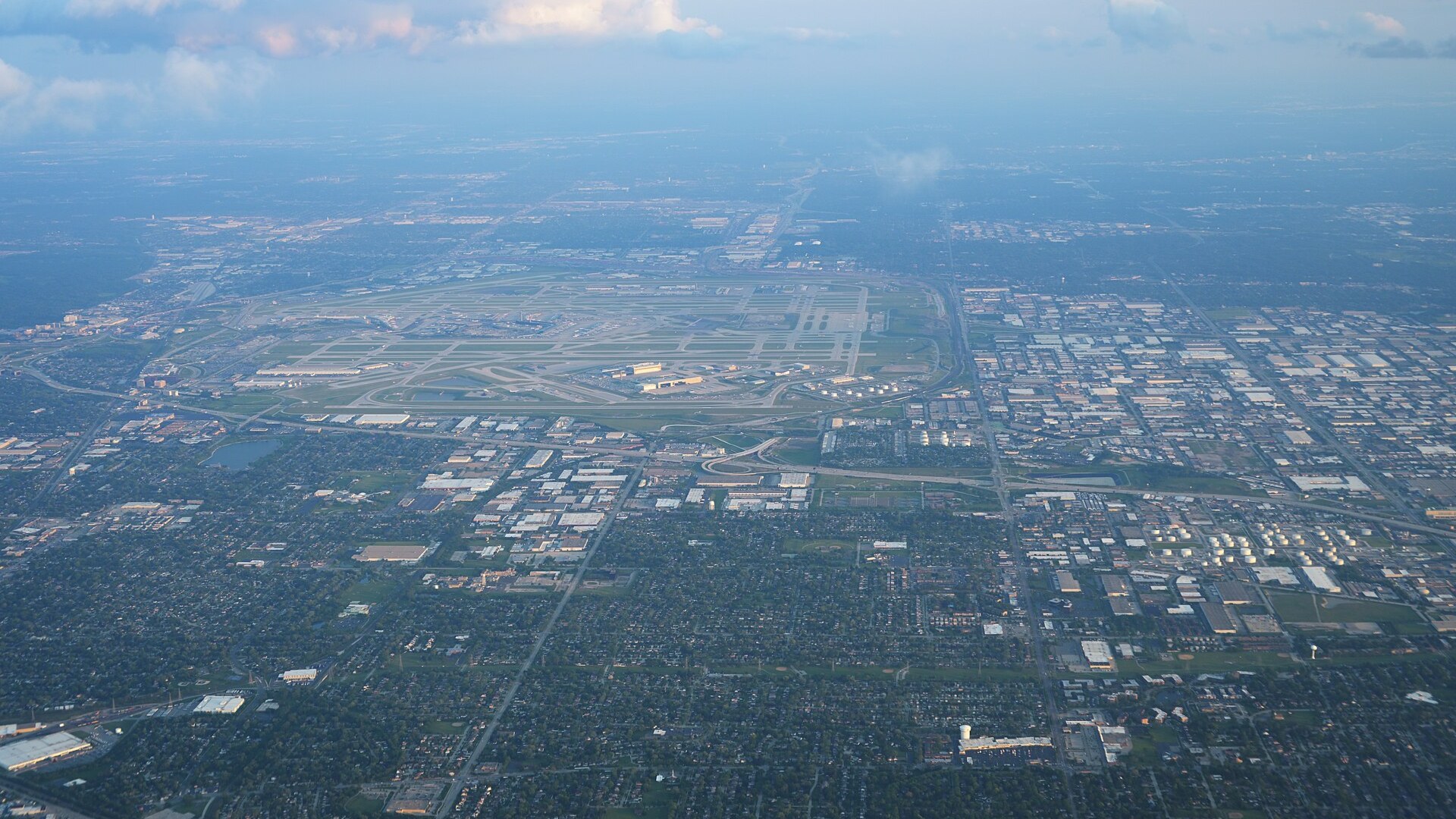
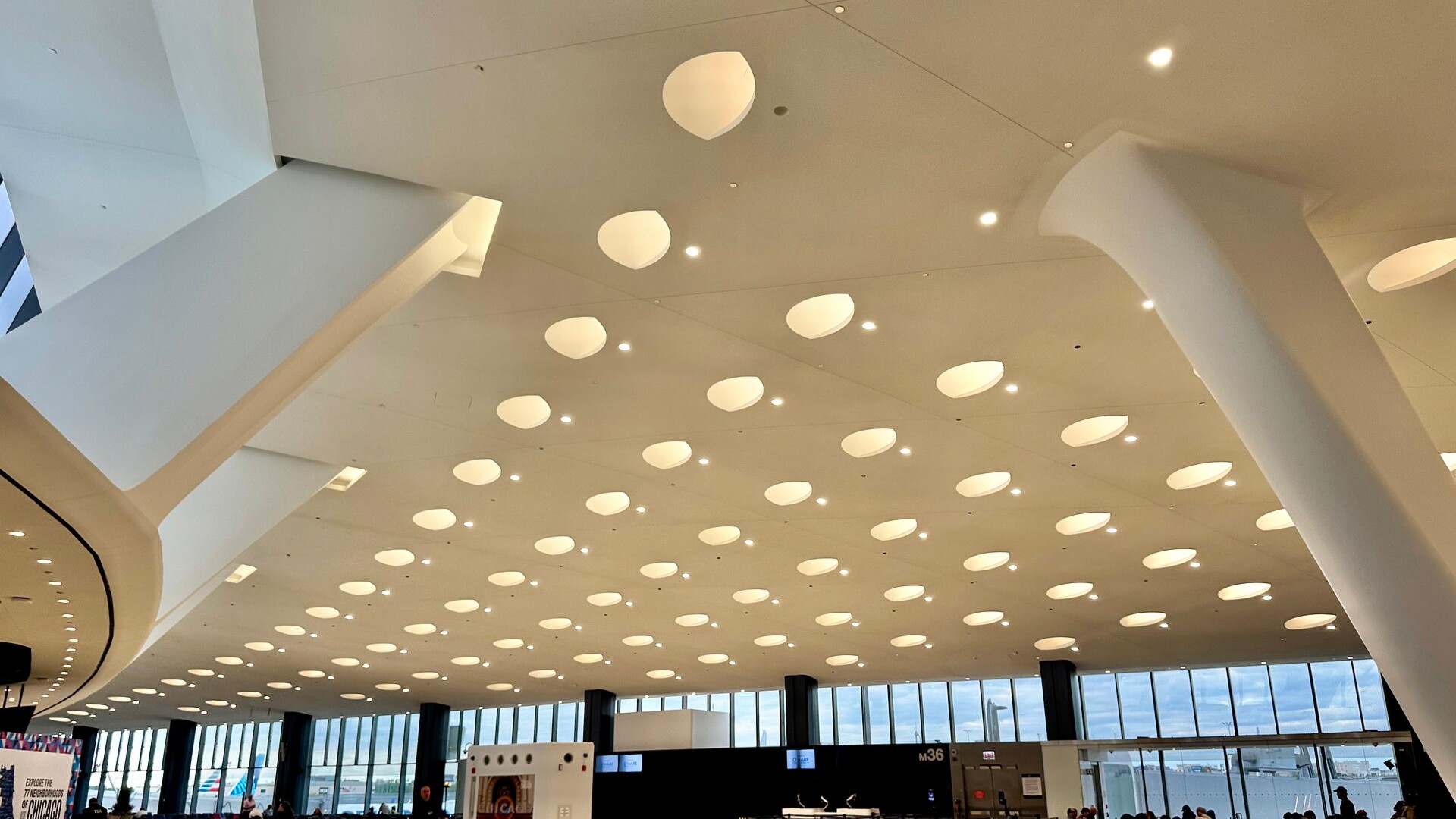
Chicago O'Hare International Airport grew from a World War II aircraft plant at Orchard Field into one of the busiest air hubs on Earth. Based on Chicago Department of Aviation archives, FAA records, and Britannica reporting, these 20 photos trace O'Hare from 1940s C-54 flights to modern 2026 ORDNext expansion.
By Most Viral Today
1 day agopitch:f45925c4-29f9-4c9b-b834-3b97b2365b64

From a 1940s wartime factory strip to a sprawling global aviation hub. 
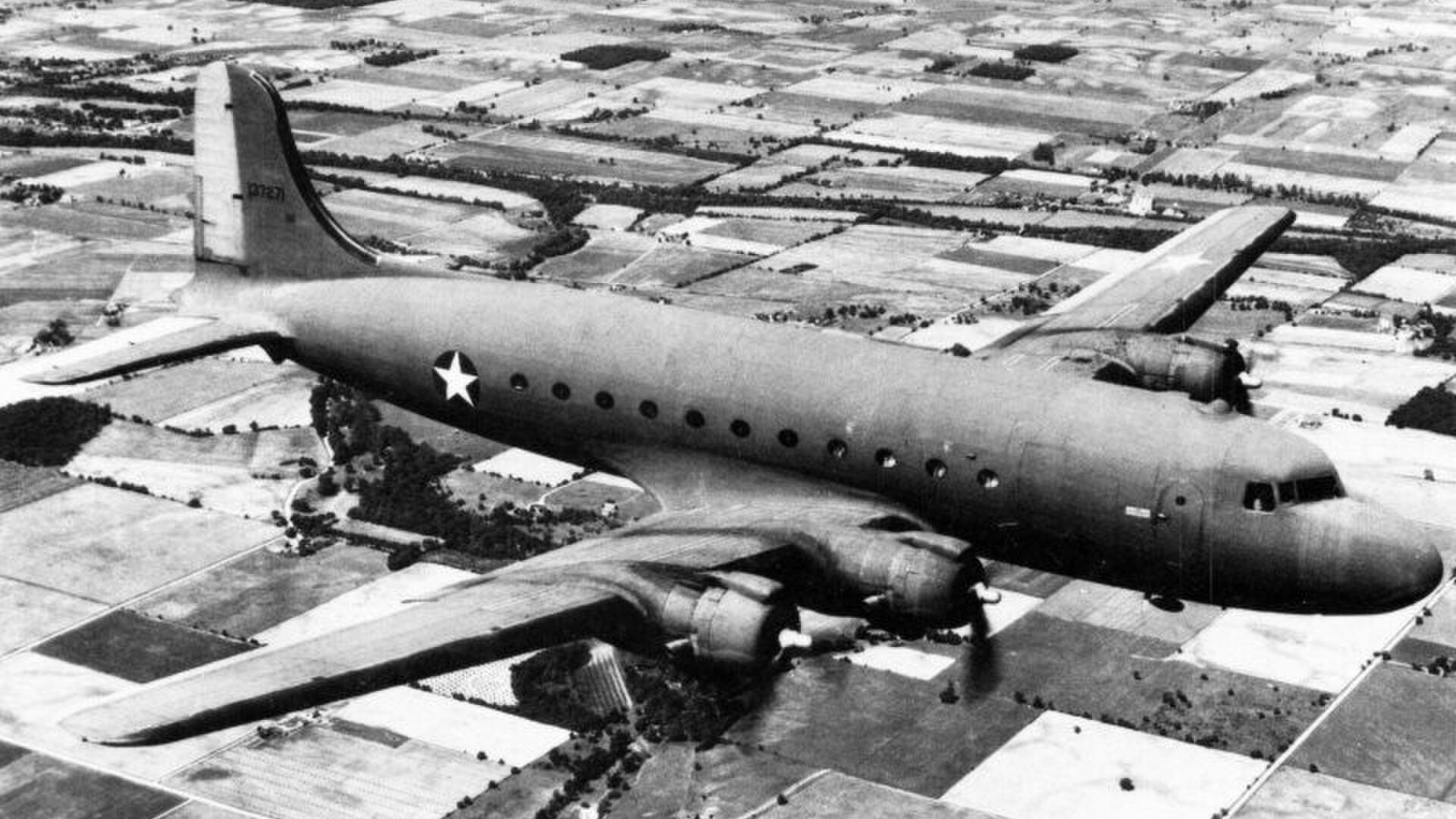
20. Douglas C-54 Plant At Orchard Field (1942) 
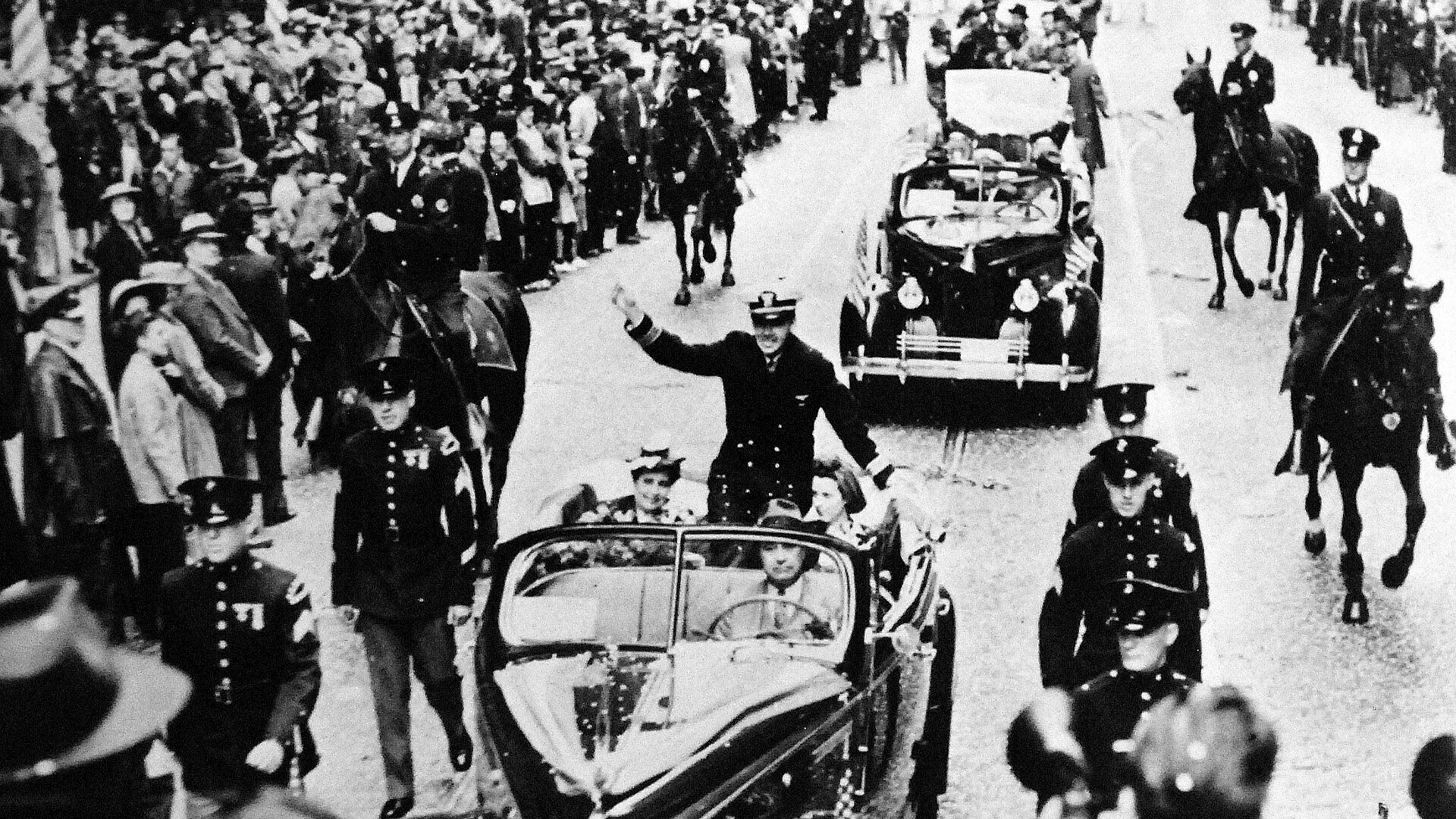
19. Renamed For Naval Ace Edward O'Hare (1949) 
18. Commercial Flights Launch At O'Hare (1955) - AdvertisementSwipe or tap ▶ to continue countdown

17. Jet-Age Terminals 2 And 3 Open (1962) 
16. O'Hare Becomes The World's Busiest Hub (1962) 
15. Boeing 747 Widebody Service Arrives (1970) 
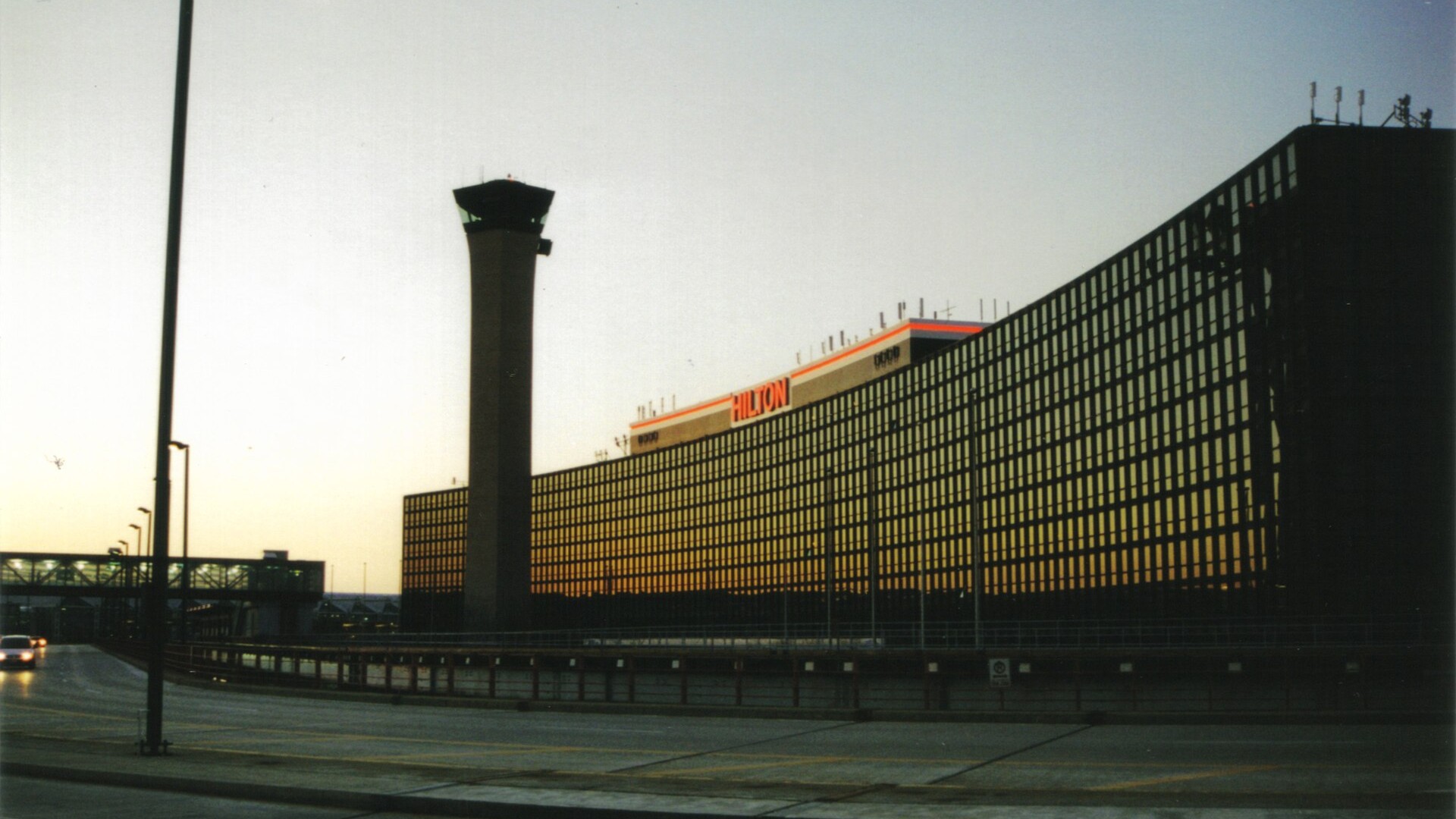
14. On-Site O'Hare Hilton Hotel Opens (1973) - AdvertisementSwipe or tap ▶ to continue countdown

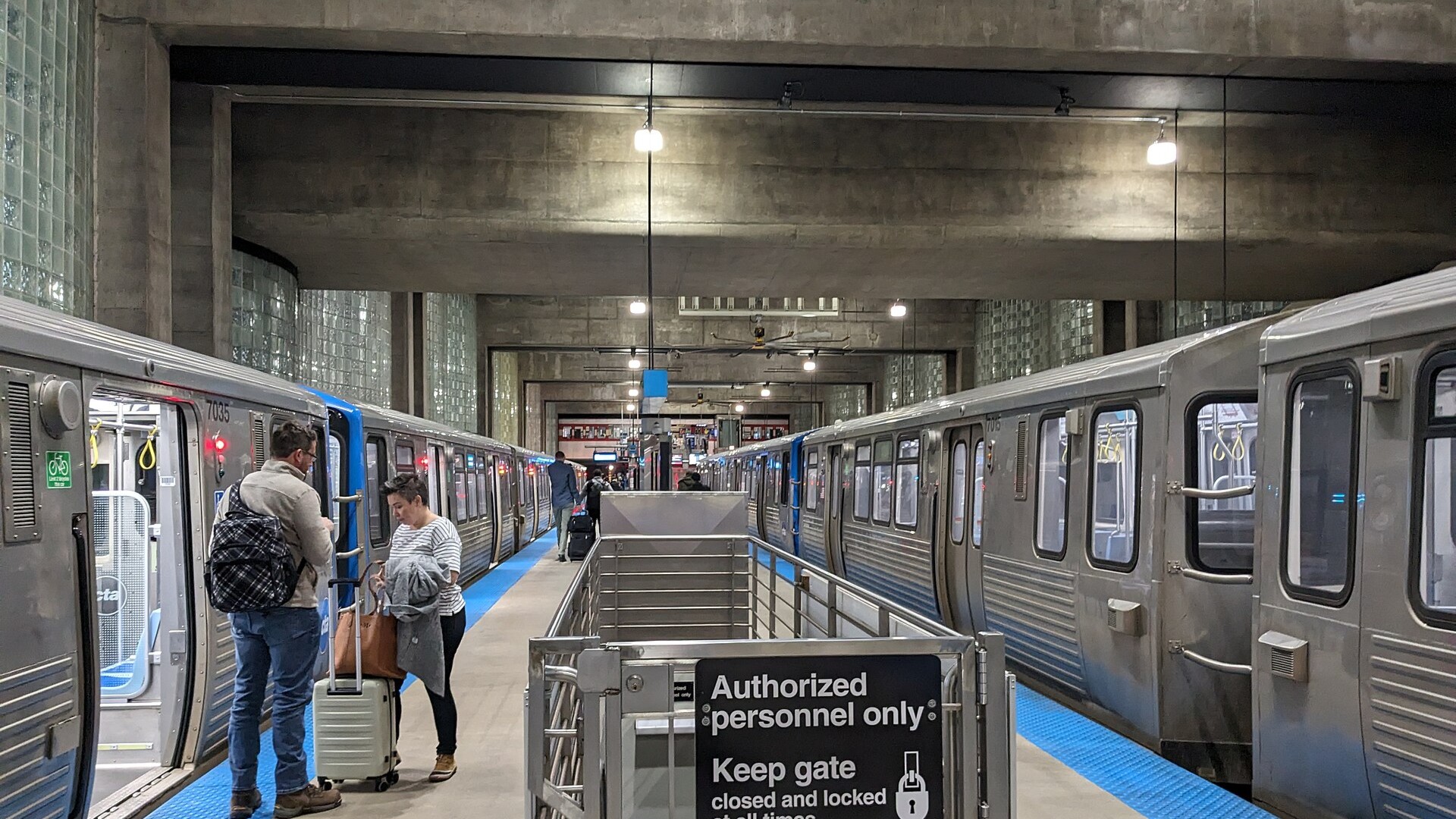
13. CTA Blue Line Reaches The Airport (1984) 
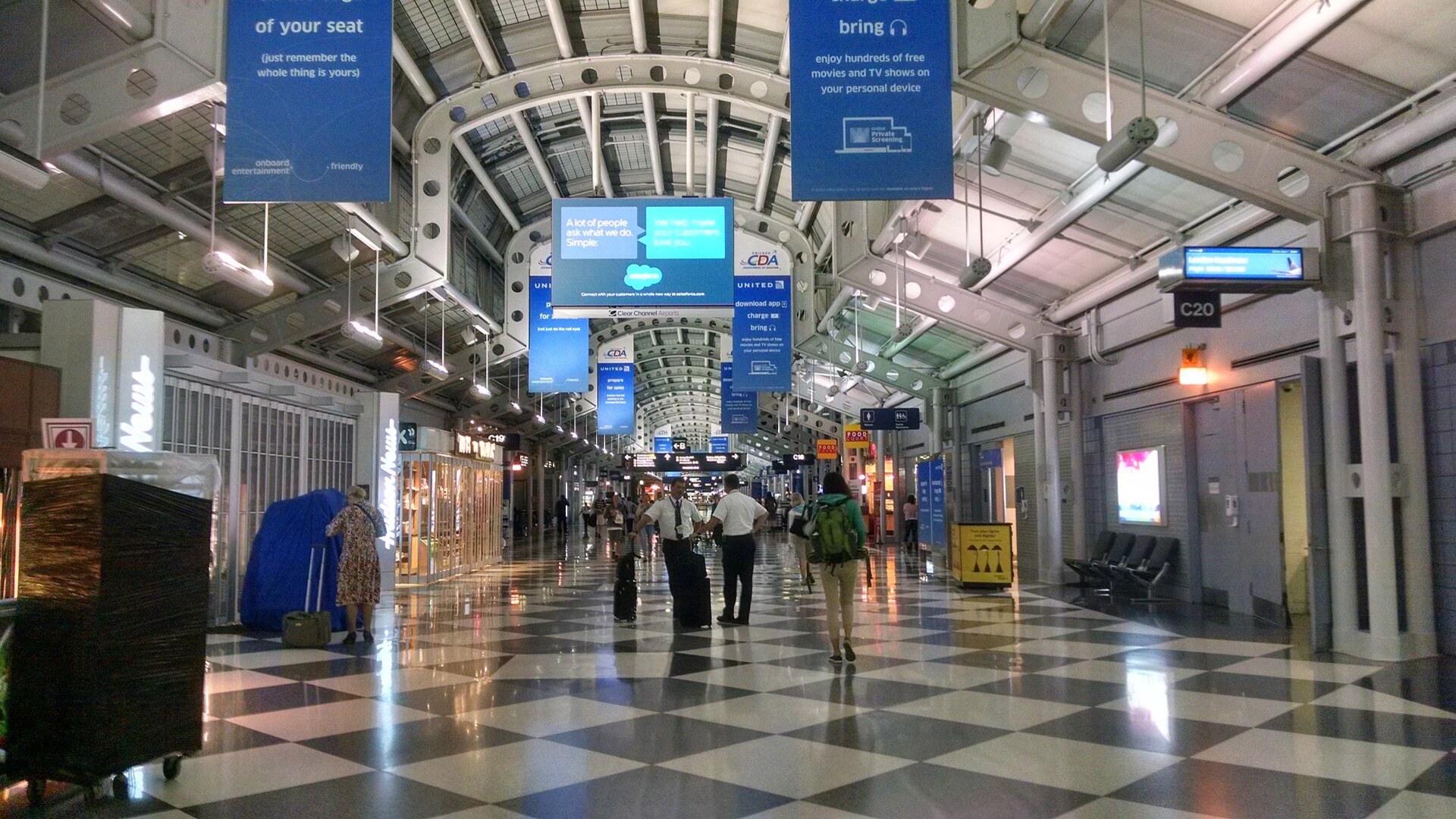
12. Helmut Jahn's Glass Terminal 1 Debuts (1987) 
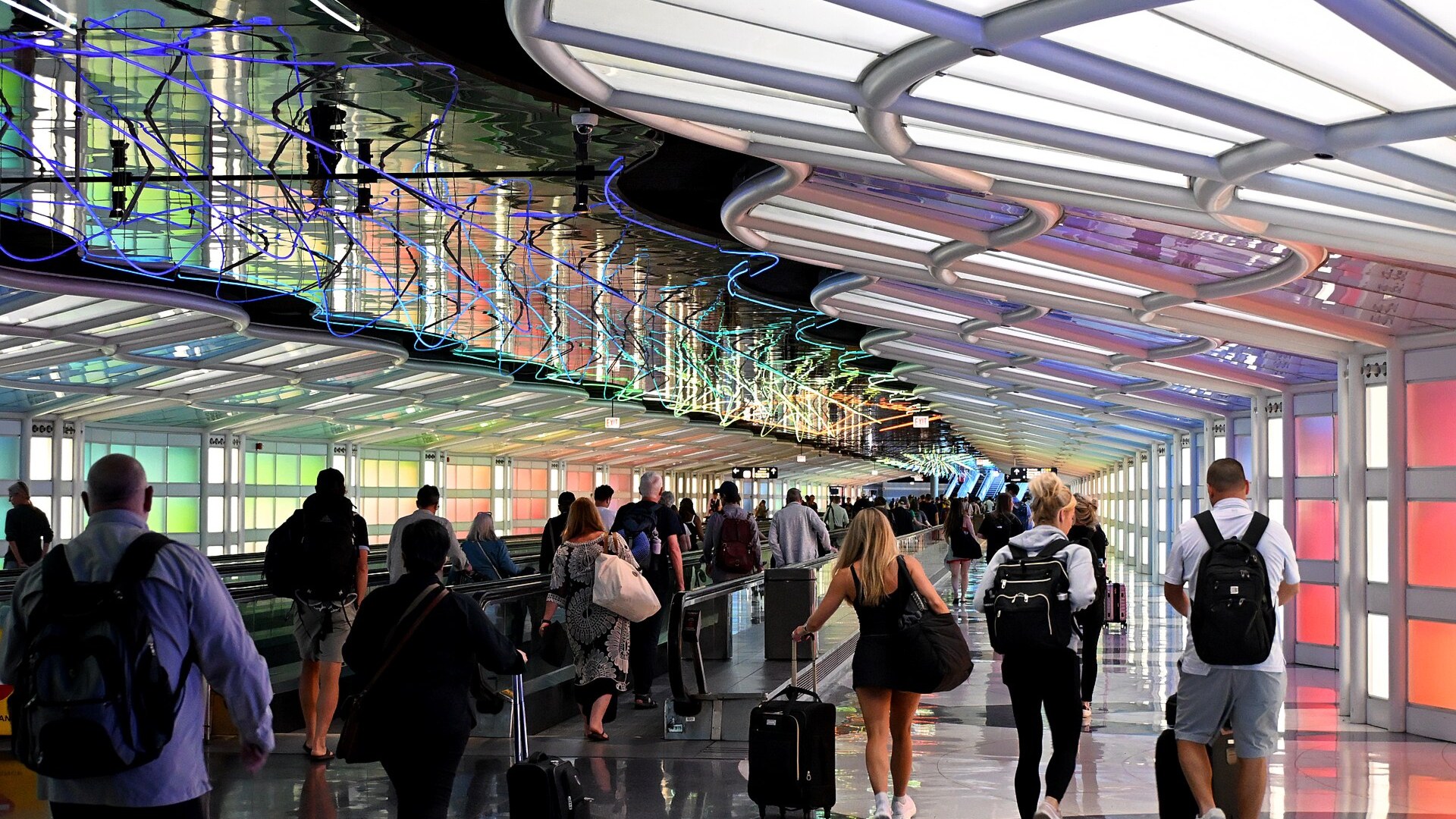
11. Michael Hayden's Neon Light Tunnel (1987) 
10. International Terminal 5 Opens (1993) - AdvertisementSwipe or tap ▶ to continue countdown

9. Automated People Mover Links Terminals (1993) 
8. Overseas Airlines Anchor Terminal 5 (1995) 
7. Field Museum Brachiosaurus Arrives (2000) 
6. Restored F4F-3 Wildcat Honors O'Hare - AdvertisementSwipe or tap ▶ to continue countdown

5. American Airlines Anchors Terminal 3 
4. Twin FAA Control Towers Guide Flights (2008 To 2015) 
3. Multi-Modal Facility Opens For Ground Transit (2018) 
2. Eight-Runway Parallel Grid Finishes (2020) - AdvertisementSwipe or tap ▶ to continue countdown

1. Terminal 5 Expansion And ORDNext (2023 To 2026) - Advertisement🔥 UP NEXT IN THIS SERIES◫ 22 Slides

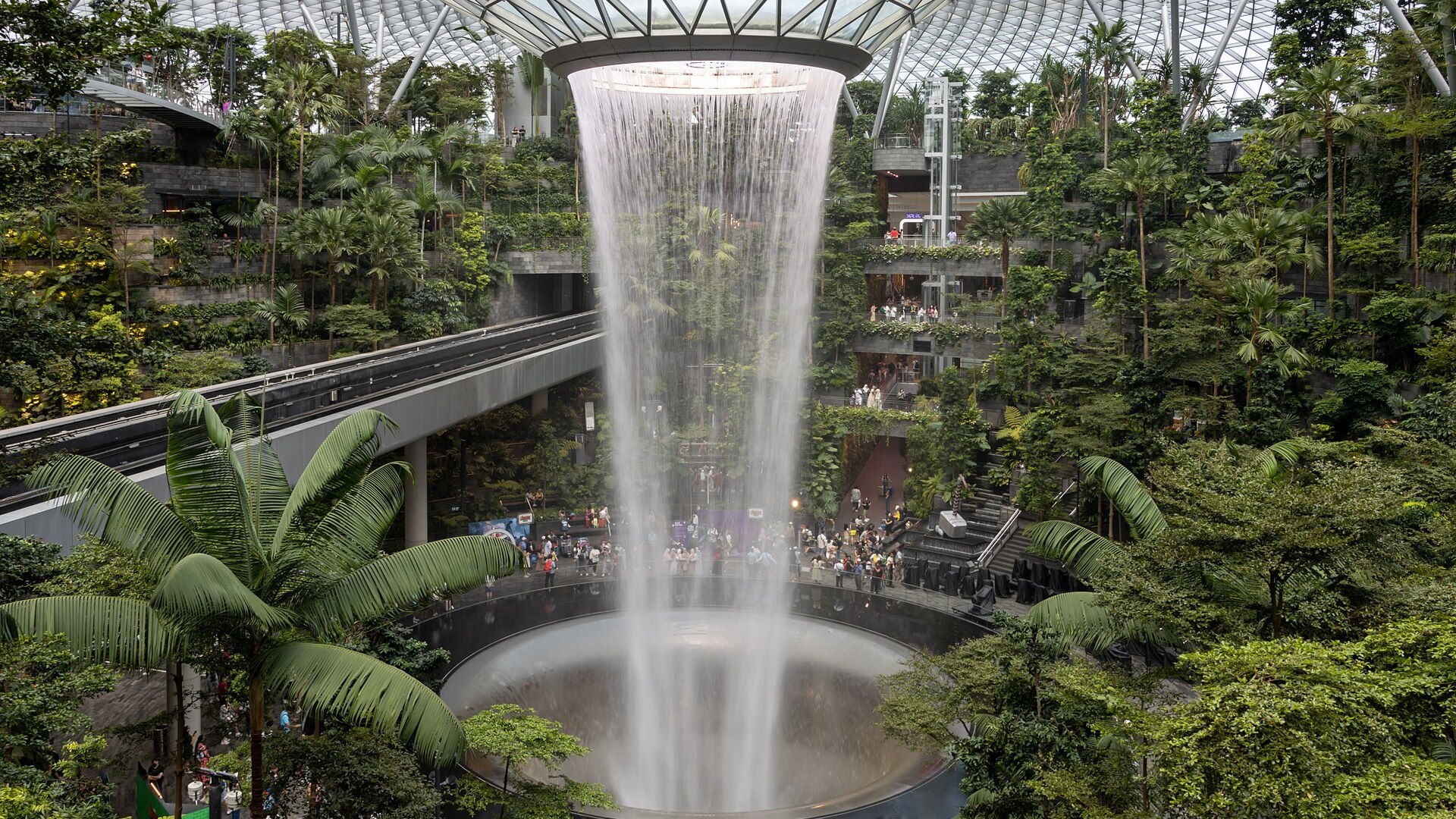
21 Airports With Unexpected Features, From Pools to Gardens
According to Skytrax World Airport surveys and global airport authority records, modern transit hubs have evolved far beyond basic boarding gates. From rooftop swimming pools and butterfly conservatories to on-site art museums and living rainforests, explore twenty-one airports offering remarkable public amenities.
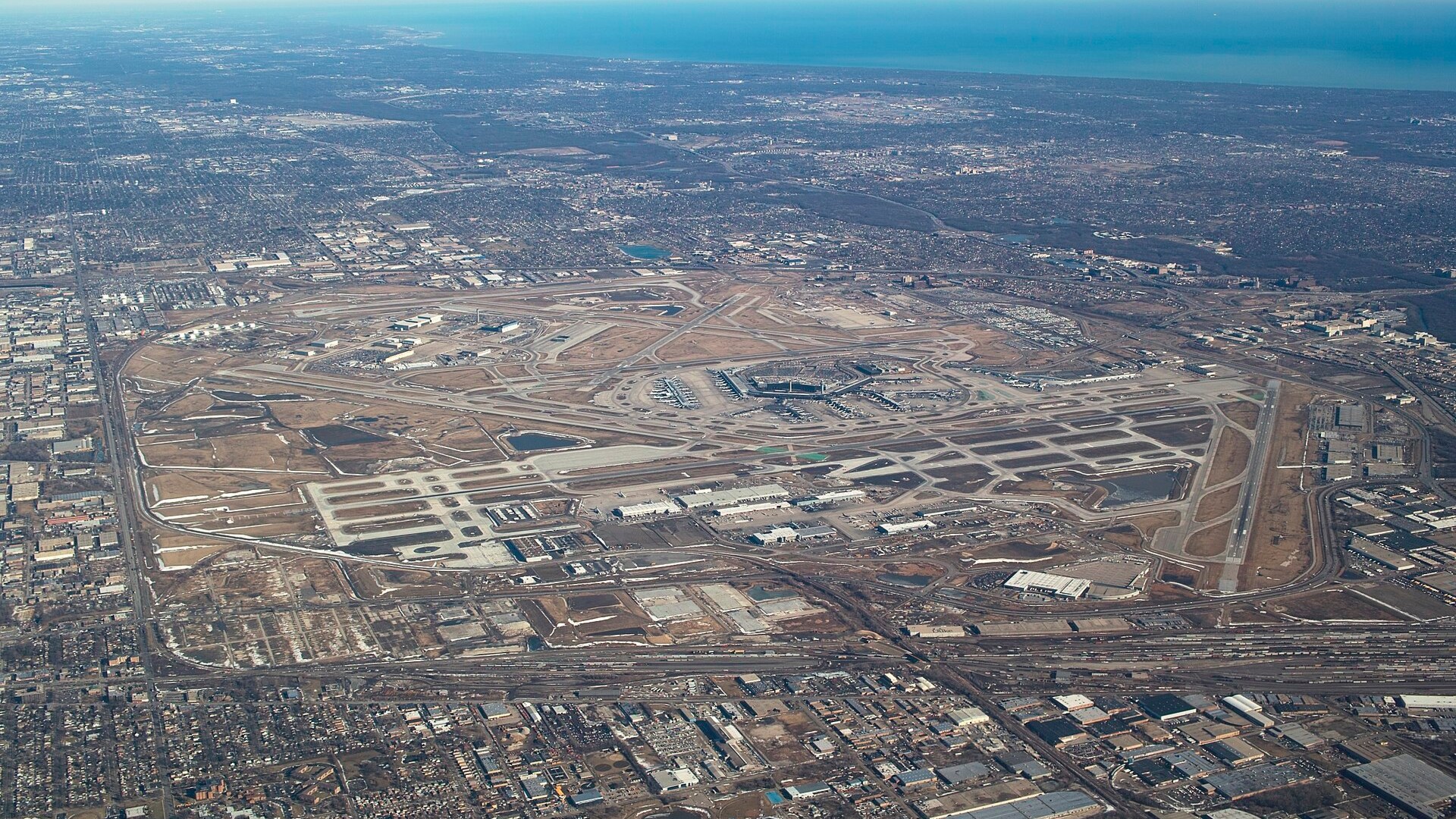
Chicago O'Hare International Airport grew from a wartime Douglas factory strip into an eight-runway global hub. Drawing on Chicago Department of Aviation archives, FAA timelines, HNTB engineering records, and Britannica history, this gallery tracks 20 landmark milestones from 1942 through 2026 airport upgrades.
Swipe or tap ▶ to begin the countdown
©Wikimedia / Jun Seita from Palo Alto, CA, U.S
20. Douglas C-54 Plant At Orchard Field (1942)
Before commercial jets arrived, the federal government chose a site northwest of Chicago in 1942 for a Douglas Aircraft assembly plant. Workers built C-54 Skymaster military transports there and left behind the runways of Orchard Field, which still gives O'Hare its ORD airport code.
©Wikimedia / USAAF
19. Renamed For Naval Ace Edward O'Hare (1949)
In 1949, Chicago City Council renamed Orchard Field to honor Lieutenant Commander Edward Butch O'Hare. The Chicago-raised Navy pilot became the service's first Medal of Honor recipient during World War II after defending the carrier USS Lexington from enemy bombers in February 1942.
©Wikimedia / National Museum of the U.S. Navy
18. Commercial Flights Launch At O'Hare (1955)
Scheduled commercial passenger service began at O'Hare in 1955, when the young airfield handled 176,902 travelers in its first full year. At first, most passengers preferred Midway Airport closer to downtown Chicago, until longer jetliner runways shifted the balance northwest.
©Wikimedia / IIP Photo Archive
Advertisement
Swipe or tap ▶ to resume the countdown.
17. Jet-Age Terminals 2 And 3 Open (1962)
Designed by C. F. Murphy and Associates between 1960 and 1962, Terminals 2 and 3 gave O'Hare the concourse capacity needed for the jet age. Their clean International Style lines and elevated roadway ramps set the template for decades of airport terminal architecture across the United States.
©Wikimedia / Warren LeMay
16. O'Hare Becomes The World's Busiest Hub (1962)
In 1962, scheduled airlines shifted commercial operations from cramped Midway Airport to O'Hare's longer runways. Annual traffic jumped to 10 million passengers that year, earning O'Hare the title of the world's busiest airport and making Chicago North America's central aviation crossroads.
©Wikimedia / Uploader Hoolooh
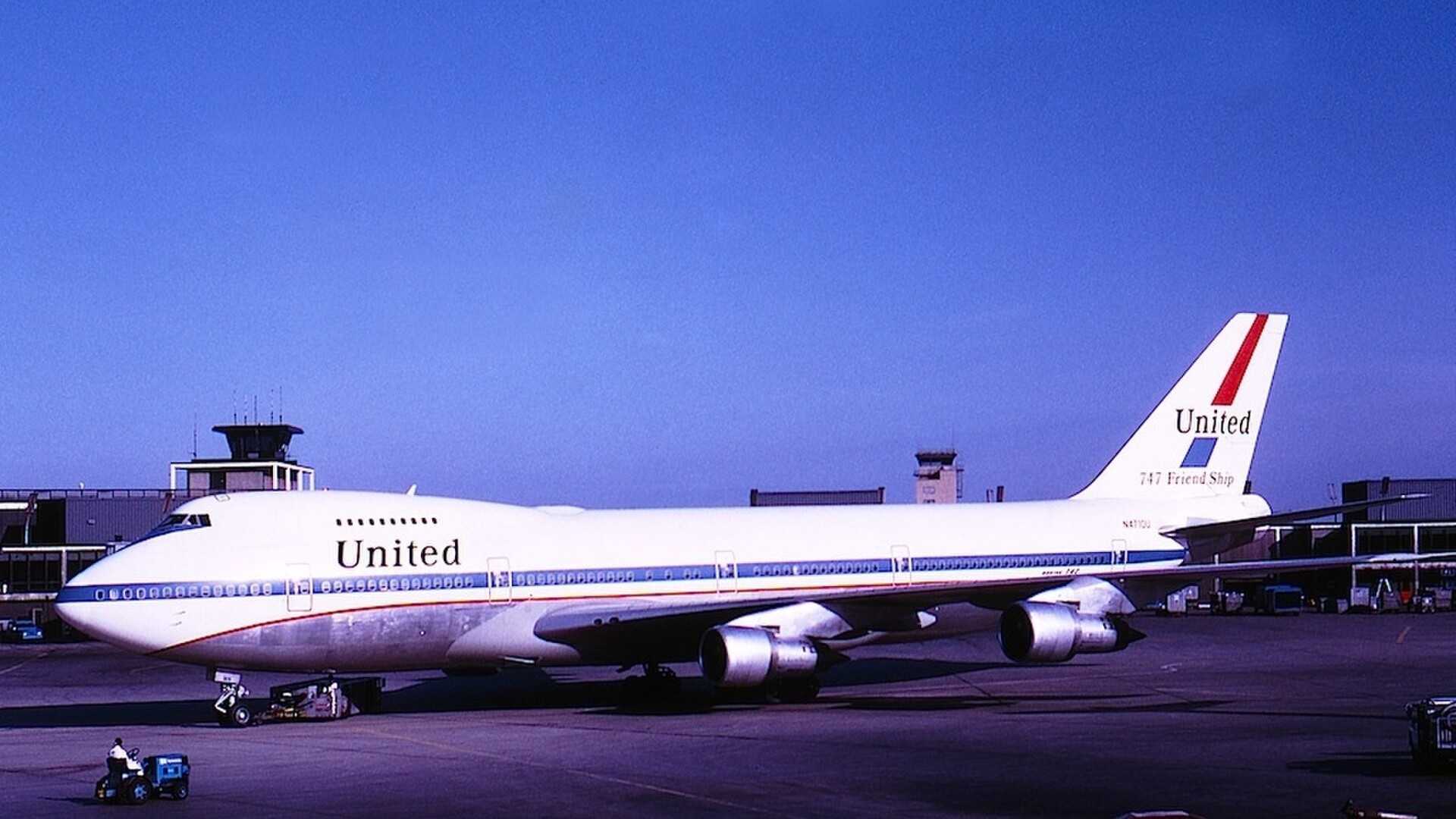
15. Boeing 747 Widebody Service Arrives (1970)
When United Airlines introduced the Boeing 747 in 1970, O'Hare quickly became a major Midwest hub for twin-aisle widebody aircraft. Larger gates and jet bridges reshaped the ramp, allowing airlines to move hundreds of passengers per departure across domestic and transoceanic routes.
©Wikimedia / Jon Proctor
14. On-Site O'Hare Hilton Hotel Opens (1973)
Opened in 1973 as the O'Hare International Tower Hotel, the 10-story property sat directly across from Terminals 1, 2, and 3. Linked to the terminal complex by underground pedestrian walkways, the Hilton gave stranded flyers and business travelers direct indoor access to every domestic gate.
©Wikimedia / Wouter Kiel
Advertisement
Swipe or tap ▶ to resume the countdown.
13. CTA Blue Line Reaches The Airport (1984)
In 1984, the Chicago Transit Authority extended the Blue Line rail route directly into an underground station beneath the airport parking garage. The 24-hour rail link gave travelers and airport workers a reliable ride to the Loop without facing Kennedy Expressway traffic jams.
©Wikimedia / Pokemonprime
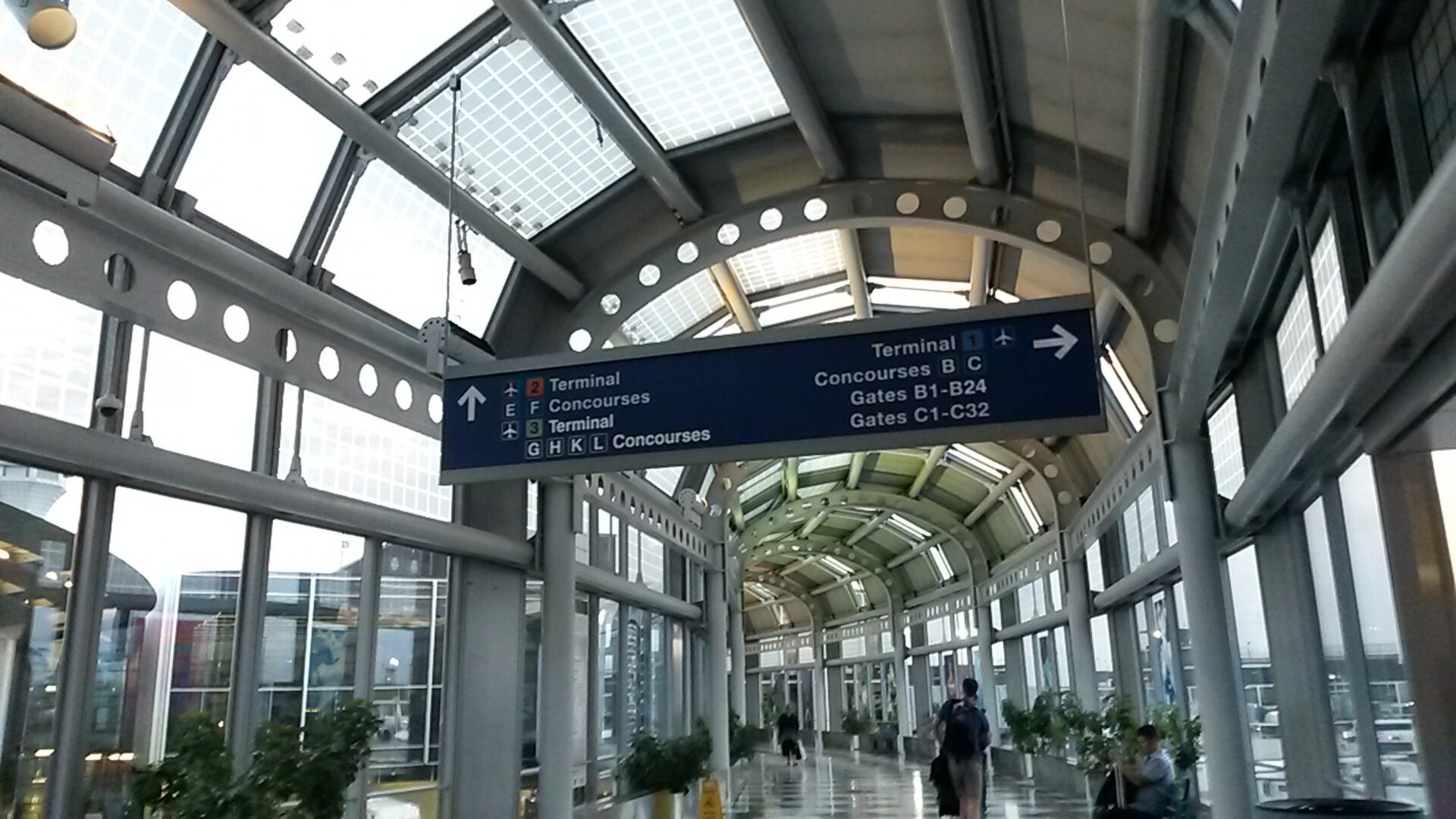
12. Helmut Jahn's Glass Terminal 1 Debuts (1987)
Built between 1985 and 1987 for United Airlines, Terminal 1 was masterminded by Chicago architect Helmut Jahn. Its tall vaulted glass ceilings, exposed steel trusses, and twin Concourses B and C replaced cramped 1950s gates and drew global acclaim for bringing natural light indoors.
©Wikimedia / Ndshankar
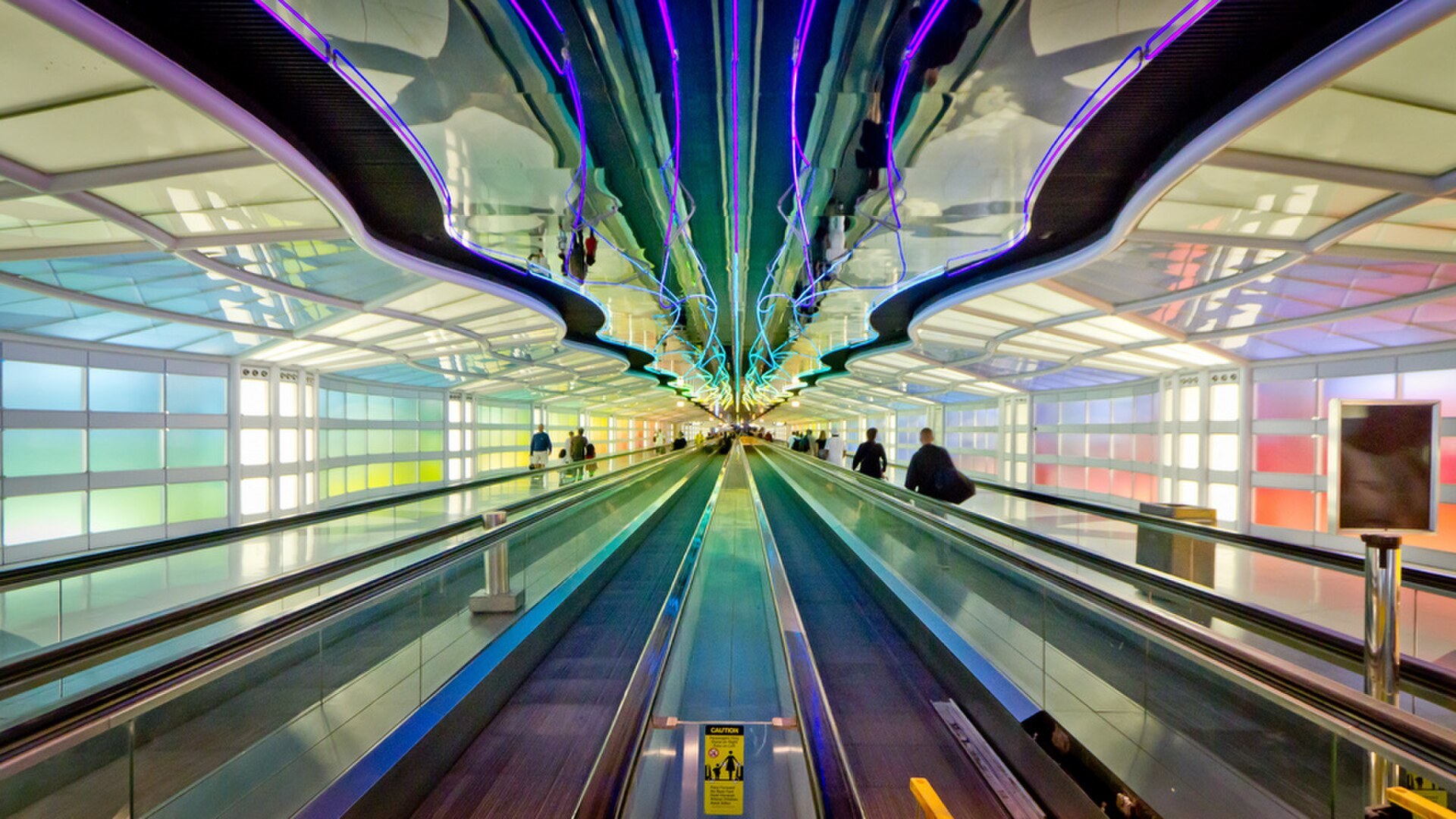
11. Michael Hayden's Neon Light Tunnel (1987)
Connecting Concourses B and C inside Terminal 1, the 744-foot underground tunnel features Michael Hayden's kinetic neon sculpture, The Sky's the Limit. Overhead glass waves cycle through bright colors alongside a slow-tempo arrangement of George Gershwin's Rhapsody in Blue.
©Wikimedia / DimiTalen
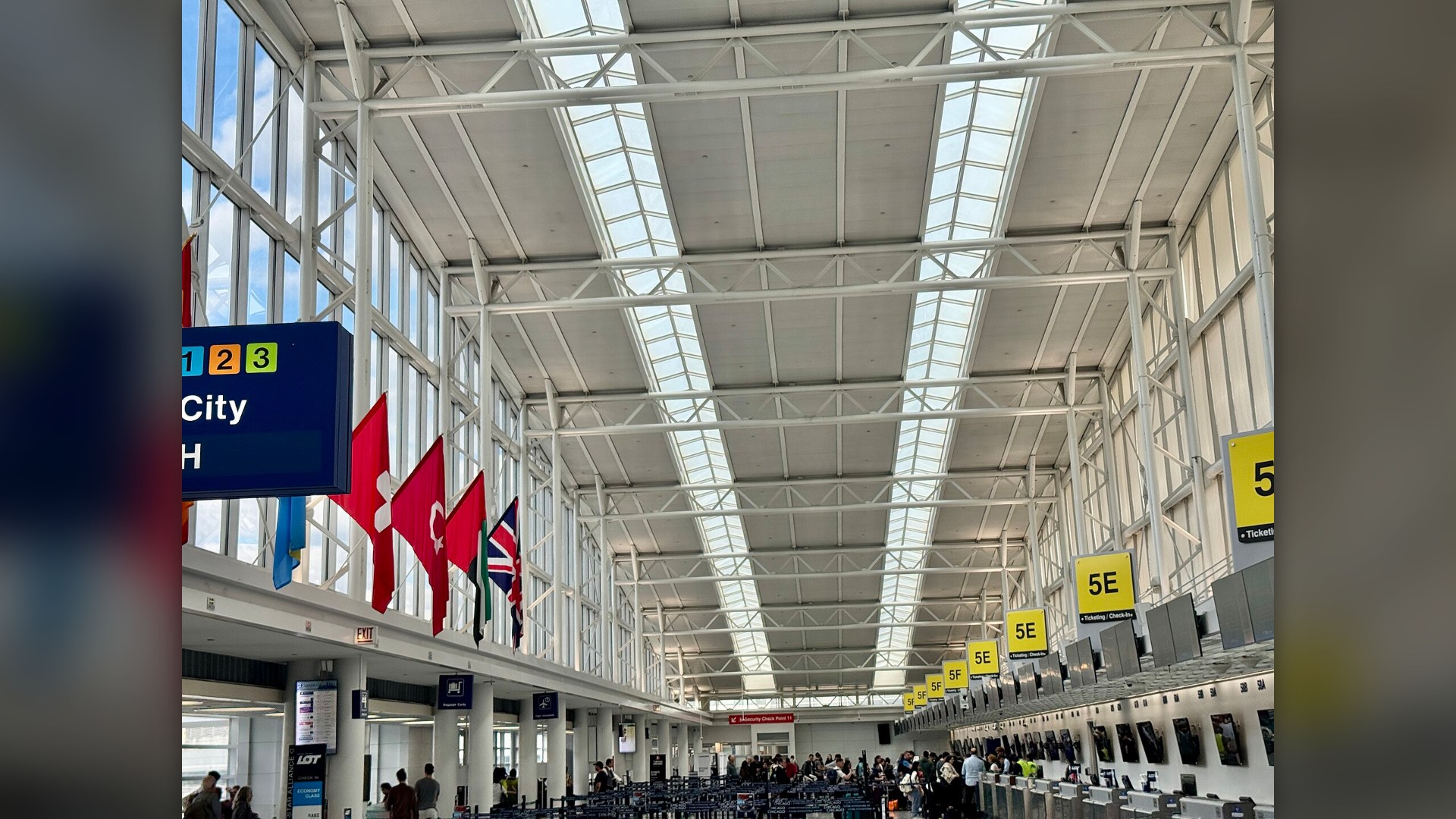
10. International Terminal 5 Opens (1993)
Designed by Ralph Johnson of Perkins and Will, Terminal 5 opened in 1993 as O'Hare's first purpose-built international facility. It centralized U.S. Customs and Immigration processing and gave overseas travelers a wide curved glass entrance hall along the airport's eastern edge.
©Wikimedia / Warren LeMay
Advertisement
Swipe or tap ▶ to resume the countdown.
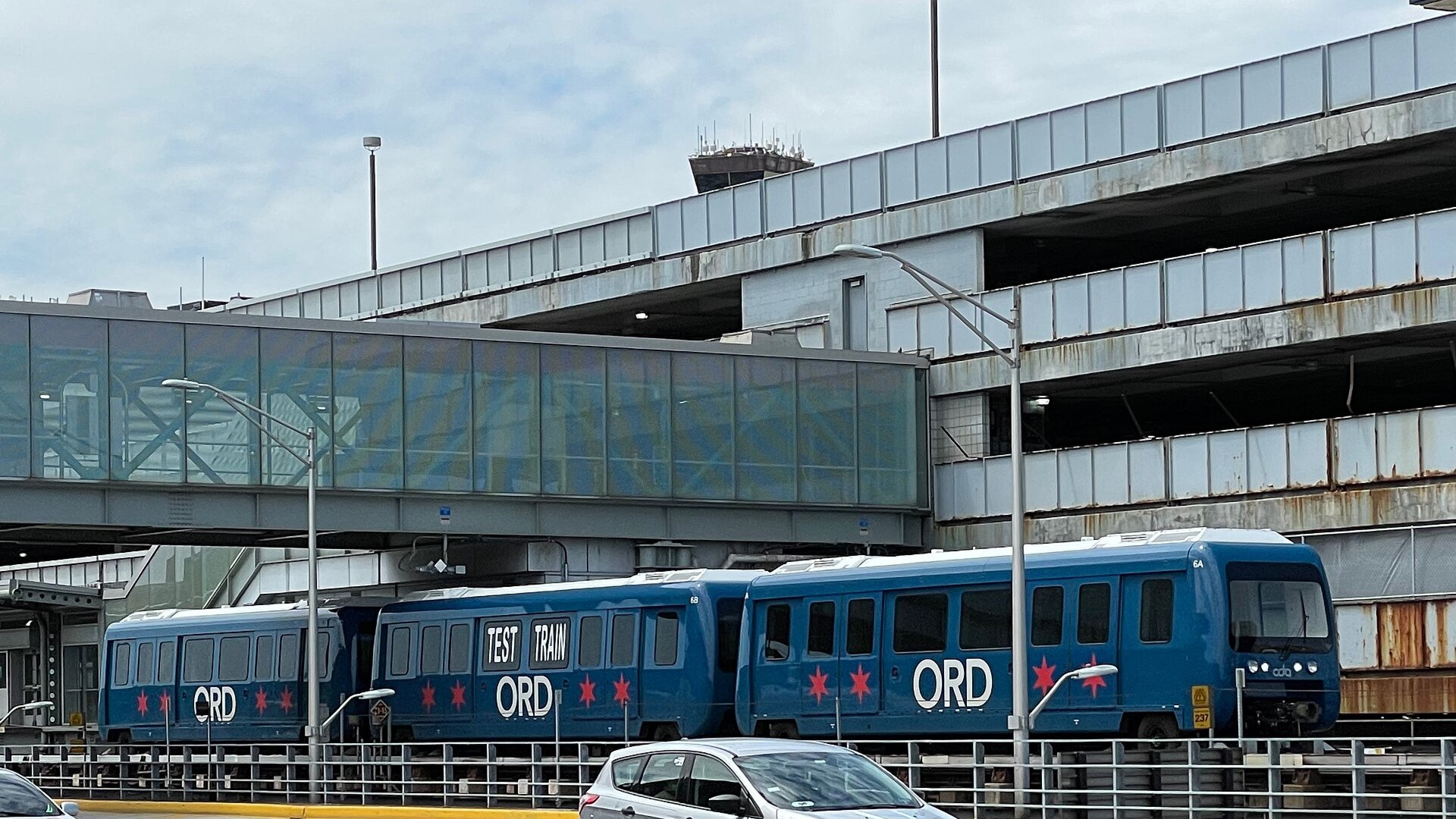
9. Automated People Mover Links Terminals (1993)
Alongside Terminal 5 in 1993, O'Hare launched the automated Airport Transit System on an elevated concrete guideway. Later upgraded with Bombardier Innovia trainsets and extended to the Multi-Modal Facility, the driverless trains carry travelers between all terminals and distant parking.
©Wikimedia / ChillyBlanket
8. Overseas Airlines Anchor Terminal 5 (1995)
By the mid-1990s, international flag carriers such as Lufthansa, British Airways, and Asian airlines operated busy check-in rows inside Terminal 5. That overseas network helped turn Chicago into a primary mid-continent transfer point connecting European cities with destinations across America.
©Wikimedia / Yonikasz
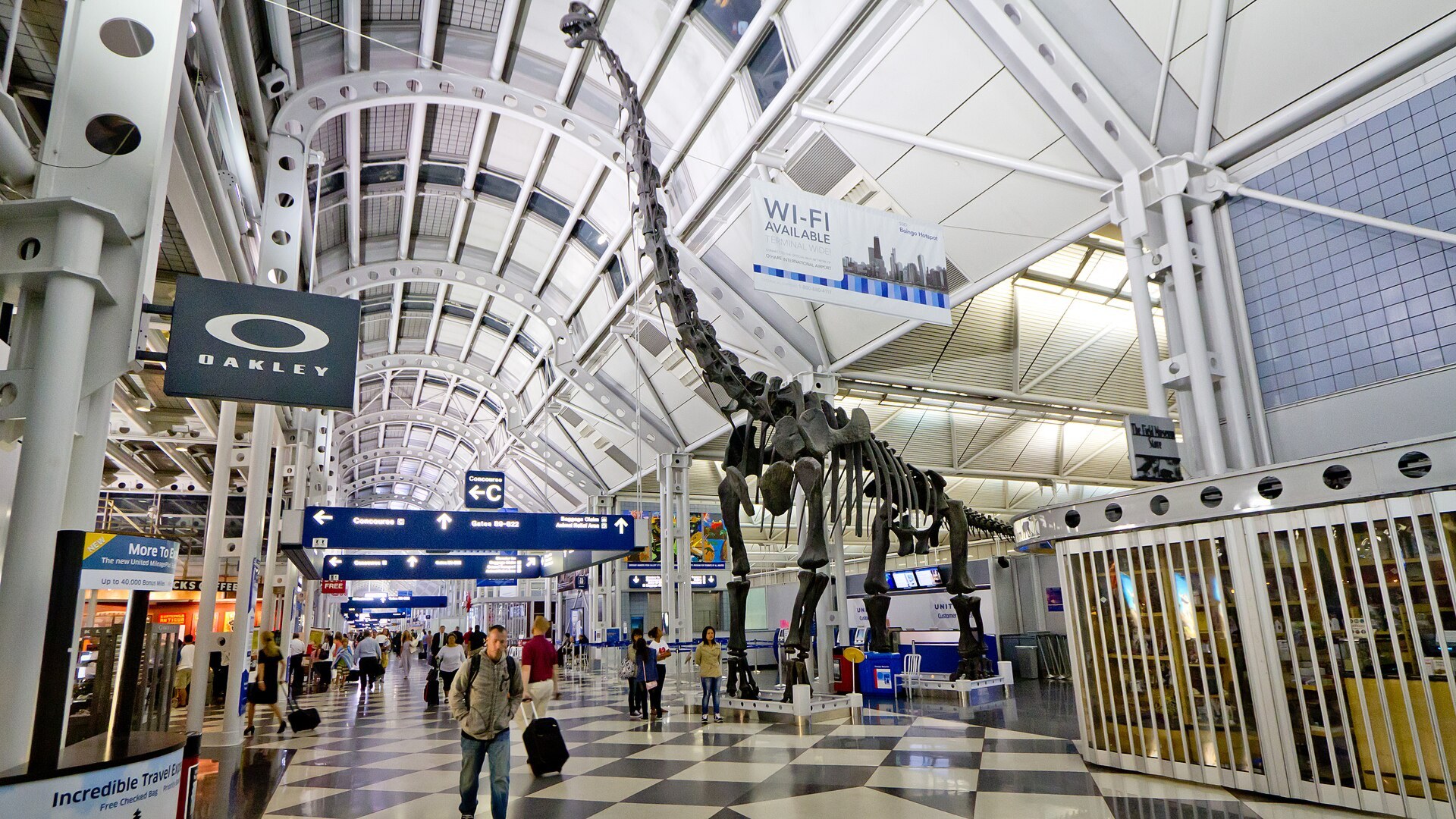
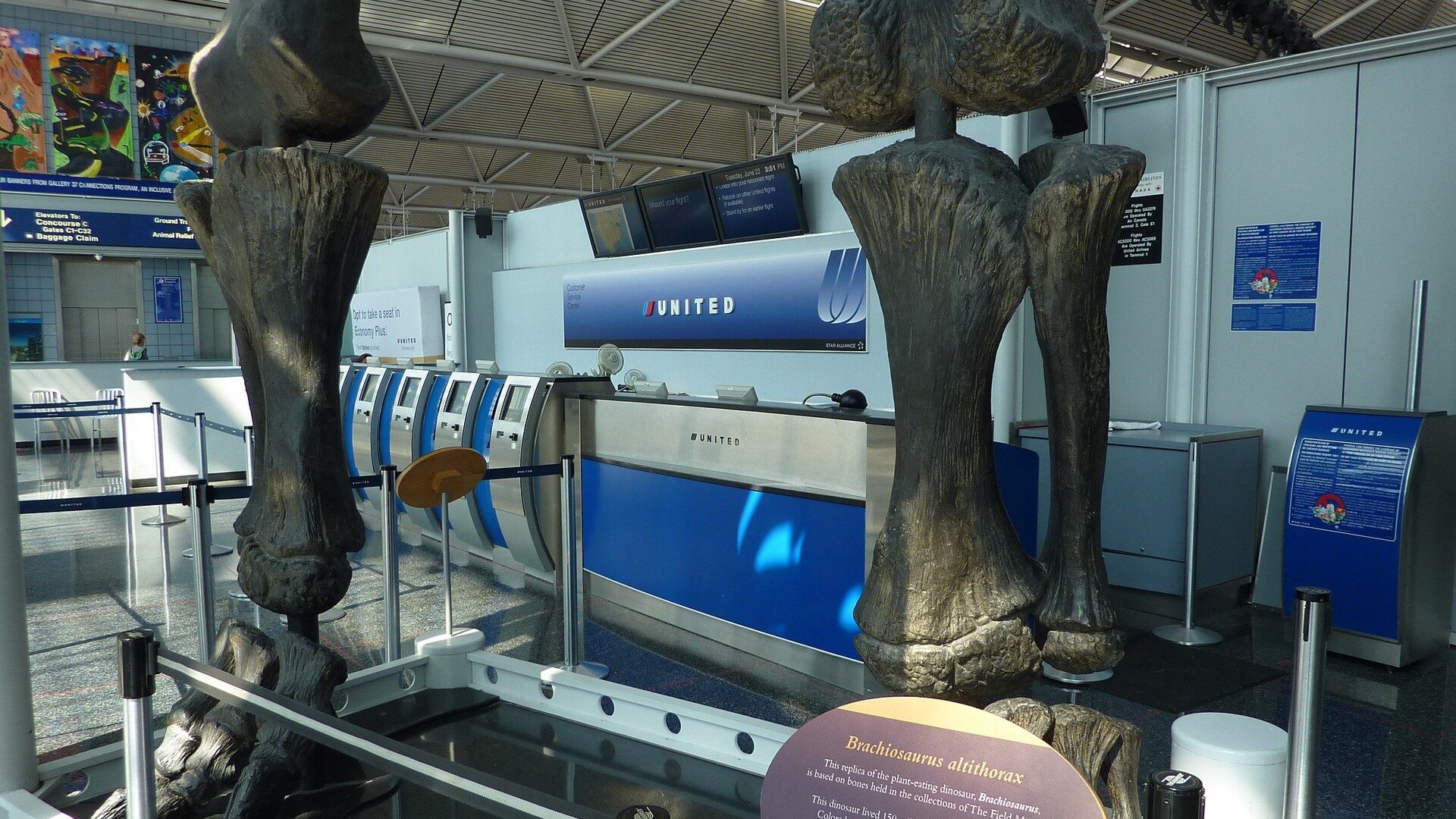
7. Field Museum Brachiosaurus Arrives (2000)
Around 2000, Chicago's Field Museum installed a 72-foot fiberglass Brachiosaurus skeleton replica inside Terminal 1's Concourse B. Moved to the airport to make room for Sue the Tyrannosaurus rex at the museum, the giant dinosaur became one of O'Hare's most photographed landmarks.
©Wikimedia / User:Vmenkov
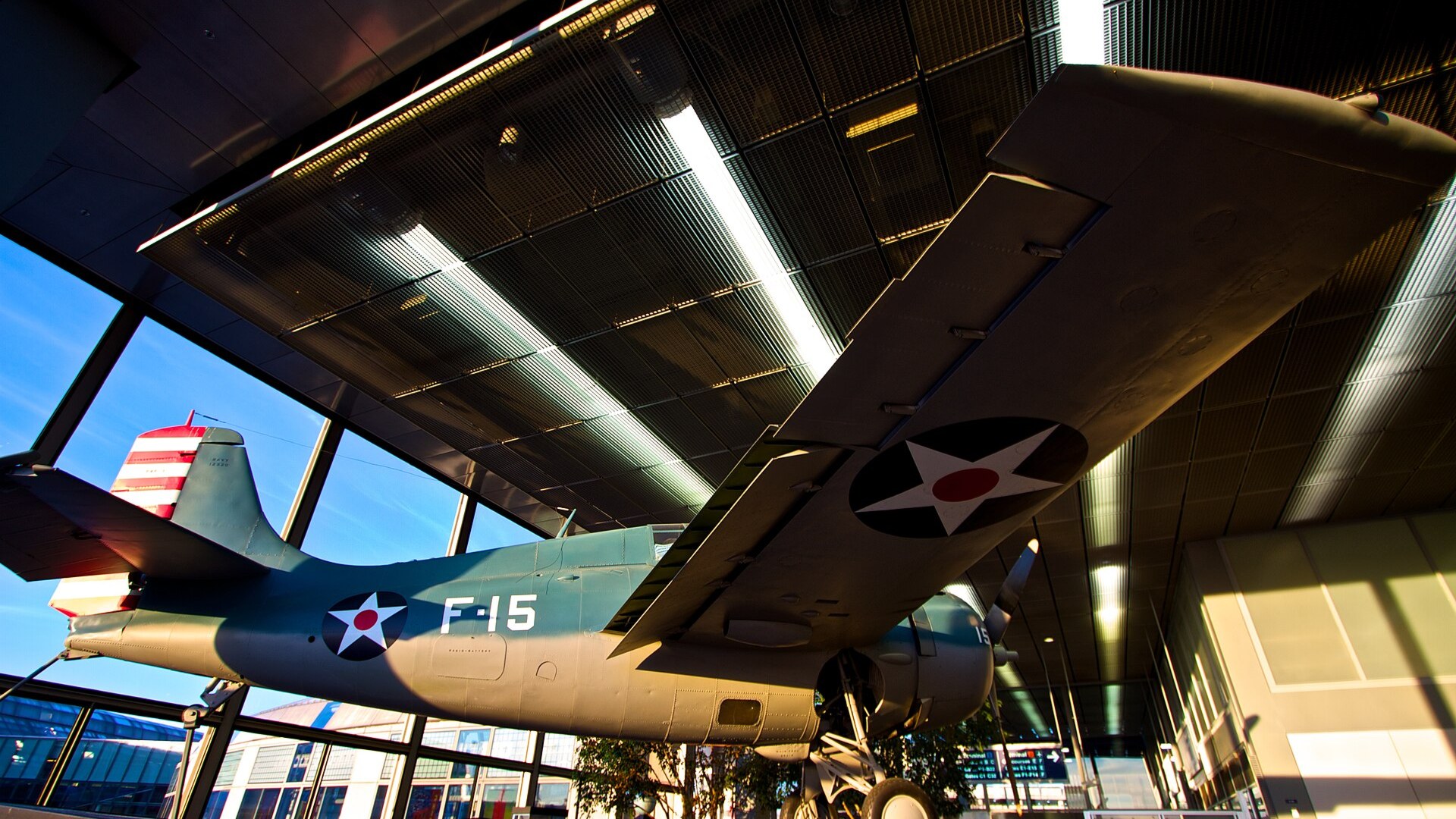
6. Restored F4F-3 Wildcat Honors O'Hare
Suspended in Terminal 2, a restored Grumman F4F-3 Wildcat honors namesake Edward Butch O'Hare. Recovered from Lake Michigan in 1992 after a wartime training crash and painted in O'Hare's White F-15 markings, the vintage fighter reminds travelers of the aviator behind the airport's name.
©Wikimedia / Koyah7d
Advertisement
Swipe or tap ▶ to resume the countdown.
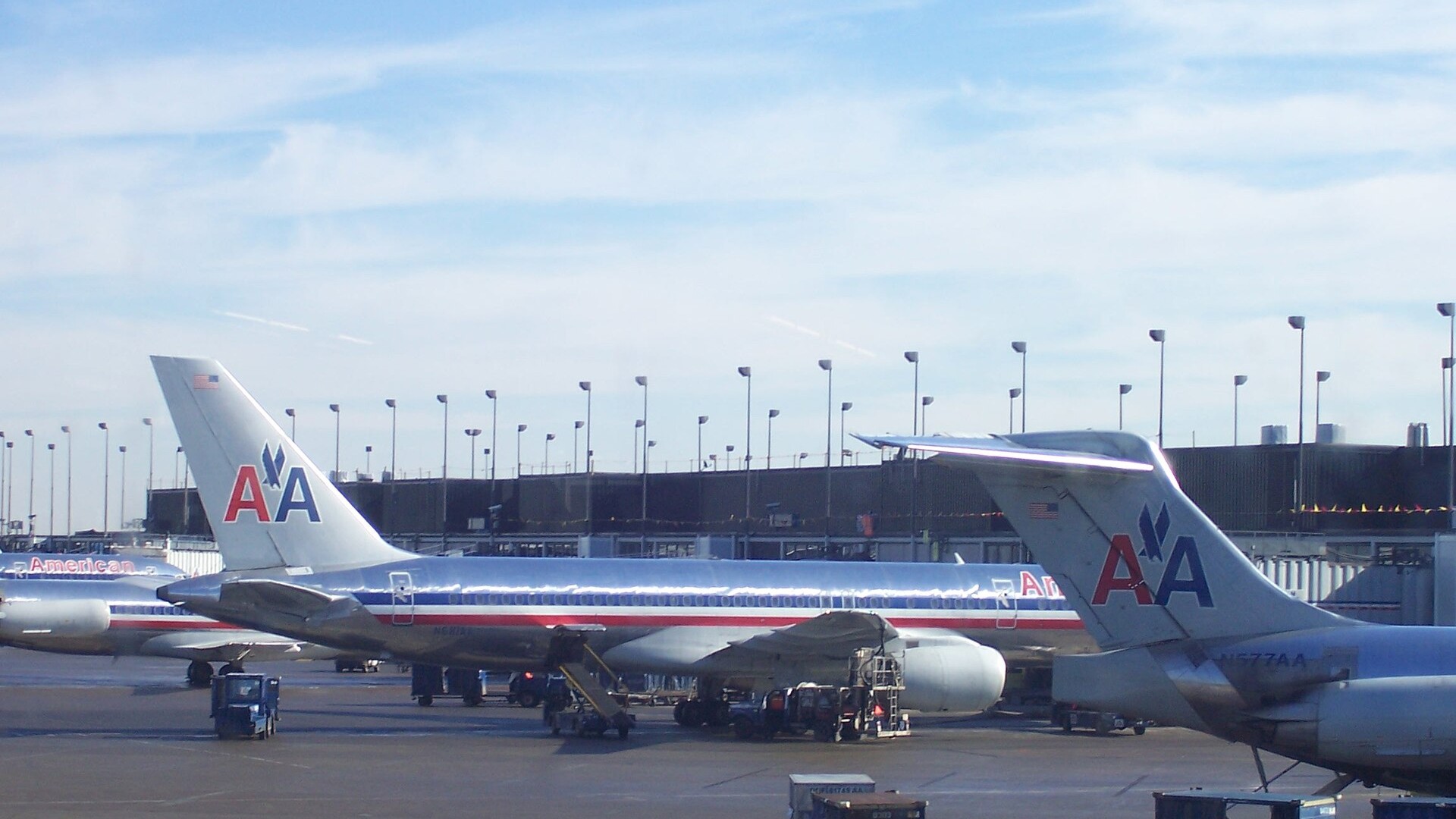
5. American Airlines Anchors Terminal 3
While United Airlines commands Terminal 1, American Airlines runs a massive competing hub centered in Terminal 3's Concourses G, H, K, and L. That dual-hub rivalry kept flight frequencies high for Chicago travelers and fueled decades of gate and lounge investments across the airfield.
©Wikimedia / S340
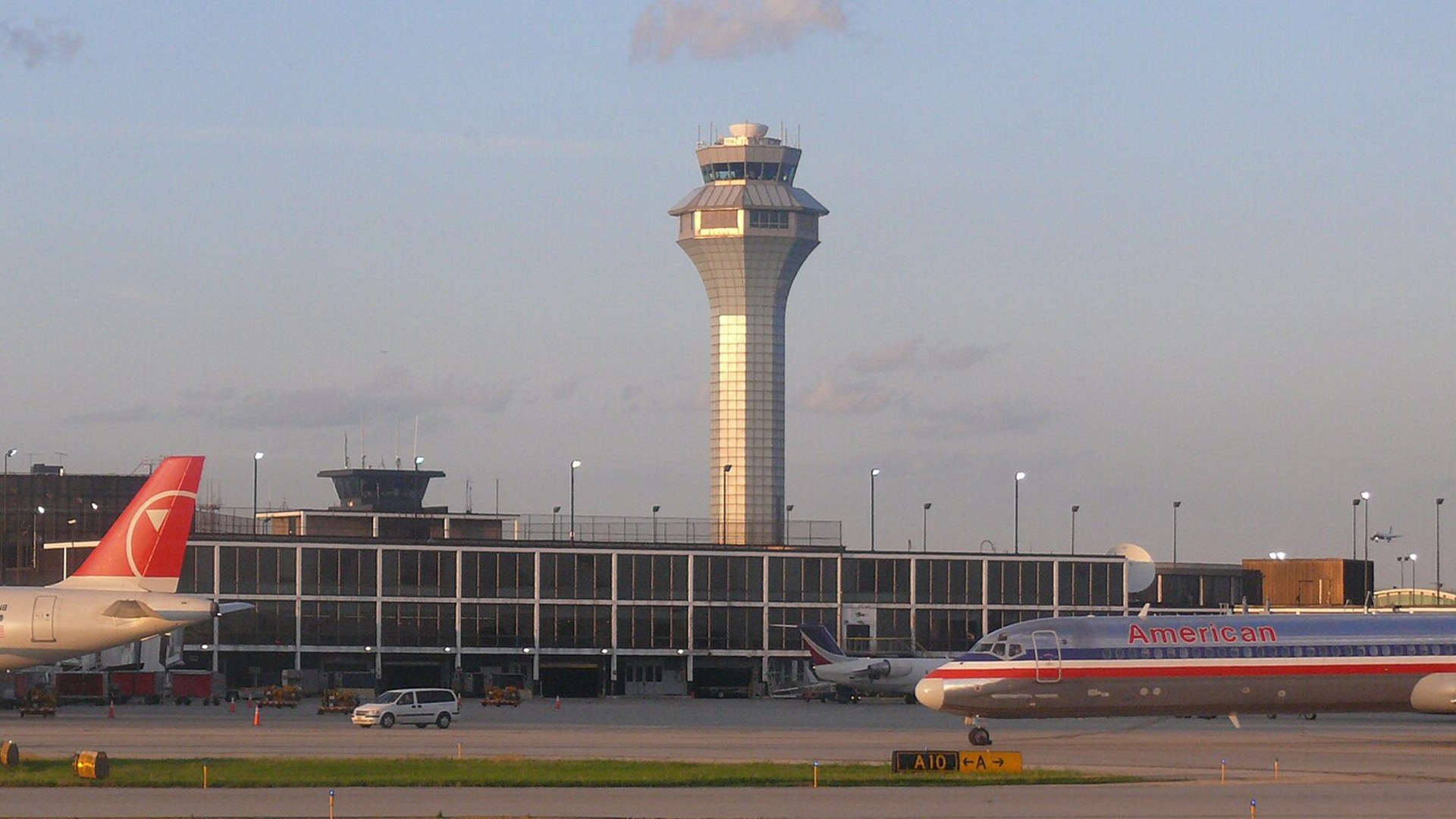
4. Twin FAA Control Towers Guide Flights (2008 To 2015)
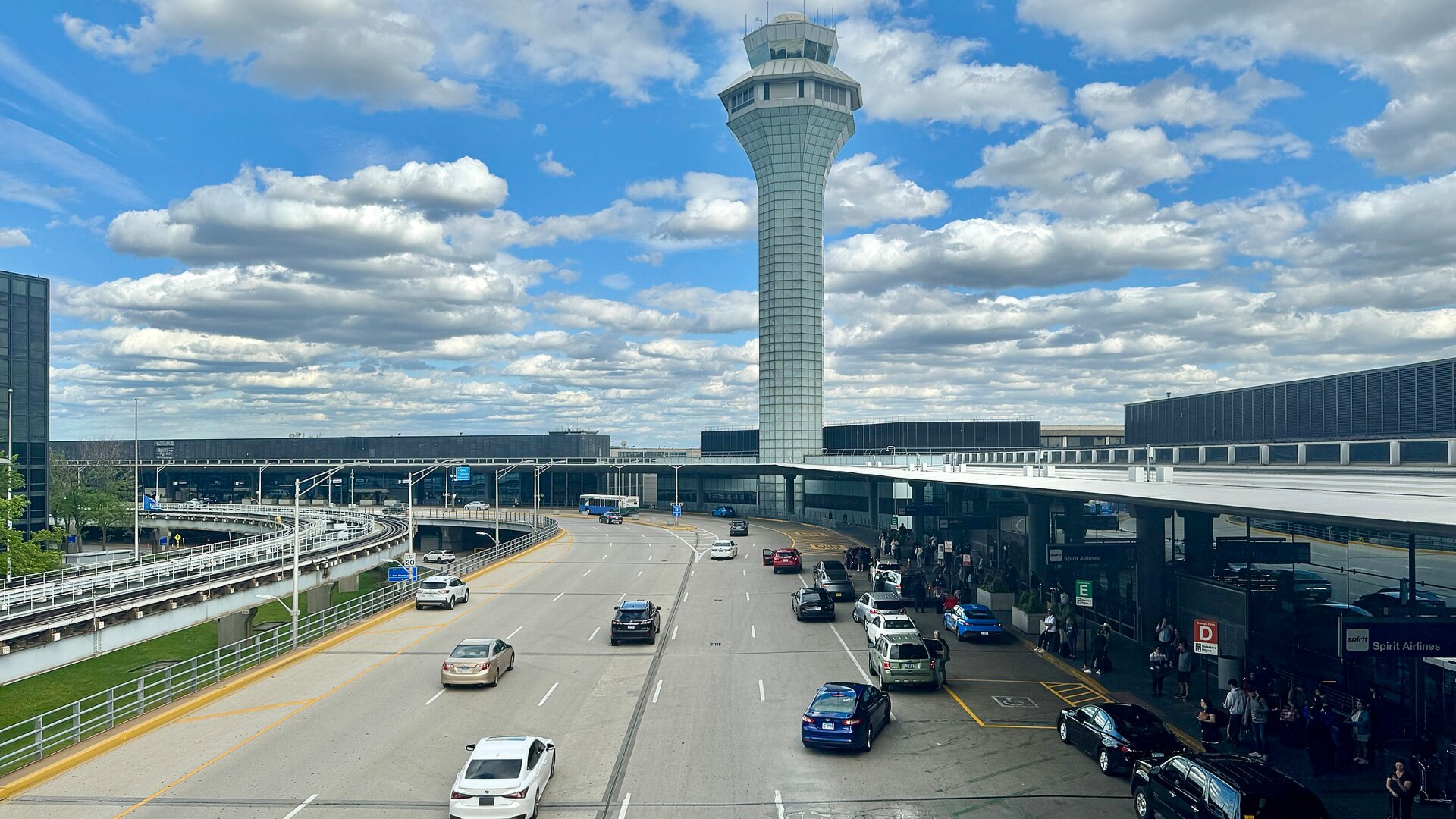
As O'Hare expanded its runway footprint, the FAA built two modern air traffic control towers to oversee separate halves of the massive field. The North Airfield Tower opened in 2008, followed by the South Airfield Tower in 2015, giving controllers unobstructed views of parallel approaches.
©Wikimedia / Ad Meskens
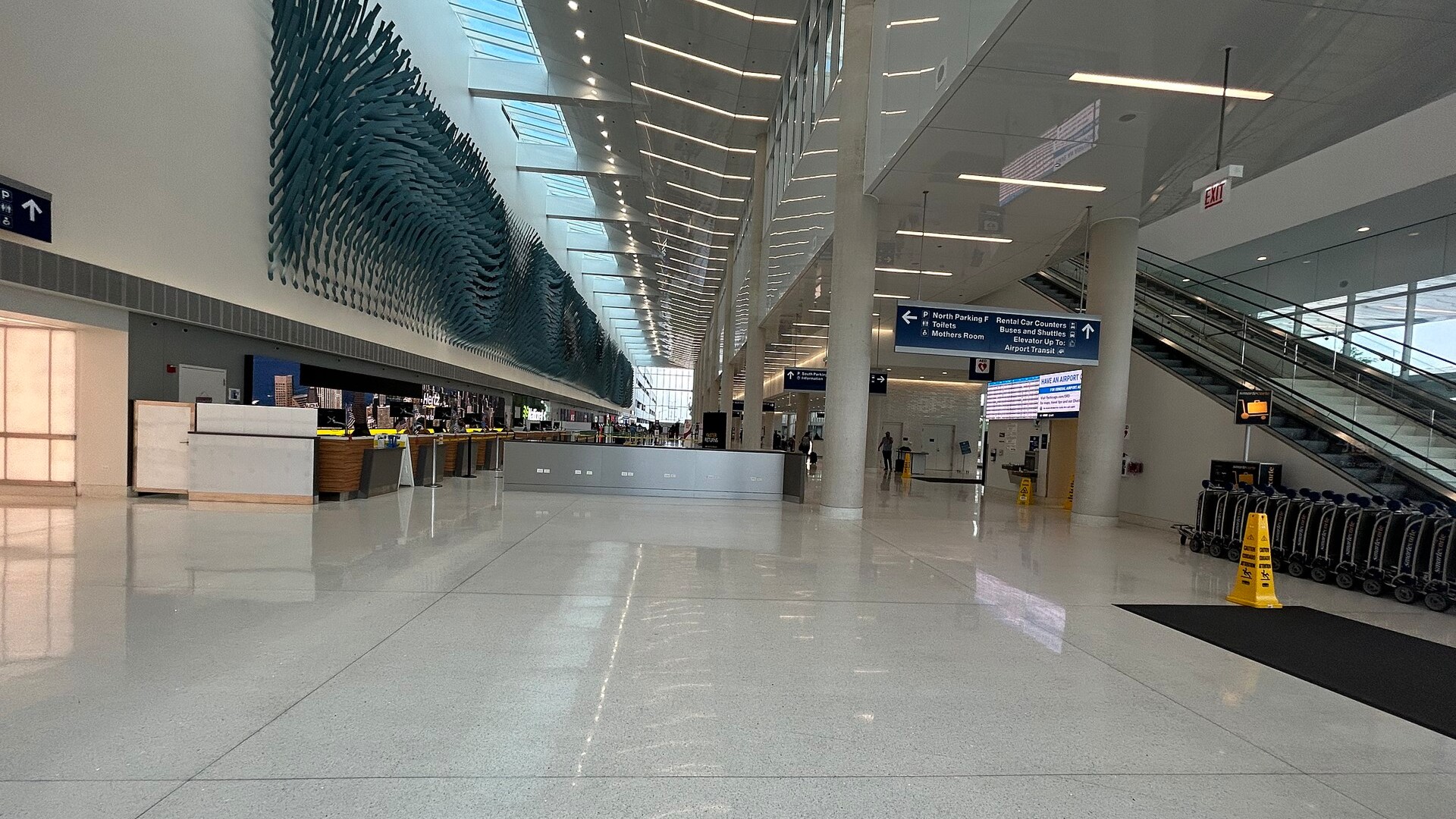
3. Multi-Modal Facility Opens For Ground Transit (2018)
Opened in 2018 at the eastern edge of the airport, the O'Hare Multi-Modal Facility consolidated rental car counters, regional shuttle buses, and public parking under one roof. Connected directly to the terminals by the Airport Transit System, it cleared rental shuttle congestion from terminal curbs.
©Wikimedia / SecretName101
2. Eight-Runway Parallel Grid Finishes (2020)
On November 5, 2020, O'Hare opened Runway 9C/27C, completing the centerpiece of the O'Hare Modernization Program. Rebuilding old crisscrossing strips into six east-west parallel runways and two diagonals cut weather bottlenecks across the airport's eight active runways.
©Wikimedia / 4300streetcar
Advertisement
Swipe or tap ▶ to resume the countdown.
1. Terminal 5 Expansion And ORDNext (2023 To 2026)
Completed in 2023 under O'Hare 21, a $1.2 billion Terminal 5 expansion added 10 gates and 350,000 square feet of space. In 2026, vertical steel is rising for the 19-gate Concourse D as ORDNext works toward Concourse E and a new Global Terminal.
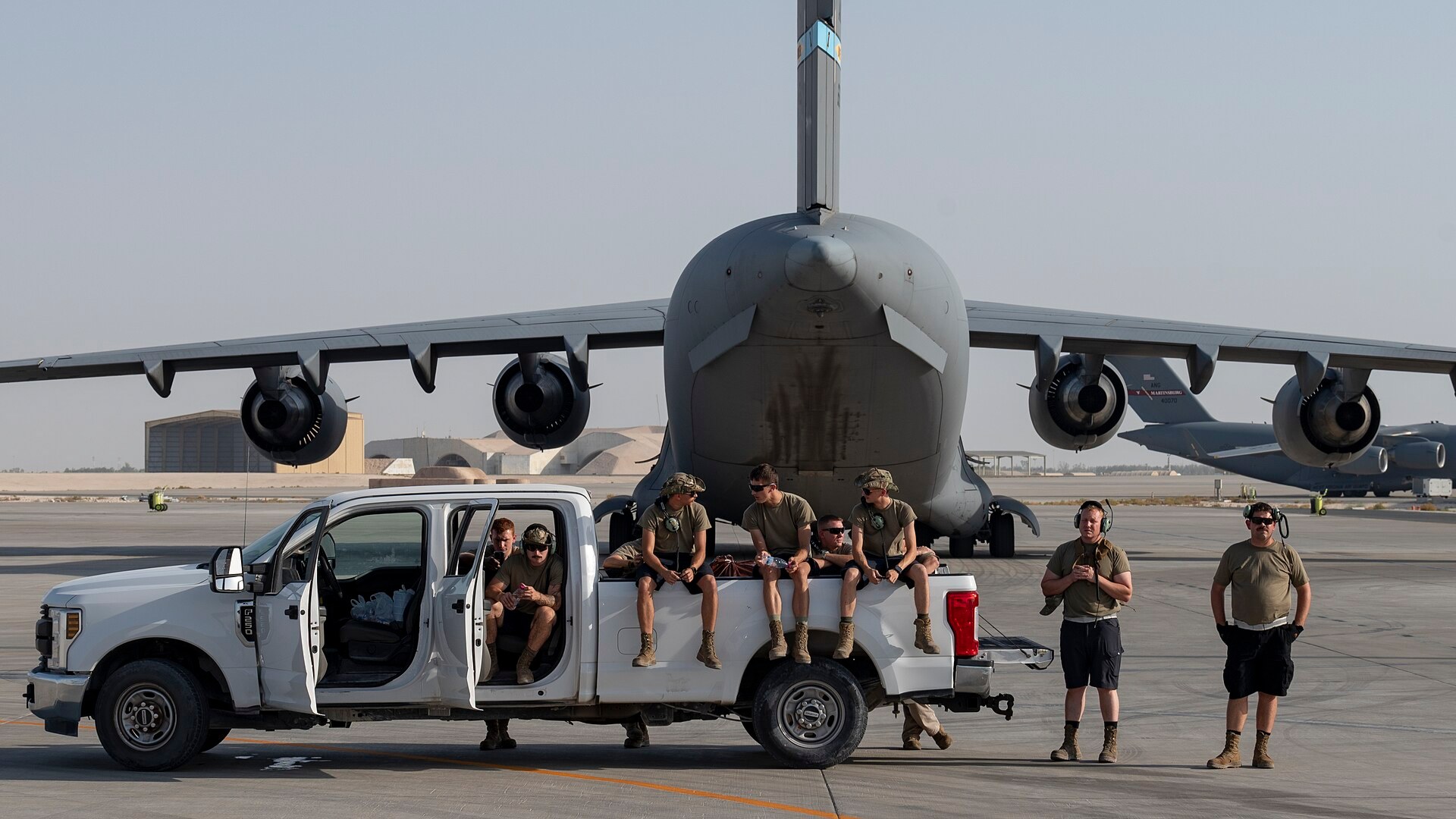
©Wikimedia / Warren LeMay
Advertisement
You've reached the end of the story. Thanks for reading!

21 Airports With Unexpected Features, From Pools to Gardens
According to Skytrax World Airport surveys and global airport authority records, modern transit hubs have evolved far beyond basic boarding gates. From rooftop swimming pools and butterfly conservatories to on-site art museums and living rainforests, explore twenty-one airports offering remarkable public amenities.
All 20 Entries in this Story
1. Douglas C-54 Plant At Orchard Field (1942)
Before commercial jets arrived, the federal government chose a site northwest of Chicago in 1942 for a Douglas Aircraft assembly plant. Workers built C-54 Skymaster military transports there and left behind the runways of Orchard Field, which still gives O'Hare its ORD airport code.

2. Renamed For Naval Ace Edward O'Hare (1949)
In 1949, Chicago City Council renamed Orchard Field to honor Lieutenant Commander Edward Butch O'Hare. The Chicago-raised Navy pilot became the service's first Medal of Honor recipient during World War II after defending the carrier USS Lexington from enemy bombers in February 1942.

3. Commercial Flights Launch At O'Hare (1955)
Scheduled commercial passenger service began at O'Hare in 1955, when the young airfield handled 176,902 travelers in its first full year. At first, most passengers preferred Midway Airport closer to downtown Chicago, until longer jetliner runways shifted the balance northwest.

4. Jet-Age Terminals 2 And 3 Open (1962)
Designed by C. F. Murphy and Associates between 1960 and 1962, Terminals 2 and 3 gave O'Hare the concourse capacity needed for the jet age. Their clean International Style lines and elevated roadway ramps set the template for decades of airport terminal architecture across the United States.

5. O'Hare Becomes The World's Busiest Hub (1962)
In 1962, scheduled airlines shifted commercial operations from cramped Midway Airport to O'Hare's longer runways. Annual traffic jumped to 10 million passengers that year, earning O'Hare the title of the world's busiest airport and making Chicago North America's central aviation crossroads.

6. Boeing 747 Widebody Service Arrives (1970)
When United Airlines introduced the Boeing 747 in 1970, O'Hare quickly became a major Midwest hub for twin-aisle widebody aircraft. Larger gates and jet bridges reshaped the ramp, allowing airlines to move hundreds of passengers per departure across domestic and transoceanic routes.

7. On-Site O'Hare Hilton Hotel Opens (1973)
Opened in 1973 as the O'Hare International Tower Hotel, the 10-story property sat directly across from Terminals 1, 2, and 3. Linked to the terminal complex by underground pedestrian walkways, the Hilton gave stranded flyers and business travelers direct indoor access to every domestic gate.

8. CTA Blue Line Reaches The Airport (1984)
In 1984, the Chicago Transit Authority extended the Blue Line rail route directly into an underground station beneath the airport parking garage. The 24-hour rail link gave travelers and airport workers a reliable ride to the Loop without facing Kennedy Expressway traffic jams.

9. Helmut Jahn's Glass Terminal 1 Debuts (1987)
Built between 1985 and 1987 for United Airlines, Terminal 1 was masterminded by Chicago architect Helmut Jahn. Its tall vaulted glass ceilings, exposed steel trusses, and twin Concourses B and C replaced cramped 1950s gates and drew global acclaim for bringing natural light indoors.

10. Michael Hayden's Neon Light Tunnel (1987)
Connecting Concourses B and C inside Terminal 1, the 744-foot underground tunnel features Michael Hayden's kinetic neon sculpture, The Sky's the Limit. Overhead glass waves cycle through bright colors alongside a slow-tempo arrangement of George Gershwin's Rhapsody in Blue.

11. International Terminal 5 Opens (1993)
Designed by Ralph Johnson of Perkins and Will, Terminal 5 opened in 1993 as O'Hare's first purpose-built international facility. It centralized U.S. Customs and Immigration processing and gave overseas travelers a wide curved glass entrance hall along the airport's eastern edge.

12. Automated People Mover Links Terminals (1993)
Alongside Terminal 5 in 1993, O'Hare launched the automated Airport Transit System on an elevated concrete guideway. Later upgraded with Bombardier Innovia trainsets and extended to the Multi-Modal Facility, the driverless trains carry travelers between all terminals and distant parking.

13. Overseas Airlines Anchor Terminal 5 (1995)
By the mid-1990s, international flag carriers such as Lufthansa, British Airways, and Asian airlines operated busy check-in rows inside Terminal 5. That overseas network helped turn Chicago into a primary mid-continent transfer point connecting European cities with destinations across America.

14. Field Museum Brachiosaurus Arrives (2000)
Around 2000, Chicago's Field Museum installed a 72-foot fiberglass Brachiosaurus skeleton replica inside Terminal 1's Concourse B. Moved to the airport to make room for Sue the Tyrannosaurus rex at the museum, the giant dinosaur became one of O'Hare's most photographed landmarks.

15. Restored F4F-3 Wildcat Honors O'Hare
Suspended in Terminal 2, a restored Grumman F4F-3 Wildcat honors namesake Edward Butch O'Hare. Recovered from Lake Michigan in 1992 after a wartime training crash and painted in O'Hare's White F-15 markings, the vintage fighter reminds travelers of the aviator behind the airport's name.

16. American Airlines Anchors Terminal 3
While United Airlines commands Terminal 1, American Airlines runs a massive competing hub centered in Terminal 3's Concourses G, H, K, and L. That dual-hub rivalry kept flight frequencies high for Chicago travelers and fueled decades of gate and lounge investments across the airfield.

17. Twin FAA Control Towers Guide Flights (2008 To 2015)
As O'Hare expanded its runway footprint, the FAA built two modern air traffic control towers to oversee separate halves of the massive field. The North Airfield Tower opened in 2008, followed by the South Airfield Tower in 2015, giving controllers unobstructed views of parallel approaches.

18. Multi-Modal Facility Opens For Ground Transit (2018)
Opened in 2018 at the eastern edge of the airport, the O'Hare Multi-Modal Facility consolidated rental car counters, regional shuttle buses, and public parking under one roof. Connected directly to the terminals by the Airport Transit System, it cleared rental shuttle congestion from terminal curbs.

19. Eight-Runway Parallel Grid Finishes (2020)
On November 5, 2020, O'Hare opened Runway 9C/27C, completing the centerpiece of the O'Hare Modernization Program. Rebuilding old crisscrossing strips into six east-west parallel runways and two diagonals cut weather bottlenecks across the airport's eight active runways.

20. Terminal 5 Expansion And ORDNext (2023 To 2026)
Completed in 2023 under O'Hare 21, a $1.2 billion Terminal 5 expansion added 10 gates and 350,000 square feet of space. In 2026, vertical steel is rising for the 19-gate Concourse D as ORDNext works toward Concourse E and a new Global Terminal.