Slideshow · Science
20 Most Active Volcanoes in the United States, Ranked by Eruptions
Based on historical records from the USGS Volcano Hazards Program, here are the twenty most active volcanoes across the United States, ranked by documented eruptions. Volcanoes across Hawaii, Alaska, and the Pacific Northwest shape the continent through dozens of documented explosive summit eruptions and massive lava flows.
By Most Viral Today
5 min ago

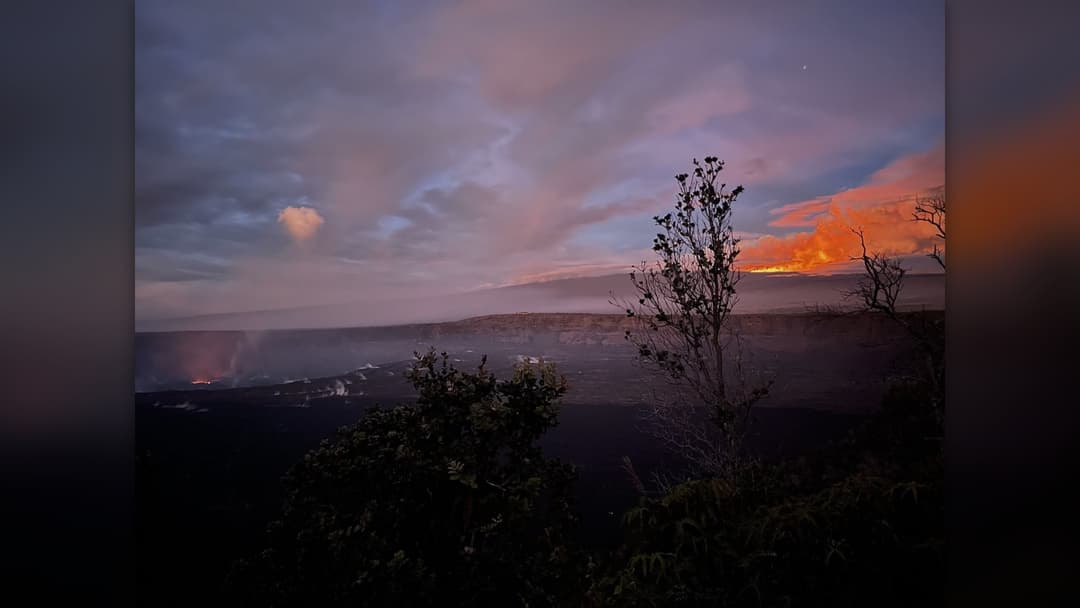
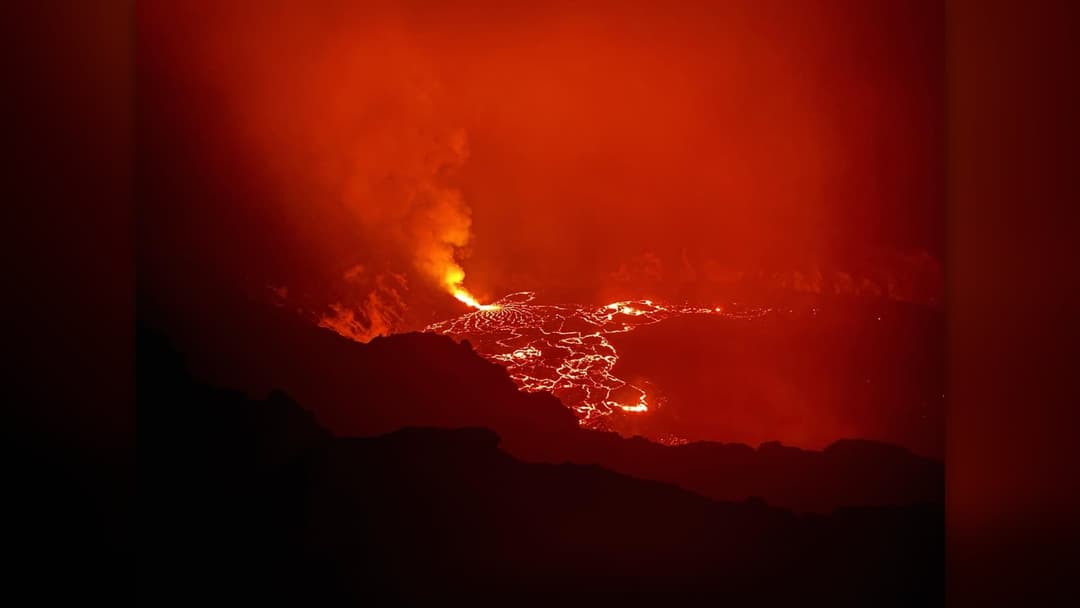
Kilauea Leads the Nation as America's Most Active Volcanic Giant 
20. Novarupta, Alaska 
19. Mount Hood, Oregon 
18. Mount Shasta, California - AdvertisementSwipe or tap ▶ to continue countdown

17. Mount Rainier, Washington 
16. Lassen Peak, California 
15. Aniakchak Caldera, Alaska 
14. Westdahl Volcano, Alaska - AdvertisementSwipe or tap ▶ to continue countdown

13. Great Sitkin Volcano, Alaska 
12. Okmok Caldera, Alaska 
11. Mount Veniaminof, Alaska 
10. Mount Spurr, Alaska - AdvertisementSwipe or tap ▶ to continue countdown

9. Mount Redoubt, Alaska 
8. Augustine Volcano, Alaska 
7. Mount St. Helens, Washington 
6. Cleveland Volcano, Alaska - AdvertisementSwipe or tap ▶ to continue countdown

5. Akutan Peak, Alaska 
4. Shishaldin Volcano, Alaska 
3. Pavlof Volcano, Alaska 
2. Mauna Loa, Hawaii - AdvertisementSwipe or tap ▶ to continue countdown

1. Kilauea, Hawaii - Advertisement🔥 UP NEXT IN THIS SERIES◫ 23 Slides

22 Natural Herbal Teas and Botanical Infusions Backed by Modern Science
Evaluated in clinical pharmacology and botanical trials, these 22 herbal teas and botanical infusions provide measurable antioxidant, digestive, and cardiovascular benefits. Botanical infusions have served as humanity's earliest medicines.
Volcanoes across Hawaii, Alaska, and the Pacific Northwest shape the continent through dozens of documented explosive summit eruptions and massive lava flows. USGS observatories track every seismic pulse.
Swipe or tap ▶ to begin the countdown
©Wikimedia / Christina Neal & Wikimedia / Domino721
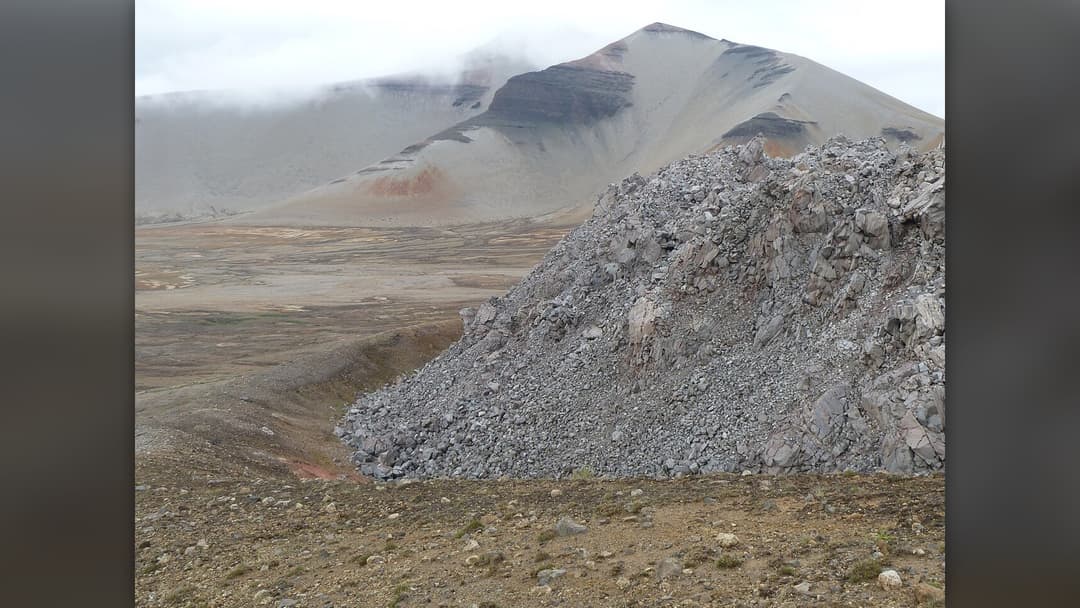
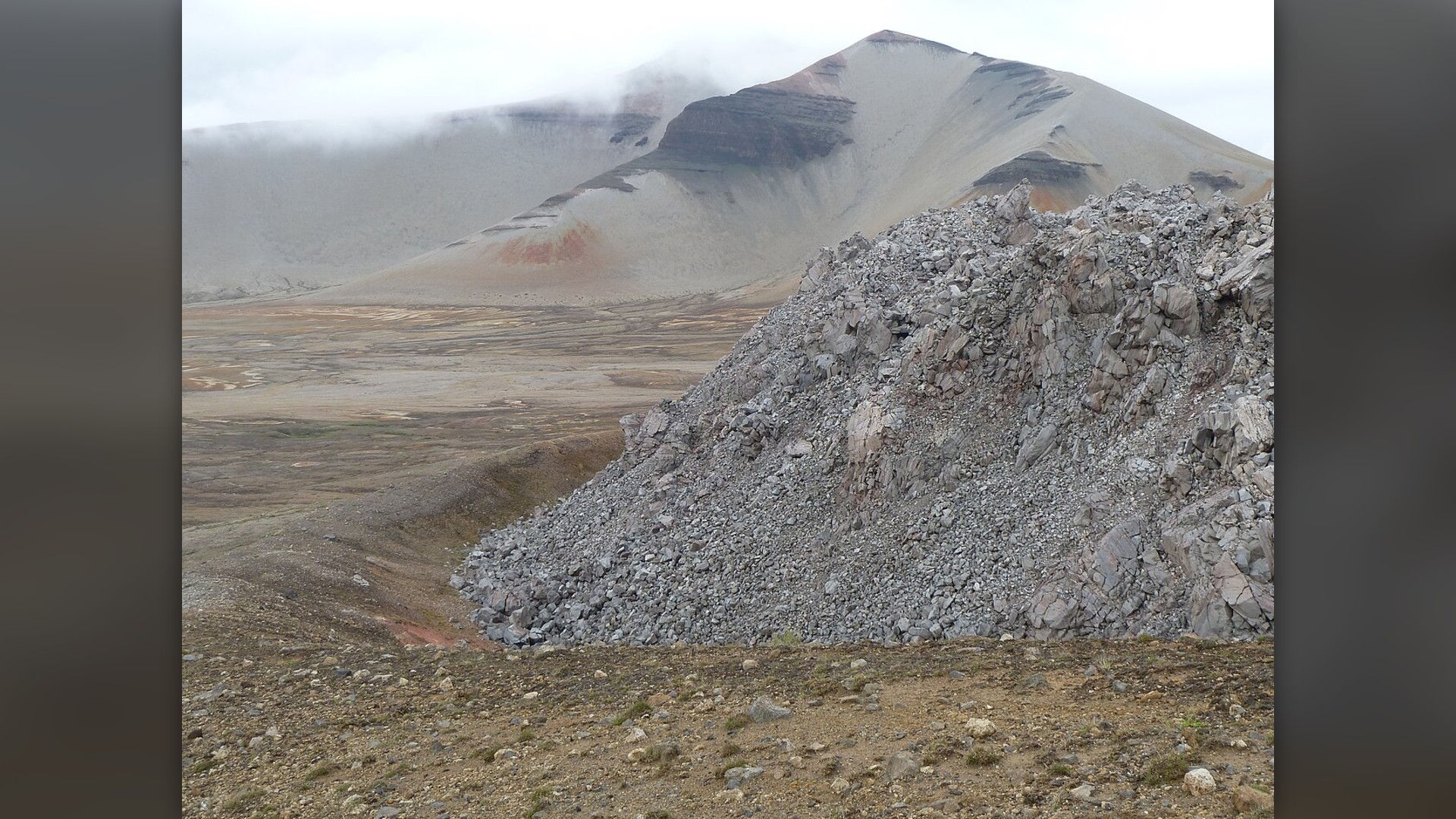
20. Novarupta, Alaska
Novarupta shattered Katmai in 1912. The colossal blast ejected thirty times more magma than Mount St. Helens, creating the smoking Valley of Ten Thousand Smokes. A fractured rhyolite plug blocks the vent today.
©Wikimedia / Katmai National Park and Preserve
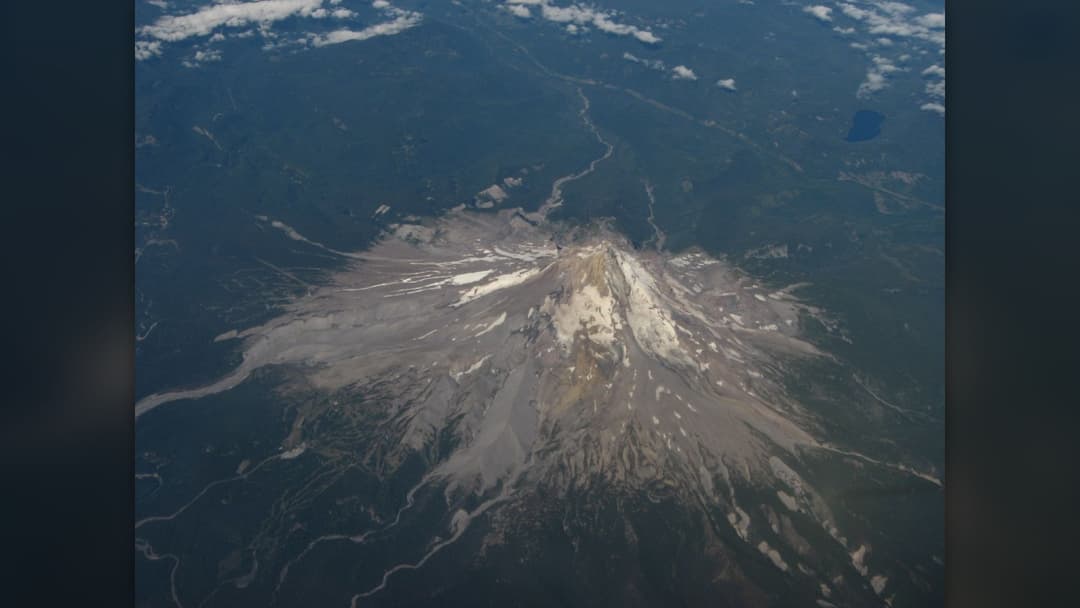
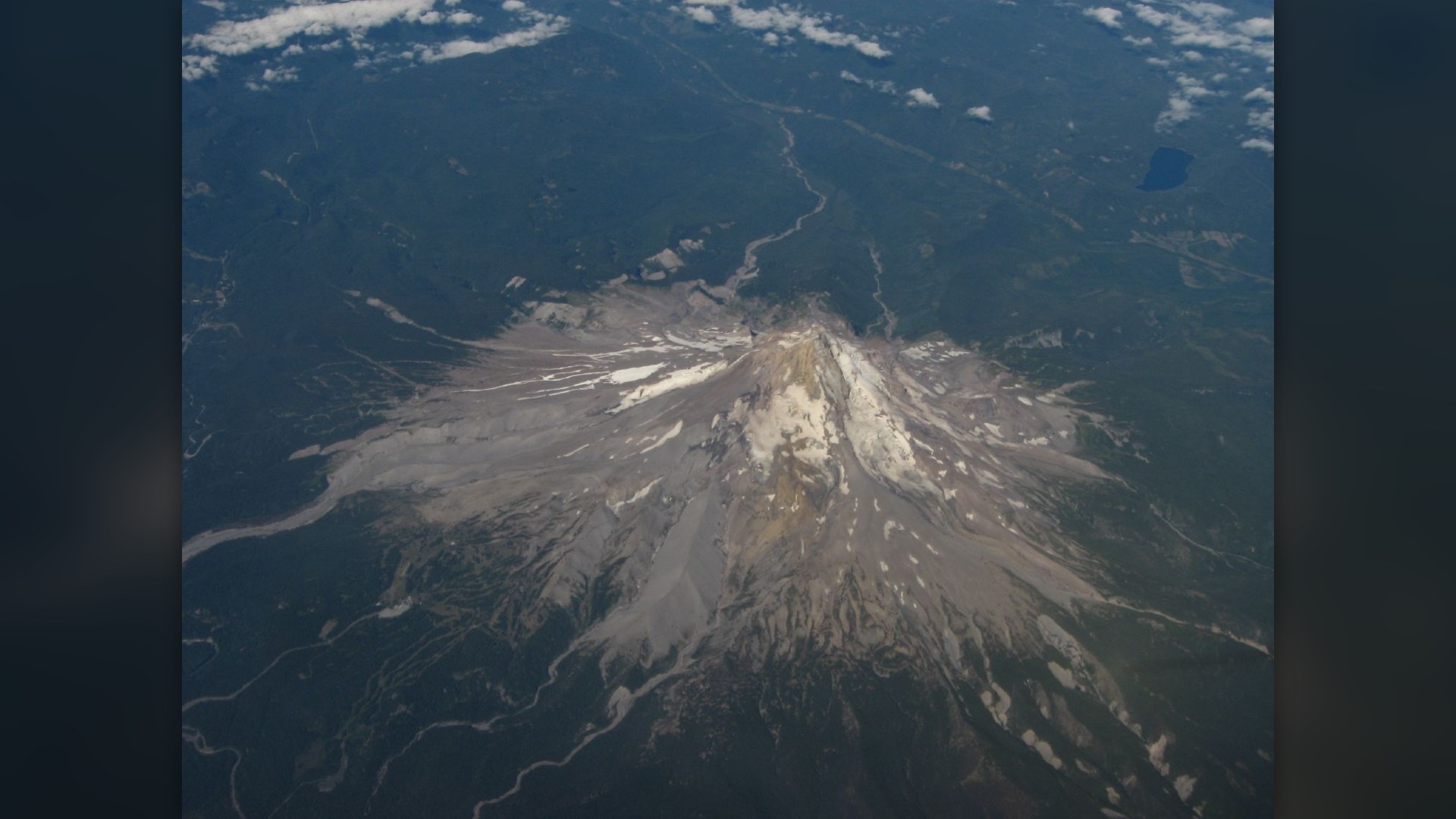
19. Mount Hood, Oregon
Mount Hood crowns Oregon. Lewis and Clark documented steam plumes rising from the crater during their western expedition shortly after the peak's last major eruption in 1805. Twelve active glaciers encase the dormant stratovolcano.
©Wikimedia / Ken Lund
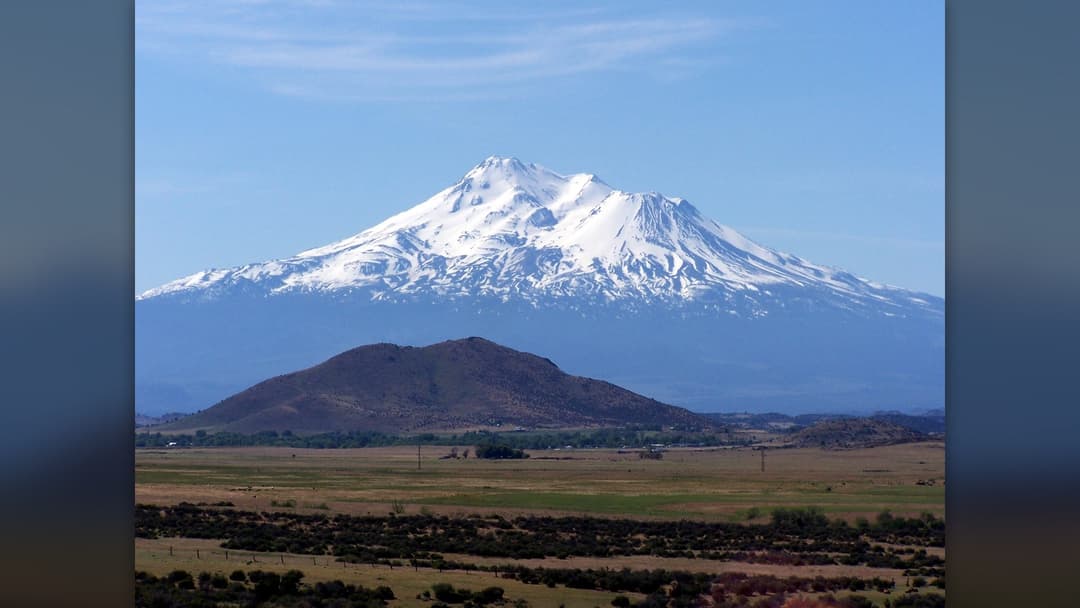
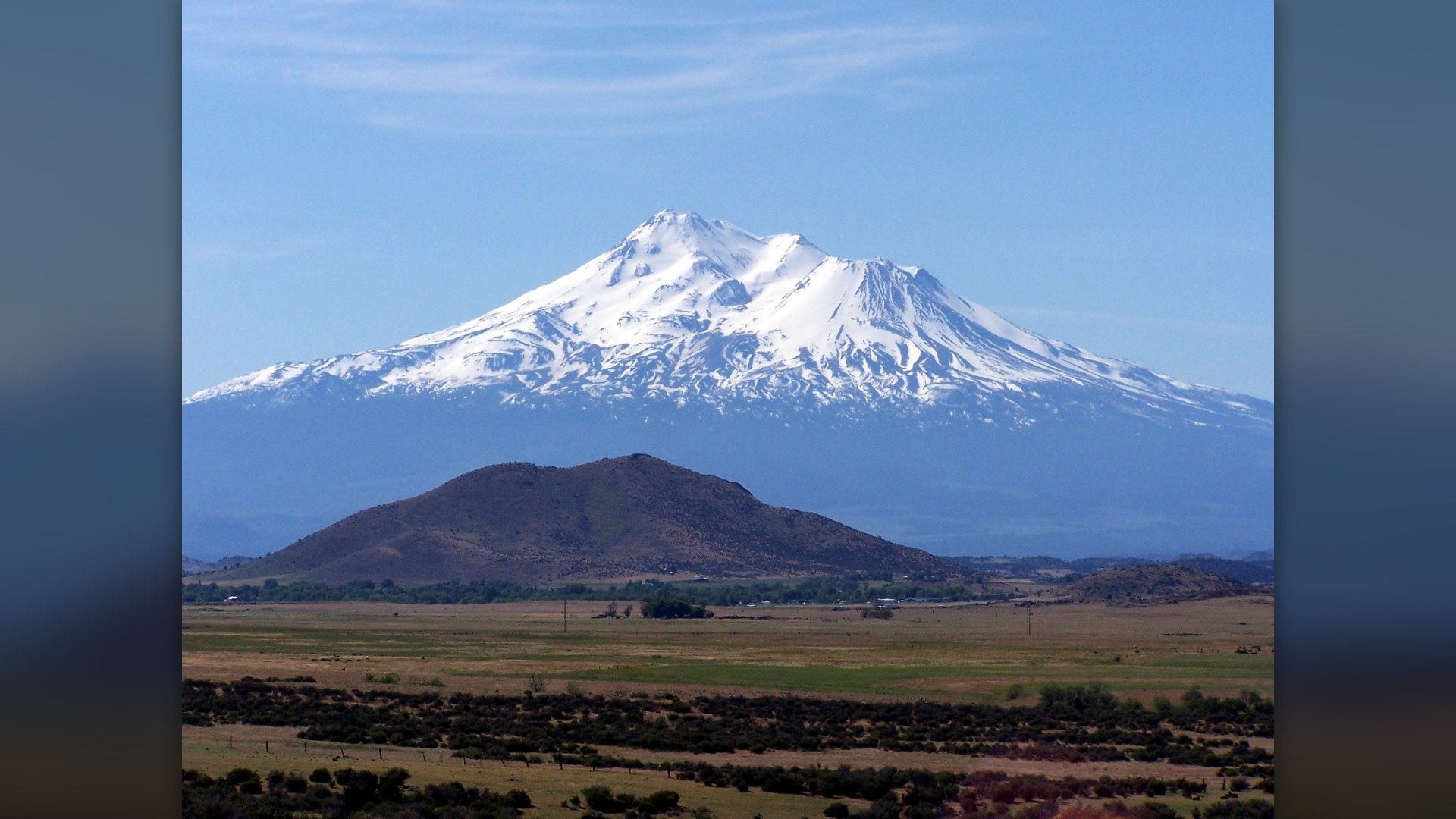
18. Mount Shasta, California
Mount Shasta dominates northern California. French explorer Jean-François de La Pérouse observed smoke plumes rising from the towering peak while sailing down the Pacific coast in 1786. Thermal sulfur springs simmer near the snowy apex.
©Wikimedia / Little Mountain 5
Advertisement
Swipe or tap ▶ to resume the countdown.
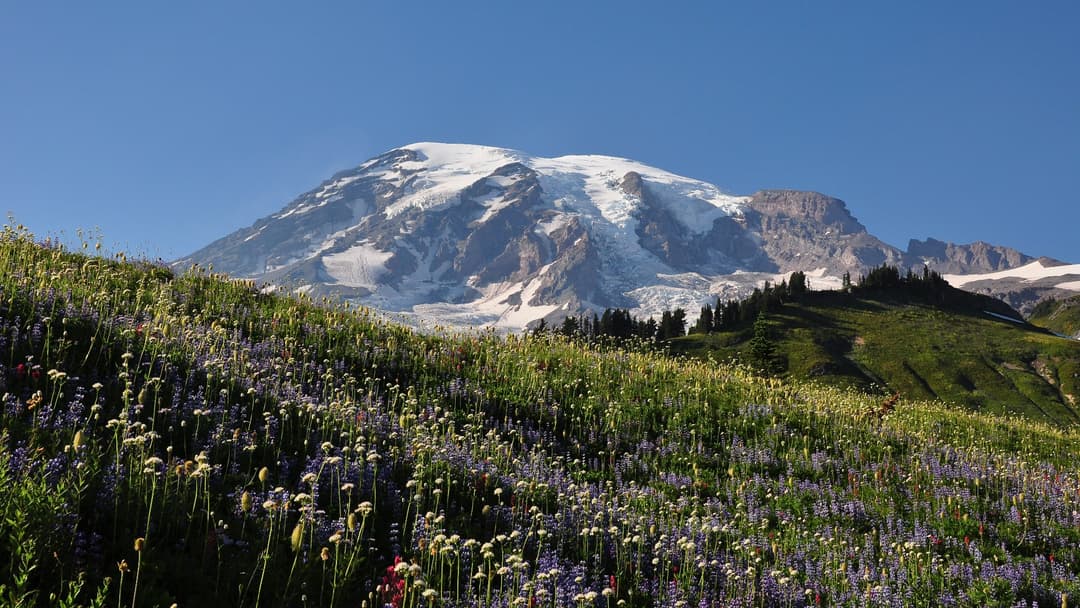
17. Mount Rainier, Washington
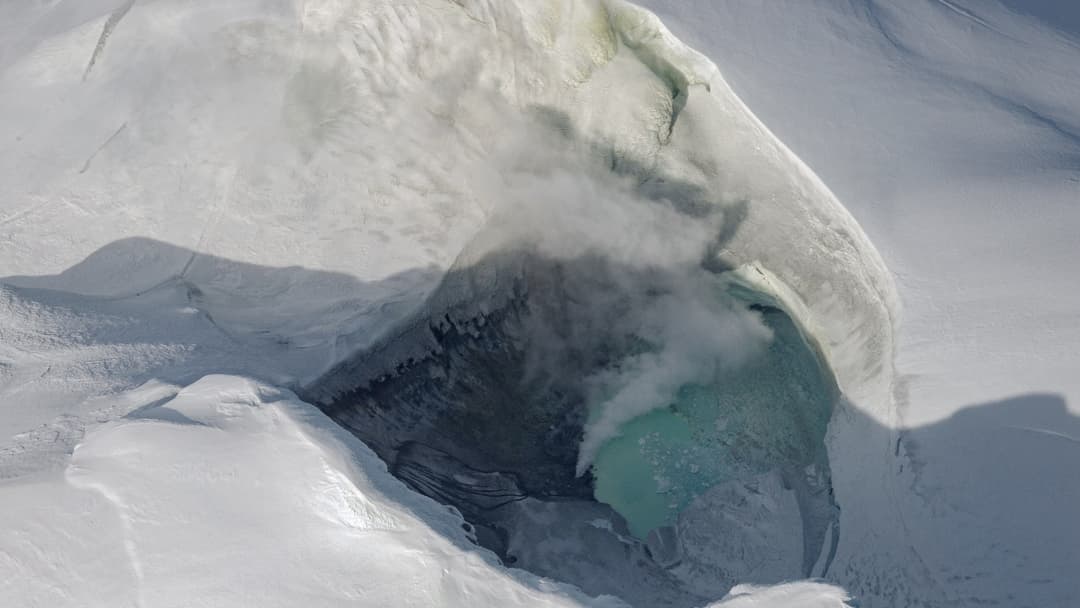
Mount Rainier poses immense hazard. Over twenty-five glaciers wrap the massive summit where heat vents melt sub-ice caves and threaten valleys with catastrophic mudflows. The peak last vented pumice in 1894.
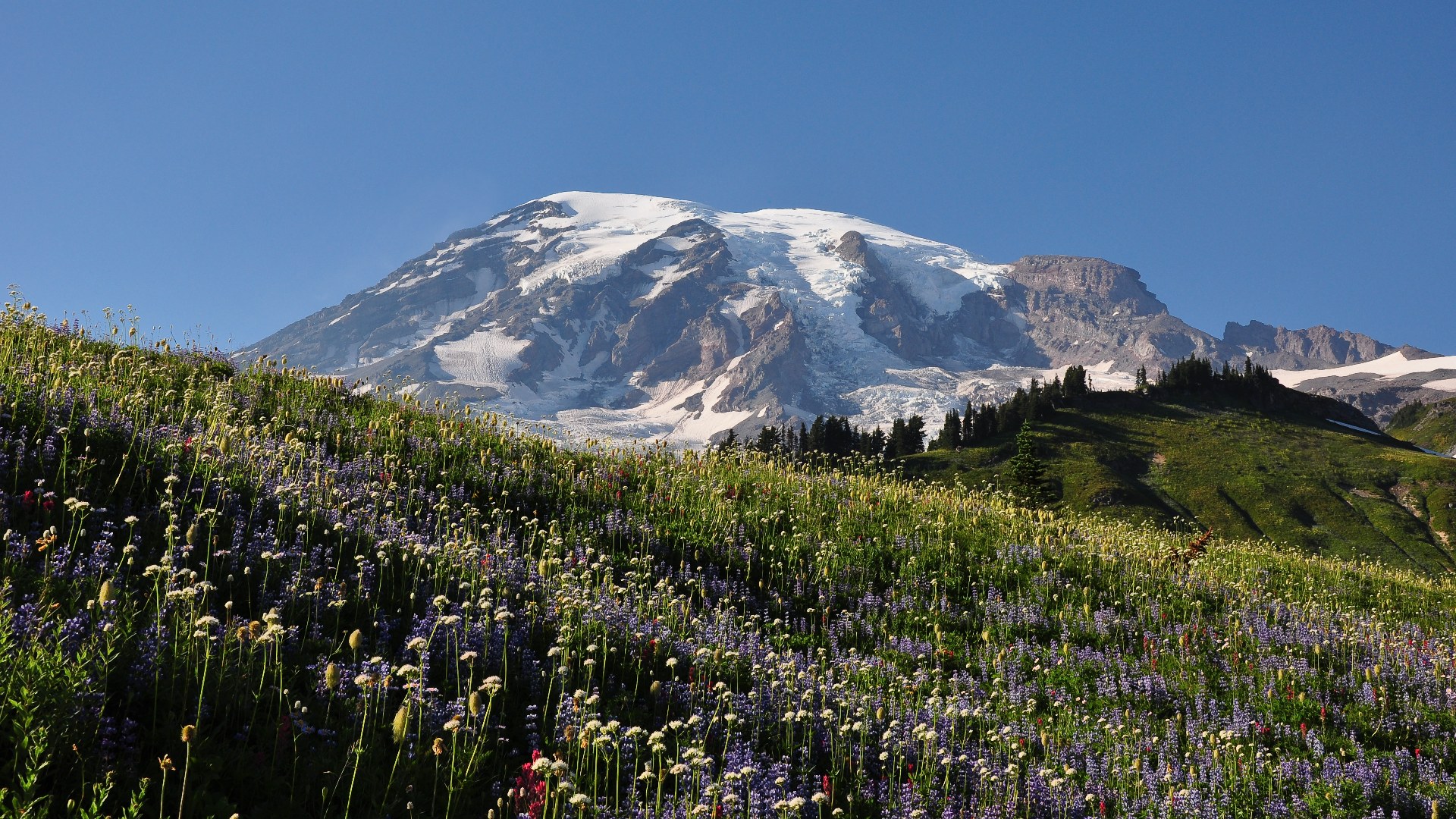
©Wikimedia / Bob Collowan
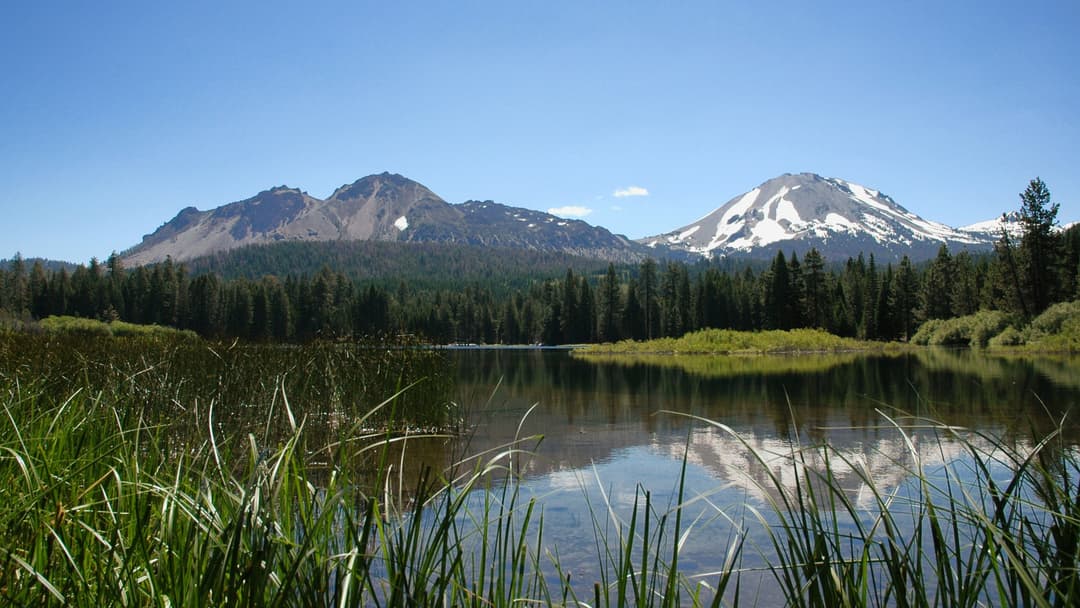
16. Lassen Peak, California
Lassen erupted violently in 1915. The explosive blast launched ash thirty thousand feet into the atmosphere and wiped out surrounding forests during three years of activity. Boiling thermal mud pots bubble across nearby hillsides.
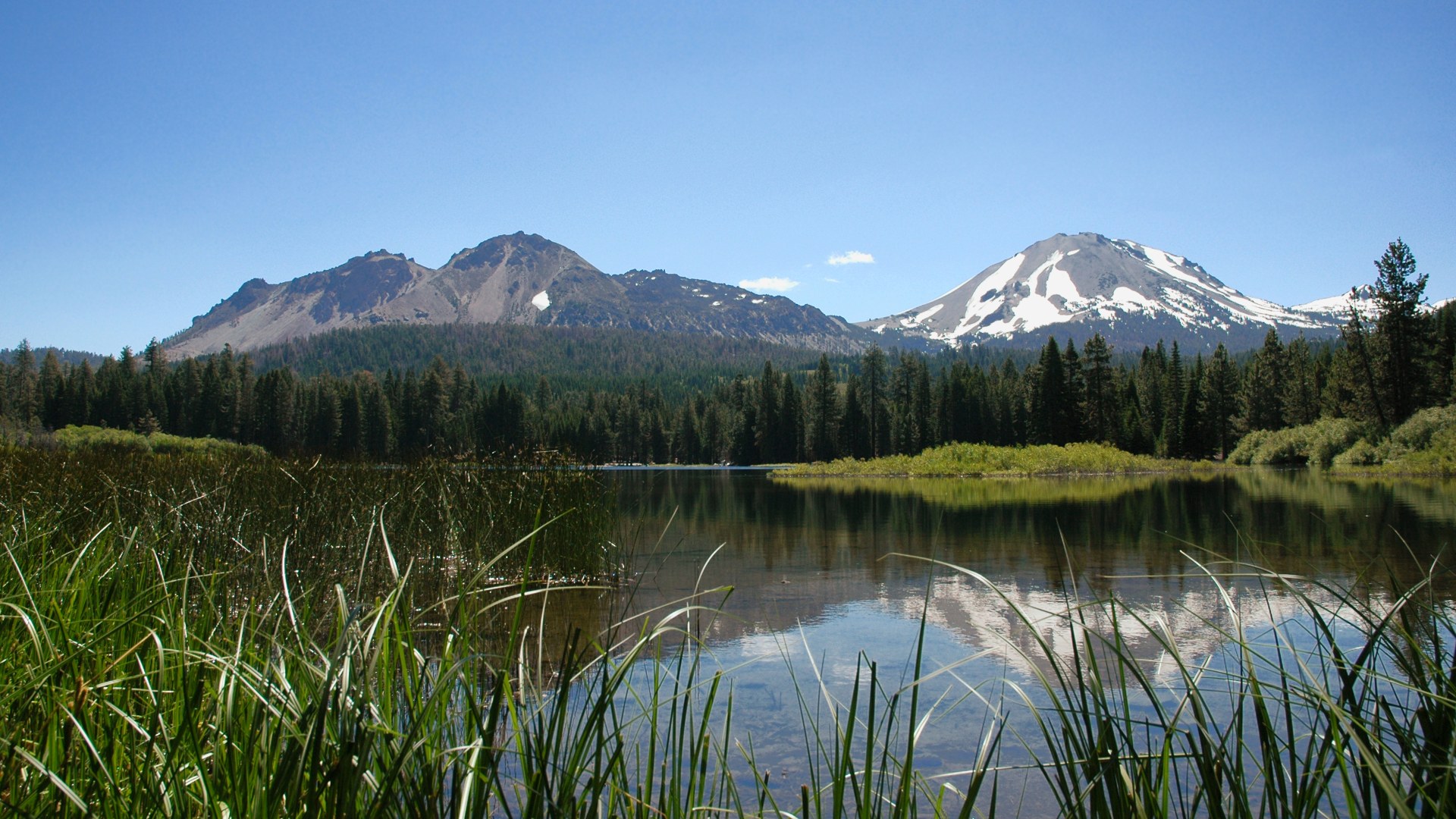
©Wikimedia / DimiTalen
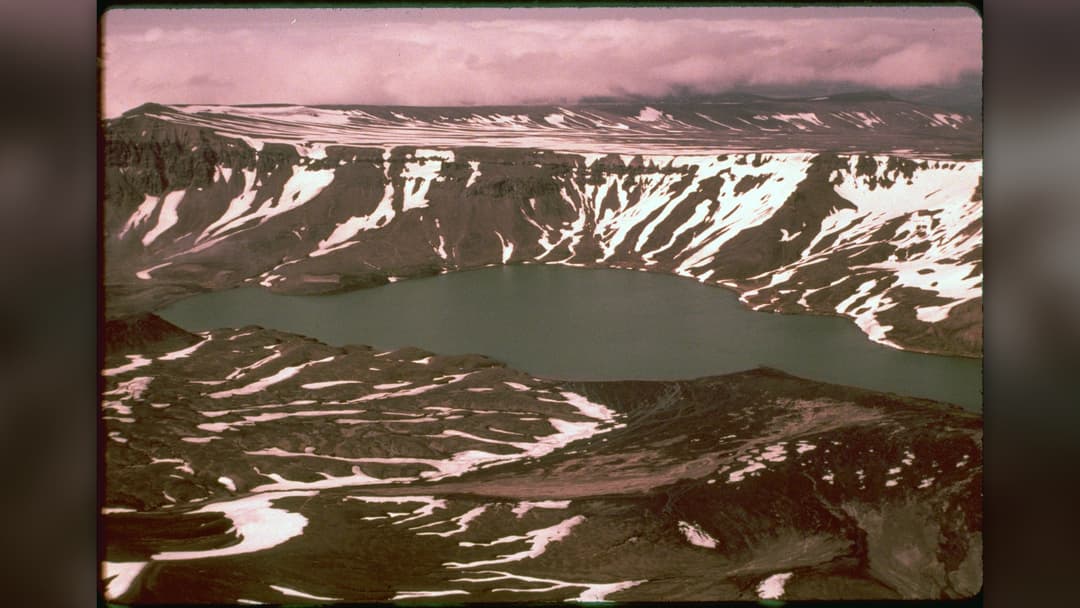
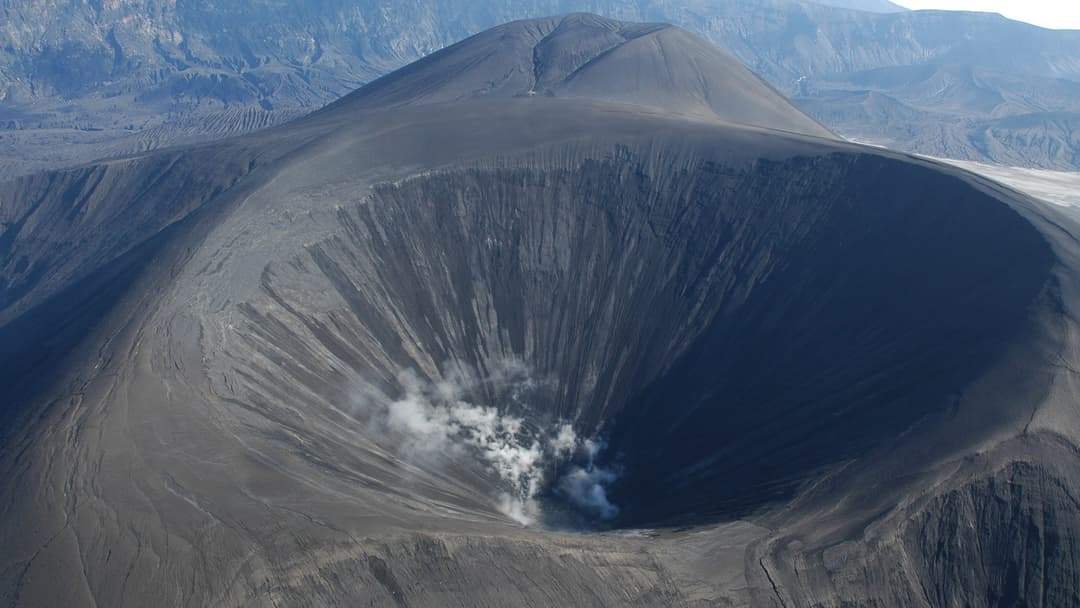
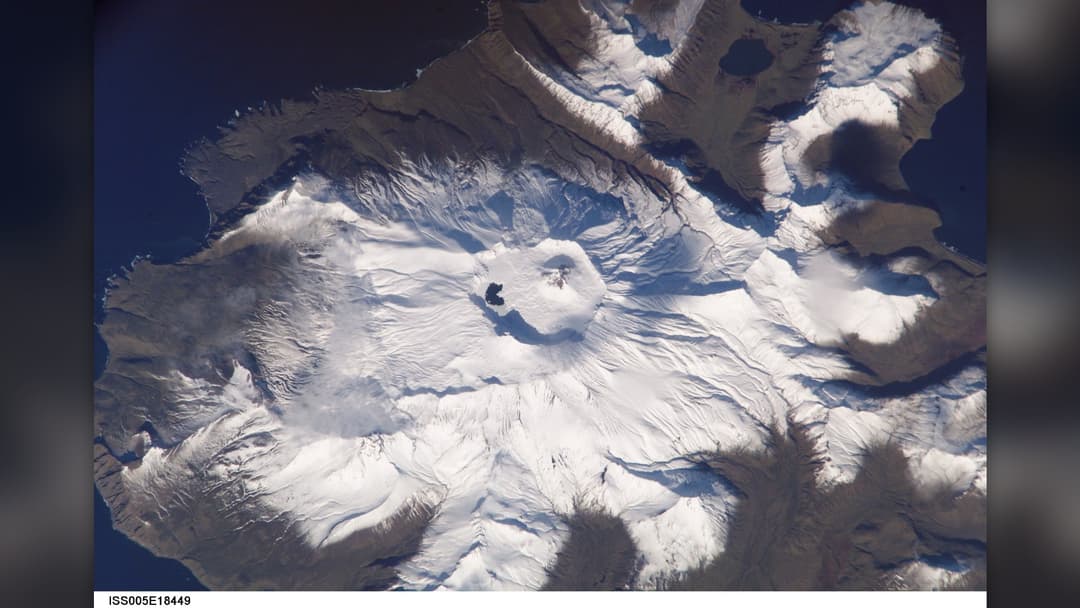
15. Aniakchak Caldera, Alaska
Aniakchak hides remote wilderness. Geologists mapped a catastrophic summit collapse that formed a massive six-mile crater thousands of years before a violent explosive eruption struck in 1931. Surprise Lake fills half the ancient crater floor.
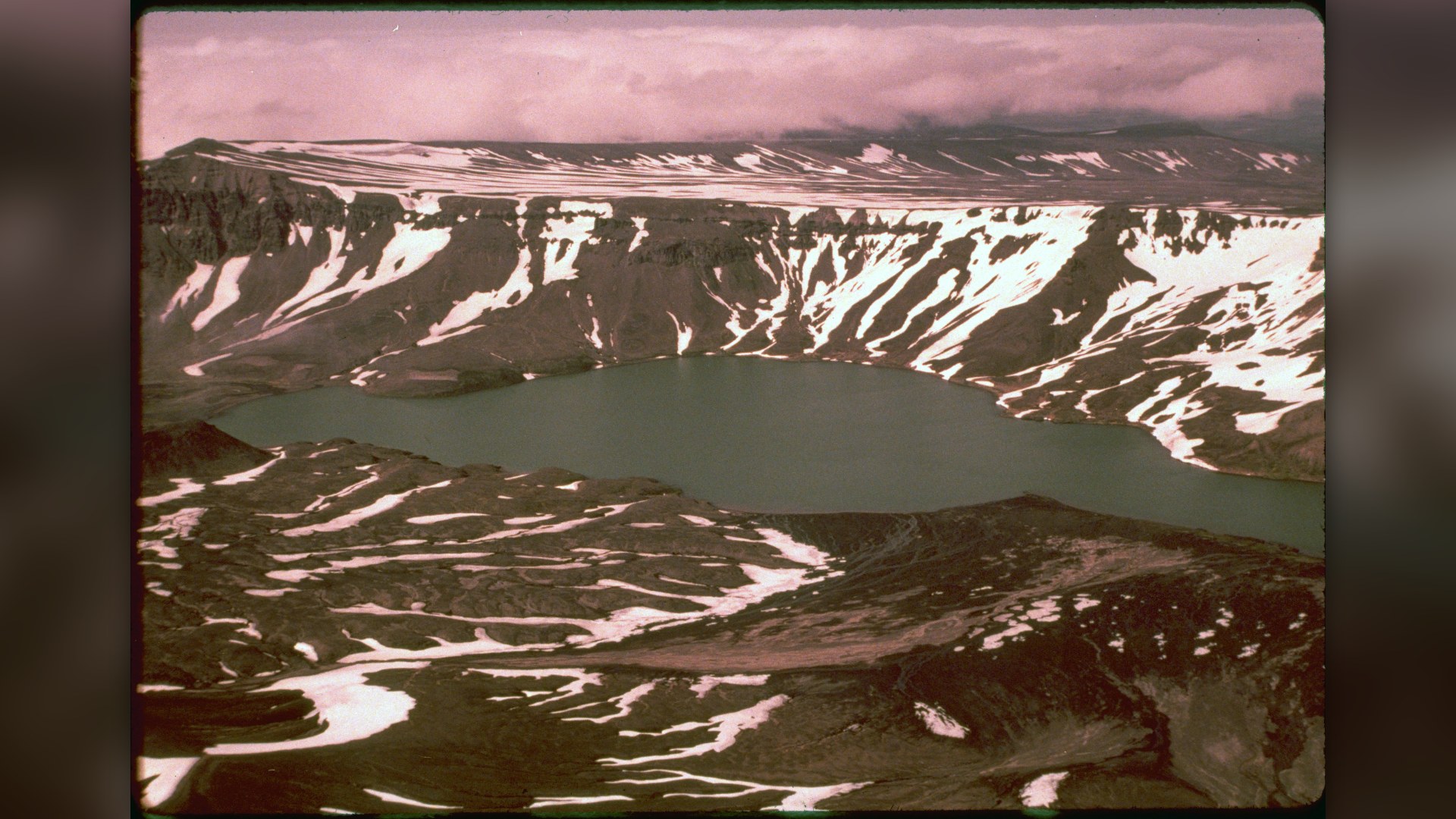
©Wikimedia / National Park Service
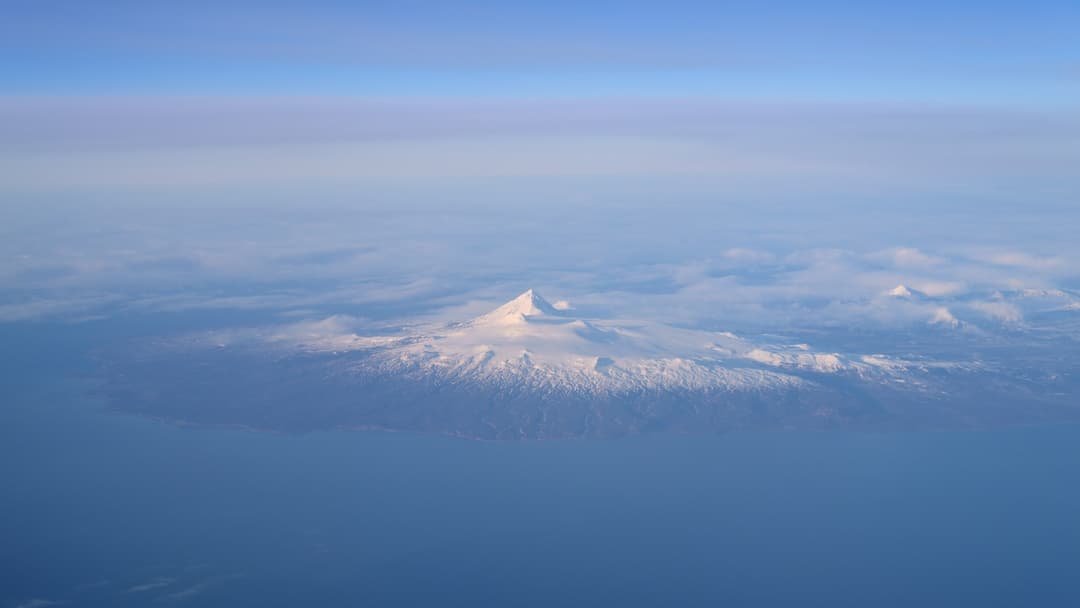
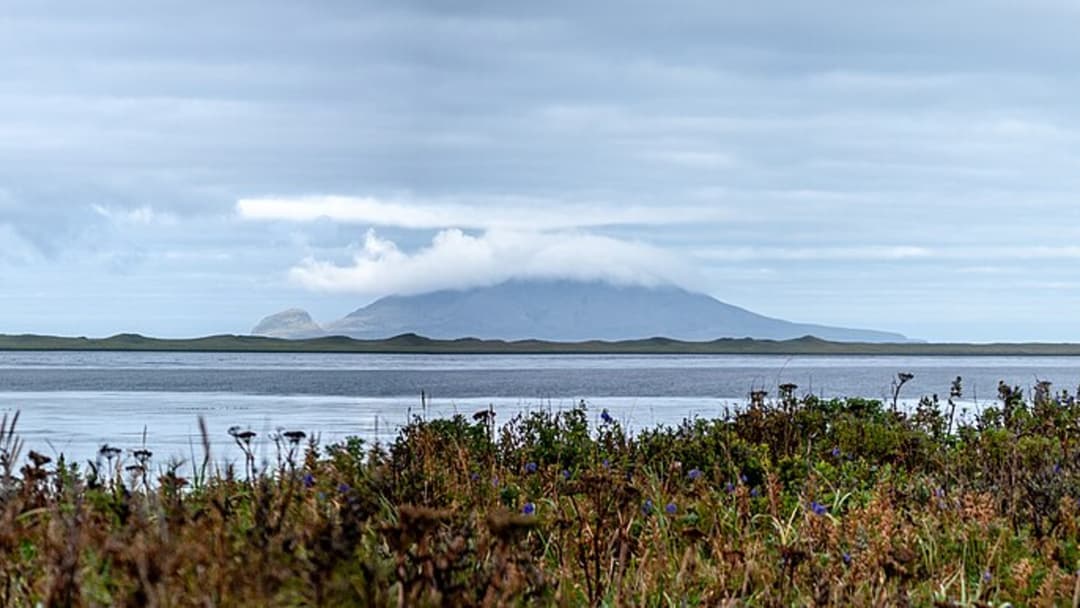
14. Westdahl Volcano, Alaska
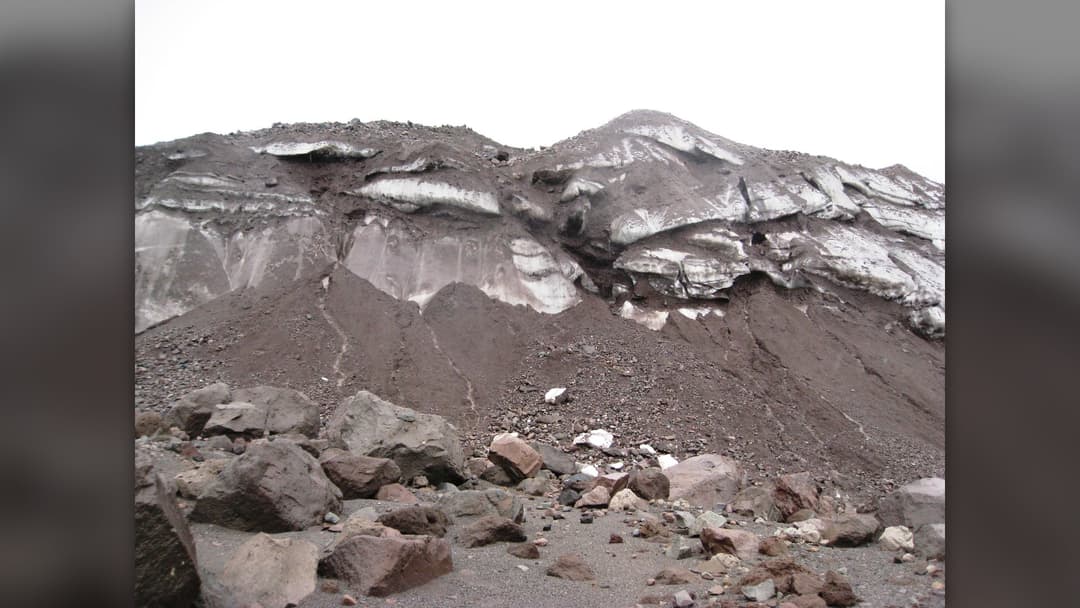
Westdahl sleeps beneath glacial ice. The broad Aleutian shield volcano erupted eight recorded times between 1795 and 1991, spewing dark basaltic fissures directly through summit ice caps. Frequent earthquake swarms still rattle the remote peak.
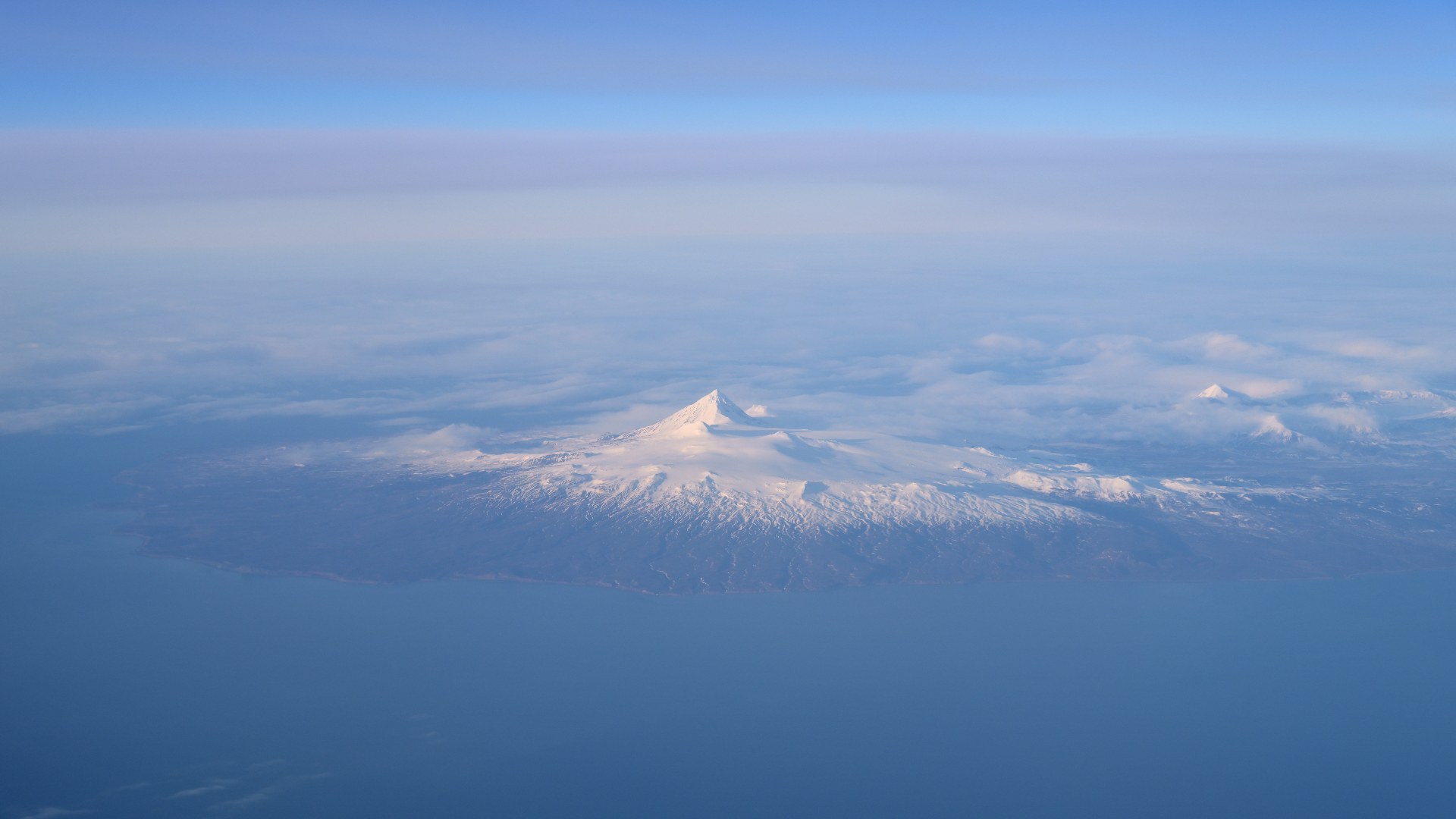
©Wikimedia / 4300streetcar
Advertisement
Swipe or tap ▶ to resume the countdown.
13. Great Sitkin Volcano, Alaska
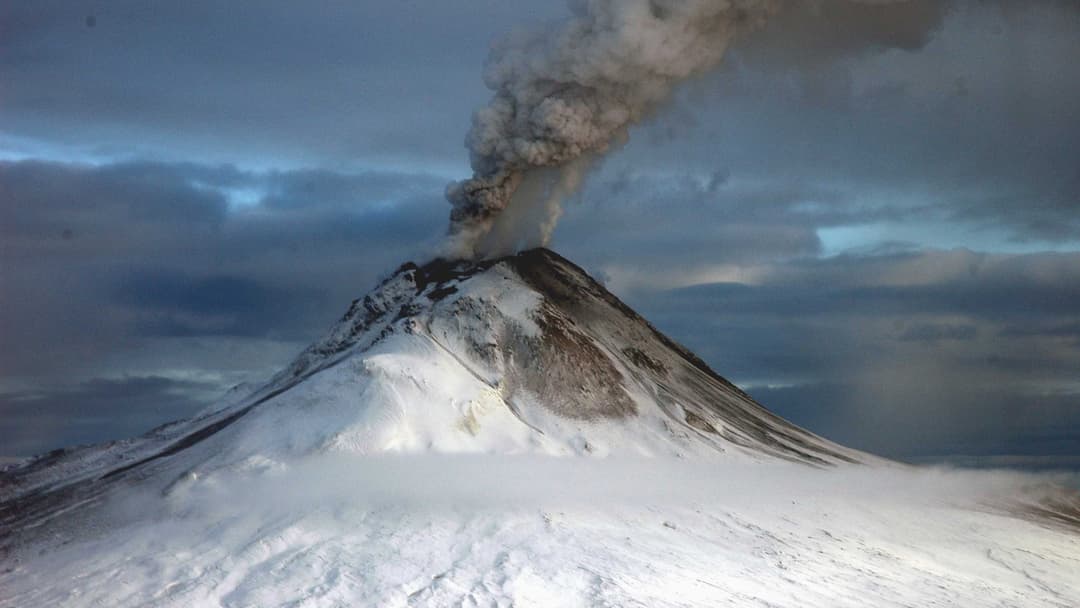
Great Sitkin builds new domes. Rising from the remote Bering Sea, the steep composite volcano began extruding thick blocks of lava within its summit crater in 2021. Steam plumes rise continuously above the rugged ridge.
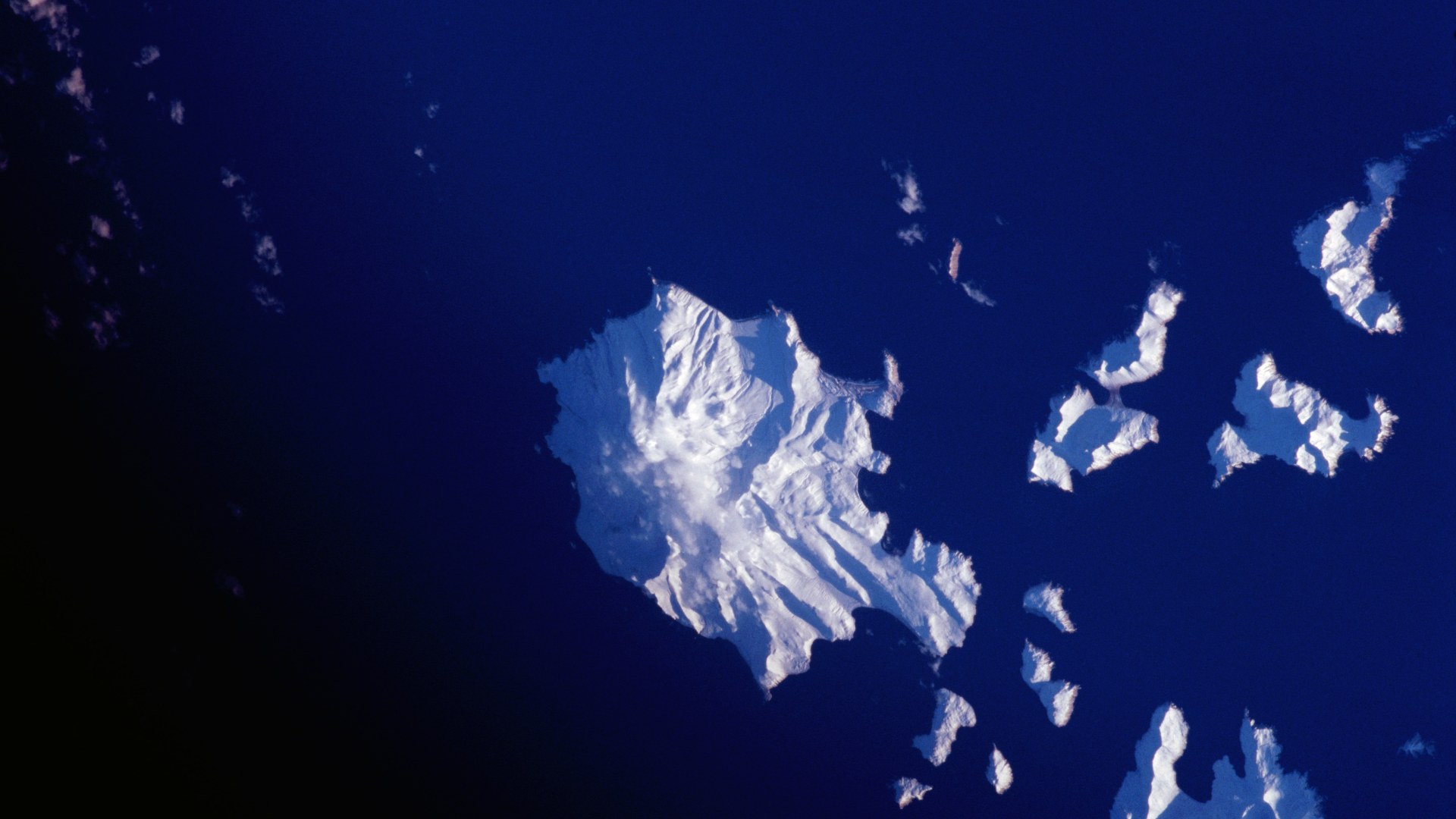
©Wikimedia / NASA
12. Okmok Caldera, Alaska
Okmok erupted twelve times. The six-mile circular cauldron unleashed violent ash plumes and lava fountain curtains across Umnak Island during its most recent explosive event in 2008. Multiple cinder cones punctuate the wide ash floor.
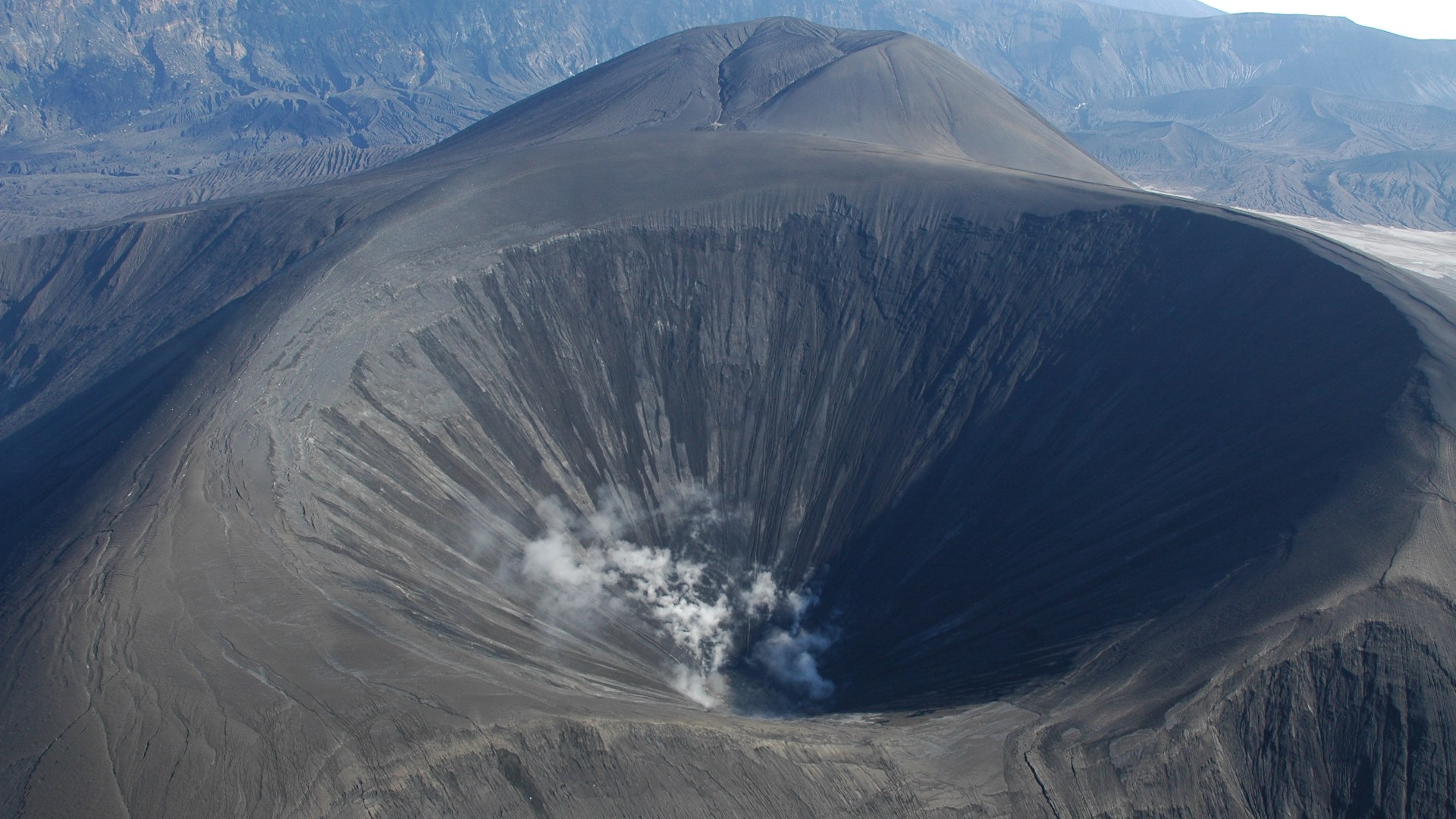
©Wikimedia / Christina Neal
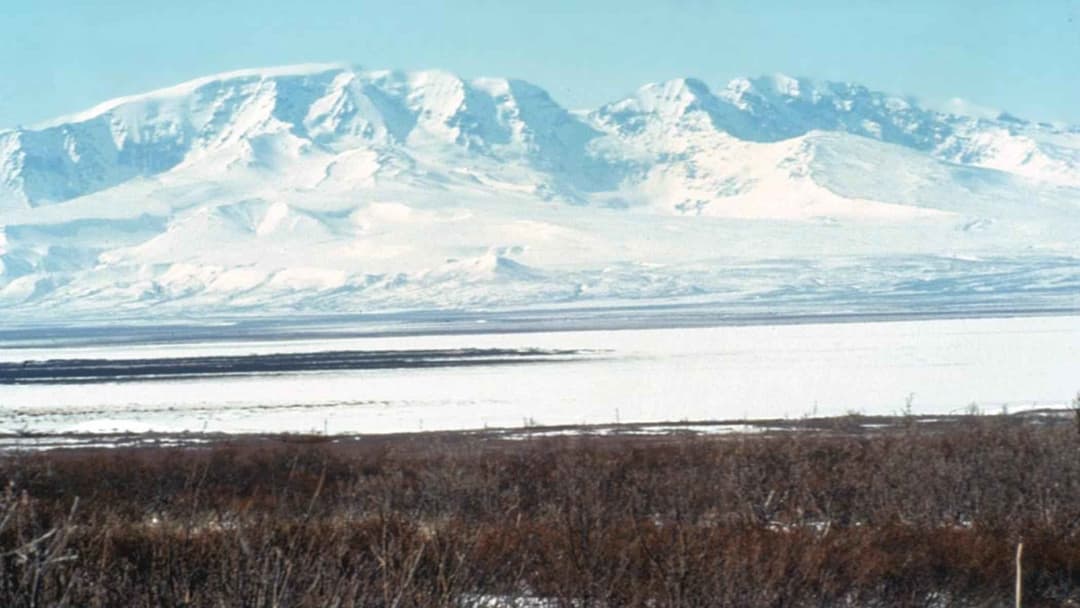
11. Mount Veniaminof, Alaska
Veniaminof shelters an icy caldera. An active cinder cone pokes directly through an expansive eight-mile summit ice field that periodically sends dark ash clouds drifting over the Alaska Peninsula. USGS webcams track regular venting from the cone.
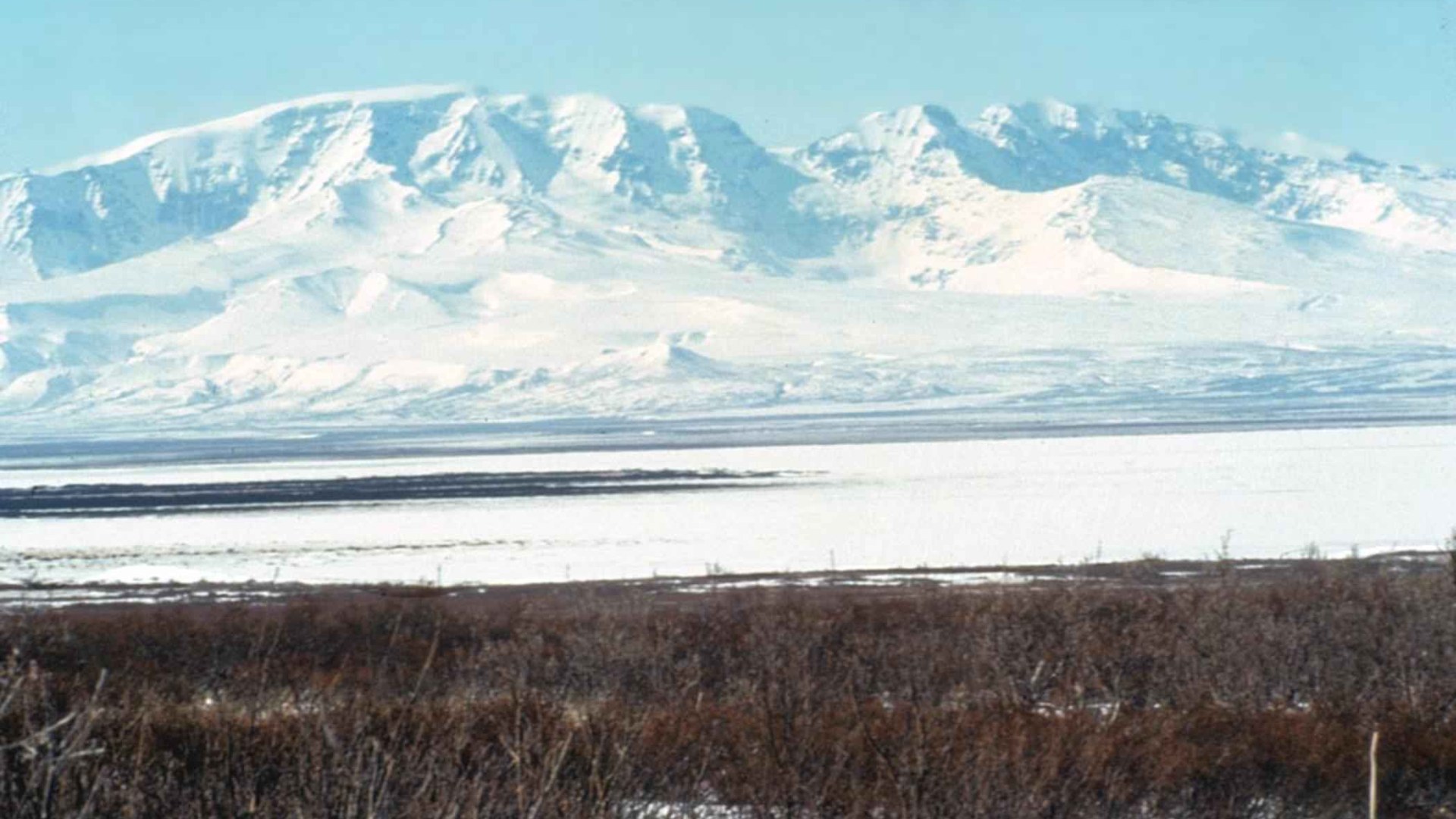
©Wikimedia / U.S. Fish and Wildlife Service
10. Mount Spurr, Alaska
Mount Spurr dusted Anchorage. Located eighty miles west of Anchorage, the snowcapped peak blasted ash sixty thousand feet high during dramatic eruptions in 1953 and 1992. Crater Peak forms its primary active sub-vent.
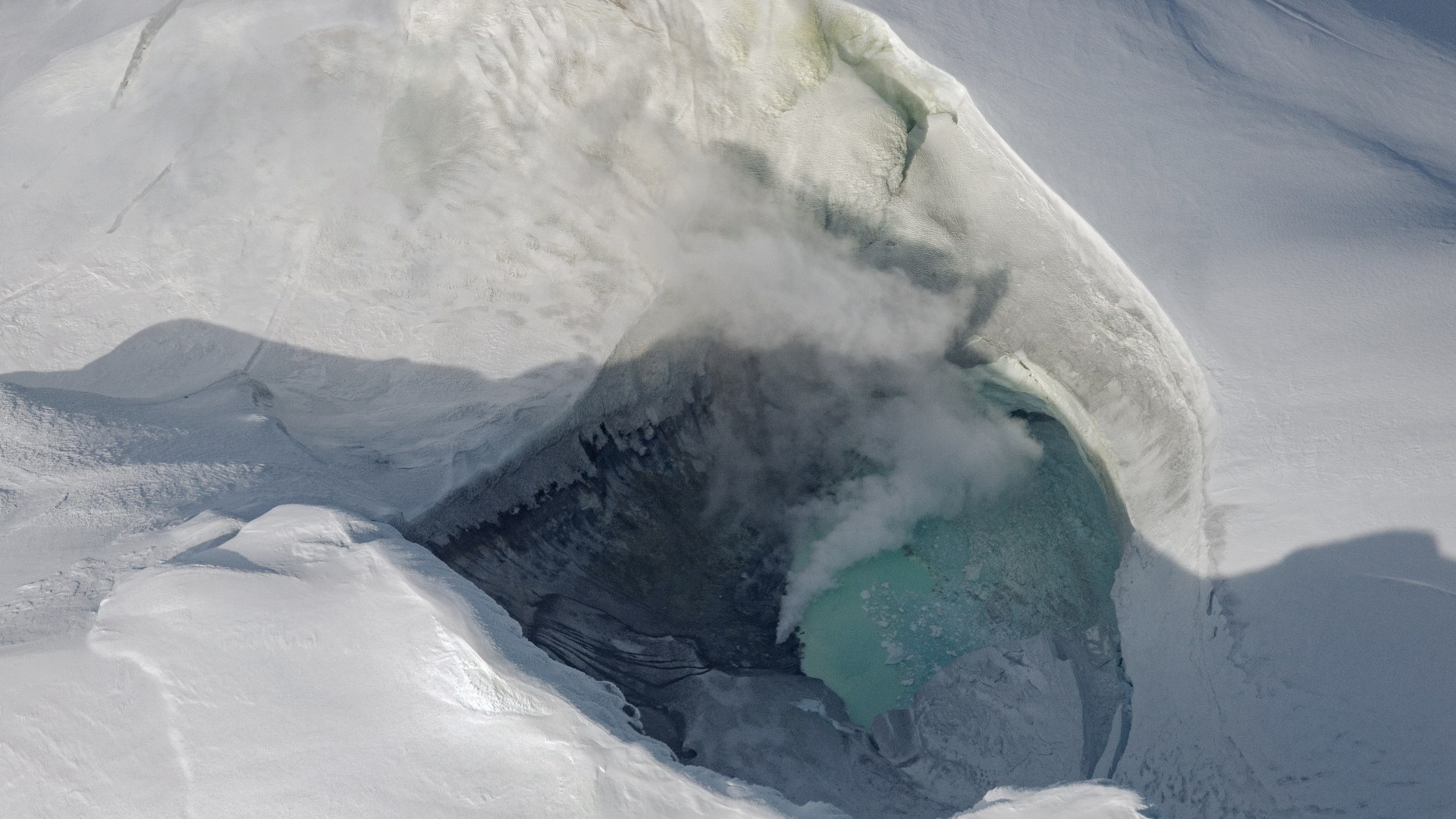
©Wikimedia / Rui Mota
Advertisement
Swipe or tap ▶ to resume the countdown.
9. Mount Redoubt, Alaska
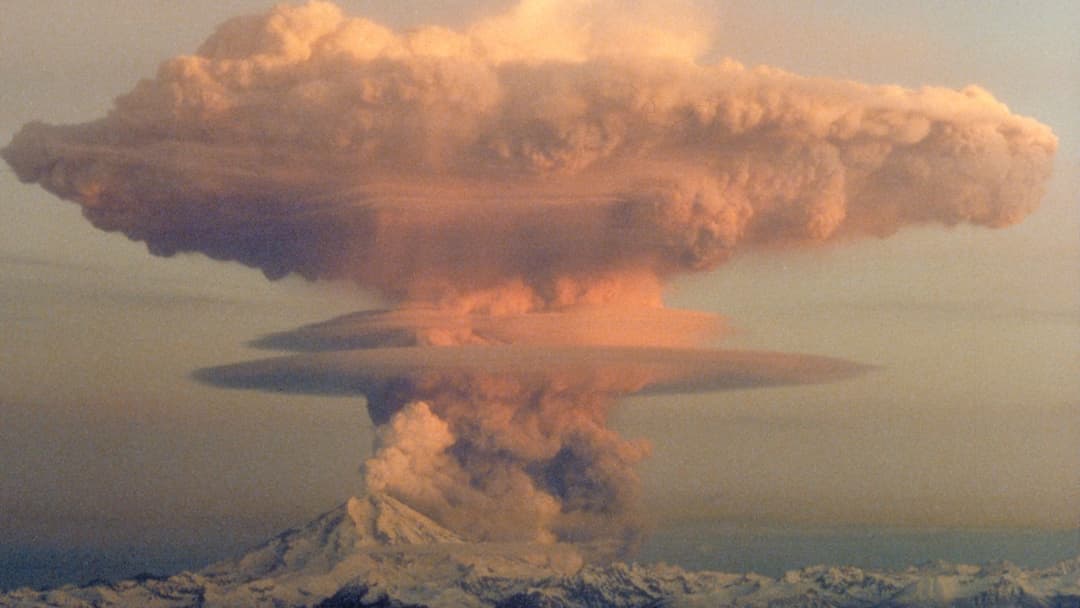
Redoubt unleashes explosive force. The ten-thousand-foot Cook Inlet giant generated dangerous pyroclastic flows and towering ash clouds that disrupted international aviation routes during major 1989 and 2009 outbursts. Scientists monitor the smoking dome with seismic arrays.
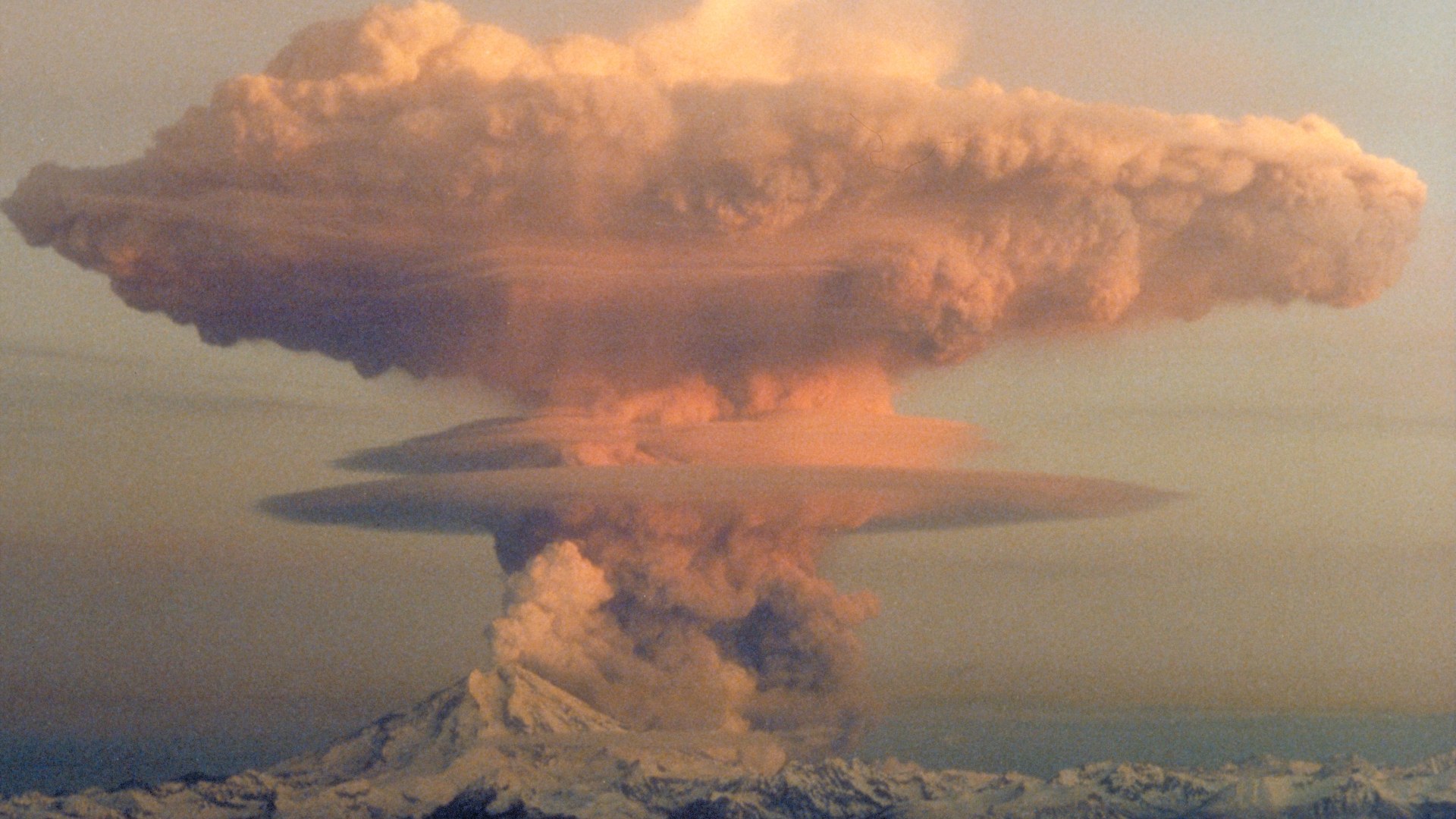
©Wikimedia / R. Clucas
8. Augustine Volcano, Alaska
Augustine forms an oceanic island. Repeated explosive cycles built a cluster of steep lava domes that collapsed into Cook Inlet, generating small tsunami waves in 1883. Seismic sensors ring the restless island shoreline.
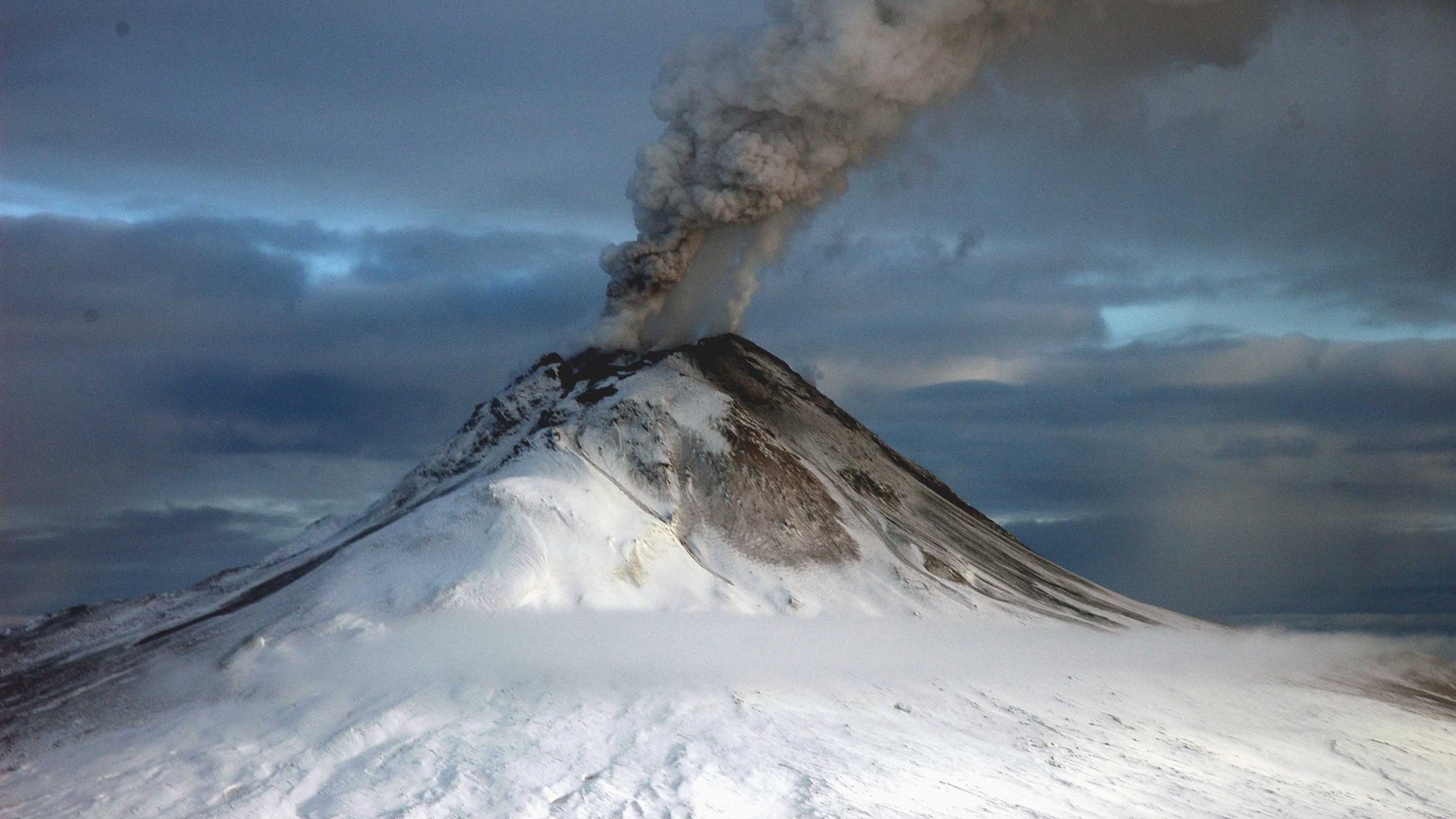
©Wikimedia / Game McGimsey
7. Mount St. Helens, Washington
St. Helens reshaped American geology. The catastrophic May 1980 eruption sheared thirteen hundred feet off the mountain summit and flattened hundreds of square miles of dense forest within minutes. A massive horseshoe crater now shelters growing glaciers.
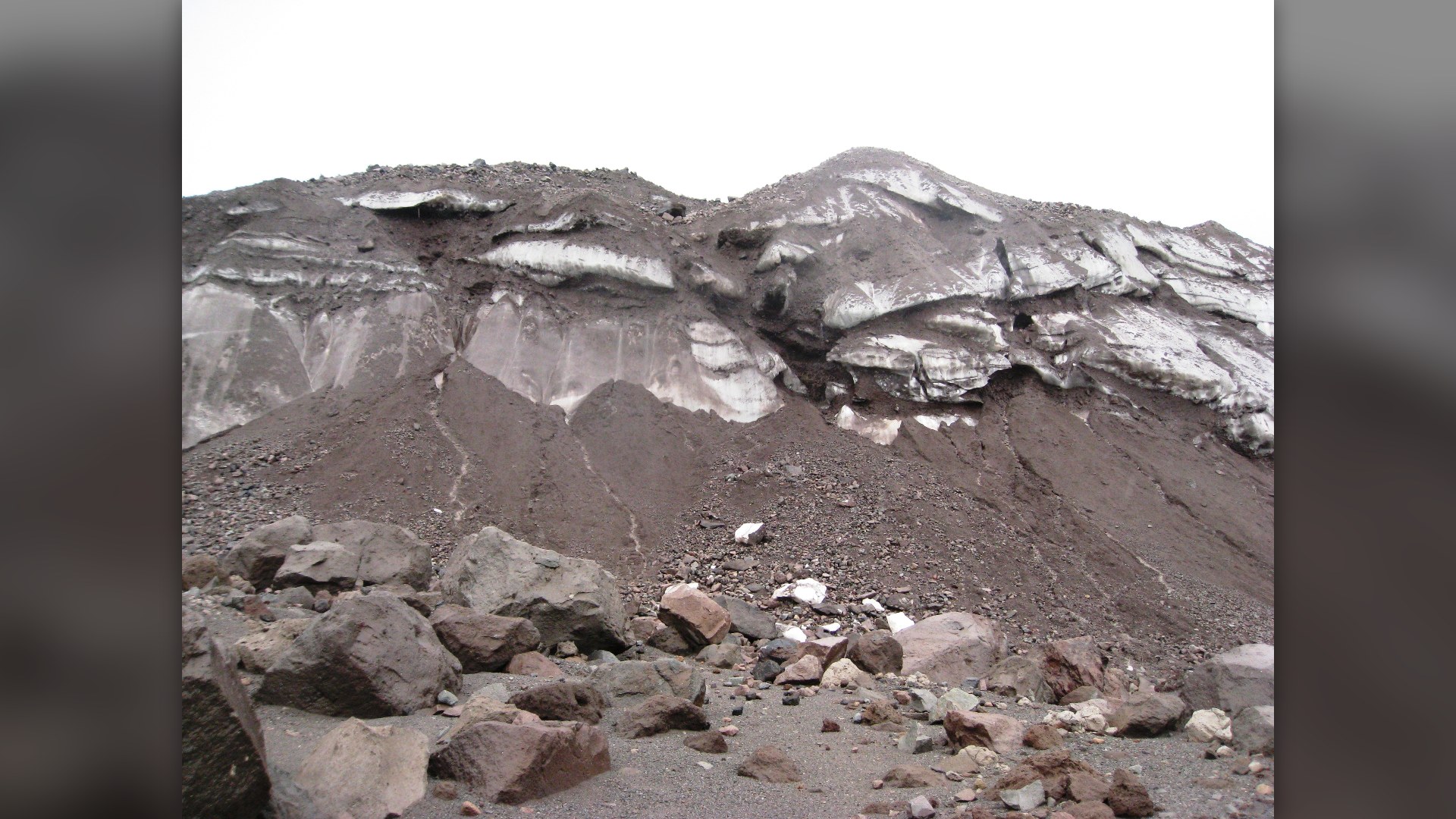
©Wikimedia / brewbooks
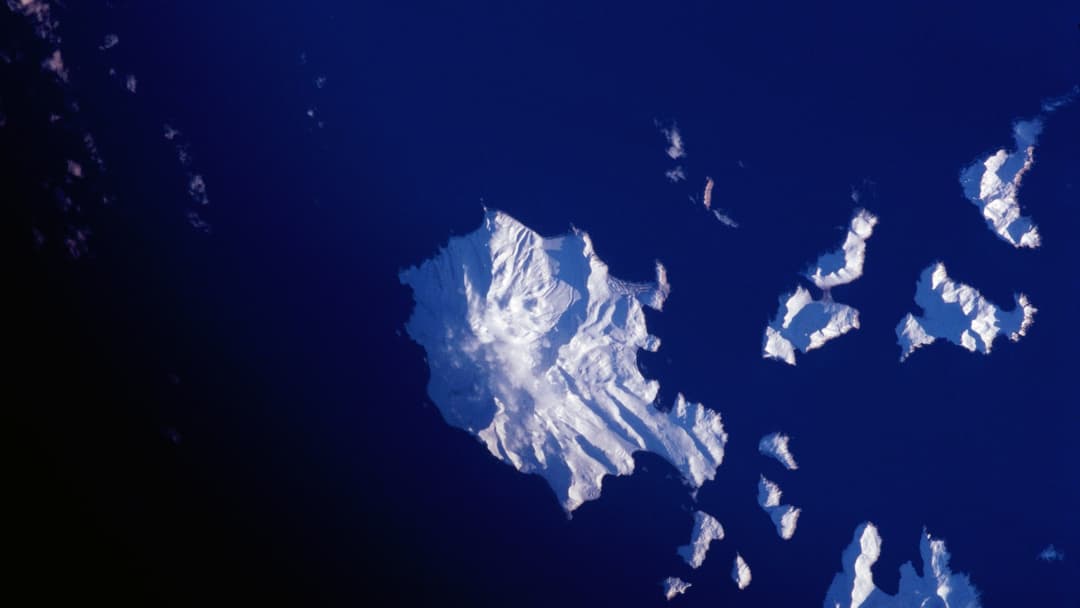
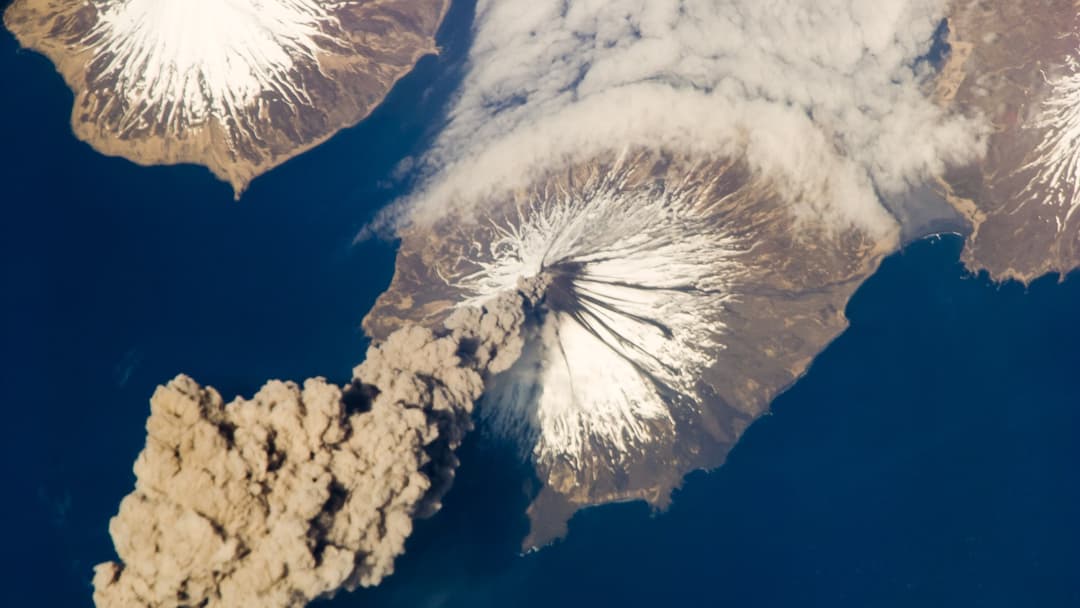
6. Cleveland Volcano, Alaska
Cleveland vents without warning. Astronauts aboard the International Space Station famously photographed its steep slopes ejecting a dramatic ash column above the Aleutian Islands in 2006. Frequent thermal spikes show hot lava near the surface.
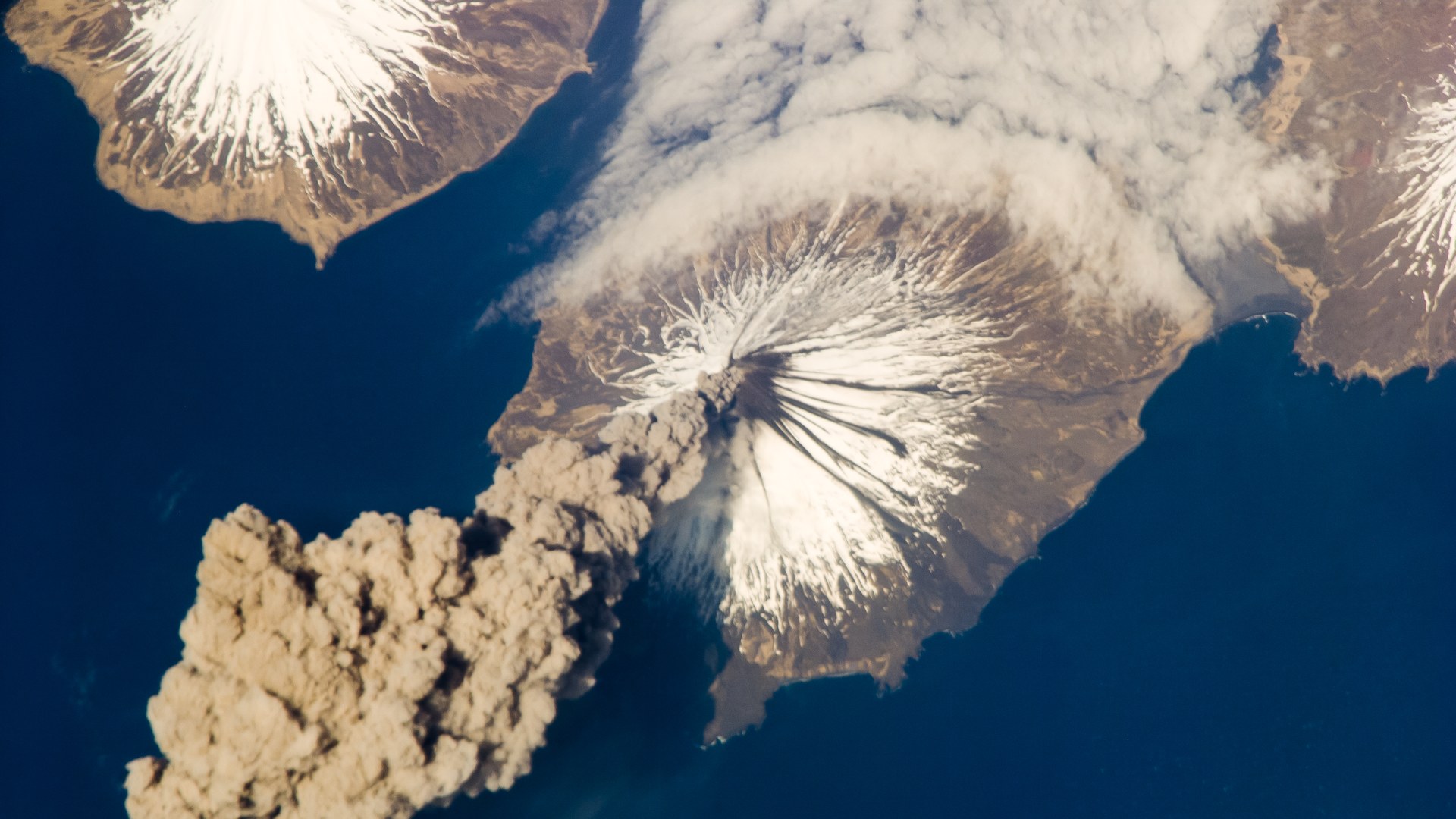
©Wikimedia / NASA
Advertisement
Swipe or tap ▶ to resume the countdown.
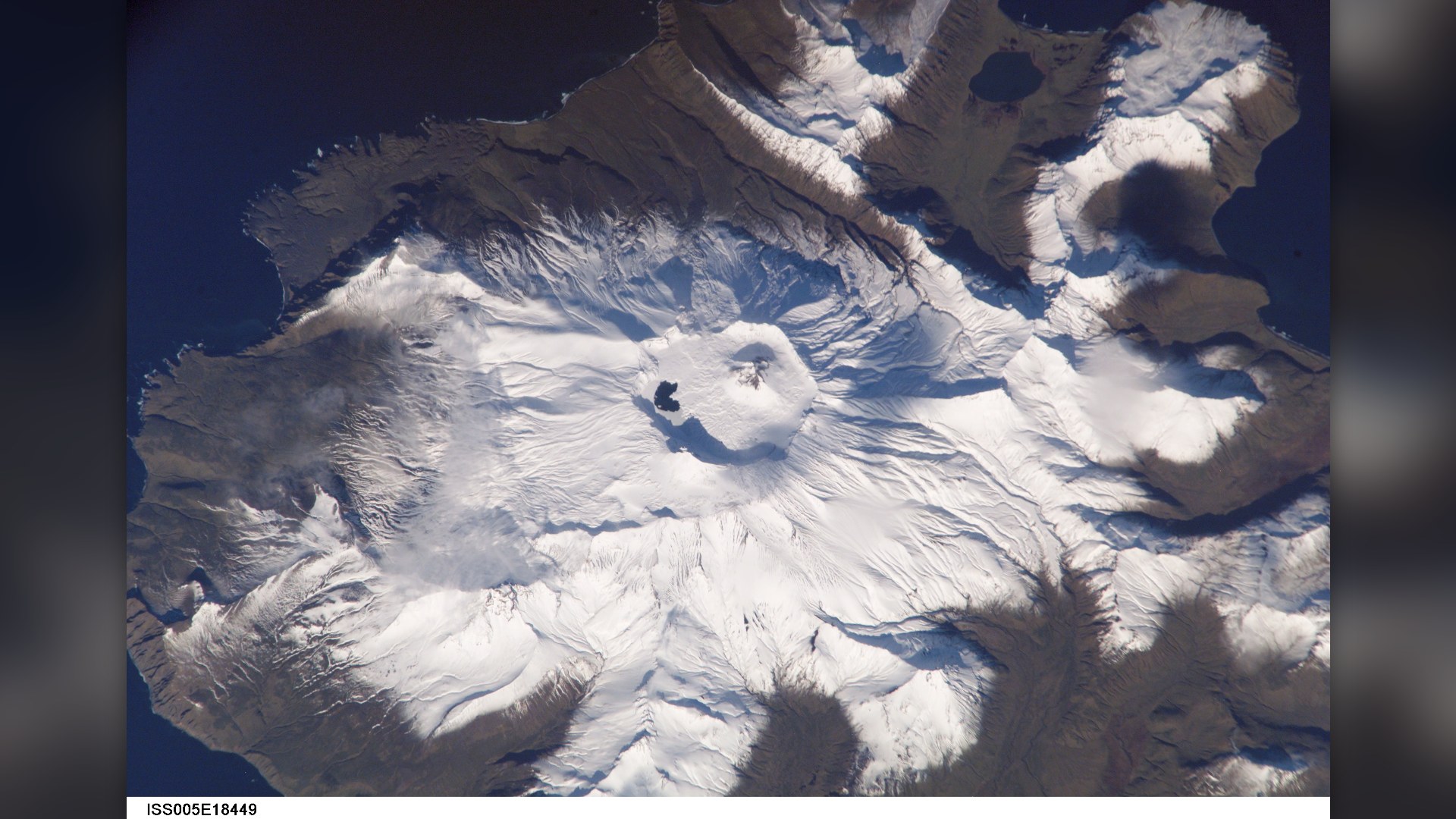
5. Akutan Peak, Alaska
Akutan erupts almost continuously. The remote island volcano experienced thirty-three recorded eruptions since 1790, frequently dusting local seafood settlements and fishing vessels with fine basaltic grit. Active geothermal hot springs bubble around the bay.
©Wikimedia / NASA
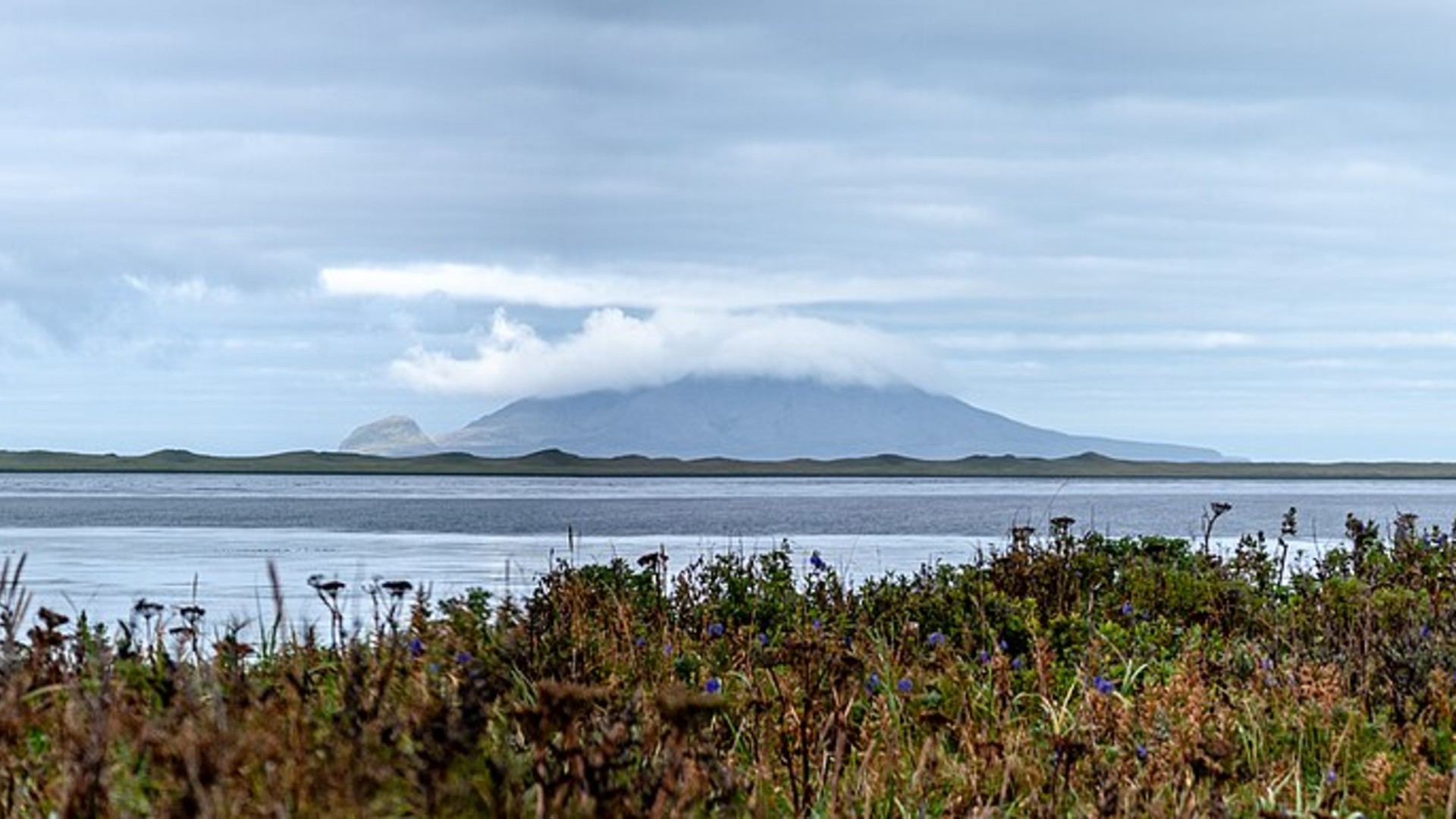
4. Shishaldin Volcano, Alaska
Shishaldin steams like a furnace. Rising nine thousand feet above the Bering Sea, the symmetrical stratovolcano produces near-constant summit steam clouds and spectacular glowing lava fountains. Snow covers the conical slopes year-round.
©Wikimedia / Gordon Leggett
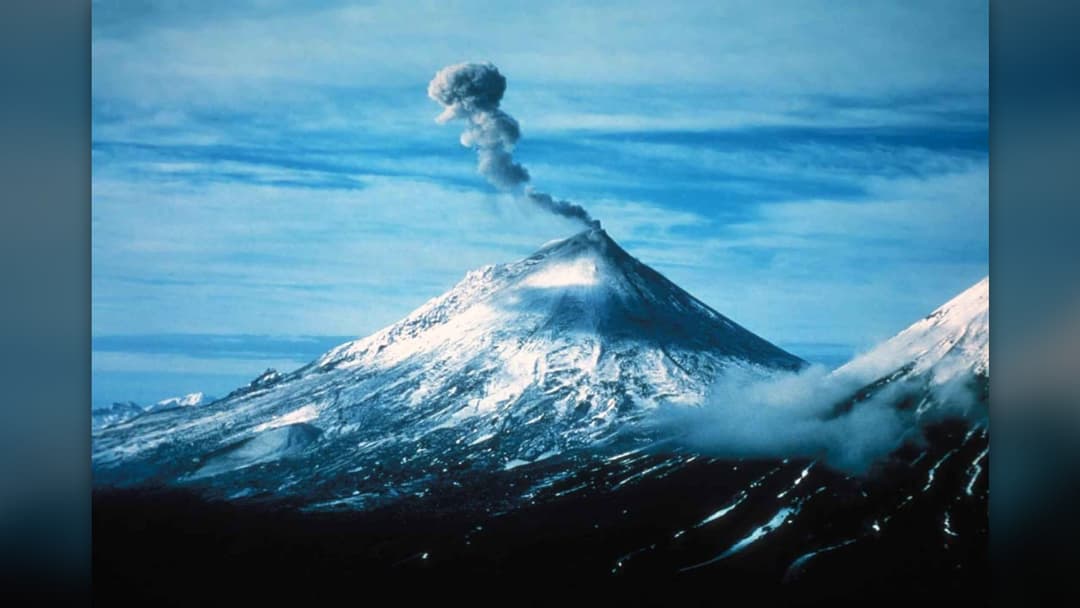
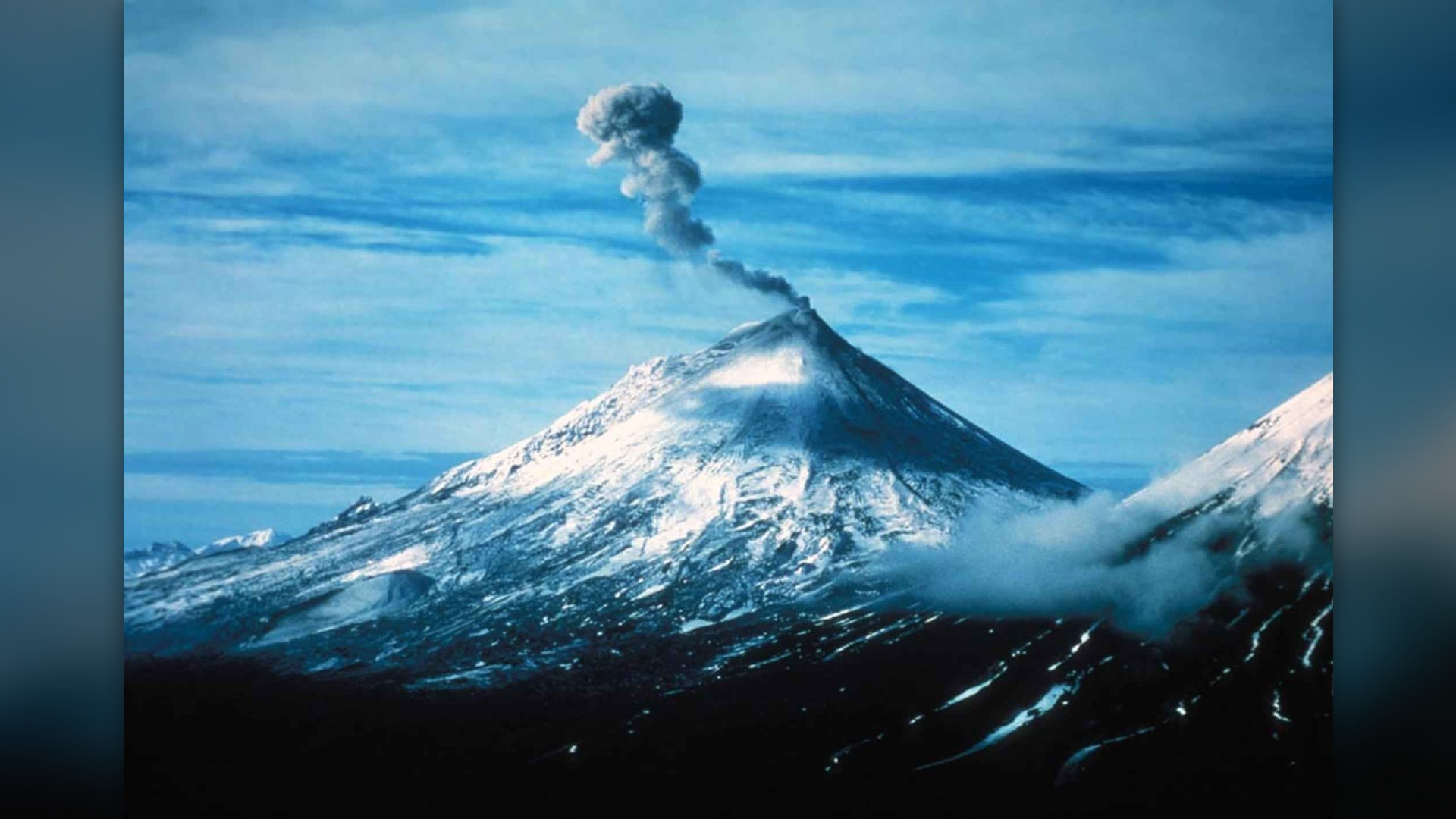
3. Pavlof Volcano, Alaska
Pavlof erupts with fierce rhythm. The eight-thousand-foot peak ranks among the most prolific ash producers in the hemisphere, generating over forty verified eruptive episodes across two centuries. Fast-moving lahars routinely scour the northern flanks.
©Wikimedia / U.S. Fish and Wildlife Service
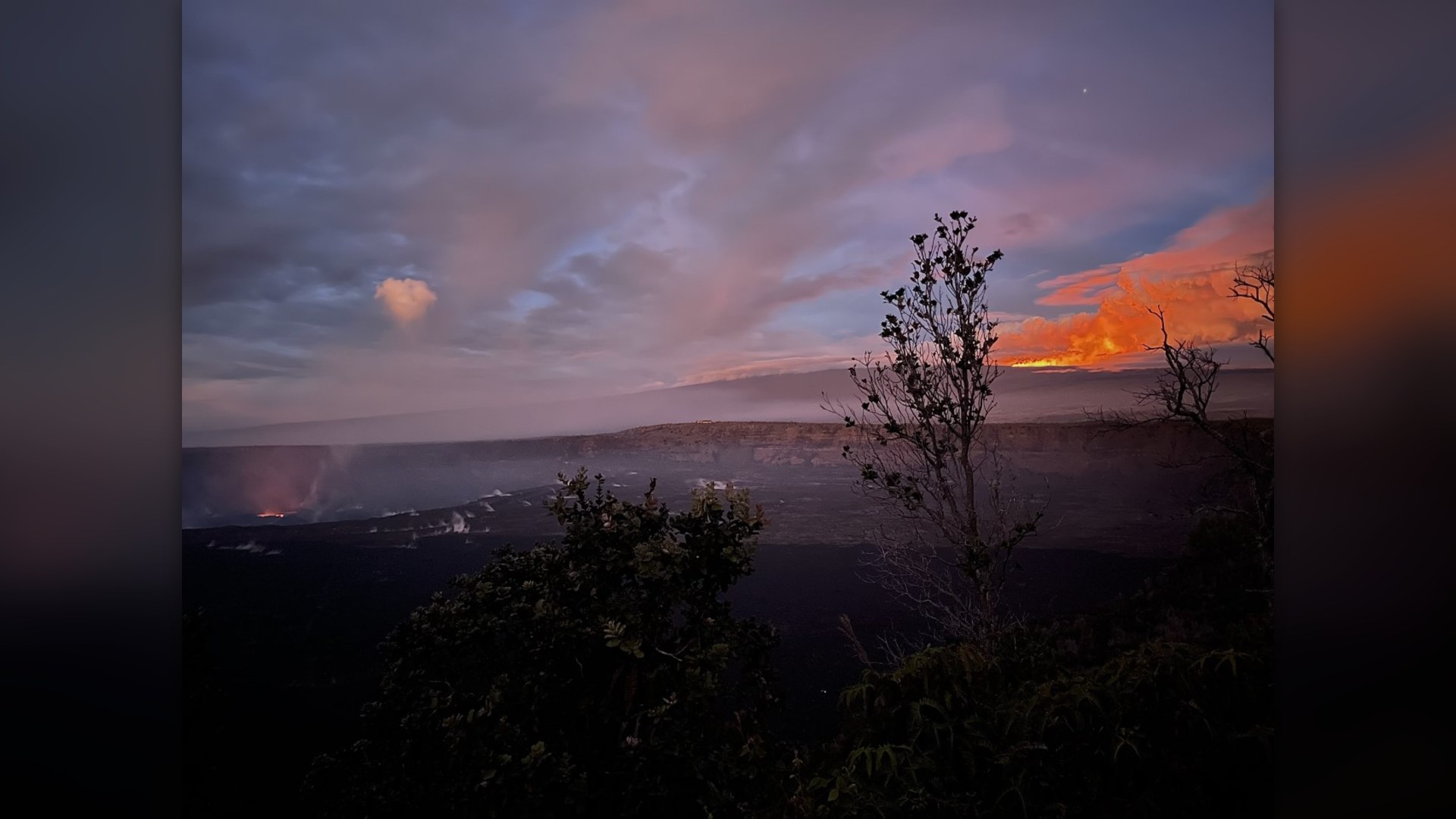
2. Mauna Loa, Hawaii
Mauna Loa commands immense volume. Covering over half of Hawaii Island, this colossal shield volcano has erupted thirty-four times since 1843, sending incandescent lava rivers rushing downslope in 2022. Vast basalt flows stretch from summit to sea.
©Wikimedia / National Park Service
Advertisement
Swipe or tap ▶ to resume the countdown.
1. Kilauea, Hawaii
Kilauea ranks supreme in activity. America's most active volcano has produced sixty-two documented eruptions, sustaining continuous summit activity with vast glowing lava lakes inside Halemaumau. Hawaiian Volcano Observatory scientists monitor every fissure.
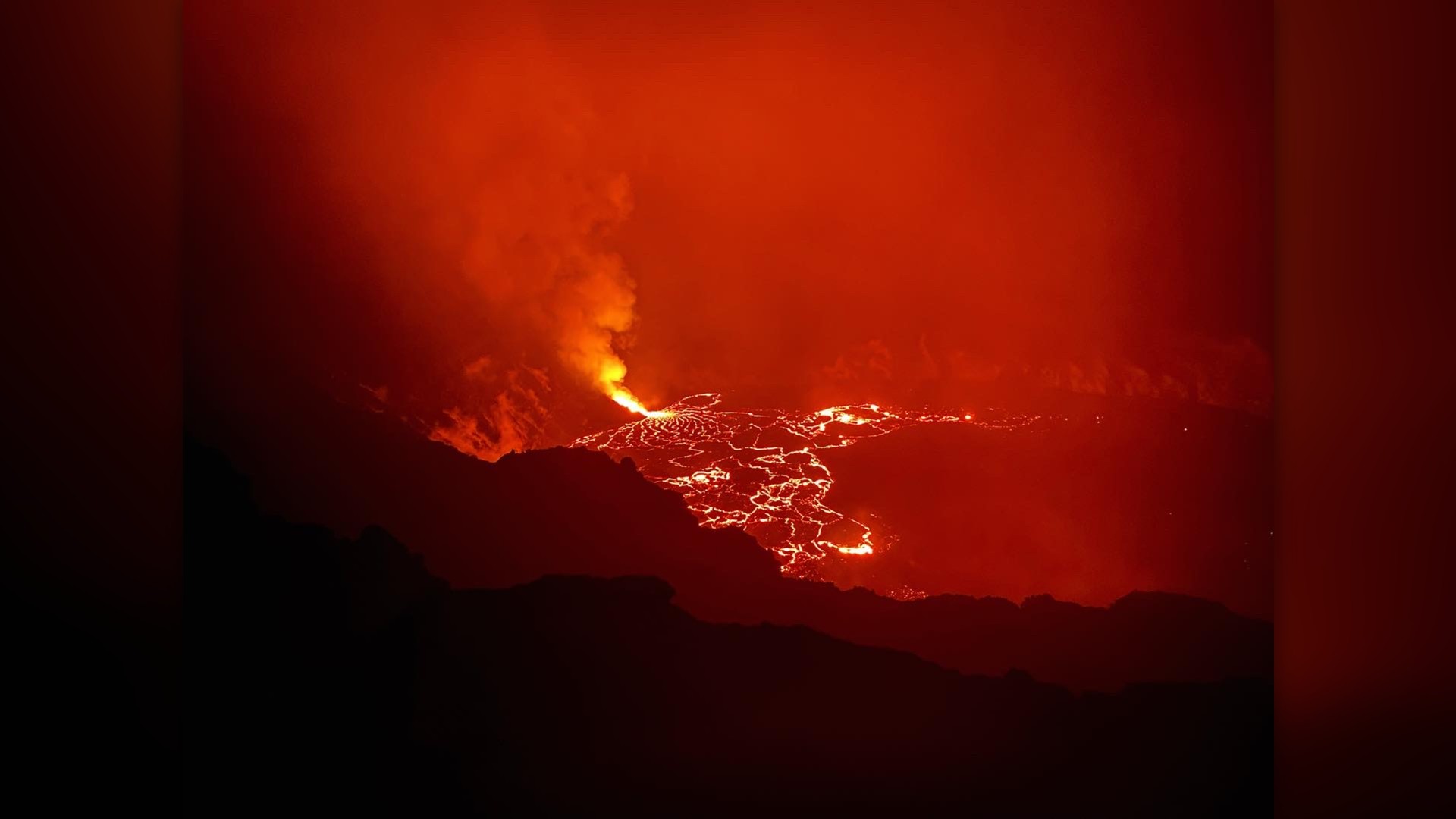
©Wikimedia / Domino721
Advertisement
You've reached the end of the story. Thanks for reading!

22 Natural Herbal Teas and Botanical Infusions Backed by Modern Science
Evaluated in clinical pharmacology and botanical trials, these 22 herbal teas and botanical infusions provide measurable antioxidant, digestive, and cardiovascular benefits. Botanical infusions have served as humanity's earliest medicines.
All 20 Entries in this Story
20. Novarupta, Alaska
Novarupta shattered Katmai in 1912. The colossal blast ejected thirty times more magma than Mount St. Helens, creating the smoking Valley of Ten Thousand Smokes. A fractured rhyolite plug blocks the vent today.

19. Mount Hood, Oregon
Mount Hood crowns Oregon. Lewis and Clark documented steam plumes rising from the crater during their western expedition shortly after the peak's last major eruption in 1805. Twelve active glaciers encase the dormant stratovolcano.

18. Mount Shasta, California
Mount Shasta dominates northern California. French explorer Jean-François de La Pérouse observed smoke plumes rising from the towering peak while sailing down the Pacific coast in 1786. Thermal sulfur springs simmer near the snowy apex.

17. Mount Rainier, Washington
Mount Rainier poses immense hazard. Over twenty-five glaciers wrap the massive summit where heat vents melt sub-ice caves and threaten valleys with catastrophic mudflows. The peak last vented pumice in 1894.

16. Lassen Peak, California
Lassen erupted violently in 1915. The explosive blast launched ash thirty thousand feet into the atmosphere and wiped out surrounding forests during three years of activity. Boiling thermal mud pots bubble across nearby hillsides.

15. Aniakchak Caldera, Alaska
Aniakchak hides remote wilderness. Geologists mapped a catastrophic summit collapse that formed a massive six-mile crater thousands of years before a violent explosive eruption struck in 1931. Surprise Lake fills half the ancient crater floor.

14. Westdahl Volcano, Alaska
Westdahl sleeps beneath glacial ice. The broad Aleutian shield volcano erupted eight recorded times between 1795 and 1991, spewing dark basaltic fissures directly through summit ice caps. Frequent earthquake swarms still rattle the remote peak.

13. Great Sitkin Volcano, Alaska
Great Sitkin builds new domes. Rising from the remote Bering Sea, the steep composite volcano began extruding thick blocks of lava within its summit crater in 2021. Steam plumes rise continuously above the rugged ridge.

12. Okmok Caldera, Alaska
Okmok erupted twelve times. The six-mile circular cauldron unleashed violent ash plumes and lava fountain curtains across Umnak Island during its most recent explosive event in 2008. Multiple cinder cones punctuate the wide ash floor.

11. Mount Veniaminof, Alaska
Veniaminof shelters an icy caldera. An active cinder cone pokes directly through an expansive eight-mile summit ice field that periodically sends dark ash clouds drifting over the Alaska Peninsula. USGS webcams track regular venting from the cone.

10. Mount Spurr, Alaska
Mount Spurr dusted Anchorage. Located eighty miles west of Anchorage, the snowcapped peak blasted ash sixty thousand feet high during dramatic eruptions in 1953 and 1992. Crater Peak forms its primary active sub-vent.

9. Mount Redoubt, Alaska
Redoubt unleashes explosive force. The ten-thousand-foot Cook Inlet giant generated dangerous pyroclastic flows and towering ash clouds that disrupted international aviation routes during major 1989 and 2009 outbursts. Scientists monitor the smoking dome with seismic arrays.

8. Augustine Volcano, Alaska
Augustine forms an oceanic island. Repeated explosive cycles built a cluster of steep lava domes that collapsed into Cook Inlet, generating small tsunami waves in 1883. Seismic sensors ring the restless island shoreline.

7. Mount St. Helens, Washington
St. Helens reshaped American geology. The catastrophic May 1980 eruption sheared thirteen hundred feet off the mountain summit and flattened hundreds of square miles of dense forest within minutes. A massive horseshoe crater now shelters growing glaciers.

6. Cleveland Volcano, Alaska
Cleveland vents without warning. Astronauts aboard the International Space Station famously photographed its steep slopes ejecting a dramatic ash column above the Aleutian Islands in 2006. Frequent thermal spikes show hot lava near the surface.

5. Akutan Peak, Alaska
Akutan erupts almost continuously. The remote island volcano experienced thirty-three recorded eruptions since 1790, frequently dusting local seafood settlements and fishing vessels with fine basaltic grit. Active geothermal hot springs bubble around the bay.

4. Shishaldin Volcano, Alaska
Shishaldin steams like a furnace. Rising nine thousand feet above the Bering Sea, the symmetrical stratovolcano produces near-constant summit steam clouds and spectacular glowing lava fountains. Snow covers the conical slopes year-round.

3. Pavlof Volcano, Alaska
Pavlof erupts with fierce rhythm. The eight-thousand-foot peak ranks among the most prolific ash producers in the hemisphere, generating over forty verified eruptive episodes across two centuries. Fast-moving lahars routinely scour the northern flanks.

2. Mauna Loa, Hawaii
Mauna Loa commands immense volume. Covering over half of Hawaii Island, this colossal shield volcano has erupted thirty-four times since 1843, sending incandescent lava rivers rushing downslope in 2022. Vast basalt flows stretch from summit to sea.

1. Kilauea, Hawaii
Kilauea ranks supreme in activity. America's most active volcano has produced sixty-two documented eruptions, sustaining continuous summit activity with vast glowing lava lakes inside Halemaumau. Hawaiian Volcano Observatory scientists monitor every fissure.