Slideshow · Science
22 Ancient Lost Cities Rediscovered in the Last Century
Based on UNESCO World Heritage archives and archaeological survey records, here are 22 ancient lost cities that were uncovered after centuries of complete obscurity.
By Most Viral Today
33 min ago

Buried beneath dense jungles and drifting sand, these ancient cities resurfaced 
22. Ciudad Perdida In Colombia 
21. Skara Brae In Scotland 
20. Volubilis In Morocco - AdvertisementSwipe or tap ▶ to continue countdown

19. Timgad In Algeria 
18. Baalbek In Lebanon 
17. Mohenjo Daro In Pakistan 
16. Great Zimbabwe In Zimbabwe - AdvertisementSwipe or tap ▶ to continue countdown

15. Hattusa In Turkey 
14. Akrotiri In Santorini 
13. Derinkuyu Underground City In Turkey 
12. Palenque In Mexico - AdvertisementSwipe or tap ▶ to continue countdown

11. Hampi In India 
10. Mesa Verde Cliff Palace In Colorado 
9. Chichen Itza In Mexico 
8. Ephesus In Turkey - AdvertisementSwipe or tap ▶ to continue countdown

7. Tikal In Guatemala 
6. Persepolis In Iran 
5. Teotihuacan In Mexico 
4. Petra In Jordan - AdvertisementSwipe or tap ▶ to continue countdown

3. Machu Picchu In Peru 
2. Angkor Wat In Cambodia 
1. Pompeii In Italy - Advertisement🔥 UP NEXT IN THIS SERIES◫ 23 Slides

22 Natural Herbal Teas and Botanical Infusions Backed by Modern Science
Evaluated in clinical pharmacology and botanical trials, these 22 herbal teas and botanical infusions provide measurable antioxidant, digestive, and cardiovascular benefits. Botanical infusions have served as humanity's earliest medicines.
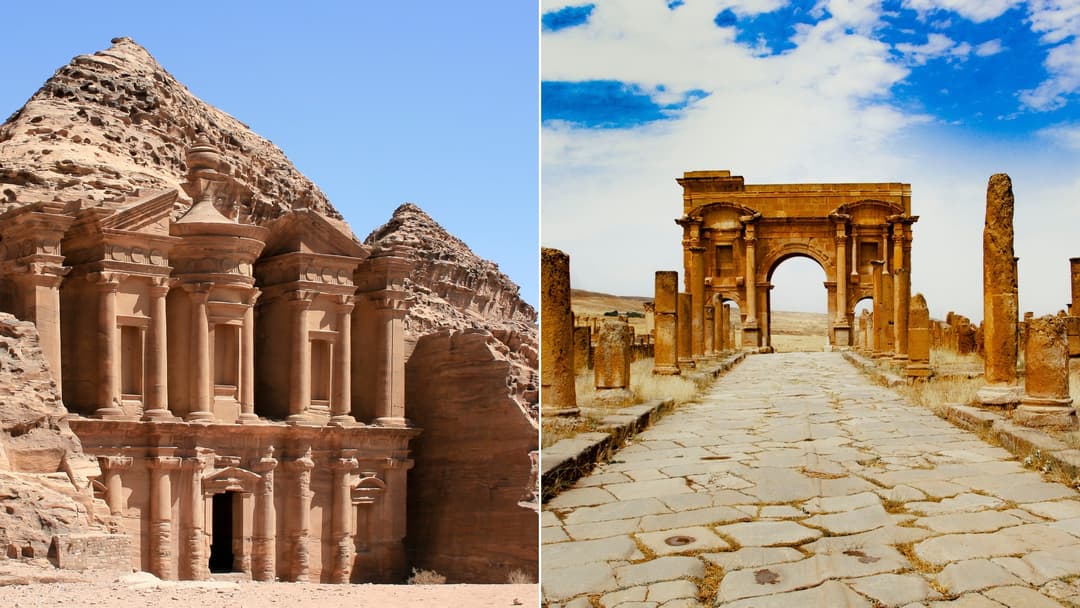
Drawing on UNESCO World Heritage documentation and archaeological survey records, this countdown traces 22 forgotten ancient metropolises that were rediscovered after centuries beneath sand, jungle, and ash.
Swipe or tap ▶ to begin the countdown
©Wikimedia / Diego Delso & Wikimedia / Yane Casouf
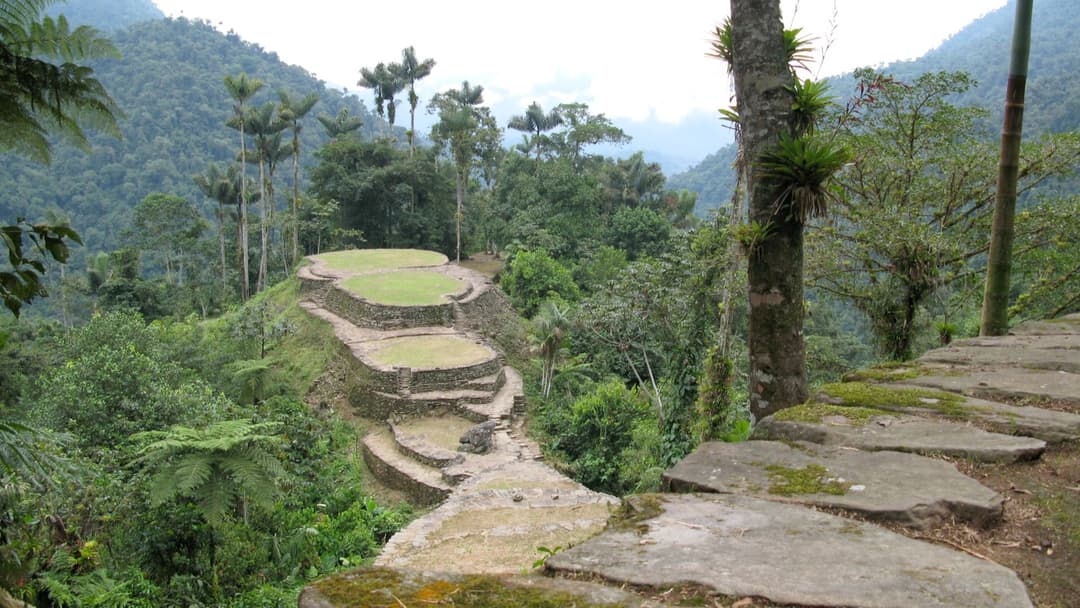
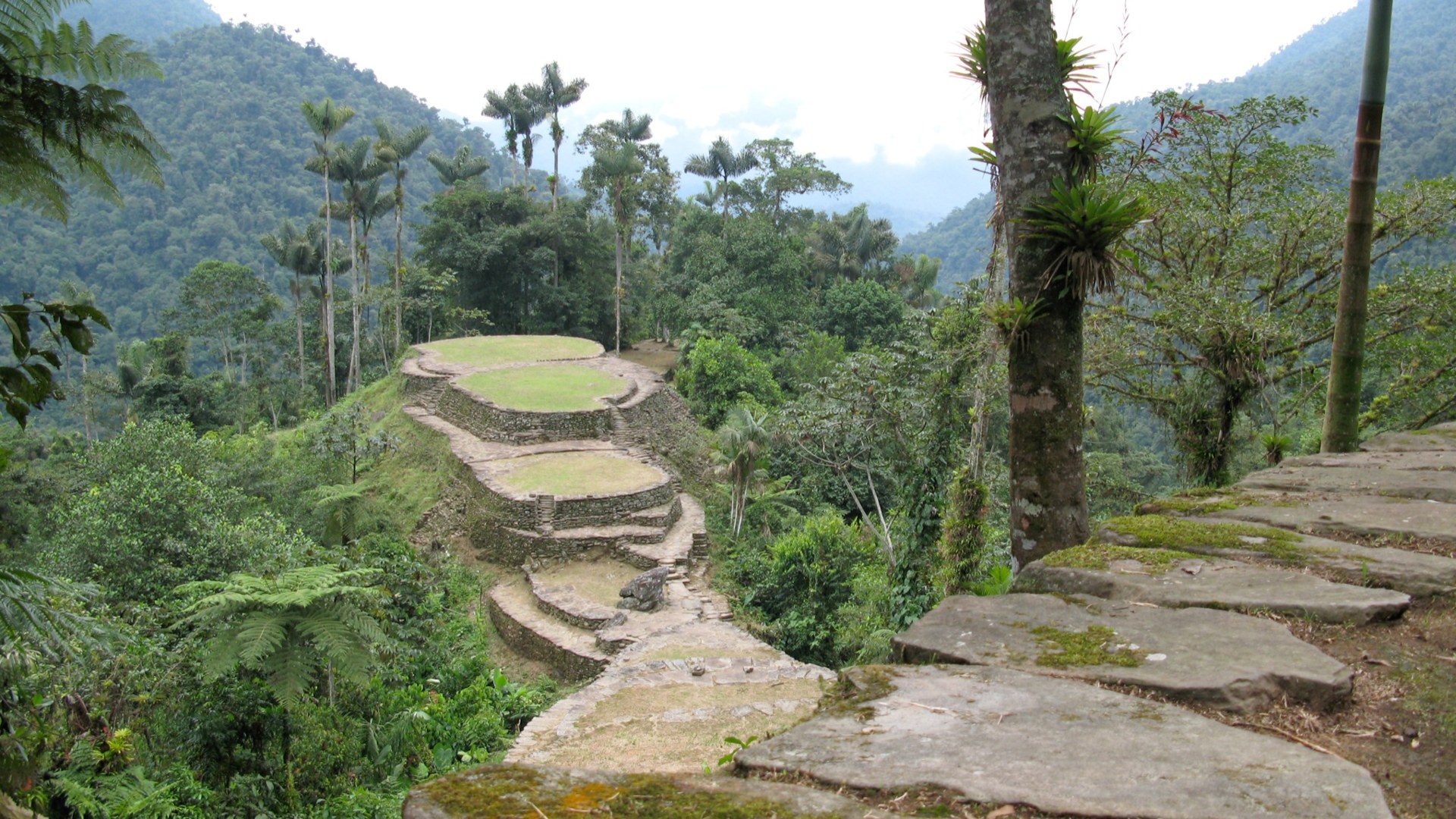
22. Ciudad Perdida In Colombia
Looters hunting antique gold uncovered moss-covered stone stairs in 1972. Dense rainforest hid everything. The ancient Tayrona settlement predated Machu Picchu by six centuries, featuring circular terraces carved into steep mountain ridges.
©Wikimedia / Gavin Rough from Waterloo, Canada
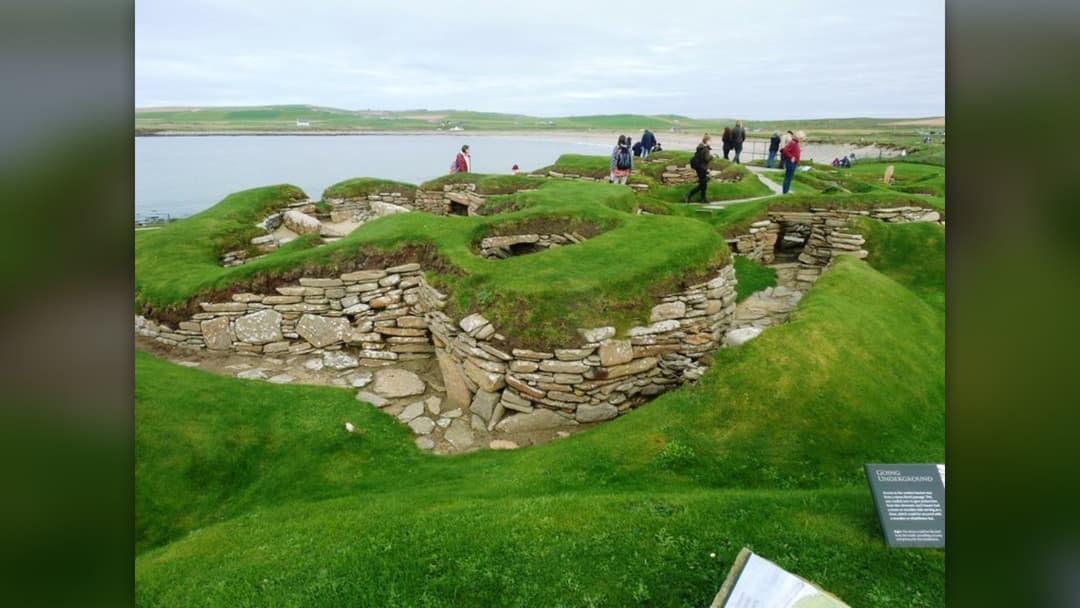
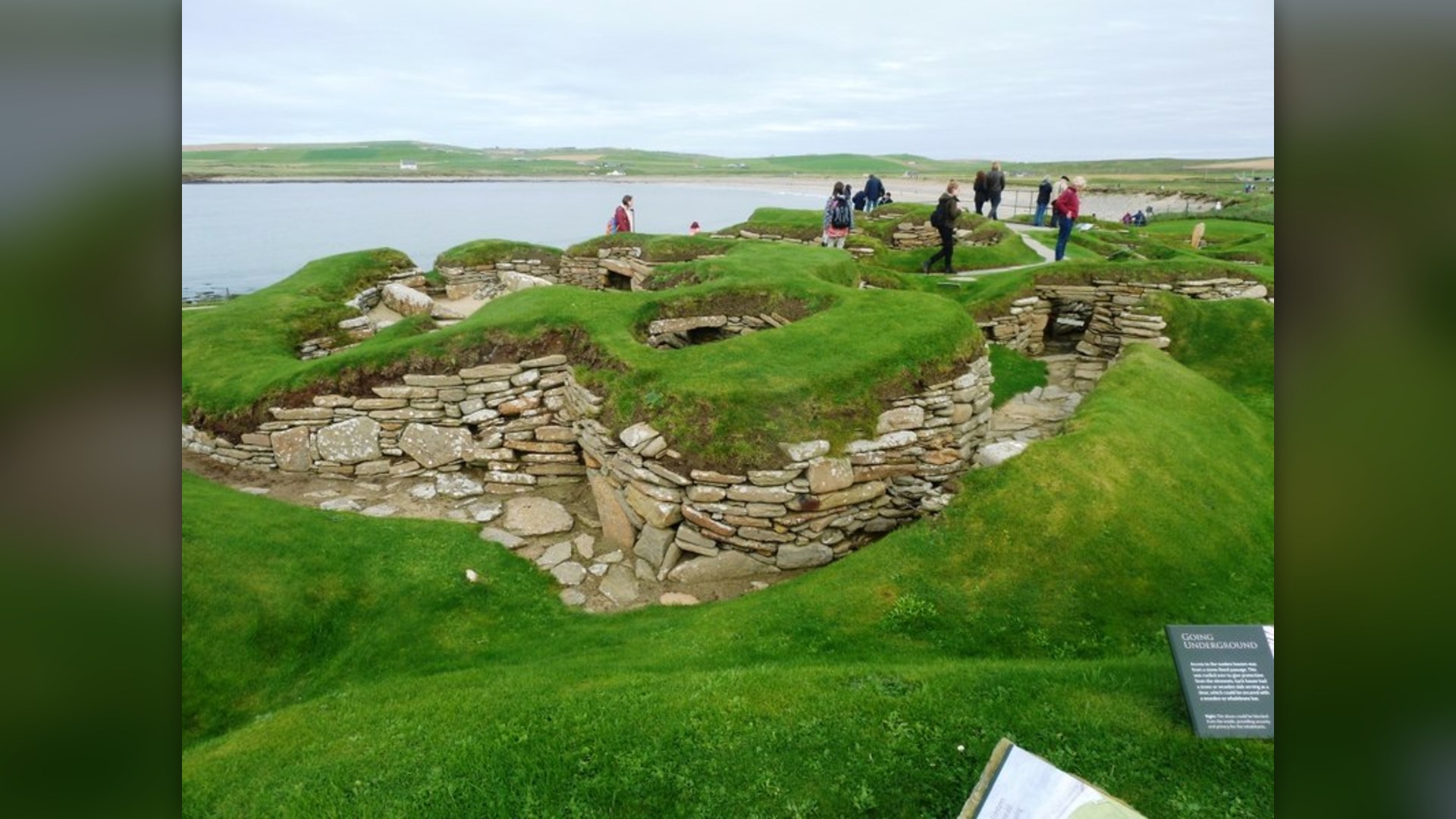
21. Skara Brae In Scotland
A violent storm battered the Bay of Skaill in 1850. Wind stripped the grass. Locals discovered eight interconnected Neolithic houses with stone beds, hearths, and cupboards that thrived five thousand years ago.
©Wikimedia / Clint Mann
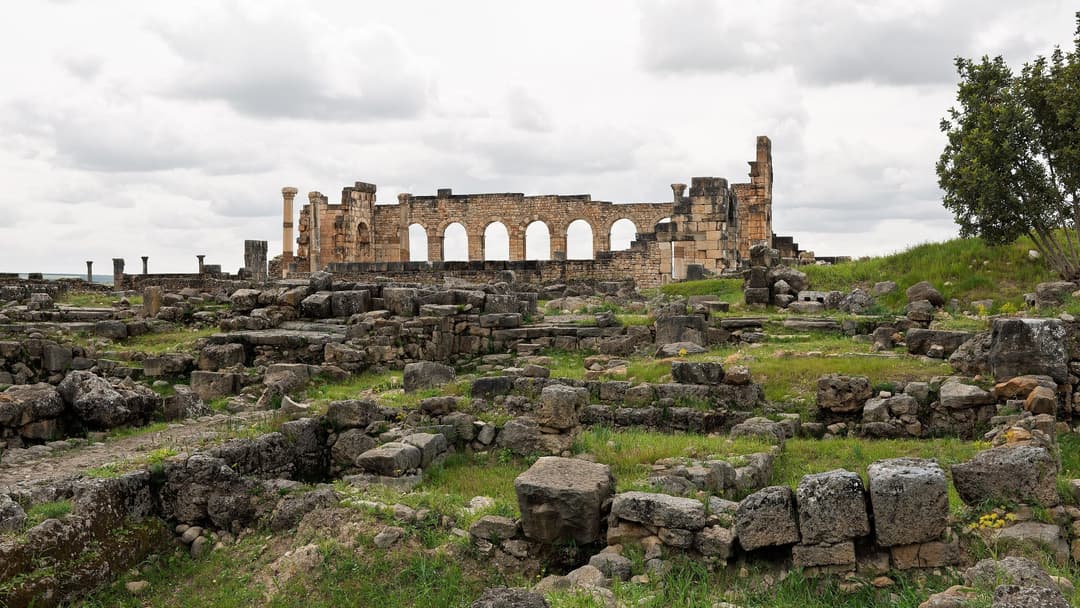
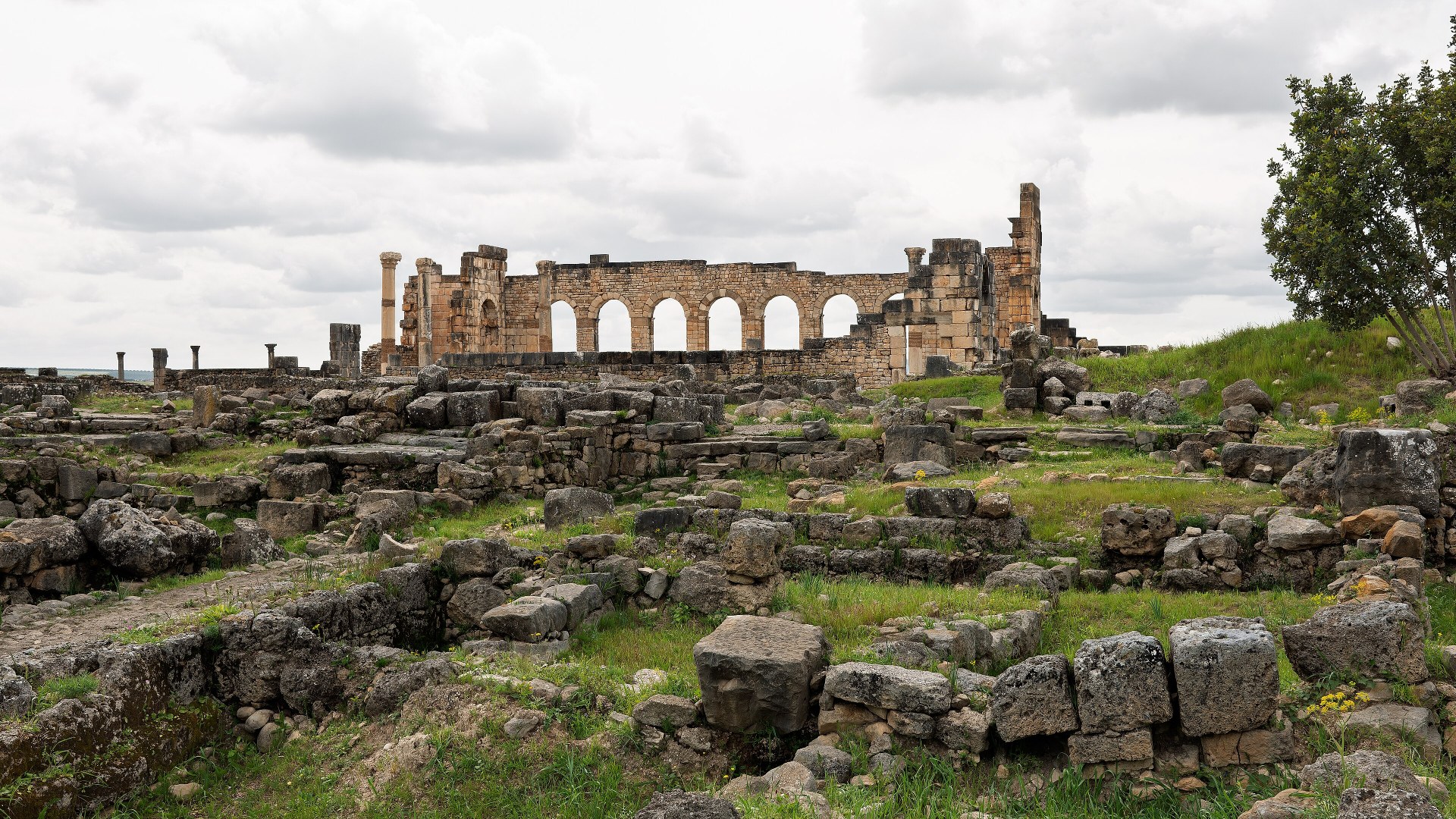
20. Volubilis In Morocco
French excavators arrived during the First World War. Earth covered the basilica. Diggers gradually revealed intact Roman mosaics, public baths, and triumphal arches that once anchored an empire's African olive trade.
©Wikimedia / Mustang Joe
Advertisement
Swipe or tap ▶ to resume the countdown.
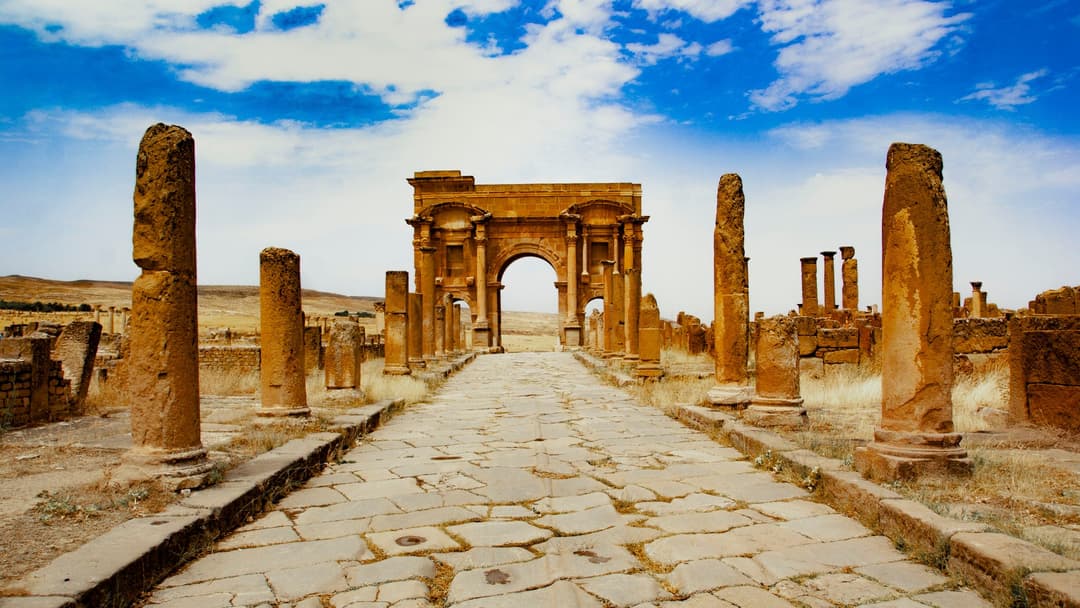
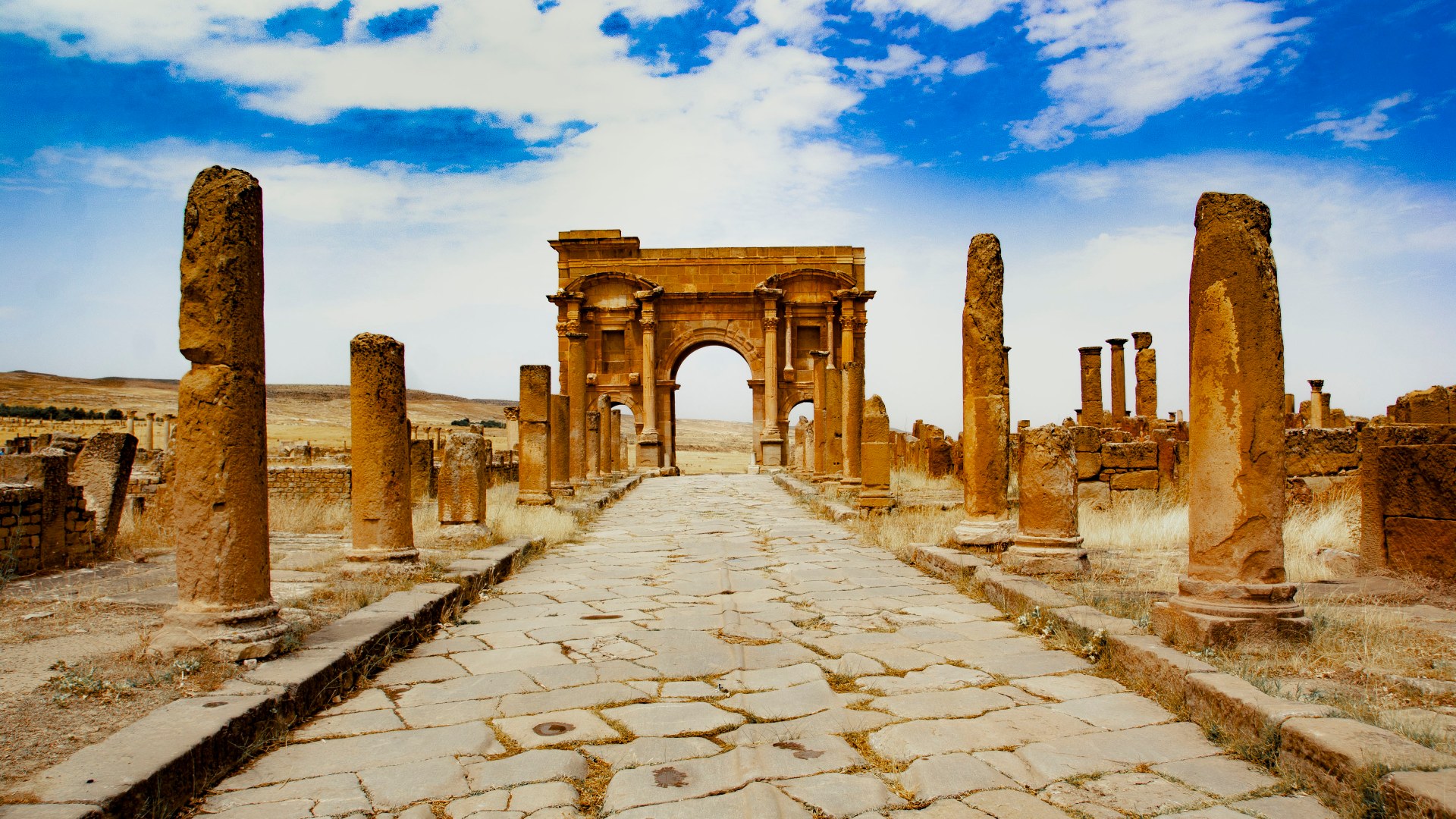
19. Timgad In Algeria
Desert sands swallowed Emperor Trajan's military colony for a millennium. James Bruce located the arch in 1765. Extensive French excavations exposed a grid street plan, a theater, and public libraries.
©Wikimedia / Yane Casouf
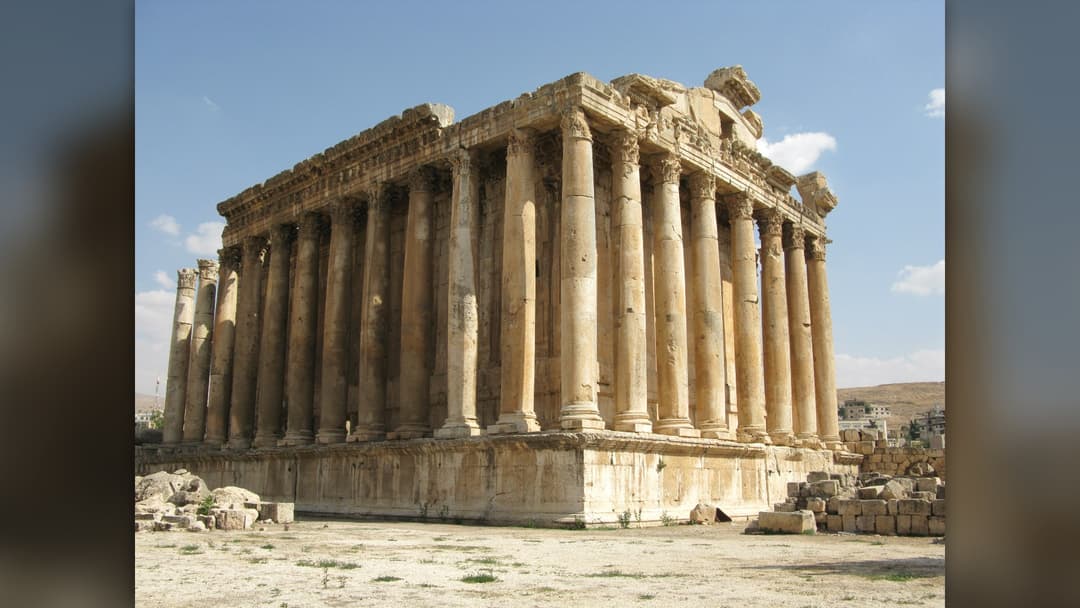
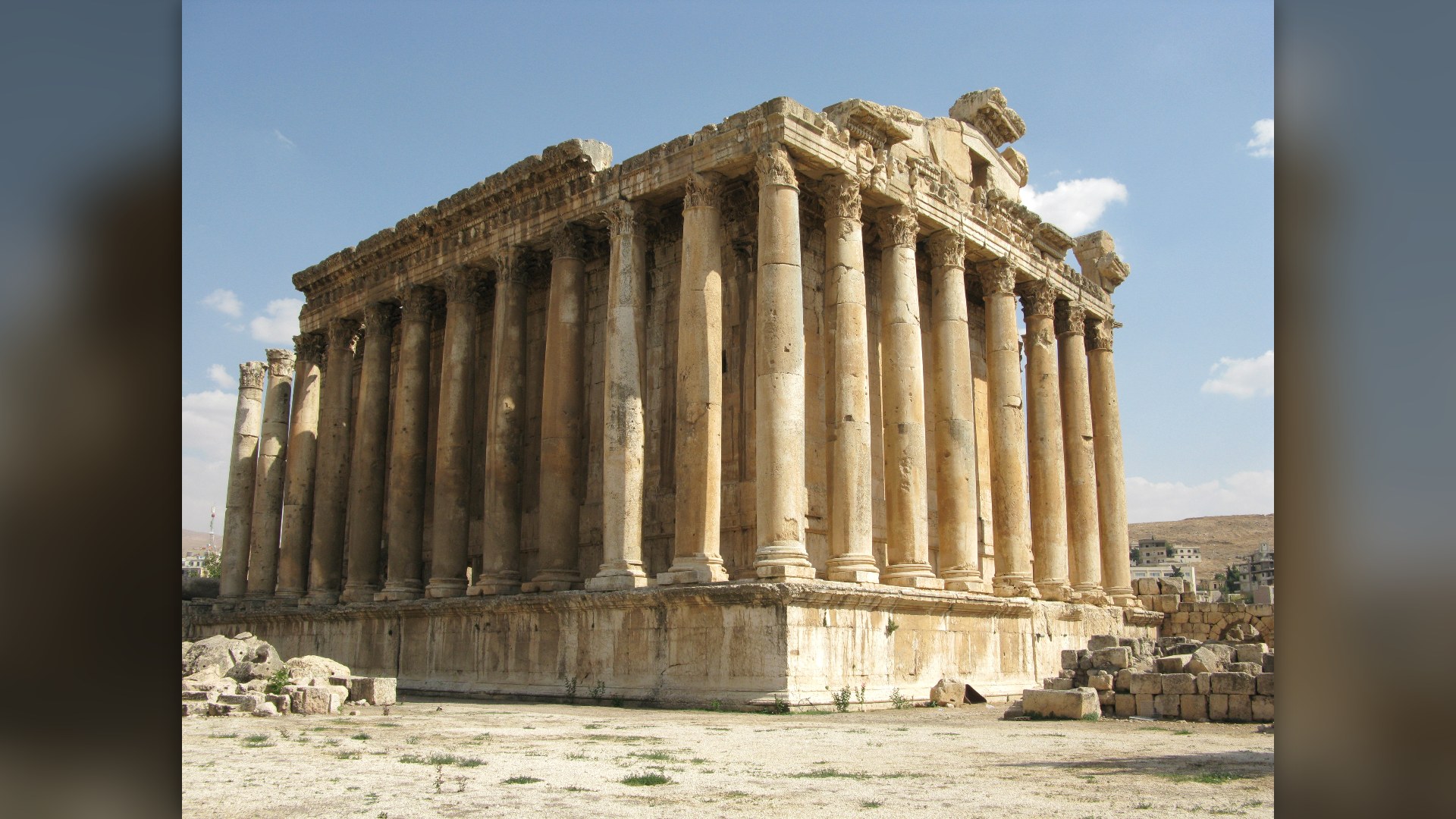
18. Baalbek In Lebanon
Kaiser Wilhelm II funded the initial excavation in 1898. Centuries of dirt vanished. Scholars uncovered eighty-foot stone columns and the Temple of Bacchus, celebrated as the best-preserved Roman religious shrine.
©Wikimedia / Vyacheslav Argenberg
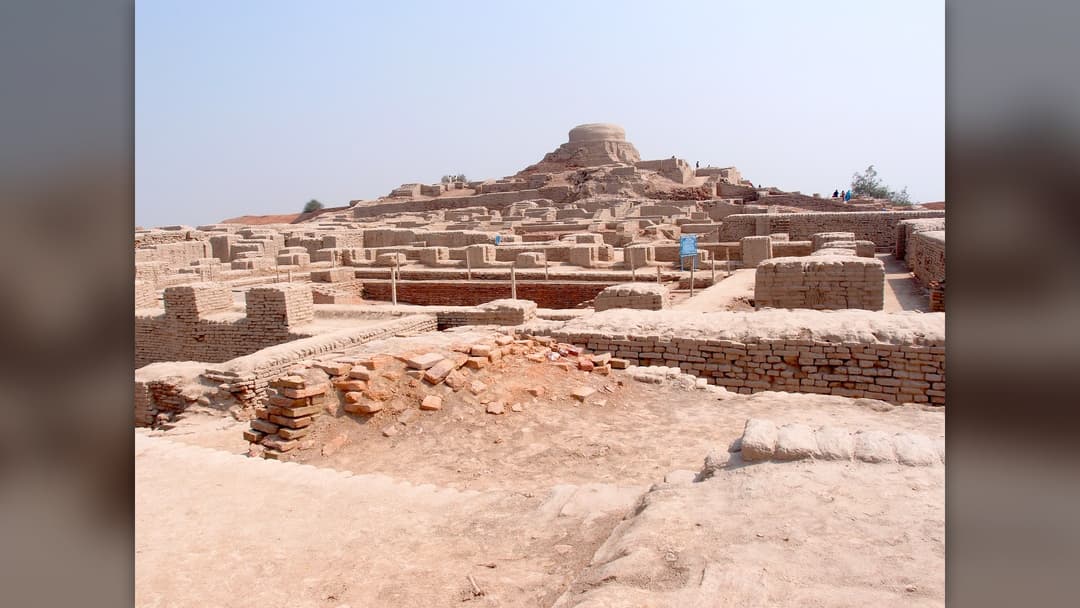
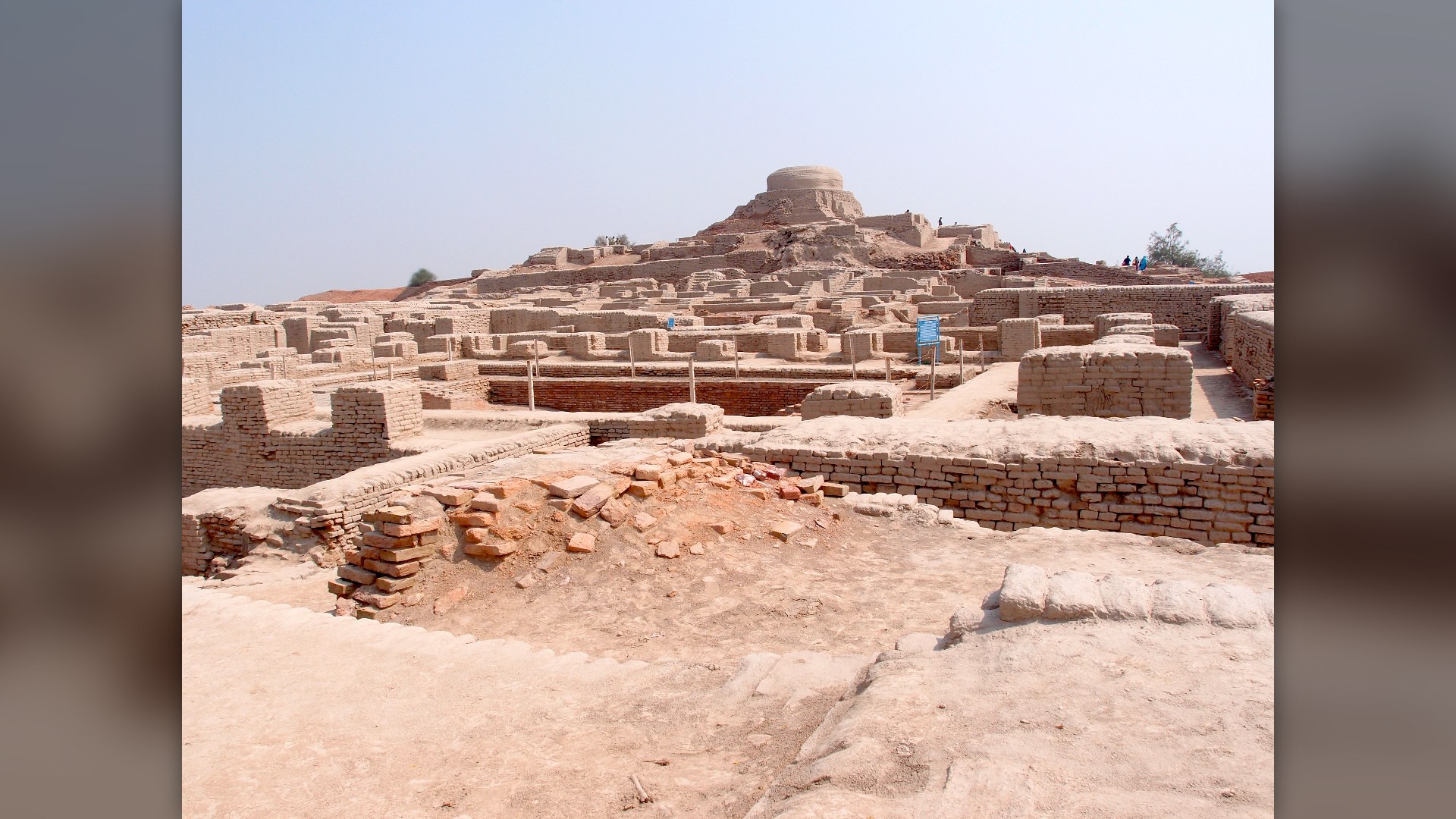
17. Mohenjo Daro In Pakistan
R.D. Banerji surveyed the dry Sindh plains in 1922. Baked bricks lined the ground. What emerged was a planned Bronze Age city with covered sewer lines and a monumental public water bath.
©Wikimedia / Mohenjo-daro
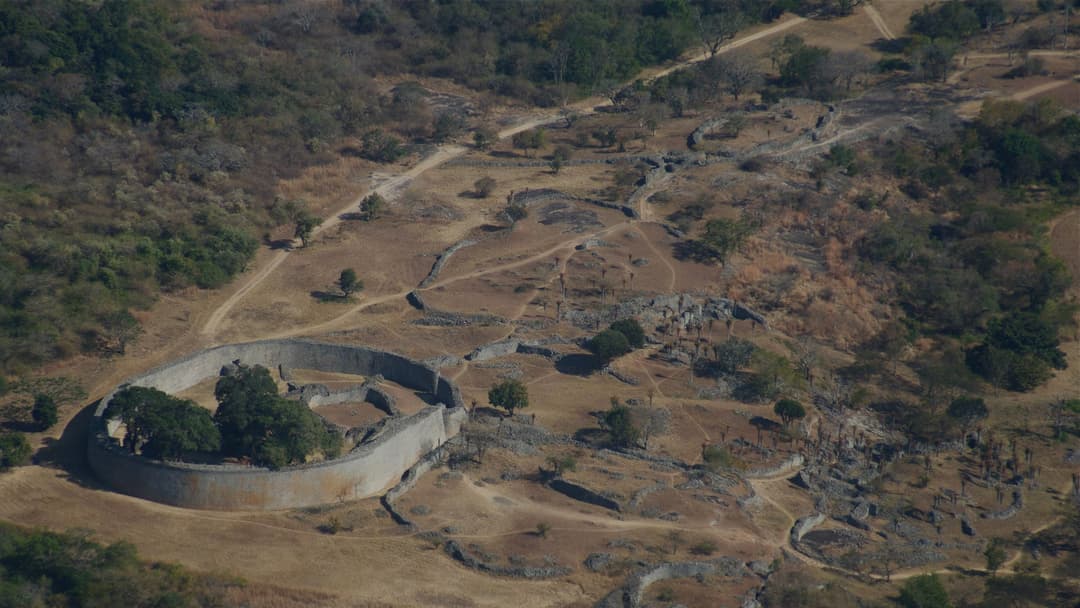
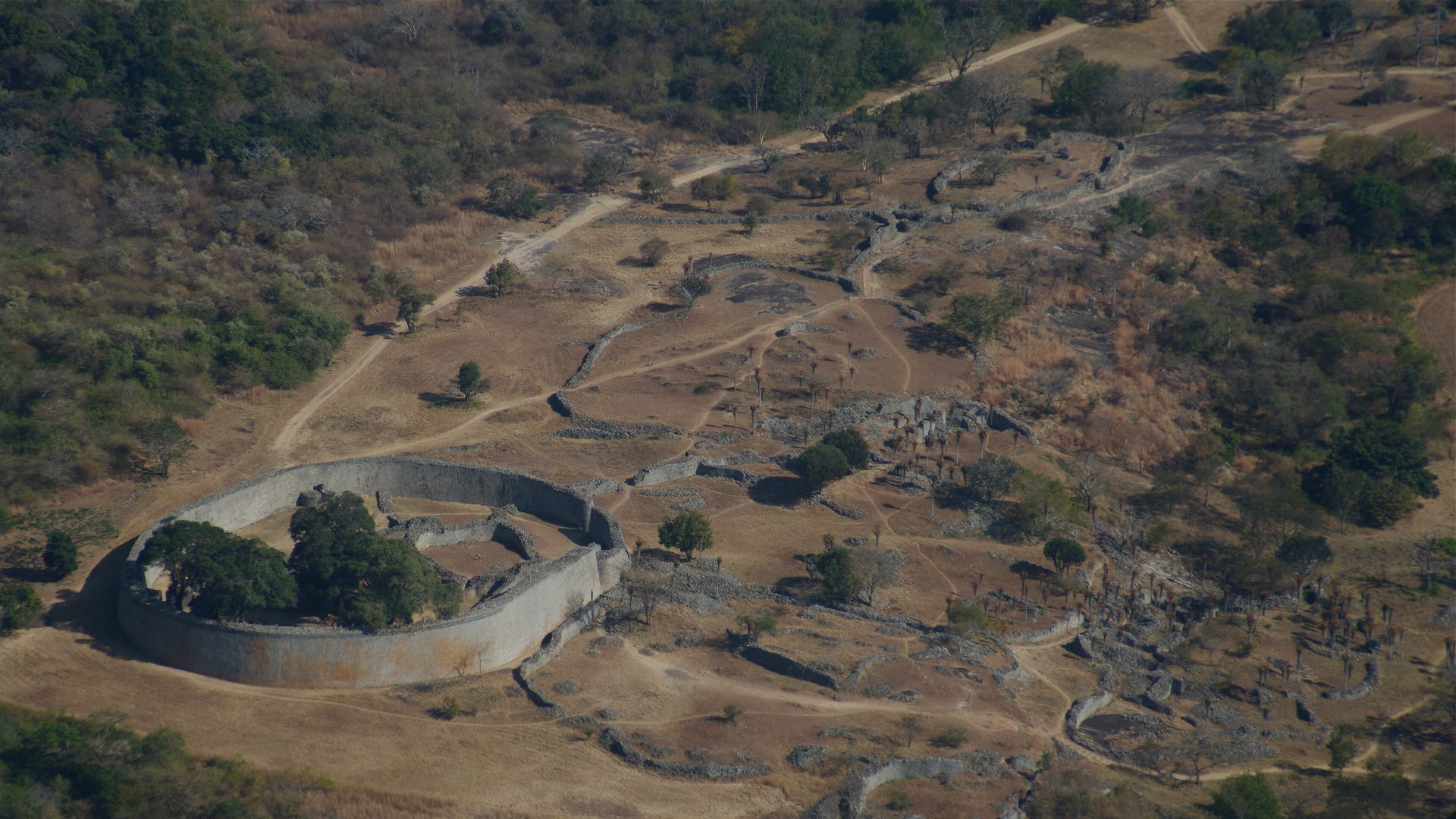
16. Great Zimbabwe In Zimbabwe
European travelers initially refused to believe African architects built the site. Evidence proved them wrong. Medieval Shona masons fitted curved granite walls thirty feet high without mortar, housing twenty thousand citizens.
©Wikimedia / Janice Bell
Advertisement
Swipe or tap ▶ to resume the countdown.
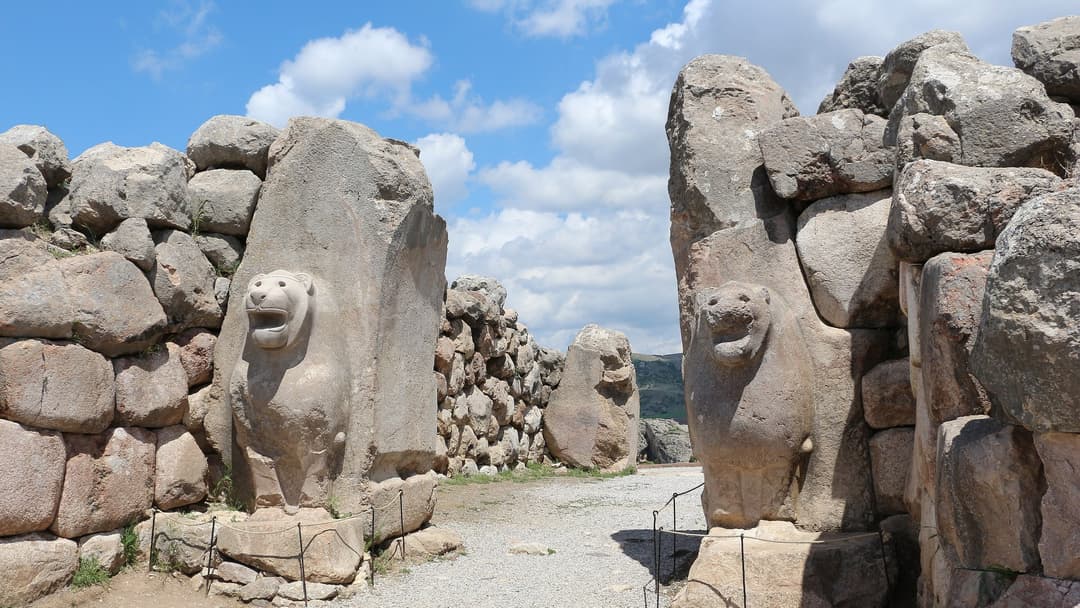
15. Hattusa In Turkey
Hugo Winckler began digging near Boğazkale in 1906. Cuneiform tablets filled the dirt. The team found the capital of the Hittite Empire, including the famous Lion Gate and the world's oldest peace treaty.
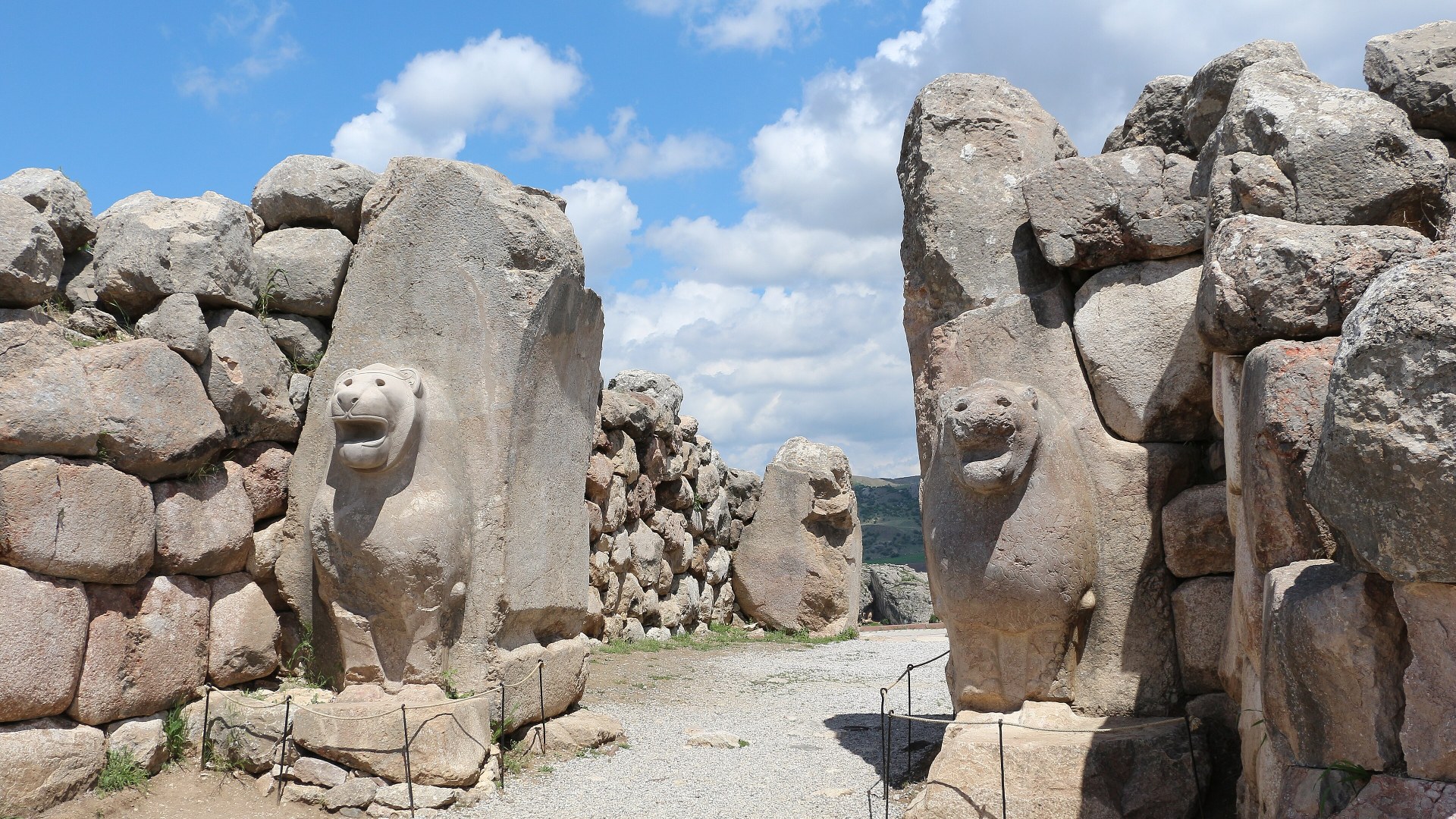
©Wikimedia / Bernard Gagnon
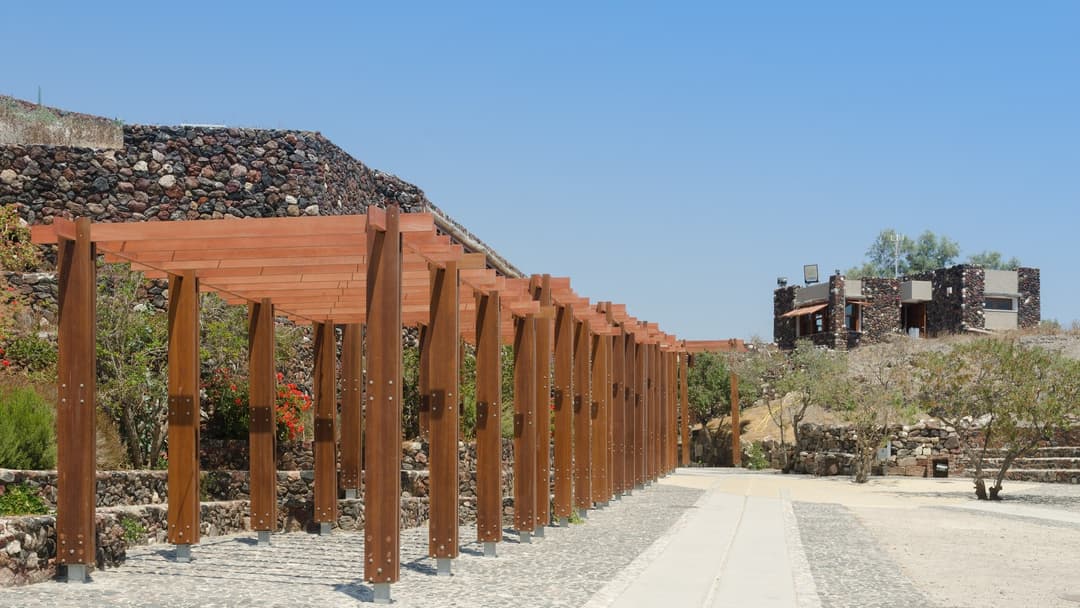
14. Akrotiri In Santorini
Spyridon Marinatos tested a hunch in 1967. Volcanic ash protected everything. Excavations revealed multi-story villas, indoor plumbing, and colorful frescoes sealed during the catastrophic seventeenth-century BCE Thera eruption.
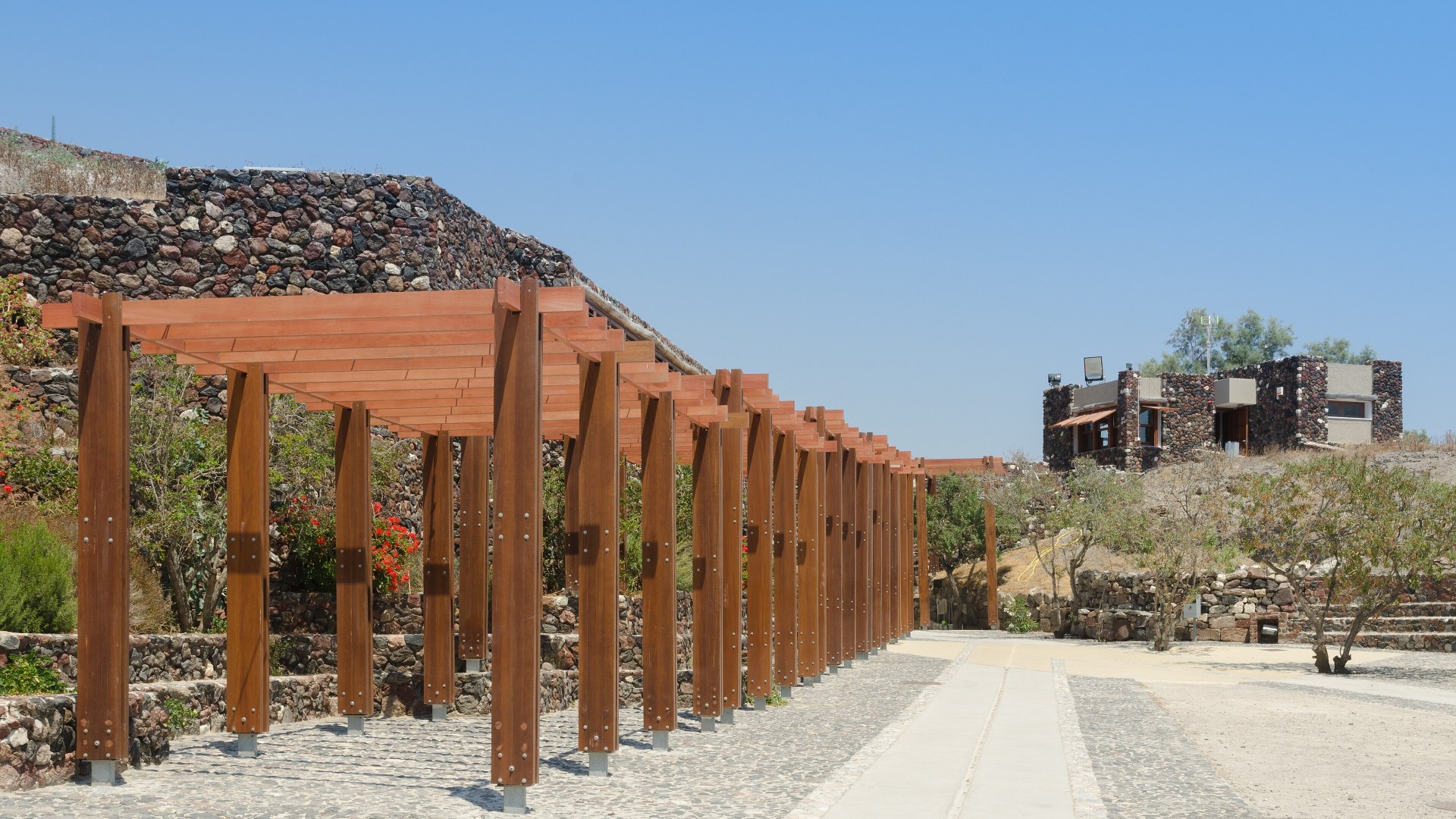
©Wikimedia / Norbert Nagel
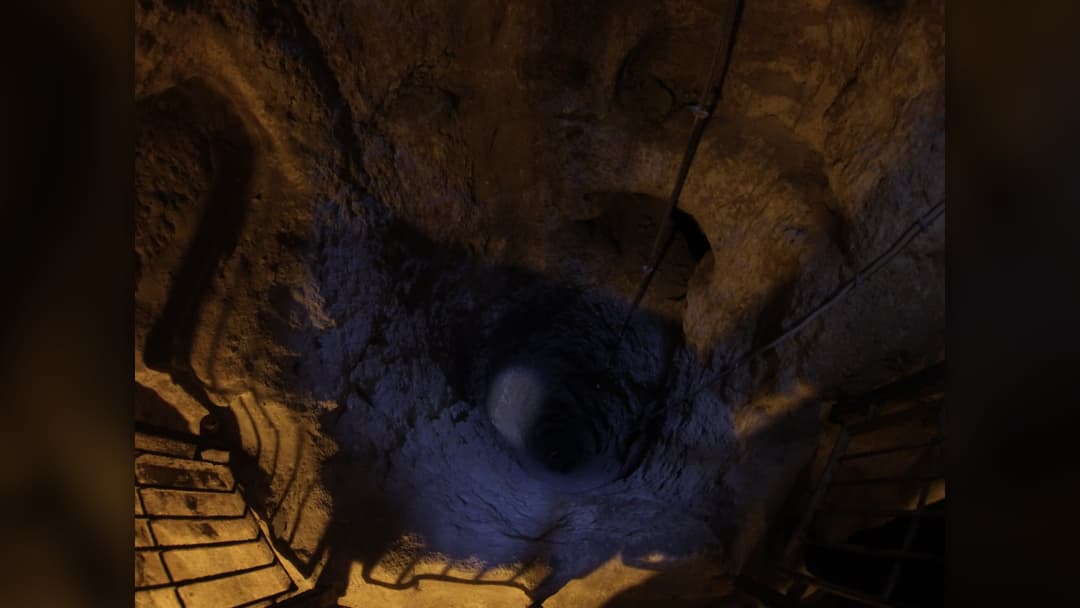
13. Derinkuyu Underground City In Turkey
A local villager knocked down a cellar wall in 1963. Darkness stretched downward. The accidental breach revealed an eighteen-level subterranean city carved into volcanic tuff, equipped to shelter twenty thousand refugees with livestock.
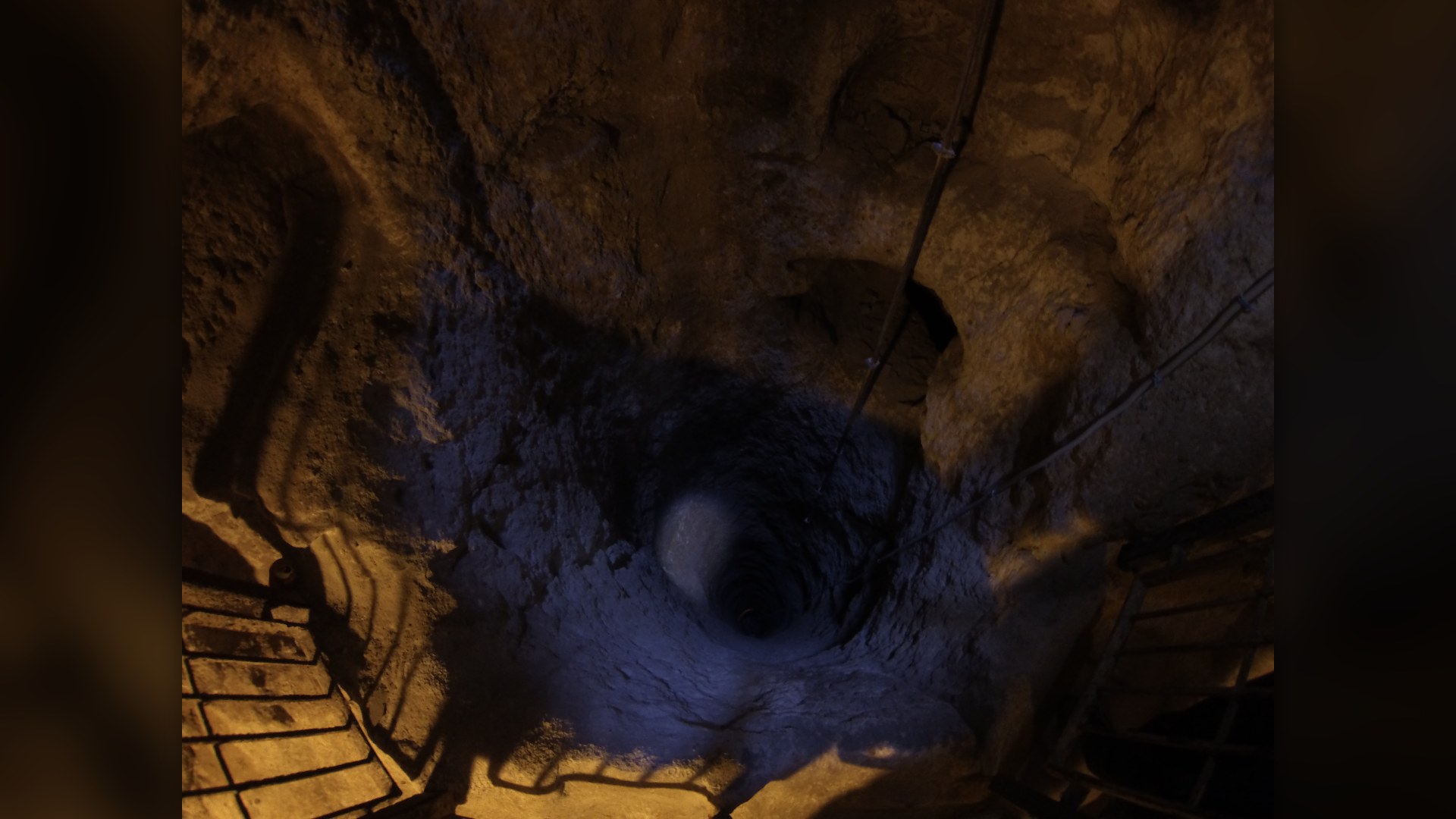
©Wikimedia / Nevit Dilmen (talk)
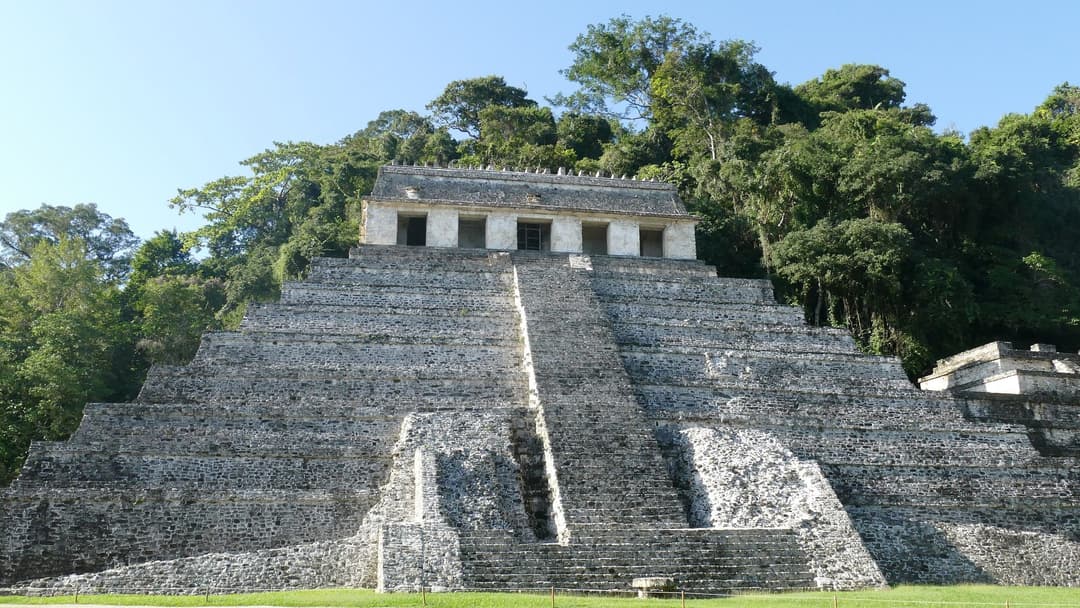
12. Palenque In Mexico
Alberto Ruz spent four seasons clearing stone rubble beneath the temple floor. A hidden stairway opened. In 1952, he entered the jade-filled burial chamber of Maya ruler Pakal the Great, rewriting Mesoamerican history.
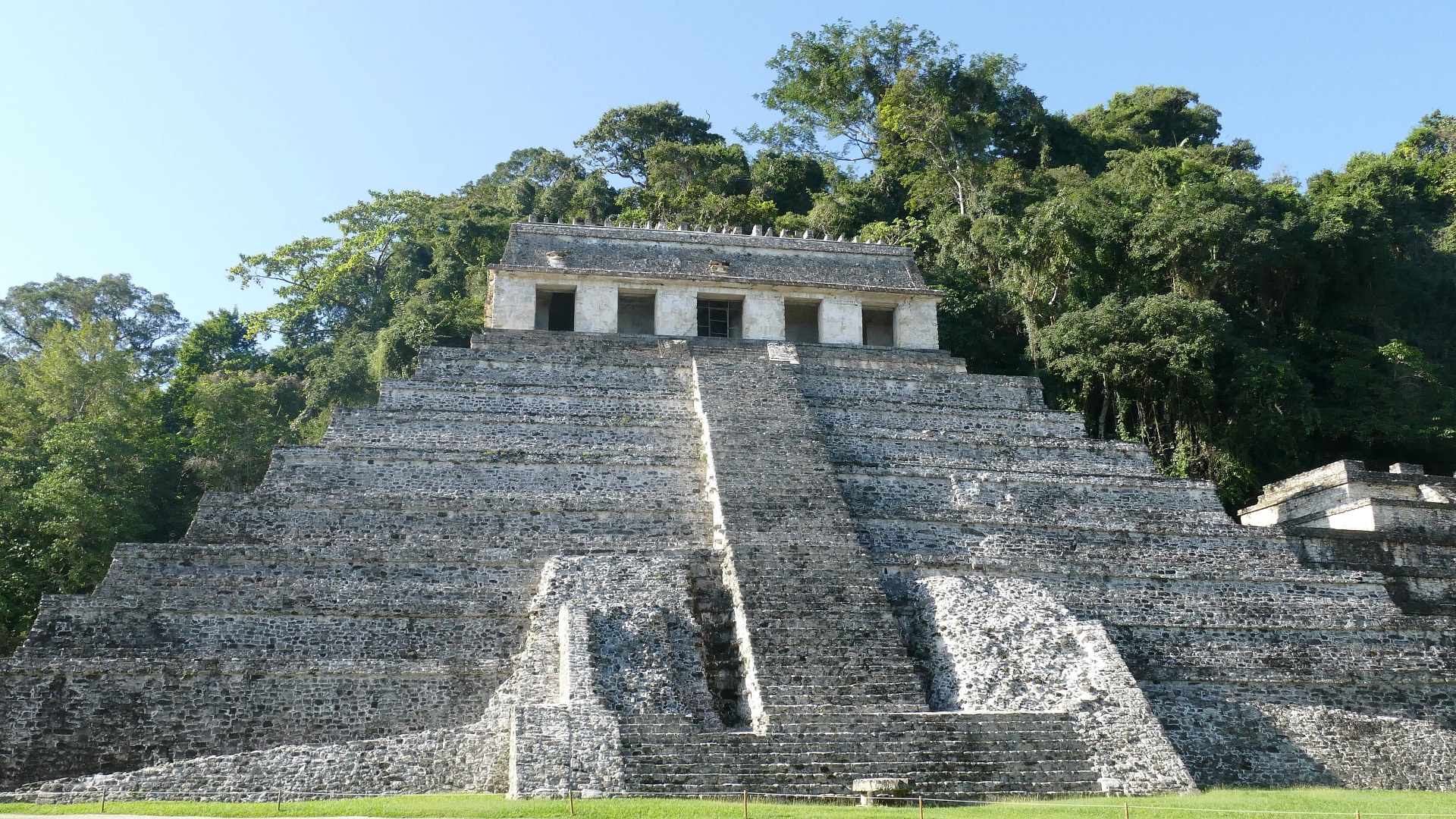
©Wikimedia / Bernard DUPONT
Advertisement
Swipe or tap ▶ to resume the countdown.
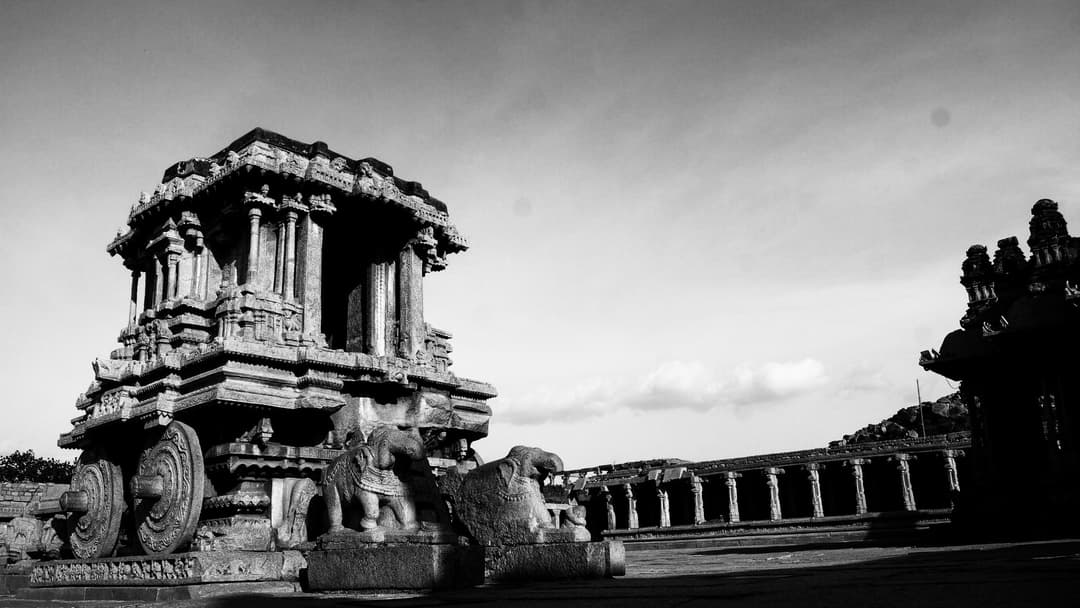
11. Hampi In India
Invading armies sacked the imperial capital in 1565. Boulders covered the riverbank. Modern surveys mapped hundreds of monuments, including the monolithic stone chariot at the Vittala Temple complex.
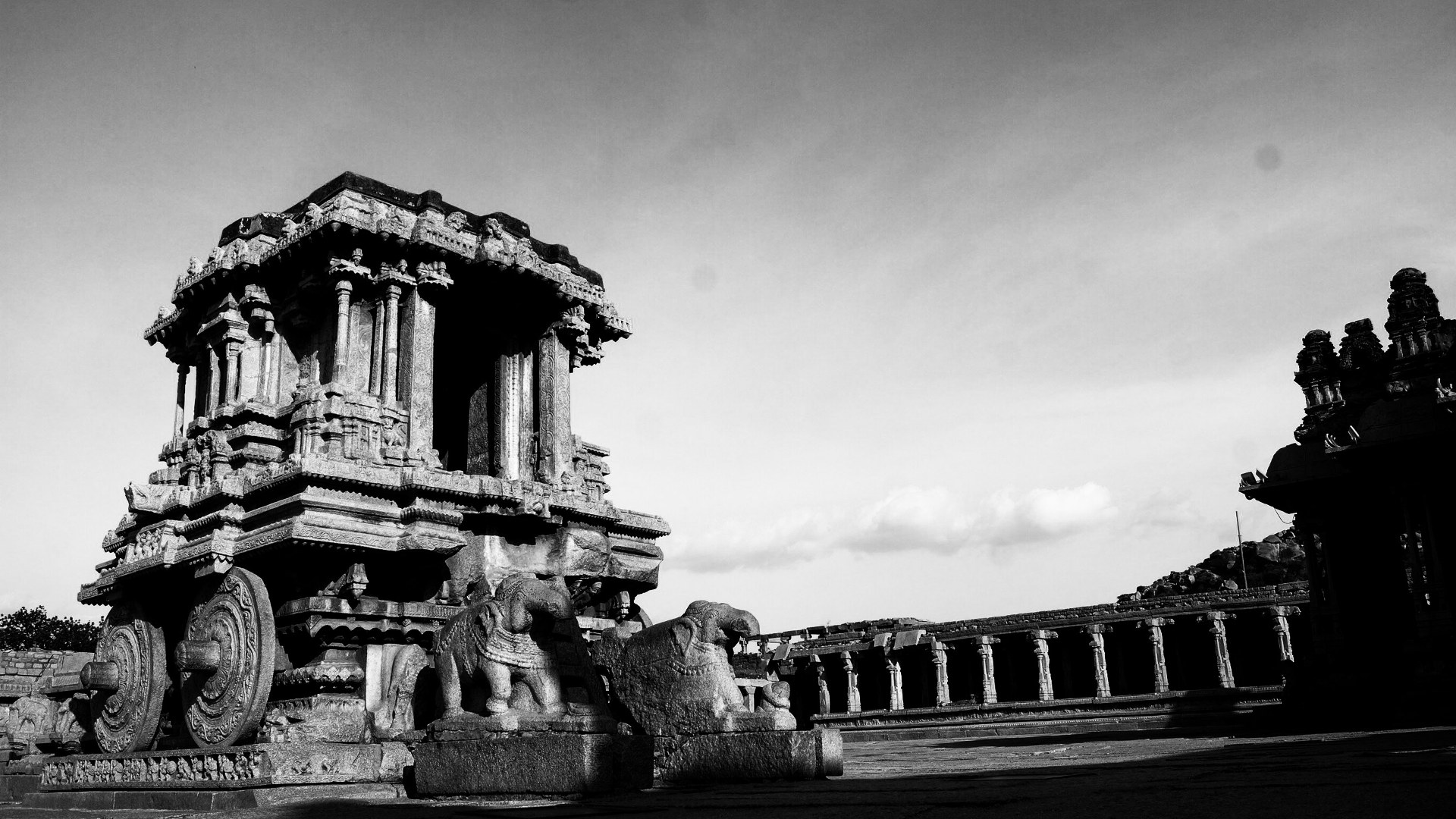
©Wikimedia / Srkulkarni99955
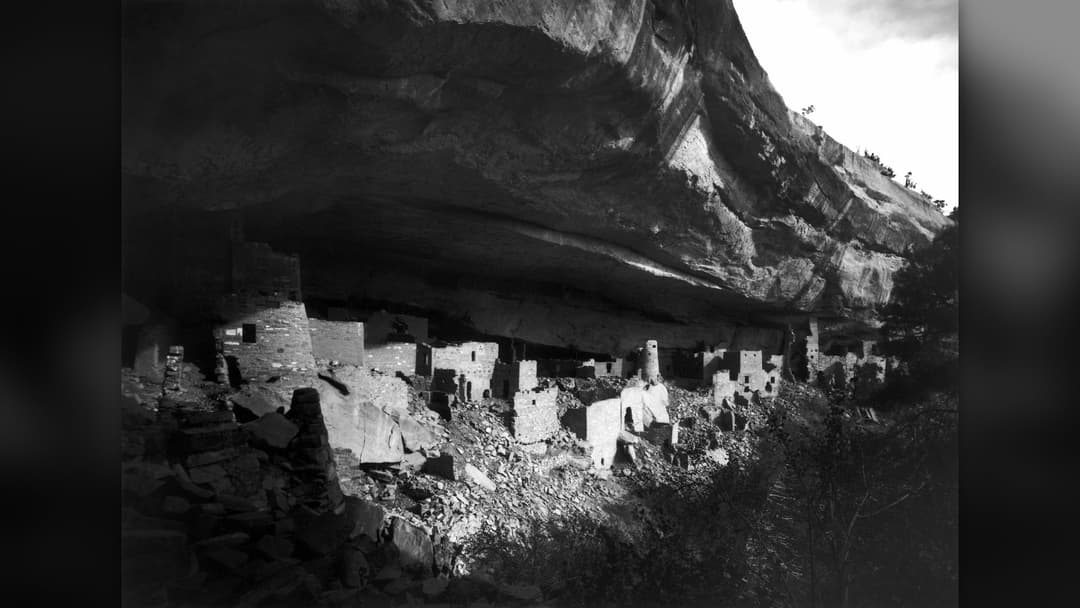
10. Mesa Verde Cliff Palace In Colorado
Two cowboys searched snowy canyon rims for lost cattle in 1888. A stone fortress appeared. Nested under sandstone overhangs, Cliff Palace held over one hundred rooms built by Ancestral Puebloans in the late twelfth century.
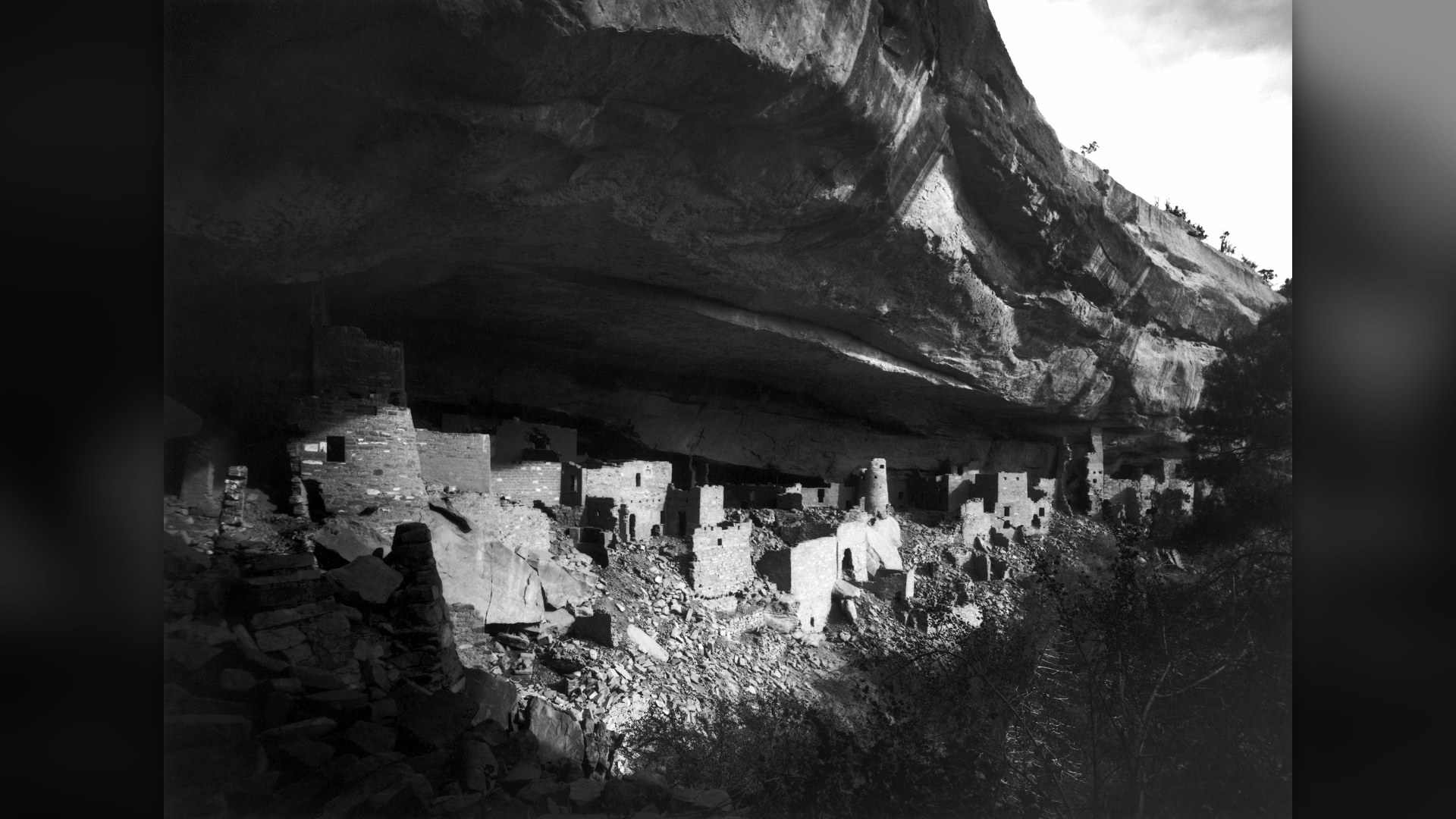
©Wikimedia / Gustaf Nordenskiöld, edit of en:Image:Mesa Verde
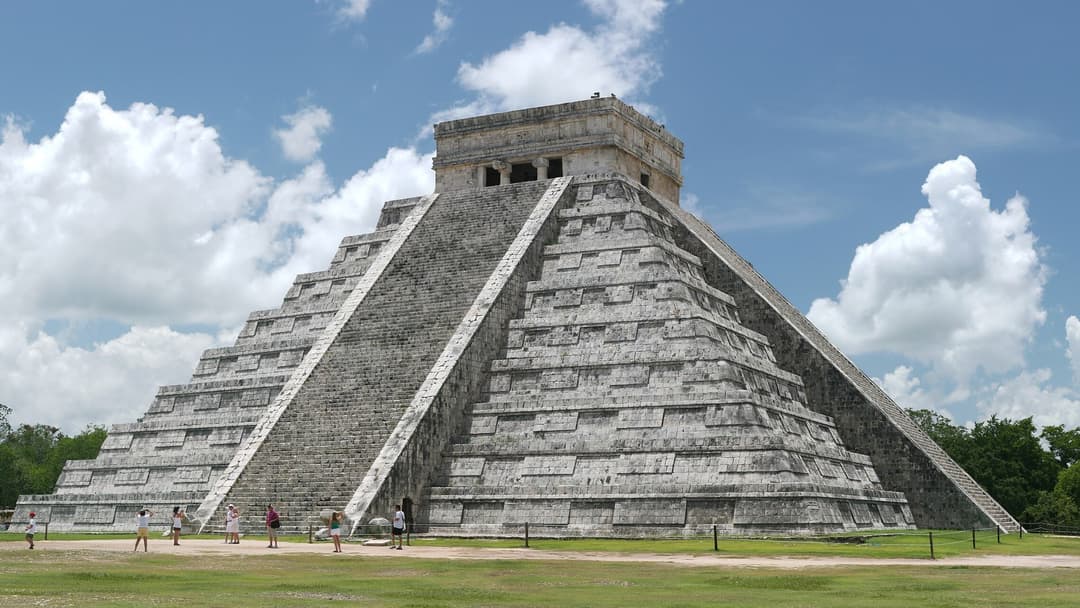
9. Chichen Itza In Mexico
Edward H. Thompson purchased the overgrown plantation in 1894. Jungle roots choked the stone. Thompson dredged the Sacred Cenote, recovering gold ornaments and jade artifacts that verified ancient Spanish chronicles.
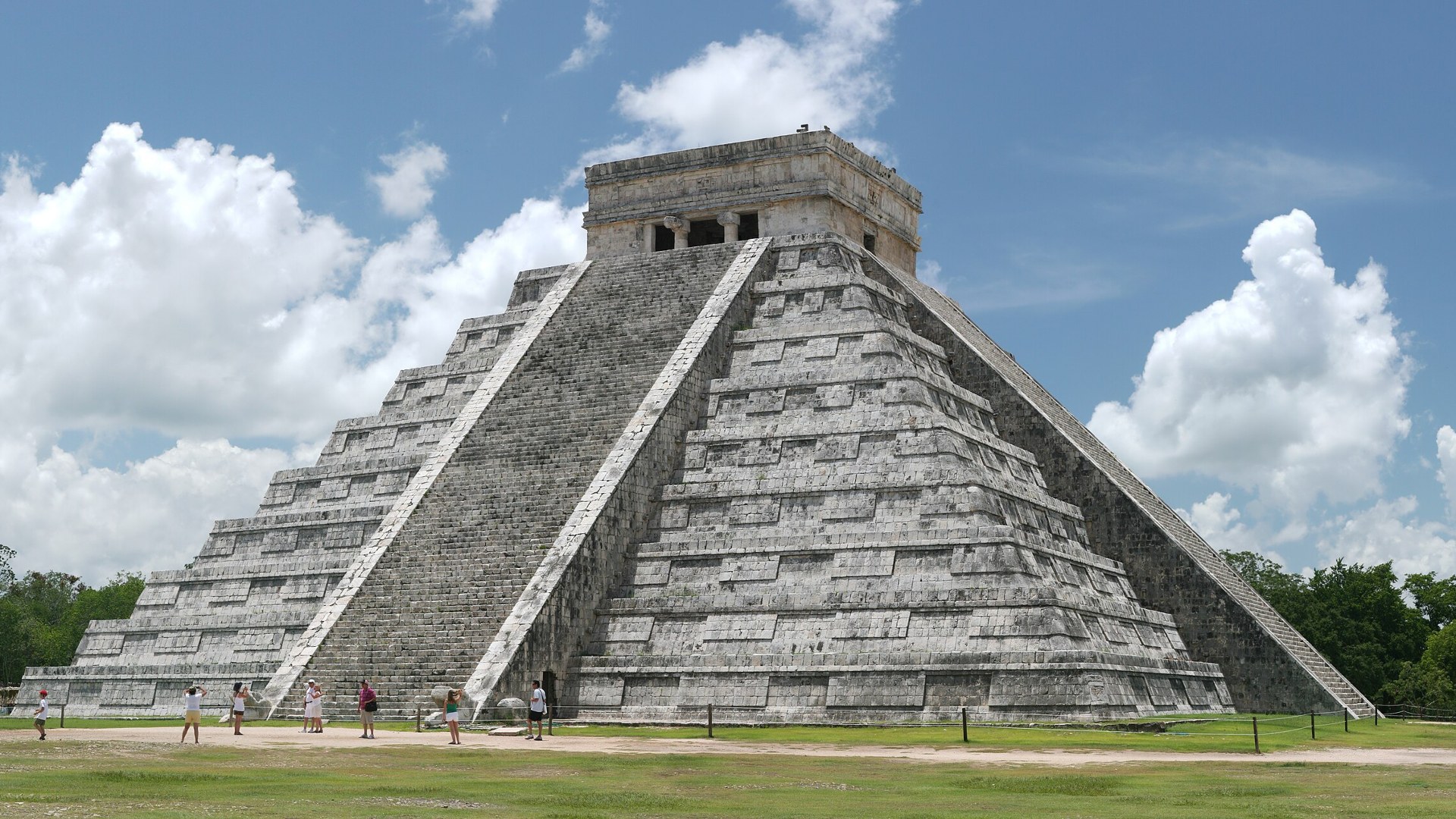
©Wikimedia / Daniel Schwen
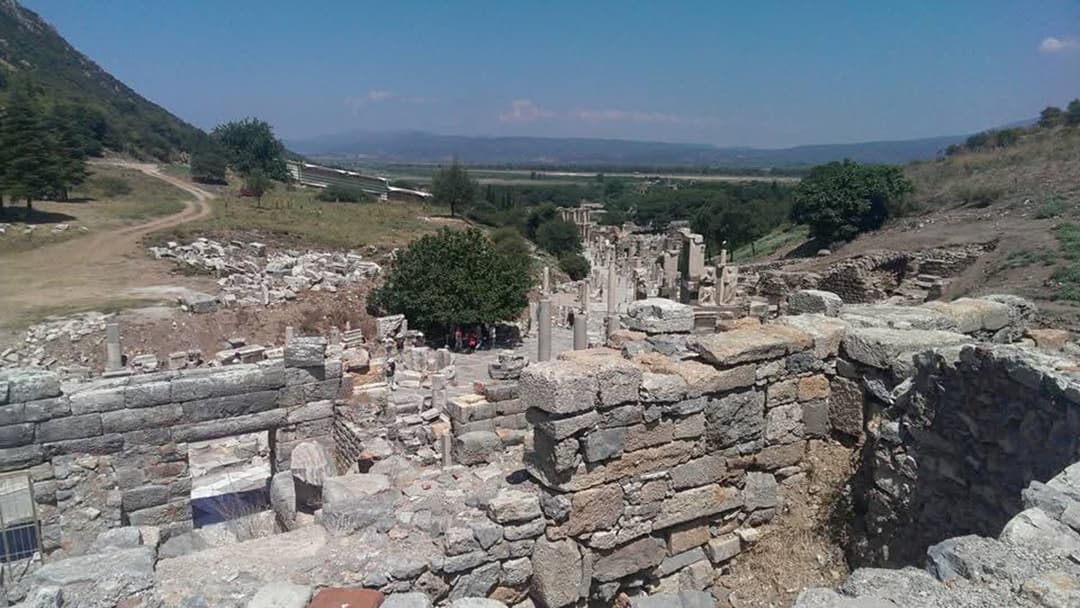
8. Ephesus In Turkey
Silt filled the harbor centuries ago. Austrian researchers began clearing collapsed columns in 1895. Their work reassembled the two-story Library of Celsus facade, creating one of the Mediterranean's finest Roman showcases.
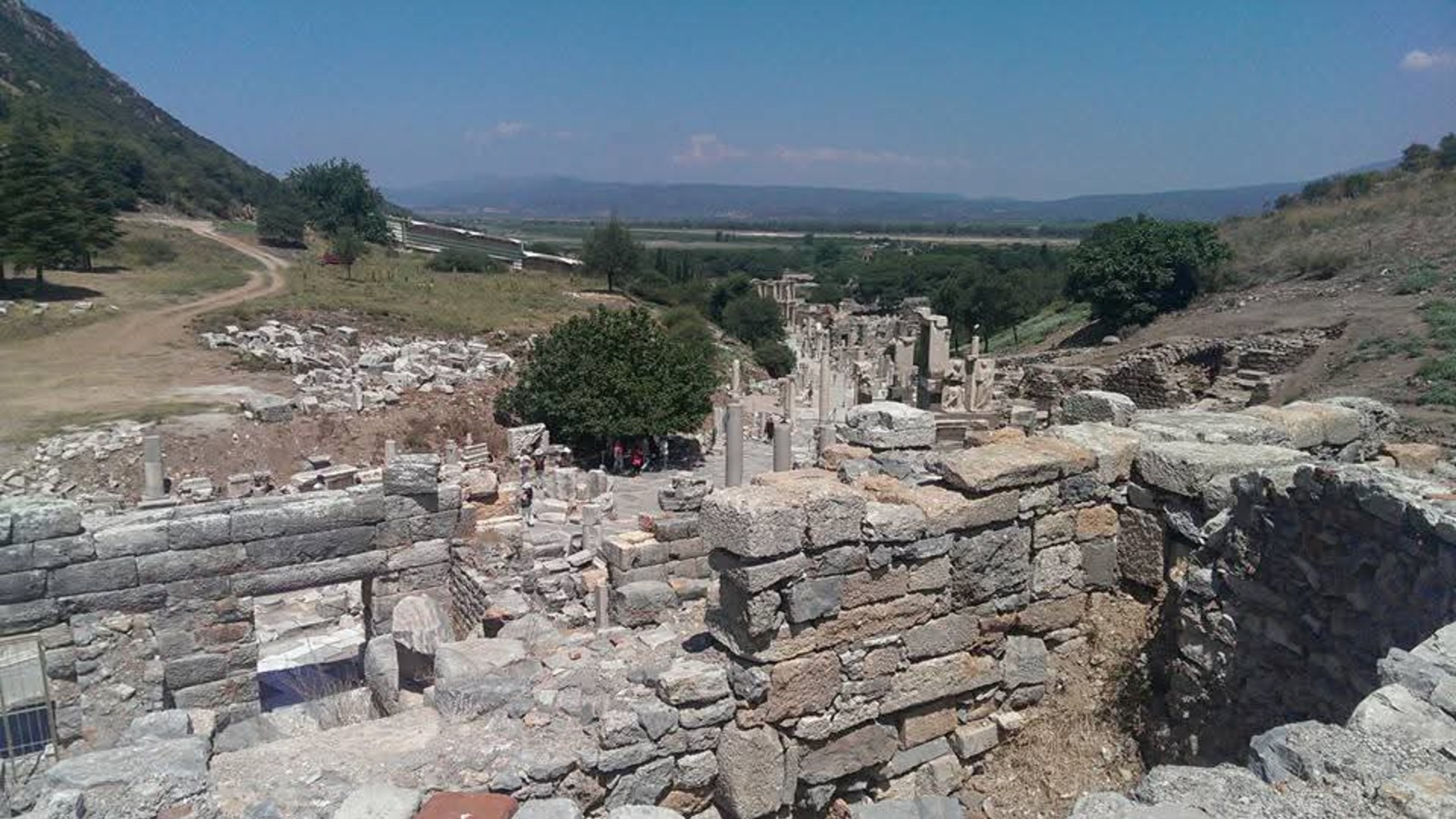
©Wikimedia / Edward Dyer
Advertisement
Swipe or tap ▶ to resume the countdown.
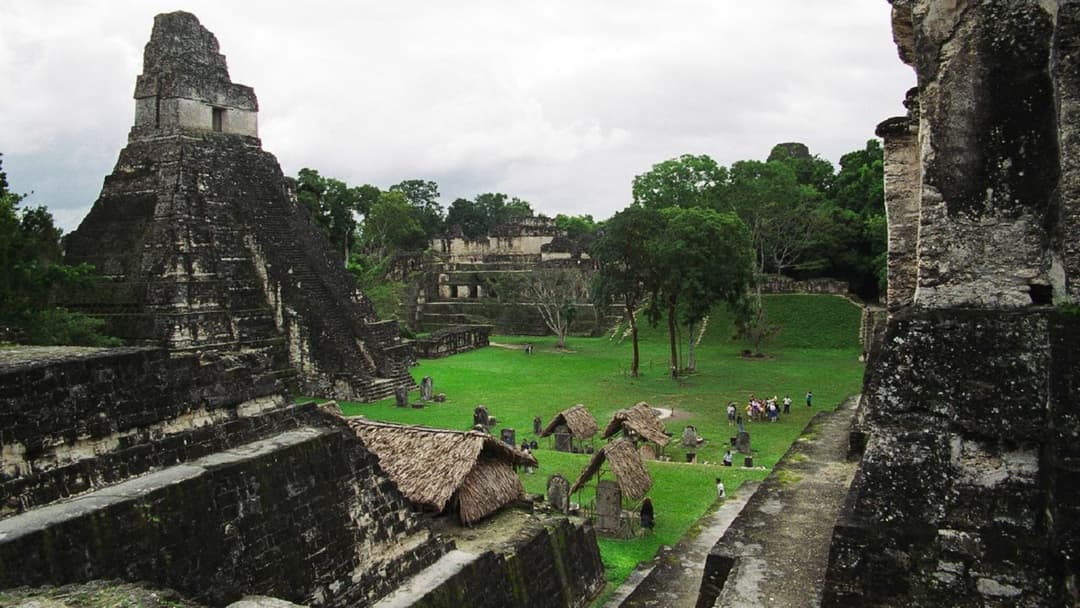
7. Tikal In Guatemala
Jungle trees hid limestone pyramids for centuries. University of Pennsylvania researchers launched a major project in 1956. The team cleared Temple I and mapped thousands of residential mounds across the Petén basin.
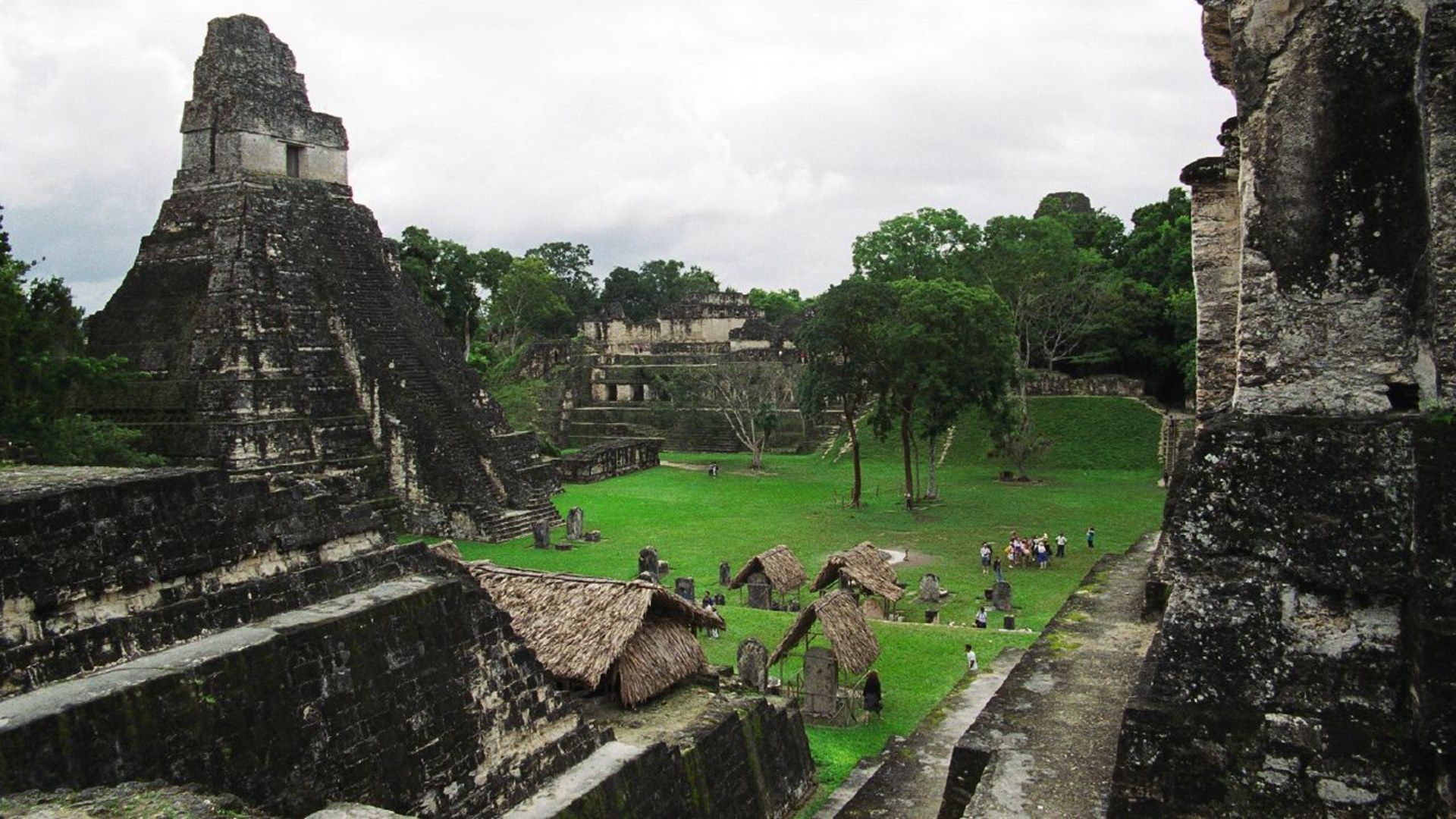
©Wikimedia / Public Contributor
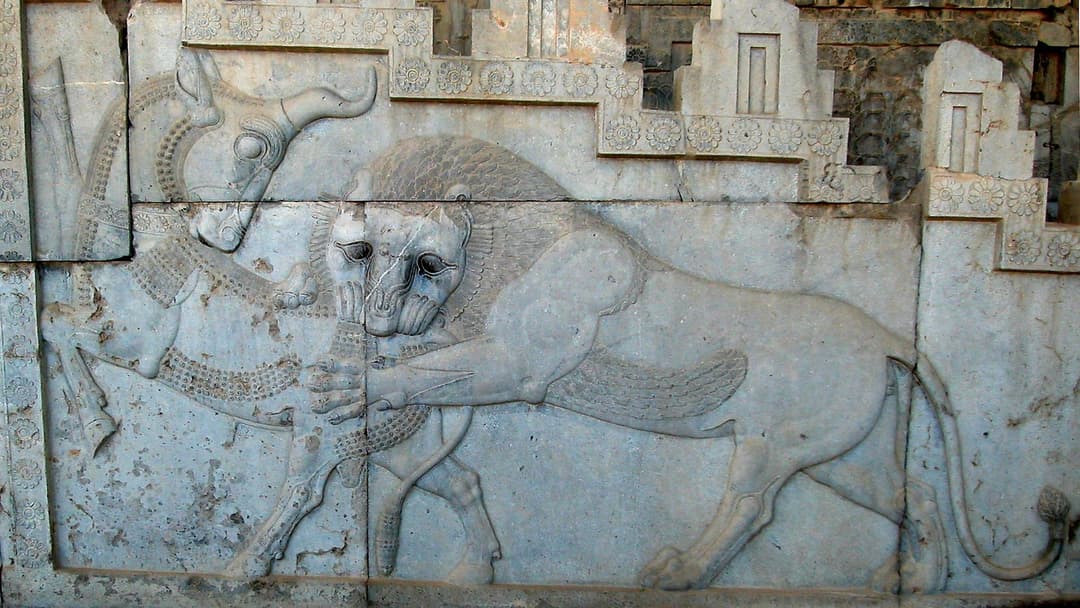
6. Persepolis In Iran
Alexander the Great burned the complex in 330 BCE. Dust did the rest. Excavations directed by Ernst Herzfeld in 1931 uncovered the grand Apadana staircase reliefs in astonishingly crisp detail.
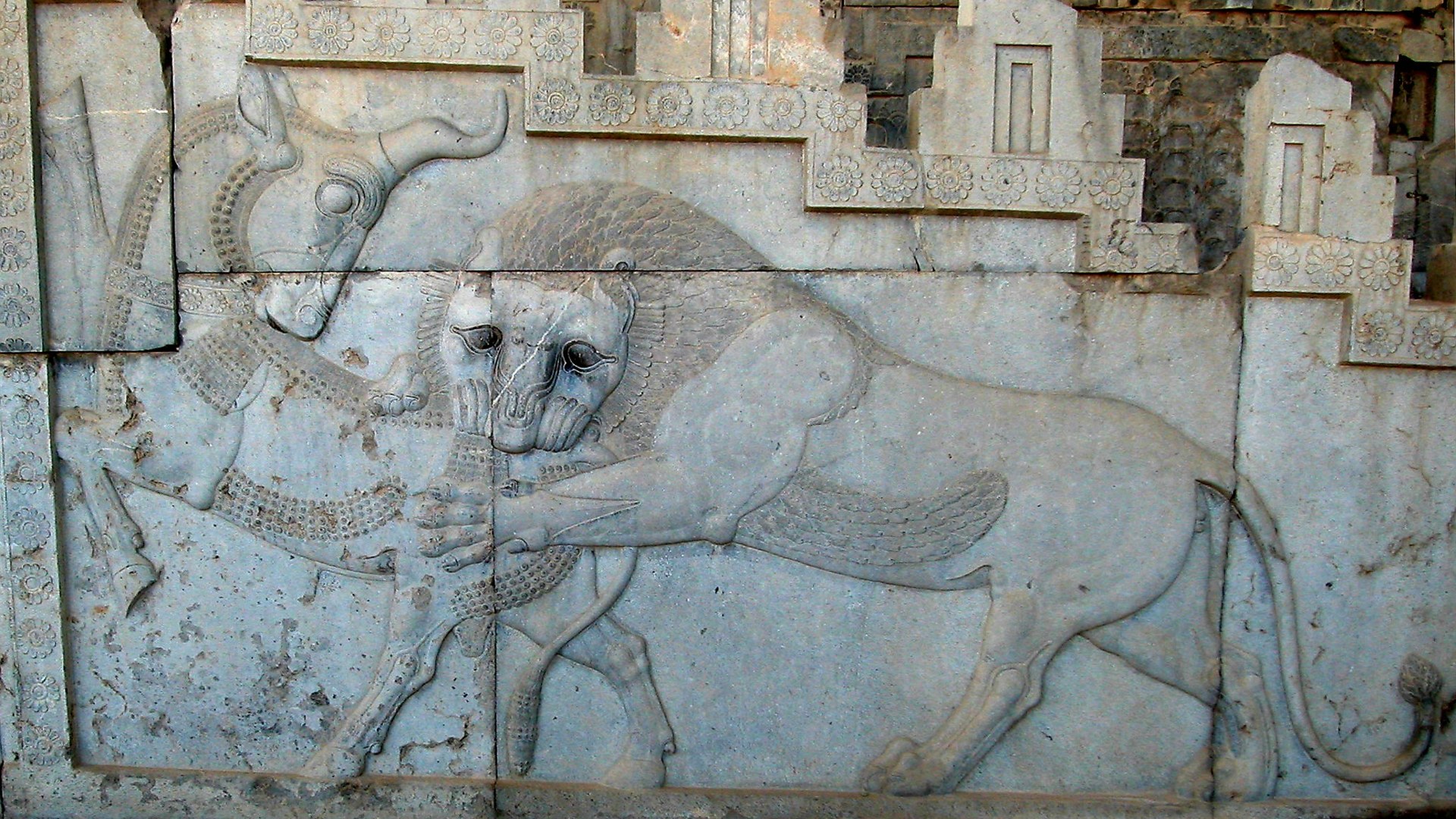
©Wikimedia / ywpark2003 Prof. Yong Woo Park
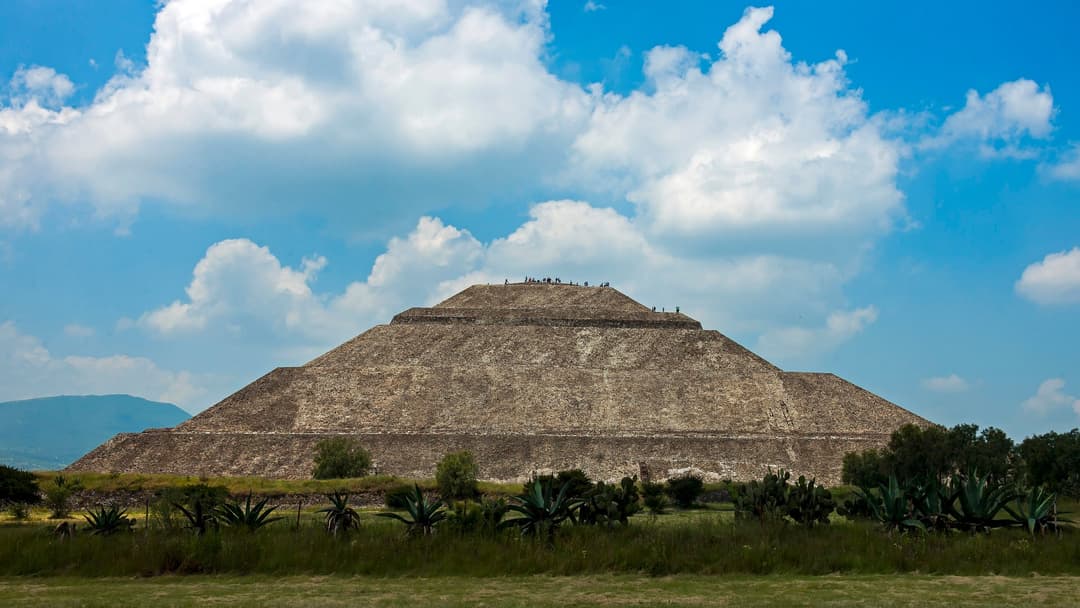
5. Teotihuacan In Mexico
Leopoldo Batres began restoring the colossal Pyramid of the Sun in 1905. Dirt covered the steps. The project exposed the grand Avenue of the Dead, revealing an organized pre-Columbian metropolis that once housed over one hundred thousand people.
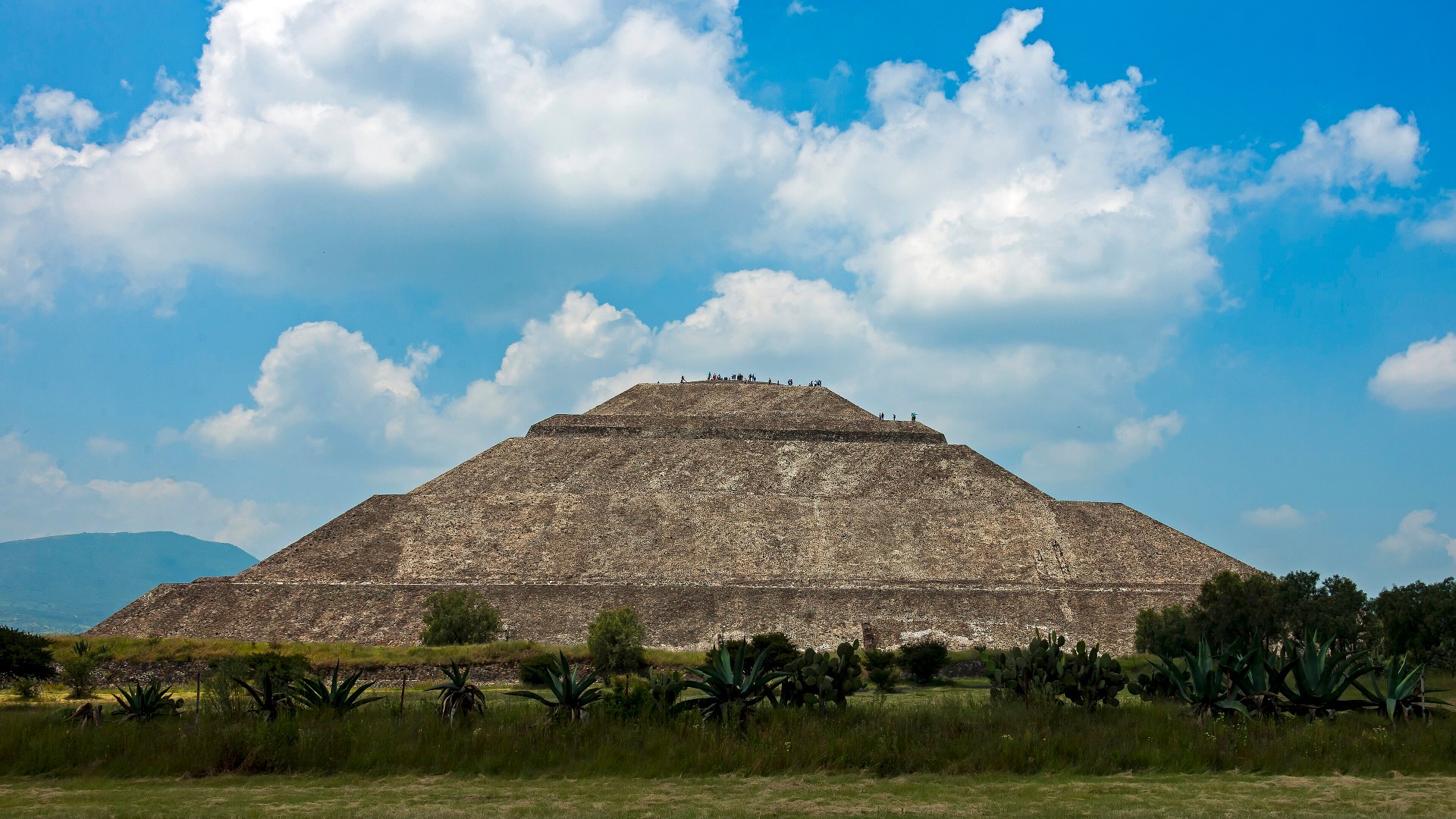
©Wikimedia / Daniel Case
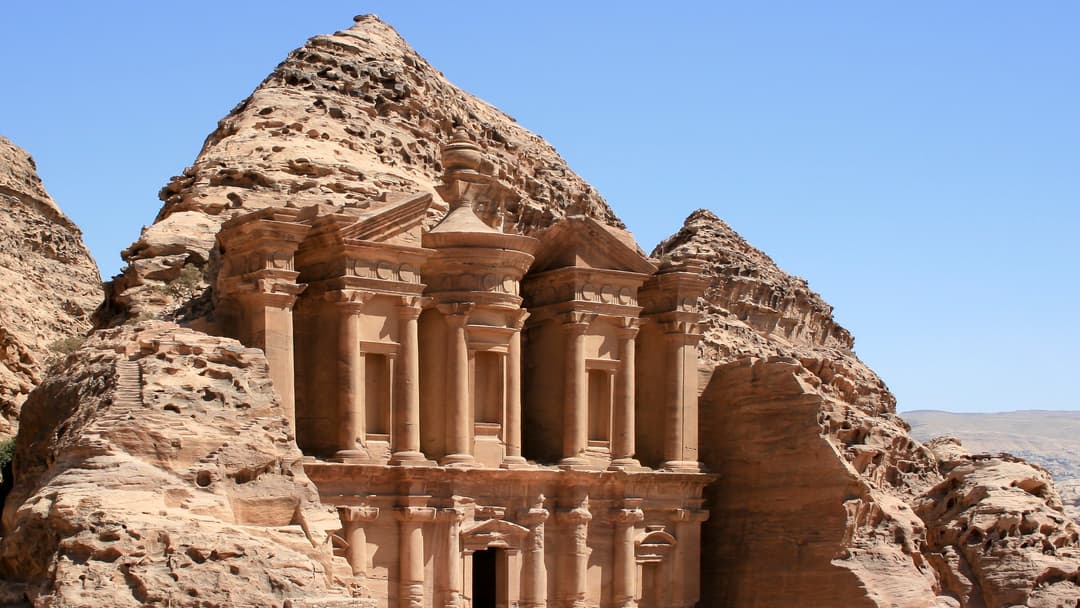
4. Petra In Jordan
Burckhardt disguised himself as an Arab pilgrim in 1812. Local guides grew suspicious. Passing through the narrow Siq gorge, he glimpsed the towering rose-red Treasury carved straight into sandstone cliffs.
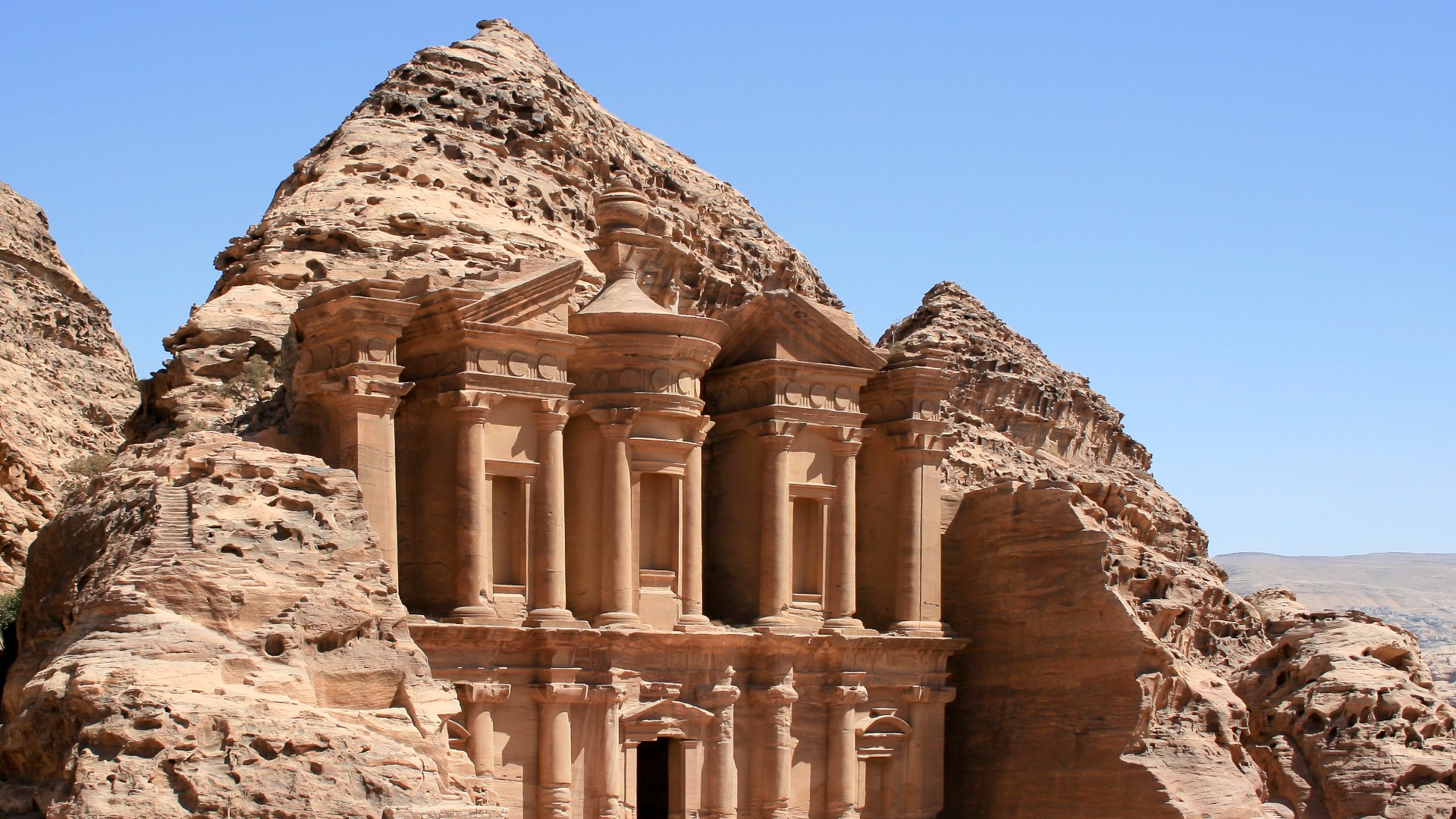
©Wikimedia / Diego Delso
Advertisement
Swipe or tap ▶ to resume the countdown.
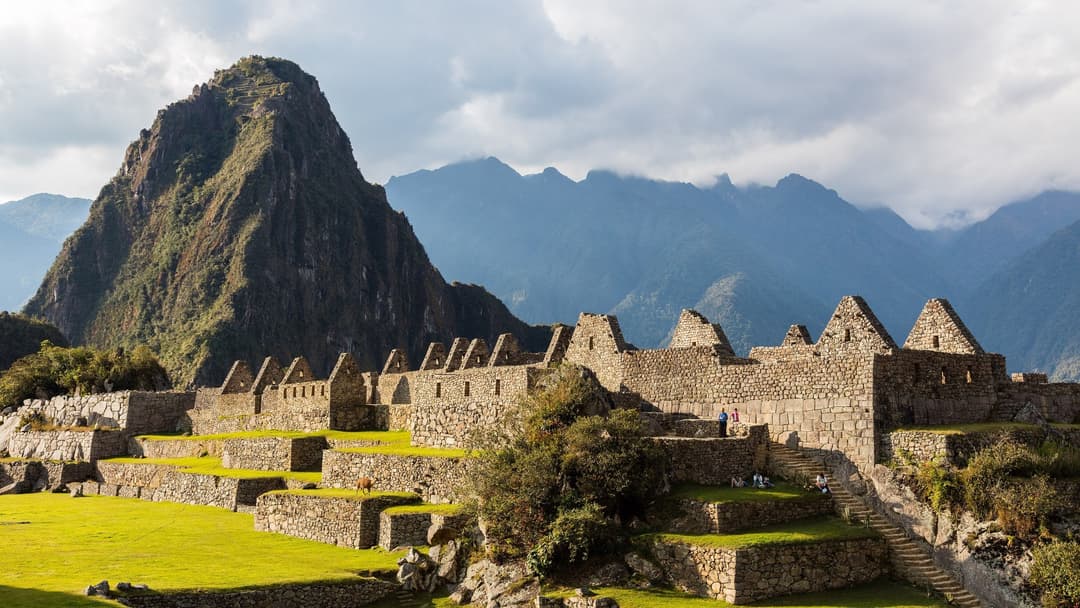
3. Machu Picchu In Peru
Hiram Bingham hiked steep Andean slopes in July 1911. Fog drifted through the trees. A Quechua boy led him to untouched granite palaces, terraces, and temples that Spanish conquistadors never found.
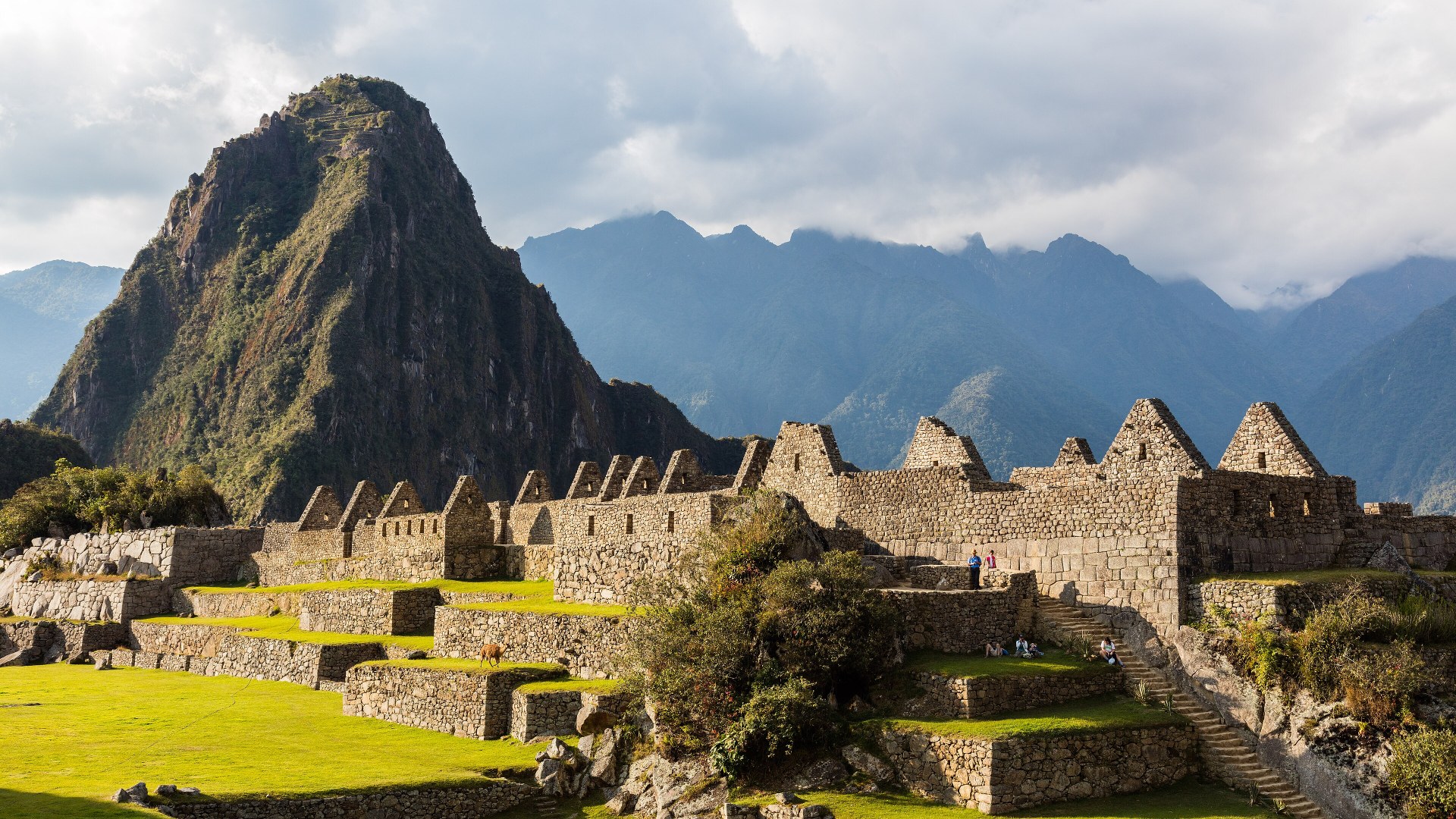
©Wikimedia / Diego Delso
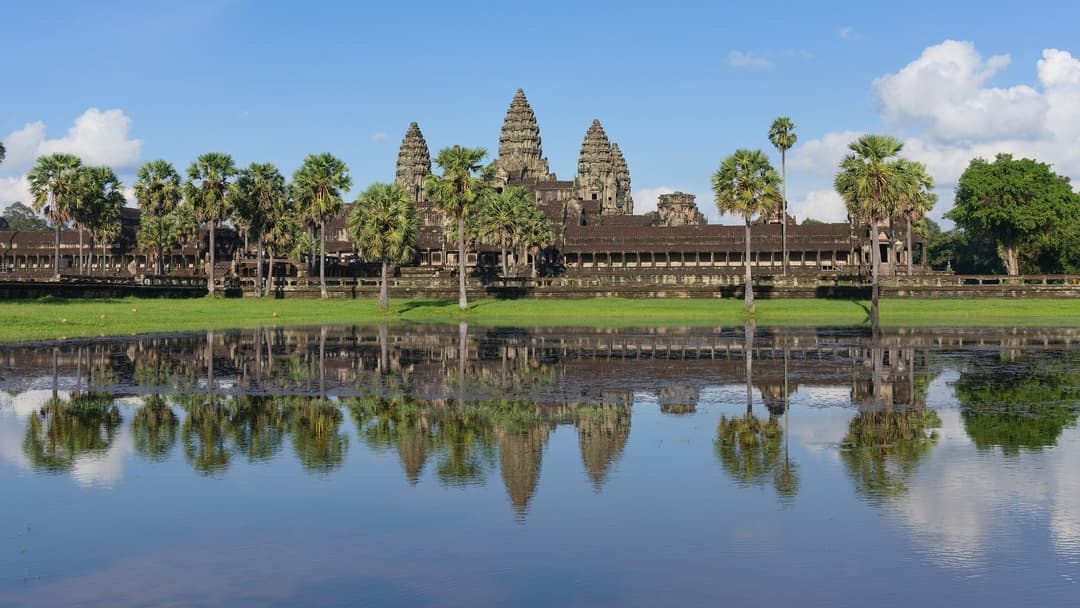
2. Angkor Wat In Cambodia
Henri Mouhot reached the Cambodian jungle in 1860. Tree roots gripped sandstone towers. Recent airborne laser scanning revealed the complex was merely the core of a massive low-density urban sprawl.
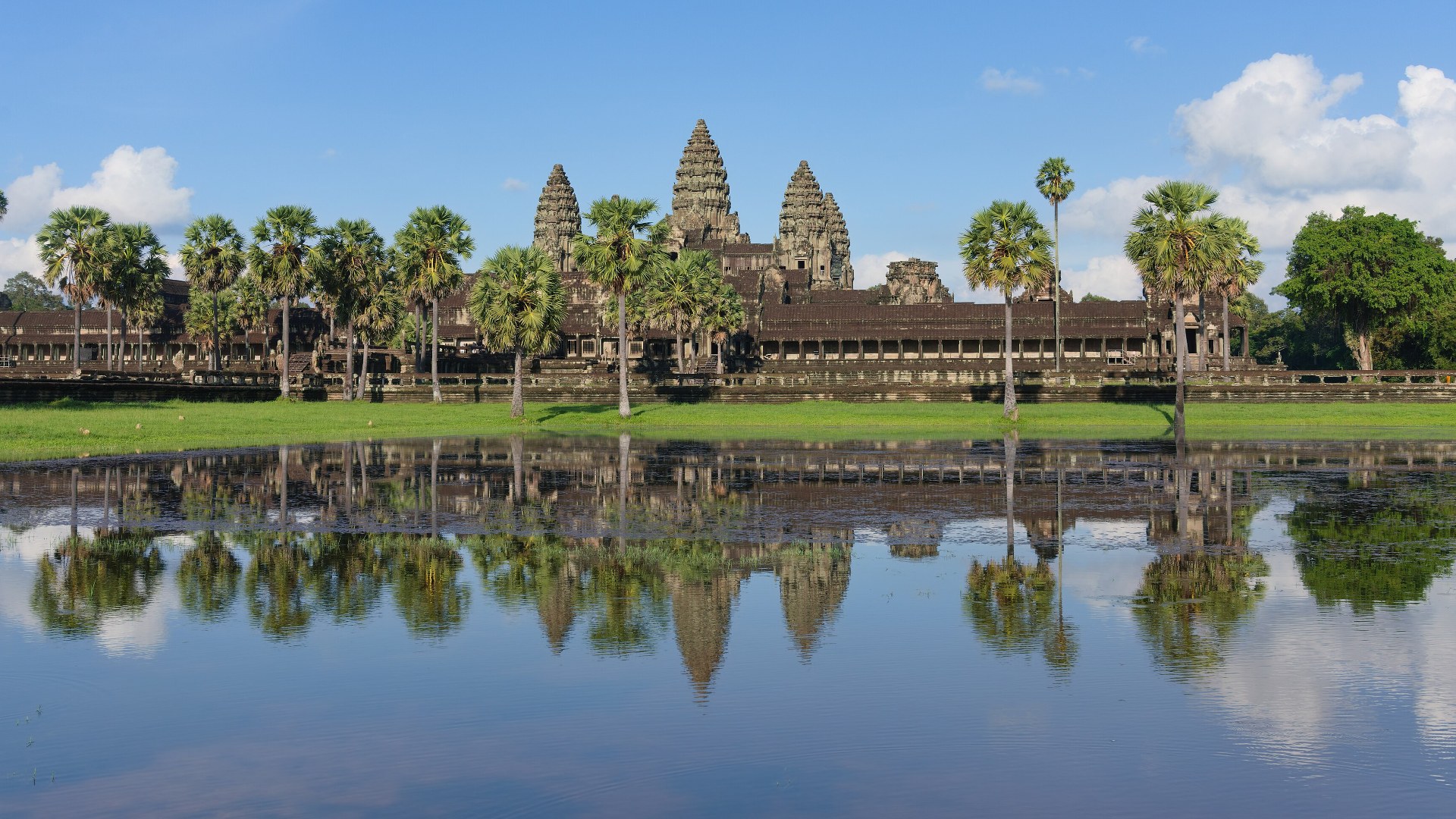
©Wikimedia / Satdeep Gill
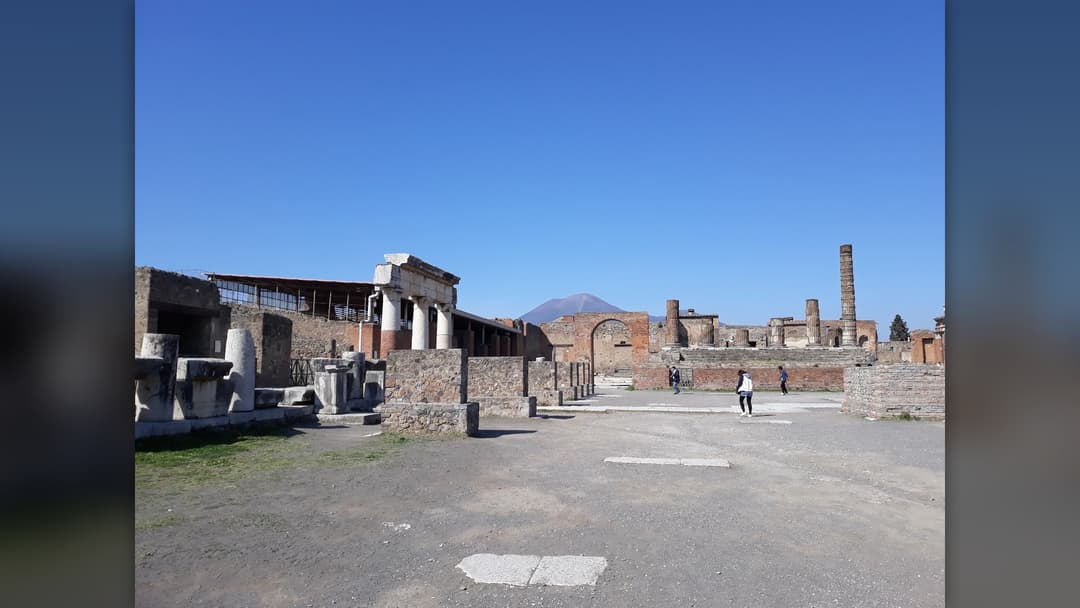
1. Pompeii In Italy
Surveyors digging irrigation channels struck marble in 1748. Ash preserved everything. Volcanic debris from the 79 CE eruption froze bakeries, wall graffiti, and Roman villa courtyards in haunting detail.
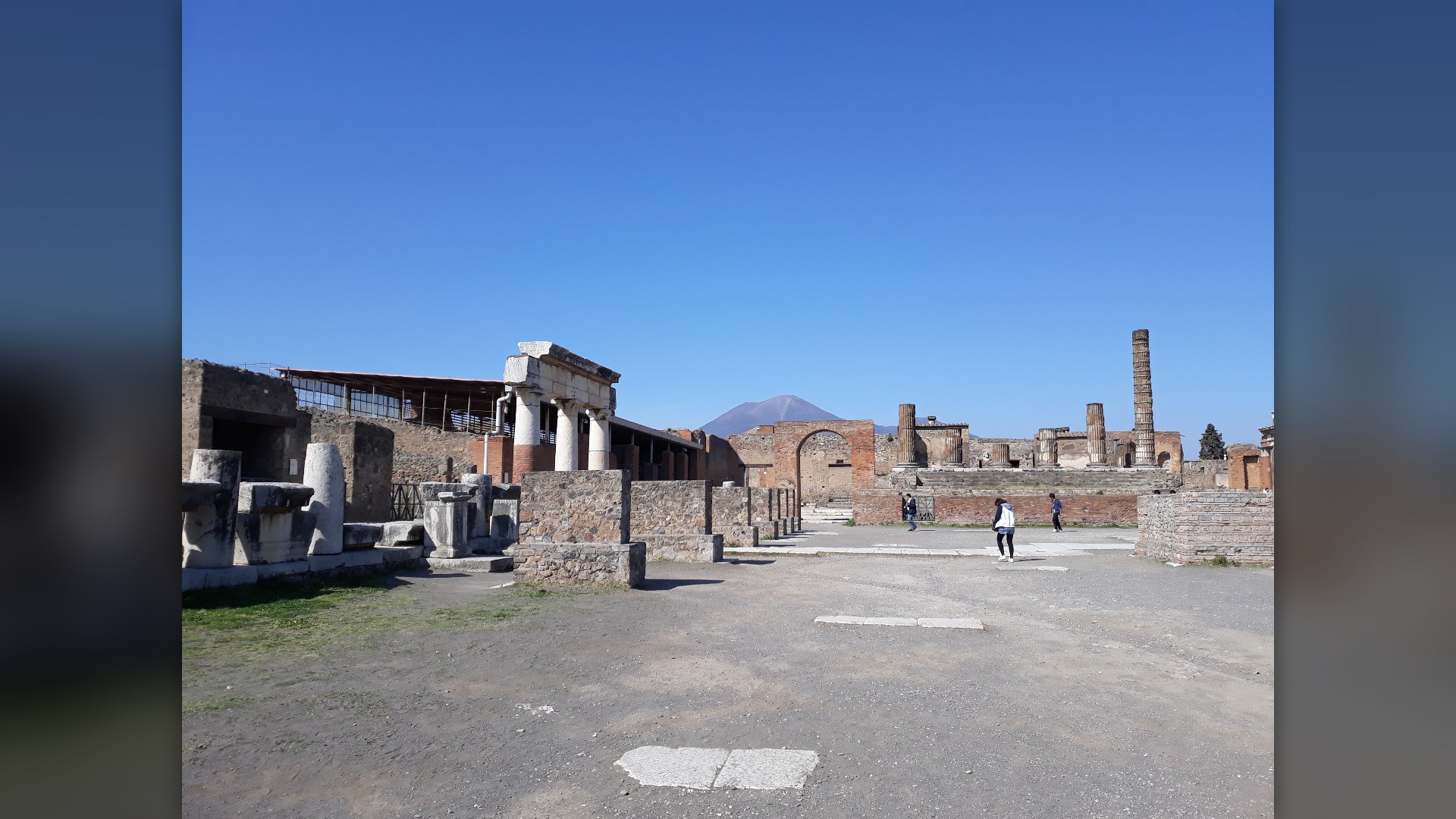
©Wikimedia / Simon Burchell
Advertisement
You've reached the end of the story. Thanks for reading!

22 Natural Herbal Teas and Botanical Infusions Backed by Modern Science
Evaluated in clinical pharmacology and botanical trials, these 22 herbal teas and botanical infusions provide measurable antioxidant, digestive, and cardiovascular benefits. Botanical infusions have served as humanity's earliest medicines.
All 22 Entries in this Story
22. Ciudad Perdida In Colombia
Looters hunting antique gold uncovered moss-covered stone stairs in 1972. Dense rainforest hid everything. The ancient Tayrona settlement predated Machu Picchu by six centuries, featuring circular terraces carved into steep mountain ridges.

21. Skara Brae In Scotland
A violent storm battered the Bay of Skaill in 1850. Wind stripped the grass. Locals discovered eight interconnected Neolithic houses with stone beds, hearths, and cupboards that thrived five thousand years ago.

20. Volubilis In Morocco
French excavators arrived during the First World War. Earth covered the basilica. Diggers gradually revealed intact Roman mosaics, public baths, and triumphal arches that once anchored an empire's African olive trade.

19. Timgad In Algeria
Desert sands swallowed Emperor Trajan's military colony for a millennium. James Bruce located the arch in 1765. Extensive French excavations exposed a grid street plan, a theater, and public libraries.

18. Baalbek In Lebanon
Kaiser Wilhelm II funded the initial excavation in 1898. Centuries of dirt vanished. Scholars uncovered eighty-foot stone columns and the Temple of Bacchus, celebrated as the best-preserved Roman religious shrine.

17. Mohenjo Daro In Pakistan
R.D. Banerji surveyed the dry Sindh plains in 1922. Baked bricks lined the ground. What emerged was a planned Bronze Age city with covered sewer lines and a monumental public water bath.

16. Great Zimbabwe In Zimbabwe
European travelers initially refused to believe African architects built the site. Evidence proved them wrong. Medieval Shona masons fitted curved granite walls thirty feet high without mortar, housing twenty thousand citizens.

15. Hattusa In Turkey
Hugo Winckler began digging near Boğazkale in 1906. Cuneiform tablets filled the dirt. The team found the capital of the Hittite Empire, including the famous Lion Gate and the world's oldest peace treaty.

14. Akrotiri In Santorini
Spyridon Marinatos tested a hunch in 1967. Volcanic ash protected everything. Excavations revealed multi-story villas, indoor plumbing, and colorful frescoes sealed during the catastrophic seventeenth-century BCE Thera eruption.

13. Derinkuyu Underground City In Turkey
A local villager knocked down a cellar wall in 1963. Darkness stretched downward. The accidental breach revealed an eighteen-level subterranean city carved into volcanic tuff, equipped to shelter twenty thousand refugees with livestock.

12. Palenque In Mexico
Alberto Ruz spent four seasons clearing stone rubble beneath the temple floor. A hidden stairway opened. In 1952, he entered the jade-filled burial chamber of Maya ruler Pakal the Great, rewriting Mesoamerican history.

11. Hampi In India
Invading armies sacked the imperial capital in 1565. Boulders covered the riverbank. Modern surveys mapped hundreds of monuments, including the monolithic stone chariot at the Vittala Temple complex.

10. Mesa Verde Cliff Palace In Colorado
Two cowboys searched snowy canyon rims for lost cattle in 1888. A stone fortress appeared. Nested under sandstone overhangs, Cliff Palace held over one hundred rooms built by Ancestral Puebloans in the late twelfth century.

9. Chichen Itza In Mexico
Edward H. Thompson purchased the overgrown plantation in 1894. Jungle roots choked the stone. Thompson dredged the Sacred Cenote, recovering gold ornaments and jade artifacts that verified ancient Spanish chronicles.

8. Ephesus In Turkey
Silt filled the harbor centuries ago. Austrian researchers began clearing collapsed columns in 1895. Their work reassembled the two-story Library of Celsus facade, creating one of the Mediterranean's finest Roman showcases.

7. Tikal In Guatemala
Jungle trees hid limestone pyramids for centuries. University of Pennsylvania researchers launched a major project in 1956. The team cleared Temple I and mapped thousands of residential mounds across the Petén basin.

6. Persepolis In Iran
Alexander the Great burned the complex in 330 BCE. Dust did the rest. Excavations directed by Ernst Herzfeld in 1931 uncovered the grand Apadana staircase reliefs in astonishingly crisp detail.

5. Teotihuacan In Mexico
Leopoldo Batres began restoring the colossal Pyramid of the Sun in 1905. Dirt covered the steps. The project exposed the grand Avenue of the Dead, revealing an organized pre-Columbian metropolis that once housed over one hundred thousand people.

4. Petra In Jordan
Burckhardt disguised himself as an Arab pilgrim in 1812. Local guides grew suspicious. Passing through the narrow Siq gorge, he glimpsed the towering rose-red Treasury carved straight into sandstone cliffs.

3. Machu Picchu In Peru
Hiram Bingham hiked steep Andean slopes in July 1911. Fog drifted through the trees. A Quechua boy led him to untouched granite palaces, terraces, and temples that Spanish conquistadors never found.

2. Angkor Wat In Cambodia
Henri Mouhot reached the Cambodian jungle in 1860. Tree roots gripped sandstone towers. Recent airborne laser scanning revealed the complex was merely the core of a massive low-density urban sprawl.

1. Pompeii In Italy
Surveyors digging irrigation channels struck marble in 1748. Ash preserved everything. Volcanic debris from the 79 CE eruption froze bakeries, wall graffiti, and Roman villa courtyards in haunting detail.