Slideshow · Science
20 Most Unusual Worlds Discovered Beyond Earth
Beyond our solar system lie worlds shaped by raw gravitational forces and extreme radiation. From iron rain and glass storms to skies that vaporize rock, astronomical observatories have mapped planetary environments unlike anything in human experience. Here are twenty of the most extreme worlds confirmed by modern astrophysics.
By Most Viral Today
1 hour ago

20 Strange Worlds Where Physics Reaches Its Breaking Point 
20. TRAPPIST-1e 
19. GJ 1214b 
18. WASP-107b - AdvertisementSwipe or tap ▶ to continue countdown

17. OGLE-2005-BLG-390Lb 
16. Kepler-10b 
15. LHS 3844b 
14. HD 209458b - AdvertisementSwipe or tap ▶ to continue countdown

13. TOI-849b 
12. PSO J318.5-22 
11. HAT-P-7b 
10. Kepler-16b - AdvertisementSwipe or tap ▶ to continue countdown

9. PSR B1257+12 B 
8. WASP-12b 
7. Gliese 436b 
6. Kepler-70b - AdvertisementSwipe or tap ▶ to continue countdown

5. TrES-2b 
4. HD 189733b 
3. 55 Cancri E 
2. KELT-9b - AdvertisementSwipe or tap ▶ to continue countdown

1. WASP-76b - Advertisement🔥 UP NEXT IN THIS SERIES◫ 23 Slides

22 Natural Herbal Teas and Botanical Infusions Backed by Modern Science
Evaluated in clinical pharmacology and botanical trials, these 22 herbal teas and botanical infusions provide measurable antioxidant, digestive, and cardiovascular benefits. Botanical infusions have served as humanity's earliest medicines.
Beyond our solar system lie worlds shaped by raw gravitational forces and extreme radiation. From iron rain and glass storms to skies that vaporize rock, astronomical observatories have mapped planetary environments unlike anything in human experience. Here are twenty of the most extreme worlds confirmed.
Swipe or tap ▶ to begin the countdown
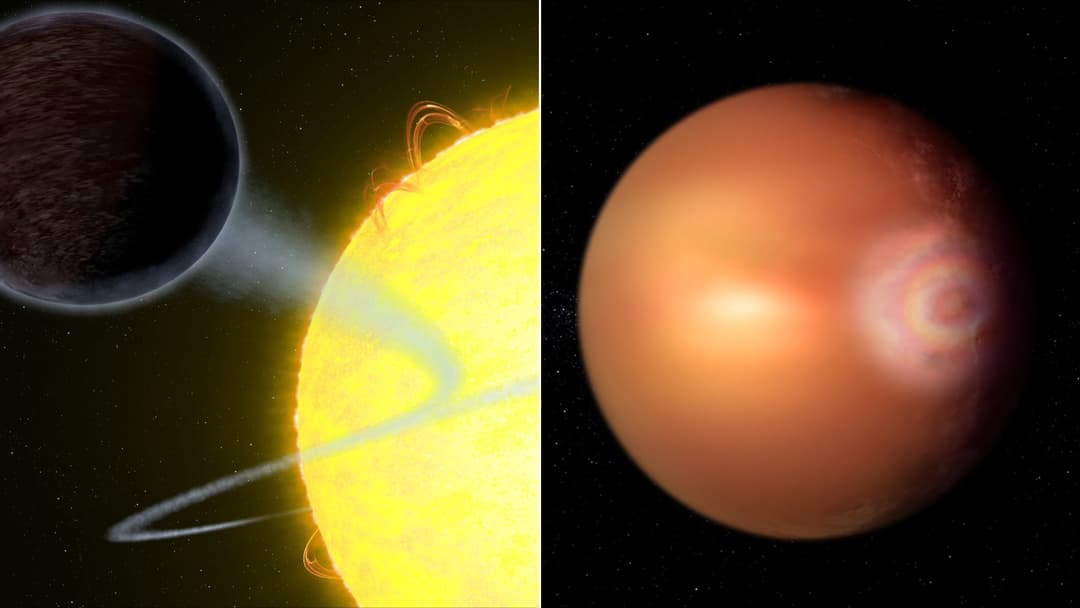
©Wikimedia / WASP-12b & Wikimedia / WASP-76b
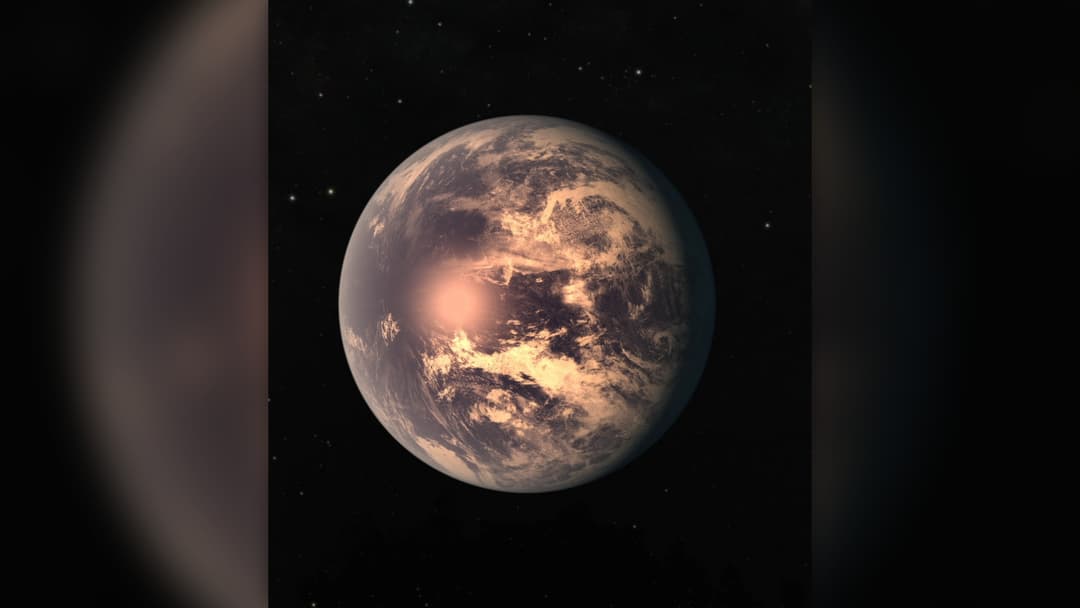
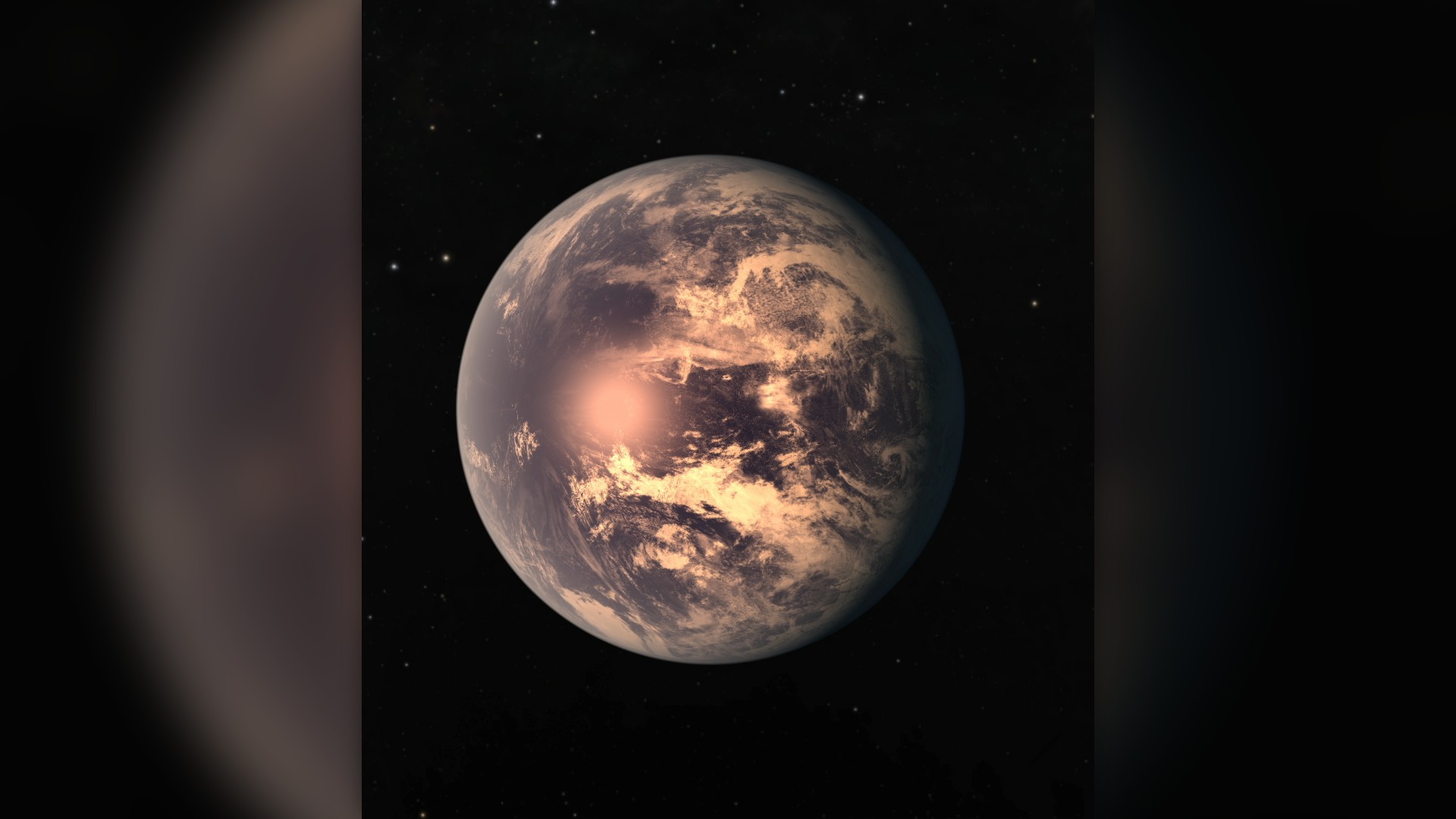
20. TRAPPIST-1e
TRAPPIST-1e orbits within its host star habitable zone but endures intense stellar flares. The tidally locked planet may harbour liquid surface water beneath persistent twilight skies.
©Wikimedia / NASA, JPL-Caltech
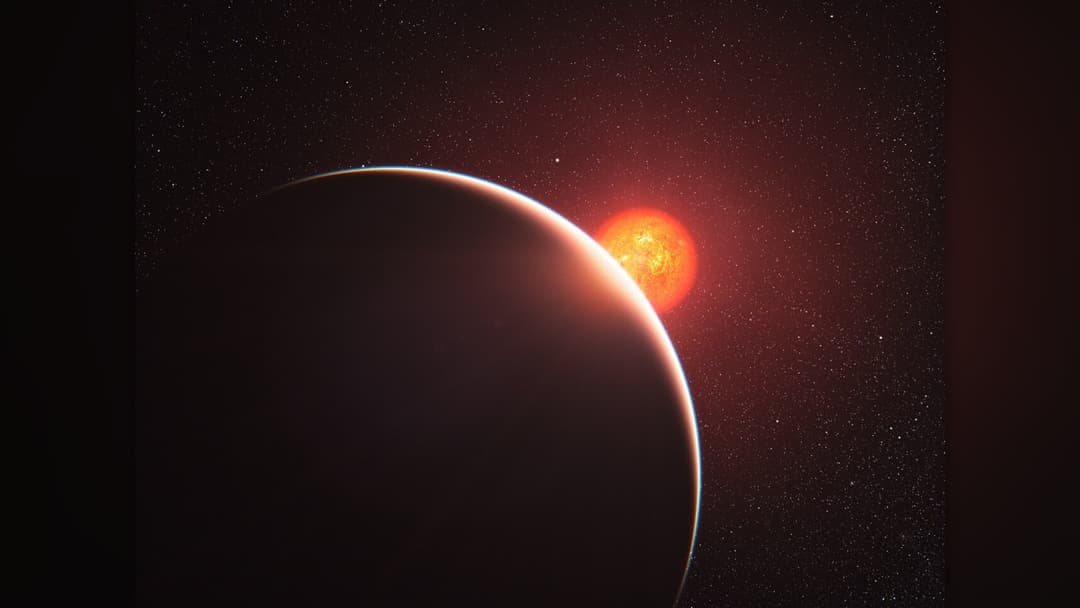
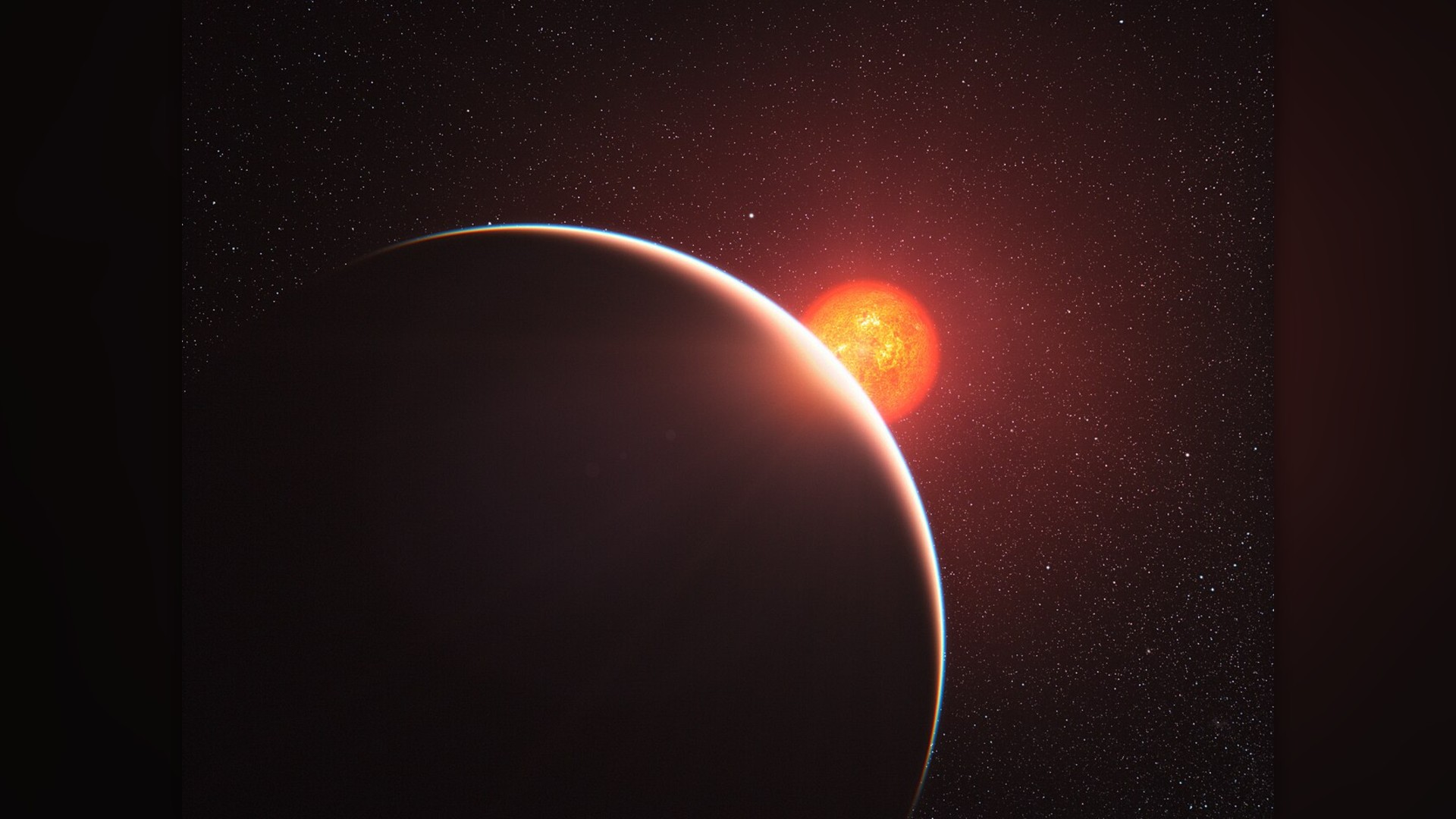
19. GJ 1214b
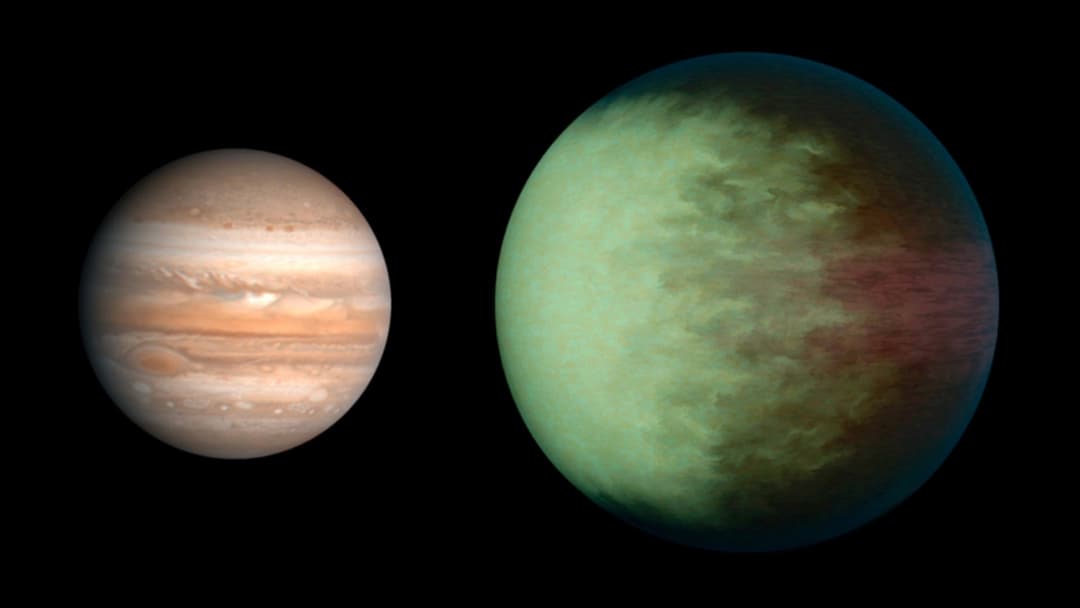
Discovered in 2009, GJ 1214b has a thick envelope composed largely of high-pressure water vapour. Intense atmospheric heat creates exotic phases of superheated ice and fluid deep within its mantle.
©Wikimedia / ESO, L. Calçada
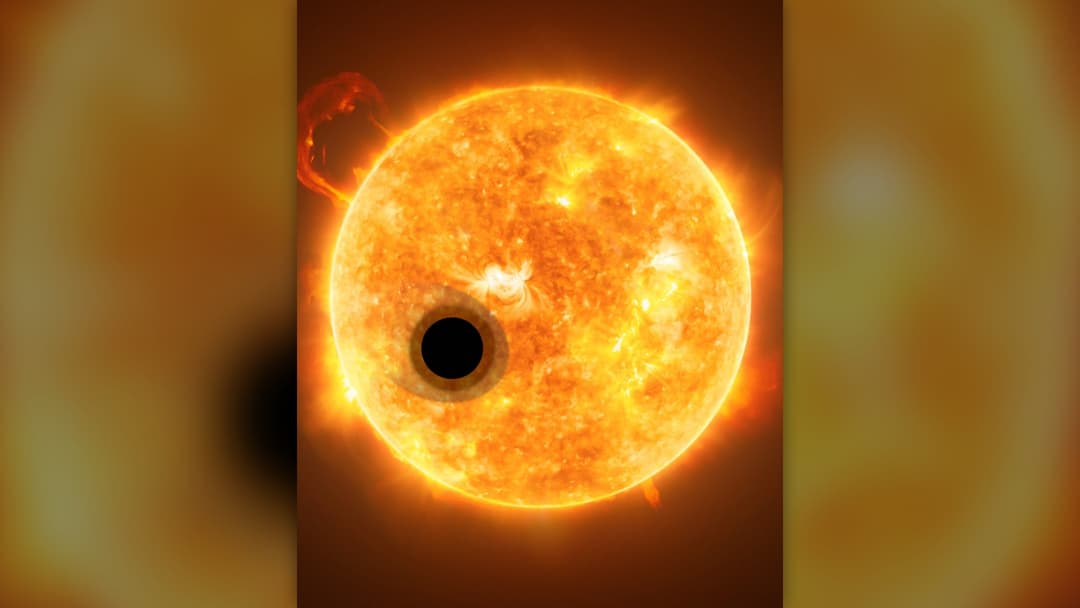
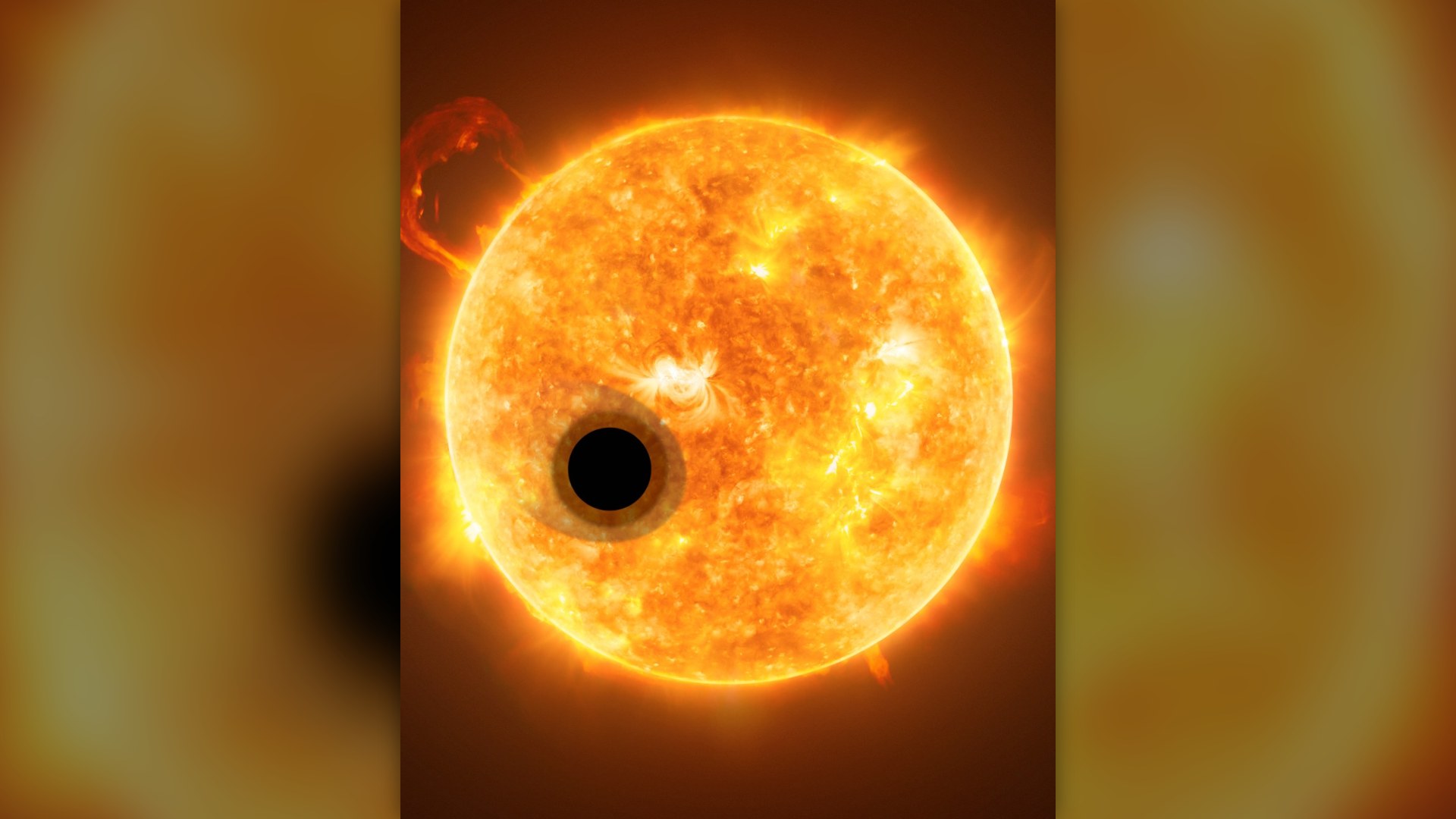
18. WASP-107b
WASP-107b has the volume of Jupiter but only a fraction of its mass. Observations from the James Webb Space Telescope revealed silicate sand clouds drifting through an atmosphere rich in sulfur dioxide.
©ESA / Hubble, NASA, M. Kornmesser
Advertisement
Swipe or tap ▶ to resume the countdown.
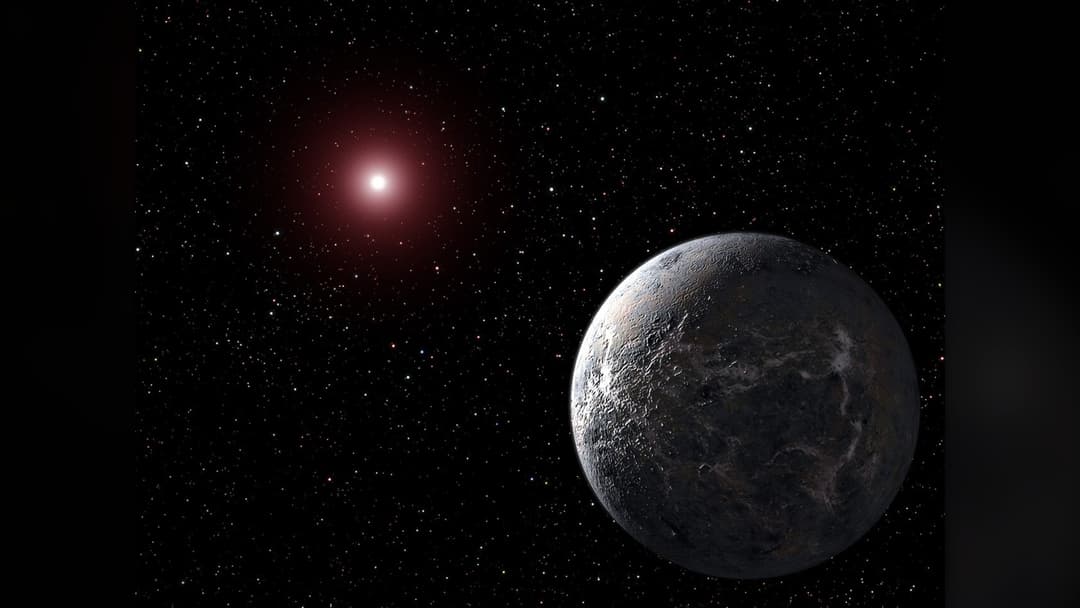
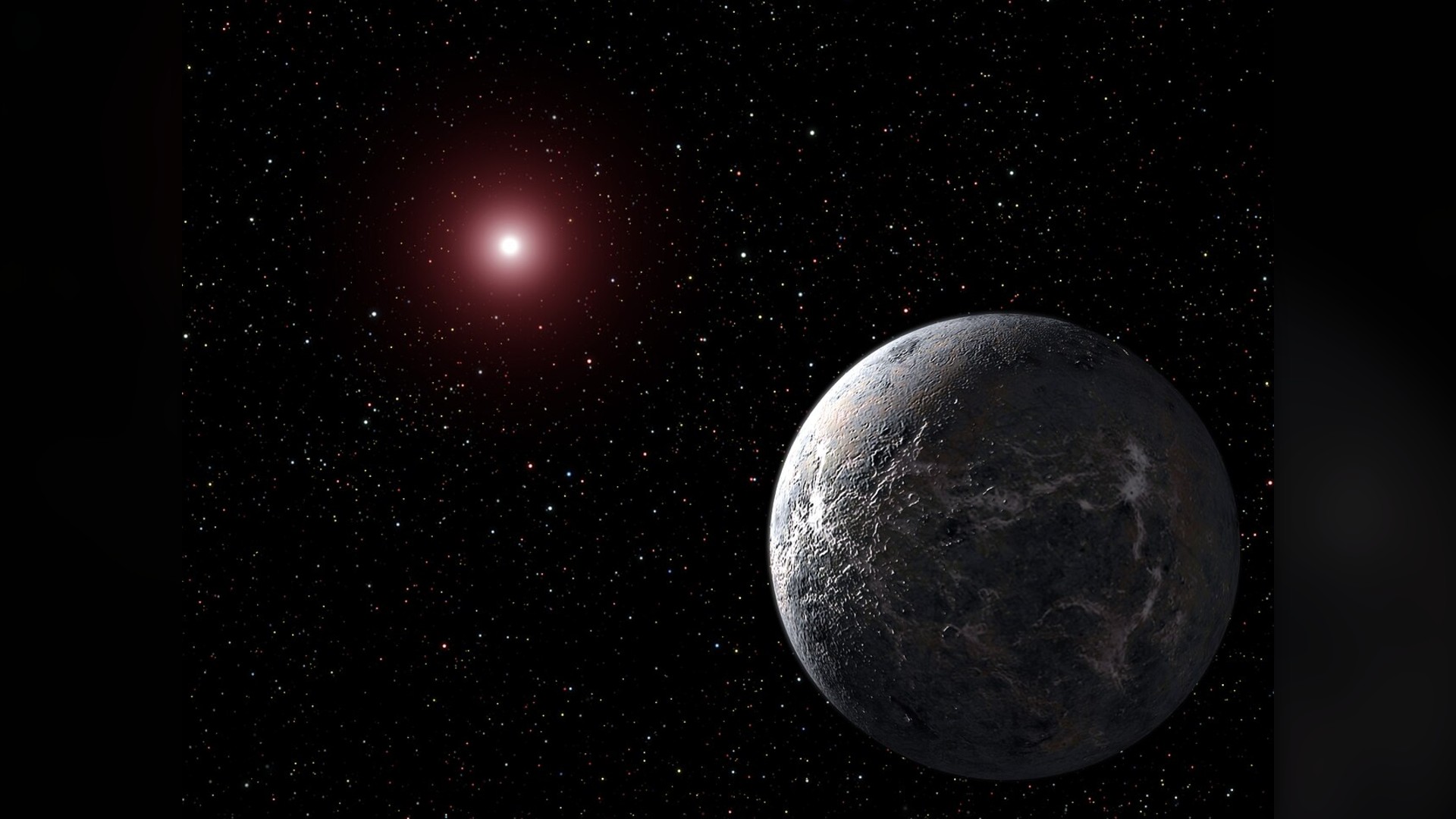
17. OGLE-2005-BLG-390Lb
Located over 20,000 light-years away toward the galactic core, this icy world orbits a dim red dwarf. With surface temperatures dipping to minus 220 degrees Celsius, it remains one of the coldest known rocky exoplanets.
©Wikimedia / NASA, ESA and G. Bacon
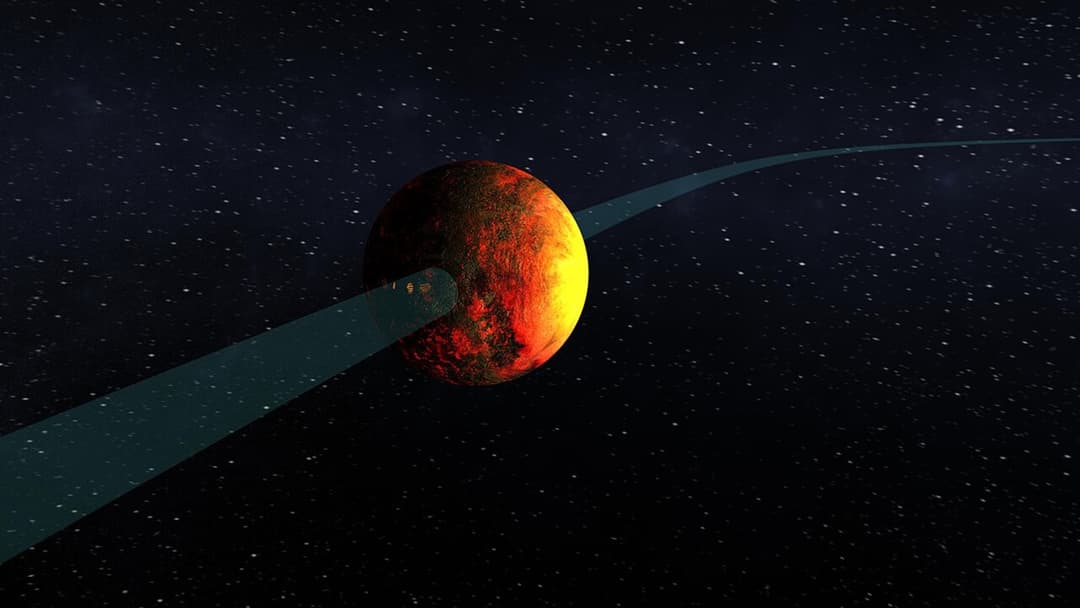
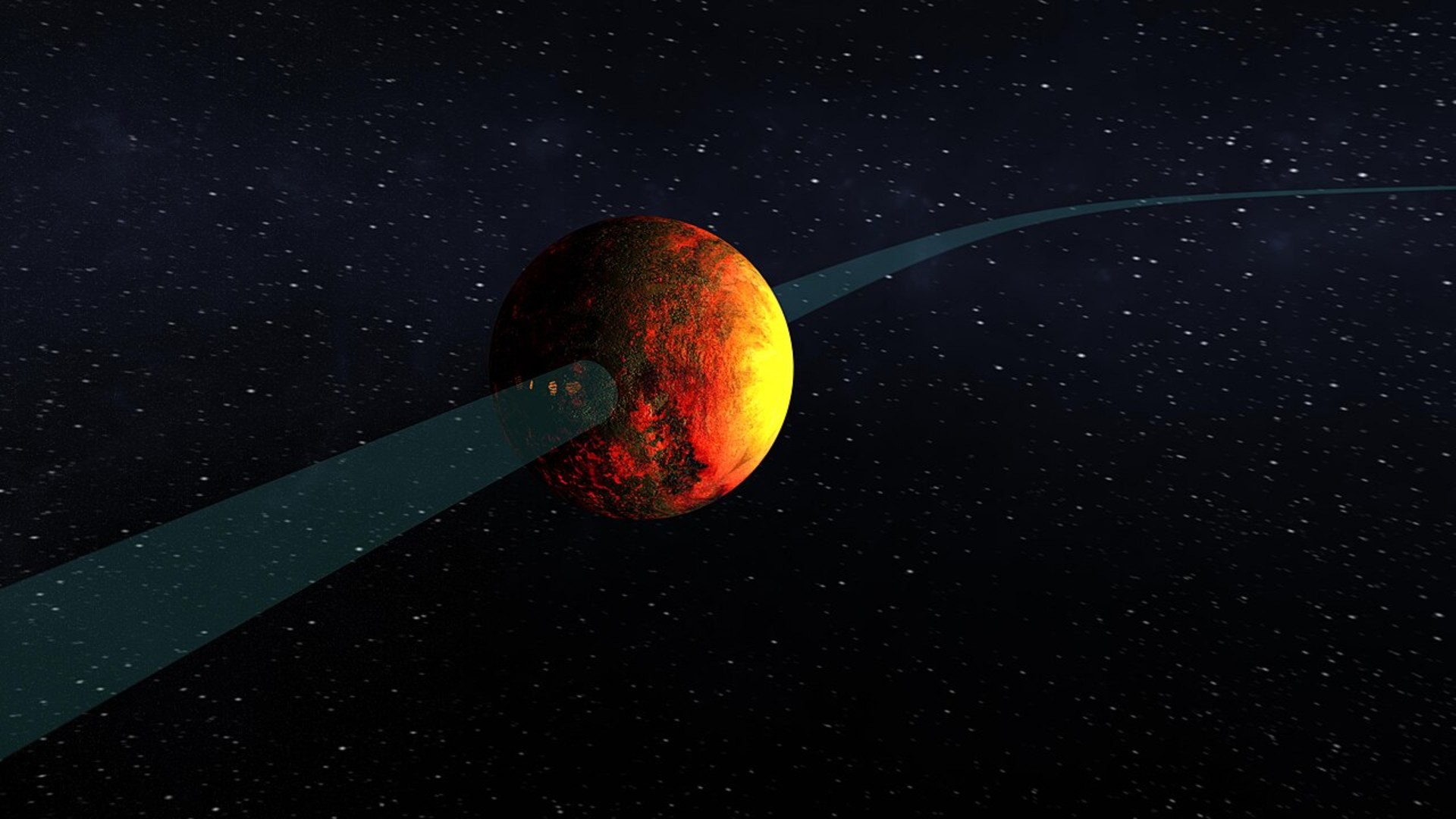
16. Kepler-10b
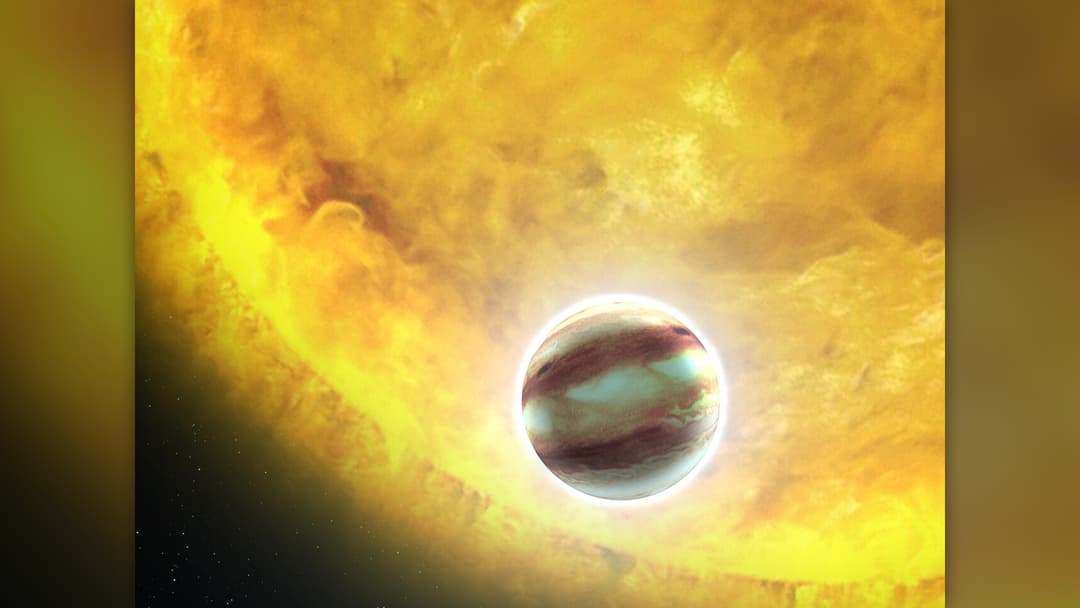
Kepler-10b whips around its parent star every twenty hours at a distance twenty times closer than Mercury orbits the Sun. The day side reaches 1,500 degrees Celsius, hot enough to melt iron into glowing rivers.
©Wikimedia / NASA, Kepler Mission, Dana Berry
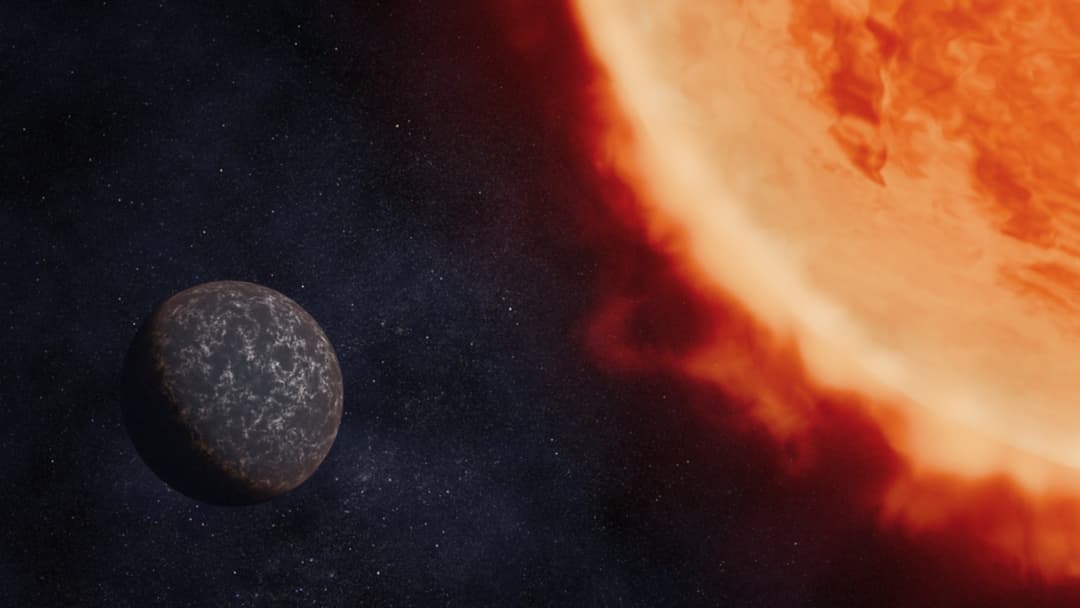
15. LHS 3844b
Infrared readings from the Spitzer Space Telescope show that LHS 3844b has no protective atmosphere. One hemisphere permanently bakes under direct stellar glare while the opposite side freezes in endless dark.
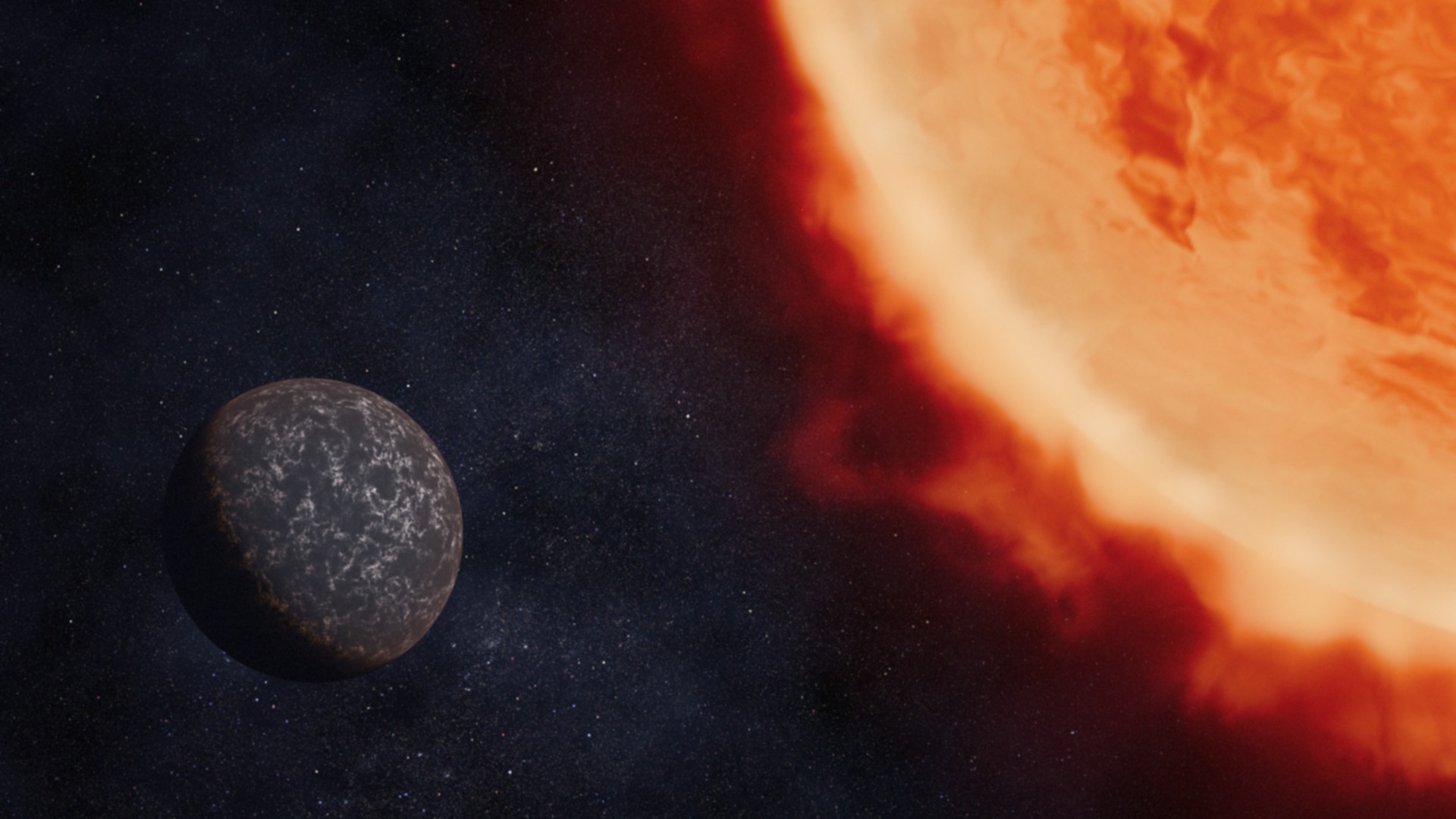
©Wikimedia / ARTWORK: NASA, ESA, CSA, Dani Player
14. HD 209458b
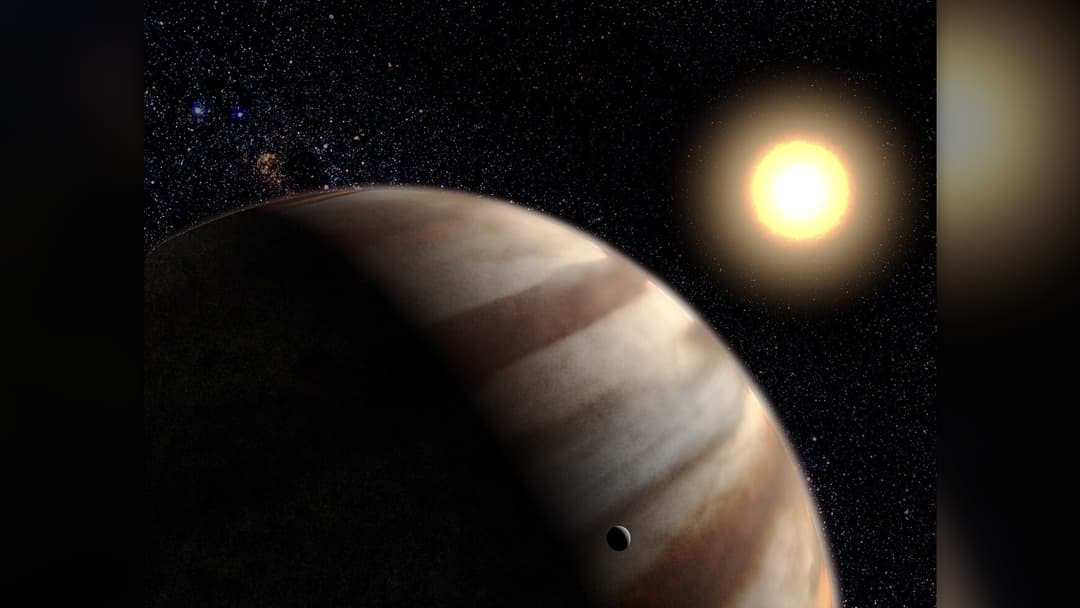
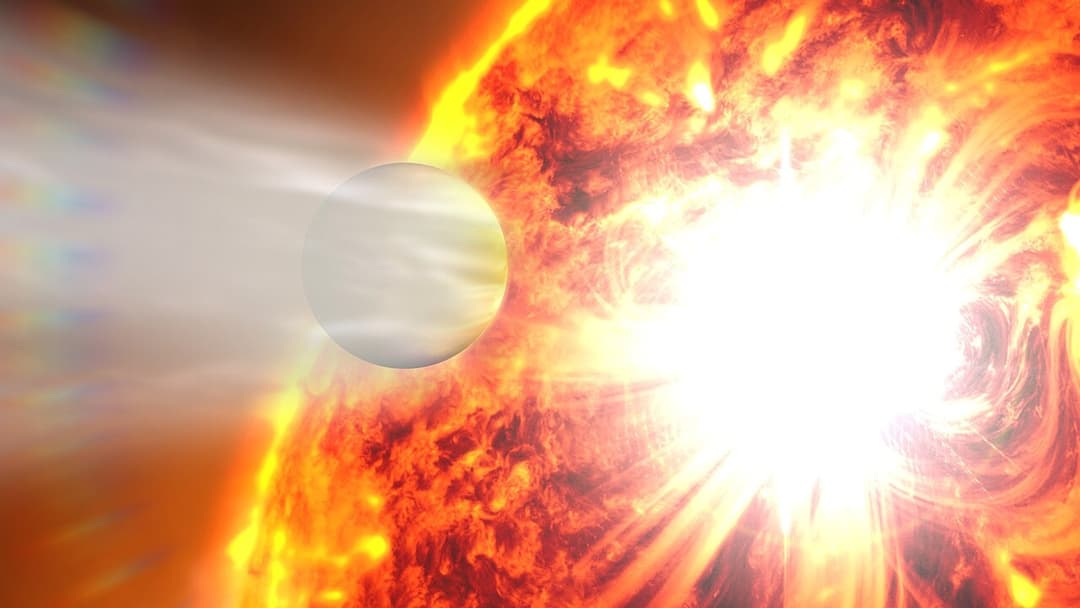
Nicknamed Osiris, HD 209458b is losing hundreds of millions of kilograms of gas every second. Extreme ultraviolet radiation boils away its outer layers, trailing hydrogen and carbon across space like a comet.
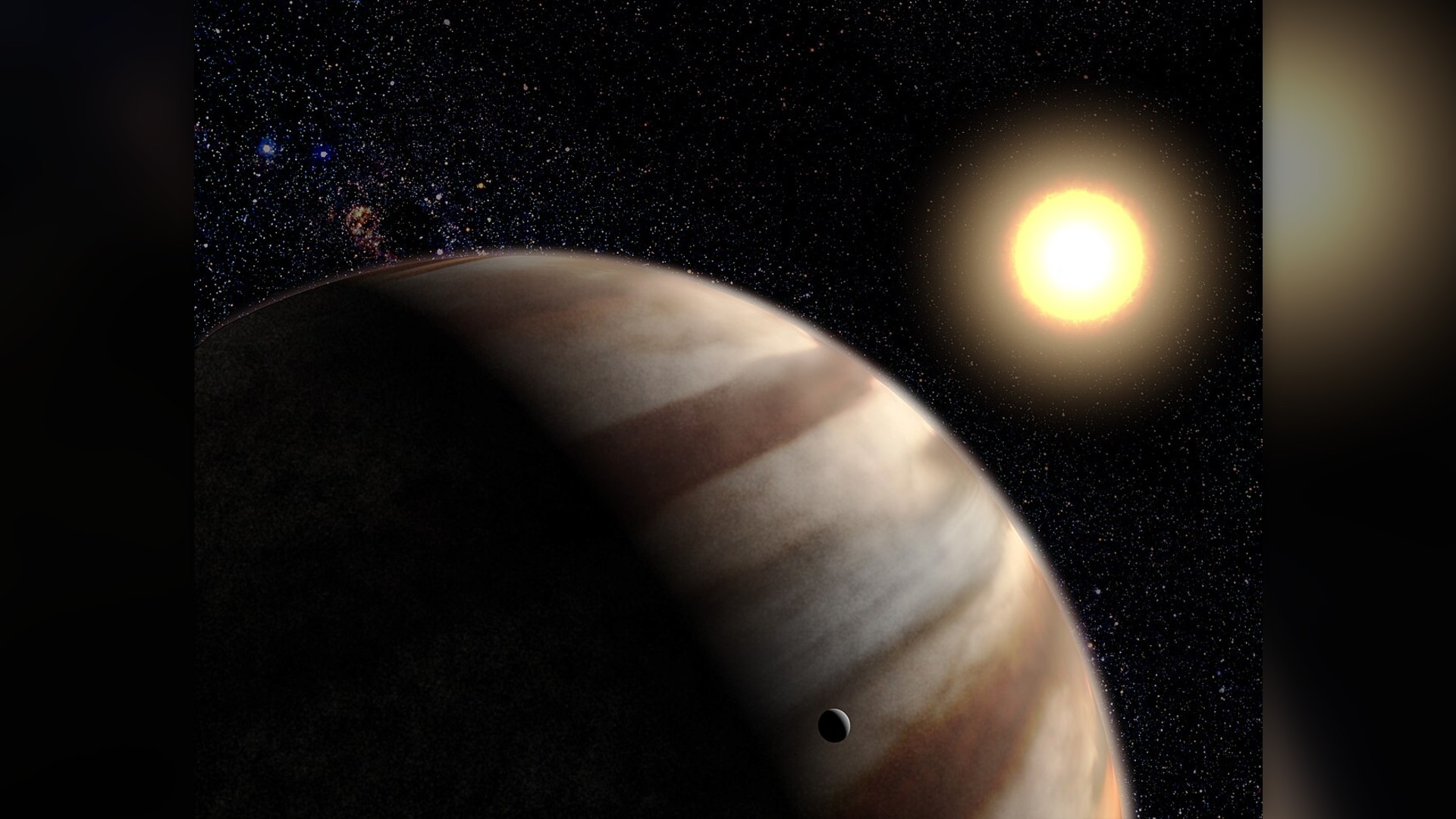
©Wikimedia / G. Bacon (STScI, AVL)
Advertisement
Swipe or tap ▶ to resume the countdown.
13. TOI-849b
TOI-849b is roughly forty times as massive as Earth but lacks a thick gaseous envelope. Astronomers believe it represents the exposed rocky and metallic core of a giant planet whose outer gas shell was completely stripped.
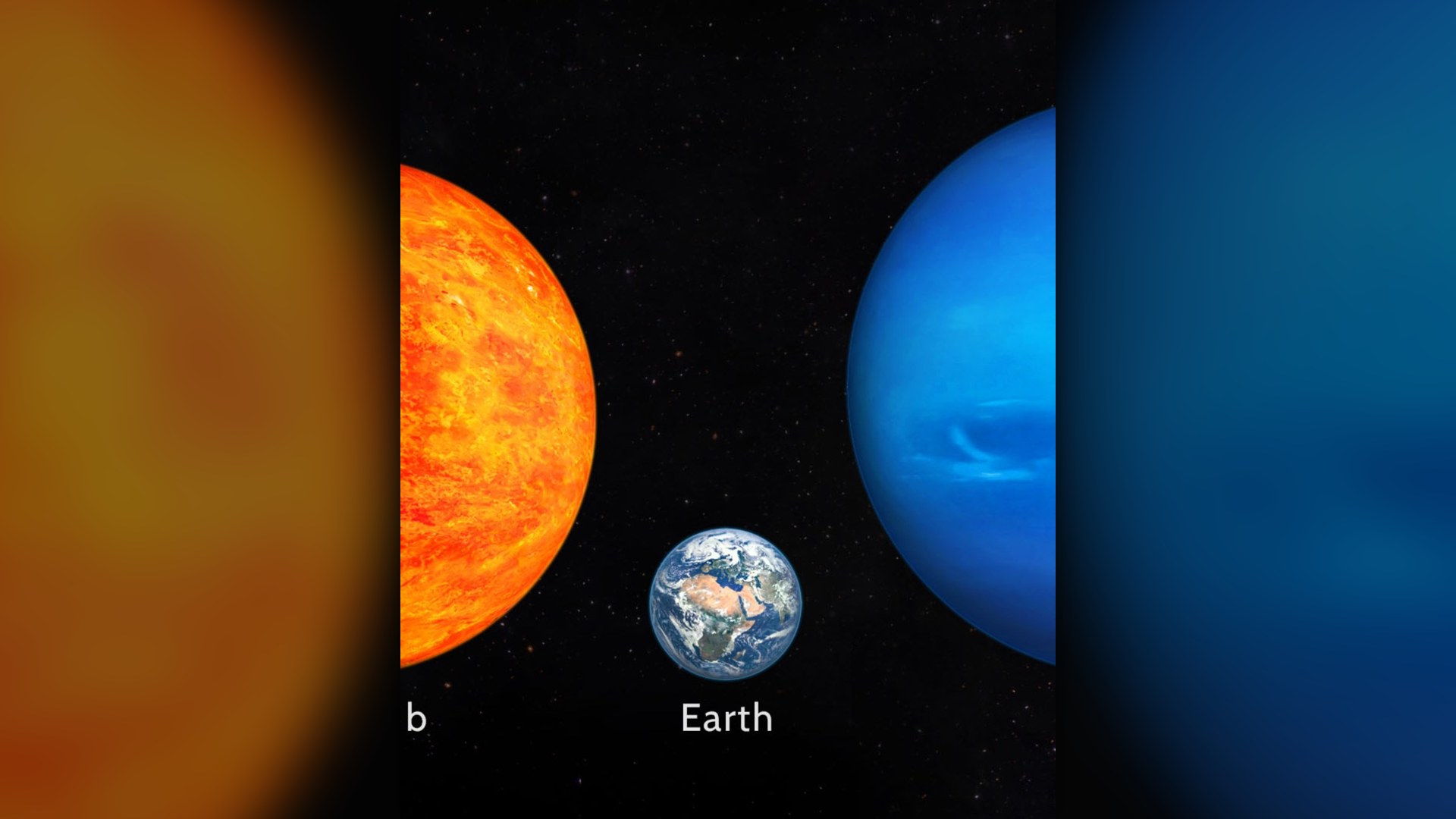
©Wikimedia / Martin Vargic
12. PSO J318.5-22
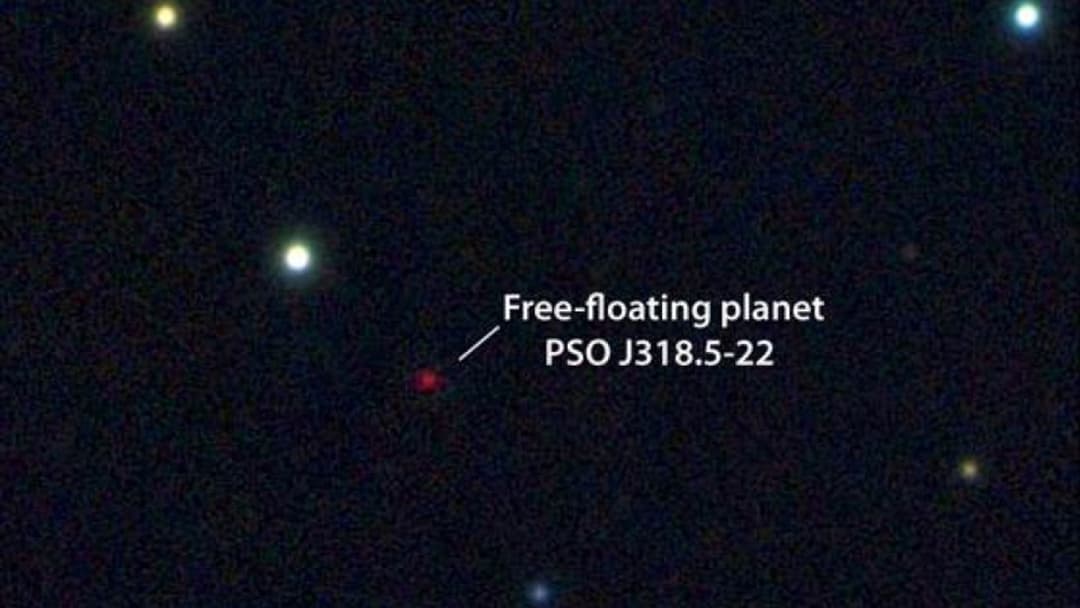
PSO J318.5-22 has no parent star and wanders untethered across the galaxy. Despite having no sun, heat from its gravitational formation keeps its atmosphere glowing with molten iron clouds that drift through dark skies.
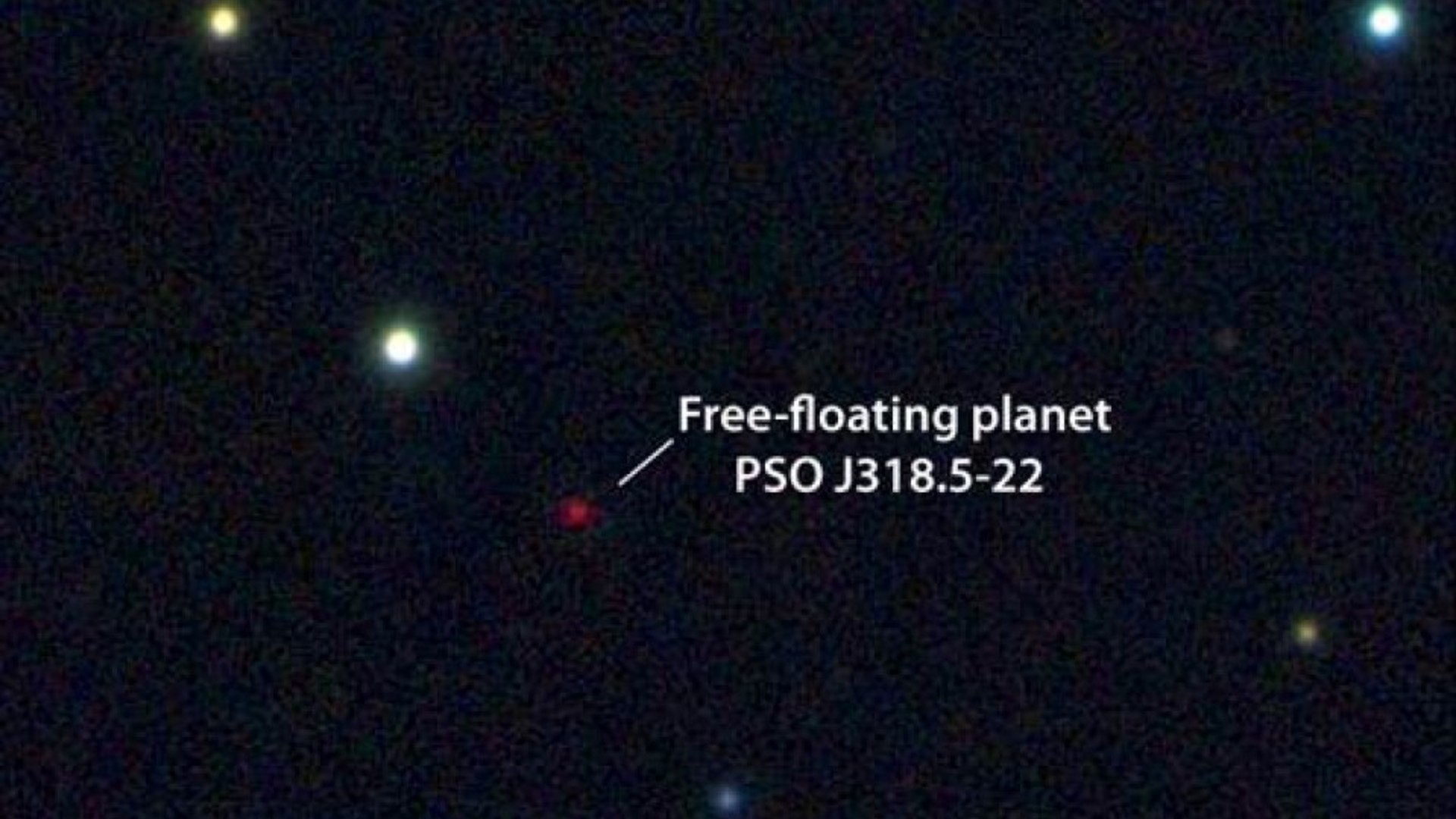
©Wikimedia / PSO J318.5−22
11. HAT-P-7b
High in the atmosphere of HAT-P-7b, extreme temperatures allow clouds of vaporized aluminum oxide to form. As powerful jet streams push these mineral clouds toward cooler night skies, they condense into gemstone rain.
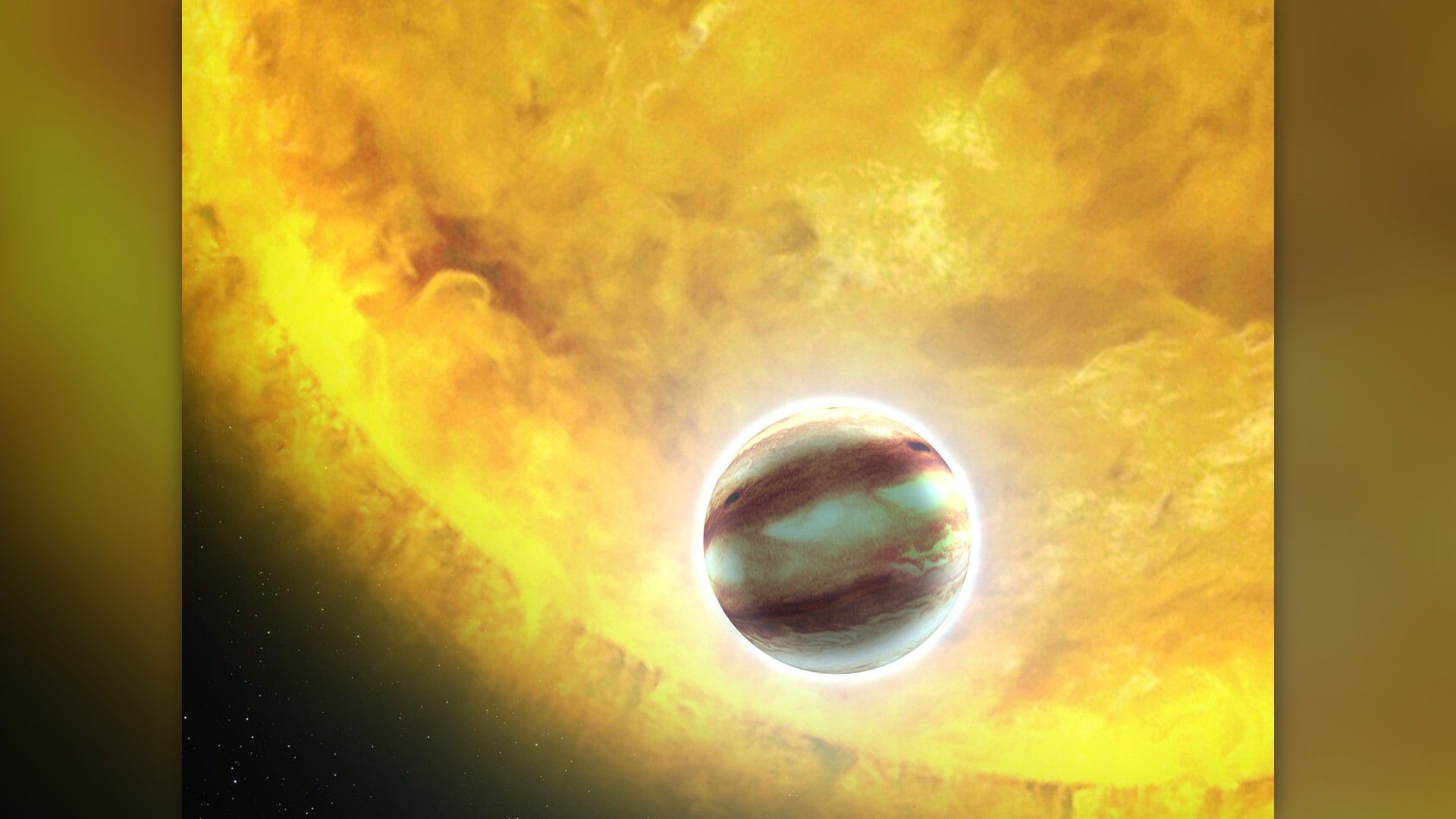
©Wikimedia / NASA, ESA, and G. Bacon (STScI)
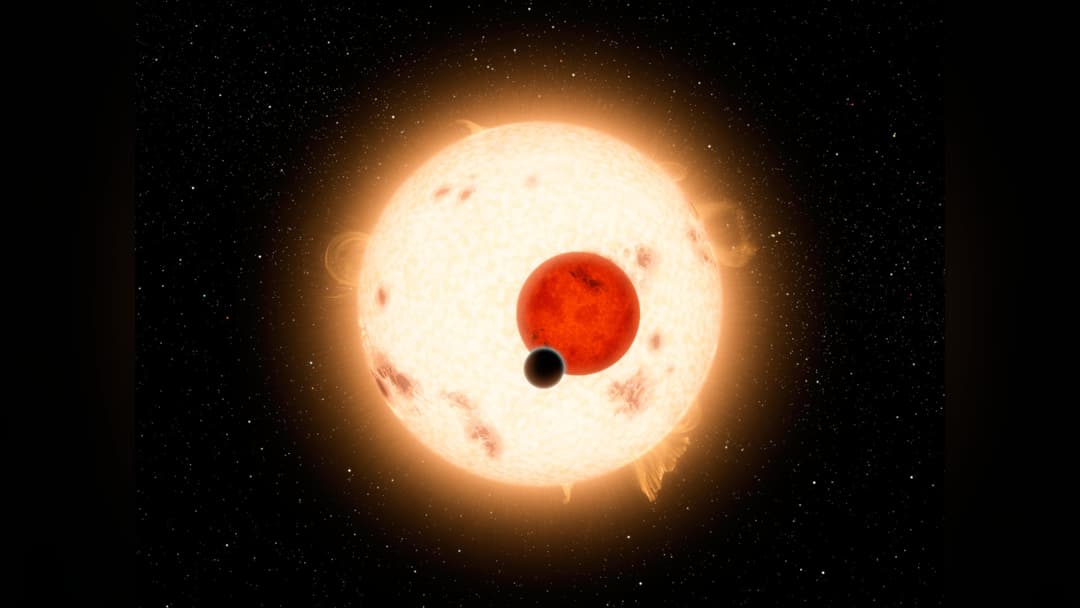
10. Kepler-16b
Kepler-16b confirmed that planets can form and remain stable around binary star pairs. A visitor to its upper atmosphere would watch two distinct suns rise and set along the horizon in an orbital dance.
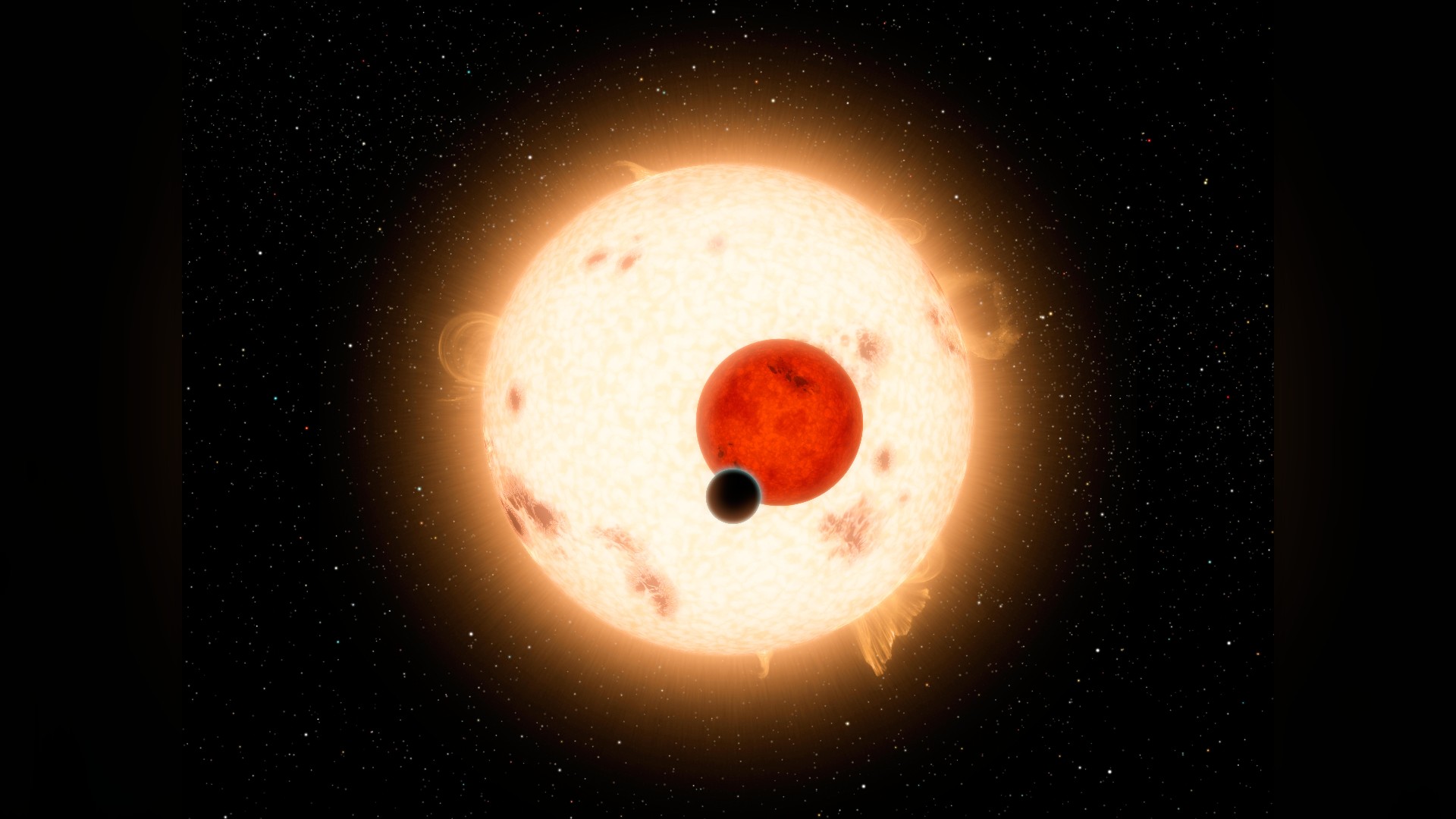
©Wikimedia / Kepler-16b
Advertisement
Swipe or tap ▶ to resume the countdown.
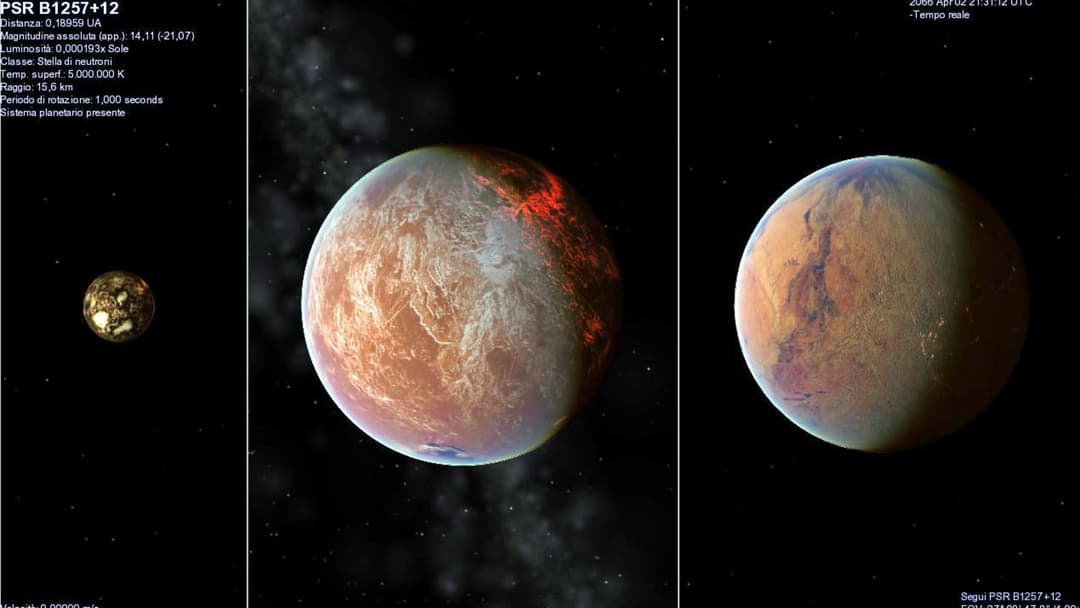
9. PSR B1257+12 B
Also named Draugr, this was among the first exoplanets ever confirmed in 1992. It orbits a dense neutron star that sweeps deadly beams of x-ray and gamma radiation across the planetary surface every few milliseconds.
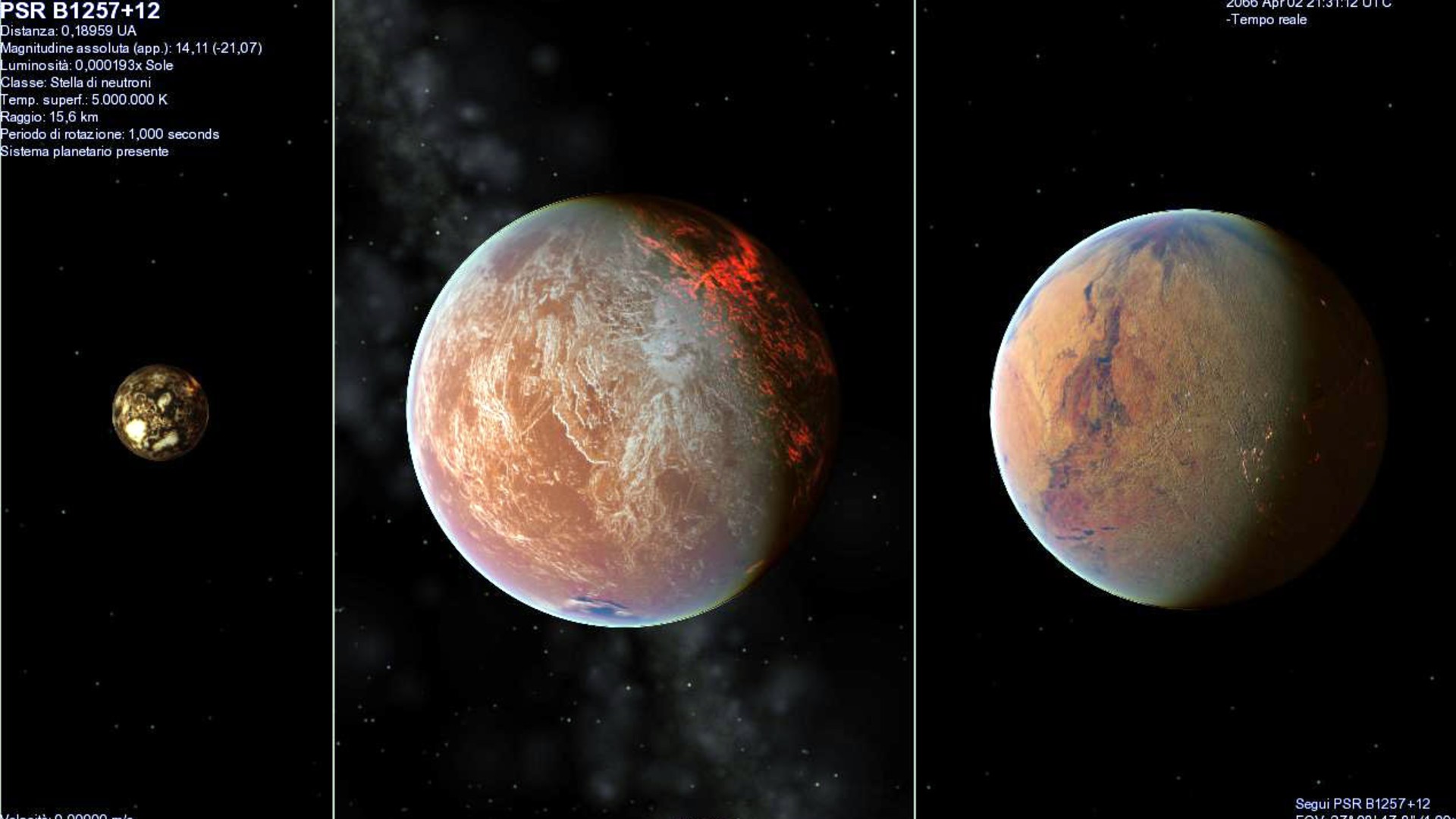
©Wikimedia / Tyrogthekreeper at en.wikipedia (Later
8. WASP-12b
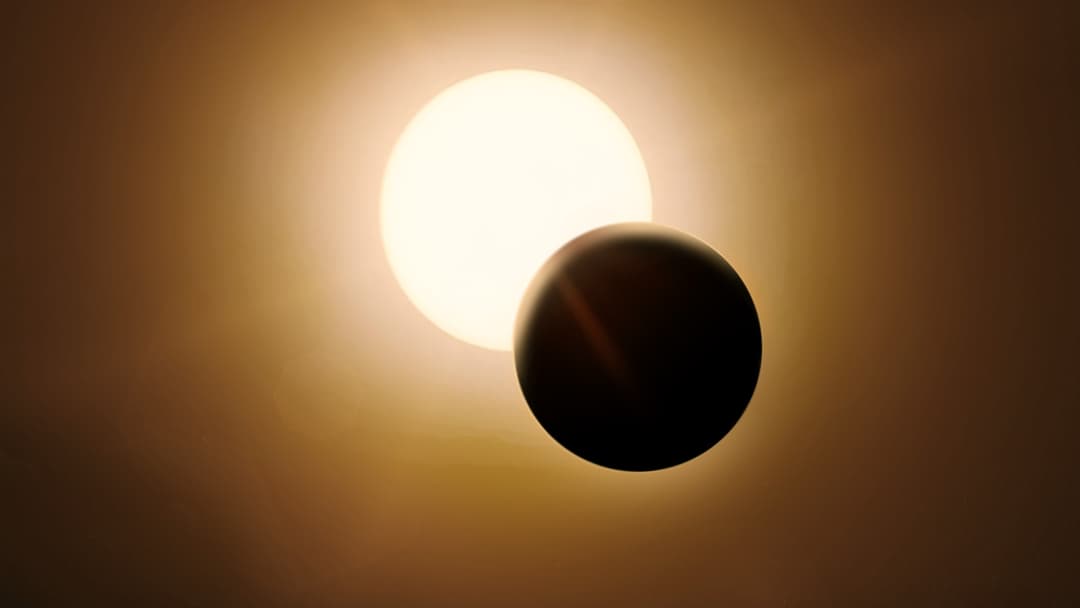
Tidal forces from its nearby host star are stretching WASP-12b into an oblong rugby-ball shape. The star is actively pulling material from the planet atmosphere, leaving it only about ten million years before total destruction.
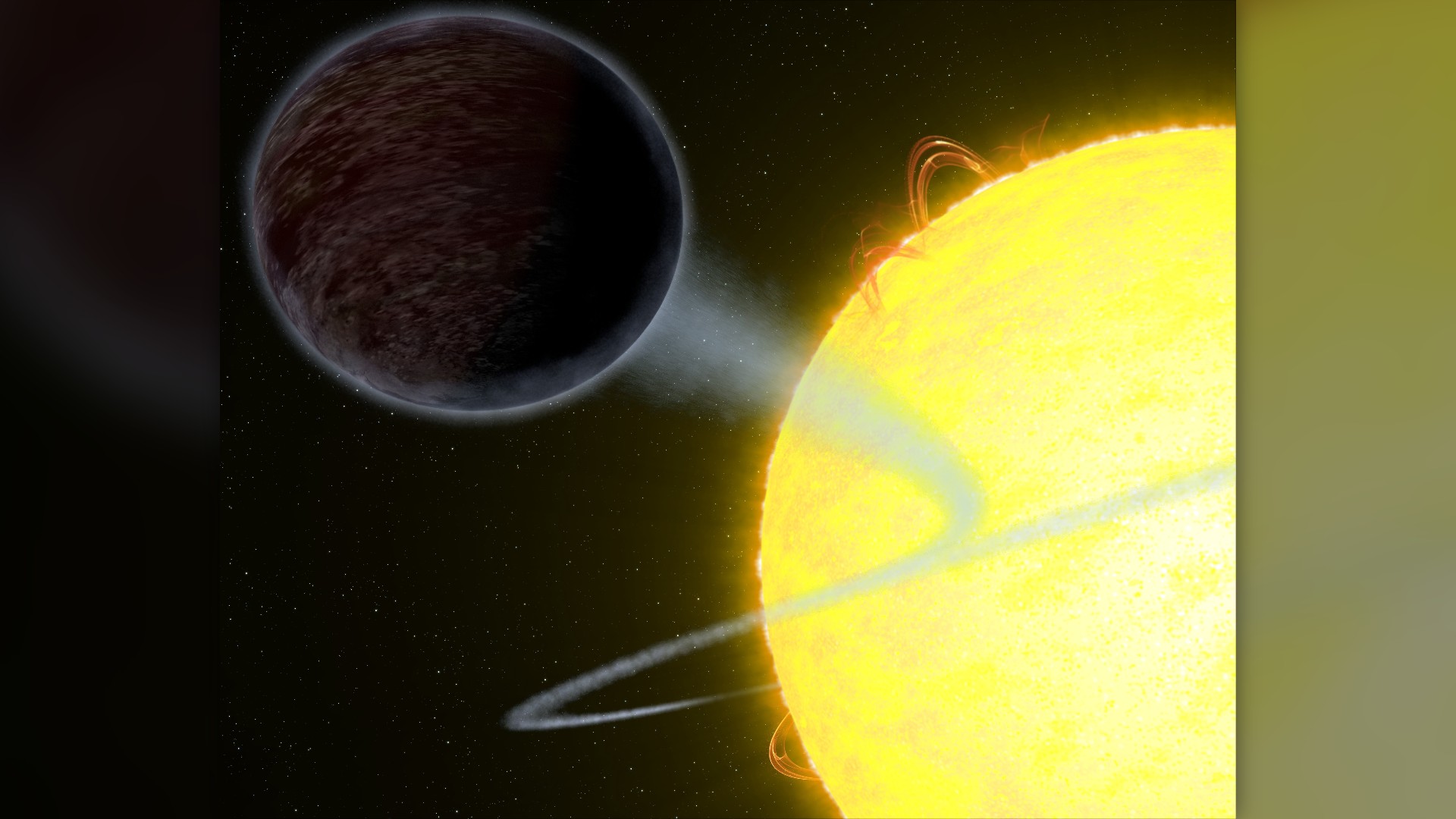
©Wikimedia / WASP-12b
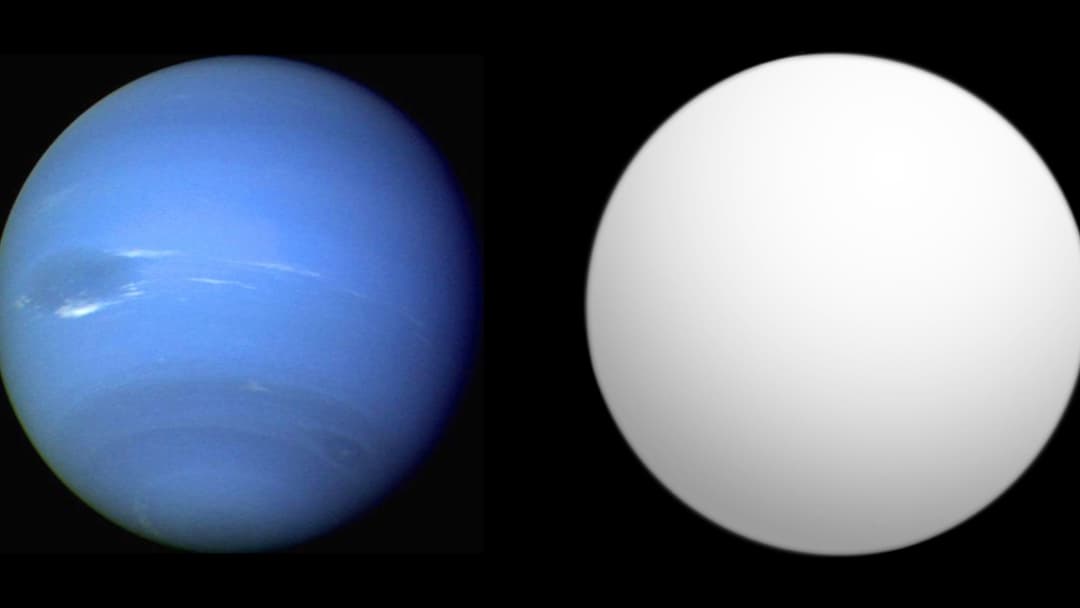
7. Gliese 436b
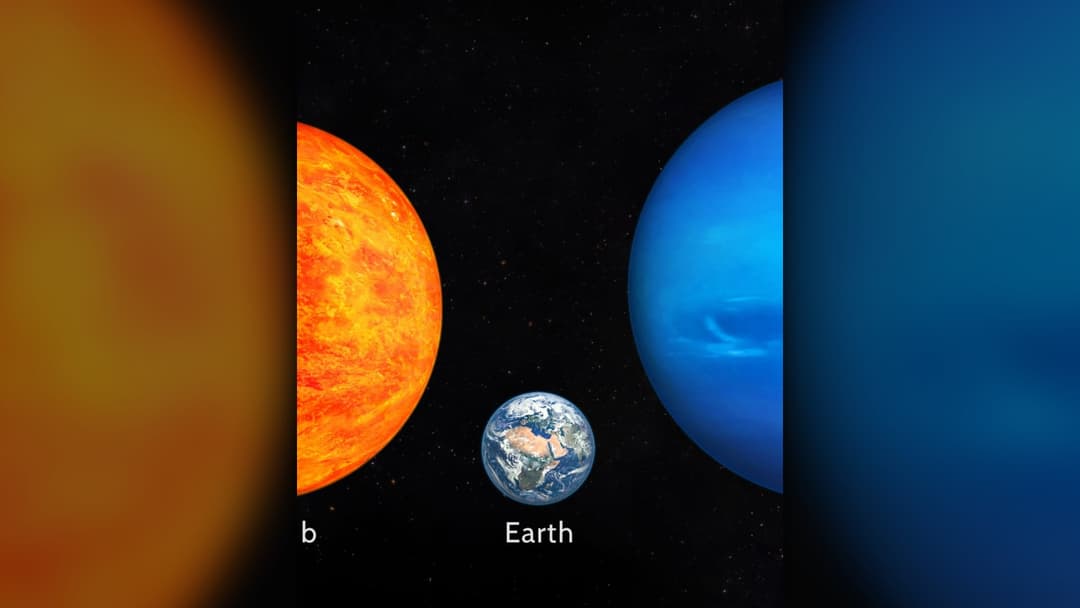
Gliese 436b is a Neptune-sized exoplanet where intense gravity compresses water into exotic solid ice phases like ice seven. Even at temperatures exceeding 400 degrees Celsius, the ice remains solid beneath a hydrogen cloud.
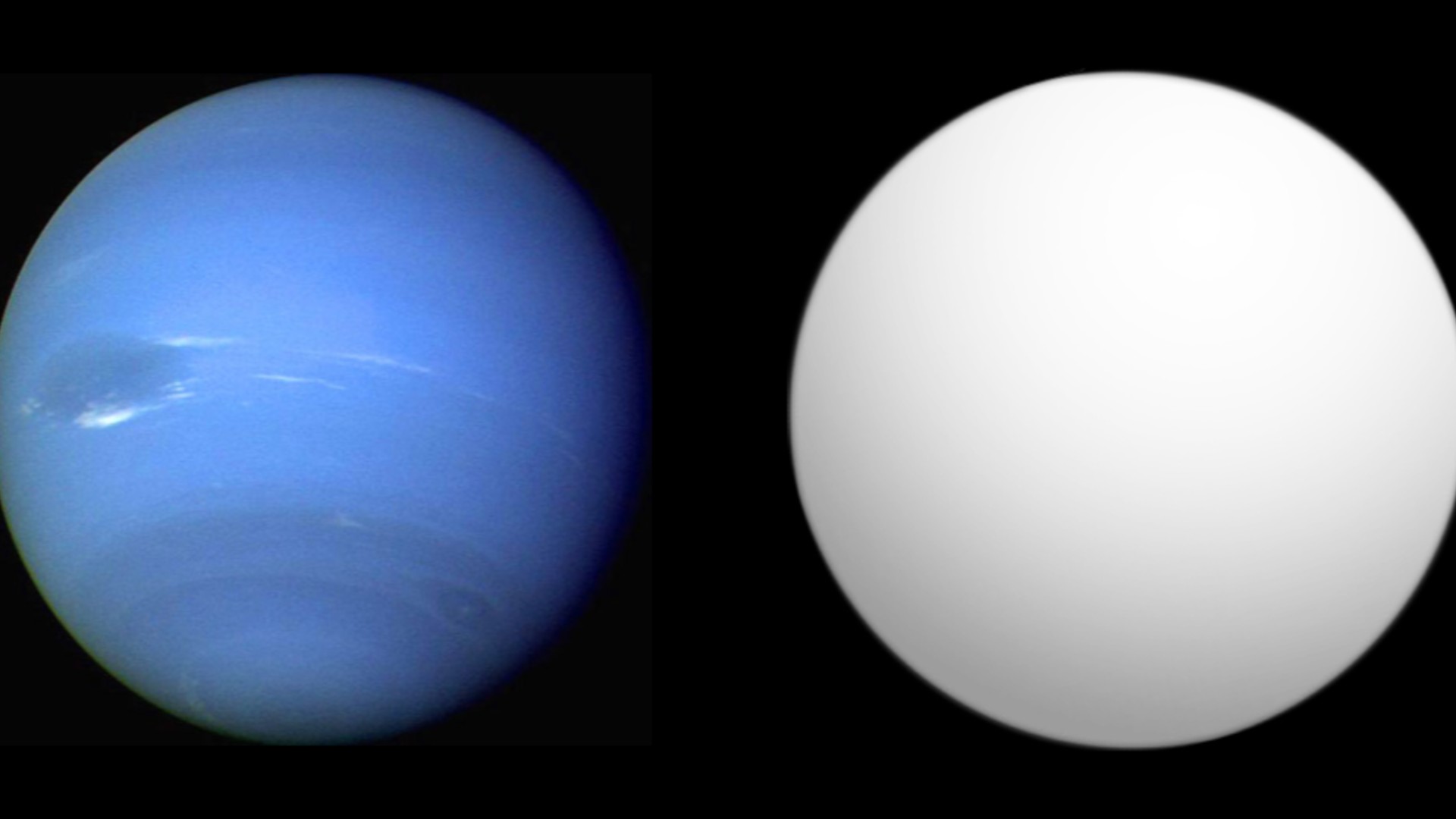
©Wikimedia / Gliese 436 b
6. Kepler-70b
Kepler-70b was engulfed when its parent star expanded into a red giant and yet managed to survive. Now orbiting the remnant subdwarf core every five hours, its dayside temperature exceeds 6,000 degrees Celsius.
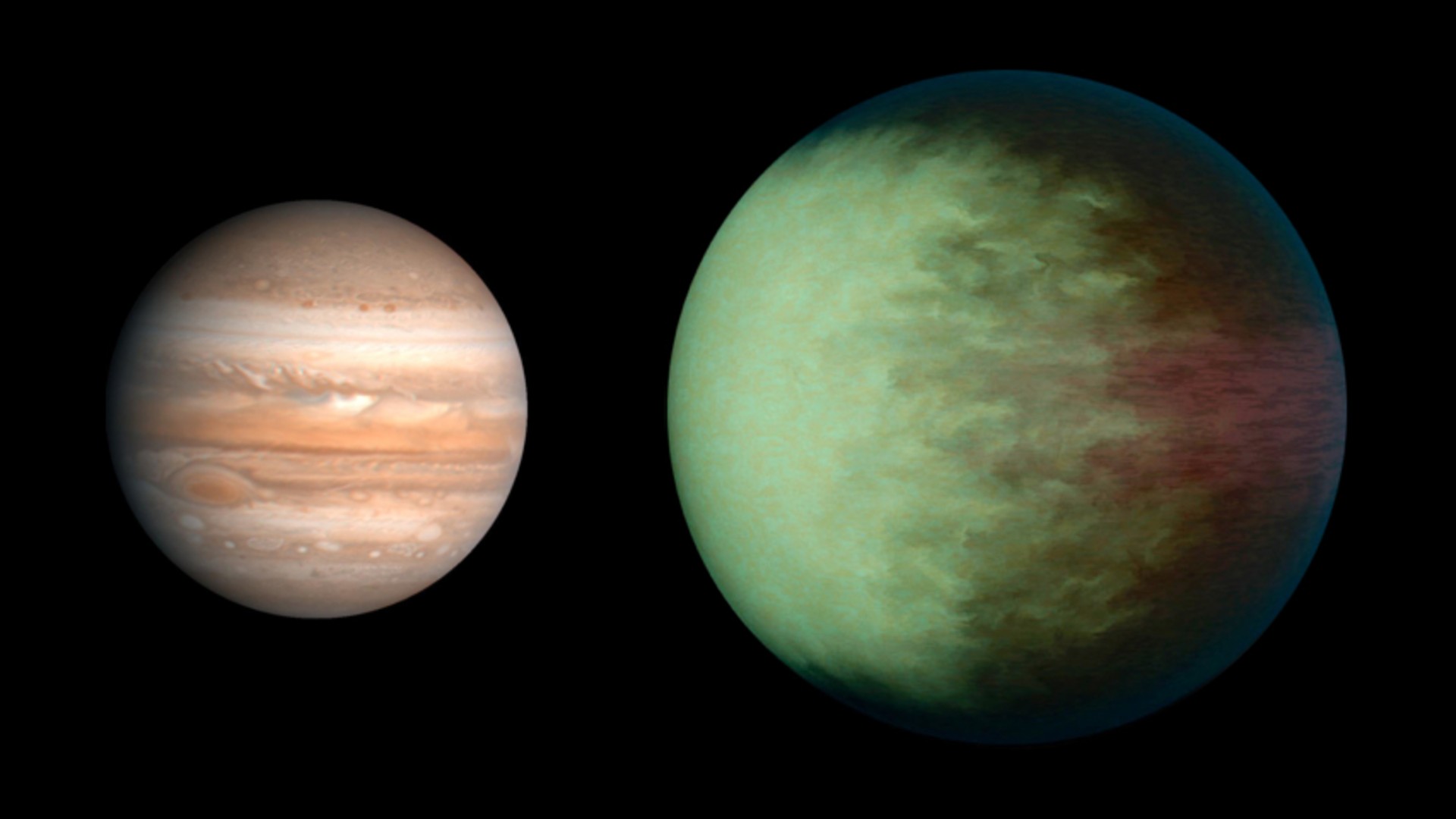
©Wikimedia / Aldaron , a.k.a. Aldaron
Advertisement
Swipe or tap ▶ to resume the countdown.
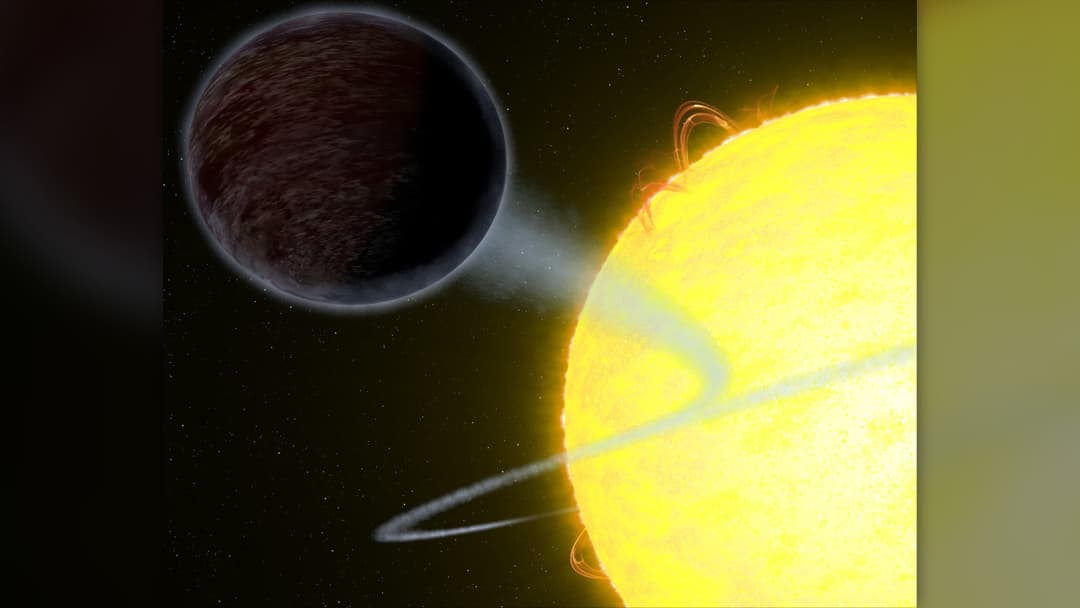
5. TrES-2b
TrES-2b reflects less than one percent of the starlight that hits it, making it darker than coal or acrylic paint. Its superheated atmosphere is filled with vaporized sodium and potassium that trap incoming photons.
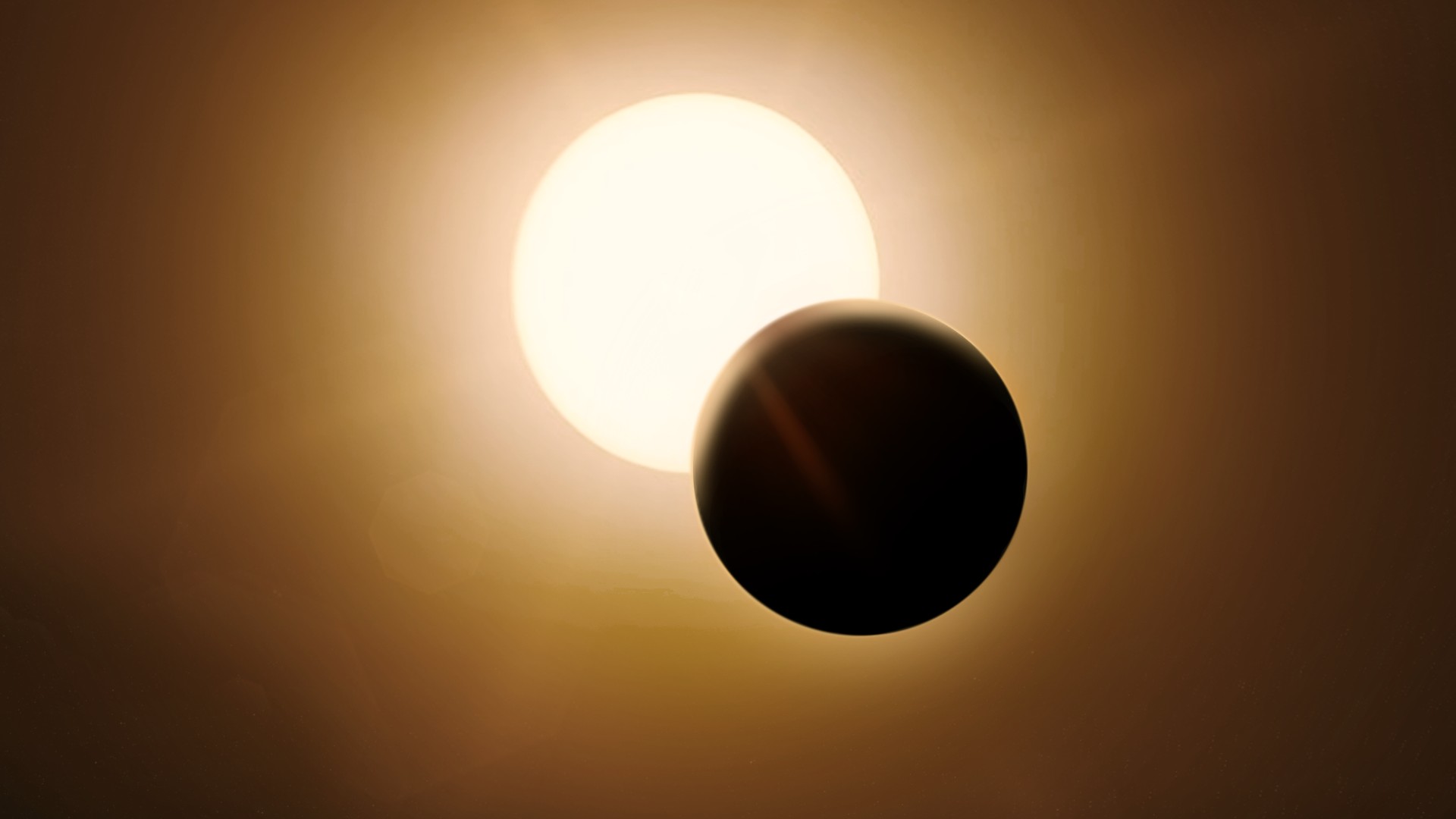
©Wikimedia / TrES-2b
4. HD 189733b
Despite its calm cobalt appearance from afar, HD 189733b experiences winds howling at 5,400 miles per hour. The atmosphere is filled with silicate particles that condense into molten glass droplets swept into horizontal gales.
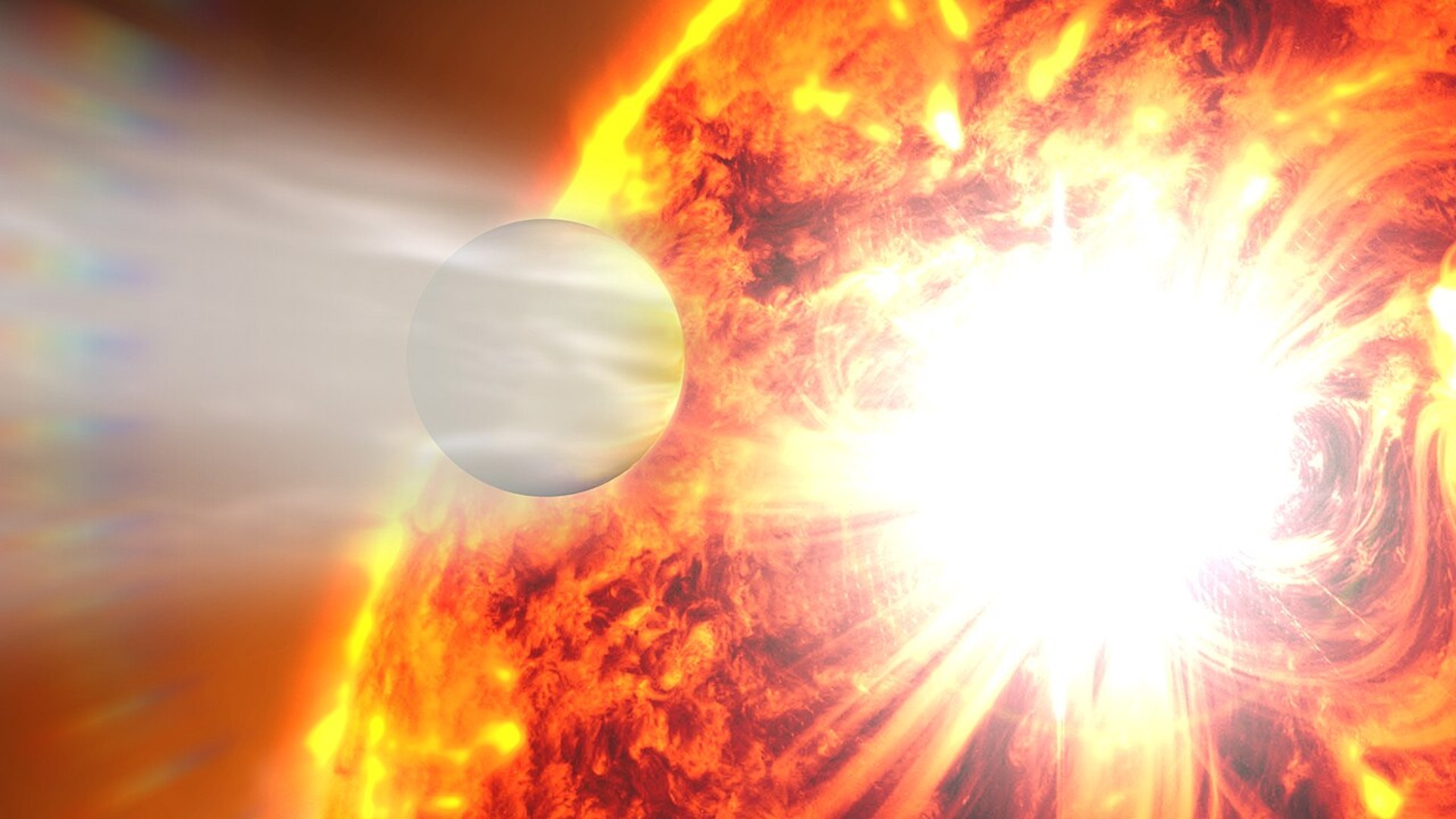
©Wikimedia / NASA's Goddard Space Flight Center
3. 55 Cancri E
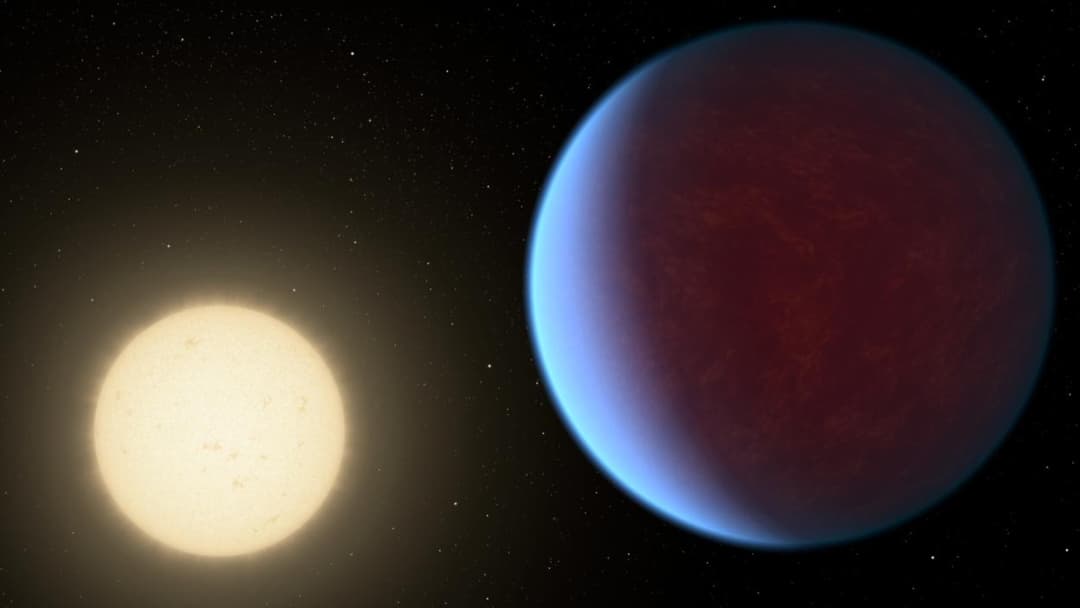
Orbiting its star in just 18 hours, 55 Cancri e has surface temperatures exceeding 2,000 degrees Celsius. High internal carbon abundance and immense gravitational pressure suggest that thick layers of its interior may exist as diamond.
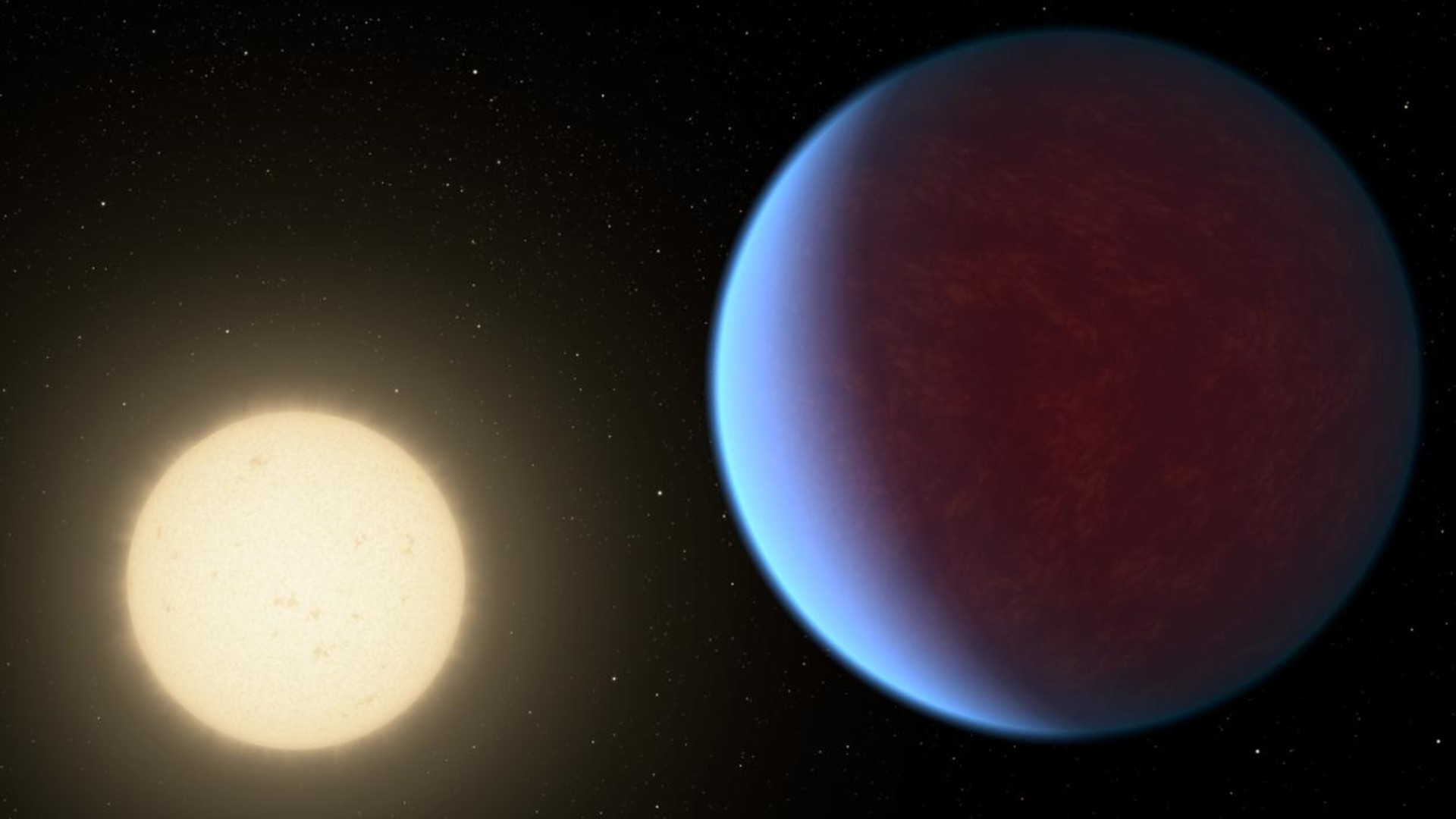
©NASA / JPL
2. KELT-9b
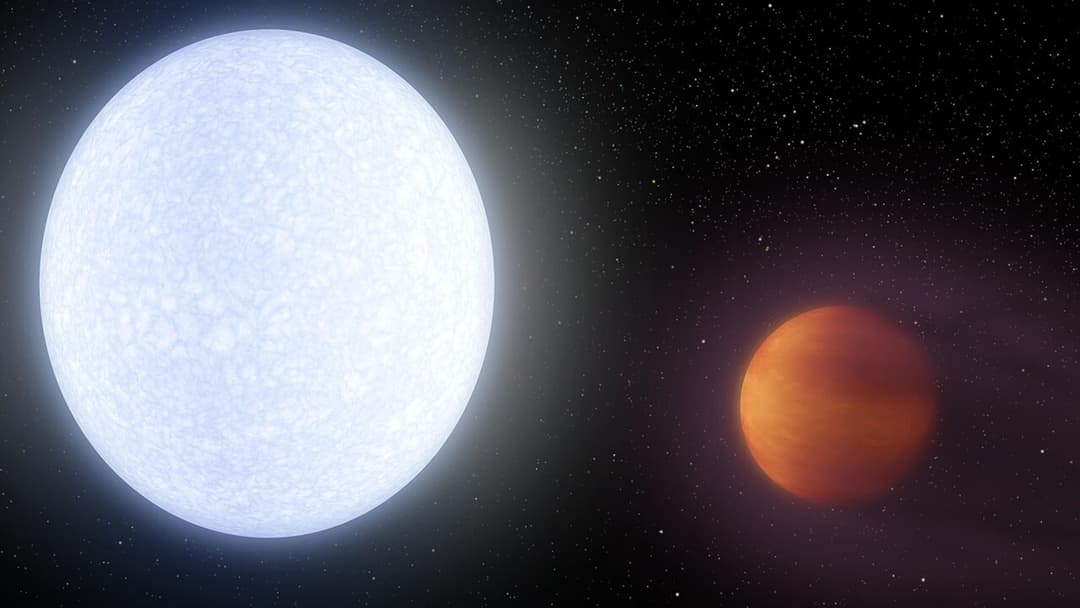
With dayside temperatures reaching 4,300 degrees Celsius, KELT-9b is hotter than most red and orange stars. Stellar radiation is so intense that water and carbon dioxide molecules are ripped apart into their elemental atoms.
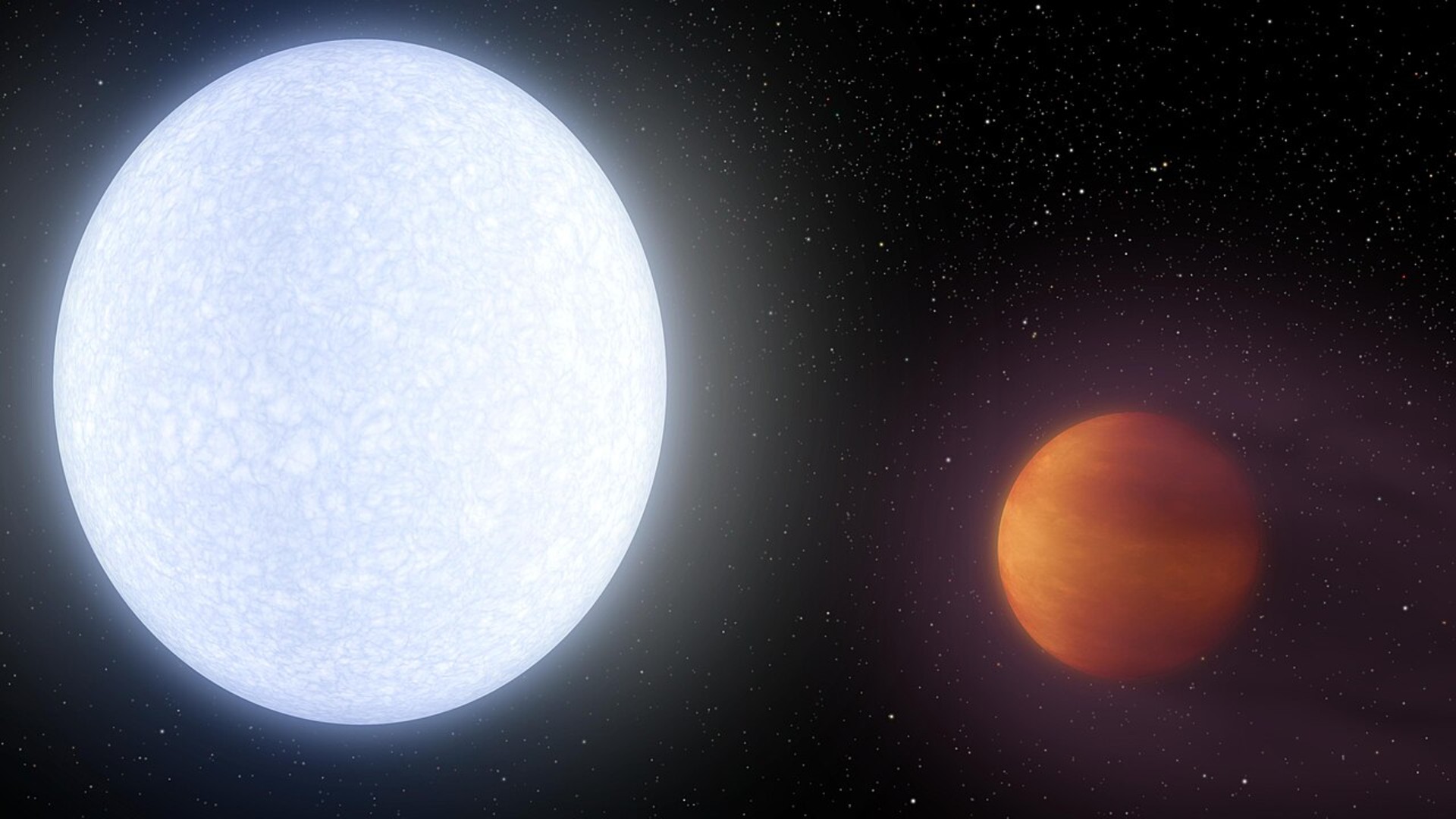
©Wikimedia / Wikimedia Contributor
Advertisement
Swipe or tap ▶ to resume the countdown.
1. WASP-76b
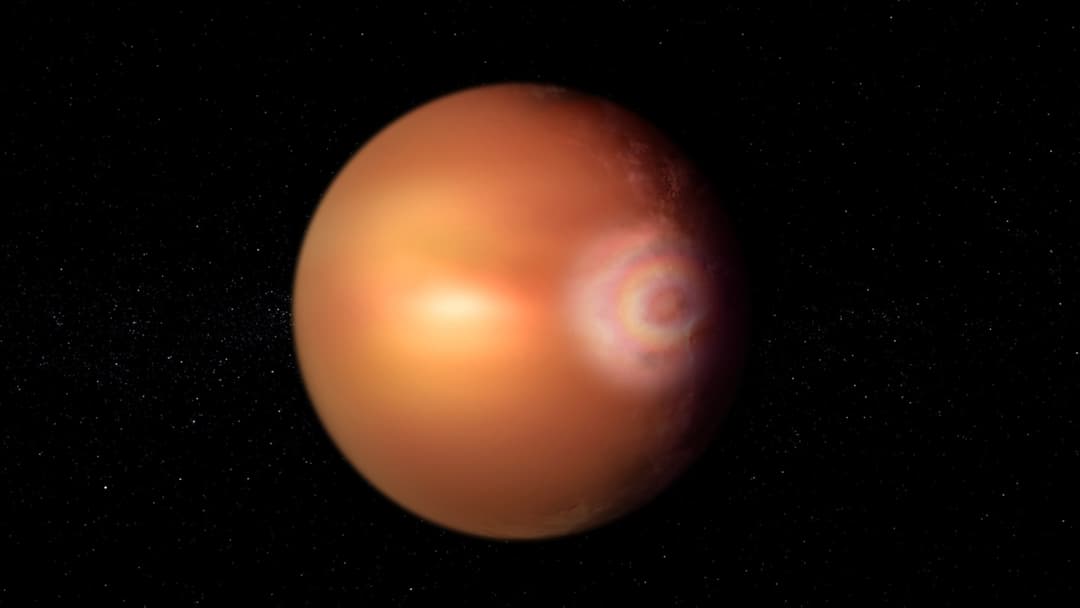
Tidally locked to an intense star, the dayside of WASP-76b vaporizes metallic iron. Powerful atmospheric currents carry iron vapour to the cooler nightside, where it condenses into droplets and falls as liquid iron rain.
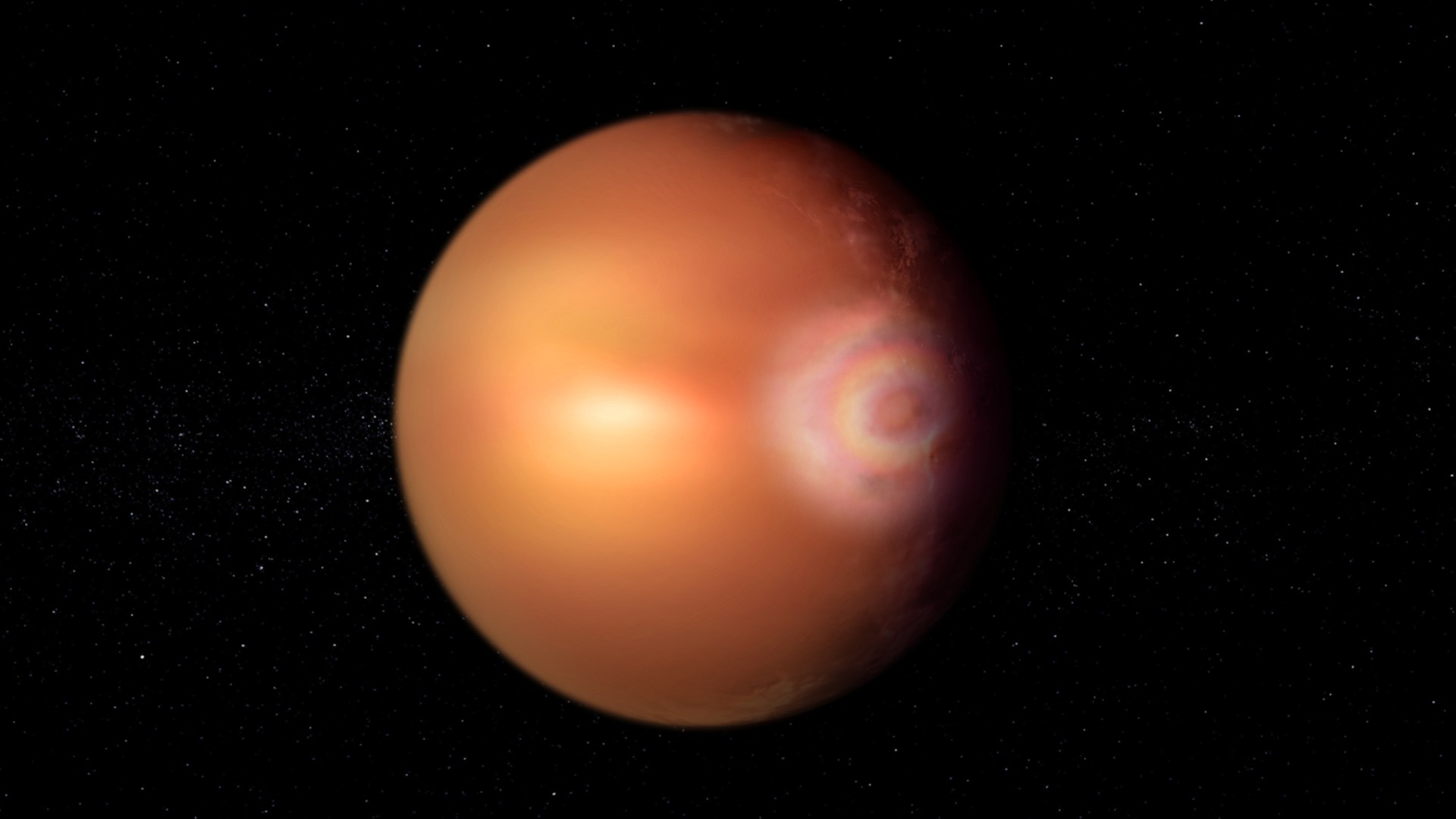
©Wikimedia / WASP-76b
Advertisement
You've reached the end of the story. Thanks for reading!

22 Natural Herbal Teas and Botanical Infusions Backed by Modern Science
Evaluated in clinical pharmacology and botanical trials, these 22 herbal teas and botanical infusions provide measurable antioxidant, digestive, and cardiovascular benefits. Botanical infusions have served as humanity's earliest medicines.
All 20 Entries in this Story
20. TRAPPIST-1e
TRAPPIST-1e orbits within its host star habitable zone but endures intense stellar flares. The tidally locked planet may harbour liquid surface water beneath persistent twilight skies.

19. GJ 1214b
Discovered in 2009, GJ 1214b has a thick envelope composed largely of high-pressure water vapour. Intense atmospheric heat creates exotic phases of superheated ice and fluid deep within its mantle.

18. WASP-107b
WASP-107b has the volume of Jupiter but only a fraction of its mass. Observations from the James Webb Space Telescope revealed silicate sand clouds drifting through an atmosphere rich in sulfur dioxide.

17. OGLE-2005-BLG-390Lb
Located over 20,000 light-years away toward the galactic core, this icy world orbits a dim red dwarf. With surface temperatures dipping to minus 220 degrees Celsius, it remains one of the coldest known rocky exoplanets.

16. Kepler-10b
Kepler-10b whips around its parent star every twenty hours at a distance twenty times closer than Mercury orbits the Sun. The day side reaches 1,500 degrees Celsius, hot enough to melt iron into glowing rivers.

15. LHS 3844b
Infrared readings from the Spitzer Space Telescope show that LHS 3844b has no protective atmosphere. One hemisphere permanently bakes under direct stellar glare while the opposite side freezes in endless dark.

14. HD 209458b
Nicknamed Osiris, HD 209458b is losing hundreds of millions of kilograms of gas every second. Extreme ultraviolet radiation boils away its outer layers, trailing hydrogen and carbon across space like a comet.

13. TOI-849b
TOI-849b is roughly forty times as massive as Earth but lacks a thick gaseous envelope. Astronomers believe it represents the exposed rocky and metallic core of a giant planet whose outer gas shell was completely stripped.

12. PSO J318.5-22
PSO J318.5-22 has no parent star and wanders untethered across the galaxy. Despite having no sun, heat from its gravitational formation keeps its atmosphere glowing with molten iron clouds that drift through dark skies.

11. HAT-P-7b
High in the atmosphere of HAT-P-7b, extreme temperatures allow clouds of vaporized aluminum oxide to form. As powerful jet streams push these mineral clouds toward cooler night skies, they condense into gemstone rain.

10. Kepler-16b
Kepler-16b confirmed that planets can form and remain stable around binary star pairs. A visitor to its upper atmosphere would watch two distinct suns rise and set along the horizon in an orbital dance.

9. PSR B1257+12 B
Also named Draugr, this was among the first exoplanets ever confirmed in 1992. It orbits a dense neutron star that sweeps deadly beams of x-ray and gamma radiation across the planetary surface every few milliseconds.

8. WASP-12b
Tidal forces from its nearby host star are stretching WASP-12b into an oblong rugby-ball shape. The star is actively pulling material from the planet atmosphere, leaving it only about ten million years before total destruction.

7. Gliese 436b
Gliese 436b is a Neptune-sized exoplanet where intense gravity compresses water into exotic solid ice phases like ice seven. Even at temperatures exceeding 400 degrees Celsius, the ice remains solid beneath a hydrogen cloud.

6. Kepler-70b
Kepler-70b was engulfed when its parent star expanded into a red giant and yet managed to survive. Now orbiting the remnant subdwarf core every five hours, its dayside temperature exceeds 6,000 degrees Celsius.

5. TrES-2b
TrES-2b reflects less than one percent of the starlight that hits it, making it darker than coal or acrylic paint. Its superheated atmosphere is filled with vaporized sodium and potassium that trap incoming photons.

4. HD 189733b
Despite its calm cobalt appearance from afar, HD 189733b experiences winds howling at 5,400 miles per hour. The atmosphere is filled with silicate particles that condense into molten glass droplets swept into horizontal gales.

3. 55 Cancri E
Orbiting its star in just 18 hours, 55 Cancri e has surface temperatures exceeding 2,000 degrees Celsius. High internal carbon abundance and immense gravitational pressure suggest that thick layers of its interior may exist as diamond.

2. KELT-9b
With dayside temperatures reaching 4,300 degrees Celsius, KELT-9b is hotter than most red and orange stars. Stellar radiation is so intense that water and carbon dioxide molecules are ripped apart into their elemental atoms.

1. WASP-76b
Tidally locked to an intense star, the dayside of WASP-76b vaporizes metallic iron. Powerful atmospheric currents carry iron vapour to the cooler nightside, where it condenses into droplets and falls as liquid iron rain.