Slideshow · Science
20 Most Powerful Hydroelectric Power Plants in the United States, Ranked
Ranked by total generating capacity from U.S. Energy Information Administration records, these 20 massive hydroelectric facilities supply clean power across the nation. Hydropower anchors America. According to U.S. Energy Information Administration records, twenty facilities lead the nation in generating capacity.
By Most Viral Today
44 min ago

U.S. Energy Information data ranks America's 20 largest hydropower dams 
20. Edward Hyatt Power Plant 
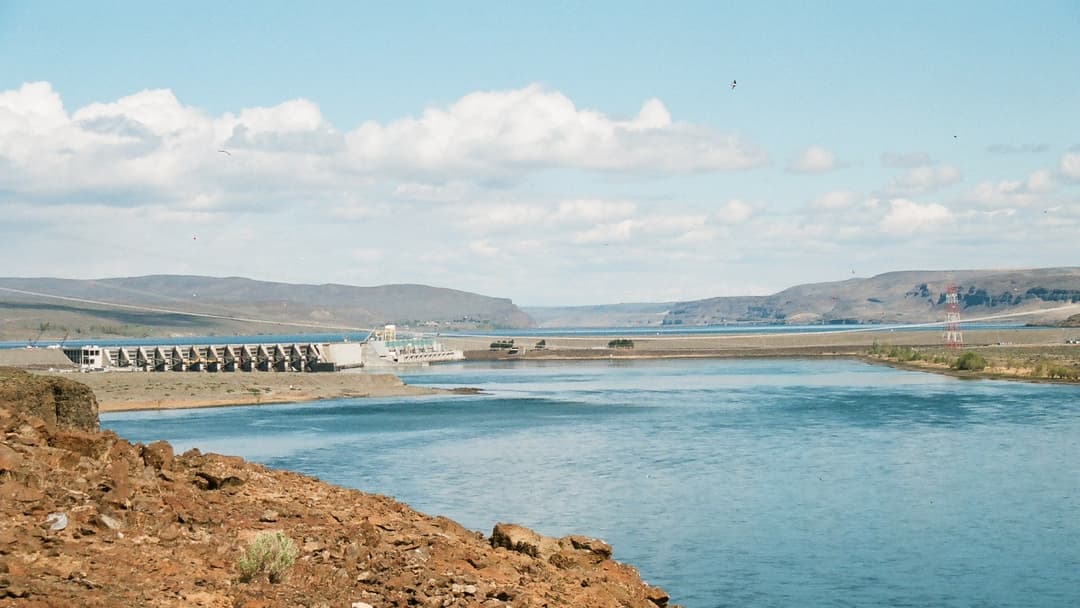
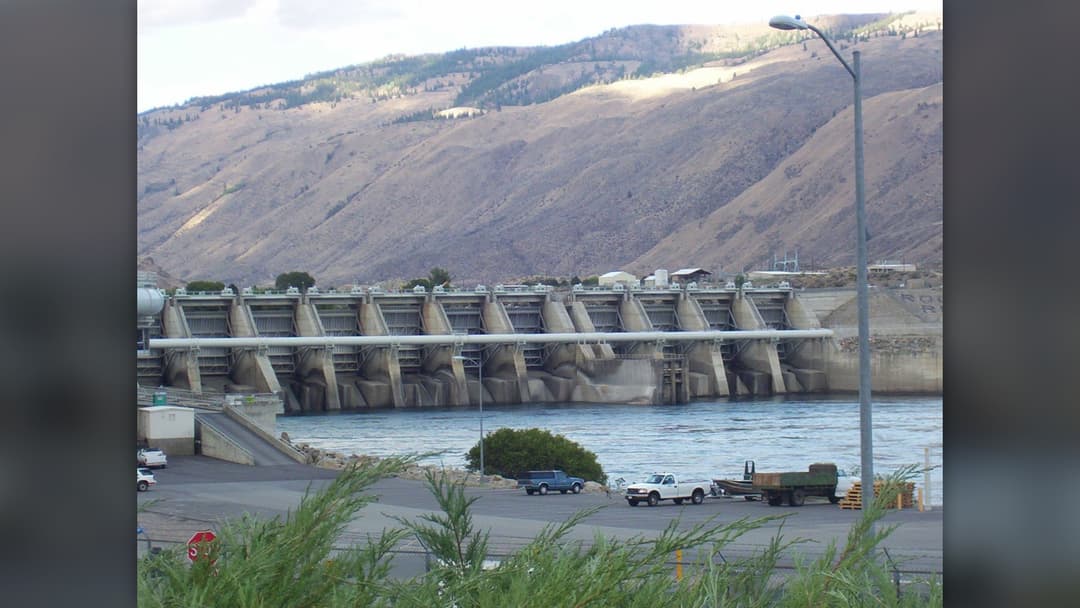
19. Wells Dam 
18. Priest Rapids Dam - AdvertisementSwipe or tap ▶ to continue countdown

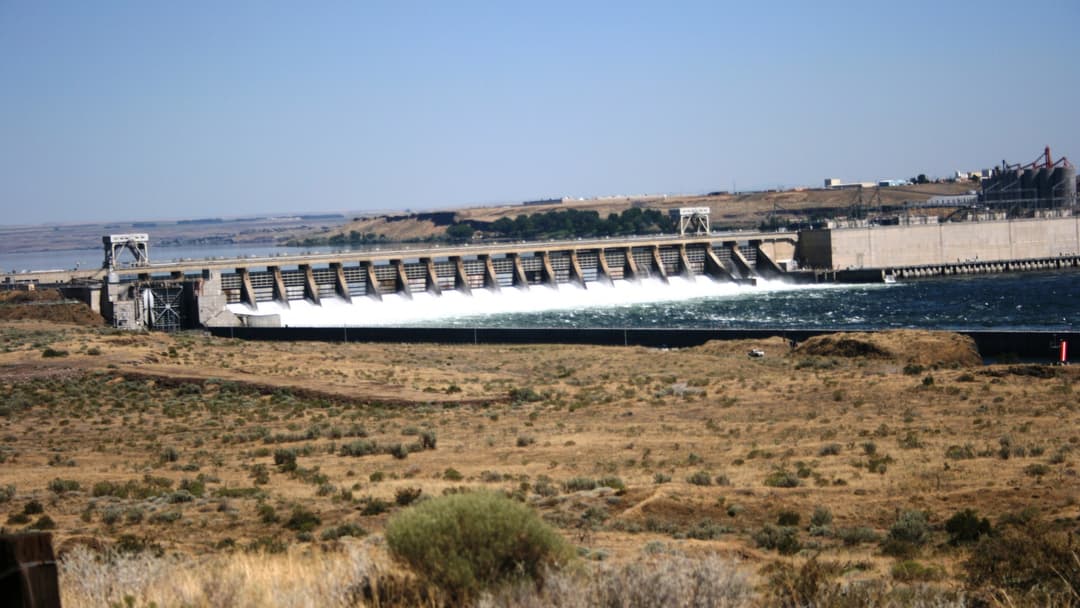
17. McNary Dam 
16. Wanapum Dam 
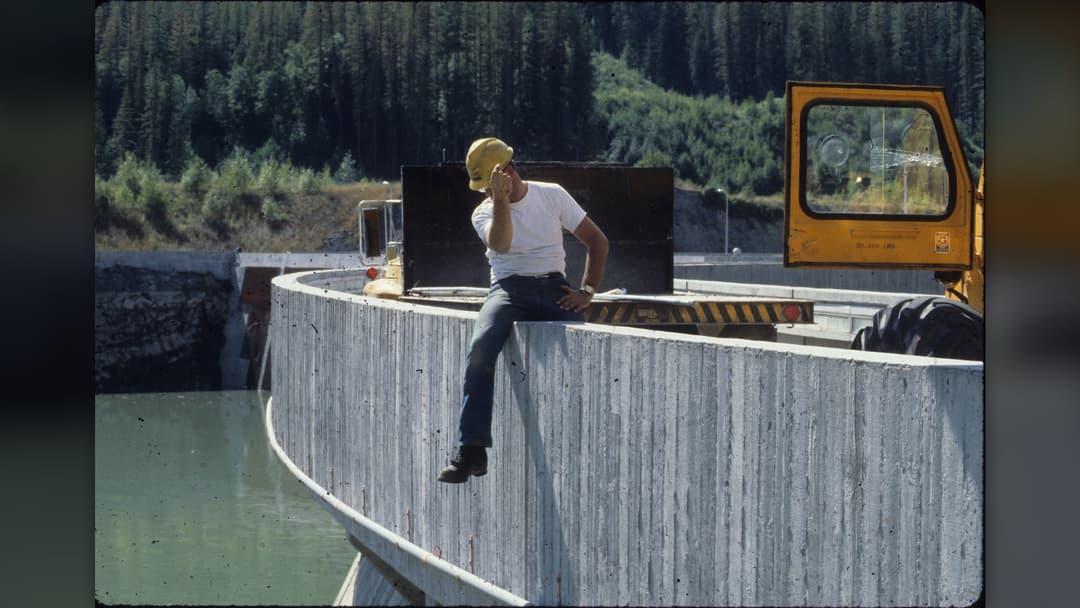
15. Boundary Dam 
14. Blenheim-Gilboa Pumped Storage - AdvertisementSwipe or tap ▶ to continue countdown

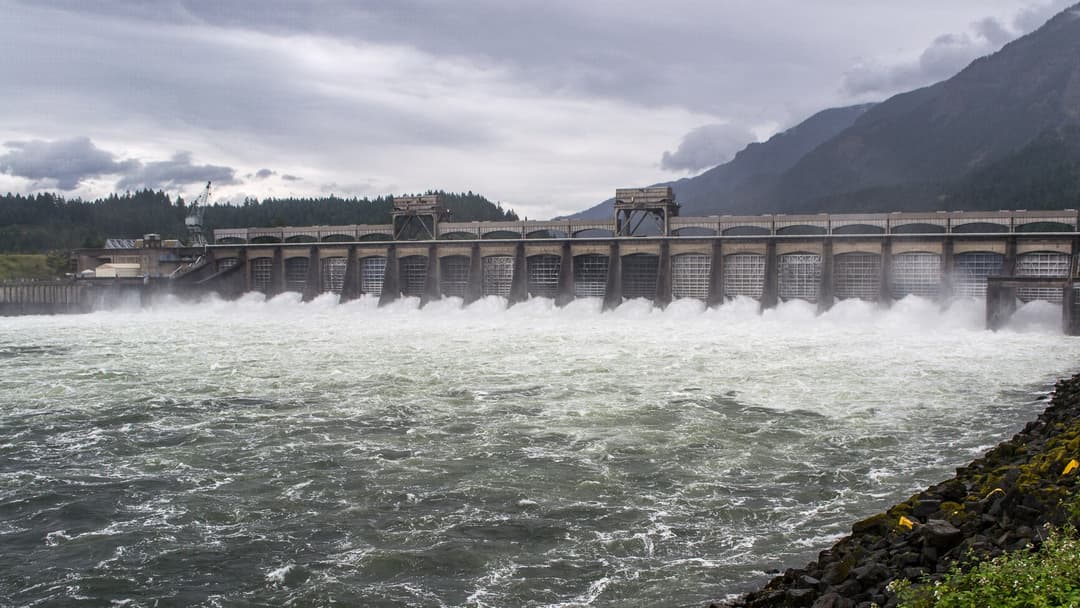
13. Bonneville Dam 
12. Rocky Reach Dam 
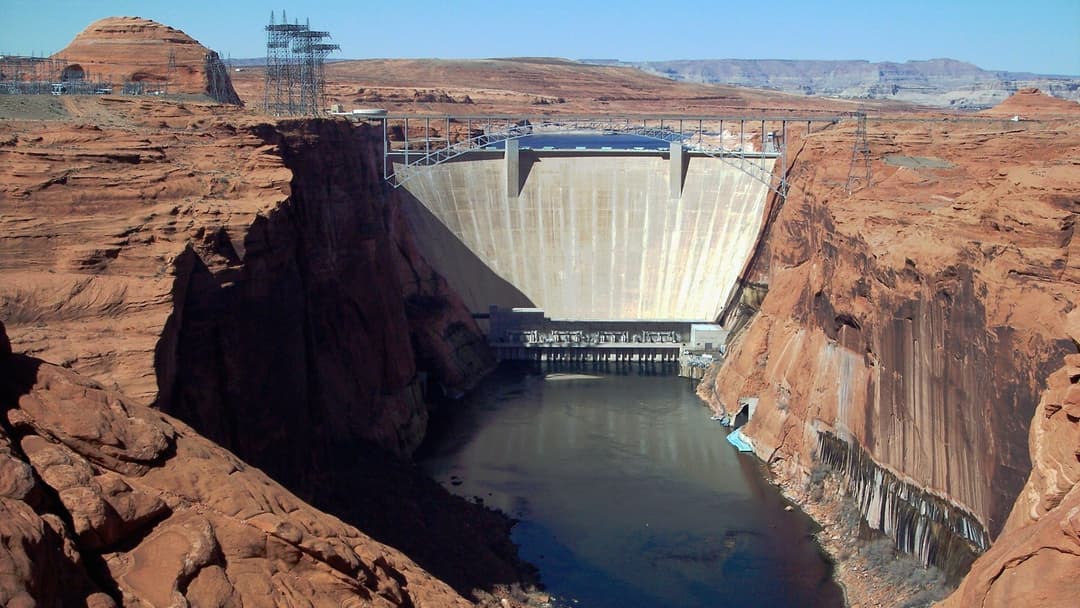
11. Glen Canyon Dam 
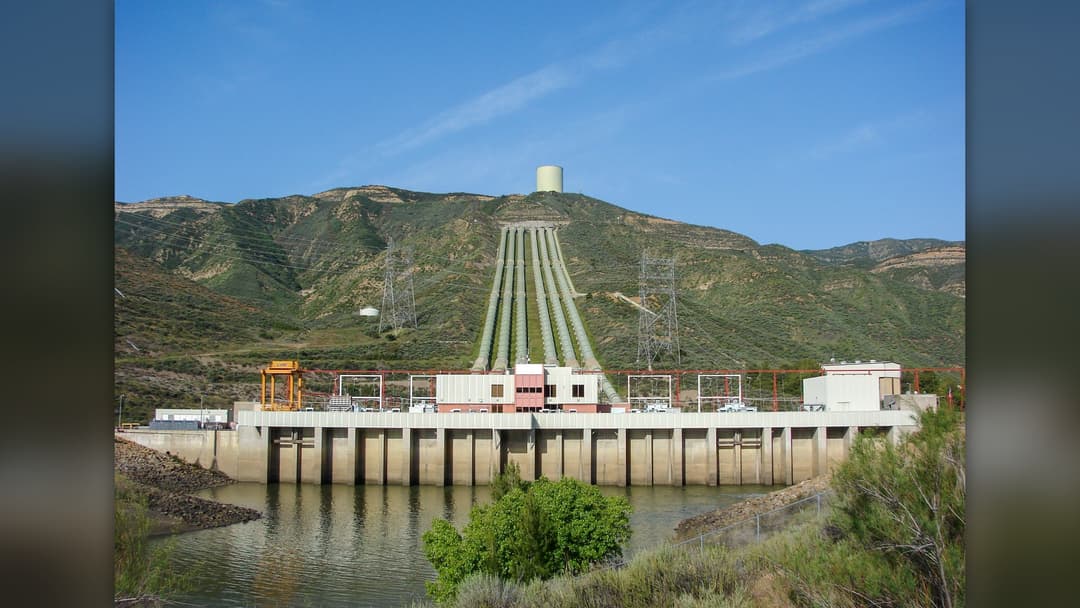
10. Castaic Power Plant - AdvertisementSwipe or tap ▶ to continue countdown

9. Raccoon Mountain Pumped-Storage 
8. Ludington Pumped Storage Plant 
7. The Dalles Dam 
6. Hoover Dam - AdvertisementSwipe or tap ▶ to continue countdown

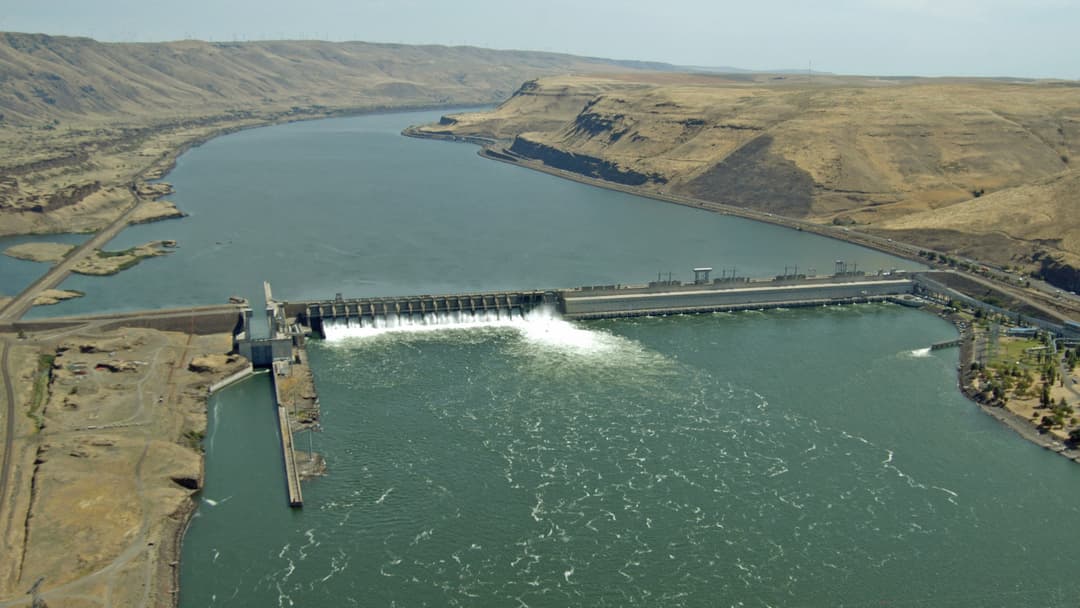
5. John Day Dam 
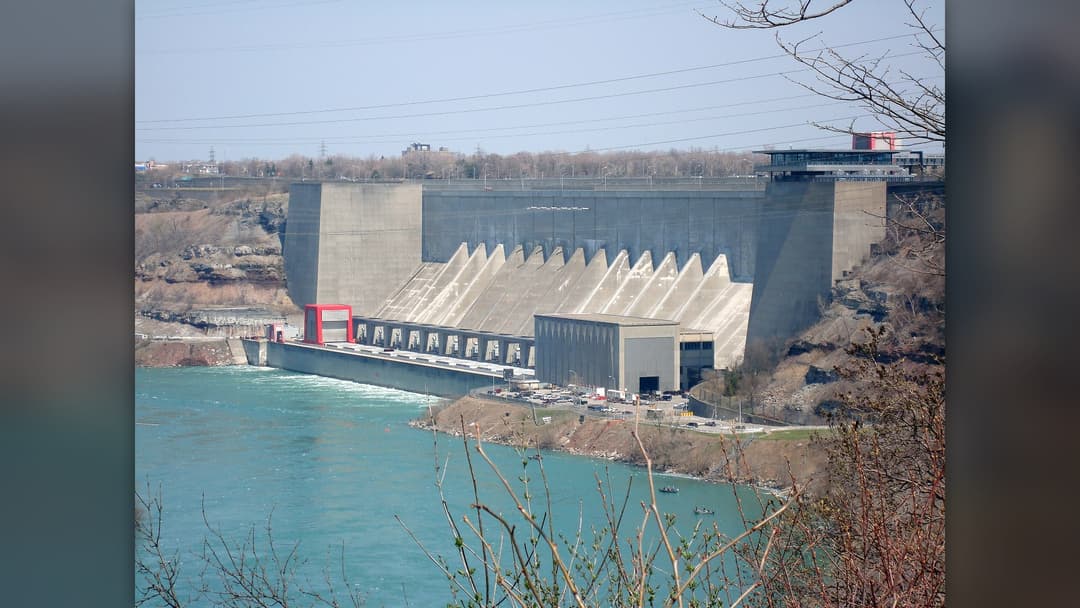
4. Robert Moses Niagara Power Plant 
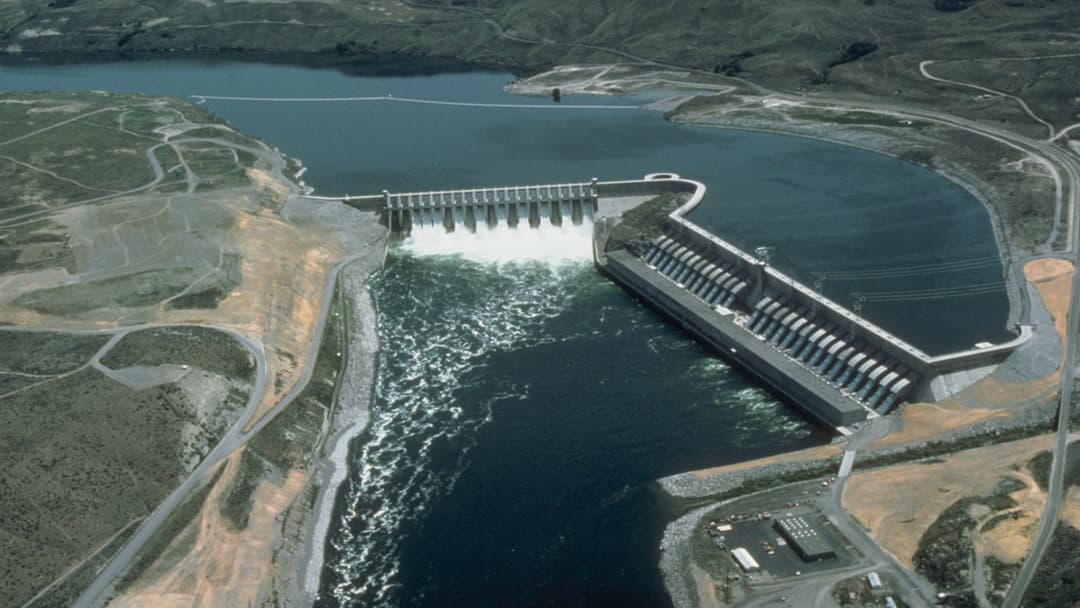
3. Chief Joseph Dam 
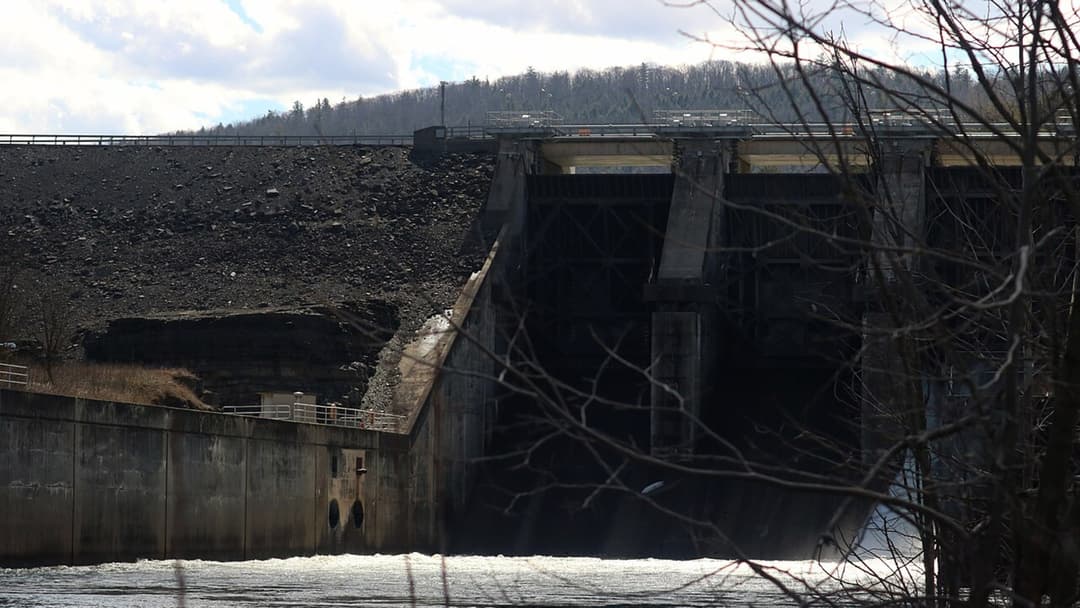
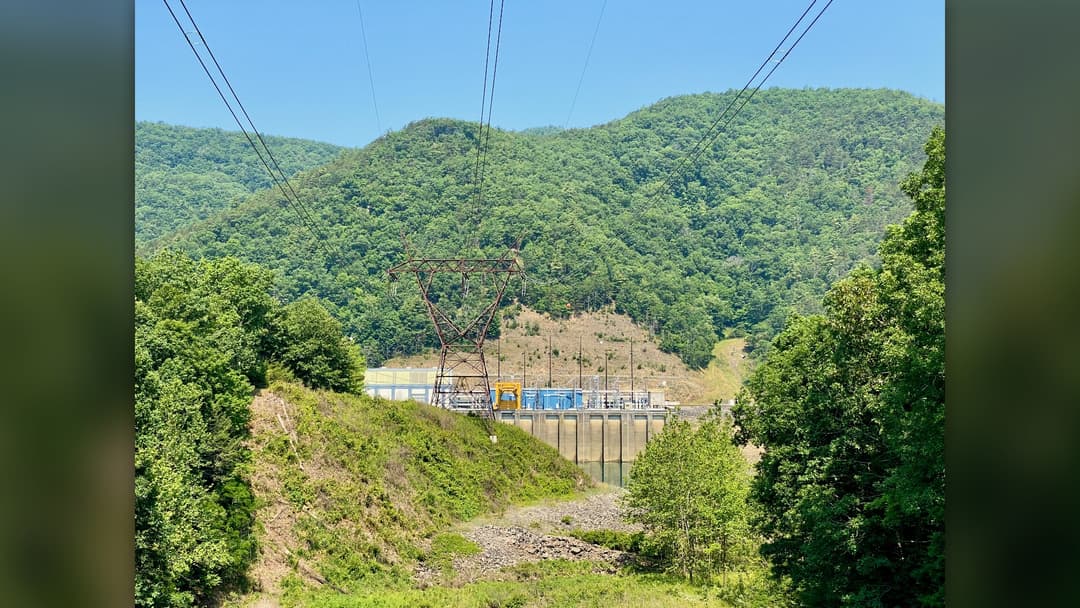
2. Bath County Pumped Storage Station - AdvertisementSwipe or tap ▶ to continue countdown

1. Grand Coulee Dam - Advertisement🔥 UP NEXT IN THIS SERIES◫ 23 Slides

22 Natural Herbal Teas and Botanical Infusions Backed by Modern Science
Evaluated in clinical pharmacology and botanical trials, these 22 herbal teas and botanical infusions provide measurable antioxidant, digestive, and cardiovascular benefits. Botanical infusions have served as humanity's earliest medicines.
Hydropower anchors America. According to U.S. Energy Information Administration records, twenty facilities lead the nation in generating capacity. Here are the 20 most powerful plants, ranked by megawatts. Ranked by total generating capacity from U.S.
Swipe or tap ▶ to begin the countdown
©Wikimedia / U.S. Army Corps of Engineers & Ken Lund
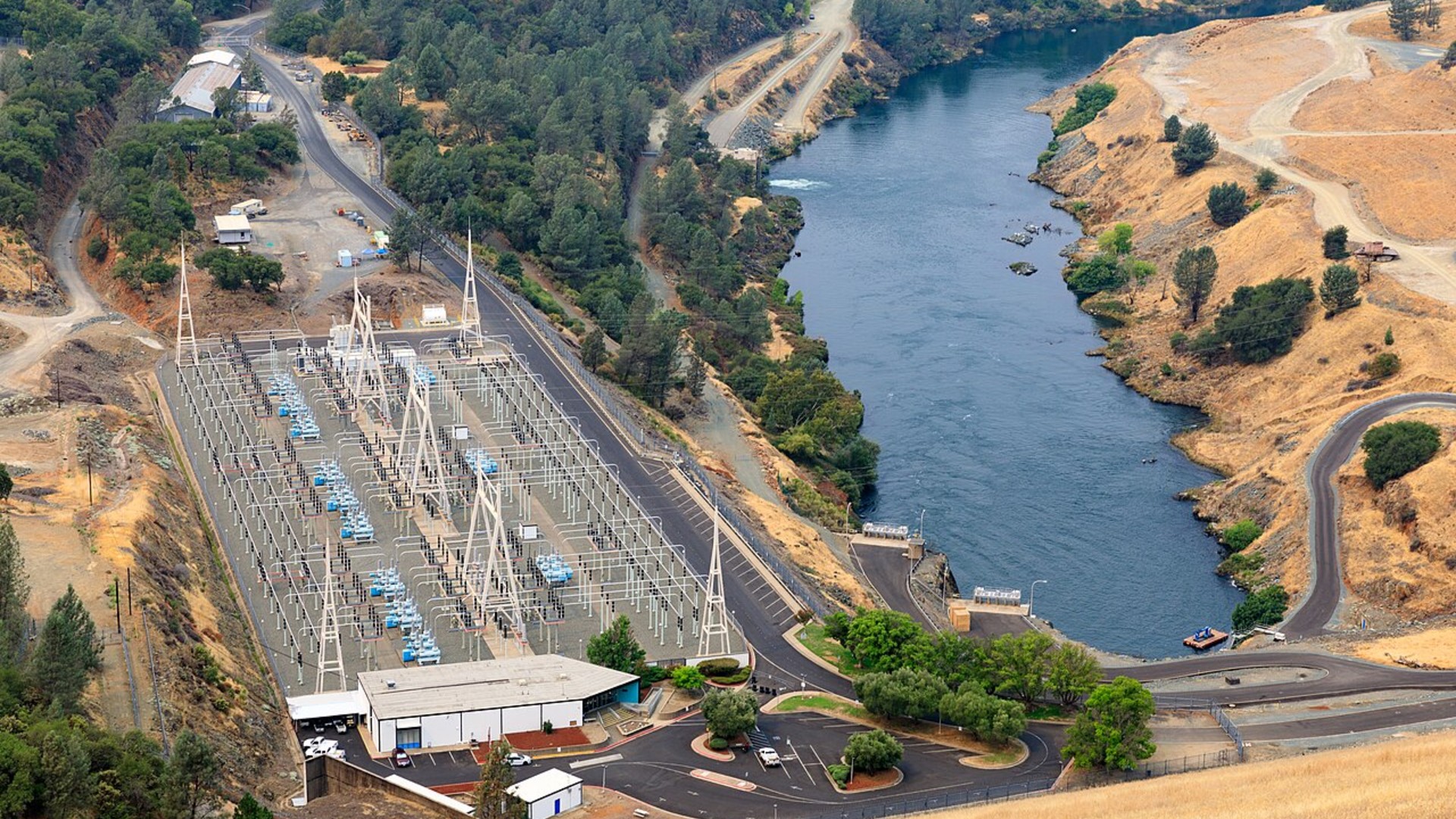
20. Edward Hyatt Power Plant
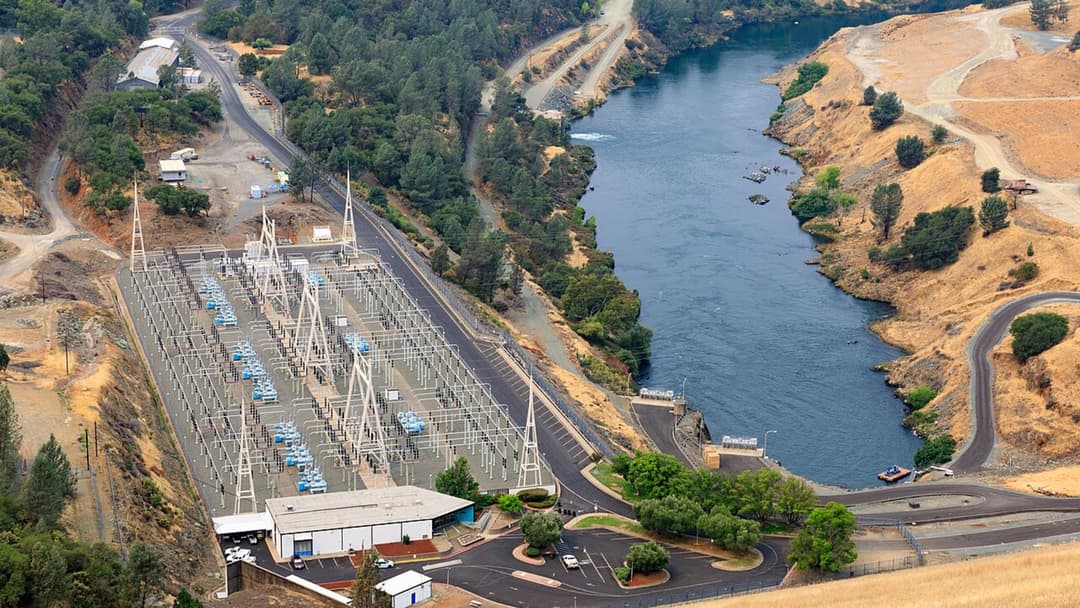
It's underground. Six heavy pump-turbines churn inside bedrock chambers beneath Lake Oroville. They drive water hundreds of miles south into the California Aqueduct while supplying 819 megawatts of clean peak electricity to millions.
©Wikimedia / Frank Schulenburg
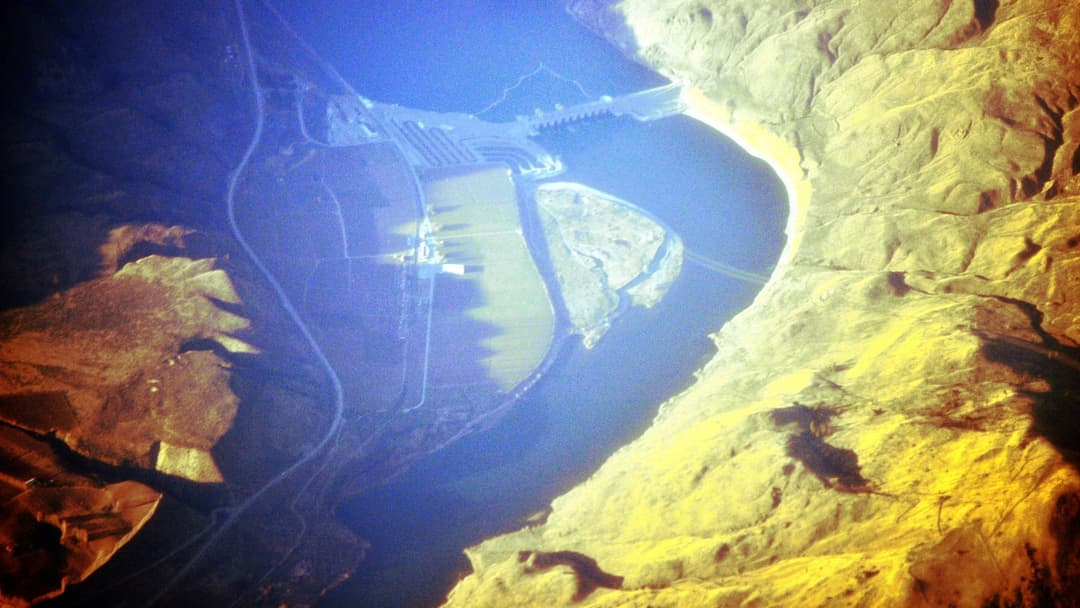
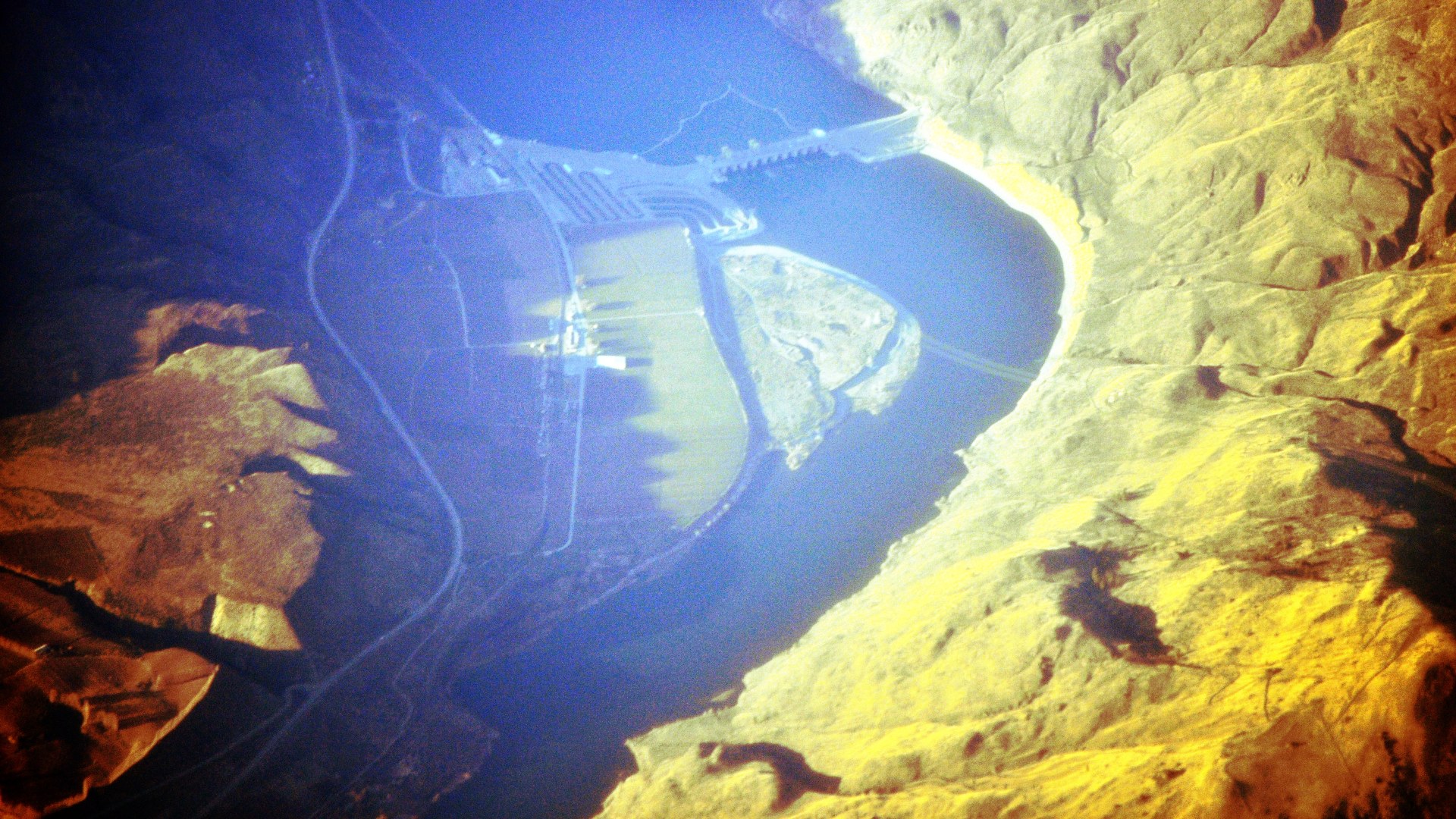
19. Wells Dam
It's an engineering rarity. The unique hydrocombine layout integrates spillways and generators into one structure. That innovative layout trimmed construction costs significantly while allowing ten turbines to deliver 840 megawatts along the Columbia River.
©Wikimedia / Joe Mabel
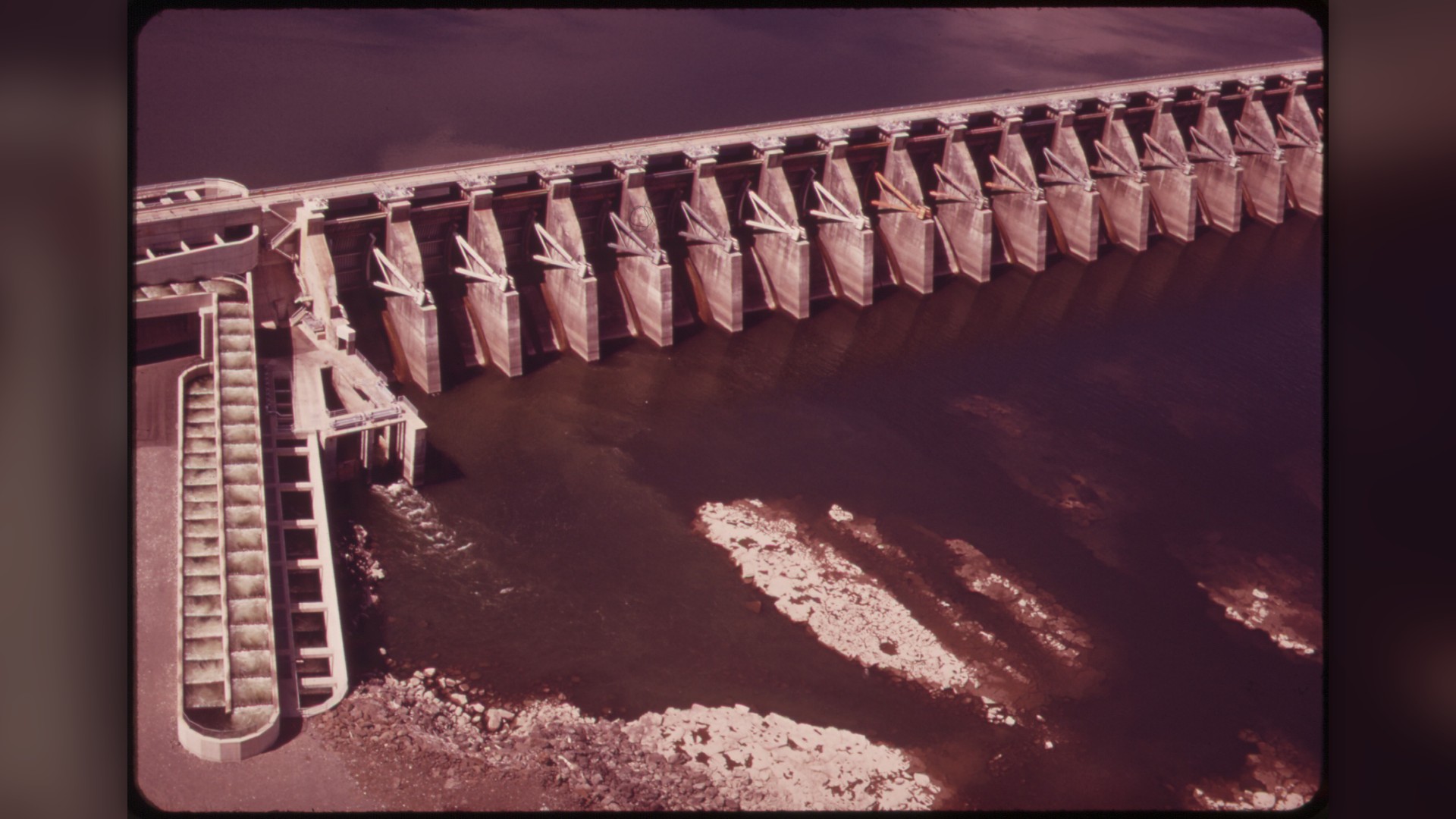
18. Priest Rapids Dam
Built in 1961. The massive concrete structure stretches across the Columbia Basin. Ten heavy Kaplan turbines harness swift river flows to generate 955 megawatts for surrounding public utility districts and agricultural communities.
©Wikimedia / Priest Rapids Dam
Advertisement
Swipe or tap ▶ to resume the countdown.
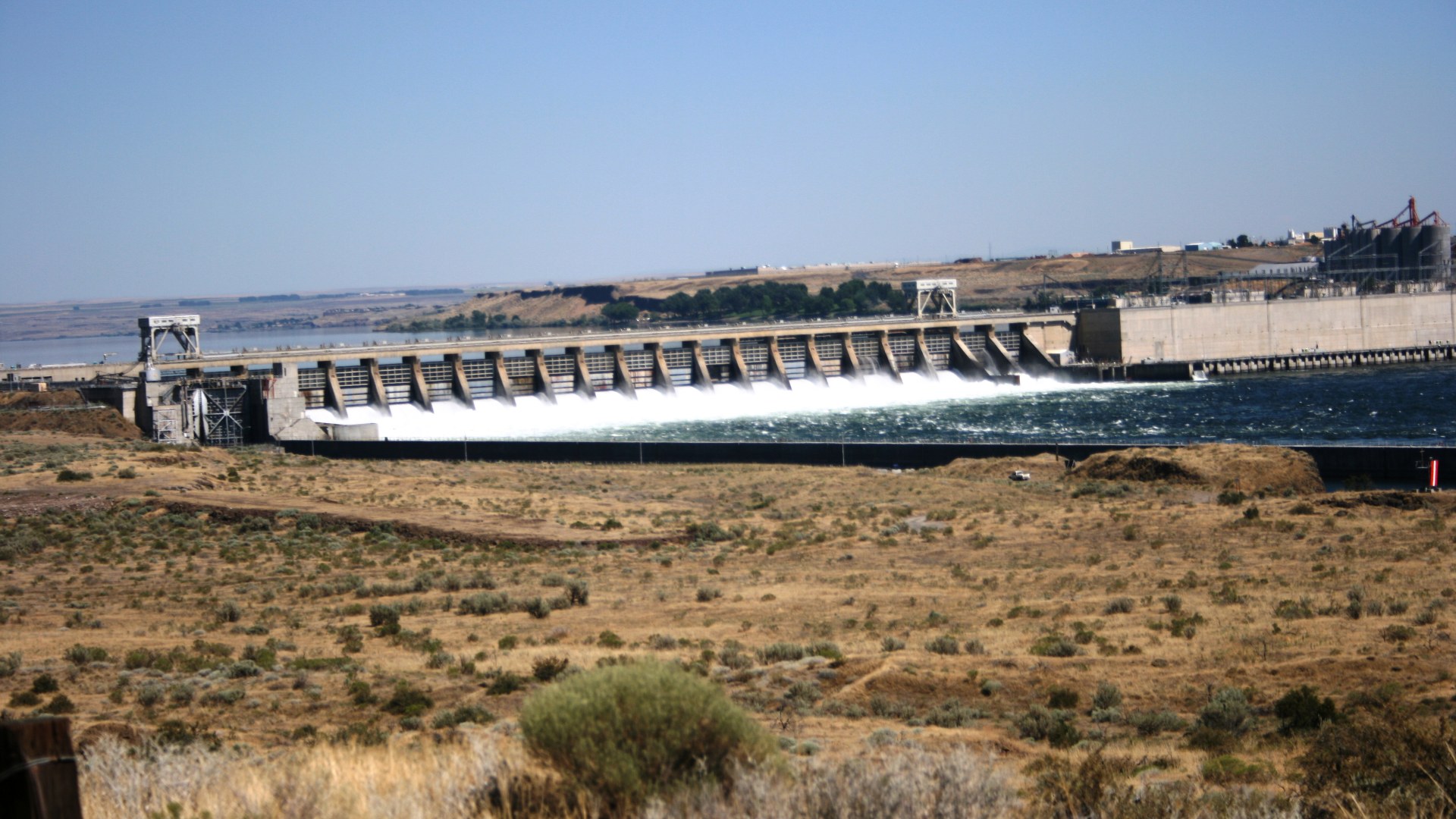
17. McNary Dam
It tamed river rapids. Named after Senator Charles McNary, this federal facility operates fourteen generators. Together, they supply 980 megawatts of dependable baseload electricity to towns, farms, and industrial manufacturing plants across the Northwest grid.
©Wikimedia / Williamborg
16. Wanapum Dam
Started in 1963. Ten Kaplan turbines churn along the Columbia River to produce 1,038 megawatts. Specialized spiraling fish chutes guide migrating juvenile salmon safely past the heavy generating equipment into the tailrace below.
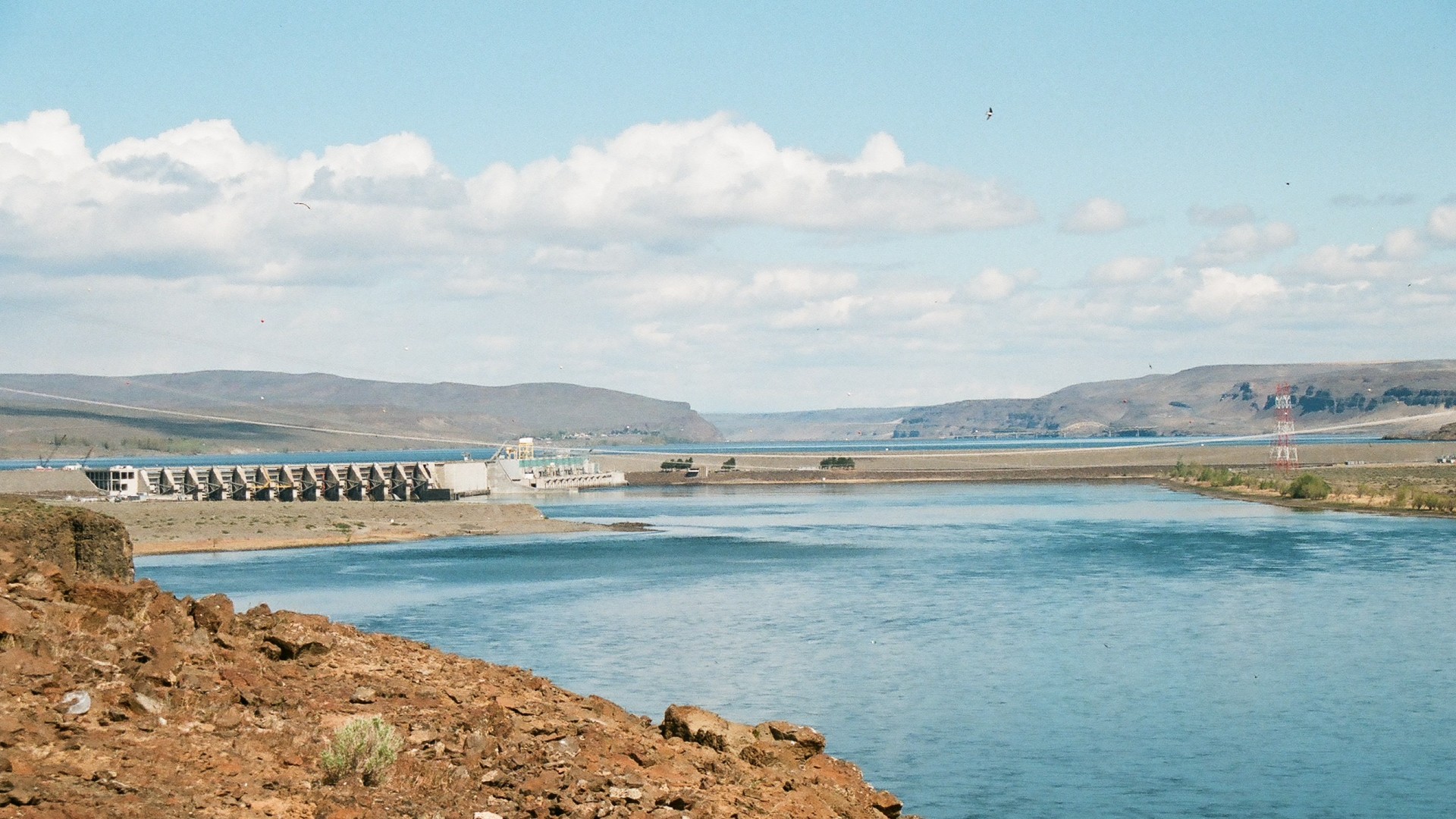
©Wikimedia / Wanapum Dam
15. Boundary Dam
The gorge is dramatic. Rising near the Canadian border, this slender concrete arch is a masterpiece. It supplies over fifty percent of all electricity consumed by households and commercial businesses across the entire Seattle City Light service area.
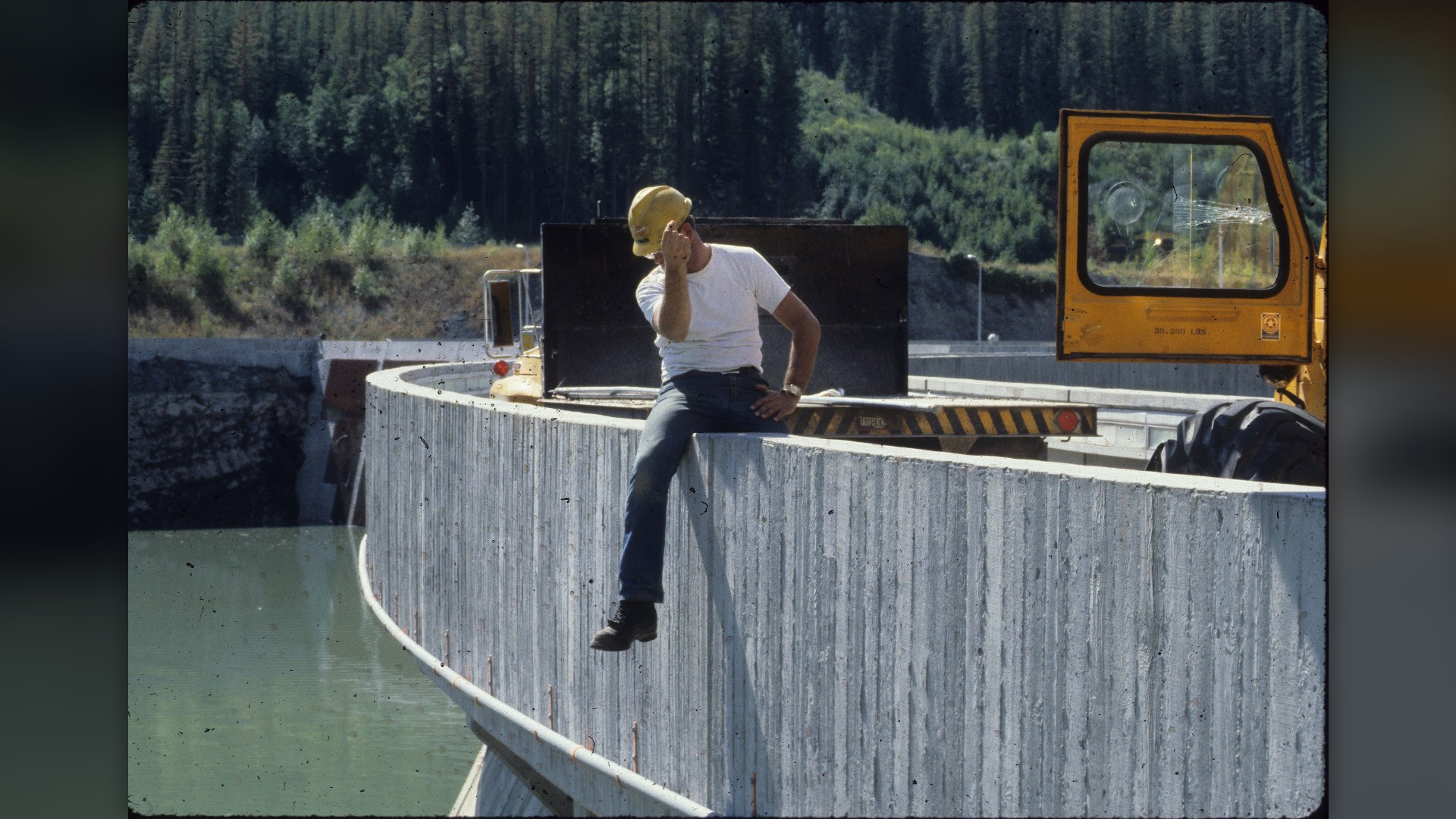
©Wikimedia / Seattle Municipal Archives from Seattle, WA
14. Blenheim-Gilboa Pumped Storage
Water plunges down. This Catskill station pumps river water into a high mountaintop reservoir at night. Releasing that stored volume through four reversible turbines generates 1,160 megawatts during heavy daytime electrical demand across New York State.
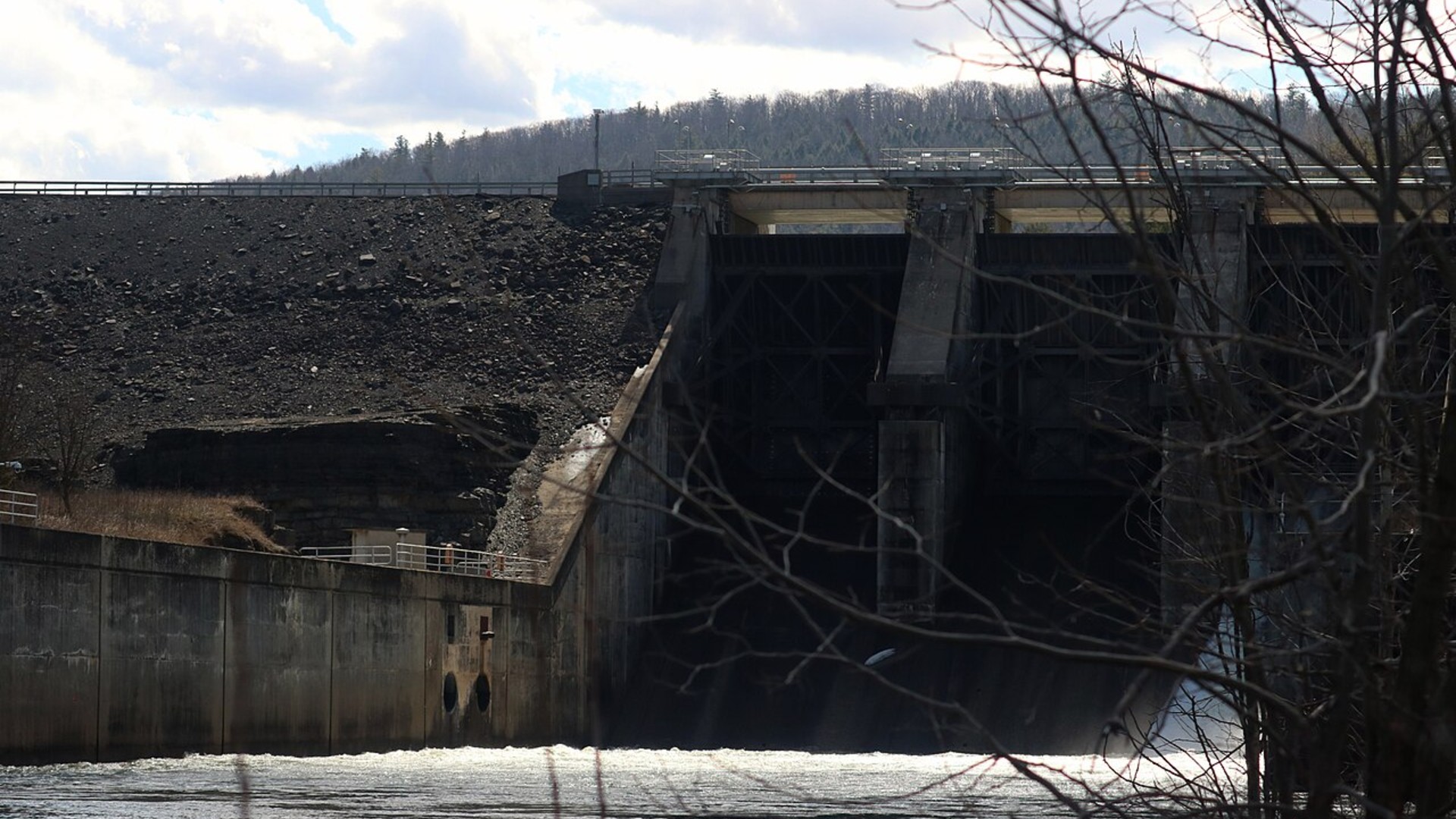
©Wikimedia / Tyler A. McNeil
Advertisement
Swipe or tap ▶ to resume the countdown.
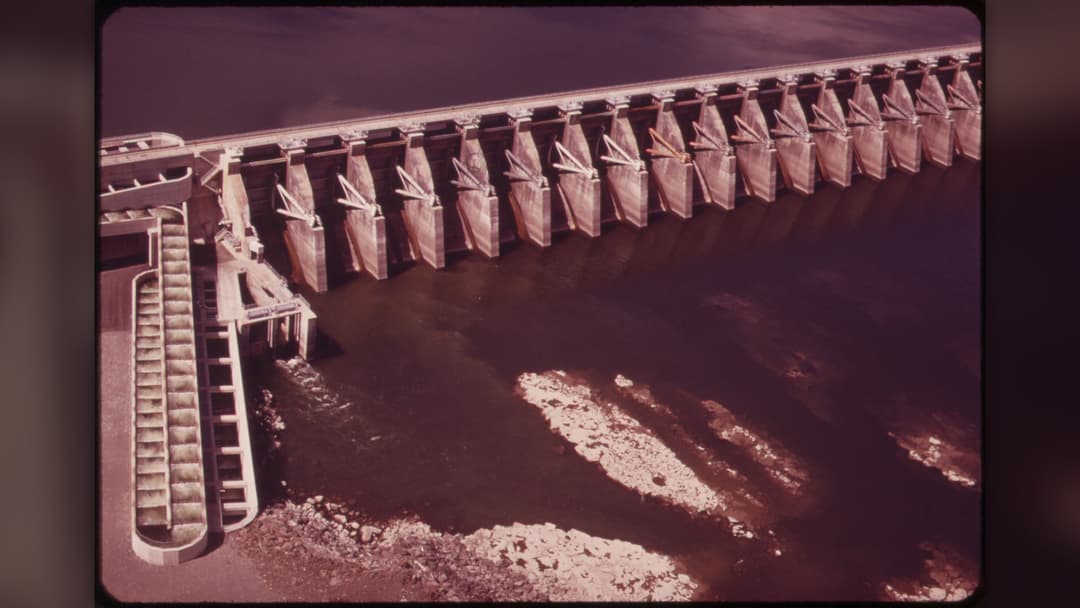
13. Bonneville Dam
Dedicated in 1937. Built as a landmark New Deal project to electrify the Northwest, the dam holds two powerhouses. They produce 1,207 megawatts of clean renewable energy while managing commercial shipping navigation through the Columbia River Gorge.
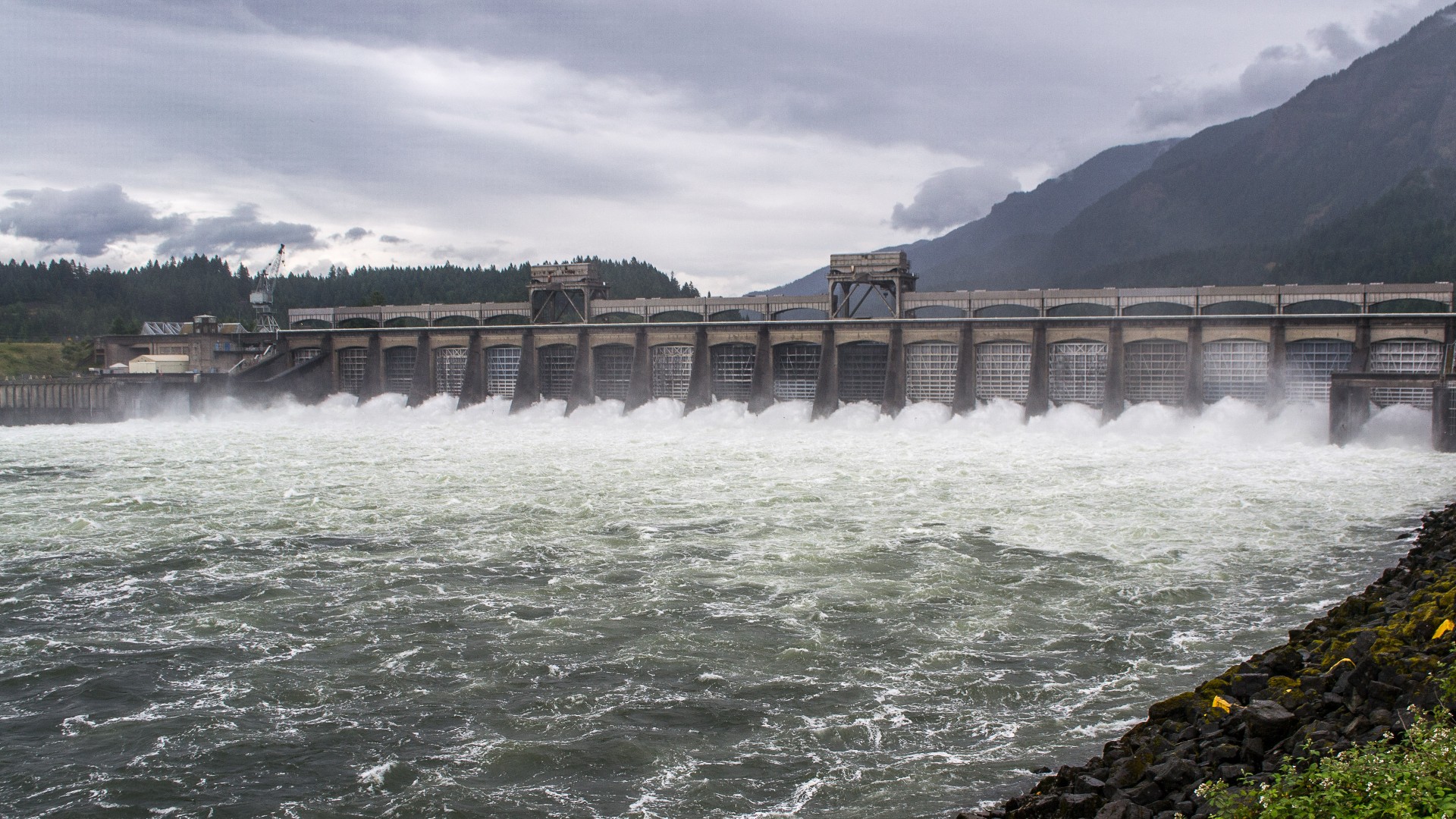
©Wikimedia / Bonneville Dam
12. Rocky Reach Dam
It forms Lake Entiat. Chelan County Public Utility District manages the facility along the Columbia River. Eleven heavy turbines spin out 1,300 megawatts while a seven-story bypass system safely routes millions of migrating salmon each season.
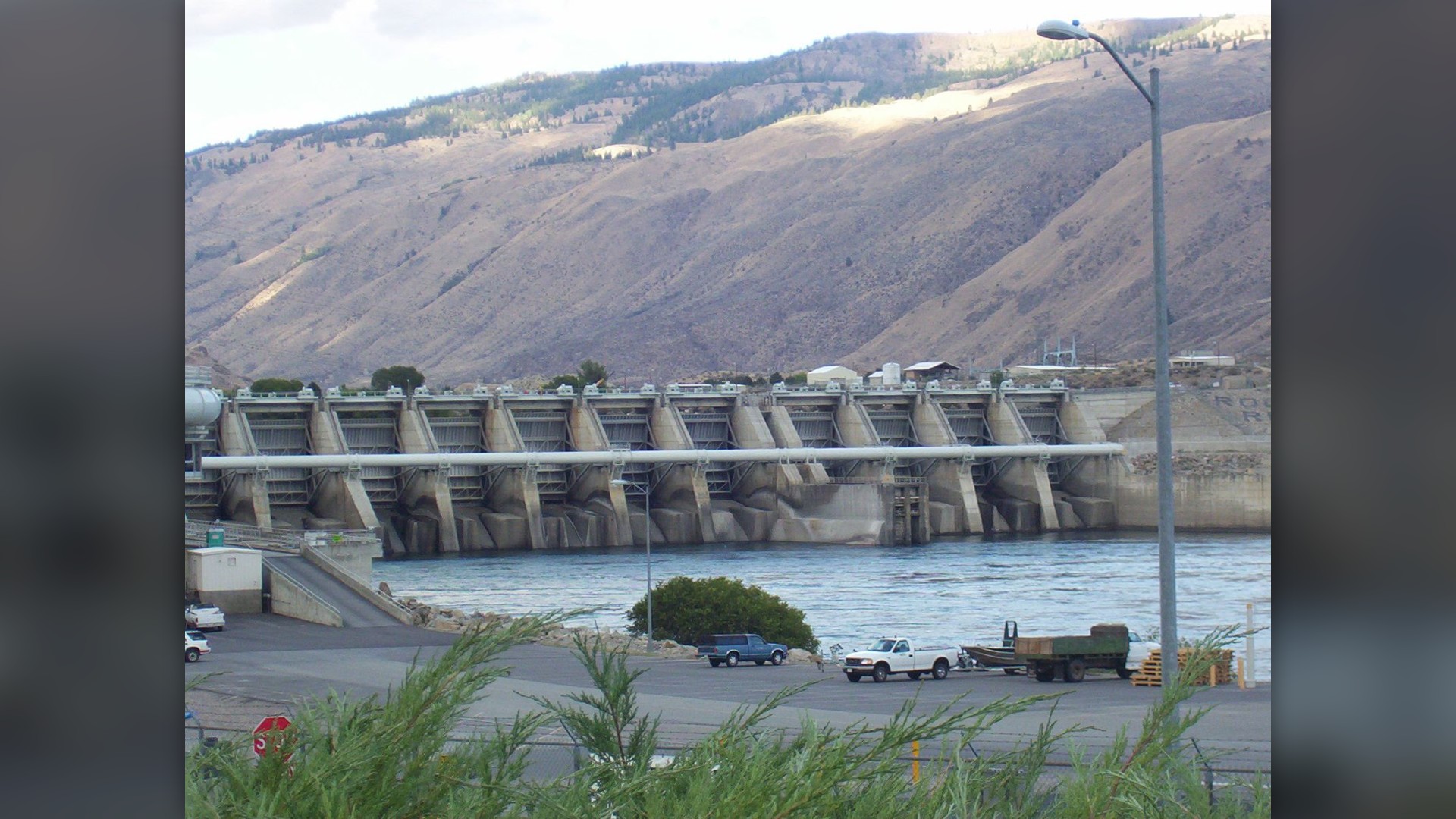
©Wikimedia / Rocky Reach Dam
11. Glen Canyon Dam
It stands 710 feet. Impounding Lake Powell along the Arizona-Utah border, its massive arch manages critical water storage. Eight hydroelectric generators deliver 1,320 megawatts of electricity to municipal utilities and rural electric cooperatives across the Southwest.
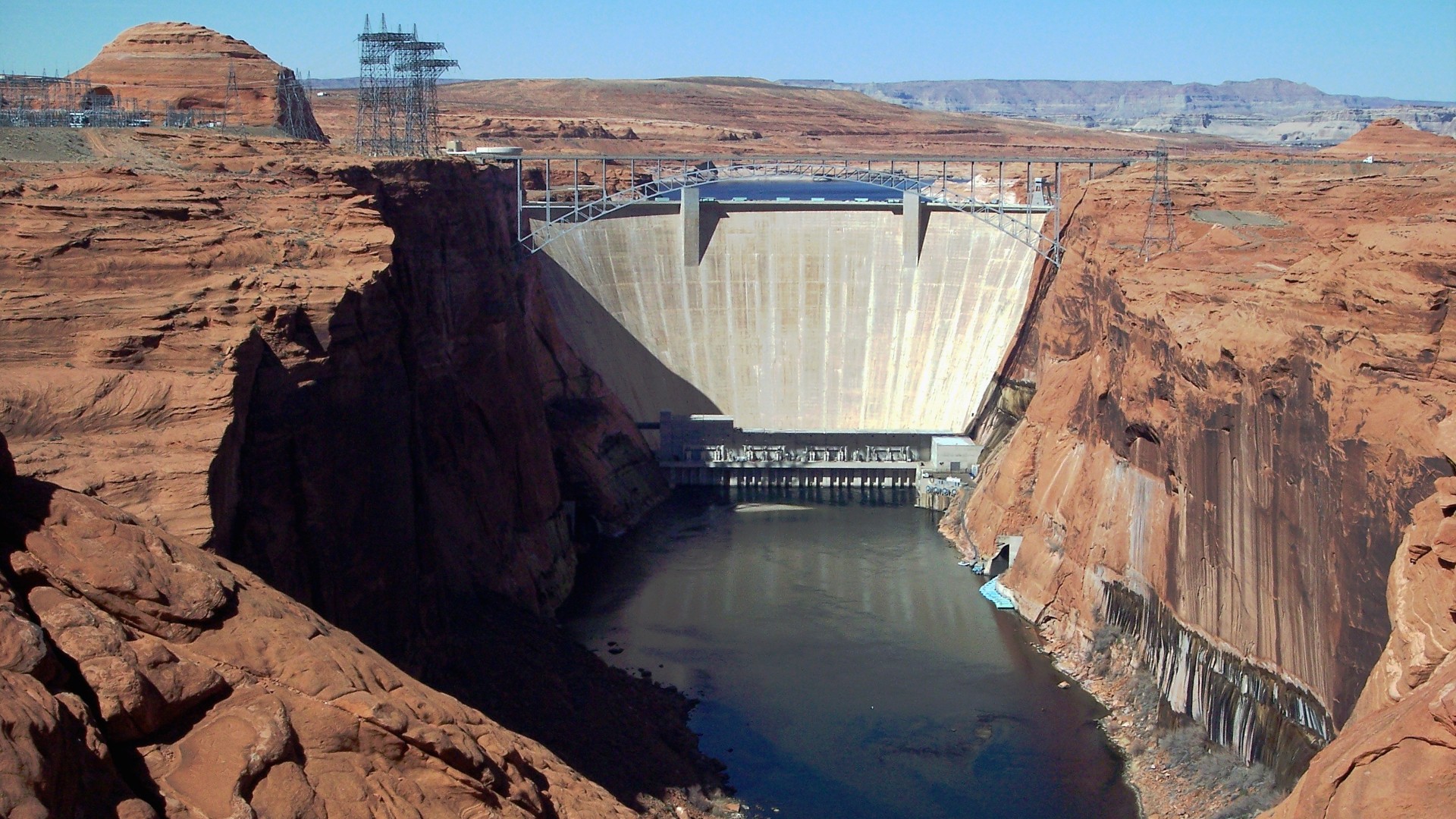
©Wikimedia / Glen Canyon Dam
10. Castaic Power Plant
It powers up fast. Water cycles between Pyramid Lake and elder Castaic Lake to stabilize regional power supplies. Operators can ramp the facility to full 1,566-megawatt discharge in under two minutes to prevent catastrophic urban blackouts during emergencies.
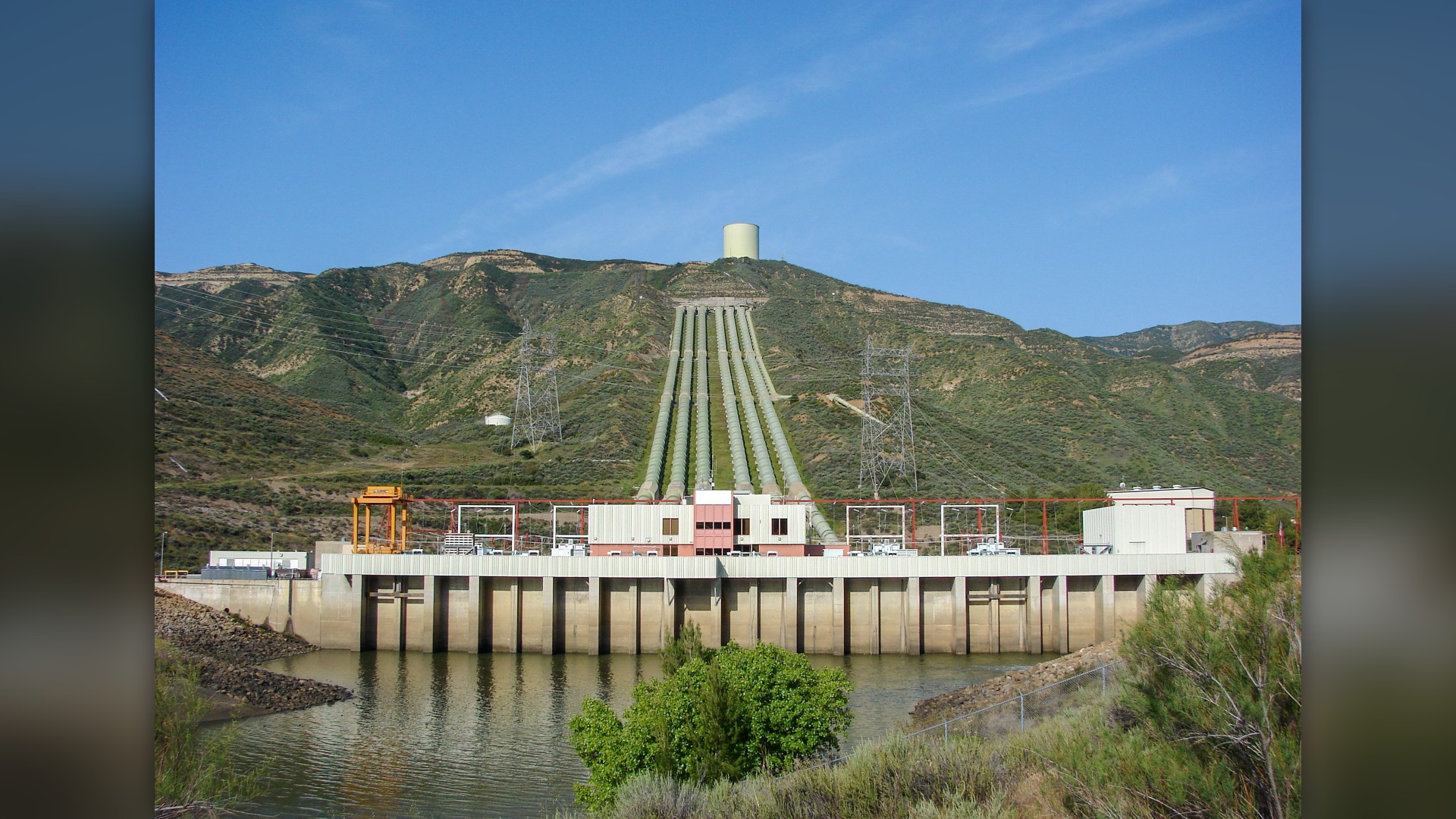
©Wikimedia / Castaic Power Plant
Advertisement
Swipe or tap ▶ to resume the countdown.
9. Raccoon Mountain Pumped-Storage
TVA carved a mountain. Water plunges a thousand vertical feet through four reversible pump-turbines deep underground. The massive plant delivers 1,652 megawatts of power when scorching summer heat waves push southern electricity grids to their breaking point.
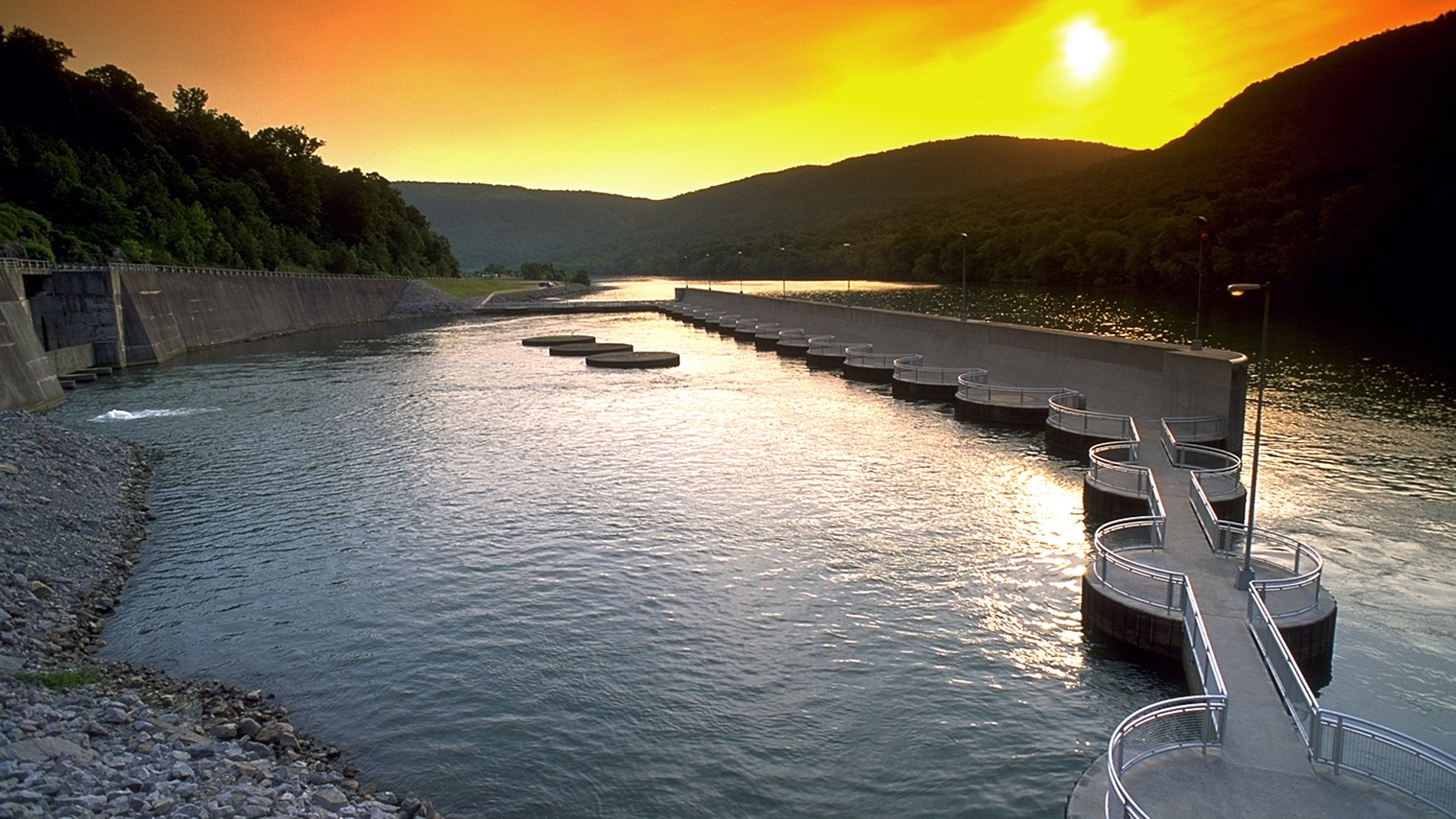
©Wikimedia / Tennessee Valley Authority
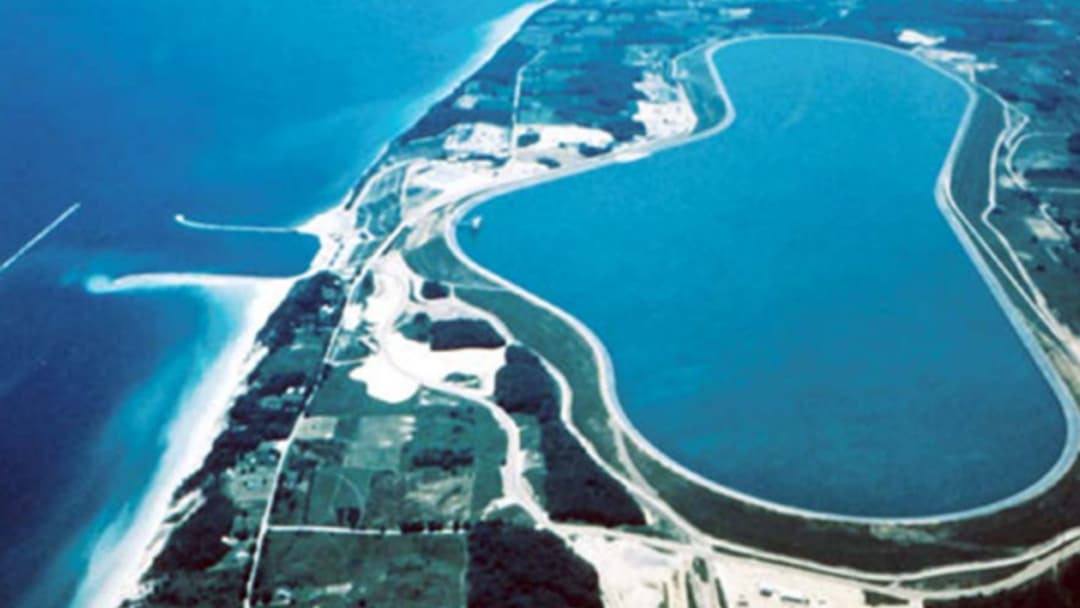
8. Ludington Pumped Storage Plant
It acts as a battery. Six reversible pump-turbines push Lake Michigan water uphill into a mountaintop reservoir. Releasing that flow through the penstocks generates 1,872 megawatts during peak daylight energy consumption across the upper Midwest region.
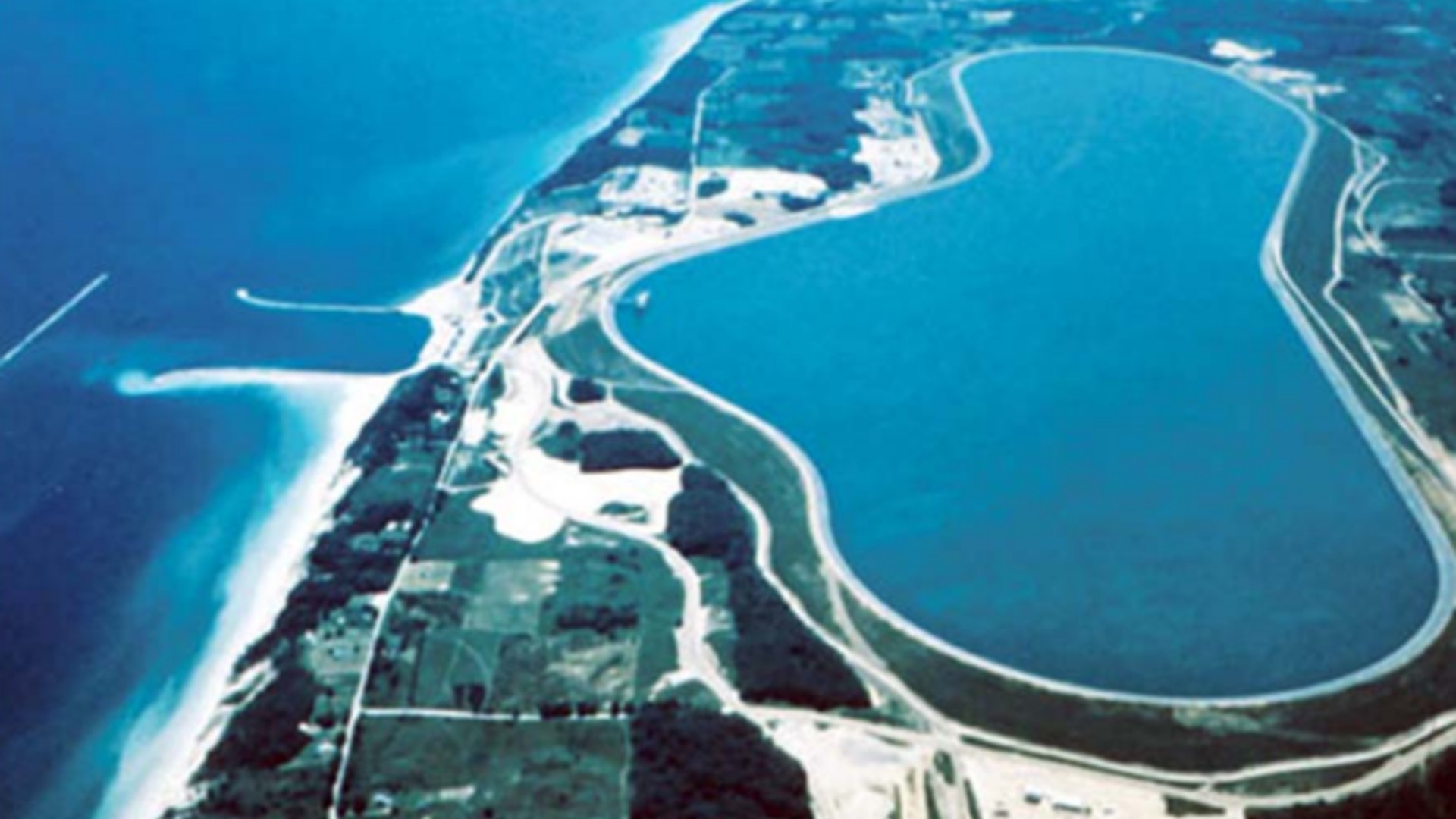
©Wikimedia / Ludington Pumped Storage Power Plant
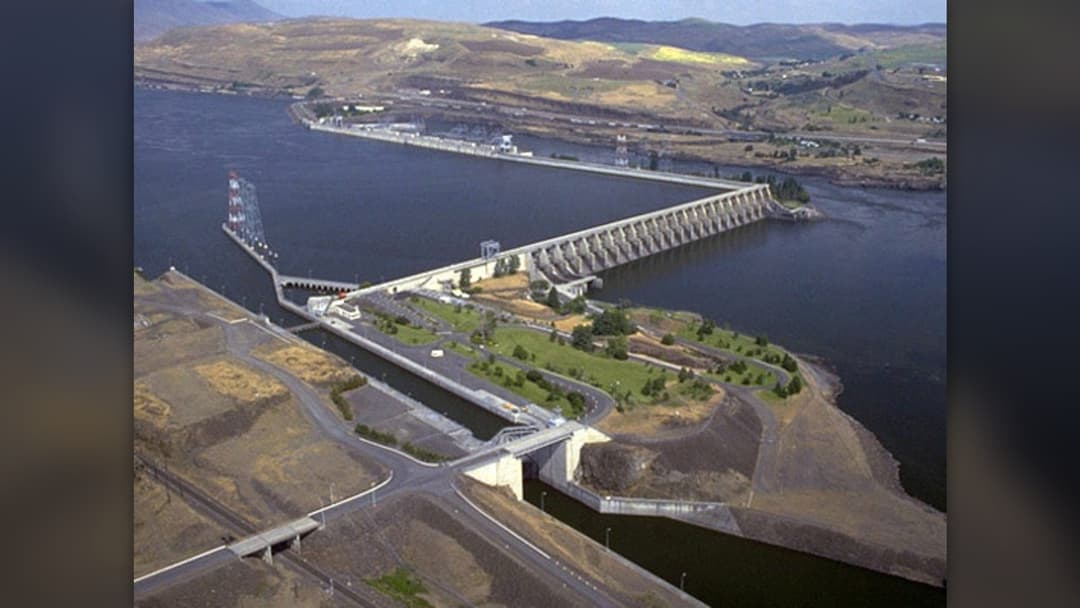
7. The Dalles Dam
It spans two miles. Completed in 1957 across the Columbia River, its unusual S-shaped alignment holds twenty-two turbines. They yield 1,878 megawatts of dependable electricity for regional aluminum smelters and thriving municipal communities throughout the Northwest.
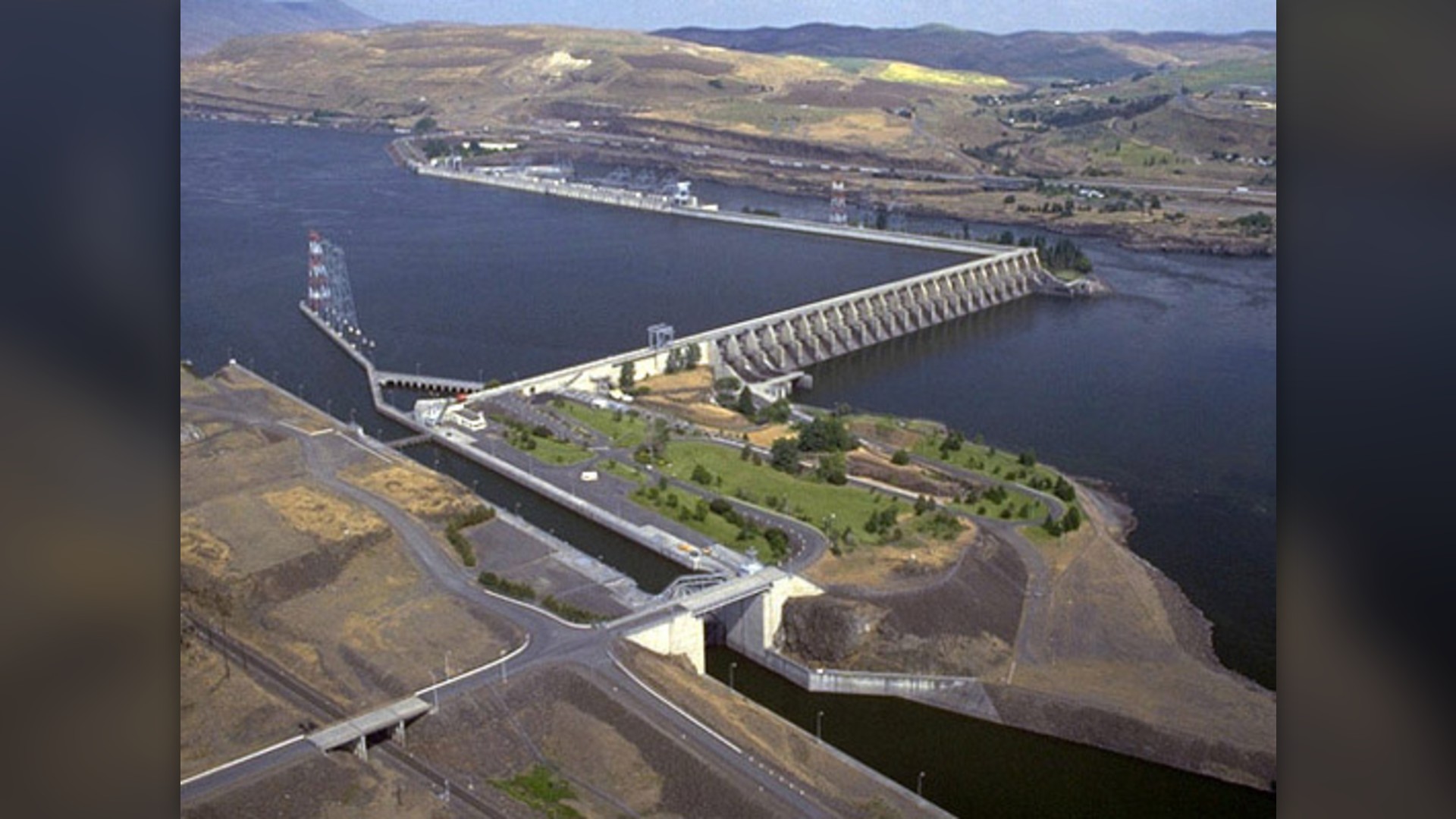
©Wikimedia / The Dalles Dam
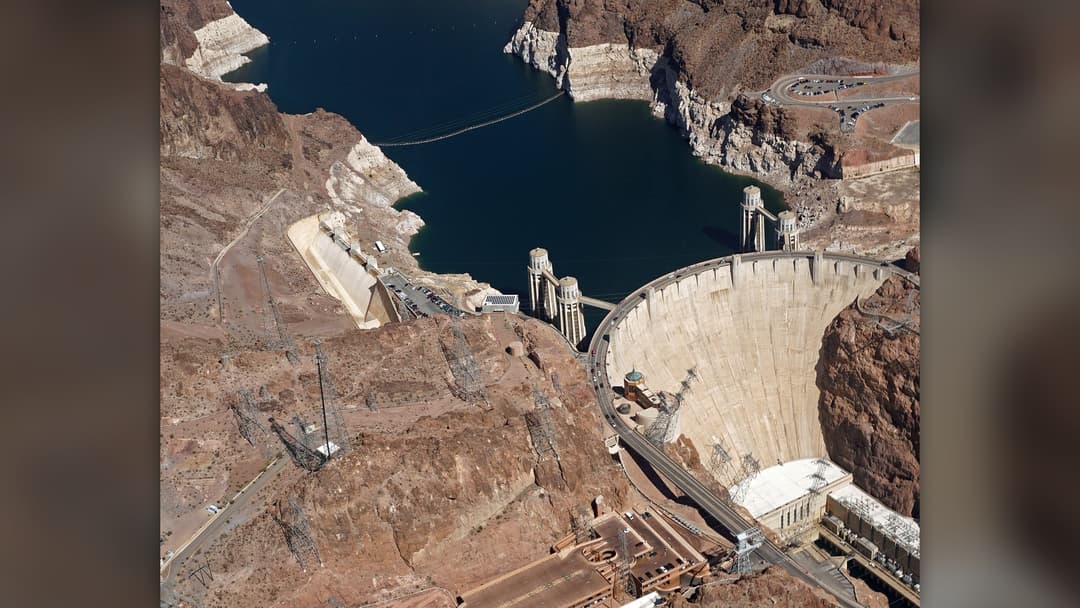
6. Hoover Dam
It's an American icon. Rising 726 feet above the Black Canyon floor, seventeen commercial turbines spin inside its powerhouses. Together, they produce 2,080 megawatts of electricity for millions of residents across Arizona, Nevada, and Southern California districts.
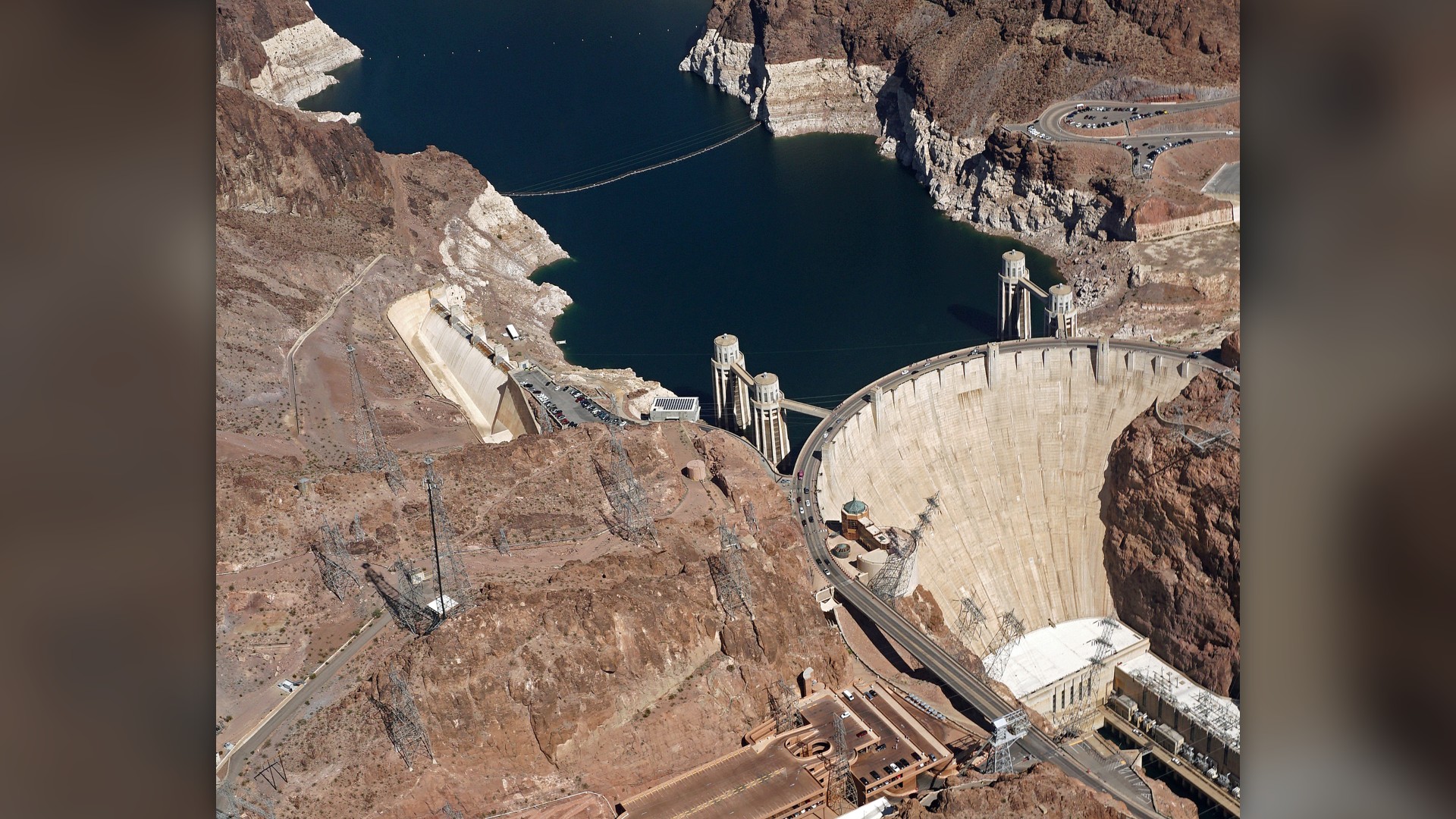
©Wikimedia / Hoover Dam
Advertisement
Swipe or tap ▶ to resume the countdown.
5. John Day Dam
Its lock lifts 113 feet. Situated between Oregon and Washington, John Day holds sixteen immense turbines inside its powerhouse. They capture heavy Columbia discharge to generate 2,160 megawatts while safely elevating commercial cargo barges along inland waterways.
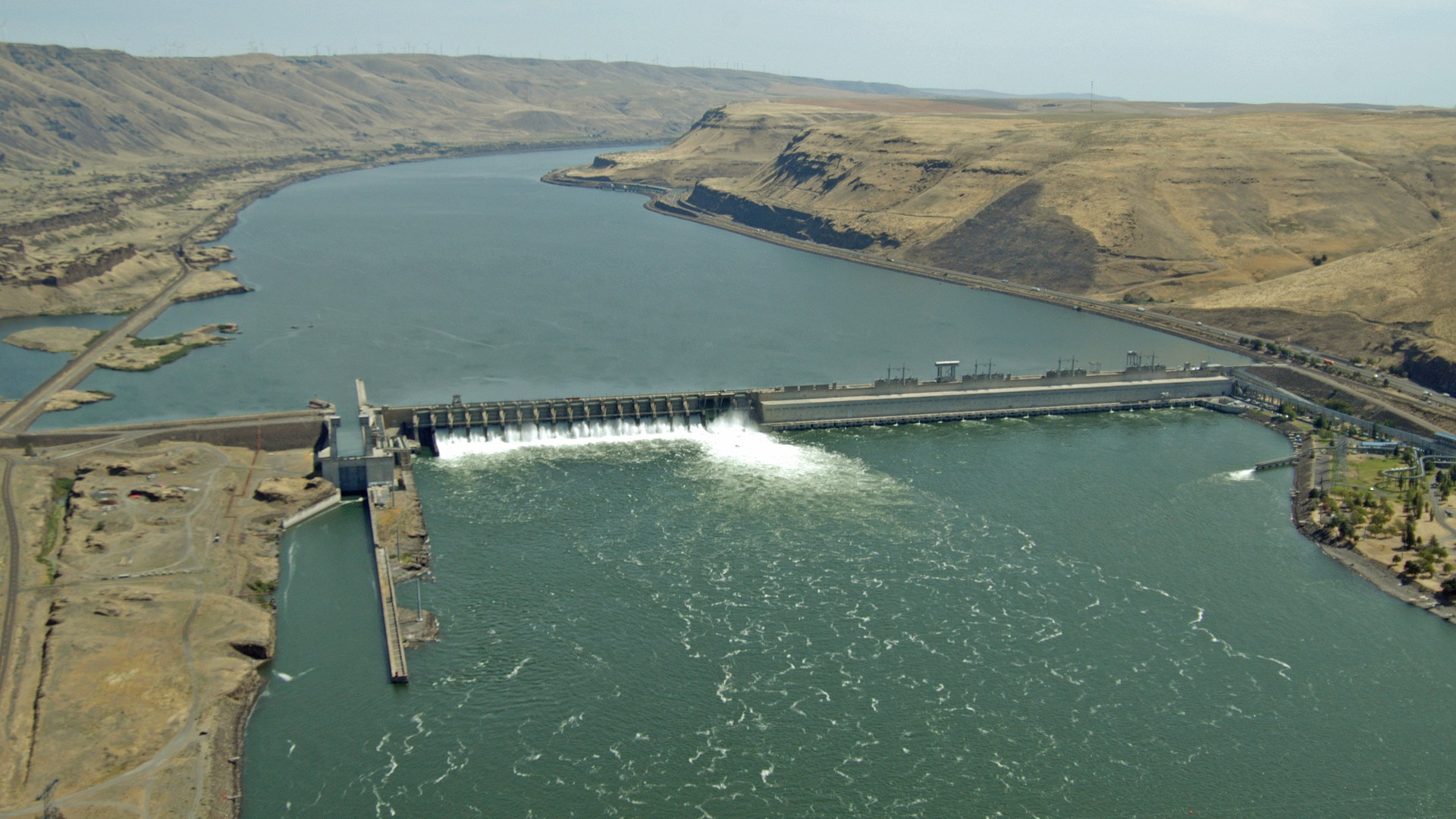
©Wikimedia / John Day Dam
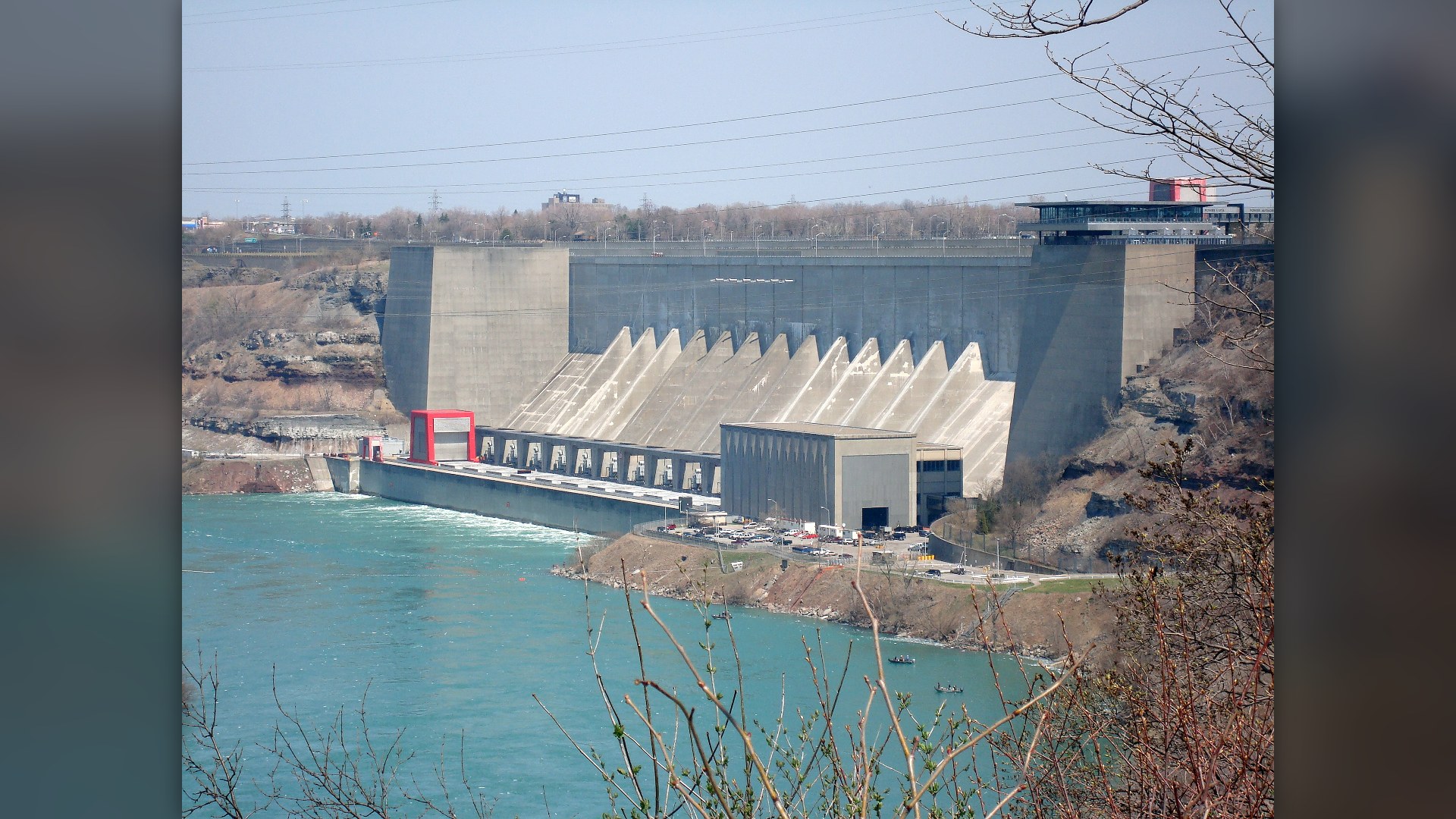
4. Robert Moses Niagara Power Plant
It diverts roaring waters. Built after a massive rockslide destroyed older generation plants, this facility channels river flow through tunnels. Thirteen heavy turbines produce 2,525 megawatts of reliable emissions-free energy for the entire Empire State electrical grid.
©Wikimedia / Busfahrer
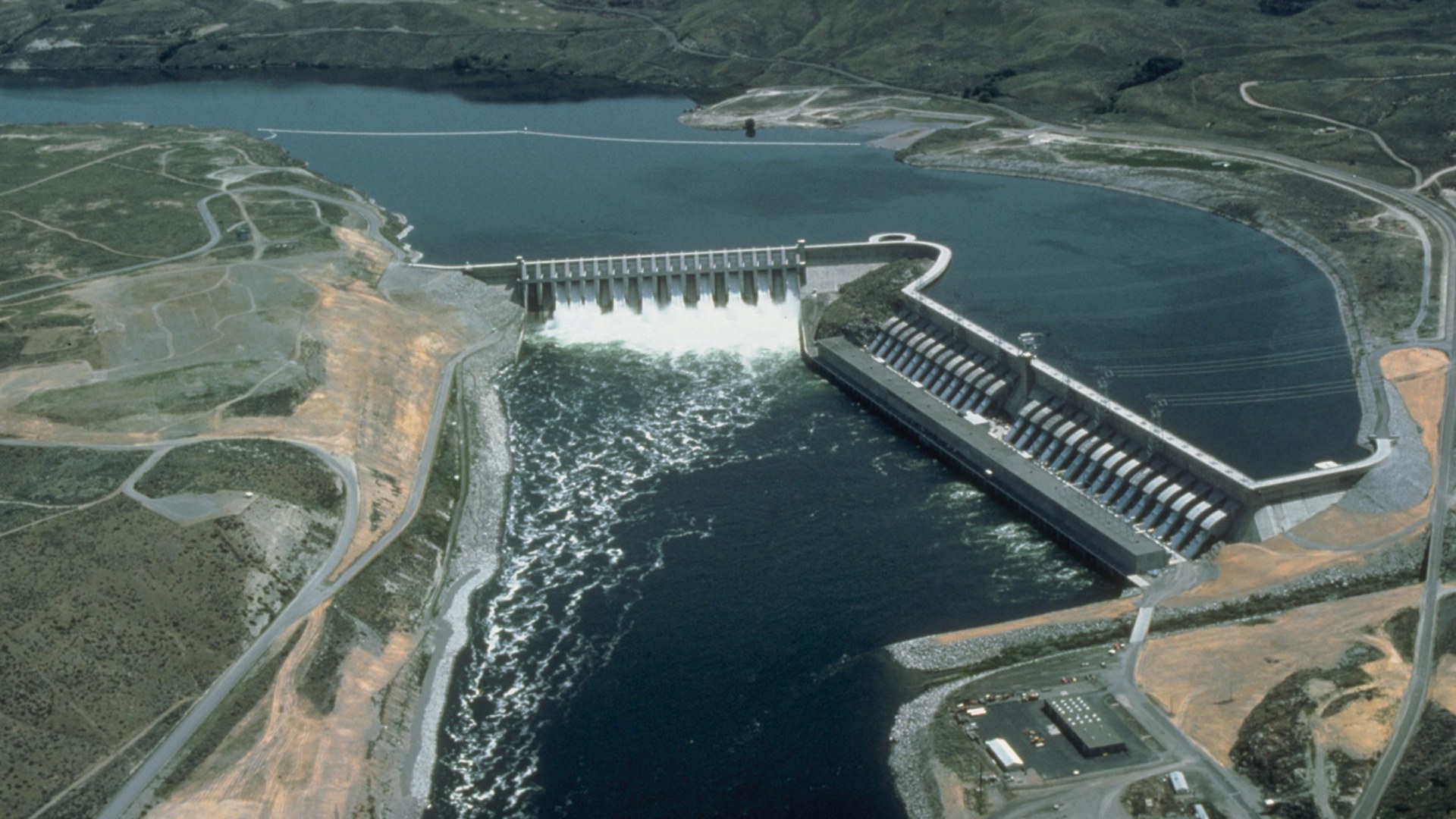
3. Chief Joseph Dam
It's a run-of-the-river giant. Named after the famed Nez Perce leader, Chief Joseph converts rushing river volume into electricity. Its twenty-seven generating units output 2,620 megawatts without relying on a massive storage reservoir behind the concrete barrier.
©Wikimedia / U.S. Army Corps of Engineers
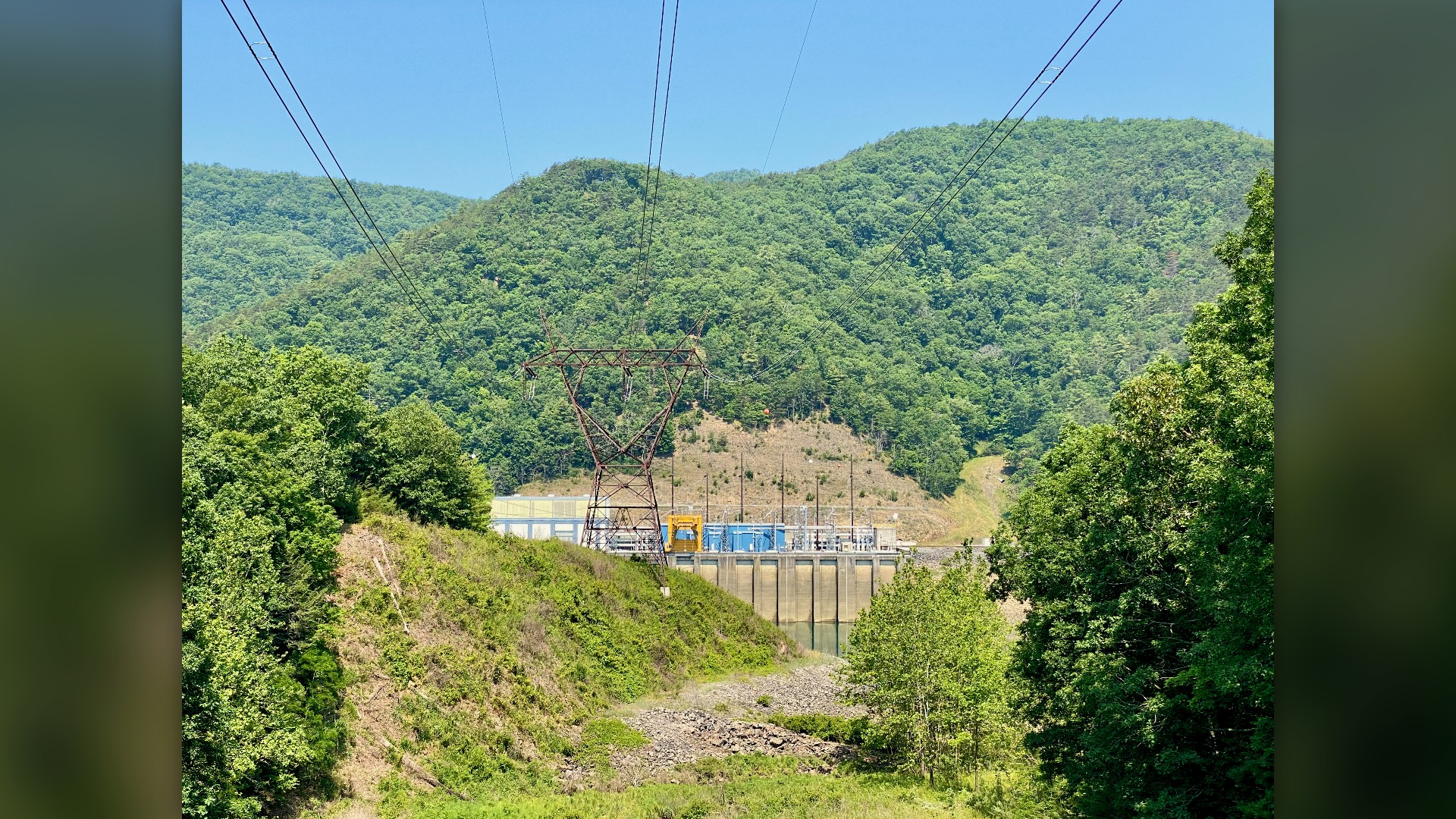
2. Bath County Pumped Storage Station
It's the world's largest battery. Two mountain reservoirs separated by twelve hundred vertical feet allow six turbines to cycle water. They discharge 3,003 megawatts of emergency electricity to stabilize utility networks across thirteen eastern states during peak demand.
©Wikimedia / Bath County Pumped Storage Station
Advertisement
Swipe or tap ▶ to resume the countdown.
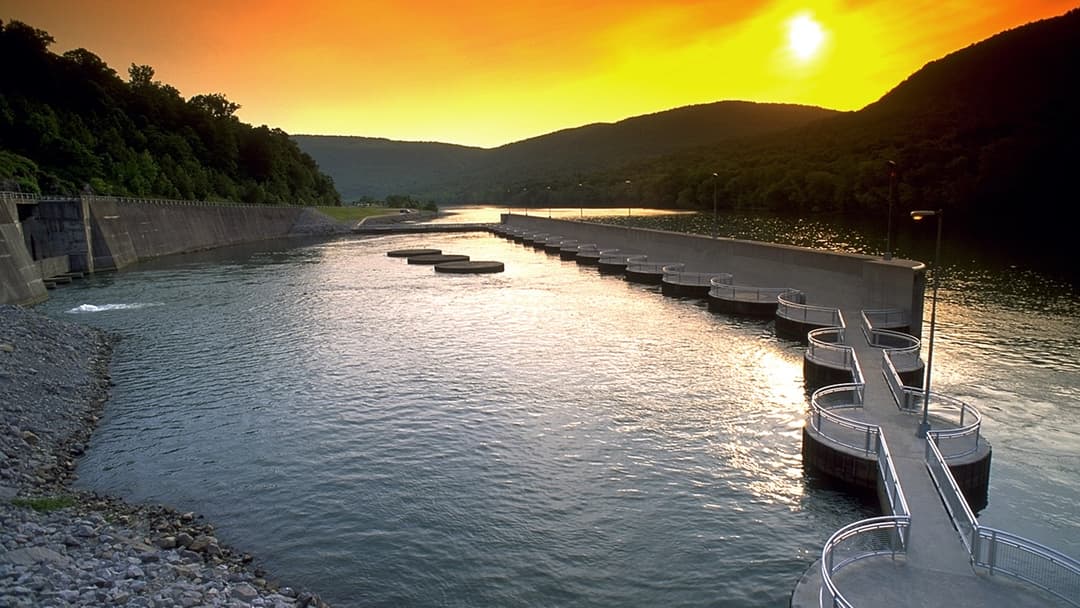
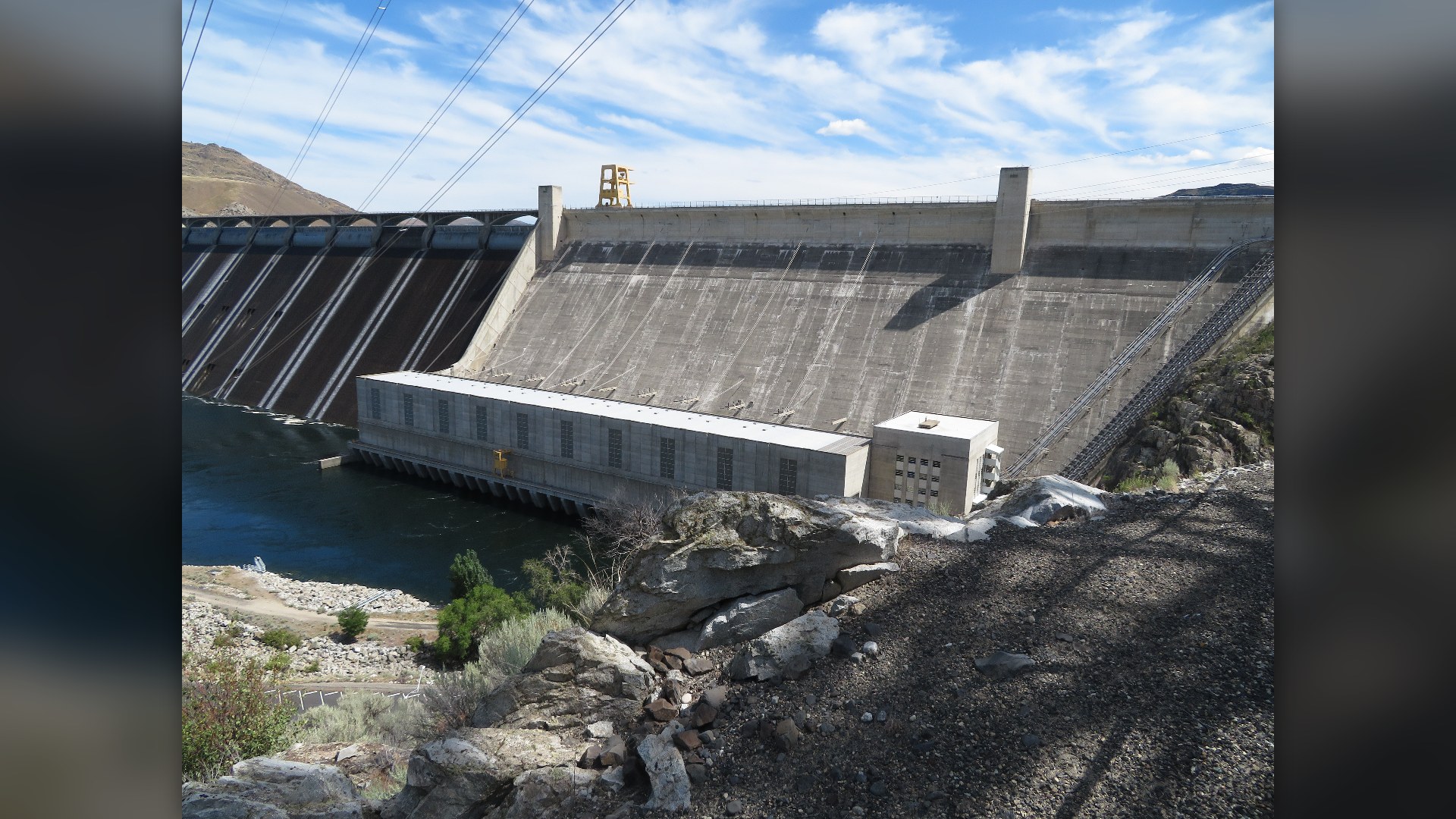
1. Grand Coulee Dam
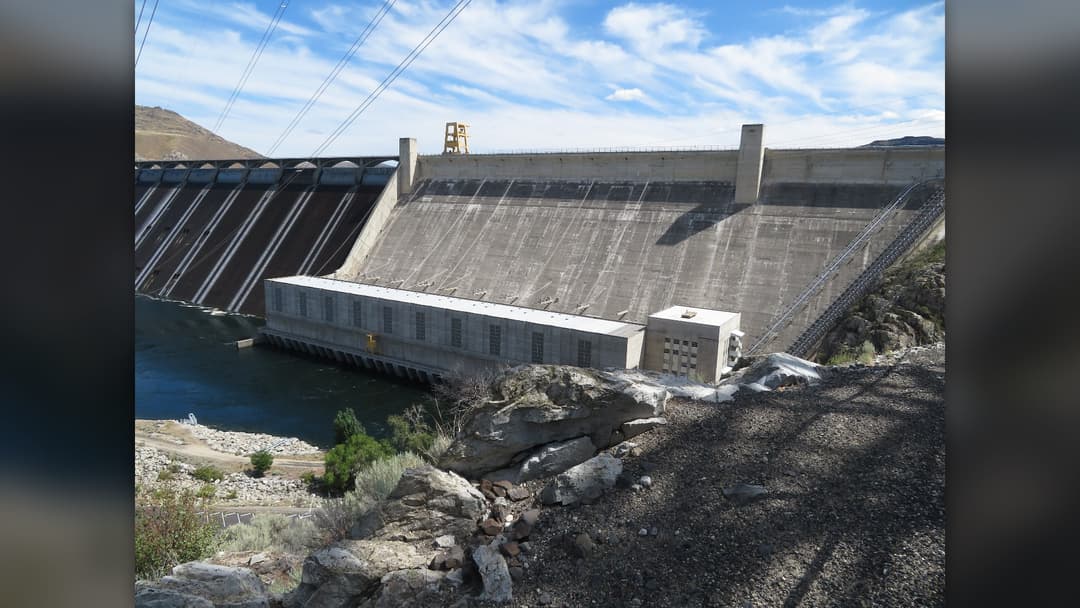
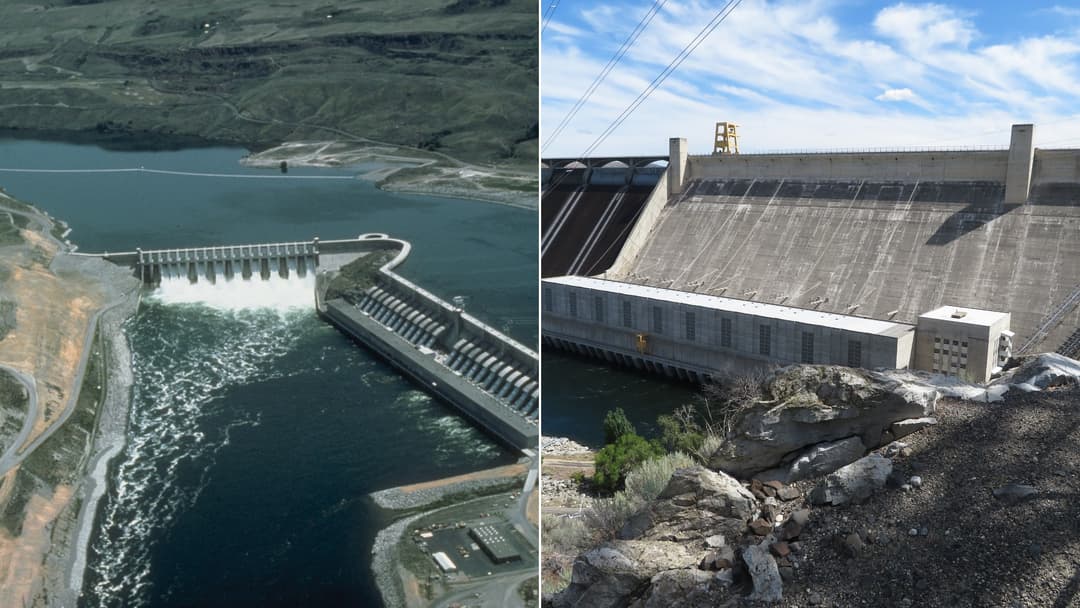
It is the king of hydropower. Containing twelve million cubic yards of concrete, Grand Coulee anchors the entire Columbia River power system. Thirty-three generators spread across four powerhouses produce an astonishing 6,809 megawatts of clean electricity for the nation.
©Wikimedia / Ken Lund
Advertisement
You've reached the end of the story. Thanks for reading!

22 Natural Herbal Teas and Botanical Infusions Backed by Modern Science
Evaluated in clinical pharmacology and botanical trials, these 22 herbal teas and botanical infusions provide measurable antioxidant, digestive, and cardiovascular benefits. Botanical infusions have served as humanity's earliest medicines.
All 20 Entries in this Story
20. Edward Hyatt Power Plant
It's underground. Six heavy pump-turbines churn inside bedrock chambers beneath Lake Oroville. They drive water hundreds of miles south into the California Aqueduct while supplying 819 megawatts of clean peak electricity to millions.

19. Wells Dam
It's an engineering rarity. The unique hydrocombine layout integrates spillways and generators into one structure. That innovative layout trimmed construction costs significantly while allowing ten turbines to deliver 840 megawatts along the Columbia River.

18. Priest Rapids Dam
Built in 1961. The massive concrete structure stretches across the Columbia Basin. Ten heavy Kaplan turbines harness swift river flows to generate 955 megawatts for surrounding public utility districts and agricultural communities.

17. McNary Dam
It tamed river rapids. Named after Senator Charles McNary, this federal facility operates fourteen generators. Together, they supply 980 megawatts of dependable baseload electricity to towns, farms, and industrial manufacturing plants across the Northwest grid.

16. Wanapum Dam
Started in 1963. Ten Kaplan turbines churn along the Columbia River to produce 1,038 megawatts. Specialized spiraling fish chutes guide migrating juvenile salmon safely past the heavy generating equipment into the tailrace below.

15. Boundary Dam
The gorge is dramatic. Rising near the Canadian border, this slender concrete arch is a masterpiece. It supplies over fifty percent of all electricity consumed by households and commercial businesses across the entire Seattle City Light service area.

14. Blenheim-Gilboa Pumped Storage
Water plunges down. This Catskill station pumps river water into a high mountaintop reservoir at night. Releasing that stored volume through four reversible turbines generates 1,160 megawatts during heavy daytime electrical demand across New York State.

13. Bonneville Dam
Dedicated in 1937. Built as a landmark New Deal project to electrify the Northwest, the dam holds two powerhouses. They produce 1,207 megawatts of clean renewable energy while managing commercial shipping navigation through the Columbia River Gorge.

12. Rocky Reach Dam
It forms Lake Entiat. Chelan County Public Utility District manages the facility along the Columbia River. Eleven heavy turbines spin out 1,300 megawatts while a seven-story bypass system safely routes millions of migrating salmon each season.

11. Glen Canyon Dam
It stands 710 feet. Impounding Lake Powell along the Arizona-Utah border, its massive arch manages critical water storage. Eight hydroelectric generators deliver 1,320 megawatts of electricity to municipal utilities and rural electric cooperatives across the Southwest.

10. Castaic Power Plant
It powers up fast. Water cycles between Pyramid Lake and elder Castaic Lake to stabilize regional power supplies. Operators can ramp the facility to full 1,566-megawatt discharge in under two minutes to prevent catastrophic urban blackouts during emergencies.

9. Raccoon Mountain Pumped-Storage
TVA carved a mountain. Water plunges a thousand vertical feet through four reversible pump-turbines deep underground. The massive plant delivers 1,652 megawatts of power when scorching summer heat waves push southern electricity grids to their breaking point.

8. Ludington Pumped Storage Plant
It acts as a battery. Six reversible pump-turbines push Lake Michigan water uphill into a mountaintop reservoir. Releasing that flow through the penstocks generates 1,872 megawatts during peak daylight energy consumption across the upper Midwest region.

7. The Dalles Dam
It spans two miles. Completed in 1957 across the Columbia River, its unusual S-shaped alignment holds twenty-two turbines. They yield 1,878 megawatts of dependable electricity for regional aluminum smelters and thriving municipal communities throughout the Northwest.

6. Hoover Dam
It's an American icon. Rising 726 feet above the Black Canyon floor, seventeen commercial turbines spin inside its powerhouses. Together, they produce 2,080 megawatts of electricity for millions of residents across Arizona, Nevada, and Southern California districts.

5. John Day Dam
Its lock lifts 113 feet. Situated between Oregon and Washington, John Day holds sixteen immense turbines inside its powerhouse. They capture heavy Columbia discharge to generate 2,160 megawatts while safely elevating commercial cargo barges along inland waterways.

4. Robert Moses Niagara Power Plant
It diverts roaring waters. Built after a massive rockslide destroyed older generation plants, this facility channels river flow through tunnels. Thirteen heavy turbines produce 2,525 megawatts of reliable emissions-free energy for the entire Empire State electrical grid.

3. Chief Joseph Dam
It's a run-of-the-river giant. Named after the famed Nez Perce leader, Chief Joseph converts rushing river volume into electricity. Its twenty-seven generating units output 2,620 megawatts without relying on a massive storage reservoir behind the concrete barrier.

2. Bath County Pumped Storage Station
It's the world's largest battery. Two mountain reservoirs separated by twelve hundred vertical feet allow six turbines to cycle water. They discharge 3,003 megawatts of emergency electricity to stabilize utility networks across thirteen eastern states during peak demand.

1. Grand Coulee Dam
It is the king of hydropower. Containing twelve million cubic yards of concrete, Grand Coulee anchors the entire Columbia River power system. Thirty-three generators spread across four powerhouses produce an astonishing 6,809 megawatts of clean electricity for the nation.