Slideshow · Animals
20 Oldest Complex Animal Species in Earth's History, Ranked
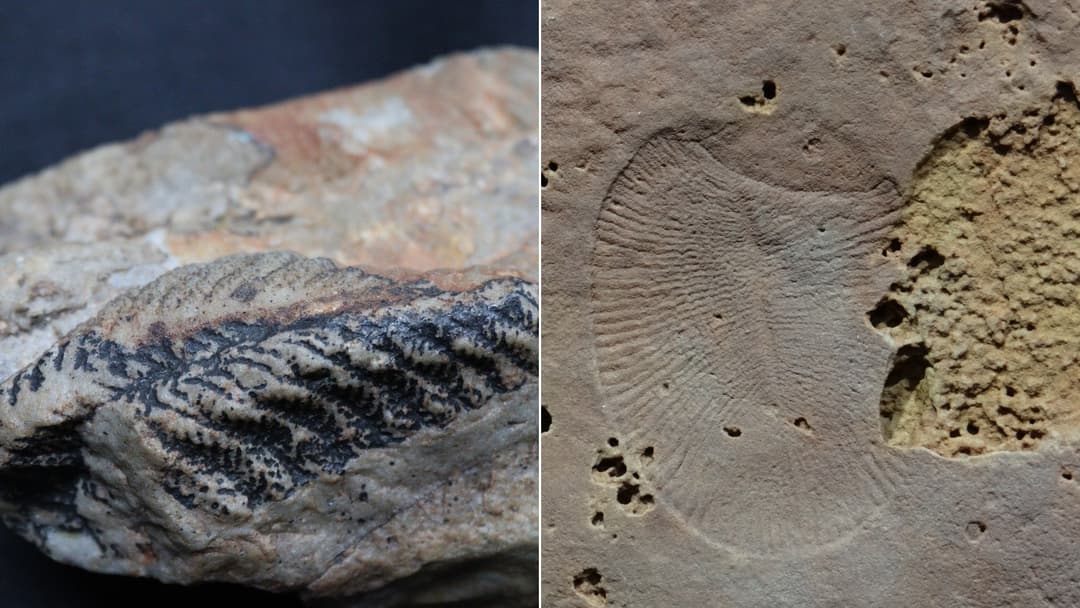
Preserved in ancient underwater canyons dating back 600 million years, paleobiological fossil records reveal the bizarre multi-cellular organisms that pioneered animal life. Dating back over 570 million years, Ediacaran and Cambrian fossil strata document the origins of complex multicellular animals.
By Most Viral Today
25 min ago

Earth's Earliest Animal Pioneers Preserved in Ancient Stone 
20. Pikaia 
19. Marrella 
18. Hallucigenia - AdvertisementSwipe or tap ▶ to continue countdown

17. Opabinia 
16. Wiwaxia 
15. Anomalocaris 
14. Archaeocyatha - AdvertisementSwipe or tap ▶ to continue countdown

13. Cloudina 
12. Parvancorina 
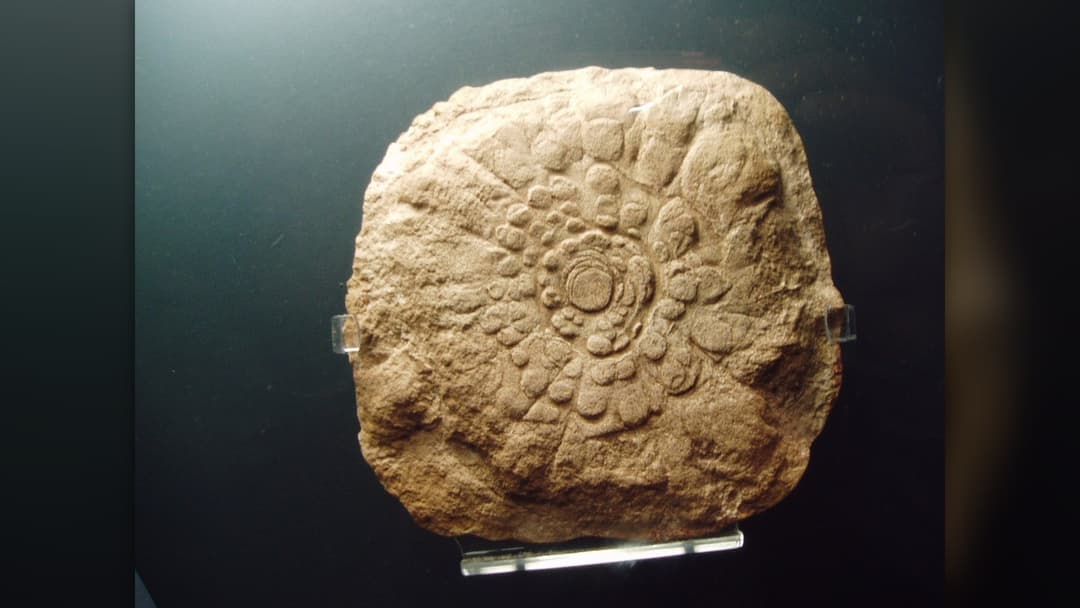
11. Tribrachidium 
10. Spriggina - AdvertisementSwipe or tap ▶ to continue countdown

9. Yorgia 
8. Kimberella 
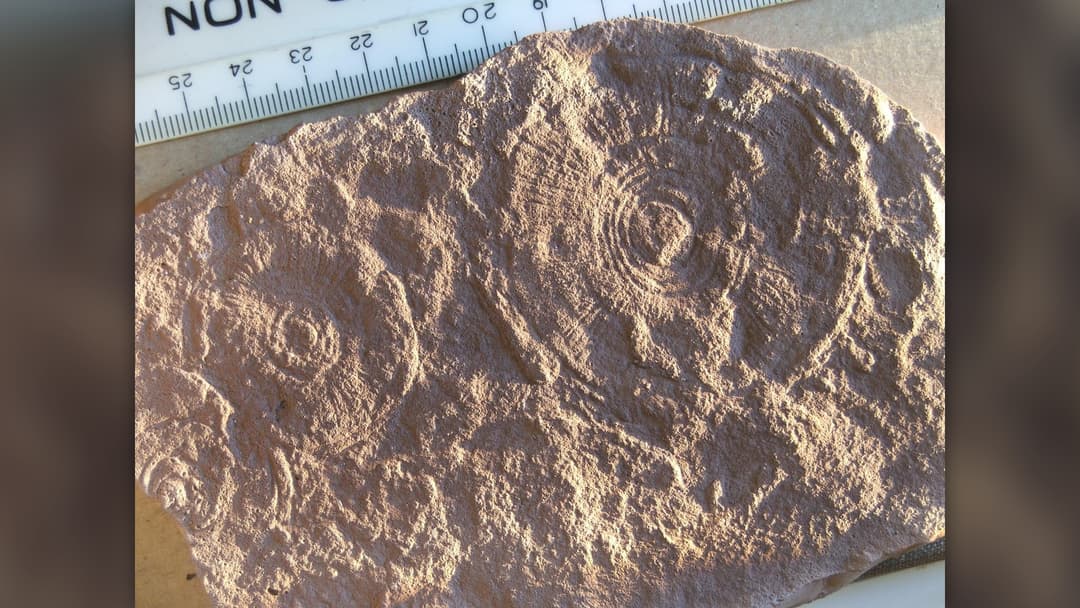
7. Cyclomedusa 
6. Mawsonites - AdvertisementSwipe or tap ▶ to continue countdown

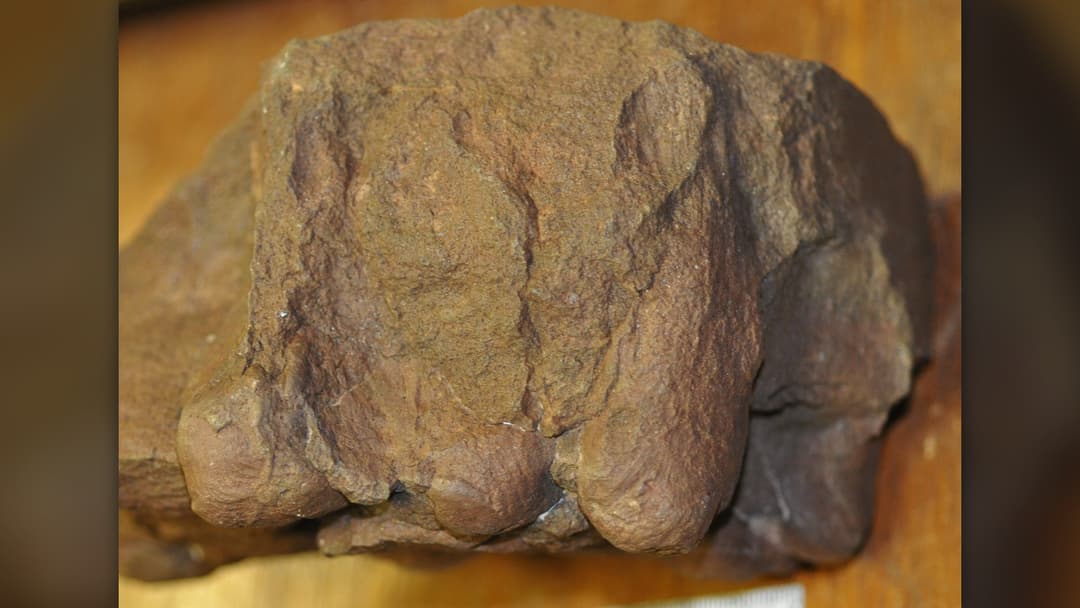
5. Ernietta 
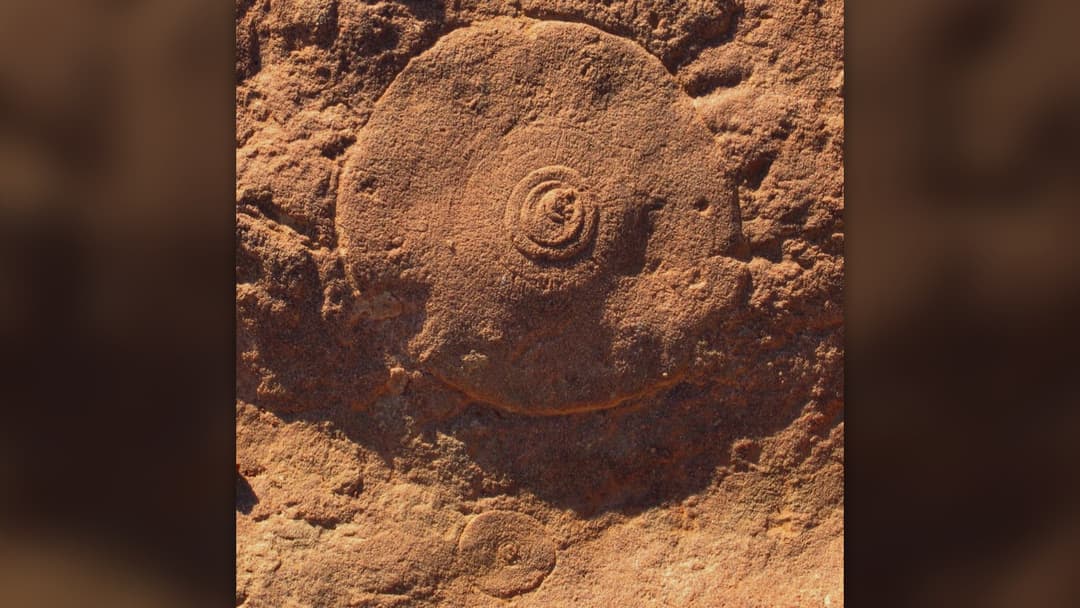
4. Aspidella 
3. Dickinsonia 
2. Rangea - AdvertisementSwipe or tap ▶ to continue countdown

1. Charnia - Advertisement🔥 UP NEXT IN THIS SERIES◫ 21 Slides

20 Ancient Cliff Dwellings and Rock-Cut Cities Carved Into Mountains
Based on architectural surveys from UNESCO World Heritage records, here are 20 remarkable ancient cliff dwellings and rock-hewn monuments carved directly into sheer mountains.
Dating back over 570 million years, Ediacaran and Cambrian fossil strata document the origins of complex multicellular animals. Paleontologists trace how these strange organisms unlocked mobility, bilateral symmetry, and vision.
Swipe or tap ▶ to begin the countdown
©Wikimedia / Helke Mocke & Wikimedia / cprevot (
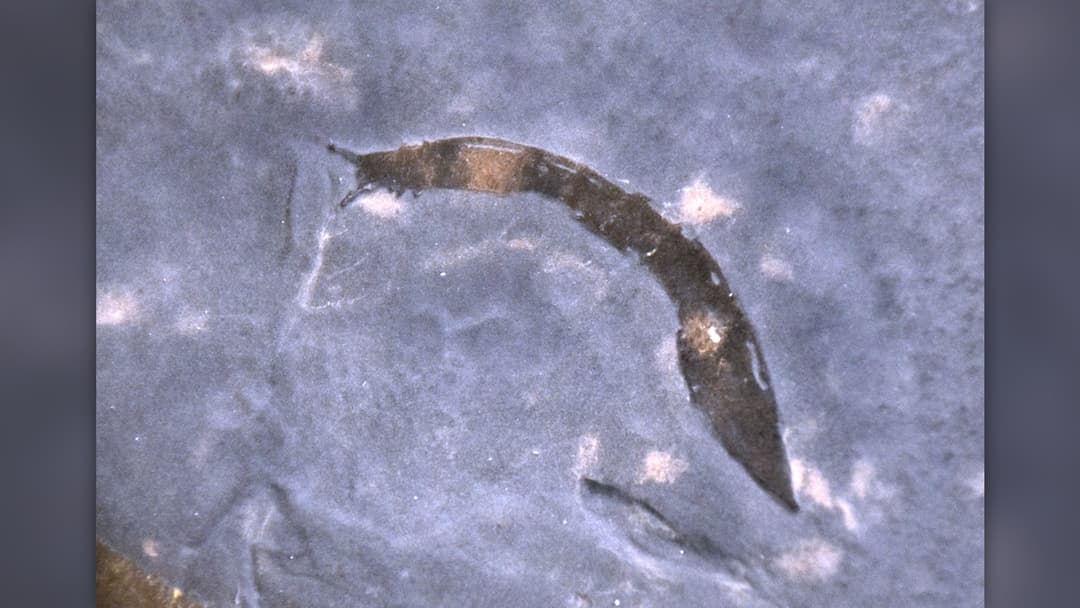
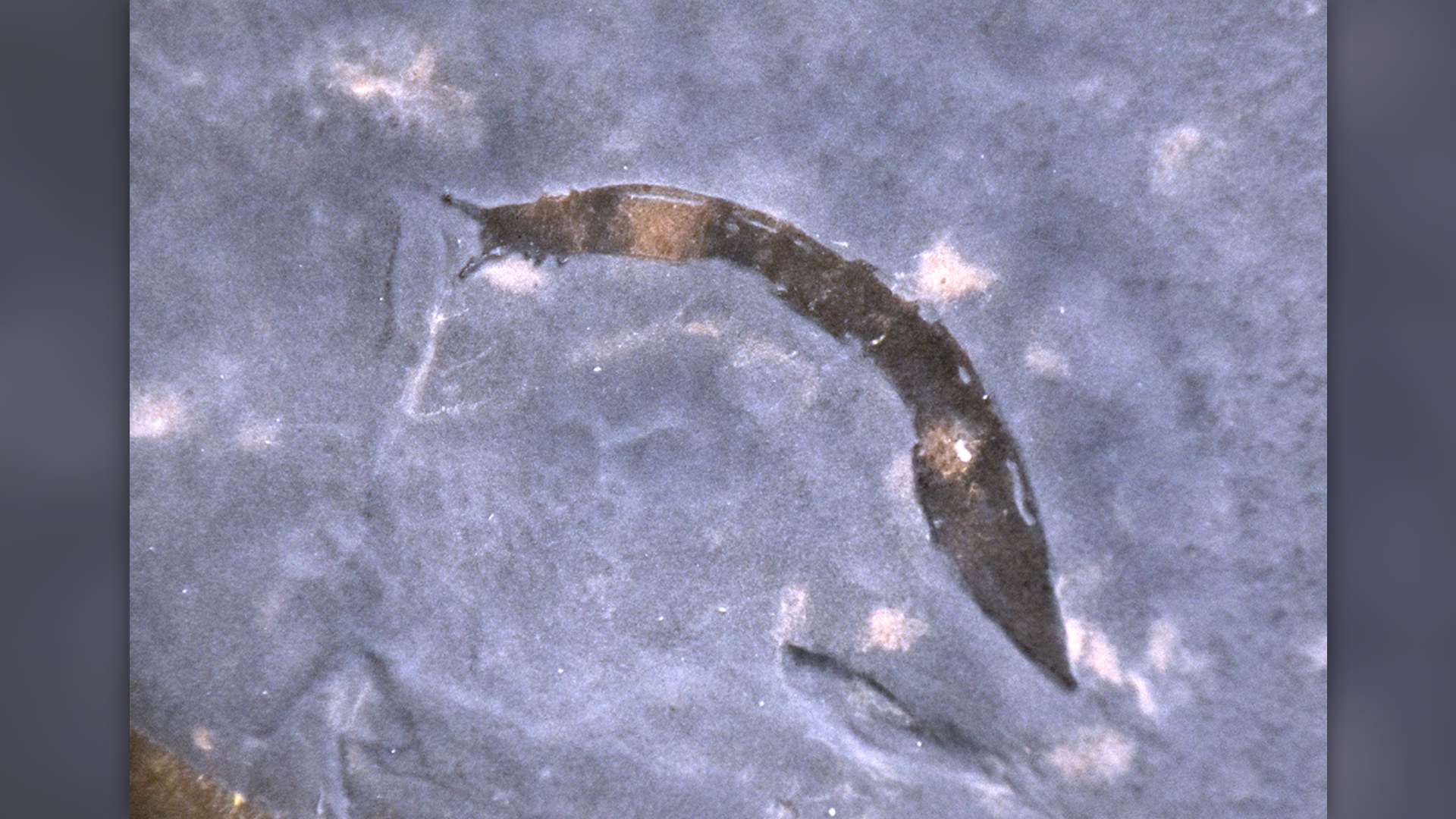
20. Pikaia
Pikaia was a chordate. Measuring roughly two inches long, it propelled itself through shallow Cambrian seas with undulating ribbon-like movements. Modern vertebrates evolved from comparable soft-bodied marine ancestors.
©Wikimedia / Vassil
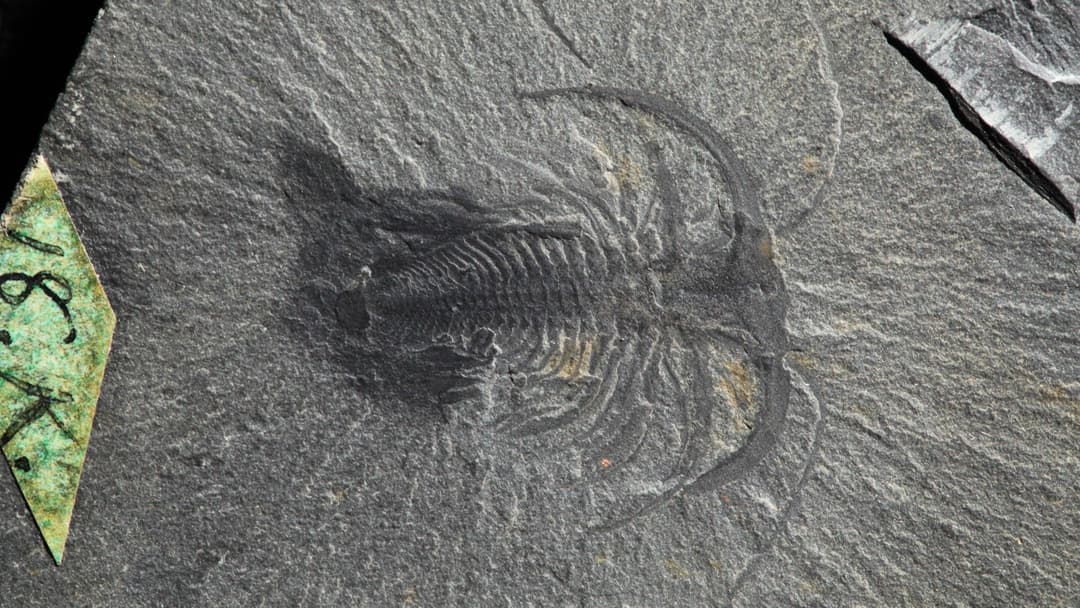
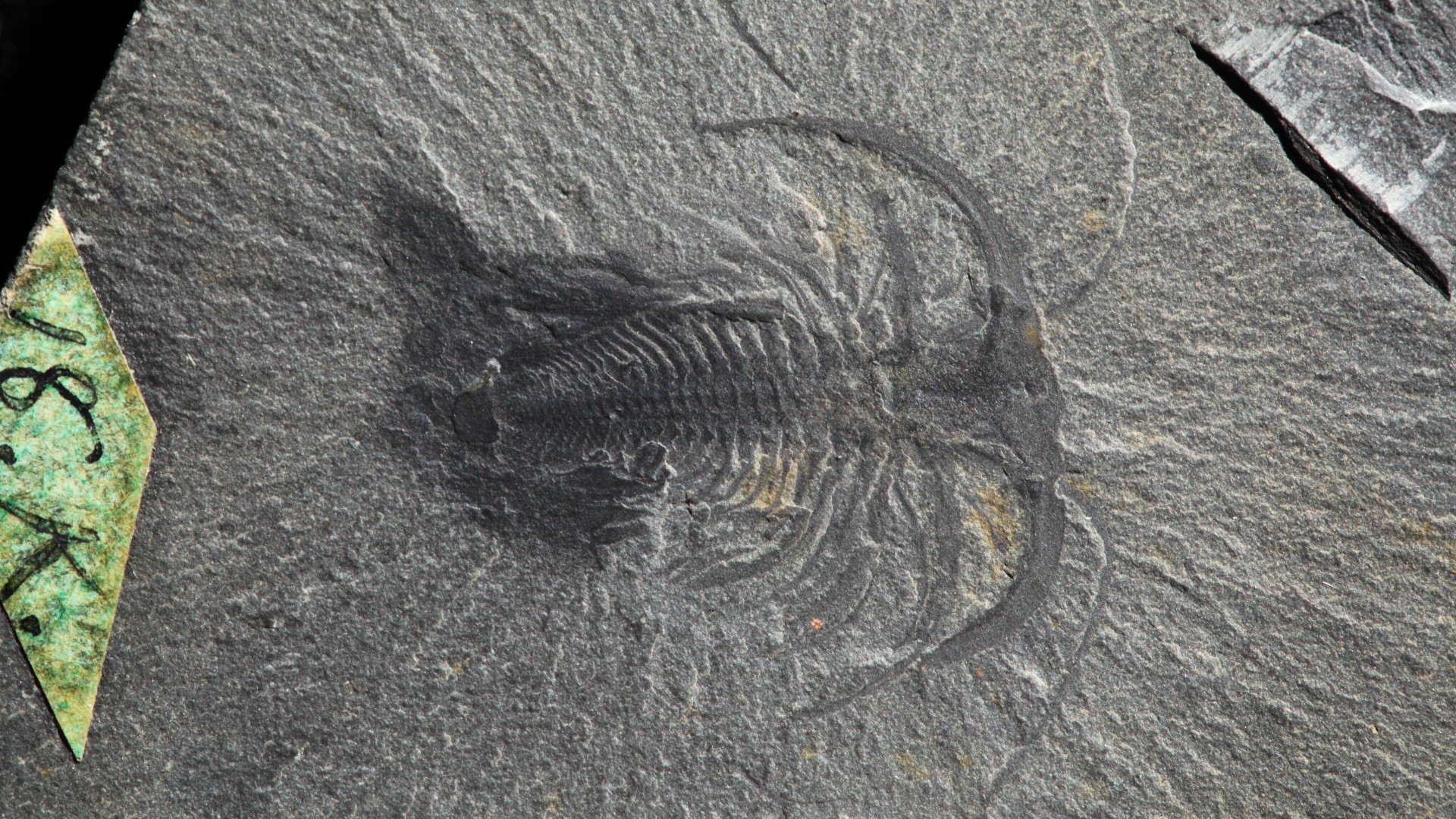
19. Marrella
It scuttled along mudflats. Possessing two backward-curving head spines, thousands of well-preserved specimens show it scavenged organic debris across muddy ocean floors roughly 508 million years ago.
©Wikimedia / Marrella
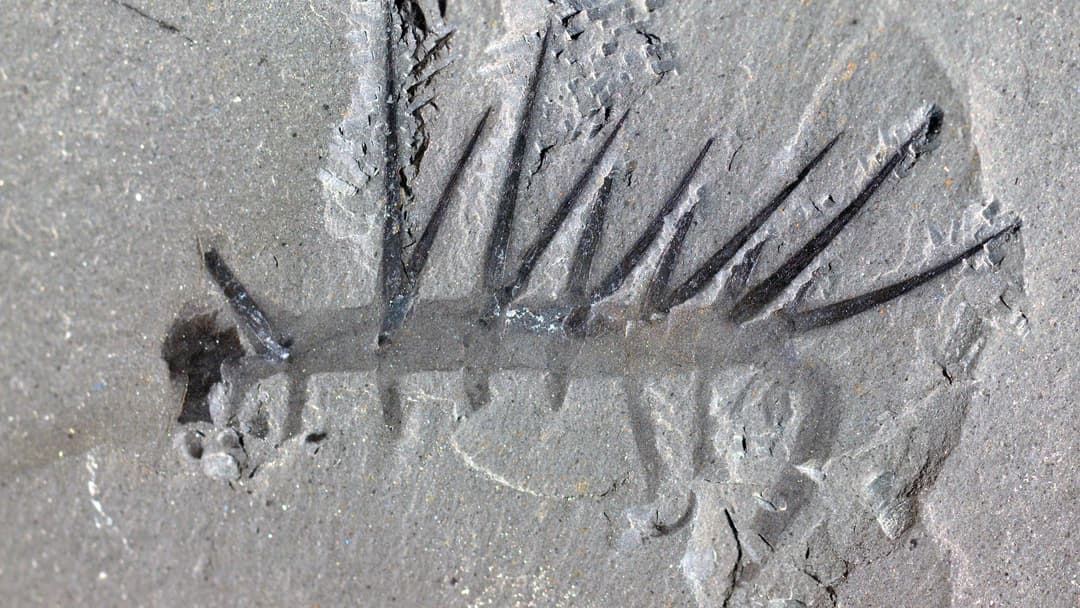
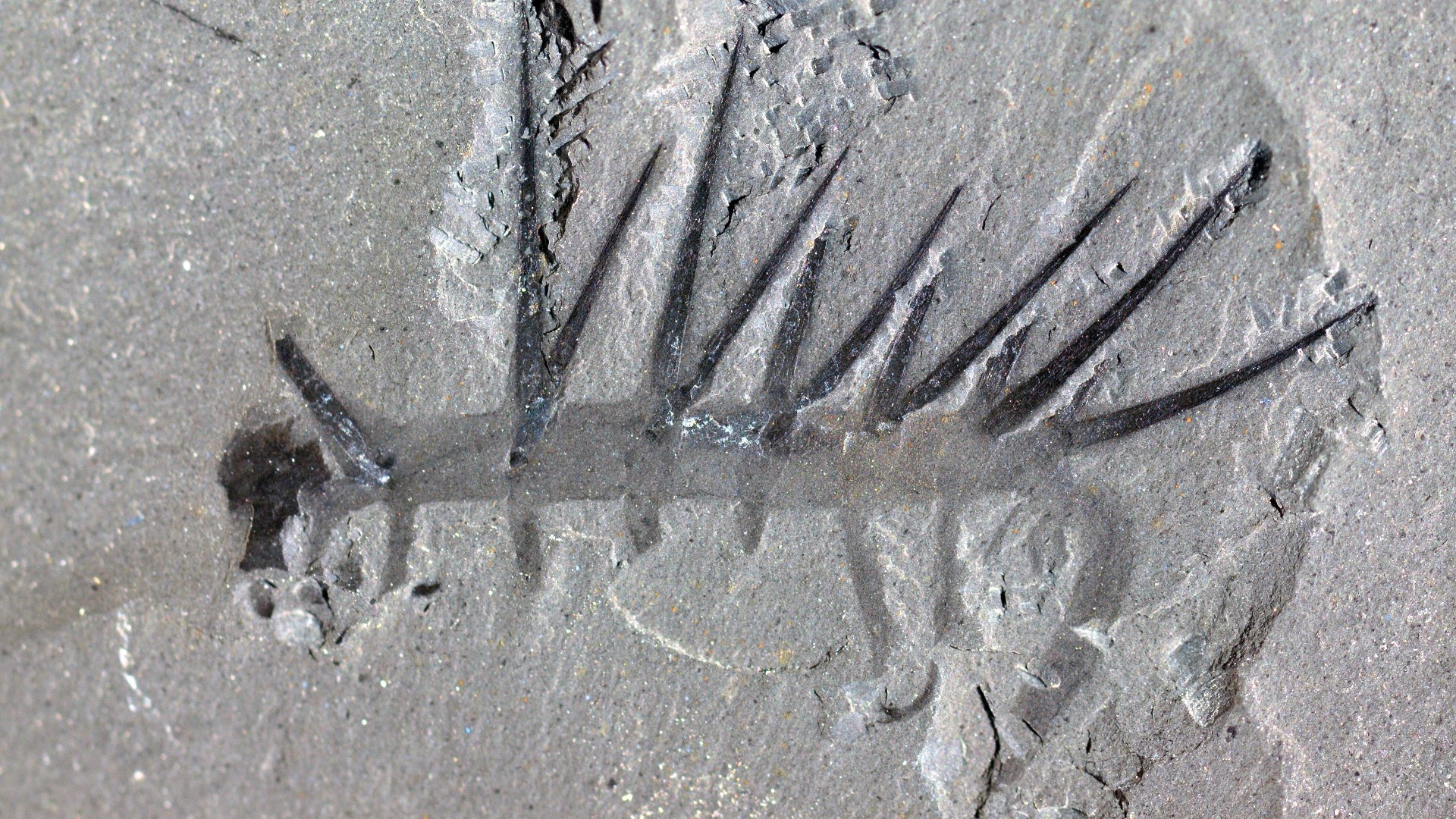
18. Hallucigenia
It baffled fossil hunters. Crawling across Cambrian seabeds 508 million years ago, seven pairs of sharp dorsal spines protected its tubular body from hungry predators. Scientists finally identified its true head under electron microscopes.
©Wikimedia / Hallucigenia
Advertisement
Swipe or tap ▶ to resume the countdown.
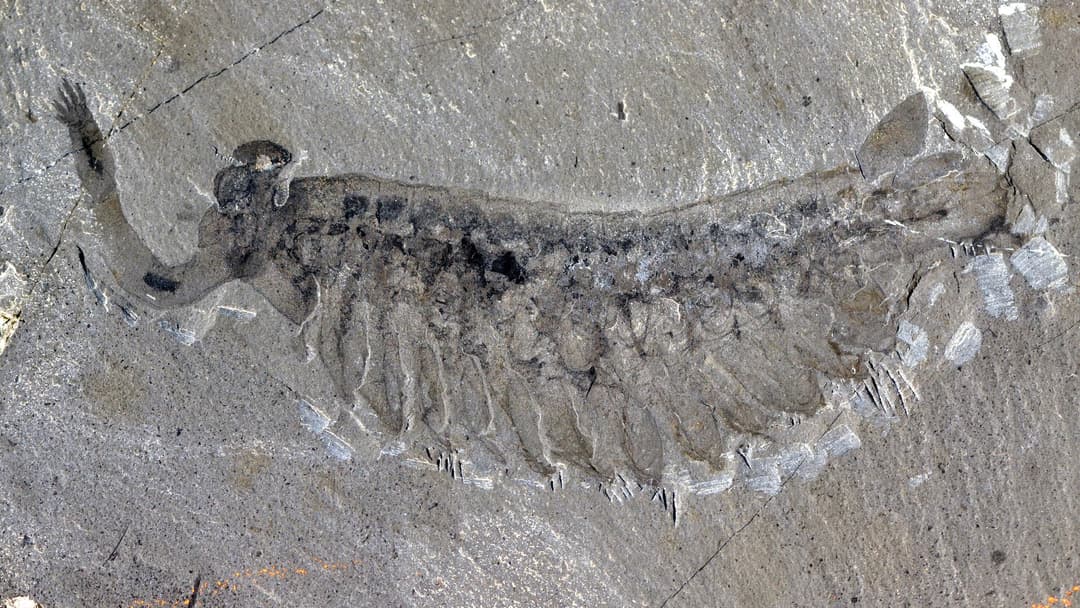
17. Opabinia
Opabinia had five eyes. Using a flexible frontal nozzle tipped with grasping claws, it hunted above benthic mudflats 508 million years ago. Paleontologists consider it a crucial early stem-arthropod.
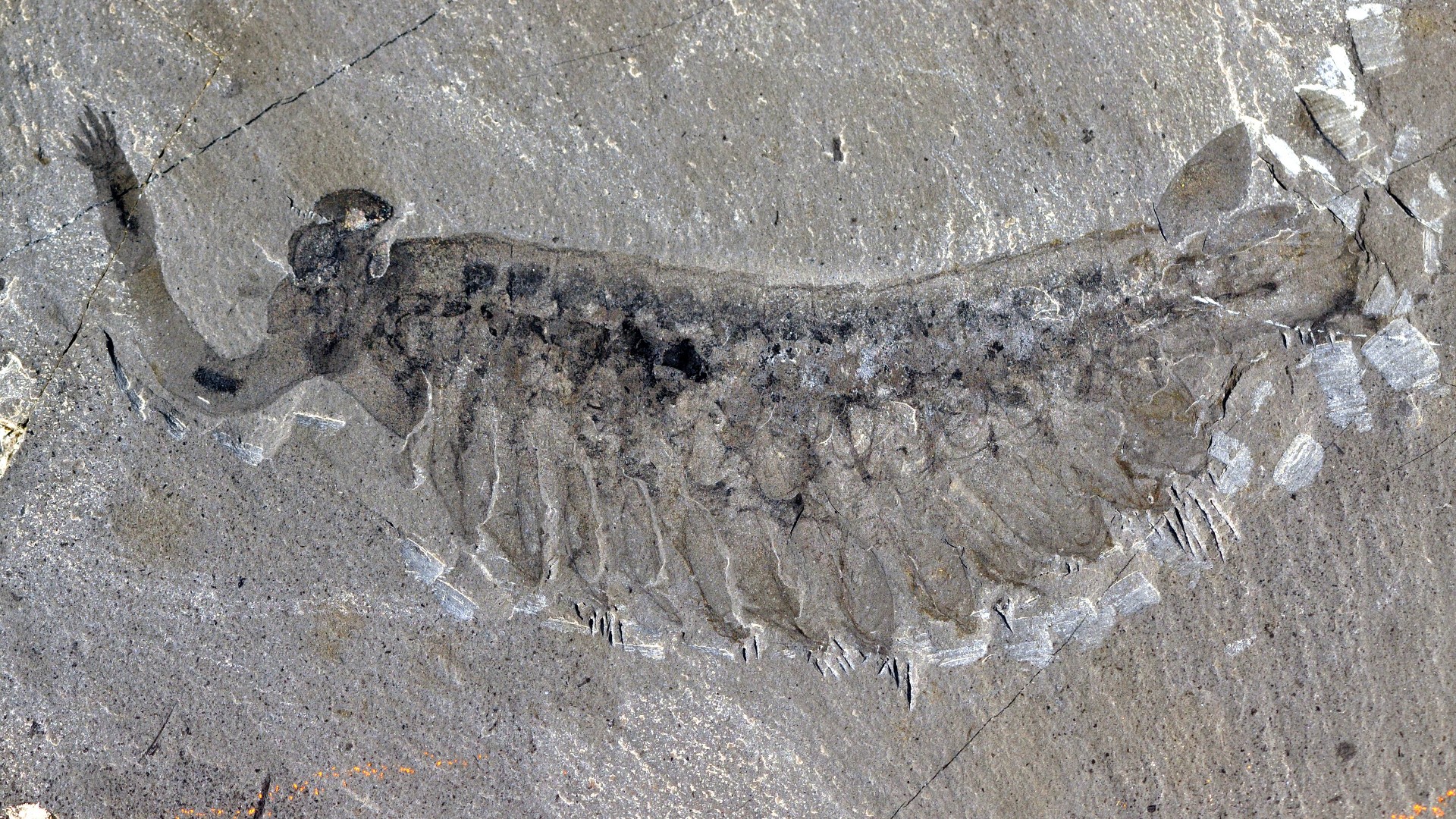
©Wikimedia / Opabinia
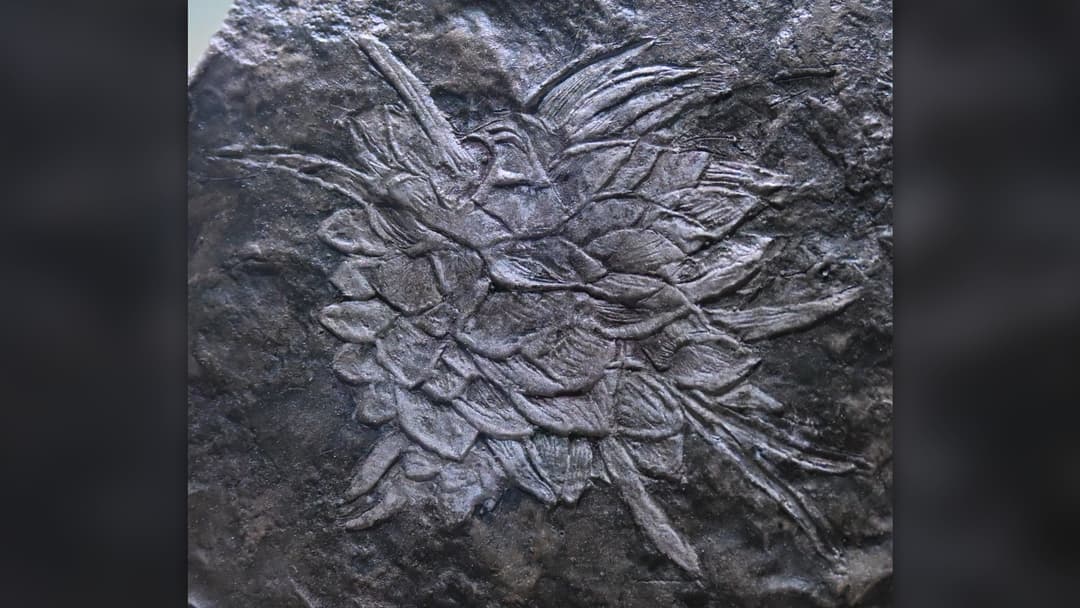
16. Wiwaxia
It carried spiny armor. Covered in miniature ridged scales, it grazed on microbial mats using a toothed radula resembling that of modern mollusks roughly 508 million years ago.
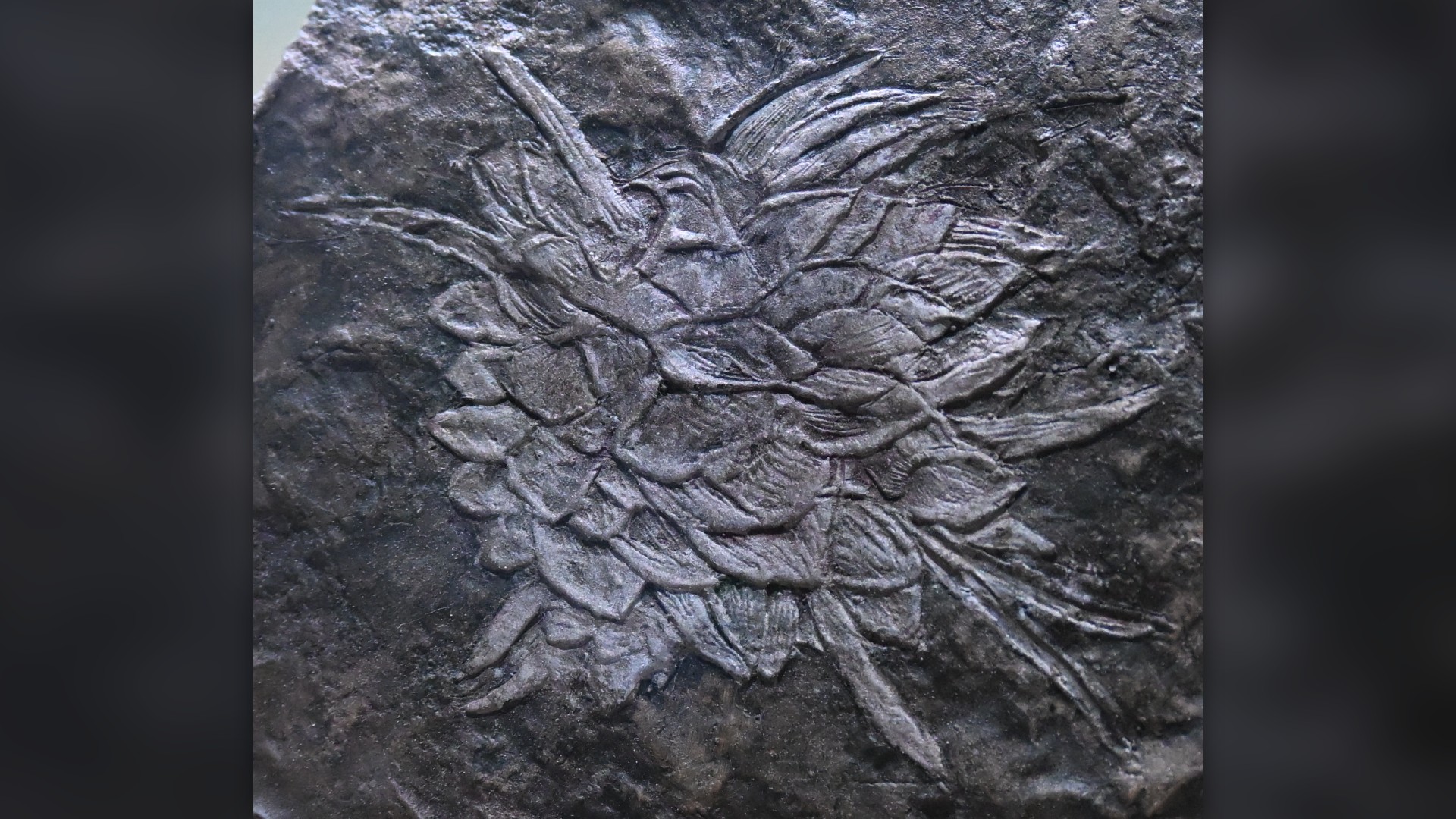
©Wikimedia / Kjoonlee
15. Anomalocaris
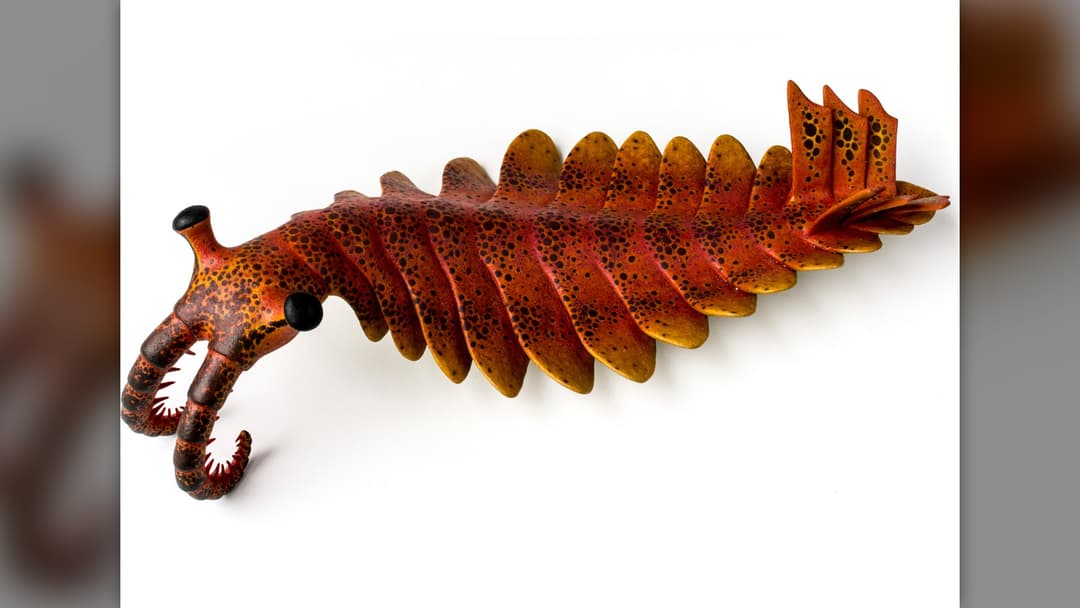
It dominated ancient seas. Growing up to three feet long, Anomalocaris hunted with spiny appendages and compound eyes packed with thirty thousand lens facets. Undulating side flaps drove it through open marine depths.
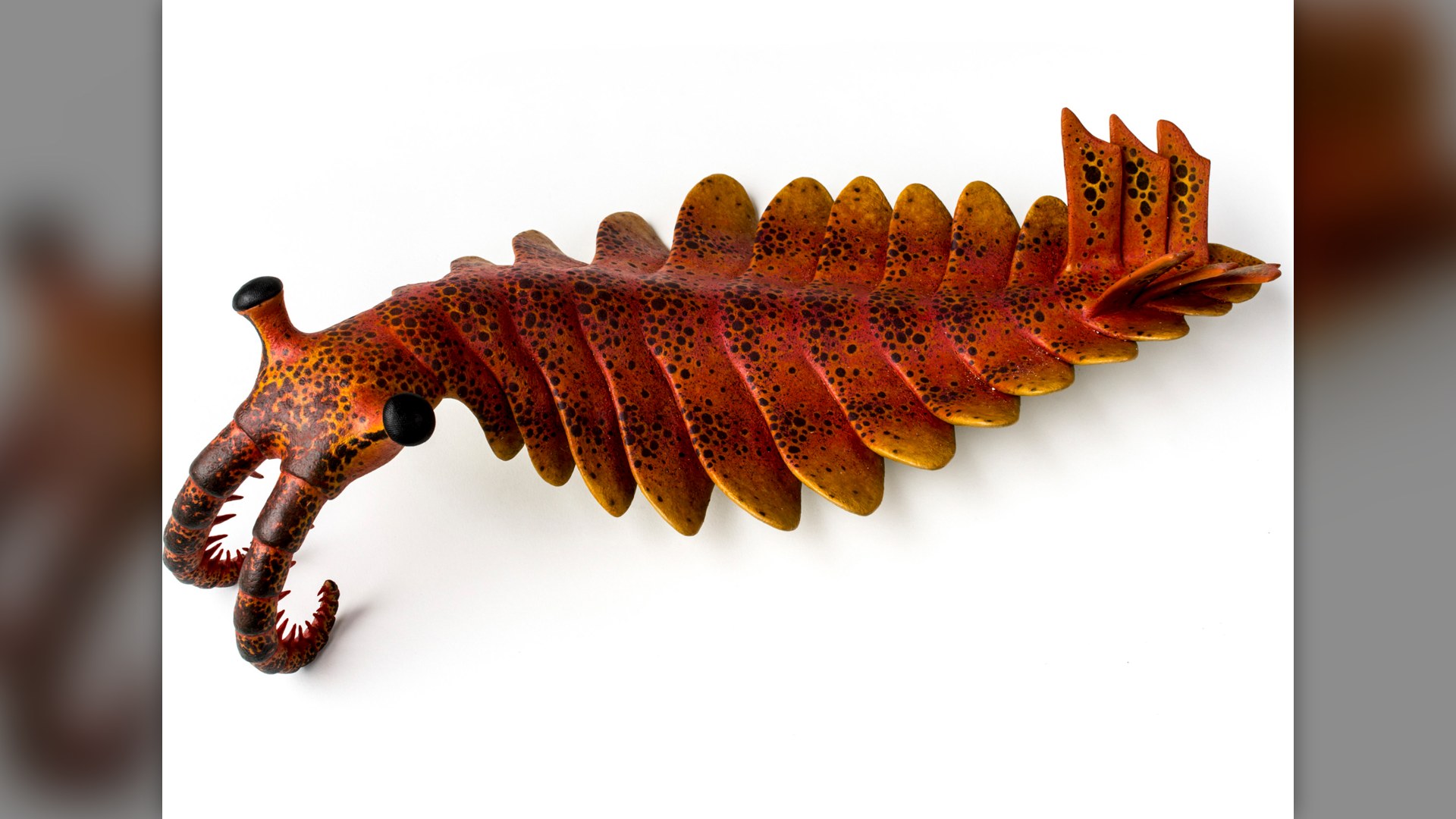
©Wikimedia / Matteo De Stefano
14. Archaeocyatha
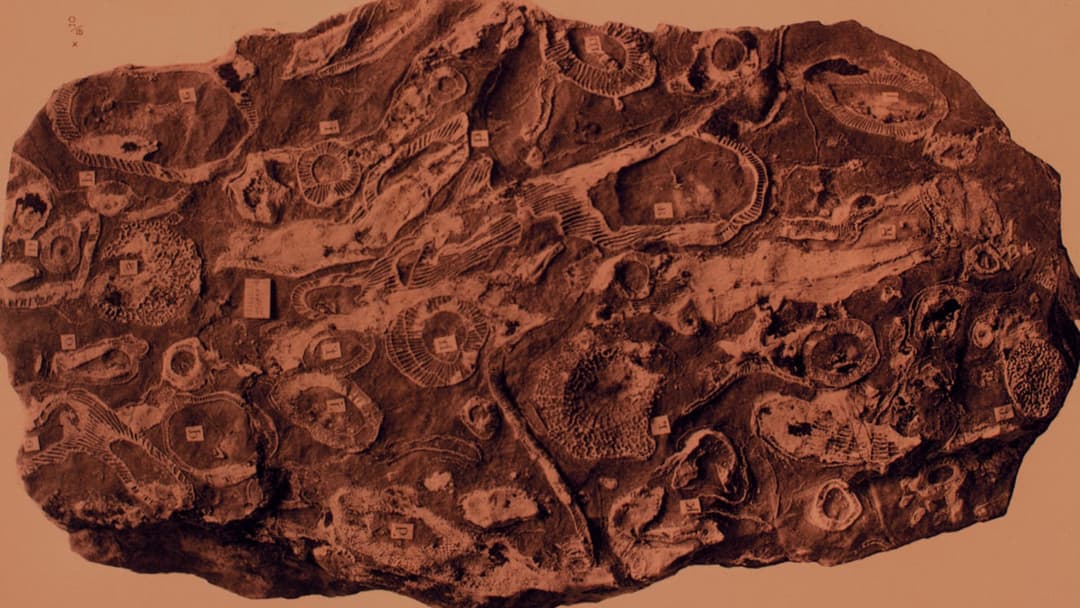
These sponges formed reefs. Anchored to shallow seafloors roughly 525 million years ago, they filtered marine nutrients through porous dual walls before vanishing entirely prior to the close of the Cambrian.
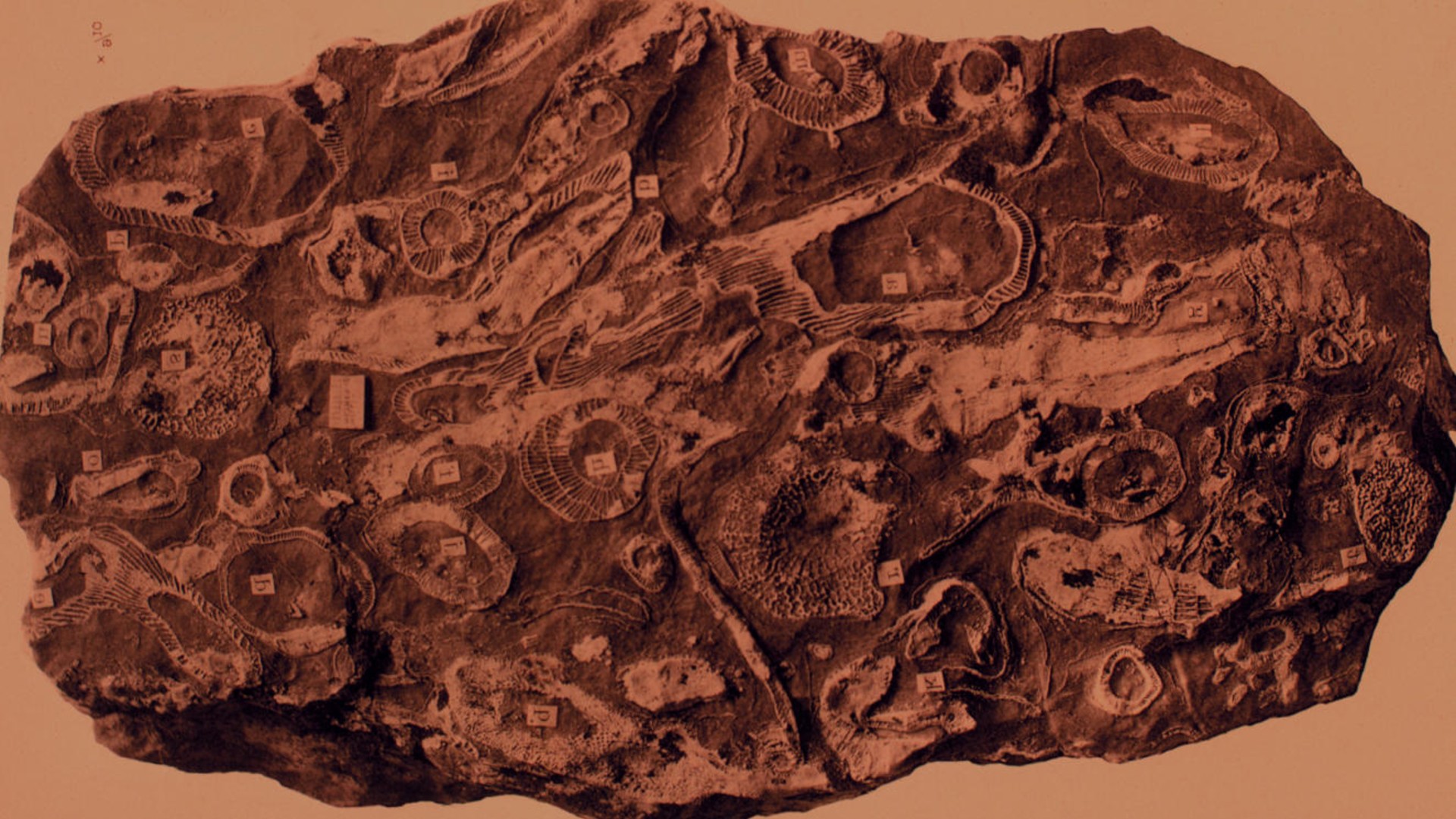
©Wikimedia / Joseph H. Hartman
Advertisement
Swipe or tap ▶ to resume the countdown.
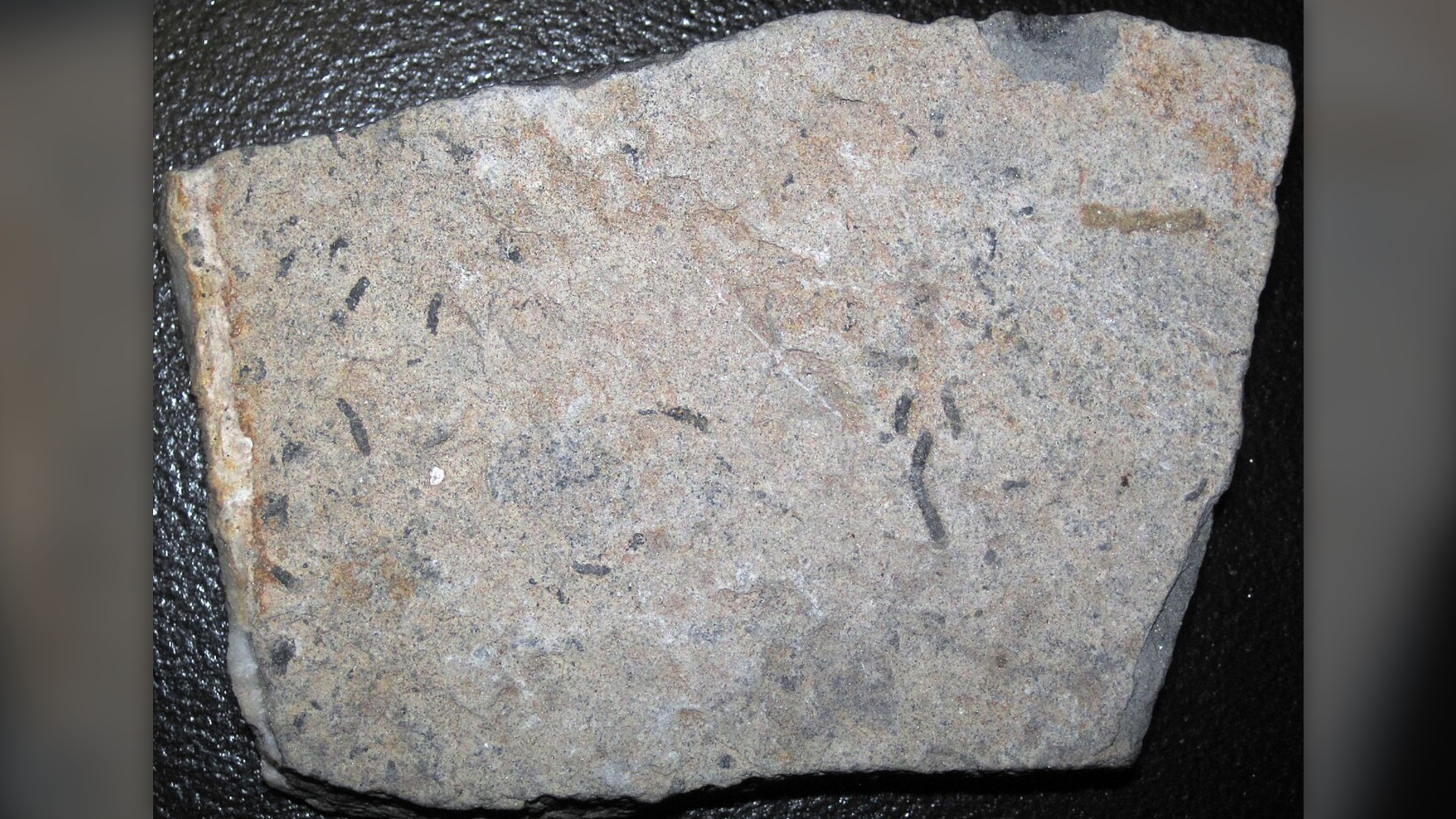
13. Cloudina
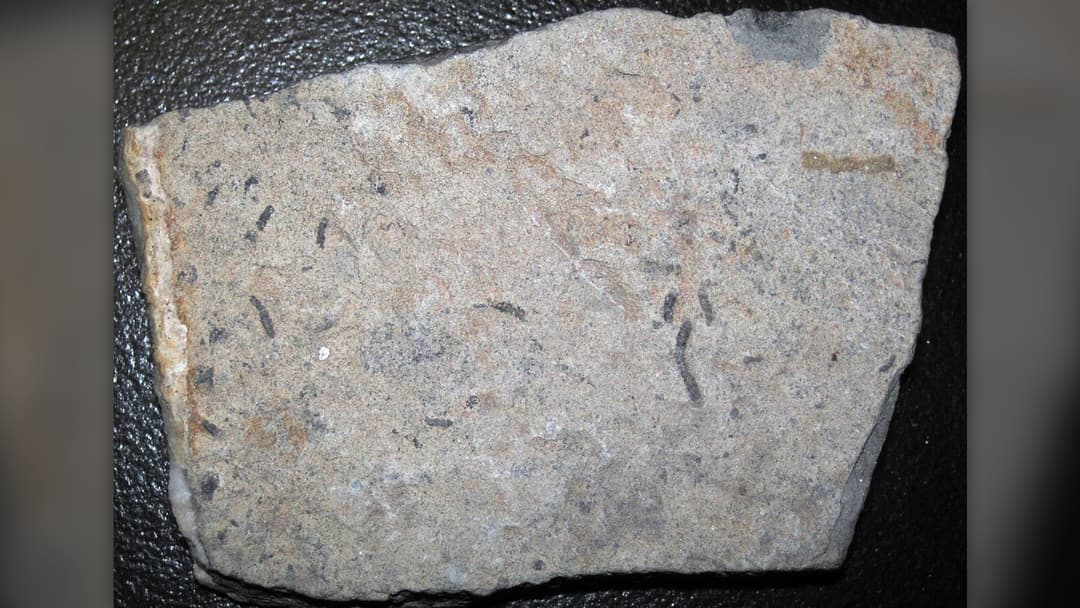
It built calcium tubes. Appearing 548 million years ago, its fossilized shells preserve tiny boreholes drilled by unidentified predatory worms. This provides our planet's earliest definitive evidence of animal predation.
©Wikimedia / James St. John
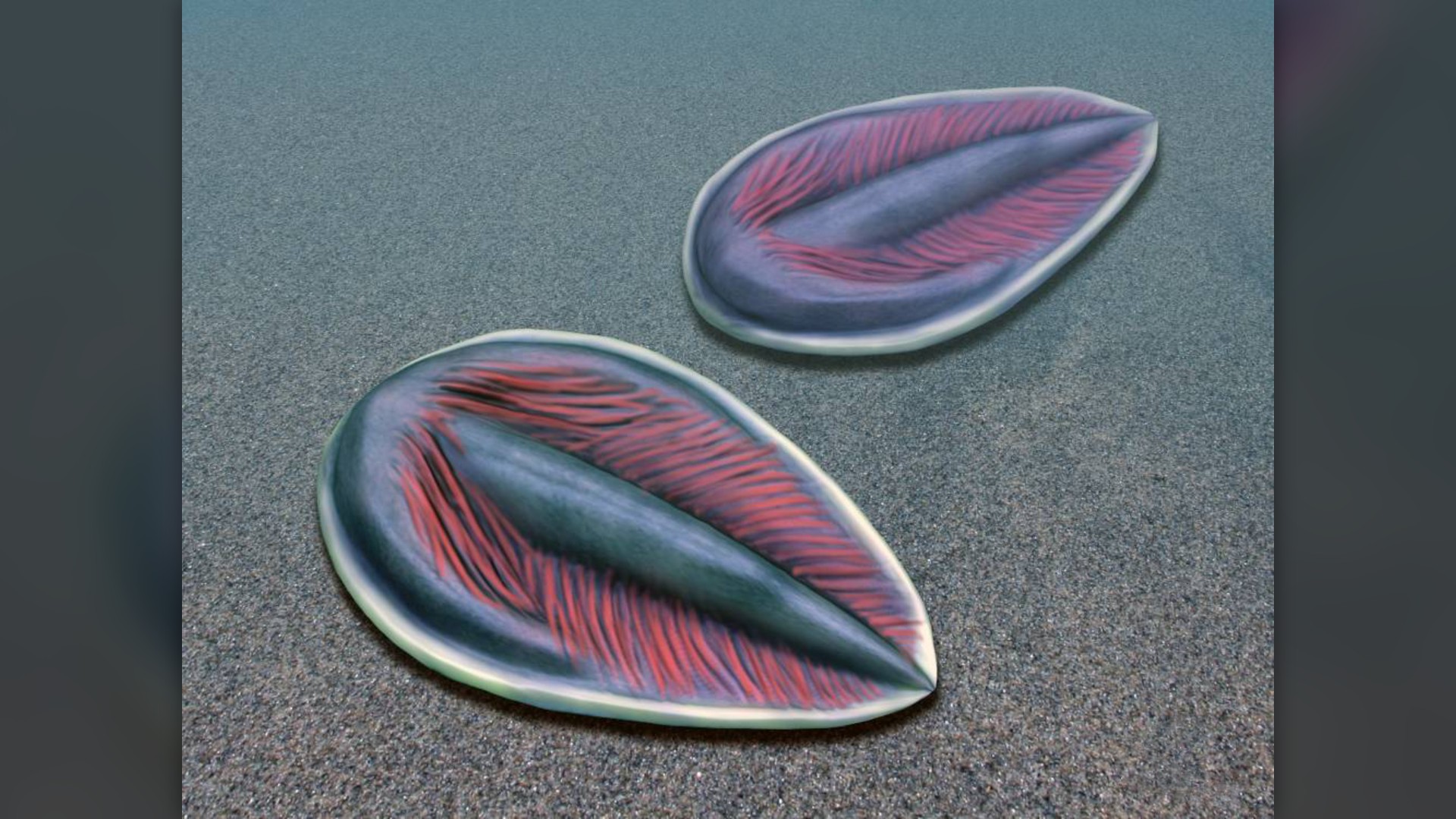
12. Parvancorina
It resembled miniature anchors. Living roughly 555 million years ago in Ediacaran shallows, hydrodynamic simulations show its shield-like body channeled water currents directly toward its central feeding groove.
©Wikimedia / Nobu Tamura ( )
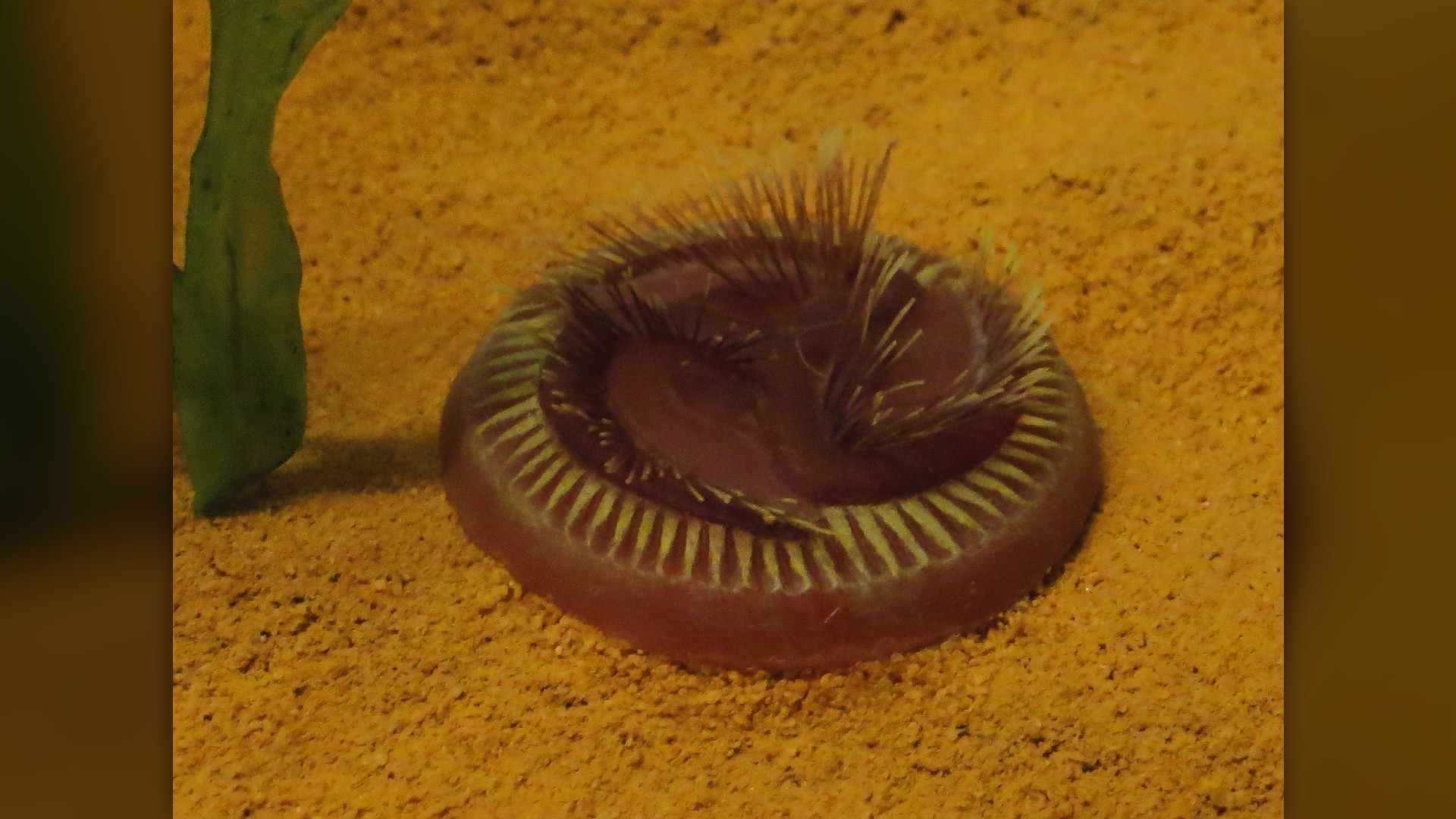
11. Tribrachidium
It featured tri-radial symmetry. Living 555 million years ago without any living relatives, three curved spiral arms radiated from its apex to form grooves that trapped drifting food particles.
©Wikimedia / Ghedoghedo
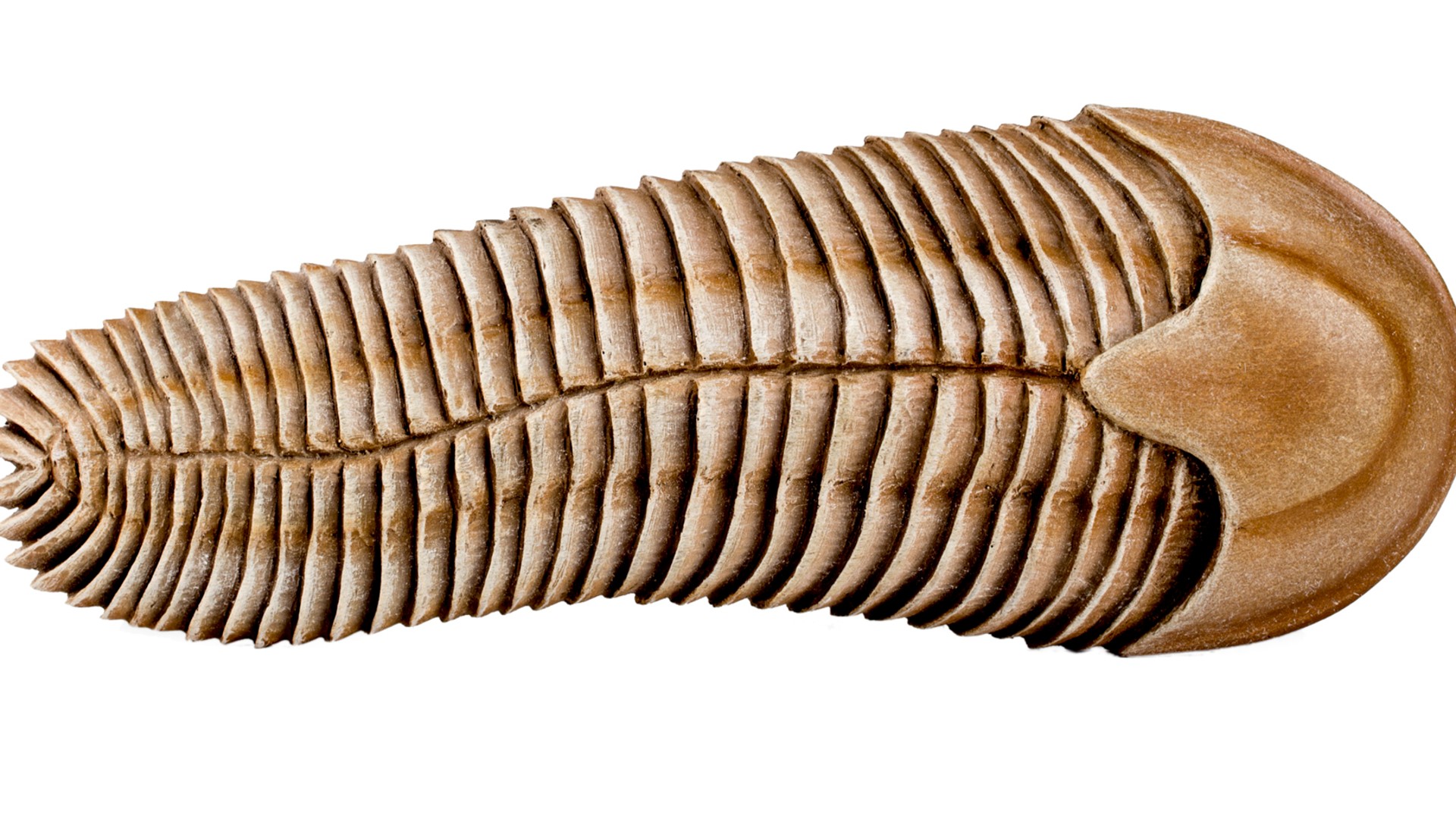
10. Spriggina
Spriggina showed early cephalization. Reaching three inches in length, this 555-million-year-old organism displayed an elongated segmented body with distinct glide reflection symmetry that some scientists link to early trilobites.
©Wikimedia / Matteo De Stefano, MUSE This file was
Advertisement
Swipe or tap ▶ to resume the countdown.
9. Yorgia
It absorbed bacterial mats. Found along Russia's White Sea coast and dating back 555 million years, this disc-shaped organism moved across algae beds to absorb nutrients directly through its underside. Trace fossils prove it possessed active mobility.
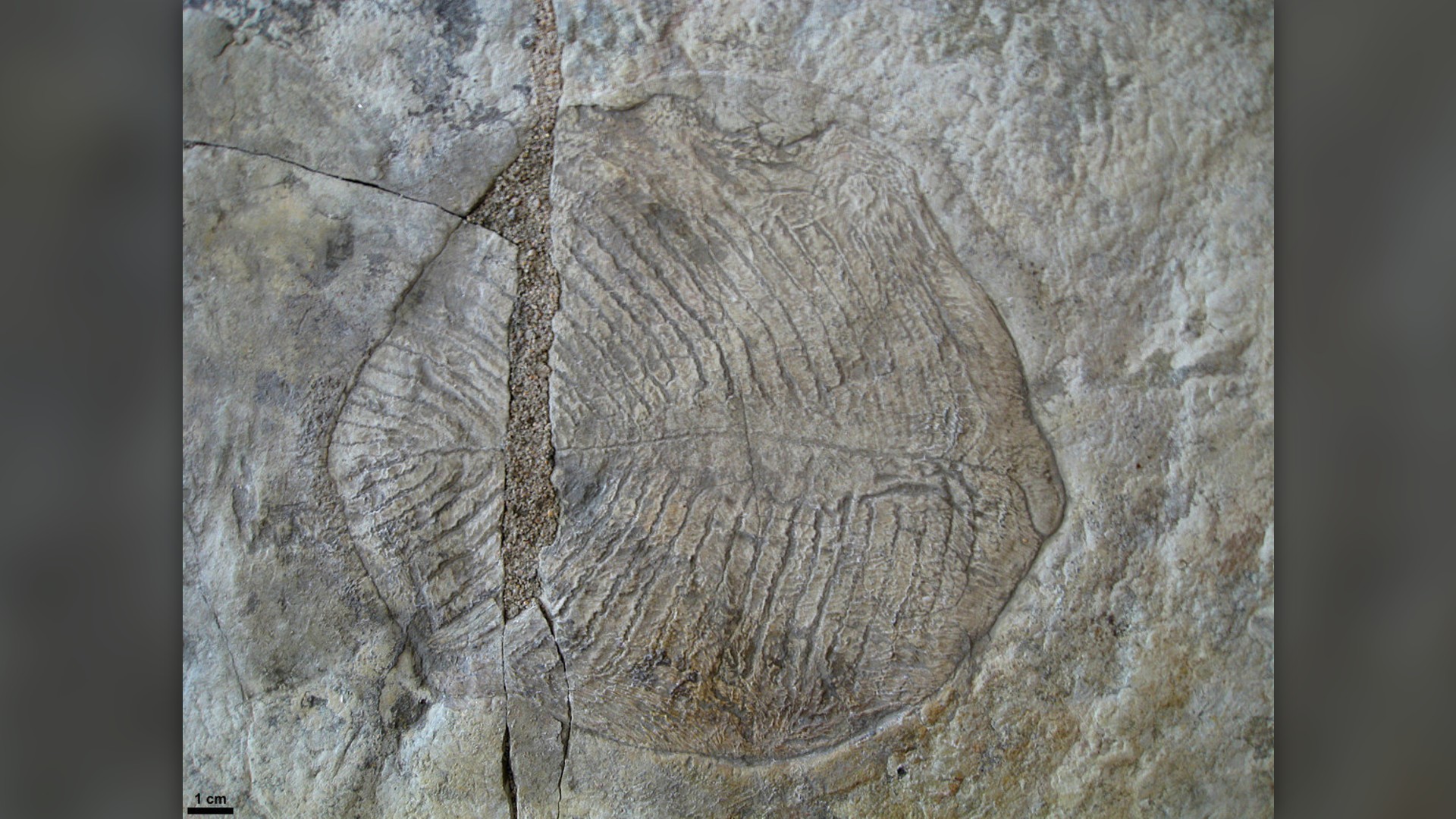
©Wikimedia / Yorgia
8. Kimberella
It grazed with radular teeth. Living 555 million years ago, Kimberella possessed a tough dorsal integument and muscular foot. Scratch marks beside its fossils confirm it actively scraped algal crusts from prehistoric seabeds.
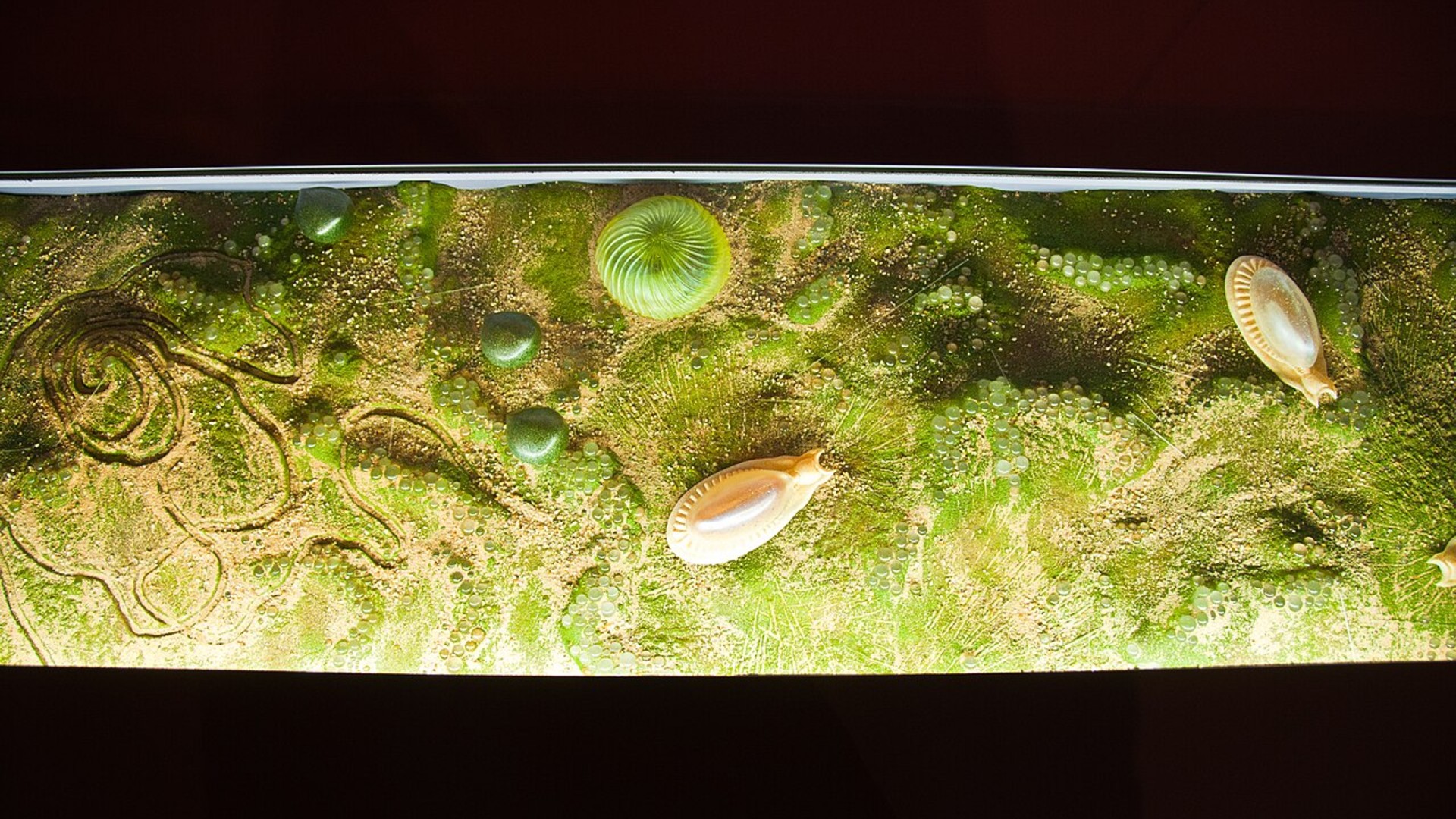
©Wikimedia / Graeme Churchard
7. Cyclomedusa
It anchored upright fronds. Living 560 million years ago, paleontologists now recognize these circular concentric discs were holdfasts that secured tall upright frondose organisms against relentless underwater currents.
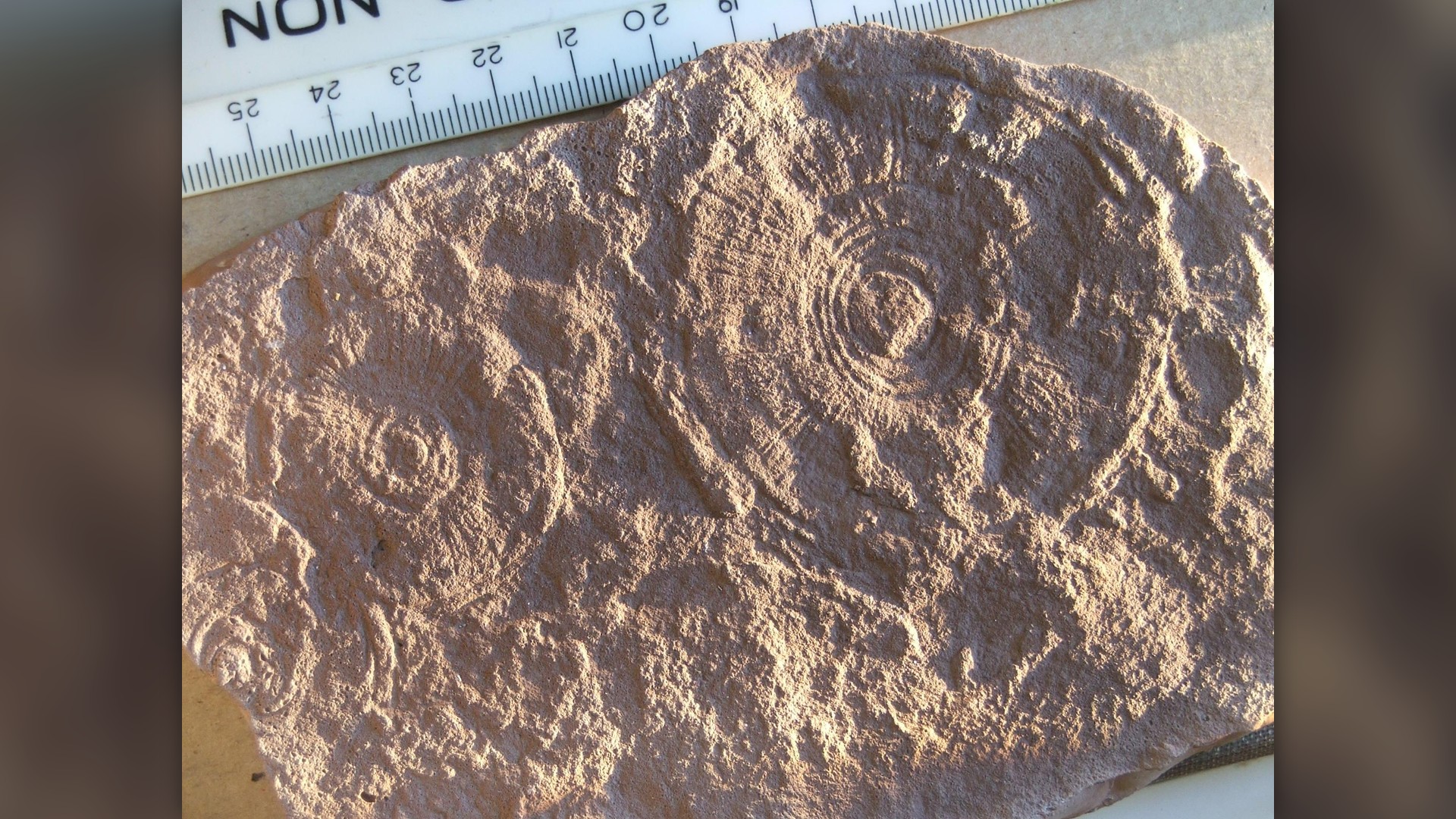
©Wikimedia / Cyclomedusa
6. Mawsonites
Mawsonites formed starburst discs. Reaching sixteen inches across, this 560-million-year-old fossil anchored upright organisms in wave-swept shallows throughout South Australia's Flinders Ranges.
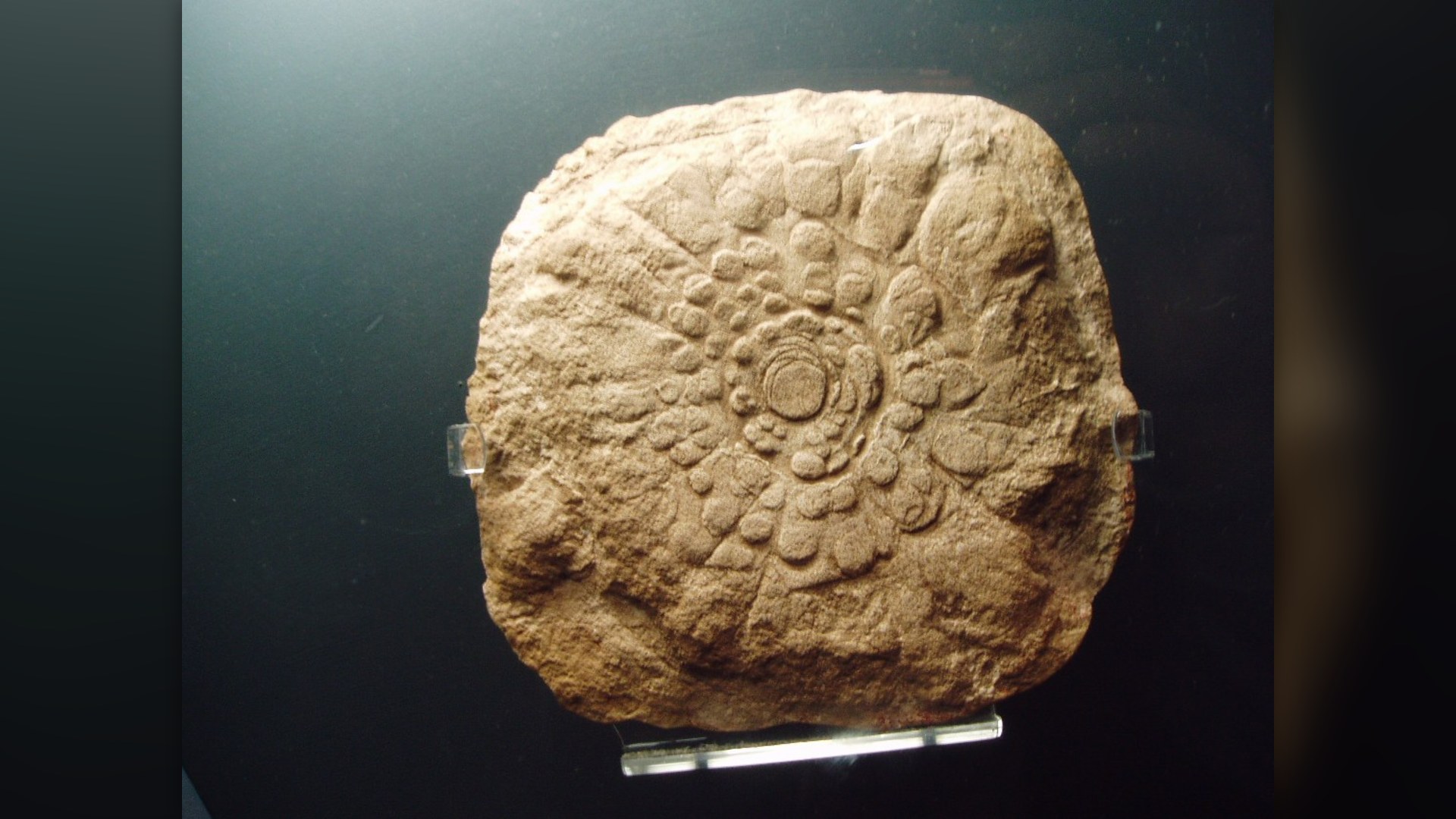
©Wikimedia / Nordelch
Advertisement
Swipe or tap ▶ to resume the countdown.
5. Ernietta
It resembled pocket-shaped sacks. Growing four inches tall in southern Africa 560 million years ago, its vertical tubular modules formed a hollow goblet that passively strained food from marine currents.
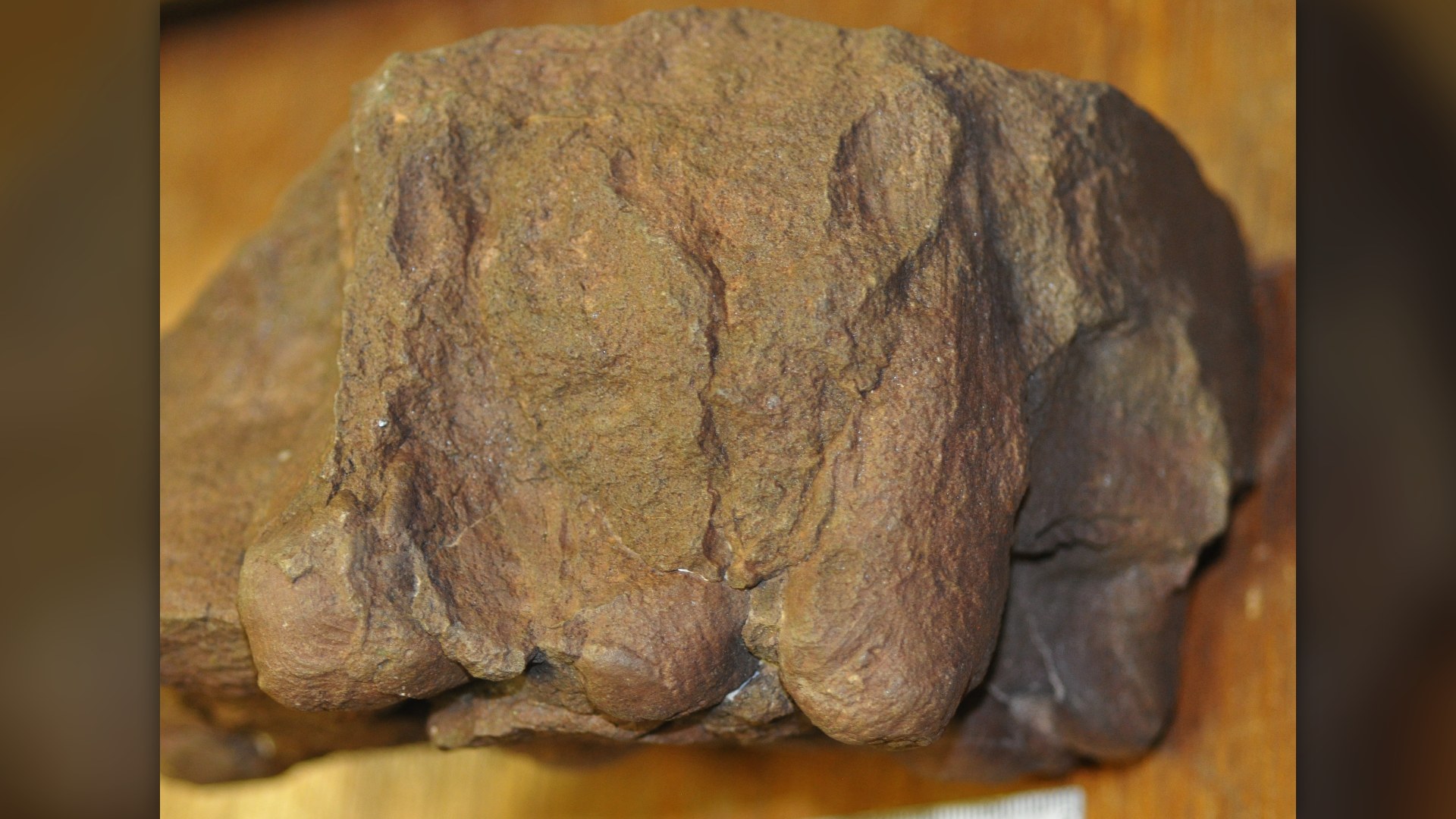
©Wikimedia / Retallack
4. Aspidella
It pioneered Precambrian discovery. Dating back 565 million years to Newfoundland rock layers, these disc impressions represent holdfast bases that anchored deep-water organisms far below wave turbulence.
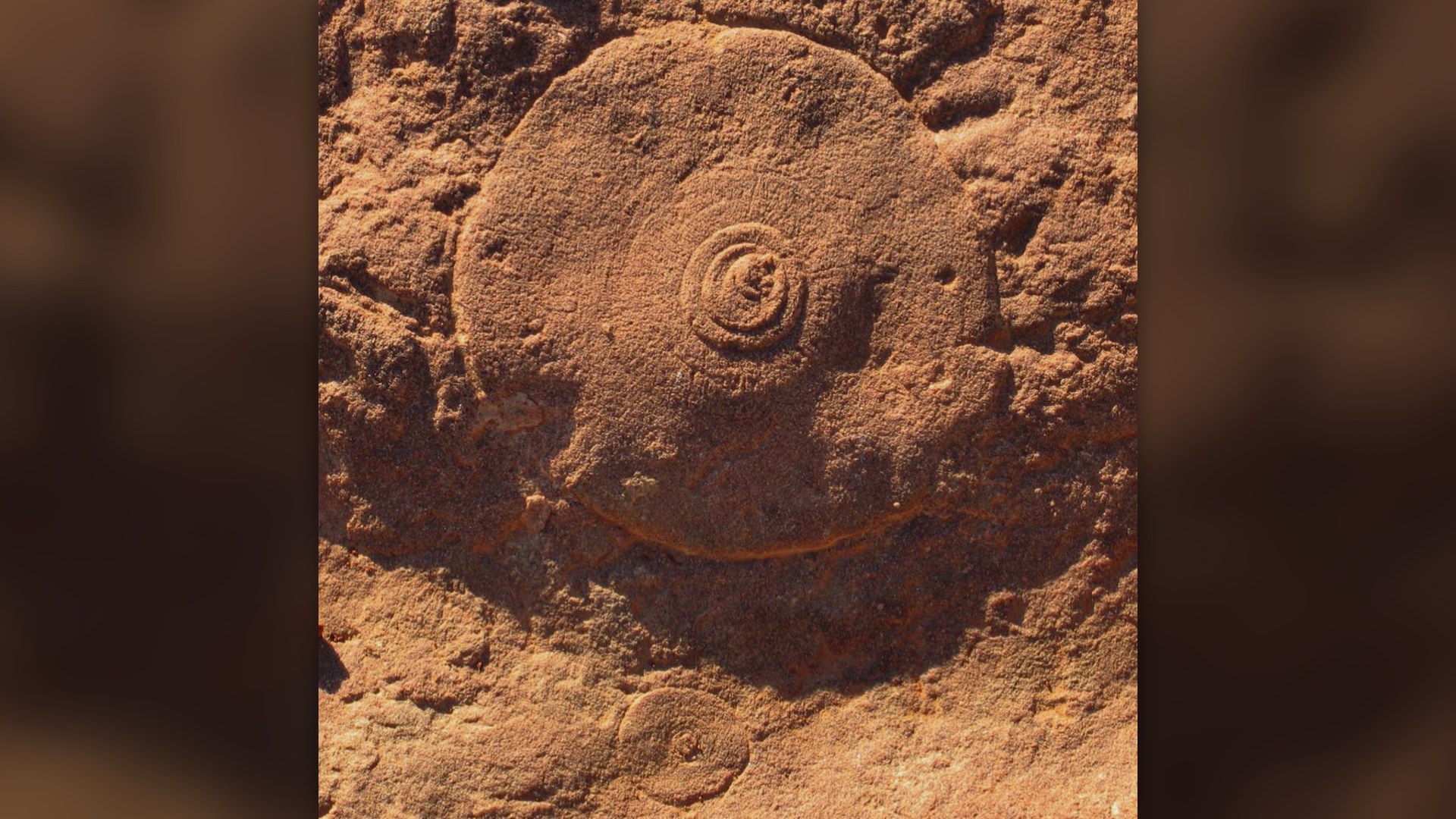
©Wikimedia / Cg.ediacaran
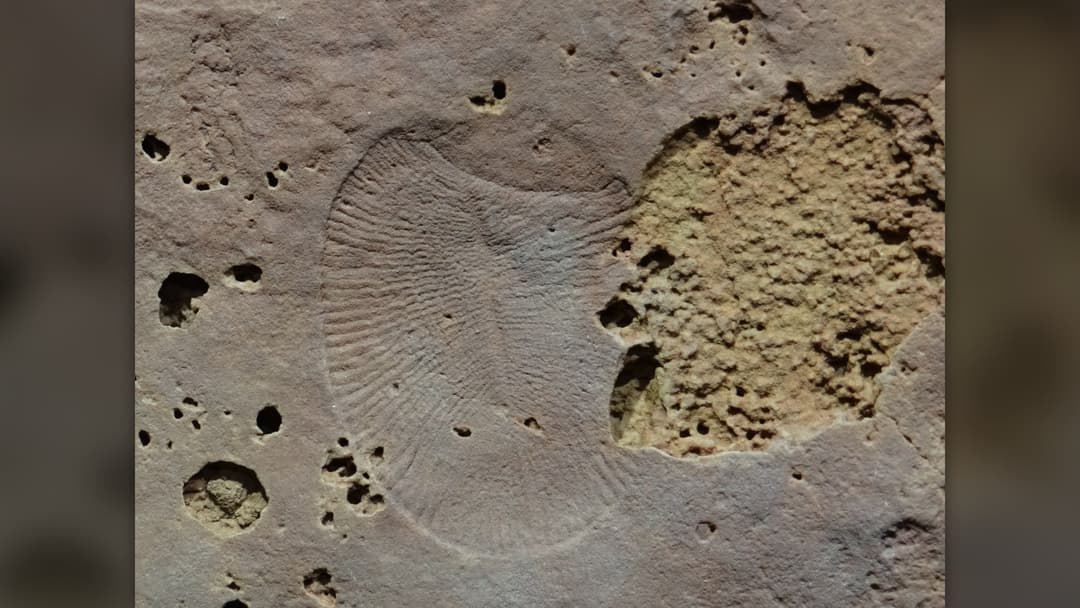
3. Dickinsonia
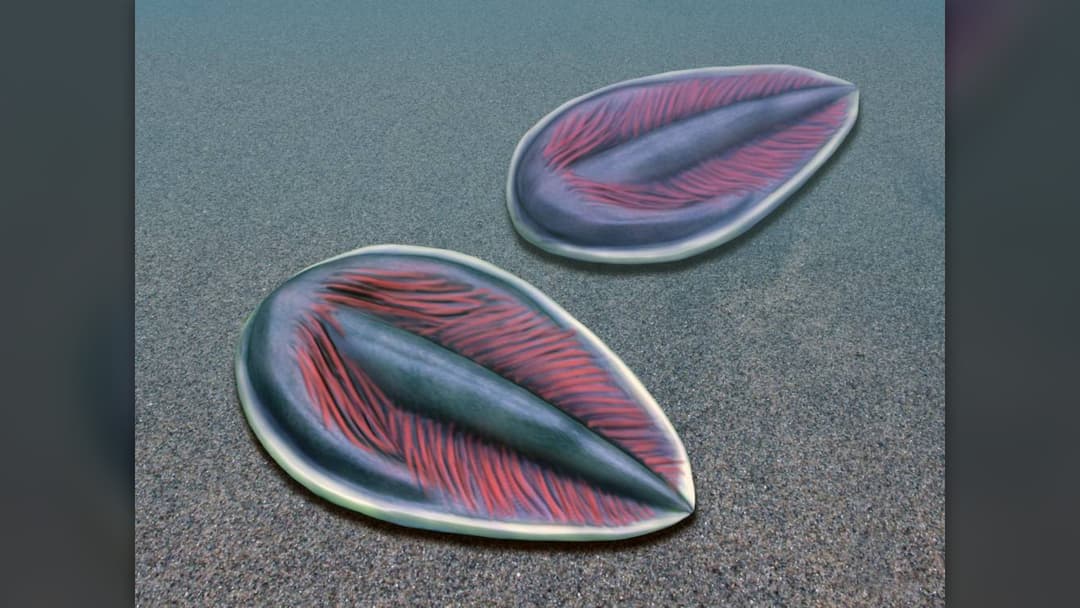
It left biomarker molecules. Reaching four feet wide roughly 558 million years ago, geochemists extracted cholesterol compounds from Russian specimens to confirm animal life preceded the Cambrian radiation.
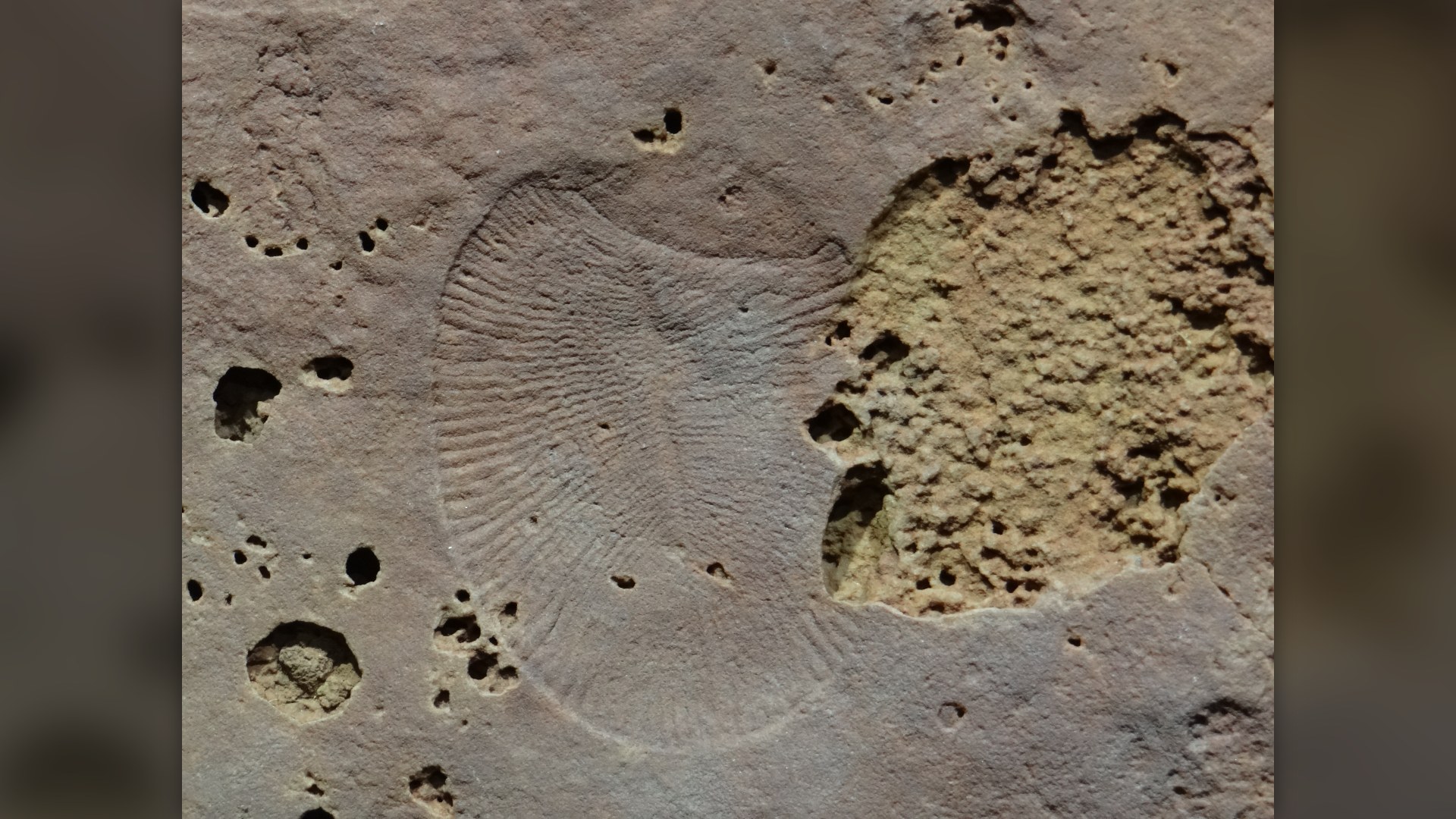
©Wikimedia / cprevot (
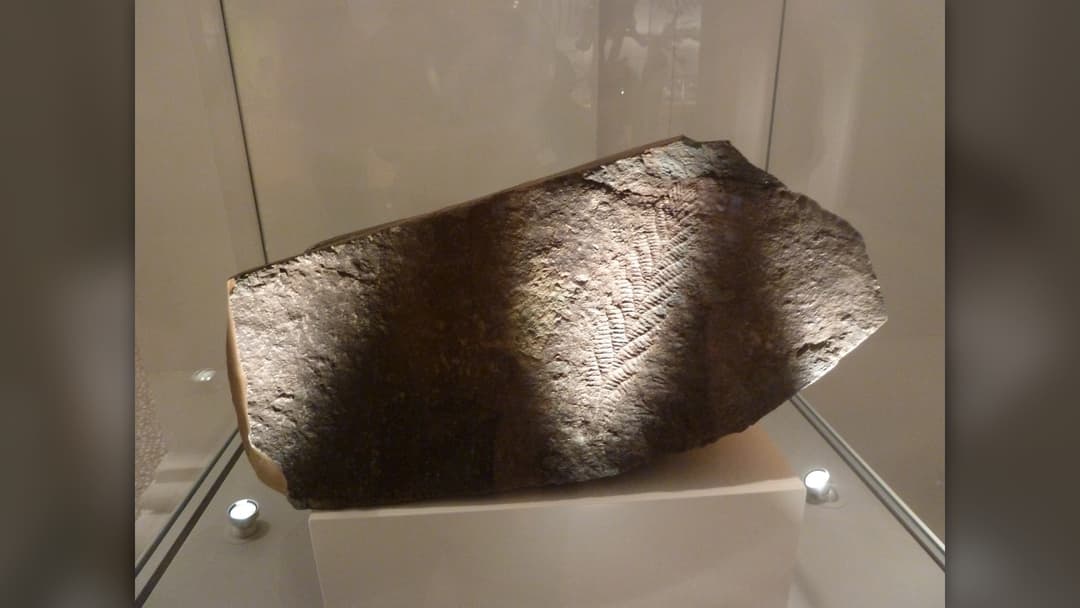
2. Rangea
Rangea exhibited fractal branching. Standing upright in Namibian shallows 570 million years ago, its vanes repeated self-similar structures to gather nourishment from surrounding waters.
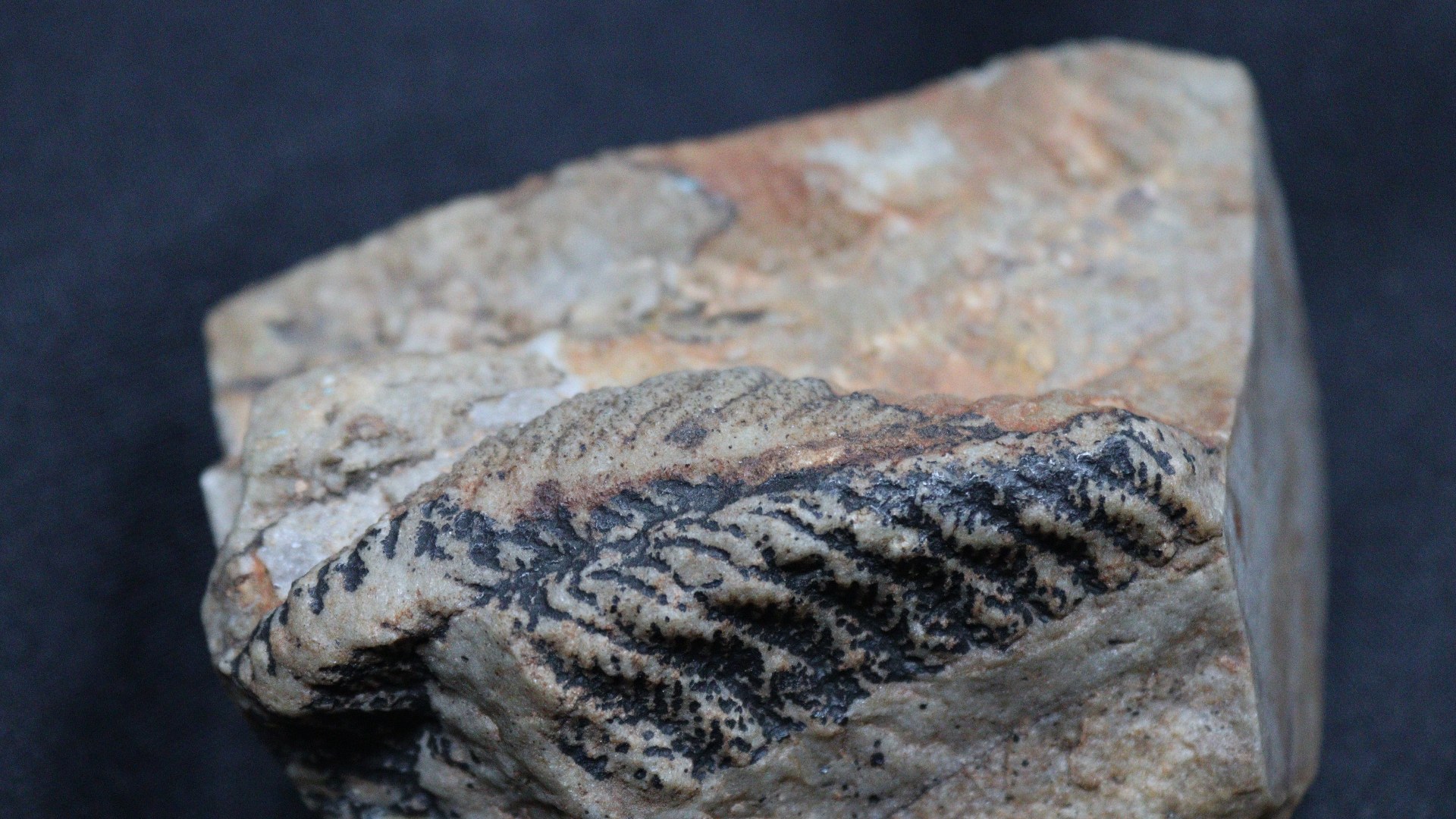
©Wikimedia / Helke Mocke
Advertisement
Swipe or tap ▶ to resume the countdown.
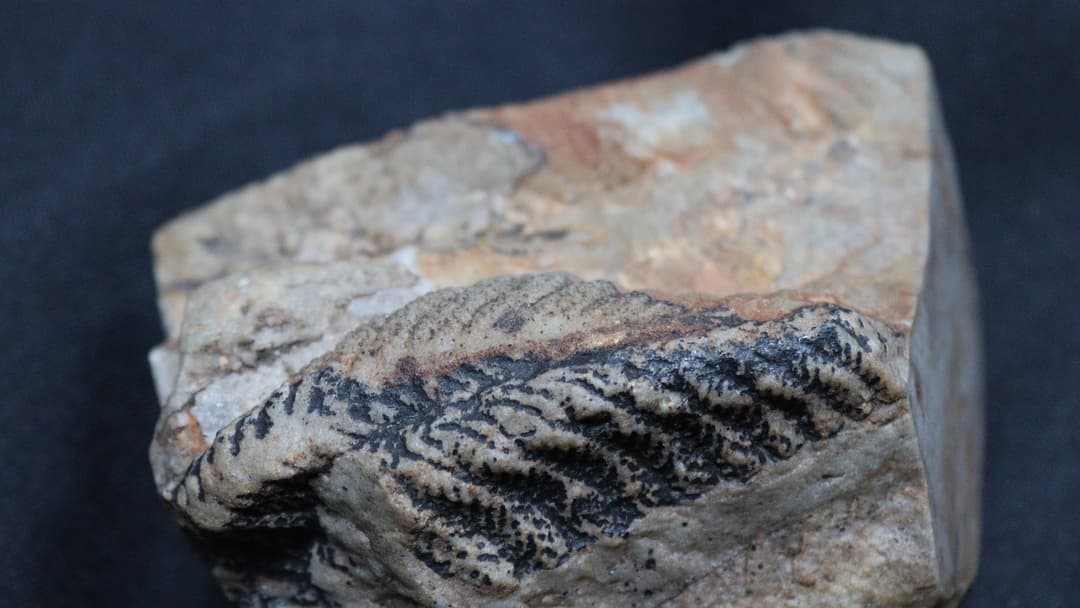
1. Charnia
Charnia unlocked deep time. Found in Leicestershire in 1957, this 575-million-year-old leaf-shaped frond lived anchored to deep ocean floors far beneath sunlight. Its discovery proved complex animals flourished in the Precambrian.
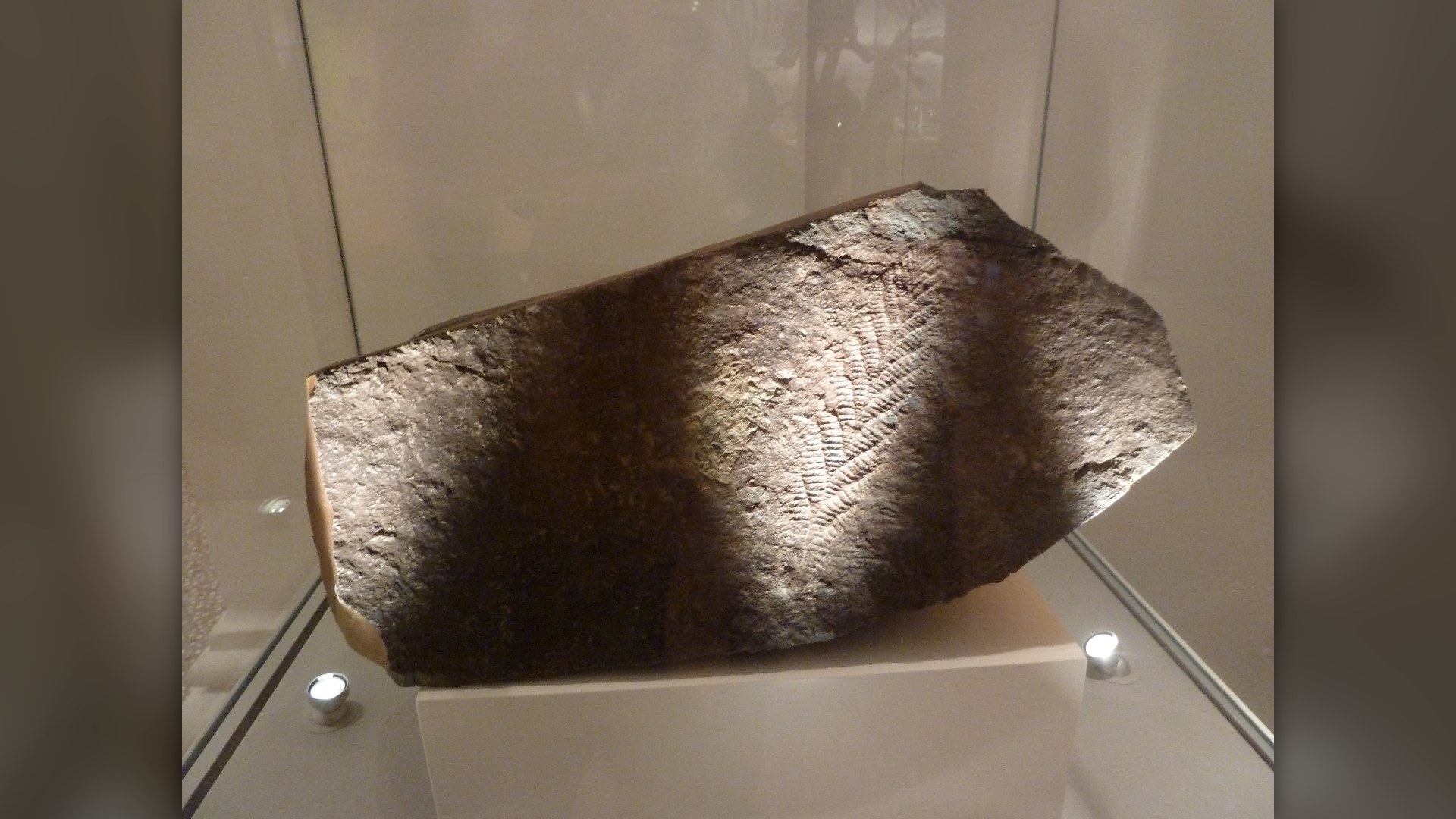
©Wikimedia / Andy Dingley
Advertisement
You've reached the end of the story. Thanks for reading!

20 Ancient Cliff Dwellings and Rock-Cut Cities Carved Into Mountains
Based on architectural surveys from UNESCO World Heritage records, here are 20 remarkable ancient cliff dwellings and rock-hewn monuments carved directly into sheer mountains.
All 20 Entries in this Story
20. Pikaia
Pikaia was a chordate. Measuring roughly two inches long, it propelled itself through shallow Cambrian seas with undulating ribbon-like movements. Modern vertebrates evolved from comparable soft-bodied marine ancestors.

19. Marrella
It scuttled along mudflats. Possessing two backward-curving head spines, thousands of well-preserved specimens show it scavenged organic debris across muddy ocean floors roughly 508 million years ago.

18. Hallucigenia
It baffled fossil hunters. Crawling across Cambrian seabeds 508 million years ago, seven pairs of sharp dorsal spines protected its tubular body from hungry predators. Scientists finally identified its true head under electron microscopes.

17. Opabinia
Opabinia had five eyes. Using a flexible frontal nozzle tipped with grasping claws, it hunted above benthic mudflats 508 million years ago. Paleontologists consider it a crucial early stem-arthropod.

16. Wiwaxia
It carried spiny armor. Covered in miniature ridged scales, it grazed on microbial mats using a toothed radula resembling that of modern mollusks roughly 508 million years ago.

15. Anomalocaris
It dominated ancient seas. Growing up to three feet long, Anomalocaris hunted with spiny appendages and compound eyes packed with thirty thousand lens facets. Undulating side flaps drove it through open marine depths.

14. Archaeocyatha
These sponges formed reefs. Anchored to shallow seafloors roughly 525 million years ago, they filtered marine nutrients through porous dual walls before vanishing entirely prior to the close of the Cambrian.

13. Cloudina
It built calcium tubes. Appearing 548 million years ago, its fossilized shells preserve tiny boreholes drilled by unidentified predatory worms. This provides our planet's earliest definitive evidence of animal predation.

12. Parvancorina
It resembled miniature anchors. Living roughly 555 million years ago in Ediacaran shallows, hydrodynamic simulations show its shield-like body channeled water currents directly toward its central feeding groove.

11. Tribrachidium
It featured tri-radial symmetry. Living 555 million years ago without any living relatives, three curved spiral arms radiated from its apex to form grooves that trapped drifting food particles.

10. Spriggina
Spriggina showed early cephalization. Reaching three inches in length, this 555-million-year-old organism displayed an elongated segmented body with distinct glide reflection symmetry that some scientists link to early trilobites.

9. Yorgia
It absorbed bacterial mats. Found along Russia's White Sea coast and dating back 555 million years, this disc-shaped organism moved across algae beds to absorb nutrients directly through its underside. Trace fossils prove it possessed active mobility.

8. Kimberella
It grazed with radular teeth. Living 555 million years ago, Kimberella possessed a tough dorsal integument and muscular foot. Scratch marks beside its fossils confirm it actively scraped algal crusts from prehistoric seabeds.

7. Cyclomedusa
It anchored upright fronds. Living 560 million years ago, paleontologists now recognize these circular concentric discs were holdfasts that secured tall upright frondose organisms against relentless underwater currents.

6. Mawsonites
Mawsonites formed starburst discs. Reaching sixteen inches across, this 560-million-year-old fossil anchored upright organisms in wave-swept shallows throughout South Australia's Flinders Ranges.

5. Ernietta
It resembled pocket-shaped sacks. Growing four inches tall in southern Africa 560 million years ago, its vertical tubular modules formed a hollow goblet that passively strained food from marine currents.

4. Aspidella
It pioneered Precambrian discovery. Dating back 565 million years to Newfoundland rock layers, these disc impressions represent holdfast bases that anchored deep-water organisms far below wave turbulence.

3. Dickinsonia
It left biomarker molecules. Reaching four feet wide roughly 558 million years ago, geochemists extracted cholesterol compounds from Russian specimens to confirm animal life preceded the Cambrian radiation.

2. Rangea
Rangea exhibited fractal branching. Standing upright in Namibian shallows 570 million years ago, its vanes repeated self-similar structures to gather nourishment from surrounding waters.

1. Charnia
Charnia unlocked deep time. Found in Leicestershire in 1957, this 575-million-year-old leaf-shaped frond lived anchored to deep ocean floors far beneath sunlight. Its discovery proved complex animals flourished in the Precambrian.