Slideshow · Animals
20 Ways to Get More Attention and Love From Your Cats
Discover how to deepen your bond with your cat through science-backed communication, daily interactive play sessions, and home enrichment. Learn how to respect their natural boundaries to build lasting mutual trust. Sourced from published guidance by Cats Protection, PetMD, and leading veterinary behaviorists.

By Most Viral Today
17 min ago

Master Feline Attention 
20. Use The Slow Blink 
19. Offer A Relaxed Finger 
18. Combine Visuals And Vocal Cues - AdvertisementSwipe or tap ▶ to continue countdown

17. Play Hard To Get 
16. Get Down To Their Level 
15. Mimic Hunting With Wand Toys 
14. Use Puzzle Feeders - AdvertisementSwipe or tap ▶ to continue countdown

13. Blow Catnip Bubbles 
12. Rotate Toys Weekly 
11. Click-Train Simple Tricks 
10. Focus On Facial Scent Glands - AdvertisementSwipe or tap ▶ to continue countdown

9. Stop Before Overstimulation 
8. Brush Them Gently 
7. Use A Thick Blanket 
6. Never Force Cuddles - AdvertisementSwipe or tap ▶ to continue countdown

5. Hand-Feed High-Value Treats 
4. Stick To A Predictable Schedule 
3. Use Cue Words For Meals 
2. Create A Workspace Perch - AdvertisementSwipe or tap ▶ to continue countdown

1. Speak In A Calm Tone - Advertisement🔥 UP NEXT IN THIS SERIES◫ 21 Slides

Once Bonded, These 20 Dog Breeds Stay Loyal for Life
Certain domestic dog breeds form exceptionally deep emotional attachments to their human handlers. Rooted in selective working history, hunting partnerships, and companion duties, these twenty canines demonstrate remarkable loyalty throughout their lives. Explore the specific traits that define each breed.
Discover how to deepen your bond with your cat through science-backed communication, daily interactive play sessions, and home enrichment. Learn how to respect their natural boundaries to build lasting mutual trust. Sourced from published guidance by Cats Protection, PetMD, and leading veterinary behaviorists.

Swipe or tap ▶ to begin the countdown
©Pixabay / GajoRomarioFotografia & Pixabay / Schwarzwaldandi
20. Use The Slow Blink
This feline 'kitty kiss' signals that you are peaceful and trustworthy. By slowly closing your eyes and opening them again, you mimic natural cat behavior that helps lower their defenses and invites them to feel safe in your presence.

©Pixabay / 6335159
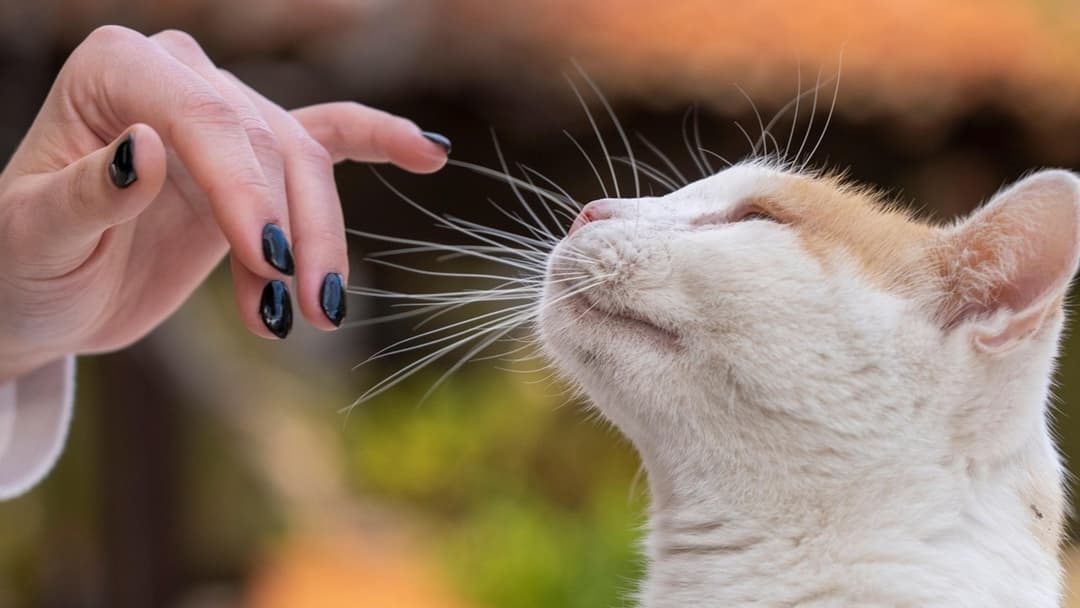
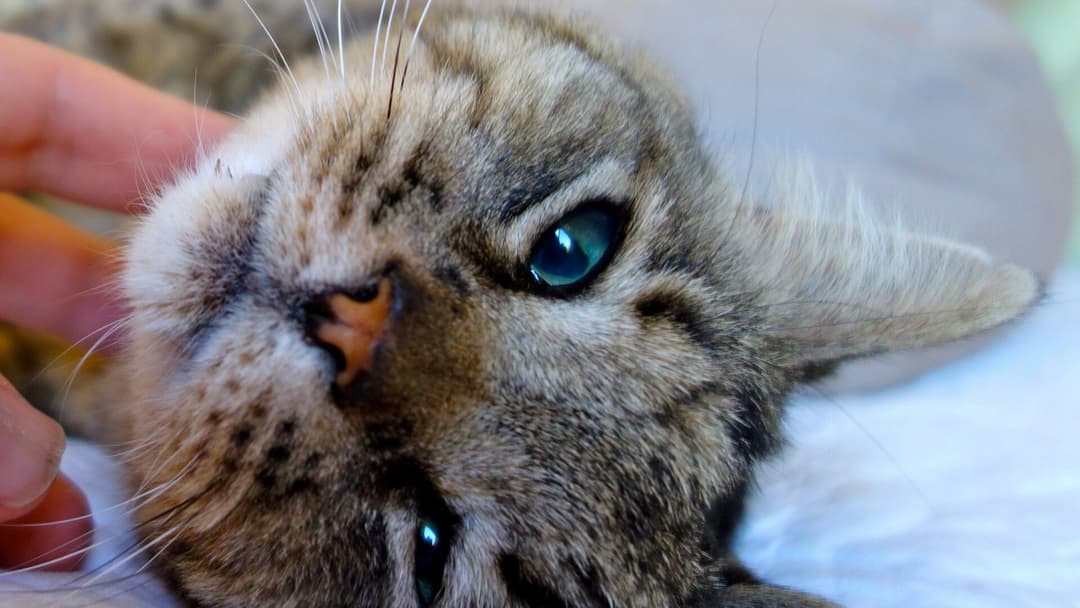
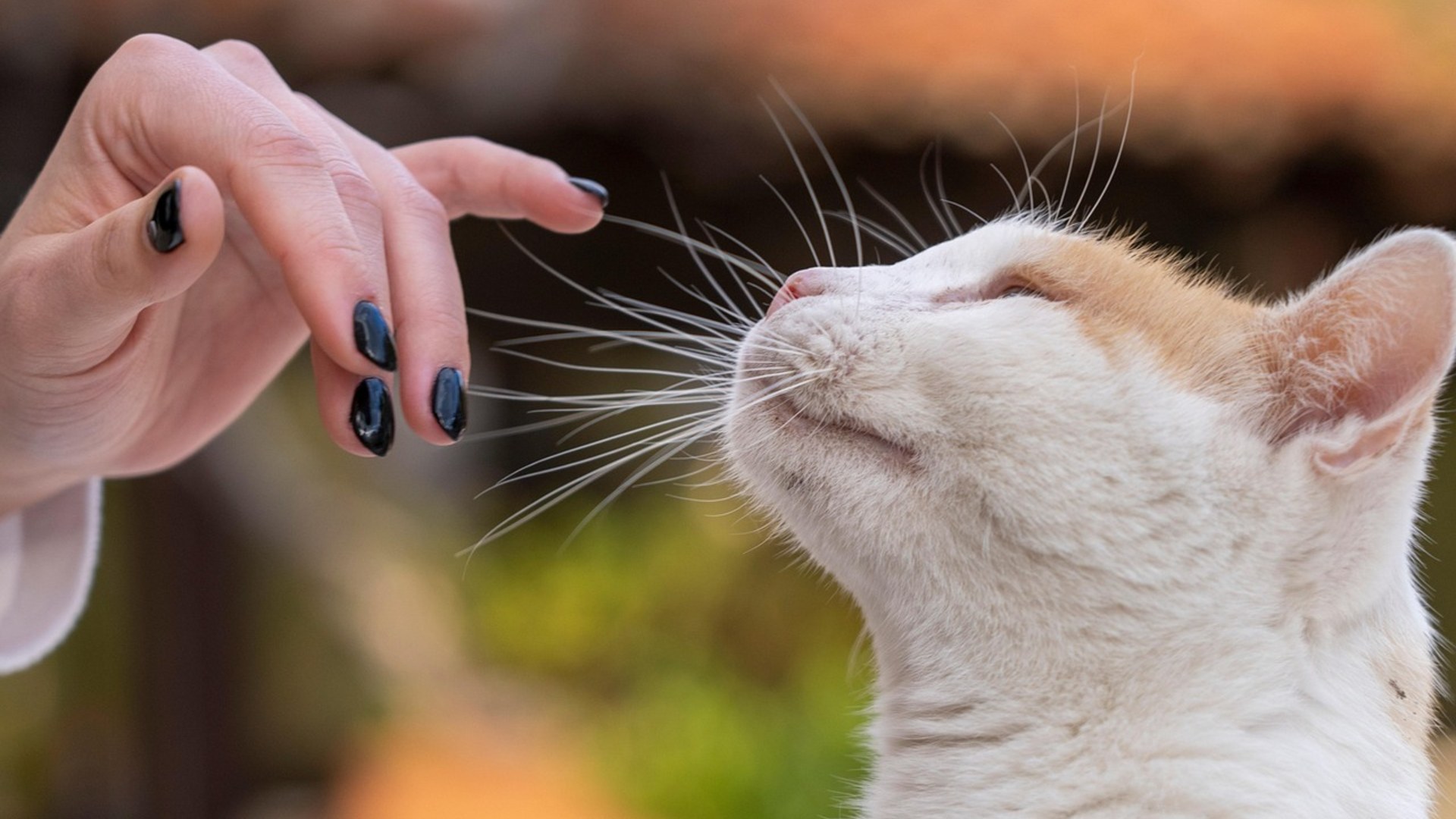
19. Offer A Relaxed Finger
Instead of reaching over their head, which can be intimidating, let your cat initiate contact. If they rub their cheek against your finger, they are signaling that they are comfortable and open to further interaction or petting.
©Pixabay / Nick_the_Photographer
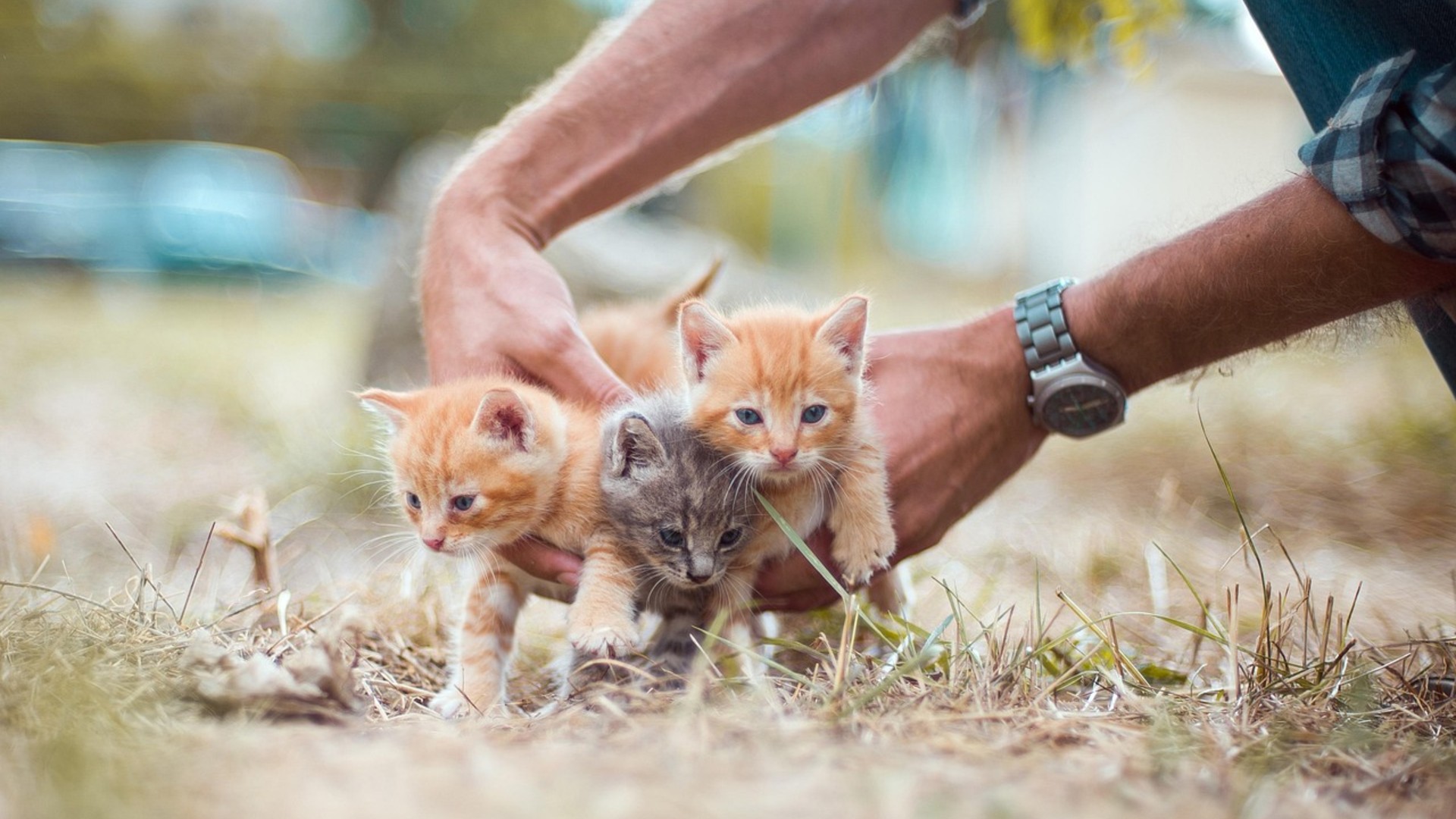
18. Combine Visuals And Vocal Cues
Cats respond faster to combined cues. Pair your hand gestures with a calm, gentle tone to capture their attention. Research indicates this multi-sensory approach is more effective than simply calling their name repeatedly.
©Pixabay / Olgaozik
Advertisement
Swipe or tap ▶ to resume the countdown.
17. Play Hard To Get
Cats often gravitate toward calm people who do not demand attention. By focusing on a book or device, you show your cat that you are not a threat, often sparking their natural curiosity to investigate you on their own terms.

©Pixabay / Pexels
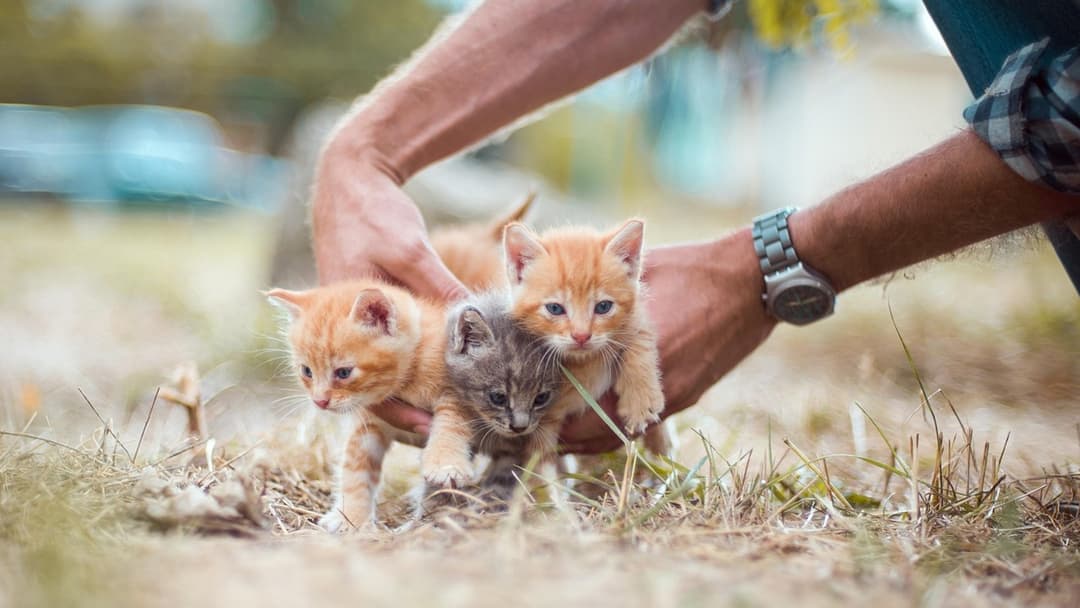
16. Get Down To Their Level
Looming over a cat can make you appear intimidating. By sitting or lying on the floor, you reduce your size, making you much less threatening and more approachable for a cat that may be feeling cautious or shy.

©Wikimedia / Asabae2752
15. Mimic Hunting With Wand Toys
Move the toy away from your cat like prey to encourage stalking and pouncing. Two 10-to-15-minute interactive sessions daily build strong social bonds and fulfill their natural predatory drives in a safe way.

©Wikimedia / Takashi Hososhima from Tokyo, Japan
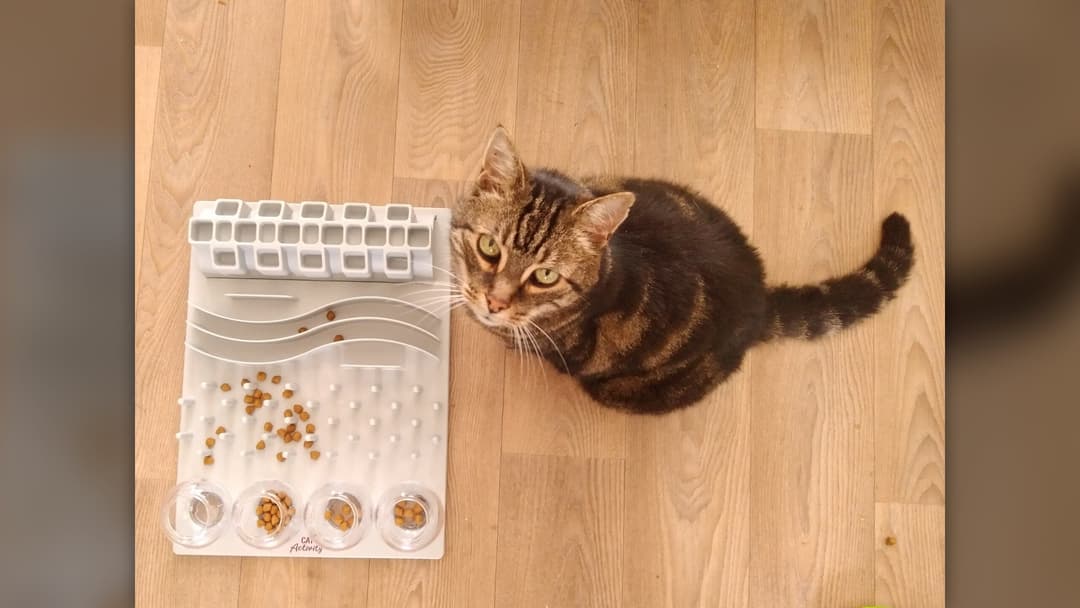
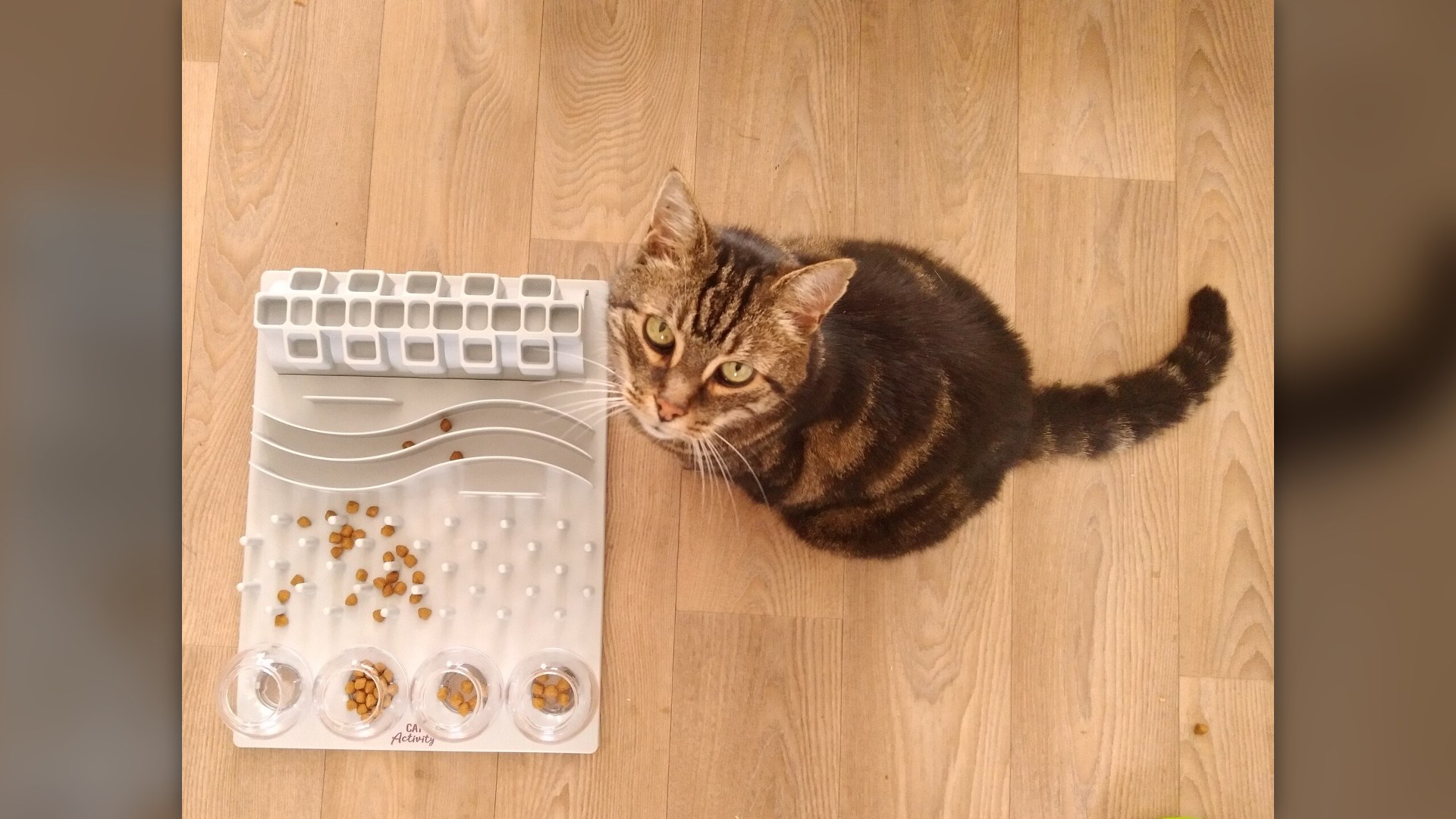
14. Use Puzzle Feeders
By hiding small portions of dry food or treats, you become the architect of their hunt. This engagement turns mealtime into an activity that requires them to use their senses and problem-solving skills to find their reward.
©Wikimedia / Anja
Advertisement
Swipe or tap ▶ to resume the countdown.
13. Blow Catnip Bubbles
Catnip-infused bubbles float unpredictably, engaging your cat's sight, smell, and chasing instincts all at once. It is a fun, interactive way to keep your cat physically active while providing them with a stimulating experience.

©Pixabay / sipa
12. Rotate Toys Weekly
Keep most toys in a closet and switch them every few days. Novelty triggers curiosity and keeps your cat interested in interacting with you to see what new, exciting item you have brought out for them to play with today.

©Wikimedia / Egor Plenkin
11. Click-Train Simple Tricks
Short sessions teaching high-fives or target-touching with a clicker and tiny treats stimulate their brain. Training makes your cat eager to interact with you, reinforcing that your presence leads to positive, rewarding outcomes.

©Pixabay / Schwarzwaldandi
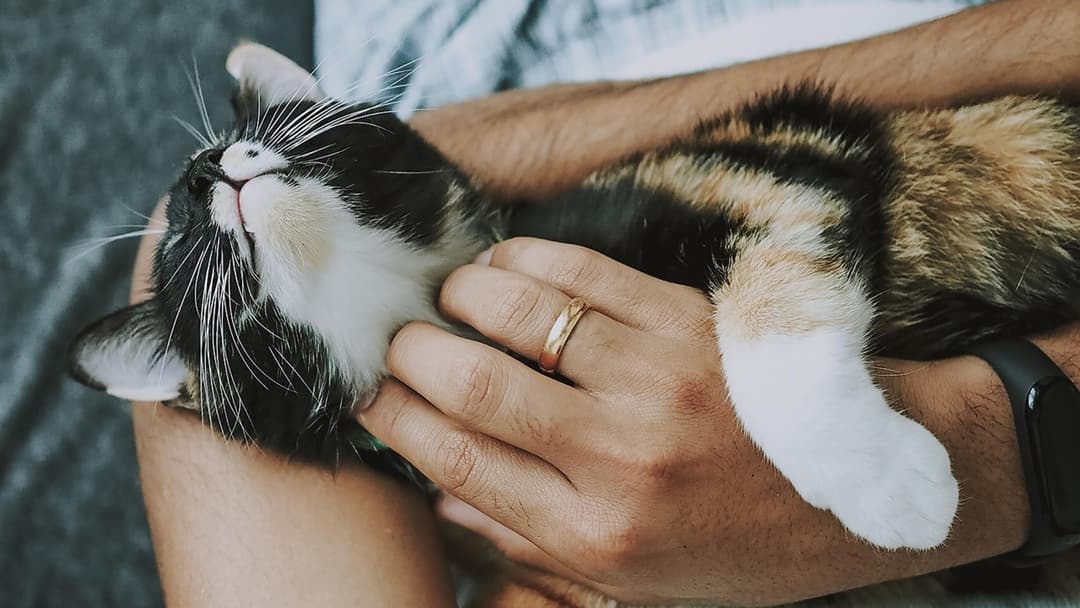
10. Focus On Facial Scent Glands
Gently scratching these areas releases comforting pheromones. This mimics the way cats groom each other, building trust and strengthening your bond as they associate your touch with the calming release of their own scent.
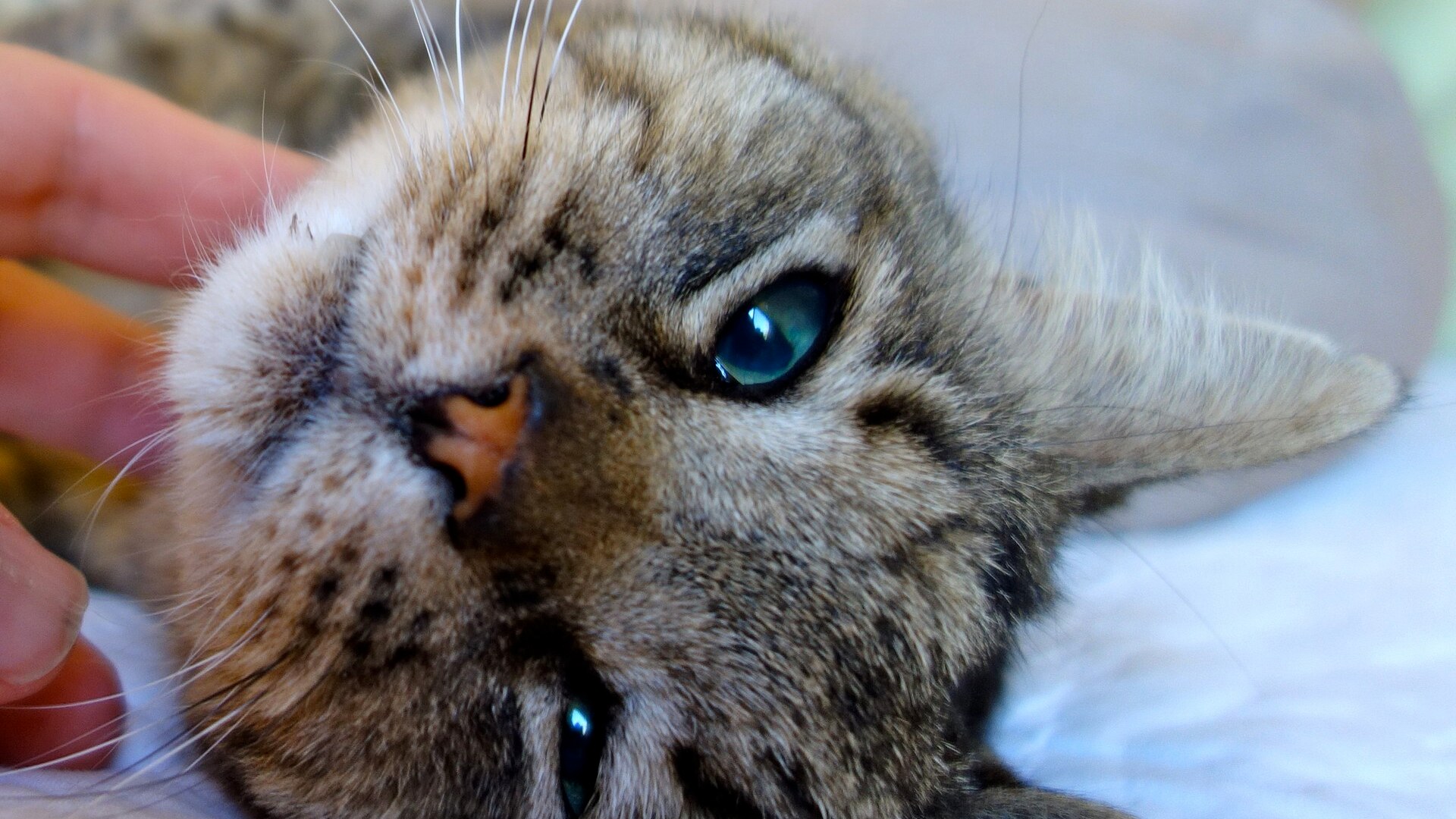
©Wikimedia / Kevin Dooley from Chandler, AZ, USA
Advertisement
Swipe or tap ▶ to resume the countdown.
9. Stop Before Overstimulation
If your cat shows a twitching tail, flattened ears, or rippling skin, stop petting immediately. Respecting their limits builds long-term trust, ensuring they will return for more affection later because they know you listen.

©Wikimedia / Hisashi from Japan
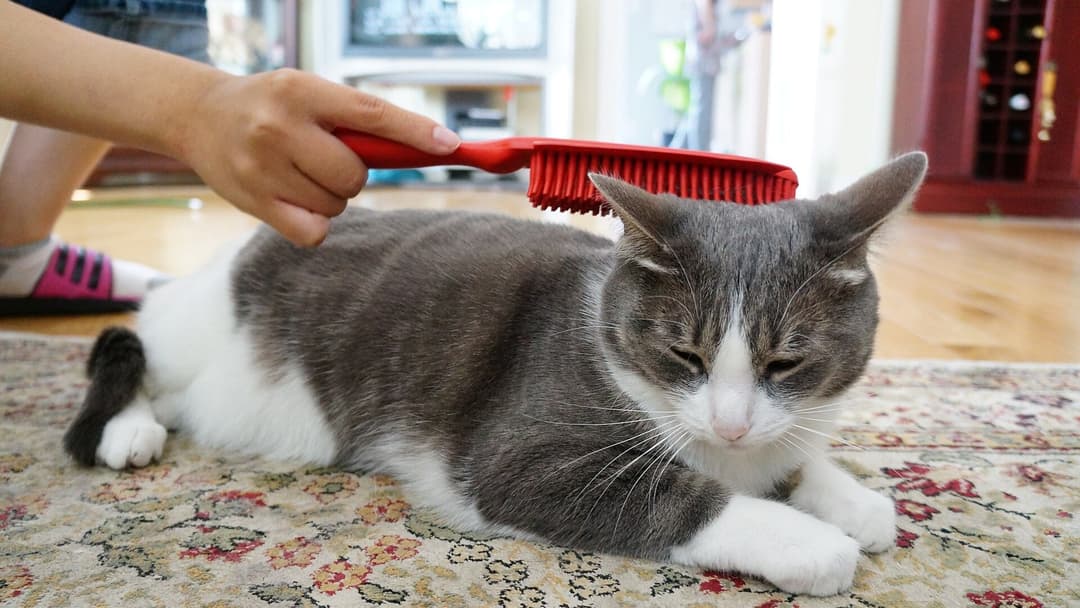
8. Brush Them Gently
Many cats love the feeling of a soft brush, which reminds them of being groomed by their mother. Keep these sessions brief and offer a small treat afterward to make the experience consistently positive for them.
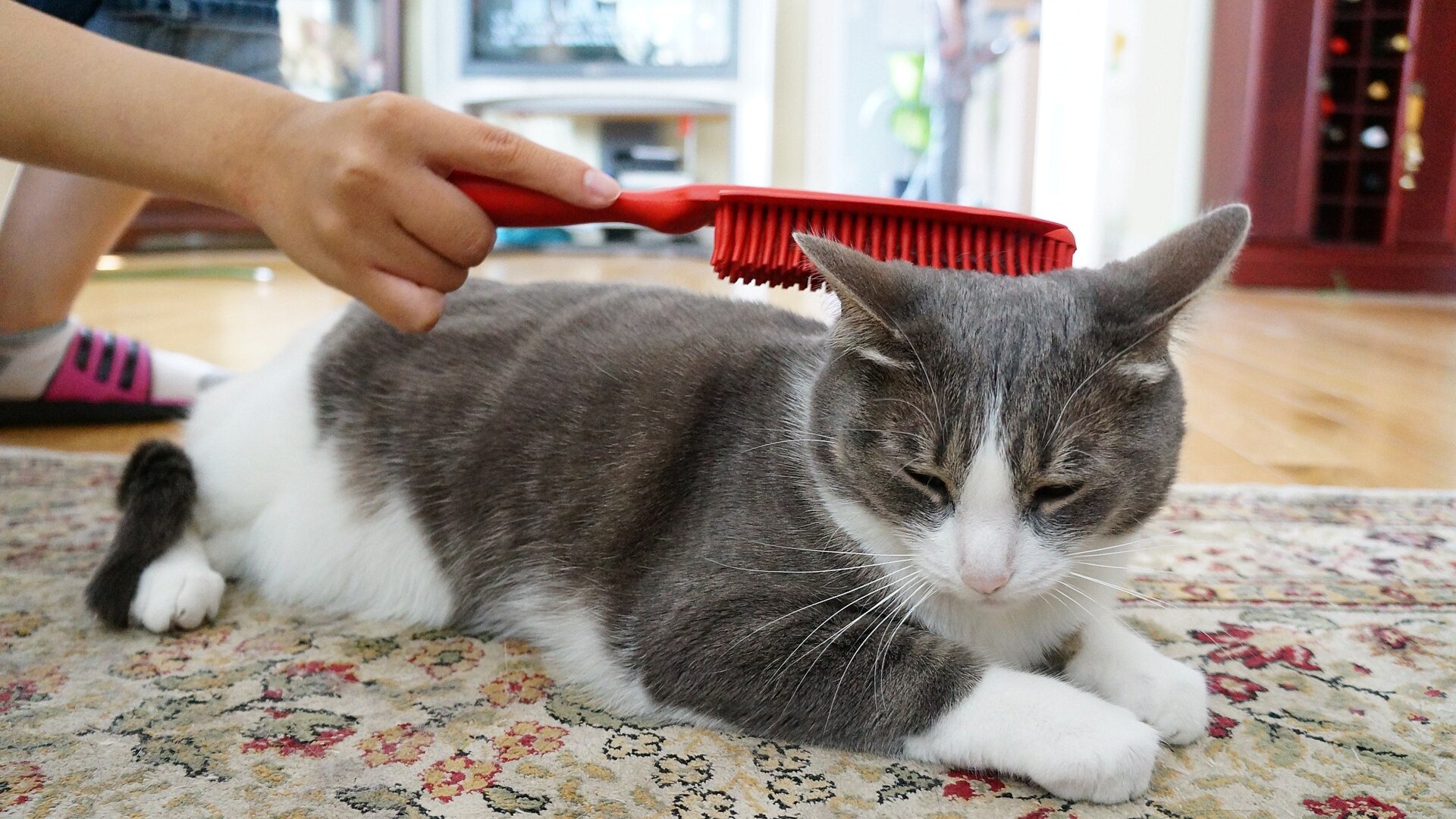
©Wikimedia / Jiaqian AirplaneFan
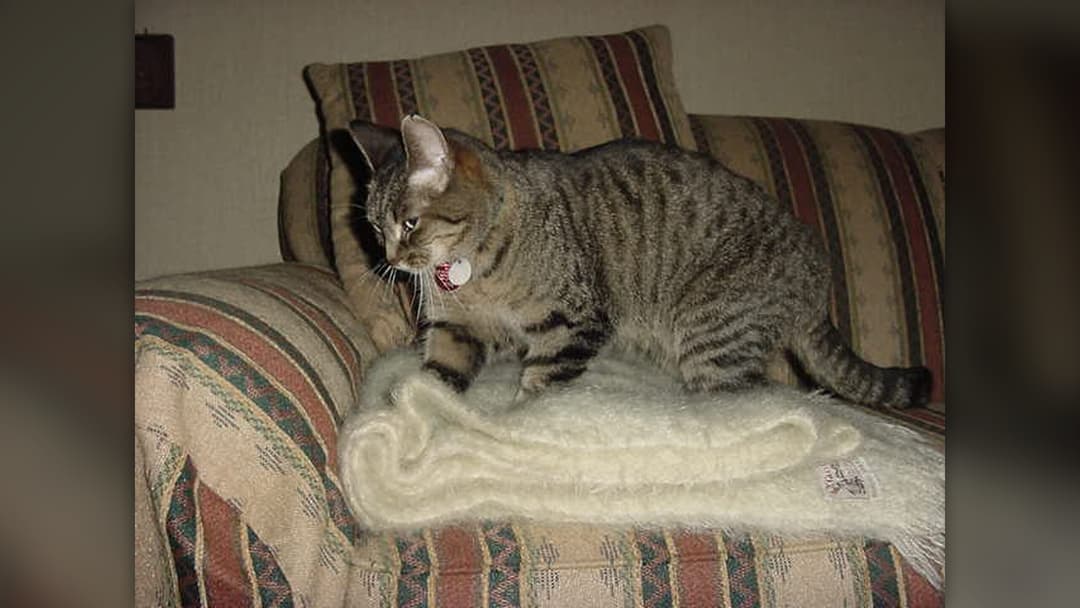
7. Use A Thick Blanket
Cats love kneading soft textures, which is a sign of comfort. By keeping a fleece blanket over your lap, you provide a perfect spot for them to settle, protecting yourself while inviting them to spend time close by.
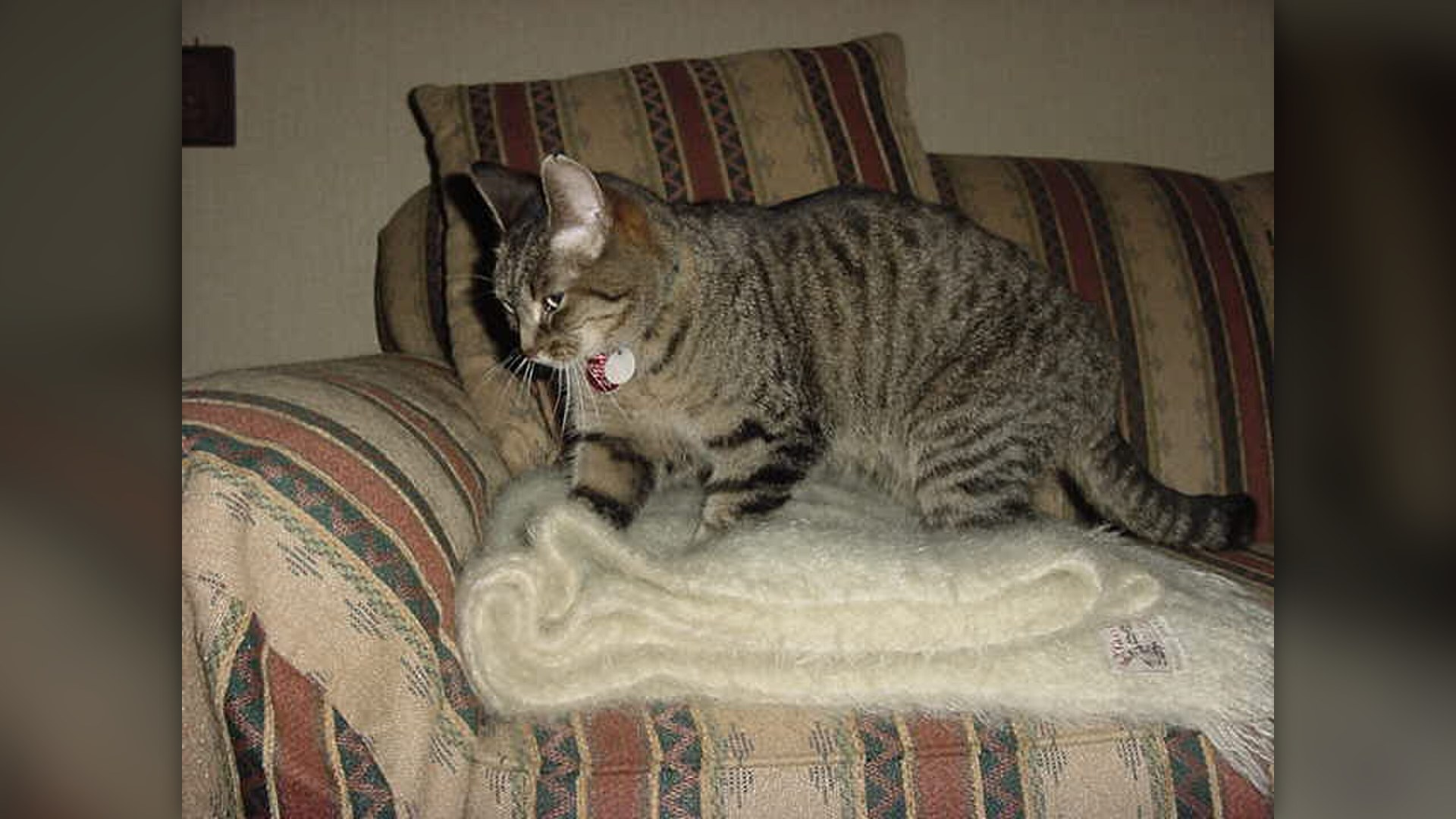
©Wikimedia / User Yiddophile on en.wikipedia
6. Never Force Cuddles
Cats value control over their bodies. Never force them to stay in your lap or pick them up uninvited. Leaving an easy escape route open makes them feel secure, which ironically often results in them staying longer.
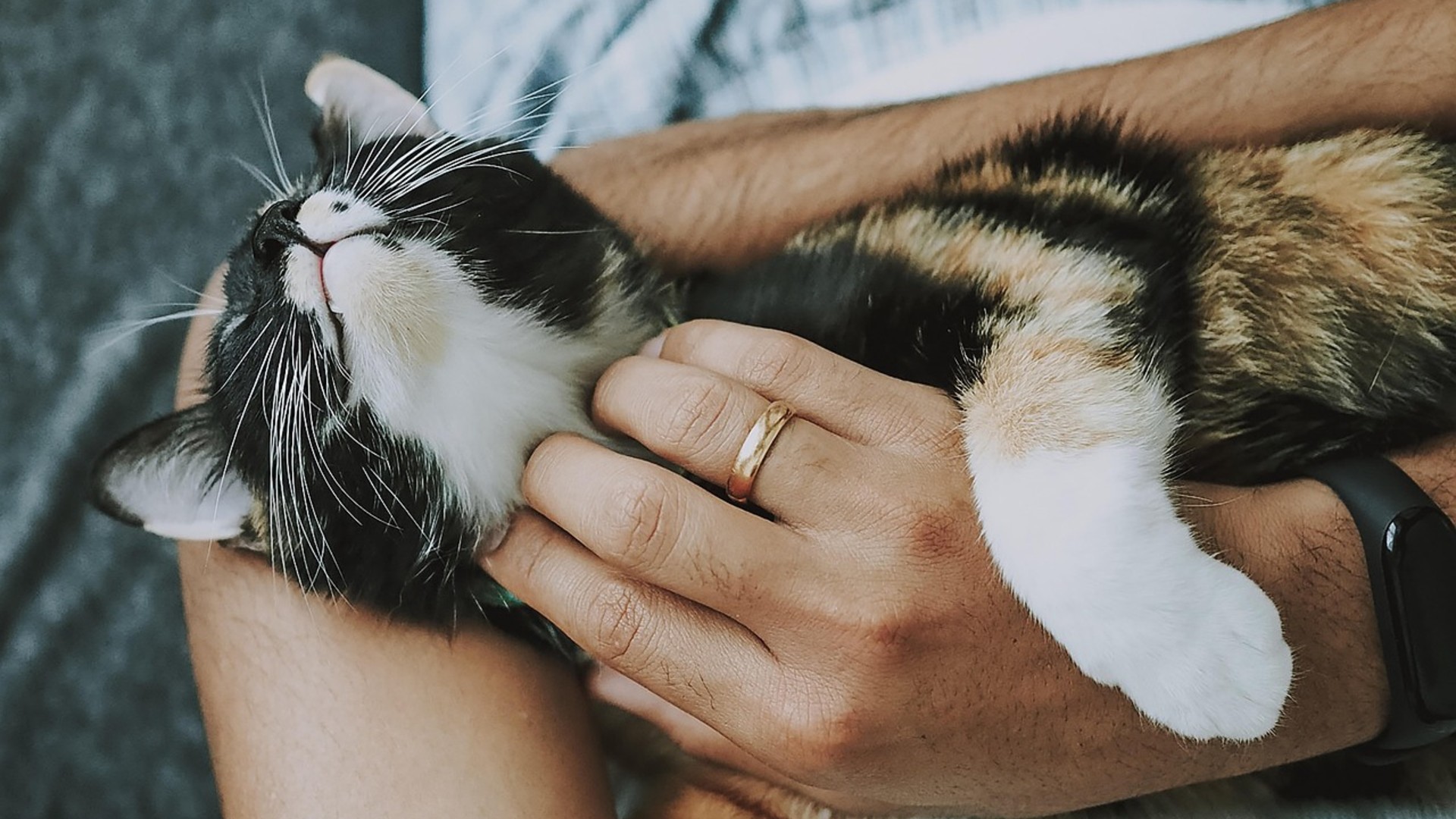
©Pixabay / fuzzyrescue
Advertisement
Swipe or tap ▶ to resume the countdown.
5. Hand-Feed High-Value Treats
Offer small bits of plain cooked chicken or creamy treats by hand. This creates a direct, powerful link between your presence and high-value rewards, making you the most anticipated person in their daily routine.
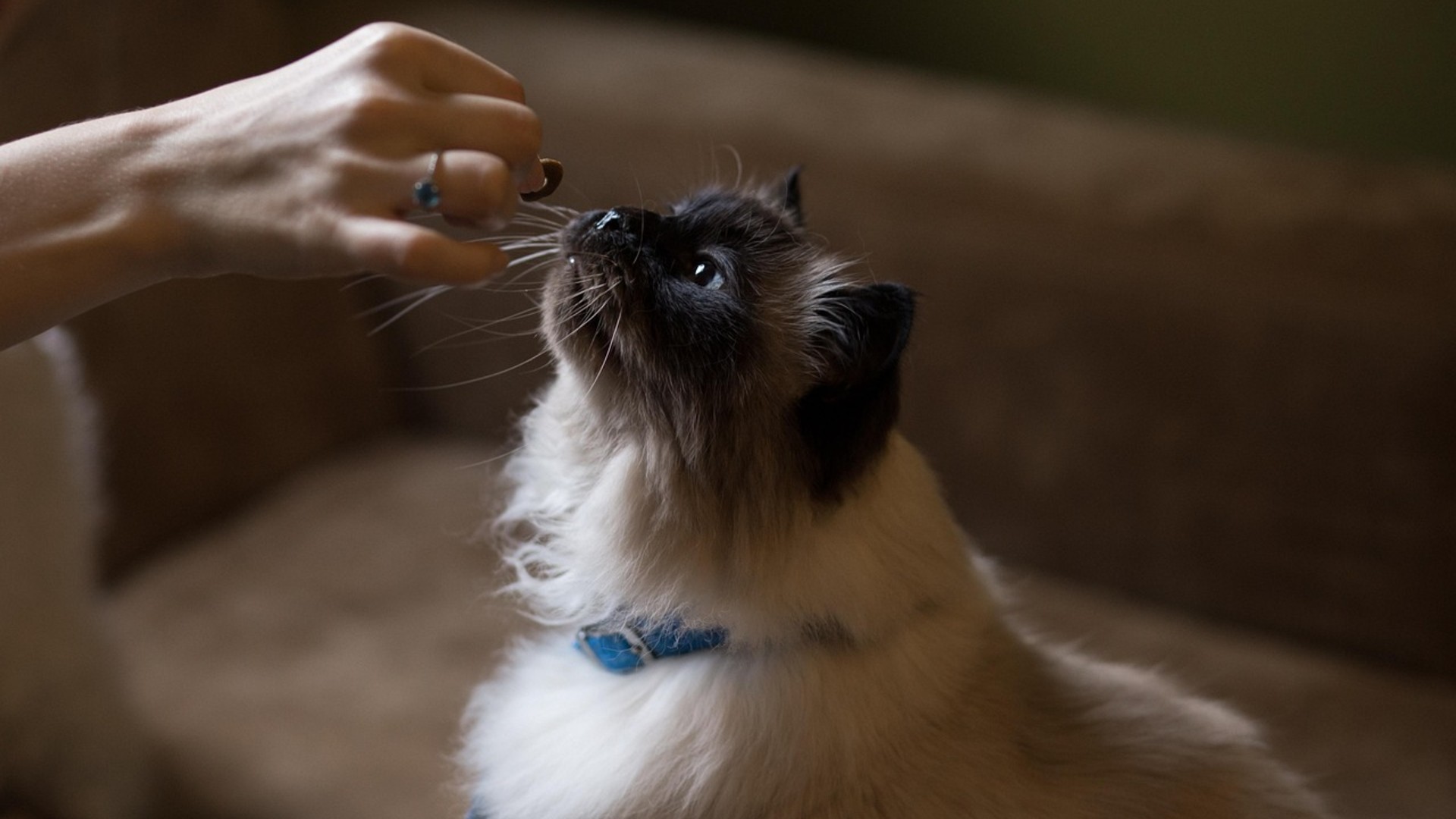
©Pixabay / StockSnap
4. Stick To A Predictable Schedule
Cats feel safest when their environment is stable. By feeding and engaging in play at the same times every day, you create a sense of reliability that makes them feel calm and naturally more affectionate toward you.

©Pixabay / Pic_Panther
3. Use Cue Words For Meals
Use a consistent phrase like 'dinner time' before serving. This builds a strong Pavlovian association between your voice and positive events, helping them perk up and come to you whenever they hear you speak those words.

©Pixabay / auenleben
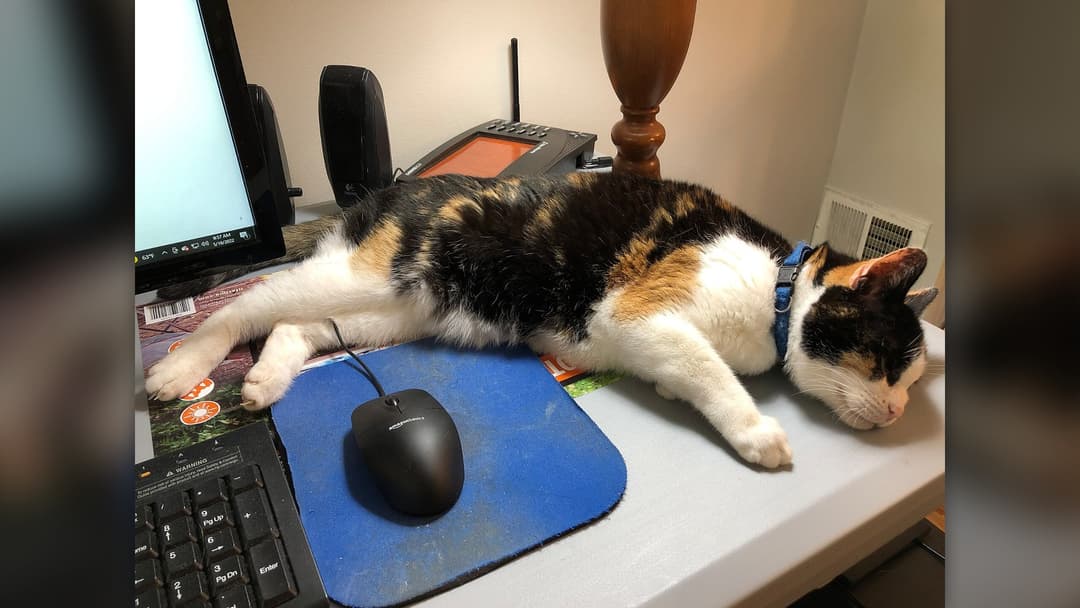
2. Create A Workspace Perch
A heated bed or hammock near your desk allows your cat to remain close to you while enjoying a high vantage point. They can observe you working comfortably, maintaining proximity without the pressure of direct interaction.
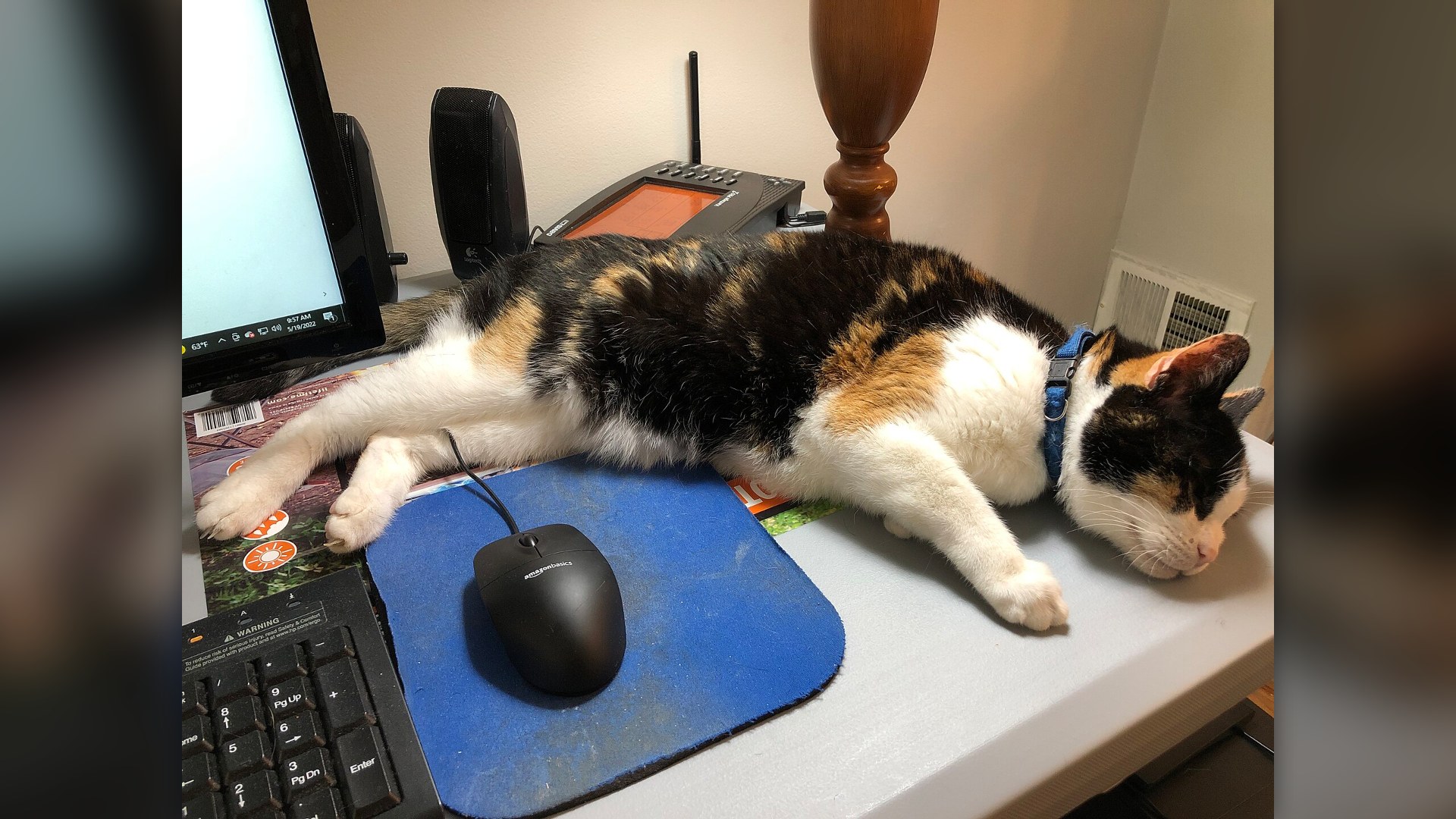
©Wikimedia / Famartin
Advertisement
Swipe or tap ▶ to resume the countdown.
1. Speak In A Calm Tone
Avoid loud noises or sudden movements, especially when entering a room where your cat is napping. A soft voice announces your presence without startling them, keeping their stress levels low and their bond with you strong.

©Pixabay / brisch27
Advertisement
You've reached the end of the story. Thanks for reading!

Once Bonded, These 20 Dog Breeds Stay Loyal for Life
Certain domestic dog breeds form exceptionally deep emotional attachments to their human handlers. Rooted in selective working history, hunting partnerships, and companion duties, these twenty canines demonstrate remarkable loyalty throughout their lives. Explore the specific traits that define each breed.
All 20 Entries in this Story
Use The Slow Blink
This feline 'kitty kiss' signals that you are peaceful and trustworthy. By slowly closing your eyes and opening them again, you mimic natural cat behavior that helps lower their defenses and invites them to feel safe in your presence.

Offer A Relaxed Finger
Instead of reaching over their head, which can be intimidating, let your cat initiate contact. If they rub their cheek against your finger, they are signaling that they are comfortable and open to further interaction or petting.

Combine Visuals And Vocal Cues
Cats respond faster to combined cues. Pair your hand gestures with a calm, gentle tone to capture their attention. Research indicates this multi-sensory approach is more effective than simply calling their name repeatedly.

Play Hard To Get
Cats often gravitate toward calm people who do not demand attention. By focusing on a book or device, you show your cat that you are not a threat, often sparking their natural curiosity to investigate you on their own terms.

Get Down To Their Level
Looming over a cat can make you appear intimidating. By sitting or lying on the floor, you reduce your size, making you much less threatening and more approachable for a cat that may be feeling cautious or shy.

Mimic Hunting With Wand Toys
Move the toy away from your cat like prey to encourage stalking and pouncing. Two 10-to-15-minute interactive sessions daily build strong social bonds and fulfill their natural predatory drives in a safe way.

Use Puzzle Feeders
By hiding small portions of dry food or treats, you become the architect of their hunt. This engagement turns mealtime into an activity that requires them to use their senses and problem-solving skills to find their reward.

Blow Catnip Bubbles
Catnip-infused bubbles float unpredictably, engaging your cat's sight, smell, and chasing instincts all at once. It is a fun, interactive way to keep your cat physically active while providing them with a stimulating experience.

Rotate Toys Weekly
Keep most toys in a closet and switch them every few days. Novelty triggers curiosity and keeps your cat interested in interacting with you to see what new, exciting item you have brought out for them to play with today.

Click-Train Simple Tricks
Short sessions teaching high-fives or target-touching with a clicker and tiny treats stimulate their brain. Training makes your cat eager to interact with you, reinforcing that your presence leads to positive, rewarding outcomes.

Focus On Facial Scent Glands
Gently scratching these areas releases comforting pheromones. This mimics the way cats groom each other, building trust and strengthening your bond as they associate your touch with the calming release of their own scent.

Stop Before Overstimulation
If your cat shows a twitching tail, flattened ears, or rippling skin, stop petting immediately. Respecting their limits builds long-term trust, ensuring they will return for more affection later because they know you listen.

Brush Them Gently
Many cats love the feeling of a soft brush, which reminds them of being groomed by their mother. Keep these sessions brief and offer a small treat afterward to make the experience consistently positive for them.

Use A Thick Blanket
Cats love kneading soft textures, which is a sign of comfort. By keeping a fleece blanket over your lap, you provide a perfect spot for them to settle, protecting yourself while inviting them to spend time close by.

Never Force Cuddles
Cats value control over their bodies. Never force them to stay in your lap or pick them up uninvited. Leaving an easy escape route open makes them feel secure, which ironically often results in them staying longer.

Hand-Feed High-Value Treats
Offer small bits of plain cooked chicken or creamy treats by hand. This creates a direct, powerful link between your presence and high-value rewards, making you the most anticipated person in their daily routine.

Stick To A Predictable Schedule
Cats feel safest when their environment is stable. By feeding and engaging in play at the same times every day, you create a sense of reliability that makes them feel calm and naturally more affectionate toward you.

Use Cue Words For Meals
Use a consistent phrase like 'dinner time' before serving. This builds a strong Pavlovian association between your voice and positive events, helping them perk up and come to you whenever they hear you speak those words.

Create A Workspace Perch
A heated bed or hammock near your desk allows your cat to remain close to you while enjoying a high vantage point. They can observe you working comfortably, maintaining proximity without the pressure of direct interaction.

Speak In A Calm Tone
Avoid loud noises or sudden movements, especially when entering a room where your cat is napping. A soft voice announces your presence without startling them, keeping their stress levels low and their bond with you strong.