Slideshow · Animals
20 Dog Breeds that are hard to Train: Ranked
Training a dog requires patience, but certain breeds test even veteran handlers. Independent hounds, stubborn terriers, and aloof guardians were bred to work without human direction. Based on Stanley Coren canine cognition research and American Kennel Club breed standards, here are 20 breeds that resist basic drills.
By Most Viral Today
14 min ago

20 Hardest Dog Breeds to Train Ranked by Difficulty 
20. Afghan Hound 
19. Basenji 
18. English Bulldog - AdvertisementSwipe or tap ▶ to continue countdown

17. Chow Chow 
16. Borzoi 
15. Basset Hound 
14. Beagle - AdvertisementSwipe or tap ▶ to continue countdown

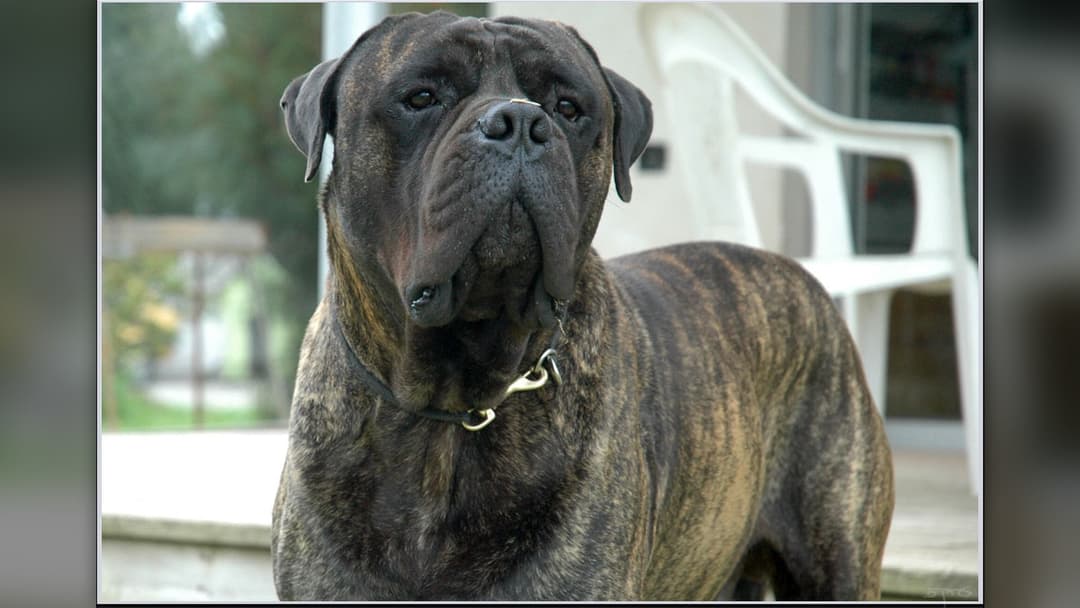
13. Bullmastiff 
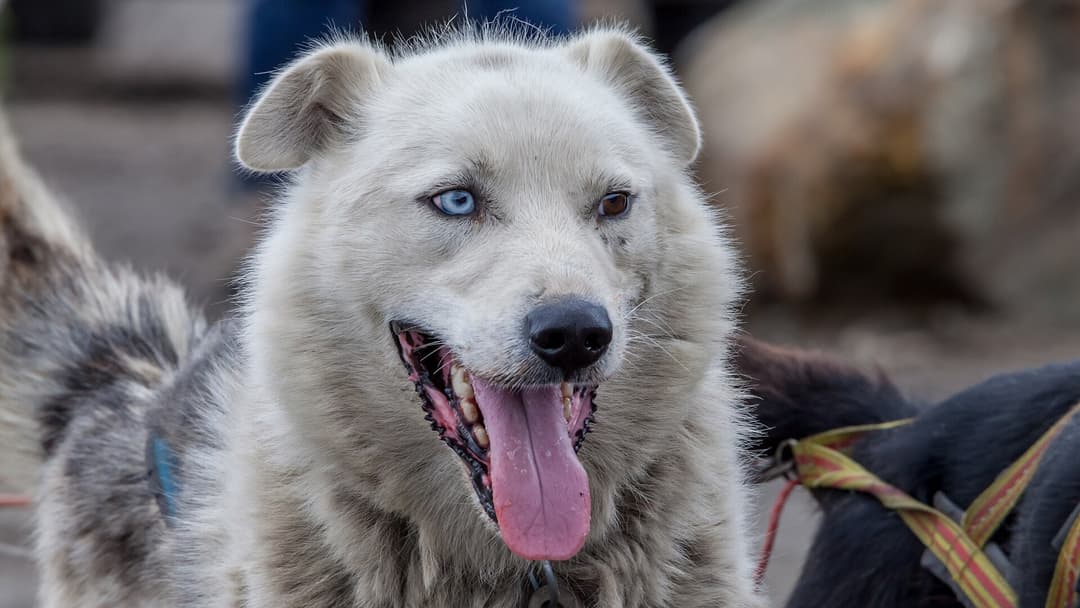
12. Siberian Husky 
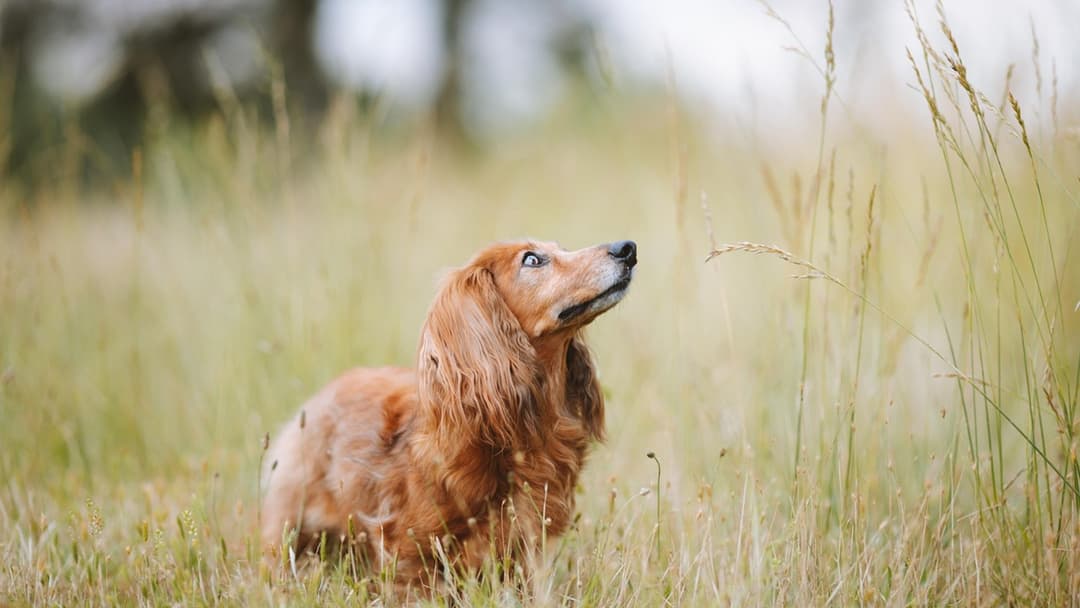
11. Dachshund 
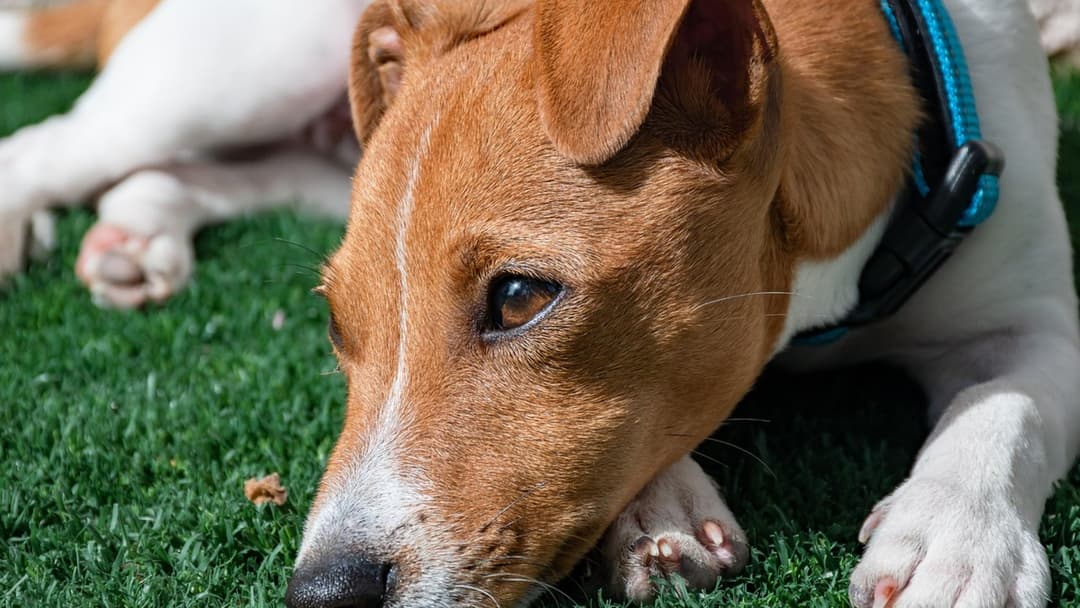
10. Jack Russell Terrier - AdvertisementSwipe or tap ▶ to continue countdown

9. Shiba Inu 
8. Chinese Shar-Pei 
7. Akita 
6. Saluki - AdvertisementSwipe or tap ▶ to continue countdown

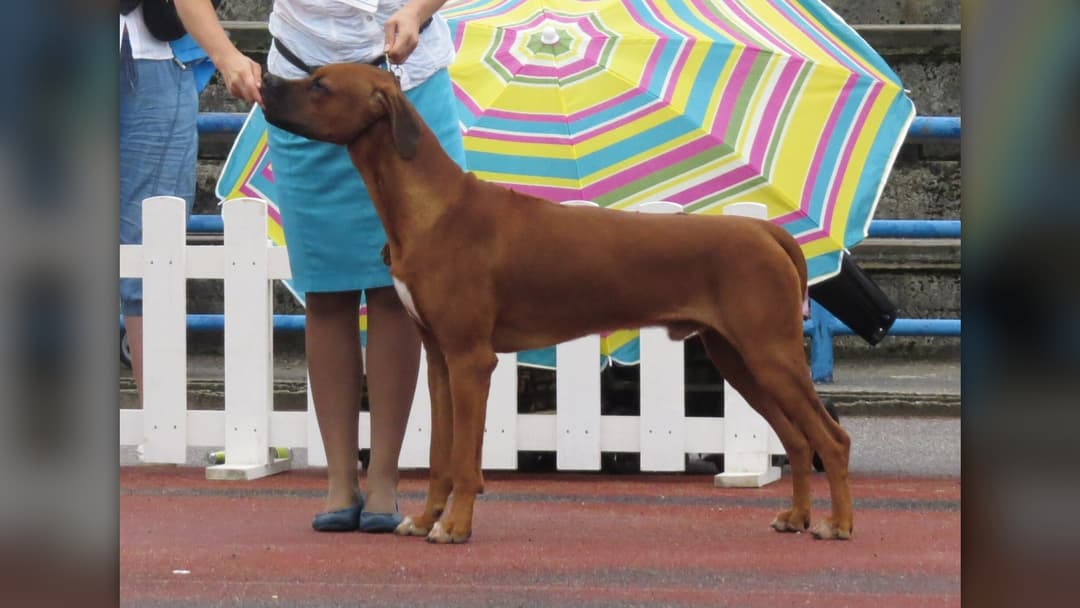
5. Rhodesian Ridgeback 
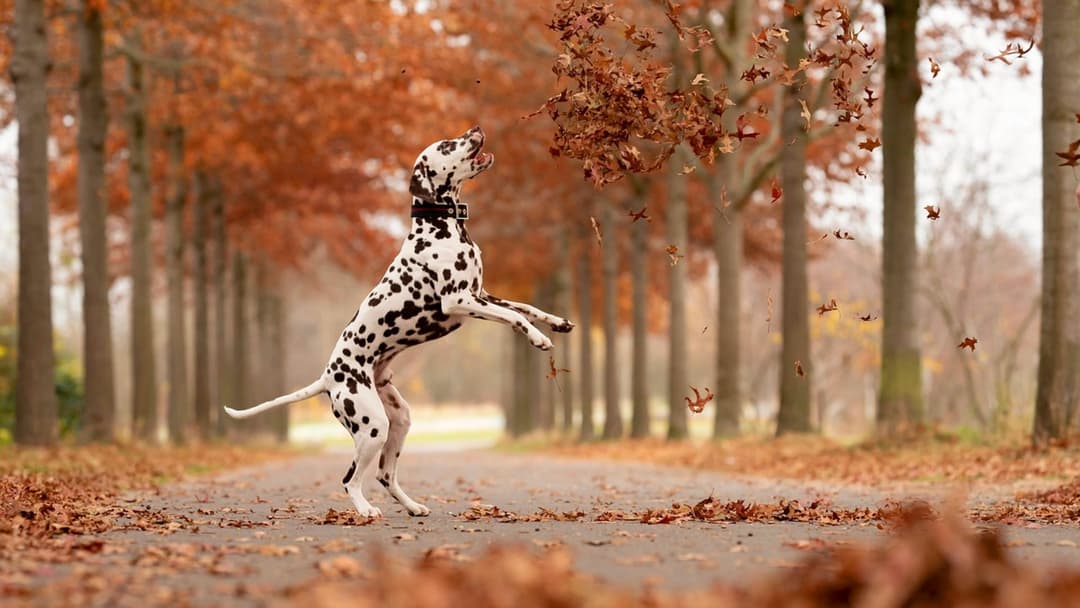
4. Dalmatian 
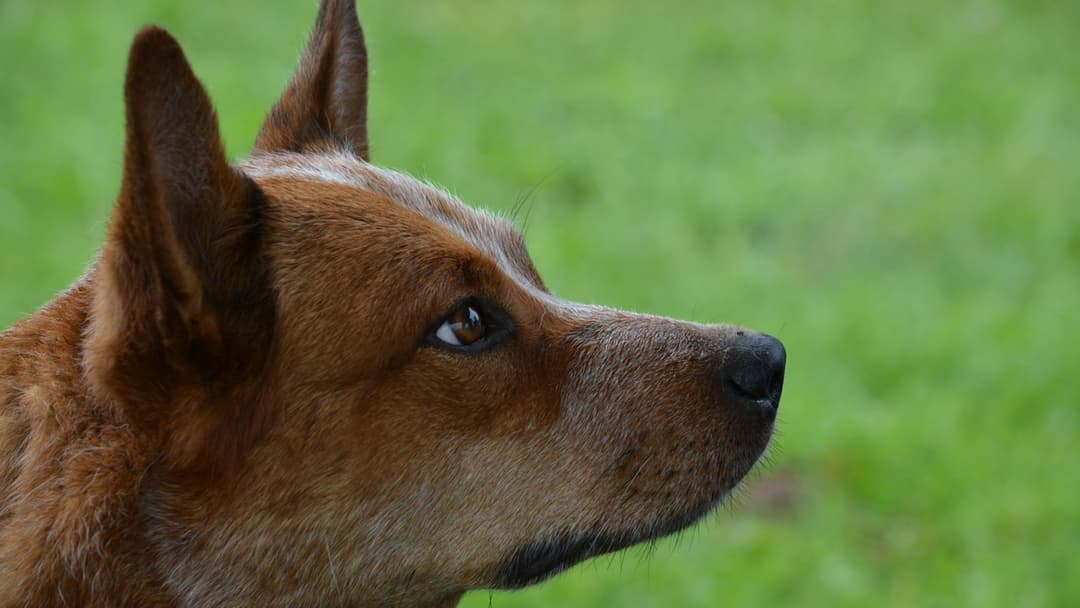
3. Australian Cattle Dog 
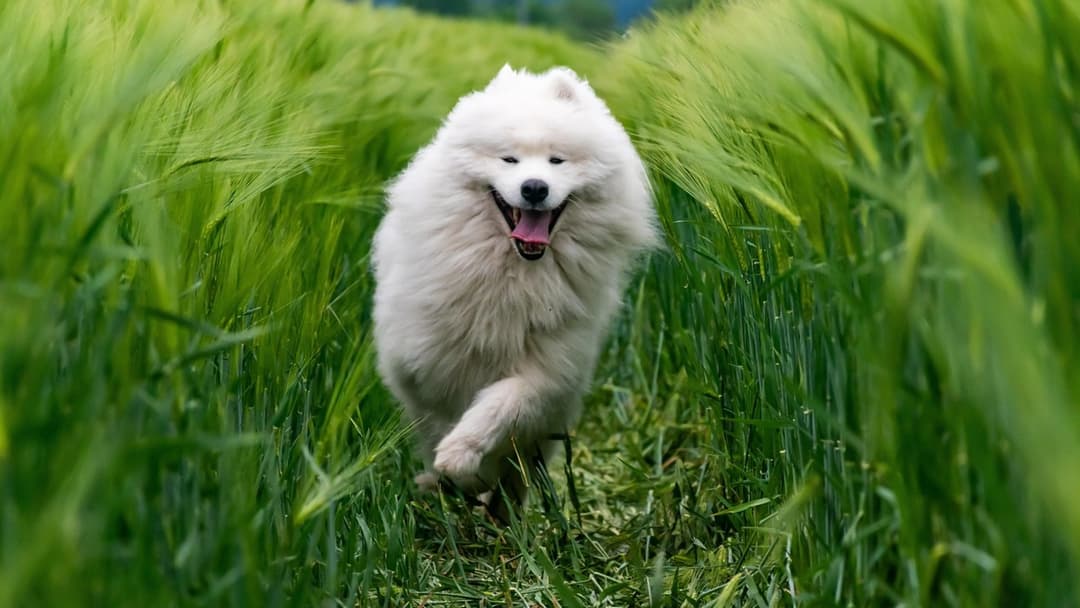
2. Samoyed - AdvertisementSwipe or tap ▶ to continue countdown

1. Greenland Dog - Advertisement🔥 UP NEXT IN THIS SERIES◫ 21 Slides

20 Female Animals Who Feel Jealous to Share Their Partner
Explore twenty remarkable female animals that fiercely protect their partners and territory. From aggressive prairie voles to dominant spotted hyena matriarchs, discover the surprising science of female mate-guarding, based on research from National Geographic, BBC Earth, and leading zoological studies.
Training a dog requires patience, but certain breeds test even veteran handlers. Independent hounds, stubborn terriers, and aloof guardians were bred to work without human direction. Based on Stanley Coren canine cognition research and American Kennel Club breed standards, here are 20 breeds that resist basic drills.
Swipe or tap ▶ to begin the countdown
©Wikimedia / Lucasbosch & Wikimedia / Bulldog
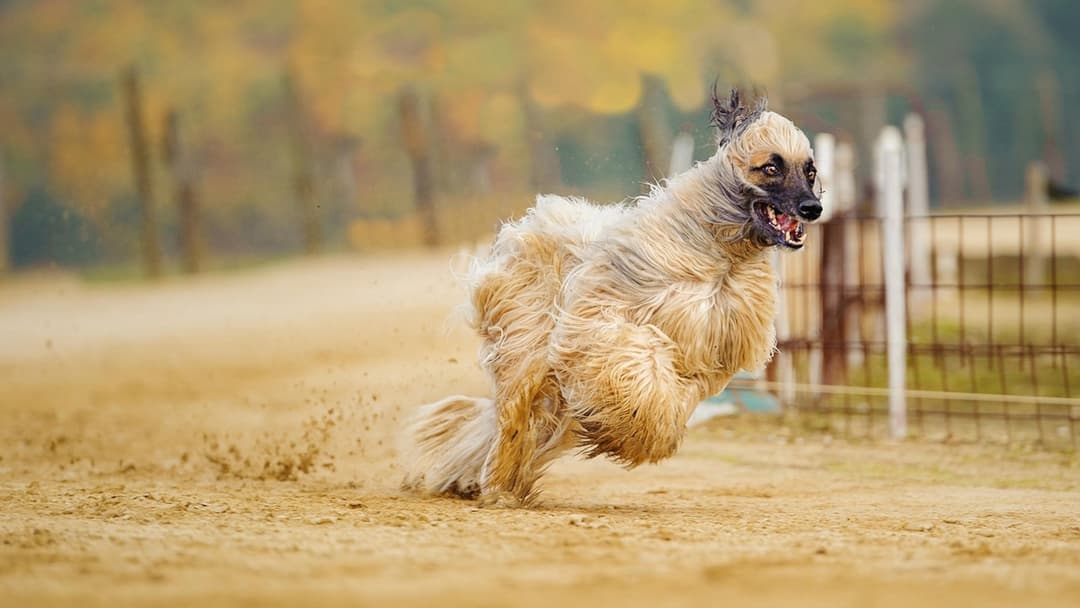
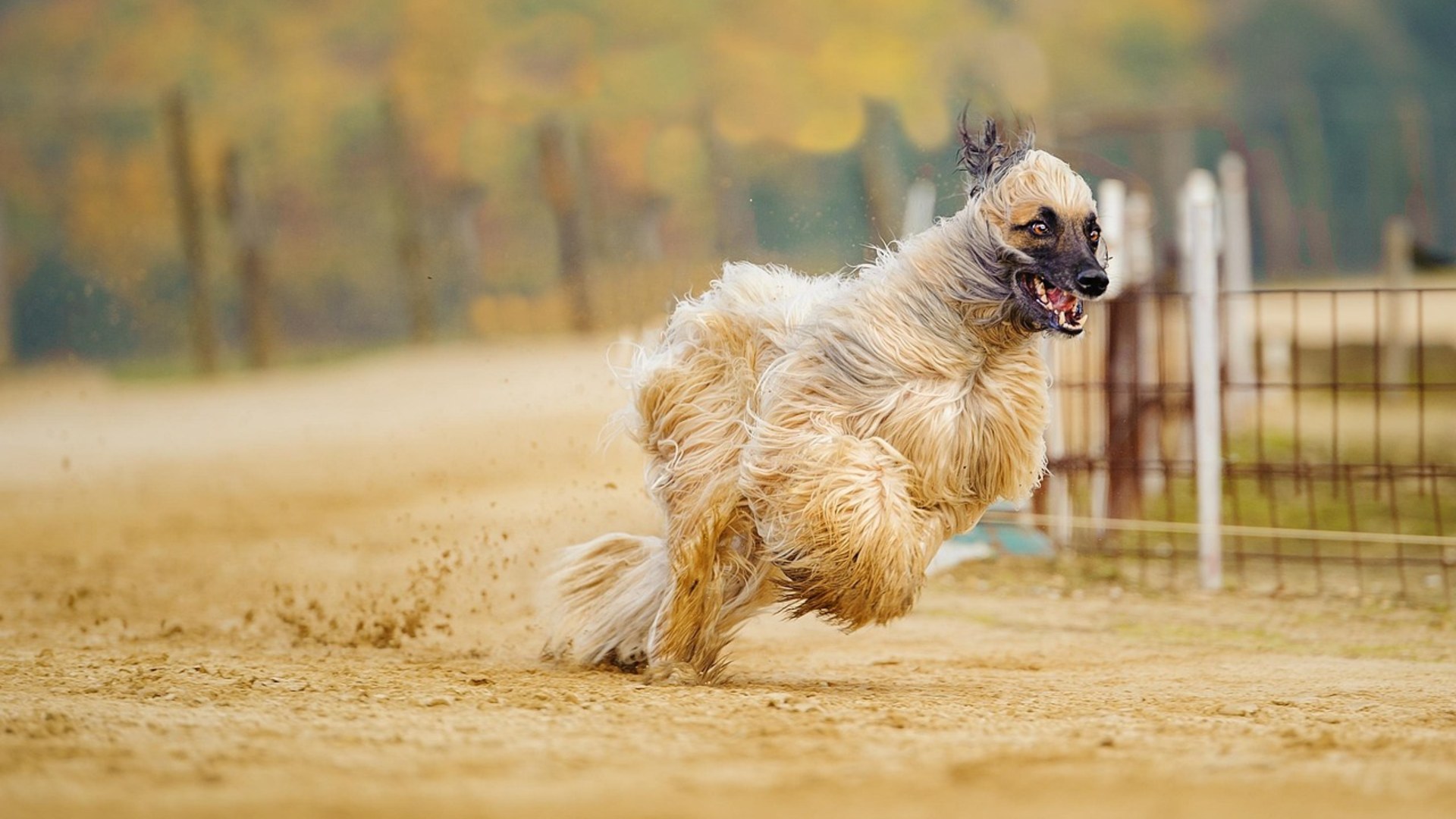
20. Afghan Hound
The Afghan Hound sits at the bottom of Stanley Coren obedience rankings. Developed to chase game across rough terrain in Central Asia, this sighthound makes decisions on its own. AKC records note that repetitive drills cause it to tune out commands entirely.
©Pixabay / PeterKaul
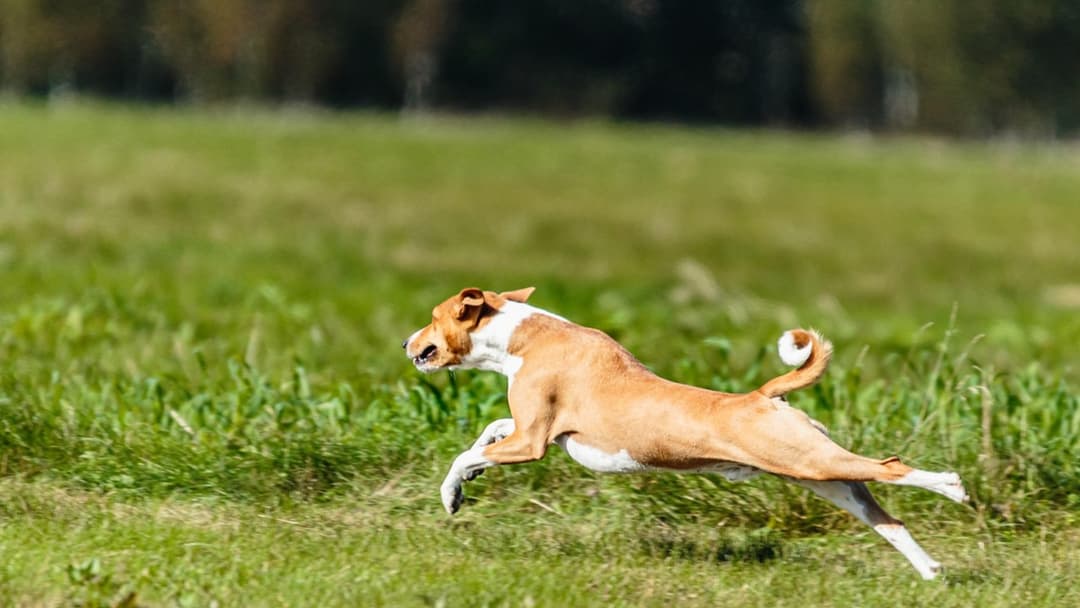
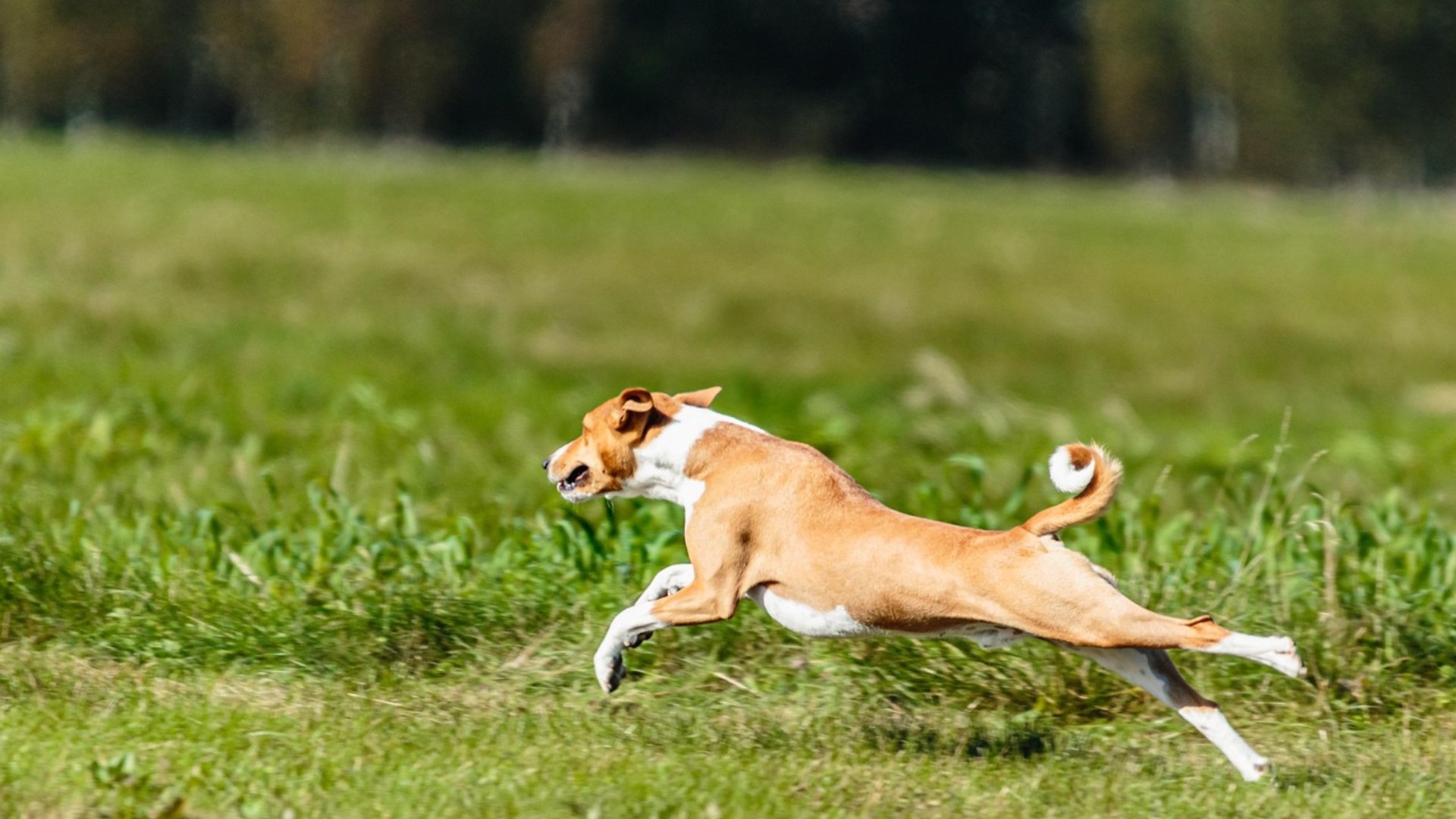
19. Basenji
Central Africa bred the Basenji as a silent bush hunter that acts without waiting for orders. AKC evaluations confirm this cat-like dog understands commands quickly but only complies if the reward appeals to it. Harsh corrections lead to stubborn resistance.
©Pixabay / alektas
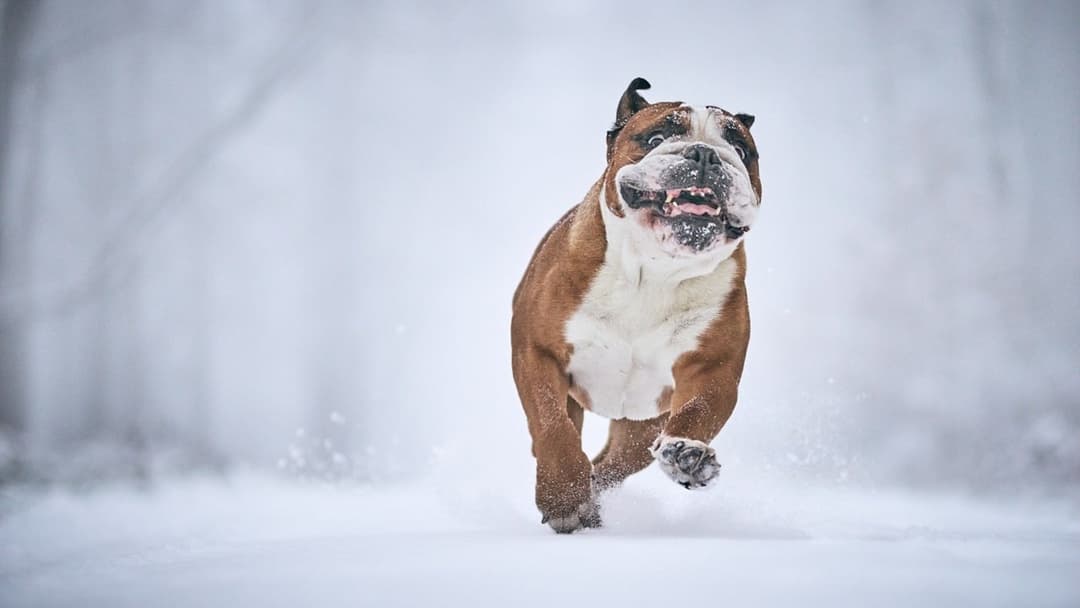
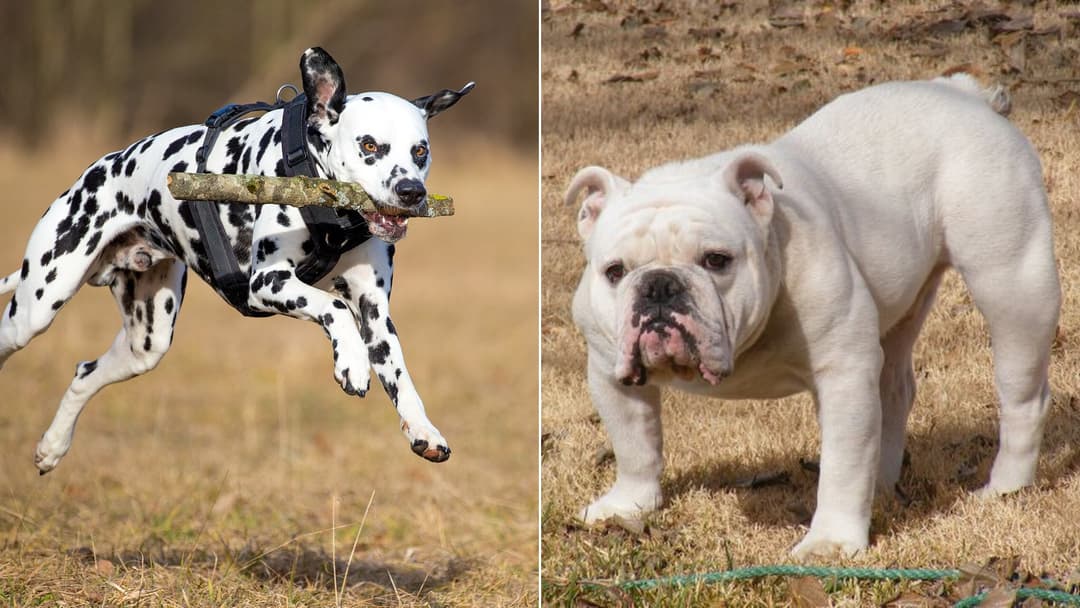
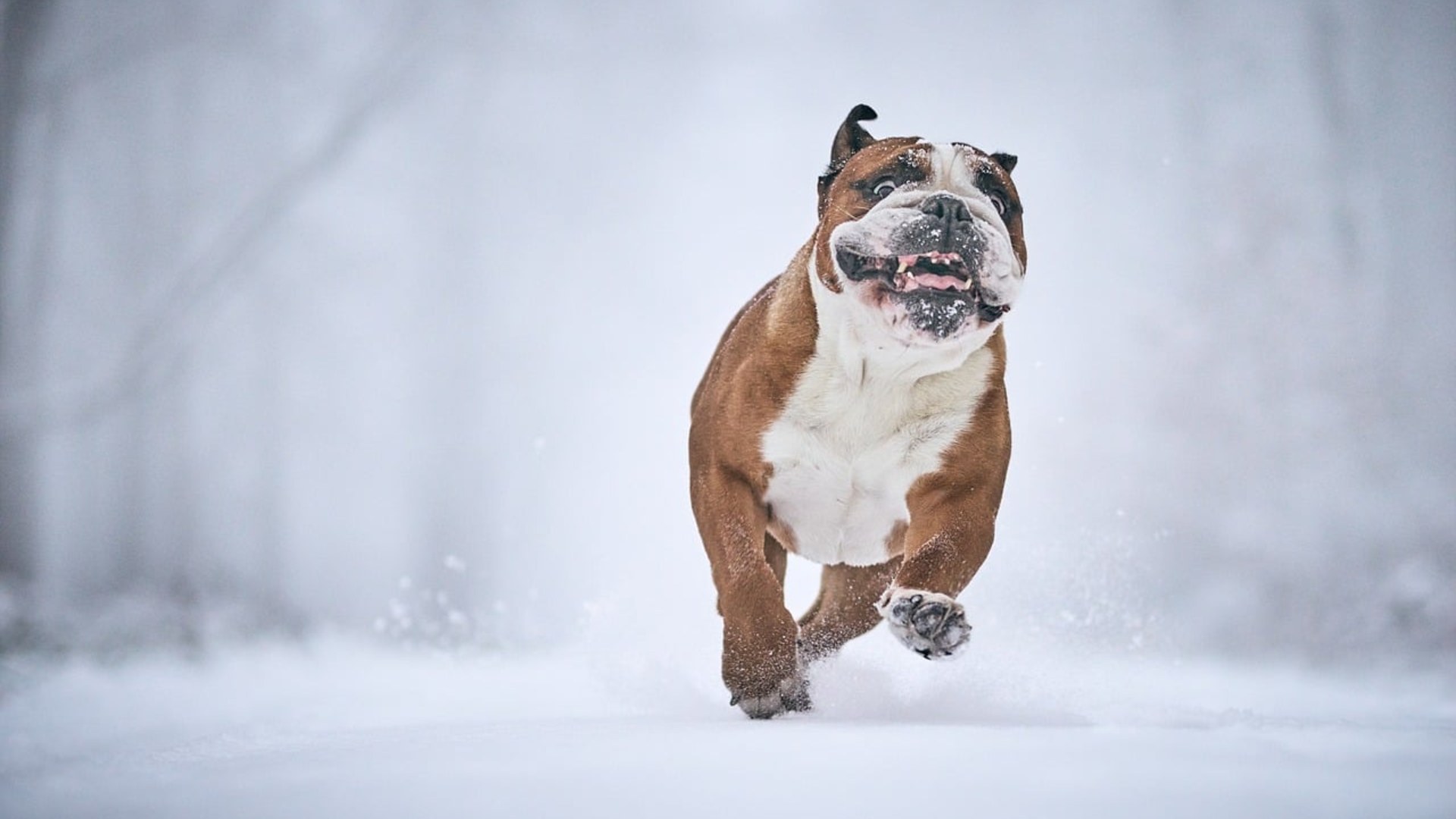
18. English Bulldog
English Bulldogs respond slowly to conventional commands. Historical records from the Kennel Club show selective breeding softened their original bull-baiting aggression into quiet resolve. An adult Bulldog often sits down and ignores leash pressure during drills.
©Pixabay / cp17
Advertisement
Swipe or tap ▶ to resume the countdown.
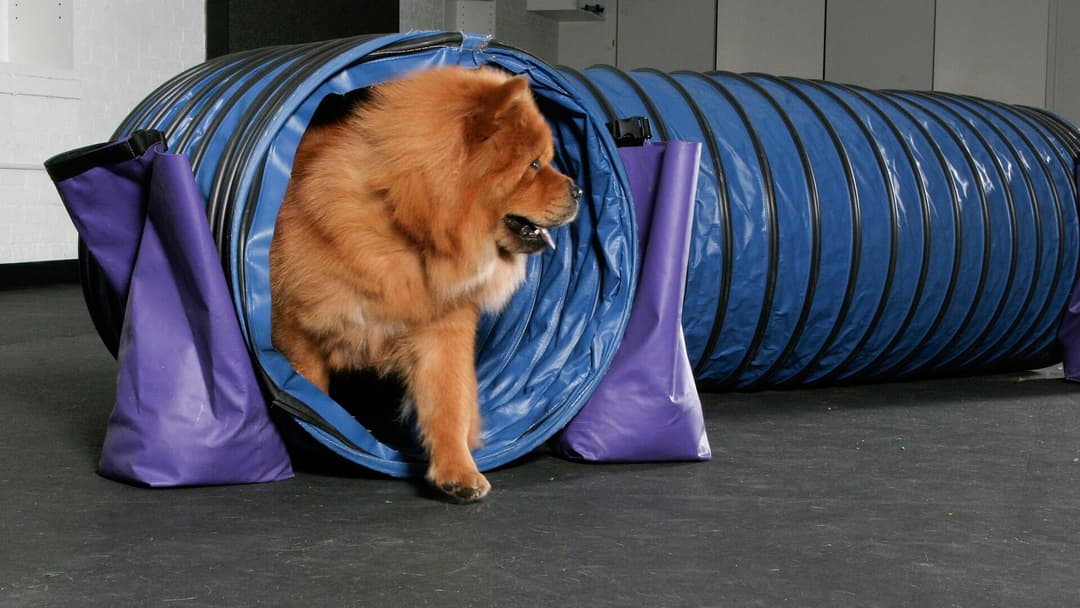
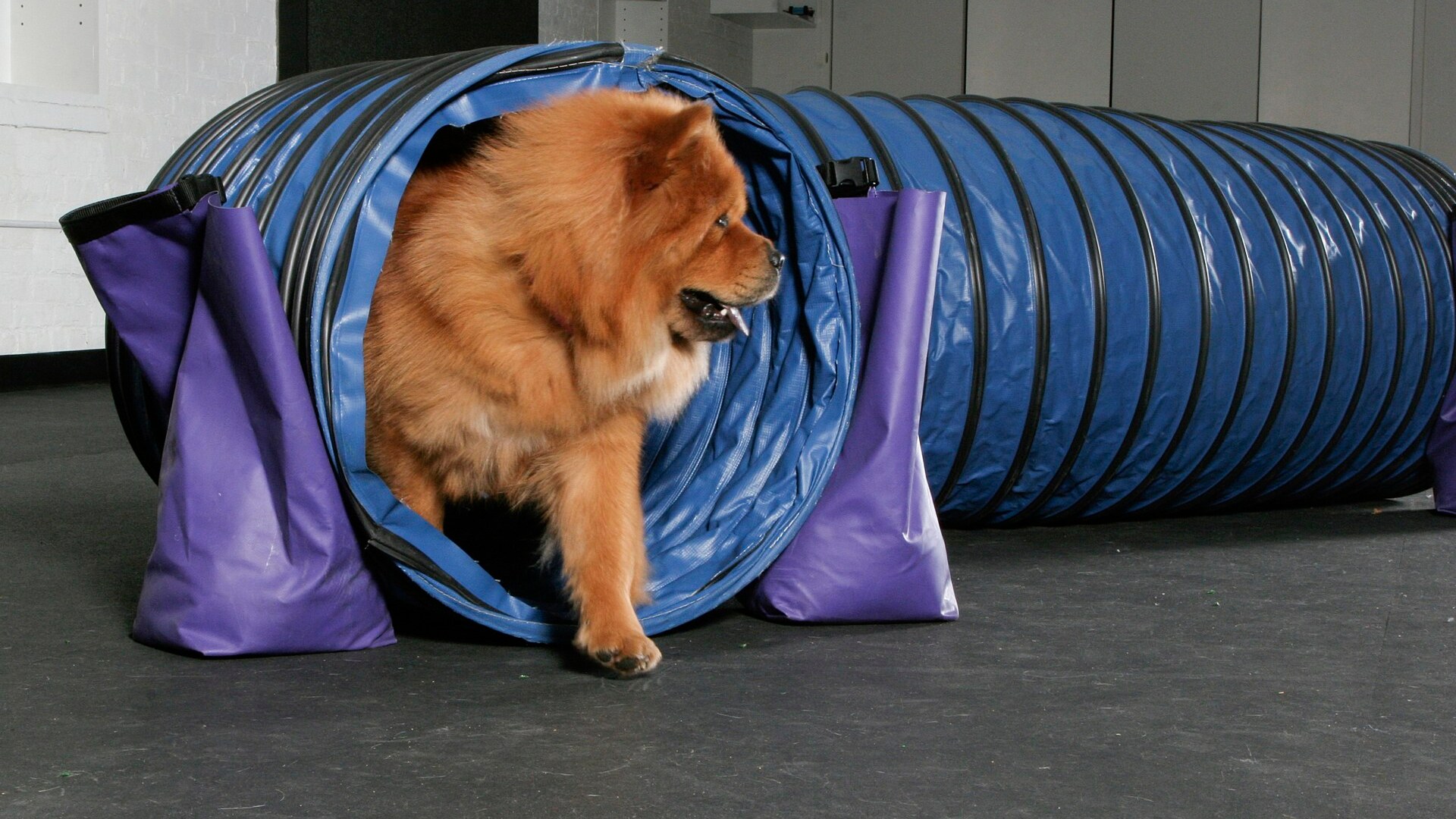
17. Chow Chow
Ancient Chinese hunting and temple protection gave the Chow Chow a suspicious nature. Coren rankings place the breed in the lowest tier of working intelligence. University of Cambridge veterinary studies highlight their strong need for early social handling.
©Wikimedia / Andrea Arden
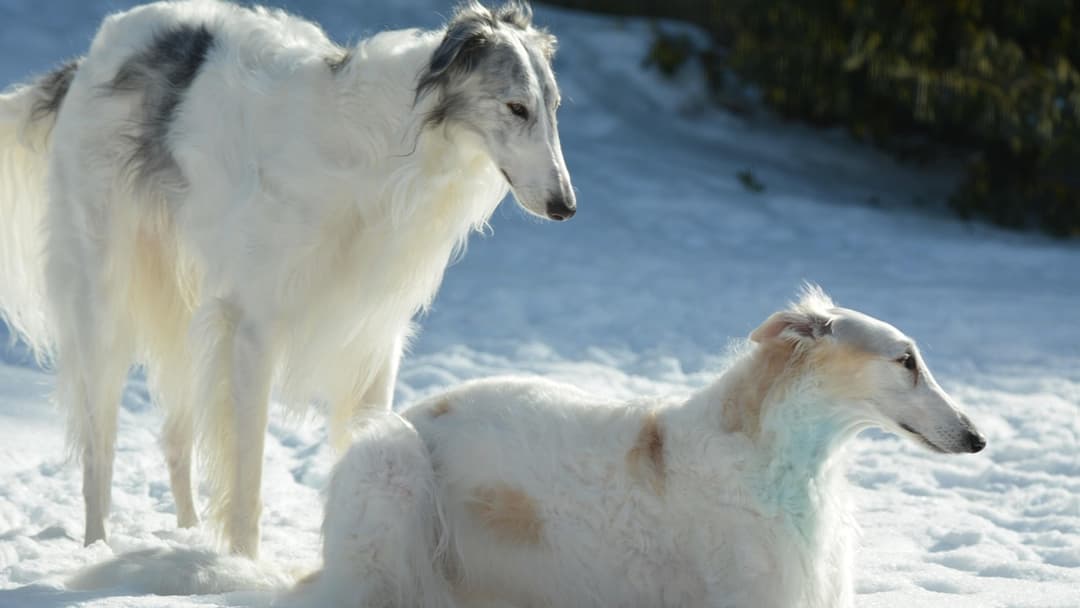
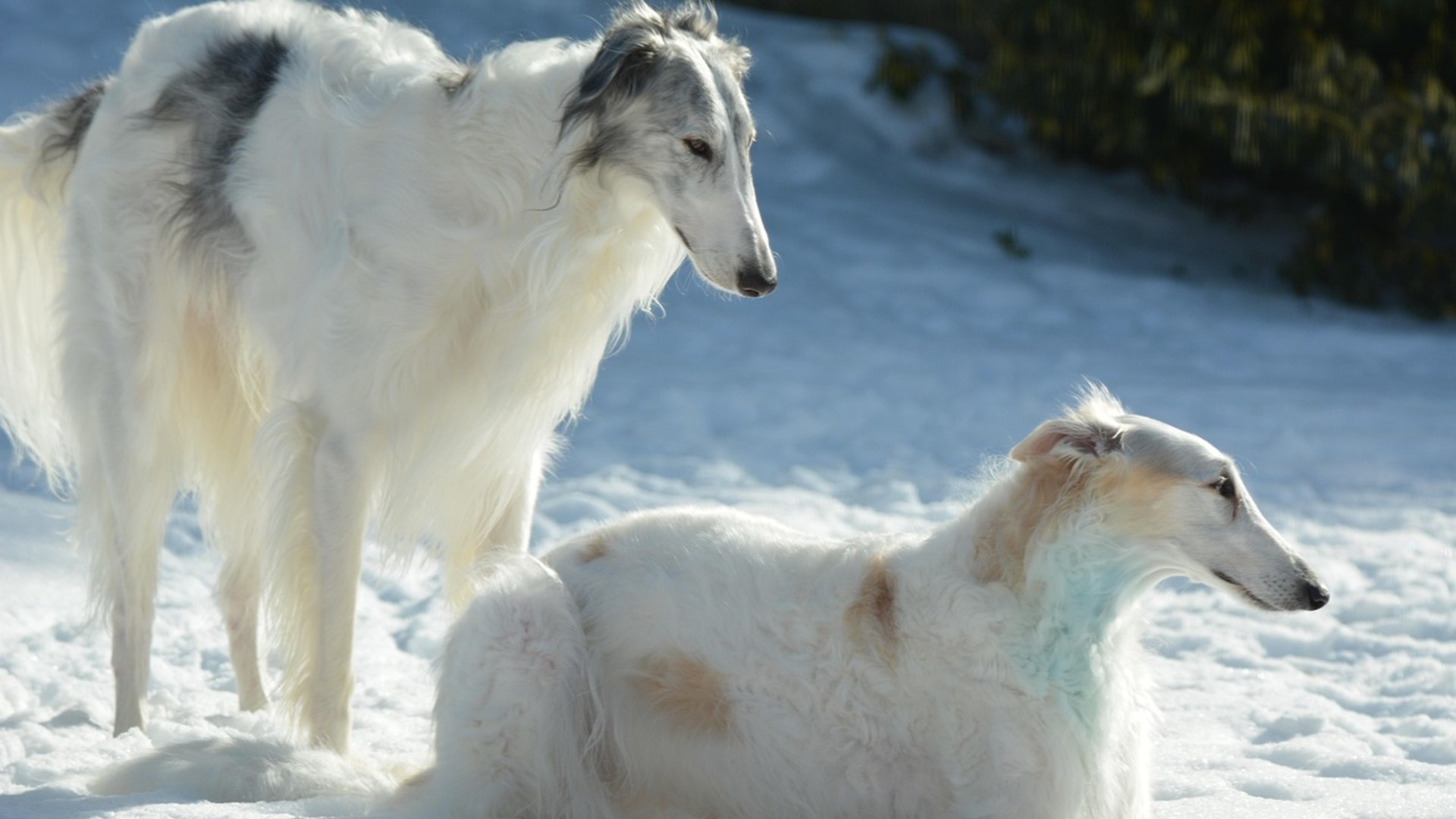
16. Borzoi
Imperial Russian hunts deployed Borzoi packs to pursue wolves across open plains at 35 miles per hour. That solo pursuit heritage makes modern obedience training difficult. AKC guides stress that Borzois lose focus when handlers repeat standard agility drills.
©Pixabay / 6591713
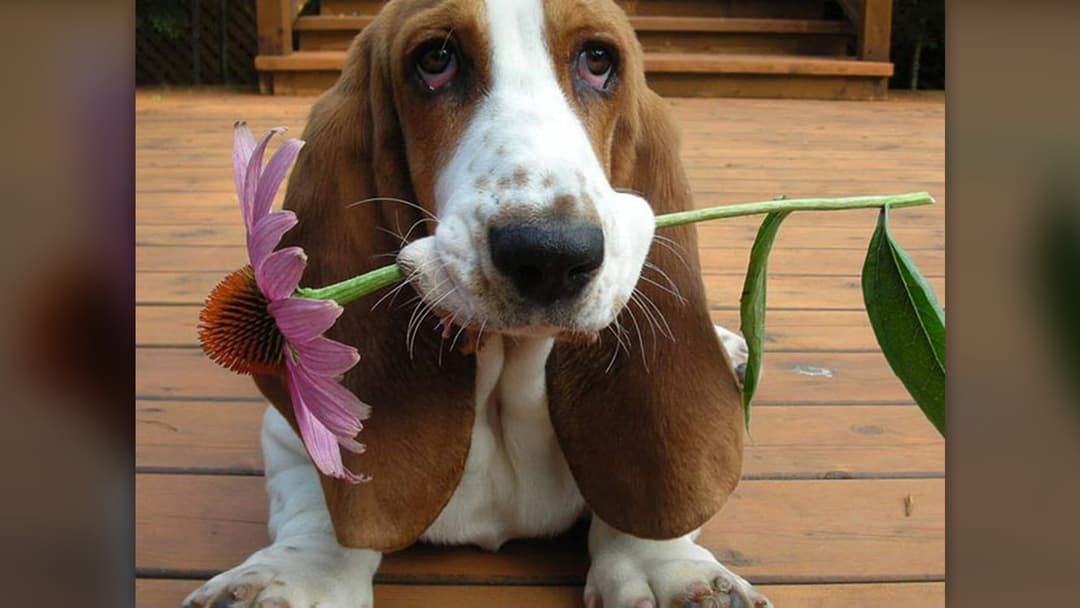
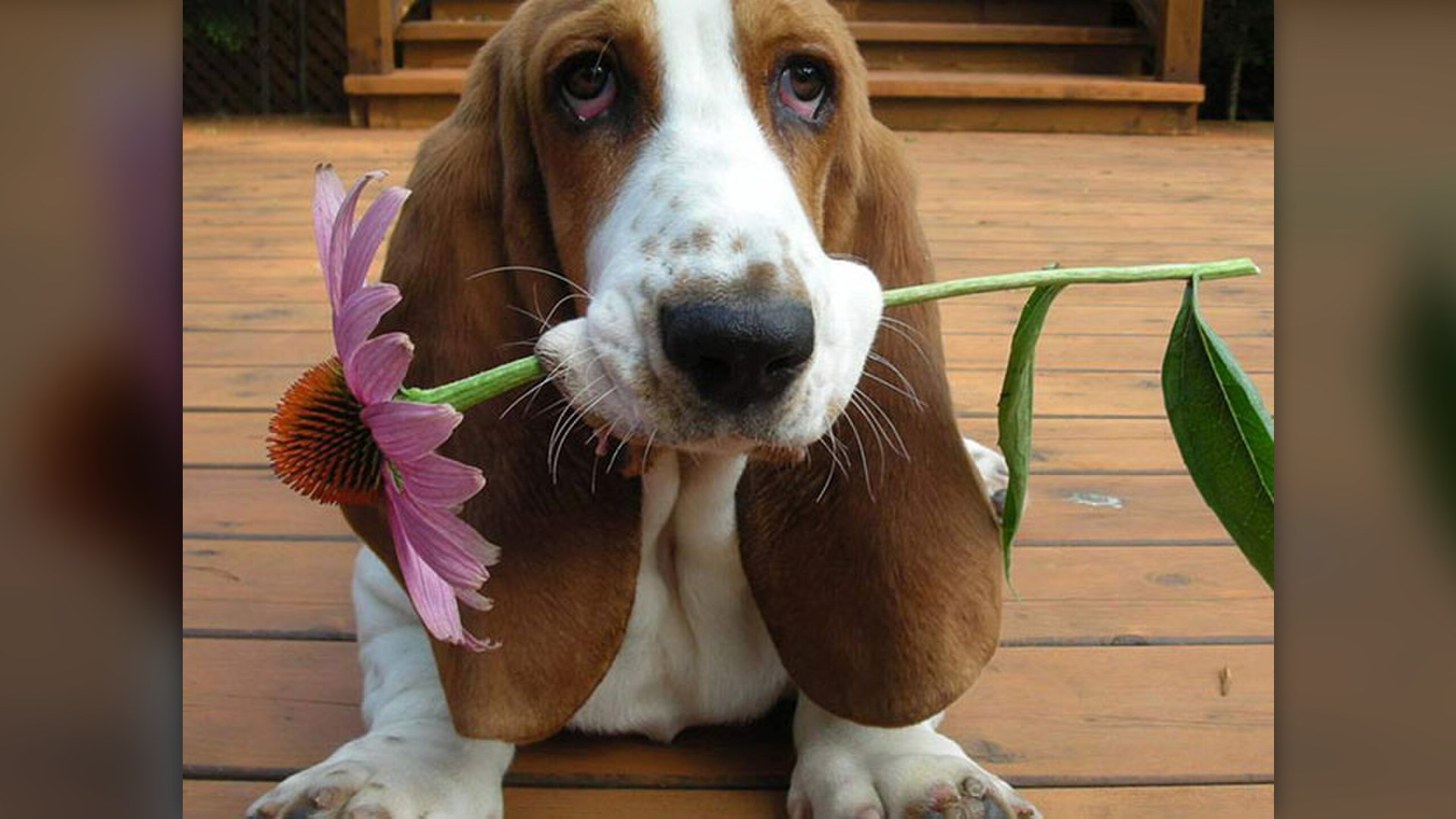
15. Basset Hound
Carrying over 220 million scent receptors, the French-derived Basset Hound follows olfactory trails rather than voice cues. Scent hound trials documented by the AKC show that when a trail begins, obedience cues fail to register with this low-slung breed.
©Wikimedia / Palmarin776
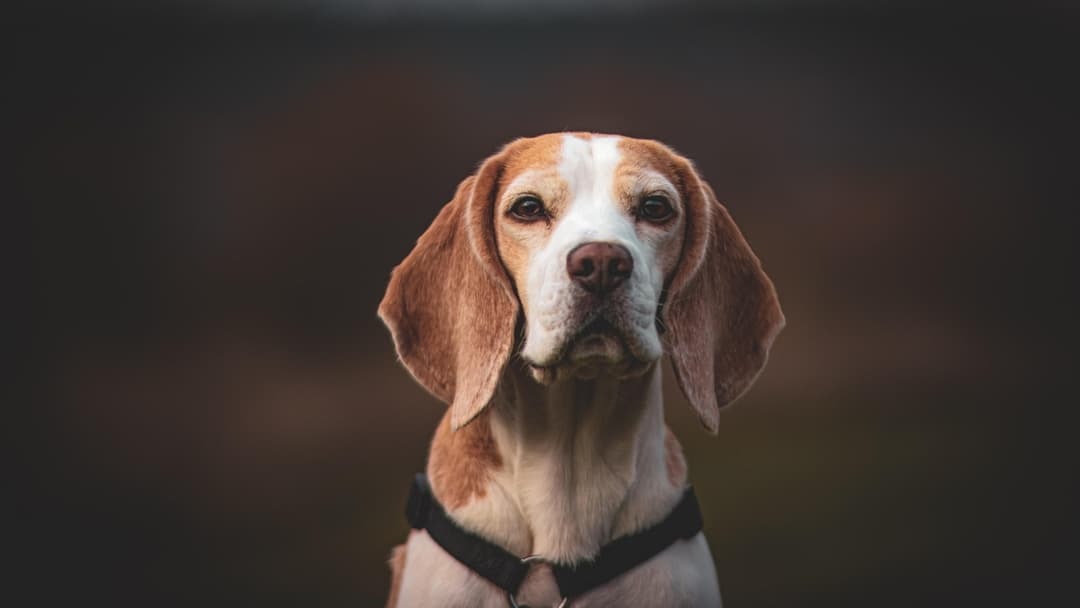
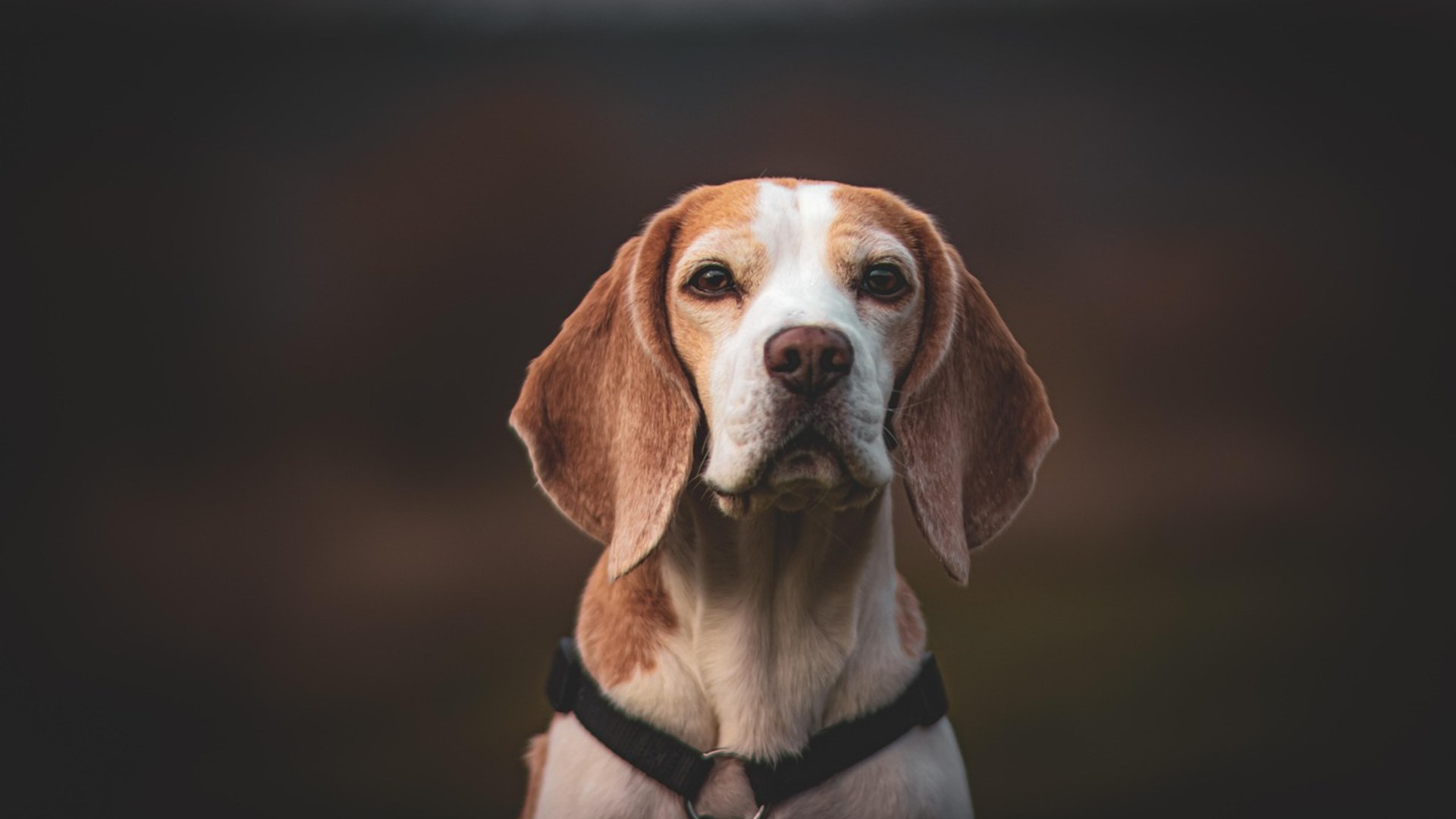
14. Beagle
English rabbit hunting shaped the Beagle into an energetic pack tracker. While friendly in family homes, veterinary behaviourists at Cornell note that food distractions and outdoor scents frequently override standard recall commands during yard training.
©Pixabay / Michel_Marburg
Advertisement
Swipe or tap ▶ to resume the countdown.
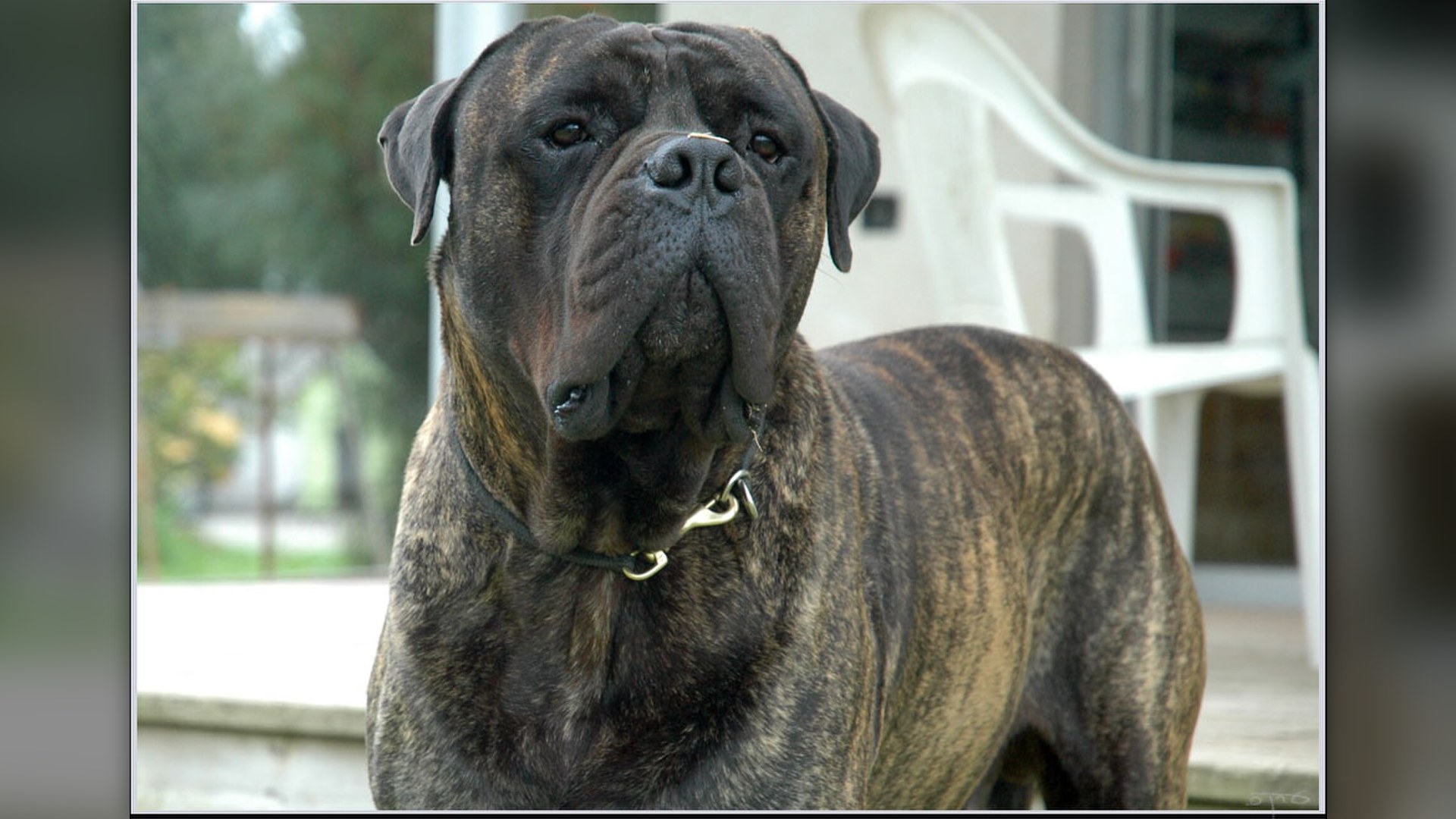
13. Bullmastiff
Nineteenth-century British gamekeepers bred the Bullmastiff by crossing Mastiffs and Bulldogs to pin poachers in silence. Weighing up to 130 pounds, this guardian requires calm, consistent leadership. It refuses to perform exercises it perceives as pointless.
©Wikimedia / Eran Finkle
12. Siberian Husky
The Chukchi people of Siberia developed the Husky to run 100 miles a day pulling sleds. University of Alaska working dog trials indicate their intense drive and pack mentality translate to low biddability when confined to repetitive yard obedience commands.
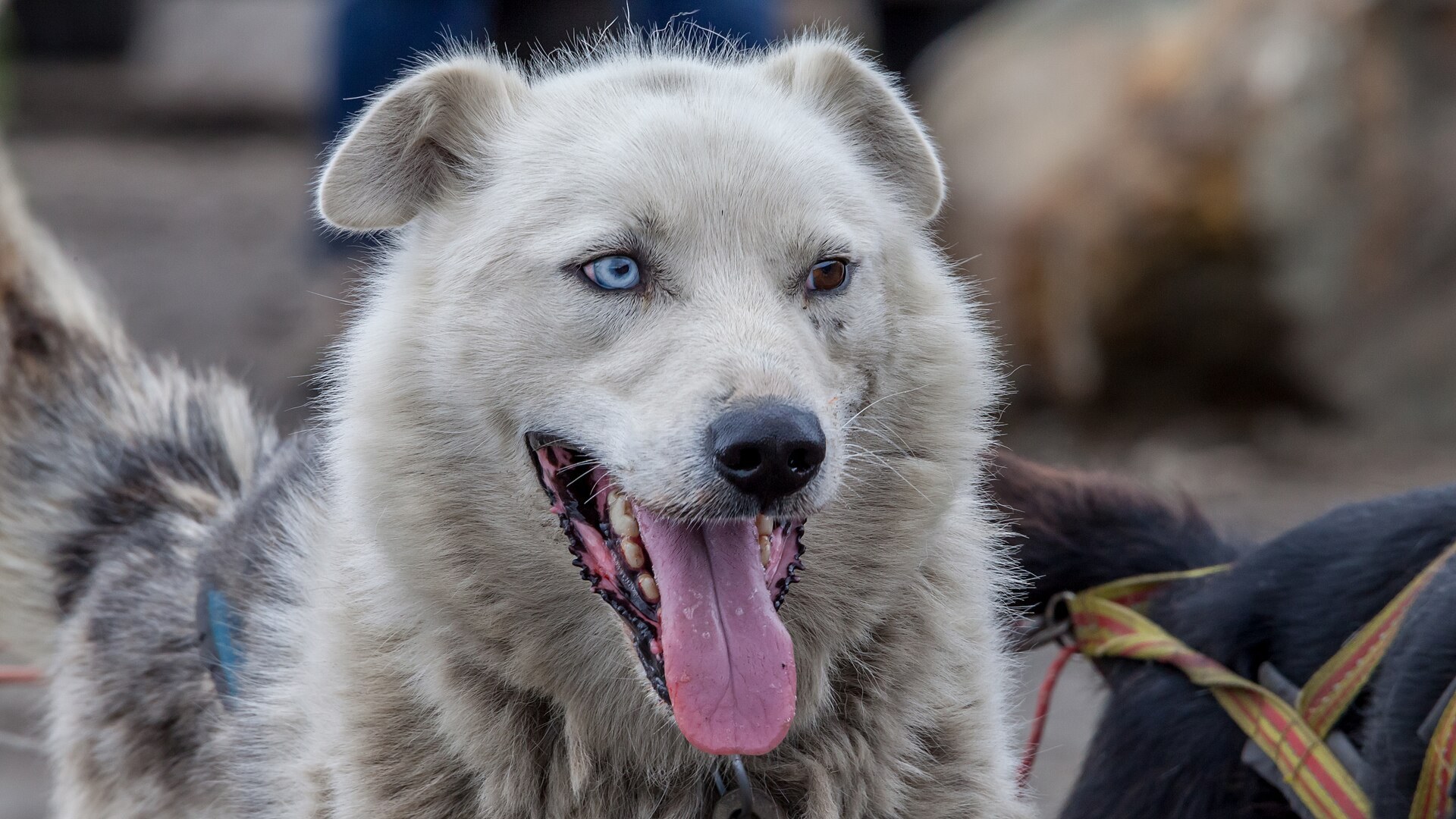
©Wikimedia / AWeith
11. Dachshund
Germany bred the Dachshund to dive into underground badger dens and fight subterranean quarry. The AKC breed standard highlights their bold persistence. That same determination makes them notoriously slow to house-train and resistant to leash compliance.
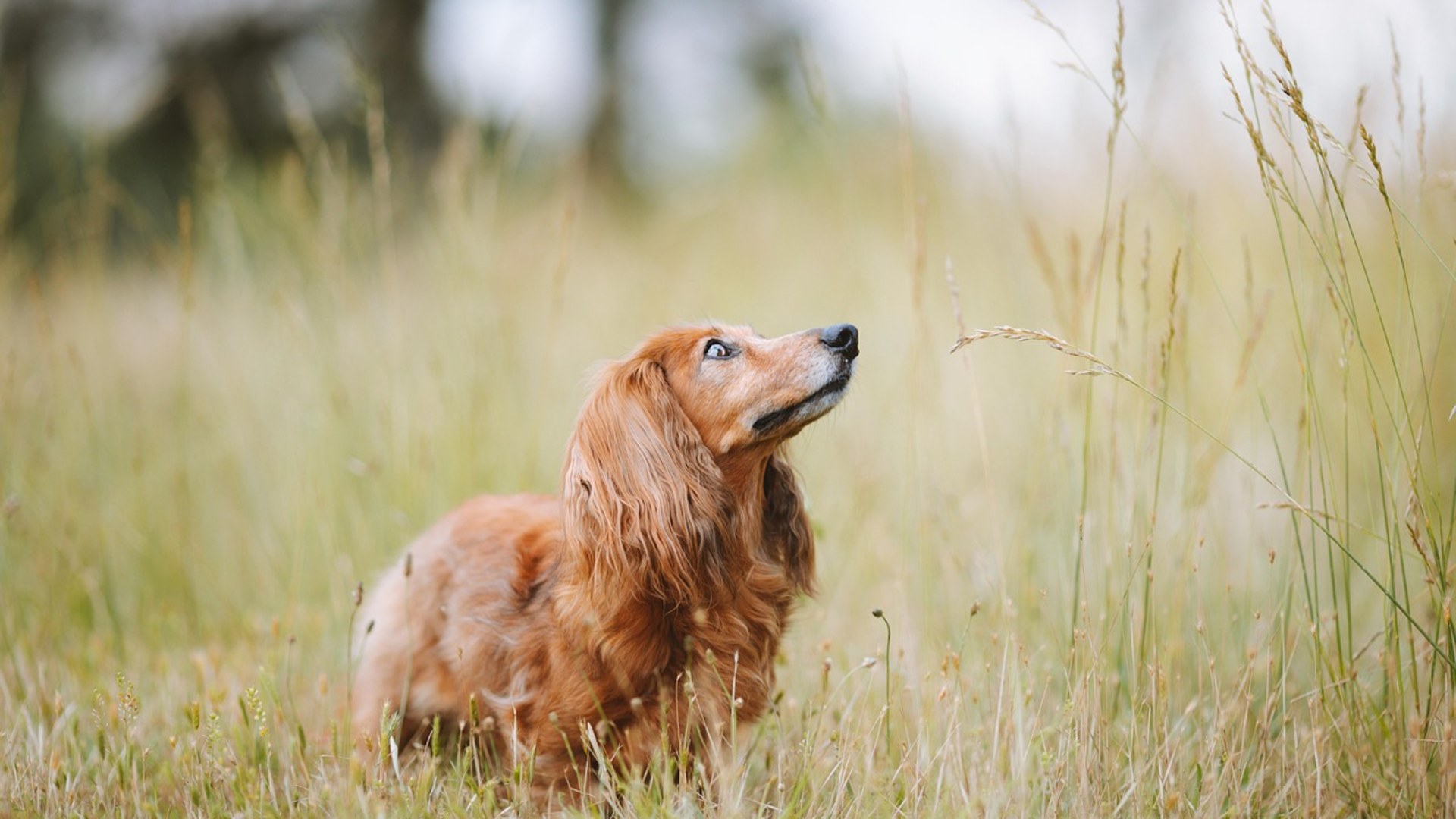
©Pixabay / RebaSpike
10. Jack Russell Terrier
Reverend John Russell bred this terrier in Devon to flush foxes from subterranean earths. The British Kennel Club notes their relentless problem-solving drive. Without intense mental work, Jack Russells invent their own games rather than obeying sitting cues.
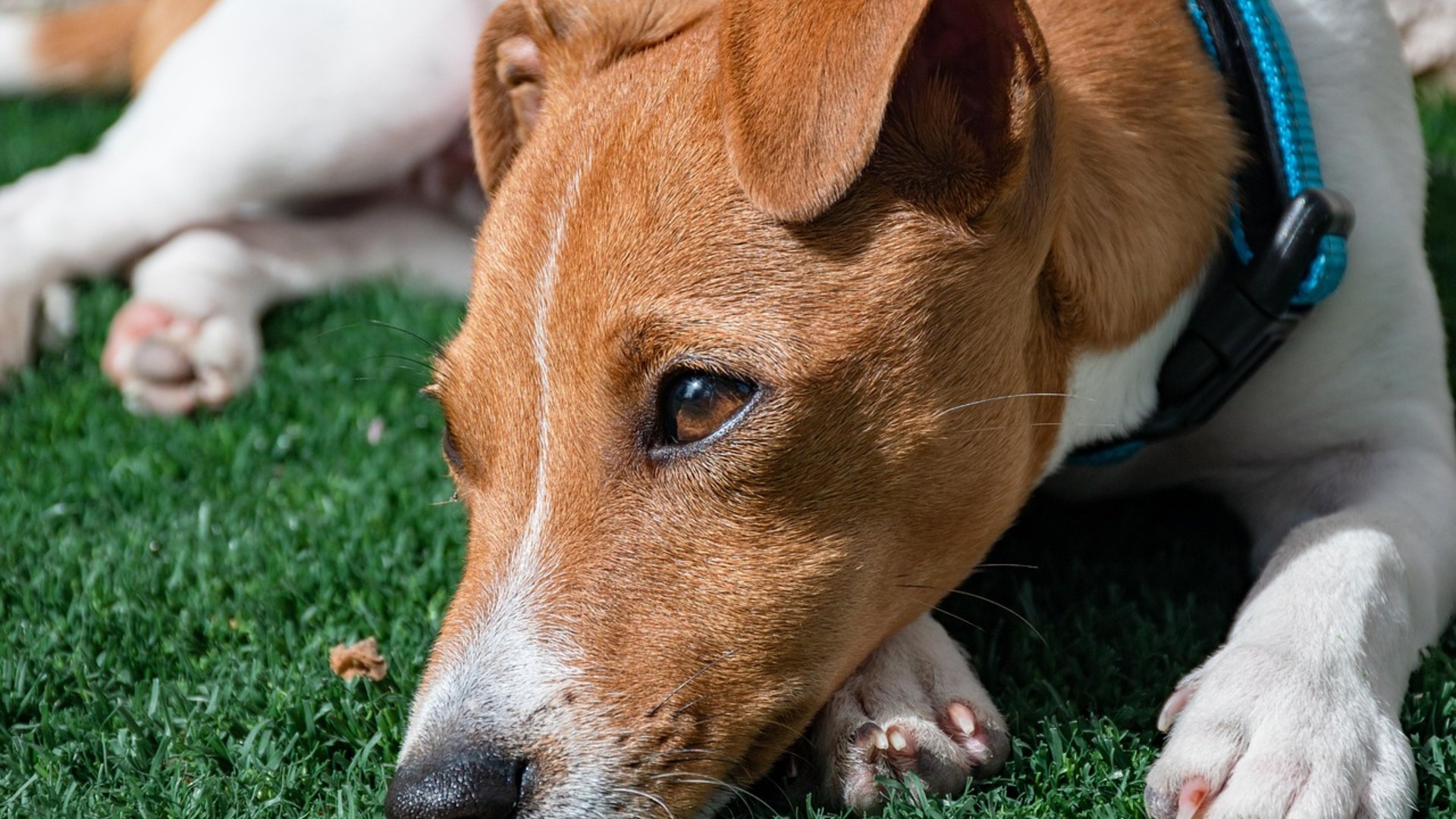
©Pixabay / Ri_Ya
Advertisement
Swipe or tap ▶ to resume the countdown.
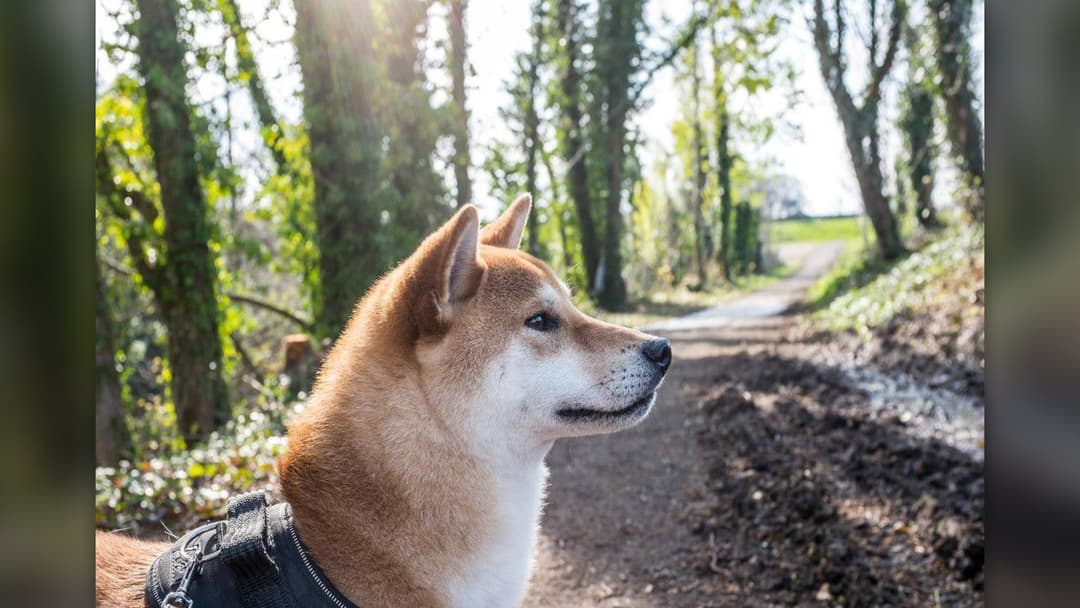
9. Shiba Inu
As the oldest native Japanese hunting breed, the Shiba Inu pursued birds and small game through mountainous brush. Nihon Ken Hozonkai standards emphasize their alert spirit. Shibas often execute a famous high-pitched scream when forced into drills.
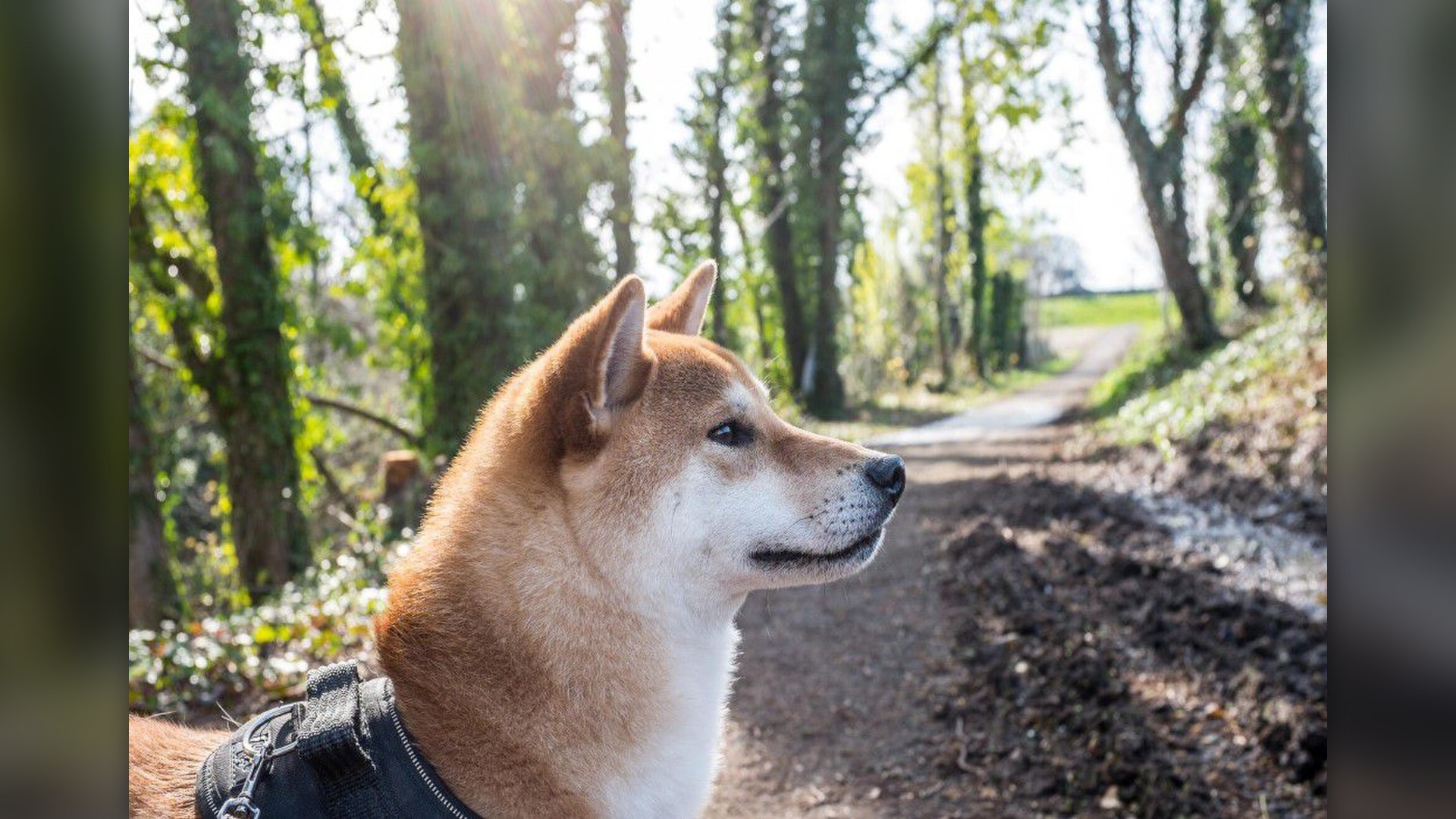
©Wikimedia / Picography
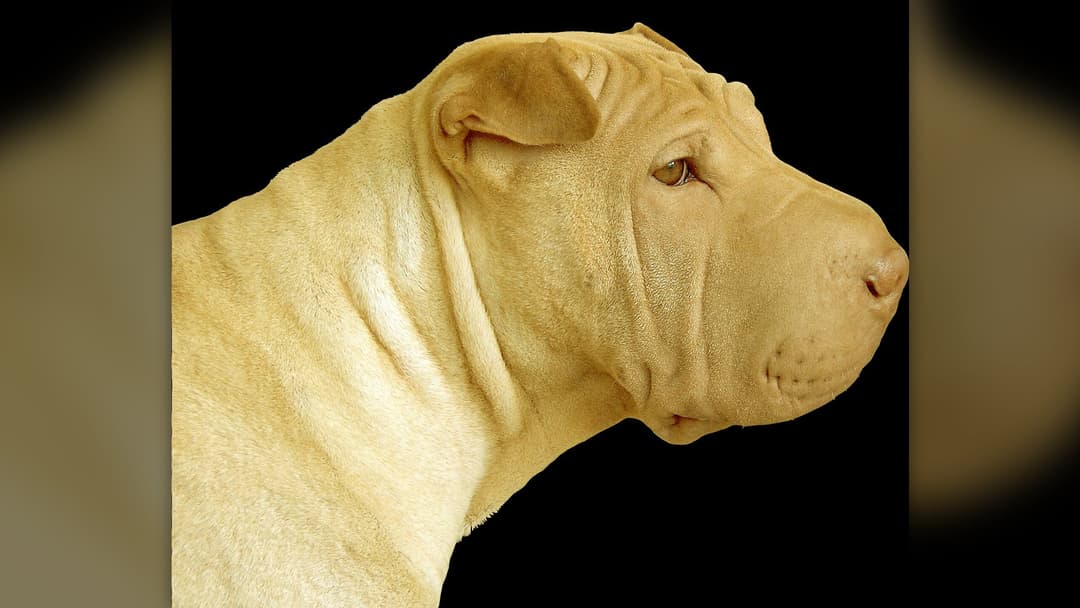
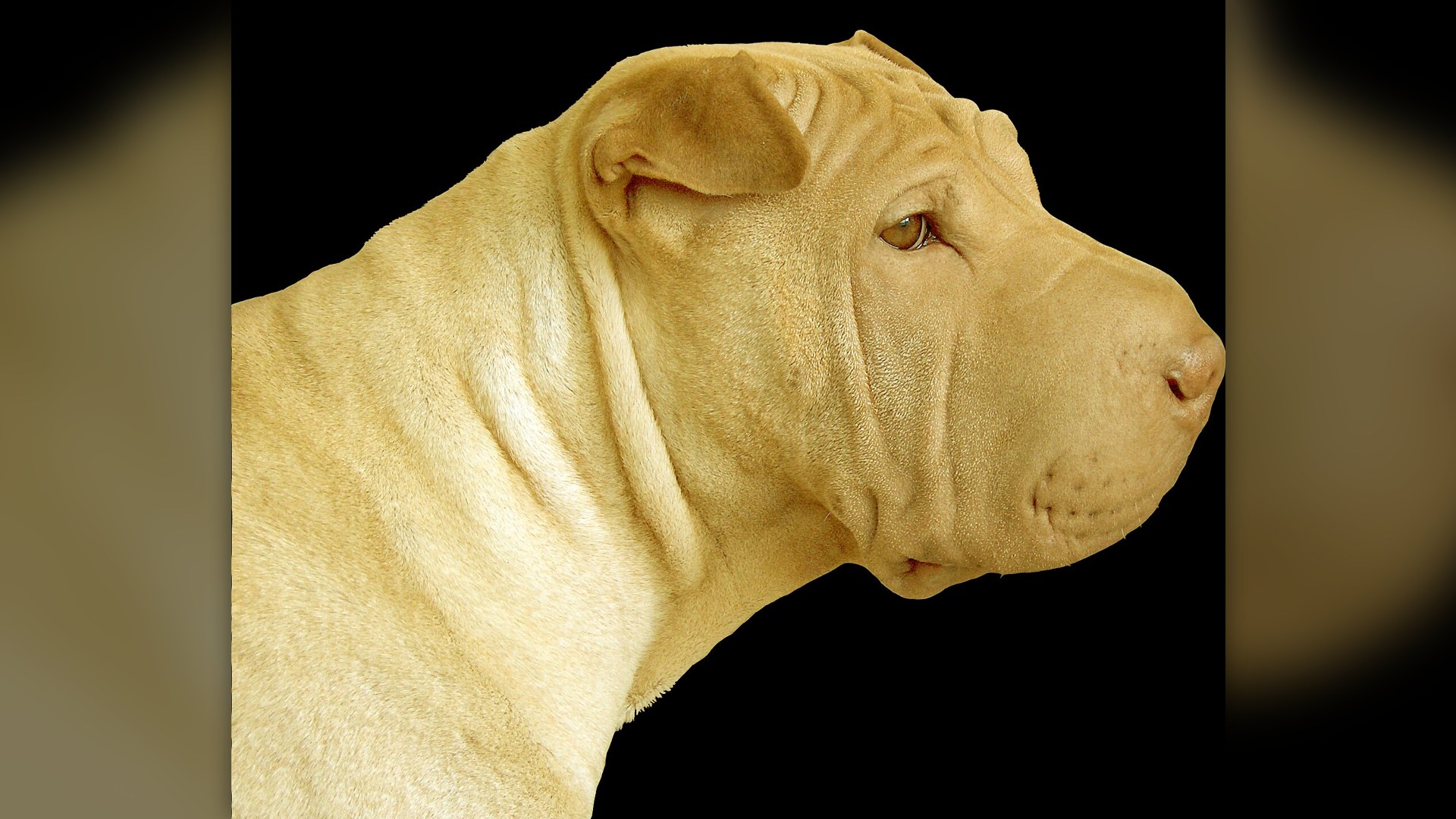
8. Chinese Shar-Pei
Southern China produced the Shar-Pei as an all-purpose farm guardian, hunter, and fighter. AKC heritage documentation notes that their historical role created a cautious, stubborn mindset. Handlers must earn their trust before any basic training succeeds.
©Wikimedia / Beverlytaz
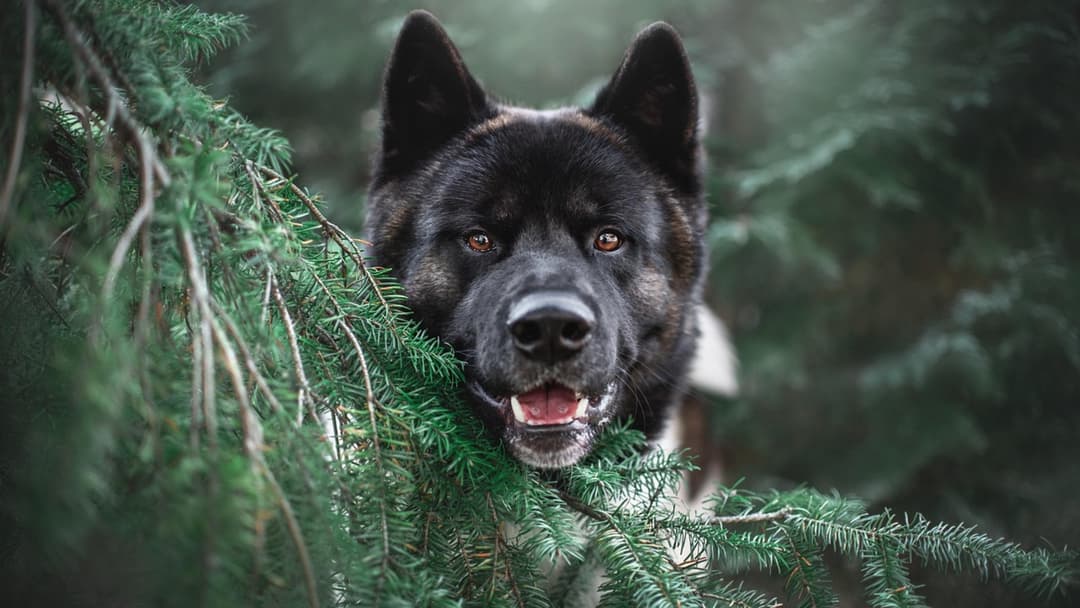
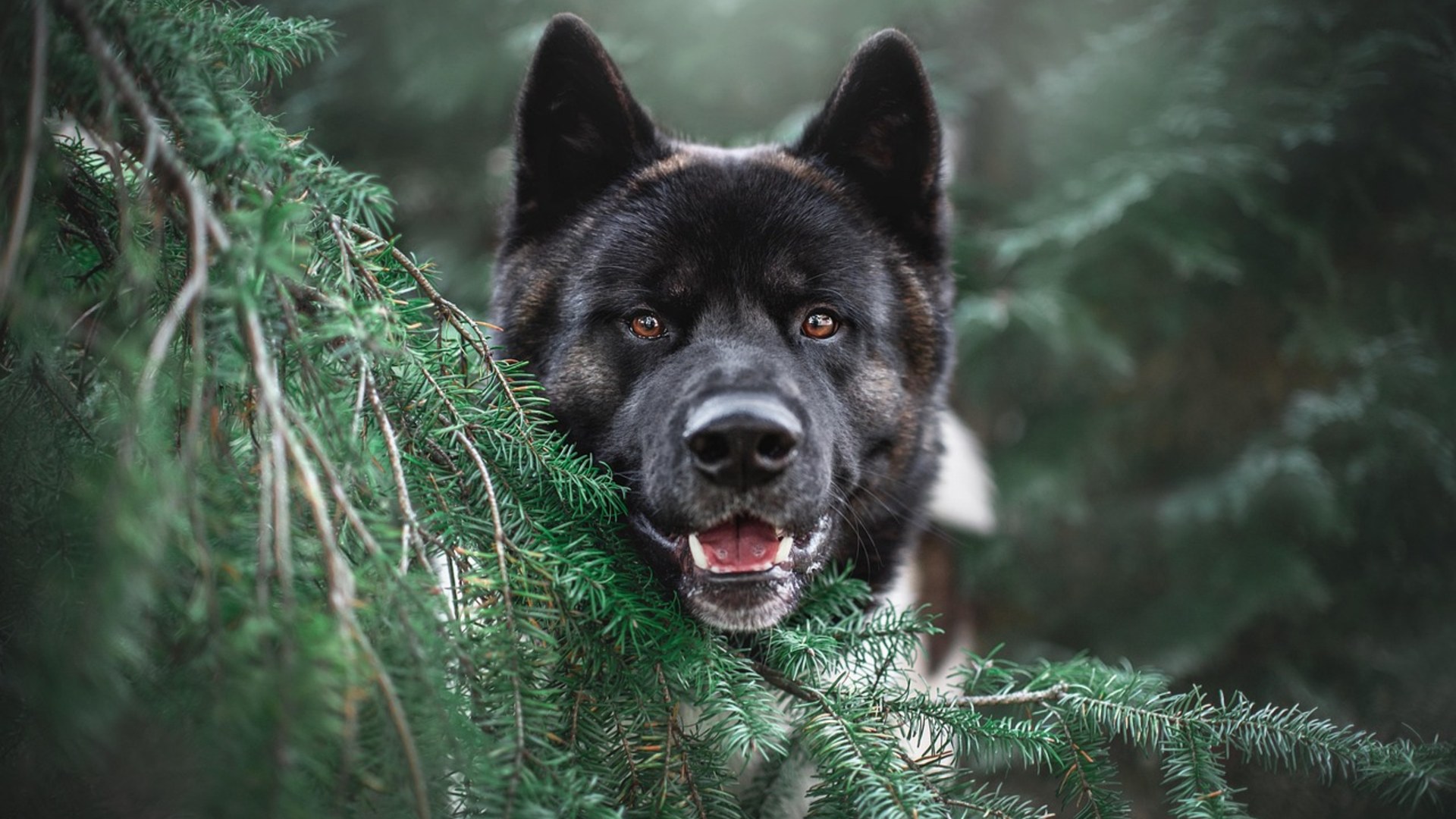
7. Akita
Originating in the rugged mountains of northern Japan, the Akita protected royalty and tracked large bears. Japanese kennel records and AKC guidelines stress that Akitas demand firm, experienced owners. Repetitive obedience classes trigger stubborn pushback.
©Pixabay / christina0chiz
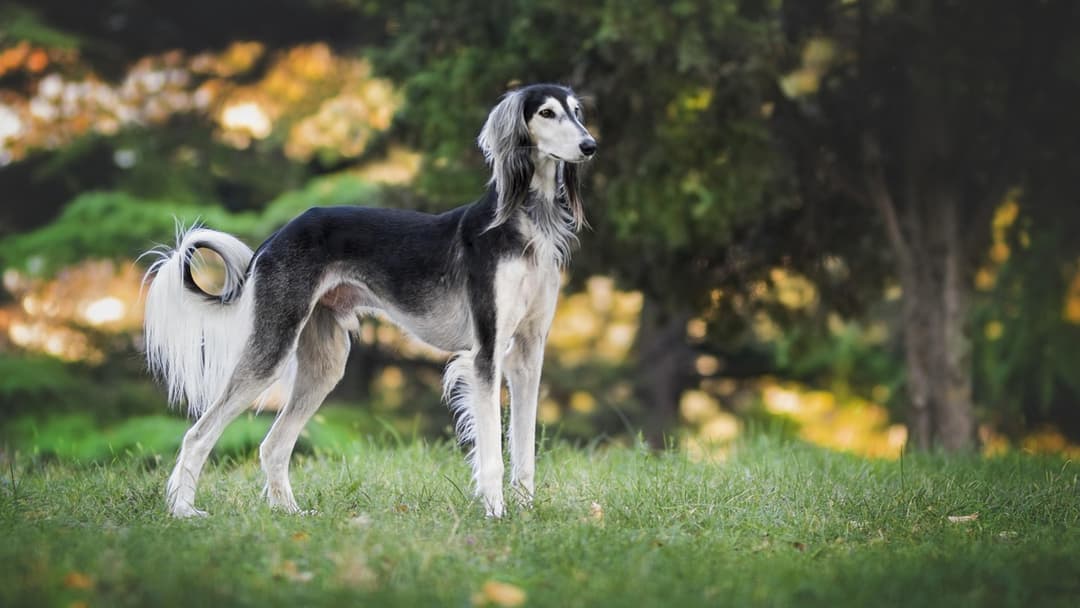
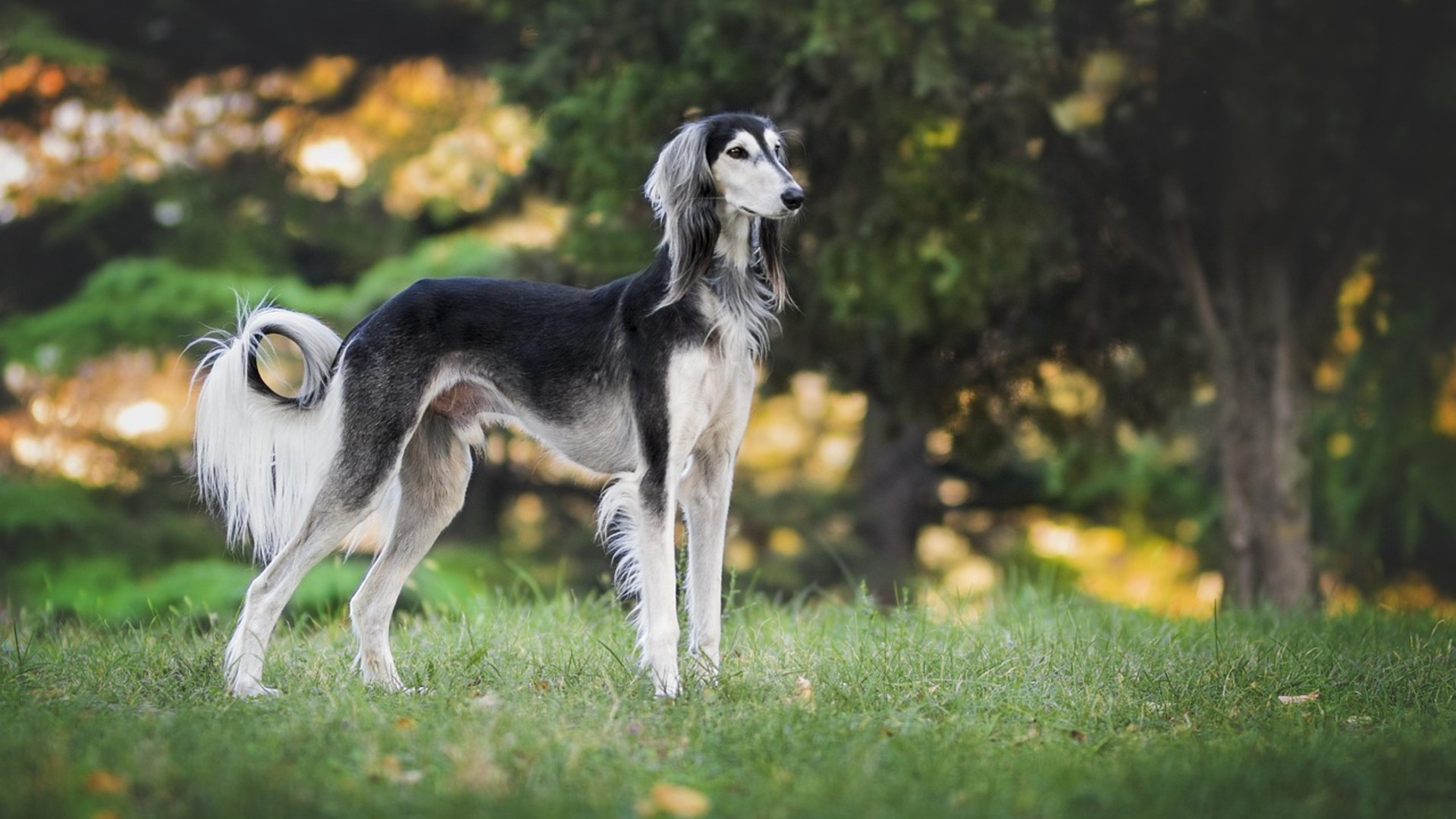
6. Saluki
Egyptian pharaohs prized the Saluki for coursing gazelle across open sands. Sighthound specialists at the AKC emphasize that Salukis possess exceptional sensitivity. Harsh tones cause them to shut down, while traditional drills fail to keep their attention.
©Pixabay / elisabettabellomi
Advertisement
Swipe or tap ▶ to resume the countdown.
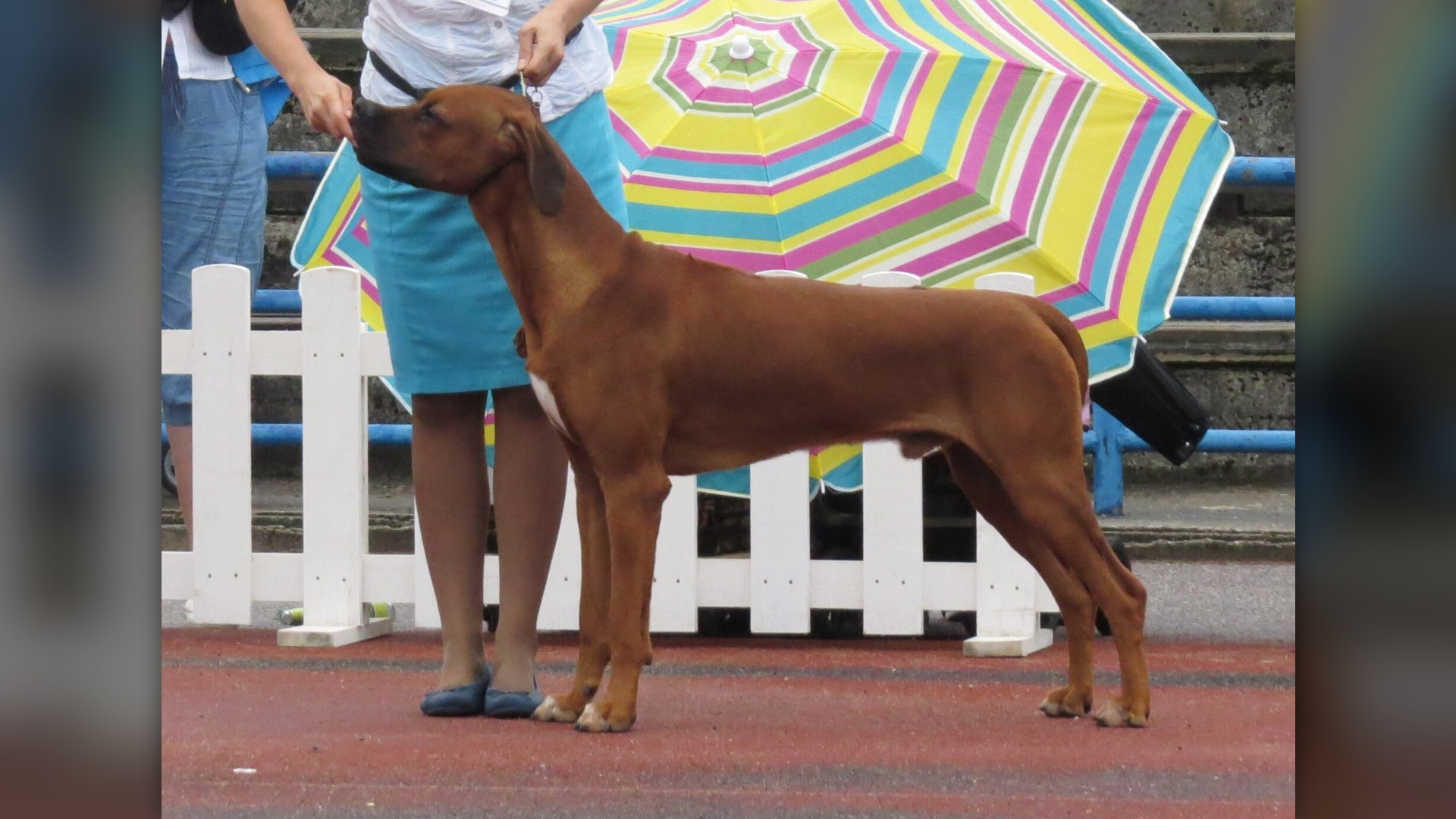
5. Rhodesian Ridgeback
Boer farmers in Southern Africa crossed native Khoikhoi dogs with European breeds to bay lions. Standing up to 27 inches tall, this hound has strong defensive drives. South African breed clubs emphasize that Ridgebacks test novice handlers constantly during class.
©Wikimedia / Томасина
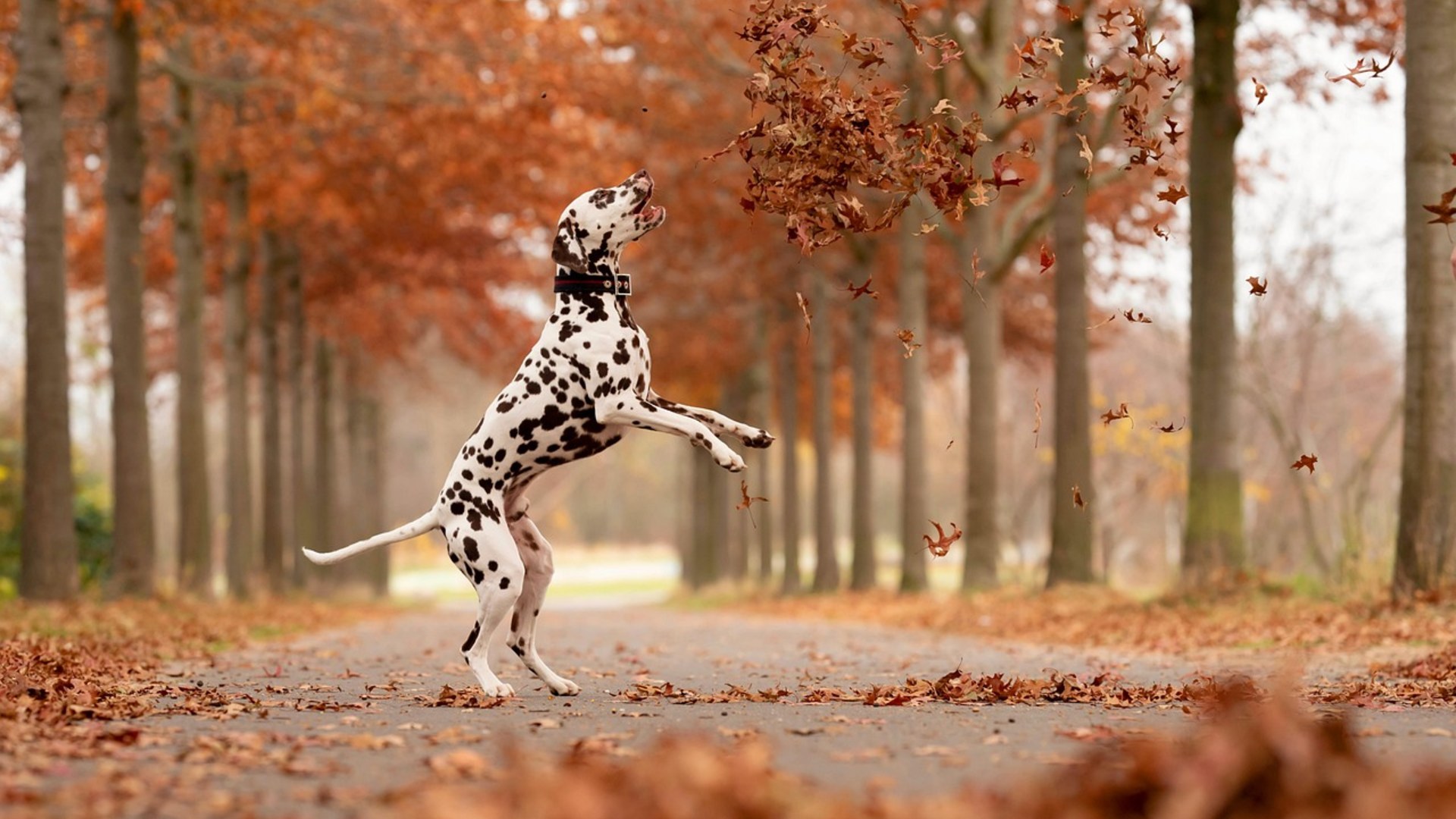
4. Dalmatian
Nineteenth-century firehouses and carriage owners used Dalmatians to run alongside horses for 30 miles a day. British Kennel Club trials show that without substantial exercise, their restless energy and headstrong nature make standard obedience work difficult.
©Pixabay / RebeccasPictures
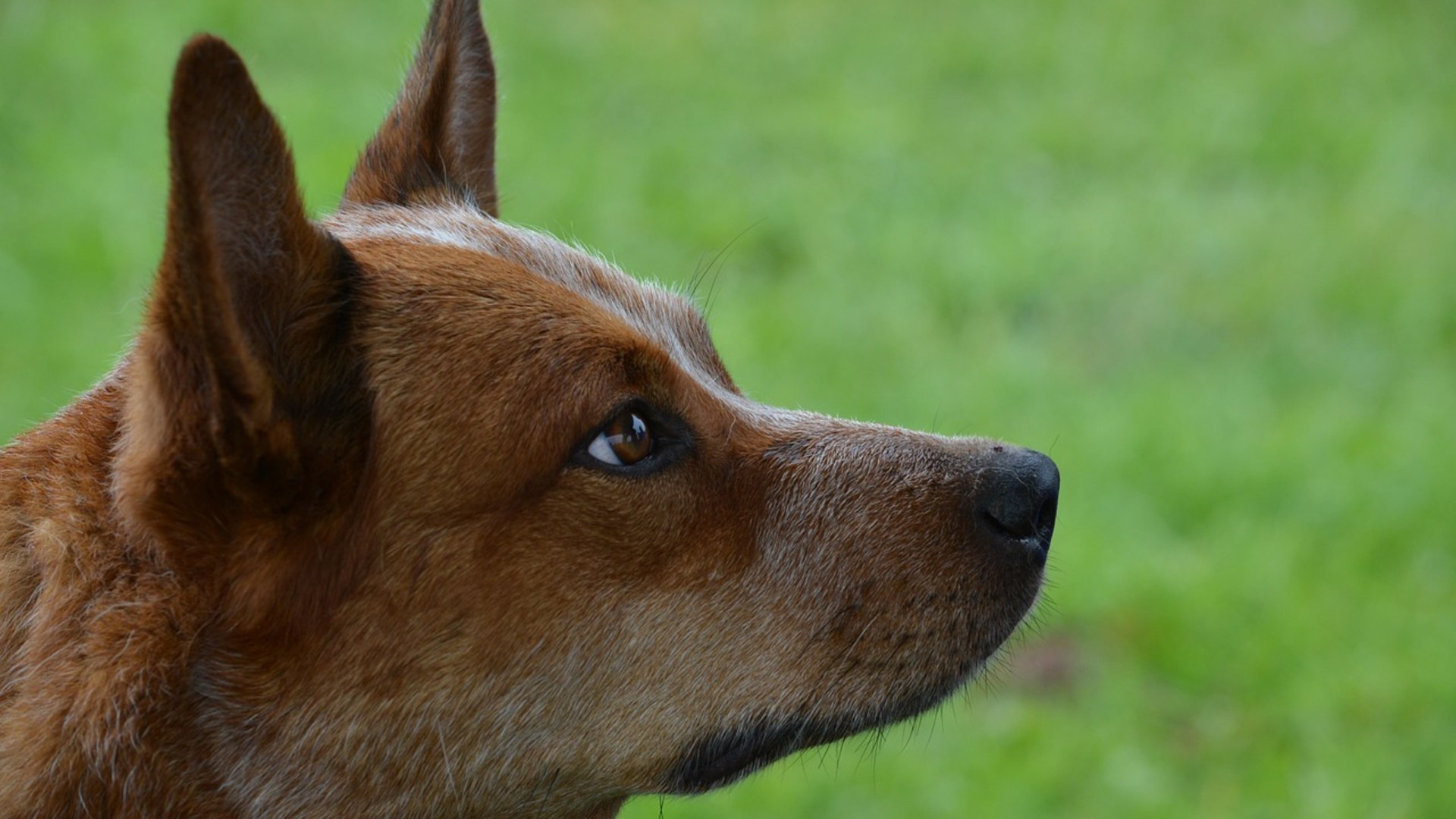
3. Australian Cattle Dog
Bred in New South Wales from collies and wild dingos, this drover controls cattle herds over hundreds of miles. Australian veterinary reports indicate that their extreme intelligence turns destructive if owners do not provide complex, continuous working tasks.
©Pixabay / 6591713
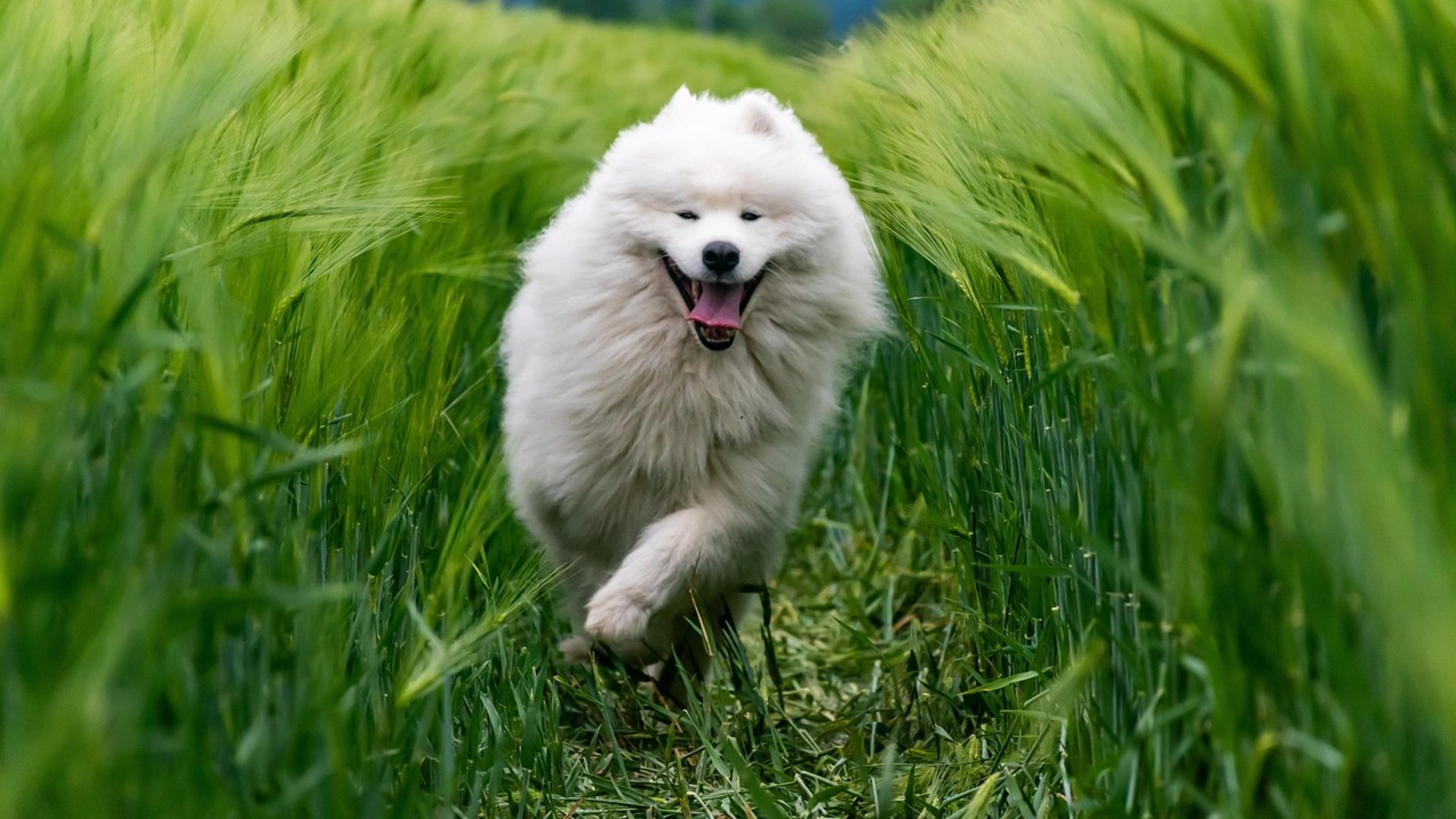
2. Samoyed
Siberian nomadic tribes used the Samoyed to herd reindeer and pull sledges across frozen tundra. AKC breed standards document their friendly yet stubborn temperament. Samoyeds bark persistently and wander off if formal lessons become predictable or boring.
©Pixabay / Xtrodinary
Advertisement
Swipe or tap ▶ to resume the countdown.
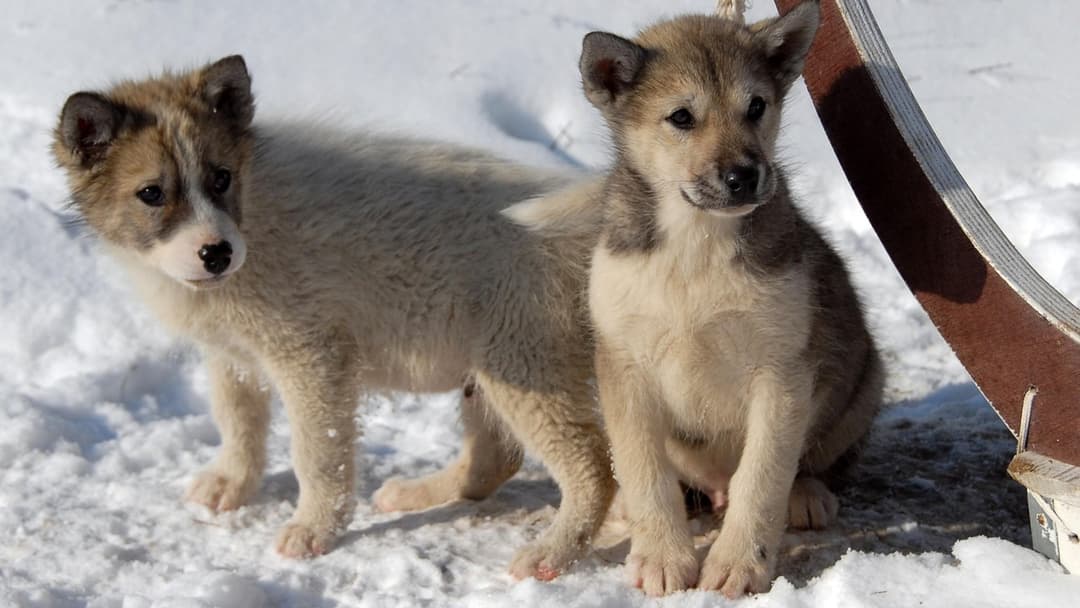
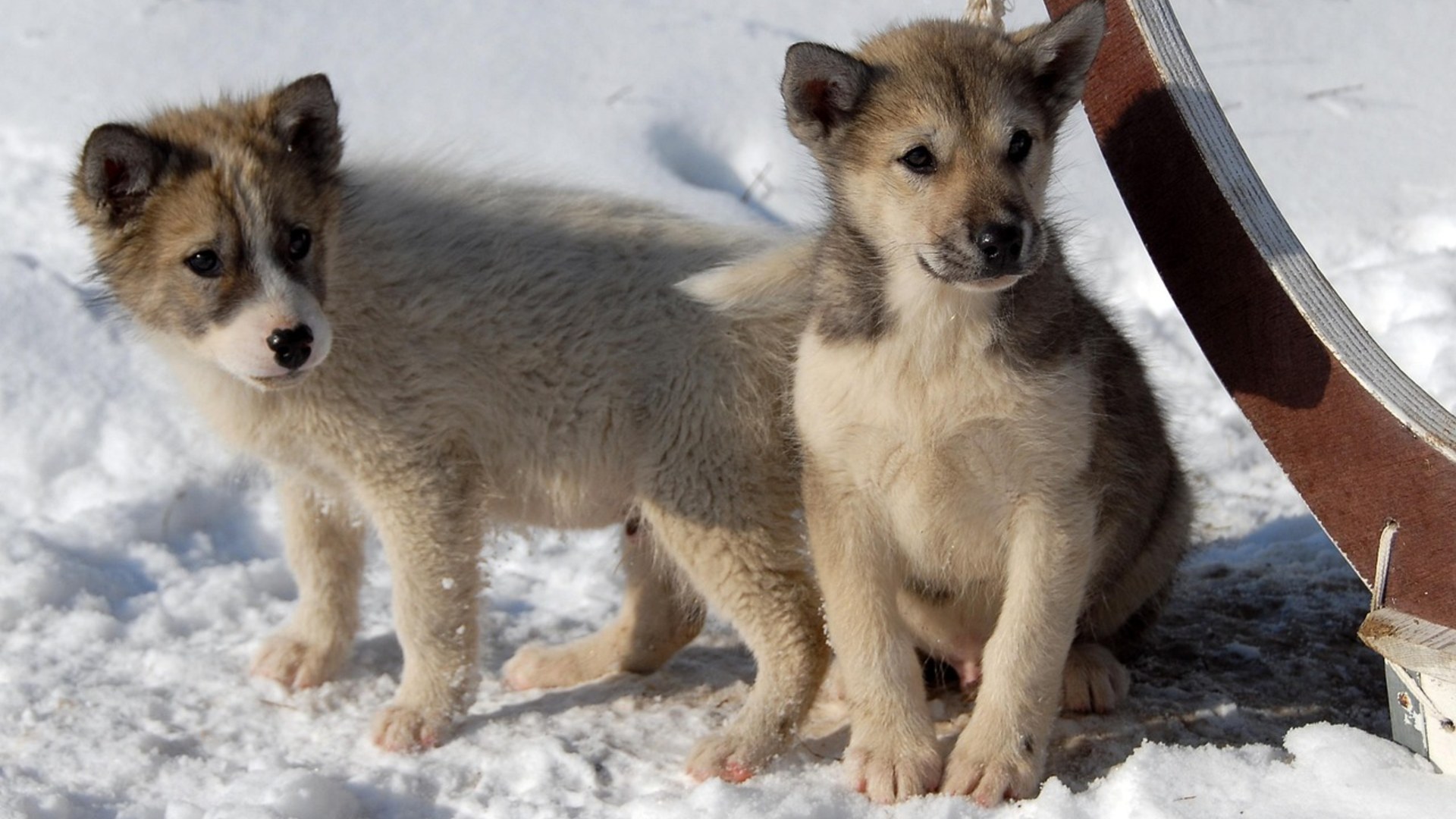
1. Greenland Dog
Inuit hunters in Greenland relied on this ancient sled dog for polar bear hunting and hauling heavy cargo. The Danish Kennel Club notes that its primitive pack hierarchy and low biddability make it one of the most demanding working breeds to train for home life.
©Pixabay / Thomas-Ritter
Advertisement
You've reached the end of the story. Thanks for reading!

20 Female Animals Who Feel Jealous to Share Their Partner
Explore twenty remarkable female animals that fiercely protect their partners and territory. From aggressive prairie voles to dominant spotted hyena matriarchs, discover the surprising science of female mate-guarding, based on research from National Geographic, BBC Earth, and leading zoological studies.
All 20 Entries in this Story
Afghan Hound
The Afghan Hound sits at the bottom of Stanley Coren obedience rankings. Developed to chase game across rough terrain in Central Asia, this sighthound makes decisions on its own. AKC records note that repetitive drills cause it to tune out commands entirely.

Basenji
Central Africa bred the Basenji as a silent bush hunter that acts without waiting for orders. AKC evaluations confirm this cat-like dog understands commands quickly but only complies if the reward appeals to it. Harsh corrections lead to stubborn resistance.

English Bulldog
English Bulldogs respond slowly to conventional commands. Historical records from the Kennel Club show selective breeding softened their original bull-baiting aggression into quiet resolve. An adult Bulldog often sits down and ignores leash pressure during drills.

Chow Chow
Ancient Chinese hunting and temple protection gave the Chow Chow a suspicious nature. Coren rankings place the breed in the lowest tier of working intelligence. University of Cambridge veterinary studies highlight their strong need for early social handling.

Borzoi
Imperial Russian hunts deployed Borzoi packs to pursue wolves across open plains at 35 miles per hour. That solo pursuit heritage makes modern obedience training difficult. AKC guides stress that Borzois lose focus when handlers repeat standard agility drills.

Basset Hound
Carrying over 220 million scent receptors, the French-derived Basset Hound follows olfactory trails rather than voice cues. Scent hound trials documented by the AKC show that when a trail begins, obedience cues fail to register with this low-slung breed.

Beagle
English rabbit hunting shaped the Beagle into an energetic pack tracker. While friendly in family homes, veterinary behaviourists at Cornell note that food distractions and outdoor scents frequently override standard recall commands during yard training.

Bullmastiff
Nineteenth-century British gamekeepers bred the Bullmastiff by crossing Mastiffs and Bulldogs to pin poachers in silence. Weighing up to 130 pounds, this guardian requires calm, consistent leadership. It refuses to perform exercises it perceives as pointless.

Siberian Husky
The Chukchi people of Siberia developed the Husky to run 100 miles a day pulling sleds. University of Alaska working dog trials indicate their intense drive and pack mentality translate to low biddability when confined to repetitive yard obedience commands.

Dachshund
Germany bred the Dachshund to dive into underground badger dens and fight subterranean quarry. The AKC breed standard highlights their bold persistence. That same determination makes them notoriously slow to house-train and resistant to leash compliance.

Jack Russell Terrier
Reverend John Russell bred this terrier in Devon to flush foxes from subterranean earths. The British Kennel Club notes their relentless problem-solving drive. Without intense mental work, Jack Russells invent their own games rather than obeying sitting cues.

Shiba Inu
As the oldest native Japanese hunting breed, the Shiba Inu pursued birds and small game through mountainous brush. Nihon Ken Hozonkai standards emphasize their alert spirit. Shibas often execute a famous high-pitched scream when forced into drills.

Chinese Shar-Pei
Southern China produced the Shar-Pei as an all-purpose farm guardian, hunter, and fighter. AKC heritage documentation notes that their historical role created a cautious, stubborn mindset. Handlers must earn their trust before any basic training succeeds.

Akita
Originating in the rugged mountains of northern Japan, the Akita protected royalty and tracked large bears. Japanese kennel records and AKC guidelines stress that Akitas demand firm, experienced owners. Repetitive obedience classes trigger stubborn pushback.

Saluki
Egyptian pharaohs prized the Saluki for coursing gazelle across open sands. Sighthound specialists at the AKC emphasize that Salukis possess exceptional sensitivity. Harsh tones cause them to shut down, while traditional drills fail to keep their attention.

Rhodesian Ridgeback
Boer farmers in Southern Africa crossed native Khoikhoi dogs with European breeds to bay lions. Standing up to 27 inches tall, this hound has strong defensive drives. South African breed clubs emphasize that Ridgebacks test novice handlers constantly during class.

Dalmatian
Nineteenth-century firehouses and carriage owners used Dalmatians to run alongside horses for 30 miles a day. British Kennel Club trials show that without substantial exercise, their restless energy and headstrong nature make standard obedience work difficult.

Australian Cattle Dog
Bred in New South Wales from collies and wild dingos, this drover controls cattle herds over hundreds of miles. Australian veterinary reports indicate that their extreme intelligence turns destructive if owners do not provide complex, continuous working tasks.

Samoyed
Siberian nomadic tribes used the Samoyed to herd reindeer and pull sledges across frozen tundra. AKC breed standards document their friendly yet stubborn temperament. Samoyeds bark persistently and wander off if formal lessons become predictable or boring.

Greenland Dog
Inuit hunters in Greenland relied on this ancient sled dog for polar bear hunting and hauling heavy cargo. The Danish Kennel Club notes that its primitive pack hierarchy and low biddability make it one of the most demanding working breeds to train for home life.