Slideshow · Money
20 Psychological Tricks Businesses Use to Make You Spend More
From coffee cup sizing to subtle checkout cues, explore twenty clever psychological tricks businesses use to influence spending decisions.

All 20 Entries in this Story
20. Why Some Cafes Hide Their Smallest Cup Sizes
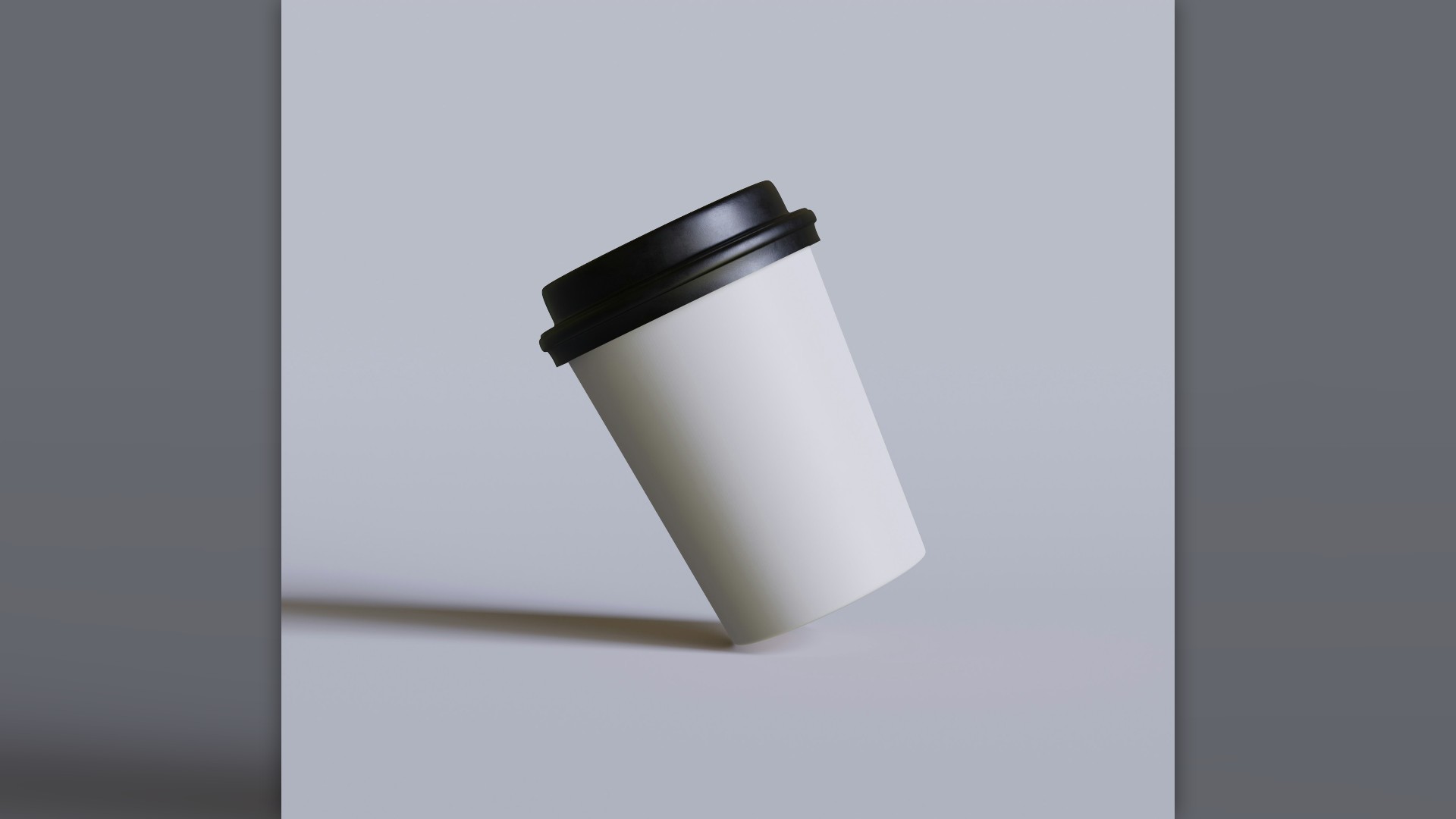
Many modern coffee shops omit their smallest eight-ounce cup from overhead menu boards, listing only medium and large options. By keeping entry-level sizes off the main display, businesses simplify consumer decisions while nudging shoppers toward larger, higher-margin drinks.
19. The Decoy Effect That Makes Medium Options Useless
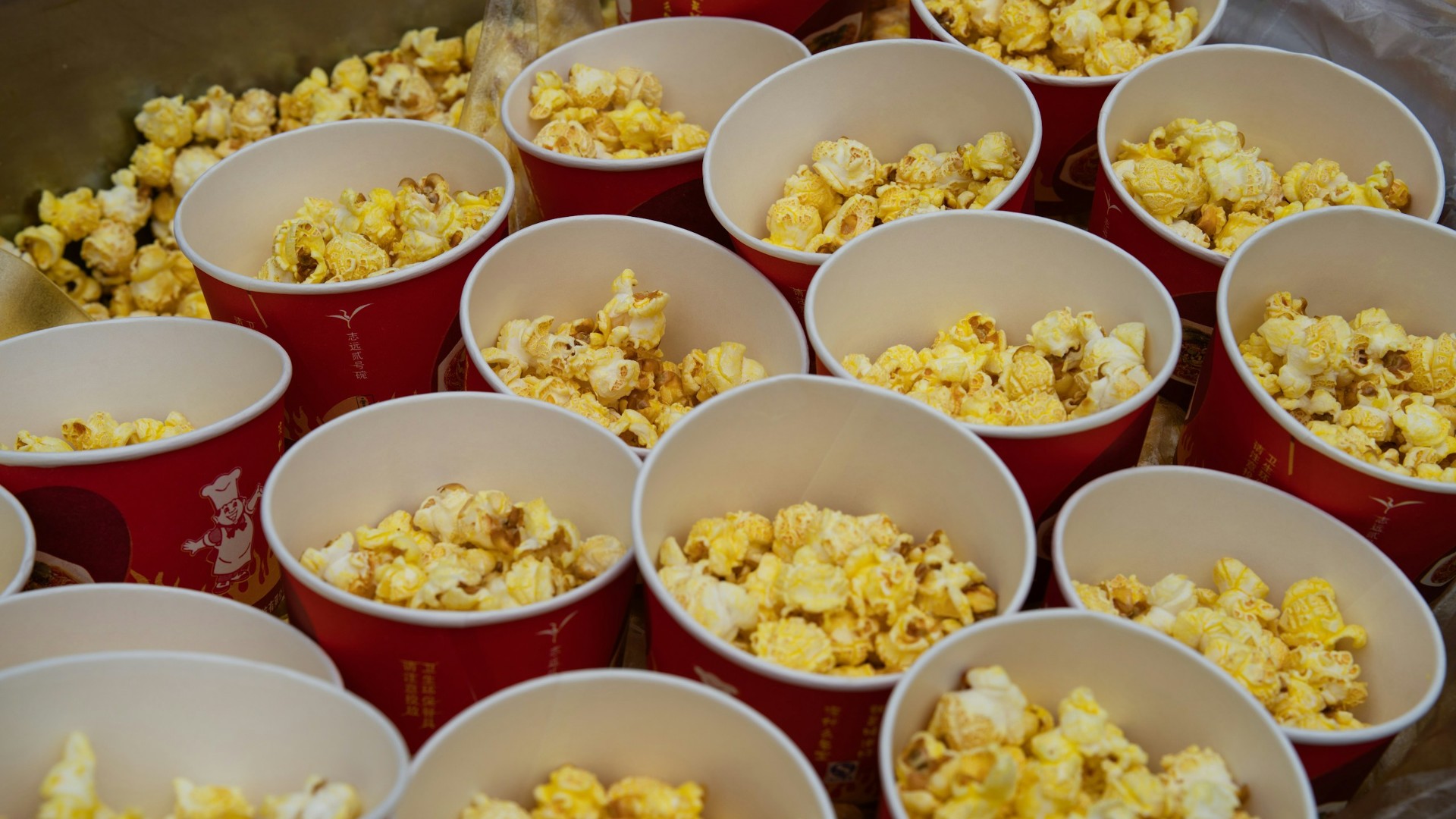
Movie theaters and snack bars frequently price a medium popcorn at six dollars and fifty cents while offering a large for seven dollars. The medium exists purely as an asymmetrical decoy, convincing moviegoers that spending fifty cents more for double the quantity is an unbeatable value.
18. Astronomical Price Anchors That Reshape Budgets
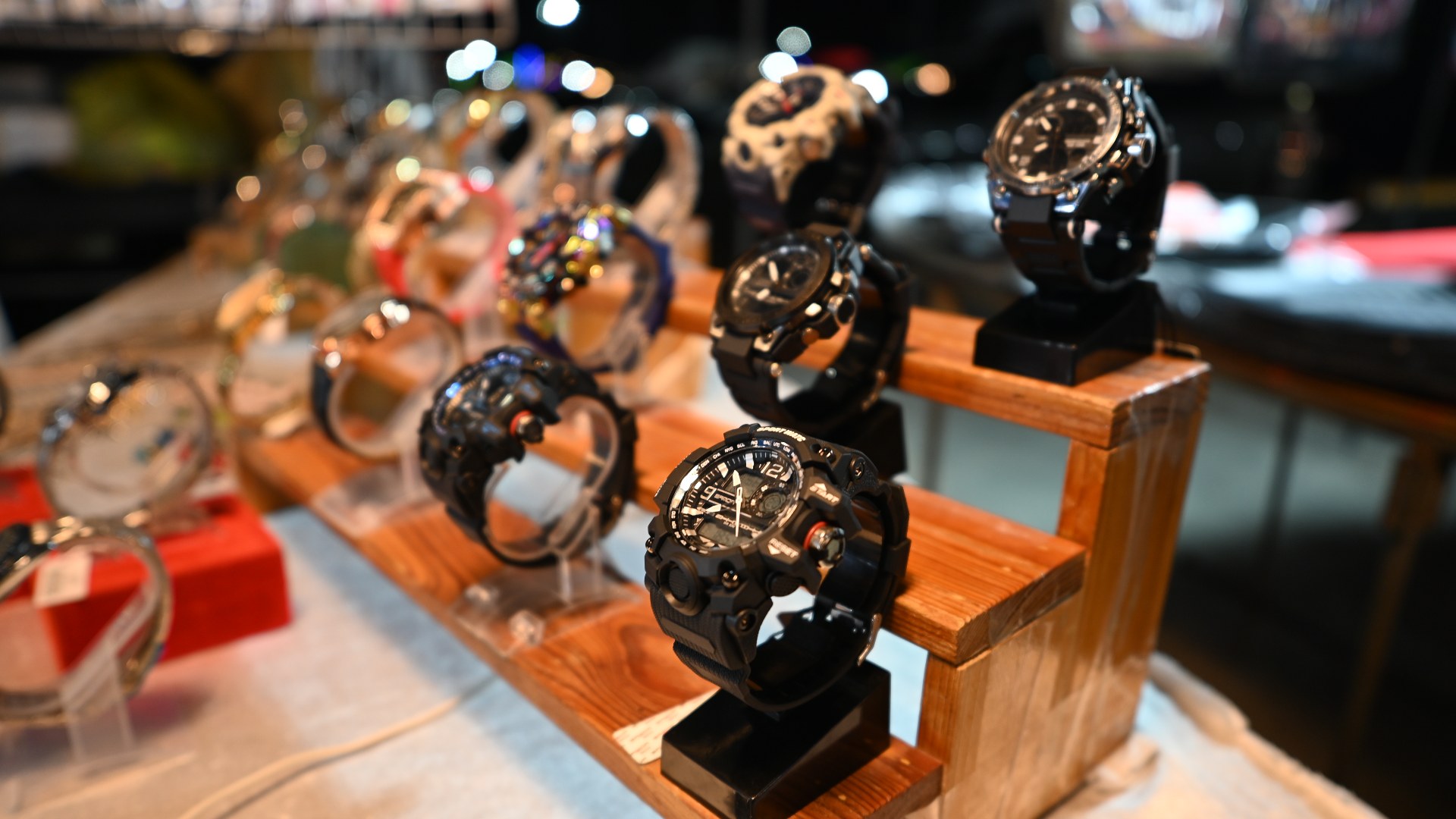
Luxury boutiques frequently display a fifty-thousand-dollar mechanical watch in their front window vitrine. Retailers know few shoppers will buy it, but placing that extreme price anchor first resets expectations, making five-thousand-dollar timepieces feel reasonable by comparison.
17. The Astronaut Sizing Trap That Space Missions Solved
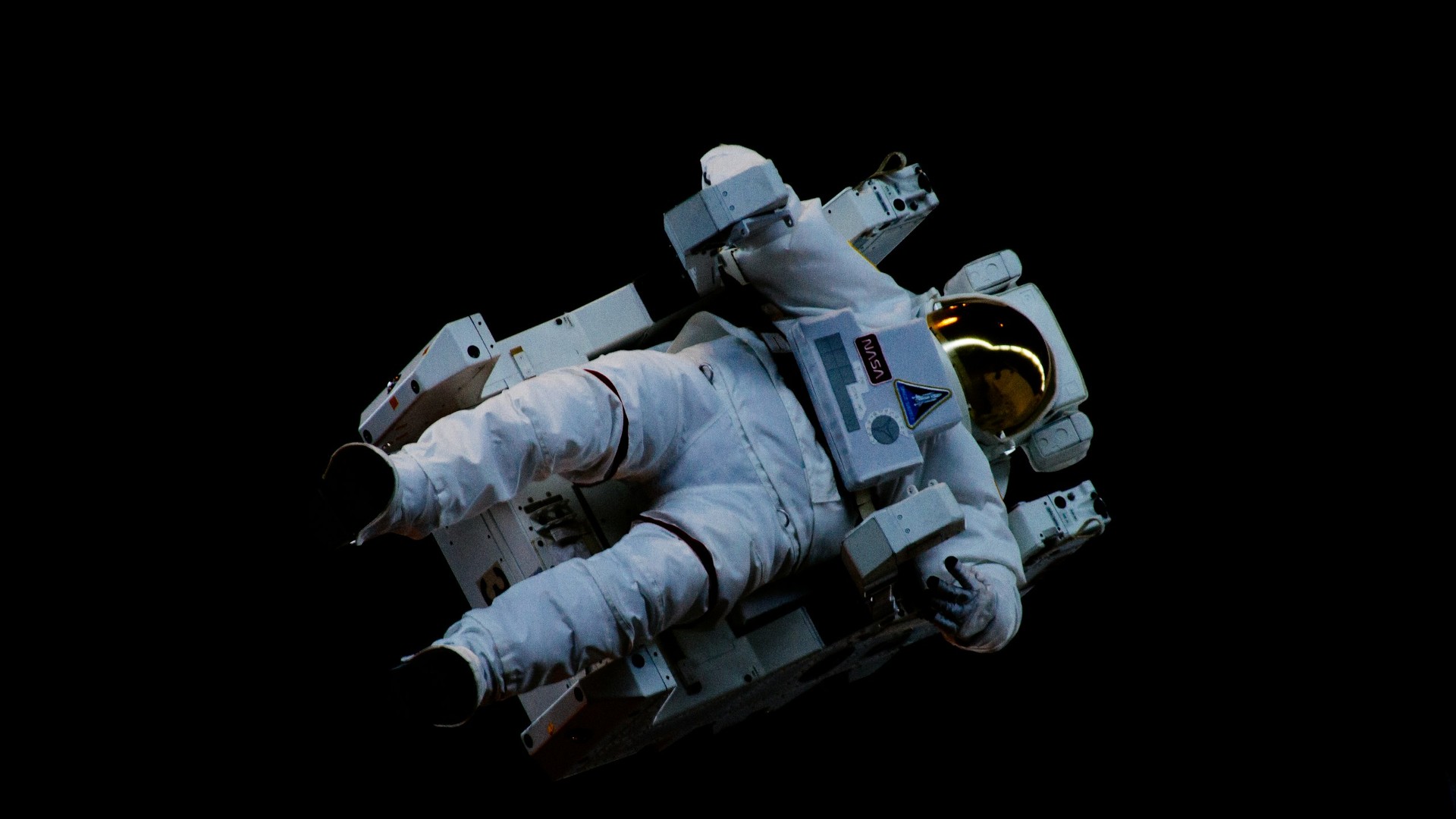
During early spaceflight preparations, engineers discovered that astronauts refused to select small or medium urine-collection cuffs, resulting in dangerous equipment slippage. NASA solved the psychological barrier by renaming the sizes large, gigantic, and extraordinary to accommodate human ego.
16. Stealth Shrinkflation That Trims Packaged Goods
When production costs surge, food producers often reduce package contents by ten to fifteen percent rather than hiking shelf prices. Shoppers recognize a price increase immediately on a receipt, but rarely detect that a familiar box of cereal or bag of potato chips has lost two ounces.
15. Ultra-Minimal Packaging Used By Luxury Houses
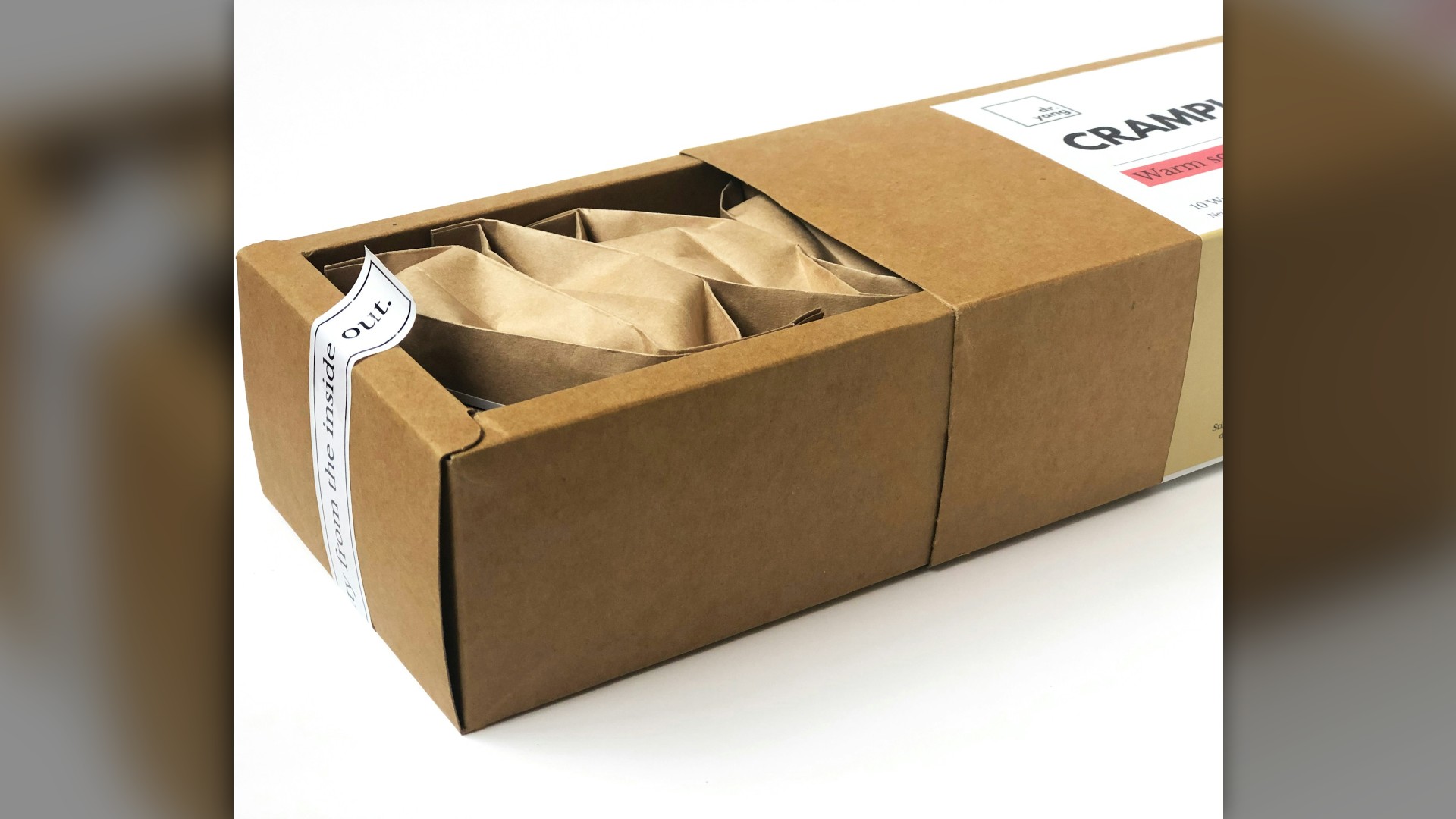
High-end perfume and fashion houses routinely enclose small products in heavy, understated matte boxes with minimal typography. Stripping away cluttered promotional graphics signals craftsmanship and exclusivity, reassuring buyers that the premium price reflects superior quality.
14. Removing Currency Symbols From High-End Menus
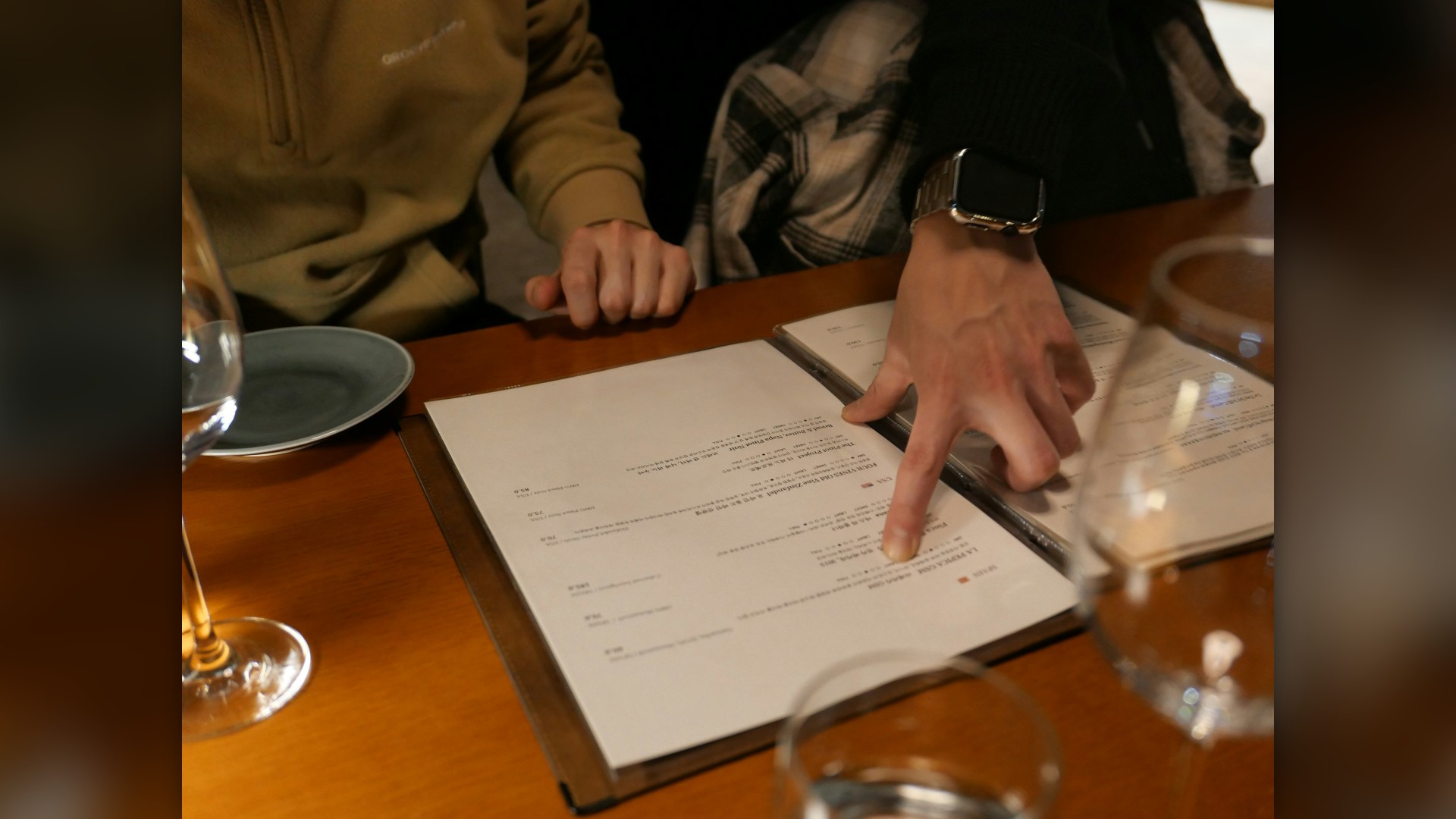
Upscale restaurants frequently list menu prices as plain standalone numbers like 34 or 48 instead of using currency symbols. Behavioral studies confirm that removing dollar signs softens the psychological pain of paying, encouraging guests to order appetizers and wine without calculating totals.
13. Impulse Checkout Mazes
Supermarkets and discount retailers channel waiting customers through narrow serpentine aisles lined with candy, gum, and magazines. After making dozens of purchasing decisions in the aisles, shoppers suffer decision fatigue and readily grab inexpensive impulse items as a personal reward.
12. The Oversized Plate Illusion At Breakfast Buffets
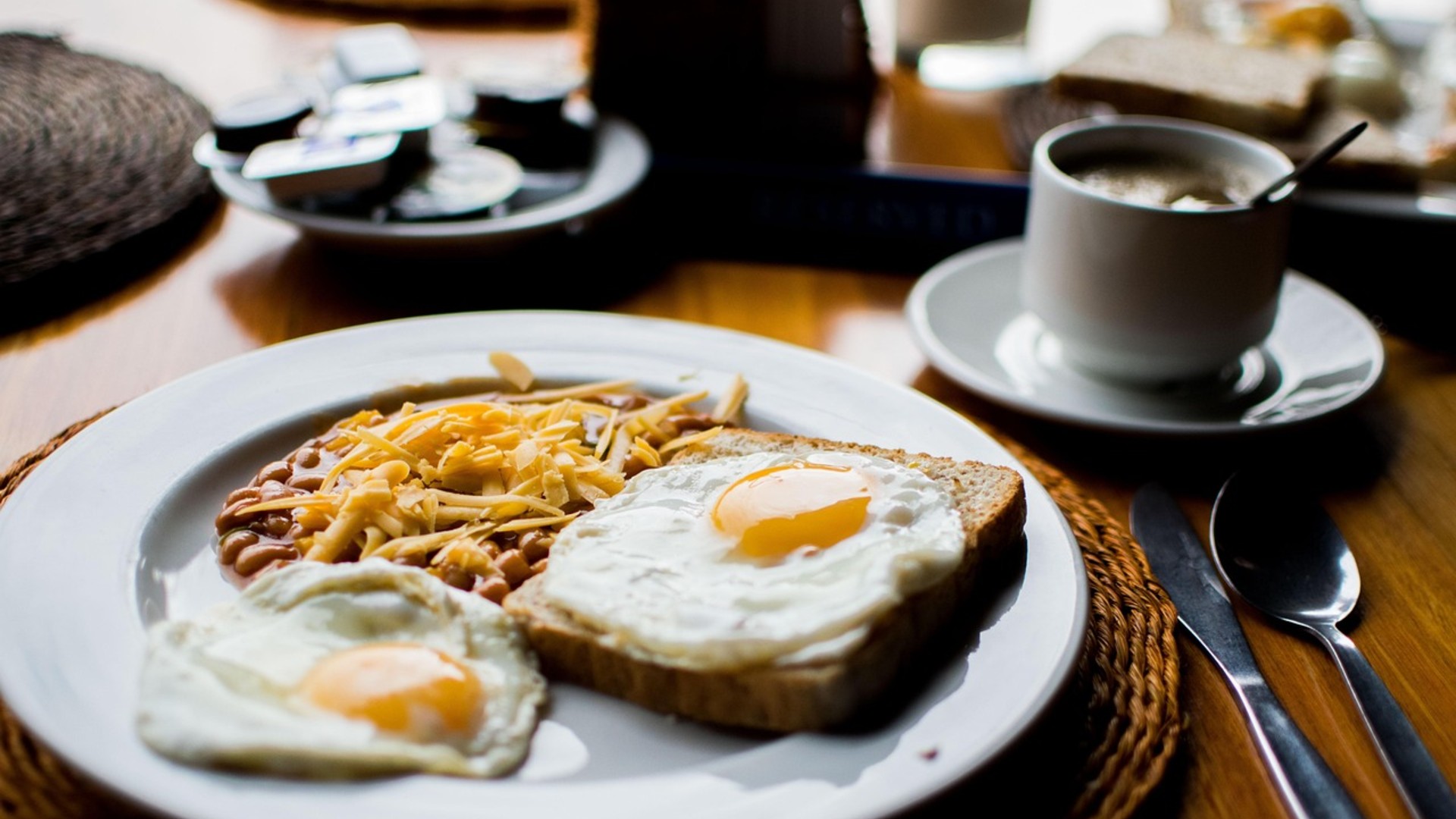
Hotel breakfast buffets use expansive serving tables and oversized dinner plates to trigger the Delboeuf visual illusion. Smaller food portions appear meager against a wide white rim, prompting guests to stack extra pastries and sausages to make their morning plate feel complete.
11. Velvet Rope Queues Engineered For Artificial Scarcity
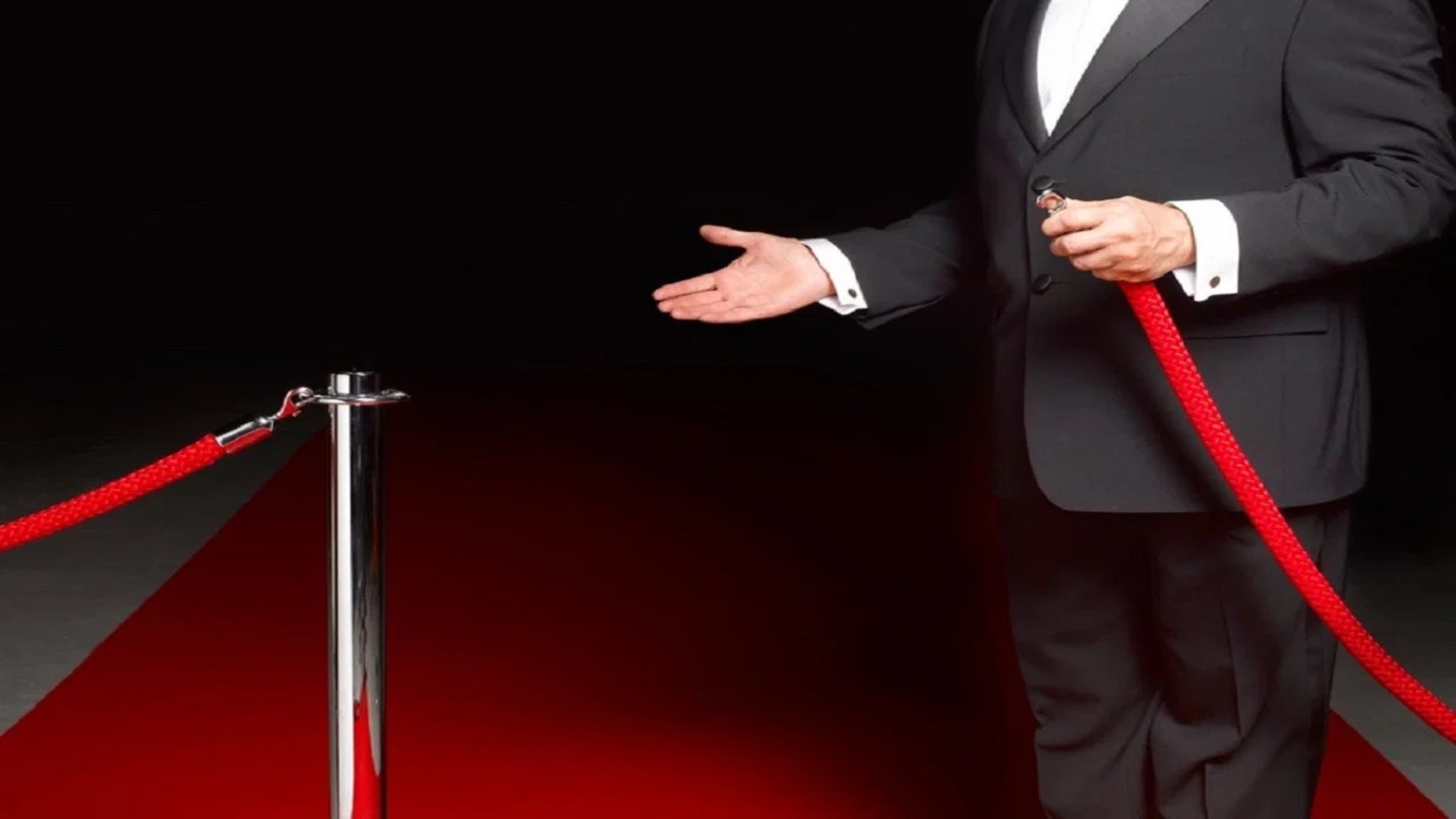
Luxury fashion stores frequently make shoppers wait outside behind polished brass stanchions and velvet ropes, even when retail floors are half-empty. Physical queues signal intense social demand, making entering feel like an earned privilege and elevating customer willingness to spend.
10. The Three-Tier Subscription Trap
Software services and digital memberships almost universally present three pricing tiers: Basic, Pro, and Enterprise. Consumers instinctively avoid the underpowered bottom tier and balk at the expensive top tier, choosing the highlighted middle plan through the compromise effect.
9. Fast-Food Meal Bundles That Inflate Order Totals
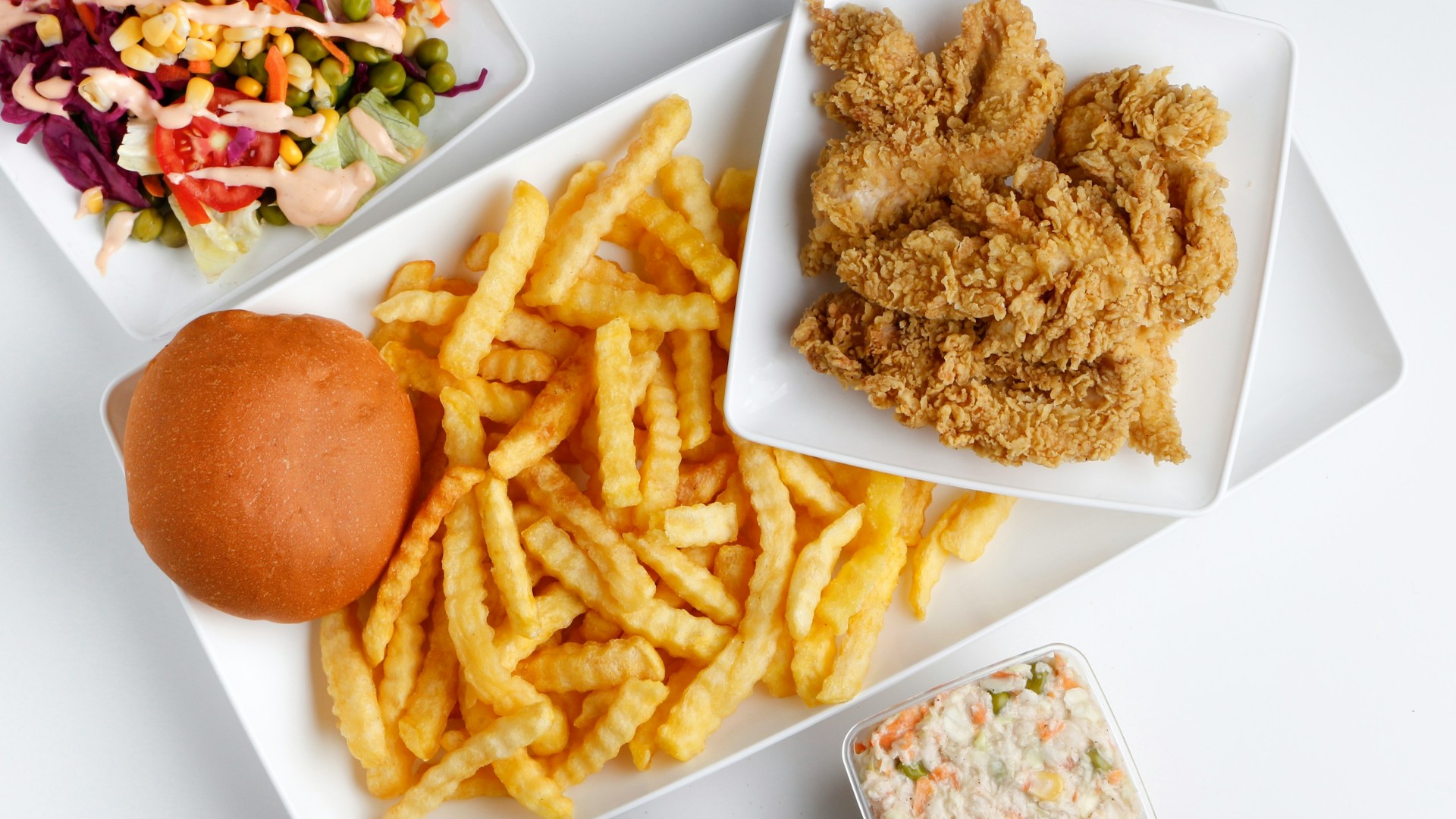
Fast-food chains bundle sandwiches with fries and a fountain soda at a package price that appears to save money. In reality, fountain drinks and fried potatoes cost pennies to produce, tricking customers into buying items they did not originally want while lifting the overall ticket size.
8. Hotel Minibar Traps And Default Placement
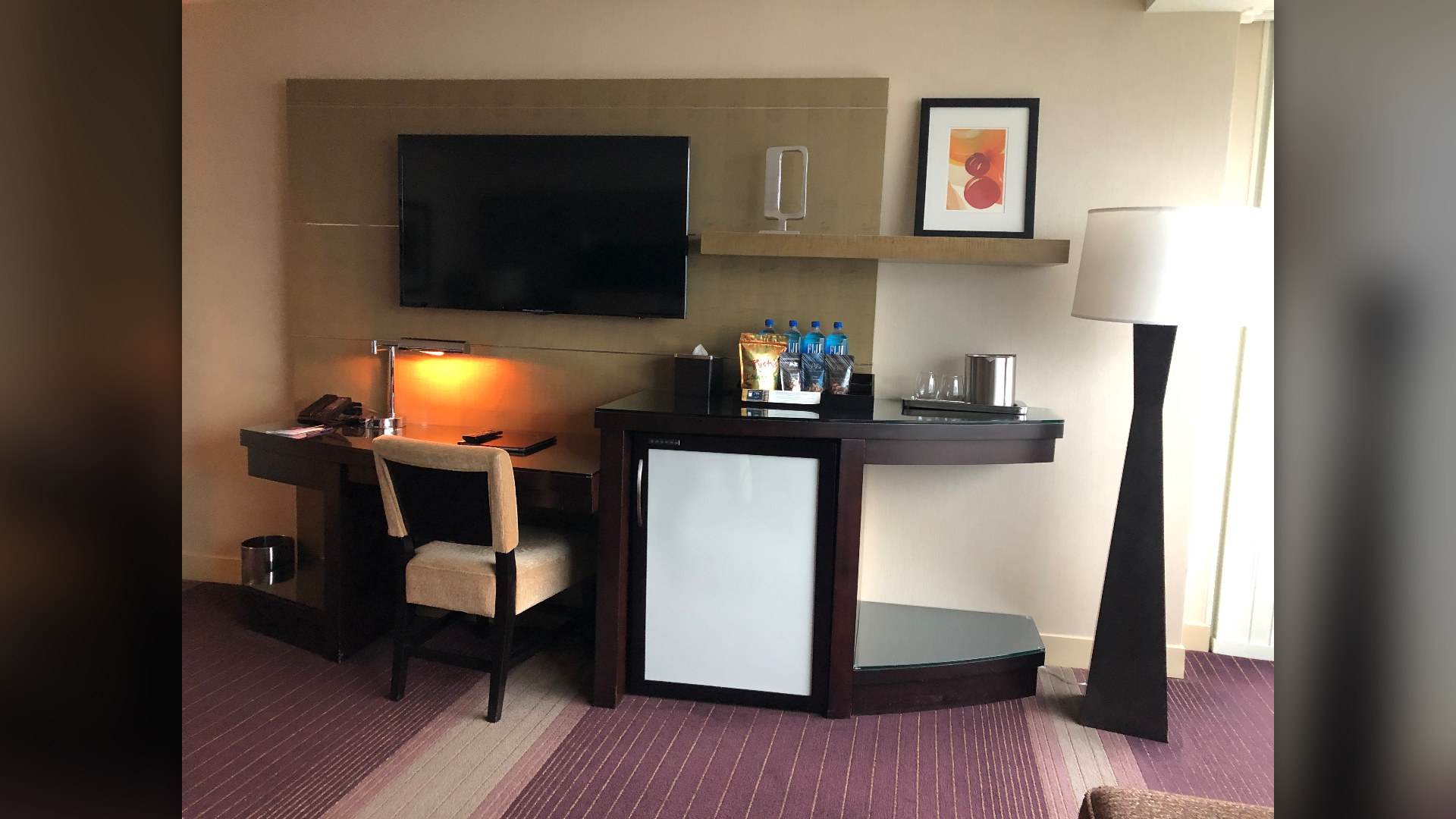
Hotel rooms position snack trays, bottled waters, and refrigerated beverages directly on nightstands and counters. Proximity creates immediate temptation after long travels, and once guests physically pick up or open an item, the psychological sense of ownership prompts them to keep it.
7. Warm Bakery Scent Priming At Store Entrances
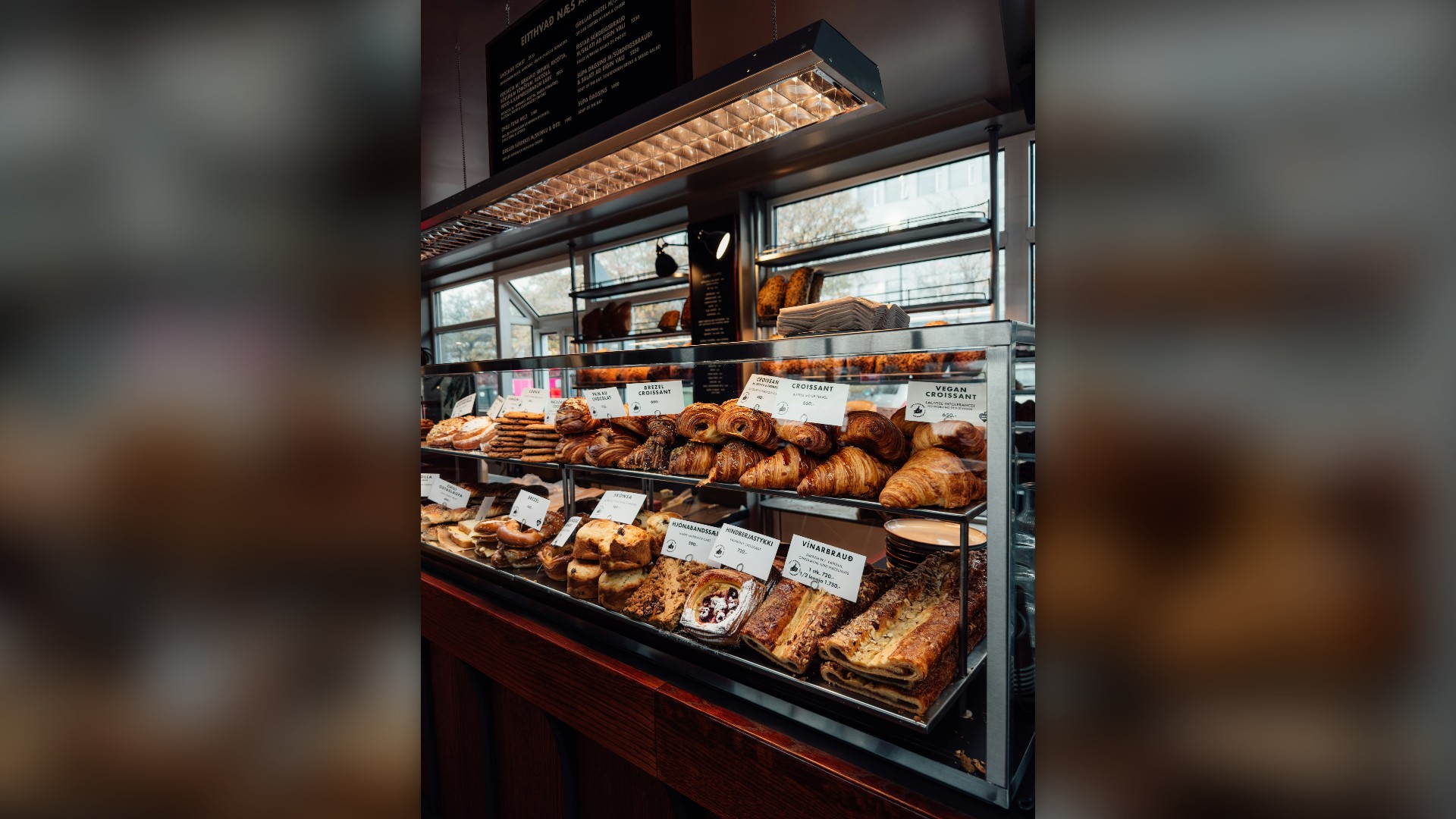
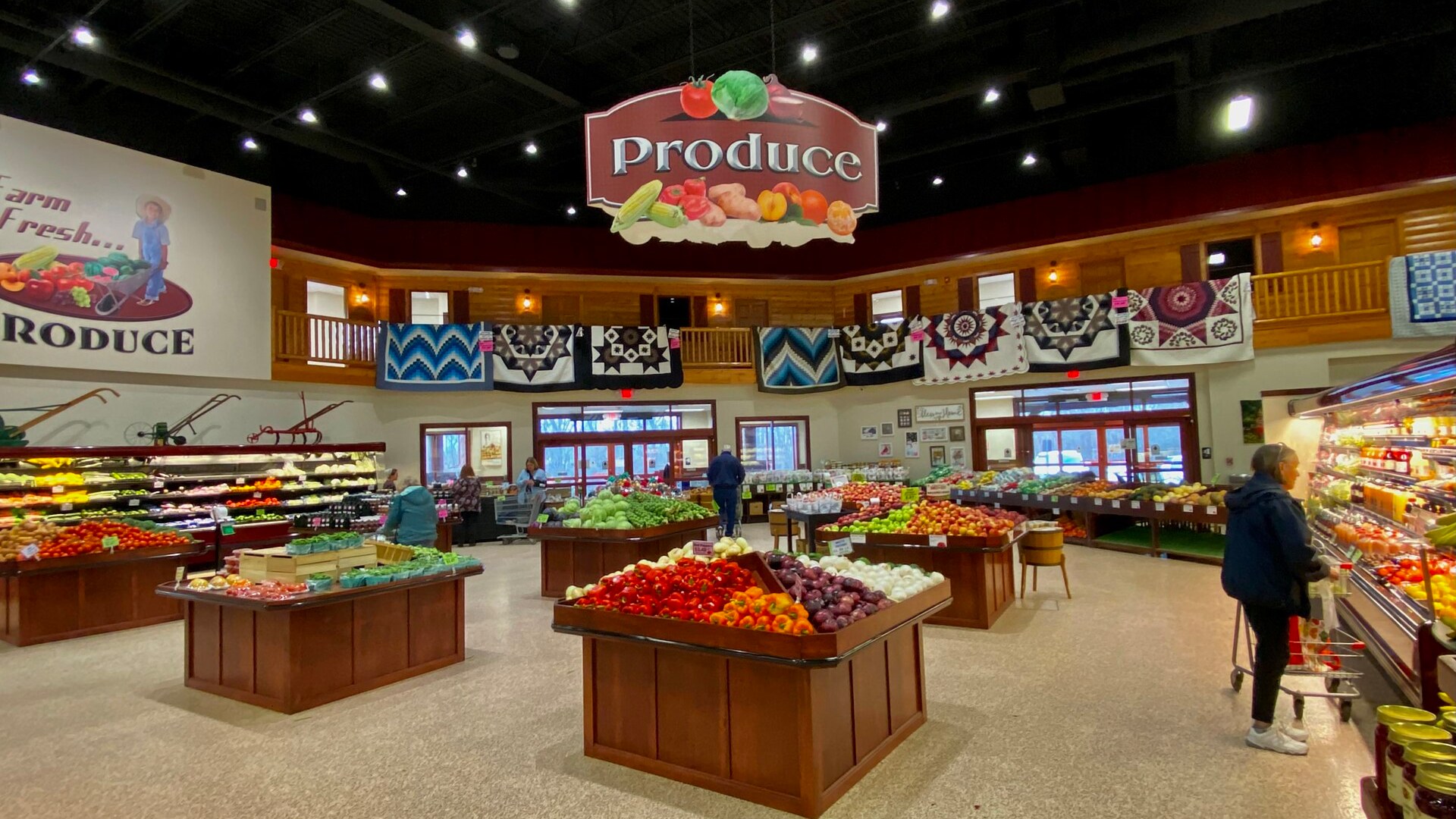
Supermarkets deliberately position their bakeries right near the entrance doors, venting the warm smell of baking bread and pastries into the foyer. Scent priming immediately stimulates appetite and salivation, prompting shoppers to browse longer and fill their carts with additional groceries.
6. Charm Pricing And The Left-Digit Illusion
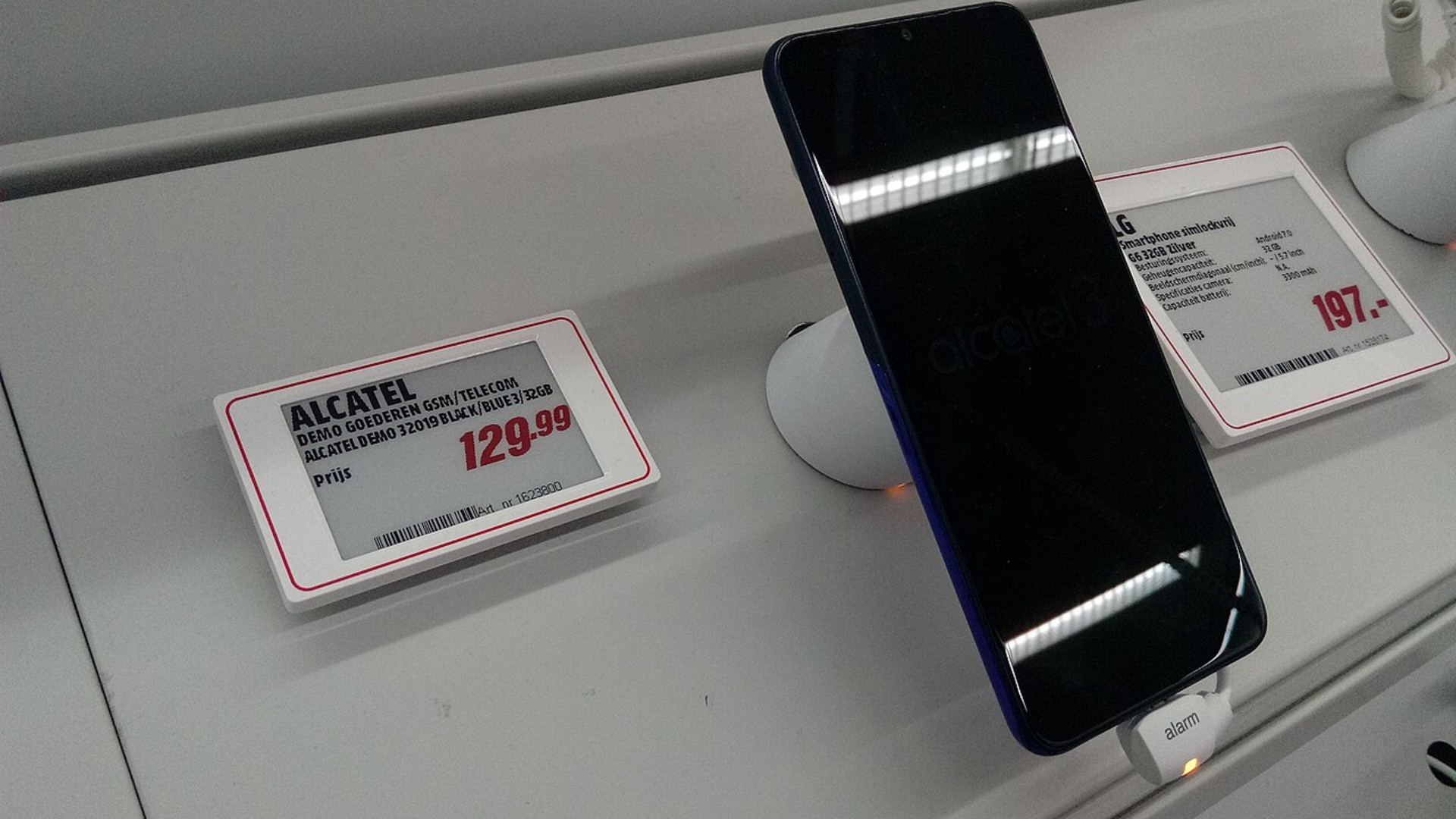
Pricing an item at nineteen dollars and ninety-nine cents feels substantially cheaper than twenty dollars, even though the difference is a single penny. Because human eyes process digits from left to right, the brain anchors onto the leading number nineteen, perceiving a significant discount.
5. False Urgency Timers And Artificial Clearance Sales
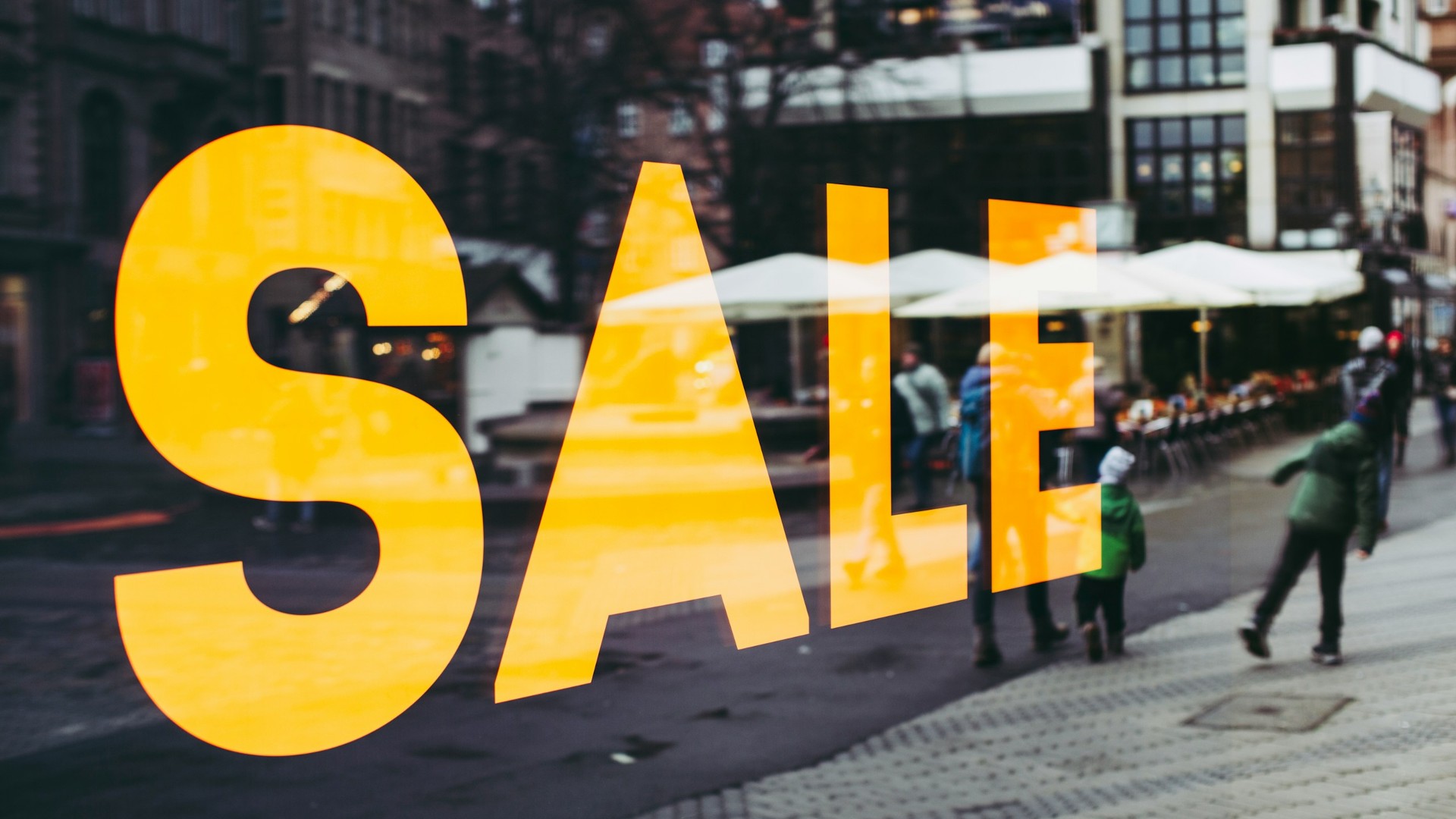
Retailers display bright clearance banners proclaiming limited-time discounts or add ticking countdown timers to online checkout carts. Manufacturing artificial urgency induces fear of missing out, pushing shoppers into making hasty impulse buys without comparing competing prices.
4. Eye-Level Shelf Space That Sells High-Margin Goods
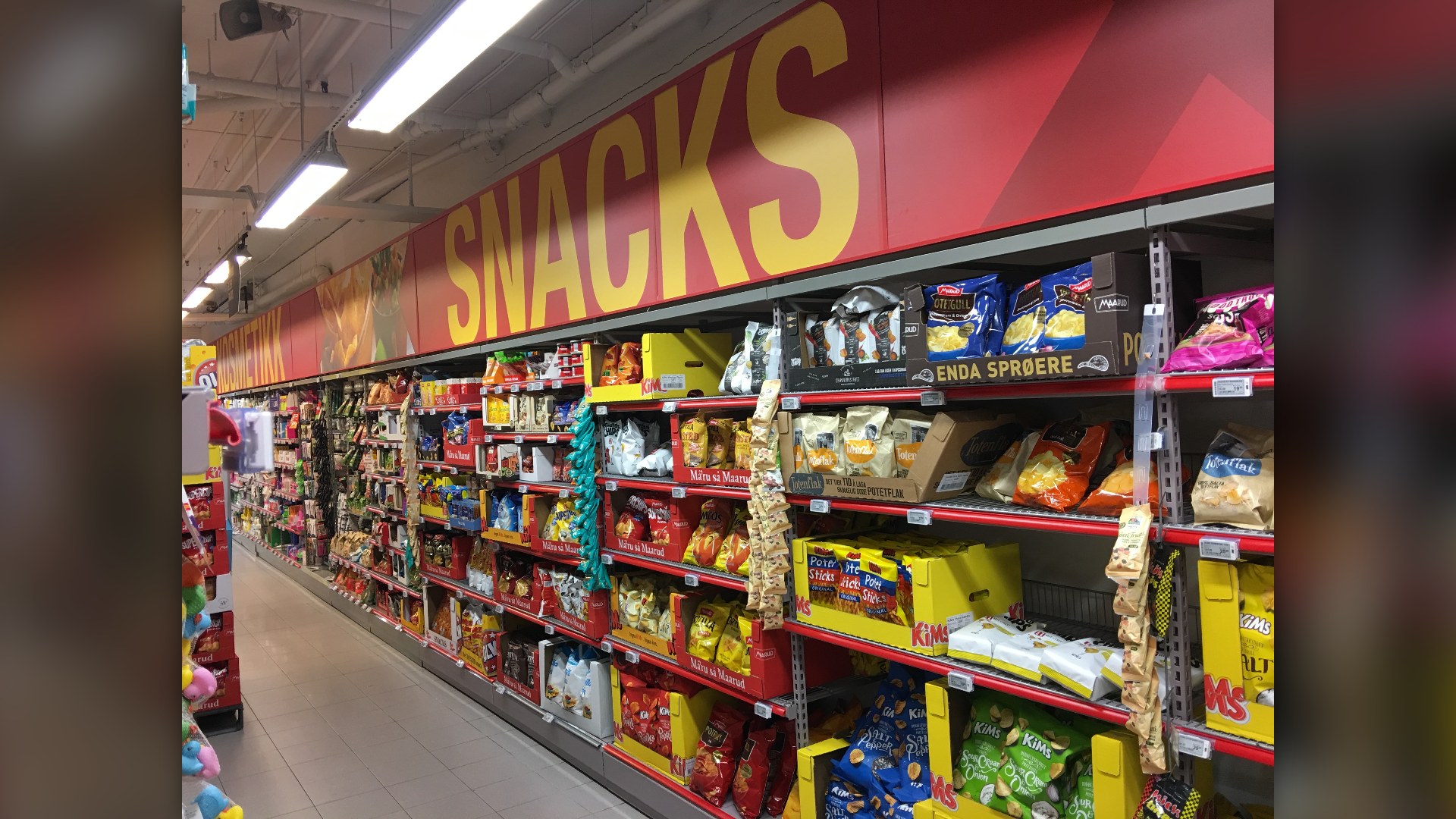
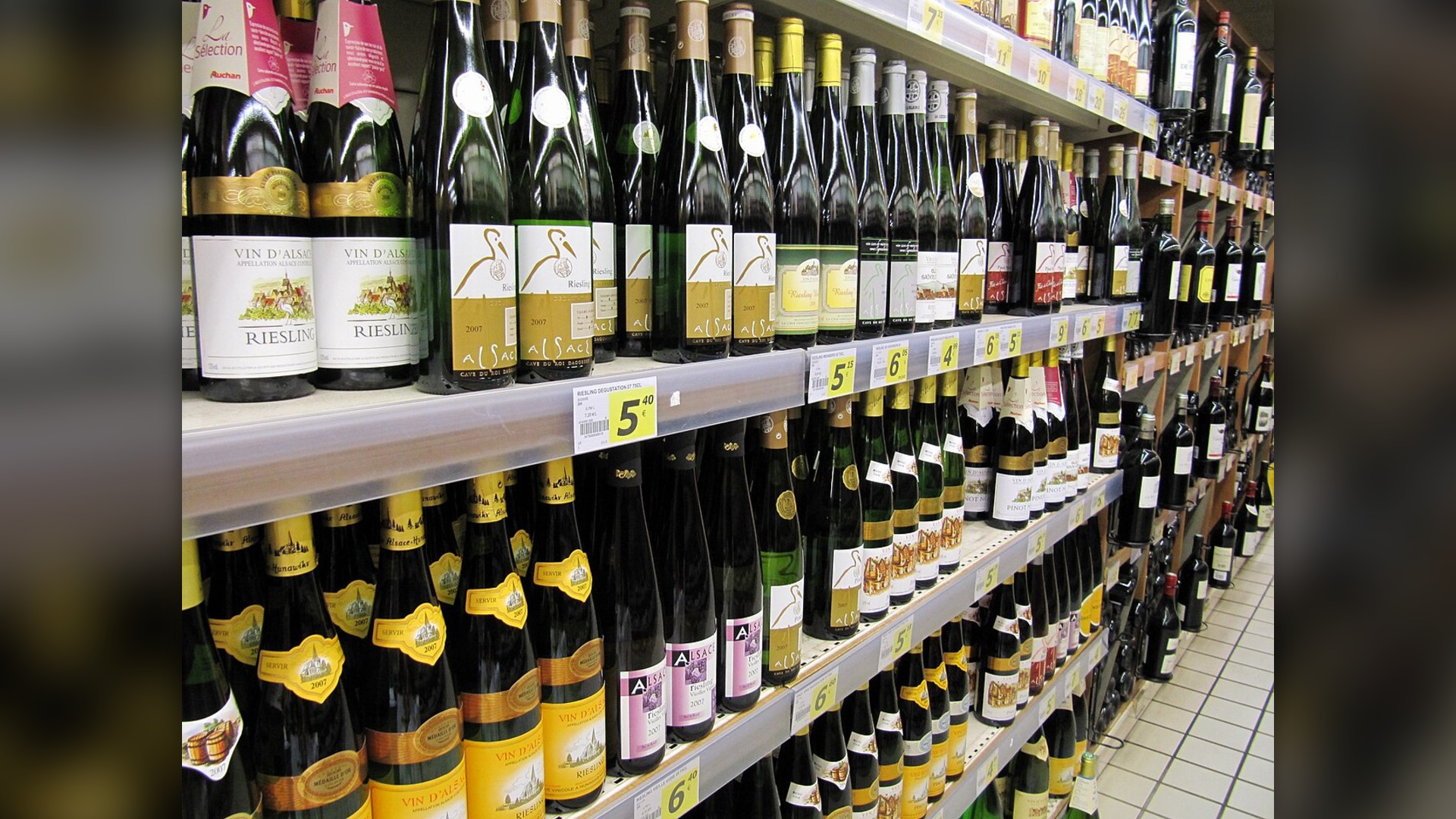
The shelves between four and five feet off the ground are known in retail as the golden zone. Manufacturers pay steep slotting fees to place high-margin goods right at eye level, while generic budget options are relegated to bottom shelves where shoppers must actively bend down to look.
3. Free Shipping Thresholds That Prompt Extra Spending
Online stores routinely offer free delivery on orders exceeding fifty or seventy-five dollars. Rather than paying five dollars for standard delivery, shoppers willingly spend twenty extra dollars on items they do not need, gladly increasing their total bill to secure the illusion of free shipping.
2. Revolving Dessert Displays Placed Right By The Exit
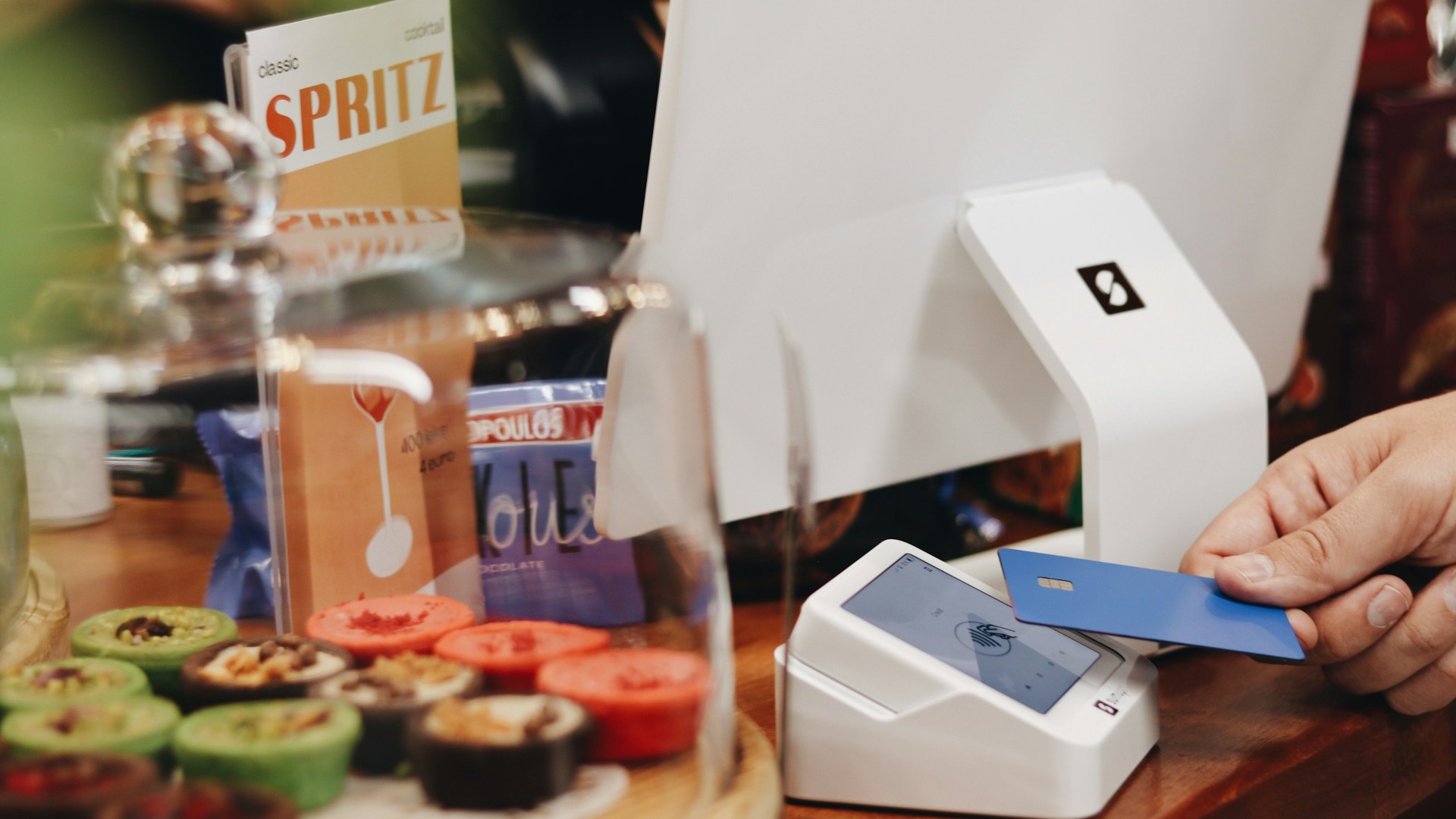
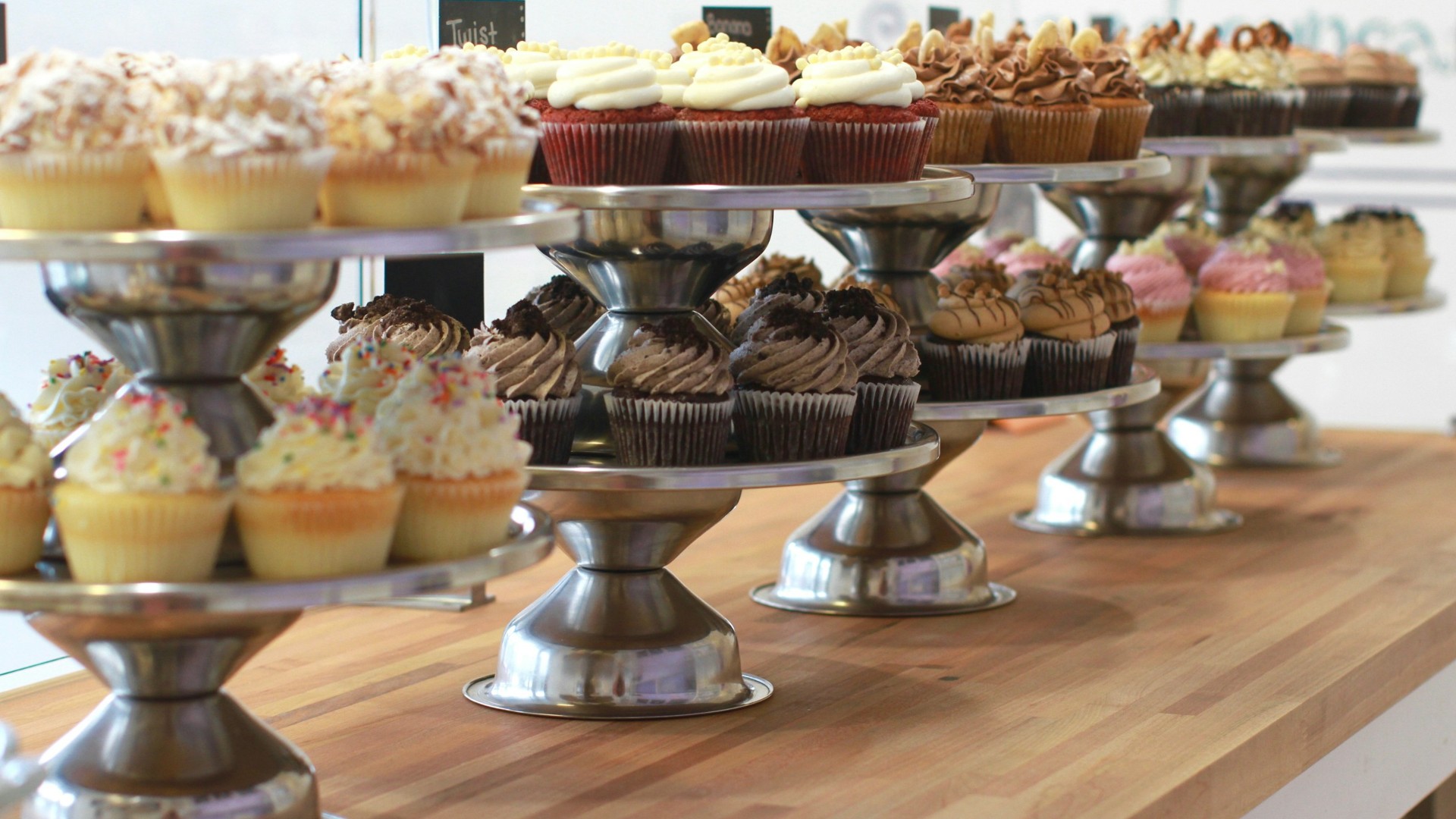
Diners and bistros position illuminated glass pastry cases directly along the pathway to the exit doors. Even customers who declined dessert during their meal are visually stimulated by gleaming tarts and multilayer cakes on their way out, frequently ordering an unplanned takeaway treat.
1. Choice Architecture That Nudges Every Final Decision
From forced one-way paths in department stores to placing staple dairy items at the furthest back corner, retailers engineer store environments to maximize product exposure. Consumers believe they are browsing freely, yet every turn, shelf angle, and default option is calculated to increase total spend.