Slideshow · Viral
20 Smallest Countries on Earth Ranked by Total Area
While giants like Canada and Brazil span entire continents, twenty independent microstates govern sovereign territories smaller than major global metropolitan airports. From fortified hilltop enclaves in Europe to secluded Pacific atolls, these fascinating nations maintain global recognition and distinct heritage.
By Most Viral Today
14 min ago

20 Smallest Countries on Earth Ranked by Total Area 
20. Singapore: 734 Square Kilometers 
19. Micronesia: 702 Square Kilometers 
18. Saint Lucia: 616 Square Kilometers - AdvertisementSwipe or tap ▶ to continue countdown

17. Andorra: 468 Square Kilometers 
16. Palau: 459 Square Kilometers 
15. Seychelles: 452 Square Kilometers 
14. Antigua And Barbuda: 442 Square Kilometers - AdvertisementSwipe or tap ▶ to continue countdown

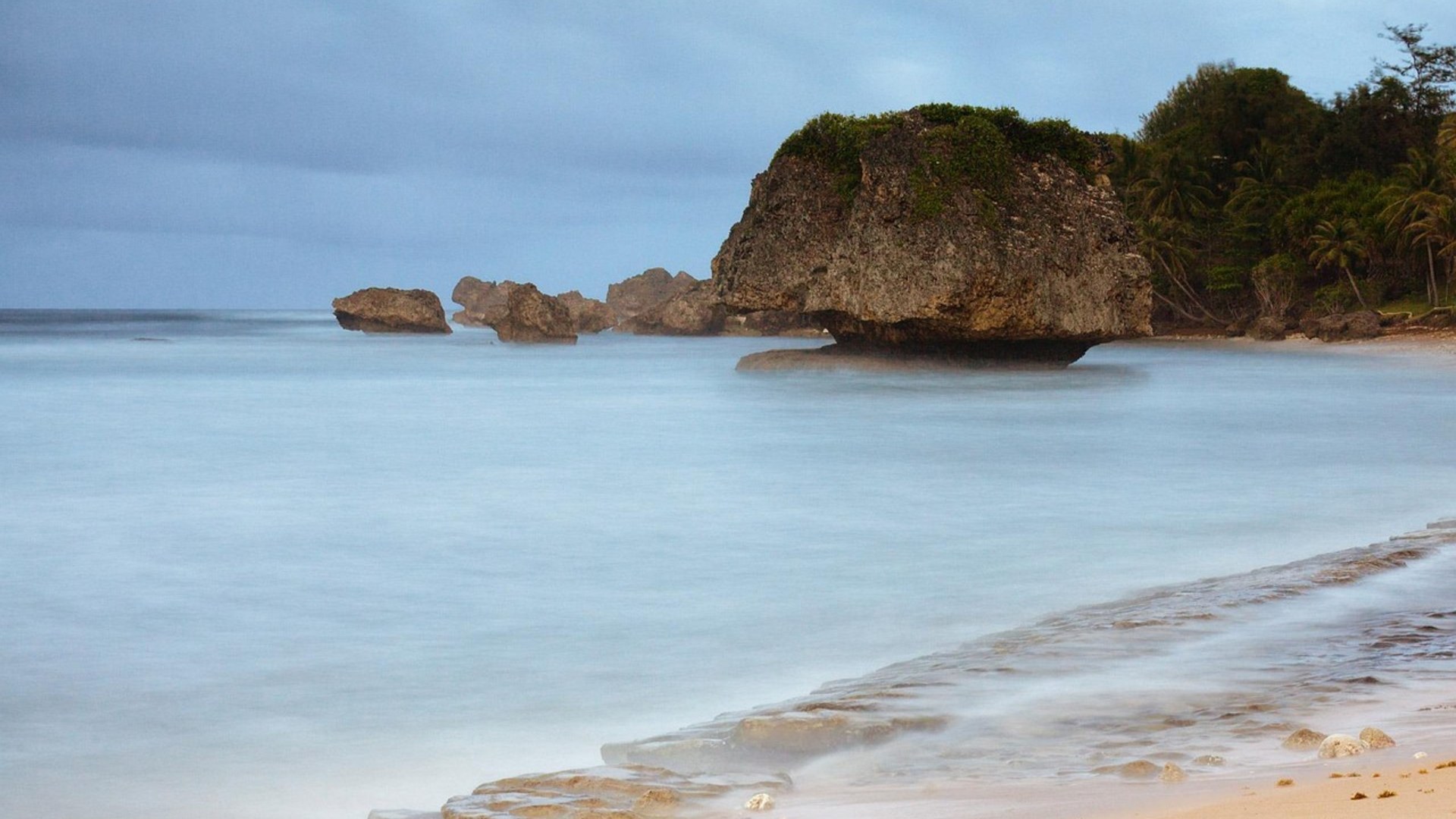
13. Barbados: 430 Square Kilometers 
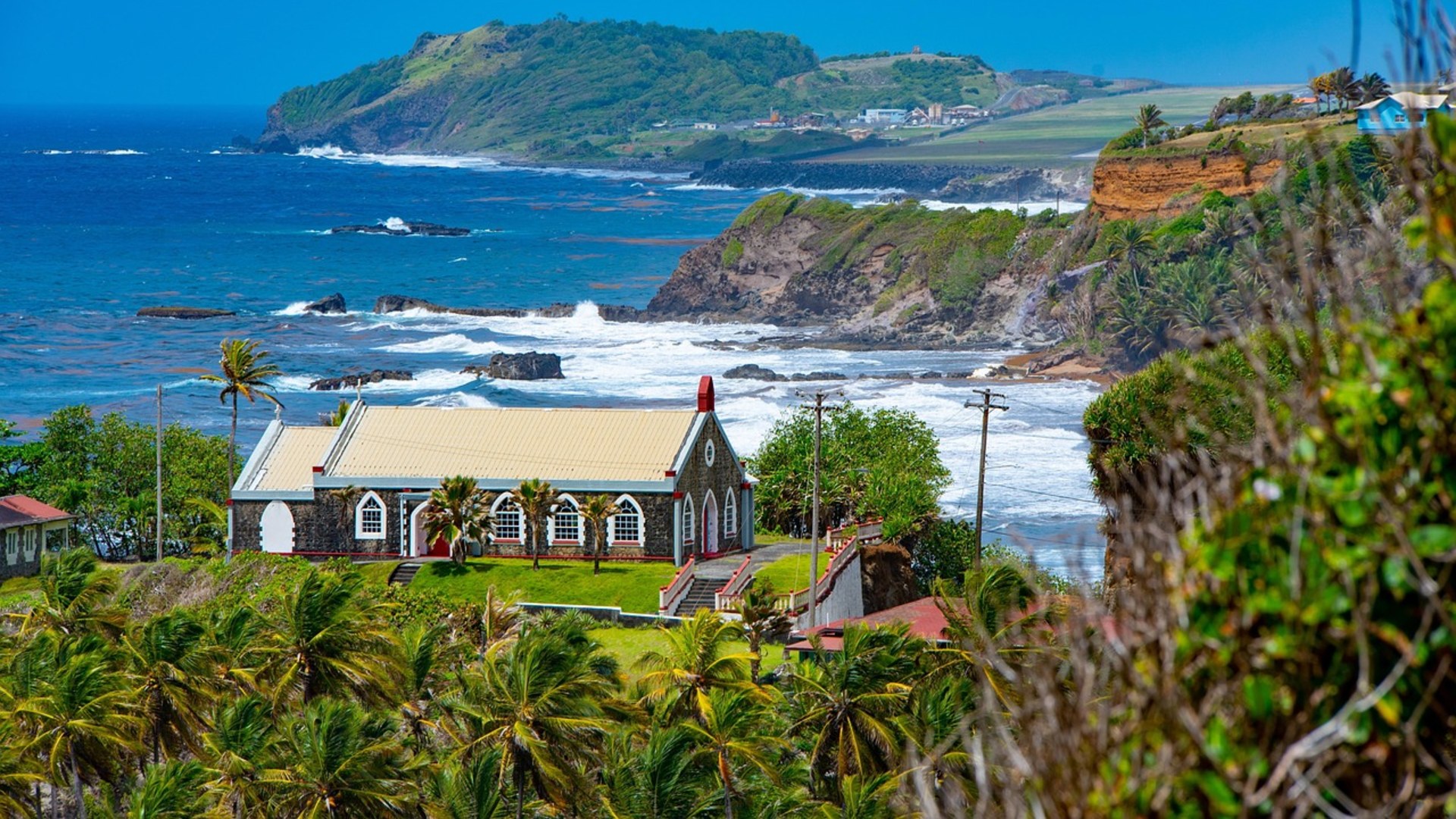
12. Saint Vincent: 389 Square Kilometers 
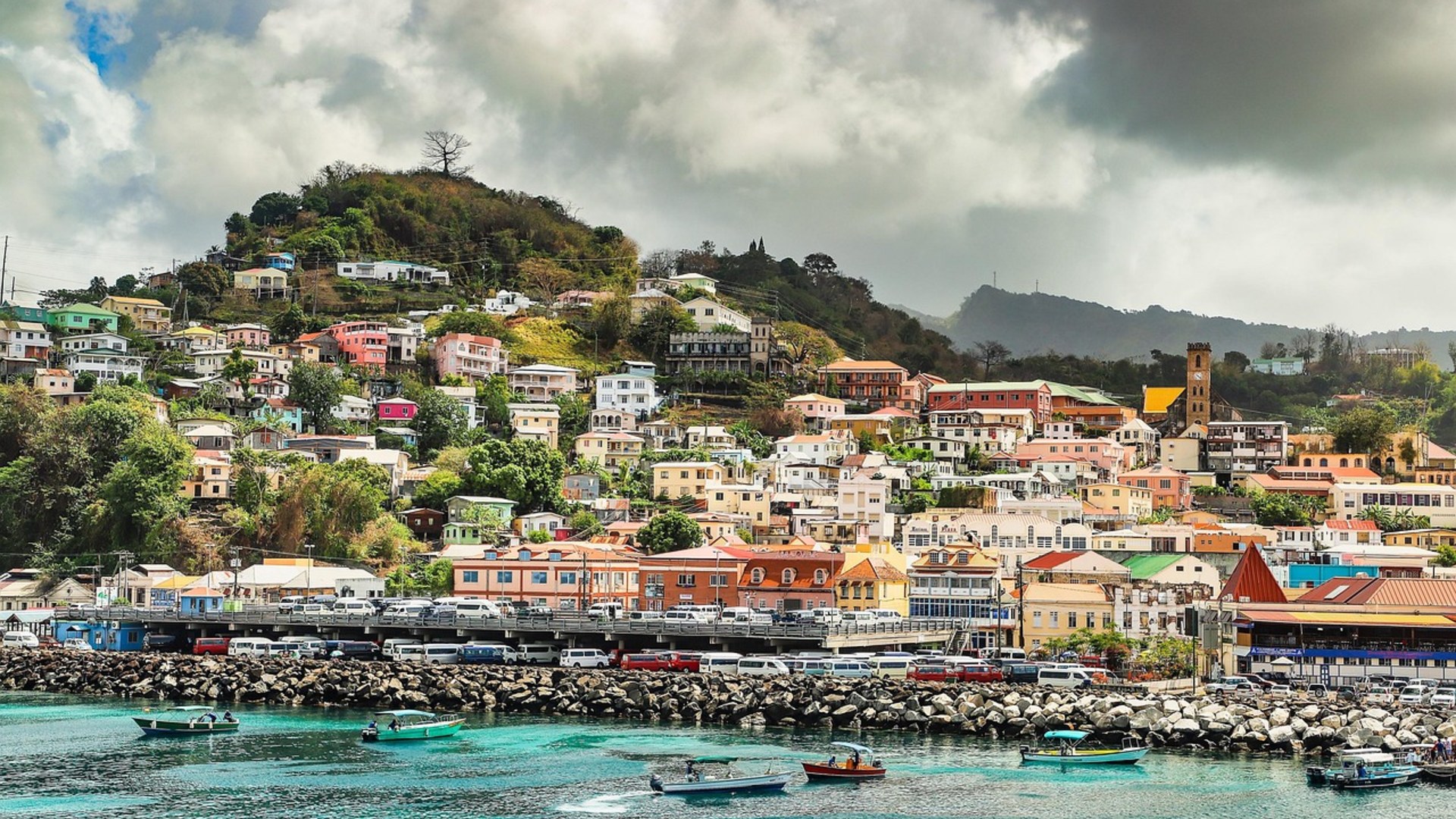
11. Grenada: 344 Square Kilometers 
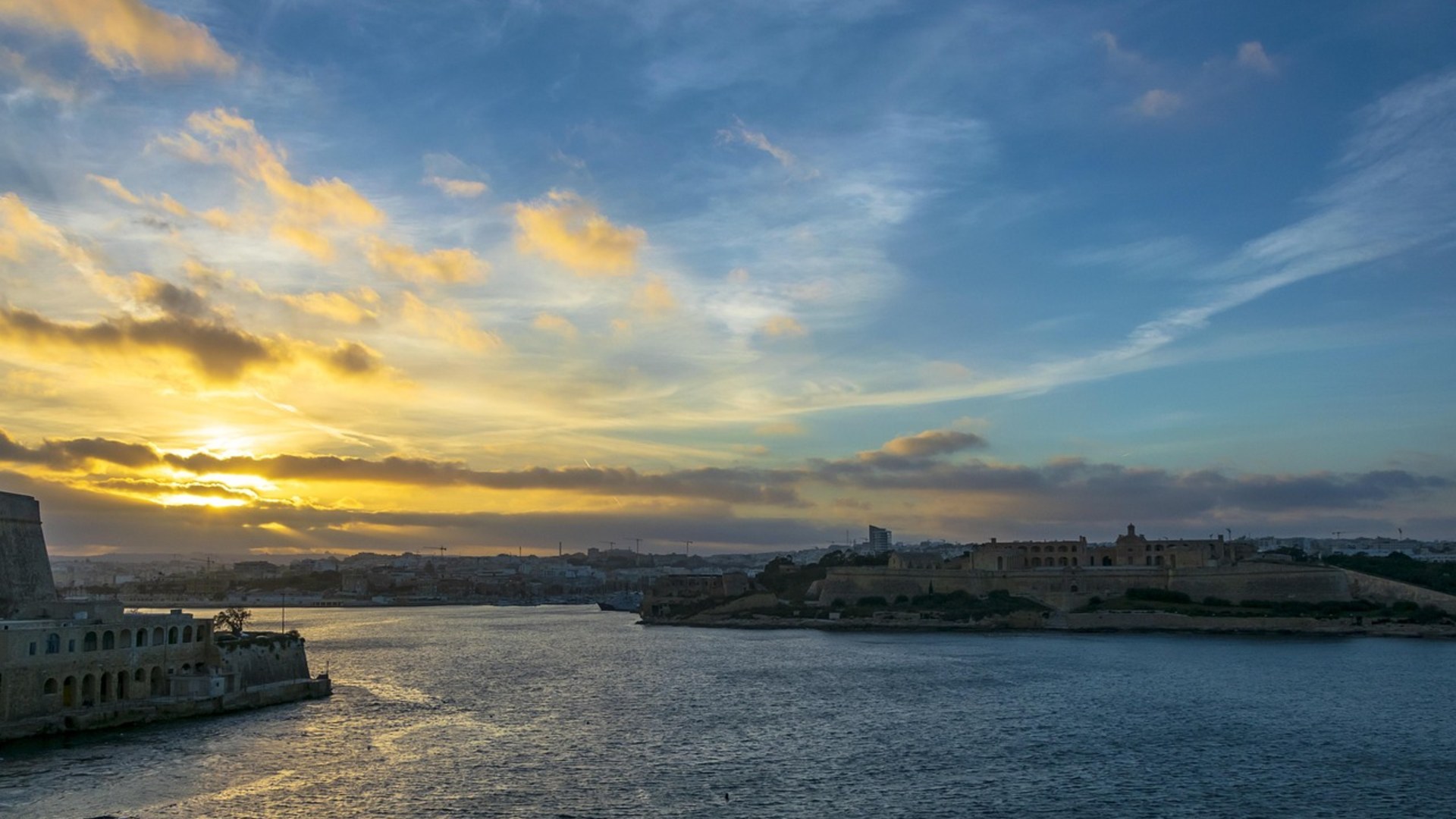
10. Malta: 316 Square Kilometers - AdvertisementSwipe or tap ▶ to continue countdown

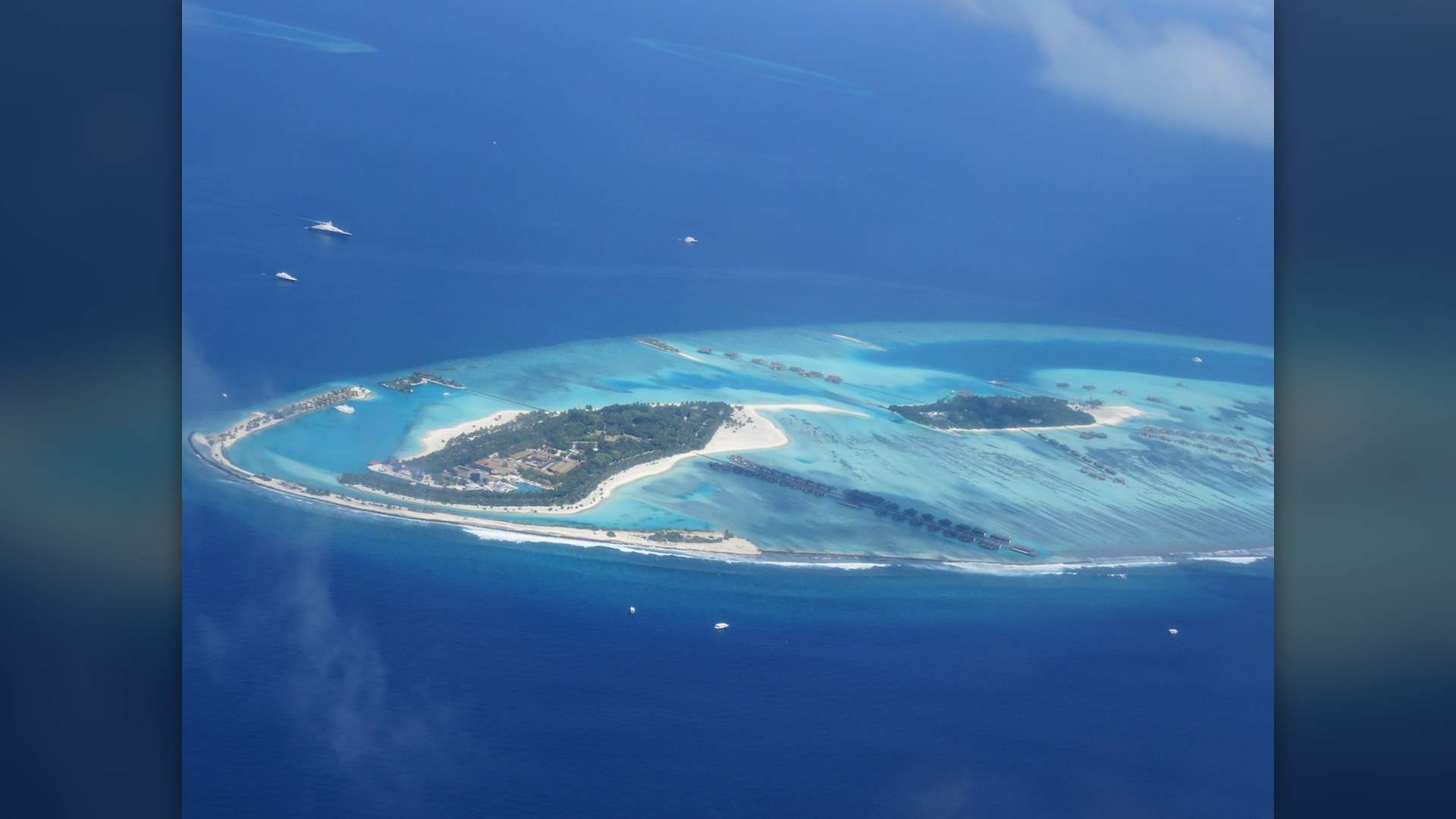
9. Maldives: 300 Square Kilometers 
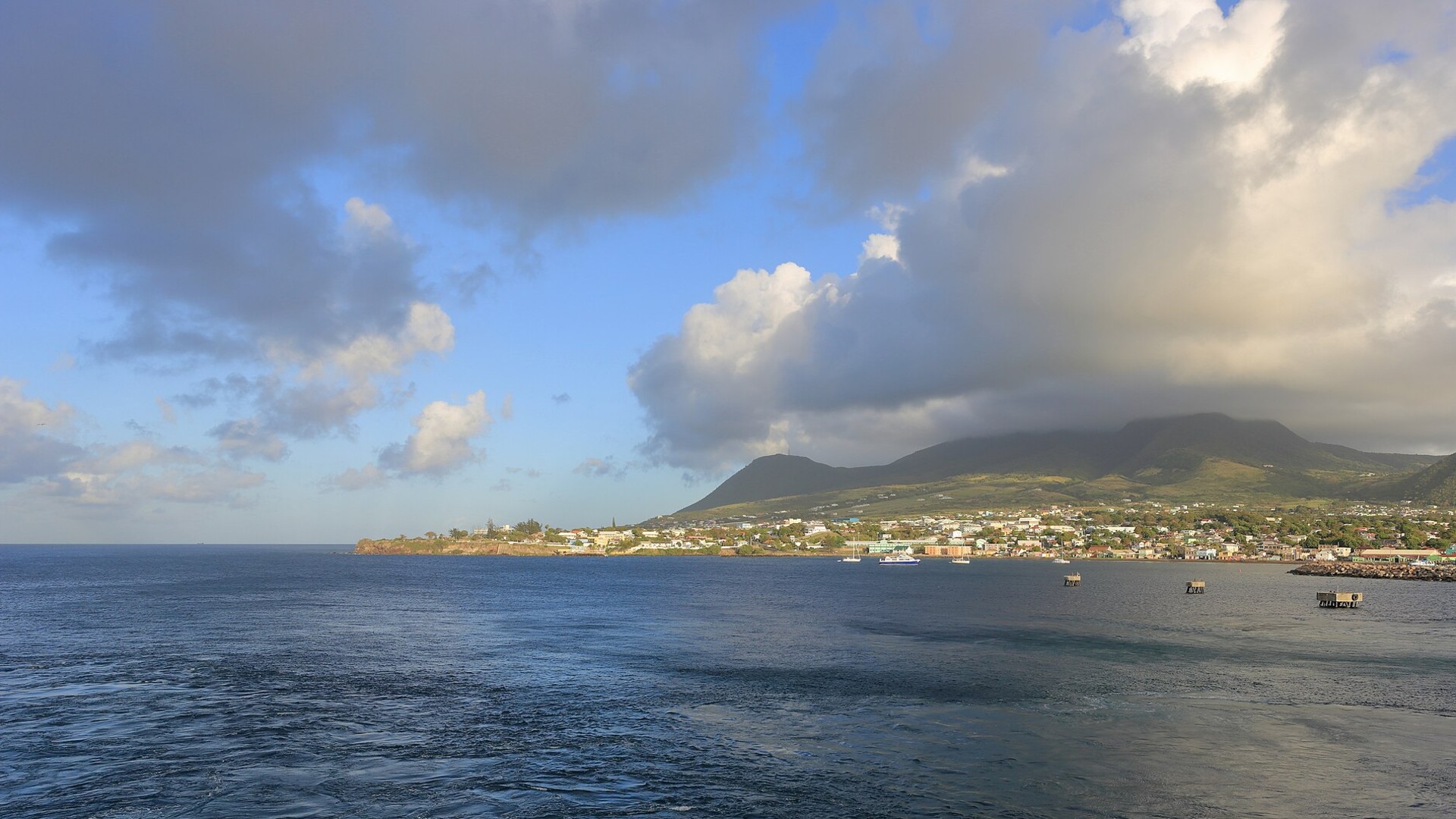
8. Saint Kitts And Nevis: 261 Square Kilometers 
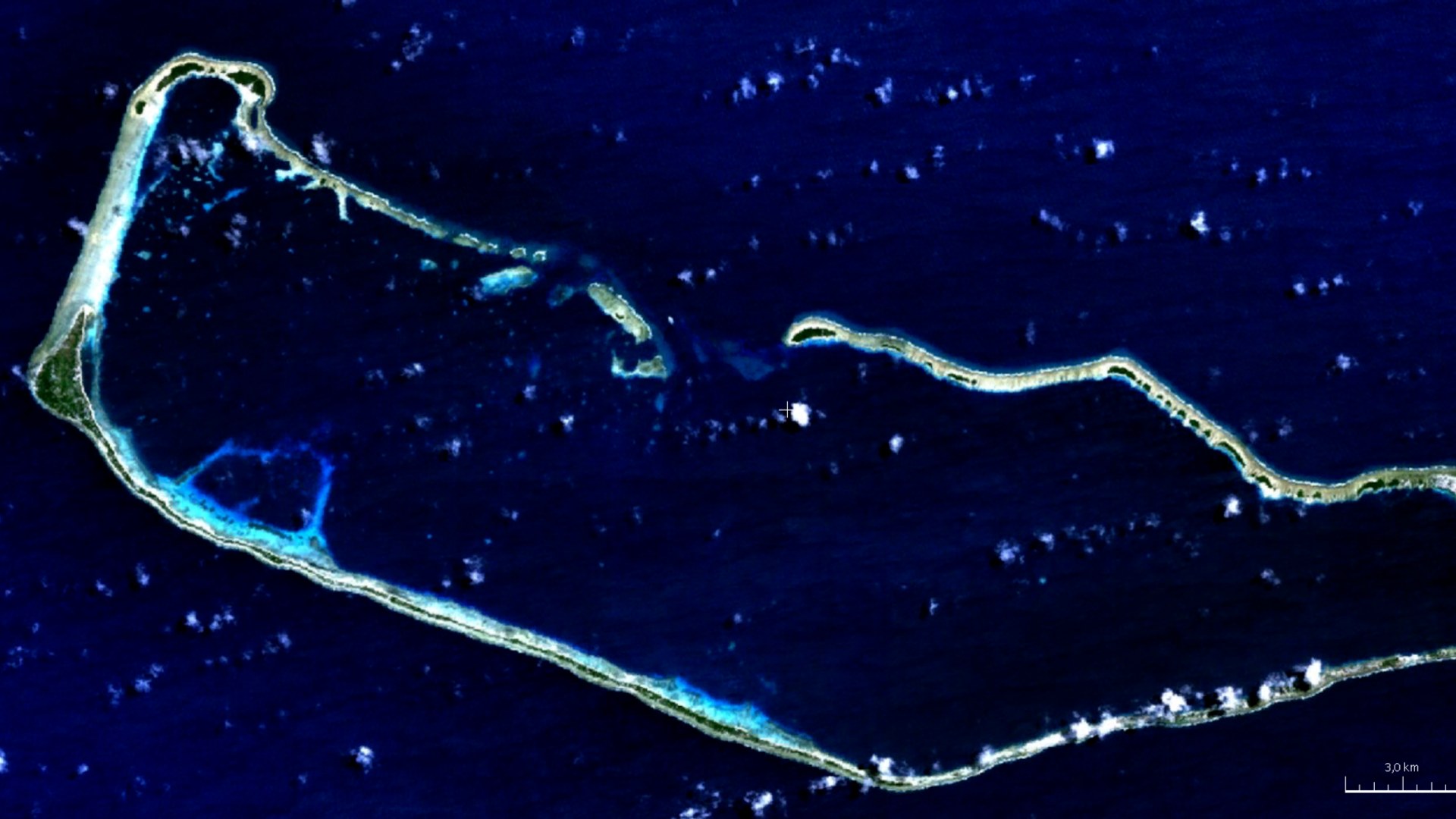
7. Marshall Islands: 181 Square Kilometers 
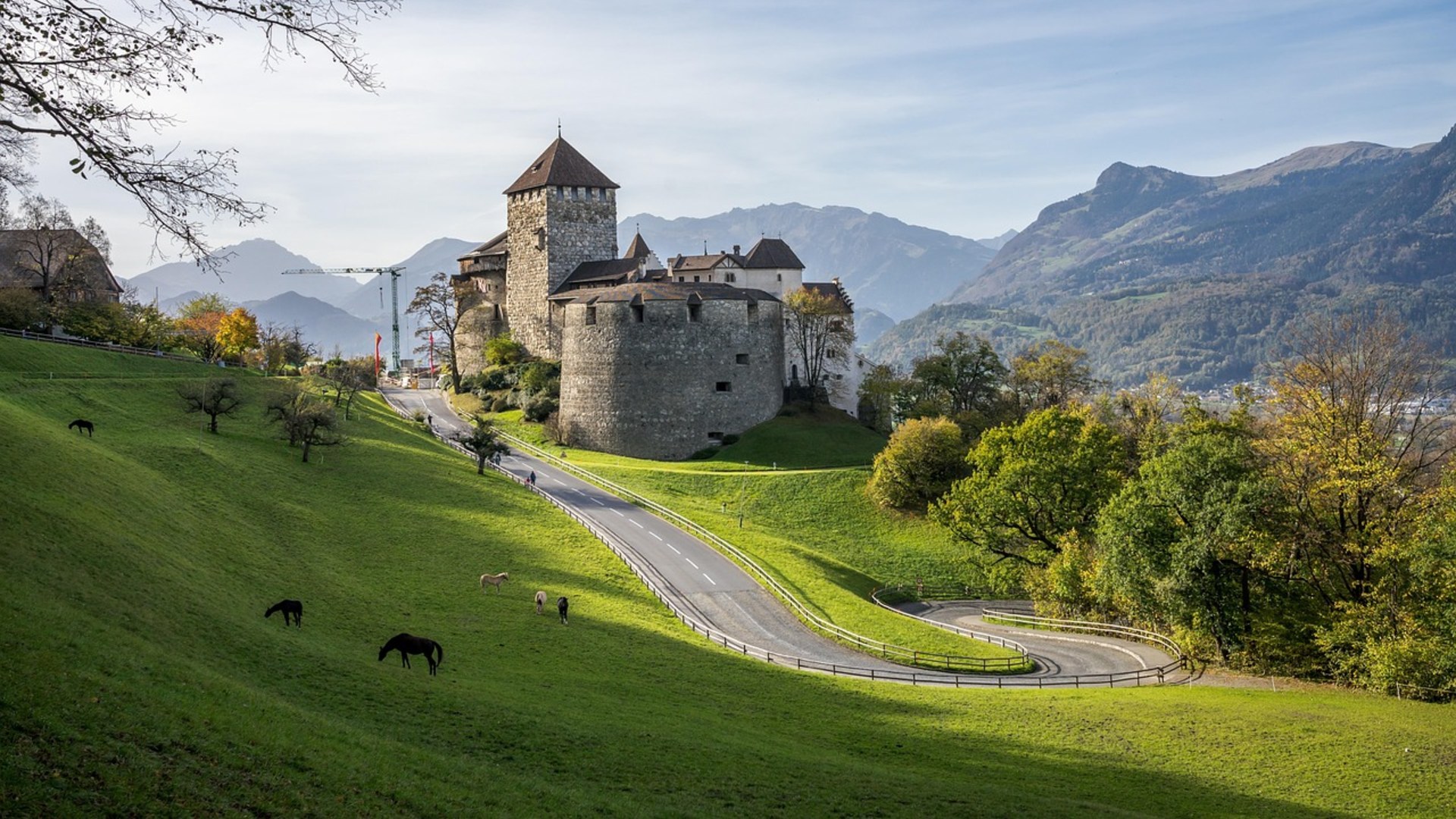
6. Liechtenstein: 160 Square Kilometers - AdvertisementSwipe or tap ▶ to continue countdown

5. San Marino: 61 Square Kilometers 
4. Tuvalu: 26 Square Kilometers 
3. Nauru: 21 Square Kilometers 
2. Monaco: 2.02 Square Kilometers - AdvertisementSwipe or tap ▶ to continue countdown

1. Vatican City: 0.49 Square Kilometers - Advertisement🔥 UP NEXT IN THIS SERIES◫ 21 Slides

20 Countries With the Strict Laws in the World
While civil statutes vary globally, certain jurisdictions impose uncompromising legal frameworks that surprise outsiders. From mandatory judicial corporal punishment to total digital censorship and strict civic tranquility mandates, here are twenty countries with the most stringent legal codes enforced today.
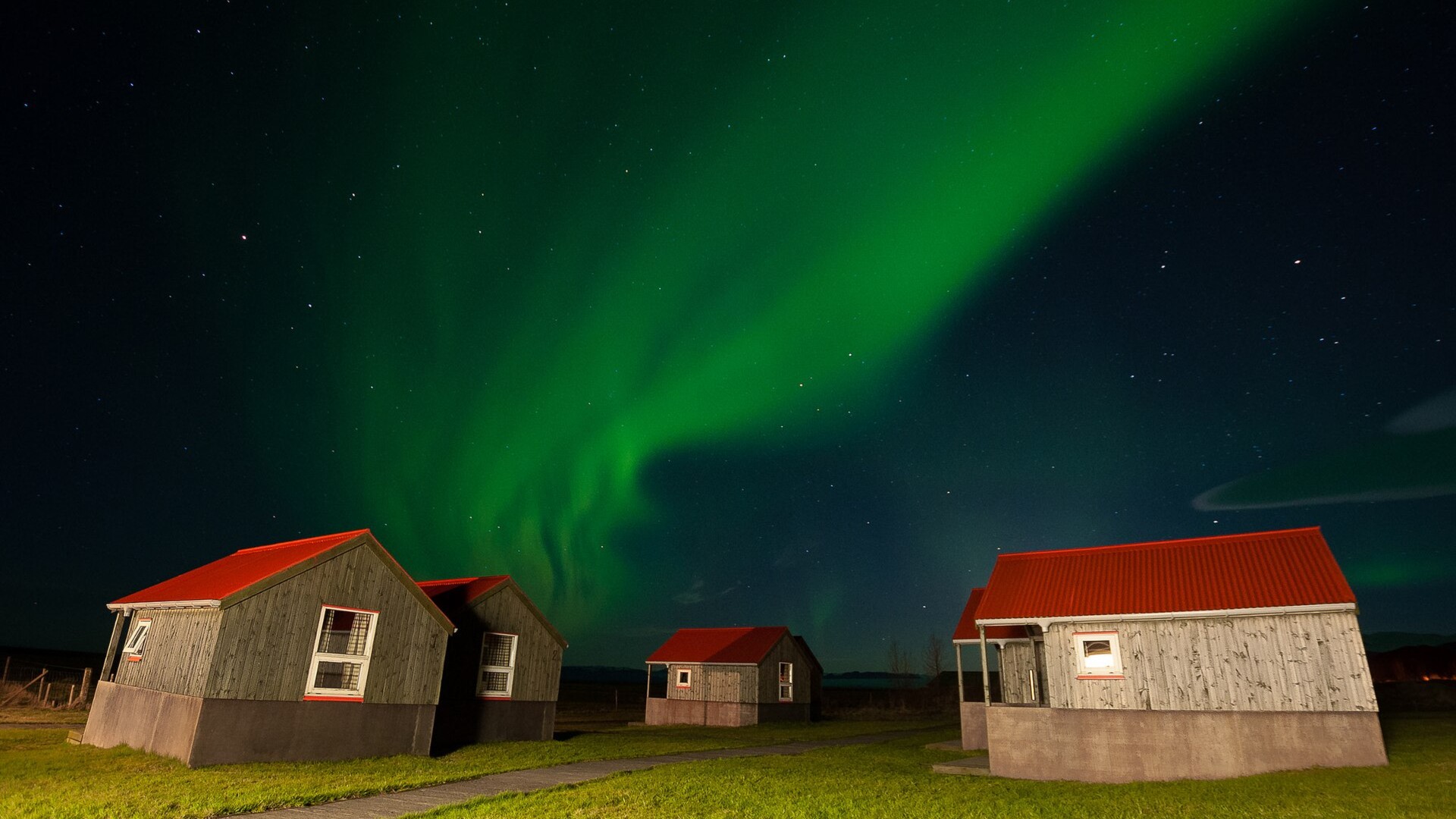
Geographic data compiled from the United Nations Statistics Division and CIA World Factbook highlights the twenty smallest sovereign countries on Earth. Whether measuring fortified city enclaves or remote coral archipelagoes, this definitive ranking counts down independent territories by total square kilometers.
Swipe or tap ▶ to begin the countdown
©Pixabay / MARTINOPHUC
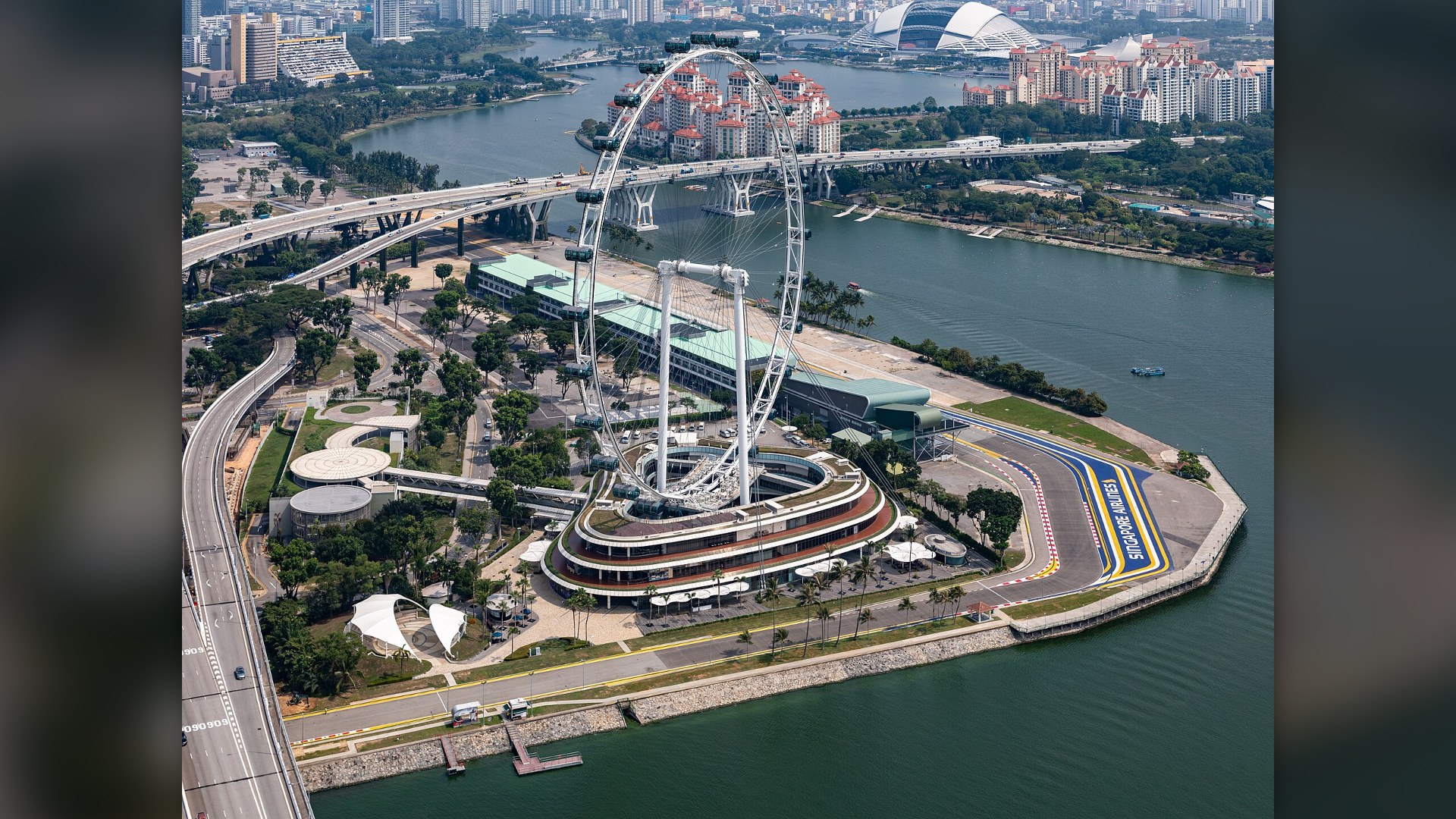
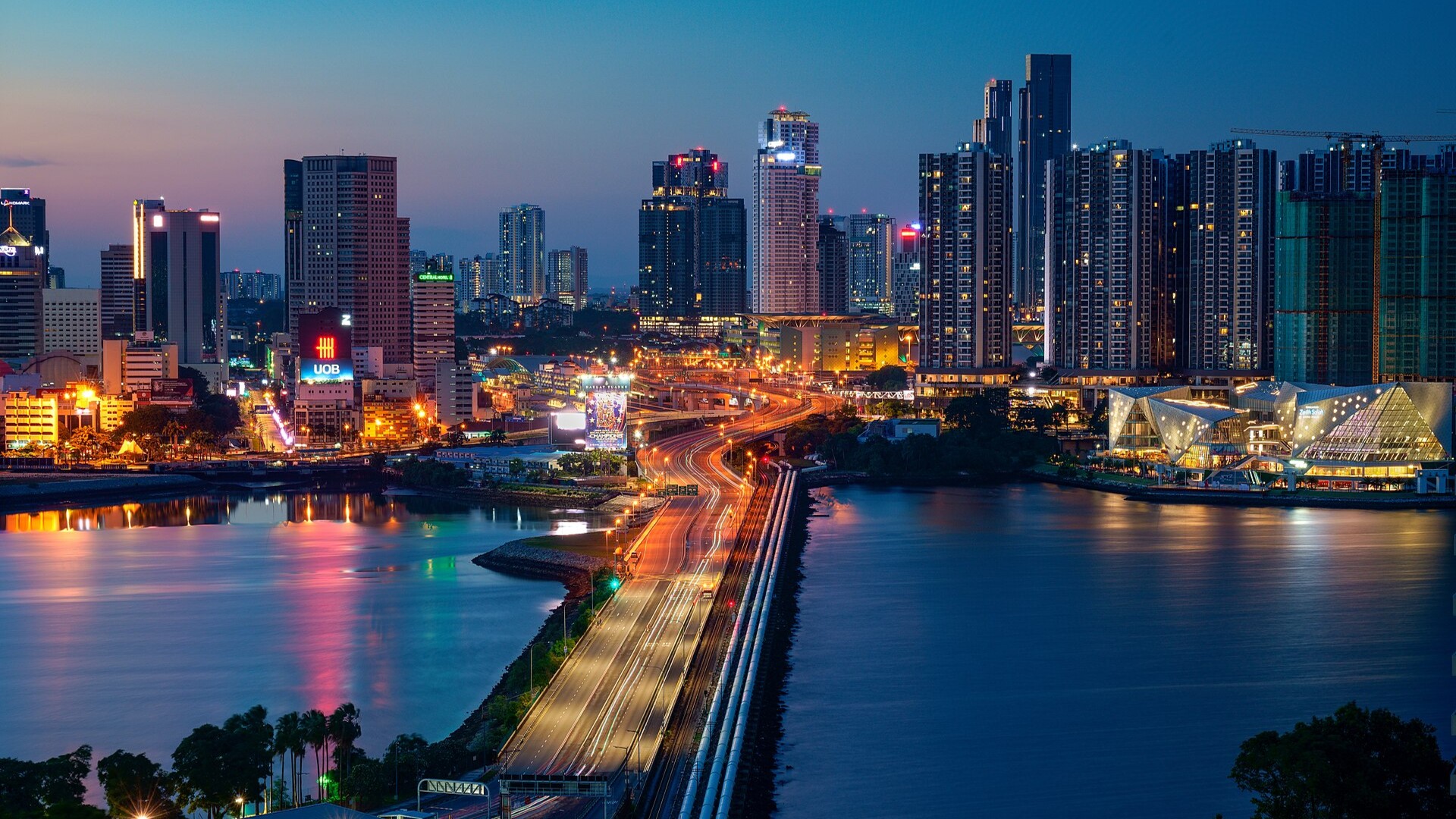
20. Singapore: 734 Square Kilometers
Sitting at the southern tip of the Malay Peninsula, Singapore is a global powerhouse despite covering only 734 square kilometers. Ongoing land reclamation projects have expanded its territory by twenty-five percent since independence, accommodating world-class gardens and futuristic ports.
©Wikimedia / Dietmar Rabich
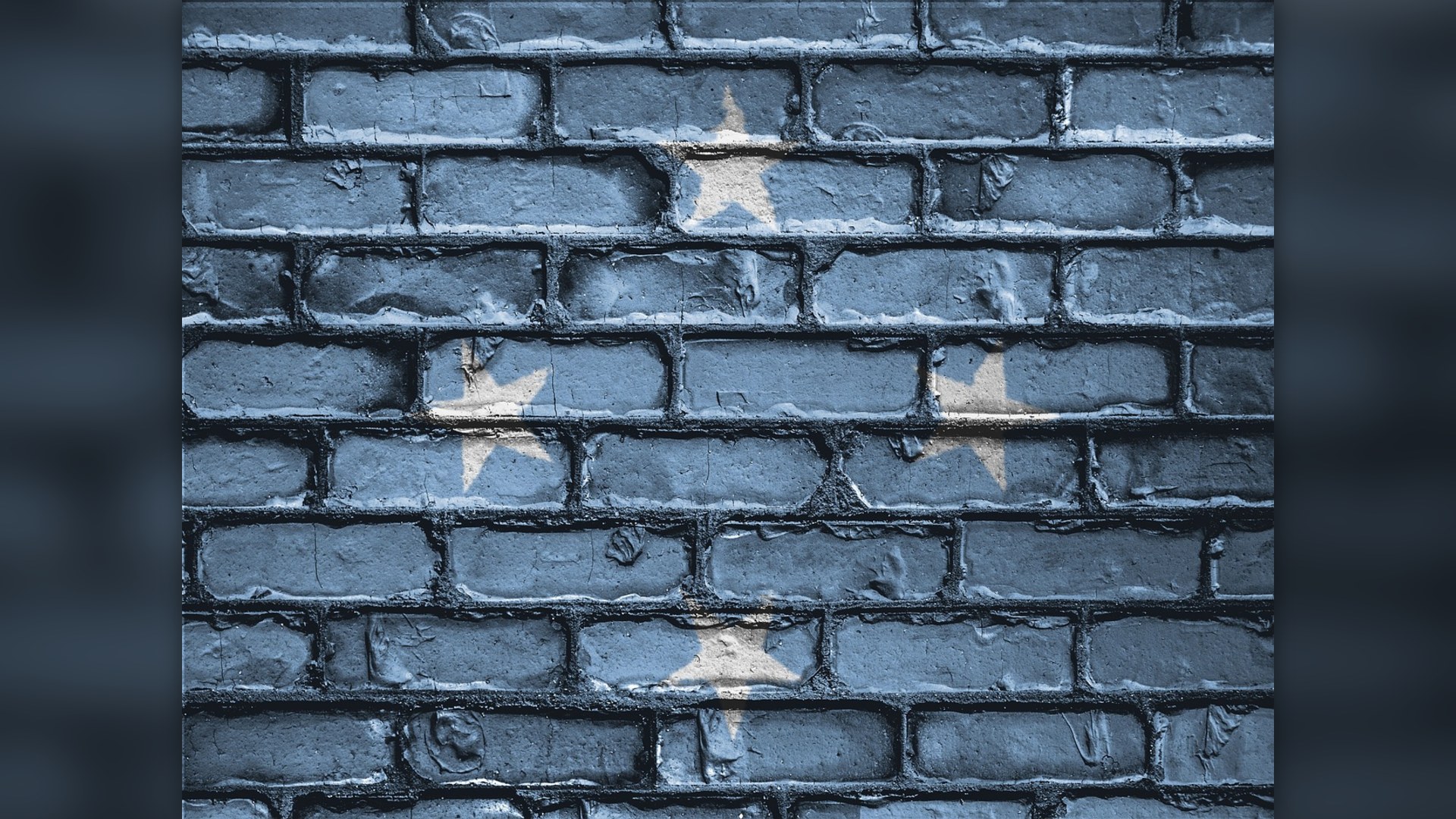
19. Micronesia: 702 Square Kilometers
The Federated States of Micronesia comprises over six hundred islands scattered across nearly three million square kilometers of the western Pacific Ocean. Despite that vast maritime expanse, its actual land area measures just 702 square kilometers divided among Yap, Chuuk, Pohnpei, and Kosrae.
©Pixabay / David_Peterson
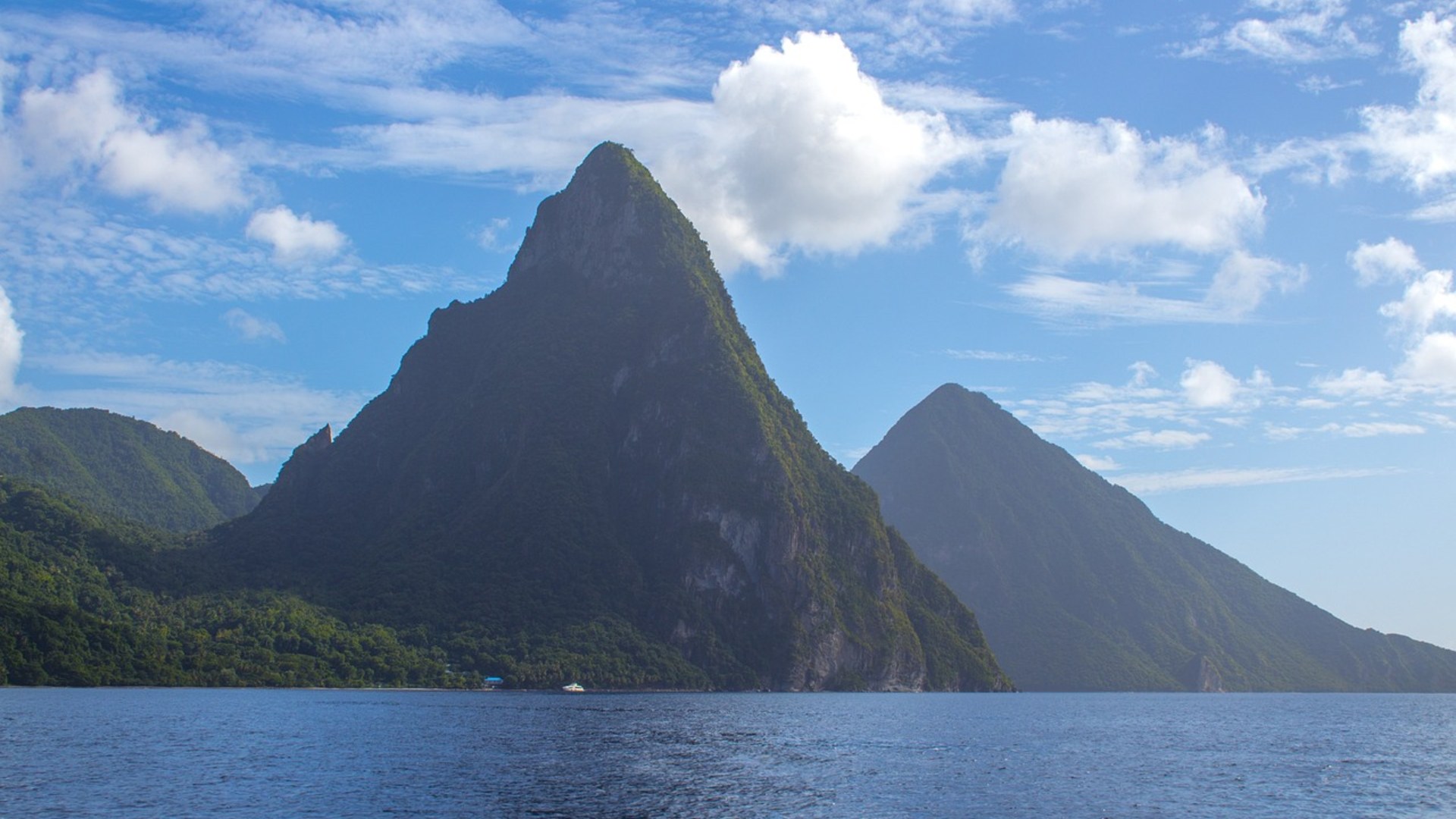
18. Saint Lucia: 616 Square Kilometers
Covering 616 square kilometers in the eastern Caribbean Sea, this sovereign island nation is celebrated for the dramatic Gros Piton and Petit Piton spires rising from the sea. Its volcanic geology provides fertile agricultural soils, geothermal sulphur springs, and pristine beaches.
©Pixabay / mimi_s
Advertisement
Swipe or tap ▶ to resume the countdown.
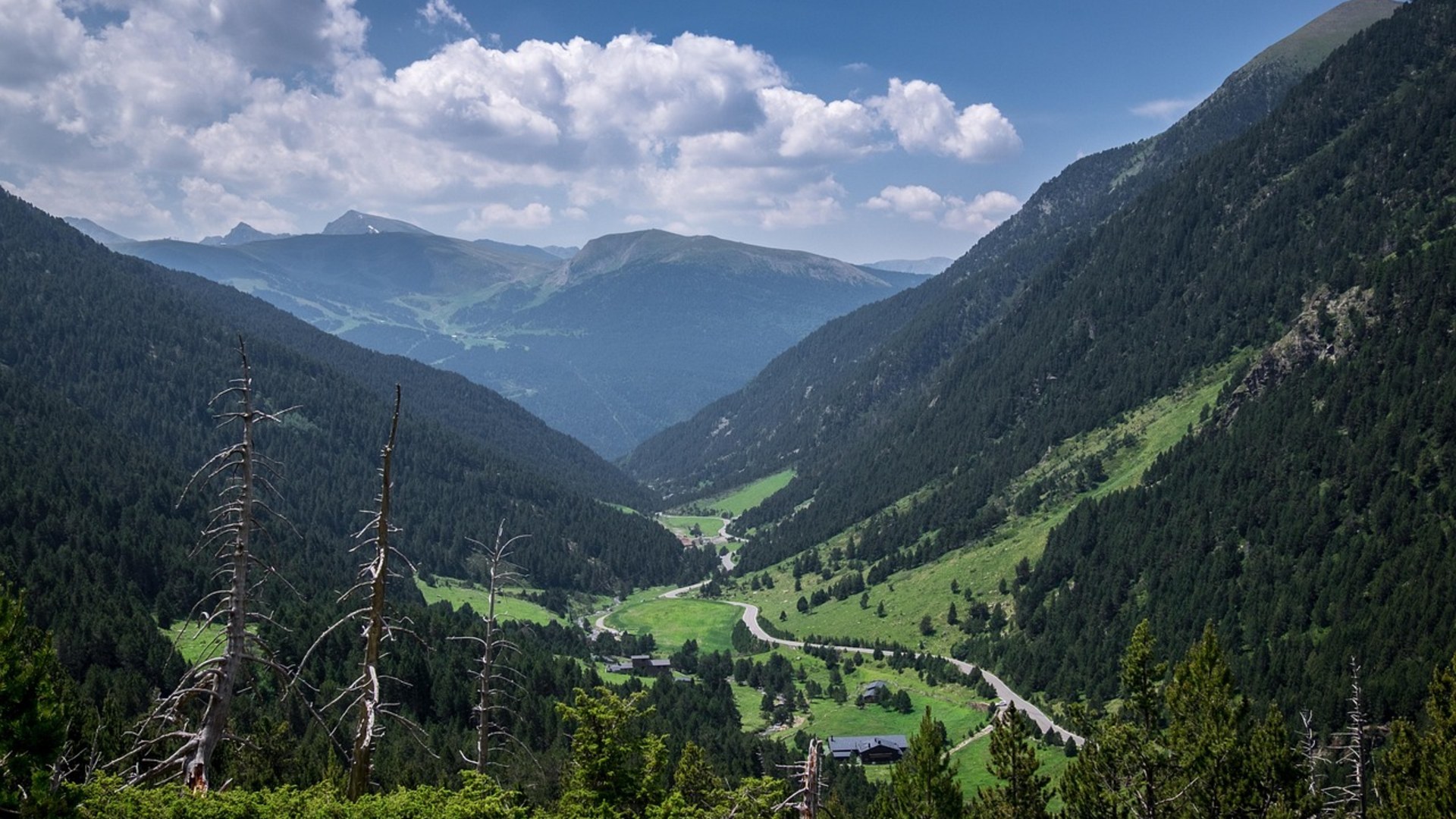
17. Andorra: 468 Square Kilometers
Co-ruled by the French president and the Bishop of Urgell in Spain, Andorra spans 468 square kilometers of alpine peaks and glacial valleys. It remains the largest European microstate by land area, renowned for duty-free trade and premier high-altitude ski resorts along the Pyrenees.
©Pixabay / johnnpas
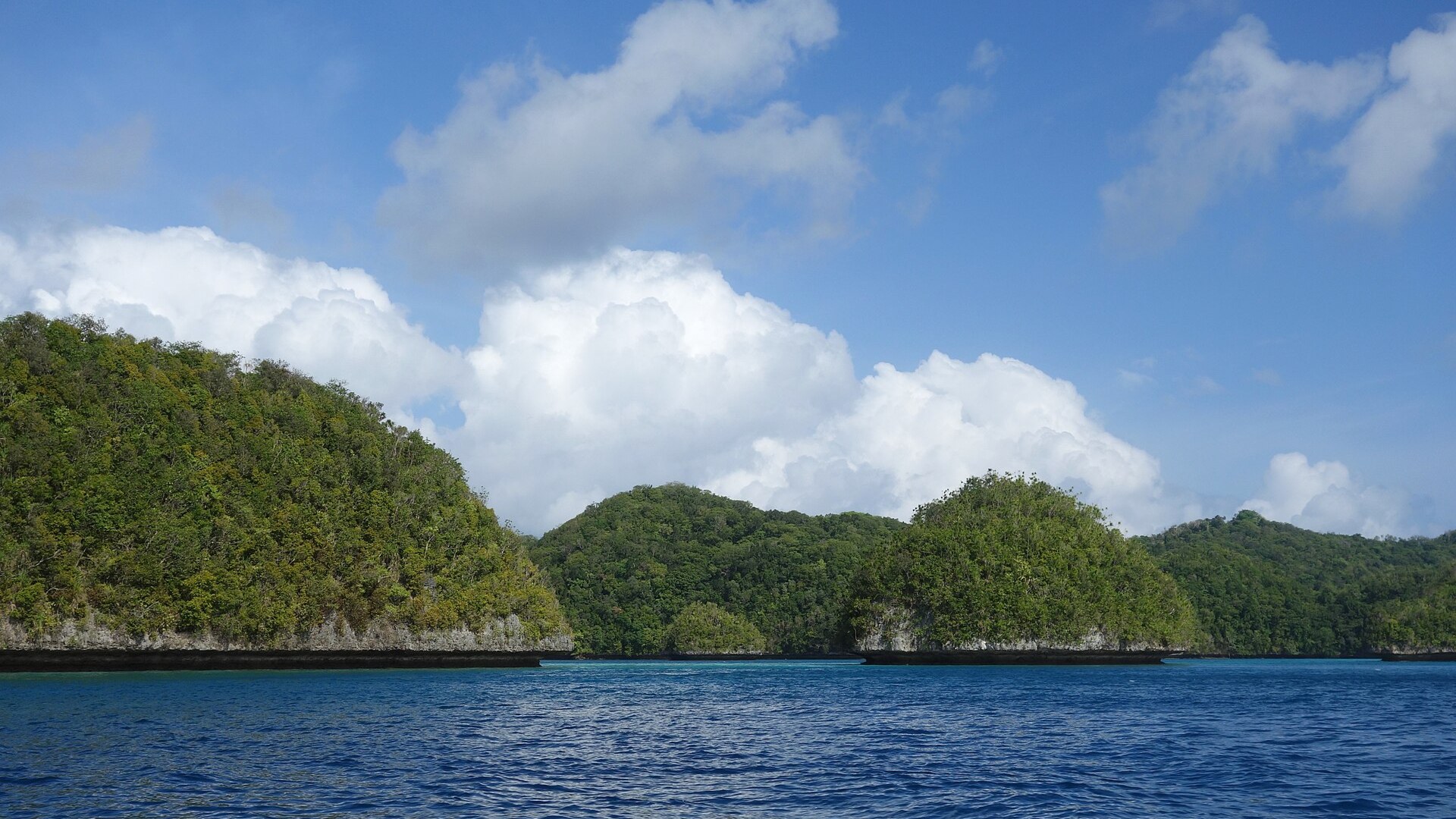
16. Palau: 459 Square Kilometers
Located in the western Pacific, Palau encompasses roughly 340 coral and volcanic islands that total 459 square kilometers of land. The nation established the world first nationwide shark sanctuary, protecting pristine turquoise lagoons and the famous UNESCO-listed Rock Islands.
©Wikimedia / Luka Peternel
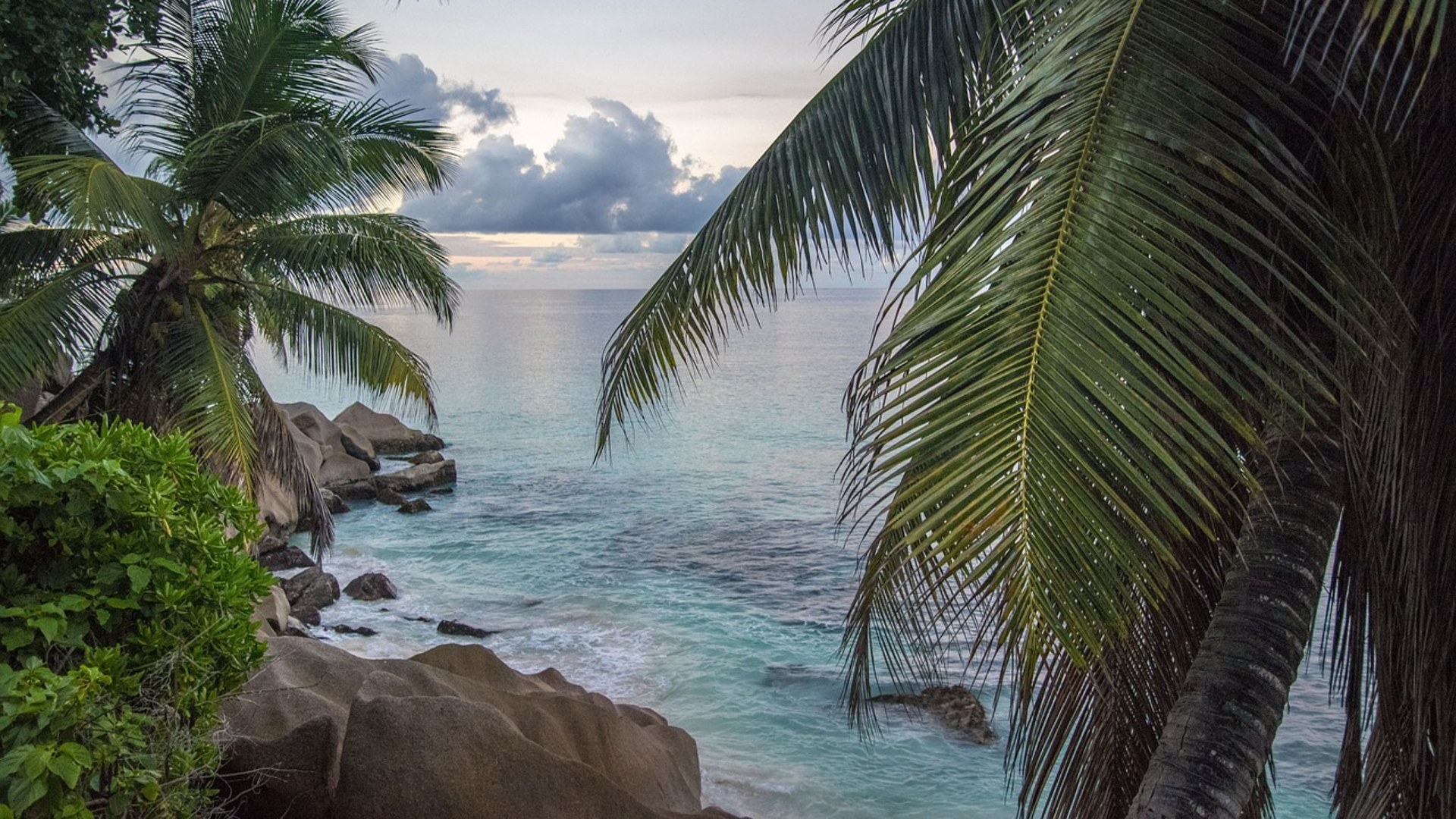
15. Seychelles: 452 Square Kilometers
Spanning 115 islands across the western Indian Ocean, Seychelles holds the title of Africa smallest sovereign country at 452 square kilometers. Its unique granitic inner islands feature prehistoric rainforests like the Vallee de Mai, home to the world largest endemic seed, the coco de mer.
©Pixabay / Deeezy
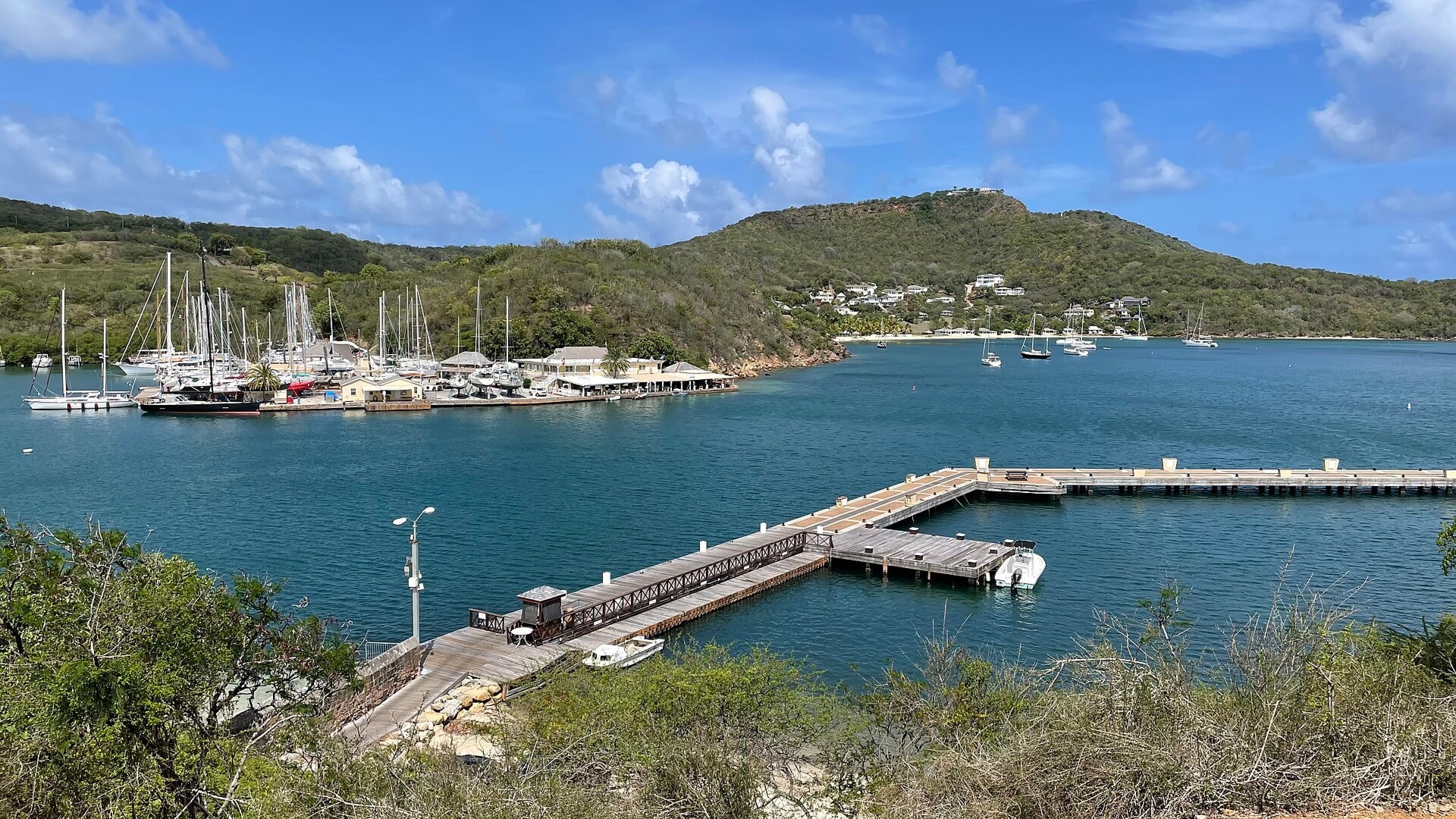
14. Antigua And Barbuda: 442 Square Kilometers
Consisting of two major populated islands alongside smaller uninhabited islets, this Caribbean commonwealth nation measures 442 square kilometers. Antigua is famous for its 365 distinct beaches and historic English Harbour, while low-lying Barbuda hosts massive frigatebird colonies.
©Wikimedia / Vincent van Zeijst
Advertisement
Swipe or tap ▶ to resume the countdown.
13. Barbados: 430 Square Kilometers
Unlike its volcanic neighbors in the Lesser Antilles chain, Barbados is primarily composed of coral limestone spanning 430 square kilometers. The easternmost Caribbean island maintains a vibrant parliamentary tradition, historic Bridgetown garrison fortifications, and surf breaks.
©Pixabay / PublicDomainPictures
12. Saint Vincent: 389 Square Kilometers
Centered around the active La Soufriere volcano, the main island of Saint Vincent joins thirty-two smaller Grenadine cays to form 389 square kilometers of territory. The archipelago draws sailors from around the globe to explore coral atolls, quiet yacht harbors, and lush rainforests.
©Pixabay / ernie114
11. Grenada: 344 Square Kilometers
Covering 344 square kilometers in the southern Caribbean, Grenada includes the volcanic main island and two southern Grenadine dependencies, Carriacou and Petite Martinique. It ranks among the world top exporters of nutmeg and mace, complemented by colorful Georgian harbor towns.
©Pixabay / Skybluesrich
10. Malta: 316 Square Kilometers
Positioned south of Sicily, the Maltese archipelago of Malta, Gozo, and Comino spans 316 square kilometers of rocky Mediterranean coastline. Despite its small area, Malta holds one of the highest population densities on Earth, boasting prehistoric temples older than the pyramids.
©Pixabay / db_oblikovanje
Advertisement
Swipe or tap ▶ to resume the countdown.
9. Maldives: 300 Square Kilometers
While the Maldives maritime territory covers ninety thousand square kilometers of the Indian Ocean, its dry land area adds up to just 300 square kilometers. It is the lowest and flattest country on Earth, with an average natural ground level of only one point five meters above sea level.
©Pixabay / Suissgirl
8. Saint Kitts And Nevis: 261 Square Kilometers
Separated by a shallow two-mile channel called The Narrows, these two volcanic Caribbean islands comprise 261 square kilometers of territory. Dominated by dormant crater peaks and the historic Brimstone Hill Fortress, Saint Kitts and Nevis maintains rich colonial architecture.
©Wikimedia / Martin Falbisoner
7. Marshall Islands: 181 Square Kilometers
With only 181 square kilometers of dry land spread across nearly two million square kilometers of ocean, the Marshall Islands represents an oceanic frontier. The nation low-lying coral atolls encircle giant lagoons, facing acute modern challenges from rising global sea levels.
©Wikimedia / NASA
6. Liechtenstein: 160 Square Kilometers
Ruled by the Prince of Liechtenstein from Vaduz Castle, this 160-square-kilometer principality is one of only two doubly landlocked countries in the world. Its prosperous economy pairs precision industrial manufacturing with serene Rhine river valleys and soaring Alpine peaks.
©Pixabay / Leonhard_Niederwimmer
Advertisement
Swipe or tap ▶ to resume the countdown.
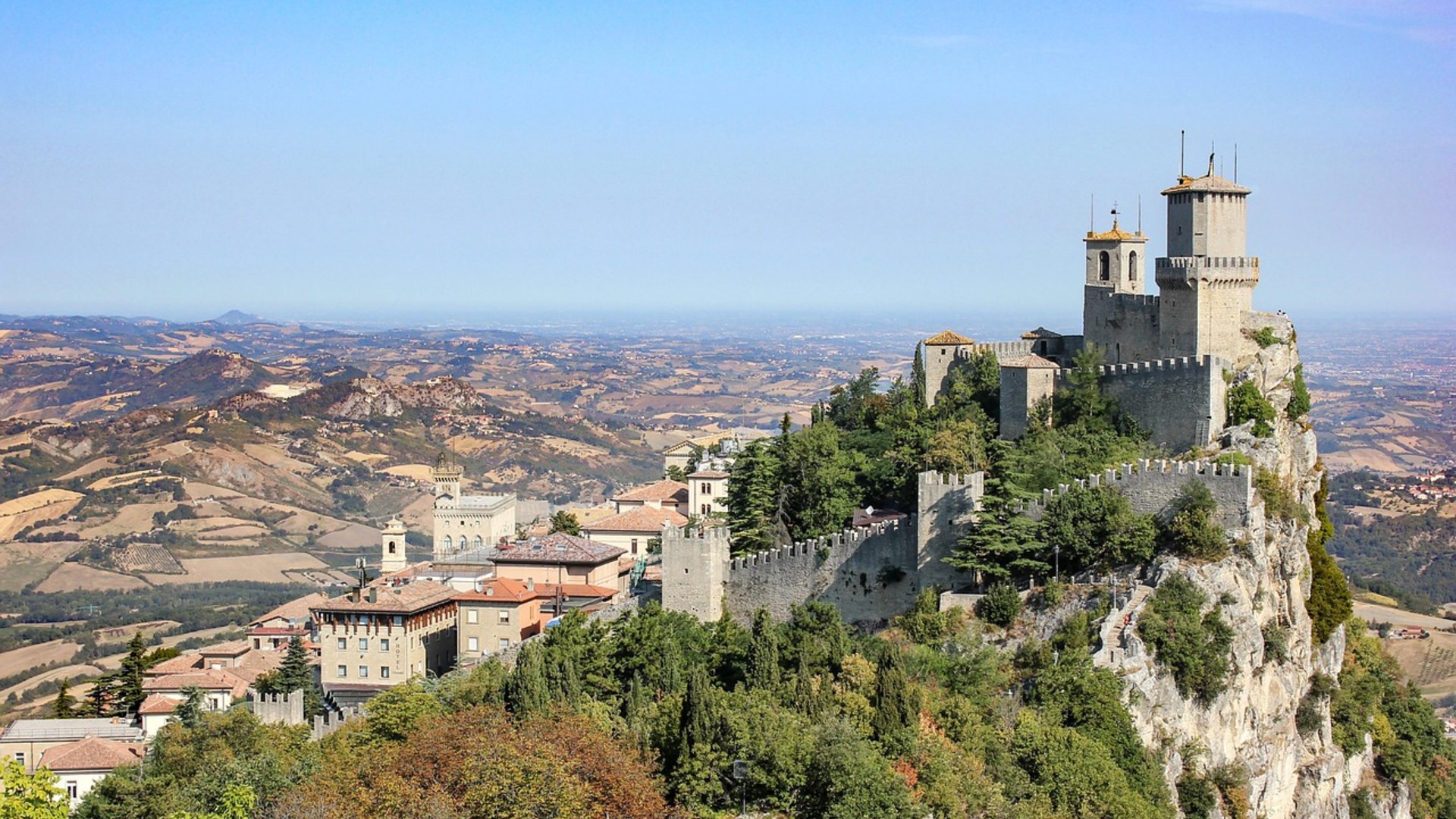
5. San Marino: 61 Square Kilometers
Completely landlocked within central Italy, San Marino covers 61 square kilometers around three iconic stone towers on Monte Titano. Founded in 301 AD by Saint Marinus, this historic enclave has preserved uninterrupted independence and unique republican governance for seventeen centuries.
©Pixabay / iessephoto
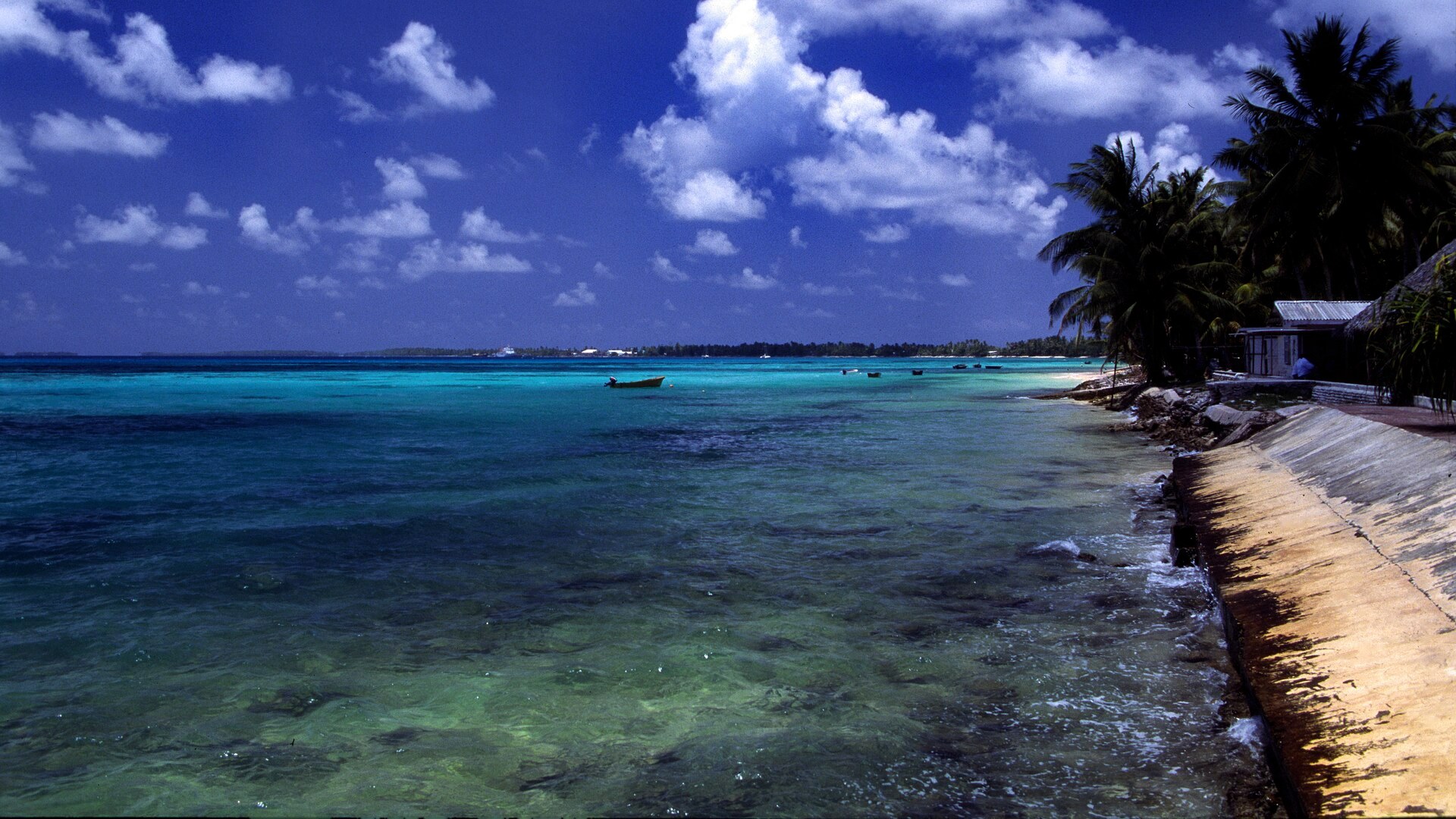
4. Tuvalu: 26 Square Kilometers
Formerly known as the Ellice Islands, Tuvalu measures just 26 square kilometers of total land, making it the fourth smallest sovereign nation. With no point higher than five meters above sea level, its narrow atoll rims and serene lagoons are among the least-visited spots on the globe.
©Wikimedia / Stefan Lins
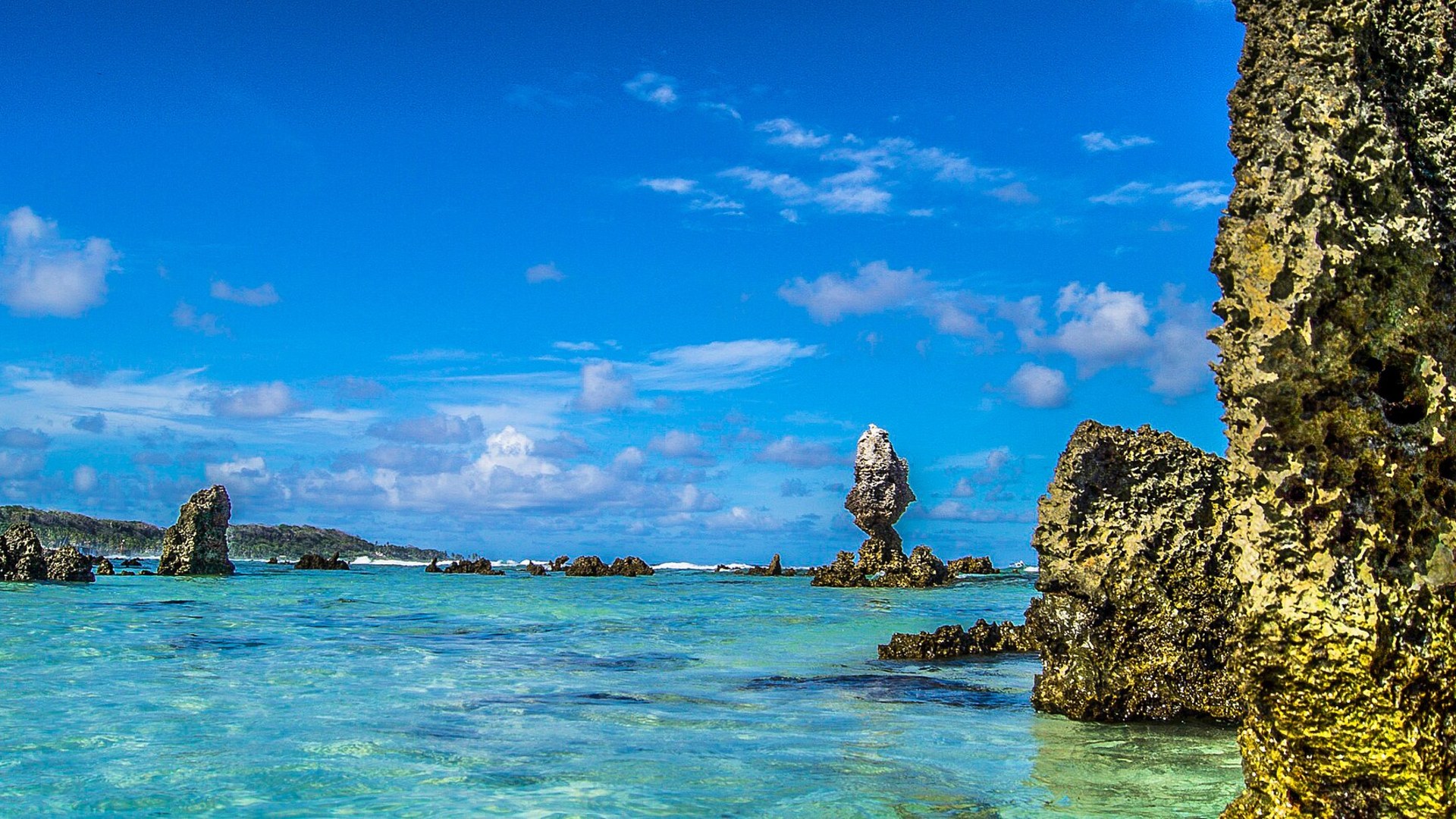
3. Nauru: 21 Square Kilometers
Covering only 21 square kilometers, the single raised phosphate island of Nauru sits just south of the equator in Micronesia. Unlike most island nations, Nauru possesses no official capital city, and a paved ring road circling the entire island can be driven in less than thirty minutes.
©Wikimedia / Hadi Zaher from Melbourne, Australia
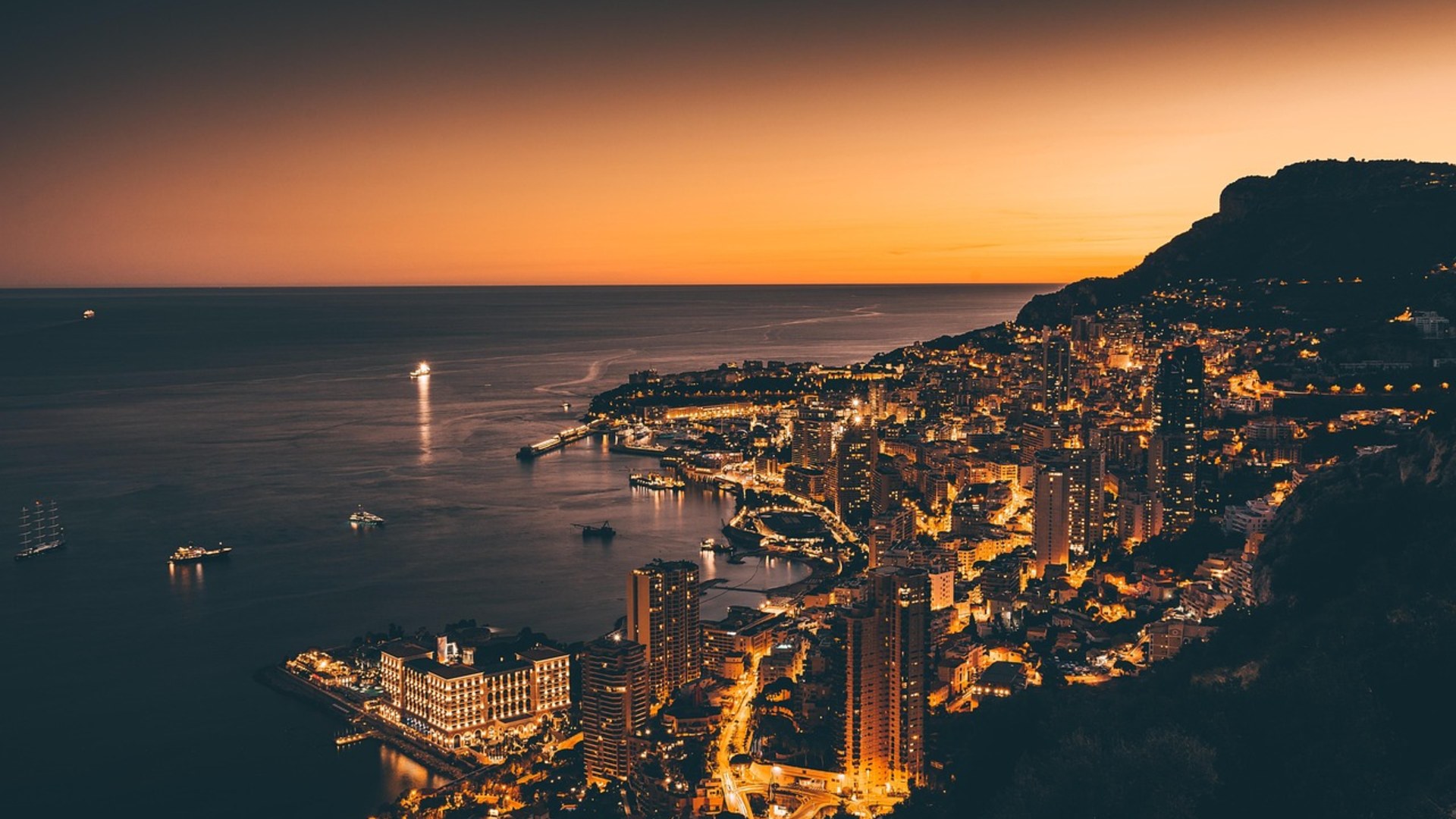
2. Monaco: 2.02 Square Kilometers
Bordered by France and the Mediterranean Sea, the Principality of Monaco covers just over two square kilometers along the French Riviera. Governed by the Grimaldi dynasty since 1297, this glamorous coastal enclave hosts mega-yacht marinas, grand casinos, and the annual Formula One Grand Prix.
©Pixabay / 16018388
Advertisement
Swipe or tap ▶ to resume the countdown.
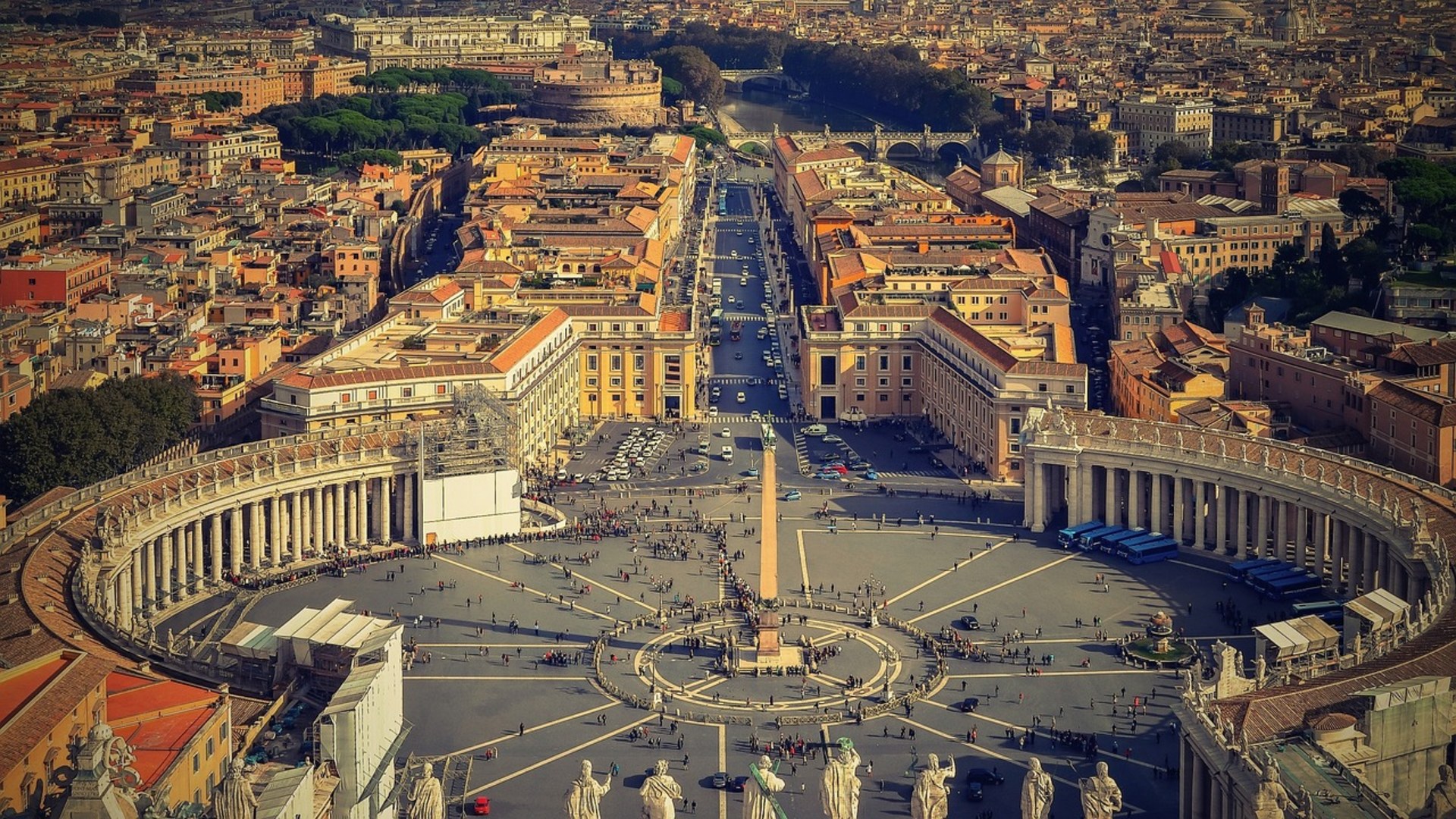
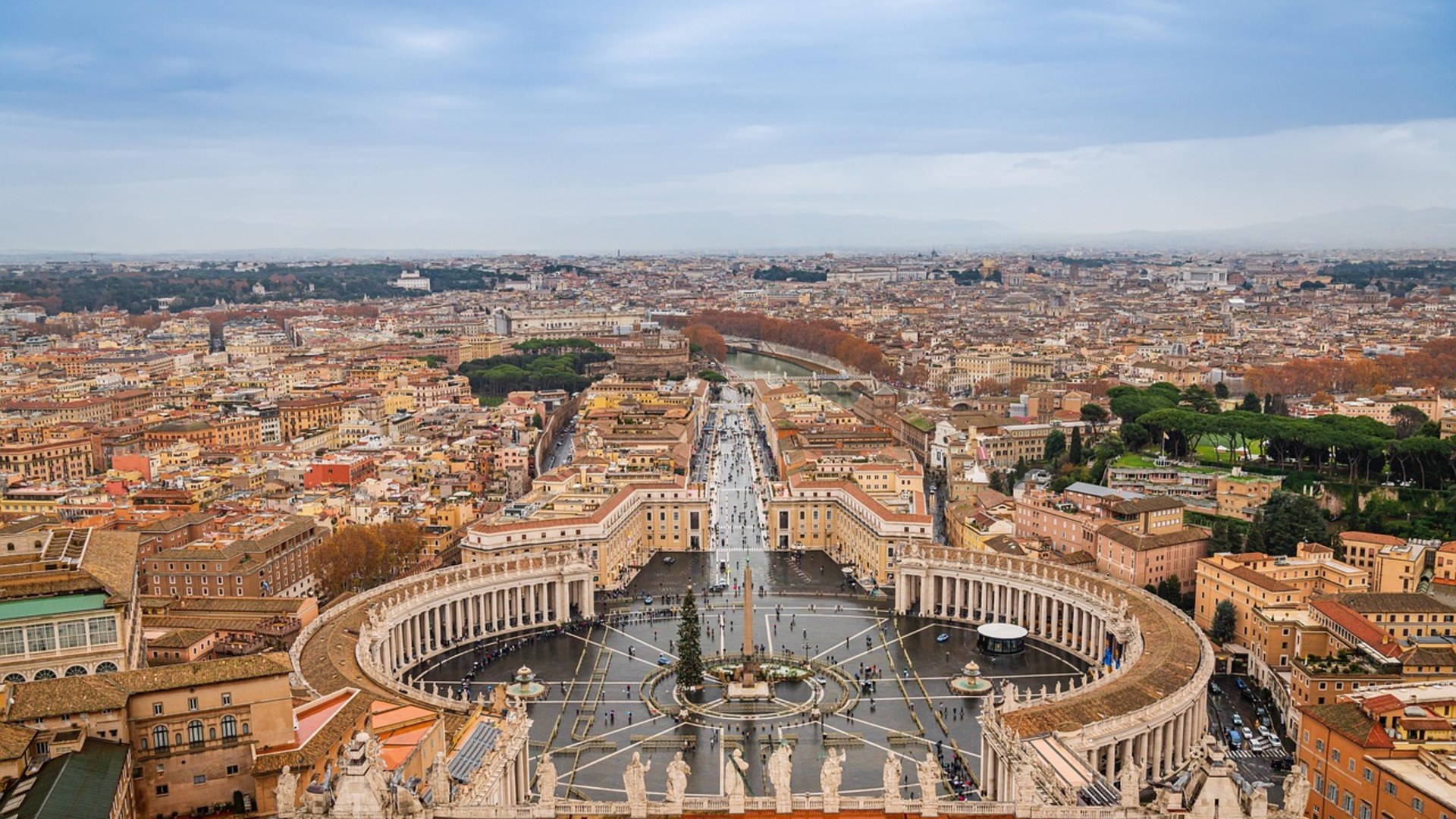
1. Vatican City: 0.49 Square Kilometers
Covering just forty-nine hectares, the Holy See operates as an independent city-state established by the 1929 Lateran Treaty. Despite fitting inside a single city neighborhood, it maintains its own post office, railway, radio station, Swiss Guard corps, and the magnificent Saint Peter Basilica.
©Pixabay / Walkerssk
Advertisement
You've reached the end of the story. Thanks for reading!

20 Countries With the Strict Laws in the World
While civil statutes vary globally, certain jurisdictions impose uncompromising legal frameworks that surprise outsiders. From mandatory judicial corporal punishment to total digital censorship and strict civic tranquility mandates, here are twenty countries with the most stringent legal codes enforced today.
All 20 Entries in this Story
#20 Singapore: 734 Square Kilometers
Sitting at the southern tip of the Malay Peninsula, Singapore is a global powerhouse despite covering only 734 square kilometers. Ongoing land reclamation projects have expanded its territory by twenty-five percent since independence, accommodating world-class gardens and futuristic ports.

#19 Micronesia: 702 Square Kilometers
The Federated States of Micronesia comprises over six hundred islands scattered across nearly three million square kilometers of the western Pacific Ocean. Despite that vast maritime expanse, its actual land area measures just 702 square kilometers divided among Yap, Chuuk, Pohnpei, and Kosrae.

#18 Saint Lucia: 616 Square Kilometers
Covering 616 square kilometers in the eastern Caribbean Sea, this sovereign island nation is celebrated for the dramatic Gros Piton and Petit Piton spires rising from the sea. Its volcanic geology provides fertile agricultural soils, geothermal sulphur springs, and pristine beaches.

#17 Andorra: 468 Square Kilometers
Co-ruled by the French president and the Bishop of Urgell in Spain, Andorra spans 468 square kilometers of alpine peaks and glacial valleys. It remains the largest European microstate by land area, renowned for duty-free trade and premier high-altitude ski resorts along the Pyrenees.

#16 Palau: 459 Square Kilometers
Located in the western Pacific, Palau encompasses roughly 340 coral and volcanic islands that total 459 square kilometers of land. The nation established the world first nationwide shark sanctuary, protecting pristine turquoise lagoons and the famous UNESCO-listed Rock Islands.

#15 Seychelles: 452 Square Kilometers
Spanning 115 islands across the western Indian Ocean, Seychelles holds the title of Africa smallest sovereign country at 452 square kilometers. Its unique granitic inner islands feature prehistoric rainforests like the Vallee de Mai, home to the world largest endemic seed, the coco de mer.

#14 Antigua And Barbuda: 442 Square Kilometers
Consisting of two major populated islands alongside smaller uninhabited islets, this Caribbean commonwealth nation measures 442 square kilometers. Antigua is famous for its 365 distinct beaches and historic English Harbour, while low-lying Barbuda hosts massive frigatebird colonies.

#13 Barbados: 430 Square Kilometers
Unlike its volcanic neighbors in the Lesser Antilles chain, Barbados is primarily composed of coral limestone spanning 430 square kilometers. The easternmost Caribbean island maintains a vibrant parliamentary tradition, historic Bridgetown garrison fortifications, and surf breaks.

#12 Saint Vincent: 389 Square Kilometers
Centered around the active La Soufriere volcano, the main island of Saint Vincent joins thirty-two smaller Grenadine cays to form 389 square kilometers of territory. The archipelago draws sailors from around the globe to explore coral atolls, quiet yacht harbors, and lush rainforests.

#11 Grenada: 344 Square Kilometers
Covering 344 square kilometers in the southern Caribbean, Grenada includes the volcanic main island and two southern Grenadine dependencies, Carriacou and Petite Martinique. It ranks among the world top exporters of nutmeg and mace, complemented by colorful Georgian harbor towns.

#10 Malta: 316 Square Kilometers
Positioned south of Sicily, the Maltese archipelago of Malta, Gozo, and Comino spans 316 square kilometers of rocky Mediterranean coastline. Despite its small area, Malta holds one of the highest population densities on Earth, boasting prehistoric temples older than the pyramids.

#9 Maldives: 300 Square Kilometers
While the Maldives maritime territory covers ninety thousand square kilometers of the Indian Ocean, its dry land area adds up to just 300 square kilometers. It is the lowest and flattest country on Earth, with an average natural ground level of only one point five meters above sea level.

#8 Saint Kitts And Nevis: 261 Square Kilometers
Separated by a shallow two-mile channel called The Narrows, these two volcanic Caribbean islands comprise 261 square kilometers of territory. Dominated by dormant crater peaks and the historic Brimstone Hill Fortress, Saint Kitts and Nevis maintains rich colonial architecture.

#7 Marshall Islands: 181 Square Kilometers
With only 181 square kilometers of dry land spread across nearly two million square kilometers of ocean, the Marshall Islands represents an oceanic frontier. The nation low-lying coral atolls encircle giant lagoons, facing acute modern challenges from rising global sea levels.

#6 Liechtenstein: 160 Square Kilometers
Ruled by the Prince of Liechtenstein from Vaduz Castle, this 160-square-kilometer principality is one of only two doubly landlocked countries in the world. Its prosperous economy pairs precision industrial manufacturing with serene Rhine river valleys and soaring Alpine peaks.

#5 San Marino: 61 Square Kilometers
Completely landlocked within central Italy, San Marino covers 61 square kilometers around three iconic stone towers on Monte Titano. Founded in 301 AD by Saint Marinus, this historic enclave has preserved uninterrupted independence and unique republican governance for seventeen centuries.

#4 Tuvalu: 26 Square Kilometers
Formerly known as the Ellice Islands, Tuvalu measures just 26 square kilometers of total land, making it the fourth smallest sovereign nation. With no point higher than five meters above sea level, its narrow atoll rims and serene lagoons are among the least-visited spots on the globe.

#3 Nauru: 21 Square Kilometers
Covering only 21 square kilometers, the single raised phosphate island of Nauru sits just south of the equator in Micronesia. Unlike most island nations, Nauru possesses no official capital city, and a paved ring road circling the entire island can be driven in less than thirty minutes.

#2 Monaco: 2.02 Square Kilometers
Bordered by France and the Mediterranean Sea, the Principality of Monaco covers just over two square kilometers along the French Riviera. Governed by the Grimaldi dynasty since 1297, this glamorous coastal enclave hosts mega-yacht marinas, grand casinos, and the annual Formula One Grand Prix.

#1 Vatican City: 0.49 Square Kilometers
Covering just forty-nine hectares, the Holy See operates as an independent city-state established by the 1929 Lateran Treaty. Despite fitting inside a single city neighborhood, it maintains its own post office, railway, radio station, Swiss Guard corps, and the magnificent Saint Peter Basilica.