Slideshow · Viral
20 Countries With the Strict Laws in the World
While civil statutes vary globally, certain jurisdictions impose uncompromising legal frameworks that surprise outsiders. From mandatory judicial corporal punishment to total digital censorship and strict civic tranquility mandates, here are twenty countries with the most stringent legal codes enforced today.
By Most Viral Today
48 min ago

The Toughest Legal Codes and Harshest Punishments on Earth 
20. Russia: Foreign Entity Registry Laws And Assembly Controls 
19. Malaysia: Stringent Controlled Substances Legislation 
18. Bhutan: Mandatory National Dress Decrees And Tobacco Restrictions - AdvertisementSwipe or tap ▶ to continue countdown

17. Switzerland: Sunday Rest Mandates And Residential Quiet Codes 
16. Thailand: Strict Lèse-Majesté Decrees And Monarchy Protections 
15. Cuba: Centrally Planned Licensing And Private Enterprise Limits 
14. Uzbekistan: Strict Currency Customs Declarations And Literature Audits - AdvertisementSwipe or tap ▶ to continue countdown

13. Myanmar: State Emergency Ordinances And Telecommunications Limits 
12. Belarus: Public Gathering Bans And Administrative Detentions 
11. Qatar: Public Decorum Ordinances And Speech Statutes 
10. Japan: High Conviction Standards And Stringent Firearm Bans - AdvertisementSwipe or tap ▶ to continue countdown

9. Eritrea: Indefinite Civic Conscription And Information Oversight 
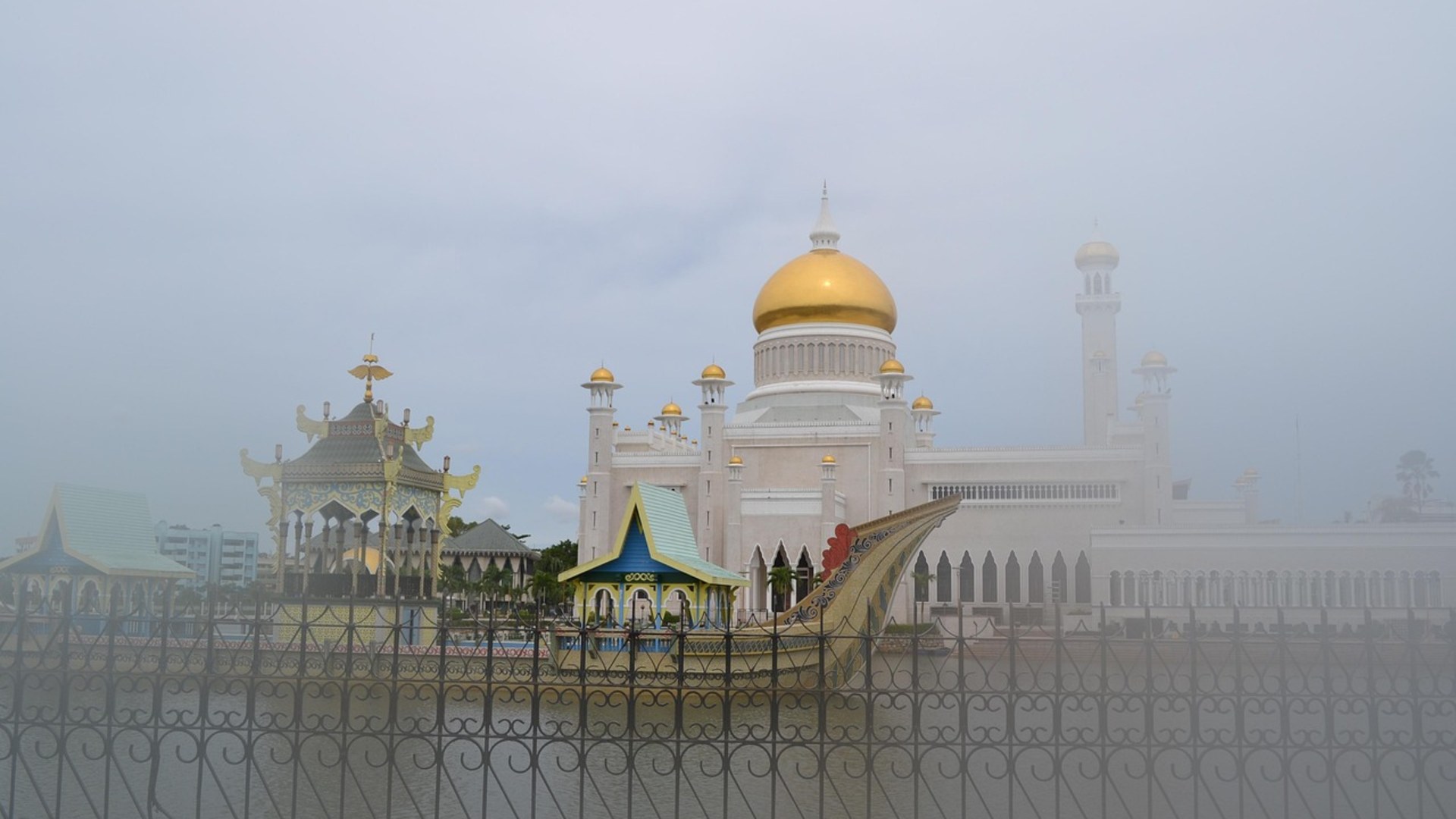
8. Brunei: Syariah Penal Code And Public Conduct Statutes 
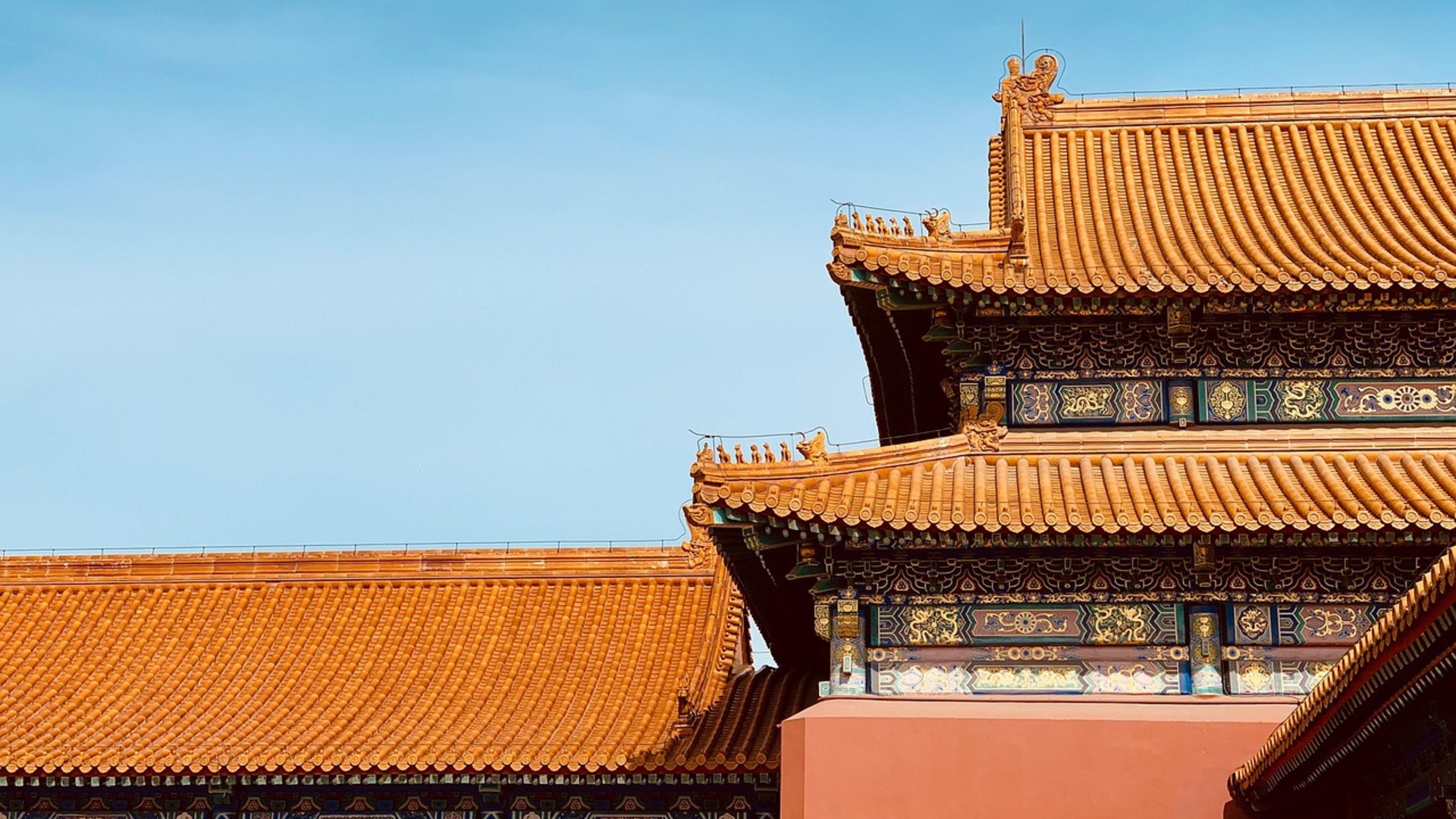
7. China: Digital Information Firewall And Public Security Decrees 
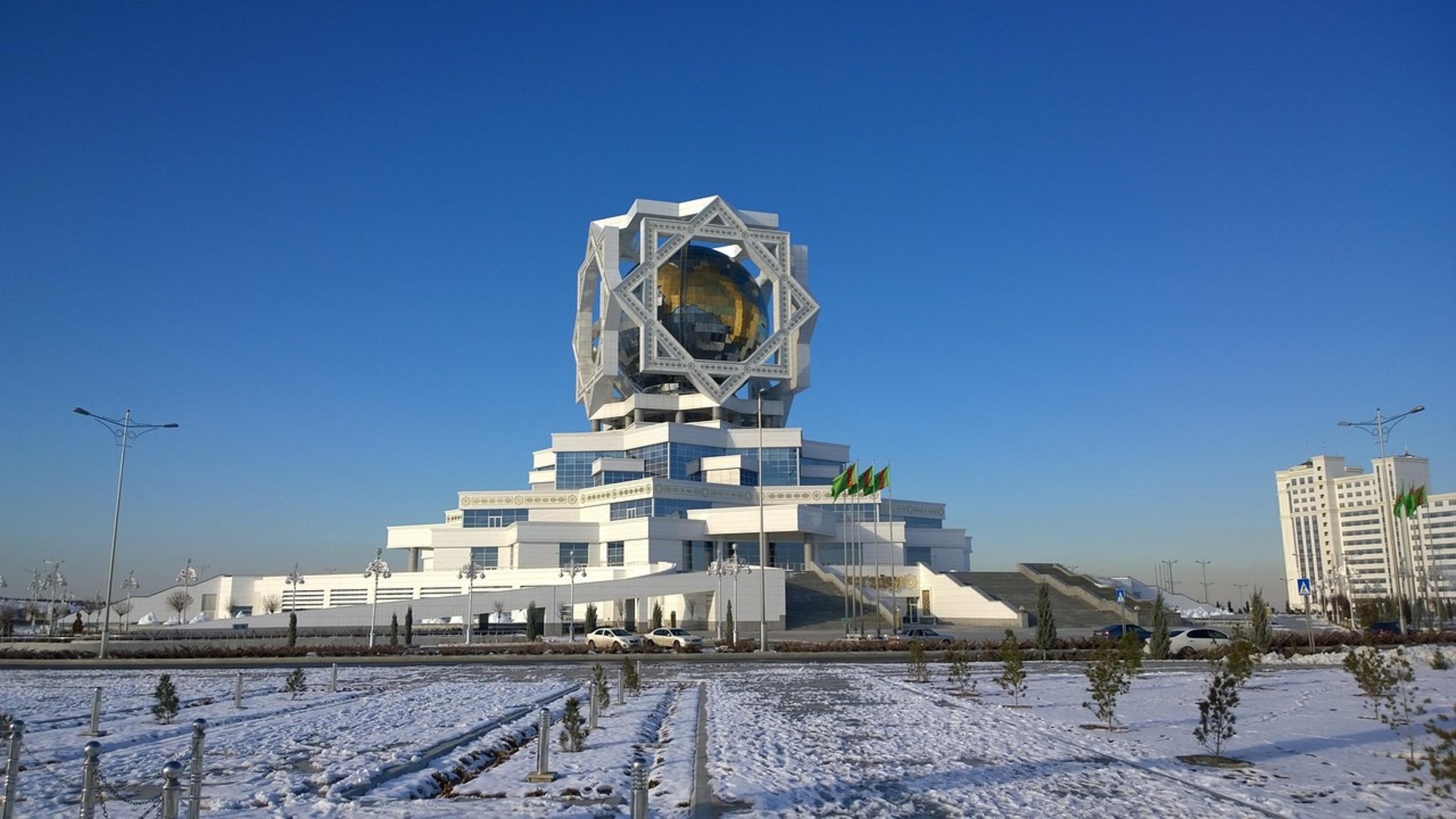
6. Turkmenistan: State Directives And Architectural Ordinances - AdvertisementSwipe or tap ▶ to continue countdown

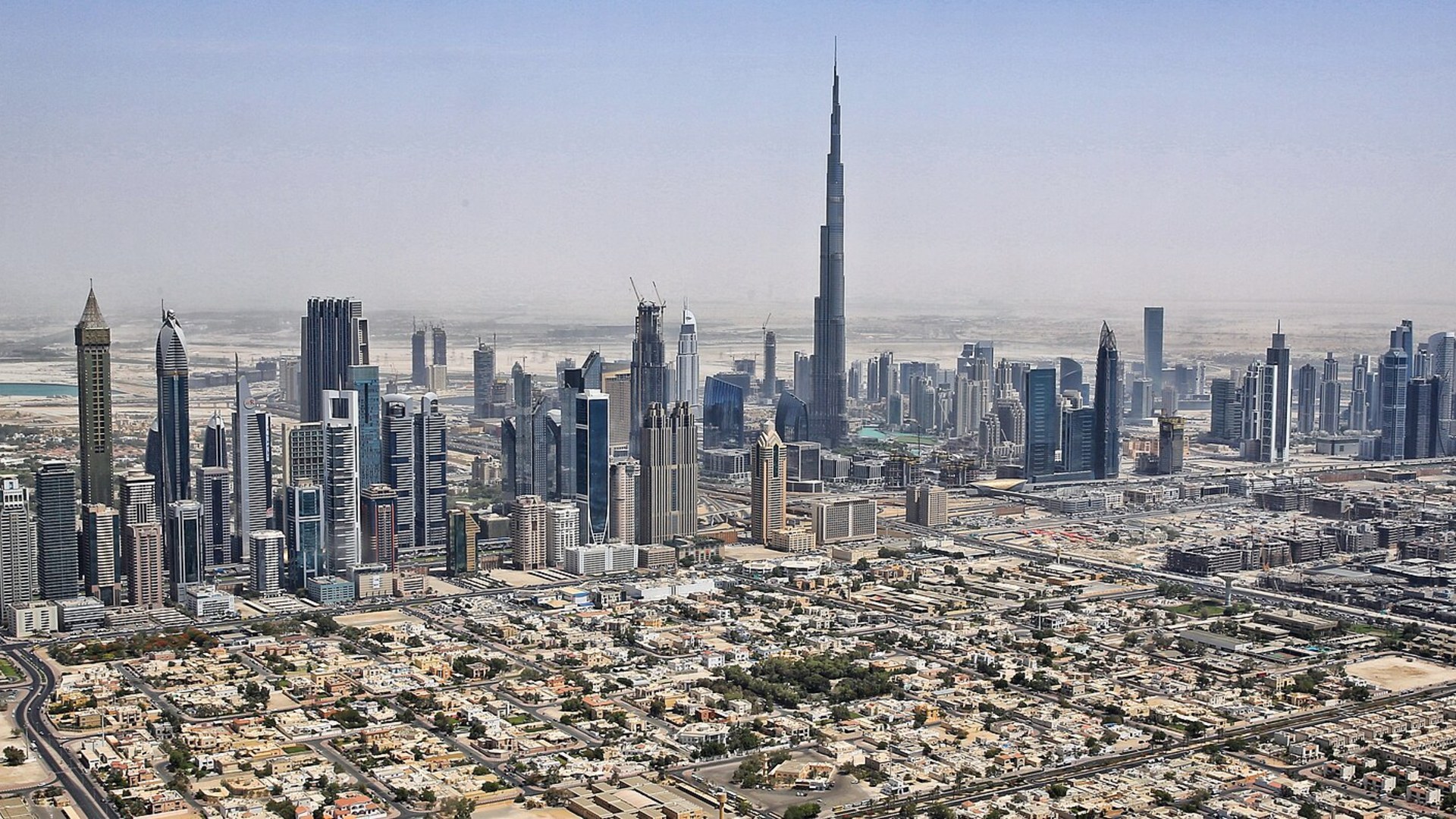
5. United Arab Emirates: Zero-Tolerance Narcotics And Cybercrime Laws 
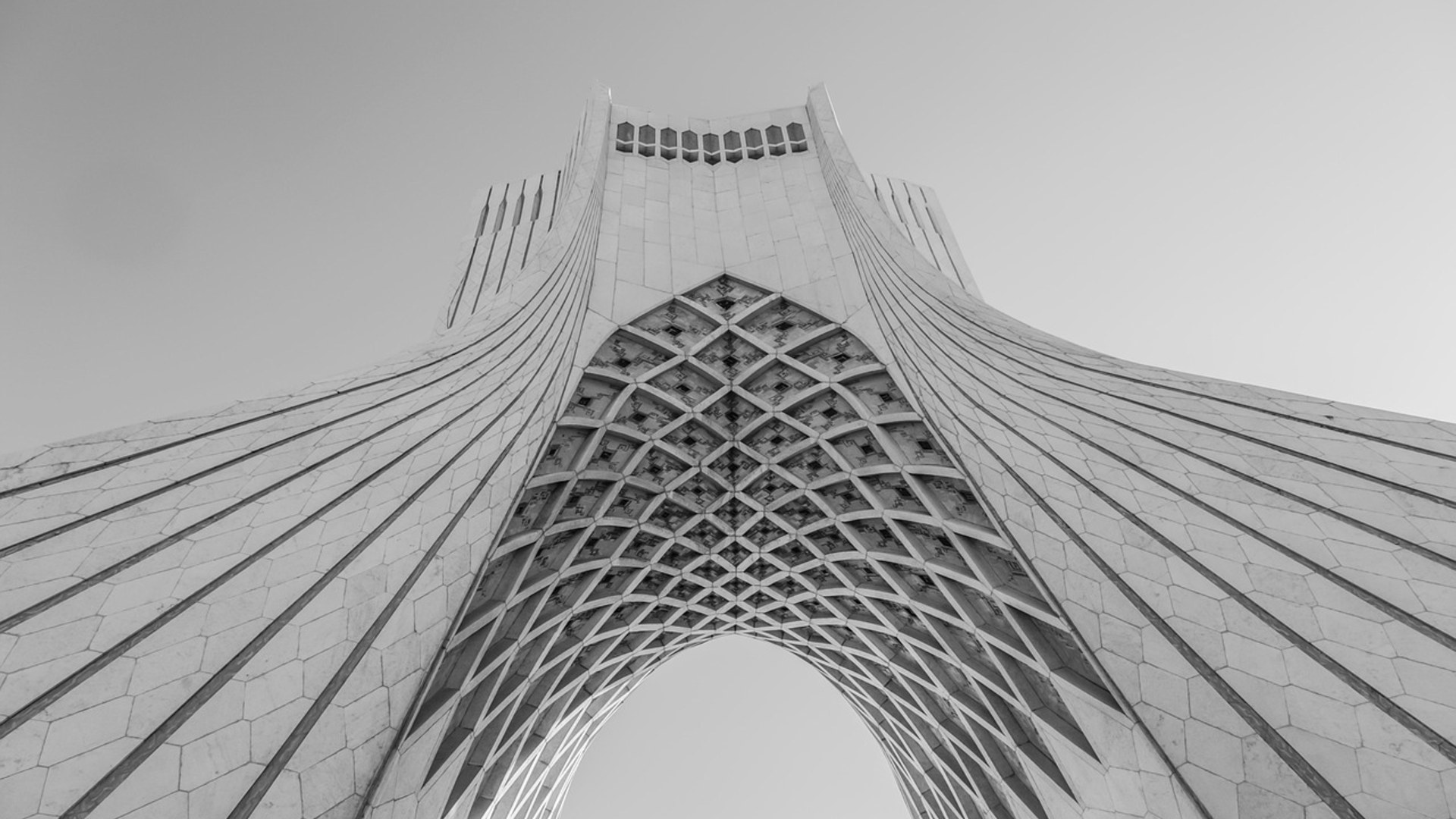
4. Iran: Mandatory Morality Enactments And Speech Codes 
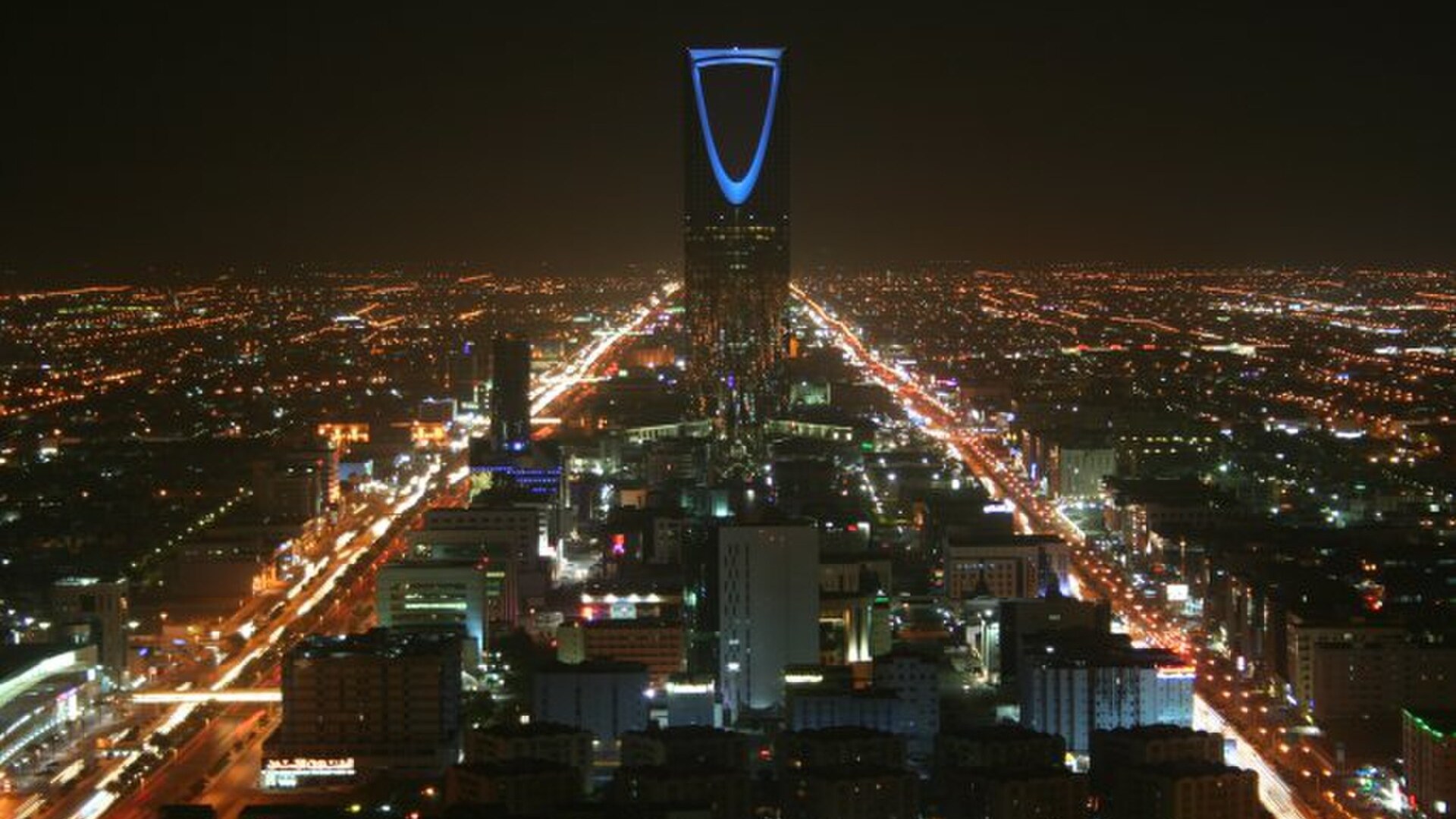
3. Saudi Arabia: Strict Penal System And Moral Ordinances 
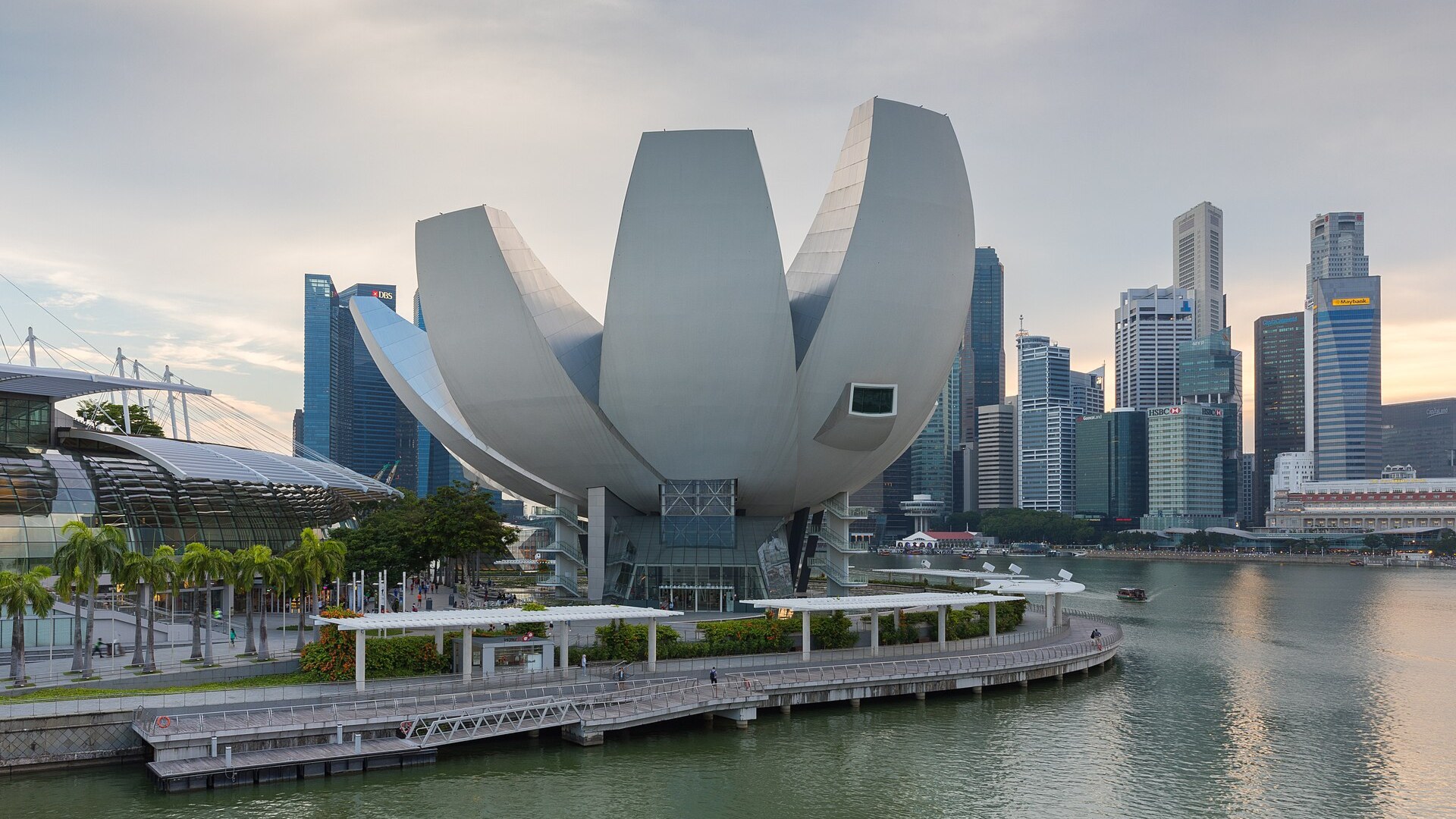
2. Singapore: Judicial Caning And Strict Public Order Fines - AdvertisementSwipe or tap ▶ to continue countdown

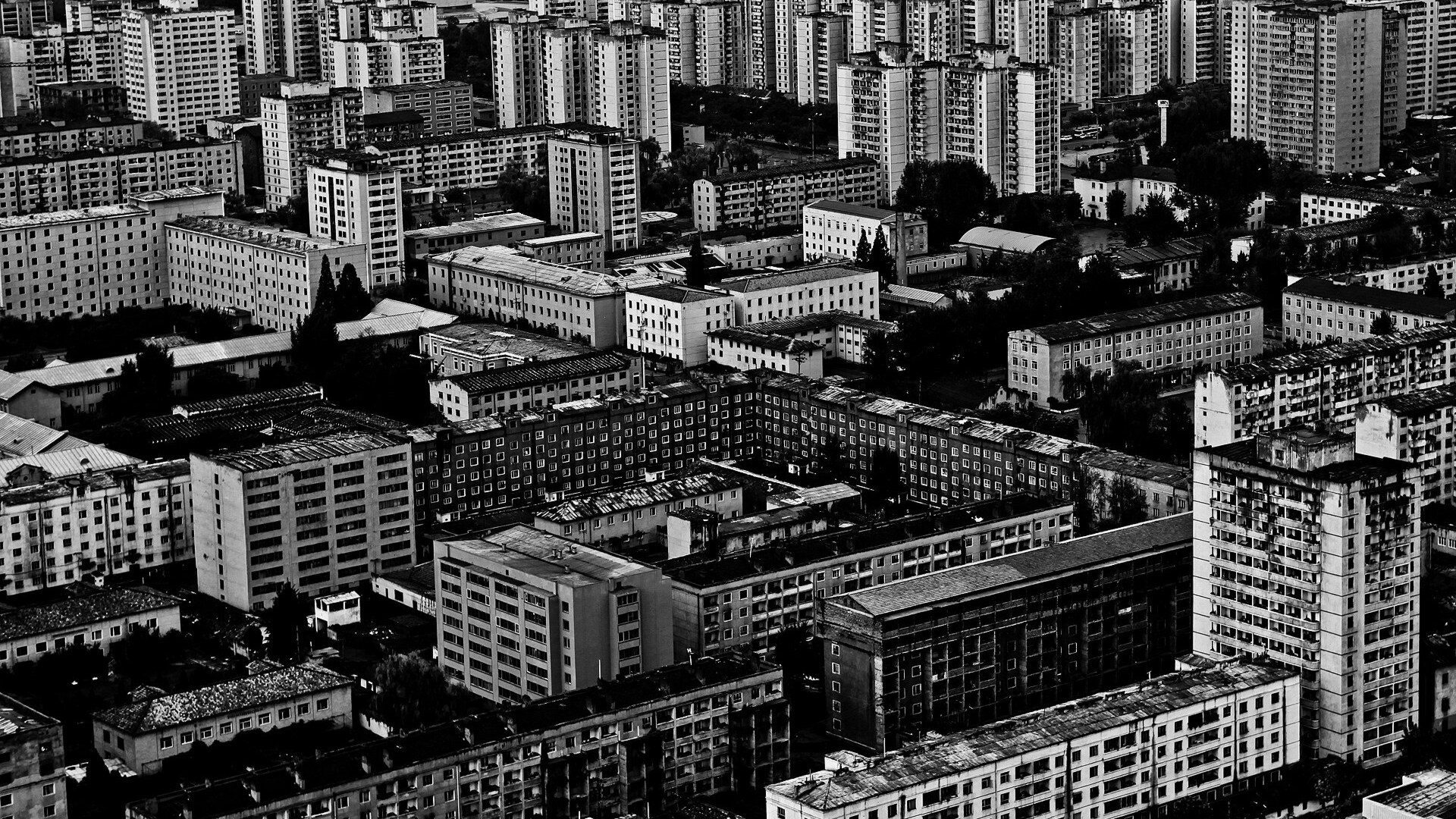
1. North Korea: Total State Information And Movement Control - Advertisement🔥 UP NEXT IN THIS SERIES◫ 21 Slides

20 Smallest Countries on Earth Ranked by Total Area
While giants like Canada and Brazil span entire continents, twenty independent microstates govern sovereign territories smaller than major global metropolitan airports. From fortified hilltop enclaves in Europe to secluded Pacific atolls, these fascinating nations maintain global recognition and distinct heritage.
While civil statutes vary globally, certain jurisdictions impose uncompromising legal frameworks that surprise outsiders. From mandatory judicial corporal punishment to total digital censorship and strict civic tranquility mandates, here are twenty countries with the most stringent legal codes enforced today.
Swipe or tap ▶ to begin the countdown
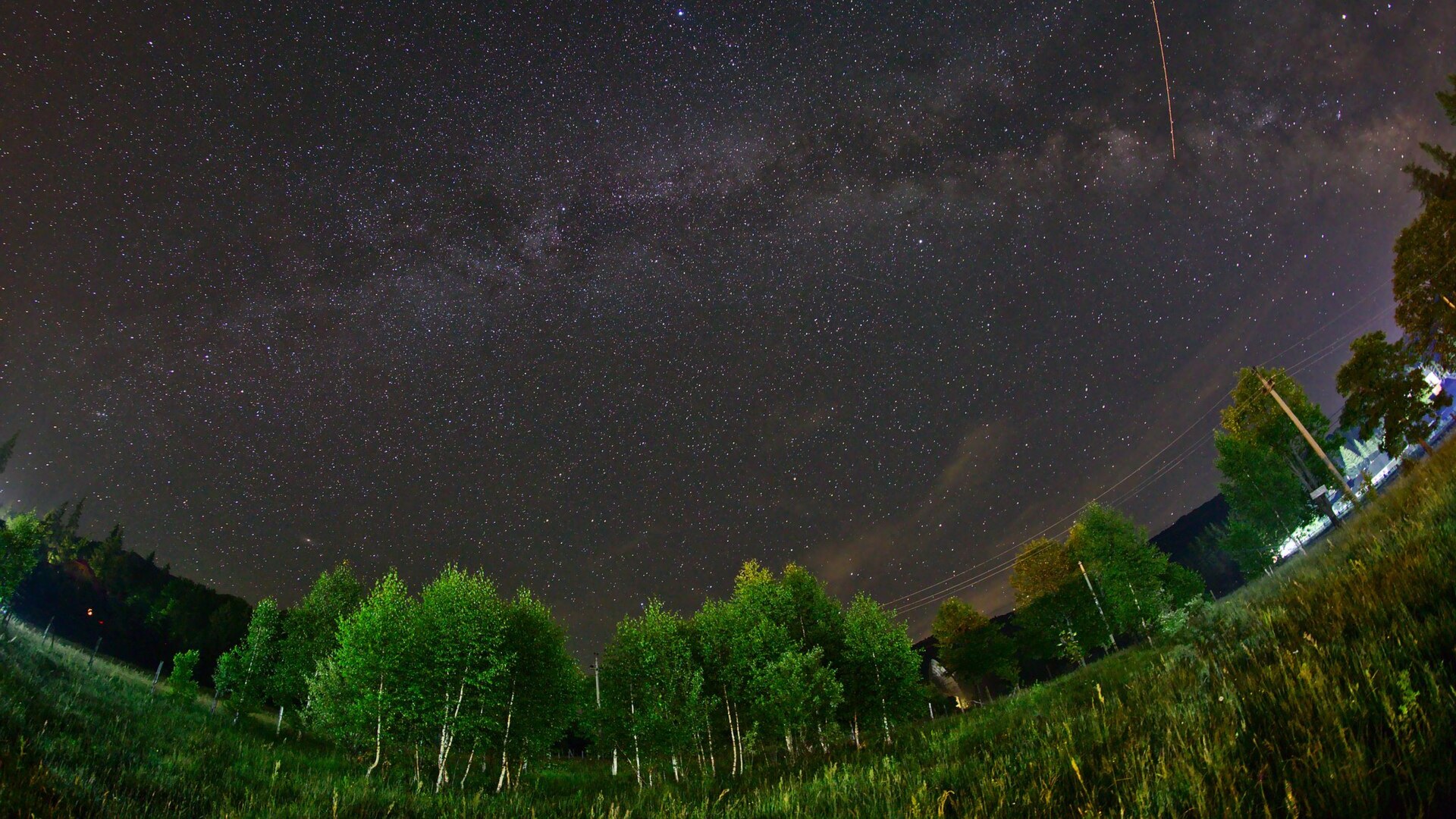
©Pixabay / goingTogether
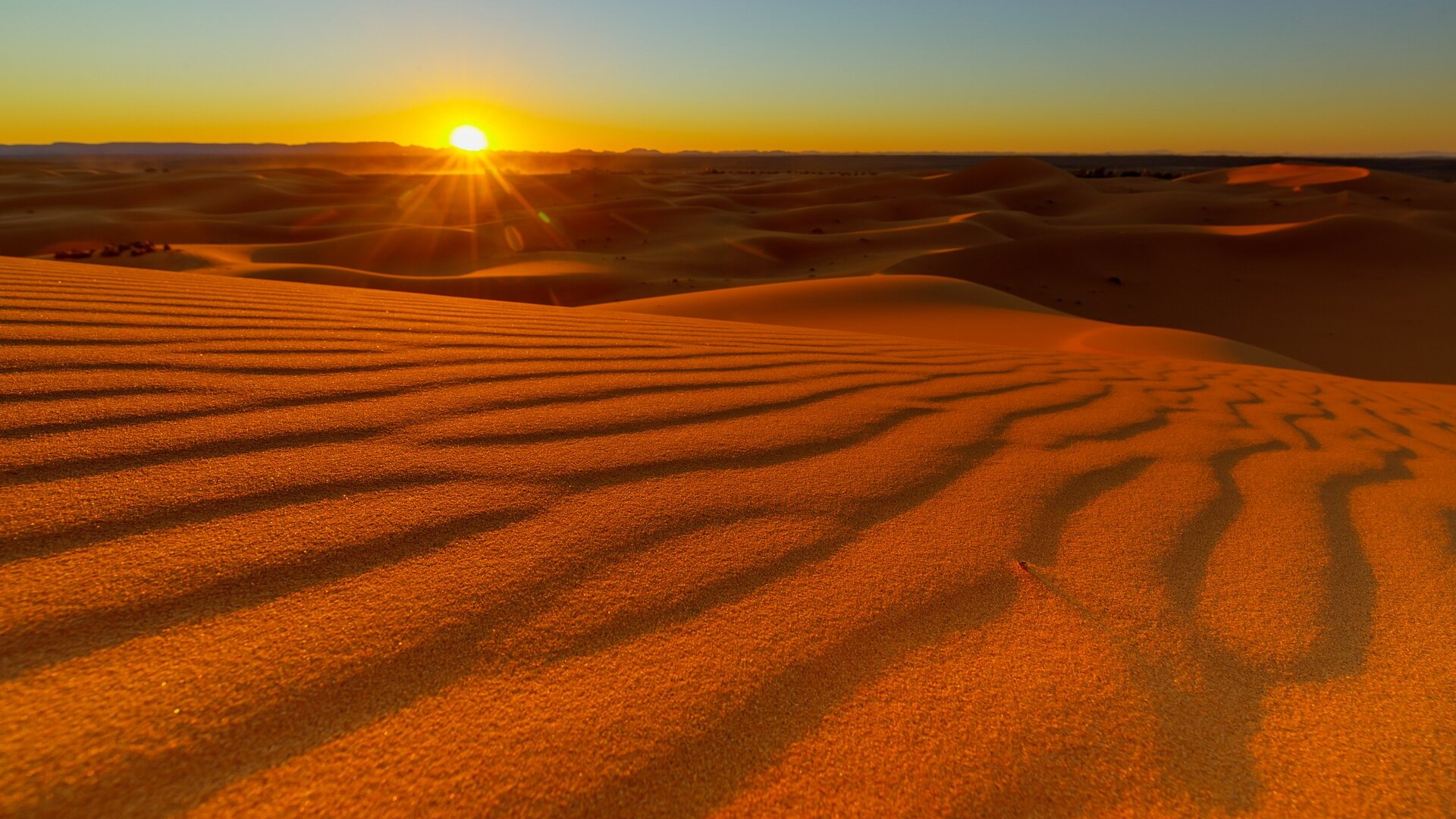
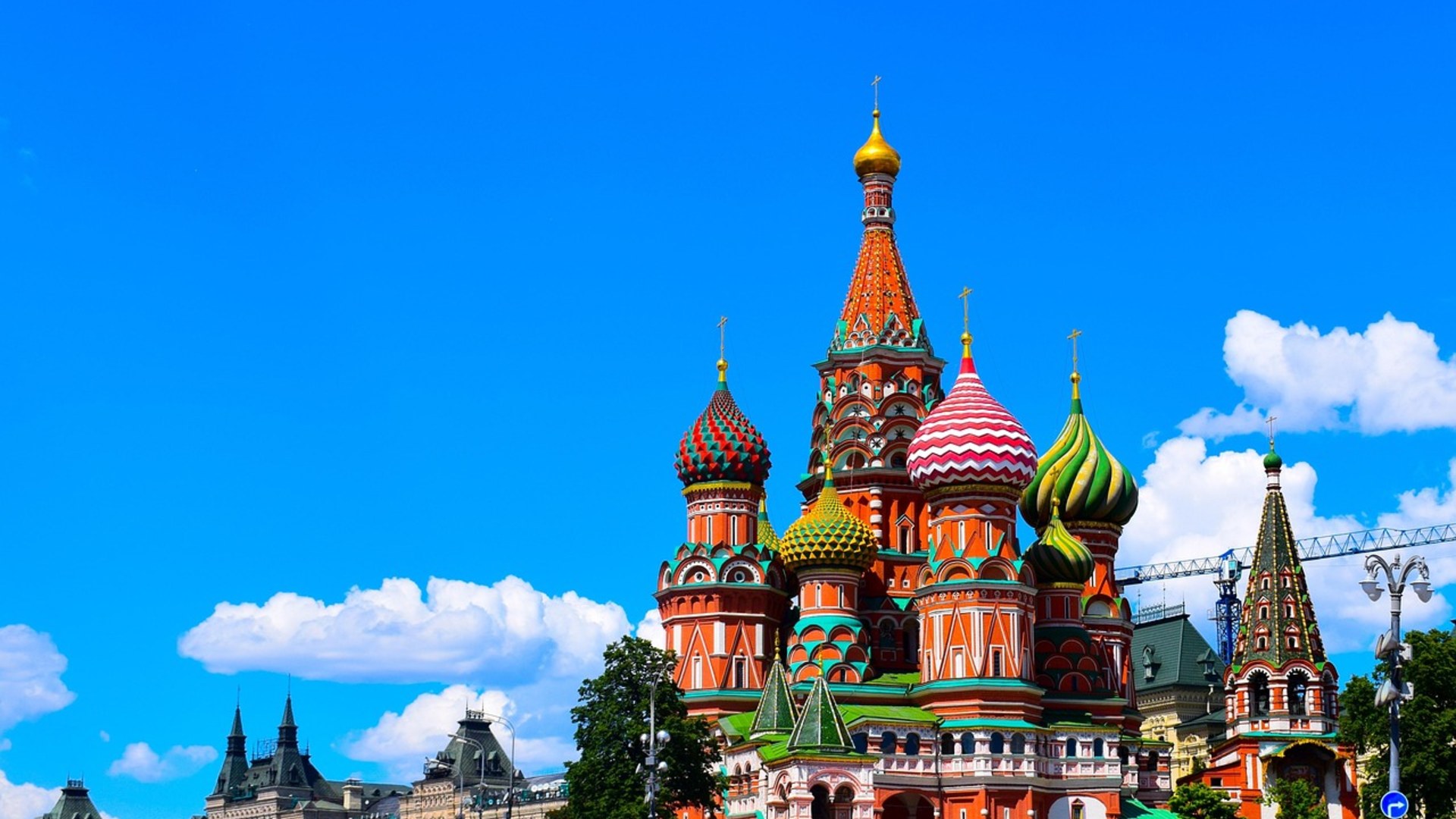
20. Russia: Foreign Entity Registry Laws And Assembly Controls
Under Federal Law No. 255-FZ, individuals and groups receiving foreign influence must register as foreign agents and include extensive disclaimer banners on public communication. Unauthorized single-person pickets or unsanctioned public protests trigger swift administrative fines and potential custodial sentences.
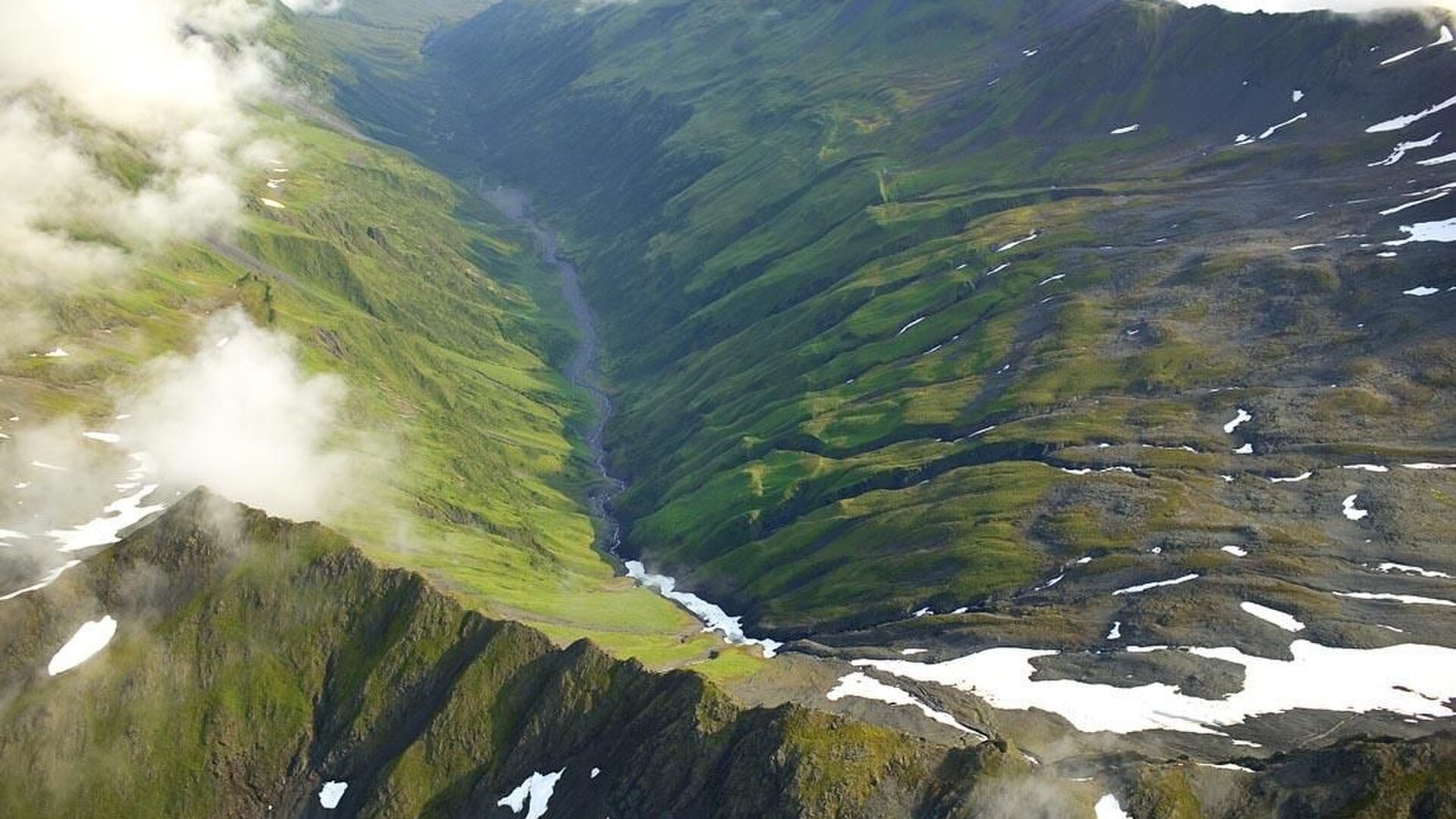
©Pixabay / opsa
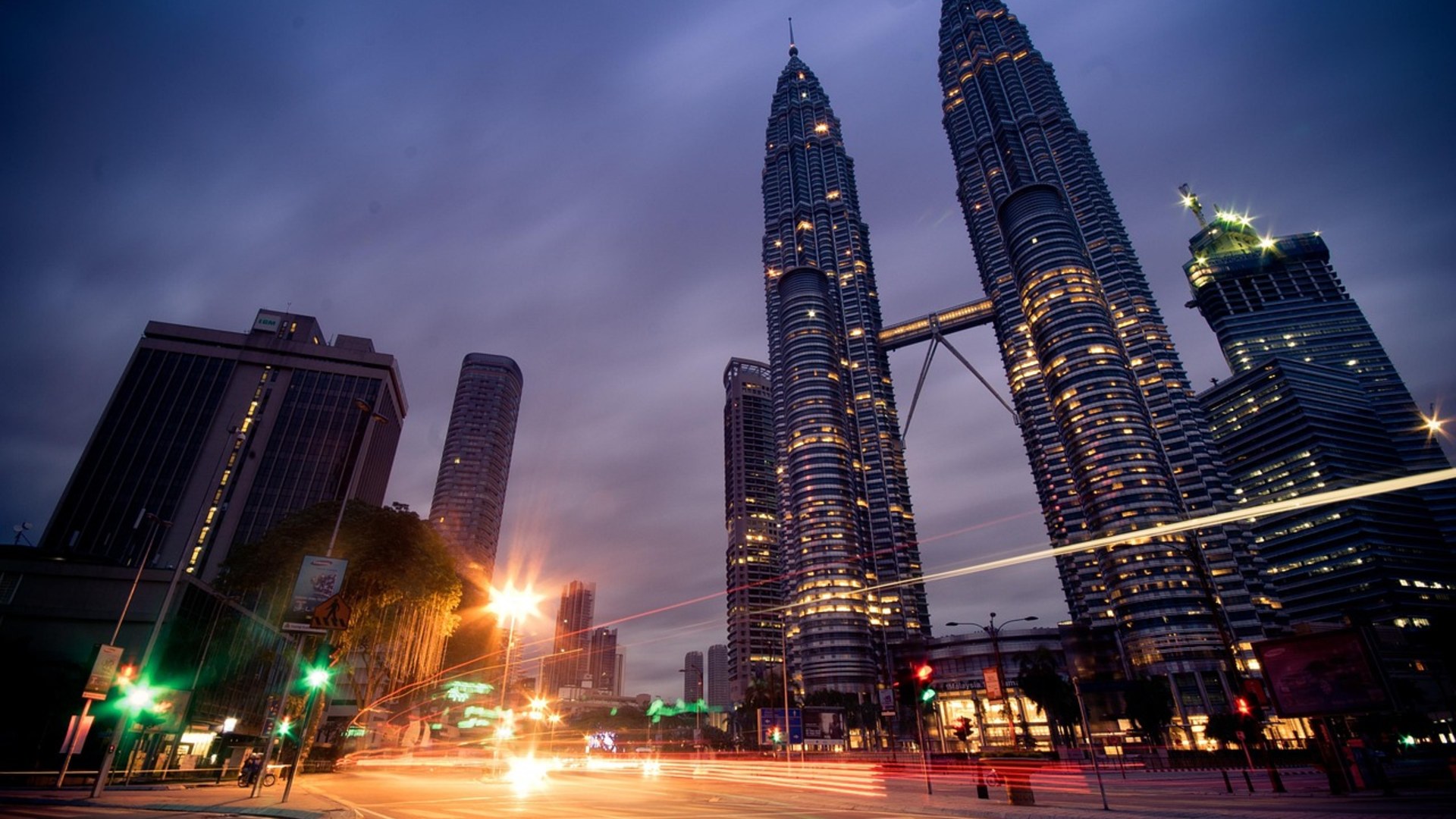
19. Malaysia: Stringent Controlled Substances Legislation
Section 39B of the Dangerous Drugs Act enforces heavy capital or life-imprisonment penalties for trafficking controlled substances. Exceeding statutory weight limits creates an immediate legal presumption of trafficking, shifting the burden of proof onto the accused to establish non-commercial possession.
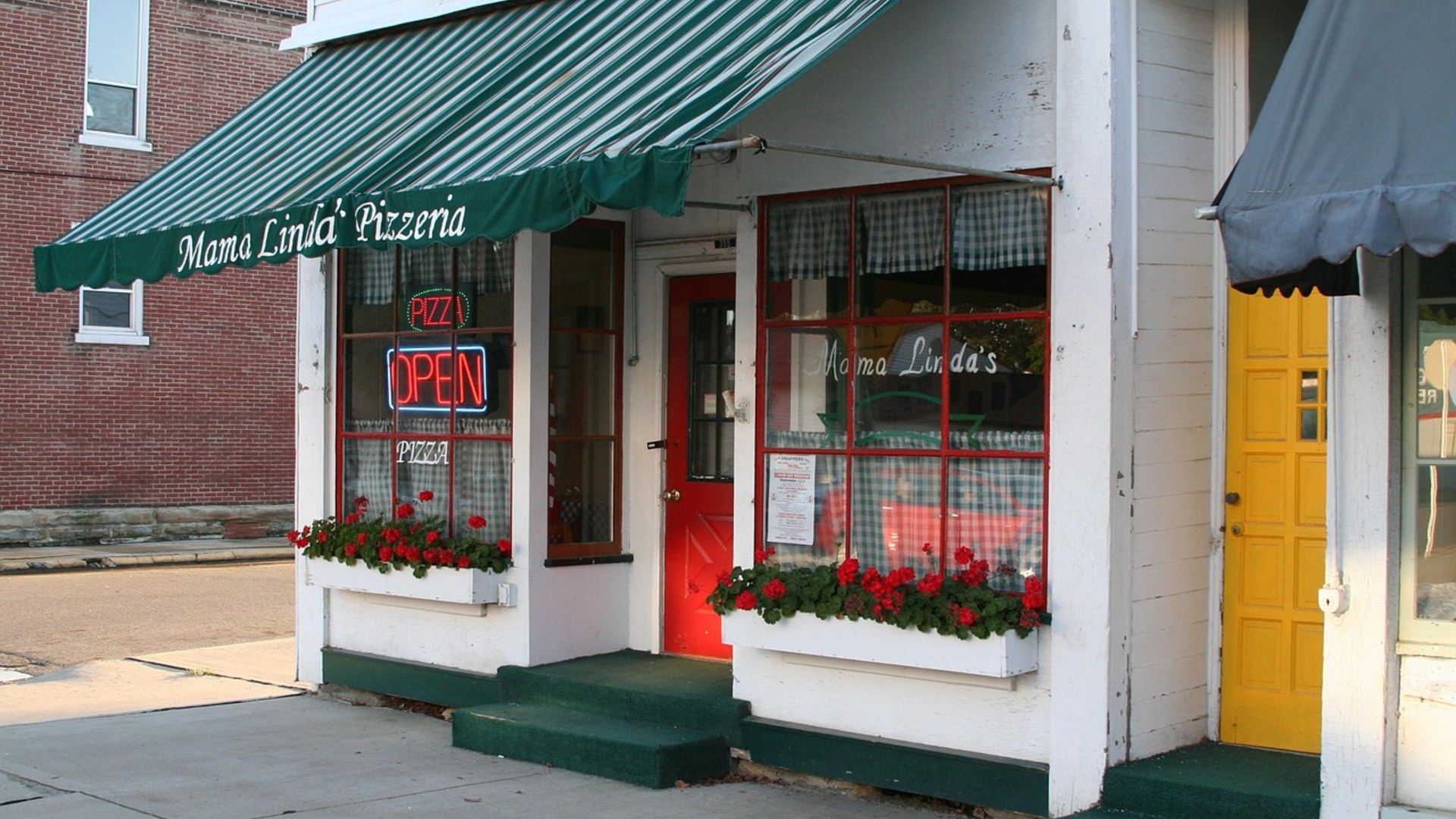
©Pixabay / peterng1618
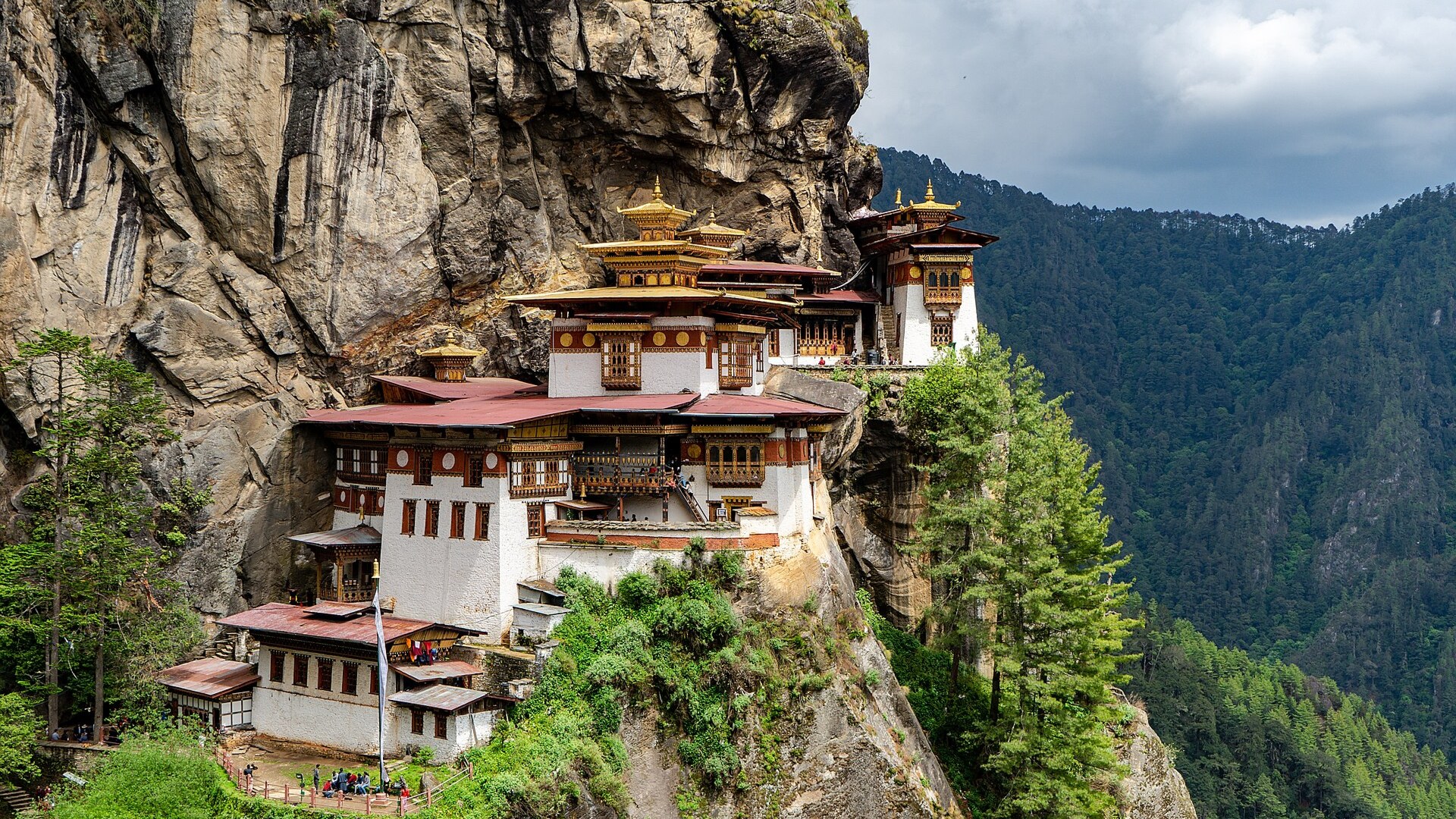
18. Bhutan: Mandatory National Dress Decrees And Tobacco Restrictions
Under the traditional etiquette code of Driglam Namzha, Bhutanese citizens must wear the national dress, the gho for men and the kira for women, in schools, government buildings, and official functions. Commercial sales of tobacco are heavily taxed and restricted to designated private premises.
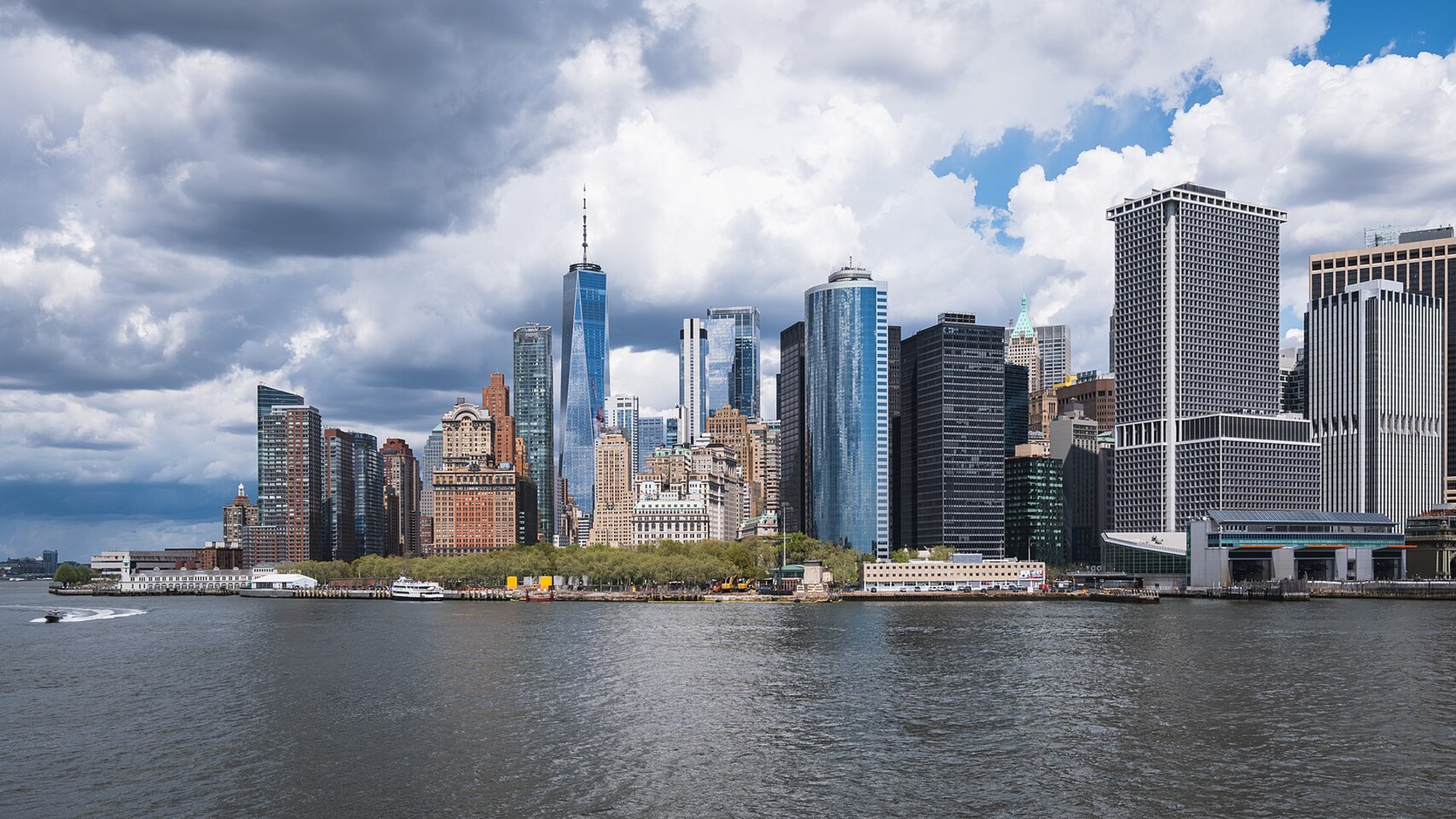
©Wikimedia / Original: Nina R from Africa Derivative work: Un
Advertisement
Swipe or tap ▶ to resume the countdown.
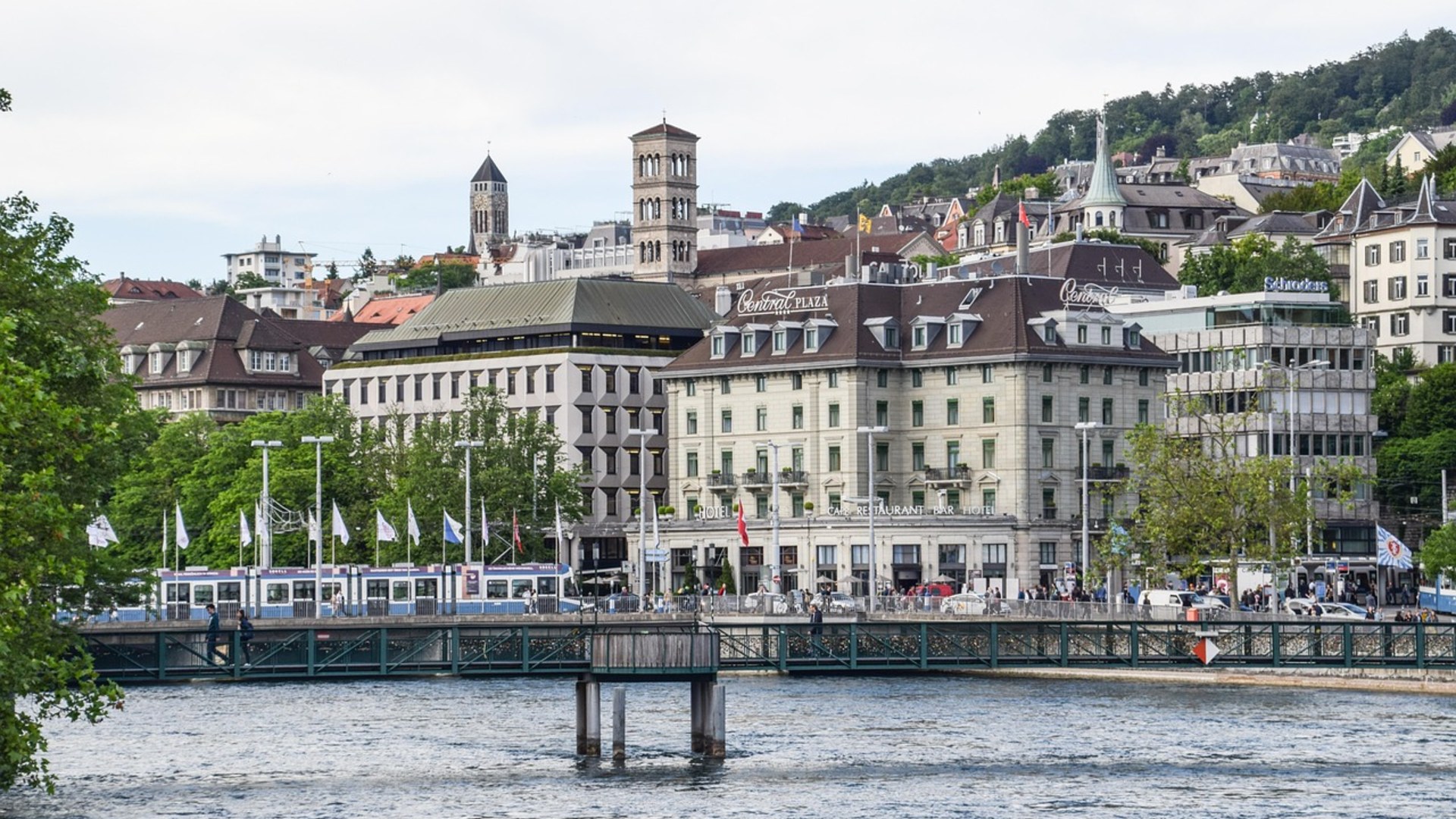
17. Switzerland: Sunday Rest Mandates And Residential Quiet Codes
Swiss communal Ruhezeit ordinances legally enforce domestic tranquility during evenings and all day Sunday. Performing noisy chores like mowing lawns, washing vehicles, or dropping glass bottles into public recycling bins is strictly prohibited and subject to police intervention and municipal fines.
©Pixabay / 3345557
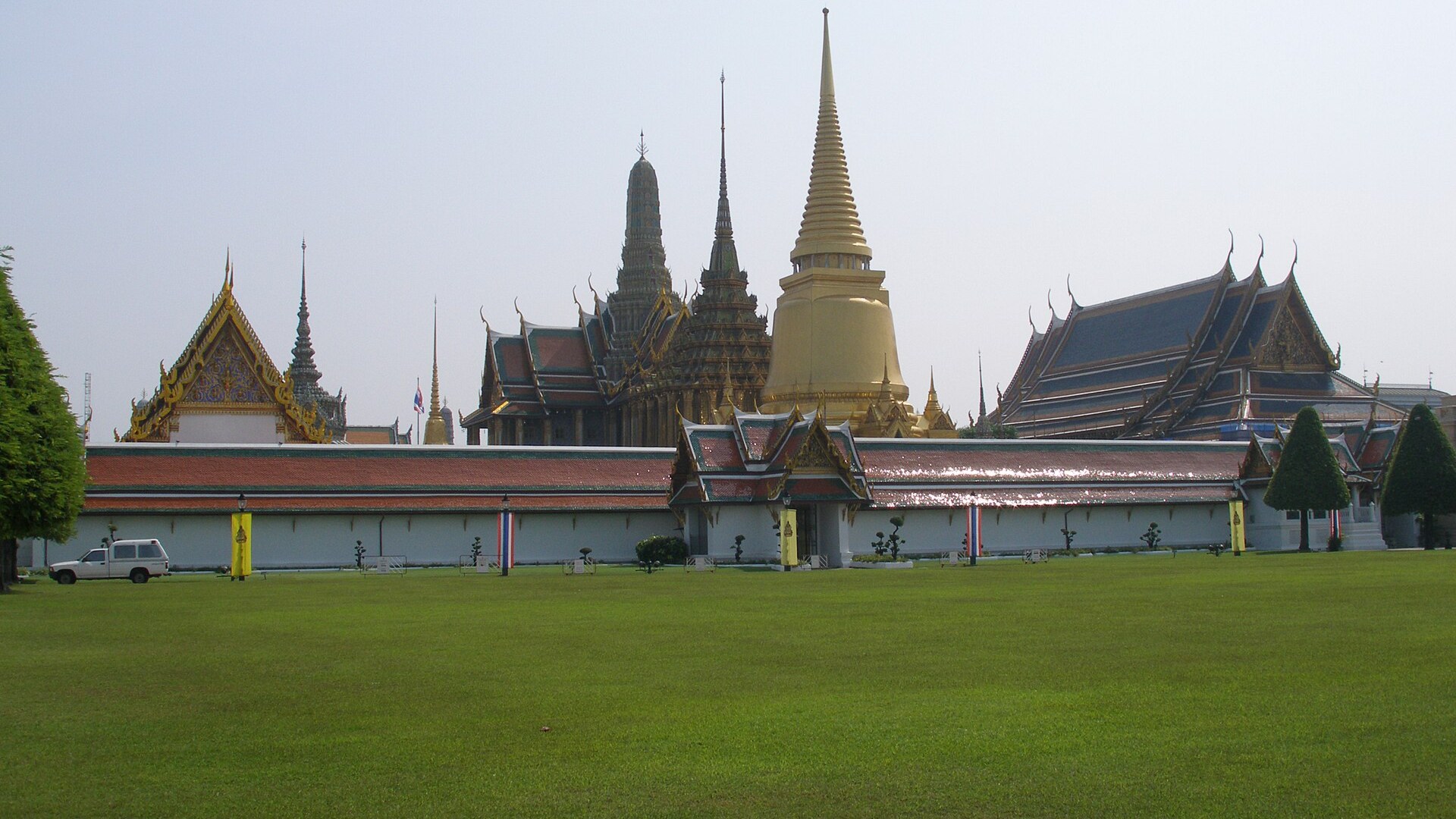
16. Thailand: Strict Lèse-Majesté Decrees And Monarchy Protections
Section 112 of the Thai Criminal Code penalizes defamation, insults, or threats directed at the king, queen, or heir with three to fifteen years of imprisonment per count. Stepping on coins or banknotes bearing the monarch's image is considered a grave legal violation and can lead to immediate arrest.
©Wikimedia / Vyacheslav Argenberg
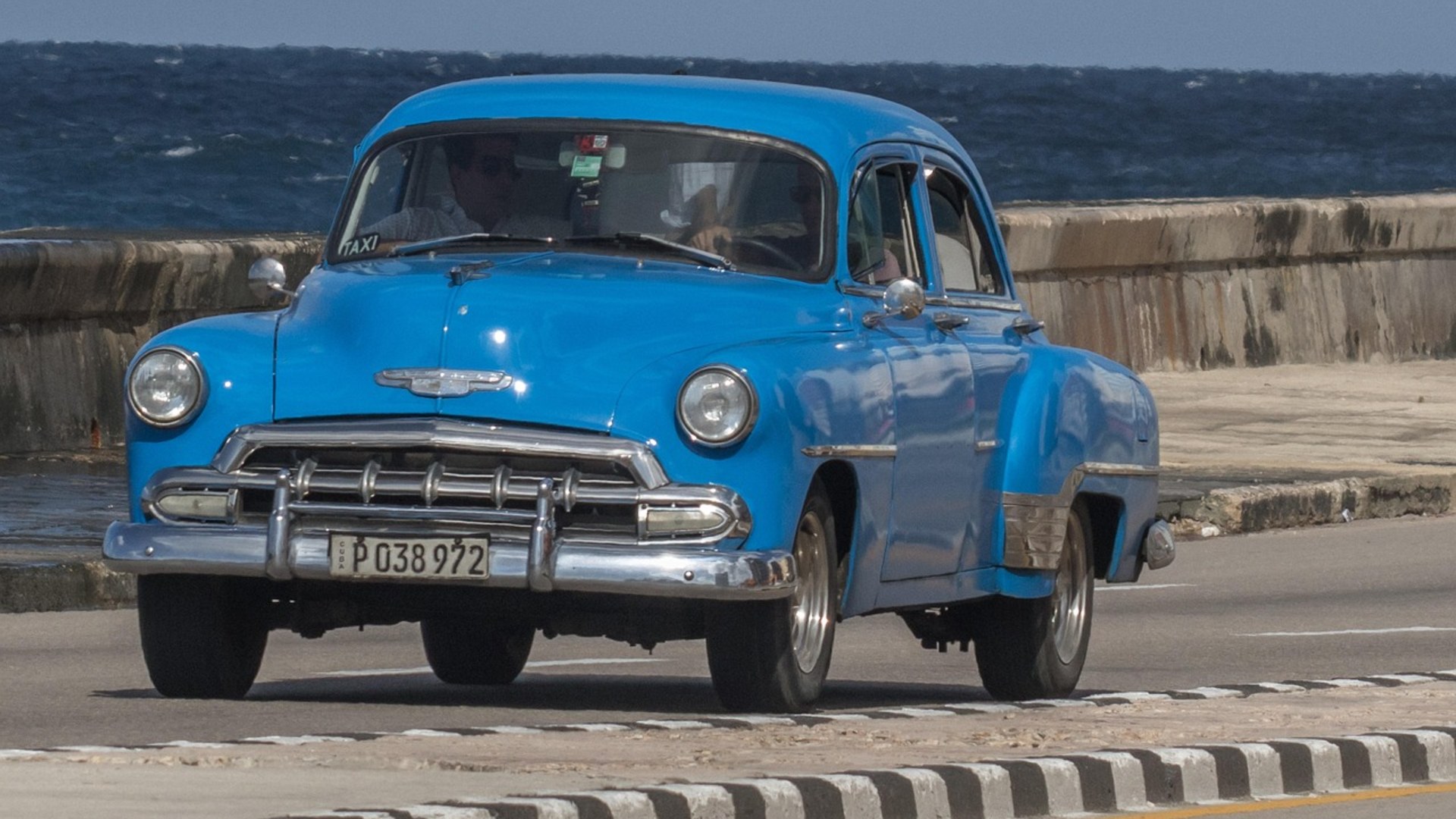
15. Cuba: Centrally Planned Licensing And Private Enterprise Limits
The Cuban Penal Code enforces tight state oversight over economic activities and political expression. Decree Law 370 prohibits circulating information deemed contrary to the social interest on public networks, while unauthorized private commerce faces rapid confiscation and business license cancellations.
©Pixabay / BarbeeAnne
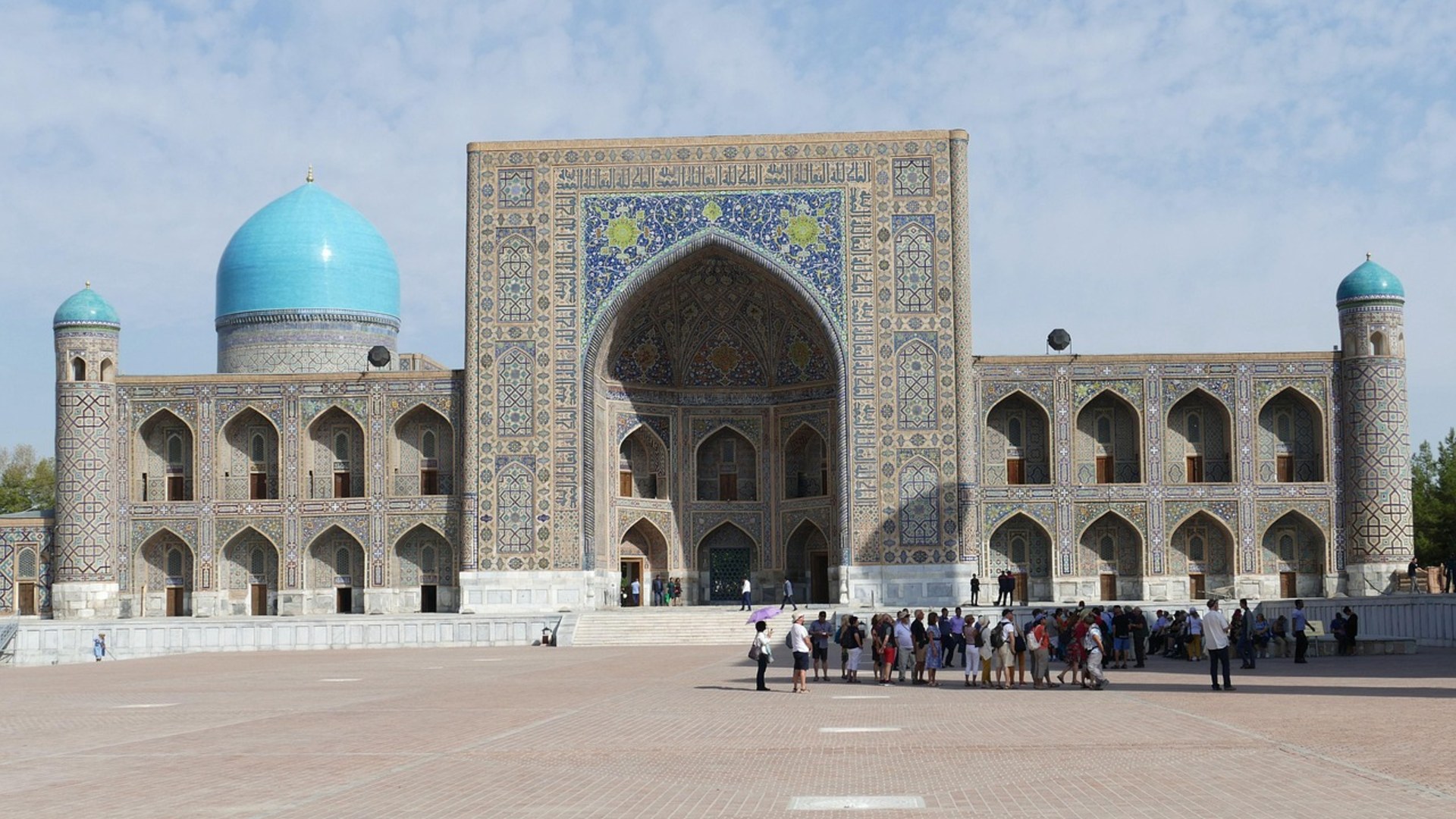
14. Uzbekistan: Strict Currency Customs Declarations And Literature Audits
Customs border points require precise electronic currency declarations, and carrying excess undeclared foreign notes risks confiscation. Bringing unapproved religious literature into the country is strictly regulated, with border authorities conducting thorough inspections of digital devices and baggage.
©Pixabay / falco
Advertisement
Swipe or tap ▶ to resume the countdown.
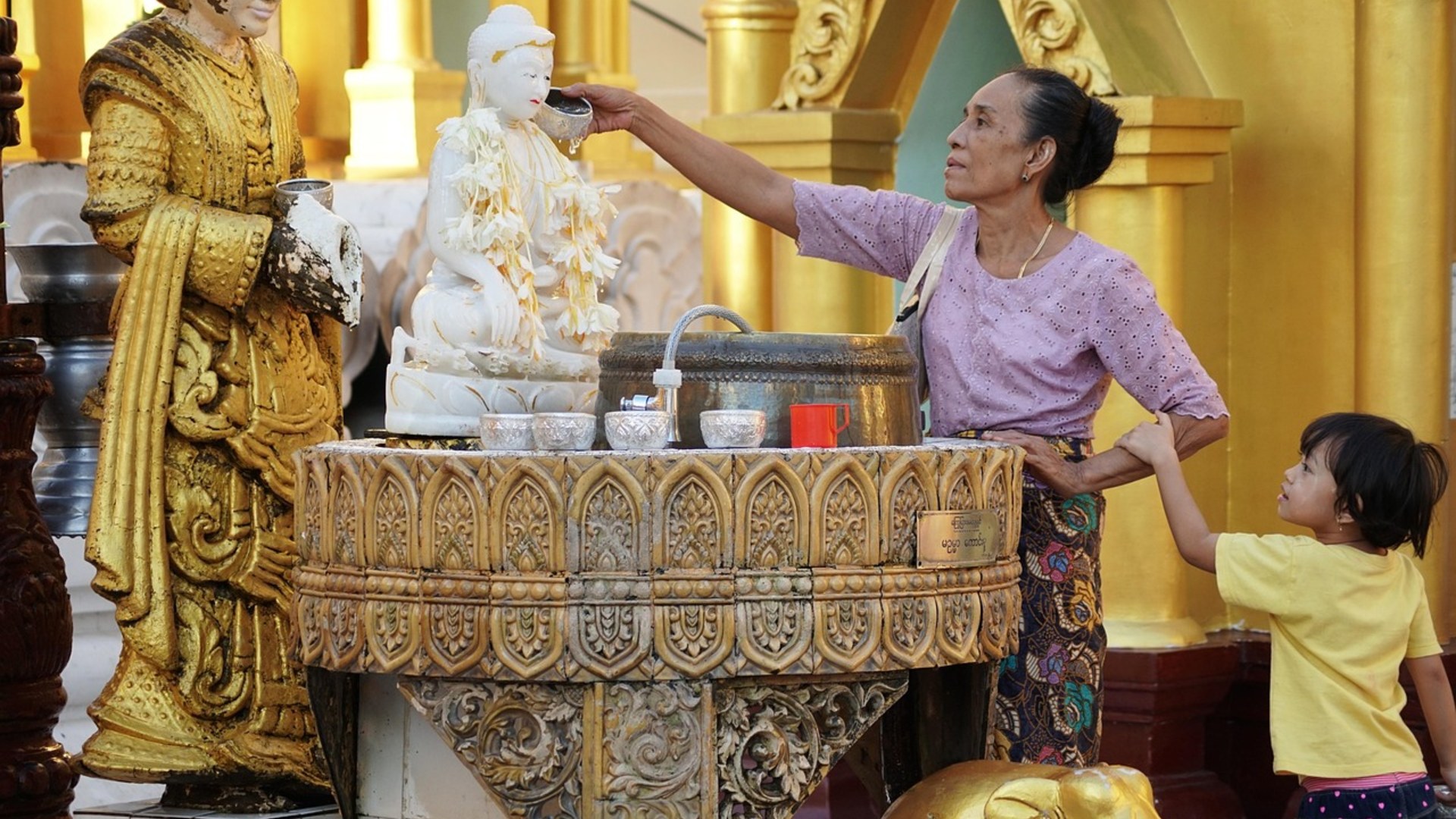
13. Myanmar: State Emergency Ordinances And Telecommunications Limits
Governed under state-of-emergency decrees, urban centers enforce mandatory overnight curfews and mandatory overnight guest registrations. Section 505A of the Penal Code criminalizes commentary deemed harmful to public order, while unapproved digital tools like VPNs can trigger prison sentences.
©Pixabay / BANITAtour
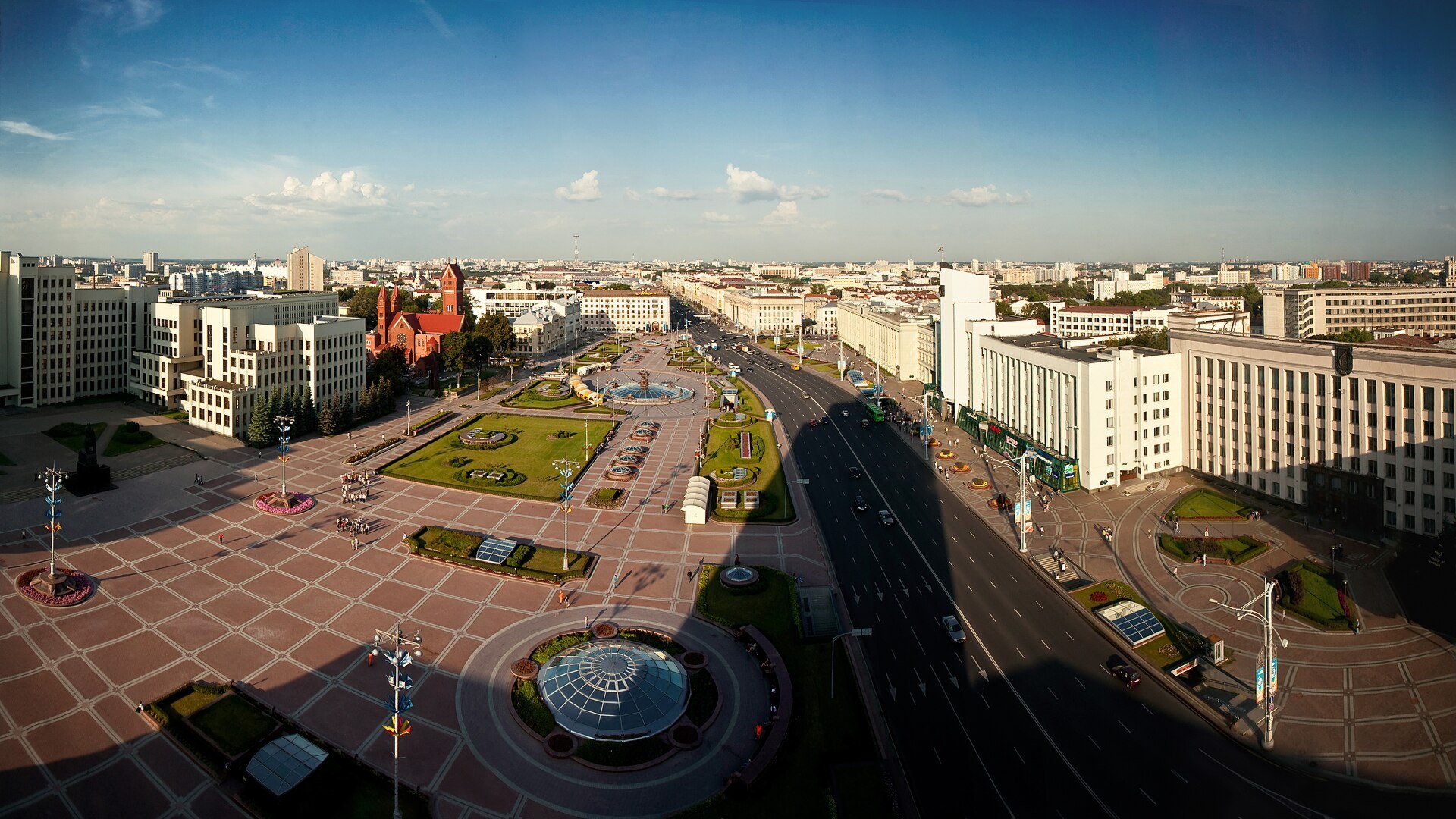
12. Belarus: Public Gathering Bans And Administrative Detentions
The Law on Mass Events prohibits unsanctioned street demonstrations, flash mobs, or displaying historical protest flags. Independent non-governmental organizations face strict registration bans, while following banned social media channels on messaging apps can lead to fast administrative arrests.
©Wikimedia / Zedlik
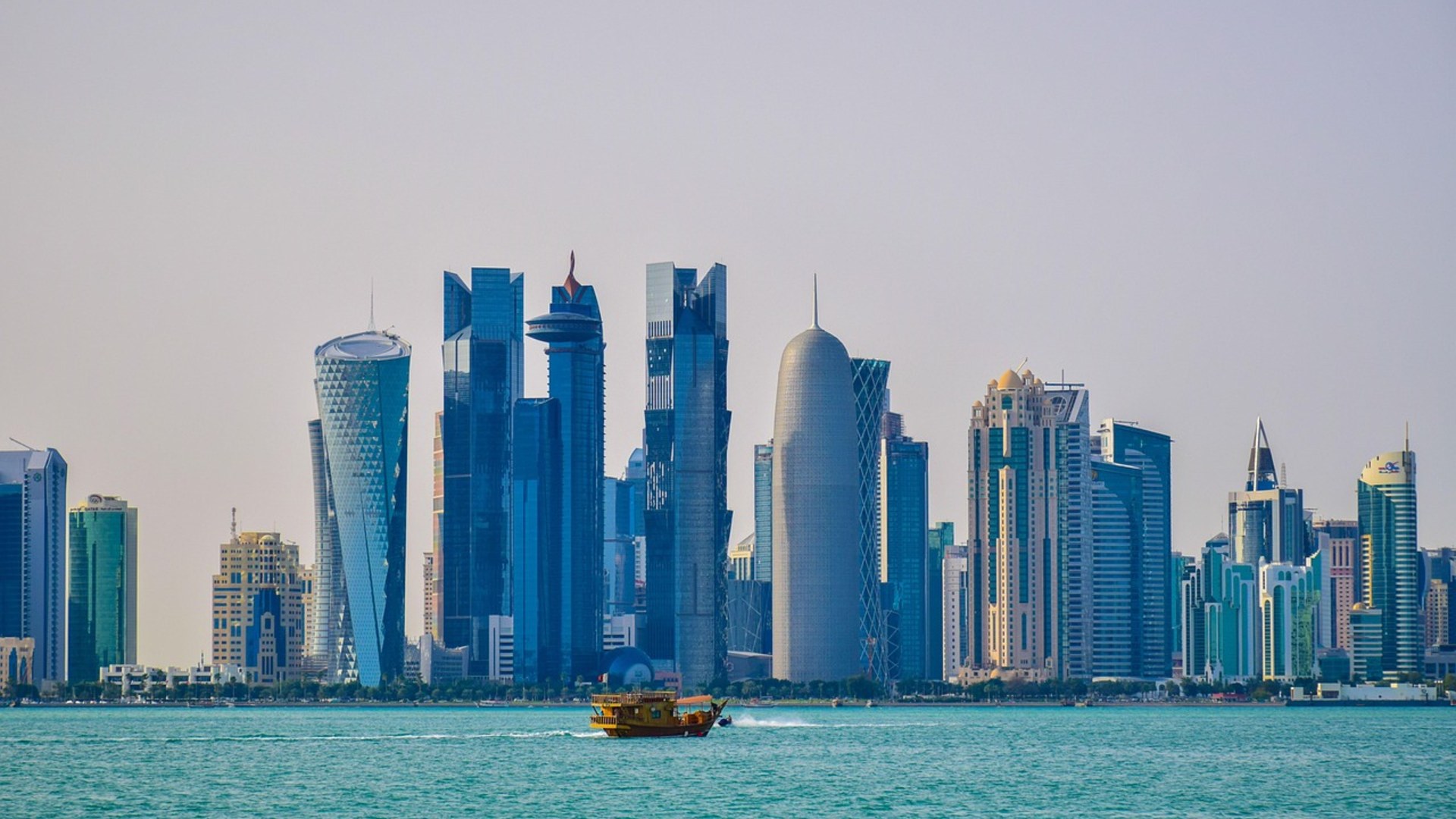
11. Qatar: Public Decorum Ordinances And Speech Statutes
Law No. 11 of 2004 penalizes actions deemed contrary to public morality, prohibiting public displays of affection and immodest dress covering knees and shoulders in government buildings. Importing pork products or consuming alcohol without an authorized permit carries immediate criminal prosecution.
©Pixabay / 1965937
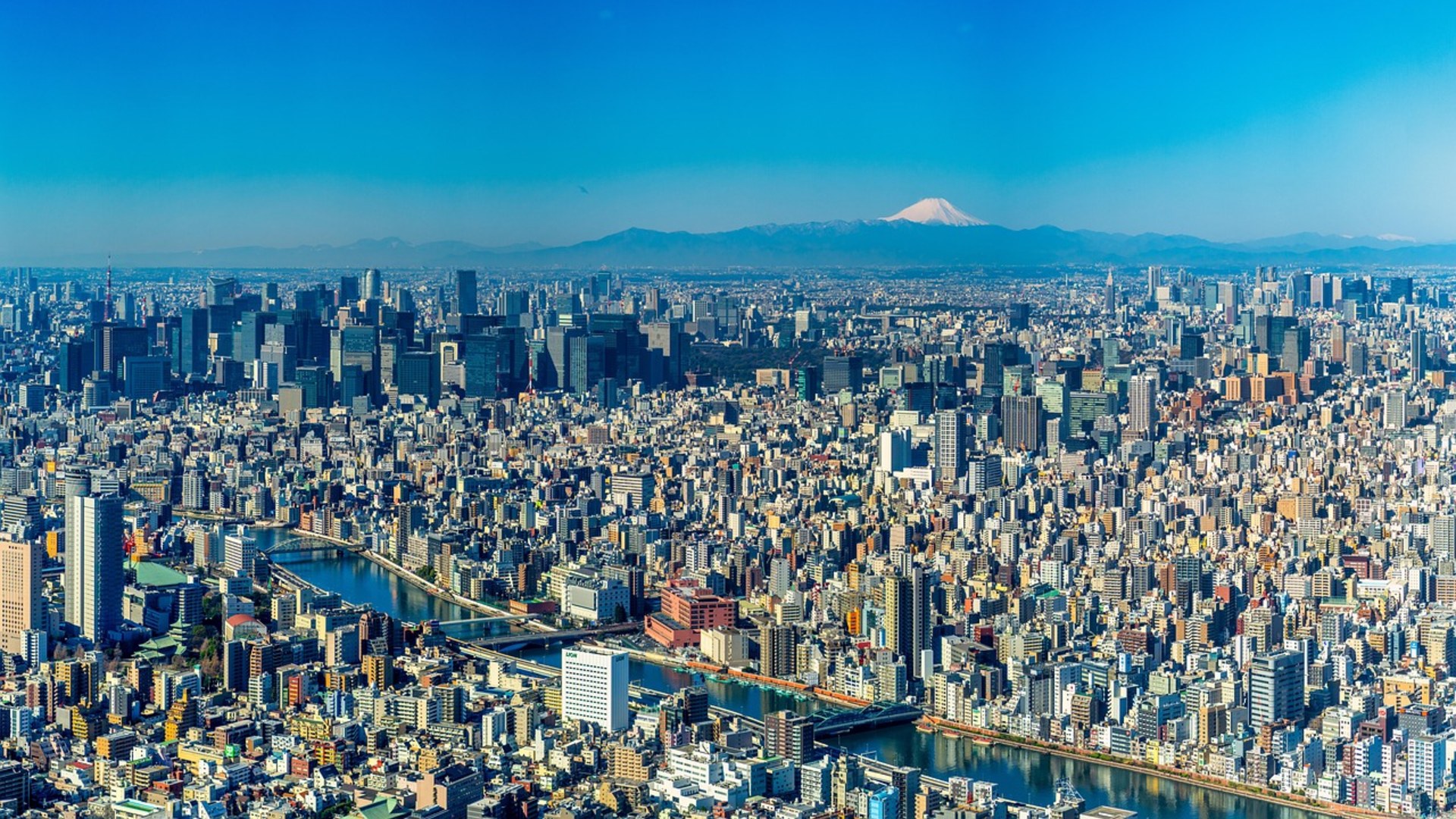
10. Japan: High Conviction Standards And Stringent Firearm Bans
Japan's Sword and Firearm Possession Control Law virtually eliminates private handgun ownership, mandating exhaustive mental health and ballistic reviews for hunting permits. Suspects face up to twenty three days of pre-indictment detention, supporting a national conviction rate that exceeds ninety-nine percent.
©Pixabay / pierre9x6
Advertisement
Swipe or tap ▶ to resume the countdown.
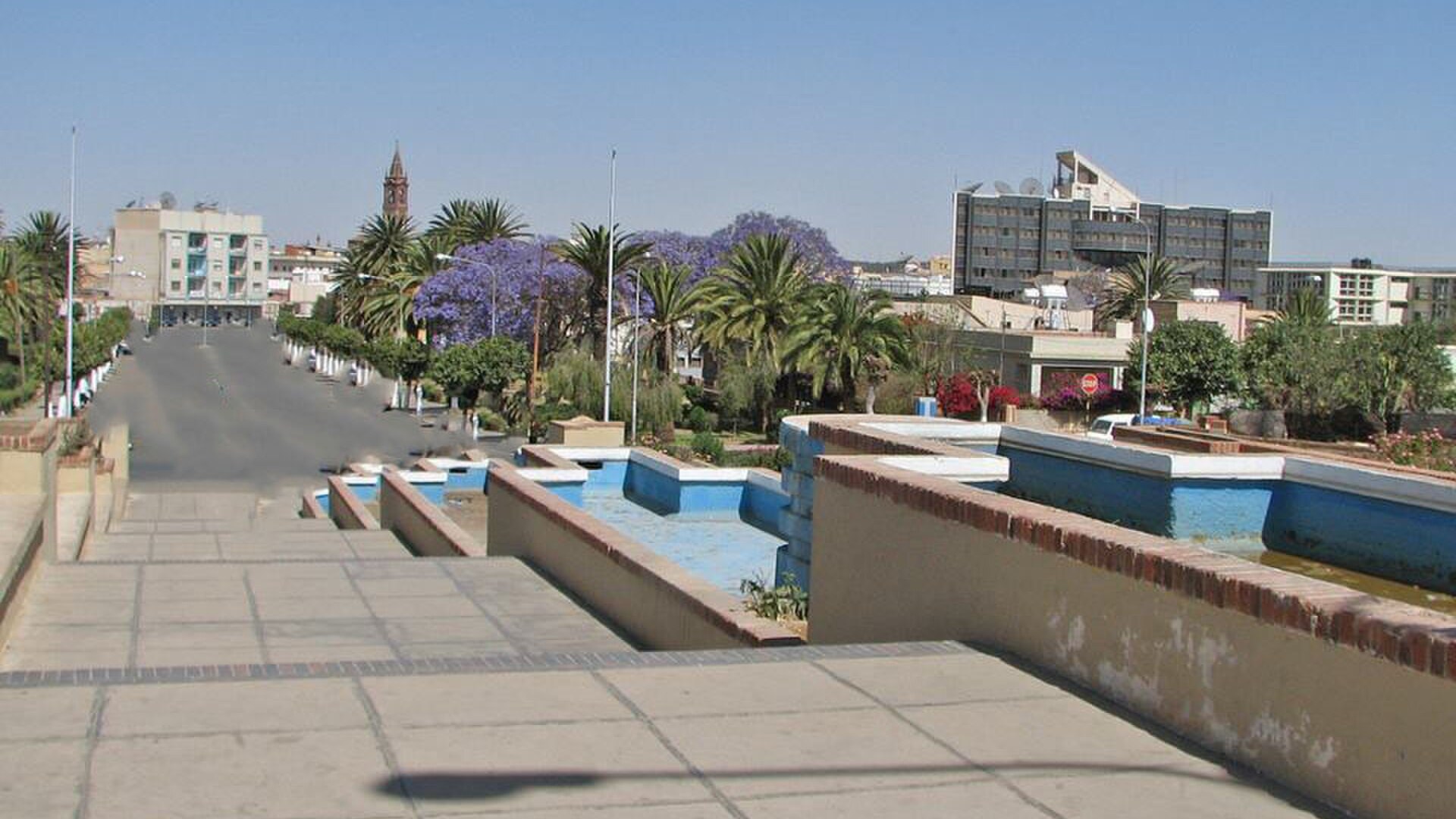
9. Eritrea: Indefinite Civic Conscription And Information Oversight
Proclamation 82/1995 mandates national service for all adult citizens, often extending into indefinite state employment in education, administration, or infrastructure. Independent private media remains barred, and citizens require domestic travel passes when moving between administrative zones.
©Wikimedia / Robel Weldeab
8. Brunei: Syariah Penal Code And Public Conduct Statutes
The Syariah Penal Code Order establishes strict religious ordinances alongside civil common law. Public consumption of food during Ramadan daylight hours is illegal for Muslims and non-Muslims alike. The sale and public consumption of alcohol is completely banned across the sultanate without exception.
©Pixabay / PublicDomainPictures
7. China: Digital Information Firewall And Public Security Decrees
Operating under the Cybersecurity Law, the state enforces the Great Firewall to restrict access to foreign web domains. Public Security Administration laws penalize picking quarrels and provoking trouble, while real-name registration is legally required for mobile phone lines, trains, and online discussion forums.
©Pixabay / we-o_rd35vfjgdnyzud3fw
6. Turkmenistan: State Directives And Architectural Ordinances
Ashgabat enforces aesthetic mandates requiring all registered vehicles to feature white or light paint schemes, while driving dirty cars incurs immediate fines. Citizens face strict exit visa quotas, satellite dish bans, and rigorous surveillance on domestic internet networks and foreign broadcasts.
©Pixabay / hanmuhado0
Advertisement
Swipe or tap ▶ to resume the countdown.
5. United Arab Emirates: Zero-Tolerance Narcotics And Cybercrime Laws
Federal Decree Law No. 34 on Combatting Rumors and Cybercrime criminalizes posting online content deemed offensive or defamatory. Possessing trace quantities of prohibited narcotics or importing banned medications without prior health ministry authorization risks mandatory detention followed by deportation.
©Wikimedia / Tim Reckmann from Hamm, Deutschland
4. Iran: Mandatory Morality Enactments And Speech Codes
The Islamic Penal Code enforces comprehensive behavioral rules covering dress, social conduct, and internet use. Under the Chastity and Hijab bill, non-compliance is monitored through automated facial recognition, risking steep monetary fines, travel bans, and prolonged terms of correctional imprisonment.
©Pixabay / Javad_esmaeili
3. Saudi Arabia: Strict Penal System And Moral Ordinances
Rooted in Islamic jurisprudence, the kingdom penalizes narcotics trafficking with capital punishment. Despite recent modernization, strict public decorum statutes remain actively enforced, penalizing disrespectful attire, public intoxication, and unsanctioned religious proselytizing.
©Wikimedia / BroadArrow
2. Singapore: Judicial Caning And Strict Public Order Fines
Singapore enforces impeccable civic order through rigorous statutes. Under the Vandalism Act, defacing property requires mandatory judicial corporal punishment with a rattan cane. Dropping litter, importing chewing gum, or connecting to unsecured Wi-Fi can trigger heavy fines reaching thousands of dollars.
©Wikimedia / Basile Morin
Advertisement
Swipe or tap ▶ to resume the countdown.
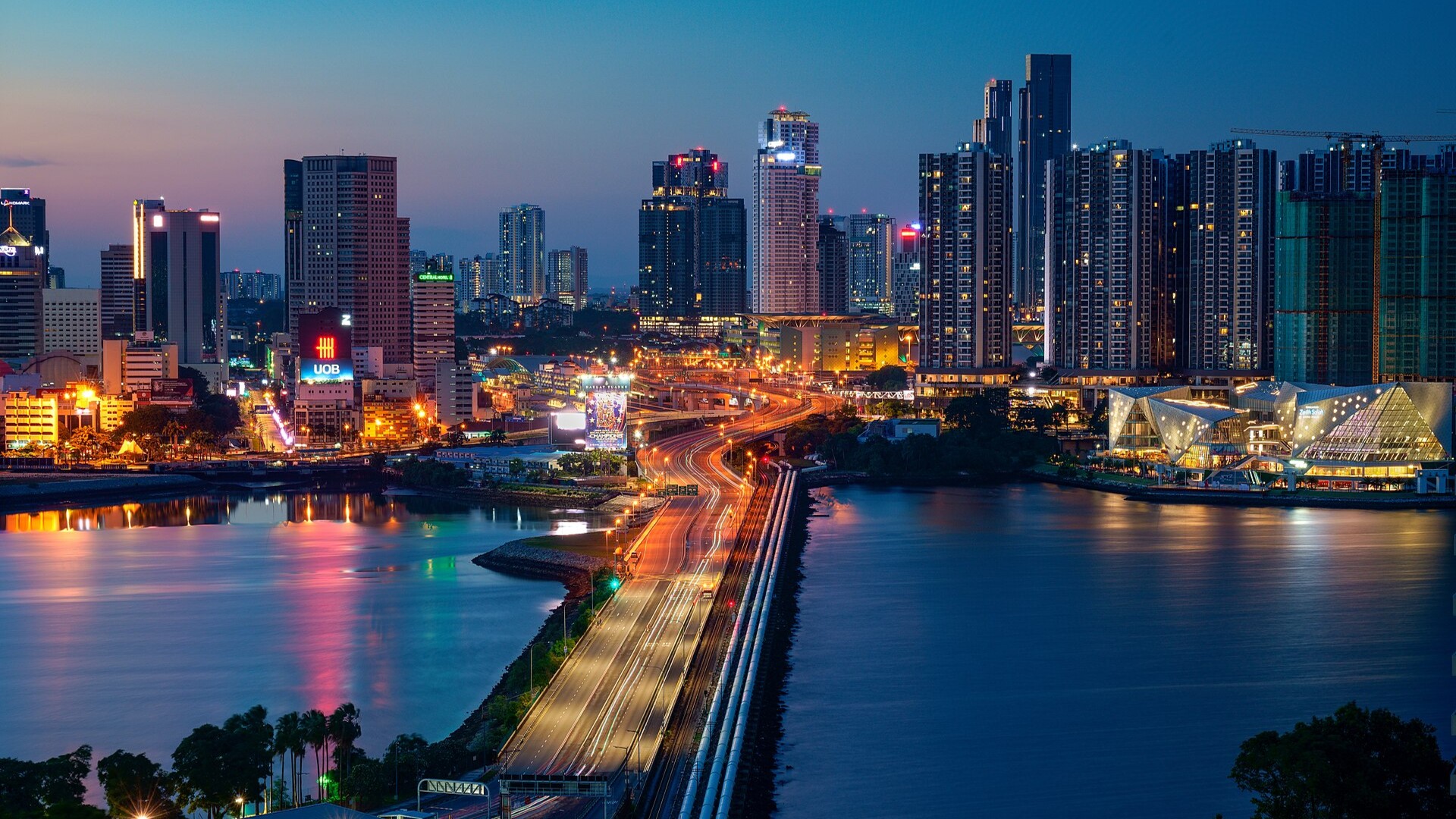
1. North Korea: Total State Information And Movement Control
Under the Reactionary Ideology and Culture Rejection Act, consuming or distributing South Korean entertainment carries severe penalties, up to capital punishment. Citizens require official travel permits even for domestic transit between provinces, while all electronic devices must run government surveillance software.
©Wikimedia / Roman Harak
Advertisement
You've reached the end of the story. Thanks for reading!

20 Smallest Countries on Earth Ranked by Total Area
While giants like Canada and Brazil span entire continents, twenty independent microstates govern sovereign territories smaller than major global metropolitan airports. From fortified hilltop enclaves in Europe to secluded Pacific atolls, these fascinating nations maintain global recognition and distinct heritage.
All 20 Entries in this Story
20. Russia: Foreign Entity Registry Laws And Assembly Controls
Under Federal Law No. 255-FZ, individuals and groups receiving foreign influence must register as foreign agents and include extensive disclaimer banners on public communication. Unauthorized single-person pickets or unsanctioned public protests trigger swift administrative fines and potential custodial sentences.

19. Malaysia: Stringent Controlled Substances Legislation
Section 39B of the Dangerous Drugs Act enforces heavy capital or life-imprisonment penalties for trafficking controlled substances. Exceeding statutory weight limits creates an immediate legal presumption of trafficking, shifting the burden of proof onto the accused to establish non-commercial possession.

18. Bhutan: Mandatory National Dress Decrees And Tobacco Restrictions
Under the traditional etiquette code of Driglam Namzha, Bhutanese citizens must wear the national dress, the gho for men and the kira for women, in schools, government buildings, and official functions. Commercial sales of tobacco are heavily taxed and restricted to designated private premises.

17. Switzerland: Sunday Rest Mandates And Residential Quiet Codes
Swiss communal Ruhezeit ordinances legally enforce domestic tranquility during evenings and all day Sunday. Performing noisy chores like mowing lawns, washing vehicles, or dropping glass bottles into public recycling bins is strictly prohibited and subject to police intervention and municipal fines.

16. Thailand: Strict Lèse-Majesté Decrees And Monarchy Protections
Section 112 of the Thai Criminal Code penalizes defamation, insults, or threats directed at the king, queen, or heir with three to fifteen years of imprisonment per count. Stepping on coins or banknotes bearing the monarch's image is considered a grave legal violation and can lead to immediate arrest.

15. Cuba: Centrally Planned Licensing And Private Enterprise Limits
The Cuban Penal Code enforces tight state oversight over economic activities and political expression. Decree Law 370 prohibits circulating information deemed contrary to the social interest on public networks, while unauthorized private commerce faces rapid confiscation and business license cancellations.

14. Uzbekistan: Strict Currency Customs Declarations And Literature Audits
Customs border points require precise electronic currency declarations, and carrying excess undeclared foreign notes risks confiscation. Bringing unapproved religious literature into the country is strictly regulated, with border authorities conducting thorough inspections of digital devices and baggage.

13. Myanmar: State Emergency Ordinances And Telecommunications Limits
Governed under state-of-emergency decrees, urban centers enforce mandatory overnight curfews and mandatory overnight guest registrations. Section 505A of the Penal Code criminalizes commentary deemed harmful to public order, while unapproved digital tools like VPNs can trigger prison sentences.

12. Belarus: Public Gathering Bans And Administrative Detentions
The Law on Mass Events prohibits unsanctioned street demonstrations, flash mobs, or displaying historical protest flags. Independent non-governmental organizations face strict registration bans, while following banned social media channels on messaging apps can lead to fast administrative arrests.

11. Qatar: Public Decorum Ordinances And Speech Statutes
Law No. 11 of 2004 penalizes actions deemed contrary to public morality, prohibiting public displays of affection and immodest dress covering knees and shoulders in government buildings. Importing pork products or consuming alcohol without an authorized permit carries immediate criminal prosecution.

10. Japan: High Conviction Standards And Stringent Firearm Bans
Japan's Sword and Firearm Possession Control Law virtually eliminates private handgun ownership, mandating exhaustive mental health and ballistic reviews for hunting permits. Suspects face up to twenty three days of pre-indictment detention, supporting a national conviction rate that exceeds ninety-nine percent.

9. Eritrea: Indefinite Civic Conscription And Information Oversight
Proclamation 82/1995 mandates national service for all adult citizens, often extending into indefinite state employment in education, administration, or infrastructure. Independent private media remains barred, and citizens require domestic travel passes when moving between administrative zones.

8. Brunei: Syariah Penal Code And Public Conduct Statutes
The Syariah Penal Code Order establishes strict religious ordinances alongside civil common law. Public consumption of food during Ramadan daylight hours is illegal for Muslims and non-Muslims alike. The sale and public consumption of alcohol is completely banned across the sultanate without exception.

7. China: Digital Information Firewall And Public Security Decrees
Operating under the Cybersecurity Law, the state enforces the Great Firewall to restrict access to foreign web domains. Public Security Administration laws penalize picking quarrels and provoking trouble, while real-name registration is legally required for mobile phone lines, trains, and online discussion forums.

6. Turkmenistan: State Directives And Architectural Ordinances
Ashgabat enforces aesthetic mandates requiring all registered vehicles to feature white or light paint schemes, while driving dirty cars incurs immediate fines. Citizens face strict exit visa quotas, satellite dish bans, and rigorous surveillance on domestic internet networks and foreign broadcasts.

5. United Arab Emirates: Zero-Tolerance Narcotics And Cybercrime Laws
Federal Decree Law No. 34 on Combatting Rumors and Cybercrime criminalizes posting online content deemed offensive or defamatory. Possessing trace quantities of prohibited narcotics or importing banned medications without prior health ministry authorization risks mandatory detention followed by deportation.

4. Iran: Mandatory Morality Enactments And Speech Codes
The Islamic Penal Code enforces comprehensive behavioral rules covering dress, social conduct, and internet use. Under the Chastity and Hijab bill, non-compliance is monitored through automated facial recognition, risking steep monetary fines, travel bans, and prolonged terms of correctional imprisonment.

3. Saudi Arabia: Strict Penal System And Moral Ordinances
Rooted in Islamic jurisprudence, the kingdom penalizes narcotics trafficking with capital punishment. Despite recent modernization, strict public decorum statutes remain actively enforced, penalizing disrespectful attire, public intoxication, and unsanctioned religious proselytizing.

2. Singapore: Judicial Caning And Strict Public Order Fines
Singapore enforces impeccable civic order through rigorous statutes. Under the Vandalism Act, defacing property requires mandatory judicial corporal punishment with a rattan cane. Dropping litter, importing chewing gum, or connecting to unsecured Wi-Fi can trigger heavy fines reaching thousands of dollars.

1. North Korea: Total State Information And Movement Control
Under the Reactionary Ideology and Culture Rejection Act, consuming or distributing South Korean entertainment carries severe penalties, up to capital punishment. Citizens require official travel permits even for domestic transit between provinces, while all electronic devices must run government surveillance software.