Slideshow · Travel
20 UNESCO World Heritage Sites Located Away From Major Cities
Far from metropolitan centers, earth's most remote UNESCO World Heritage sites protect pristine wilderness and ancient sanctuaries. Drawing on documentation from UNESCO World Heritage records, National Geographic, and global park services, this countdown showcases 20 isolated wonders located far from major cities.
By Most Viral Today
14 min ago

20 Remote World Heritage Sites Far Beyond Modern Civilization 
20. Nahanni National Park Reserve In Canada 
19. Tsingy De Bemaraha In Madagascar 
18. Heard And McDonald Islands In Australia - AdvertisementSwipe or tap ▶ to continue countdown

17. Kluane And Wrangell-St. Elias In North America 
16. Lord Howe Island Group In The Tasman Sea 
15. Volcanoes Of Kamchatka In Russia 
14. Okavango Delta In Botswana - AdvertisementSwipe or tap ▶ to continue countdown

13. Ilulissat Icefjord In Greenland 
12. Henderson Island In The Pitcairn Group 
11. Aldabra Atoll In Seychelles 
10. Lake Baikal In Siberia - AdvertisementSwipe or tap ▶ to continue countdown

9. Surtsey Island In Iceland 
8. Lorentz National Park In Indonesia 
7. Te Wahipounamu In New Zealand 
6. Macquarie Island In The Southern Ocean - AdvertisementSwipe or tap ▶ to continue countdown

5. Tassili n'Ajjer In Algeria 
4. Rapa Nui National Park In Chile 
3. Galapagos Islands In Ecuador 
2. Socotra Archipelago In Yemen - AdvertisementSwipe or tap ▶ to continue countdown

1. Gough And Inaccessible Islands In The South Atlantic - Advertisement🔥 UP NEXT IN THIS SERIES◫ 21 Slides

20 US States With the Most Publicly Accessible Lakes
America offers extraordinary freshwater recreation through expansive public waterways. From glaciated northern forests to sunlit southern basins, these twenty states lead the nation with thousands of publicly accessible lakes, free boat ramps, and protected shoreline parks managed for open community enjoyment.
Far from metropolitan centers, earth's most remote UNESCO World Heritage sites protect pristine wilderness and ancient sanctuaries. Drawing on documentation from UNESCO World Heritage records, National Geographic, and global park services, this countdown showcases 20 isolated wonders located far from major cities.
Swipe or tap ▶ to begin the countdown
©Wikimedia / Preserved Light Photography
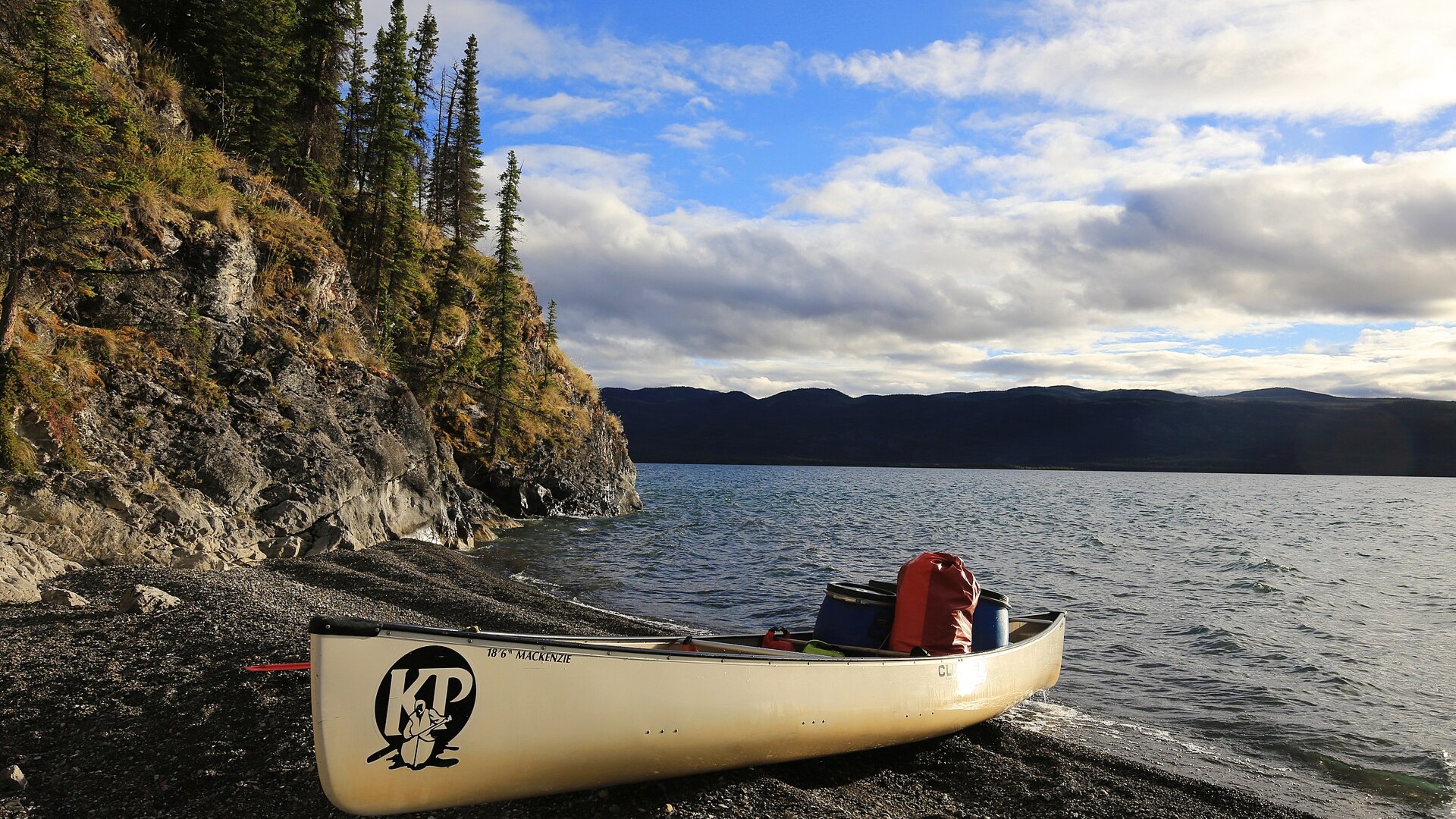
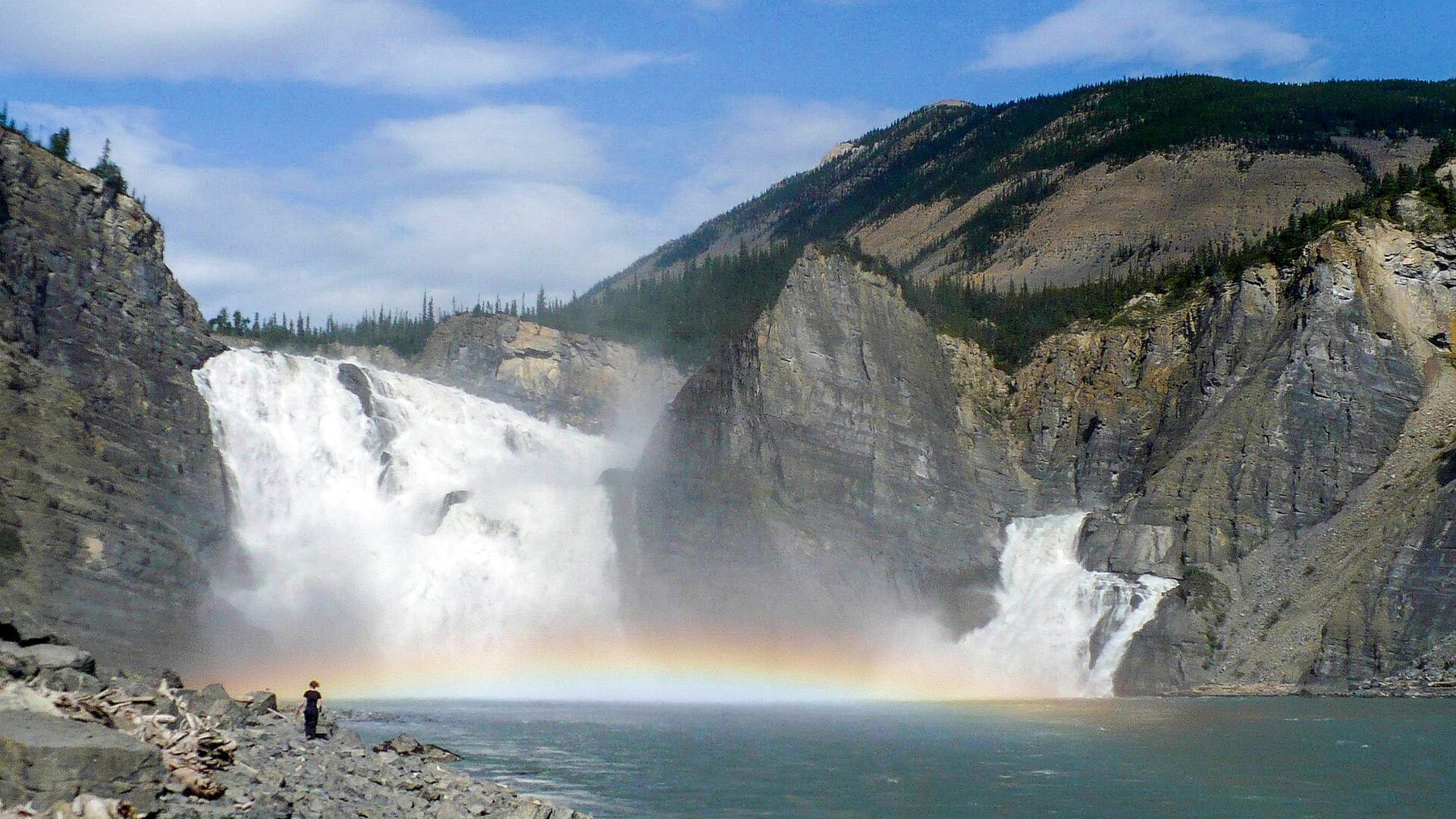
20. Nahanni National Park Reserve In Canada
Accessible only by floatplane or helicopter, Nahanni spans over eleven thousand square miles along the South Nahanni River. Virginia Falls drops twice the height of Niagara, while the nearest major regional city of Yellowknife lies over three hundred miles to the east.
©Wikimedia / Paul Gierszewski
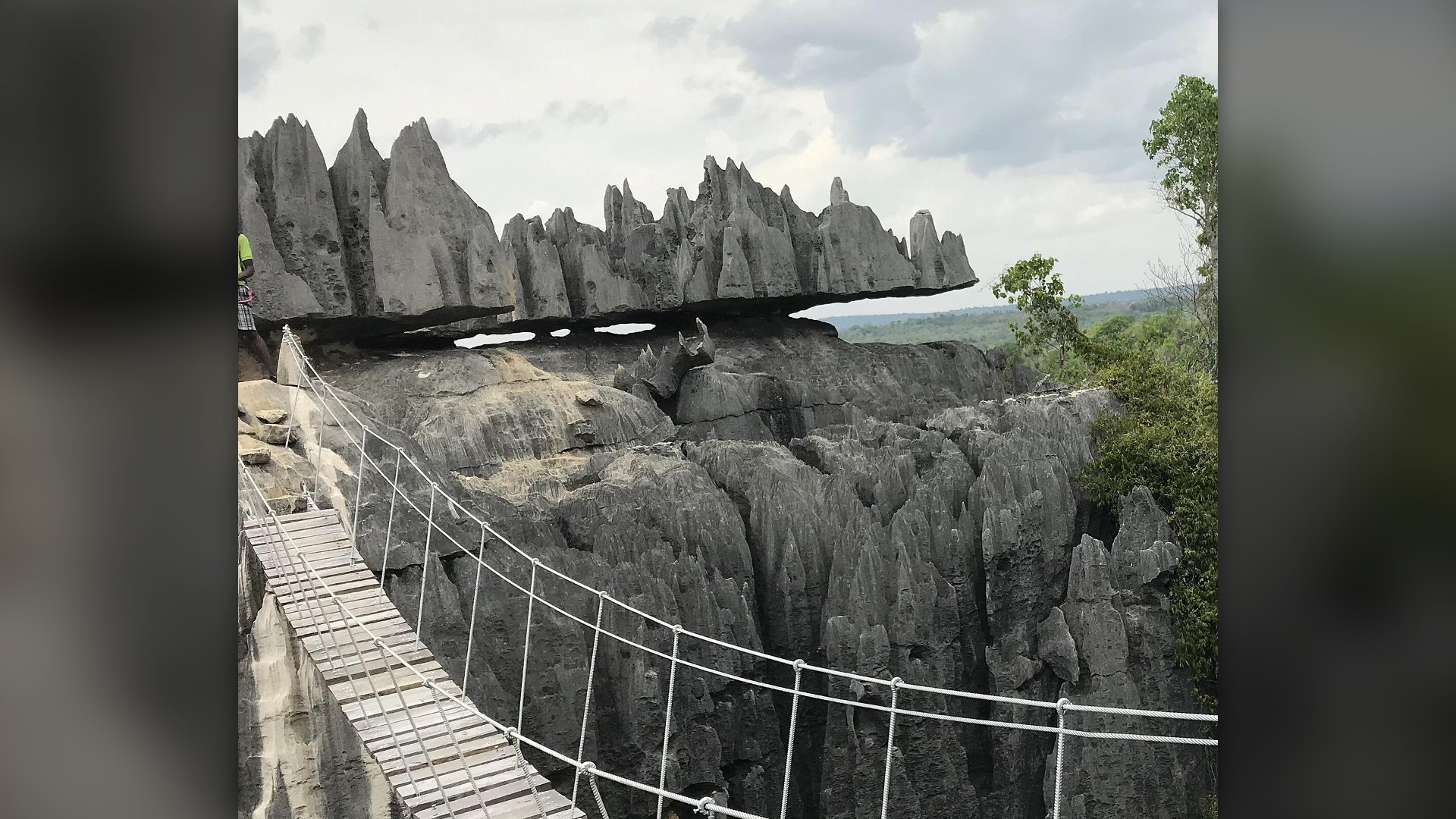
19. Tsingy De Bemaraha In Madagascar
Situated in western Madagascar, this strict nature reserve spans five hundred square miles of jagged karst stone. Reaching the park requires a grueling multi-day four-wheel-drive trek from Morondava, keeping its rare deken's sifaka lemur populations completely isolated.
©Wikimedia / Cactus0625
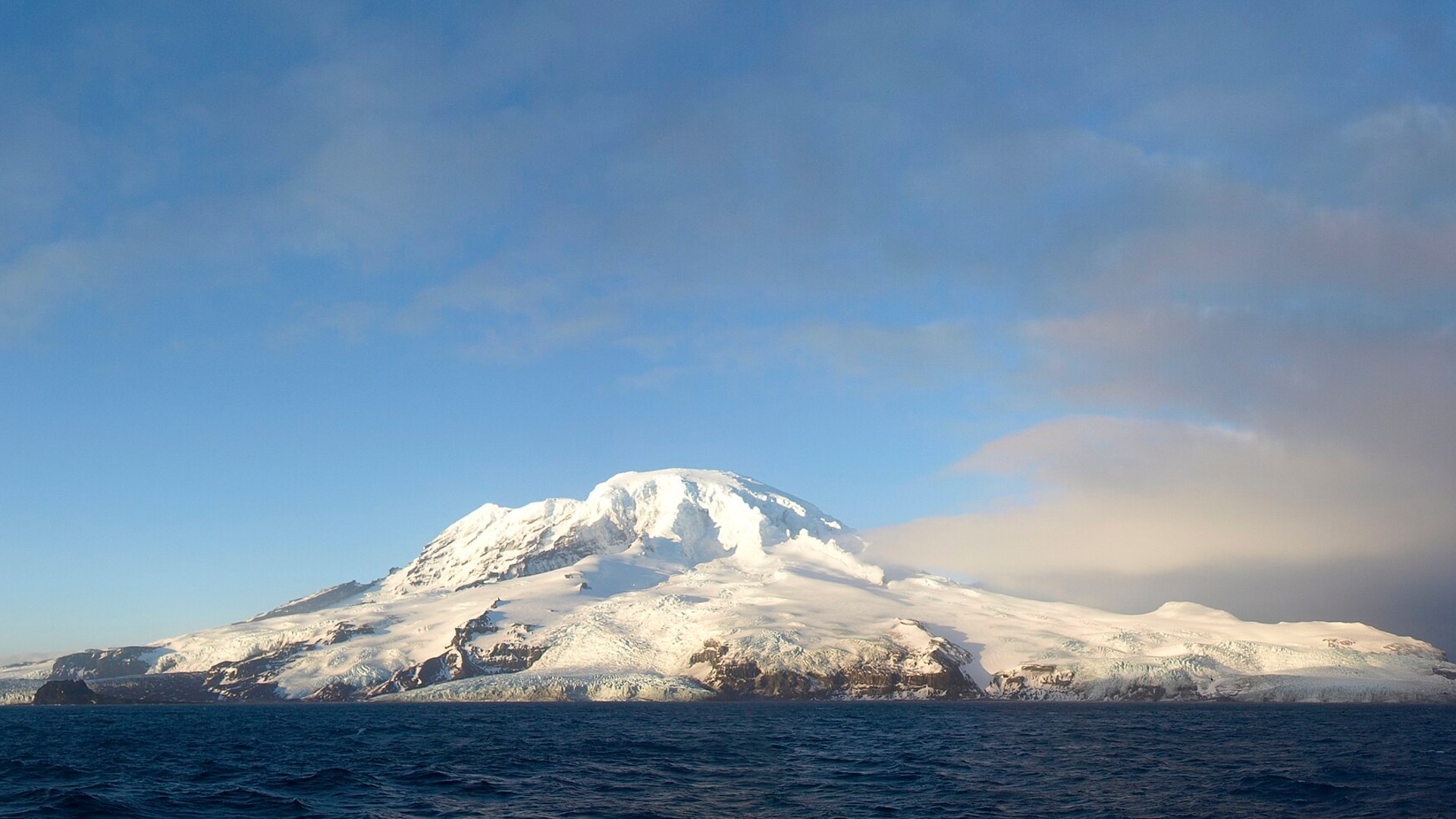
18. Heard And McDonald Islands In Australia
Located over twenty-five hundred miles southwest of Perth, this uninhabited sub-Antarctic territory remains free of introduced alien species. Big Ben, an active nine-thousand-foot glaciated volcano, dominates an ocean wilderness reached only via a two-week scientific voyage.
©Wikimedia / Tristannew (original) Derivative: SHB2000 (cropp
Advertisement
Swipe or tap ▶ to resume the countdown.
17. Kluane And Wrangell-St. Elias In North America
Encompassing over thirty-two million acres across Alaska, Yukon, and British Columbia, this wilderness contains Mount Logan and Mount St. Elias. Glaciers stretch across jagged mountain ranges hundreds of miles from metropolitan infrastructure, sheltering grizzly bears and caribou herds.
©Wikimedia / Please attribute as: "Wikipedia, Tobias
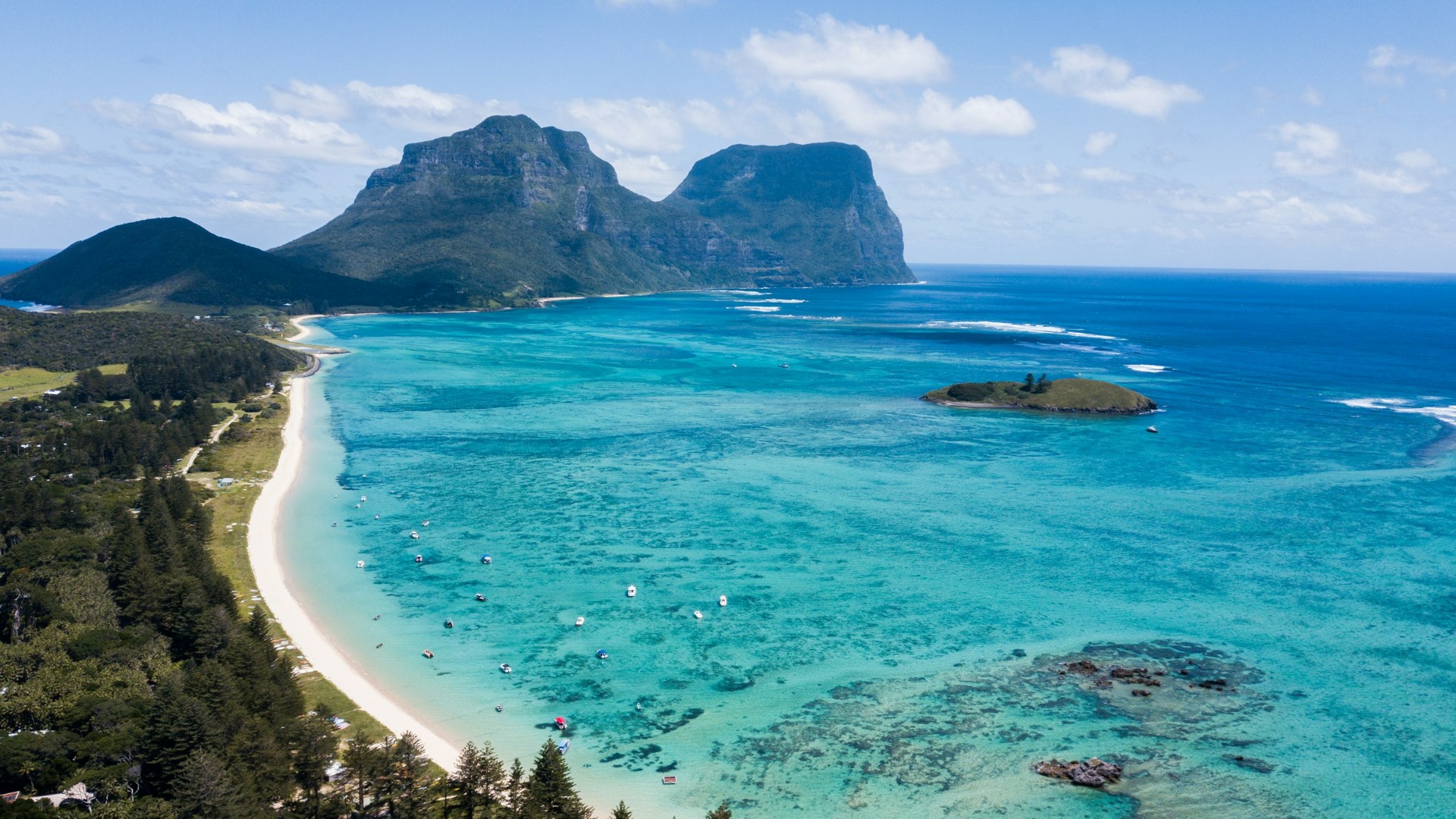
16. Lord Howe Island Group In The Tasman Sea
Emerging from the Tasman Sea nearly four hundred miles east of Port Macquarie, Lord Howe Island caps human visitors at four hundred at any time. The offshore monolith of Ball's Pyramid rises eighteen hundred feet from open ocean waters, providing a refuge for rare seabirds.
© Photo by Dylan Shaw on Unsplash
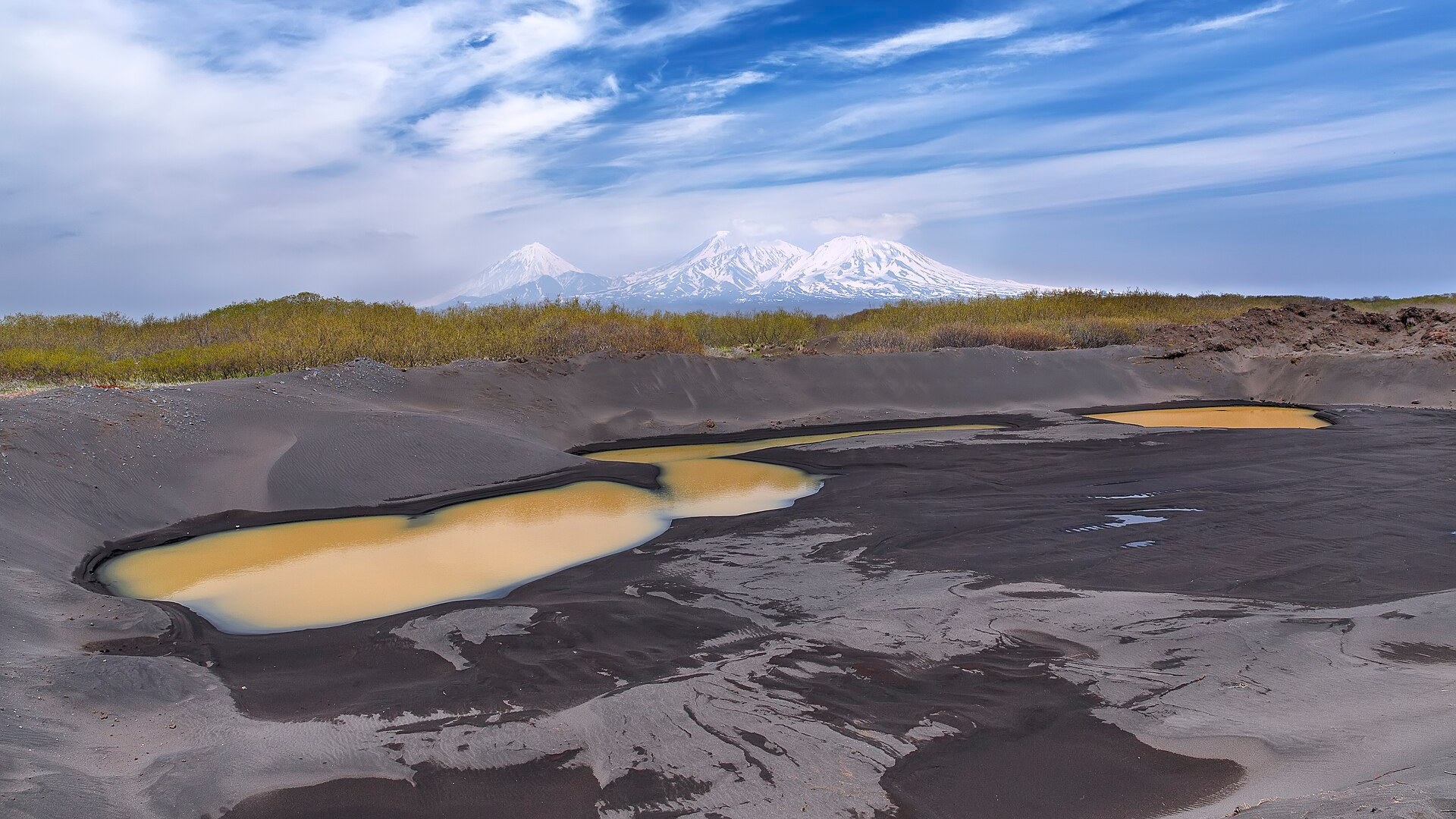
15. Volcanoes Of Kamchatka In Russia
The Kamchatka Peninsula contains around three hundred volcanic peaks, with thirty actively erupting. Accessible primarily by chartered helicopter, this volcanic wilderness protects pristine salmon rivers, coastal sea eagles, and brown bears hundreds of miles north of Vladivostok.
©Wikimedia / Козинцев
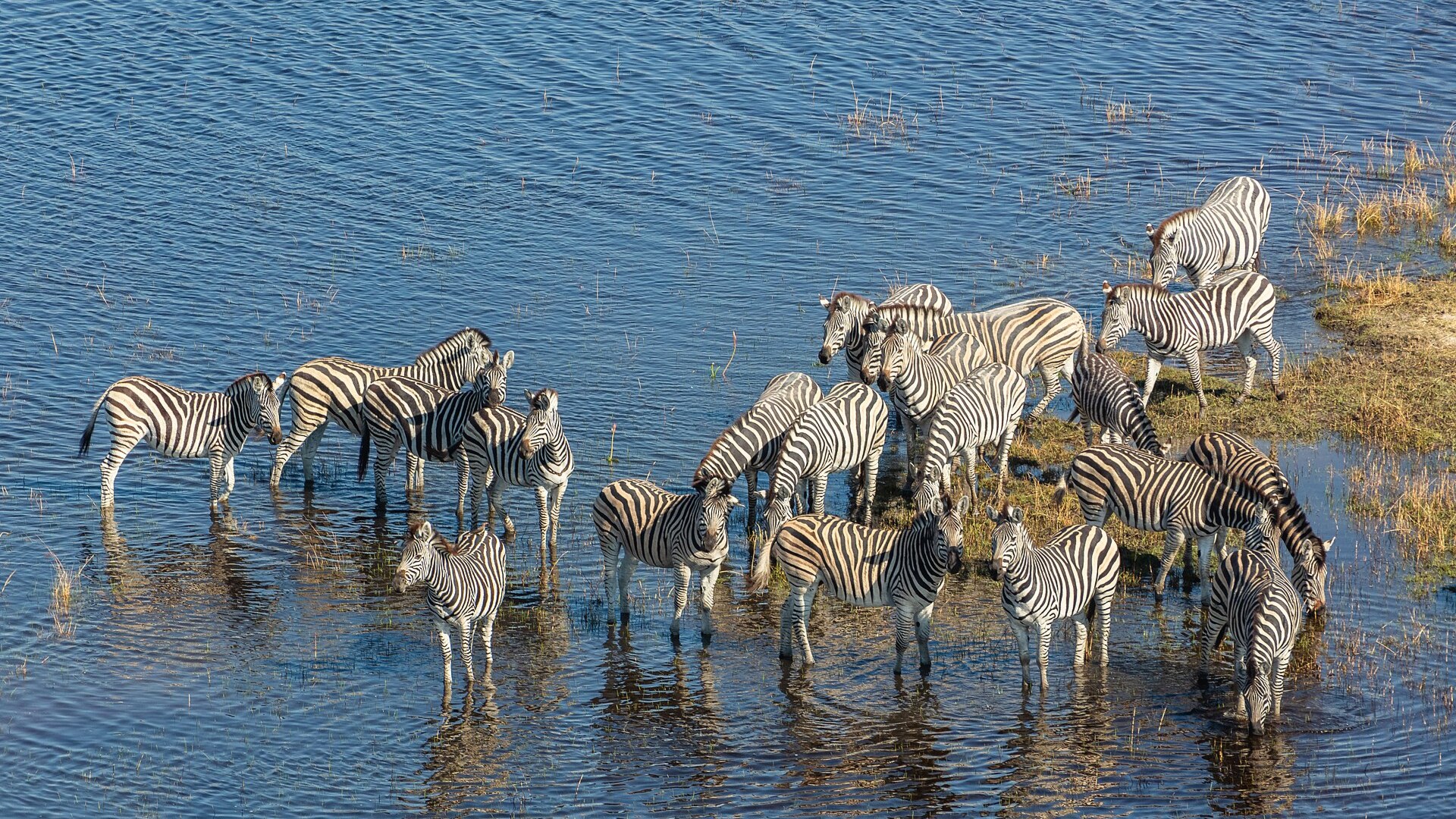
14. Okavango Delta In Botswana
Covering nearly six thousand square miles, the Okavango is one of the world's few major inland delta systems that never reaches the sea. Surrounded by arid desert and sparse villages, the wetland sustains massive herds of African elephants and endangered African wild dogs.
©Wikimedia / Diego Delso
Advertisement
Swipe or tap ▶ to resume the countdown.
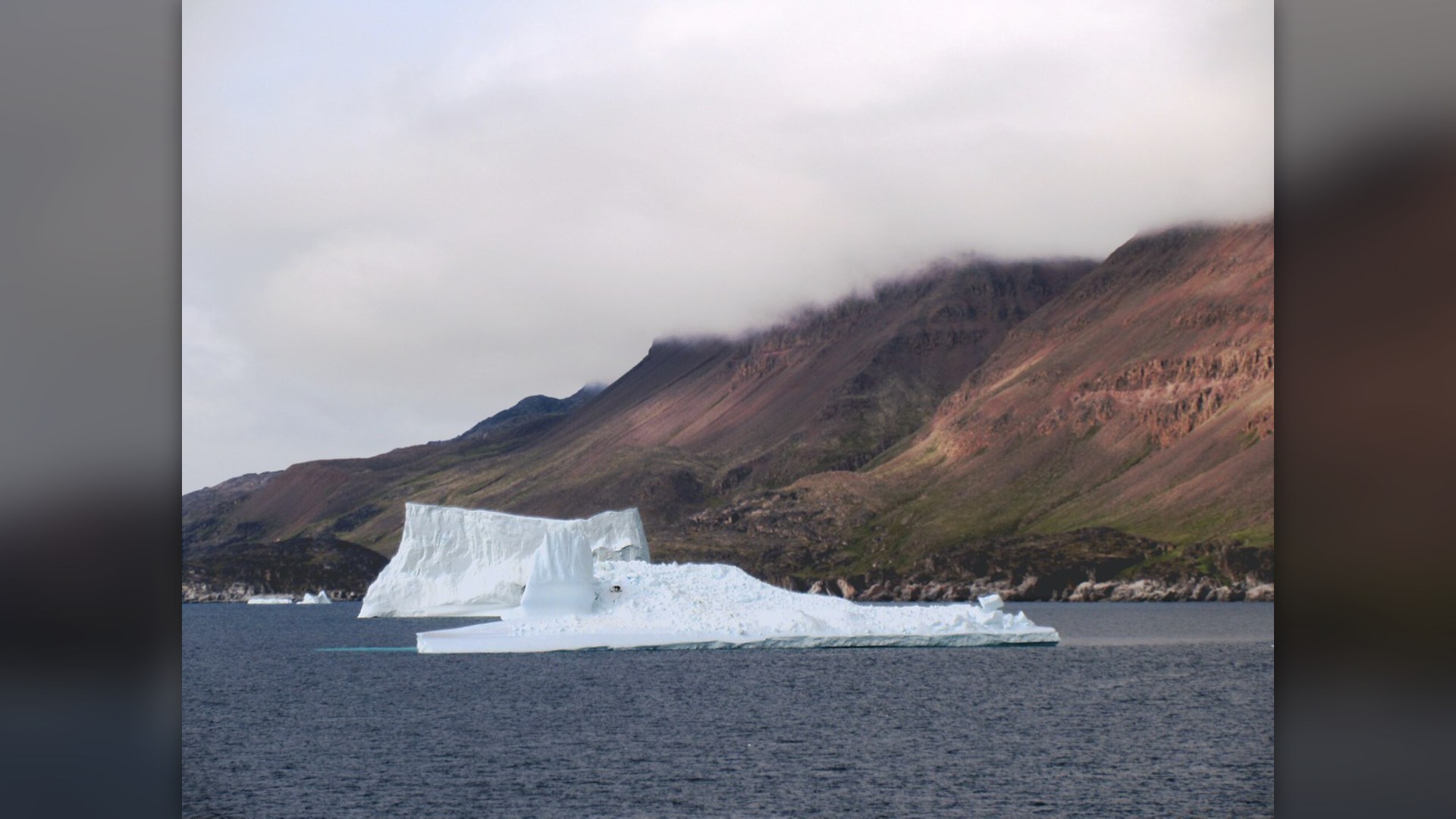
13. Ilulissat Icefjord In Greenland
Located one hundred fifty miles north of the Arctic Circle, the Sermeq Kujalleq glacier moves over one hundred feet daily. Massive ice cathedrals drift through Disko Bay, creating an awe-inspiring frozen seascape hundreds of miles away from any major commercial flight hub.
©Wikimedia / David Stanley from Nanaimo, Canada
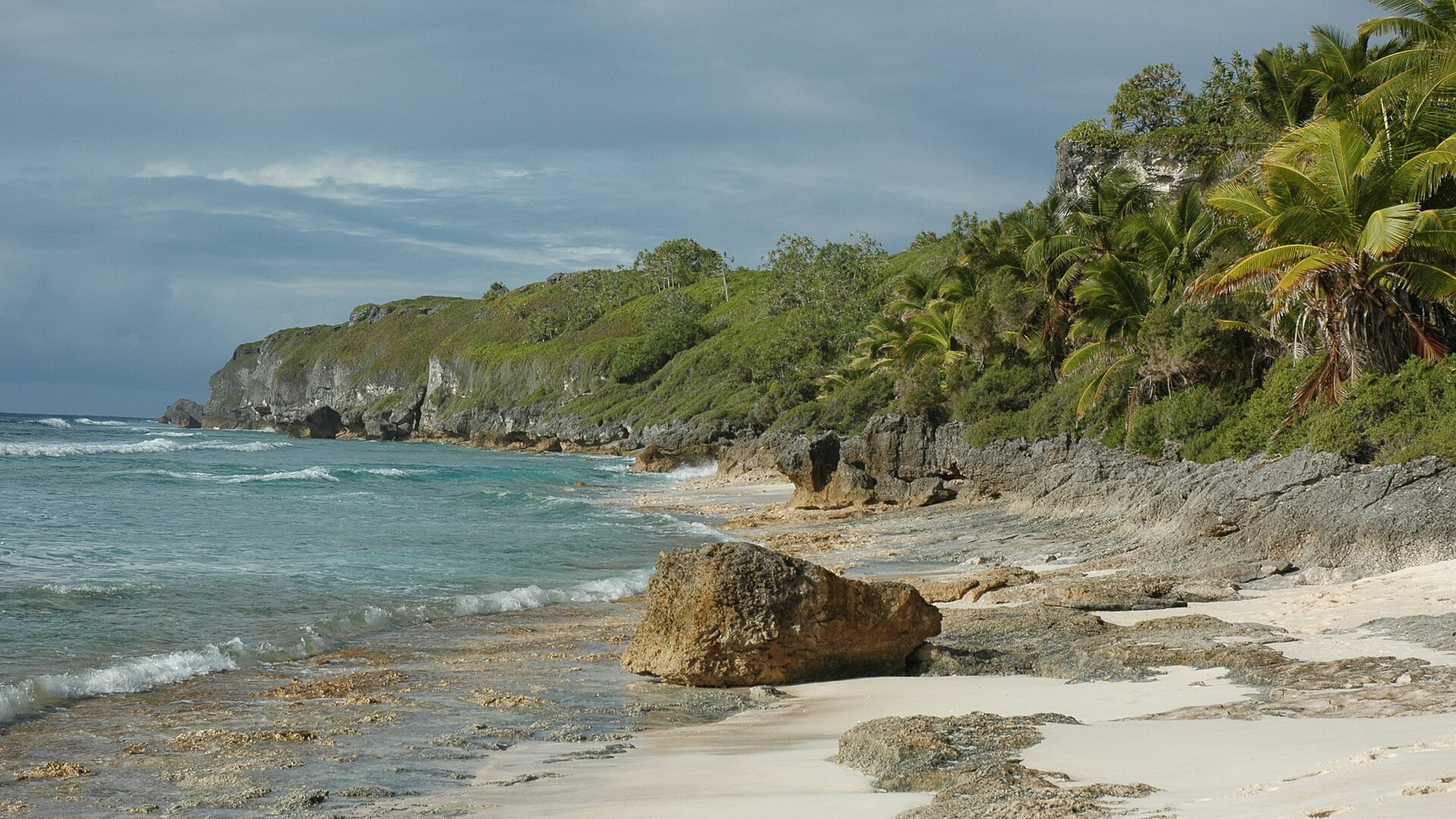
12. Henderson Island In The Pitcairn Group
Situated over twelve hundred miles west of Chile and hundreds of miles from human settlements, Henderson Island receives almost no human visitors. Its dense limestone scrub shelters the flightless Henderson crake and untouched coral reefs undisturbed by commercial fishing.
©Wikimedia / Ron Van Oers
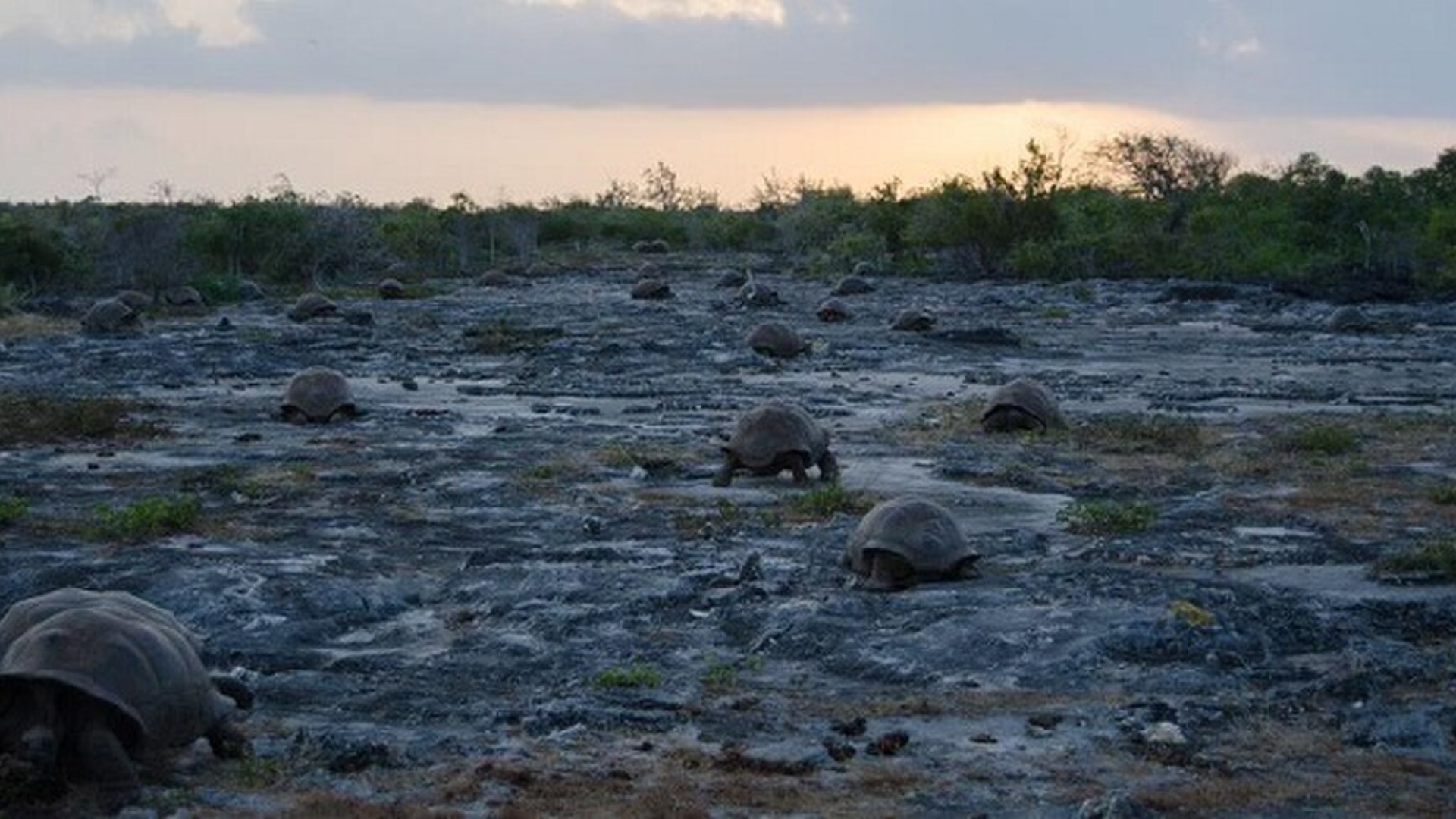
11. Aldabra Atoll In Seychelles
Aldabra lies over six hundred miles southwest of Victoria, the capital of Seychelles, in the remote western Indian Ocean. Strict conservation limits access to scientists, allowing the world's largest population of giant tortoises and flightless white-throated rails to flourish.
©Wikimedia / SIF
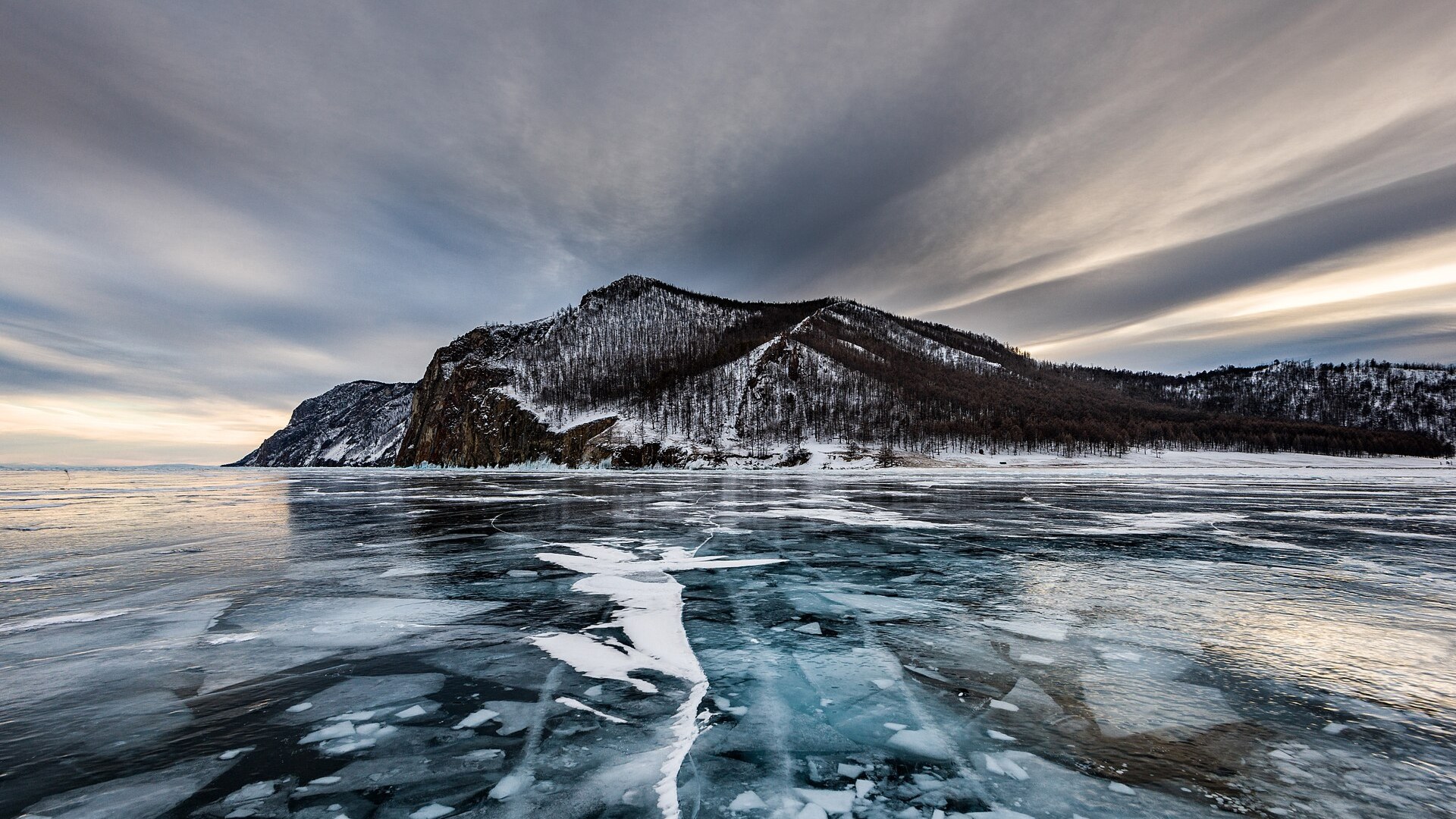
10. Lake Baikal In Siberia
Dating back twenty-five million years, Baikal stretches four hundred miles across the Siberian wilderness. More than eighty percent of its animal species, including the freshwater nerpa seal, exist nowhere else on earth, insulated by vast distances from industrial population centers.
©Wikimedia / Sergey Pesterev
Advertisement
Swipe or tap ▶ to resume the countdown.
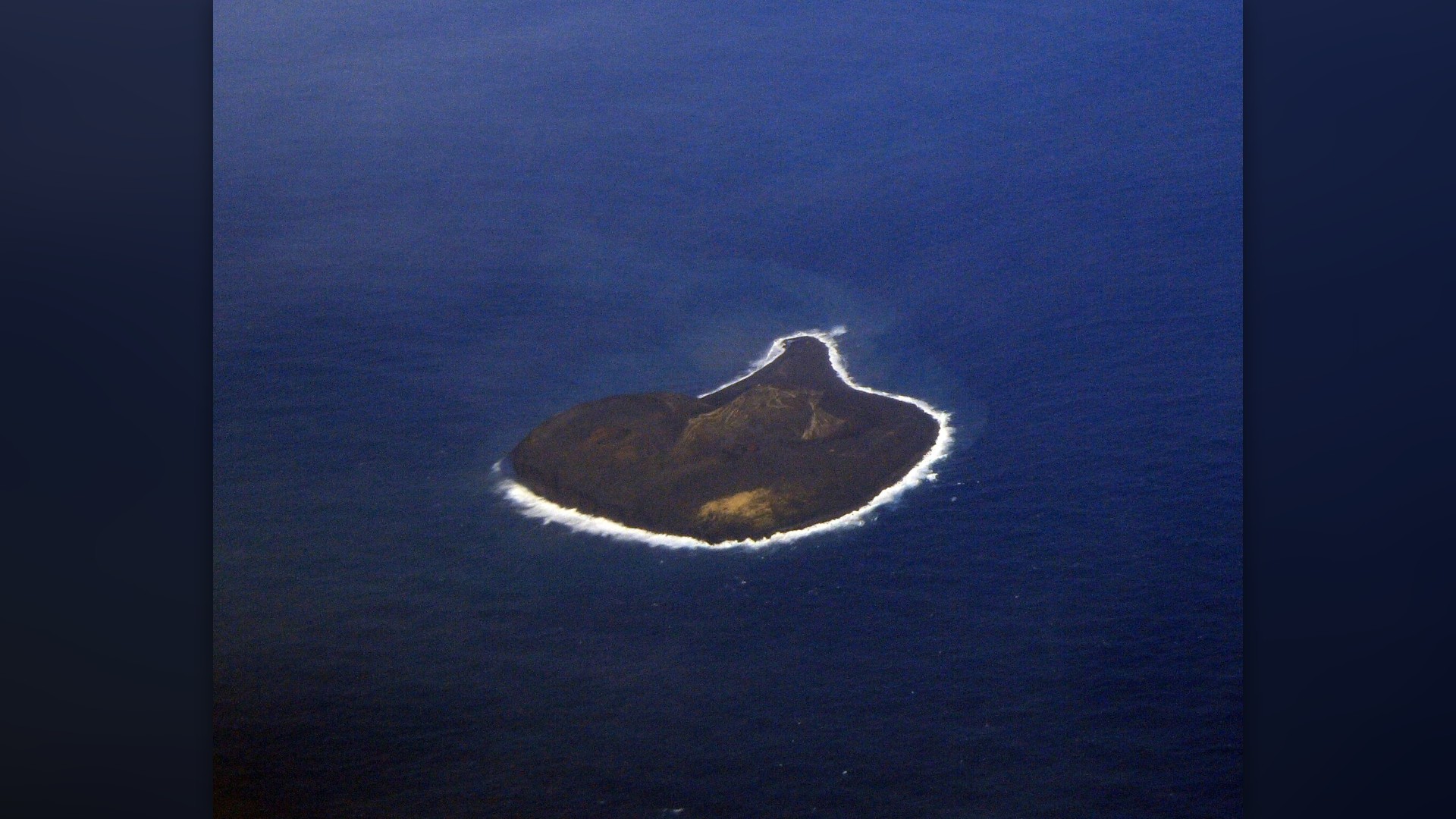
9. Surtsey Island In Iceland
Breaching the Atlantic surface twenty miles south of Iceland, Surtsey has remained strictly protected since its formation. Only certified researchers may step foot on the volcanic ash, ensuring scientists can observe plant and bird colonization without human interference.
©Wikimedia / Bruce McAdam from Reykjavik, Iceland
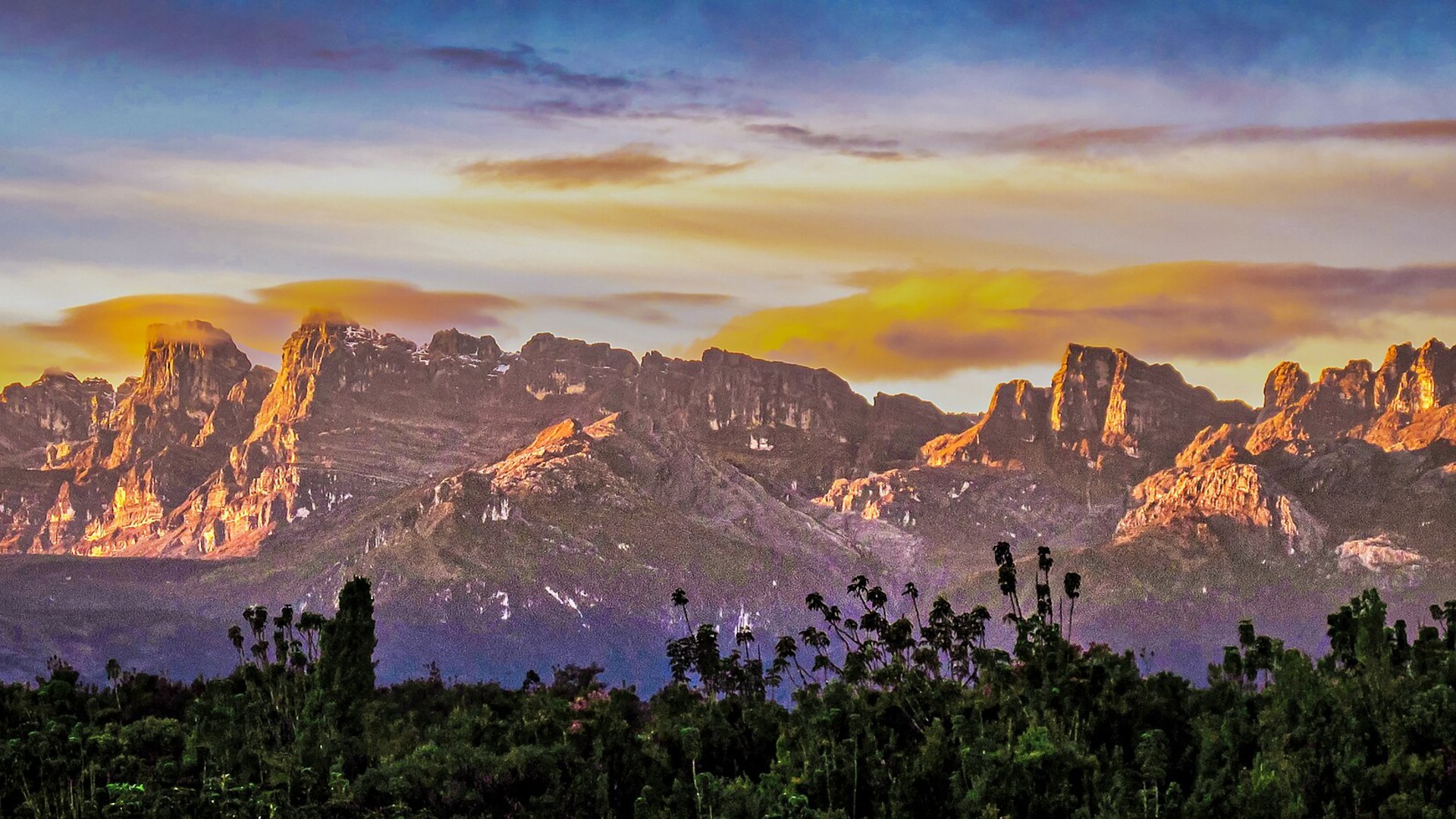
8. Lorentz National Park In Indonesia
Covering nine thousand square miles on the island of New Guinea, Lorentz is the largest protected area in Southeast Asia. park extends from ocean level to the snow-capped Puncak Jaya summit, harboring uncontacted tribal groups and rare tree-kangaroos without any road access.
©Wikimedia / Ganjarmustika1904
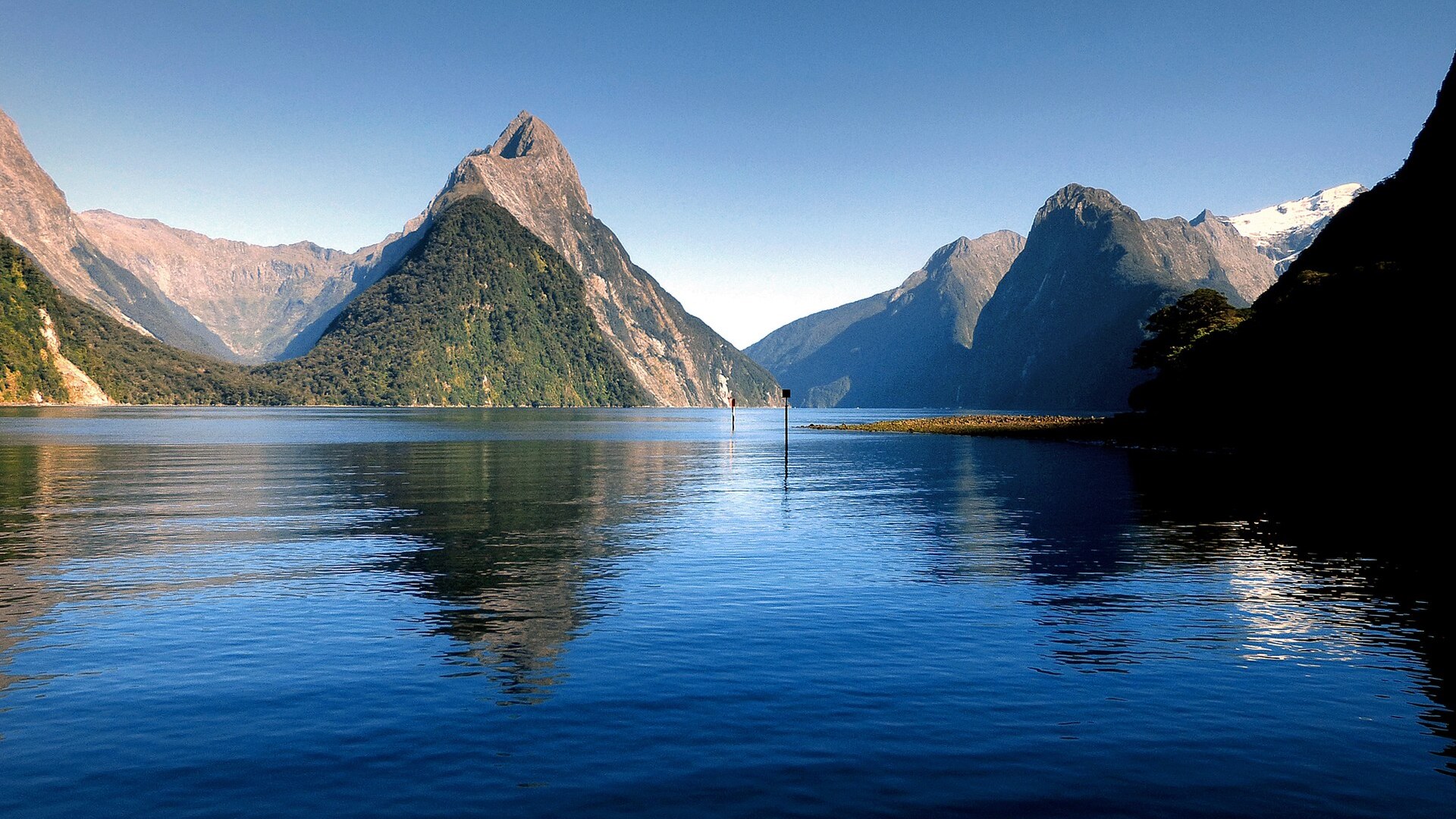
7. Te Wahipounamu In New Zealand
Encompassing Milford Sound and Mount Cook, this wilderness represents one of the modern world's closest living links to ancient Gondwana. Dense temperate rainforests and glacial valleys remain largely devoid of human settlements, sheltering endangered takahē and kiwi birds.
©Wikimedia / Bernard Spragg. NZ
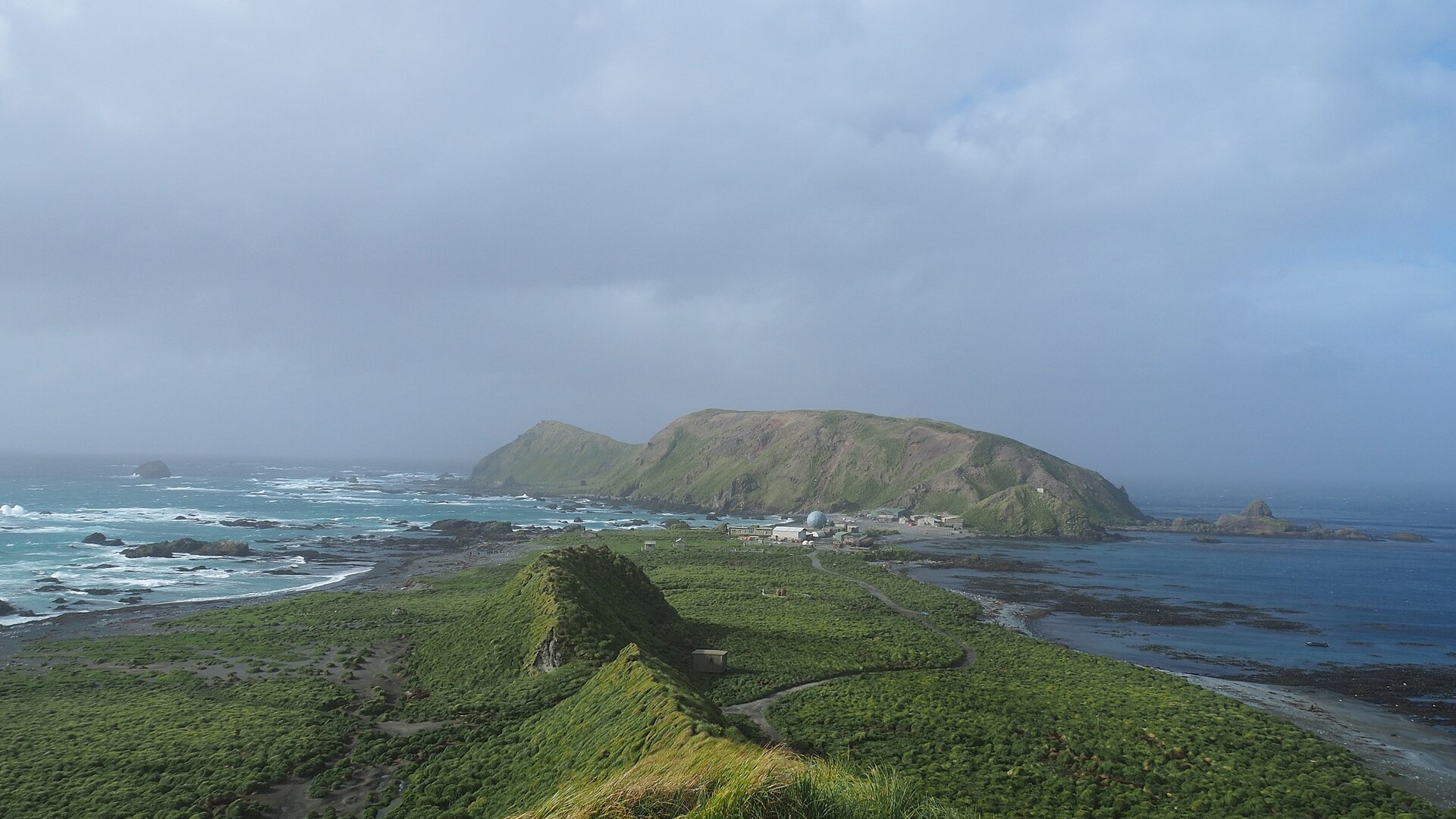
6. Macquarie Island In The Southern Ocean
Macquarie Island sits nine hundred miles southeast of Tasmania, marking the only place on earth where mantle rocks actively emerge above sea level. Royal and king penguins breed in massive colonies along rocky beaches buffeted by ferocious westerly winds and freezing ocean swells.
©Wikimedia / Krudller
Advertisement
Swipe or tap ▶ to resume the countdown.
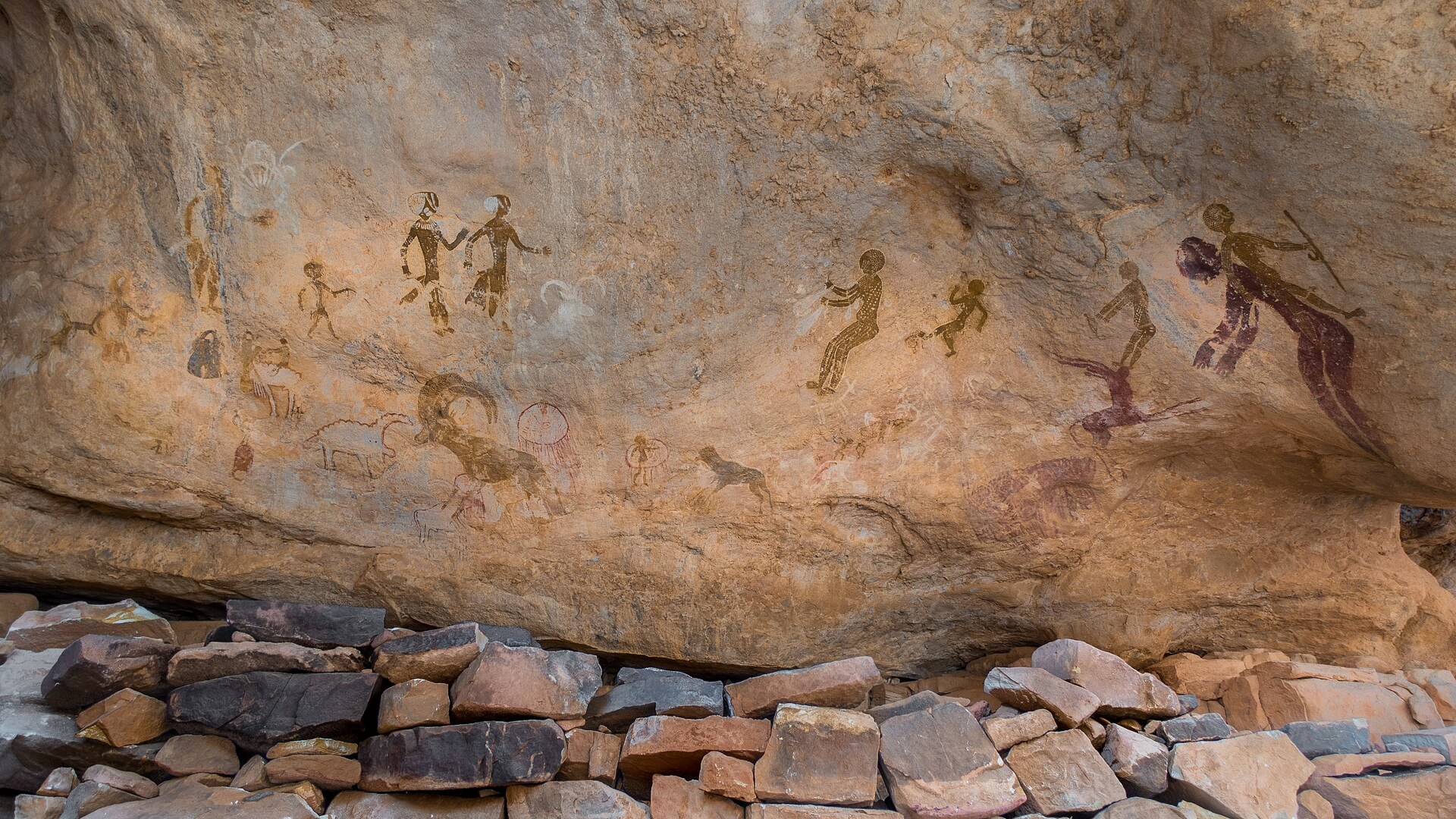
5. Tassili n'Ajjer In Algeria
Rising from the desert plateau near the Libyan border, Tassili n'Ajjer preserves fifteen thousand rock paintings depicting elephants and giraffes from when the Sahara was green. The site sits over nine hundred miles south of Algiers, reached only by guided camel treks through dry canyons.
©Wikimedia / IssamBarhoumi
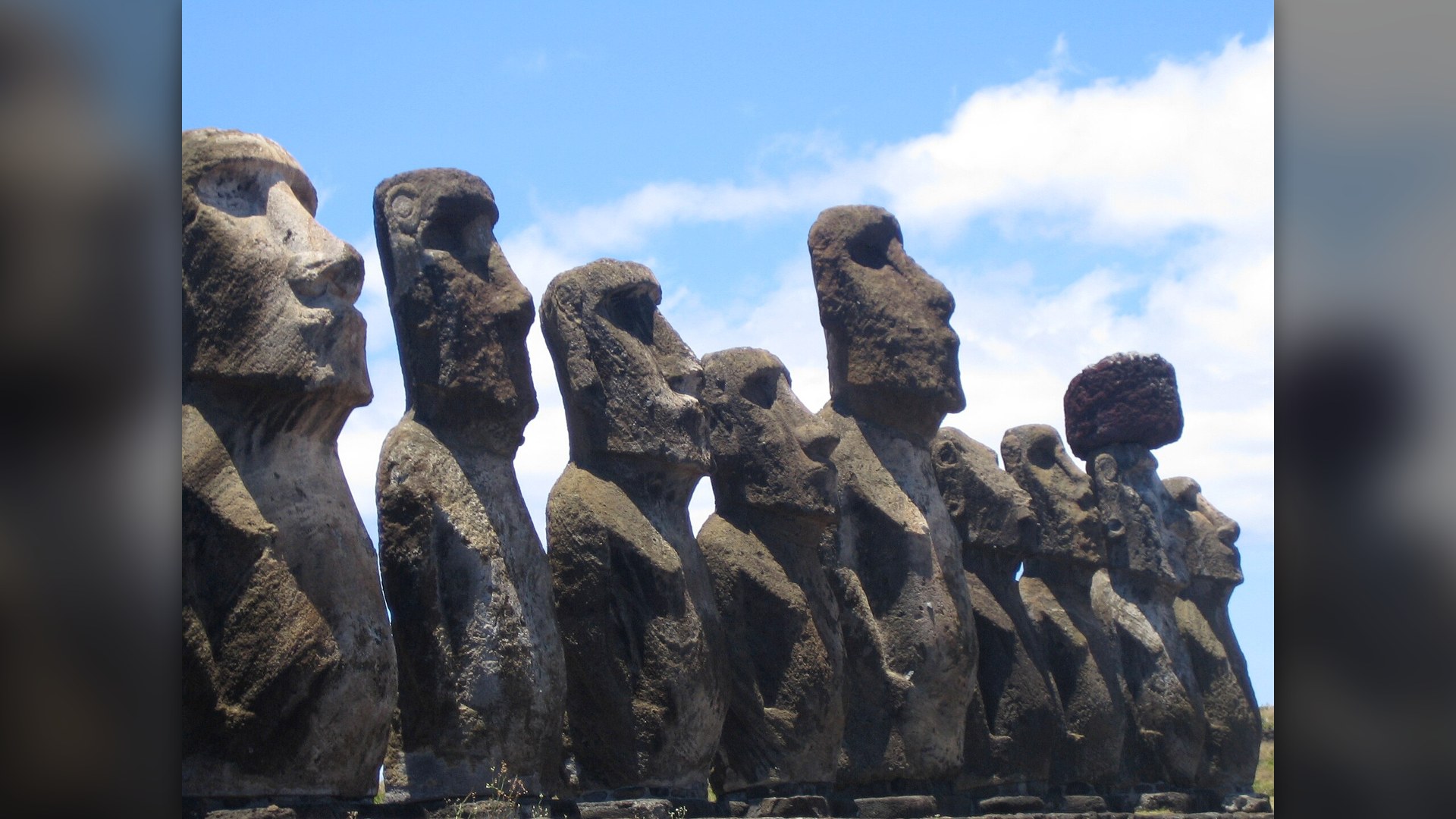
4. Rapa Nui National Park In Chile
Easter Island sits over twenty-two hundred miles west of mainland Chile in the central South Pacific. Polynesian voyagers quarried volcanic tuff at Rano Raraku to carve giant ancestor effigies that gaze inland across windswept volcanic slopes, far removed from modern shipping lanes.
©Wikimedia / Bradenfox
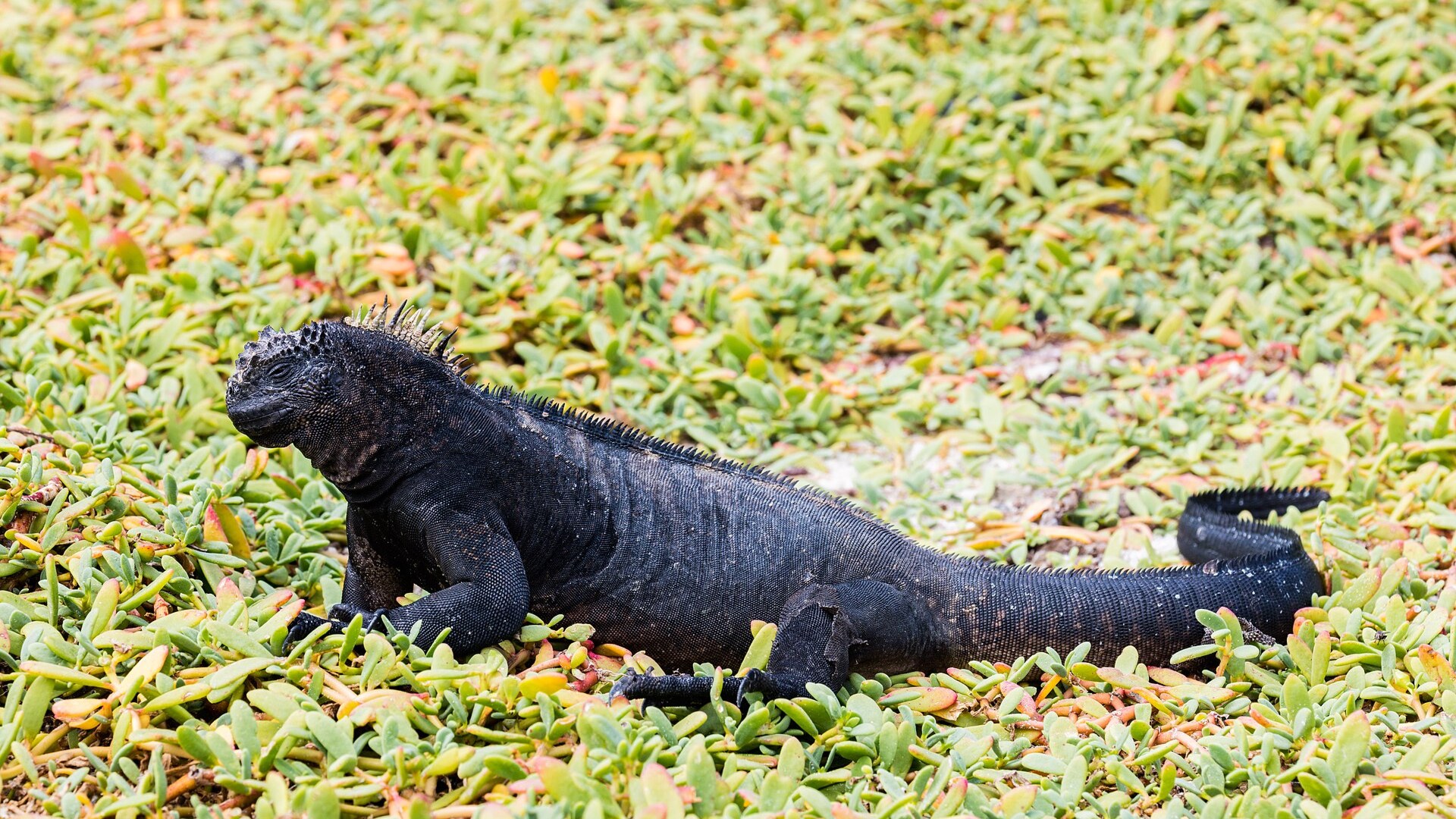
3. Galapagos Islands In Ecuador
Formed by volcanic eruptions over deep oceanic crust, the nineteen islands remain largely unpopulated by humans. Marine iguanas, flightless cormorants, and giant tortoises thrive in isolation, shielded from mainland invasive species by strict national park regulations.
©Wikimedia / Diego Delso
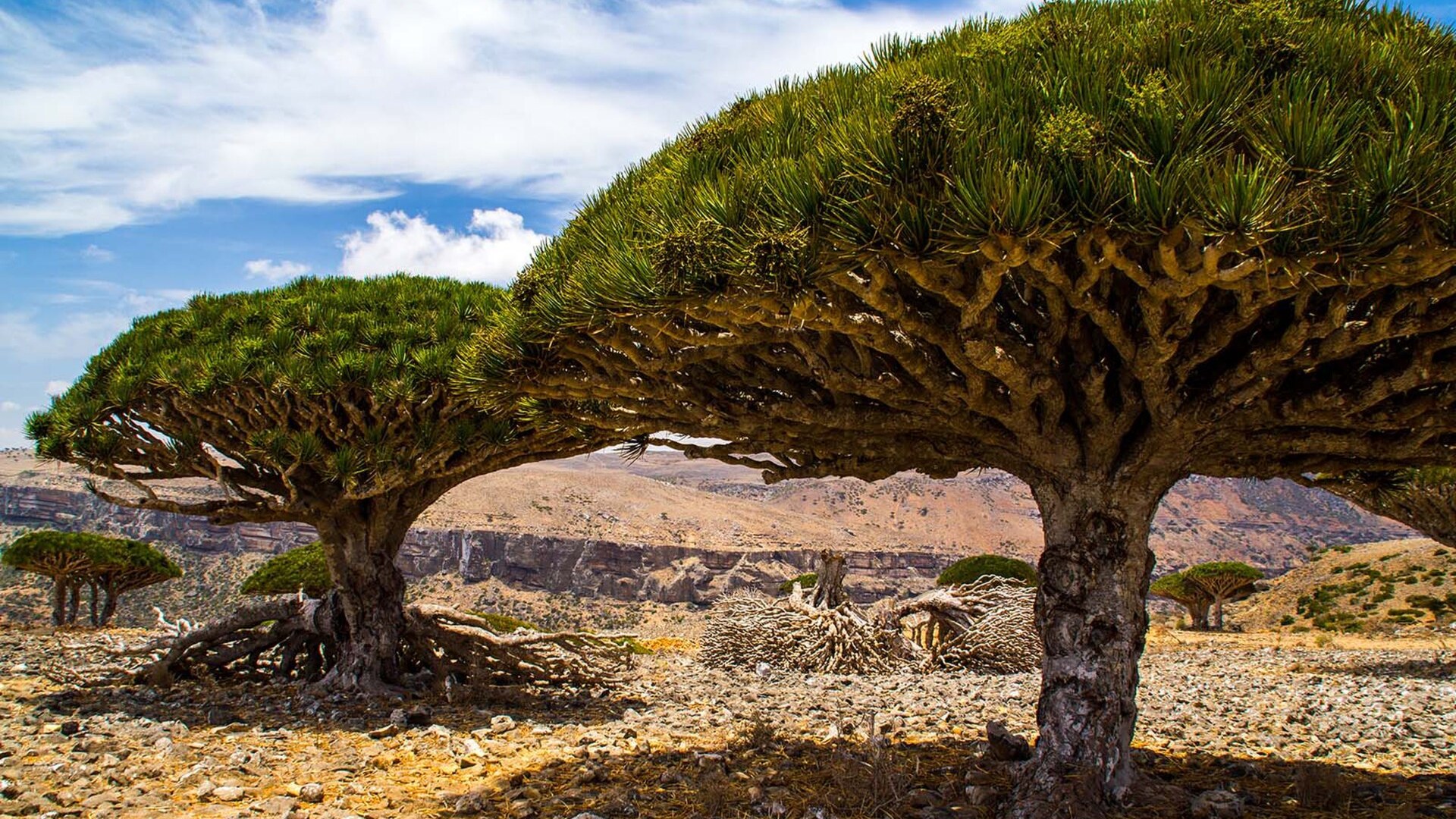
2. Socotra Archipelago In Yemen
Socotra lies one hundred fifty miles east of the Horn of Africa, detached from continental landmasses for eighteen million years. Umbrella-shaped dragon's blood trees and cucumber trees dot rugged limestone plateaus, where thirty-seven percent of plant species exist nowhere else.
©Wikimedia / 2socotra
Advertisement
Swipe or tap ▶ to resume the countdown.
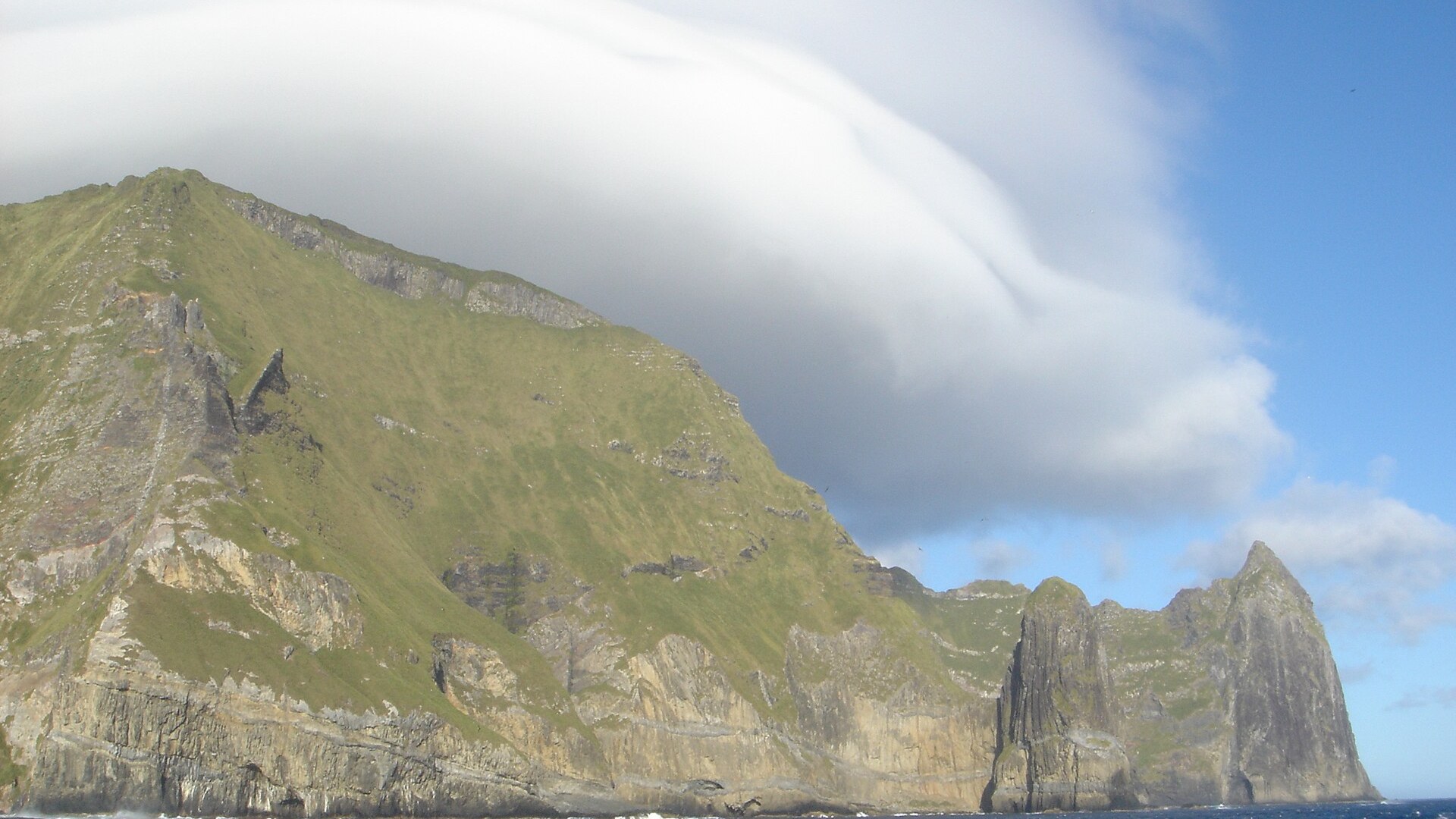
1. Gough And Inaccessible Islands In The South Atlantic
Part of the Tristan da Cunha territory, Gough Island lies over seventeen hundred miles from South Africa and two thousand miles from South America. Towering sea cliffs and windswept bogs shelter virtually the entire world population of Tristan albatrosses, completely free from human inhabitants.

©Wikimedia / Ron Van Oers
Advertisement
You've reached the end of the story. Thanks for reading!

20 US States With the Most Publicly Accessible Lakes
America offers extraordinary freshwater recreation through expansive public waterways. From glaciated northern forests to sunlit southern basins, these twenty states lead the nation with thousands of publicly accessible lakes, free boat ramps, and protected shoreline parks managed for open community enjoyment.
All 20 Entries in this Story
20. Nahanni National Park Reserve In Canada
Accessible only by floatplane or helicopter, Nahanni spans over eleven thousand square miles along the South Nahanni River. Virginia Falls drops twice the height of Niagara, while the nearest major regional city of Yellowknife lies over three hundred miles to the east.

19. Tsingy De Bemaraha In Madagascar
Situated in western Madagascar, this strict nature reserve spans five hundred square miles of jagged karst stone. Reaching the park requires a grueling multi-day four-wheel-drive trek from Morondava, keeping its rare deken's sifaka lemur populations completely isolated.

18. Heard And McDonald Islands In Australia
Located over twenty-five hundred miles southwest of Perth, this uninhabited sub-Antarctic territory remains free of introduced alien species. Big Ben, an active nine-thousand-foot glaciated volcano, dominates an ocean wilderness reached only via a two-week scientific voyage.

17. Kluane And Wrangell-St. Elias In North America
Encompassing over thirty-two million acres across Alaska, Yukon, and British Columbia, this wilderness contains Mount Logan and Mount St. Elias. Glaciers stretch across jagged mountain ranges hundreds of miles from metropolitan infrastructure, sheltering grizzly bears and caribou herds.

16. Lord Howe Island Group In The Tasman Sea
Emerging from the Tasman Sea nearly four hundred miles east of Port Macquarie, Lord Howe Island caps human visitors at four hundred at any time. The offshore monolith of Ball's Pyramid rises eighteen hundred feet from open ocean waters, providing a refuge for rare seabirds.

15. Volcanoes Of Kamchatka In Russia
The Kamchatka Peninsula contains around three hundred volcanic peaks, with thirty actively erupting. Accessible primarily by chartered helicopter, this volcanic wilderness protects pristine salmon rivers, coastal sea eagles, and brown bears hundreds of miles north of Vladivostok.

14. Okavango Delta In Botswana
Covering nearly six thousand square miles, the Okavango is one of the world's few major inland delta systems that never reaches the sea. Surrounded by arid desert and sparse villages, the wetland sustains massive herds of African elephants and endangered African wild dogs.

13. Ilulissat Icefjord In Greenland
Located one hundred fifty miles north of the Arctic Circle, the Sermeq Kujalleq glacier moves over one hundred feet daily. Massive ice cathedrals drift through Disko Bay, creating an awe-inspiring frozen seascape hundreds of miles away from any major commercial flight hub.

12. Henderson Island In The Pitcairn Group
Situated over twelve hundred miles west of Chile and hundreds of miles from human settlements, Henderson Island receives almost no human visitors. Its dense limestone scrub shelters the flightless Henderson crake and untouched coral reefs undisturbed by commercial fishing.

11. Aldabra Atoll In Seychelles
Aldabra lies over six hundred miles southwest of Victoria, the capital of Seychelles, in the remote western Indian Ocean. Strict conservation limits access to scientists, allowing the world's largest population of giant tortoises and flightless white-throated rails to flourish.

10. Lake Baikal In Siberia
Dating back twenty-five million years, Baikal stretches four hundred miles across the Siberian wilderness. More than eighty percent of its animal species, including the freshwater nerpa seal, exist nowhere else on earth, insulated by vast distances from industrial population centers.

9. Surtsey Island In Iceland
Breaching the Atlantic surface twenty miles south of Iceland, Surtsey has remained strictly protected since its formation. Only certified researchers may step foot on the volcanic ash, ensuring scientists can observe plant and bird colonization without human interference.

8. Lorentz National Park In Indonesia
Covering nine thousand square miles on the island of New Guinea, Lorentz is the largest protected area in Southeast Asia. park extends from ocean level to the snow-capped Puncak Jaya summit, harboring uncontacted tribal groups and rare tree-kangaroos without any road access.

7. Te Wahipounamu In New Zealand
Encompassing Milford Sound and Mount Cook, this wilderness represents one of the modern world's closest living links to ancient Gondwana. Dense temperate rainforests and glacial valleys remain largely devoid of human settlements, sheltering endangered takahē and kiwi birds.

6. Macquarie Island In The Southern Ocean
Macquarie Island sits nine hundred miles southeast of Tasmania, marking the only place on earth where mantle rocks actively emerge above sea level. Royal and king penguins breed in massive colonies along rocky beaches buffeted by ferocious westerly winds and freezing ocean swells.

5. Tassili n'Ajjer In Algeria
Rising from the desert plateau near the Libyan border, Tassili n'Ajjer preserves fifteen thousand rock paintings depicting elephants and giraffes from when the Sahara was green. The site sits over nine hundred miles south of Algiers, reached only by guided camel treks through dry canyons.

4. Rapa Nui National Park In Chile
Easter Island sits over twenty-two hundred miles west of mainland Chile in the central South Pacific. Polynesian voyagers quarried volcanic tuff at Rano Raraku to carve giant ancestor effigies that gaze inland across windswept volcanic slopes, far removed from modern shipping lanes.

3. Galapagos Islands In Ecuador
Formed by volcanic eruptions over deep oceanic crust, the nineteen islands remain largely unpopulated by humans. Marine iguanas, flightless cormorants, and giant tortoises thrive in isolation, shielded from mainland invasive species by strict national park regulations.

2. Socotra Archipelago In Yemen
Socotra lies one hundred fifty miles east of the Horn of Africa, detached from continental landmasses for eighteen million years. Umbrella-shaped dragon's blood trees and cucumber trees dot rugged limestone plateaus, where thirty-seven percent of plant species exist nowhere else.

1. Gough And Inaccessible Islands In The South Atlantic
Part of the Tristan da Cunha territory, Gough Island lies over seventeen hundred miles from South Africa and two thousand miles from South America. Towering sea cliffs and windswept bogs shelter virtually the entire world population of Tristan albatrosses, completely free from human inhabitants.