Slideshow · Science
Why Your Brain Secretly Loves being scared? The Surprising science of Fear
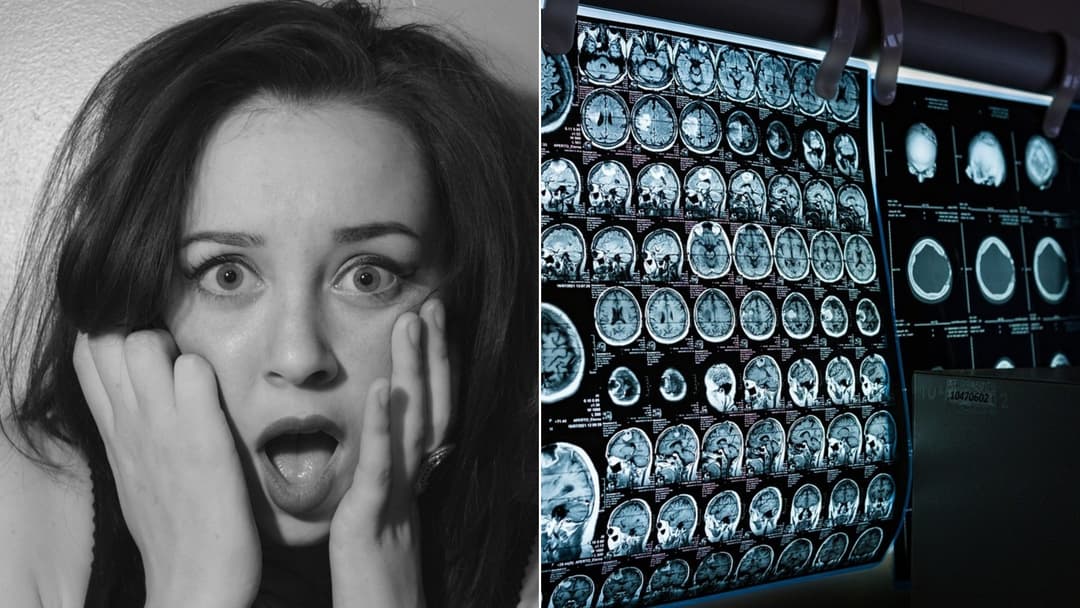
From white blood cell surges and rapid calorie burn to dopamine rushes and evolutionary defense mechanisms, here are 20 facts about the neuroscience behind human fear.
By Most Viral Today
27 Oct 2026

Why Your Brain Secretly Loves being scared? The Surprising science of Fear 
19. The Gender Social Script 
18. Gastrointestinal Freeze 
17. The Pain Mask - AdvertisementSwipe or tap ▶ to continue countdown

16. Pupil Dilation High 
15. Non Linear Audio Panic 
14. Evolutionary Play Fighting 
13. The Jumpy Gene - AdvertisementSwipe or tap ▶ to continue countdown

12. Infrasound Weaponization 
11. Somatic Empathy 
10. Flashbulb Memories 
9. Excitation Transfer - AdvertisementSwipe or tap ▶ to continue countdown

8. Terror Boosts Immunity 
7. The Infantile Blueprint 
6. Anxiety Reset Button 
5. The Oxytocin Glue - AdvertisementSwipe or tap ▶ to continue countdown

4. Fear Burns Calories 
3. Context Is King 
2. The Amygdala Hijack 
1. The Dopamine Divide - Advertisement🔥 UP NEXT IN THIS SERIES◫ 23 Slides

22 High-Calorie Burning Exercises Ranked by Harvard Medical Data
Ranked according to Harvard Medical School caloric expenditure data, these 22 physical exercises burn the highest number of calories per hour for optimal cardiovascular health. Medical data reveals true effort.
Fear feels like an emotional reaction, yet it is actually a full-body neurological chain reaction. From white blood cell surges and calorie burn to dopamine rushes and evolutionary defense mechanisms, here are 20 facts about the science behind fear.
Swipe or tap ▶ to begin the countdown
©Pixabay / max60500 & Pixabay / Mitrey
19. The Gender Social Script
Sociological studies on horror audiences show that gender differences in fear seeking are driven largely by childhood socialization rather than biology. Traditional social scripts often reward men for acting unfazed during a scare while encouraging expressive reactions.

©Pixabay / yousafbhutta
18. Gastrointestinal Freeze
That sudden sinking feeling in the pit of your stomach has a direct physiological cause. When the sympathetic nervous system triggers a fight-or-flight alarm, the brain constricts blood vessels around the stomach and intestines so oxygen can flood your limbs and eyes.

©Pixabay / HansMartinPaul
17. The Pain Mask
Known clinically as stress-induced analgesia, sudden terror floods the bloodstream with endogenous opioids and endorphins. Evolution designed this chemical pain mask so an injured person can escape a life-threatening predator before registering physical aches.

©Pixabay / harutmovsisyan
Advertisement
Swipe or tap ▶ to resume the countdown.
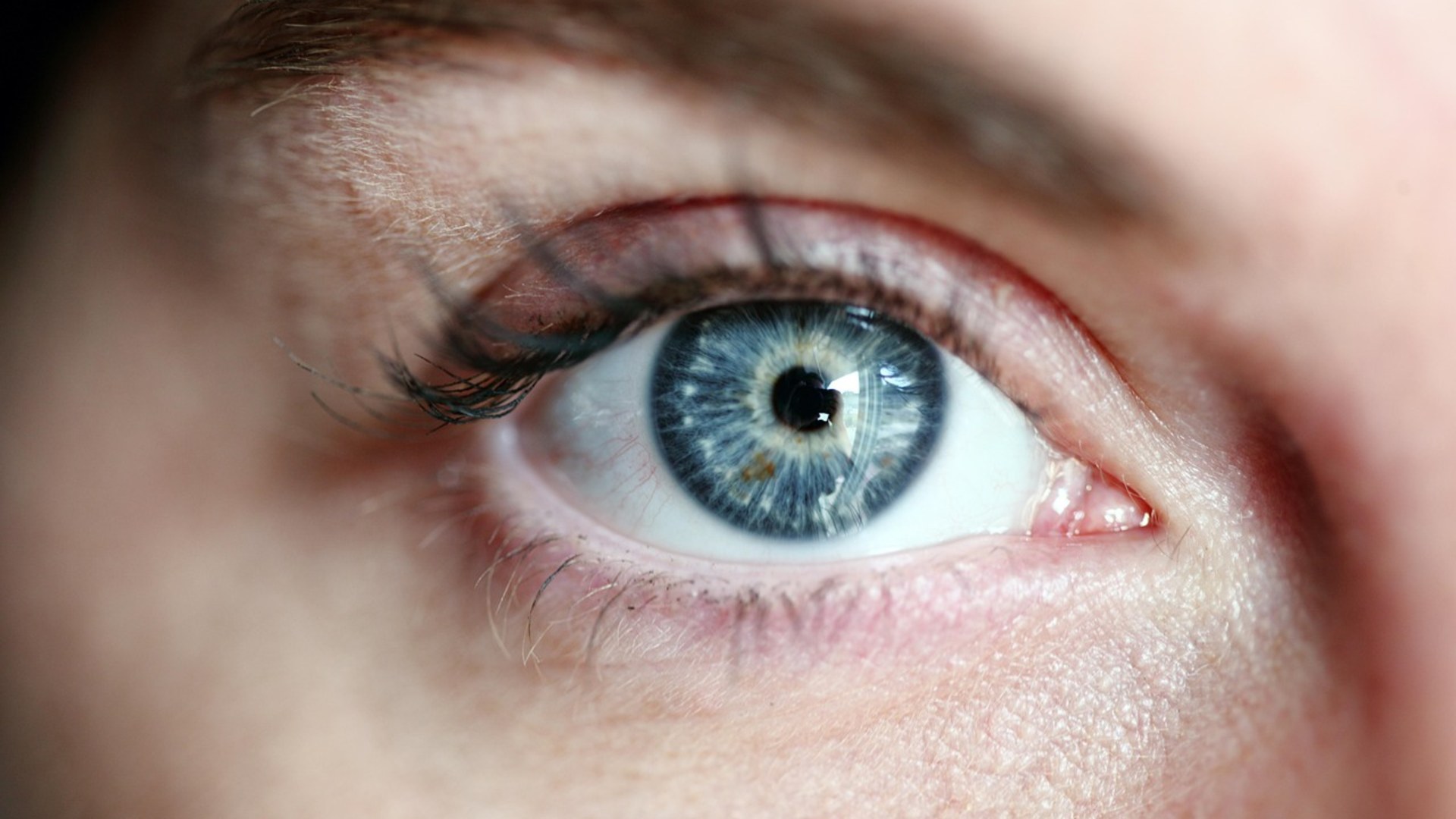
16. Pupil Dilation High
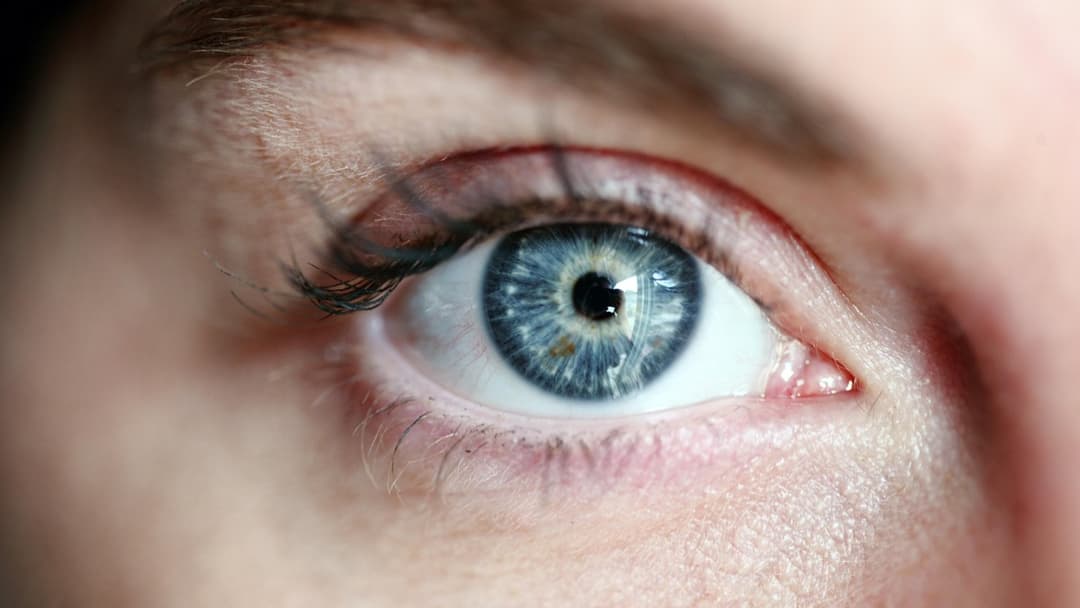
Within milliseconds of a sudden scare, norepinephrine causes the iris muscles in your eyes to contract and dilate the pupils. This rapid expansion lets in extra light and widens peripheral vision to scan for threats in the dark, creating a vivid visual rush.
©Pixabay / AlexanderGrey
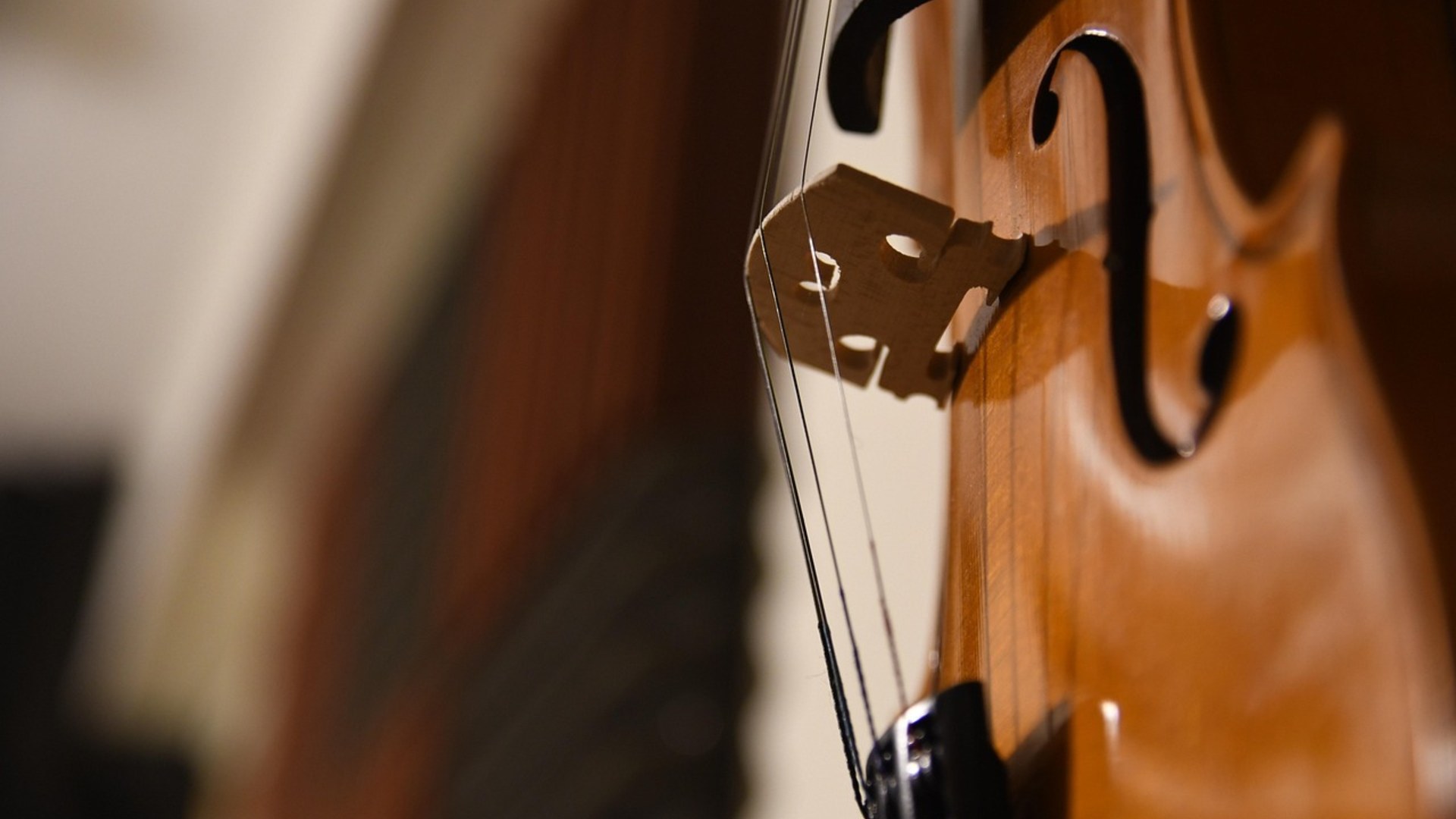
15. Non Linear Audio Panic
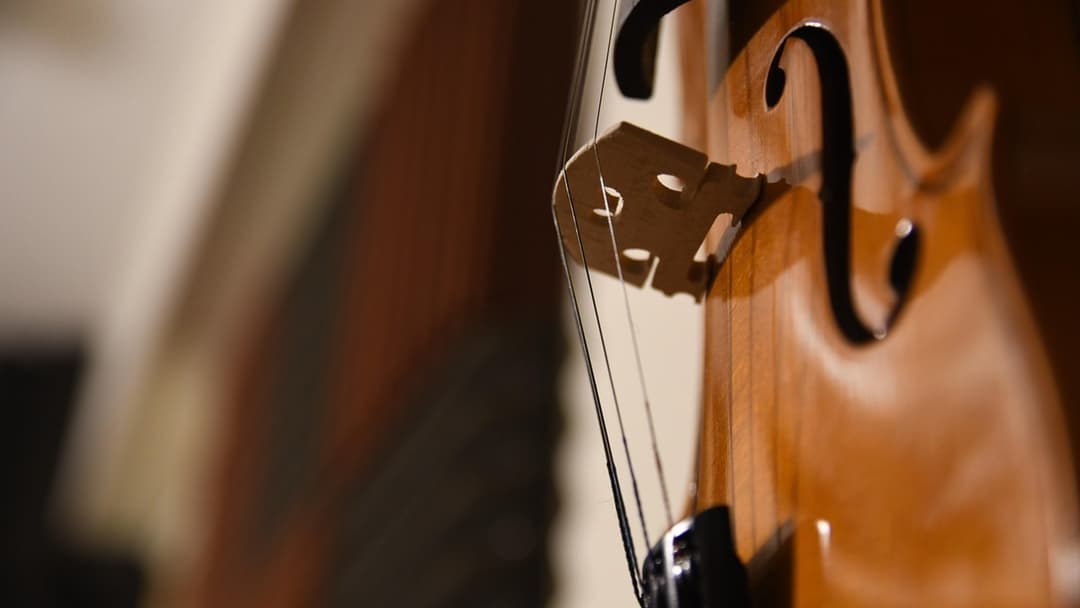
Film composers use screeching violins and discordant brass to replicate non-linear chaotic sound waves produced when young animals scream in danger. Because human ears evolved to respond instantly to baby cries and predator roars, these frequencies bypass logic.
©Pixabay / MAGstd
14. Evolutionary Play Fighting
Evolutionary psychologists view recreational horror as a modern version of mammal play-fighting. By watching characters navigate monsters or disasters from a safe seat, the human brain practices threat assessment, emotional regulation, and survival strategies at zero risk.

©Pixabay / Dieterich01
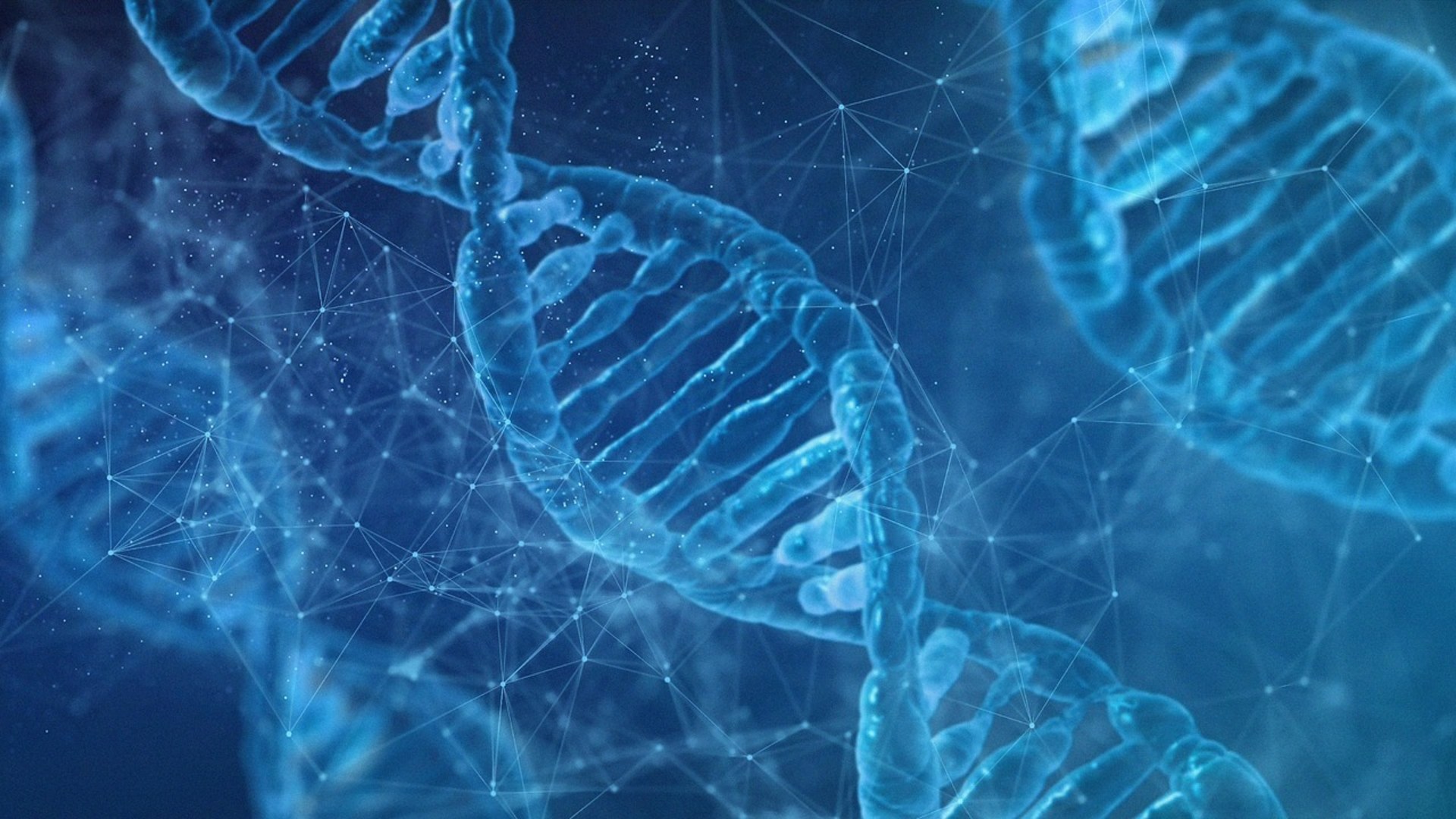
13. The Jumpy Gene
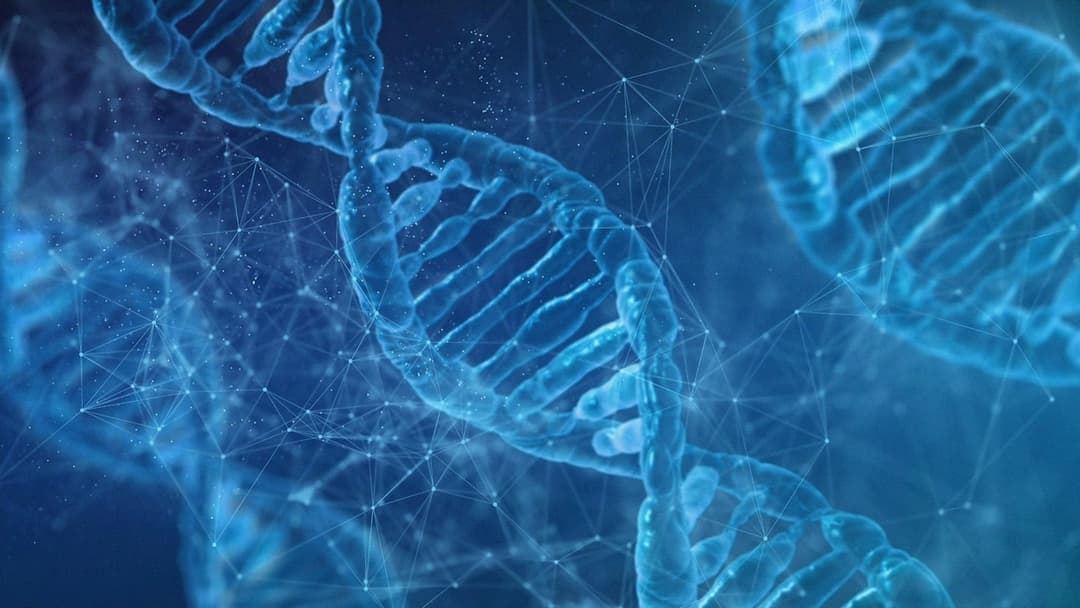
Behavioral geneticists at the University of Bonn discovered that variations in the COMT gene alter how people process startle responses. People carrying a specific double copy of this gene variant stay rattled longer because their brains break down stress chemicals slower.
©Pixabay / Sunriseforever
Advertisement
Swipe or tap ▶ to resume the countdown.
12. Infrasound Weaponization
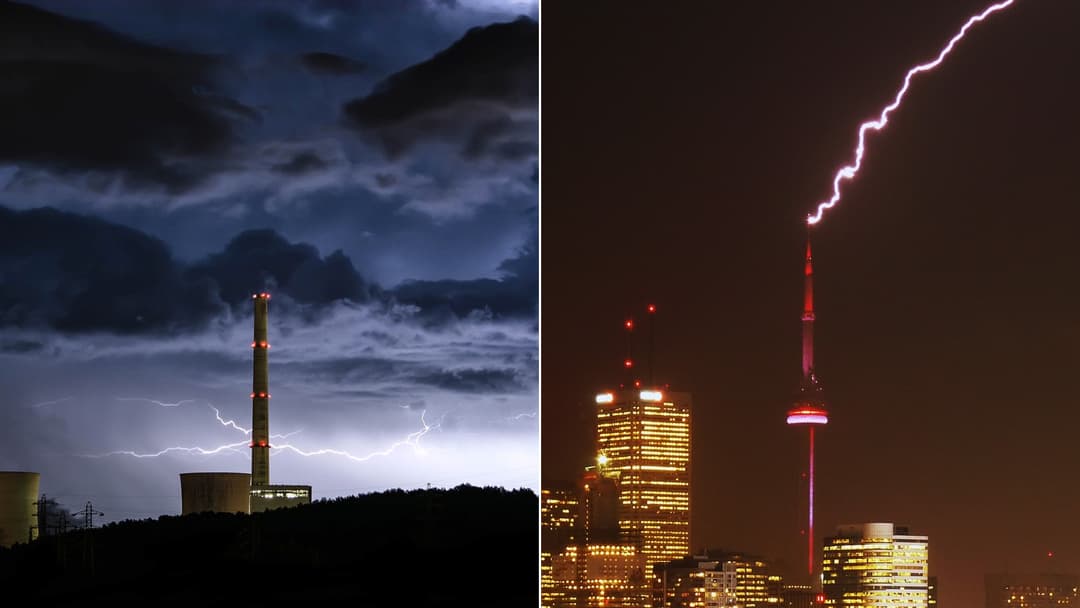
In nature, extreme low-frequency sound waves below 20 Hertz are generated by earthquakes, volcanoes, and tiger growls. Although you cannot consciously hear infrasound, horror filmmakers embed a 19-Hertz hum into audio tracks to trigger unexplained chills and uneasiness.

©Pixabay / Republica
11. Somatic Empathy
When you watch a movie character freeze in terror or sprint down a dark hallway, specialized mirror neurons fire in your premotor cortex as if you were performing the action yourself. Your palms sweat and your muscles tense through automatic neurological simulation.

©Pixabay / max60500
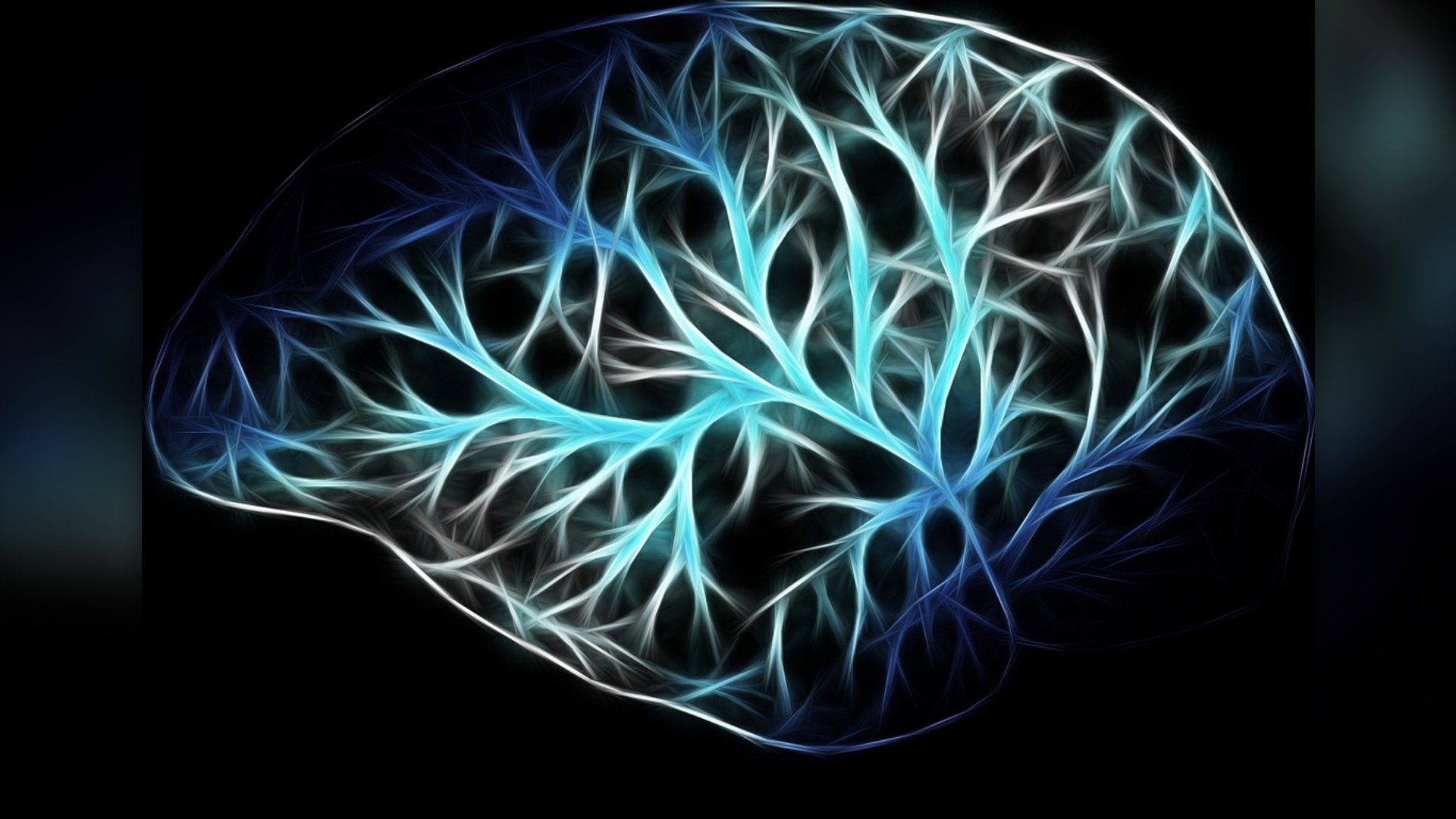
10. Flashbulb Memories
From an evolutionary perspective, forgetting where a predator ambushed you could be fatal. During a terrifying event, the amygdala signals the hippocampus to coat newly formed neural connections with stress hormones, locking in vivid sensory details for decades.
©Pixabay / geralt
9. Excitation Transfer
Psychologist Dolf Zillmann formulated Excitation Transfer Theory to explain why people burst out laughing right after a jump scare. Because physical arousal takes minutes to fade after a threat ends, your leftover elevated pulse magnifies the relief that follows.

©Pixabay / StockSnap
Advertisement
Swipe or tap ▶ to resume the countdown.
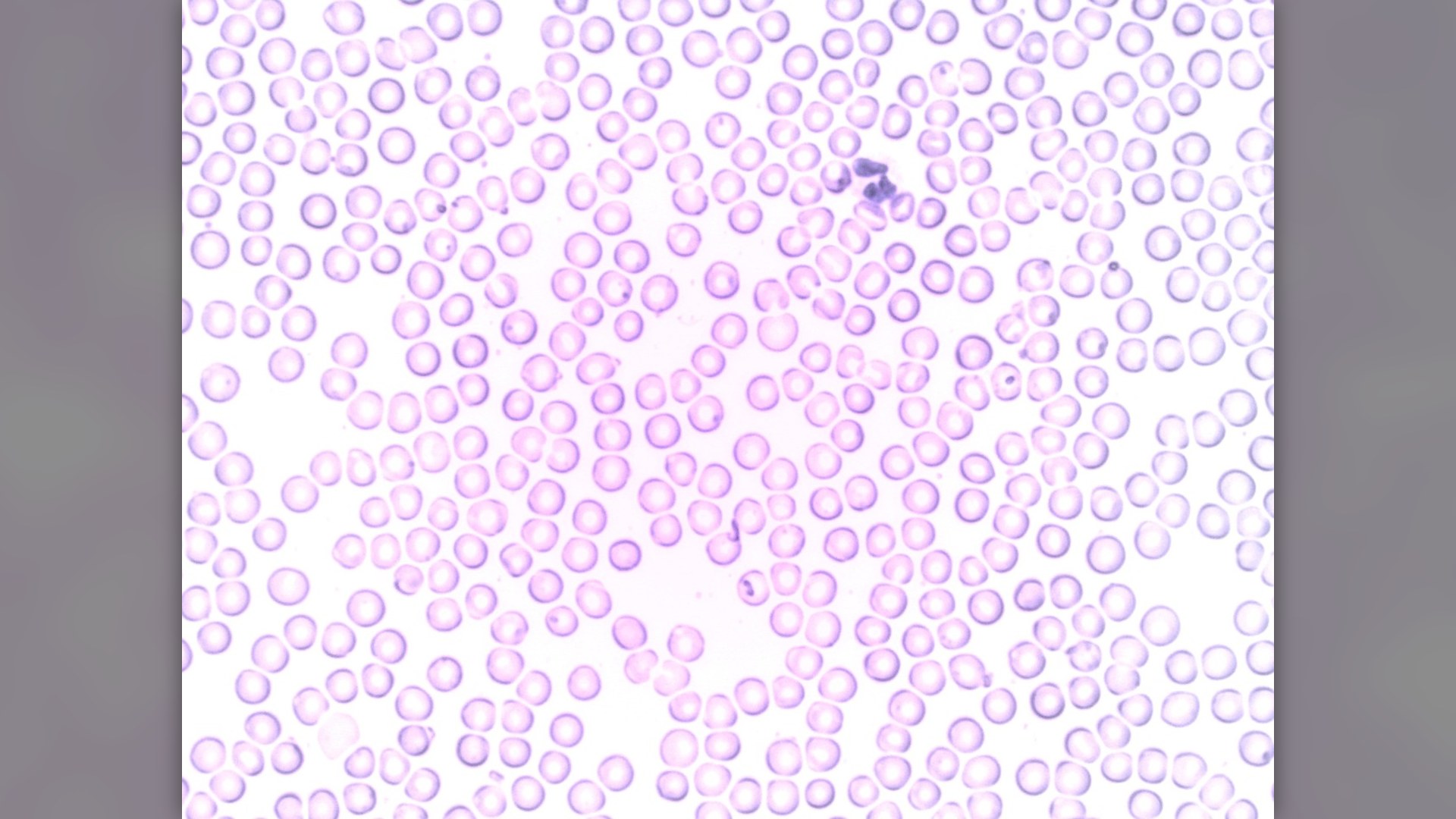
8. Terror Boosts Immunity
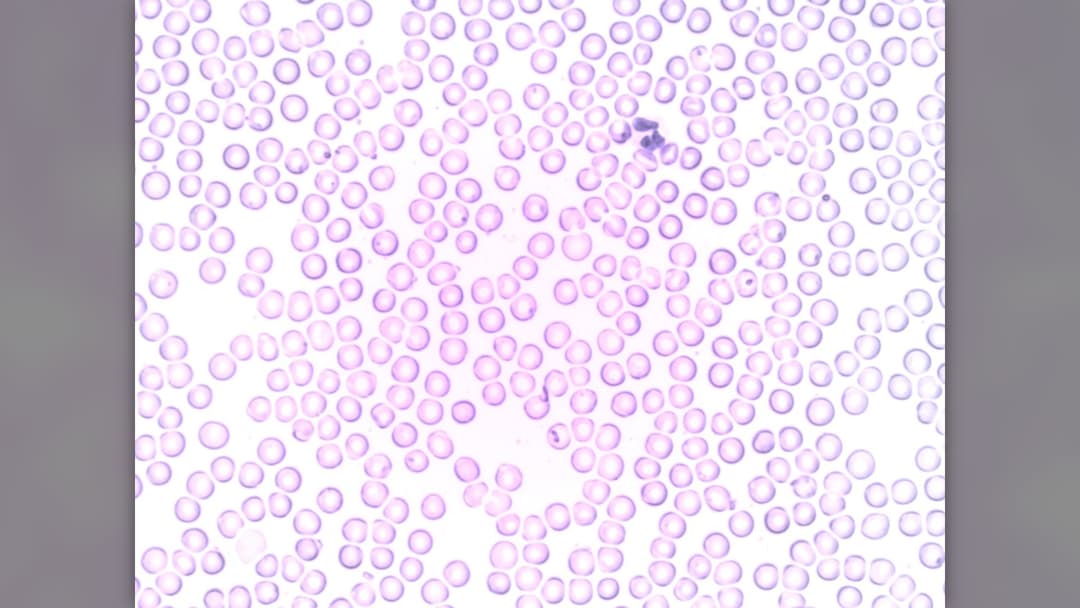
Researchers at Coventry University tested blood samples from volunteers before, during, and after watching a terrifying horror film. They discovered that acute fear mobilizes leukocytes into the bloodstream as the body prepares to fight off potential wounds and infections.
©Pixabay / Mekis
7. The Infantile Blueprint
Developmental neuroscientists have found that the neural circuitry connecting the emotional amygdala to the rational prefrontal cortex matures between childhood and early adolescence. Frights experienced during this window establish lifelong startle thresholds.

©Pixabay / BrickBard
6. Anxiety Reset Button
Clinical psychologists studying horror fans found that controlled scares can act as a mental reset for people with generalized anxiety. By giving the nervous system a concrete, time-limited threat that resolves in 90 minutes, the brain stops ruminating over abstract stress.

©Pixabay / Peggy_Marco
5. The Oxytocin Glue
When groups walk through a haunted attraction or watch a thriller together, their brains release oxytocin alongside adrenaline. In prehistoric times, huddling together during danger kept the tribe alive, which is why shared frights still fast-track human bonding today.

©Pixabay / Petrucy
Advertisement
Swipe or tap ▶ to resume the countdown.
4. Fear Burns Calories
A metabolic study conducted at the University of Westminster measured oxygen intake and carbon dioxide output in viewers watching classic horror films. A single 90-minute scary movie burned between 113 and 184 calories as rapid adrenaline surges accelerated metabolism.

©Pixabay / Apichit
3. Context Is King
Psychologist Apter's Protective Frame Theory explains why a monster on a living room screen feels thrilling while a real intruder feels traumatic. Once your prefrontal cortex verifies a protective boundary within half a second, fear chemistry turns into entertainment.

©Pixabay / Sammy-Sander
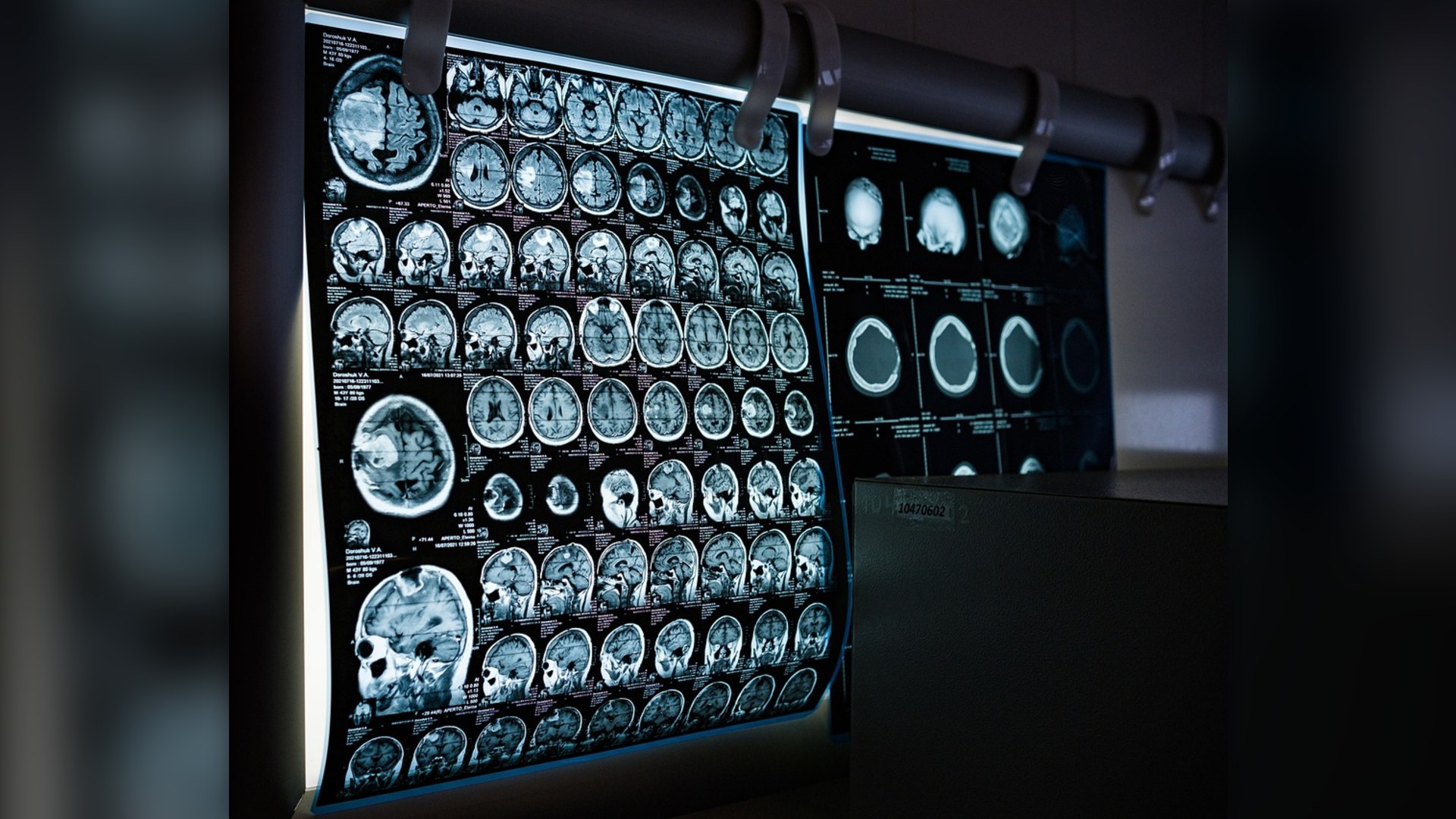
2. The Amygdala Hijack
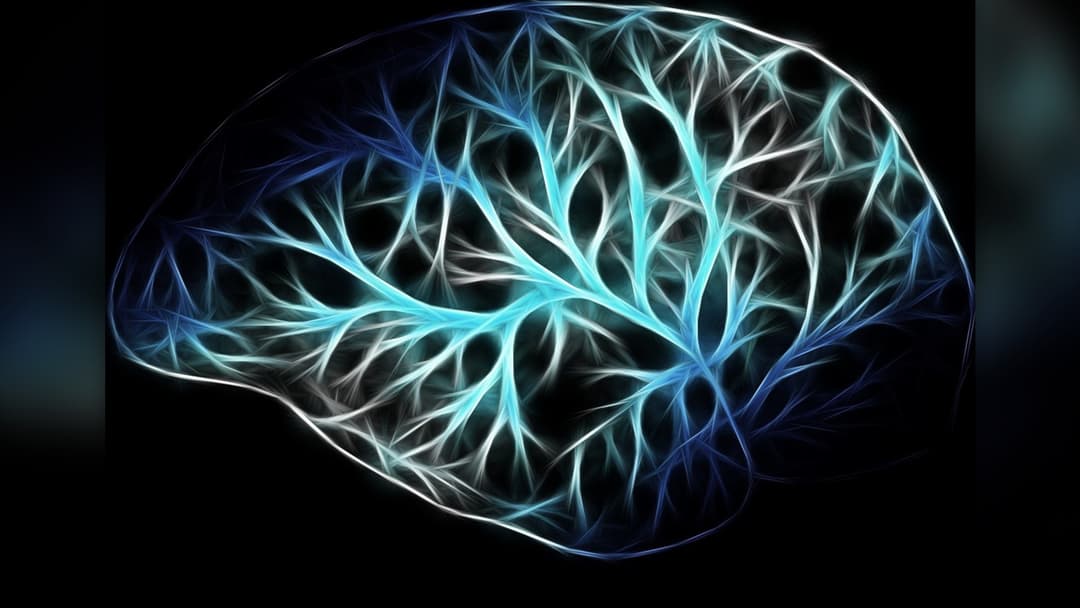
Coined by psychologist Daniel Goleman, an amygdala hijack happens because sensory signals from your eyes and ears travel to the amygdala along a neural shortcut twice as fast as the path to the thinking cortex. You flinch away from a snake before knowing it is a stick.
©Pixabay / Mitrey
1. The Dopamine Divide
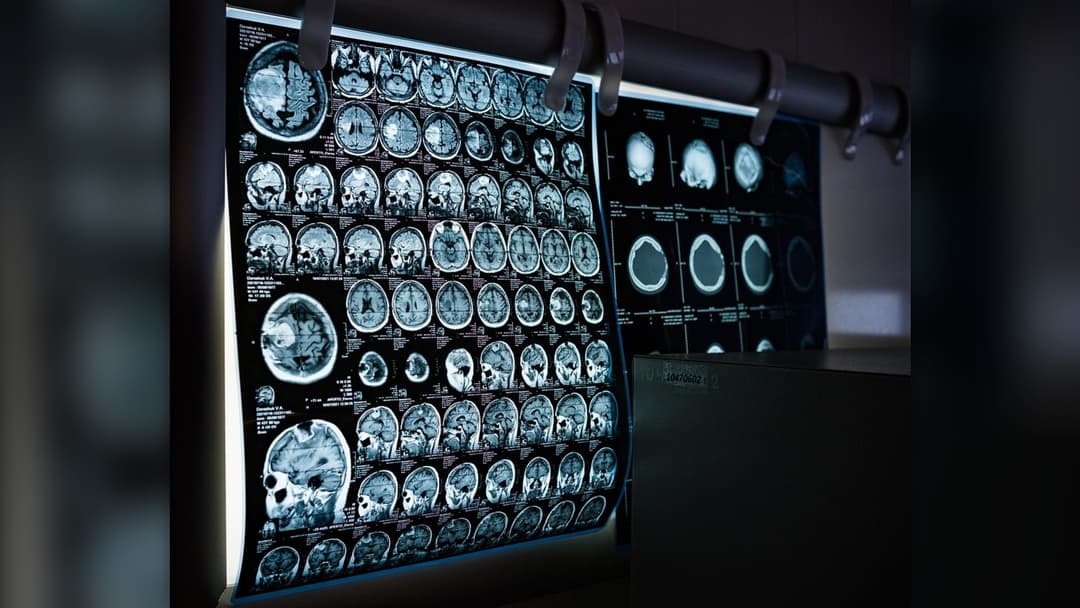
Neuroscientist David Zald discovered through PET brain scans that some people have fewer dopamine autoreceptors, which act as natural brakes on reward chemicals. When fear triggers a dopamine flood alongside adrenaline, thrill-seekers experience an intense natural high.

©Pixabay / paulbr75
Advertisement
You've reached the end of the story. Thanks for reading!

22 High-Calorie Burning Exercises Ranked by Harvard Medical Data
Ranked according to Harvard Medical School caloric expenditure data, these 22 physical exercises burn the highest number of calories per hour for optimal cardiovascular health. Medical data reveals true effort.
All 19 Entries in this Story
20. The Gender Social Script
Sociological studies on horror audiences show that gender differences in fear seeking are driven largely by childhood socialization rather than biology. Traditional social scripts often reward men for acting unfazed during a scare while encouraging expressive reactions.

19. Gastrointestinal Freeze
That sudden sinking feeling in the pit of your stomach has a direct physiological cause. When the sympathetic nervous system triggers a fight-or-flight alarm, the brain constricts blood vessels around the stomach and intestines so oxygen can flood your limbs and eyes.

18. The Pain Mask
Known clinically as stress-induced analgesia, sudden terror floods the bloodstream with endogenous opioids and endorphins. Evolution designed this chemical pain mask so an injured person can escape a life-threatening predator before registering physical aches.

17. Pupil Dilation High
Within milliseconds of a sudden scare, norepinephrine causes the iris muscles in your eyes to contract and dilate the pupils. This rapid expansion lets in extra light and widens peripheral vision to scan for threats in the dark, creating a vivid visual rush.

16. Non Linear Audio Panic
Film composers use screeching violins and discordant brass to replicate non-linear chaotic sound waves produced when young animals scream in danger. Because human ears evolved to respond instantly to baby cries and predator roars, these frequencies bypass logic.

15. Evolutionary Play Fighting
Evolutionary psychologists view recreational horror as a modern version of mammal play-fighting. By watching characters navigate monsters or disasters from a safe seat, the human brain practices threat assessment, emotional regulation, and survival strategies at zero risk.

14. The Jumpy Gene
Behavioral geneticists at the University of Bonn discovered that variations in the COMT gene alter how people process startle responses. People carrying a specific double copy of this gene variant stay rattled longer because their brains break down stress chemicals slower.

13. Infrasound Weaponization
In nature, extreme low-frequency sound waves below 20 Hertz are generated by earthquakes, volcanoes, and tiger growls. Although you cannot consciously hear infrasound, horror filmmakers embed a 19-Hertz hum into audio tracks to trigger unexplained chills and uneasiness.

12. Somatic Empathy
When you watch a movie character freeze in terror or sprint down a dark hallway, specialized mirror neurons fire in your premotor cortex as if you were performing the action yourself. Your palms sweat and your muscles tense through automatic neurological simulation.

11. Flashbulb Memories
From an evolutionary perspective, forgetting where a predator ambushed you could be fatal. During a terrifying event, the amygdala signals the hippocampus to coat newly formed neural connections with stress hormones, locking in vivid sensory details for decades.

9. Excitation Transfer
Psychologist Dolf Zillmann formulated Excitation Transfer Theory to explain why people burst out laughing right after a jump scare. Because physical arousal takes minutes to fade after a threat ends, your leftover elevated pulse magnifies the relief that follows.

8. Terror Boosts Immunity
Researchers at Coventry University tested blood samples from volunteers before, during, and after watching a terrifying horror film. They discovered that acute fear mobilizes leukocytes into the bloodstream as the body prepares to fight off potential wounds and infections.

7. The Infantile Blueprint
Developmental neuroscientists have found that the neural circuitry connecting the emotional amygdala to the rational prefrontal cortex matures between childhood and early adolescence. Frights experienced during this window establish lifelong startle thresholds.

6. Anxiety Reset Button
Clinical psychologists studying horror fans found that controlled scares can act as a mental reset for people with generalized anxiety. By giving the nervous system a concrete, time-limited threat that resolves in 90 minutes, the brain stops ruminating over abstract stress.

5. The Oxytocin Glue
When groups walk through a haunted attraction or watch a thriller together, their brains release oxytocin alongside adrenaline. In prehistoric times, huddling together during danger kept the tribe alive, which is why shared frights still fast-track human bonding today.

4. Fear Burns Calories
A metabolic study conducted at the University of Westminster measured oxygen intake and carbon dioxide output in viewers watching classic horror films. A single 90-minute scary movie burned between 113 and 184 calories as rapid adrenaline surges accelerated metabolism.

3. Context Is King
Psychologist Apter's Protective Frame Theory explains why a monster on a living room screen feels thrilling while a real intruder feels traumatic. Once your prefrontal cortex verifies a protective boundary within half a second, fear chemistry turns into entertainment.

2. The Amygdala Hijack
Coined by psychologist Daniel Goleman, an amygdala hijack happens because sensory signals from your eyes and ears travel to the amygdala along a neural shortcut twice as fast as the path to the thinking cortex. You flinch away from a snake before knowing it is a stick.

1. The Dopamine Divide
Neuroscientist David Zald discovered through PET brain scans that some people have fewer dopamine autoreceptors, which act as natural brakes on reward chemicals. When fear triggers a dopamine flood alongside adrenaline, thrill-seekers experience an intense natural high.