Slideshow · Animals
20 Unusual Animals That Look Almost Too Strange to Be Real
Bizarre evolutionary adaptations and anatomical traits found in rare wildlife
By Most Viral Today
1 hour ago

20 Rare Creatures With Bizarre Evolutionary Adaptations 
20. Blobfish 
19. Lowland Streaked Tenrec 
18. Pink Fairy Armadillo - AdvertisementSwipe or tap ▶ to continue countdown

17. Mata Mata Turtle 
16. Star-Nosed Mole 
15. Saiga Antelope 
14. Dumbo Octopus - AdvertisementSwipe or tap ▶ to continue countdown

13. Fossa 
12. Glass Frog 
11. Japanese Spider Crab 
10. Proboscis Monkey - AdvertisementSwipe or tap ▶ to continue countdown

9. Narwhal 
8. Ground Pangolin 
7. Shoebill Stork 
6. Glaucus Atlanticus - AdvertisementSwipe or tap ▶ to continue countdown

5. Thorny Devil 
4. Aye-Aye 
3. Leafy Seadragon 
2. Platypus - AdvertisementSwipe or tap ▶ to continue countdown

1. Axolotl - Advertisement🔥 UP NEXT IN THIS SERIES◫ 21 Slides

20 Holiday Feast Foods That Pets Can Safely Eat
From plain turkey breast to sweet pumpkin puree, discover which holiday feast foods dogs and cats can safely enjoy.
Nature has produced remarkable anatomical adaptations that push the boundaries of zoological science. From bioluminescent deep ocean dwellers to desert reptiles and armored mammals, these twenty extraordinary animals survive through startling evolutionary developments found across Earth's most isolated ecosystems.
Swipe or tap ▶ to begin the countdown
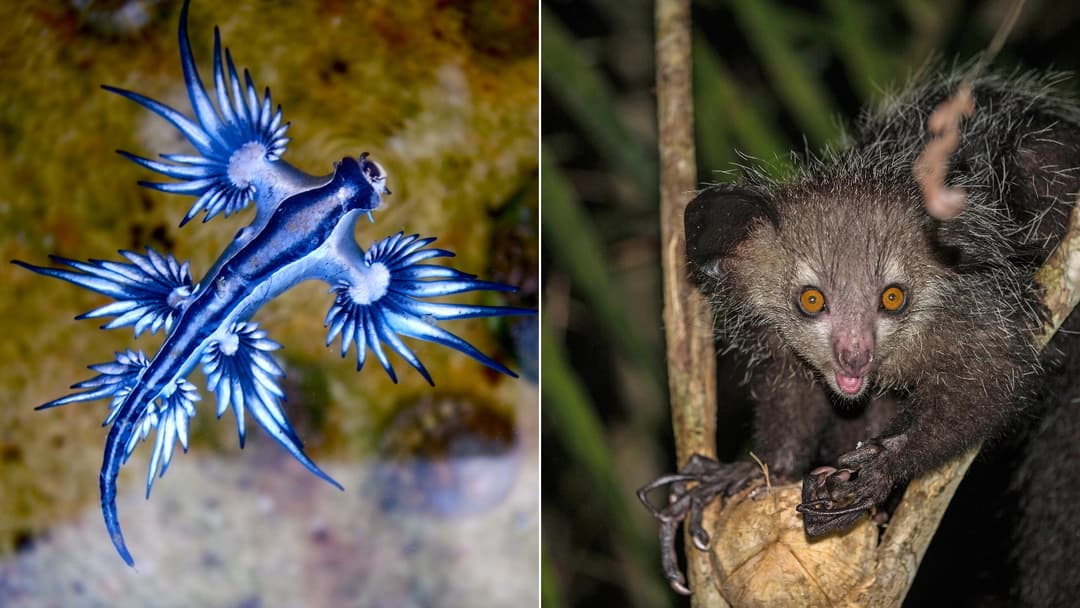
©Wikimedia / Sylke Rohrlach from Sydney & Wikimedia / Aye-aye
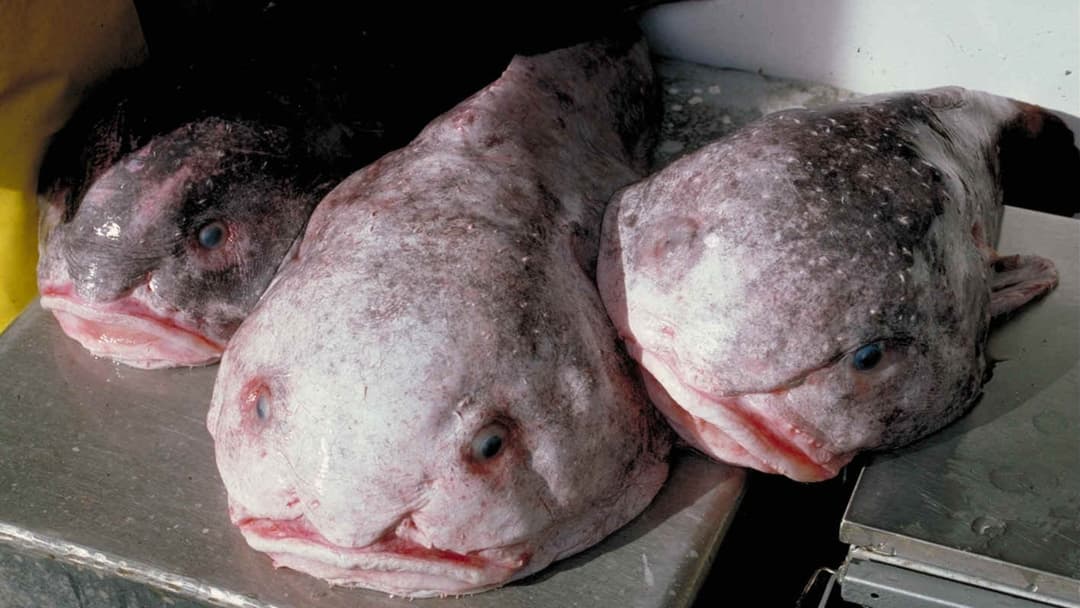
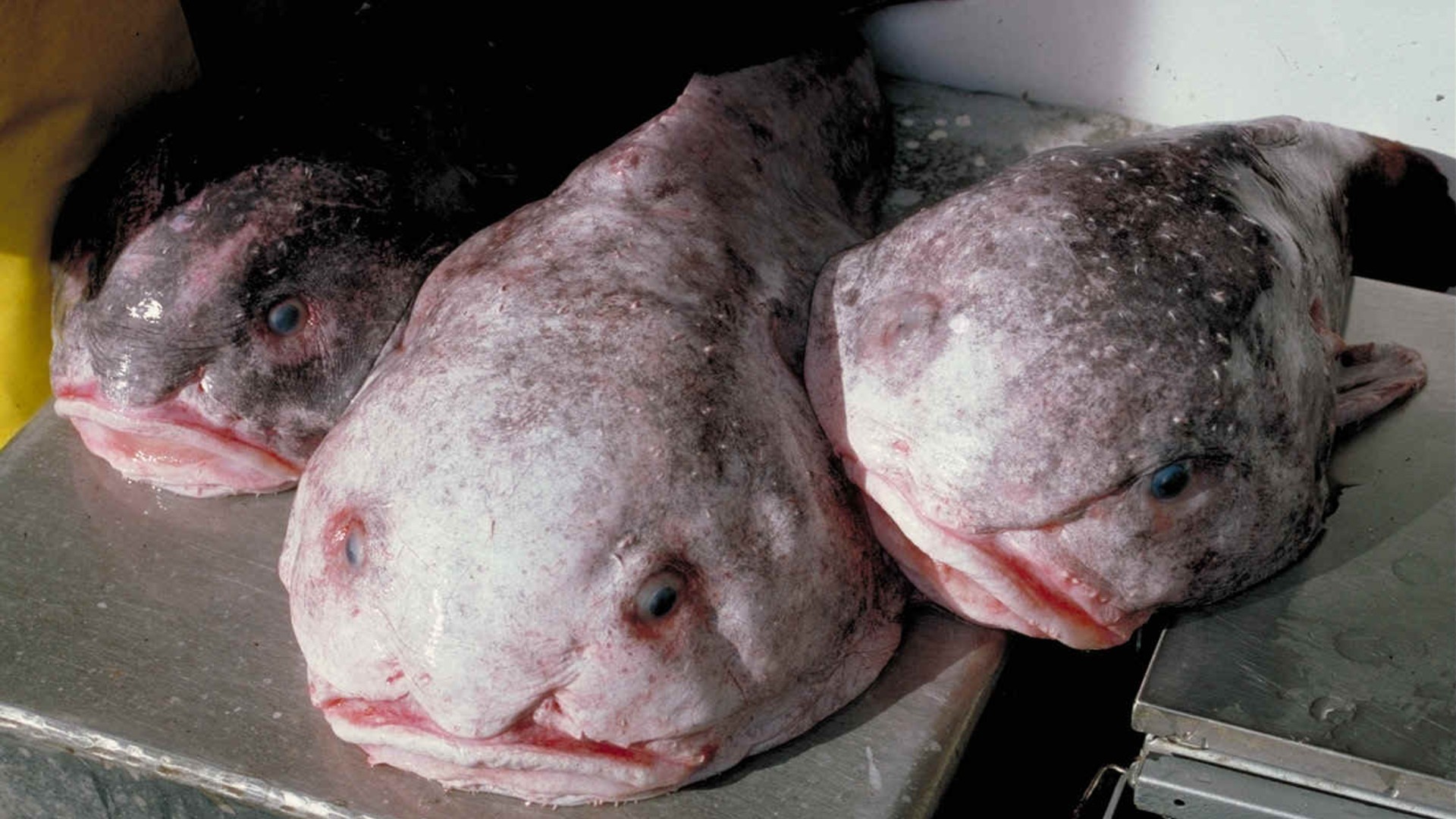
20. Blobfish
Living at depths between 600 and 1,200 meters off Australia, Psychrolutes marcidus lacks swim bladders that would collapse under deep pressure. Out of water it collapses into its famous limp shape, but underwater it appears much like a standard bony fish.
©Wikimedia / Wikimedia Contributor
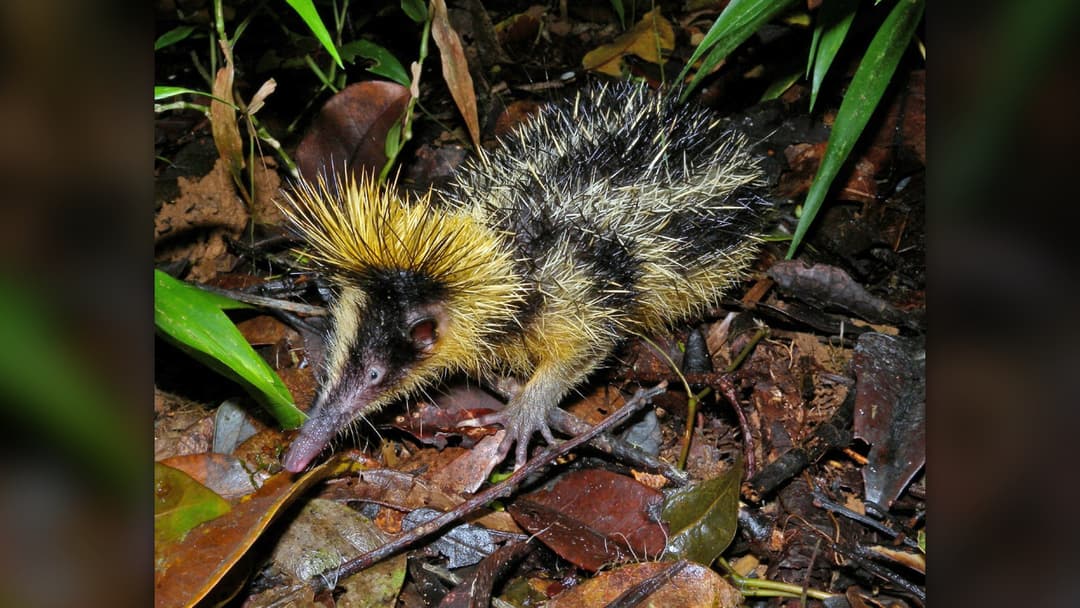
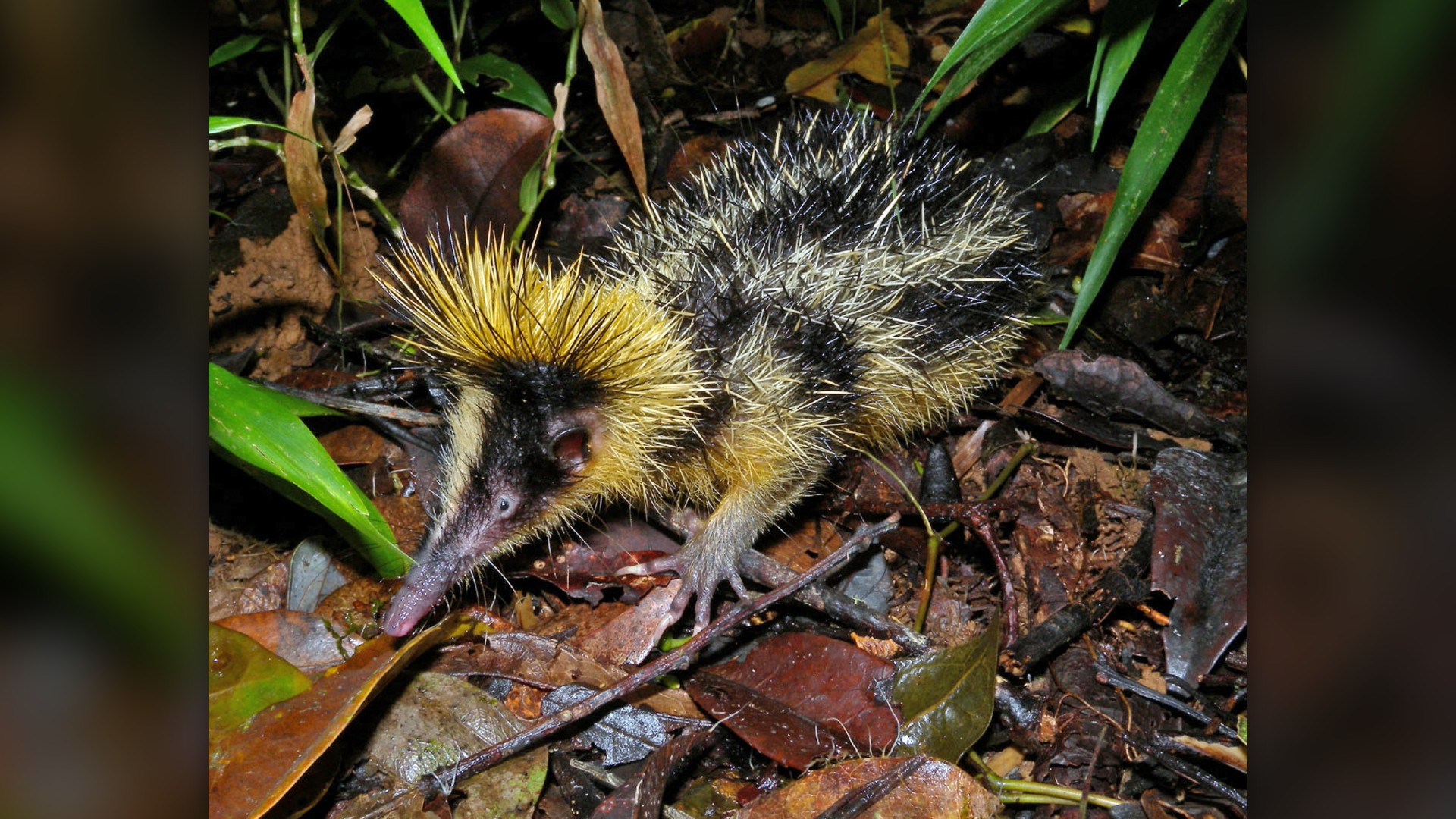
19. Lowland Streaked Tenrec
Native to the eastern rainforests of Madagascar, this striped insectivore uses stridulation to produce high-frequency clicks. It is the only known mammal to generate communicative sounds by rubbing specialized quills on its back.
©Wikimedia / Lowland streaked tenrec
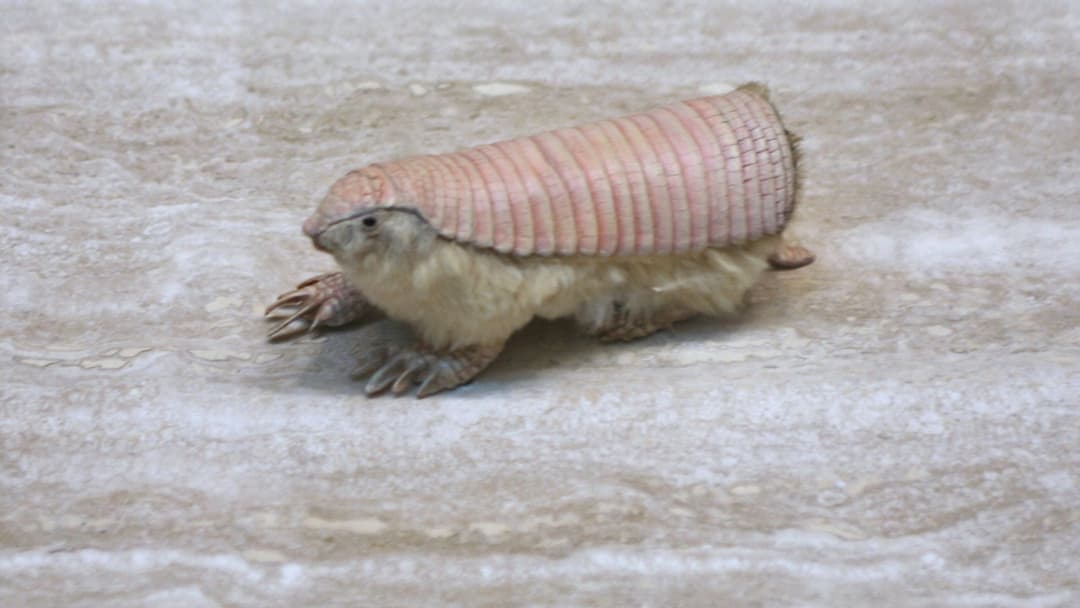
18. Pink Fairy Armadillo
Inhabiting the sandy scrublands of central Argentina, Chlamyphorus truncatus measures just five to six inches long. Its shell is attached to its body by a single thin dorsal membrane, letting the animal dig underground at remarkable speed.
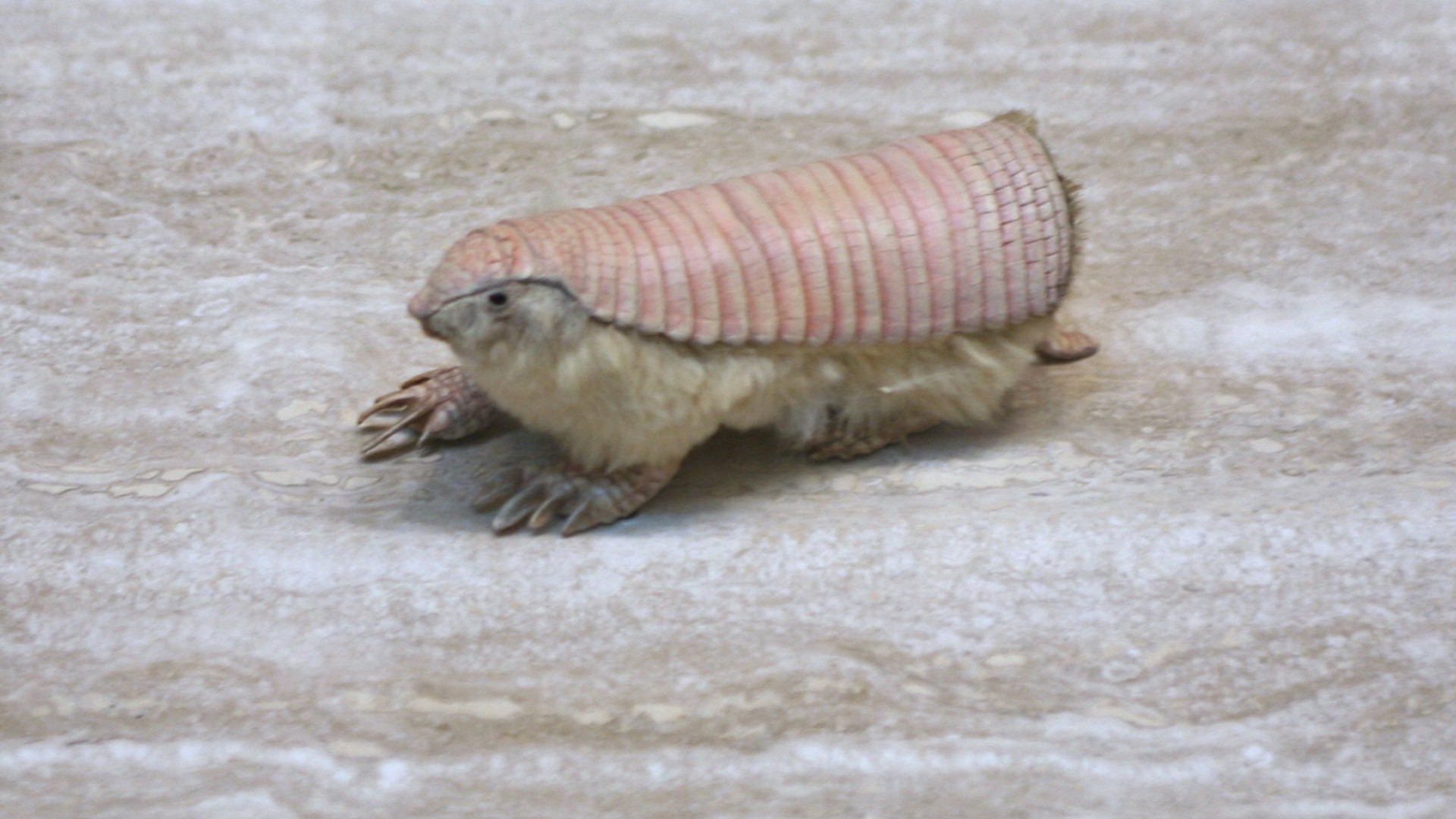
©Wikimedia / Pink fairy armadillo
Advertisement
Swipe or tap ▶ to resume the countdown.
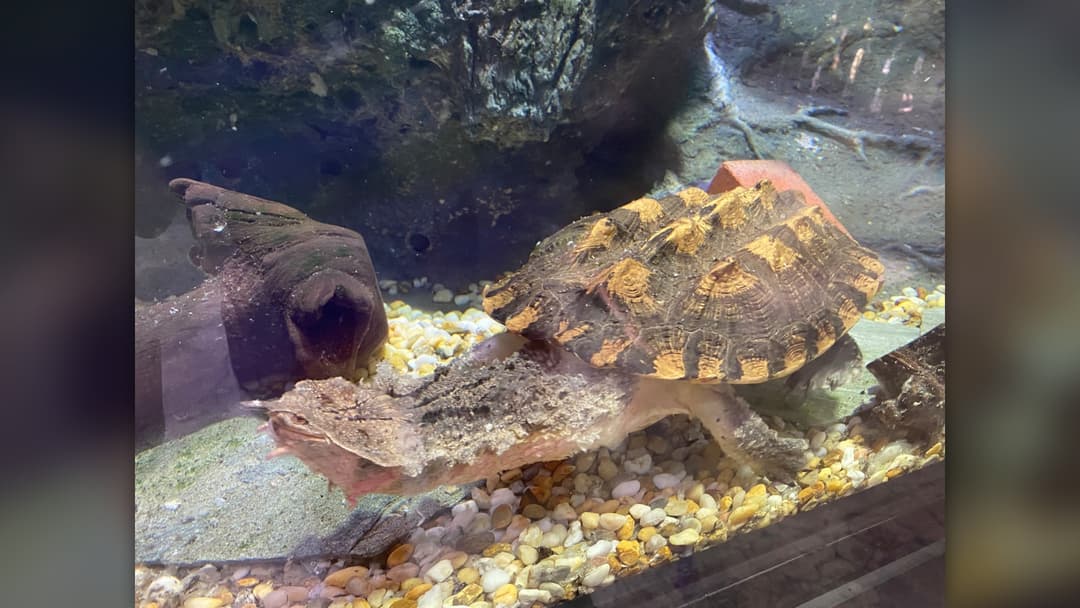
17. Mata Mata Turtle
Found throughout the slow-moving streams of South America, Chelus fimbriata relies on extreme camouflage. When prey swims nearby, it expands its large throat cavity to suck the target directly into its mouth like a vacuum.
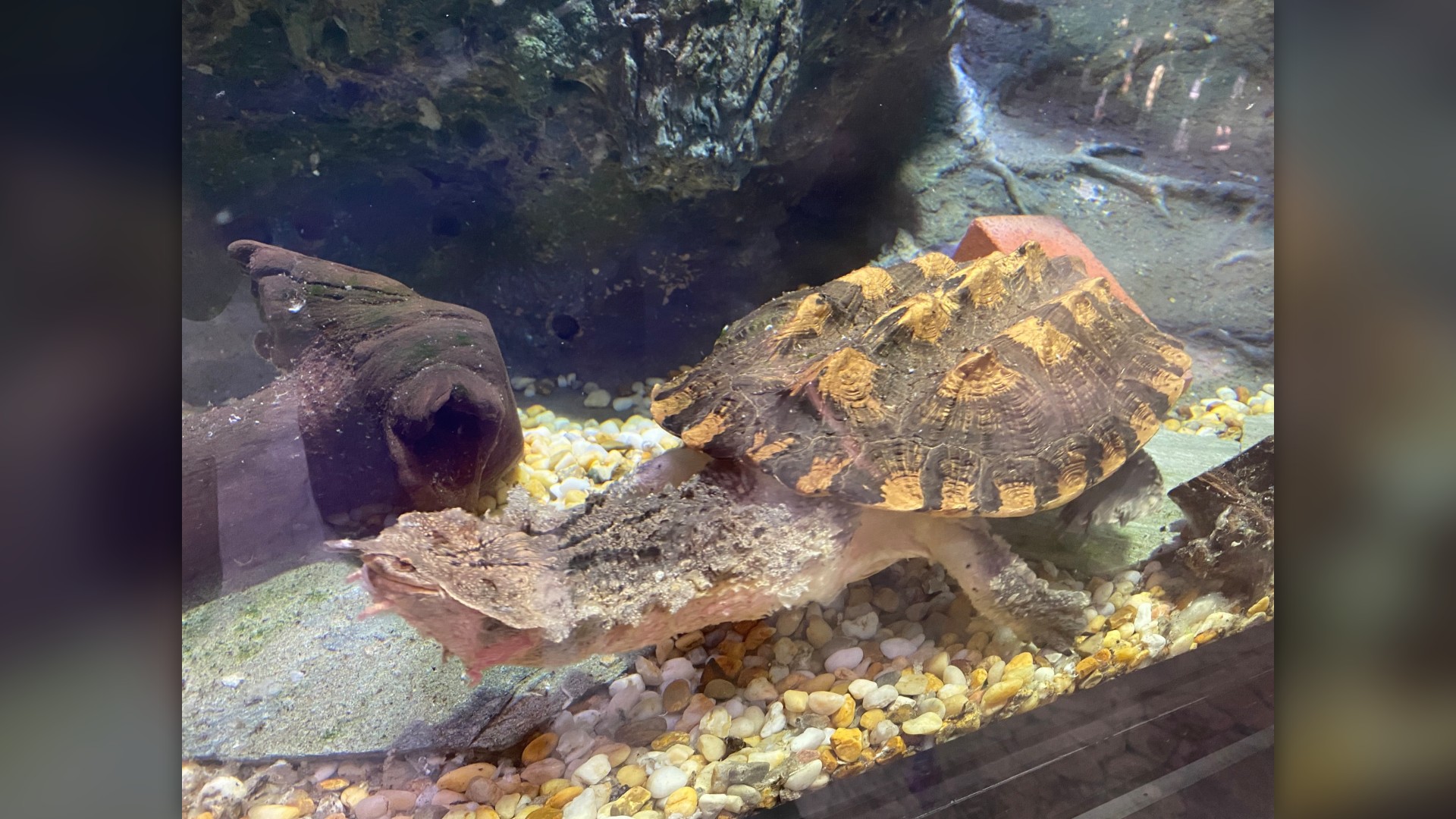
©Wikimedia / Mint0ri
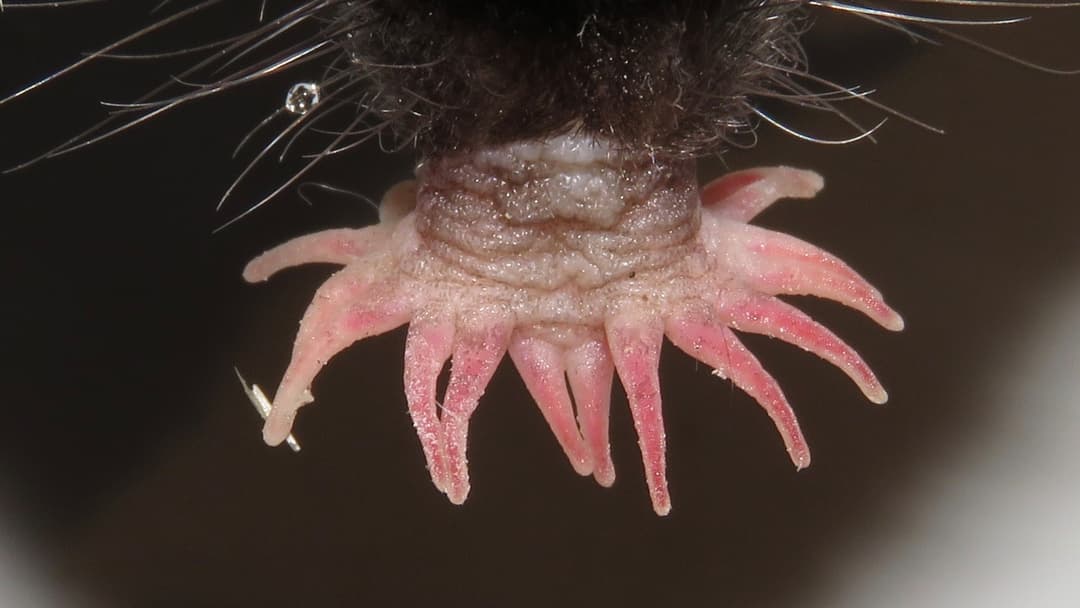
16. Star-Nosed Mole
Living in wet lowlands across North America, Condylura cristata holds the record as the fastest-eating mammal. Its ring of nasal rays carries over 25,000 Eimer's organs, allowing the mole to detect and consume insects in less than a quarter of a second.
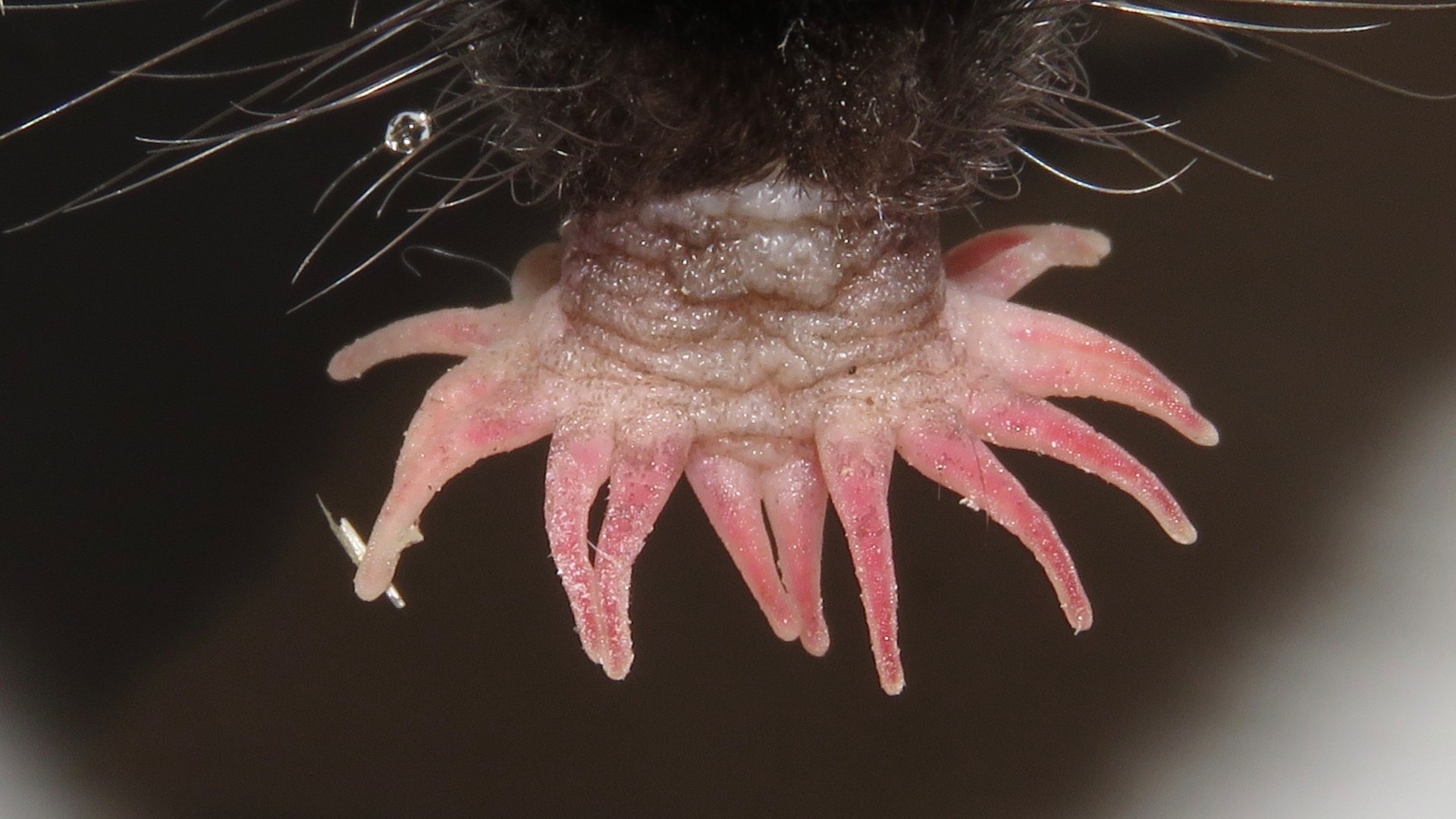
©Wikimedia / Dan MacNeal
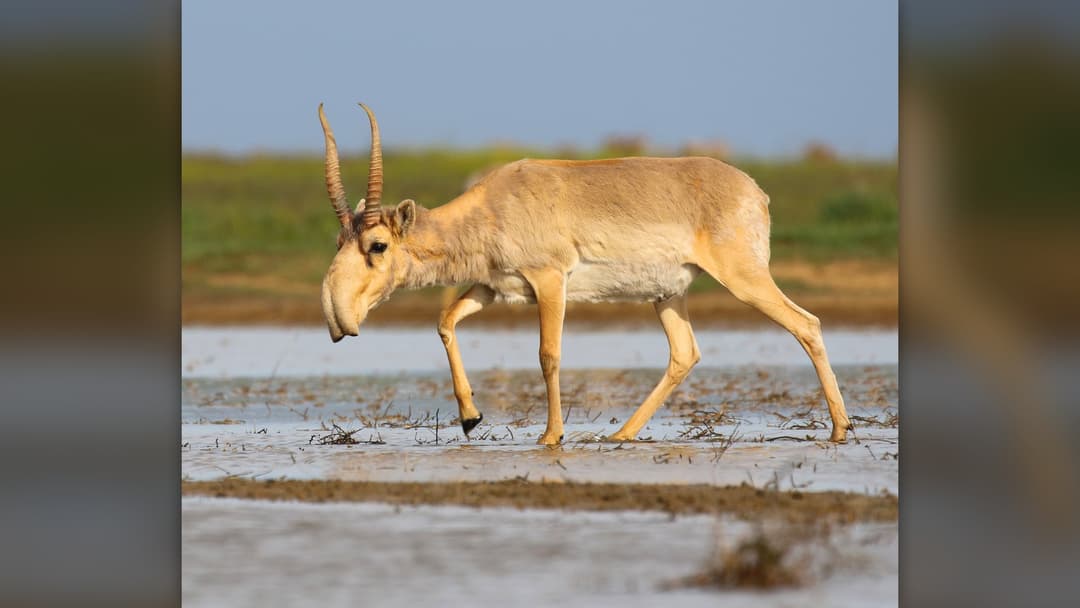
15. Saiga Antelope
Roaming the arid steppes of Kazakhstan and Mongolia, Saiga tatarica relies on its inflated, flexible snout. In summer the nasal chambers filter out dust from dry plains, and in winter they warm freezing air before it reaches the lungs.
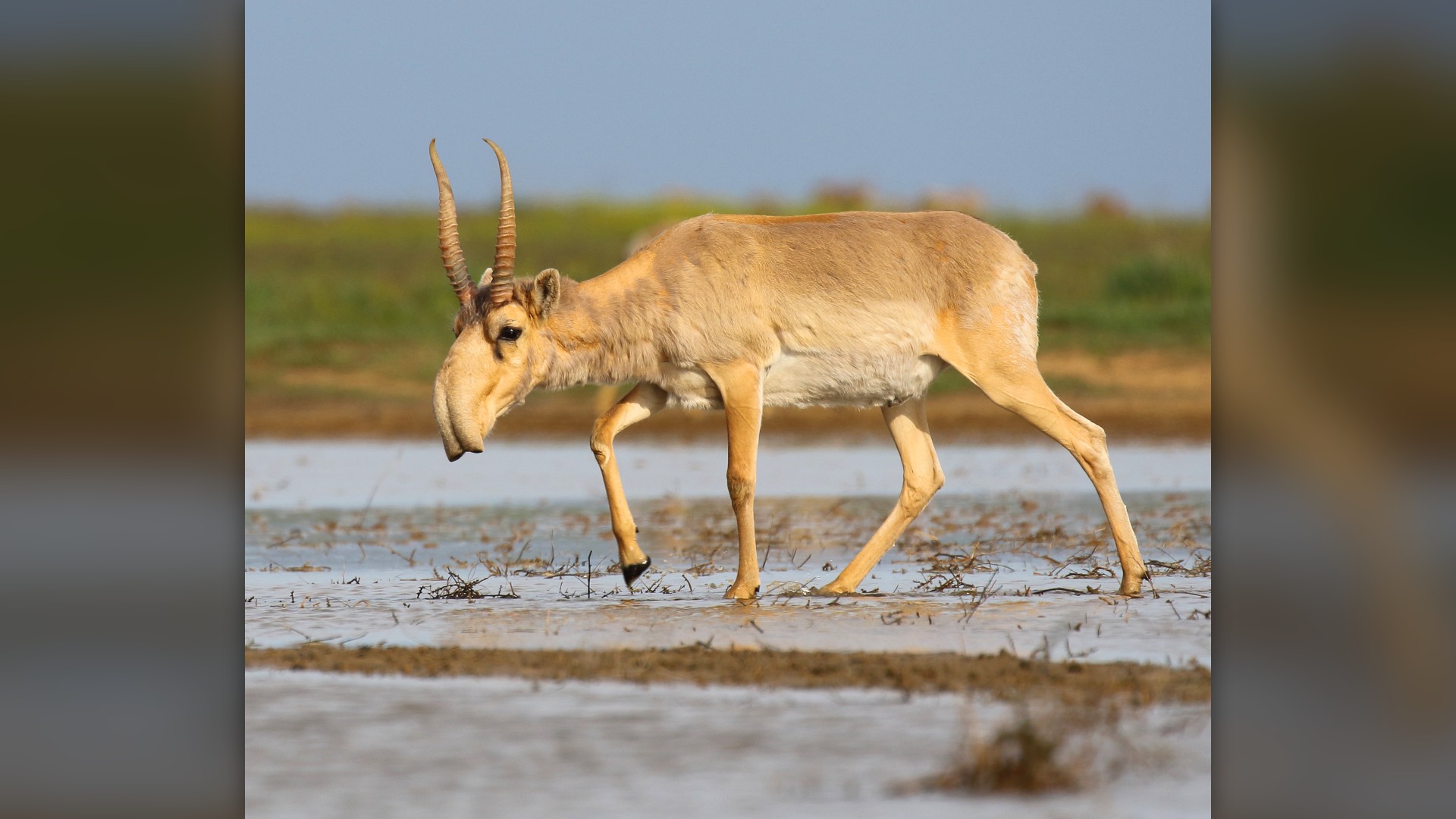
©Wikimedia / Saiga antelope
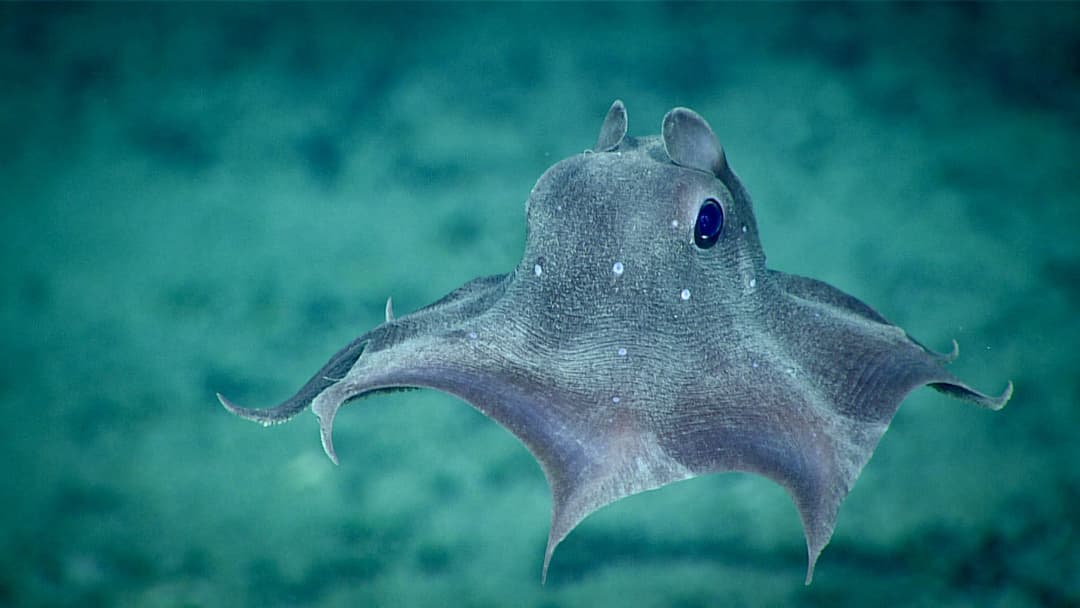
14. Dumbo Octopus
Dwelling at abyssal depths between 3,000 and 4,000 meters, Grimpoteuthis maneuvers by flapping prominent fins placed right above its eyes. Its webbed arms allow it to hover quietly while hunting for benthic amphipods and isopods.
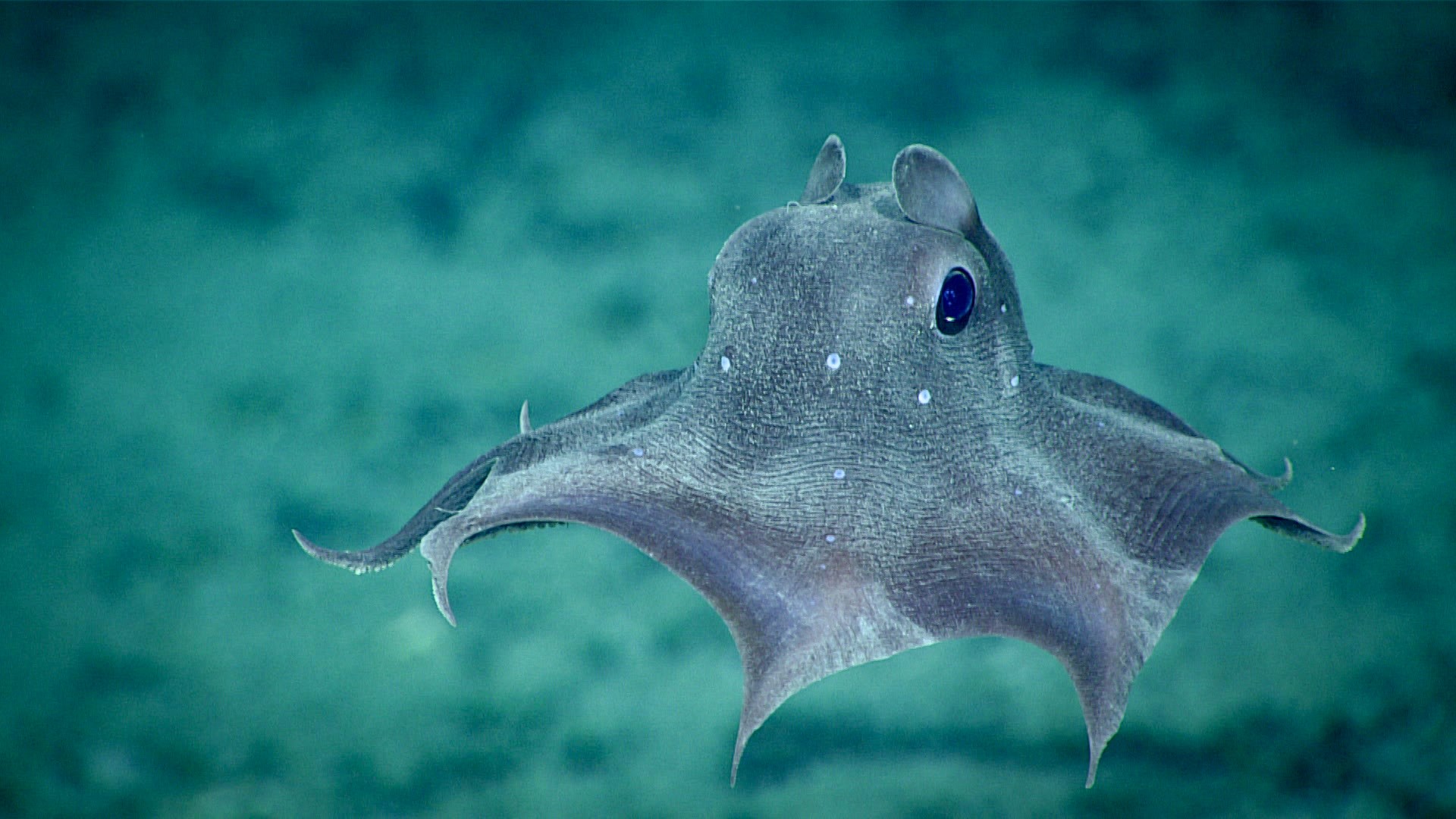
©Openverse / NOAA Ocean Exploration & Research from USA
Advertisement
Swipe or tap ▶ to resume the countdown.
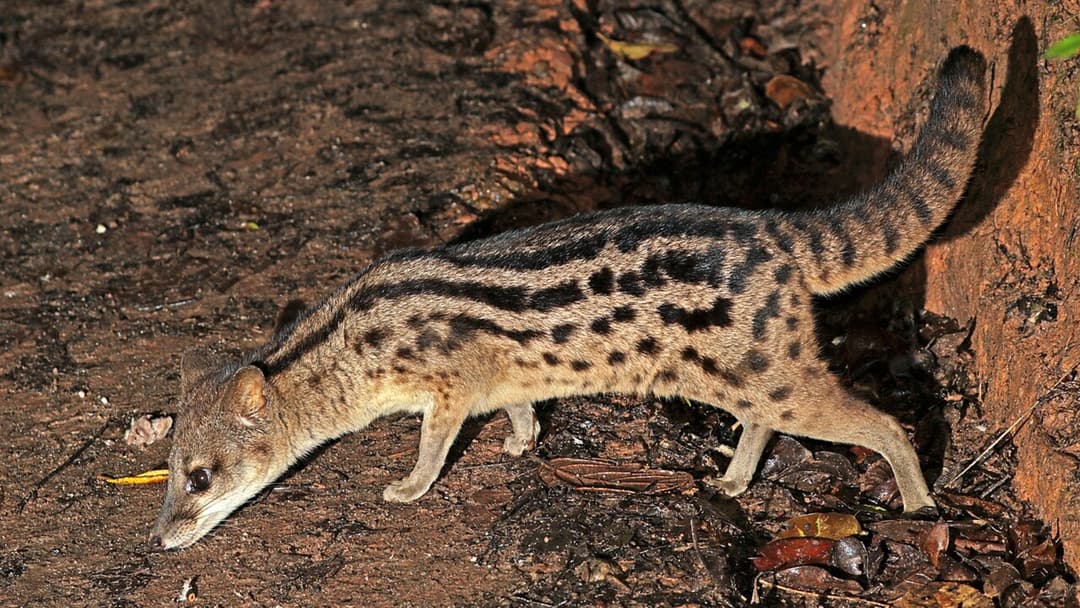
13. Fossa
Despite looking like a slender cougar, Cryptoprocta ferox is related to mongooses. Its retractable claws and flexible ankles allow it to climb up and down vertical tree trunks headfirst while hunting lemurs through canopy branches.
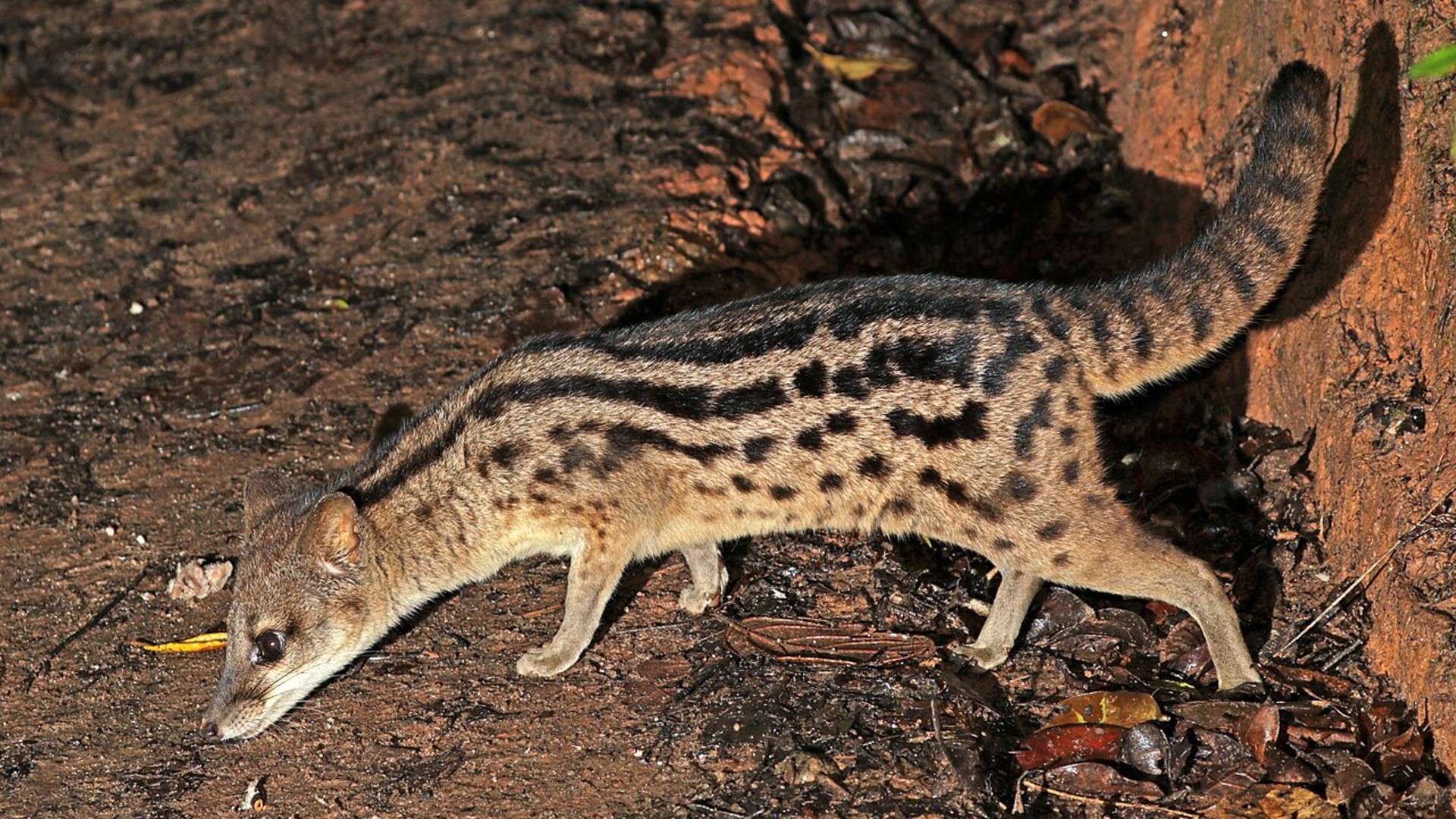
©Wikimedia / Charles J. Sharp
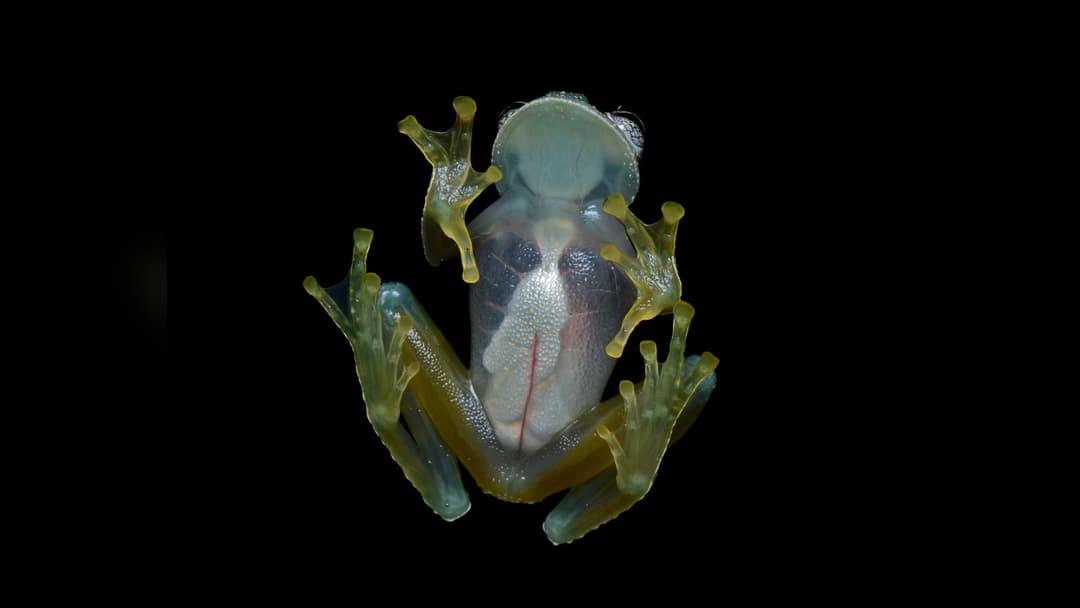
12. Glass Frog
Native to Central and South American rainforests, Centrolenidae frogs remain camouflaged on tree leaves by matching green hues from above. From beneath, their transparent bellies reveal their beating red heart, digestive tract, and liver.
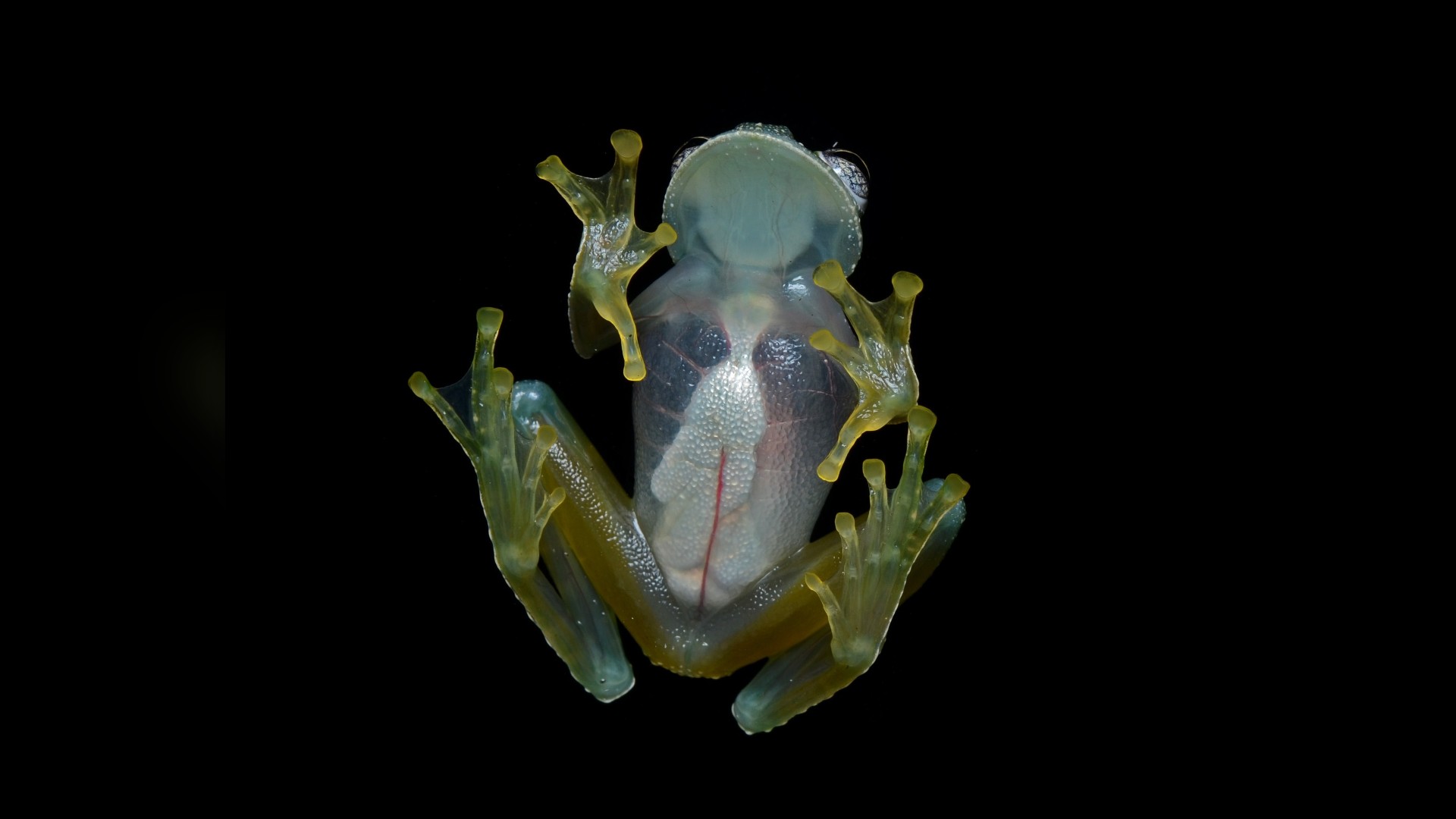
©Wikimedia / Geoff Gallice from Gainesville, FL, USA
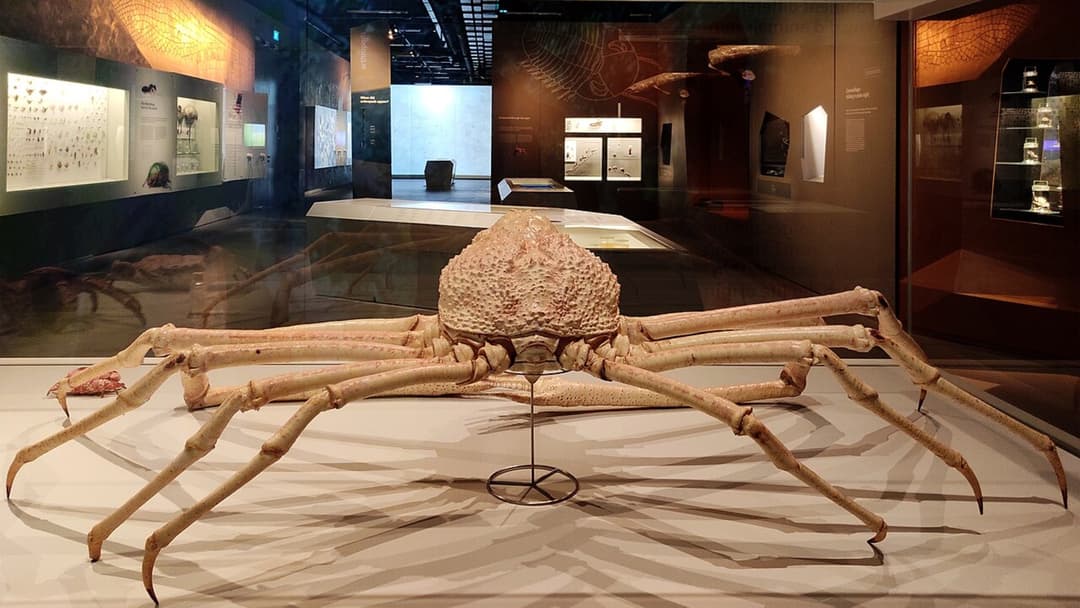
11. Japanese Spider Crab
Inhabiting waters off the coast of Japan at depths around 300 meters, Macrocheira kaempferi is the largest known living arthropod. Despite its colossal armored arm span, it behaves as a gentle scavenger feeding along the dark ocean floor.
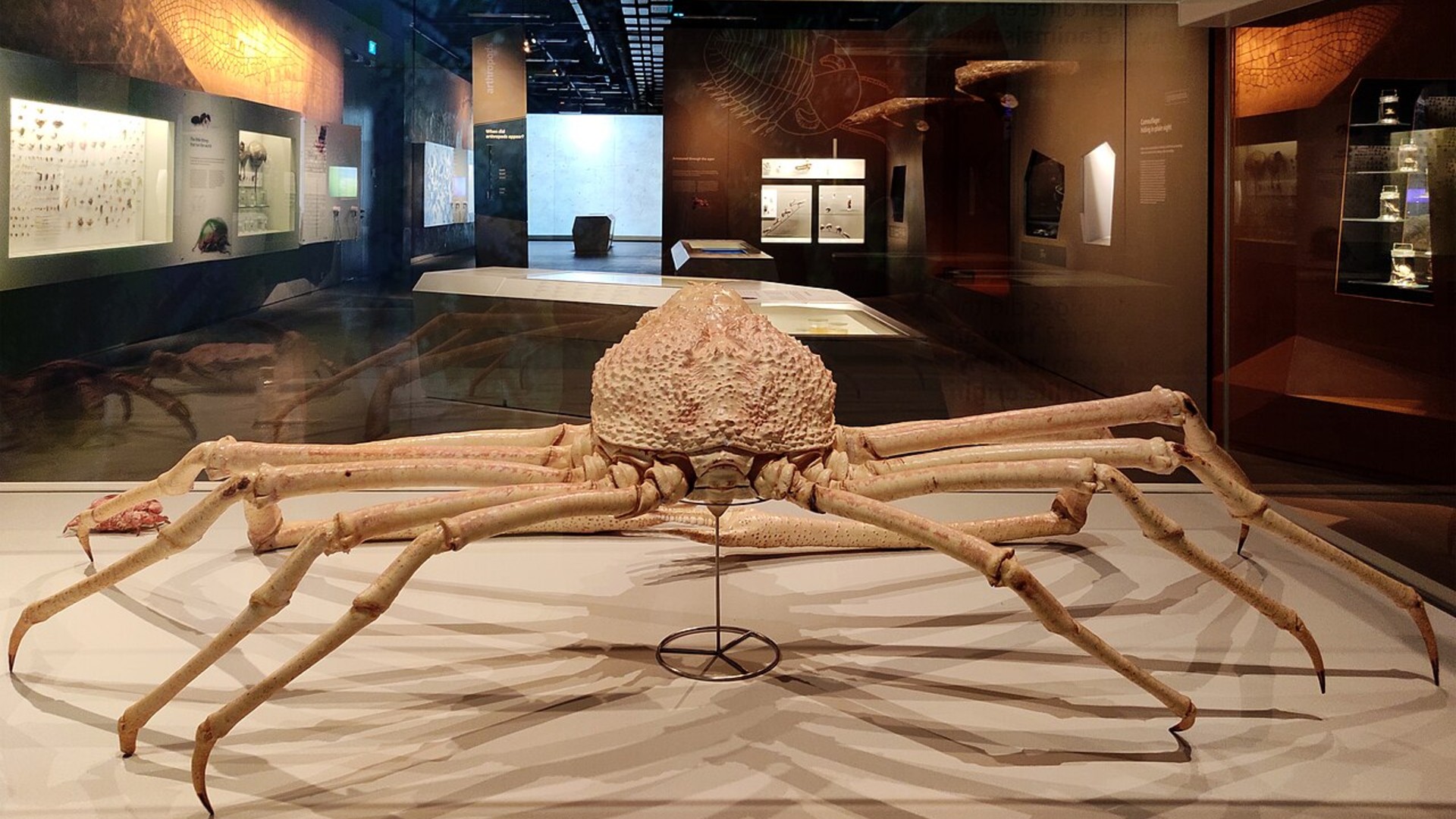
©Wikimedia / Moheen Reeyad
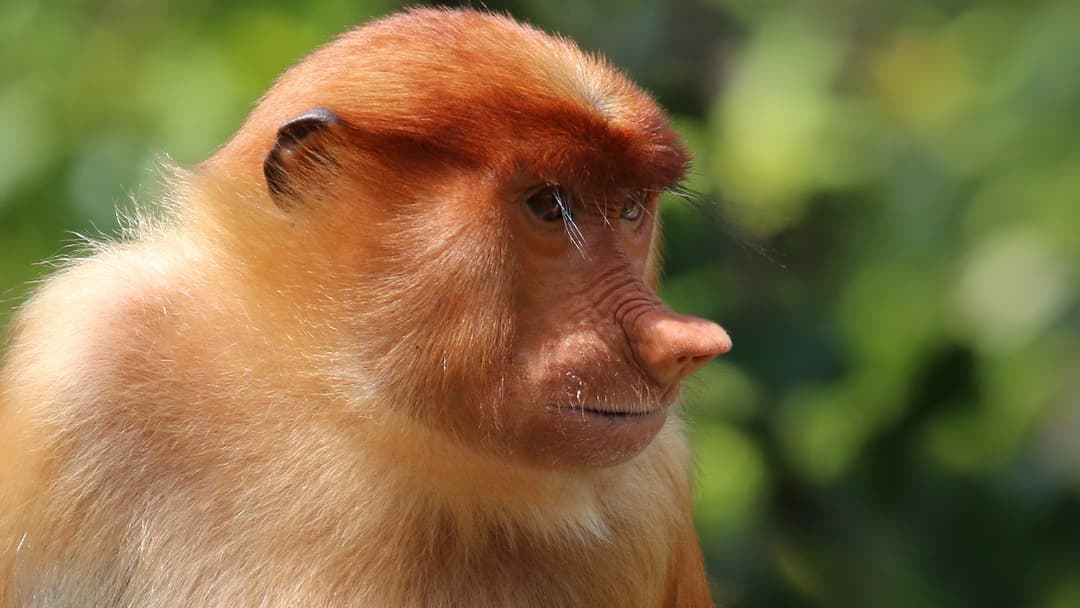
10. Proboscis Monkey
Living exclusively in coastal mangrove swamps along rivers in Borneo, male Nasalis larvatus grow pendulous noses to amplify mating vocalizations. They are also skilled swimmers with webbed feet designed to cross crocodile-filled waterways.
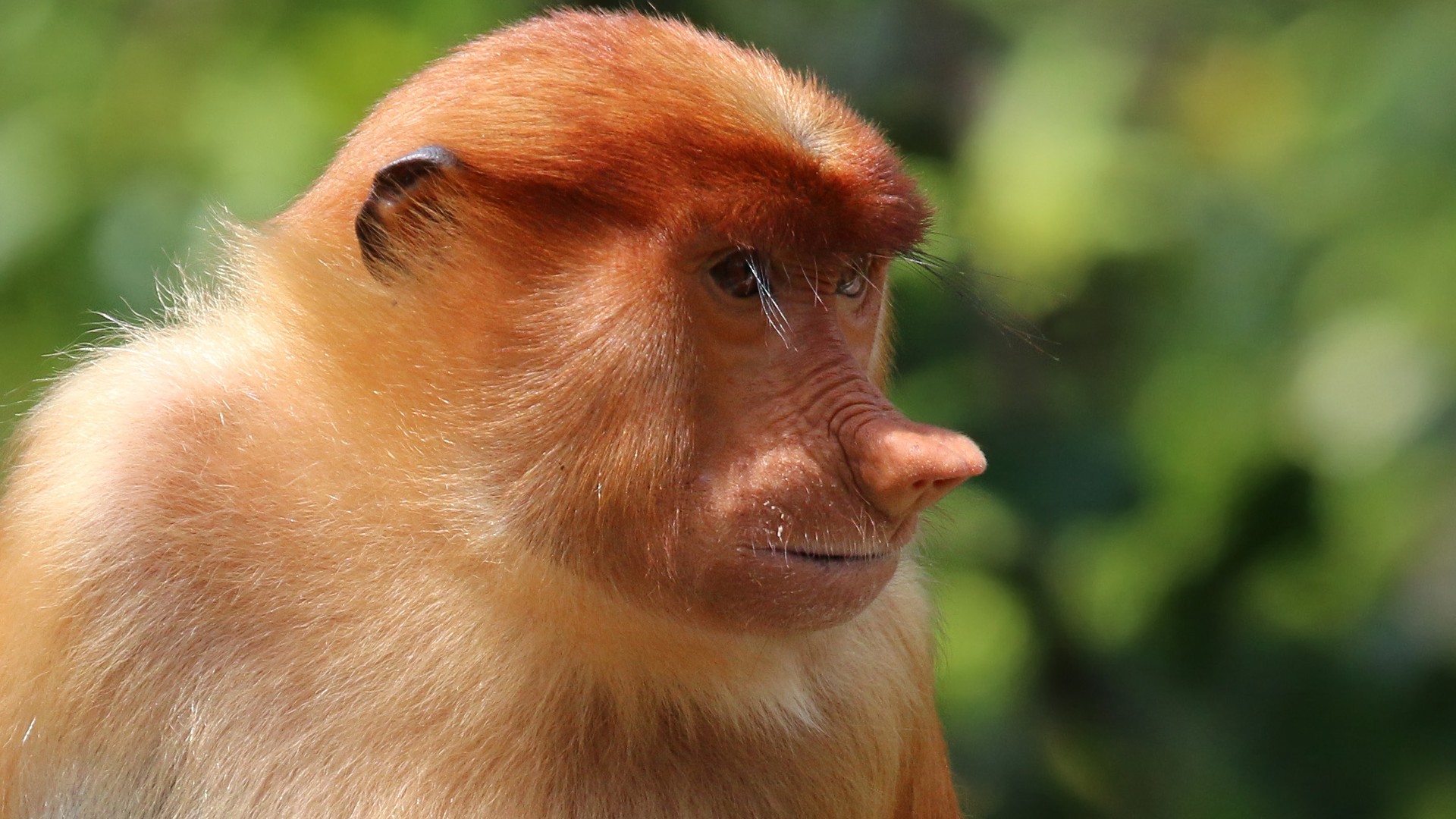
©Wikimedia / Charles J. Sharp
Advertisement
Swipe or tap ▶ to resume the countdown.
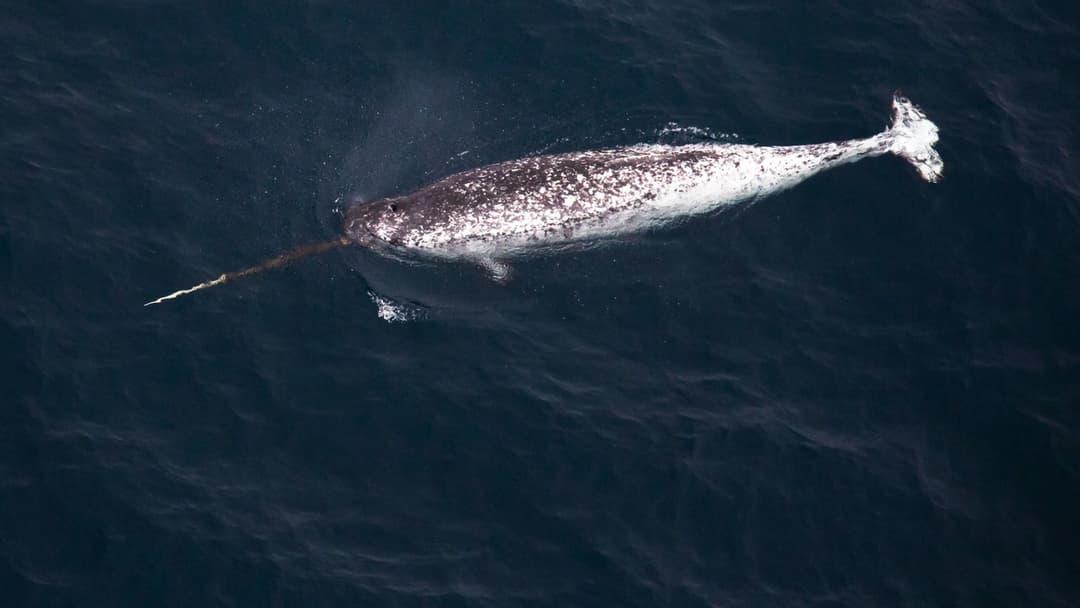
9. Narwhal
Monodon monoceros navigates icy northern oceans where males grow an elongated sensory tooth containing millions of nerve endings. The tusk can detect salinity changes, water temperature, and navigation signals through pack ice.
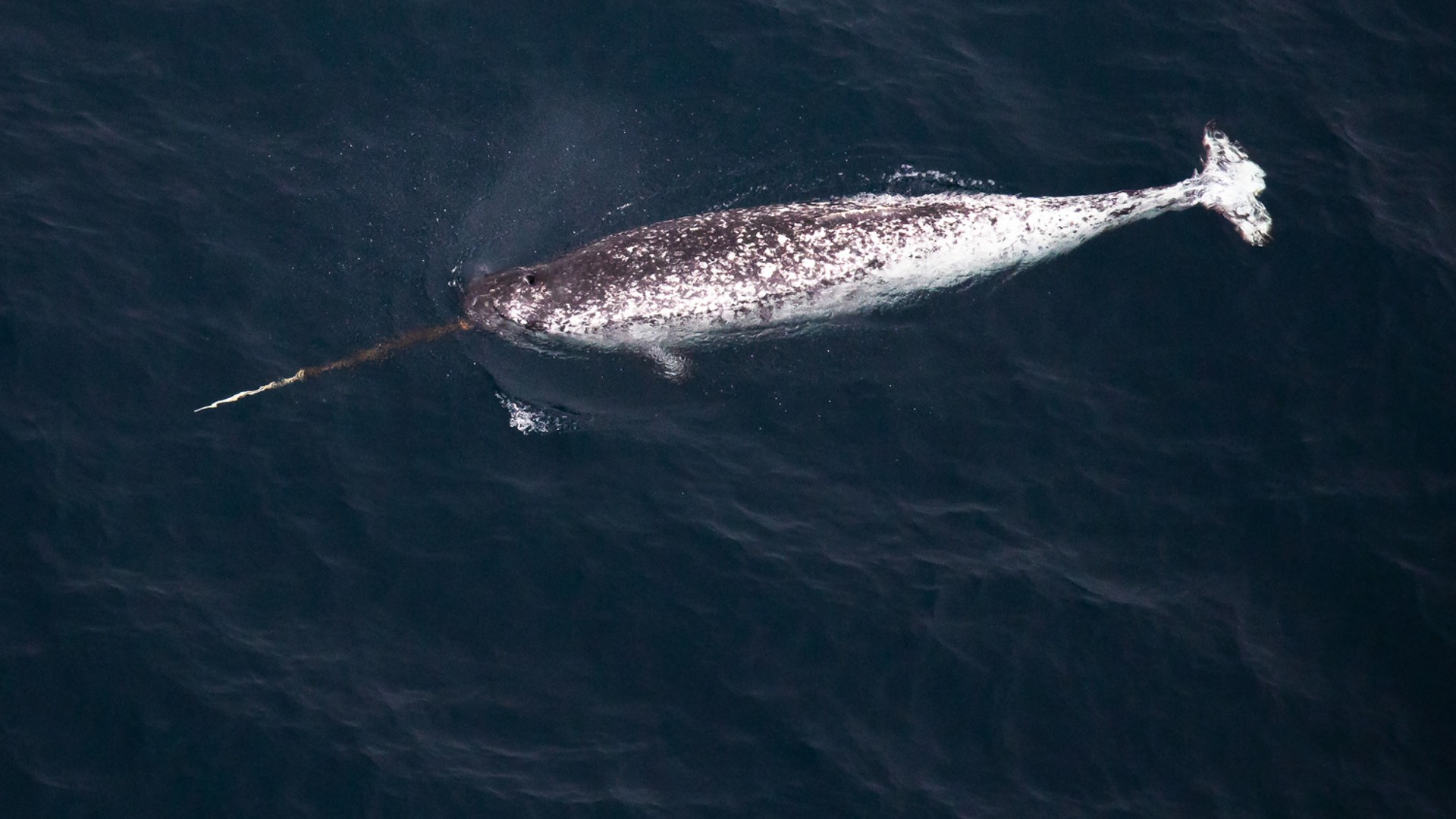
©Wikimedia / Narwhal
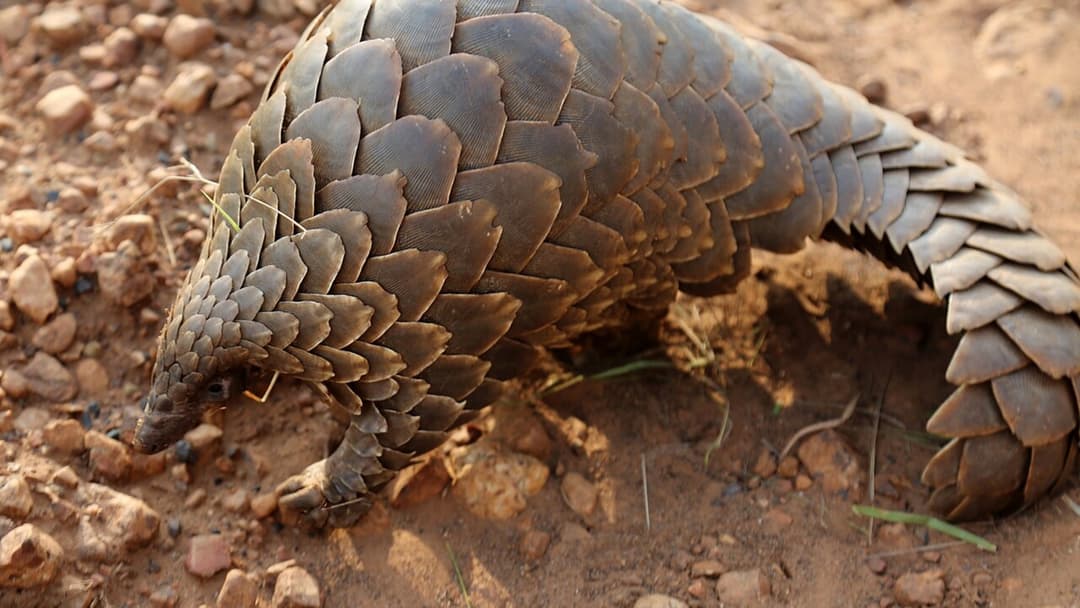
8. Ground Pangolin
Smutsia temminckii rolls into a tight, impenetrable sphere when threatened by predators. Lacking teeth, it gathers termites and ants using a specialized sticky tongue that extends deeper than the animal's entire head.
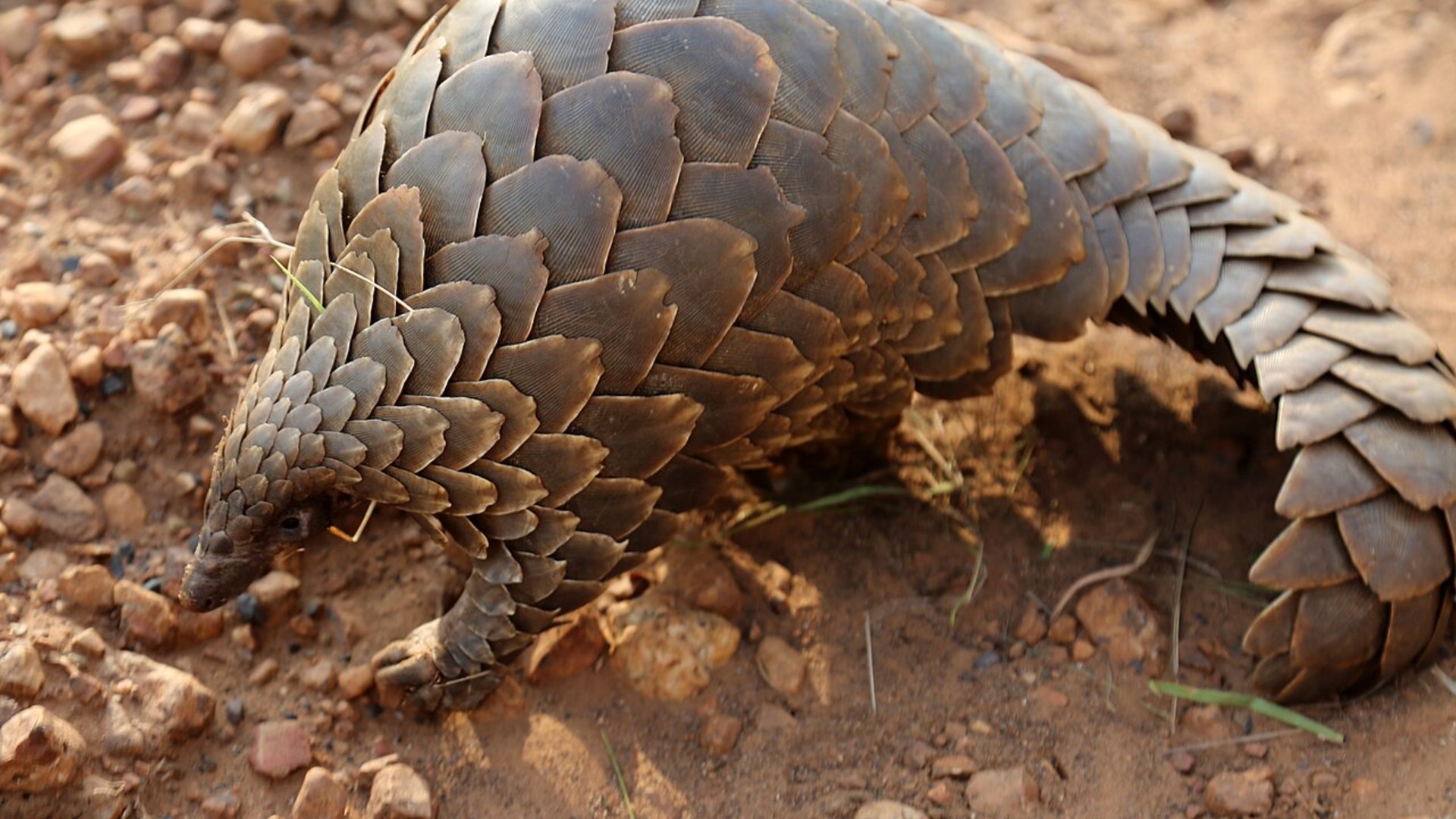
©Wikimedia / flowcomm
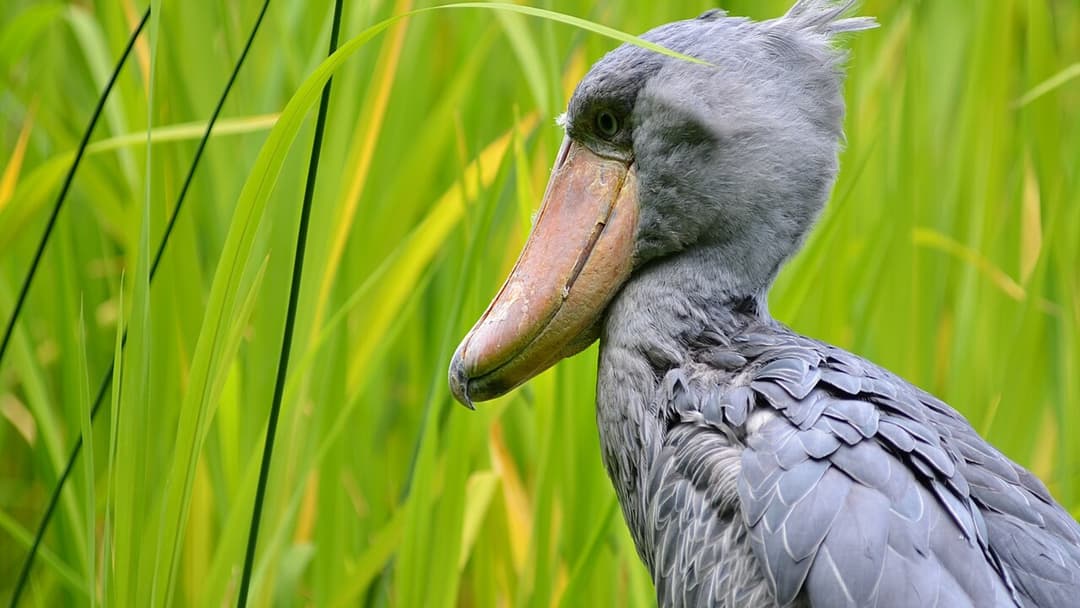
7. Shoebill Stork
Inhabiting vast papyrus swamps from South Sudan to Zambia, Balaeniceps rex stands up to five feet tall. It can remain motionless for hours before launching a rapid lunging strike to capture lungfish and baby crocodiles.
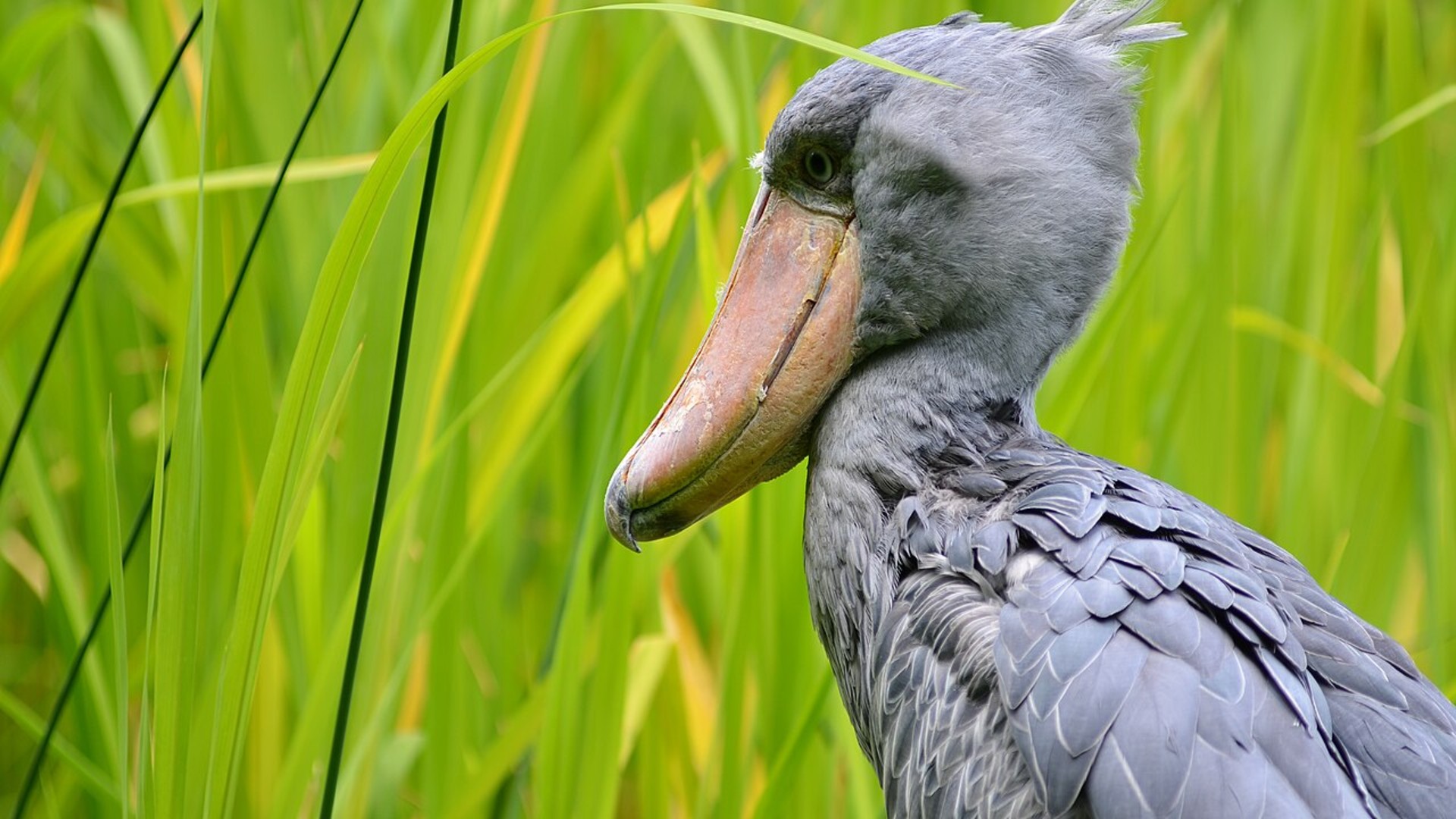
©Wikimedia / Olaf Oliviero Riemer
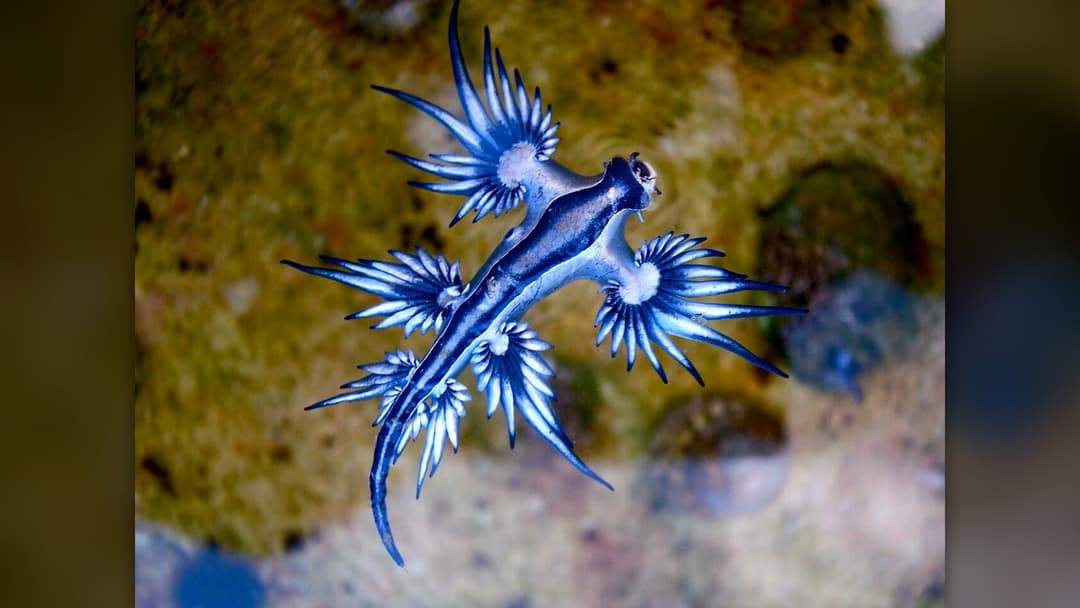
6. Glaucus Atlanticus
Known as the blue sea slug, this creature uses surface tension to drift upside down. It consumes the Portuguese man-o'-war and concentrates the prey's stinging nematocysts inside its own finger-like cerata to deter predators.
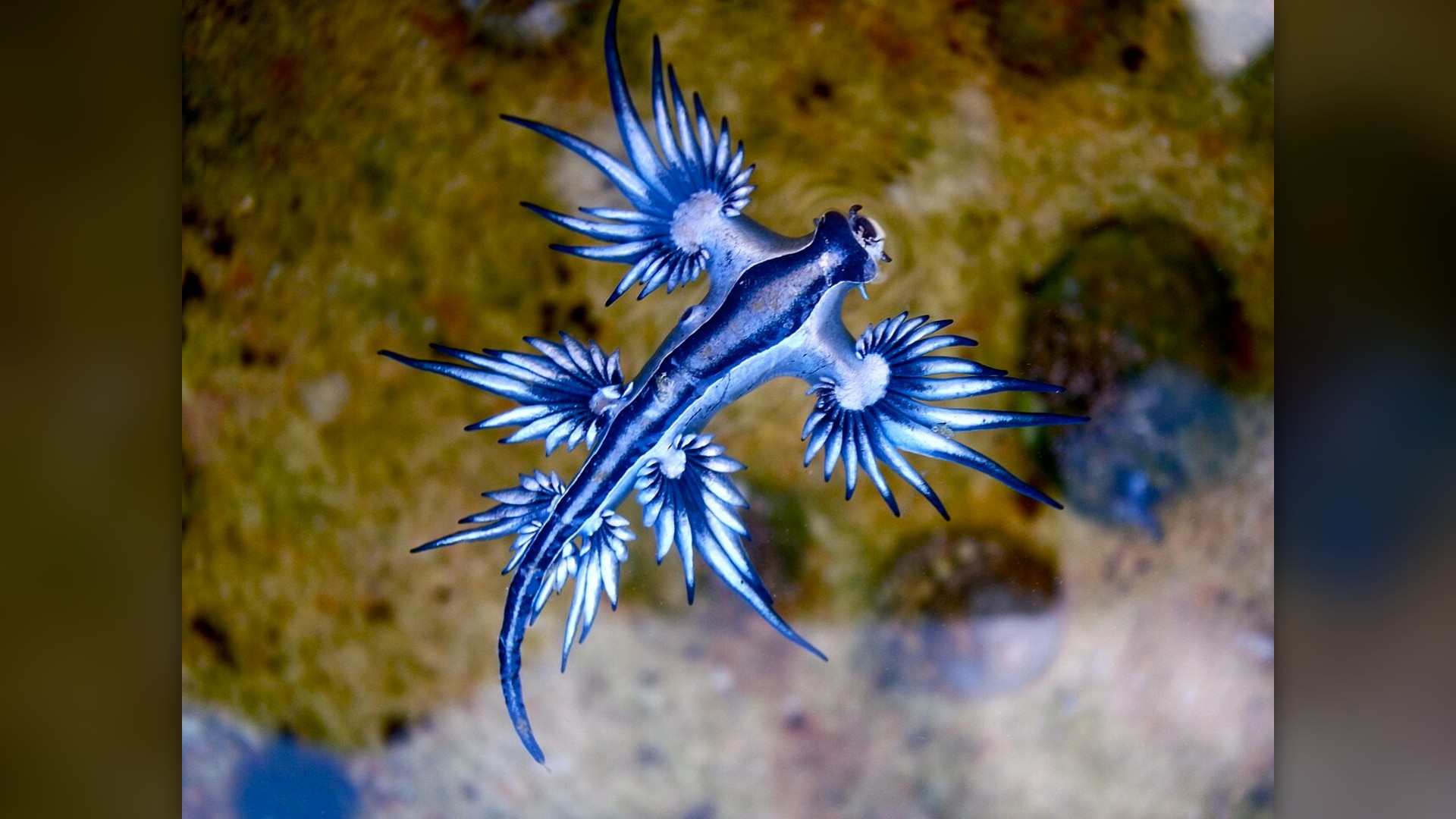
©Wikimedia / Sylke Rohrlach from Sydney
Advertisement
Swipe or tap ▶ to resume the countdown.
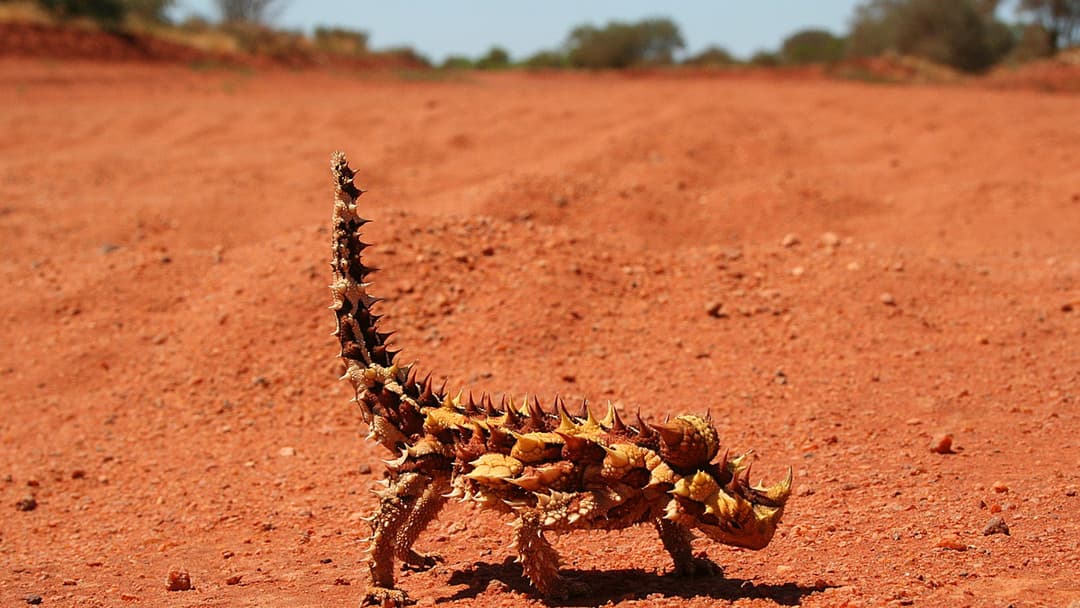
5. Thorny Devil
Moloch horridus collects moisture from desert sand and morning dew through microscopic grooves in its scales. The capillary channels transport droplets directly into the corners of its mouth without the lizard needing to lap water.
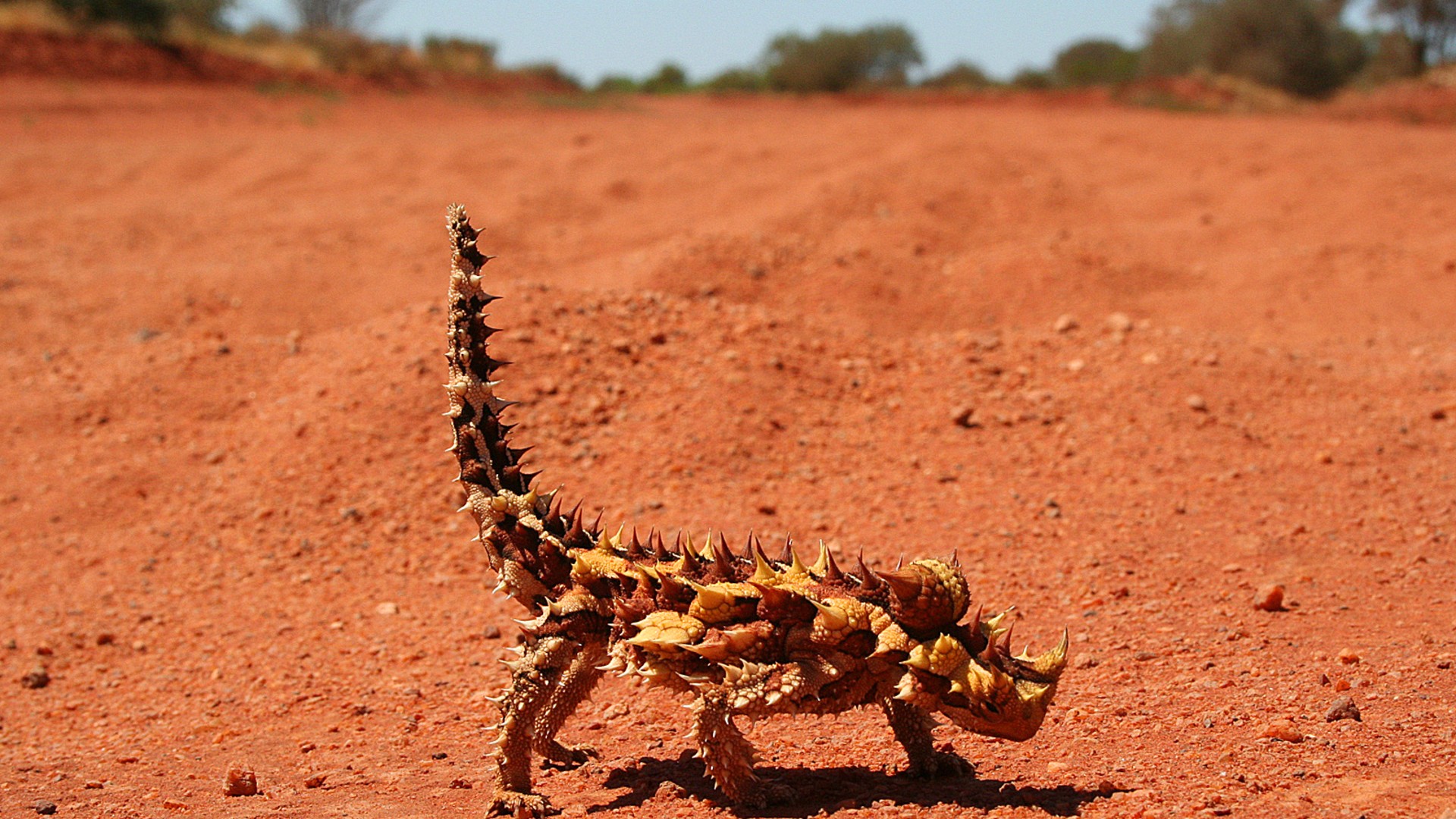
©Wikimedia / Thorny devil
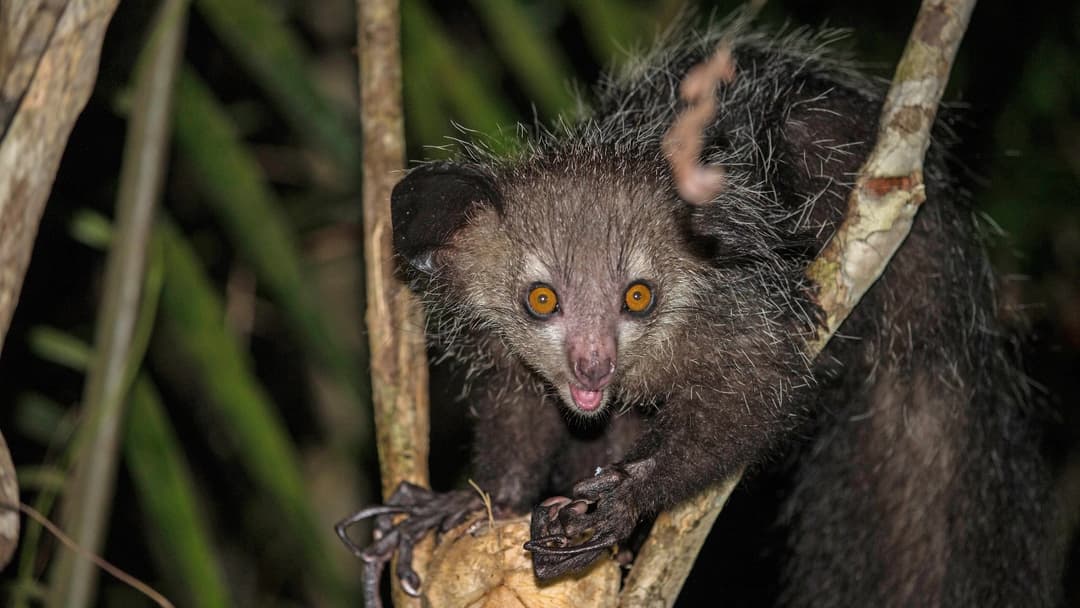
4. Aye-Aye
Daubentonia madagascariensis hunts wood-boring beetle larvae through percussive foraging. It taps tree bark at rapid intervals to locate hollow chambers, gnaws through outer wood, and extracts food with its skeletal middle digit.
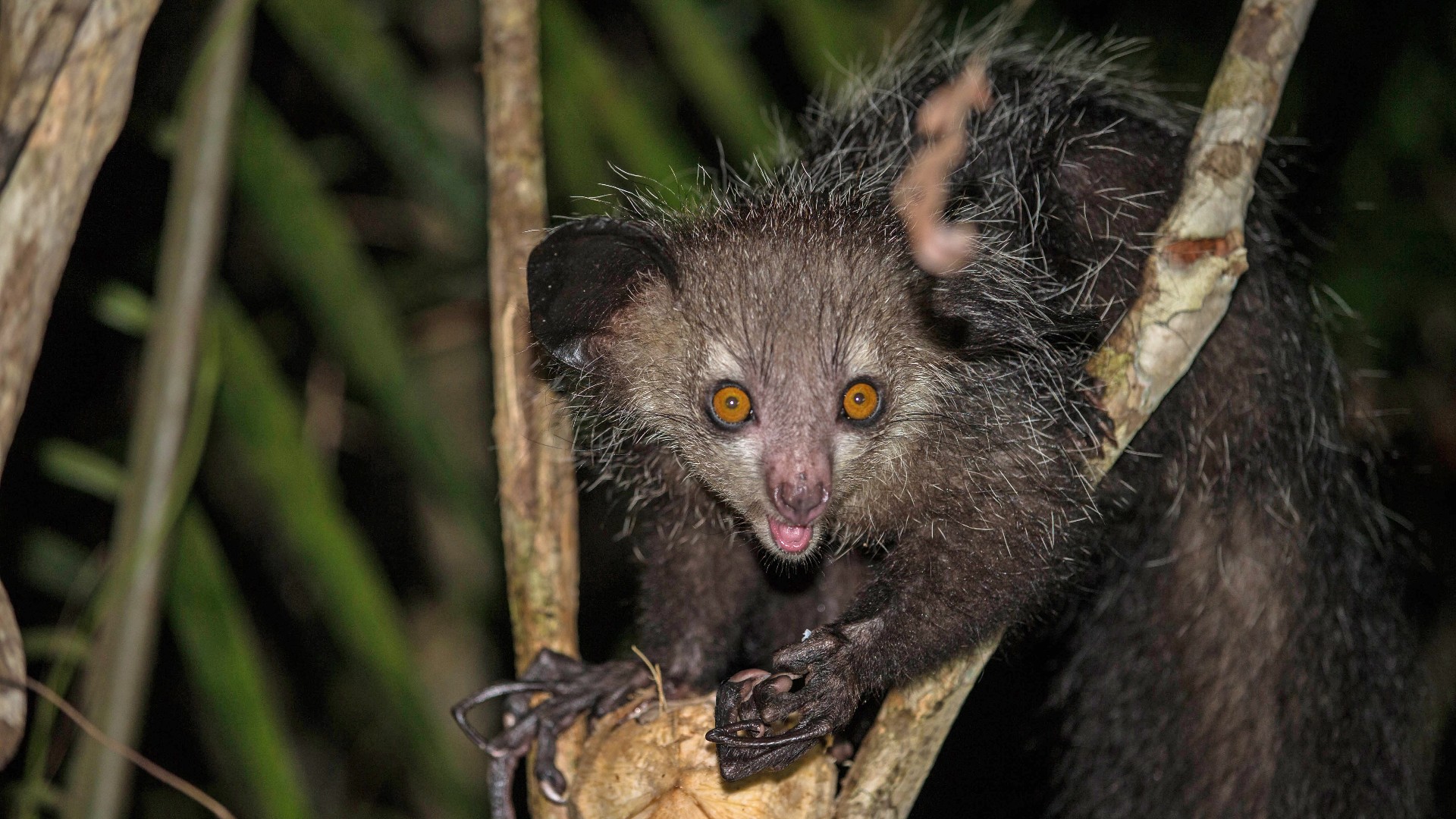
©Wikimedia / Aye-aye
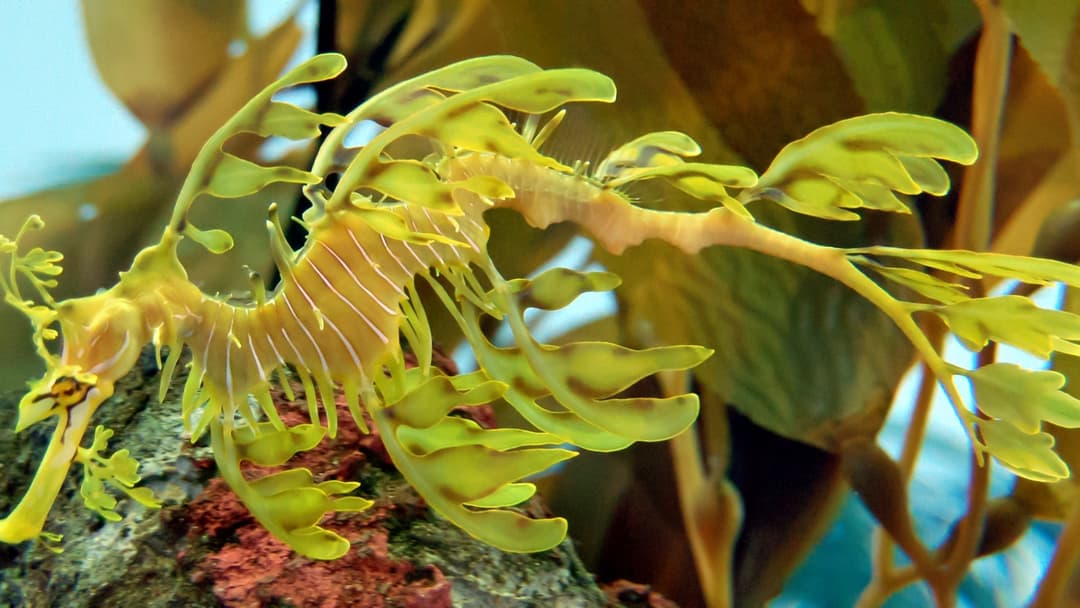
3. Leafy Seadragon
Endemic to the temperate waters along southern Australia, Phycodurus eques drifts across kelp forests undetected. Unlike typical seahorses, it cannot grasp seagrass with its tail and relies on small transparent fins to glide gracefully.
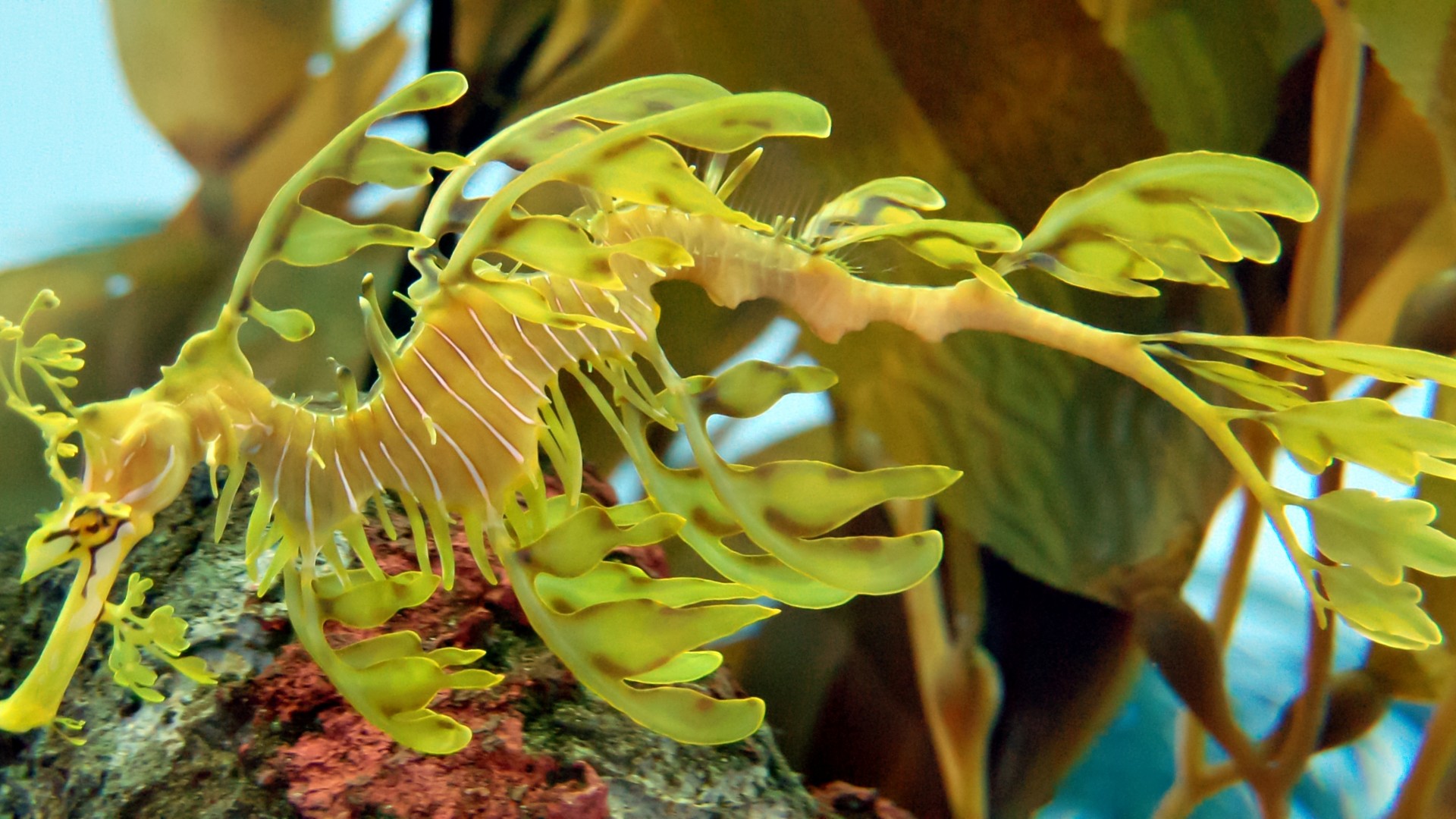
©Wikimedia / Photo by and (C)2007 Derek Ramsey (
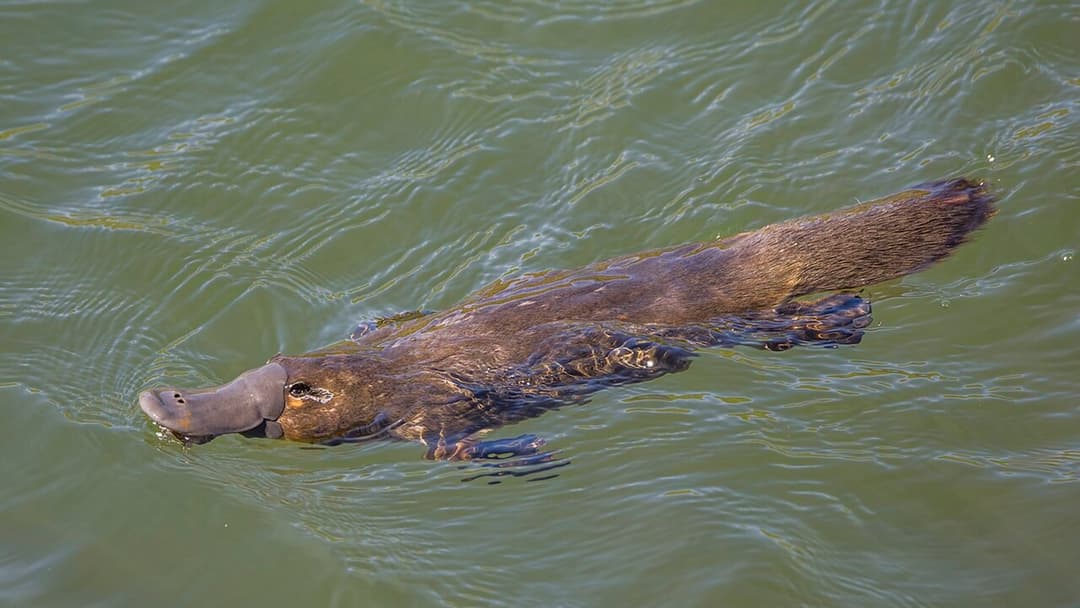
2. Platypus
Ornithorhynchus anatinus is one of only five living monotreme species that lay eggs rather than giving birth to live young. While foraging underwater with closed eyes and ears, its pliable bill detects electrical impulses produced by prey.
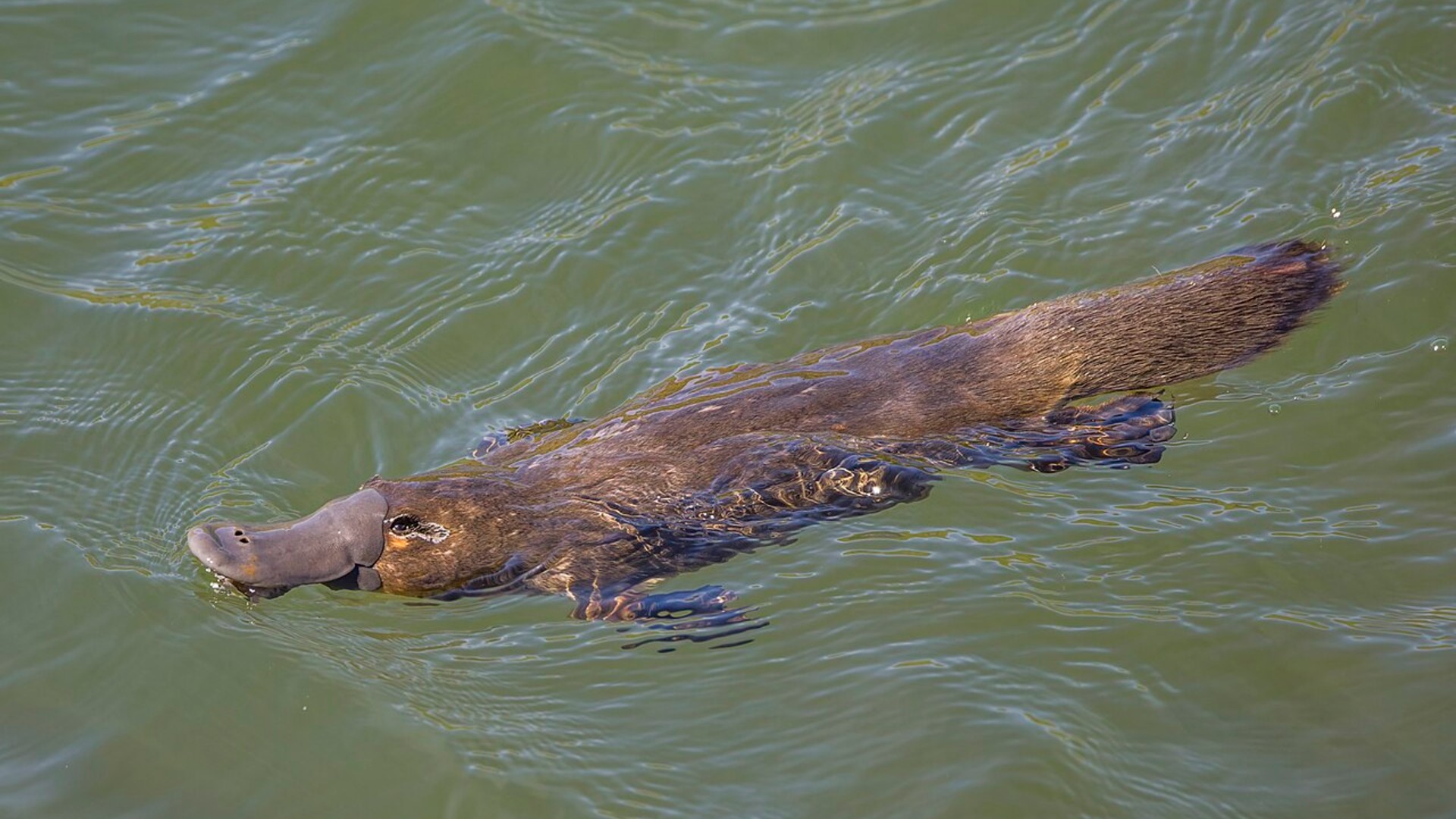
©Wikimedia / Charles J. Sharp
Advertisement
Swipe or tap ▶ to resume the countdown.
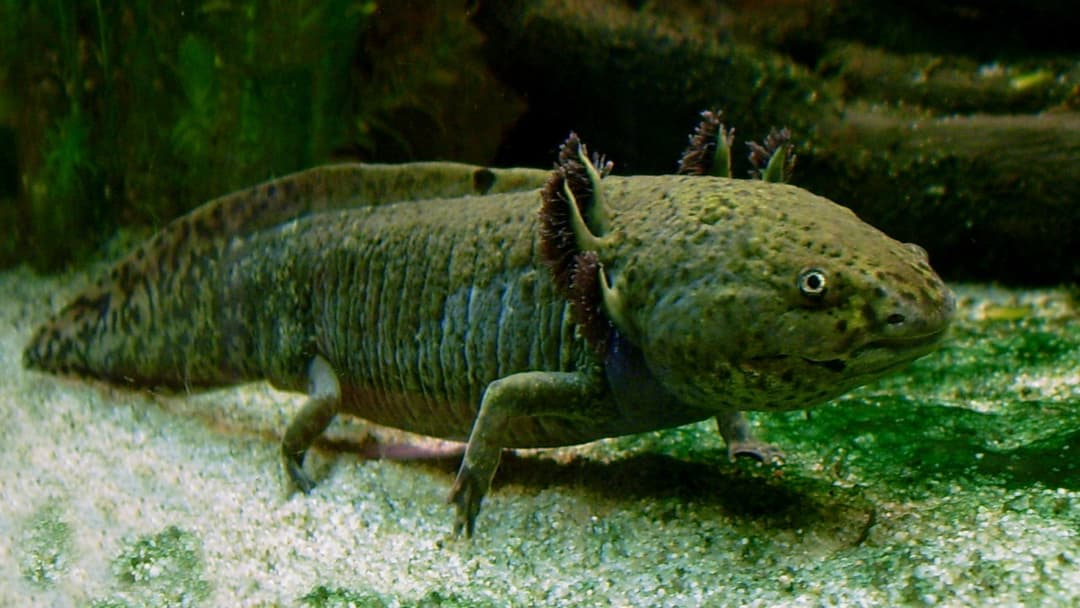
1. Axolotl
Native to the high-altitude lake system of Xochimilco near Mexico City, Ambystoma mexicanum retains external feathery gills into adulthood. It possesses remarkable regenerative biology, rebuilding complete limbs, heart muscle, and brain tissue.
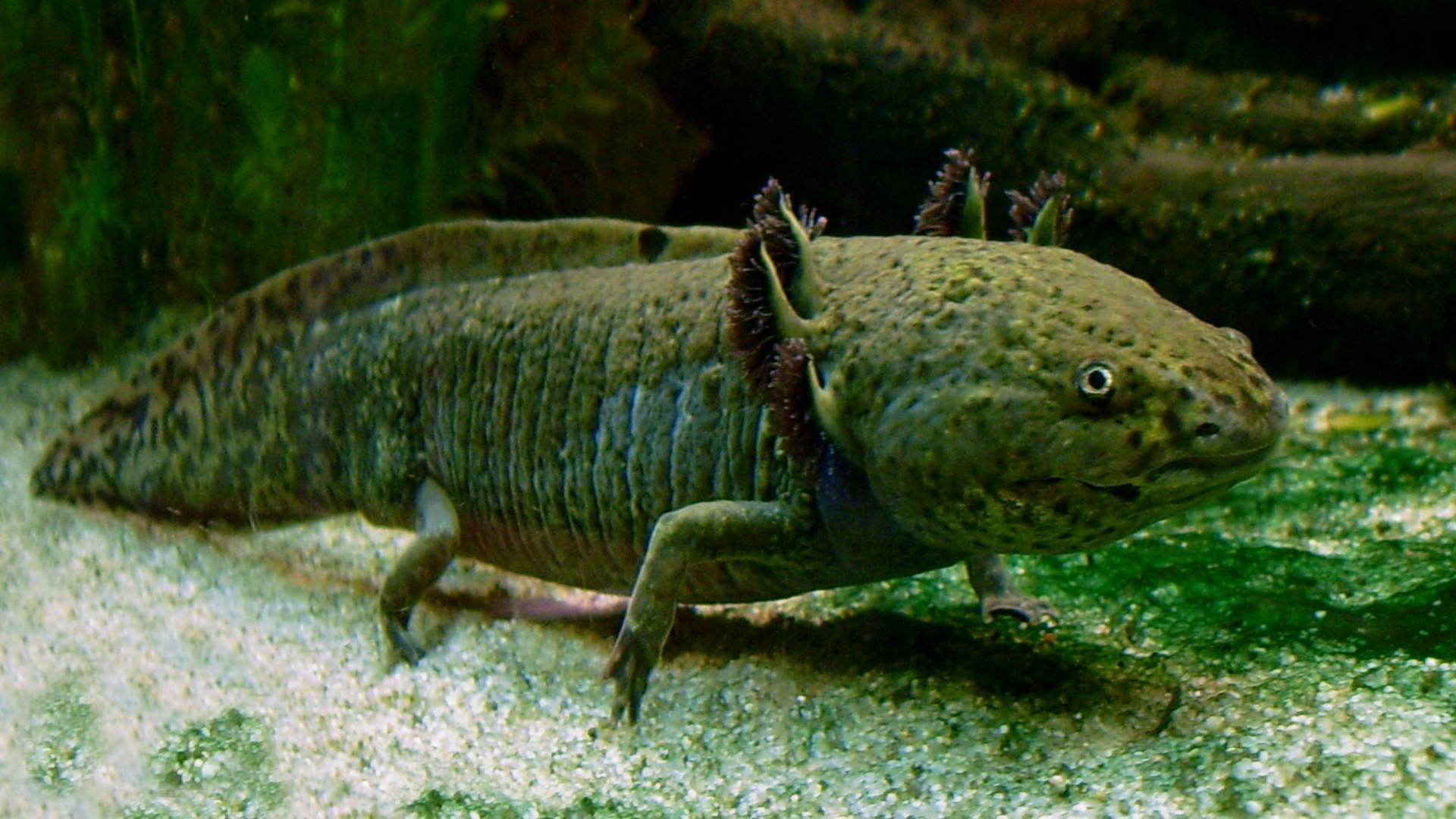
©Wikimedia / Axolotl
Advertisement
You've reached the end of the story. Thanks for reading!

20 Holiday Feast Foods That Pets Can Safely Eat
From plain turkey breast to sweet pumpkin puree, discover which holiday feast foods dogs and cats can safely enjoy.
All 20 Entries in this Story
20. Blobfish
Living at depths between 600 and 1,200 meters off Australia, Psychrolutes marcidus lacks swim bladders that would collapse under deep pressure. Out of water it collapses into its famous limp shape, but underwater it appears much like a standard bony fish.

19. Lowland Streaked Tenrec
Native to the eastern rainforests of Madagascar, this striped insectivore uses stridulation to produce high-frequency clicks. It is the only known mammal to generate communicative sounds by rubbing specialized quills on its back.

18. Pink Fairy Armadillo
Inhabiting the sandy scrublands of central Argentina, Chlamyphorus truncatus measures just five to six inches long. Its shell is attached to its body by a single thin dorsal membrane, letting the animal dig underground at remarkable speed.

17. Mata Mata Turtle
Found throughout the slow-moving streams of South America, Chelus fimbriata relies on extreme camouflage. When prey swims nearby, it expands its large throat cavity to suck the target directly into its mouth like a vacuum.

16. Star-Nosed Mole
Living in wet lowlands across North America, Condylura cristata holds the record as the fastest-eating mammal. Its ring of nasal rays carries over 25,000 Eimer's organs, allowing the mole to detect and consume insects in less than a quarter of a second.

15. Saiga Antelope
Roaming the arid steppes of Kazakhstan and Mongolia, Saiga tatarica relies on its inflated, flexible snout. In summer the nasal chambers filter out dust from dry plains, and in winter they warm freezing air before it reaches the lungs.

14. Dumbo Octopus
Dwelling at abyssal depths between 3,000 and 4,000 meters, Grimpoteuthis maneuvers by flapping prominent fins placed right above its eyes. Its webbed arms allow it to hover quietly while hunting for benthic amphipods and isopods.

13. Fossa
Despite looking like a slender cougar, Cryptoprocta ferox is related to mongooses. Its retractable claws and flexible ankles allow it to climb up and down vertical tree trunks headfirst while hunting lemurs through canopy branches.

12. Glass Frog
Native to Central and South American rainforests, Centrolenidae frogs remain camouflaged on tree leaves by matching green hues from above. From beneath, their transparent bellies reveal their beating red heart, digestive tract, and liver.

11. Japanese Spider Crab
Inhabiting waters off the coast of Japan at depths around 300 meters, Macrocheira kaempferi is the largest known living arthropod. Despite its colossal armored arm span, it behaves as a gentle scavenger feeding along the dark ocean floor.

10. Proboscis Monkey
Living exclusively in coastal mangrove swamps along rivers in Borneo, male Nasalis larvatus grow pendulous noses to amplify mating vocalizations. They are also skilled swimmers with webbed feet designed to cross crocodile-filled waterways.

9. Narwhal
Monodon monoceros navigates icy northern oceans where males grow an elongated sensory tooth containing millions of nerve endings. The tusk can detect salinity changes, water temperature, and navigation signals through pack ice.

8. Ground Pangolin
Smutsia temminckii rolls into a tight, impenetrable sphere when threatened by predators. Lacking teeth, it gathers termites and ants using a specialized sticky tongue that extends deeper than the animal's entire head.

7. Shoebill Stork
Inhabiting vast papyrus swamps from South Sudan to Zambia, Balaeniceps rex stands up to five feet tall. It can remain motionless for hours before launching a rapid lunging strike to capture lungfish and baby crocodiles.

6. Glaucus Atlanticus
Known as the blue sea slug, this creature uses surface tension to drift upside down. It consumes the Portuguese man-o'-war and concentrates the prey's stinging nematocysts inside its own finger-like cerata to deter predators.

5. Thorny Devil
Moloch horridus collects moisture from desert sand and morning dew through microscopic grooves in its scales. The capillary channels transport droplets directly into the corners of its mouth without the lizard needing to lap water.

4. Aye-Aye
Daubentonia madagascariensis hunts wood-boring beetle larvae through percussive foraging. It taps tree bark at rapid intervals to locate hollow chambers, gnaws through outer wood, and extracts food with its skeletal middle digit.

3. Leafy Seadragon
Endemic to the temperate waters along southern Australia, Phycodurus eques drifts across kelp forests undetected. Unlike typical seahorses, it cannot grasp seagrass with its tail and relies on small transparent fins to glide gracefully.

2. Platypus
Ornithorhynchus anatinus is one of only five living monotreme species that lay eggs rather than giving birth to live young. While foraging underwater with closed eyes and ears, its pliable bill detects electrical impulses produced by prey.

1. Axolotl
Native to the high-altitude lake system of Xochimilco near Mexico City, Ambystoma mexicanum retains external feathery gills into adulthood. It possesses remarkable regenerative biology, rebuilding complete limbs, heart muscle, and brain tissue.