Slideshow · Travel
20 US Cities With the Most Extensive Urban Rail Networks
Urban rail networks form the backbone of American public transit, moving millions of commuters each day while reducing roadway congestion. From historic century-old subway tunnels to expansive modern light rail systems, these twenty metropolitan areas lead the nation with the most extensive urban track mileage.
By Most Viral Today
22 min ago

20 American Metros Connected by Massive Subway and Light Rail Networks 
20. Phoenix, Arizona 
19. Baltimore, Maryland 
18. Pittsburgh, Pennsylvania - AdvertisementSwipe or tap ▶ to continue countdown

17. Cleveland, Ohio 
16. Minneapolis-Saint Paul, Minnesota 
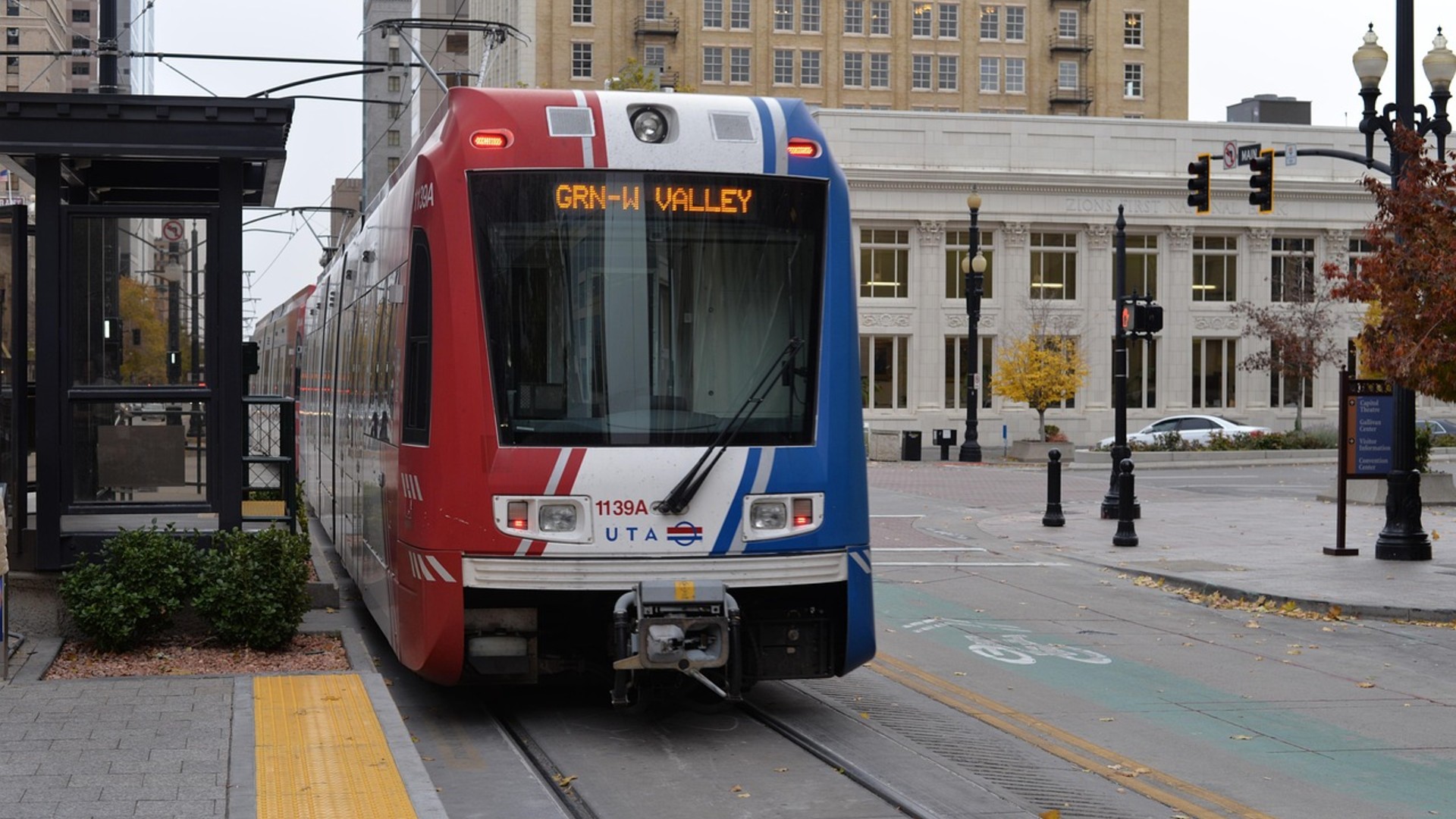
15. Salt Lake City, Utah 
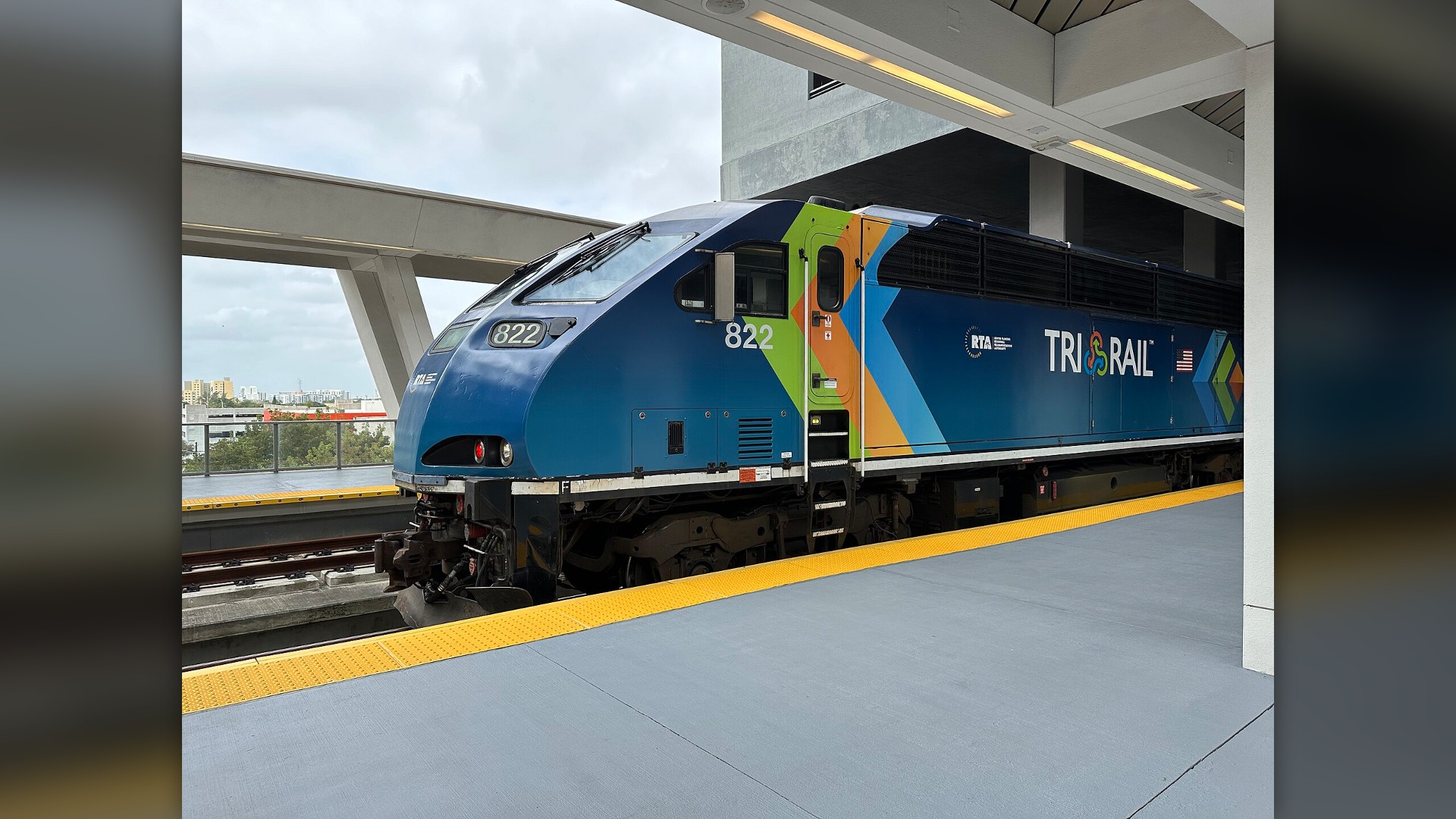
14. Miami, Florida - AdvertisementSwipe or tap ▶ to continue countdown

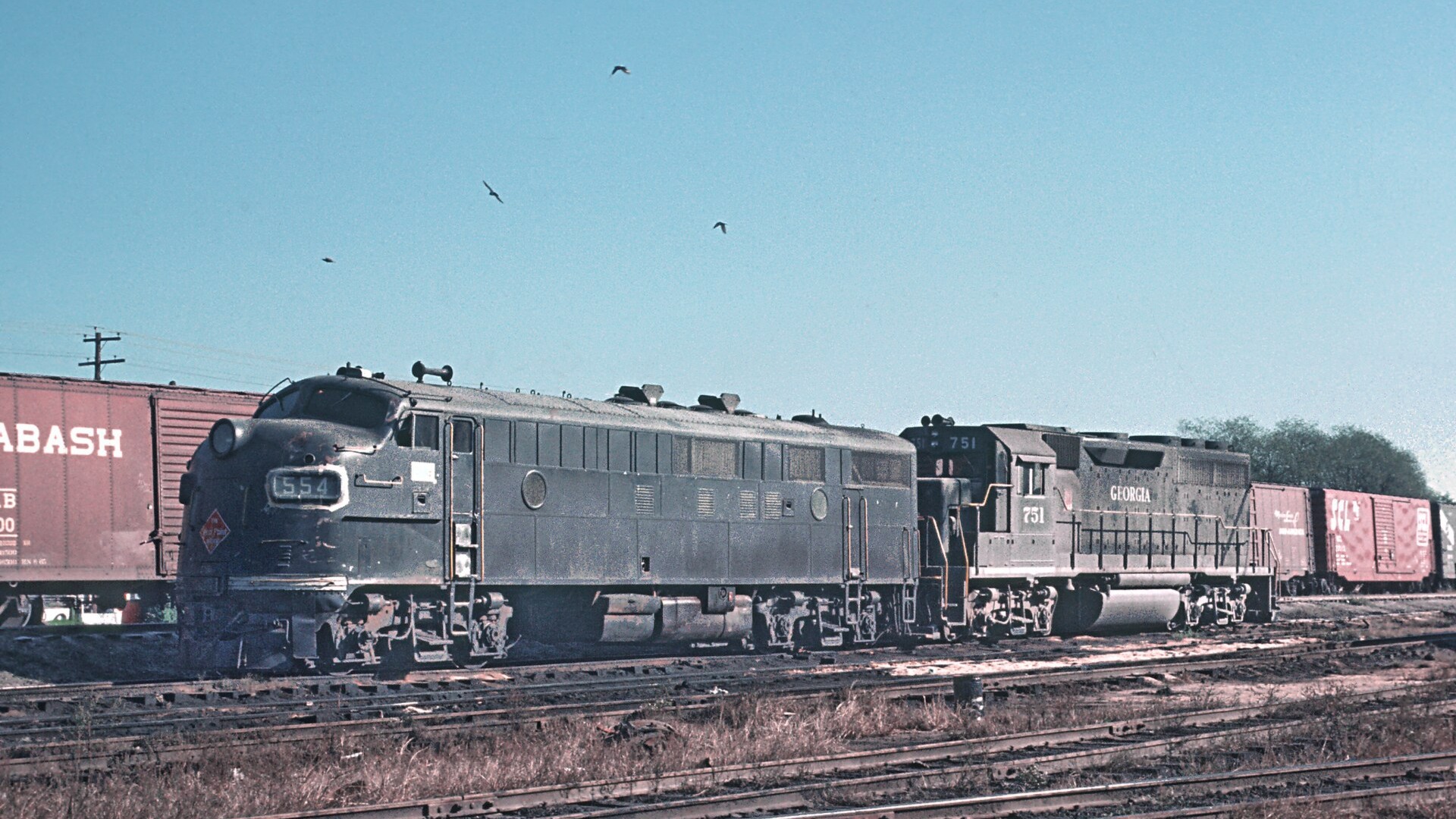
13. Atlanta, Georgia 
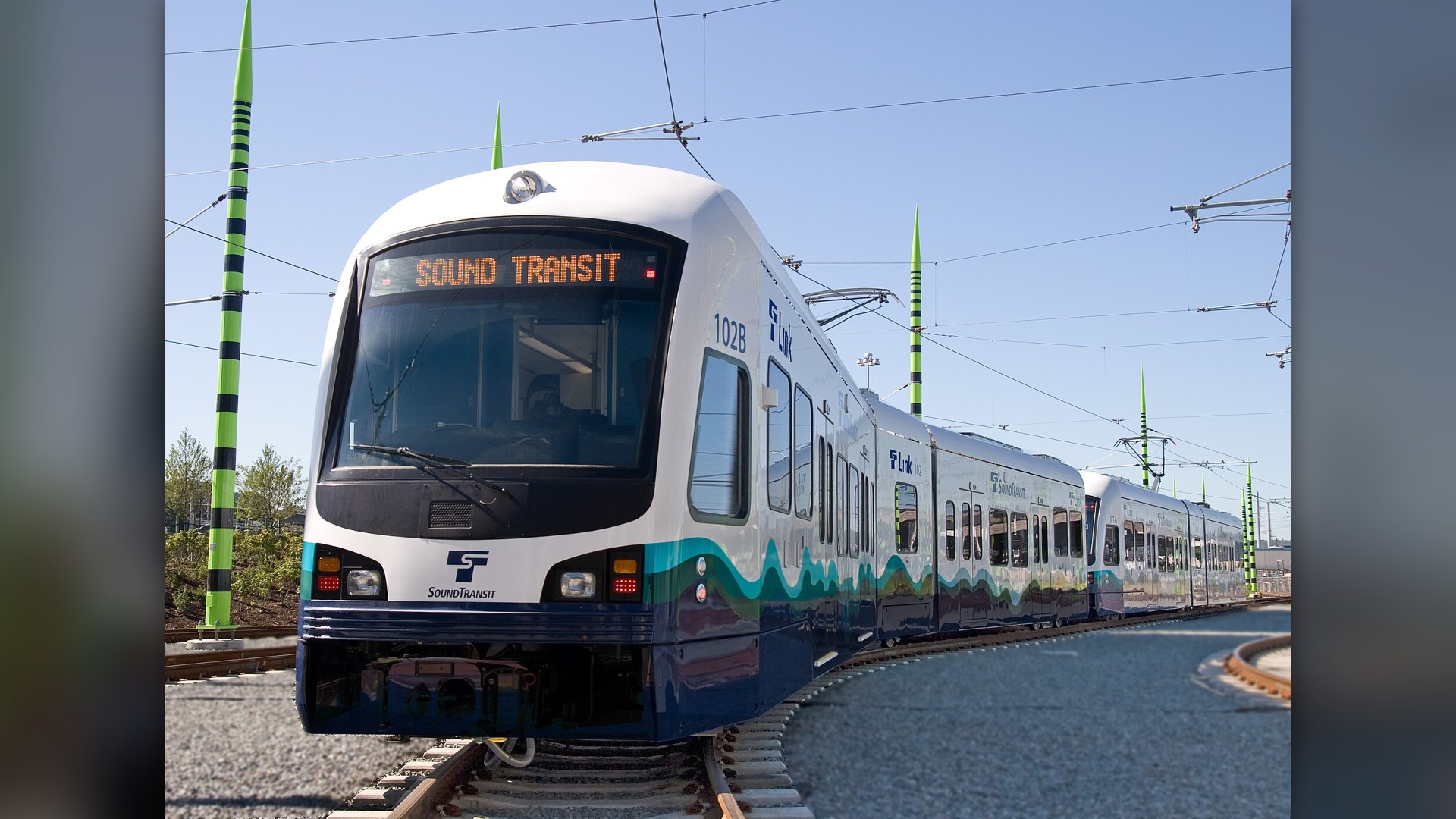
12. Seattle, Washington 
11. Denver, Colorado 
10. Portland, Oregon - AdvertisementSwipe or tap ▶ to continue countdown

9. San Diego, California 
8. Dallas, Texas 
7. Los Angeles, California 
6. Philadelphia, Pennsylvania - AdvertisementSwipe or tap ▶ to continue countdown

5. San Francisco Bay Area, California 
4. Boston, Massachusetts 
3. Chicago, Illinois 
2. Washington, D.C. - AdvertisementSwipe or tap ▶ to continue countdown

1. New York City, New York - Advertisement🔥 UP NEXT IN THIS SERIES◫ 22 Slides

21 Airports With Unexpected Features, From Pools to Gardens
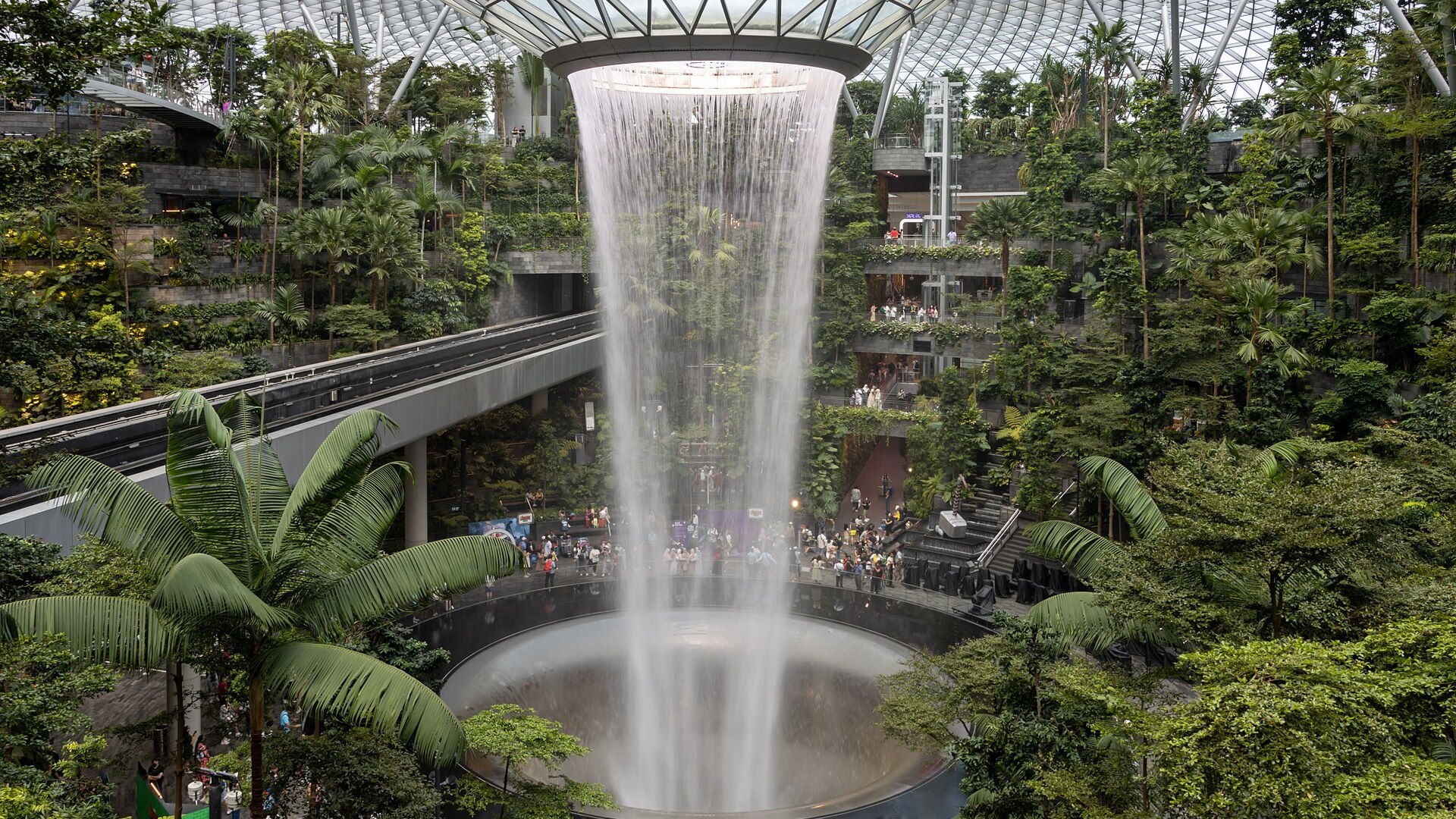
According to Skytrax World Airport surveys and global airport authority records, modern transit hubs have evolved far beyond basic boarding gates. From rooftop swimming pools and butterfly conservatories to on-site art museums and living rainforests, explore twenty-one airports offering remarkable public amenities.
Modern rail transit defines urban mobility across the United States, connecting bustling downtown cores with outlying suburbs and international airports. Based on Federal Transit Administration National Transit Database metrics, system track mileage, and municipal transit authority operational fleet inventories.
Swipe or tap ▶ to begin the countdown
©Wikimedia / AshokaJegroo
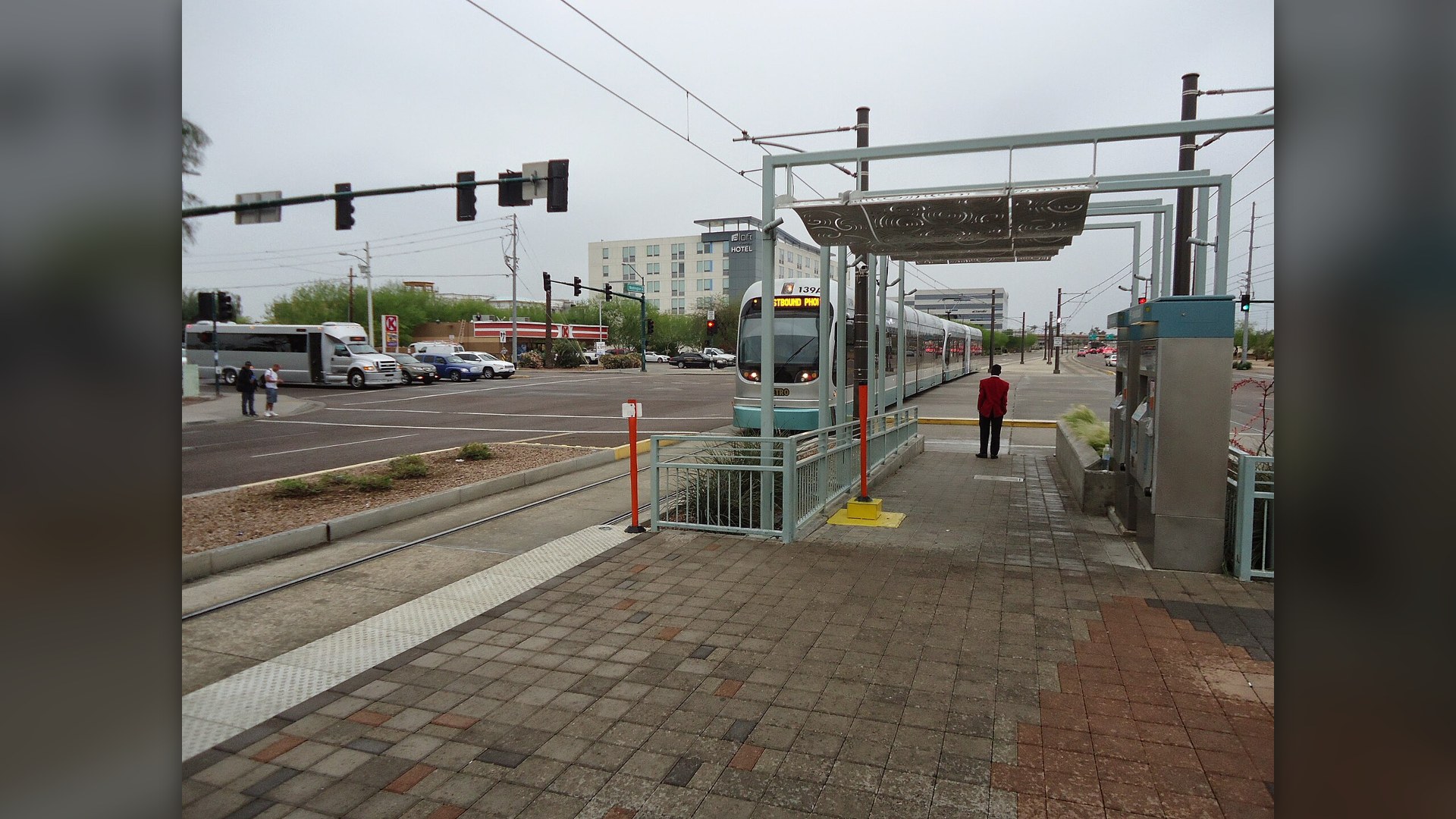
20. Phoenix, Arizona
Valley Metro Rail serves the desert Southwest with thirty miles of high-ridership light rail. Connecting downtown Phoenix with Arizona State University and historic downtown Mesa, the air-conditioned electric train network provides vital transit across one of the fastest-growing metropolitan regions in the nation.
©Wikimedia / Tomwsulcer
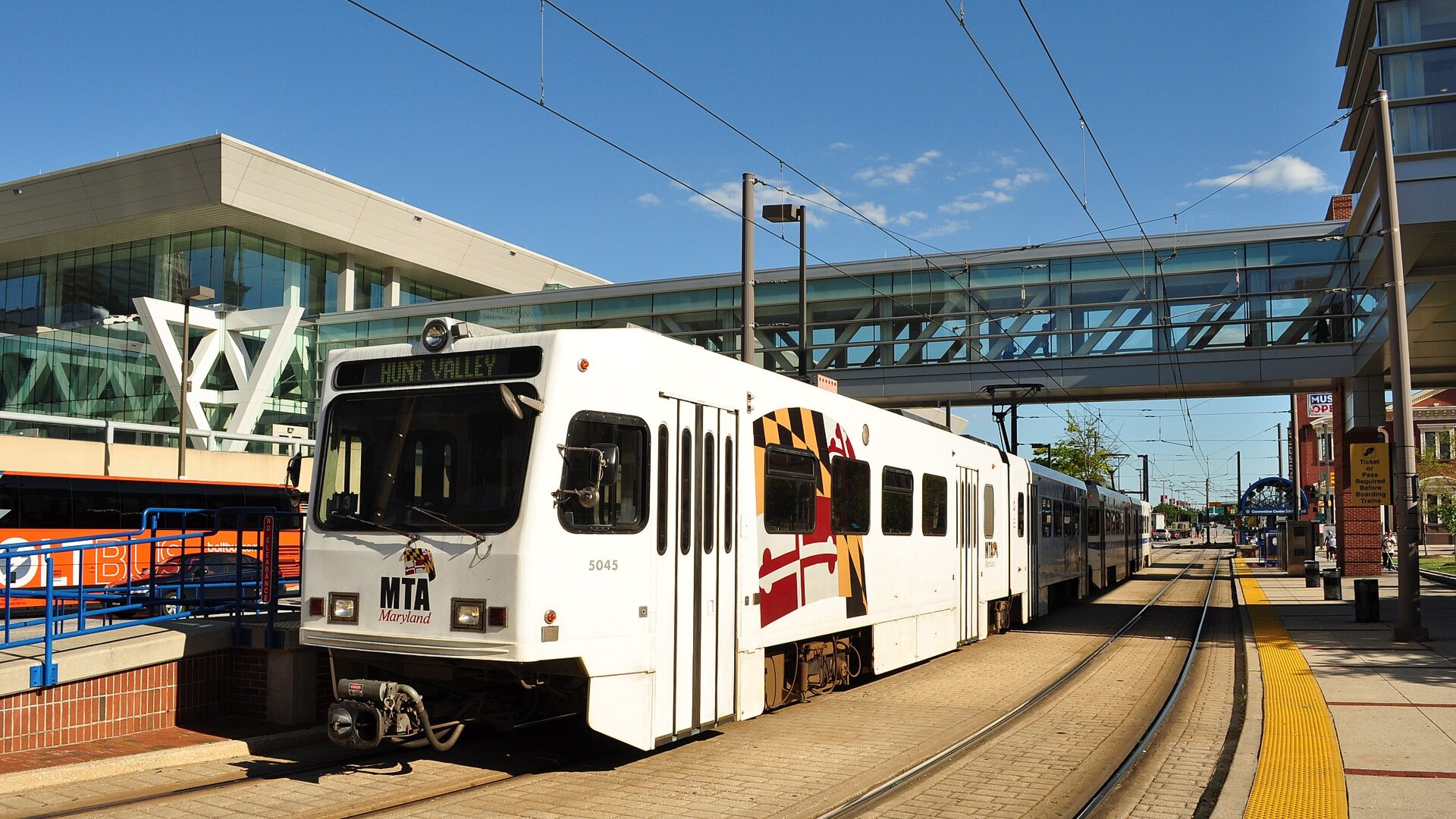
19. Baltimore, Maryland
The Maryland Transit Administration operates two distinct urban rail networks serving metropolitan Baltimore. The Metro SubwayLink heavy rail line runs from Owings Mills into downtown healthcare campuses, while the 33-mile Light RailLink travels north-south connecting Hunt Valley with BWI Marshall Airport.
©Wikimedia / AndrewHorne
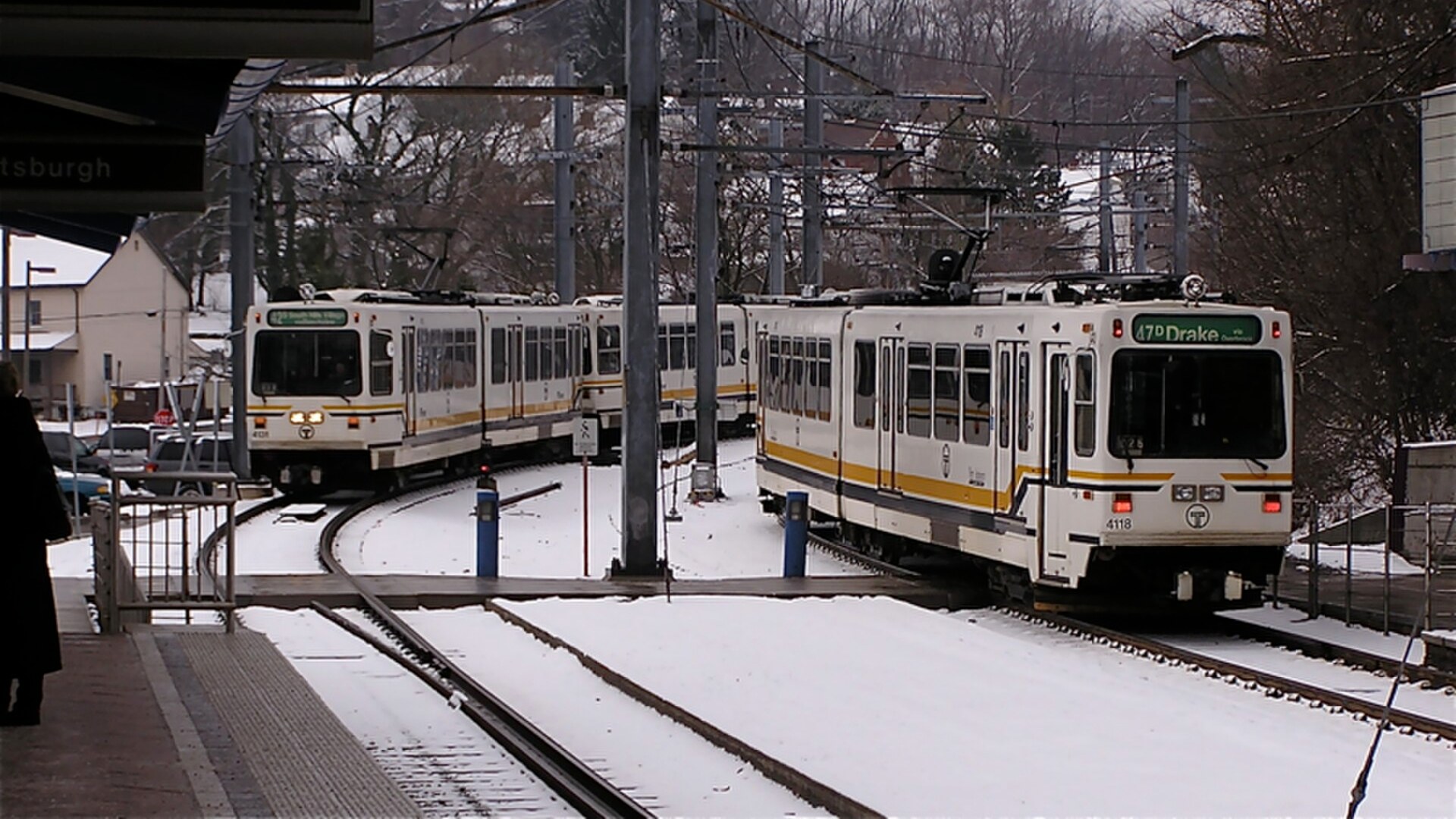
18. Pittsburgh, Pennsylvania
Pittsburgh Regional Transit operates twenty-six miles of light rail popularly known as The T. Utilizing historic streetcar corridors, subterranean city subways, and the modern North Shore Connector tunnel beneath the Allegheny River, the system provides fare-free transit throughout the Golden Triangle core.
©Wikimedia / Marduk
Advertisement
Swipe or tap ▶ to resume the countdown.
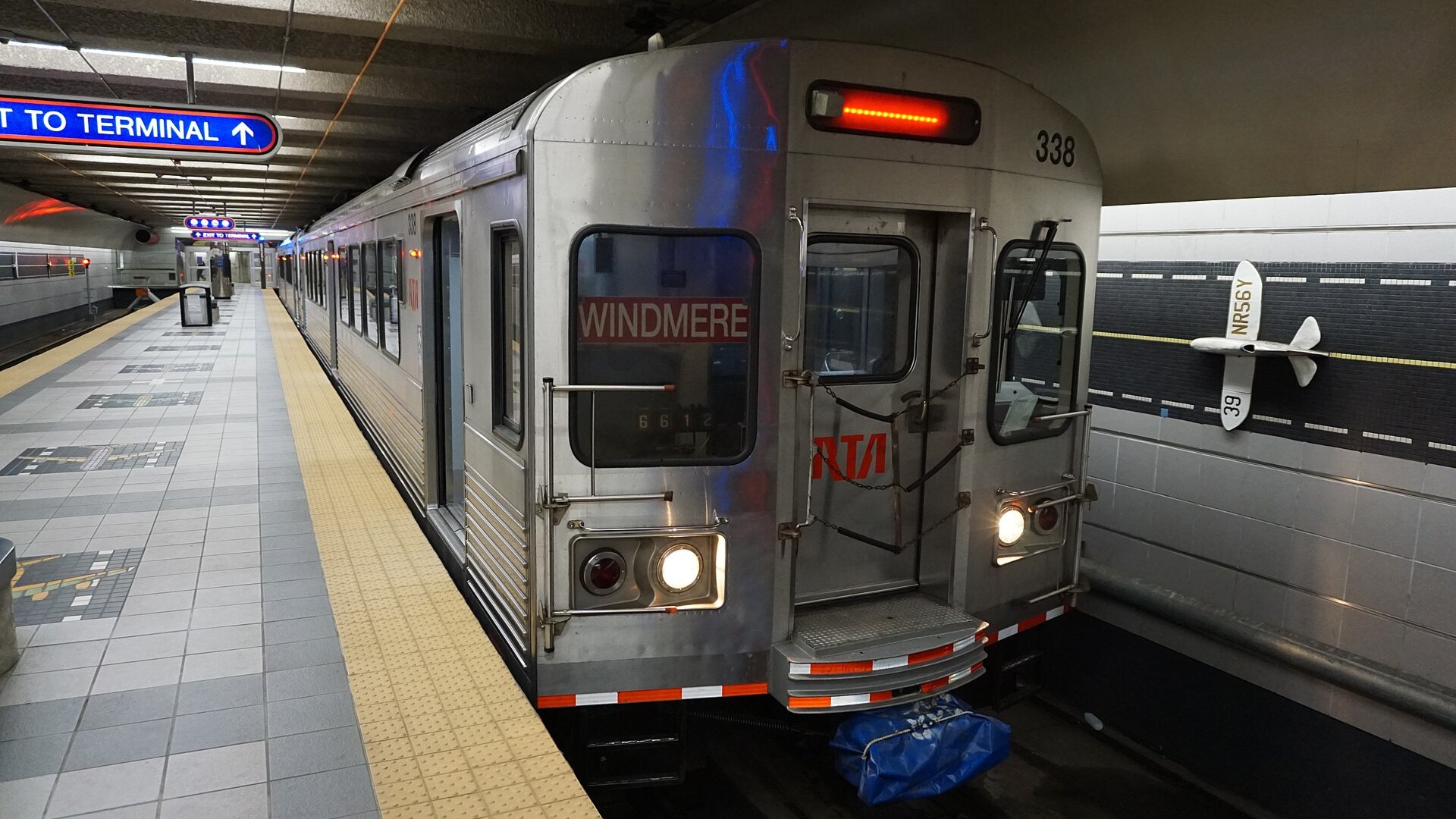
17. Cleveland, Ohio
The Greater Cleveland Regional Transit Authority operates thirty-three route miles of rapid transit centered on Tower City Center. Cleveland Red Line made history in 1968 as the first rapid transit line in North America to serve an airport, operating alongside the historic Blue and Green light rail lines.
©Wikimedia / Michael Barera
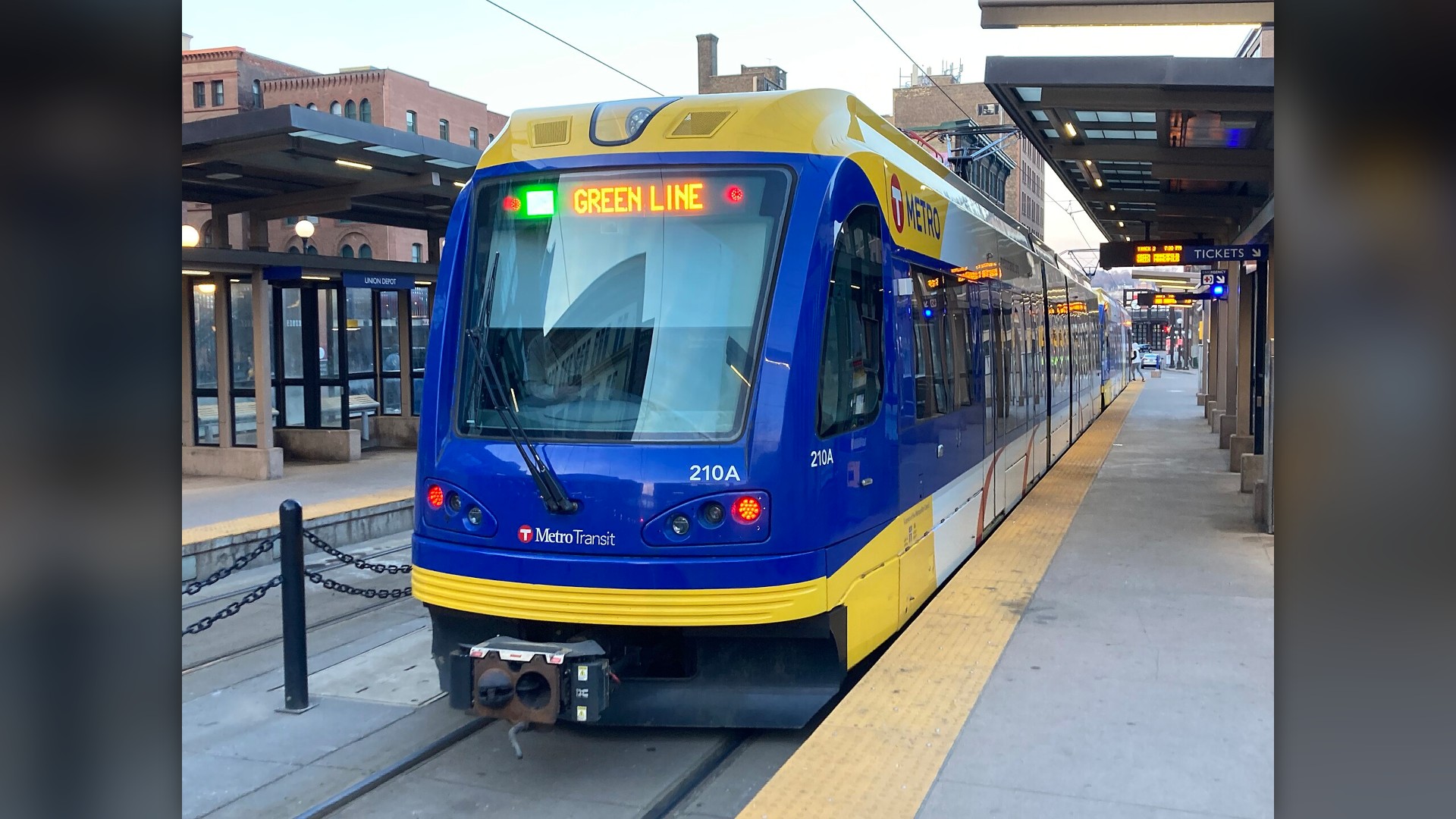
16. Minneapolis-Saint Paul, Minnesota
Metro Transit runs two high-ridership light rail routes across the Minneapolis-Saint Paul metropolitan area. The Blue Line connects downtown Minneapolis with the airport and Mall of America, while the Green Line travels along University Avenue to unite the twin downtowns, serving the University of Minnesota campus.
©Wikimedia / Michael Barera
15. Salt Lake City, Utah
Utah Transit Authority operates forty-two miles of light rail under the TRAX banner across the Salt Lake Valley. Originally built for the 2002 Winter Olympics, the Blue, Red, and Green lines connect Salt Lake City International Airport with downtown sports arenas, the University of Utah, and south valley communities.
©Pixabay / netmediamarketing
14. Miami, Florida
Miami-Dade County operates a dual elevated rail network providing fast transit above crowded coastal streets. The 24.4-mile heavy rail Metrorail connects Miami International Airport and downtown with southern suburbs, while the automated electric Metromover circulates through downtown and Brickell free of fare.
©Wikimedia / Phillip Pessar
Advertisement
Swipe or tap ▶ to resume the countdown.
13. Atlanta, Georgia
The Metropolitan Atlanta Rapid Transit Authority operates forty-eight route miles of heavy rail subway and elevated transit across Fulton and DeKalb counties. Four color-coded lines intersect at the central Five Points Station, providing direct passenger rail access into Hartsfield-Jackson Atlanta International Airport
©Wikimedia / railfan 44
12. Seattle, Washington
Sound Transit operates Link Light Rail across Puget Sound, providing high-capacity grade-separated transit through tunnels, elevated viaducts, and surface tracks. Connecting Northgate, downtown Seattle, and Seattle-Tacoma International Airport, Link continues a historic regional expansion to Bellevue and Lynnwood.
©Wikimedia / Sound Transit Special Selection
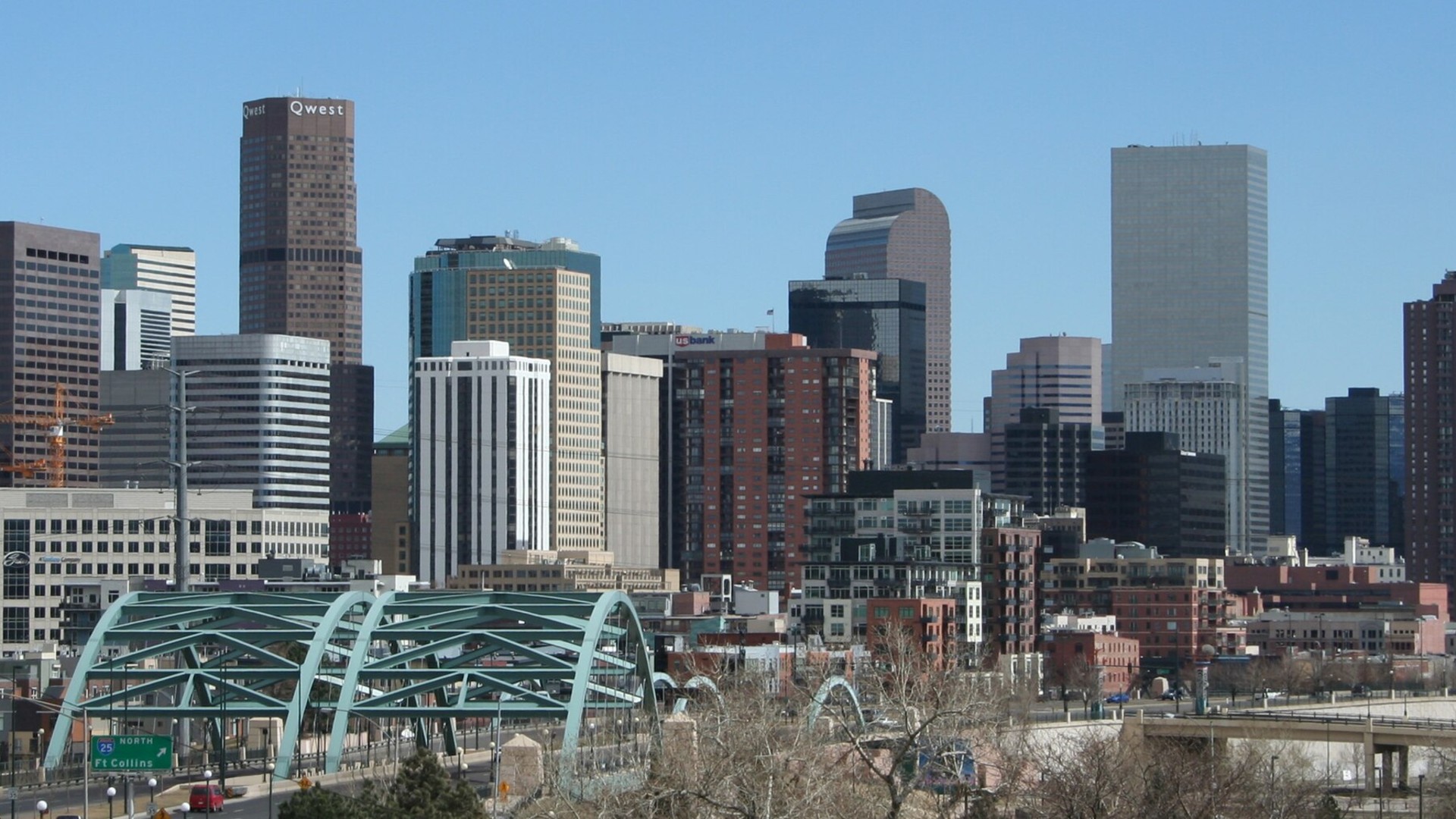
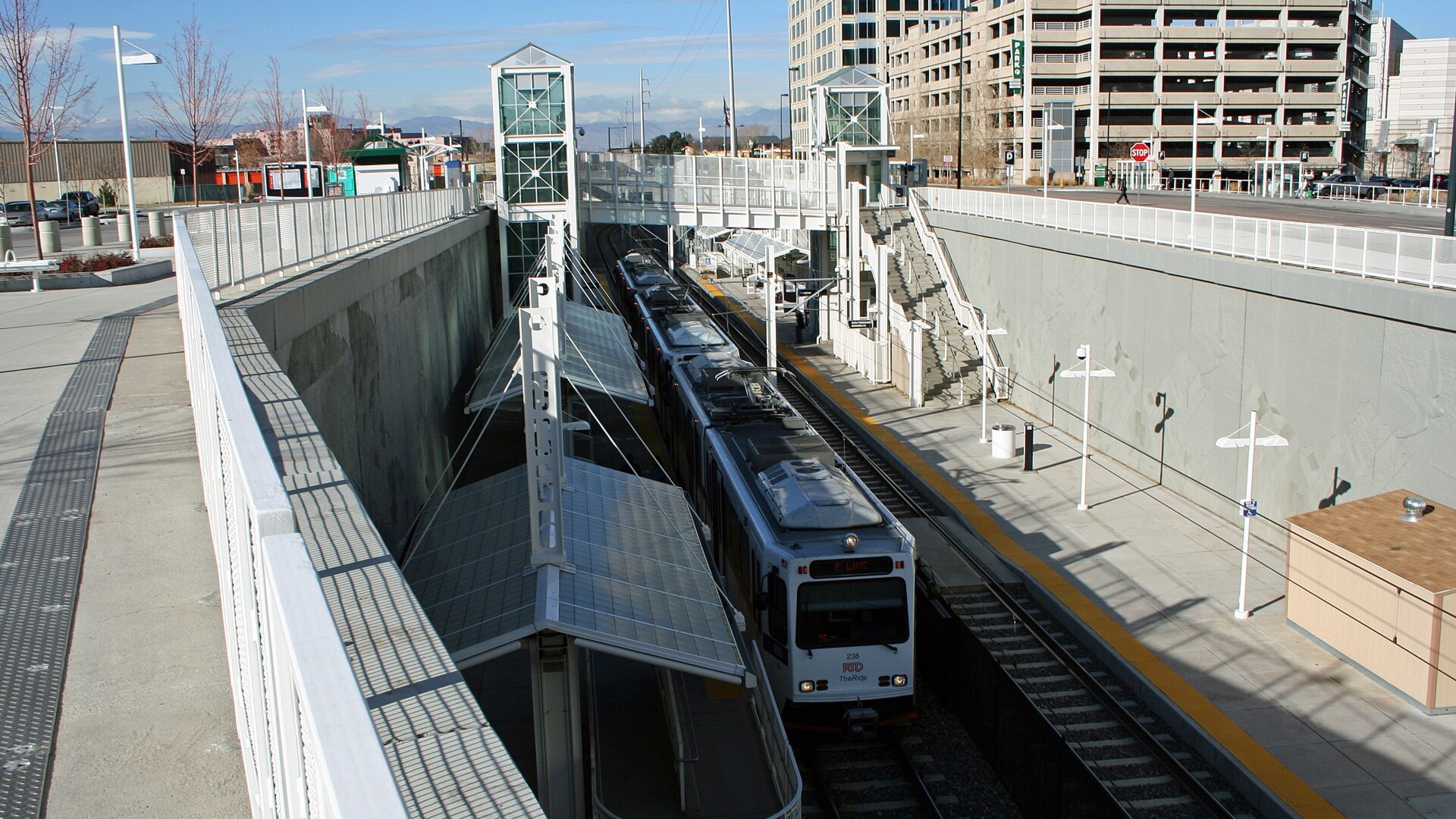
11. Denver, Colorado
Denver Regional Transportation District constructed one of the most comprehensive modern rail networks through its FasTracks voter initiative. Spanning more than one hundred total miles, the system blends six light rail corridors with four electrified commuter rail lines radiating from historic Denver Union Station.
©Wikimedia / Jeffrey Beall
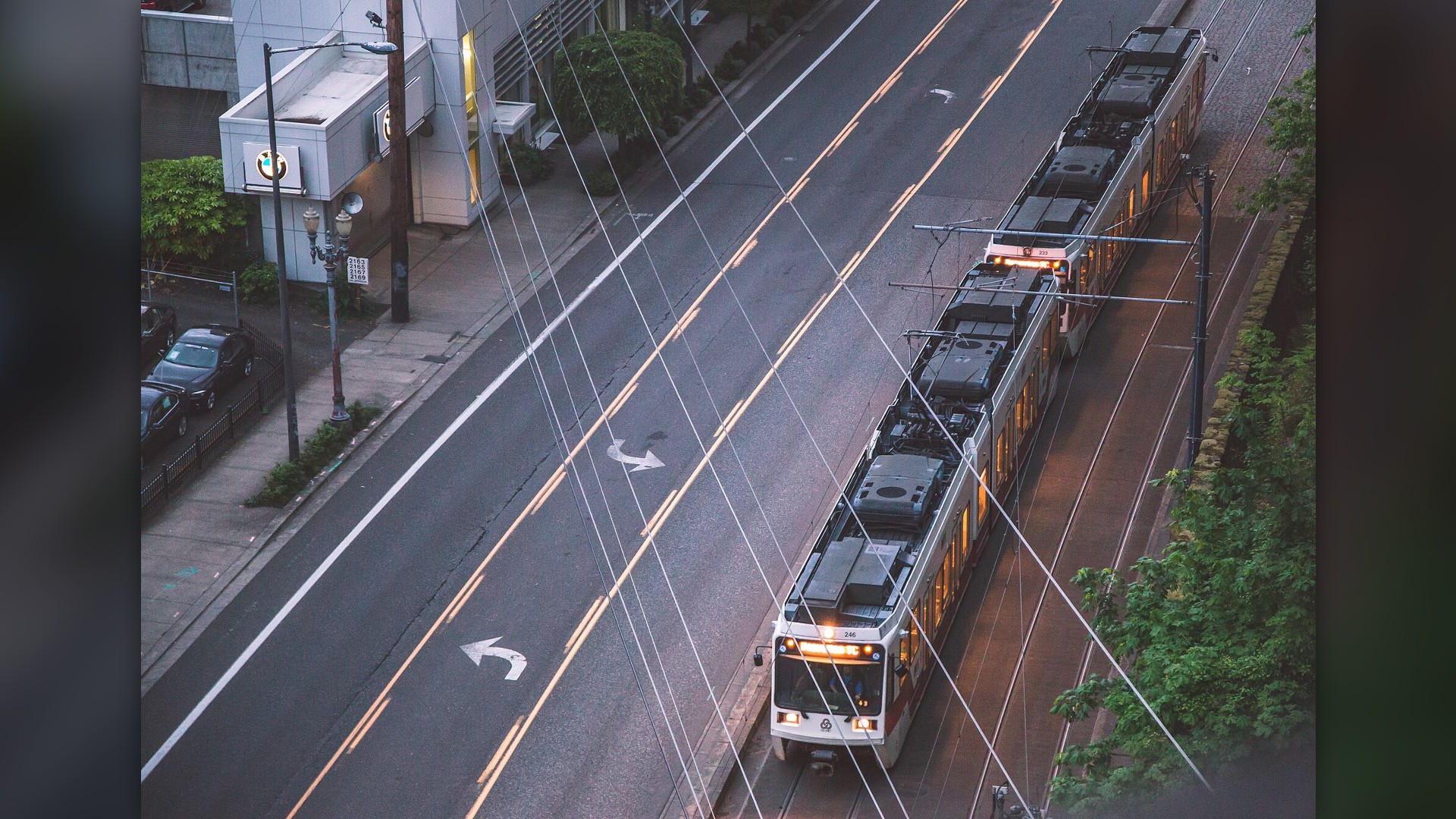
10. Portland, Oregon
Portland transit agency TriMet operates sixty miles of urban light rail under the Metropolitan Area Express network. Opened in 1986, the Blue, Red, Yellow, Green, and Orange lines radiate from downtown Portland, providing high-frequency transit to suburban centers, Gresham, Beaverton, Hillsboro, and the airport.
©Wikimedia / Tony Webster from Portland, Oregon
Advertisement
Swipe or tap ▶ to resume the countdown.
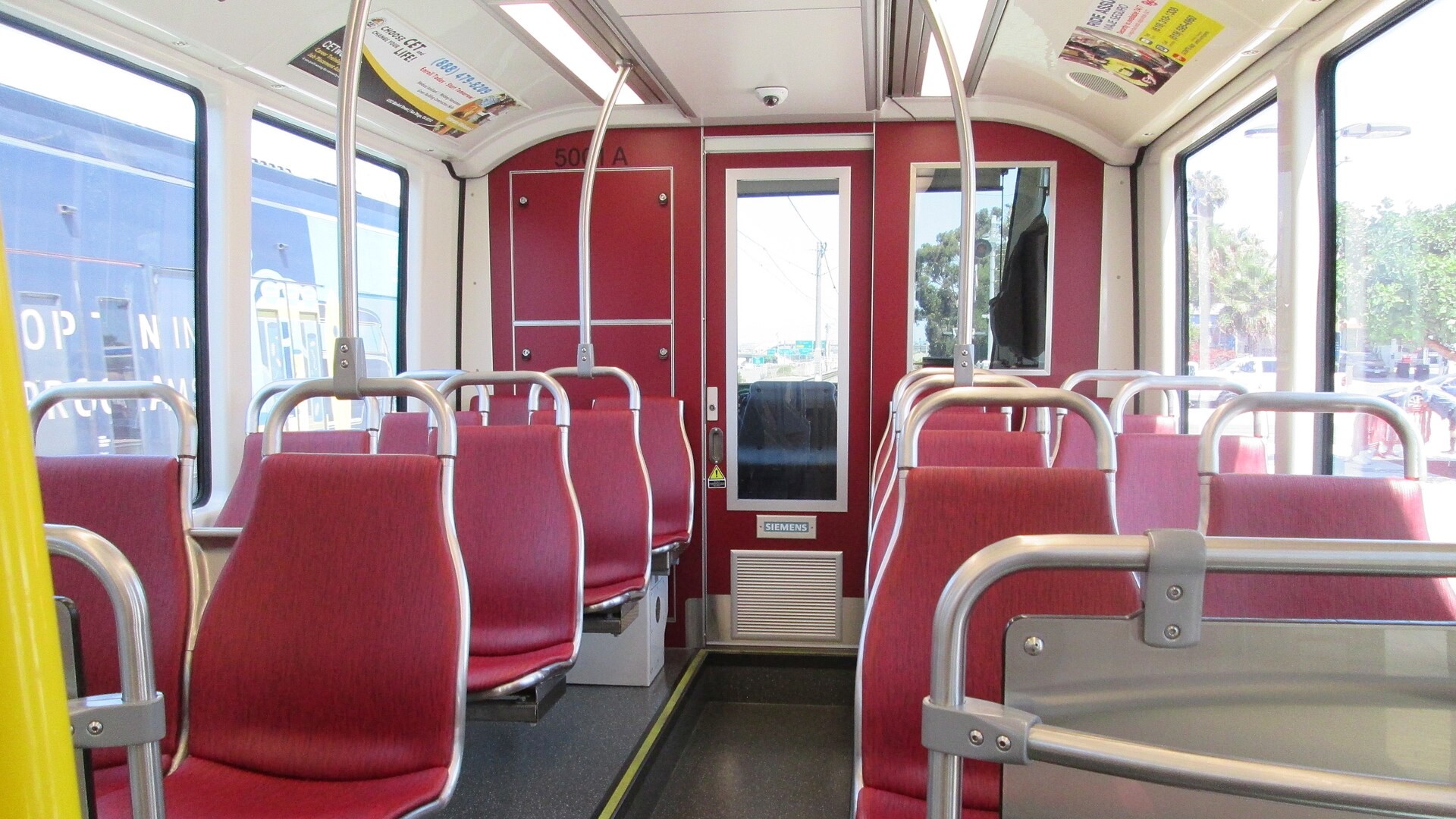
9. San Diego, California
Inaugurated in 1981 as the spark that launched modern American light rail, the San Diego Trolley spans sixty-five miles of revenue track. Operated by the Metropolitan Transit System, the Blue, Orange, and Green lines link the Mexican border at San Ysidro with downtown, Balboa Park, and university campuses.
©Wikimedia / AirTSC
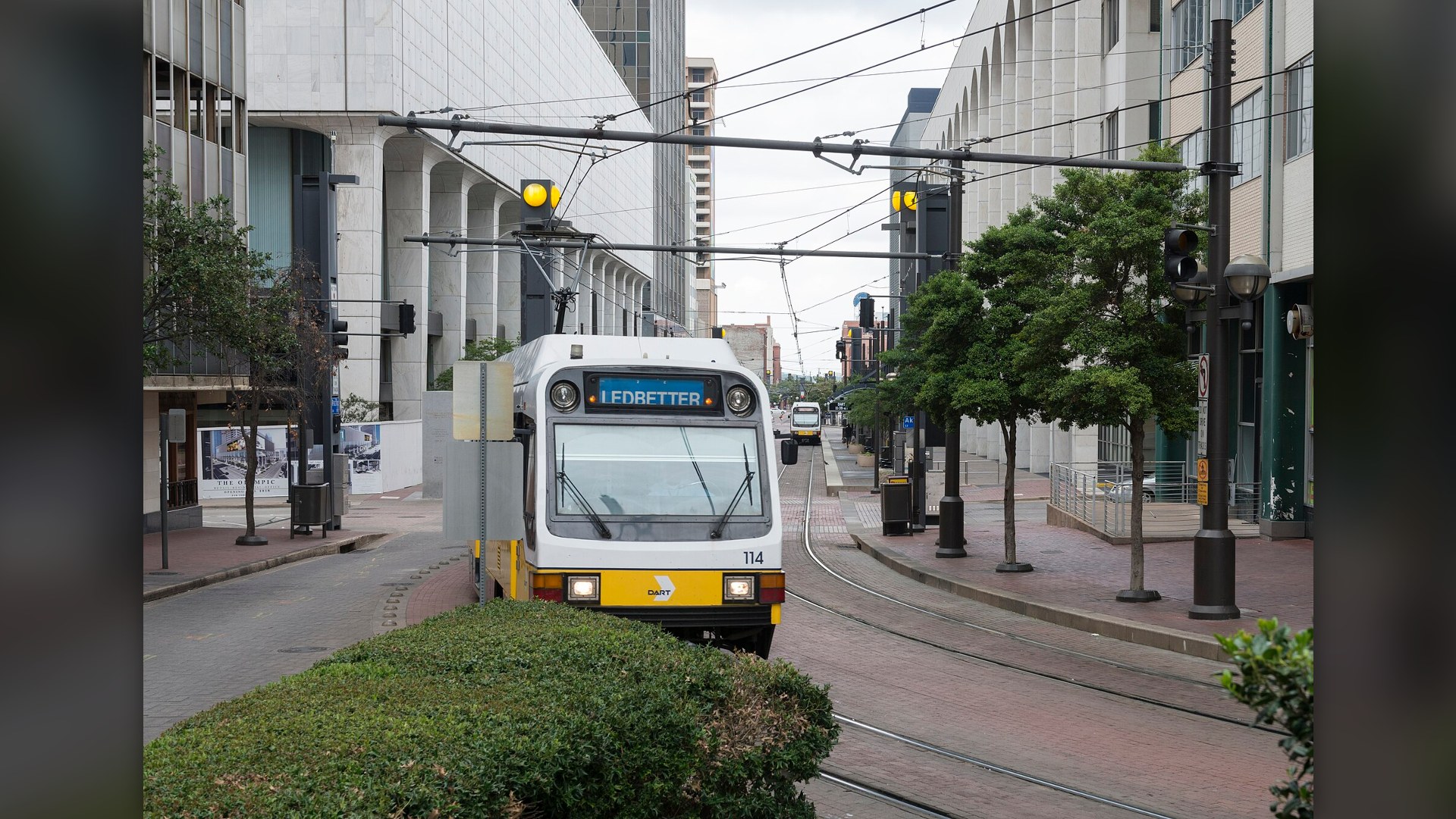
8. Dallas, Texas
Dallas Area Rapid Transit runs ninety-three miles of light rail on four interlined routes: Red, Blue, Green, and Orange. The DART network serves sixty-five stations across North Texas, linking downtown Dallas with regional employment hubs, medical centers, and Dallas Fort Worth International Airport.
©Wikimedia / Carol M. Highsmith
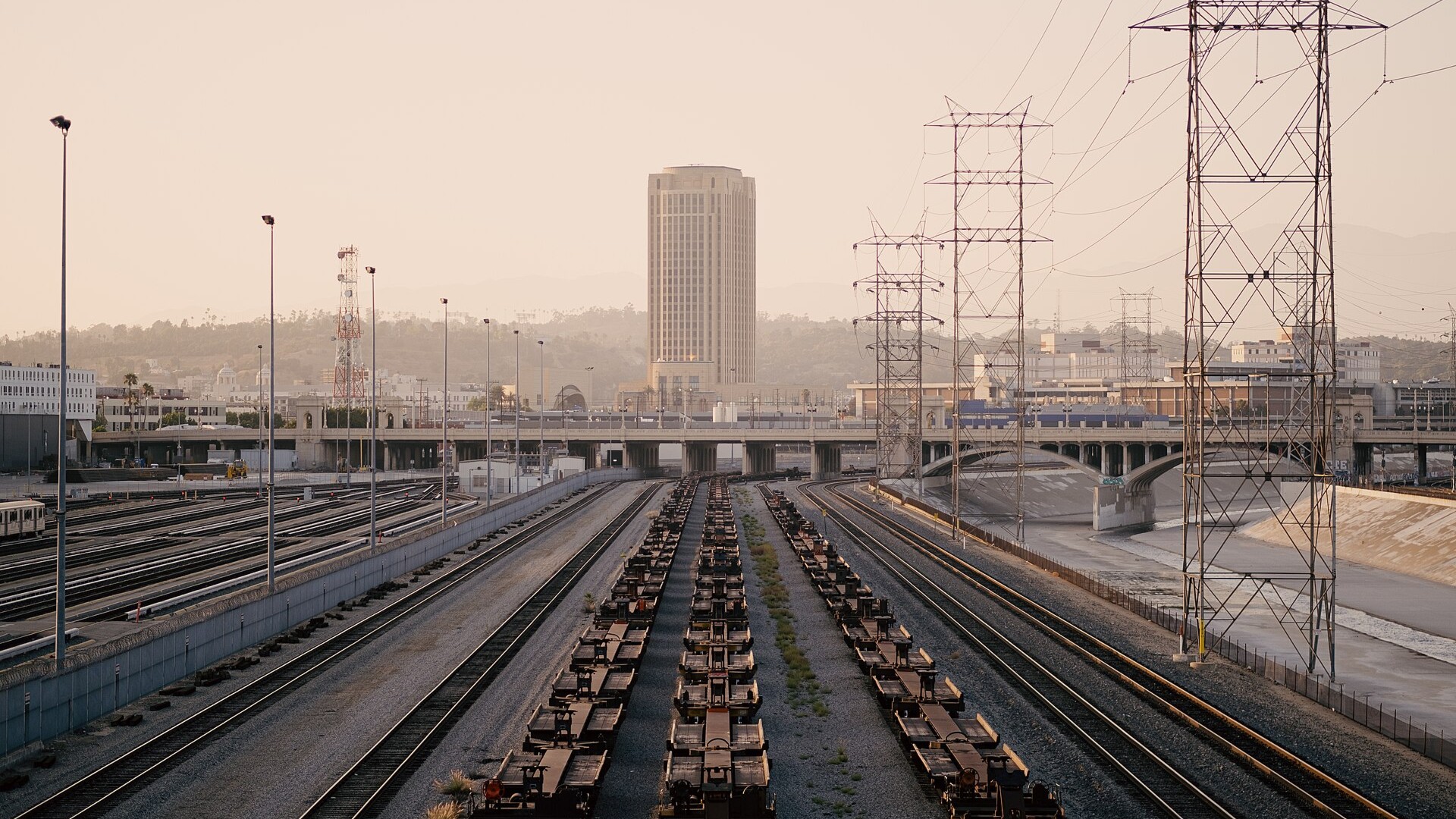
7. Los Angeles, California
Los Angeles has executed an ambitious transit expansion, transforming its car-dominated landscape into a rail powerhouse. LA Metro operates the B and D subway lines alongside the newly connected A, C, E, and K light rail lines, creating the longest continuous light rail route in the world spanning over forty-nine miles
©Wikimedia / Levi Meir Clancy
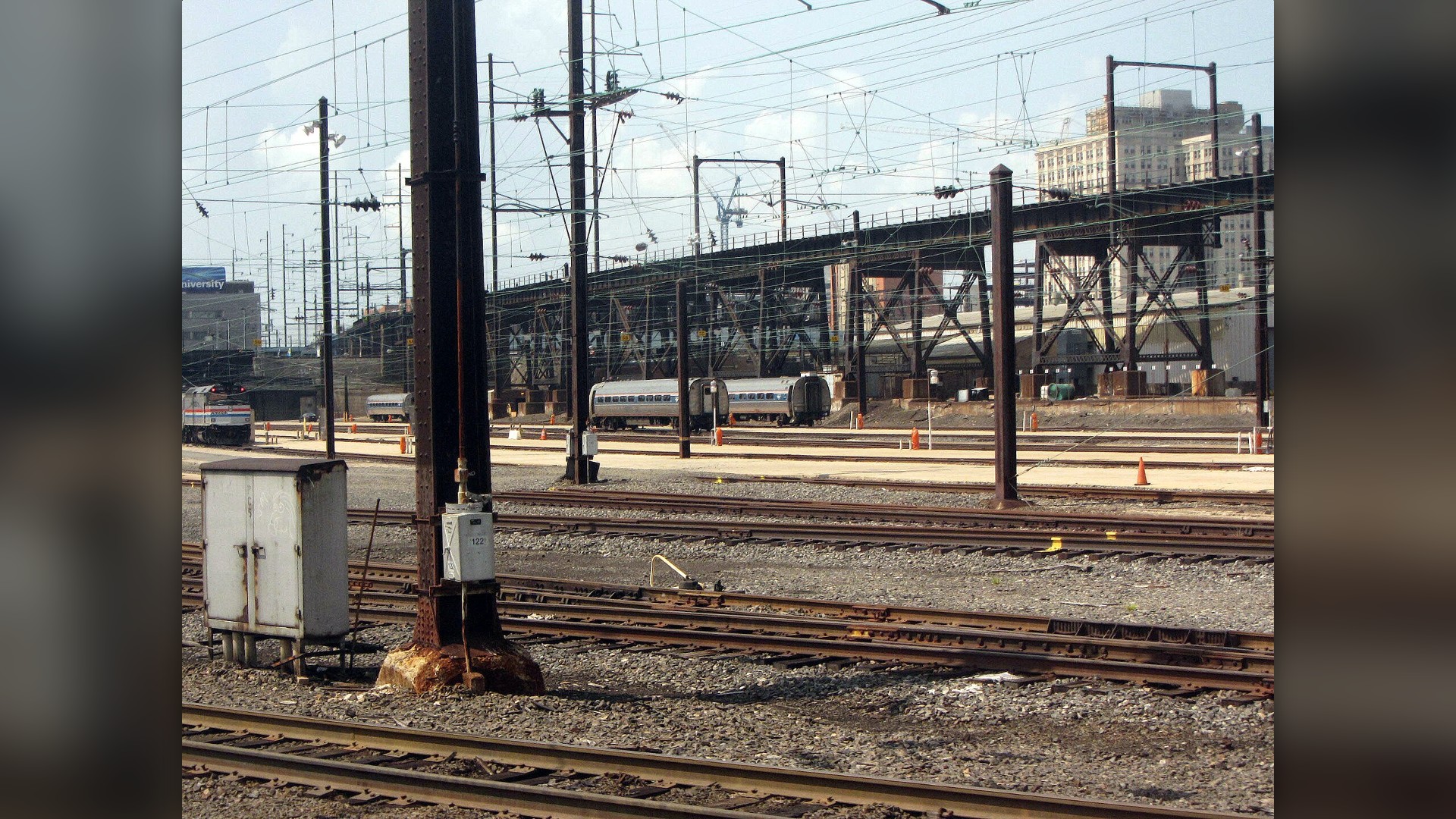
6. Philadelphia, Pennsylvania
Philadelphia's transit network combines rail modes under SEPTA Metro and the Delaware River Port Authority. The Market-Frankford Line and Broad Street subway anchor the city grid, while five subway-surface streetcar lines and the Norristown High Speed Line extend transit into neighboring Delaware County.
©Wikimedia / David Wilson from Oak Park, Illinois, USA
Advertisement
Swipe or tap ▶ to resume the countdown.
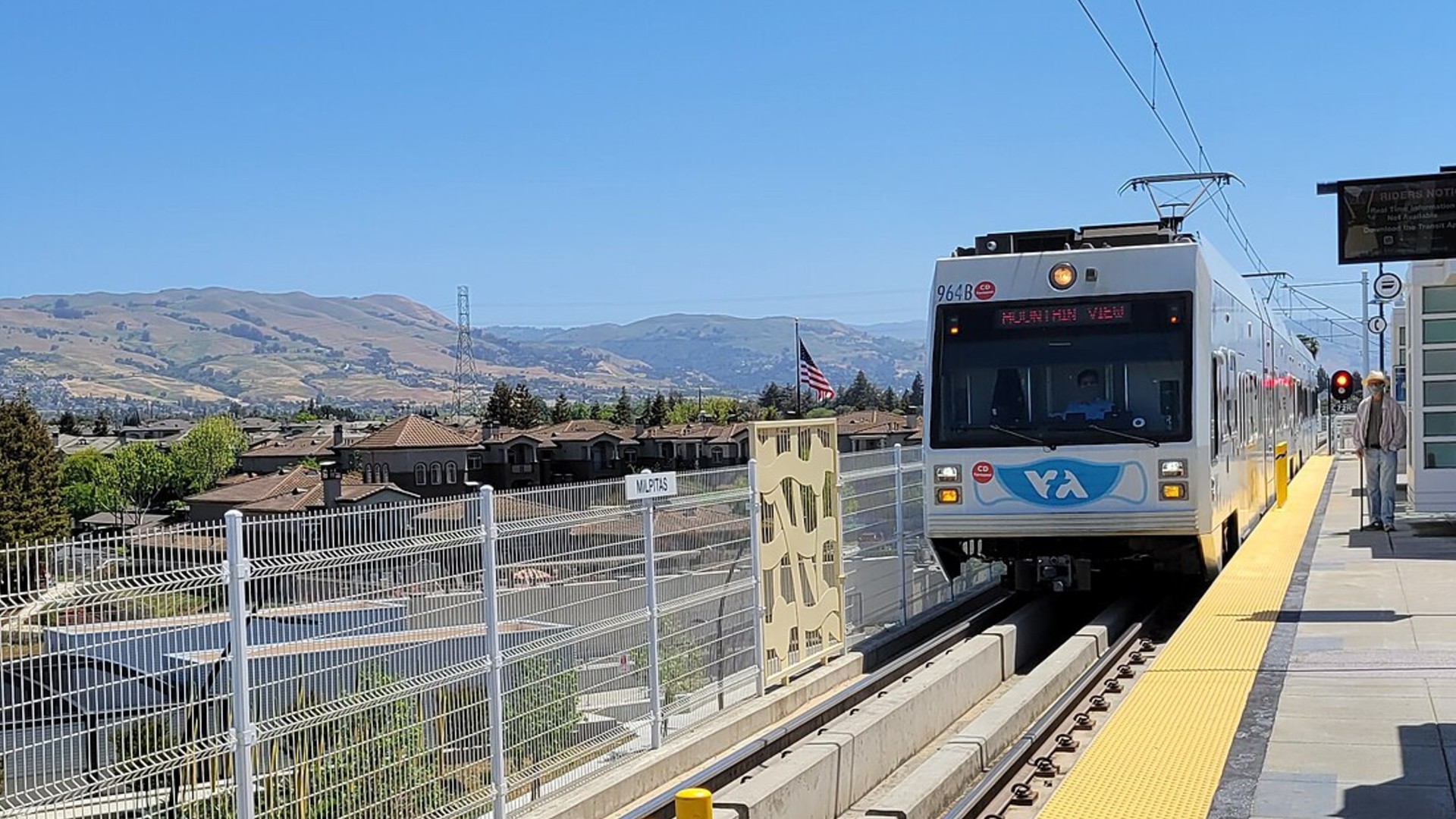
5. San Francisco Bay Area, California
The Bay Area relies on two interconnected urban rail networks. BART provides high-speed regional heavy rail through the underwater Transbay Tube between San Francisco and the East Bay, while San Francisco Municipal Railway operates six Muni Metro light rail lines and historic streetcars across dense city hills.
©Wikimedia / FloofyMiddle
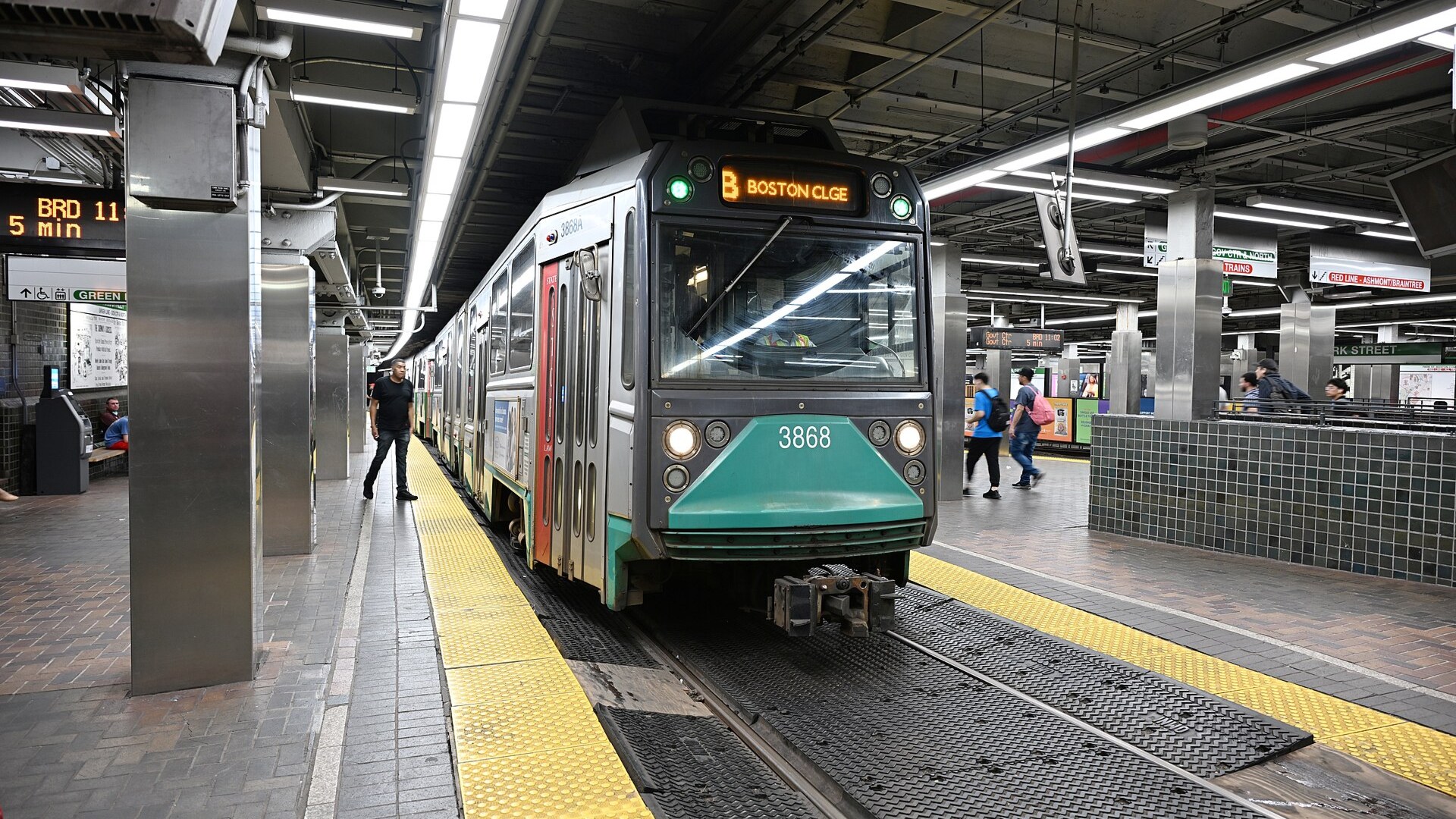
4. Boston, Massachusetts
Home to America first subway tunnel opened beneath Tremont Street in 1897, the Massachusetts Bay Transportation Authority runs a dense multimodal rail network. The Red, Orange, and Blue heavy rail subways interconnect with four branching Green Line light rail routes and the modern Mattapan streetcar line.
©Wikimedia / 4300streetcar
3. Chicago, Illinois
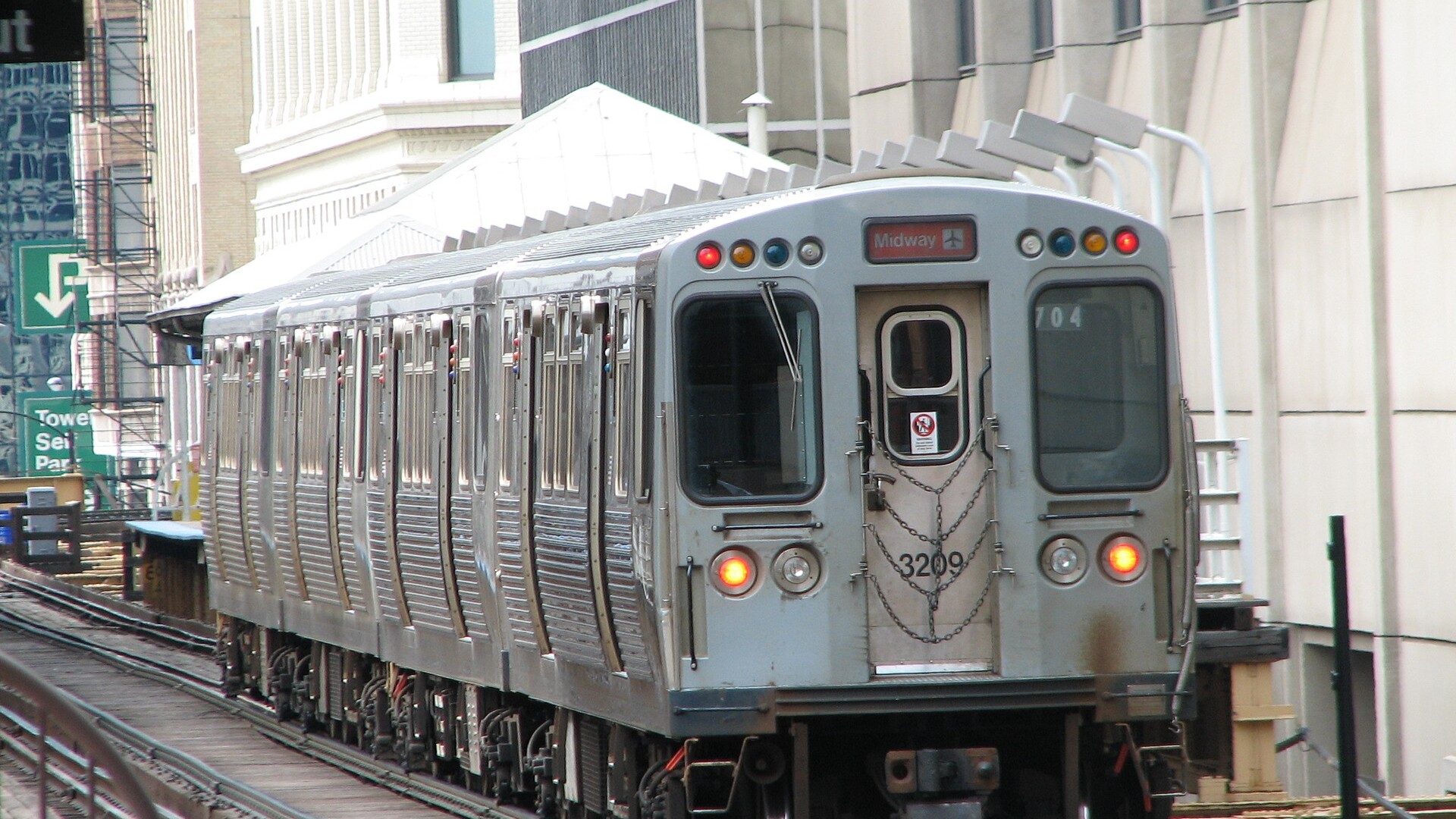
Operated by the Chicago Transit Authority, the legendary Chicago L has served the Windy City since 1892. Eight rapid transit routes converge on the historic downtown elevated quadrangle, operating around the clock on Blue and Red lines to connect major neighborhoods, Midway, and O'Hare Airport.
©Wikimedia / Marcel "lazytom" Marchon
2. Washington, D.C.
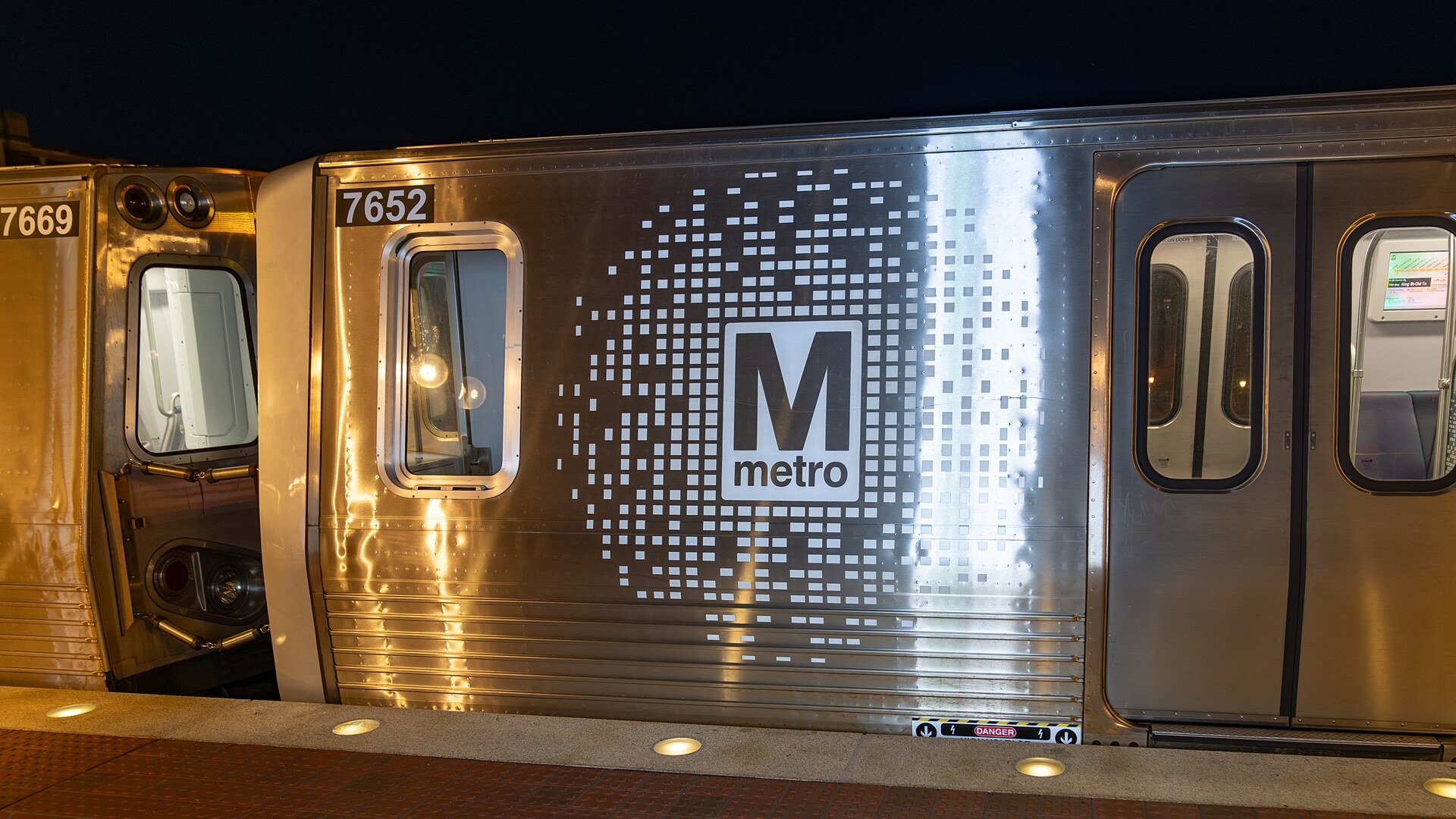
The Washington Metro stands as the second-busiest rapid transit system in the United States, linking the federal district with populous suburban counties. Known for monumental vaulted concrete stations, the six color-coded lines provide high-speed transit connectivity to Dulles and Reagan National airports.
©Wikimedia / Tony Webster
Advertisement
Swipe or tap ▶ to resume the countdown.
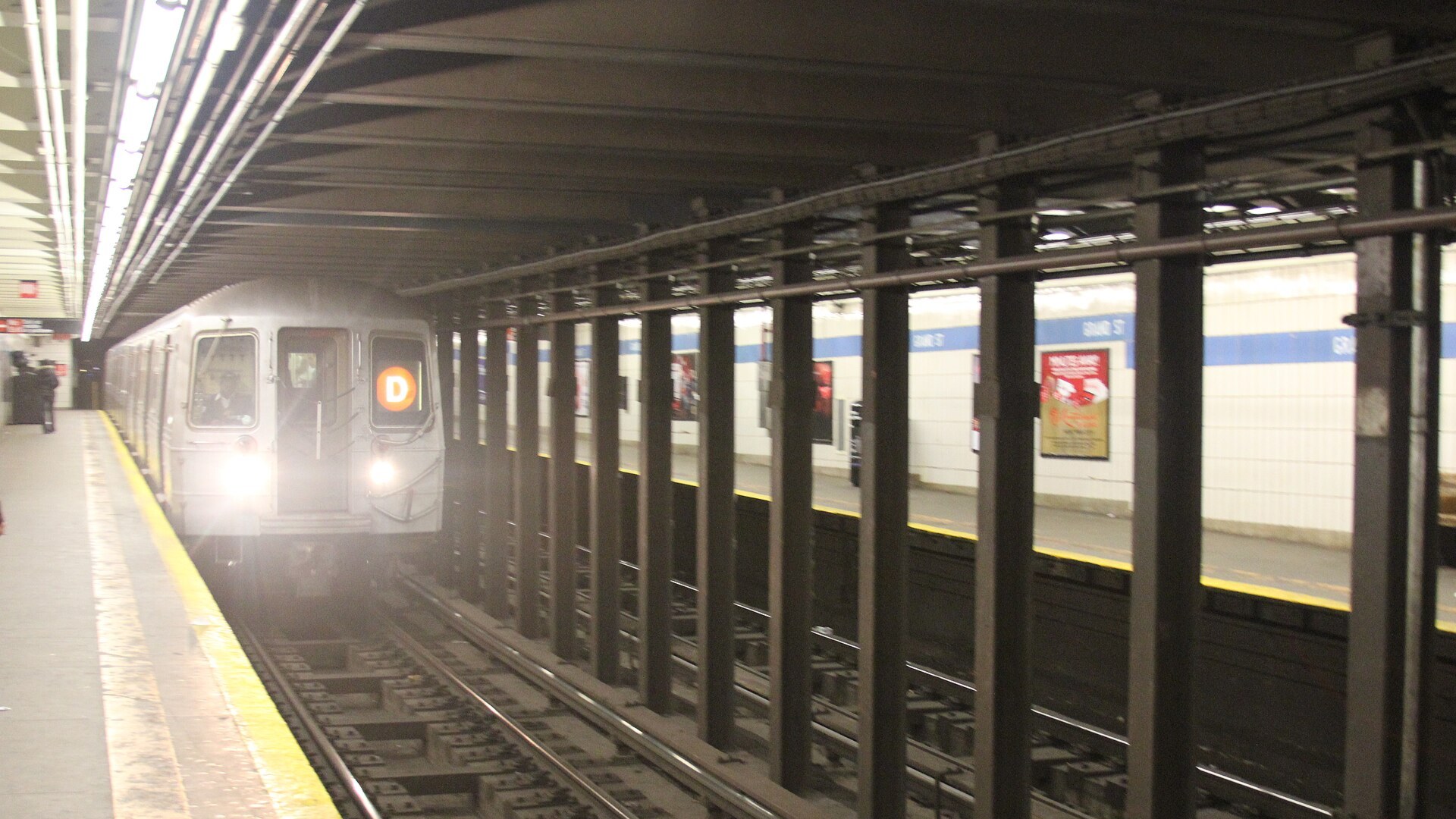
1. New York City, New York
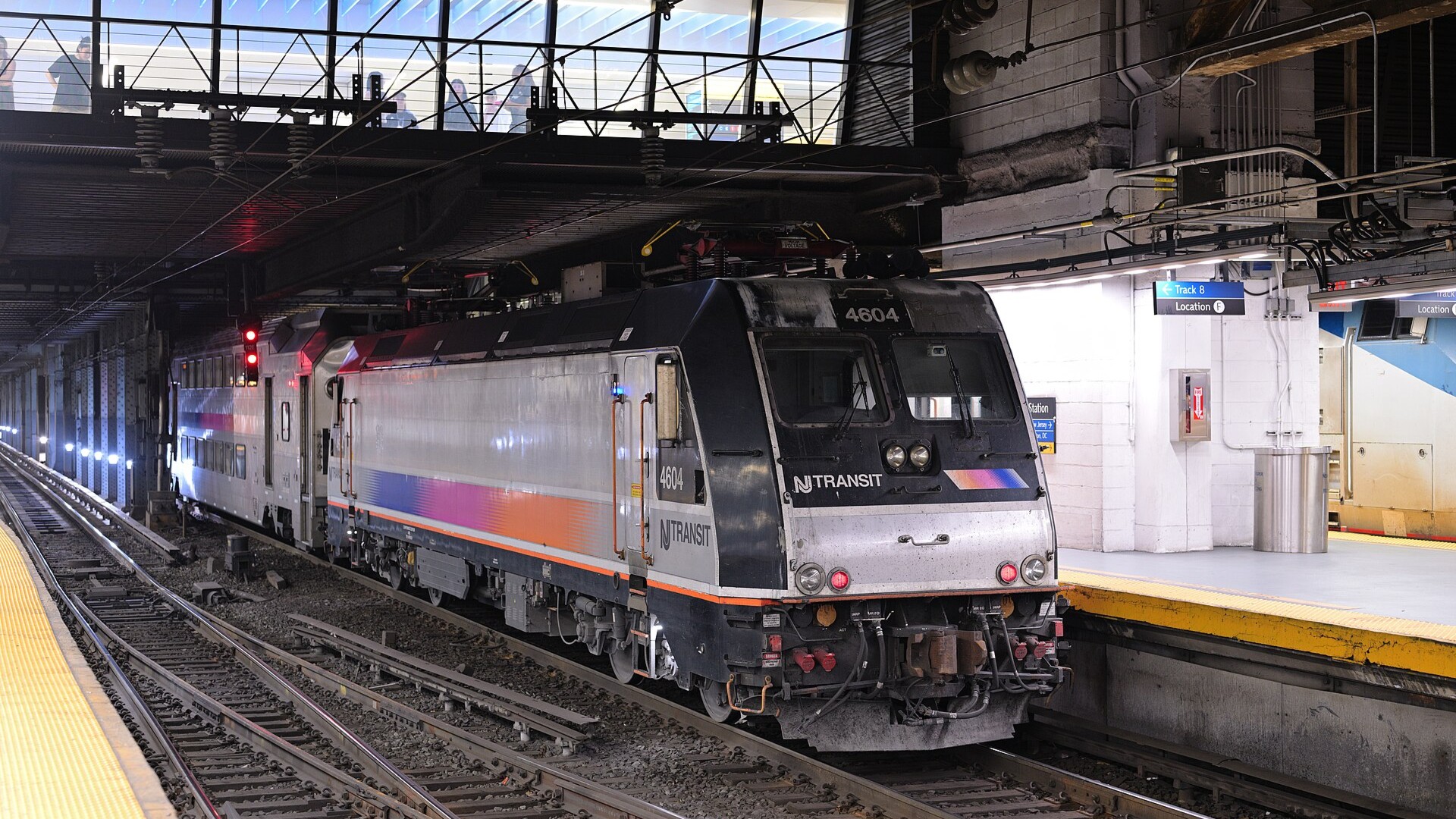
New York City operates the largest rapid transit system in the Western Hemisphere, anchored by the iconic MTA Subway. With 472 stations across four boroughs, alongside the PATH system and Staten Island Railway, the metro area sustains over eight hundred miles of mainline track carrying billions of annual transit riders
©Wikimedia / 4300streetcar
Advertisement
You've reached the end of the story. Thanks for reading!

21 Airports With Unexpected Features, From Pools to Gardens
According to Skytrax World Airport surveys and global airport authority records, modern transit hubs have evolved far beyond basic boarding gates. From rooftop swimming pools and butterfly conservatories to on-site art museums and living rainforests, explore twenty-one airports offering remarkable public amenities.
All 20 Entries in this Story
20. Phoenix, Arizona
Valley Metro Rail serves the desert Southwest with thirty miles of high-ridership light rail. Connecting downtown Phoenix with Arizona State University and historic downtown Mesa, the air-conditioned electric train network provides vital transit across one of the fastest-growing metropolitan regions in the nation.

19. Baltimore, Maryland
The Maryland Transit Administration operates two distinct urban rail networks serving metropolitan Baltimore. The Metro SubwayLink heavy rail line runs from Owings Mills into downtown healthcare campuses, while the 33-mile Light RailLink travels north-south connecting Hunt Valley with BWI Marshall Airport.

18. Pittsburgh, Pennsylvania
Pittsburgh Regional Transit operates twenty-six miles of light rail popularly known as The T. Utilizing historic streetcar corridors, subterranean city subways, and the modern North Shore Connector tunnel beneath the Allegheny River, the system provides fare-free transit throughout the Golden Triangle core.

17. Cleveland, Ohio
The Greater Cleveland Regional Transit Authority operates thirty-three route miles of rapid transit centered on Tower City Center. Cleveland Red Line made history in 1968 as the first rapid transit line in North America to serve an airport, operating alongside the historic Blue and Green light rail lines.

16. Minneapolis-Saint Paul, Minnesota
Metro Transit runs two high-ridership light rail routes across the Minneapolis-Saint Paul metropolitan area. The Blue Line connects downtown Minneapolis with the airport and Mall of America, while the Green Line travels along University Avenue to unite the twin downtowns, serving the University of Minnesota campus.

15. Salt Lake City, Utah
Utah Transit Authority operates forty-two miles of light rail under the TRAX banner across the Salt Lake Valley. Originally built for the 2002 Winter Olympics, the Blue, Red, and Green lines connect Salt Lake City International Airport with downtown sports arenas, the University of Utah, and south valley communities.

14. Miami, Florida
Miami-Dade County operates a dual elevated rail network providing fast transit above crowded coastal streets. The 24.4-mile heavy rail Metrorail connects Miami International Airport and downtown with southern suburbs, while the automated electric Metromover circulates through downtown and Brickell free of fare.

13. Atlanta, Georgia
The Metropolitan Atlanta Rapid Transit Authority operates forty-eight route miles of heavy rail subway and elevated transit across Fulton and DeKalb counties. Four color-coded lines intersect at the central Five Points Station, providing direct passenger rail access into Hartsfield-Jackson Atlanta International Airport

12. Seattle, Washington
Sound Transit operates Link Light Rail across Puget Sound, providing high-capacity grade-separated transit through tunnels, elevated viaducts, and surface tracks. Connecting Northgate, downtown Seattle, and Seattle-Tacoma International Airport, Link continues a historic regional expansion to Bellevue and Lynnwood.

11. Denver, Colorado
Denver Regional Transportation District constructed one of the most comprehensive modern rail networks through its FasTracks voter initiative. Spanning more than one hundred total miles, the system blends six light rail corridors with four electrified commuter rail lines radiating from historic Denver Union Station.

10. Portland, Oregon
Portland transit agency TriMet operates sixty miles of urban light rail under the Metropolitan Area Express network. Opened in 1986, the Blue, Red, Yellow, Green, and Orange lines radiate from downtown Portland, providing high-frequency transit to suburban centers, Gresham, Beaverton, Hillsboro, and the airport.

9. San Diego, California
Inaugurated in 1981 as the spark that launched modern American light rail, the San Diego Trolley spans sixty-five miles of revenue track. Operated by the Metropolitan Transit System, the Blue, Orange, and Green lines link the Mexican border at San Ysidro with downtown, Balboa Park, and university campuses.

8. Dallas, Texas
Dallas Area Rapid Transit runs ninety-three miles of light rail on four interlined routes: Red, Blue, Green, and Orange. The DART network serves sixty-five stations across North Texas, linking downtown Dallas with regional employment hubs, medical centers, and Dallas Fort Worth International Airport.

7. Los Angeles, California
Los Angeles has executed an ambitious transit expansion, transforming its car-dominated landscape into a rail powerhouse. LA Metro operates the B and D subway lines alongside the newly connected A, C, E, and K light rail lines, creating the longest continuous light rail route in the world spanning over forty-nine miles

6. Philadelphia, Pennsylvania
Philadelphia's transit network combines rail modes under SEPTA Metro and the Delaware River Port Authority. The Market-Frankford Line and Broad Street subway anchor the city grid, while five subway-surface streetcar lines and the Norristown High Speed Line extend transit into neighboring Delaware County.

5. San Francisco Bay Area, California
The Bay Area relies on two interconnected urban rail networks. BART provides high-speed regional heavy rail through the underwater Transbay Tube between San Francisco and the East Bay, while San Francisco Municipal Railway operates six Muni Metro light rail lines and historic streetcars across dense city hills.

4. Boston, Massachusetts
Home to America first subway tunnel opened beneath Tremont Street in 1897, the Massachusetts Bay Transportation Authority runs a dense multimodal rail network. The Red, Orange, and Blue heavy rail subways interconnect with four branching Green Line light rail routes and the modern Mattapan streetcar line.

3. Chicago, Illinois
Operated by the Chicago Transit Authority, the legendary Chicago L has served the Windy City since 1892. Eight rapid transit routes converge on the historic downtown elevated quadrangle, operating around the clock on Blue and Red lines to connect major neighborhoods, Midway, and O'Hare Airport.

2. Washington, D.C.
The Washington Metro stands as the second-busiest rapid transit system in the United States, linking the federal district with populous suburban counties. Known for monumental vaulted concrete stations, the six color-coded lines provide high-speed transit connectivity to Dulles and Reagan National airports.

1. New York City, New York
New York City operates the largest rapid transit system in the Western Hemisphere, anchored by the iconic MTA Subway. With 472 stations across four boroughs, alongside the PATH system and Staten Island Railway, the metro area sustains over eight hundred miles of mainline track carrying billions of annual transit riders