Slideshow · Viral
20 US Presidents Who Were Lawyers Before Politics
Twenty-six American commanders in chief practiced law before reaching the presidency. Ranked by trial impact, scholarship, and courtroom mastery, this countdown highlights the finest legal careers in presidential history. Historical records sourced from the White House Historical Association and Library of Congress.
By Most Viral Today
47 min ago

Which legal minds shaped the courtroom before leading the nation? 
20. Calvin Coolidge 
19. Franklin Pierce 
18. Millard Fillmore - AdvertisementSwipe or tap ▶ to continue countdown

17. William McKinley 
16. Grover Cleveland 
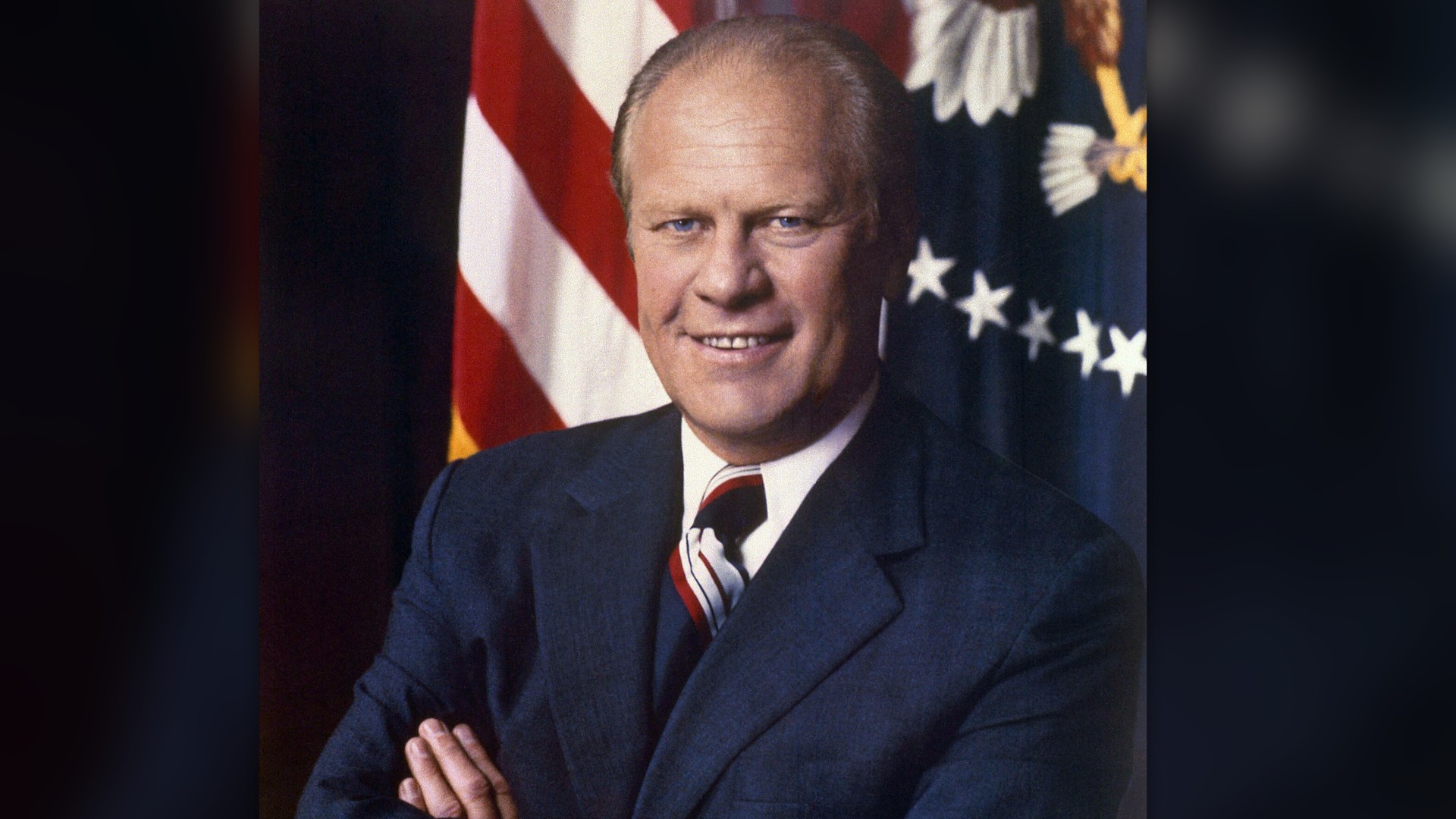
15. Gerald Ford 
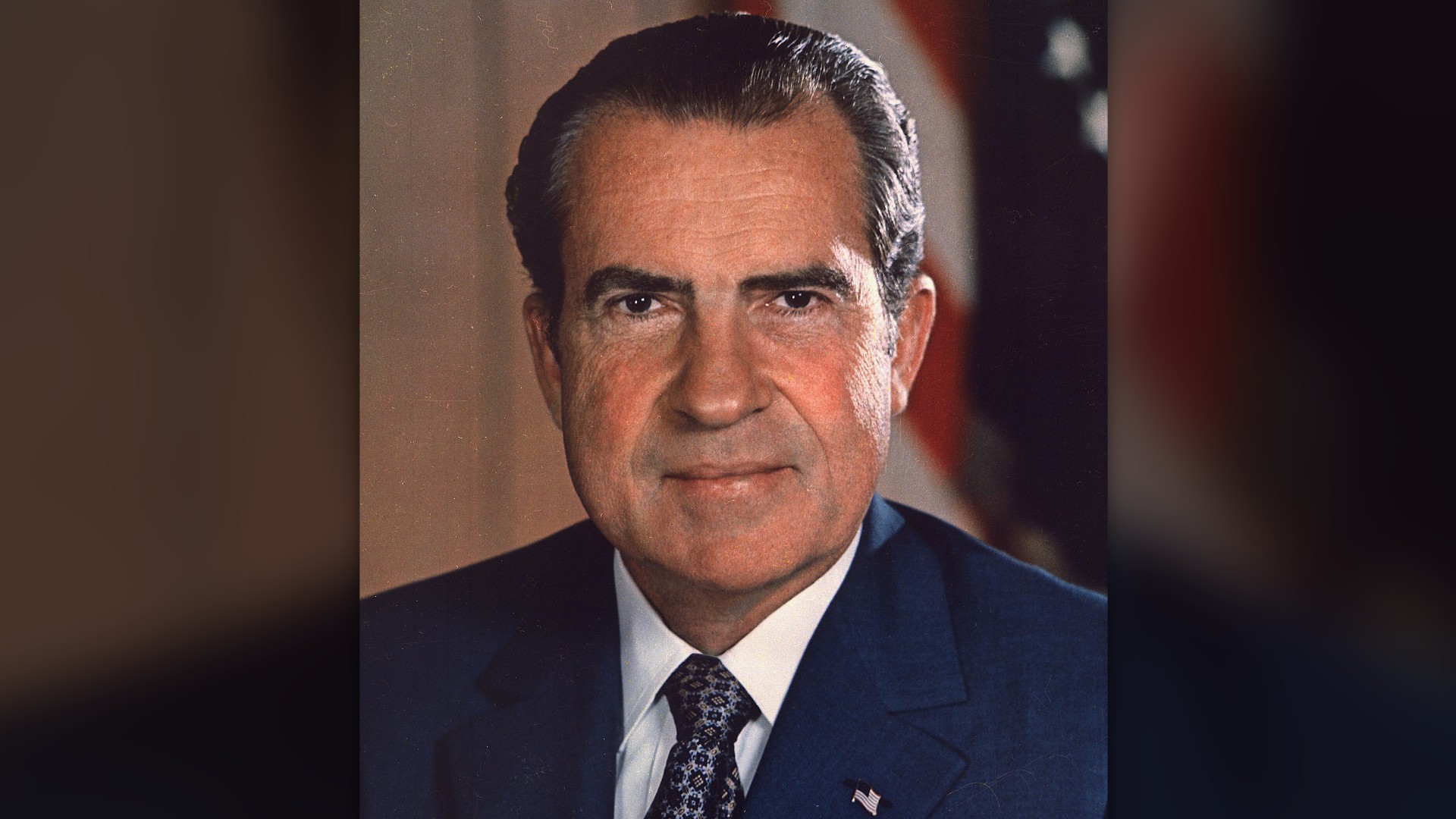
14. Richard Nixon - AdvertisementSwipe or tap ▶ to continue countdown

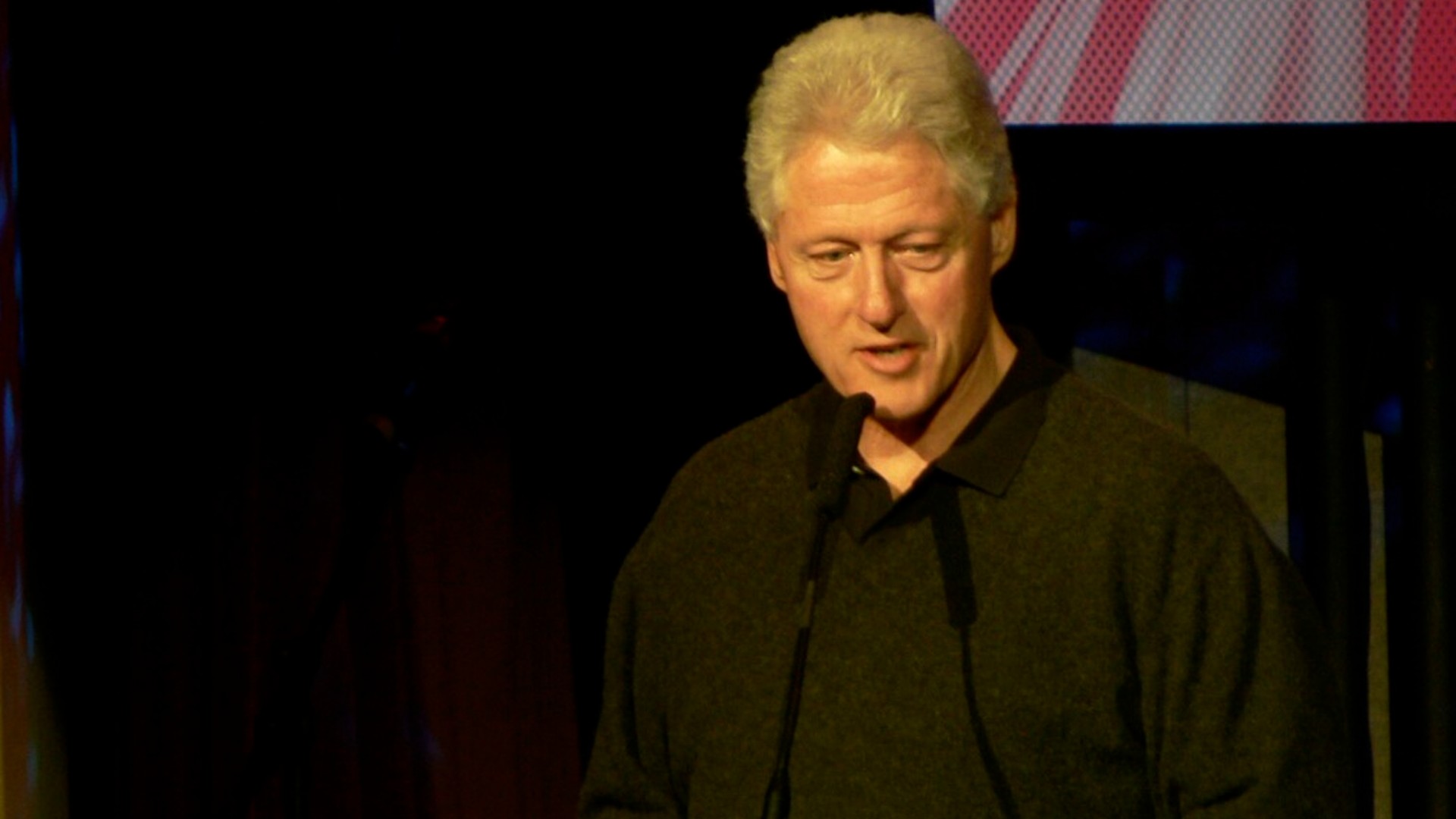
13. Bill Clinton 
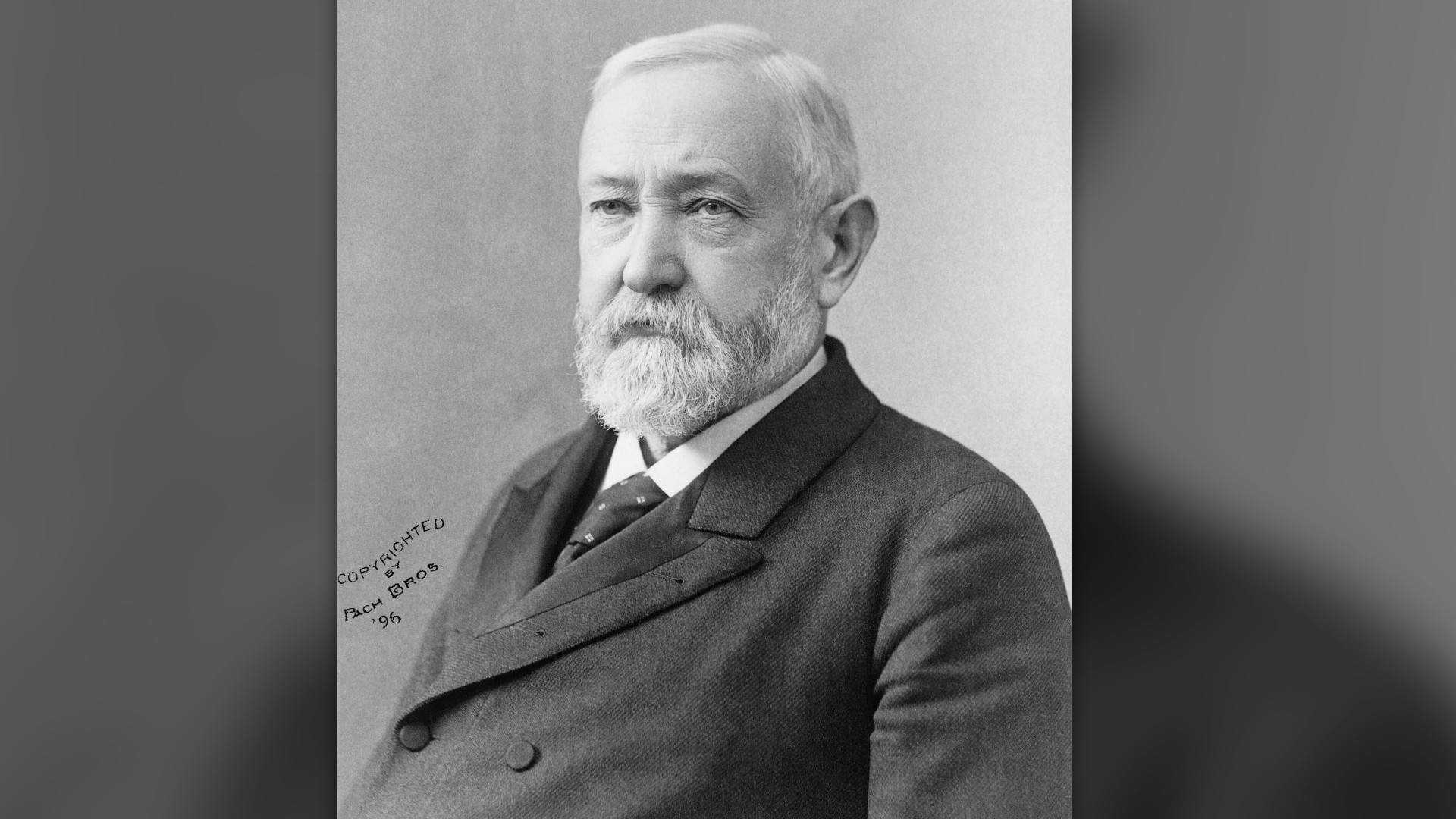
12. Benjamin Harrison 
11. Martin Van Buren 
10. Chester A. Arthur - AdvertisementSwipe or tap ▶ to continue countdown

9. James A. Garfield 
8. Rutherford B. Hayes 
7. Andrew Jackson 
6. Thomas Jefferson - AdvertisementSwipe or tap ▶ to continue countdown

5. John Quincy Adams 
4. William Howard Taft 
3. John Adams 
2. Barack Obama - AdvertisementSwipe or tap ▶ to continue countdown

1. Abraham Lincoln - Advertisement🔥 UP NEXT IN THIS SERIES◫ 21 Slides

20 Most Reliable Car Brands, Ranked by Owner Surveys
Every year, thousands of verified motorists report real mechanical issues with their vehicles. Ranked using verified driver feedback from the 2026 J.D. Power U.S. Vehicle Dependability Study, this countdown reveals how twenty major automakers stack up for lasting build quality after three years on the road.
Twenty-six American commanders in chief practiced law before reaching the presidency. Ranked by trial impact, scholarship, and courtroom mastery, this countdown highlights the finest legal careers in presidential history. Historical records sourced from the White House Historical Association and Library of Congress.
Swipe or tap ▶ to begin the countdown
©Wikimedia / WDKrause
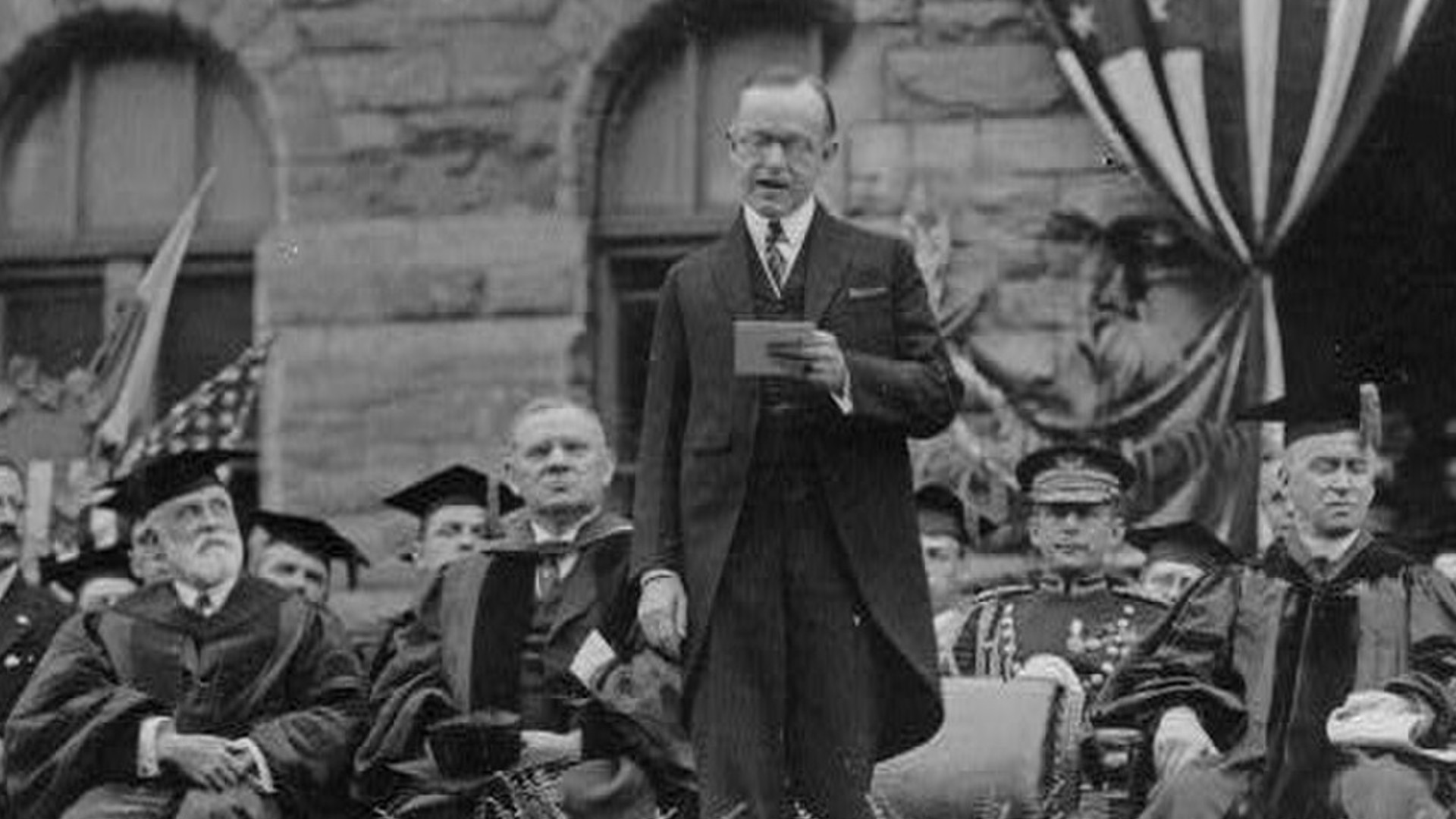
20. Calvin Coolidge
Coolidge studied law under John C. Hammond and gained admission to the Massachusetts bar in 1897. He opened a solo practice in Northampton, handling title searches, wills, and commercial disputes. His meticulous legal work won the confidence of local merchants and community leaders.
©Wikimedia / National Photo Company Collection
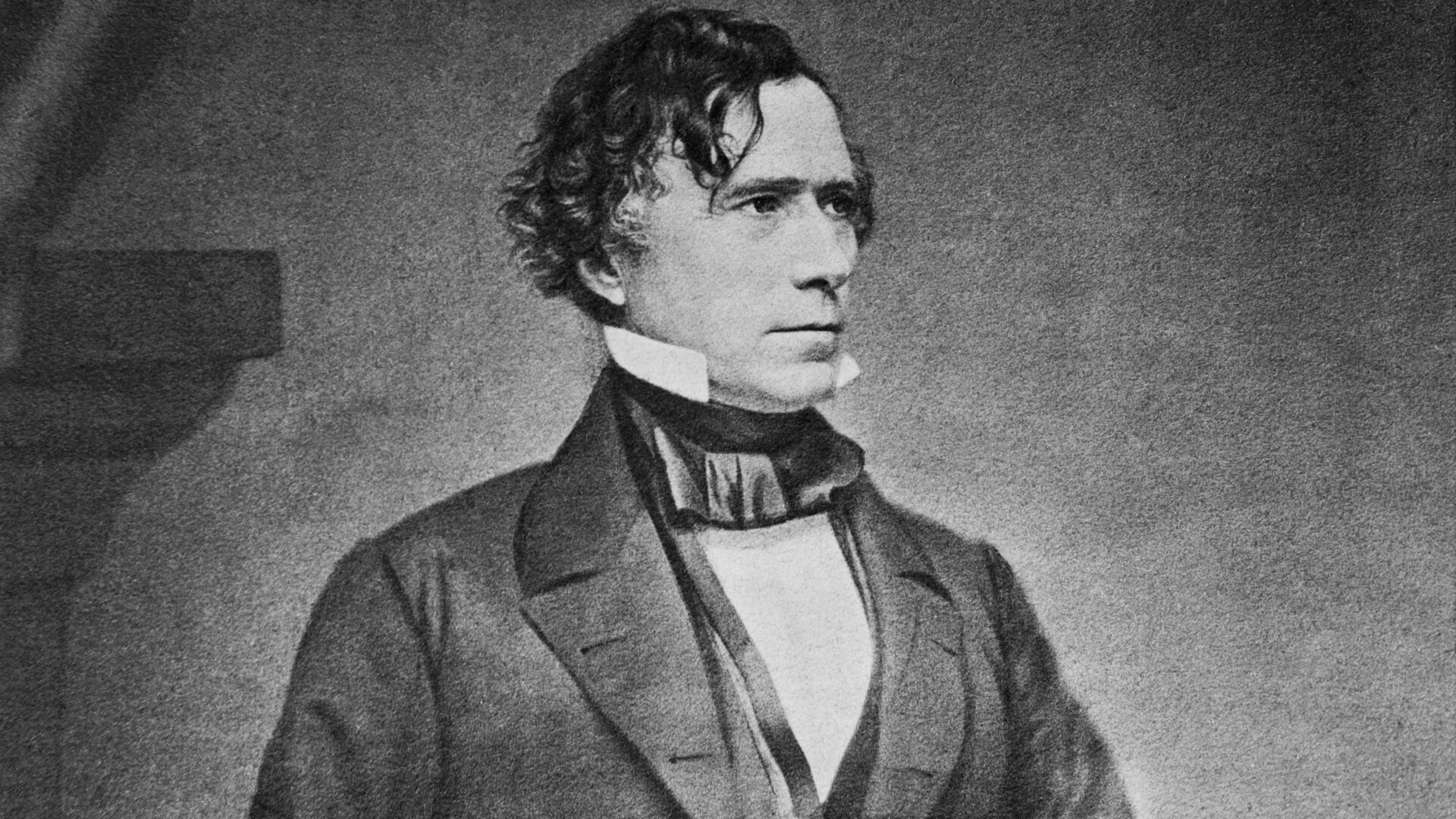
19. Franklin Pierce
Pierce read law under Levi Woodbury and gained admission to the bar in 1827. He partnered with Asa Fowler in Concord, handling difficult civil and criminal cases across Hillsborough County. Contemporaries praised his emotional courtroom appeal, even when opposing counsel possessed greater technical knowledge.
©Wikimedia / Mathew Benjamin Brady / Adam Cuerden
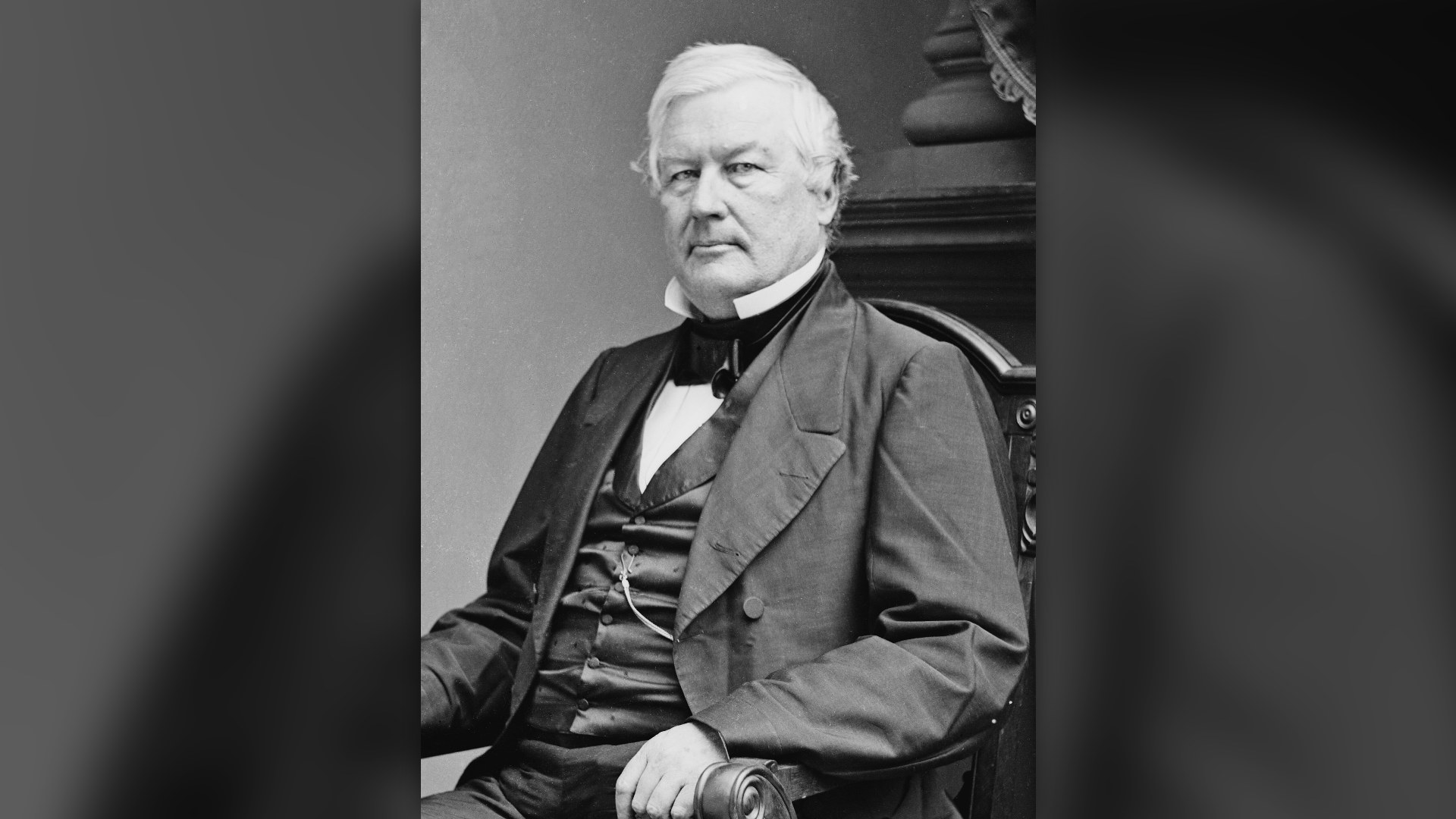
18. Millard Fillmore
Fillmore clerked in Buffalo and gained bar admission in 1823. He later co-founded the firm Fillmore, Hall and Haven, which grew into one of western New York highest earning legal partnerships. His commercial contracts and chancery pleadings earned him widespread respect across the state bar.
©Wikimedia / Mathew Benjamin Brady
Advertisement
Swipe or tap ▶ to resume the countdown.
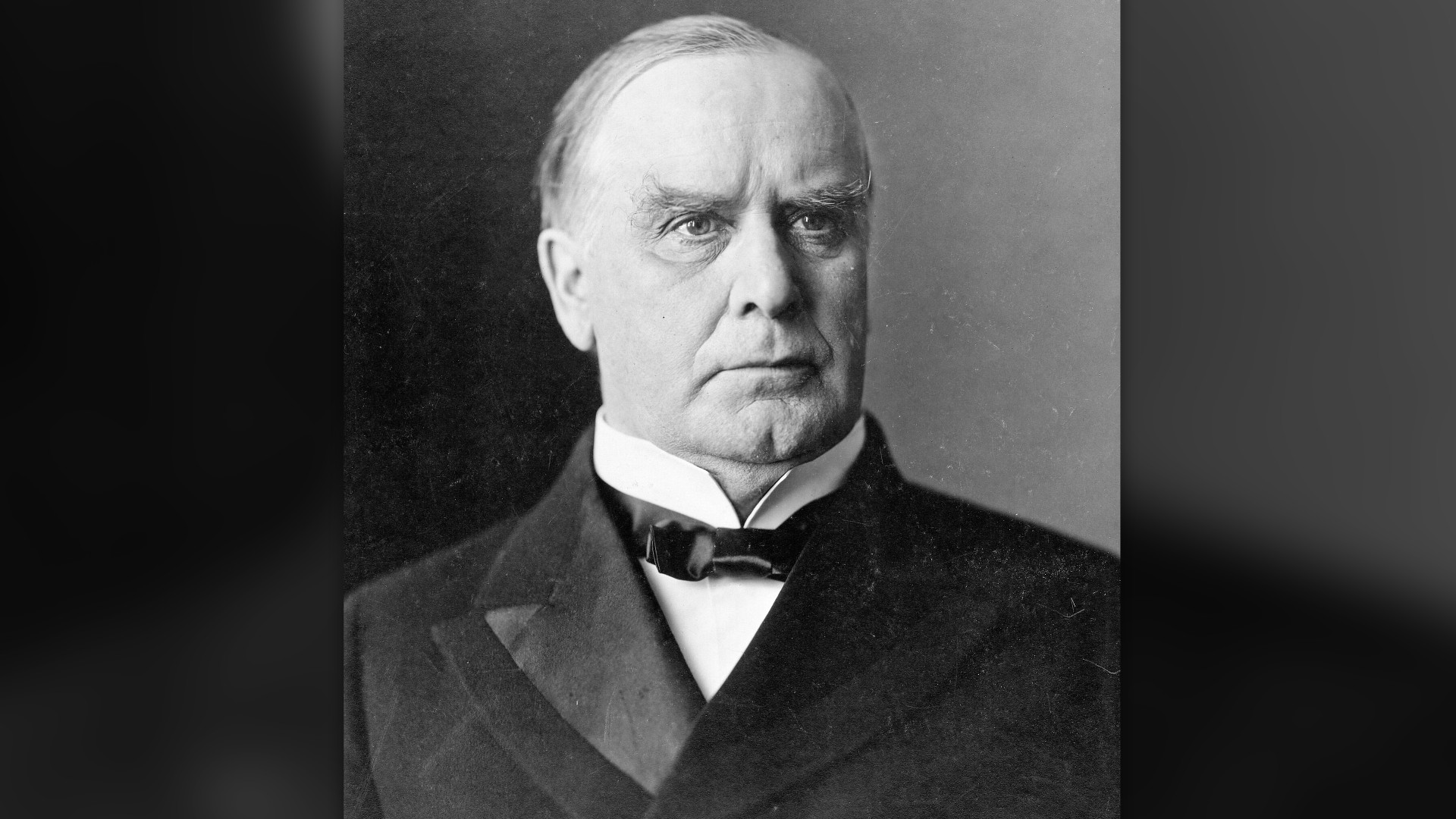
17. William McKinley
McKinley graduated from Albany Law School in 1867 and passed the Ohio bar that same year. He opened an office in Canton and won election as Stark County prosecuting attorney in 1869. He earned high marks for courtroom composure, successfully prosecuting complex criminal indictments.
©Wikimedia / William McKinley
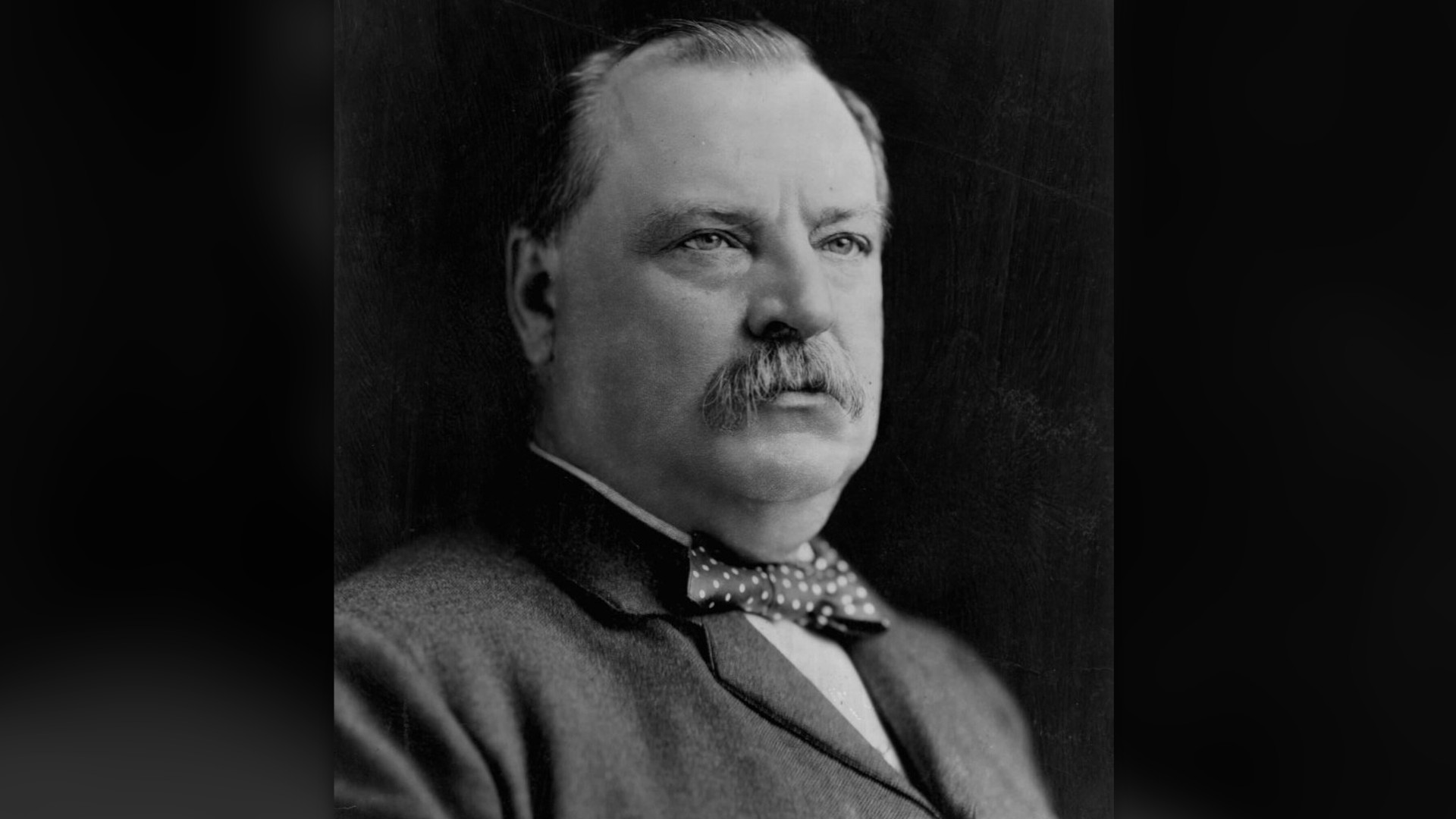
16. Grover Cleveland
Admitted to the New York bar in 1859, Cleveland served as assistant district attorney for Erie County during the Civil War. He later co-founded Bass, Cleveland and Bissell in Buffalo. Colleague reports documented his habit of reviewing witness depositions until dawn before morning trials.
©Wikimedia / Grover Cleveland
15. Gerald Ford
Ford earned his degree from Yale Law School in 1941, graduating in the top third of his class while coaching boxing. He returned home to Grand Rapids, Michigan, co-founding the firm Buchen and Ford. His early legal career focused on labor contracts, real estate, and municipal ordinance disputes.
©Wikimedia / Gerald Ford
14. Richard Nixon
Nixon graduated third in his class from Duke University School of Law in 1937. He joined the firm Wingert and Bewley in Whittier, California, managing municipal litigation, local tax appeals, and estate administration. His thorough preparation and aggressive cross-examinations impressed senior partners.
©Wikimedia / Richard Nixon
Advertisement
Swipe or tap ▶ to resume the countdown.
13. Bill Clinton
Clinton earned his Juris Doctor from Yale Law School in 1973, where he met fellow classmate Hillary Rodham. He joined the faculty at the University of Arkansas School of Law in Fayetteville, teaching antitrust and criminal law before winning election as Arkansas Attorney General in 1976.
©Wikimedia / advencap
12. Benjamin Harrison
Harrison gained admission to the Indiana bar in 1854 and formed a prominent Indianapolis firm. He served as reporter for the Indiana Supreme Court, publishing official case decisions. By the 1880s, corporate clients paid him substantial retainers to argue complex federal appeals in Washington.
©Wikimedia / Adam Cuerden
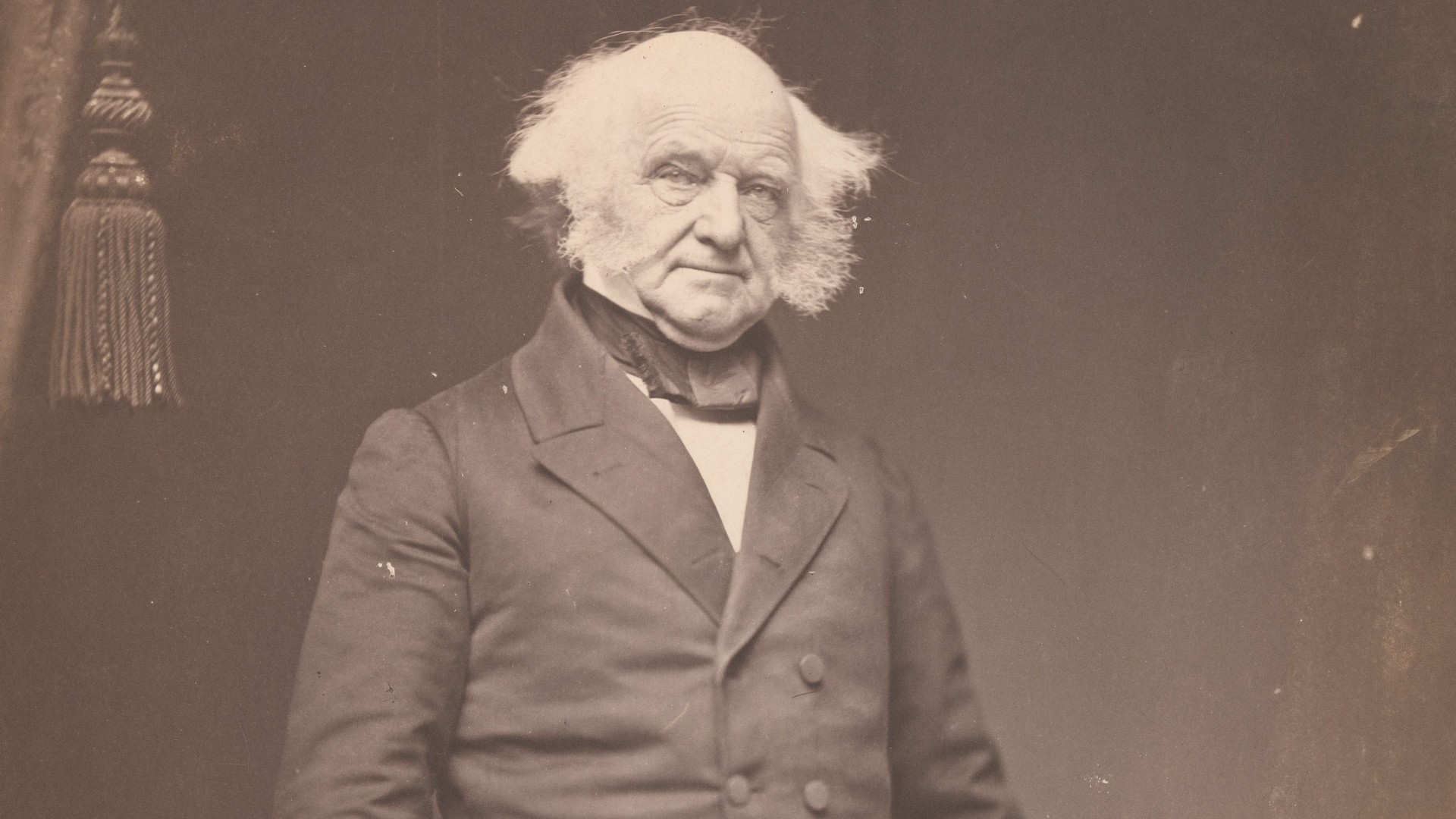
11. Martin Van Buren
Van Buren completed a rigorous seven-year legal apprenticeship before passing the New York bar in 1803. He practiced in Kinderhook and Hudson, specializing in land title disputes and commercial litigation. He served as New York Attorney General from 1815 to 1819, shaping early state jurisprudence.
©The Met / Mathew B. Brady
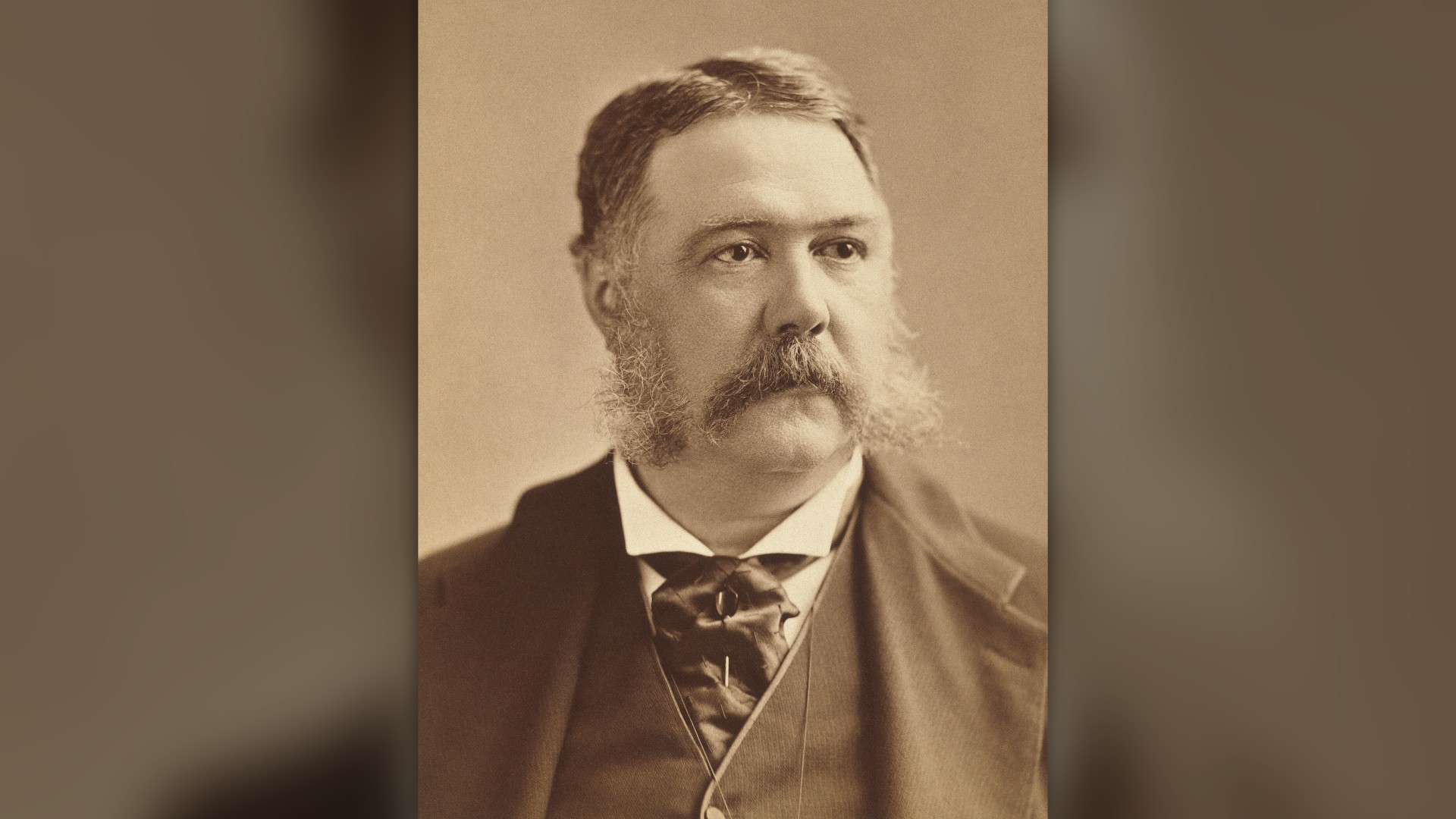
10. Chester A. Arthur
Arthur was admitted to the New York bar in 1854. In 1855, he successfully represented Elizabeth Jennings Graham after she was ejected from a segregated streetcar, leading to the desegregation of New York transit. He also helped secure freedom for enslaved people in the landmark 1860 Lemmon slave case.
©Wikimedia / Abraham Bogardus / Adam Cuerden
Advertisement
Swipe or tap ▶ to resume the countdown.
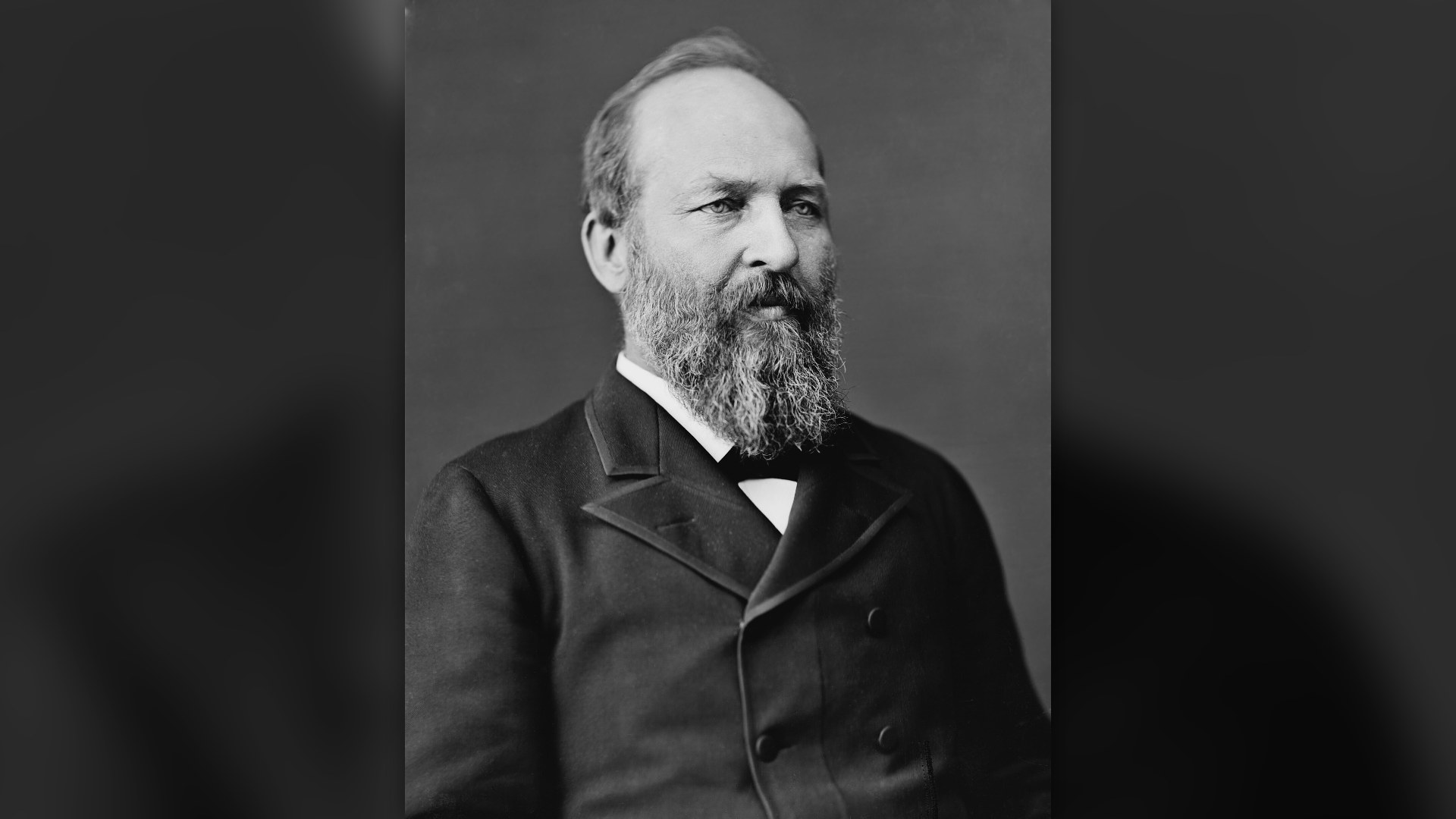
9. James A. Garfield
Garfield read law independently and gained admission to the Ohio bar in 1860. In 1866, he argued Ex parte Milligan before the US Supreme Court without having tried a prior federal case. The justices adopted his argument, ruling that military tribunals cannot try civilians where civilian courts function.
©Wikimedia / This image is available from the United States L
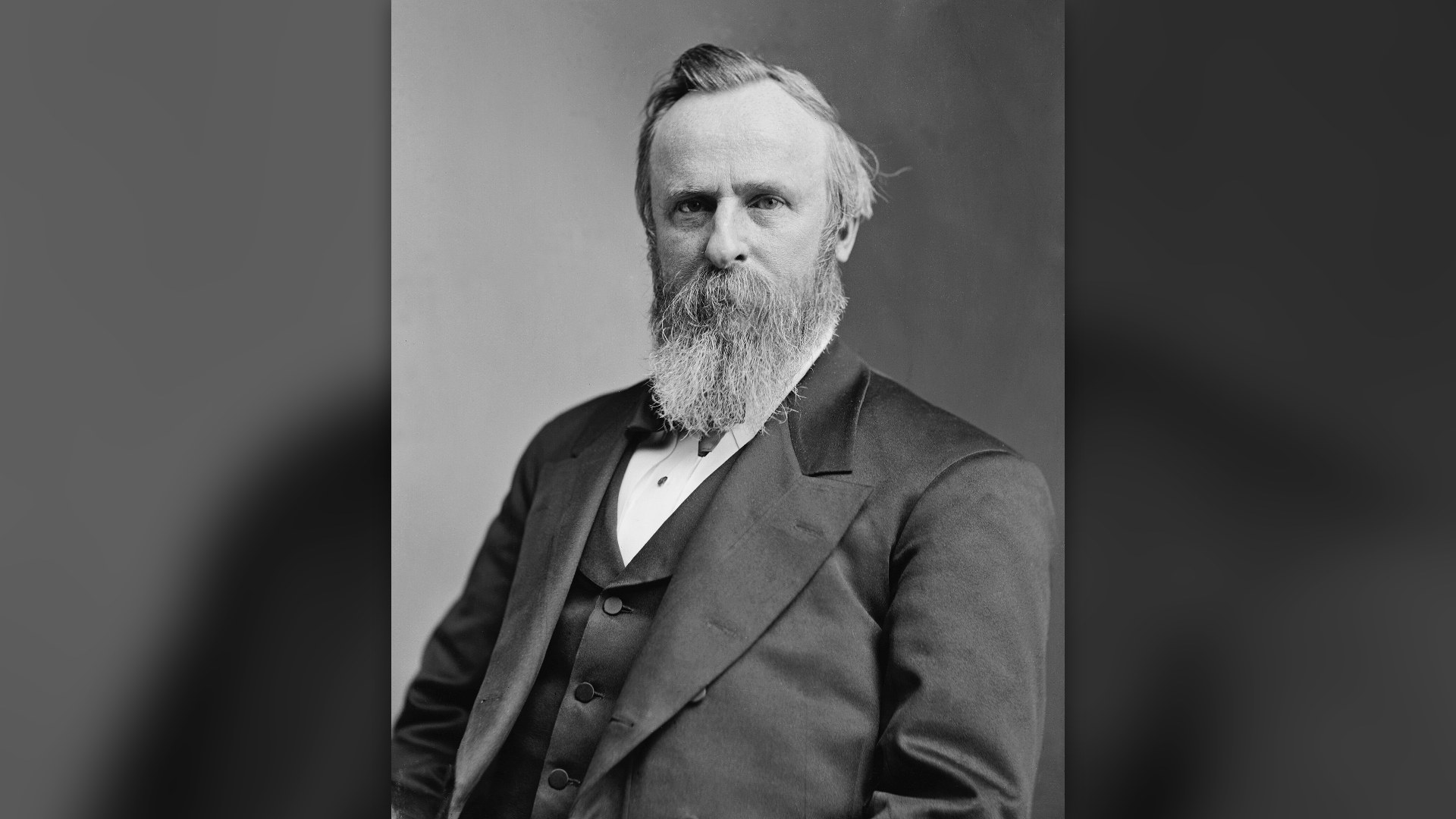
8. Rutherford B. Hayes
Hayes graduated from Harvard Law School in 1845 and established an active practice in Cincinnati, Ohio. He regularly defended escaped enslaved people in federal court under the Fugitive Slave Act of 1850. In 1858, the city council elected him Cincinnati city solicitor due to his legal standing.
©Wikimedia / Mathew Benjamin Brady
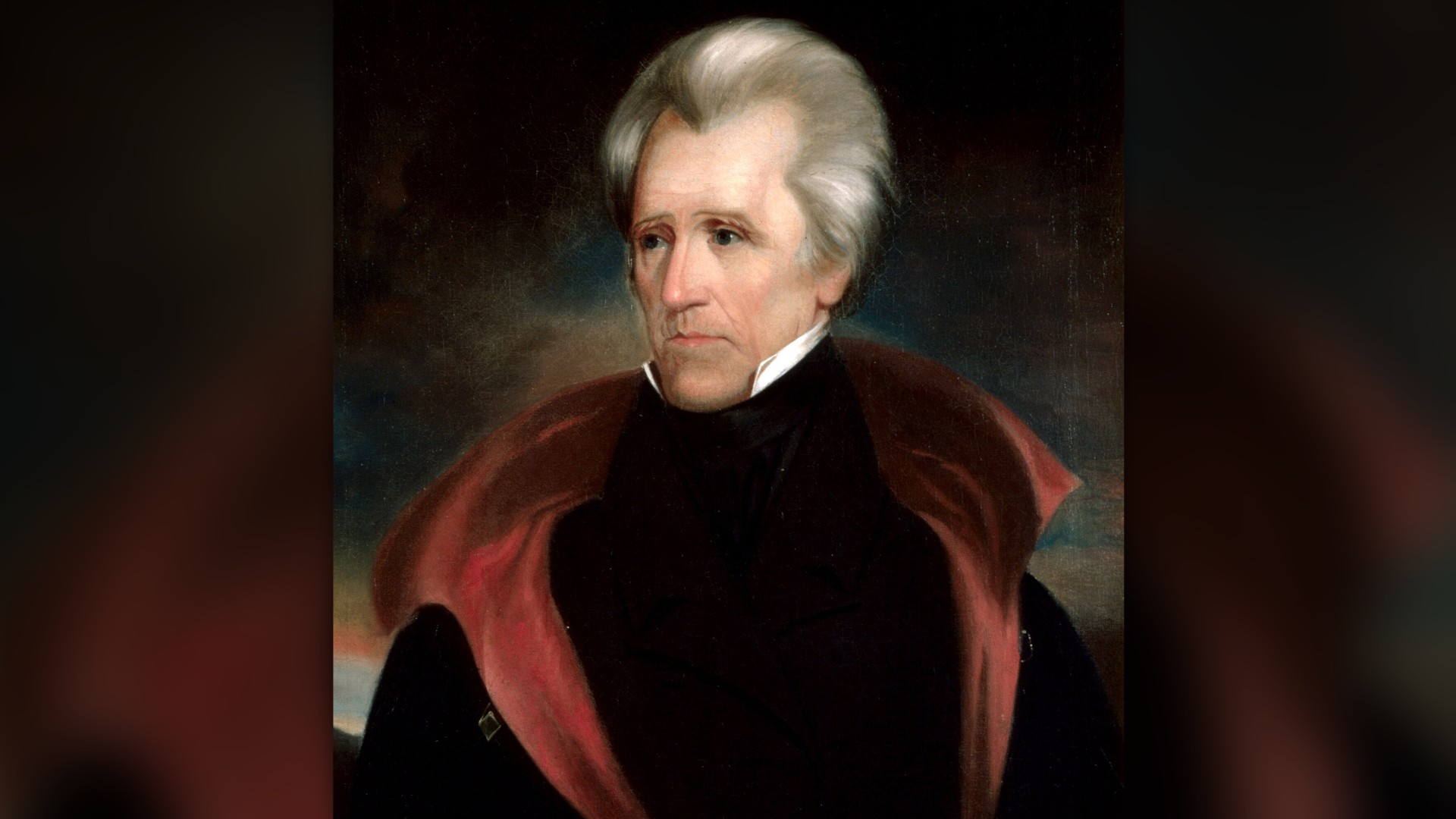
7. Andrew Jackson
Jackson read law in Salisbury, North Carolina, and earned his license in 1787. He was appointed public prosecutor for the western district of North Carolina, covering modern-day Tennessee. He prosecuted hundreds of boundary, assault, and property actions, later serving on the Tennessee Superior Court.
©Wikimedia / Andrew Jackson
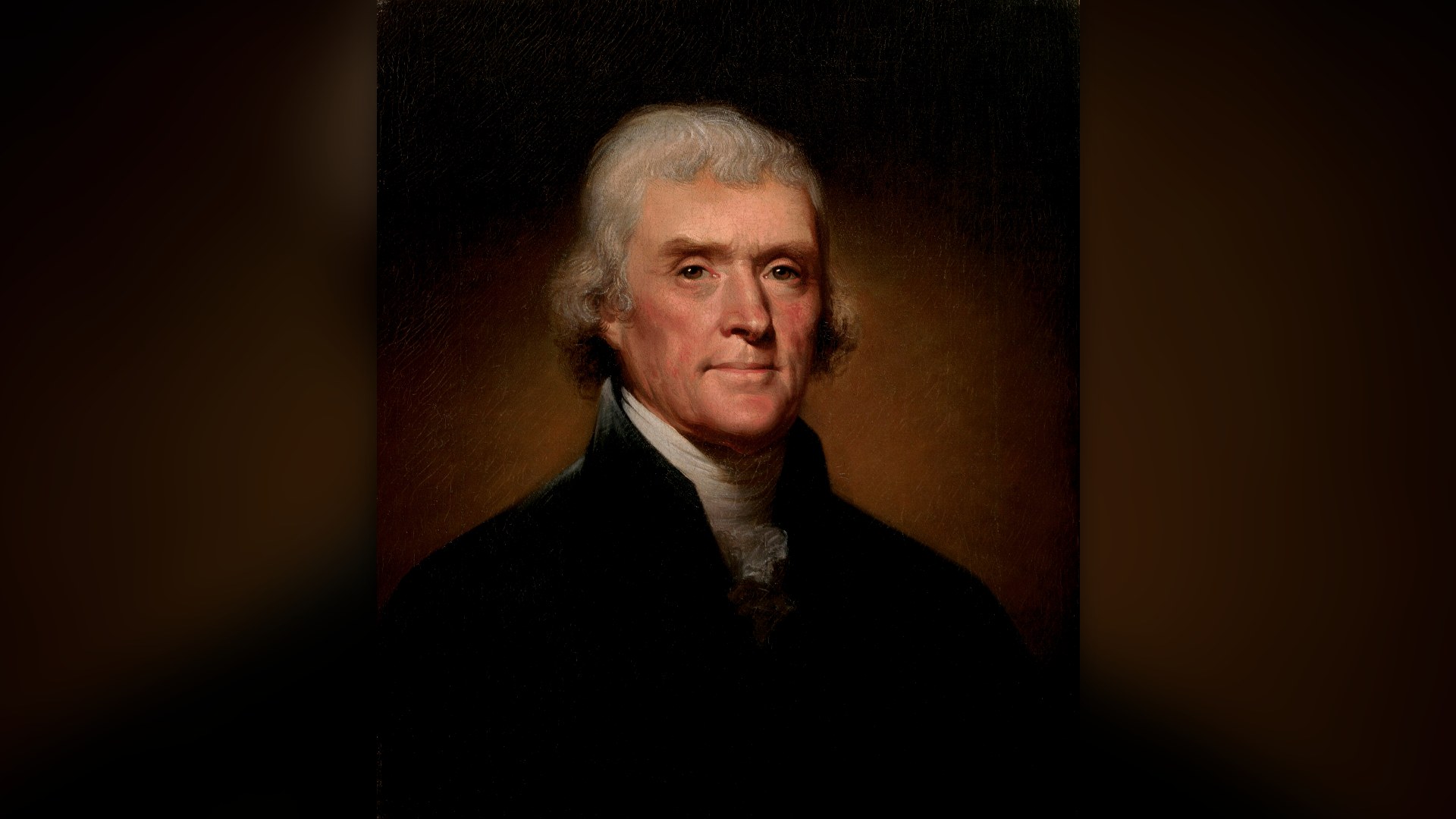
6. Thomas Jefferson
Jefferson trained under George Wythe and was admitted to the Virginia bar in 1767. Between 1767 and 1774, he argued approximately 900 cases before the General Court in Williamsburg. He utilized this deep legal knowledge to draft the Virginia Statute for Religious Freedom and the Declaration of Independence.
©Wikimedia / Rembrandt Peale
Advertisement
Swipe or tap ▶ to resume the countdown.
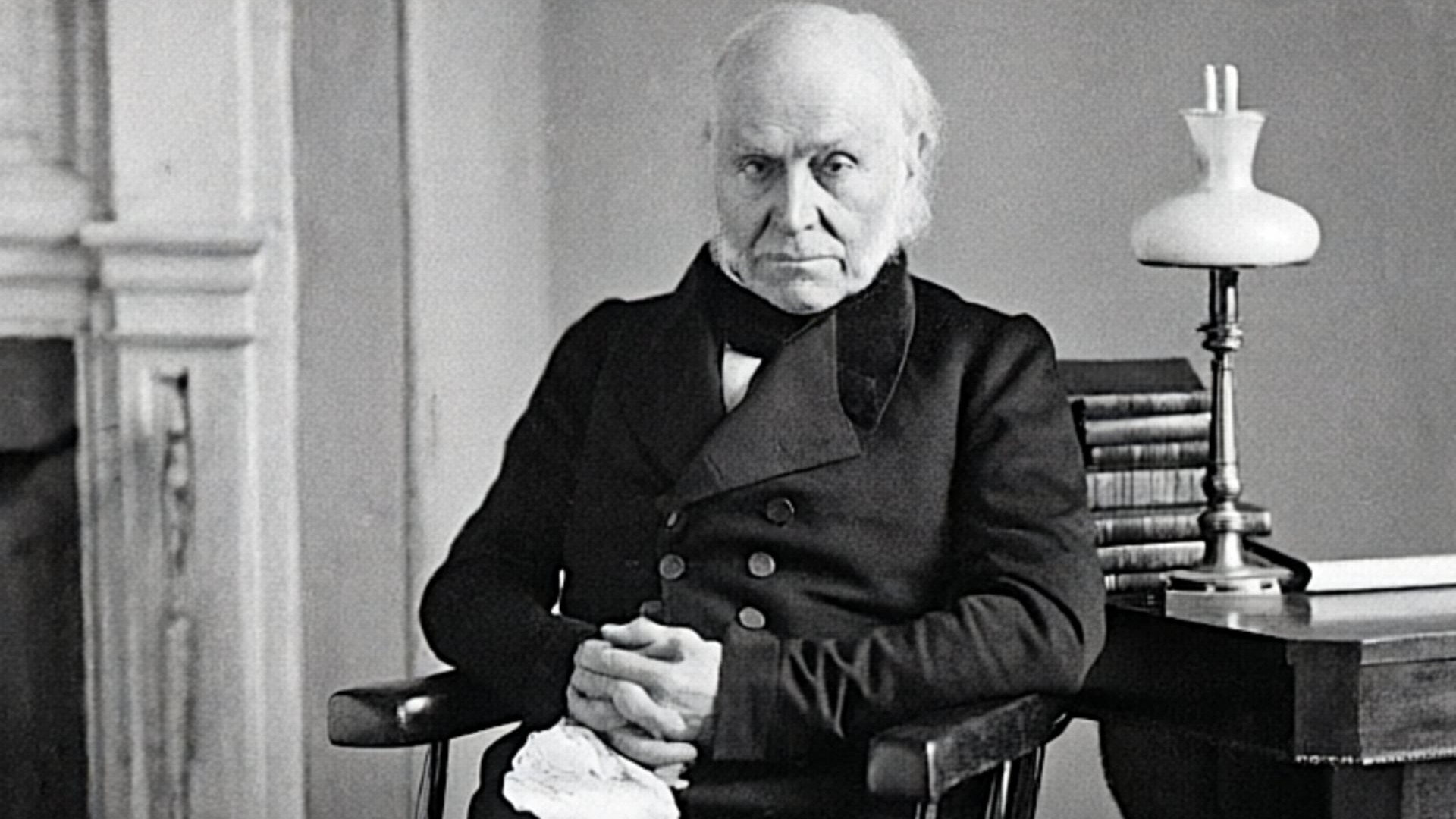
5. John Quincy Adams
Adams apprenticed under Theophilus Parsons and gained admission to the Massachusetts bar in 1790. Decades after his presidency, he returned to the courtroom in 1841 to defend the captured African captives of the slave ship Amistad. His passionate oral argument persuaded the Supreme Court to grant their freedom.
©Wikimedia / Philip Haas / Josiah Johnson Hawes / Albert Sout
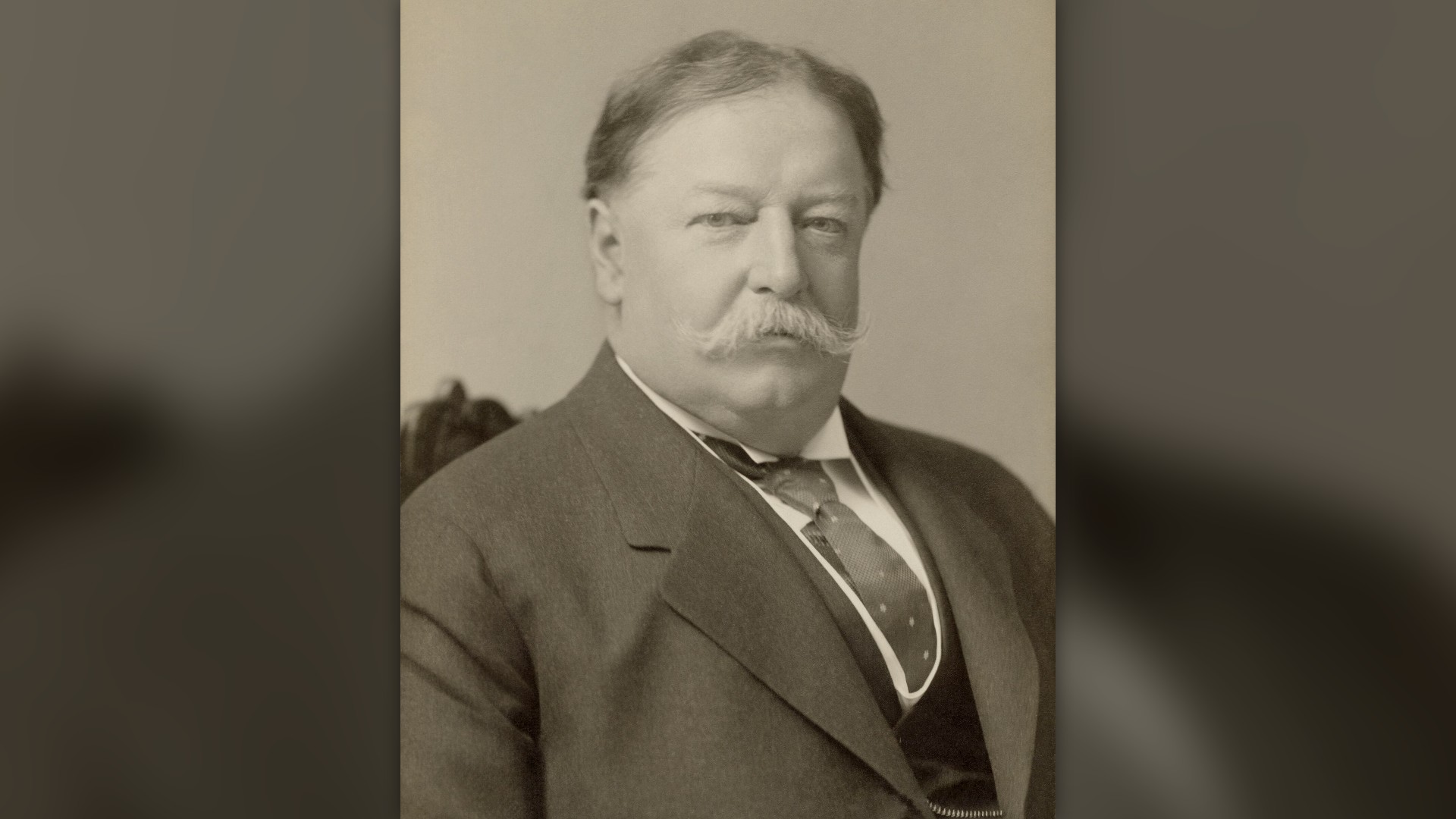
4. William Howard Taft
Taft graduated from Cincinnati Law School in 1880. He worked as an assistant county prosecutor, Ohio Superior Court judge, and US Solicitor General before serving as federal circuit judge. In 1921, President Harding appointed him Tenth Chief Justice, completing a legendary fifty-year legal career.
©Wikimedia / William Howard Taft
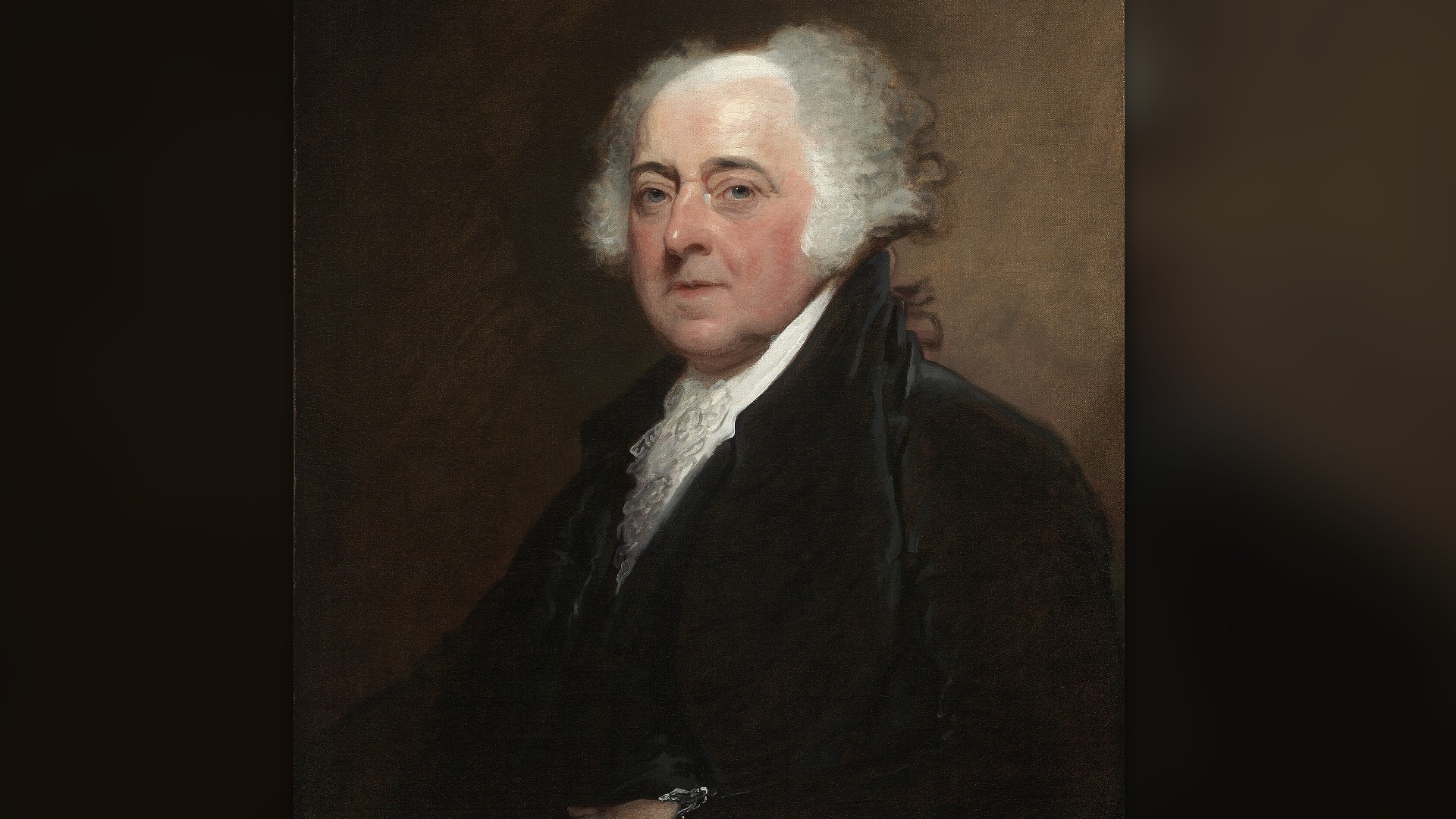
3. John Adams
Adams graduated from Harvard College and gained admission to the Massachusetts bar in 1759. In 1770, he risked his public reputation by defending the British soldiers charged in the Boston Massacre, securing acquittals for six of eight defendants. His defense proved that the rule of law governed colonial trials.
©Wikimedia / John Adams
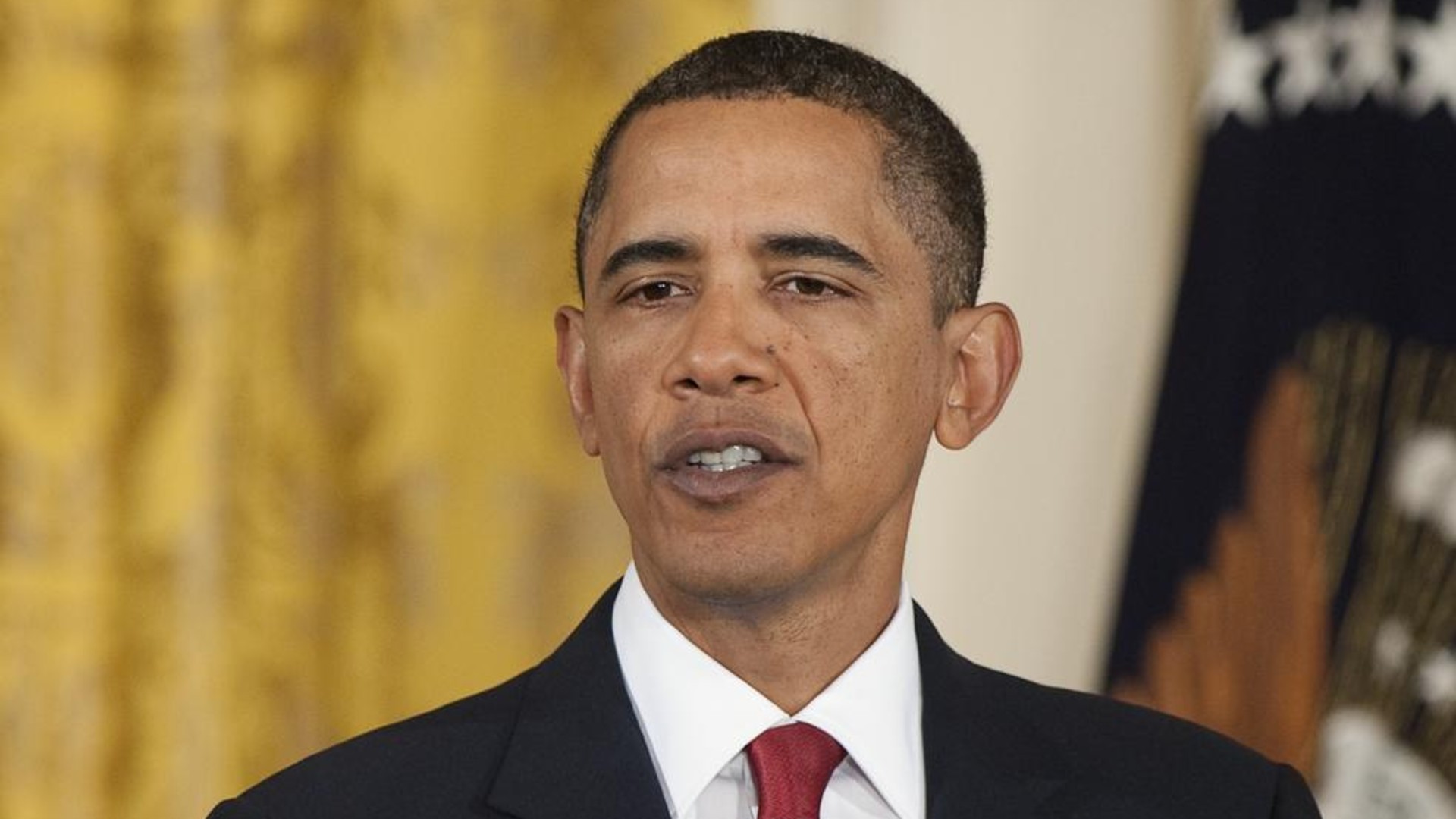
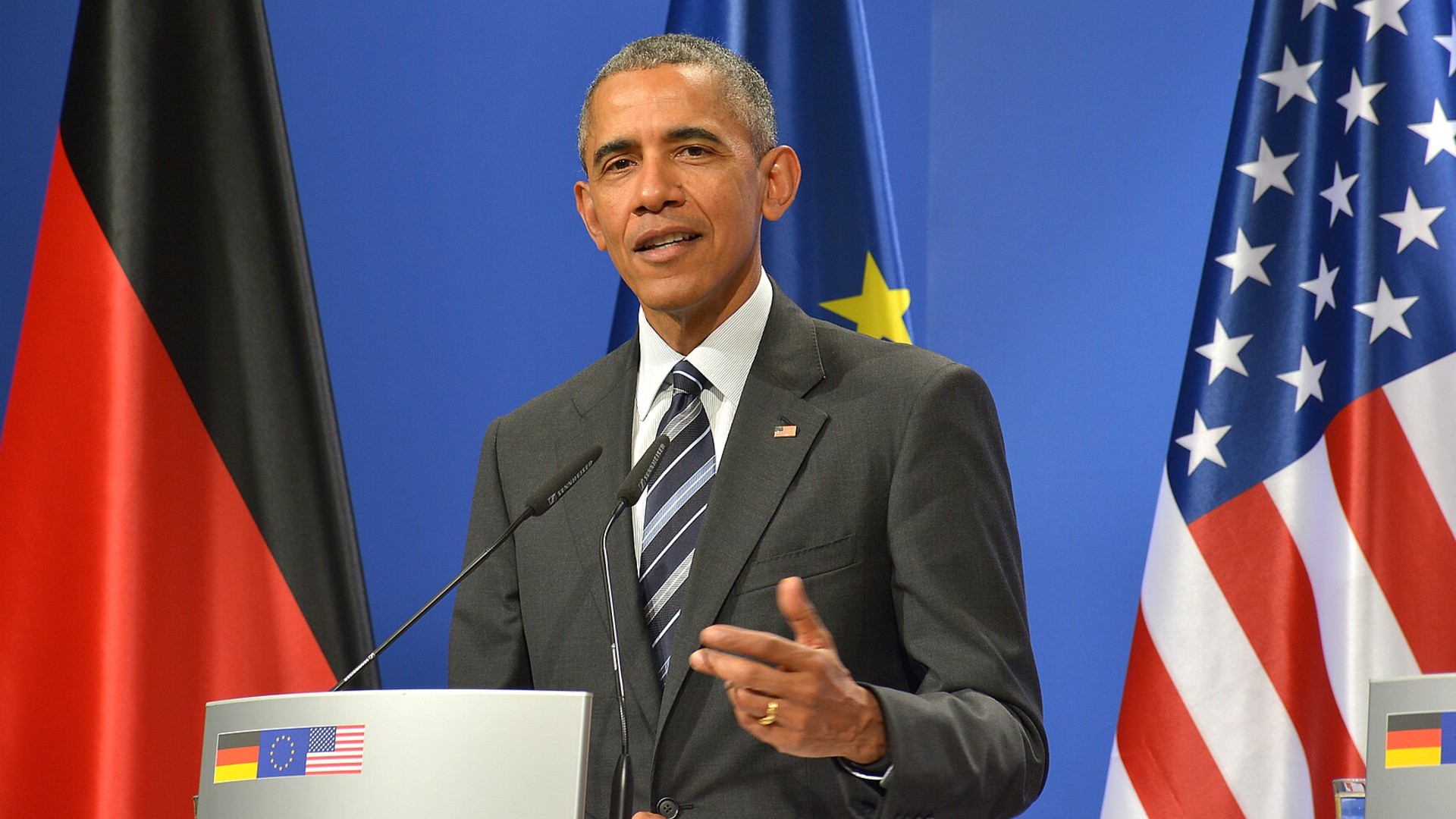
2. Barack Obama
Obama graduated magna cum laude from Harvard Law School in 1991 after serving as president of the Harvard Law Review. He joined the Chicago firm Davis, Miner, Barnhill and Galland in 1993, litigating voting rights and employment discrimination cases, while teaching constitutional law for twelve years.
©NASA / Bill Ingalls
Advertisement
Swipe or tap ▶ to resume the countdown.
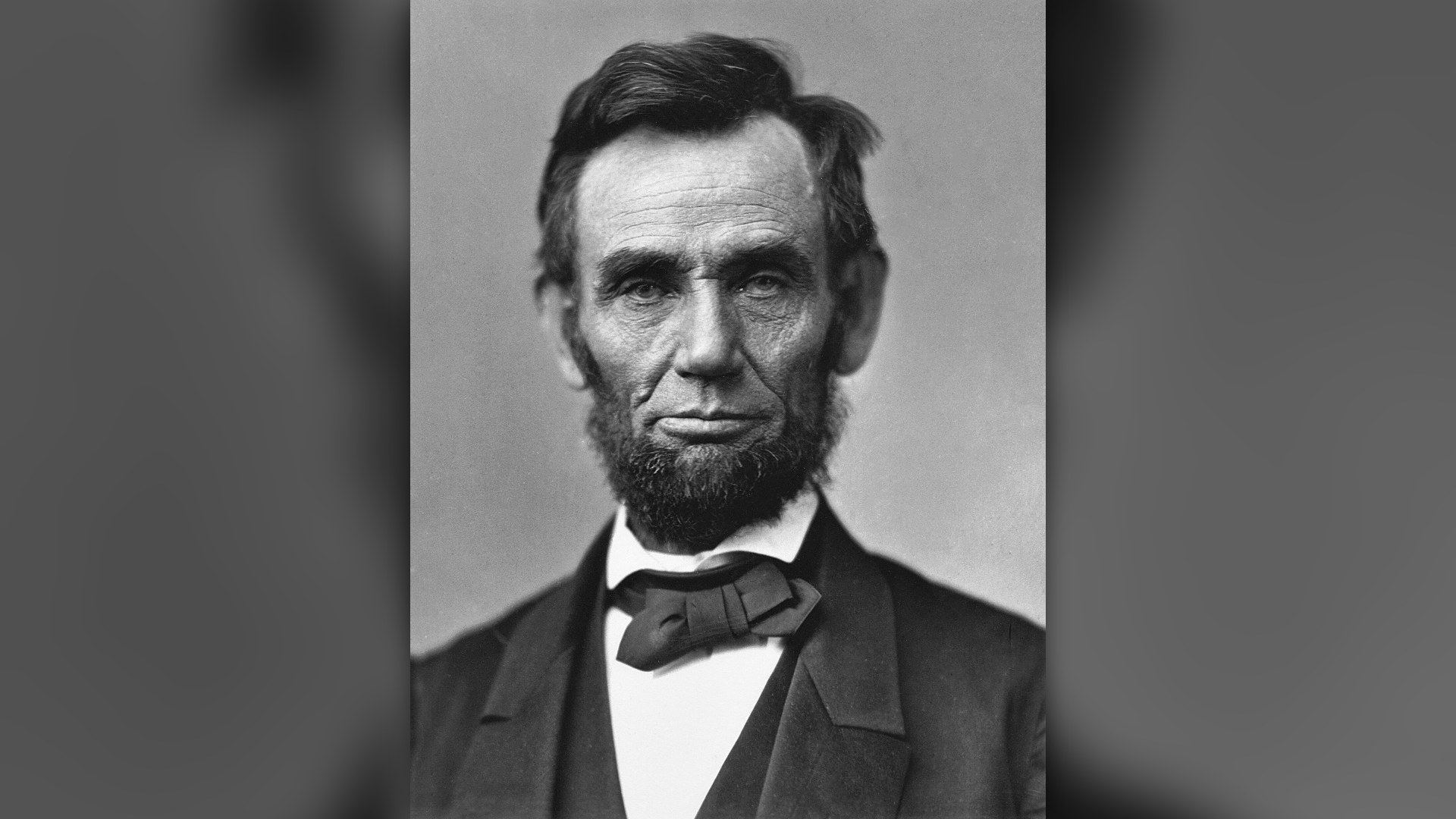
1. Abraham Lincoln
Lincoln taught himself law and received his license in 1836. Over twenty-five years riding the eighth judicial circuit, he handled more than 5,000 cases, ranging from murder defenses to high-stakes railroad patent disputes. He argued over 400 cases before the Illinois Supreme Court with legendary courtroom skill.

©Wikimedia / Alexander Gardner
Advertisement
You've reached the end of the story. Thanks for reading!

20 Most Reliable Car Brands, Ranked by Owner Surveys
Every year, thousands of verified motorists report real mechanical issues with their vehicles. Ranked using verified driver feedback from the 2026 J.D. Power U.S. Vehicle Dependability Study, this countdown reveals how twenty major automakers stack up for lasting build quality after three years on the road.
All 20 Entries in this Story
20. Calvin Coolidge
Coolidge studied law under John C. Hammond and gained admission to the Massachusetts bar in 1897. He opened a solo practice in Northampton, handling title searches, wills, and commercial disputes. His meticulous legal work won the confidence of local merchants and community leaders.

19. Franklin Pierce
Pierce read law under Levi Woodbury and gained admission to the bar in 1827. He partnered with Asa Fowler in Concord, handling difficult civil and criminal cases across Hillsborough County. Contemporaries praised his emotional courtroom appeal, even when opposing counsel possessed greater technical knowledge.

18. Millard Fillmore
Fillmore clerked in Buffalo and gained bar admission in 1823. He later co-founded the firm Fillmore, Hall and Haven, which grew into one of western New York highest earning legal partnerships. His commercial contracts and chancery pleadings earned him widespread respect across the state bar.

17. William McKinley
McKinley graduated from Albany Law School in 1867 and passed the Ohio bar that same year. He opened an office in Canton and won election as Stark County prosecuting attorney in 1869. He earned high marks for courtroom composure, successfully prosecuting complex criminal indictments.

16. Grover Cleveland
Admitted to the New York bar in 1859, Cleveland served as assistant district attorney for Erie County during the Civil War. He later co-founded Bass, Cleveland and Bissell in Buffalo. Colleague reports documented his habit of reviewing witness depositions until dawn before morning trials.

15. Gerald Ford
Ford earned his degree from Yale Law School in 1941, graduating in the top third of his class while coaching boxing. He returned home to Grand Rapids, Michigan, co-founding the firm Buchen and Ford. His early legal career focused on labor contracts, real estate, and municipal ordinance disputes.

14. Richard Nixon
Nixon graduated third in his class from Duke University School of Law in 1937. He joined the firm Wingert and Bewley in Whittier, California, managing municipal litigation, local tax appeals, and estate administration. His thorough preparation and aggressive cross-examinations impressed senior partners.

13. Bill Clinton
Clinton earned his Juris Doctor from Yale Law School in 1973, where he met fellow classmate Hillary Rodham. He joined the faculty at the University of Arkansas School of Law in Fayetteville, teaching antitrust and criminal law before winning election as Arkansas Attorney General in 1976.

12. Benjamin Harrison
Harrison gained admission to the Indiana bar in 1854 and formed a prominent Indianapolis firm. He served as reporter for the Indiana Supreme Court, publishing official case decisions. By the 1880s, corporate clients paid him substantial retainers to argue complex federal appeals in Washington.

11. Martin Van Buren
Van Buren completed a rigorous seven-year legal apprenticeship before passing the New York bar in 1803. He practiced in Kinderhook and Hudson, specializing in land title disputes and commercial litigation. He served as New York Attorney General from 1815 to 1819, shaping early state jurisprudence.

10. Chester A. Arthur
Arthur was admitted to the New York bar in 1854. In 1855, he successfully represented Elizabeth Jennings Graham after she was ejected from a segregated streetcar, leading to the desegregation of New York transit. He also helped secure freedom for enslaved people in the landmark 1860 Lemmon slave case.

9. James A. Garfield
Garfield read law independently and gained admission to the Ohio bar in 1860. In 1866, he argued Ex parte Milligan before the US Supreme Court without having tried a prior federal case. The justices adopted his argument, ruling that military tribunals cannot try civilians where civilian courts function.

8. Rutherford B. Hayes
Hayes graduated from Harvard Law School in 1845 and established an active practice in Cincinnati, Ohio. He regularly defended escaped enslaved people in federal court under the Fugitive Slave Act of 1850. In 1858, the city council elected him Cincinnati city solicitor due to his legal standing.

7. Andrew Jackson
Jackson read law in Salisbury, North Carolina, and earned his license in 1787. He was appointed public prosecutor for the western district of North Carolina, covering modern-day Tennessee. He prosecuted hundreds of boundary, assault, and property actions, later serving on the Tennessee Superior Court.

6. Thomas Jefferson
Jefferson trained under George Wythe and was admitted to the Virginia bar in 1767. Between 1767 and 1774, he argued approximately 900 cases before the General Court in Williamsburg. He utilized this deep legal knowledge to draft the Virginia Statute for Religious Freedom and the Declaration of Independence.

5. John Quincy Adams
Adams apprenticed under Theophilus Parsons and gained admission to the Massachusetts bar in 1790. Decades after his presidency, he returned to the courtroom in 1841 to defend the captured African captives of the slave ship Amistad. His passionate oral argument persuaded the Supreme Court to grant their freedom.

4. William Howard Taft
Taft graduated from Cincinnati Law School in 1880. He worked as an assistant county prosecutor, Ohio Superior Court judge, and US Solicitor General before serving as federal circuit judge. In 1921, President Harding appointed him Tenth Chief Justice, completing a legendary fifty-year legal career.

3. John Adams
Adams graduated from Harvard College and gained admission to the Massachusetts bar in 1759. In 1770, he risked his public reputation by defending the British soldiers charged in the Boston Massacre, securing acquittals for six of eight defendants. His defense proved that the rule of law governed colonial trials.

2. Barack Obama
Obama graduated magna cum laude from Harvard Law School in 1991 after serving as president of the Harvard Law Review. He joined the Chicago firm Davis, Miner, Barnhill and Galland in 1993, litigating voting rights and employment discrimination cases, while teaching constitutional law for twelve years.

1. Abraham Lincoln
Lincoln taught himself law and received his license in 1836. Over twenty-five years riding the eighth judicial circuit, he handled more than 5,000 cases, ranging from murder defenses to high-stakes railroad patent disputes. He argued over 400 cases before the Illinois Supreme Court with legendary courtroom skill.