Slideshow · Health
20 Ways Alcohol Changes Your Organs and Body Systems
Alcohol enters the bloodstream within minutes of consumption, impacting virtually every vital organ from your frontal cortex to cellular DNA. While small amounts produce temporary relaxation, repeated exposure triggers profound biochemical disruptions, immune suppression and irreversible cardiovascular harm.
By Most Viral Today
13 min ago

How Alcohol Rewires Your Internal Systems 
20. Blood Vessel Dilation 
19. Severe Systemic Dehydration 
18. Disrupted Sleep Architecture - AdvertisementSwipe or tap ▶ to continue countdown

17. Acute Gastric Irritation 
16. Esophageal Acid Reflux 
15. Blood Sugar Instability 
14. Essential Nutrient Depletion - AdvertisementSwipe or tap ▶ to continue countdown

13. Cerebellar Motor Impairment 
12. Prefrontal Cortex Shutdown 
11. Sensory Transmission Delay 
10. Neurotransmitter Disruption - AdvertisementSwipe or tap ▶ to continue countdown

9. Acute Cardiac Arrhythmias 
8. Chronic High Blood Pressure 
7. Immune Defense Breakdown 
6. Gut Barrier Permeability - AdvertisementSwipe or tap ▶ to continue countdown

5. Alcoholic Polyneuropathy 
4. Acute Pancreatic Inflammation 
3. Chronic Renal Strain 
2. Progressive Liver Damage - AdvertisementSwipe or tap ▶ to continue countdown

1. DNA Mutation - Advertisement🔥 UP NEXT IN THIS SERIES◫ 20 Slides

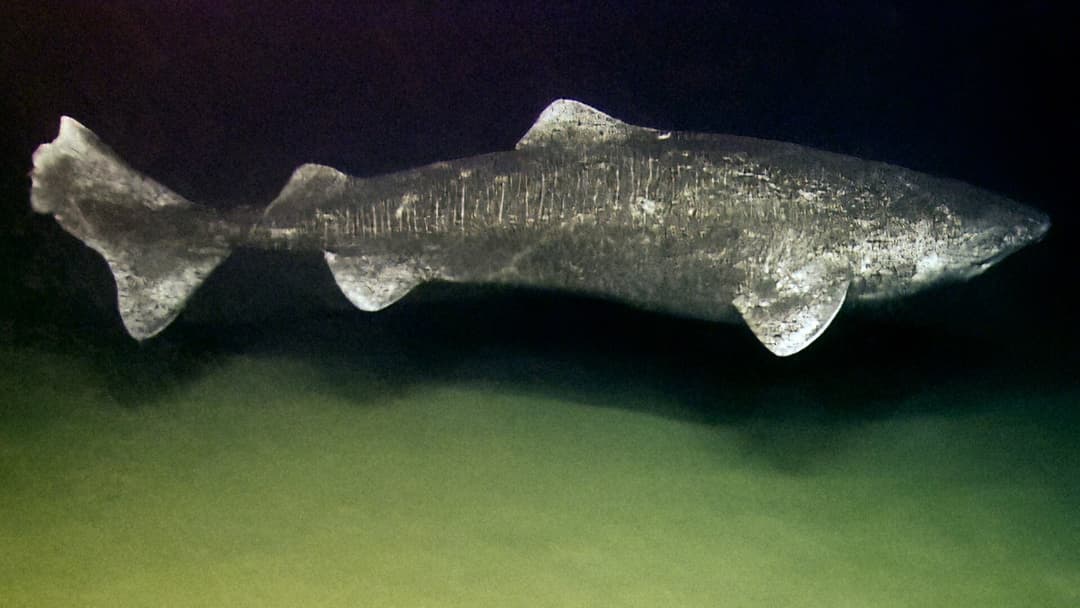
19 Animals with the Longest Lifespans on Earth
While most mammals measure life in decades, select creatures survive for centuries through slow metabolisms and continuous cell repair. Based on research published in Science and reports by NOAA and National Geographic, here are 19 animal species verified to achieve the longest lifespans on the planet.
Alcohol rapidly circulates through the body, altering neural communication and cellular health across multiple organs. Based on research from the National Institute on Alcohol Abuse and Alcoholism, the CDC and the Mayo Clinic, this countdown examines twenty verified biological impacts from sip to systemic disease.
Swipe or tap ▶ to begin the countdown
©Wikimedia / The U.S. Food & Pixabay / swiftsciencewriting
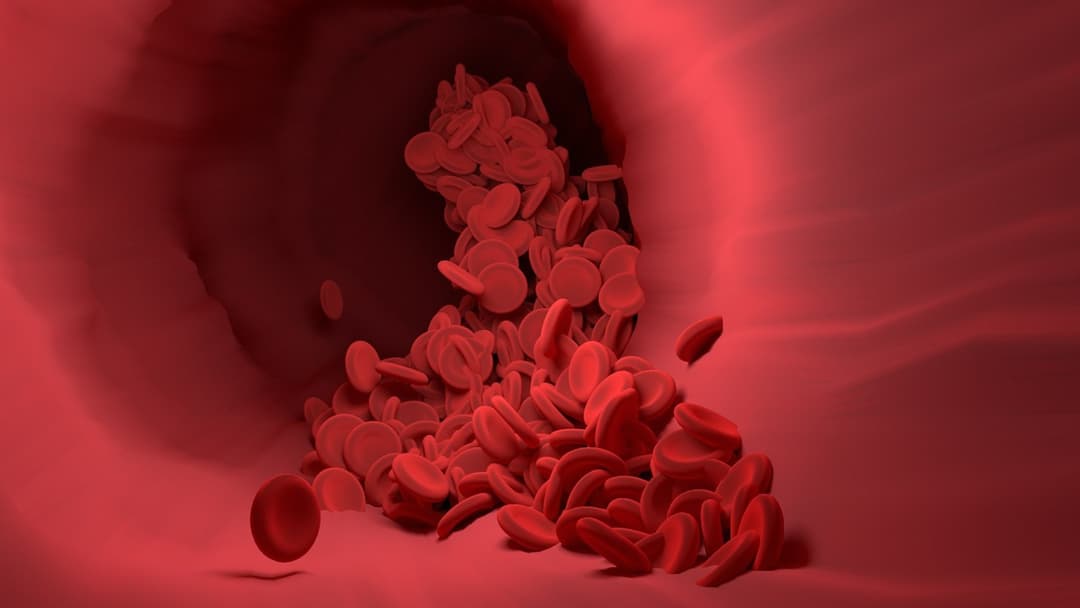
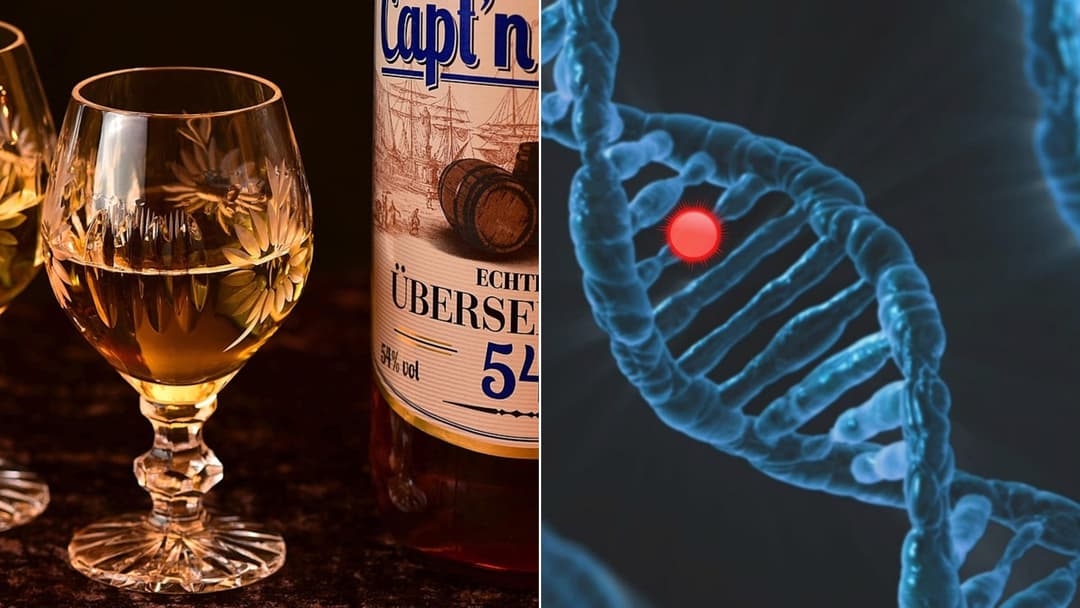
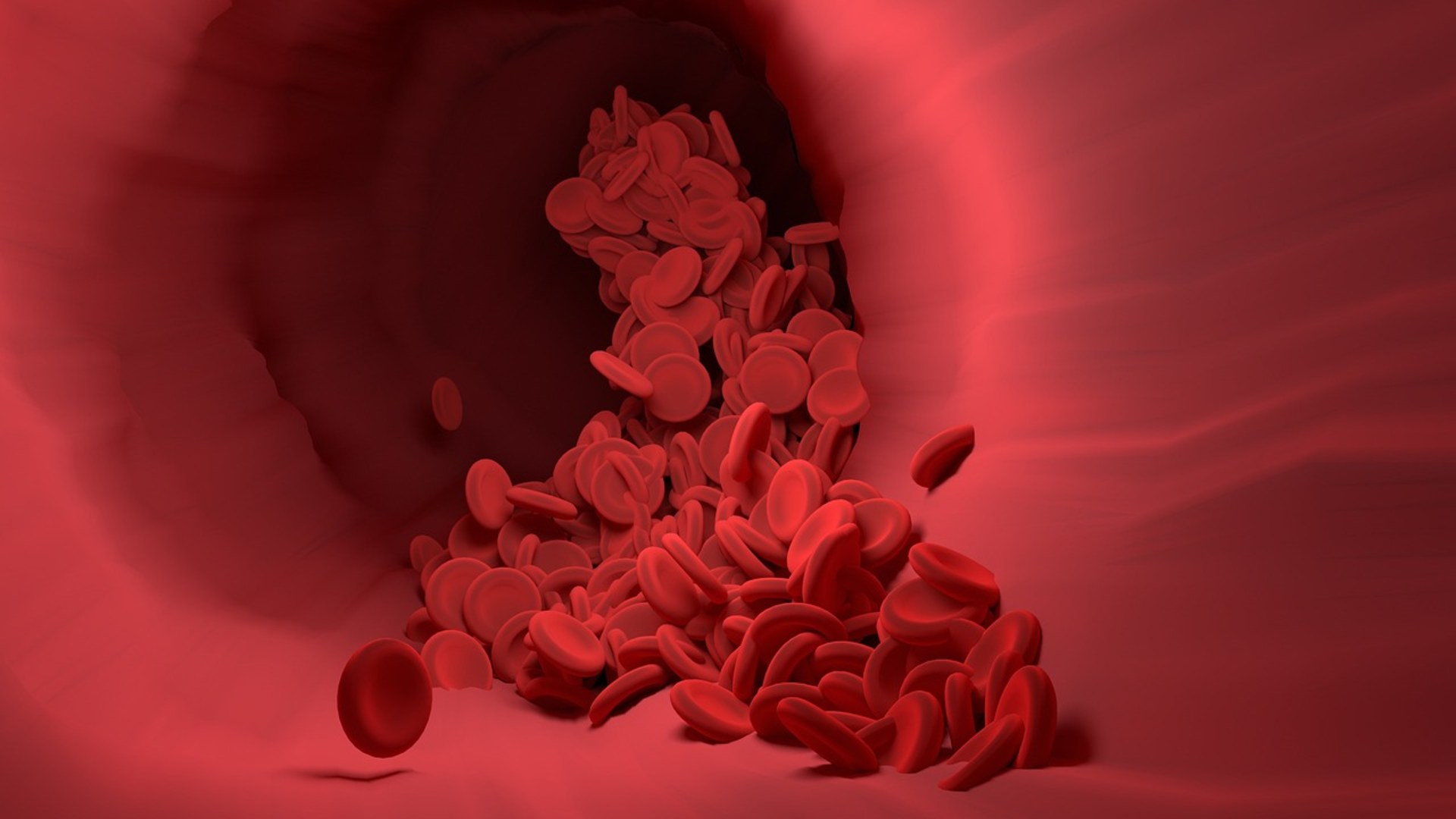
20. Blood Vessel Dilation
Ethanol acts as a natural vasodilator on surface capillaries, producing warm skin and facial flushing. While this creates a sensation of heat, the body actually dumps core thermal energy into the surrounding environment, lowering core body temperature rapidly in cold weather settings.
©Pixabay / Vector8DIY
19. Severe Systemic Dehydration
Alcohol inhibits the secretion of vasopressin, the antidiuretic hormone produced by the pituitary gland. Without this signaling hormone, the kidneys fail to reabsorb water and send excess fluid to the bladder. Drinking 250 milliliters of alcohol causes the body to expel up to 1000 milliliters of fluid.

© Photo by engin akyurt on Unsplash
18. Disrupted Sleep Architecture
Although alcohol acts as a sedative that speeds up sleep onset, its metabolism later in the night wrecks sleep quality. Ethanol disrupts rapid eye movement cycles, leading to frequent micro-arousals and poor memory consolidation. Chronic drinkers frequently experience daytime exhaustion and insomnia.

©Pixabay / cuncon
Advertisement
Swipe or tap ▶ to resume the countdown.
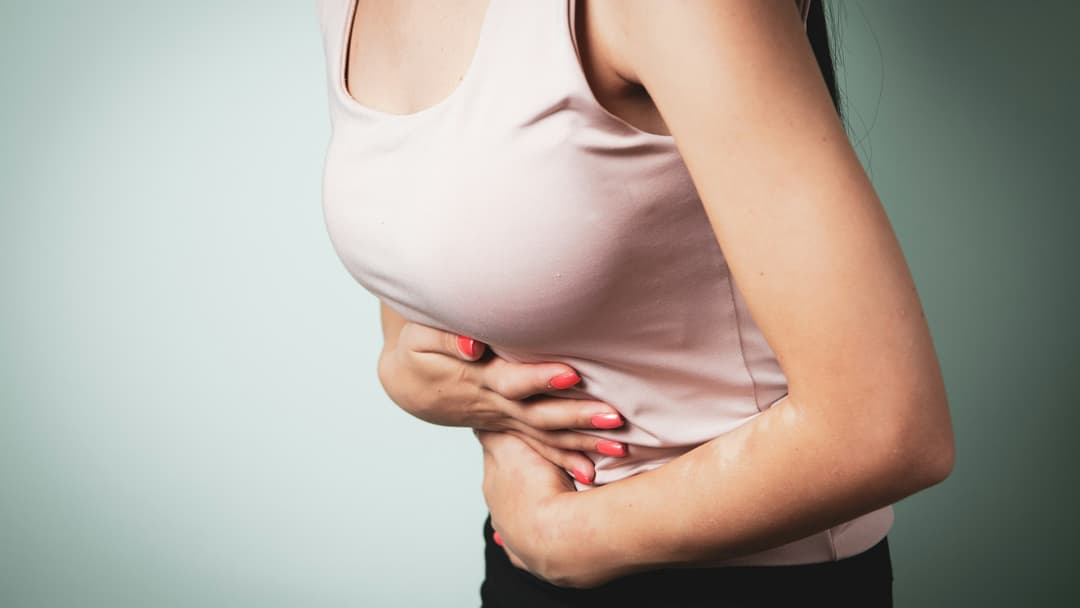
17. Acute Gastric Irritation
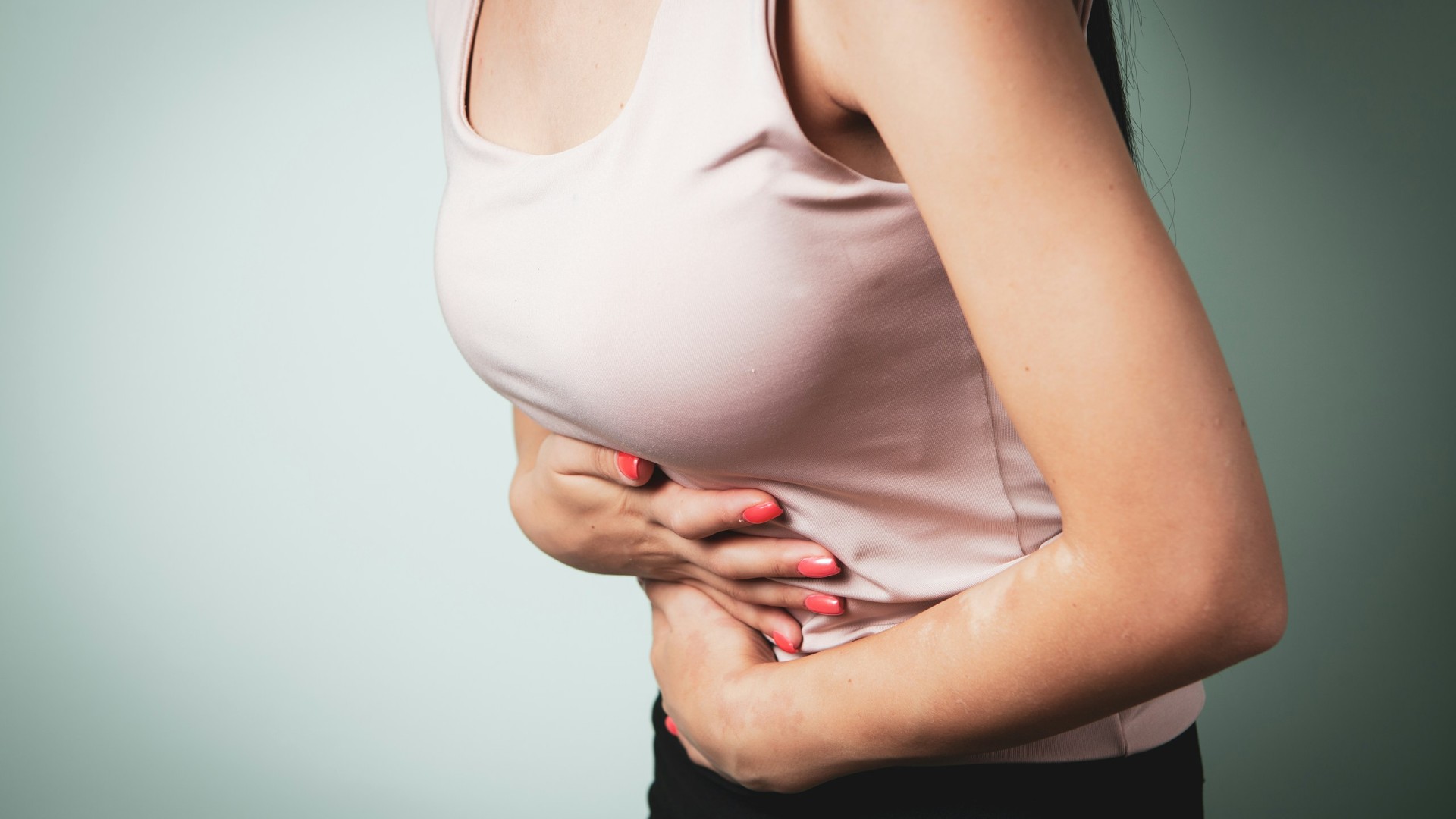
Ethanol directly irritates the stomach mucosa and stimulates gastric parietal cells to overproduce hydrochloric acid. This corrosive reaction causes inflammation known as acute gastritis, triggering nausea, abdominal pain and vomiting. Prolonged exposure can erode mucosal walls into bleeding peptic ulcers.
© Photo by Sasun Bughdaryan on Unsplash
16. Esophageal Acid Reflux
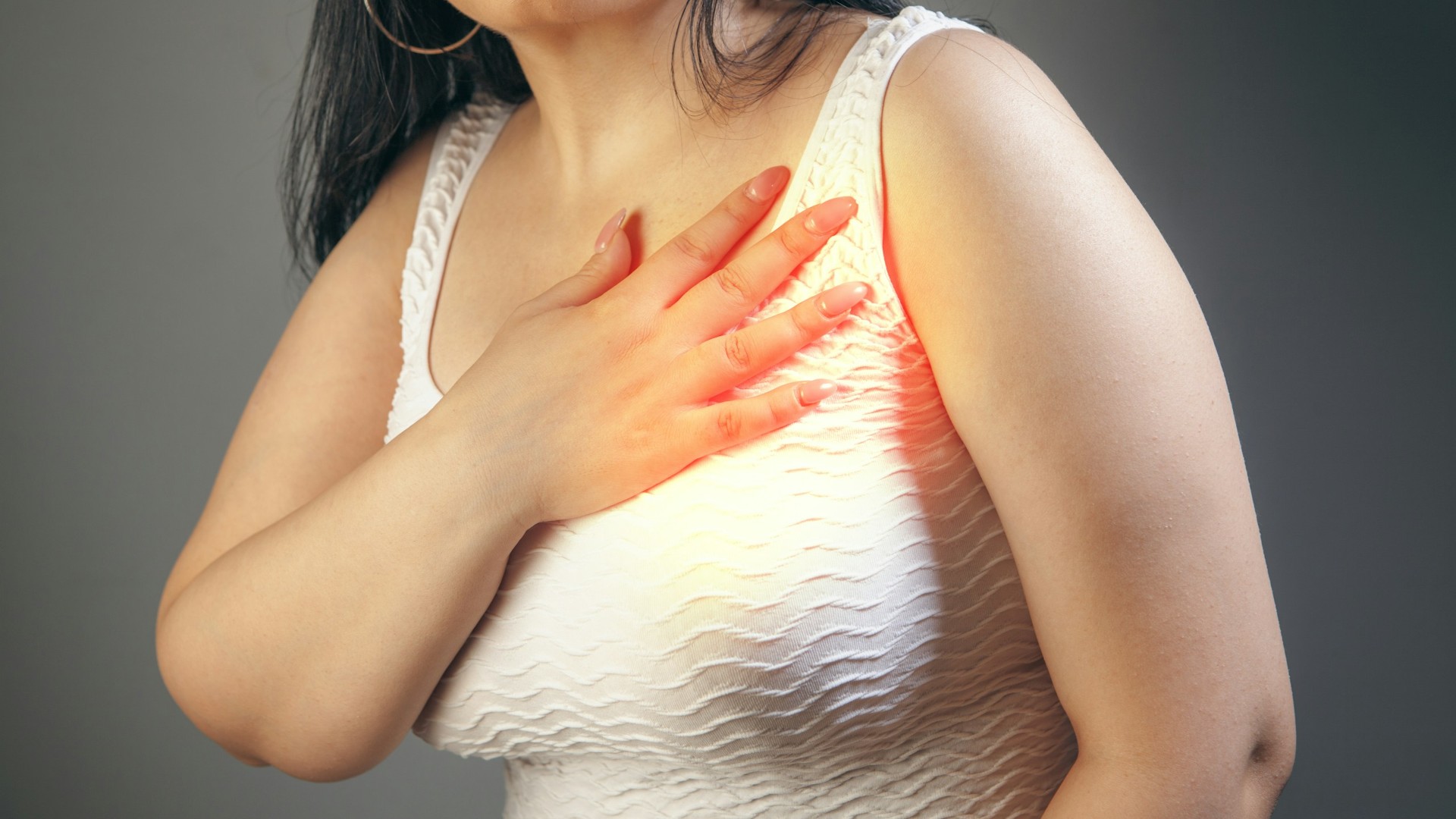
Alcohol chemically relaxes the lower esophageal sphincter, the muscular ring designed to keep stomach contents contained. When this barrier loosens, stomach acid flows upward into the unprotected esophagus, causing heartburn and tissue erosion. Chronic reflux increases the risk of developing Barrett esophagus.
© Photo by Sasun Bughdaryan on Unsplash
15. Blood Sugar Instability
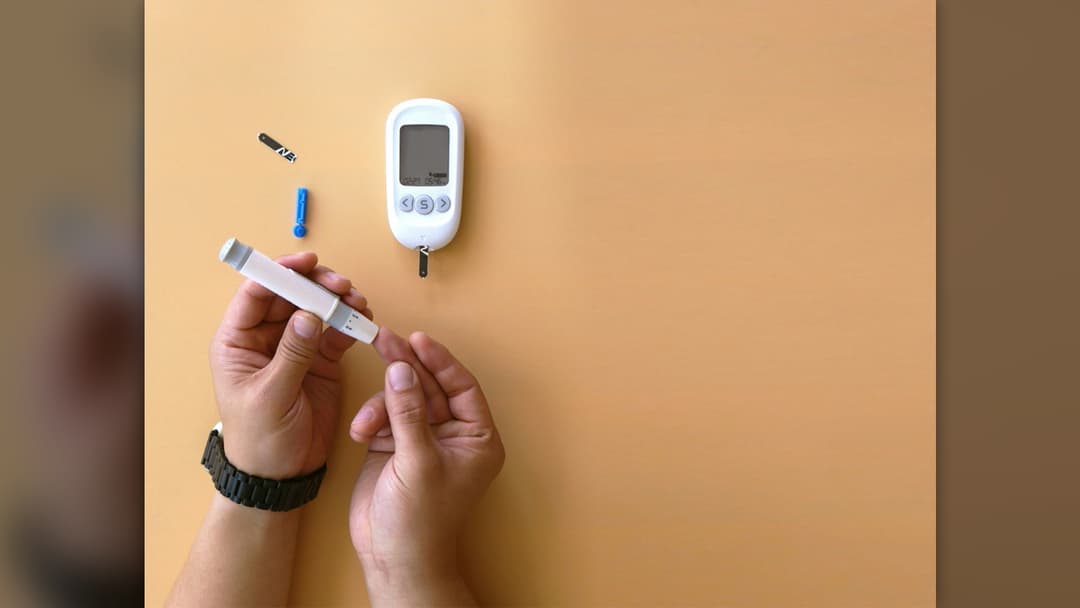
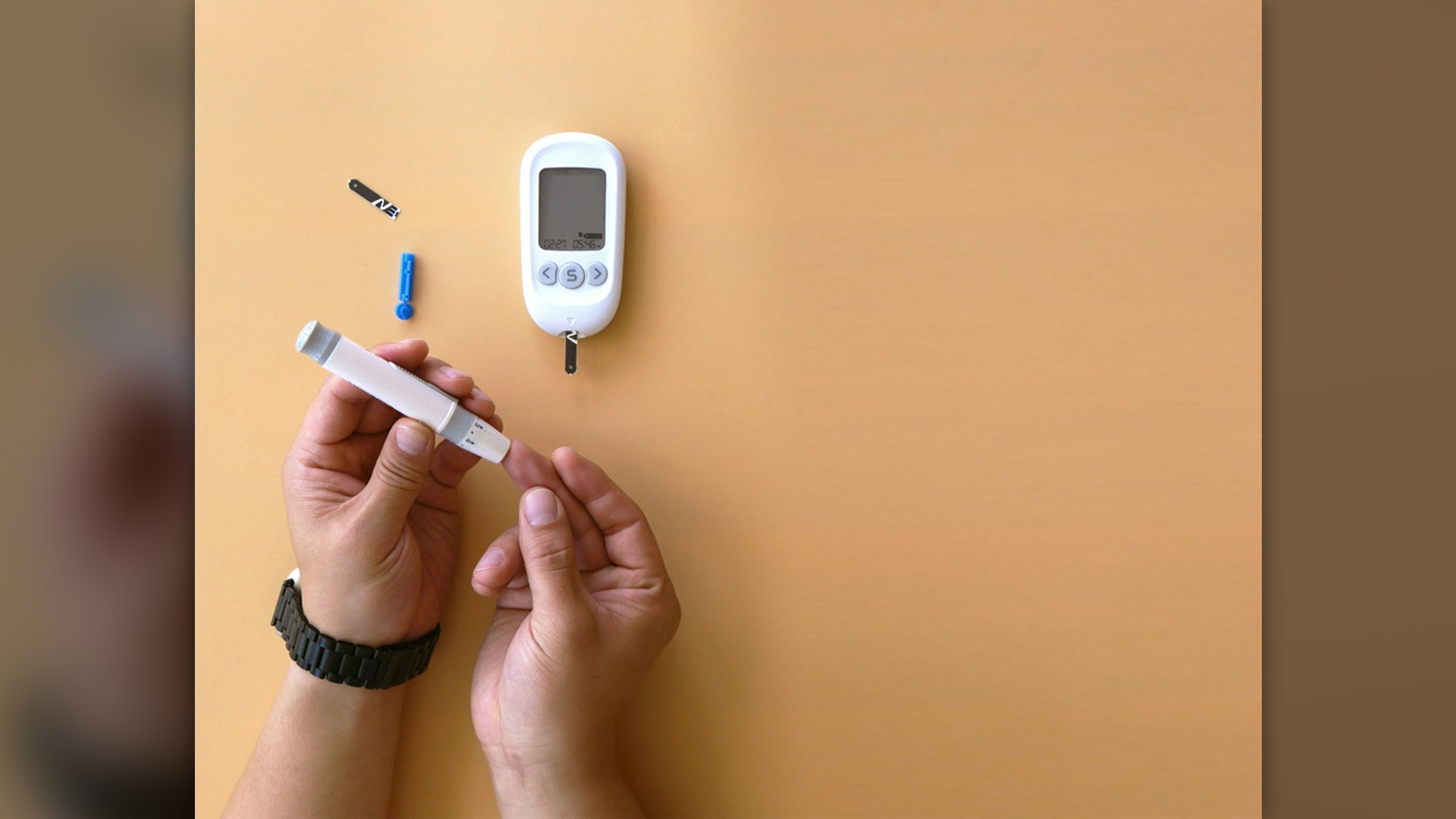
The liver treats alcohol as a primary metabolic toxin, suspending gluconeogenesis and glycogen breakdown while processing ethanol. This sudden pause in glucose release triggers reactive hypoglycemia, leaving brain cells starved of fuel. The resulting sugar crash causes intense tremors, dizziness and weakness.
14. Essential Nutrient Depletion
Chronic alcohol consumption damages the villi lining the small intestine, blocking absorption of essential vitamins such as thiamine, folate and cobalamin. Severe deficiency in vitamin B1 causes Wernicke-Korsakoff syndrome, a devastating neurological disorder featuring permanent memory loss and confusion.

© Photo by Daily Nouri on Unsplash
Advertisement
Swipe or tap ▶ to resume the countdown.
13. Cerebellar Motor Impairment
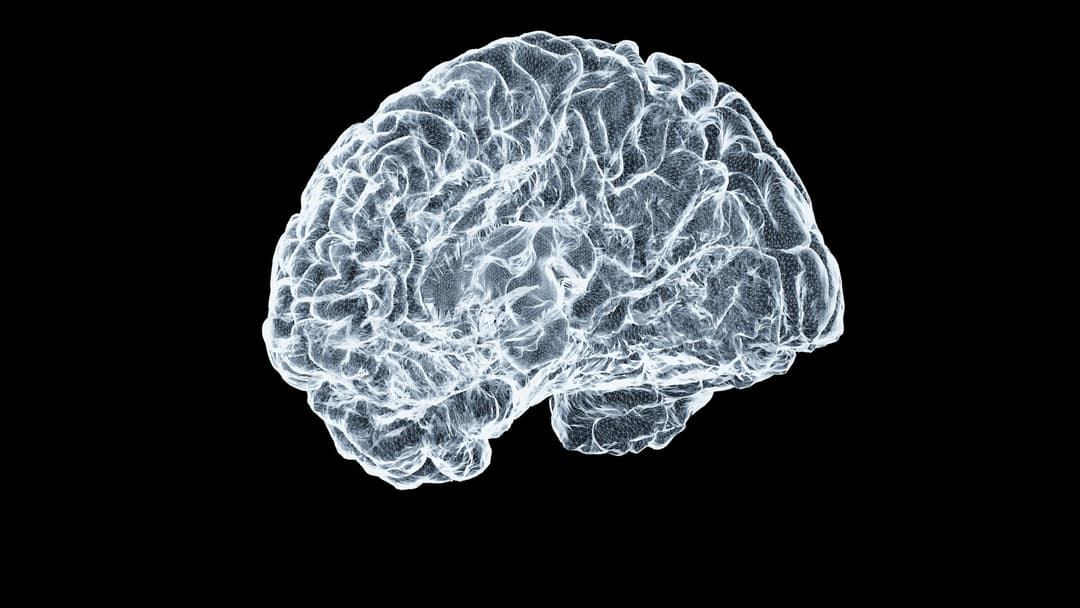
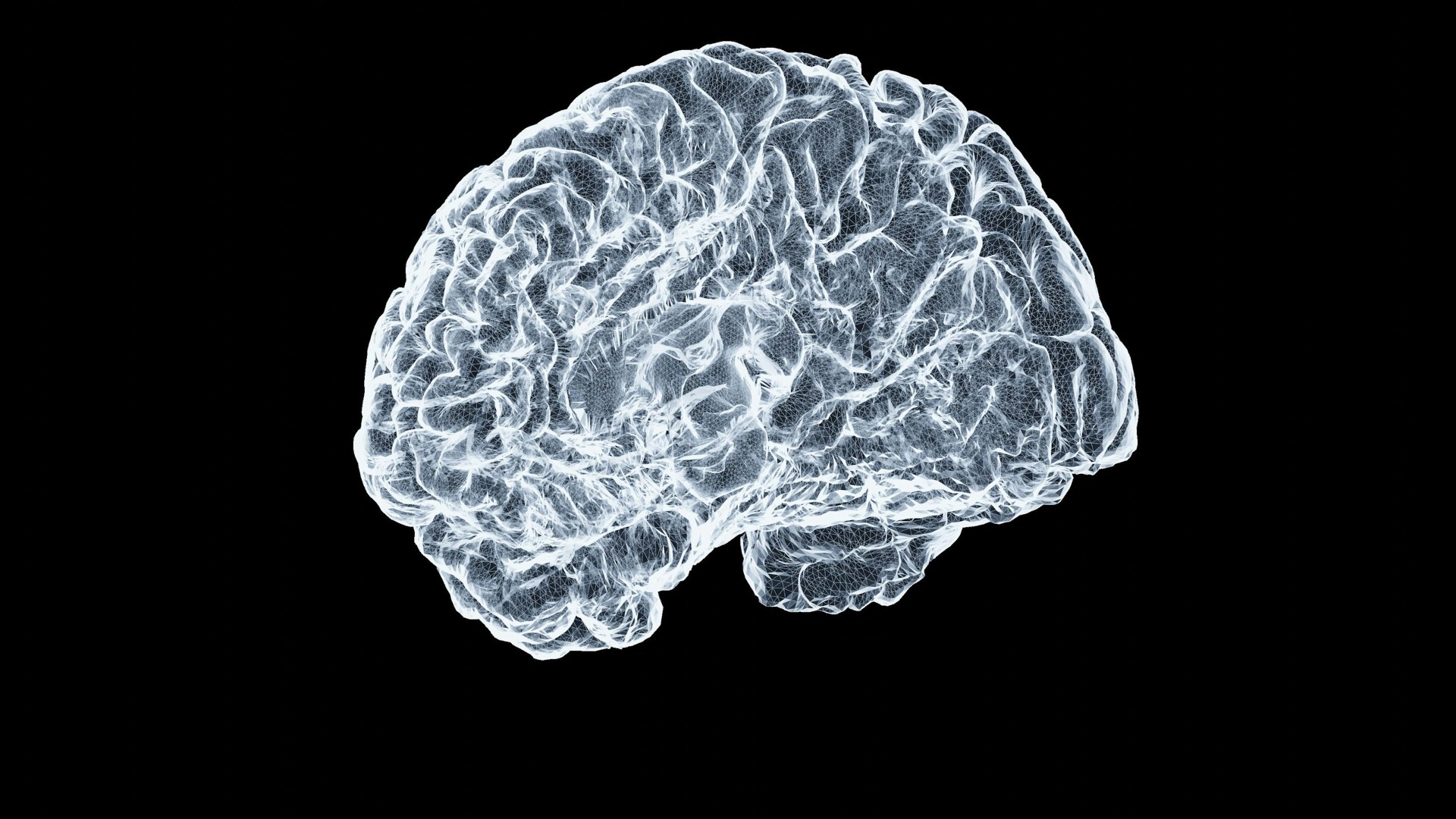
The cerebellum contains half the neurons in the human brain and governs fine motor skills, muscle coordination and equilibrium. Alcohol suppresses electrical signaling in cerebellar Purkinje cells, causing uncoordinated limb movement, loss of balance and inability to perform simple manual dexterity tests.
12. Prefrontal Cortex Shutdown
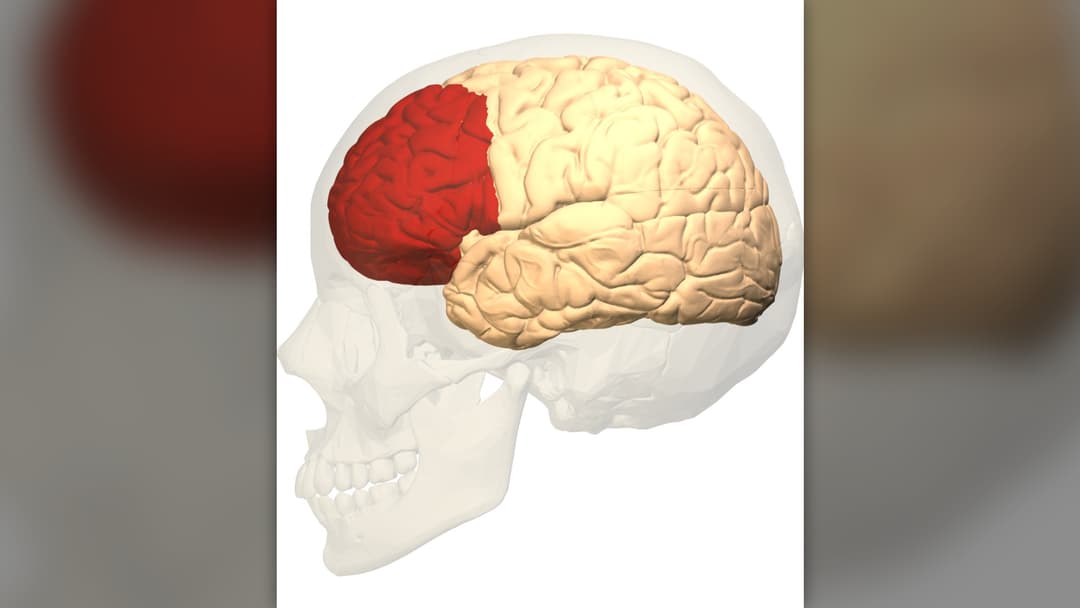
The prefrontal cortex regulates judgment, emotional self-control, risk assessment and decision-making. Alcohol dampens neuronal firing in this executive region, removing social inhibitions while exaggerating aggression and impulsive behavior. Users make uncalculated risks that they would avoid when sober.
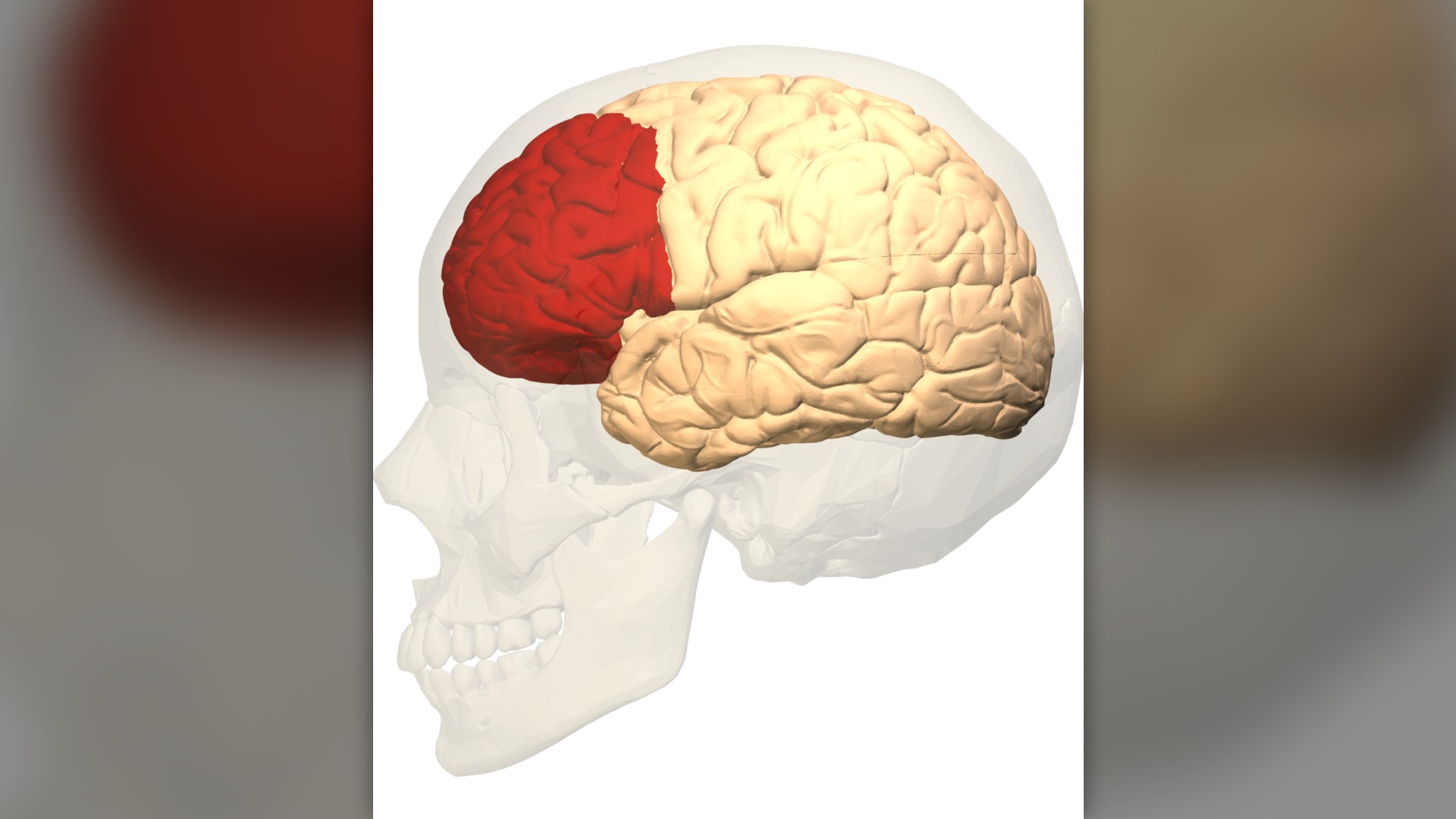
©Wikimedia / Polygon data were generated by Database
11. Sensory Transmission Delay
Alcohol slows down the electrical speed at which neural networks exchange sensory information across synapses. This transmission lag dulls peripheral perception, slows auditory reflexes and delays motor signals to facial muscles. As a result, individuals develop slurred speech and delayed reaction times.
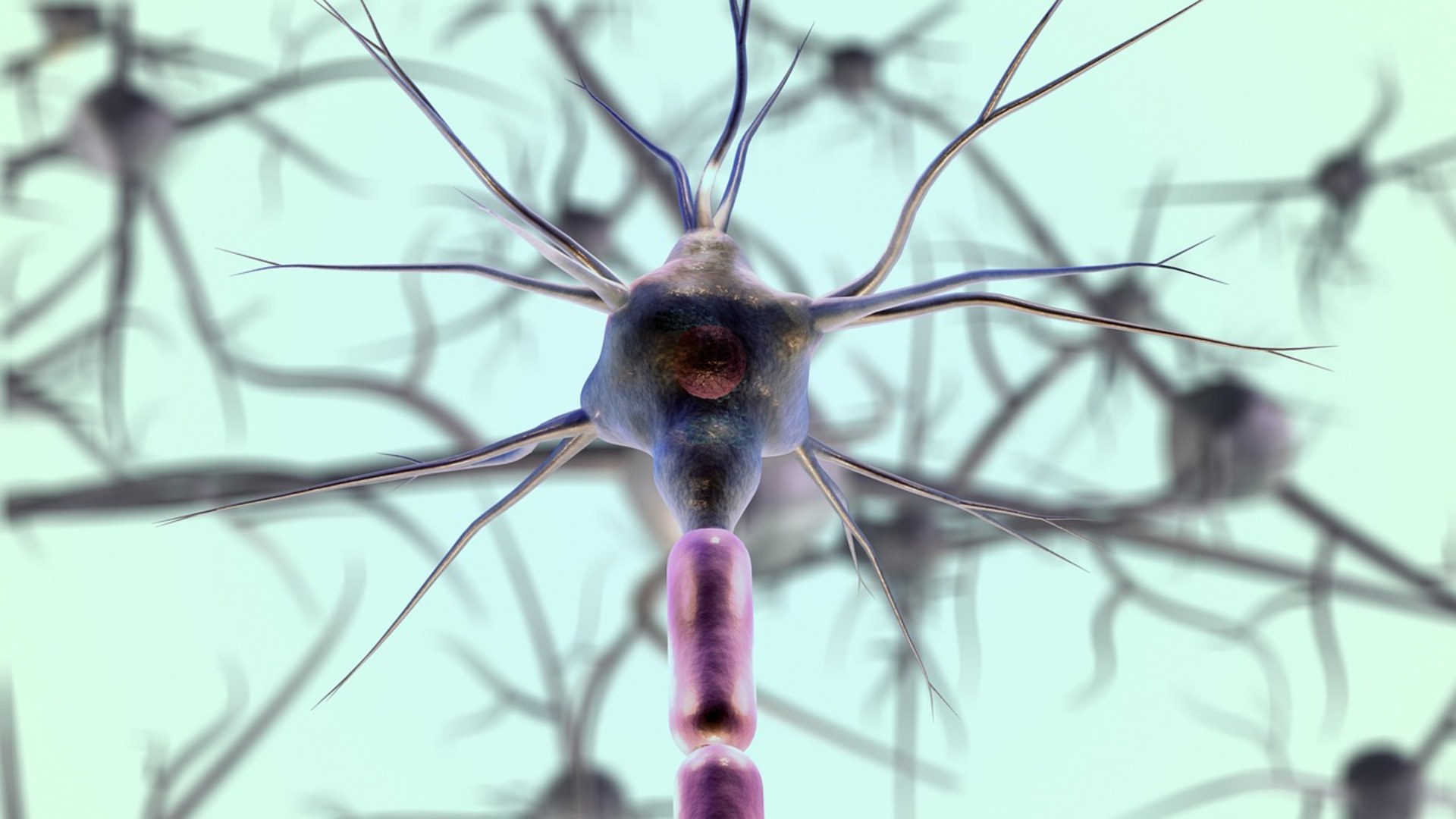
©Pixabay / IMGMIDI
10. Neurotransmitter Disruption
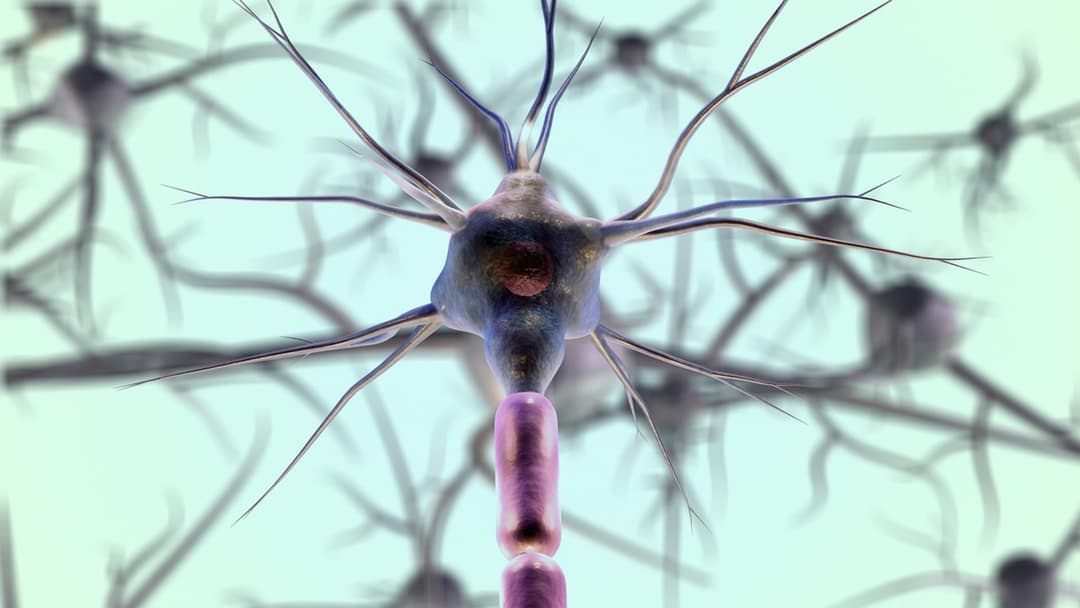
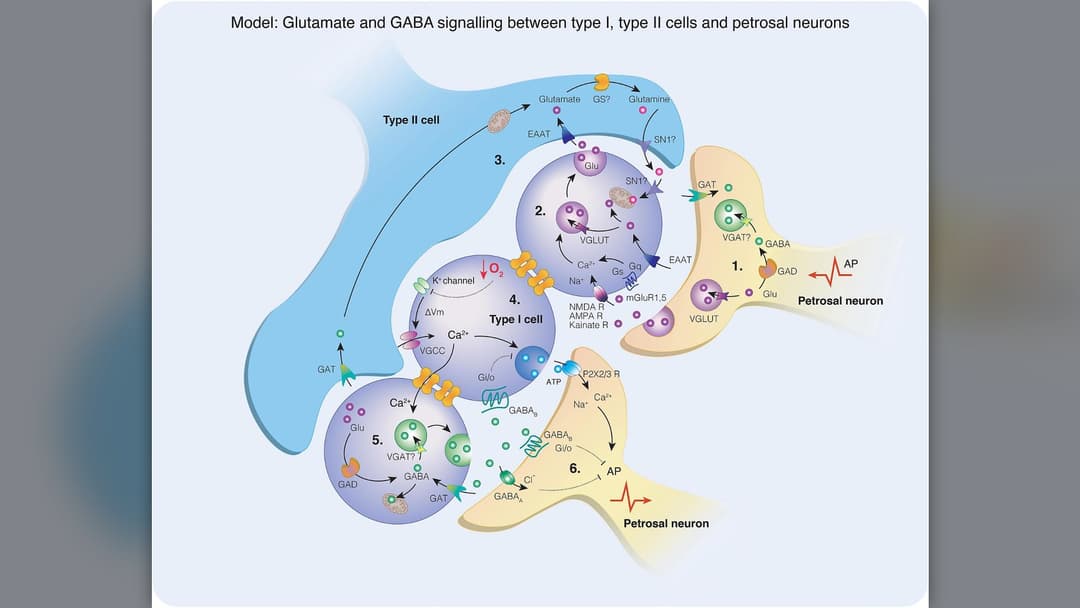
Ethanol binds directly to GABA-A receptors, amplifying the main inhibitory neurotransmitter in the brain to produce calming sedative effects. Simultaneously, it antagonizes NMDA glutamate receptors, preventing brain excitation. This dual biochemical action slows central nervous system activity to sluggish levels.
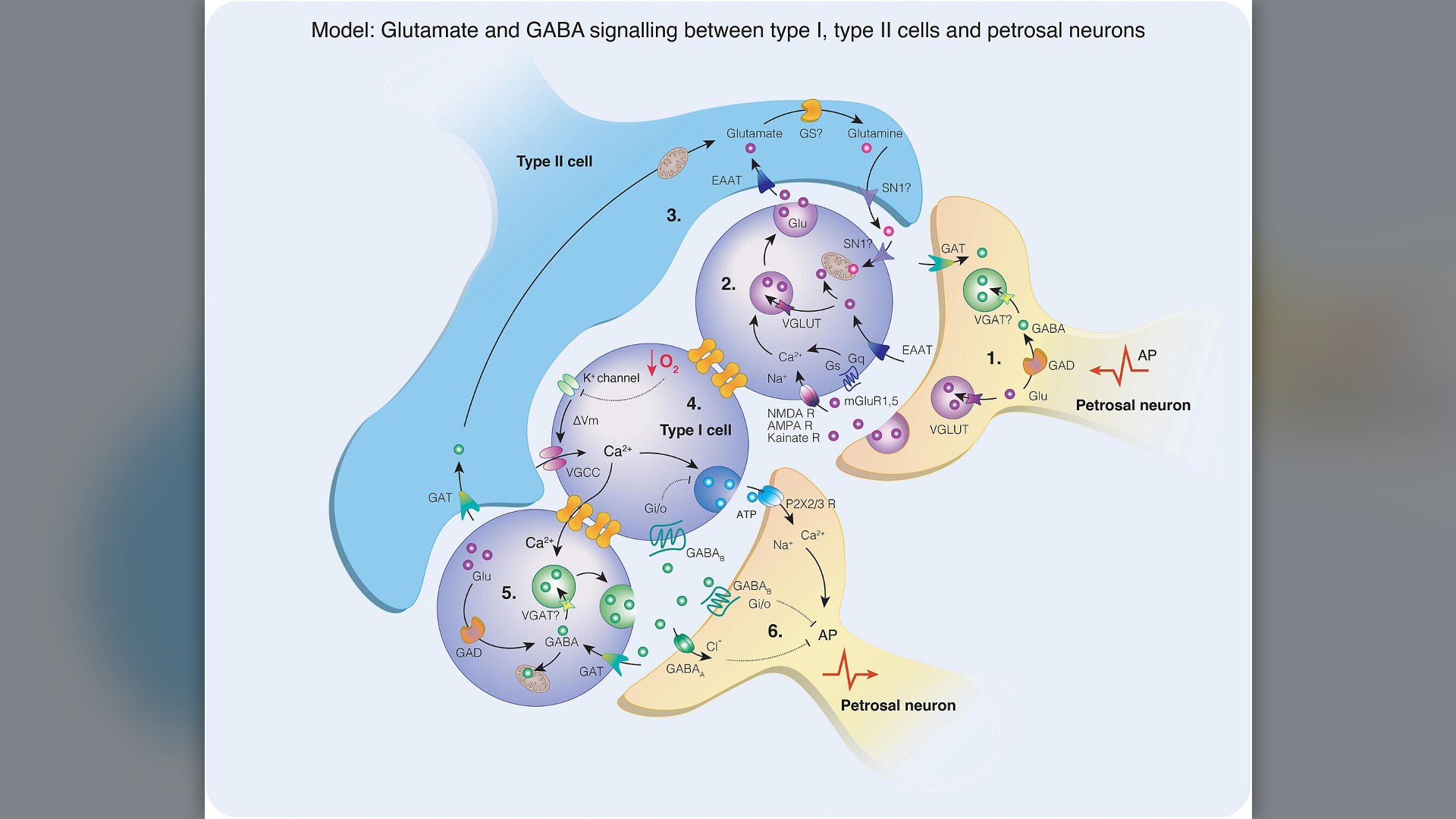
©Wikimedia / Gold OMS, Bardsley EM, Ponnampalam AP, Pauza AG
Advertisement
Swipe or tap ▶ to resume the countdown.
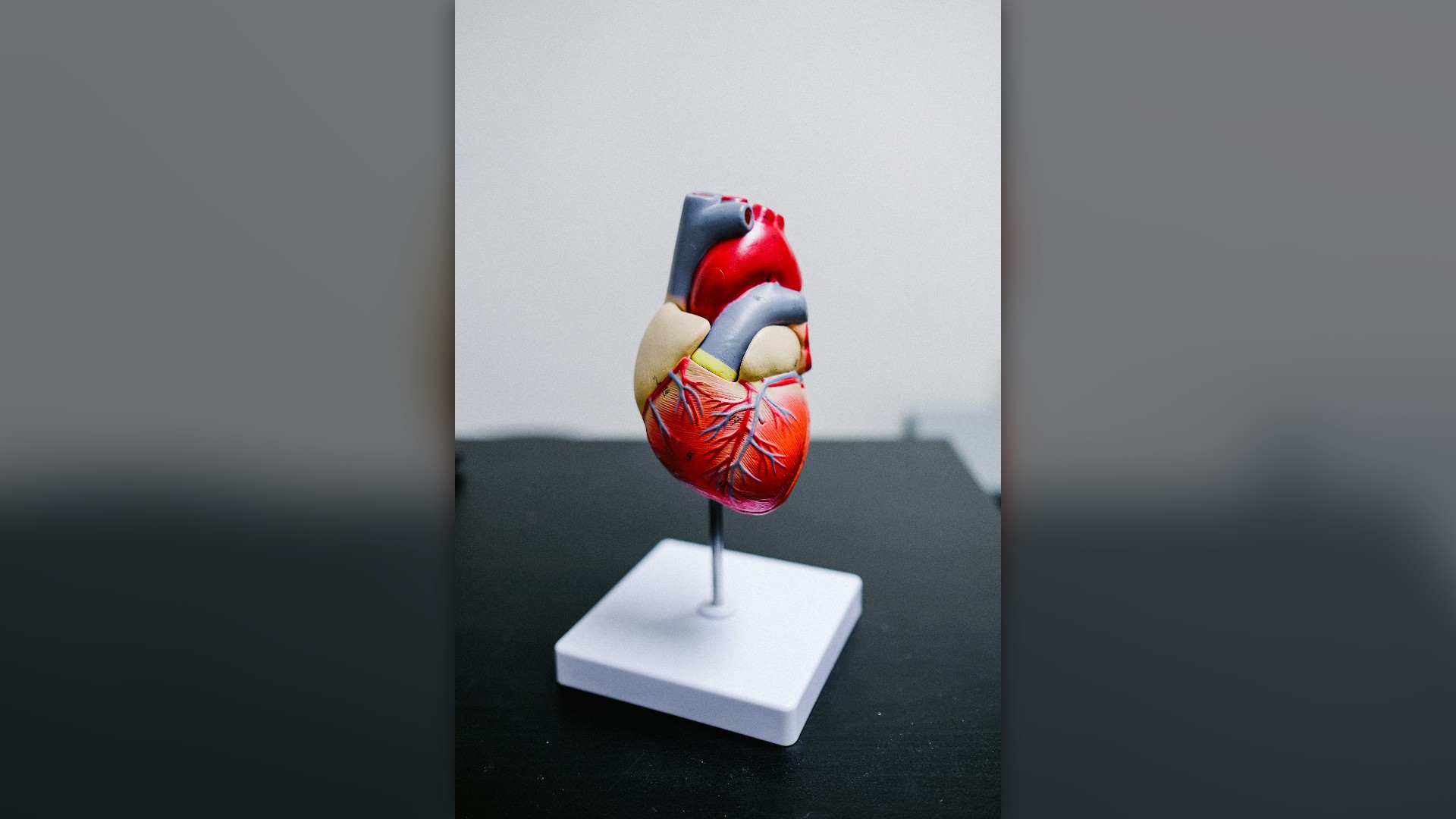
9. Acute Cardiac Arrhythmias
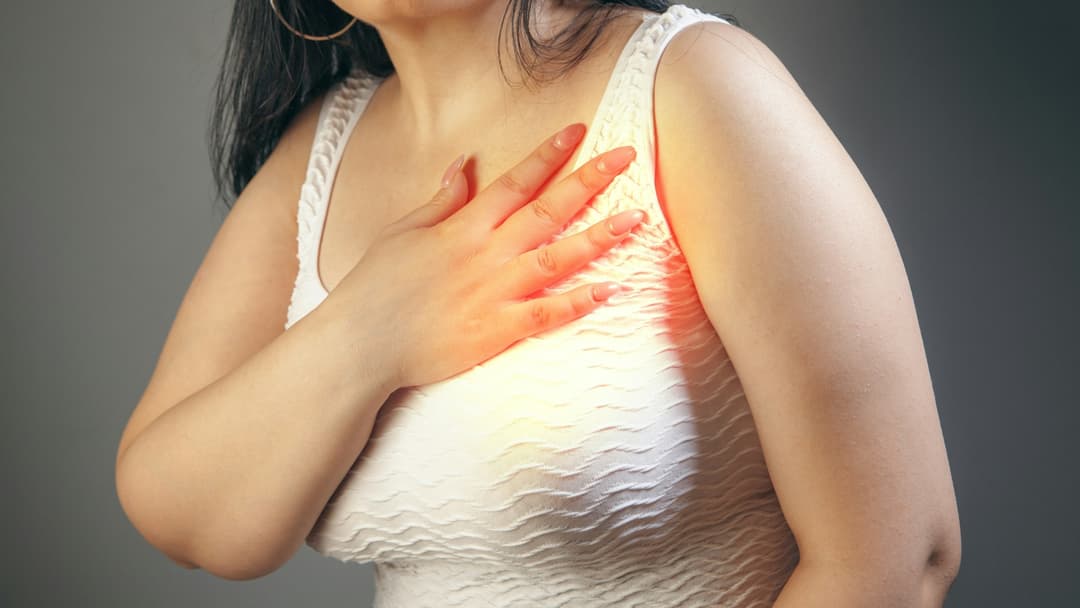
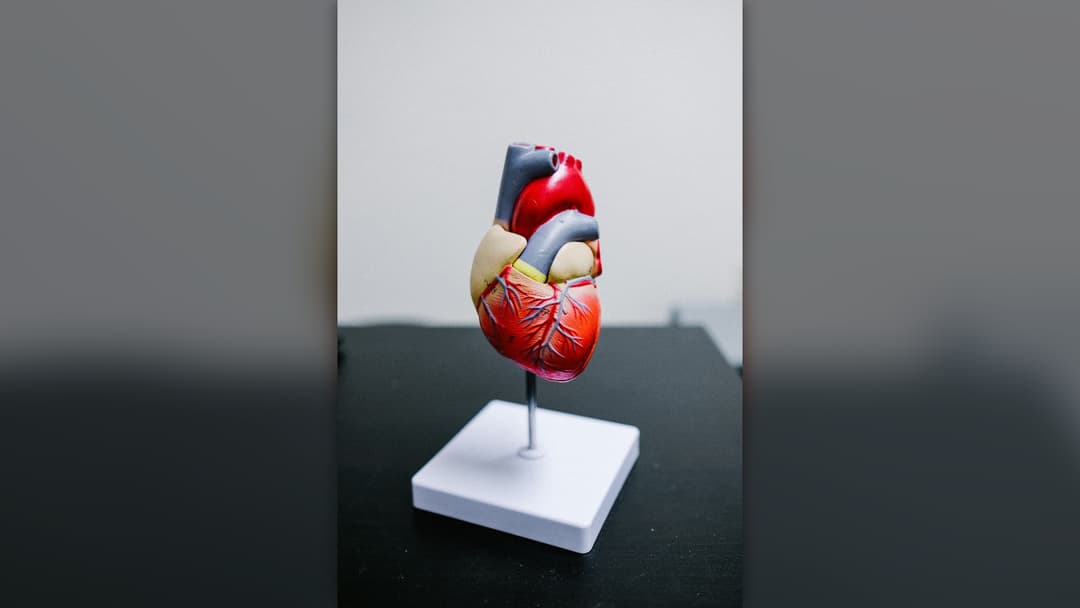
Heavy alcohol consumption releases excess adrenaline and alters electrolyte balance across cardiac tissue. This electrical disruption triggers sudden irregular rhythms, most commonly atrial fibrillation. Known as holiday heart syndrome, these episodes cause rapid palpitations, lightheadedness and elevated stroke risks.
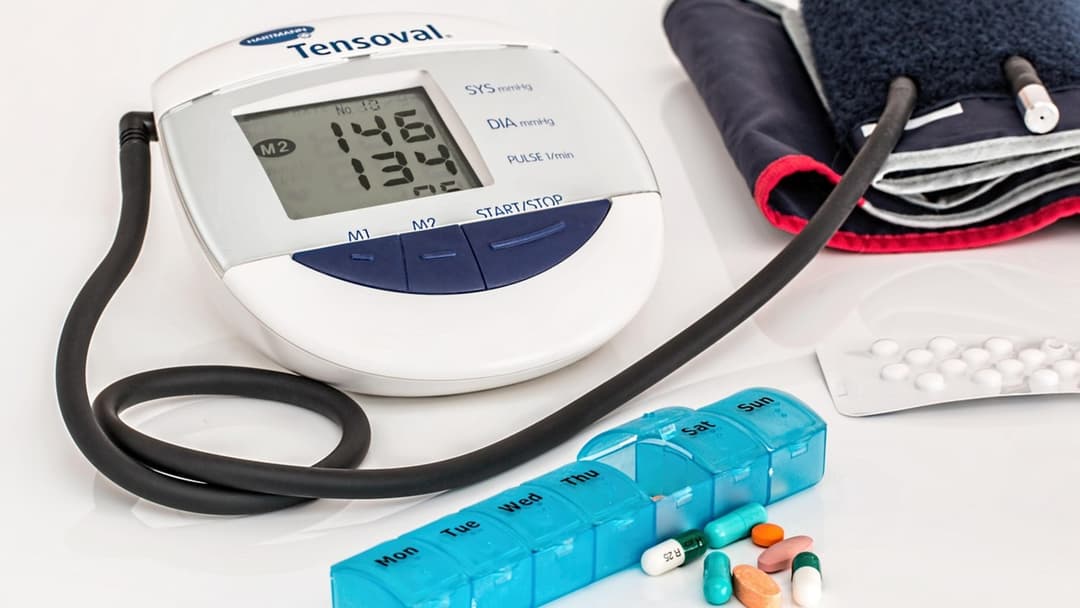
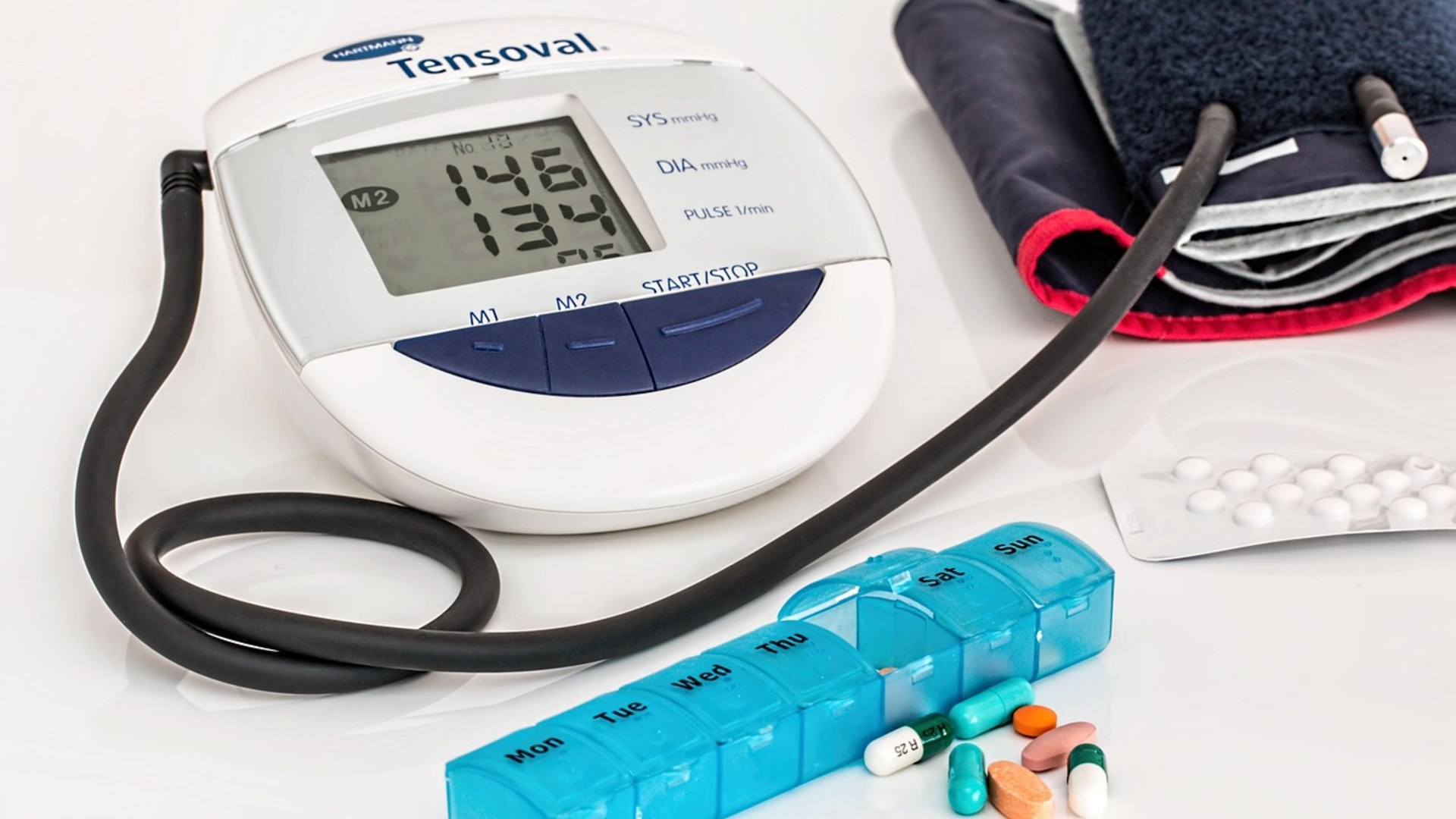
8. Chronic High Blood Pressure
Drinking more than three alcoholic beverages in one sitting temporarily elevates systolic and diastolic blood pressure. Over time, regular heavy drinking stimulates the sympathetic nervous system and triggers vascular constriction, producing chronic hypertension that severely damages arteries and increases stroke risk.
©Pixabay / stevepb
7. Immune Defense Breakdown
Alcohol suppresses the proliferation and activity of key immune defenders, including T cells, B lymphocytes and alveolar macrophages. Even a single episode of binge drinking blunts cytokine signaling for up to 24 hours. This immune paralysis leaves the body vulnerable to bacterial pneumonia and viral infections.

©Wikimedia / Electron Microscopy Facility at The National Can
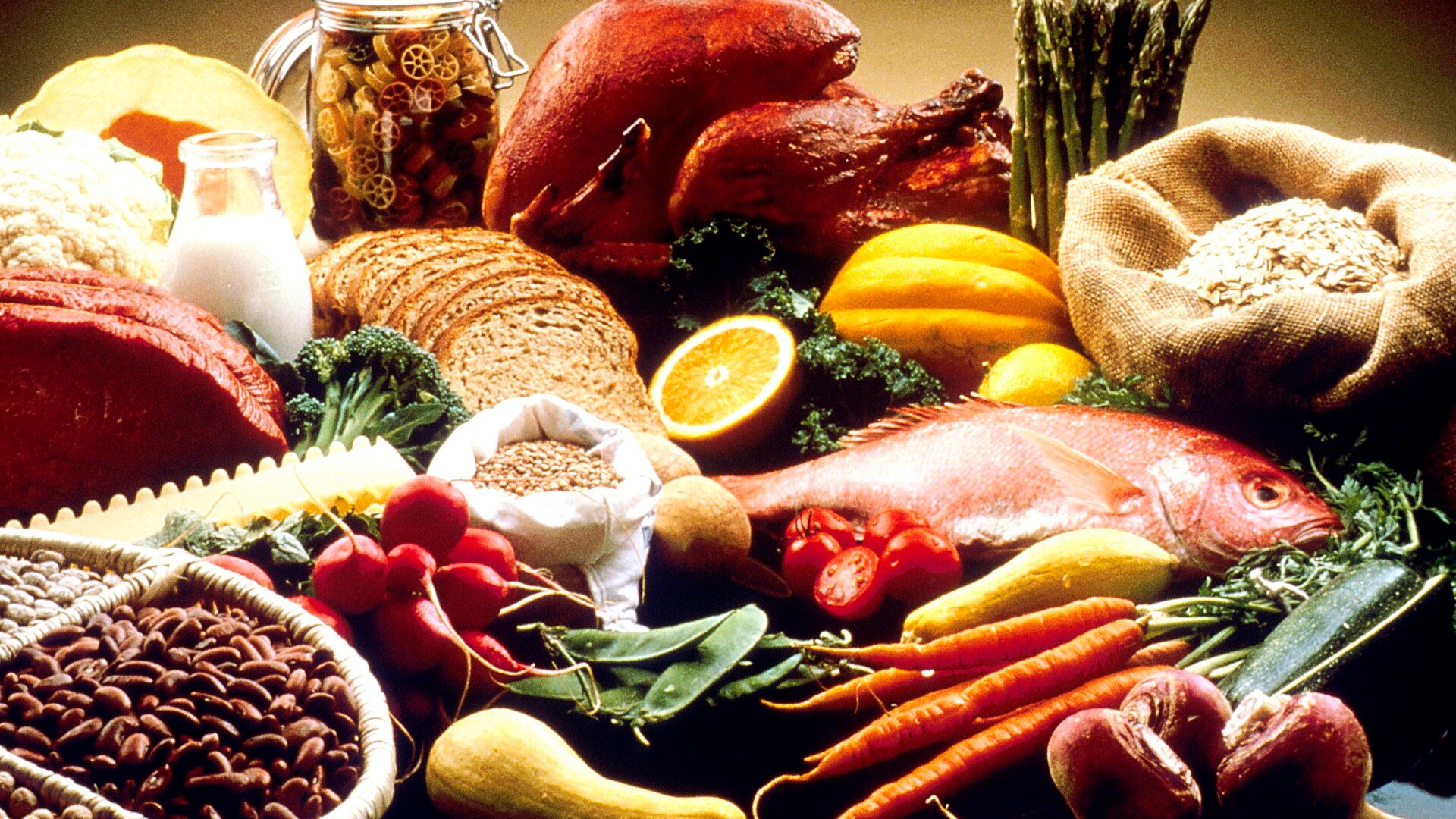
6. Gut Barrier Permeability
Ethanol alters intestinal bacterial balance and degrades mucosal tight junctions. This intestinal barrier breakdown causes leaky gut, allowing bacterial toxins to leak into portal blood circulation. These circulating endotoxins travel directly to the liver, triggering sustained inflammatory cascades and tissue injury.
©Wikimedia / Food
Advertisement
Swipe or tap ▶ to resume the countdown.
5. Alcoholic Polyneuropathy
Chronic alcohol exposure directly damages peripheral nerves through ethanol toxicity and nutrient deprivation. Known as alcoholic polyneuropathy, this condition causes axonal degeneration in the longest nerve fibers. Patients suffer symmetrical burning sensations, numbness, muscle weakness and chronic pain in the feet.

©Wikimedia / The U.S. Food and Drug Administration
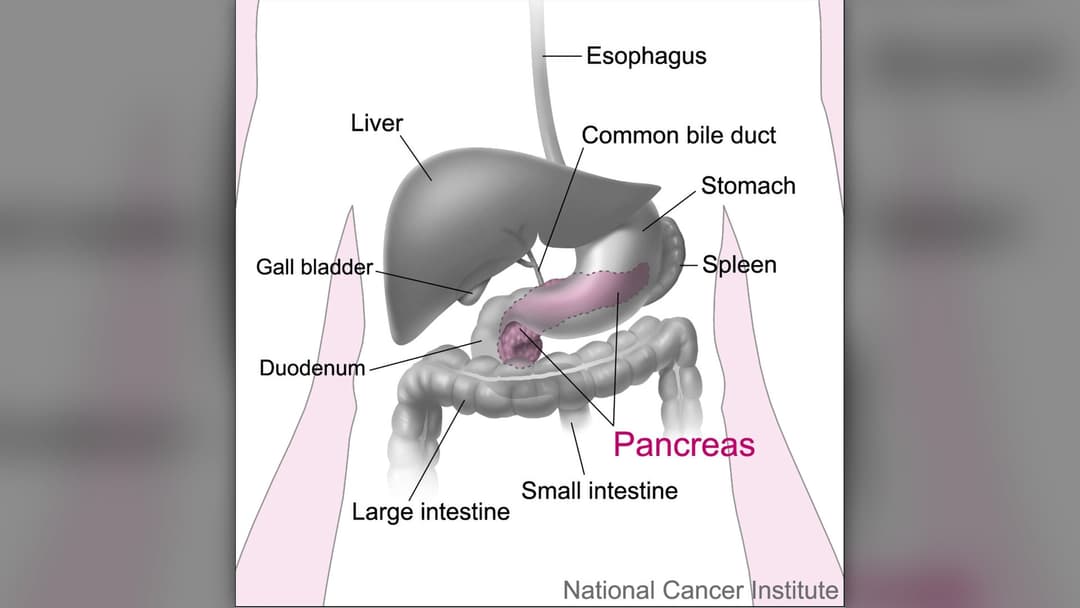
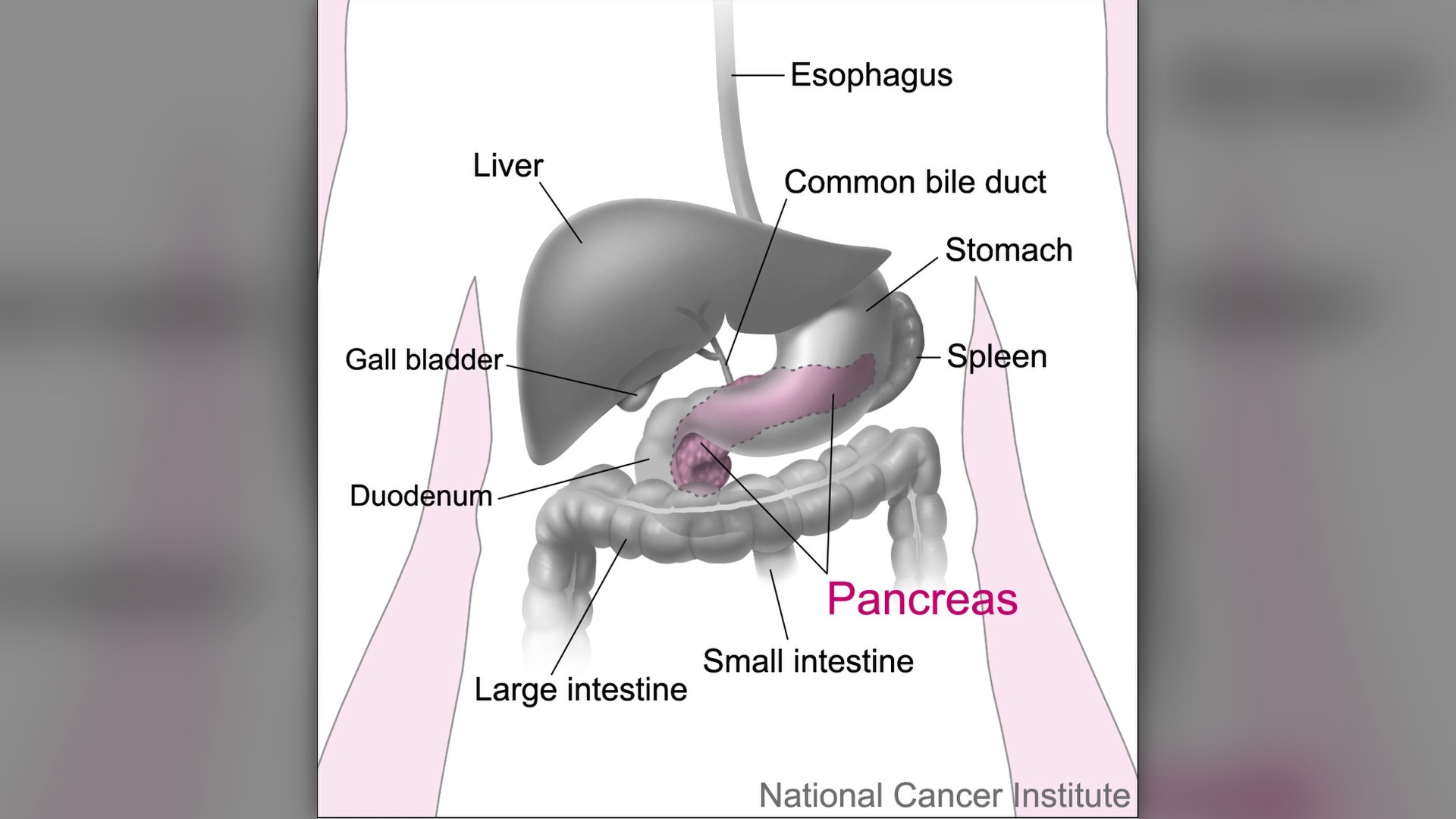
4. Acute Pancreatic Inflammation
Acinar cells in the pancreas normally secrete inactive digestive enzymes into ducts leading to the duodenum. Alcohol metabolizes into toxic compounds that trigger premature internal enzyme activation. These enzymes digest surrounding pancreatic tissue, causing agonizing pancreatitis and potential organ failure.
©Wikimedia / Don Bliss (Illustrator)
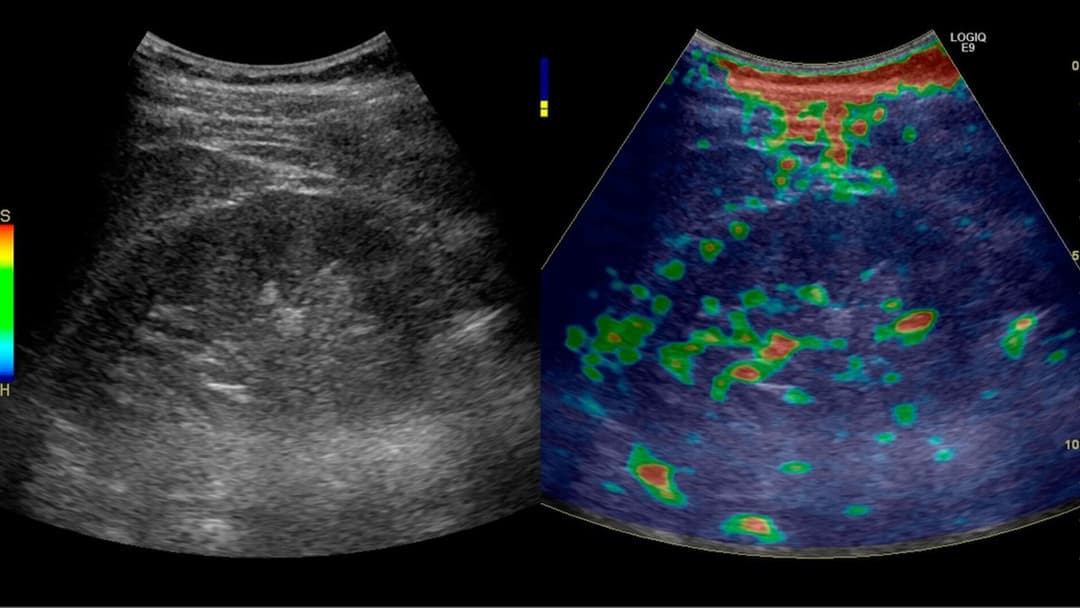
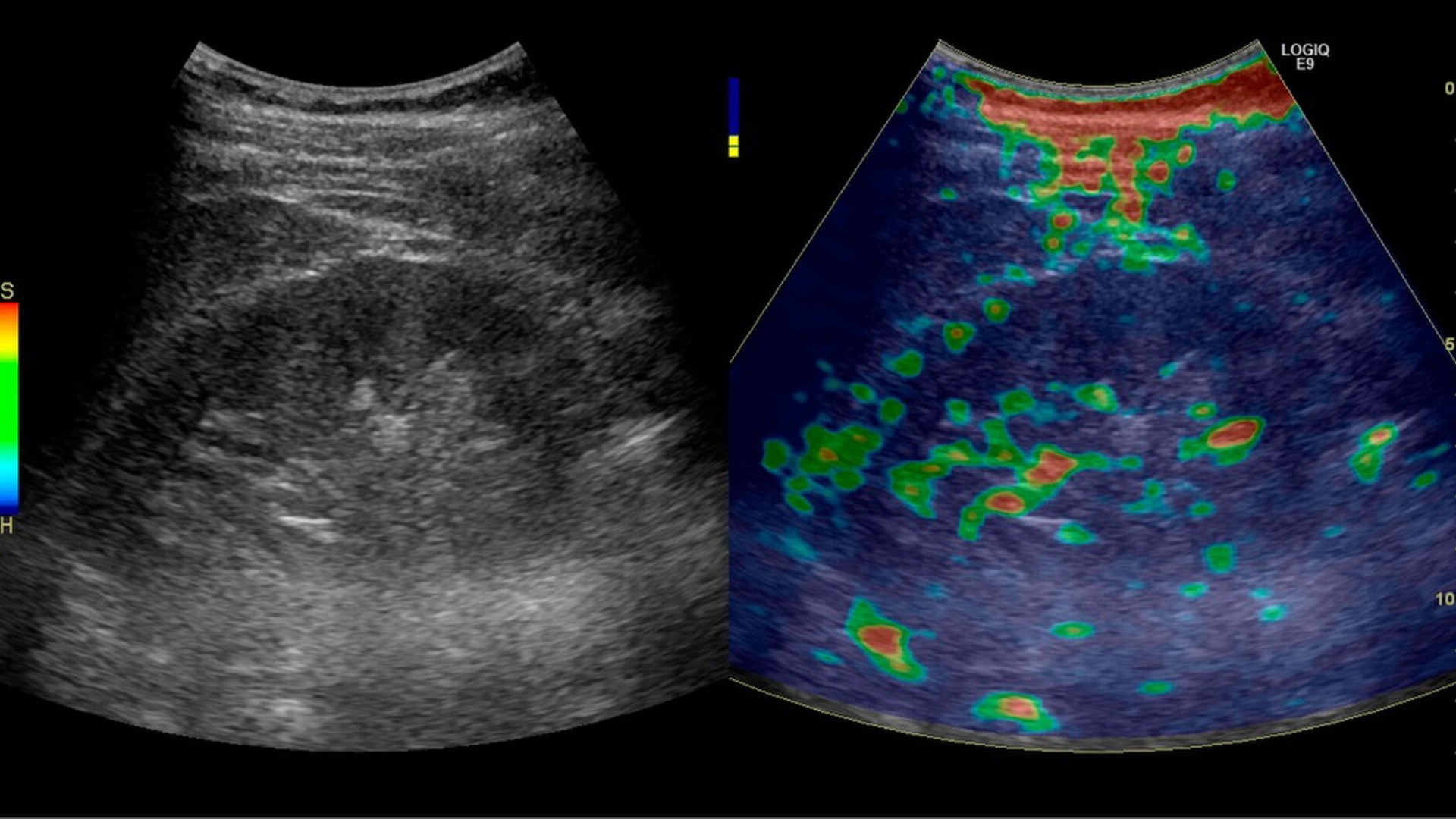
3. Chronic Renal Strain
Alcohol alters cellular fluid balance and forces the kidneys to filter excessive metabolic toxins under fluctuating blood pressure. Chronic heavy drinking impairs renal tubule filtration capacity, disrupts potassium and sodium regulation, and increases the long-term risk of developing chronic kidney disease.
©Wikimedia / Kristoffer Lindskov Hansen, Michael
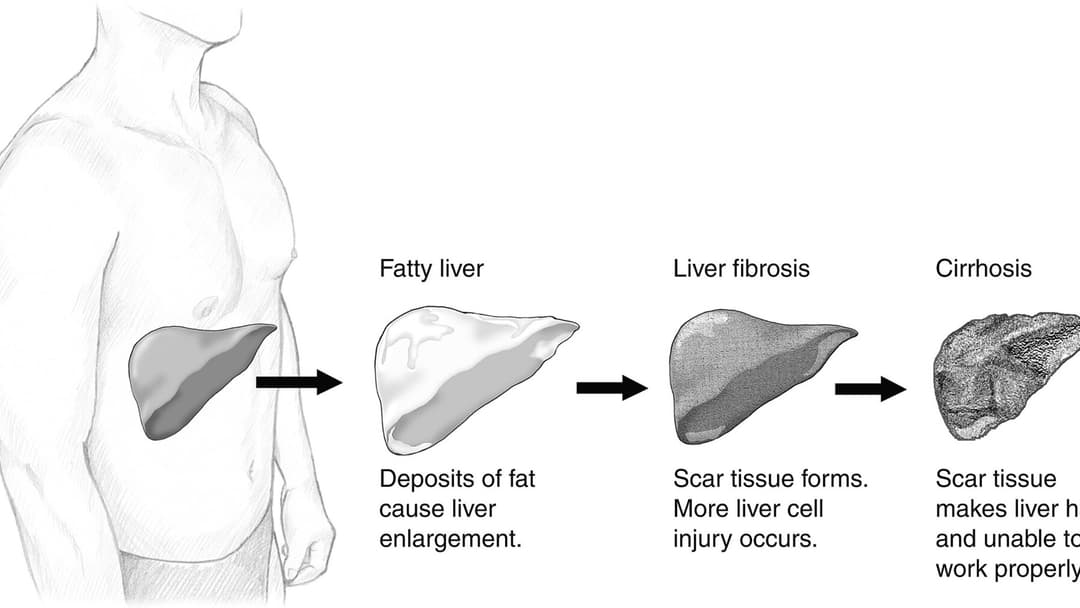
2. Progressive Liver Damage
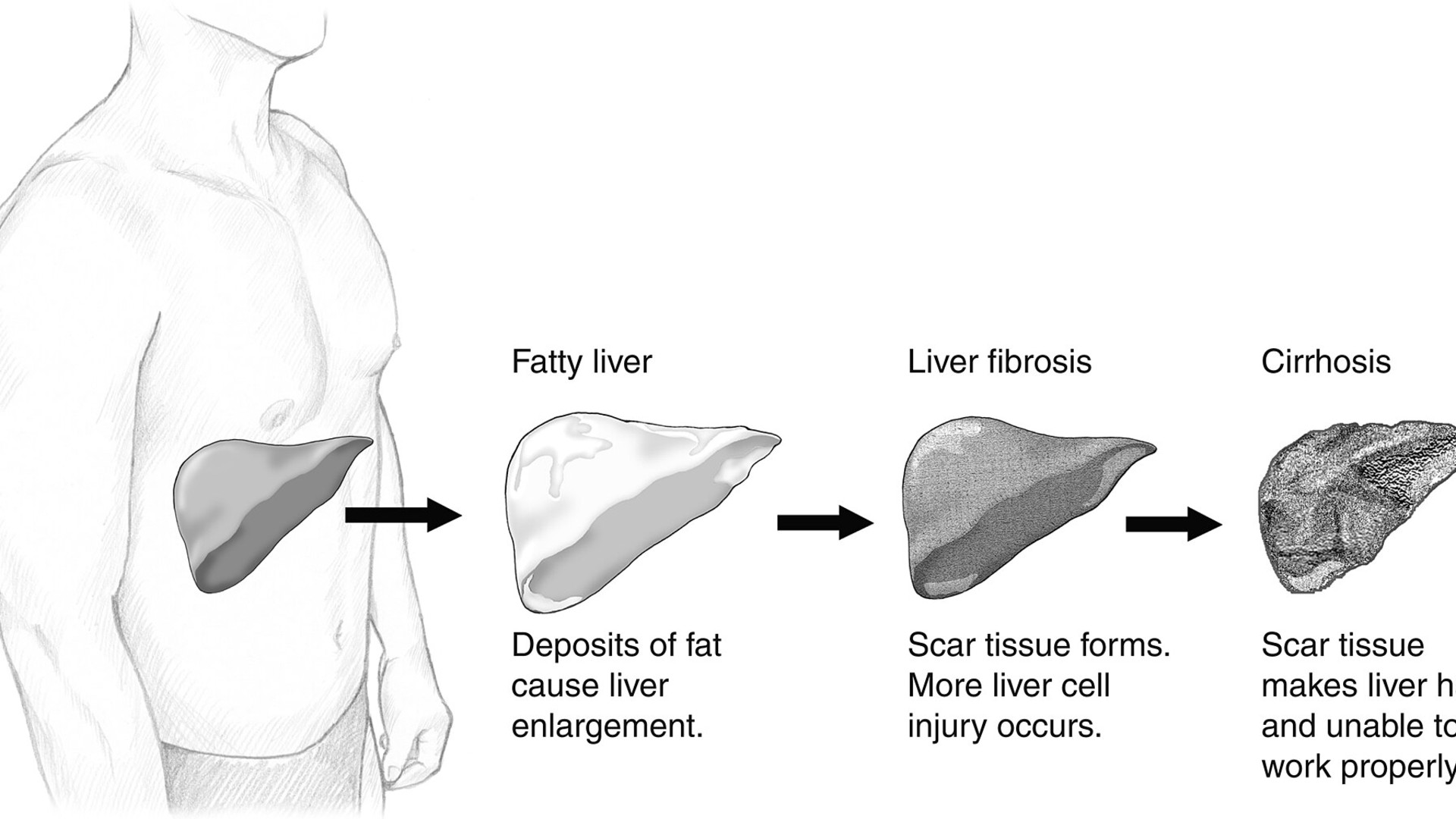
The liver metabolizes 90 percent of consumed alcohol into toxic acetaldehyde. Heavy intake causes rapid fat accumulation known as steatosis. Continued drinking sparks alcoholic hepatitis and fibrosis, eventually replacing healthy liver tissue with permanent, life-threatening cirrhosis scarring and organ failure.
©Wikimedia / NIDDK
Advertisement
Swipe or tap ▶ to resume the countdown.
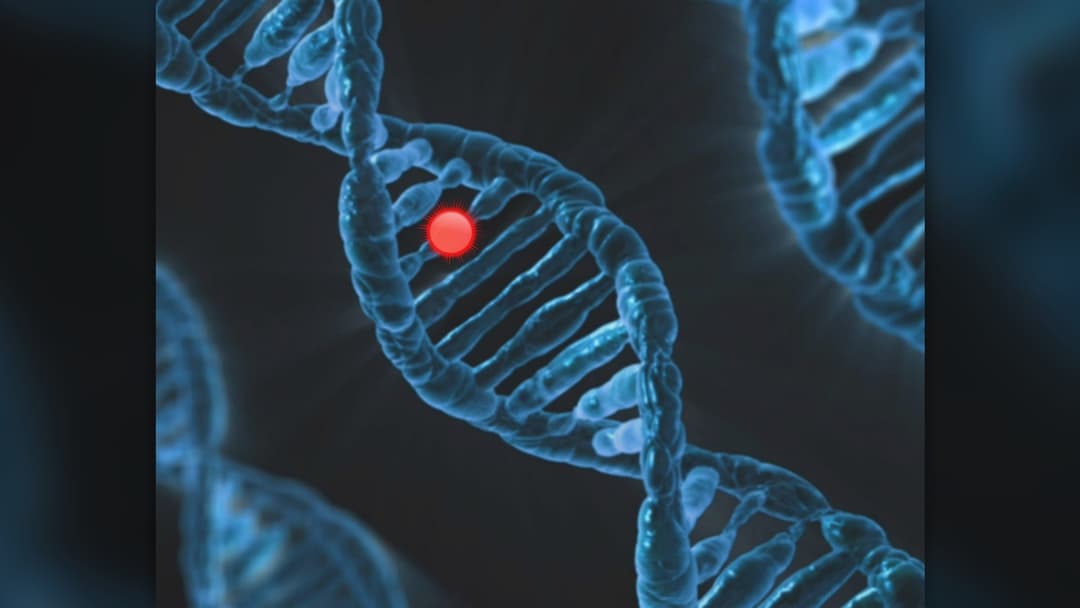
1. DNA Mutation
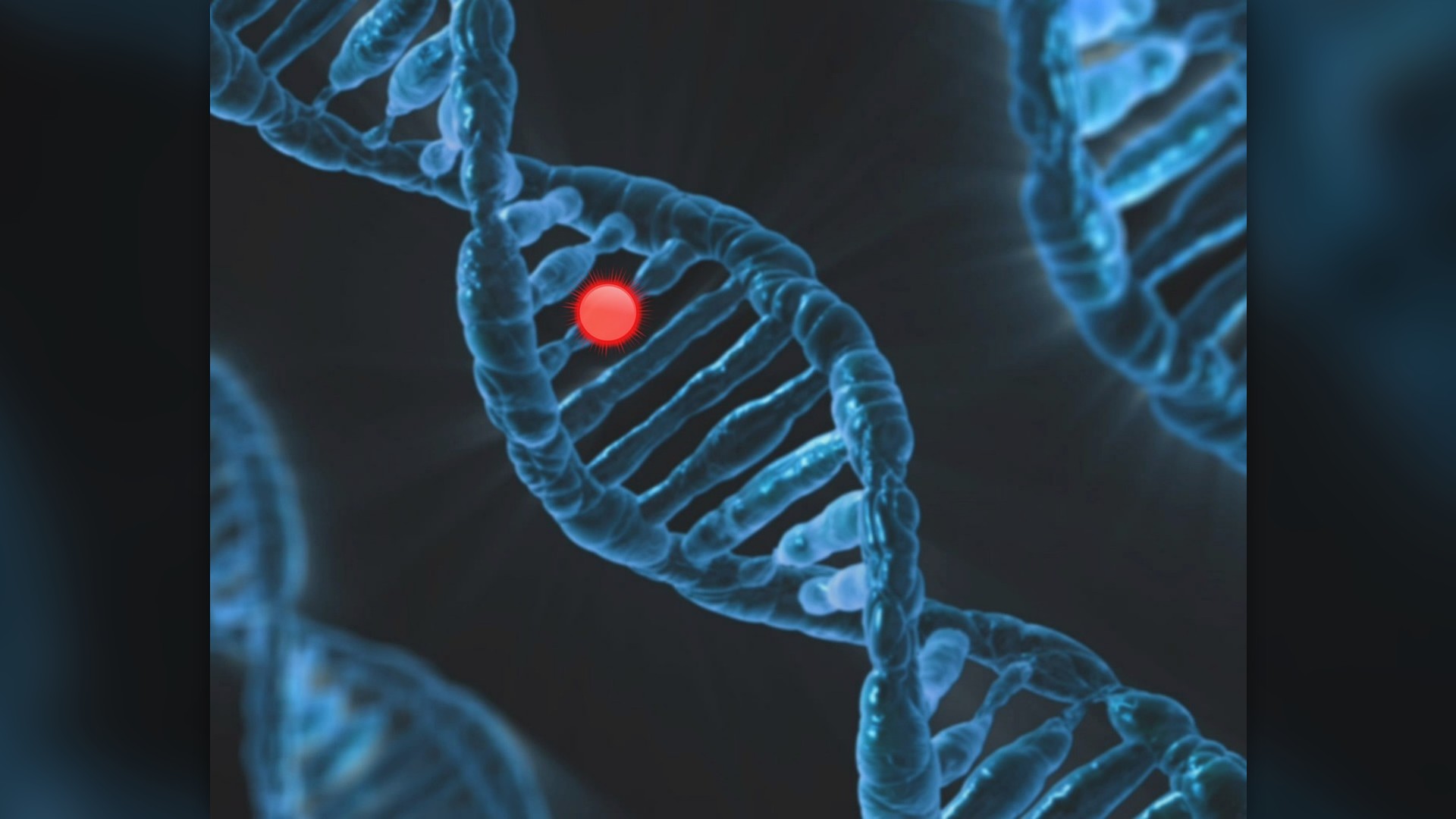
The International Agency for Research on Cancer classifies alcohol metabolite acetaldehyde as a Group 1 human carcinogen. Acetaldehyde directly damages cellular DNA and prevents genetic repair mechanisms. This biological destruction significantly drives cancers of the mouth, esophagus, liver, colon and female breast.
©Pixabay / swiftsciencewriting
Advertisement
You've reached the end of the story. Thanks for reading!

19 Animals with the Longest Lifespans on Earth
While most mammals measure life in decades, select creatures survive for centuries through slow metabolisms and continuous cell repair. Based on research published in Science and reports by NOAA and National Geographic, here are 19 animal species verified to achieve the longest lifespans on the planet.
All 20 Entries in this Story
#20 Blood Vessel Dilation
Ethanol acts as a natural vasodilator on surface capillaries, producing warm skin and facial flushing. While this creates a sensation of heat, the body actually dumps core thermal energy into the surrounding environment, lowering core body temperature rapidly in cold weather settings.

#19 Severe Systemic Dehydration
Alcohol inhibits the secretion of vasopressin, the antidiuretic hormone produced by the pituitary gland. Without this signaling hormone, the kidneys fail to reabsorb water and send excess fluid to the bladder. Drinking 250 milliliters of alcohol causes the body to expel up to 1000 milliliters of fluid.

#18 Disrupted Sleep Architecture
Although alcohol acts as a sedative that speeds up sleep onset, its metabolism later in the night wrecks sleep quality. Ethanol disrupts rapid eye movement cycles, leading to frequent micro-arousals and poor memory consolidation. Chronic drinkers frequently experience daytime exhaustion and insomnia.

#17 Acute Gastric Irritation
Ethanol directly irritates the stomach mucosa and stimulates gastric parietal cells to overproduce hydrochloric acid. This corrosive reaction causes inflammation known as acute gastritis, triggering nausea, abdominal pain and vomiting. Prolonged exposure can erode mucosal walls into bleeding peptic ulcers.

#16 Esophageal Acid Reflux
Alcohol chemically relaxes the lower esophageal sphincter, the muscular ring designed to keep stomach contents contained. When this barrier loosens, stomach acid flows upward into the unprotected esophagus, causing heartburn and tissue erosion. Chronic reflux increases the risk of developing Barrett esophagus.

#15 Blood Sugar Instability
The liver treats alcohol as a primary metabolic toxin, suspending gluconeogenesis and glycogen breakdown while processing ethanol. This sudden pause in glucose release triggers reactive hypoglycemia, leaving brain cells starved of fuel. The resulting sugar crash causes intense tremors, dizziness and weakness.

#14 Essential Nutrient Depletion
Chronic alcohol consumption damages the villi lining the small intestine, blocking absorption of essential vitamins such as thiamine, folate and cobalamin. Severe deficiency in vitamin B1 causes Wernicke-Korsakoff syndrome, a devastating neurological disorder featuring permanent memory loss and confusion.

#13 Cerebellar Motor Impairment
The cerebellum contains half the neurons in the human brain and governs fine motor skills, muscle coordination and equilibrium. Alcohol suppresses electrical signaling in cerebellar Purkinje cells, causing uncoordinated limb movement, loss of balance and inability to perform simple manual dexterity tests.

#12 Prefrontal Cortex Shutdown
The prefrontal cortex regulates judgment, emotional self-control, risk assessment and decision-making. Alcohol dampens neuronal firing in this executive region, removing social inhibitions while exaggerating aggression and impulsive behavior. Users make uncalculated risks that they would avoid when sober.

#11 Sensory Transmission Delay
Alcohol slows down the electrical speed at which neural networks exchange sensory information across synapses. This transmission lag dulls peripheral perception, slows auditory reflexes and delays motor signals to facial muscles. As a result, individuals develop slurred speech and delayed reaction times.

#10 Neurotransmitter Disruption
Ethanol binds directly to GABA-A receptors, amplifying the main inhibitory neurotransmitter in the brain to produce calming sedative effects. Simultaneously, it antagonizes NMDA glutamate receptors, preventing brain excitation. This dual biochemical action slows central nervous system activity to sluggish levels.

#9 Acute Cardiac Arrhythmias
Heavy alcohol consumption releases excess adrenaline and alters electrolyte balance across cardiac tissue. This electrical disruption triggers sudden irregular rhythms, most commonly atrial fibrillation. Known as holiday heart syndrome, these episodes cause rapid palpitations, lightheadedness and elevated stroke risks.

#8 Chronic High Blood Pressure
Drinking more than three alcoholic beverages in one sitting temporarily elevates systolic and diastolic blood pressure. Over time, regular heavy drinking stimulates the sympathetic nervous system and triggers vascular constriction, producing chronic hypertension that severely damages arteries and increases stroke risk.

#7 Immune Defense Breakdown
Alcohol suppresses the proliferation and activity of key immune defenders, including T cells, B lymphocytes and alveolar macrophages. Even a single episode of binge drinking blunts cytokine signaling for up to 24 hours. This immune paralysis leaves the body vulnerable to bacterial pneumonia and viral infections.

#6 Gut Barrier Permeability
Ethanol alters intestinal bacterial balance and degrades mucosal tight junctions. This intestinal barrier breakdown causes leaky gut, allowing bacterial toxins to leak into portal blood circulation. These circulating endotoxins travel directly to the liver, triggering sustained inflammatory cascades and tissue injury.

#5 Alcoholic Polyneuropathy
Chronic alcohol exposure directly damages peripheral nerves through ethanol toxicity and nutrient deprivation. Known as alcoholic polyneuropathy, this condition causes axonal degeneration in the longest nerve fibers. Patients suffer symmetrical burning sensations, numbness, muscle weakness and chronic pain in the feet.

#4 Acute Pancreatic Inflammation
Acinar cells in the pancreas normally secrete inactive digestive enzymes into ducts leading to the duodenum. Alcohol metabolizes into toxic compounds that trigger premature internal enzyme activation. These enzymes digest surrounding pancreatic tissue, causing agonizing pancreatitis and potential organ failure.

#3 Chronic Renal Strain
Alcohol alters cellular fluid balance and forces the kidneys to filter excessive metabolic toxins under fluctuating blood pressure. Chronic heavy drinking impairs renal tubule filtration capacity, disrupts potassium and sodium regulation, and increases the long-term risk of developing chronic kidney disease.

#2 Progressive Liver Damage
The liver metabolizes 90 percent of consumed alcohol into toxic acetaldehyde. Heavy intake causes rapid fat accumulation known as steatosis. Continued drinking sparks alcoholic hepatitis and fibrosis, eventually replacing healthy liver tissue with permanent, life-threatening cirrhosis scarring and organ failure.

#1 DNA Mutation
The International Agency for Research on Cancer classifies alcohol metabolite acetaldehyde as a Group 1 human carcinogen. Acetaldehyde directly damages cellular DNA and prevents genetic repair mechanisms. This biological destruction significantly drives cancers of the mouth, esophagus, liver, colon and female breast.