Slideshow · Animals
19 Animals with the Longest Lifespans on Earth
While most mammals measure life in decades, select creatures survive for centuries through slow metabolisms and continuous cell repair. Based on research published in Science and reports by NOAA and National Geographic, here are 19 animal species verified to achieve the longest lifespans on the planet.
By Most Viral Today
17 min ago

See which extraordinary species across land and sea achieve centuries of life 
19. Laysan Albatross (74+ Years) 
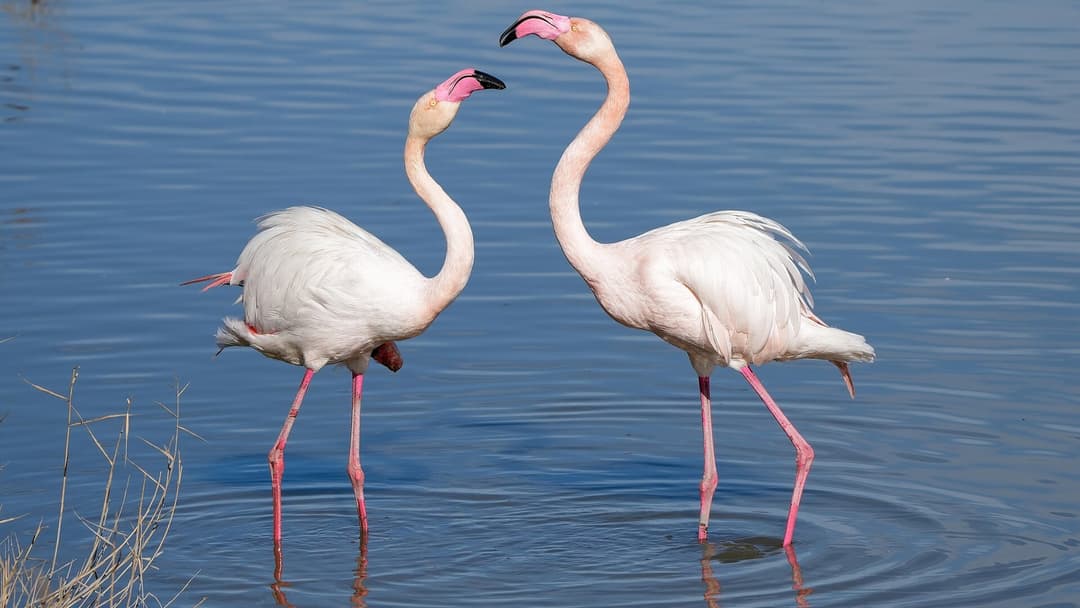
18. Greater Flamingo (83 Years) 
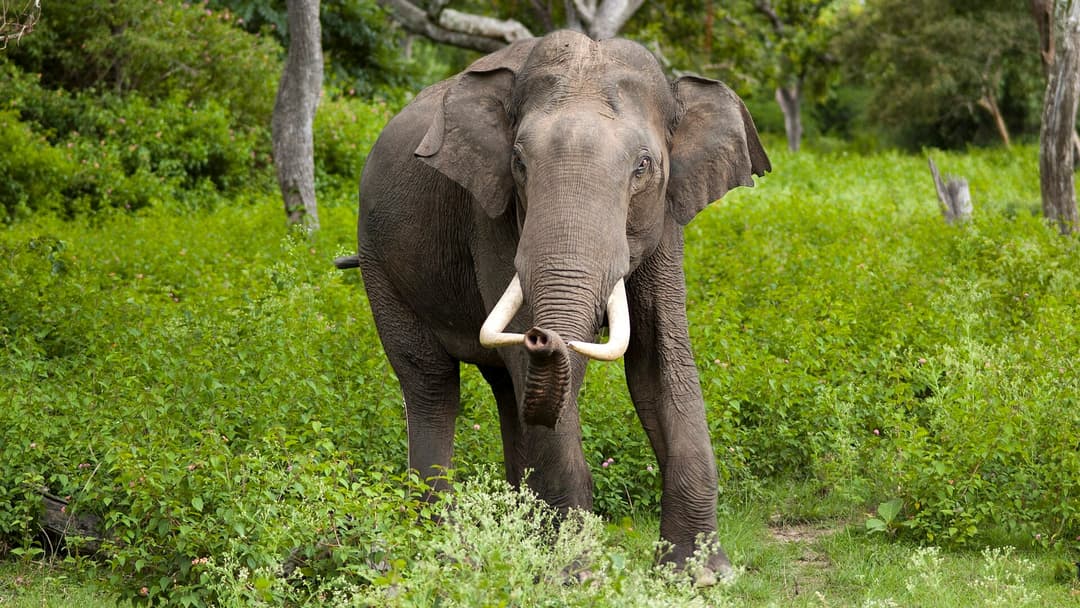
17. Asian Elephant (86 Years) - AdvertisementSwipe or tap ▶ to continue countdown

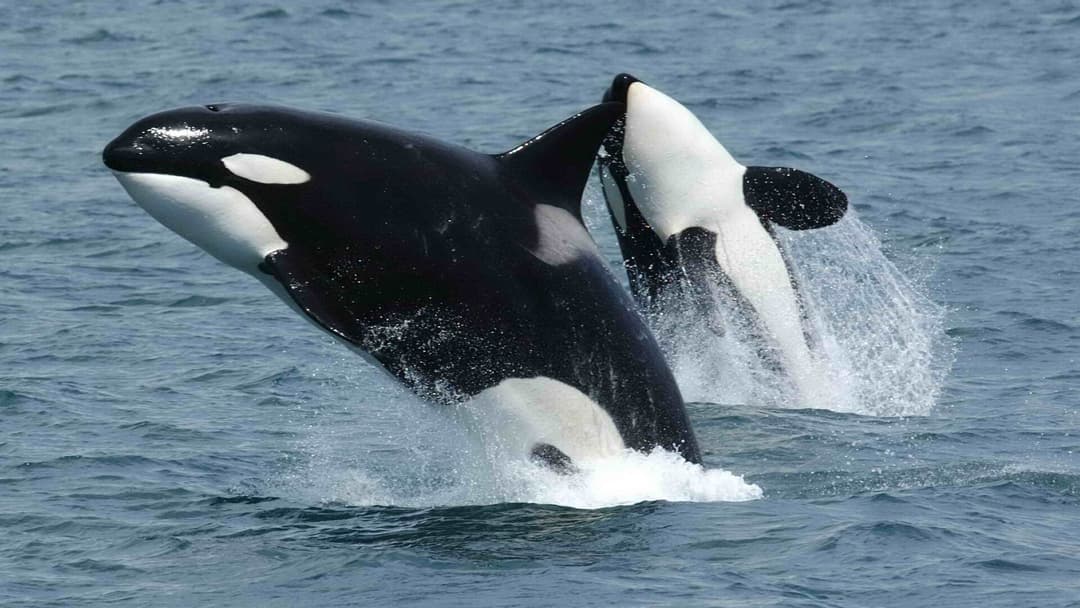
16. Orca (90+ Years) 
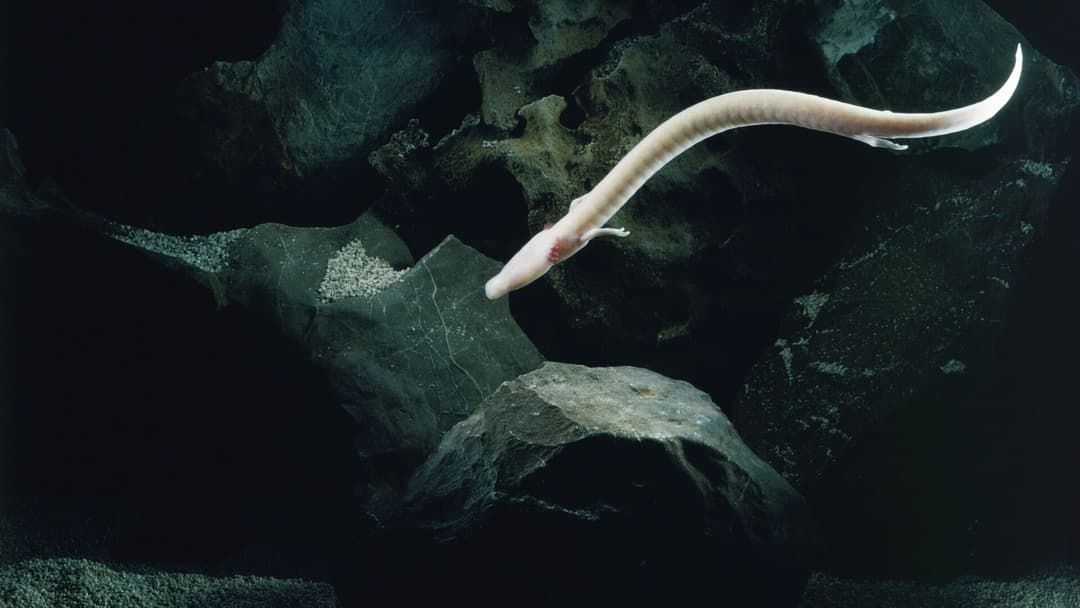
15. Olm Salamander (100+ Years) 
14. American Lobster (100+ Years) 
13. Blue Whale (110 Years) - AdvertisementSwipe or tap ▶ to continue countdown

12. Tuatara (120+ Years) 
11. Nile Crocodile (123+ Years) 
10. Bigmouth Buffalo Fish (127 Years) 
9. Pacific Geoduck Clam (168 Years) - AdvertisementSwipe or tap ▶ to continue countdown

8. Aldabra Giant Tortoise (190+ Years) 
7. Red Sea Urchin (200+ Years) 
6. Rougheye Rockfish (205 Years) 
5. Bowhead Whale (211+ Years) - AdvertisementSwipe or tap ▶ to continue countdown

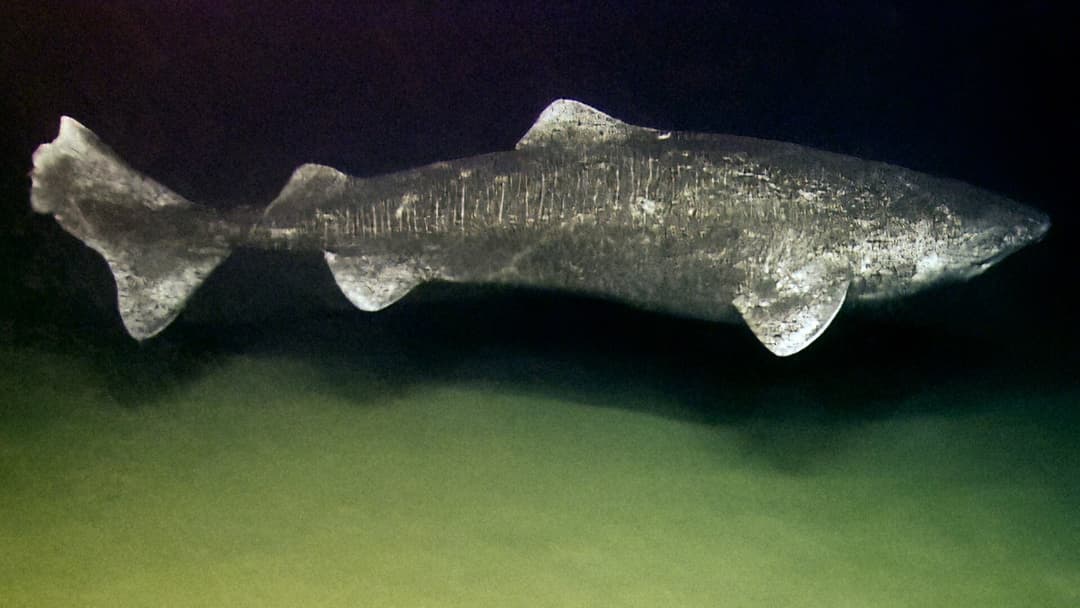
4. Greenland Shark (272 To 512 Years) 
3. Ocean Quahog Clam (507 Years) 
2. Black Coral (4,000+ Years) 
1. Immortal Jellyfish (Biological Immortality) - Advertisement🔥 UP NEXT IN THIS SERIES◫ 22 Slides

21 Animals That Once Lived in the U.S. and Have Since Disappeared
North American forests, plains, and coasts once held billions of wild animals that shaped the land for centuries. Market hunting, trapping, and habitat loss erased these 21 unique species between the nineteenth and twenty-first centuries. Here is the true chronological record of America vanished wildlife heritage.
While most mammals measure life in decades, select creatures survive for centuries through slow metabolisms and continuous cell repair. Based on research published in Science and reports by NOAA and National Geographic, here are 20 animal species verified to achieve the longest lifespans on the planet.
Swipe or tap ▶ to begin the countdown
©Wikimedia / NOAA Okeanos Explorer Program
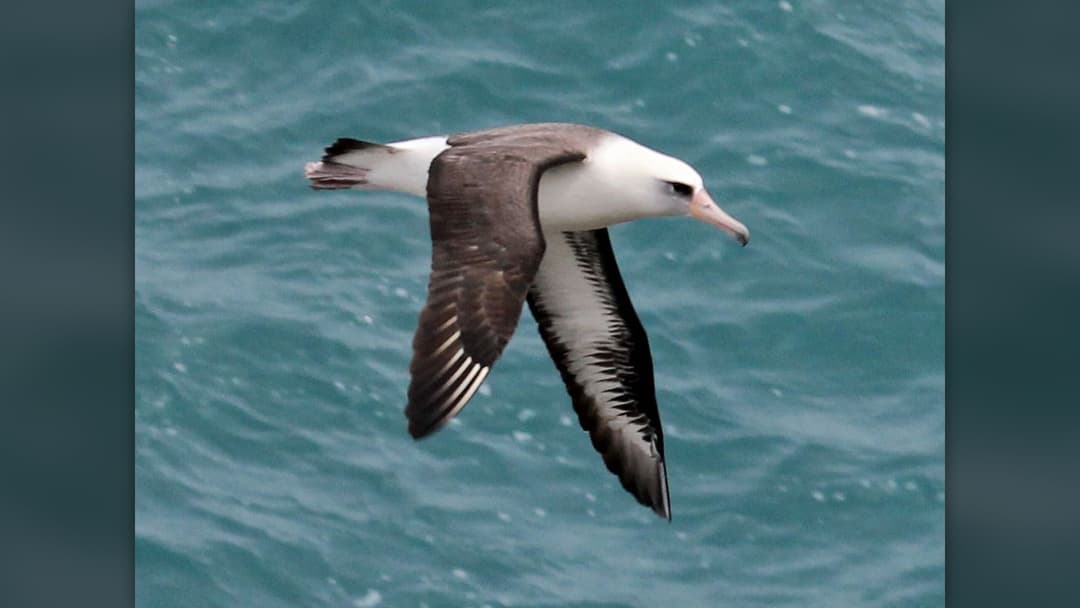
19. Laysan Albatross (74+ Years)
Biologist Chandler Robbins banded a female Laysan albatross named Wisdom at Midway Atoll in 1956. At over 74 years of age, she has logged millions of flight miles across the Pacific and raised dozens of chicks, demonstrating remarkable avian durability.
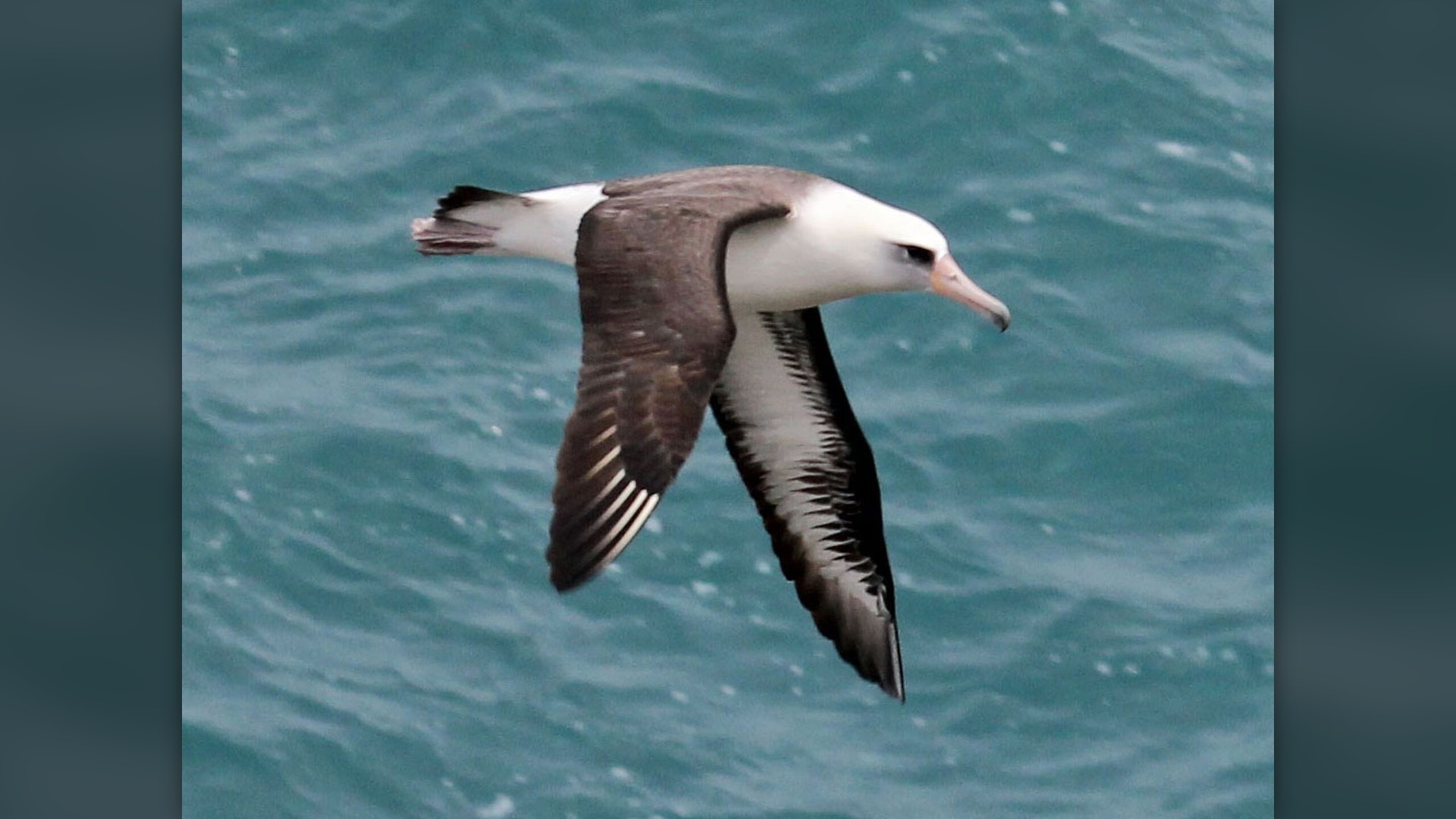
©Wikimedia / Laysan albatross
18. Greater Flamingo (83 Years)
Greater flamingos in the wild average 30 to 40 years, but captive birds with steady nutrition survive far longer. The oldest recorded individual lived to age 83 at Adelaide Zoo in Australia, helped by cellular preservation mechanisms that resist aging.
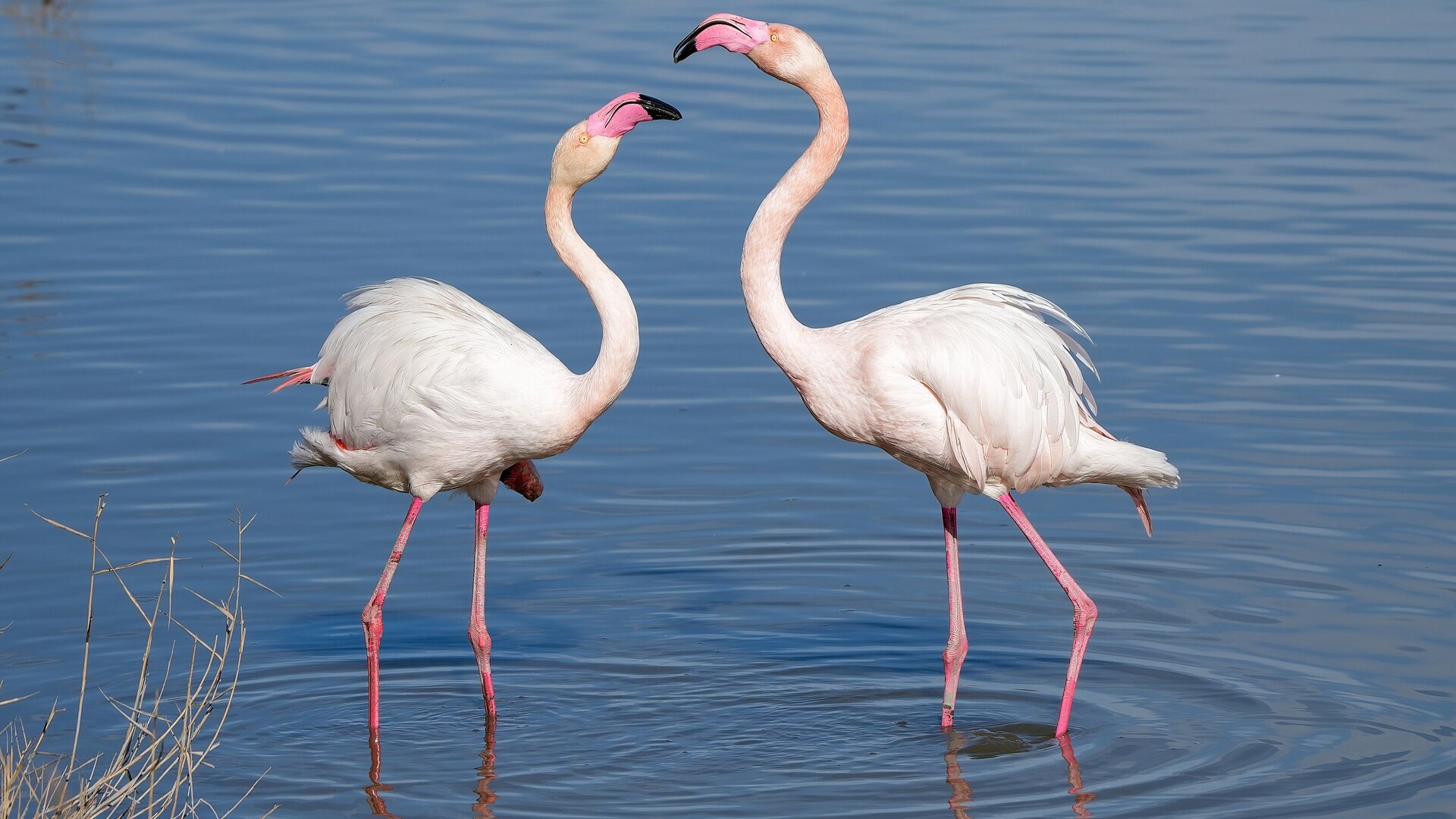
©Wikimedia / Greater flamingo
17. Asian Elephant (86 Years)
Most wild elephants live 60 years until their final molars wear down. The oldest verified Asian elephant in Guinness World Records was Lin Wang, a military pack veteran who reached age 86 at Taipei Zoo after surviving World War Two campaigns in Burma.
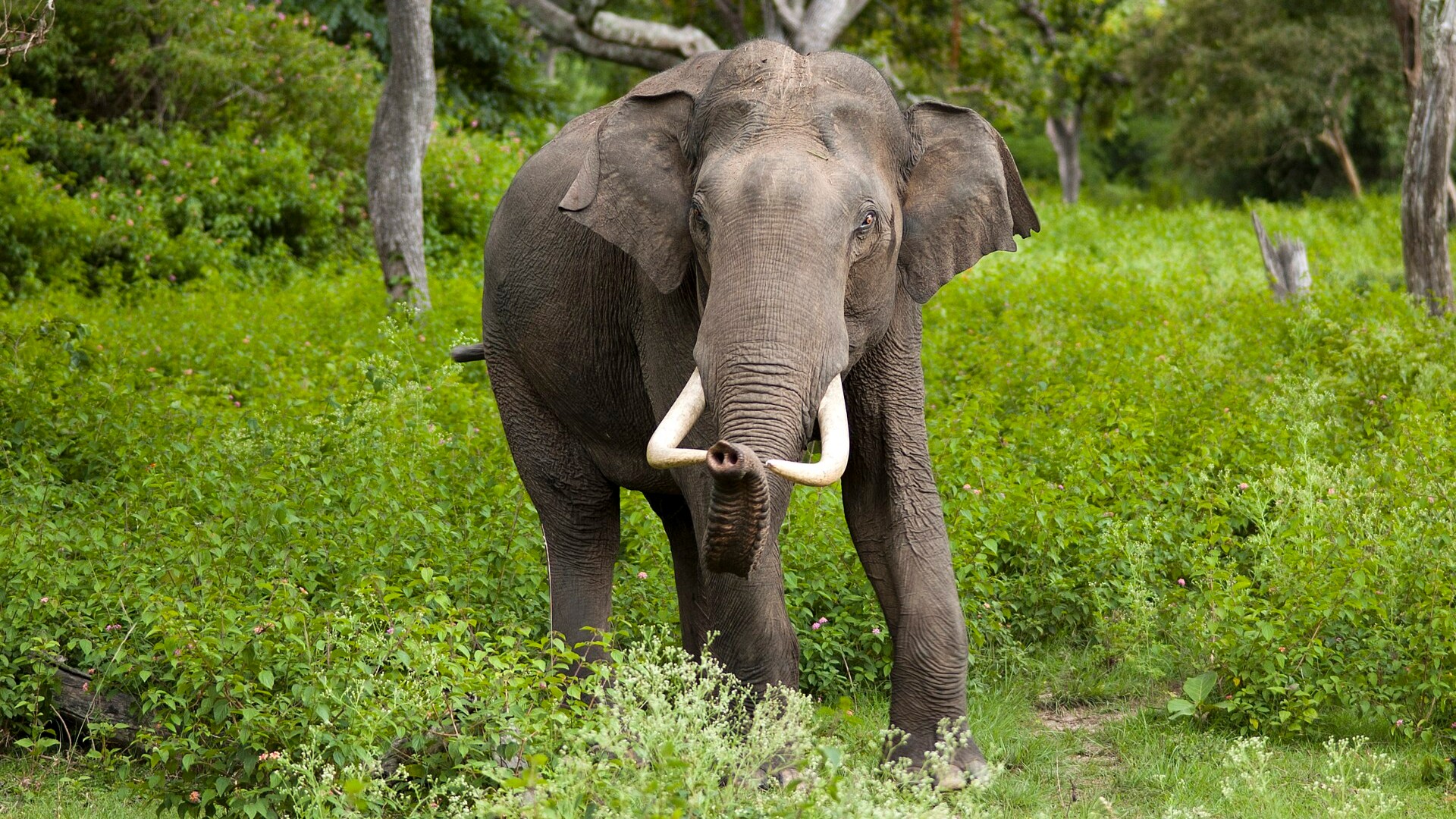
©Wikimedia / Asian elephant
Advertisement
Swipe or tap ▶ to resume the countdown.
16. Orca (90+ Years)
Female killer whales are among the rare mammals that experience menopause, surviving decades past reproduction to steer family pods toward feeding grounds. Researchers tracking the Southern Resident population documented matriarch J2 living past 80 years.
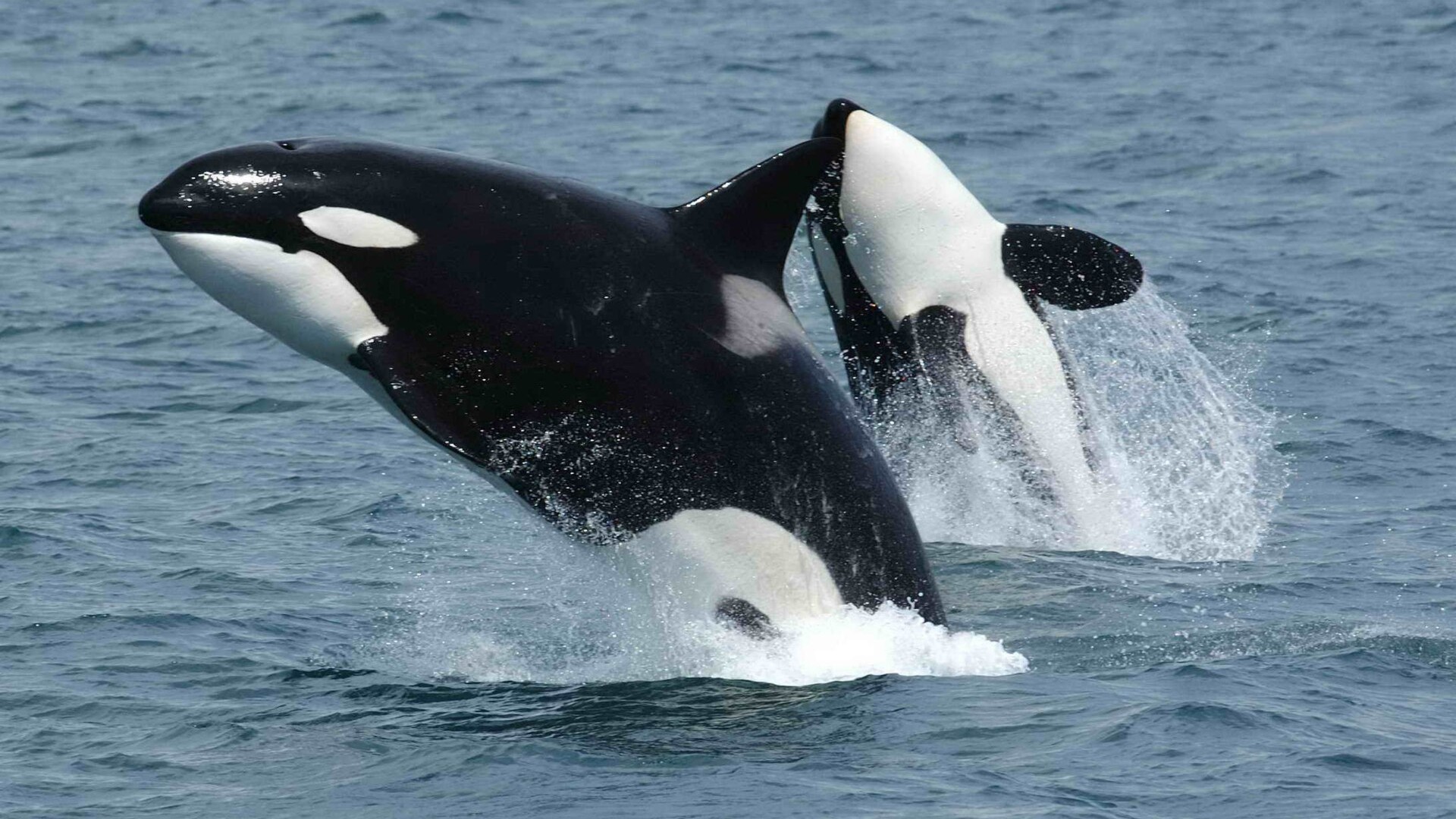
©Wikimedia / Orca
15. Olm Salamander (100+ Years)
Living in pitch black limestone caves across Slovenia, the blind olm possesses a minimal metabolic rate. Demographic studies by European researchers indicate these amphibians regularly live past 100 years, with individual specimens remaining motionless for years.
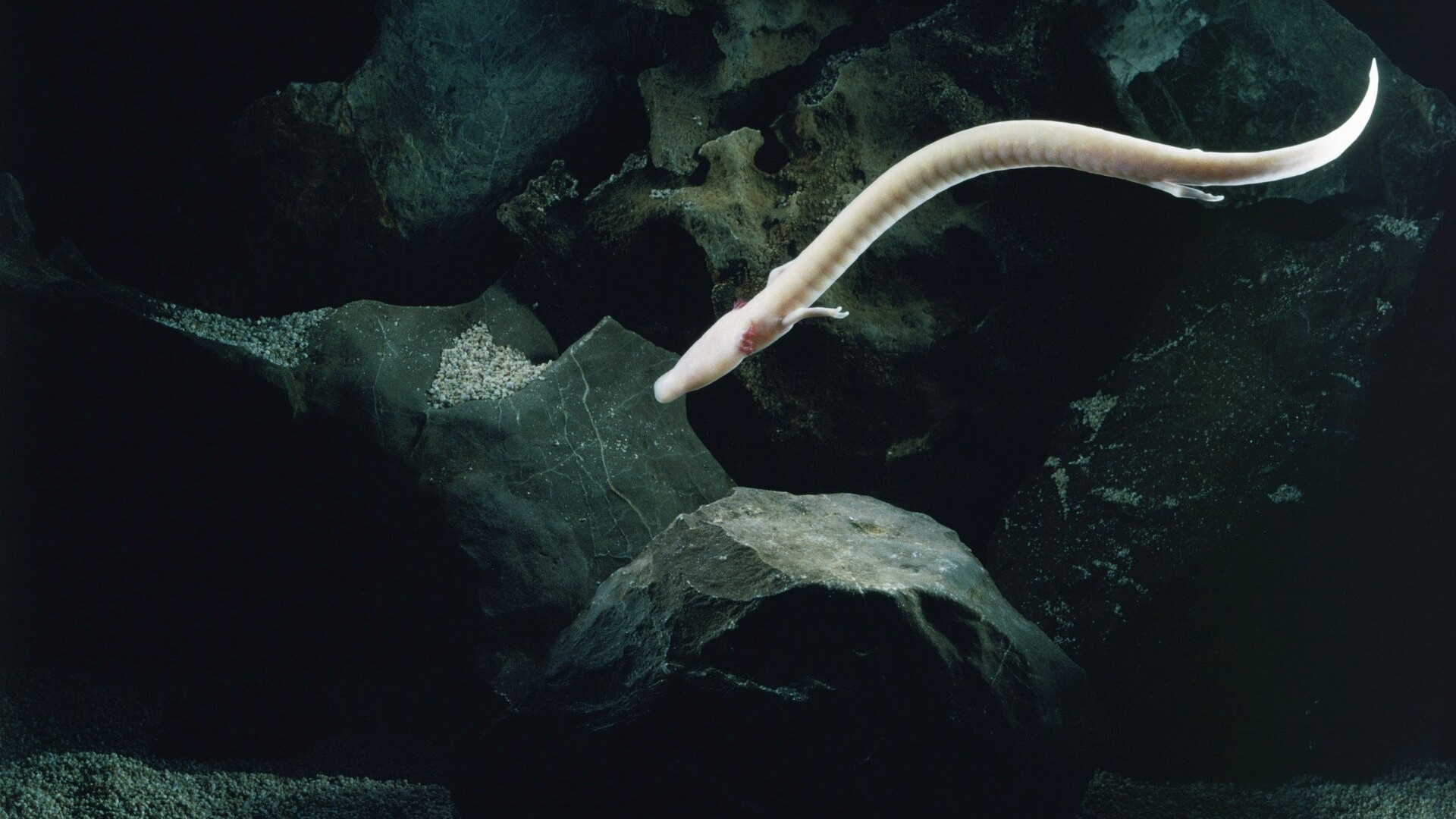
©Wikimedia / Arne Hodalič
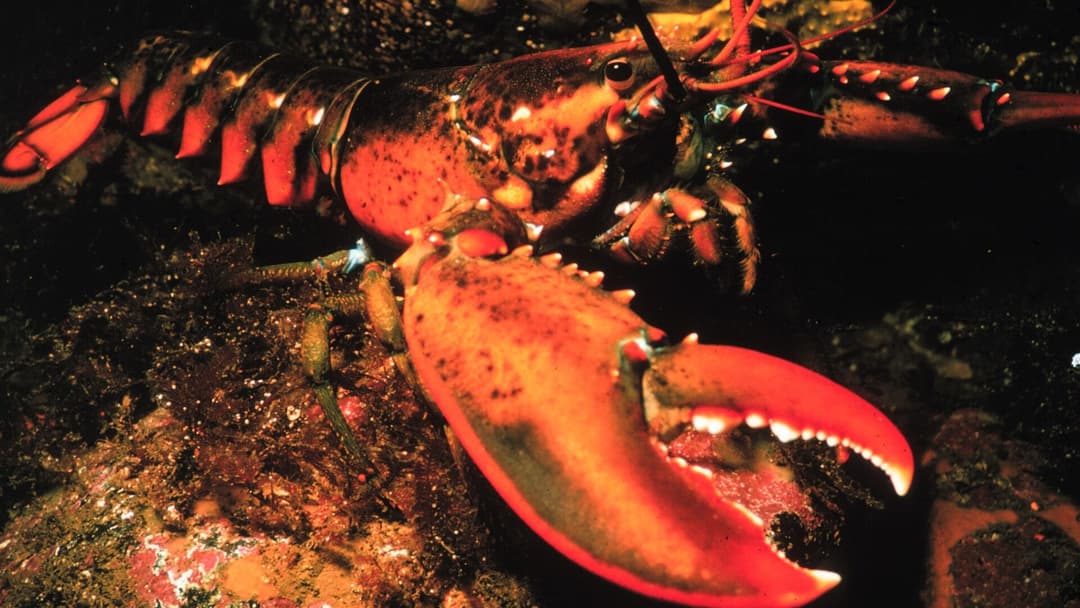
14. American Lobster (100+ Years)
Unlike most animals whose cells stop dividing with age, American lobsters express the enzyme telomerase throughout their organs during adulthood. Giant specimens weighing over 20 pounds can exceed 100 years until shell molting demands too much energy.
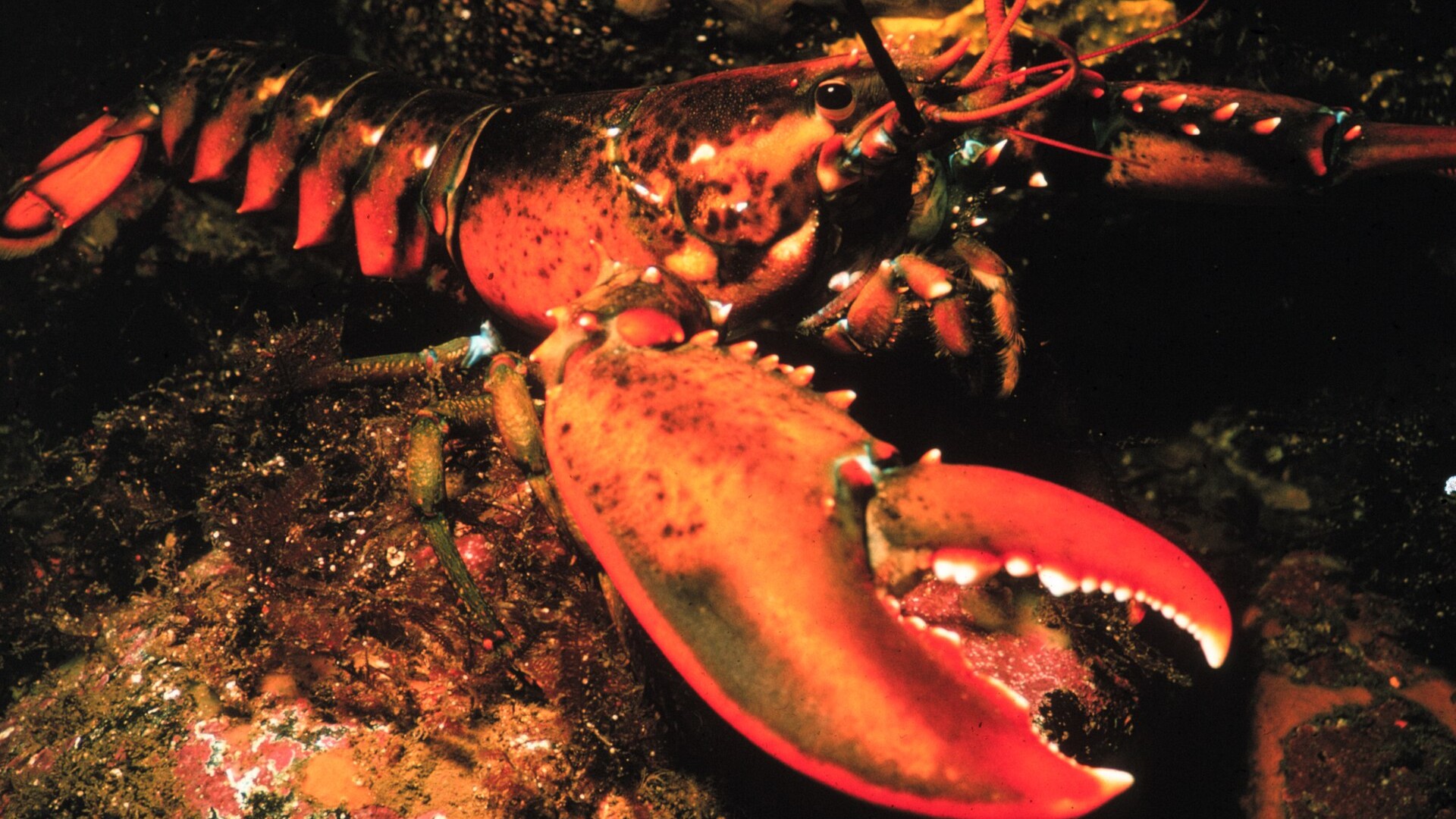
©Wikimedia / American lobster
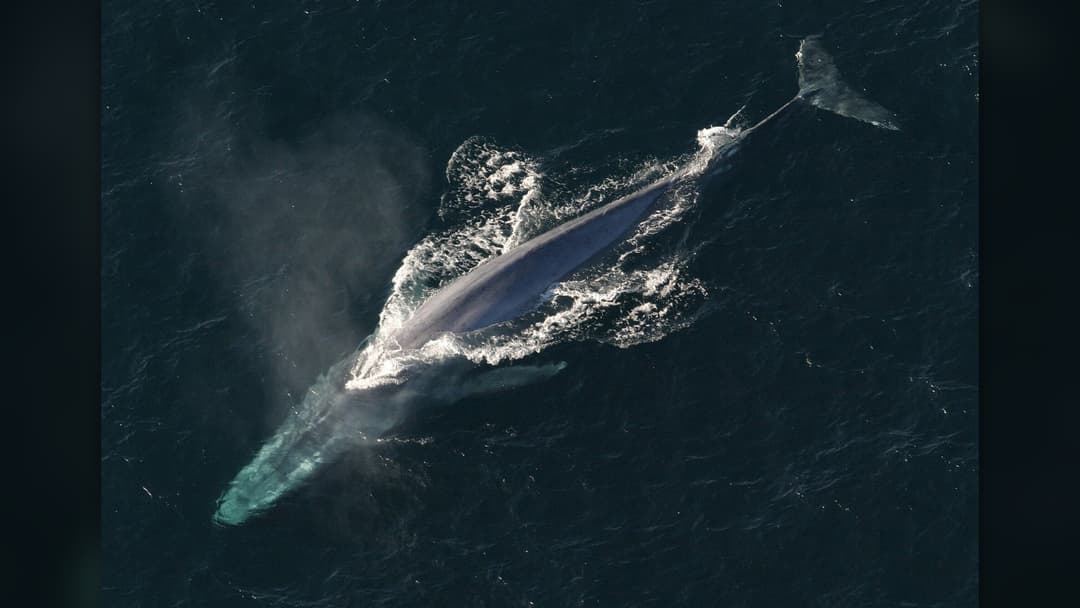
13. Blue Whale (110 Years)
Weighing up to 150 tons, the blue whale slows its heartbeat to just two beats per minute during deep oceanic feeding dives. Marine biologists count alternating wax layers inside ear plugs to measure age, confirming lifespans stretching between 80 and 110 years.
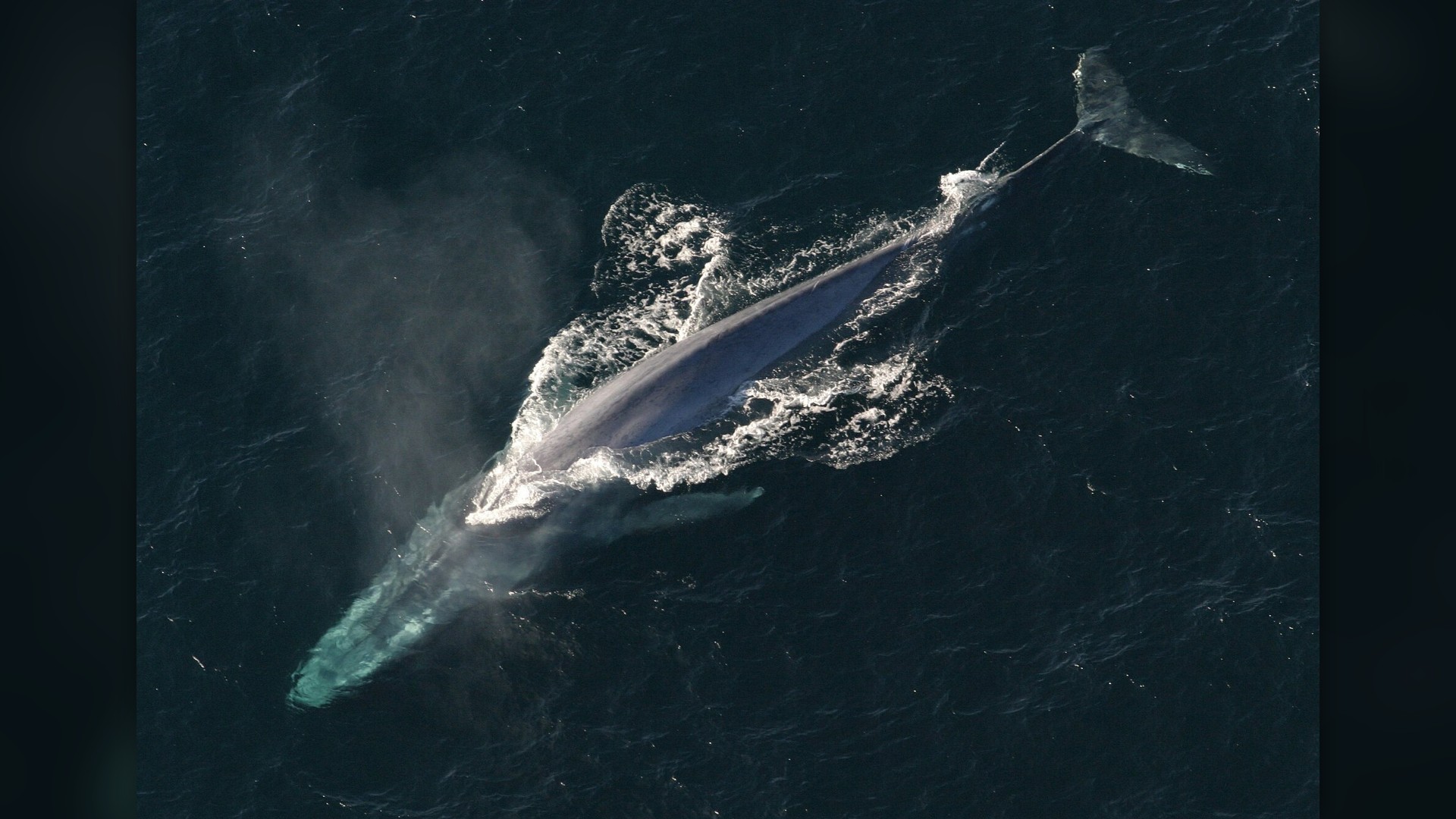
©Wikimedia / Blue whale
Advertisement
Swipe or tap ▶ to resume the countdown.
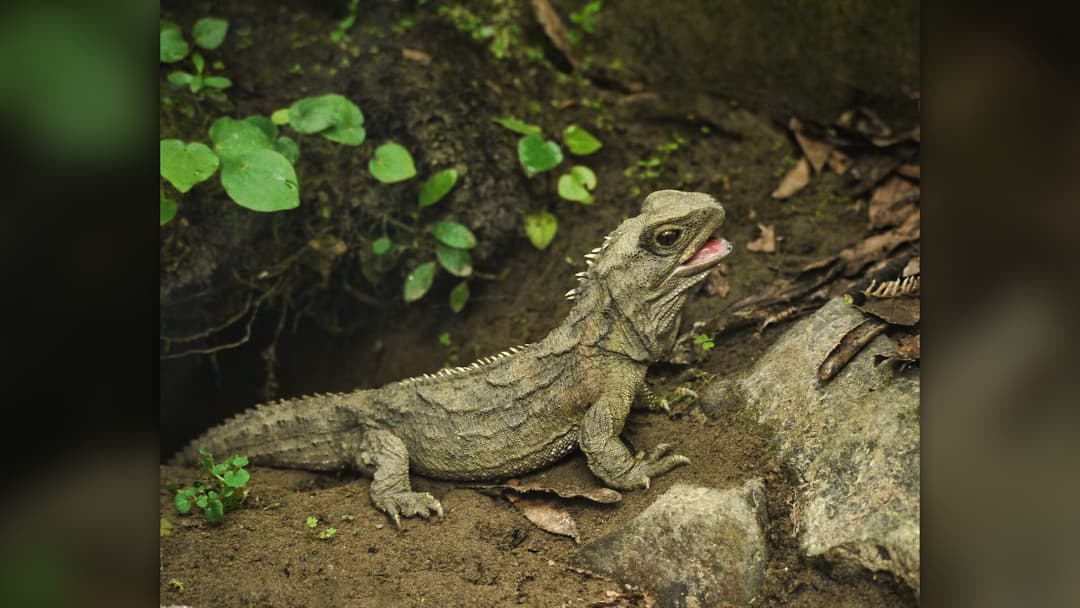
12. Tuatara (120+ Years)
The tuatara is the sole survivor of an archaic reptile order that roamed Earth alongside early dinosaurs. Adapted to cool island weather that slows its metabolism, one captive male named Henry successfully mated at age 111 and surpassed 120 years.
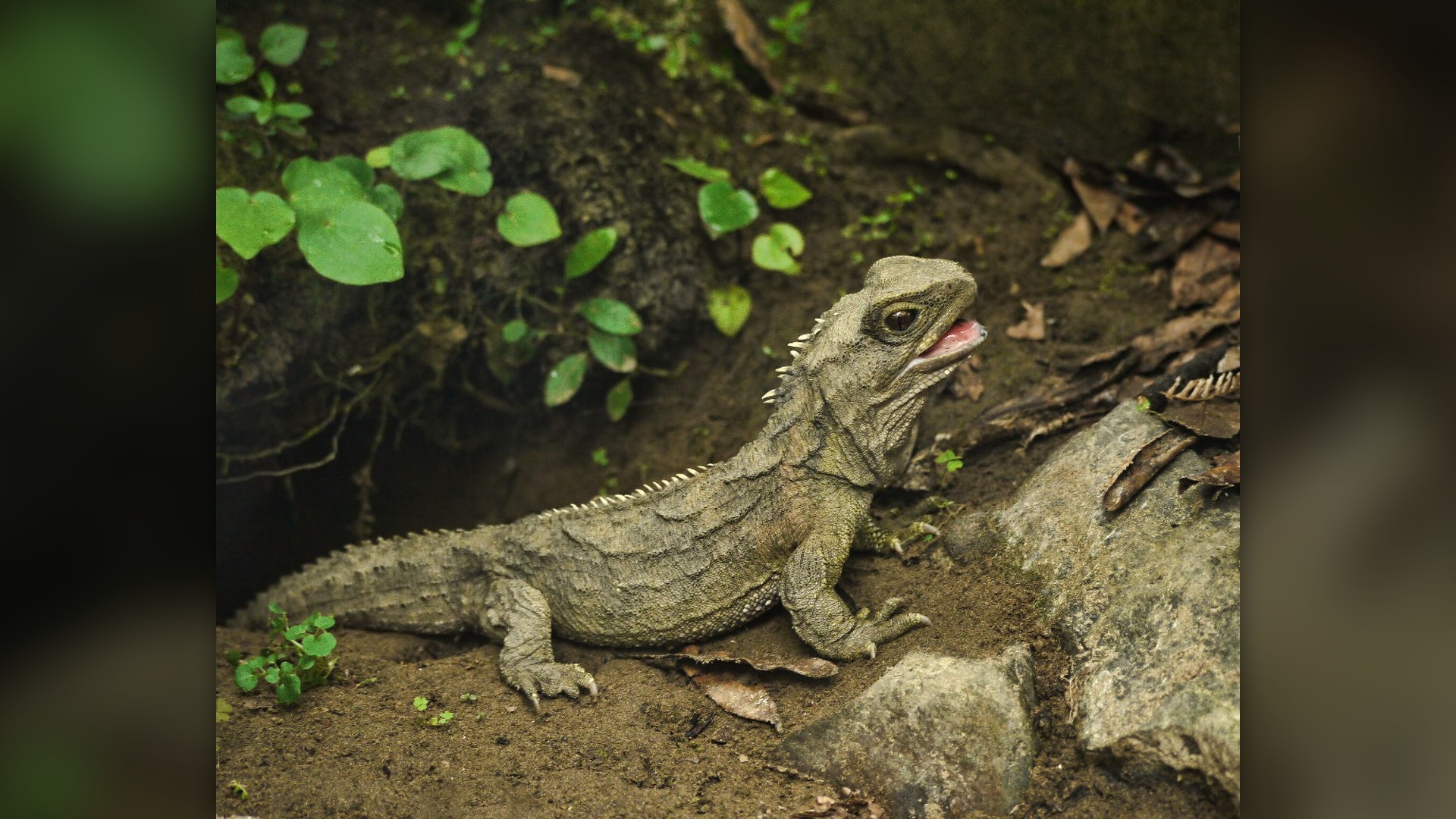
©Wikimedia / Tuatara
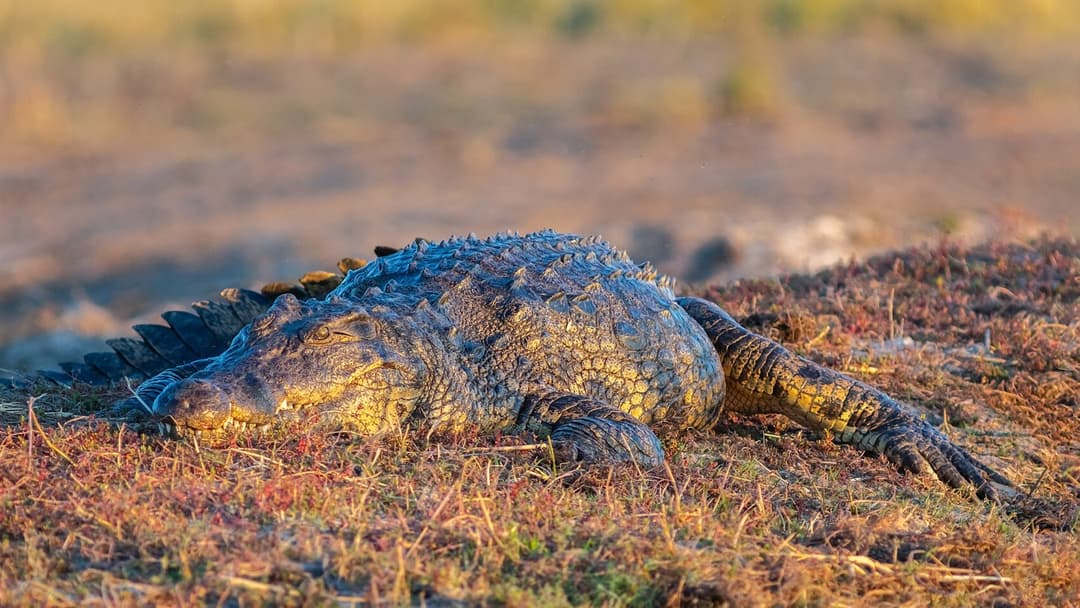
11. Nile Crocodile (123+ Years)
Nile crocodiles frequently surpass 70 years when protected from hunting and territorial fights. The oldest documented individual is Henry, a massive bull crocodile born around 1900 in the Okavango Delta, currently housed at South Africa Crocworld past age 123.
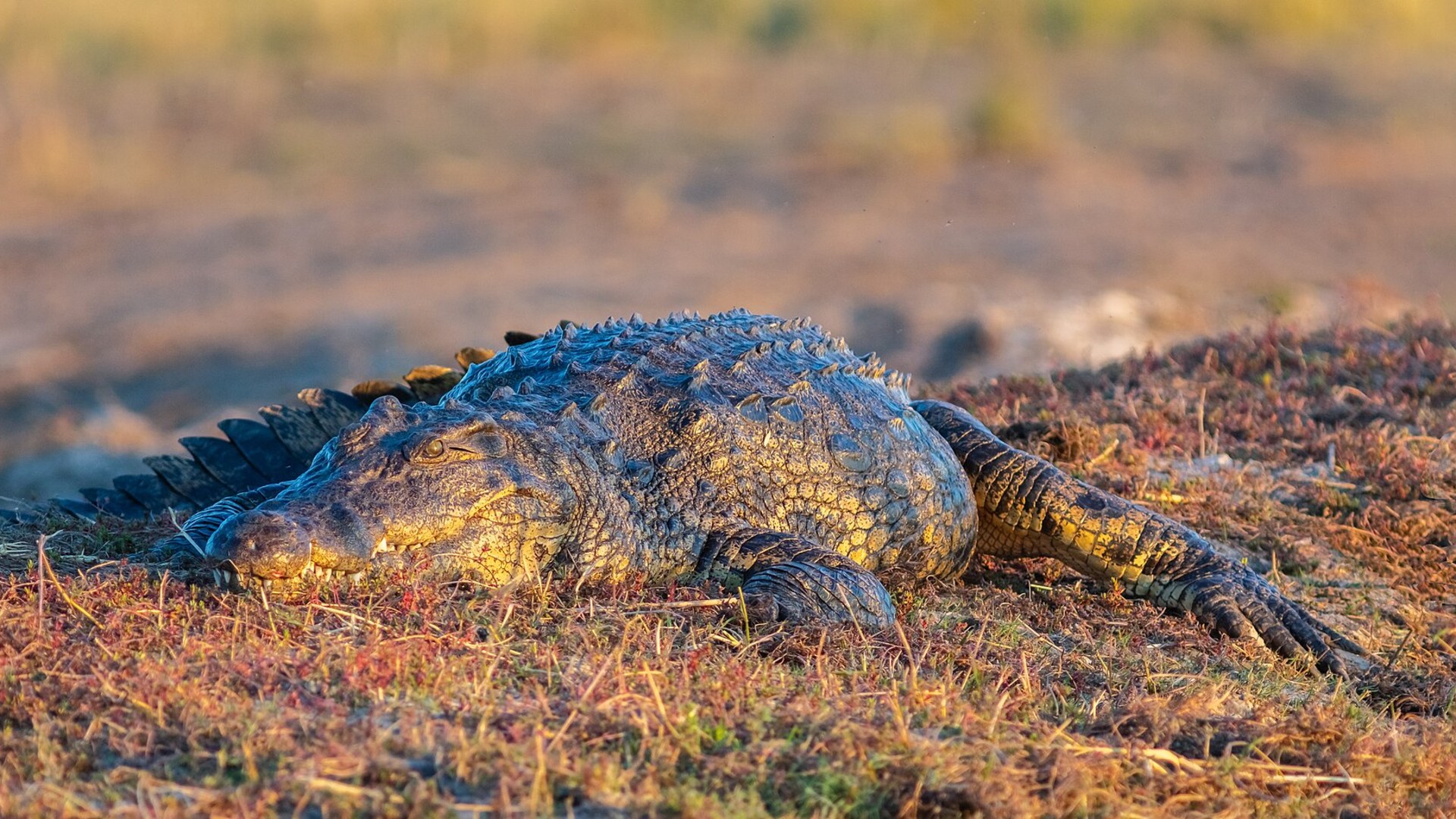
©Wikimedia / Diego Delso
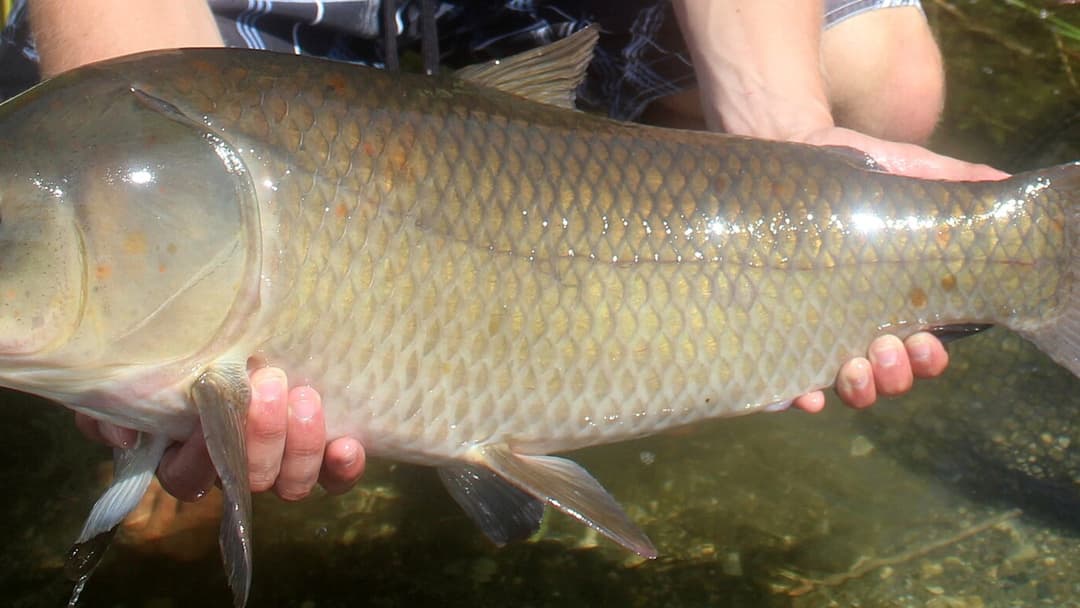
10. Bigmouth Buffalo Fish (127 Years)
Biologists long believed the bigmouth buffalo lived only two decades. Modern radiocarbon testing on otolith ear stones from populations in Minnesota and Canada revealed multiple specimens surviving past 100 years, with the oldest reaching 127 years.
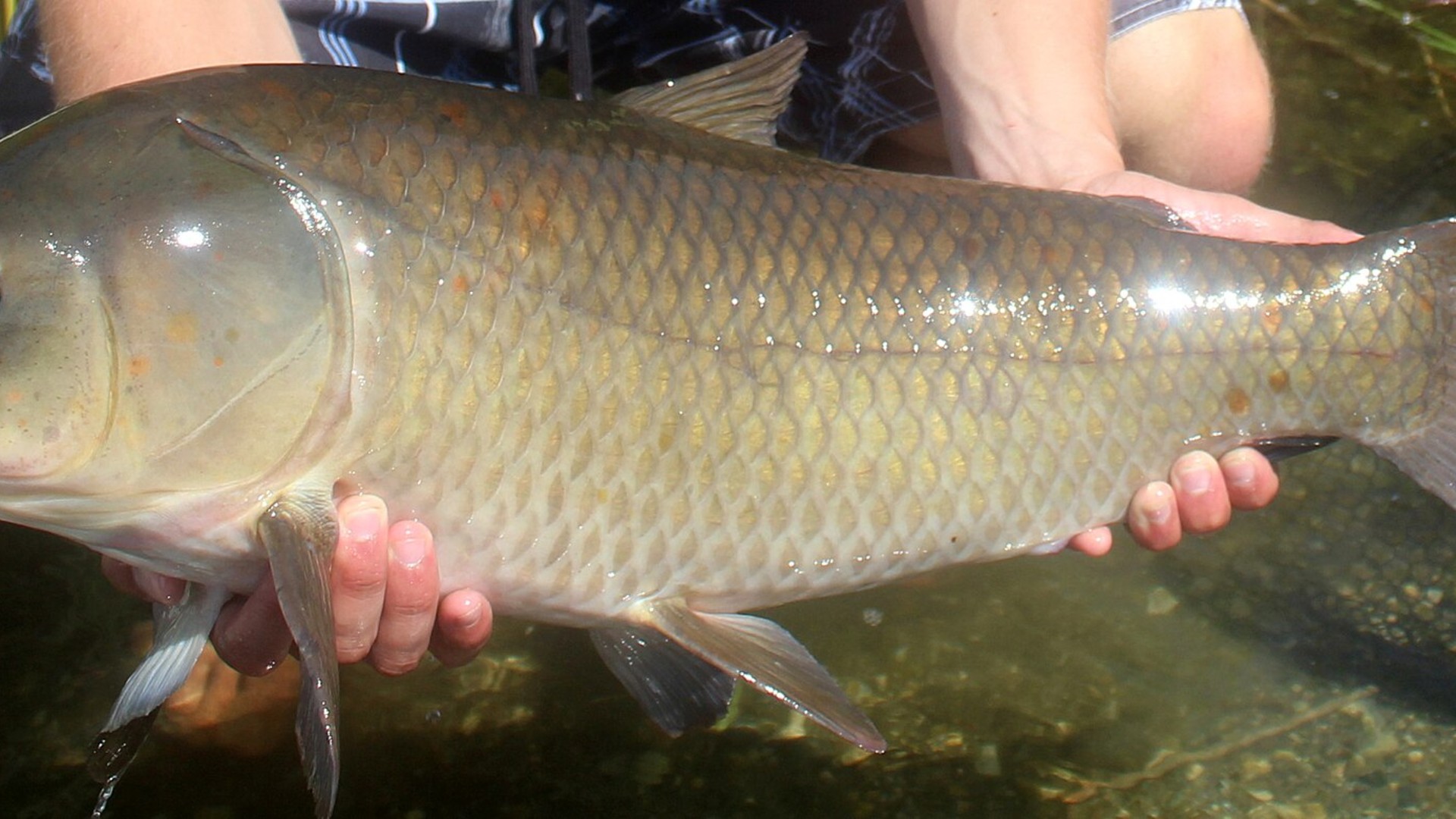
©Wikimedia / Alus164
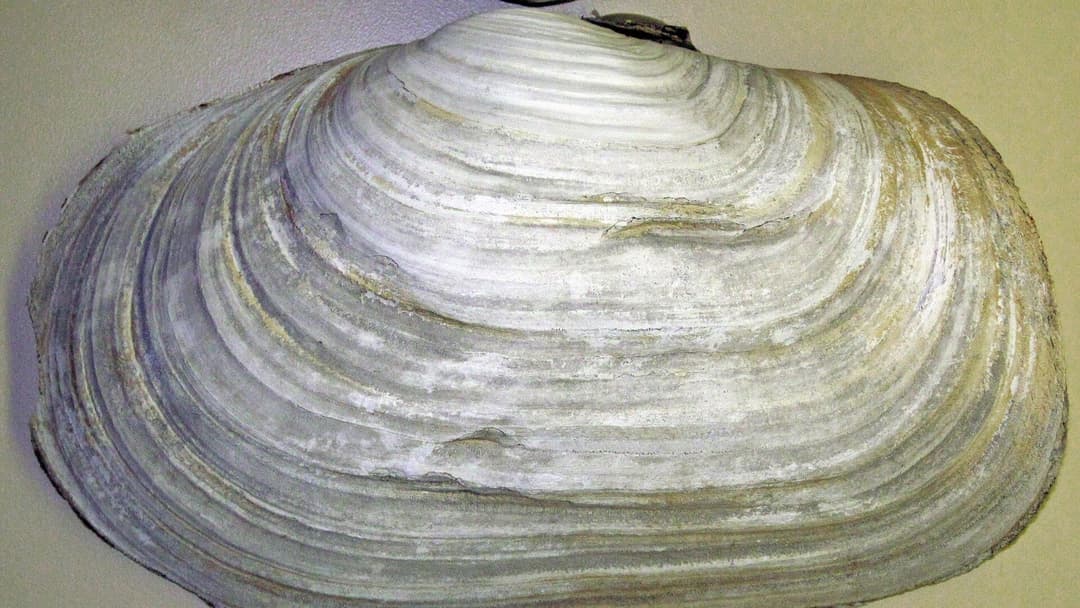
9. Pacific Geoduck Clam (168 Years)
Native to the Pacific Northwest, the geoduck clam anchors its shell feet below the seabed while extending its siphon to feed. Marine scientists counting annual growth rings inside harvested shells have verified ages extending up to 168 years in cold waters.
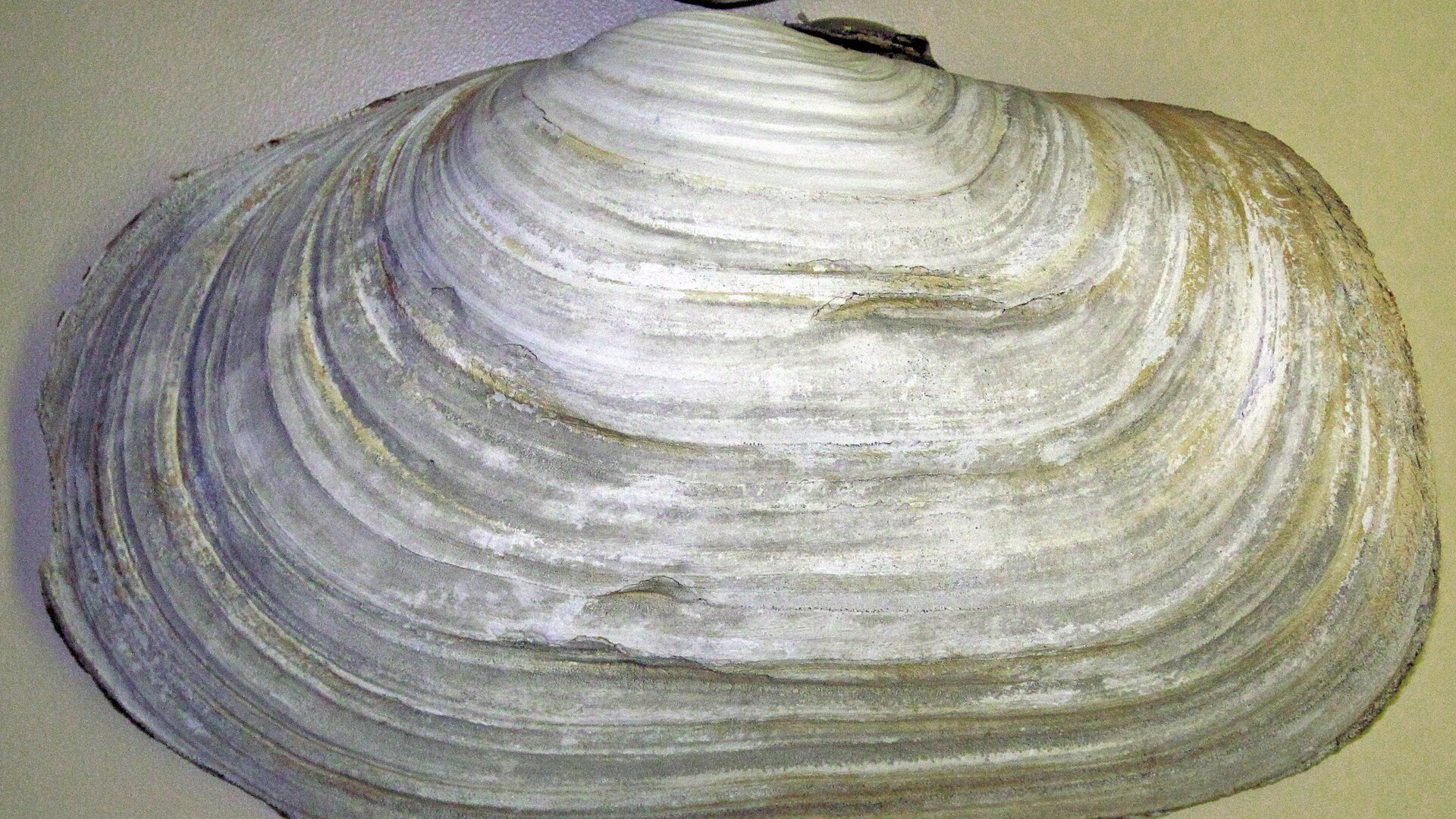
©Wikimedia / James St. John
Advertisement
Swipe or tap ▶ to resume the countdown.
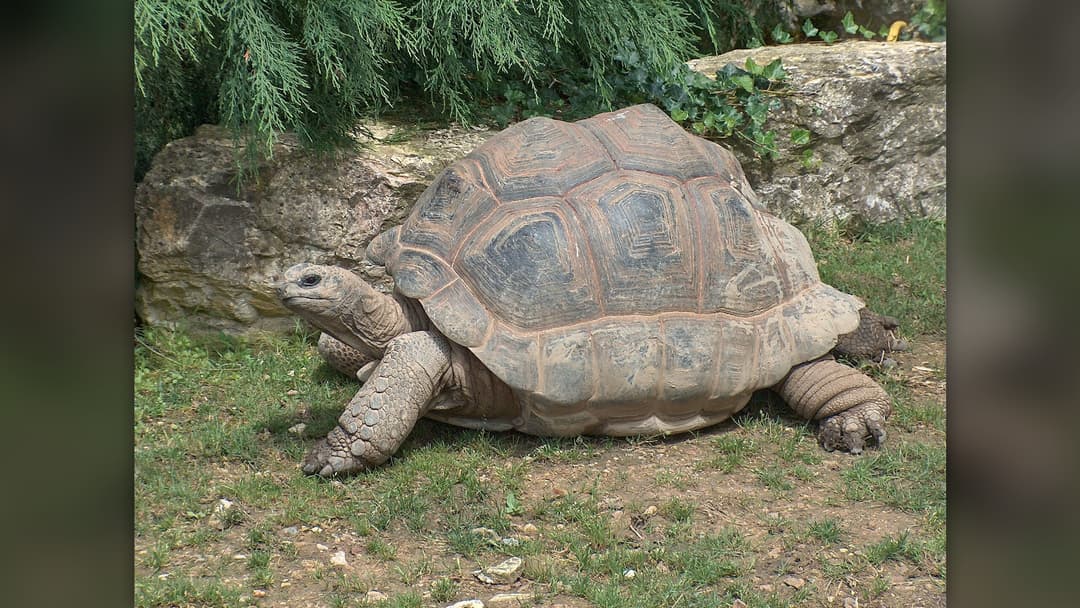
8. Aldabra Giant Tortoise (190+ Years)
Giant tortoises from the Aldabra and Seychelles atolls outlive multiple generations of caretakers. Jonathan, an Aldabra giant tortoise living on the island of Saint Helena since 1882, has an estimated birth year of 1832, making him over 190 years old.
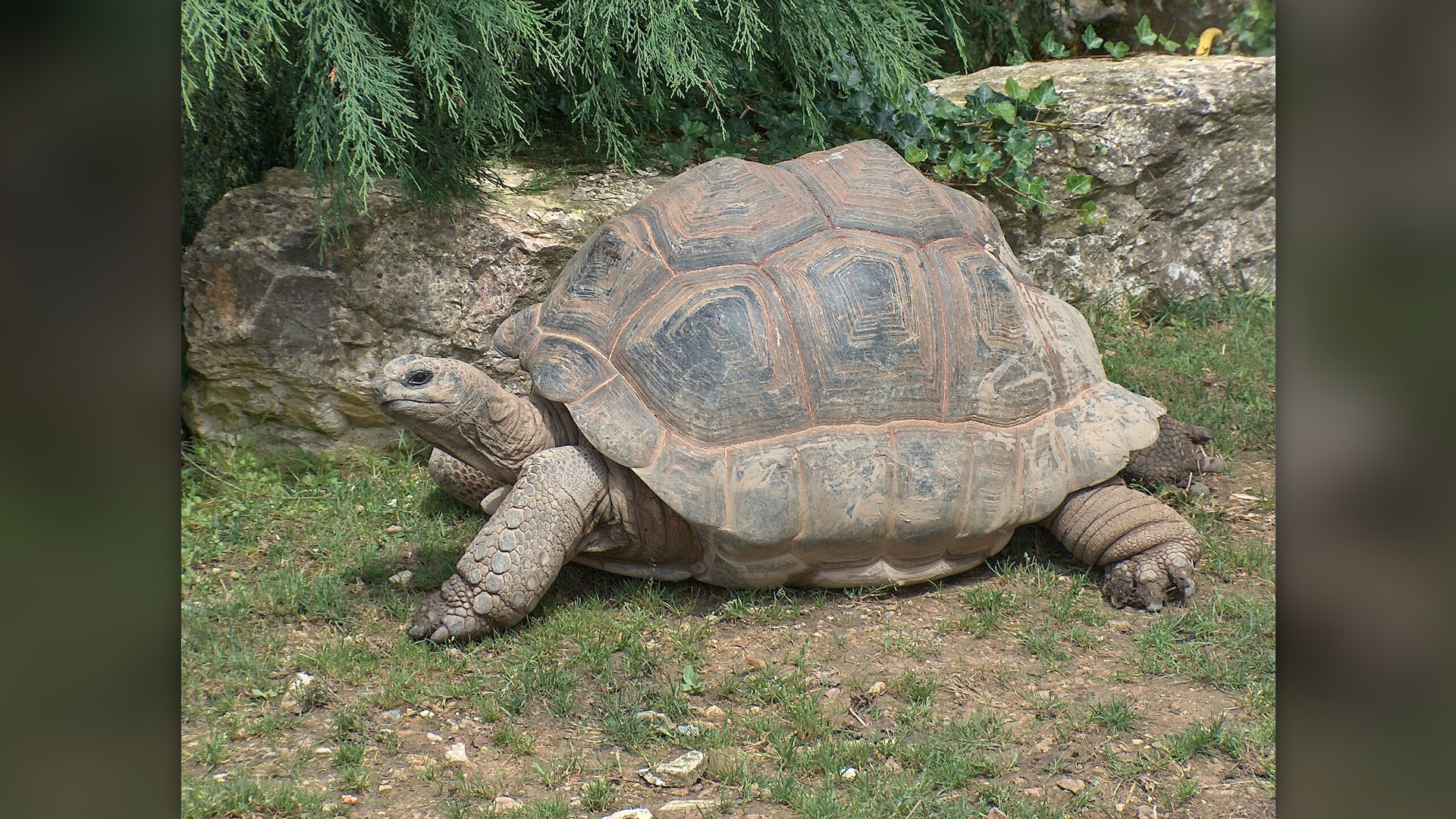
©Wikimedia / Aldabra giant tortoise
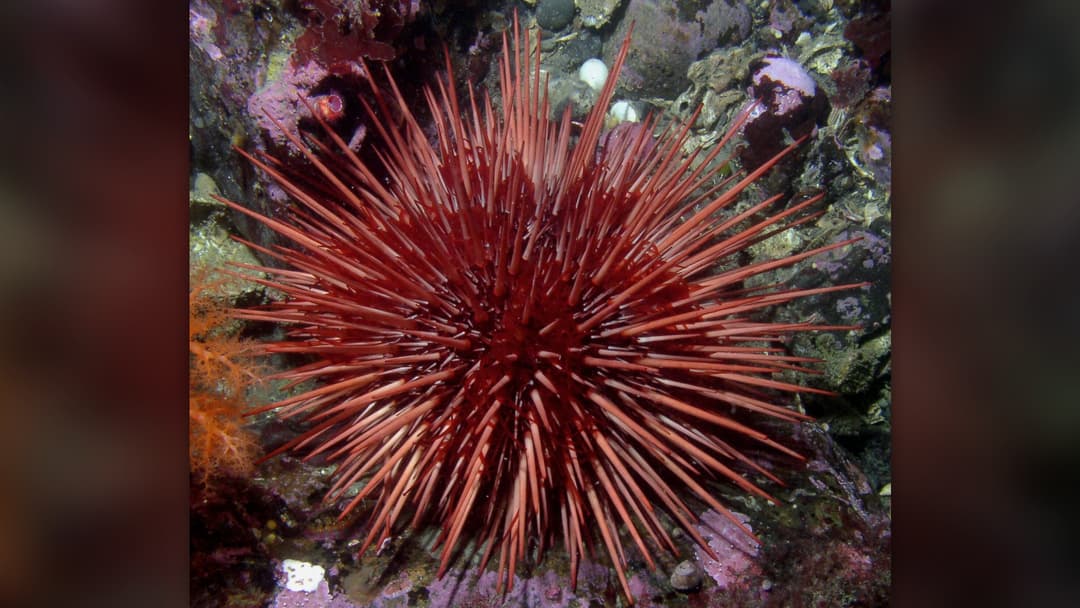
7. Red Sea Urchin (200+ Years)
Found along rocky shorelines from Alaska to California, red sea urchins maintain consistent reproduction even in advanced age. Carbon dating and chemical tagging by marine scientists demonstrated that specimens living in cold northern currents exceed 200 years.
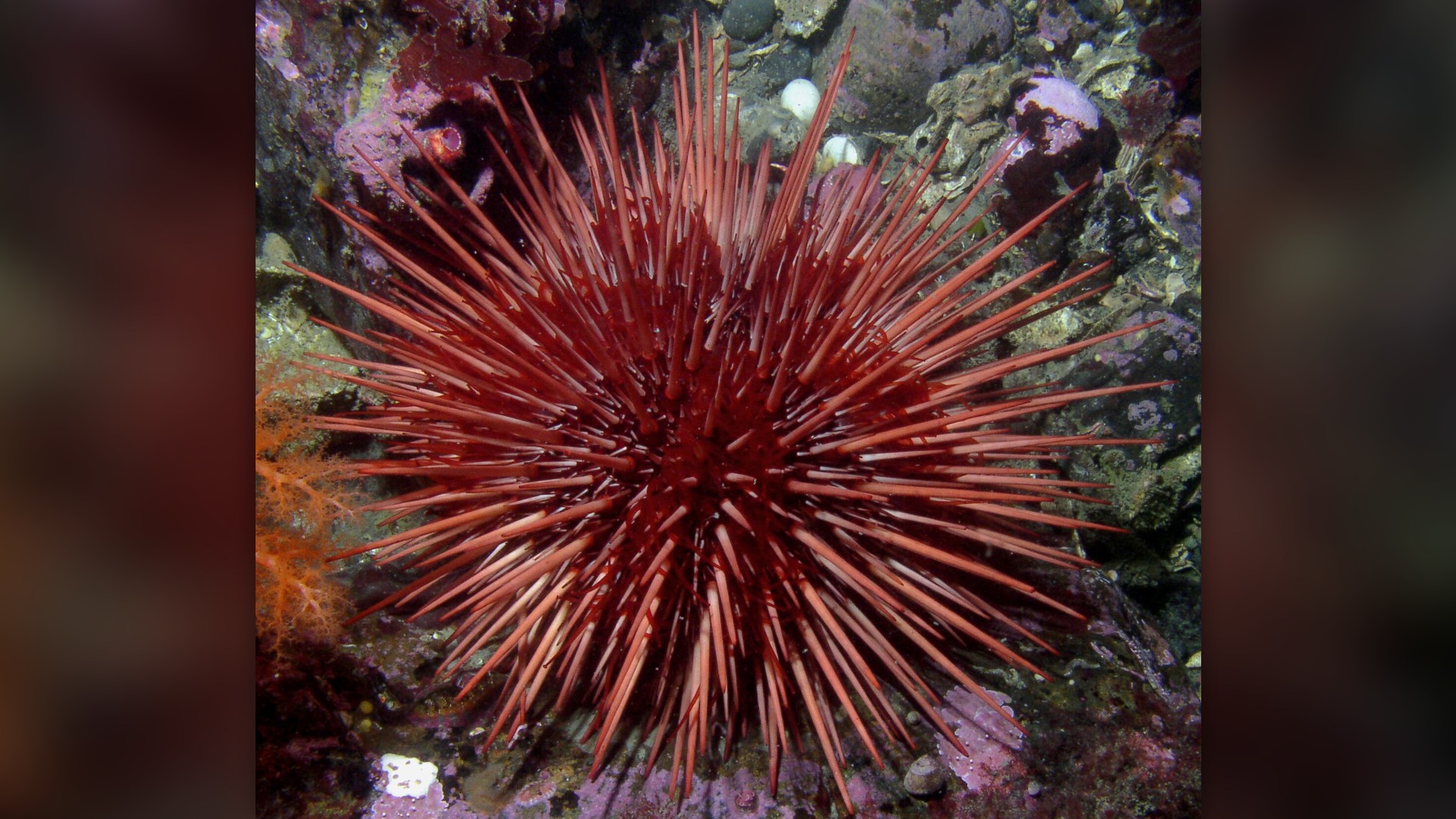
©Wikimedia / Red sea urchin
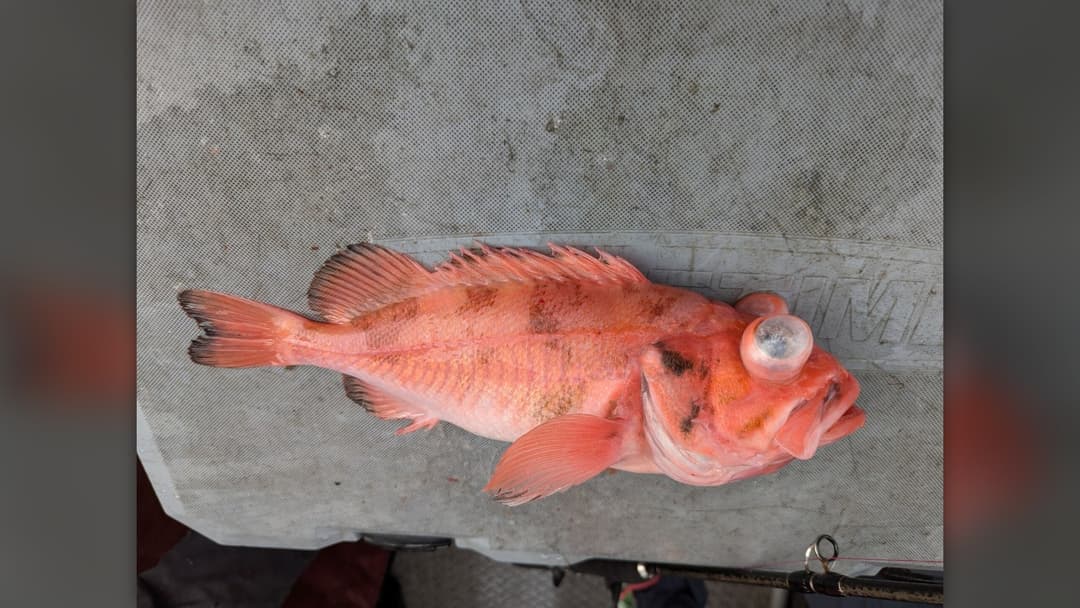
6. Rougheye Rockfish (205 Years)
Inhabiting deep seafloor slopes along the Aleutian Islands, the rougheye rockfish is one of the longest living bony fishes known. Alaska fisheries scientists counting annual layers in inner ear stones confirmed an individual specimen reaching 205 years of age.
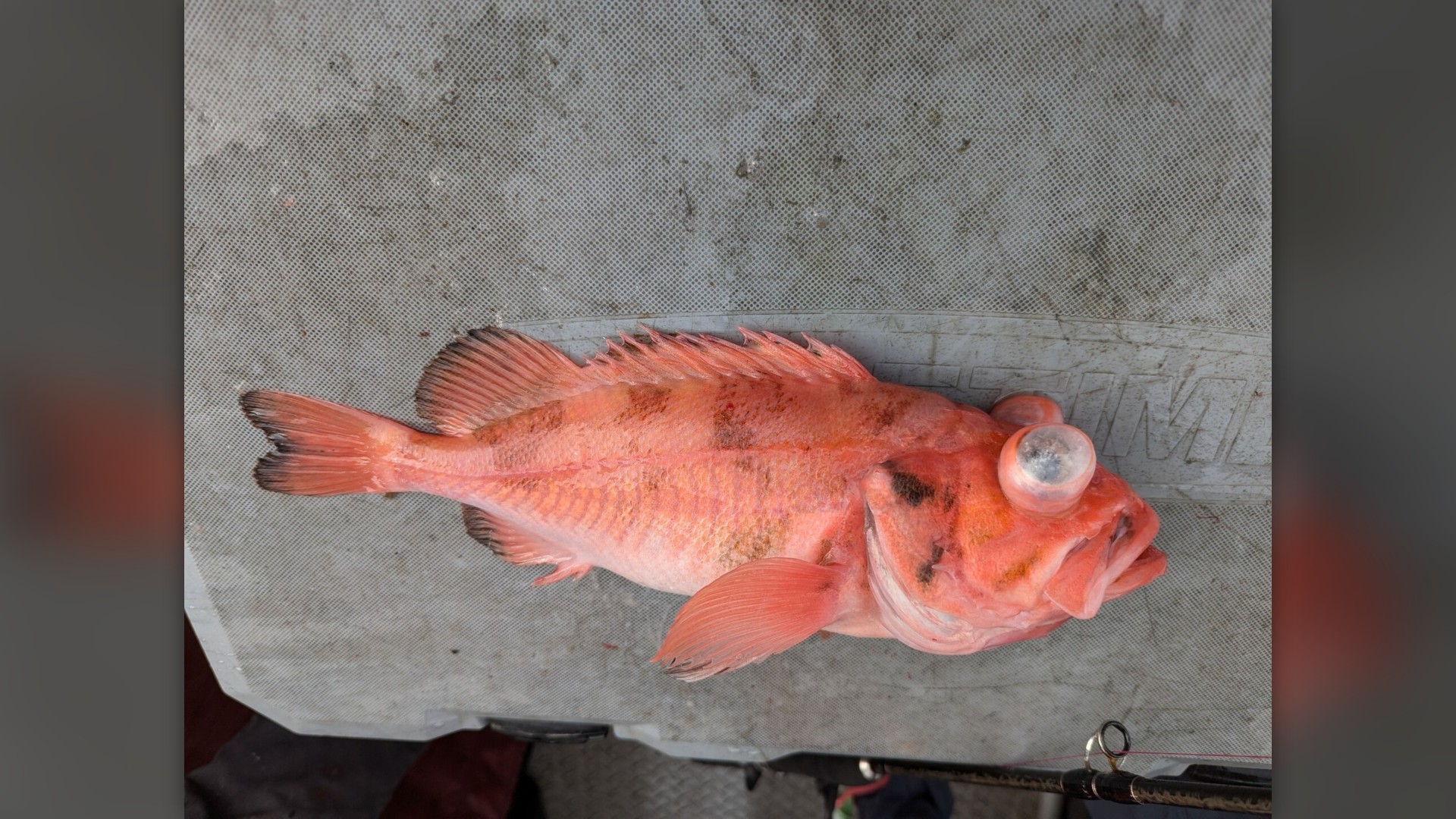
©Wikimedia / Alexandria 'Alex' Wenninger
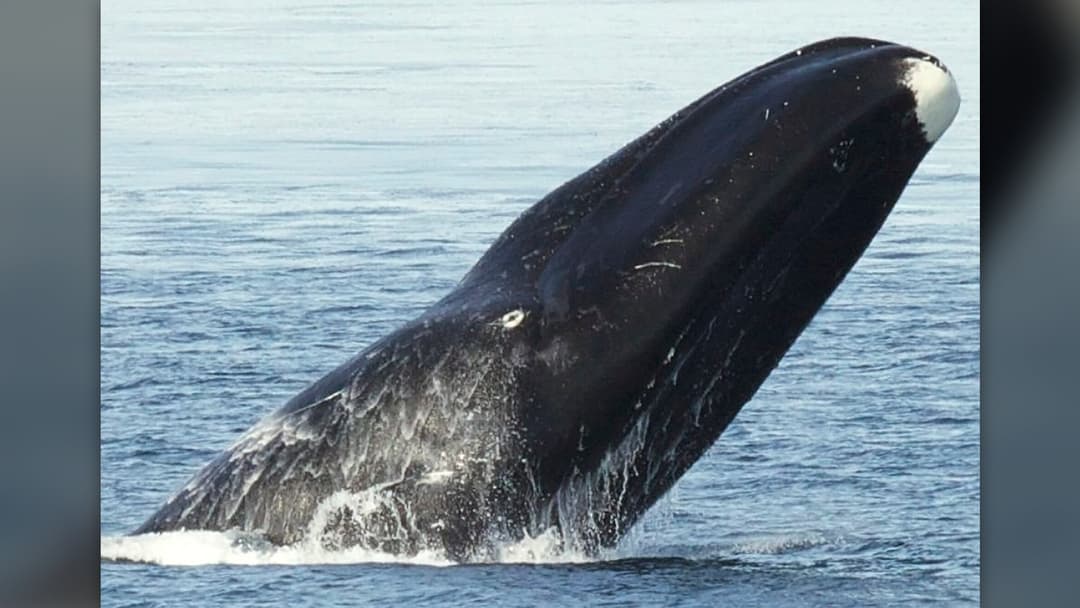
5. Bowhead Whale (211+ Years)
Bowhead whales spend their entire lives in frigid Arctic seas, possessing genetic mutations that repair DNA damage. Living specimens discovered with 19th-century slate harpoon points lodged in their blubber provided field evidence of lifespans exceeding 200 years.
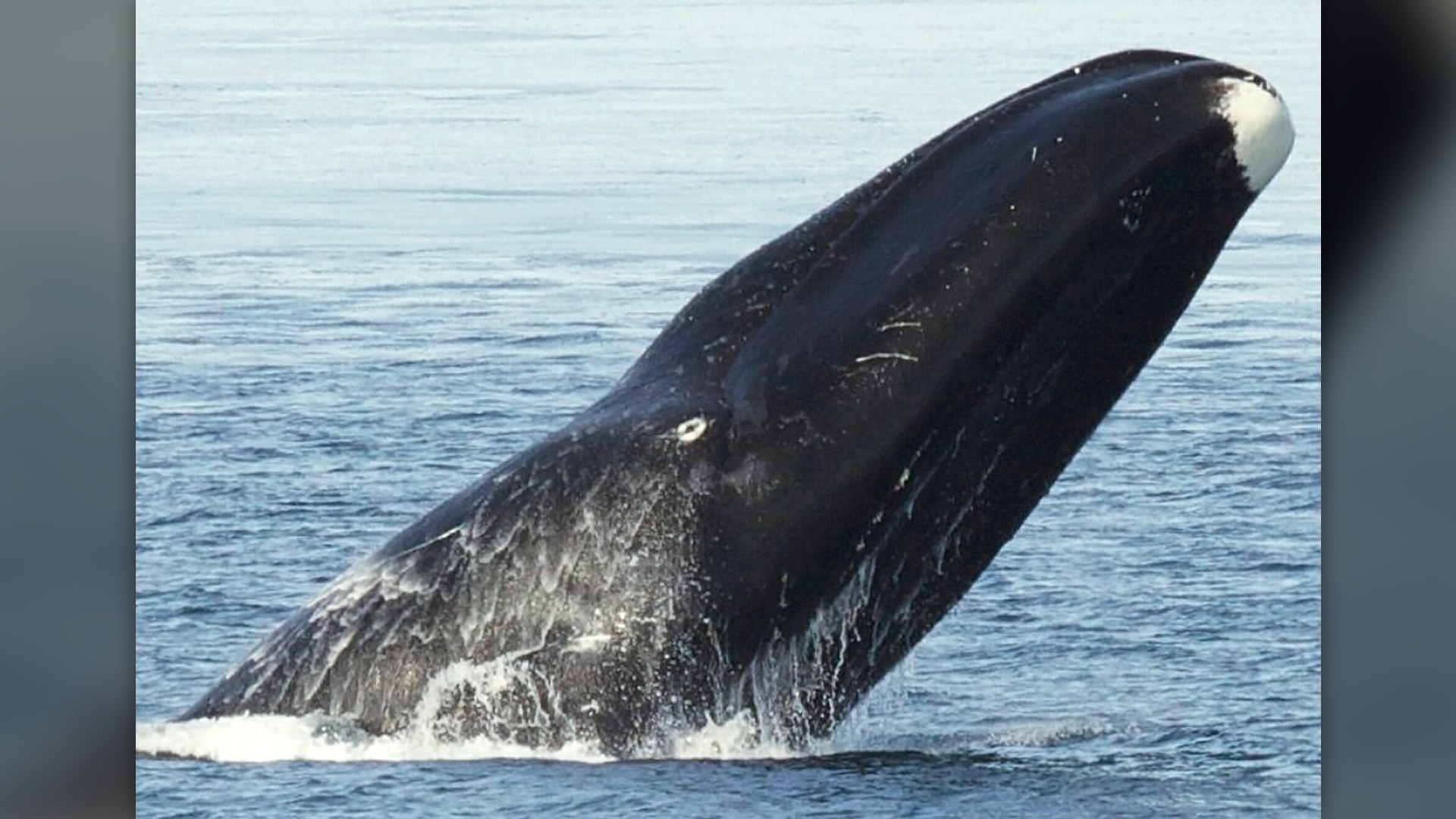
©Wikimedia / Bering Land Bridge National Preserve
Advertisement
Swipe or tap ▶ to resume the countdown.
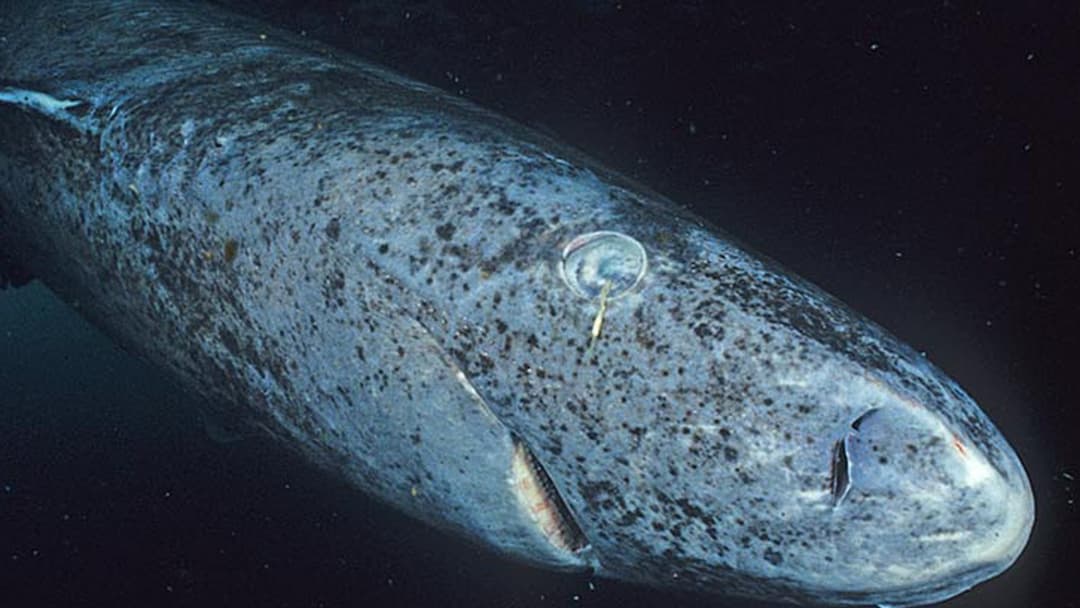
4. Greenland Shark (272 To 512 Years)
Growing less than one centimeter per year in icy North Atlantic depths, the Greenland shark is the longest living vertebrate known. Radiocarbon dating of eye lens proteins published in Science estimated that large females can reach ages between 272 and 512 years.
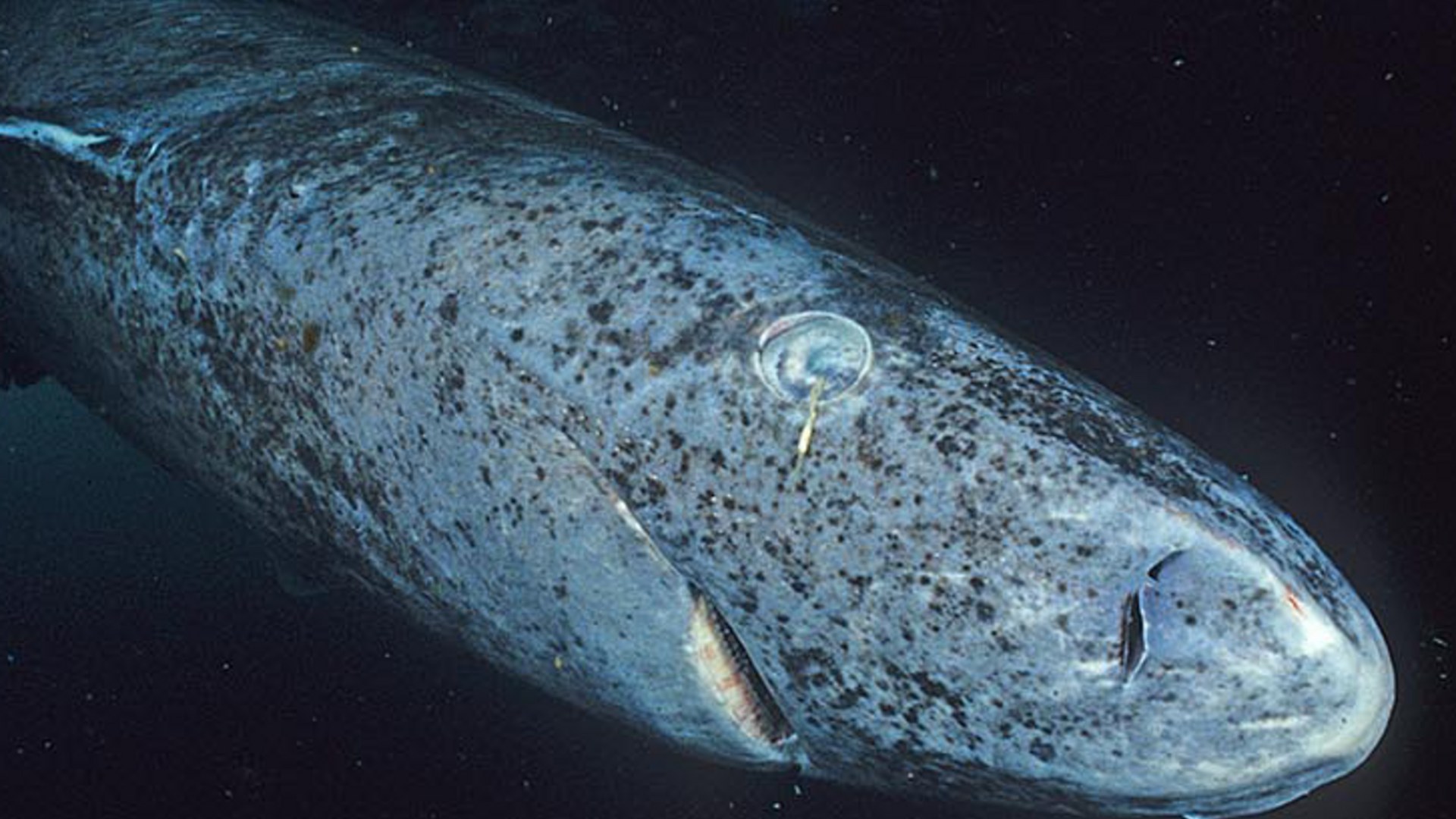
©Wikimedia / Hemming1952
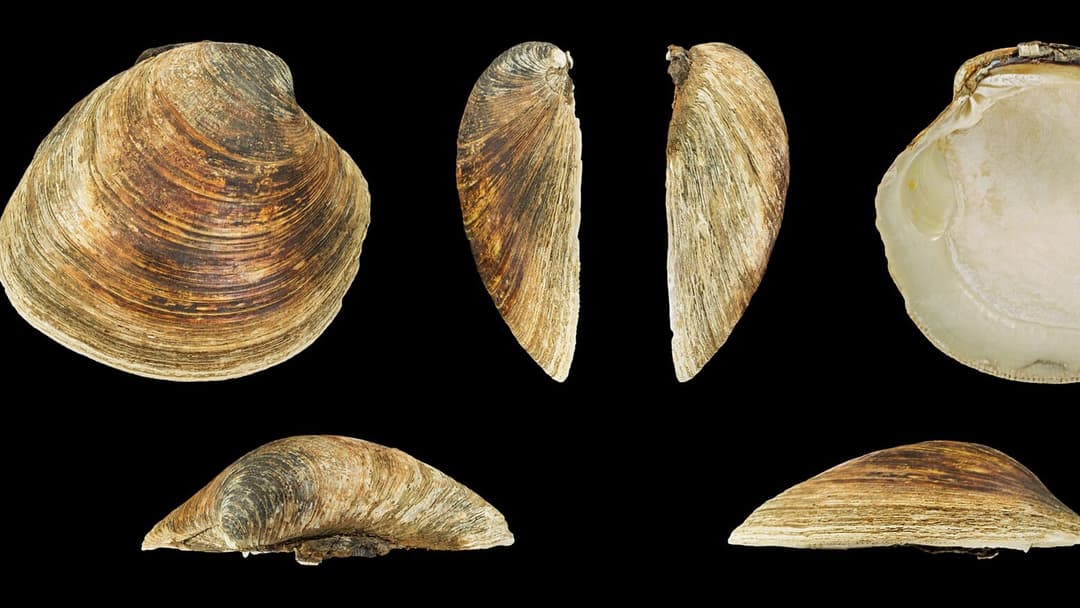
3. Ocean Quahog Clam (507 Years)
The ocean quahog clam grows microscopic growth bands on its shell each winter. In 2006, marine researchers off the coast of Iceland collected a specimen named Ming whose banded shell confirmed an age of 507 years, dating its birth to 1499 during the Ming dynasty.
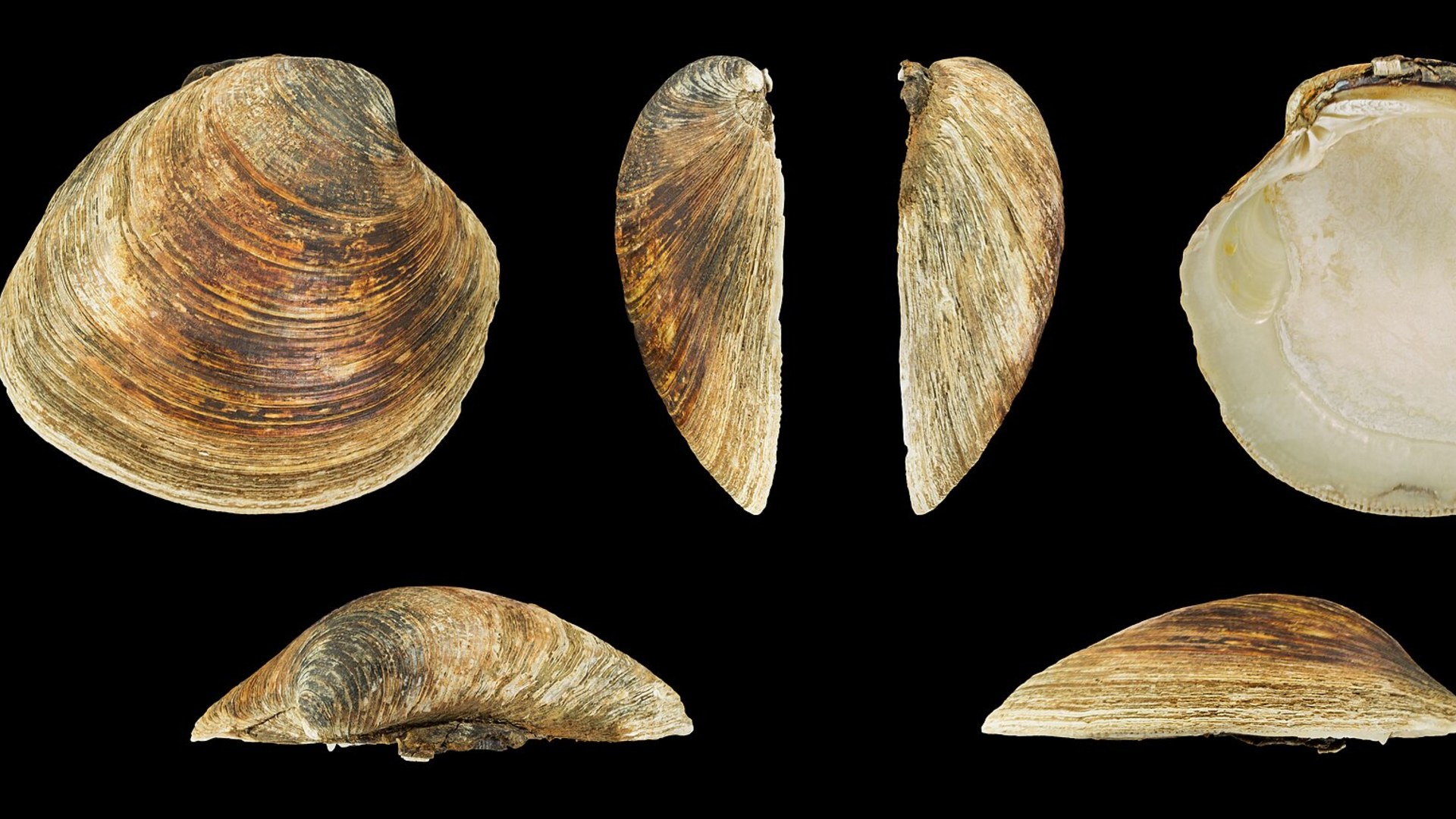
©Wikimedia / H. Zell
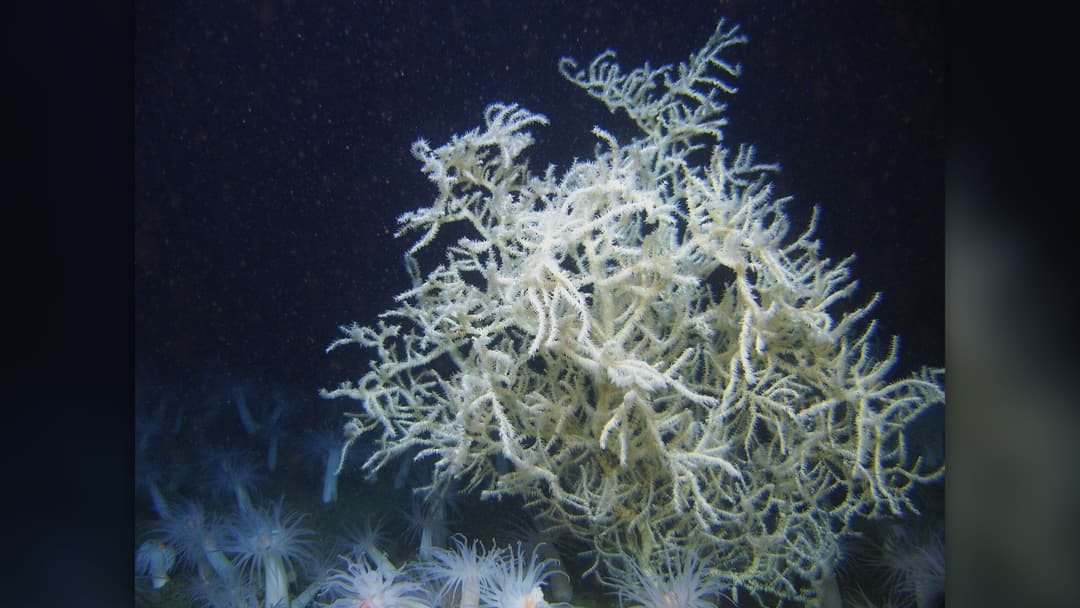
2. Black Coral (4,000+ Years)
Deep sea black corals off the coast of Hawaii form layered protein skeletons that endure in stable deep currents. Radiocarbon analysis conducted by oceanographic researchers showed living colony specimens with verified ages exceeding 4,000 continuous years.
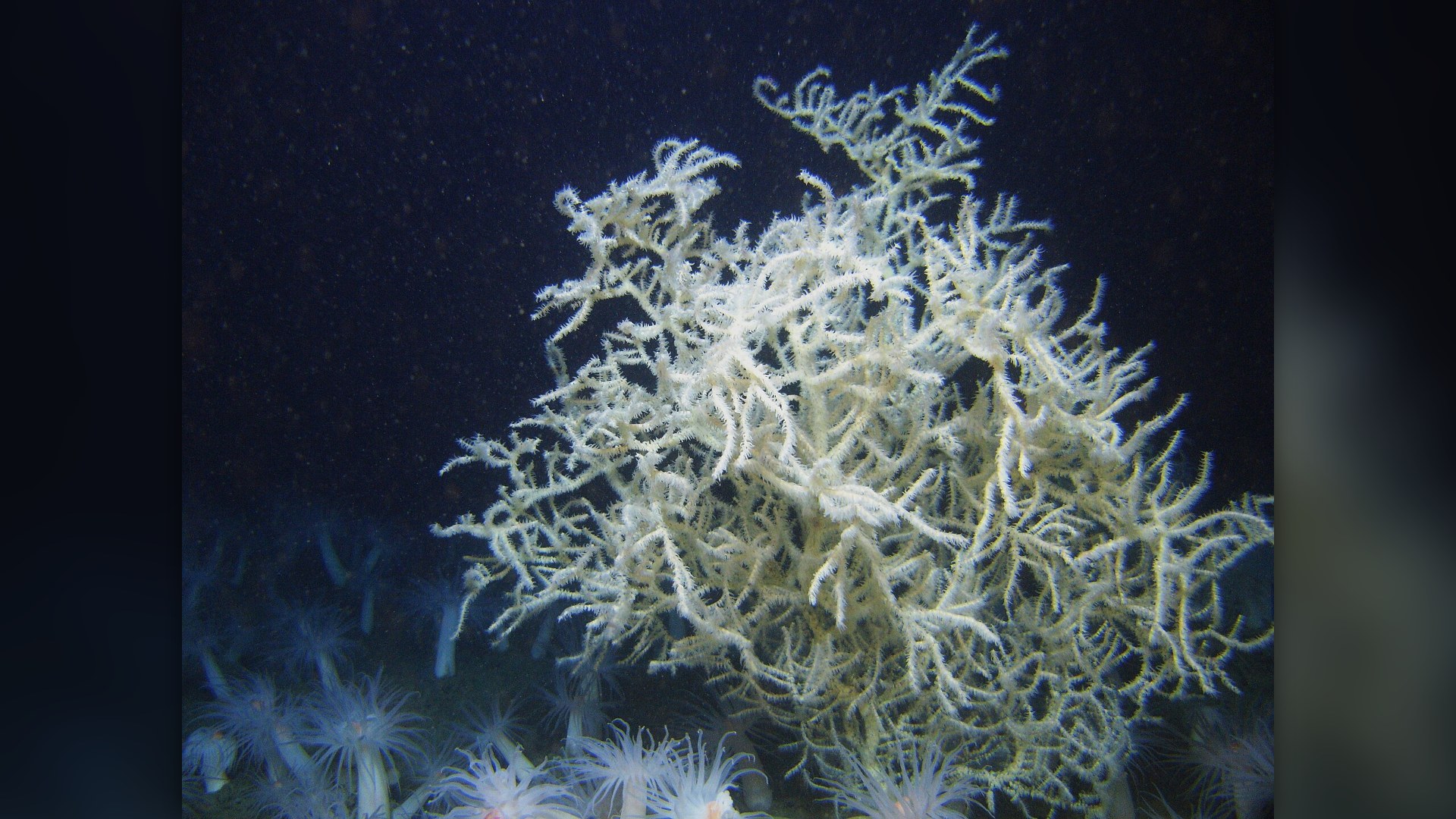
©Wikimedia / Lophelia II 2008: Deepwater Coral Expedition: Re
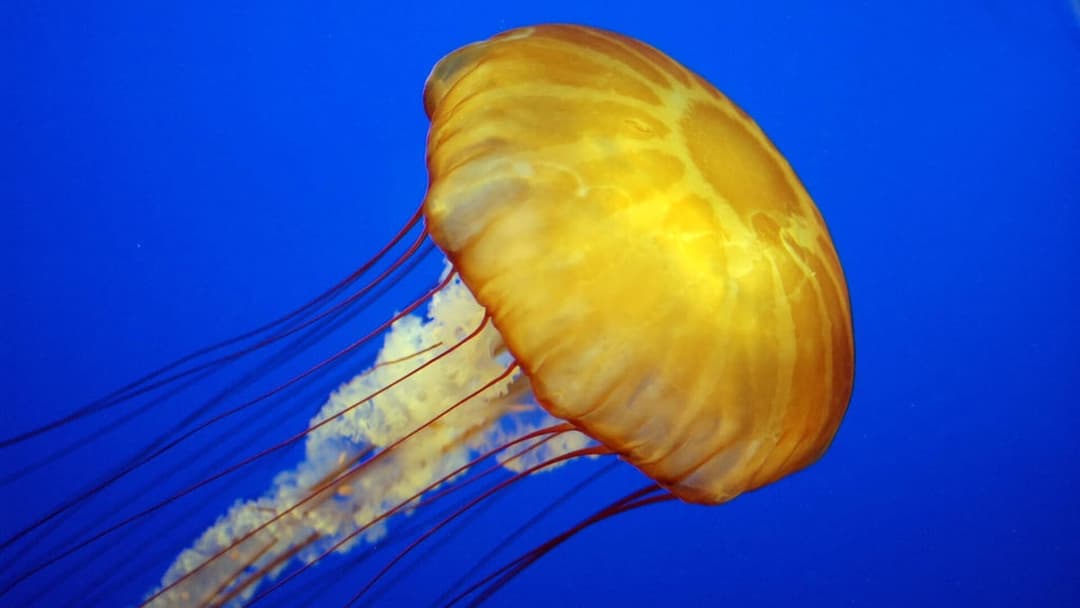
1. Immortal Jellyfish (Biological Immortality)
The tiny Mediterranean hydrozoan Turritopsis dohrnii possesses the rare ability to revert from adult medusa stage back into an immature polyp when stressed. This cycle can repeat indefinitely in laboratory settings, granting the creature theoretical biological immortality.
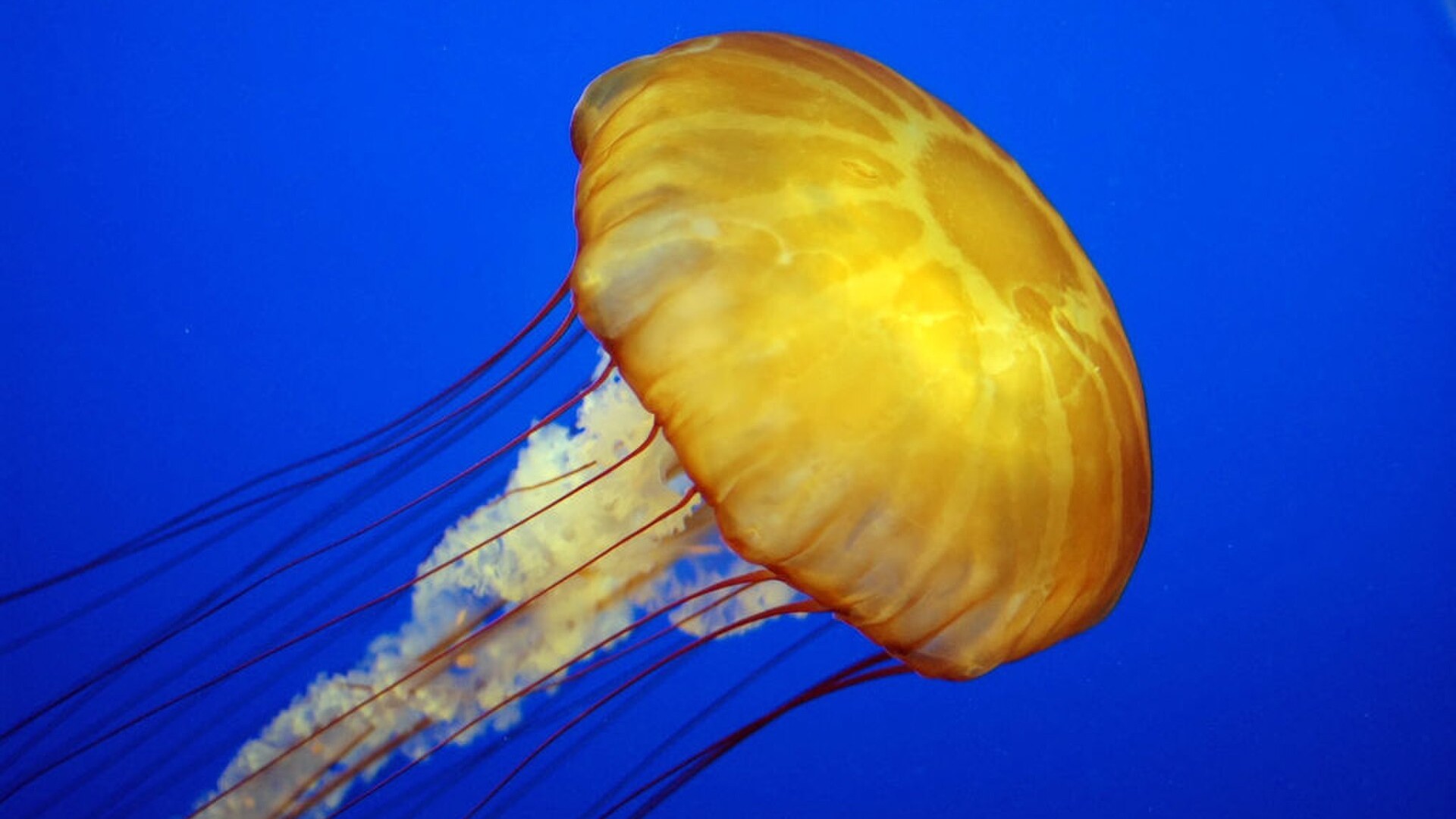
©Wikimedia / Jellyfish
Advertisement
You've reached the end of the story. Thanks for reading!

21 Animals That Once Lived in the U.S. and Have Since Disappeared
North American forests, plains, and coasts once held billions of wild animals that shaped the land for centuries. Market hunting, trapping, and habitat loss erased these 21 unique species between the nineteenth and twenty-first centuries. Here is the true chronological record of America vanished wildlife heritage.
All 19 Entries in this Story
19. Laysan Albatross (74+ Years)
Biologist Chandler Robbins banded a female Laysan albatross named Wisdom at Midway Atoll in 1956. At over 74 years of age, she has logged millions of flight miles across the Pacific and raised dozens of chicks, demonstrating remarkable avian durability.

18. Greater Flamingo (83 Years)
Greater flamingos in the wild average 30 to 40 years, but captive birds with steady nutrition survive far longer. The oldest recorded individual lived to age 83 at Adelaide Zoo in Australia, helped by cellular preservation mechanisms that resist aging.

17. Asian Elephant (86 Years)
Most wild elephants live 60 years until their final molars wear down. The oldest verified Asian elephant in Guinness World Records was Lin Wang, a military pack veteran who reached age 86 at Taipei Zoo after surviving World War Two campaigns in Burma.

16. Orca (90+ Years)
Female killer whales are among the rare mammals that experience menopause, surviving decades past reproduction to steer family pods toward feeding grounds. Researchers tracking the Southern Resident population documented matriarch J2 living past 80 years.

15. Olm Salamander (100+ Years)
Living in pitch black limestone caves across Slovenia, the blind olm possesses a minimal metabolic rate. Demographic studies by European researchers indicate these amphibians regularly live past 100 years, with individual specimens remaining motionless for years.

14. American Lobster (100+ Years)
Unlike most animals whose cells stop dividing with age, American lobsters express the enzyme telomerase throughout their organs during adulthood. Giant specimens weighing over 20 pounds can exceed 100 years until shell molting demands too much energy.

13. Blue Whale (110 Years)
Weighing up to 150 tons, the blue whale slows its heartbeat to just two beats per minute during deep oceanic feeding dives. Marine biologists count alternating wax layers inside ear plugs to measure age, confirming lifespans stretching between 80 and 110 years.

12. Tuatara (120+ Years)
The tuatara is the sole survivor of an archaic reptile order that roamed Earth alongside early dinosaurs. Adapted to cool island weather that slows its metabolism, one captive male named Henry successfully mated at age 111 and surpassed 120 years.

11. Nile Crocodile (123+ Years)
Nile crocodiles frequently surpass 70 years when protected from hunting and territorial fights. The oldest documented individual is Henry, a massive bull crocodile born around 1900 in the Okavango Delta, currently housed at South Africa Crocworld past age 123.

10. Bigmouth Buffalo Fish (127 Years)
Biologists long believed the bigmouth buffalo lived only two decades. Modern radiocarbon testing on otolith ear stones from populations in Minnesota and Canada revealed multiple specimens surviving past 100 years, with the oldest reaching 127 years.

9. Pacific Geoduck Clam (168 Years)
Native to the Pacific Northwest, the geoduck clam anchors its shell feet below the seabed while extending its siphon to feed. Marine scientists counting annual growth rings inside harvested shells have verified ages extending up to 168 years in cold waters.

8. Aldabra Giant Tortoise (190+ Years)
Giant tortoises from the Aldabra and Seychelles atolls outlive multiple generations of caretakers. Jonathan, an Aldabra giant tortoise living on the island of Saint Helena since 1882, has an estimated birth year of 1832, making him over 190 years old.

7. Red Sea Urchin (200+ Years)
Found along rocky shorelines from Alaska to California, red sea urchins maintain consistent reproduction even in advanced age. Carbon dating and chemical tagging by marine scientists demonstrated that specimens living in cold northern currents exceed 200 years.

6. Rougheye Rockfish (205 Years)
Inhabiting deep seafloor slopes along the Aleutian Islands, the rougheye rockfish is one of the longest living bony fishes known. Alaska fisheries scientists counting annual layers in inner ear stones confirmed an individual specimen reaching 205 years of age.

5. Bowhead Whale (211+ Years)
Bowhead whales spend their entire lives in frigid Arctic seas, possessing genetic mutations that repair DNA damage. Living specimens discovered with 19th-century slate harpoon points lodged in their blubber provided field evidence of lifespans exceeding 200 years.

4. Greenland Shark (272 To 512 Years)
Growing less than one centimeter per year in icy North Atlantic depths, the Greenland shark is the longest living vertebrate known. Radiocarbon dating of eye lens proteins published in Science estimated that large females can reach ages between 272 and 512 years.

3. Ocean Quahog Clam (507 Years)
The ocean quahog clam grows microscopic growth bands on its shell each winter. In 2006, marine researchers off the coast of Iceland collected a specimen named Ming whose banded shell confirmed an age of 507 years, dating its birth to 1499 during the Ming dynasty.

2. Black Coral (4,000+ Years)
Deep sea black corals off the coast of Hawaii form layered protein skeletons that endure in stable deep currents. Radiocarbon analysis conducted by oceanographic researchers showed living colony specimens with verified ages exceeding 4,000 continuous years.

1. Immortal Jellyfish (Biological Immortality)
The tiny Mediterranean hydrozoan Turritopsis dohrnii possesses the rare ability to revert from adult medusa stage back into an immature polyp when stressed. This cycle can repeat indefinitely in laboratory settings, granting the creature theoretical biological immortality.