Slideshow · Animals
21 Animals That Once Lived in the U.S. and Have Since Disappeared
North American forests, plains, and coasts once held billions of wild animals that shaped the land for centuries. Market hunting, trapping, and habitat loss erased these 21 unique species between the nineteenth and twenty-first centuries. Here is the true chronological record of America vanished wildlife heritage.
By Most Viral Today
28 min ago

21 Extinct American Wildlife Species 
21. Great Auk (Extinct C. 1852) 
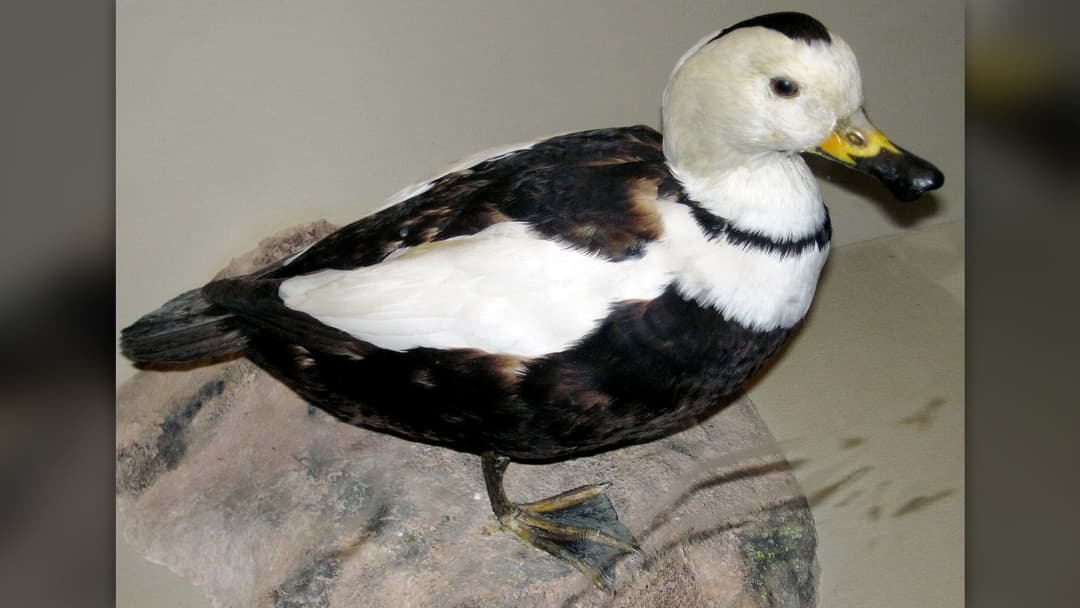
20. Labrador Duck (Extinct 1878) 
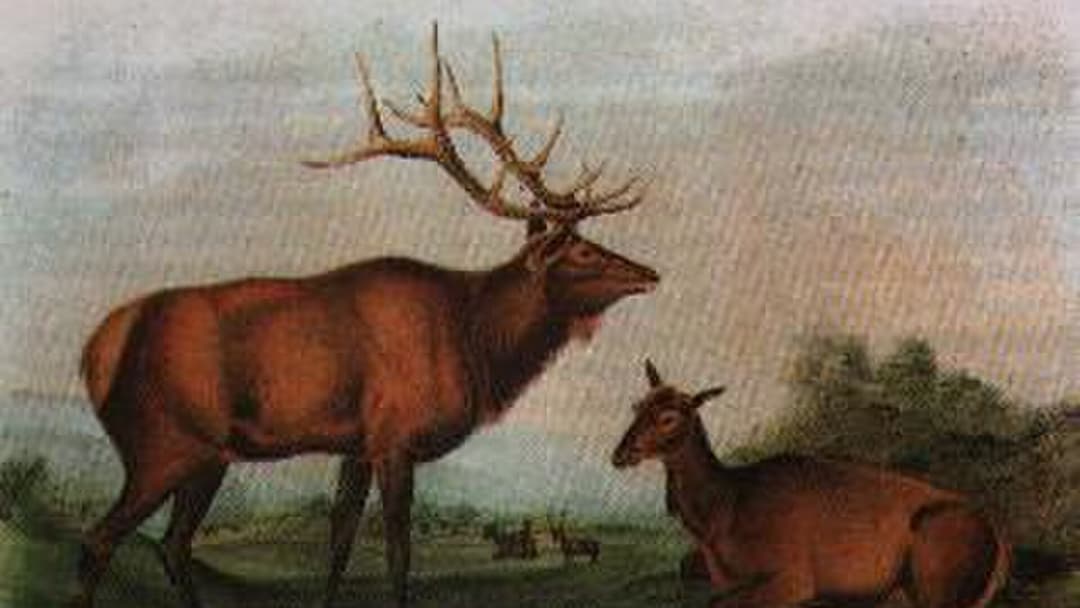
19. Eastern Elk (Extinct 1880) - AdvertisementSwipe or tap ▶ to continue countdown

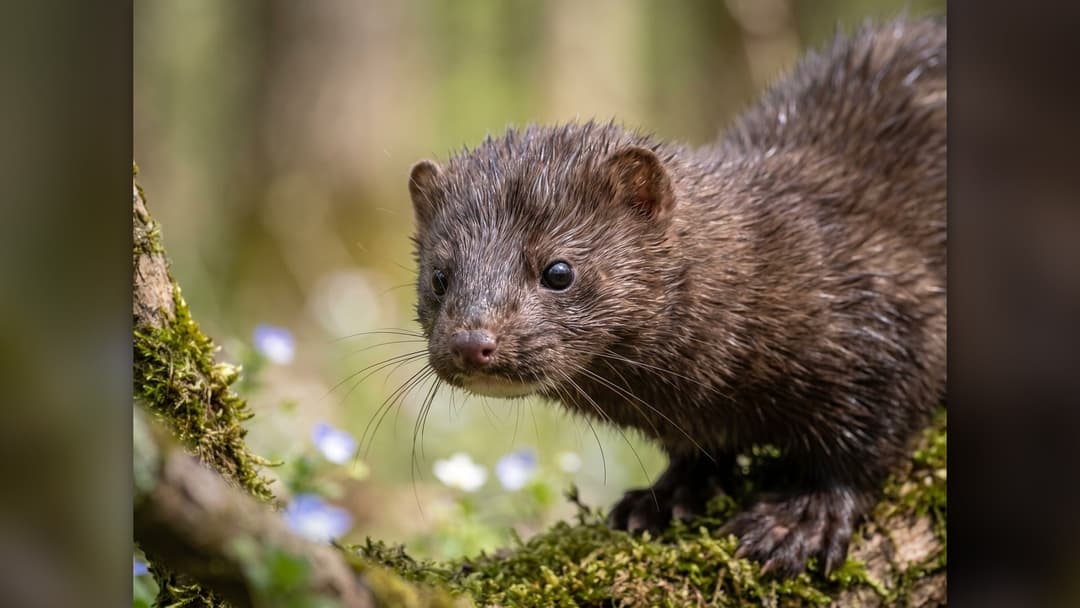
18. Sea Mink (Extinct C. 1894) 
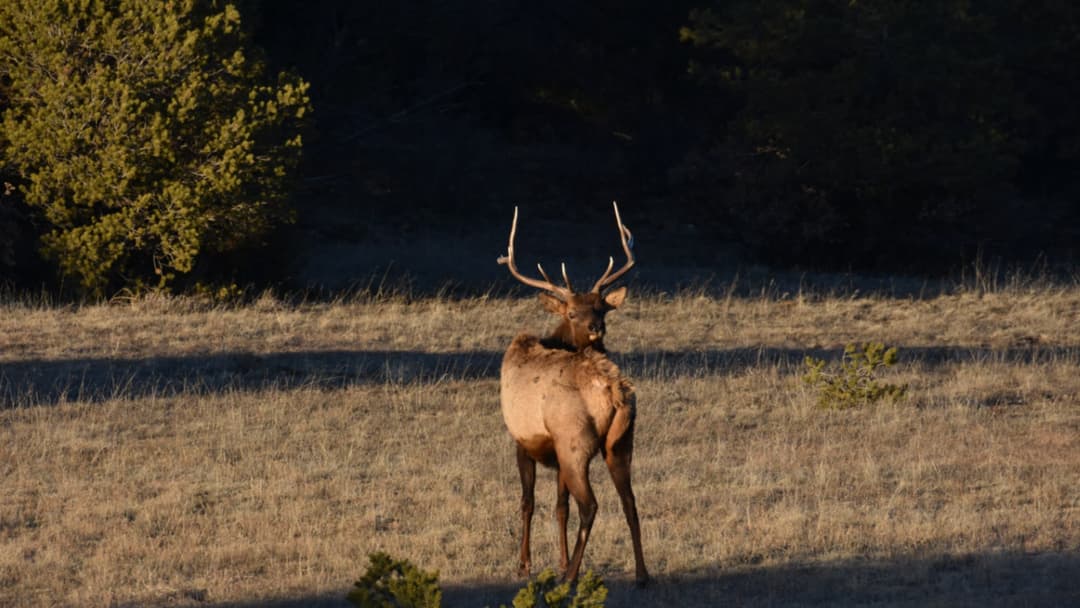
17. Merriam Elk (Extinct 1906) 
16. Passenger Pigeon (Extinct 1914) 
15. Carolina Parakeet (Extinct 1918) - AdvertisementSwipe or tap ▶ to continue countdown

14. California Grizzly Bear (Extinct 1924) 
13. Badlands Bighorn Sheep (Extinct 1925) 
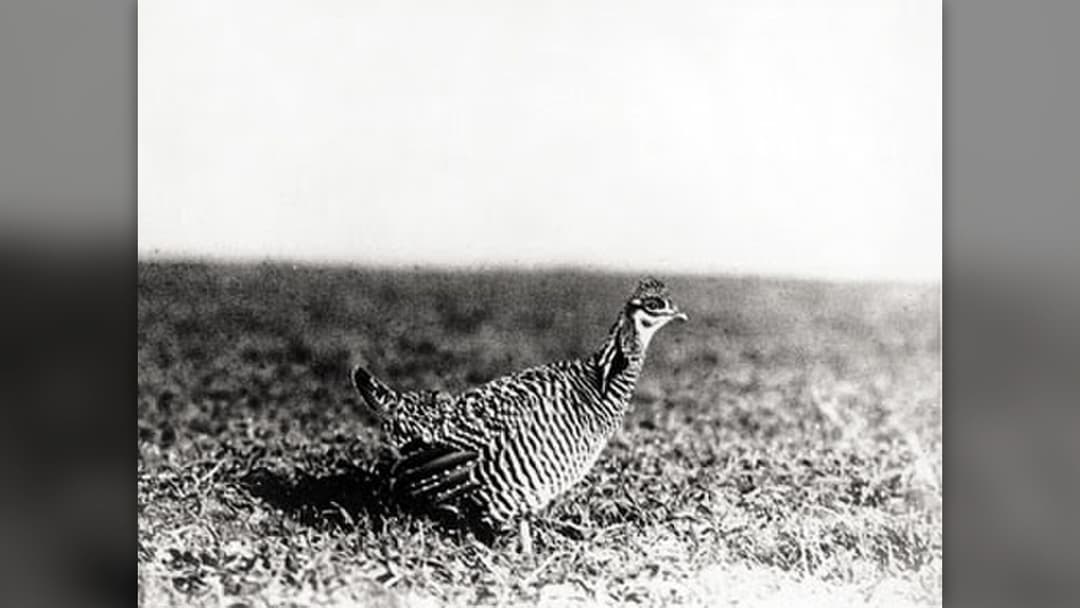
12. Heath Hen (Extinct 1932) 
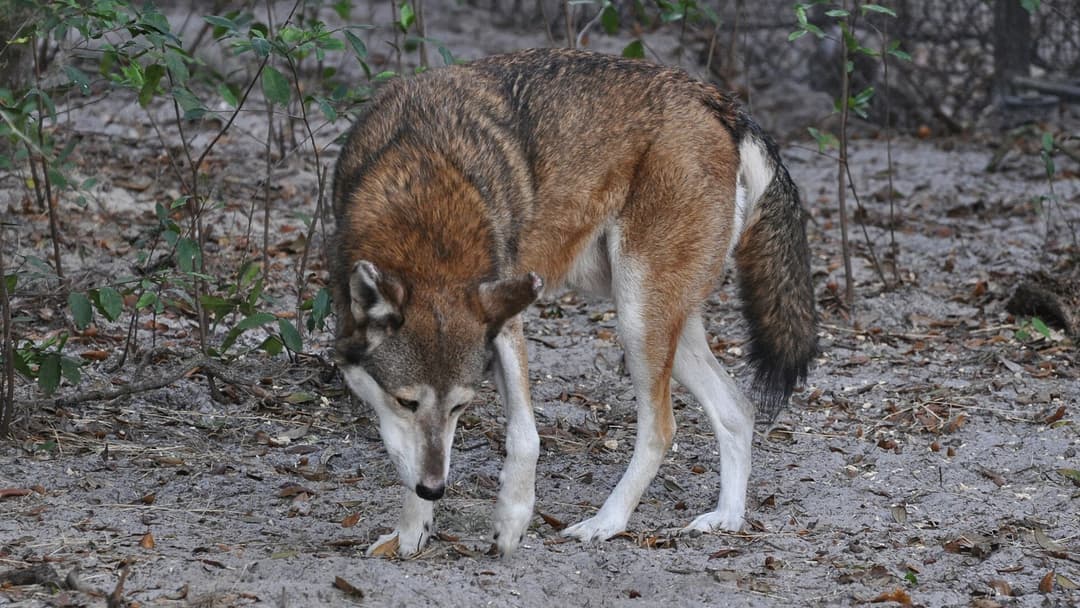
11. Florida Black Wolf (Extinct 1934) - AdvertisementSwipe or tap ▶ to continue countdown

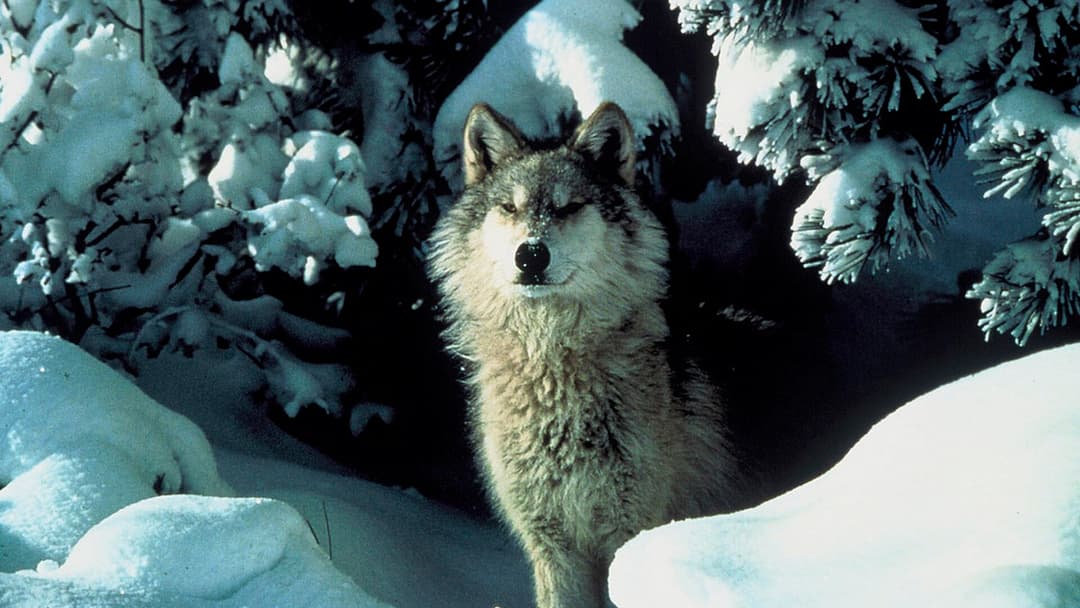
10. Southern Rocky Mountain Wolf (Extinct 1935) 
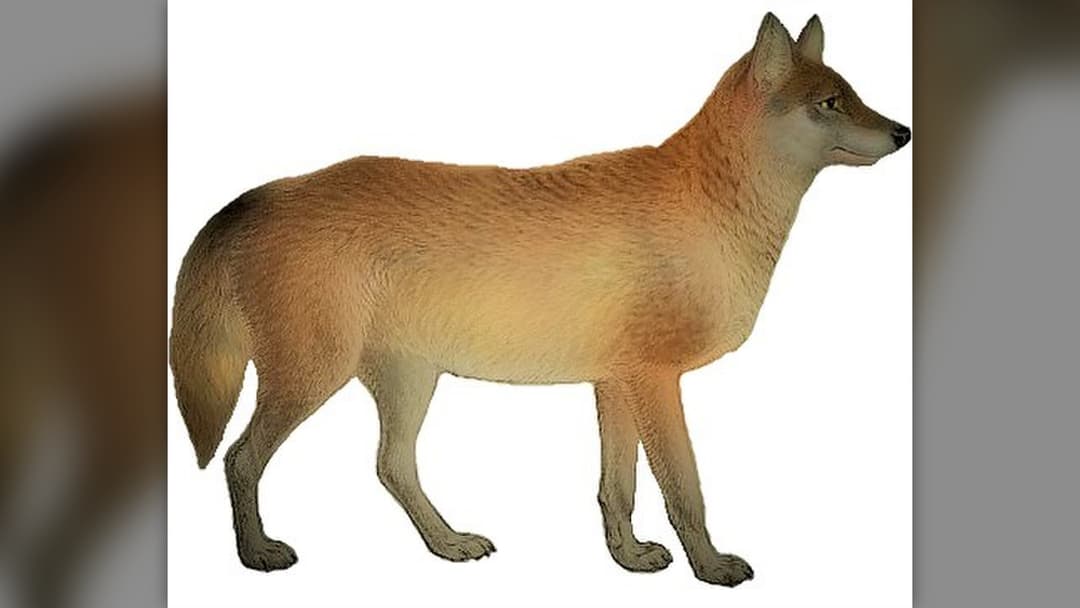
9. Cascade Mountains Wolf (Extinct 1940) 
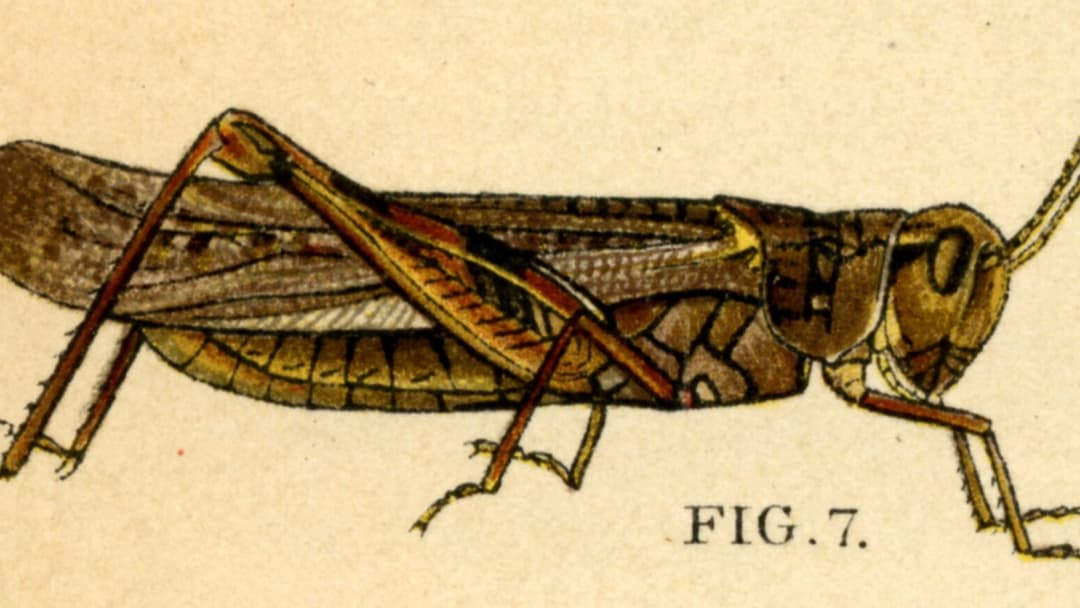
8. Rocky Mountain Locust (Extinct 1902) 
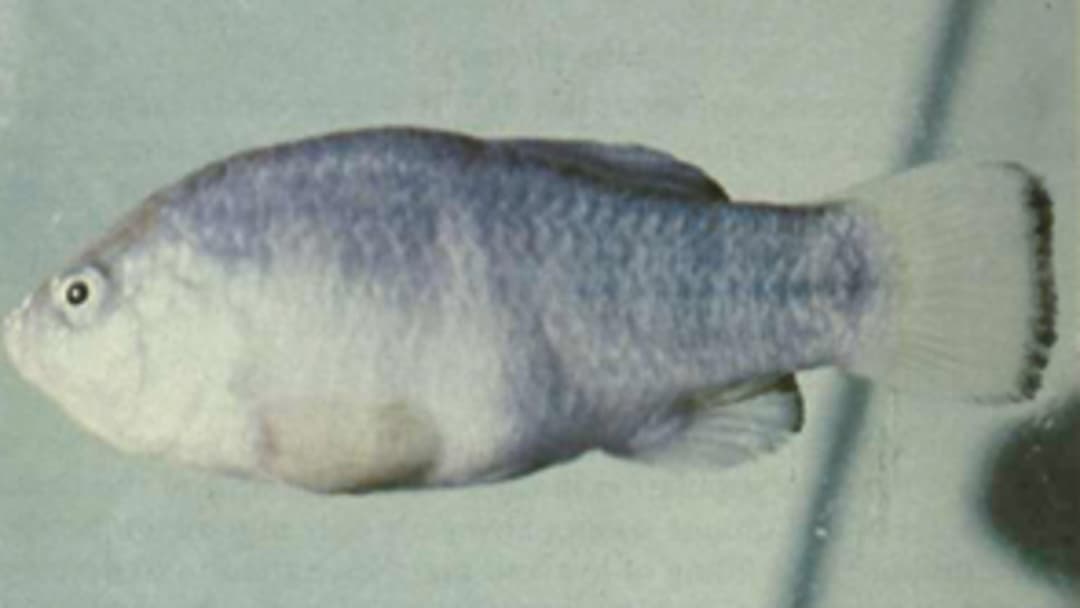
7. Tecopa Pupfish (Extinct 1981) - AdvertisementSwipe or tap ▶ to continue countdown

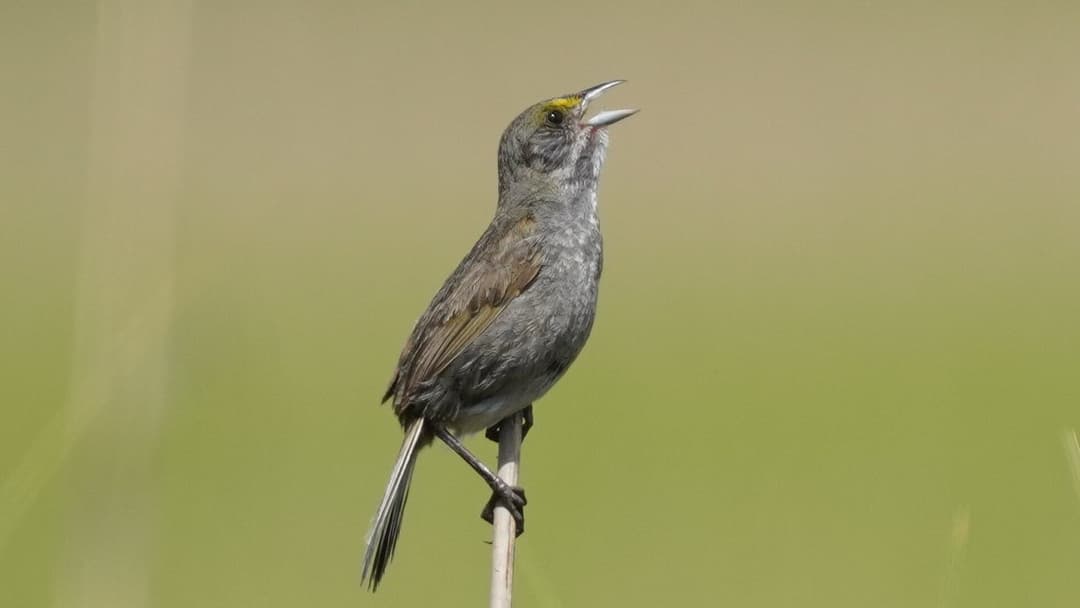
6. Dusky Seaside Sparrow (Extinct 1987) 
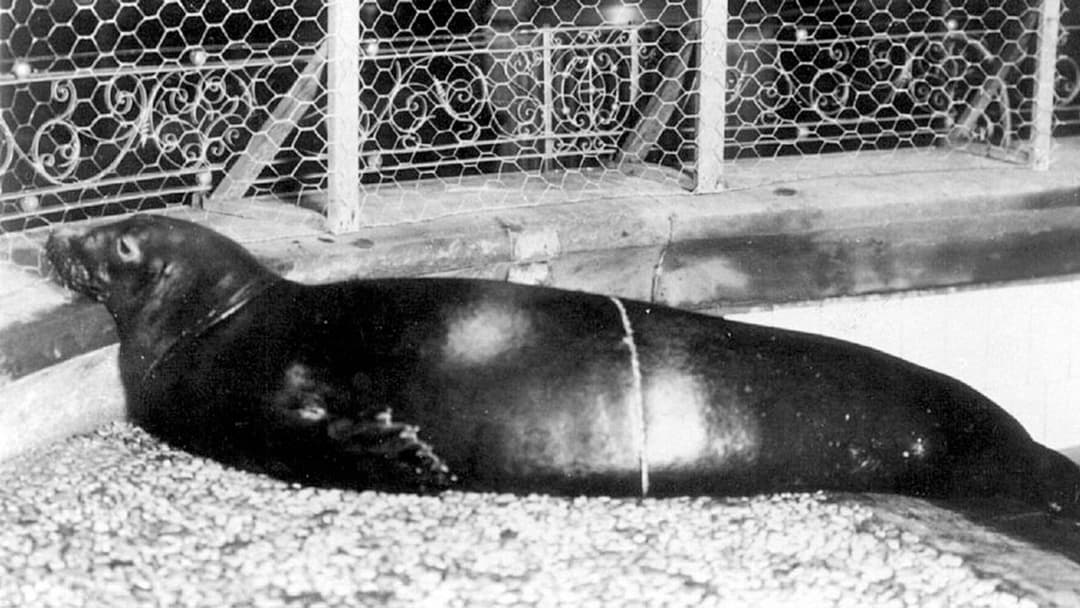
5. Caribbean Monk Seal (Extinct 2008) 
4. Eastern Cougar (Extinct 2018) 
3. Scioto Madtom (Extinct 2023) - AdvertisementSwipe or tap ▶ to continue countdown

2. Bachman Warbler (Extinct 2023) 
1. Ivory Billed Woodpecker (Extinct 2023) - Advertisement🔥 UP NEXT IN THIS SERIES◫ 22 Slides

21 Rarest Wolves on Earth and Their Natural Habitats
From high-altitude Himalayan ridges to sun-baked Arabian deserts and remote North Carolina wetlands, these twenty-one rare wolf populations fight for survival. Discover their native wilderness habitats, real population figures, and the vital conservation programs fighting to protect their wild bloodlines.
Based on official extinction records from the U.S. Fish and Wildlife Service, NOAA, the Smithsonian Institution, and the IUCN Red List. This gallery traces 21 wild species that once roamed across North America in enormous numbers before habitat loss and market harvesting pushed each animal to extinction.
Swipe or tap ▶ to begin the countdown
©Wikimedia / USG (US Fish & Wikimedia / Jerry A. Payne
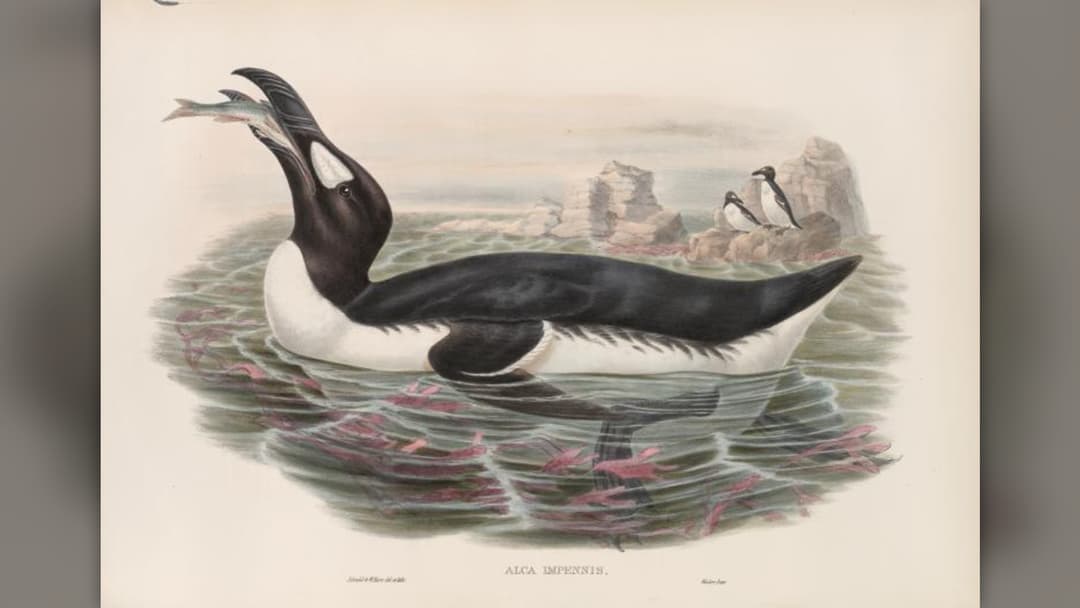
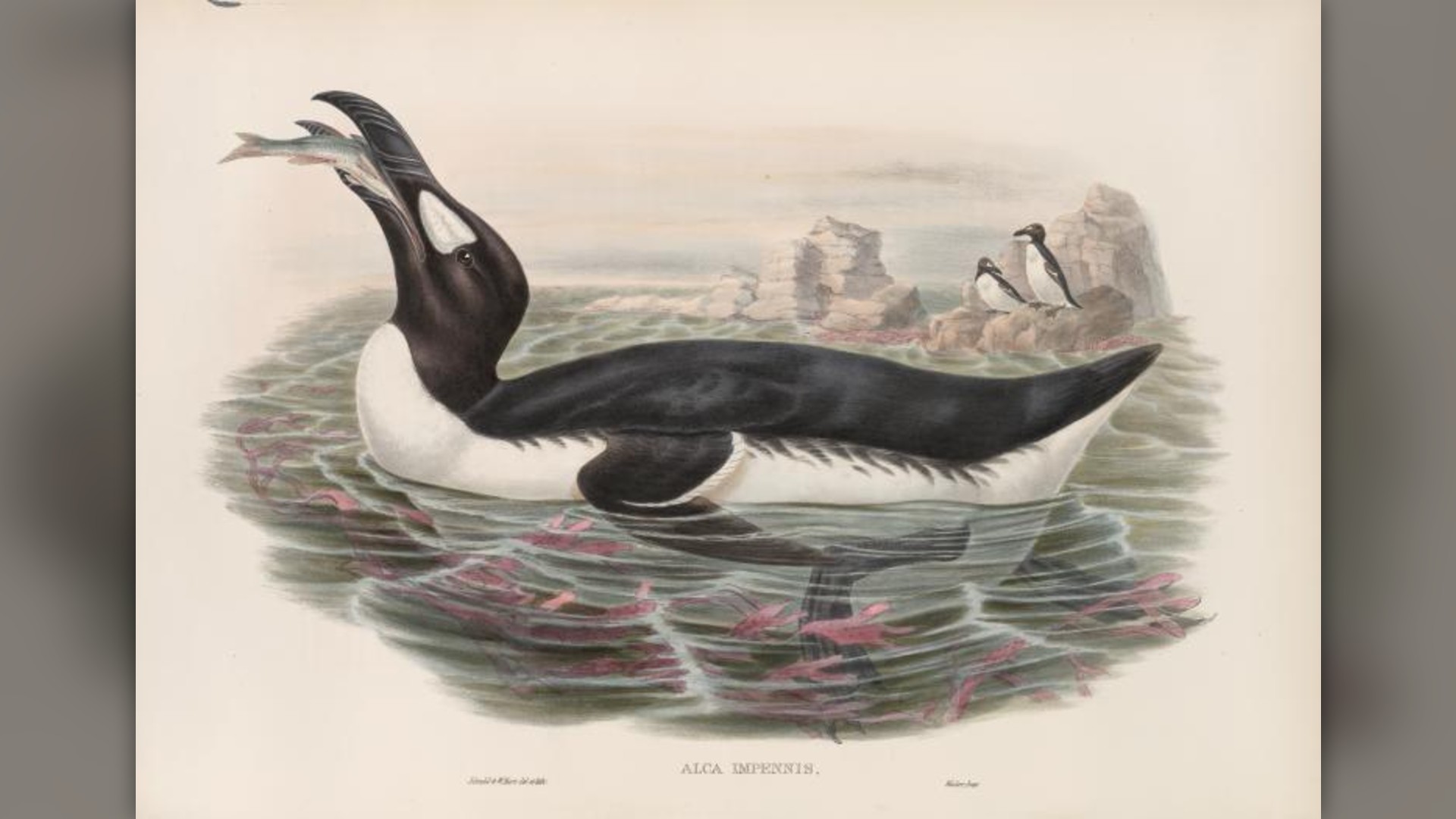
21. Great Auk (Extinct C. 1852)
Great auks nested along rocky North Atlantic islands from Maine to Newfoundland. Hunters killed entire colonies for down feathers, fish bait, and museum specimens. The last confirmed breeding pair was killed in June 1844 off Iceland, and the seabird disappeared from eastern North American waters by 1852.
©NYPL / Digital Collections
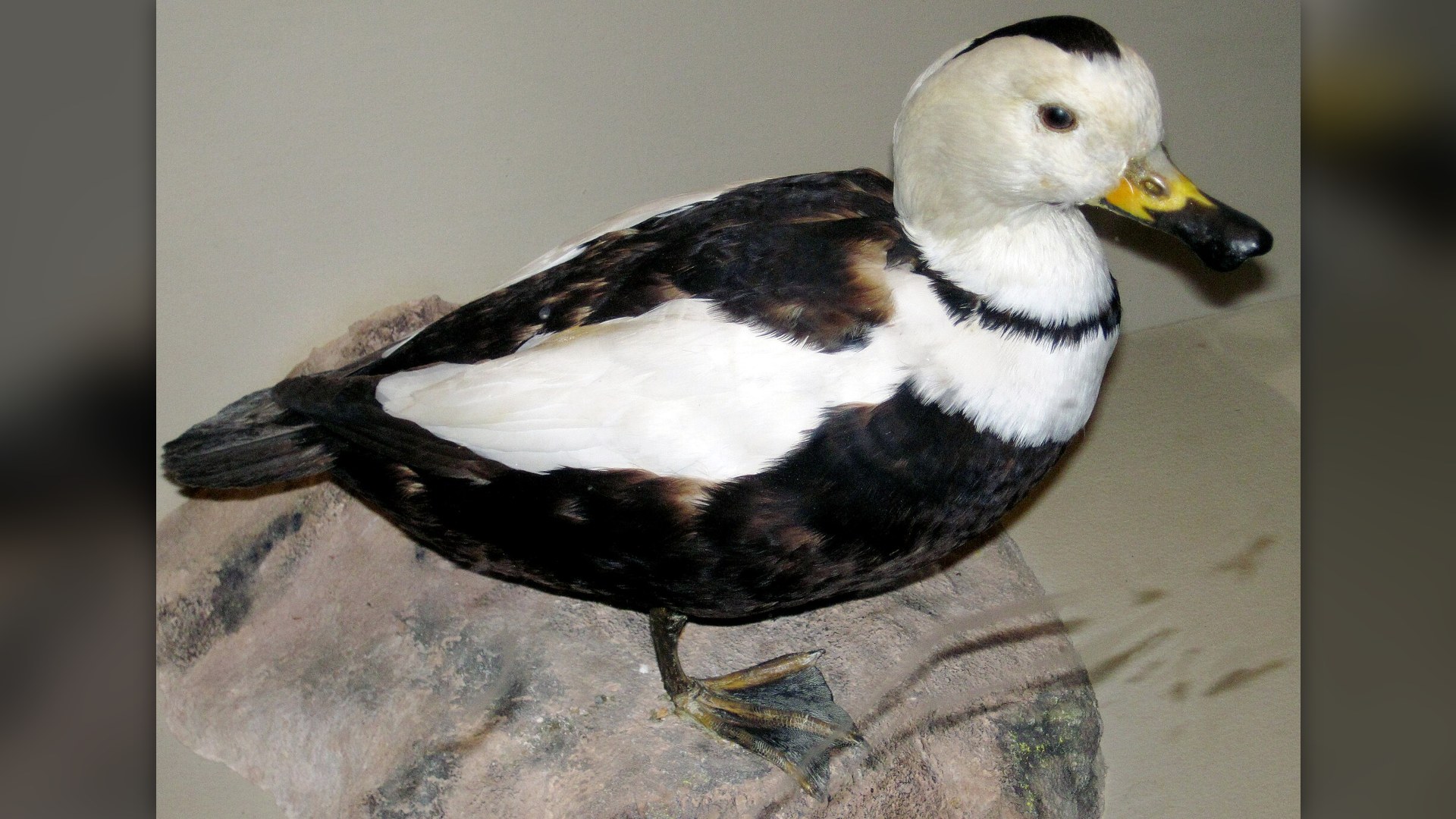
20. Labrador Duck (Extinct 1878)
Labrador ducks wintered in dense bays and salt marshes from Nova Scotia down to Chesapeake Bay. Market gunners targeted the birds for food and feathers while harbor development altered their shell-feeding grounds. The final documented bird was collected on Long Island, New York, in December 1878.
©Wikimedia / James St. John
19. Eastern Elk (Extinct 1880)
Eastern elk originally inhabited hardwood forests across the eastern United States from New York down to Georgia. Extensive deforestation and unregulated hunting eradicated local herds across the Allegheny Mountains. The U.S. Fish and Wildlife Service officially declared the subspecies extinct in 1880.
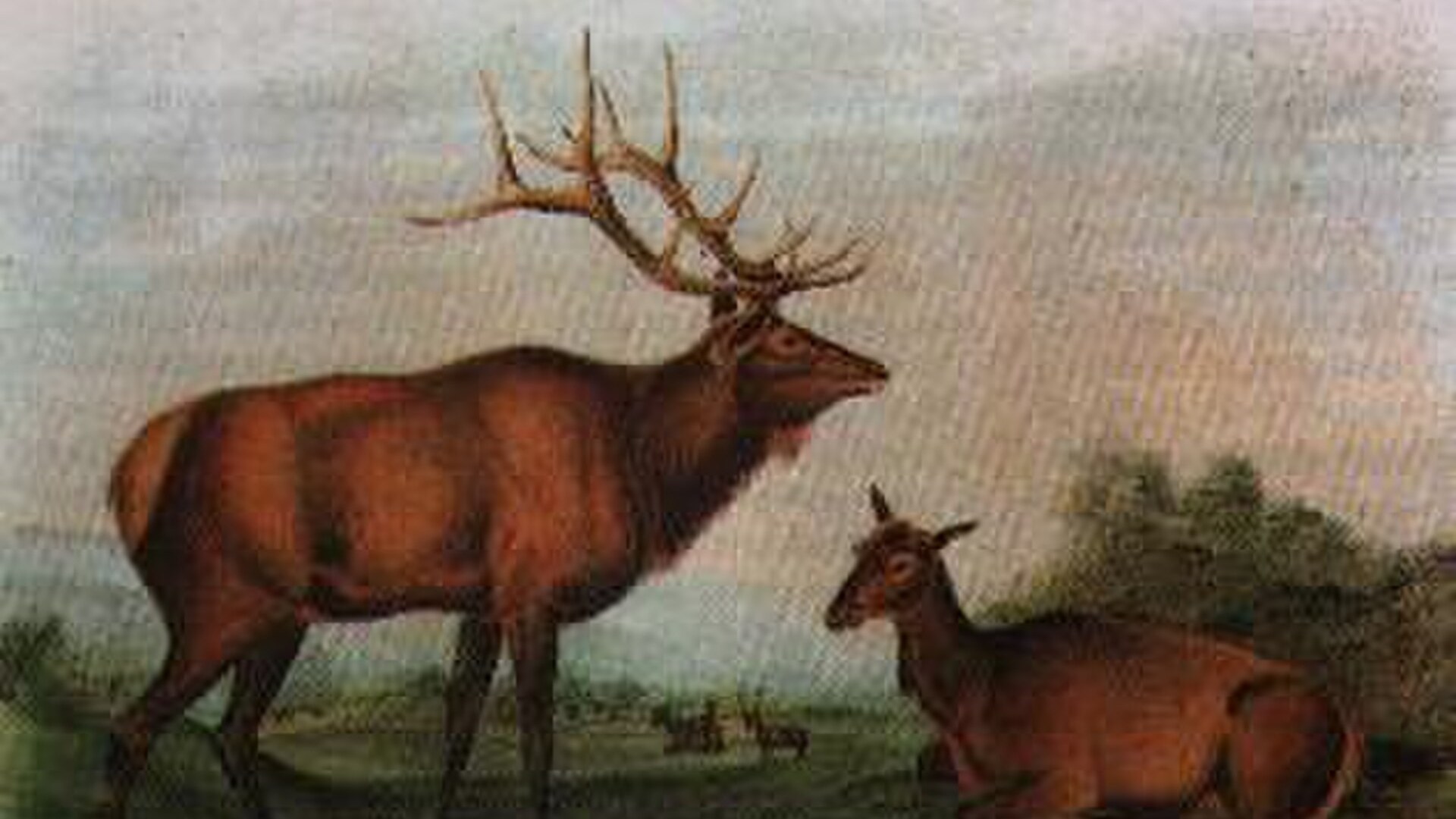
©Wikimedia / John James Audubon
Advertisement
Swipe or tap ▶ to resume the countdown.
18. Sea Mink (Extinct C. 1894)
Sea minks were nearly twice the size of standard American minks, living along rocky coastlines and islands in Maine and Massachusetts. Commercial fur trappers used dogs and traps to pursue the prized thick red fur. The last confirmed specimen was taken near Jonesport, Maine, in 1894.
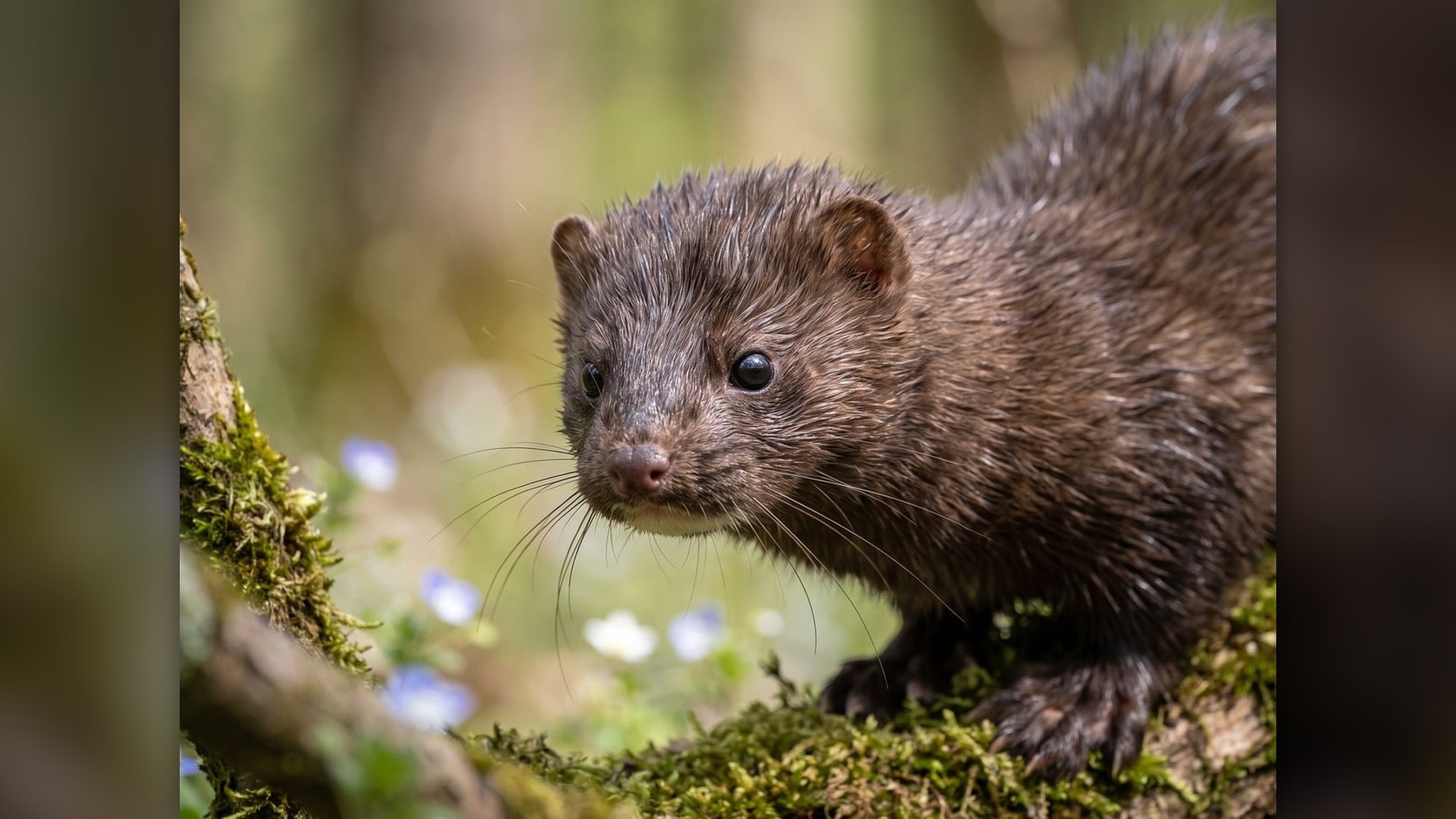
©Pixabay / erwinbosman
17. Merriam Elk (Extinct 1906)
Merriam elk roamed the arid pine ranges and mountains of Arizona, New Mexico, and western Texas. Unregulated meat hunting and severe grazing competition from domestic cattle drove herds into sharp decline. The last wild individuals were shot in the Chiricahua Mountains of Arizona in 1906.
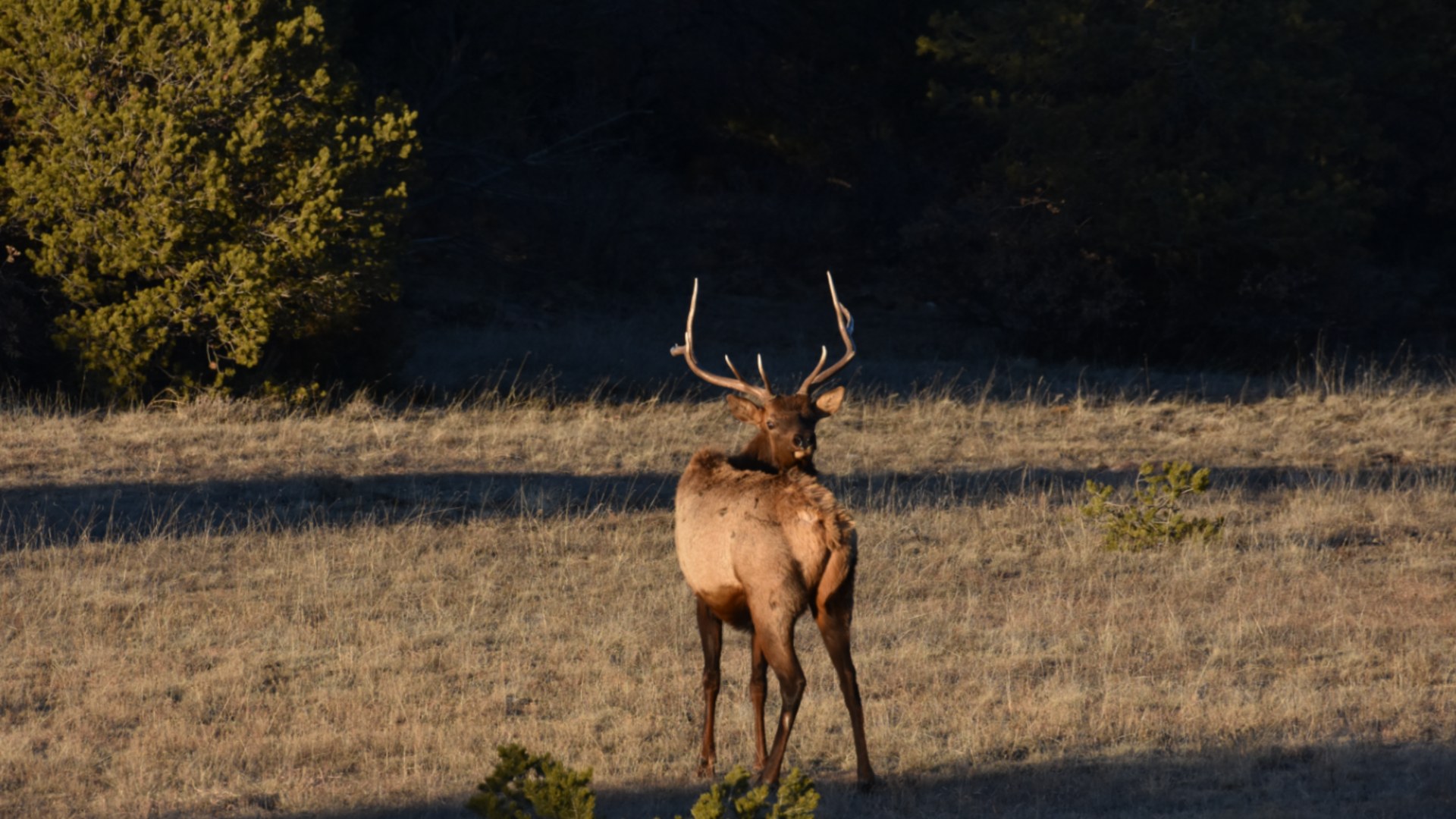
©Wikimedia / Anna Weyers Blades/USFWS
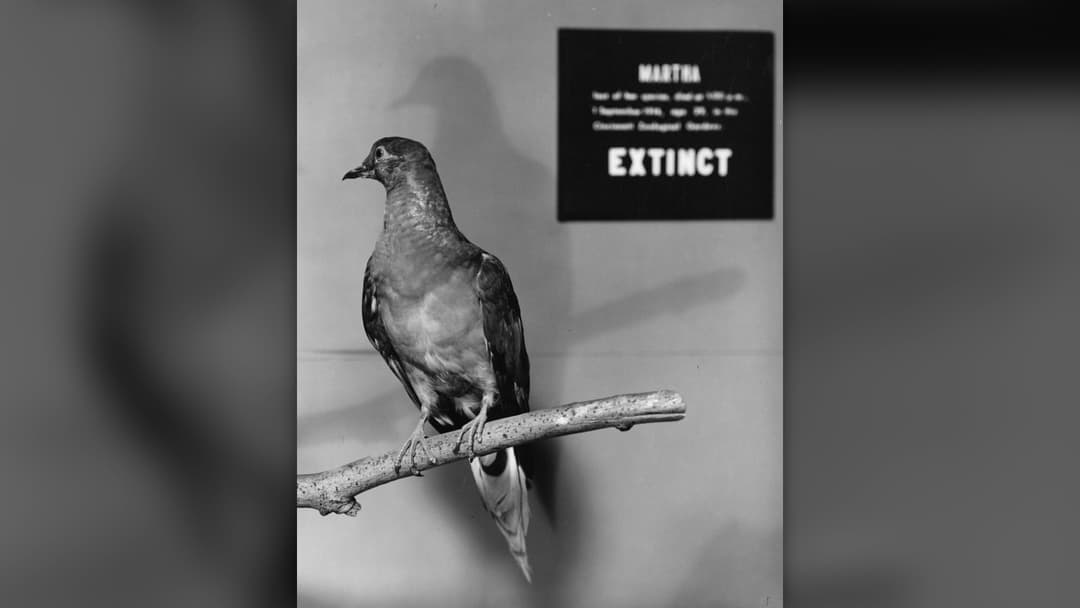
16. Passenger Pigeon (Extinct 1914)
Passenger pigeons once numbered between three and five billion birds across the eastern United States. Commercial netting and widespread forest clearing caused their complete collapse within forty years. The last surviving bird, named Martha, died at the Cincinnati Zoo on September 1, 1914.
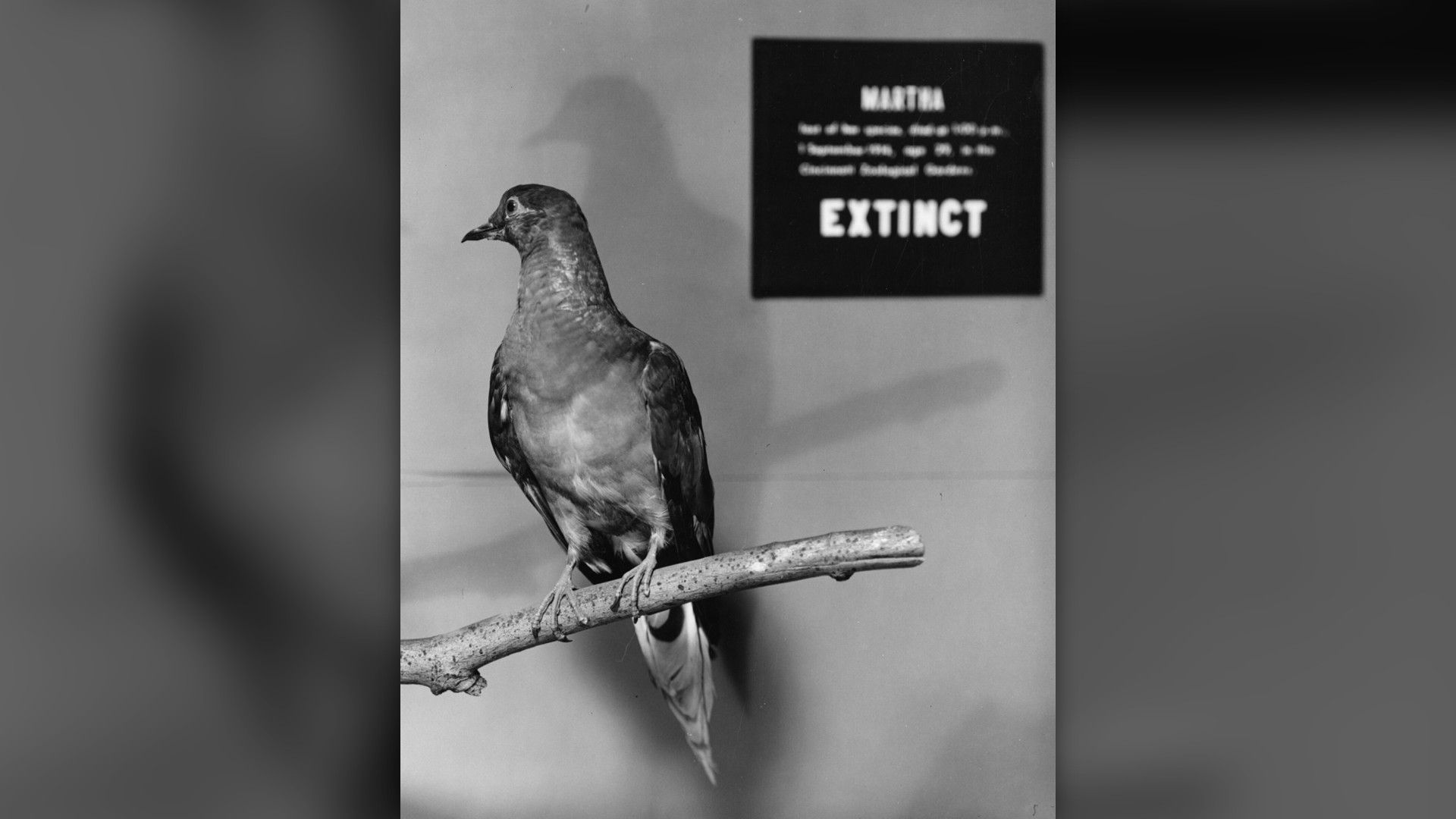
©Wikimedia / Unknown author Unknown author
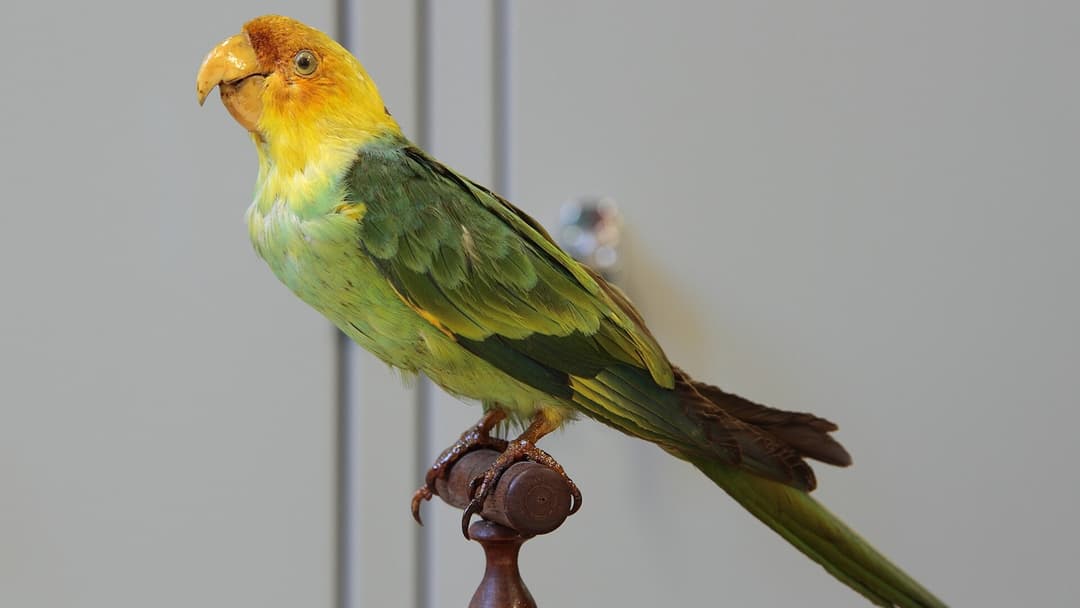
15. Carolina Parakeet (Extinct 1918)
Carolina parakeets were the only native parrots in the eastern United States, ranging from Florida to New York and west to Nebraska. Farmers shot them in massive numbers to protect fruit orchards, while millinery hunters took bright feathers. The final captive bird, Incas, died at the Cincinnati Zoo in 1918.
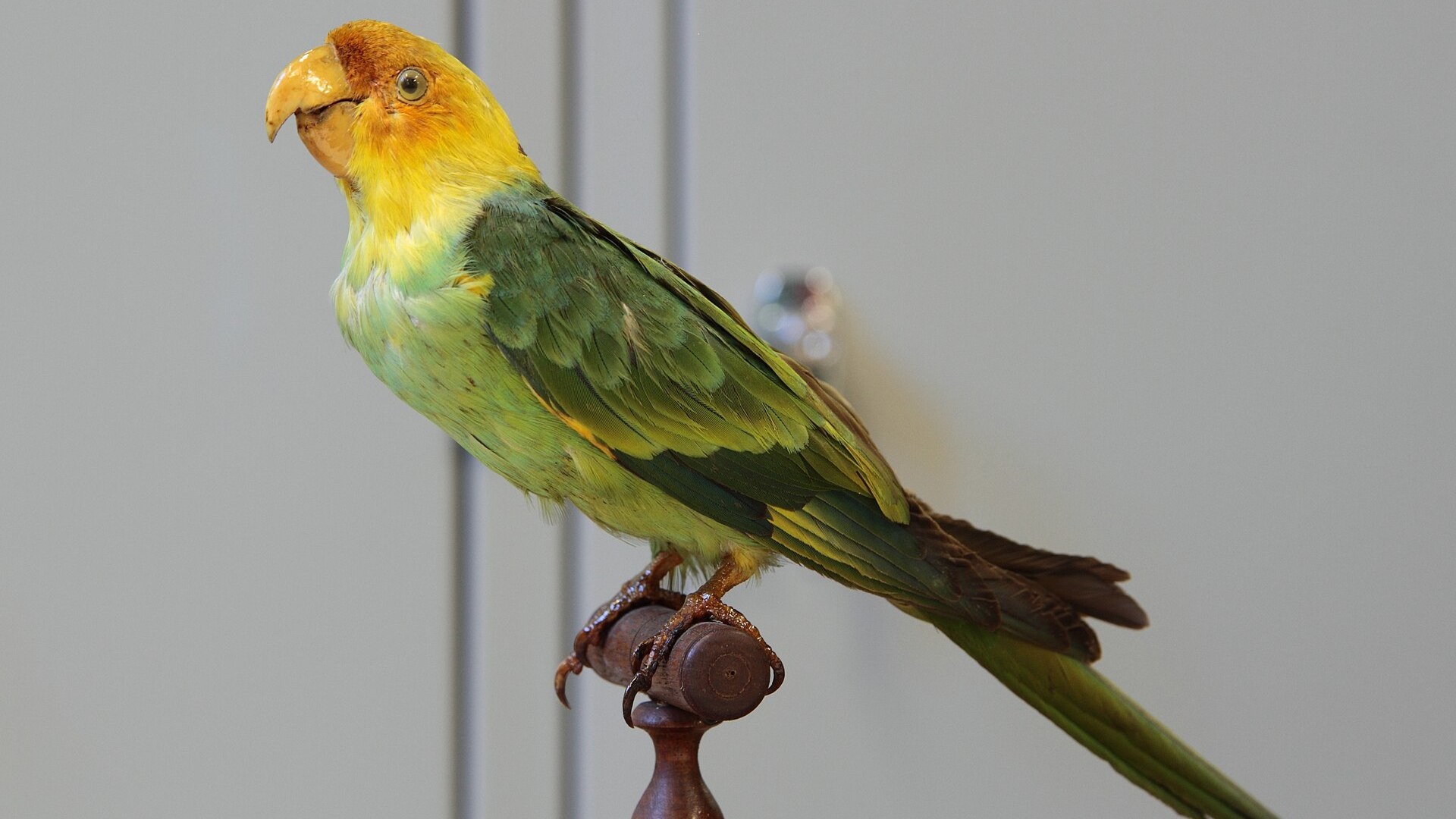
©Wikimedia / Cephas
Advertisement
Swipe or tap ▶ to resume the countdown.
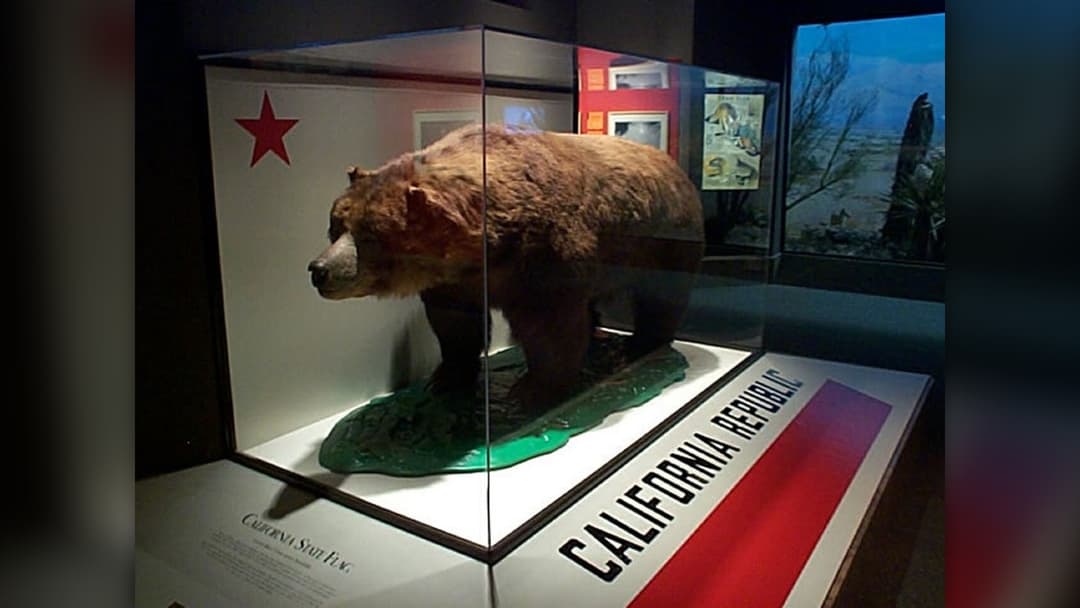
14. California Grizzly Bear (Extinct 1924)
California grizzly bears numbered around ten thousand individuals throughout valleys and coastal ranges before the Gold Rush. Bounties, livestock protection hunts, and habitat loss systematically destroyed the population. The last confirmed specimen was shot in Tulare County in August 1922.
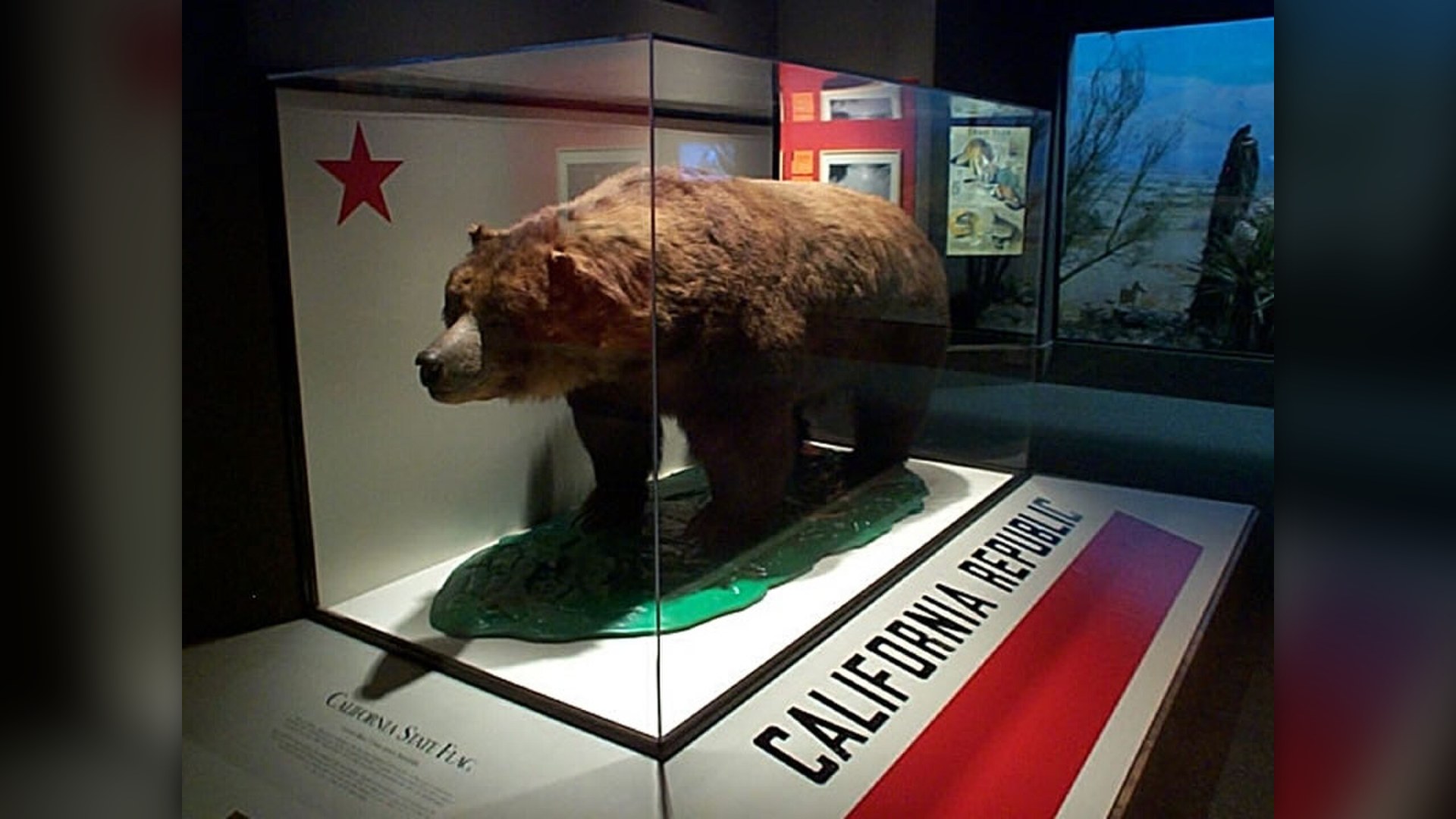
©Wikimedia / Payton from chicago, usa
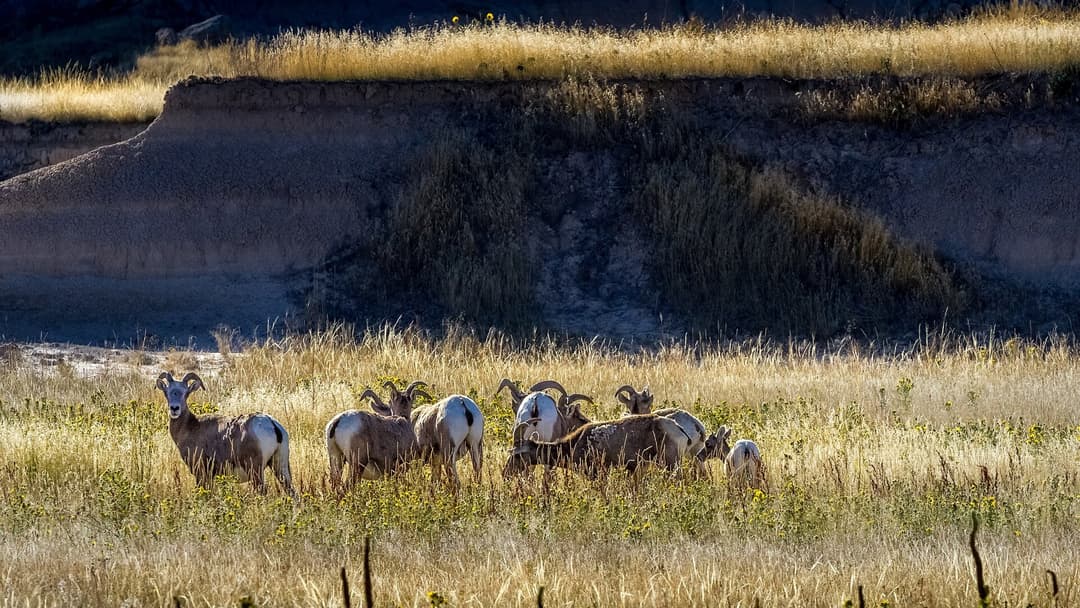
13. Badlands Bighorn Sheep (Extinct 1925)
Badlands bighorn sheep roamed the steep bluffs and rugged canyons of North Dakota, South Dakota, Nebraska, and Montana. European settlement brought market hunters and domestic sheep, which spread lethal respiratory illnesses. The last known wild animal was shot in South Dakota in 1925.
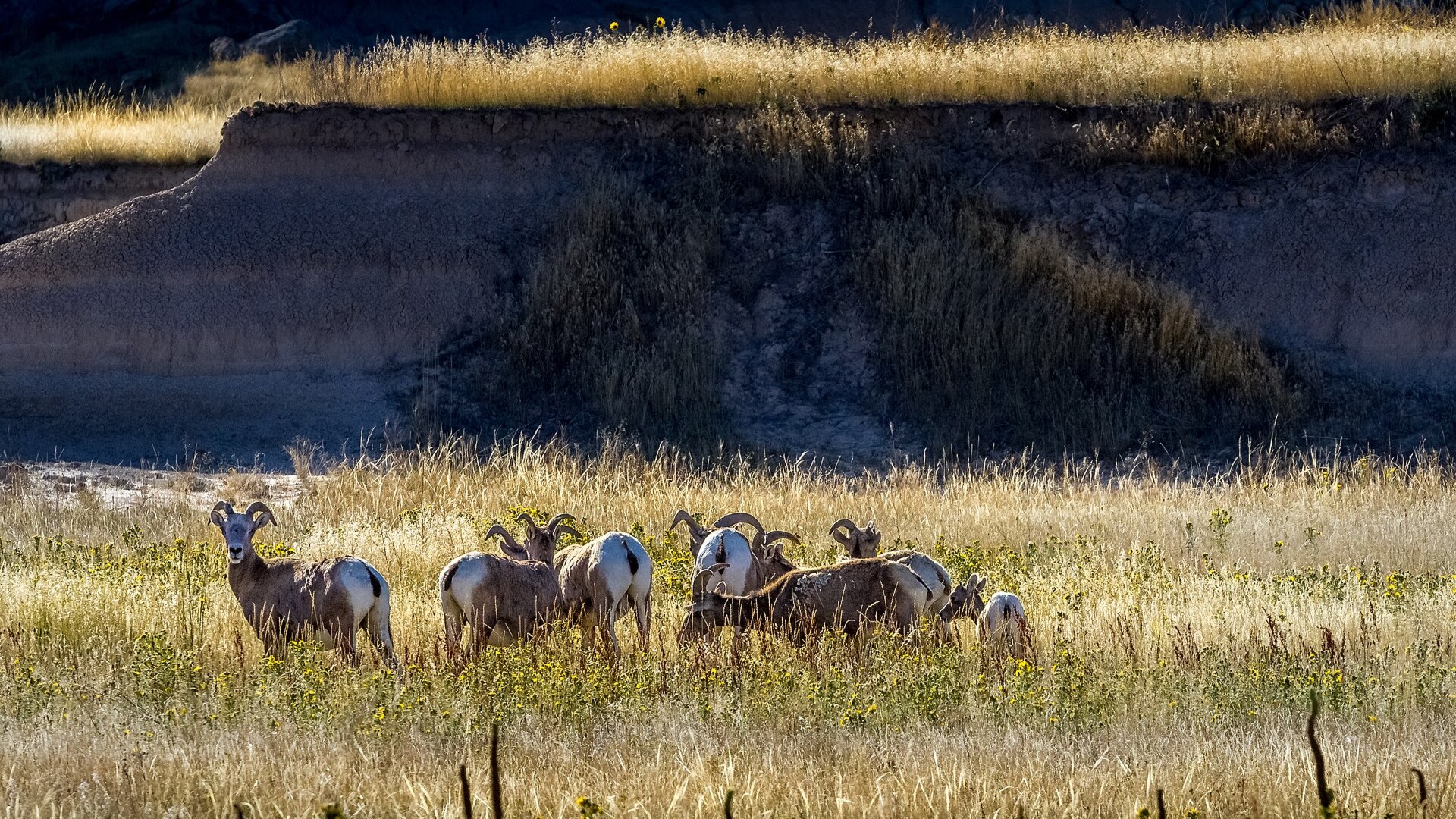
©Wikimedia / Christian Collins from Midland, MI, United State
12. Heath Hen (Extinct 1932)
Heath hens were once so common along Atlantic shores from Maine to Virginia that farm workers negotiated limits on eating them. Overhunting reduced their range until a final flock survived on Martha's Vineyard. The last lone bird, known as Booming Ben, was last seen alive in March 1932.
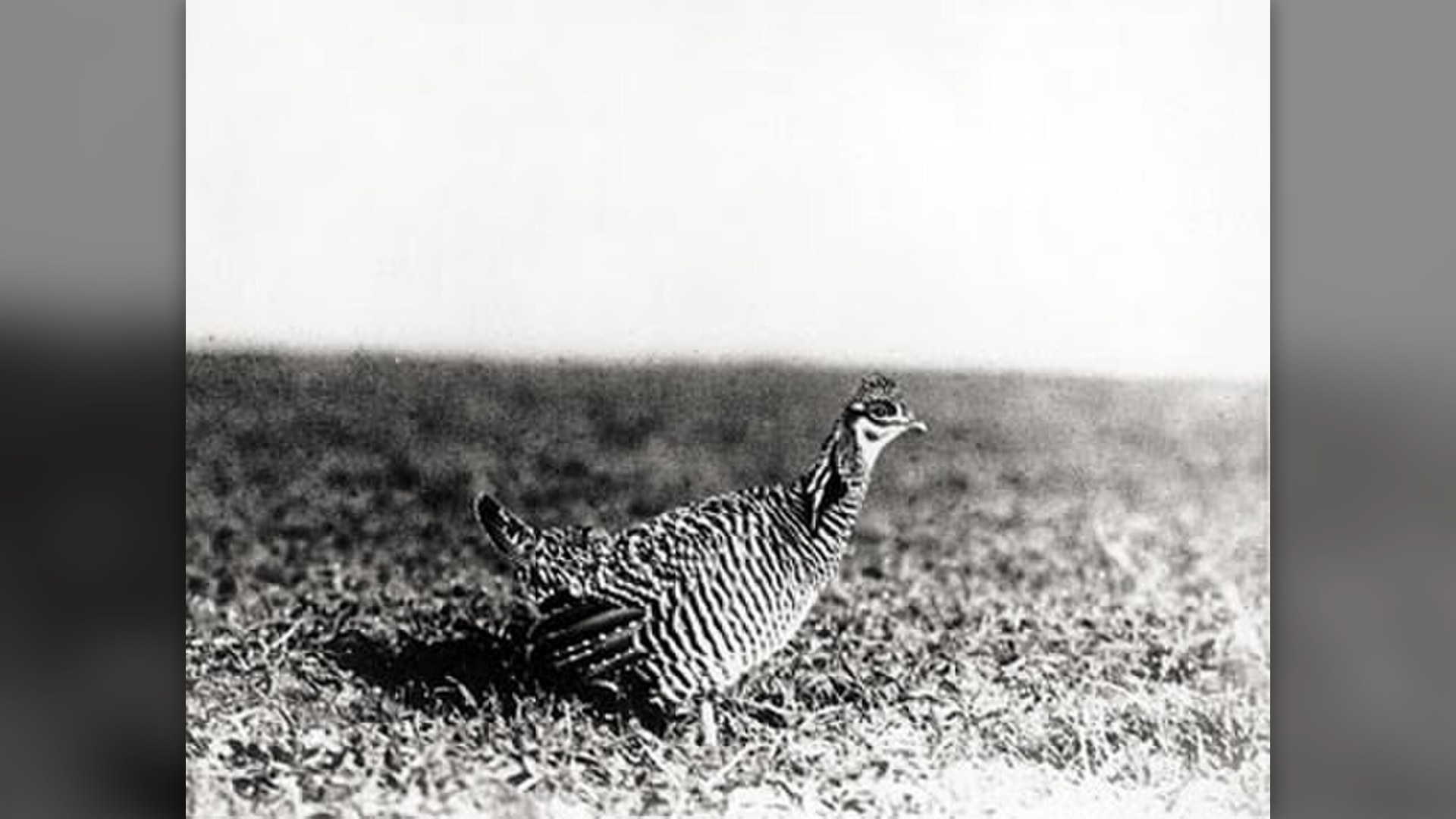
©Wikimedia / Unknown artist
11. Florida Black Wolf (Extinct 1934)
Florida black wolves inhabited pine flatwoods, river swamps, and coastal prairies throughout Florida and southern Georgia. State-sponsored bounties and cattle ranchers aggressively targeted the predators with traps and poison. Government trappers eliminated the last documented wild packs by 1934.
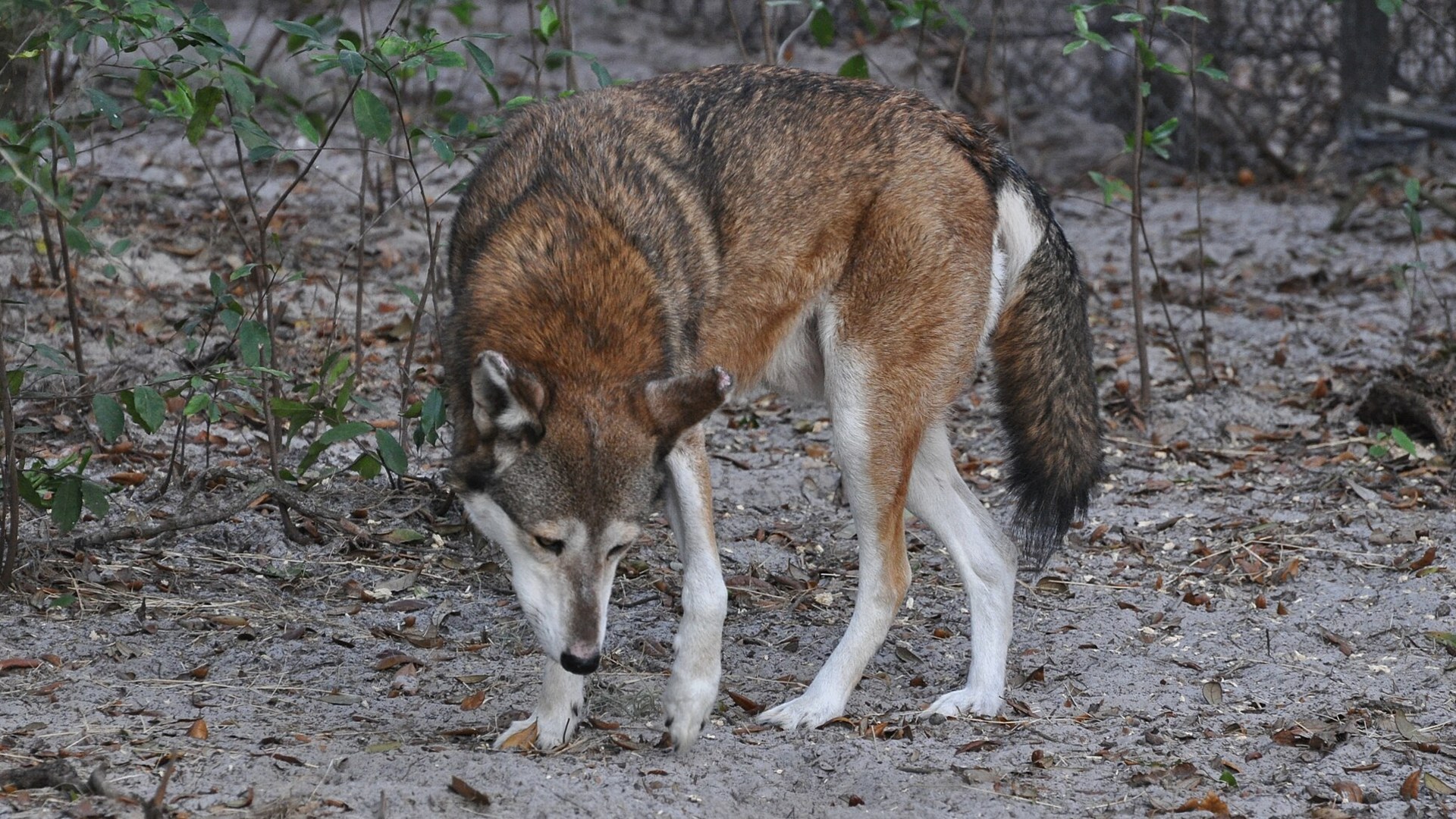
©Wikimedia / Brandon Trentler from USA
Advertisement
Swipe or tap ▶ to resume the countdown.
10. Southern Rocky Mountain Wolf (Extinct 1935)
Southern Rocky Mountain wolves roamed the high peaks, alpine basins, and timbered valleys of Colorado, Utah, and Nevada. Federal predator control agents used strychnine poison baits and tracking dogs to wipe them out for livestock protection. The subspecies was completely eradicated by 1935.
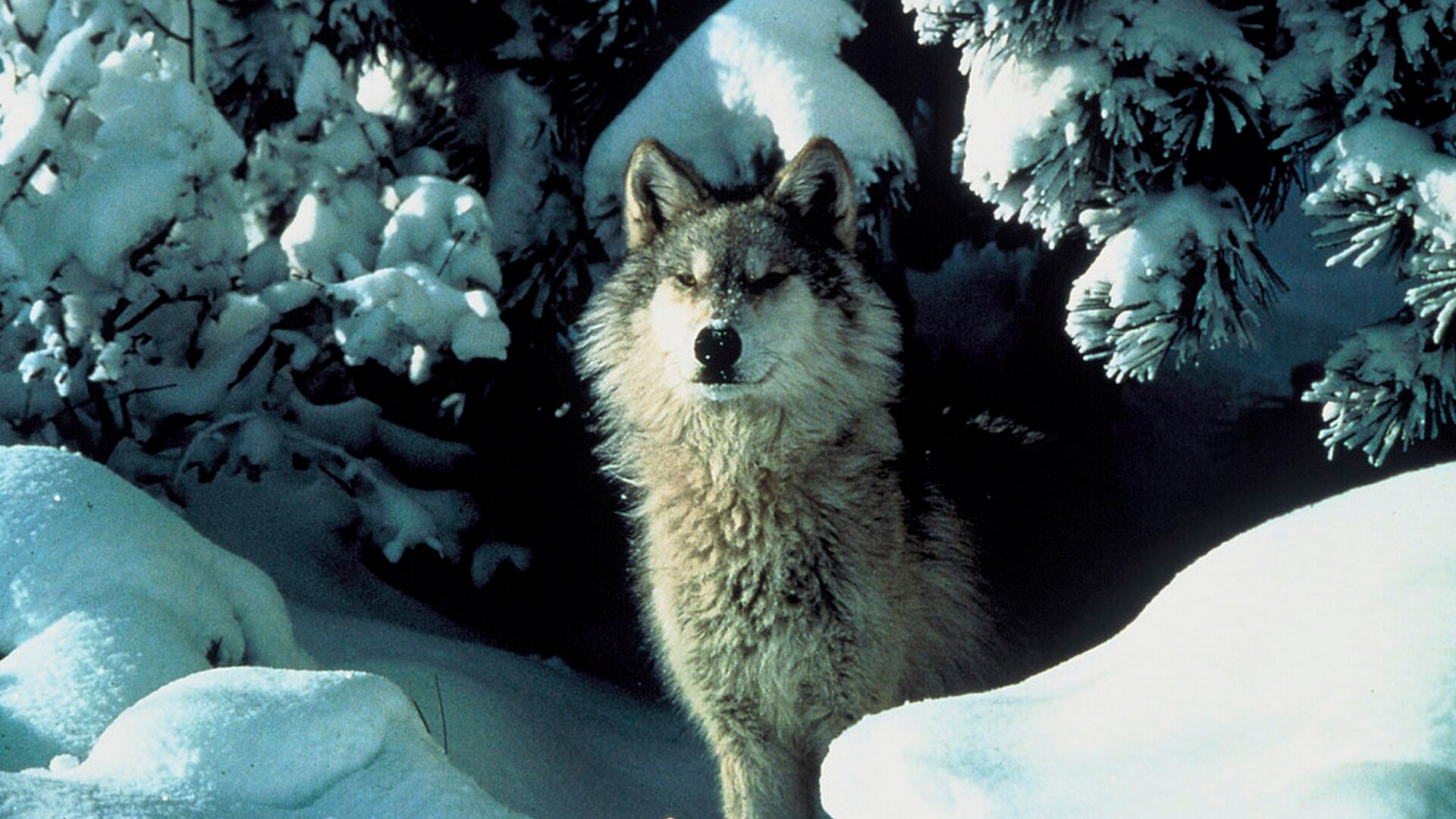
©Wikimedia / Tracy Brooks
9. Cascade Mountains Wolf (Extinct 1940)
Cascade Mountains wolves ranged through dense conifer forests along the mountain chain in Washington, Oregon, and northern California. Commercial fur trappers and ranchers eradicated packs to protect grazing leases on public rangelands. The last known resident wolves disappeared around 1940.
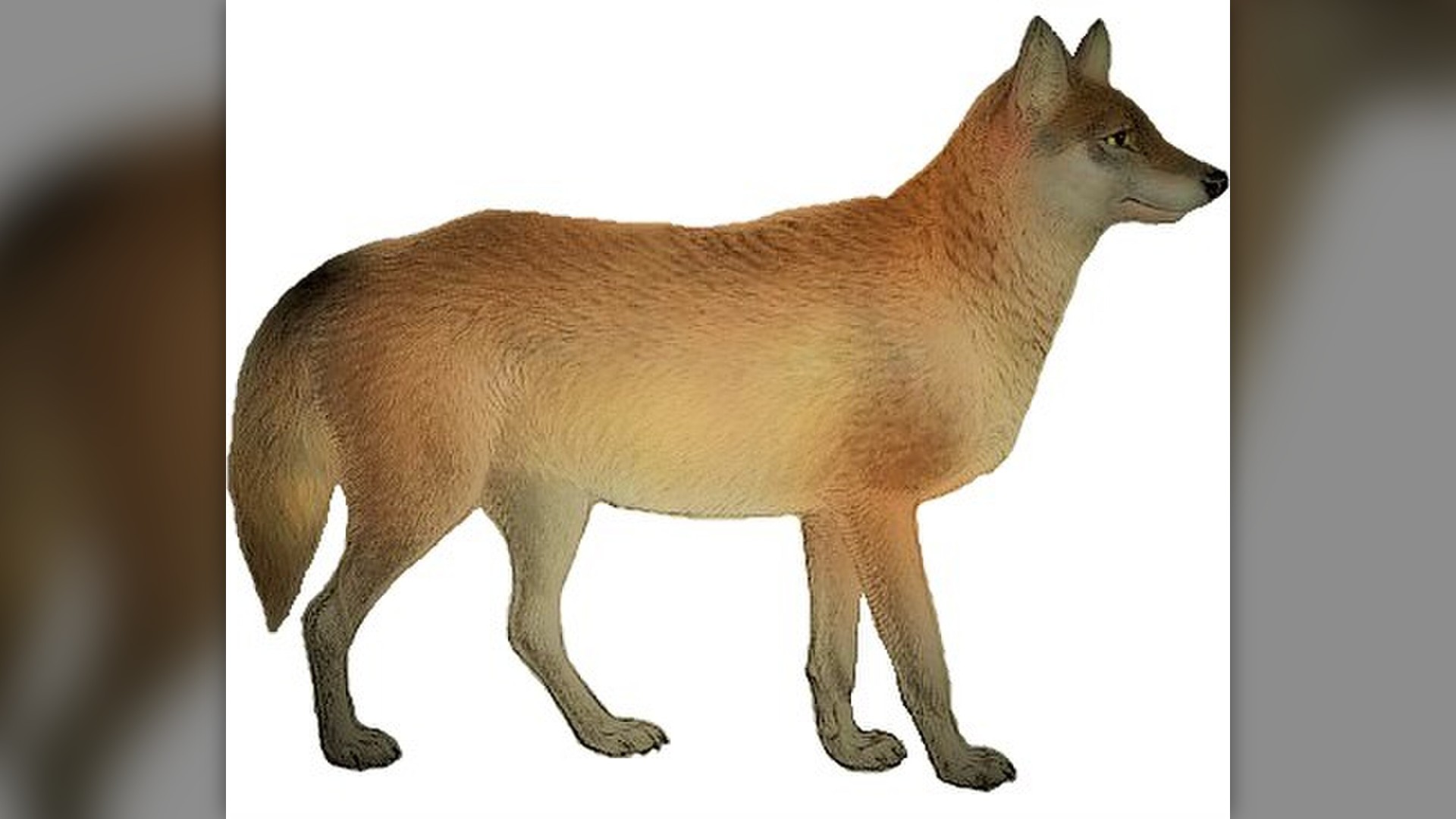
©Wikimedia / Cascade mountain wolf
8. Rocky Mountain Locust (Extinct 1902)
Rocky Mountain locust swarms once spanned thousands of square miles across the American Great Plains. Farmers plowed and irrigated river valleys where females laid egg pods, systematically destroying their concentrated breeding grounds. The last living specimens were collected in 1902.
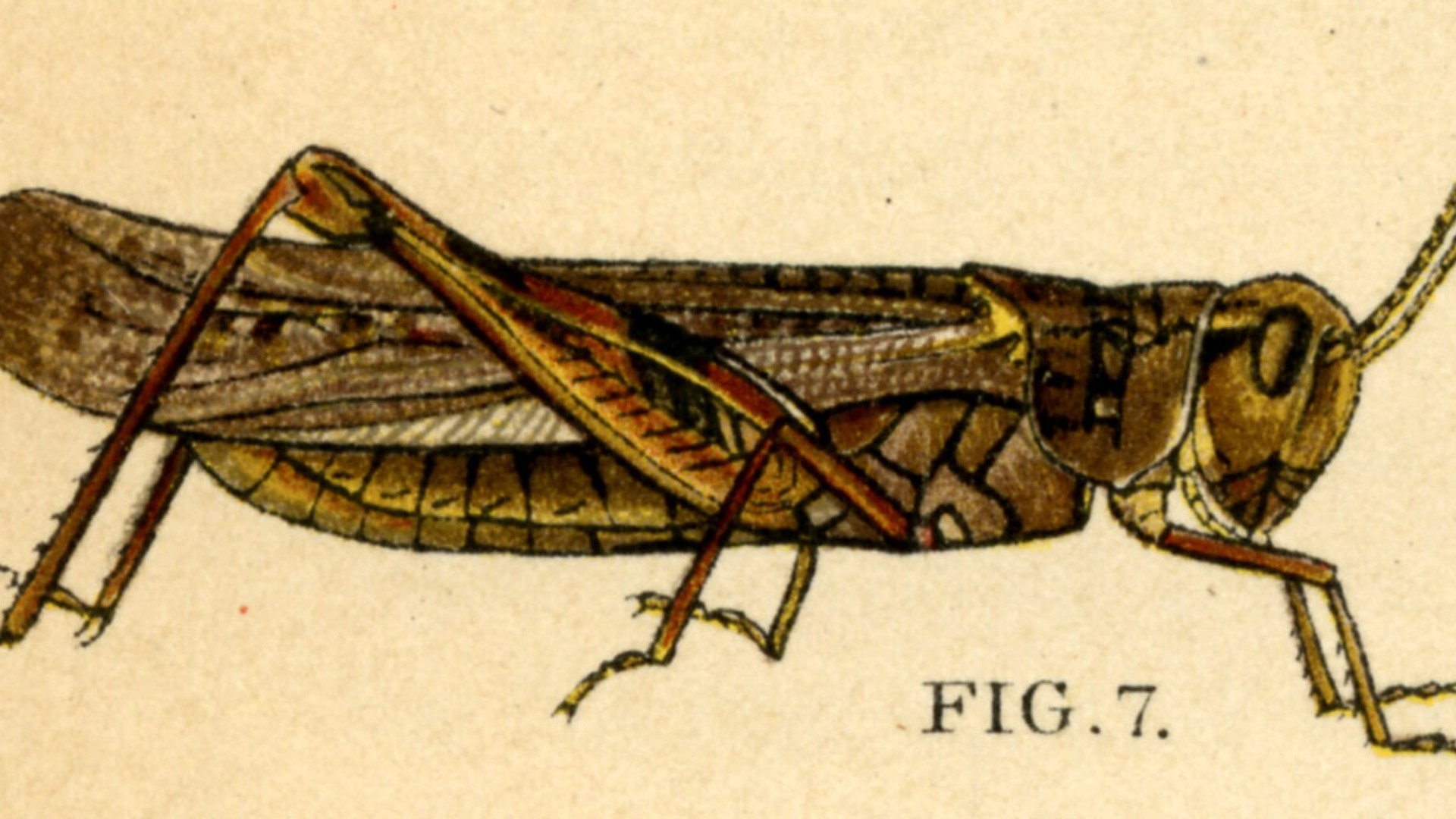
©Wikimedia / Julius Bien (1826-1909) biography
7. Tecopa Pupfish (Extinct 1981)
Tecopa pupfish were small, heat-tolerant fish found only in the outflow of two thermal artesian springs in the Mojave Desert in Inyo County, California. Construction of public bathhouses in the 1960s channelized water and introduced predatory fish. The USFWS declared them extinct in 1981.
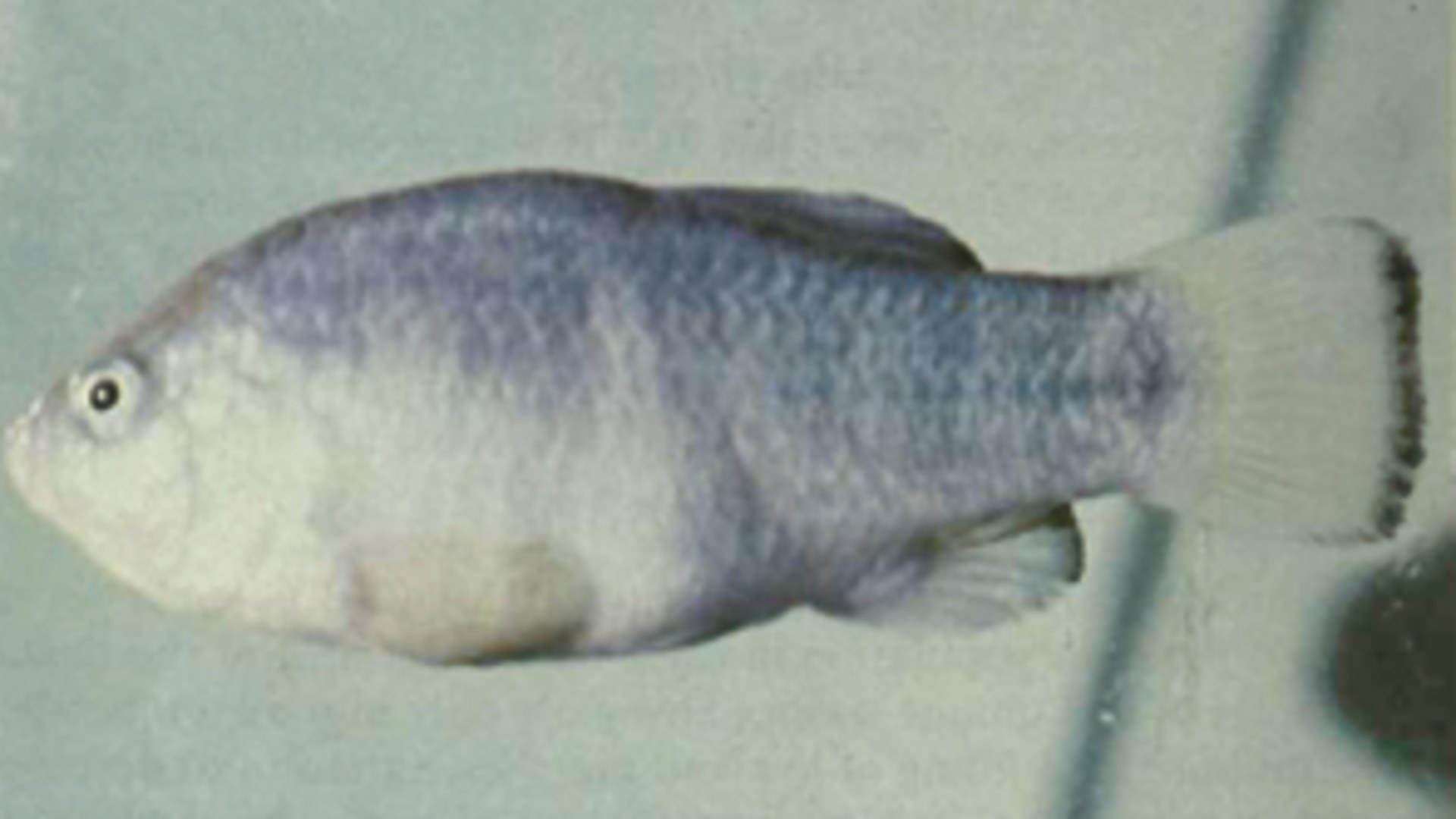
©Wikimedia / Phil Pister
Advertisement
Swipe or tap ▶ to resume the countdown.
6. Dusky Seaside Sparrow (Extinct 1987)
Dusky seaside sparrows nested exclusively in cordgrass marshes of Merritt Island and the St. Johns River in Florida. Flooding marshlands for mosquito control and building highway access to Kennedy Space Center destroyed their habitat. The final bird, named Orange Band, died in captivity in June 1987.
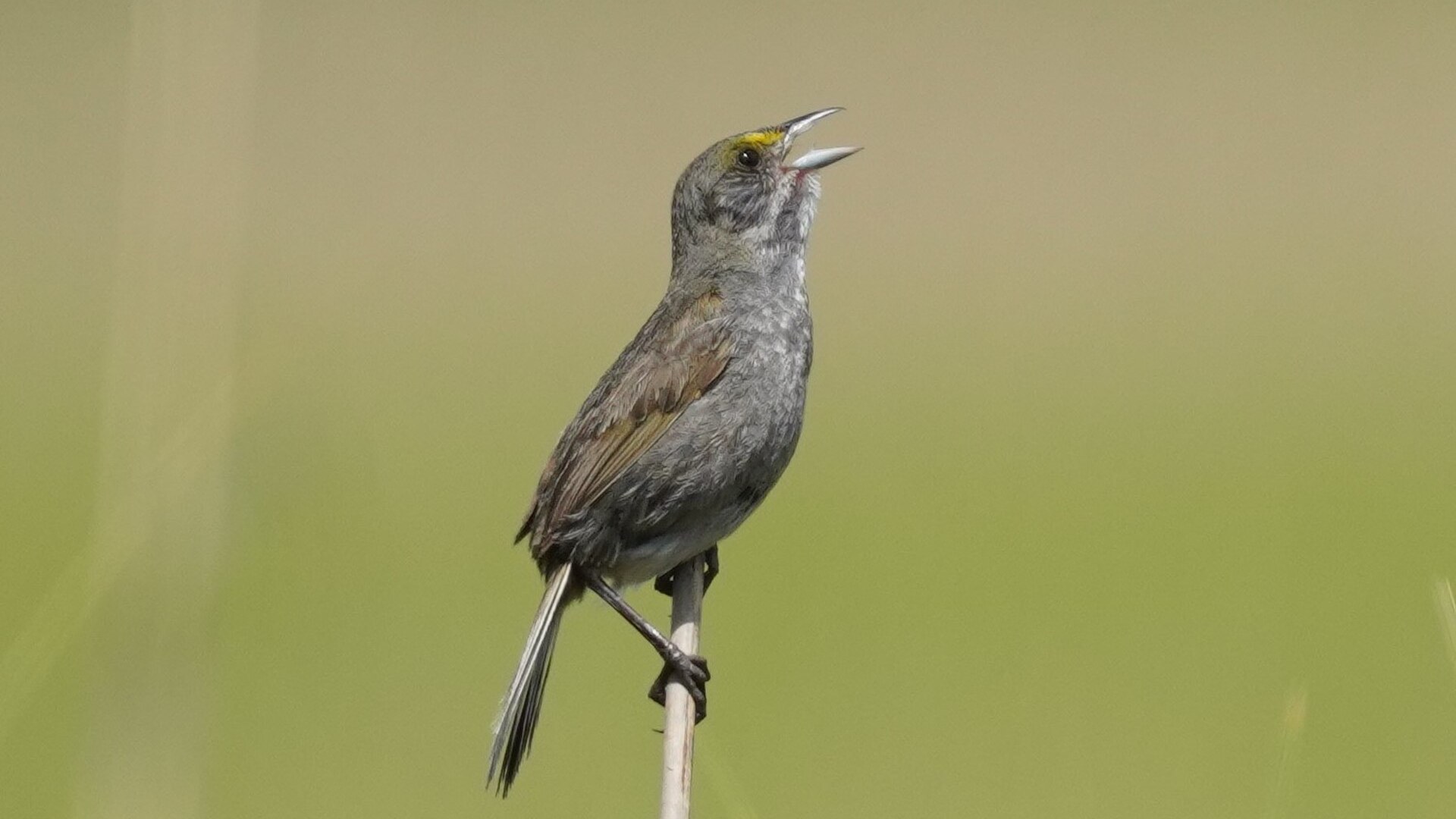
©Wikimedia / C. Ben Schwamb
5. Caribbean Monk Seal (Extinct 2008)
Caribbean monk seals once populated coastal waters, reefs, and beaches from the Florida Keys and Texas into the Caribbean Sea. Spanish explorers and later whalers hunted thousands of docile seals for lamp oil, meat, and hides. NOAA Fisheries officially declared the species extinct in 2008.
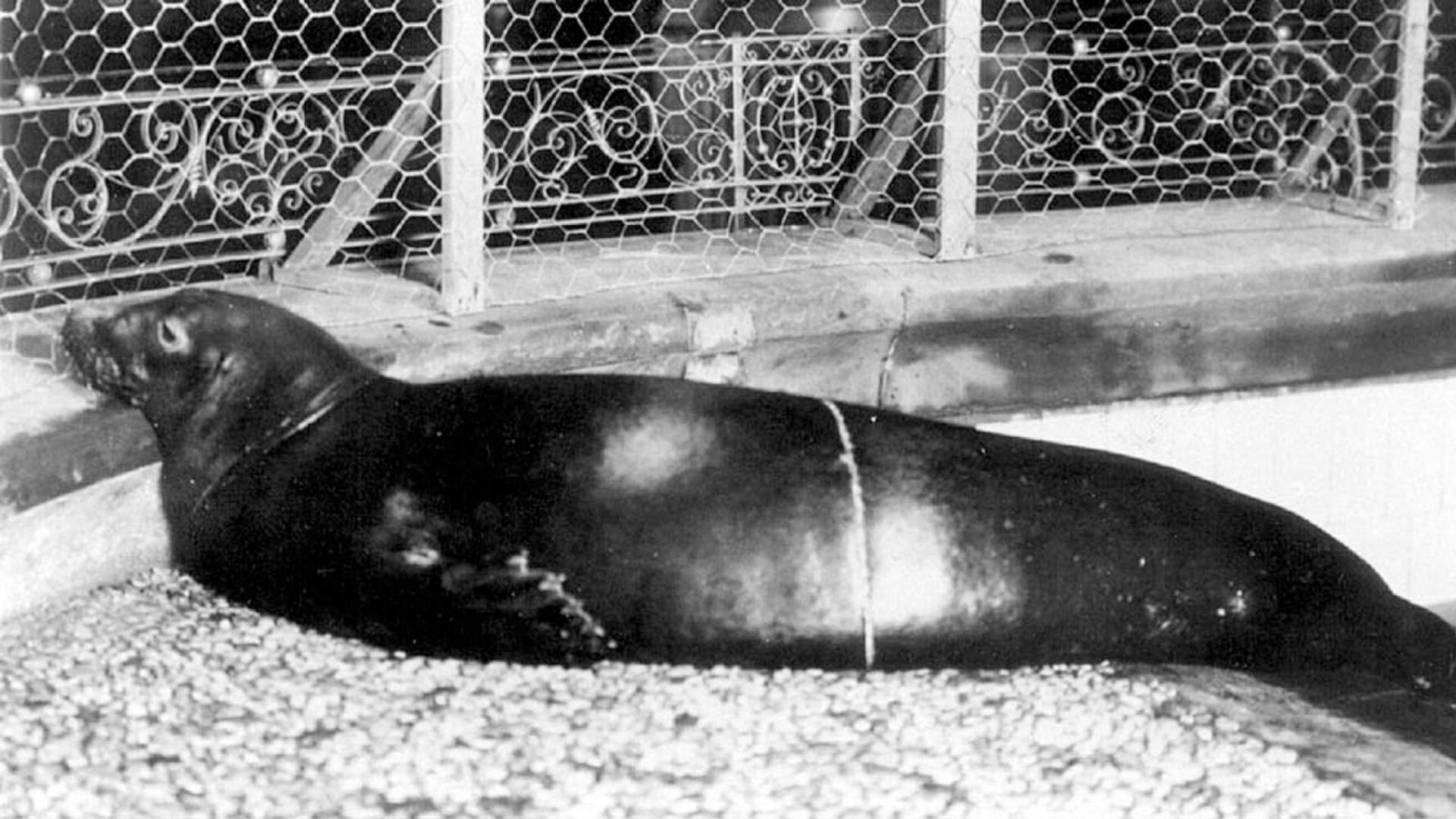
©Wikimedia / New York Zoological Society
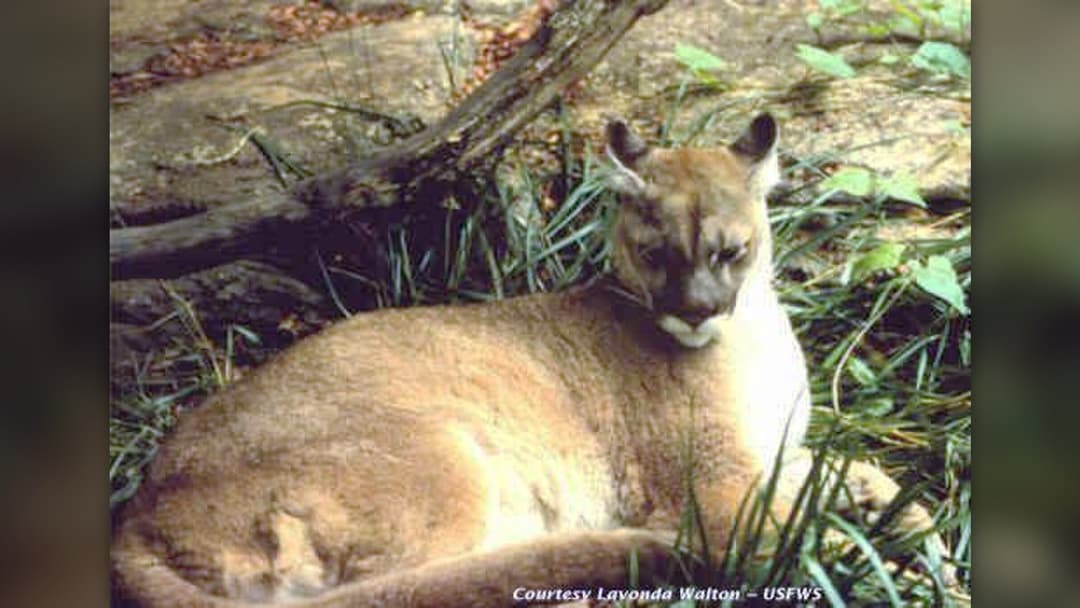
4. Eastern Cougar (Extinct 2018)
Eastern cougars were apex predators that hunted white-tailed deer across all states east of the Mississippi River. Settlers logged eastern forests and placed municipal cash bounties on cougars to safeguard farm livestock. The U.S. Fish and Wildlife Service officially declared them extinct in 2018.
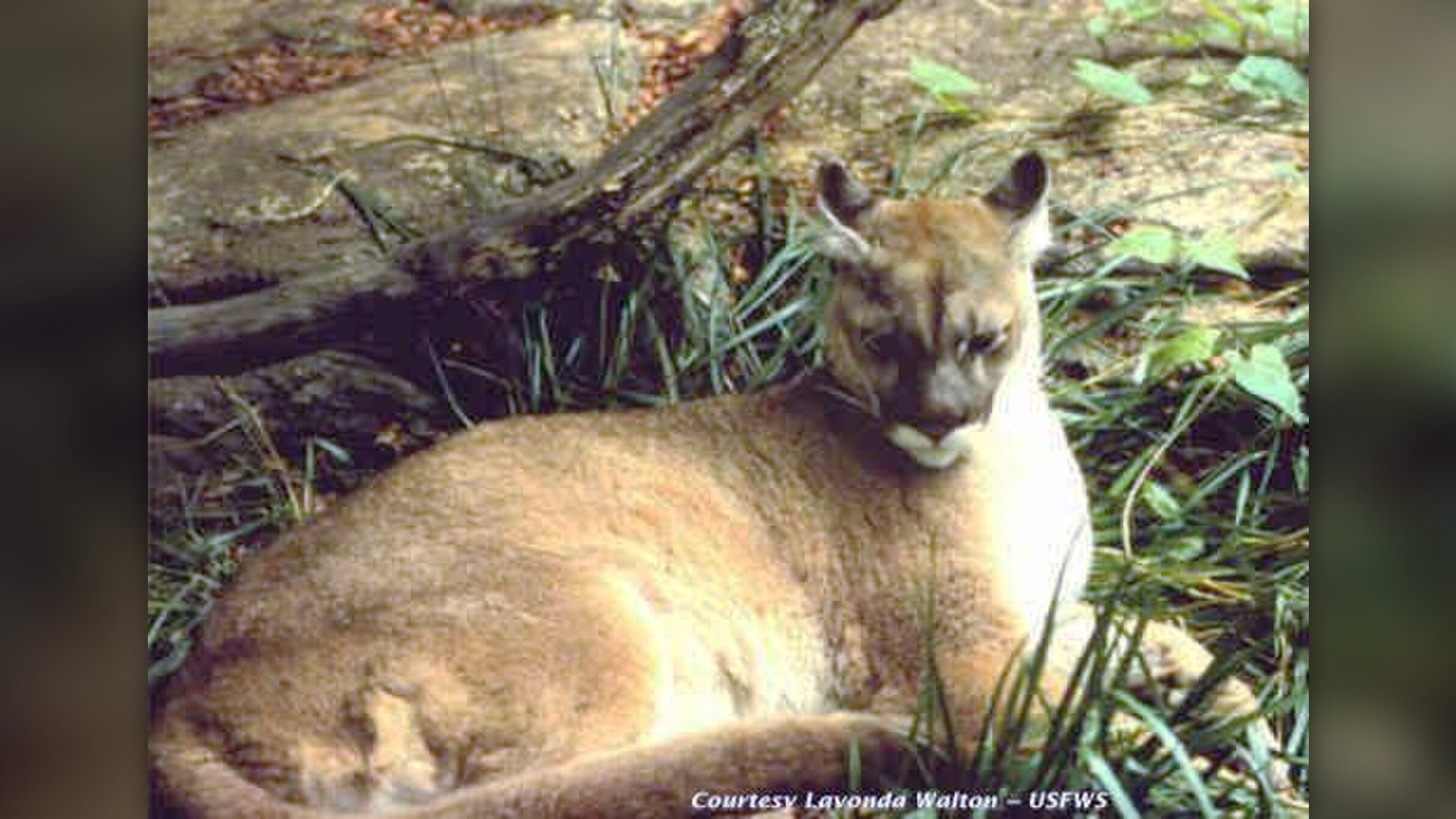
©Wikimedia / USG (US Fish & Wildlife Service)
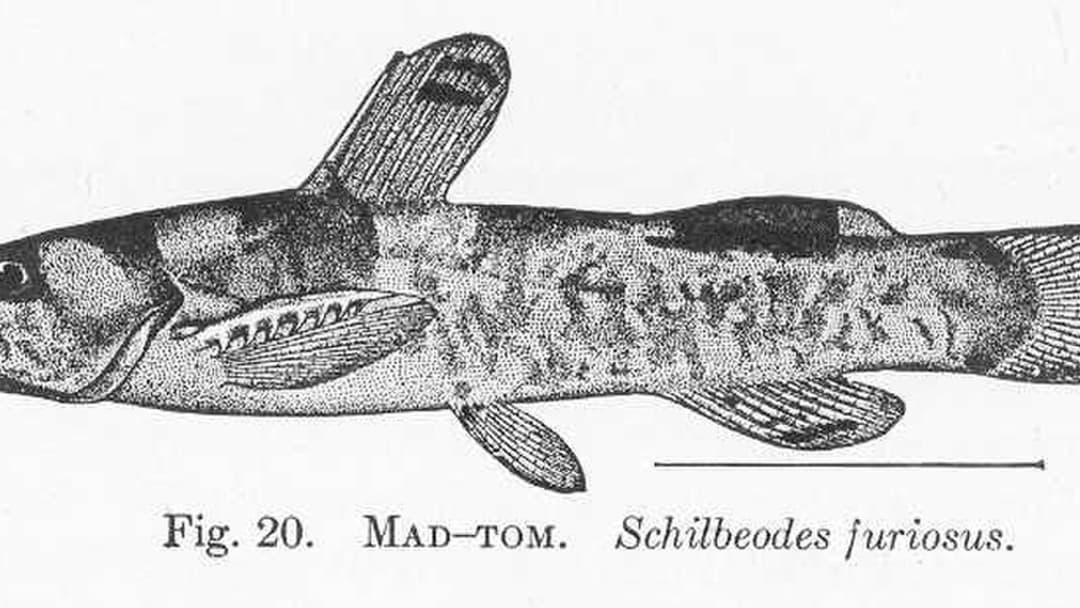
3. Scioto Madtom (Extinct 2023)
Scioto madtoms were small nocturnal catfish known only from Big Darby Creek in the Scioto River basin in Ohio. Agricultural runoff, industrial waste, and substrate dredging altered the clean riffles they inhabited. The U.S. Fish and Wildlife Service officially removed them as extinct in 2023.
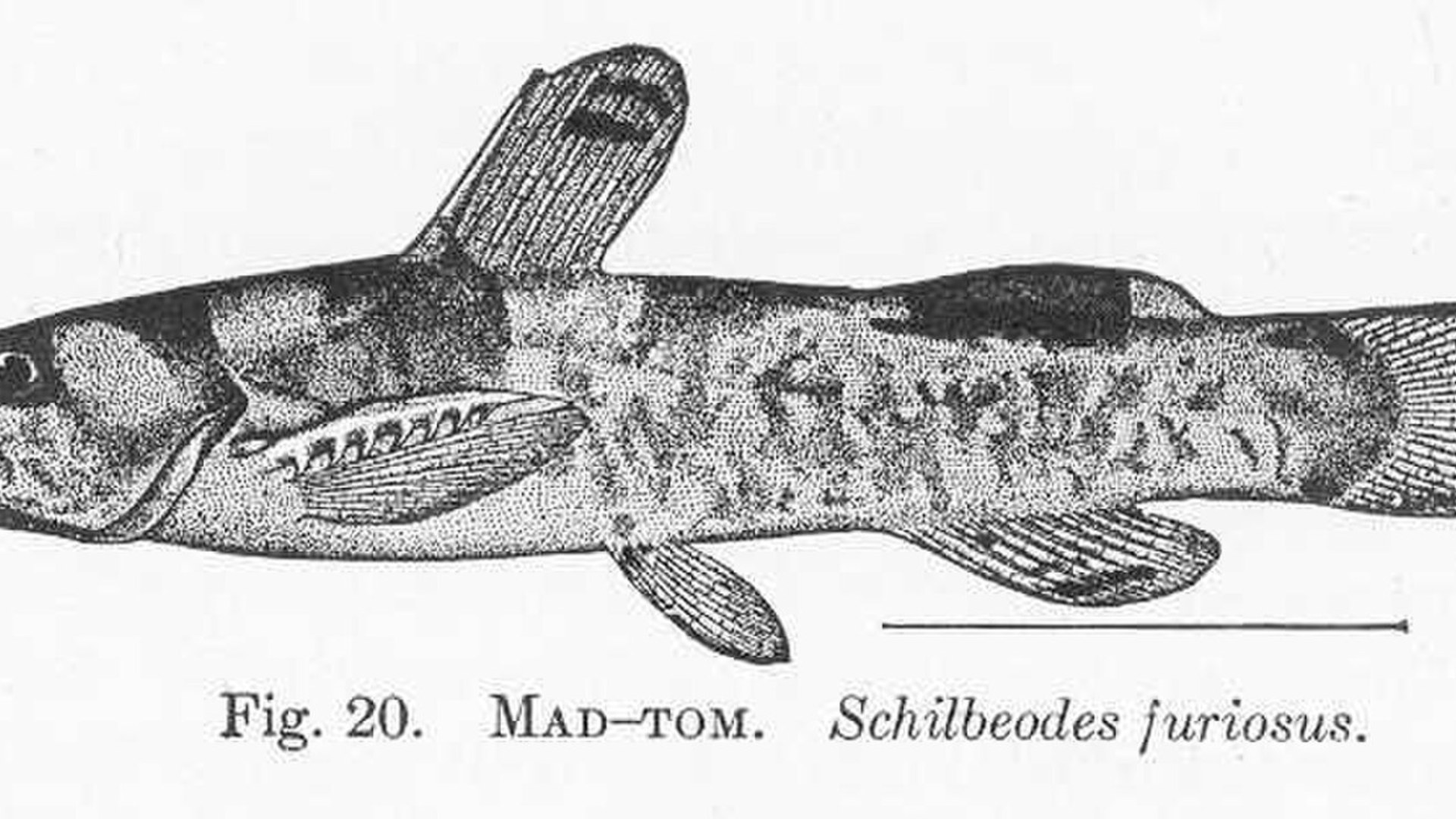
©Wikimedia / Hugh McCormick Smith
Advertisement
Swipe or tap ▶ to resume the countdown.
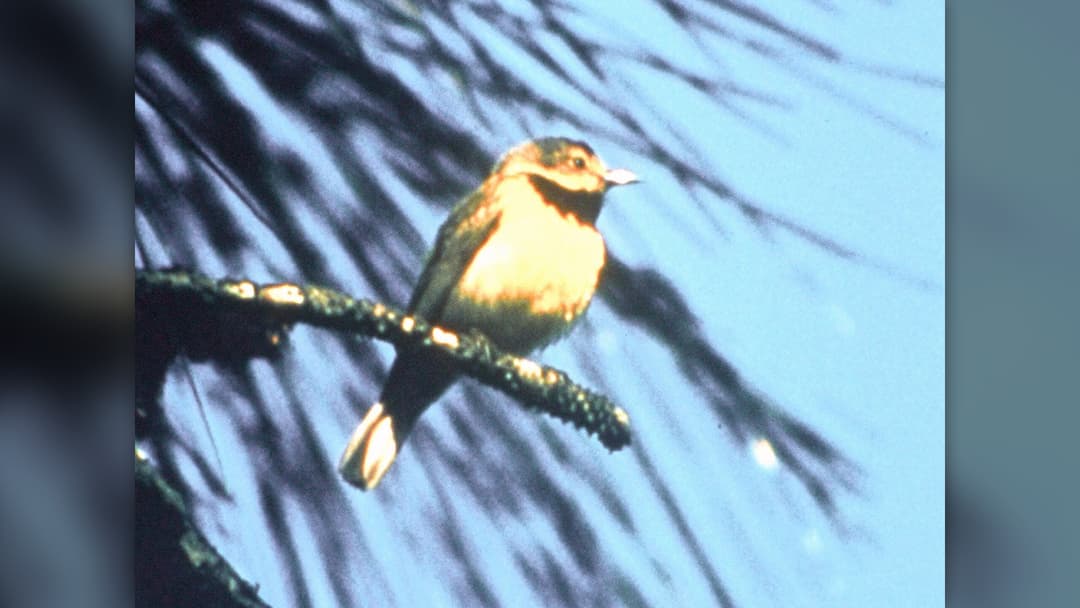
2. Bachman Warbler (Extinct 2023)
Bachman warblers bred in dense southern bottomland hardwood swamps across Missouri, Kentucky, Alabama, and South Carolina. Widespread timber extraction stripped their cane thickets while sugarcane farming cleared winter grounds in Cuba. The USFWS officially delisted the warbler as extinct in 2023.
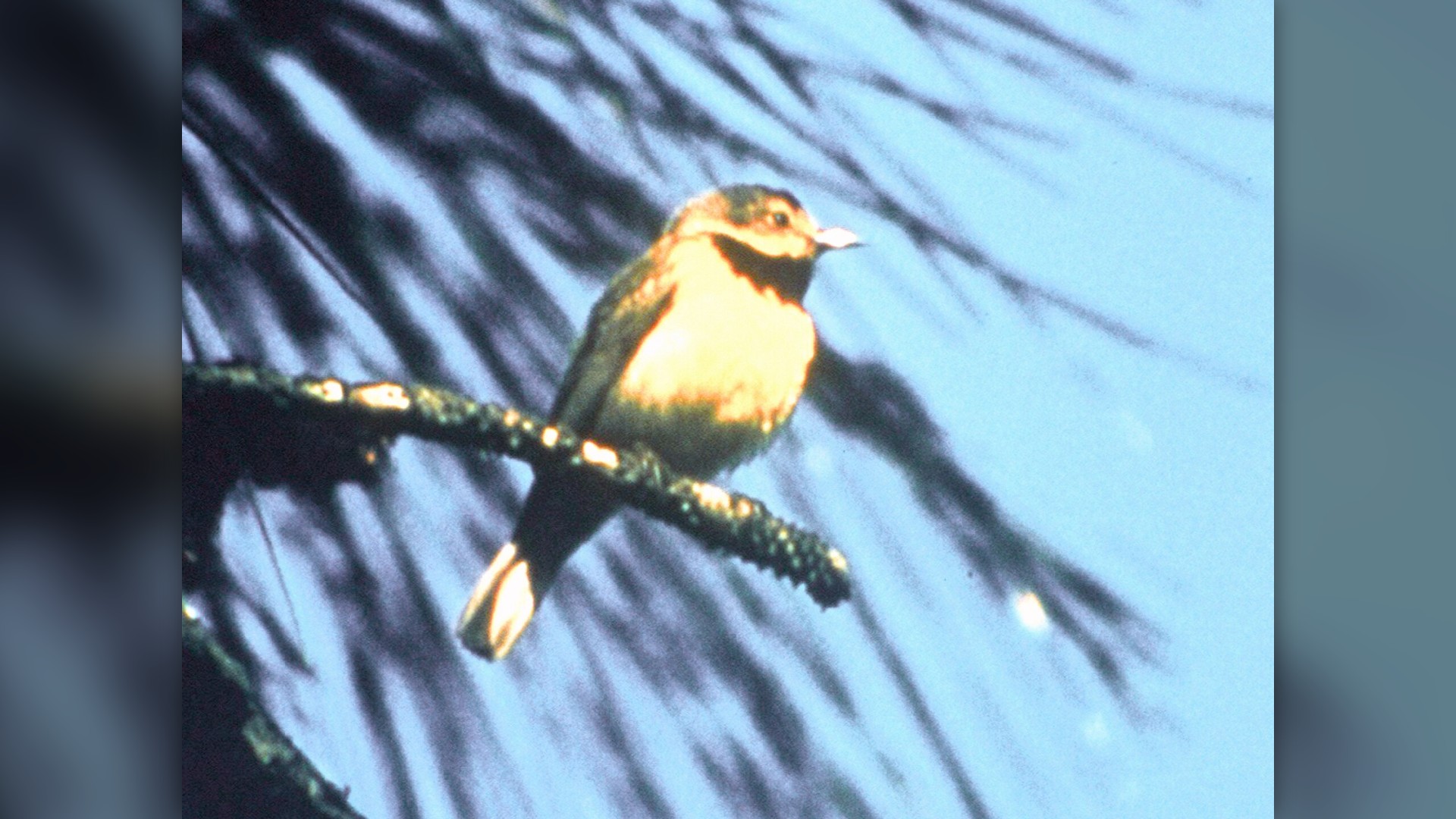
©Wikimedia / Jerry A. Payne
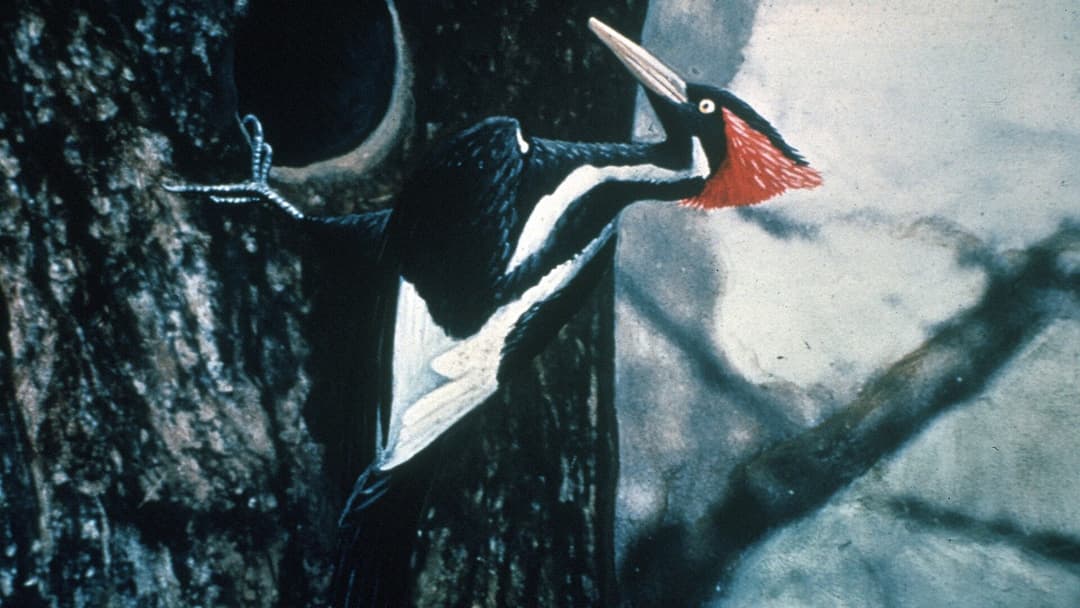
1. Ivory Billed Woodpecker (Extinct 2023)
Ivory-billed woodpeckers were the largest woodpeckers in the United States, dwelling in vast virgin swamp forests across the South. Post-Civil War commercial logging leveled mature hardwood and cypress timber that provided beetle larvae. The USFWS proposed final delisting for extinction in 2023.
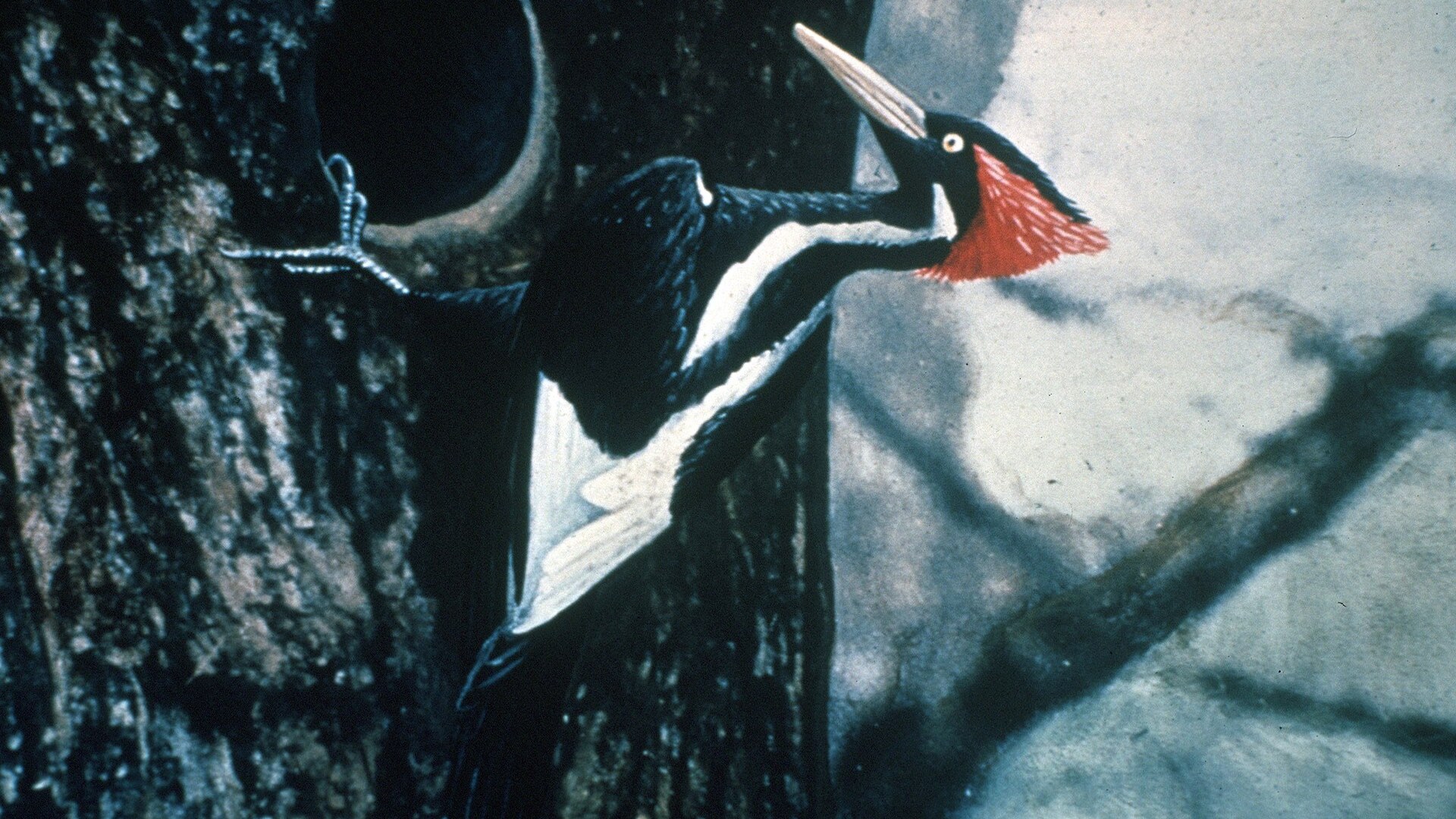
©Wikimedia / Original photo by Arthur A. Allen, 1935 [1] , wa
Advertisement
You've reached the end of the story. Thanks for reading!

21 Rarest Wolves on Earth and Their Natural Habitats
From high-altitude Himalayan ridges to sun-baked Arabian deserts and remote North Carolina wetlands, these twenty-one rare wolf populations fight for survival. Discover their native wilderness habitats, real population figures, and the vital conservation programs fighting to protect their wild bloodlines.
All 21 Entries in this Story
Great Auk (Extinct C. 1852)
Great auks nested along rocky North Atlantic islands from Maine to Newfoundland. Hunters killed entire colonies for down feathers, fish bait, and museum specimens. The last confirmed breeding pair was killed in June 1844 off Iceland, and the seabird disappeared from eastern North American waters by 1852.

Labrador Duck (Extinct 1878)
Labrador ducks wintered in dense bays and salt marshes from Nova Scotia down to Chesapeake Bay. Market gunners targeted the birds for food and feathers while harbor development altered their shell-feeding grounds. The final documented bird was collected on Long Island, New York, in December 1878.

Eastern Elk (Extinct 1880)
Eastern elk originally inhabited hardwood forests across the eastern United States from New York down to Georgia. Extensive deforestation and unregulated hunting eradicated local herds across the Allegheny Mountains. The U.S. Fish and Wildlife Service officially declared the subspecies extinct in 1880.

Sea Mink (Extinct C. 1894)
Sea minks were nearly twice the size of standard American minks, living along rocky coastlines and islands in Maine and Massachusetts. Commercial fur trappers used dogs and traps to pursue the prized thick red fur. The last confirmed specimen was taken near Jonesport, Maine, in 1894.

Merriam Elk (Extinct 1906)
Merriam elk roamed the arid pine ranges and mountains of Arizona, New Mexico, and western Texas. Unregulated meat hunting and severe grazing competition from domestic cattle drove herds into sharp decline. The last wild individuals were shot in the Chiricahua Mountains of Arizona in 1906.

Passenger Pigeon (Extinct 1914)
Passenger pigeons once numbered between three and five billion birds across the eastern United States. Commercial netting and widespread forest clearing caused their complete collapse within forty years. The last surviving bird, named Martha, died at the Cincinnati Zoo on September 1, 1914.

Carolina Parakeet (Extinct 1918)
Carolina parakeets were the only native parrots in the eastern United States, ranging from Florida to New York and west to Nebraska. Farmers shot them in massive numbers to protect fruit orchards, while millinery hunters took bright feathers. The final captive bird, Incas, died at the Cincinnati Zoo in 1918.

California Grizzly Bear (Extinct 1924)
California grizzly bears numbered around ten thousand individuals throughout valleys and coastal ranges before the Gold Rush. Bounties, livestock protection hunts, and habitat loss systematically destroyed the population. The last confirmed specimen was shot in Tulare County in August 1922.

Badlands Bighorn Sheep (Extinct 1925)
Badlands bighorn sheep roamed the steep bluffs and rugged canyons of North Dakota, South Dakota, Nebraska, and Montana. European settlement brought market hunters and domestic sheep, which spread lethal respiratory illnesses. The last known wild animal was shot in South Dakota in 1925.

Heath Hen (Extinct 1932)
Heath hens were once so common along Atlantic shores from Maine to Virginia that farm workers negotiated limits on eating them. Overhunting reduced their range until a final flock survived on Martha's Vineyard. The last lone bird, known as Booming Ben, was last seen alive in March 1932.

Florida Black Wolf (Extinct 1934)
Florida black wolves inhabited pine flatwoods, river swamps, and coastal prairies throughout Florida and southern Georgia. State-sponsored bounties and cattle ranchers aggressively targeted the predators with traps and poison. Government trappers eliminated the last documented wild packs by 1934.

Southern Rocky Mountain Wolf (Extinct 1935)
Southern Rocky Mountain wolves roamed the high peaks, alpine basins, and timbered valleys of Colorado, Utah, and Nevada. Federal predator control agents used strychnine poison baits and tracking dogs to wipe them out for livestock protection. The subspecies was completely eradicated by 1935.

Cascade Mountains Wolf (Extinct 1940)
Cascade Mountains wolves ranged through dense conifer forests along the mountain chain in Washington, Oregon, and northern California. Commercial fur trappers and ranchers eradicated packs to protect grazing leases on public rangelands. The last known resident wolves disappeared around 1940.

Rocky Mountain Locust (Extinct 1902)
Rocky Mountain locust swarms once spanned thousands of square miles across the American Great Plains. Farmers plowed and irrigated river valleys where females laid egg pods, systematically destroying their concentrated breeding grounds. The last living specimens were collected in 1902.

Tecopa Pupfish (Extinct 1981)
Tecopa pupfish were small, heat-tolerant fish found only in the outflow of two thermal artesian springs in the Mojave Desert in Inyo County, California. Construction of public bathhouses in the 1960s channelized water and introduced predatory fish. The USFWS declared them extinct in 1981.

Dusky Seaside Sparrow (Extinct 1987)
Dusky seaside sparrows nested exclusively in cordgrass marshes of Merritt Island and the St. Johns River in Florida. Flooding marshlands for mosquito control and building highway access to Kennedy Space Center destroyed their habitat. The final bird, named Orange Band, died in captivity in June 1987.

Caribbean Monk Seal (Extinct 2008)
Caribbean monk seals once populated coastal waters, reefs, and beaches from the Florida Keys and Texas into the Caribbean Sea. Spanish explorers and later whalers hunted thousands of docile seals for lamp oil, meat, and hides. NOAA Fisheries officially declared the species extinct in 2008.

Eastern Cougar (Extinct 2018)
Eastern cougars were apex predators that hunted white-tailed deer across all states east of the Mississippi River. Settlers logged eastern forests and placed municipal cash bounties on cougars to safeguard farm livestock. The U.S. Fish and Wildlife Service officially declared them extinct in 2018.

Scioto Madtom (Extinct 2023)
Scioto madtoms were small nocturnal catfish known only from Big Darby Creek in the Scioto River basin in Ohio. Agricultural runoff, industrial waste, and substrate dredging altered the clean riffles they inhabited. The U.S. Fish and Wildlife Service officially removed them as extinct in 2023.

Bachman Warbler (Extinct 2023)
Bachman warblers bred in dense southern bottomland hardwood swamps across Missouri, Kentucky, Alabama, and South Carolina. Widespread timber extraction stripped their cane thickets while sugarcane farming cleared winter grounds in Cuba. The USFWS officially delisted the warbler as extinct in 2023.

Ivory Billed Woodpecker (Extinct 2023)
Ivory-billed woodpeckers were the largest woodpeckers in the United States, dwelling in vast virgin swamp forests across the South. Post-Civil War commercial logging leveled mature hardwood and cypress timber that provided beetle larvae. The USFWS proposed final delisting for extinction in 2023.