Slideshow · Viral
22 Ancient Engineering Sites That Still Puzzle Modern Builders
Across five continents, ancient builders quarried 800-ton blocks, drained steep mountain ridges, and carved temples top-down from solid basalt. Counting down from 22 to 1, these archaeological sites reveal how early engineers solved seismic stress, water flow, and stone fitting without steel cranes or laser levels.
By Most Viral Today
1 hour ago

From Basalt Islets to Underground Cities, 22 Ancient Feats Built to Last 
22. Barabar Caves, India 
21. Newgrange, Ireland 
20. Nan Madol, Micronesia - AdvertisementSwipe or tap ▶ to continue countdown

19. Skara Brae, Scotland 
18. Mohenjo Daro, Pakistan 
17. Derinkuyu Underground City, Turkey 
16. Pont Du Gard, France - AdvertisementSwipe or tap ▶ to continue countdown

15. Chan Chan, Peru 
14. Iron Pillar Of Delhi, India 
13. Sigiriya, Sri Lanka 
12. Puma Punku, Bolivia - AdvertisementSwipe or tap ▶ to continue countdown

11. Ajanta Caves, India 
10. The Pantheon, Rome 
9. Angkor Wat, Cambodia 
8. Machu Picchu, Peru - AdvertisementSwipe or tap ▶ to continue countdown

7. Ollantaytambo, Peru 
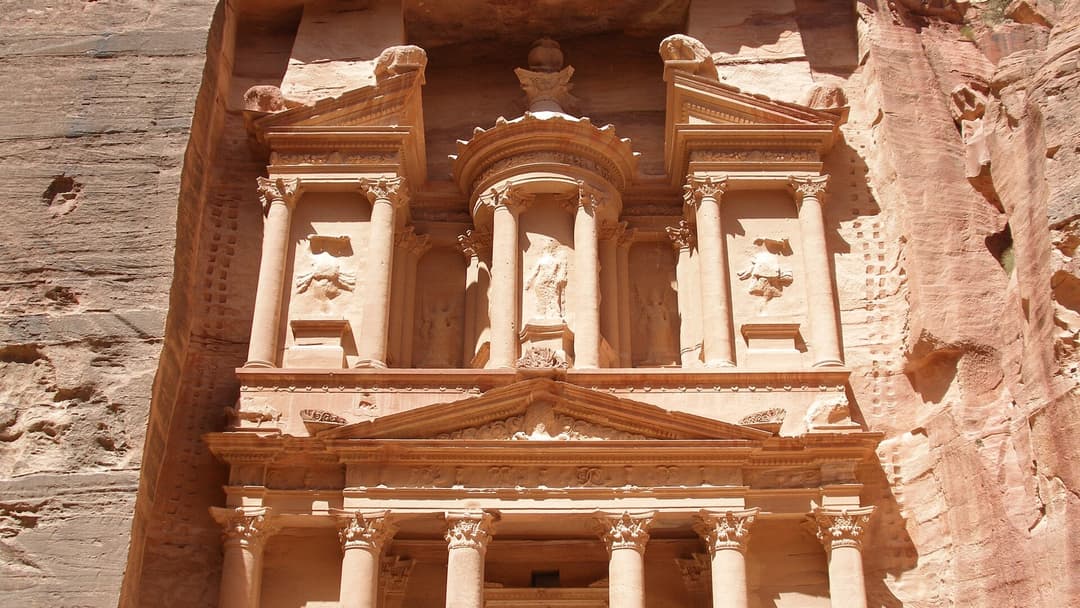
6. Petra, Jordan 
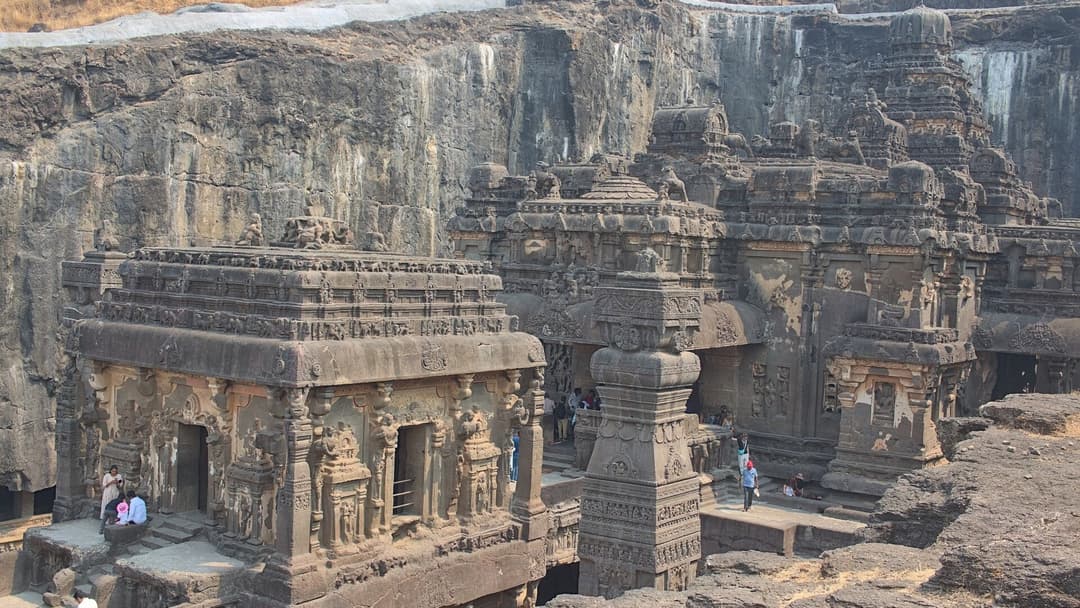
5. Kailasa Temple, Ellora 
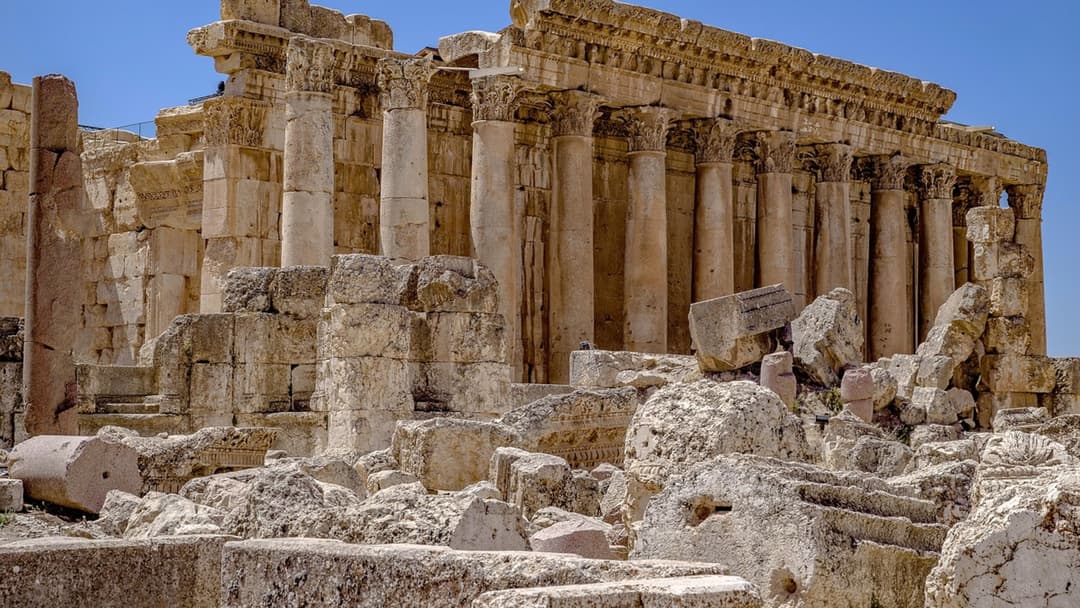
4. Baalbek Trilithon, Lebanon - AdvertisementSwipe or tap ▶ to continue countdown

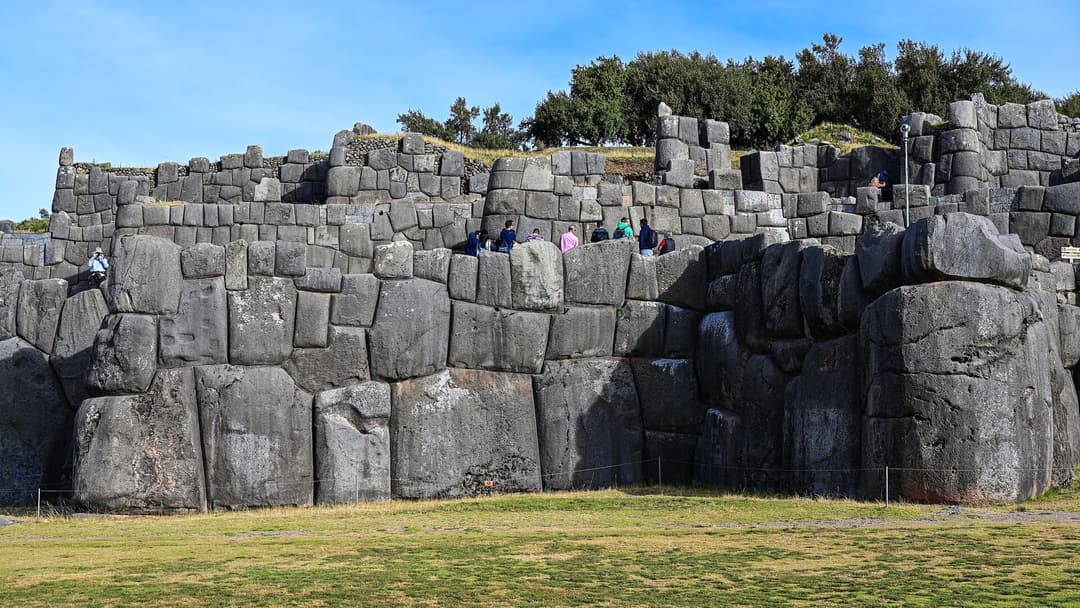
3. Sacsayhuaman, Peru 
2. Gobekli Tepe, Turkey 
1. Great Pyramid Of Giza, Egypt - Advertisement🔥 UP NEXT IN THIS SERIES◫ 21 Slides

20 Facts About America’s Most Famous Thanksgiving Day Parade
The Macy's Thanksgiving Day Parade draws millions to Manhattan each November, yet few know how the giant spectacle operates behind the scenes. From folding multi-story floats through the Lincoln Tunnel to managing 400,000 cubic feet of helium, official records from Macy's Studio and the NYPD reveal these secrets.
Based on UNESCO World Heritage records, Archaeological Survey of India reports, and peer-reviewed excavations from Peru to Turkey, this countdown ranks 22 ancient sites from 22 down to 1. Each stop examines a real construction puzzle, from mortarless interlocking walls to hydraulic canals and deep rock-cut chambers.
Swipe or tap ▶ to begin the countdown
©Wikimedia / MusikAnimal
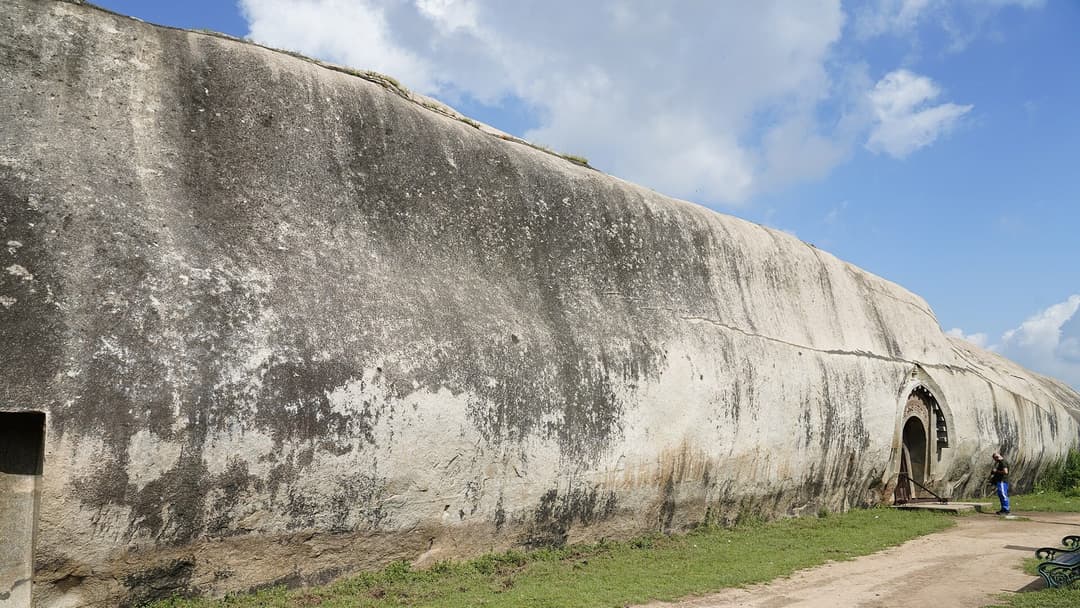
22. Barabar Caves, India
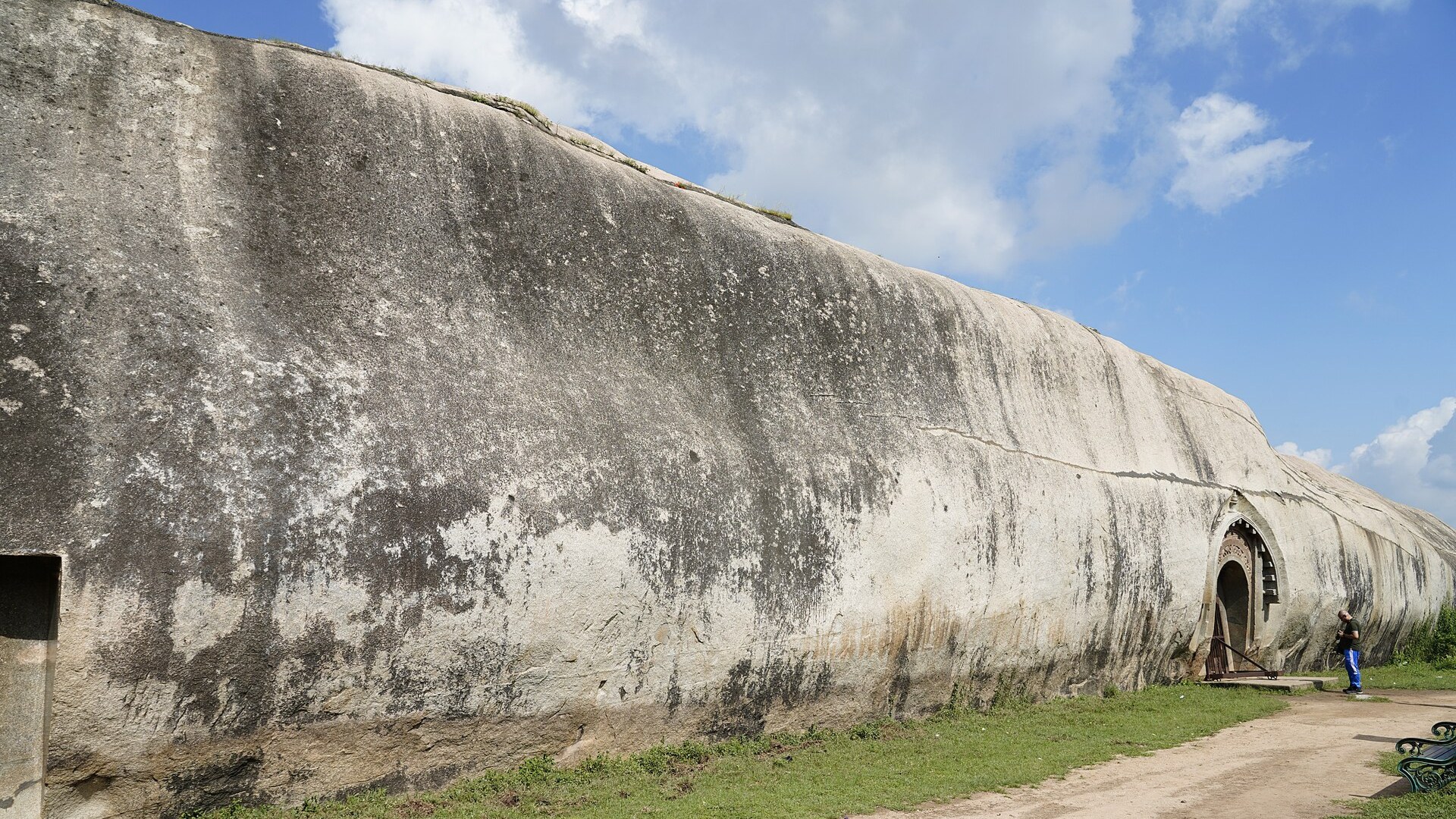
Carved into hard granite hills in Bihar during the Mauryan Empire around 250 BCE, these chambers astonish acousticians today. Stonecutters polished the curved walls and ceilings to a glass-like sheen, while the Lomas Rishi facade imitates wooden beams directly in solid rock.
©Wikimedia / Amitabha Gupta
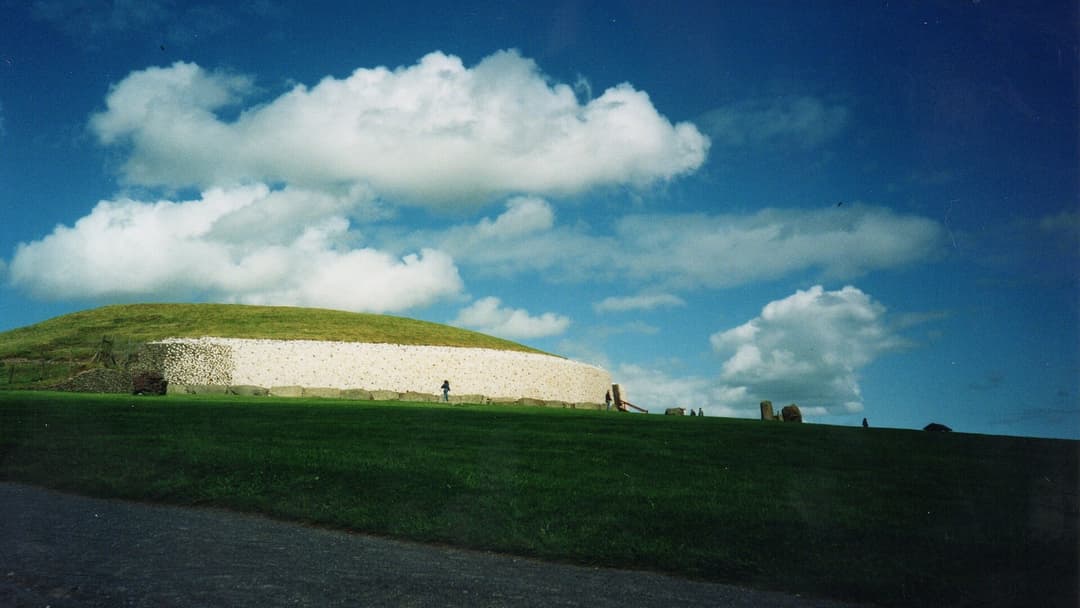
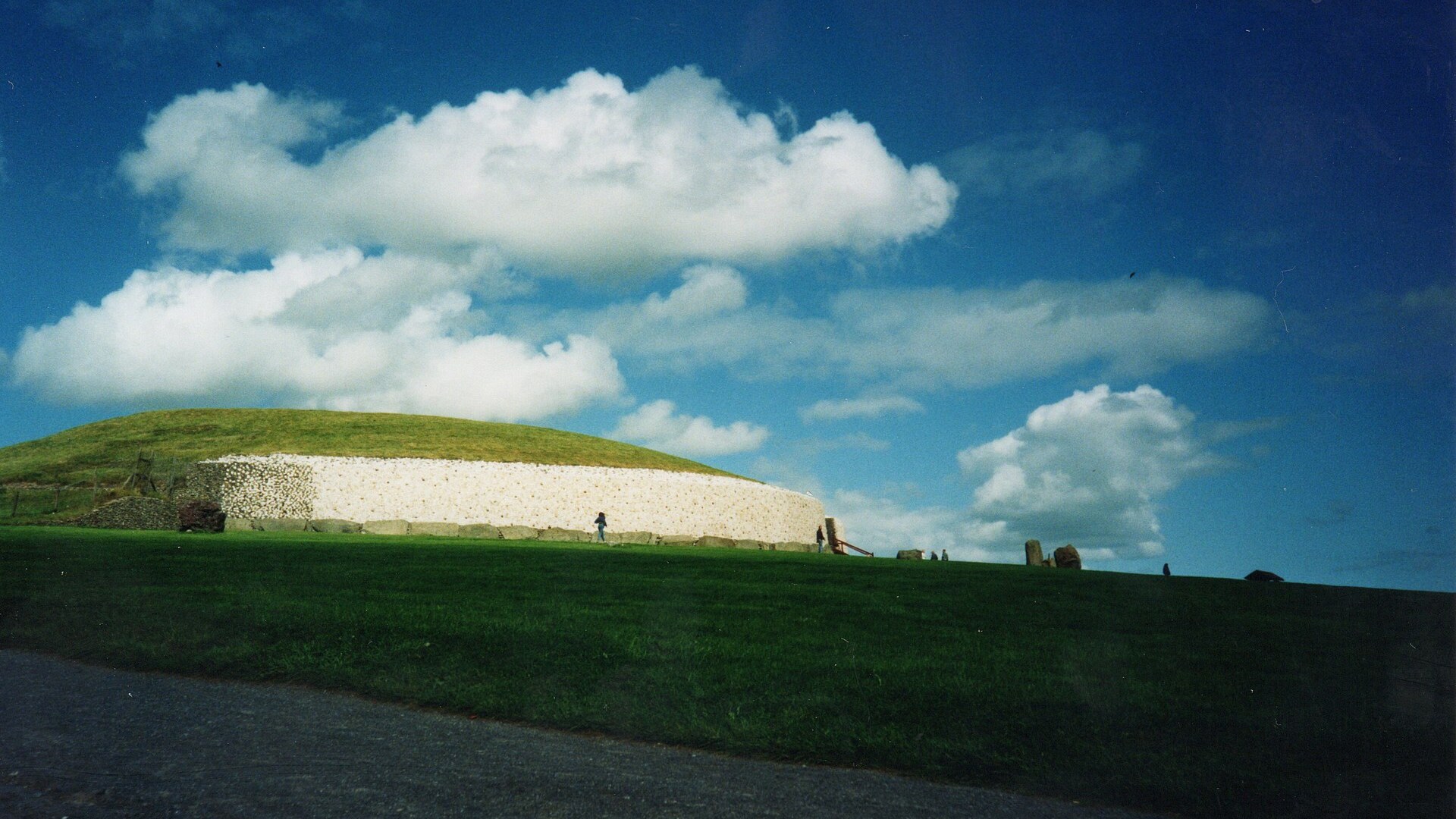
21. Newgrange, Ireland
Built around 3200 BCE in County Meath, this 85-meter passage tomb predates Stonehenge and the Giza pyramids. Builders placed a stone roof-box above the main doorway so a narrow beam of winter solstice sunlight travels 19 meters down the dark stone corridor to light the inner chamber.
©Wikimedia / Stanley Howe
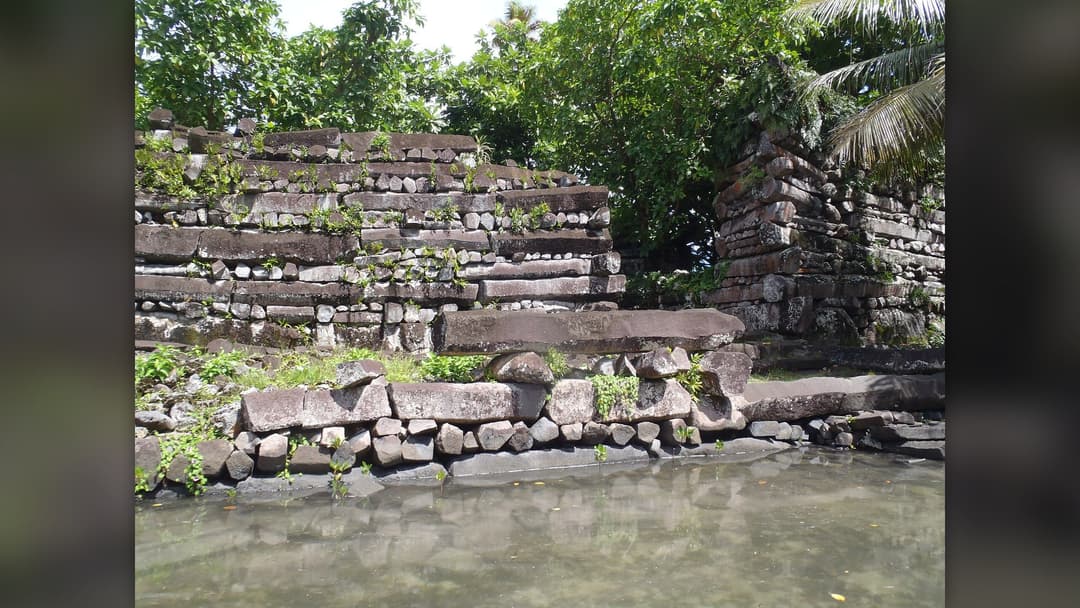
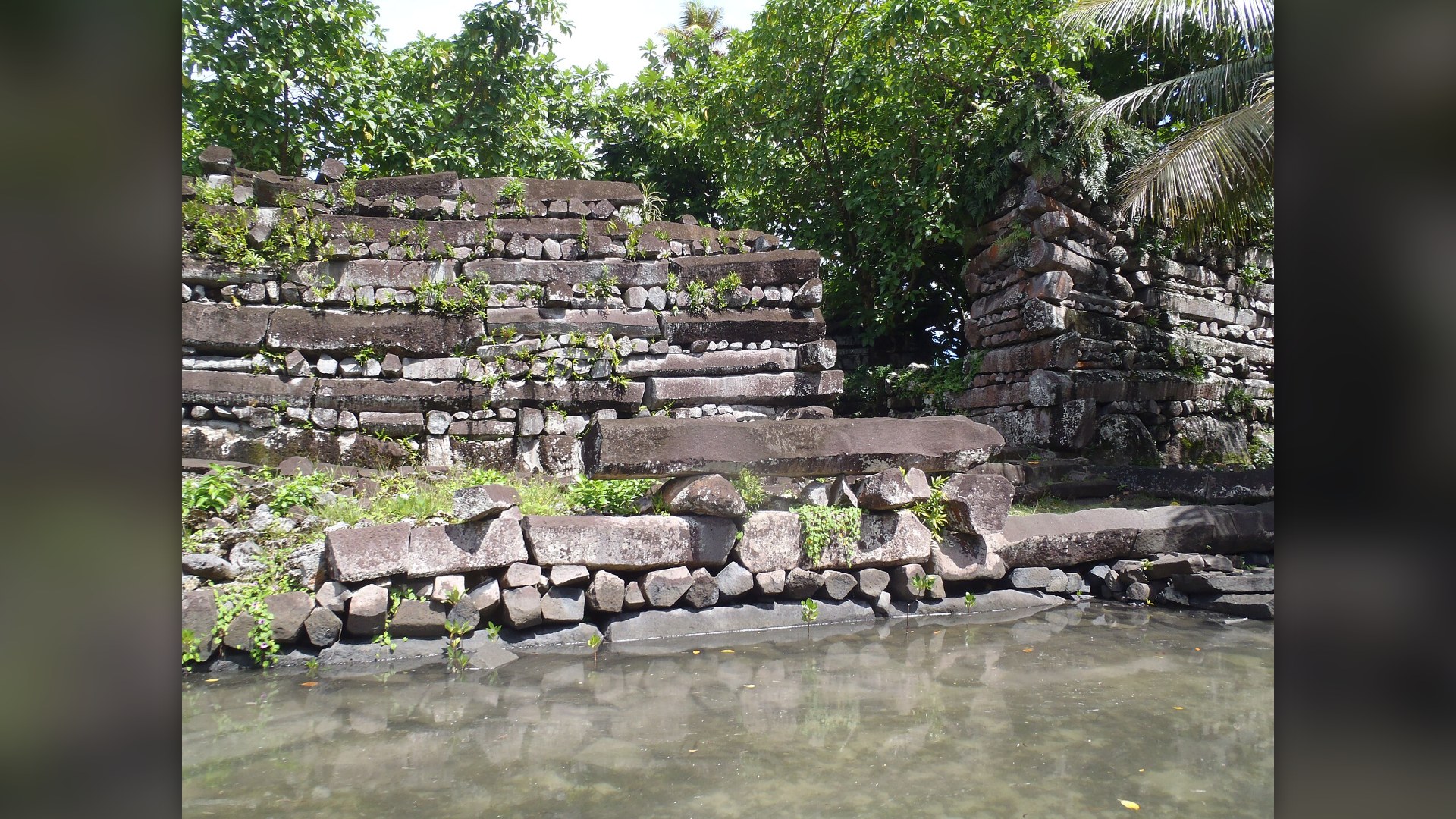
20. Nan Madol, Micronesia
Raised between 1200 and 1500 CE off the coast of Pohnpei, Nan Madol sits atop submerged coral reefs. Builders quarried hexagonal basalt columns from volcanic plugs on the main island and stacked them like log cabins into seawalls and tombs without any mortar, linked by tidal canals.
©Wikimedia / Patrick Nunn
Advertisement
Swipe or tap ▶ to resume the countdown.
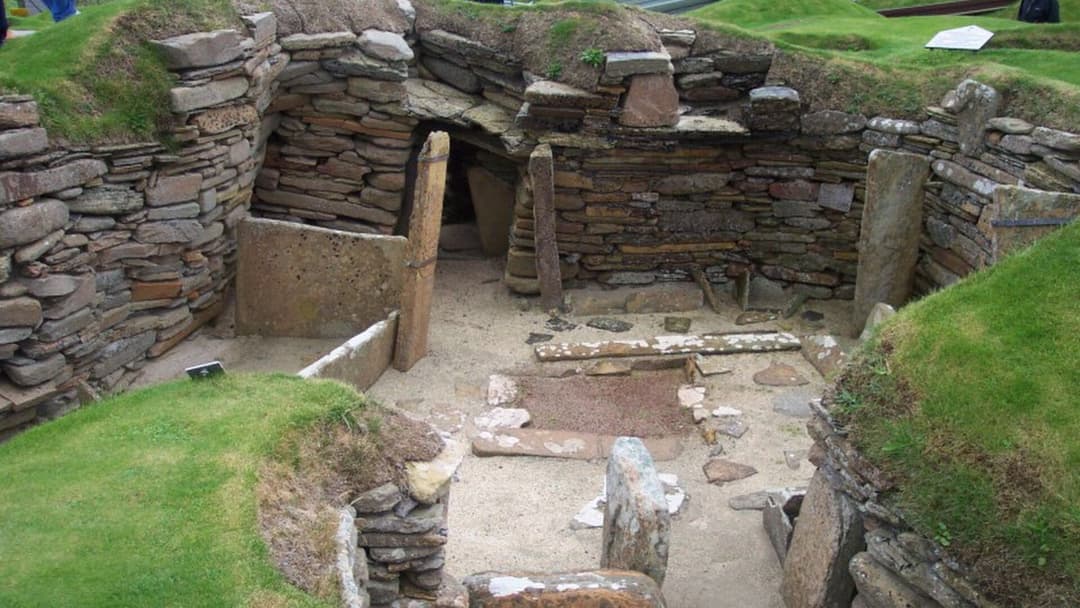
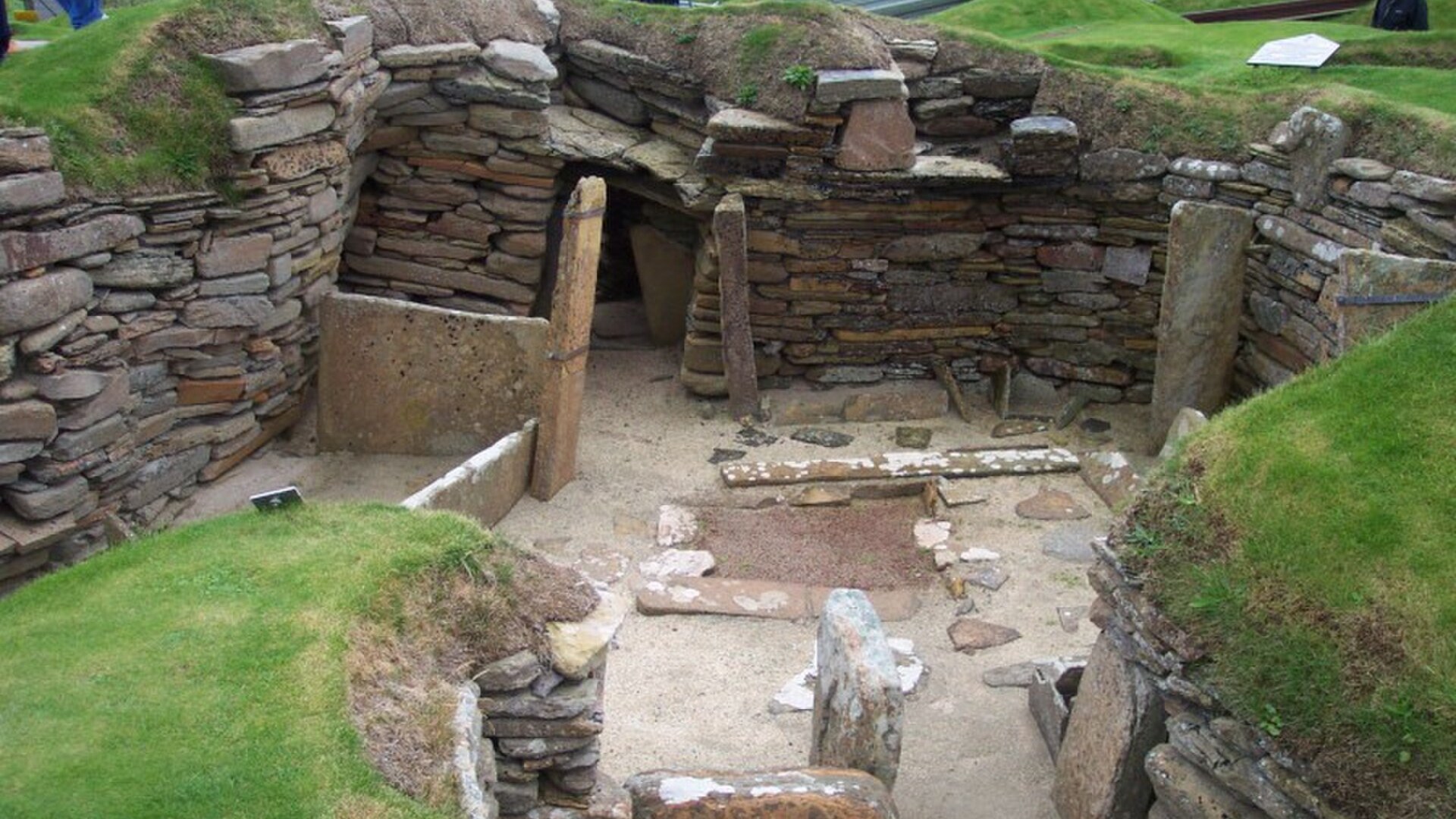
19. Skara Brae, Scotland
Occupied from about 3180 to 2500 BCE on Orkney Mainland, Skara Brae survives because coastal dunes buried the stone houses intact. Dwellers insulated walls with midden earth, connected homes with covered walkways, and built stone slab dressers, watertight tanks, and subfloor drains.
©Wikimedia / Dr. John F. Burka
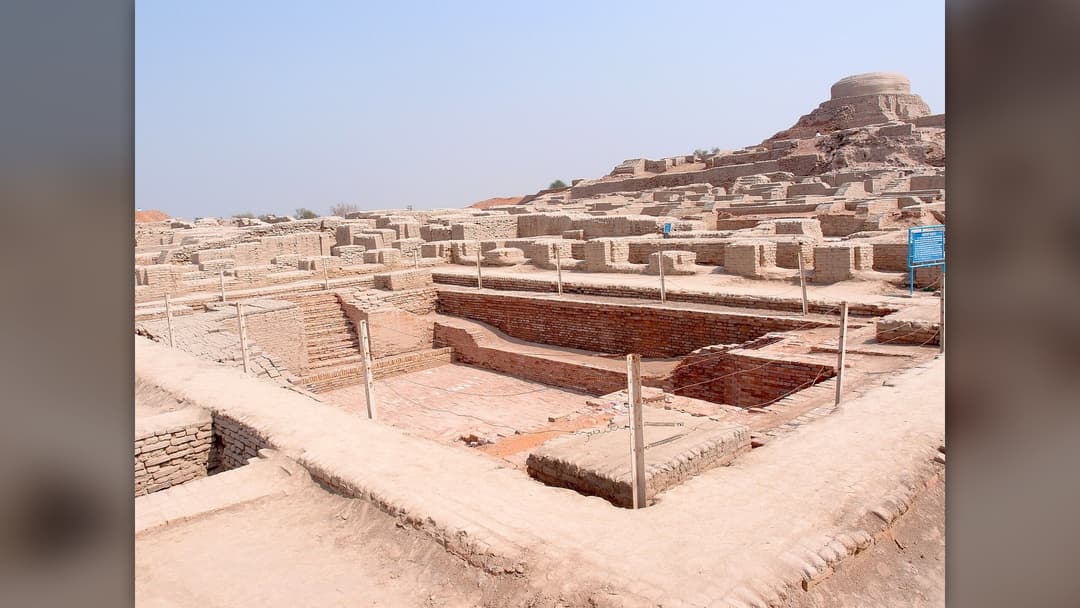
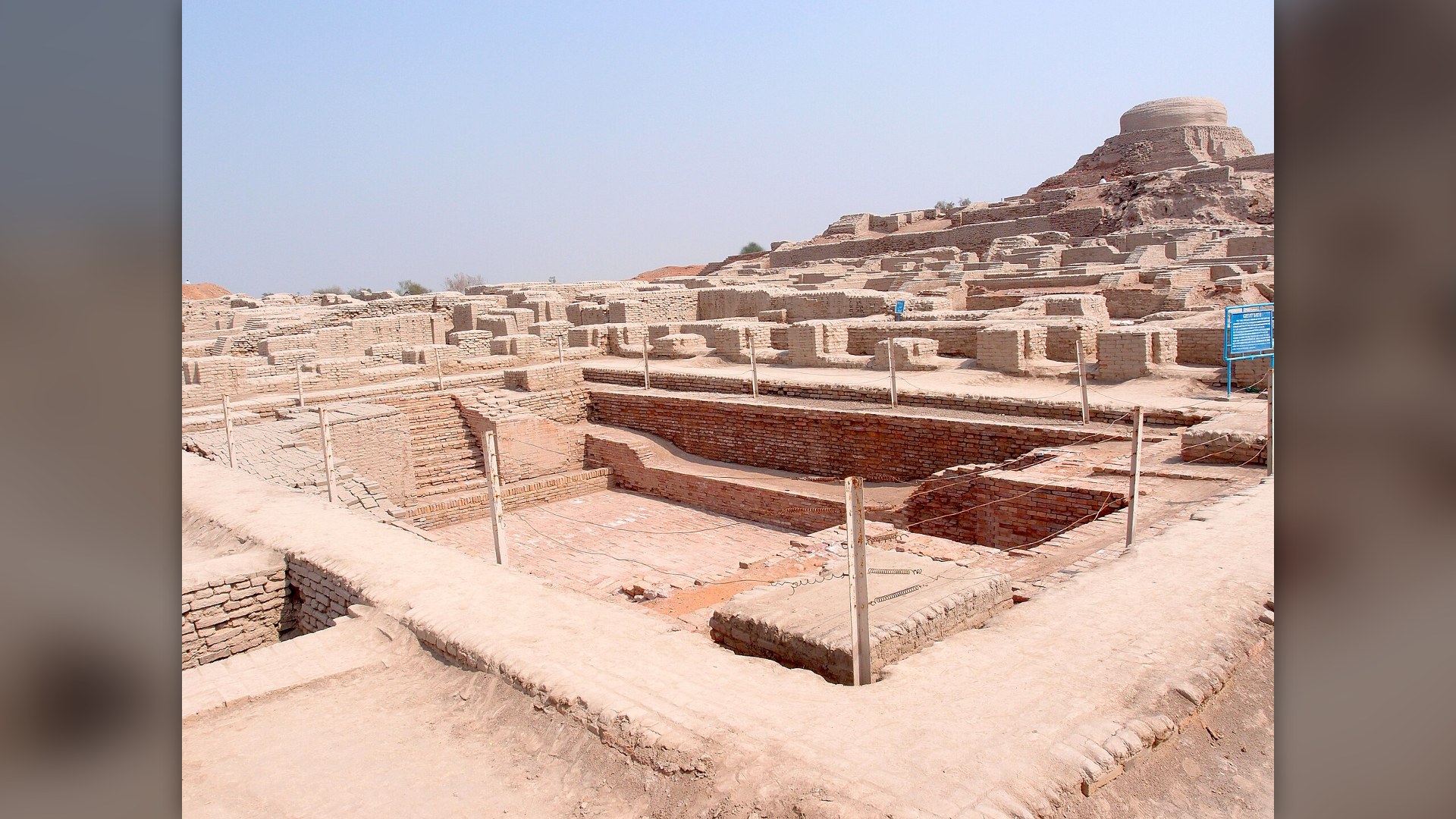
18. Mohenjo Daro, Pakistan
Flourishing around 2500 BCE along the Indus River, Mohenjo-daro relied on standardized fired bricks laid out on a street grid. Nearly every neighborhood tapped brick-lined wells and discharged wastewater into covered street channels, while natural bitumen sealed the Great Bath.
©Wikimedia / Saqib Qayyum
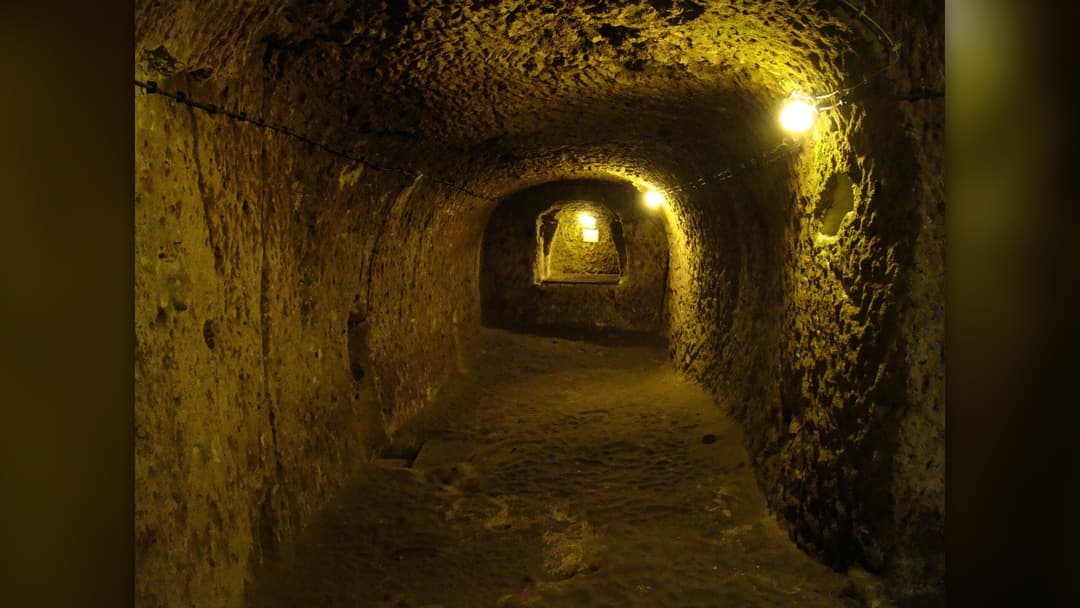
17. Derinkuyu Underground City, Turkey
Hand-carved into pliable volcanic tuff in central Turkey, Derinkuyu descends roughly 85 meters below ground across multiple connected stories. Its builders engineered more than 50 vertical ventilation shafts that doubled as wells, plus heavy circular stone doors to seal tunnels.
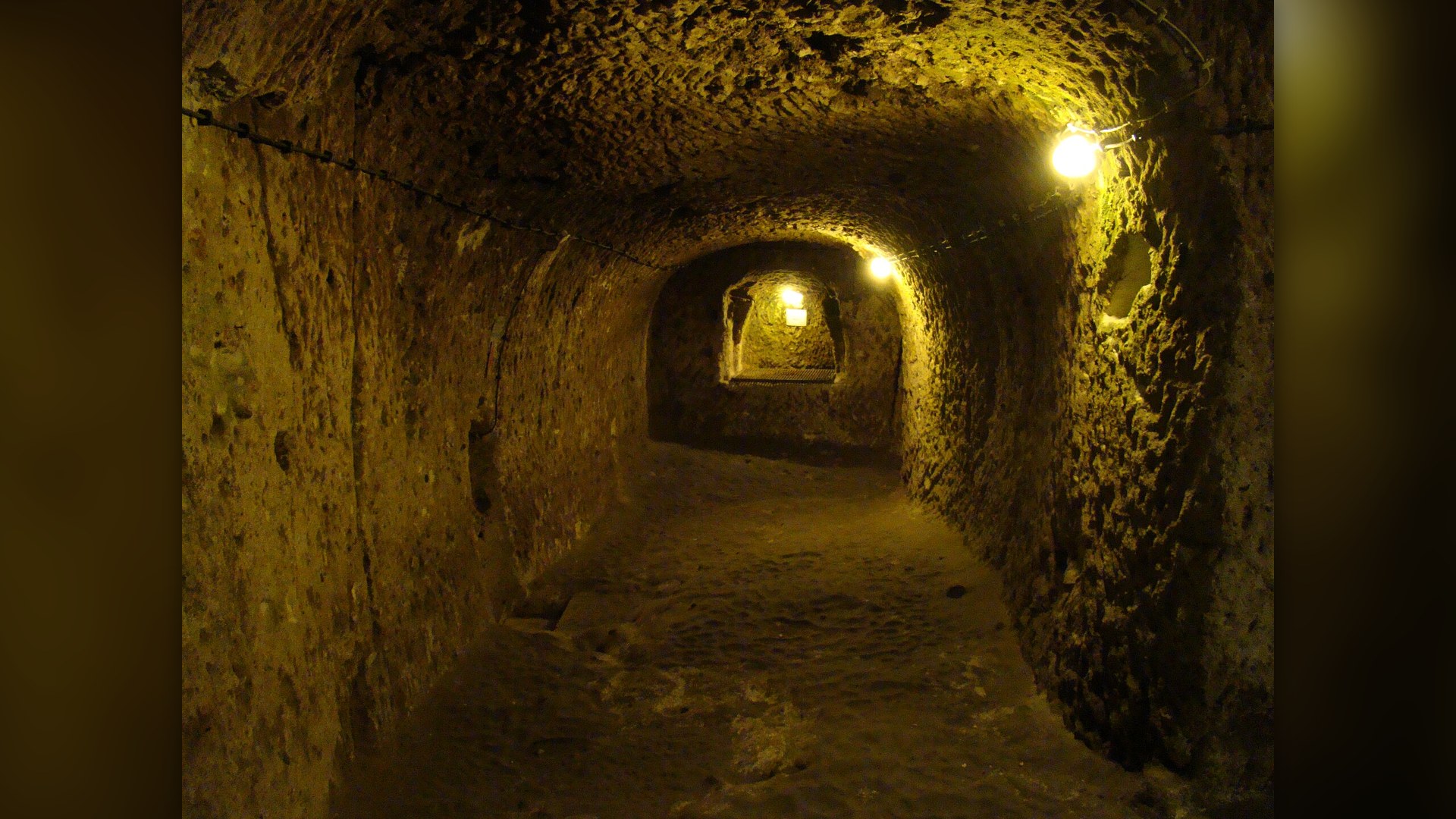
©Wikimedia / Bjørn Christian Tørrissen
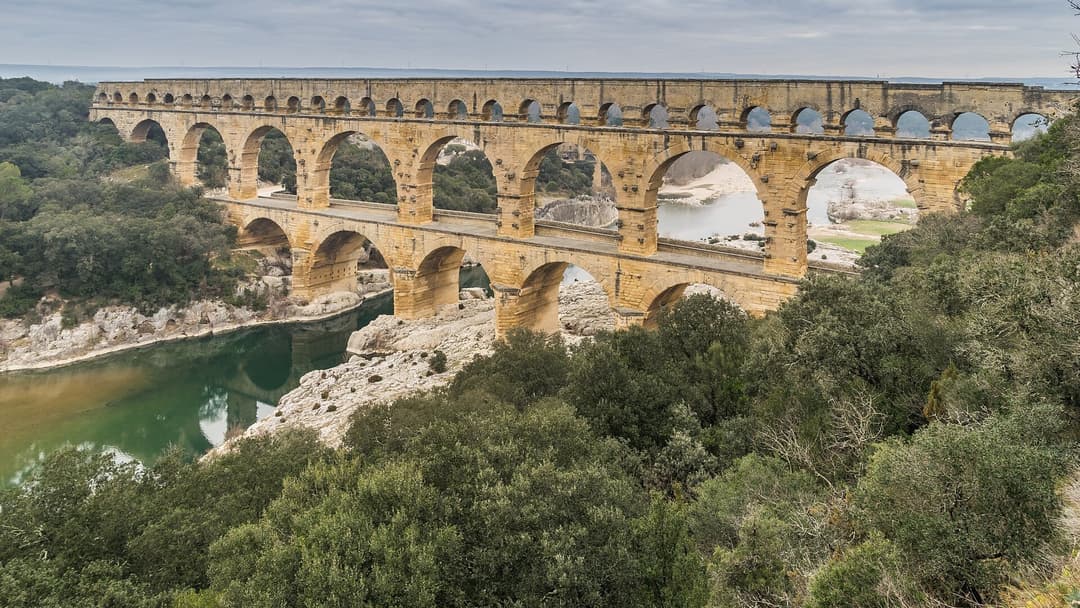
16. Pont Du Gard, France
Erected in the 1st century CE over the Gardon River, this 49-meter-tall aqueduct bridge anchored a 50-kilometer water line to Nimes. Roman masons shaped yellow limestone blocks weighing up to 6 tons so closely they held without mortar, keeping the entire channel's slope remarkably steady.
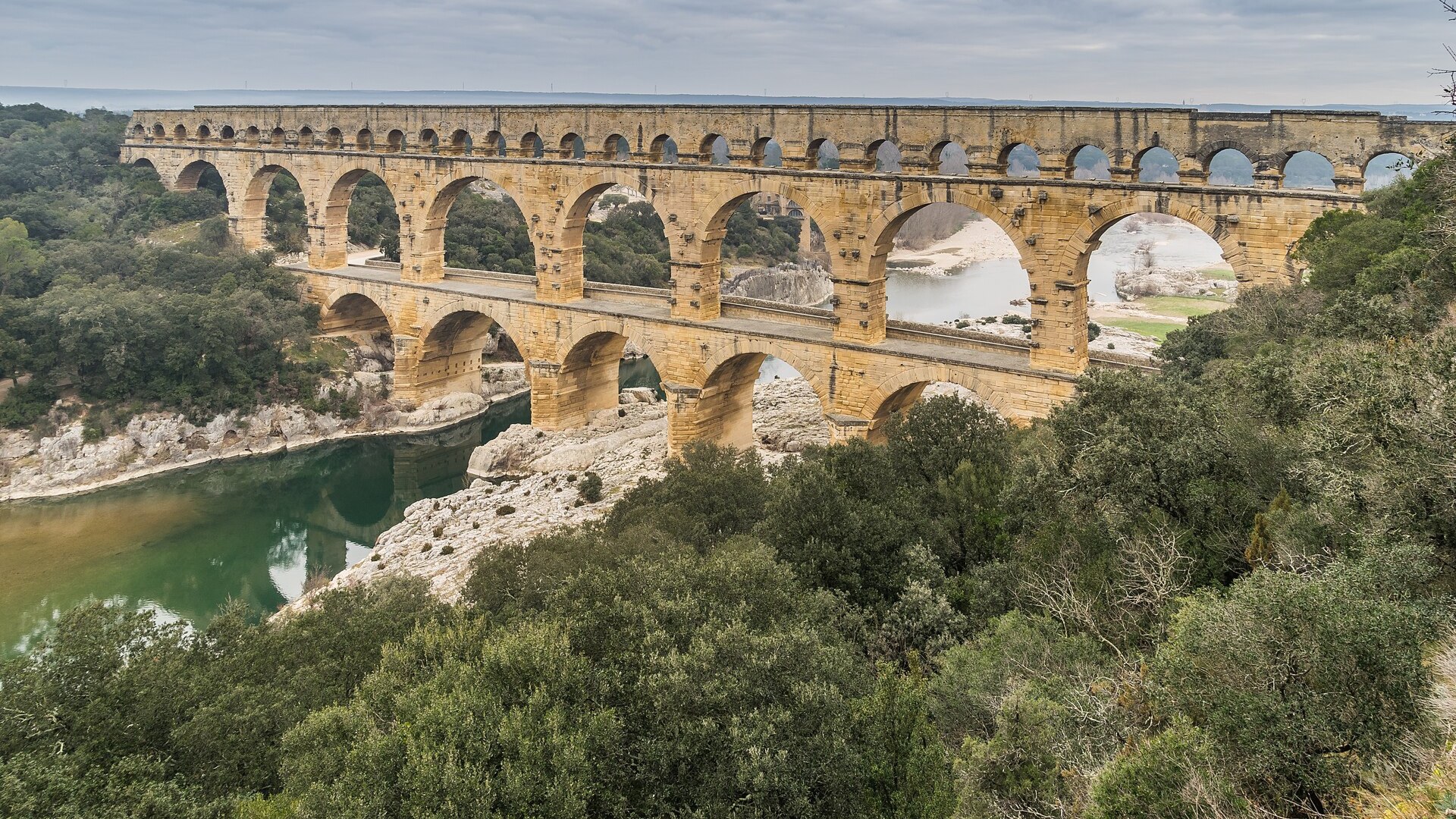
©Wikimedia / Krzysztof Golik
Advertisement
Swipe or tap ▶ to resume the countdown.
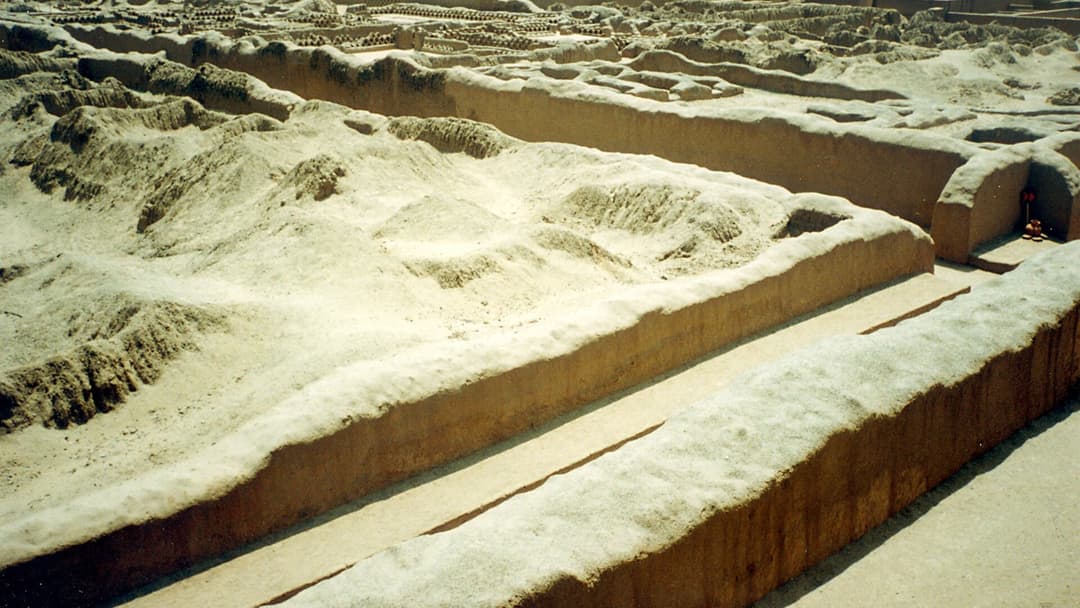
15. Chan Chan, Peru
Built by the Chimu Empire from about 850 to 1470 CE near Trujillo, Chan Chan spans roughly 20 square kilometers of sun-dried earth. Builders tapered adobe walls up to 9 meters high for stability, excavated deep walk-in wells for farming, and laid out baffled entries to channel sea breezes.
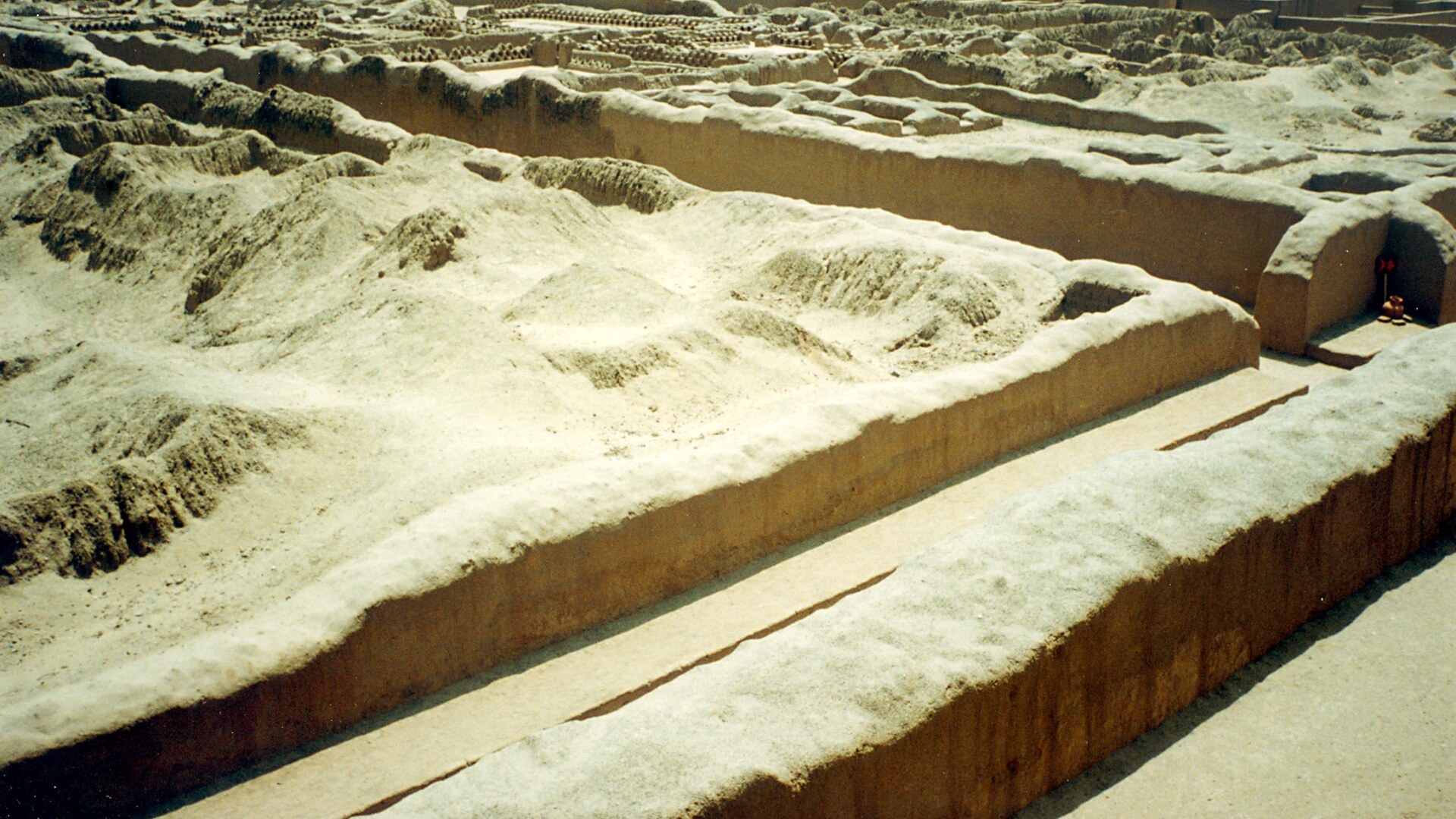
©Wikimedia / Håkan Svensson
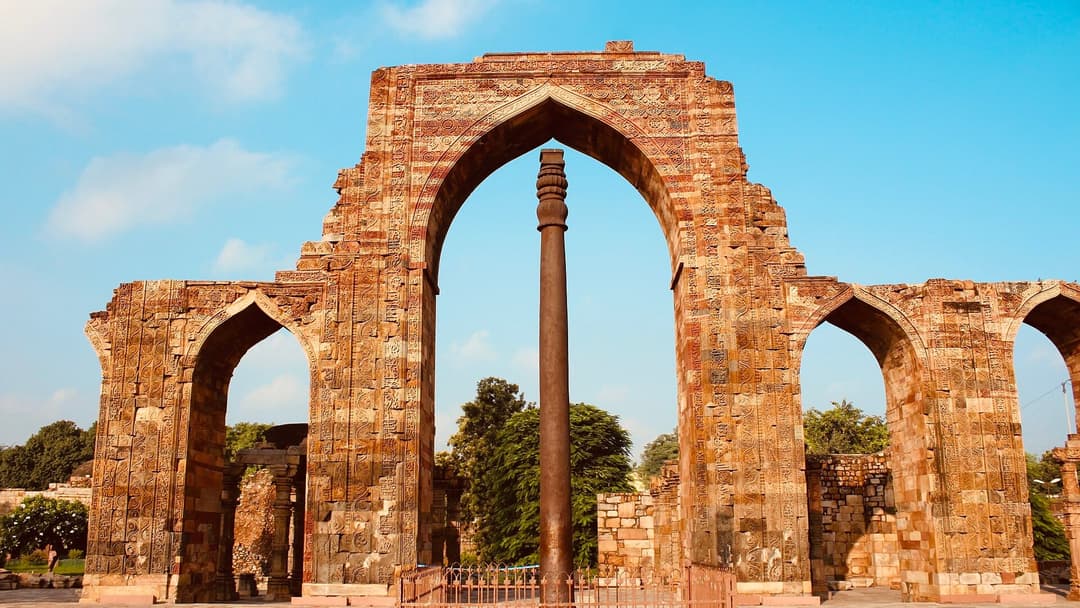
14. Iron Pillar Of Delhi, India
Forged in the late 4th or early 5th century CE under Gupta ruler Chandragupta II, this 7.2-meter pillar stands in the Qutb complex. Metallurgists found its high phosphorus content and lack of sulfur helped form a dense passive coating of iron hydrogen phosphate that shields it from monsoon rust.
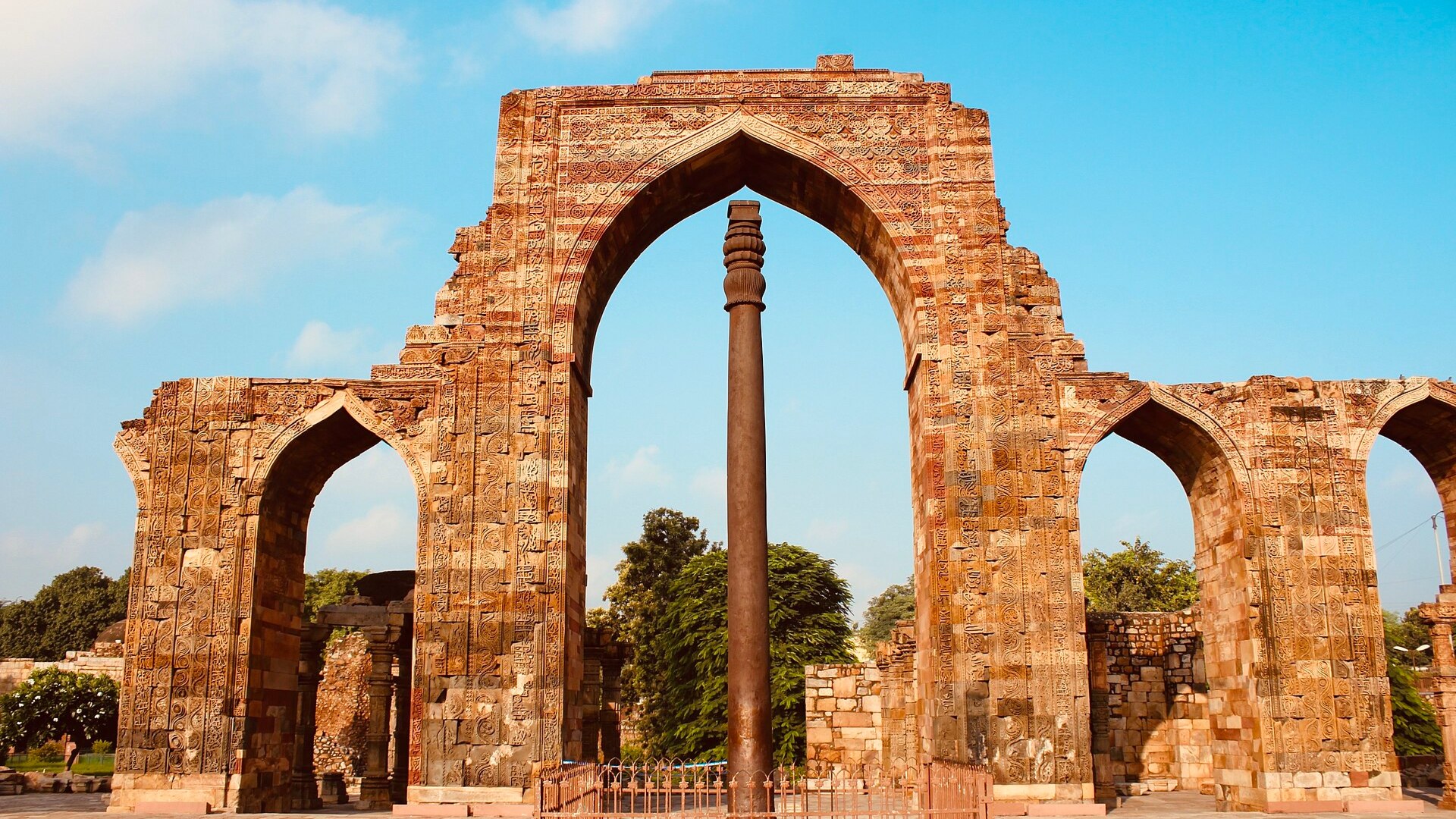
©Wikimedia / Hridya08
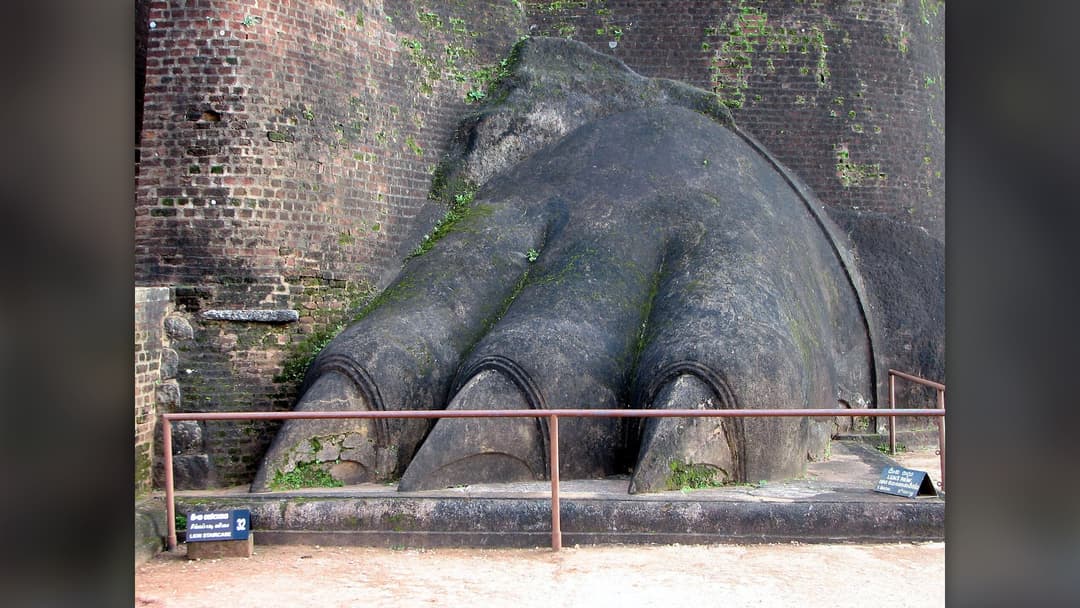
13. Sigiriya, Sri Lanka
King Kashyapa I crowned this 180-meter granite rock plug in the late 5th century CE with palaces, stairs, and frescoes. Below the summit, hydraulic engineers linked rock-cut cisterns to underground clay pipes and limestone pressure plates so garden fountains still jet water during heavy rains.
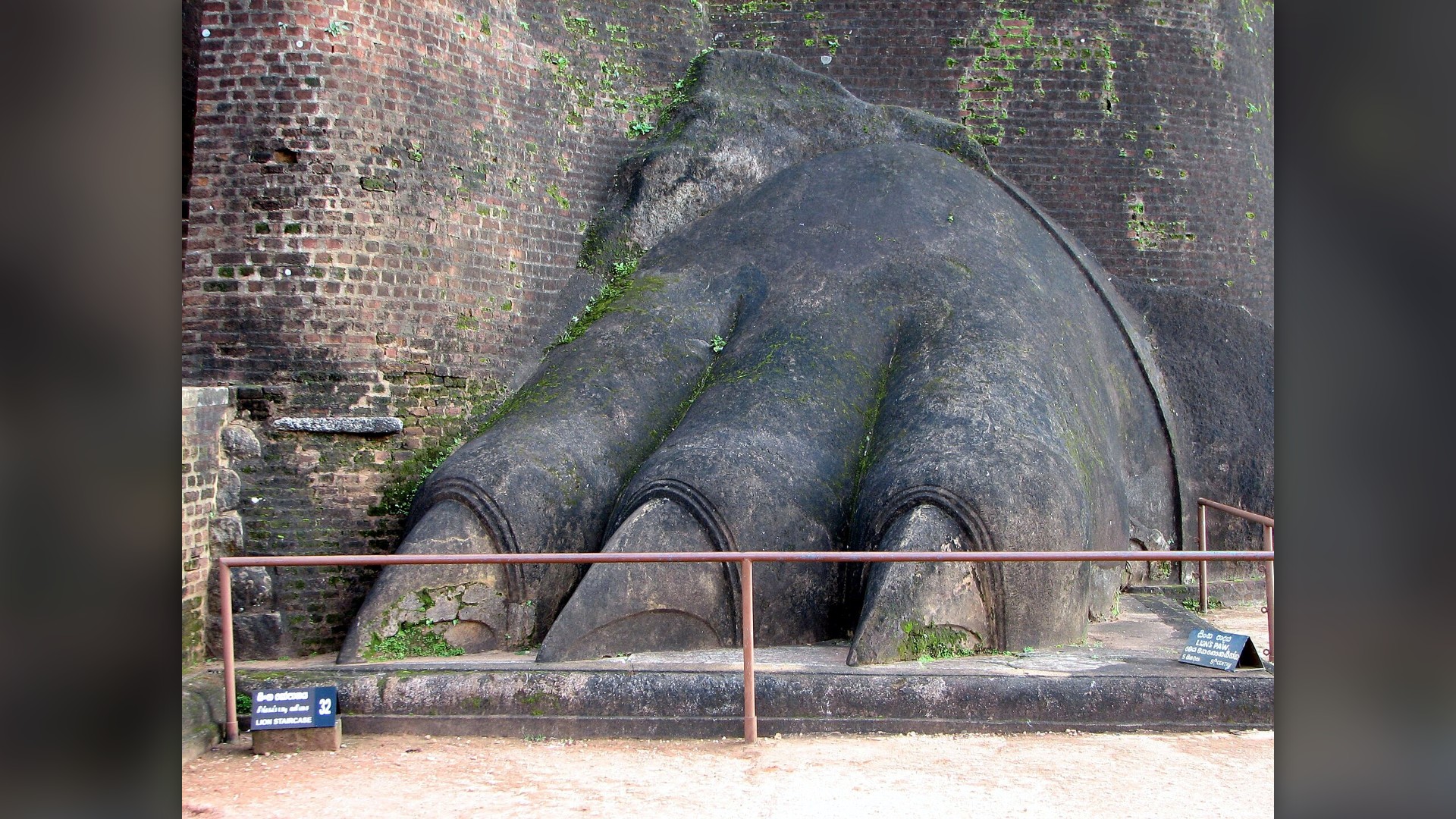
©Wikimedia / Bernard Gagnon
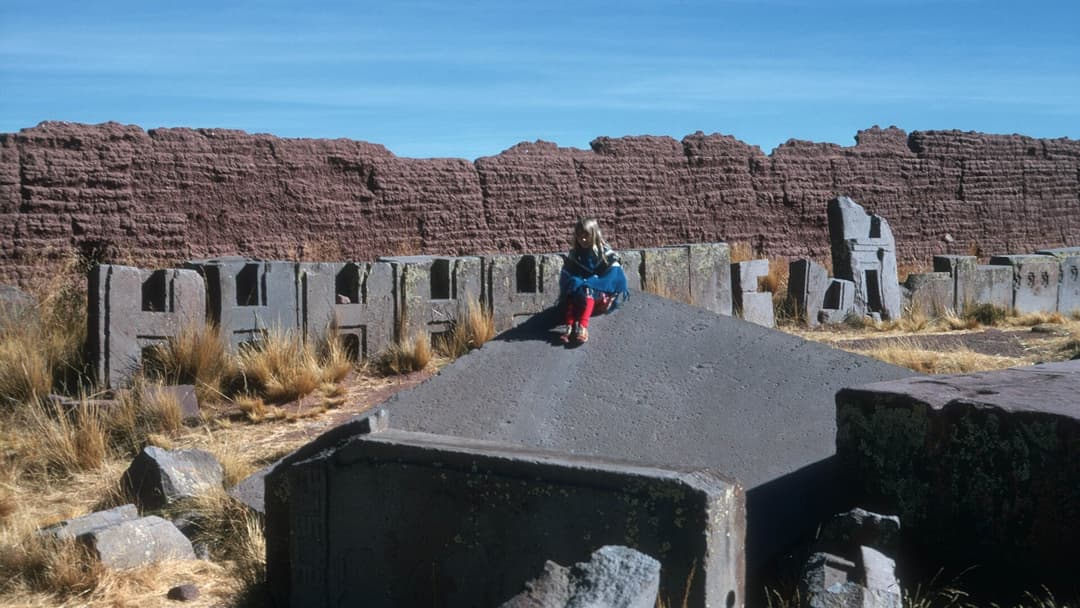
12. Puma Punku, Bolivia
Part of the Tiwanaku ceremonial center built around 536 to 600 CE at 3,850 meters elevation, Puma Punku stands out for its crisp geometry. Stonecutters carved interlocking H-shaped blocks from hard andesite and cut I-shaped sockets meant to hold poured copper-alloy cramps.
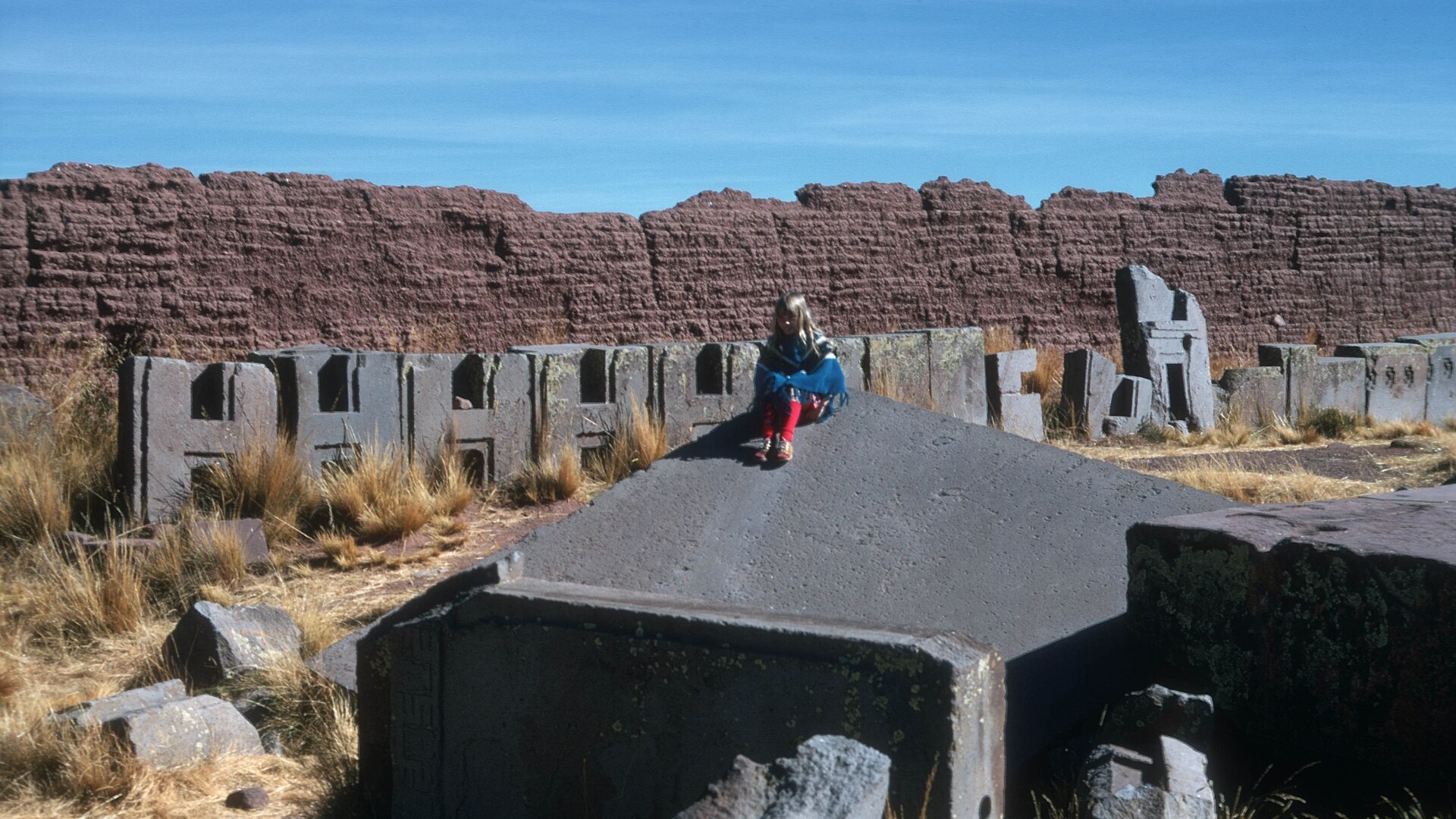
©Wikimedia / JERRYE AND ROY KLOTZ MD
Advertisement
Swipe or tap ▶ to resume the countdown.
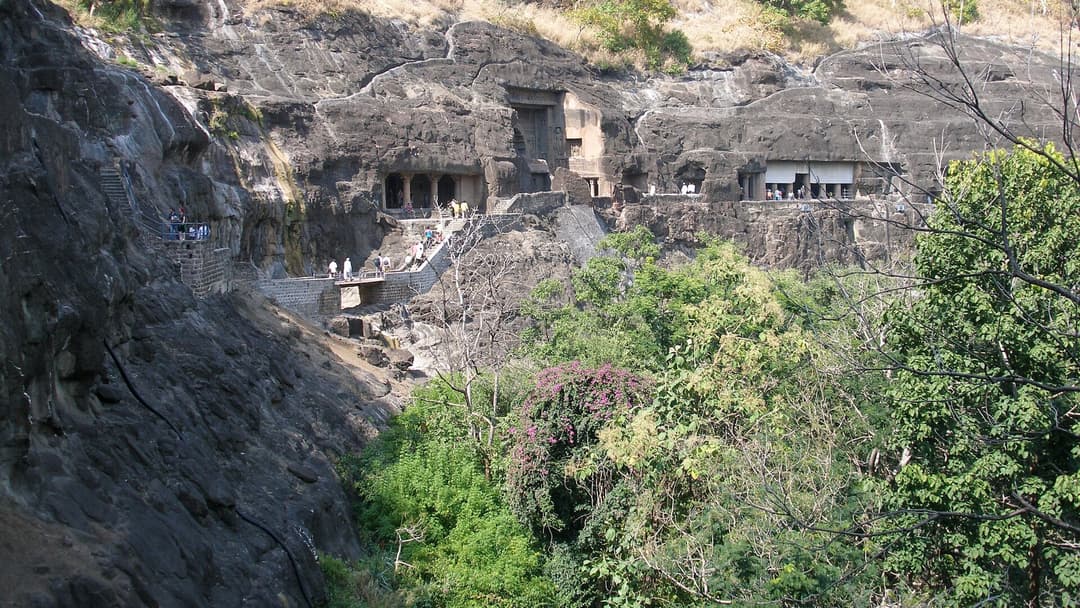
11. Ajanta Caves, India
Excavated in two phases from the 2nd century BCE to roughly 480 CE, Ajanta's 30 caves cut deep into a 75-meter horseshoe gorge in Maharashtra. Artisans worked from ceiling down to floor using chisels and iron hammers, shaping ribbed vaults inside solid volcanic rock without exterior scaffolding.
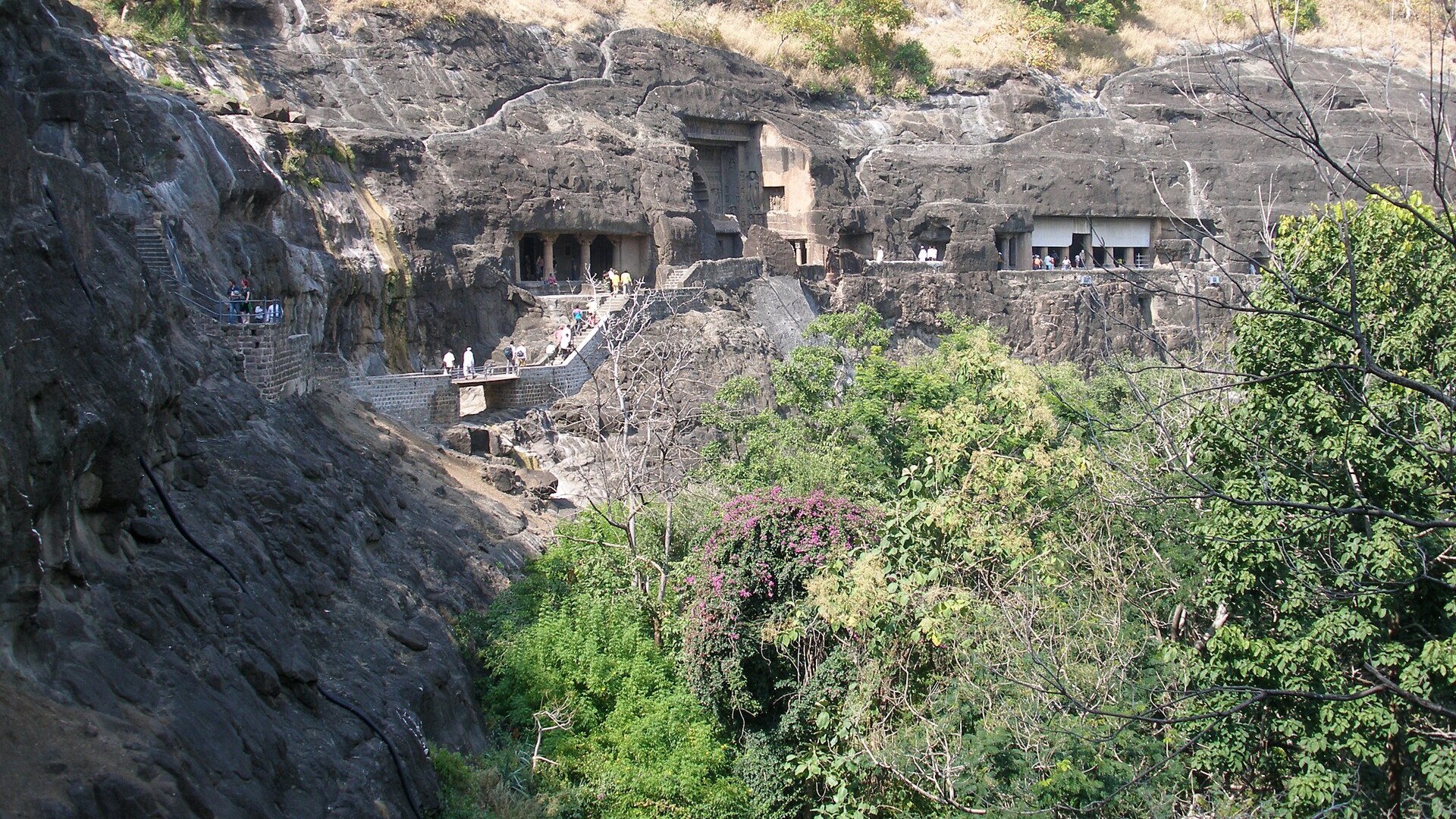
©Wikimedia / Vyacheslav Argenberg
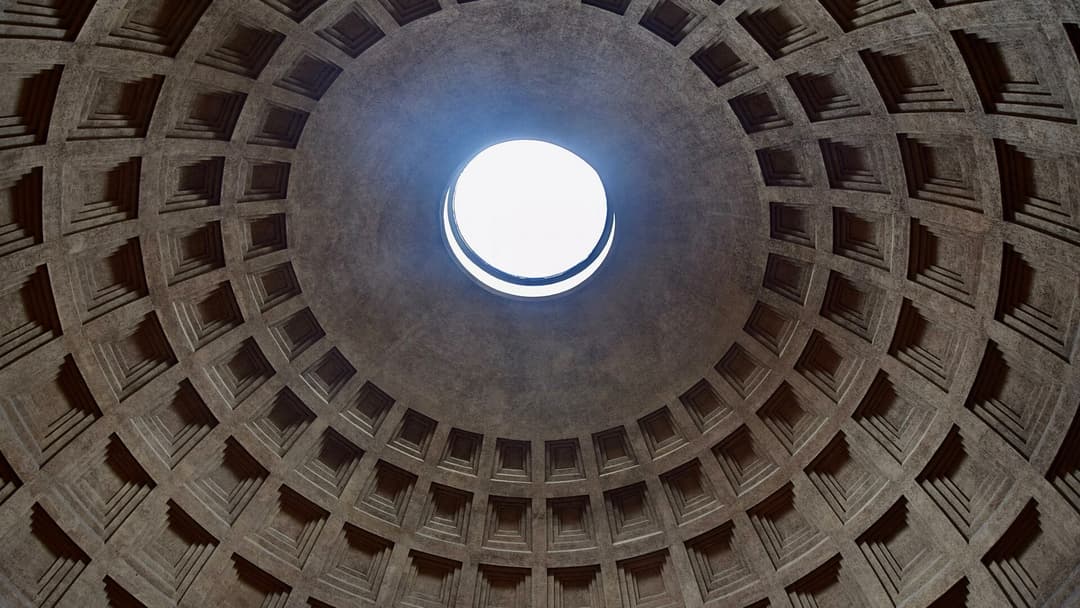
10. The Pantheon, Rome
Completed under Emperor Hadrian around 125 CE, the Pantheon's dome spans 43.3 meters without a single steel rebar. Roman builders thinned the concrete shell as it rose and swapped heavy travertine aggregate at the base for volcanic tuff and lightweight pumice around the open oculus.
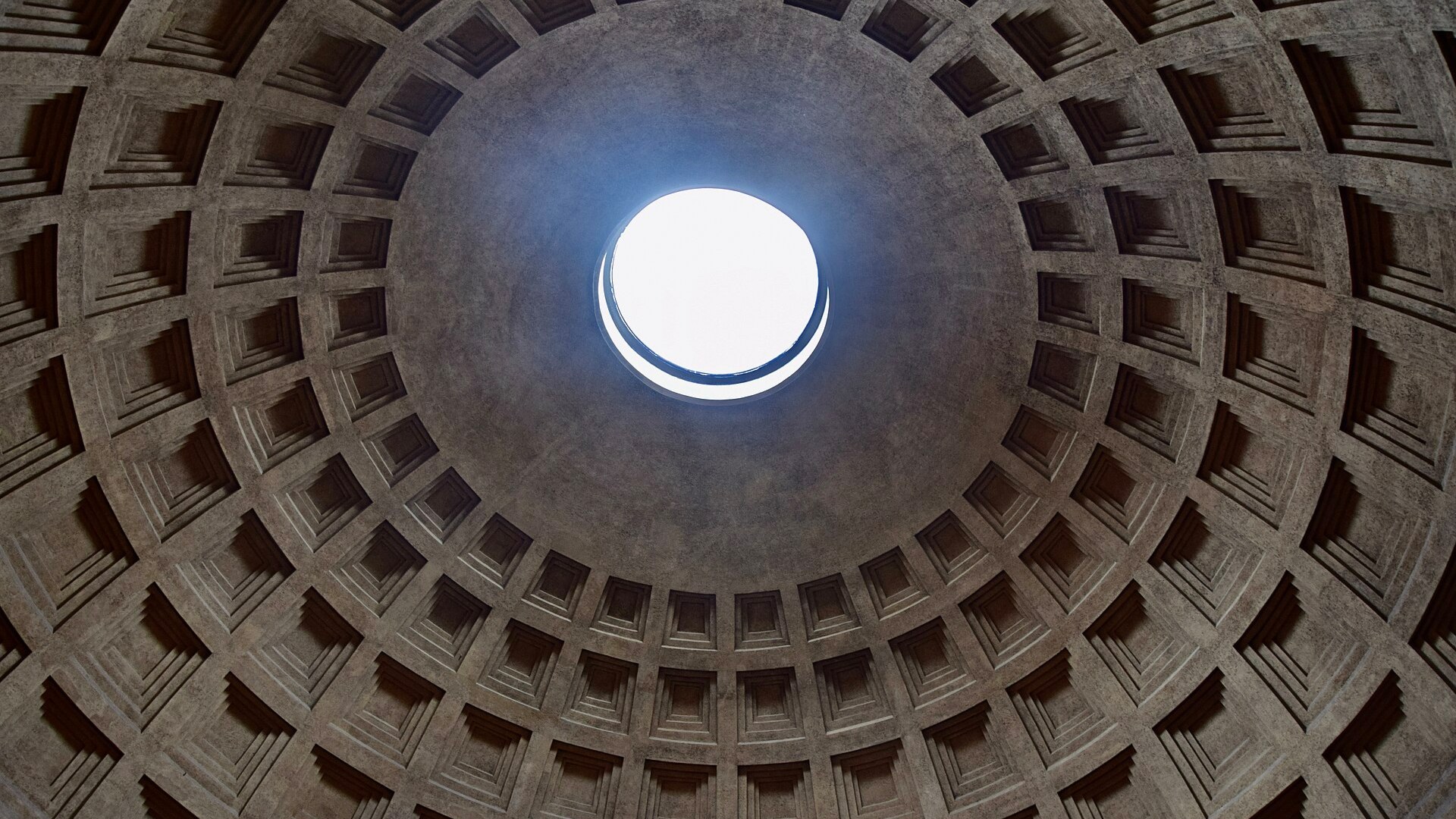
©Wikimedia / Ank Kumar
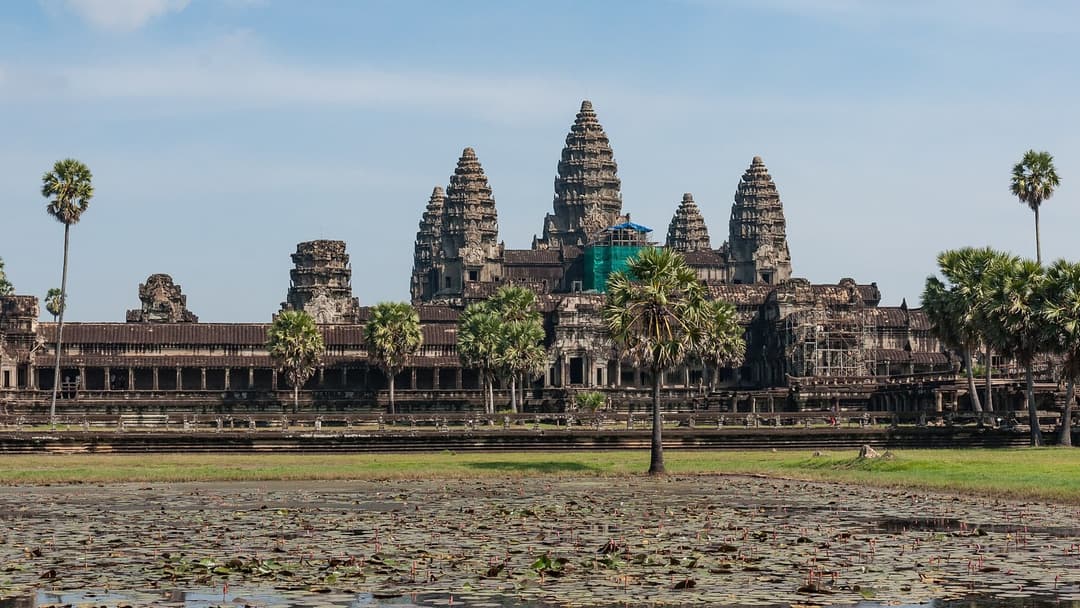
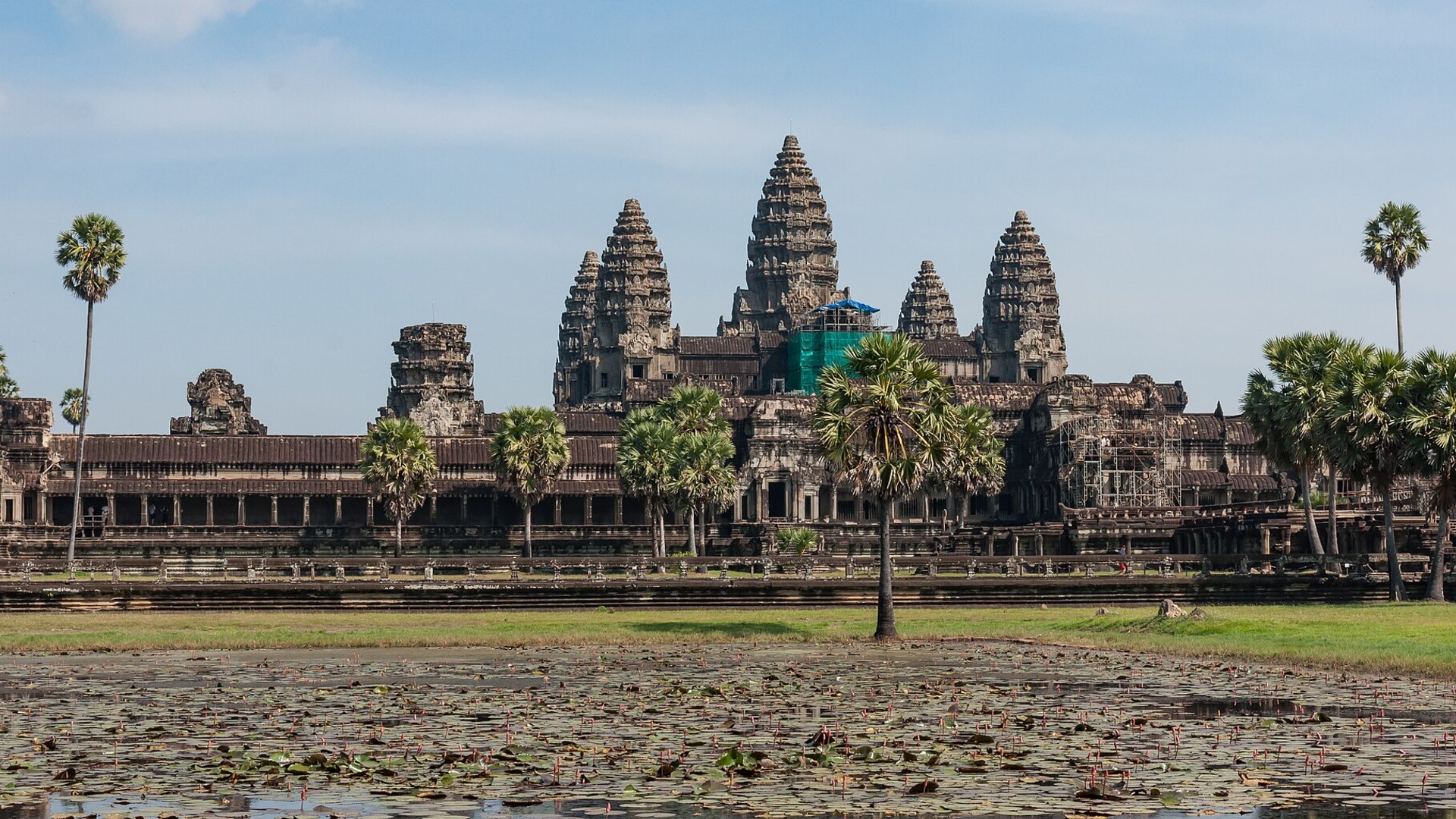
9. Angkor Wat, Cambodia
Built under King Suryavarman II in the early 12th century, Angkor Wat sits over unstable monsoon clay. Khmer engineers dug a 190-meter-wide moat and packed sand and laterite beneath the towers so groundwater pressure stays balanced year-round, preventing the massive stone galleries from sinking.
©Wikimedia / CEphoto, Uwe Aranas
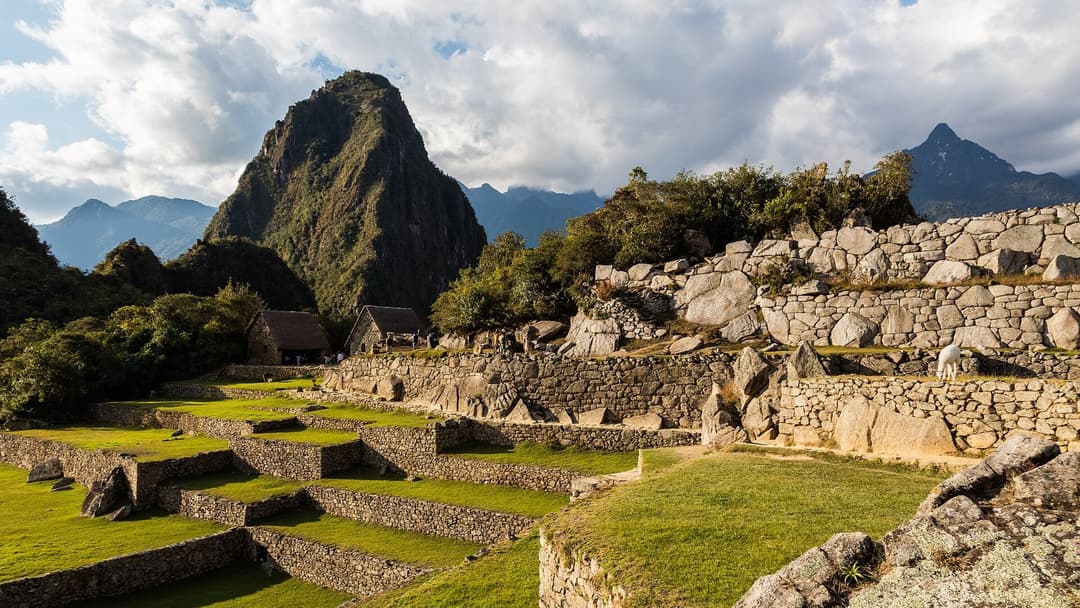
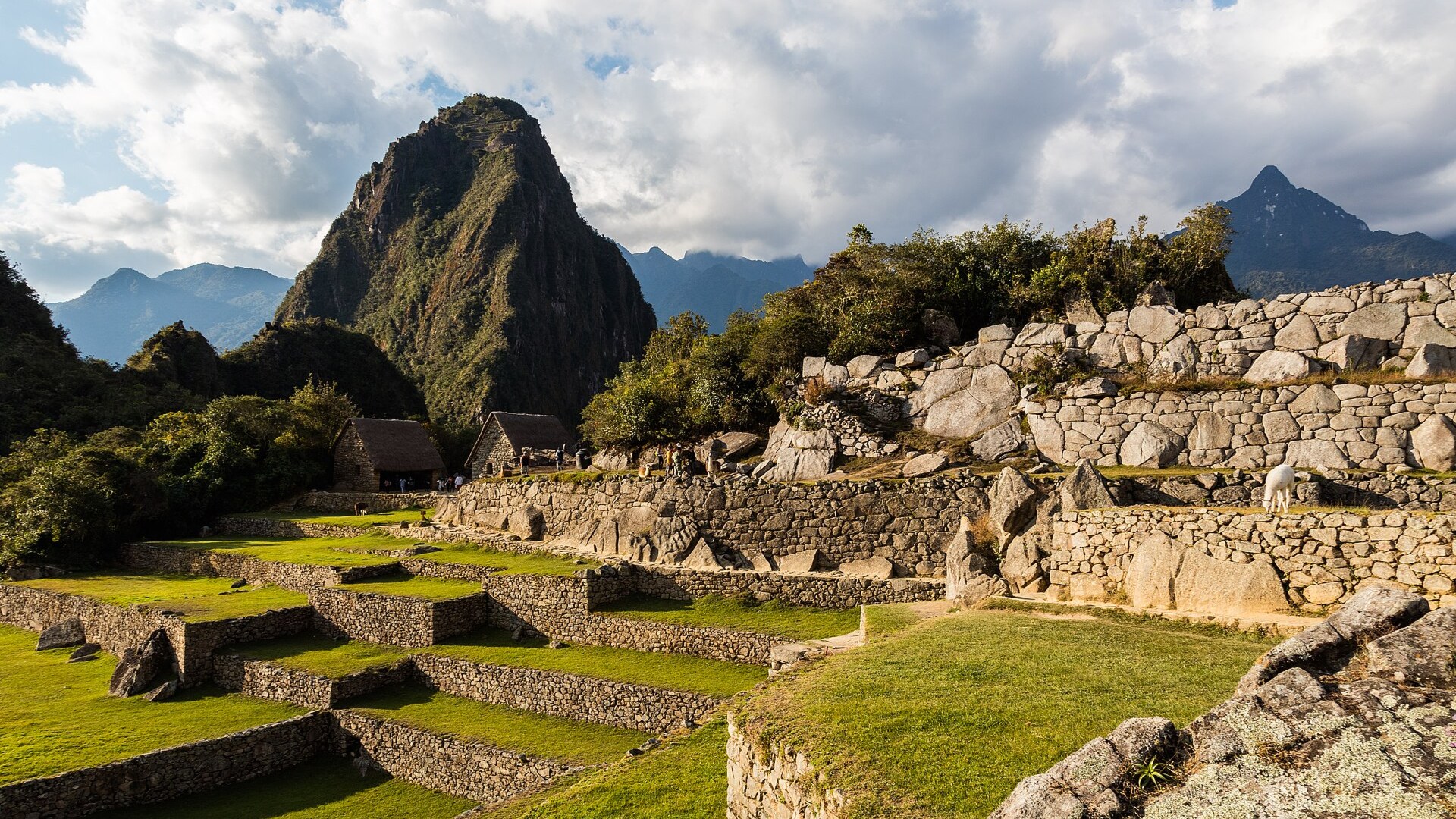
8. Machu Picchu, Peru
Set on an Andean ridge at 2,430 meters in the 15th century, Machu Picchu sits in a high-rainfall seismic zone. Inca builders layered topsoil over gravel and crushed rock inside 700-plus terraces for drainage, while mortarless granite blocks wedge together so walls settle back after tremors.
©Wikimedia / Diego Delso
Advertisement
Swipe or tap ▶ to resume the countdown.
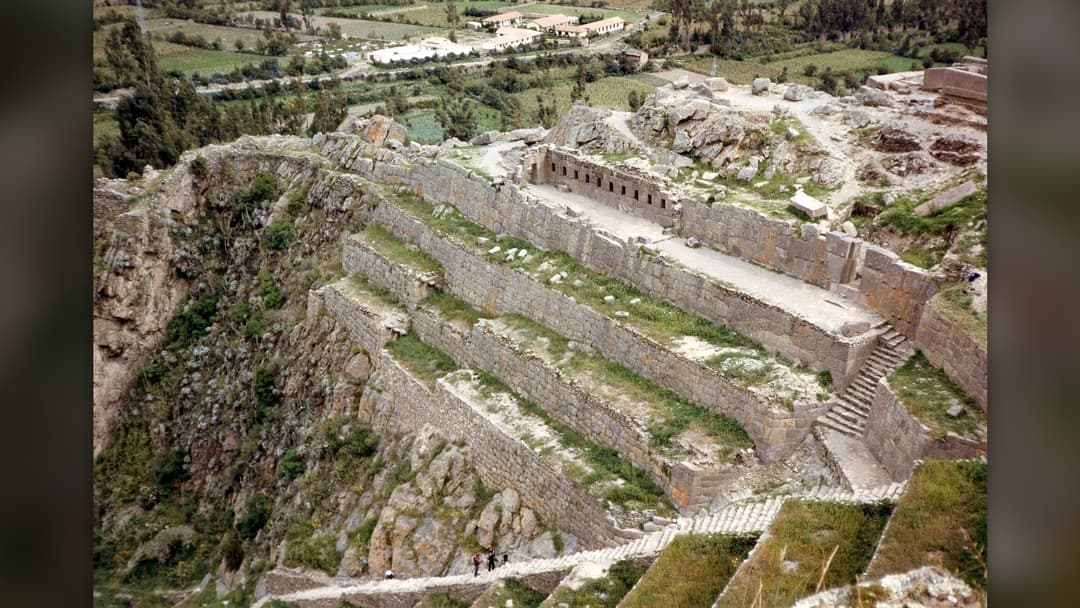
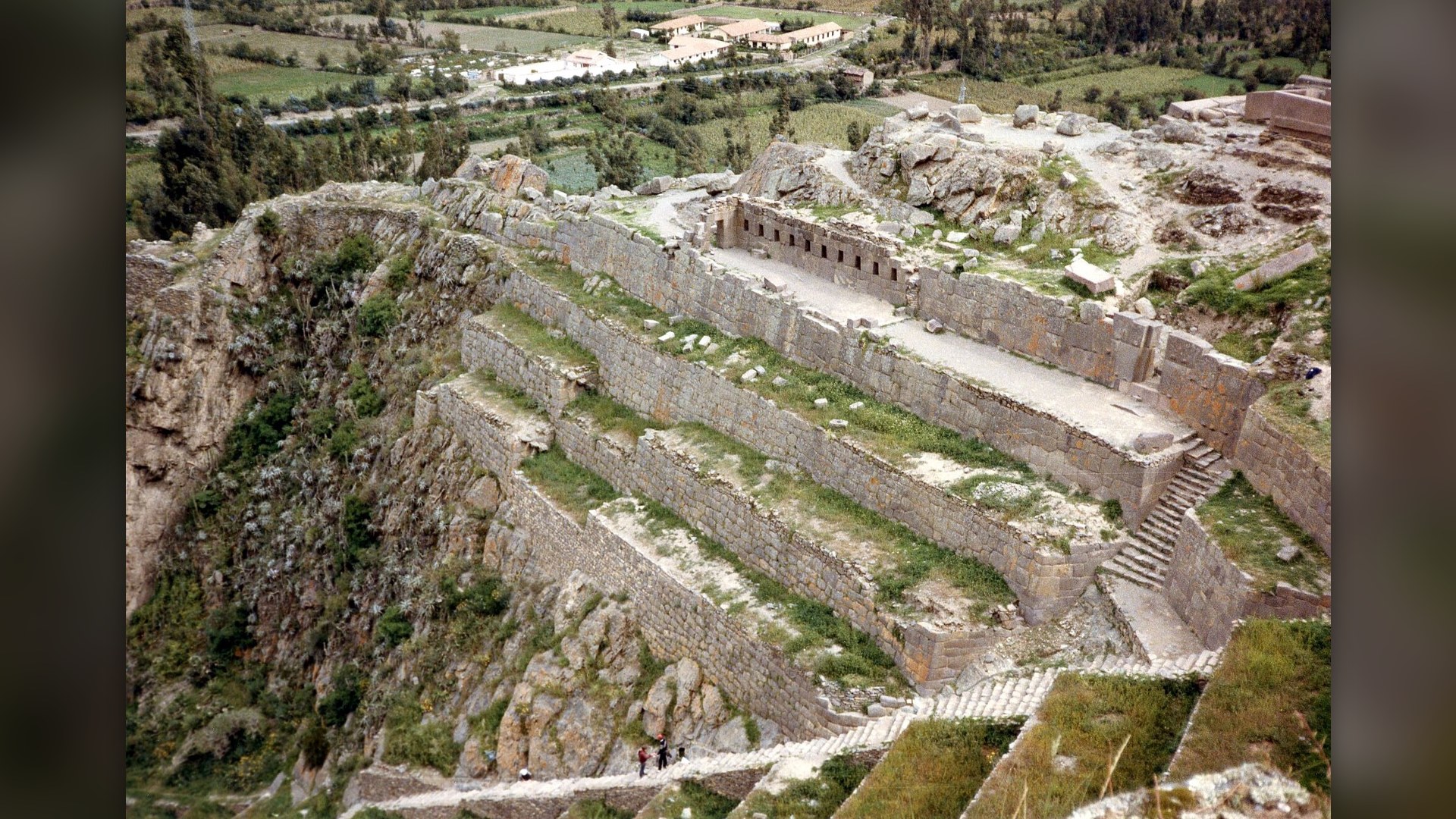
7. Ollantaytambo, Peru
At this 15th-century Inca fortress in the Sacred Valley, six upright pink rhyolite monoliths form the Wall of the Six Monoliths. Quarrymen extracted the multi-ton blocks from Cachiccata high on the opposite mountain, slid them down ramps, crossed the Urubamba River, and pulled them uphill.
©Wikimedia / Bernard Gagnon
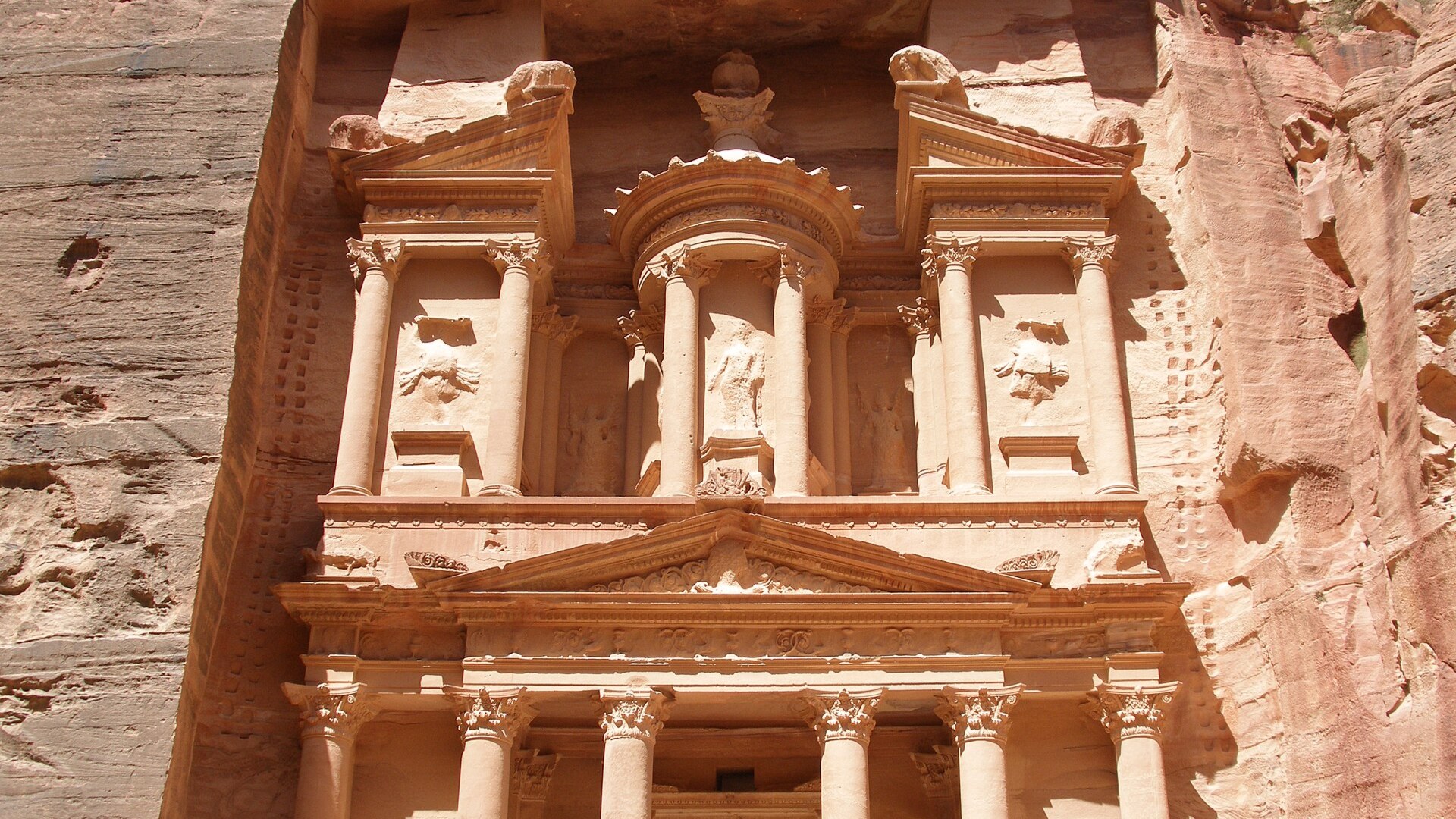
6. Petra, Jordan
Carved into rose sandstone canyons between the 4th century BCE and 106 CE, Petra turned flash floods into a reliable water supply. Nabataean engineers blasted diversion tunnels, built check dams across wadis, lined rock cisterns, and laid miles of socketed terracotta pipes into town.
©Wikimedia / Vyacheslav Argenberg
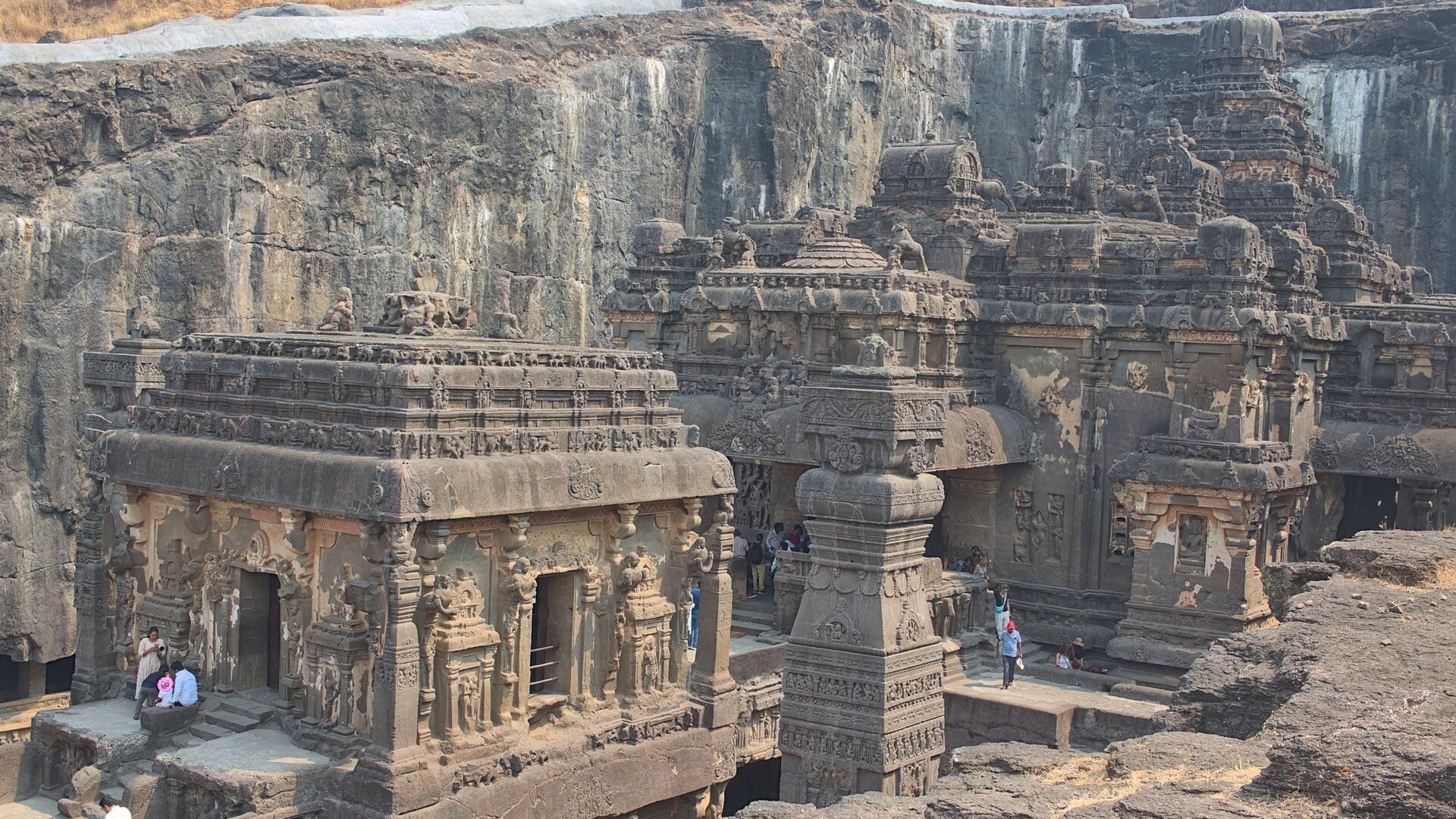
5. Kailasa Temple, Ellora
Commissioned in the 8th century CE by Rashtrakuta king Krishna I, Cave 16 at Ellora was never assembled from blocks. Stonecutters trenched straight down from the hilltop, removing hundreds of thousands of tons of volcanic basalt to sculpt courtyards, bridges, pillars, and shrines in one piece.
©Wikimedia / Shishirdasika
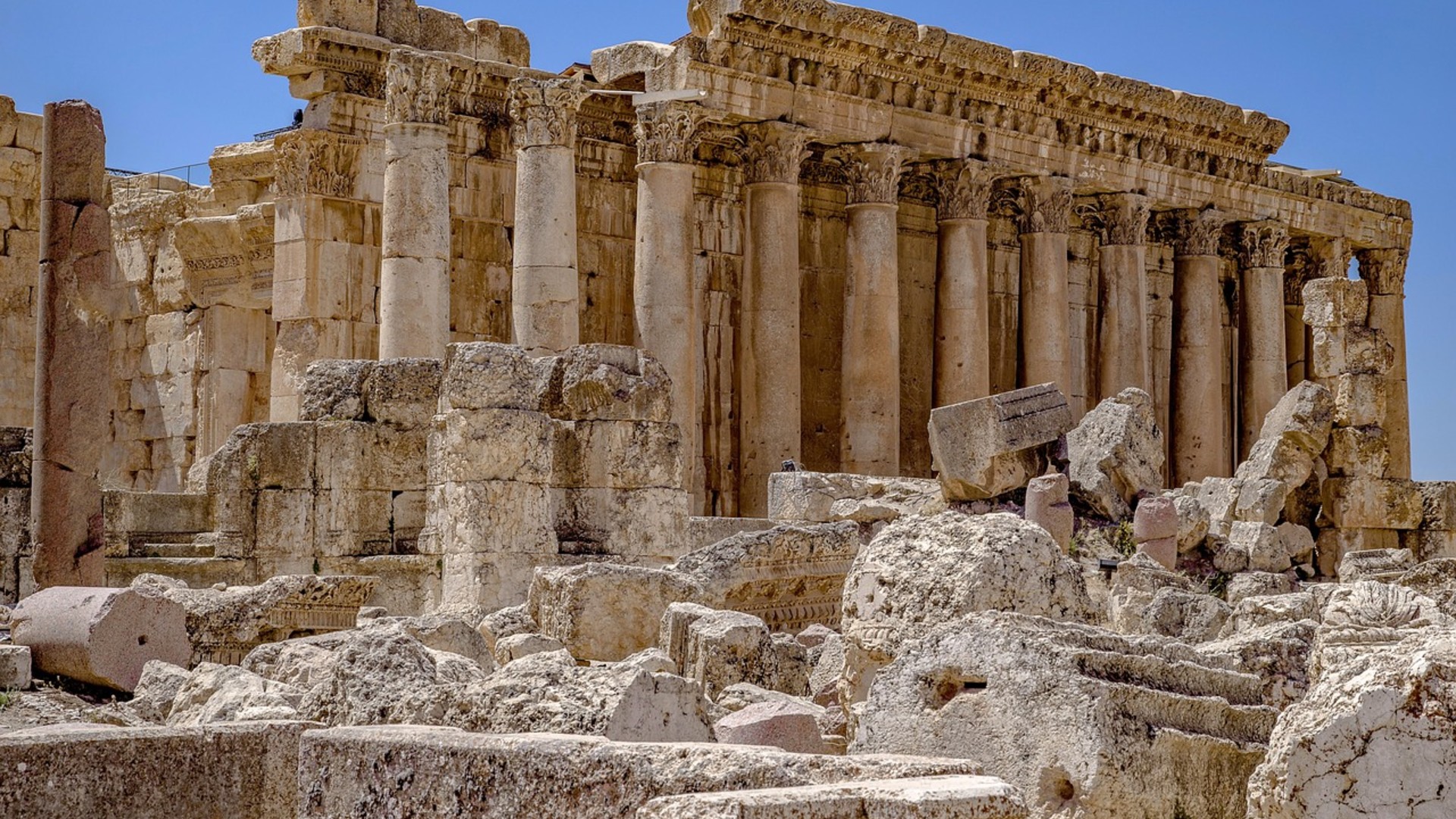
4. Baalbek Trilithon, Lebanon
Forming the western retaining wall of the 1st-century CE Temple of Jupiter podium, three limestone monoliths each measure over 19 meters long and 4.3 meters high. Weighing roughly 800 metric tons apiece, they sit atop smaller foundation courses, and how Romans positioned them remains debated.
©Pixabay / djedj
Advertisement
Swipe or tap ▶ to resume the countdown.
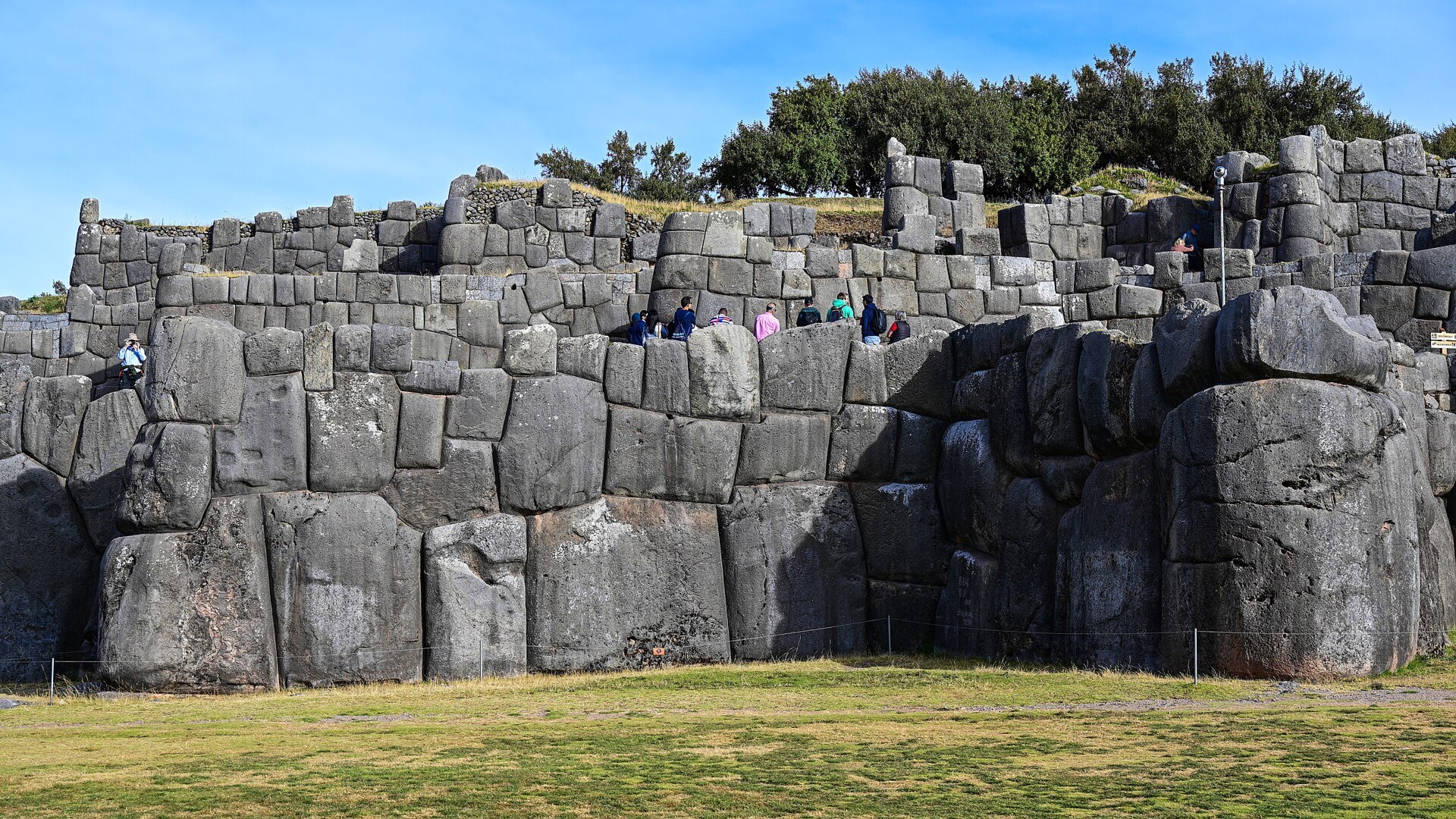
3. Sacsayhuaman, Peru
Rising above Cusco in the 15th century, Sacsayhuaman pairs three monumental sawtooth terrace walls with mortarless Inca stonework. The largest fitted limestone boulder weighs over 120 metric tons, yet neighboring stones meet along curved, beveled edges so tight a blade cannot slip between.
©Wikimedia / Steve FUNG
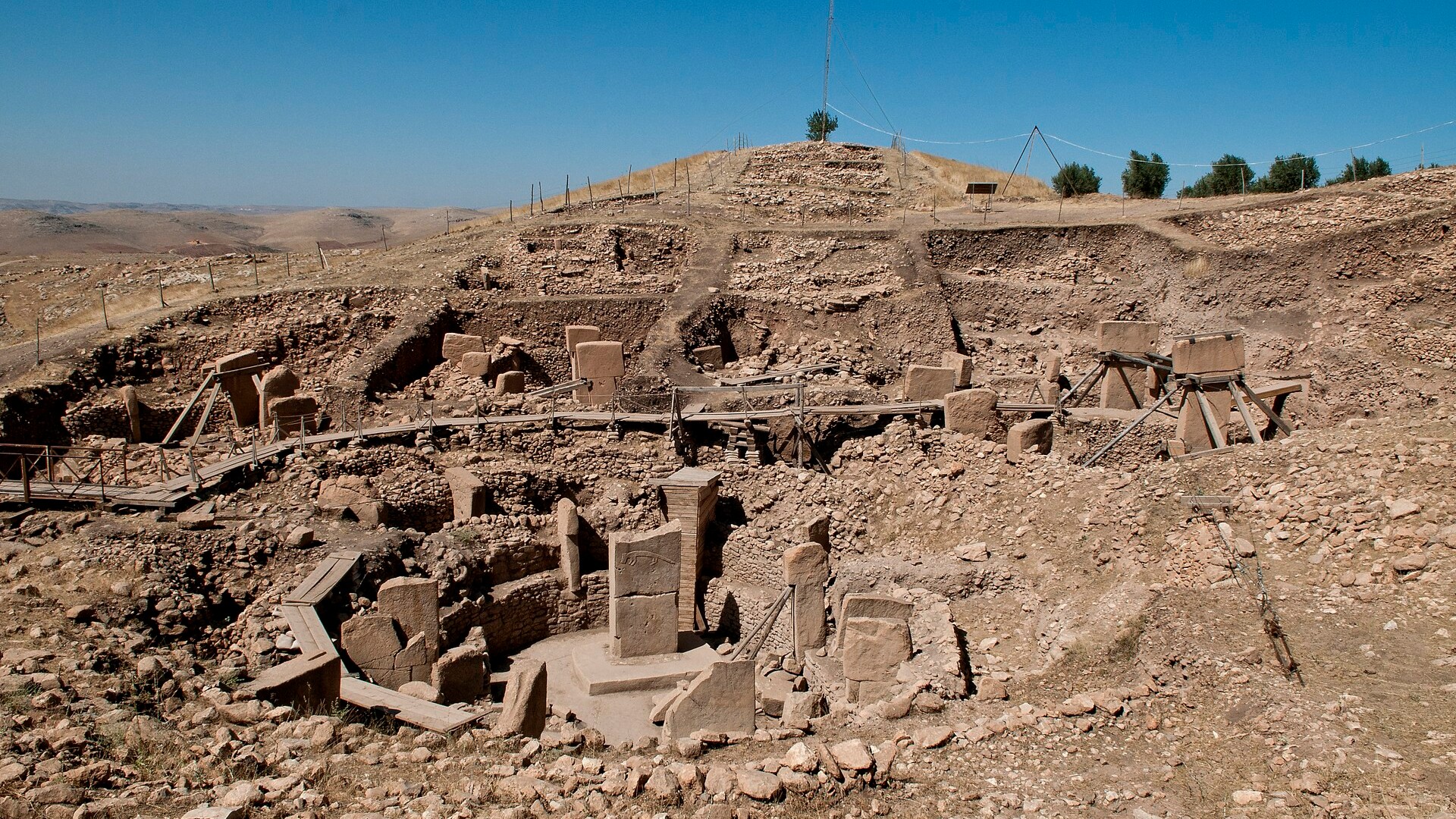
2. Gobekli Tepe, Turkey
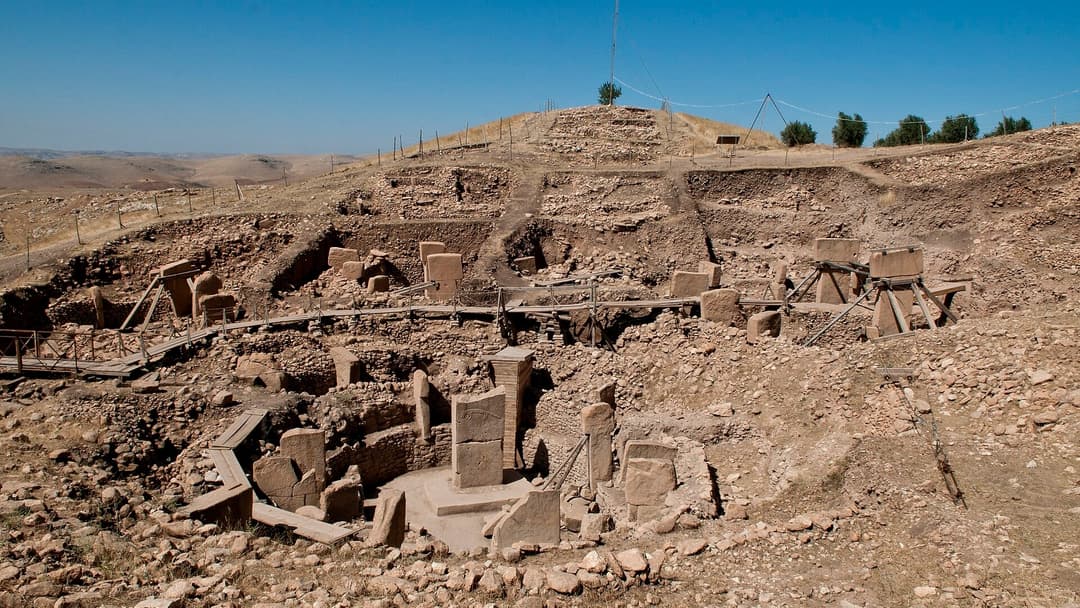
Dating to roughly 9600 to 8200 BCE in southeastern Anatolia, Gobekli Tepe's stone circles predate metal tools, writing, and settled farming. Pre-Pottery Neolithic builders quarried limestone T-pillars up to 5.5 meters tall and 10 to 20 tons, hauled them uphill, and carved intricate reliefs.
©Wikimedia / Teomancimit
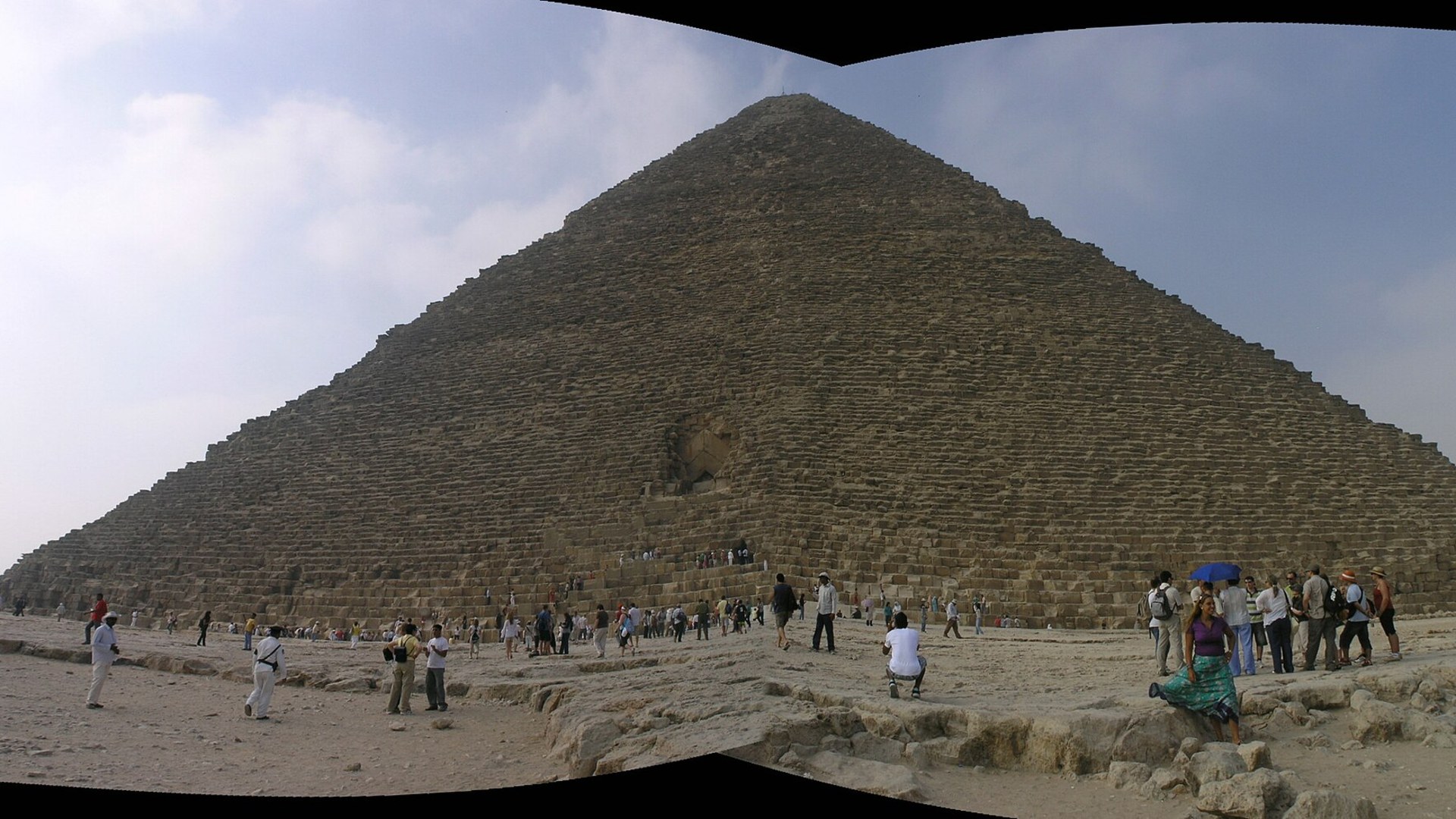
1. Great Pyramid Of Giza, Egypt
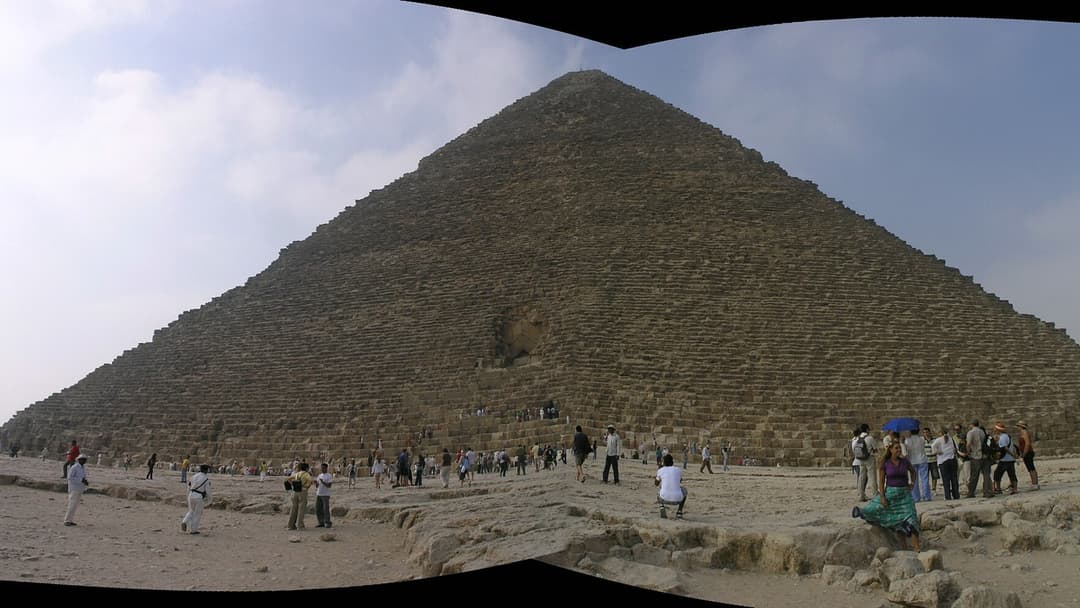
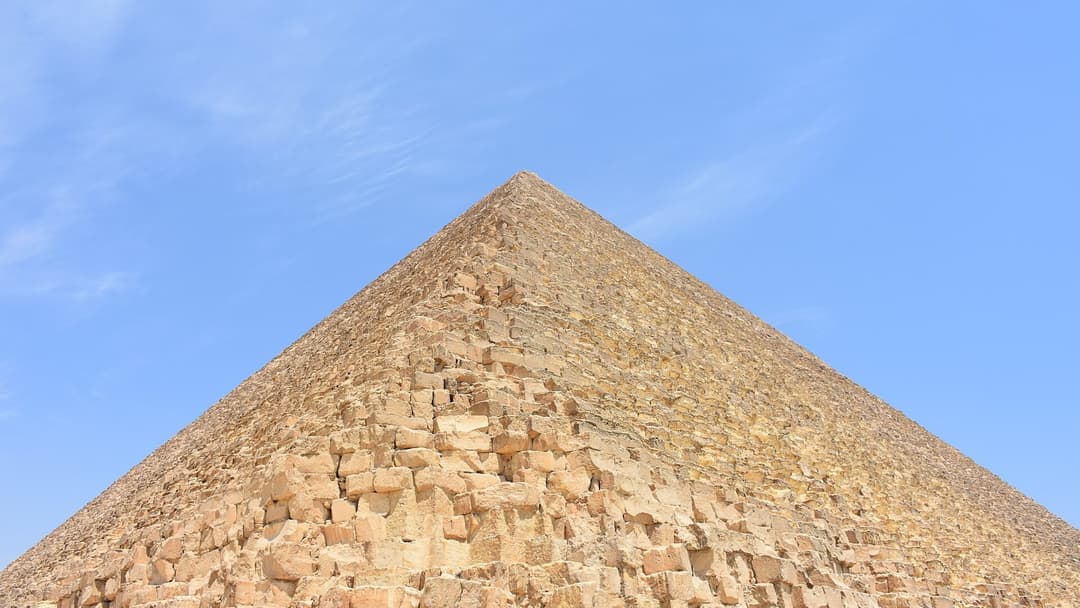
Built around 2560 BCE for Pharaoh Khufu, this 146-meter-tall monument holds roughly 2.3 million limestone and granite blocks, with King's Chamber beams topping 50 tons. Its square base aligns within four-hundredths of a degree of true cardinal north, a survey feat still studied by engineers.
©Wikimedia / Daniel Mayer
Advertisement
You've reached the end of the story. Thanks for reading!

20 Facts About America’s Most Famous Thanksgiving Day Parade
The Macy's Thanksgiving Day Parade draws millions to Manhattan each November, yet few know how the giant spectacle operates behind the scenes. From folding multi-story floats through the Lincoln Tunnel to managing 400,000 cubic feet of helium, official records from Macy's Studio and the NYPD reveal these secrets.
All 22 Entries in this Story
22. Barabar Caves, India
Carved into hard granite hills in Bihar during the Mauryan Empire around 250 BCE, these chambers astonish acousticians today. Stonecutters polished the curved walls and ceilings to a glass-like sheen, while the Lomas Rishi facade imitates wooden beams directly in solid rock.

21. Newgrange, Ireland
Built around 3200 BCE in County Meath, this 85-meter passage tomb predates Stonehenge and the Giza pyramids. Builders placed a stone roof-box above the main doorway so a narrow beam of winter solstice sunlight travels 19 meters down the dark stone corridor to light the inner chamber.

20. Nan Madol, Micronesia
Raised between 1200 and 1500 CE off the coast of Pohnpei, Nan Madol sits atop submerged coral reefs. Builders quarried hexagonal basalt columns from volcanic plugs on the main island and stacked them like log cabins into seawalls and tombs without any mortar, linked by tidal canals.

19. Skara Brae, Scotland
Occupied from about 3180 to 2500 BCE on Orkney Mainland, Skara Brae survives because coastal dunes buried the stone houses intact. Dwellers insulated walls with midden earth, connected homes with covered walkways, and built stone slab dressers, watertight tanks, and subfloor drains.

18. Mohenjo Daro, Pakistan
Flourishing around 2500 BCE along the Indus River, Mohenjo-daro relied on standardized fired bricks laid out on a street grid. Nearly every neighborhood tapped brick-lined wells and discharged wastewater into covered street channels, while natural bitumen sealed the Great Bath.

17. Derinkuyu Underground City, Turkey
Hand-carved into pliable volcanic tuff in central Turkey, Derinkuyu descends roughly 85 meters below ground across multiple connected stories. Its builders engineered more than 50 vertical ventilation shafts that doubled as wells, plus heavy circular stone doors to seal tunnels.

16. Pont Du Gard, France
Erected in the 1st century CE over the Gardon River, this 49-meter-tall aqueduct bridge anchored a 50-kilometer water line to Nimes. Roman masons shaped yellow limestone blocks weighing up to 6 tons so closely they held without mortar, keeping the entire channel's slope remarkably steady.

15. Chan Chan, Peru
Built by the Chimu Empire from about 850 to 1470 CE near Trujillo, Chan Chan spans roughly 20 square kilometers of sun-dried earth. Builders tapered adobe walls up to 9 meters high for stability, excavated deep walk-in wells for farming, and laid out baffled entries to channel sea breezes.

14. Iron Pillar Of Delhi, India
Forged in the late 4th or early 5th century CE under Gupta ruler Chandragupta II, this 7.2-meter pillar stands in the Qutb complex. Metallurgists found its high phosphorus content and lack of sulfur helped form a dense passive coating of iron hydrogen phosphate that shields it from monsoon rust.

13. Sigiriya, Sri Lanka
King Kashyapa I crowned this 180-meter granite rock plug in the late 5th century CE with palaces, stairs, and frescoes. Below the summit, hydraulic engineers linked rock-cut cisterns to underground clay pipes and limestone pressure plates so garden fountains still jet water during heavy rains.

12. Puma Punku, Bolivia
Part of the Tiwanaku ceremonial center built around 536 to 600 CE at 3,850 meters elevation, Puma Punku stands out for its crisp geometry. Stonecutters carved interlocking H-shaped blocks from hard andesite and cut I-shaped sockets meant to hold poured copper-alloy cramps.

11. Ajanta Caves, India
Excavated in two phases from the 2nd century BCE to roughly 480 CE, Ajanta's 30 caves cut deep into a 75-meter horseshoe gorge in Maharashtra. Artisans worked from ceiling down to floor using chisels and iron hammers, shaping ribbed vaults inside solid volcanic rock without exterior scaffolding.

10. The Pantheon, Rome
Completed under Emperor Hadrian around 125 CE, the Pantheon's dome spans 43.3 meters without a single steel rebar. Roman builders thinned the concrete shell as it rose and swapped heavy travertine aggregate at the base for volcanic tuff and lightweight pumice around the open oculus.

9. Angkor Wat, Cambodia
Built under King Suryavarman II in the early 12th century, Angkor Wat sits over unstable monsoon clay. Khmer engineers dug a 190-meter-wide moat and packed sand and laterite beneath the towers so groundwater pressure stays balanced year-round, preventing the massive stone galleries from sinking.

8. Machu Picchu, Peru
Set on an Andean ridge at 2,430 meters in the 15th century, Machu Picchu sits in a high-rainfall seismic zone. Inca builders layered topsoil over gravel and crushed rock inside 700-plus terraces for drainage, while mortarless granite blocks wedge together so walls settle back after tremors.

7. Ollantaytambo, Peru
At this 15th-century Inca fortress in the Sacred Valley, six upright pink rhyolite monoliths form the Wall of the Six Monoliths. Quarrymen extracted the multi-ton blocks from Cachiccata high on the opposite mountain, slid them down ramps, crossed the Urubamba River, and pulled them uphill.

6. Petra, Jordan
Carved into rose sandstone canyons between the 4th century BCE and 106 CE, Petra turned flash floods into a reliable water supply. Nabataean engineers blasted diversion tunnels, built check dams across wadis, lined rock cisterns, and laid miles of socketed terracotta pipes into town.

5. Kailasa Temple, Ellora
Commissioned in the 8th century CE by Rashtrakuta king Krishna I, Cave 16 at Ellora was never assembled from blocks. Stonecutters trenched straight down from the hilltop, removing hundreds of thousands of tons of volcanic basalt to sculpt courtyards, bridges, pillars, and shrines in one piece.

4. Baalbek Trilithon, Lebanon
Forming the western retaining wall of the 1st-century CE Temple of Jupiter podium, three limestone monoliths each measure over 19 meters long and 4.3 meters high. Weighing roughly 800 metric tons apiece, they sit atop smaller foundation courses, and how Romans positioned them remains debated.

3. Sacsayhuaman, Peru
Rising above Cusco in the 15th century, Sacsayhuaman pairs three monumental sawtooth terrace walls with mortarless Inca stonework. The largest fitted limestone boulder weighs over 120 metric tons, yet neighboring stones meet along curved, beveled edges so tight a blade cannot slip between.

2. Gobekli Tepe, Turkey
Dating to roughly 9600 to 8200 BCE in southeastern Anatolia, Gobekli Tepe's stone circles predate metal tools, writing, and settled farming. Pre-Pottery Neolithic builders quarried limestone T-pillars up to 5.5 meters tall and 10 to 20 tons, hauled them uphill, and carved intricate reliefs.

1. Great Pyramid Of Giza, Egypt
Built around 2560 BCE for Pharaoh Khufu, this 146-meter-tall monument holds roughly 2.3 million limestone and granite blocks, with King's Chamber beams topping 50 tons. Its square base aligns within four-hundredths of a degree of true cardinal north, a survey feat still studied by engineers.