Slideshow · Travel
22 Ancient Engineering Wonders Built Without Modern Machinery, Ranked
From subterranean cities to mortarless aqueducts, these monumental structures prove that ancient engineering achieved architectural feats that still astound modern builders.
By Most Viral Today
4 Nov 2026

How Ancient Builders Engineered Megaliths Millennia Ago Without Machines 
22. The Great Dam Of Marib 
21. Derinkuyu Underground City 
20. The Aqueduct Of Segovia - AdvertisementSwipe or tap ▶ to continue countdown

19. The Barabar Cave Chambers 
18. The Pont Du Gard Aqueduct 
17. The Leshan Giant Buddha 
16. The Moai Of Rapa Nui - AdvertisementSwipe or tap ▶ to continue countdown

15. The Chand Baori Stepwell 
14. The Roman Pantheon Dome 
13. The Concentric Terraces Of Moray 
12. Dujiangyan Irrigation System - AdvertisementSwipe or tap ▶ to continue countdown

11. Sigiriya Rock Fortress 
10. Megalithic Temples Of Malta 
9. The Underground Qanats Of Gonabad 
8. The Great Wall Of China - AdvertisementSwipe or tap ▶ to continue countdown

7. Kailasa Temple At Ellora 
6. The Pyramid Of The Sun 
5. The Rock-Cut City Of Petra 
4. Sacsayhuamán Megalithic Fortress - AdvertisementSwipe or tap ▶ to continue countdown

3. The Antikythera Mechanism 
2. Karnak Great Hypostyle Hall 
1. The Great Pyramid Of Giza - Advertisement🔥 UP NEXT IN THIS SERIES◫ 21 Slides

20 Countries With the Strongest Passports, Ranked by Destinations
Global mobility rankings show how diplomatic agreements and visa pacts shape international travel. From European Union nations to dynamic Asian powerhouses, these passports grant seamless entry across continents. Based on official mobility data from the Henley Passport Index alongside statistics from the IATA database.
From subterranean cities to mortarless aqueducts, these monumental structures prove that ancient engineering achieved architectural feats that still astound modern builders.
Swipe or tap ▶ to begin the countdown
©Wikimedia / Warren LeMay from & wikimedia / David Adam Kess
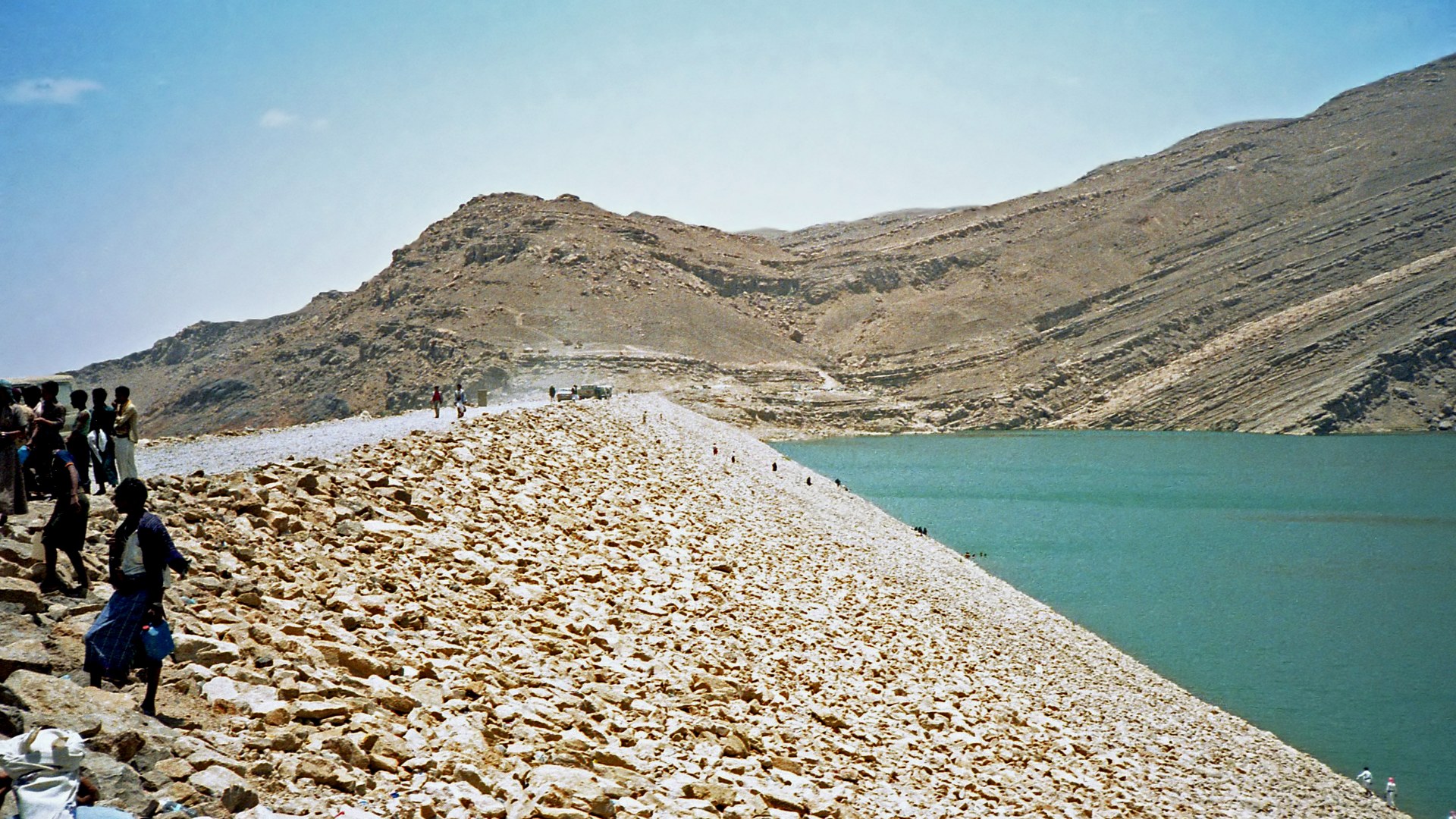
22. The Great Dam Of Marib
Constructed in eighth-century BCE Yemen, the Great Dam of Marib stood over 45 feet tall and stretched 2,100 feet across the Adhanah valley. Sabaean builders employed dressed limestone and waterproof mortar to channel flash floods into canals, sustaining a thriving agricultural oasis on the edge of the desert.
©Wikimedia / Bernard Gagnon
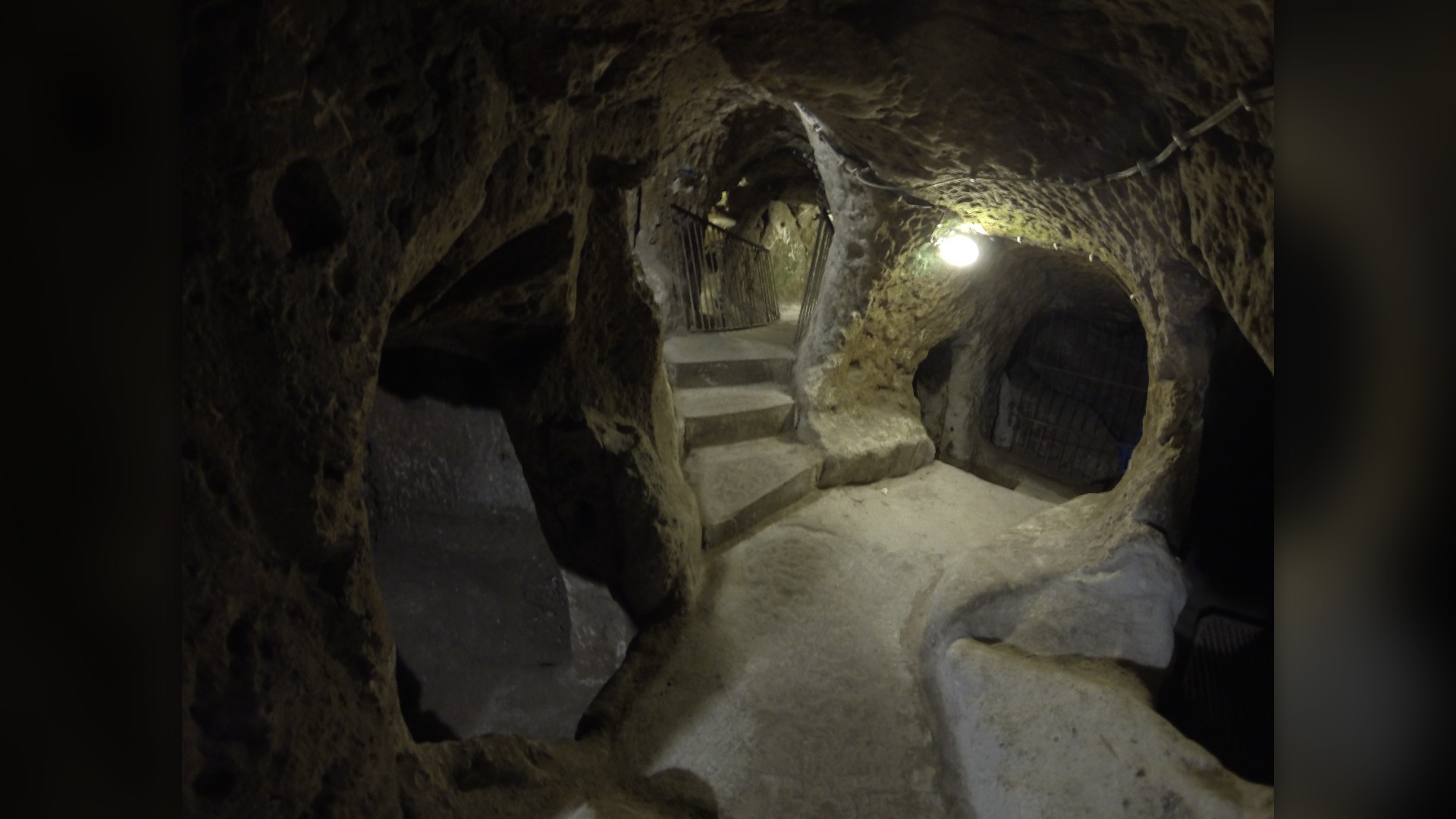
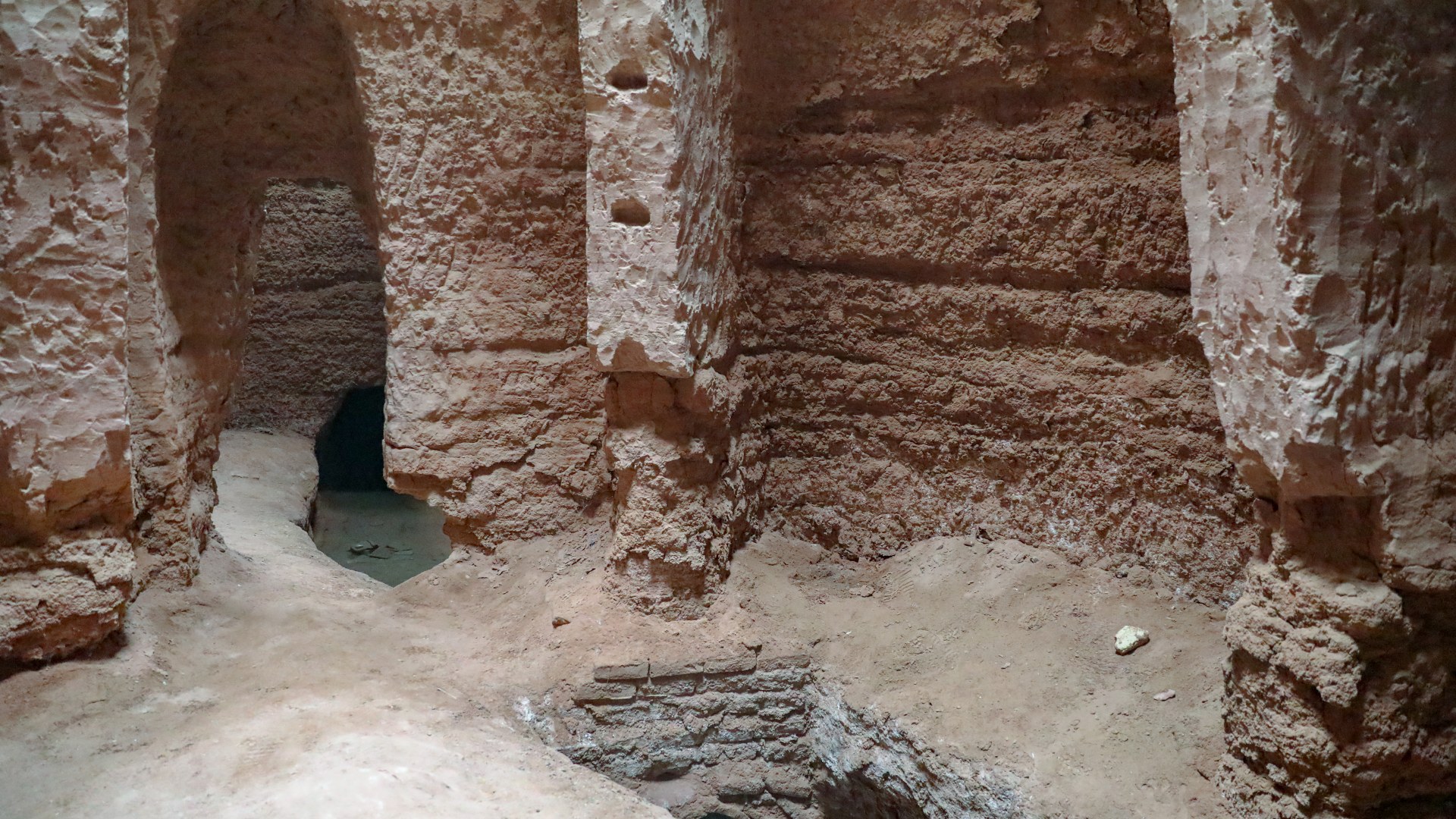
21. Derinkuyu Underground City
Carved into soft volcanic tuff in Cappadocia, Turkey, Derinkuyu descended over 280 feet beneath the surface. Ancient engineers chiseled out self-contained living quarters, livestock stables, wineries, and ventilation shafts capable of bringing fresh air to the deepest levels without collapsing the rock ceilings.
©Wikimedia / Derinkuyu underground city
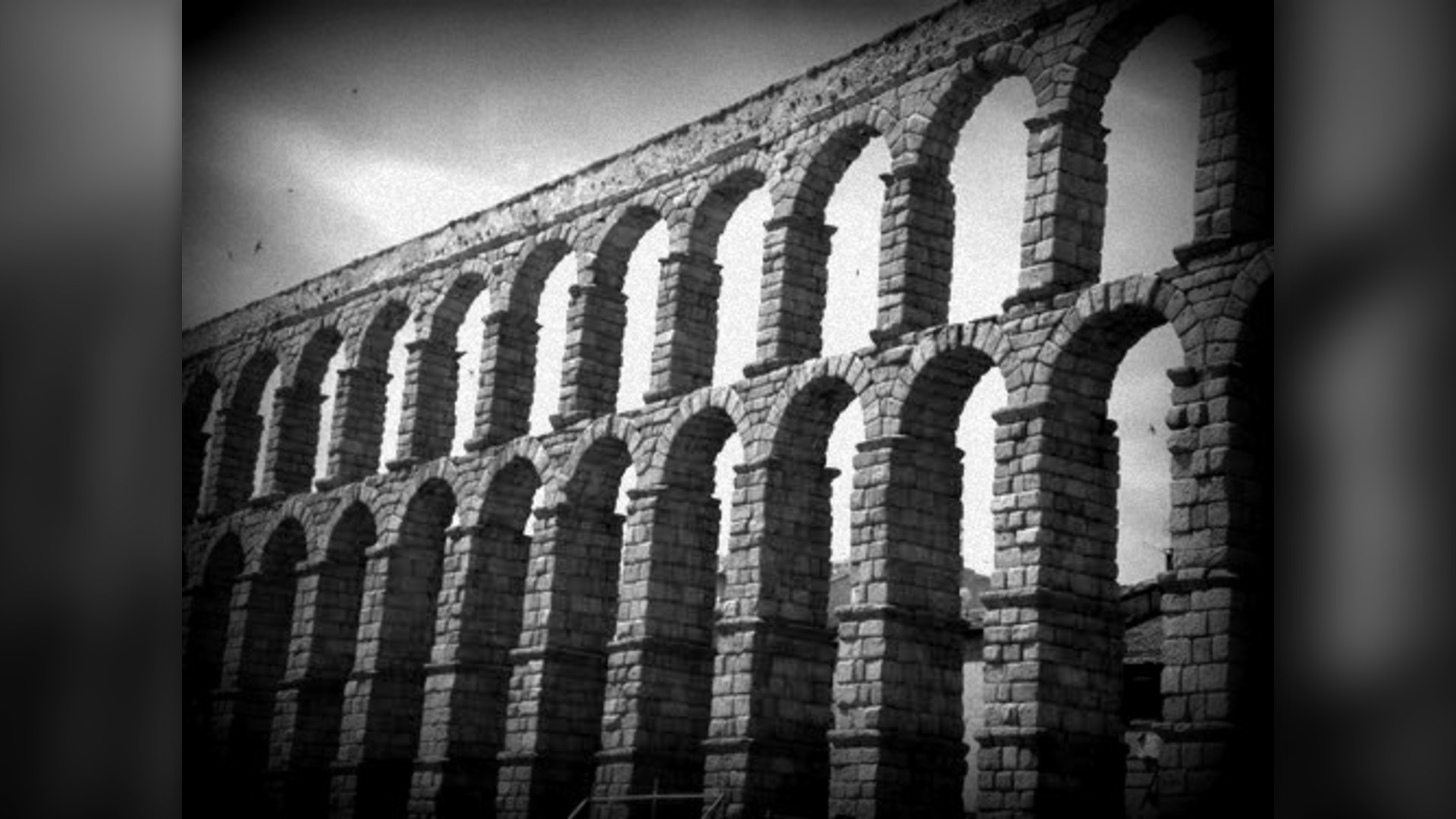
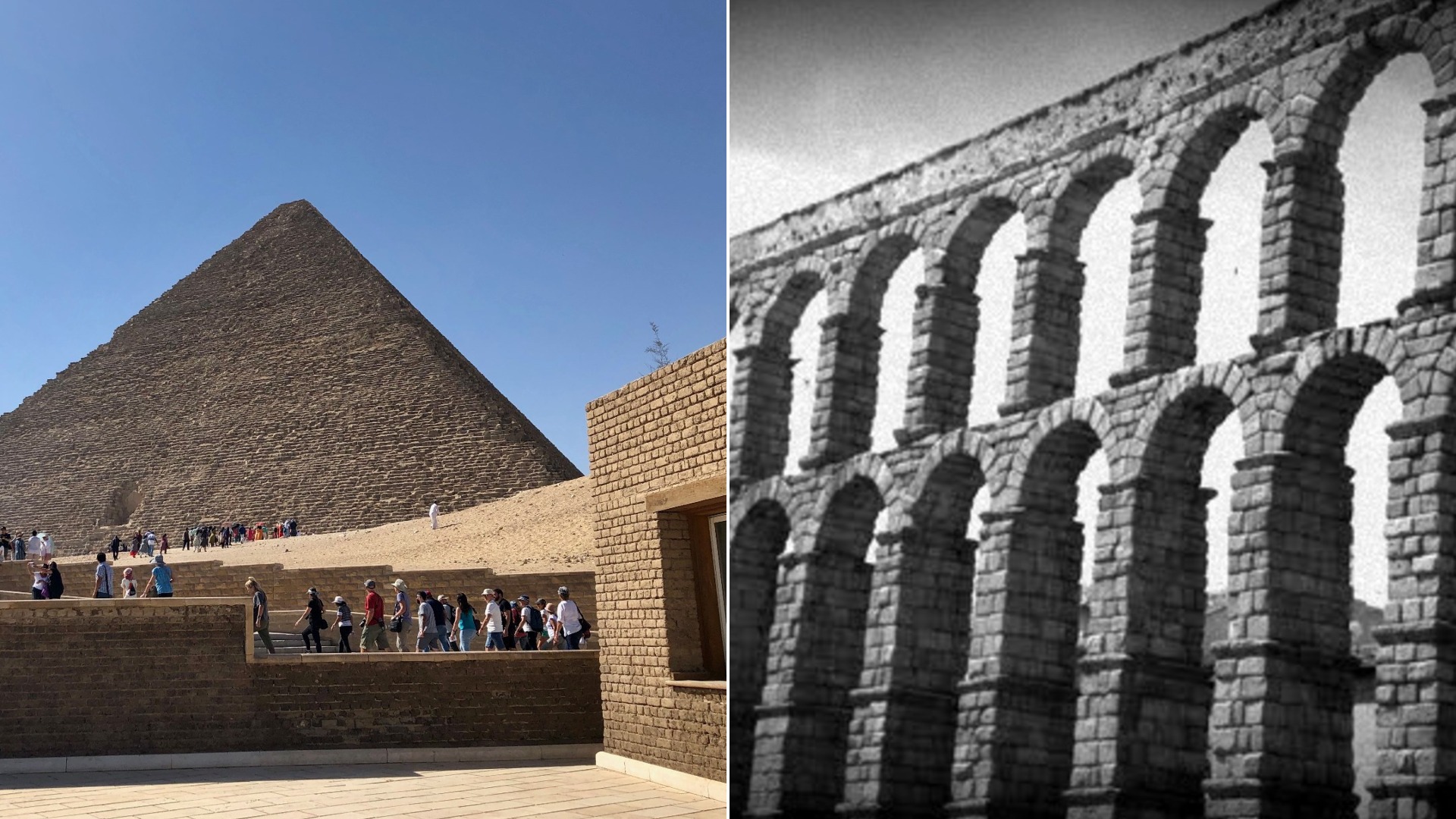
20. The Aqueduct Of Segovia
Spanning over 2,600 feet across central Spain, the Aqueduct of Segovia features 167 two-tiered arches assembled from roughly 24,000 unmortared granite blocks. Roman engineers relied entirely on precise stone balance and compression physics to carry river water from the Guadarrama mountains directly into the city.
©Wikimedia / David Adam Kess
Advertisement
Swipe or tap ▶ to resume the countdown.
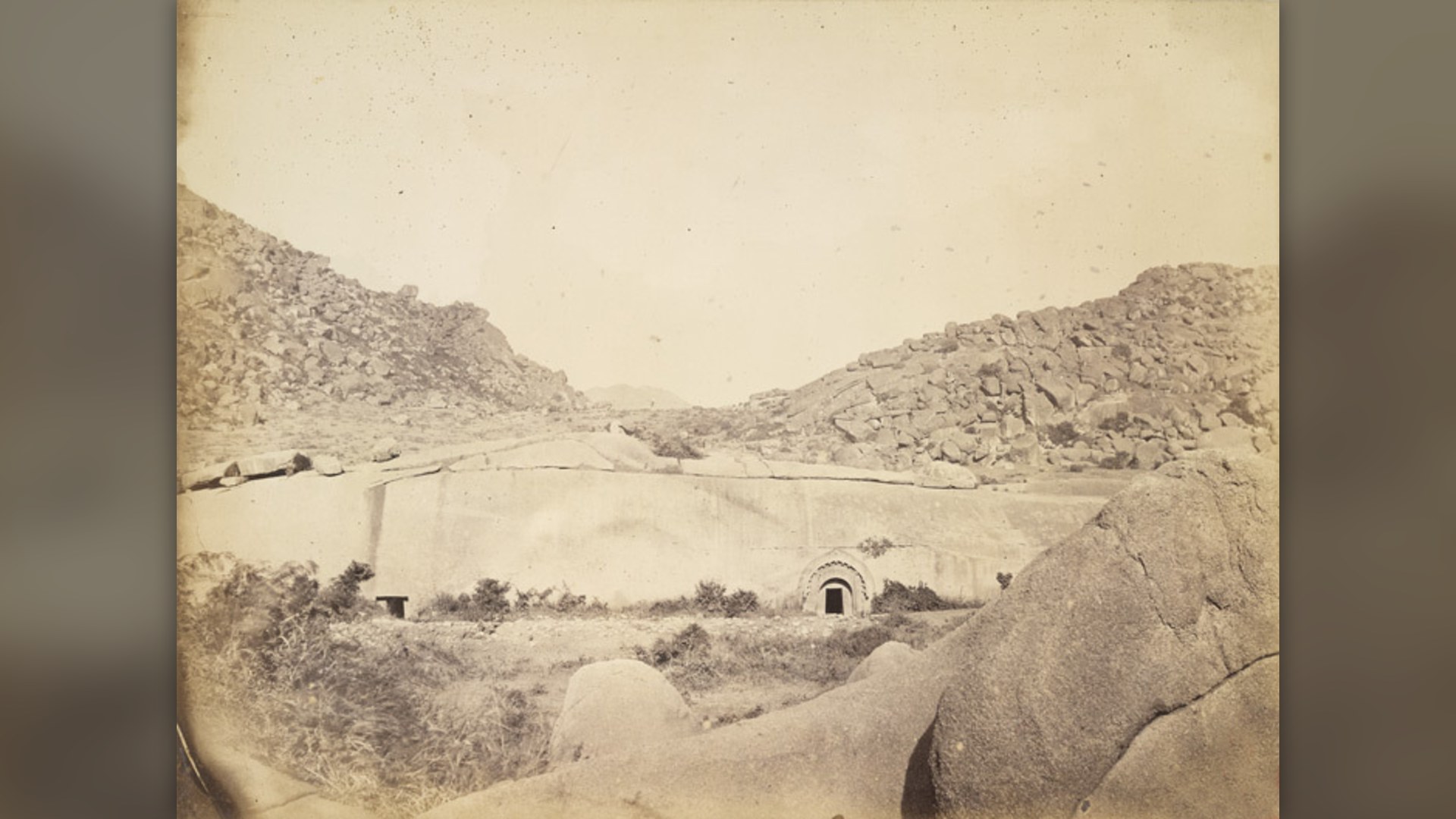
19. The Barabar Cave Chambers
Carved around the third century BCE during the reign of Ashoka in Bihar, India, the Barabar Caves consist of hollowed granite hillsides. Craftsmen polished the subterranean granite interiors to a reflective sheen, producing an echoing acoustic resonance that amplifies chants for minutes after they are spoken.
©Wikimedia / Thomas Fraser Peppé
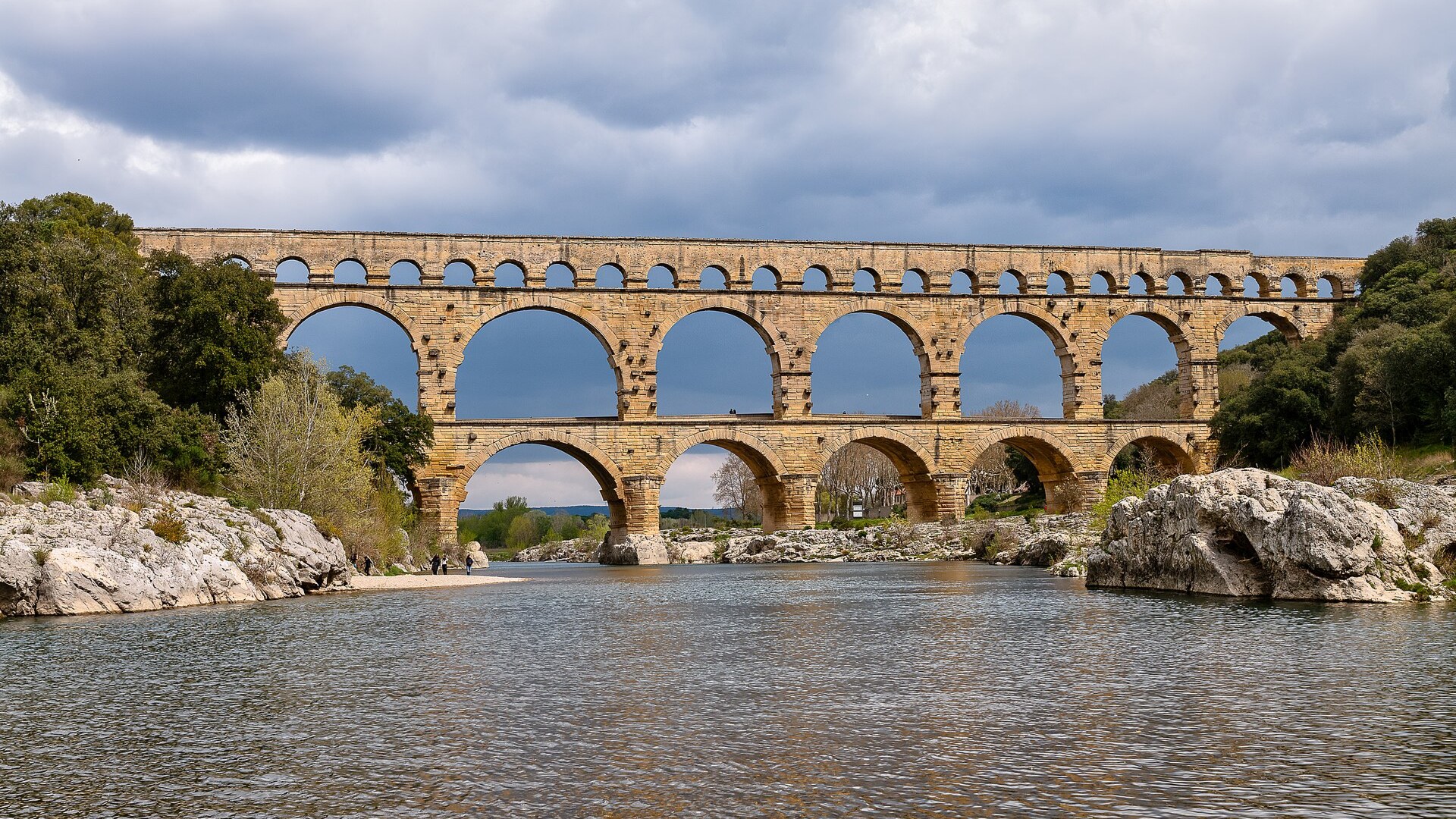
18. The Pont Du Gard Aqueduct
Rising 160 feet above the Gardon River in southern France, the Pont du Gard was assembled around 50 CE from massive limestone blocks weighing up to six tons. Roman surveyors maintained a minuscule gradient of just one inch per 300 feet over 31 miles, letting gravity deliver mountain spring water into Nimes.
©Wikimedia / Rolf Kranz
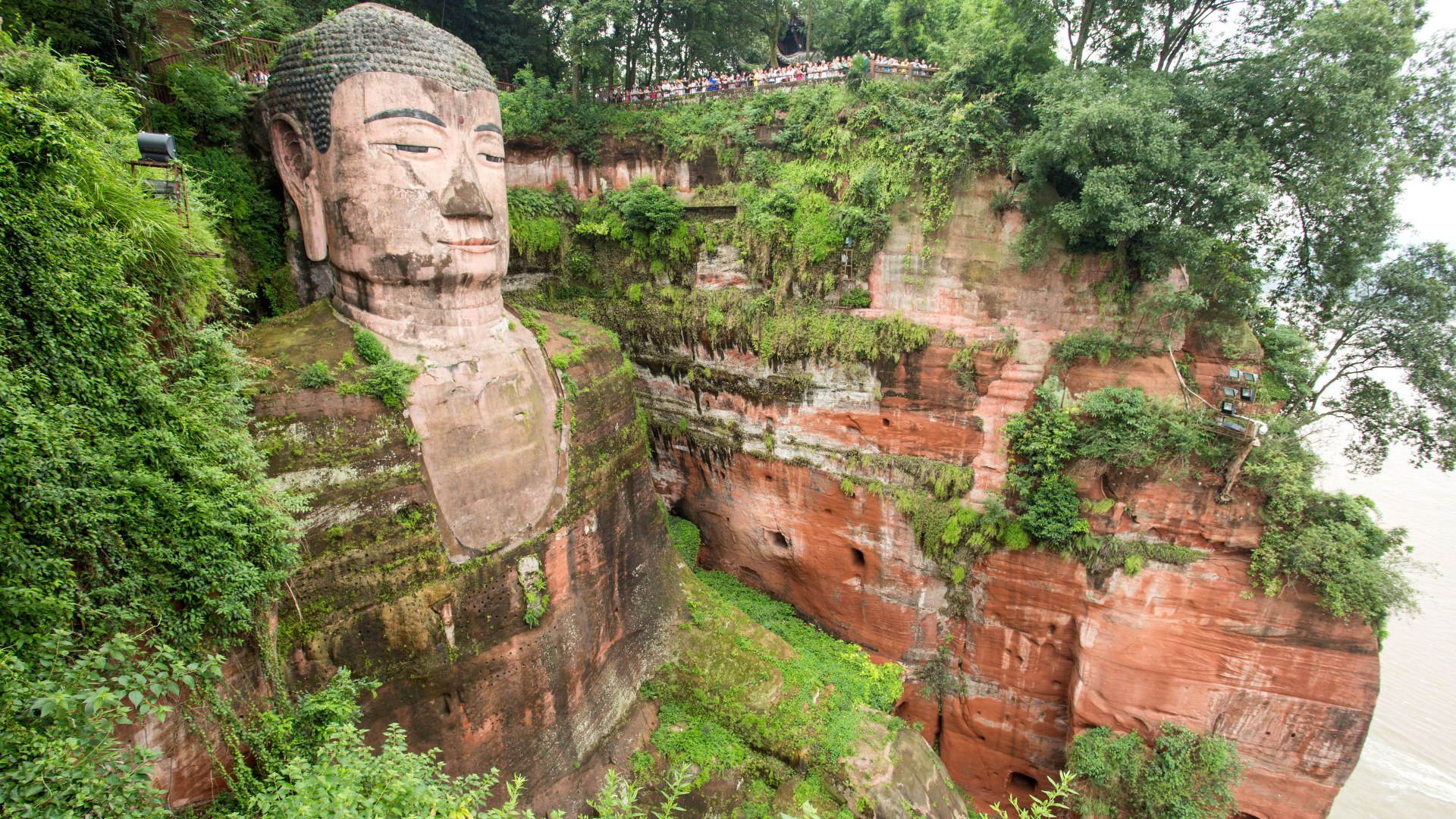
17. The Leshan Giant Buddha
Begun in 713 CE by the monk Hai Tong in Sichuan, China, this 71-meter seated Buddha was sculpted directly from a red sandstone cliff overlooking three converging rivers. Ancient stone carvers embedded concealed water drainage channels behind the ears, chest, and arms to prevent rainfall weathering the sculpture.
©Wikimedia / 王计
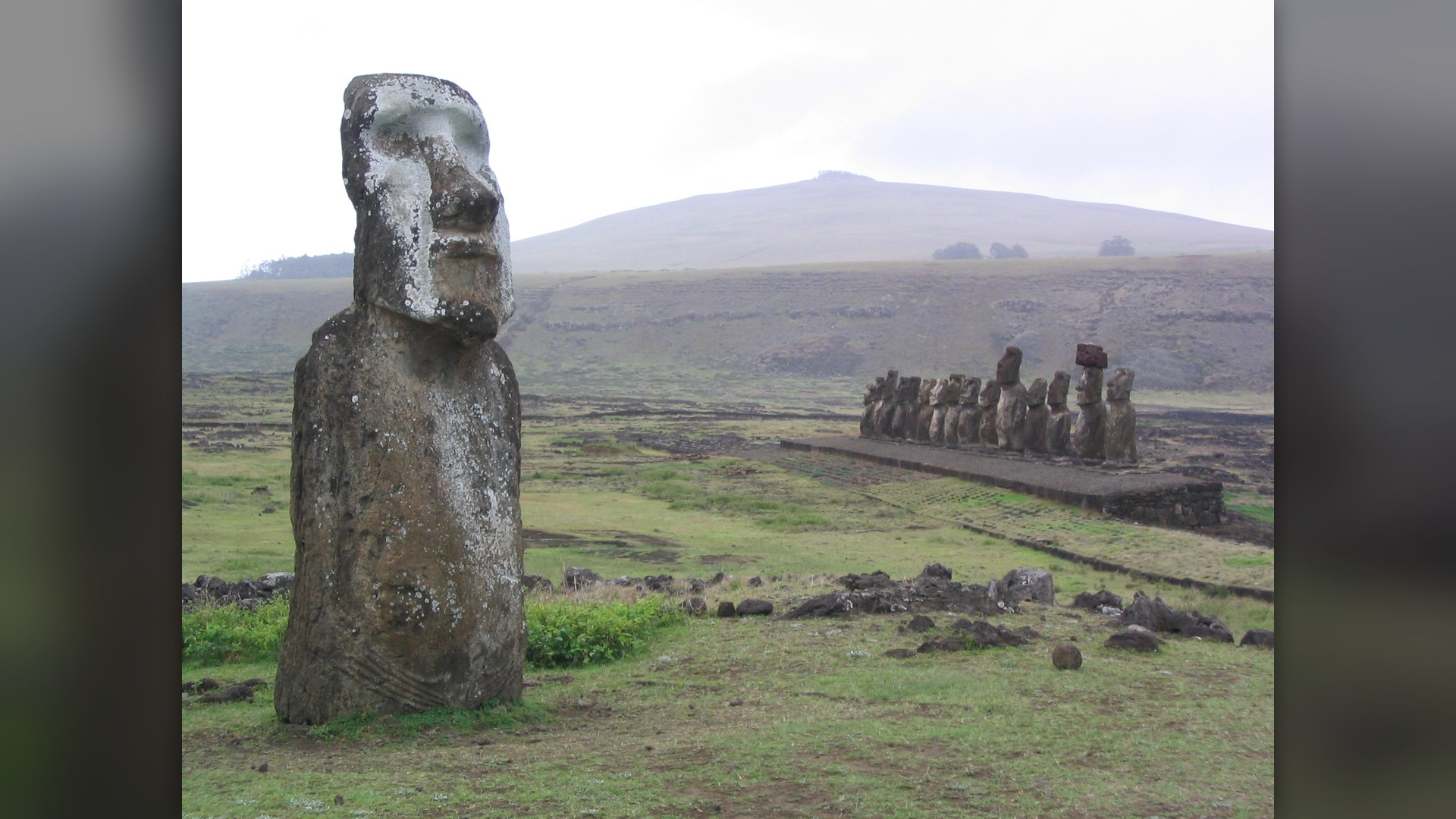
16. The Moai Of Rapa Nui
Between 1250 and 1500 CE, Rapa Nui islanders carved nearly 1,000 colossal moai statues from volcanic tuff at Rano Raraku quarry. Experimental archaeology indicates teams rocked these 80-ton figures upright along prepared stone roadways using synchronized rope pulls, placing them atop sacred ceremonial platforms.
©Wikimedia / Phil Whitehouse from London, United Kingdom
Advertisement
Swipe or tap ▶ to resume the countdown.
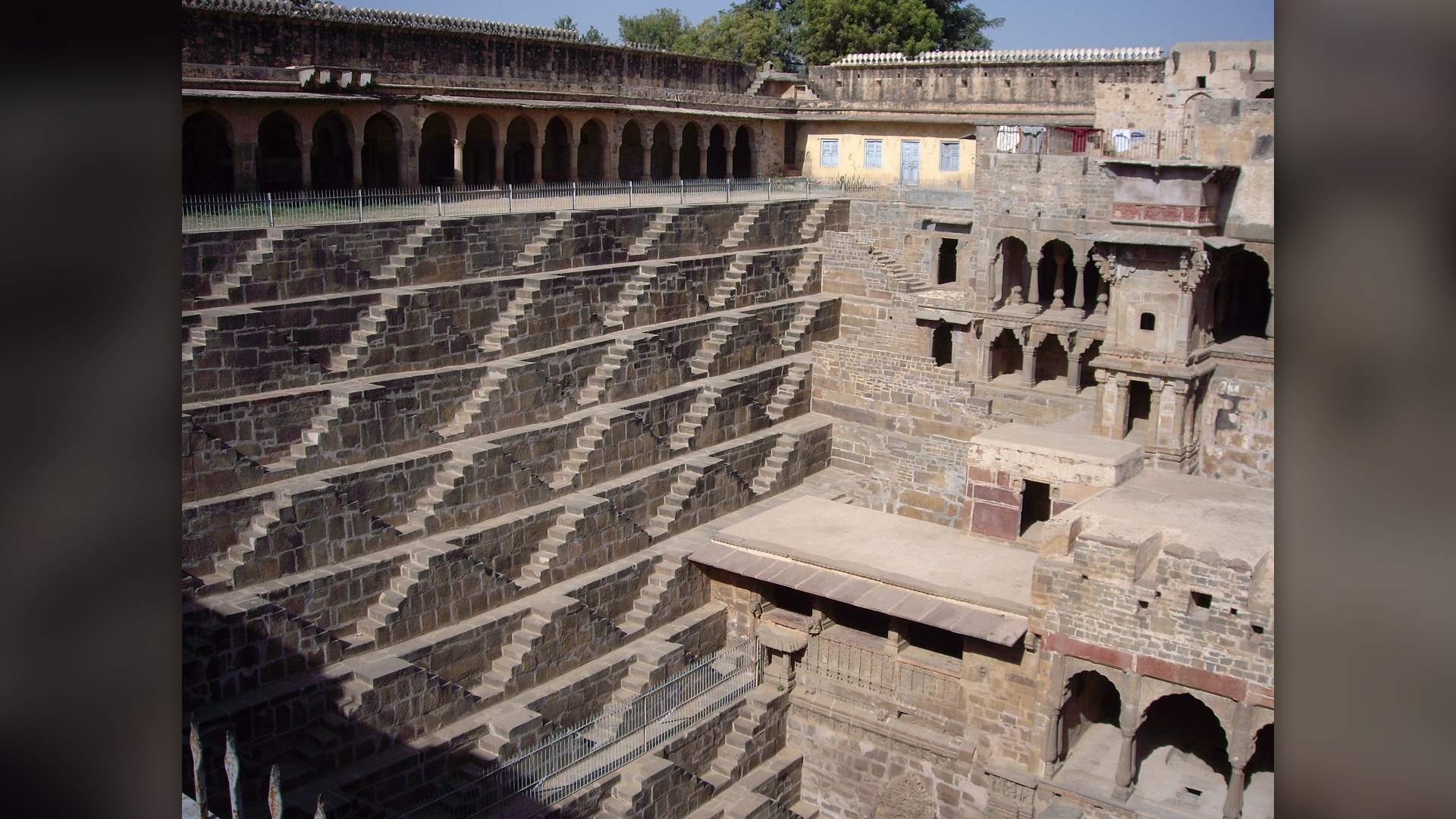
15. The Chand Baori Stepwell
Engineered in eighth-century Rajasthan, India, Chand Baori addresses extreme seasonal drought through hypnotic architectural geometry. Over 3,500 narrow sandstone steps arranged in crisscrossing flights descend 100 feet to cool subterranean water, creating a communal reservoir that drops air temperatures by degrees.
©Wikimedia / Pablo Nicolás Taibi Cicare
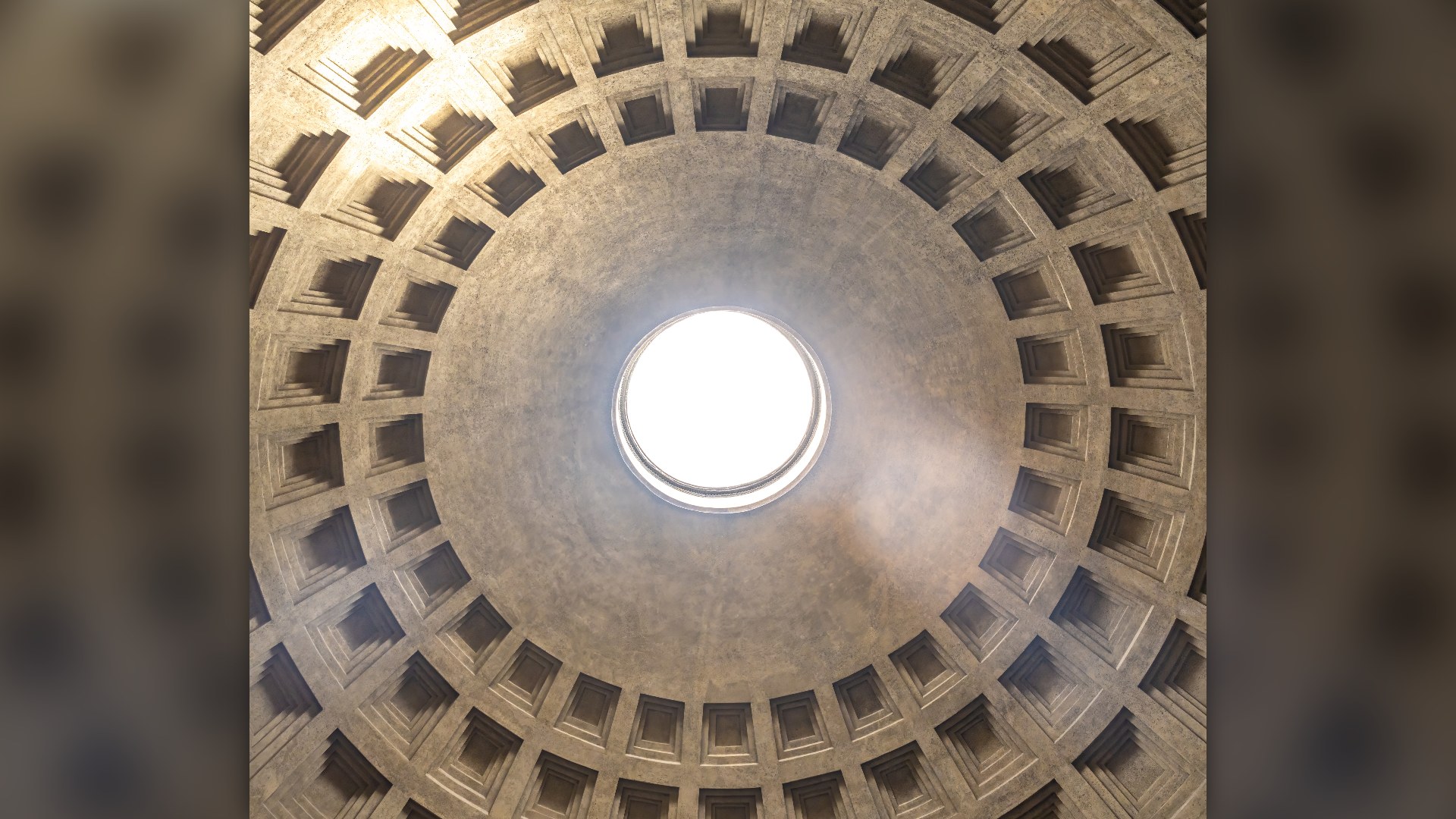
14. The Roman Pantheon Dome
Completed under Emperor Hadrian around 125 CE, the Pantheon dome spans 142 feet without interior steel rebar. Roman engineers used pozzolana volcanic ash concrete, progressively lightening the mixture with porous pumice toward the central oculus, creating a compression shell that has defied gravity for two millennia.
©Wikimedia / Wilfredor
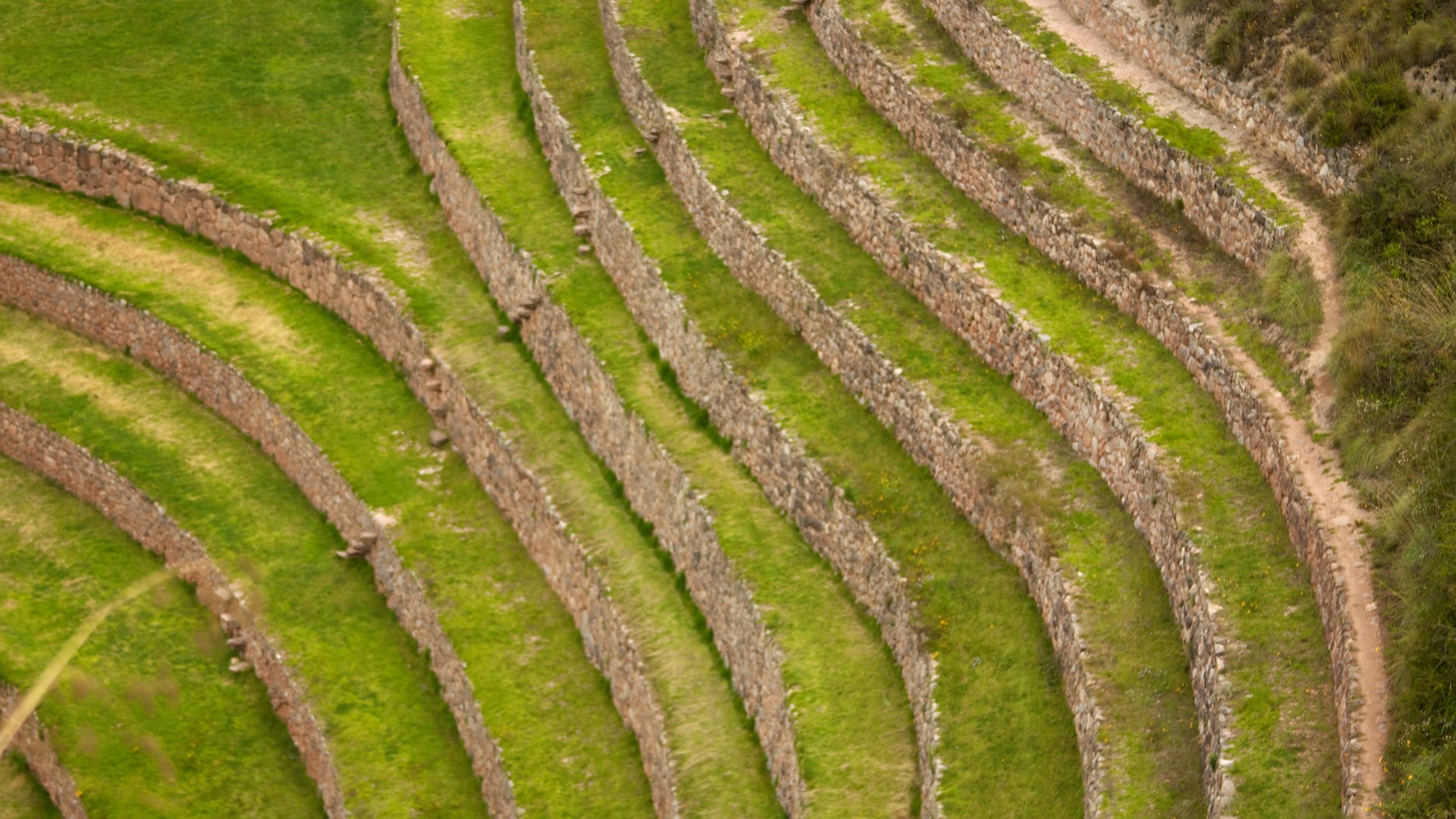
13. The Concentric Terraces Of Moray
Nestled high in Peru Sacred Valley, Moray consists of concentric agricultural terraces dropping up to 100 feet deep into the earth. Inca hydraulic engineers layered gravel, sand, and rich soil with subterranean drainage that prevented flooding while generating a 15-degree temperature swing between top and bottom.
©Wikimedia / McKay Savage from London, UK
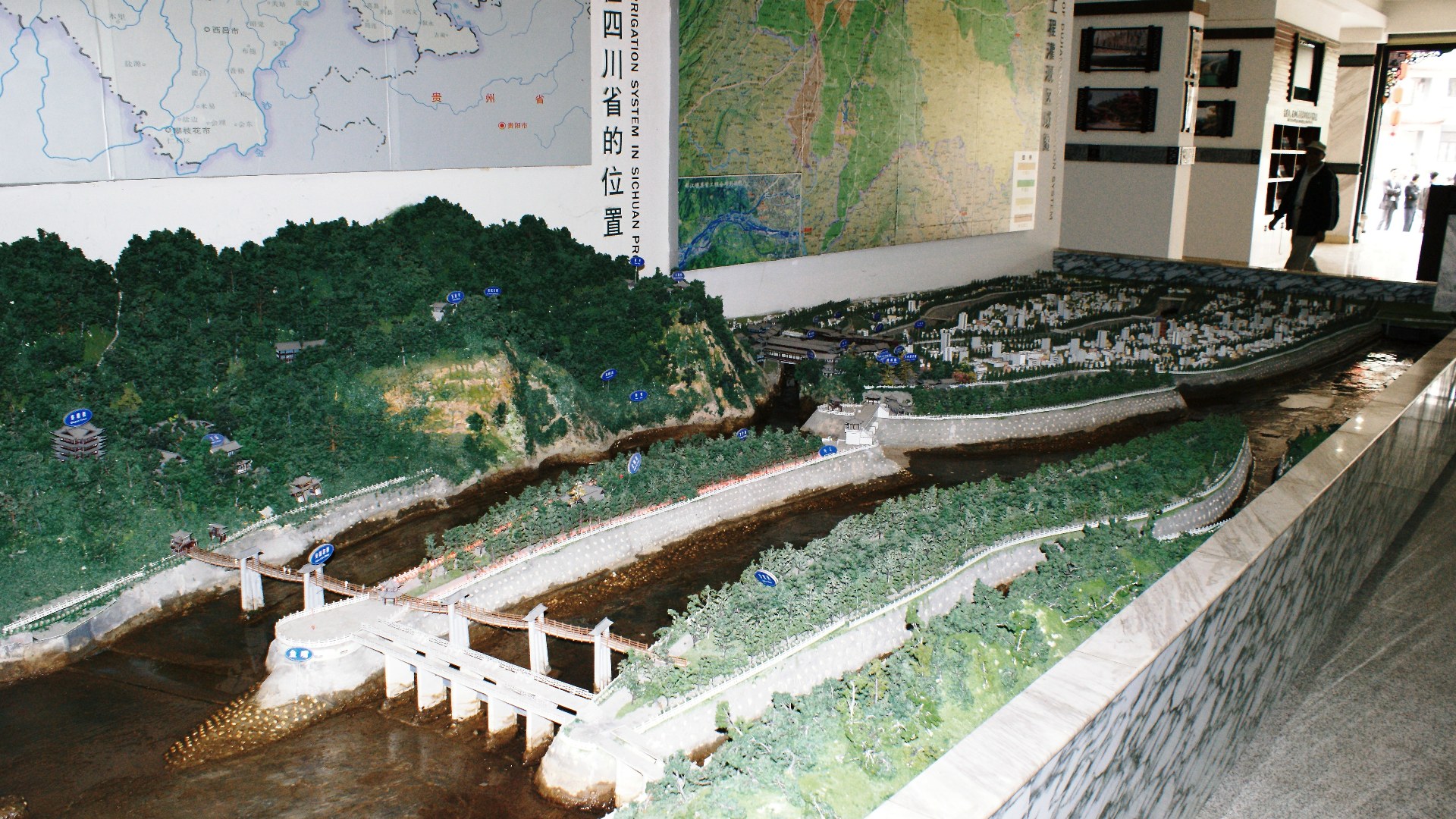
12. Dujiangyan Irrigation System
Designed in 256 BCE by Qin engineer Li Bing, Dujiangyan harnessed the raging Min River without damming its flow.
©Wikimedia / Hugh Llewelyn from Keynsham, UK
Advertisement
Swipe or tap ▶ to resume the countdown.
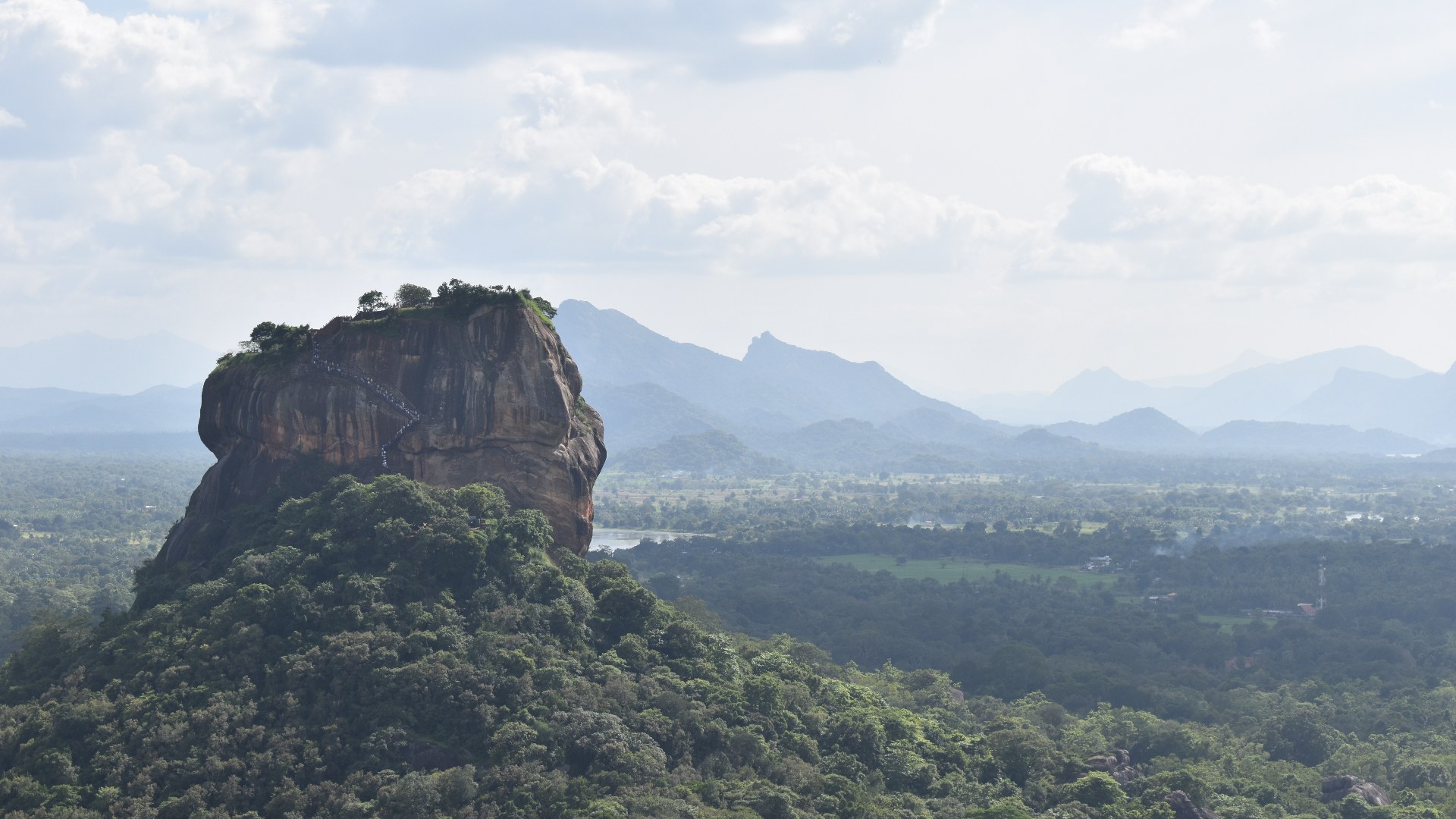
11. Sigiriya Rock Fortress
Built by King Kashyapa in fifth-century Sri Lanka, Sigiriya perches atop a monolithic volcanic rock column. Ancient engineers devised complex underground hydraulic conduits, gravity-fed water cisterns, and pressure fountains that still spray water during monsoons, supporting terraced royal gardens high in the sky.
©Wikimedia / Gayomiw
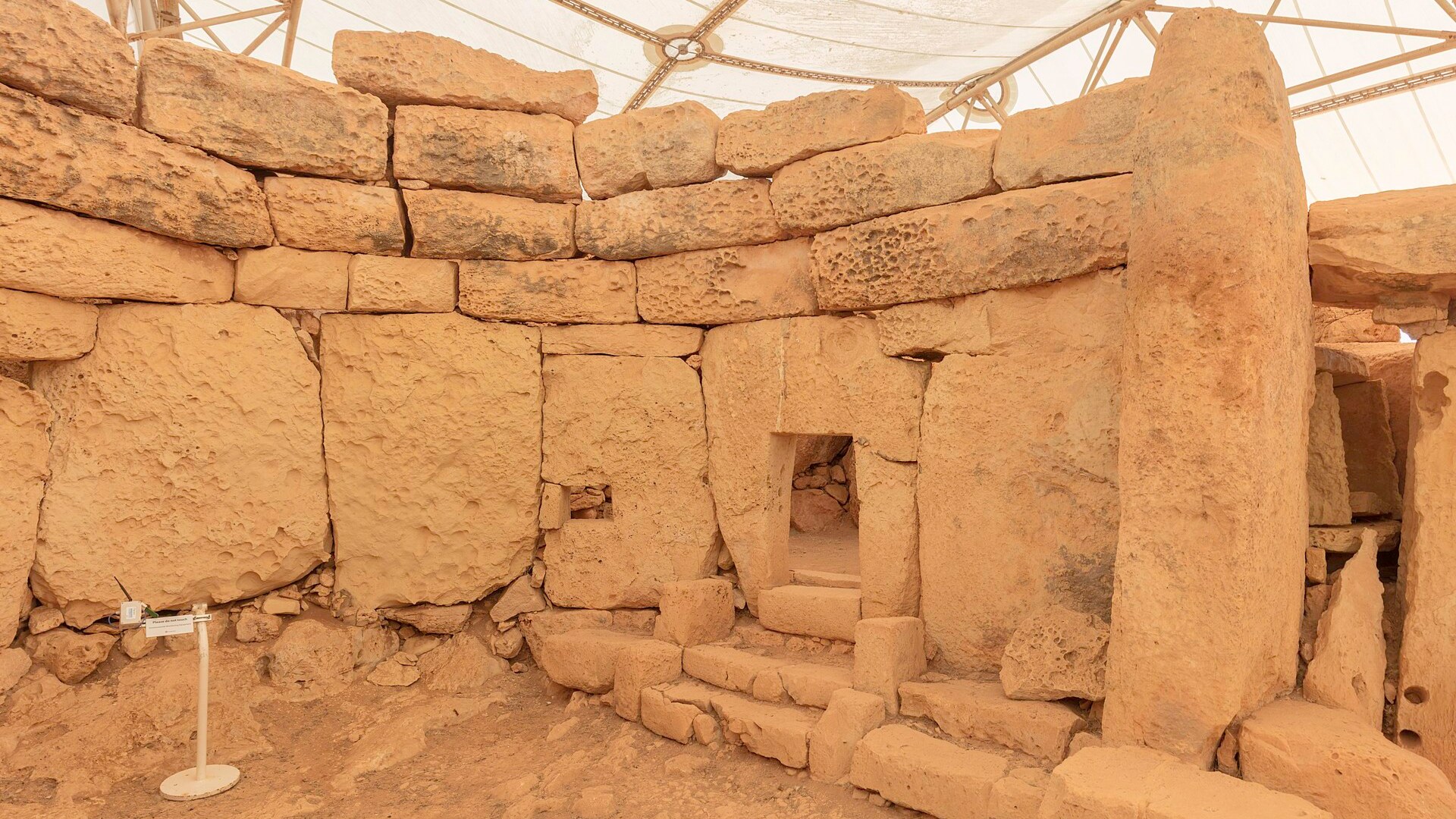
10. Megalithic Temples Of Malta
Dating back to 3600 BCE, structures such as Hagar Qim and Ggantija represent the oldest free-standing stone buildings on Earth. Neolithic Maltese builders raised 20-ton corbelled globigerina limestone blocks using spherical stone ball bearings and wooden levers, aligning temple entryways with solstices and equinoxes.
©Wikimedia / Diego Delso
9. The Underground Qanats Of Gonabad
Dating back nearly 2,700 years to ancient Persia, the Qanats of Gonabad tapped deep alpine aquifers through hand-chiseled subterranean conduits. Iranian engineers dug vertical mother wells over 980 feet deep to ventilate horizontal channels, transporting mountain water across desert basins with zero evaporative loss.
©Wikimedia / Ninara from Helsinki, Finland
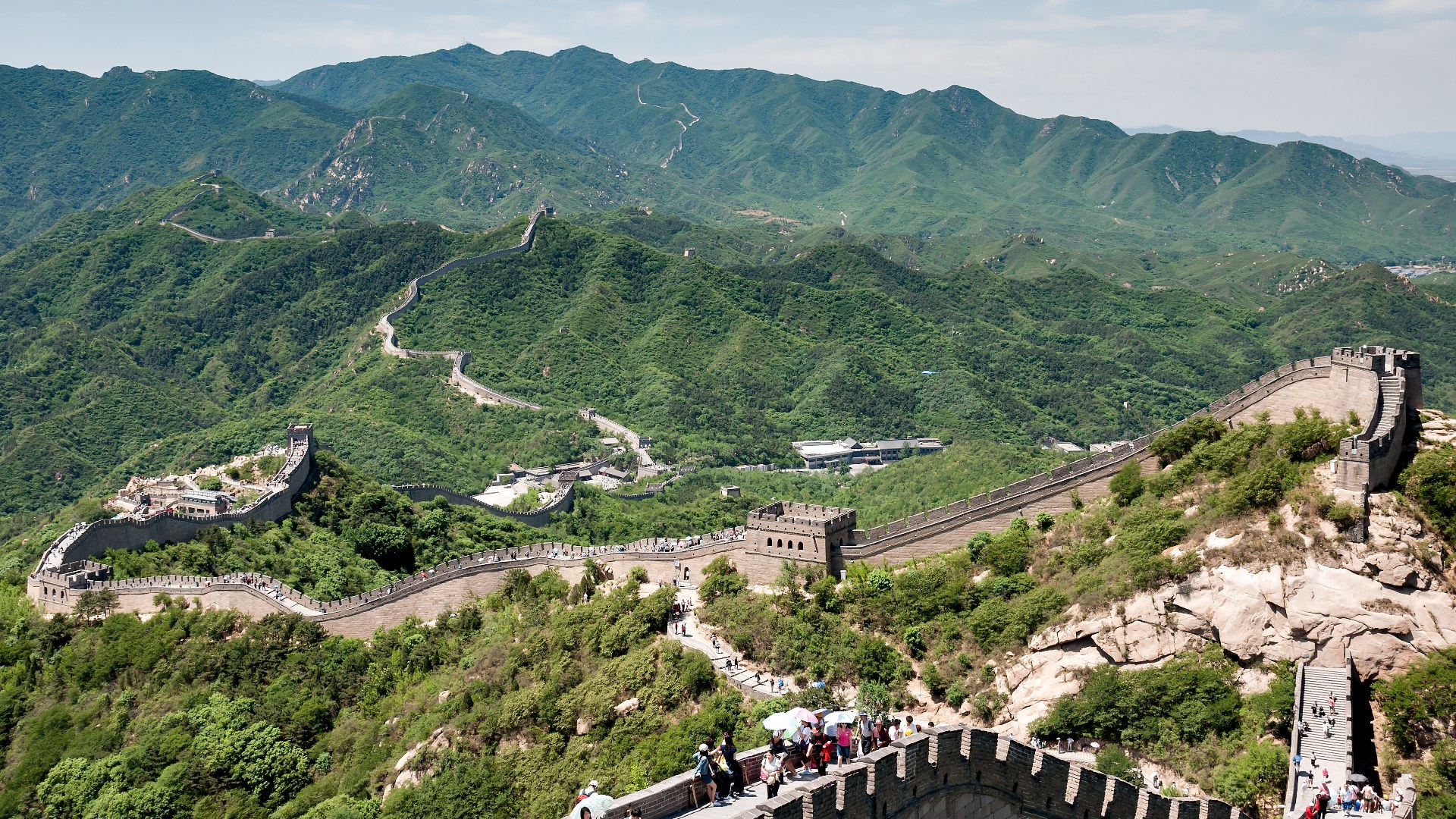
8. The Great Wall Of China
Begun in the third century BCE and expanded over dynasties, the Great Wall traversed treacherous alpine terrain. Ancient builders mixed sticky rice flour with slaked lime mortar to create an enduring masonry bond, quarrying granite and baking bricks directly along mountain ridges to fortify northern frontiers.
©Wikimedia / CEphoto, Uwe Aranas
Advertisement
Swipe or tap ▶ to resume the countdown.
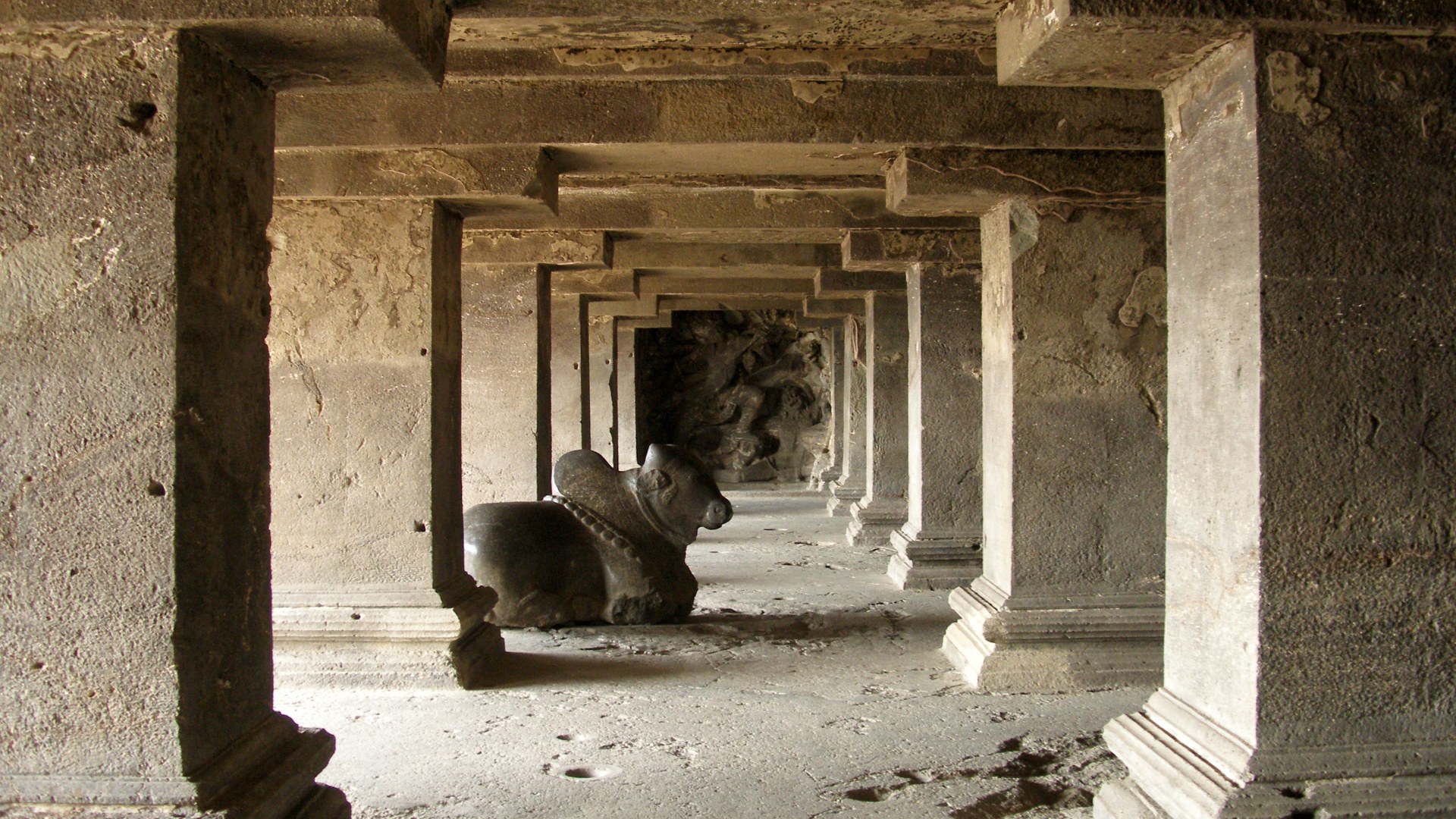
7. Kailasa Temple At Ellora
Commissioned in eighth-century India by King Krishna I, Kailasa Temple was sculpted from a single vertical basalt cliff. Workers removed over 200,000 tons of rock from the top down, carving intricate multi-level pillared halls, elephants, and sanctums without scaffolding or room for structural error.
©Wikimedia / Vyacheslav Argenberg
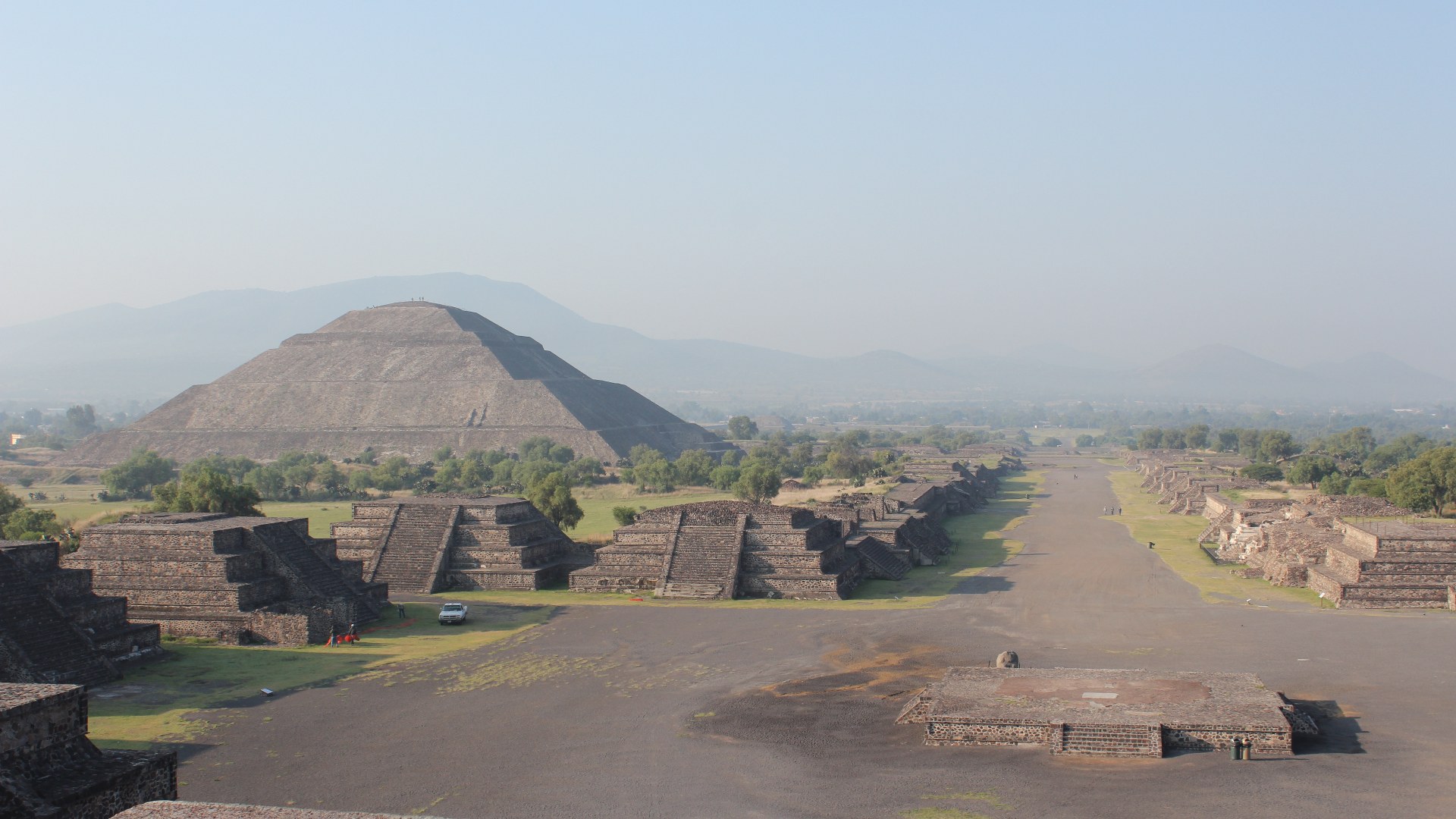
6. The Pyramid Of The Sun
Completed around 200 CE at Teotihuacan, the Pyramid of the Sun contains over 1.1 million cubic yards of earth and volcanic stone. Ancient Mesoamerican engineers leveled the valley floor and aligned the monument with solar equinox points without wheels, pack animals, or metal tools, anchoring a city of 100,000 people.
©Wikimedia / Arian Zwegers from Brussels, Belgium
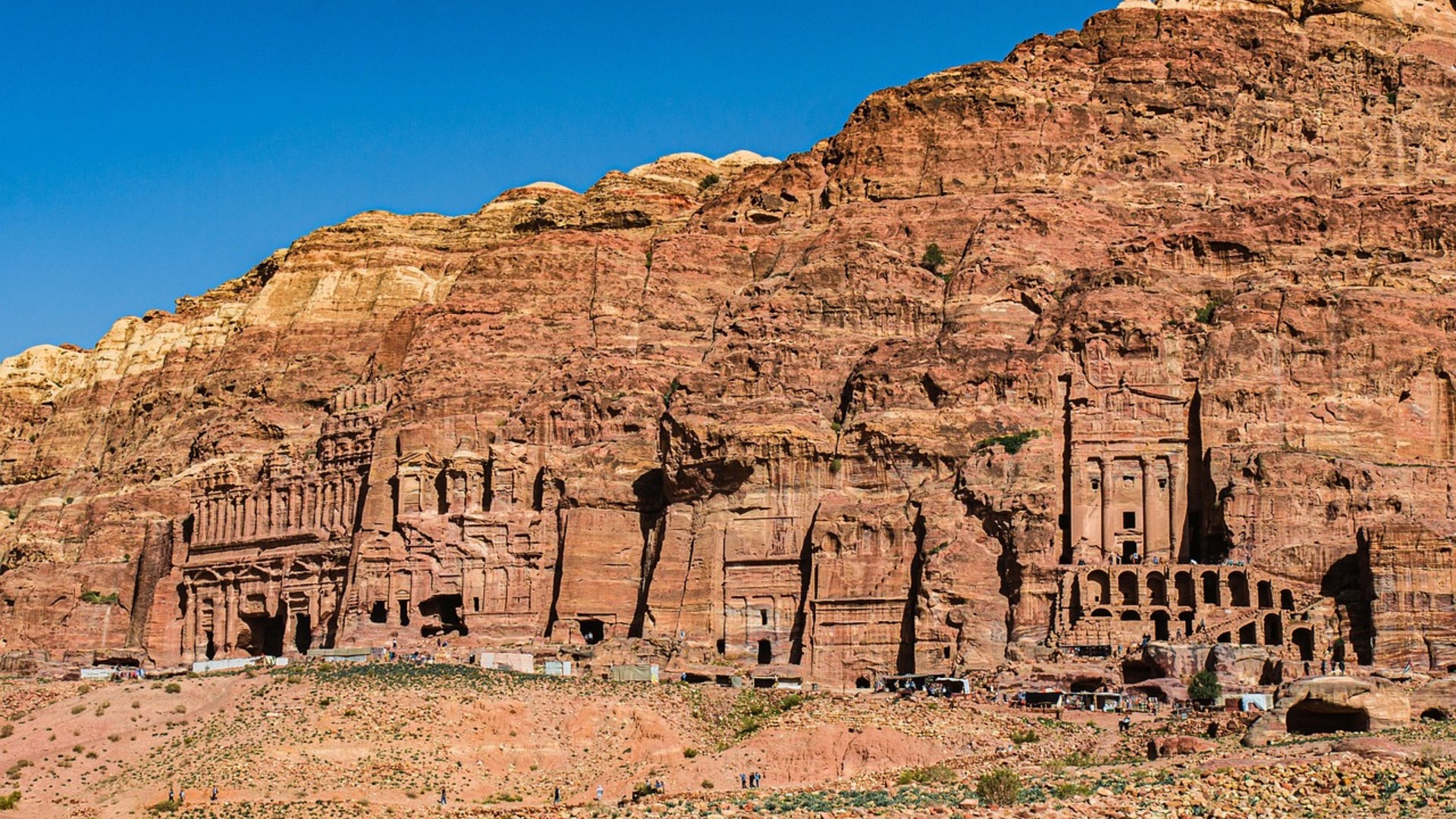
5. The Rock-Cut City Of Petra
Carved into sheer sandstone cliffs in southern Jordan during the first century BCE, the Nabataean capital thrived in an arid canyon. Nabataean hydraulic engineers constructed dams, terracotta pipes, and stone reservoirs through the Siq gorge, turning catastrophic seasonal flash floods into year-round drinking water.
©Pixabay / ChiemSeherin
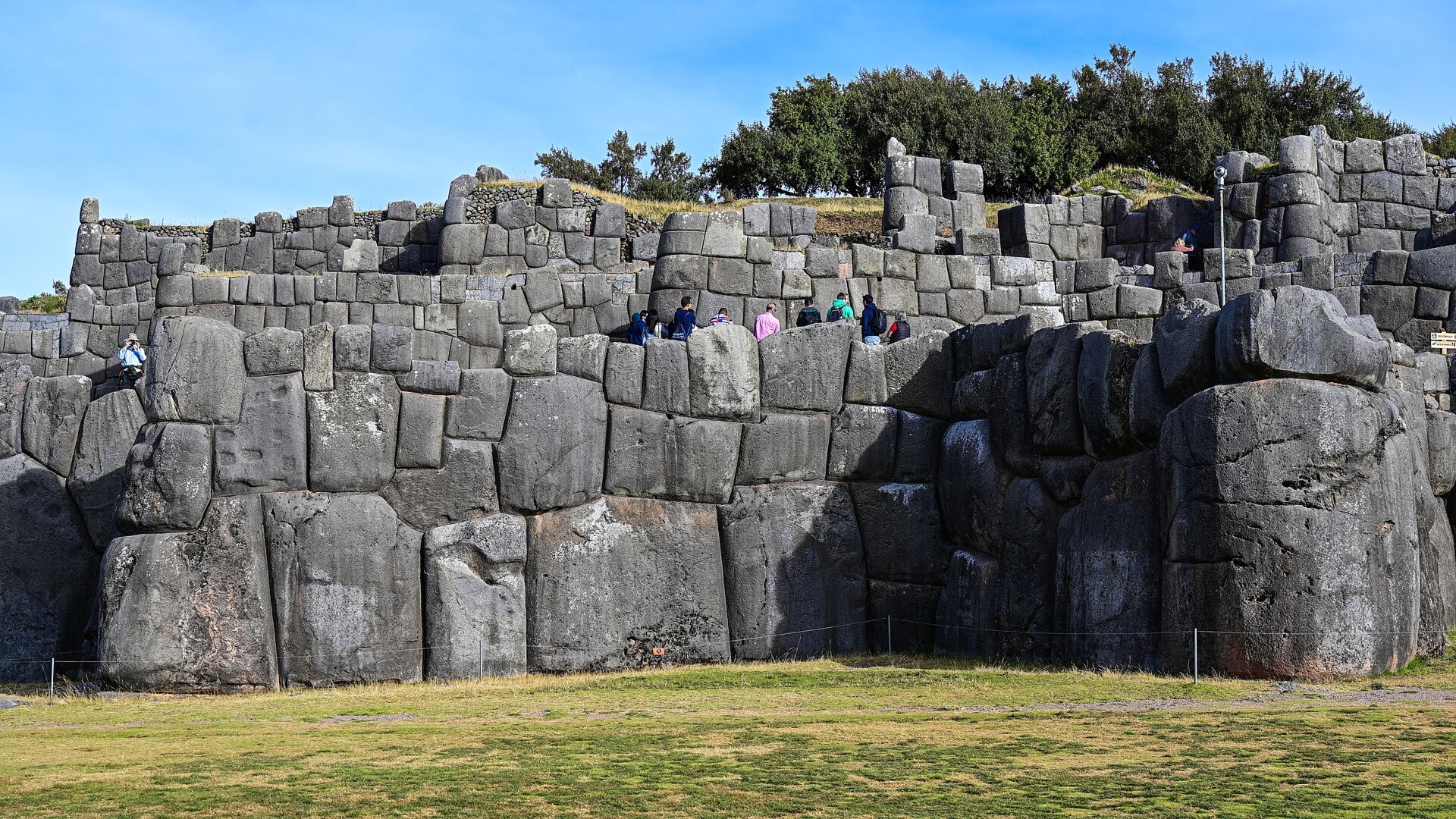
4. Sacsayhuamán Megalithic Fortress
Overlooking Cusco, Peru, the Inca fortress of Sacsayhuaman features three tiers of zig-zagging defensive walls built from limestone boulders weighing up to 128 tons.
©Wikimedia / Steve FUNG
Advertisement
Swipe or tap ▶ to resume the countdown.
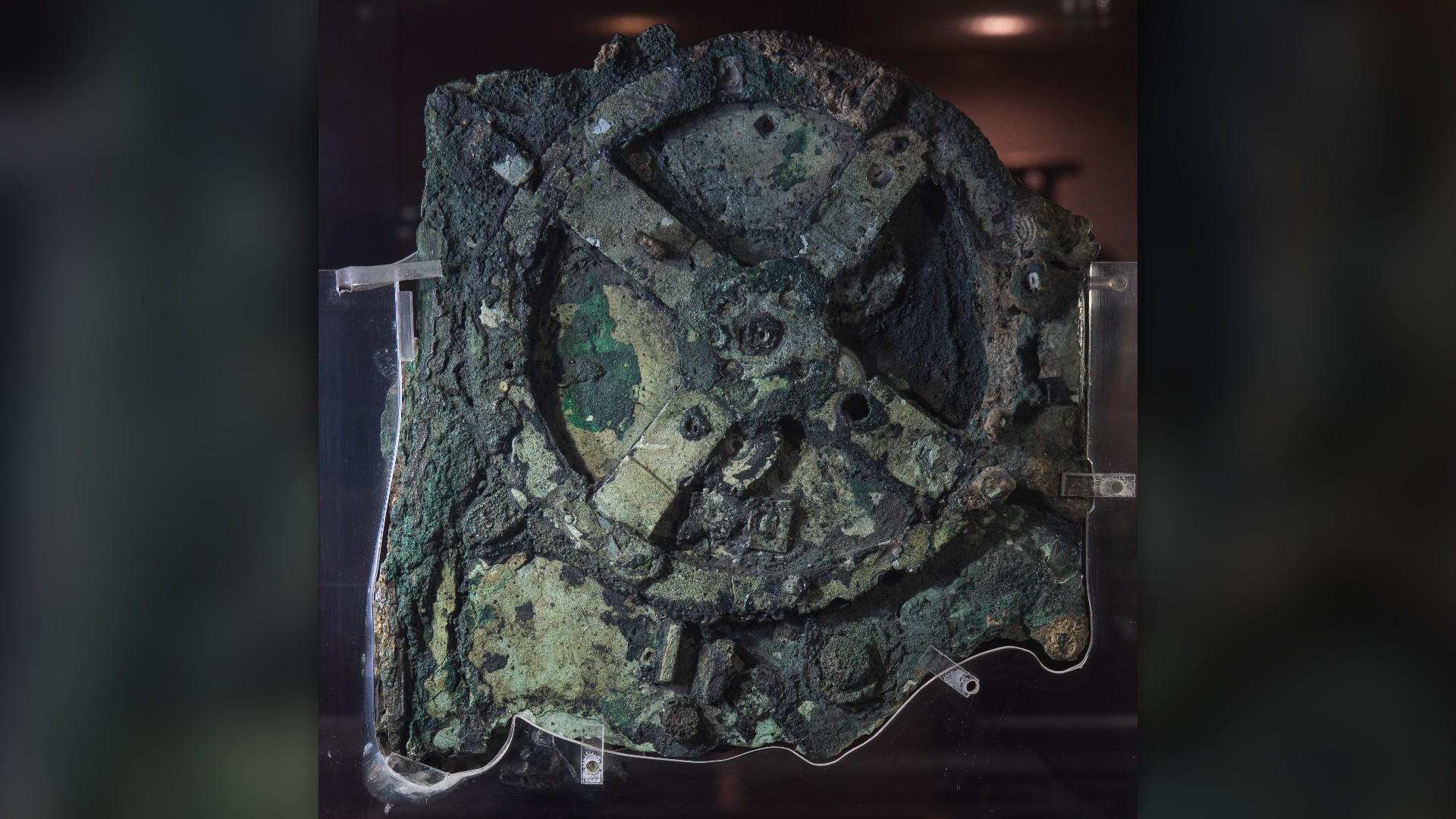
3. The Antikythera Mechanism
Discovered in an ancient shipwreck off Greece, this shoebox-sized bronze device from the second century BCE contained over 30 interlocking gear wheels. Hellenistic engineers designed differential gear trains to calculate solar eclipses, lunar phases, and Olympic cycles with accuracy unmatched for over a millennium.
©Wikimedia / Antikythera mechanism
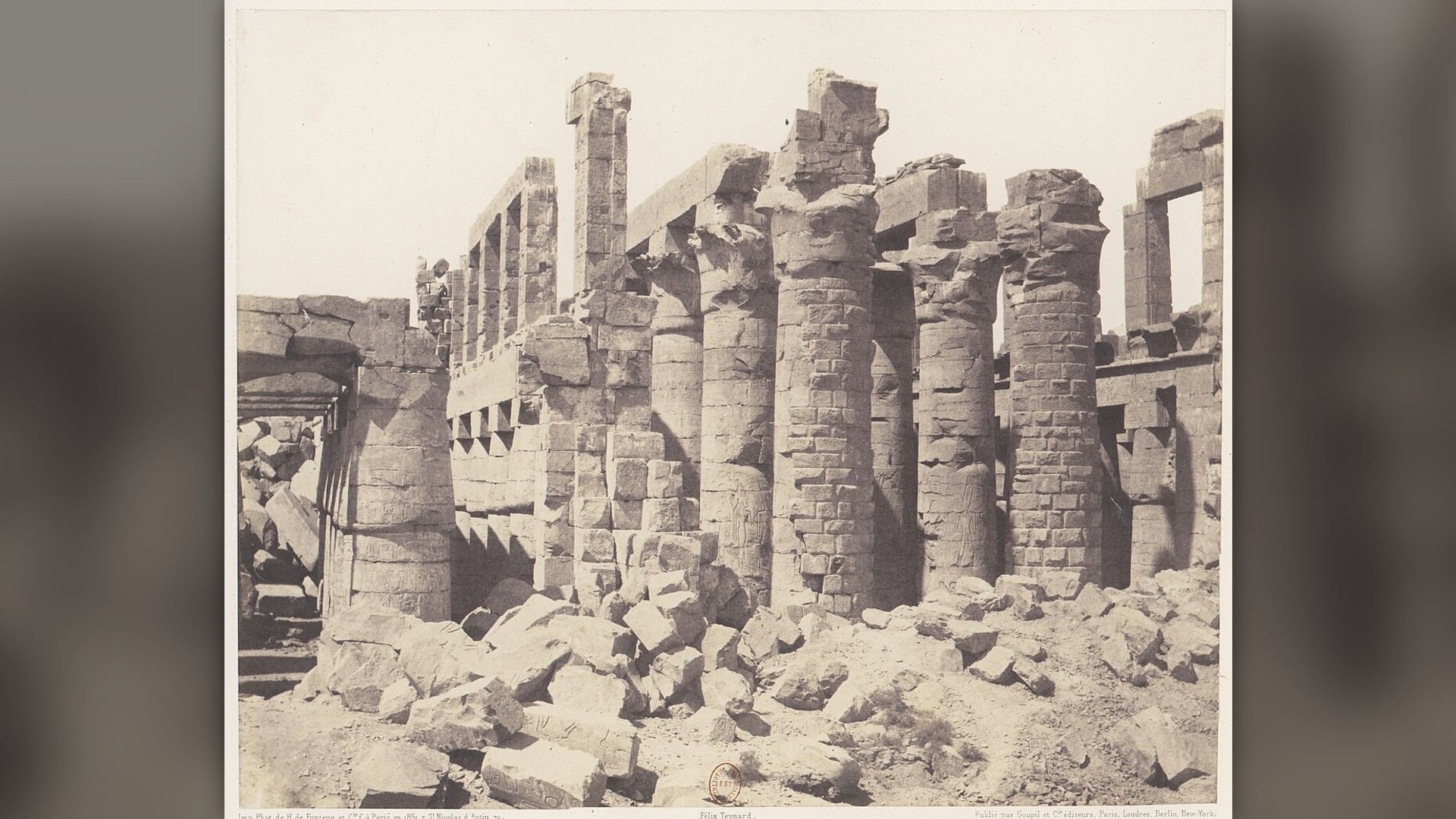
2. Karnak Great Hypostyle Hall
Erected during Egypt Nineteenth Dynasty under Seti I and Ramesses II, Karnak Hypostyle Hall covers 54,000 square feet. Ancient builders hauled massive sandstone architraves atop 134 colossal columns using earthen ramps, lifting 70-ton stone lintels 70 feet into the air to support sandstone clerestory window grilles.
©NPS-NOAA-USGS / Félix Teynard, Imprimerie photographique
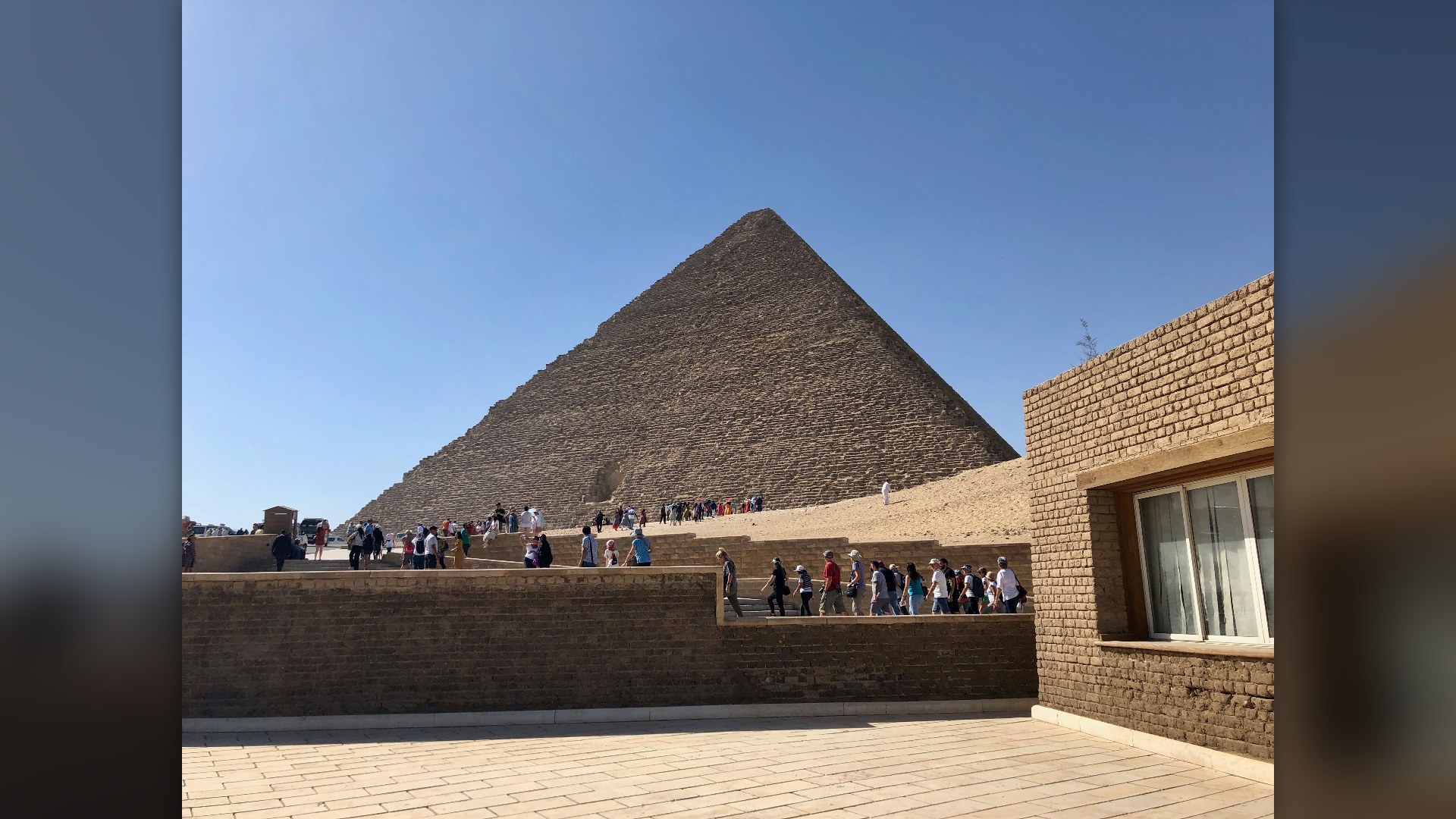
1. The Great Pyramid Of Giza
Constructed around 2560 BCE for Pharaoh Khufu, the Great Pyramid stood as Earth tallest structure for over 3,800 years. Ancient Egyptian surveyors aligned its 13-acre base to true north within four minutes of arc, moving 2.3 million stone blocks weighing an average of 2.5 tons each using ramps, levers, and sledges.

©Wikimedia / Warren LeMay from Chicago, IL, United States
Advertisement
You've reached the end of the story. Thanks for reading!

20 Countries With the Strongest Passports, Ranked by Destinations
Global mobility rankings show how diplomatic agreements and visa pacts shape international travel. From European Union nations to dynamic Asian powerhouses, these passports grant seamless entry across continents. Based on official mobility data from the Henley Passport Index alongside statistics from the IATA database.
All 22 Entries in this Story
22. The Great Dam Of Marib
Constructed in eighth-century BCE Yemen, the Great Dam of Marib stood over 45 feet tall and stretched 2,100 feet across the Adhanah valley. Sabaean builders employed dressed limestone and waterproof mortar to channel flash floods into canals, sustaining a thriving agricultural oasis on the edge of the desert.

21. Derinkuyu Underground City
Carved into soft volcanic tuff in Cappadocia, Turkey, Derinkuyu descended over 280 feet beneath the surface. Ancient engineers chiseled out self-contained living quarters, livestock stables, wineries, and ventilation shafts capable of bringing fresh air to the deepest levels without collapsing the rock ceilings.

20. The Aqueduct Of Segovia
Spanning over 2,600 feet across central Spain, the Aqueduct of Segovia features 167 two-tiered arches assembled from roughly 24,000 unmortared granite blocks. Roman engineers relied entirely on precise stone balance and compression physics to carry river water from the Guadarrama mountains directly into the city.

19. The Barabar Cave Chambers
Carved around the third century BCE during the reign of Ashoka in Bihar, India, the Barabar Caves consist of hollowed granite hillsides. Craftsmen polished the subterranean granite interiors to a reflective sheen, producing an echoing acoustic resonance that amplifies chants for minutes after they are spoken.

18. The Pont Du Gard Aqueduct
Rising 160 feet above the Gardon River in southern France, the Pont du Gard was assembled around 50 CE from massive limestone blocks weighing up to six tons. Roman surveyors maintained a minuscule gradient of just one inch per 300 feet over 31 miles, letting gravity deliver mountain spring water into Nimes.

17. The Leshan Giant Buddha
Begun in 713 CE by the monk Hai Tong in Sichuan, China, this 71-meter seated Buddha was sculpted directly from a red sandstone cliff overlooking three converging rivers. Ancient stone carvers embedded concealed water drainage channels behind the ears, chest, and arms to prevent rainfall weathering the sculpture.

16. The Moai Of Rapa Nui
Between 1250 and 1500 CE, Rapa Nui islanders carved nearly 1,000 colossal moai statues from volcanic tuff at Rano Raraku quarry. Experimental archaeology indicates teams rocked these 80-ton figures upright along prepared stone roadways using synchronized rope pulls, placing them atop sacred ceremonial platforms.

15. The Chand Baori Stepwell
Engineered in eighth-century Rajasthan, India, Chand Baori addresses extreme seasonal drought through hypnotic architectural geometry. Over 3,500 narrow sandstone steps arranged in crisscrossing flights descend 100 feet to cool subterranean water, creating a communal reservoir that drops air temperatures by degrees.

14. The Roman Pantheon Dome
Completed under Emperor Hadrian around 125 CE, the Pantheon dome spans 142 feet without interior steel rebar. Roman engineers used pozzolana volcanic ash concrete, progressively lightening the mixture with porous pumice toward the central oculus, creating a compression shell that has defied gravity for two millennia.

13. The Concentric Terraces Of Moray
Nestled high in Peru Sacred Valley, Moray consists of concentric agricultural terraces dropping up to 100 feet deep into the earth. Inca hydraulic engineers layered gravel, sand, and rich soil with subterranean drainage that prevented flooding while generating a 15-degree temperature swing between top and bottom.

12. Dujiangyan Irrigation System
Designed in 256 BCE by Qin engineer Li Bing, Dujiangyan harnessed the raging Min River without damming its flow.

11. Sigiriya Rock Fortress
Built by King Kashyapa in fifth-century Sri Lanka, Sigiriya perches atop a monolithic volcanic rock column. Ancient engineers devised complex underground hydraulic conduits, gravity-fed water cisterns, and pressure fountains that still spray water during monsoons, supporting terraced royal gardens high in the sky.

10. Megalithic Temples Of Malta
Dating back to 3600 BCE, structures such as Hagar Qim and Ggantija represent the oldest free-standing stone buildings on Earth. Neolithic Maltese builders raised 20-ton corbelled globigerina limestone blocks using spherical stone ball bearings and wooden levers, aligning temple entryways with solstices and equinoxes.

9. The Underground Qanats Of Gonabad
Dating back nearly 2,700 years to ancient Persia, the Qanats of Gonabad tapped deep alpine aquifers through hand-chiseled subterranean conduits. Iranian engineers dug vertical mother wells over 980 feet deep to ventilate horizontal channels, transporting mountain water across desert basins with zero evaporative loss.

8. The Great Wall Of China
Begun in the third century BCE and expanded over dynasties, the Great Wall traversed treacherous alpine terrain. Ancient builders mixed sticky rice flour with slaked lime mortar to create an enduring masonry bond, quarrying granite and baking bricks directly along mountain ridges to fortify northern frontiers.

7. Kailasa Temple At Ellora
Commissioned in eighth-century India by King Krishna I, Kailasa Temple was sculpted from a single vertical basalt cliff. Workers removed over 200,000 tons of rock from the top down, carving intricate multi-level pillared halls, elephants, and sanctums without scaffolding or room for structural error.

6. The Pyramid Of The Sun
Completed around 200 CE at Teotihuacan, the Pyramid of the Sun contains over 1.1 million cubic yards of earth and volcanic stone. Ancient Mesoamerican engineers leveled the valley floor and aligned the monument with solar equinox points without wheels, pack animals, or metal tools, anchoring a city of 100,000 people.

5. The Rock-Cut City Of Petra
Carved into sheer sandstone cliffs in southern Jordan during the first century BCE, the Nabataean capital thrived in an arid canyon. Nabataean hydraulic engineers constructed dams, terracotta pipes, and stone reservoirs through the Siq gorge, turning catastrophic seasonal flash floods into year-round drinking water.

4. Sacsayhuamán Megalithic Fortress
Overlooking Cusco, Peru, the Inca fortress of Sacsayhuaman features three tiers of zig-zagging defensive walls built from limestone boulders weighing up to 128 tons.

3. The Antikythera Mechanism
Discovered in an ancient shipwreck off Greece, this shoebox-sized bronze device from the second century BCE contained over 30 interlocking gear wheels. Hellenistic engineers designed differential gear trains to calculate solar eclipses, lunar phases, and Olympic cycles with accuracy unmatched for over a millennium.

2. Karnak Great Hypostyle Hall
Erected during Egypt Nineteenth Dynasty under Seti I and Ramesses II, Karnak Hypostyle Hall covers 54,000 square feet. Ancient builders hauled massive sandstone architraves atop 134 colossal columns using earthen ramps, lifting 70-ton stone lintels 70 feet into the air to support sandstone clerestory window grilles.

1. The Great Pyramid Of Giza
Constructed around 2560 BCE for Pharaoh Khufu, the Great Pyramid stood as Earth tallest structure for over 3,800 years. Ancient Egyptian surveyors aligned its 13-acre base to true north within four minutes of arc, moving 2.3 million stone blocks weighing an average of 2.5 tons each using ramps, levers, and sledges.