Slideshow · Travel
22 Densely Populated Cities Where Crowds Shape Daily Street Life
Based on UN-Habitat urban reports, Demographia surveys, and national census records, this countdown visits 22 densely populated cities worldwide. From European stone boulevards to island micro-capitals and Asian megacities, see how limited land drives vertical housing, busy markets, and packed commuter streets.
By Most Viral Today
32 min agoradar-lead:signal:934ea6f9-9d58-4136-80fa-f91e8b59dad1

22 Packed Cities Worldwide 
22. Paris, France 
21. Barcelona, Spain 
20. Manhattan, New York City - AdvertisementSwipe or tap ▶ to continue countdown

19. Taipei, Taiwan 
18. Bangkok, Thailand 
17. Seoul, South Korea 
16. Tokyo, Japan - AdvertisementSwipe or tap ▶ to continue countdown

15. Jakarta, Indonesia 
14. Lagos, Nigeria 
13. Karachi, Pakistan 
12. Delhi, India - AdvertisementSwipe or tap ▶ to continue countdown

11. Kathmandu, Nepal 
10. Singapore 
9. Hong Kong 
8. Macau - AdvertisementSwipe or tap ▶ to continue countdown

7. Cairo, Egypt 
6. Kolkata, India 
5. Mumbai, India 
4. Ho Chi Minh City, Vietnam - AdvertisementSwipe or tap ▶ to continue countdown

3. Male, Maldives 
2. Dhaka, Bangladesh 
1. Manila, Philippines - Advertisement🔥 UP NEXT IN THIS SERIES◫ 26 Slides

25 Most Welcoming US States Ranked by Hospitality
Which American State Truly Treats Strangers Like Family
Drawing on UN-Habitat urban reports, Demographia data, and national census figures, this countdown explores 22 crowded cities where tight geography shapes daily life. Follow the tour from historic European grids to island capitals and dense megacities built around rail, markets, and vertical living.
Swipe or tap ▶ to begin the countdown
©Wikimedia / Ibrahim Asad & Wikimedia / Alhzeiia
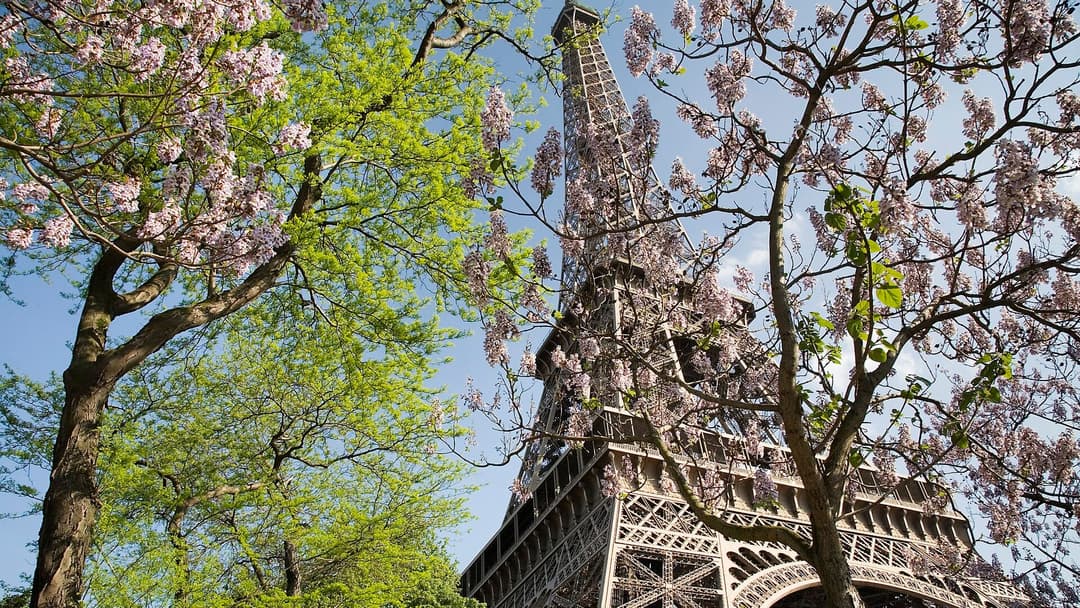
22. Paris, France
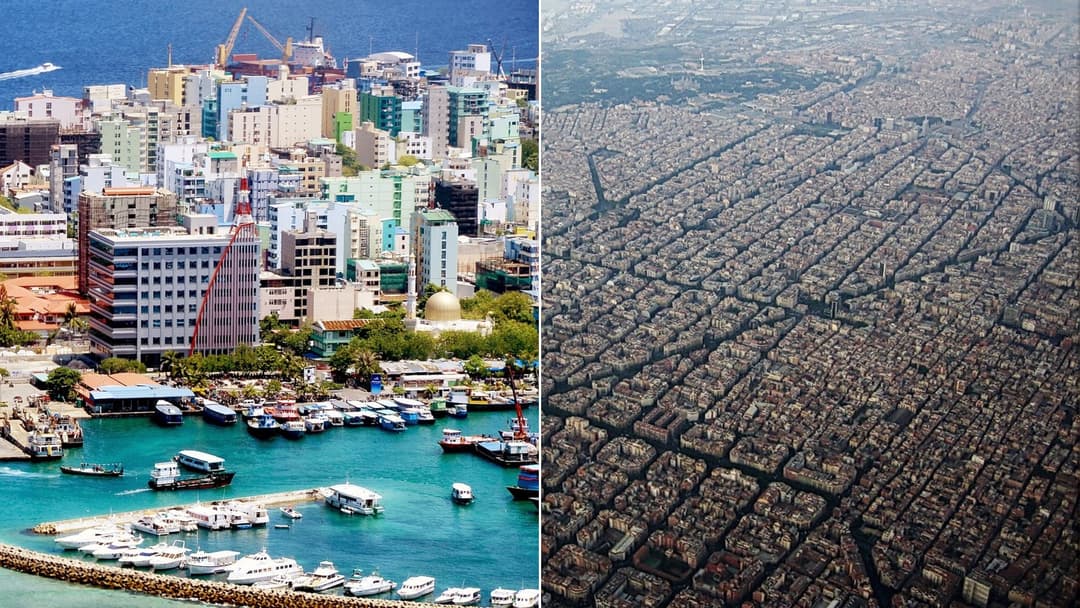
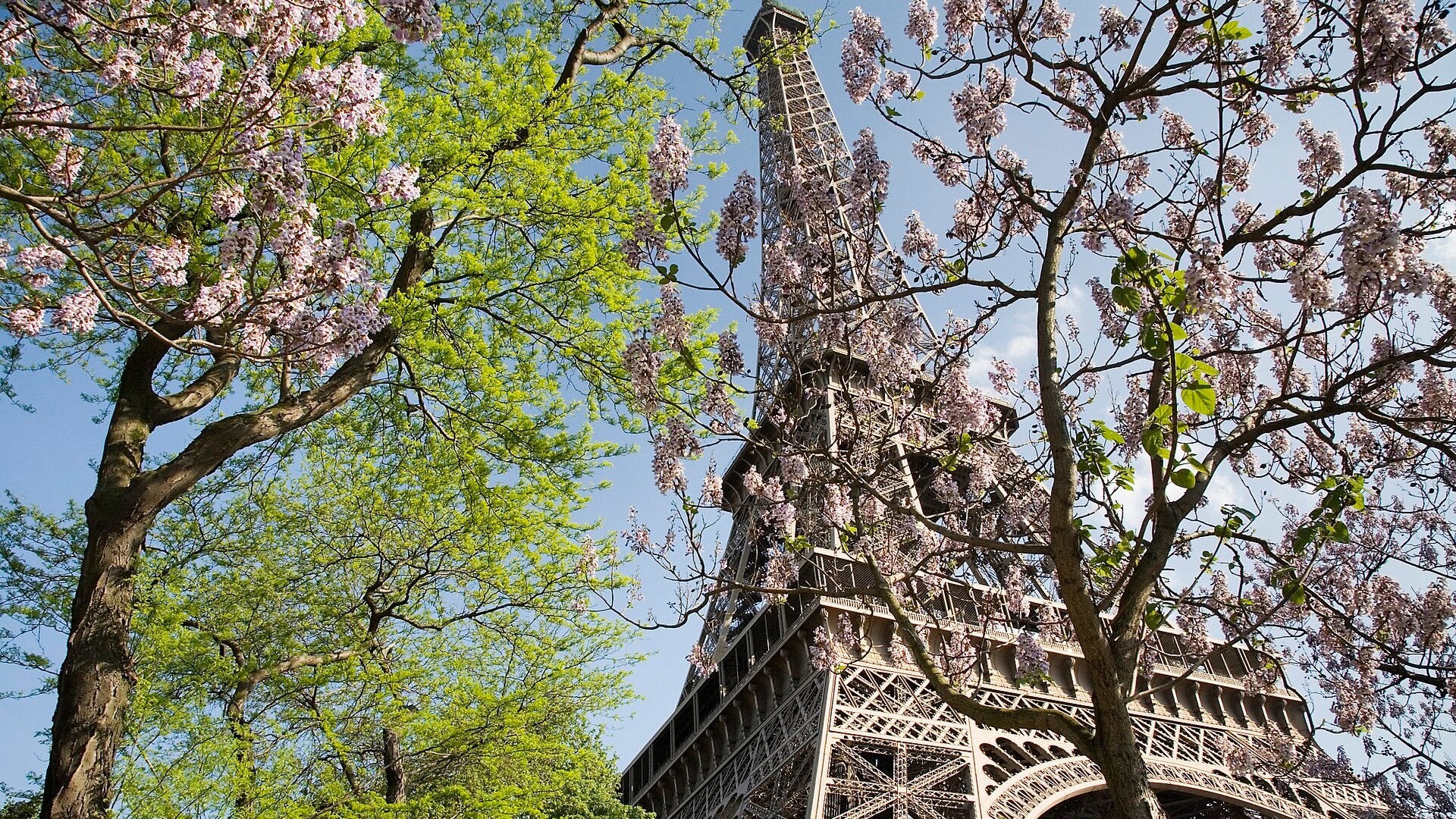
Roughly 2.05 million people live inside Paris proper across just 105.4 square kilometers, according to French national statistics. Baron Haussmann's 1850s avenues lined the core with uniform six-story apartment buildings served by 16 Metro lines.
©Wikimedia / Jorge Royan
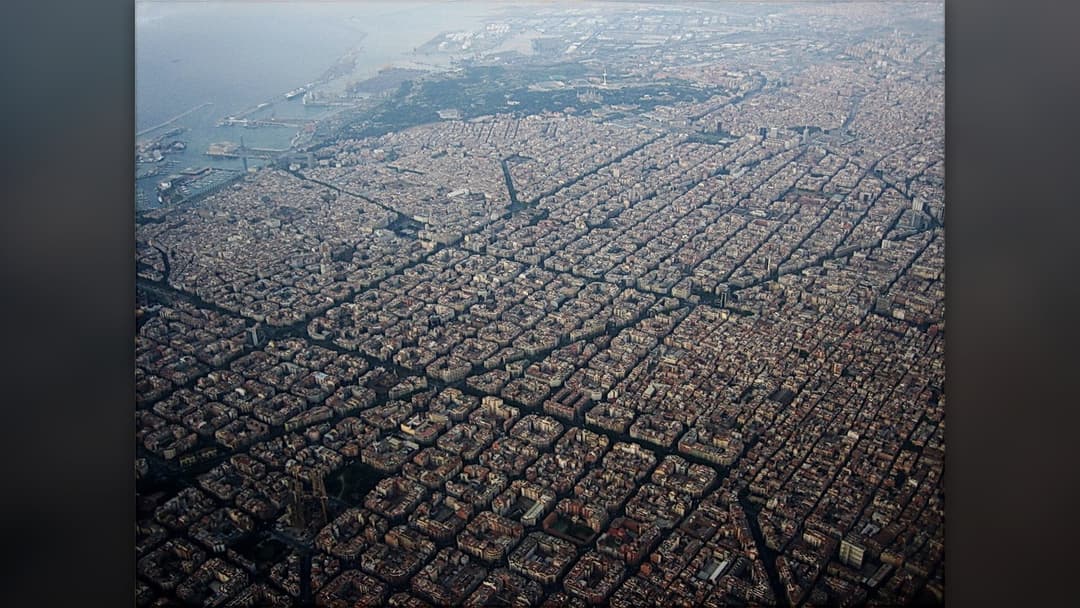
21. Barcelona, Spain
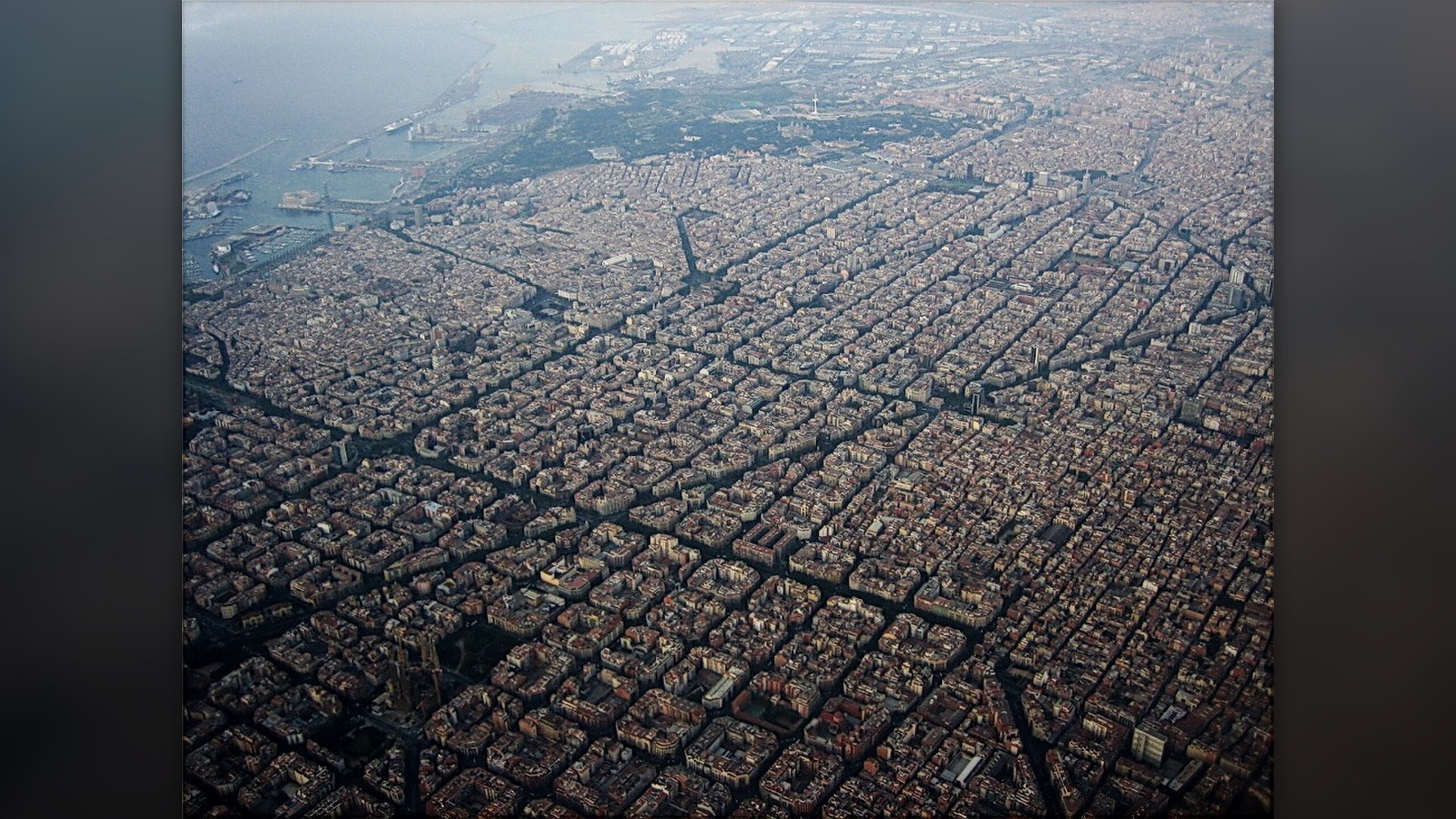
Barcelona squeezes about 1.71 million residents into 100.7 square kilometers between the Mediterranean Sea and the Collserola hills. Engineer Ildefons Cerda designed the 1859 Eixample grid with chamfered corners to improve light and traffic flow through crowded residential blocks.
©Wikimedia / Alhzeiia
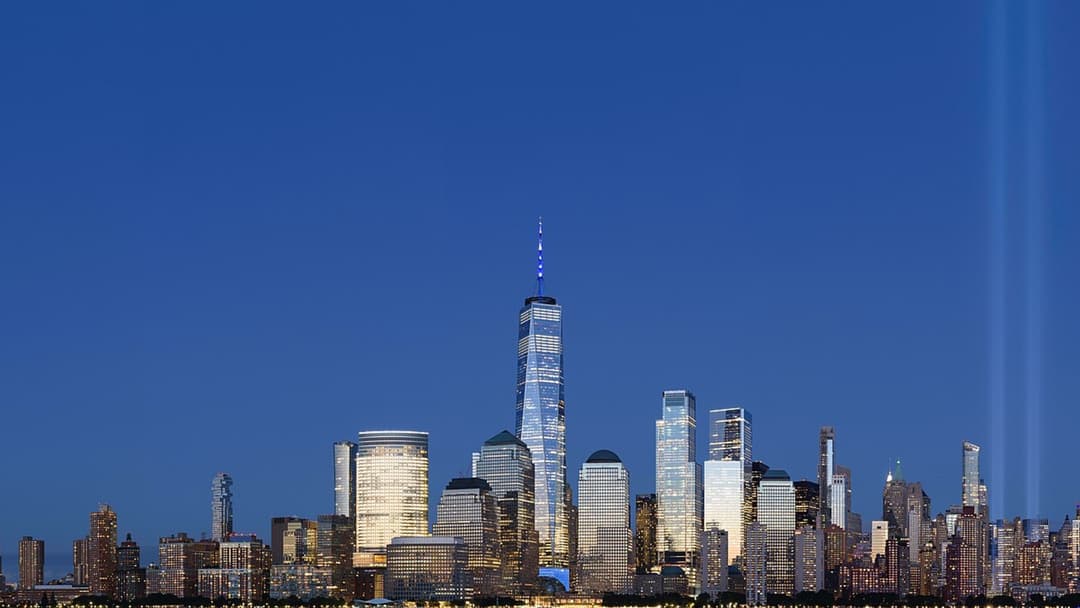
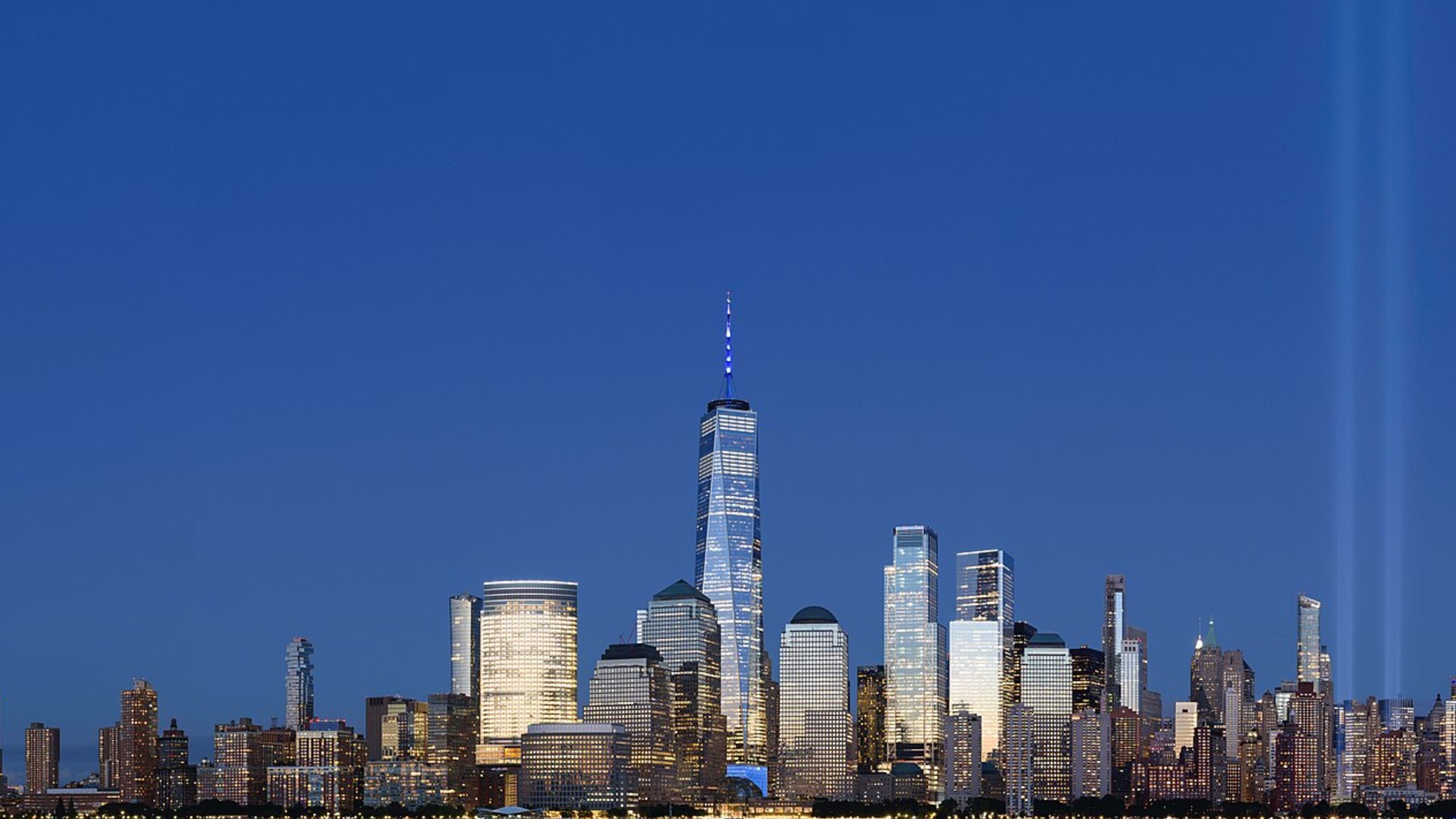
20. Manhattan, New York City
Manhattan holds roughly 1.69 million residents on 58.7 square kilometers of bedrock, per U.S. Census Bureau figures, making it the densest county in the United States. Daytime crowds swell further with commuters pouring in via bridges, tunnels, and 24-hour subway lines.
©Wikimedia / King of Hearts
Advertisement
Swipe or tap ▶ to resume the countdown.
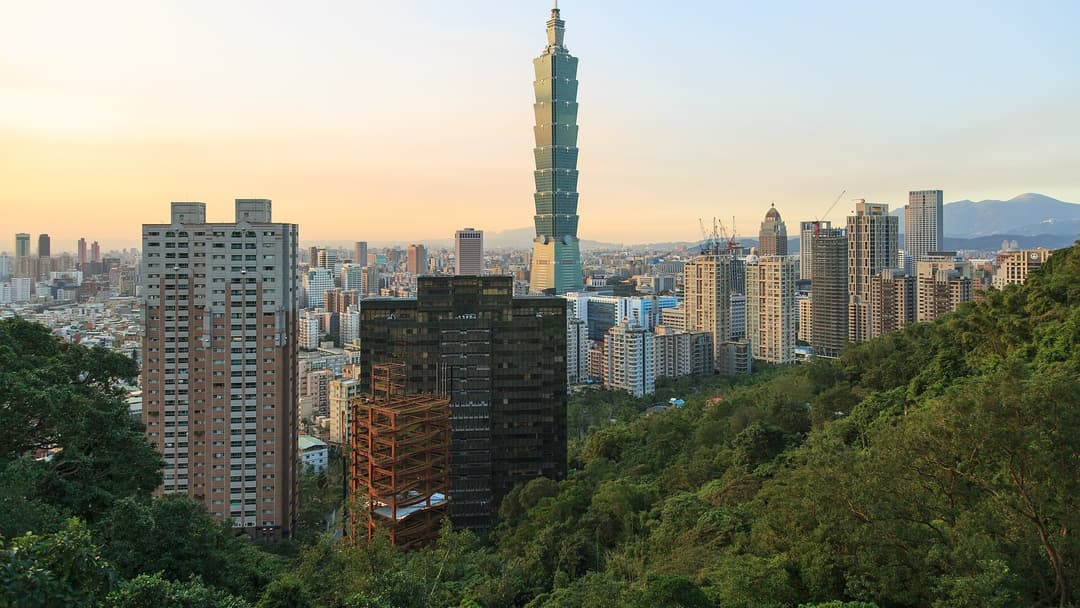
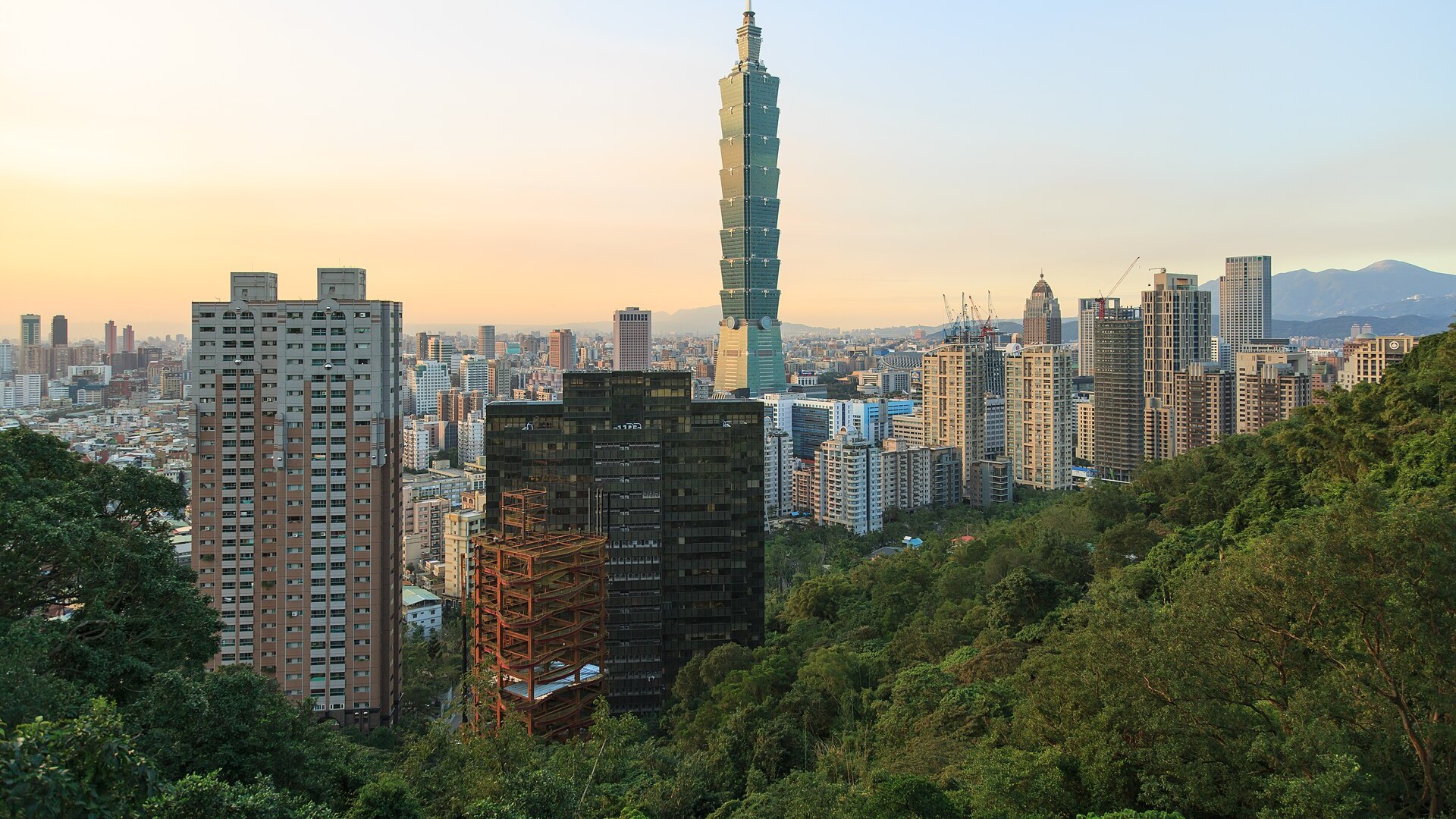
19. Taipei, Taiwan
Surrounded by the Taipei Basin hills, the city packs around 2.43 million residents into 271.8 square kilometers, based on Taipei City Government statistics. Scooters crowd dedicated bridge lanes each morning while underground malls and night markets keep street life active after dark.
©Wikimedia / CEphoto, Uwe Aranas
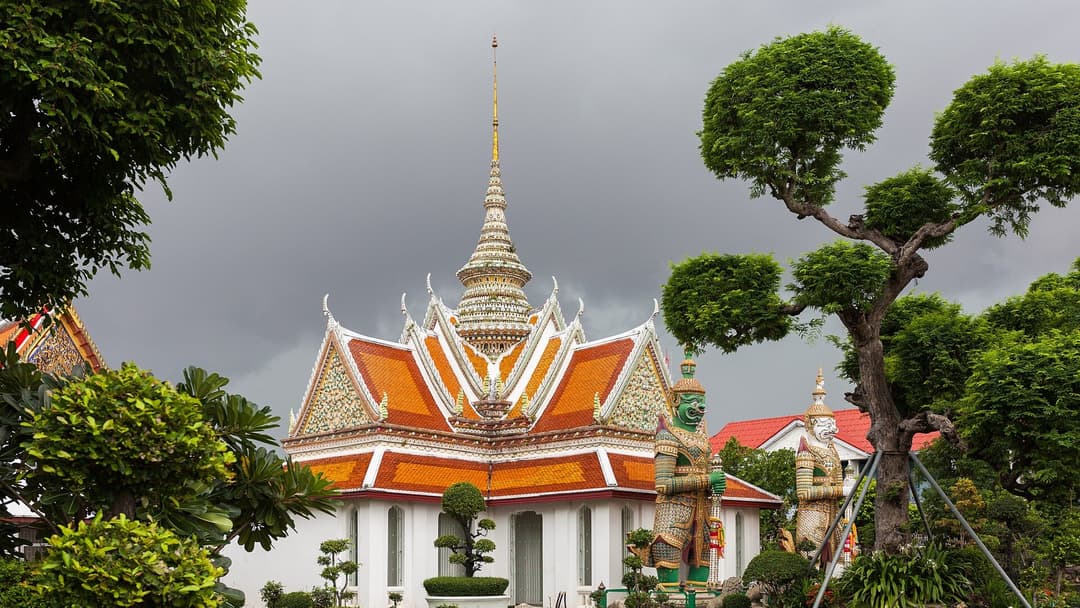
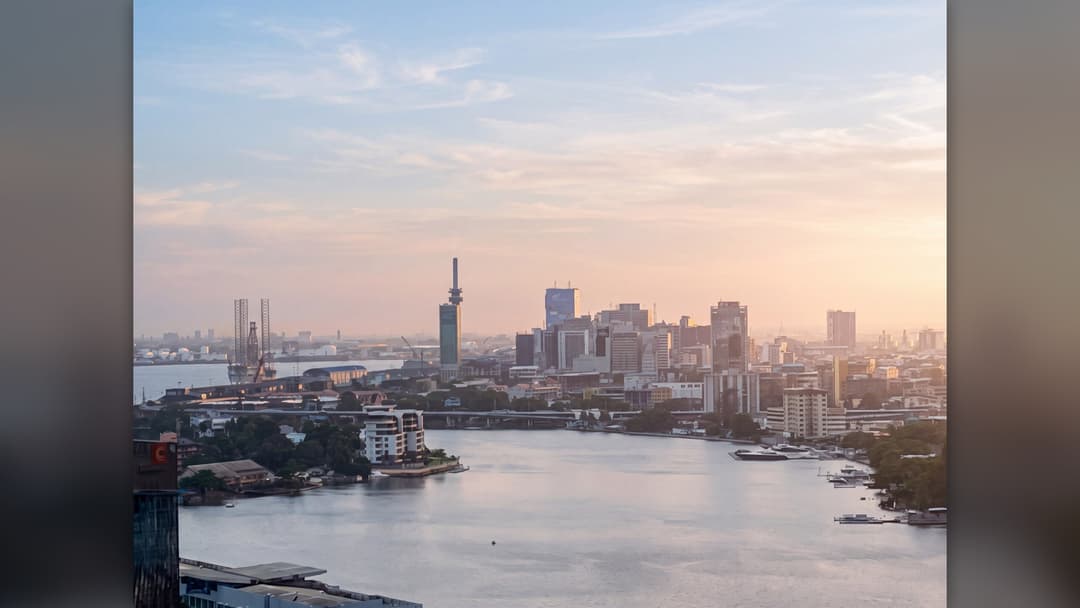
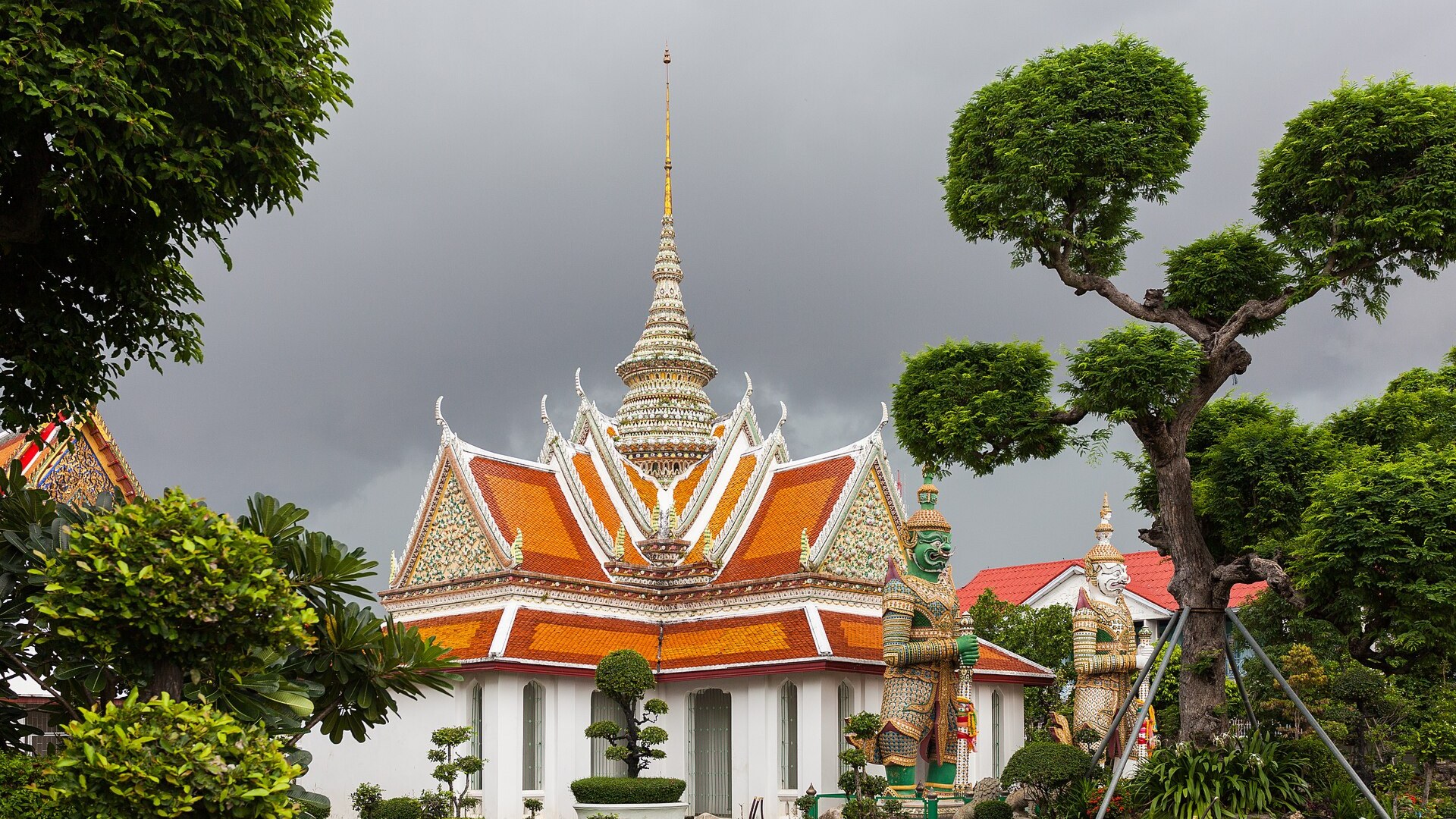
18. Bangkok, Thailand
More than 9 million people live across Bangkok's 1,568.7 square kilometers, with central districts packed around the Chao Phraya River. Skytrain viaducts rise above narrow alleys called sois, where street food carts, motorbike taxis, and express boats share every corridor.
©Wikimedia / Diego Delso
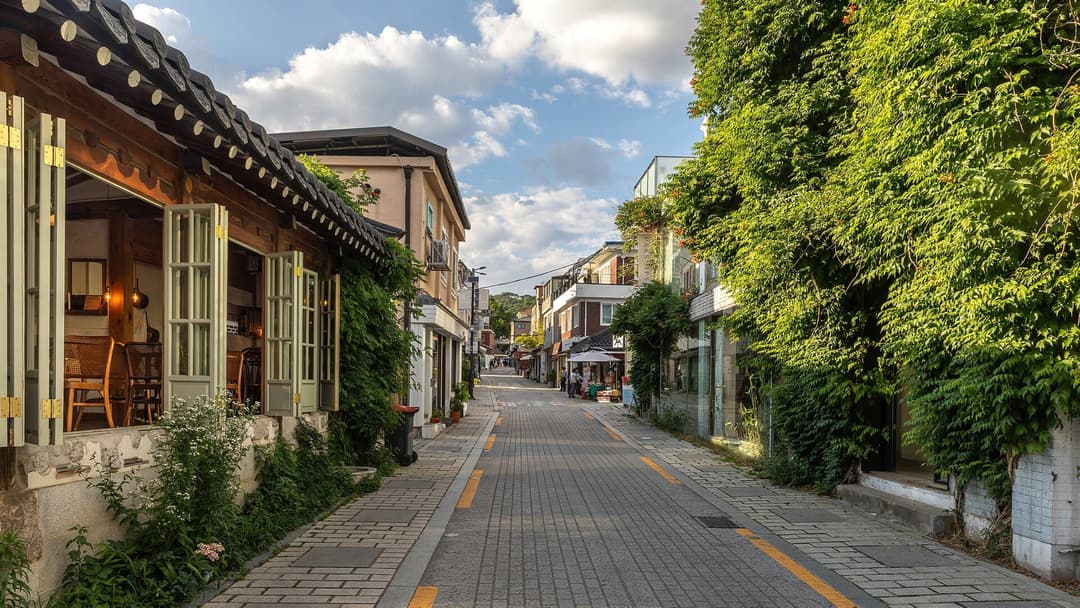
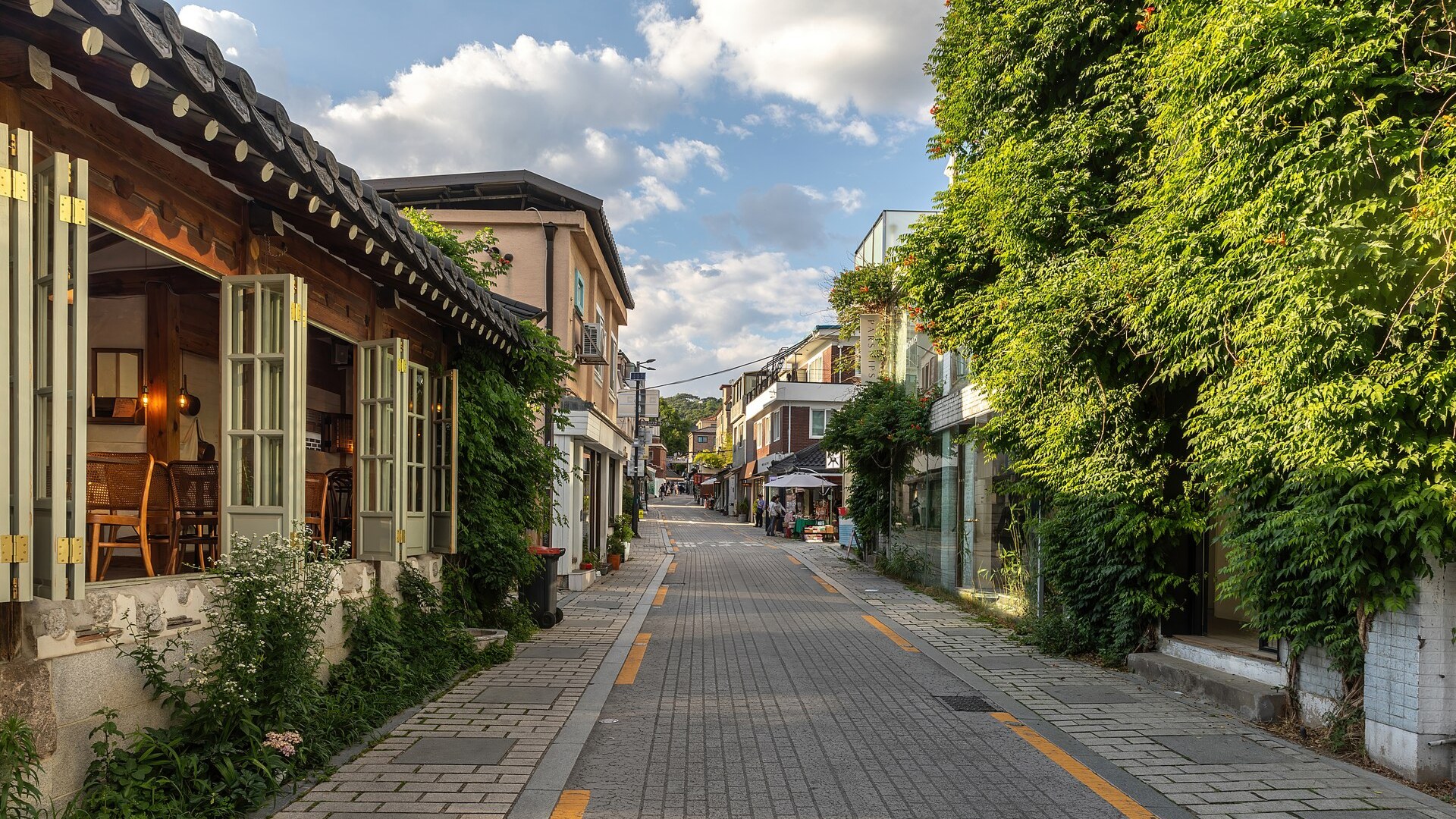
17. Seoul, South Korea
Seoul houses about 9.58 million residents across 605.2 square kilometers, framed by forested granite peaks like Bukhansan. Massive residential towers and underground shopping arcades link directly to one of the world's busiest metropolitan subway networks.
©Wikimedia / Basile Morin
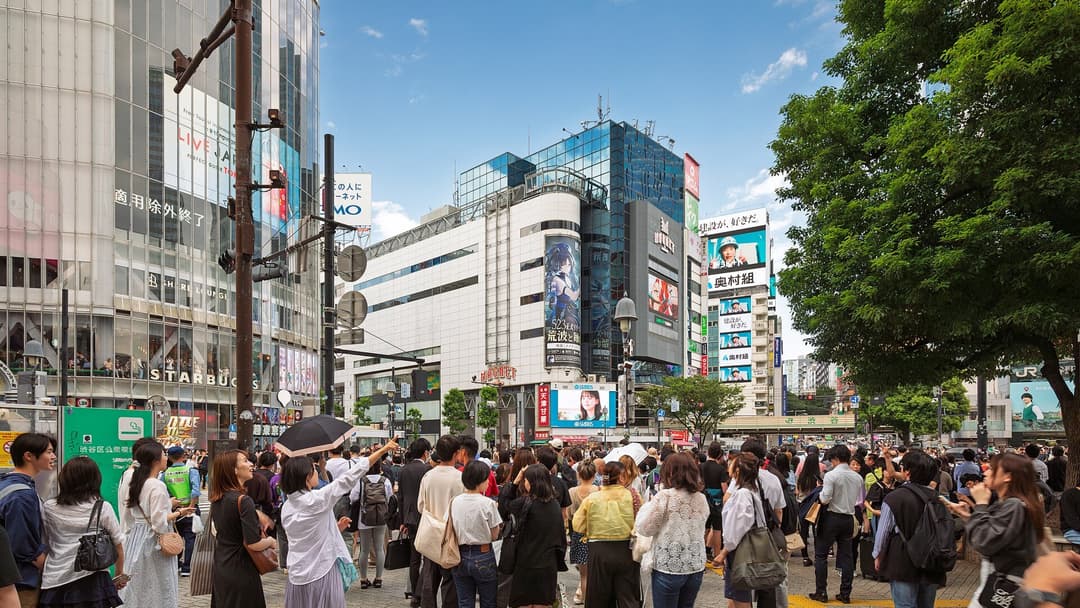
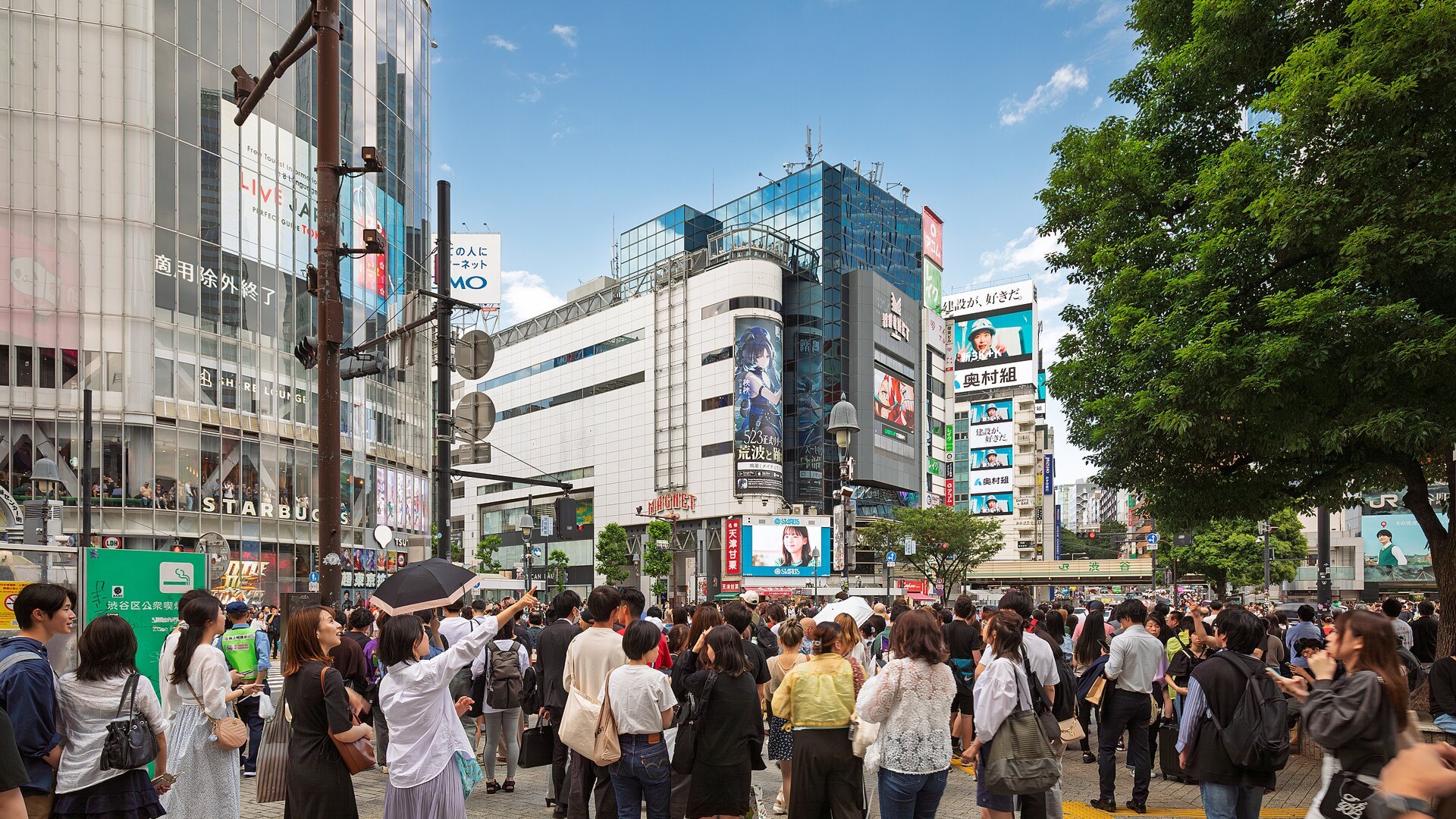
16. Tokyo, Japan
Tokyo's 23 special wards hold nearly 10 million people across 627.5 square kilometers, according to Japanese municipal figures. Precision rail timetables move millions of commuters through hubs like Shinjuku and Shibuya without bringing street-level commerce to a halt.
©Wikimedia / Ximonic (Simo Räsänen)
Advertisement
Swipe or tap ▶ to resume the countdown.
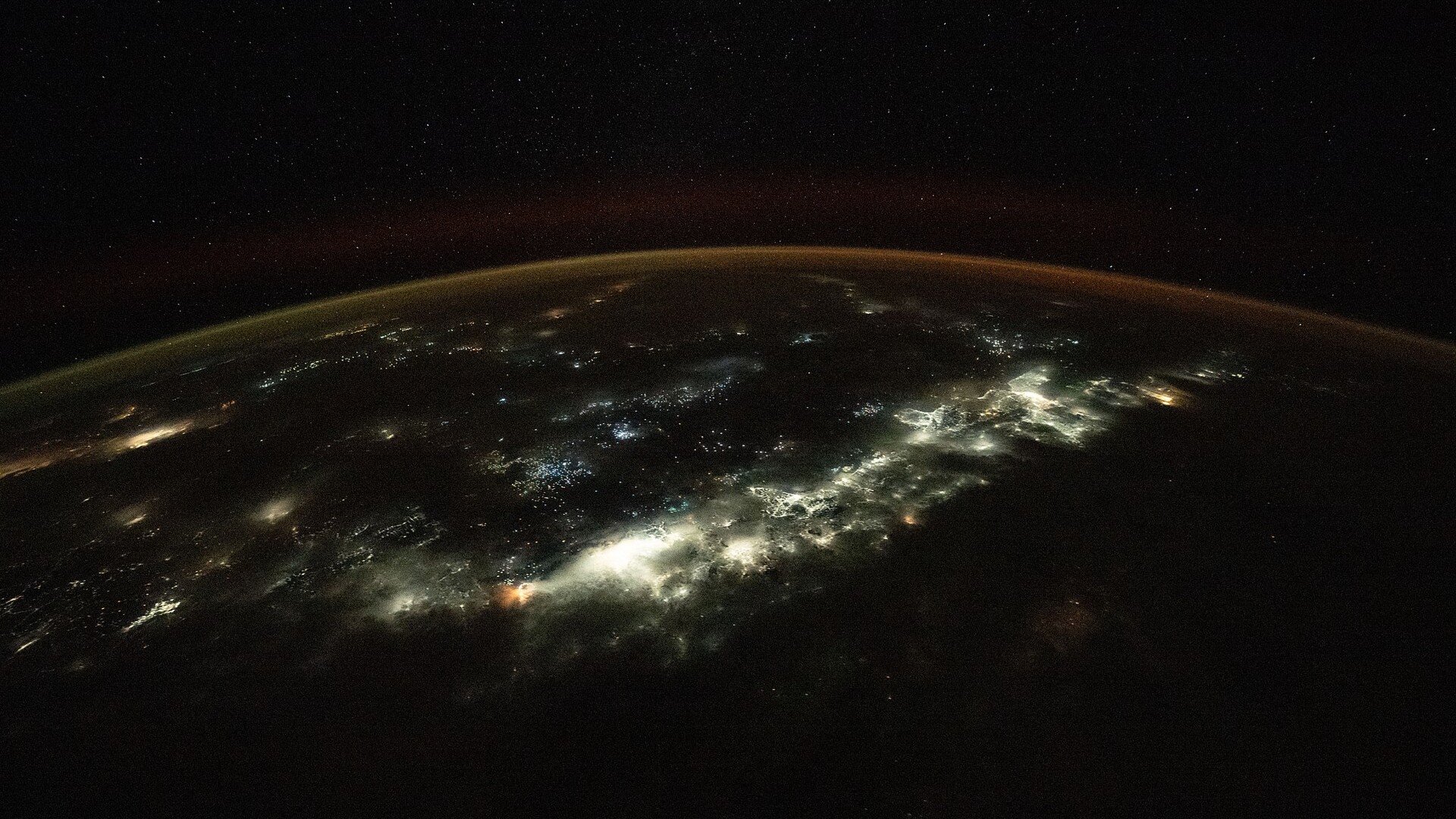
15. Jakarta, Indonesia
Jakarta proper covers 664 square kilometers along the Java Sea and forms the core of a metropolitan region ranked by the UN among the world's largest. Tightly built kampung neighborhoods sit behind glass office towers, linked by TransJakarta bus rapid transit lanes and motorbike traffic.
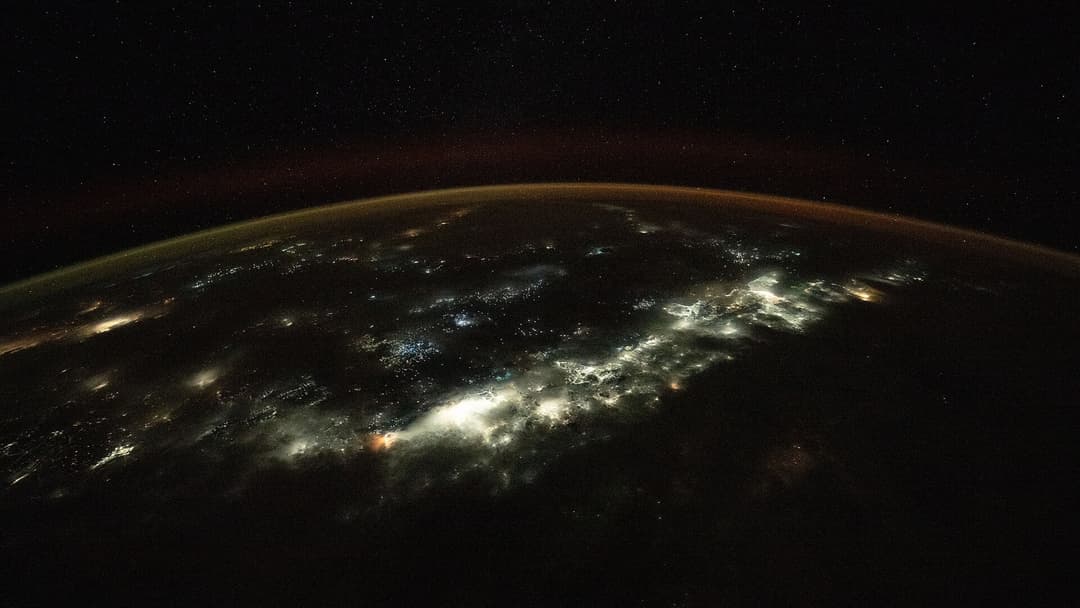
©ESA / NASA Johnson Space Center
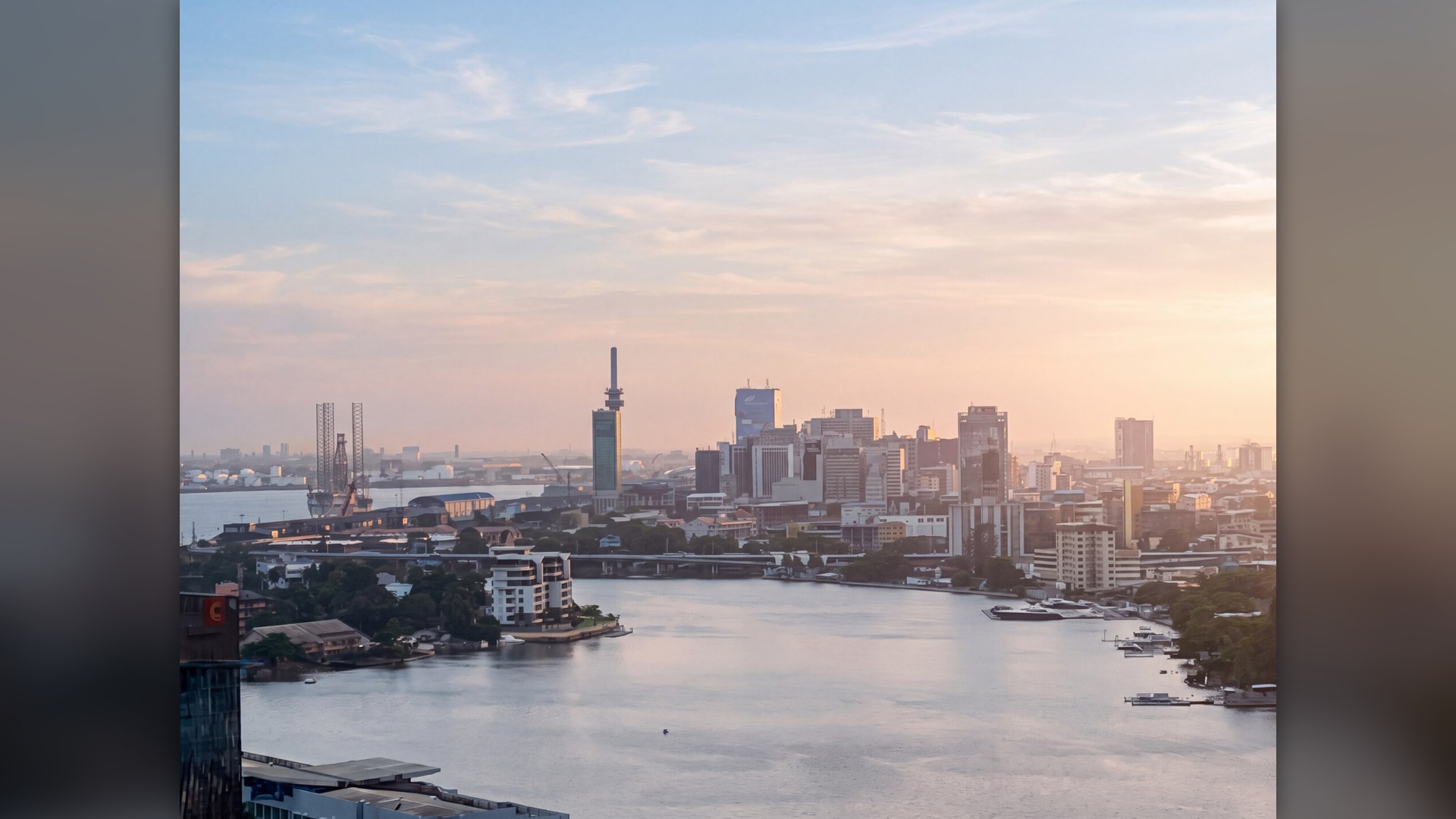
14. Lagos, Nigeria
West Africa's largest commercial hub concentrates millions of people on coastal islands and fast-growing mainland corridors. Yellow danfo minibuses, open-air markets, and causeways across the Lagos Lagoon keep goods moving through Africa's busiest urban economy.
©Wikimedia / Lagos
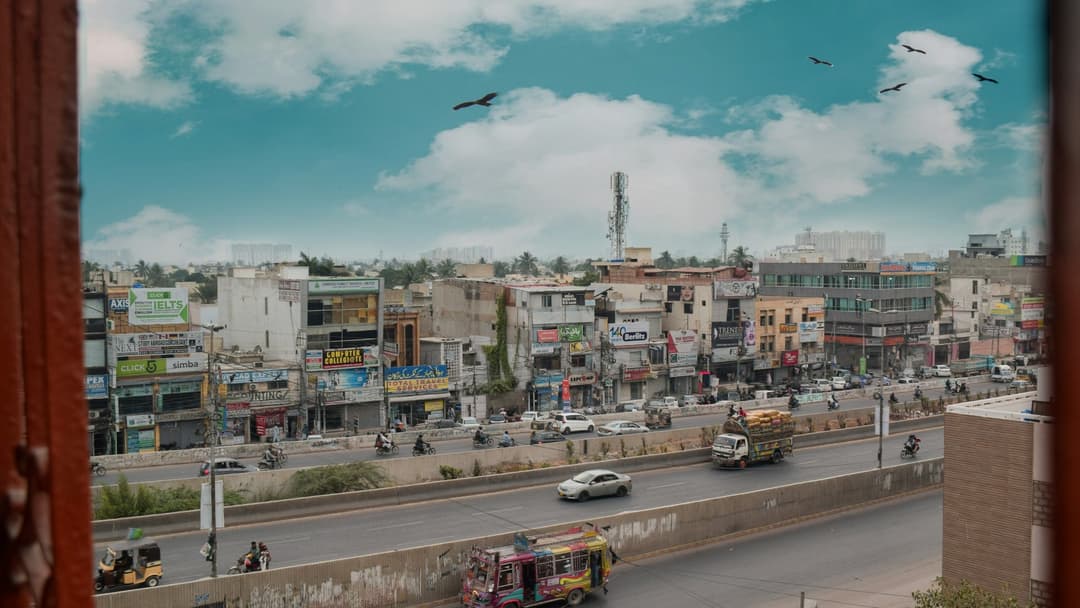
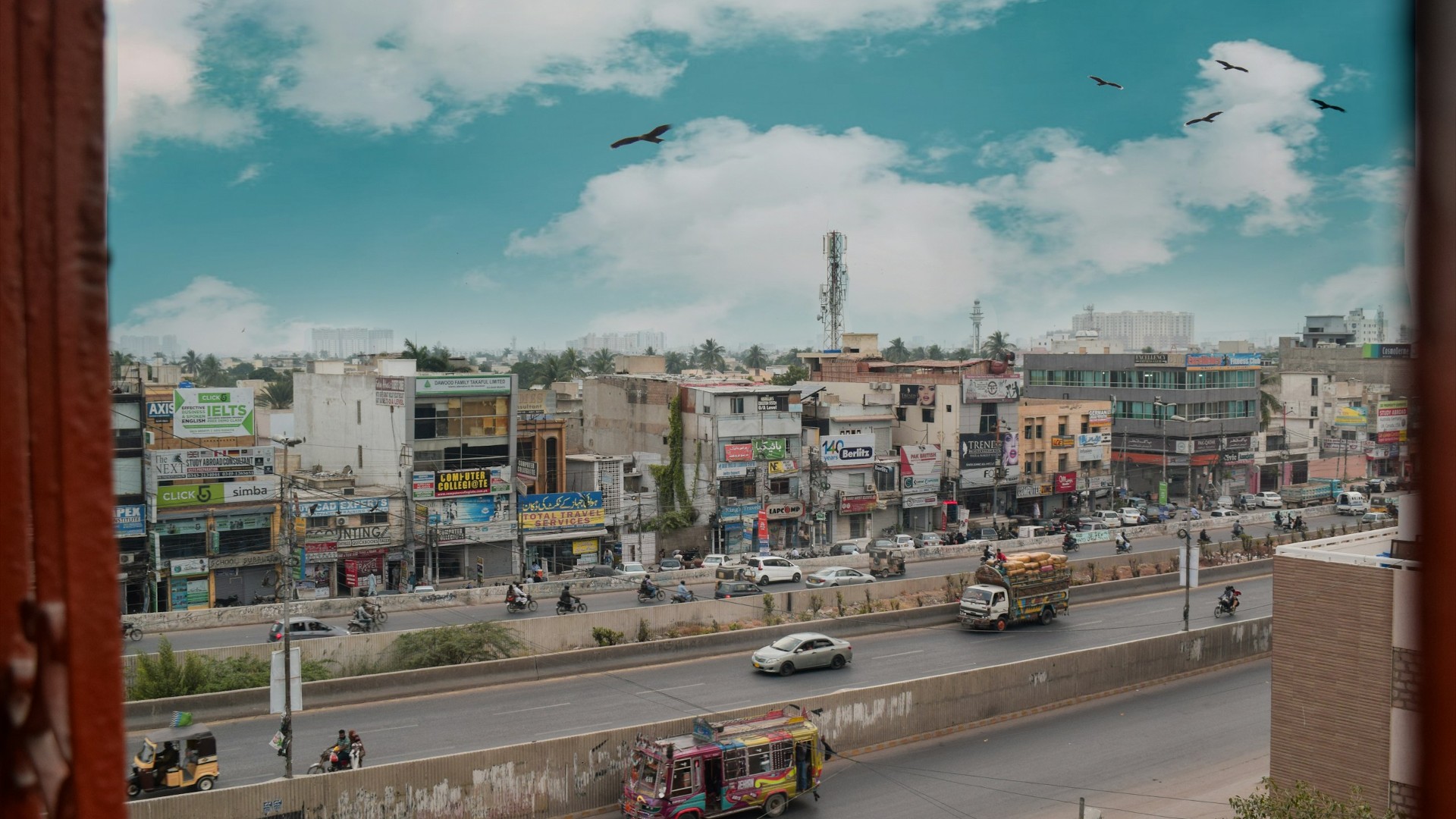
13. Karachi, Pakistan
The 2023 Pakistani census recorded more than 20.3 million residents in Karachi Division, with central districts exceeding 55,000 people per square kilometer. Historic Saddar bazaars, railway terminals, and bus corridors serve as the country's primary Arabian Sea gateway.
© Photo by usama tayyab on Unsplash
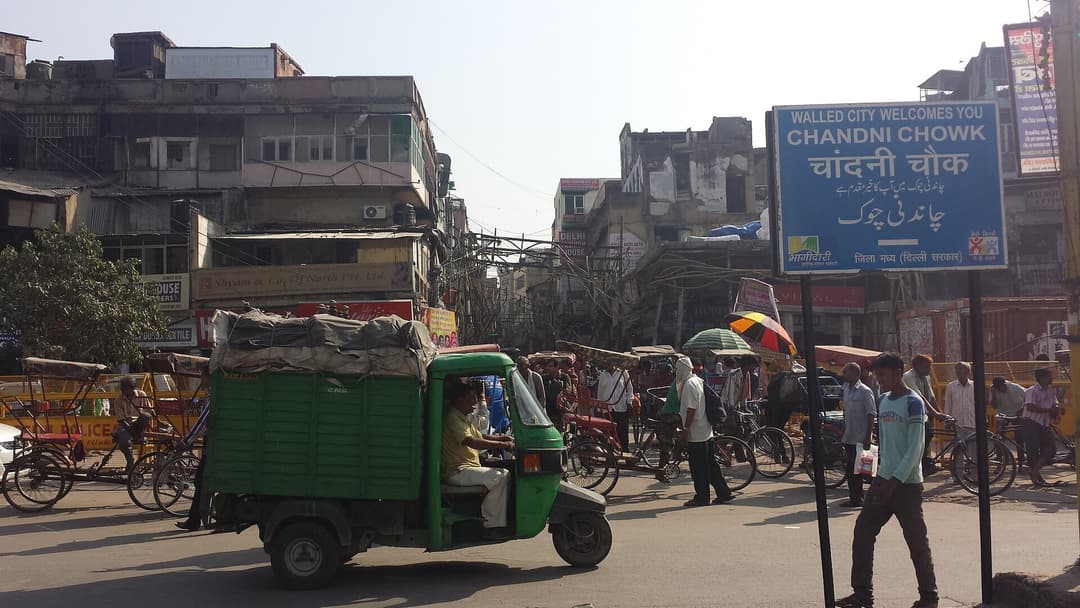
12. Delhi, India
India's capital territory held 16.79 million residents in the 2011 Indian census and has grown steadily since, per UN urban estimates. In Old Delhi's Chandni Chowk, cycle rickshaws, spice wholesalers, and pedestrians weave past centuries-old facades just steps from Delhi Metro stations.
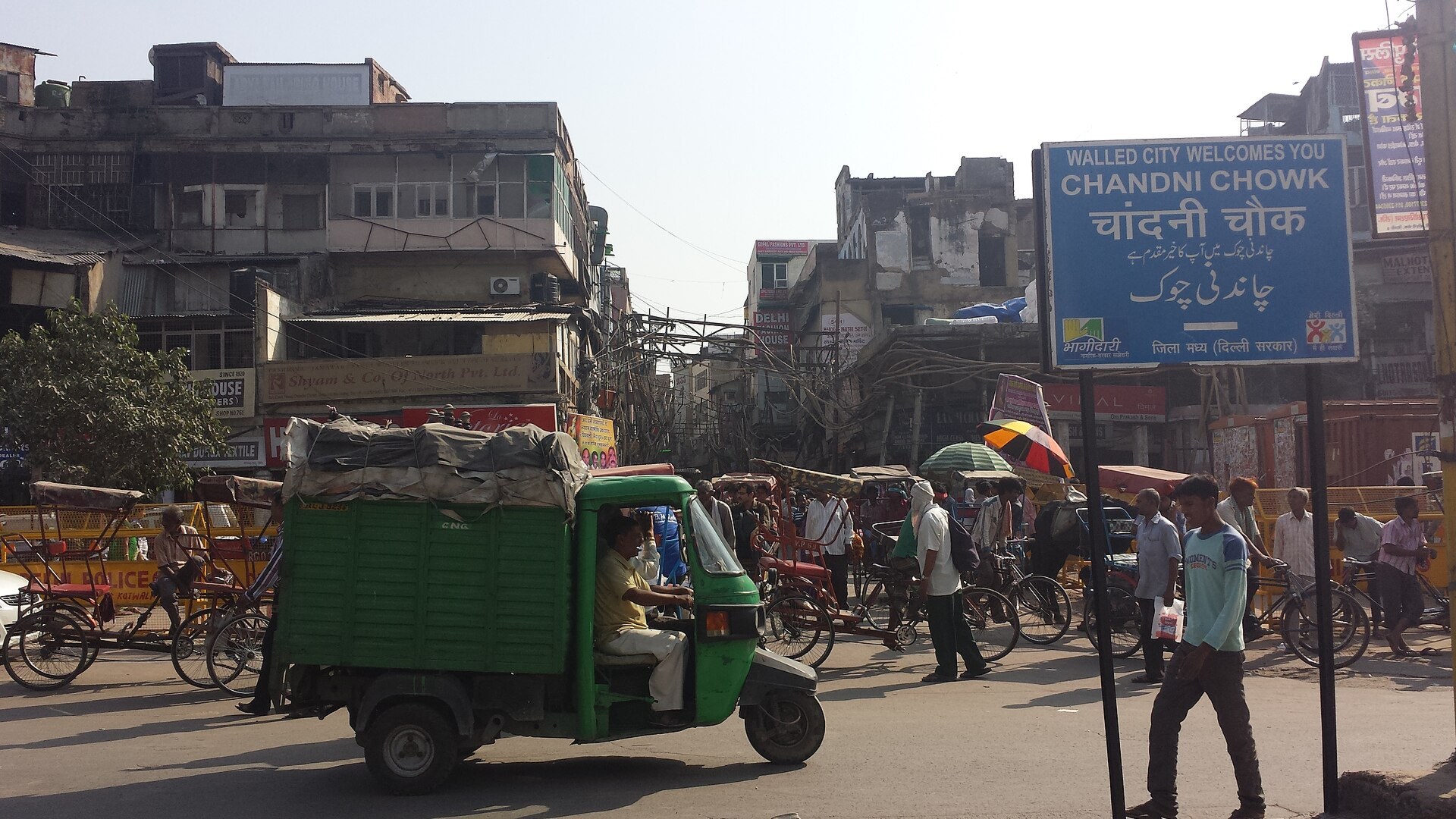
©Wikimedia / Rickard Törnblad
Advertisement
Swipe or tap ▶ to resume the countdown.
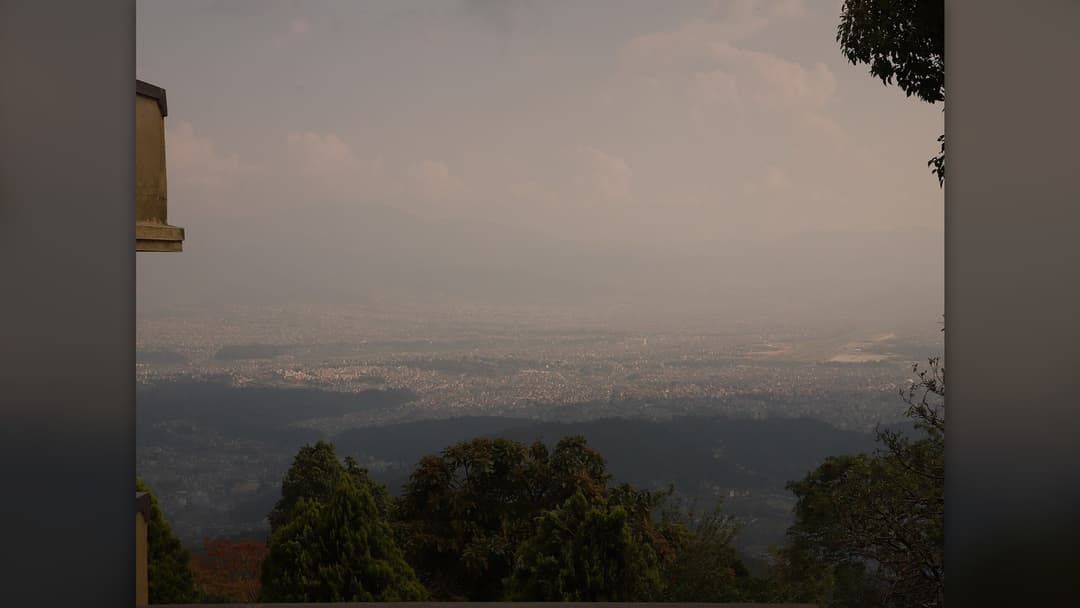
11. Kathmandu, Nepal
Surrounded by steep mountain ridges, Kathmandu's municipal core packs over 862,000 people into just 49.5 square kilometers, according to Nepal's 2021 national census. Narrow brick alleys radiate out from medieval Durbar Square into dense concrete suburbs across the valley floor.
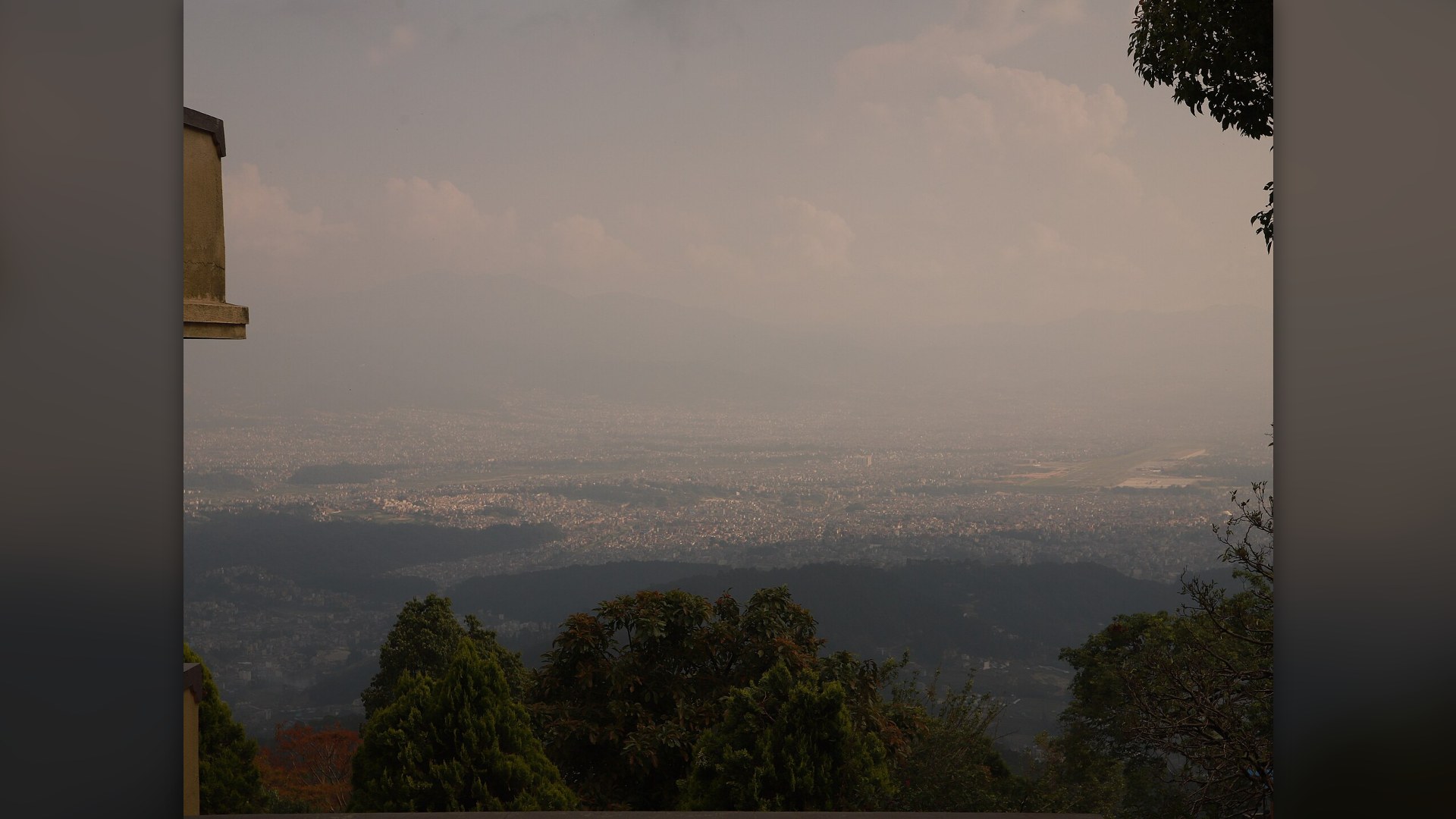
©Wikimedia / Krishna k. sahh
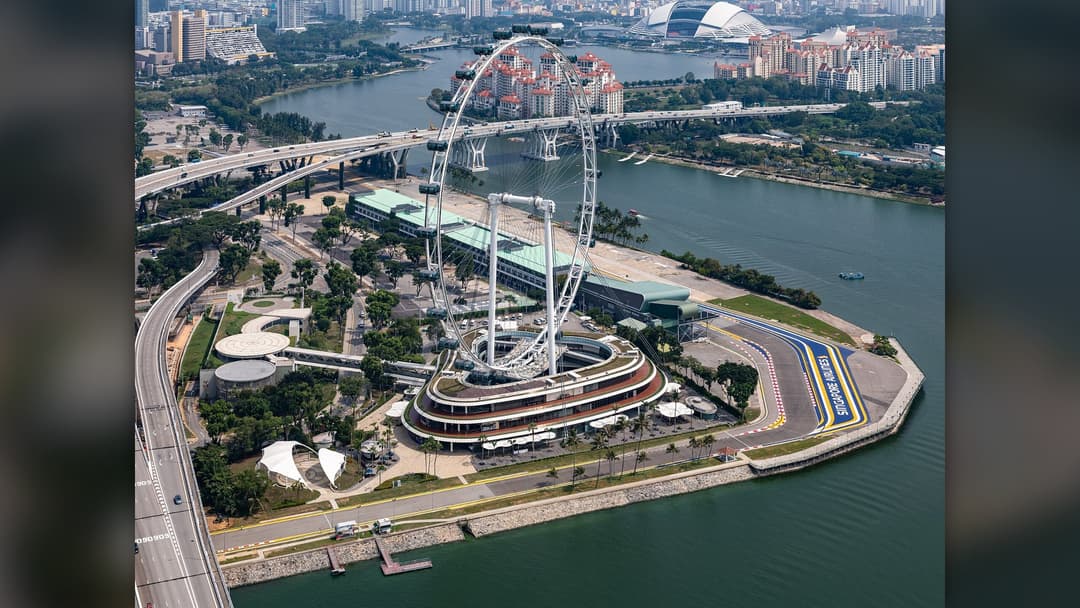
10. Singapore
With more than 6 million residents on roughly 737 square kilometers, Singapore ranks among the world's densest sovereign states. Nearly four out of five residents live in high-rise Housing and Development Board estates paired with underground rail stations and elevated walkways.
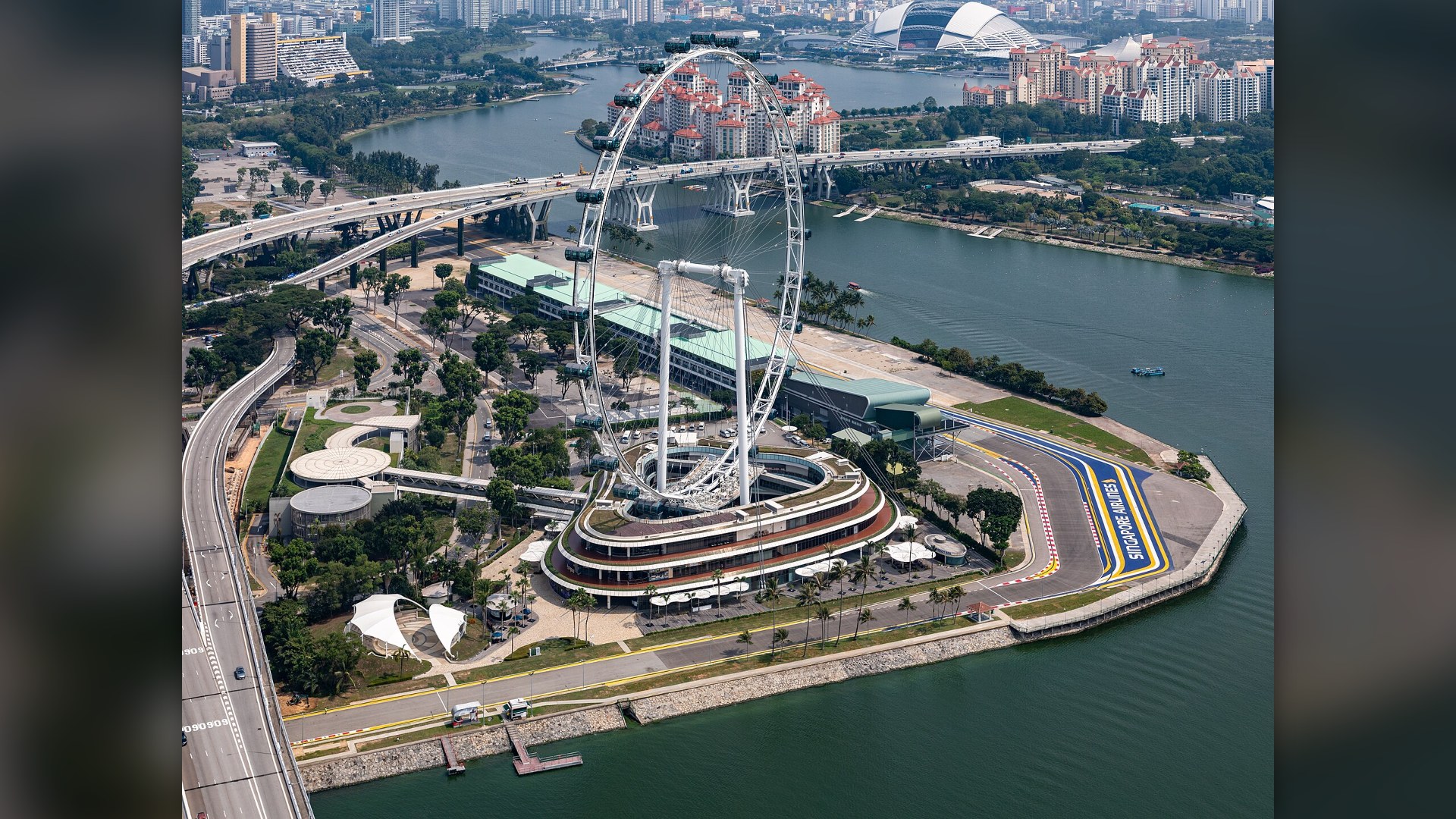
©Wikimedia / Dietmar Rabich
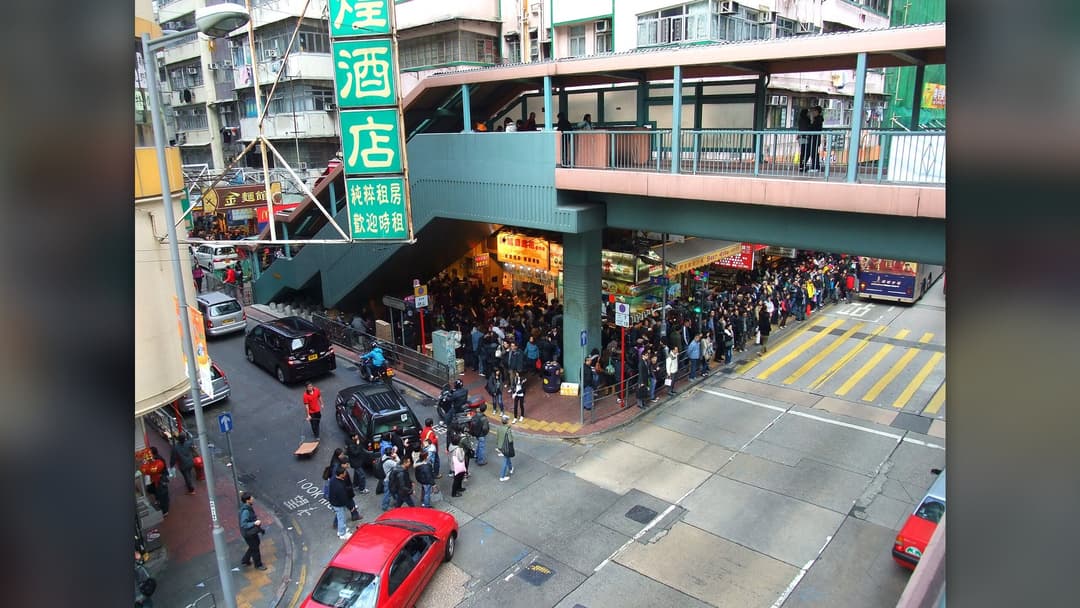
9. Hong Kong
Because rugged hills cover most of Hong Kong's territory, development crowds into narrow coastal strips and Kowloon districts like Mong Kok. Double-decker trams, stacked neon-era shopfronts, and covered footbridges handle tens of thousands of pedestrians per hour.
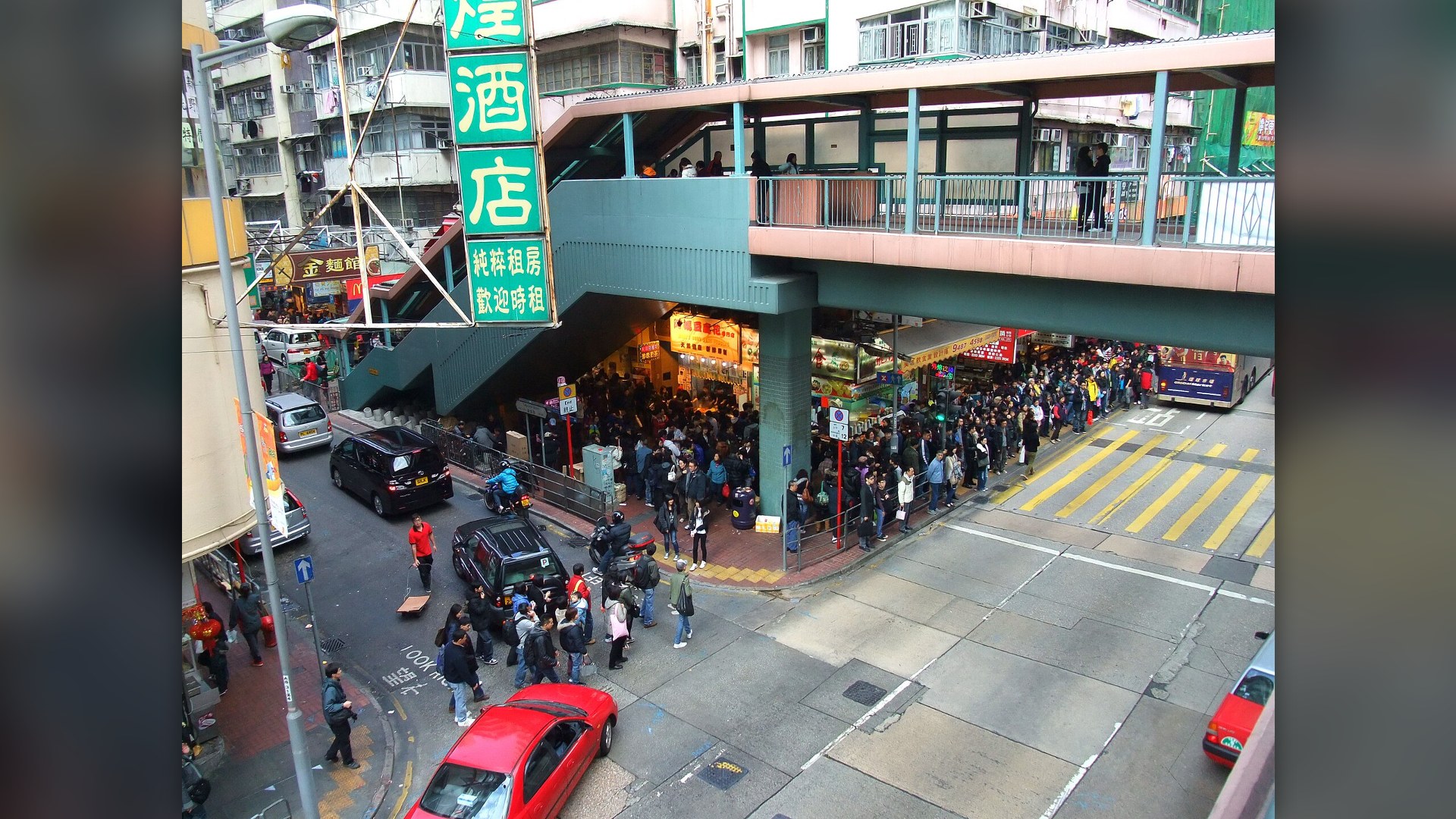
©Wikimedia / Mk2010
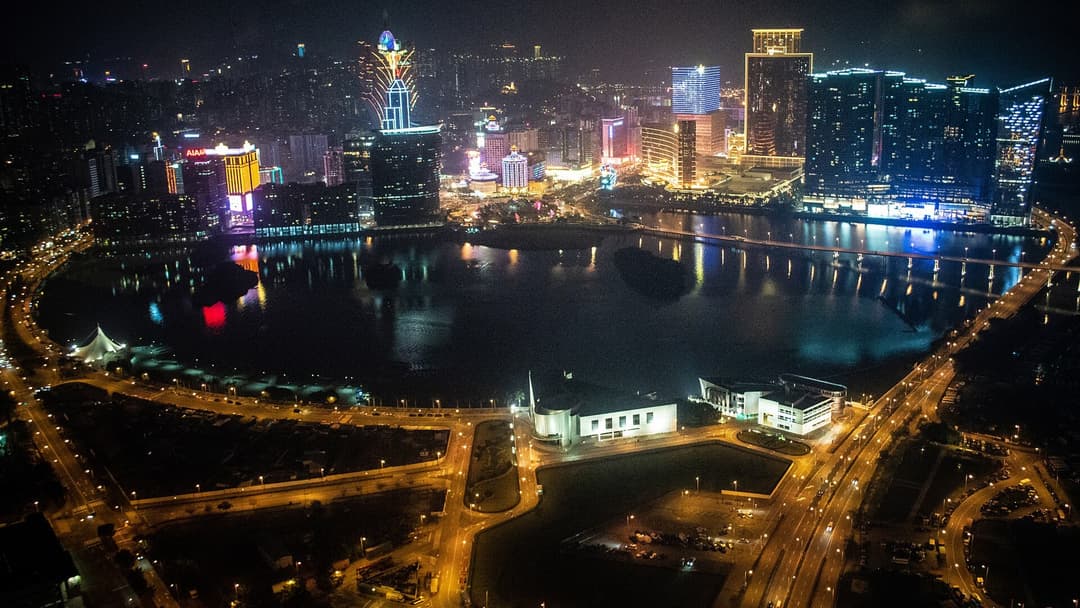
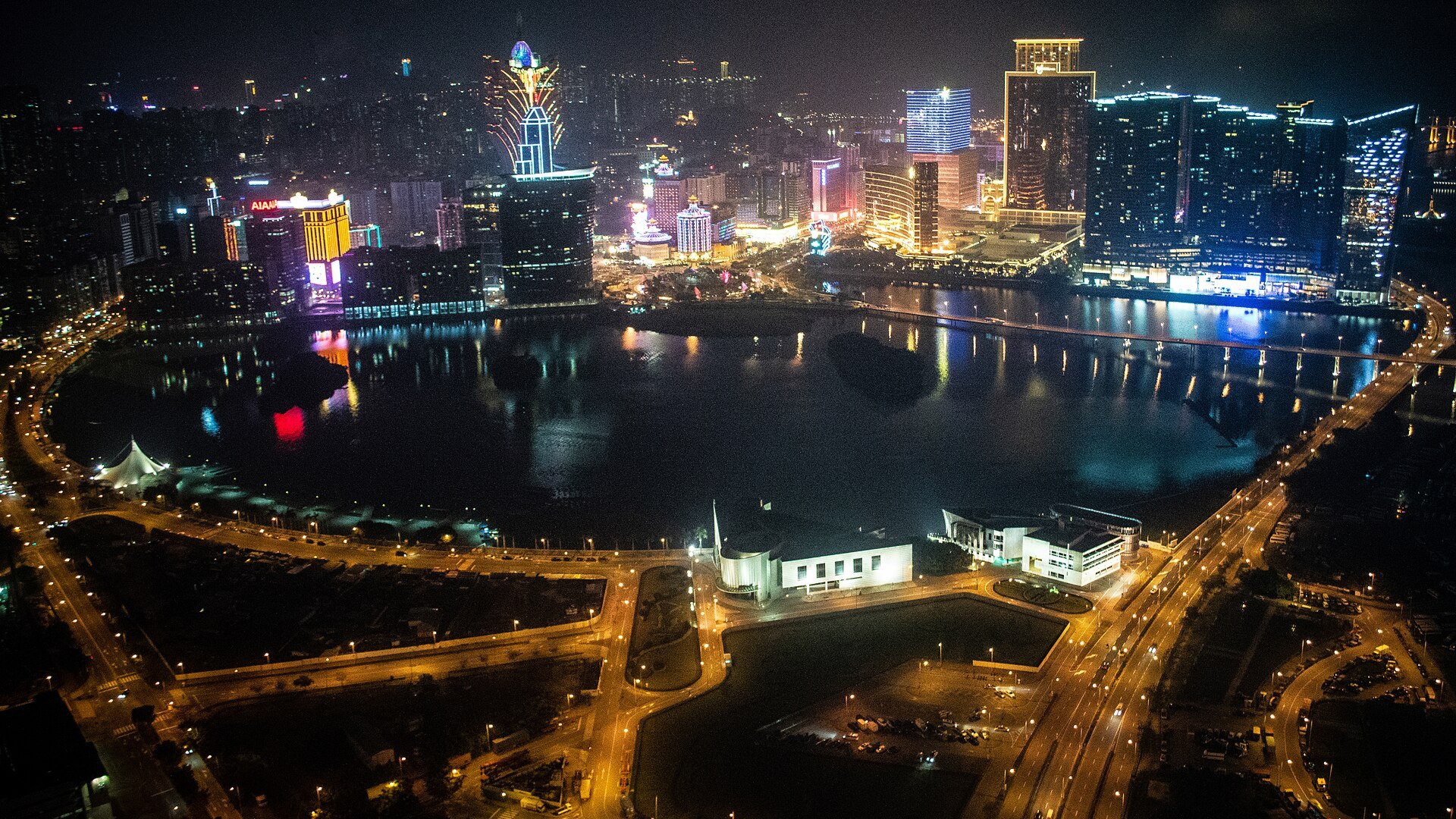
8. Macau
According to UN demographic data, Macau ranks as the most densely populated territory on Earth, averaging more than 21,000 people per square kilometer. Narrow peninsula streets blend Portuguese colonial plazas with tightly packed high-rise apartment blocks and Cotai resort towers.
©Wikimedia / Philip Nalangan
Advertisement
Swipe or tap ▶ to resume the countdown.
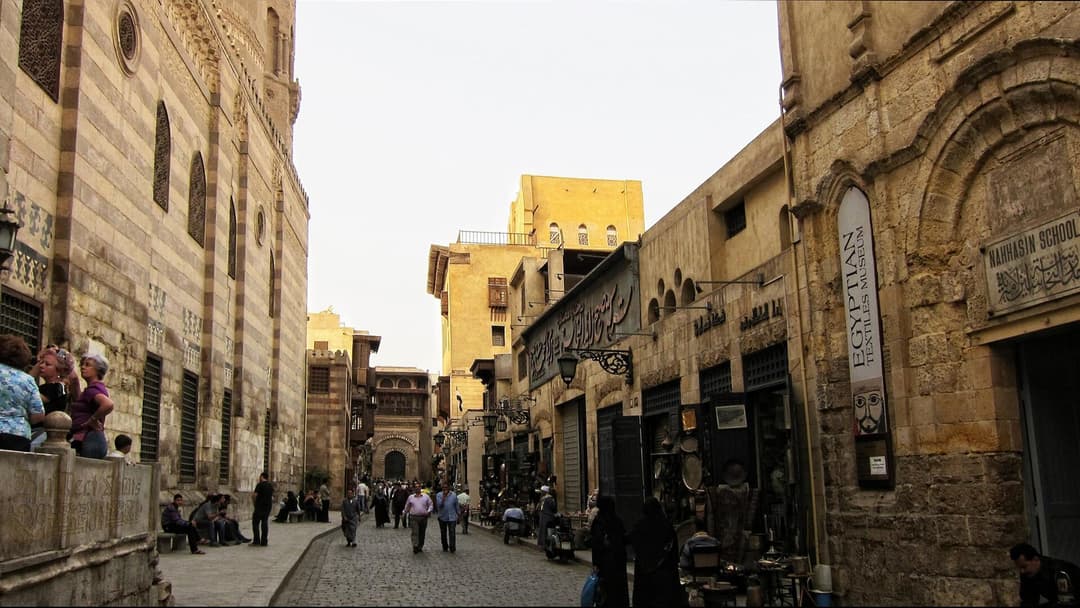
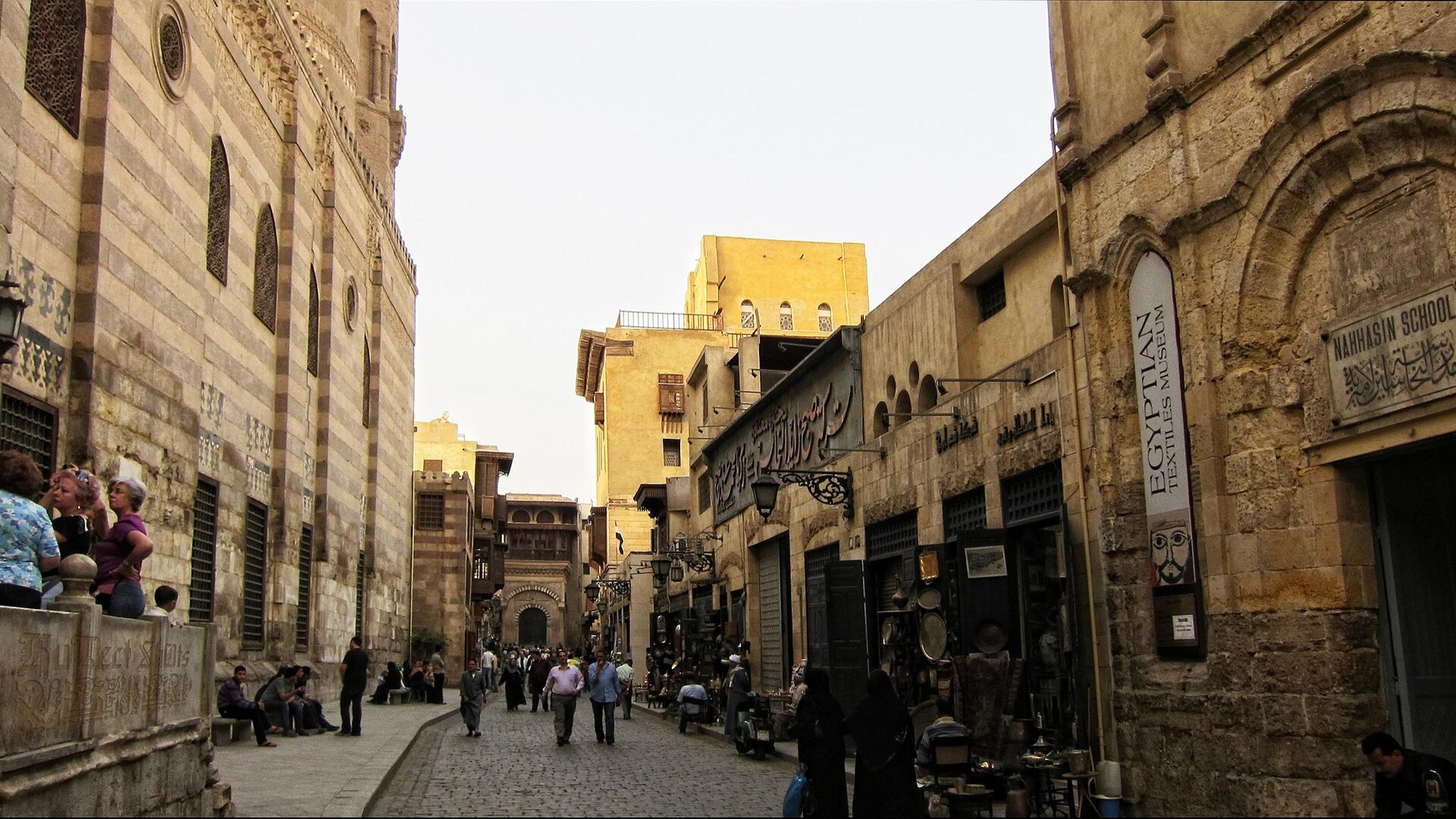
7. Cairo, Egypt
Flanked by desert plateaus on both sides of the Nile, Cairo squeezes millions into closely built residential blocks and historic Islamic quarters. Streets like Al-Muizz link medieval mosques and markets with modern river bridges and metro lines carrying daily commuters.
©Wikimedia / Ahmed Al.Badawy from Cairo, Egypt
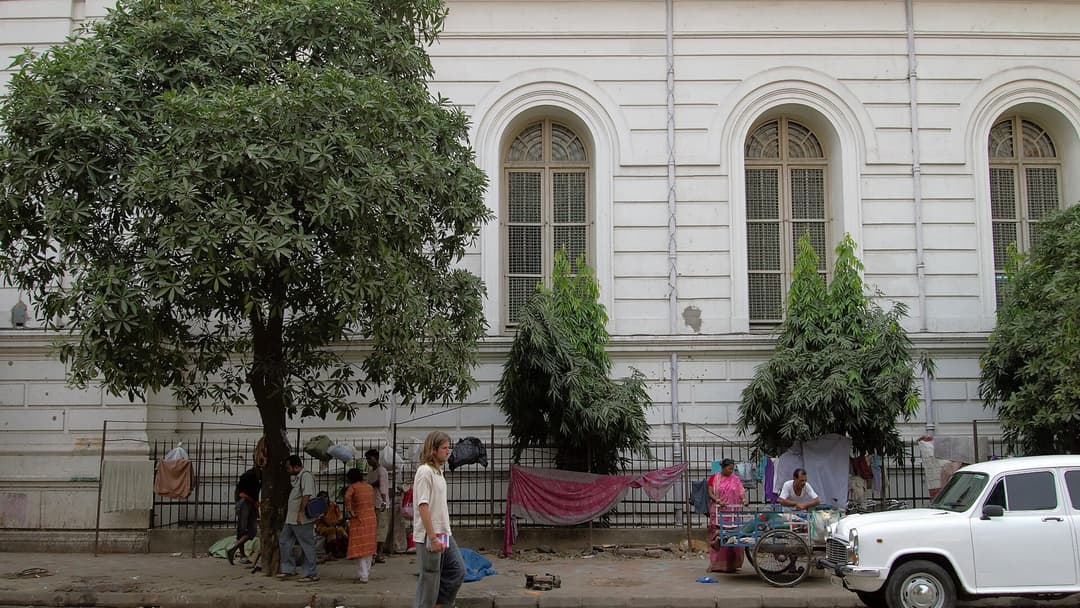
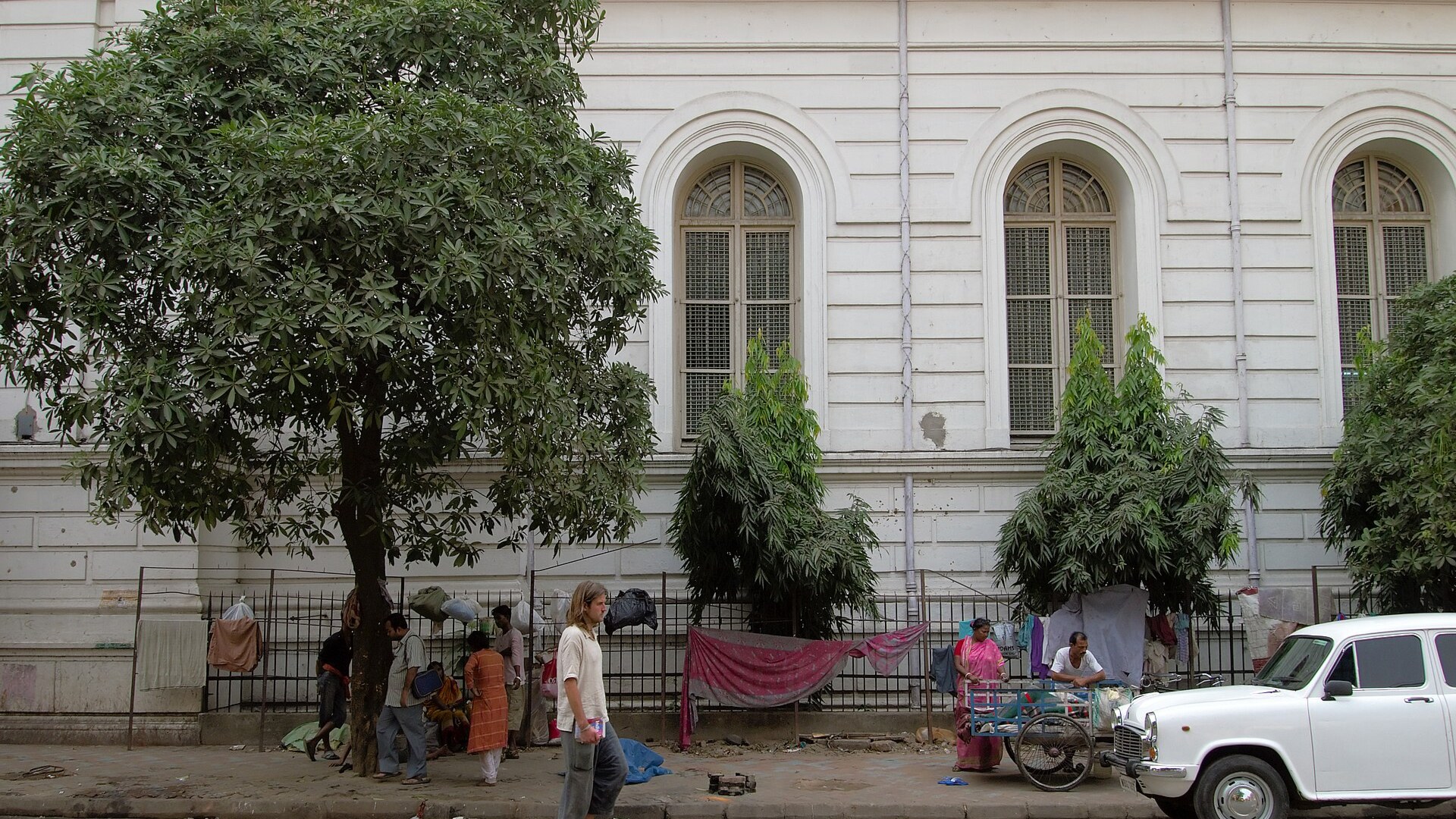
6. Kolkata, India
Set along the Hooghly River, Kolkata ranks among India's densest historic metros with dense street-level trade on nearly every block. Roadside tea stalls, book markets in College Street, and colonial-era tram tracks pack generations of urban life into narrow footprints.
©Wikimedia / Vyacheslav Argenberg
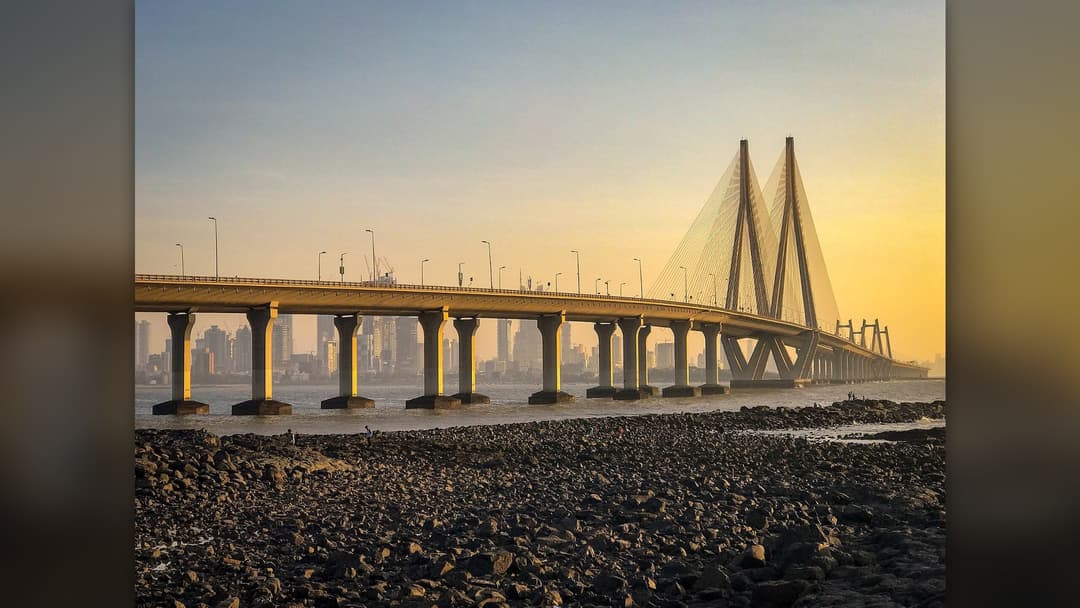
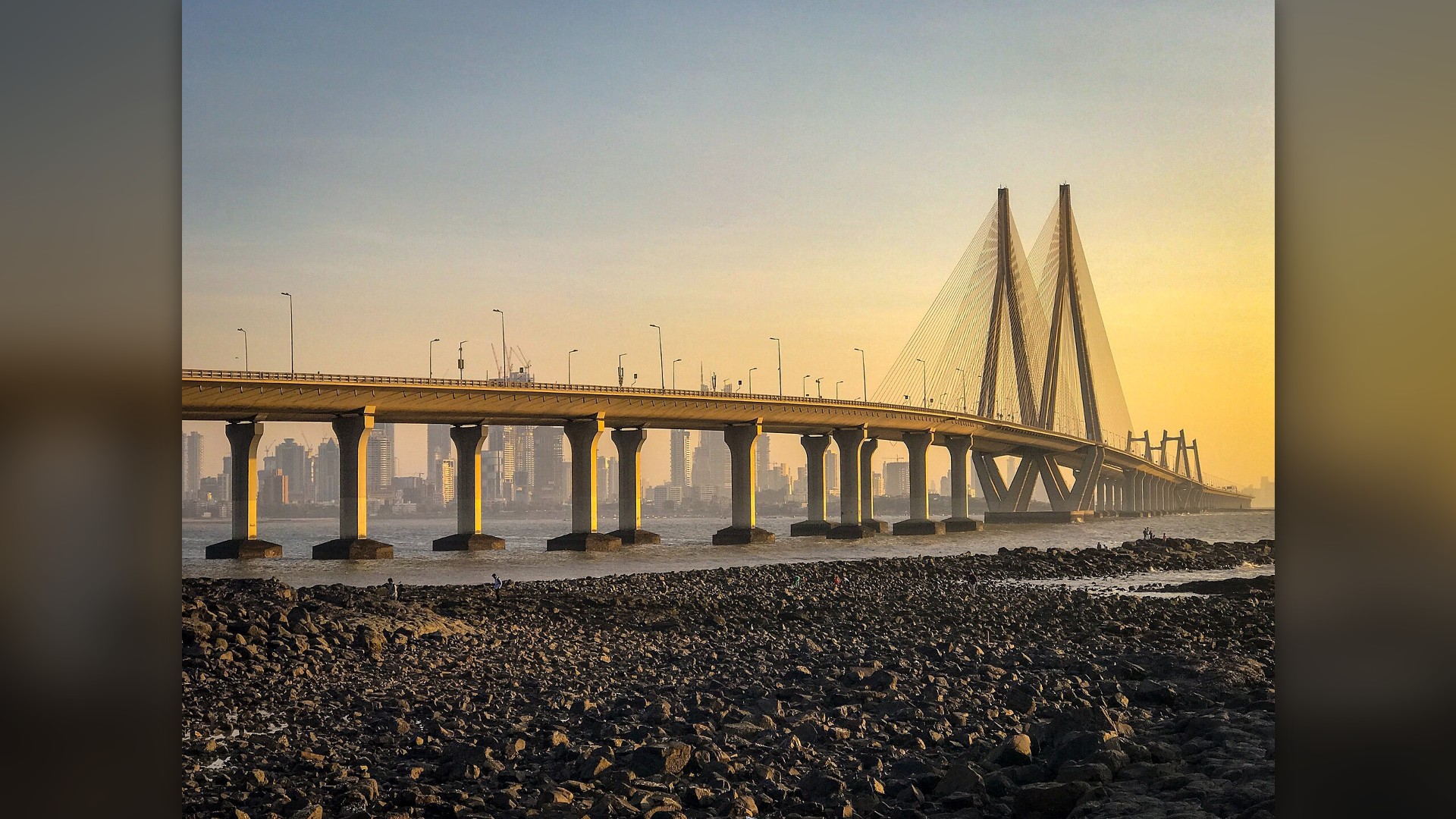
5. Mumbai, India
Demographia surveys consistently place Mumbai's built-up urban area among the densest megacities on Earth at roughly 24,500 people per square kilometer. Suburban trains carry millions down the island spine each day past Victorian terminals, high-rise towers, and dense workshops in Dharavi.
©Wikimedia / Mumbai
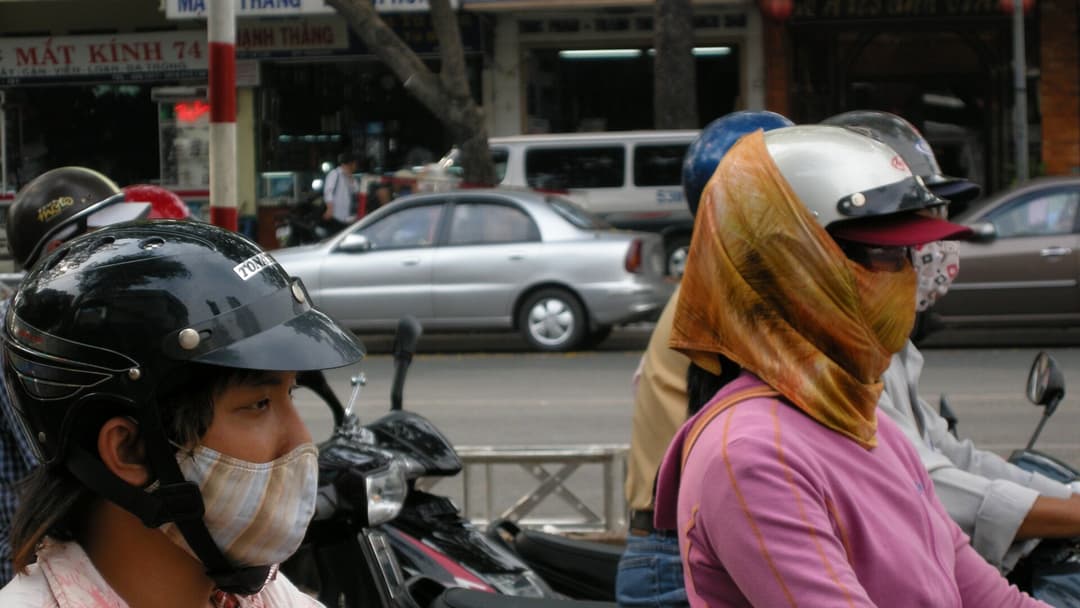
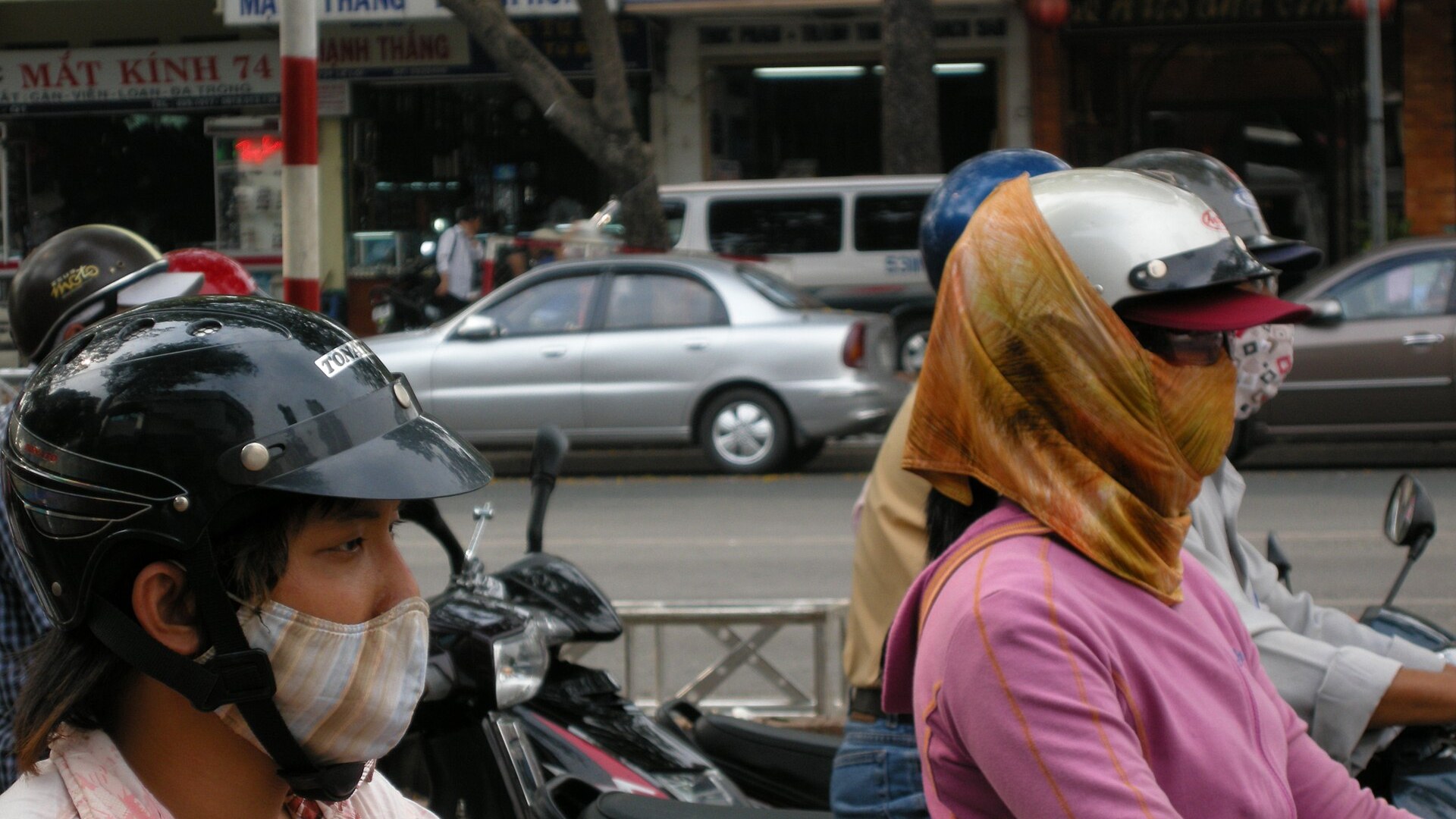
4. Ho Chi Minh City, Vietnam
Vietnam's largest city holds over 9 million residents across dense inner districts along the Saigon River. Narrow tube houses stack shops below family living quarters while millions of motorbikes turn roundabouts and side alleys into nonstop commercial arteries.
©Wikimedia / Vyacheslav Argenberg
Advertisement
Swipe or tap ▶ to resume the countdown.
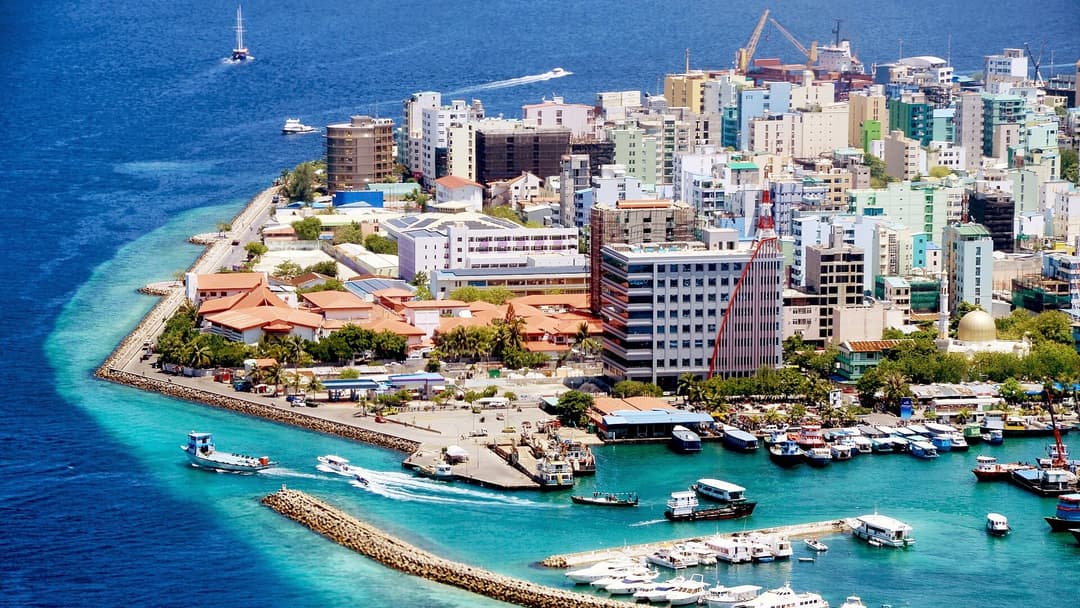
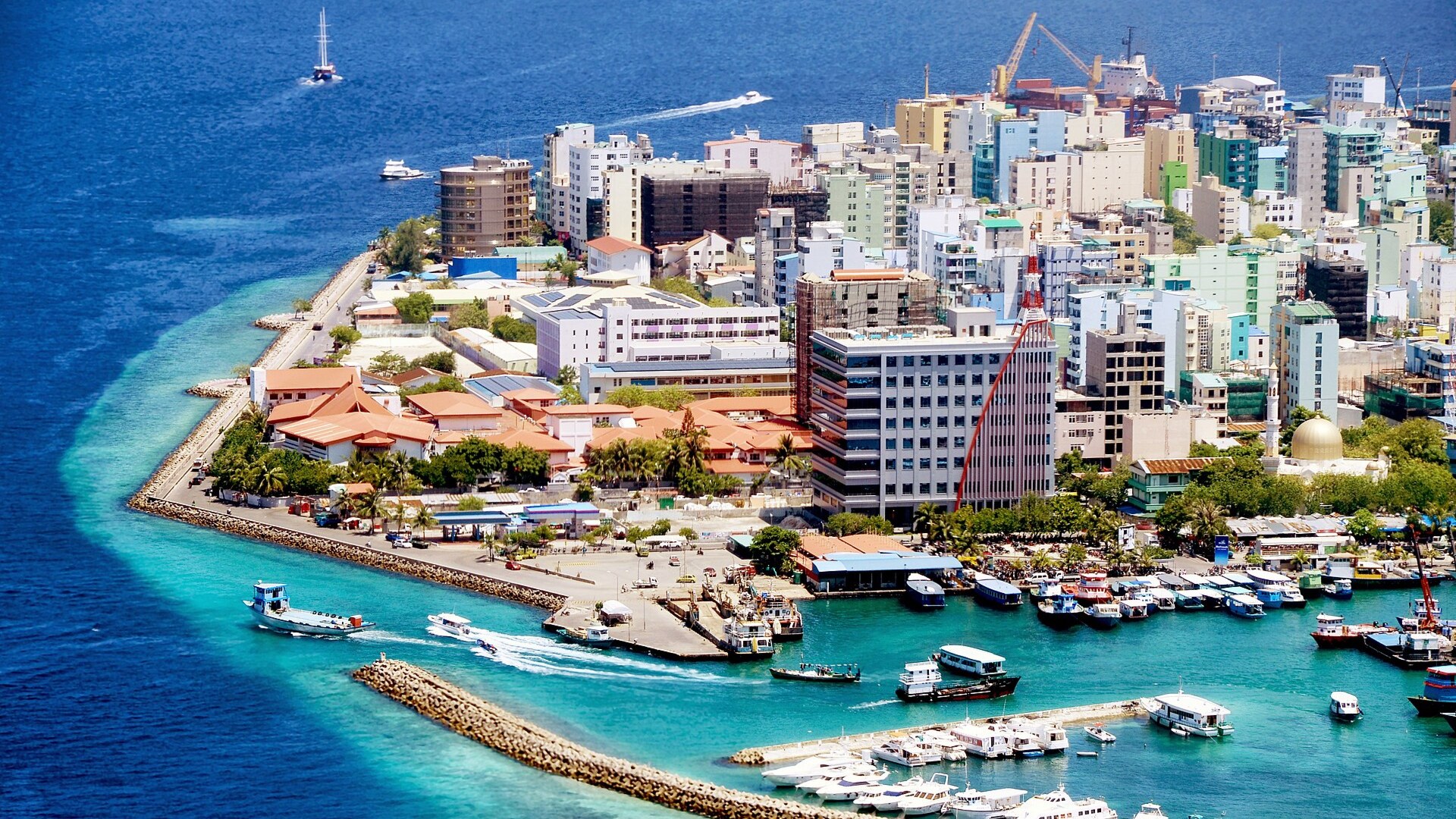
3. Male, Maldives
Male squeezes more than 200,000 residents onto a main island spanning barely two square kilometers in the Indian Ocean. With zero room for sprawl, apartment towers rise right to the seawall, leaving slender paved lanes for scooters and harbor ferries.
©Wikimedia / Ibrahim Asad
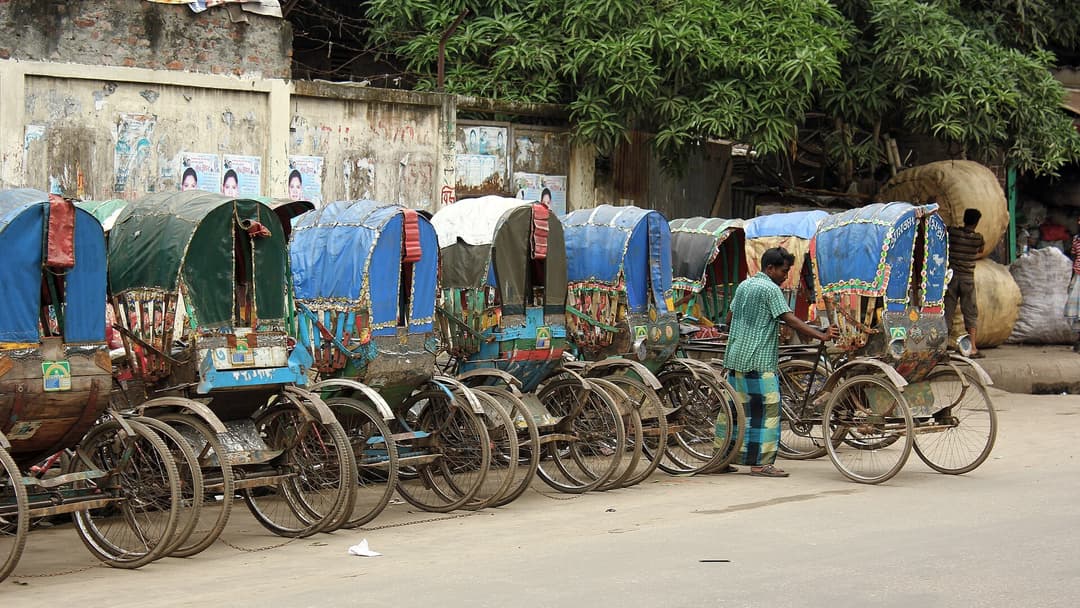
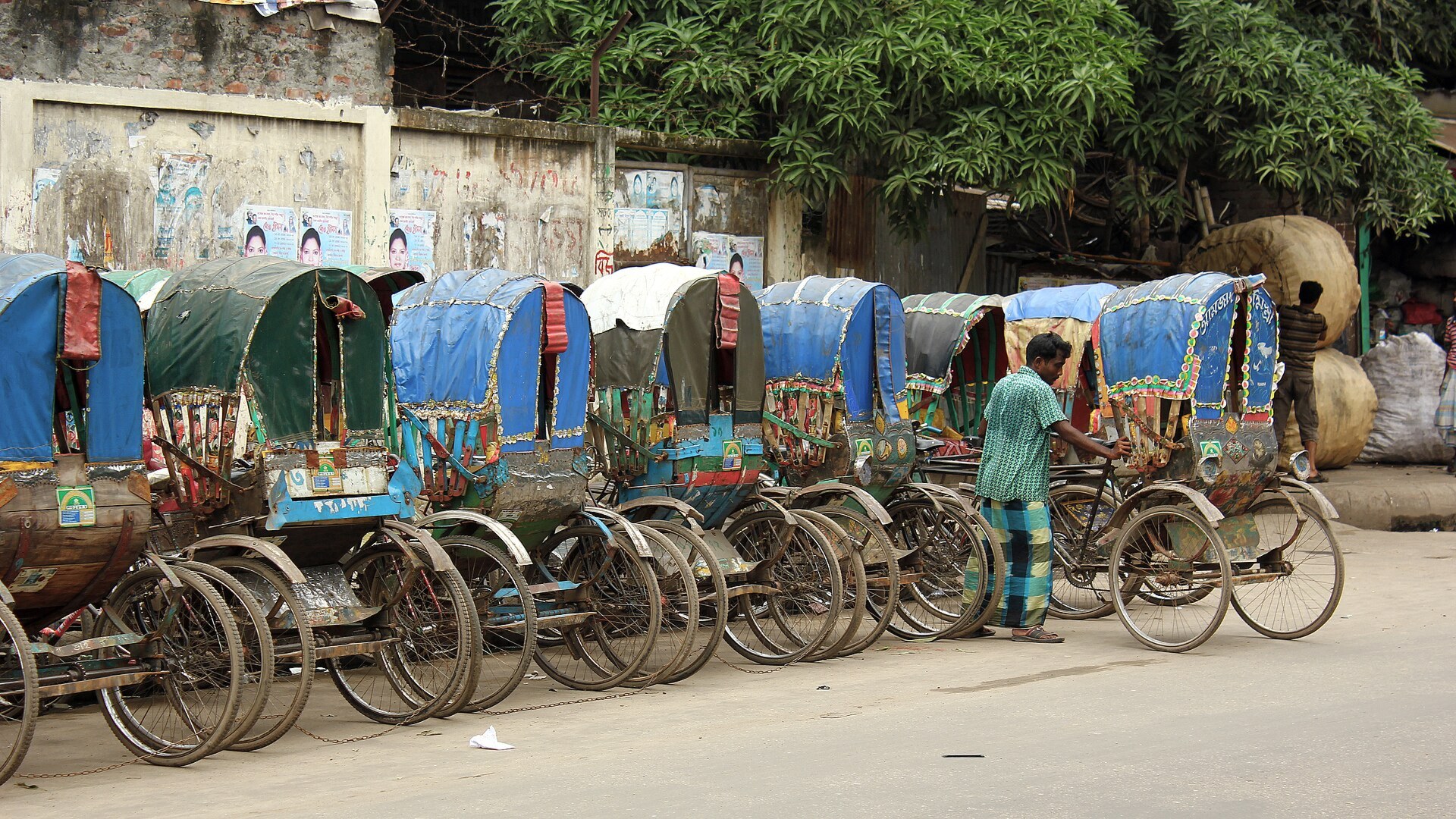
2. Dhaka, Bangladesh
UN-Habitat reports identify Dhaka as one of the world's fastest-growing and densest megacities, with core wards passing 33,000 people per square kilometer. Built on river delta land along the Buriganga, its streets rely on colorful cycle rickshaws, rooftop transit, and dense bazaars.
©Wikimedia / Nasir Khan Saikat @ flickr from Dhaka, Banglades
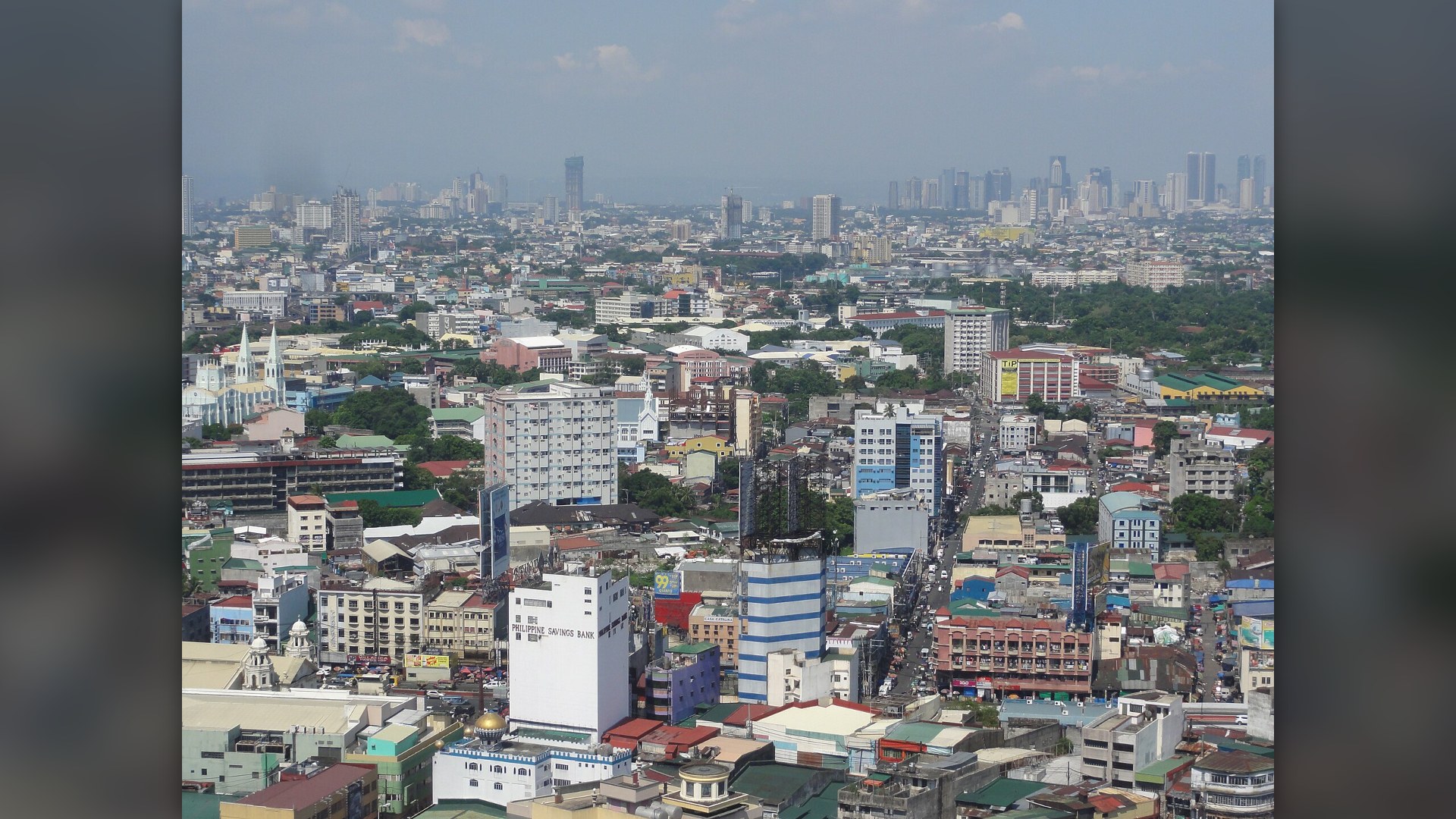
1. Manila, Philippines
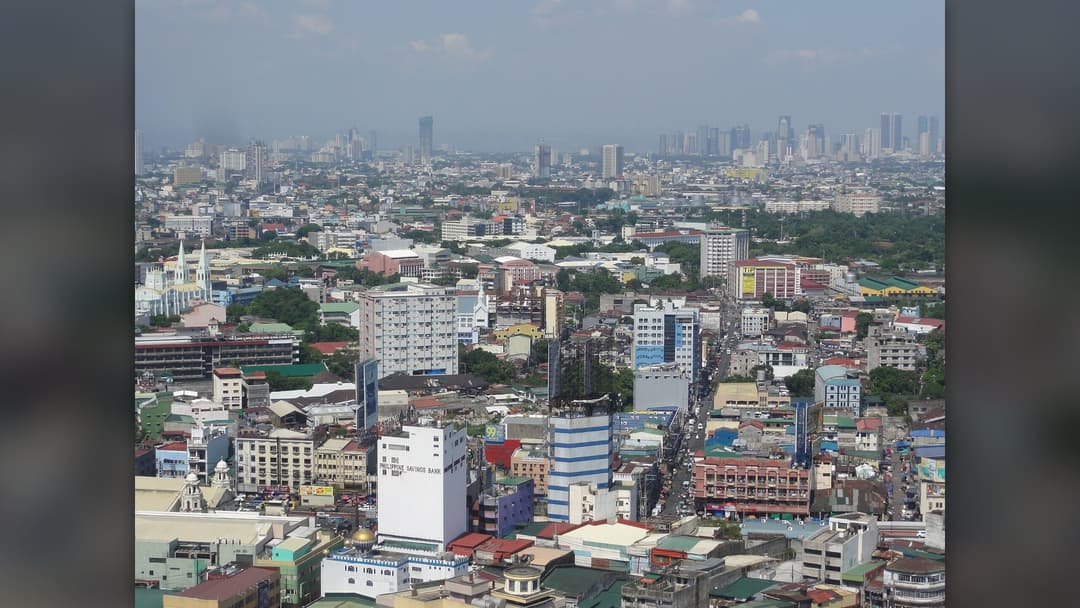
Philippine Statistics Authority census data places Manila proper above 44,000 residents per square kilometer across just 42.88 square kilometers, the highest city-proper density on Earth. From historic Binondo to Tondo and Quiapo, jeepneys, street markets, and rail lines share every tight block.
©Wikimedia / Patrick Roque
Advertisement
You've reached the end of the story. Thanks for reading!

25 Most Welcoming US States Ranked by Hospitality
Which American State Truly Treats Strangers Like Family
All 22 Entries in this Story
22. Paris, France
Roughly 2.05 million people live inside Paris proper across just 105.4 square kilometers, according to French national statistics. Baron Haussmann's 1850s avenues lined the core with uniform six-story apartment buildings served by 16 Metro lines.

21. Barcelona, Spain
Barcelona squeezes about 1.71 million residents into 100.7 square kilometers between the Mediterranean Sea and the Collserola hills. Engineer Ildefons Cerda designed the 1859 Eixample grid with chamfered corners to improve light and traffic flow through crowded residential blocks.

20. Manhattan, New York City
Manhattan holds roughly 1.69 million residents on 58.7 square kilometers of bedrock, per U.S. Census Bureau figures, making it the densest county in the United States. Daytime crowds swell further with commuters pouring in via bridges, tunnels, and 24-hour subway lines.

19. Taipei, Taiwan
Surrounded by the Taipei Basin hills, the city packs around 2.43 million residents into 271.8 square kilometers, based on Taipei City Government statistics. Scooters crowd dedicated bridge lanes each morning while underground malls and night markets keep street life active after dark.

18. Bangkok, Thailand
More than 9 million people live across Bangkok's 1,568.7 square kilometers, with central districts packed around the Chao Phraya River. Skytrain viaducts rise above narrow alleys called sois, where street food carts, motorbike taxis, and express boats share every corridor.

17. Seoul, South Korea
Seoul houses about 9.58 million residents across 605.2 square kilometers, framed by forested granite peaks like Bukhansan. Massive residential towers and underground shopping arcades link directly to one of the world's busiest metropolitan subway networks.

16. Tokyo, Japan
Tokyo's 23 special wards hold nearly 10 million people across 627.5 square kilometers, according to Japanese municipal figures. Precision rail timetables move millions of commuters through hubs like Shinjuku and Shibuya without bringing street-level commerce to a halt.

15. Jakarta, Indonesia
Jakarta proper covers 664 square kilometers along the Java Sea and forms the core of a metropolitan region ranked by the UN among the world's largest. Tightly built kampung neighborhoods sit behind glass office towers, linked by TransJakarta bus rapid transit lanes and motorbike traffic.

14. Lagos, Nigeria
West Africa's largest commercial hub concentrates millions of people on coastal islands and fast-growing mainland corridors. Yellow danfo minibuses, open-air markets, and causeways across the Lagos Lagoon keep goods moving through Africa's busiest urban economy.

13. Karachi, Pakistan
The 2023 Pakistani census recorded more than 20.3 million residents in Karachi Division, with central districts exceeding 55,000 people per square kilometer. Historic Saddar bazaars, railway terminals, and bus corridors serve as the country's primary Arabian Sea gateway.

12. Delhi, India
India's capital territory held 16.79 million residents in the 2011 Indian census and has grown steadily since, per UN urban estimates. In Old Delhi's Chandni Chowk, cycle rickshaws, spice wholesalers, and pedestrians weave past centuries-old facades just steps from Delhi Metro stations.

11. Kathmandu, Nepal
Surrounded by steep mountain ridges, Kathmandu's municipal core packs over 862,000 people into just 49.5 square kilometers, according to Nepal's 2021 national census. Narrow brick alleys radiate out from medieval Durbar Square into dense concrete suburbs across the valley floor.

10. Singapore
With more than 6 million residents on roughly 737 square kilometers, Singapore ranks among the world's densest sovereign states. Nearly four out of five residents live in high-rise Housing and Development Board estates paired with underground rail stations and elevated walkways.

9. Hong Kong
Because rugged hills cover most of Hong Kong's territory, development crowds into narrow coastal strips and Kowloon districts like Mong Kok. Double-decker trams, stacked neon-era shopfronts, and covered footbridges handle tens of thousands of pedestrians per hour.

8. Macau
According to UN demographic data, Macau ranks as the most densely populated territory on Earth, averaging more than 21,000 people per square kilometer. Narrow peninsula streets blend Portuguese colonial plazas with tightly packed high-rise apartment blocks and Cotai resort towers.

7. Cairo, Egypt
Flanked by desert plateaus on both sides of the Nile, Cairo squeezes millions into closely built residential blocks and historic Islamic quarters. Streets like Al-Muizz link medieval mosques and markets with modern river bridges and metro lines carrying daily commuters.

6. Kolkata, India
Set along the Hooghly River, Kolkata ranks among India's densest historic metros with dense street-level trade on nearly every block. Roadside tea stalls, book markets in College Street, and colonial-era tram tracks pack generations of urban life into narrow footprints.

5. Mumbai, India
Demographia surveys consistently place Mumbai's built-up urban area among the densest megacities on Earth at roughly 24,500 people per square kilometer. Suburban trains carry millions down the island spine each day past Victorian terminals, high-rise towers, and dense workshops in Dharavi.

4. Ho Chi Minh City, Vietnam
Vietnam's largest city holds over 9 million residents across dense inner districts along the Saigon River. Narrow tube houses stack shops below family living quarters while millions of motorbikes turn roundabouts and side alleys into nonstop commercial arteries.

3. Male, Maldives
Male squeezes more than 200,000 residents onto a main island spanning barely two square kilometers in the Indian Ocean. With zero room for sprawl, apartment towers rise right to the seawall, leaving slender paved lanes for scooters and harbor ferries.

2. Dhaka, Bangladesh
UN-Habitat reports identify Dhaka as one of the world's fastest-growing and densest megacities, with core wards passing 33,000 people per square kilometer. Built on river delta land along the Buriganga, its streets rely on colorful cycle rickshaws, rooftop transit, and dense bazaars.

1. Manila, Philippines
Philippine Statistics Authority census data places Manila proper above 44,000 residents per square kilometer across just 42.88 square kilometers, the highest city-proper density on Earth. From historic Binondo to Tondo and Quiapo, jeepneys, street markets, and rail lines share every tight block.