Slideshow · Sports
22 Japanese Sports Cars That Shaped Global Performance Culture
Spanning the 1967 Toyota 2000GT to the 2010 Lexus LFA, this countdown tracks 22 Japanese sports cars that reshaped engineering and driving culture. Drawn from factory records published by Toyota, Nissan, Honda, Mazda, Subaru, Mitsubishi, and Suzuki, each slide details verified specs and production history.
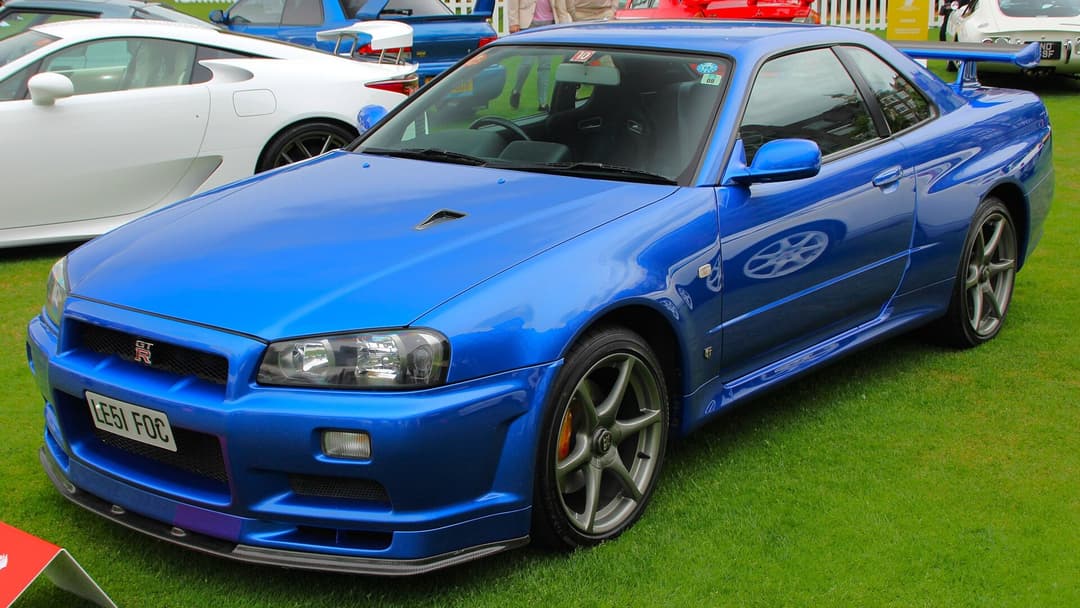

All 22 Entries in this Story
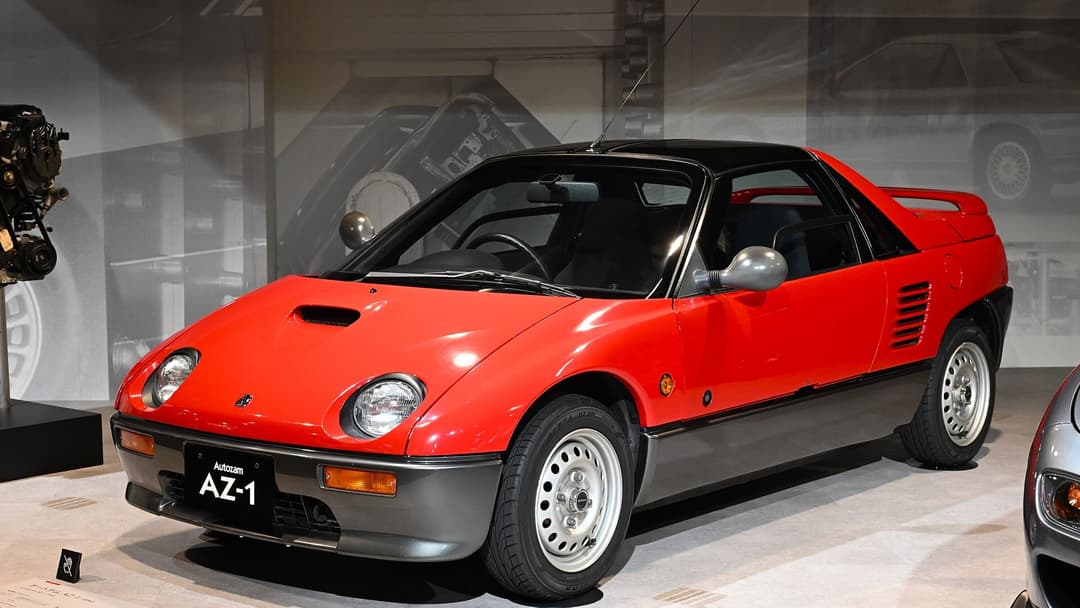
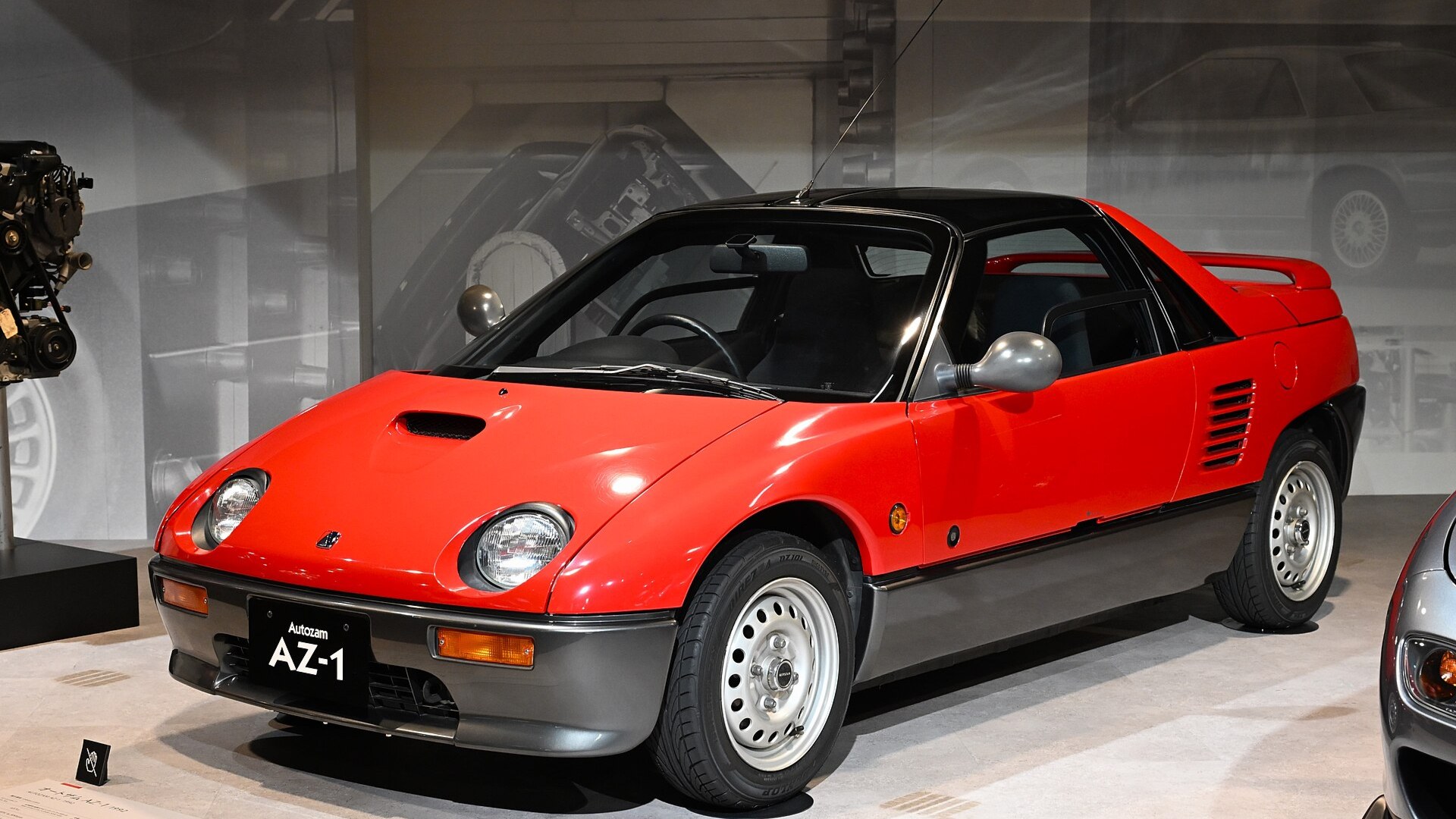
Autozam AZ-1
Launched in 1992 under Mazda's Autozam marque, the AZ-1 packed a turbocharged 657 cc three-cylinder Suzuki engine behind the seats. Weighing just 720 kilograms with fiberglass body panels over a steel skeleton, it turned Japan's strict kei-car limits into a pint-sized exotic.
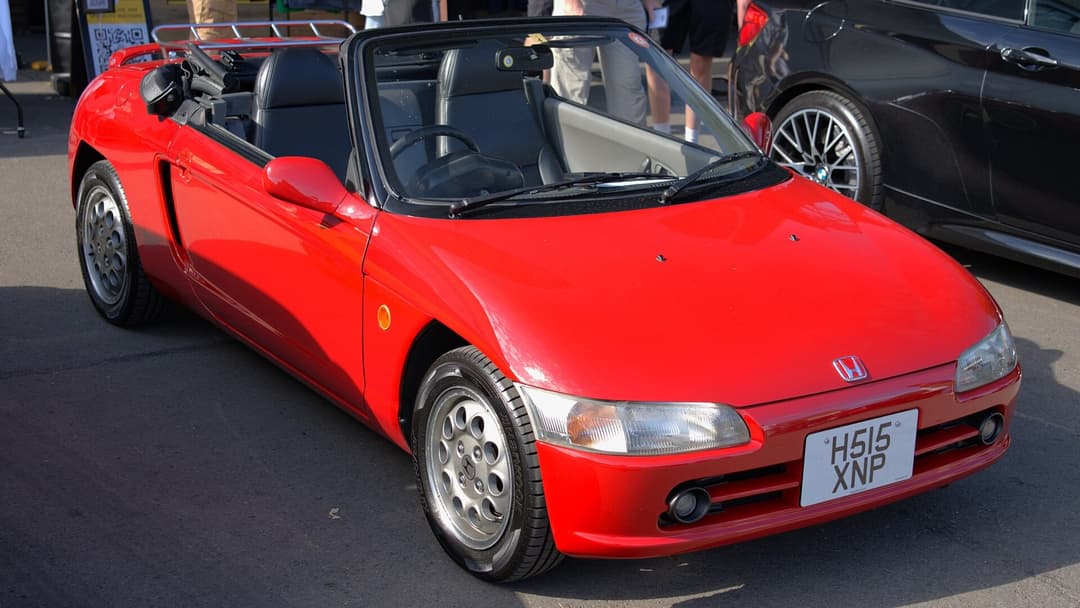
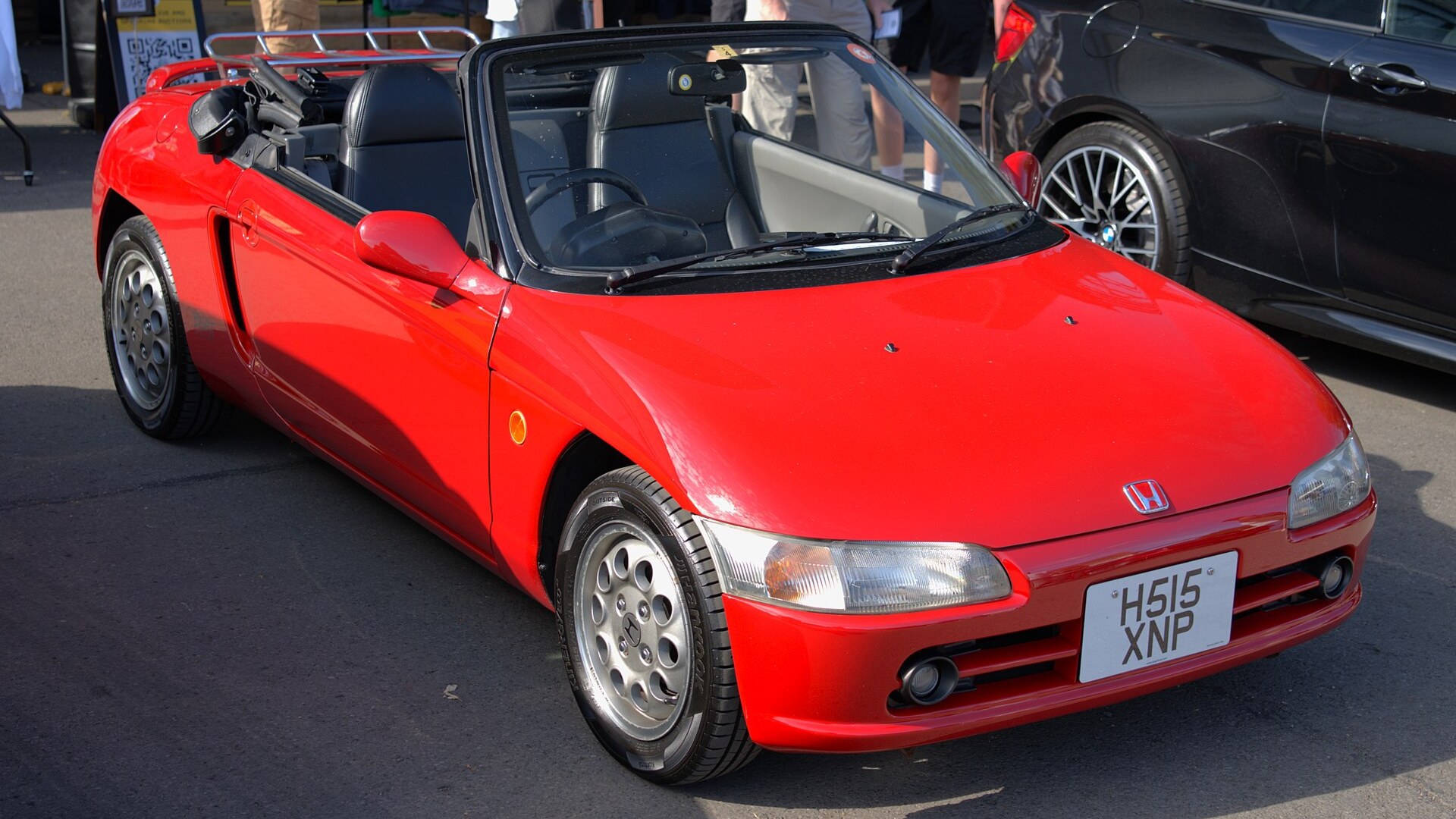
Honda Beat
Introduced in May 1991, the Beat was the last car approved by founder Soichiro Honda before his death later that year. Instead of a turbocharger, its 656 cc three-cylinder used individual throttle bodies to rev past 8,100 rpm, paired with a five-speed manual gearbox and zebra-print seats.
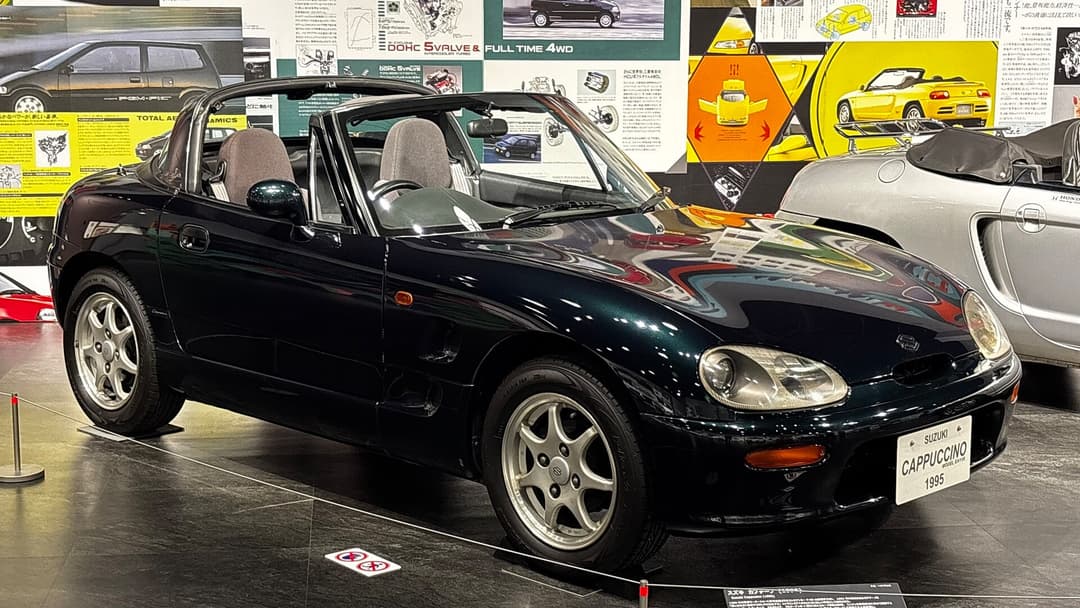
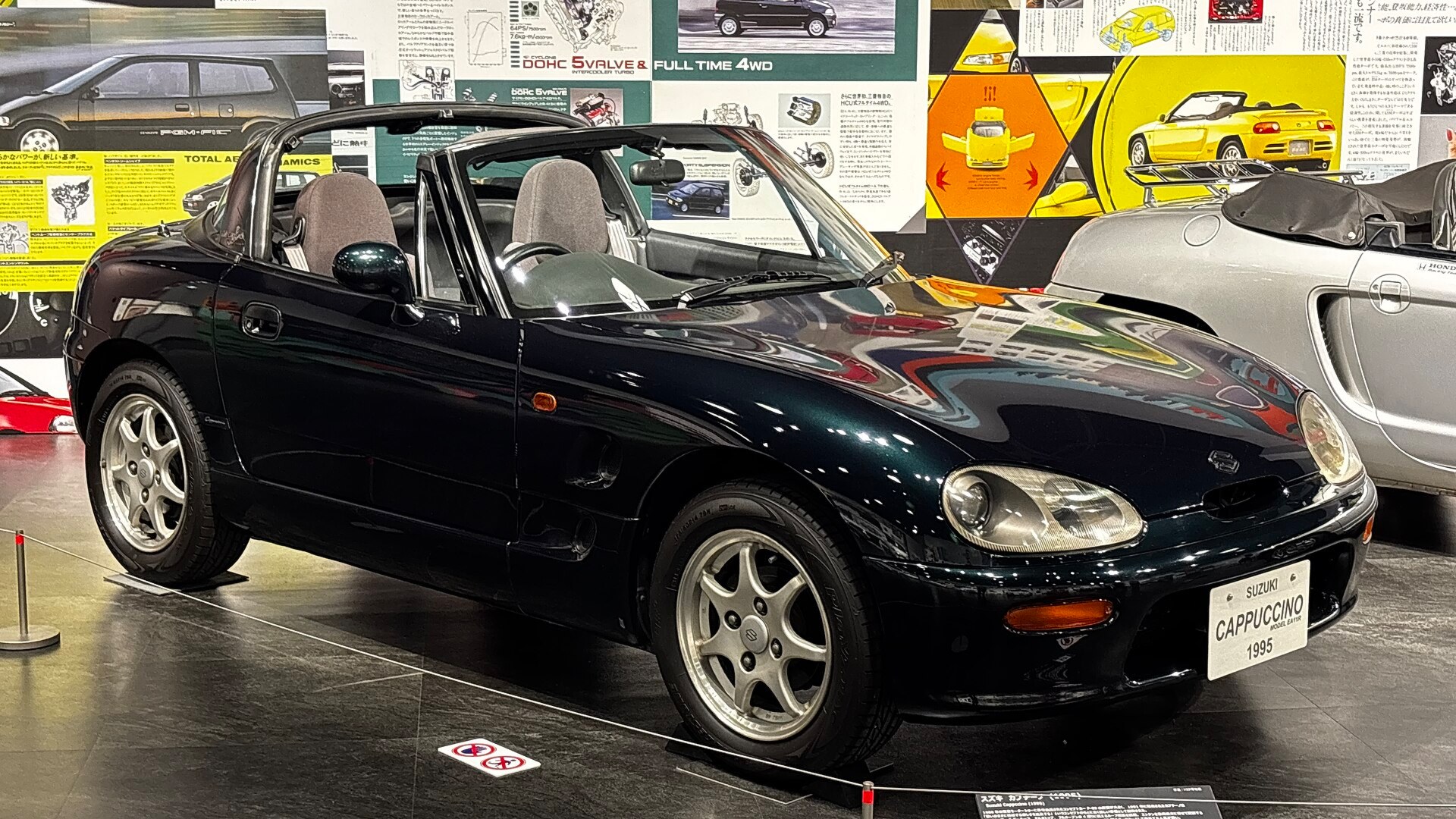
Suzuki Cappuccino
Debuting in late 1991, the Cappuccino completed Japan's famed ABC trio of kei sports cars alongside the AZ-1 and Beat. Its turbocharged 657 cc inline-three sat behind the front axle for 50-50 weight distribution, while three aluminum roof panels converted it from coupe to full convertible.
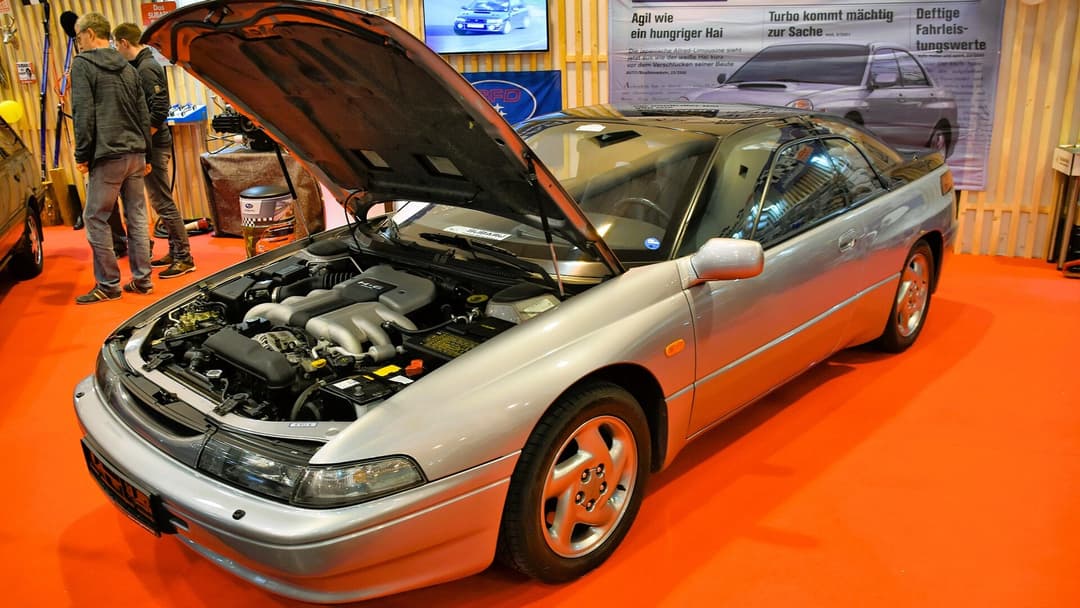
Subaru SVX
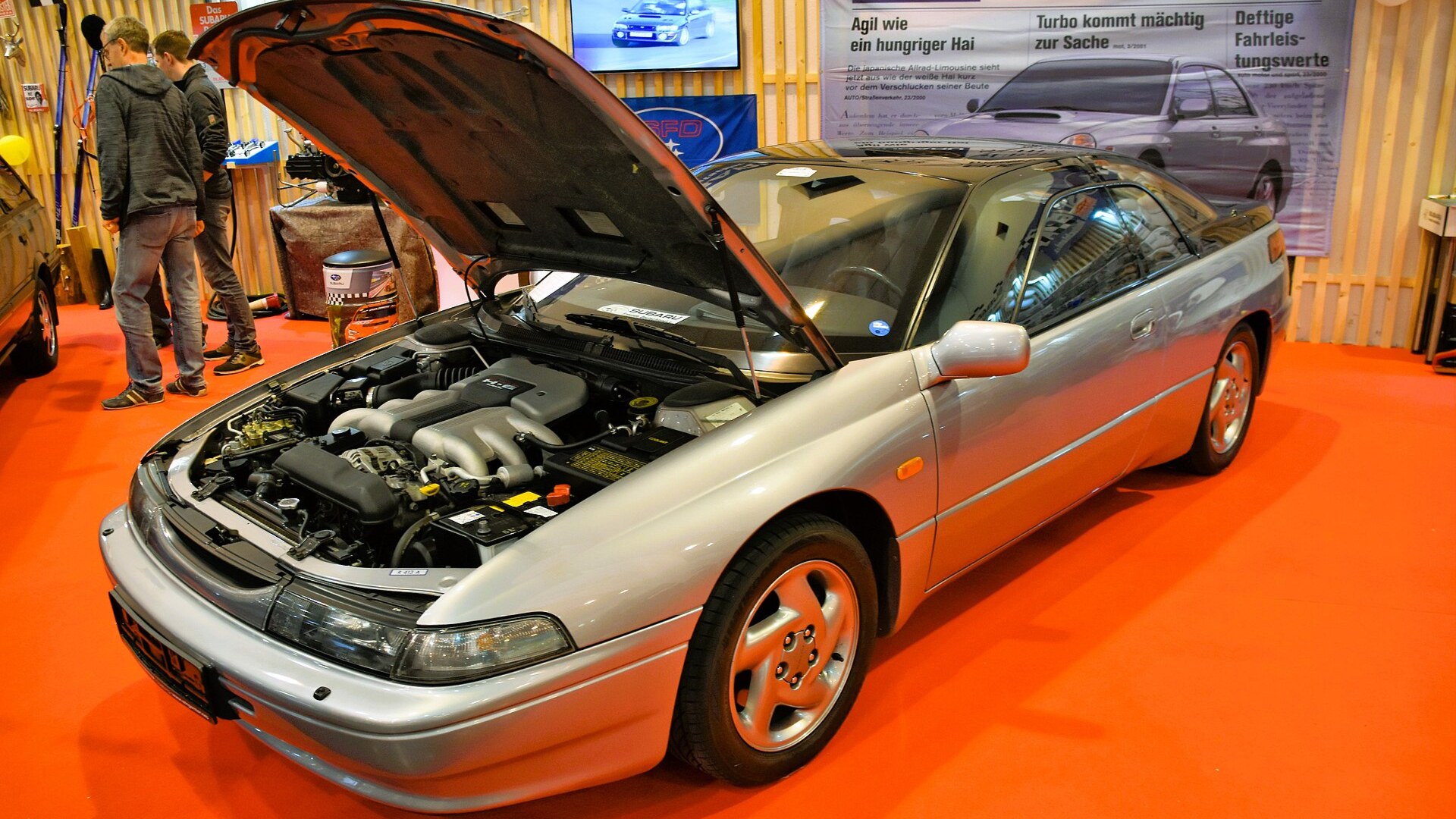
Unveiled at the 1989 Tokyo Motor Show and sold from 1991 to 1996, the SVX stood out for its glass-to-glass canopy with split side windows. Power came from a 3.3-liter flat-six engine producing 230 horsepower, routed through all-wheel drive in most export markets.
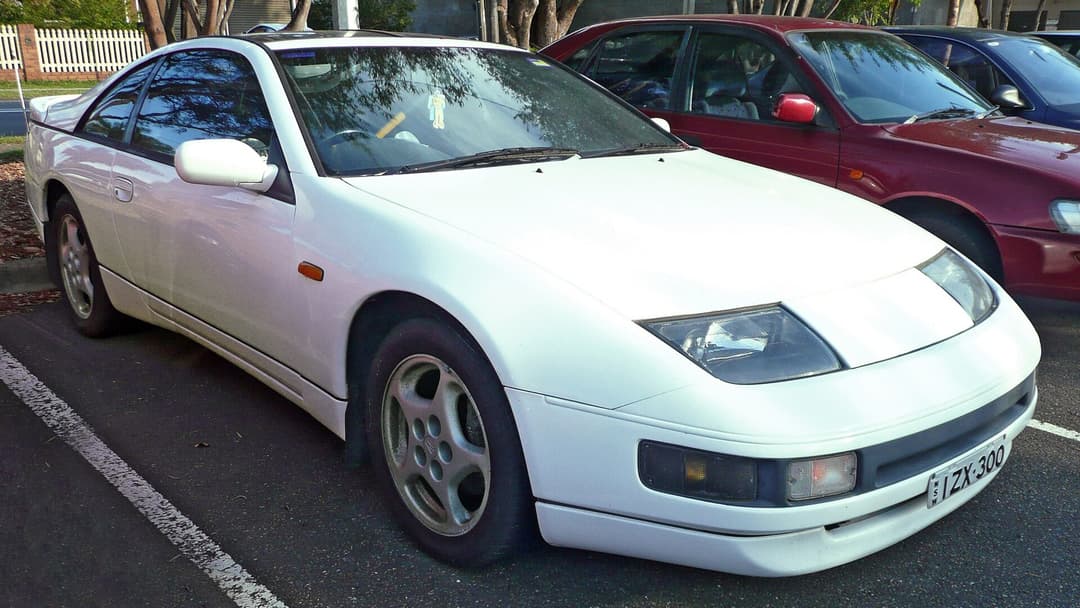
Nissan 300ZX Z32
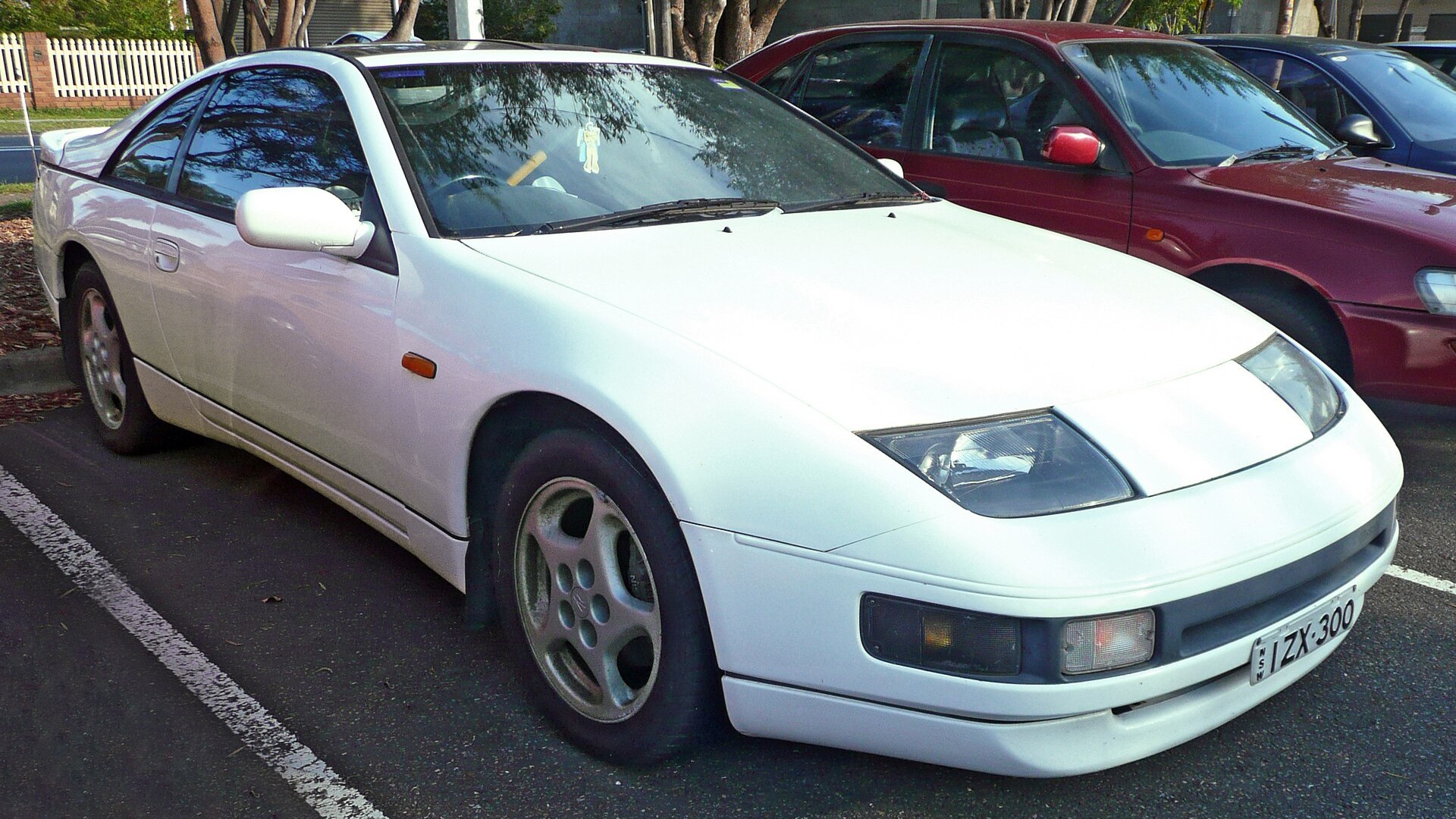
Launched in 1989, the Z32 300ZX was among the first production cars shaped using a Cray supercomputer for aerodynamics. Twin-Turbo trims paired a 3.0-liter DOHC V6 rated at 300 horsepower with Nissan's Super HICAS four-wheel steering, earning seven straight Car and Driver Ten Best awards.
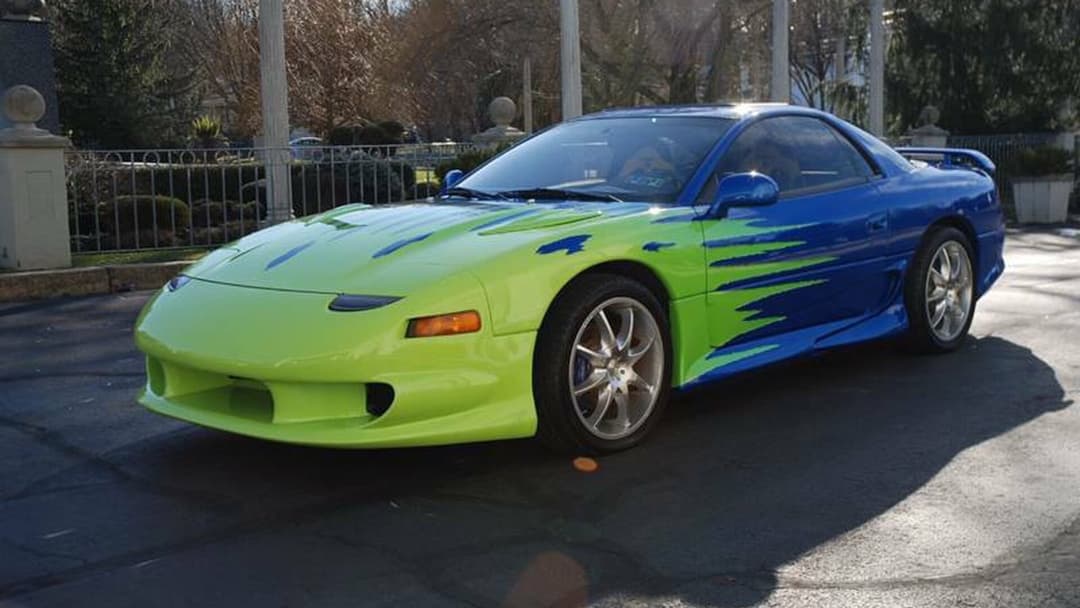
Mitsubishi 3000GT
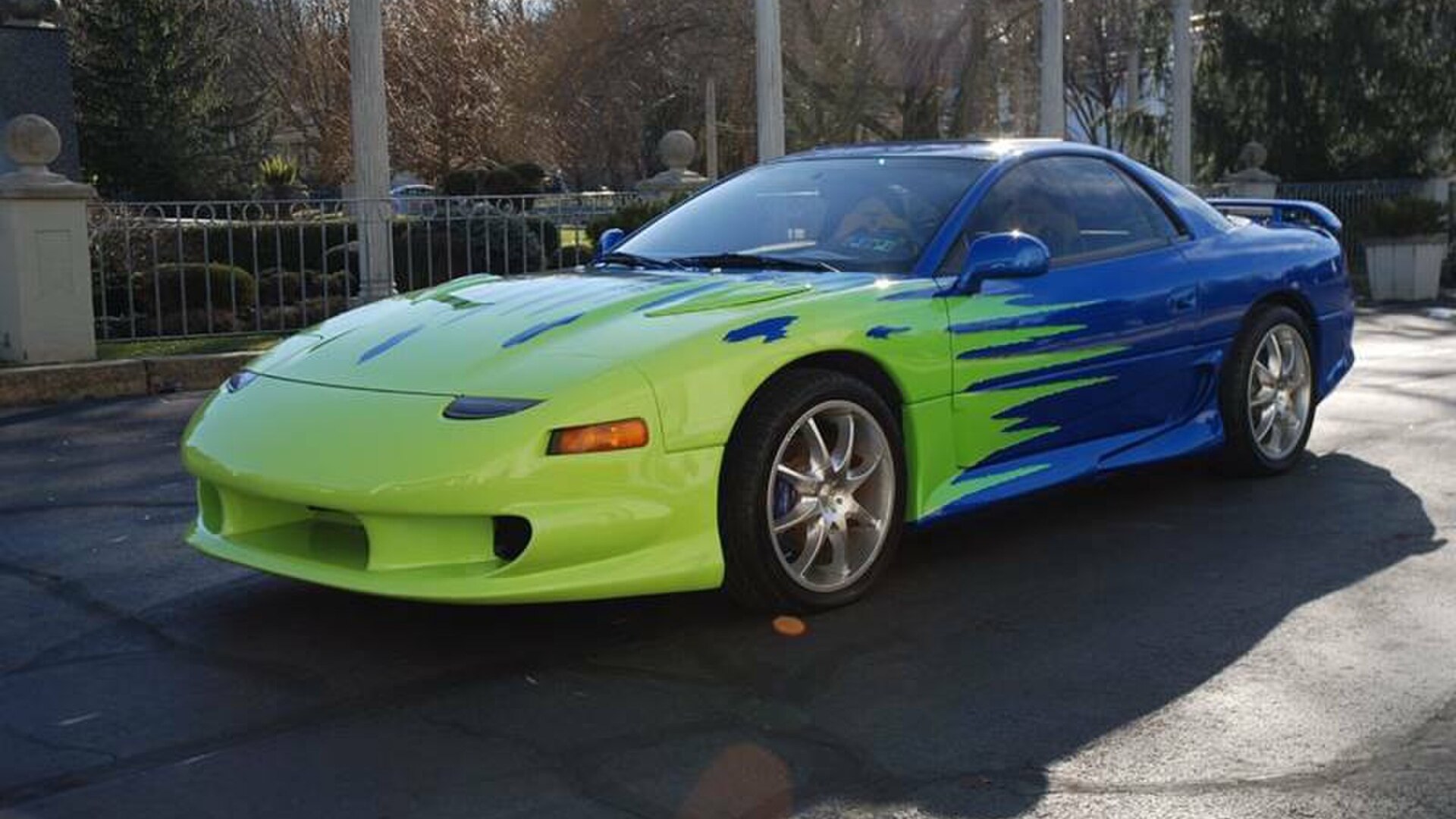
Debuting in 1990, the Mitsubishi 3000GT VR-4 showcased peak bubble-era Japanese electronics. Its twin-turbo 3.0-liter V6 made 300 horsepower in U.S. spec, backed by full-time all-wheel drive, four-wheel steering, electronically controlled dampers, and speed-activated front and rear spoilers.
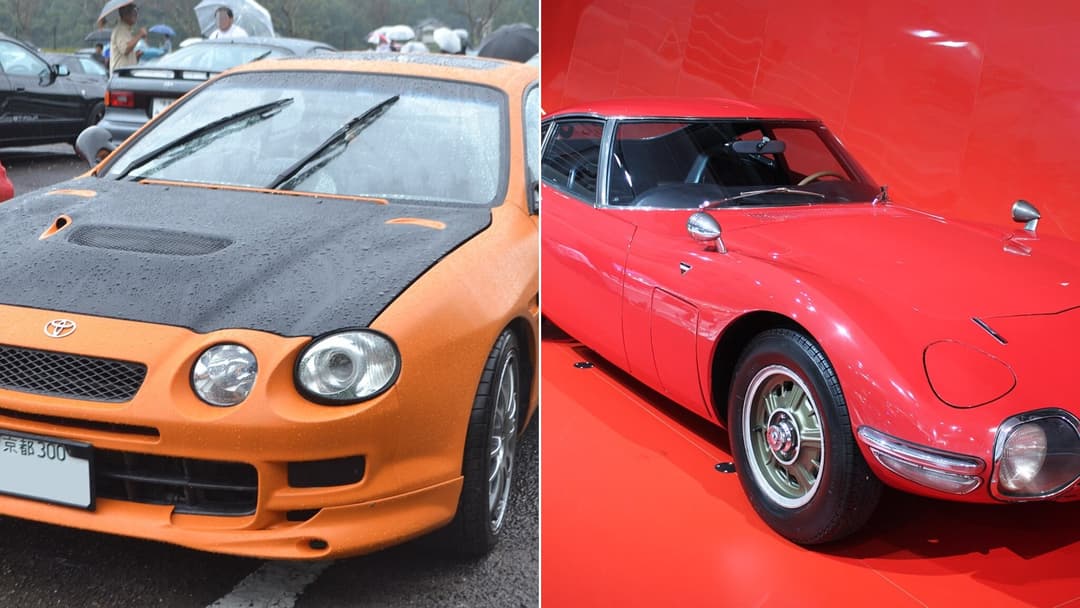
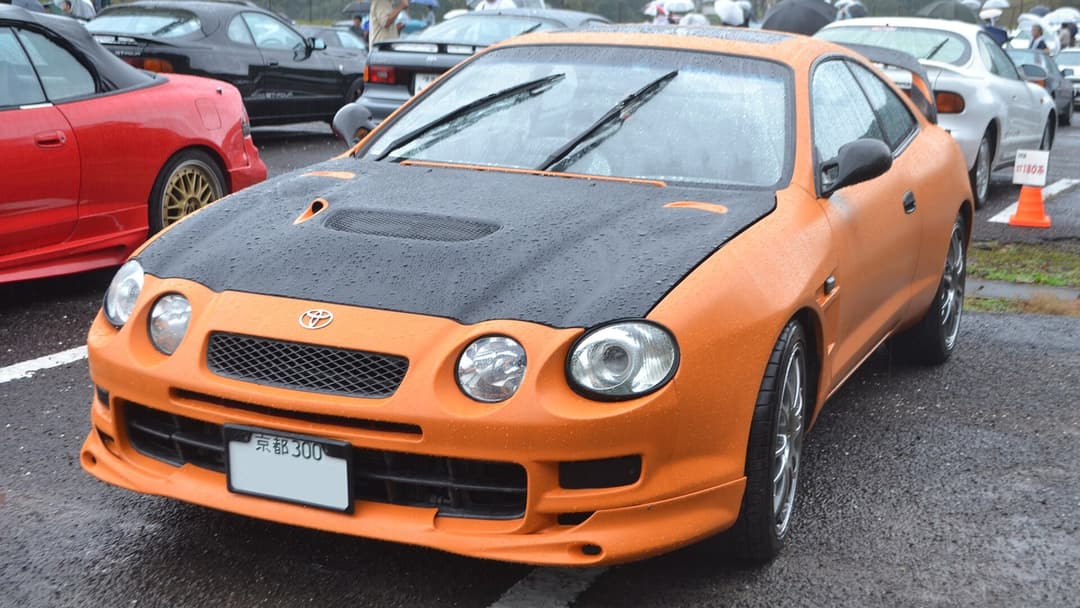
Toyota Celica GT-Four
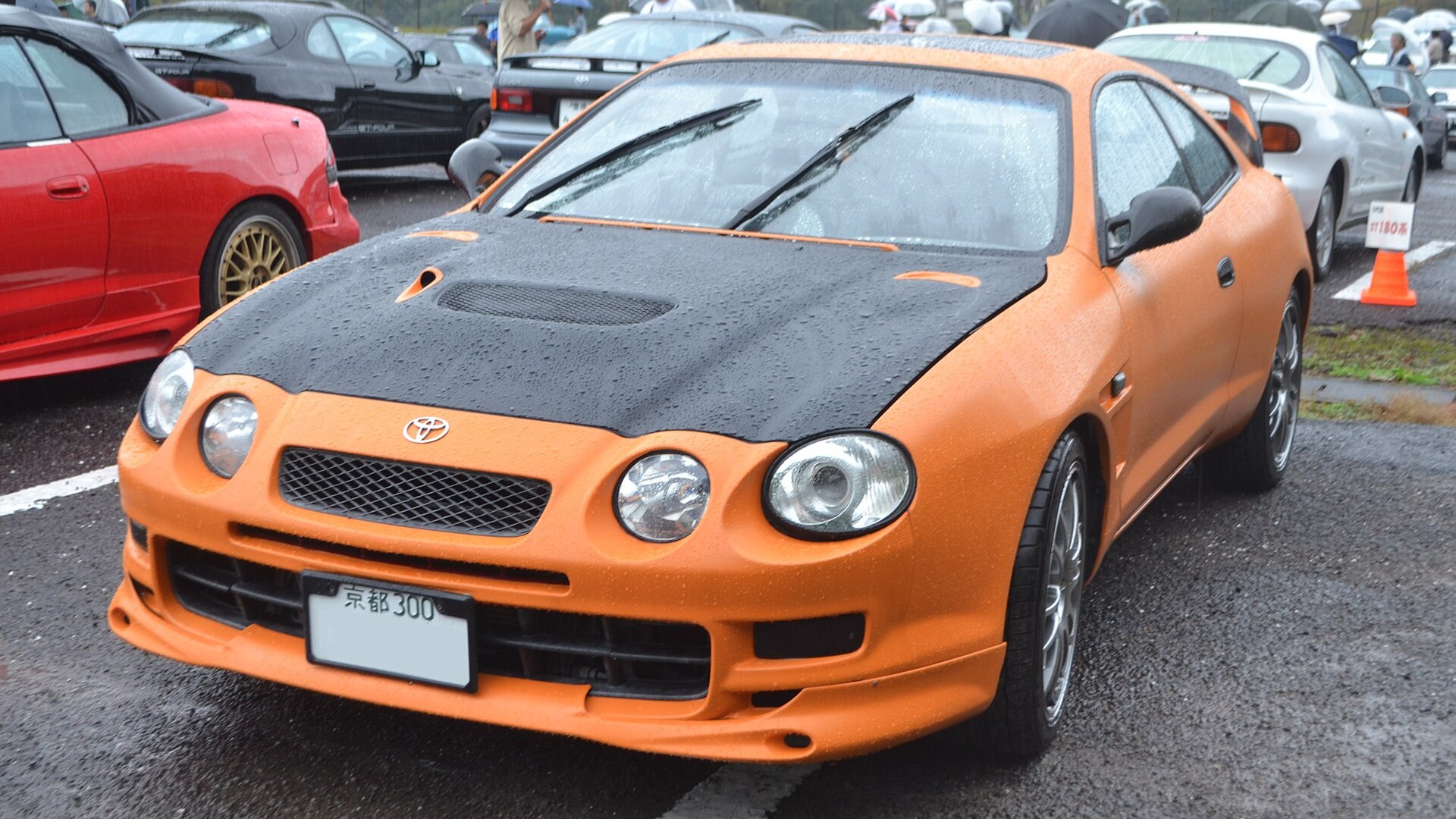
Released in February 1994, the ST205 was the most advanced Celica GT-Four Toyota ever built. Its turbocharged 2.0-liter 3S-GTE inline-four used an air-to-water intercooler and Super Strut front suspension, while WRC versions shipped with high-rise rear wings and hood spoilers.
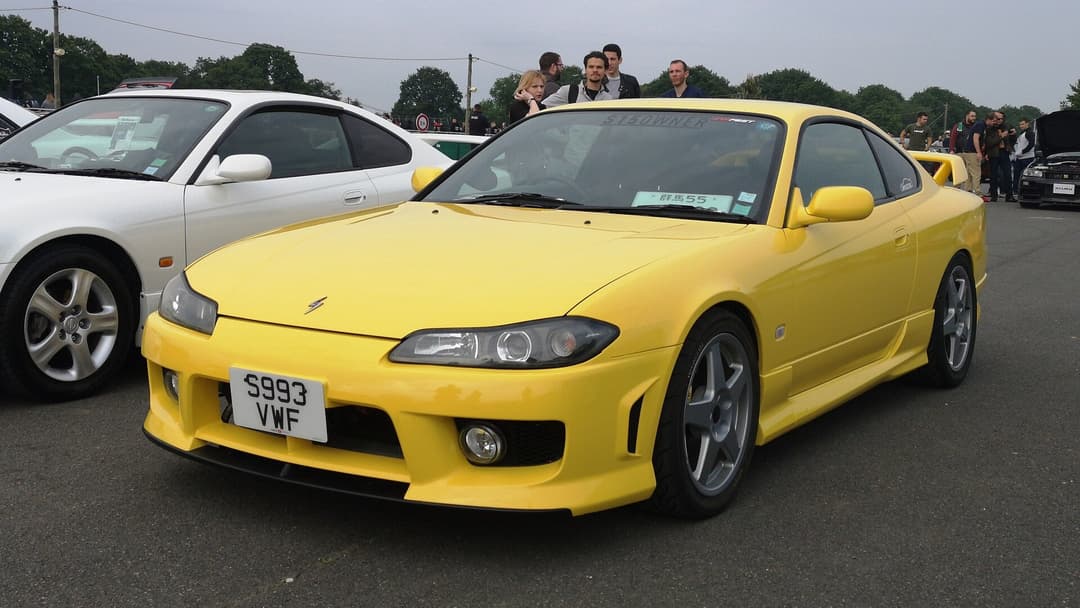
Nissan Silvia S15
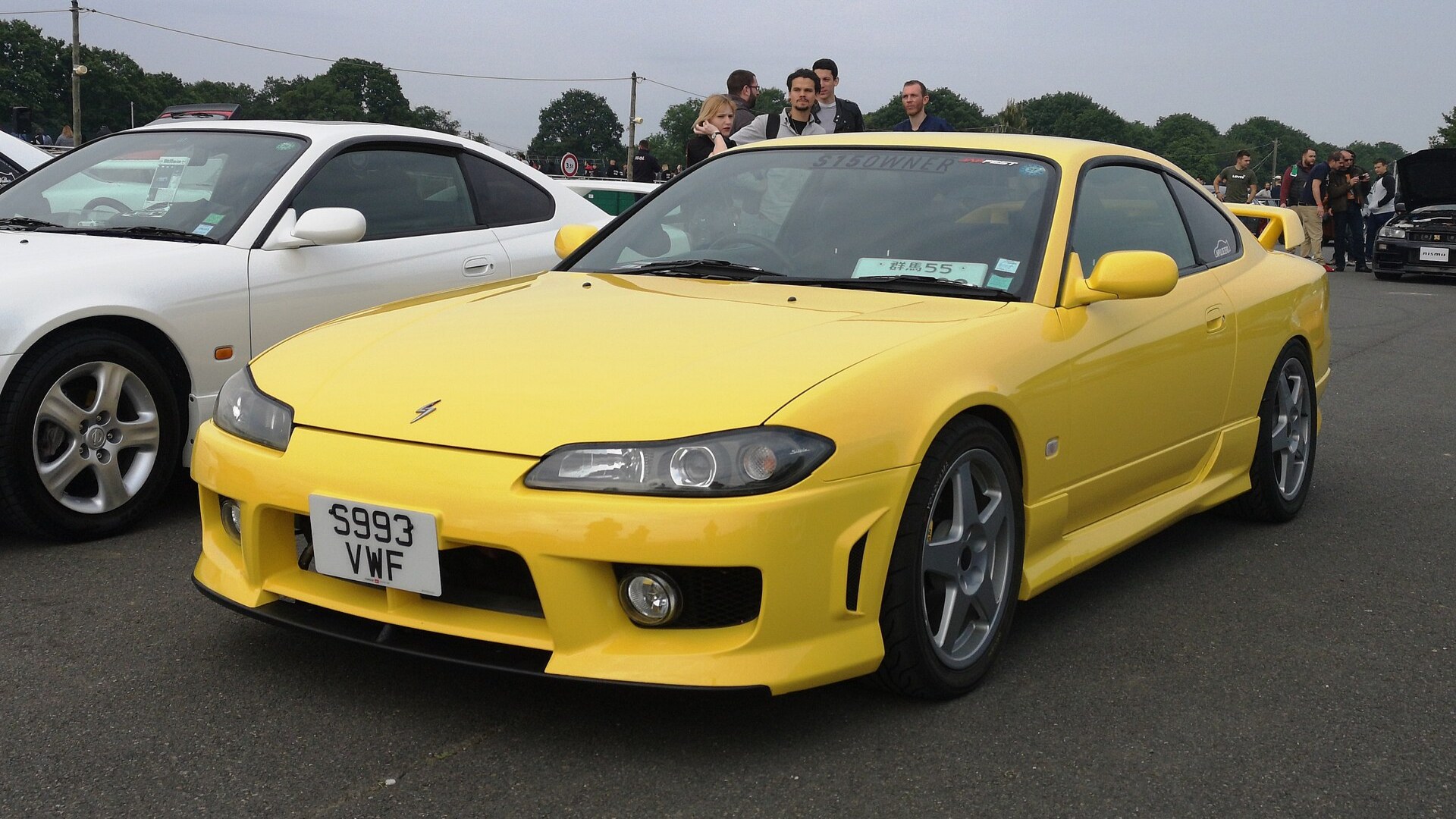
Introduced in January 1999 as the final generation of the Silvia, the S15 paired compact proportions with sharp styling. Spec-R models featured a ball-bearing turbocharged SR20DET inline-four rated at 250 PS in Japan, a six-speed manual transmission, and a helical limited-slip differential.
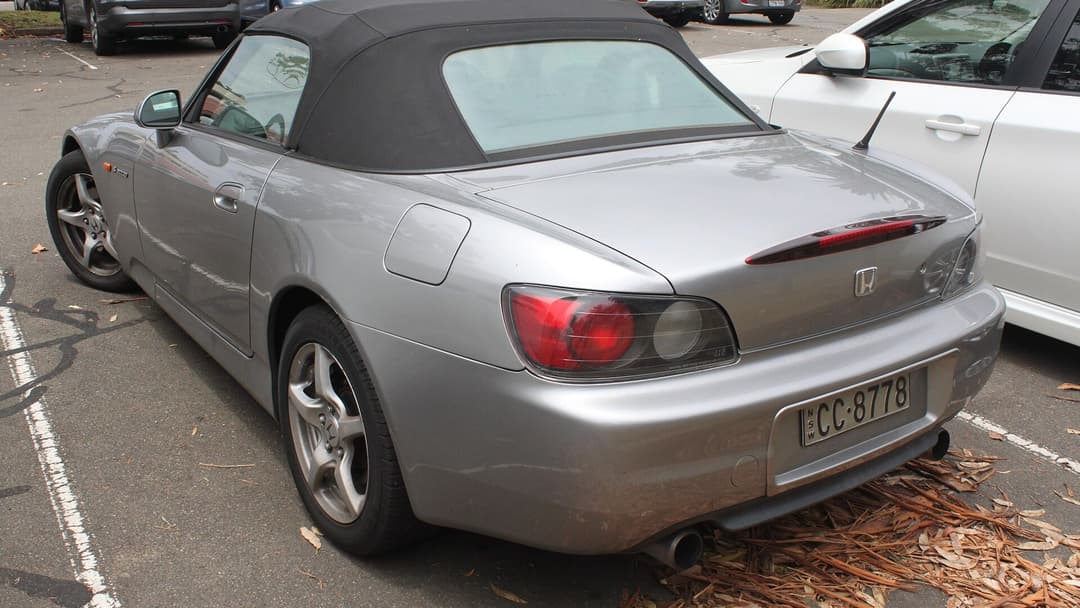
Honda S2000
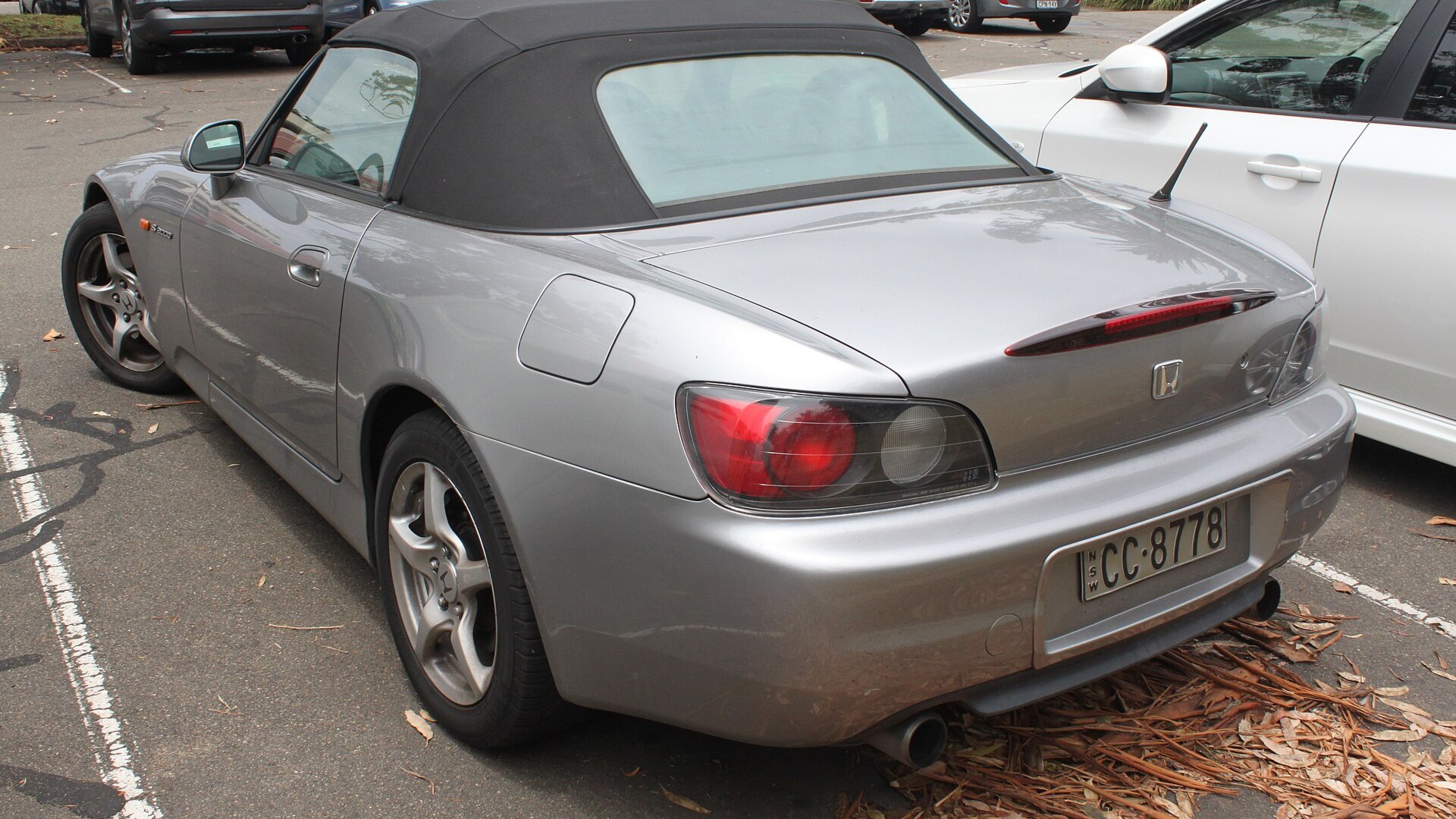
Arriving in 1999, the S2000 AP1 carried a naturally aspirated 2.0-liter F20C VTEC inline-four that produced 240 horsepower in North America without forced induction. Built on a rigid X-bone frame with 50-50 weight balance, it remains one of the highest-revving roadsters ever sold.
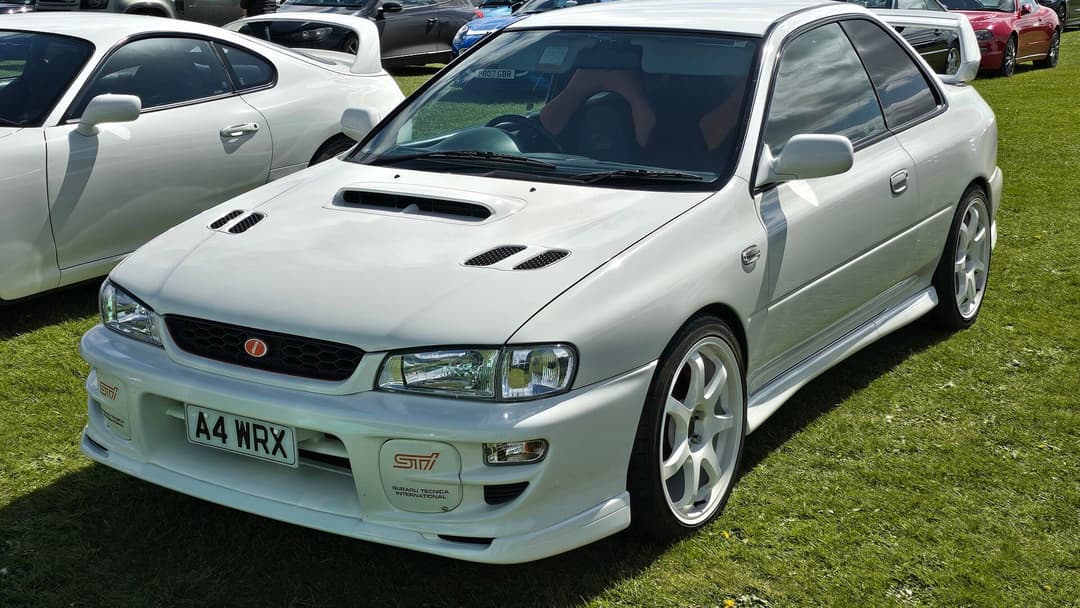
Subaru Impreza WRX STI
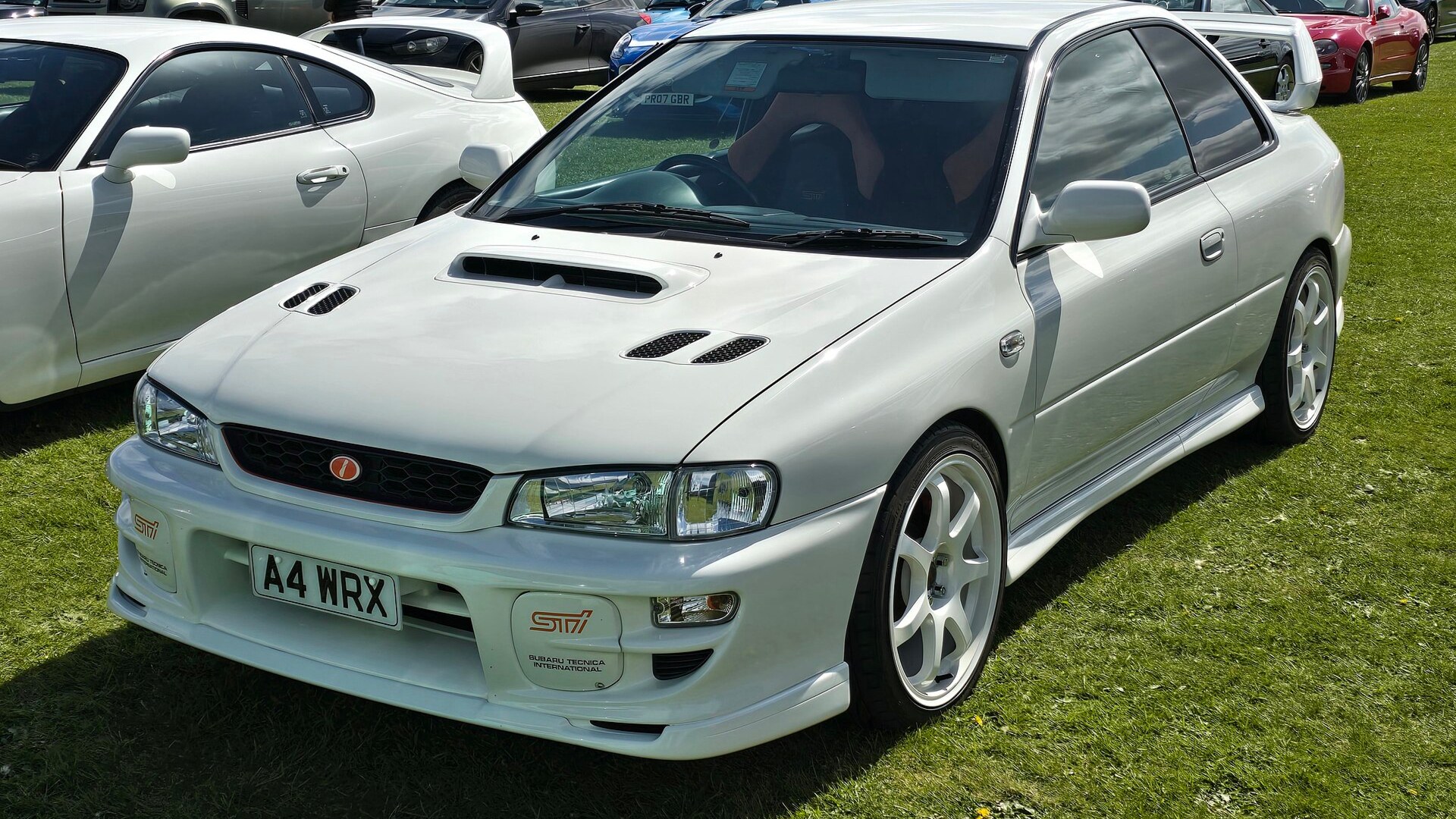
Subaru Tecnica International began building hand-tuned Impreza WRX STI models in 1994 to homologate upgrades for world rallying. Powered by a turbocharged EJ20 flat-four with forged pistons and intercooler water spray, the GC8 chassis helped Subaru win three straight WRC manufacturers' titles.
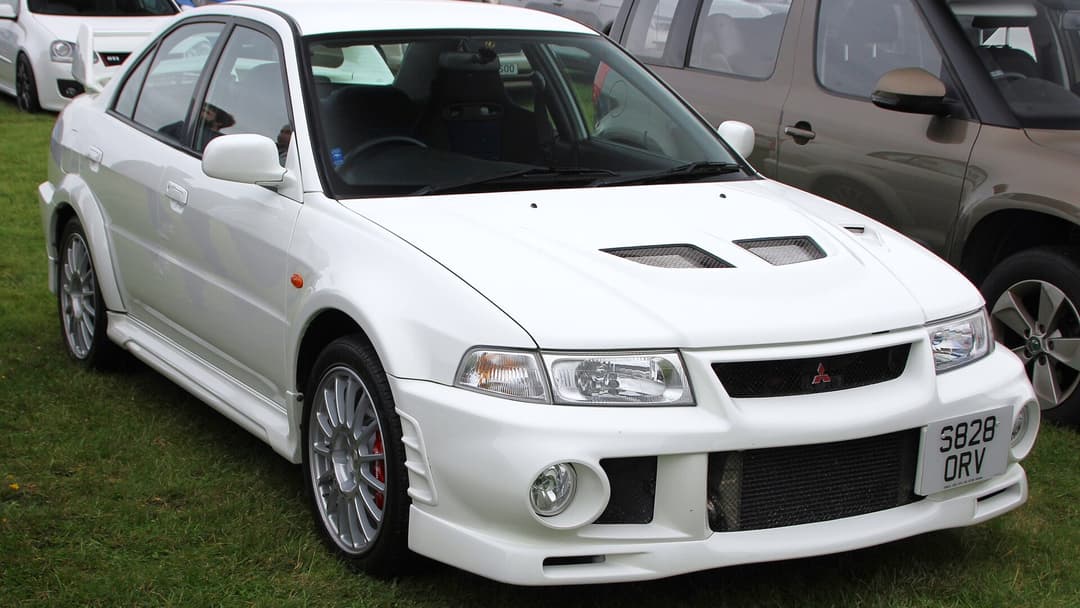
Mitsubishi Lancer Evolution VI
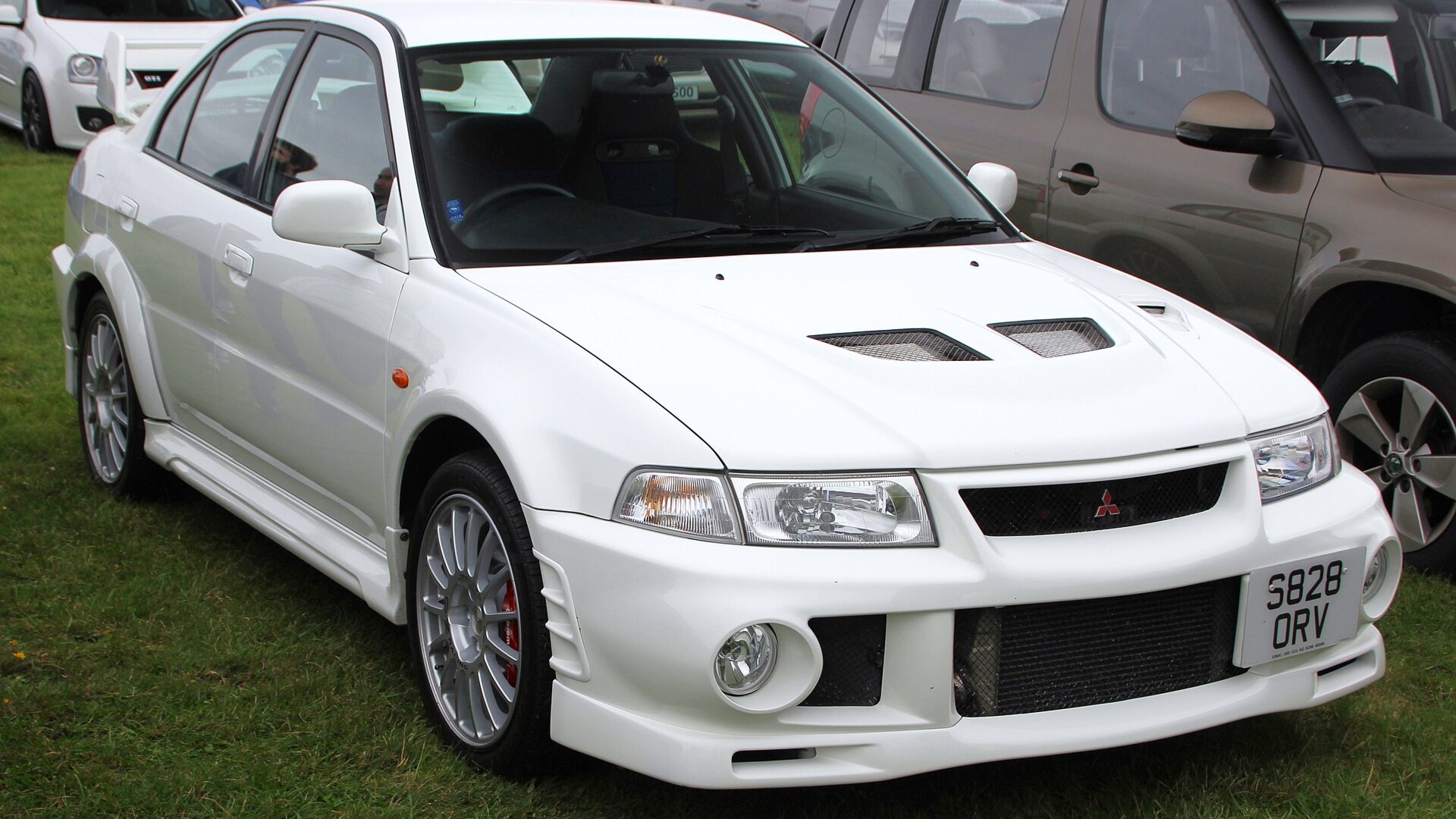
Introduced in January 1999, the Lancer Evolution VI refined Mitsubishi's Group A rally formula with improved oil cooling and a twin-scroll turbocharged 2.0-liter 4G63 engine. Active Yaw Control distributed torque across the rear axle, making the four-door sedan a giant-killer on tight roads.
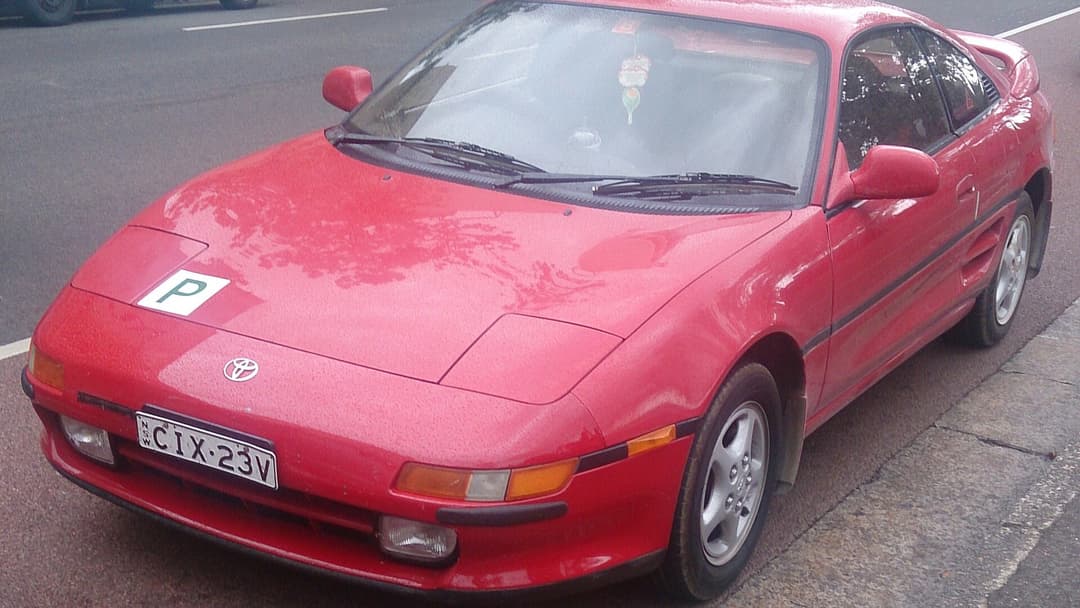
Toyota MR2 SW20
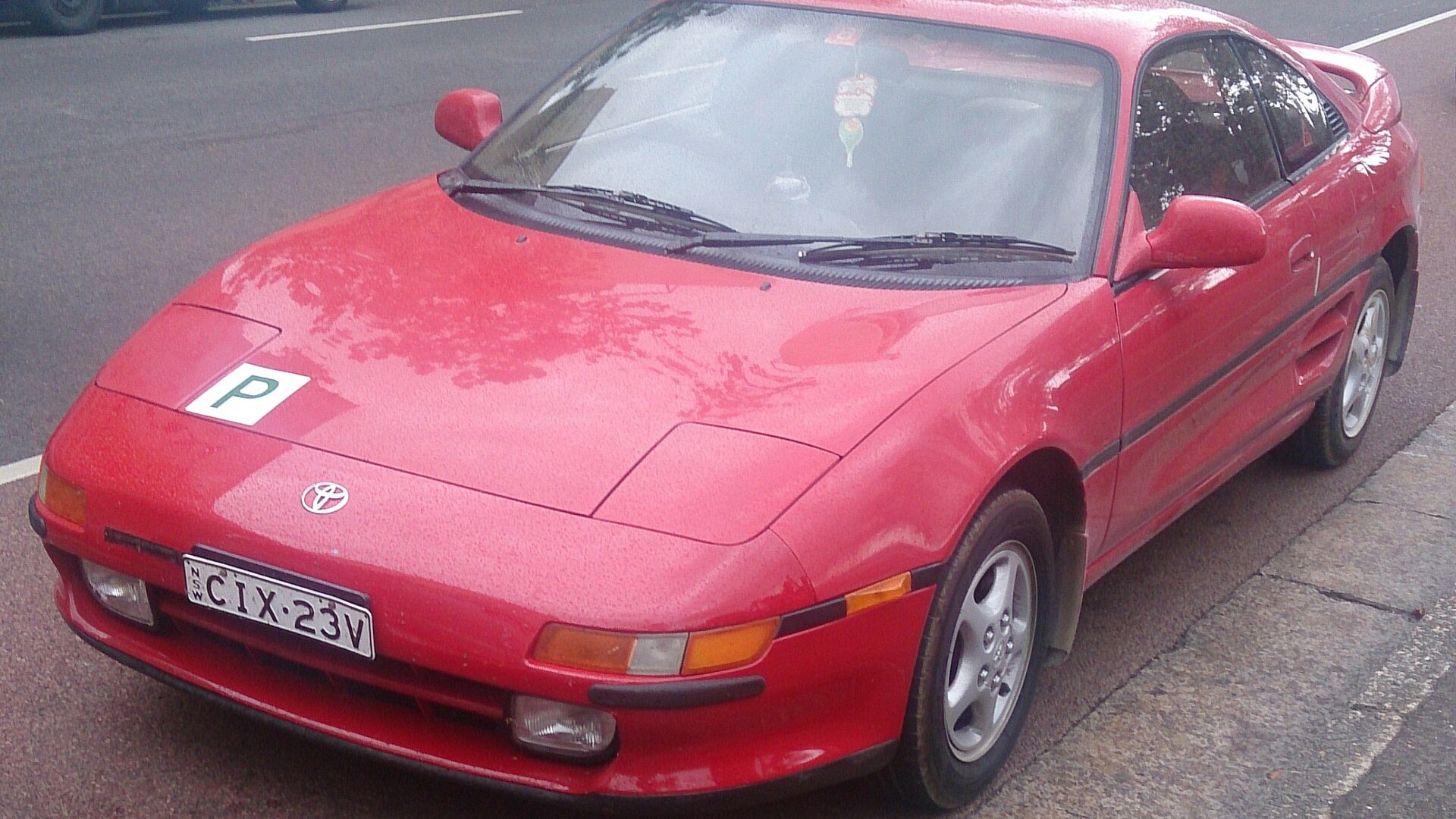
Launched in Japan in October 1989, the SW20 MR2 traded its predecessor's origami lines for rounded mid-engine styling that drew frequent Ferrari comparisons. Turbo models paired the 2.0-liter 3S-GTE engine with rear-wheel drive, prompting Toyota to revise the rear suspension for 1992.
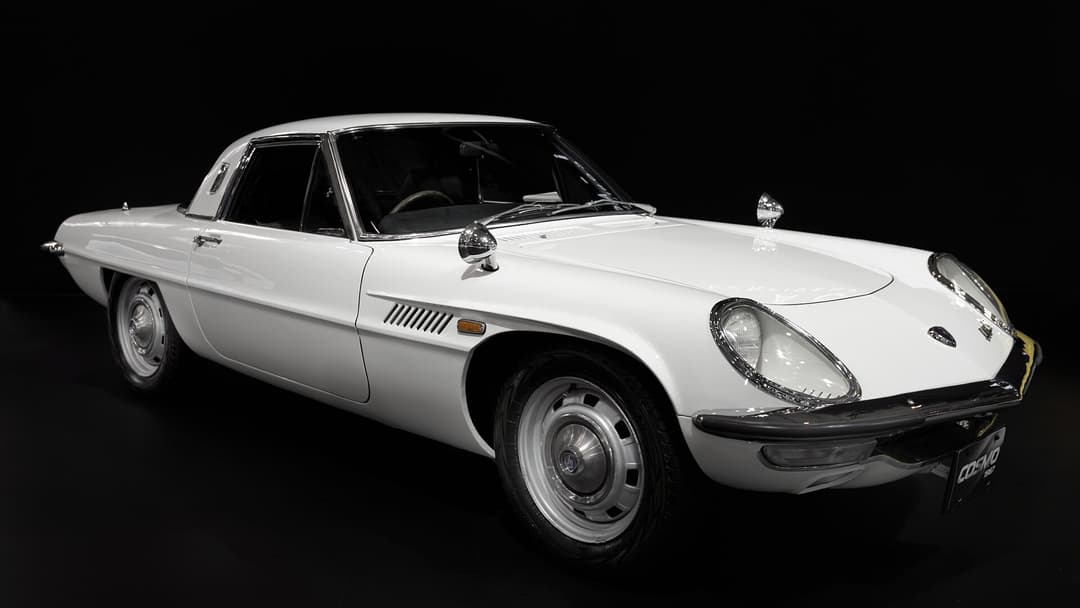
Mazda Cosmo Sport 110S
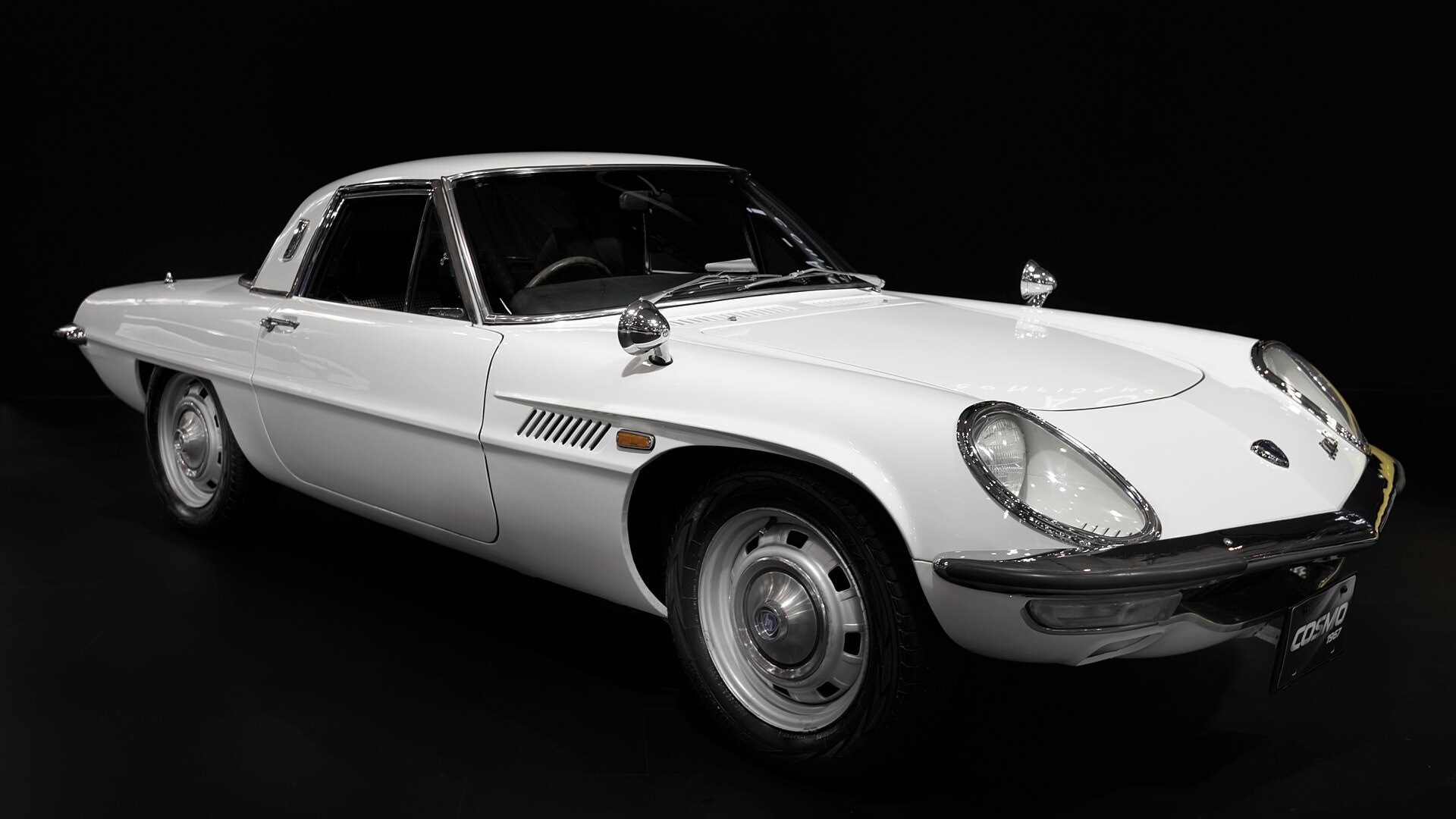
Unveiled in May 1967 after years of Wankel research, the Cosmo Sport 110S proved the twin-rotor rotary engine could survive road and track use. Workers assembled roughly one car per day by hand, totaling 1,176 units across Series I and II, and a Cosmo finished fourth in the 1968 Marathon de la Route.
Datsun 240Z
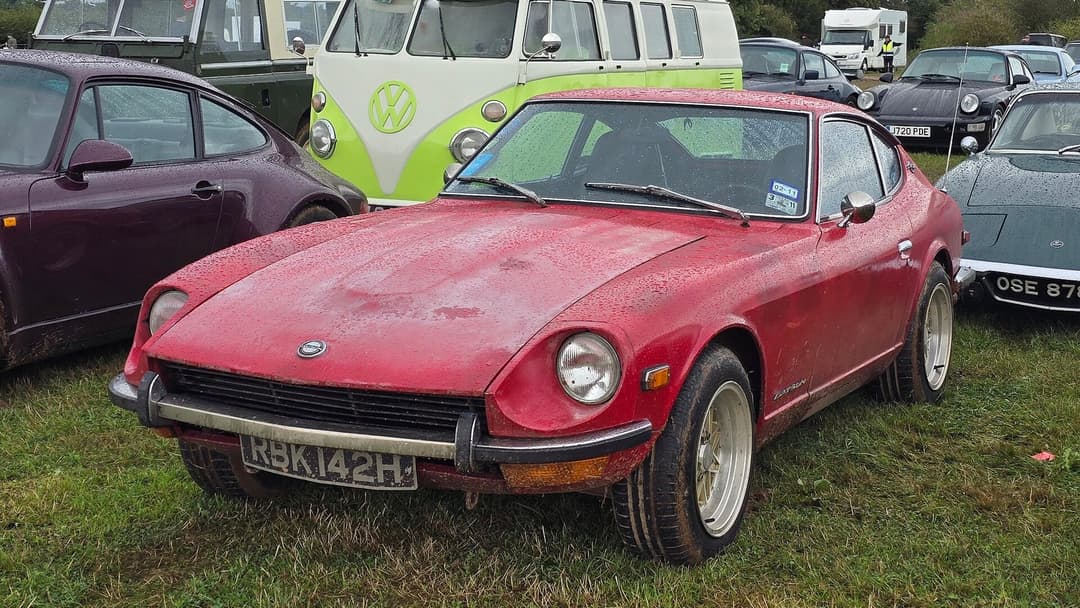
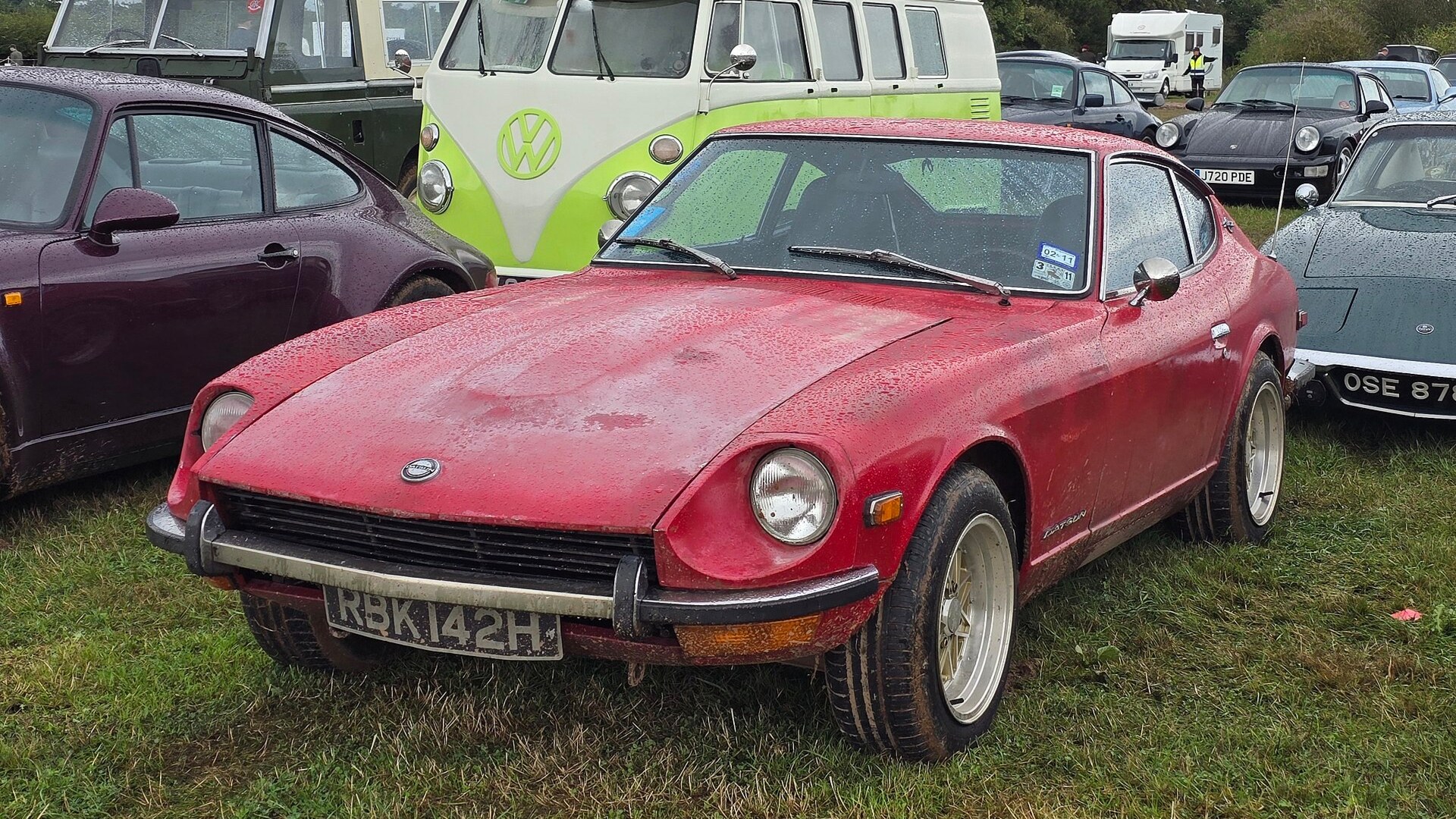
Introduced in late 1969 as the Fairlady Z in Japan and 240Z abroad, Nissan's S30 reshaped how Western buyers viewed Japanese engineering. Combining a 2.4-liter inline-six with four-wheel independent suspension and a long-hood fastback body, it became an instant sales and SCCA racing hit.
Toyota AE86 Sprinter Trueno
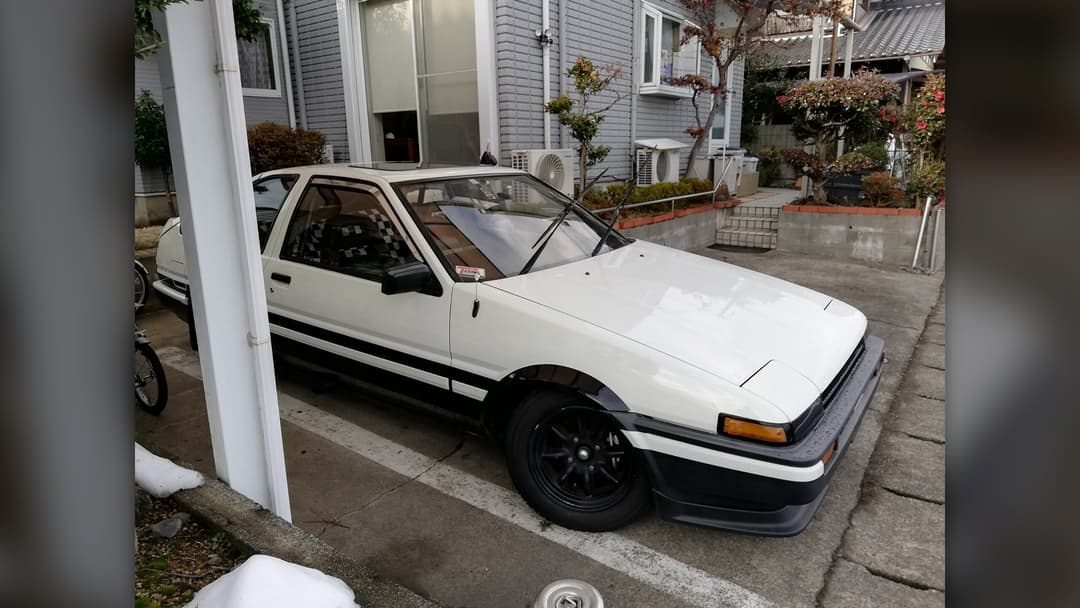
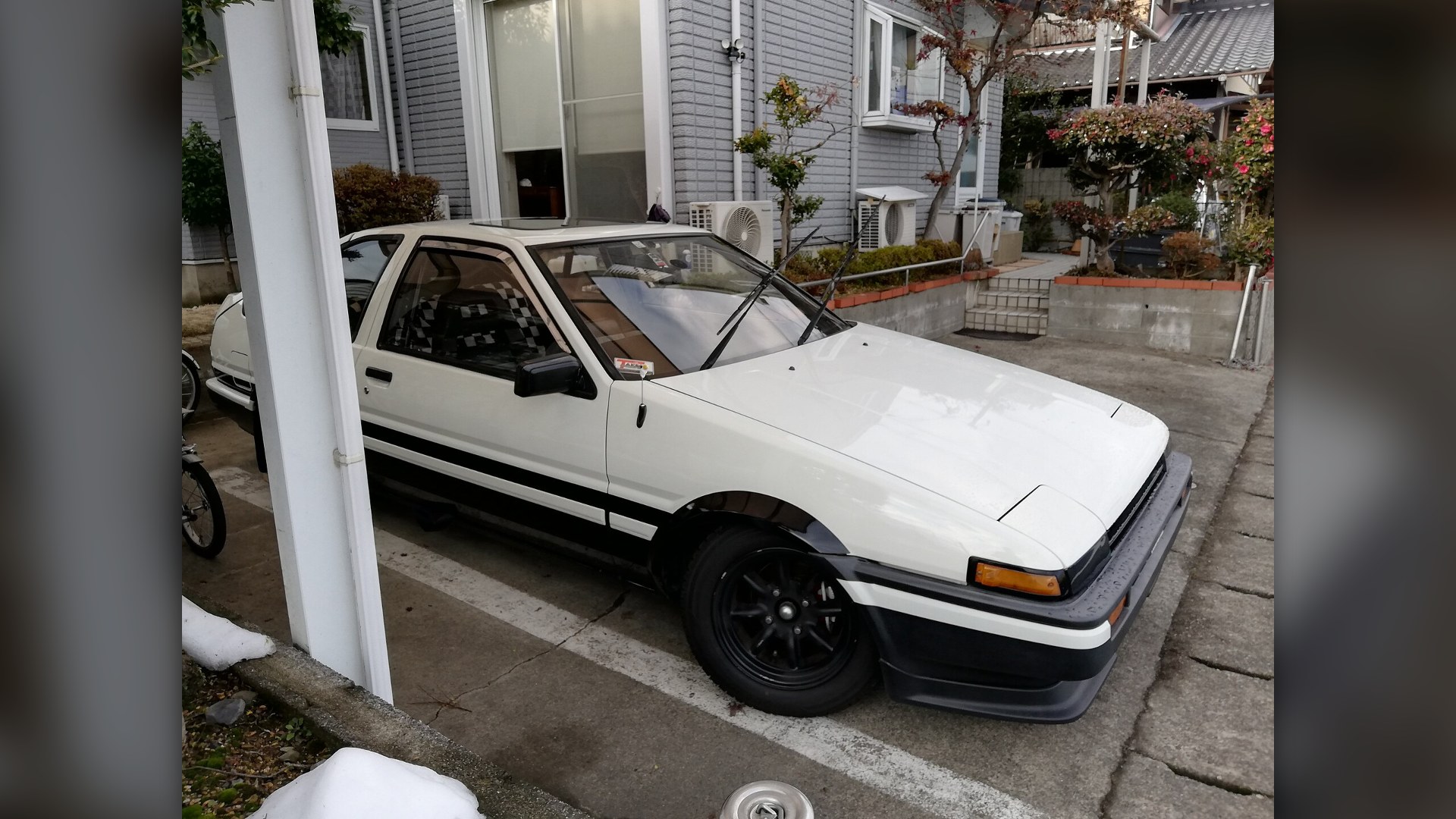
While most compact Corollas switched to front-wheel drive in 1983, Toyota kept the sporty AE86 Sprinter Trueno and Corolla Levin rear-wheel drive. Its rev-happy 1.6-liter 4A-GE twin-cam four and balanced chassis made it a favorite of Keiichi Tsuchiya and Initial D fans worldwide.
Mazda MX-5 Miata
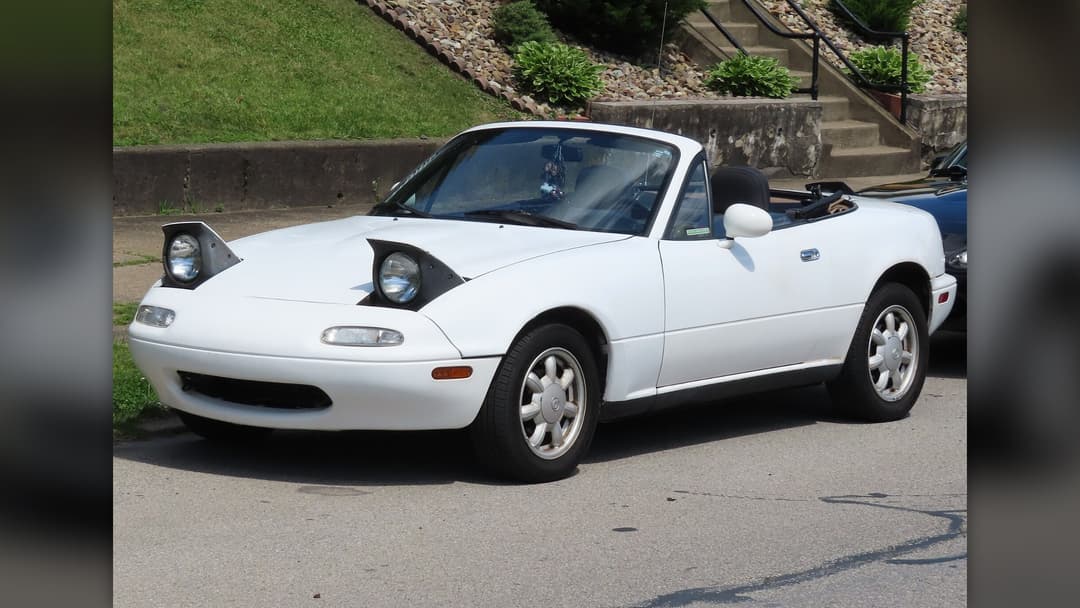
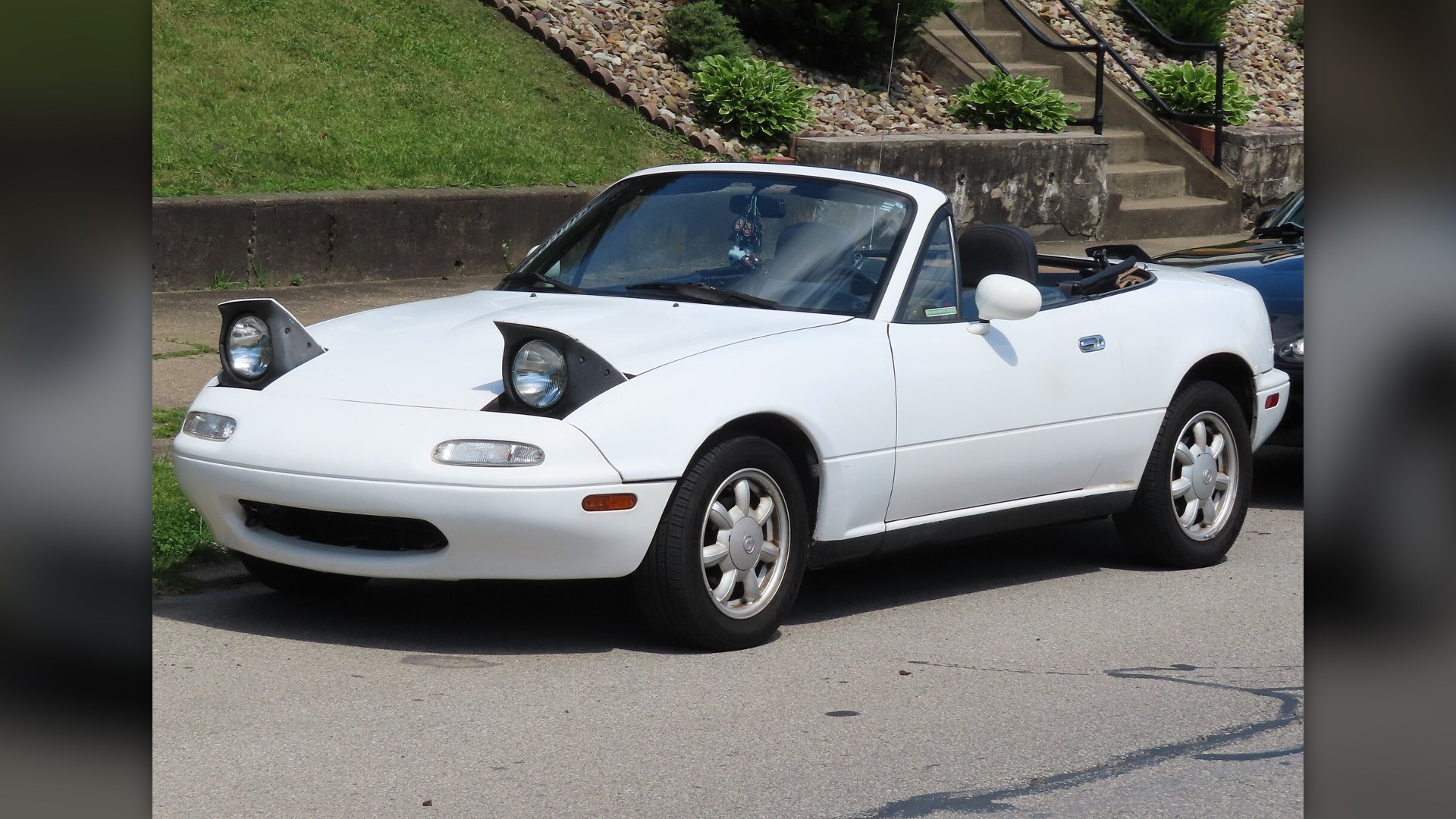
Taking inspiration from 1960s British roadsters without their reliability headaches, the first-generation MX-5 Miata weighed under 1,000 kilograms. Its double-wishbone suspension, crisp five-speed shifter, and 1.6-liter twin-cam engine sparked a global roadster revival across four generations.
Lexus LFA
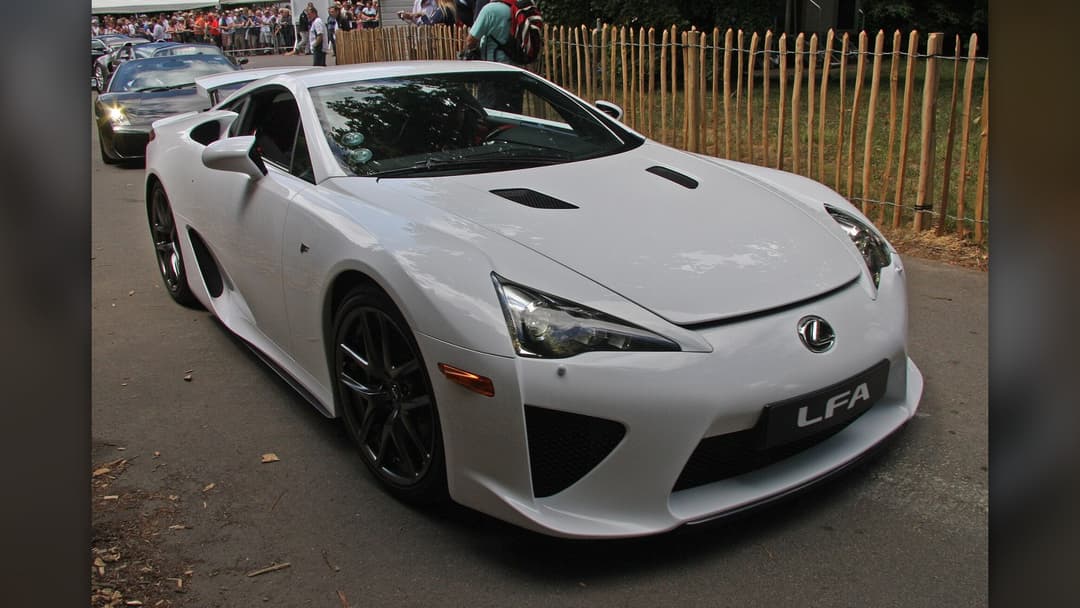
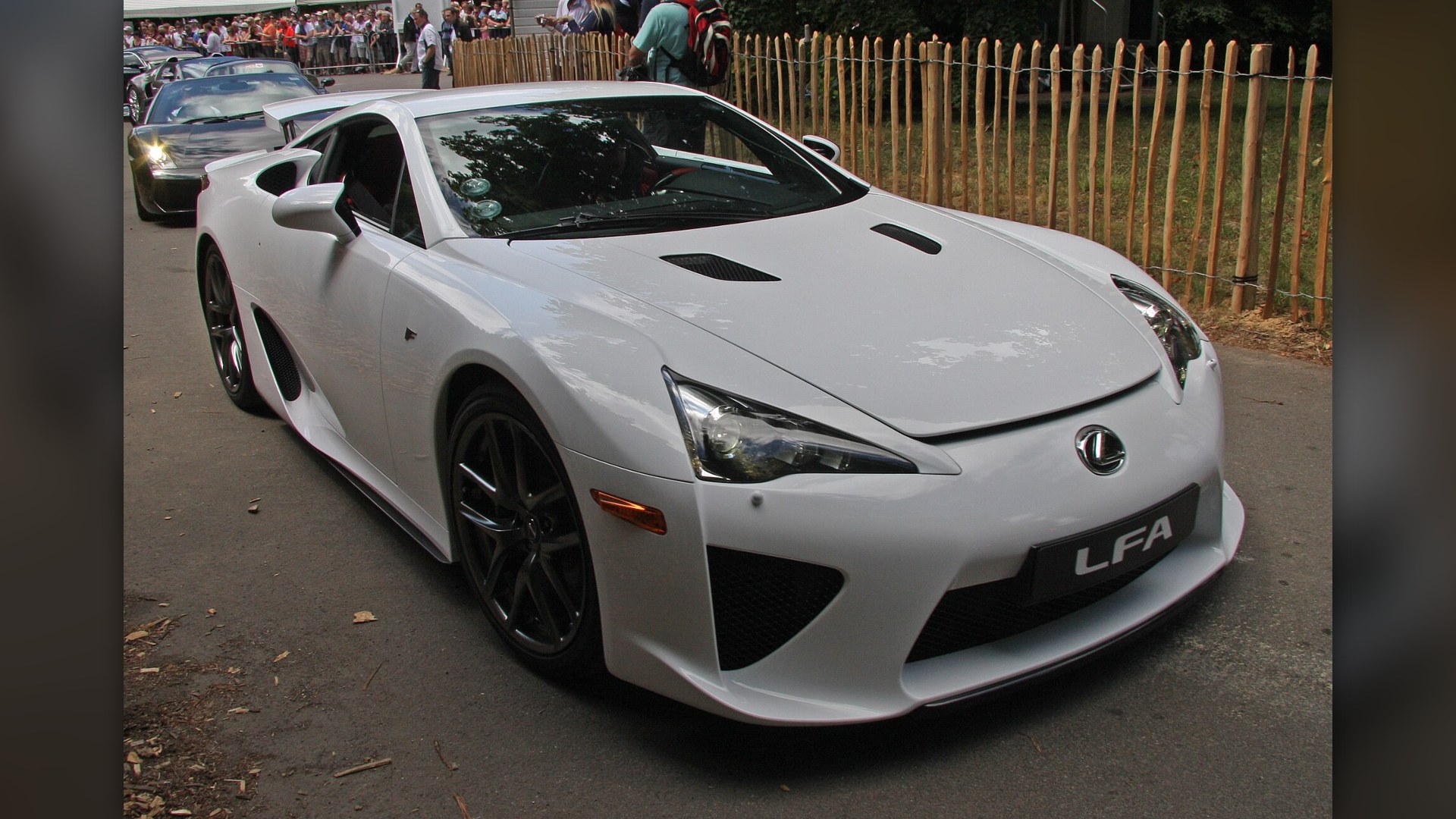
After nearly a decade of development, Lexus put the LFA into production in December 2010 as a 500-unit halo supercar. Its 4.8-liter 1LR-GUE V10 spun up so rapidly that Toyota fitted a digital tachometer, while Yamaha's acoustics division tuned the exhaust to sing at 9,000 rpm.
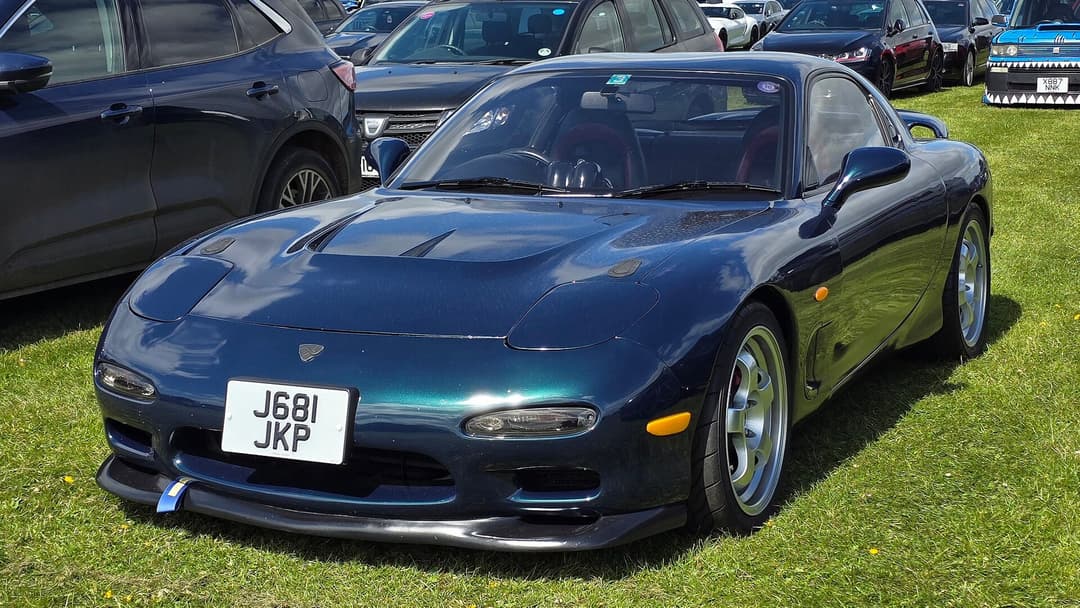
Mazda RX-7 FD
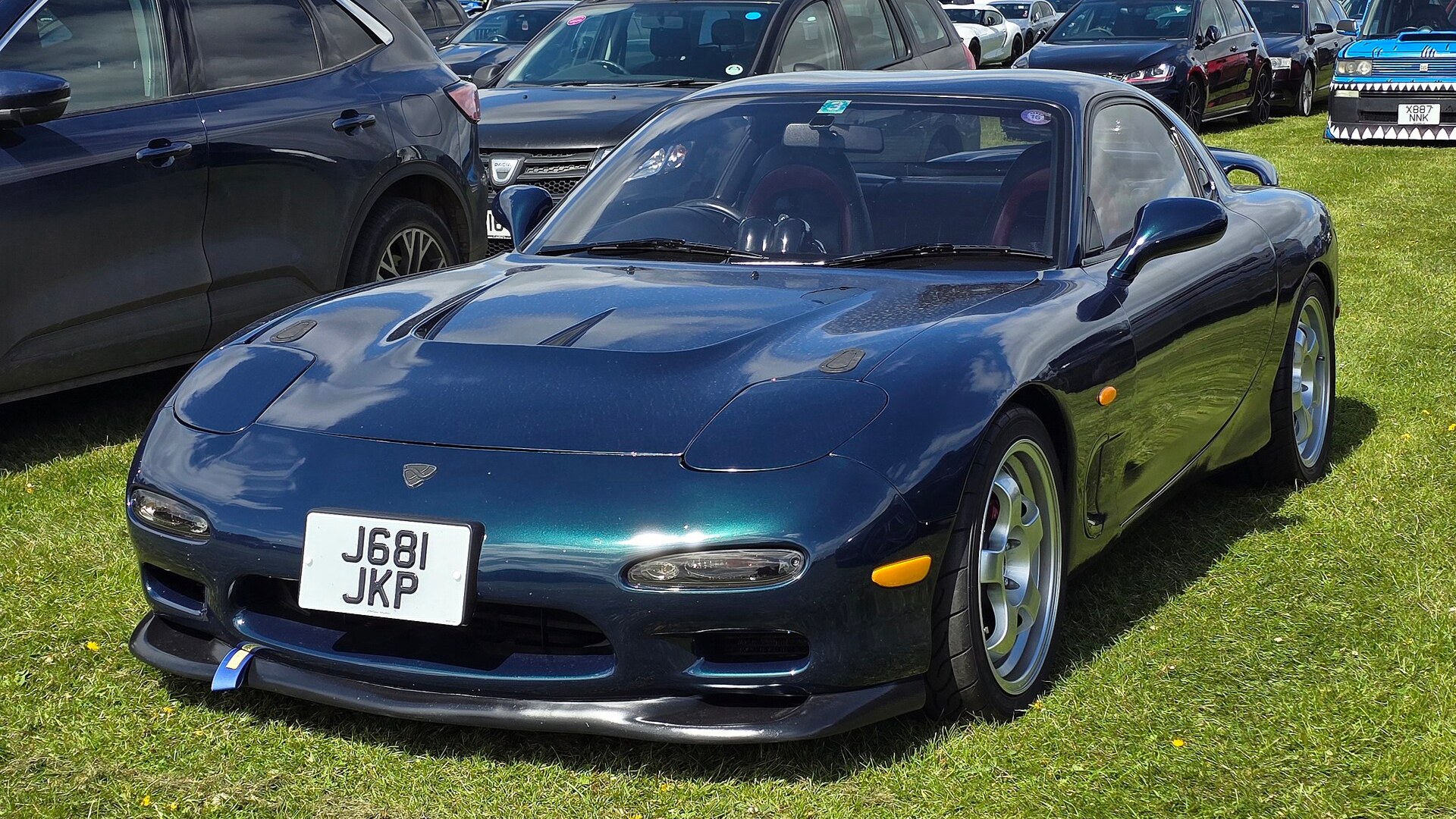
Debuting for the 1992 model year, the FD3S RX-7 shed weight through aluminum suspension components and a compact 1.3-liter 13B-REW twin-rotor engine. Sequential twin turbochargers eliminated low-end lag while keeping curb weight near 1,280 kilograms, making the FD a cornering benchmark.
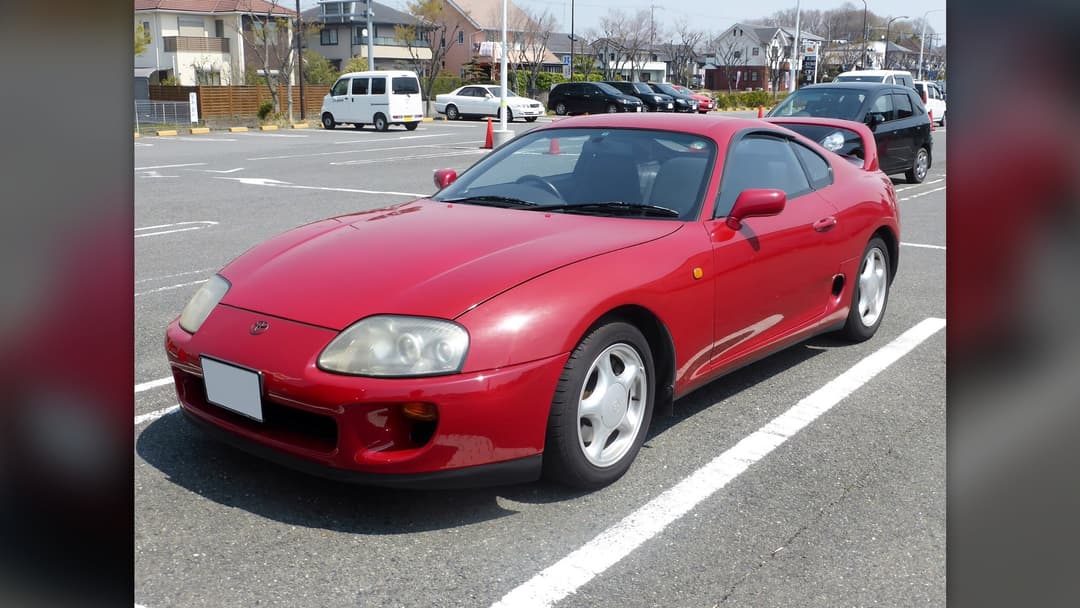
Toyota Supra A80
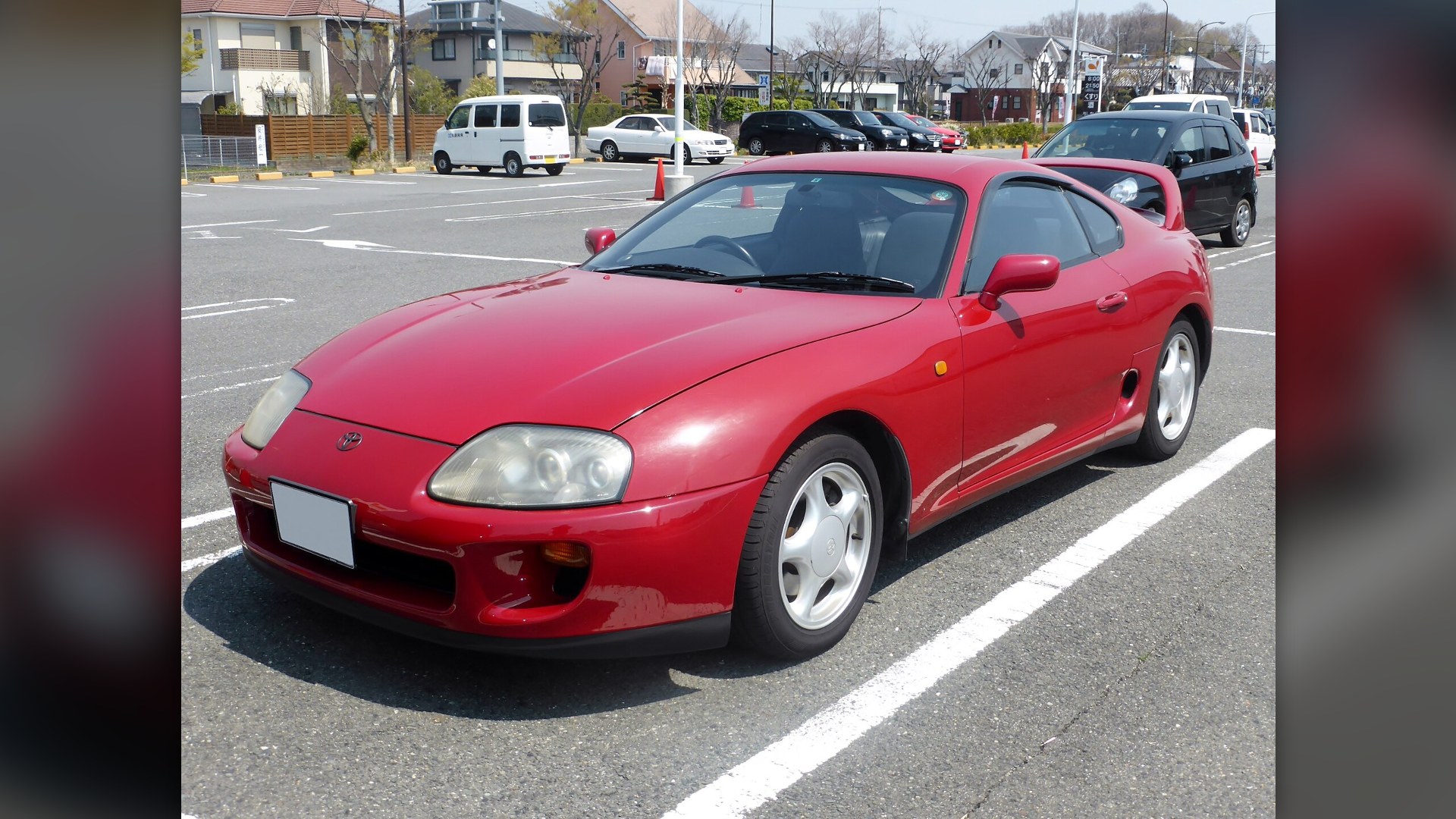
Launched in 1993, the A80 Supra shed roughly 100 kilograms over its predecessor by using aluminum hood and roof panels on selected models. Twin-Turbo variants packed the 3.0-liter 2JZ-GTE inline-six and Getrag six-speed manual, an overbuilt combination that anchored 1990s tuning culture.
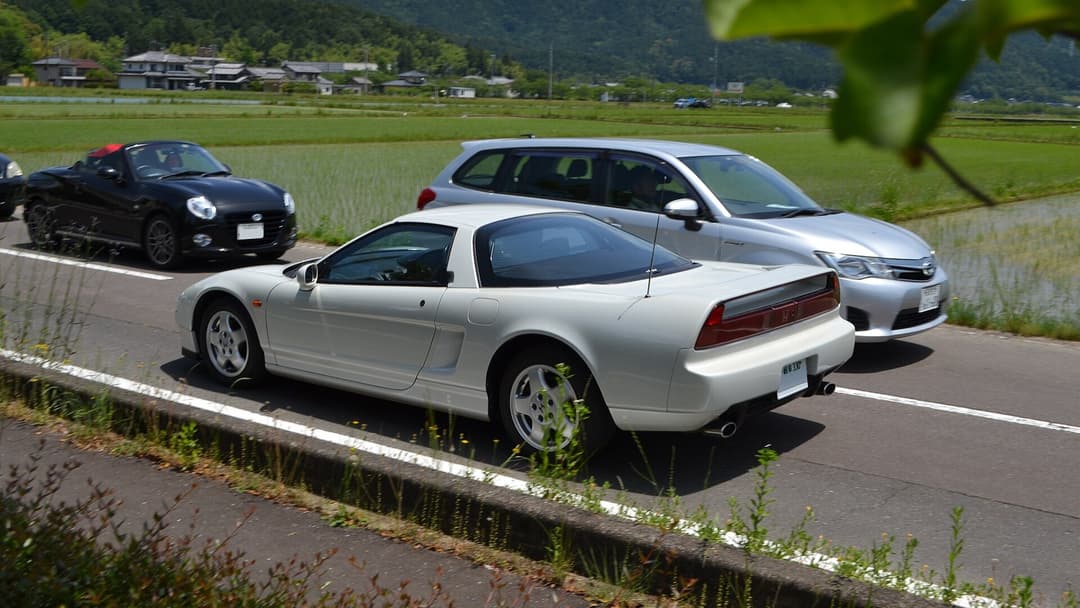
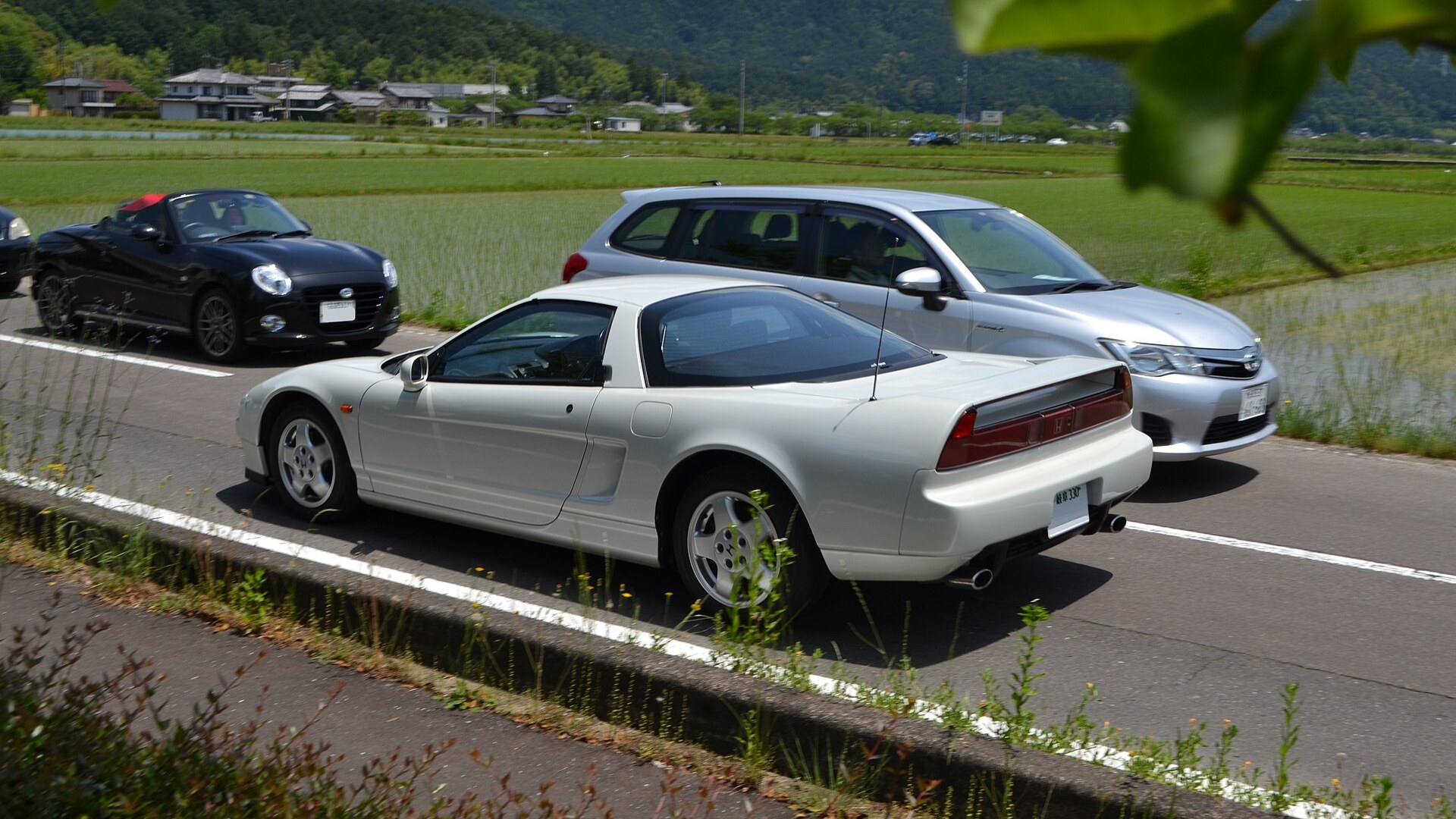
Honda NSX
Arriving in 1990 after Formula One driver Ayrton Senna tested prototypes at Suzuka, the NSX pioneered an all-aluminum monocoque body. Its 3.0-liter C30A VTEC V6 used titanium connecting rods to rev to 8,000 rpm, delivering exotic pace with everyday Honda ergonomics and visibility.
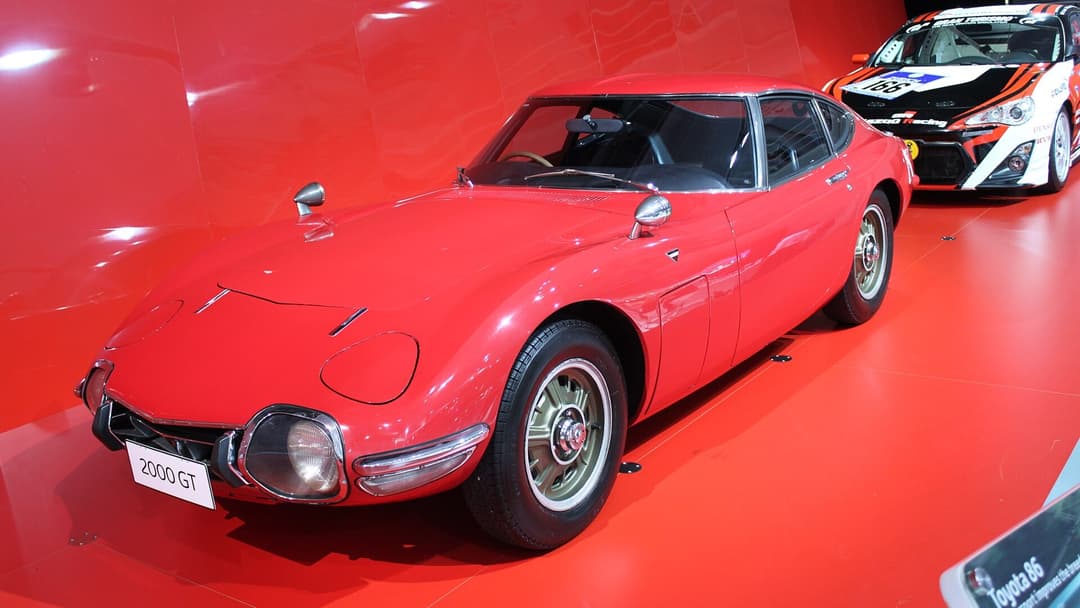
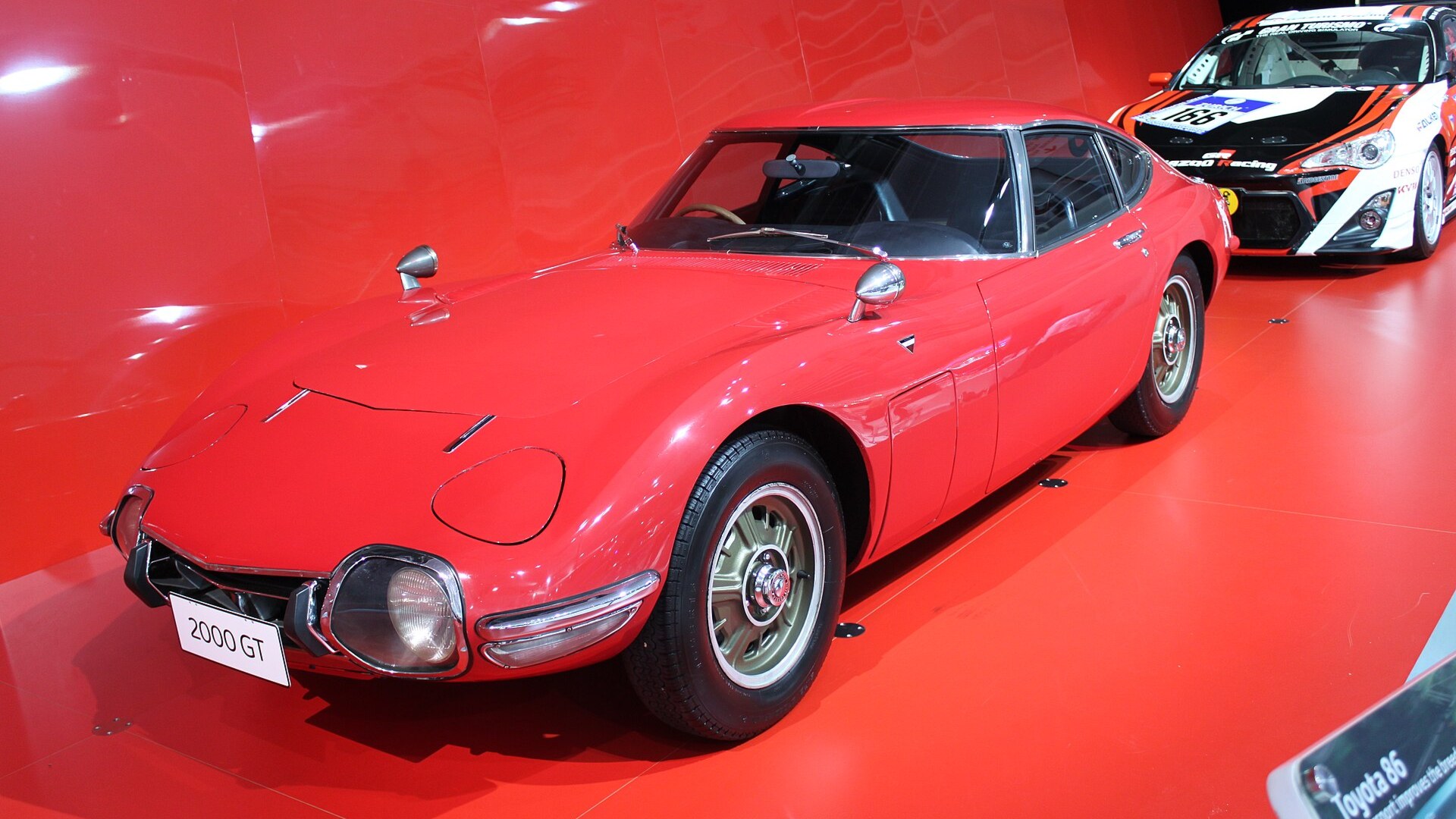
Toyota 2000GT
Co-developed and assembled with Yamaha from 1967 to 1970, the Toyota 2000GT proved Japan could craft a world-class grand tourer. Its 2.0-liter DOHC inline-six, four-wheel disc brakes, and magnesium wheels helped set FIA speed records at Yatabe before a pair of convertibles starred in You Only Live Twice.
Nissan Skyline GT-R R34
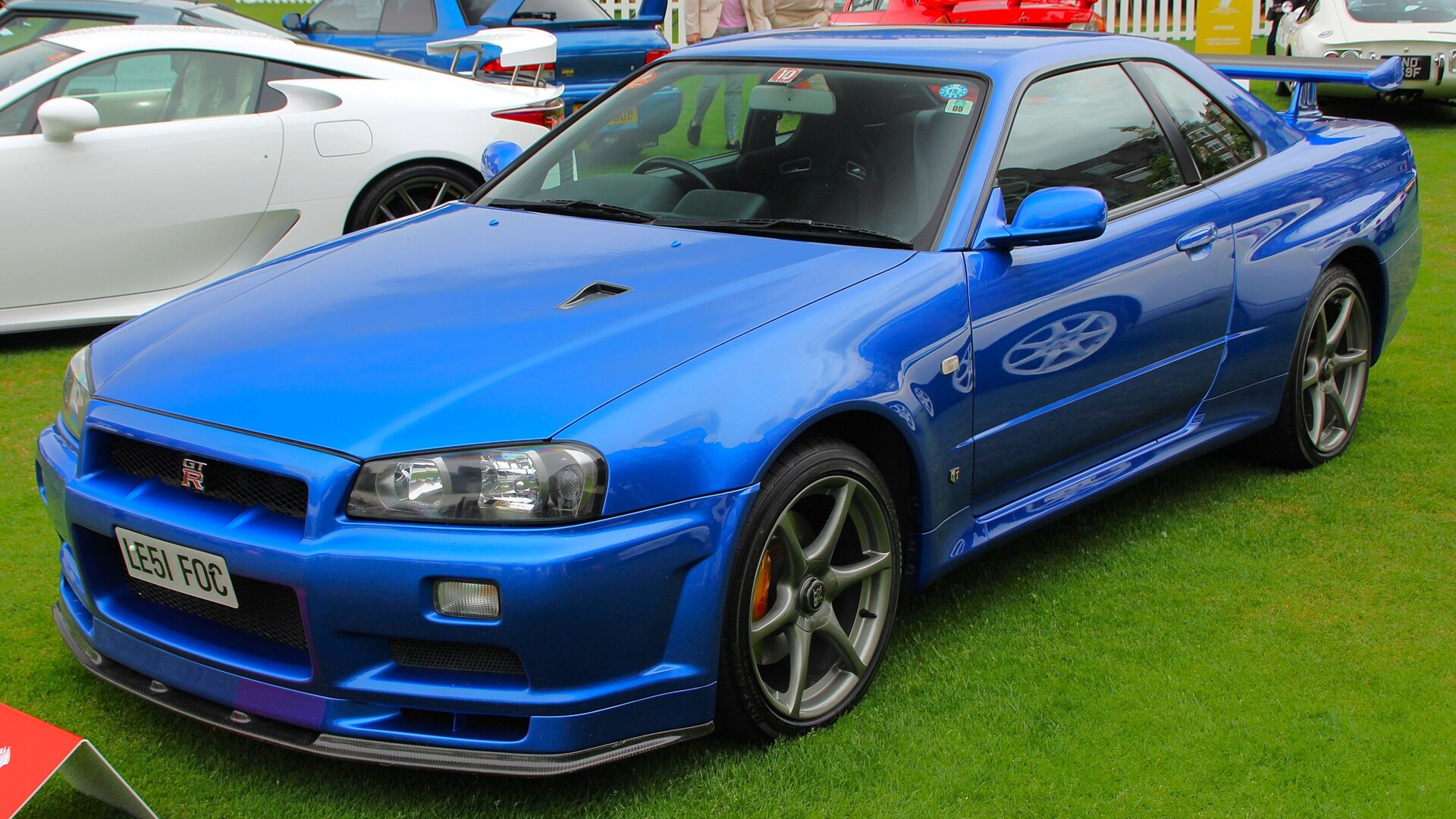
Launched in January 1999, the R34 was the final GT-R to wear the Skyline badge. It paired Nissan's twin-turbo 2.6-liter RB26DETT inline-six and Getrag six-speed gearbox with ATTESA E-TS all-wheel drive and a 5.8-inch LCD screen showing boost pressure, oil temperature, and G-forces.