Slideshow · Lifestyle
22 Everyday Foods That Were Originally Used as Medicine
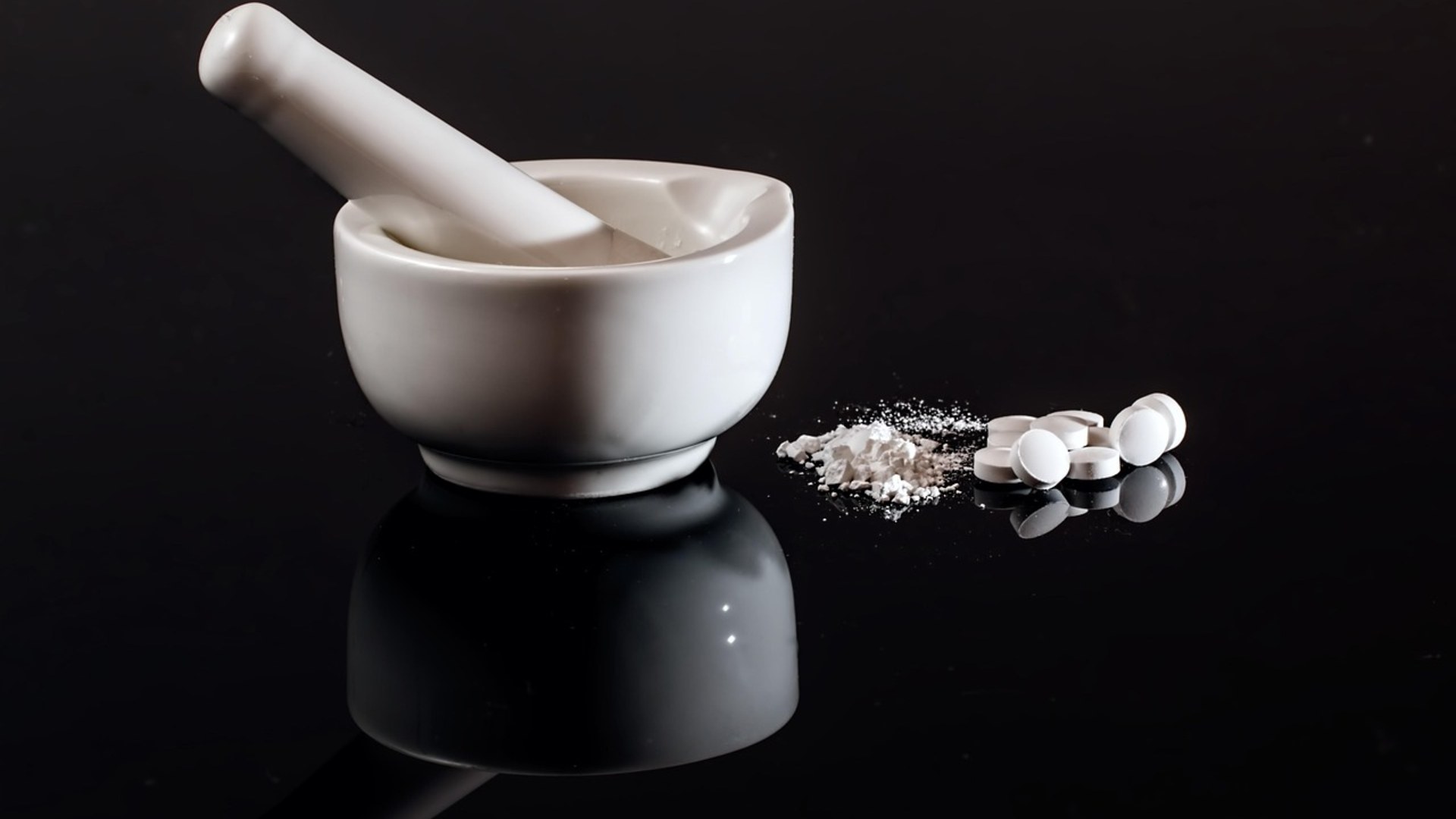
Long before packaged supermarket shelves and fast-food counters existed, many of humanity most recognizable foods began their journeys inside apothecaries, temple dispensaries, and monastery clinics. From fermented tonics to calming herbal infusions, explore how culinary staples started out as medicine.
By Most Viral Today
1 day ago

From Ancient Remedies to Modern Pantries 
22. Garlic: Circa 3000 BC 
21. Honey: Circa 2500 BC 
20. Green And Black Tea: Circa 2737 BC - AdvertisementSwipe or tap ▶ to continue countdown

19. Mustard: Circa 500 BC 
18. Vinegar And Oxymel: Circa 400 BC 
17. Licorice Root: Circa 300 BC 
16. Ginger: Circa 200 BC - AdvertisementSwipe or tap ▶ to continue countdown

15. Coffee: Circa 850 AD 
14. Chocolate And Cocoa: Circa 1500 
13. Tonic Water And Quinine: Circa 1630 
12. Carbonated Mineral Water: 1767 - AdvertisementSwipe or tap ▶ to continue countdown

11. Root Beer And Sarsaparilla: Circa 1800 
10. Marshmallows: Circa 1800 
9. Graham Crackers: 1829 
8. Tomato Ketchup: 1834 - AdvertisementSwipe or tap ▶ to continue countdown

7. Worcestershire Sauce: 1835 
6. Cranberry Sauce And Juice: Circa 1850 
5. Dr Pepper: 1885 
4. Coca-Cola: 1886 - AdvertisementSwipe or tap ▶ to continue countdown

3. Oatmeal Health Porridge: Circa 1890 
2. Kellogg Corn Flakes: 1898 
1. Up Lemon-Lime Soda: 1929 - Advertisement🔥 UP NEXT IN THIS SERIES◫ 21 Slides

20 Unusual Myths Around The World People Still Believe
Generations of folklore continue to shape everyday habits across diverse cultures. Based on research from National Geographic, BBC Culture, and Smithsonian anthropological records as of November 2026, communities worldwide maintain bizarre customs to ward off misfortune, bad spirits, and unproven dangers.
Long before packaged supermarket shelves and fast-food counters existed, many of humanity most recognizable foods began their journeys inside apothecaries, temple dispensaries, and monastery clinics. From fermented tonics to calming herbal infusions, explore how culinary staples started out as medicine.
Swipe or tap ▶ to begin the countdown
©Pixabay / stevepb
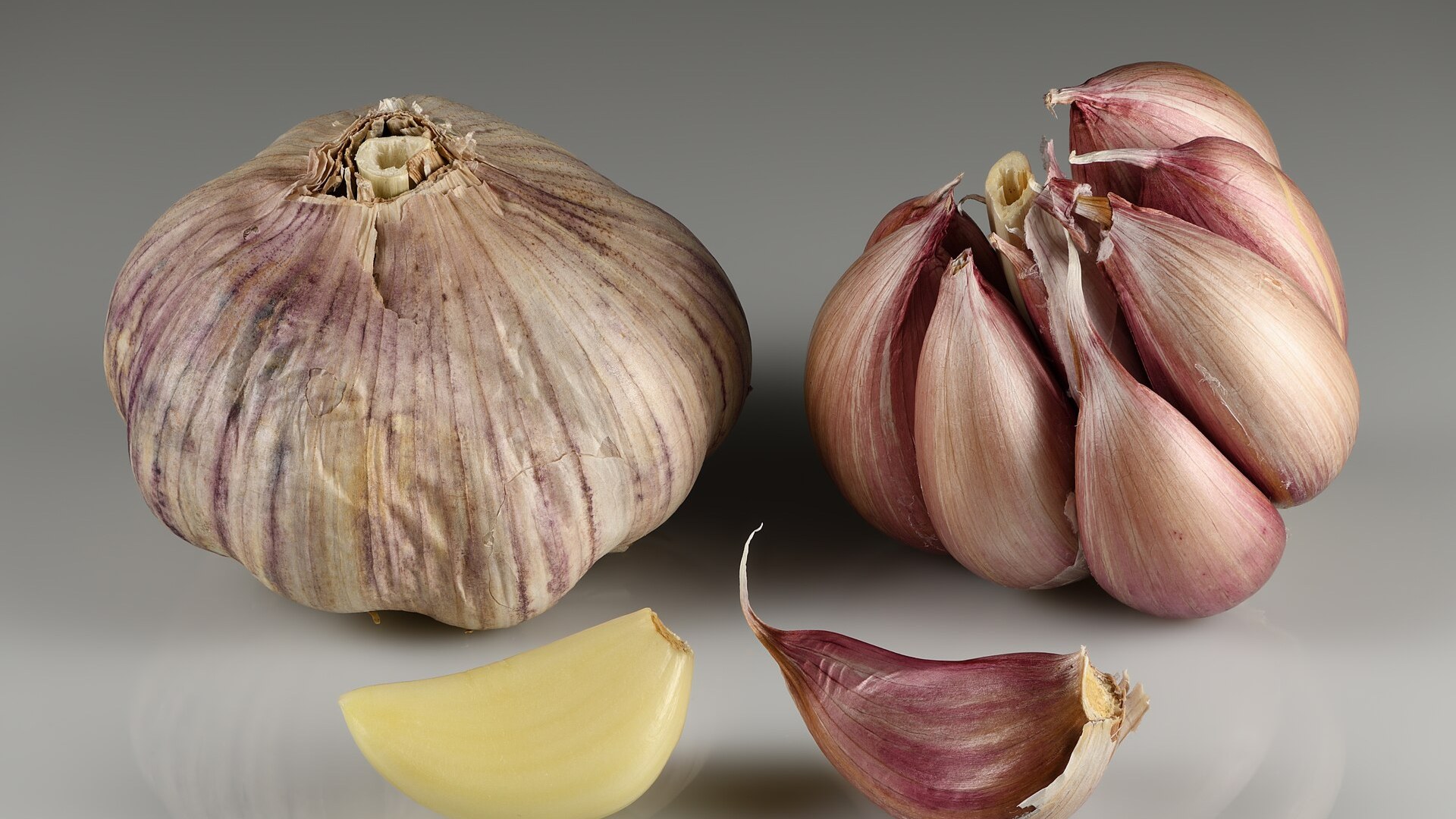
22. Garlic: Circa 3000 BC
Ancient medical papyri from 1550 BC document Egyptian builders consuming garlic daily to prevent illness and boost physical stamina. Roman army doctors later fed raw cloves to legionnaires to treat respiratory ailments, fight parasitic worms and cleanse battle wounds.
©Wikimedia / Ivar Leidus
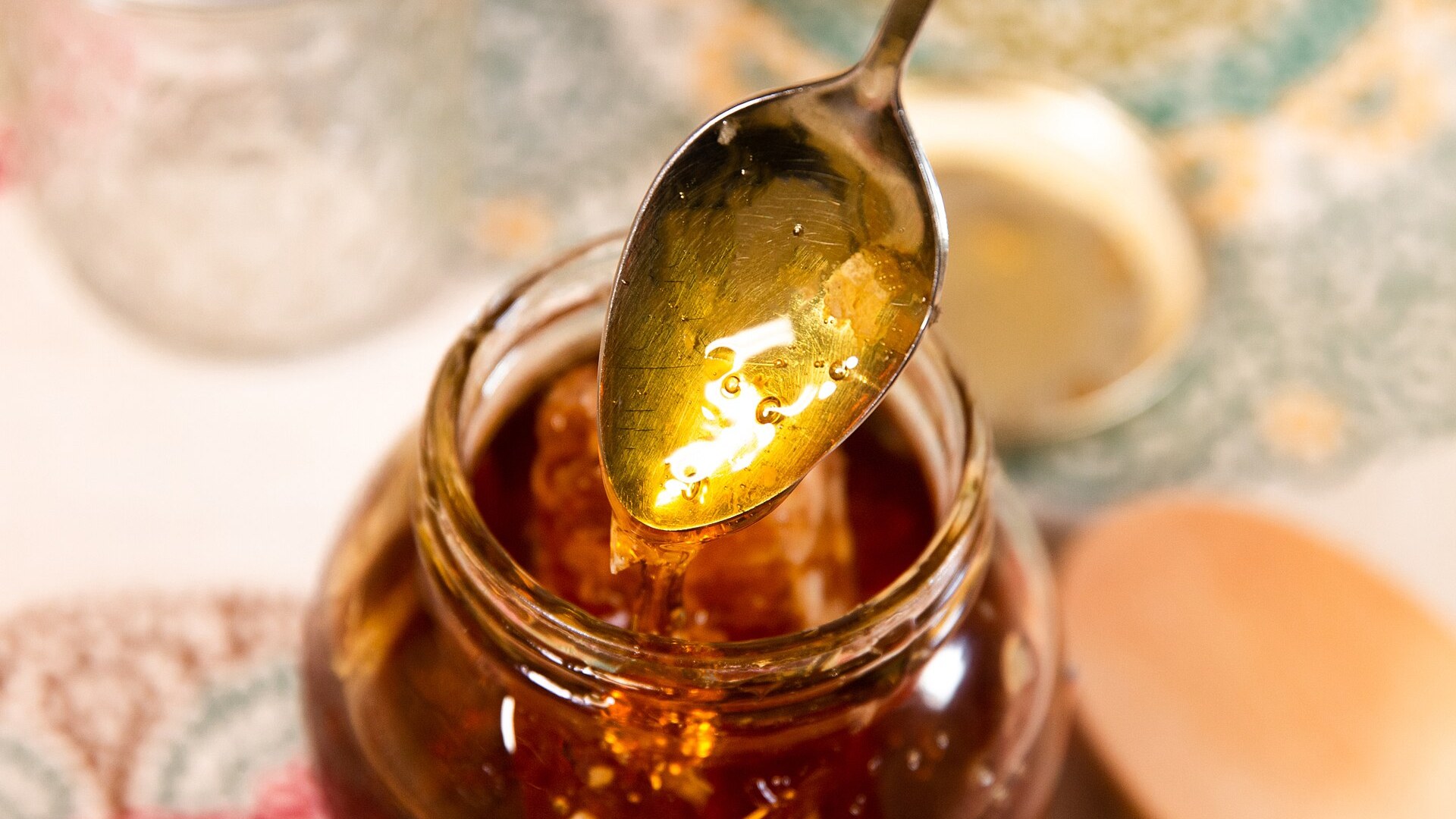
21. Honey: Circa 2500 BC
Ancient Sumerian clay tablets and Egyptian surgical texts from 2500 BC specify raw honey as an essential salve for burns, cuts, and eye infections. Its low moisture content, high acidity, and natural hydrogen peroxide production made it humanity earliest topical antibiotic.
©Wikimedia / Alabama Extension
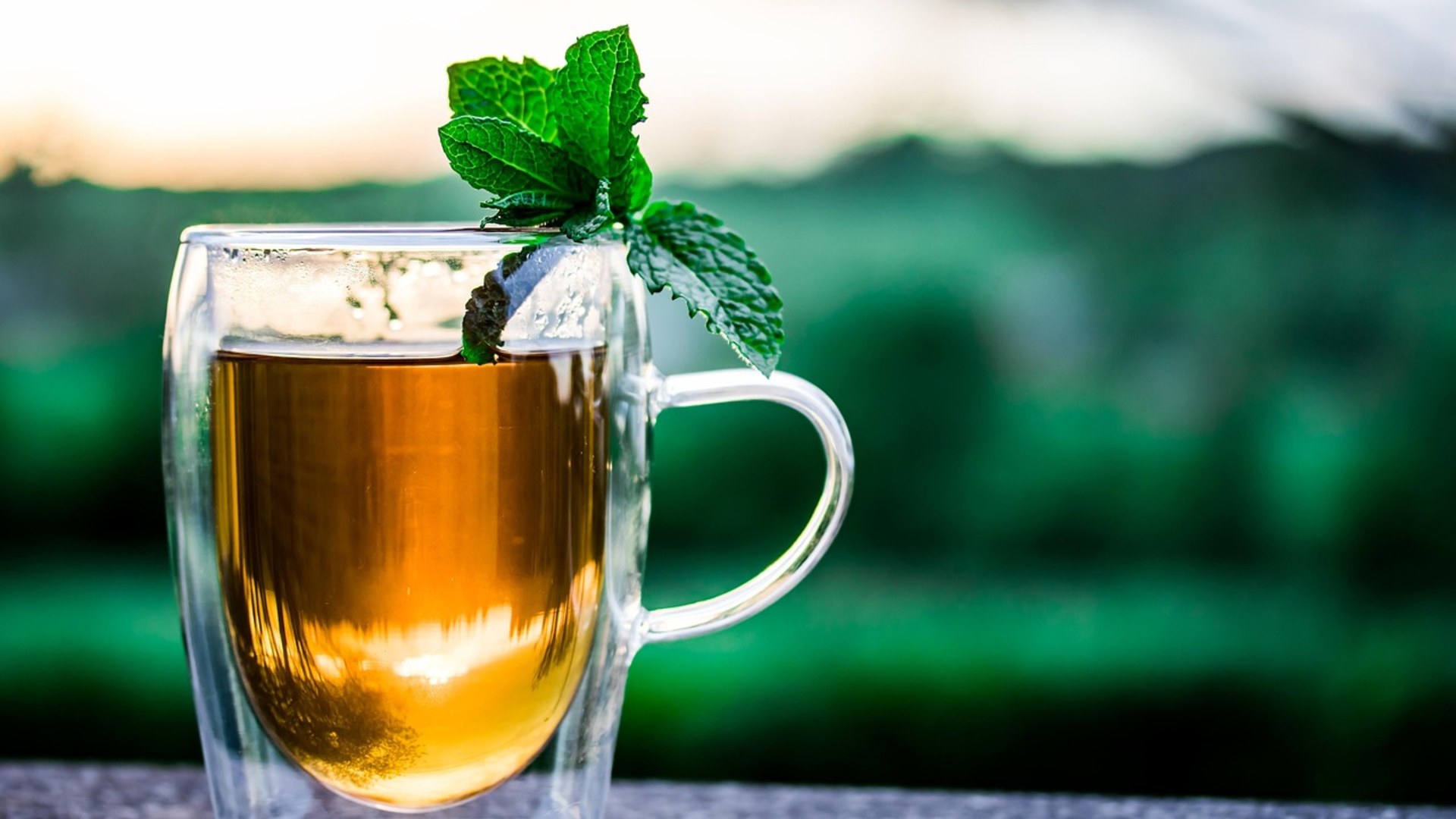
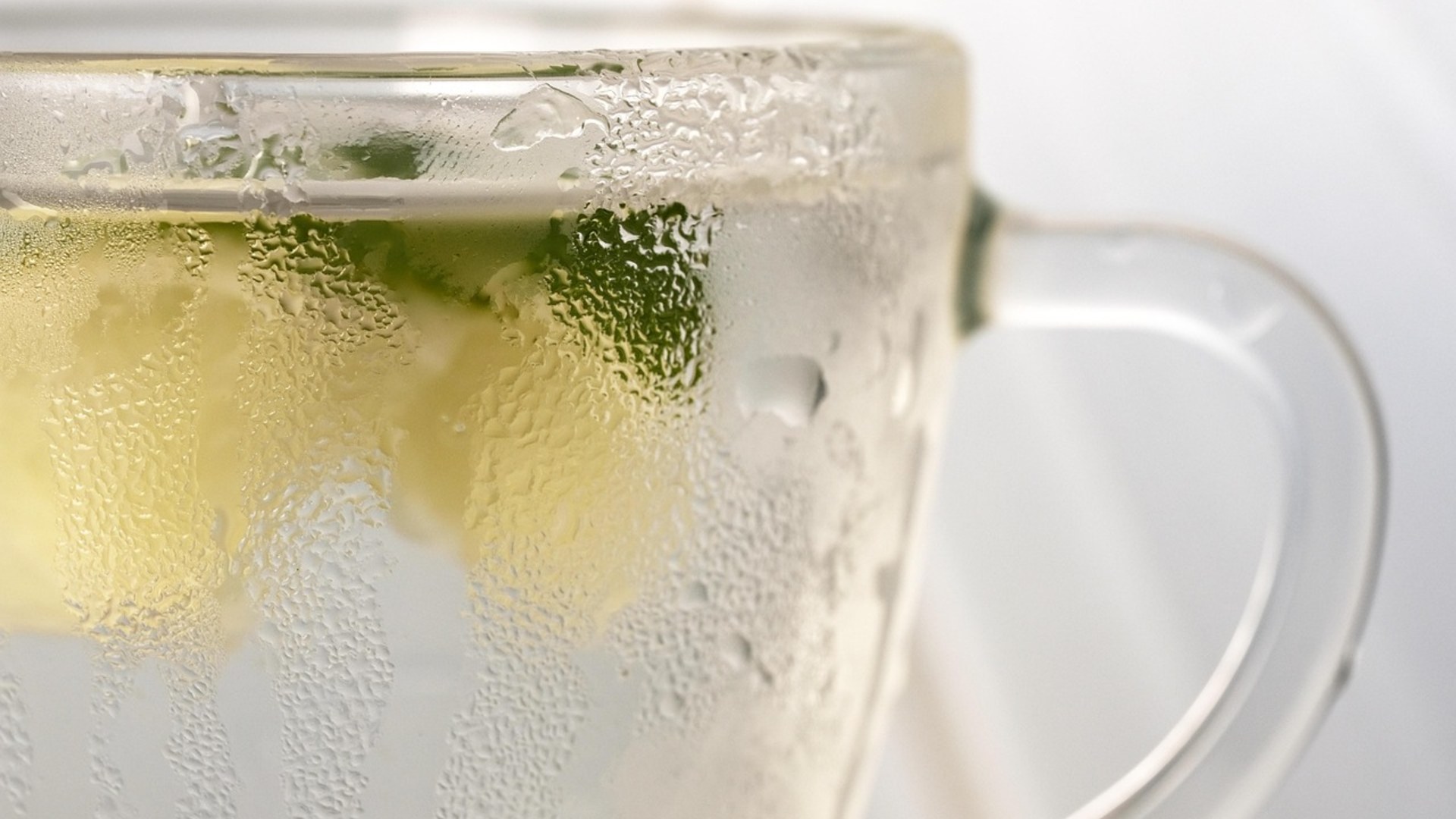
20. Green And Black Tea: Circa 2737 BC
Traditional Chinese medical treatises recorded tea as an herbal infusion that countered digestive toxins, reduced fevers, and enhanced mental alertness. Tang dynasty physician Lu Yu codified its therapeutic properties, establishing tea as an essential pharmacy prescription.
©Pixabay / Myriams-Fotos
Advertisement
Swipe or tap ▶ to resume the countdown.
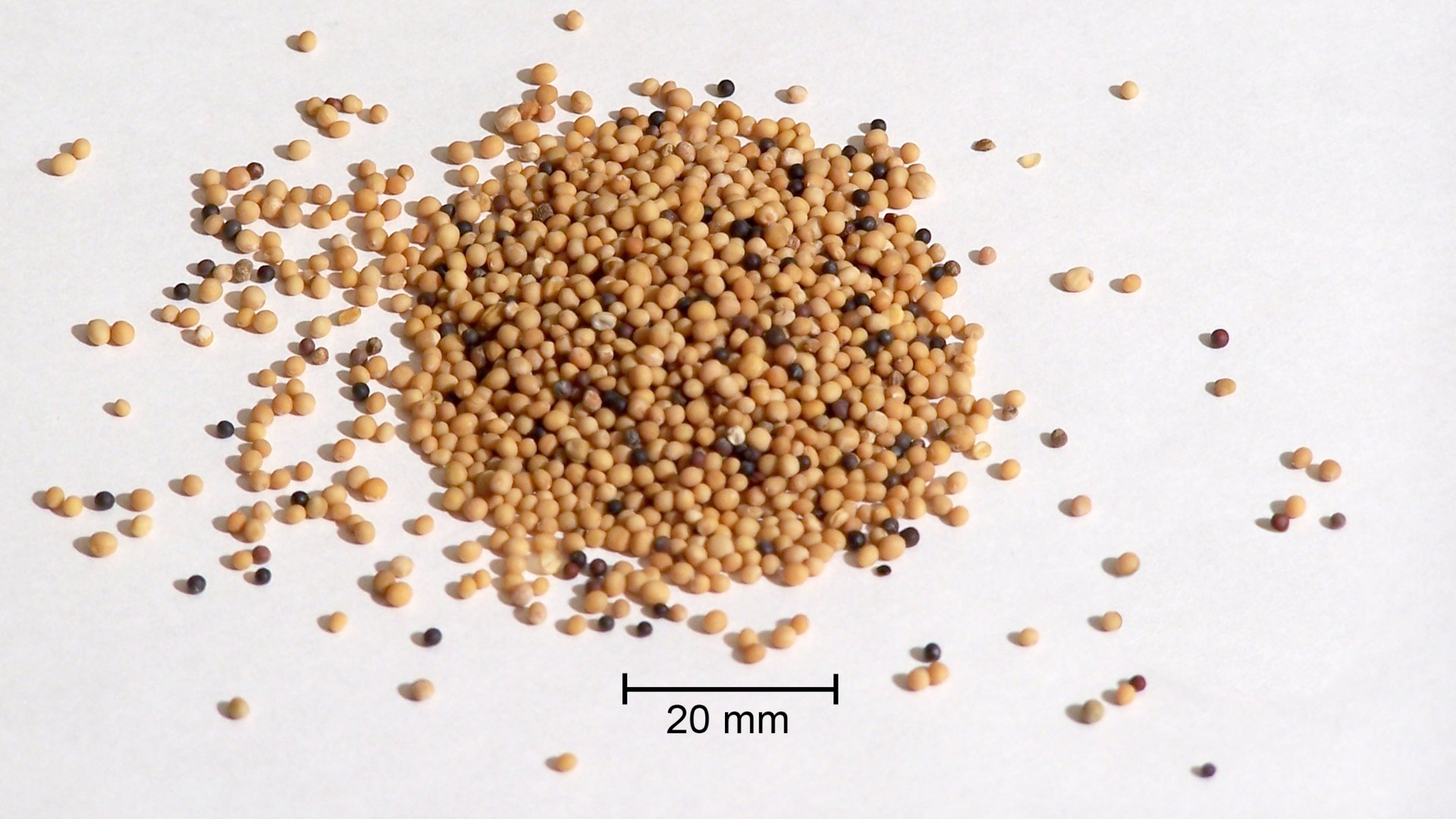
19. Mustard: Circa 500 BC
Greek physicians in the fifth century BC compounded ground mustard seeds with vinegar to formulate warming topical plasters. Applied directly to the chest and joints, the pungent seeds stimulated blood flow, cleared bronchial congestion, and relieved rheumatic pain.
©Wikimedia / Mustard seed
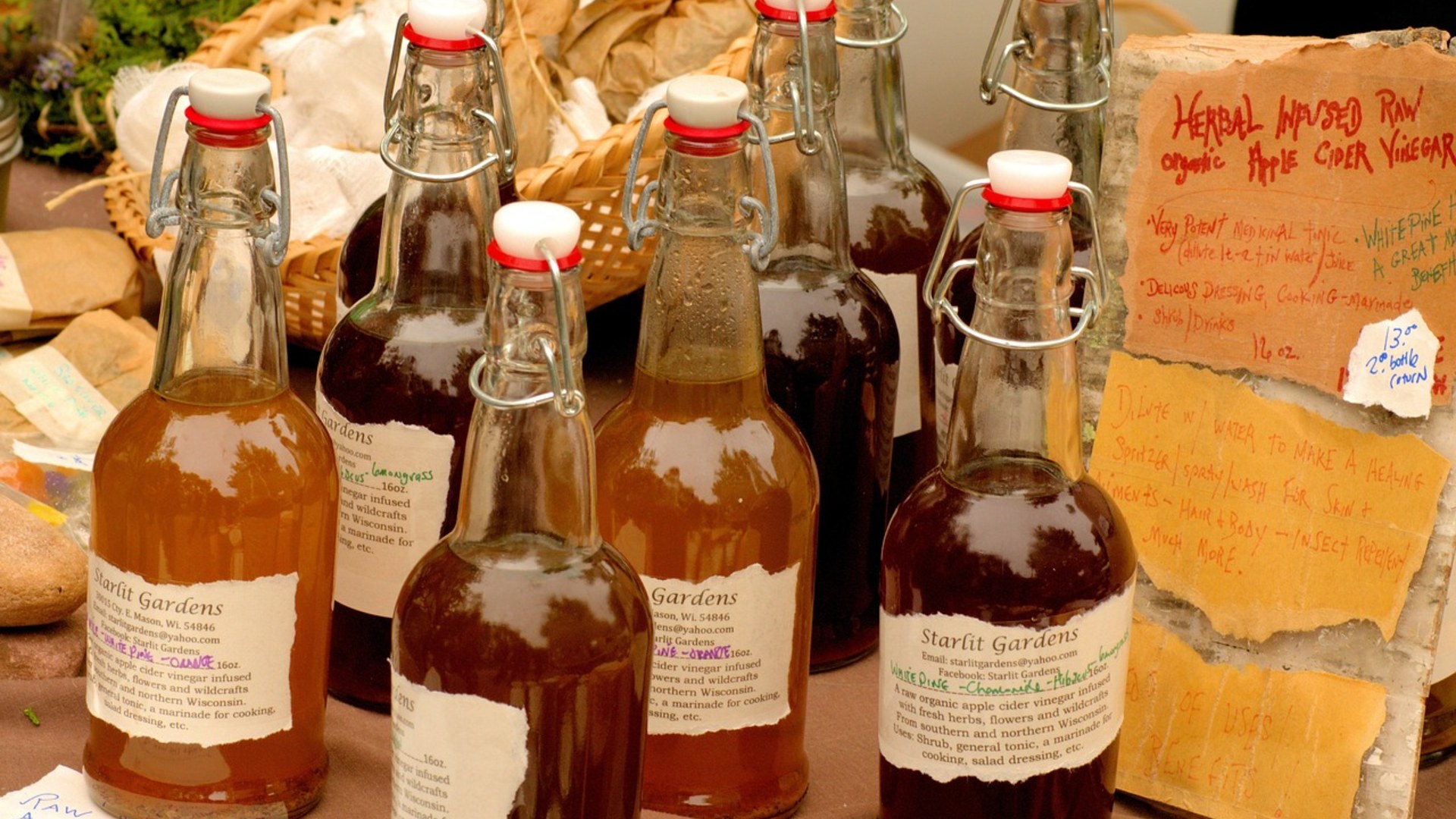
18. Vinegar And Oxymel: Circa 400 BC
The father of Western medicine, Hippocrates of Kos, routinely administered oxymel to clean open ulcers and soothe respiratory inflammation around 400 BC. The mild acetic acid acted as a natural antimicrobial agent centuries before modern germ theory emerged.
©Pixabay / MikeGoad
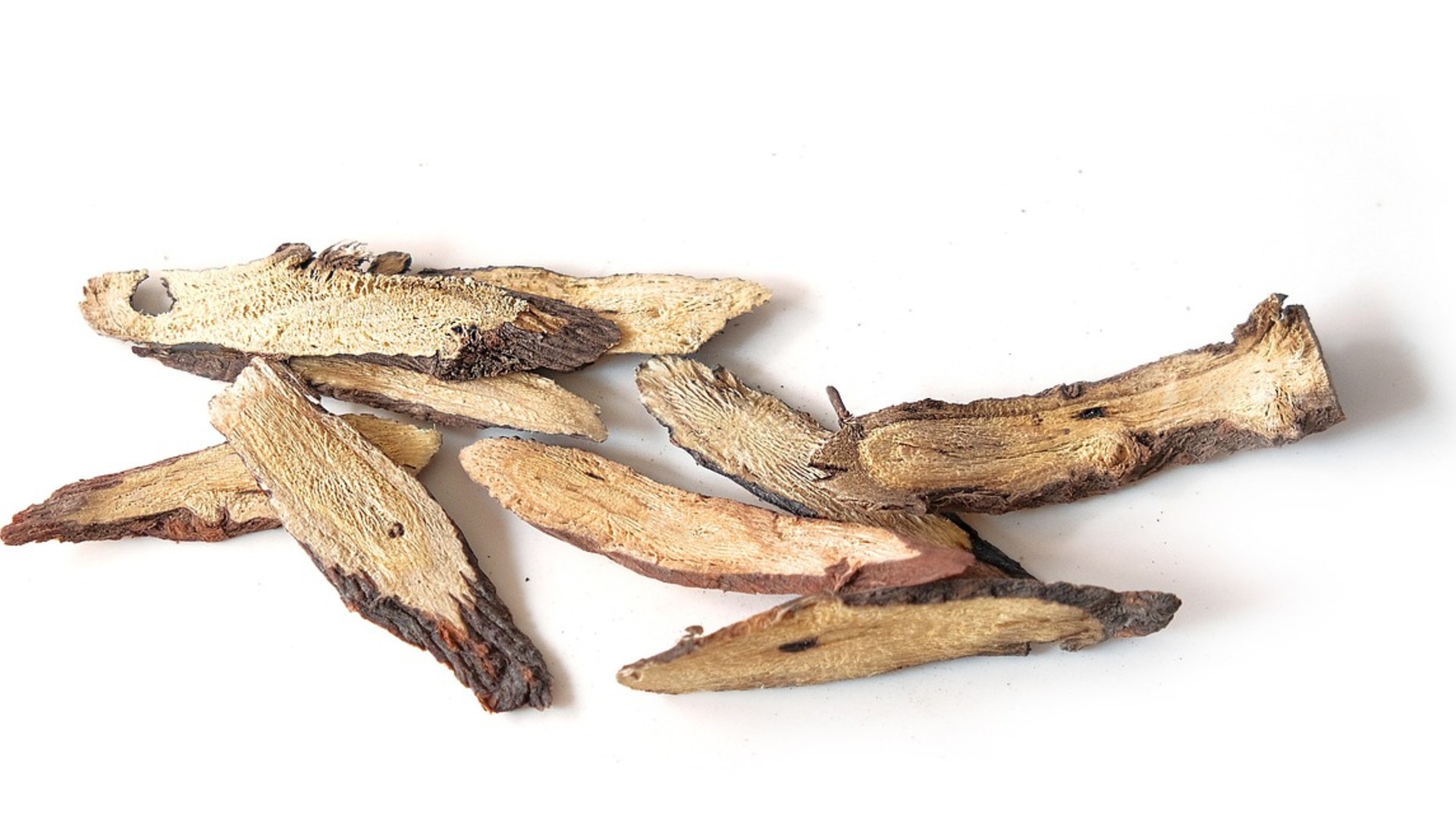
17. Licorice Root: Circa 300 BC
Greek botanist Theophrastus documented the medicinal properties of licorice root in the fourth century BC, noting its soothing effects on asthma and dry throats. Roman legionnaires carried dry sticks on long desert marches to relieve stomach cramps and quench dehydration.
©Pixabay / sti300p
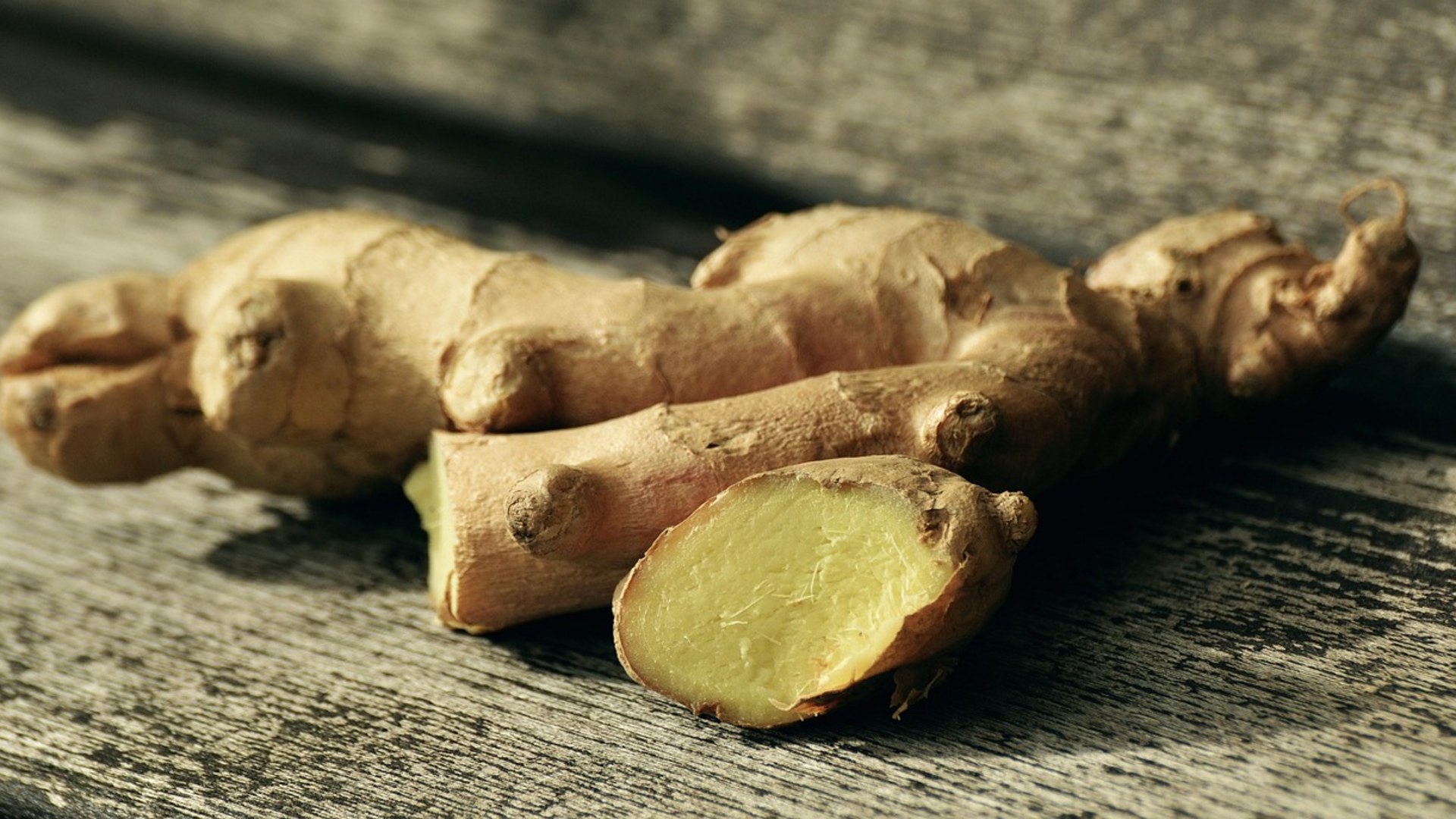
16. Ginger: Circa 200 BC
Ancient Chinese and Indian medical systems relied on fresh ginger rhizomes to stimulate digestive enzymes and counter sea sickness as early as the second century BC. Pharmacological texts classified it as a warming agent capable of dispelling bodily chills and aching joints.
©Pixabay / congerdesign
Advertisement
Swipe or tap ▶ to resume the countdown.
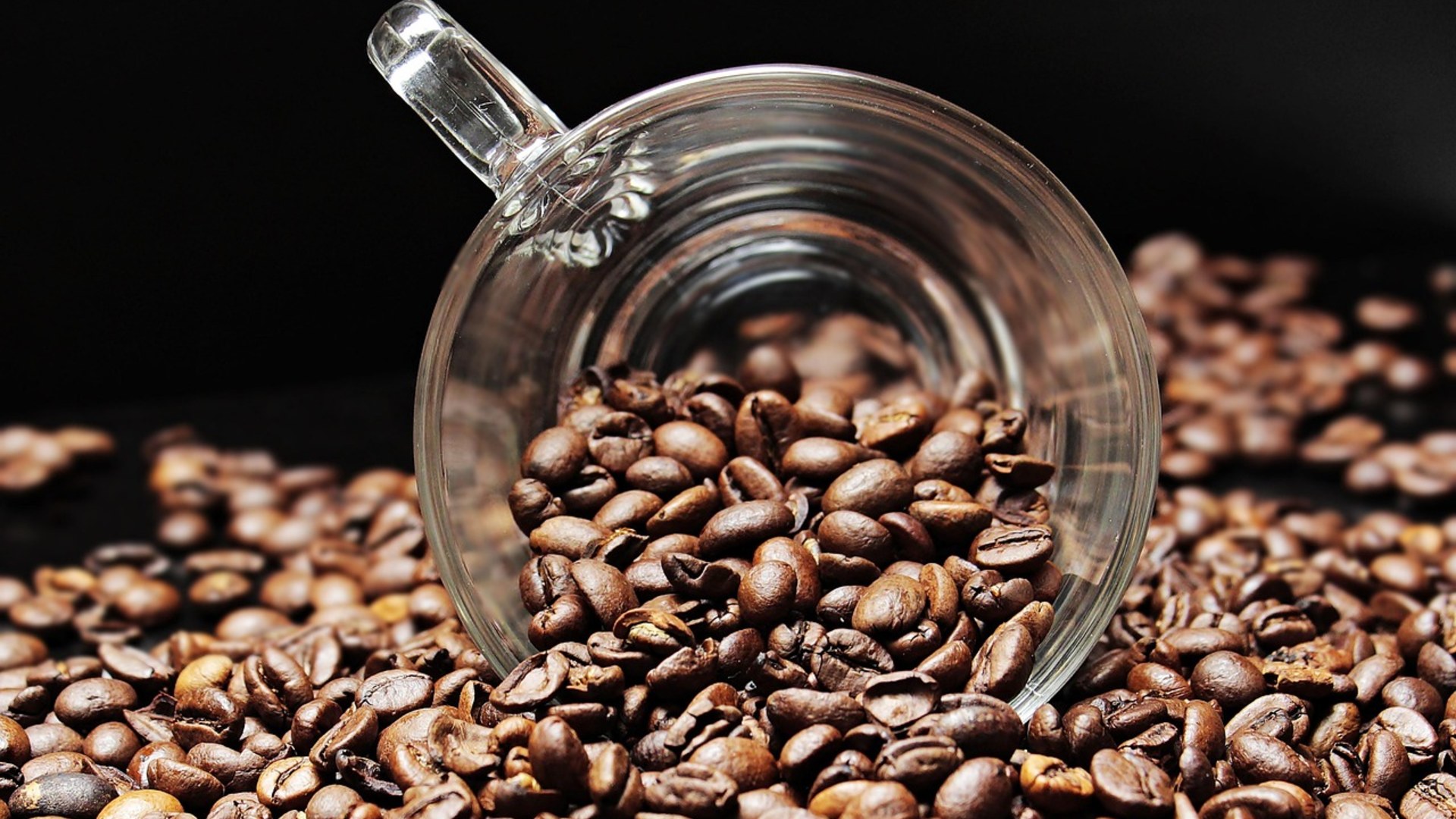
15. Coffee: Circa 850 AD
Ninth-century Arabian physician Rhazes recorded coffee under the name bunchum, prescribing it for digestive ailments and lethargy. Sufi monks in fifteenth-century Yemen popularized boiled beans as a spiritual medicine that sharpened mental focus and sustained overnight prayer vigils.
©Pixabay / pixel2013
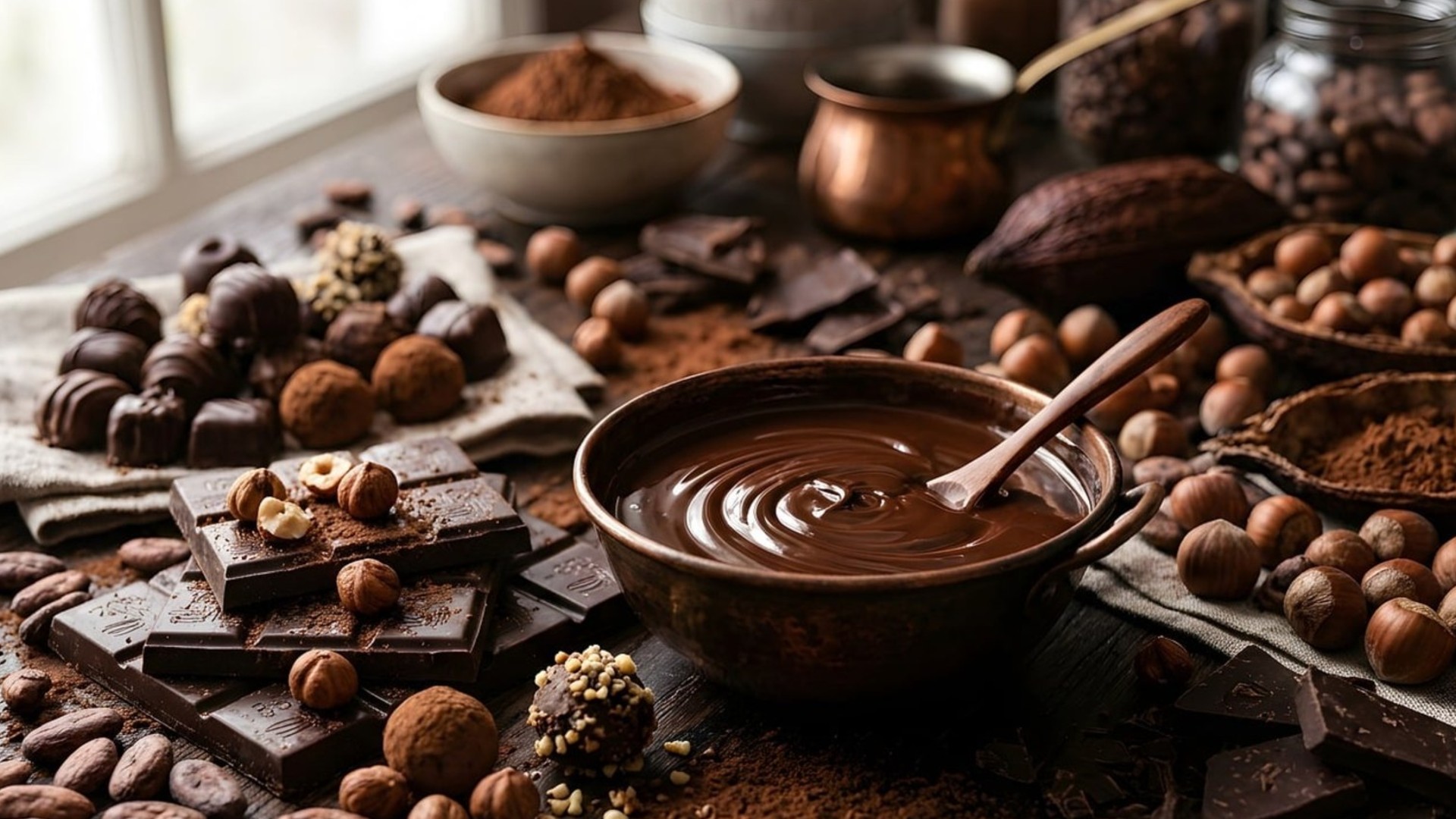
14. Chocolate And Cocoa: Circa 1500
Following Spanish encounters with Aztec medicine, European apothecaries compounded dark cocoa into medicinal potions to treat chest pain, reduce fevers, and stimulate digestion. Renaissance doctors deemed cacao butter an ideal carrier for bitter powdered pharmaceuticals.
©Pixabay / Kamali_1922
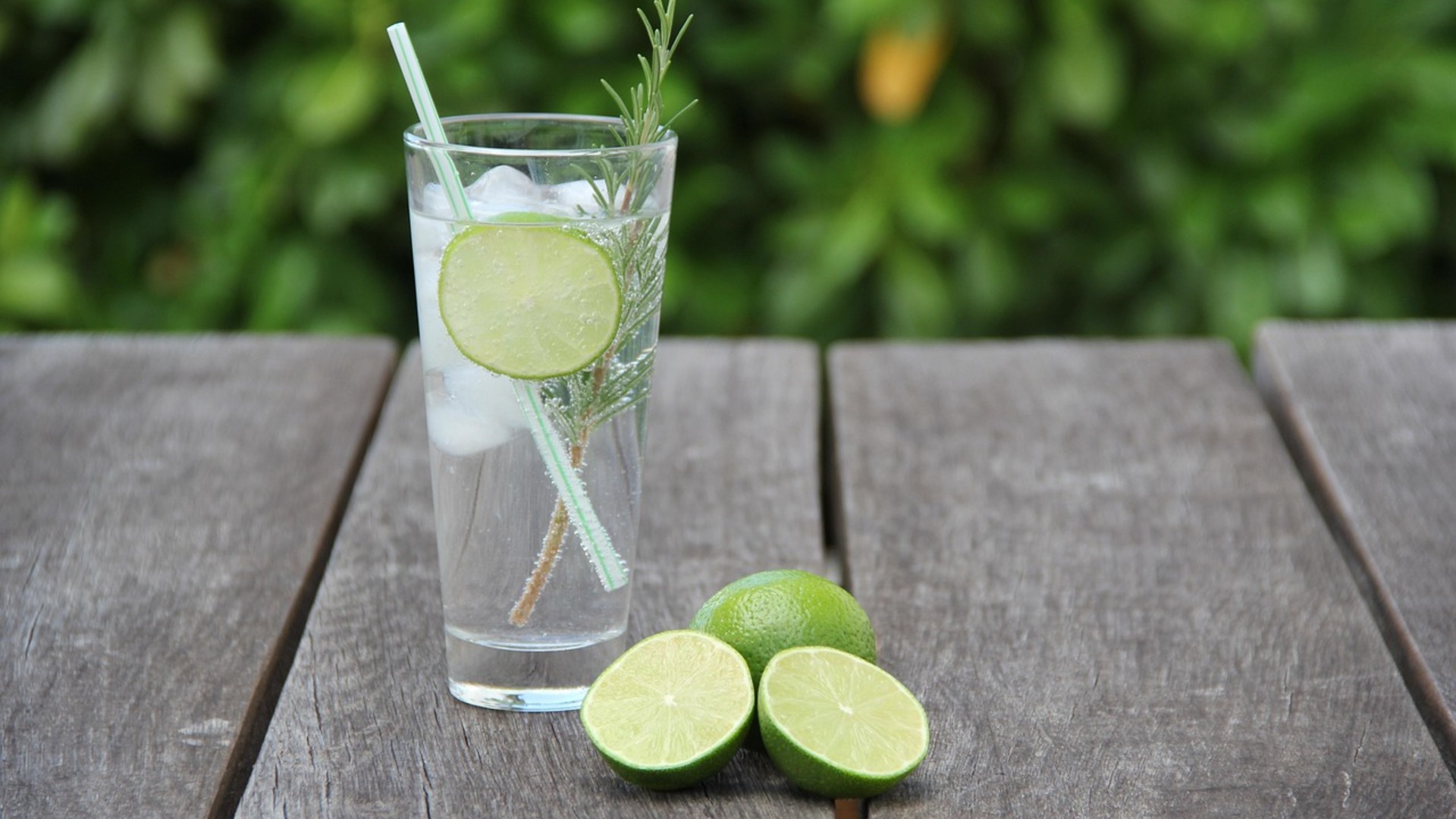
13. Tonic Water And Quinine: Circa 1630
Spanish missionaries in Peru discovered in the 1630s that ground cinchona tree bark cured malarial fevers. British colonial troops stationed across India in the 1800s dissolved bitter crystalline quinine in soda water, adding sugar and gin to create the classic refreshing cocktail.
©Pixabay / sgroene
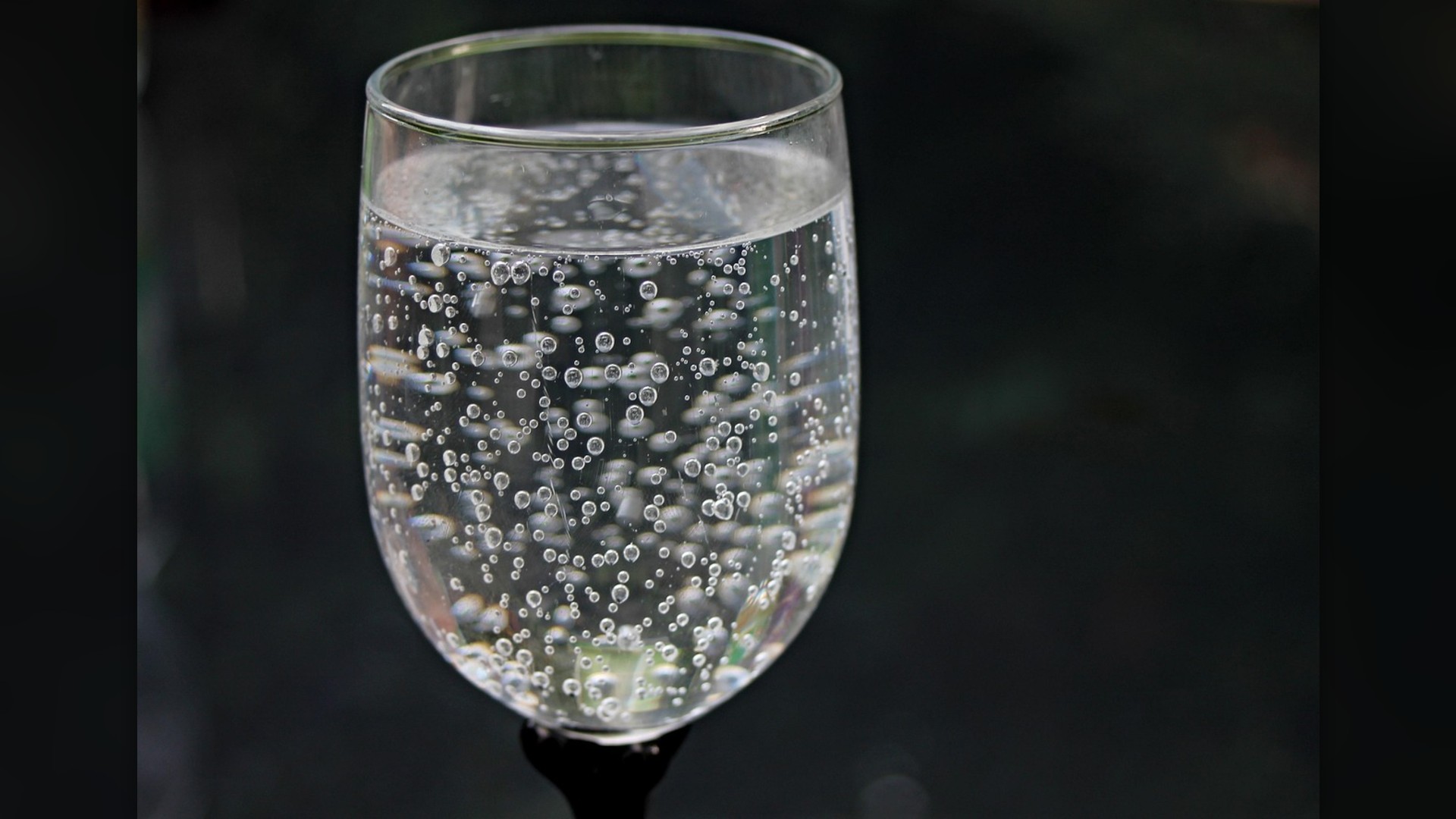
12. Carbonated Mineral Water: 1767
English polymath Joseph Priestley developed artificial carbonation in 1767 by suspending water over fermenting beer vats. Swiss watchmaker Johann Jacob Schweppe commercialized the process in 1783, marketing sparkling water to treat digestive dyspepsia and kidney stones.
©Pixabay / manfredrichter
Advertisement
Swipe or tap ▶ to resume the countdown.
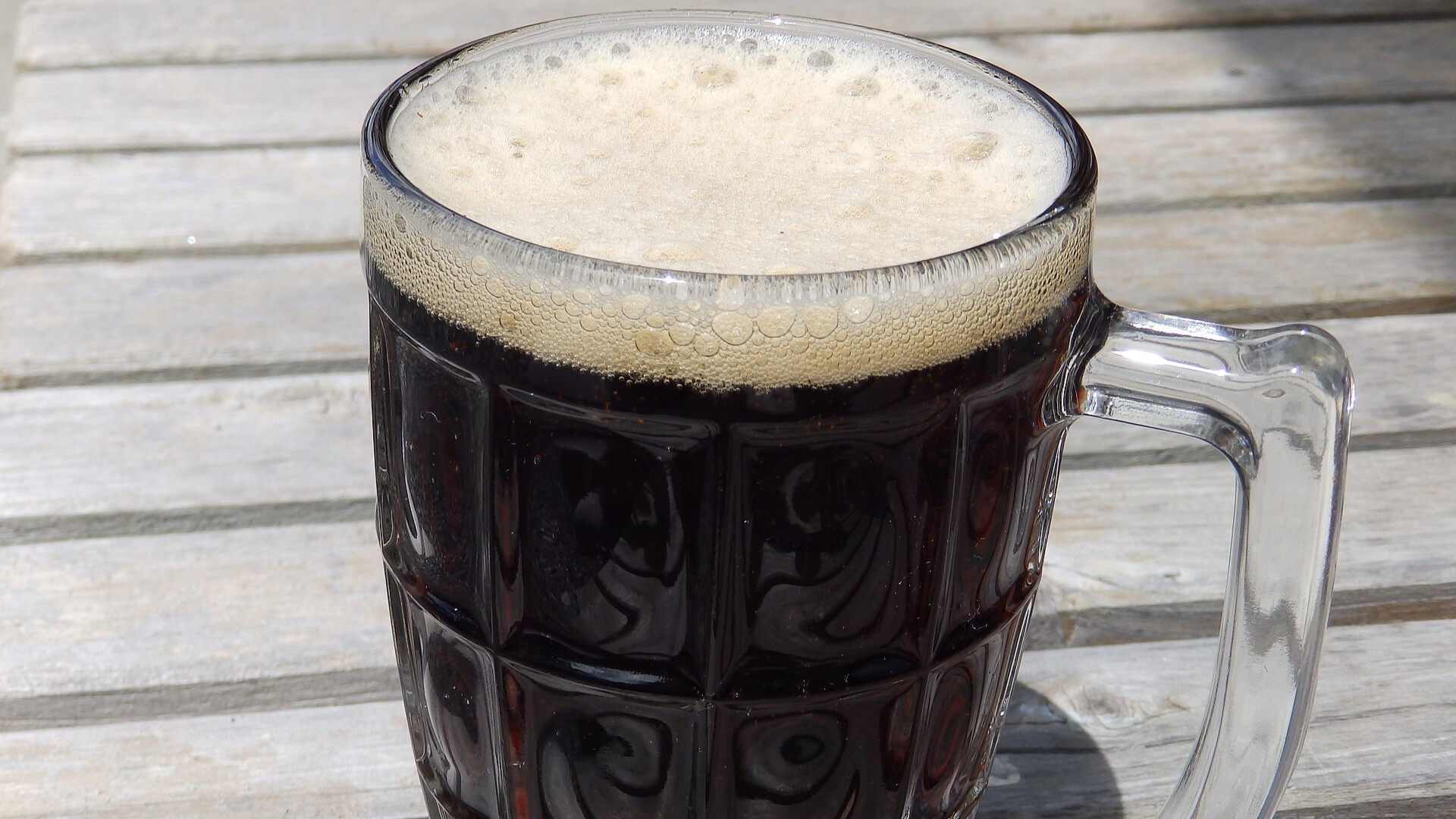
11. Root Beer And Sarsaparilla: Circa 1800
Nineteenth-century apothecaries compounded sarsaparilla, sassafras roots, and wild wintergreen into concentrated medical cordials to treat skin rashes and gout. Pharmacist Charles Hires formulated his commercial dry root extract in 1876, creating a wildly popular temperance drink.
©Wikimedia / Markmark28
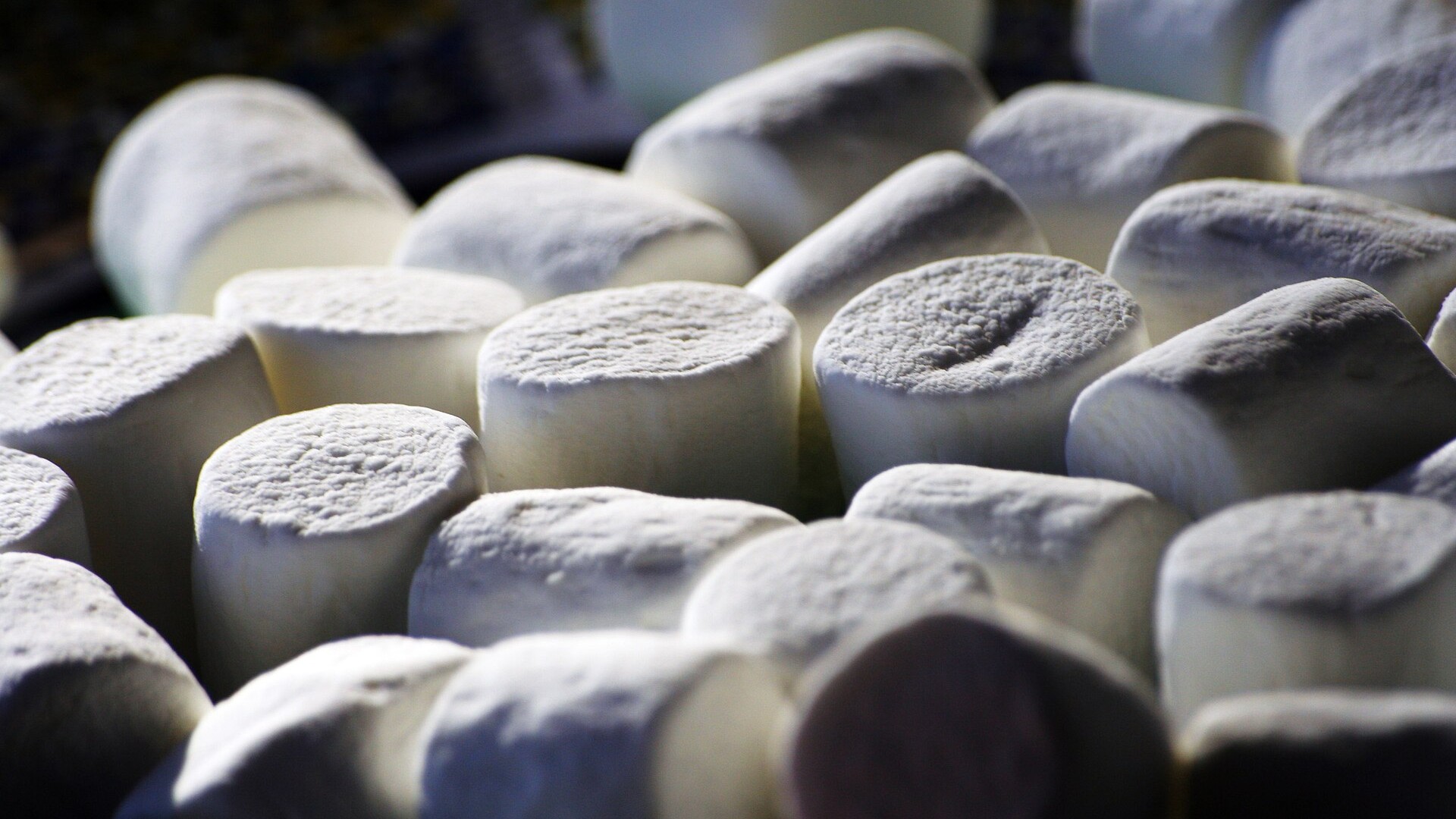
10. Marshmallows: Circa 1800
Physicians extracted viscous mucilage from the roots of the Althaea officinalis marsh mallow plant to soothe chest inflammation and sore throats. In the early 1800s, French pharmacists whipped the plant sap with egg whites and sugar to make throat lozenges palatable for children.
©Wikimedia / Marshmallow
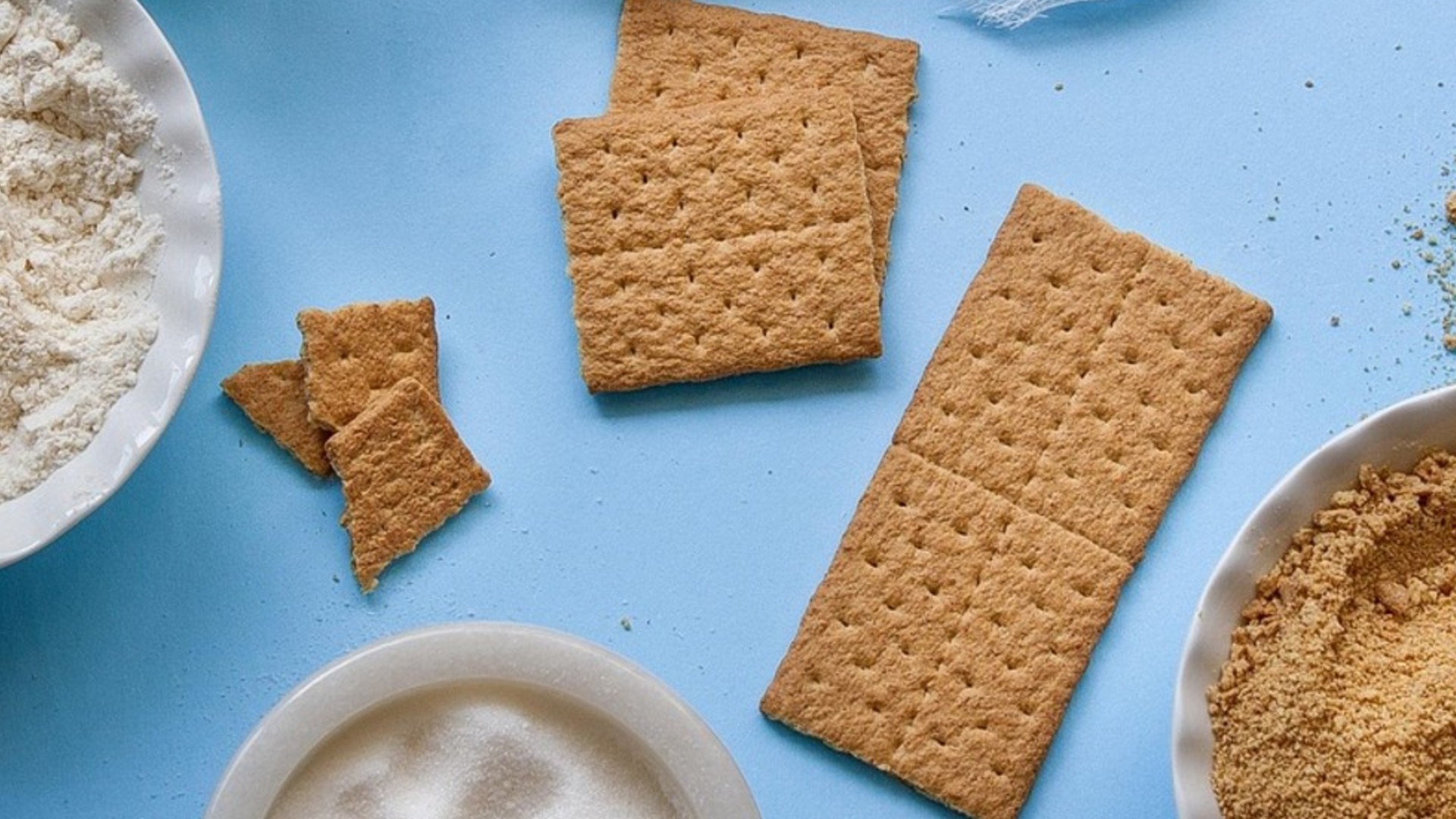
9. Graham Crackers: 1829
Temperance reformer Sylvester Graham invented whole-grain graham flour in 1829, baking dense, unsweetened crackers to treat chronic indigestion and curb physical passion. He believed bland, high-fiber baked goods restored bodily purity and curbed sinful moral impulses.
©Pixabay / ponce_photography
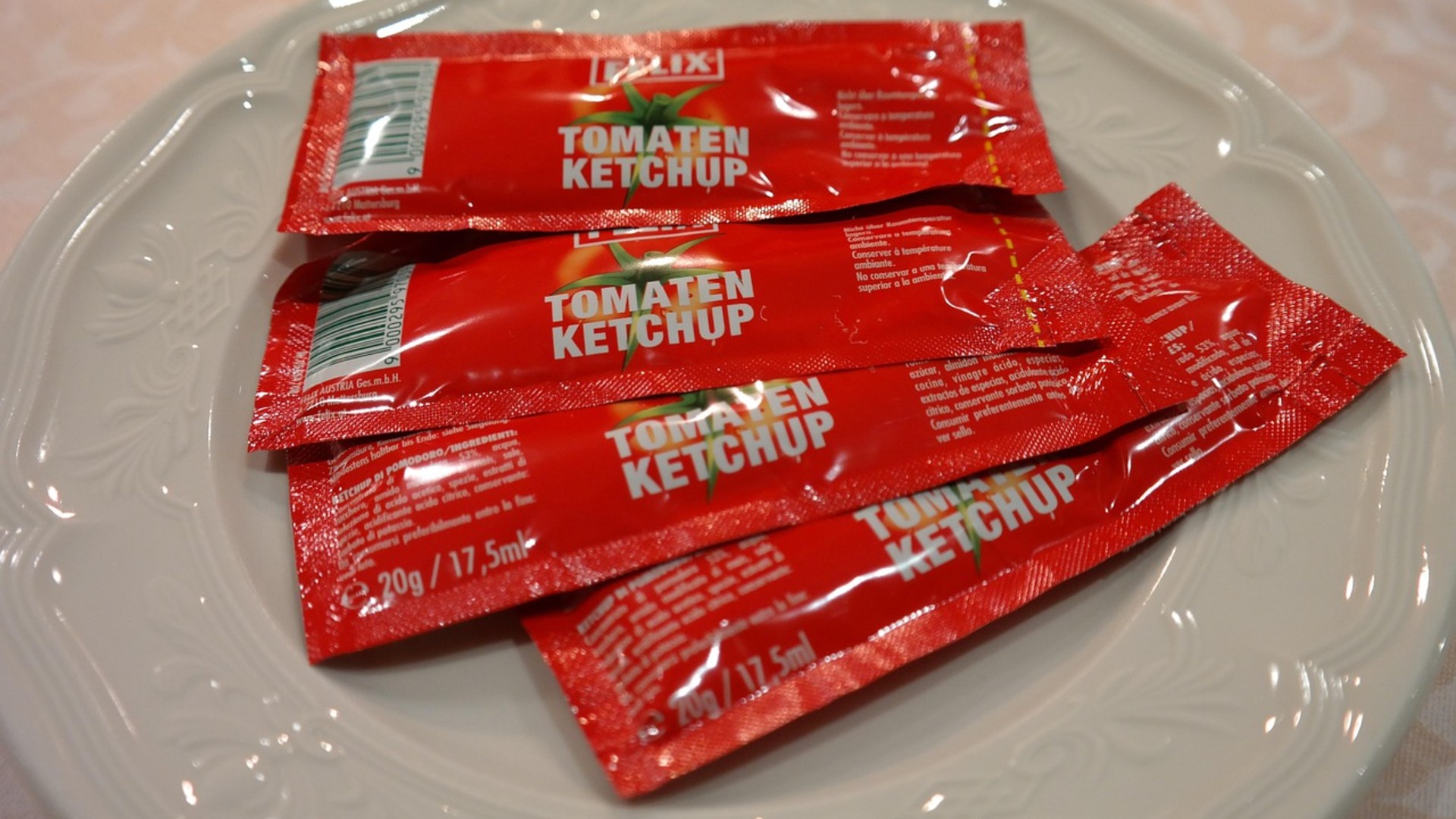
8. Tomato Ketchup: 1834
In 1834, Ohio physician Dr. John Cook Bennett declared tomatoes a potent cure for diarrhoea, jaundice, and indigestion, selling patented tomato pills nationwide. The widespread medical craze led home cooks to simmer spiced tomato pastes, eventually inspiring bottled condiment recipes.
©Pixabay / Hans
Advertisement
Swipe or tap ▶ to resume the countdown.
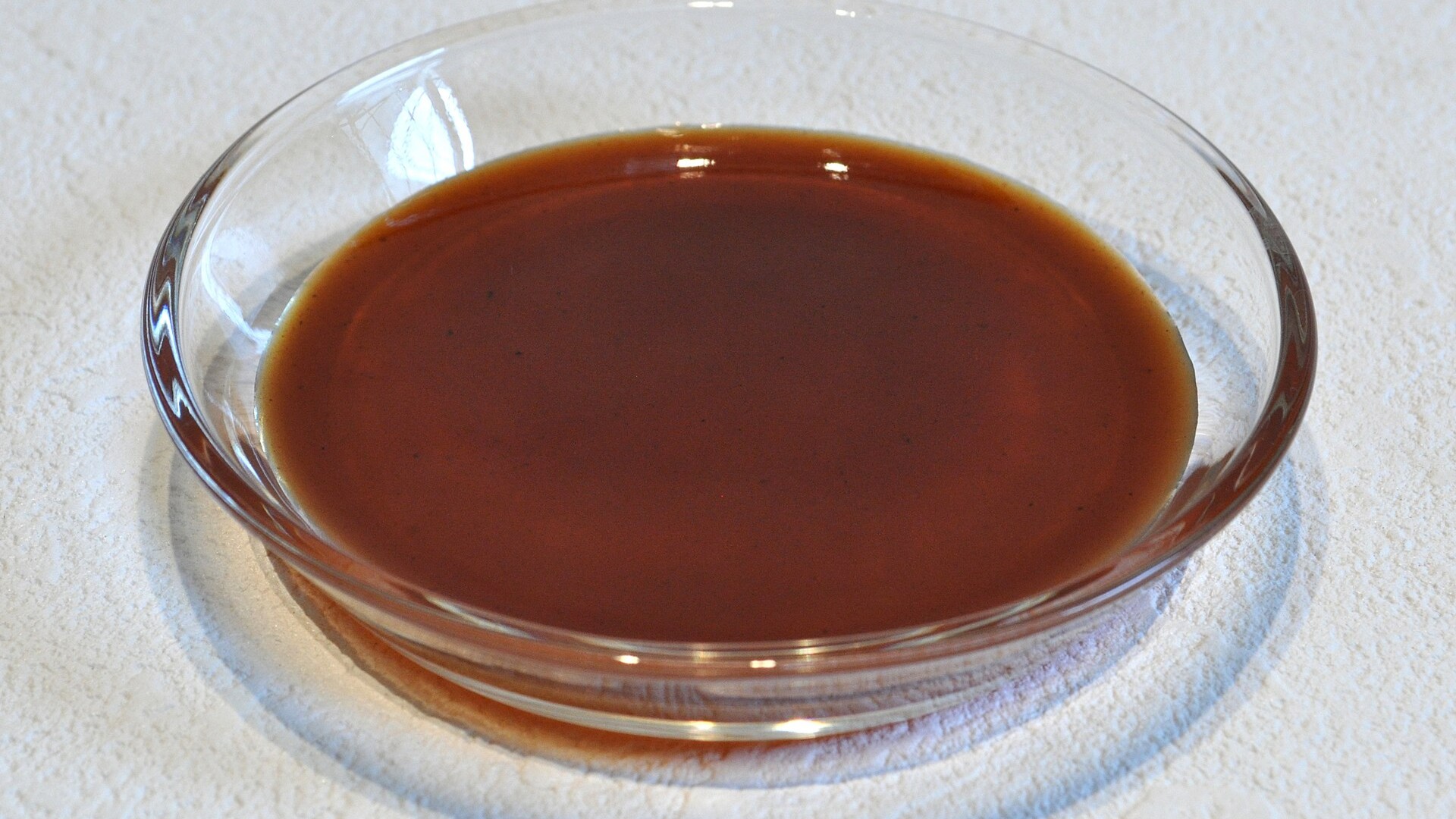
7. Worcestershire Sauce: 1835
In 1835, Lord Sandys commissioned Worcester chemists John Wheeley Lea and William Henry Perrins to replicate an Indian medicinal digestive tonic. Stored in barrels and forgotten, the fermented anchovy, tamarind, and vinegar blend matured into a savory culinary classic.
©Wikimedia / Worcestershire sauce
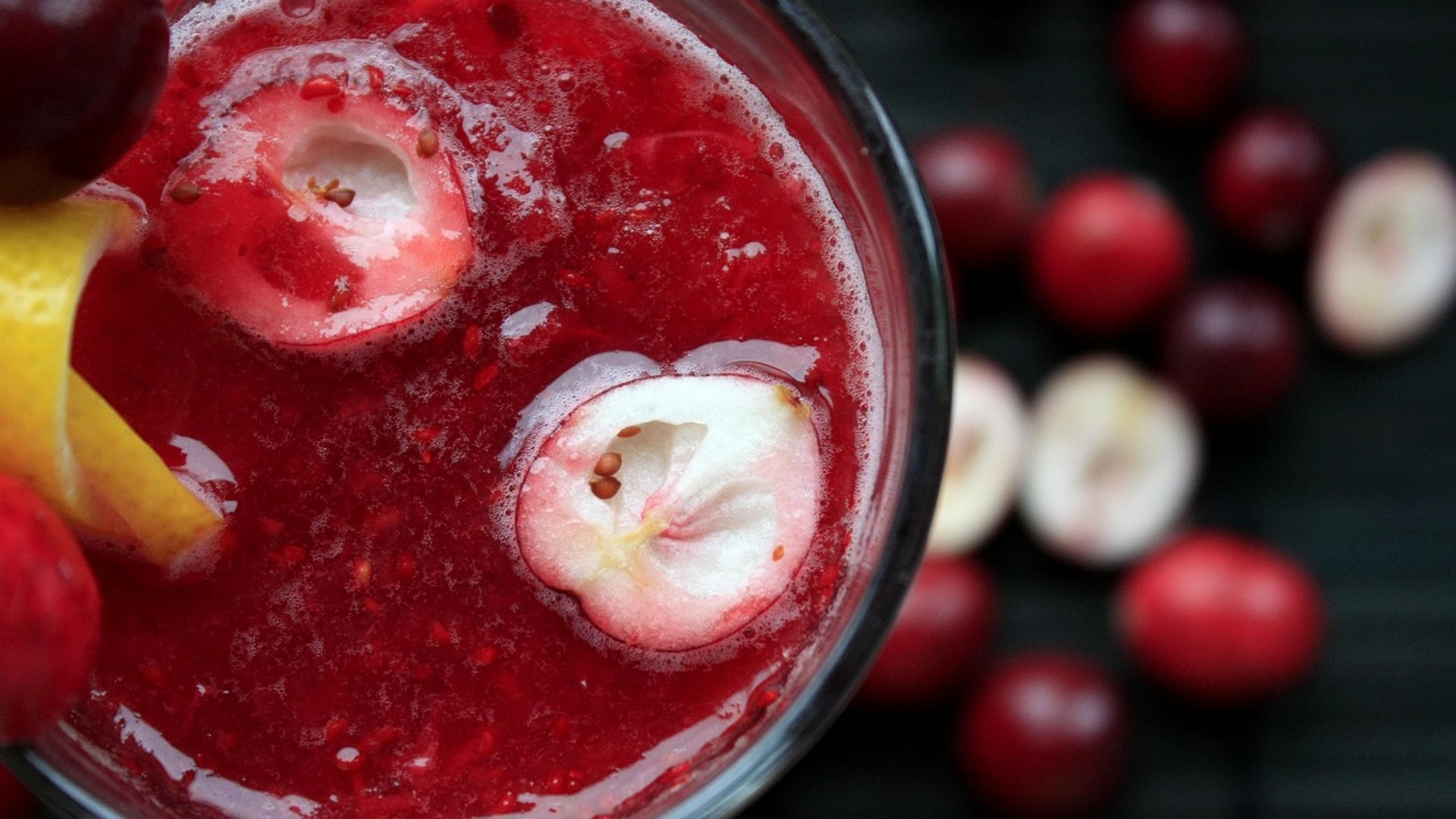
6. Cranberry Sauce And Juice: Circa 1850
Indigenous nations used wild cranberries to dress arrow wounds and treat urinary complaints. By the mid-nineteenth century, American commercial ships stocked wooden barrels of fresh cranberries because their dense vitamin C content prevented scurvy on extended sea voyages.
©Pixabay / Bonbonga
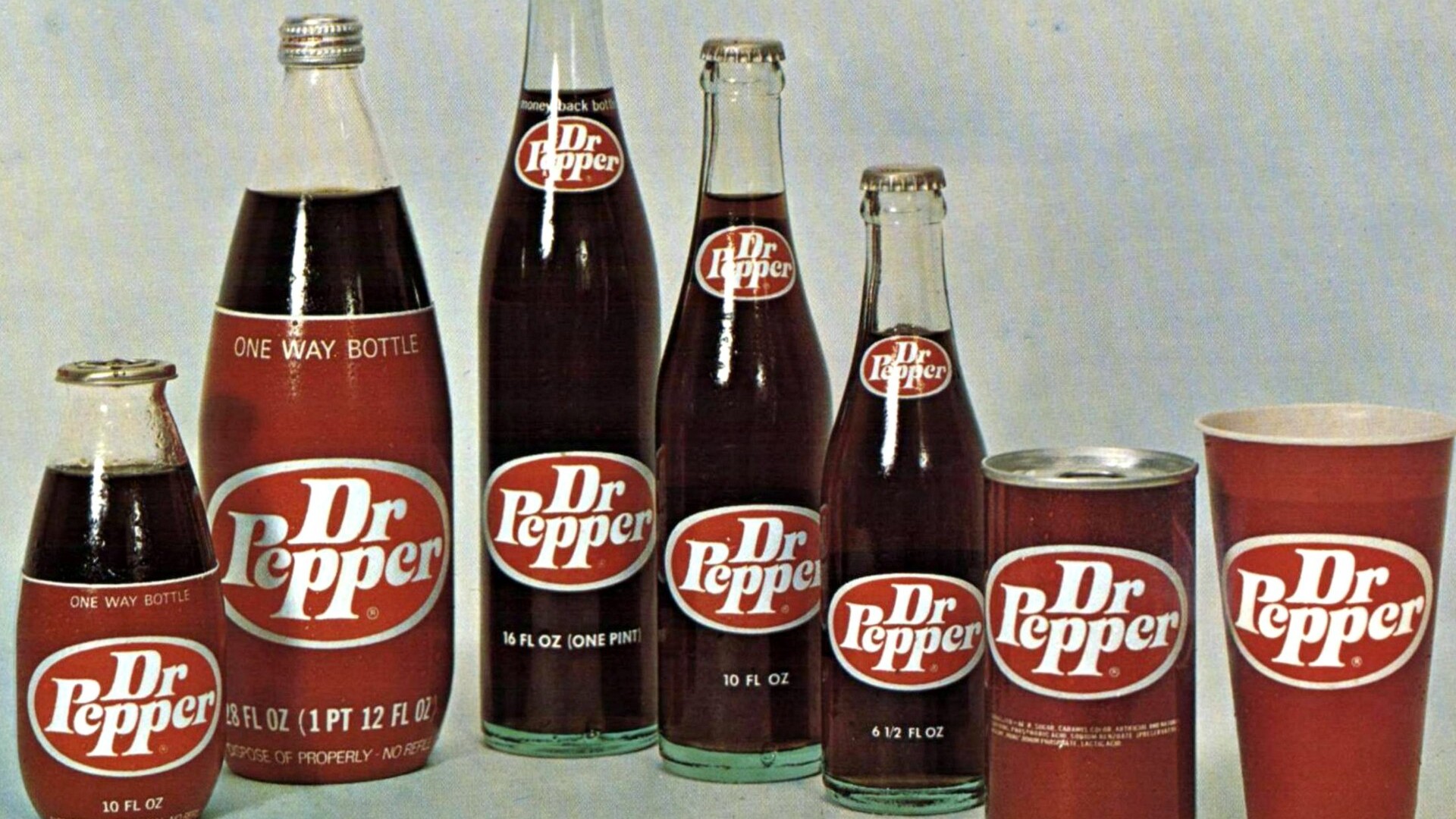
5. Dr Pepper: 1885
In 1885, Brooklyn-born pharmacist Charles Alderton formulated Dr Pepper at Morrison Old Corner Drug Store in Waco, Texas. Customers frequented the soda fountain seeking tonics for fatigue and digestion, requesting the distinct blend of twenty-three fruit and spice extracts.
©Wikimedia / Click Americana
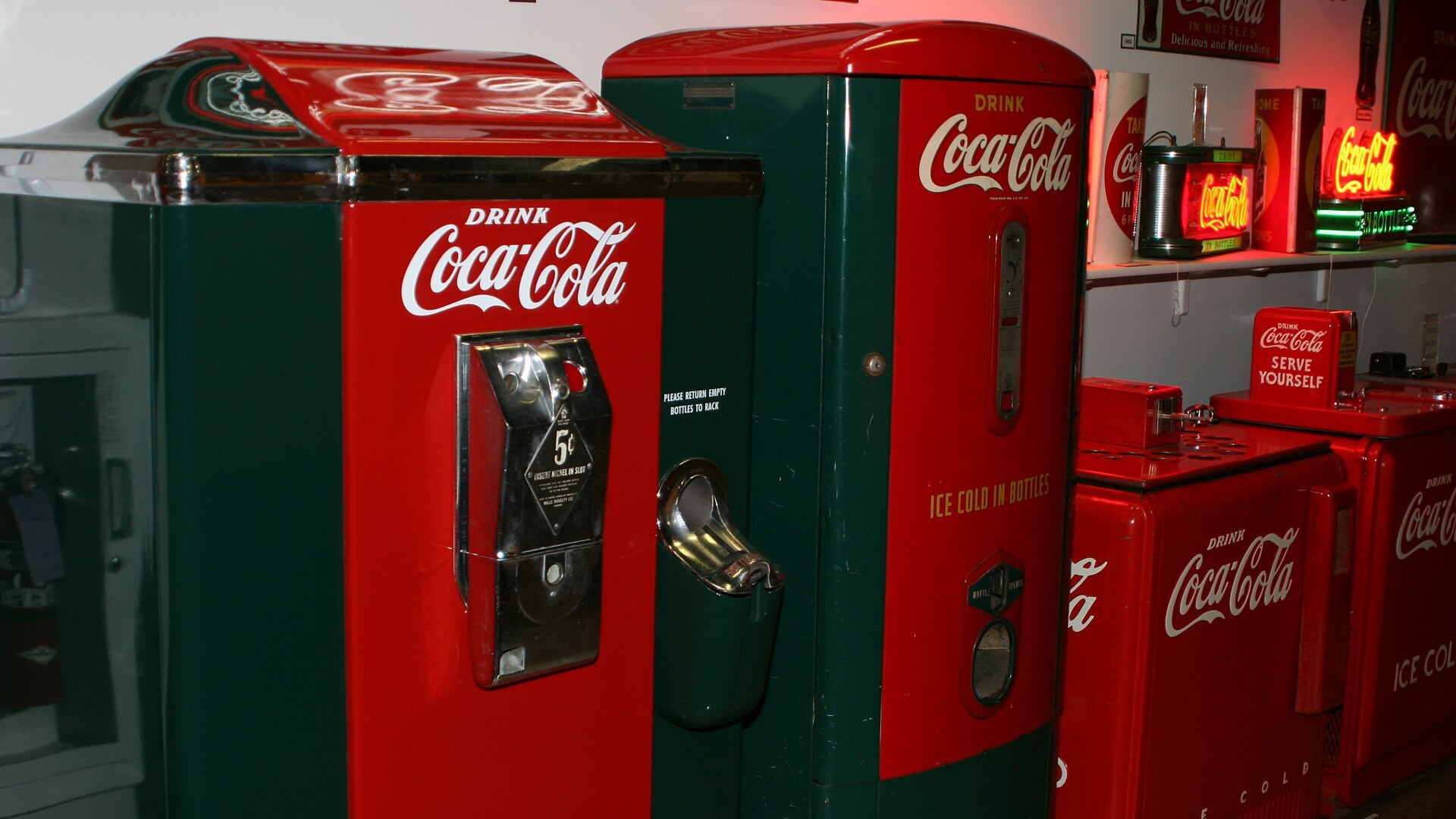
4. Coca-Cola: 1886
Atlanta pharmacist Dr. John Stith Pemberton concocted Coca-Cola in 1886 as a non-alcoholic nerve stimulant to treat morphine addiction and exhaustion. Infused with coca leaves and caffeine-rich kola nuts, the fizzy tonic was sold for five cents a glass at Jacob Pharmacy.
©Wikimedia / Ben Franske
Advertisement
Swipe or tap ▶ to resume the countdown.
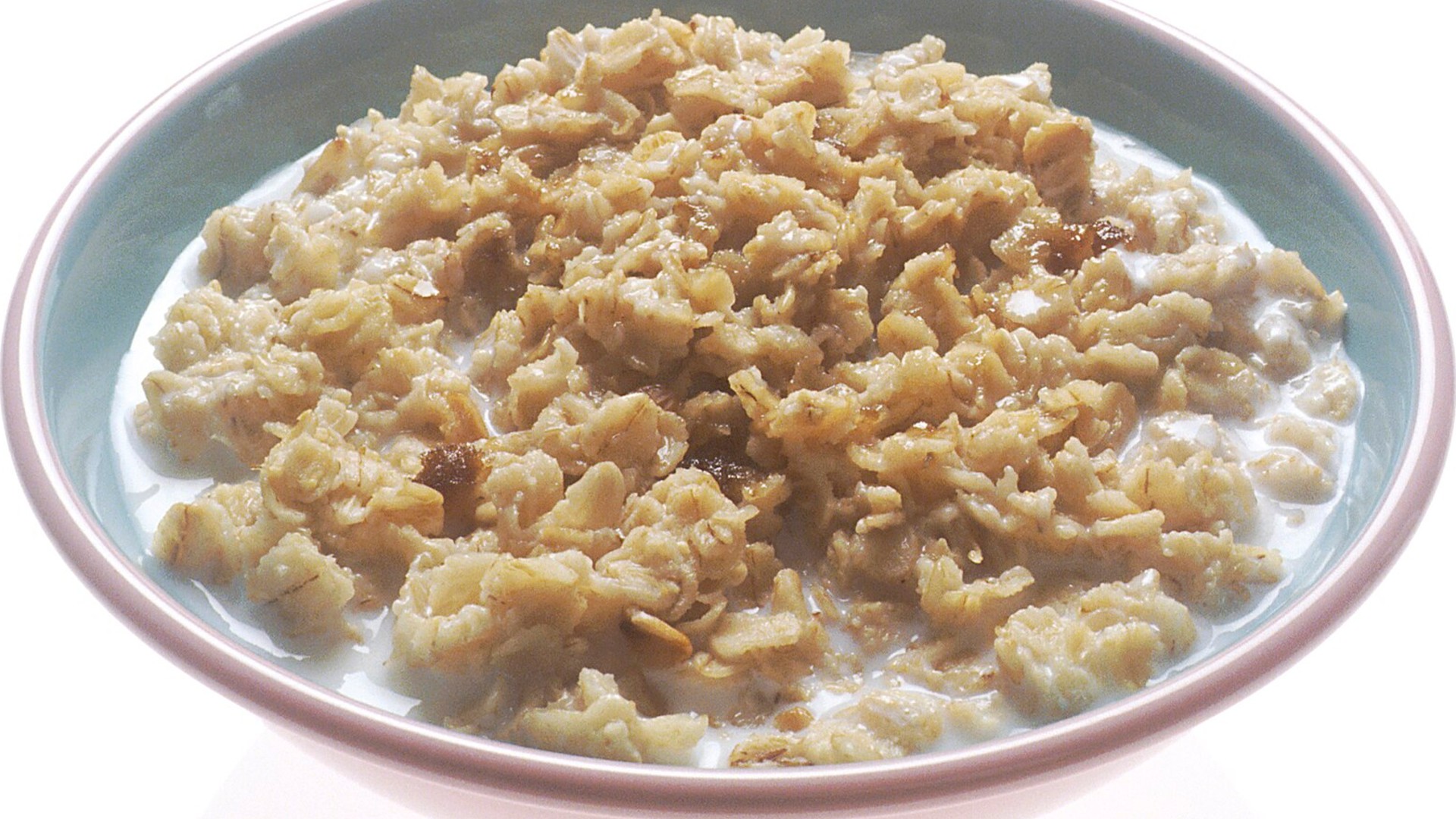
3. Oatmeal Health Porridge: Circa 1890
During the late nineteenth century, medical hydrotherapy clinics and sanitariums prescribed boiled whole oats as an easily digestible convalescent food. Doctors praised oats for calming irritated stomach linings and lowering blood pressure, turning peasant food into a health staple.
©Wikimedia / Renee Comet (Photographer)
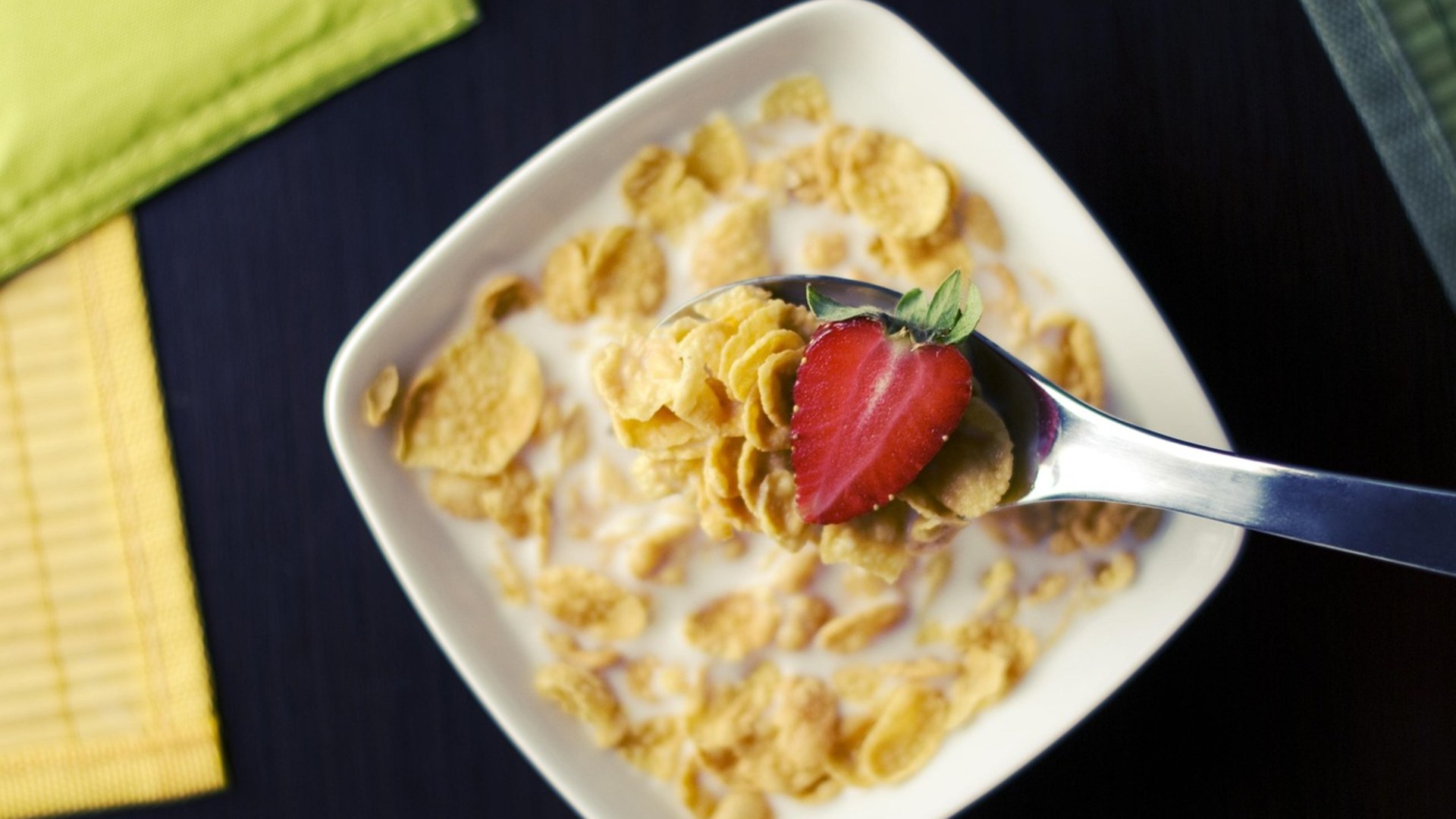
2. Kellogg Corn Flakes: 1898
In 1898, Seventh-day Adventist physician Dr. John Harvey Kellogg and his brother Will Keith developed toasted corn flakes at Battle Creek Sanitarium. The bland, vegetarian breakfast was engineered to aid digestion and prevent physical lust among institutional health patients.
©Pixabay / tookapic
1. Up Lemon-Lime Soda: 1929
Launched two weeks before the 1929 Wall Street crash, inventor Charles Leiper Grigg formulated 7-Up with lithium citrate, a mood-stabilizing drug used to treat bipolar disorder. Marketed as a curative tonic for depression and hangovers, lithium remained in the recipe until 1948.

©Pixabay / Aviavlad
Advertisement
You've reached the end of the story. Thanks for reading!

20 Unusual Myths Around The World People Still Believe
Generations of folklore continue to shape everyday habits across diverse cultures. Based on research from National Geographic, BBC Culture, and Smithsonian anthropological records as of November 2026, communities worldwide maintain bizarre customs to ward off misfortune, bad spirits, and unproven dangers.
All 22 Entries in this Story
Garlic: Circa 3000 BC
Ancient medical papyri from 1550 BC document Egyptian builders consuming garlic daily to prevent illness and boost physical stamina. Roman army doctors later fed raw cloves to legionnaires to treat respiratory ailments, fight parasitic worms and cleanse battle wounds.

Honey: Circa 2500 BC
Ancient Sumerian clay tablets and Egyptian surgical texts from 2500 BC specify raw honey as an essential salve for burns, cuts, and eye infections. Its low moisture content, high acidity, and natural hydrogen peroxide production made it humanity earliest topical antibiotic.

Green And Black Tea: Circa 2737 BC
Traditional Chinese medical treatises recorded tea as an herbal infusion that countered digestive toxins, reduced fevers, and enhanced mental alertness. Tang dynasty physician Lu Yu codified its therapeutic properties, establishing tea as an essential pharmacy prescription.

Mustard: Circa 500 BC
Greek physicians in the fifth century BC compounded ground mustard seeds with vinegar to formulate warming topical plasters. Applied directly to the chest and joints, the pungent seeds stimulated blood flow, cleared bronchial congestion, and relieved rheumatic pain.

Vinegar And Oxymel: Circa 400 BC
The father of Western medicine, Hippocrates of Kos, routinely administered oxymel to clean open ulcers and soothe respiratory inflammation around 400 BC. The mild acetic acid acted as a natural antimicrobial agent centuries before modern germ theory emerged.

Licorice Root: Circa 300 BC
Greek botanist Theophrastus documented the medicinal properties of licorice root in the fourth century BC, noting its soothing effects on asthma and dry throats. Roman legionnaires carried dry sticks on long desert marches to relieve stomach cramps and quench dehydration.

Ginger: Circa 200 BC
Ancient Chinese and Indian medical systems relied on fresh ginger rhizomes to stimulate digestive enzymes and counter sea sickness as early as the second century BC. Pharmacological texts classified it as a warming agent capable of dispelling bodily chills and aching joints.

Coffee: Circa 850 AD
Ninth-century Arabian physician Rhazes recorded coffee under the name bunchum, prescribing it for digestive ailments and lethargy. Sufi monks in fifteenth-century Yemen popularized boiled beans as a spiritual medicine that sharpened mental focus and sustained overnight prayer vigils.

Chocolate And Cocoa: Circa 1500
Following Spanish encounters with Aztec medicine, European apothecaries compounded dark cocoa into medicinal potions to treat chest pain, reduce fevers, and stimulate digestion. Renaissance doctors deemed cacao butter an ideal carrier for bitter powdered pharmaceuticals.

Tonic Water And Quinine: Circa 1630
Spanish missionaries in Peru discovered in the 1630s that ground cinchona tree bark cured malarial fevers. British colonial troops stationed across India in the 1800s dissolved bitter crystalline quinine in soda water, adding sugar and gin to create the classic refreshing cocktail.

Carbonated Mineral Water: 1767
English polymath Joseph Priestley developed artificial carbonation in 1767 by suspending water over fermenting beer vats. Swiss watchmaker Johann Jacob Schweppe commercialized the process in 1783, marketing sparkling water to treat digestive dyspepsia and kidney stones.

Root Beer And Sarsaparilla: Circa 1800
Nineteenth-century apothecaries compounded sarsaparilla, sassafras roots, and wild wintergreen into concentrated medical cordials to treat skin rashes and gout. Pharmacist Charles Hires formulated his commercial dry root extract in 1876, creating a wildly popular temperance drink.

Marshmallows: Circa 1800
Physicians extracted viscous mucilage from the roots of the Althaea officinalis marsh mallow plant to soothe chest inflammation and sore throats. In the early 1800s, French pharmacists whipped the plant sap with egg whites and sugar to make throat lozenges palatable for children.

Graham Crackers: 1829
Temperance reformer Sylvester Graham invented whole-grain graham flour in 1829, baking dense, unsweetened crackers to treat chronic indigestion and curb physical passion. He believed bland, high-fiber baked goods restored bodily purity and curbed sinful moral impulses.

Tomato Ketchup: 1834
In 1834, Ohio physician Dr. John Cook Bennett declared tomatoes a potent cure for diarrhoea, jaundice, and indigestion, selling patented tomato pills nationwide. The widespread medical craze led home cooks to simmer spiced tomato pastes, eventually inspiring bottled condiment recipes.

Worcestershire Sauce: 1835
In 1835, Lord Sandys commissioned Worcester chemists John Wheeley Lea and William Henry Perrins to replicate an Indian medicinal digestive tonic. Stored in barrels and forgotten, the fermented anchovy, tamarind, and vinegar blend matured into a savory culinary classic.

Cranberry Sauce And Juice: Circa 1850
Indigenous nations used wild cranberries to dress arrow wounds and treat urinary complaints. By the mid-nineteenth century, American commercial ships stocked wooden barrels of fresh cranberries because their dense vitamin C content prevented scurvy on extended sea voyages.

Dr Pepper: 1885
In 1885, Brooklyn-born pharmacist Charles Alderton formulated Dr Pepper at Morrison Old Corner Drug Store in Waco, Texas. Customers frequented the soda fountain seeking tonics for fatigue and digestion, requesting the distinct blend of twenty-three fruit and spice extracts.

Coca-Cola: 1886
Atlanta pharmacist Dr. John Stith Pemberton concocted Coca-Cola in 1886 as a non-alcoholic nerve stimulant to treat morphine addiction and exhaustion. Infused with coca leaves and caffeine-rich kola nuts, the fizzy tonic was sold for five cents a glass at Jacob Pharmacy.

Oatmeal Health Porridge: Circa 1890
During the late nineteenth century, medical hydrotherapy clinics and sanitariums prescribed boiled whole oats as an easily digestible convalescent food. Doctors praised oats for calming irritated stomach linings and lowering blood pressure, turning peasant food into a health staple.

Kellogg Corn Flakes: 1898
In 1898, Seventh-day Adventist physician Dr. John Harvey Kellogg and his brother Will Keith developed toasted corn flakes at Battle Creek Sanitarium. The bland, vegetarian breakfast was engineered to aid digestion and prevent physical lust among institutional health patients.

7-Up Lemon-Lime Soda: 1929
Launched two weeks before the 1929 Wall Street crash, inventor Charles Leiper Grigg formulated 7-Up with lithium citrate, a mood-stabilizing drug used to treat bipolar disorder. Marketed as a curative tonic for depression and hangovers, lithium remained in the recipe until 1948.