Slideshow · Lifestyle
22 Everyday Products Still Sold Today With Odd Origin Stories
Many staples in your kitchen, toolbox and medicine cabinet began as wartime experiments, botched recipes or cleaning products. Drawn from U.S. Patent and Trademark Office filings, Smithsonian Institution archives and company histories, these 22 documented backstories trace how odd accidents became household brands.
By Most Viral Today
2 hours agoradar-lead:ecd03af8-1d9d-4812-a173-d536a85e2333

From rocket rust spray to failed wallpaper, familiar items began by accident. 
22. Band-Aid 
21. Heinz Ketchup 
20. Tabasco Sauce - AdvertisementSwipe or tap ▶ to continue countdown

19. Lea & Perrins Worcestershire Sauce 
18. Popsicle 
17. Kellogg's Corn Flakes 
16. Toll House Chocolate Chip Cookies - AdvertisementSwipe or tap ▶ to continue countdown

15. Frisbee 
14. Slinky 
13. Vaseline 
12. Listerine - AdvertisementSwipe or tap ▶ to continue countdown

11. Velcro 
10. Teflon 
9. Super Glue 
8. Silly Putty - AdvertisementSwipe or tap ▶ to continue countdown

7. Bubble Wrap 
6. Post It Notes 
5. Play-Doh 
4. Microwave Oven - AdvertisementSwipe or tap ▶ to continue countdown

3. Aspirin 
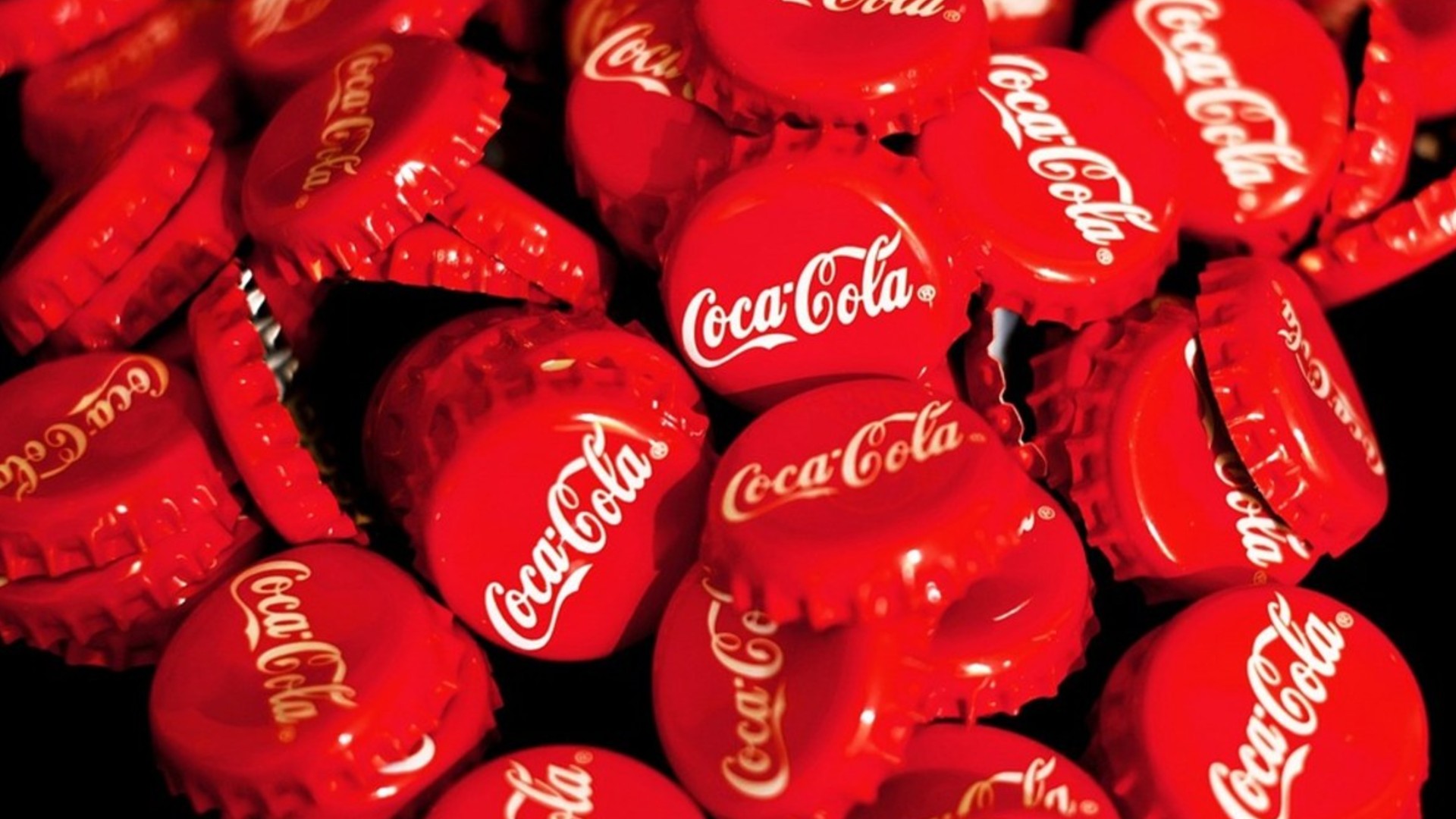
2. Coca-Cola 
1. WD-40 - Advertisement🔥 UP NEXT IN THIS SERIES◫ 25 Slides

24 Classic American Foods Travelers Miss Most When Living Abroad
Living or traveling overseas often reveals how many everyday American pantry staples and regional diner classics are hard to find outside North America. Counting down from 24 to 1, this gallery pairs expat favorites with culinary origins from the Library of Congress, USDA records, and state historical archives.
Many staples in your kitchen, toolbox and medicine cabinet began as wartime experiments, botched recipes or cleaning products. Drawn from U.S. Patent and Trademark Office filings, Smithsonian Institution archives and company histories, these 22 documented backstories trace how odd accidents became household brands.
Swipe or tap ▶ to begin the countdown
©Pixabay / igorovsyannykov
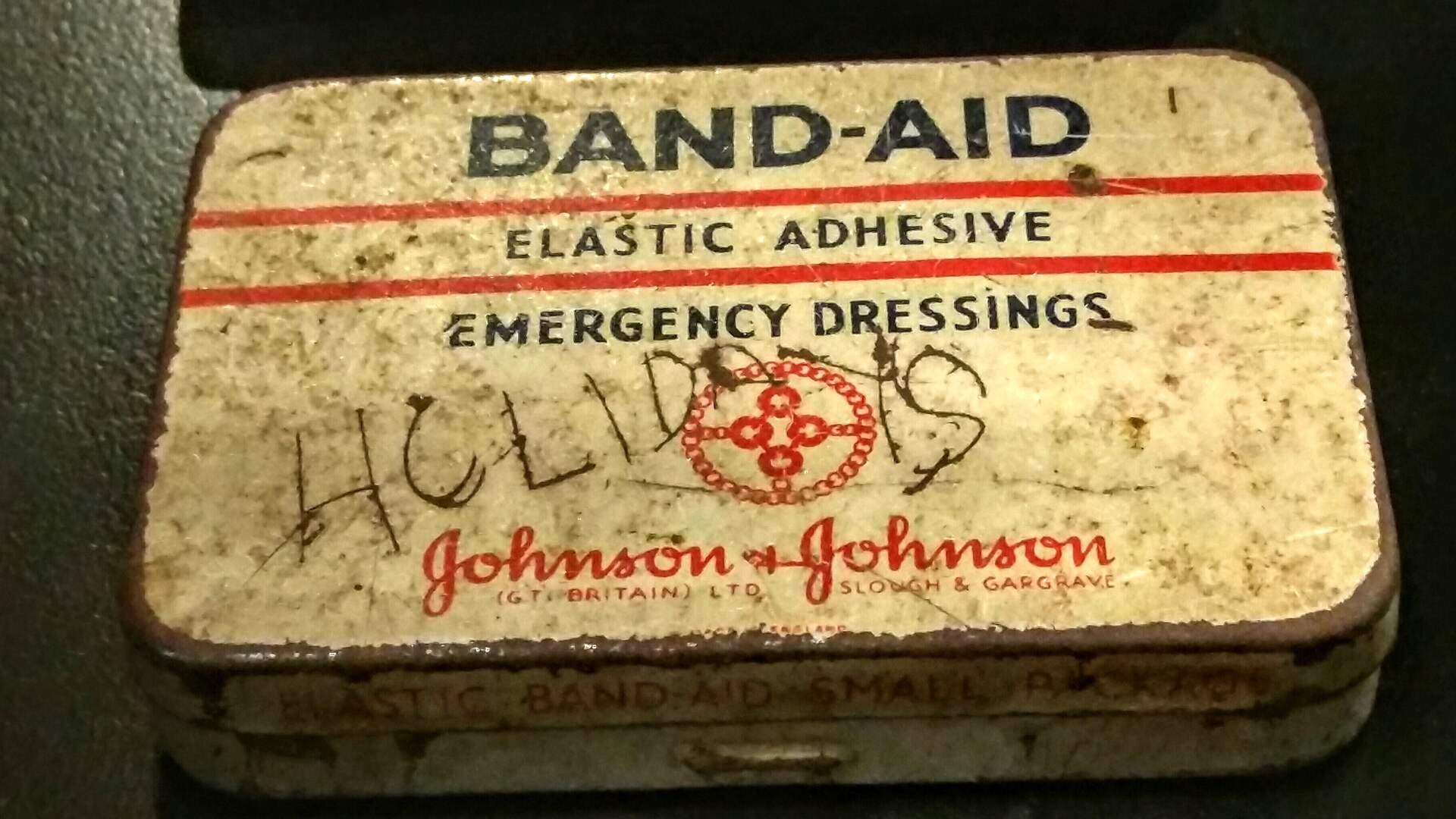
22. Band-Aid
Johnson & Johnson employee Earle Dickson noticed his wife Josephine struggled to wrap gauze and tape around finger cuts with one hand. He pressed small gauze squares along a strip of surgical tape and covered them with crinoline. Sales started slowly until the company gave free samples to Boy Scout troops.
©Wikimedia / Maksym Kozlenko
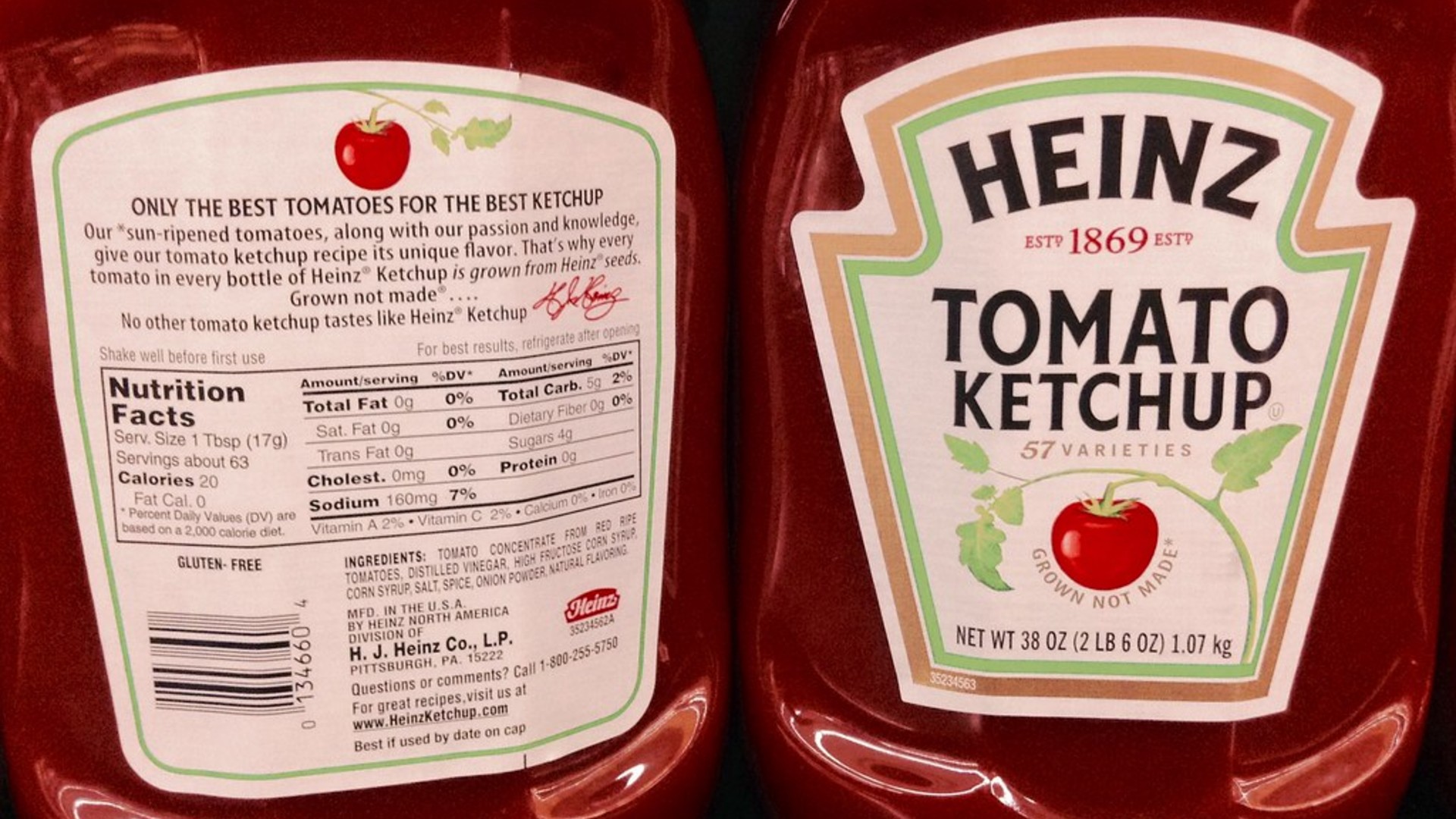
21. Heinz Ketchup
Mid-19th-century bottled ketchups were sold in dark glass or stoneware because many makers hid spoiled tomatoes with coal-tar dyes and wood pulp. After Henry John Heinz launched his tomato ketchup in 1876, he packaged it in clear glass bottles so shoppers could inspect the bright red sauce before buying.
©Openverse / JeepersMedia
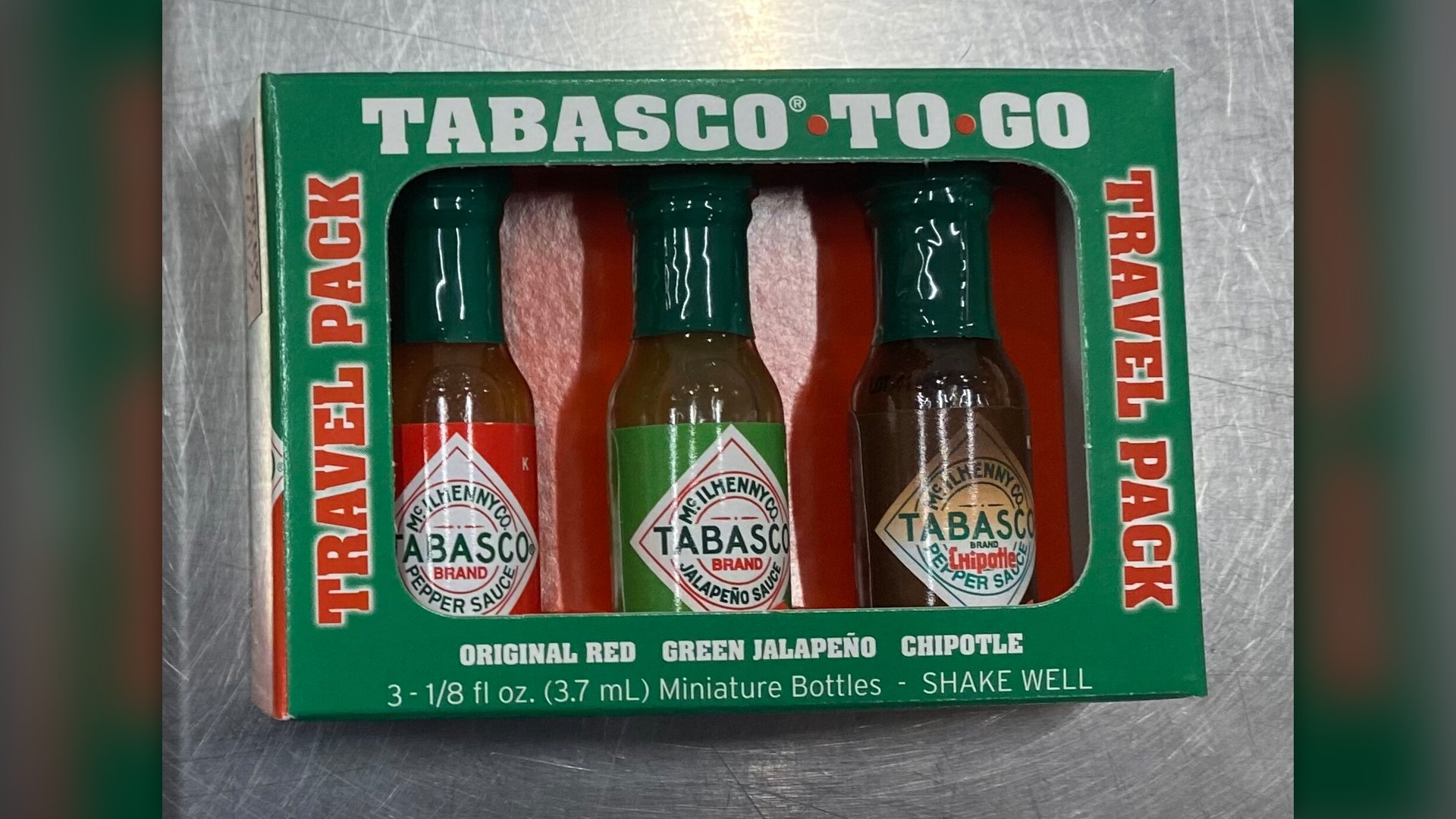
20. Tabasco Sauce
Returning to Avery Island, Louisiana after the Civil War, Edmund McIlhenny planted hot pepper seeds given to him years earlier. He aged the salted pepper mash in oak barrels and reused sprinkler-topped cologne bottles from New Orleans so diners could shake out single drops.
©Wikimedia / TaurusEmerald
Advertisement
Swipe or tap ▶ to resume the countdown.
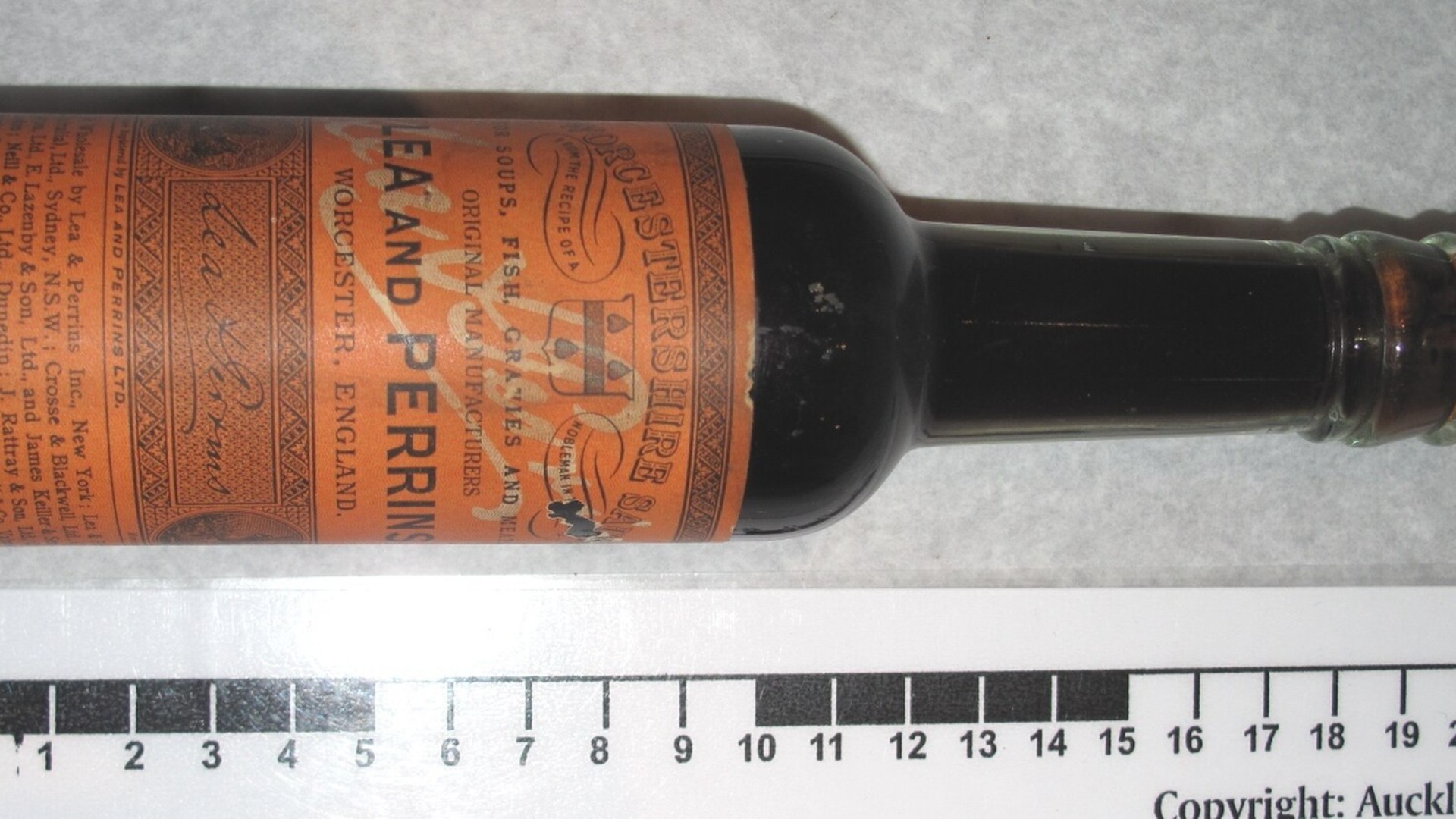
19. Lea & Perrins Worcestershire Sauce
John Wheeley Lea and William Henry Perrins mixed anchovies, tamarind, vinegar and spices in Worcester for a local nobleman. Tasting the fresh batch disgusted them, so they stored the surplus barrels in a cellar. When they sampled the aged sauce years later, fermentation had mellowed it into a hit.
©Wikimedia / Lea & Perrins
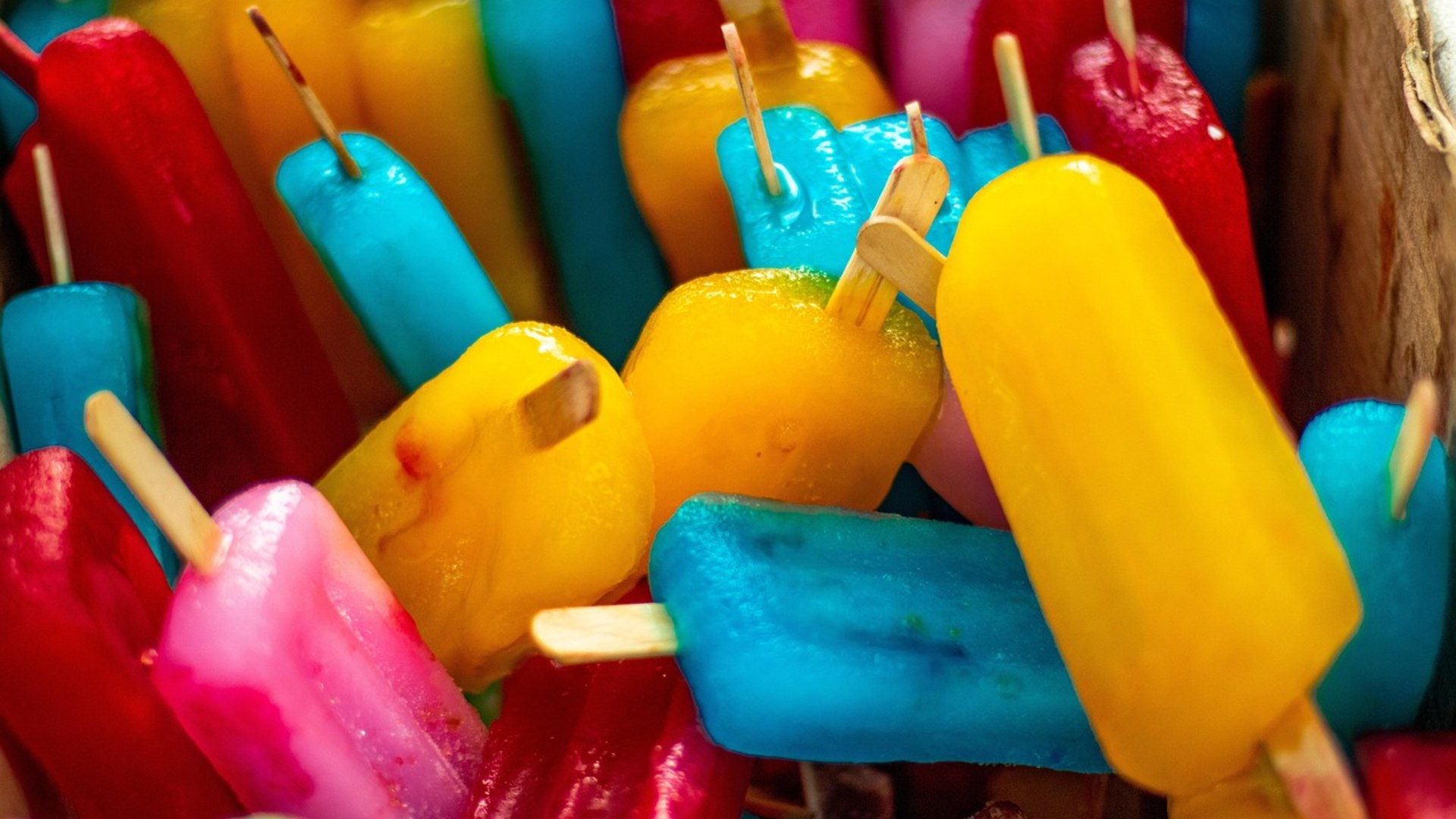
18. Popsicle
Frank Epperson mixed sweet soda powder with water in Oakland, California and left the glass outside during a cold snap overnight. By morning the liquid had frozen solid around the wooden stick. He patented the frozen treat as the Epsicle in 1924 before his children convinced him to rename it Popsicle.
©Pixabay / joan_njenga
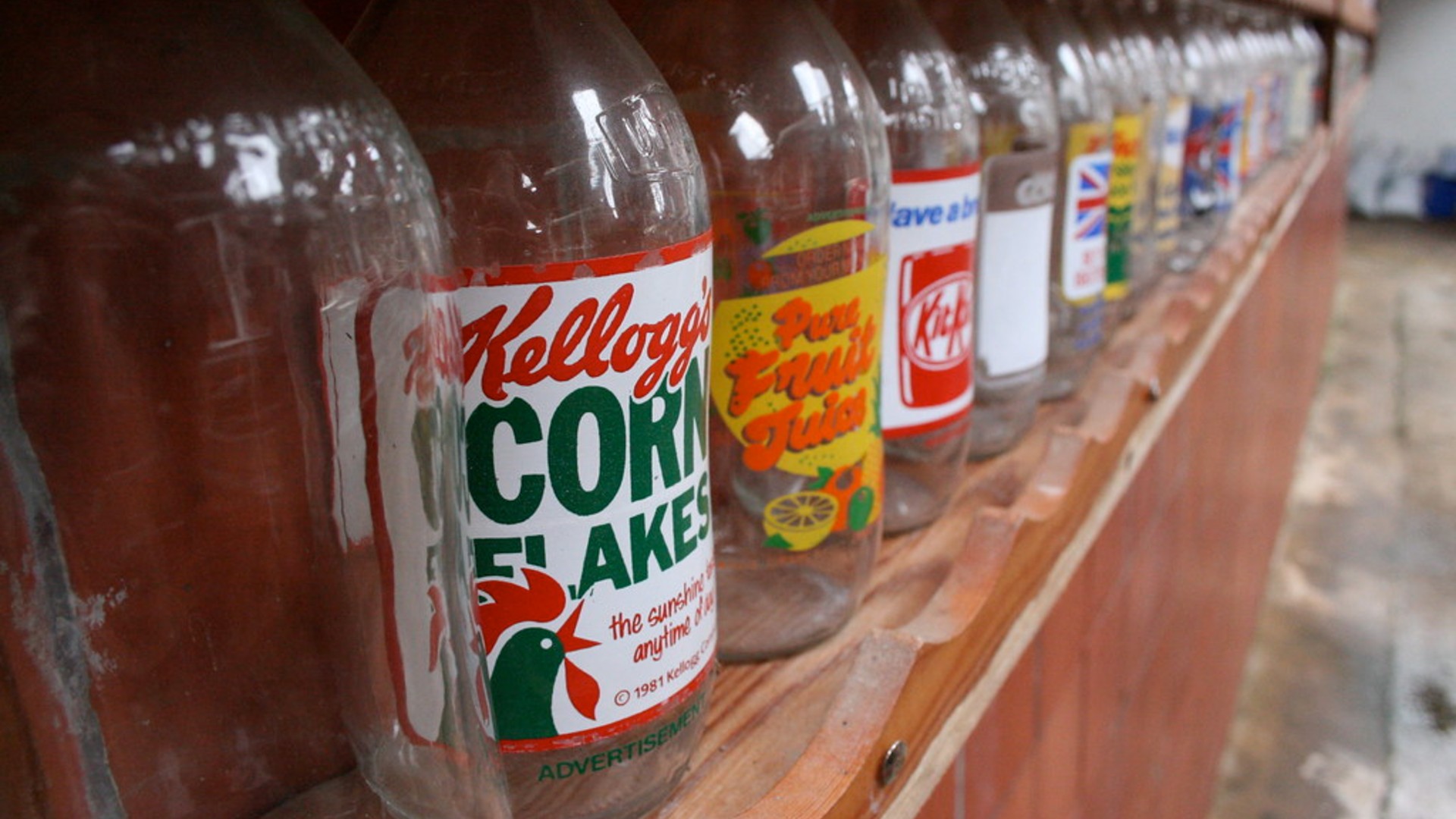
17. Kellogg's Corn Flakes
Dr. John Harvey Kellogg and his brother Will Keith were testing bland vegetarian foods at the Battle Creek Sanitarium in Michigan. When cooked wheat went stale, they still rolled and baked it into crisp flakes. Will later switched to corn and launched the commercial cereal company in 1906.
©Openverse / Stephen Fulljames
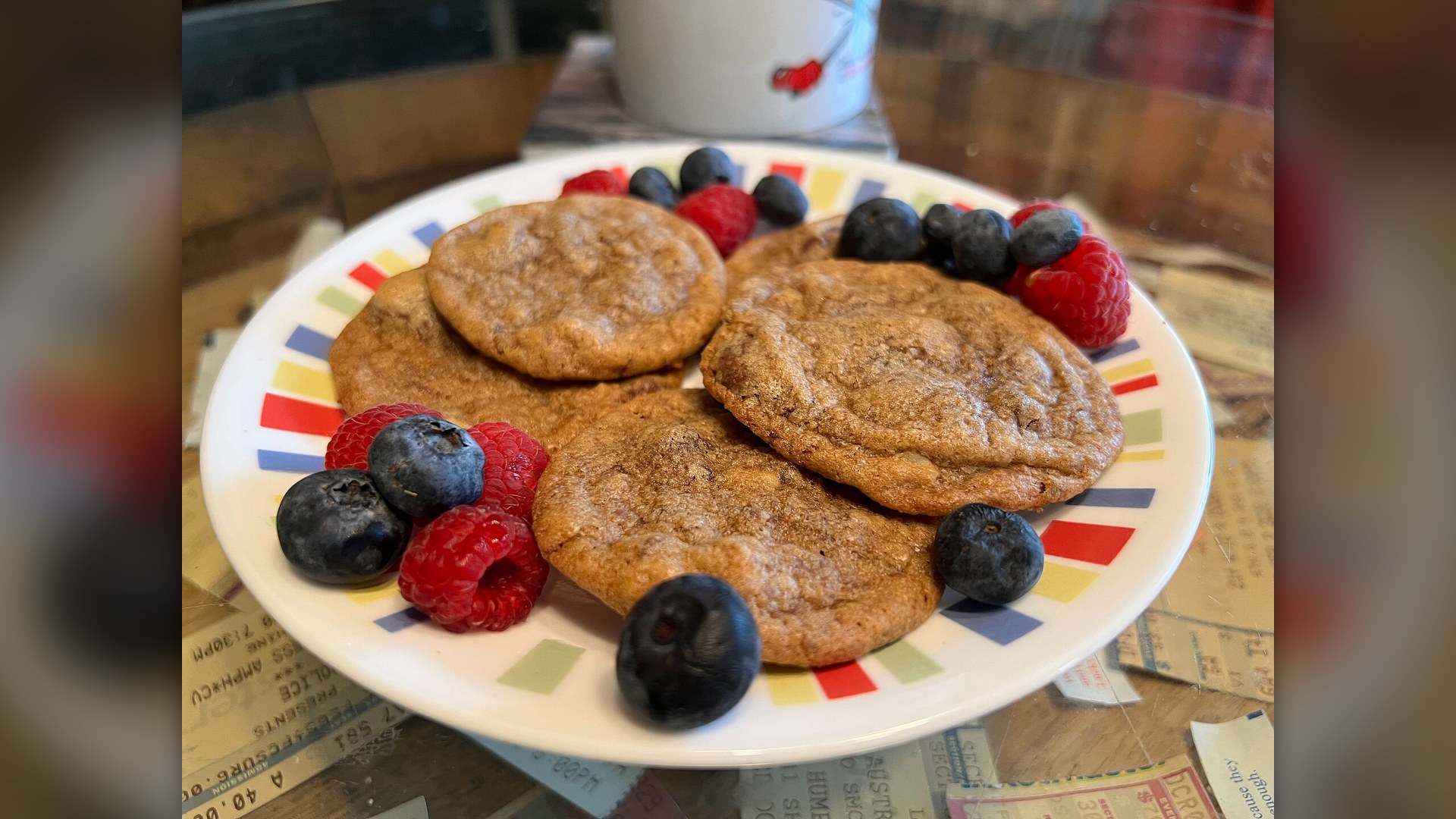
16. Toll House Chocolate Chip Cookies
Ruth Graves Wakefield ran the Toll House Inn in Whitman, Massachusetts, where guests loved her desserts. She broke a Nestle semi-sweet bar into butter dough, expecting the pieces to melt into all-chocolate cookies. Instead the chunks held their shape, and Nestle began selling pre-cut morsels.
©Wikimedia / Capvideo
Advertisement
Swipe or tap ▶ to resume the countdown.
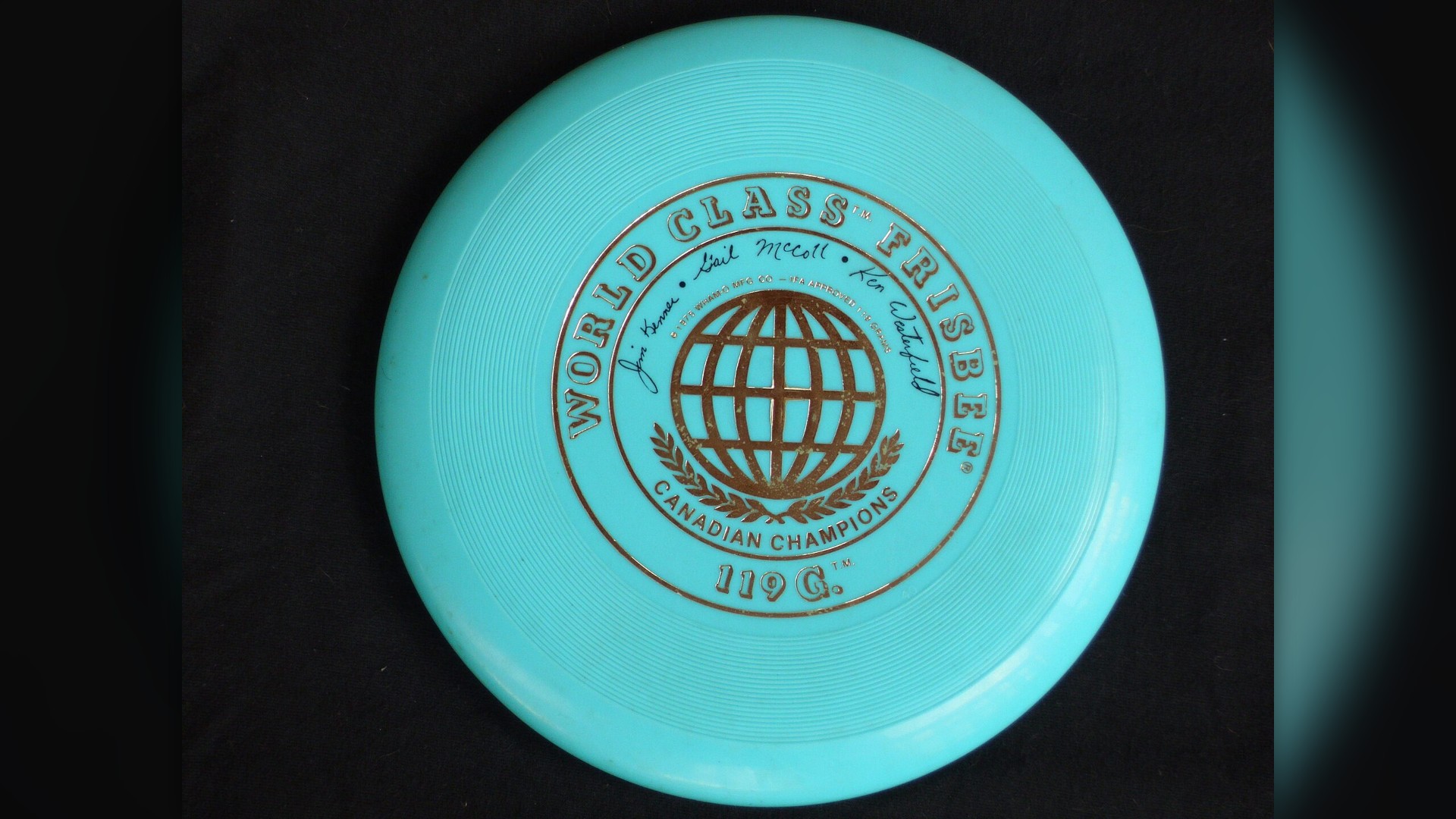
15. Frisbee
The Frisbie Pie Company in Bridgeport, Connecticut sold pies in sturdy stamped metal tins. College students nearby yelled 'Frisbie' while tossing the empty tins across campus lawns. Inventor Walter Morrison crafted a plastic version, and Wham-O bought the rights and named it Frisbee in 1957.
©Wikimedia / Audra454
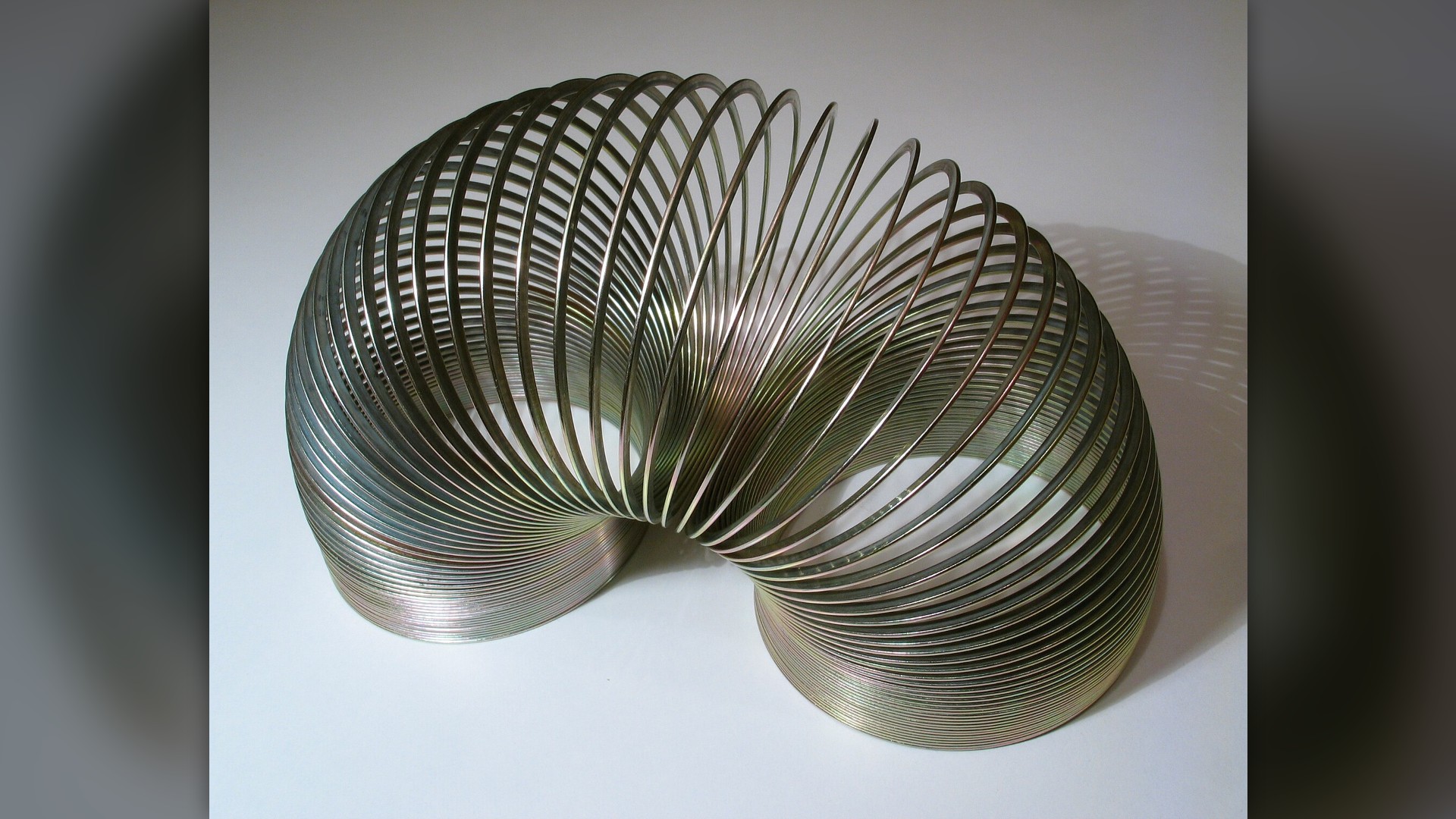
14. Slinky
Engineer Richard James was working in Philadelphia on springs meant to steady shipboard gauges in rough seas. When one coiled steel spring fell off a shelf, it stepped gracefully across books and onto the floor. His wife Betty named it Slinky, and Gimbels sold 400 units in 90 minutes in 1945.
©Wikimedia / Slinky
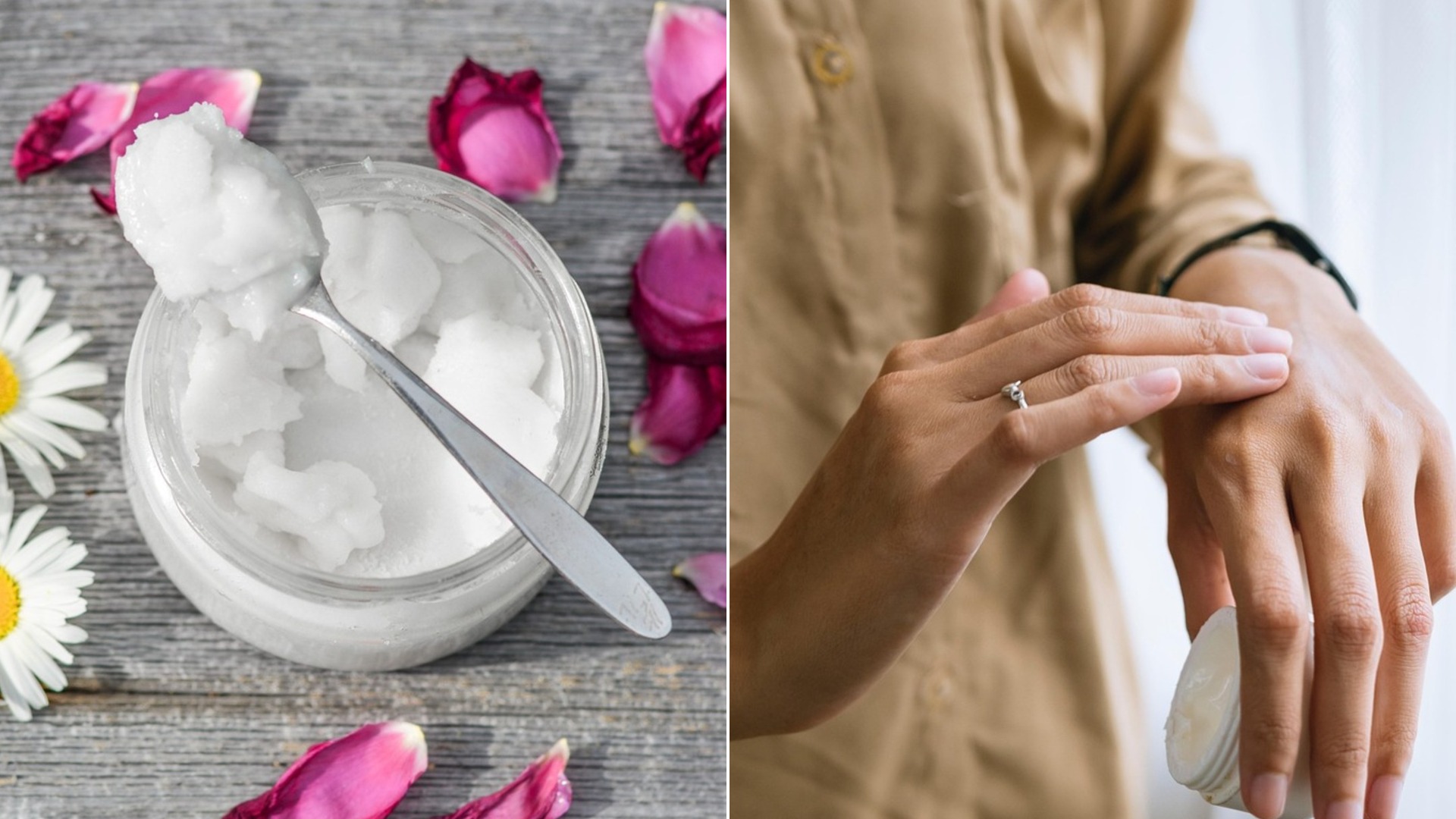
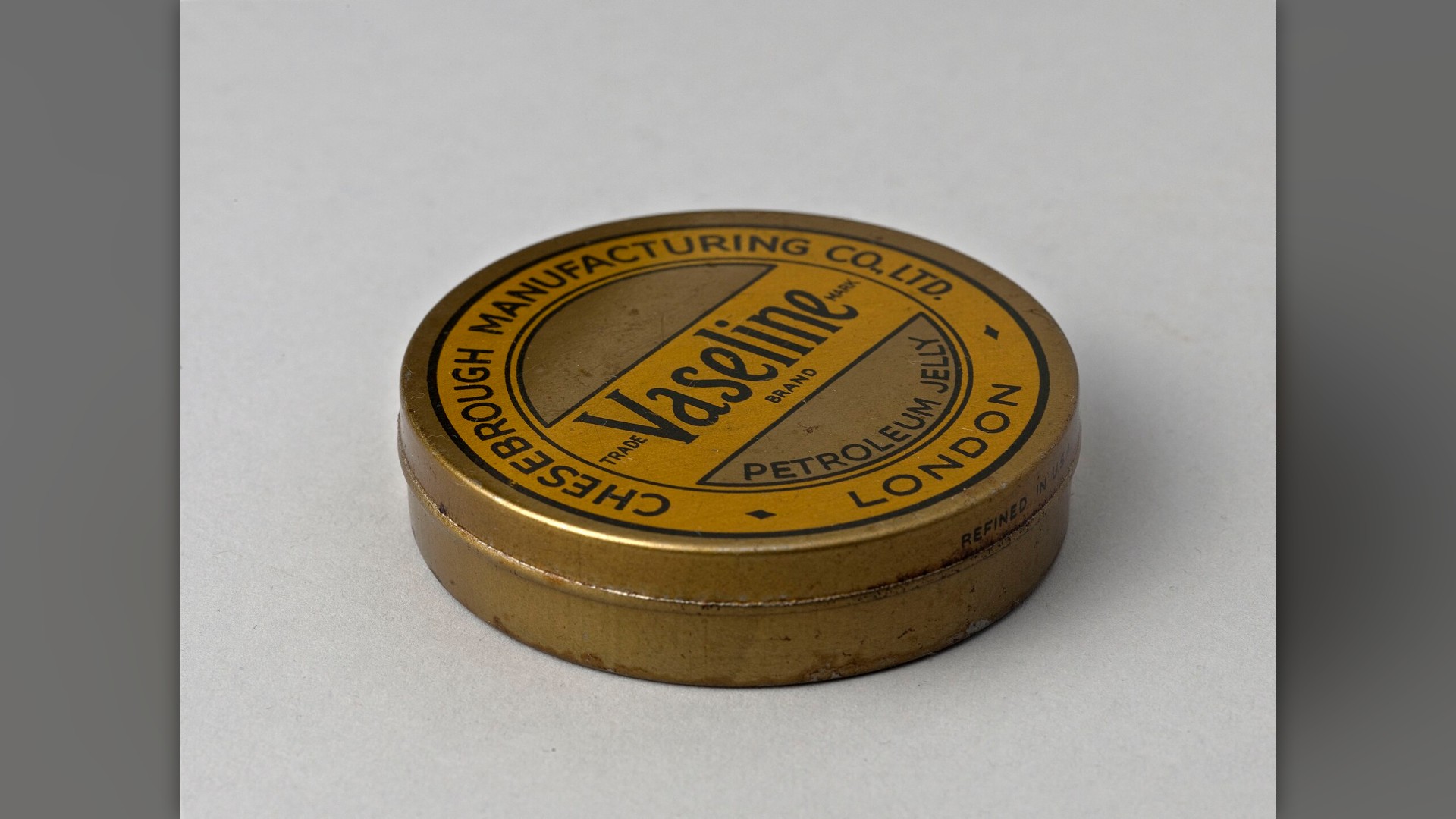
13. Vaseline
Visiting Titusville, Pennsylvania in 1859, chemist Robert Chesebrough saw oil workers curse thick paraffin sludge clogging pump rods. Yet those same drillers rubbed the raw 'rod wax' onto cuts and burns. Chesebrough refined the residue into pure petroleum jelly and patented the Vaseline name in 1872.
©Wikimedia / Chesebrough Manufacturing Co., LTD
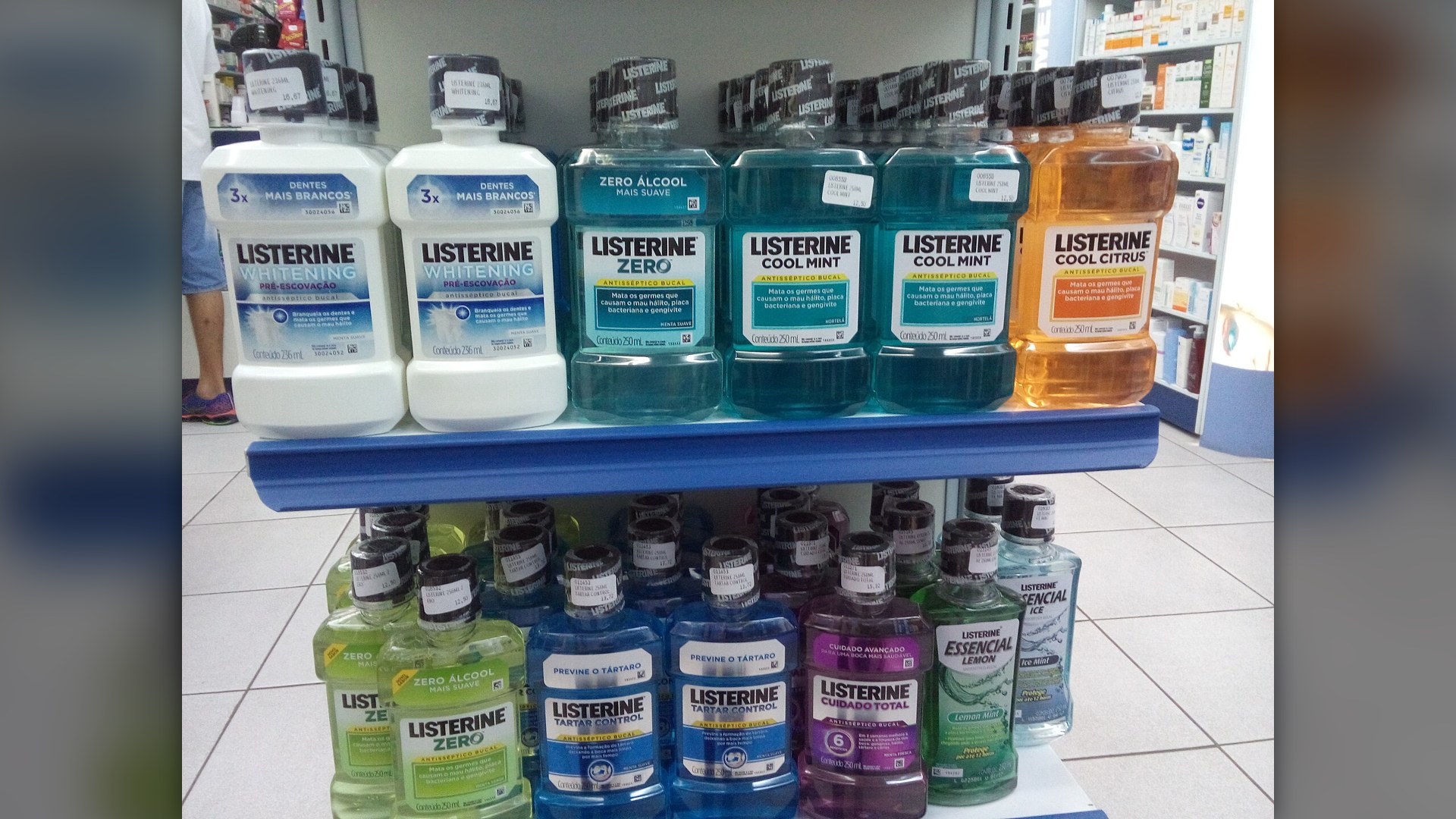
12. Listerine
Dr. Joseph Lawrence named his 1879 herbal-alcohol formula after British antiseptic pioneer Joseph Lister. For decades it sold modestly to dentists and households as a surgical wash and floor cleaner. In the 1920s, ad executive Gerard Lambert turned it into a mouthwash giant by promoting the word 'halitosis'.
©Wikimedia / Wilfredor
Advertisement
Swipe or tap ▶ to resume the countdown.
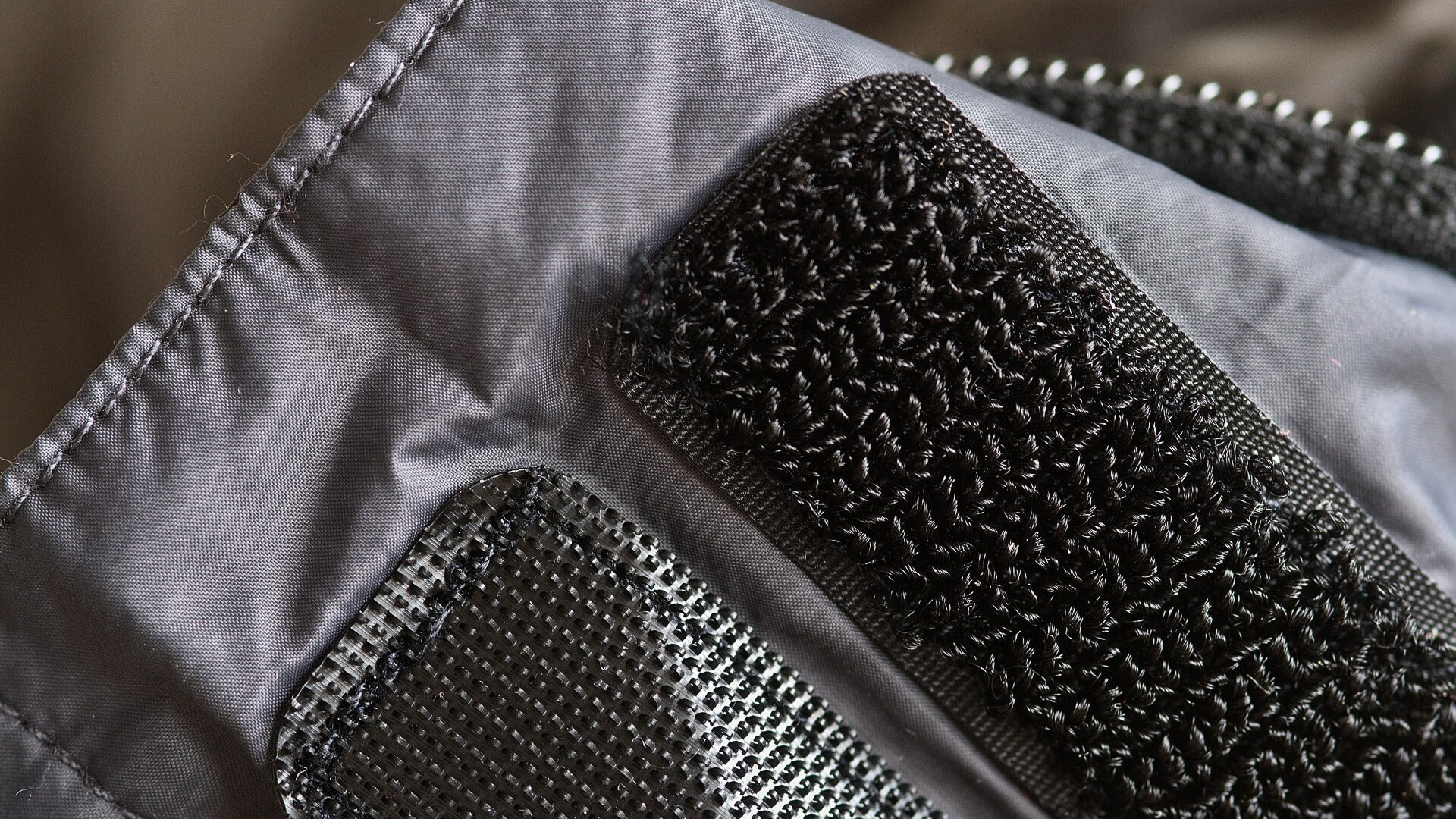
11. Velcro
After picking prickly burdock burrs off his pants and dog in 1941, Swiss engineer George de Mestral placed one pod under a microscope. Hundreds of tiny flexible hooks had snagged onto fabric loops. He spent years developing nylon hook-and-loop strips and named the brand Velcro from 'velour' and 'crochet'.
©Wikimedia / Topi Pigula
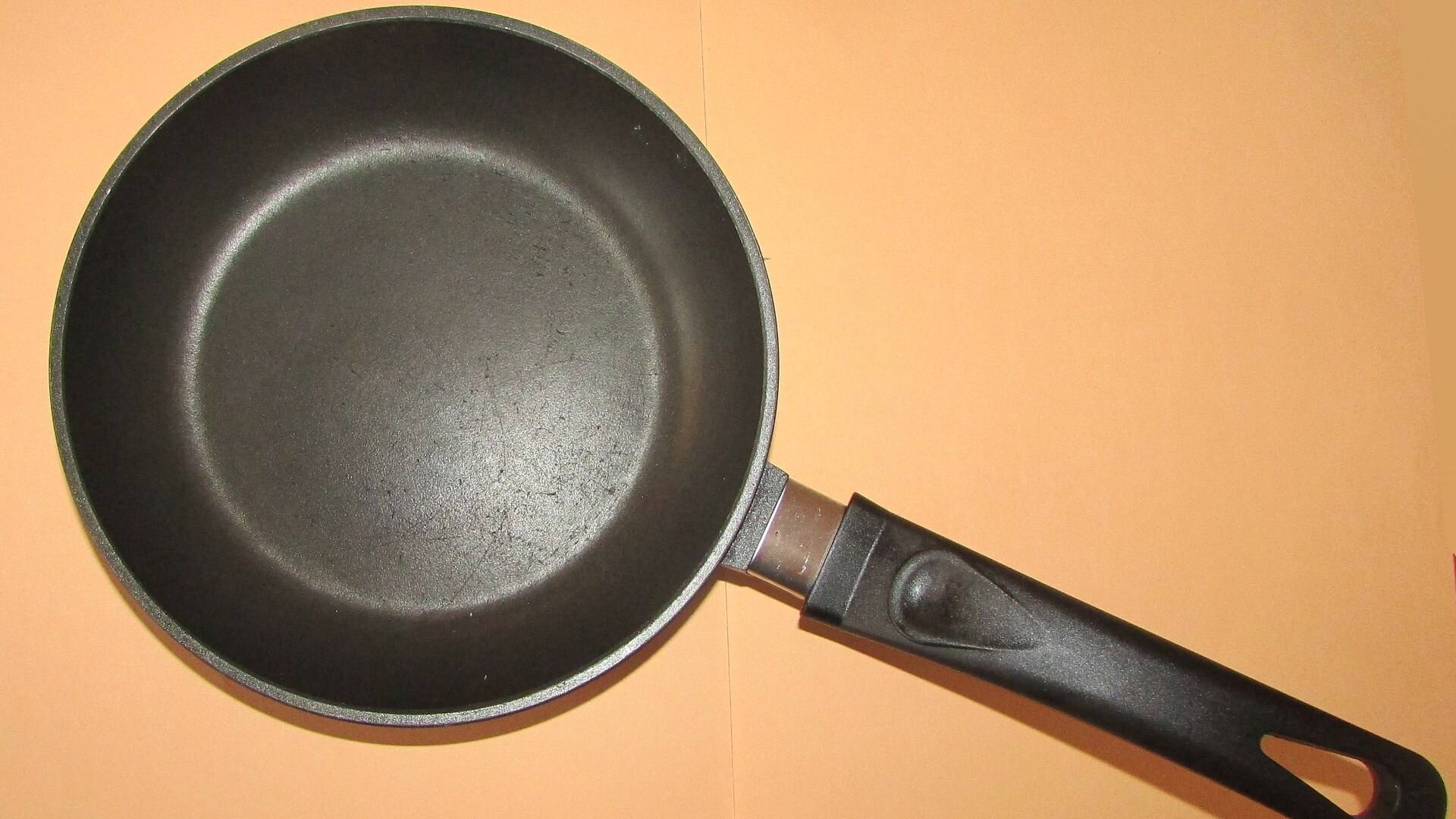
10. Teflon
While developing a new refrigerant in 1938, DuPont chemist Roy Plunkett checked a cylinder that felt full yet released no gas. Sawing the steel tank open revealed slick white flakes that shrugged off heat and acid. DuPont trademarked the polymer as Teflon in 1945, years before nonstick skillets arrived.
©Wikimedia / MdeVicente
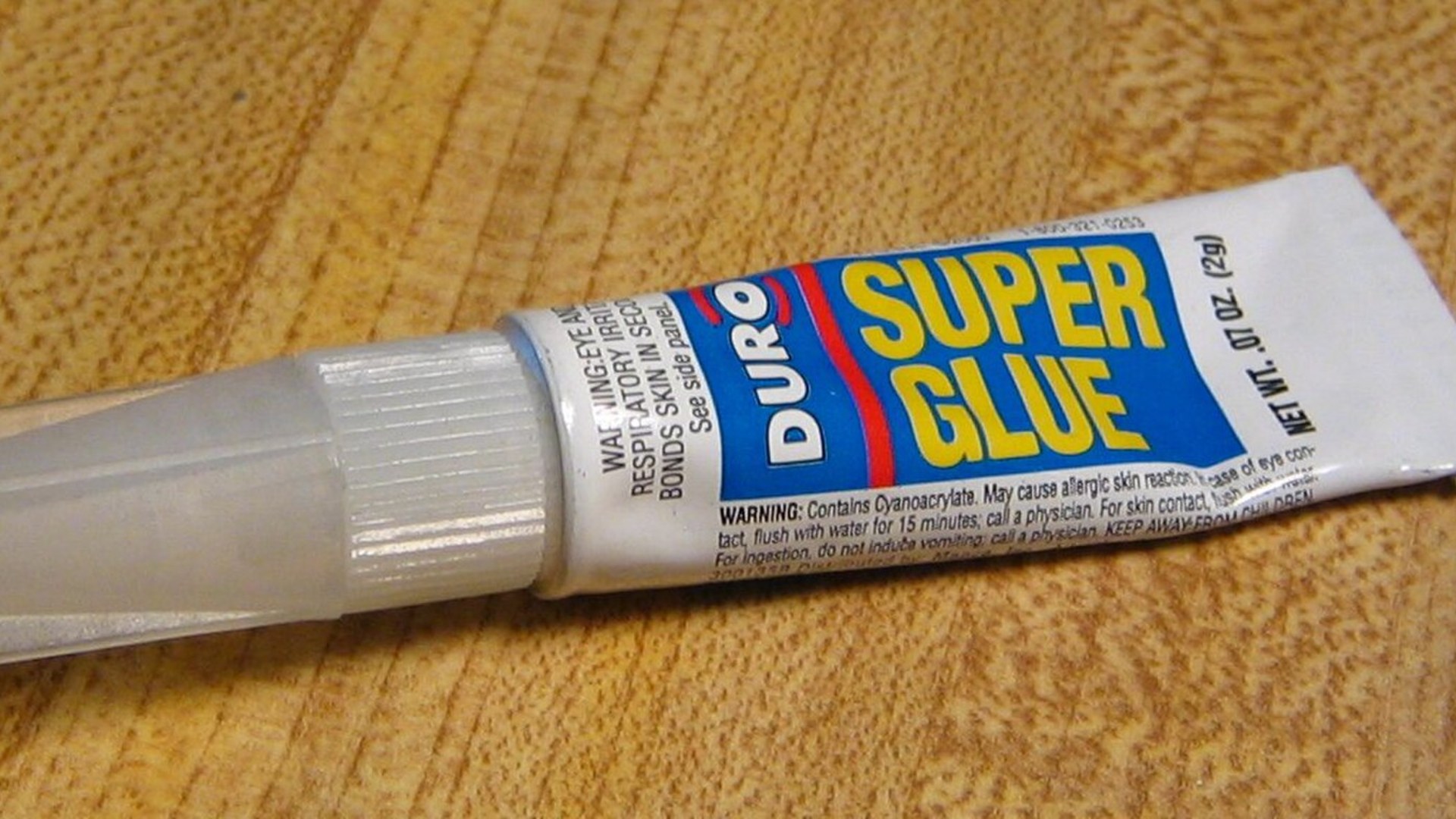
9. Super Glue
Harry Coover first dismissed cyanoacrylate in 1942 while seeking clear plastics for rifle sights because it stuck to everything. In 1951, his Eastman Kodak team tested it for jet canopies and ruined a costly refractometer prism. Recognizing its instant bond, Kodak sold it commercially in 1958.
©Wikimedia / Uploader Omegatron
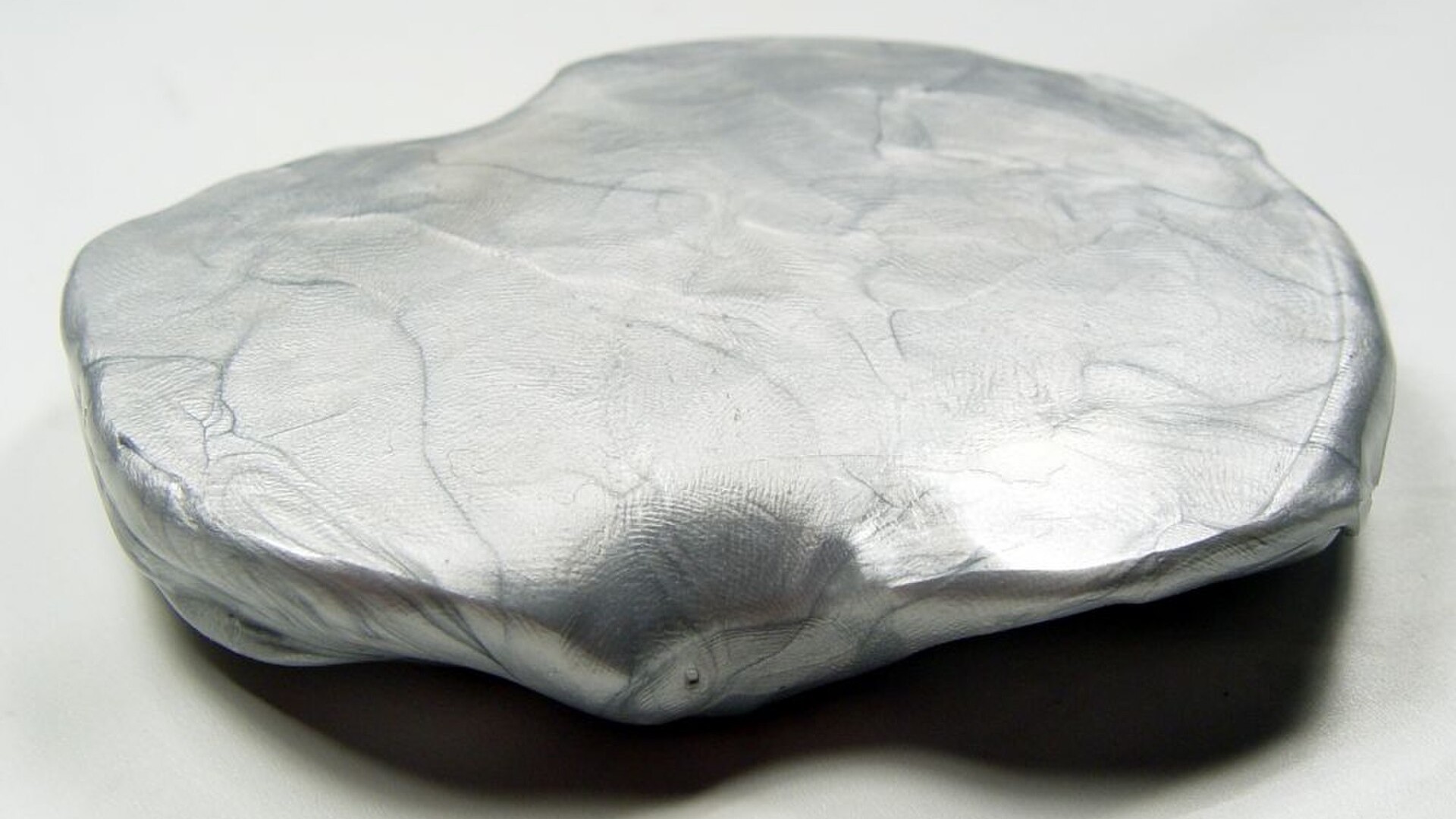
8. Silly Putty
During World War II rubber shortages, General Electric engineer James Wright mixed boric acid with silicone oil in New Haven. The putty bounced higher than rubber and snapped when yanked, yet failed tire tests. Marketer Peter Hodgson bought the formula in 1949 and sold it inside plastic eggs.
©Wikimedia / Silly Putty
Advertisement
Swipe or tap ▶ to resume the countdown.
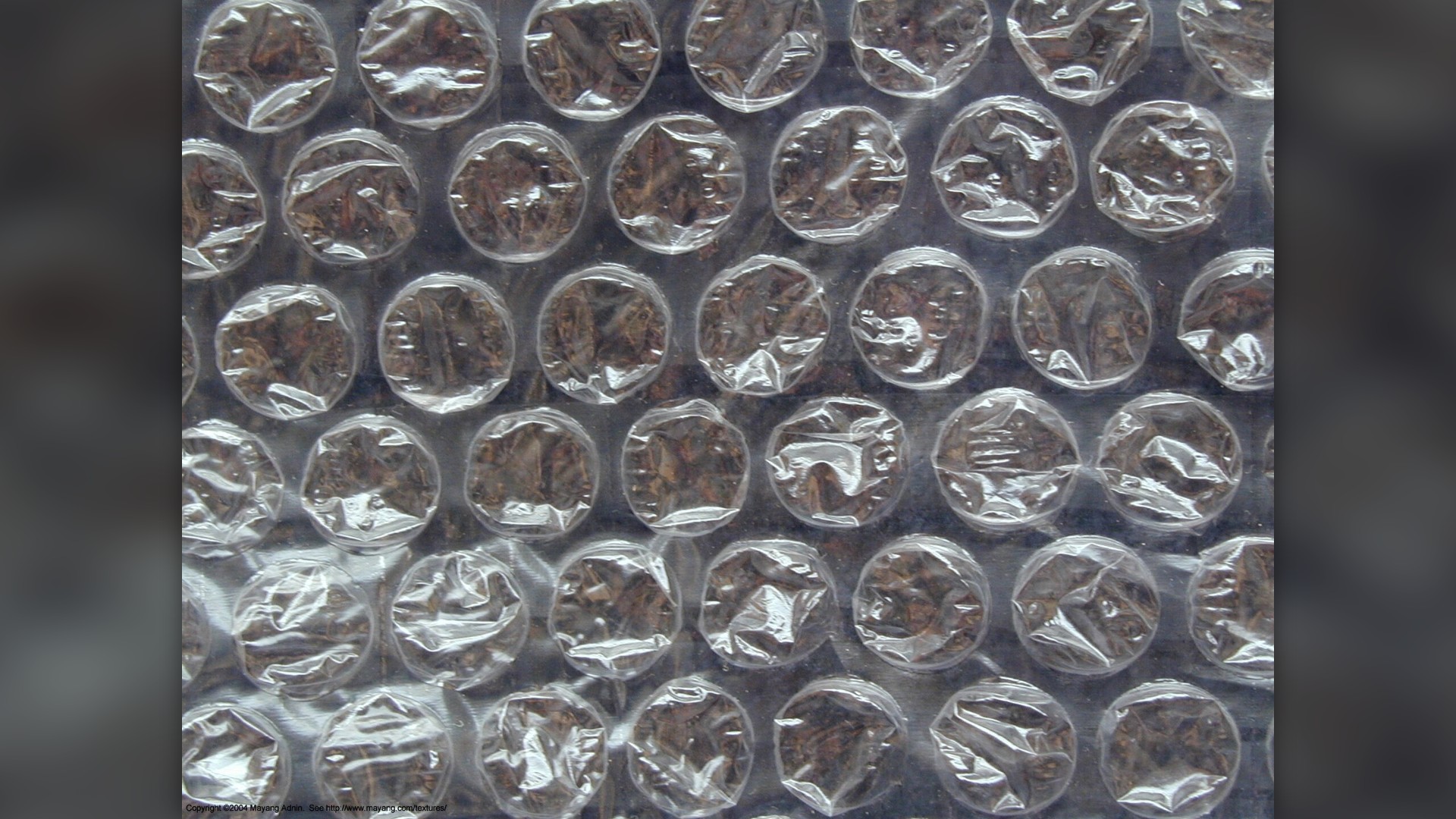
7. Bubble Wrap
Alfred Fielding and Marc Chavannes fused two plastic shower curtains in a New Jersey garage hoping to sell modern 3D wallpaper. When decorators passed, they pitched the sheets as greenhouse insulation. Success arrived after IBM bought their Bubble Wrap in 1960 to pad fragile 1401 computers.
©Wikimedia / User Consequencefree on en.wikipedia
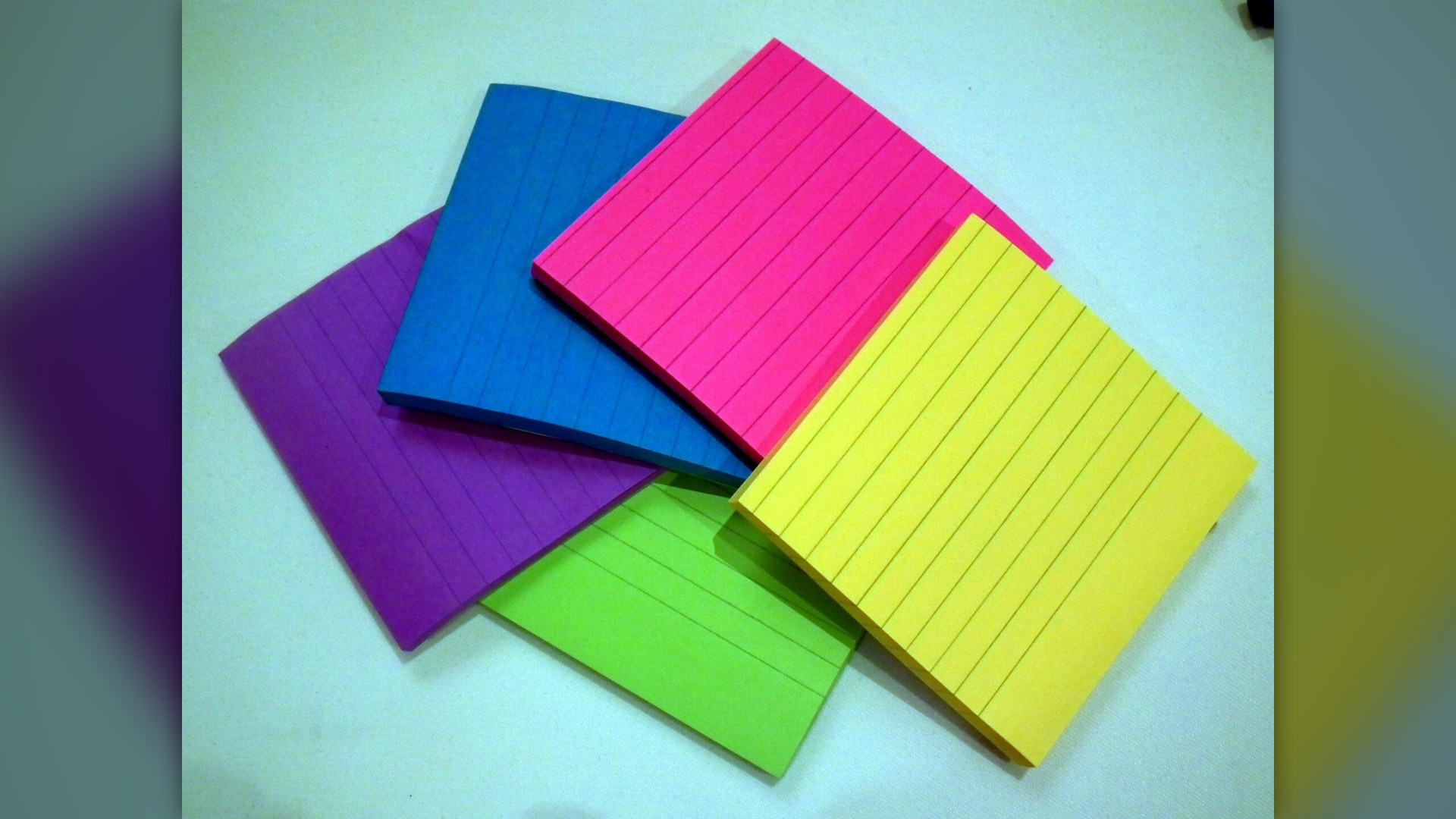
6. Post It Notes
Spencer Silver aimed for a heavy-duty adhesive at 3M in 1968, yet produced tiny microspheres that stuck lightly and peeled clean. Six years later, colleague Art Fry grew frustrated as paper bookmarks slipped out of his church hymnal. They paired Silver's weak glue with yellow scrap paper to create Post-it Notes.
©Wikimedia / Ramesh NG
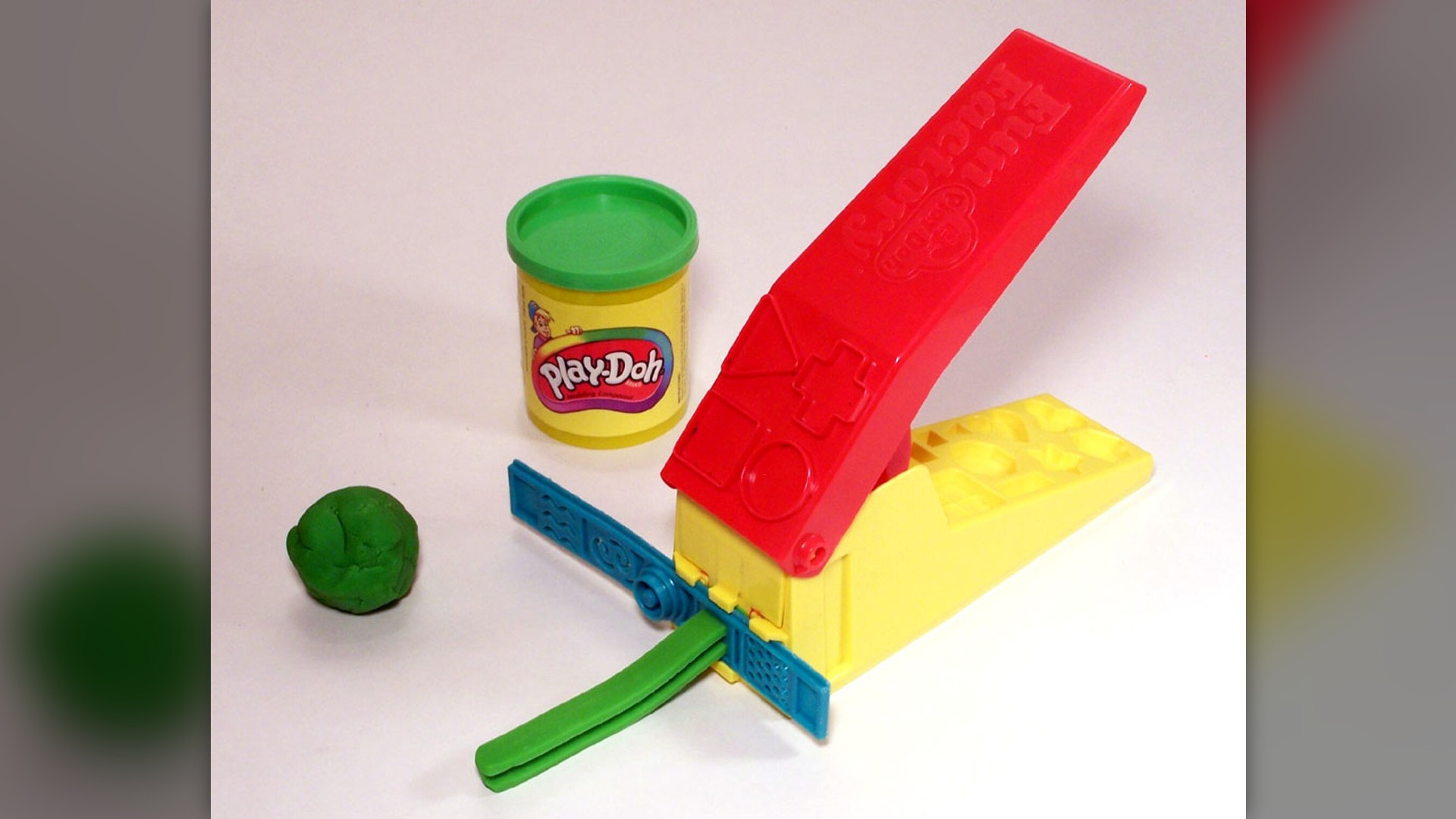
5. Play-Doh
Kutol Products sold a pliable white putty in the 1930s to roll coal soot off wallpaper without leaving watermarks. When homes shifted to gas heat and washable vinyl paper in the 1950s, sales collapsed. Nursery teacher Kay Zufall saw kids loved sculpting it, prompting Kutol to rebrand it as Play-Doh in 1956.
©Wikimedia / Larry D. Moore
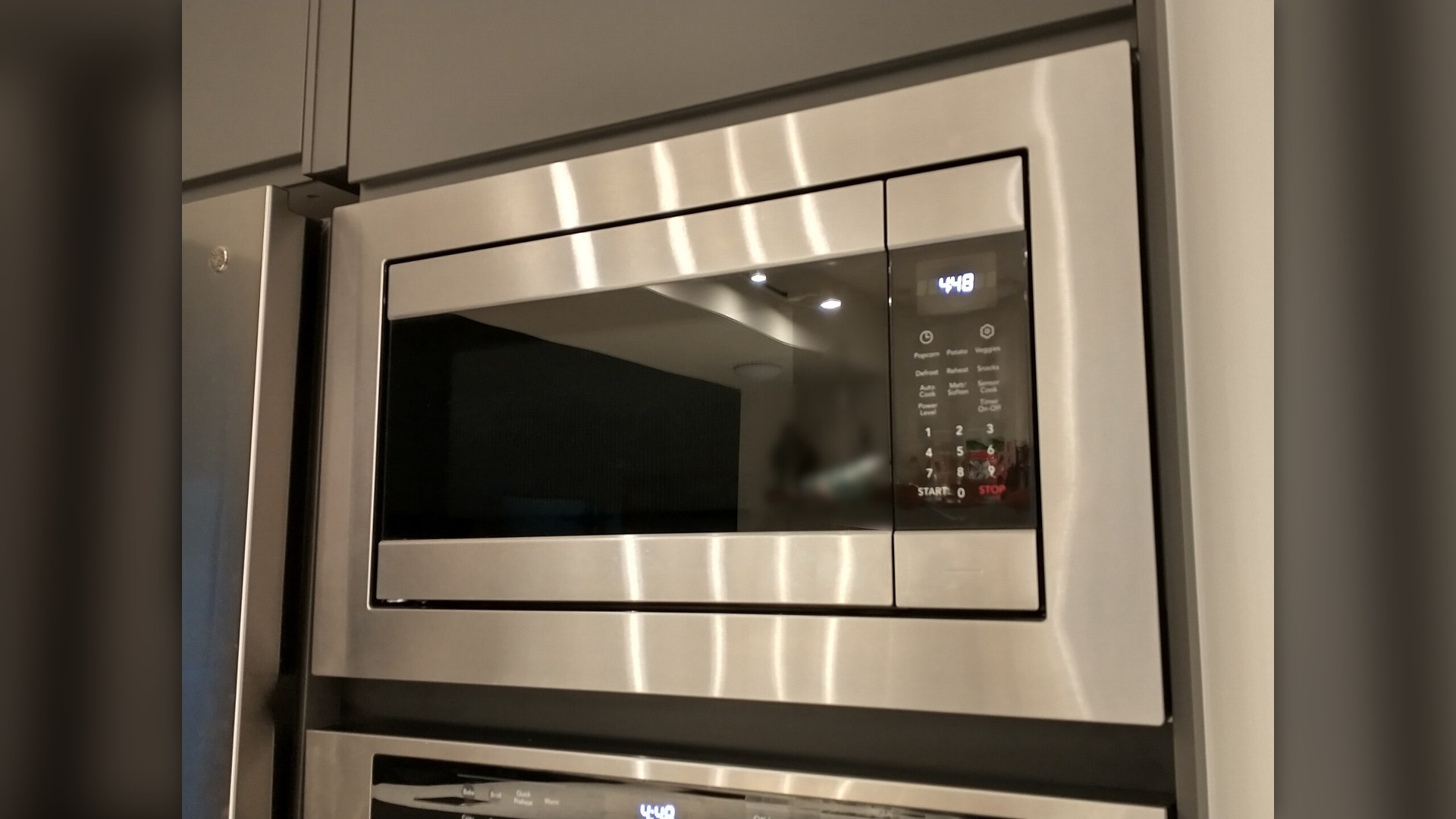
4. Microwave Oven
While testing an active radar magnetron at Raytheon in 1945, self-taught engineer Percy Spencer felt a peanut cluster bar melt inside his pocket. He next aimed the high-frequency beam at popcorn kernels and a raw egg, which burst. Raytheon patented the discovery and sold the first fridge-sized Radarange in 1947.
©Wikimedia / Stilfehler
Advertisement
Swipe or tap ▶ to resume the countdown.
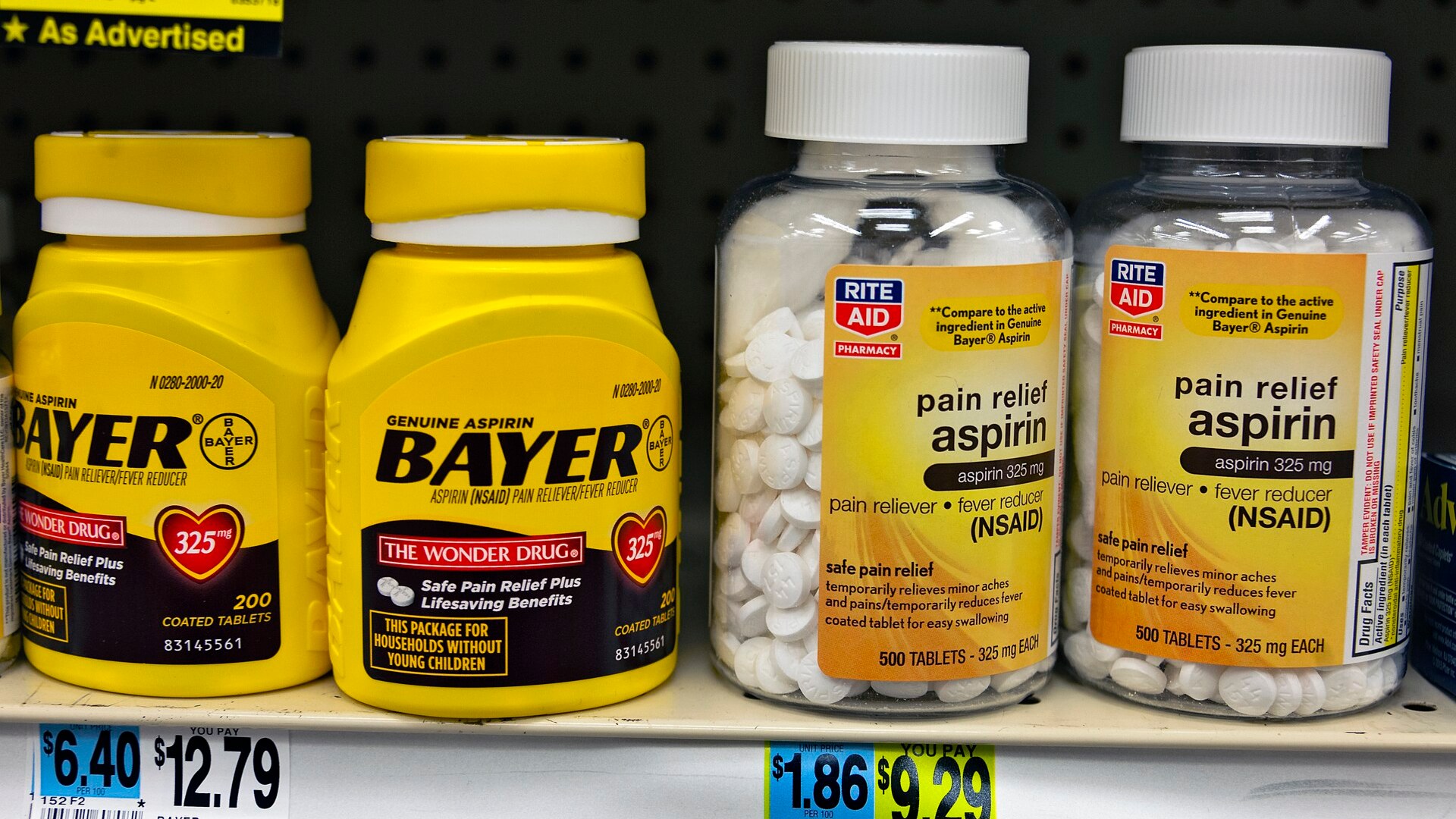
3. Aspirin
People chewed willow bark for pain for millennia, though its natural salicin irritated the stomach. At Bayer in 1897, chemist Felix Hoffmann synthesized pure acetylsalicylic acid to create a gentler version for his arthritic father, while Arthur Eichengrun led the project. Bayer trademarked Aspirin in 1899.
©Wikimedia / Daniel Case
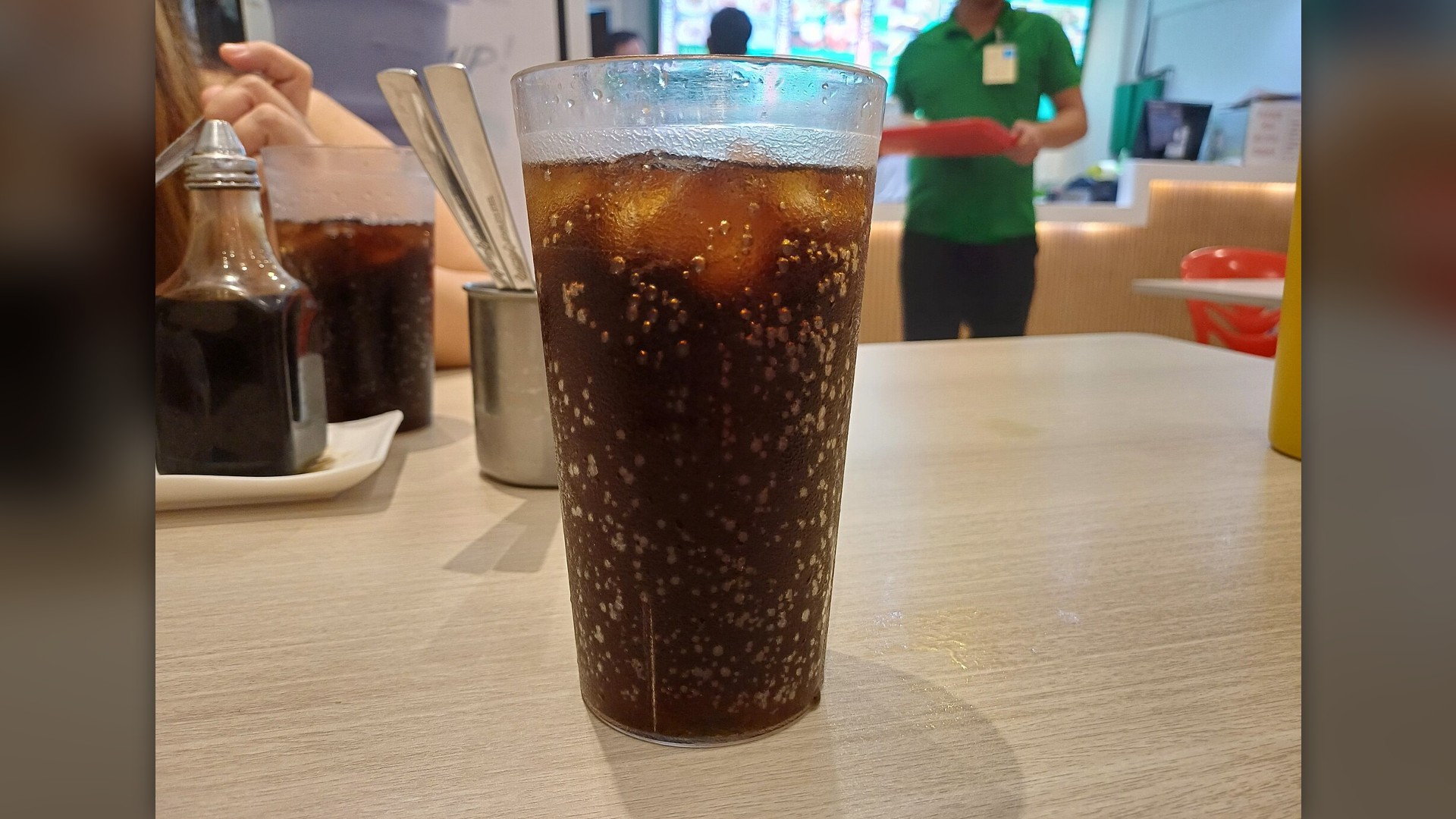
2. Coca-Cola
Civil War veteran and pharmacist John Stith Pemberton first sold Pemberton's French Wine Coca as a nerve tonic. When Atlanta and Fulton County enacted local prohibition in 1886, he removed the wine, blended sugar syrup with coca and kola extracts, and mixed it with soda water at Jacobs' Pharmacy.
©Wikimedia / Curpharar
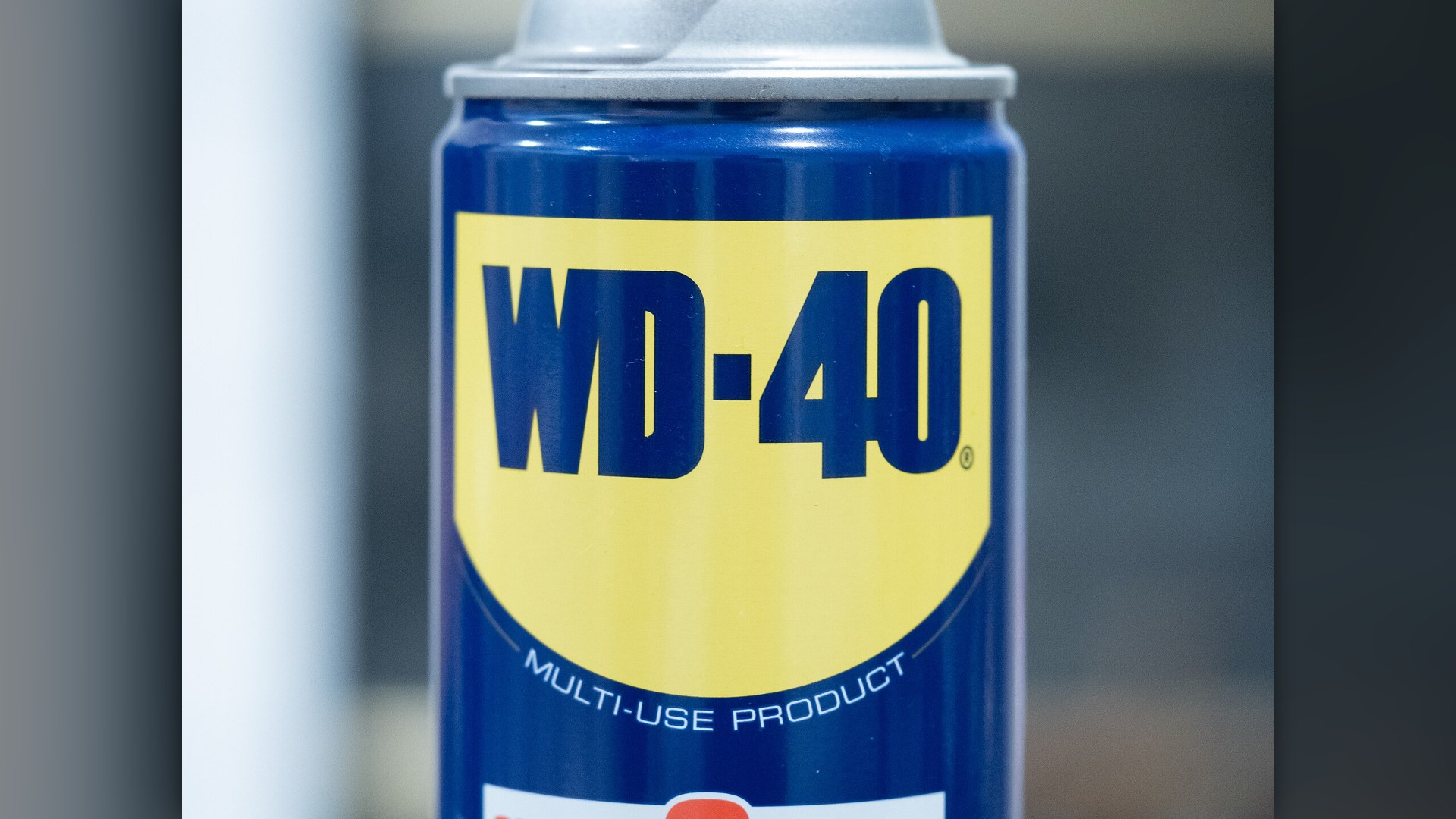
1. WD-40
Rocket Chemical Company founder Norm Larsen and two staffers in San Diego worked to shield Convair's Atlas rocket skins from moisture and rust. Their 40th test batch succeeded, earning the name Water Displacement, 40th formula. Workers kept sneaking cans home for squeaky doors, so Larsen sold it to consumers in 1958.
©Wikimedia / ajay_suresh
Advertisement
You've reached the end of the story. Thanks for reading!

24 Classic American Foods Travelers Miss Most When Living Abroad
Living or traveling overseas often reveals how many everyday American pantry staples and regional diner classics are hard to find outside North America. Counting down from 24 to 1, this gallery pairs expat favorites with culinary origins from the Library of Congress, USDA records, and state historical archives.
All 22 Entries in this Story
22. Band-Aid
Johnson & Johnson employee Earle Dickson noticed his wife Josephine struggled to wrap gauze and tape around finger cuts with one hand. He pressed small gauze squares along a strip of surgical tape and covered them with crinoline. Sales started slowly until the company gave free samples to Boy Scout troops.

21. Heinz Ketchup
Mid-19th-century bottled ketchups were sold in dark glass or stoneware because many makers hid spoiled tomatoes with coal-tar dyes and wood pulp. After Henry John Heinz launched his tomato ketchup in 1876, he packaged it in clear glass bottles so shoppers could inspect the bright red sauce before buying.

20. Tabasco Sauce
Returning to Avery Island, Louisiana after the Civil War, Edmund McIlhenny planted hot pepper seeds given to him years earlier. He aged the salted pepper mash in oak barrels and reused sprinkler-topped cologne bottles from New Orleans so diners could shake out single drops.

19. Lea & Perrins Worcestershire Sauce
John Wheeley Lea and William Henry Perrins mixed anchovies, tamarind, vinegar and spices in Worcester for a local nobleman. Tasting the fresh batch disgusted them, so they stored the surplus barrels in a cellar. When they sampled the aged sauce years later, fermentation had mellowed it into a hit.

18. Popsicle
Frank Epperson mixed sweet soda powder with water in Oakland, California and left the glass outside during a cold snap overnight. By morning the liquid had frozen solid around the wooden stick. He patented the frozen treat as the Epsicle in 1924 before his children convinced him to rename it Popsicle.

17. Kellogg's Corn Flakes
Dr. John Harvey Kellogg and his brother Will Keith were testing bland vegetarian foods at the Battle Creek Sanitarium in Michigan. When cooked wheat went stale, they still rolled and baked it into crisp flakes. Will later switched to corn and launched the commercial cereal company in 1906.

16. Toll House Chocolate Chip Cookies
Ruth Graves Wakefield ran the Toll House Inn in Whitman, Massachusetts, where guests loved her desserts. She broke a Nestle semi-sweet bar into butter dough, expecting the pieces to melt into all-chocolate cookies. Instead the chunks held their shape, and Nestle began selling pre-cut morsels.

15. Frisbee
The Frisbie Pie Company in Bridgeport, Connecticut sold pies in sturdy stamped metal tins. College students nearby yelled 'Frisbie' while tossing the empty tins across campus lawns. Inventor Walter Morrison crafted a plastic version, and Wham-O bought the rights and named it Frisbee in 1957.

14. Slinky
Engineer Richard James was working in Philadelphia on springs meant to steady shipboard gauges in rough seas. When one coiled steel spring fell off a shelf, it stepped gracefully across books and onto the floor. His wife Betty named it Slinky, and Gimbels sold 400 units in 90 minutes in 1945.

13. Vaseline
Visiting Titusville, Pennsylvania in 1859, chemist Robert Chesebrough saw oil workers curse thick paraffin sludge clogging pump rods. Yet those same drillers rubbed the raw 'rod wax' onto cuts and burns. Chesebrough refined the residue into pure petroleum jelly and patented the Vaseline name in 1872.

12. Listerine
Dr. Joseph Lawrence named his 1879 herbal-alcohol formula after British antiseptic pioneer Joseph Lister. For decades it sold modestly to dentists and households as a surgical wash and floor cleaner. In the 1920s, ad executive Gerard Lambert turned it into a mouthwash giant by promoting the word 'halitosis'.

11. Velcro
After picking prickly burdock burrs off his pants and dog in 1941, Swiss engineer George de Mestral placed one pod under a microscope. Hundreds of tiny flexible hooks had snagged onto fabric loops. He spent years developing nylon hook-and-loop strips and named the brand Velcro from 'velour' and 'crochet'.

10. Teflon
While developing a new refrigerant in 1938, DuPont chemist Roy Plunkett checked a cylinder that felt full yet released no gas. Sawing the steel tank open revealed slick white flakes that shrugged off heat and acid. DuPont trademarked the polymer as Teflon in 1945, years before nonstick skillets arrived.

9. Super Glue
Harry Coover first dismissed cyanoacrylate in 1942 while seeking clear plastics for rifle sights because it stuck to everything. In 1951, his Eastman Kodak team tested it for jet canopies and ruined a costly refractometer prism. Recognizing its instant bond, Kodak sold it commercially in 1958.

8. Silly Putty
During World War II rubber shortages, General Electric engineer James Wright mixed boric acid with silicone oil in New Haven. The putty bounced higher than rubber and snapped when yanked, yet failed tire tests. Marketer Peter Hodgson bought the formula in 1949 and sold it inside plastic eggs.

7. Bubble Wrap
Alfred Fielding and Marc Chavannes fused two plastic shower curtains in a New Jersey garage hoping to sell modern 3D wallpaper. When decorators passed, they pitched the sheets as greenhouse insulation. Success arrived after IBM bought their Bubble Wrap in 1960 to pad fragile 1401 computers.

6. Post It Notes
Spencer Silver aimed for a heavy-duty adhesive at 3M in 1968, yet produced tiny microspheres that stuck lightly and peeled clean. Six years later, colleague Art Fry grew frustrated as paper bookmarks slipped out of his church hymnal. They paired Silver's weak glue with yellow scrap paper to create Post-it Notes.

5. Play-Doh
Kutol Products sold a pliable white putty in the 1930s to roll coal soot off wallpaper without leaving watermarks. When homes shifted to gas heat and washable vinyl paper in the 1950s, sales collapsed. Nursery teacher Kay Zufall saw kids loved sculpting it, prompting Kutol to rebrand it as Play-Doh in 1956.

4. Microwave Oven
While testing an active radar magnetron at Raytheon in 1945, self-taught engineer Percy Spencer felt a peanut cluster bar melt inside his pocket. He next aimed the high-frequency beam at popcorn kernels and a raw egg, which burst. Raytheon patented the discovery and sold the first fridge-sized Radarange in 1947.

3. Aspirin
People chewed willow bark for pain for millennia, though its natural salicin irritated the stomach. At Bayer in 1897, chemist Felix Hoffmann synthesized pure acetylsalicylic acid to create a gentler version for his arthritic father, while Arthur Eichengrun led the project. Bayer trademarked Aspirin in 1899.

2. Coca-Cola
Civil War veteran and pharmacist John Stith Pemberton first sold Pemberton's French Wine Coca as a nerve tonic. When Atlanta and Fulton County enacted local prohibition in 1886, he removed the wine, blended sugar syrup with coca and kola extracts, and mixed it with soda water at Jacobs' Pharmacy.

1. WD-40
Rocket Chemical Company founder Norm Larsen and two staffers in San Diego worked to shield Convair's Atlas rocket skins from moisture and rust. Their 40th test batch succeeded, earning the name Water Displacement, 40th formula. Workers kept sneaking cans home for squeaky doors, so Larsen sold it to consumers in 1958.